/



Tags: общее школьное образование общеобразовательная школа английский язык учебники и учебные пособия по английскому языку
ISBN: 978-5-17-120744-1
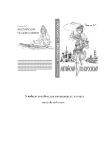


Text
Селянцева Н.В.
Чалышева О.А.
полный КУРС п
АНГЛИЙСКИЕ
Tn
к
ЯЗЫК
АЛЯ СРЕДНЕЙ I
Н. В. Селянцева
О. А. Малышева
АНГЛИЙСКИЙ ЯЗЫК для
СРЕДНЕЙ ШКОЛЫ
ПОЛНЫЙ КУРС
Издательство ACT
Москва
УДК 373.5:811.111
ББК 81.2Англ-922
А64
Селянцева, Наталья Валерьевна,
Малышева, Ольга Александровна.
А64 Английский язык для средней школы. Полный курс / Селянце-
ва Н.В., Малышева О.А. — Москва : Издательство ACT, 2020. —
320 с. — (Полный курс для школьников).
ISBN 978-5-17-120744-1
В данном пособии собран весь грамматический и лексический
материал основной образовательной программы среднего общего об-
разования по английскому языку. Для удобства изучения он перера-
ботан с учетом принципов ФГОС и разбит на 100 уроков.
В каждом уроке вы найдете 1 грамматическую тему, ряд упраж-
нений для отработки лексики и грамматики, а также текст с зада-
нием для развития умений чтения.
Книга предназначена для школьников, их родителей и учителей,
преподающих английский язык в средней школе.
УДК 373.5:811.1 1 1
ББК 81.2Англ-922
ISBN 978-5-17-120744-1
© Селянцева Н.В.; Малышева О.А., 2020
© ООО «Издательство АСТ», 2020
Содержание
То be.................................................................6
То be (прошлое).......................................................9
Have got..............................................................11
То be и have got...................................................14
Present Simple........................................................17
Present Continuous....................................................21
Глаголы состояния.....................................................24
Present Simple vs Present Continuous.......................28
Present Perfect.......................................................31
Present Perfect: особенности употребления.............................35
Present Perfect Continuous............................................38
Present Perfect vs Present Perfect Continuous...................41
Настоящие времена (обобщение).....................................44
Past Simple .........................................................47
Past Continuous......................................................51
Past Continuous и Past Simple........................................54
Past Simple и Present Perfect........................................57
Past Perfect.........................................................59
Past Simple и Past Perfect.........................................62
Present Perfect или Past Perfect....................................65
Прошедшие времена.....................................................68
Future Simple........................................................71
fo be going to......................................................74
Future Continuous....................................................77
Future Perfect.......................................................80
Способы выражения будущего времени
(Pr. S., to be going to vs Present Continuous).....................83
Будущее время. Обобщение..............................................86
Условные предложения 0 тип, 1 тип..........................89
Условные предложения 2 тип................................92
Условные предложения 3 тип................................96
Условные предложения. Обобщение.....................................99
Wish.................................................................103
Смешанные условные предложения.....................................106
Косвенная речь. Утверждение и отрицание в настоящем.............1и9
Косвенная речь; вопрос в настоящем...............................112
Косвенная речь. Утверждение и огрицание в прошлом...............115
Косвенная речь. Вопрос в прошлом.................................120
Косвенная речь. Изменение обстоятельств времени....................123
Present Simple Passive/Past Simple Passive.........................126
Present Continuous Passive/ Past Continuous Passive................129
Present Perfect Passive/ Past Perfect Passive......................132
Future Simple Passive/Passive with modais..........................135
Have something done................................................138
Пассивный залог. Обобщение.........................................141
Использование модальных глаголов сап/ could/ be able to.............144
Использование модальных глаголов must/ have to/ need to.............147
Использование модальных глаголов mustn’t/needn’t/don’t have to.... 150
Использование модальных глаголов should/ ought to..................152
Использование модальных глаголов may/ might/ сап/ could............154
Модальные глаголы. Обобщение.......................................157
When I come/When I will come?......................................159
Used to/ would.....................................................161
Used to/ be used to/ get used to...................................163
Сложное дополнение.................................................166
Сложное дополнение с глаголами чувств..............................170
Сложное дополнение с let/ make/ be allowed to......................173
Прилагательные: порядок............................................176
Степени сравнения прилагательных ..................................178
Степени сравнения прилагательных: исключения.......................182
Сравнительные конструкции .........................................185
Наречия............................................................188
Наречия частотности ............................................. 191
Степени сравнения наречий........................................ 194
Выражения had better/ would rather/ prefer ........................197
Множественное число существительных................................200
Исчисляемые и неисчисляемые существительные........................203
Согласование существительных с единственным
или множественным числом...........................................205
Особенные случаи употребления существительных......................207
Артикль а............................................. ,..........209
Артикль the........................................................211
Артикль с географическими названиями ..............................213
Артикль со словами church, school, hospital, bed, home, etc........215
Артикли. Обобщение.................................................217
Местоимения и выражения для определения количества.................219
Some/any/no и производные..........................................222
Местоимения личные и объектные.....................................224
Местоимения притяжательные.........................................227
Местоимения возвратные.............................................229
Местоимения. Обобщение.............................................231
Указательные местоимения...........................................233
Местоимение one....................................................236
Причастия 1 и 2....................................................238
Типы вопросов......................................................242
Краткие ответы.....................................................246
So/ Neither........................................................249
Инфинитив..........................................................252
Герундий...........................................................256
Герундий и инфинитив...............................................260
Инфинитив, герундий. Обобщение.....................................264
Предлоги места.....................................................267
Предлоги времени...................................................272
Устойчивые выражения с предлогами..................................274
Союзы..............................................................278
Маке или do....................................................... 281
Like или as........................................................286
Too или enough.....................................................289
Придаточные who/ which/ that.......................................292
Relative clauses when/ where/ how..................................294
Defining или Non-defining..........................................296
Слова, которые легко перепутать....................................299
Ключи..............................................................301
To be
Глагол to be — один из важнейших глаголов английского языка. Это
глагол-связка. Английское предложение, в отличие от русского, не может
быть построено без глагола. Поэтому если в предложении отсутствует
действие, связкой становится глагол to be. Английское предложение не
существует без глагола.
Сравни: Я ученик. I am a student.
Мы используем to be, чтобы:
1. описывать предметы и людей Не is a boy.
2. выражать чувства / am fine.
3. говорить о времени и месте Н is 5 o’clock.
После глагола to be используются существительные, прилагательные
и местоимения. Л is a ball. It is red. И is mine.
Глагол to be в настоящем времени
Утверждение Вопрос Краткий ответ Отрицание
1 ат /Гт Am 1? Yes, 1 am/No, 1 am not 1 am not/ I’m not
He/She/lt is/’s Is he/she/ir? Yes, he is/No, he isn’t He/she/it is not/ isn’t
You/We/They аге/ 're Are you/we/ they? Yes, they are/ No, they aren’t We/you/they are not/ aren’t
1. Дополни предложения формой глагола
to be в настоящем времени.
1. He 2. They a dentist. married.
3. It in the garden.
4. The boys afraid of spiders.
5. Tigers in danger.
6. It time for dinner.
7. You my favourite teacher.
2. Напиши предложения, пользуясь
данной информацией.
You аге a student. You aren’t a teacher.
+
Kate American English
Jack interested in Maths interested in golf
Carry and Samantha fashionable boring
Mr Smith in black in white
I hungry thirsty
Tom and Jerry enemies friends
1. _____________________________________________________
2. _______________________ _________________________________
3. _______________________ _________________________________
4. _______________________ _________________________________
5. _______________________ _________________________________
6. _______________________ _________________________________
3. Дополни вопросы и ответь на них.
1. Who/you?
2. You/ а/ student?
3. Your parents/ from/ Russia?
4. Your/English teacher/ a man /or /a woman?
5. Your /hobby/ dancing?
6. What/your/ hobby?
7. How old/you?
8. Who/your favourite actor?
9. What/your favourite song?
4. Заполни пропуски.
— How you today?
— Not bad. I fine but my sister a bit sad.
— What _______ the matter?
— She ________ worried because her favourite teacher ill. They_______________
in a school project together.
— What a pity! My friend and I sorry about it too. The teacher
really nice!
5. Прочитай текст.
songwriter — автор песен, сочинитель
award — награда, премия
download — загрузка
best-selling — пользующийся спросом, наиболее продаваемый
philanthropy — благотворительность
social — общественный
Lady Gaga is an American smger and a songwriter. Her real name
is Stefam Joanne Angelina Germanotta. She is 32. She is Italian. She
is famous for her unusual work. Her popular songs are "Bad Romance'’,
"Poker Face" and “Telephone'’. Gaga is the winner of many awards such
as Grammy, Golden Globe and MTV Music Awards. She is the first and
only artist to have two songs pass 7 million downloads. Gaga is one of
the best-selling music artists in history. She is not only talented in music.
She is the main actress in the film “A Star is Born”. She is also known
for her philanthropy and social activism.
6. Отметь правильно, неверно или в тексте
не сказано (True, false, not stated).
1. Lady Gaga is American.
2. She is from a big family.
3. Gaga is only good at music.
4. She is the winner of many awards.
5. She is the only artist with seven million downloads.
6. She is always kind to people around her.
7. She is famous for charity.
To be (прошлое)
В прошедшем времени функции глагола to be не отличаются. У него
всего две формы в отличие от настоящего времени.
Утверждение Отрицание Сокращенная форма
l/he/she/it was l/he/she/it was not l/he/she/it wasn’t
You/we/they were You/we/they were not You/we/they weren’t
Внимание!
В утверждении не используется сокращенная форма was/were.
Вопрос Краткий ответ
Was l/he/she/it? Yes, l/he/she/it was./No, l/he/she/it wasn’t.
Were you/we/they? Yes, you/we/they were./No, you/we/they weren’t.
Вопросительные слова What/When/Why/Where etc. стоят пред глаголом
to be (was/were).
Where were you fast Tuesday?
To be в форме was/were используют, чтобы рассказать о прошлом.
В предложении часто используются выражения, указывающие на время,
описание погоды, чувств.
It was 5 a.m.
They were at the stadium.
It was cold and windy yesterday.
We were happy to spend summer holidays together.
Сравни:
Настоящее время Прошедшее время
1 am/am not/Am 1? 1 was/was not/Was 1?
He/she/it is/is not/ls he/she/it? He/she/it was/was not/Was he/she/it?
You/we/they are/are not/Are you we/they? You/we/they were/were not/Were you/ we/they?
/ am happy. She is tired. They are friends. / was happy last summer. She was tired yesterday evening. They were friends two years ago. 9
1. Выбери форму глагола.
rude — грубый to be keen on — увлекаться
eccentric — странный, чудаковатый idol — кумир
misfit — неудачник background — происхождение
Lady Gaga 1) is/was an American singer. She 2) is/was born m 1986
in New York. Her mother 3) is/was of French Canadian background and her
father 4) is/was Italian. She 5) is/was a good student but her classmates
6) are/were rude to her because she 7) is/was too eccentric. She 8) is/
was a misfit for them. She 9) is/was keen on music at school. Now she
10) is/was a great pop musician and she 11) is/was an idol for many
people around the world.
2. Заполни пропуски.
1. you at school yesterday?
No, I . I ill so my mother and I at home.
2. your grandmother a teacher?
She a doctor. She very hard-working.
3. you at the restaurant yesterday?
Yes, I . It very good. The food fantastic.
4. How old you last year? I twelve.
5. Where you last Sunday?
I at the cinema with my classmates. The film fun.
6. What the weather like today? It sunny and warm.
7. How you yesterday?
I fine but my sister . She depressed.
3. Запиши вопросы и дай краткие ответы.
1. Newton/ a great dancer?
2. Maya Plisetskaya/ a scientist?
3. you/ a little child ten years ago?
4. Michelangelo and Da Vinci/ artists?
5. the weather/ sunny yesterday?
6. Moscow/ the capital in 1755?
7. Leo Tolstoy/ a writer?
8. Pushkin/ born in 1799?
9. Gogol/ a poet?
10. Steve Jobs/ inventor?
Have got
Утверждение Краткая форма
l/we/you/they have got 've got
He/she/it has got ’s got
Отрицание Краткая форма
l/we/you/they have not got haven’t got
He/she/it has not got hasn’t got
Вопрос Краткий ответ
Have l/we/you/they got...? Yes, ... have. No, ... haven’t
Has he/she/it got...? Yes, ... has. No, ... hasn’t
Have got в английском языке используется, чтобы говорить о
1) том, что у нас есть / hove got a pencil case.
2) семье и друзьях She has got a brother.
3) внешности Не has got blue eyes.
4) болезнях / have got a headache.
Have совпадает по значению с конструкцией have got.
/ have a pencil case. = / have got a pencil case.
She has a brother. = She has got a brother.
He has blue eyes. = He has got blue eyes.
I have a headache. = / have got a headache.
I
Внимание!
Have you got a pencil case?
Do you have a pencil case?
1. Вставь have/has got или haven’t/hasn’t got.
1. We a new car.
2. Dima a new girlfriend.
3. Our fnend a bad cough.
4. They any time. They are in a hurry.
5. you any ideas?
6. She a headache. She feels well.
7. They have sold their car. They a car now.
8. My sister a smartphone.
9. My dog long ears and a funny pink nose.
10. the teacher exercises?
2. Построй вопросы.
1. You/ a new teacher?
2. Your friend/ blue eyes?
3. Moscow/ many parks?
4. Penguins/ wings?
5. People/ many friends?
6. Rock stars/ fans?
7. Children/ toys?
8. Your mother/ a pretty dress?
9. You/ a hobby?
10. Your family/ a country house?
3. Дополни диалоги.
1. you a friend? — Yes, I
2. you a pet? — No, I
3. she a brother? — No, she . She a sister.
4. you free time? - - No, I . I am very busy with
my school project.
5. a driver a car? — Yes, •
6. a boy a best friend? — Yes,
7. a kangaroo a long tail? — Yes,
8. a scientist deep knowledge in chemistry? — Yes, .
9. a shark sharp teeth? — Yes,
10. a granny a
She lives in the big city.
beautiful garden? — No, she
4. Прочитай текст.
a stomach — желудок
a compartment — отделение
to digest — переварить
a hoof — копыто
a horn — рог
space — пространство, свободное место
Cows have got a special type of stomach — one stomach with four
different compartments (and you thmk you are a great eater)! They are
useful for helping the cow eat and digest its food. Cows have got hooves
on their feet and are up to 4,000 pounds. Males have got large horns
on their heads while females have got udders.
Cows live in a lot of different countries around the world. People have
them on farms or ranches. There they have got a lot of space and food
for cows. Also a farmer has got a lot of water because cows have a bath-
tub of water a day.
5. Дополни предложения.
1. A stomach of a cow has got .
2. The stomach helps cows .
3. Female and male cows are different: males have got . females
have got .
4. Female and male cows have got .
5. On farms people have got .
6. Drinking water for cows can fill .
To be и have got
To be в английском языке используют, когда говорят о состояниях,
описывают качество, ситуацию. В качестве глагола-связки глагол to be не
нуждается в переводе.
• be on holiday/on an excursion/on a business trip (быть на канику-
лах/экскурсии/в командировке)
• be shy/easygoing/excitmg (быть застенчивым/общительным/волнующим)
• be busy doing something (быть занятым)
• be patient with someone (быть терпеливым по отношению к кому-либо)
• be in a hurry (торопиться)
• be fond of (любить делать что-либо)
Have got в английском языке используют когда говорят о принадлеж-
ности.
В некоторых устойчивых выражениях используют have/has:
• have breakfast/lunch/dmner (завтракать/обедать/ужинать)
• have a bath/a shower/a swim (принимать ванну/душ/плавать)
• have a look (взглянуть)
• have a dream/fun (мечтать/веселиться)
• have a mark (получить оценку)
• have a party (устраивать вечеринку)
1. Вставь подходящий но смыслу
глагол have/has/am/is/are.
1. you busy with this task?
2. We five lessons a aay.
3. He a birthday party.
4. They so tired domg their homework.
5. Be quick! I in a hurry.
6. They a dream to become famous artists. They fond
of painting.
7. Mike and Molly my best friends.
8. My granny a terrible headache.
9. The giraffe a long neck.
10. There very little oxygen in the air in big cities.
2. Вставь выражение, употреби глагол в нужной форме.
1. It is July. Most school children .
2. I am really hungry in the morning. I always before leaving home.
3. My parents when I get good marks.
4. My father is a pilot. He in different countries.
5. My classmates today. They are going to a picture gallery.
6. Teachers with children.
7. In summer we usually hanging out with friends.
8. In the evening my classmates with preparations tor the school day.
9. At school I mostly good because I am a good student.
10. My parents are in Europe. There people.
3. Развернуто ответь на вопросы.
1. What is your hobby?_______________________________________________________
2. What are you afraid of? __________________________________________________
3. What marks do you usually have? __________________________________________
4. What do you often have for breakfast/lunch/dinner?
5. When do you have holidays?________________________________________________
6. What is your favourite colour? ___________________________________________
7. What interesting books do you have at home?
8. What are you usually busy at school with?
9. When do you lake a shower? _______________________________________________
10. Do you have a pet? What pet do you have? Are you happy to
have a pet?
4. Прочитай текст.
There are several types of schools in Great Britain. They are primary
and secondary schools. Primary school also has two parts: infant school
(5-7 years old) and junior school (7-11 years old). When they are eleven,
it is time to finish primary school. Some secondary schools are only for
boys, some are only for girls and some tor boys and girls. Grammar school,
one of the types of secondary school, prepares pupils for the university.
Pupils stay at this type of school from eleven till eighteen.
English schools are open on weekdays. On Saturdays and Sundays there
are no lessons. The school year has three terms. At the end of a term
pupils have holidays. So they have winter holidays which begin in Decem-
ber, spring holidays are in April, and summer holidays are m August and
the first half of September. They are six weeks long.
The pupils of all schools have uniforms. Each school has its own uni-
form. They have dark grey, dark green or dark blue uniforms. The pupils
of many schools have striped ties of various colours. Some schools have
school badges.
5. Запиши информацию о школах
в Великобритании и сравни со школами в России.
Schools in GB Schools in Russia
types of schools
primary school age
school days
uniform
holidays
Present Simple
Present Simple это настоящее простое время, одно из наиболее часто
употребляемых базовых времен.
Утверждение Вопрос Краткий ответ Отрицание
l/you/we/they + глагол (When) do l/you/ we/they глагол? Yes, I do./No, I don’t. l/you/we/they don’t + глагол
He/she/it + глагол + s/es (When) does he/ she/it глагол? Yes, he does./ No, he doesn’t. He/she/it doesn’t + глагол
Внимание: после does/doesn't смысловой глагол остается
в начальной форме!
Не plays. НО: Не doesn’t play
Present Simple мы употребляем, когда говорим о:
• фактах: Water boils at WO.
• регулярных действиях, привычках: / usually get up at 7 o'clock.
• расписании: The bus leaves at 8:15.
Часто Present Simple используют co словами always, usually, every
day /week /year, sometimes, never, often, seldom, generally.
Правила правописания:
• глагол + s / run/Не runs
• если глагол заканчивается на -ch, -о, -sh, -ss, -х + es / до/Не
goes, I wash/Не washes, I catch/Не catches
• если глагол заканчивается на -у, мы заменяем ее на -i и добав-
ляем -es
/ study/Не studies но / play/Не plays
Внимание
I /you/we/they have
ф He/she/it has
1. Распредели глаголы по столбикам.
check watch arrive drink go like have get up study brush read wash listen
say start wait hurry do play fix
-s -es -ies
2. Раскрой скобки.
(1)
— You (watch) TV with your family?
— Sometimes. I (not have)much time to watch TV. Though my
sister (spend) an hour a day to watch music clips.
— When you (watch) TV then?
— At weekends mostly.
— What you (watch) ?
— We (not watch) TV programmes but we (adore) serials. We
(not switch on) TV when we (be) together. We usually
(discuss) the news.
— It’s great.
(2)
— you (go) to the gym?
— Every day. I (want) to be fit and healthy.
— You (be) so strong. How much exercise you (take)?
— My fitness instructor (say) that for me it (be) necessary to
train for an hour and a half.
— It (sound) difficult. How often you (attend) the gym?
— Twice a week.
— I (be) proud of you.
(3)
— Where you usually (travel) in summer?
— My family and I often (go) to the seaside. What about you?
— We (visit) our relatives in Germany. They (live) not
far from Berlin.
— they (come)to visit you in our country?
— Of course, every winter we (have) a lot of fun at Christ-
mas market together. My aunt (not miss) a chance to visit
Moscow m December.
— Lucky you!
3. Задай вопросы и напиши о себе.
1. How many/days a week/you/go to school?
2. What /you/study at school? _____________________________________
3. How otten/you visit/your grandmother?
4. You/like/to go/to the theatre? _________________________________
5. Where/your /father/work? _______________________________________
6. Your friend/enjoy watching/documentaries?
7. Where/you/ live? _______________________________________________
8. When/you/finish/school? ________________________________________
9. What/you/need/at the lesson? ___________________________________
10. You/take care of/animals?______________________________________
4. Раскрой скобки в нужной форме.
workaholic — трудоголик, человек, который очень много работает
ordinary — обыкновенный
routine — повседневность
treat
лечить
operate — оперировать
relax — расслабиться
Dr. Mary Smith (enjoys) her job very much because she
(love) animals. We (be) great friends with her and her husband Tom. They
(be) real workaholics. Tom (work) in the office. His ordinary
day(start) at 10 o'clock in the morning and(finish) about
5 o’clock. Mary’s daily routine(be) different from her husband’s. She
(get up) at 5.45 every day. Then she (go) to the bathroom
and (have) a shower. Then she (get dressed) and
(have) light breakfast. After that she (leave) home and (drive)
to work. At 7 o’clock she(arrive) at the veterinarian clinic. During
the morning she (treat) animals and in the afternoon her colleagues
(operate) on some animals. Before returning home, she (go)
to the gym. She (arrive) home at 8 o’clock. Then her husband
and she (have) dinner. After dinner Tom (do) the washing
up. Then they (watch TV) or (read) a book. They
(go) to bed at midnight. At weekends we(go) out together and
(stay) out late. It(be) the time when Mary and Tom relax
and forget about work.
5. Отметь правильно, неверно или в тексте
не сказано (True, false, not stated).
1. Mary Smith is fond of her job.
2. Tom and Mary work a lot.
3. A usual day for Tom and Mary is the same.
4. In the morning Mary goes to work hungry.
5. Mary fills in many forms at work.
6. Operations take place in the evening.
7. Tom and Mary find time to have fun during the week.
8. Tom and Mary are pleased with their life.
Present Continuous
Время Present Continuous — это настоящее продолженное время.
Особенность формы в том, что нам потребуется глагол-помощник to be
в нужной форме и смысловой глагол, к которому мы добавим -ing
1 am (I’m) + V-ing 1 am 1 am playing 1 am not (I’m not) + V-ing I’m not playing Am 1 + V-mg? Am 1 playing? Yes, 1 am. No, I’m not.
He/She/lt is (He’s, she's, it’s) + V-ing She is playing He is not/ She is not/ It is not (He isn’t, She isn’t, It isn’t) + V-ing He isn’t playing. Is he/she/it + V-ing? Is it playing? Yes, he/she/ it is. No, he/ she/it isn't.
We/You/They are (We’re, You’re, They’re) + V-ing You are playing We are not/ You are not/ They are not (We aren’t, You aren’t, They aren’t) + V-ing We aren’t playing. Are we/you/ they + V-mg? Are they playing? Yes, we/you/ they are. No, we/you/ they aren’t.
Present Continuous употребляется, когда:
• действие происходит прямо сейчас, в момент речи
She is dancing.
• действие происходит временно в настоящий период
kVe are learning English.
Указателями времени Present Continuous будут такие слова и вы-
ражения, как:
• now, at the moment, at present, today.
Правила орфорграфии:
* -ing прибавляется к большинству основ go — going
• если у глагола на конце -е, отбрось -е, пиши -ing take — taking
• если у глагола на конце -ie, отбрось -ie, пиши -ying lie — lymg
• если глагол односложный, с кратким гласным звуком и оканчивающий-
ся на согласную букву, удвой согласную и добавь -ing sit — sitting
• если глагол многосложный, но оканчивается на ударный слог из
краткого гласного звука и согласной, удвой согласную и добавь -ing
begin — beginning
1. Распредели глаголы по таблице.
jump, skip, try, die, fall, bake, finish, visit, swim, make, go, stop, buy,
write, run, turn
-mg -ymg удвоенная согласная + ing (e) ing
2. Раскрой скобки.
Mike is home. He (stand) at the door. His parents (wait)
for him. His grandparents (read) their newspapers. His mother (cook)
lunch. His brother (play) computer games. Hfs father (surf)
the Net. His dog (lie) on the sofa. The sun (shine) .
A cold wind (blow) . The leaves (fall) . Mike is ready to say ‘Hi’.
3. Используй глаголы в предложениях
в Present Continuous.
swim, skate, watch, learn, translate, describe, piay hockey, arrive, water,
clean the carpet 1. The children the poem by heart.
2. The girls . It is really dirty.
3. The pupils the picture. It’s not a very difficult task.
4. These boys now. They are good hockey players.
5. Hurry up! The bus at the station.
6. Where is your granny? She the flowers.
7. The girls on the skating rink.
8. My grandfather TV in the living room.
9. Look! The boy in the river.
10. The students are busy. They the text.
4. Дополни диалоги, используя Present Continuous.
1. What/you/do? — I/decorate/а Christmas tree.
2. Why/this little girl/cry? — She has lost.
3. Where/be/the boys? — They/paint/the walls.
4. What/the children/singing? — They/sing/Chnstmas carols.
5. What/your grandmother/watch? — She/watch/a soap opera.
6. Why/Jack/sleep? — He/be/tired.
7. You/iisten/to me? — I’m sorry, what/you/talk/about?
8, Why/the monkey/shout? — lt/ask/you/a banana.
9. Where/the dog/run? — I don’t know.
10. Be/you/busy? — Yes, l/write/a letter/to my pen friend.
5. Прочитан текст и вставь отрывки текста
в пропуски. Один отрывок лишний.
long-term — долгосрочный
glacier — ледник
habitat — место обитания
produce — производить
rapid — быстрый
figure out — понимать
Global warming is a long-term 1. . Glaciers are melting, sea
levels are rising, forests are dying, and wildlife is trying to survive. We
call the result global warming. It’s changing the rhythms of climate. The
temperature is rising 2.. As a result, sea levels are rising too.
Changes in crops, animal habitats and extreme weather conditions are follow-
ing. Greenhouse gases produce this effect. They are making our planet hotter
and hotter 3. . The rapid rise in greenhouse gases is a problem
4. . While we are trying to figure it all out, the fate of the Earth
as we know it — 5. — is m danger.
a) coasts, forests, farms, and snow-capped mountains
b) due to human activity
c) because it is changing the climate faster than some living things
may be able to adapt
d) rise in the average temperature of the Earth’s climate system
e) trying to slow down global warming and its effects.
f) as they trap heat
Глаголы состояния
В английском языке есть ряд глаголов, которые не употребляются
в Continuous — глаголы состояния (stative verbs).
К ним относятся глаголы:
• чувственного восприятия
see, hear, smell, taste, feel, look, sound
• выражающие чувства
like, love, hate, adore, admire, respect
• умственного восприятия
know, believe, notice, forget, understand, seem, think, recognize, remember
• глаголы желания
wish, want, desire
• принадлежность
own, have, need, belong, possess
• перемены состояния
fit, appear, consist, contain, suppose, involve, include
state action
He thinks he's really clever. — считать, полагать Гт thinking about his offer. — рассматривать, обдумывать
What does it taste like? — быть на вкус He is tasting the food to see if it’s good. — пробовать
He has two houses. — иметь He’s having lunch. — обедать (переносное значение глагола)
The silk shirt feels soft. — быть на ощупь Ann is feeling the cat’s fur. — щупать, трогать
Do you see what 1 mean? — видеть I'm seeing Paula tonight. — встречаться
Your perfume smells of apples. — пахнуть She is smelling the roses. — нюхать
state action
I enjoy good films. — наслаждаться I m enjoying myself. — хорошо проводить время
It looks as if it’s going to ram. — выглядеть He is looking at the wall. — смотреть
He appears to be working. — оказаться The opera singer is appearing on stage tonight. — появиться
The box is heavy. It weighs a lot. — весить He is weighing the potatoes on the scales. — взвешивать
Bobby is naughty. — быть Suzy is being very naughty now. — проявлять нехарактерное для себя поведение
These shoes fit me perfectly. — подходить по размеру We are fitting a new carpet in the hall. — умещать, устанавливать
1. Вставьте глаголы в пропуски.
believe, belong, contain, forget, hate, like, love, matter, need, own,
prefer, realize (осознать), remember, suppose, understand, want
1. This book to me.
2. I you are right.
3. you this music?
4. His father a chain of hotels.
5. She says she to see Fred.
6. I a drink of water.
7. I you don’t me.
8. I how old she is.
9. She me and I her.
10. Money doesn’t to me.
11. Beer? I water.
12. I his face, but not his name.
13. That bottle petrol.
2. Раскрой скобки, обращай внимание
на значения глаголов.
1. 1 (have) _ a great time.
2. She (have) a lot of money just now.
3. Look! A whale (appear) in the sea!
4. She (appear) _ to have a problem.
5. Why you (look) at me like that?
6. It (look) as if it’s going to ram.
7. 1 (see) what they are trying to say.
8. 1 (see) the manager this afternoon.
9. 1 (think) you are right.
10. What (you think) about?
11.1 (feel) very tired today.
12. The coconut is rough. My sister (feel) it now.
13. The cat (weigh) 5 kilos. It’s time for a diet.
14. Ben is a polite boy. Now he (be) rude.
15. The soup (taste) delicious.
16. My grandfather (taste) new honey.
3. Раскрой скобки.
1. Are you hungry?something to eat? (want)
2. Jill is interested in politics but she to
a political party, (not/belong)
3. Don’t put the dictionary away! I it. (use)
4. Don’t put the dictionary away! I it. (need)
5. Who is that man? What (he/want)
6. Who is that man? Why at us? (he/
look)
7. George says he's 80 years old out nobody
him. (believe)
8. She told me her name but I it now.
(not/remember)
9. I of selling my car (sell). Would you be
interested in buying it?
10.1 you should sell your car (think) You
____________________________________ it very often (not/use)
11.1 used to drink a lot of coffee but these days I
_________________________________ tea (prefer)
12. Air mainly of nitrogen and oxygen (consist)
4. Прочитай текст.
power — сила
source — источник
storage — хранение
to process — обрабатывать
immeasurable — неизмеримый
intellect — разум, ум
The most complex living structure in the universe is the human brain.
The power of human brain memory is different in humans because of many
factors. As the central part of the central nervous system, this organ is
responsible for the collection and processing of various types of informa-
tion. It is also the source of intellect and a place for the storage. Sur-
prisingly, the brain has more than enough space to store an immeasurable
amount of information. Every day, you contact with various objects and get
information through touch, seeing, hearing, smell and taste. Memory is as
one of the biggest secrets of humans. Still scientists do not understand it
completely. To have an idea about the nature of human brain memory, you
can imagine a super computer. It involves different parts of brain working
with one another.
5. Ответь на вопросы.
1. What are the main functions of our brain?
2. How do we get in touch with mformatjon?
3. What object can we compare a brain with?
4. What part of brain works to give us memory?
Present Simple vs Present Continuous
Present Simple употребляется, когда мы говорим о:
• периодически повторяющихся действиях IVe often visit this museum.
• фактах The snow melts in spring.
• расписании The train arrives at 5 p.m.
Present Continuous употребляется:
• при описании картинок и фотографий The boys are swimming.
• при описании ситуаций, происходящих в данный момент She is
reading now.
• когда мы хотим сделать акцент на раздражающий нас фактор They
are always talking so loudly.
Present Simple Present Continuous
She seldom goes to school alone. Sne is going to school at the moment.
He always throws the litter in the dust bin. (регулярное действие) He is always throwing the litter out of the window, (присутствует раздражение)
They draw in pencil every day. They are drawing with crayons now.
We usually watch TV late at night. Listen! My brother is listening to music.
1. Выбери фирму.
1. I have / am having a great tme on this holiday.
2. She’s Italian she comes / is coming from Pisa.
3. "Are you enjoying / Do you enjoy your meal?" “Yes, it’s very good."
4. This term, I study / am studying Latin.
5. Do you come / Are you coming to see us next month?
6. Let me know when you receive / are receiving this letter.
8. Water boils / is boiling at a hundred degrees.
10. I make / am making a lot of progress at the moment.
11. It worries / is worrying me a lot at the moment.
12. I get / am getting up at seven o’clock on weekdays.
2. Раскрой скобки.
1. "Where is Danny?" — “He (play) tennis."
2. Danny (play) tenms nearly every Saturday afternoon.
3. I (go) to the cinema most weekends.
4. I (go) home now. Goodbye!
5. Look! That woman (take) your jacket.
6. Ted (not take) sugar in tea.
7. The bank (open) at ten o’clock every morning.
8. Look! The door (open) .
9. Right now I (watch) a movie. I (watch) a lot
of movies.
10. Rickie (be) my friend. We (like) to talk
together. Right now we (talk) about school.
11. The police officer (wear)a badge and a gun to work
every day.
12. Jaime usually (eat) cold cereal for breakfast, but today
he (eat) oatmeal instead.
13. Alison and I (study) for the exam. We (not, want)
to fail it!
14. Jonas (sing) in the band on Saturdays, and Veda (play)
the guitar.
15. My uncle (live) in Tennessee. I (live) in North
Carolina.
16. My mom (cook) dinner tonight. (You, want)
to eat with us?
17. We (read) the newspaper every morning.
3. Прочитай текст.
bargain — выгодная покупка
innate — врождённый
subtly — едва заметно
flaw — изъян
efficient — эффективный
resist — противостоять
Many people see marketing as a form of manipulation, particularly around
Christmas and the other holidays: Easter, Valentine’s Day, Mothers’ Day and
Fathers’ Day. But rather than simply trying to trick people, the masters of
marketing know it’s much easier to understand and work with innate hu-
man flaws.
We can’t resist a ' buy one get one free” deal. But do you know that
particularly one third of the food producing in the world is going to waste?
New prices might sound like a great bargain, but always carefully check
what is the individual cost of the product. It could be that you pay for
the both products even more.
Marketers subtly give us permission to buy and not to think too much,
or too deeply, about why we are buying. Not thinking all the time is
a very efficient way for us to get by. It saves our energy, and allows
us to live easily.
4. Отметь правильно, неверно или в тексте
не сказано (True, false, not stated).
1) People working in marketing are trying to understand the people’s
soft spots.
2) About 33 % of producing food isn’t needed.
3) 'Buy one get one free" deal is always some kind of a bargain.
4) Marketers want us thinking much about what we buy.
5) Marketers waste our time offering new and new ideas.
Present Perfect
Настоящее совершенное время — одно из наиболее часто употребля-
емых времен в современном мире, особенно в устной речи. Мы воспри-
нимаем его как прошедшее, но ключ к его пониманию кроется в том,
что оно неразрывно связано с настоящим.
Нам понадобится так называемая «третья форма глагола» для образо-
вания времени. Обязательно проверяйте правильный глагол перед нами или
неправильный. У правильных глаголов все так же появляется окончание -ed.
Утверждение Отрицание Вопрос/ Краткий ответ
l/we/you/they + have + V3. I have done l/we/you/they + have + not (haven’t) + V3. We haven’t done. Have + l/we/you/they + V3? Have you done? Yes, l/we/you/they have. No, l/we/you/they haven’t.
He/she/it + has + V3. He has done He/she/it + has+ not (hasn't) + V3. She hasn’t done. Has + he/she/it + V3? Has he done? Yes, he/she/it has. No, he/she/it hasn’t.
Present Perfect указывает нам на действие, которое завершено. «Я сде-
лал, я закончил». При этом мы не концентрируемся на времени совер-
шения действия.
Формальные показатели времени:
already — уже, just — только что, yet — только что
How long? — Как долго?
since — с (какого-то момента), for — в течение
1. Построй Present Perfect.
1. I (be)to France twice.
2. I (complete) three computer courses.
3. He (speak) to his bank manager smce June.
4. They just (leave) the building.
5. I (eat) Chinese food before.
6. I think Jim (have) enough of Lauren.
7. Ben (drive) 300 miles in the past two days.
8. We (sell) many ice creams this week.
9. They never (ask) their parents for any help.
10.1 just (see) that bag at a lower price in
a different shop.
11.1 think the manager (offer) him a job.
12. We (make) a dozen cakes for the party.
13. He (clean) the car yet?
14. How long you (live) in the UK?
15. 1 never (hear) of that play. Is it any good?
2. Раскрой скобки.
Ken: Let’s see what we (already, take care
of) and what still needs to be done.
Laura: Fine. I (order) the food and flowers.
you (see to) the drinks?
Ken: Sure, I . I also (choose)
the CDs.
Laura: Well, then we (make) all the arrange-
ments. Tell me, you (hear) from Paul? Is he
coming? He (not, call) to confirm yet.
Ken: I . He sent me an e-mail last night. He’ll make it.
Laura: Great! I (not, see) him for ages.
Ken: He’s got some news, too. But, I’m not telling you anything.
Laura: Oh, tell me, please! I can’t wait till Saturday.
Ken: Oh, well then. He ... (get) engaged.
Laura: No!? You’re pulling my leg. When did that happen?
Ken: Two days ago. But, please, try to act surprised.
Laura: Don’t worry. I’m an expert. I(have)
a lot of practice over the years.
Ken: What do you mean?
Laura: Darling, a woman never tells her secrets.
3. Заполни пропуски.
It 1. a terrible day today. The alarm clock 2. at
7:15 a.m., so I 3. at 7:50 a.m. I 4. breakfast because
I was really late tor work. I 5. my bus, so I 6. a
taxi. It 7. £8:40! The boss 8. because I was late and
he 9. me a lot of work. I 10. more than 20 letters
and 11. about 30 e-mails yet. Besides, the phone 12.
ringing all day long.
4. Прочитай текст и соедини заголовки с ответами,
designation — назначение
refugee — беженец
separate — отделять
feast — торжество, празднество
include — включать
occur — происходить
A. Classics of Thanksgiving
В. Who set the date of Thanksgiving Day?
C. What is the history of Thanksgiving?
D. Why do Americans eat Turkey on Thanksgiving Day?
E. "Franksgivmg”
F. When is Thanksgiving Day 2015?
1. Today! Thursday November 26th, (the fourth Thursday in November).
Thanksgiving Day traditionally kicks off the “holiday season” in the United
States. The day was set by President Franklin D. Roosevelt in 1939 and
approved by Congress in 1941. While British think of it as a warm-up for
the Yuletide period, many Americans think it of it as just as important as
Christmas. In fact, more people in the US celebrate Thanksgiving than do
Christmas. Thanksgiving Day is a secular.
2. Thanksgiving Day can be traced back to the 1621 celebration at
the Plymouth Plantation, where the religious refugees from England known
popularly as the Pilgrims invited the local Native Americans to a harvest
feast after a particularly successful growing season. The previous year's
harvests failed and in the winter of 1620 half of the pilgrims starved to
death. Luckily for the rest, members of the local Wampanoag tribe taught
the Pilgrims how to grow corn, beans and squash (the Three Sisters); catch
fish, and collect seafood. There are only two contemporary accounts of the
1621 Thanksgiving, but it’s clear that Turkey was not on the menu. The
three-day feast included goose, lobster, cod and deer.
3. Pilgrim Edward Winslow wrote a letter about that now-famous meal
in 1621 which mentioned a turkey hunt before the dinner. Another theory
says the choice of turkey was inspired by Queen Elizabeth I who was eat-
ing dinner when she heard that Spanish ships had sunk on their way to
attack England. Queeme was so thrilled with the news she ordered another
goose to be served. Some claim early US settlers roasted turkeys as they
were inspired by her actions. Others say that as wild turkeys are native
to North America, they were a natural choice for early settlers.
4. Turkey: and/or ham, goose and duck or turduken (a combo of three
whole birdsl). Stuffing (also known as dressing): a mix of bread cubes,
chopped celery, carrots, onions and sage stuffed inside the turkey for roast-
ing. It is generally stuffed with chestnuts, chopped bacon or sausage, and
raisins or apples are also sometimes included. Mashed potatoes with gravy;
Sweet potatoes: often served as candied sweet potatoes, sometimes topped
with marshmallows; Corn; Green beans; Cranberry sauce; Plain bread rolls,
savoury biscuits or corn bread (popular m the southern US states and
some parts of New England); Pies: pumpkin pies are most common, but
pecan, apple, sweet potato and mincemeat pies are also quite popular.
5. In 1939, President Roosevelt moved Thanksgiving up a week to try
and give a boost to retailers before Christmas during the Great Depression.
Several states followed FDR’s lead but 16 states refused move the holiday
shift, leaving the country with rival Thanksgivings. FDR changed his mind
after coming under pressure from Congress and in 1941, the resolution was
passed returning the holiday to the fourth Thursday of November. Atlantic
City mayor Thomas D. Taggart later described the Thanksgiving holiday from
1939-1941 as “Franksgiving".
Present Perfect:
особенности употребления
I. Have been/ have gone
Have been означает «побывал и вернулся».
She has been to London. She has brought many souvenirs.
Have gone означает «уехал и пока не вернулся».
We hove gone to London. We are in London now.
Начальной формой в обоих случаях является глагол «до».
II. This morning/ day/ afternoon/ evening/ month, today etc.
Обращайте внимание на контекст. Важно, закончился ли временной
промежуток в предложении. Сравни:
it’s so early! This morning I have done so many things.
it’s lunchtime. This morning I worked a lot.
Если период подошел к концу, используем Past Simple.
Если он все еще длится, используем Present Perfect.
III. Наречия yet/ already/ just имеют фиксированное место в пред-
ложении.
Just — после вспомогательного глагола.
/ have just had lunch.
Already — после вспомогательного глагола.
You have already done the test.
Yet — в конце предложения. Используется в вопросах и отрицаниях.
НЕ употребляется в утверждениях.
Have you seen the film yet?
IV. For/ since
for + период времени (промежуток) for a minute, an hour, two days,
a year, etc...
since + точка во времени since July, my birthday, the first of March, etc...
V. Ever/ never/ always
Ever используется в вопросах, мы спрашиваем о наличии жизненного опыта.
Have you ever ridden a horse?
Never используем, если подчеркиваем, что «никогда в жизни» действие
не случалось. / have never ridden a horse.
Always используем, чтобы подчеркнуть, что действие продолжалось «всю
жизнь» We have always been friends.
Сравни:
/ always celebrate New Year with my family.
I have always been interested in Maths.
/ never drink milk. It's not tasty.
I have never drunk milk in my life. I don't know its taste.
1. Заполни пропуски ALREADY, JUST,
FOR, SINCE, YET or EVER.
1. Mike has had breakfast: he doesn’t want any coffee now.
2. Have all the guests arrived ?
3. The teacher has been ill last Tuesday. He’s been absent
three days.
4. “Have you eaten lobster?”
5. I’ve known Patrick ten years 2003.
6. Tom hasn’t sent the photos he promised .
7. My dad has worked in the same company more than twelve
years.
8. “Has Paul travelled abroad?” — “Yes, I think so.”
9. Carol has finished her project, but I haven’t finished mine
10. Patrick has studied German two years he moved
to Berlin.
11. “Has your brother ridden a motorbike?” — “No, never”.
12. Don’t eat any sweets, Sam. We've eaten lunch.
2. Построй вопросы и дай на них ответы.
1. camel/ you/ ever/ ridden/ a/ have?
2. you/ what/ the/ is/ tastiest/ eaten/ food/ have?
3. How/ you/ studied/ long/ you/ have/ English?
4. a/ yet/ you/ chosen/ have/ career?
5. What/ just/ happened/ has?
6. the/ interesting/ what/ film/ you/ ever/ watched/ have?
7. today/ you/ done/ have/ what?
3. Раскрой скобки.
1. Every morning I always (have) a cup of tea.
2. I always (love) dogs but my parents are allergic to them.
3. My father never (smoke), he doesn’t want to try.
4. It’s such a beautiful morning. I already (walk) my dog in the park.
5. you always (come) on time?
6. I (go) to many cinemas but this is my favourite. It has the best pop-corn.
7. you always (have) such a beautiful house? It looks new.
8. It’s 4 o'clock. This morning I (go) to the swimming pool.
9. My parents (go) to Brazil. I’m already missing them.
10. 1 never (buy) newspapers. I prefer to read the news online.
4. Прочитай текст и ответь на вопросы.
Part 1
wand — волшебная палочка congratulate — поздравить
cunning — хитрый existence — существование
hooded — в капюшоне humble — смиренный
Once upon a time there lived three brothers. Once they were travel-
ling along a lonely, winding road at twilight. In time, the brothers reached
a river too deep and too dangerous. However, these brothers were good
at magical arts, and so they simply waved their wands and made a bridge
appear across the water. They were halfway across it when they found
their path blocked by a hooded figure.
And Death spoke to them. He was angry as travellers usually drowned m
the river. But Death was cunning. He pretended to congratulate the three broth-
ers upon their magic, and said that each could get a prize for tricking him.
So the oldest brother, who was a courageous man, asked for a wand
more powerful than any in existence. And Death gave it to the oldest
brother. Then the second brother, who was an arrogant man, decided to
ask for the power to recall others from Death. And Death gave it to the
second brother. And then Death asked the third and youngest brother what
he wanted. The youngest brother was the humblest and also the wisest of
the brothers, and he did not trust Death. So he asked for something that
would let him go forth from that place without being followed by Death.
And Death, most unwillingly, handed over his own Cloak of Invisibility.
Then Death stood aside and allowed the three brothers to continue on
their way. Soon the brothers separated, each for his own destination.
(After J.K. Rowling)
Who is the story about?
Was it possible to swim across the river?
What skill did the brothers use to cross the river?
Who was unhappy to see the brothers alive?
What prizes did the brothers get for crossing the river?
Did the brothers use their prizes together?
Present Perfect Continuous
Present Perfect Continuous — это время, которое мы употребляем, ког-
да хотим:
• сказать о действиях, которые начались в прошлом и длятся до
сих пор;
Не has been writing this essay for three hours.
• сказать о том, что длилось некоторое время в прошлом, и мы
имеем видимый результат/последствия в настоящем:
Не has been playing football. That’s why his face is red and dirty.
• выразить раздражение или недовольство;
Someone has been using ту cup. (раздражение)
• сделать акцент на продолжительность действия.
И/е have been waiting for 3 hours.
Слова, часто использующиеся во времени Present Perfect Continuous
for, since, alreadyt how long
Утверждение Вопрос/Краткий ответ Отрицание
l/you/we/they have been doing Have l/you/we/they been domg? have not (haven’t) been doing
he/she/it has been doing Has he/she/it been doing? has not (hasn’t) been doing
Present Perfect Continuous не употребляется с глаголами чувств
(know, believe, see, like, love, understand etc.)
1. Употребите глаголы в Present Perfect Continuous.
1. She (study) hard since September.
2. They (work) as volunteers for two months.
3. The ship (sail) for two days.
4. She (read) this book since Monday.
5. Jack(leaning) this rule for thirty minutes.
6. My mother (talk) on the phone since she
came home from work.
7. This boy (stand) there since early morning.
8. The workers (paint) the walls for two days
already.
9. The baby (sleep) for four hours.
10. The holidaymakers (watch) the waterfail for
a long time.
2. Скажи, чти делают ученики уже 2 часа.
play basketball, translate the text, read poems, work a problem, discuss
a topic, retell the text, revise vocabulary, watch a film, draw a poster
Example: The students have been watching a film for two hours.
1.
2. ___________________________________________________________________________
3. ___________________________________________________________________________
4. ___________________________________________________________________________
5. ___________________________________________________________________________
6. ___________________________________________________________________________
7. ___________________________________________________________________________
8. ___________________________________________________________________________
3. Дополни диалог, поставь глаголы
в Present Perfect Continuous.
1.
— What you (do) for the last two hours?
— I (look through) my old toy box all evening.
2.
— It’s 11 p.m. What you (write)?
— I (write) my essay. Now it is ready.
3.
— Where have you been? We (wait) you
for 40 minutes.
— It (snow) all morning. I have been in a ter-
rible traffic jam.
4.
— The children (run) around the playground for
hours. I think it’s time to go home.
— I agree. They (play) games since early morning.
4. Прочитай текст и заполни таблицу.
Part 2
boast — хвастаться
invincible — неуязвимый
yet — Тем не менее
creep (crept — crept) — ползти
tor good measure — на всякий случаи
greet — приветствовать
The first brother travelled on for a week or more, and reaching a dis-
tant village, he met a fellow wizard with whom he had a quarrel. Naturally,
with the Elder Wand as his weapon, he could win the duel. Killing his
enemy, the oldest brother went to an inn, where he boasted loudly of the
powerful wand he had and of how it made him invincible.
That very night, another wizard crept upon the oldest brother as he
lay upon his bed. The thief took the wand and, tor good measure, slit
the oldest brother’s throat.
And so Death took the first brother for his own.
Meanwhile, the second brother journeyed to his own home, where he
lived alone. Here he used his new magic power. To his amazement and
his delight, the figure ot the girl he used to love and who was dead
appeared at once before him.
Yet she was silent and cold, separated from him as though by a veil.
She couldn’t live in the real world. Finally, the second brother got mad
and left this world too.
And so Death took the second brother for his own.
But though Death searched for the third brother for many years, he
was never able to find him. It was only when he had attained a great
age that the youngest brother finally took off the Cloak of Invisibility and
gave it to his son.
And then he greeted Death as an old friend, and went with him gladly,
they departed this life.
New skill Result
Brother 1
Brother 2
Brother 3
Present Perfect vs
Present Perfect Continuous
Present Perfect Present Perfect Continuous
• действие, которое закончилось недавно, но мы имеем видимый результат в настоящем Не has just cleaned the carpet. (Мы видим, что ковер чистый.) • действие, которое началось в прошлом и длится до настоящего момента с глаголами, которые не употребляются в Continuous (be, have, like, know etc.) Mrs Smith has been a teacher for twenty years. (Она еще является учителем.) • когда мы говорим о новом опыте Не has tried downhill skiing. • действия, которые произошли в период времени, который еще не закончился (today, this week/morning/evening/month/ year etc.) He has been ill twice this month. (Месяц еще не закончился, он может заболеть еще раз.) • действие, которое началось в прошлом и длится до настоящего момента She has been washing up for an hour. (Она начала мыть час назад и моет до сих пор.) • действие, длившееся некоторое время в прошлом и имеющее видимый результат/поел едет вия в настоящем Не has been driving. Не has a key in his hand. • выражение недовольства или раздражения Someone has been using my pen. / can’t find it. * когда мы хотим подчеркнуть продолжительность того или иного действия She has been reading for two hours.
Глагол live может употребляться как в Present Perfect, так
и в Present Perfect Continuous. При этом смысл будет одинаковый.
1. Выбери правильный вариант.
1. It has snowed/ has been raining since I arrived.
2. I have never travelled/ have never been travelling by ship.
3. Have you ever seen/ Have you ever been seeing this movie?
4. We have toured/ have been touring England. Now we are in Liverpool.
5. I have had/ have been having this washing machine for more than
eight years.
6. He has worked/ has been working for hours.
7. I have been looking/ have looked for my pen for ten minutes.
8. Max has written/ wrote ten letters today.
9. How long have you been reading/ have you read this book?
10. How many pages of that book have you been reading/ have you read?
2. Употреби глаголы в Present Perfect
или в Present Perfect Continuous.
1.
— Гт exhausted!
— That’s because you (work) all day.
— You’re right. But I (finish) my project. Now I can have a rest.
2.
— You’re so dirty! What (do)?
— I (repair) my car for three hours.
— you (finish) yet?
— No, I . I (understand) what is the prob-
lem yet.
3.
— Sorry I’m late. How long (you/wait)?
— It’s OK. I (read) my book.
4.
— Is it still snowing?
— No, it(stop).
— The children (sledge) all morning. I think they’re hav-
ing fun.
5.
— Look! Somebody (break) the window.
— It’s not me. I (eat) ice cream in the park.
6.
— How long (you/learn) Arabic?
— Since my first year at the university. I(study) here
for five years.
3. Употреби глаголы в Present Perfect
или в Present Perfect Continuous.
1. I already (answer) all the questions.
2. She (not/ see) her mother for a long time.
3. How long she(wait) for us?
4. We (know) each other smce we were children.
5. you (find) the pair of jeans you wanted?
6. The woman is sunburnt. She (sit) in the sun too long.
7. They(be) to Madrid twice since they moved to Spain.
8. Your clothes smell bad. you (smoke)?
9. Michael Phelps (swim) for three hours.
10. They (paint) the walls $,псе early morning.
4. Прочитай текст.
fruits de mer — морепродукты self-image — самовыражение
identity — отличительная черта heritage — наследие
festive — праздничный rival — конкурент
A national dish is a culinary dish that is strongly associated
1. . A dish can be considered a national dish for a va-
riety of reasons:
• It is a staple food, made 2. that can be prepared
in a distinctive way, such as fruits de mer, served along the west
coast of France.
• It contains a particular "exotic” ingredient that is produced locally,
such as the South American paprika grown in the European Pyrenees.
• It is served as a festive culinary tradition that forms part of a cul-
tural heritage — for example, barbecues at summer camp or fondue
at dinner parties — or as part of a religious practice, such as
Easter celebrations.
• It has been promoted 3. , by the country itself, such
as the promotion of fondue as a national dish of Switzerland by
the Swiss Cheese Union m the 1930s.
National dishes are part of a nation's identity and self-image. During
the age 4., nations would develop a national cuisine to
distinguish themselves from their rivals.
5. Вставь фрагменты текста в таблицу.
a) from a selection of locally available foodstuffs
b) may be claimed
c) as a national dish
d) of European empire-building
e) with a particular country
1 2 3 4
Настоящие времена (обобщение)
Present Simple • когда мы говорим о постоянных действиях: Не works in a bank. • когда мы говорим о законах природы: Water boils at 100 С. • когда говорим о расписании: The tram arrives at 5 p.m. • восклицательных предложениях: Here comes the bride!
Present Continuous • когда действие происходит в данный момент времени: They are singing now. • когда мы говорим о временных ситуациях: Не is working in London this week. • когда мы выражаем раздражение относительно повторяющегося действия: They are always asking stupid questions. • заранее запланированные действия в ближайшем будущем: We are having dinner tonight. * изменяющиеся состояния: His son is getting taller and taller.
Present Perfect • недавно закончившиеся действия, имеющие видимый результат в настоящем: They have just painted the walls. • действия, которые произошли в незаконченный период времени (today, this weeK/month, this morning): He has bought some cheese this morning, (может купить еще) • новый опыт: Не has tasted lobster in the restaurant for the first time.
Present Perfect Continuous • действия, длившиеся в прошлом некоторое время и имеющие видимые результаты в настоящем: Не is exhausted. Не has been working all day. • действия, начавшиеся в прошлом и продолжающиеся до настоящего момента: Не has been doing his homework since morning, (он еще делает домашнюю работу) • когда мы хотим сделать акцент на продолжительность действия: She has been waiting for two hours, (для эго используют how long, since или for)
I. Употреби Present Simple, Present Continuous,
Present Perfect или Present Perfect Continuous.
1. Look! The building is (burn)!
2. She is so tired. She (wash) the floor for two
hours.
3. They (already/read) this book.
4. She (read) this article since morning.
5. Mr. Smith is a surgeon. He (work) at the hospital.
6. I hate my neighbors! They ,, (always/leave) their
garbage near my house.
7. Today is a very nice day! It (get) hotter and
hotter.
8. Our bus (arrive) in 20 minutes.
9. I’m cold! I (wait) for you for an hour!
10. We(not/buy) meat here. It’s very expensive.
2. Употреби Present Simple, Present Continuous,
Present Perfect или Present Perfect Continuous.
Dear Sue,
I (write) from Spain. Now I(sit)
at my hotel and (enjoy) a great view of the sea. Every
morning I (get up) at 8 o’clock and
(do) exercises on the beach. Since we arrived, I (visit)
a lot of places of interest. But we(not/go) to Barcelona
yet. We (sunbath) all morning. I (al-
ready/eat) two ice creams and we (just/decide) io take
a boat trip this evening. The boat (leave) at 5 p.m.
We (travel) to Madrid this weekend and then we
(return) back home.
What (do) since we left?
Nancy
3. Употреби Present Simple, Present Continuous,
Present Perfect или Present Perfect Continuous.
Marcus (travel) to Los Angeles a lot for
work. In fact, he(travel) to Los Angeles once
a month tor over a year. Every time he (travel)
to Los Angeles, he(stay) at the same hotel. He
(like) the service at this hotel. He
(stay) at this hotel at least 5 days every month tor over a year.
Marcus’s favorite employee at the hotel is Benjamin. Benjamin
(work) at this hotel for 2 years. He usually
(work) as a bellhop, but lately (train)
for a new job. For the past 2 weeks, Benjamin(train)
to become the assistant manager of the hotel. Marcus is proud of Benjamin
because he knows Benjamin (work) hard the last 2 years.
4. Прочитав тест.
cured meat — вяленое мясо tastebuds — вкусовые рецепторы
authentic — оригинальным dried porcinis — сушеные белые грибы
trusty — надёжный garlic — чеснок
A typical Italian meal will start with a big plate of antipasti, which are
mostly vegetables (like mushrooms and artichoke nearts) and a selection of
cured meats (like prosciutto and capicola). Then it moves on to a small
pasta dish, which is followed by a light protein--perhaps a leg of lamb,
simply but deliciously prepared.
When Italian immigrants first arrived on American shores, they couldn’t
find their trusty olive oil, dned porcinis, prosciutto, and balsamico, so they
adapted to the ingredients that surrounded them, which resulted in far more
meats and sausages in dishes, along with a healthy helping of garlic. And
thus American-Italian food was born. But to mistake that for authentic, tra-
ditional Italian cuisine would leave your tastebuds with only half the story.
5. Отметь правильно, неверно или в тексте
не сказано (True, false, not stated).
1. A typical Italian meal is usually started with roasted meat.
2. Lamb leg can’t be delicious, if it is prepared simply.
3. When Italian immigrants first came to America, they couldn't find spe-
cial ingredients they had used.
4. The Italian cuisine was popular in America.
5. When the Italian came to America, they started using more meat and
sausages m their dishes.
Past Simple
Время Past Simple относится к группе прошедших времен. Оно позво-
ляет нам рассказывать о событиях, совершившихся в прошлом.
Для образования этого времени нам понадобится обращать внимание
правильный или неправильный перед нами глагол. Правильный глагол полу-
чит фиксированное окончание, а неправильные глаголы будут менять форму,
которую нужно запоминать. Мы будем называть ее «вторая форма глагола».
К правильным глаголам относятся: play, wash, clean, brush, jump, skip, и т.д.
Правила правописания -ed.
Если глагол односложный, в котором гласная стоит между двумя со-
гласными, согласная буква на конце удвоится.
plan — planned
Если на конце глагола -у после согласной буквы, она поменяется на i.
carry — carried
Если на конце глагола стоит -е, то добавляем просто -d.
phone — phoned
К неправильным глаголам относятся; go, run, come, be, drink, eat и т.д.
Необходимо пользоваться таблицей неправильных глаголов.
Форма глагола не меняется в зависимости от лица.
Утверждение Правильный глагол Неправильный глагол
l/we/you/they/he/she/it + глагол + ed We played l/we/you/they/he/she/it + V2 We went
В отрицании и вопросе появляется вспомогательный глагол did.
Внимание:
смысловой глагол после did возвращается в начальную форму.
Отрицание Правильный глагол Неправильный глагол
l/we/you/they/he/she/it did not (DIDN’T) + глагол We didn’t play l/we/you/they/he/she/it did not (DIDN’T) + глагол We didn’t go
Вопрос Правильный глагол Неправильный глагол
DID l/we/you/they/he/she/it + глагол Did we play? DID l/we/you/they/he/she/it + глагол Did we go?
Краткий ответ Yes, l/we/you/they/he/she/it did. No, l/we/you/they/he/she/it didn't.
Мы используем Past Simple, когда говорим:
1. о фактах в прошлом
Не went to Japan in 2018.
2. о регулярных действиях, прошлых привычках
Не went to the cinema every month last year.
3. последовательных действиях в прошлом
Не came home, took off his coat and hugged his wife and children.
Сигналы времени: yesterday, last week (month, year, etc), ago, in 2005,
then, from ... to
1. Заполни таблицу глаголами.
stay, smile, come, marry, swim, hop, skip, jump, run, fly, turn, fear,
carry, wear, begin, be, enjoy, start, stop, watch, go, learn, study, wash,
live, understand
-ed -d -ied двойная согласная 4- ed неправильный гагол
2. Заполни пропусками в биографии
глаголами в правильной форме.
Anna (have) a great last summer. She
(spend) two weeks in a college in England. It
(be) fantastic. In the mornings she
(study) English and in the afternoons she (go) swim-
ming or (play) tennis. The evenings
(be) fun too. She and her new friends (dance) or
(watch) films. Every week they
(take) trips around England and(visit) interesting plac-
es. Anna(not like) the food at the college but that
(not be) a problem. She (make)
a lot of friends and (enjoy) every minute of her stay
in England.
3. Запиши вопрос и дай на него ответ.
1. Leonardo Di Caprio (act) in the “Titanic"?
2. Alexander Graham Bell (invent) the telephone?
3. Yuri Gagarin (be) the first person in space?
4. Michelangelo (paint) Mona Lisa?
5. Valemina Tereshkova (travel) to the Moon?
6. Bill Gates (program) Windows?
7. Steve Jobs (found) Microsoft?
8. your parents (go) to the kindergarten?
9. you (study) at school five years ago?
10. the Russian federation (exist) in 1980?
4. Прочитай текст и раскрой скобки.
outstanding — выдающийся
military — военный
Duke — герцог
scissors — ножницы
helicopter — вертолет
scientist — ученый
LEONARDO DA VINCI (1452-1519)(be) an outstanding man.
He (work) as an architect, painter, mathematician and scientist.
He also(work) as a military engineer and(be) a good
musician. When he was a child, Leonardo (like) school but he
(hate) Latin. In 1466, Leonardo’s family (move) to Flor-
ence and he (finish) school. In 1482, he (move) to
Milan and _ (start) to work for the Duke of Milan. He_
(design) many buildings for the Duke. He also (study) mathemat-
ics. His drawing of the Anatomy of a Man (show) him to be
a great biologist. In 1502, he (return) to Florence and
(paint) the Mona Lisa. From 1514 to 1516, he _ (live) in Rome
and (continue) his scientific experiments. He (die) in
France in 1519.
The interesting facts about this person are:
• Leonardo da Vinci (write) from right to left.
• He was a genius — he (can) write one sentence with his
right hand and a different sentence with his left hand.
• He (invent) scissors.
• He (draw) architect’s plans but never built a buildmg.
• He (make) models and in his notebooks there were plans
for a tank, a helicopter and a submarine.
5. Запиши факт из биографии Леонардо
да Винчи, произошедший в этом году.
1519, 1452, 1482, 1516, 1502, 1514, 1466
Past Continuous
Прошедшее продолженное время поможет нам рассказывать о дли-
тельных действиях в прошлом.
Форма состоит из глагола to be в прошедшем времени (was/were)
и глагола с -ing.
Утверждение l/he/she/it was + глагол + ING I was playing
We/you/they were + глагол + ING You were playing
Отрицание l/he/she/it was not + глагол 4- ING (wasn’t) She wasn't doing
We/you/they were not + глагол + ING (weren’t) We weren’t doing
Вопрос Was l/he/she/it + глагол + ING? Was he dancing? Краткий ответ Yes, l/he/she/it was. No, l/he/she/it wasn’t
Were We/you/they + глагол + ING? Were you dancing? Yes, we/you/they were. No, we/you/they weren’t.
Past Continuous употребляется, когда мы говорим о:
1. действиях, происходящих в точно указанное время в прошлом.
Не ivos shopping at two o’clock yesterday.
2. действиях, во время которых произошло другое действие
и прервало их. УИЛел she came in, / as reading a book.
3. действиях, протекающих одновременно. We were cleaning the flat,
while Mom was cooking.
4. действиях, описывающих окружающую обстановку. It was early
morning. The sun was shining, the yellow leaves were falling.
Сигналы времени: at ... o’clock yesterday, all day long, the whole day,
while, when.
Внимание!
Past Continuous не употребляется с глаголами состояния, чувслвен-
ф ного и умственного восприятия. Мы заменим его на Past Simple.
1. Раскрой скобки, используя Past Continuous.
1. Dr. Andrews (call) his patient all the morning.
2. My brother and I (buy) donuts for breakfast
at nine o’clock this morning.
3. Becky (skate)when she tell and broke her
ankle.
4. They (not/bake) twelve cherry pies yesterday,
while their friends (cook) lasagna.
5. Ms. Rodriguez (teach) Geography last year while
Mr. Leonard (teach) History.
6. The child (put) on his uniform when his mother
called him.
7. The Senate (meet) in a closed session at ten
o’clock on Tuesday.
8. He saw the garden. The statues (sit) on the
lawn.
9. The flowers (freeze) the whole frosty day.
10. (she/ travel) to Spain when we met her?
2. Поставь слова в правильном порядке.
1. were/ year/ We/ whole/ studying/ the/ Italian
2. living/ whole/ London/ I/ in/ was/ the/ year
3. They/ we/ waiting/ weren’t/ for/ us/ when/ came
4. at/ sleeping/ Were/ you/ eleven?
5. breakfast/ was/ watching/ were/ She/ having/ they/ television/
while
3. Напиши, чем занимались все эти
люди вчера в пять вечера.
read, interview, prepare, give, study, knit, write, cook, watch, play
1. Dr Williams's 2. They a lecture. a computer game.
3. Susan dinner for the family.
4. You an article for the newspaper.
5. John and 1 our favourite TV show.
6. Mrs. Smith 7. My father 8. John 9. The teacher 10. The journalist a scarf for her daughter. the newspaper. for the exam. lessons. the minister.
4. Прочитай текст.
contest — соревнование record — записывать
tender — нежный join — присоединиться, вступить
serve — служить perform — выступать
Elvis Presley
Elvis Presley(be) one of the most popular singers of his
time. He was called “The King of Rock ’n’ Roll" and almost fifty years
after his death, people Elvis Aaron Presley still listen to his music. (be born) on 8th January, 1935, in Mis-
sissippi, USA. He (win) a singing contest at the age of six
and played his first guitar vis (work) as a steps as a singer. He at the lorry age of eleven. As a young man, El- driver while he (make) his first (have) his first hit, "Heartbreak Hotel”,
in 1956. In the same Tender’. In 1958, Elvis year, he _ (make) his first film, ‘Love me (join) the army and went to Germany.
There he (meet) Priscilla Beaulieu.While he (serve) in
the army, their love (grow). They (marry) in 1967. Elvis
(become) one of the richest singers in history. During his life-
time he(record) a large number of songs and many of them
(be) big hits. He (perform) his last concert on 26th June.
1977. Sadly, Elvis(die) a few months later on 16th August.
He was only 42 years old. "The King” is dead, but his legend lives on!
5. Отметь правильно, неверно или в тексте
не сказано (True, false, not stated).
1. Elvis Presley ts not popular nowadays.
2. Elvis Presley is called “The King of Rock 'n’ Roll” because his fam-
ily called him like that.
3. Elvis was a talented musician when he was a child.
4. Elvis had his first popular song m 1956.
5. Presley was a soldier for some time.
6. Elvis Presley had a wife.
7. Elvis Presley had a daughter who he loved greatly.
8. Elvis recorded a lot of successful songs.
Past Continuous и Past Simple
Past Simple Past Continuous
1. Законченное действие / read the novel yesterday. 1. Одновременные действия. / was reading the novel while my sister was learning a poem by heart.
2. Последовательность действий W7?en my friend came, ive player Monopoly together. 2. Прерванное действие When mum came, my friend and / were playing Monopoly together.
3. Действие в прошлом / had a good time yesterday. 3. Действие в точно известном временном промежутке в прошлом. / was having a good time at 6 o’clock yesterday.
1. Раскрой скобки, используй Past
Simple или Past Continuous.
1. It (rain) when we (go out).
2. I(open) the window because it was hot.
3. When I got to the office, Ann and Peter (work).
4. The phone (ring) while Sue (cook)
dinner.
5. I _ (hear) a noise, so I (look) out
of the window.
6. Tom (look) out of the window when the accident
(happen).
7. Bruce had a book in his hand, but he (not/ read)
it. He (watch) TV.
8. Eric bought a magazine, but she (not/ read) it.
She didn’t have time.
9. I (finish) lunch, (pay), and
(leave) the restaurant.
10.1 (see) Kate this morning. I (walk)
along the street, and she(wait) for the bus.
2. Раскрой скобки, используя Past
Simple или Past Continuous,
One day I (play) was playing football with some friends, when I (see)
four boys on a bridge nearby. They (laugh) and
(shout)and I (wonder) what they (do) . Then
I (notice) that they (wave) a puppy in the
air. When the boys (see) me they (throw) the
puppy over the bridge and it (fall) into the river. They
(run)off laughing. I (jump) over the wall,
(run) down to the river and (leap)into
the water. I (grab) the puppy and (swim)
back to the safety. My friends, who (stand)on the bridge,
(clap) . I was a hero and now I have the best friend, my
dog Toby.
3. Прочитай текст.
separate — разделить, расстаться
genius — гений
imagination — воображение
influence — влияние
calculate — вычислять
predict — предсказать
Ada Lovelace
Ada Byron (be born) in London on 10 December, 1815. She
(be) the daughter of the famous British poet, Lord Byron and
his wife, Annabella. Five weeks later, her parents (separate). Her
mother (not want) Ada to be a poet like her father, so she
(teach) her Maths and Science. Ada was a Maths genius but
she also had her father’s imagination. In 1828, when she was only thirteen,
Ada(design) a flying machine. Then, when she was eighteen,
Ada (meet) the inventor, Charles Babbage. She (help)
him with his work and he had a big influence on her life. Ada
(marry) Lord Lovelace in 1835 and they (have) three children. After
that, she (work) with Babbage on his new calculating machine. In
1843, she (write) an article about it with a plan for calculating
numbers. This plan was the first computer program. Ada (have)
an important influence on computer history because she(predict)
the modern computer. In 1980, when American scientists (invent)
a new computer language, they called it ADA.
4. Напиши. какую роль
в жизни Ады играли эти люди.
1. Annabella Byron
2. Charles Babbage
3. American scientists
4. Lord Byron
5. Lord Lovelace
Past Simple Present Perfect
Действие завершилось в указанное время в прошлом. Last year / bought a car. Действие завершилось, нам не важно или неизвестно когда. I’ve bought a new car.
Действие произошло полностью в прошлом. When / was a child, / had guitar lessons. Действие произошло в период, который еще идет. This month / have had five guitar lessons.
Действие не связано с настоящим моментом. Once / spent all ту money and waited till the end of the month. Действие связано непосредственно с настоящим. / have spent all my money. / have no money for food.
1. Соедини вопрос и ответ.
1. Has he arrived yet? a. He arrived last night.
2. When did he arrive? b. Yes, I have. But I am not anymore.
3. Have you ever been m love? c. No. I didn’t. I hate the smell.
4. Did you love him? d. No, I didn’t
5. Have you ever seen the night sky? e. Yes, he has. He’s in the kitchen.
6. Did you make coffee at the party? f. No, he hasn’t done it yet.
7. Has he finished his homework yet? g. No, he didn't.
8. Did he do his homework yesterday? h. No, not yet.
2. Раскрой скобки.
1. I (be) here since 8 a.m.
2. He (work) with his father for the past nine years.
3. We (have) these computers since 1998.
4. Where you (live) before you moved here?
5. How long you (have) your last car?
6. How long your wife (work) for her present company?
7. I (meet) most of the kids in this club, but
I (not/meet) the new girl yet.
8. She never(attend) a conference.
9. We (have) some serious accidents over the years.
10.1 (live) in this flat for fifteen years, but I don’t
plan to move.
3. Запиши вопросы и ответь на них.
1. you/ win any prize/ where?
2. you/ meet a foreigner/ when
3. you/ sing karaoke/ when?
4. you/ be to a circus/ when?
5. you/ eat insects/ where?
4. Прочитай текст и соедини
заголовки с параграфами.
A. Beyonce, an actress
В. Other business
С. How it all started
D. Solo career
E. Beyonce, a fashion model
1. Beyonce was born on the 4th September 1981 in Texas. In 1990
she teamed up with Kelly Rowland and they formed a band. Three years
later they named the band Destiny’s Child. In 1998 the group released
their first album Destiny's Child. This album had a huge success. In 2005,
however, the band split
2. Beyonce has a successful singing career, but she has also appeared
in several movies. She has played in comedies such as Austin Powers and
Pink Panther, but also in a drama Dreamgirls. She has worked with many
famous actors such as Steve Martin, Mike Myers or Eddie Murphy.
3. In 2003, Beyonce released her first solo album Dangerously in Love.
The album won Grammy Award for best R&B album in 2004. Beyonce
released her second solo album in 2008. The first track of the album If
I Were A Boy went on to top the UK singles chart.
4. Beyonce is a famous singer and a successful actress, but that's si ill not
enough for her. Together with her mother she has started to design clothes
for women. Because of her beauty and glamour, she has often appeared in
advertisements, we have seen her in advertisements tor Pepsi or L’Oreal.
Past Perfect
Гремя Past Perfect позволяет нам рассказывать о событиях, прои-
зошедших раньше каких-либо событий в прошлом. Его часто называют
«предпрошедшее» время.
Утверждение Отрицание Вопрос и краткий ответ
l/we/you/they/he / she/it + had + V3 He had played. l/we/you/they/he/ she/it 4- had + not (hadn’t) + V3 You hadn’t played. Had + l/we/you/they/he/she/it + V3? Had they played? Yes, l/we/you/they/he/she/it had. No, l/we/you/they/he/she/it hadn’t.
Если одно действие произошло раньше другого, мы используем Past
Perfect:
1) I had learned the poem well before 2) I recited it.
Событие, произошедшее раньше — Past Perfect.
Событие, произошедшее позже — Past Simple.
Сигналы времени: before, after, by.
Past Perfect часто используется в предложениях с союзом because,
чтобы показать причину и следствие.
1. Соедините две части предложений между собой.
1. The party had already finished before a. the party had already finished.
2. When we arrived b. I had already seen it.
3. I wasn’t interested in the film as c. I didn’t want to watch it again.
4. I had seen the film before so d. we arrived.
5. She felt tired because e. she felt tired.
6. She hadn’t slept the night before so f. she hadn't slept the night before.
2. Раскрой скобки.
1. She wasn’t surprised because we already
(tell) her.
2. the hooligans already(leave) when
the headmaster arrived? Yes, they.
3. the show already (start) when you
got there? No, it (not/ start) yet.
4. Paul (spend) his holiday in Holland by the end of summer.
5. They already (do) their work by 8 o’clock.
6. She (ask) that question before.
7. I never (see) such a thing before May m 2016.
8. We (be) there before our first school trip.
9. The boys (destroy) the garden by 6 o’clock.
10. The children(break) the vase before Mum could say
a word.
3. Построй предложения с союзом because.
1. The school looked fantastic because the students
(plant) some trees and some flowers.
2. Stephen failed the test because he (not/ study) the
day before.
3. I was cold all night long because I (not/ take)
a jacket.
4. There were a lot of pools because it (rain) the
night before.
5. They were disappointed because they(lost) the match.
4. Прочитай текст.
obstacle — помеха
cancer — рак
X-ray — рентген
investigate — исследовать
application — применение
bullet — пуля
Marie Curie was born in 1867. She is well-known for the discovery of
the radioactive elements polonium and radium.
Marie Curie wasn’t always a famous scientist. First, she was a little
girl born in Hungary to a family of teachers. They had had five children.
1) . Mane had a very loving family, but they weren’t always happy.
Her mother had died from cancer before Mane turned eleven
It was practically impossible for girls to go to the university at that
time. 2) . Mane and her sister agreed to help each other go to the
university. Mane worked as a governess to pay for her sisters studying.
Later, Marte went to London in 1891 to study at the Sorbonne. 3) .
In 1895 Marie married Pierre Curie, and together they began working on
radiation experiments with uranium. In 1898 the Curies discovered polonium
and radium. Marie named polonium after her favourite game polo. In 1903
they shared the Nobel Prize for physics with Henn Becquerel. When Pierre
died in an accident in 1906, Marie took over his post as a professor at
the Sorbonne, becoming the first woman to teach there. 4) .
During the First World War Marie realized that the X-rays could help
doctors see the bullets in soldiers’ bodies and remove them, as well as
locate broken bones. 5). Together with her daughter Marie set up
a training program at the Radium Institute to teach doctors to operate the
X-ray equipment.
Marie had two daughters, one of whom, Irene, went on to win the
Nobel Prize for chemistry in 1935. The element curium, discovered in 1944,
is named after the Curie family. Mane Curie is the example of a great
mind. She will never be forgotten. 6) .
5. Вставь предложения в пропуски.
a) Another obstacle was that her father didn’t have money to pay for
her university.
b) Despite all difficulties, she took two Master’s degrees — one in
physics, the other in mathematics and became a brilliant scientist.
c) They loved books, poetry and science and taught their children many
things.
d) After the war she concentrated her on investigating the medical ap-
plication of radioactive materials.
e) She was awarded a second Nobel in 1911 (for chemistry) for her
work on radium and its compounds.
f) Her work helped advance the medical science and save thousands
of lives.
Past Simple и Past Perfect
Мы используем Past Simple, чтобы говорить о:
1. последовательных действиях; действиях, которые идут друг за другом
Не came home, took off his coat and sat on the sofa.
2. фактах в прошлом When I was five, I went to the kindergarten.
Мы используем Past Perfect, чтобы говорить о:
1. действиях, которые произошли раньше другого действия в прошлом
Before ! came home, i had done the shopping.
2. действиях, которые завершились к какому-то моменту в прошлом
By 5 o'clock I had written my essay.
Внимание! Если нет необходимости подчеркивать, что одно дей-
ствие завершилось раньше другого, то в сложных предложениях
с союзами before и after будем использовать Past Simple в обеих
частях предложения.
ф After he switched off the light, he left the room.
1. Заполни пропуски.
1. When I _ (come) home my mother
(already/ cook) 2. By the time she dinner. (get) to the cinema her boyfriend
3. We _ (already/ buy) the tickets. (do) the project by last Friday.
4. When they (enter) the room the concert
5. My son only (already/ begin) (play) computer games after he
6. I (finish) studying. (send) a message to my friends before
I 7. After I (meet) them. (lock) the door, I (put)
the key into my 8. They pocket. (not have) much fun by the time Lauren
9. He (arrive). (call) her four times before she
(answer) the phone.
10. After he (pick) up the phone, he
(answer) it.
2. Раскрой скобки.
1. 1 (enter) the shop, . (find) nice
jeans and (buy) them.
2. When the ambulance (arrive), the injured man
___________________ (fall) asleep.
3. His wife (take) him to hospital because he
(cut) his finger preparing lunch.
4. Mary’s parents (be married) for 20 years when
they suddenly(split) up.
5. I really (think) you (forget)
to email me while you (be) in France, but you
•
6. We (have) to wait for hours at the station be-
cause the accident (damage) the line.
7. I finally (see) Sue. We (meet)
at the Central cafe before going to the cinema.
8. When we (get) at the theatre, the play
_________________ (just/ begin).
9. At the annual meeting he (can/ talk) to some
friends he (not/ see) since he
(leave) school.
10. When Peter (turn) up, we
(already/ have) lunch.
3. Прочитай текст и раскрой скобки.
light bulb — лампочка
prototype — прообраз
phonograph — фонограф
invent — изобрести
forever — навсегда
science — наука
Thomas Edison (1) (be) born in 1847 in Ohio in the
United States. He (2) (start) school at the age of eight but
he (3)(hate) it. He (4)(stay) at home a lot
and (5) (have) lessons from his mother, because on his first
day the teacher (6) (call) him stupid. He also (7)
(read) many science books at home. After he (8) (leave)
school forever at the age of twelve he (9) (get) a job. He
(10)(begin) inventing things at the age of nineteen. In 1877
he (11)(invent) the phonograph, a prototype of a CD player!
Two years later, he (12)(make) the world’s first electric light
bulb and New York (13) (become) the first city to have elec-
tric lights.
4. Ответь на вопросы.
1. In what century did Edison live?
2. How did he study?
3. What was his opinion about school?
4. When did Edison start his scientific career?
5. What inventions is he famous for?
Present Perfect или Past Perfect
Present Perfect и Past Perfect часто путают между собой. Причина про*
ста: оба времени указывают нам на завершившиеся действия. И в первом,
и во втором случае действие совершено, закончено. Обратите внимание
на различия между временами.
Present Perfect используется в ситуациях, связанных с настоящим.
Past Perfect полностью окружен прошедшими временами. Обязатель-
но должно быть действие в прошлом, раньше которого другое действие
могло произойти.
Сравните:
Today is a nice day. I’ve run three ki/ometers and / feel great. I’ve
run three ki/ometers for twenty minutes.
Yesterday I had a great mood because I had run three ki/ometers.
After / had run three kilometers, / felt great.
1. Выбери и подчеркни правильный вариант.
1. Jim is so tired that he has slept/ had slept for more than ten
hours.
2. We met/ had met Miriam on the corner of 8" Avenue yesterday.
3. By the time I have arrived/ arrived to the cinema, the film has
nearly finished/ had nearly finished.
4. Did you see/ Have you seer my sunglasses anywhere? I think I have
lost/ had lost them.
5. Amanda couldn't get in because she has left/ had left her keys m
the office.
6. Douglas knew/ has known that he has already seen/ had already
seen the man before.
7. When the police stopped/ has stopped Jane this morning she realised
that she left/ had left her driving licence at home.
8. Have you heard/ had you heard the news today?
2. Раскрой скобки. Используй Present
Perfect, Past Perfect или Past Simple.
1. When they finally(return) home yesterday,
they (do) a couple of hundred miles and they
(be) completely exhausted.
2. Edward(never/fly) from New York to San Francisco
before. He is so excited!
3. Alice (try) to contact an old English pen-friend
when she (go) to London last summer but the boy
(move) up to the north.
4. (already/Susan/finish) her research Project on Shake-
speare? Our teacher is waiting for it.
5. Once the party (finish) everybody
(leave) except for Sue that (help) us to tidy the
house.
6. After we (eat), we(sit) in the
garden and (exchange) views about our children's
future careers.
7. I (not see) my sister Julie since 1995. She lives
with her family in Paris.
8. Dave finally (reject) the promotion that his manager
(offer) him due to his hard work.
9. When we (get) the cinema, the film
(already/begm).
10. The Walters (buy) a new car after they
(win) some money in the lottery.
3. Прочитай текст.
combine — совмещать
laundry — белье
competition — соревнование
stove — плита
press — гладить,нажимать
location — место расположения
What activities are sports? Tennis and basketball? They are. Football?
Indeed. Hip-hop dancing? Maybe. Playing board games? Unlikely. Garden-
ing? Definitely not. Most people believe that sports must combine physical
activity and competition. If we use this definition, then extreme ironing is
a sport.
Extreme ironing is pressing clothes in very difficult places. Ironists must
carry their irons, ironing boards, and laundry with them to the competition
site. Some ironists take electric generators. Others heat their irons on gas
stoves. The competitors get more points for the difficulty of the location.
However, the quality of the ironing is important, too. Each item must be
well pressed.
Extreme ironists compete in some amazing places. Contestants iron while
they are climbing rocks, climbing mountains, and climbing trees. They iron
in canoes, on the backs of cows, and even underwater.
This sport is not a joke. Teams from 30 countries competed m the
first world championships in Germany in 2002. Phil Shaw is the inventor
of extreme ironing. He says that he has recorded about 1.500 ironists
worldwide. Some teams have corporate sponsors. The German corporation
Rowenta, an iron maker, pays for Shaw’s team. The goal of extreme ironists
is to have their sport included in the Olympics.
4. Отметь правильно, неверно или в тексте
не сказано (True, false, not stated).
1. The writer believes that sports must be dangerous.
2. The author thinks that boxing is a sport.
3. Extreme ironing is a very old sport.
4. Extreme ironing is never practiced by women.
5. Extreme ironists almost always compete outside.
6. Some companies sponsor extreme ironing teams.
7. It is difficult for teams to find a sponsor.
8. Extreme ironists don’t like people to know their names.
Прошедшие времена
Past Simple используется, чтобы говорить о фактах в прошлом, прош-
лых привычках, последовательности действий.
Сигналы времени: yesterday, ago, last, the previous, in 2005
Past Continuous используется для того, чтобы сообщить о длительных
действиях, происходящих в известное время в прошлом.
Сигналы времени: at 5 o’clock, when, whfle, the whole..,, all....long
Past Perfect используется, чтобы рассказать о событиях, состоявшихся
ранее другого действия в прошлом.
Сигналы времени: by, before, after
1. Раскрой скобки. Используй Past Simple,
Past Continuous, Past Perfect.
1. I (buy) this car in January.
2. I already (finish) high school when the Great
Depression (strike) the country.
3. We (take) a walk in the park when a heavy thun-
derstorm suddenly (break) out.
4. When I finally (wake) up, the clock radio
(work) for a good couple of hours.
5. Butch (sniff) the plate and (woof).
6. I(buy) a diamond ring for my future wife yesterday.
7. I (wait) for half an hour when she finally
(arrive).
8. The mechanic (service) the car before the manager
_____________________ (sell).
9. By 1999 many events (happen).
10. She (already, leave) when I
(come).
2. Выбери правильный вариант.
1. Yesterday I ten exercises.
a) was writing
b) wrote
c) have written
2. While I to work, I had a fantastic idea.
a) drove
b) didn't drive
c) was driving
3. The naughty boy by the time the angry neighbour
arrived.
a) had escaped
b) has escaped
c) escaped
4. you already when the fight started?
a) did...leave
b) had...left
c) have...left
5. I to her last night because I was already in bed.
a) wasn’t talking
b) hadn’t talked
c) didn’t talk
6. Jill and Ben when Jim interrupted.
a) chatted
b) was chatting
c) were chatting
7. She in Moscow since she got married.
a) has lived
b) was living
c) lived
3. Прочитай текст.
pickle — соленье
overweight — полный
while away — бездельничать
meatbail — фрикаделька
trophy —награда
find out — узнать
In the world full of hobibes there is one that you will hardly under-
stand. If you eat a lot, one day you are sure to find out about gur-
gitators. Eating various food is their business and an activity to while
away the time.
Professional eating is serious business. Gurgitators travel from one cham-
pionship to another just like golfers and tennis players. First, there is the
chicken-wing competition, then the meatbail competition, followed by the
pickle-eating championship, and so on. The most important competition is
Nathan's Hot-Dog Eating Contest. It is held in New York every July. It is
the Olympics of a sport that will never be m the Olympics.
Sonya Thomas of Alexandria. Virginia, finished 38 lobsters in 12 minutes
and won theWorld Lobster-Eating Contest on Saturday. She ate a total
of 4.39 kilograms of lobster meat. Sonya won $500 and a trophy. Sonya
is the only American who could possibly beat Japanese gurgitator Takeru
Kobayashi. He is number one in the world. He is the champion in eating
hot dogs, rice balls, and cow brains.
You might think that professional eaters are overweight. They are not. In
tact, most of them are not fat at all. Kobayashi weighs only 50 kilograms
and Sonya Thomas is just 45.
4. Отметь правильно, неверно или в тексте
не сказано (True, false, not stated).
1. Gurgitators eat and it’s their way to work and have a hobby.
2. Sonya is the best professional eater in the world.
3. Professional eaters are fat.
4. Professional eaters are usually fond of sport.
5. The most important competition is a contest of eating sausages in buns.
6. Sonya Thomas ate 12 lobsters in 38 minutes.
Future Simple
Future Simple — это простое будущее время, которое мы используем когда:
• говорим о действиях, которые неминуемо случатся в будущем
Не will be 16 next Monday.
• решение принято в момент разговора
It is getting cold. I will close the window.
• мы выражаем сомнения, страхи, предположения, догадки и исполь-
зуем слова hope, promise, expect, believe, think, sure, afraid etc.
Гт sure he will come in time.
• мы не уверены в том, что это случится
Не will probably be promoted, (он еще не знает точно)
Утверждение Вопрос Отрицание/краткий ответ
l/he/she/it/you/we/they will go. Will l/he/she/it/you/ we/they go? Yes, I will./No, I won't, l/he/she/it/you/we/they
will = ’ll
will not = won’t
I Shall используется c l/we, когда мы хотим предложить что-либо
или спросить совета.
Shall / open the window?
ф What shall I do?
Употреби глаголы в Future Simple.
visit, be, get, buy, change, invite, refuse, be late, fail, reveal
1. I’m sure he his fiends to the party.
2. She probably this smart dress.
3. I am afraid she our secret.
4. My granny 89 tomorrow!
5. They missed their bus. I’m afraid they .
6. I only good marks. I promise!
7. My brother is too careless. I think his exams.
8. I want Johnsons to join us today. I don’t think they
to come.
9. — Mary is ill.
— Really? I her as soon as I could.
10. These jeans don’t fit me well. I think I them to-
morrow.
Вставь will/won’t или shall.
— Bob! Please stop making so much noise! I never
finish my work if you don’t.
— And what I do then? Гт afraid I
pass my piano exam, if I don’t practice.
— I’m sure you . You are a perfect pianist. And I have
so much to do!
— I help you, mom?
— Oh yes! It be great.
Открои скобки при помощи will или won’t.
1. I hope the weather (be) nice.
2. I offered him this job. I think he (take) it.
3. I promise • (tell) anyone this secret.
4. I have invited 50 people to the party and I hope everyone
(come).
5. _(help) you me?
6. We think he (come) late in the night.
7. Are you sure they (win) the match?
8. She probably (stay) until Thursday.
9. I’m sure they (come). They are busy tonight.
10. The snow (melt) when it gets warmer.
Прочитай текст.
visually-impaired — слабовидящие
unflinching — непоколебимый
loyal — преданный
recognize — распознавать
odour — запах
sniff out — вынюхивать
evidence — доказательство, данные
Dogs have been loyal and useful companions for humans through the
ages, providing physical and emotional security as loving pets. There are
about 400 million dogs in the world.
Dogs are useful as they carry out farm work, provide security, hunting
and even play guides to the visually-impaired. They are wonderful com-
panions for children and the elderly due to their ability to give care and
unflinching love.
The most popular breeds of dog include Labrador, Golden Retriever, Bull-
dog, German Shepherd, Greyhound, St. Bernard, Great Dane, Chihuahua, etc.
Due to the strong emotional connect dogs form with humans as pets,
they are known as “man’s best friend”. They are extremely loyal and are
known to spend their entire lifetime with their masters.
The average life of a dog depending on the breed can vary from 10
to 14 years. Due to their amazing sense of smell, dogs are capable of
differentiating and recognising odours. For this reason, they are used to
sniff out drugs and weapons by anti-terrorist squads and police depart-
ments all over the world.
Dogs are known to have been domesticated about 15000 years ago as
per available scientific evidence.
5» Отметь правильно, неверно или в тексте
не сказано (True, false, not stated).
1. Dogs are loyal and loving pets.
2. They are good helpers for those who have problems with eyes.
3. It’s not usual for dogs to be devoted to their masters.
4. Dogs sleep more than 10 hours a day.
5. Dogs are able to smell specific odours.
6. People are having dogs as pets less than 1000 years.
To be going to
Конструкцию to be going to мы используем, когда:
• мы говорим о планах и намерениях на ближайшее будущее
/ am going to visit ту grandmother tomorrow
• говорим об очевидных ситуациях
Look! There 're a lot of dark clouds in the sky. It is going to rain.
• говорим о том, что уже решено
Не is going to be promoted. His boss has already decided it.
Утверждение Вопрос Кратким ответ/отрицание
I am going to play Am I going to play ...? Yes, I am./No I am not. I am not going to play ... .
He/she/it is going to play Is he/she/it going to play? Yes, he/she/it is./ No, he/she/it isn’t. He/she/it isn’t going to play... .
You/we/they are going to play ... . Are you/we/they going to play ...? Yes, they are./No they aren’t. They aren’t going to play ... .
1. Употреби глаголы, используя
конструкцию to be going to.
skate, celebrate, visit, invite, move, book, travel, read, help, get up
1. Sue early tomorrow. She is having a test.
2. We New Year in the country house.
3. He two tickets for the play next Sat-
urday.
4. I my grandparents next month.
5. The girls on the skating rink with their class-
mates.
6. The Browns to a new house next year.
7. The students of useful information. this article. It contains a lot
8. Sally 15 children to her birthday party.
9. Jack to Japan at the end of May. He is
interested in their trad'tions.
10. Her son her about the house. He is a good boy.
2. Раскрой скобки, используя
конструкцию to be going to.
1. Philip(write) the essay next Wednesday.
2. They (get) a new computer. Their parents de-
cided to buy the new one.
3. My mother (listen) to this CD. She is holding
it in her hands.
4. Paul’s sister(have) a baby.
5. They (not/arrive) early. They don’t want to
get up early.
6. I don’t have any plans, so I(help) you with
your school project.
7, Johnsons (buy) a new car next year.
8. Marvin (throw) a party next week.
9. You (fly) to Venice in June?
10. Look at the clouds! It(rain) soon.
3. Раскрой скобки, используя will или be going to.
1. — Why are you holding a piece of paper?
— I (write) a letter to my pen
friend from Australia .
2. — I’m about to fall asleep. I need to wake up!
— I (make) you a cup of coffee. That will
wake you up.
3. — I can’t hear the radio!
— I (turn) it up so you can hear it.
4. We are so excited about our trip next month to France. We (visit)
Paris, Nice and Grenoble.
5. I hope Sarah (come)to the party.
6. — It is so hot in here!
— I (turn) the air-conditioning on.
7. I think he (be) the next President of the
United States.
8. After I graduate, I (attend) medical school
and become a doctor. I have wanted to be a doctor all my life.
9. — I need to talk to someone about our hotel room. It’s too cold there.
— That man at the service counter (help)
you.
10. 1 hope the weather (be) fine tomorrow and we
(go) to the beach.
4. Прочитай текст.
scary — пугающий pumpkin — тыква
include — включать (в себя) pray — молиться
What is Halloween? Halloween 1 that began in
Europe hundreds of years ago. At that time, some people believed that
ghosts of dead people visited living people.
Nowadays it is a special day m several countries around the world, out
it is perhaps most popular in Canada and the United States. It always
falls on the same date every year: Octooer 31. Around this time, people
like to tell scary stories 2 . In the evening on Octo-
ber 31, children wear costumes. These are clothes that make them look
like interesting animals, monsters or people. They might be very funny or
they might be quite scary. The costumes often 3 or
some make-up painted on the person’s face. For example, on Halloween
you might see a dinosaur or an elephant, a witch with a tall, black hat,
or maybe even a ghost. Children then go from house to house and ask
for candy by saying, "Trick or treat?'1
Many older kids and adults also put on costumes and go to Hallow-
een parties. Jack-o’-lanterns are very common during this time. A lot of
people like to put them in their windows 4 . They are
pumpkins with lights inside and faces cut into them.
In Mexico, a similar traditional celebration is called "The Day
of the Dead'1 — family and friends come together for three days
5 who have died. Most people, both young and old,
have a lot of fun on Halloween. “Happy Halloween” everyone!
5. Заполни таблицу, (одна фраза лишняя)
a) and watch horror movies
b) include a face mask
c) is a traditional celebration
d) to pray for and remember people
e) or just outside their doors
f) collect candies and other treats
Future Continuous
Future Continuous - это будущее продолженное время, которое упо-
требляется, когда мы говорим о действиях, которые будут происходить
в процессе в определенное время в будущем.
Не will be playing football this time tomorrow.
Утверждение Вопрос Отрицание/краткий ответ
l/he/she/it/you/ we/they will be driving ... . Will l/he/she/it/ you/we/they be driving ...? Yes, l/he/she/it/you/we/they will./ No, l/he/she/it/you/we/they won’t, l/he/she/it/you/we/they won’t be driving
1. Построй Future Continuous. Скажи, что
Джек будет делать завтра в 5 часов.
Tomorrow at 5 p.m. Jack ...
1. fly to Greece
2. cook dinner
3. play computer games
4. walk his dog
5. prepare tor the exam
2. Раскрой скобки, поставь глаголы
в Future Continuous.
1. This time next week Mike (travel) to Canada
with his wile.
2. My uncle (open) his new restaurant in town.
3. They (swim) in the river before the end of May.
4. your friend (wait)
for you at the airport?
5. My grandfather (have) an operation very soon.
6. The reporter (interview) the candidates for
the post.
7. I know you won’t be asleep at 12.00. You
(play) computer games.
8. Next Friday night Lisa(have) dinner with
her boyfriend’s parents.
9. The mechanic (repair) my car in the garage.
10Joanna (live) in Hawaii happily with her family.
3. Раскрой скобки, используя Future
Continuous или Future Simple.
A: Can I phone you tomorrow?
B: What time?
A: Well, I’m not studying tomorrow so I (phone) you
at 9 o’clock tomorrow.
B: Oh no! I (sleep) then.
A: OK. I (phone) you at noon.
B: Well, I (wash) the dishes.
A: Maybe i(come) and visit you in the afternoon?
What (do) tomorrow at 2 o’clock?
B: I’m afraid I (be) busy with my school project.
A: Well, I (call) you at 4.
B: Sorry, I(help) my mom.
A: So when can I see you?
B: Come to see me tomorrow evening. I
(not do) anything.
4. Прочитай текст.
maize — кукуруза
uninspired — не вдохновляющий
savoury — соленый, острый, пикантный (любой вкус, но не сладкий)
whipped cream — взбитые сливки
maple syrup — кленовыи сироп
baste — отбивать (мясо)
Let’s introduce you traditional American cuisine. Here are some dishes
which will allow nobody to stay indifferent.
A. Just the name is enough to put most foreigners off, but this southern
maize porridge — usually served at breakfast — is superb when cooked
properly. Depending on who you ask, this might mean adding a heart at-
tack’s worth of butter, and possibly cheese.
B. Here's another dish from the Deep South, which sounds uninspired but
is, in fact, dreamy. What shocked me on first sampling were the waffles.
This being a fried chicken dish, I expected the accompanying carbohydrate
to be savoury — possibly a delicious spin on the classic Birdseye potato
waffle. But they were sweet! And they were served with maple syrup, and
whipped cream! Americans see no problem with combining sugar and salt,
and they’re definitely onto something.
C. My friends from the Midwest assure me that it’s the birthplace of
both the Snickerdoodle salad (chopped up Snickers bars served with apple,
whipped cream and various pudding mixes) and the jello salad (jelly set
with fruit, topped with whipped cream). Preferably, these should be enjoyed
alongside your main meal. They’re the sort of decadent dishes eight-year-
olds would invent if they controlled the kitchen. Just fantastic
D. Another example of Americans mixing up salt and sugar to great
effect. But be warned; it’s a slippery — syrupy — slope. Next you’ll be
wanting to sample swine infused ice cream and cocktails made with maple
smoked bacon whiskey.
E. If possible, you should eat these with (and by that I mean “in the
company of”) small children. Simply because it’s fun trying to convince them
that buffalo have wings. Of course, this dish is actually just spicy fried
chicken parts, served with celery sticks and a blue cheese dip.
F. Comparing American barbeque to our sad British version is like weigh-
ing Italian food against a jar of supermarket Ragu sauce. In the U.S.,
grilling is the way serious meat eaters cook their fare. But depending on
where you are, the rules change. Cooks in some states like to rub their
brisket and ribs with a dry spicy mix, while others baste their slabs of pig
and cow for hours, giving them a thick, sweet and sticky crust. You’ll fall
in carnivorous love with all of it. And you’ll know you’ve integrated when
you spend hours fighting about which corner of which state does it best.
5. Подбери заголовки к параграфам.
1. BBQ
2. Buffalo wings
3. Chicken and waffles
4. Kebab and pancakes
5. Pancakes and bacon with maple syrup
6. Salads that are basically candy
7. Grits
Future Perfect
Future Perfect — это будущее совершенное время, которое мы упо-
требляем, когда хотим сказать о действиях, которые будут закончены
к определенному моменту в будущем.
She will have come back by the end of May.
| Future Perfect часто используют c by, until/till. Until/till используют
ж в отрицательных предложениях.
She wifi have finished this work by 6 o’clock.
She won't finish this work until 6 o’clock.
Утверждение Вопрос Краткий ответ/Отрицание
l/you/we/they/he/she/it will have finished ... . will have + V3 Will l/you/we/ they/he/she/it have finished ...? Yes, l/you/we/they/he/she/ it will./No, l/you/we/they/ he/she/it won’t, l/you/we/they/he/she/it won’t have finished ... .
Что Нелли успеет или не успеет сделать
к 8 часам? Построй Future Perfect.
water the plants, make up her bed, learn the new, words by heart cook
dinner, invite her friends to the party, write a letter, sweep the floor, read
a magazine, finish her school report
Example:
Nelly will have watered the plants by 8 o’clock.
Nelly won't have learned new words until 8 o’clock.
1.
2.
3.
4.
5.
6. ________________________________________________________
7.
2. Расположи слова так, чтобы
получились предложения.
1. by/have/they/playing/finished/football/7:30/will
2. planted/we/have/will/the trees/by the end of spring
3. this/will/sold/equipment/have/by the end of the week
4. won’t/their/work/fimshed/until/The engineers/have/8 o’clock
5. by next year/she/received/have/will/the promotion
3. Раскрой скобки.
1. you (finish) your homework by the
time the film stars?
2. She(have) the baby by the end of the month.
3. Do you think that you (get) married by the time
you are 25?
4. In fifty years’ time the pollution (double).
5. She's so lazy. I’m sure you that she (not do) any-
thing when we get there.
6. My mother (retire) by 2022.
7. There’s no point in going now — the film (start) when
we get there.
8. We (not reach) the camp site by nightfall.
9. School (start) by the time we get back from holiday.
10. The battery (go) flat before I can get home.
4. Прочитай текст.
earn a fortune — зарабатывать на жизнь
outstanding — выдающийся
overcome — преодолевать
offensive — нападение
Lionel Messi is one of the world’s best soccer players. The Argentinean-
born footballer currently plays for the Spanish champion FC Barcelona. His
skills have already earned him a fortune. The 23-year old Messi is said to
have a contract that gives him about 50 million dollars a year.
Messi's former coach Pep Guardiola says it is difficult to describe why
Messi is so outstanding. He has the instinct needed to score against world
class defenders in every match. The way he leads the ball is phenomenal.
It often seems that the ball is connected to his foot.
Messi came to Barcelona from Argentina at the age of 13. The
club agreed to help him overcome his small height by paying for a growth
hormone treatment. Even today, at 5 feet and 7 inches he is surely not
one of the tallest in the soccer world.
Together with Xavi and Iniesta, The three made up the center piece of
Barcelona’s offensive hurricane. AH three of them graduated from the club’s
football youth academy, which has become a model for clubs around the world.
"Nobody plays the way Messi does”, says a leading Argentinean sports
journalist. "He is like a child, not interested m tactics and winning. He just
wants to play and enjoy it. “
5. Отметь правильно, неверно или в тексте
не сказано (True, i'aise. not stated).
1. Lionel Messi was born in Argentina.
2. He isn’t a talented football player.
3. Messi is a very tall man.
4. Messi, Xavi and Iniesta were studying at the same academy.
5. Messi uses his special tactics playing football.
6. Messi is the only footballer who scored more than 500 goals for
the same club.
Способы выражения будущего
времени (Pr. S., to be going to
vs Present Continuous)
Существует несколько способов выражения будущего времени в англий-
ском языке помимо времен группы Future.
Present Simple Present Continuous То be going to
• используется, когда мы говорим о расписании The bus leaves at 5:15. (Автобус отправляется в 5:15.) • используется, когда мы говорим о планах с предварительной подготовкой • о заранее запланированных встречах (визит ко врачу, деловая встреча и т.д.) I'Ve are having a party tonight, (вечеринка уже готова: продукты куплены, гости приглашены) Гт visiting ту dentist tonight. • используется, когда мы говорим о планах, намерениях на будущее kVe are going to buy а саг. (Мы собираемся купить машину.) • когда говорим об очевидном Look! The baby is going to fall!
1. Выбери правильный вариант.
1. Ttie plane is going to reach/reaches London at 9:45.
2. She sees/7s seeing her dentist this week.
3. Dr. Cooper is going to visit/visits Africa this summer.
4. Listen! What a strange sound! The car crashes/is going to crash!
5. He has lost his job. He is going to find/finds a new one.
6. The bus arrives/is arriving every five minutes.
7. They are going to read/read the article.
8. I see/am seeing my doctor tomorrow.
9. The boy is keeping a ball in his hands. He plays /is going to play
basketball.
10. We leave /are leaving to Paris. I have already packed our luggage.
2. Раскрой скобки, используй Present Simple,
Present Continuous или to be going to.
1. I (meet) my father tomorrow.
2. Next year she (study) English.
3. Look at those boys playing with a ball! They
(break) the window.
4. you(paint) your house?
5. Our train (arrive) at 6 o'clock.
6. We (have) dinner tonight.
7. They(have) a test tomorrow.
8. We (visit) Disney Land next summer.
9. My mother is peeling potatoes. She (cook) tries.
10. The bus to Orson (leave) at 6:45. Hurry up!
3. Раскрой скобки, используй Present Simple,
Present Continuous или to be going to.
1. A: Any plans tor the weekend?
B: Yes, I (fly) to Scotland. Tickets were really
expensive.
2. A: When your train (leave)?
B: It(leave) at 14:10.
3. A: When you (see) your doctor?
B: Tomorrow at 12.
4. A: What you (do) tomorrow?
В: I (take my son to the Zoo.
5. A: Why are you looking for the towel?
В: I (to have) a bath.
6. A: Have you heard about new state project?
B: Yes, I have. They (build) a new bridge
across the river.
4. Прочитай текст.
to hire — нанимать attempt — покушение
to adopt — усыновлять/удочерять to drop out — отказываться от
divorce — развод участия
serve — служить
On February 6, 1911, Ronald Wilson Reagan was born to Nelle and
John Reagan in Tampico, Illinois. Ronald Reagan grew up in Illinois. His
father was a shoe salesman. His mother was an amateur actress perform-
ing on stage in local productions. She encouraged her boy to participate
in the theater and public readings. His mother taught him how to connect
with people. She told him he needed to look them in the eyes, remember
their names, and show them he cared about them. He followed her advice
and later became known as «The Great Communicator».
After finishing high school he graduated from Eureka College. Upon gradu-
ation he worked as a radio sportscaster. He became an actor and his
acting career spanned several years.
He was married twice, both times to actresses. His first wife was Jane
Wyman. They had a daughter and adopted a son. After their divorce he
married Nancy Davis with whom he had a daughter and a son. They would
be married for more than 50 years.
During World War 2 he served as a captain in the Army Air Corps mak-
ing training films for pilots. After the war he switched political parties and
became a Republican in 1962. In 1967 he was elected governor of California.
In 1976 he tried to win the Republican nomination for President of the United
States, but Jimmy Carter, the Democratic candidate became President. In 1980
he tried again for the Presidency and was elected winning over Jimmy Carter.
In his later years after he left the White House, Ronald Reagan de-
veloped Alzheimer’s disease. In 1994 he wrote a letter explaining the sad
situation and simply dropped out of public life. There were no more pic-
tures or interviews with him after that time. He lived for ten more years,
passing away in 2004.
5. Выбери правильный ответ:
1. Reagan was born .... years ago:
a) less than 90
b) more than80
c) more than 100
2. His father was:
a) an actor
b) a shoe maker
c) a shoe salesman
3. His mother was:
a) a teacher
b) an actress
c) a public speaker
4. Reagan worked as:
a) a salesman
b) a singer
c) an actor
5. Reagan was married:
a) three times
b) once
c) twice
6. He was elected a president in:
a) 1980
b) 1962
c) 1967
7. In 2004 he:
a) died
b) was shot
c) won elections
Будущее время. Обобщение
Будущее время в английском языке можно выразить временами группы
Future (Future Simple. Future Continuous, Future Perfect), конструкцией to
be going to, present Continuous и Present Simple.
Future Simple мы употребляем, когда:
* говорим о действиях, которые неминуемо случатся в будущем;
• решение принято в момент разговора;
• мы выражаем сомнения, страхи, предположения, догадки и исполь-
зуем слова hope, promise, expect, believe, think, sure, afraid etc.;
• мы не уверены в том, что это случится.
Future Continuous мы употребляем, когда говорим о действиях, ко-
торые будут происходить в процессе в определенное время в будущем.
Future Perfect мы употребляем тогда, когда говорим о действиях, ко-
торые будут завершены к определенному моменту в будущем.
Конструкцию to be going to мы употребляем тогда, когда:
• мы говорим о планах и намерениях на ближайшее будущее;
• говорим об очевидных ситуациях;
• говорим о том, что уже решено.
Present Continuous мы употребляем тогда, когда:
• мы говорим о планах с предварительной подготовкой;
• о заранее запланированных встречах (визит ко врачу, деловая встре-
ча и т.д.).
Present Simple мы употребляем тогда, когда говорим о расписании.
1. Открой скобки.
А. Используй Future Simple или Future Continuous.
1. I (work) at the playground all day long tomorrow.
2. I (finish) the book tomorrow.
3. He (be) tired after his work.
4. He can’t come at two o’clock tomorrow because he
(work) at that time.
5. He (send) us a telegram as soon as the train arrives.
6. While my mother is having her breakfast, I (read)
the newspaper.
В. Используй Present Continuous, Present Simple, Future Simple, Future
Continuous.
1. The new course (begin) in September.
2. You can’t come with me. Dad (not / let) you.
3. This time next week I (have) breakfast with my
husband m Venice!
4. Do you have any plans for tonight? — Actually, I do.
I(go) out with Sam,
2. Открой скобки, используй Present Simple,
Present Continuous, Future I’erfect, Future Simple.
1. I’m afraid I (be) a little late.
2. She (visit) her parents tonight.
3. She (come back) by the end of July.
4. He (sunbathe) in Hawaii this time next year.
5. My boss (fire) me, I (not
finish) by the deadline.
6. In far future, say by 2100, they (make) a robot
to substitute a human at war.
7. What (do) at 12 o’clock tomorrow?
8. If we get there late, they ___________ (sleep).
9. School (start) on September, 1st.
10. Next three years he (work) for his father.
3. Раскрой скобки, используй Present Continuous,
Future Simple, Future Continuous, Future Perfect.
Dear Ann,
Thank you for your letter. It was nice to hear from you again.
You’ve asked me about my plans for weekends. So it
(be) a really busy week. On Monday I(go) to Paris
with my partner John. We (stay) there for five days,
and by Wednesday we (meet) every important designer in the
city. Then we(visit) some places of interest. On Friday
John (meet) our friend Francisco and I
(enjoy) the view from the Eifel Tower. We (return)
by the end of the week. I probably (be) tired, so
it’s better to meet you next week.
Write back soon.
Best wishes,
Kate
4. Прочитай текст.
childless — бездетный
deathbed wish — предсмертное желание
successor — наследник
simultaneously — одновременно
unification — объединение
forerunner — предшественник
In 1603, the year of Queen Elizabeth I’s death, England and Scotland
existed as completely separate nations, each with their own monarch and
parliament. Elizabeth, being childless, expressed a deathbed wish that her
cousin, King James VI of Scotland, be named as her successor to the
English throne. Thus, the Scottish monarch was projected into the unique
position of ruling two nations simultaneously. He ruled Scotland as King
James VI and England as King James I.
English national flag at this period consisted of a simple red cross on
a white field, this being the emblem of St. George, England’s patron saint.
The Scottish national flag consisted of a diagonal, or X-shaped, white cross
on the blue field. This was the emblem of St. Andrew, Scotland’s patron
saint. In the spring of 1606, to symbolize the monarchical unification of
the two nations, James created a banner, by putting the English red cross
upon the Scottish flag. This became Known as the Union Flag, and it was
the forerunner of the present flag of Great Britain.
The Union Flag, created by James in 1606, continued in use as a purely
symbolic banner until 1707. In 1801, when Ireland became a part of Great
Britain, the Union Flag was redesigned to include the Cross of St. Patrick
(red, diagonal), the patron saint of Ireland. It is in this form that the
British flag exists today.
5. Отметь правильно, неверно или в тексте
не сказано (True, false, not stated).
1. Queen Elizabeth I had four children.
2. King James VI of Scotland was Queen Elizabeth I’s brother.
3. English national flag consisted of a simple red cross on a white field.
4. Wales refused to become a part of Great Britain.
5. Ireland became a part of Great Britain in 1801.
6. The Union Flag includes three crosses (Cross of Si. George, Cross
of St. Andrew, Cross of St. Patrick).
Условные предложения
О тип, 1 тип
0 ТИП If + Present S-mple, Present Simple законы природы, научные факты
1 тип Реальное настоя щее/будущее It + Present S-mple/Present Continuous/Present Perfect, wiil/can/ may/should + инфинитив без to то, что наверняка случится в будущем
0 тип 1 тип If you heat water, it boils. If he leaves early, he will be on time.
Пунктуация!
If it is snowing, we will play snowballs. HO We will play snowballs
ф if it is snowing.
unless = if not
Unless he studies hard, he won't pass his exam.
1. Соедини части предложений.
1. If she works hard,
2. If they go to bed late,
3. If he is ready,
4. If the train leaves earlier,
5. Unless my mother gives me money,
6. If the customer wants to try something on,
7. If people are retired,
8. Unless you stop smoking,
9. If we begin recycling glass and paper,
10. Unless big plants stop dump their wastes into the rivers,
a) you will have a bad cough.
b) she will be promoted.
c) we can miss it.
d) he can give his answer.
e) fish will die.
f) they won’t have enough time for sleeping.
g) I can’t buy a new computer.
h) they get pension.
i) we will save our planet.
j) the shop assistant will show him the fitting room.
2. Продолжи предложения. Обрати
внимание на пунктуацию.
1. If you do exercises regularly ...
2. If we eat more fruit and vegetables ...
3. We will be much healthier ...
4. We will save our money ...
5. If people are tired ...
6. If it is hot and sunny ...
7. They won’t wait us ...
8. If we are hungry ...
9. We will change our mind ...
10. If you are jealous ...
3. Раскрой скобки
1. If you (not/study) hard, you
(get) a bad mark.
2. If she (wear) a coat, she
(not/get) cold.
3. I (not/talk) to you if you (not /
keep) my secret.
4. It he (leave) now, (talk) to
him later.
5. If your students (work) hard, their results
(be) a lot better.
6. If you (wait) for a while, we
(cook)a tasty dinner with Jane.
7. We (be) late if you (not/hurry).
8. If he (be) hungry, I (make)
a sandwich.
9. I (wash) the windows if the weather
(be) fine.
10. If my dad (help) me, I (do)
it easily.
4. Прочитай текст.
predator — хищник ringed seals — кольчатая нерпа
roam — скитаться bearded seals — морской заяц
translucent — прозрачный walrus — морж
The polar bear is the world’s largest land predator and also the largest
species of bear. Male polar bears may grow to 10 feet tall and weigh
over 1400 pounds. Females may reach 7 feet and weigh up to 650 pounds.
The only predators of polar bears are humans. Around 25,000 to 40,000
polar bears roam the Arctic today.
A female polar bear can start having babies at the age of four or
five. They have their babies in a large cave that they’ve dug in a snow
drift. Polar bears usually only have two cubs. These cubs are the size of
a rat and usually 1.
70% of polar bears do not live to their third birthday. Polar bears
have long, narrow heads. They have a black nose and black skin. Polar
bears may look white but 2. They have large
rough paw pads to prevent them from slipping on the ice. Their toes are
slightly webbed to help them swim. Polar bears can swim up to 100 miles
without stopping.
Polar bears hunt ringed and bearded seals. They will usually wait si-
lently at a seal’s breathing hole and 3. Polar
bears also hunt beluga whales, walrus, fish and reindeer. During the sum-
mer months they also eat berries and kelp (seaweed) if other food is
unavailable. Polar bears also hunt 4. They use
their huge front paws as paddles. Climate change is the biggest threat to
polar bears today. Polar bears use the ice as a platform to hunt seals,
5 it will have a great affect on their survival.
5. Заполни пропуски в тексте.
Один вариант лишний.
a) weigh less than a pound
b) because it hunts only
c) by swimming under the ice
d) wait for it to surface for air
e) if this ice pack starts to melt
f) their hair is translucent
Условные предложения 2 тип
2 тип Нереальное настоящее If + Past Simple/Past Continuous, would/could/ might + инфинитив без to Нереальная ситуация в настоящем или будущем. Иногда употребляется как совет (Если бы я был на твоем месте, я бы ...)
2 тип If I had a lot of money, I would buy a new car.
Внимание!
If / were you, I would help him.
1. Выбери правильный вариант.
1. If we have/had much free time, we would sunbath all day long.
2. If they spent there more than two weeks, they will/would visit all
places of interest.
3. If her husband presented her 100 roses, she will/would be the hap-
piest woman..
4. If I were you, I will/would call the doctor as soon as possible.
5. If I were a princess, I would merry a prince.
6. If he found/find a case with $ 1 000 000, he would set up his
own business.
7. If a boy has/had a big dog, he would teach it tricks.
8. If I were you, I will/would nvite them to the barbeque.
9. If there were/are no wars, we would live in peace.
10. If children decided/deciae themselves what to eat, they would choose/
chosen only sweets and ice cream.
2. Дополни предложения.
1. If I had $1 000 000, I ...............
2. If I were you, I ..............
3. If I had a chance to enter the University of Cambridge, .................
4. If I had no homework...............
5. If I could dance on the ice, .................
6. If I could breath under the water, ...................
7. If I lived on the pianet Mars, I ................
8. If I could fly, ...................
9. If I saw a ghost, I ......................
10. If I was the only man on the planet, .........................
3. Открой скобки.
1. If I (be) you, I wouldn’t spend all my
pocket money on cosmetics.
2. You won’t go out if you (not, tidy) your
room.
3. If I had a car, I (go) on a long journey.
4. If I (be) rich, I
(buy) a big house.
5. If I (be) you, I
(tell) him the truth.
6. She (help) you with your housework to-
morrow if you (ask) her.
7. If I (be) intelligent, I
(pass) my exams very well.
8. If the weather (be) fine, we
_______________________________ (have) a picnic.
9. If I (have) slaves, they
(do) all the housework.
10. 1 he (work) hard, he
(pass) his exams easily.
4. Прочитай текст.
employment — трудовая занятость
reference materials — справочные материалы
require — требовать, предусматривать
promotion — повышение
effort — усилие
challenging — затруднительный
1.
With around 7.6 billion people living in the world, 1.5 billion may seem
like a small number, but it’s still around 1/5 of the population. And given
that there are over 6,500 known languages in the world, the fact that 1.5
billion people speak one language is a pretty big deal. The other com-
monly spoken language is Mandarin, but you’re less likely to find people
who know Mandarin outside of China whereas you’ll find English speakers
all over the world.
2.
Over 50 countries list English as their official language or the official
language of higher instruction. These include countries in Europe, Africa,
Central America, North America, and Asia. So if you head to Singapore,
Jamaica, Zimbabwe, or New Zealand, you’ll likely find people speaking some
form of English.
3.
Want to work in the tourism industry or explore a career in aviation?
You'll need to know English. Diplomatic and scientific communities use Eng-
lish as their official language as well. Knowing English will make it easier
to communicate with others in the field, find employment, and understand
key terms and reference materials.
4.
Although you may be able to find websites in your own language, many
international websites are created primarily in English. This includes forums
and discussion boards. It’s much easier to find information and communi-
cate with others online if you know one of the most common languages
on Earth.
5.
In the business world, knowing English is key and many international
companies require that higher level employees speak the language. Know-
ing English could help you get a promotion or get you an in at a better
company which may also lead to better pay and benefits
6.
Studies have shown that people who learn a second language make
critical brain connections and improve their overall cognitive ability. It takes
a lot of effort to think in more than one language and if you’re able to
put together the pieces to speak English efficiently, you're doing a great
service for your brain.
7.
When you’re deep in the process, English may seem like the most com-
plicated language on Earth, but compared to many languages, it’s actually
pretty simple. The language itself is based on a simple 26-letter alpha-
bet and you don’t have to remember if words are masculine or feminine.
There are fewer accents on letters to change their pronunciation. Of course,
there are still idioms and complex construction in sentences that can make
things challenging, but at the basic level, it’s easier to pick up a begin-
ning knowledge of English than some other languages.
5. Подбери заголовки, заполни таблицу
(один вариант лишний).
1. English is the language of the Internet.
2. English is the official language in over 50 countries.
3. Mass media and television often use English.
4. Around 1.5 billion people in the world speak English.
5. English is actual a fairly simple language.
6. Learning another language makes you smarter.
7. English can help you get a )ob.
8. Many industries rely on English.
1 2 3 4 5 6 7
I
Условные предложения 3 тип
3 тип Нереальное прошлое If + Past Perfect/Past Perfect Continuous, would/could/might + have + V3 Нереальная ситуация в прошлом (критика, сожаление).
3 тип If I had prepared for the exam harder, I would have got a better mark.
1. Соедини части предложений.
1. If she hadn’t slept late,
2. If he had worked hard,
3. If I had read that book,
4. If we had done our homework,
5. If you had eaten healthy food,
6. If they had learned English,
7. If she had married a rich man,
A. you wouldn’t have had stomachache.
B. she would have lived in a big house.
C. they would have travelled more.
D. she wouldn’t have missed her bus.
E. we would have had more time for playing.
F. he would have had a good salary.
G. I would have finished my report on literature.
2. Выбери правильный вариант.
1. If she wasn’t/ hadn’t Deen in a hurry, she would have never lost
those documents.
2. If he had been more careful, he wouldn’t has lost/ wouldn’t have
lost his passport.
3. If they will work/ had worked hard last week, they would have earn
a lot of money.
4. I hadn't been late for work last week if I will wake up/ would
have woken up earlier.
5. If the Soviets hadn’t entered/ didn’t enter the Space Race, the ex-
ploration of space would have been slower.
6. If you had checked/ checked the car, it wouldn’t have broken down.
7. If they use/ had used the map, they wouldn’t have got lost.
8. If they had bought some water, they wouldn't have been/ wouldn’t
be very thirsty.
9. If there were/ had been a taxi going by, they wouldn’t have waited
for hours.
10. If the Moon hadn’t been the first celestial body to be explored, Neil
Armstrong wouldn’t have walked/ wouldn’t walk there.
3. Открой скобки.
1. The baby (not burn) himself if you hadn’t left the iron on.
2. We (ski) in the Alps today if we had brought our
equipment.
3. If my granddad hadn’t die last year, he (live) here for
100 years.
4. If they had invited me last Saturday, I (accept) the
invitation.
5. If you had watered these plants regularly last spring, they
(be) much taller now.
6. I (bring) you some more plums If I had known you
liked them.
7. He (not suffer) from breathing problems now if he had
not smoked so much.
8. If you had arrived here a week ago, you(see) that
performance.
9. If I had arrived 5 minutes earlier, I (get) a better sit.
10. If the wind hadn’t stopped, our garden umbrella (strike)
the roses.
4. Прочитай текст.
span — заполонить in smb’s honour — в честь
flat — тесто explode — взрываться
evolve — развиваться consumer — покупатель
So you thought the hamburger was the world’s most popular fast
food? After all, McDonald’s Golden Arches span the globe. But no, there
is another truly universal fast food, the ultimate fast food. It’s easy to
make, easy to serve, much more varied than the hamburger, can be eaten
with the hands, and it’s delivered to your front door or served in fancy
restaurants. It’s been one of America’s favourite foods tor over 50 years.
It is, of course, the pizza.
It’s kind of silly to talk about the moment when pizza was invented.
It gradually evolved over the years, but one thing’s for certain. It’s been
around for a very long time. The idea of using pieces of flat, round bread
as plates came from the Greeks. They called them "plakuntos" and ate
them with various simple toppings such as oil, garlic, onions, and herbs.
The Romans enjoyed eating something similar and called it “picea”. By
about 1000 A.D. in the city of Naples, "picea” had become “pizza" and
people were experimenting with more toppings: cheese, ham. anchovies, and
finally the tomato, brought to Italy from Mexico and Peru in the sixteenth
century. Naples became the pizza capital of the world. In 1889, King Um-
berto I and Queen Margherita heard about pizza and asked to try it. They
invited pizza maker, Raffaele Esposito, to make it for them. He decided to
make the pizza like the Italian flag, so he used red tomatoes, white moz-
zarella cheese, and green basil leaves. The Queen loved it and the new
pizza was named “Pizza Margherita" in her honour.
Pizza migrated to America with the Italians at the end of the nineteenth
century. The first pizzeria in the United States was opened in 1905 at
53, Spring Street, New York City, by Gennaro Lombardi. But the popularity
of pizza really exploded when American soldiers returned from Italy after
World War II and raved about “that great Italian dish”. Americans are
now the greatest producers and consumers of pizza in the world.
Interesting facts about pizza:
1. Americans eat 350 slices of pizza per second.
2. There are 61,269 pizzerias in the United States.
3. Pizza is a $ 30 billion per year industry.
4. October is national pizza month in the United States.
5. The world’s first pizzeria, the Antica Pizzeria Port’ Alba, which opened
in Nepales in 1830, is still there.
6. Pizza Hut has over 12,000 restaurants and takeaway outlets in over
90 countries.
7. In America, pepperoni is the favourite topping, anchovies is the least
favourite.
8. In Brazil, they like green peas on their pizza. In Australia the fa-
vourites are shrimp and pineapple.
5. True, false, not stated.
1. Pizza is one of America’s favourite foods for over half a century.
2. Greeks called pizza 4picea’.
3. Mexico became the pizza capital of the world.
4. Pizza is the most popular fast food in the world.
5. 'Ptzza Margherita' was called in Queen Margherita’s honour.
6. Italians brought pizza to America at the end of the nineteenth century.
0 type If + Present Simple, Present Simple If you are tired, go to bed. If you heat the water, it boils, (законы природы, очевидные ситуации)
1 type If + Present Simple/Present Continuous/Present Perfect, will/can/ may/should + инфинитив без to If they phone him, he will invite them, (реальное настоящее)
2 type If + ast Simple/Past Continuous, would/could/might + инфинитив без to If he had enough money, he would travel five times a year, (нереальное настоящее)
3 type It + Past Perfect/Past Perfect Continuous, would/could/might + have + V3 If he had come home earlier, he would have done his homework properly, (нереальное прошлое, сожаление, критика)
unless = if not
Un/ess she studies harder, she won’t enter the university.
1. Измени предложения, используя unless.
1. We’ll go camping if it doesn’t rain.
2. If you don’t tell me what you did, I will have to punish you.
3. We’ll be able to see the stars tonight if it’s not cloudy.
4. If you don’t give me my pocket money, I won’t be able to go out
tonight.
5. Pete will win the this match if he doesn’t get an injury.
2. Открой скобки.
Используй 1. If we 1 или 2 тип условных предложений.
(tell) them the truth, they (not
believe) us. 2. If it (snow) in summer, we (ski) in June.
3. Bella _____ (be) happier if she (have) a well-
paid job. 4. If I (go) to the mall on Saturday, 1 (take)
my son with 5. I me. (not go) to the party if you (not come).
6. The boys (agree) if you (ask) them.
7. I (not say) that to Ann if 1 (be) you.
8. What (you do) if you (find) a lot of
money? 9. If everyone (help), we (fmish) more quickly.
10. If the phone (ring), 1 (not answer) it.
1. You 3. Открой скобки. Используй 1, 2 или 3 тип условных предложений. (catch) a cold if you (not change)
your wet clothes.
2. If she had paid the fine she (not be) sent to prison.
3. If I(have) lots of money, I (drink) ex-
pensive champagne with every meal.
4. Unless he (take) his library book back tomorrow he
(have) to pay the fine.
5. If the film (not be) so dull we (not leave),
but the film was terrible.
6. They (miss) the connection if the flight
(not leave) on lime.
7. If the band (give) a concert here, all my friends
(go). But no one has said a word about it yet.
8. You (not/get) tickets unless you (come)
to the stadium early.
9. You are a bit fat. If I (be) you I (eat)
less.
10. Why didn’t you tell me? If I (know) you were in hos-
pital I (visit) you.
4. Прочитай текст.
current — действующий
achieve — достигать
treble — требл (победа клуба в трех турнирах в течении одного сезона)
claim the lives of — унести жизни
retirement — уход на пенсию, отставка
annual revenue — годовой доход
Manchester United Football Club, commonly known as Man United, or
simply United, is a professional football club based in Old Trafford, Greater
Manchester, England, that competes in the Premier League, the top flight
of English football. Nicknamed "the Red Devils", the club was founded as
Newton Heath LYR Football Club in 1878, changed its name to Manchester
United in 1902 and moved to its current stadium, Old Trafford, in 1910.
Manchester United have won more 1 m
English football, with a record 20 League titles, 12 FA Cups, 5 League
Cups and a record 21 FA Community Shields. United have also won
three UEFA Champions Leagues, one UEFA Europa League, one UEFA Cup Win-
ners’ Cup, one UEFA Super Cup, one Intercontinental Cup and one FIFA Club
World Cup. In 1998-99, the club became 2
to achieve the continental European treble. By winning the UEFA Europa
League in 2016-17, they became one of five clubs to have won all three
main UEFA club competitions, and the only English club to have won every
competition available to them.
The 1958 Munich air disaster claimed the lives of eight players. In
1968, under the management of Matt Busby, Manchester United became
the first English football club to win the European Cup. Alex Fergu-
son 3, including 13 Premier League titles,
5 FA Cups and 2 UEFA Champions Leagues, between 1986 and 2013, when
he announced his retirement.
Manchester United was the highest-earning football club in the world for
2016-17, with an annual revenue of €676.3 million, and the world’s most
valuable football club in 2018, valued at £3.1 billion. As of June 2015, it
is the world’s most valuable football brand, estimated to be worth $1.2 bil-
lion. After 4 London Stock Exchange in 1991,
the club was purchased by Malcolm Glazer in May 2005 in a deal valu-
ing the club at almost £800 million, after which the company was tak-
en private again, before going public once more in August 2012, when
5 on the New York Stock Exchange. Manchester
United is one of the most widely supported football clubs in the world,and
has rivalries with Liverpool, Manchester City, Arsenal, and Leeds United.
5. Заполни пропуски в тексте.
Один вариант лишний.
A. play all the games with
В. the first in the history of English football
C. won 38 trophies as manager
D. trophies than any other club
E. they made an initial public offering
F. being floated on the
Wish
I wish (if only) (сожаление о настоящем) + Past Simple Сожаление о настоящем, которое мы хотели бы изменить I wish I was/were more patient, (but I am not patient enough)
I wish (if only) (сожаление о настоящем) + подлежащее + could + инфинитив без to Сожаление о настоящем из-за отсутствия навыка. I wish I could swim, (but I can’t)
I wish (if only) (желание изменить ситуацию, но маловероятно, что это произойдет) + подлежащее + would + инфинитив без to (необходимо употреблять разные подлежащие с wish и would) Желание перемен, осуществление которых маловероятно. Выражение сожаления или потери надежды относительно чего-либо. I wish it would stop snowing, (but I’m afraid it won’t)
I wish (if only) (сожаление о прошлом) + Past Perfect Сожаление о том, что случилось или не случилось в прошлом. I wish I had gone to your party, (but I didn’t)
1. Выбери правильный вариант.
1. If only he doesn’t live/ didn’t live/ wouldn’t live so far away from
the town centre. We’ll have to take a taxi.
2. I feel rather cold. I wish I brought/ had brought my pullover with me.
3. What a pity. I wish we don’t have to/ didn’t have to/ wouldn’t
have to leave.
4. If only you tell/ told/ had told me about the test. I haven’t done
any revision.
5. I wish the people next door hadn’t made/ wouldn’t make/ couldn’t
make so much noise. I can’t hear myself think!
6. Darling, I love you so much! I wish we are/ had been/ would be/
could be together always!
7. I’m sorry I missed your birthday party. I really wish I come/ came/
had come/ would come.
8. I like my new boss but I wish she gave/ would give/ could give
me some more responsibility.
9. Having a lovely time in Brighton. I wish you are/ were/ had been
here.
10. This car was a
hadn’t bought it.
complete waste of money. If only I didn’t buy/
2. Открой скобки.
1. This train journey seems endless! I wish we
(go) had gone by car.
2. I wish I (have) the money to buy some new
clothes, but I can’t afford any at the moment.
3. I wish the government (do) something about the
pollution in the city.
4. I’m getting really soaked! I wish I (not forget)
my umbrella.
5. I wish you (not do) that! It’s a really annoying
habit.
6. That was a lovely meal, but I wish I (not eat)
so much.
7. I wish I (study) harder for my exams. I’m not
going to pass.
8. I wish you (not leave) your dirty shoes in your
bedroom!
9. I’m afraid I have no idea where Diana has gone. I wish
I (know).
10. 1 really enjoyed our trip to the theatre. I wish we
(go) more often.
3. Напиши предложения по образцу.
Example; You want to go to the party but you’ve got too much work
to do.
/ wish I didn't have too much work to do.
1. You went to bad late and didn’t get up m time.
2. You want to go to Hawaii but you are afraid of flying.
3. You want to write a letter to your pen friend but you don’t re-
member his address.
4. You went skiing and broke your leg.
5. You want to go skiing but your leg is broken.
6. You didn't go to the concert because you didn’t know about it.
7. You have to stay in bad because you have a cold.
8. You are lost in a big city because you don’t have a map.
4. Прочитай текст.
settlers — колонисты, поселенцы
attempt — пробовать, покушаться
establish — основать, учредить
harvest — урожай
feast — пир
regard — считаться
The Mayflower brought the group of English settlers now known as the
Pilgrims to North America. Leaving England m the fall of 1620, the Pilgrims
were attempting to land near the mouth of the Hudson River, but instead
ended up in Cape Cod Harbor. Plymouth, the colony established there by
the Pilgrims in 1621. became the first permanent European settlement in
New England. The story of the Pilgrims and their harvest feast has since
become one of best-known in American history.
For more than two centuries, days of thanksgiving were celebrated by
individual colonies and states. It wasn’t until 1863, in the midst of the
Civil War, that President Abraham Lincoln proclaimed a national Thanksgiv-
ing Day to be held each November.
For many Americans, the ^hanksgiving meal includes seasonal dishes such
as roast turkey with stuffing, cranoerry sauce, mashed potatoes and pumpkin
pie. The holiday feast dates back to November 1621, when the newly arrived
Pilgrims and the Wampanoag Indians gathered at Plymouth for an autumn
harvest celebration, an event regarded as America’s “first Thanksgiving.”
5. True, false, not stated.
1. The first English settlers were the Pilgrims.
2. Plymouth was the name of the ship.
3. The exact date was fixed only in the 19th century.
4. The Thanksgiving meal includes roast turkey with stuffing, cranberry
sauce, mashed potatoes and pumpkin pie.
5. Originally it was a wild turkey, not domestic.
6. Wampanoag Indians also celebrate Thanksgiving nowadays.
Смешанные условные предложения
Виды условных предложении могут быть перемешаны, если этого тре-
бует контекст.
Тип 2 If nobody phoned him, he won’t go Io the meeting. Тип 1
Тип 2 If he knew her, he would have spoken to her. Тип 3
Тип 3 If he had found a job, he wouldn’t be searching for one now. Тип 2
If / hod studied I would have my driving license, (but I didn't study
and now I don’t have my license)
/ would be a millionaire now if I had taken that job. (but I didn’t
take the job and I’m not a millionaire)
If you had spent all your money, you wouldn't buy this jacket, (but
you didn’t spend all your money and now you can buy this jacket.)
1. Открой скобки.
1. If I(work) harder at school, I (have)
a better job now.
2. If we (look) at the map, we(not be)
lost.
3. If you (catch) that plane you (be) dead
now.
4. If he (be) intelligent, he (pass) his ex-
ams very well last month,
5. If she (marry) him 10 years ago, she
(be) rich now.
6. She (not/ feel) offended by his joke yesterday if she
(have) a sense of humour.
7. If he (not/ spend) all his money last week, he
(be able) to buy this jacket now.
2. Открой скобки.
The famous bank robber robbed another oank not far from the mam
square. He didn’t steal much money. If he 1) (leave) any
clues, he 2) (be) in prison now. But he didn't. He broke
the security cameras. If he 3) (not/do) that, the
police 4) (notice) him on film now. It seems that the
robber isn’t interested in the money. If he 5) (be), he
6) (can/steal) thousands of pounds by now.
3. Перефразируй предложения используя
смешанный тип условных предложений.
(2 тин + 3 тип или 3 тип + 2 тип).
1. Marry doesn’t study hard, so she didn’t get into university.
2. My father was working late last night, so he is exhausted now.
3. They didn’t book the hotel, so they can’t stay at there tonight.
4. They didn’t invite me to the party, so I am not enjoying it now.
5. He isn’t well-qualified, so he didn’t get a well-paid job.
6. We arrived on time, so we have enough time to visit all the sights.
4. Прочитай текст.
paragon of beauty — образец красоты
intoxicating — опьяняющий
evolved trait — сформировавшаяся черта
robust genes — доминантный ген
intrinsically — от природы
inherently — по определению
In ancient Greece, Helen of Troy was the paragon ot beauty, showing
a physical brilliance that would put Cindy Crawford to shame. Indeed, she
was the toast of Athens, celebrated not for her kindness or her intellect,
but for her physical perfection. But why did the Greek men find Helen,
and other beautiful women, so intoxicating?
Answering this question, the philosophers of the day devoted a great
deal of time to this enigma.
Plato wrote of so-called “golden proportions” in which, amongst other
things, the width of an ideal face would be two-thirds its length, while
a nose would be no longer than the distance between the eyes.
Today, this symmetry has been scientifically proven to be naturally at-
tractive to the human eye. It has been defined not with proportions, but
rather with similarity between the left and right sides ot the face. Thus,
the Greeks were only partially correct.
Babies spend more time staring at pictures of symmetric individuals than
they do at photos of asymmetric ones. Scientists say that the preference
for symmetry is a highly evolved trait seen in many different animals. Female
swallows, for example, prefer males with longer and more symmetric tails,
while female zebras mate with males with symmetrically colored leg bands.
The rationale behind symmetry preference in both humans and animals
is that symmetric individuals have a higher mate-value; scientists believe
that this symmetry is equated with a strong immune system. According to
a University of Louisville study, when shown pictures of different individuals,
Asians, Latinos, and whites from 13 different countries all had the same
general preferences when rating others as attractive - that is those that
are the most symmetric.
5. Отметь правильно, неверно или в тексте
не сказано (True, false, not stated).
1. Greeks celebrated the kindness and intellect of Helen of Troy.
2. According to Plato your face is perfect if its width is two thirds
of its length.
3. Nowadays people are not attracted to symmetric lace.
4. Babies spend a lot of time staring at pictures of themselves.
5. Animals also look for perfect mate.
6. Scientists believe that symmetry is equated with a strong immune
system.
7. The halo effect is associated with the perfection of angles.
Косвенная речь. Утверждение
и отрицание в настоящем
Прямая речь:
She says, 7 am a teacher.п
Косвенная речь:
She says (that) she is a teacher.
При переводе прямой речи в косвенную необходимо поменять местои-
мение и глагол в соответствии с родом и числом говорящего. That (что)
в косвенной речи может опускаться.
Ml Thompson says, “I wash my car every week.”
Mr. Thompson says (that) he washes his car every week.
My sister says, I don’t want to go there.”
My sister says (that) she doesn't wont to go there.
Если глагол say или tell стоит в настоящем времени (Present Simple),
то время в предложении, стоящем в прямой речи, в косвенной речи
сохраняется.
John tells Sue, “I didn’t play chess."
John tells Sue, he didn’t play chess.
Глаголы say и tell синонимы и могут употребляться как в прямой, так
и в косвенной речи. НО глагол tell требует после себя дополнение (кому?).
Если дополнение стоит после say, необходимо добавить частичку to.
Не says (that) we are friends.
They say to me (that) we are late.
He told his mother (that) he is never late.
1. Вставь say(s) или tell(s).
1. She me that she loves John.
2. She that she loves John.
3. He everybody that he has to leave.
4. He that he has to leave.
5. He to me that he is tired.
6. Tara to Ron that he has done very well.
7. Bob Tim that he is an architect.
8. Mr. Green everyone to be ready with the projects.
9. Sam the he likes travelling very much.
10. Tom that Mike is his best friend.
2. Переведи предложения из прямой речи
в косвенную, сделай соответствующие замены.
1. She says, “I am reading.”
She says that .
2. They say, “We are busy.”
They say that .
3. He says, "I know a better restaurant.”
He says that .
4. She says, "I don’t know where my shoes are.”
She says that .
5. He says: "I say it to everyone.”
He says that .
3. Переведи предложения из прямой речи
в косвенную, сделай соответствующие замены.
1. Marry tells Steve, “I don’t want to write the test.”
2. The Simpsons say, “We don’t know anything about the accident.”
3. Miss Granger says, “My friend doesn’t want to go to the party.”
4. He says, “I have got a lot of work.”
5. The brothers tell the*r mother, ’We oon’t want to do our homework.
6. Sarah says, "She doesn’t like chocolate.”
7. Bred says, “I visit my dentist once a year.”
8. The girls tell me, "We are happy to see you again.”
9. The boy tells his teacher, “I am ready.”
10. They say, "We are your new classmates.”
4. Прочитай текст.
feast day
convert
secular
revelry
— праздничный день
обращать в другую веру
светский
пиршество, веселье
wield —
lapel —
владеть
лацкан
1. Saint Patrick’s Day, feast day (March 17) ot St. Patrick, patron
saint of Ireland. Born in Roman Britain in the late 4th century, he was
kidnapped at the age of 16 and taken to Ireland as a slave. He escaped
but returned about 432 to convert the Irish to Christianity. By the time
of his death on March 17, 461, he had established monasteries, churches,
and schools.
2. Many legends grew up around him—for example, that he drove the
snakes out of Ireland and used the shamrock to explain the Trinity. Ireland
came to celebrate his day with religious services and feasts.
3. It was emigrants, particularly to the United States, who transformed
St. Patrick’s Day into a largely secular hobday of revelry and celebration
of things Irish. Cities with large numbers of Irish immigrants, who often
wielded political power, staged the most extensive celebrations, which in-
cluded elaborate parades.
4. Boston held its first St. Patrick’s Day parade in 1737, followed
by New York City in 1762. Since 1962 Chicago has coloured its river green
to mark the holiday. (Although blue was the colour traditionally associated
with St. Patrick, green is now commonly connected with the day.) Irish and
non-lrish alike commonly participate in the "wearing of the green”—sport-
ing an item of green clothing or a shamrock, the Irish national plant, in
the lapel.
5. Corned beef and cabbage are associated with the holiday, and even
beer is sometimes dyed green to celebrate the day. Although some of
these practices eventually were adopted by the Irish themselves, they did
so largely for the benefit of tourists.
5. Подбери заголовки, (один лишний)
a) Some facts about St. Patrick
b) Another Saint
c) Wearing green
d) Transforming into a larger holiday
e) Legends
f) Food for the holiday
Косвенная речь: вопрос в настоящем
Когда мы говорим о переводе вопроса из прямой речи в косвенную,
мы должны понять общий это вопрос или специальный.
В обоих случаях мы используем глагол ask (спрашивать).
В общем вопросе при переводе из прямой речи в косвенную не-
обходимо добавить if (ли) и поменять порядок слов на прямой
(подлежащее+сказуемое).
Не asks, “Do you like skiing?"
He asks if I like skiing. (Мы поменяли порядок слов (вспомогательный
глагол в Present Simple в утверждении нам не нужен, поэтому убираем do
и ставим подлежащее сразу после if), поменяли местоимение you на I.)
She asks, “Did you visit the gallery?
She asked if I visited the gallery.
В специальном вопросе мы оставляем специальное вопросительное сло-
во и меняем порядок слов на прямой.
Не asks, “Where do you go?”
He asks where / go.
She asks, "Why does he go there?”
She asks why he goes there.
В косвенной речи глагол ask можно заменить на want to know, won-
der, to be interested.
1. Переведи предложения из прямой речи в косвенную.
1. “Are you going to the cinema?” he asks me.
He wants to know .
2. “Has Caroline talked to Kitty?” my friend asks me.
My friend asks me .
3. “Are you crazy?” she asks him.
She asks him .
4. "Will you be at the party?” he asks her.
He asks her .
5. “Can you meet me at the station?” she asked me.
She asks me .
6. "Have you tidied up your room?” the mother asks the boys.
The mother asks the boys .
7. “Did you see that red car?” he asks me.
He asks me .
8. ‘Does she know Robert?' he wants to know.
He wants to know __________________________________________
2. Переведи предложения из
прямой речи в косвенную.
1. "Where is my umbrella?” she asks.
She asks .
2. "Where have you been?" the mother asks her daughter.
The mother asks her daughter .
3. ‘Which dress do you Ике best?” she asks her boyfriend.
She asks her boyfriend .
4. “What are they doing?” she asks.
She wants to know .
5. His teacher asks, "Who speaks English?”
The teacher wants to know.
6. "How do you know that?” she asked me.
She asks me .
7. "What's the time?” he asks.
He wants to know .
8. "Where do they live?” he asks.
He wants to know .
9. “Who knows the answer?" the teacher asks.
The teacher wants to know .
10. "Why don’t you help me?" she asks him.
She wants to know .
3. Прочитай текст.
whilst — в то время как
brewery — пивоварня
wild reeds — дикий тростник
chieftain — вождь
convey — передавать
crucifixion — распятие (Христа)
The traditions and culture of Ireland are known across the world and
whilst millions celebrate and enjoy Irish traditions, many are not aware of
their origins.
Pub culture in Ireland is integral to community life, with public houses
seen as 1 can meet and catch-up on each other’s
lives. Pubs in Ireland will most certainly feature one of the most famous
icons of Ireland: Guinness.
Introduced by Arthur Guinness from his brewery at St James’s Gate,
Dublin in 1859, Guinness is one 2 drinks in the world
and in Ireland it is still the most popular alcoholic drink bringing m €2
thousand-million every year and with a 9,000-year lease on the brewery,
the world’s most famous pint is truly here to stay.
Ireland’s history has a strong connection to Catholicism with one of the
most famous images of this relationship being that of Saint Brigid’s Cross.
Constructed from wild reeds, it is said that Saint Brigid of Kildare created
the cross whilst converting a dying chieftain to Christianity on his deathbed
to convey the story of Christ’s crucifixion, though it is more likely the cross
originated before Christianity 3 and was a symbol for
another Bngit, goddess of Spring whose cross represented the Sun.
Samt Brigid’s feast day takes place on the 1st February, the first day of
Spring in ancient Ireland. It was believed the cross would protect a house
from fire, a belief stdl held in modern Ireland.
Irish dancing became internationally popular in the 1990s
4 but Irish dance takes many forms including jigs,
reels, step dancing and ceili dances. Irish dancing also has a unique fash-
ion sense, with dresses based on designs found in the Book of Kells and
the famous hard shoes 5 in time to the movements of
the dance were developed in the 19th Century. The clicking noises came
from the wooden heels and toes of the shoes. Nowadays these are typi-
cally made with fiberglass.
4. Заполни пропуски в тексте.
Один вариант лишний.
a) even came to Ireland
b) after the success of Riverdance
c) places where friends and families
d) are also widely used
e) ot the most popular and well-known
f) that produce clicks
1 2 3 4 5
Косвенная речь. Утверждение
и отрицание в прошлом
Когда мы говорим о переводе прямой речи в косвенную в прошлом
(глаголы say, tell, ask в Past Simple), начинает действовать закон согла-
сования времен.
Это значит, что в косвенной речи мы отступаем на одну временную
ступень назад.
Прямая речь Косвенная речь
Present Simple He said, '‘She likes playing badminton. ” Past simple He said (that) she liked playing badminton.
Present Continuous They said. "She is dancing well." Past Continuous They said (that) she was dancing bad.
Present Perfect He said, “She has done it. ” Past Perfect He said (that) she had done it.
Past Simple We said, "We went there." Past Perfect We said (that) we had gone there.
Will can must She said, 7 will call you." would could had to She said (that) she would call me.
Present Perfect Continuous 7 have been working since morning”, she said. Pasi Perfect Continuous She said (that) she had been working since morning.
Past Perfect, Past Continuous He said, 7 had already written to him. ” Past Perfect, Past Continuous He said (that) he had already written to him.
При переводе в косвенную речь просьб, приказов, предложении что-
либо сделать мы используем инфинитив глагола с to в утверждениях
и not to в отрицаниях, (при этом используем глаголы tell или ask)
The teacher told the students, "Be ready with your homework".
The teacher told the students to be ready with their homework.
The teacher told the students, "Don’t be late!”
The teacher told the students not to be late.
I Если мы переводим в косвенную речь предложения, которые не-
сут в себе информацию о законах природы, истины, цитаты, то
время сохраняется.
The teacher said, "Water boils at 100 7'
Ф The teacher said (that) water boils at 100 .
1. Переведите предложения в косвенную речь.
(Обратите внимание, что все предложения
в повелительном наклонении.)
1. She said, “Go downstairs.”
She told me .
1. "Close the door,” he told me.
He told me .
2. "Don’t be late,” he told us.
He told us .
3. "Stop looking at me,” she said.
She told him .
4. “Don’t be angry with me,” he said.
He asked her .
5. “Leave me alone,” she said.
She told me .
6. “Don’t drink that milk,” she told us.
She told us .
7. “John, stop smoking," she said.
She told John .
8. "Don’t worry about it,” they said.
They told her .
9. “Meet me at the bus stop.” he said.
He asked me .
2. Переведите предложения в косвенную речь.
1. “I like my classmates”
Robert said __________________________________________________________
2. “I won’t have time to finish my project.”
She said .
3. “I can get there on my own.”
He said .
4. "We are doing a good job.”
Mary said .
5. “I will visit New York.”
Tim said .
6. “I haven’t seen Paul yet.”
The girl said .
7. "They must go to the hospital.”
Brenda said .
8. 'We have been here since morning.”
Brian said ,
9. “I worked hard.”
She said .
10. "Solar energy can improve life on earth.”
He said .
3. Переведи в косвенную речь слова
учителя Мистера Брауна.
Mr. Brown told his students,
"Don’t use your phones."
"Take your pencils.”
"You will write the test.”
"You have already finished the task.”
“You must listen to me carefully.”
"Open your books, please.”
“I have checked your homework.”
"Don’t forget to clean the classroom.”
"We are reading the text."
“You must translate all the words.”
“You can ask me any questions.”
4. Прочитай текст.
carnage — побоище
conquests — завоевания
corrupt advisors — продажные советники
fealty — верность
succumb — стать жертвой
tenuous — слабый, неустойчивый
The Wars of the Roses were a series of bloody civil wars tor the
throne of England between two competing royal families: the House of York
and the House of Lancaster, both members of the age-old royal Plantagenet
family. Waged between 1455 and 1485, the Wars of the Roses earned its
flowery name because the white rose was the badge of the Yorks, and the
red rose was the badge of the Lancastrians. After 30 years of political
manipulation, horrific carnage and brief periods of peace, the wars ended
and a new royal dynasty emerged.
In 1422, Henry VI succeeded his father Henry V and became King
ot England—at just nine months old.
Thanks to his father's military conquests, Henry VI also became the
disputed King of France. In 1445, Henry VI married Margaret of Anjou,
a noble and strong-willed Frenchwoman whose ambition and political savvy
overshadowed her husband’s.
By 1452, Richard ot York had returned to England and decided his
mission m life was to rid Henry of his corrupt advisors, particularly Ed-
mund Beaufort, Duke of Somerset. He raised an army and marched on
London declaring fealty to Henry while also compelling him to remove
Somerset from his post.
But Somerset held on until Henry succumbed to madness in 1454,
leaving him unable to reign.
During Henry’s illness, Richard became Lord Protector of England and
imprisoned Somerset in the Tower of London. It was a bitter victory,
however: Queen Margaret had given birth to Henry’s only son, Edward
of Lancaster, in 1453, which weakened Richard’s claim to the throne.
As Richard’s right to the throne became tenuous, the Lancastrian
Henry Tudor—with the help of France and many nobles—staked his claim
to the crown. He met Richard on the battlefield at Bosworth on August
22, 1485.
After fighting valiantly, Richard III was killed. Legend has it his crown
was placed on Henry’s head at the very spot where Richard tell. Henry
was declared King Henry VII.
After his official coronation, Henry married Elizabeth of York to rec-
oncile the long-feuding Lancaster and York houses. This union ended the
Wars of the Roses and gave rise to the Tudor Dynasty.
5. Отметь правильно, неверно или в тексте
не сказано (True, false, not stated).
a) The House of York and the House of Lancaster were fighting for
the throne of England.
b) Henry VI became King of England at nine years old.
c) Margaret of Anjou was born in England.
d) Richard became Lord Protector of England because of the Henry’s
madness.
e) On May 21, 1471, King Henry VI died.
t) Henry Tudor became King Henry VI.
g) Henry married Elizabeth of York to make peace between the Lancaster
and York houses.
Косвенная речь. Вопрос в прошлом
Если мы хотим в косвенную речь перевести вопрос в прошлом, мы
используем глагол ask, want to know, wonder, oe interested.
Если вопрос общий, добавляем if, меняем порядок слов и, при не-
обходимости, меняем местоимения.
Если вопрос специальный, то оставляем вопросительное слово, меняем
порядок слов и местоимения, при необходимости.
И, так же как и в утверждении, следуем закону согласования времен.
She asked, "What do you want?”
She wondered what I wanted.
He asked, “Do you like the film?”
He asked if I liked the film?
They asked, ‘‘Where did you go?”
They asked where I had gone.
1. Употреби косвенную речь.
1. "Are you going to the disco?”
I asked her .
2. "Does he always come to the bar?”
Sam asked .
3. "Where did you buy that cool T-shirt?”
Rose asked ________________________________________________________
4. 'Why do they want the latest mobile phone models?”
The author asked .
5. "When do you do your homework?”
His mother asked __________________________________________________
6. "Why are you so sad?”
I asked .
7. “What are you doing?”
He asked .
8. “How old are you?”
She asked .
9. “Did you see the TV news?7'
Iris asked .
10. "Have you been reading a book?”
She asked .
2. Используй косвенную речь
1. Do you want to go to the theatre?”
Her boyfriend asked .
2. "How many toys do you have?”
He asked .
3. "Where does your cousin live?”
Fred asked Ann
4. "What time does the show start?”
My father asked me .
5. “Do you have any homework?"
My mother asked us .
6. "How often do you go to the cinema?”
Susan asked Polly .
7. “What are you doing?”
The teacher asked the students
8. "Did you enjoy the film?”
Our friends asked us .
9. "Has Linda ever been to China?”
He asked .
10. "Where are you going?”
Jack asked Bill _________________________________________________________
3. Прочитай текст.
fate — судьба
adultery — измена
headsman — палач
treason — предательство, государственная измена
fool around — завести интрижку
outlast “ длиться дольше соока
King Henry VIII, Tudor monarch, ruler of England in sixteenth-cen-
tury England, had six wives. The fates of the wives can be remem-
bered as «Divorced, beheaded, died; divorced, beheaded, survived.»
Henry Vlll’s first wife, Queen Catharine of Aragon, gave him a daugh-
ter, who was to become Queen Mary I, also known as Bloody Mary.
While married to Catharine, the King fell in love with Anne Boleyn,
which resulted in his desire to divorce. The Pope and the Catho-
lic Church would not grant it, which resulted in King Henry VIII break-
ing from the church of Rome — England became a protestant country.
Henry Vlll’s second wife, Queen Anne Boleyn, gave birth to a daughter, who
would later become Queen Elizabeth I, the strongest and most successful
monarch, King or Queen, in the history of Britain. The King still desired
a male heir, a crown prince. Anne Boleyn was accused of adultery and
treason, there was no way for Anne to go, but to the headsman’s block.
Henry Vlll’s third wife, Queen Jane Seymour succeeded in gpving birth to
an heir to the crown — Prince Edward, who later succeeded his father
to the English throne as King Edward VI. Unfortunately, the Queen died
a few days after childbirth from an infection.
The King’s advisors suggested a match for him with Anne of Cleves.
Anne became Henry VIH’s fourth wife, but the King was not attracted to
her and the marriage quickly resulted in divorce.
Kmg Henry VIH’s fifth wife was Catherine Howard. An attractive young
lady, she had been pushed mto the marriage by her own ambition, as well
as the pressure of her powerful family. King Henry VIII, however, was no
longer a young man; he had become corpulent, and an old. Catherine soon
started fooling around with young courtiers, and was eventually caught.
King Henry VIH’s sixth and last wife was Queen Katherine Parr. A well-
educated lady, an excellent writer, Katherine Parr was the Queen to outlast
the intrigues of court, the bad temper of the King, and the general rigors
of court life. She was a sweet-tempered, kind person, and the children of
King Henry VIII loved her.
4. Отметь правильно, неверно или в тексте
не сказано (True, false, not staled),
1. All King Henry VIH’s wives were beheaded.
2. Henry VIH’s first wife was Queen Mary I.
3. Henry VIH’s was one of the strongest and most successful monarchs
in the history of Great Britain.
4. There are stories that one of the reasons for divorce with Anne of
Cleves was her pervasive body odour.
5. Catherine Howard wasn’t a good wife because of adultery.
6. The last wife had good relations with Henry VIH’s children.
Косвенная речь. Изменение
обстоятельств времени
В косвенной речи может меняться не только глагол, местоимение и по-
рядок слов, но и обстоятельства времени.
Прямая речь Косвенная речь
this these now today tomorrow in two days here the day after tomorrow yesterday the day before yesterday ago next year tonight that those then that day the next day two days later there two days later the day before two days before before the next year, the following year that night
Tom said, “I’ll visit him tomorrow.”
Tom said (that) he would visit him the next day.
Michael asked, “Did you take your dog for a walk yesterday?”
Michael wondered it I had taken my dog for a walk the day before.
1. Напиши, что сказала Кейт.
1. "I don’t know this telephone numoer/’
Kate said _________________________________________________________
2. ‘‘It’s nice weather today.”
Kate said _________________________________________________________
3. "I lived not far from the centre of the city two years ago.”
Kate said _________________________________________________________
4. “My mother is working now.”
Kate said__________________________________________________________
5. "My elder will finish his school project in two days.”
Kate said _________________________________________________________
6. "My grandparents lived in Spam last year.”
Kate said _________________________________________________________________
7. "I am going to the cinema with my friends next Friday.”
Kate said__________________________________________________________________
8. "Last year my room was rather b»g and cosy.”
Kate said__________________________________________________________________
9. “These dogs are very clever.”
Kate said _________________________________________________________________
10. "My best Friend lives in California now.”
Kate said _________________________________________________________________
2. Переведи предложения из прямой речи
в косвенную. Сделай соответствующие замены.
1. “Is Tim talking to your brother now?"
Joe asked .
2. "My parents went to Portugal last summer.”
Amanda said_________________________________________________________
3. “Will you post the letter for me next summer?”
Marry asked .
4. “Kirk hasn’t come back from England yet.”
He said .
5. "You should check your blood pressure, Mrs Black.”
Dr Norman advised ,
6. "Were you at the seaside last Saturday?”
He wanted to know .
7. “We celebrated Halloween with our friends last November.”
Becky said .
8. “I won’t forget to buy the food tomorrow.”
Helen said .
9. "We must translate all these sentences.”
Dave said .
10. "What are you eating now?”
Carols asked .
3. Прочитай текст.
illegitimate — незаконный
bequeath — завещать
counsel — советник
moderate — либеральный
half-siblings — сводный брат/сестра
cautious — бдительный
Elizabeth I was born on 7 September 1533. She was Oueen of Eng
land and Ireland from 17 November 1558 until her death on 24 March
1603. Elizabeth was the last of the five monarchs of the House of Tudor.
Elizabeth was the daughter of Henry VIII and Anne Boleyn, his second
wife, who was executed two-and-a-half years after Elizabeth’s birth. Anne’s
marriage to Henry VIII was annulled, and Elizabeth was declared illegitimate.
Her half-brother, Edward VI, ruled until his death in 1553, bequeathing the
crown to Lady Jane Grey and ignoring the claims of his two half-sisters,
Elizabeth and the Roman Catholic Mary. Edward’s will was set aside and
Mary became queen. During Mary’s reign, Elizabeth was imprisoned for nearly
a year on suspicion of supporting Protestant rebels.
In 1558 upon Mary’s death, Elizabeth succeeded her half-sister to the
throne and set out to rule by good counsel. She depended heavily on
a group of trusted advisers, led by William Cecil, 1st Baron Burghley. One
of her first actions as Queen was the establishment of an English Protes-
tant church, of which she became the Supreme Governor.
In government, Elizabeth was more moderate than her father and half-
siblings had been. One of her mottoes was "video et taceo” (“I see but
say nothing").In religion, she was relatively tolerant and avoided systematic
persecution. Elizabeth was cautious in foreign affairs, manoeuvring between
the major powers of France and Spam. By the mid-1580s, England could
no longer avoid war with Spain. England’s defeat of the Spanish Arma-
da in 1588 associated Elizabeth with one of the greatest military victories
in English history.
Elizabeth's reign became known as the Elizabethan era. The period is
famous for the flourishing of English drama, led by playwrights such as Wil-
liam Shakespeare and Christopher Marlowe. After the short reigns of her
half-siblings, her 44 years on the throne provided welcome stability for the
kingdom and helped forge a sense of national identity.
4. Отметь правильно, неверно или в тексте
не сказано (True, false, not stated).
1. Elizabeth I was the only daughter of Henry VIII.
2. Elizabeth I spent a year in the prison.
3. Elizabeth I won the war with Spain.
4. Wiliam Shakespeare was Elizabeth’s favourite writer.
5. Elizabeth I provided stability and forged a sense of national identity.
Present Simple Passive/
Past Simple Passive
Пассивный залог распространен в английском языке, зедь он появ-
ляется в предложениях, в которых реальный исполнитель не зажен или
не известен.
Подлежащее в таких предложениях выступает как объект, над которым
действие производится. Например, фрукты растят, кофе варят, задание
выполняют. Как и в русском языке, в английском мы не знаем или не
уточняем, кто растит фрукты, зарит кофе и т.д.
Пассивный залог строится по единой формуле:
to be + V3
В Present Simple формула будет выглядеть так:
am/is/are + V3
Утверждение Отрицание Вопрос
I am + V3 I am not + V3 Am I + V3?
He/she/it is + V3 He/she/it is not + V3 Is he/she/it + V3?
We/you/they + V3 We/you/they are not + V3 Are we/you/they + V3
Например, We аге taught at school. Tennis is played at courts.
В Past Simple формула примет такой вид:
was/were + V3
Утверждение Отрицание Вопрос
l/he/she/it was + V3 l/he/she/it was not 4- V3 Was l/he/she/it + V3?
We/you/they were + V3 We/you/they were not + V3 Were we/you/they + V3?
Например, Moscow was founded in 1147. Swords were worn by men
centuries ago.
Если мы зсе-таки хотим уточнить, кто выполнил действие, мы исполь-
зуем предлог by.
"Kashtanka” was written by Chekhov.
1. Используй Present Simple Passive.
1. Books (read) by readers
2, bananas (grow) in Russia?
3. Some workers (not pay) well.
4. borsch (eat) only by aristocrats?
5. My boots (not make) of leather.
6. motorcycles (buy) in the winter?
7. Gifts (give) on special occasions.
8. Most products that we buy (make) in China.
9. your sweater (make) of wool?
10. corn (produce) in the United Stales?
2. Используй Past Simple Passive.
1. In ancient Greece the Olympic Games (hold)
once in four years.
2. I (bear) in a small Ukrainian town not far
from Donetsk.
3. The prize(win) by Linda.
4. As I arrived at the hotel a note (hand)
to me.
5. Their engagement ______________ (announce) in the local paper.
6. The words "To be or not to be”... (speak)
by Hamlet.
7. The house (destroy) by the storm.
8. The railway line (bury) under tons of rock
and earth.
9. I(give) a letter by a postman yesterday.
10. Several problems (consider) by the government.
3. Переделай предложения.
Используй пассивный залог.
1. Му sister makes great cakes.
2. He bought a new expensive car.
3. People in Italy eat a lot of ham.
4. Old women usually sing traditional songs.
5. They finished the exams last Monday.
6. Spain produces a lot of wine.
7. The Orthodox celebrate Christmas on 7th January.
8. Celine Dion sings “Tell him”.
9. Our football team won several matches.
4. Прочитай текст.
rude — грубый
tiring — изнурительный
independence — независимость
self-employed — самозанятый
car mechanic — автослесарь
librarian — библиотекарь
Janet is a car mechanic. She used to be a librarian. She is often
asked about her career choice. "My first reason is independence”, she says.
“I also like to use my hands, and I line to learn how things work. Be-
sides I understand that when cars are repaired by women, it is preferred
by many people.”
Janet didn’t find it easy to become a car mechanic. She was taught tor
twenty weeks at a special centre. "For ten weeks I was the only woman
among four hundred men. And some of them were rude to me just be-
cause I was a woman. It was also very tiring:from eight in the morning
to five in the evening with only thirty minutes for lunch.
Now Janet is self-employed, working for herself and not for a garage
or a company.
5. Ответь на вопросы.
1. Why did Janet choose this type of job?
2. What difficulties did she meet with to become a car mechanic?
3. Where did she study?
4. Would you consider Janet a courageous woman? Give your reasons.
5. Is Janet now employed in a garage or in a company?
Present Continuous
Утверждение Отрицание Вопрос
I am + being + V3 1 am not + being + V3 Am 1 + being + V3?
He/she/it is + being + V3 He/she/it is not + being + V3 Is he/she/it + being + V3?
We/you/they + being + V3 We/you/they are not + being + V3 Are we/you/they + being + V3
Past Continuous
Утверждение Отрицание Вопрос
1 was + being + V3 1 was not + being + V3 Was 1 + being + V3?
He/she/it was + being + V3 He/she/it was not + being + V3 Was he.she/it + being + V3?
We/you/they were + being + V3 We/you/they were not + being + V3 Were we/you/they + being + V3?
1. Используй пассивный залог
в предложениях с Present Continuous.
1. Greenpeace is informing the public about global warming.
2. A famous interior designer is redecorating their flat.
3. School Children are cleaning the forest.
4. They are selling cakes to save money.
5. A tutor is teaching Jill at home.
6. They are translating the book into Spanish.
7. Leading politicians and economists are discussing the difficult situation
in the Eurozone countries.
2. Используй пассивный залог
в предложениях с Past Continuous.
1. They were cleaning the classroom when we arrived.
2. They were diverting the traffic while they were doing road works.
3. The picnickers were burning fires.
4. The floor was wet because they were washing it.
5. They were encouraging the students to work harder.
6. The seniors were showing the new students round the school.
7. They were wasting too much time.
3. Прочитай текст и заполни пропуски.
inhabit — населять
petrified — застывший
pottery — глиняные изделия
eruption — извержение
locate — располагаться
goods — товары
Santorini is a Greek island in a group which
(know) as the Cyclades Islands. Out of a total of 56 islands, only 24
of them(inhabit). On Milos, one of these islands, the
famous sculpture, "Venus de Milo” (discover). Santorini is
very popular with tourists. It,, (form) from a volcano and
petrified lava. In Fira, the main tourist centre, many shops
(open) where local jewellery, pottery and leather goods (sell).
Travelling north to the little town of Oia, the reds and purples of the vol-
canic lava (see). The ancient city of Thira
(locate) in the southeast of the island. It (found) by the
Dorians in the ninth century B.C. The city is in ruins because of a volca-
nic eruption. Bus tours (organise) by local companies to
all these sites.
4. Соедини место с его главной
достопримечательностью.
Santorini 1. Ruins after a volcanic eruption
Milos 2. Formations created by lava
Oia 3. A sculptural work of art
Thira 4. Local souvenirs of natural materials
Fira 5. Colours of lava
Present Perfect Passive
Утверждение Отрицание Вопрос
I have + been + V3 I have not + been + V3 Have I + been + V3?
He/she/it has + been + V3 He/she/it has not + been + V3 Has he/she/it + been + V3?
We/you/they have + been + V3 We/you/they have not + been + V3 Have we/you/they + been + V3?
Past Perfect Passive
Утверждение Отрицание Вопрос
I had + been + V3 I had not + been + V3 Had I + been + V3?
He/she/it had + been + V3 He/she/it had not + been + V3 Had he/she/it + been + V3?
We/you/they had + been + V3 We/you/they had not + been + V3 Had we/you/they + been + V3?
]. Используй пассивный залог
в предложениях с Present Perfect.
1. Some scientist has discovered a new species of frog.
2. The people have elected a new president.
3. The rebels have destroyed the main fort.
4. They have sold the tickets for the rock concert.
5. Someone has informed the police.
6. The mechanic has repaired my car.
7. The fireworks have frightened many animals.
2. Используй пассивный залог
в предложениях с Past Perfect.
1. We had seen the film by 2 o’clock.
2. Before us someone had torn the flowers.
3. My mom had bought me new dresses by September.
4. We had read all the books by June.
5. Before war people had learnt to build planes and tanks.
6. Our friends had told us how to behave in China before our tnp.
7. By 2011 people had invented many gadgets.
3. Прочитай текст.
Matryoshka (also known as Babushka) is a famous Russian nesting doll.
It is a popular souvenir and is associated with Russia as well as bala-
laika, samovar or ushanka. That is why Matryoshka is generally believed
to have an age-long history. A mistake! Matryoshka is only about one
hundred years young.
It >s not quite clear when and where exactly the doll was born. Rus-
sian craftsmen used to carve and paint wooden eggs for centuries. The
eggs were hollow inside so that smaller eggs could be stored in bigger
ones. First Matryoshka dolls were manufactured in Moscow and were quite
expensive. But after the World's Farr in Paris in 1900 the whole world
started admiring the sweet Russian country girl. The production was moved
to Sergiyev Posad, an old monastery town near Moscow. A couple of years
later basically everyone in Sergiyev Posad was busy carving or painting
Matryoshkas. To meet the growing demand, other towns round Moscow also
started producing wooden dolls: Semyonov, Polkhov-Maidan, Tver, Vyatka, etc.
Today most Matryoshkas are still hand-made. The smallest doll is usually
made first. Sometimes it is smaller than a finger nail. The next doll is
adjusted to the smallest one. And so the work goes on until the set is
complete. Than a painter provides the doll with a character and a fancy
outfit. A traditional Russian Matryoshka has big black eyes, red cheeks and
a friendly smile. She wears a national Russian costume, holds flowers in
her hands and a basket of fruit or bread under her arm.
4. Отметь правильно, неверно или в тексте
не сказано (True, false, not stated).
1. Matryoshka is the only symbol of Russia.
2. Nobody knows how Matryoshkas appeared.
3. First dolls were cheap toys for poor children.
4. Now 27 Russian towns make Matryoshka dolls.
5. Matryoshkas are created by machines.
6. A traditional doll carries a bouquet in its hands.
Future Simple Passive/
Passive with modals
Future Simple
Утверждение Отрицание Вопрос
I will + be + V3 I won’t + be + V3 Will I + be + V3?
He/she/it will + be + V3 He/she/it won’t + be + V3 Will he/she/it + be + V3?
We/you/they + will + be + V3 We/you/they won’t + be + V3 Will we/you/they + be + V3?
Модальные глаголы в пассивном залоге встанут на место will, и пред-
ложение будет нести оттенок значения, соответствующий выбранному гла-
голу.
Например,
Happiness can't be bought.
Parents should be listened to.
Animals must be treated well.
I He забывайте, что have to требует вспомогательных глаголов, как
простой смысловой глагол.
It has to be done. It doesn't have to be done. Does it have
л to be done?
1. Используйте Future Simple
passive в предложениях.
1. Somebody will find the cure for AIDS.
2. They will repair the telephone lines tomorrow.
3. They will cancel the concert.
4. They will invite the students to attend the debate.
5. They will hold the next Rock in Rio festival in Buenos Aires.
6. They will publish more English books.
7. They will grow exotic fruit in Asia.
2. Построй предложения с модальными
глаголами в пассивном залоге.
1. We have to find a baby-sitter.
2. You must pay more attention in the classroom.
3. People should send their complaints to the head office.
4. Somebody might steal your car if you leave the keys in it.
5. You can’t wash this dress; you must dry-clean it.
6. You should buy new tyres.
7. She can't run a kilometre.
8. We have to cook a turkey for a long time.
3. Прочитай текст и используй
форму пассивного залога.
Stunts
stunt — трюк
spectacular — зрелищный
a chase — погоня
generate — получать, образовывать
add — добавлять
high-speed — высокоскоростной
Nowadays, action films are getting more and more spectacular and
many special effects 1 (add) to make the ac-
tion more realistic. It’s impossible to control the weather during film-
ing. As a result, weather effects 2 (often create)
for the film. For example, the winter scenes in Young Sherlock Holmes
3(not film) in winter, but in the middle of summer.
The snow 4 (make) from polystyrene! Car chases, high-
speed crashes, or falls from high ouildings 5 (not play)
by the stars themselves — they 6 (do) by stuntmen.
In “Volcano”, stuntmen 7 (set on fire). However, the
actors 8(protect) by several layers of special cloth-
ing, so nobody 9 (injure). In the future, many stunts
10 (not need). Most effects 11
(generate) by computer, so action films should be safer and easier to make.
Have something done
Мы часто не выполняем некоторые действия самостоятельно, напри-
мер, не стрижем себе волосы, не чиним машину и т.д. Как альтернативу
пассивному залогу мы будем использовать конструкцию have something
done. В качестве подлежащего мы возьмем объект, для которого дейст-
ние совершилось.
Утверждение: Подлежащее + have/has + предмет или лицо, над ко-
торым совершается действие 4- глагол с окончанием -ed или V3.
Например, / usually have ту hair cut once a month.
Данная конструкция часто используется, чтобы рассказать об услуге.
Отрицание: Подлежащее + вспомогательный глагол с частицей not +
have + предмет или лицо, над которым совершается действие + глагол
с окончанием -ed или V3.
Например, / don't have ту hair dyed.
Вопрос: Вспомогательный глагол + подлежащее + have + предмет
или лицо, над которым совершается действие + глагол с окончанием
-ed или V3.
Например, Do you have your hair curled?
1. Используй конструкцию have something done.
1. He paints his shoes.
He his shoes.
2. She was perming her hair.
She her hair .
3. I will repair the root.
I my roof .
4. The manager has cleaned the window.
The manager the window .
5. She has been taking photos.
She photos .
6. You had ironed your T-shirt.
You your T-shirt .
2. Переделай предложения.
1. Someone made an evening dress for me.
2. Someone repaired my watch last week.
3. I’ll have to pay someone to paint my flat.
4. Someone must send the letter for him.
5. Someone cleans my windows every month.
6. She should ask someone to cut the tree down.
7. She asked the hairdresser to do her hair.
8. Someone has shortened John’s sleeves.
9. We pay someone to check our car regularly.
10. You must ask somebody to cut the grass m the front garden.
3. Прочитай текст. Используй активный и пассивный
залог, чтобы раскрыть скобки. Придумай название тексту.
vanish — исчезнуть
tapestry — гобелен
steal — красть
accuse — обвинить
establish — основать
estimate — оценить
The art of the world is in danger. Many great works of art
(steal) from galleries, museums and archaeological sites
all over the world. In 1990, 200 million dollars’ worth of rare paintings
(remove) from a Boston museum. These paintings
simply (vanish) and(not/see)
since. In Italy, for example, art treasures such as icons and tapestries
(take) by people who visit churches looking for items
that (steal) easily because there are no security guards.
A collection of German gold and silver religious objects
(find) in Texas recently. An American Gl(loot) them
during WWII. Museums and dealers (accuse) by the
police of helping thieves because they (continue) to buy
statures and paintings without documents to show where they came from.
A magazine called Trace (establish) four years ago to
track down missing art treasures. Experts (estimate)
that the theft of art treasures stands at six million dollars a year. It’s
big business!
Пассивный залог. Обобщение
В пассивном залоге мы можем упомянуть исполнителя действия в пред-
ложении, используя предлог by. Например, “Kashtanka” was written by
Chekhov.
В предложениях с двумя дополнениями мы можем построить пассивный
залог двумя способами.
Someone gave me an apple, / was given an apple. An apple was
given to me.
1. Запиши предложения в пассивном
залоге двумя способами.
1. They have offered me a voluntary job.
2. We should send the letter to the government.
3. They pay him a good salary.
4. We can lend her our research work on global warming.
5. They told me those young activists were British.
6. We gave the refugees food and money.
2. Запиши предложения в пассивном залоге.
Используй, где возможно, предлог by.
1. Special panels collect the energy from the sun.
2. Pipes brought water to the house of drinking.
3. A big container is collecting rainwater.
4. They recycle waste.
5. They have recycled waste paper.
6. A pipe was carrying the gas to a power station.
7. A power station will produce electricity.
8. The government should encourage recycling.
9. The Greens had collected lots of materials for recycling.
3. Прочитай текст и заполни пропуски
в активном или пассивном залоге.
turret — орудийная башня
gateway — ворота
protective — защитный
shelter — убежище
abandon — покинуть
heritage — наследие
In the year 122 AD, the Roman Emperor Hadrian
(visit) his provinces in Britain. 2. On his visit, the Roman soldiers
(tell) him that Pictish tribes from Britain’s north
______ __________(attack) them. So Hadrian
(give) the order to build a protective wall across one of the nar-
rowest parts ot the country. After 6 years of hard work, the Wall
(finish) in 128. It (be) 117 kms
long and about 4m high. The Wall (guard) by 15,000
Roman soldiers. Every 8 kilometres there (be)
a large fort in which up to 1,000 soldiers
(find) shelter. The soldiers (watch) over the
frontier to the north and (check) the people
who (want) to enter or leave Roman Britain. In
order to pass through the Wall, people(must go)
to one of the small forts that(serve) as gateways. Those
forts(call) milecastles because the distance from
one fort to another (be) one Roman mile (about
1,500 metres). Between the milecastles there (be) two tur-
rets from which the soldiers (guard) the Wall. II the Wall
(attack) by enemies, the soldiers at the tur-
rets (run) to the nearest milecastle for help or
(light) a fire that (can/ see) by the soldiers
in the milecastle. In 383 Hadrian’s Wall (aban-
don). Today Hadrian's Wall (be) the most popular
tourist attraction in northern England. In 1987, it
(become) a UNESCO World Heritage Site.
Использование модальных
глаголов сап/ could/ be able to
Present Past Future
l/we/you/they/he/ she/it can + глагол He can dance l/we/you/they/he / she/it could + глагол He could walk when he was five. l/we/you/they/He/she/it will be able + to + глагол She will be able to help me.
l/we/you/they/he/ she/it cannot (can’t) + глагол She can’t dance l/we/you/they/he/she /it could not (couldn’t) + глагол He couldn’t play football then. l/we/you/they/he/she/ it won’t be able + to + глагол They won't be able to come tomorrow.
Can l/we/you/they/ he/she/it + глагол? Can you dance? Could l/we/you/they/ he/she/it + глагол? Could we become friends? Will l/we/you/they/he/she/ it be able + to + глагол? Will you be able to sing the whole song?
Глагол can мы будем использовать, чтобы:
1) Рассказать об умениях, способностях / can dance.
2) Попросить разрешения в приятельском форме Can you help?
3) Предложить Can we до to the cinema?
Глагол could мы будем использовать, чтобы:
1) рассказать о былых умениях и способностях / could speak at the
age of three.
2) Попросить разрешения в более вежливой форме Could you help те?
То be able to также может использоваться, чтобы рассказать о спо-
собностях. Эта конструкция не модальная, она может использоваться в бу-
дущем времени, в то время как сап используется в настоящем, a could
в прошедшем временах. Также мы можем использовать to be able to,
если мы можем что-то сделать в конкретной ситуации. That day I was
able to swim across the river.
1. Вставь в пропуски can/could/to be able to.
1. My car has broken down, so I pick you up
from school today.
2. I had a lot of work to do, but I finish it all
in time.
3. How many instruments you play?
4. you read when you were six?
5. The washing machine isn’t working, and I repair
it. Call a technician.
6. After the operation, he walk for a week.
7. you ride your motorbike
with a broken leg?
8. My sister swim very well, but she is having
lessons.
9. he delete the virus from
the computer yesterday?
10. We get a good signal in the sitting room. It’s
really weak.
11. Cheetahs reach a speed of 4120 km/hr, but
they keep it up for a long time.
12. Jill understand Chinese, out she
write it.
13. We see anything because there was a woman
wearing a big hat in front ot us.
14. He talked for ages and in the end he convince
us.
15. He was so drunk that he open the door.
16. Something is wrong with the computer. I con-
nect to the internet.
17. Why you help me with my homework?
18. Donald find a job last week despite the difficult
job market.
19. your father play golf well?
20. My son waik when he was eight months old.
2. Прочитай текст.
Folk — народный
Bat — бита
objective — цель
Similar — одинаковый
Toss — бросать
unlike — в отличие от
Lapta is a Russian folk sport that is played with a bat and a ball.
The sport is similar to baseball and cricket, though it has been found that
Lapta was played before baseball was invented.
The sport is played on a field between two teams with six players
on each team. The bat used is similar to a baseball bat and the ball is
similar to a tennis ball. The pitcher, unlike baseball, stands right next to
the batter and tosses the ball.
The objective of the hitting team is to hit the ball as far as possible,
and run to a line called the kon line, which results in one point. Players,
if possible, can run back to the goroa line, which results in two points.
The objective of the fielding team is to hit the bating team players with
the ball before they complete the run. Players of both teams get to hit
the ball two times. A game is played for one hour in two halves, and
at the end of the match, the team with the most points is the winner.
3. Отметь правильно, неверно или в тексте
не сказано (True, false, not stated).
1. Lapta is an aristocratic sport.
2. Lapta is like baseball and cricket
3. Teams can consist of male and female players.
4. Players hit the ball twice
5. The team with less points wins.
Использование модальных глаголов
must/ have to/ need to
Глаголы must, need to и have to имеют общее значение — дол-
женствование, то есть используем мы их, когда необходмо подчеркнуть
значение долга, обязанности, необходимости.
Глагол must используется со смысловым глаголом в инфинитиве без
частицы to. Он означает, что:
1) по нашему мнению что-то важно и необходимо делать
/ must complete this work.
2) перед нами знак, инструкция или объявление
Passengers must wear seatbelts on the plane.
Глагол have to употребляется co вспомогательным глаголом в отрица-
нии и вопросе. Например, Не doesn't have to help you. Do you have
to be here? и т.д.
Он означает, что:
1) необходимо что-то сделать в соответствии с правилом или законом
You have to be a member to attend this gym.
2) что-то необходимо сделать, и у нас нет другого выхода.
/ have a plane at 7 o’clock, I have to get up early.
Глагол need также употребляется co вспомогательным глаголом в отри-
цании и вопросе. Например, Не doesn't need to exercise. Do you need
to talk to her? и т.д.
Он означает, что:
1) что-то необходимо или хорошо бы сделать
You need to talk to the doctor.
2) что-то полезно для нашего здоровья
You need to eat more fruit.
1. Используй в предложениях
нужный модальный глагол.
1. Dan is sick so the doctor told him that he stay in bed.
2. You exercise every day if you want to look and feel
better.
3. You drink more water.
4. You use the seat belt while you are driving.
5. We wear a uniform at our school.
6. You go out more because fresh air is good for you.
7. She memorise big texts, she is an actress.
8. People be kinder to each other, 1 am pretty sure about it.
2. Заполни пропуски. Используй модальный
глагол и смысловой глагол из приведенных.
control, study, call, work, obey, wash, sit
1. We quietly m the library.
2. I the dishes because my family think it’s my duty.
3. You your diet. You eat very little fruit.
4. I _ today so I can't go out with you.
5. You before you come over. It’s will be nice of you.
6. You wherever you feel comfortable.
7. You the school rules.
3. Прочитай текст.
deliver — доставить, читатв
calculation — вычисление
tor a change — для разнообразия
tour — объезжать
faithful — верный
chauffeur — водитель
After having proposed his famous theory, Albert Einstein would tour
the various Universities m the United States, reading lectures wherever he
went. He was always accompanied by his faithful chauffeur, Harry, who
would attend each of these lectures. One fine day, after Einstein had fin-
ished a lecture and was coming out of the lecture theatre into his car,
Harry addressed him and said, "Professor Einstein, I’ve heard your lecture
on Relativity so many times, that if I were ever given a chance, I would
be able to deliver it myself!”
“Very well,” replied Einstein, "I'm going to Dartmouth next week. They
don’t know me there. You can read the lecture as Einstein, and I’ll take
your car as Harry!”
And so it went to be... Harry delivered the lecture to perfection, without
a word out of place, while Einstein sat in the back row playing “chauf-
feur”, and enjoying himself for a change.
Just as Harry was descending from the podium, however, one of the
research assistants stopped him, and began to ask him a question on the
theory of relativity.... one that involved a lot of complex calculations. Harry
replied to the assistant
"The answer to this question is very simple! In fact, it’s so simple,
that I’m going to let my chauffeur answer it!”
4. Ответь на вопросы.
1. Who was near Einstein in his travels?
2. How did a chauffer manage to learn a lecture by heart?
3. Was Harry’s lecture a success?
4. Why did he ask Einstein to step into the conversation?
Использование модальных глаголов
mustn’t/ needn’t/ don’t have to
Отрицательные формы уже известных нам глаголов отличаются по зна-
чению.
Mustn’t означает, что что-то делать нельзя или строго не рекомендуется.
Needn't/don't have to значат, что в каком-то занятии нет необходи-
мости и делать это не обязательно.
Мы можем использовать и don’t need to
в смысле. Обратите знимание, что после
частица to.
и needn’t без различий
needn’t не используется
1. Используй must или mustn’t.
1. I go now?
2. You tell lies.
3. You always tell the truth.
4. People smoke in the theater.
5. We sleep in the lessons.
6. You have a suostantial breakfast.
7. We go to bed with our shoes on.
8. We talk to each other in class.
2. Используй mustn’t, don’t (doesn't)
have to/ don't (doesn’t) need to.
1. Dan is he can sick but the doctor told him that he stay in bed; get up.
2. You eat so much if you want to look and feel better.
3. I study for the test today because I studied yesterday.
4. You use the mobile phone while you are driving.
5. We wear casual clothes at our school, but we
wear a tie. It isn’t necessary.
6. You bring anything to eat because we have plenty of
food at my house.
7. You go out at night because it is too dangerous.
8. Kay go to school because it’s holiday time.
3. Прочитай текст.
relevant — значимый
take into account — принимать во внимание
environment — окружающая среда, обстановка
relate — иметь отношение
case — падеж
challenge — вызов, сложная задача
The hardest language
People wonder which language is the most difficult to learn, and it is
not easy to answer because there are many factors to take into account.
To begin with, people learn their first language easily and naturally, so the
question ot how hard a language is to learn is only relevant in case of
learning a second language. Some people seem to learn languages readily,
while others find it very difficult. Teachers and the environment in which the
language is learned also play an important role, as well as each learner’s
motivation for learning. If people learn a language because they need to
use it professionally, they often learn it faster than people studying a lan-
guage that has no direct use in their day to day life.
Several researches have found that the second hardest language is Japa-
nese, which will probably come as no surprise to many, but the language
that they have found to be the most problematic is Hungarian, which has
35 cases. Different cultures and individuals from those cultures will find
different languages more difficult
No language is easy to learn well, though languages which are related
to our first language are easier. Learning a completely different writing
system is a real challenge, but that does not necessarily make a language
more difficult than another. In the end, it is impossible to say that there
is one language that is the most difficult language in the world.
4. Выбери True, false или not stated.
1. The question of how hard a language is to learn is relevant to both
first and second language.
2. The Hungarian alphabet causes problems for British speakers.
3. Japanese is the hardest language in the world.
4. The writer thinks that learning new writing systems is easy.
5. It is still uncertain what language is the most difficult in the world.
Использование модальных
глаголов should/ ought to
Мы should и ought to, когда хотим дать совет. Оба глагола несут
одинаковое значение: «следует, рекомендуется»
Например, you look tired, you should have some rest.
В разговорном речи мы часто употребляем фразы: I think you should...
или I don’t think you should....
Также мы можем использовать отрицательные формы shouldn’t или
ought not to в случае, если мы не рекомендуем что-то делать.
Should более частотным и употребимыи глагол, чем ought to.
1. Используй should, ought to или shouldn't
(ought not to) в предложениях.
1. Students go to classes every day.
2. Students cut classes.
3. We waste our money in things we don’t need.
4. It’s raining you take your umbrella with you.
5. Jack, you procrastinate.
6. People sleep 8 hours a day.
7. Your plane leaves at 8.00. You get to the
airport at 6.00.
2. Дай совет в следующих ситуациях.
1. I would like to choose a country for my next holiday. What do
you recommend?
I think you should but you shouldn’t
2. Please help me to choose a book.
I think but you __________________________________________________
3. I haven't been to the cinema for a while. What’s you recommen-
dation?
4. I think I need to listen to some new music. What do you think?
5. I am a newcomer. What advice can you give me to make more
friends at school?
6. English is not my native language. What advice can you give me
about good ways of learning English?
3. Прочитай письмо.
loyal — преданный
considerate — тактичный, внимательный
honest — честный
dig — копать, ковырять
in public — на людях
a habit — привычка
Dear Betty,
I have one of the most loyal, kind and considerate boyfriends on the
planet, but he has one really bad habit — he picks his nose!
It’s not so bad when we’re at home and nobody can see us, but he
does it a great deal in public. On one occasion we were at my parent’s
house enjoying a party and he picked his nose in front of the other
guests. I was so embarrassed! He started digging his nose! Afterwards, he
often wants to hold my hand or touch my face and I really don’t want
him to, because it’s unhygienic!
I want to tell him about the probfem, because it’s important to be
honest in a relationship, but I don't want to hurt his feelings, because
I don’t think he realises he’s doing it.
Please help.
Yours,
Emily
4. Дай Эмили совет.
Dear Emily,
I think you should_______________________________________________________
Yours, ___________________
Использование модальных глаголов
may/ might/ сап/ could
Глаголы may и might употребляются, когда нам нужно выразить наши
предположения, рассказать о том, что возможно произойдет. Мау более
формальный глагол, чем might, который мы часто услышим в разговорной
речи. It might be the time for her to retire.
I Если мы практически стопроцентно уверены в чем-то, то можем ис-
пользовать глагол must. She must be a dancer, she is very graceful.
Если мь. также сильно уверены, что что-то неверно, то мы мо-
жем использовать can’t. This phone can't be new. It costs only
• ten dollars.
Глагол may используется для юго, чтобы вежливо спросить разрешения
или дать его. Он часто используется в инструкциях и объявлениях. Так-
же вежливо прозвучит глагол could. Глагол сап подходит для дружеского
неформального общения. Мау / use your telephone? Can you help me?
Глаголы can и could имеют значение просьбы, неформальной и веж-
ливой соответственно.
Could you pass те the pepper, please? Can you buy me a burger?
В ответах мы будем использовать глаголы may, сап.
Could you pass те the pepper, please? Sure, I can.
1. Подчеркни правильный вариант.
1. You (may/could) leave now if you wish.
2. (Could/May)you open the window a bit, please?
3. (May/Can) you play the piano?
4. Listen, please. You (may not/could not) speak
during this exam.
5. You (can’t/might not) smoke on the bus.
6. (Can't/May) I make a call on your mobile?
7. Do you know if Mark (can/may) sing?
8. (Can’t/May) I sit here, please?
9. Caroline, your friends (can/could) stay the night
if they want to. They’re perfectly welcome.
10. I’m s orry but you (can't/may) use the computer
until after I’ve finished.
11. (May/Could) you lend me 40 Euros til Monday?
12. Listen, please. Students (may/could)study in the
library from five to nine in the evening.
2. Подчеркни правильны!! вариант.
1. They (can/must) be away for the weekend but
I’m not sure.
2. You (may/must) leave now if you wish.
3. (Could/May)you open the window a bit, please?
4. He (can/could) be French, judging by his accent.
5. (May/Can) you play the piano?
6. Listen, please. You (may not/ cannot) speak
during this exam.
7. They (can’t/may not)still be out! It’s so late!
8. You (couldn’t/might not)smoke on the bus.
9. With luck, tomorrow (must/might)be a sunny
day.
10. You (can/might) be right but I’m going back
to check anyway.
11. 1 (can/might) go to the party but I’m not sure
yet.
12. Students (may/might) study in the library from
five to nine in the evening.
13. (May/Could) you lend me 40 Euros til Monday?
14. (May/Must)I help you?
3. Прочитай текст.
absorb — поглощать
influence — влияние
affect — влиять
violent — жестокий
overweight — имеющий лишний вес
a grade — оценка
TV absorbs modern teenagers and children less nowadays but it still
has a big influence on them. Children in the US watch up to four hours
of television a day. While television can entertain, inform, and keep our
children company, it may also affect them in the wrong ways.
Time spent watching television may steal time from important activities
such as reading, school work, playing, exercise, family interaction, and social
development. Children also learn information from television that may be
violent or incorrect. They often cannot tell the difference between dream
world of TV and reality. Children who watch a lot of television are likely to:
have lower grades in school, read fewer books, exercise less, be overweight.
Parents can oppose TV by doing the following: children shouldn’t watch
long blocks of TV, but parents can help them to choose programs. They
must develop and educate the child. You should set the time when the
TV-set will be off. Your child mustn’t switch on TV to do homework. Meal
times are a good time for family talk, not for watching television.
4. Ответь на вопросы.
1. What may be the bad effects of watching too much TV on school work?
2. How much TV do you watch on an average day?
3. Should parents control what the^r children see on TV? Why/ Why not?
4. What are the good sides of TV?
Модальные глаголы. Обобщение
Present Past Future
Ability can could will be able to
Possibility may, might, can
Permission can, may, could
Obligation, necessity must, have to, need had to will have to
Request can, could
Advice should
Prohibition mustn’t
Lack of necessity don’t have to, needn't didn’t have to
1. Раскрой скобки, употреби модальный глагол.
1. Dan is sick so the doctor told him that he stay in bed.
2. 3. Dan is he can You sick get but the doctor told him that up. eat so much, and you he stay m exercise every bed; day
4. 5. if you 1 You want to look and feel better. study for the test today because 1 studied yesterday, use the cell phone while you are driving.
6. We wear a uniform at our school, but we
7. wear You a tie. It is necessary. eat inside, but you eat outside.
8. You bring anything to eat because we have plenty of
food at my house.
9. You go out at night because it is too dangerous.
10. Kay go to the disco because she is too young.
2. Вставь смысловой глагол.
1. You mustn’t during the exam or you will be expelled.
2. We have to quietly in the library.
3. I don’t have to the dishes because we have a dishwasher.
4. My little brother can whatever he likes. It isn’t fair!
5. I must today so I can go out with you.
6. You needn’t before come over.
7. You сап early if you like.
8. You may wherever you like.
9. Pam doesn’t have to because her husband owns a restaurant.
10. You must the school rules.
3. Прочитай текст.
bleak — мрачный, унылый
hazel hen — рябчик
caviar икра
eliminate — исключить
veal — телятина
crayfish — рак
“Russian Salad”, served in the restaurants outside of Russia, is usually
just a bleak copy of the most popular salad of the country.
1. Russian salad in Russia is called Olivier, by the name of its cre-
ator — French chef Lucien Olivier, who had a chic Parisian-style restaurant
“Hermitage” in Moscow in the end of 19th century. This salad was one
of the magnets, which attracted people to his restaurant.
2. Chef Olivier kept the recipe in such secret that researchers still argue
about the original composition of ingredients. Main ingredients of his ver-
sion of this dish are thought to be: hazel hen, black caviar, veal tongue,
crayfish tails, lettuce, cucumbers, capers, olives and boiled eggs. Provencal
sauce was prepared from French vinegar, olive oil and egg yolks.
3. Soviet time corrected the recipe of Olivier salad. Chicken (or sausage)
replaced hazel hen, caviar was eliminated, and potatoes and carrots were
added. To the credit of Soviet chefs though — they changed the name
of the salad to "Stolichny” (from “Stolitsa” — Capital). But all Russians
still call that salad — Olivier.
4. And we do love it! Olivier salad is always present at the festive
meals, especially at the New Year meal.
4. Подбери заголовки. Среди них есть один лишний.
a) In time tor a holiday
b) History of the dish
c) Big changes
d) The original version
e) Time for a meal
When I come/ When I will come?
Несмотря на изученное правило об отсутствии будущего времени после
союзов when и if, необходимо помнить о случаях, когда в придаточных
предложениях с этими союзами будут употребляться будущие времена.
Посмотрим на два предложения:
Когда ты придешь, мы пойдем гулять.
Я не знаю, когда ты придешь.
В первом случае союз «когда» выступает в качестве союза времени,
и после него мы не будем употреблять будущее время, заменим его
настоящим. Мы пойдем гулять когда? Когда ты придешь, то есть в то
время, когда ты придешь. When you come, we w/7/ go for a walk.
Во втором случае союз «когда», не отвечает на временной вопрос.
Я не знаю чего? Информацию, о том, когда ты придешь, не знаю точно-
го времени твоего прихода. Значит, в данном предложении союз «когда»
выступает в качестве союза изъяснительного предложения. / don’t know
when you will come.
1. Дополни предложения.
1. I don’t know when the sun (set)
2. When the sun (set) , we will go to bed.
3. I will be happy if you (come) .
4. Г m not sure if she (come) .
5. Can you tell me when Mary (arrive) ?
6. Tell me everything when Mary (arrive) .
7. We are not informed if she (insist) on coming late.
8. We will inform you if she (insist) on late arrival.
2. Заполни пропуски в тексте.
Dear Sam,
Thank you for your letter. It was nice to hear from you again.
If you (want)to ask me about my holidays I (answer)
“Everything is cool, man!” It’s time to think about the summer. When my
mother (have) a week off, we (travel) to Greece. I still
don’t know when we (go) because Mum is extremely busy at
work. Still if she (not find) time for our trip, I (go)
to a summer camp. I haven’t heard it the camp (be) far from
home but I’m sure I can manage. What about your plans?
Write me soon.
Love,
Ben
3. Прочитай текст,
diverse — разнообразный
fossil — ископаемый
herbivorous — травоядный
carnivorous — плотоядный
conduct — проводить, вести
permanently — постоянно
Dinosaurs are a diverse group of reptiles. They first appeared during the
Triassic period, between 243 and 233.23 million years ago. Dinosaurs can
be divided mto avian dinosaurs, or birds; and non-avian dinosaurs, which
are all dinosaurs other than birds. Using fossil evidence, paleontologists
have identified more than 1,000 different species of non-avian dinosaurs.
Through the first half of the 20' century, before birds were recognized
to be dinosaurs, most of the scientific community believed that dinosaurs
were cold-blooded. Most research conducted since the 1970s, however, has
indicated that all dinosaurs were active animals with high metabolisms and
ability to adapt for social interaction. Some were herbivorous, others car-
nivorous. When the first dinosaur fossils were recognized in the early 19th
century, fossil dinosaur skeletons have been major attractions at museums
around the world, and dinosaurs have become a part of world culture.
Public interest for the animals has been permanently high, and new dis-
coveries are regularly covered by the media.
4. Ответь на вопросы.
1. What kinds of dinosaurs can you name?
2. Can we call dinosaurs vegetarians?
3. What is the public attitude to dinosaurs?
4. Are dinosaurs alike with lizards?
5. When did dinosaurs appear?
Used to/ would
Выражения used to/ would используются в тех случаях, когда мы хо-
тим рассказать о былых привычках. Эти привычки в настоящем мы более
не имеем и говорим о них только лишь как о части прошлого опыта.
После конструкции мы добавляем смысловой глагол в форме инфинитива.
We used to до to bed early. We would go to bed early.
Used to работает как обычный глагол во времени Past Simple
+ — ?
Smb used to... Smb didn’t use to... Did smb use to...?
used to используем, чтобы рассказать о прошлых состояниях, и действиях
would используется только с действиями и никогда с состояниями.
1. Подумай и скажи, что люди привычно
делали или ие делали до появления
изобретении, приведенных в каждом пункте.
1. televisions
2. electric lights
3. alarm clocks
4. cameras
5. telescopes
7. written words
8. farming
9. schools
10. kindergartens.
2. Выбери правильный вариант.
1. We . go for a walk every morning when we were little.
А) 2. Dad А) 3. I А) 4. Му used to B) would C) A and В a good student. A and В В) used to be C) would be ice cream when I was a baby. didn’t like B) didn’t used to like C) A and В sister and I to the cinema on Saturdays and
have an ice cream afterwards. A) used to gone В) would always go C) did go 5. Before I moved to Paris, I in Scotland. A) used to live B) would live C) A and В
3. Прочитай текст.
creativity — творчество for one’s sake — ради
commission — заказ acknowledgement — признание
flourish — процветать prosperous — процветающий
The history of painting reaches back in time to artifacts from pre-historic
humans. Across cultures and centuries the history of painting is a flowing
river of creativity. Until the early 20” century it relied mainly on classical
and religious themes, becoming more abstract and conceptual in the course
ot time Eastern and Western painting found acknowledgement in the aris-
tocracy and the middle class. The Middle Ages through the Renaissance
painters worked for the church and a wealthy aristocracy. Later on artists
received private commissions from a more educated and prosperous middle
class. Finally in the West the idea of "art for art’s sake” began to find
expression in the period of Romanticism. The I91hr century saw the rise of
the commercial art which flourished in the 20th century.
4. Перечисли основные изменения в сфере искусства,
основывая ответ на информации из текста.
Used to/ be used to/ get used to
Used to используется в случае, когда мы говорим о прошлых привыч-
ках, которые для нас более не актуальны.
Be used to используется, чтобы говорить о том, что мы имеем
обыкновение, привычку что-либо делать.
Get used to показывает переходный процесс, привыкание к чему-либо.
Сравни:
/ used to get up late. Now I have practically got used to getting up
early as I am used to coming to work before my boss. Раньше я вста-
вал поздно. Теперь я почти привык вставать рано, так как я обычно
приезжаю/имею привычку приезжать на работу раньше моего начальника.
I Внимание!
После be used to/ get used to мы используем форму глагола с -ing.
/ am used to doing...
a IVe got used to playing...
Be used to/ get used to могут использоваться в разных временах,
a used to только в Past Simple.
1. Выбери правильный вариант.
1. When I started to work I needed help, but now I the
work on my own.
A) used to do B) am used to doing C) get used to doing
2. He several books a month but he doesn’t have time any
more.
A) was used to doing B) used to read C) got used to reading
3. We were surprised to see her driving — she when we
first met her.
A) got used to driving B) was used to driving C) didn’t use to drive
4. Don’t worry, it’s a simple program to use. You it in no
time, I'm sure.
A) are used to B) will get used to C) used to use
5. When I had to commute to work every day I very early.
A) used to get up B) used to getting up C) was used to getting up
6. I’m afraid I’ll never in this place. I simply don’t like it
and never will.
A) get used to living B) used to live C) got used to living
7. Whenever we came to Coventry we always in the Central
Hotel. We loved it.
A) got used to staying B) used to stay
8. When Pete Smith was the head of our office everything
well organized. Now it’s total chaos here.
A) Got used to be B) was used to being C) used to be
9. Mr Lazy was shocked when he joined our busy company because he
doing much work every day.
A) didn’t use to B) wasn’t used to C) used to
10. At first the employees didn’t like the new open-space office but in
the end they it.
A) Get used to B) got used to C) are used to
2. Заполни пропуски.
A rich lady is now poor.
1. She (go) to expensive restaurants so she wasn’t
(cook)
2. She(work) hard; she
(spend ) the day at the country club so (go) to work every day. now she isn’t
3. She (buy) expensive clothes and so now she
can’t (go) to cheap shops.
4,She was , (have) a lot of money and so she
(buy) whatever she wanted.
5. She was (travel) and so now she hasn’t
___________________________ (stay) at home.
3. Прочитай текст.
customer — покупатель
saturated — насыщенный
sweat — потеть
cardiac arrest — остановка сердца
aptly — метко
order — заказ
A man at a Las Vegas fast food restaurant nearly died after he or-
dered a ‘'Triple Bypass Burger". The man was dining at the aptly named
Heart Attack Grill — a fast food restaurant that specialises in fat $ food.
He was eating a 6,000-calorie hamburger called a "Triple Bypass Burger”
when he suffered cardiac arrest. The restaurant owner, Jon Basso, had to
call an ambulance and the customer was taken to hospital. The burger
contained over 3 kg of beef, 12 slices of bacon, cheese and a “unique
special sauce” full of saturated fats. Mr Basso told Fox News how much
distress his customer was in: "The gentleman could barely talk. He was
sweating, suffering,” he said.
The Heart Attack Grill hit the headlines for its attitude to dining. Some
of the high-fat meals on the menu contain as many as 10,000 calories.
There is even a warning on the door that the food is bad for your health.
Customers at the restaurant are called “patients” and the waiters and wait-
resses take ”prescriptions” as orders. Patients who weigh more than 158
kg get to eat for free. Mr Basso had a special TV commercial promoting
his restaurant. He tells people: “I personally guarantee a stable increase
of body weight.”
4. Выбери правильны л вариант
(True/ false/ not stated).
1. A man who ate a burger had a heart attack.
2. The man cooked the burger himself at home.
3. The man used to eat burgers every day.
4. The burger contained more than 3 kg of beef.
5. There was also a special sauce that went with the burger.
6. The Heart Attack Grill restaurant has meals with up to 10.000 calories.
7. The restaurant is always full of customers.
8. The restaurant tells customers its food is not bad for their health.
9. The restaurant owner promises customers they won’t put on weight.
10. A warning with the food says customers may need bigger clothes.
Сложное дополнение
Конструкция Complex Object (сложное дополнение) состоит из имени
существительного в общем падеже или местоимения в объектном падеже
(me, him, her, them, you, it) и глагола в неопределенной форме (с to
или без to) или причастия первого типа (-ing).
Сложное дополнение употребляется после трех групп глаголов. В этом
уроке мы разберем первую группу глаголов, после который используется
неопределенная форма глагола с to: tell, ask, want, expect, know, like,
hate, would like.
I want him to help me. (Я хочу, чтобы он мне помог.)
/ asked him to bring me that book. (Я попросила его принести мне
ту книгу.)
/ knew him to be a kind man. (Я знала, что он добрый человек.)
/ expect them to be in time. (Я ожидаю, что они придут вовремя.)
1. Скажи, что родители Билла хотят, чтобы он
сделал. Используй глаголы want, expect, would like.
Bill’s parents want him ...
1. wake up earlier
2. study well
3. stop talking during the lesson
4. take his dog for a walk
5. help with the housework
6. cook dinner
7. invite friends
8. go to the party
9. take his dog for a walk regularly
10. do his homework
2. Используя слова в рамке, составь предложения.
tell lies, come home on
be honest and brave, read
to the disco
time, smoke, be too noisy, help other people,
a lot, keep the environment clean, go with me
a) what parents usually want/ don’t want their children to do;
b) what teachers usually expect/ don’t expect their pupils to do;
c) what you would like/ wouldn’t like your fnend(s)s to do.
3. Перефразируй.
1. I know that my friend is a just man.
I know my friend to be a ______________________________________________
2. We expect that our government will develop industries.
We expect our government ________
3. They expect that he will have a good knowledge of computers.
They expect .
4. The children know that their mother is a very kind woman.
5. I didn’t expect that he spoke English so well.
6. “Do your homework!’’
My mother wants me .
7. "Fix the shelf in the kitchen!”
My father wants __________________________________________________________
8. Don’t be late!”
My teacher doesn’t want .
9. "Buy me this toy, please!”
The boy wants his mother .
10. The teacher expected that the pupils learned the poem by heart.
The teacher _______________________________________________________________
4. Прочитай текст.
arduous — трудный
revolt — восстание, мятеж
persuade — убеждать
assume — принимать, присваивать
abandon — оставлять, бросать
hostile — враждебные
The explorer Christopher Columbus made lour trips across the Atlantic
Ocean from Spain: in 1492, 1493, 1498 ano 1502. He was determined to
find a direct water route west from Europe to Asia, but he never did.
Instead, he accidentally stumbled upon the Americas. Though he did not
really "discover" the New World—millions of people already lived there—his
journeys marked the beginning of centuries of transatlantic conquest and
colonization.
Christopher Columbus, the son of a wool merchant, was born in Ge-
noa, Italy, m about 1451. When he was still a teenager, he got a job
on a merchant ship.
At the end of the 15th century, it was nearly impossible to reach Asia
from Europe by land. The route was long and arduous, and encounters
with hostile armies were difficult to avoid. Portuguese explorers solved this
problem by taking to the sea: They sailed south along the West African
coast and around the Cape of Good Hope. But Columbus had a different
idea. He offered to sail west across the Atlantic instead of around the
massive African continent. The young navigator’s logic was sound, but his
math was faulty.
On August 3, 1492, Columbus and his crew set sail from Spain in
three ships: the Nina, the Pinta and the Santa Maria. On October 12,
the ships made landfall—not in Asia, as Columbus assumed, but on one
of the Bahamian islands.
About six months later, in September 1493, Columbus returned to the
Americas. He found the Hispaniola settlement destroyed and left his broth-
ers Bartolomeo and Diego behind to reouild, along with part of his ships’
crew and hundreds of enslaved natives. Then he headed west, with his
own complement of native slaves, to continue his mostly fruitless search
for gold and other goods.
In May 1498, Columbus sailed west across the Atlantic for the third
time. He visited Trinidad and the South American mainland before return-
ing to the ill-fated Hispaniola settlement, where the colonists had staged
a bloody revolt against the Columbus brothers' mismanagement and brutal-
ity. Conditions were so bad that Spanish authorities had to send a new
governor to take over. Christopher Columbus was arrested and returned to
Spain in chains.
In 1502 the aging Columbus persuaded the Spanish king to pay tor one
last trip across the Atlantic. This time, Columbus made it all the way to
Panama—just miles from the Pacific Ocean—where he had to abandon two
of his four ships in the face of an attack from hostile natives. Empty-
handed, the elderly explorer returned to Spain, where he d>ed in 1506.
5. True, false, not stated.
1. Christopher Columbus wanted to discover the New World.
2. Christopher Columbus was a wool merchant.
3. It was impossible to reach Asia from Europe by land because it
was difficult.
4. The Nina, the Pinta and the Santa Maria were the three ships sailed
to the New World in the first expedition.
5. All in all there were four expeditions to America made by Christo-
pher Columbus and his crew.
6. Columbus died fighting with hostile natives in his last trip to America.
7. Columbus was first burieo in Spam, however his remains were later
moved to Santo Domingo in the new world and then back, again,
to Spain.
Сложное дополнение
с глаголами чувств
Вторая группа глаголов, после которых мы используем конструкцию
Complex Object — это глаголы чувств (see, watch, notice, hear, feel).
После этих глаголов мы употребляем инфинитив без to или причастие
первого типа (-ing).
|Если мы применяем инфинитив, мы подчеркиваем однократность
совершаемого действия или завершенность действия, если же
берем причастие, то демонстрируем процесс протекания действия.
We heard the children sing. (Мы слышали, как поют дети.)
/ saw him running across the road. (Я выдела, как он бежал
9 через дорогу.)
1. Составь предложения, используя слова из рамки.
see a girl/draw
hear a man/touch my shoulder
watch a teacher/expiam the rule
feel they/smoke at the bus stop
notice my brothers/play football an old lady/cross the road teenagers/play the guitar the baby/cry
Example: I noticed them smoke at the bus stop.
2. Выбери правильный вариант.
1. I have never heard you to sing/sing.
2. The teacher would like you explain/to explain/explaining everything
to him.
3. You have never seen me dance/to dance so beautifully.
4. I saw her to run/running along the road.
5. Father heard me open/to open the door.
6. Parents watched their children to play/playing in the garden.
7. I want my grandparents take/to take/takmg me to the zoo.
8. Marry knows Elizabeth be/to be/bemg very bright.
9. The boys are watching the birds to fly/flymg.
10. Our parents want us to study/study/studying well.
3. Дополни предложения.
1. I’d like my dad _____________________________________________________
2. We saw Bob and Kelly ________________________________________________
3. The girl watched her mother__________________________________________
4. Mickey heard his elder brother_______________________________________
5. Mother wants her daughter ___________________________________________
6. We noticed our teacher ______________________________________________
7. Father saw his son __________________________________________________
8. I want you __________________________________________________________
9. The teachers heard him_______________________________________________
10. We expect our president ____________________________________________
4. Прочитай текст.
establish — основать
persecution — преследование
nourish — процветать
absorb — поглощать, захватывать
diverse — разнообразный
enslaved — порабощенный
European nations came to the Americas to increase their wealth and broad-
en their influence over world affairs. The Spanish 1
to explore the New World and the first to settle in what is now the
United States.
By 1650, however, England had established a dominant presence on
the Atlantic coast. The first colony was founded at Jamestown, Virginia,
in 1607. Many of the people 2 came to escape
religious persecution. The Pilgrims, founders of Plymouth, Massachusetts, ar-
rived in 1620. In both Virginia and Massachusetts, the colonists flourished
with some assistance from Native Americans. New World grains such as
corn kept the colonists from starving while, in Virginia, tobacco provided
a valuable cash crop.
Ten years later, a wealthy syndicate known as the Massachusetts Bay
Company sent a much larger (ana more liberal) group of Puritans to es-
tablish another Massachusetts settlement. With the help of local natives,
the colonists soon 3, fishing and hunting, and
Massachusetts prospered.
In 1664, King Charles II gave the territory between New England and
Virginia, much of which was already 4 and land-
owners called patroons, to his brother James, the Duke of York. The English
soon absorbed Dutch New Netherland and renamed it New York, but most
of the Dutch people (as well as the Belgian Flemings and Walloons, French
Huguenots, Scandinavians and Germans who were living there) stayed put.
This made New York one 5 prosperous colonies
in the New World.
By the early 1700s enslaved Africans made up a growing percentage
of the colonial population. By 1770, more than 2 million people lived and
worked in Great Britain's 13 North American colonies.
5. Заполни пропуски в тексте.
a) who settled in the New
b) occupied by Dutch traders
c) were among the first Europeans
d) of the most diverse and
e) settlements in the central
f) got the hang of farming
1 2 3 4 5
Сложное дополнение
с let/ make/ be allowed to
Последняя группа глаголов — это глаголы выражающие принуждение/
побуждение и разрешение: make (заставить), let (разрешить). После этих
глаголов мы употребляем глагол без to.
The teacher let him go. (Учитель разрешил ему уйти.)
Mother made him stay at home. (Мама заставила его остаться дома.)
|Если мы используем пассивный залог с глаголами be made/be
allowed — нам необходимо добавить to.
The children are allowed to go to the park alone. (Детям раз-
решили идти в парк одним.)
The children were made to eat the porridge. (Мальчиков заста-
9 вили съесть кашу.)
1. Используя выражения из рамки,
дополни предложения.
clean the carpet, learn the poem by heart, wash up. sweep the floor,
go to the cinema, eat a lot of ice cream, read the book up to the end,
take the dog tor a walk
My mother always makes me ____________________________________________
My parents let me ____________________________________________________
I am allowed _________________________________________________________
I was made ___________________________________________________________
2. Вставь to, где необходимо.
1. Му granny made me tell her all the truth.
2. When I was young, my parents d dn’t let me eat much ice-
cream.
3. Kitty would like Tom______invite her to dance.
4. We heard the car stop in front of our school.
5. We expected them 6. I am always made come in time. do my bed in the morning.
7. Do you want me 8. I’m not allowed close the door? watch horror films.
9. The teacher made me do the exercise again.
10. Let me do it.
3. Вставь to, где необходимо.
1. I want my cousin call me.
2. I was made speak in front of the whole class
3. We saw her speak to a stranger.
4. I want my mother take me to the theatre.
5. The guide let us climb the mountain.
6. The pupils noticed their teacher write down the task.
7. She would like her children go to the dentist every six months.
8. Every teacher makes the students do their homework.
9. They heard the plane take off.
10. Tina doesn’t let me kiss her.
4. Прочитай текст.
rivalries — соперничество
massacre — резня, побоище
devastation — разгром
reveal — разоблачать
cursory — поспешный
dispute — конфликт
Indian Wars is the name generally used in the United States to describe
a senes of conflicts between the colonial or federal government and the
indigenous peoples. Although the earliest English settlers in what would be-
come the United States often enjoyed peaceful relations with nearby tribes,
as early as the Pequot War of 1637, the colonists were taking sides m
military rivalries between Indian nations in order to assure colonial security
and open further land for settlement. The wars, which ranged from the
seventeenth-century (King Philip’s War, King William's War, and Queen Anne’s
War at the opening of the eighteenth century) to the Wounded Knee mas-
sacre and “closing” of the American frontier in 1890, generally resulted in
the opening of Native American lands to further colonization, the conquest
of American Indians and their assimilation, or forced relocation to Indian
reservations. Various statistics have been developed concerning the devasta-
tions of these wars on both the American and Indian nations. The most
reliable figures are derived from collated records of strictly military engage-
ments such as by Gregory Michno which reveal 21,586 dead, wounded, and
captured civilians and soldiers for the period of 1850-1890 alone.
Other figures are derived from extrapolations of rather cursory and unre-
lated government accounts such as that by Russell Thornton who calculated
that some 45,000 Indians and 19.000 whites were killed. This later rough
estimate includes women and children on both sides, since noncombatants
were often killed in frontier massacres. Other authors have estimated the
number killed to range from as low as 5,000 to as high as 500.000.
What is not disputed is that the savagery from both sides of the war—
the Indians’ own methods of brutal warfare and the Americans destructive
campaigns—was such as to be noted in every year in newspapers, historical
archives, diplomatic reports and America’s own Declaration of-Independence.
5. True, false, not stated.
1. The first colonist wanted to open further land for settlement.
2. Both Americans and Indians had big losses.
3. No children were killed during frontier massacres.
4. Indians won more battles.
5. The Indian War was cruel and violent.
Прилагательные: порядок
Прилагательное обозначает признак и/или качество предмета и отвечает
на вопрос «Какой?». Обычно прилагательное стоит в предложении перед
существительным, но после глаголов appear, be, feel существительное об-
ычно не употребляется. She is a beautiful girl. She is beautiful.
Если в одном предложении употреблено более двух прилагательных,
относящихся к одному существительному, они употребляются в опреде-
ленном порядке:
opinion size age shape colour origin material used for/ be about noun
That’s a beautiful big old round yellow French straw beach bag.
1. Употреби прилагательные в правильном порядке.
a Chinese/little/handsome boy _________________________________________
а(п) expensive/purple/evening/long/silk dress
a new/interesting/feature film
a pair of red/leafher/old gloves_______________________________________
a huge/old/brown/wooden chest _________________________________________
a pair of old/dirty/white trainers
a round/big/gold coin _________________________________________________
a black/cotton/new suit _______________________________________________
a(n) old/brown/motorcycling jacket_____________________________________
a pair of blue/new/leather/boxing gloves
2. Составь предложения, используя
прилагательные из рамки.
cotton, wool, old, new, clean, dirty, wonderful, boring, amazing, beautiful,
fast, useful, silk, German, leather
That’s a car.
That’s a bag.
This is a book.
That's a blouse.
3. Прочитай текст.
cargo — груз
disguise — маскироваться
tax — налог
fair — честный
refuse — отказываться
The Boston Tea Party occurred on December 16, 1773. It was one of
the key events leading up to the American Revolution.
The Boston Tea Party was a protest by the American Colonists against
the British government. They staged the protest by boarding three trade
ships in Boston Harbor and throwing the ships’ cargo of tea overboard
into the ocean. They threw 342 chests of tea into the water. Some of
the colonists were disguised as Mohawk Indians, but the costumes didn’t
tool anyone. The British knew who had destroyed the tea.
At first, throwing tea into the ocean dressed as Mohawks might seem
a bit silly, but the colonists had their reasons. Tea was a favorite drink
among the British and the coionies. It also was a major source of income
to the East India Trading company. This was a British company and the
colonies were told they could only buy tea from this one company. They
were also told they had to pay high taxes on the tea. This tax was
called the Tea Act.
This didn’t seem lair to the colonies as they were not represented in
British Parliament and didn’t have a say on how the taxes should be done.
They refused to pay taxes on the tea and asked that the tea be returned
to England. When it wasn’t, they decided to protest Britain’s unfair taxes
by throwing the tea into the ocean.
4. Ответь на вопросы.
1. When was Boston Tea Party?
2. Did the American Colonists drink tea?
3. What did they do with tea?
4. What seemed unfair to the colonists?
5. What was the name ot the company where the Colonist were made
to buy tea?
Степени сравнения прилагательных
В английском языке существует две степени сравнения прилагательных:
сравнительная и превосходная.
К односложным и двусложным прилагательным в сравнительной степени
мы добавляем -ег, а в превосходной степени -est,
strong — stronger — (the) strongest (сильный — сильнее — самый
сильный)
clever — cleverer — (the) cleverest (умный — умнее — самый умный)
Если прилагательное заканчивается буквой -у, то при добавлении -ег
и -est она поменяется на -i.
heavy — heavier — (the) heaviest (тяжелый — тяжелее — самый
тяжелый)
sunny — sunnier — (the) sunniest (солнечный — солнечнее — са-
мый солнечный)
Если в прилагательном только одна гласная и одна согласная после
нее, то последняя согласная удваивается.
hot — hotter — (the) hottest (горячий — горячее — самый горячий)
big — bigger — (the) biggest (большой — больше — самый большой)
| w, х, z не удваиваются
new — newer — (the) newest
К многосложным прилагательным (больше двух слогов)вместо окончаний
в сравнительной степени добавляем more, в превосходной most.
beautiful — more beautiful — (the) most beautiful
interesting — more interesting — (the) most interesting
Сравнительную степень прилагательных используют, когда хотят
сравнить два предмета, часто используют при этом than (чем).
1. Образуй сравнительную и превосходную
степень прилагательных.
small _______________ ____________________
funny _______________ ____________________
interesting ________________ ____________________
useful _____________________ ____________________
brave ______________________ ____________________
fat _______________ ____________________
warm _______________ ____________________
cold _______________ ____________________
strange ____________________ ____________________
exciting ___________________ ____________________
expensive __________________ ____________________
dangerous __________________ ____________________
cheap ______________________ ____________________
2. Измени прилагательные в скобках. Образуй
сравнительную или превосходную степень.
1. They say Chinese is one of (difficult) languages to learn.
2. The teacher always asks us to speak (loud).
3. That was (difficult) task I have ever done.
4. He is one of (rich) men in our city.
5. Rap is (popular) type of music among teenagers.
6. My English teacher is (friendly) than my geography teacher.
7. Which country is (big): Canada or the USA?
8. You have to learn to be (careful).
9. This woman is getting married. She is(happy) wom-
an in the world.
10. My coffee is (strong) than yours.
3. Измени прилагательные.
Образуй сравнительную или превосходную степень.
dangerous, rewarding, fat, fast intelligent, smart, expensive, healthy, nar-
row, interesting
1. My boyfriend has got a fast sport car but yours is even
2. I don’t want to go on that trip. It’s than I thought.
3. Living in the big city is than living in the coun-
tryside.
4. Eating vegetables and fruit is than eating fast food.
5. The film is much than the book.
6. Volunteering is experience I have ever had.
7. This street is than that wide one.
8. He has problems with his health. He is man
I know.
9. He is boy in our class, he has only ex-
cellent marks.
10. This silk dress is than that cotton one.
4. Прочитай текст.
defeat — побеждать
troops — войска
reject — отвергать
inconclusive — непобедимый
force — принуждать
commerce raider — рейдер
The American Revolutionary War was a war fought between Great Britain
and the original 13 British colonies in North America. The war took place
from 1775 to 1783. The Continental Army (army of the colonies), led
by George Washington, defeated the armies of the British Empire. The
colonies became independent, which meant that the British Empire was no
longer in charge of them.
The war started after years of problems between the British Empire
(The Red Coats) and the colonists of North America, especially Roanoke
after the French and Indian War. There were 13 colonies, and the colo-
nists (people living in the colonies) did not Fke many of the actions of
the British Government. For many years the British government decided which
countries could trade with the colonies, instead of the colonies deciding it
themselves. Many colonists wanted free trade.
The first battles of the American Revolutionary War were Lexington and
Concord. One of the first major battles was the Battle of Bunker Hill in
1775. After that, the British controlled Boston. Around that time, the Sec-
ond Continental Congress sent an Olive Branch Petition to King George III
(which he rejected) and named George Washington head of the army. Early
in 1776, Washington’s army drove the British out of Boston.
A few months later the Continental Army and British troops under William
Howe fought the New York and New Jersey Campaign. During the New York
battles, the British started using Hessian troops, who were from Germany.
Though the colonists lost New York (the British would hold it for the rest
of the war), Washington was able to hold onto most of his army. Over
Christmas, 1776-77, Washington crossed the Delaware River and defeated
the Hessians at Trenton and the British at Princeton.
In 1777, the British attacked the city of Philadelphia, then the American cap-
ital. Two battles were fought over Philadelphia: Brandywine and Germantow n.
Again, the Americans lost a major city, but Washington was able to keep
most of his army. Around this time, the Frenchman Lafayette joined the
American Army. In 1778, the British left Philadelphia. Between 1778 and
1781, most battles between Washington and the British were inconclusive
(they did not have any major effect militarily).
One of the most important battles was the Battle of Saratoga in 1777.
American soldiers under Horatio Gates forced a British surrender under John
Burgoyne. This led to France and Spam joining the war on the side of
Americans. These powerful countries fought the British around the world.
From 1778 to 1780, there was fighting in the West.
The American commerce raider John Paul Jones also won several naval
battles over the British, but the French navy did most of the fighting at
sea. The Americans tried to capture Canada several times.
The British continued to fight the French and Spanish for two years,
winning in India, Gibraltar and elsewhere. In the Treaty of. Paris (1783) the
British King, George III accepted the independence of the colonies. The
treaty also gave all the land Britam said it owned which was west of
the Appalachians as far as the Mississippi River to the new country.
5. Ответь на вопросы.
1. Who won the Revolutionary War?
2. How many years did the Revolutionary War last?
3. What was the first major battle?
4. What country did Hessian troops belong to?
5. What countries joined the side of Americans after the Battle of
Saratoga?
6. Who accepted the independence of America?
Степени сравнения
прилагательных: исключения
Не все прилагательные изменяются по правилам, существует ряд исклю-
чении:
good — better — (the) best (хороший — лучше — самый хороший)
bad — worse — (the) worst (плохой — хуже — самый плохой)
many /much — more — (the) most (много — больше — больше всего)
little — less — (the) least (мало — меньше — меньше всего)
far — farther — (the) farthest (далеко — дальше — самый далекий
(о расстоянии))
far — further — (the) furthest (далеко — дальнейший — самый
далеким (более широкое значение))
old — older — (the) oldest (старый — старше, старее — самый
старый)
old — elder — (the) eldest (старый — старше (в семье) — самый
старший (в семье))
Example:
Не is те elder brother.
She /s the best pupil in the class.
Harry lives farther than Alice.
1. Раскрой скобки, употреби прилагательные
в сравнительной или превосходной степени.
1. Metallica is (good) band ever.
2. Russia is (big) country in the world.
3. Jenny is (pretty) than Christy.
4. Is Everest (high) mountain in the world?
5. China is (large) than Japan.
6. This is (bad) mark that I ever had.
7. What is (far) that you ever travelled?
8. I think that Spanish is (easy) than
German.
9. Boris is (fit) boy in our class. He works
out every day.
10. Fifth Avenue is one of (wide) streets
in New York.
11. Aswan, in Egypt, is (dry) inhabited place
on the planet.
12. Mozambique is(poor) than Somalia.
13. France is(old) than Portugal.
14. Your performance was (good) today than
yesterday.
15. 57,8 °C is (hot) temperature ever recorded.
16. Halloween is (scary) film I have ever seen.
17. I’m exhausted! I can’t walk any (far).
3. Раскрой скобки.
1) I am (old) in the family.
2) This is (expensive) hotel I’ve ever stayed in.
3) This shop is (far) of all the shops in this region.
4) New York is one ot the(busy) cities in the USA.
5) Jack is (good) football player in the team.
6) North Pole is (cold) place on Earth.
7) My father has (many) friends than my uncle.
8) My grandfather is (old) now than 20 years ago.
9) His project is (bad) that the professor has ever checked.
10) She is probably (angry) person I know.
11) Today’s weather is (bad) than the yesterday’s.
12) My brother is (old) than me.
14) (many) people want to be rich.
4. Прочитай текст.
surveyor — землемер legislature — законодательный орган штата
involve — вовлекать appoint — назначать
elect — избирать ragtag — плохо организованный
One of the most popular Presidents of the United States, George Washing-
ton is known for leading the Continental Army in victory over the British in
the American Revolution. He also was the first President of the United States
and helped to define what the role of the president would be going forward.
George grew up in Colonial Virginia. His father, a landowner and planter,
died when George was just 11 years old. Fortunately, George had an older
brother named Lawrence who took good care of him. Lawrence helped to
raise George and taught him how to be a gentleman. Lawrence made sure
that he was educated in the basic subjects like reading and math.
When George turned 16 he went to work as a surveyor, where he
took measurements of new lands, mapping them out in detail. A lew years
later George became a leader with the Virginia militia and became involved
in the start of the French and Indian War. At one point during the war,
he narrowly escaped death when his horse was shot out from under him.
After the French and Indian War George settled down and married the
widow Martha D andndge Custjs. He took over the estate of Mount Vernon
after his brother Lawrence died and raised Martha's two children from her
former marriage. George and Martha never had kids of their own. George
became a large landowner and was elected to the Virginian legislature.
Soon George and his fellow landowners became upset with unfair treat-
ment by their British rulers. They began to argue and fight for their rights.
When the British refused they decided to go to war.
George was one of Virginia's delegates at the First and Second
Continental Congress. This was a group of representatives from each colony
who decided to fight the British together. In May of 1775 they appointed
Washington as general of the Continental Army.
General Washington did not have an easy task. He had a ragtag army
of colonial farmers to fight trained British soldiers. However, he managed
to hold the army together even during tough times and losing battles. Over
the course of six years George led the army to victory over the British.
His victories include the famous crossing of the Delaware River on Christmas
and the final victory at Yorktown, Virginia. The British Army surrendered Jn
Yorktown on October 17, 1781.
The two terms that Washington served as president were peaceful times.
During this time, George established many roles and traditions of the Presi-
dent of the United States that still stand today. He helped build and guide
the formation of the actual US Government from the words of the Constitu-
tion. He formed the first presidential cabinet which included his friends Thomas
Jefferson (Secretary of State) and Alexander Hamilton (Secretary of the Treasury).
George stepped down from the presidency after 8 years, or two terms.
He felt it was important that the president not become powerful or rule
too long, like a king. Since then only one president, Franklin D. Roosevelt,
has served more than two terms.
5. True, false, not stated.
1. George Washington was the first president of America.
2. George’s older brother died when George was only 11.
3. At the age of 16 George became a land measurer.
4. George never married.
5. George had two children.
6. George Washington had a skilful army.
7. George Washington served three terms.
8. Franklin D. Roosevelt served during World War II.
Сравнительные конструкции
Также с прилагательными употребляется сравнительные конструкции:
as ... as/not as ... as/not so ... as (такой же ... как)
He is as tall as his father. (Он такой же высокий как его отец.)
She is not (so) as tall as her mother is. (Она не такая высокая
как ее мать.)
Если в конструкции после второго as следует личное местоимение
в третьем лице, то, как правило, глагол повторяется:
Не is not so strong os his father is. (Он не такой сильный как его отец.)
Если после второго as следует личное местоимение в первом или
втором лице, то глагол может опускаться:
Не is not so clever as you (are). (Он не такой умный как ты.)
Если один предмет превосходит другой вдвое (twice) или более раз
(... times), то употребляется следующая конструкция:
twice as ... as
four times as .... os
My room is twice as big as yours. (Моя комната вдвое больше твоей.)
Когда второй объект сравнения не упомянут, то as после прилагатель-
ного не употребляется:
His car is three times os expensive. (Его машина в три раза дороже.)
the some as/not the some as ((не)такой же — (не)идентичный)
similar to (похожий, но не идентичный)/different from (непохожий)
like (как/похожий, но не идентичный)/not like (непохожий)
We ore doing the some exercise as we did yesterday. (Moi делаем
то же самое упражнение, что мы делали вчера.)
This exercise is not the some as we did yesterday. (Это упражнение
не такое, что мы делали вчера.)
This bag is similar to that one. (Эта сумка похожа на ту, но они
не идентичны.)
His eyes аге Ике his father’s ones. (У него глаза как у отца. (Но
немного отличаются.))
Ике также используется в вопросах таких как:
What's the weather Ике?
1. Вставь в пропуски as или like.
1. Please, be ready soon possible.
2. This lemonade tastes lemon.
3. He went to the same college I did.
4. He’s really intelligent, his mom!
5. What’s the new teacher ?
6. My elder sister looks just my mother.
7. I have no patience for people her!
8. What a beautiful winter day, it’s just spring.
9. He eats a horse. You’d better make more food.
10 .1 have an iPhone yours.
11. Put everything back it was.
12. My head feels it is going to explode.
13. He’s so fast, he runs the wind.
14. A lion isn’t fast a cheetah.
15. 1 have done the work,we agreed.
2. Употреби прилагательное в нужной форме.
1. Не is (good) friend I have ever had.
2. The whale is (big) animal in the world.
3. This ice cream is (tasty) than chocolate one.
4. Days are (short) in winter.
5. He is as (thin) as his father.
6. Come here as (quickly) as you could.
7. She is (happy) girl in the world.
8. My salary is twice as (high) as yours.
9. It is (expensive) ring in the jeweler’s.
10. This dog is (fat) than that dog.
3. Прочитан текст.
apex predator — хищник
depletion — истощение
cartilage — хрящ
tissue — ткань
prey — жертва
crustaceans — ракообразные
There are more than 465 known species of sharks living in our oceans
today. Sharks are an apex predator at or near the top of their marine
food chains, and they regulate the populations of species below them. Re-
search has shown that massive depletion of sharks has cascading effects
throughout the ocean’s ecosystems.
Sharks belong to a family of fish that have skeletons made of cartilage,
a tissue more flexible and lighter than bone. They breathe through a series
of five to seven gill slits located on either side of their bodies. All sharks
have multiple rows of teeth, and while they lose teeth on a regular basis,
new teeth continue to grow in and replace those they lose.
Shark ‘skin’ is made up of a series of scales that act as an outer
skeleton for easy movement and for saving energy in the water. The up-
per side of a shark is generally dark to blend in with the waler from
above and their undersides are white or lighter colored to blend in wilh
the lighter surface of the sea from below. This helps to camouflage them
from predators and prey.
Most species of shark eat things like fish, crustaceans, mollusks, plankton,
krill, marine mammals and other sharks. Sharks also have a very acute sense
of smell that allows them to detect blood in the water from miles away.
Most sharks are especially active in the evening and night when they
hunt. Some sharks migrate over great distances to feed and breed. This
can take them over entire ocean basins. While some shark species are
solitary, others display social behavior at various levels.
Some shark species, like the great white snark, attack and surprise
their prey, usually seals and sea lions, from below. Others attack school-
ing fish in a feeding frenzy, while large sharks like the whale filter feed
by swimming through the ocean with their mouths open wide, filtering large
quantities of plankton and krill.
Sharks mature slowly, and reach reproductive age anywhere from 12 to
15 years. This, combined with the fact that many species only give birth
to one or two pups at a time, means that sharks have great difficulty
recovering after their populations have declined.
Soon after birth, sharks pups swim away to fend for themselves. They
are born with fully-fledged sets of teeth and are able to feed and live
on their own.
4. Заполни пропуски, опираясь на текст.
1. Sharks’ skeletons are made , a tissue more flexible and
lighter than bone.
2. Most species of shark eat .
3. Sharks also have a very acute that allows them to
detect blood in the water from miles away.
4. Some sharks attack their pray, while the other filter feed by swim-
ming through the ocean , filtering targe quantities
of plankton and krill.
5. Many species only give birth at a time.
Наречия
Наречие — это часть речи, которая указывает на признак действия, на
обстоятельства при которых оно протекает и отвечает на вопрос «Как?»
(How?).
В английском языке наречие образуется при помощи суффикса -1у.
bad (плохой) — badly (плохо)
quick (быстрый) — quickly (быстро)
| Если прилагательное оканчивается на -1е, то мь> убираем —
е и добавляем — у.
simple (простой) — simply (просто)
Если прилагательное оканчивается на согласную + у, то мы убираем
-у и добавляем -ily.
happy (счастливый) — happily (счастливо)
Исключения:
good (хороший) — we// (хорошо)
fast (быстрый) — fast (быстро)
hard (тяжёлый) — hard (тяжело) НО hardly (едва, еле-еле)
прилагательное + существительное
to be + прилагательное
глагол + наречие
They are good sportsmen. They play hockey well.
She is beautiful. She sings beautifully.
He is happy. He smiles happily.
1. Образуй наречия от прилагательных.
1. quick ____________________
2. easy _____________________
3. good _____________________
4. first ____________________
5. angry _____________________
6. slow _____________________
7. lucky ____________________
8. quiet ____________________
9. fresh ____________________
10. immediate _____________________
2. Выбери правильный вариант и подчеркни его.
1. Му parents work hard/hardly.
2. She is a very nice/nicely girl.
3. The old lady walks very slow/slowly.
4. The professor was very angry/angriiy with the students.
5. Children were playing quiet/quietly.
6. The suddenly/sudden sound made him wake up.
7. My mother always dresses smart/smartly.
8. My father always dresses smart/smartly clothes.
9. He is a carefully/careful driver.
10. He drives carefully/careful.
3. Выбери слова.
hard, hardly, beautiful, beautifully, good, well, fast (x2), heavy, heavily, easily, easy
1. He is a storyteller.
2. She speaks English rather because she works at les-
sons really.
3. We caught a train. We’ll arrive there even earlier
than we thought.
4. This young woman is singing so ..
5. The weather is awful. It is raining .
6. This bag is too . I can’t carry it.
7. He had a terrible sore throat that he could speak.
8. You are running so . I can’t follow you anymore.
9. We have already visited this art gallery and enjoyed some
_________________ pictures.
10. The task was. Everyone did it .
4. Прочитай текст.
streamline — придает обтекаемую форму
subspecies — подвид
hatch — откладывать яйца
hatchlings — вылупившиеся детеныши
flipper — плавник, ласта
heartbeat — сердцебиение
Sea turtles are one of the Earth’s most ancient creatures. The sev-
en species that can be found today have been around for 110 million
years, since the time of the dmosaurs. The sea turtle's shell, or "carapace”
1 swimming through the water. Unlike other turtles,
sea turtles cannot retract their legs and head into their shells. Their color
varies between 2 depending on the species.
What sea turtles eat depends on the subspecies, but some common
items include jellyfish, seaweed, crabs, shrimp, sponges, snails, algae and
mollusks.
It is difficult to find and juvenile sea turtles population numbers for sea turtles because 3 once they hatch and male reach
the ocean, which makes it hard to keep track of them.
Sea turtles spend 4 m the water, where not much
information can be gathered on their behavior. Most of what is known
about sea turtle behavior is obtained by observing hatchlings and females
that leave the water to lay eggs. Sea turtles, like salmon, will return to
the same nesting grounds at which they were born. When females come
to the shore they dig out a nest in the ground with their back flippers,
bury their clutch of eggs and return to the ocean. After hatching, the
young may take as long as a week 5 of the nest.
They emerge at night, move toward the ocean and remain there, solitary,
until it is time to mate.
Green sea turtles can stay under water for as long as five hours even
though the length of a feeding dive is usually five minutes or less. Their
heart rate slows to conserve oxygen: nine minutes may elapse between
heartbeats.
5. Заполни таблицу.
1. do not return to shore
2. to dig themselves out
3. yellow, greenish and black
4. is streamlined for
5. the heart of the sea
6. most of their lives
1 2 3 4 5
Наречия частотности
Наречия частотности в английском языке стоят после глаголов to be
и сап, но перед смысловыми глаголами.
always — всегда
often — часто
never — никогда
sometimes — иногда
usually — обычно
rarely — редко
She often reads boors. She is never tired.
Does she always visit her grandparents?
They don't often go to the cinema.
1* Поставь наречие в нужное место.
1. My teacher IS angry . (rarely)
2. We spend our holidays in
Spam, (always)
3. You can see a lot of stars in the
sky. (sometimes)
4. People are busy before Christ-
mas. (usually)
5. The boys tidy their rooms, (always)
6. The children eat pizza _ at
lunch, (rarely)
7. We go to the shipping centre, (often)
8. He plays computer games, (never)
9. She is tired after school.
(always)
10.The teacher is late
(never)
2. Напиши предложения, используя наречия в скобках.
1. Tony/be/polite. (always)
2. The boys/play/football. (often)
3. Does/he/go/to/the country? (usually)
4. My brother/tidies/his room, (rarely)
5. He/visits/his dentist, (sometimes)
6. She/be/late/for work, (never)
3. Прочитал текст.
scavengers — падальщик shredded — порванный на клочки
cinderblock — шлакобетонный блок Hantavirus — хантавирус
bubonic plague — бубонная чума contagious — заразный
Rats are scavengers. They have an excellent sense of taste and a good
memory. A rat can identify certain substances, including rat poisons, after
just a tiny taste of it.
Some interesting facts about rats:
An adult rat can squeeze into your home through a hole as small as
the size of a quarter.
Rats can live for up to 18 months, but most die before they are one
year old.
Rats have strong teeth that allow them to chew through glass, cmder-
block, wire, aluminum and lead.
Smell, taste, touch and sound help direct them to their food sources.
Rats are also responsible for spreading bubonic plague, also known as
the "Black Death”. Although fleas are primarily responsible for infecting
humans, they were originally infected with the plague by feeding on the
blood of rats.
Here you can find some information about Norway rats:
Norway rats eat a wide variety of foods but mostly prefer cereal grains,
meats, fish, nuts, and some fruits.
When Norway rats invade buildings, they usually remain in the basement
or ground floor. They also live in fields, farms, woodpiles and buildings.
Their nests are usually lined with shredded paper or cloth.
These rats are known for the damage they cause by chewing on ma-
terials, urinating on food and eating stored foods. They have also been
known to chew on wires, which can cause fires to start.. They also carry
disease and ectoparasites. Rats will also attack both animals and humans.
Human babies and even adults have been killed in rat attacks.
And about roof rats:
Roof Rats are excellent climbers and get their name because they usually
live high off the ground, like on the roof of a building. They have very
poor vision and are color bhnd, but they have extremely strong senses of
hearing, smell, touch and taste. Rats have four to six litters a year and
each litter has 6 to 12 babies in it. These rats are only pregnant for
about 21 to 23 days and they can start reproducing when they are three
months old.
Roof Rats prefer eating fruits, berries, vegetables, cereal, pet food, nuts,
grain, slugs, snails and rotten food.
Roof Rats are excellent climbers and they usually live in spaces on the
tops of buildings, on roofs or in attics. They also live in sheds, garages,
boxes, ceilings, under floors, in wood heaps and in thick grass.
Roof rats cause damage to structures by chewing, eating stored foods
and carrying diseases, such as Hantavirus. They are most famous for spread-
ing the highly contagious bubonic plaque in the Middle Ages. Rats will
also attack both animals and humans. Human babies and even adults have
been killed in rat attacks.
4. Что ты узнал из текста? Заполни таблицу.
Norway rat Roof rat
Diet
Habitat
Impact
Степени сравнения наречий
Положительная Сравнительная Превосходная
Наречия, совпадающие по форме с прилагательными hard harder the hardest
Двусложные наречия early earlier the earliest
Наречия, образованные от прилагательного + ly slowly more slowly than the most slowly
Исключения:
well — better — best
badly — worse — worst
much/many/a lot of — more — most
little — less — least
far — further/farther — furthest/farthest
further (больше)
further/farther (дальше по расстоянию)
1. Открой скобки, используй сравнительную
или превосходную степень наречий.
1. Mary runs (fast) Than Susan.
2. Jerry learns(quickly) than Sally.
3. Tonya worked (hard) of all this project.
4. She played volleyball (badly) of all in the team.
2. Заполни пропуски, используя
сравнительную степень (+ than).
1. Му father drives(dangerously) my mother.
2. Sam swims (well) Mark.
3. I can do this exercise (easily) the previous one.
4. I opened the box(carefully) you.
5. The P.E. teacher can run (fast) me.
6. They missed the bus because they walked (slowly) we.
7. The actor speaks (slowly) the actress.
8. I always do my homework(carefully) younger brother.
9. I behave (well) in class than you.
3. Заполни пропуски, используя превосходную степень.
1. You sing(well) of all your friends.
2. She eats (healthily) of all other girls.
3. Mike drives (carefully) of all his friends.
4. Marry runs (fast) of all the girls.
4. Открои скобки, используя сравнительную
или превосходную степень.
1. I felt (well) today than yesterday.
2. Mary is always dressed (fashionably) than Susan.
3. The girl speaks (politely) than the boy.
4. We’re sitting (comfortably) here than there.
5. Chris sings badly but her cousin sings (badly).
6. I’m sorry but I can’t help you any (far).
7. We go to bed early but the baby goes to sleep (early)
of all.
8. The supermarket is (near) to the bus stop than the
post office.
9. He behaves(badly) anyone else in class.
10. The main actor of the play dies (tragically) the mam
actress.
11. They sung (sadly) us.
12. The girls are playing basketball(quietly)than the boys.
13. She read the text (carefully) us.
4. Прочитай текст.
establish — основать
capture — захват
invade — захватить
restrictions — ограничения
deficit — дефицит
struggle — борьба
George Bush is most known for being president during the Persian Gulf
War. He is also famous for his two sons; George W. Bush, who was
also president of the United States, and Jeb Bush, Governor of Florida.
When George Bush took the office of president, the world was under-
going a major change. The Soviet Union was collapsing and with it com-
munism in Eastern Europe. New nations were forming out of the Soviet
Union and the United States began to slowly establish relations with them.
In the country of Panama, the leader Manuel Noriega had seized power
after losing the democratic elections. He also was known to have helped to
traffic drugs into the United States. In order to capture Noriega and bring
the Panama Canal back under stable leadership, the U.S. invaded Panama
and seized Nonega bringing him back to the U.S. to stand charges.
On August 1, 1990 Iraq, ruled by the dictator Saddam Hussein, invaded
the small oil rich country of Kuwait. Led by the United States, a nation-
al coalition of forces fought back Iraqi forces. Saddam’s army was soon
crushed and he was forced out of Kuwait. Many restrictions were put on
Saddam’s government including regular inspections by the United Nations.
The economy began to struggle near the ena of Bush’s term. He had to
go back on his campaign promise of "no new taxes” in order to try and keep
the national deficit down. As a result, he lost the next election to Bill Clinton.
Bush retired to Texas after leaving the presidency. He worked with fellow
former president Bill Clinton to help raise funds for the victims of Hurricane
Katrina and the 2004 Indian Ocean Tsunami. He also followed his sons’
political careers. One son, George W. Bush, became the 43rd president
of the United States, while the other son, Jeb Bush, was a long time
governor of Florida. He died on November 30, 2018.
Выражения had better/
would rather/ prefer
Выражения had better, would rather и глагол prefer делают нашу речь
выразительнее. Рассмотрим разницу в употреблении, чтобы использовать
их уместно.
Начнем с глагола prefer. Он помогает нам рассказывать о наших пред-
почтения.
I prefer 4- объект. / prefer pizza.
Мы можем использовать предлог to при выборе из двух.
/ prefer pizza to pasta.
С действиями мы можем использовать два варианта:
I prefer doing smth или I prefer to do smth
/ prefer eating fast food. I prefer to eat vegetables.
Если мы выбираем из двух действий, то у нас два разных варианта
конструкции:
I prefer doing smth to doing smth
/ prefer eating fast food to going to the gym.
HO:
I prefer to do smth rather than do smth
/ prefer eating vegetables rather than eat meat.
Конструкция would prefer используется, чтобы рассказать о своих пред-
почтениях в конкретной ситуации. Она всегда используется с инфинитивом
или объектом.
I would prefer to do smth/ smth
What would you prefer to do tonight? I'd prefer to go to the cinema.
Конструкция would rather равна по значению конструкции would prefer
Внимание! / would rather do smth I would rather swim.
/ would rather not do smth I would rather not soil.
ф / would rather do smth than do smth I would rather swim than sail.
Конструкция I would rather может использоваться относительно другого
лица. Глагол после нее используется во времени Past Simple, при этом
мы имеем в виду текущую ситуацию.
I'd rather you didn't chew the gum. Я бы предпочел, чтобы ты сей-
час не жевал жвачку.
Конструкция had better используется, чтобы дать совет. Ее синонимами
назовем модальные глаголы should и ought to.
/ had better stay at home. The weather is too cold to walk.
He путайте I’d better и I'd rather.
1. Напиши о своих предпочтениях.
I prefer __ing to___ing.
1. phone/ send messages
2. travel abroad/ travel around Russia
3. play video games/ play outdoor games
I prefer to rather than
4. go to a party/ spend time with family
5. get a new phone/ go out with trends
6. walk a dog/ stroke a cat
2. Дай совет.
I'd rather he/ she + V2 или he/ she had better + V
1. Valera has a very difficult test at school tomorrow, but he forgot
about it and didn’t study.
2. Lera wants to keep a dog but she comes late from school. Though
her granny lives nearby.
3. Vasya dreams of a new bike but his parents cannot buy it as it
is too expensive.
4. Kate would like to move to Canada, but she doesn’t know how to
speak English very well.
5. Lena goes to bed late so every morning she finds it hard to get up.
3. Выбери и ответь на вопрос.
Which would you rather do today ...? I’d prefer to/ I’d rather
1. drive a sports car/ ride a motorbike
2. go to Egypt/ go to Australia
3. live m a house/ live in a flat
4. go to a concert/ go to the cinema
5. go to the beach/ go skiing
6. live in a big city/ live at the countryside
7. visit London/ visit New York
4. Прочитай текст.
segregation — сегрегация, разде-
ление no определенному признаку
disintegration —уничтожение
humiliation — унижение
boycott — бойкот
testimony — свидетельство
fateful — судьбоносный
complex — сложный
One December evening, a woman left work and got on a bus for home.
She was tired; her feet ached. 3ut this was Montgomery, Alabama, in 1955,
and as the bus became crowded, the woman, a black African-American,
was ordered to give up her seat to a white passenger. But she remained
seated, and that simple decision eventually led to the disintegration of seg-
regation in the South, bringing in a new era of the civil rights movement.
Montgomery’s segregation laws were complex: black people were required
to pay their fare to the driver, then get off and get on again through the
back door. Sometimes the bus would drive off before the paid-up customers
made it to the back entrance. If tne white section was full and another
white customer entered, blacks were required to give up their seats and
move farther to the back; a black person was not even allowed to sit
across the aisle from whites. These humiliations were made worse by the
fact that two-thirds of the bus riders in Montgomery were black.
“It was just not right, and I was tired of it,” wrote Parks in her 1994
book Quiet Strength. “I kept thinking aoout my mother and my grandpar-
ents, and how strong they were.”
The rest of Parks’ story is American history... her arrest and trial,
a 381-day Montgomery bus boycott, and, finally, the Supreme Court’s rul-
ing in November 1956 that segregation on public transport was unlawful.
Rosa Parks died on 24 October 2005. The U.S. Congress called her
the "Mother of the Modern-Day Civil Rights Movement.”
5. Ответь на вопросы.
1. How long ago did this happen? ____________________________________
2. What time of year was it? ________________________________________
3. Why was Rosa Parks on the bus?
4. Why was she ordered to give up her seat?
5. Why did she refuse? ______________________________________________
Множественное число существительных
Существительные в английском языке образуются при помощи целого
ряда правил. Нам нужно внимательно относиться к орфографии слов.
Правило Пример Исключения
1. Чтобы получить множественное число, мы добавляем -s к форме единственного числа. A book — books A house — houses
2. Добавляем -es, если слово оканчивается на -s, -ss, -ch, -sh, -х or -z One bus — many buses a dress — dresses watch — watches a bush — bushes a box — boxes a quiz — quizzes
3. 3.1 Если существительное оканчивается на согласную букву + меняем -у на ч и добавляем -es. One baby — two babies
3.2 Если существительное оканчивается на гласную букву + сЦ, добавляем только is a toy — toys
4. Если слово оканчивается на •f/'fe, меняем -f/-fe на -v, добавляем -es. one leaf — leaves a wife — wives a diff — diffs a chief — chiefs a chef — chefs a roof — roofs a handkerchief — handkerchiefs
5. Если существительное оканчивается на zP, добавляем -es. a tomato — some tomatoes a potato — three potatoes a piano — pianos a radio — radios a photo — photos a video — videos a kilo — kilos a zoo — zoos a kangaroo — kangaroos
Правило Пример Исключения
Неправильные формы множественного числа:
6. У существительного появляется новая форма 1 foot — 2 feet 1 tooth — 2 teeth 1 goose — 2 geese 1 man — 2 men 1 woman — 2 women 1 child — 2 children 1 person — 2 people 1 mouse — 2 mice 1 ox — 2 oxen
У существительного совпадают формы множественного и единственного числа. a fish — many fish a sheep — 5 sheep a deer — some deer a swine — many swine a species — species a series — series a means — means
1. 1. a class Запиши форму множественного числа. 8. a roof
2. a scarf 9. a hadkerchief
3. an old photo 10. a toy
4. a grey goose 11. a cliff
5. a big city 12. a zoo
6. a happy child 13. a radio
7. a tornado 14. an ox
2. Раскрой скобки, обращая внимание на форму
множественного или единственного числа.
1. are small, (child)
2 Му old friend Jack Kane thought that men and don’t
really like each other very much, (woman)
3 The police are looking for a with black hair, (man)
4 Toby counted at least 200 before he finally fell
asleep, (sheep)
5 How many roast do you want? (potato)
6 I saw three sitting on the temple walls, (monkey)
7. Big need to consider what effects their products
have on the environment, (company)
8. have broken into a museum and stolen a Picasso,
(thief)
9. Did you remember to bring the box of ? (match)
10. His are enormous, (foot)
11. In Moscow I have my favourite (means) of trans-
port: a (bus).
3. Прочитай текст.
Less than fifty per cent of the working population in Britain has a full-
time job with a contract. People tend to take up part-lime work and free-
lance contracts. And this is happening all over Europe. The "job for life”
is dead. Our parents and grandparents used to walk into jobs which of-
fered them security and a regular salary, but the whole economic climate
has changed. Mary Lynn gave up her teaching career and tells us about
her new job.
"I’ve always enjoyed photography and it is something where you learn
a lot from experience. I graduated in English and French but I couldn’t
find a job as a teacher. I was very frustrated and depressed. Some of
my friends told me that my pictures were good and encouraged me to
try and make a living at it. I started in October and I'm building up
confidence and contacts. I’ve also had work assisting other photographers,
which is a good way to learn. At the moment I’m developing my portfo-
lio so that I can get work. I like doing portraits and I enjoy black and
white photography.”
4. Соедини части идей из текста.
1. The "job for life” concept
2. The changes in employment are
happening both
3. Our parent€s and grandparents c)
4. The economic climate d)
а)
ь)
is not the same as m the past,
didn’t have to worry about
changing their jobs.
in Britain and in the rest of Europe
has transformed.
Исчисляемые и неисчисляемые
су щест в и те льн ые
В английском языке существительные можно разделить на две группы:
исчисляемые и неисчисляемые. К исчисляемым существительным мы отно-
сим те предметы и объекты, которые мы можем подсчитать по единице.
А к неисчисляемым относятся следующие категории:
1. жидкости и продукты water, food, meat, tea, coffee, salt, rice
2, материалы и вещества sand, gold, wood, silver, cotton, plastic
3. предметы и языки Maths, English, Literature
4. чувства love, friendship, fun
5. абстрактные понятия knowledge, education, advice
6. занятия swimming, shopping, crafting
7. обобщающие понятия furniture, money
С исчисляемыми существительными мы употребляем формы множест-
венного числа и согласовываем их с глаголами в единственном и мно-
жественном числе. Мы можем употребить артикль а.
Неисчисляемые существительные требуют согласования с глаголами
в единственном числе. Мы никогда не используем их с артиклем а. Вме-
сто него можем использовать this/ that, если это необходимо.
1. Запишите множественное число,
где это возможно.
1. Euro 12. animal
2. water ______________________________
3. bottle of water
4. pollution _________________________
5. food ______________________________
6. tea ________________________________
7. coffee _____________________________
8. ice cream __________________________
9. time _______________________________
10. box _______________________________
11. light , „ .
13. noise ___________________________
14. bread ___________________________
15. loaf of bread ___________________
16. music ___________________________
17. song ____________________________
18. baggage _________________________
19. bag _____________________________
20. clothes _________________________
21. furniture _______________________
2. Выбери правильную форму глагола.
1. The advice you've given me (is/ are) worthy.
2. The furniture (have/ has) been installed in the room.
3. Our friendship (is/ are) important to me.
4. Our relationships with classmates (is/ are) different.
5. These twins (is/ are) identical.
6. My English (improve/ improves) day by day.
7. My English pen friends (is/ are) really talkative.
8. Maths (is/ are) his favourite subject.
9. Kate’s hair (is/ are) cut short.
10. Education (has/ have) become very expensive.
11. Some new means of transport (was/ were) demonstrated at the ex-
hibition.
12. Your uncle’s money (has/ have) oeen spent on education.
13. Knowledge (has/ have) changed my opinion about the world.
14. Your teachers (is/ are) practical and wise.
3. Прочитав текст и выполни задание
insist — настаивать
obedience — послушание
desperate — отчаянный
dscovery — открытие
suffer — страдать
protect — защищать
From early (1)(CHILD) Jane had always wanted a pet par-
rot. Her parents said that a parrot was an unsuitable pet, but Jane insisted.
She (2)(DESPERATE) wanted one. Jane would never stop
talking about her parrot. Her father argued that a parrot would suffer from
(3) (LONELY) if it lived m a house, and explained that pet
parrots are caught by hunters, who need money and don’t care about pro-
tecting species. “Parrots are very (4) (OBEDIENCE) and don’t
make good pets,” he added. “Also they are too (5)
(TALK) and you will soon be tired,” mum concluded. But Jane soon
made a discovery. She found a pet shop which bred parrots instead of
(6)(IMPORT) them, so she bought a tiny Australian parrot,
which she called "Pixie’. That was the beginning of her (7)
(END) love for the pet.
4. Придумай заголовок к тексту.
Согласование существительных
с единственным или
множественным числом
В английском языке некоторые существительные бывают только един-
ственного или только множественного числа.
Только единственное:
1) названия болезней mumps, measles
2) виды спорта athletics, gymnastics, billiards
3) news
Только множественное:
1) предметы, состоящие из двух частей: jeans, pyjamas, glasses, bin-
oculars, scissors
Внимание! Если мы скажем a pair of..., то главным будет слово
pair и число будет зависеть от него.
ф There pairs of socks are nice. My new pair of jeans looks amazing.
2) police
Дистанция, денежная сумма и временной промежуток — это единое
целое, и употреблять с единственным числом.
Iwo roubles is a small sum of money. Two hours is enough for me.
Eight kilometers is a long walk.
Особое внимание касается собирательных существительных таких как
family, team, crew, company, government, и т.д.
Если мы имеем ввиду каждого участника группы, то используем глагол
в множественном числе. Му family have decided to stay at home and
watch TV.
Если мы воспринимаем группу как единое целое, то используем глагол
в единственном числе. Му family is a group of four people.
1. Запиши определение существительного.
1. A class is a grouping of s...
2. A team is a grouping of p...
3. A company is a grouping of c...
4. A crowd is a grouping of p...
5. A fleet is a grouping of s...
6. A gang is a grouping of c...
7. A government is a grouping of p...
2. Добавь is/are.
1. The police _______ coming closer.
2. Darts a nice game.
3. My favourite team at the stadium holding the children on their lap.
4. His new pair of glasses^ _ fashionable
5. Let me have a look at you. Measles is a bad disease.
6. Where my jeans?
7. Billiards so boring for me.
8. Three days enough to get ready for rhe test.
9. My jeans______ dirty.
10. The good news_ that we can stay up late.
11. The government an important institution for every country.
12. My old pyjamas very comfortable.
13. Five kilometers a distance he walks every day.
3. Прочитай текст и выполни задание.
nightmare — кошмар
allow — разрешить
smash — разбить
Never again! That’s the phrase that should be written on the bathroom
mirror of every parent who has ever allowed teenagers to throw a party
at home. But every weekend, thousands of parents (1)
(HAPPY) agree to it and say, “Oh, well, if you want us to go out ...”
Amy Cohen’s 15th birthday party was a nightmare. Only now, 10 years
later, can she and her father talk about it. (2) (LAUGH)
about it may take another 10 years. Though years ago it seemed to be
a (3) (HOPE) joke. The house filled up with her friends
and several uninvited guests. The glass front door was smashed and some
of her older friends took the key to her father’s very expensive car and
drove round the city. But the (4) (BAD) part was when
her father came home and found that 30 computer games were missing.
So the advice to parents is — stay at home. Remember that teenagers
can sometimes be (5)(RELIABLE).
4. Подбери заголовок.
Особенные случаи употребления
существ ите л ьн ых
Некоторые существительные имеют два значения. Для того чтобы пра-
вильно согласовать их с глаголом, нужно помнить, какое значение ис-
пользуется в контексте.
Внимание!
Uncountable Countable
Paper — бумага A paper — газета
Experience — жизненный опыт An experience — приключение, случай
Chicken — курица (продукт) A chicken — цыпленок
Glass — стекло A glass — стакан
Work — работа A work — произведение, письменная работа
Hair — волосы A hair — волосок
People — люди A people — народность
Coffee — кофе A coffee — порция кофе
Chocolate — шоколад A chocolate — шоколадная конфета
У нас есть слова, которые помогают уточнить количество:
a piece — кусок, также употреб- а bottle — бутылка
ляется c абстрактными понятиями а сап — жестяная высокая банка
a bar — кусок а jar — стеклянная банка
an item — предмет а tin — жестяная банка
a packet — пачка а bag — мешок
1. Подчеркни правильный вариант.
1. I really appreciate your (work/works) because you’ve helped me a lot.
2. Our friends never drink (coffee/coffees).
3. I’ve left you some (chocolate/chocolates) on the table. The fillings
are all different.
4. This gate is made of (glass/glasses).
5. There can be (hair/hairs) on men’s arms.
6. Her fan is made of (paper/papers).
7, Let’s take our (coffee/coffees) away ana have a drink outside.
8. I try to read morning (paper/papers) as I like to know actual news.
9. Our country is a home for different (people/peoples)
10. Near my Granny’s house we always look after (chicken/chickens).
11. Picasso’s (work/works) can be seen in the best museums of the world.
12. 1 had lots of funny (experience/expenences) last summer. We had
something different every day.
13. (People/Peoples) at the bus stop felt cold.
14. I’d like some potatoes and tried (chicken/chickens)
15. Let me share my life (experience/expenences) with you.
2. Дополни строчку своими примерами
1. a piece of news...
2. a bar of soap...
3. an item of furniture...
4. a packet of crisps...
5. a bottle of juice...
6. a can of soda...
7. a jar of jam....
8. a tin of sardines...
9. a bag ot flour...
3. Прочитай текст.
Domenikos Theotokopoulos most widely known as El Greco (“The Greek”),
was a Greek painter, sculptor and architect of the Spanish Renaissance.
“El Greco” was a nickname, reference to his Greek origin, and the artist
normally signed his paintings with his full birth name in Greek letters.
El Greco was born on the former territory of the Republic of Venice,
and the center ot Post-Byzantine art. He trained and became a master within
that tradition. In 1570 he moved to Rome, where he opened a workshop
and executed a series ot works. During his stay in Italy, El Greco enriched
his style with elements taken from a number of great artists of the time.
In 1577, he moved to Toledo, Spain, where he lived and worked until his
death. In Toledo, El Greco produced his best-known paintings.
El Greco’s dramatic and expressionistic style left his contemporaries puz-
zled but found appreciation in the 20th century. He combined Byzantine art
with Western traditions. His works stood the test of time and are charac-
terized as no conventional school.
4. Озаглавь параграфы текста.
A. The way to the future of a great artist
B. Childhood years
C. Unique style
D. A confusing name
Артикль а
Артикль а — неопределенный артикль. Он может становиться спутни-
ком исчисляемых существительных в единственном числе.
Мы употребляем неопределенный артикль а:
1) когда упоминаем исчисляемое существительное в единственном числе
впервые
There is a pen here.
2) когда перед существительным стоит описательное прилагательное
This is a nice day.
3) когда мы хотим подчеркнуть значение «любой», «какой-то»
A cat is a funny animat.
4) когда мы используем восклицание What ...!
What a fancy dress!
Мы не используем артикль:
1) когда мы говорим о множестве предметов впервые
Cats are friendly animals.
2) с именами собственными
Kathie is ту classmate.
3) с неисчисляемыми существительными, когда мы говорим о них в об-
щем и впервые
Love is important for everybody.
4) если перед существительным уже есть притяжательное или указа-
тельное местоимение (my, his, this, those и т.д.)
His friends are nice people.
5) с видами спорта, играми, учебными предметами, языками
Не plays football at Р.Е.
1. Вставь артикль, где необходимо.
1. I want apple from that basket.
2. This rule is important key to Maths.
3. Miss Lin speaks Chinese.
4. What polite children they are!
5. I borrowed pencil from your pile of pencils and pens.
6. Eli likes to play volleyball.
7. Friendship is essential feeling in our world.
8. I bought colorful umbre’la to go out in the rain.
9. My husband’s family speaks Polish.
10. apple a day keeps the doctor away.
11. I have lesson of History today.
12. Can I ask you for help?
13. Our neighbors have cat and dog.
14. Money is good present for Kathie.
15. There is puppy in my room. I’ve never seen it before.
2. Прочитай текст.
Francisco Jose de Goya was a Spanish romantic painter and printmaker.
He is considered the most important Span.sh artist of the late 18th and
early 19th centuries. Immensely successful in his lifetime, Goya is often re-
ferred to as both the last of the Old Masters and the first of the moderns.
Goya was born to a lower middle class family in 1746 in Aragon. He
studied painting from age 14 and moved to Madrid to study. He married
and only one child, a son, survived mto adulthood. Goya became a court
painter to the Spanish Crown in 1786 and this early portion of his career
is marked by portraits of the Spanish aristocracy and royalty.
He suffered a severe and undiagnosed illness in 1793 which left him
deaf, after which his work became progressively darker and pessimistic.
His later works appear to reflect a bleak outlook on personal, social and
political levels, and contrast with his social climbing.
In 1807 Napoleon led the French army into the Peninsular War against
Spain. Goya remained in Madrid during the war which affected him deeply.
Although he did not vocalise his thoughts in public, they can be seen
in his Disasters of War and his paintings The Second of May 1808 and
The Third of May 1808. Other works from his mio-period include the Ca-
prichos and Los Disparates etching series, and a wide variety of paintings
concerned with insanity, mental asylums, witches, fantastical creatures and
religious and political corruption, all of which suggest that he feared for
both his country’s fate and his own mental and physical health.
Goya eventually a$bandoned Spain in 1824 to retire to the French city
of Bordeaux, accompanied by his much younger maid and companion. His
last years were spent there in peace and quiet.
3. Подбери заголовки к параграфам
текста. Один заголовок лишний.
a) Disease aftereffects
b) Time to rest
c) Ahead of his time
d) Mistakes of youth
e) Influence of wartime
f) The rise of a common boy
Артикль the
Артикль the — определенный артикль. Его использование определяется
смыслом сказанного.
Мы используем артикль the:
1) когда мы говорим о предмете повторно
/ know you have a cat now. Zs the cat cute?
2) когда мы хотим подчеркнуть значение «тот самый»
/ see it is the book you have given me.
3) когда мы по содержанию понимаем, что перед нами определенный
предмет
Open the door, p/ease!
4) когда под одним предметом мы имеем в виду все подобные пред-
меты как класс, вид и т.д.
The telephone was invented by Bell.
5) когда мы говорим об уникальных предметах the sun, the moon,
the universe, the weather, и т.д.
6) с превосходной степенью сравнения прилагательных и такими при-
лагательными, как main, same, very (в значении «тот самый»), following,
right, wrong, true
1. Вставь артикль, где необходимо.
1. clothes in this shop are really fashionable.
2. He isn’t at all interested in clothes.
3. Lawrence plays football very well.
4. giraffe is most famous African animal.
5. moon looks really nice today.
6. We can meet following week. I’m having holidays.
7. Where’s dog? Has he run away again?.
8. How often does he play football?
9. Are you twins? You look same.
10 .1 don’t like fish, but I love meat.
11. I’m going to buy sweater I told you about
12. I’d love to see unicorn.
13. She is very person who I need.
14. Would you like egg sandwich.
15. Her mother is engineer.
2. Подчеркни правильный артикль.
a) What time do you have the/ а/ X lunch.
b) I watched ап/ а/ X BBC documentary this morning.
c) I’m going to have the/ а/ X shower.
d) It was an/ a/ the obvious decision.
e) Do you want to watch an/ a/ the movie? I have got lots ot new
DVDs.
f) I love the/ а/ X horror movies!
g) He is training to be the/ a/ an dentist.
h) In my opinion, the/ а/ X dog is friendlier than the/ а/ X cat.
i) The/ А/ X dogs are friendlier than the/ а/ X cats.
j) I’d like X/ a/ an apple, please.
k) Sandra has lost X/ a/ an earring.
I) I’m taking my books back to a/ the/ X library
3. Прочитал текст и вставь артикли.
I spent some time looking around (1)shops in (2)main
shopping street. I spent far too much (3) money, of course. I bought
some clothes: three dresses, (4) sweater, (5) Indian blouse, two
pairs ot trousers and (6) skirt. I enjoyed myself — it was great fun!!
(7) skirt is really nice: (8) hundred pounds is too expensive,
but I couldn’t resist it. Anyway, it was reduced from (9) hundred
and twenty pounds, so I made (10)saving of twenty pounds. One
of (11)dresses doesn’t fit, I’ve discovered, but I can take it back
next time I go.
I had (12) wonderful time and bought all these lovely things. But
it was very crowded. Everyone was rushing about. And (13) traffic
was terrible. I usually have (14) coffee and (15)slice ot cake,
but the cafes were all full, so I didn’t bother.
4. Выбери True (правильно), False (неправильно),
Not stated (в тексте не сказано)
1. The speaker was economical while shopping.
2. She bought a variety of clothes.
3. There were sales in all of the shops.
4. She managed to buy everything correctly.
5. She went shopping alone.
6. The shops were busy that day.
7. The speaker has some shopping traditions.
Артикль с географическими
названиями
Артикль the употребляется с:
1) странами, в название которых входят слова state, federation, re-
public, kingdom
The USA, The UK
2) реками, морями, озерами, океанами, каналами, проливами
3) группами островов, горными хребтами
4) географическими объектами с of
5) названиями отелей, кинотеатров, театров, музеев
Артикль не употребляется с:
1) названиями стран, городов, континентов Russia, Europe
2) одиночными горами, островами, полуостровами, озерами (если до-
бавляем слово Lake) Mount Kilimanjaro, Lake Baikal
3)названиями улиц, парков High Street, Hyde Park
1. Вставь артикль, где необходимо.
1. We must save ________ Amazon jungle from total destruction.
2. We went to visit _ Eiffel Tower m ____________ Paris.
3. ____ Republic of Ireland won the competition; ________ France lost
4. ____ Nile river is really long
5. I went to France last year.
6. I live in ____ Tverskaya Street.
7. Thames flows through London.
8. United Kingdom includes______________Great Britain and _ _ Northern
Ireland.
9. St. Bernard dogs are named after a monastery high up in Alps.
10. USA is __________ fourth largest country in______world after _ Rus-
sia, Canada and Republic of China.
11. English Channel is between __________ Great Britain and ______ France.
12. Trafalgar Square is the geographical centre of London.
13. Everest is the highest mountain in the world.
14. Pacific is the largest ocean on our planet.
15. Show me Canary Islands on this map, please.
2. Прочитай текст и заполни пропуски
артиклями, если они нужны.
(1) man from (2) ...... California was spending (3) .... month in
(4) Britain. One day he booked (5) ....... hotel m Cheltenham, (6) .....
old town in (7) ..... West of (8) ...... England. Then he went out to look
around (9) ...... place. But (10) ..... man didn’t return to (11) .....
hotel. He disappeared, leaving (12) ......... suitcase .
(13) ..... police were called in, what
had happened to (14) ......... missing tourist. It was (15) .... mystery.
But two weeks later (16) ......... man walked into (17) ...... police sta-
tion in Cheltenham. He explained that he was sorry, but while walking
around (18) .. town, he had got lost. He had also forgotten (19) .
name of (20) . hotel he had booked into. So he had decided to
continue with his tour of (21) .... country and had gone to visit
(22) . friend in (23) .. Scotland(24) ............................
suitcase he had left behind. (25) . astonished police-officer took him
3. Вставь в текст отрывки.
1. before returning to pick up
2. but they were unable to find out
3. to the New Cheltennam Hotel
4. full of clothes behind
Артикль со словами church,
school, hospital, bed, home, etc
Для того чтобы правильно использовать артикль со словами church,
school, university, college, prison, hospital необходимо внимательно отнестись
к смыслу предложения.
Если мы имеем в виду функцию заведения, то артикль употреблять
не будем. Но если мы говорим исключительно о здании, тогда может
подойти и неопределенный артикль а, и определенный the.
Сравним:
He goes to church as he’s religious. He went to the church to take a photo of the altar.
Children in our country must go to school. My parents go to the school to meet my teachers.
Students go to university for 4 years. There is a beautiful university in Vorobievy Hills.
She is ill, she is in hospital. She is a nurse, she works in the hospital.
He is a criminal so he’s in prison. There is a prison m many cities.
My friend went to college after the 9:n form. We went to the college to see the photo exhibition.
Похожая ситуация складывается со словами bed и sea. Сравним:
Не went to bed. Он лег спать.
The bed in ту room is made of wood. Кровать (предмет мебели)
деревянная.
Не is a sailor and goes to sea. Он моряк и уходит в плавание.
/ Ике swimming in the sea. Я люблю плавать = купаться в море.
1. Подставь артикль, где необходимо.
1. old church in the village is really beautiful.
2. We never go to church.
3. Is there university in this town?
4. hospital near the railway station is now big and modern.
5. new hospital is very modern.
6. The hotel room was small: just bed and a table.
7. In the 18" century people went to ___________ prison on holidays and
brought treats to people there.
8. If you don’t feel better, you should go to hospital.
9. My little brother goes to at 9 o’clock.
10. After the age of 16 students choose between school and college.
11. university stood in the centre of the town surrounded by trees.
12. He is a surgeon and works in hospital.
13. He is in _ prison for stealing.
14. school is being built in our district.
15. His mother went to_____school to speak to Maths teacher.
16. Robinson Crusoe went to sea to earn some money.
17. My parents travel to sea with us every summer.
18. We need to buy_______ new bed. Ours is too old and squeaky.
2. Причитай текст.
It was announced that Karl Lagerfeld left this world at 85 years old. While
he doesn’t leave behind any children, he is survived by his "child”, Choupette,
a cal who has become a celebrity in her own right during the past seven
and a half years. With her owner gone, though, Choupette’s lifestyle seems
unlikely to change. Before his death, Lagerfeld revealed that Choupette "has
her own little fortune, she's an heiress” and that he would be leaving some
ot his estimated $170 million wealth to her, "among others.”
With Lagerfeld’s net worth, it’s possible that Choupette could become the
wealthiest cat, with the cat Tommaso trailing behind at a fortune of $13
million. (Her late owner was Mana Assunta. an Italian real estate investor,
who left her net worth to her cat.) Incredibly, Choupette also has her own
fortune to bring to the table: In 2015 alone, she raked in 3 million euros
without e-commerce.
Despite Choupette’s salary, she has a high cost of living. As Lagerfeld
once said of it, "She has two personal maids. They play with her, they
have to take care of her beautiful white hair, the beauty treatments for her
eyes, and they entertain her. She is the center of the world.
3. Ответь на вопросы.
1. How many children did Lagerfeld have?
2. How long Choupette was Lagerfeld's pet?
3. How much will she inherit?
4. Which are the richest cats in the world?
5. Does Choupette have personal savings?
6. What does she spend money on?
Артикли. Обобщение
1. Выбери правильный вариант.
1. Do you still live in ... Bristol?
a) a b) an c) the d) -
2. Carol’s father works as ... electrician.
a) a b) an c) the d) -
3. After this tour you have ... whole afternoon tree to explore the city.
a) a b) an c) the d) -
4. The tomatoes are 99 pence ... kilo.
a) a b) an c) the d) -
5. My grandmother likes ... flowers very much.
a) a b) an c) the d) —
6. I always listen to the radio in ... morning.
a) a b) an c) the d) -
7. What about going to Australia in ... February?
a) a b) an c) the d) -
8. There is ... new English book on the desk.
a) a b) an c) the d) -
9. Loch Ness is ... most famous lake in Scotland.
a) a b) an c) the d) -
10. Her son goes to ... university near their house.
a) a b) an c) the d) -
11. Look! There’s ... bird flying.
a) a b) an c) the d) -
12. ... most curious children are about three years old.
a) a b) an c) the d) -
13. Great Britain consists of ... three parts.
a) a b) an c) tne d) -
14. We celebrate New Year on ... 31st of December.
a) a b) an c) the d) -
17. What is ... name of this village?
a) a b) an c) the d) —
18. Montreal is a large city in ... Canada.
a) a b) an c) the d) -
19. Tom is in ... bathroom. He’s having a bath.
a) a b) an c) tne d) —
20. Excuse me, can I ask ... question, please?
a) a b) an c) the d) -
22. Our friends ... Browns moved to New Jersey last August.
a) a b) an c) the d) -
23. Our children go to ... school by bus.
a) a b) an c) the d) -
25. ... roses are my favorite flowers.
a) a b) an c) the d) —
26. Go down ... Kingston Street and turn left into Oxford Street.
a) a b) an c) the d) -
27. 1 spent . very interesting holiday in England.
a) a b) an c) the d) -
28. ... apple a day keeps the doctor away.
a) a b) an 29. ... curiosity killed c) the the cat. d) -
a) a 32. Last year b) an 1 was c) the in ... USA. d) -
a) a b) an c) the d) -
33. ... Lake Baikal is the deepest lake in the world.
a) a b) an c) the d) -
34. My boss prefers to spend winter on ... Bahamas
a) a b) an c) the d) -
37. I went to ... hospital because I’m finding it difficult to sleep at night.
a) a b) an c) the d) —
38. He is ... best student in his college.
a) a b) an c) the d) -
39. He is ... only child m this family.
a) a b) an c) the d) -
40. Could you close ... door, please? It’s really cold,
a) a b) an c) the d) —
Местоимения и выражения
для определения количества
Для определения количества предметов существует большое количество
разных местоимений.
Если предметов много, мы можем использовать:
many с исчисляемыми существительными
much с неисчисляемыми существительными
a lot of/ lots of с любыми существительными
A lot of/ lots of используются в утверждениях, в отрицаниях и вопро-
сах их заменяют much/ many. Предлог of нужен только в случае, если
уточняется чего именно много. / don't eat a lor of meat. She eats a lot.
Если предметов мало, мы можем использовать:
few с исчисляемыми существительными, чтобы подчеркнуть, что предметов мало
a few с исчисляемыми существительными, чтобы подчеркнуть, что предметов достаточно
little с неисчисляемыми существительными, чтобы подчеркнуть, что количество мало
a little с неисчисляемыми существительными, чтобы подчеркнуть, что количество достаточно
1. Вставь a lot/ a lot of/ much/ many.
1. Do you drink tea?
2. I like reading. I’ve got books.
3. There isn’t milk in the fridge.
4. It costs money to travel round the world.
5. Please be quick! I haven’t got time.
6. How foreign languages do you speak?
7. They didn’t ask me questions.
8. There was food at the party but I didn’t eat .
9. We went on a cheap holiday. It didn’t cost .
10. Most of the town is modern—there aren’t old buildings.
2. Вставь a little или a few.
1. Yesterday evening I wrote letters to my family and friends.
2. Can I have milk in my coffee, please?
3. Do you speak any foreign languages? - Yes, Italian and
English.
4. Are you going out alone? — No, I’m going with friends.
5. Have you ever been to Rome? — Yes, times.
3. Вставь very little или very few.
1. Her English is very good. She makes mistakes.
2. I drink coffee. I don’t like it.
3. In summer the weather is very dry. There is ram.
4. It's difficult to find a place to stay in this town. There are
_______________________ hotels.
5. We must hurry. We have got time.
4. Вставь little/ a little/ few/ a few.
1. There was food in the fridge. It was nearly
empty.
2. When did you see Sarah? — days ago.
3. He is very lazy. He does work.
4. They are not rich, but they have got
money — enough to live.
5. Last night I went to a restaurant with friends.
5. I can’t decide now. I need time to think
about it.
6. He isn’t well known.people have heard of him.
5. Прочитай текст и ответь на вопросы.
common — принятый, распространенный
beetroot — свекла
recipe — рецепт
consume — потреблять
claim — заявлять
serve — подавать
Borscht is a soup common in Eastern Europe and Northern Asia. In
English, the word “borscht” is most often for the soup’s variant of Ukrainian
origin, made with beetroots as one of the main ngredients, which give the
dish its red color. It is typically made by combining meat with vegetables,
which—as well as beetroots—usually include cabbage, carrots, onions, pota-
toes and tomatoes. Depending on the recipe, borscht may include meat or
fish, or be vegetarian; it may be served either hot or cold. It is often
served with sour cream, hard-boiled eggs or potatoes.
Its popularity has spread throughout Eastern Europe and the former
Russian Empire, and—by way of migration—to other continents. In North
America, borscht is often linked with either Jews or Mennonites, the groups
who first brought it there from Europe. Several ethnic groups claim borscht
as their own national dish consumed as part of ritual meals within Eastern
Orthodox, Greek Catholic, Roman Catholic, and Jewish religious traditions.
Where do people cook borscht?
What kind of soup is it?
What variations does it have?
What are the ways of serving it?
How did borscht become popular worldwide?
Some/any/no и производные
Местоимения some/any/no подойдут нам в том случае, если у нас
некоторое количество чещес^ва или предметов, или вовсе ничего нет.
Some будем использовать в утверждениях.
Any в отрицаниях и вопросах.
No р любом типе предложения. Но нужно помнить, что в английском
языке не существует двойного отрицания, а значит, глагол в предложении
всегда будет в утвердительной форме. No food means that we must go
shopping.
Добавив -thing, мы получим «что-то» или «ничего» something/anything/
nothing.
Добавич one/body, мы получим «кого-то» или «никто» somebody/any-
body/nobody.
Добавив where, мы получим «где-то» или «нигде somewhere/anywhere/
nowhere.
1. Заполни пропуски.
1. Can you see cars in front of the restaurant?
No, cars.
2. Have you got cold chicken in the fridge?
Yes, I have ___________.
3. We’d like crisps. Are there ?
4. I’m sorry. There are crisps today.
5. I’d like _ chocolate but there isn’t
6. We’d like bread but butter.
7. We’d like hamburgers. Are there ?
No, there aren’t .
8. Is there much cheese on the plate?
No, there is _____________ cheese.
9. Have you got No, I haven’t compact discs? but I’ve got records.
10. Have you got money to pay everything?
No, I’ve got money.
2. Выбери местоимение c -thing, -body, -where.
1. Give me 2. I do not know interesting to read. about this man.
3. If extraordinary happens, ring me up immediately.
4. has taken my book.
5. Is there in the room now?
6. Will you have to eat?
7. He asked the secretary if there was waiting for him.
8. is knocking at the door, I’ll go downstairs
and open it.
9. There is in the box, look; it’s my gift for
your Birthday.
10. Can we go interesting?
11, They say that dragons live but I think that
they are .
3. Прочитай текст и ответь на вопросы.
batter — тесто
vary — различаться
cereal — злаковый
resemble — напоминать
achieve — достигать
lacelike — кружевной
A pancake is a flat cake, often thin and round, prepared from a batter
that may contain eggs, milk and butter and cooked on a hot. Archaeologi-
cal evidence suggests that pancakes were probably the earliest and most
widespread cereal food eaten in prehistoric societies.
The pancake’s shape and structure varies worldwide. In England, pancakes
resemble a crepe. In North America, it is a thick fluffy pancake. A crepe
is a thin French pancake cooked on one or both sides in a special pan
or crepe maker to achieve a lacelike network of fine bubbles.
When potato is used as a major portion of the batter, the result is a potato
pancake. Commercially prepared pancake mixes are available in some countries.
Pancakes may be served at any time of the day with a variety of
toppings or fillings but in America they are typically considered a break-
fast food. Pancakes serve a similar function to waffles. In Britain and the
Commonwealth, they are associated with Shrove Tuesday, commonly known
as “Pancake Day”, when, historically, some ingredients had to be used up
before the fasting period of Lent.
1. What is a pancake?
2. How is a French pancake different from American?
3. What unusual pancakes are there?
4. How are pancakes connected wdh religion?
5. What is a Russian pancake like?
Местоимения личные и объектные
Личные местоимения в английском языке всегда выступают в роли под-
лежащего.
Объектные местоимения употребляются после глаголов и предлогов, то есть
во всех тех случаях, когда в русском языке на помощь приходят падежи.
Личные you he she it we they
объектные me you him her it US them
She is ten. I know her.
Мы используем любые местоимения, чтобы говорить о людях. Если
мы говорим о предметах или животные, то воспользуемся местоимением
it в единственном числе и they во множественном.
Му cot is black. It is funny.
He забудьте, что при разговоре о домашних питомцах мы можем ис-
пользовать местоимения he/she.
1. Замени существительные личным местоимением.
1- Му mother comes from France and my father comes from Italy.
2. ErjiilM. _and_ Christina live in a big house by the road.
3. My brother and J. go to school on foot every morning.
4. Gerome works in an Italian restaurant.
5. Are your brother and you from Canaoa too?
6. Edna and I are ill in bed now.
7. The dog barks at people in the street.
8. Sean likes his science fiction books.
9. My car is not working at the moment.
10. Fernando plays football every Saturday afternoon.
2. Замени существительные
объектным местоимением.
1. They like my house, but I don’t like their houses so much.
2. Paul never tells Donna about n is job.
3. Many people are looking for the missing girl.
4. Please, don’t tell my parents.
5. The teacher is asking me and my. classmates some easy questions.
6. Michael likes Laura, but Laura doesn’t like Michael.
7. John lives next to his parents^ and his parents live opposite John.
8. My mother gives my sister and me an apple every morning.
9. Sue always invites her friends to her birthday party.
10. Sandra hates spaghetti and rice.
3. Замени подчеркнутые слова объектными
или личными местоимениями.
1. The team meets every Sunday morning.
2. Brian and his brother know Fionna and Laura.
3. Donald speaks German fluently.
4. Open your books now!
5. My famjly bring presents for the neighbours at Christmas.
6. Angela reads books on the bus.
7. Joe and his sister have bread,,and butter for breakfast every day.
8. Do you understand all of the. questions?
9. Do Orna and Paul come from a Mediterranean country?
10. The car's windows are making a terrible noise and we are worried
about this noise.
4. Прочитай текст и выполни задание.
drown — тонуть
revenge — месть
in charge — ответственный
cradle — колыбель
shepherd — пастух
servant — слуга
The city called Alba Longa, on the banks of the river Tiber, was
ruled by King Numitor. He had a daughter called Rhea Silvia. King Nuni-
tor's brother, Amulius, sent the king away and took power. Rhea Silvia
married Mars, the God of War. She gave birth to twin boys. Amulius
wanted these children to be drowned! But the servant in charge put them
in a cradle and left them floating on the river. A she-wolf found the
twins and fed them. One day, a shepherd found the boys and decided
to bring them home to his wife. They called the boys Romulus and Re-
mus. When the boys grew up, they decided to take revenge and killed
Amulius. His city was destroyed. After that Romulus and Remus decided
to build a new city. They did. But at some point they disagreed and
fought. Romulus killed Remus. And Romulus became King of Rome, the
city was named after Romulus.
Who...?
married a God?
was the first to rule Alba Longa?
left the boys in water?
ordered to kill the twins?
floated in a cradle?
fed the twins?
adopted the boys?
helped the shepherd to grow boys?
quarreled over power?
gave name to the city of Rome?
Притяжательные местоимения показывают, кому принадлежит предмет.
Мы можем выделить притяжательные местоимения и притяжательные при-
лагательные. После притяжательных прилагательных обязательно должно
идти существительное. А вот притяжательные местоимения хорошо чувст-
вуют себя без существительного и используются тогда, когда мы хотим
сэкономить языковые средства и повторно не повторять предмет.
Личные местоимения I he she it we you they I
Притяжательные прилагательные ту his her its our your their
Притяжательные местоимения mine his her — ours yours theirs
This is ту сир. It is mine.
1. Используй притяжательное прилагательное.
1. What’s the boy’s name?name is Ben Scott.
2. Debbie has got a dog. dog is very lively.
3. The dog is very lively. name is Ben.
4. I have got a new laptop. laptop is white.
5. You are not English. name is not an English name.
6. Scotts has got a new car. car is blue.
7. We live in house.
8. Tommy, give me back pencil.
9. Paul and Cathy are eating sandwiches.
2. Используй притяжательные местоимения.
1. These are my pens. Those pens are .
2. That is your plane. That plane is .
3. Is this your suitcase? Is this suitcase ?
4. Are those your shoes? Are ?
5. This is their house. This .
6. Is this our bus? Is this ?
7. This is your room. This .
8. Is this my desk? Is this .
3. Раскрой скобки и употреби притяжательные
прилагательные или местоимения.
Luis: OK Charly, these are(I) books and these are
_______________ (he).
Charly: Yes, you're right... and... is this (you) pencil?
Luis: Yes, it’s (I).
Ann: These are my blouses, are these (she)?
Mary: Probably, because (they) are black.
Luis: Who is (she) favorite singer?
Charly: Her favorite singer is Beyonce but (we) is Ricky Marrin.
Luis: Ricky Martin? I don’t hKe (he) music.
Ann: This sunscreen is (I) not (they).
Mary: Oh, I’m sorry. Are these(they) sunglassess?
Ann: Yes, They are.
4. Прочитай текст и вспомни, как Геракл
спас Прометея, используя данные слова.
clay — глина
humanity — человечество
torment — пытка
immortal — бессмертный
liver — печень
consequence — последствие
In Greek mythology, Prometheus is a Titan who created humanity from
clay, and stole fire from gods and gave it to humanity as civilization.
Prometheus is known tor his intelligence. The punishment of Prometheus as
a consequence of the theft is a major theme of his, and is a popular
subject of both ancient and modern culture. Zeus, king of the Olympian
gods, sentenced the Titan to eternal torment. The immortal was tied to
a rock, where each day an eagle, the emblem of Zeus, was sent to eat
Prometheus’ liver, which would then grow back overnight to be eaten again
the next day.ln ancient Greece, the liver was often thought to be the seat
of human emotions. Prometheus was eventually freed by the hero Heracles.
What did Heracles do to save Prometheus?
walk, mountain, paths, arrow, chains, sword, eagle, shoot, free, break
Местоимения возвратные
Возвратные местоимения используются в том случае, если мы подчерки-
ваем, что действие обращено его исполнителя, то есть он его производит
сам над собой. В русском языке мы используем глагольный суффикс -сь
или «себя». Я рисую себя — / ат drawing myself.
Личные I he she it we you they
Возвратные myself himself herself itself ourselves yourself/yourselves themselves
Также возвратные местоимения могут подчеркивать, что действие выпол-
няется самостоятельно. The child dresses himself. А добавив предлог by,
мы покажем, что делаем что-то в одиночку. / am here all by myself.
1. Заполни пропуски.
1. Do you like this cake? I made it !
2. Look at that man. He is talking to !
3. We don’t need any help. We’ll do it.
4. She looked at in the mirror.
5. The cat hurt when it jumped over the wall.
6. The children can’t look after . They are too
small.
7. Tim, you have to do the work . I don’t have
time to help you.
8. The children organized the party .
9. Hello, everybody. Help to some food. It’s
on the table.
10. Debra told to calm down because she was
felling very nervous.
11. 1 sent some flowers on Valentine's Day be-
cause I don’t have a boyfriend.
2. Выбери правильный вариант.
1. The President himself/ myself made the announcement.
2. Sandra, you yourself/ ourselves said that I could use the computer.
3. I bought herself/ myself a new computer.
4. We made ourself/ ourselves something to eat, and then we went
to the beach.
5. I speak to myself/ yourself when I am alone.
6. The old lady lives all by himself/ herself. She has no family.
7. Don’t worry himself/ yourself about it, Tom. it will all work out in
the end.
8. She sings to herself/ himself in the shower.
3. Прочитай текст.
nymph — нимфа
respond — ответить
embrace — обнять
reflection — отражение
heartbroken — несчастный от неразделенной любви
pond — пруд
The myth of Narcissus is one of the most known Greek Myths. Nar-
cissus was the son of River God Cephisus and nymph Lynope. He was
known for his beauty.
When Narcissus was sixteen he was walking in the woods and Nymph
Echo saw him and felt madly in love with him. She started following him
and Narcissus asked "wno's there”, feeling someone after him.
Echo responded “who’s there” and that went on for some time until
Echo decided to show herself. She tried to embrace the boy who stepped
away from Echo, telling her to leave him alone. Echo was left heartbroken
until nothing but an echo sound remained of her.
Nemesis, though, the Goddess of Revenge, heard the story and decided
to punish Narcissus. Narcissus saw himself in the pond and he was amazed
by the beauty of the reflection. Once he figured out that his love could
not be addressed, he killed himself.
4. Выбери True (правильно), False (неправильно),
Not stated (в тексте не сказано).
1. The myth of Narcissus is a Greek myth.
2. The myth has two versions.
3. Echo was unhappy in her love.
4. Narcissus fell in love with Echo.
5. Narcissus was attracted oy his own beauty.
Местоимения. Обобщение
1. Исправь ошибки.
1. We finished the project by ourself.
2. You and your husband need to spend time by yourself.
3. It is up to us to tell she when the meeting starts.
4. The child bit hisself on the arm.
5. My family has so many properties that I could never name it all.
6. He checked out several English books from the library so that he
could read it during his vacation.
7. Spending time with theirs relatives is a way for them to relax.
8. It is easy for you to say nice things about she, but I don't know
her hat well.
2. Вставь нужное местоимение в пропуски.
1. Did you enjoy at the party?
2. I have a friend. name is Peter.
3. I like to look at in the mirror when I try new
clothes.
4. John and Mary are twins. are sixteen years old and
parents are very strict.
5. Lucy is making a new dress
6. Mary has got a dog. name is Rex.
7. My father has got a brother. brother’s name is Robert.
8. The cat locked m the closet.
9. The students are in class B22. class number is B22.
10. Tom was drying with a towel.
3. Замени существительное местоимением.
1. Tom comes to the cinema with Paul and I (..............).
2. Do you play with your children (...........) after dinner?
3. Pam takes her dog (...........) for walks in the morning.
4. Does Sue study with her brother (............)?
5. Mr Postman delivers our letters (..........).
6. I usually meet Pam (..........) on Friday afternoon.
7. Tom goes to school with his friends (............).
8. Does mum feed the baby (...........)?
9. Can you pass the newspapers (...........) to I (........), please?
10. Do you eat apples (........), Tom?
4. Прочитай текст, расскажи о любом из героев.
fictional — Вв1мышленный
villain — злодей
alternate — дополнительный
adapt — приспособиться
universe — вселенная
lantern — фонарь
The DC Universe (DCU) is the fictional universe where most stories in
American comic book titles published by DC Comics take place. DC superhe-
roes such as Superman, Batman, The Flash, Green Lantern, Aquaman, Green
Arrow and Wonder Woman are from this universe, and it also contains
well-known supervillains such as Lex Luthor, the Joker, Bramiac, Professor
Zoom and others.The main DC Universe has gone by many names, but
in recent years has been referred to by "Prime Earth” or "Earth 0”. The
mam DC Universe, as well as the alternate realities related to it, began
as the first shared universe in comic books and were quickly adapted to
other media such as film serials or radio dramas. Now it is a varied col-
lection of stories and adventures.
Указательные местоимения
Единственное число/неисчисляемые существительные Множественное число
this (этот, эта) these (эти)
that (гот, та) those (те)
this news that bus
these clothes those buses
Когда мы используем местоимение this/ these мы имеем ввиду пред-
меты расположенные поблизости, когда мы используем that/ those, го
указываем на удаленные от нас предметы.
• Местоимение this часто употребляется со словами country, govern-
ment и т.п., когда имеется в виду та страна, правительство той
страны и т.п., в которой находится говорящим или пишущий. Поэ-
тому в таких случаях сочетания this country, this government, в за-
висимости от контекста, переводятся на русский язык по названию
данной страны: Великобритания, английское правительство и т.п.
• Местоимение (the) same выражает тождество, употребляется с сущест-
вительными в единственном и множественном числе (не изменяя своей
формы) и всегда с определенным артиклем. Оно соответствует в рус-
ском языке местоимениям с частицей же (такой же, тот же и т.п.).
Местоимение such означает «такой», «такого рода» и употребляется
с существительными в единственном (с неопределенным артиклем или без
артикля) и множественном числе (не изменяя своей формы). В сочетаниях
с неопределенным артиклем последний ставится после such. Оно никогда
не употребляется в сочетании с определенным артиклем.
such an interesting book НО such wonderful weather
such a terrible story
В предложениях, в которых подразумевается сравнение или выбор,
во избежание повторения предшествующего существительного употребля-
ются указательные местоимения this — these, that — those, часто co
словом-заместителем one.
Но: если за указательным местоимением следует прилагательное, то
употребление после этого прилагателвного one или ones обязательно.
— Give те that pencil. — Which one?
— Could you give me your jeans for the party?
— Which of them?
— The blue ones.
1. Выбери правильный вариант.
1. This/ those idea is fantastic.
2. Those/ this/ these news is good.
3. I don’t want talking with that/ those children.
4. Can you share these/ this information?
5. I didn't read all that/ those books.
6. I’m proud ot this/ that/ those country.
7. Teenagers like this/ these clothes.
2. One или ones.
What kind of blouse would you like? — A black .
How about this ? We have four in your size, two yellow
and two green . Which do you like best?
- This _____________ is nice.
Do you have black trousers? — No, only brown .
3. Вставьте артикль a/ an, где необходимо
1. It is such nice day.
2. It is such cold weather.
3. These are such dirty clothes.
4. It is such big watermelon.
5. These are such sharp scissors.
6. This is such sharp knife.
7. These are such expensive trousers.
4. Прочитай текст.
the drums — барабаны
influence — влиять
successful — успешный
reunion — воссоединение
The Beatles were one of the most famous rock and pop groups in
history. The “Fab Four”, as the Beatles were called, came from Liverpool,
England. Most of the songs were written by John Lennon and Paul McCart-
ney. George Harrison played the lead guitar and Ringo Siarr played drums.
In the past 50 years the Beatles have sold over a billion records and
CDs. They had more number one hits than any other British pop group.
Towards the end of the 1950s John Lennon formed a group called the
“Quarrymen". Up to 1960 they changed their names a few times but finally
called themselves the Beatles. In the early phase the Beatles were influenced by
American rock and roll musicians like Chuck Berry and Elvis Presley. In 1961
a Liverpool record store owner, Brian Epstein, became their manager. The first
hit single Love Me Do became an immediate success. Teenagers all over Eng-
land went crazy when they saw and heard the new stars, not only because
of the music but because of their personality and new hairstyle.
In 1964 the Beatles toureo the United States for the first time. A TV ap-
pearance in the legendary Ed Sullivan Show, one of the most popular TV
shows at that time, made them stars at once. Thousands of young Ameri-
cans went to the concerts and mass panic broke out wherever the Beatles
appeared. Beatlemania was born.
In the middle of 1960s the Beatles started changing their music. It be-
came more poetic, melodic and meaningful. Lennon and McCartney started
to write lyrics about many of society’s problems. The Beatles also started
to experiment with electronic music and other instruments. In 1966 they
played their last concert and concentrated on making music in a studio.
Although the second part of the 1960s was very successful and the Bea-
tles released a number of hit singles, including Hey Jude. Let It Be or Get
Back, the members of the band started to quarrel and pursue their own
interests. In 1970 they finally broke up after 8 successful years. All of the
Beatles started solo careers: John Lennon sang with hts wife Yoko Ono,
Paul McCartney started a new group called the Wings. Ringo Starr and
George Harrison also began to sing alone.
Fans around the world hoped for a reunion of the “Fab Four” but
when John Lennon was shot to death by a fanatic outside his apartment
in New York in 1980 the world knew that the Beatles would never per-
form together again. George Harrison was died ot cancer in 2001.
Even though their active career lasted only for a short time the leg-
endary Beatles still live on in the hearts of millions of pop music fans
around the world.
5. Заполни таблицу.
The name of the band
The members of the band
Name of manager
Name of show made them popular
How many years together
John Lennon’s death
George Harrison’s death
Местоимение one
Местоимения one/ ones используется в качестве замены исчисляемых
существительных во множественном и единственном числе.
Используя эти местоимения, мы не повторяем слово еще раз.
I like this film. Can we watch one like this?
The shoes are good but I need new ones.
1. Используй местоимения one/ ones.
1. There are 5 building blocks on the table. Four pink and
one yellow .
2. I’d like to try on this suit. Which ? The black.
I don't like the colour of the other .
3. Marcus has got many sweaters but he simply wears the blue
because it’s his favourite.
4. Give me the peppers, please! There are 3 different . The
green , the yellow or the red .
5. Have you already read your book? Which ? The
you have to read until Friday. No, but I’ve read ‘Oliver Twist” and
“Twisted’’, the I have to finish until next week.
6. I’ve got some great new CDs. I’ve already listened to the
on my bedside table, but I haven't listened to the next
to the CD-player.
7. Can you see the cars over there? The old red is mine,
and the new white belongs to my boss.
8. Look at those trousers, I really like them. Which are you
talking about? The blue or the black.
9. Where are my sweets? Uuups, are you talking about the
on the table? I’m sorry, I ate them.
10. Susie, I think you left your workbooks on the kitchen table. No,
these are the of Jimmy.
2. Ответь на вопросы, используя one/ ones.
1. What colour shoes do you prefer?
2. Do you like sweet drinks or bitter drinks?
3. Have you got a black pen or a yellow pen?
4. Do you choose hot countries of hot countries?
5. Do you know English words or Chinese words?
3. Прочитай текст и выпиши биографию Супермена.
impervious — непроницаемый
reside — проживать
benefit — благо, польза
fellow — приятель
incredible — невероятный
privacy — уединение, личная жизнь
Superman is a fictional superhero. The character first appeared in 1938.
The character regularly appears m comic books published by DC Comics,
and has been adapted to a number of serials, movies, and TV-shows.
Superman was born on the planet Krypton and was given the name Kal-
El at birth. As a baby, his parents sent him to Earth in a small space-
ship moments before Krypton was destroyed in a natural disaster. His ship
landed in the American countryside, near the fictional town of Smallvdle.
He was found and adopted by farmers Jonathan and Martha Kent, who
named him Clark Kent. Clark developed var.ous superhuman abilities, such
as incredible strength and impervious skin. His foster parents advised him
to use his abilities for the benefit of humanity, and he decided to fight
crime. To protect his privacy, he changes into a colorful costume and uses
the alias "Superman" when fighting crime. Clark Kent resides in the fictional
American city of Metropolis, where he works as a journalist for the Daily
Planet. Superman’s supporting characters include his love interest and fellow
journalist Lois Lane, Daily Planet photographer Jimmy Olsen and editor-in-
chief Perry White. His most well-known villain is Lex Luthor. Superman is
part of the DC Universe, and as such often appears in stories alongside
other DC Universe heroes such as Batman and Wonder Woman
Although Superman was not the first superhero character, he popularized
the superhero. Superheroes are usually judged by how closely they resemble
the standard established by Superman. He remains the best selling superhero
in comic books of all time.
Причастия 1 и 2
В английском языке существует причастие 1 типа или причастие на-
стоящего времени (Present Participle) и причастие 2 типа или причастие
прошедшего времени (Past Participle).
Причастие настоящего времени (Present Partic>ple) образуется при по-
мощи -ing, а причастие прошедшего времени (Past Participle) образуется
при помощи -ed, если глагол правильный или при помощи Зи формы
глагола, если неправильный.
Причастие настоящего времени описывает предмет или человека и име-
ет больше признаков прилагательного.
falling leaves (падающие листья)
worrying situation (волнующая ситуация)
Причастие прошедшего времени описывает чувства человека или закон-
ченный процесс и имеет больше признаков глагола.
fallen leaves (опавшие листья)
he is worried (он взволнован)
1. Выбери правильный вариант.
1. Му cousin works rn the most (excited/ exciting) city of
the world.
2. I’m really (excited/ exciting) with the prospects of work-
ing abroad.
3. People are (confused/ confusing) about all the different
labels on food these days.
4. The instructions on the box are very (confused/ confusing).
5. He has got a very (bored/ boring) job.
6. The children quickly got(bored/ boring) with staying in-
doors.
7. I find it absolutely (astonished/ astonishing) that you didn’t
like it.
8. My parents looked(astonished/ astonishing) at my news.
9. She felt very (depressed/ depressing) about the future.
10. Looking for a job these days can be (depressed/
depressing).
2. Перефразируй предложения.
1. Opening her purse, she took out some money.
She ______________________________________________________________
2. Entering the room he switched on the light.
When he ________________________________________________________
3. Being only ten years old, the girl didn't know what to do.
Because he _______________________________________________________
4. Driving to work, I heard the terrible news on the radio.
While I was ____________________________________________________
3. Заполни пропуски словами из рамки,
(в рамке есть лишние слова)
surprised, interesting, interested, surprising, annoyed, bored, boring, frightened,
annoying, exciting, frightening, excited, tiring, worried, tired, worrying
1. The documentary was so I turned it off.
2. Children can't get to sleep on Christmas Eve. They’re too
3. "Hi, Mum!”. "Carol! Thank goodness you rang! Where have you been?
We’ve been so about you!”.
4. “Hello, I’ve got a present for you”. “For me?’’ "Don’t look so
. I often buy you presents"
5. The art exhibition was very . I loved it, but
I had to leave after three hours. My feet were killing me! I find
going around art galleries and museums very .
6. Some people don’t go out at night because they’re
that someone will rob them.
7. Our financial situation is very . We spend more
and more, but we’re earning less and less.
8. "You’re yawning. Are you listening to what I’m saying?” "I am! I’m
really . I want to know what happened. It’s just
that I feel very . I went to bed very late last
night”.
9. "I’m going to a three-month holiday to the Far East”. “How
. Lucky you!”.
10. “Was your father when you told him your
exam results?” “He was furious”.
4. Прочитай текст.
greenhouse gases — газы, создающие парниковый эффект
carbon dioxide — углекислый газ
fossil fuels — горючие ископаемые
drought — засуха
petrol engine — двигатель внутреннего сгорания
emission — выброс
Scientists made an alarming discovery in the 1980s. They found out that
the average temperature of the Earth’s surface was slowly rising. This trend
is called global warming. Today we know that global warming is increas-
ing because more and more gases get into the atmosphere.
1. A greenhouse is a glass house in which plants grow. The glass
lets light in and at the same time keeps heat from getting out. This heat
keeps the plants warm, even when it is cola outside. The same happens
to the Earth’s atmosphere. It lets sunlight in and keeps carbon dioxide and
other gases from getting out. We need these gases but too much of
them trap more heat.
2. For a long time people on our Earth didn’t think a lot about green-
house gases. The situation changed when people started using more and
more energy in the form of fossil fuels, like oil, gas and coal. We burn fos-
sil fuels to power factories, run cars, produce electricity and beat houses.
As fossil fuels burn they let carbon dioxide into the atmosphere. Trees
use carbon dioxide when they make their own food. Fewer trees mean
that less carbon dioxide is taken out of the atmosphere.
3. Scientists have different opinions on how warm the Earth’s sur-
face will really get. The increase may be between 1.5 C and 6 C by the
year 2100. Warmer weather will make <ce caps and glaciers melt. Sea lev-
els could rise dramatically. Plants, animals and people living in coastal areas
all could be in danger. The weather may change in many areas of the
world. Floods, droughts and damaging storms could be the result.
People in colder regions might welcome warmer weather but those who
live in regions that are already hot may suffer from new diseases. At the
same time some animals may not survive because they cannot adapt to the
new environment. They could move to other places in order to live there.
4. Finding a solution to solve the world’s biggest environmental problem
is not an easy task. Although we need energy to make our economy grow
there are things that could be done to fight off this problem. Carpools or
travelling by public transport could take many cars off the roads. You could
turn off lights, TV sets, computers and other electrical items if you don’t
need them. Companies have been spending a lot ot money to produce
items that use little energy.
We also need to use more alternative energy, like sunlight, wind power
or wave power. Car companies have started to produce a new type of cars
known as hybrids. It works like an electric car but also has a small pet-
rol engine.
5. In 1997 over 150 countries signed the Kyoto Protocol at the United
Nations Climate Conference. Industrialized countries should reduce their emis-
sions of greenhouse gases. The United States which produces about 25%
of all greenhouse gases has often made public that it will not sup-
port the agreement.
5. Подбери заголовок.
A. Possible effects of global warming
B. Greenhouse effect
C. Causes of Global Warming
D. The Kyoto Protocol
E. Reducing global warming
F. Air pollution
Типы вопросов
В английском языке есть несколько типов вопросов:
• общий Do you Ике to play?
• специальный When do you Ике to play?
• разделительный He likes to play, doesn't he?
• альтернативный Do you like to play or to swim?
На общий вопрос можно дать либо положительный, либо отрицатель-
ный ответ.
Общий вопрос начинают со вспомогательного глагола.
Не prefers to get up early. Does he prefer to get up early? Ves,
he does./ No, he doesn't.
She will explain her strange behavior later. Will she explain her strange
behavior later? Yes, she will./ No, she won't.
They have got a nice house. Have they got a nice house?
They have a nice house. Do they have a nice house?
Специальный вопрос начинается co специального вопросительного слова
(when, why, where, who, what, etc.) и требует развернутого ответа.
Не went. Where did he go?
When did he go?
Why did he go?
| Who went? (Вопрос к подлежащему не требует вспомогательного
глагола.)
Разделительный вопрос в переводе на русский звучит — не гак ли?
Если предложение утвердительное, то «хвостик» будет отрицательный
и наоборот.
She can play the violin, can't she?
They haven't visited Scotland yet, have they?
John went to the seaside last summer, didn’t he?
HO! / am the best dancer at this party, aren't I? (или am I not?)
Альтернативный вопрос отличается от общего наличием выбора. В во-
просе используется союз «или» (or).
Does she live in Washington or in New York?
Would you Ике to go to the party or to stay at home?
1. 1. Задай общий вопрос. She always spends her summer holidays in Spain.
2. She spent her holidays in Greece last summer.
3. She has recently visited a lot of interesting places.
4. They are planning their weekend.
5. They will arrive there next Friday.
6. We have been discussing this problem for a long time.
7. You have got a wonderful dress.
8. We have some problems with Maths.
9. They were having lunch yesterday at 12 o’clock.
10. In Russia people seldom celebrate Christmas.
2. Задай как можно больше специальных
и альтернативных вопросов. Используй вопросительные
слова when, how, who, where, what etc.
1. Her husband arrived.
When did he
2. They travel.
Why do ____________
3. She will translate.
Will she translate or _________________________________________________________________
3. Дополни разделительный вопрос.
1. I am a student,?
2. They are training, ?
3. John speaks German well, ?
4. We won’t invite a lot of guests,?
5. Sally understood everything, ?
6. Mike and Steve have been to Africa, ?
7. The girls have been playing since morning, ?
8. Mum didn’t cook dinner last Monday, ?
10. She was busy, ?
4. Прочитай текст.
cell — клетка
jelly-like substance — желеобразная субстанция
spherical bacteria — бактерия кокк
absorb nutrients — всасывать полезные вещества
rod-shaped — палочковая бактерия
intestine — кишечник
Bacteria are small living things that can be found almost everywhere.
They live on the ground, in oceans, in the food that we eat and even
in our bodies. They have been on earth long before there were any
other organisms. Bacteria are so small you can only see them with the
help of a microscope. They have only one cell and very simple structures.
Bacteria have outer cell walls that protect the inside. A cell mem-
brane is inside the cell wall. It prevents harmful substances from getting
in and out. Inside the membrane is a soft, jelly-like substance called the
cytoplasm. It has chemicals that help build the parts of a cell and break
down food. Within it is the nucleoid, which contains the DNA. It controls
a cell’s growth and other activities
Bacteria appear in different shapes. Spherical bacteria are round or ball-
hke. Rod-shaped bacteria live in your intestine and form chains. Spiral-shaped
bacteria have a twisted form.
Bacteria absorb nutrients and remove waste through their cell walls.
They reproduce by splitting themselves in the middle. The two new cells
can then split into four cells and so on. In a short time a single bacteria
can reproduce billions of times.
Some bacteria can get inside the human body, reproduce and cause an
infection. These harmful bacteria are called pathogens. Our immune sys-
tem is in charge of fighting off these bacteria. However, sometimes we
need a vaccine to help fight off these intruders. Vaccines are weak or
dead forms of the bacteria itself. Such a substance helps our body fight
off bacteria in the future. Some examples of illnesses caused by bacterial
infections are tuberculosis or pneumonia.
The best way to protect yourself from bacteria is to keep yourself
clean and wash your hands. Because bacteria may be transported by air,
we should cover our nose and mouth when we sneeze. Vitamins also
help strengthen our immune system and fight off bacteria.
Bacteria can be helpful to the human body as well. They live in our
stomach and help us digest food. Other bacteria create cheese and yo-
ghurt. Bacteria are at work in the soil and decompose dead plants and
animals.
5. Задам вопросы к тексту.
1. What ?
2. Where?
3. What ?
4. How?
5. ?
6. Ответь на вопросы.
1.
2. ______________________________________________________________________
3. ______________________________________________________________________
4. ______________________________________________________________________
5. ______________________________________________________________________
Краткие ответы
Краткий ответ в английском языке — это ответ да или нет.
В кратком ответе всегда есть местоимение и вспомогательный глагол,
который зависит от того, какое время/модальный глагол использовались
в вопросе. Как правило, в кратких ответах используют сокращенные фор-
мы глаголов.
Do you like watermelons? — Yes, I do./ No, I don't.
Does Marry go to this supermarket twice a week? — Yes, she does./
No, she doesn’t.
Did he visit his granny last weekend? — Yes, he did./ No, he didn’t.
Will Tom and Jerry become the best friends? — Yes, they will./ No,
they won’t.
Can you swim? — Yes, I can./ No, I can’t.
Has he translated that article? — Yes, he has./ No, he hasn’t.
1. Дайте краткие ответы.
1. Is she often late? _________________________________________________________
2. Does he have lunch at the same time every day?
4. Did they visit this museum yesterday?
5. Have they lost their passports?_____________________________________________
6. Will we buy this car?
7. Had he left his suitcase at home before he had that meeting*?
8. Can you help me? ___________________________________________________________
9. Should your granny see a doctor?
10. May I come in? _____________________________________________________________
2. Задайте 7 общих вопросов к тексту
и дайте краткие ответы.
The word "vitamin" goes back to the Polish scientist Casimir Funk in
1912. He was studying a substance m the layer that covers rice. This
substance was believed to cure a disease called beriberi.
Funk believed the substance belonged to a group of chemicals known
as amines. He added the Latin word “vita,” meaning life. So he called
the substance a "vitamine” — an amine necessary for life.
Scientists have discovered fourteen kinds of vitamins. They are known
as vitamins A, the В group, C, D, E and K. Scientists say vitamins help
to carry out chemical changes in cells. If we do not get enough of the
vitamins we need in our food, we may develop a number of diseases.
Does the word "vitamin” go back to the Polish scientist Casimir Funk? —
Yes, it does.
1.
2. _____________________________________________________________________________________
3. _____________________________________________________________________________________
4.
5. _____________________________________________________________________________________
6. _____________________________________________________________________________________
7. _____________________________________________________________________________________
3. Прочитайте продолжение текста.
prevent — предотвращать
tissues — ткани (организма)
starchy — крахмалистый
develop — развивать
benbeni — авитаминоз
wound — рана
heal — лечить
Vitamm A helps prevent skin and other tissues from becoming dry. It is
also needed to make a light-sensit:ve substance in the eyes. People who
do not get enough vitamin A cannot see well in oarkness. Their eyes may
get dry. This can result in infections and lead to blindness.
Vitamin A is found in fish liver oil. It also is in the yellow part of
eggs. Sweet potatoes, carrots and other darkly colored fruits and vegetables
contain substances that the body can change into vitamin A.
Vitamin В-one is also called thiamine. Thiamine changes starchy foods into
energy. It also helps the heart and nervous system work well. Without it,
we would be weak and would not grow. We also might develop beriberi.
Apart from rice thiamine is found in beans, peas, nuts, meat and fish.
Another В-vitamin is niacin. It helps cells use food energy. It also pre-
vents pellagra — a disease that causes weakness, reddish skin and stomach
problems. Niacin is found in meat, fish and green vegetables.
Vitamin B-12 helps produce red blood cells. It is found naturally in
foods such as eggs, meat, fish and milk products. It also helps babies
of pregnant mothers before they are born. Vitamin B-12 is found in green
leafy vegetables and other foods and citrus fruits. In some countries, it is
added to products like bread.
Vitamin C is needed for strong bones and teeth, and for healthy blood.
It also helps wounds heal quickly. Because our body stores little vita-
min C we must get it every day in foods such as citrus fruits, tomatoes
and cabbage.
Vitamin D helps make calcium in the blood. Calcium is needed for
nerve and muscle cells to work normally. It also is needed to build strong
bones. Ultraviolet light from the sun changes a substance m the skin into
vitamin D. Fish liver oil also contains vitamin D. In some countries, milk
producers add vitamin D to milk so children will get enough.
Vitamin К is needed for healthy blood. It thickens the blood around
a cut to stop bleeding. Bacteria in the intestines normally produce vita-
min K. It can also be found in pork products, liver and in vegetables
like cabbage, and spinach.
Some people fear they do not get enough vitamins from the foods they
eat. So they take products with large amounts of vitamins. They think
these products or vitamin supplements will improve their health and protect
them from disease.
Experts note that taking too much of some vitamns can be harmful.
People should be sure to discuss what vitamins they take with their doc-
tors. This is because some vitamins can cause harmful effects when mixed
with medicines.
4. Заполни таблицу, пользуясь текстом.
So/ Neither
Чтобы согласиться с чьей-либо точкой зрения, необходимо использо-
вать конструкции со словами so (если соглашаешься с утверждением) или
neither (если соглашаешься с отрицательным предложением).
При этом необходимо, как и в кратком ответе, использовать вспомо-
гательный глагол в зависимости от времени, используемом в исходном
предложении.
She can sing well. So can /.
He can’t play tennis. Neither can they.
Tom enjoys listening to music. So does Jane.
Mike doesn't spend much time in front of the computer. Neither does
my brother.
They went skiing. So did my parents.
Предложения c never, nothing, nobody являются отрицательными,
следовательно при использовании данных конструкций следует ис-
пользовать neither.
Не has never sung in karaoke. Neither have I.
1. Используй конструкцию So...
1. I like dogs better than cats. So I.
2. She ate pizza for lunch. So my brother.
3. You look terrible. So she.
4. I’m so hungry I could eat a horse! So I.
5. I will be at the meeting on Friday. So my boss.
6. I like ice cream better than cakes. So my sister.
7. He ate eggs for breakfast. So his girlfriend.
8. You look wonderful. So you.
9. I’m so angry with you. So your teacher.
10. 1 will be visiting my friends this time next Friday. So my son.
2. Используй конструкцию Neither...
1. I will not be there for the party. Neither I.
2. She can’t win at arm wrestling. Neither he.
3. They are not going on the field trip. Neither we.
4. You don’t look happy. Neither you.
5. I don’t like the cold weather. Neither I.
6. I can’t wait until summer is here. Neither we.
7. I have never been to South America. Nerther Ann.
8. I don’t think that’s a good idea. Neither my mother.
9. She isn’t going to pass the course. Neither her boyfriend.
10. They didn’t find jobs. Nether my friends
3. Используй so или neither и местоимения
в скобках, чтобы согласиться
со следующими утверждениями.
1. Му husband has never driven a bus. (mine)
2. Our teacher doesn’t do difficult tests, (ours)
3. The boy couldn’t understand the tourists, (we)
4. Phil went to the cinema. (I)
5. I never forget to turn on the radio, (my sister Kate)
6. He wouldn’t be a puot. (John)
7. They aren’t English. (I)
8. I’ve never heard that joke, (we)
9. He knows you quite well, (his brother)
10. They must do as they are told, (you)
4. Прочитай текст.
equipment — оборудование
improve — развивать
event — событие
dominate — доминировать, преобладать
oxygen — кислород
achieve — достигать
Running is a very popular sport. Millions of people run because they enjoy
it or want to be in good physical shape. A runner does not need a spe-
cial talent or equipment—only well-cushioned shoes and comfortable clothes.
Daily running improves a person’s physical condition. It helps oxygen cir-
culate through your body and it makes your heart and leg muscles stronger.
Running helps you control your weight because when you run your burn
up a lot ot calories. It also helps you fight off stress after a tiring day
in school or at work.
Many runners take part in long distance races. The most popular events
are marathons. They are held in many cities all over the world and, for
a good runner, taking part in a famous marathon is the highlight of a run-
ning career. Famous marathons are held in New York, Boston, London,
Berlin and many other cities.
The marathon is the longest running event in the world. Its name goes
back to the story of a Greek soldier who, in 490 Б.С., ran from the small
village of Marathon to Athens, about 40 km away. He wanted to tell the
people there that the Greek army had defeated the Persians.
Today, the official marathon has a length of 42.195 km. The marathon
has always been one of the main highlights of the modern Olympic Games,
which started in 1896.
In the past decades African runners have dominated marathons all over
the world. The Ethiopian Abebe Bikila ran barefoot to his first gold medal
in the 1960 Olympic Games. He repeated his victory four years later. Ex-
perts think that African runners are better because they train m higher
places in their home countries. Their legs may also be stronger than ours
and they may have the ability to collect and store more oxygen. Schools
are sometimes far away from homes, so children must walk or run many
kilometers to get to classes.
There is no official world records in marathon races because courses are
different all over the world. Sometimes a route is flat and runners are
faster. Elsewhere a course may be hilly with lots of ups and downs. Bad
weather with a lot of wind and ram makes it more difficult for runners
to achieve good times.
Kenyan Eliud Kipchoge set a new world record for men of 2:01:39 on
September 16, 2018, al the 2018 Berlin Marathon. The best time for
a woman was set by Paula Radcliffe in the London Marathon, 2003 —
2 hours 15 minutes and 25 seconds.
5. True, false, not stated.
1. If you want to become a runner, you need a special talent and equipment.
2. Regular running helps our muscles become stronger.
3. Running marathons are held in Moscow every year.
4. Marathon got its name after of a Greek soldier.
5. The most successful marathoners are Africans.
6. The routs are always hilly with lots of ups and downs.
Инфинитив
Инфинитив — это начальная форма глагола.
В русском языке он отвечает на вопросы: что делать? что сделать?
В английском языке — это форма глагола с частицей to (иногда частица
может опускаться).
Иногда инфинитив глагола может выступать в качестве дополнения.
Не asked to check his project. Он попросил (о чём?) проверить его
проект.
Ниже представлен список глаголов, после которых используется инфинитив.
Глагол Пример
to agree (соглашаться) She agreed to help me. Она согласилась мне помочь.
to appear (казаться) Не appeared to be a clever boy. Он казался умным мальчиком.
to be able (быть способным) 1 won’t be able to run a marathon. Я не смогу пробежать марафон.
to can afford (мочь себе позволить) Му parents can’t afford to buy a new car. Мои родители не могут позволить себе новую машину.
to choose (выбирать) A baby chose a red sweet. Малыш выбрал красную конфетку.
to decide (решать) The twins decided to tidy their room. Близнецы решили убрать свою комнату.
to expect (ожидать) 1 expect you to be in time. Я ожидаю, что ты придешь вовремя.
to hope (надеяться) They hoped to get a new job. Они надеялись на получение новой работы.
to learn (учить) His son learnt to ride a bike. Его сын научился кататься на велосипеде.
to manage (суметь) Не managed to escape from the police. Он смог ускользнуть от полиции.
to offer (предлагать) 1 offered to speak to the manager Я предложил поговорить с менеджером.
Глагол Пример
to plan (планировать) My teacher plans to start learning Chinese soon. Мой учитель собирается учить китайский.
to prepare (готовиться) She prepared to welcome her new relatives. Она приготовилась приветствовать своих новых родственников.
to pretend (притворяться) Не pretended to sleep, when I came in. Он притворился, что спит, когда я вошла.
to promise (обещать) The boy promised not to beat other children at school Мальчик пообещал не бить других детей в школе.
to refuse (отказаться) A student refused to attend Maths lessons. Ученик отказался посещать занятия по математике.
to seem (казаться) She seems to care a lot about her health. Кажется, она очень заботится о своем здоровье.
to tend (иметь тендецию) Prices tend to rise these days. Цены имеют тенденцию к росту в последнее время.
to want (хотеть) They wanted to go to the seaside. Они хотели поехать на море.
to would like, would prefer, would love (предпочитать) I would like to get some information about your services. Я бы хотел получить информацию о ваших услугах.
1. Открой скобки.
1. Mary can’t afford (buy) such an expensive car.
2. He pretended (be) poor to steal money from them.
3. They agree (make) a new plan.
4. He would prefer (travel) on his own than with somebody.
5. She refused (tell) his name.
6. I would like (dance) with you.
7. Did you consider (study) Biology?
8. They promised (fix) the problem.
9. Our teacher refused (let) us cheat during the exam.
10. He planned (finish) this work earlier.
2. Напиши что ты хочешь, планируешь
и отказываешься делать.
Используй глаголы want, plan, refuse.
3. Напиши, что ты можешь и не
можешь себе позволить.
Используй can/can’t afford.
4. Прочитай текст.
the Maya — племя Майя
crush — раскрошить, размельчить
trade — торговля
carbohydrates — углеводы
addict — пристраститься
tooth decay — зубной кариес
Chocolate originally came from Mexico and Central America. Histori-
ans think that the Maya took the wild cacao trees from the rainfor-
est and planted them in their own gardens. They crushed the seeds and
mixed them with water and spices to make a hot drink.
Chocolate and cacao were very important tor the Mayan culture. Families
drank a hot chocolate drink at special occasions and at parties.
The Aztecs, a people who lived centuries later, used cacao beans as
a form of money. They traded other valuable goods to get them because
they didn’t grow there. Only the rich people had the money to buy cacao
and drink hot chocolate.
In the 16th century Spanish explorers brought cacao back to Europe,
where the drink became popular auickly, especially among kings, queens
and noblemen. Other European powers began to plant cacao trees in their
own colonies.
During the Industrial Revolution new technologies were able to make the
production of cacao cheaper, so that poorer people could also afford it. In
the 19th century the beans were pressed together with butter and mixed
with sugar into a new form, chocolate.
Today the biggest chocolate producing countries are the United States,
Great Britain, Germany, Switzerland, the Netherlands and France.
Chocolate has a lot ot calories but it also has carbohydrates, tats, and
other vitamins and minerals. It can give you a lot of energy that you need
to do sports or hard work.
Scientists have found out that eating chocolate reduces blood pres-
sure and the risk of heart disease and cancer.
There are also negative effects of chocolate. It can make you addict-
ed and lead to obesity. Chocolate in large amounts lead to looth decay.
5. True, false, not stated.
1. The cacao trees appeared first in the Maya's gardens.
2. Chocolate and cacao were usual for the Mayan families.
3. The Aztecs used cacao as money.
4. In the 16th century cacao and chocolate became popular in Europe.
5. At first poor people couldn’t afford chocolate as it was too expensive.
6. The only chocolate producing country is Switzerland.
7. Ealing chocolate helps people avoid stresses.
8. Scientists think that eating chocolate reduces blood pressure and the
risk of heart disease and cancer.
Герундий — это неличная форма английского глагола с суффик-
сом -ing, соединяющая r себе черты существительного и глагола и не-
сущая в себе оттенок значения некого процесса.
В русском языке формы, аналогичной герундию, нет. Ближе всего
к герундию по смыслу в русском языке отглагольные существительные
с суффиксами -(e) ние, -тие, -ка, -ство и др., а также глаголы в нео-
пределенной форме.
Герундий, как и Причастие 1, образуется с помощью окончания -ing,
прибавляемого с соответствующими орфографическими изменениями к ин-
финитиву любого глагола.
go — going
sing — singing
sit — sitting
skate — skating
Список глаголов, после которых всегда используется герундий;
Глагол Пример
to admit (признаться) He admitted cheating at the exam. Он признался, что списывал на экзамене.
to appreciate (ценить) Му teacher appreciates being polite to seniors. Мои учитель ценит вежливое отношение к пожилым людям.
to avoid (избегать) Му younger brother always avoids punishing. Мои младший брат всегда избегает наказания.
to consider (рассматривать) We consider doing this work later. Мы рассматриваем выполнение этой работы позже.
to delay (откладывать) The author delayed writing a new book.. Автор отложил написание новой книги.
to deny (отвергать) They denied taking medicines. Они отказались принимать лекарство.
to keep (держать, хранить) The duck kept swimming m the pond. Утка продолжала плавать в пруду.
to miss (скучать) Му elder sister misses living with her parents. Моя старшая сестра скучает по тому времени, когда жила с родителями.
Глагол Пример
to suggest (предлагать) They suggest going to the cinema. Они предлагают сходить в кино.
to quit (бросать) Не quits smoking. Он бросает курить.
to finish (заканчивать) They have finished decorating the Christmas tree. Они закончили украшать новогоднюю ёлку.
to practise (практиковать) Не needs to practise driving. Ему нужно практиковаться в вождении машины.
to imagine (представлять) Му sister imagines being an actress. Моя сестра представляет, что она актриса.
to risk (рисковать) You nsk getting a bad cough. Ты рискуешь подхватить сильный кашель.
to mind (возражать) Do you mind opening the window? Ты не мог бы открыть окно?
to enjoy (наслаждаться) Не enjoys lying in the sun. Ему нравится лежать на солнце.
Герундий также используется после глагола до, если речь идет о ка-
ком-либо активном время препровождении: Let's до playing!
Герундий часто используется после фразовых глаголов, например: to
look forward to, to give up, to put off, после выражения can’t stand
(не выносить).
1. Открой скобки, поставь глаголы в форму герундий.
1. I’m looking forward to (see) you again.
2. I remember (to tell) you the whole story.
3. We can’t stand(to eat) frozen food.
4. I didn’t mind(pay) the $45 fee.
5. I’ll start soon because I can’t stand(pack) in a rush.
6. The boys kept (play) football.
7. I always try to avoid (argue) with people.
8. The professor suggested the students (attend) an
additional course.
9. They denied (go) to his party.
10. Helen’s parents delayed(meet) her new boyfriend.
2. Открой скобки, используй
герундий или инфинитив.
1. Не wants (interview) a pop singer.
2. I’d like (know) how to play the violin.
3. She enjoyed (dance)..
4. Jane suggested(go) to a disco.
5. She is planning (change) her job.
6. The child pretends (be) a dog.
7. He needs to practise (singing) before going to
karaoke.
8. The students promised (do) their homework un time.
9. He is preparing(pass) his exams.
10. 1 imagine (be) the president of our country.
3. Прочитай текст.
tremendous — огромный
slavery — рабство
spirituals — религиозные песни
participate — принимать участие
emerge — появляться
gain popularity — получить популярность
African-American music originated tn the slavery period of the 19th cen-
tury. It has had a tremendous impact on American music since then. Many
songs have become a symbol of slavery, human rights and the fight for
a better life. Today African-American music consists mainly of Negro spiritu-
als, jazz, ragtime, rhythm and blues as well as soul.
In the 18th century slaves sang spirituals after converting to Christianity.
They sang them at work on plantations. Later on they also started danc-
ing to these tunes. Such songs have been the core of African American
life for 300 years.
After the Civil War African Americans were employed in military bands.
They developed a new style of music called ragtime from which jazz emerged.
These musical forms influenced music throughout the USA in the 20th cen-
tury.
At the beginning of the 20th century African American music started
to gain popularity with musicals written for Broadway. Black singers per-
formed in famous opera houses. In the first decades blues and jazz spread
throughout the country. As time went on African Americans were even al-
lowed to study in famous music schools.
In the 40s and 50s African Americans also participated in the develop-
ment of a new genre of music called rock'n’roll. Although the more famous
musicians of this period were white, there were many black performers like
Chuck Berry, Fats Domino and Ike and Tina Turner.
In the 1960s Motown Records became a successful platform for African
American musicians. Star performers included The Miracles, Marvin Gaye and
the Supremes.
In the 1980s Michael Jackson became the most popular Black musician
with his record breaking albums. However, there were many solo artists
including Lionel Richie and Whitney Houston.
4. True, false, not stated.
1. African-American music appeared in the 19th century.
2. After converting to Christianity slaves sang spirituals on plantations.
3. At the beginning of the 20th century blues and jazz spread through-
out the world.
4. In the 40s and 50s African Americans started a new genre of music
called rock’n'roll.
5. Black singers performed in famous theatres in Russia.
6. Michael Jackson became the most popular Black musician in 1980s.
В английском языке есть ряд глаголов, после которых может исполь-
зоваться и герундий и инфинитив, но в некоторых случаях это меняет
значение глагола.
Глаголы, которые меняют значение:
to remember
remember doing = помнить что- то 1 remember turning the light off. (Я точно помню, что выключил свет.) remember to do = вспомнить, не забыть Remember to turn off the light. (He забудь выключить свет).
to forget
forget domg = забыть/не забыть о чем-то, что уже произошло 1 will never forget visiting Japan. (Я никогда не забуду поездку в Японию.) forget to do = забыть что-то сделать в настоящем или недалеком прошлом 1 think 1 forgot to turn off the light. (Мне кажется, я забыла выключить свет.)
to regret
regret domg = пожалеть о чем-либо, что уже произошло 1 regret being rude with my teacher. (Я сожалею, что был груб с учителем.) regret to do = сожалеть о чем-либо, что приходится делать сейчас We regret to inform you that you have tailed your exams. (С сожалением сообщаем, вынуждены сообщить, что Вы не сдали экзамены.)
to stop
stop doing = совсем прекратить что-то делать Не stopped smoking. (Он бросил курить.) stop to do = прекратить одно действие, чтобы начать делать что-то другое Не slopped to buy some water. (Он остановился, чтобы купить немного воды.)
to go on
go on doing = продолжать делать что-то, одно и то же действие Go on reading! (Продолжайте читать!) go on to do = продолжать, но переключиться с одного действия на другое She took some berries, mashed them and went on to shake the mixture. (Она взяла немного ягод, размяла их и продолжила взбалтывать.)
to try
try doing = попробовать что-то сделать, в качестве эксперимента. Не tried learning Chinese but gave up after a while. (Она попробовала поучить китайский, но бросила через некоторое время). try to do = пытаться совершить сложное действие, стараться, и прилагать значительные усилия. I tried to carry this bag, but couldn’t because it was terribly heavy. (Я пыталась нести эту сумку, но я не смогла, потому что она была жутко тяжелая.)
Есть и другие глаголы, которые тоже употребляются и с герун-
дием, и с инфинитивом. Но они смысл значительно не меняют: begin,
continue, prefer, start, hate, love, like.
После глаголов advise, allow, recommend, encourage, permit тоже
можно использовать и герундий, и инфинитив. НО! Если после основ-
ного глагола стоит объект (на кого направлено действие), то используем
инфинитив:
Mum allowed her son to stay overnight at his friend’s place. (Мама
разрешила сыну заночевать у друга).
Если объекта нет, то используем герундий:
Mum allowed staying overnight at his friend's place. (Мама разрешила
ночевку у друга).
1. Открой скобки.
1. I hate ... (wait) in queues. It really annoys me.
2. We stopped for a while ... (admire) the scenery.
3. I remember ... (go) to Venice as a child.
4. Old you remember ... (send) your sister a card? It’s her birthday today.
5. Have you tried ... (read) a book to help you to sleep?
6. He’ll never forget ... (see) the Grand Canyon for the first time.
7. I’ll stop ... (lend) you money if you waste it on cigarettes.
8. Maya stopped ... (tie) her shoelace.
9. Will you stop ... (make) so much noise, boys?
10. Could you please stop ... (sing)! I’m trying ... (concentrate) on my work.
2. Напиши, что ты любишь делать, а что
ненавидишь. Используй глаголы like, hate.
3. Прочитай текст.
drive away — прогонять
natural habitat — естественная среда обитания
deforestation — вырубка лесов
blind — слепой
settlements — поселения
creation — создание
The giant panda is a bear that 'ives in central China. It is special be-
cause of its black and white tur. Pandas belong to the most endangered
species ot our world. About 2000 pandas live in the wilderness, 300 live
in various zoos around the world.
Recently, there have been campaigns in many countries to save the giant
panda. It has been driven away from its natural habitat because of defor-
estation, intensive farming and the creation of new settlements.
The giant panda can reach a height of up to 1.5 metres and weigh up to
150 kg. Pandas have bodies like bears, but scientists do not know why they
grow a black and white fur. The thick fur keeps them warm during the cold
winter months and the white colour protects them from possible enemies in
the snow-covered mountains in which they live. Pandas have large teeth,
which they need to eat bamboo, their basic food. The animals can eat up
to 15 kg of bamboo a day. Because it is low in nutritional value it does
not give pandas much energy to move around for longer periods of time.
They spend most of the day roaming around and looking for food and water
Giant pandas can live up to 20 years m the wilderness and 30 years
in zoos. They start reproducing between 4 and 8 years of age. Mothers
carry their babies in their bodies for a period of 3 to 5 months. When
panda cubs are born they are blind. They are extremely tiny, only about
a thousandth the size ot the mother. Like all mammals, they get their food
from their mother, whom they stay with for one and a half to three years
before being able to survive alone.
Pandas have a low birth rate. When a female gives birth to two pandas,
only one normally survives. In her lifetime, a female may give birth from
5 to 8 cubs. They are in danger of dying out completely because their
living space is becoming smaller. G'ant pandas have been hunted for cen-
turies, mainly because of their soft fur.
Pandas have been an important species throughout history. They first
became known in the western world during the middle of the 19th century.
In the 1960s, the Chinese government realized it had to do something
to protect the giant pandas. Since then they have set up 40 reserves in
which the animals are protected. In the 1970s, pandas played a part in
the opening ol Communist China to the west. They were sold to zoos in
other countries.
Today, about 45 pandas live m zoos outside China. The first one ar-
rived in New York in 1937. Nowadays you can even find two pandas in
the Moscow zoo. Zoologists are putting millions of dollars into breeding the
animals in captivity. When they get older they may be released again into
their natural habitat.
4. Ответьте на вопросы.
1. Why are pandas m danger?
2. Give the description of a panda.
3. How many cubs can a female give birth to?
4. When did the government reabze it had to protect pandas?
5. How many pandas are living at the zoos in different countries?
Инфинитив, герундий. Обобщение
Герундий — это что-то среднее между глаголом и существительным.
Инфинитив — это начальная форма глагола, которая отвечает на вопрос
«что делать?».
Инфинитив и герундий могут быть дополнением в предложении, тогда
они ставятся после основного глагола.
Есть глаголы, после которых всегда ставится герундии: admit, avoid,
consider и др. Их нужно запомнить.
После других глаголов всегда ставится инфинитив: agree, choose,
decide и т.д. Их тоже надо запомнить.
Еще одна группа глаголов — те, после которых может быть и инфини-
тив, и герундий, при этом будет меняться смысл самого глагола: remember,
forget, stop и др.
Но есть и глаголы, после которых можно использовать обе формы
глагола без значительного ущерба для смысла: love, hate, begin и др.
1. Открой скобки.
1. Му father enjoys ... (listen) to rock music.
2. I’d like... (cook) tasty salad when guests come.
3. Mum promised ... (buy) me a new smartphone if I passed my ex-
ams well.
4. I hate... (wait) in queues. It really annoys me.
5. Would you mind ... (fetch) another chair?
6. I offered ... (pay) for the meal, but she refused.
7. I suggested ... (call) a taxi so we wouldn’t be late.
8. He offered ... (drive) me to the airport.
9. John suggested ... (go) together in one car.
10. Linda offered ... (look after) my cat while I was out of town.
2. Дополни предложения фразой buy a new
car. Используйте глагол buy c to или ing.
1. I want .
2. I suggest .
3. I decided .
4. I recommend .
5. I hope.
6. I managed .
7. I am trying .
8. I will not refuse____
9. I agree .
10. 1 have denied.
3. Прочитай текст.
annual — ежегодный priest — священник
flood — наводнение trader — торговец
bury — хоронить conquer — завоевывать
preserve — сохранять merchant — купец
1. Ancient Egypt, one of history’s first civilizations arose around the
Nile River about 5,000 years ago. It lasted for over 2,000 years.
The Nile River was the Centre of Ancient Egypt. The annual floods brou
ght rich black soil to the banKs of the Nile River and made it possible for
farmers to grow crops. The river was also Egypt’s main transportation route.
The ancient Egyptians discovered many things. They invented the first
kind of paper from the papyrus plant and were the first people to write >n
pictures, called hieroglyphs. But they became most famous for building stone
structures, called pyramids, in which they buried their pharaohs. They still
exist because the dry climate has preserved them for almost 5,000 years
2. The Egyptian population lived on both sides of the Nile valley and in
the delta region. The ancient Egyptians had dark skin and dark hair. Most of
them belonged to one of the three mam classes. The upper class consisted of
the pharaoh and his family, rich landowners, priests and doctors. Traders, mer-
chants and craftsmen belonged to the middle class. Unskilled workers belonged
to the lower class and worked on the fields of farms. Slaves were prison-
ers that the Egyptians took when they conquered foreign countries.
3. Almost no other ancient culture gave women as many rights as
Ancient Egypt. They could buy ano sell land and goods, and even di-
vorce their husbands. Still, the head of the family was the father. When
he died his eldest son became its head.
Most Egyptians couldn’t read or write. Girls were trained to become mothers
and to give birth to children. They learned household chores from their mothers.
Bread made from wheat was the main source of food in Ancient Egypt.
Richer families also had vegetables, fish and meat to eat. Middle and lower
class people drank beer, the upper classes drank wine. Food was prepared
on clay stoves.
Almost all Egyptians wore white clothes. Men wore skirts or robes and
women wore skirts or dresses with shoulder straps. While most people
went barefoot, richer people wore sandals on their feet. Women were very fond
of wearing makeup. Men and women liked wearing rings and other jewellery.
4. The ancient Egyptians believed >n several gods and goddesses. The
most important god was the sun god Re (or Ra). People prayed to him
for good harvests. The most famous goddess was Isis, who was seen as
the ideal mother and wife. Her husband Osiris was the ruler of the dead.
Most Egyptians prayed at home. The gods and goddesses lived in great
temples.
The Egyptians believed in life after death. They preserved people in mum-
mies, so that their bodies would not decay. These mummies were then put
into tombs or graves. Clothing, food and other items of their daily life were also
put into the grave because the dead person might need them in their afterlife.
5. Most ancient Egyptians were farmers. They built canals to bring water
from the Nile River as far into their land as possible. They also prayed that
the yearly floods would make their land fertile. The main crops were wheat
and barley; some farmers produced dates, grapes and other fruits and vegetables.
Craftsmen had small shops and were very popular in Egypt. They
made textiles, jewellery, bricks, pots and furniture. Building materials
were limestone and sandstone that came from mines.
Traders sailed to other neighbouring countries to get goods that they could
not obtain in Egypt. They brought gold, ivory, skins, cattle and spices from
Nubia, silver and wood from Syria and other areas of south-western Asia.
6. Egypt’s pyramids are among the oldest buildings in the world. About
90 of them still stand on the Nile River. The three large pyramids at Giza
belong to the Seven Wonders of the Ancient World. The Great Pyrarmd is
about 140 metres high and was built with over 2 million blocks of lime-
stone. Next to it is the Great Sphinx, a masterpiece of Egyptian sculptors.
It is a stone statue with the head of a person and the body of a Non.
Подбери заголовки.
a) Architecture
b) The people of ancient Egypt
c) What the Egyptians are famous for
d) Religion
e) Daily life
f) Egypt nowadays
g) Work
Предлоги места в английском языке обозначают положение в про-
странстве и направление.
Предлог Значение Пример
п • в пределах какого-либо пространства, объекта или предмета - in the bedroom (в спальне) - in Paris (в Париже) - in the book (в книге) - in the bus (в автобусе) - in the world (в мире)
at • нахождение (у чего-либо, в, при, на, за и т.п.) - at the party (на вечеринке) - at the station (на станции) - at the table (на столе) - at the cinema (в кино)
• также может означать близость объекта (рядом с, недалеко от, и т.п.) - at the wall (у стены)
on • на какой-либо поверхности, на чем-либо - the book is on the table(KHnra на столе) - The Romans built London on the Themes (Римляне построили Лондон на Темзе) - on the wall (на стене)
• для обозначения стороны (левая, правая) - on the right (справа, на правой стороне)
• на каком-либо этаже здания - on the second floor (на втором этаже)
• со словами радио, телевидение - on TV (по телевизору) - on the radio (по радио)
by, next to, beside • в непосредственной близости от кого-либо или чего-либо - She is standing by/ next to/ beside the car. (Она стоит рядом с машиной.)
under • расположенный под чем-либо или ниже чего-либо - the puppy is under the bed (щенок под кроватью)
Предлог Значение Пример
below • расположенный ниже уровня чего-либо - it’s 5 degrees below zero (5 градусов ниже нуля)
over • положение поверх чего-либо - put on a coat over your shirt (надеть пальто поверх рубашки)
• движение поверх чего-либо - fly over the ocean (лететь над океаном)
• поверх и через что-либо - jump over the fence (перепрыгнуть через забор)
above • выше чего-либо - it's 5 degrees above zero (5 градусов выше нуля)
across • на другой стороне или на другую сторону - go across the road (перейти через дорогу)
through • проходить сквозь, входить с одной, а выходить с противоположной стороны чего-либо - through the window (через окно)
to • в направлении кого-либо или чего-либо - go to the cinema (идти в кинотеатр) - go to London (ехать в Лондон)
* со словом bed (кровать) - go to bed (ложиться спать)
into • движение внутрь чего-либо - go into the room (войти в комнату)
towards • идти в направлении чего- либо или кого-либо, без достижения цели - go 5 steps towards the house (проити 5 шагов в направлении дома)
onto • движение к вершине чего- либо - ,ump onto the table (прыгнуть на стол)
from * исходная точка, откуда-либо - 1 am from Italy. (Я из Италии.)
between • между двумя объектами - between the armchairs (между креслами)
Разница в употреблении предлогов m/at:
In. как предлог места, обычно используется, когда речь идет о по-
ложении или местонахождении кого-либо или чего-либо внутри больших
пространств, таких, как: страны, континенты, большие города, и т.п.
She lives in Canada. Она живет в Канаде.
At, как предлог места, обычно используется, когда речь идет о поло-
жении или местонахождении кого-либо или чего-либо внутри небольших
и не очень важных мест, таких, как: деревни, маленькие городки, и т.п.
I’ll meet you at the restaurant. Встретимся в ресторане.
At также часто используется с именами собственными, как, например,
с названиями зданий или организаций.
I first met her at Harrods. В первый раз я встретил ее в Хэрродз.
She works at the bank. Она работает в банке.
1. Опиши комнату, используя предлоги места.
Му room is big and cozy. There is a big red woolen carpet
the middle of the room. There is a small bad the window. There
is a desk the corner of the room. There is a beautiful picture
the wall. There is a bookshelf the desk. There is a ward-
robe the bad and the desk. There is a computer the table
and a big TV the wall.
2. Опиши свою комнату.
3. Напиши 15 предложений, используя
предлоги и слова из рамки.
next to. near, opposite, behind, in front of. in, on, between
Example; “The bus station is next to tne theatre.”
church, theatre, railway station, library, hospital, bookshop, newsagent’s,
cafe, restaurant, stadium, metro station, museum, picture gallery, cinema, pub
1.
2. _______________________________________________________________________
3. _______________________________________________________________________
4. _______________________________________________________________________
5. _______________________________________________________________________
6. _______________________________________________________________________
7. _______________________________________________________________________
8. _______________________________________________________________________
9. _______________________________________________________________________
10.
11.
12.
13.
14.
15.
4. Прочитай текст.
roller coasters — американские горки
Ferris wheel — колесо обозрения
emerge — появляться
entertainer — эстрадный артист
larger-scale — крупный
counterpart — дополнение, аналог
An amusement park is an outdoor area with games, rides and shows.
They are spread over a large area, often many square kilometers. Young
and old visitors can enjoy many types of attractions. They can ride on roller
coasters, go high up in the air in a Ferris wheel or nde on carousels.
Amusement parks also offer restaurants and bars to eat and drink, as well
as green areas with grass to sit down or relax.
Most amusement parks have a fixed location. Some of them are open all
year round, others only during the warmer season. Today amusement parks
have been replaced by theme parks. These places focus on a certain topic
of history or natural life. The first theme park, Disneyland, opened in Cali-
fornia in 1955.
In the Middle Ages minstrels wandered around and sang in open ar-
eas. Entertainers gathered in a town field or a market square. After a few
days they went to another town. They often performed in tents and offered
food and entertainment. In addition, visitors could see circus artists per-
form or have their portrait painted by street painters.
The first real amusement parks emerged out of fairs and public gardens
m Europe m the 16th century. Later on amusement parks in fixed loca-
tions developed in larger cities. The Prater in Vienna was the basis for
many amusement parks in other locations. The first amusement park in
the United States was located on Coney Island, in New York City. For
a long time it was the world’s biggest attraction, with bars, souvenir shops,
rides along a long beach. After its peak in the 1920s, the amusement
area’s popularity declined.
After World War II larger-scale amusement parks started developing in
Europe and other continents. Up to the end ot the twentieth century Eu-
ropean parks are small compared to their American counterparts. The first
large amusement park outside the USA was Euro Disneyland, which opened
in Paris in 1990. In Japan an Asian version of Disneyland opened in 1993.
In Denmark, Legoland features miniature buildings and attractions built out
of the world-famous Lego plastic bricks.
5. True, false, not stated.
1. Only young visitors can enjoy many types of attractions,
2. All amusement parks are opened all the year.
3. In the Middle Ages entertainers gathered in a town field or a mar-
ket square.
4. The first amusement park appeared in the USA.
5. The largest amusement parks were first opened on the European territory.
6. American Disneyland was opened in 1993.
Предлоги времени
at in on
at night /at noon at 5 o’clock/at 5 a.m. at weekend at Christmas at lunchtime at the moment In the moming/afternoon/ evening In 2012 In wmter/summer etc. In August/Aprh etc. In the 21st century On Monday/Tuesday etc. On 15th, March On the day off On Christmas day On a cold day On Friday evening/ Monday morning
1. Вставь предлоги.
1. ten o’clock, _____ 2.15
2. ____ Monday, _____ Tuesday
3. Monday morning, Tuesday afternoon
4. ____ the weekend, ____ weekends
5. ____ Christmas, ____ Easter
6. ____ January, ____ February
7. ____ 1st May, ____ 7th June
8. ____ 1930, _____ 1992, ____ 2001
9. the summer, the winter
2. Вставь предлоги.
1. Do you sometimes watch TV _________ the mornings?
2. Are you usually at home ________ 7 o’clock ______ the evenings?
3. Do you sometimes work_________night?
4. What do you usually do weekends?
5. Do you usually go shopping Saturdays?
6. Do you go skiing the winter?
7. Do you have a holiday December?
8. Is there a holiday in your country ______ 6 , January?
9. He’s usually at home four o’clock.
10. What do you usually do ______ the evening?
11. When do you come home? half past one.
12. When do you take a shower? the morning.
13.1 rarely watch TV the afternoon.
3. Прочитай текст.
defeat — разгромленный, проигравшим establishment — государственный орган
margin — грань plunge — стремительное падение
elections — выборы to achieve goals — достигать цели
Donald Trump became the 45th President of the United States. The
Republican candidate defeated former Secretary of State Hillary Clinton
in the 2016 presidential election. While Clinton won the popular vote by
a small margin, Trump received at least 290 votes in the Electoral College,
more than 20 needed to win the election.
The outcome of the election was a surprise to many politicians and
the media experts, who thought that Trump’s chances of winning were slim.
After a fiercely fought campaign, Hillary Clinton was up front in many of
the polls leading to election day, however the American public voted differently.
Early on the morning of November 9th, 2016, Clinton called Donald Trump
to congratulate him on his victory. In his first speech the President-elect called
for the nation to unite and to leave quarrels of the past behind. He said he
would be a President for all Americans and hoped to rebuild a great nation.
Trump did better than expected in the so-called battleground slates of
the Midwest and eastern part of the country. He won the majority of votes
in Wisconsin, Ohio and Florida and Pennsylvania.
Donald Trump is a businessman ano reality TV star who has no political
record. He ran his campaign against what he called the Washington establish-
ment. At 70 he is also the oldest American to start his first term as Presi-
dent. During the campaign Trump angered many Americans by making offen-
sive remarks towards women, Latinos and African Americans. Not only has he
been criticized by his opponents, even political friends distanced themselves
from him. Some high-ranking politicians said that he was unfit to be president.
On the other side Hillary Clinton failed to become the first fe-
male to enter the White House. She was regarded by many as part
of Washington’s political machine rather than a symbol for change. It
was the second time Clinton had not succeeded in her bid to become
president. In 2008 she lost her party’s nomination to Barack Obama.
Donald Trump’s victory had an immediate impact on the world’s financial mar-
kets because of the uncertainty that his presidency is connected with. Stock
markets plunged by up to 5% but recovered later in the day.
In addition to Trump's victory the Republicans have also managed to slay
in control of Congress, which makes it easier for the Republican president
to achieve his goals. Donald Trump took office on January 20th 2017.
4. True, false, not stated.
1. Donald Trump was elected as the president of the USA in 2016.
2. Trump received 20 votes in the Electoral College.
3. Donald Trump is 70.
4. Trump has a great political experience.
5. Hillary Clinton became the first female to become the president.
6. Donald Trump is a Republican president.
Устойчивые выражения с предлогами
Иногда в близких по значению выражениях используются одни и те
же предлоги:
• or: for example, for instance — например (для примера);
• in: in a pair of trousers, in a dress — в какой-то одежде:
• at: at breakfast, at lunch, at dinner — за какой-то трапезой, при-
емом пищи (но for breakfast, for lunch, for dinner — на завтрак,
обед или ужин, говоря о еде).
НО!
• in cash (наличными) — by credit card (кредитной карючкой);
• by accident (случайно) — on purpose (преднамеренно);
• at the bottom (внизу) — in the bottom of the right-hand corner
of the page (в нижнем правом углу страницы);
• by саг (на машине) — on foot (пешком);
• on holiday (в отпуске/ на каникулах) — at work (на работе);
• in a loud voice (громким голосом) — at the top of his voice
(во весь голос);
• on earth (на земле) — in the world (в мире).
on my own — самостоятельно
on business — по делу
on a diet — на диете
on arrival — по прибытии
on average — в среднем
on foot — пешком
on the one hand — с одной стороны
on the other hand — с другой стороны
on line — в действии, в работе
on duty — при исполнении (служебных) обязанностей
on fire — горящий, охваченный огнем
on the left/nght — слева (справа)
on my part — с моей стороны
on the phone — по телефону
on the screen — на экране
on holiday — в отпуске
in in danger — в опасности in favour of — в защиту, в поддержку кого-либо (чего-либо); в пользу кого-либо (чего-либо) in general — в общем in other words — другими словами in time — вовремя in cash — наличными in pairs — парами in a loud voice — громким голосом in this respect — в этом отношении
by by accident — непреднамеренно by heart — наизусть by chance — случайно by mistake — по ошибке by the way — кстати by bus — автобусом by sea/land/air — морем / по суше / по воздуху by e-mail — электронной почтой by fax/phone — факсом (телефоном) by far — явно, общепризнано, безоговорочно by the rules — по правилам by the arm — за руку (взять)
at at all times — во все времена at first sight — с первого взгляда at the moment — в данный момент at the age of — в возрасте at the beginning — в начале at breakfast — за завтраком at the bottom of — внизу at the bus stop — на автобусной остановке at home — дома at least — по крайней мере at the same time — в то же время at times — иногда at daybreak — на рассвете at work — на работе at dawn — на рассвете at sea — в полном недоумении, в растерянности at the corner — в углу at last — наконец-то at the door — у двери at the end — в конце at first — сначала at once — сразу
1. Подставь предлоги on, in, by, at.
1. We will go to school foot.
2. My father always goes to his office car.
3. Can I pay cash? — No, you can’t, only credit card.
4. She shouted at the students the top of her voice.
5. Teachers often speak a loud voice.
6. The blue whale is the biggest animal the world.
7. There are only 500 Amur tigers earth.
8. The Galapagos turtles are danger.
9. My friend is often a diet.
10. average there are 22 students in secondary school class.
11. Who is duty today?
12. Let’s meet the bus stop.
13. Send me all the information e-mail.
14. In Great Britain children go to primary school the age of 5.
15. Look!! That building is fire!
2. Придумай 10 предложений с фразами
с предлогами из рамки выше.
3. Прочитай текст.
decline — снизиться
atheist — атеист
dominate — доминировать
drop — резко падать
funeral — похороны
evangelical — протестанты
A study on American religious life shows that Roman Catholics have been
moving from the Northeast to the Southwest, the percentage ol Christians
is declining and 15% of Americans say that they don’t have any kind of
religion at all.
New England is the area where atheists dominate. About 34% of
the population of Vermont says they have no religion.
In the United States Roman Catholics remain the largest religious
group. Almost 60% say they belong to this religion. In 2008 76 % of
the adults were Christian compared to about 86% in 1990. Over the past
years the number of Protestants dropped to 17% of the population.
The survey found that religion does not play such a big role in the
lives of many Americans. 30% percent of those asked said they did not
have a wedding in church and almost the same number does not want to
have a religious funeral.
More and more people are turning to so called megachurches. They use
rock music and less organized praying to attract people who don’t usually
go to church.
Evangelical or born-again Americans make up 34% of the population.
Mormons have stayed constant at 1.4 % of the population, while the num-
ber of Jews has decreased.
4. Заполни таблицу.
Religion %
Союзы
Союз — это служебная часть речи, связывающая части сложного
предложения, отдельные предложения в тексте, а также слова в составе
простого предложения.
В английском языке союзы не зависят ни от каких грамматических
характеристик соединяемых слов и не изменяются.
По значению английские союзы делятся на сочинительные и подчини-
тельные, а по своей форме на:
• простые: and (и), if (если), out (но), as (как), or (или), so (поэтому);
• производные: because (потому что), unless (если не);
• сложные: whereas (поскольку), however (однако), although (хотя),
therefore (в связи с), consequently (в следствии);
• составные: in case (если), in order to (для того чтобы), neither ...
nor, either ... or, in spite of (несмотря на), so that (для того, чтобы)
После союза in order to необходимо употребить глагол, а после
so that следует поставить подлежащее.
Не took his pencil in order to put down some information.
Ф He took his pencil so that he could put down some information.
Сочинительные союзы в английском языке соединяют однородные члены
предложения, а также независимые предложения. При помощи сочини-
тельных союзов независимые предложения соединяются в одно сложно-
сочиненное предложение.
We were extremely tired that evening, and our children easily fell
asleep.
Подчинительные союзы в английском языке присоединяют придаточные
предложения к главному, от которого зависит придаточное предложение.
Подчинительные союзы входят в состав придаточного предложения, за
исключением некоторых составных союзов, которые входят в состав как
главного, так и придаточного предложения, например, первая часть (not
so) союза not so ... as входит в состав главного предложения, а вторая
часть (as) — в состав придаточного предложения.
That ship was not so big as they expected.
1. Подставь слова.
so that (хЗ), in order to (x2), although (x2), however (x2), in spite of (x2)
1. Kate bought a newspaper she could look for a job.
2. Kate bought a newspaper look for a job.
3. Melanie attended a language course she could improve
her language skills.
4. Melanie attend a language course improve her language skills.
5. Peter worked hard he would become a manager.
6. Pam didn’t attend the training session, she still un-
derstood the new procedure.
7. Pam didn’t attend the training session,she still under-
stood the new procedure.
8. not attending the training session, Pam still understood
the new procedure.
9. being very ambitious, Walter hasn't progressed very far.
10. Walter hasn’t progressed very tar yet he is very ambitious.
11. Walter is very ambitious. , he hasn’t progressed very far yet.
2. Соедини предложения, используя союзы.
1. Jill has no leadership skills. She was promoted to manager.
a)
b)
c)
2. Harry got up late. Harry arrived on time.
a)
b)
c)
3. Jenny wrote up her CV. She wanted to apply for a job.
a)
b)
c)
3. Выбери правильный вариант.
a) Although/ In spite of she worked hard, she failed the test.
b) He stopped smoking. However,/ Consequently, he felt better.
c) Sally wrote her CV in order to/ so that she could apply for a job.
d) She isn’t very intelligent. Therefore/ Although, she has to work extra
hard.
e) She didn’t like the film, so that/ so she went home.
4. Прочитай текст.
recycle — перерабатывать spoilt — испорченным
tizzy drinks — газированные напитки extend — расширяться
beverage — питьевой break down — разлагаться
Coca-Cola, the world’s largest soft drmk corporation, is planning to re-
cycle all of its bottles and cans by 2030. The company wants to take
A___________________and make its contribution to saving our environment.
The company sells over 500 types of fizzy drinks, juices and mineral water
around the world.
Coca-Cola has announced a campaign called “Wor/d Without
Waste'. It says that food and beverage companies are responsible
В that can be found on streets and beaches.
The company said it wants to increase the amount of material that can
be recycled in its products. Бу 2030 Coca-Cola ams at making 50% of all
the content in bottles and cans recyclable. It also intends C
on how to recycle products best. Coca-Cola plans to work together with lo-
cal governments and environmental groups.
On the other side, Coca-Cola has also stated that that packaging is
important because it can reduce the amount of spoilt food and can ex-
tend the shelf life of food products.
Greenpeace, one D organisations, has wel-
comed the move but also said that the company should focus especial-
ly on reducing the amount of plastic that is produced. Plastic bottles are
a major problem E and degrade quickly. It is eaten
by animals and fish and ends up in our food chain.
5. Подставь недостающие фразы, одна фраза лишняя.
1. for much of the litter
2. to advise users
3. on more responsibility
4. because plastic does not break down
5. of the most important environmental
6. to produce goods of higher quality
Маке или do
Глаголы make и do переводятся одинаково — делать, а употребляются
по-разному.
Do употребляется, когда:
• не называем конкретное действие, о котором идет речь. Часто упо-
требляется со словами thing, something, nothing, anything, what
Please, do something!
• речь идет о работе, задании
Let's do our homework!
• заменяем другой глагол, значение которого очевидно из контекста
/7/ do the dishes myself, (do the dishes = wash the dishes)
• речь идет о действиях, которые занимают определенное время или
повторяются с определенной периодичностью (герундий)
We always do some walking after dinner.
Make употребляется, когда:
• вносим новшество, творчество в работу, а не просто механически
выполняем ее
Му sister makes amazing cakes!
• желаем указать материал, из которого сделан предмет, либо же ме-
сто его происхождения
АН those sweaters are made of wook
• для выражения действия, которое приводит к определенной реакции
или следствию
Му son makes те happy!
• используем существительные, когда речь идет о планах и решениях
!t took him some time to make his choice.
• используем определенные существительные, когда речь идет о раз-
говоре и звуках
The children always make a lot of noise.
• речь идет о еде, напитках и приемах пищи
Could you make те а сир of tea?
do make
do aerobics make advances
do anything make arrangements make
do an assignment make an attempt
do one’s best make a bargain
do business make one’s bed
do chores make a bet
do the cleaning make breakfast/ lunch/ dinner/ a meal
do a course make a cake
do a crossword make a call
do damage make clear
do the dishes make a choice
do one's duty make a comment
do an exercise make a cup of tea
do exams make a date with smb.
do a favour make a deal
do harm make a decision
do one’s hair make a difference
do homework make a discovery
do housework make an effort
do a job make an escape
do nothing make a fire
do a project make fool of
do repairs make a fortune
do research make friends
do the rest make an impression
do a service make a journey
do the shopping make sure
do sports make a mistake
do the washing up make money
do well make an offer
make a phone call
make a will
make a fortune
1. Распредели слова на 2 колонки.
ап apology, a job, an appointment, bad, karate, your best, a lesson,
a mistake, money, a cake, noise, the cooking, a decision, a discovery,
a dress, an exercise, your homework
do make
2. Выбери правильный вариант.
1. I cannot understand. It does not make/ do sense.
2. Make/ Do sure you don’t forget your ticket, will you?
3. He is always making/ doing a fool of himself with those jokes
he tells.
4. Buy that car. It’s very good and cheap. You’ll do/ make a real
bargain.
5. I’ll have to make/ do my best I want to pass this exam.
6. Eat fruit. It'll make/ do you good.
7. I cannot go out now. I have a lot of work to make/ do.
8. It is a very good business. If you’re lucky, you’ll make/ do a fortune.
9. If you’re so rude to him, you’ll make/ do an enemy of him.
10. When are you going to make/ do the shopping?
3. Подставь глаголы make или do по смыслу.
1. I’ll my best to pass all my exams next term.
2. It’s very difficult to a decision when you aren’t sure.
3. Don’t noise. The baby is sleeping!
4. Have you finished your homework?
5. Can you me a favor?
6. You’ll a mistake if you do that.
7. I’ll the shopping after work this evening.
8. Don’t any coffee. Well have tea.
9. How many tests have you?
10. If you are shy, you’ll never friends.
11. My mother is me a dress for the party.
12. You can’t talk to other people in the room when you are
an exam.
13. Who will the washing up after lunch?
14. Taking a few days’ holiday will you good.
15. My tooth hurts. I’ll have to an appointment with my
dentist.
16. That firm is not very reliable. We’d better not business
with them.
4. Прочитай текст.
superiority — превосходство
launch — запускать
defeat — поражение
fund — финансировать
receive —получать
rivalry — соперничество
The Space Race began in the 1950s. It was the time of the Cold War,
in which the United States and the Soviet Union fought for technologi-
cal superiority. Each country wanted to prove that its political and eco-
nomic system — capitalism on one side and communism on the other —
was better. Both superpowers wanted to launch the first satellite and put
a human being into space. The Space Race was also a part of the arms
race after World War II.
In 1957, the Soviet Union surprised the western world by launching the
first man-made object into space. Sputnik was a small ball with four anten-
nae sticking out of it. Four months later the United States launched Ex-
plorer I. To the shock of the US, the Soviets had beaten them in the
first phase ot the Space Race. In 1961, Yuri Gagarin became the first
human sent into Earth orbit, only a month before American astronaut Alan
Shepard was launched into space.
The American defeat was a blow to the western world. In the ear-
ly 1960s John F Kennedy, America’s newly elected president, announced that
the US were willing to show that they could put a man on the moon by
the end of the decade. After the Mercury and Gemini projects had sent
astronauts to earth orbit, Project Apollo faced the task of putting a team of
three astronauts into lunar orbit and sending two of them to the moon’s sur-
face. During the 1960s, NASA received more money than ever before.
On July 20, 1969, Apollo 11*s lunar landing module Eagle touched
down on the moon’s surface. Neil Armstrong became the first human to
walk on the moon. The Americans had finally achieved a major victory m
the Space Race.
After 5 more lunar landings rivalry between the United States and the
Soviet Union ended. In the 1970s, the Americans and the Soviets start-
ed working together on space missions. The race to the moon was over
and funding for NASA was reduced radically.
The Space Race produced many failures on both sides. While Rus-
sian rockets blew up on the launch pad three Americans got killed during
a ground test m 1967. The most dramatic event came when oxygen tanks
exploded during Apollo 13’s mission to the moon; however, NASA managed
to get the astronauts safely back to earth.
5. True, false, not stated.
1. The United States launched the first satellite into space.
2. The United States and the Soviet Union launched the first man-
made objects into space in the same time.
3. Yuri Gagarin became the first human sent into Earth orbit.
4. John F Kennedy wanted the USA to put a man on the moon by
the end of 1960s.
5. No astronauts died during Apollo’13 mission to the moon.
6. Three astronauts were seriously injured during the last trip to space.
Like или as
Like и as в английском языке, могут переводиться следующим обра-
зом; как, какой, так как, похожий. Эти два слова могут быть различными
частями речи, но нас будет интересовать использование Ике в качестве
английского предлога и применение as не только в качестве предлога,
но и союза.
Как уже упоминалось, Ике является предлогом, а, значит, за этим
словом следует имя существительное (like a star, Ике your business), ме-
стоимение (like you, like that) или герундии (like singing). Можно рабо-
тать и с такой конструкцией — Ике somebody/ something + verb-ing.
Мы употребляем like, когда сравниваем две разные вещи.
Her perfume smells Ике flowers.
A as мы используем в том случае, когда мы говорим о чем-то или
о ком-то одном и том же. Речь идет о чем-то настоящем, реальном. Ча-
сто это касается работы или способа использования какого-либо предмета.
Several years ago ту dad worked as a lawyer.
Слово as может быть не только предлогом, но и другими частями речи.
Например, союзом. Как было сказано ранее, компанию слову Ике со-
ставляет имя существительное, местоимение или герундий. А вот as мы
используем в том случае, если за ним следует подлежащее с глаголом,
который обычно является сказуемым.
The children did the housework as mum asked.
HO as usual — как обычно
such as — например
as soon as — как только
1. Вставь в пропуски as или Hke.
1. Please finish the work soon possible.
2. This syrup tastes lemon.
3. She studied at the same university I did.
4. He’s really hard-working, his dad!
5. What’s the weather ?
6. My little brother looks just me.
7. I don’t like people her!
8. What a beautiful winter day, it’s just spring.
9. He eats an elephant. You’d better make more food.
10 .1 have a smart phone yours.
11. Put everything back it was.
12. My head feels it is going to explode.
13. He’s so fast, he runs the wind.
14. A lion isn’t fast a cheetah.
15. your friend, I advise you to think again.
16 .1 have done the work,we agreed.
17. You don’t like fighting, me.
18. There is too much crime in Brazil, in South Africa.
19. We need a great leader Nelson Mandela.
20. you can see, I have finished.
2. As или like?
1. She could run a deer.
2. You can’t expect to make a living an athlete.
3. He hopes to have a carer a film director.
4. He's very fussy about photography. He behaves a film
director when he takes a picture of the family on the beach.
5. In my long carrier an actor , I’ve always wanted to appear
Hamlet, but I’ve never wanted to be in real lite.
6. I had him my teacher at school for many years, but he
was so kind that he was more a father to me.
3. Прочитай текст.
trading post — торговое поселение
humid — влажный
widespread — широко распростра-
ненный
expand — расширять
pollution — загрязнение
attend — посещение
1. Rio de Janeiro is Brazil’s second largest city. It is one of the most
beautiful and exciting cities in the world and probably the most visited city
in all of South America. Rio de Janeiro was Brazil’s capital until 1960.
2. Portuguese explorers first arrived at Guanabara Bay in January 1502.
They thought that the bay was the mouth of a large river and named it
Rio de Janeiro — River of January. In the 18th century, gold was found in
the region, and Rio de Janeiro became an important trading post for gold
and sugar. It became the capital of the Portuguese colony in the New World.
3. Rio de Janeiro lies in the southeastern part of Brazil, near the Tropic
of Capricorn. Rio has a hot and humid climate with an average temperature of
about 23 C. Rio de Janeiro is surrounded by hills. In the middle of the city
lies the tropical Tijuca Forest, one of the largest urban forests in the world.
4. Even though Brasilia is the capital city and Sao Paulo the largest city
in the country, Rio de Janeiro has always been the cultural centre of Brazil.
Rio is famous for its carmval and colourful samba parades, which take
place every year at the end of the carnival season. Two million people take
to the streets every day.
Football is one of Brazil’s most popular pastimes. The legendary Ma-
racana Stadium in Rio de Janeiro was once the largest in the world. It
was rebuilt to host the 2014 World Cup. Rio de Janeiro's famous 5 km
long Copacabana Beach shows people playing volleyball and soccer, or just
lying in the sand. There are hundreds of hotels lined up along the beach;
bars and nightclubs can be visited around the clock.
5. Despite its beauty and attraction for tourists, Rio de Janeiro has
many problems. The most pressing is crime. Rio is considered one of the
most dangerous cities in the world, with more than 6000 murders every
year. Apart from that drug trafficking and police corruption are wide-
spread, especially in and around the favelas. Many of the city’s poor people
are not employed, children do not attend schools.
Over the past years, growing traffic has become a major problem for
city planners. Rio de Janeiro cannot expand because it is surrounded by
mountains. In addition, the city’s services cannot cope with the growing
pollution of beaches and other public places.
4. Подставь заголовки.
a) Geography
b) Culture
c) History
d) Problems
e) Introduction
f) Skyscrapers
A В C D m
Too или enough
В английском языке есть два слова: too «слишком» и enough «до-
статочно».
Too используется, чтобы показать, что чего-то больше, чем надо.
They came too late. (Они пришли слишком поздно.)
This necklace is too expensive. (Это колье слишком дорогое.)
Enough указывает на необходимую норму чего-то. Мы используем это
слово, чтобы показать, что есть достаточное количество чего-то.
Не knows it well enough. (Он знает это достаточно хорошо.)
Our flat is large enough. (Наша квартира достаточно большая.)
1Н0! Если мы употребляем существительное, enough будет
стоять перед ним.
ф / have enough money. (У меня достаточно денег.)
Когда мы используем enough с частицей not, он приобретает значение
«не достаточно».
Обратите внимание, если enough стоит после слова, not ставится не
перед enough, а перед словом, к которому оно относится.
This box is not small enough to put it in the bag. (Эта коробка
недостаточно маленькая, чтобы убрать ее в сумку.)
1. Подставь too или enough.
1. This tour isn’t cheap for me.
2. I don’t have money to buy this car.
3. You have many questions.
4. The guide was speaking quickly.
5. This coffee is sweet .
6. The boy is lazy.
7. My job is stressful.
8. I don’t have time to do the chores.
2. Подставь enough в нужный пропуск.
1. This dog is clever to find its bone.
2. The tea in the cup is hot .
3. This exercise is difficult .
4. The room is large .
5. I have money to buy a new car.
6. The boy has toys .
7. The runners don’t have water .
3. Переведи предложения, используя too/ enough.
1. Эта сумка ____ тяжелая, я не могу поднять ее.
2. Задача _ _ легкая, чтобы быстро решить ее.
3. Ть! водишь быстро, тебе надо быть осторожней.
4. В моем кофе молока.
5. У него опыта, чтобы выполнить эту работу.
6. Музыка громкая, она мешает мне.
4. Прочитан текст.
emerge — появляться
relate — относиться
die out — вымирать
claim — заявлять
extinct — вымерший
Language is what people use to communicate with each other. They
can do this by speaking, writing, waving their hands or moving with their
body to show others what they mean. Speaking goes back to the first hu-
mans; writing emerged about 5,000 years ago.
People learn to speak in a natural way, but they must be taught to
write. Spoken language comes from sounds that form words and sentences
that have a certain meaning. We use language to express our ideas and
feelings. Words can describe things, oojects or actions. Some words are
used to connect parts of a sentence. Languages have rules, called gram-
mar. Sometimes grammar is easier, at other times people find it hard to
learn all the rules of a language.
Written languages use an alphabet to form words and sentences. The
Latin alphabet is the most popular, used by many important languages.
Other languages, for example Chinese and Arabic use other writing systems.
There are about 7000 languages spoken in our world today. Only
very few are so called world languages, widely spoken by millions ot people,
the rest are local languages that are only spoken m certain areas. The
most common languages are Mandarin Chinese, English and Spanish.
Within a country, people often speak dialects of the same language. In
England, different dialects of Standard English are spoken between London in
the south and Scotland in the north.
Languages that are related to each other form groups. Germanic lan-
guages are English and German, as well as the Scandinavian languages.
French, Italian and Spanish are Romance languages. All of these belong
to the Indo-Germanic language family. Chinese, on the other hand belongs
to the group of Sino-Tibetan languages.
Even standard languages change over centuries. English during the time
of Shakespeare is much different from the English we speak today.
Over the past centuries, English has become the dominant world lan-
guage, mostly because of the British Empire and the rise of the United
States as a global political and economic superpower. Many linguists say
that Mandarin Chinese will become the new number one language, because
it is the mother tongue of over 1 billion people.
Languages that are not actively spoken any more die out over a period.
Linguists claim that 90% of the world’s 7000 languages will become ex-
tinct within the next 50 years. Other languages, hke Latin or ancient
Greek, died out centuries ago, but are still needed m fields like medicine,
biology, history or archaeology.
5. Ответь на вопросы.
1. How can people communicate with each other?
2. What is the purpose of the language?
3. What is the international language?
4. Why has English become the dominant world language?
5. Where can the extinct languages be needed?
Придаточные who/ which/ that
Who, which, that соответствуют русскому слову «который».
Мы используем who. когда говорим о людях. Также мы можем исполь-
зовать who в отношении животных, если это наши домашние любимцы
или питомцы друзей, которых мы знаем.
The basketball player who I saw the other day was very tall. (Ба-
скетболист, которого я видел на днях, очень высокий.)
Му puppy who I bought in the petshop likes playing with stuffed
toys. — Мой щенок, которого я купил в зоомагазине, люби! и|рать
с мягкими игрушками.
Which нам показывает, что речь идет о предмете, явлении или жи-
вотном. Обычно имеется в виду незнакомый предмет, явление, а также
дикое или незнакомое нам животное.
The Polar lights which I managed to see in Norway were amazing. — Се-
верное сияние, которое мне удалось увидеть в Норвегии, было восхитительным.
Если мы хотим выделить не отдельное существительное, а целое пред-
ложение, нам на помощь снова приходит which.
Ben never liked football. But he agreed to watch the match with us,
which was quite surprising. — Бен никогда не любил футбол. Но он
согласился посмотреть с нами матч, что было очень неожиданно.
That применимо как к людям, так и к предметам. Это универсальное
местоимение, которым мы можем заменить who и which. That считается
разговорным словом, в письменной речи чаще используется who и which.
The man that I saw the other day was very tall. — Мужчина, кото-
рого я видел на днях, очень высокий.
The Polar lights that I managed to see in Norway were amazing. — Се-
верное сияние, которое мне удалось увидеть в Норвегии, было восхитительным.
1. Who или which?
1. The cake I cooked yesterday was tasty.
2. The man I met at the station was my uncle.
3. The suitcase was standing at the door was lost.
4. The test we will write next week will be difficult.
5. The boy is standing at the end of the queue is nervous.
6. My kitten is always playful is sleeping now.
7. A dictionary is a book gives definitions of the words.
8. They are the children fought last week.
9. This is a man takes his responsibilities seriously.
10. 1 know someone can help you.
2. Прочитай текст»
refugee — беженец dictatorships — диктатура
persecution — гонение genocide — геноцид
flee — убегать drought — засуха
Refugees are people who have fled from their country because of wars, politi-
cal or religious conflicts or because they fear persecution from governments. Dis-
placed people have lost their home but they remain in their own country.
Officially there are about 12 million refugees today. The peak was reached
during the Balkan conflict of the 1990s, when almost 18 million people
were refugees. About 70 % of the world’s refugee population is m Africa
and the Middle East.
Over 800,000 people flee from their homes and become refugees every
year. Most of them escape wars and conflicts in Africa and the Middle
East. During 2011 thousands fled from North African dictatorships during
what was called the Arab Spring. During 1994 hundreds of thousands ot
Rwandans escaped the genocide and terror in their country.
Afghanistan is the country with the most refugees, almost 3 million. Most
Afghani refugees go to Pakistan. Germany is home to over 500, 000 Af-
ghan citizens and over a quarter of a million have come to the United States.
Over one million people have left Iraq and Somalia. Sudan and Congo
have about half a million refugees each. The United Nations also states there
are over 10 million stateless people around the world. Kurds or Palestinians
who do not belong to a certain country.
People do not become refugees only because of war or oth-
er political conflicts. As drought continues m the Horn ot Africa over
12 million people are thought to be homeless or in refugee camps.
On the whole over 40 million people are considered to be homeless world-
wide, according to the United Nations, mostly because of new conflicts.
They are likely to stay refugees and not be able to go back to their
homelands any time soon.
3. True, false, not stated.
1. Refugees leave their countries because of wars, political or religious
conflicts.
2. Officially there are about 70 % of refugees nowadays.
3. Rwandans escaped drought in their country..
4. Most Afghani refugees go to Germany and America.
5. There are some people who don’t belong to any country.
6. People in Africa become refugees because of hunger.
7. Most people became refugees because of new conflicts.
Relative clauses when/ where/ how
Время when 2012 was the year when 1 moved to New York. 2012 год, когда мы переехали в Нью Йорк.
Место where That’s the hotel where we spent our last holydays. Это отель, в котором мы отдыхали в прошлом году.
Причина why That’s the reason why they were late. Это причина, почему мы опоздали.
1. Вставь when, where, why.
1. Brighton, we spent several days, is a wonderful city.
2. He has lost his book. That is the reason I don’t want
to give him any.
3. We chose those shops prices are lower.
4. The place you went is my hometown.
5. The reason she is crying knows nobody.
6. I don’t know to go.
7. Last time you visited your granny was last winter.
8. The best weather is it’s neither too hot nor too cold.
2. Where, w'hich, who, why, when.
Having visited a few countries the climate is different to
yours, it’s important to plan carefully everything before travelling. Not plan-
ning well enough is the reason some vocations can go wrong.
A holiday includes a lot of walking means you need to
go at a time it’s not so hot. It means also that you need
to go with someone enjoys walking. In any case, you should
choose the place will suit both of you.
2. Прочитай текст.
award — награда
accessible — доступный
earn — зарабатывать
in charge — быть ответственным
keep in touch — оставаться на связи
headquarters — управляющий орган
TIME magazine has chosen 26-year old Facebook founder Mark Zucker-
berg as its Person of the Year for 2010. Since 1920 TIME has chosen
a person, or a group of people, who have changed the world for the
better, or sometimes for worse.
Mark Zuckerberg won the award because he has created a new style of
communication and a new way of exchanging information. In 2010 a film
called *' The Social Network “ portrayed Zuckerberg’s life at Harvard
and what happened later on. After winning the prize Zuckerberg stated
that he is happy that Facebook has succeeded in being something that
millions want to use. By the end of 2004 Facebook had grown and was
accessible on hundreds of campuses across the USA.
By 2006 13 million people used the social network; today Facebook is
used by 600 million people around the word. Although 50% of all Americans
have a Facebook account three out of four users come from outside the
US. Since 2004 Mark Zuckerberg has earned about 6 billion dollars, making
him the youngest billionaire one of the richest people in the United States.
Everything began in February 2004, when Zuckerberg was still a student
at Harvard. There he started an online platform that connected college
students. It was a way of keeping in touch when you left college and
the university. By the Facebook wouldn’t be possible without the Internet,
a system of millions of computers with nobody in charge. When more and
more people went online since the introduction of the World Wide Web,
being connected became very important.
According to Zuckerberg Facebook gives you the teehng of not being
alone, of having friends, even if you haven’t met them in person. People
want to fmd others who nave the same interests and hobbies. Apart from
chatting with others there are many other things you can do on Facebook.
Millions of people share their holiday photos. You can play games, browse the
fan pages of your favourite celebrities or even go shopping with your Face-
book account. A tracking tool even tells your friends your exact location .
Facebook’s headquarters is in the middle of Silicon Valley, in Palo Alto
California, not far away from Google or Amazon. 1,700 employees work in
two big office buildings with many windows.
Zuckerberg also faces a lot of criticism. Not everyone thinks Facebook
will put a positive change on the way we live. Posting your private life
on the Internet makes it accessible to everyone, but on the other hand
you don’t have to do it if you don’t want to.
3. Ответь на вопросы.
1. How old is Mark Zuckerberg now?
2. Where did he study?
3. What film was made to portray Mark’s life m the university?
4. What did he create?
5. Why is Facebook so popular?
6. Why does Zuckerberg face a lot of criticism?
Defining или Non-defining
В английском языке придаточные предложения бывают двух видов:
defining (ограничительные) и non-defining (распространительные).
Ограничительные (defining) предложения содержат информацию, уточня-
ющую значение слова, к которому они относятся. Опущение ограничитель-
ного придаточного предложения часто ведет к неясности или неправиль-
ности главного предложения, к изменению его смысла. Ограничительные
определительные придаточные предложения не выделяются запятыми.
They ore the people who want to buy our house. Это люди, которые
хотят купить наш дом. (Какие люди? Без уточнения непонятно.)
Распространительные (non-defining) предложения содержат информацию,
дополнительно характеризующую слово, к которому они относятся. Опу-
щение распространительного придаточного предложения не меняет смысл
главного предложения, так как слово, к которому относится придаточное
предложение достаточно определено само по себе. Распространительные
определительные придаточные предложения выделяются запятыми.
Alice, who has worked in Brussels and London, will be storting
a teaching course in the autumn. Алиса, которая работала в Брюсселе
и Лондоне, открывает курсы осенью. (То, что Алиса работала в Лондоне
и Брюсселе — дополнительная информация, без нее мы не потеряем
смысла предложения.)
|Мы не можем использовать that вместо who/which в распростра-
нительных (non-defining) предложениях.
Mike, who (not that) scored four goals in the first game, was
Ф the only player to perform well.
1. Поставь запятые, где это необходимо
и подпиши defining (D)/ non-defining (ND).
1. Му mother who doesn’t like television says I should read more.
2. At 3.00 o’clock in the morning when many people are not watching
TV they show educational programmes.
3. Sky Sports where important football matches are shown is a satel-
lite channel.
4. My youngest sister who is six loves watching animal programmes.
5. My best friend whose favourite programme is Friends loves watching
TV. ____________
6. They live in a flat that has got big windows.
7. He’s the electrician whose wife works in an office.
8. Show the book you bought yesterday.
9. The boy who answered the phone told me you were at school.
2. Сделай из двух предложений одно, не забудь
поставить запятые, где необходимо. Используй
слова who, which/that, whose, where.
1. My brother is twenty. He’s studying in England.
2. This is the girl. She had the best mark in the test.
3. What’s the name of the river? It flows through London.
4. A coffee maker is a machine. It makes coffee.
5. A girl phoned. She didn’t leave a message.
The girl ______________________________________________________________________
6. I know a boy. His father is an accountant.
7. I wanted to see the woman. She was away on holiday.
The woman______________________________________________________________________
8. I slept in a bed last night. It wasn’t very comfortable.
The bed _______________________________________________________________________
9. The cinema was almost empty yesterday. It holds more than a hun-
dred people.
10. Mary retired last month. She worked as a secretary for more than
thirty years.
3. Прочитай текст.
firecracker — петарда noodles — лапша
envelope — конверт raw fish — сырая рыба
wealth — богатство glowing lanterns — горящие фонарики
1. Chinese New Year is the most important holiday of the Chinese cal-
endar. The New Year begins between January 21 and February 20. The cel-
ebration starts with the second new moon after the beginning of winter
(December 21) and lasts until the next full moon.
2. The Chinese name their years after 12 different animals: the rat, the
ox, the tiger, the hare, the dragon, the snake, the horse, the sheep, the
monkey, the rooster, the dog, the pig. Some people believe that a human
being's personality and character depends on the animal of the year he or
she was born.
3. A lot of things are done for Chinese New Year. Houses are cleaned
from top to bottom in the days before the beginning of the holidays. Peo-
ple write merry wishes on red paper and hang them all over the house.
Rooms are decorated with flowers, plants and oranges.
4. On New Year’s Eve firecrackers send out the old year and welcome
the new one. At midnight people open all their doors and windows to let
the old year out. On New Year's Day children and adults who are not
married get red envelopes with money in them. This is a symbol of good
look and wealth in the new year.
5. Food plays an important part in Chinese New Year celebrations. Spe-
cial dishes are eaten on certain days. Many kinds of food have special
meanings. Uncut noodles, for example, might give you a longer life. People
who eat a lot of raw fish are said to be more successful rn life.
6. The last event of the 15-day celebration is the Lantern Festival. Some
people hang glowing lanterns in temples. Others carry lanterns in a moon-
light parade. In many places long colourful dragons made out of silk, paper
and bamboo are carried on the streets by dancers.
4. Подбери заголовки. Один лишний.
a) Celebration time
b) Saying Goodbye to the old year
c) Family holiday
d) Animals and the year
e) The last event
f) New Year’s preparations
g) New Year’s food
Слова, которые легко перепутать
1 FLOUR/ FLOWER
a) They’ve got some beautiful beds in their garden.
b) She saw some and a on the floor.
c) When does this plant ?
d) Grease and the tins thoroughly.
2 HAPPY/ LUCKY
a) When I heard that I’d been given the job, I felt very .
b) The winner will be able to choose from three differ-
ent holidays.
c) We hadn’t planned to be in France at the same time as Ann
and Tom — it was just a coincidence.
d) They’re to have such a nice office to work in.
3 HOMEWORK/ HOUSEWORK
a) A lot of students in the UK get too much .
b) I never seem to have enough time to do the . There’s
always something that needs dusting or polishing.
с) I do all the while he just does the dishes now and again.
d) You can’t watch TV until you’ve done your .
4. IN TIME/ ON TIME
a) The bus was late this morning but it is usually time,
b) The ambulance got the hospital just time to save
his life.
c) Why are you never time? You always keep everybody
waiting.
d) I got home just time — it’s starting to rain.
5. INTENSE/ INTENSIVE
a) The course compresses two year’s training into six months,
b) bombing had reduced the city to rubble.
c) She was a very person, who seemed to care deeply
about everyone.
d) No. I was not always so disciplined or serious,
or passionate, but now I am.
6. LAST/ LATEST/ LATTER
a) You can go there either by plane or tram. The costs less.
b) The next meeting will be held n the week in June.
c) His film is one of the funniest he’s ever made.
d) The version of their graphics package was handed
out today.
e) Total profit was £550 million in the half of 2003.
f) I swear this is the cigarette I will ever smoke.
7. LIGHT/ SLIGHT
a) Like most long-distance runners she is very .
b) He's a few pounds than he used to be.
c) She's got a headache and a fever.
d) How do you get your cakes so wonderfully , Sarah?
8. MEASURE/ MEASUREMENT
a) Which should I take first — the width or
the length of the room?
b) There was a large of agreement between the
candidates.
c) What do they use for diamonds?
d) The machine makes thousands of every day.
e) These were designed to mprove car safety.
9. PRACTICE/ PRACTISE
a) I’m quite good at tennis but I need to my serve.
b) It seemed like a good idea before we started, but in
it was a disaster.
c) putting your tent up in the garden several times.
d) Don’t worry if you can’t manage it first time. It’ll come with
e) You’ll have to turn up for all the if you want
to play m the concert.
10 DISCOVER/ INVENT
a) Was it Graham Bell who the telephone?
b) Was it Christophorus Columbus who America?
c) She that her husband was having an affair.
d) He has a wholly factitious story about his past.
Ключи
1. Tobe
1. 1. is 2. are 3. is 4. are 5. are 6. is 7. are
2. 1. Kate is American. She isn’t English. 2. Jack is interested in Maths. He isn't interested in
golf. 3. Carry and Samantha are fashionable. They aren’t boring. 4. Mr. Smith is in black.
He isn’t in white. 5. I am hungry. I am not thirsty. 6. lorn and Jerry are enemies. They
aren’t friends.
3. 1. Who are you? 2. Are you a student? 3. Are your parents from Russia? 4. Is your Eng-
lish teacher a man or a woman? 5. Is your hobby dancing? 6. What is your hobby? 7. How
old are you? 8. Who is your favourite actor? 9. What is your favourite song7
4. are/am/is/is/is/is/are/are/is
6. 1. False 2. Not stated 3. False 4. True 5. True 6. Not stated 7. True
2. To be (прошлое)
1. 1. is 2. was 3. is 4. is 5. was 6. were 7. was 8. was 9. was 10. is 11. is
2. 1. Were/wasn’t/am/are 2. Is/is/is 3. Were/was/was/was 4. were/was 5. were/was/was
6. is/is 7. were/was/wasn’t/was
3. Was Newton a great dancer? No, he wasn't. He was a scientist.
Was Maya Plisetskaya a scientist? No, she wasn’t. She was a ballet dancer.
Were you a little child ten years ago? Yes, I was./No, I wasn’t.
Were Michelangelo and Da Vinci artists? Yes, they were.
Was the weather sunny yesterday? Yes, it was./Nr it wasn’t.
Was Moscow the capital in 17557 No, it wasn’t. St. Petersburg was.
Was Leo Tolstoy a writer? Yes, be was.
Was Pushkin born in 1799? Yes, he was.
Was Gogol a poet? No. he wasn't. He was a writer.
Was Steve Jobs an inventor? Yes, he was.
3. Have got
1. 1. have got 2. has got 3. has got 4. haven't got 5. Have you got 6. Hasn’t got 7. haven't
got 8. has got 9. has got 10. Has ... got
2. 1. Have you got a new teacher? 2. Has your friend got blue eyes? 3. Has Moscow got
many parks? 4. Have penguins got wings? 5. Have people got many friends? 6. Have rock
stars got fans? 7. Have children got toys? 8. Has your mother got a pretty dress? 9. Have
you got a hobby? 10. Has your family got. a country house?
3. 1. Have you got a friend? - Yes, I have. 2. Have you got a pet7 - No, I haven’t. 3. Has
she got a brother? - No, she hasn’t. She has got a sister. 4. Have you got free time? -
No, I haven’t. I am very busy with my school project. 5. Has a driver got a car? - Yes,
he has. 6. Has a boy got a best friend? - Yes, he has. 7. Has a Kangaroo got a long
tad? - Yes, it has. 8. Has a scientist got deep knowledge in chemistry? - Yes, he has.
9. Has a shark got sharp teeth? - Yes, it has. 10. Has a granny got a beautiful gar-
den? — No, she hasn’t. She lives in tne big city.
4. I. four different compartments 2. eat and digest its food 3. horns/ udders. 4. hooves on
their feet 5. a lot of space and food for cows 6. a bathtub
4. To be vs have got
1. 1. Are 2. have 3. has 4. are 5. am 6. have; are 7. are 8. has 9. has 10. is
2. 1. have holidays 2. nave breakfast 3. are proud/happy 4. has business tops 5. have an ex-
cursion 6. are patient 7. are fond ot 8. are busy with 9. have ... marks 10. are friendly
3. 1. My hobby is dancing. 2. I am afraid of spiders. 3. I usually have only good marks. 4. I usu-
ally have porridge for breakfast. 5. I have holidays in summer. 6. My favourite colour is yellow.
7. I have a book "Harry Potter” at home. 8. I am busy with my school projects. 9. I take
a shower in the evening. 10. Yes, I have. It is a dog. I’m very happy to have a pet.
Schools in GB Schools in Russia
types of schools Primary and secondary Primary and secondary
primary school age 5 11 7-11
school days weekdays weekdays
uniform dark grey, dark green or dark blue uniforms dark blue uniforms
holidays The pupils have winter holidays which begin in December, spring holidays are in April, and sum- mer holidays are in August and the first half of September. Autumn, winter, spring and summer holidays
5. Present Simple
1. -s: check, arrive, donk, like, have, get up, read, listen, say, say, wait, play
es: watch, go, brush, wash, do, fix
ies: study, hurry
2. 1. Do you watch/don’t have/spends/do you watch/do you watch/don't watch/adore/don’t
switch on/are/discuss
2. Do you go/want/are/do you take/says/is/sounds/do you attend/am
3. Do you travel/go/visit/live/Do they come/have/doesn’t miss
3. 1. How many days a week do you go to school? 2. What do you study at school? 3. How
often do you visit your grandmother? 4. Do you like to go to the theatre? 5. Where does
your father work? 6. Does your friend enjoy watching documentaries? 7. Where do you live?
8. When do you finish school7 9. What do you need at the lesson? 10. Do you take care
of animals7
4. enjoys/ioves/are/are/works/starts/fimshes/is/gets up/goes/has/gets dressed/has/leaves/drives/
arnves/treats/operate/goes/arnves/have/does/watch TV/read/go/go/stay/is
5. 1. Not stated 2. True 3. False 4. False 5. Not stated 6. False 7. True 8. Not stated
6. Present Continuous
1. -ing: jumping, trying, falling, finishing, visiting, going, buying, turning
-ying: dying
удвоенная согласная + ing: skipping, swimming, stopping, running
(e) mg: baking, making, writing
2. is standmg/are waiting/are readmg/is cooking/is playing/is surfing/is lymg/is shimng/is blow-
mg/are falling
3. 1. are learning 2. are cleamng the carpet 3. are describing 4. are playing hockey 5. is ar-
riving 6. is watering 7. are skating 8. is watching 9. is swimming 10. are translating
4. 1. What are you doing? - I am decorating a Christmas tree. 2. Why is this little girl
crying? - She has lost. 3. Where are the boys7 - They are painting the walls. 4. What
are the children singing7 - They are singing Christmas carols. 5. What is your grandmother
watching? — She is watching a soap opera. 6. Why is Jack sleeping? — He is tired. 7. Are
you listening to me? - I’m sorry, what are you talking about? 8. Why is the monkey shout-
ing? — It is asking you a banana. 9. Where is the dog running? — I don’t know. 10, Are
you busy? — Yes, I am writing a letter to my pen friend.
5. 1. d 2. b 3. I 4. c 5. a
7. Stative verbs
1. 1. belongs 2. realize 3. Do you like 4. owns 5. wants 6 need 7. suppose/understand 8. forget
9. hates/love 10. matter 11. prefer 12. recognize 13. contains
2. 1. am having 2. has 3. is appearing 4. appears 5. are you looking 6. looks 7. see 8. am
seeing 9. think 10. are you thinking 11. feel 12. is feeling 13. weighs 14. is 15. tastes
16. is tasting
3. 1. Do you want 2. doesn’t belong 3. am using 4. need 5. doesn’t he want 6. is he looking
7. believes 8. don’t remember 9. am thinking 10. thmk/don’t use 11. prefer 12. consists
4. 1. It is responsible for the collection and processing of various types of information. 2. We
contact with various objects and get information through touch, seeing, hearing, smell and
taste. 3. We compare a brain with a super computer. 4. Still scientists do not understand
it completely.
8. Present Simple vs Present Continuous
1. 1, am having 2. comes 3. Are you enjoying 4. am studying 5. Are you coming 6. you re-
ceive 7. boils 8. am making 9. is worrying 10. get
2. 1. is playing 2. plays 3. go 4. am going 5. is taking 6. doesn’t take 7. opens 8. is opening
9. am watching/watch 10. is/like/are talking 11. wears 12. eats/is eating 13. are studying/
don't want 14. smgs/plays 15. Iives/live 16. is cookmg/Do you want 17. read
4. 1. True 2. True 3. False 4. False 5. Not stated
9. Present Perfect
1. 1. have been 2. have completed 3. has spoken 4. have left 5. have eaten 6. has had 7. has
driven 8 have sold 9. have asked 10. have seen 11. has offered 12. have made 13. has
cleaned 14. have lived 15. have heard
2. 1. have already taken care of 2. have ordered 3. have you seen to 4. I have 5. have cho-
sen 6. have made 7. have you heard 8. nasn’t called 9. I have 10. haven't seen 11. has
got 12. have had
3. 1. has been 2. didn’t ring 3. got 4. didn’t have 5. missed 6. took 7. cost 8. complained
9. gave 10. have written 11. have sent 12. hasn’t stopped
4. 1. B, 2 F, 3. D, 4. A, 5. E
10. Present Perfect: особенности употребления
1. 1. Just 2. Yet 3. smce, tor 4. ever 5. For, since 6. yet 7. For 8. Ever 9. already, yet
10. for, since 11. ever 12. Just
2. 1. Have you ever ridden a camel? 2. What is the tastiest food you have ever eaten? 3. How
long have you studied English? 4. Have you chosen a career yet? 5. What has just happened?
6. What is the most interesting film you have ever watched? 7. What have you done today?
3. 1. have 2. have loved 3. has smoked 4. have walked 5. Do you come 6. have been 7. Have
you had 4 went 9. have gone 10. buy
4. 1. The story is about brothers. 2. No, it was too dangerous. 3. Magical arts 4. Death 5. The most
powerful wand, an ability to recall others from death, cloak of invisibility. 6 No, they separated.
11. Present Perfect Continuous
1. 1. has been studying 2. have been working 3. has been sailing 4. has been reading 5. has
been learning 6. has been talking 7. has been standing 8. have been painting 9. has been
sleeping 10. have been watching
2. They have been playing basketball. They have been translating the text. They have been work-
ing on a problem. They have been revising vocabulary, They have been discussing a topic.
They have been watching a film. They have been reading poems. They have been drawing
a poster. They have been discussing the text.
3. 1. have you been doing/ been looking through 2. have you been writing/ have been writing
3. have been waiting/ has been snowing 4. have been running/ have been playing
4. Brother 1 — win the duel — killed in his bed/ Brother 2 — returned the girl he loved —
got mad and died/ Brother 3 — cloak of invisibility — lived a long and happy life
12. Present Perfect and Present Perfect Continuous
1. 1. has been raining 2. have never travelled 3. Have you ever seen 4. have been touring
5. have had 6. has been working 7. have been looking 8. has written 9. have you been
reading 10 have you read.
2. 1. have been working, have finished 2. have you been doing, have been repairing, Have
you finished, haven’t, have understood 3. have you been waiting, have been reading 4 has
stopped, have been sledging 5. has broken, have been eating 6. have you been learning,
have been studying
3. 1. have answered 2. hasn’t seen 3. has she been waiting? 4. have known 5. Have you found
6. has been sitting 7. have been 8. Have you been smoking? 9. has been swimming. 10.
have been painting.
5. 1. E 2. A 3. C 4. D
13. Настоящие времена (обобщение)
1. 1. Is burning 2. Has been washing 3. Have already read 4. Has been reading 5. Works
6. Are always leaving 7. Is getting 8. Arrives 9, Have been waiting 10 Don't buy
2. am writing, am sitting, enjoying, get, do, have visited, haven't gone, have been sunbathing,
have already eaten, have just decided, leaves, are travelling, are returning, have you been doing
3. travels, has been traveling, travels, stays, likes, has stayed, has been working, works, has
been training, has been training, has been wonting
4. 1. F 2. F 3. T 4. NS 5. T
14. Past Simple
1. -ed: stayed, jumped, turned, feared, enjoyed, started, watched, learned, washed
-d: smiled
-ied: married, carried, studied
двойная согласная + ed: hopped, skipped, stopped,
неправильный гагол: came, swam, ran, tiew, wore, began, was/were, went, understood
2. had, spent, was, studied, went, played, were, danced, watched, took, visited, didn’t like, wasn’t,
made, enjoyed.
3. 1. Did Leonardo di Caprio star in "Titanic"? Yes, he did. 2. Did Alexander Graham Bell invent
the telephone? Yes, he did. 3. Was Yuri Gagarin the first person in space? Yes, he was.
4. Did Michelangelo paint Mona Lisa? No, he didn’t. 5. Did Valentina Tereshkova travel to the
Moon? No. she didn’t. 6. Did Bill Gates program Windows? — Yes, he did. 7. Did Steve
Jobs found Microsoft? No, he didn’t. 8. Did your parents go to the kindergarten? 9. Did you
study at school five years aqo? 10. । id rhe Russian Federation exist in 198(_?
4. was, worked, worked, was, liked, hated, moved, finished, moved, started, designed, studied,
showed, returned, painted, lived, continued, died, wrote, could, invented, drew, made.
5. 1519 — he diea, 1452 — he was born, 1482 — he moved to Milan, 1516 — he lived in Rome,
1502 — he painted Mona Lisa, 1514 — he continued his experiments, 1466 — he finished school.
15. Past Continuous
1. 1. was calling, 2. were buying, 3. was skating, 4. weren’t baking, were cooking, 5. was
teaching, was teaching, 6. was putting, 7. was meeting, d were sitting, 9. were freezing,
10, Was she travelling7
2. 1. We were studying Italian the whole year. 2. I was living m London the whole year. 3.
They weren’t wading for us when we came. 4. Were you sleeping at eleven? 5. She was
having breakfast while they were watching TV.
3. was giving, were playing, was cooking, were writing, were watching, was knitting, was read-
ing, was studying, was preparing, was interviewing
4. was, was born, won, was working, made, had, made, joined, met, was serving, was growing,
married, became, recorded, were,performed, died
5. 1. F 2. NS, 3. T 4. T 5. T 6. T 7. NS 8. T
16. Past Continuous и Past Simple
1. 1. was raining, went 2. jpened 3. were workmg 4. was ringing, was cooking 5. heard, ir-oked
6. looked, was happening 7. wasn't reading, was watching 8. didn’t read 9. finished, paid,
left 10 saw, was walking, was wading
2. saw, were laughing, shouting, wondered, were doing, noticed, were waving, saw, threw, tell,
ran, jumped, ran, leapt, grabbed, swam, were standing, were clapping
3. was, was, separated, didn’t want, taught, designed, met, helped, married, had, worked, had,
predicted, invented
4. 1. (mother) helped her to study Maths 2. (inventor) influenced her 3. gave their invention her
name 4. gave his daughter good imagination 5. was a husband and father of her children
17. Past Simple и Present Perfect
1. 1e, 2a, 3b, 4d. 5h, 6c, 7g. 8g
2. 1. have been 2. has worked 3. have had 4. did you live? 5. have you had7 6. has your
wife worked7 7. have met haven't met 8. has attended 9- have had 10. have lived
3. 1. Have you won any prize? Where did you win it? 2. Have you met a foreigner? When did
you meet him/her? 3. Have you sung karaoke? When did you sing it? 4. Have you been
to a circus? When did you go there? 5. Have you eaten insects? Where did you eat them?
4. 1C, 2A, 3D, 4B
18. Past Perfect
1. 1d, 2a, 3b. 4c, 5f, 6e
2. 1. had told 2. had they left, had 3. had it started, hadn’t started 4. had spent 5. had
done 6. had asked 7. had seenS. had been 9. had destroyed 10. had broken
3. 1. had planted 2. hadn’t studied 3. hadn't taken 4. had rained 5. had lost
5. 1c, 2a, 3b, 4e, 5f, 6d
19. Past Simple и Past Perfect
1. 1. came, had cooked 2. got, had bought 3. had done 4. entered, had started 5. played,
had finished 6. had sent, met 7. locked, put 8. hadn’t had 9. had called, answered
10. picked, answered
2. 1. entered, found, bought 2. arrived, had fallen 3. took, had cut 4. had been, split 5. thought,
had forgotten, were, hadn’t 6. had, had damaged 7. saw, nao met8. got, had begun 9. could
talk, hadn't seen, left 10. turned, had had
3. 1. was 2. started 3. hated 4. stayed 5. had 6. called 7. read 8. had left 9. got 10. began
11. invented 12. made 13. became
4. 1. In Ohio. 2. He was a bad student 3. He hated scnool 4. At the age ot 19 5. the
phonograph and the electric bulb.
20. Present Perfect и Past Perfect
1. 1. has slept 2. met 3. arrived, had finished 4. have you seen, have lost 5. had left 8. knew,
had seen 7. stopped, realized, had left 8. have you heard
2. 1. returned, had done, were 2. has never flown 3. tried, went, had moved 3. Has Susan
finished? 5. had finished, left, helped 6. had eaten, sat, exchanged 7. haven't seen 8. rejected,
had given 9. got, had begun 10. bought, had won
4. 1F, 2.NS. 3.F, 4.NS, 5.F, 6.T, 7.NS, 8.F
21. Прошедшие времена
1. 1. bought 2. had finished, struck 3. were taking, broke 4. woke, was working 5. sniffed, woofed
6. bought 7. had waited, arrived 8. had serviced, sold 9. had happened 10. had already left, came
2. 1b, 2c, 3a, 4b, 5c, 6c, 7a
4. 1T, 2F, 3F, 4NS, 5T, 6F
22. Future Simple
1. 1. will invite 2. will buy 3. will reveal 4. will be 5. will be late 6. will get 7. will fail
8. will refuse 9. will visit 10. will change
2. will, shall, won’t, will, shall, will
3. 1. will be 2. will take 3. won't tell 4. will come 5. will you help 6. won’t come 7. will win
8. will stay 9. won’t come 10. will melt
5. IT, 2T, 3F, 4NS, 5T, 6F
23. To be going to
1. 1. is going to get up 2 are going to celebrate 3. is going to book 4. am going to visit
6. are guing to move 7. are going to read f is going io invite 9. is going to travel 10. ts
going to help
2. 1. is going to write 2. are going to get 3. is going to listen 4. is going to have 5. are
not going to arrive 6. am going to help 7. are going to buy 8. is going to throw 9. Are
you going to fly 10. is going to ram
3. 1. am going to write 2. will make 3. will turn 4, are going to visit 5. will come 6. will
turn 7. will oe 8. am going to attend 9. wilt help 10. will be, will go
5. 1C, 2A, ЗВ 4E, 5D
24. Future Continuous
1. will be flying, will be cooking, will be playing, will be walking, will be preparing
2. 1. will be travelling 2. will be opening 3. will be swimming 4. will your fnend be waiting?
5. will be having 6. will be interviewing 7. will be playing 8. will be having 9, will be re-
pairing 10. will be leaving
3. will phone, will be sleeping, will phone, will be washing, will come, will you be doing, will
be, will call will be helping, won’t be doing,
5. IF, 2B, 3D, 4 extra, 5E, 6C, 7 A
25. Future Perfect
1. Nelly will have made up her bed. cooked dinner, invited her friends, written a letter, swept
the floor, read a magazine, finished her school report
2. 1. They will have finished playing football by 7/30. 2. We will have planted the trees by the
end 14 spring 3. They will have sold equipment by the end of the week. 4. The engineers won't
have finished their work by 8 o’clock. 5. She will have received the promotion by next year.
3. 1. will you have finished 2. will have had 3. will have got 4. will have doubled 5. won’t
have done 6. will have retired 7. will have started 8. will have reached 9. will have started
10. will have gone
5. IT, 2F, 3F, 4T, 5F, 6NS
26. Способы выражения времени (Pr.S.. to be going to vs Present Continuous)
1. 1. reaches 2. Is seeing 3. To visit 4. Is going to 5. To find 6. Arrives 7. Are going lu
read 8. Am seeing 9. Is going to play 10. Are leaving
2. 1. Am meeting 2. Is going to study 3. Are going to break 4. Are you going to pamt?
5. Arrives 6. Are having 7. Are having 8. Are visiting 9. Is going to cook 10. Leaves
3. 1. am flymg 2. does your train leave, leaves 3. are you seeing 4. are you doing, am taking
5. am going to have 6. are going to build.
5. 1c 2c 3b 4c 5c 6f 7a
27. Будущее время. Обобщение
1. A. 1. will be working 2. will finish 3. will be 4. will be working 5. will send 6. will be having.
B. 1. begins 2. won't let 3. will be having 4. am going
2. 1. will be 2. is visiting 3. will have come 4. will be sunbathing 5. will fire, won’t have finished
6. will make 7. will you be domg/are you doing 8. will be sleeping 9. starts 10. will work
3. I.will be, am going, are staying, will have met, will visit, is meeting, am enjoying, will have
returned, will be
5. IF, 2F, 3T, 4NS, 5T, 6F
28. Условные предложения 0 тип, 1 тип
1. lb 2f 3d 4с 5g 6j 7h 8a 9i Юе
2. Свои варианты
3. 1. don’t study, will gel 2. wears, won't get 3. won't talk, don't keep 4. leaves, will talk 5. work,
are 6. wait, will cook 7. will be, don’t hurry 8. is, will make 9. will wash, is 10. he’ps, will do
5. 1a 2f 3d 4c 5e
29. Условные предложения 2 тип
1. 1. had 2. would 3. would 4. would 5. would 6. found 7. had 8. would 9. were 10. decided,
choose
2. Свои варианты
3. 1. were 2. don't tidy 3. would go 4. were, would buy 5. were, would tell b will help, ask
7. were, would pass 8. is, will have 9. had, would ao 10. works, will pass
5. 1c 2a 3g 4h 51 6e 7d
30. Условные предложения 3 тип
1. Id 2f 3g 4e 5a 6c 7b
2. 1. hadn’t been 2. wouldn’t have lost 3. had worked 4. would have woken 5. hadn't entered
6 had checked 7. had used 8. wouldn't have been 9. had been 10. wouldn’t have walked
3. 1. wouldn’t have burned 2. would have skied 3. would have lived 4. would have accepted 5<
would have been 6. would have brought 7. would have suffered 8. would have seen 9. would
have got 10. would have struck
5. 1.T 2.F 3.F 4.NS 5.T 6.F
31. Условные предложения. Обобщение
1. 1. We will go camping unless it rams 2. Unless you tell me whai you did, I will have to
punish you 3. We' II be able to suu the stars unless it’s cloudy 4. Unless you give me my
pocket money, I won’t be able to go out 5. Pete will win the match unless he gets an injury
2. 1. tell, won’t believe 2. snowed, would ski 3. will be, has 4. go, will take 5. won’t go,
don't come 6. won't agree, ask 7. wouldn't say, were 8. would you do, found 9. helps, will
finish 10. rings, won’t answer
3. 1. will catch, don’t change 2. wouldn’t have been 3. had, would drink 4. takes, will have 5.
hadn’t been, wouldn’t have left 6. will miss, doesn't leave 7. gave, would go 8. won't get.
come 9. were, would eat 10. had known, would have visited you
5. I.d 2.b 3.c 4.e 5.f
32. Wish
1. 1. didn't live 2. had brought 3. didn’t have to 4. had toia 5. wouldn’t make 6. could be
7. had come 8. gave 9. were 10. hadn’t bought
2. 1. had gone 2. had 3. did 4. hadn't forgotten 5. wouldn't do 6. hadn’t eaten 7. studied
8. wouldn’t leave 9. knew 10. went
3. 1. I wish I had gone Io bed earlier. 2. I wish I could go to Hawaii. 3. I wish I knew his
address. 4. I wish I hadn't broken my leg. 5. I wish my leg wasn’t broken.
5. 1T 2F ЗТ 4T 5NS 6NS
33. Смешанные условные предложения
1. 1. had worked, would have 2. had looked, wouldn’t be 3. had caught, would be 4. were,
would have passed 5. had married, would be 6. wouldn’t have felt, had 7. hadn't spend,
would be able
2. 1. had left 2. would be 3. hadn’t done 4. would notice 5. were/was 6. could have stolen
3. 1. If Mary studied hard, she would have entered university 2. If my father hadn’t worked hard,
he wouldn't be exhausted 3. If they had booked a hotel, they would stay there tonight. 4.
If he was well-qualified, he would have got a well-paid job. 5. If we hadn’t arrived on time,
we wouldn’t nave time to visit the Sights.
5. IF 2T 3F 4NS 57 6T 7NS
34. Косвенная речь: утверждение/отрицание в настоящем
1. 1. tells 2. says 3. tells 4. says 5. says 6. says 7. tells 8. tells 9. says 10. says
2. 1. he is reading 2. they are Dusy 3. he knows a better restaurant 4. she doesn’t know
where her shoes were 5. he says it to everyone
3. Mary tells Steve she doesn’t want to write a test. 2. The Simpsons say they don’t know
anything about the accident. 3. Miss Granger says her friend doesn’t want to go to the party.
4. He says he has got a lot of work. 5. The brothers tell their mother they don't want
to do their homework. 6. Sarah says she doesn't like chocolate. 7. Bred says he visits his
dentist once a year. 8. Ihe girls tell me they are happy to see me again. 9. The boy tells
his teacher he is ready. 10. They say they are their new classmates.
5. la 2e 3d 4c 5f
35. Косвенная речь. Вопрос в настоящем
1. If I am going to the cinema 2. If Caroline has talked to Krtty 3. If he is crazy 4. If she
will be at the party 5. If I can meet her at the station 6. If they have tidied up their
room 7. If I had seen the red car 8. If she knows Kobers
2. 1. Where her umbrella is 2. Where she has been 3. Which dress he likes best 4. What
they are doing 5. Who speaks Engbsn 6. How you know that 7. What the time is 8. Where
they lived 9 Who knows the answer 11 Why he doesn’t help her.
4. 1c 2e 3a 4b 51
36. Косвенная речь. Утверждение и отрицание в прошлом
1. 1. to go downstairs 2. to close the door 3. not to be late 4. to stop looking at her 5.
not to be angry with him 6. to leave her alone 7. not to drink that milk 8. to stop smok-
ing 9. not to worry about it 10. to meet him at the bus stop
2. 1. He liked his classmates 2. She wouldn’t have time to finish her project 3. He could get
there on his own 4. They were doing a great job 5. He would visit New York 6. She hadn’t
seen Paul yet. 7. They had to go to the hospital 9. She had worked hard 10 Solar energy
can improve life on Earth
3. Mr Brown told his students not to use their phones, to take their pencils. He said they
would write a test. He said they had already finished the task. He told them to open their
books. He said he had checked their homework. He told them not to forget to clean the
classroom. He said they were reading the text. He said they had to translate all the words.
He said they could ask him any questions.
5. 1.T 2.F 3.NS 4.T 5.NS 6.T 7.T
37. Косвенная речь. Вопрос в прошлом
1. 1. If she was going to the disco 2. If he always came to the bar 3. Where he had bought
that cool T-shirt. 4. Why they wanted the latest moaels 5. When he did his homework 6. Why
you were so sad 7. What I was doing 8. How old I was 9. If I had seen news on TV
10. If I had been reading a book.
2. 1. If she wanted to g<^ to the theatre 2. How many toys I had 3. Where her cousin lived
4. What time the show started 5. If we nad any homework. 6. How often she went to the
cinema 7. What they were doing 8. If we had enjoyed the film 9. If Linda had ever been
to China 10. What he was domg.
4. 1.F 2.F 3.NS 4.NS 5.T 6.T
38. Косвенная речь. Изменение обстоятельств времени
1. 1. she didn’t know his telephone number 2. it was nice weather that day 3. she had lived
not tar from the city centre two years before 4. her mother was working then 5. her elder
would finish school project two days later 6. her grandparents had lived in Spain the previous
year 7, she was going to the cinema with her friends the next Friday 8. the previous year
her room had been big and cosy 9. those dogs were big and clever 10. her best friend
lived in California then
2. 1. If Tim was talking to his brother then 2. Her parents had gone to Portugal the previous
summer 3. If I would post the letter for her the following summer 4. Kirk hadn’t come
home from England yet 5. Mrs Black to check her blood pressure 6. If I had been at the
seaside the previous Sunday 7. They had celebrated Halloween with their friends the previous
November 8 wouldn’t forget to buy the food th next day 9. They had to translate all those
sentences 10. What I was eating then
4. 1.F 2.F 3.T 4.NS 5.T
39. Present/ Past Simple Passive
1. 1. are read 2. are bananas grown 3. aren't paid 4. is borsch eaten 5. aren’t made 6. are
motorcycles bought 7. are given 8. are made 9. is your sweater made 10. is corn produced
2. 1. Were held 2. Was oorn 3. was won 4. Was handed 5. Was announced 6. Were spoken
7. Was destroyed 8 Was buried 9. Was given 10. Were considered
3. 1. Great cakes are made 2. A car was bought 3. A lot of ham is eaten 4. Songs are
sung 5. Exams were finished 6. Wine is produced 7. Christmas is celebrated 8. "Tell him” is
sung by Celine Dion 9. Matches are won
5. 1. She likes to learn how things work. 2. She was the only woman among many men and
so me of them were rude. It was also tiring. 3. She studied in a special training centre.
4. She is brave enough to realize her dream, etc. 5. She is self-employed.
40. Present/ Past Continuous Passive
1. 1. The public is being informed. 2. Their flat is being redecorated. 3. The forest is being
cleaned. 4. Cakes are being sold. 5. Jill is being taught. 6. The book is being translated.
7. A difficult situation is being discussed.
2. 1. The classroom was being cleaned. 2. The traffic was being diverted. 3. Fires were being
burnt. 4. The floor was being washed. 5. The students were being encouraged. 6. The new
students were being shown around school. 7. Time was being wasted.
3. Is known, are inhabited, was discovered, was formed, are opened, are sold, is seen, is lo-
cated, was founded, are organized
4. Santorini — 2, Milos — 3, Oia — 5, Thira — 1, Fira — 4
41. Present/Pasi Perfect Passive
1. 1. A new species of frog has been discovered 2. A new president has been elected 3. The
mam tort has been destroyed 4. The tickets have been sola 5. The police have been informed
6. The car has been repaired. 7. Animals have been frightened.
2. 1. The film had been seen. 2. The flowers had been torn. 3. New dresses had been bought.
4. books had been read. 5. Building planes and tanks had been learnt. 6. We had been
told how to behave. 7. Gadgets had been invented.
4. 1F, 2T, 3F, 4NS, 5F, 61
42. Future Simple Passive/Passive with modals
1. 1. The cure tor AIDS will be found. 2. The telephone lines will be repaired. 3. The concert
will be cancelled. 4. The students will be invited. 5. The next festival will be held. 6. English
books will be published. 7. Exotic fruit will be grown.
2. 1. A baby-sitter has to be found 2. More attention must be paid 3. Complaints should be
sent 4. Your car might be stolen 5. This dress must be dry-cleaned 6. New tyres should be
boughr 7. A kilometer can’t be run. 8. Turkey has to be cooked
3. 1. are added 2. are often created 3. weren’t filmed 4. was made 5. aren’t played 6. are
done 7. were set 8 were protected 9. was injured 10. won’t be needed 11. will be generated
43. Have something done
1. 1. has his shoes painted 2. Was having her hair permed 3. Will have my roof repaired
4. Has had the window cleaned 5. Has peen having photos taken 6. Had your T-shirt ironed
2. 1. I had an evening dress made. 2. I had my watch repaired. 3. I will have my flat painted.
4. He has the letter sent. 5. I have my windows cleaned 6. She should have the tree cut
down 7. She had her hair done. 8 John had his sleeves shortened. 9. We have our car
checked. 10. You must have your grass cut.
3. Have been stolen, were removed, vanished, haven’t been seen, are taken, are stolen, has been
found, looted, were accused, continued, was established, estimate.
Варианты заголовков: Stolen Art, Art in Danger, Vanishing Art и т.д.
44. Пассивный залог. Обобщение
1. 1. A job has been offered to me. I have been offered a job. 2. The letter should be sent.
The government should be sent a letter. 3. A qood salary is paid to him. He is paid a
good salary 4. Our work can be lent. She can be lent. 5. I was told that they were Brit-
ish. They were told to be British. 6, The refugees were given food and money. Food and
money were given to the refugees.
2. 1. Energy is collected by panels. 2. Water was brought. 3. Rainwater is being collected
4, Waste is recycled 5. Waste paper has been recycled 6. The gas was being carried 7. Elec-
tricity will be produced by a power station. 8. Recycling should be encouraged by the gov-
ernment 9. Lots of materials have been collected by the Greens.
3. visited, told, had attacked,gave, was finished, was, was guarded, was, found, watched, checked,
wanted, had to go, served, were called, was, were, guarded, was attacked, ran, lit, could be
seen, was abandoned, is, became
45. Использование модальных глаголов can/could, be able to
1. 1. can’t 2. was able to 3. can 4. Could 5. can’t/ am able to 6. wasn't able to/ couldn’t
7. Are you able to 8. can’t 9. Was he able to 10. can’t/ aren't able to 11. are able to/
can 12. can; can't 13. couldn't/ weren't able to 14. was able to 15. couldn’t/ wasn’t able
to 16. can’t/ am not able 17. can't/ aren't you able to 18. was able to 19. Can 20. could
3. 1.F 2.T 3.NS 4.T 5.F
46. Использование модальных глаголов must/have to/need
1. 1. Has to 2. Must/need 3. Must / need 4. Must 5. Have to 6. must /need 7. Has to 8. Must
2. 1. Have to work 2. Have to wash 3. Need to/ Must control 4. have to 5. Need to 6. Must
sit 7. have to obey
3. 1. It was his chauffeur (personal driver). 2. He attended all of Einstein's lectures. 3. He read
the lecture perfectly. 4. He didn’t know how to answer.
47. Использование модальных глаголов mustn’t/ needn’t/ don’t have to.
1. 1. must 2. mustn't 3. must 4. mustn't 5. mustn’t 6. must 7. mustn’t 8. mustn’t
2. 1, doesn’t have to 2. mustn't 3. don't have to 4. mustn’t 5. mustn’t, don’t have to 6. don’t
have to 7. mustn't 8. doesn’t have to
3. 1.F 2.NS 3.F 4.F 5.T
48. Использование модальных глаголов should/ ought to
1. 1. Should 2. Shouldn’t 3. Shouldn’t 4. Should 5. Shojldn’t 6. Should 7. Should
2. Свои варианты
4. Примерный вариант: I think you should talk to your boyfriend. You should explain that it's
not a good habit. You should take hime to the doctor / Keep m touch! / Yours, (Имя)
49. Использование модальных глаголов may/ might/ can/ could
1. 1. may 2. could 3. can 4. may not 5. can’t 6. may 7. can 8. may 9. can 10. can’t 11. could
12. may
2. 1. can 2. may 3.could 4. can 5. can 6. cannot 7. can’t 8. mightn’t 9. must 10. might
11. might 12. may 13. could 14. may
4. 1. TV steals time from important activities and may cause violent behavior 2. Свой ответ
3. Свой ответ 4. TV can entertain, inform and keep company.
50. Модальные глаголы. Обобщение
1. 1. has to/ must 2. doesn’t have to / needn’t 3. mustn’t/ can’t; have to/ must 4. don’t
have to/ needn’t 5. can’t/must 6. have to; don’t have to/ needn’t 7. mustn’t/ can’t; can/
may 8. don’t have to/ needn't 9. mustn’t/ can’t 10. can't
2. 1. copy 2. talk 3. wash 4. do 5.study 6. call 7. leave 8. sit 9. cook 10. obey
4. IB 2D ЗС 4A
51. When I come/ When 1 will come?
1. 1. will set 2. sets 3. come 4. comes 5. will arrive 6. arrives 7. will insist 8. insists
2. 1. want 2. will answer 3. has 4. will travel 5. will go 6. doesn't find 7. will go 8. will be
4. 1. They are avian dinosaurs, or birds and non-avian dinosaurs. 2. Only some of them. 3. Public
interest for the animals has been permanently high, and new discoveries are regularly covered
by the media. 4. Yes. they are. 5. They first appeared during the Triassic period, between
243 and 233.23 million years ago.
52. Used to/ would
1. I. People used to go to the theatre. 2. People used to make fires. 3. People would get
up very early. 4. People used to paint portraits. 5. People used to watch stars without
telescopes. 6. People used to draw. 7. People would kill mammoths. 8. People didn’t use to
study. 9. Children used to play outdoors all day long.
2. 1.C 2.B З.А 4.B 5.C
4. 1. Until the early 201' century it relied mainly on classical and religious themes becoming
more abstract and conceptual in the course of time Eastern and Western painting found ac-
knowledgement in the aristocracy and the middle class. 2. In Middle Ages artists received
private commissions from a more educated and prosperous middle class. 3. The 19th century
saw the rise of the commercial art which flourished in the 2O’h century.
53. Used to/ be used to/ get used to
1. 1. C 2. В 3. В 4. В 5. С 6 А 7. В 8. С 9. В 10. В
2. 1. used to go get used to cooking 2. didn't use to work used to spend used to going
3. used to buy get used to going 4. used to having used to buy 5. used to travelling got
used to staying
4. 1.Т 2.F 3.NS 4.Т 5.Т 6.Т 7.NS 8.F 9.F ’O.NS
54. Сложное дополнение
1. 1. Bill’s parents want him to wake up earlier. 2. Bill's parents expect him to study well.
3. Bid’s parents would like him to stop talking during th lesson. 4. Bui’s parents want him
to take his dog for a walk. 5. Bill's parents expect him to help him with the housework.
6. Bill’s parents want him to cook dinner. 7. Bill’s parents would like him to invite friends.
8. Bid’s parents would like him to go to the party. 9. Bill’s parents want him to take his
dog for a walk regularly. 10. Bill's parents expect him to do his homework.
2. a) Parents usually want their children to come on time.
Parents usually don’t want their children to tell lies.
b) Teachers usually expect their pupils to read a lot,
Teachers usually don’t expect their children to be too noisy.
с) I would like my friends to go with me to the disco.
I wouldn't like my friends to smoke
3. 1. I know my friend to be a jusl man. 2. We expect our government to develop industries.
3. They expect him to have a good knowledge of computers. 4. The children know their
mother to be a very kind woman. 5. I didn’t expect him to know English so well. 6. My
mother wants me to do my work. 7. My father wants me to fix the shelf in the kitchen.
8. My teacher doesn't want me to be late. 9. The boy wants his mother to buy him this
toy. 10. The teacher expected the pupils to learn the poem by heart.
5. 1.F 2.F З.Т 4.T 5.T 6.F 7.NS
55. Сложное дополнение с глаголами чувств
1. I felt a man touchmg/touch my shoulder.
He heard his teacher explam/explaimng the rule.
She watched her brothers playing/play footoall.
I noticed an old lady crossing/cross the road.
Mary saw a girl draw/drawmg.
2. 1. I have never heard you sing. 2. The teacher would like you to explain everything to
him. 3. You have never seen me dance so beautifully. 4. I saw her running along the road.
5. Father heard me open the door. 6. Parents watched their children playing in the garden.
7. I want my grandparents to take me to the zoo. 8. Marry knows Elizabeth to be very
bright. 9. The boys are watching the birds flying. 10. Our parents want us to study well.
3. 1. I'd like my dad to give me more pocket money. 2. We saw dub and Kelly watering the
flowers. 3. The girl watched her mother read the book. 4. Mickey heard his elder brother play/
playing the guitar. 5. Mother wants her daughter tO' enter the university. 6. We noticed our
teacher writing down the new rule. 7. Father saw his son repair/repairmg his bike. 8. I want
you to follow my advice. 9. The teachers heard him give a smart answer. 10. We expect
our president to be honest.
5. 1.C 2.A 3.F 4.B 5.D
56. Сложное дополнение c let/ make/ be allowed to
1. My mother always makes me sweep the floor.
My parents let me go to the cinema.
I am allowed to eat a lot of ice cream.
I was made to read the book up to the end.
2. 1. — 2. - 3. to 4. - 5. to 6. tc 7. to 8. to 9. - 10. -
3. 1. to 2. to 3. — 4. to 5. — 6. — 7. to 8. — 9. - 10. -
5. 1.T 2.T 3.F 4.NS 5.T
57. Прилагательные: порядок
1 1. a handsome little Chinese boy 2. an expensive long purple silk evening dress 3. an interest-
ing new feature film 4. a pair of old red leather gloves 5. a huge old brown wooden chest
6. a pair of dirty old white trainers 7. a big round gold coin 8. a new black cotton suit 9. an
old brown motorcycling Jacket 10. a pair of new blue leather boxing gloves
2. 1. That’s a fast new German car. 2. That’s a useful leather bag. 3. That’s an amazing old
book. 4. That's a wonderful new silk blouse.
4. 1. The Boston Tea Party occurred on December 16, 1773. 2. Yes, they did. 3. They threw
342 chests of tea into the water. 4. Colonists haa to pay high taxes on the tea. 5. It was
the East India Trading company
58. Степени (‘равнения прилагательных
1. 1. smaller — the smallest 2. funnier- the funniest 3. more interesting — the most interesting
4. more useful — the most useful 5. braver — the bravest 6. fatter — the fattest 7. warmer —
the warmest 8. colder - the coldest 9. stranger - the strangest 10 more exciting - the
most exciting 11. more expensive - the most expensive 12. more dangerous - the most
gangerous 13. cheaper - the cheapest
2. 1. the most difficult 2. louder 3. the most difficult 4. the richest 5. the most popular 6. friend-
lier 7. bigger 8. more careful 9. the happiest 10. stronger
3. 1. faster 2. more dangerous 3. more expensive 4. healthier 5. more interesting
6. the most rewarding 7. narrower 5. the fattest 9. the most intelligent 10. smarter
5. 1. 13 colonies won the Revolutionary War. 2. The Revolutionary War lasted 8 years. 3. The
first major battle was the Battle of Bunker Hill in 1775. 4. Hessian troops were from Germany,
5. France and Spain joined the side of Americans after the Battle of Saratoga. 6. Britain
accepted the independence of America.
5У. Степени сравнения прилагательных: исключения
1. 1. the best 2. the biggest 3. prettier 4. the highest 5. larger 6. the worst 7. the furthest
8. easier 9. the fittest 9. the widest 10. the driest 11. poorer 13. older 14. better 15. the
hottest 16. the scariest 17. further
2. 1. the oldest 2. the most expensive 3. the furthest 4. busiest 5. the best 6. the coldest
7. more 8. older 9. the worst 10. the angnesi 11. worse 12. older 13. Most
4. 1.T 2.F 3.T 4.F 5.F 6.F 7.NS
60. Сравнительные конструкции
1. 1. as soon as 2. like 3. as 4. like 5. like 6. like 7. like 8. like 9. like 10. like 11. as
12. like 13. like 14. as fat as 15. as
2. 1. the best 2. the biggest 3. tastier 4. shorter 5. thin 6. quickly 7. the happiest 8. high
9. the most expensive 10 fatter
4. I. ot cartilage 2. things like fish, crustaceans, mollusks, plankton, krill, marine mammals and
other sharks 3. sense ot smell 4. with their mouths open wide 5. to one or two pups
61. Наречия
1. 1. quickly 2. easily 3. well 4. firstly 5. angrily 6. slowly 7. luckily 8. quietly 9. freshly 10. immediately
2. 1. hard 2. nice 3. slowly 4. angry 5. quietly 6. sudden 7. smartly 8. smart 9. careful Ю. carefully
3. 1. good 2. well/hard 3. fast 4. beautifully 5. heavily 6. heavy 7. hardly 8. fast 9. beautiful
10. easy/easily
5. 1.D 2.C 3.A 4.F 5.B
62. Наречия частотности
1, 1. My teacher is rarely angry. 2. We always spend our holidays in Spam. 3. You can sometimes
see a lot of stars in the sky. 4. People are usually busy before Christmas. 5. The boys always tidy
their rooms. 6. The children rarely eat pizza at lunch. 7. We often go to the shipping centre. 8. He
never plays computer games. 9. She is always tired after school. 10. The teacher is never late.
2. 1, Tony is always polite. 2. The ooys often play football. 3. Does he usually go to the
country? 4. My brother rarely tidies his room. 5. He sometimes visits his dentist. 6. She is
never late for work.
Norway rat Roof rat
Diet a wide variety ot foods but mostly prefer cereal grams, meats, fish, nuts, and some fruits fruits, berries, vegetables, cereal, pet food, nuts, gram, slugs, snails and rotten food.
Habitat buildings, they usually remain in the basement or ground floor on the tops of buildings, on roofs or in attics, in sheds, garages, boxes, ceilings, under floors, in wood heaps ano in thick grass
Impact chew on wires, carry disease and ectoparasites, attack both animals and humans damage to structures by chewing, eating stored foods ana carrying diseases, such as Hantavirus, spreading the highly contagious bubonic plague in the Middle Ages, also attack both animals and humans
63. Степени сравнения наречии
1. 1. faster 2. more quickly 3. hardest 4. worst
2. 1. more dangerously than 2. better than 3. more easily than 4. more carefully than 5. faster
than 6. more slowly than 7. more slowly than H. more carefully than 9. better than
3. 1. best 2. most healthily 3. most carefully 4. fastest 5. better 6. more fashionably 7. more
politely 8. more comfortably 9. worse 10. further 11. earliest 12. nearer 13. worse 14. more
tragically 15. most sadly of 16. more quietly 17. most carefully of
5. 1. F 2. T 3. T 4. F 5. NS 6. I
64. Выражения had better/ would rather/ prefer
1. 1. I prefer phoning to writing messages.
2. I prefer travelling abroad to travelling around Russia.
3. I prefer playing video games to playing outdoor games.
4. I prefer to go to a party rather than spend time with famiiy.
5. I prefer to get a new phone rather than go out with friends.
6. I prefer to walk a dog rather than stroke a cat.
2. 1. He had better study harder. 2. She had better buy a dog for her granny. 3. I would
rather he chose less expensive one. 4. I would rather she started learning English, 5. She
had better go to bed earlier.
3. 1. I’d prefer to drive a sports car. 2. I’d rather go to Australia. 3. I’d rather live in a
flat. 4. I’d prefer to go to the cinema. 5. I'd prefer to go skiing. 6. I’d rather live in a
big city. 7. I’d prefer to visit New York.
4. 1. It happened 65 years ago. 2. It was winter. 3. Her feet ached, she was tired.
4. In 1955 a black African-American was ordered to give up her seat to a white passenger.
5. She didn’t do it, because she thought that It was just not right.
65. Множественное число существительных
1. 1. classes 2. scarves 3. photos 4. geese 5. cities 6. children 7. tomatoes 8. roofs 9. hand-
kerchiefs 10. toys 11. cliffs 12. zoos 13. radios 14. oxen
2. 1. children 2. women 3. man 4. sheep 5. potatoes 6. monkeys 7. companies 8. thieves
9. matches 10. feet 11. means/bus
4. Id, 2c, 3b, 4a
66. Исчисляемые и неисчисляемые существительные
1. 1. Euros 2. - 3. bottles of water 4. - 5. — 6. - 7. - 8. - 9. - 10. boxes 11. —
12. animals 13. — 14. — 15. loaves of bread 16. — 17. songs 18. - 19. bags 20. — 21. —
2. 1. is 2. has 3. is 4. are 5. are 6. mproves 7. are 8. is 9. is Ю. has 11. was 12. has
13. has 14. are
3. 1. childhood 2. desperately 3. loneliness 4. disobedient 5. talkative 6, importing 7. endless
4. A desirable pet
67. Согласование существительных с единственным или множественным числом
1. 1. students 2. players 3. colleagues 4. people 5. ships 6. criminals 7. politician
2. 1. are 2. is 3. are 4. is 5. is 6. are 7. is 8. is 9. are 10. is 11. is 12. are 13. is
3. 1. happily 2. laughing 3. hopeless 4. worst 5. unreliable
4. A party from a nightmare
68. Особенные случаи употребления существительных
1. 1. work 2. coffee 3. chocolates 4. glass 5. hair 6. paper 7. coffees 8 papers 9. peoples
10. chickens 11. works 12. experiences 13- people 14. chicken 15. experience
2. 1. a piece of advice, a piece of cake 2. a bar of chocolate 3. an item of clothes 4. a packet of
tea 5. a boule of milk 6. a can of coia 7. a jar of honey 8. a tin of tuna 9. a bag of sugar
4. 1.D 2.A 3.C
69. Артикль а
1. 1. Ал 2. —/ап/— 3. 4. - 5. А 6. - 7. —/ал 8. А 9. - 10. Ап 11. а/— 12.
- 13. а/а 14. —/а/— 15. А
3. 1. С 2. F 3. А 4. Е 5. В
70. Артикль the
1. 1. The 2. — 3. —/ — 4. The/the 5. The 6. The 7. The 8. — 9. The 10. 11. The
12. A 13. The 14. An 15. An
2. a) X b) A c) A d) An e) A 1) X g) A h) a/a i) the/the j) an k) an I) the
3. 1. the 2. the 3. - 4. A 5. An 6. A 7. The 8. - 9. - 10. a 11. The 12. - 13. -
14. - 15. 15. A
4. 1. T 2. T 3. NS 4. F 5. T 6. T 7. T
71. Артикль с географическими названиями
1. 1. the 2. the/— 3. the — 4. the 5. - 6. — 7. The/— 8. The/—/— 9. The 10. The/
the/the/-/-/the/- 11. The/-/- 12. 13. - 14. The 15. The
2. 1. A 2. - 3. A 4. - 5. A 6. An 7. The 8. - 9. The 10. The 11. The 12. a 13. The
14. The 15. A 16. The 17. The 18. The 19. The 20. the 21. the 22. a 23. - 24. The 25. An
3. 1. D 2. В 3. A 4. C
72. Артикль co словами church, school, hospital, bed, home, etc.
1. 1. An 2. - 3 a 4. The 5. The 6. A 7. The 8.-9 10. -/- 11. The 12. The 13.
- 14. A 15. - 16. The 17. The 18. A
3. 1. Lagerfeld had no children.
2. Choupette was Lagerfeld's pet for seven and a half years.
3. She will inherit $170 million.
4. The cat Tommasc and Choupette are the richest cats in the world.
5. Yes, she has.
6. She has two personal maids. They play with her, they have to taKe care of her beautiful
white hair, the beauty treatments for her eyes, and they entertain her.
73. Артикли. Обобщение
1. 1. d) 2. b) 3. c) 4. a) 5. d) 6. c) 7. d) 8. a) 9. c) 10. c) 11. a) 12. c) 13. d) 14. c)
15. c) 16. d) 17. c) 18. a) 19. c) 20. d) 21. d) 22. d) 23. a) 24. b) 25. d) 26. c) 27. d)
28. d) 29. d) 30. c) 31. c) 32. c)
74. Местоимения и выражения для определения количества
1. 1. much 2. a lot of 3. much 4. a lot of 5. much 6. many 7. any 8. a lot of/much
9. much 10. many
2. 1. a few 2. a little 3. a little 4. a tew 5. a few
3. 1. very few 2. very little 3. very little 4. very few 5. very little
4. 1. little 2. a few 3. little 4. a little 5. a few 6. a little 7. few
5. 1. People cook borscht m Eastern Europe and Northern Asia.
2. It is made with beetroots as one of the mam ingredients, which give the dish its red color.
3. Depending on the recipe, borscht may include meat or fish, or be vegetarian; it may be
served either hot or cold.
4. It is often served with sour cream, hard-boiled eggs or potatoes.
5. Jews or Mennonites are the groups who first brought borscht to North America from Europe.
75. Some/any/no и производные
1. 1. Any/There are no 2. Any/some 3. Some/any 4. No 5. Some/any 6. No/some 7. Some/
any/any 8. No 9. Any 10. Any/some
2. 1. something 2. anything 3. something 4. somebooy 5. anybody 6. anything
7. anybody 8. Somebody 9. Something 10 Somewhere 11. Somewhere/nowhere
3. 1. A pancake is a flat cake, often thin and round, prepared from a batter that may contain
eggs, milk and butter and cooked on a hot.
2. A French pancake is thin and American pancake is thick one.
3. There are also potato pancakes.
4. Historically, some ingredients had to be used up before the fasting period of Lent.
5. Russian pancake is round, thin and extremely tasty.
76. Местоимения личные и объектные
1. 1. She/he 2. They 3. We 4. He 5. You 6. We 7. It 8. He 9. It 10. He
2. 1. It/them 2. Her/it 3. Her 4. Them 5. Us 6. Her/him 7. Them/him 8. Us 9. Them 10. Them
3. 1. It 2. They/them 3. He/it 4. Them 5. It/them 6. Sne/them 7. They/it 8. Them 9. They/it
10. They/it/it
4. 1. Rhea Silvia 2. Kmg Numitor 3. Servant 4. Amulius 5. twin boys 6. A she-wolf 7. a shep-
herd 8. his wife 9. Romulus and Remus 10. Romulus
77. Местоимения притяжательные
1. 1. His 2. Her 3. Its 4. My 5. Your 6. Their 7. Our 8. My 9. their
2. 1. mine 2. yours 3. yours 4. those shose yours 5. house is theirs 6. bus ours? 7. room
is yours 8. desk mine
3. 1. your 2. his 3. your 4. mine 5. hers 6. theirs 7. her 8. ours 9. his 10. mine/theirs 11. their
78. Местоимения возвратные
1. 1. myself 2. himself 3. ourselves 4. herself 5. itself 6. themselves 7. yourself 8. themselves
9. yourselves 10. herself 11. myself
2. 1. himself 2. yourself 3. myself 4. ourselves 5. myself 6. herself 7. yourself 8. herself
4. 1. T 2. NS 3. T 4. F 5. T
79. Местоимения. Обобщение
1. We finished the project by ourselves.
You and your husband need to spend time by yourselves.
It is up to us to tell her when the meeting starts.
The child bit itself on the arm.
My family has so many properties that I could never name them all.
He checked out several English books from the library so that he could read them during
his vacation.
Spending time with their relatives is a way for them to relax.
It is easy tor you to say nice things about her, but I don't know her hat well.
2. 1. yourselves 2. His 3. myself 4. They/their 5. herself 6. Its 7. His 8. Itself 9. Their 10. himself
3. 1. us 2. them 3. it 4. them 5. them 6. her 7. them 8. it 9. them/me 10. them
80. Указательные местоимения
1. 1, This 2. this 3. those 4. this 5. those 6. this 7. these
2. one, one, ones, ones, one, one, ones
3. 1. a 2. - 3. - 4. * 5. - 6. a 7. -
The name of the band the Beatles
The members of the band John Lennon. Paul McCartney, Ringo Starr, George Harrison
Name ot manager Brian Epstein
Name of show made them popular Ed Sullivan Show
How many years together 10
John Lennon’s death John Lennon was shot to death by a fanatic in 1980
George Harrison’s death George Harrison was died ot cancer in 2001.
81. Местоимение one
1. 1. ones/one 2. one/one/ones 3. one 4. ones/one/one/one 5. one/one/ones 6. one/one
7. one/one 8. ones/ones/ones 9. ones 10. ones
2. 1. The green ones. 2. Sweet ones. 3. A black one. 4. Hot ones. 5. English ones.
4. Упражнение к тексту?
82. Причастия 1 и 2
1. 1. exciting 2. excited 3. confused 4. confusing 5. boring 6. bored 7. astonishing 8. astonished
9. depressed 10. depressing
2. 1. She opened her purse and took out some money.
2. When he entered the room he switched on the light.
3. Because she was only ten years old, the girl didn’t know what to do.
4. While I was driving to work, I heard the terrible news on the radio.
3. 1. boring 2. excited 3. worried 4. surprised 5. interesting 6. frightened 7. worrying 8
interested/tired 9. exciting 10. annoyed
5. 1.B 2.C З.А 4.E 5.0
83. Типы вопросов
1. 1. Does she always spend her summer holidays in Spain? 2. D«d she spend her holidays
in Greece last summer? 3. Has she recently visited a lot ol interesting places? 4. Are they
planning their weekend? 5. Will they arrive there next Friday? 6. Have we been discussing
this problem for a long time? 7. Have you got a wonderful dress? 8. Do we have some
problems with Maths? 9. Were they having lunch yesterday at 12 o’clock? 10. Do people
seldom celebrate Christmas in Russia7
2. 1. When did he arrive? Where did he arrive? Did he arrive or depart? Why did he arrive?
2. Why do they travel? Where do they travel? When do they travel? Do they travel or stay
at home? 3. Will she translate or read7 When will she translate? Where will she translate?
Why will she translate?
3. 1. aren’t I? 2. aren't they? 3. doesn't he? 4. will we? 5. didn't she? 6. haven’t they? 7. haven't
they? 8. did she? 9. isn’t he? 10. wasn't she?
5. Вопросы:
1. What are bacteria? 2. Where do they live? 3. What does a cell membrane do?
4. How do they reproduce? 5. What is the best way to protect yourself from bacteria?
Ответы:
1. Bacteria are small living things that can be found almost everywhere.
2. They hve on the ground, in oceans, in the food that we eat and even in our bodies.
3. A cell membrane prevents harmful substances from getting in and out.
4. They reproduce by splitting themselves in the middle.
5. The best way to protect yourself from bacteria is to keep yourself clean and wash your hands.
84. Краткие ответы
1. 1. Yes, she is. No, she isn't. 2. Yes, he does. No, he doesn’t. 3. Yes, I could. No, I
couldn’t, 4, Yes, they did. No, they didn’t. 5. Yes, they have. No, they haven’t. 6. Yes, we
will. No, we won’t. 7. Yes, he had. No. he hadn't. 8. Yes, I can. No, I can’t. 9. Yes, she
should. No, she shouldn’t. 10. Yes, you may. No, you may not.
2. 1. Does the word ’vitamin” go back to the Polish scientist Casimir Funk in 1912? — Yes, it
does. 2. Was Casimir Funk studying a substance in the layer that covers rice? - Yes, he
was. 3. Was this substance believed to cure a disease called beriberi? — Yes, it was. 4. Did
Funk believe the substance belonged to a group of chemicals known as amines? — Yes,
he did. 5. Have scientists discovered fourteen kinds of vitamins? - Yes, they did. 6. Do
scientists say vitamins help to carry out chemical changes in cells? - Yes, they do. 7. Do
vitamins help to carry out chemical changes m cells? — Yes, they do.
Vitamin Purpose
A prevent skm and other tissues from becoming dry
В thiamine changes starchy foods into energy: helps the heart and nervous system work well
B-12 helps produce red blood cells
C is needed for strong bones and teeth, and tor healthy blood
D helps make calcium in the olood
К is needed for healthy blood
E niacin helps cells use food energy
85. So/ Neither
1. 1. do 2. did 3. does 4. am 5. will 6. does 7. did 8. 9. is 10. will
2. 1. will 2. can 3. are 4. do 5. do 6, can 7. has 8. does 9. is 10. do
3. 1. Neither does mine 2. Neither does ours. 3. Neither could we. 4. So did I. 5. Neither
does my sister Kate. 6. Neither would John. 7. So am I. 8. Neither had we. 9. So does
his brother. 10. So must you.
5. 1.F 2.T 3.NS 4.T 5.T 6.F
86. Инфинитив
1. 1. buying 2. to be 3. to make 4. to travel 5. to tell 6. to dance 7. to study 8. to fix
9. to let 10. to finish
2. Пример ответа: I want to go to Pans. I refused to play football with them.
3. Пример ответа: I can’t afford to buy such expensive watch.
4. 1.T 2.F 3.T 4.T 5.T 6.F 7.NS 8.T
87.Герундии
1. 1. seeing 2. telling 3. eating 4. paying 5. packing 6. playing 7. arguing 8. attending 9. going 10.
meeting
2, 1. to interview 2. to know 3. dancing 4. going 5. to change 6. to be 7. singing 8 to do
9. to pass 10. bemg
4. 1.T 2.T 3.T 4.F 5.NS 6.T
88. Герундии и инфинитив
1. 1. waiting 2. to admire 3. going 4. to send 5. trying 6. seeing 7. sending 8 to tie 9. making
10. to smg/to concentrate
4. 1, Pandas are in danger because of deforestation, intensive farming and the creation of
new settlements. 2. The giant panda can reach a height of up to 15 metres and weigh up
to 150 kg. Pandas have bodies like bears, but scientists do not know why they grow a
black and white fur. 3. A female may give birth from 5 to 8 cubs. 4. In the 1960s, the
Chinese government realized it had to do something to protect the giant pandas. 5. Today,
about 45 pandas live in zoos outside China.
89. Инфинитив, герундий. Обобщение.
1. 1. listening 2. to cook 3. to buy 4. waiting 5. to fetch 6. to pay 7. calling 8. to drive
9. going 10. to look after
2. 1. to buy 2. bumg 3. to buy 4. to buy 5. buymg/to buy 6. to buy 7. to buy fi. buying
9. to buy 10. buying
3. 1.C 2.B 3.E 4.D 5.G 6.A
90. Предлоги места
1. in, at, in, on, next to, between, on, on
(упражнения 2, 3 выполняются самостоятельно)
5. 1.F 2.F 3.T 4.F 5.NS 6.Т
91. Предлоги времени
1. 1. at; al 2. on; on 3. on; on 4. at; at 5. at; at 6. in; in 7. on; on 8. in; in; in 9. in; in
2. 1. m 2. at/in 3. at 4. at 5. on 6. in 7. m 8. on 9. at 10. in 11. at 12. in 13. in
4. 1.T 2.F 3.T 4.NS 5.F 6.T
92. Устойчивые выражения с предлогами
1. 1. on 2 by 3. in; by 4. at 5. in 6. in 7. on 8 in 9. on 10. on 11. on 12. at 13. by
14. at 15. on
4. Catholics - 60% / Protestants — 17% / Evangelical - 34 % / Mormons - 1.4 %
93. Союзы
1. 1. so that 2. in order to 3. so that 4. in order to 5. so that 6. Although 7. However
8. In spite of 9. In spite of 10 Although 11. However
2. 1. Jill has no leadership skills, however, she was promoted to manager.
2. Although, Jill was promoted to manager she has no leadership skills.
3. In spite of not being a leader, Jill was promoted to manager.
2. 1. Harry got up late, however he arrived on time.
2. Harry arrived on time, although he got up late.
3. In spite ot getting up late, Harry arrived on time
3. 1. Jenny wrote up her CV in order to apply for a job.
2. Jenny wrote up her CV so that she wanted to apply for a job.
3. Jenny wrote up her CV because she wanted to apply for a job.
3. a) Although b) Conseguently, c) so that d) Therefore e) so
5. A.3 B.1 C.2 D.5 E.4
94. Make или do
1. do: karate a job your best the cooking an exercise your homework lesson
make: an apology an appointment bed a mistake money a cake noise
a decision a discovery a dress
2. 1. Make 2. Make 3. making 4. make 5. do 6. do 7. do 8. make 9. make 10. do
3. 1. do 2. make 3. make 4. doing 5. do 6, таке 7. do 8. make 9. done 10. make 11. making
12. doing 13. do 14. do 15. make 16. do
5. 1. F 2. F 3. 7 5. F 6. NS
95. Like или as
1. 1. as___as 2. like 3. as 4. like 5. like 6. like 7. like 8. like 9, like 10. like 11. as
12. like 13. like 14. as_ as 15. As 16. as 17. like 18. like 19. like 20. As
2. 1. like 2. as 3. as 4. like 5. as/like/as 6.as/ hke
4. 1. E 2. C 3. A 4. В 5. D
96. Too или enough
1. 1. enough 2. enough 3. too 4. too 5. enough 6. too 7. too 8. enough
2. 1. This dog is __________ clever enough to find its bone.
2. The tea in the cup is ____ hot enough.
3. This exercise is______difficult enough.
4. The room is large enough.
5. I have enough money __________ to buy a new car.
6. The ooy has enough toys _____.
7. The runners don't have enough water ___________.
3. 1. This bag is too heavy, I can’t carry it.
2. The task is easy enough to cope with it.
3. You are driving too fast, you should be more careful.
4. I have enough milk in my coffee.
5. He has enough experience to do this job.
6. The music is too loud, it disturbs me.
5. 1. We use language to communicate with each other.
2. We use language to express our >deas and feelings. Words can describe things, objects or actions.
3. English is an international language.
4. English has become the dominant world language, mostly because of the British Empire
and the rise of the United States as a global political and economic superpower.
5. Extinct languages are still needed in fields like medicine, biology, history or archaeology.
97. Придаточные who/ which/ that
1. 1. Which 2. Who 3. Which 4. Which 5. Who 6. Who 7. Which 8. Who 9. Who 10. Who
3. 1.T 2.F 3.F 4.F 5.T 6.NS 7.T
98. Relative clauses when/ where/ how
1. 1. where 2. why 3. where 4. where 5. why 6. where 7. when 8. when
2. where, why, which, when, who, which
3. 1. Mark Zuckerberg is 36. (2020)
2. He studied at Harvard.
3. In 2010 a film called “The Social Network” portrayed Zuckerberg’s life at Harvard
4. He created an online platform called Facebook that connected people oil over the world.
5. People have an opportunity to do a lot of activities as sharing their photos or playing games.
6. Posting your private life on the Internet makes it accessible to everyone.
99. Defining или Non-defining
1. 1, My mother, who doesn’t like television, says I should read more. ND
2. At 3.0C o’clock in the morning, when many people are not watching TV, they show edu-
cational programmes. ND
3. Sky Sports, where important football matches are shown, is a satellite channel. ND
4. My youngest sister, who is six, loves watching animal programmes. ND
5. My best friend, whose favourite programme is Friends, loves watching TV. ND
6. They live in a flat that has got big windows. D
7. He’s the electrician whose wife works in an office. D
8. Show the book you bought yesterday. D
9. The boy, who answered the phone, told me you were at school. ND
2. 1. My brother, who is twenty, is studying in England.
2. This is the girl who has the best marks in the test.
3. What is the name of the river which flows through London.
4. A coffee maker is a machine which makes coffee.
5. The girl who didn't leave the message phoned.
6. 1 know a boy whose father is an accountant.
7. I wanted to see the woman who was away on holiday.
8. The bad which I slept in last night wasn’t very comfortable.
9. The cinema, which holds more than a hundred people, was almost empty yesterday-
10. Mary, who worked as a secretary for more than thirty years, retired last month.
4. 1. A 2. D 3. F 4. В 5. G 6. E
100. Слова, которые легко перепутать
1. flower flour, flower flower flour
2. happy lucky happy lucky
3. homework housework housework homework
4. on in on m
5. intensive Intensive intense intense
6. latter last latest latest latter last
7. slight lighter slight light
8. measurement measure measure measurements measures
9. practise practice practise practice practices practise
10. invented discovered discovered invented invented discovered
Издание для дополнительного образования
Для среднего школьного возраста
ГП Г Полный курс для школьников
LIIL Селянцева Наталья Валерьевна,
Малышева Ольга Александровна
Английский язык для средней школы
Полный курс
Зав. редакцией Е. И. Козлова
Руководитель направления К. В. Игнатьев
Ответственный редактор А. В. Пуляшкина
Дизайн обложки Д. С. Агапонова
Компьютерная верстка А. Б. Филатова
Подписано в печать 14.07.2020. Формат 84х1и8/16. Усл. печ. л. 33,6.
Печать офсетная. Гарнитура TextBooK. Бумага офсетная. Тираж экз. Заказ Ns
Произведено в Российской Федерации
Дата изготовления: август 2020 г.
Изготовитель: ООО «Издательство АСТ»
129085, Российская Федерация, г. Москва, Звездный бульвар, д. 21. стр. 1.
комн, 705. пом. I, этаж 7
Наш сайт: www.ast.ru, e-mail: lmgua@ast.ru
Адрес места осуществления деятельности по изготовлению продукции: 123112, Москва, Пресненская наб.,
д. 6, стр. 2, Деловой комплекс «Империя», 14, 15 этаж.
Общероссийский классификатор продукции 08-034-2014 (КПЕС 2008);
58.11.1 - книги, боошюры печатные
ТР ТС 007/2011
Ищите новинки редакции Lingua здесь: https://ast.ru/redactions/lingua/
«Баспа Аст» ЖШК
129085. Мэскеу к , Звездный гулзар, 21 -уй, 1-курылыс, 705-белме, I жай, 7-цабат
Onflipic орныныц мекен-жаиы 123112, Маскеу каласы, Пресненская жаталауы,
6-уй, 2-курылыс, «Империя» бизнес кешем. 14, 15 кабат
Б|ЗД1н электрондык, мскенжаимыз: www.ast.ru
Интернег-дукен www.oook24.kz
Импортер ь Республику Казахстан ТОО «РДЦ-Алматы»,
Казахстан Республикасындагы импорттаушы «РДЦ-Алматы» ЖШС.
Дистрибьютор и представитель по приему претензий на продукцию в республике Казахстан: ТОО РДЦ Ал-
маты- Казахстан Республикасында дистрибьютор жане shim бойынша арыз-талаптарды кабылдаушыныц ек1л>
- «РДЦ-Алматы» ЖШС
Алматы К-, Домбровский кеш . 3-а» уй, Б литерь 1 кексе
Тел,: 81727) 2 51 59 90 91
факс: 8 (727) 251 59 92 !шк1 107, E-mail ROC-Almaty@eksmo.kz, www book24 kz
Tayap белпск «ACT»
0нд|р1лген жылы Тамыз 2020
Ohimhih жарамдылык мерз>м| шектелмеген.
6нд|р1лген мемлекет Ресей
Сертификация - карастырылган
Авторы пособия — учителя московской многопрофильной школы
с углублённым изучением иностранных языков, имеющие большой
опыт преподавания английского языка школьникам всех возрастов.
Селянцева Наталья Валерьевна — учитель английского языка
высшей аттестационной категории, аккредитованный эксперт ГИА 11
(ЕГЭ), автор пособий по английскому языку.
Малышева Ольга Александровна — учитель английского языка
первой аттестационной категории с многолетним опытом
преподавания в школе, использующая на практике современные
методики обучения.
В этом издании
вы найдете
ключи для контроля.
>SBN я7&->17-170744 '
9
785171 257441
100 тем основной образовательной программы
среднего общего образования по английскому
языку,
большое количество разнообразных
упражнений для закрепления грамматического
и лексического материала,
тексты для чтения с заданиями,
«ни.и дл> любого ил<1|3оепи»
www-ast ru | wwwbook24ru
' О Л :om/lzdatehtvoast
ULmi I ® "WJSHffl’ConVlzdatelstvoast
ft fac«bo€* convudatabtvoast
«wwwrwuw Ц ok >uizdat di tvoast