/


Author: Hartung J.-P.
Tags: history afghanistan history of peoples pashtuns history of afghanistan taliban history
ISBN: 978-1-009-28927-6
Year: 2024



Text
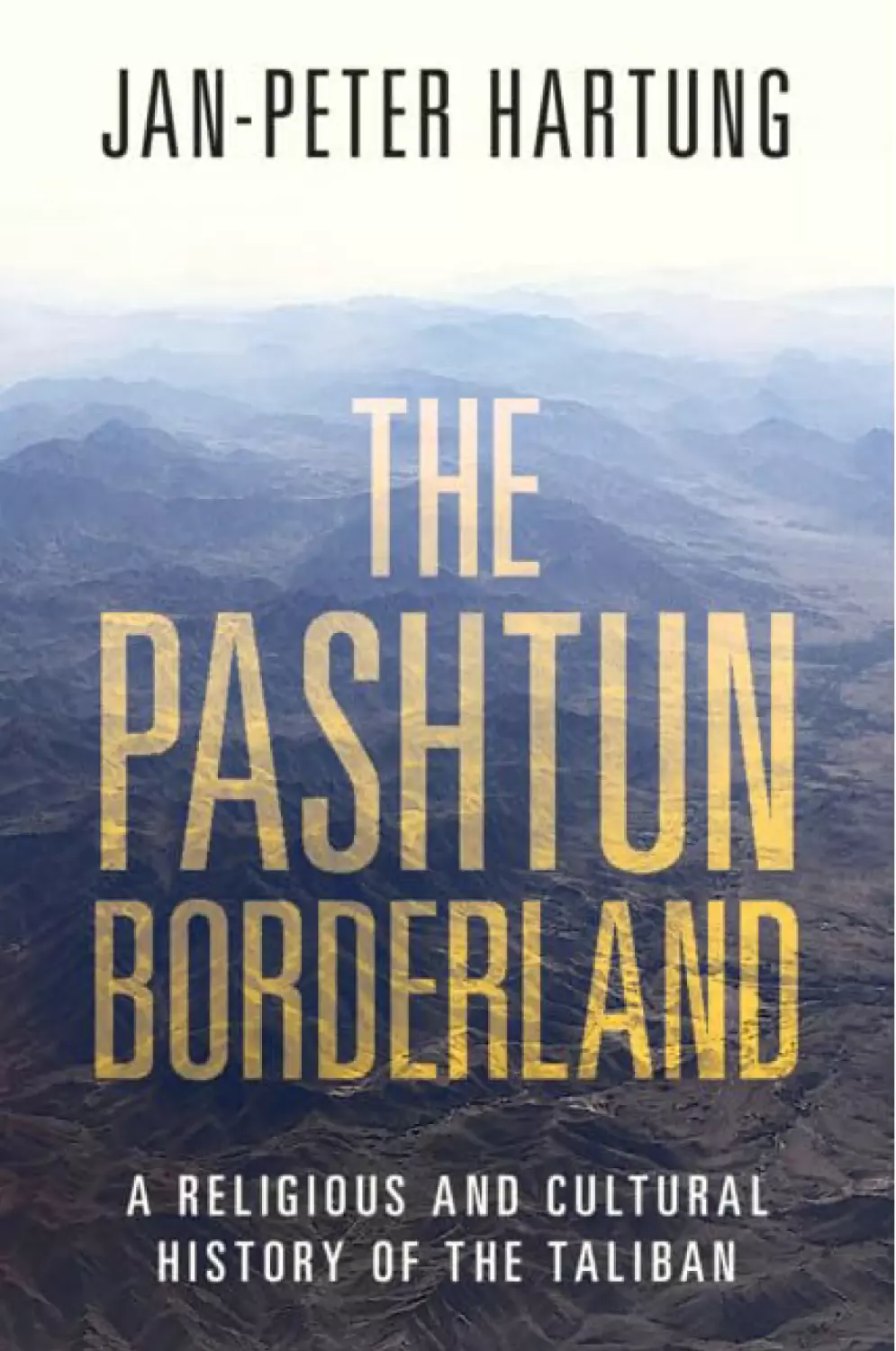
THE PASHTUN BORDERLAND
Since the Taliban returned to power in Afghanistan in 2021, the need to
understand the group’s history and ideology has only increased. Jan-Peter
Hartung’s timely study examines the phenomenon of the Taliban through
a topographically, ethnically and geopolitically distinct space: the Pashtun
Borderland of today’s Afghanistan and Pakistan. Emphasizing the central
role of Pashtun ethnicity, Hartung covers approximately 500 years of
Pashtun history: from the early modern Mughal Empire to the first
Durrani Empire in the eighteenth century and the regional developments
during the colonial period in the nineteenth and early twentieth century.
Drawing from a wealth of primary source materials in Pashto, Persian,
Urdu and Arabic, Hartung moves the discussion of the Taliban beyond
the immediacy of journalistic reportage and security-orientated studies, to
a nuanced analysis of a wide range of actors and ideologies, refracting
Afghanistan’s present moment through the lens of its long cultural and
religious history.
jan-peter hartung has an MA in South and Central Asian Studies
and Philosophy, a doctorate in the Study of Religions and a senior doctorate (Habilitation) in the Study of Islam. His special focus is on South
Asia and the wider Persianate world from around the eighteenth century
to the present.
THE PASHTUN BORDERLAND
A Religious and Cultural History of the Taliban
JAN-PETER HARTUNG
Friedrich-Alexander-Universität Erlangen-Nürnberg, Germany
Shaftesbury Road, Cambridge CB2 8EA, United Kingdom
One Liberty Plaza, 20th Floor, New York, NY 10006, USA
477 Williamstown Road, Port Melbourne, VIC 3207, Australia
314–321, 3rd Floor, Plot 3, Splendor Forum, Jasola District Centre,
New Delhi – 110025, India
103 Penang Road, #05–06/07, Visioncrest Commercial, Singapore 238467
Cambridge University Press is part of Cambridge University Press & Assessment,
a department of the University of Cambridge.
We share the University’s mission to contribute to society through the pursuit of
education, learning and research at the highest international levels of excellence.
www.cambridge.org
Information on this title: www.cambridge.org/9781009289276
DOI: 10.1017/9781009289245
© Jan-Peter Hartung 2024
This publication is in copyright. Subject to statutory exception and to the provisions
of relevant collective licensing agreements, no reproduction of any part may take
place without the written permission of Cambridge University Press & Assessment.
When citing this work, please include a reference to the DOI 10.1017/9781009289245
First published 2024
Printed in the United Kingdom by CPI Group Ltd, Croydon CR0 4YY
A catalogue record for this publication is available from the British Library.
A Cataloging-in-Publication data record for this book is available from the Library of Congress
ISBN 978-1-009-28927-6 Hardback
Cambridge University Press & Assessment has no responsibility for the persistence
or accuracy of URLs for external or third-party internet websites referred to in this
publication and does not guarantee that any content on such websites is, or will remain,
accurate or appropriate.
This publication is part of a project that has received funding from the European Research
Council (ERC) under the European Union’s Horizon 2020 research and innovation
programme (Grant agreement No. 693457).
CONTENTS
List of Maps and Figures
List of Abbreviations
Foreword
Note on Transliteration, et cetera
1
2
3
page vi
vii
ix
xii
Introduction
1
The “Taliban” of the Present Book
3
Setting the Stage: Conceptualizing the “Pashtun Borderland”
13
2.1
2.2
2.3
2.4
14
21
27
33
Imperial Landscaping: From Frontier to Borderline
Lines of Conflict Criss-Crossing the Borderland
Imperial Ideology: From Octopus to Jellyfish
The Troublemaker and the Borderland
Chief Trajectories of Militant Religious Activism in the Pashtun
Borderland: The Antecedents
39
3.1 Prelude: The Early Modern Period
3.2 The Nineteenth Century
3.3 The Early Twentieth Century
4
Chief Trajectories of Militant Religious Activism in the Pashtun
Borderland: Acceleration in the Twentieth and Twenty-First
Centuries
159
4.1
4.2
4.3
4.4
4.5
5
39
71
108
Pashtun Salafi Islam
Islamism
Militant Frontier Deobandiyyat
Salafism, or Pashtun Islamism Salaficized
Challenges by Outsiders: The Local Impact of al-Qāʿida and the IS
160
185
252
315
359
Epilogue: Who and What Were – and Are – (The) Taliban?
463
Bibliography
Indexes
478
531
v
MAPS AND FIGURES
Map 2.1
Map 2.2
Figure 3.1
Map 3.1
Map 3.2
Map 3.3
Map 4.1
Map 4.2
Map 4.3
Early-modern imperial boundaries in motion
(c. seventeenth century)
page
The current administrative division of the Pashtun
Borderland (2023)
Pashtun tribal genealogies
Distribution of tribal communities across the Pashtun
Borderland (simplified)
Local state formation: the principalities of Dir and Swat
(mid nineteenth century)
Centres of anti-imperialist borderland activisms
(early twentieth century)
The diverse leadership of militant Islamist resistance:
places of origin (mid twentieth century)
The territorial setting of the early Salafist polities in the Pashtun
Borderland (late twentieth century)
Training facilities of the Islamist / Salafist International
(late twentieth /early twenty-first century)
vi
15
16
42
41
82
128
203
323
369
ABBREVIATIONS
AIAHC
˙
ANP
ART
ASS
˙
DIIA
FATA
FCR
HII
˙
HII[N]
˙
HiI-H
˙ ˙
HiI-Kh
˙
HM
˙
HuM
˙
HMDA
˙
HVIA
˙
IEA
IIAA
IIMA
IIUI
IMFF
IMU
IS
IUM
IJI
IJT
˙
ISI
JDN
JDQS
JIA
JiI
JIM
JITS[a]
JITS[b]
All-India Ahl-i Hadīs̱ Conference
˙
Awami National Party
al-Rashīd Trust
Anjuman-i Sipāh-i Sahābah (Haqq Navāz Jħangvī)
˙ ˙
˙
Dawlat-i Inqilāb-i Islāmī-yi Afghānistān (Muhammad Afz̤ al)
˙
Federally Administered Tribal Areas (August 1947–May 2018)
Frontier Crimes Regulation (valid since 1901)
Harakat-i Inqilāb-i Islāmī (Muhammad Nabī Muhammadī)
˙
˙
˙
Harakat-i Inqilāb-i Islāmī (Nasrallāh Mansūr)
˙
˙
˙
Hizb-i Islāmī (Gulbuddīn Hikmatyār faction)
˙
˙
Hizb-i Islāmī (Muhammad Yūnus Khālis faction)
˙
˙
˙
Hizb al-Mujāhidīn (Sayyid Salāh al-Dīn)
˙
˙ ˙
Harakat al-Mujāhidīn (Masʿūd Azhār)
˙
˙
Hizb-i Mutaraqqī-yi Dimūkrāt-i Afghānistān
˙
Hizb-i Vahdat-i Islāmī-yi Afghānistān (ʿAbd al-ʿAlī Mazārī)
˙
˙
Də Afghānistān Islāmī Imārat (since October 1997)
Ittihād-i Islāmī Barā-yi Āzādī-yi Afghānistān (ʿAbd Rabb al-Rasūl Sayyāf)
˙
Ittihād-i Islāmī-yi Mujāhidīn-i Afghānistān (“Seven-Parties Coalition”)
˙
International Islamic University of Islamabad
Də Afghānistān Islāmī Tahrīk Fidāʾī Mahāẕ (Mansūr Dādallāh)
˙
˙
˙
Özbekiston Islomiy Harakatï (Jumaboi Khodžaev / Tohir Yol’doshev)
al-Dawla al-Islāmiyya (fi’l-ʿIrāq wa’l-Shām)
Islamic University of Medina
Islāmī Jumhūrī Ittihād
˙
Islāmī Jamʿiyyat-i Talabah
˙
Inter-Services Intelligence Agency
Jarayān-i Dimūkrātīk-i Navīn
Jamāʿat al-Daʿwa ilá ’l-Qurʾān wa’l-Sunna (Jamīl al-Rahmān)
˙
Jamʿiyyat-i Islāmī-yi Afghānistān (Burhān al-Dīn Rabbānī)
Jamāʿat-i Islāmī
al-Jamāʿa al-Islāmiyya bi-Misr
˙
Jamāʿat-i Ishāʿat al-Tawhīd va ’l-Sunnah (Muhammad Tāhir Panjpīrī)
˙
˙
˙
Jamāʿat-i Ishāʿat al-Tawhīd va ’l-Sunnah (ʿInāyatallāh Shāh Bukhārī)
˙
vii
viii
JMIA
JNM
JQSQH
JUH
JUI
JUI-F
JUI-S
JUS
KP
LiT
˙
LJħ
MB
MʿUJM
MKh
MMA
MMIA
NJBS
NWFP
PATA
PDPA
PNA
PSF
PPP
PTI
RAI
SJM
SJT
TBJM
TIT
˙
TJ
TJP
TNFJ
TNSM
TTP
˙
list of abbreviations
Junbish-i Millī-yi Islāmī-yi Afghānistān (ʿAbd al-Rashīd Dūstam)
Jabhat-i Najāt-i Millī (Sibghatallāh Mujaddidī)
˙
Jamāʿat Qāʿidat al-Jihād fī Shibh al-Qārra al-Hindiyya
Jamʿiyyat al-ʿUlamāʾ-i Hind (Husayn Ahmad Madanī et al.)
˙
˙
Jamʿiyyat al-ʿUlamāʾ-i Islām (Shabbīr Ahmad ʿUs̱ manī et al.)
˙
Jamʿiyyat al-ʿUlamāʾ-i Islām (Faz̤ l al-Rahmān faction)
˙
Jamʿiyyat al-ʿUlamāʾ-i Islām (Samīʿ al-Haqq Akōravī faction)
˙
˙
Jamʿiyyat al-ʿUlamāʾ-i Sarhadd (ʿAbd al-Rahīm Pōpalzay et al.)
˙
˙
Khyber Pakhtunkhwa
Lashkar-i Tayyibah (Hāfiz Muhammad Saʿīd)
˙
˙ ˙
˙
Lashkar-i Jħangvī
Jamāʿat al-Ikhwān al-Muslimīn (Society of the Muslim Brethren)
Manbaʿ al-ʿUlūm Jihādī Mahāẕ (Jalāl al-Dīn Haqqānī; later IEA)
˙
˙
Maktab al-Khidamāt al-Mujāhidīn al-ʿArab (ʿAbdallāh ʿAzzām)
Muttahidah Majlis-i ʿAmal
˙
Mahāẕ -i Millī-yi Islāmī-yi Afghānistān (Sayyid Ahmad Gīlānī)
˙
˙
Naw-Javān Bħārat Sabħā (Bħagat Siṅ għ et al.)
North-West Frontier Province (1901–2010)
Provincially Administered Tribal Areas (August 1973–May 2018)
People’s Democratic Party of Afghanistan
Pakistan National Assembly
Pakhtun Student Federation (Pax̌ tūn Pohānō Ghūnḋ )
Pakistan People’s Party (Ẕ . ʿA. Bħuṫ ṫ ō et al.)
Pākistān Tahrīk-i Insāf (ʿImrān Khān et al.)
˙
˙
Rābitat al-ʿĀlam al-Islāmī (Muslim World League, Mecca)
˙
Sāzmān-i Javānān-i Musalmān (Ghulām Muhammad Niyāzī)
˙
Sāzmān-i Javānān-i Taraqqī
Tōrah Bōrah Jihādī Mahāẕ (HiI-Kh, later IEA)
˙
˙
˙
Də Tālibānō Islāmī Tahrīk (1994–7)
˙
˙
Tablīghī Jamāʿat
Tahrīk-i Jaʿfariyyah-yi Pākistān (Sayyid ʿĀrif Husayn al-Husaynī)
˙
˙
˙
Tahrīk-i Nifāẕ -i Fiqh-i Jaʿfariyyah (Muftī Jaʿfar Husayn)
˙
˙
Tahrīk-i Nifāẕ -i Sharīʿat-i Muhammadī (Sūfī Muhammad)
˙
˙
˙
˙
Tahrīk-i Tālibān-i Pākistān
˙
˙
FOREWORD
Sometimes, it seems to take almost an entire academic lifetime to finally reach the
point that triggered one’s academic interest in the first instance. And while, for
many of the éminences grises in the research on “Afghanistan”, this country was
inseparably linked with the individual, yet equally collective, effervescent experience of the overland trail to India and Nepal, my growing up behind the Iron
Curtain exposed me to that country in quite a different way. I vividly remember
the image of Babrak Kārmal (d. 1996) on the title sheet of Neues Deutschland, then
the official newspaper of the Socialist Unity Party (SED), after he had been installed
in Kabul as head of state at the behest of the leadership of the Communist Party of
the Soviet Union, an act that was accompanied by the invasion of Afghanistan by
Soviet military forces in December 1979. Even more clearly, I recall seeing footage
of the first press conference of the government of the Islamic State of Afghanistan
in April 1992 on television, where the posturing of the newly appointed
office-holders appeared to me to already be exposing the illusory nature of the
ostensible mutual agreement among them, something that would become ever
more manifest during the almost simultaneously erupting civil war.
I visited war-ridden Afghanistan for the first time only two years later, spending
some time in Herat and thereabouts. Here, I was surrounded by reports of the
perpetually disintegrating situation in heavily contested Kabul and an increasing
level of banditry and dacoity in large parts of central Afghanistan recounted by
people who had fled from there to the safety that Herat provided at that time, as
well as laudatory stories by locals of the wartime heroics of Muhammad Ismāʿīl
˙
Khān (b. 1365/1946), then governor of Herat Province. Less than one year later,
the guards at the southern end of the Termiz-Hayrātān border crossing turned me
˙
away, indicating that a permit by the representatives of the government of the
Islamic State of Afghanistan was no good in the northern provinces: the large
image of ʿAbd al-Rashīd Dūstam (b. 1373/1954) at the border post, that greeted
everyone who entered the country from the north instead of one of
then-President Burhān al-Dīn Rabbānī (assassinated 1432/2011), served only as
a reminder of the fact that I had been wantonly complacent in assuming that
I could navigate Afghanistan, even more so at such a point in time.
It was then, namely, that reports appeared in the international media of
a new military force that went by the somewhat elusive name of “Taliban”.
ix
x
foreword
Apparently, this entity had set out from southern Afghanistan and contested
seemingly successfully the government of the Islamic State of Afghanistan as
well as its various adversaries, including Dūstam’s Junbish-i Millī-yi Islāmī-yi
Afghānistān (JMIA). When I probed officials at the Afghan Embassy in
Tashkent for their assessment, they waved away even the need to take these
“Taliban” into consideration as a serious factor in the delicate power constellations in Afghanistan at that moment. It seems that I was not alone in being
complacent: twenty months later, “the Taliban” had taken Kabul; another eight
months later, Dūstam was forced to temporarily flee to Uzbekistan and on to
Turkey when they finally pushed their way also into Mazār-i Sharīf, where they
would maintain a central government until December 2001.1
What followed were occasional and sensationalistic reports in the media of the
Global North2 on various excesses in the governance of what had meanwhile
become the Islamic Emirate of Afghanistan, especially in the few large cities of
Afghanistan, first and foremost Kabul. Yet, my own first-hand encounters of
political propaganda during the first decades of my life had made me quite
sensitive to all sorts of subtle and less refined attempts to influence public opinion
for ends which, more often than not, remain unspoken. Additionally, under the
same circumstances, I learned that Berlin had hardly ever been representative of
the entire German Democratic Republic, which meant that one needs to look
away from the metropoles in order to get a more balanced idea. Last but not least,
the time I have spent in the Indo-Afghan region over the following decades has
exposed me to ever higher levels of complexity and, thus, engendered a sense of
humility in the face of the culturally different. As a result, I grew increasingly
suspicious of all the scholarship produced in the academia of the Global North,
which came across as a little too self-confident for my liking. This whole imbroglio
gained ever more momentum when, on 11 September 2001, members of the
al-Qāʿida organization attacked various targets on the East Coast of the USA that
were of high symbolic value, and all the more so for an aspirant Islamicist.3
In the following years, I have, therefore, tried to attain an understanding of the
inner logic of ideologically sustained Muslim socio-political activism, especially
in South Asia, prominently including those developments that could hardly be
1
2
3
For a breakdown of the events around the ascent to power of these Taliban, although
spiked with anecdotal evidence and referenced in a nonchalant fashion, see Rashid (2010),
17–80 and 256–62.
Rather than the commonly employed term “the West”, and all its grammatical derivatives, the
less essentialist notion of the “Global North” has been chosen to denote a hemisphere
determined by socio-economic criteria: see Trefzer, Jackson, McKee and Dellinger (2014);
Boatcă (2015).
Despite perhaps a little unwieldiness, the popular label “9/11” for these particular
al-Qāʿida attacks is, nonetheless, consistently avoided in this book, because the allusion
to the US-American emergency phone number, of which the majority of users might not
be fully aware, somewhat suggests that events in the USA are of global importance, while
implying that events in other countries are obviously less significant.
foreword
xi
understood through the hermeneutical prism of my own cultural socialization,
which, in turn, made me also increasingly suspicious of the grand narrative of
Modernity: is there really a singular privileged way to deal with the contingencies
of life, or is the global impact of this grand narrative not rather the result of
discursive practices, frequently emphasized further by the use of physical force?
If this hypothesis carries any currency, then a way forward would surely be to
investigate the discourse in historical depth and put the findings in conversation
with alternative or counter-discursive narratives. This, in fact, is what I have
attempted to do here, and the book in hand is a quite faithful status report of
where I currently am on this path.
Without a large and diverse host of friends, colleagues, associates and students, I would not have been able to achieve even this. They are, in fact, so
numerous that it is absolutely impossible to thank them all individually and
I apologize beforehand to all those whom I cannot mention by name here,
because their contributions have been as significant as any. Still, this book would
have been impossible to write without the generous companionship of friends at
the University of Peshawar over the years: Rauf, Altaf, Aamer, Sami, Ayub Jan,
Anoosh, Wajid, Sajjad, Hassan Shah, Muhammad Tariq, Gulzar, . . . They all
went far beyond what melmah pālənah might have compelled them to do.
My greatest academic debt, however, is to James Caron, who is much more
to me than just a former colleague at the School of Oriental and African Studies
(SOAS) of the University of London. Without his works and our many
conversations, I would perhaps still be engaging more with the thought of
socio-religious elites, rather than having begun to truly appreciate the ideas
and actions of those whom Antonio Gramsci had alternately termed “organic
intellectuals” (intellettuali organici), “embedded historians” (storici integrali)
or “community writers” (pensatori collettivi).4
Finally, it is my pleasant duty to acknowledge that my affiliation with the
European Research Council (ERC)-funded research project no. 693 457, Private
Pieties, Mundane Islam and New Forms of Muslim Religiosity: Impact on
Contemporary Social and Political Dynamics, at the Institute of Social
Anthropology of the University of Göttingen, Germany (2016–22), has provided
me with the means to conduct the bulk of the research that went into the present
book and that the ERC shared the financial burden for the copy-editing of the final
manuscript with my current academic home, the FAU Research Centre for Islam
and Law in Europe (FAU EZIRE) of the University of Erlangen-Nuremberg. My
last expression of gratitude goes to Jens Schönstedt (Erlangen) for his expert
production of all the maps throughout this book.
4
See Gramsci (1977), ii: 1 392 (Quaderno XI), iii: 1 513 (Quaderno XII: Appunti e note
sparse per un gruppo di saggi sulla storia degli intellettuali; 1932) and 2 283f. (Quaderno
XXV: Ai margini della storia; 1934).
NOTE ON TRANSLITERATION, ET CETERA
Whenever multiple languages with their own respective conventions for
transliteration need to be navigated, compromises have to be made.
Regarding Arabic, Persian and Turkic languages, the American Library
Association–Library of Congress (ALA–LC) Romanization tables have been
followed throughout; for Urdu the respective table has been slightly modified
to avoid possible conflicts with Arabic: the retroflex dentals ﭦ/ ټand ﮈ/ ډare
given as ṫ and ḋ , and ﮞ/ ڼas n, while aspirates are signified by ħ. Also the
˙
transliteration of Pashto largely follows the recommendations of the ALA–LC
standard; its vocalization, however, follows The Pashto–English Dictionary of
Zeeya A. Pashtoon (Hyattsville, MD: Dunwoody Press, 2009). The spelling of
Nuristani languages, finally, follows the conventions introduced by Richard
F. Strand (2016).
For the convenience of the reader, terms lexicalized in English are spelled
according to the Oxford English Dictionary (OED), although a single high
reversed quotation mark (‛) has been added for the Arabic ﻉ, and a closing
single quote mark (’) for ء. Similarly, lexicalized place names are spelled
according to the OED, while a simplified form is used for others, with
a properly transliterated spelling provided in brackets at their first occurrence.
This procedure was also adopted for the names of ideational currents and their
adherents, while those of distinct institutions and organizations are given in
italics. Lastly, the names of major Pashtun tribal communities also follow this
pattern; for the transliterations at first mention the spelling in “Syāl” Mōmand
(1365sh/1986) has been adopted.
The numbering of ahādīth follows the lauded edition of the kutub sitta by
˙
the Thesaurus Islamic Foundation, Vaduz, in collaboration with Dār al-Kutub,
Cairo (2001).
The positions of locations shown in the maps are geometrically as accurate
as possible; the sources on which they are based are duly listed. Still, academic
honesty demands that one acknowledge the difficulties in ascertaining the
precise course of shifting pre-modern frontiers over a substantial period of
time. The image presented in Map 2.1 can therefore only be a rather static and
woodcut-like approximation to the actual historial realities. More problematic
still is the impression of clearly defined settlement areas of Pashtun tribal
xii
note on transliteration, et cetera
xiii
communities that is given in Map 2.2, all the more so as they appear to coincide
with the administrative demarcations of provinces and their subdivisions in
Afghanistan as well as in Pakistan. The image provided is therefore to be
considered only a rough estimation of majorities, bearing in mind that there
might even be substantial proportions of other communities residing there as
well. Lastly, due to large-scale destruction of militant training camps by
USA-led military forces in the region, exact locations could not be ascertained
for all those that are shown in Map 4.3. Still, I wish to maintain that their
geometrical positions are given as accurately as the available and duly listed
materials would allow.
1
Introduction
On 15 August 2021, images of heavily armed bearded men behind and around
a desk in the Citadel of Kabul were broadcast by media outlets all over the
world. They were vividly illustrating the breaking news that the warriors of the
Islamic Emirate of Afghanistan (Də Afghānistān Islāmī Imārat; henceforth
IEA), colloquially known as “The Taliban”, had taken the Afghan capital for
the second time, while President Ashraf Ghanī (b. 1949), having precipitately
fled his country to the safety of Tashkent, declared his resignation via
Facebook. All of a sudden, it seemed, those who had confidently been declared
defeated by a USA-led military invasion in late 2001 in reprisal for the infamous al-Qāʿida attacks on 11 September of that year were back in charge.
Leading politicians in the Global North were simultaneously left the humiliating task of accounting for a whole decade of military engagement in
Afghanistan that had caused over 46 000 civilian and more than 3 500 military
casualties, with costs incurred amounting to around 840 billion US$ for the
USA alone.1
Indeed, “The Taliban” had resurfaced to the attention of a wider international public only almost exactly one and a half years before their second
takeover of Kabul, when the US-American top-diplomat Zalmay Khalilzad and
then-IEA negotiator ʿAbd al-Ghanī Barādar signed an “Agreement for
Bringing Peace to Afghanistan” in front of a high-profile international audience in Qatar’s capital Doha, an agreement that stipulated the gradual withdrawal of the US contingent of troops from Afghanistan. However, the fact
that the armed forces of the IEA advanced across the entire country almost in
synchronicity with the incremental withdrawal is clear evidence that their
ultimate defeat in December 2001 had been little more but wishful thinking.
In fact, all that “Operation Enduring Freedom” had ended was the first central
government of the IEA, forcing its leadership council to relocate from
Kandahar to Quetta, only some 120 miles away and just on the other side of
the national borderline with Pakistan, but firmly controlling and effectively
governing numerous pockets of Afghanistan, some of them less than 100 miles
away from Kabul. Meanwhile, with the USA-led military invasion of Iraq in
1
See, for example, SIGAR (2022), 44–6.
1
2
introduction
March 2003 under a similar pretext, the focus of media and, subsequently,
public attention shifted there, putting Afghanistan back in its former place
of rather marginal public and geopolitical interest. However, ending the
thirty-five years of uninterrupted and increasingly oppressive rule of the
Arab Socialist Baʿth Party in Iraq (Hizb al-Baʿth al-ʿArabī al-Ishtirākī
˙
fi’l-ʿIrāq) plunged the country subsequently into a bloody civil war that ultimately gave rise to al-Dawla al-Islāmiyya (fi’l-ʿIrāq wa’l-Shām) – often referred
to by its Arabic acronym “DĀʿISH” (here, however, henceforth IS) – and its
Islamic Caliphate in eastern Syria and north-western Iraq.
Under such circumstances, it seemed easy to forget about those who, under
the leadership of the elusive Mullā Muhammad ʿUmar ibn Ghulām Nabī (d.
˙
c. 1434/2013), had initially set out as the Islamic Movement of the Taliban (Də
Tālibānō Islāmī Tahrīk; TIT) and who, since October 1997, go formally by the
˙
˙
˙
name of its government, the IEA. Surprisingly, however, even the emergence of
an IS chapter in the wider region of Afghanistan and adjacent territories,
openly declaring itself in stark opposition to the IEA, did not prompt
a significant revivification of serious academic investigations into the latter’s
religious and political underpinnings.2 Still widely regarded as only one of
many militant groups in and around Afghanistan, and, despite this, lacking
sound legal foundations,3 they were conveniently marked up as “unlawful
combatants” and “insurgents” against the UN-approved governments of
Afghanistan after 2001. Consequently, most scholarship devoted to them
since then has belonged to the fields of geopolitics and security studies. As
such, it has tacitly affirmed this label when considering “The Taliban”, first and
foremost, as a significant factor in security risk assessments for the national
reconstruction programmes that the nation-states of the Global North were
conducting in the aftermath of their military invasion of Afghanistan.4
Certainly, the sheer volume of widely noted publications on the matter
carrying the word “Taliban” (with a capital initial) in their titles might lead
us to assume that we are fairly well informed about what lies behind this label.
Starting with investigative journalist Ahmed Rashid’s best-selling and
2
3
4
Green (2017), 26, names Nagamine (2015) and Hartung (2016a) as the only two more
recent relevant studies on the ideological set-up of the IEA after 2001.
Wolfrum and Philipp (2002), 578–86, demonstrate that this status, stipulated by
International Humanitarian Law rooted in the Third Geneva Convention of 1949, is not
straightforwardly applicable to a de facto political regime, regardless of whether or not it is
recognized as such by the governments of other individual nations. Consequently, experts
on international law have strongly questioned the legality of the endorsement of the
combatant status by the Security Council of the UN in its Resolution 1 373, adopted on
28 September 2001, which, in fact, served the US government as a mighty tool in its efforts
to legitimize its course of action against the IEA: see Kirgis (2001).
The lopsidedness of the current research landscape in this regard has been analysed in
Hartung (2024), 21–7. In fact, the arguments presented there follow from the earlier
epistemic criticisms of M. J. Hanifi (2011) and S. M. Hanifi (2016; 2018).
the “taliban” of the present book
3
generally quite informative account of the political history of the TIT / IEA in
˙
2000 (updated in 2008 and fully revised in 2010), such works range from the
Poetry of the Taliban to Decoding the New Taliban, culminating in the more
recent Taliban Reader.5 After all, the textbook-like format of a reader on
whatever topic insinuates that the contours of the object of study have been
quite firmly established and that the gobbets selected for it are comprehensively representative.
Still, it is my contention here that this would actually be quite a fallacy, one
that most probably contributed to the misinterpretation of the situation in
Afghanistan in 2021 by so-called “experts” advising various governments in
the Global North.6 In fact, it shall be argued here that, although we know of
certain names and public responsibilities within a particular military and
governmental organization,7 such data seem to fall seriously short of telling
us more about those to whom the label “taliban” is attached either by themselves or from the outside, and what they represent in their distinct respective
local contexts. In order to get closer to meaningful answers, we would be well
advised to cast our view much wider, way beyond those cadres of the TIT / IEA
˙
of the past and present that we know by name and office. This, in fact, is what is
attempted in this present book, and it is, therefore, reasonable to assume that
what is understood as “taliban” here goes well beyond the confines of the TIT /
˙
IEA, and may perhaps not be what the esteemed reader might initially expect.
The “Taliban” of the Present Book
The first contention, therefore, is that the taliban, in this case deliberately
with a lower-case initial letter and italics, have historically been more than the
TIT-cum-IEA of the late twentieth and twenty-first centuries. The lion’s share
˙
of publications on the subject, however, is focused explicitly and exclusively on
this contemporary and organizational facet, which, in fact, is what security
analysts and policymakers – a major target audience of these works – are
predominantly interested in.8 While those works are still valuable and
5
6
7
8
See Giustozzi (2009); Strick van Linschoten and Kuehn (2012; 2018); also, for example,
Schetter and Klusmann (2011).
This matter is well illustrated by the official statement of the then-Foreign Minister of the
Federal Republic of Germany, Heiko Maaß: see AA (2021).
See, for example, Yunas (1998), ii: 771–5; Rashid (2010), 250–5.
The deep and highly problematic entanglement of academic studies on contemporary
Afghanistan and, more pointedly still, those which involve empirical social research, and
the military and wider security establishments, especially of the USA, is indeed a matter of
serious concern. As careful investigations have unveiled, the at times naïve, at others,
deliberately top-down, approach to land and people, going back to the 1960s, has seldom
had such a direct and devastating political impact as in the case of Afghanistan: see
M. J. Hanifi (2004; 2011); S. M. Hanifi (2016; 2018); Rzehak (2018). In fact, the invasion
of the country by USA-led armed forces against the then-central rule of the TIT / IEA over
˙
4
introduction
generally useful, they reveal a structural problem: most of the works that bear
the term “Taliban” in their title, as well as those that focus on its regional
ancillaries, such as the so-called “Haqqānī Network”,9 are greatly lacking in
˙
historical depth. As a result, even the TIT / IEA has so far, by and large, been
˙
presented to us as a solitary group with a definite objective – political rule over
Afghanistan and possibly also at least over some parts of Pakistan – bound
together by a comprehensible command structure and a singular, distinct
ideology.
In fact, all this has already been claimed by Rashid, and, to date, has not been
challenged much, thus, equally impacting popular knowledge, political decision-making and academic perspectives. Not least because of its enormous
ramifications, it is worth recalling what Rashid had to say on the issue of “The
Taliban”, or TIT / IEA, ideology: according to him, they ‘did have an [i.e.,
˙
a singular uniform] ideological base – an extreme form of Deobandism, which
was being preached by Pakistani Islamic parties in Afghan refugee camps in
Pakistan’.10 While the role of what, for a number of reasons provided elsewhere, is here preferentially called “Deobandiyyat”11 is certainly a factor to be
taken into account, Rashid’s own understanding of “Deobandism”, which he
presented briefly in the following paragraph, is helpful only to a very limited
extent:
Semi-educated mullahs who were far removed from the original reformist
agenda of the Deobandi school [and whose] interpretation of Sharia was
heavily influenced by Pashtunwali, the tribal code of the Pashtuns, while
funds from Saudi Arabia to madrassas [sic] and parties which were
sympathetic to the Wahabbi [sic] creed, as the Deobandis were, helped
these madrassas [sic] turn out young militants who were deeply cynical of
those who had fought the jihad against the Soviets.12
To reiterate the salient points here: “Deobandism”, according to the above, is
a conglomeration of an ‘original reformist agenda’ of the Deoband school and
9
10
11
12
Afghanistan after September 2001 has only intensified already prevalent tendencies to
choose research areas and methodical approaches based on current geostrategic and
security interests. Meanwhile, the focus on “the Taliban” so determined has been
expanded to the IS in the region, with similar pitfalls regarding the scope, depth and
direction of the analysis, as prominently represented by Giustozzi (2018).
See Brown and Rassler (2013). Especially because this label has almost instantly been
welcomed in the circles of foreign policy and security advisers across the Global North
(see, e.g., Giustozzi [2018], 22) and has consequently informed geostrategic and security
policy discourse there, it will benefit from a less partial reassessment: see Section 4.3.
Rashid (2010), 88 (emphasis added).
See Hartung (2016b), 351 and 361.
Rashid (2010), 89f. At this point, we should only take note of Rashid’s aligning of
Deobandis with Wahhabi Islam, the official interpretation in the Kingdom of Saudi
Arabia, because this conjecture will be subjected to careful reassessment subsequently
in this book.
the “taliban” of the present book
5
a Pashtun tribal code, which is financially, if not ideologically, tied to Saudi
Arabia. “Deobandism” comes in variant degrees of radicality. The one that, for
Rashid, represents “The Taliban”, is inseparably tied to only one of those
‘madrassas’, situated in Pakistan’s former North-West Frontier Province
(NWFP, officially renamed Khyber-Pakhtunkhwa in 2010), and characterized
as an ‘extremist breakaway faction’ of “the” Deobandi tradition, which Rashid
problematically conflated here with the Jamʿiyyat al-ʿUlamāʾ-i Islām (JUI).13
More precarious still is Rashid’s rather elitist denigration of local religious
functionaries as ‘semi-educated’. In fact, it will be argued in the present study
that it was exactly such dismissive top-down judgements that have contributed
over the centuries to the emergence of strong sentiments of suspicion among
Borderland inhabitants against imperial narratives and their underlying agendas, sentiments which more often than not were expressed in a violent fashion.
In fact, a quite similar point had already been made in an article
on the ideology of “The Taliban” by Pulitzer laureate Anand Gopal and
then-researcher Alex Strick van Linschoten14 in 2017, although not explicitly
directed against some derogatory sentiments towards subaltern religiosity and
its practitioners.15 In this important contribution, the two authors succeeded in
redirecting our view from Rashid’s earlier narrative on the ideological underpinnings of “The Taliban” to a much more complex one that pivots predominantly on subaltern culture in the rural setting of southern Afghanistan.16 More
importantly still, the two authors place their emphasis on the more informal
study circles in the public houses (hujrē; sg. hujrah) of the southern Pashtun
˙
˙
villages, in contrast to the fixation on a more formal religious education in
a madrasah, as a formative feature in the taliban universe.
13
14
15
16
This imbalance of the image, in fact, points to a methodological problem that occurs more
often than not in empirical research on contemporary religio-political dynamics in this
region, especially where the information is based mainly on accounts of interlocutors and
has not been correlated with other and perhaps less personal archives. In the case at hand,
Rashid appears to have bought perhaps all too willingly into the institutional narrative of
the leadership of the Deobandi JUI in Pakistan regarding their affiliation to the TIT / IEA.
According to his personal internet site, Strick van Linschoten appears to ˙have left
academia, at least for now, and joined the world of computer software development
instead: see www.alexstrick.com/about-alex (accessed 20 April 2022).
In the present study, the concept of “subalternity”, with all its various grammatical
derivatives, is understood as developed by Sardinian Marxist Antonio Gramsci (d.
1937), although without its original ideological implications: as correlational to “dominance”, it applies to – economically determined – social groups who are ‘always subject to
the activity of ruling [or directive social] groups [gruppi sociale dominante e dirigente;
which, according to Gramsci, are those underpinning the state], even when they rebel or
rise up: only “permanent” victory breaks their subordination, [though] not immediately’
(Gramsci [1977], iii: 2 283, first insertion ibid., iii: 1 589). For an application of this
concept to the contemporary Pashtun context, see Hartung (2022a).
See Gopal and Strick van Linschoten (2017), 9–15. In fact, the arguments presented in this
article also challenge some of the views expressed not that long before by Semple (2014).
6
introduction
However, important as such contemporary observations undoubtedly are,
they still call for at least two somewhat interrelated interventions. One is, once
again, a lack of historical depth, the other, the fact that, here too, taliban are
presented as a rather clear-cut entity, pivoting on the high command of the
TIT / IEA, all of whom share the same regional background.
˙
An interesting alternative is inherent in James Caron’s critical remarks on
the Poetry of the Taliban, a valuable edition of English translations of Pashto
poems collected by Strick van Linschoten and his companion Felix Kuehn17
during their three-year sojourn in Kandahar between 2006 and 2009, from
where they were operating the then-nascent research and media-monitoring
enterprise AfghanWire.18 Unconvinced by the arguments presented to justify
the portrayal of the poems as of TIT / IEA provenance, Caron, a profound
˙
expert on past and present Pashto literature, suggests viewing this collection
more as one of subaltern poetic reflections of ‘scattered provenance’, dating
from a specific period in Afghan history, the 1980s and 1990s.19 However valid
this assessment, the actual point which is intriguing to think further in this
direction when considering “The Taliban” is another statement of Caron’s in
the same book review:
Instead of documenting “The Taliban,” it seems, many of these words
simply resonated with individuals who interact with a piecemeal Taliban
media infrastructure, and who decided to submit poems, whether their
own or other people’s, to a Taliban website, just as they might share
something with a Facebook group.20
What this argument points to is that “taliban” frequently actually signifies
something that goes well beyond the actual organization of the TIT / IEA with
˙
which the overwhelming bulk of works that carry the term in their respective
21
titles are primarily concerned. Instead, “taliban” appears to designate
17
18
19
20
21
See Strick van Linschoten and Kuehn (2012; 2018).
The archive from which these poems have been taken constitutes what the two authors,
alongside Anand Gopal and in conjunction with London-based research and advisory
firm Thesigers, keep advertising as their Taliban Sources Project, currently hosted by
the Interdisciplinary Center for Innovative Theory and Empirics at Columbia
University in New York (URL: http://incite.columbia.edu/taliban-sources-project;
accessed 24 February 2024) and the Norwegian Defence Research Establishment FFI,
in collaboration with the University of Oslo (URL: www.hf.uio.no/ikos/english/resear
ch/taliban-sources-repository; accessed 24 February 2024). The First Draft Publishing
company (www.firstdraft-publishing.com), set up by Strick van Linschoten and Kuehn
in 2014 in Berlin, whereby select items from their collection are published in English
translation, is also related to this.
Caron (2012b).
Ibid. A similar point is suggested by Edwards (2017), 163–98, esp. 173–7 (section entitled
“Talifans”).
Editorial Note: This is the rationale behind using the abbreviations TIT and IEA
throughout for all those instances in which the focus is on the religious˙and political
the “taliban” of the present book
7
a distinct discourse, shaped by widespread literary tropes22 and selective
historical references, all of which are prone to shift with time and space.
“Space”, in turn, is a category of crucial importance for the case under
review here, because it appears to be one, if not the, formative principle
underlying the “taliban discourse”: materially informed by a distinct topography and climate, it informed both the ethnically defined communal environs
and the discursive practice of distinct geopolitical placement by larger imperial
powers. Because such practices are ultimately tied to language regimes, such
hegemonic actors commonly employ terms such as “tribal societies” to indicate territorially determined socio-political otherness and “frontier” to designate the geopolitical placement within the imperial imaginary, a fact that,
consequently, will have to be looked at more closely in the conceptual considerations that make up the following chapter.
Now, because any discourse is highly contingent on ever-changing contexts,
at times, the “taliban discourse” becomes manifest in organizational forms –
the TIT / IEA and the slightly later Tahrīk-i Tālibān-i Pākistān (TTP) are just
˙
˙
˙
˙
recent cases in point. At other times, however, “taliban” reflects rather
a certain ethos carried by countless local actors with their individual stakes
in it, who would unite in action for distinct and usually locally confined
purposes, and would disintegrate again, only to form new temporary and
purpose-bound entities, thus reflecting very much what in the present book
shall be called “Borderland pragmatics”.
Consequently, if we wish to understand the “taliban phenomenon” in such
a broader and historically deeper manner – and we might be well advised to do
so – we inevitably must depart from the trajectory of the current body of
taliban-related research literature, including, by and large, all the studies
named above, with their clear focus on the TIT / IEA as a matter of security
˙
analyses and geopolitical strategies. Instead, the present volume is inspired far
more by the much earlier groundbreaking works of Asta Olesen and, if only to
an certain extent, those of David B. Edwards on what he calls “Moral Fault
Lines on the Afghan Frontier”.23 Both authors show that they are very conscious of the colourful fabric of texts of quite various provenance, as well as of
the need for greater historical depth, and their writings thus allow one to
understand the ideational background of the events and people which are at
22
23
organization of the late twentieth and early twenty-first centuries. The term “taliban”, in
turn, with a lower-case initial letter and italicized, is employed alternately for a distinct
literary trope and as a label for an equally distinct discourse within the “Pashtun
Borderland”.
A vivid example of this would be the very popular love story of Tālib Jān and Gul Bashrah:
see Nūrī (1387sh/2008); for contextualized analyses, see Caron ˙(2012a); Hartung (2019a),
322f.; (2024), 31.
See Olesen (1995); Edwards (1996, 2002); albeit to a much lesser extent, Edwards (2017).
8
introduction
the core of most extant works on “The Taliban” – namely the TIT / IEA – from
˙
a much wider and deeper perspective.
Still, the angle taken in the present book differs from those of Olesen and
Edwards in some significant regards. Olesen’s expositions, for one thing, are
entirely focused on the nation-state of Afghanistan, which appears, in itself,
perfectly fair. The spatial reference in the present book, however, is owed to the
acknowledgement that political borders are essentially discursive, as is demonstrated not least by the persistent refusal of successive Afghan governments
to recognize the legality of the national border with Pakistan.24
Social anthropologist Edwards, in turn, remains confined to the more
common methods of his discipline, which results almost inevitably in much
less historical depth as well as the omission of a deeper engagement with
indigenous literary production, especially that in Pashto.25 The present book
has attempted to close the gap in research that results from this, acknowledging
that what one may call “Borderland literature” represents an important historical backdrop against which realities in the here and now are individually and
collectively interpreted.
The work perhaps closest to what is attempted in this present work is that
which Nile Green seems to have had in mind when quite recently putting
together the edited volume Afghanistan’s Islam.26 Of course, as is the nature of
an edited volume, argumentative coherence between the separate chapters
written by different authors can be provided only to a certain degree, and
obtaining such coherence remains obviously rather the prerogative of
a monograph by a single author. And, while the same can be said regarding
the spatial limitations of the content of Green’s volume as in the case of Olesen
above, the time frame “From Conversion to the Taliban” appears to be cast
a little too wide to have sufficient analytical scope.
Already a decade earlier, Sana Haroon, one of the contributors to Green’s
volume, had, in her Frontiers of Faith, been following a somewhat similar idea.
Yet, while highly relevant to the present study, there are two issues with this
work that this research tries to redress: first of all, while the time frame of
Green’s volume seems a bit too ambitious, Haroon limited her investigation to
the British colonial period, although with an outlook on the period between the
early 1970s and the present in the epilogue.27 This restriction of the period
24
25
26
27
Right from the inception of Pakistan, Afghan governments have, with one exception,
continued to dispute the validity of the national border established in 1893 by a series of
treaties between the British Empire and the Emirate of Afghanistan: see Hayat Khan
(2000), 185–96; Leake (2017), 120–236. This position was maintained well into the
present: see Faizy (2017).
For a comprehensive, although to my taste in a few instances a little too unforgiving,
critique of Edwards’ work in this regard, see Hanifi (2004).
See Green (2017).
See Haroon (2007), 197–216.
the “taliban” of the present book
9
under investigation is reflected consistently in the body of textual references,
which is dominated by colonial archives that, in turn, shape the author’s own
perspective of the period under study and of the actors and events therein. In
addition, though, a larger stock of Urdu materials was employed, including, as
recognized by Caron, ‘well-known tazkiras, or biographical dictionaries, some
containing primary material by the subjects themselves’.28 Works in other
relevant idioms, however, appear to have been used only sparsely.
In contrast, British colonial archives play a much more subordinate role in
the present volume, and, where they do, it has been attempted to deconstruct
them as constituents of imperial discursive formations. Very much the same
effort is made with materials in the many other relevant languages, predominantly Pashto, Urdu and Farsi, owing to the above insight that both language
and literature constitute powerful discursive tools, and that any proposition is
directed by individual interests and transindividual paradigms.29 Moreover,
what is attempted in this book, both in contrast to and in conversation with
core publications on the matter, such as those critically appraised above, is to
analytically identify various threads of religious thought and practice that have
emerged in response to particular socio-political circumstances, reaching way
back in time, but have survived – sometimes only as faint traces – to impact the
“taliban discourse”. This discourse, in turn, emerges less as a set of the kind of
fault lines that Edwards is interested in, but more as something like a braid,
plaited from all these various threads of different volume and density, in
a rather makeshift fashion. Moreover, it is argued here that these processes
coincide with those of Pashtun ethnogenesis, mutually shaping each other well
into the present, both within each of the communities concerned and across
them, and strongly informed by wider geopolitical constellations.
Consequently, the present book contains two larger main sections. The first
(Chapter 3) deals with the historical antecedents of the various ideational, or
religious, threads that have informed the “taliban discourse”. These threads are
subsequently investigated in the second main section (Chapter 4). Regarding
the first part, a longue durée perspective30 has been adopted for the reconstruction of the diverse religious currents that shape the “taliban discourse” at the
time when Pashtuns themselves had emerged as imperial competitors to their
mighty neighbours to the east, west and north, developing their own imperial
aspirations in the course of time. While initially buying into external imperial
ascriptions of a homogeneous national identity to Pashtuns, this attitude,
28
29
30
Caron (2016b), 331 (italics in the original).
The understanding of “paradigm” here follows largely that of Kuhn (1962), insofar as it
represents the convention within a certain epistemic framework that informs all practices
within a given community by claiming universal validity. The significance of power to
enforce such a claimed validity was ultimately highlighted only a few years later by
Foucault (1966), 13, who used the term “épistémè” to mark this significant difference.
Braudel (1958), esp. 733f., was foundational for this approach.
10
introduction
which had formerly been the privilege of the larger political entities against
which the Borderland residents positioned themselves – the Mughals, the
Safavids and the Afsharids as their immediate successors, and the various
Uzbek Khanates – was embraced by Pashtun Borderland communities themselves. The pivot of this development had been the polity established by the
tribal confederation of the Durrani (də Durrāniyānō ṫ ōlvākmanī) in the middle
of the eighteenth century, starting out in and around Kandahar, but soon
making Kabul their capital, with the other few larger cities under their rule as
important imperial nodes.
Yet, not every Pashto-speaking tribal community in the Durrani territories
was content with being governed by a single dominant tribal confederation,
especially not those in the mountainous areas further to the north and east. It
will be argued that, in those places, a critical mass remained highly suspicious
of any form of imperial outreach, a fact that made them highly receptive to all
kinds of anti-imperialist activism brought to them from outside the
Borderland, even more so if those forms of activism were sustained by religious
precepts. In Sections 3.2 and 3.3, these historical developments are traced, up
to the point when the British parted from their Indian crown colony, highlighting how these waves of originally external religio-political activism
resulted in a continuous presence of their underlying ideas and personnel in
the Pashtun Borderland. During the period of 150 years that brackets these
developments, the inhabitants of the Borderland also had their first exposure
to the nation-state ideology, and subsequently appropriated its arguments,
leaving them in constant negotiation with the nation-states that Pashtuns
found themselves in from the middle of the twentieth century.31
The events which unfolded in the early age of the nation-state heightened
the tensions between the state’s claim of a monopoly on all administrative
matters within the now meticulously established and formally documented
territorial confines. It consequently set, as will be argued here, the tone for
those political and, moreover, ideational developments that would ultimately
culminate in the various socio-political manifestations of the “taliban discourse” since the 1990s on either side of the intricate national borderline
between Afghanistan and Pakistan.
Subsequently, in the second main part of the book (i.e., Chapter 4), four
ideational currents at play in the later twentieth and twenty-first centuries are
traced in a somewhat ideal-typical fashion. In reality, of course, they frequently
overlapped in manifold ways, depending very much on the Borderland
31
As such, Pashtun communities share a common fate with peoples in similar topographical and geopolitical constellations, for example, with Kurdish ones mainly located
between the nation-states of Iran, Iraq, Turkey and Syria, Tyrolese ones between
Austria and Italy, and Basque ones between France and Spain, to mention but a few.
Indeed, an in-depth comparison would be worthwhile, as indicated, for instance, by
Hartung (2017a).
the “taliban” of the present book
11
pragmatics mentioned above, which, at times, commended collaboration
between tendencies that were otherwise ideologically opposite, while, at others,
the ideological divide appeared rather rigid, resulting in the respective advocates on either side standing somewhat apart from each other. Indeed, it is
argued here that the world-view of the various socio-political manifestations of
the “taliban discourse”, including prominently the TIT / IEA, was strongly
˙ Islamic doctrine and
informed by sometimes even antagonistic positions on
practice, some of which have themselves emerged only from their creative
interplay.
In this regard, “Salafism” and what is labelled here “Frontier Deobandiyyat”
are the two ideational currents that stand out prominently. Yet, either one of
them is the result of complex processes of intellectual cross-fertilization and an
eventual synthesis of other, earlier, such threads: while “Salafism” represents the
synthesis of “Salafi Islam” and “Islamism”,32 “Frontier Deobandiyyat” refers,
first of all, to a distinctly local variety of the Sunni endeavours towards religious
“reformulation”33 associated with the Dār al-ʿUlūm seminary in northwestIndian Deoband, but has, moreover, been burgeoning into a plethora of alternative and also conflicting interpretations, including explicitly militant ones. In
keeping with the imaginary of a “taliban world-view” as a braid plaited from
these currents, each one of them also represents an evolutionary step and is,
therefore, investigated individually. Lastly, these analyses are rounded off by
looking carefully into the dynamics of discourse caused by the emergence of
what we may call “International Muslim Militancy” in the Pashtun Borderland,
spearheaded by organizations such as al-Qāʿida in its various manifestations
and, eventually, also the IS (Section 4.5). In contrast to a lot of the
al-Qāʿida-centric literature, the focus here is much more on the rather ambiguous
interactions of these various non-Pashtun outfits with the space-bound contemporary socio-political manifestations of the “taliban discourse”, most prominently,
although certainly not exclusively, the TIT / IEA and TTP. Ultimately, the discus˙
˙
sions of the separate ideational currents are brought together in the conclusion
(Chapter 5), presented as the braid that makes up substantial parts, if not the
entirety, of the world-view of “The Taliban”.
***
32
33
For robust working definitions of each one of these academically and popularly contested
categories, especially those that carry an “Ism”, see the respective sections in the second
part of the book.
This term, adopted from the title of the ESRC-funded research project “Islamic
Reformulations: Belief, Violence, Governance” at the Institute of Arab and Islamic
Studies, University of Exeter (2013–16, Principal Investigator Robert Gleave), is
employed here and throughout the book, instead of “reform” and its derivatives, such
as “reformation” and “reformism”, all of which come with a rather heavy baggage of
historical semantics.
12
introduction
From a longue durée vantage point, the pivotal argument made here is that the
“taliban discourse” is very much informed by the topographical and geopolitical
setting of the “Pashtun Borderland”. This entity, of course, initially needs to be
conceptualized, at least tentatively, in order for one to attach to it auxiliary
conceptual terms, such as the already-mentioned “Borderland pragmatics”.
Moreover, this argument also accounts for the fact that, despite the division of
the world along the lines of nation-states, we still have large communities,
usually at the fringes of nation-state territories, which subscribe to such alternative forms of social and political organization that were regarded as somewhat
primordial and archaic in the imperial narratives, which were increasingly
informed by Enlightenment and post-Enlightenment ideas of civilizational
progress. In the following, therefore, it is shown that a tribally structured society
is by no means an anachronism, but rather a quite generic feature in the age of
the nation-state, more often than not coinciding with particular topographies
and geopolitical placement.
2
Setting the Stage: Conceptualizing the “Pashtun
Borderland”
Admittedly, the region in focus here is rather difficult to hedge. If framed
through political and cultural history, the notion of “borderland” makes sense
only for certain historical periods; if one does so topographically, then the
diversity of physical landscape prevents speaking of a coherent region. Even
ethnically, the qualifier “Pashtun” suggests a homogeneity which, in empirical
reality, does not exist, and has hardly ever existed. So, is the “Pashtun
Borderland” perhaps an essentialism?
In view of these empirical incoherencies, it is useful to delineate a first
limitation on the historical period for which the concept of “Pashtun
Borderland” is applicable. Thus, in this book we are not much concerned
with the fact that, between the fourth century bce and the fifth century ce, the
historical Gandhāra region covering largely the territory of our “Pashtun
Borderland” was situated in the middle of successive larger imperial polities.
It also played a key cultural role as an important cultural centre for the
followers of the Buddha,1 evidenced not least by the famous giant statues of
the Buddha in Bamyān and the adjacent cave monasteries.2 The formative
period of the “borderland”, therefore, must be assigned a later date, associated
with the emergence of territorially confined and de facto independent polities
under the suzerainty of the Islamic caliphate, ruled predominantly by former
Turkic slaves (ghilmān) to Iranian proxies for the Abbasid Caliphate in
Transoxiana. Increasingly, successive slave dynasties established themselves
in Iran and the Indian subcontinent, with the vast stretches of land around the
Hindu Kush mountains and the plains around the Arghandāb River becoming
their ever-shifting frontier, or truce lines.3
1
2
3
For reasons of consistency, readers will see even otherwise widely used “Isms” (e.g.,
“Sufism”, “Shi‛ism” or, as in this case, “Buddhism”) carefully avoided in the present
book as long as they do not refer to their respective politically ideologized varieties. In
the case in point here, the word choice is determined by the Pali term buddħa-dħarm,
which translates literally as “the path of the Buddha”: see Bruckmayr and Hartung (2020),
152 n.58; also Sections 4.2 and 4.4.
See Neelis (2011), 94–181 and 229–56.
See Golden (1992), 189–94 and 216–23. The exception to the above is the Timurid period
between the late fourteenth and late fifteenth centuries, during which the territory in
13
14
setting the stage
2.1 Imperial Landscaping: From Frontier to Borderline
The “frontier” in all the cases mentioned above constituted an ill-defined strip
of land, usually guarded on its outer limits by an uneven sequence of fortifications from where control of the surrounding area decreased concentrically,
oftentimes aided by extreme physical features of the environment.4 As such,
the “frontier” is quite distinct from the “border” of later times, the one on
which most research in the academic field of Borderland Studies is focused.5
Only with the advent of the modern nation-state and its bureaucratic apparatus did territorial confines become meticulously defined, mapped and, wherever possible, demarcated by a “borderline”, which is generally patrolled.
Because of this substantial difference between pre-modern and modern conceptions of “border” and “borderland”, it is suggested here that it is necessary
to distinguish terminologically between “frontiers” and “borderlines”: “border”, in turn, appears too polysemic to be unequivocally applicable. The term
“borderland”, finally, covers the lands of the pre-modern frontier and the
spaces around a borderline. Further qualification to make such a generic
definition of “borderland” operational for specific empirical cases is required,
and, in each case, must be derived from the respective factual specifics that, by
definition, differ from each other in each instance.
In our case, the physicality of the Hindu Kush region and the adjacent
deserts to the south has historically constituted a convenient natural barrier to
hostile attacks on imperial power, aptly cast by the first Mughal ruler Bābur in
his memoirs: ‘The country of Kabul is a fastness hard for a foreign foe to make
his way into,’6 and may, therefore, serve us as a first definiens for the Pashtun
Borderland. Control of the population living in such lands-in-between was
difficult and likely to be regarded as not worth the effort: the people living there
seemed too diverse, too different, too impetuous and resilient to external
attempts of domesticating them as true subjects of any claimant of imperium.
4
5
6
question was again situated in the centre, although the seat of power was based in
Samarkand, later Herat. Also, see Maps 2.1 and 2.2.
High-altitude mountain ranges have frequently served to determine frontiers, such as in
the case of the Pyrenees (see Sahlins [1989], 238–66; Leizaola [2000], 36f.), the Tyrolese
Alps (see Schober [1982], 59–124, 418–38 and 564–9), the Pamirs (see Kraudzun [2012])
or the various parts of the Himalayas (see the various contributions in Yü and Micheaud
[2018]). Rivers also seem to have played a similar role, as the case of the end of the eastward
and north-eastward expansion of the Macedonian Empire under Alexander the Great
vividly illustrates, see Plutarch (1852–4), iii: 346–8; for the river Rubicon as northern
limits (finis) of Republican Rome, see Cicero (1830), vi: 2 813f. (Phillipica VI); and for the
Taklamakan and Gobi deserts and the Greater Xīng'ān Range, respectively, which marked
the western and northern limits of the Chinese empires of the Qín, Hàn, Míng and their
successors, see Edmonds (1985), 36–40.
For prominent examples, see Diener and Hagen (2010; 2012); Dell’Agnese and Szary
(2015); Brambilla (2015a; 2015b).
Bābur (1905), 130a (translation largely follows W. Thackston).
Map 2.1 Early-modern imperial boundaries in motion (c. seventeenth century).
Map 2.2 The current administrative division of the Pashtun Borderland (2023).
2.1 imperial landscaping
17
Again, Bābur is a crown witness here when he stated that ‘the Afghans between
Kabul and Laghmān, even in times of peace [amānlïqta], are bandits and
abettors of bandits [duzd va duzd’afshār]’.7
Consequently, in the lands of this particular frontier, the practice of denomadizing nomadic tribes, which played a crucial role in transforming the polities
along sedentary lines since the days of “Aqsaq” Temür, the dreaded Tamerlane
(r. 1330–1405), played a subordinate role at best. Where it still happened, tribal
communities, especially from the plains, tried to elude the imperial grip by
withdrawing to the upland of the ill-demarcated frontier region, driving out the
local communities there themselves in the process. Still, the self-perceived
cosmopolitan elites of the imperial courts had little interest in either welcoming
such communities wholesomely into the folds of Persianate civility (vaz̤ ʿdārī)8
that, in their view, radiated from the royal courts, or even integrating them into
the imperial structure, which, in the pre-modern period, is largely defined
through the raising of revenue. Instead, local communities are employed as
guardians of the frontier due to their intimate knowledge of the difficult
environment, making mercenarism a major branch of the local economy in
the course of time;9 otherwise, they were predominantly left to themselves as
long as they did not pose a security risk to the imperial domains.10 As a result,
social organization remained predominantly tribal, with the modes of life being
principally between sedentariness and semi-sedentariness, in our case in point,
with substantial nomadic and semi-nomadic communities. On the basis of this
tribal element, expedient regulations of common interests, such as usage rights
of pastures and forests or water rights, are established within each community.11
7
8
9
10
11
Ibid., 213b (translation largely follows W. Thackston).
For this term in the early-modern South Asian context, which is relevant for us here, see
Naim (2011).
This has been the case in most frontier constellations: the County of Tyrol, for instance,
was granted exclusive administrative rights by the Habsburg emperors in exchange for the
Tyrolese defence of the southern border of the empire: see Schennach (2011); Forcher
(2012), 56–61. Similarly, Kurdish communities were employed by the Ottomans to guard
the eastern frontier of their empire: see van Bruinessen (1992), 152–61 and 185–9; Ateş
(2015), 1–28; and Cossacks were granted a vast degree of autonomy by Czar Peter I (r.
1682–1725) in exchange for their services as defenders of the southern limits of the
Russian Empire: see Boeck (2009).
A case in point here is that of the tribal confederation of the Yusufzay (Yūsufzay)
Pashtuns, who had been forced to migrate from the southern plains to the mountainous
regions of the Swat Valley and adjacent areas. From here, they resisted the adoption of the
Mughal imperial framework to such an extent that Mughal pādishāh Akbar (r. 1556–
1605) found himself compelled to repeatedly send out punitive expeditions, although
with rather limited success: see, for example, ʿAllāmī (1877–86), iii: 474–9, 481–6, 525f.,
559 and 625f.
See Dupree (1973), 132–247; Nichols (2001), 15–21; compare van Bruinessen (1992), 50–
132, for the Kurdish case; Forcher (2012), 32f., for the Tyrolese one.
18
setting the stage
By the mid 1500s, to a large extent, the bureaucratic estate of the vastly
expanded Mughal Empire saw itself confronted with the security requirement
of bringing some order into the thicket of the ethnic and cultural diversity
within its dominion – ideologically framed and oftentimes romantically transfigured as “perpetual peace” (sulh-i kull)12 – and began, subsequently, with
˙ ˙ the people(s) residing in the borderland.13
ethnic profiling that also included
About two centuries later, the Safavids, the main rivals of the Mughals to the
west, pursued a less subtle and illusive course and tried to attain by the use of
force a religious homogenization of their realm, including the southern plains
of what began to evolve as the “Pashtun Borderland”.14
Such imperial practices of policy enforcement triggered processes of ethnic,
including religious, self-affirmation, gradually leading from the identification
of tribal units, with their distinct agnatic pedigree and a certain territory
claimed by them, to the formation of a streamlined ethnicity based on linguistic criteria and an overarching narrative of common descent, at the end of
which stood a somewhat distinct Pashtun ethnic identity. However, below this
ideological varnish, be it imperially ordained or devised by tribal elites, local
descent- and territory-based identities strongly prevailed, and local idioms
remained vastly different.
***
Let us pause here for a brief moment of reflection. What we have so far is the
emergence of a certain territory wedged in between multiple and perpetually
changing imperial claims, and a population that began to increasingly position
itself vis-à-vis conflicting imperial ideologies. Indeed, this complex tension is
regarded here as the first general feature of a borderland when framed in terms
of geopolitics. The flexibility resulting from being accustomed to communal
self-regulation in a difficult-to-navigate physical environment, symptomatically
12
13
14
Ali (1980), 329–31, considers “sulh-i kull” the central ideological principle of domestic
˙
politics applied by Akbar and his˙ immediate
successor Jahāngīr (r. 1605–27), which found
an organizational expression in the silsilat-i irādah, an exclusive religious circle of
courtiers of various religious backgrounds, with the pādishāh as its spiritual pivot (see
ʿAllāmī [1872–7], i: 160). Akbar’s much trusted court physician Abū ’l-Fath Gīlānī (d.
˙ when he
1018/1609), however, suggests more strategic considerations behind sulh-i kull,
˙ ˙ oneself, with
defines it as ‘accommodating oneself to people, good or bad, and regarding
all of one’s defects, as a necessary part of this world’ (Gīlānī [1968], 150). Meanwhile,
Jahāngīr (1359sh/1980), 36, stressed that his father highly recommended that he uphold
‘this principle’ (īn maʿná), whereas his own successor Shāh’jahān (r. 1628–58) no longer
abided by this policy.
See Section 3.1.1.
One, if not the, major promoter of these attempts by the later Safavids to convert the
Sunni Muslims within their realm to Imāmī Shi‛i Islam was the celebrated then-head of
the Safavid clerical estate (mullā bāshī) Muhammad Bāqir al-Majlisī (d. 1111/1699): see
Arjomand (1981), 33; Foran (1992), 293f. ˙
2.1 imperial landscaping
19
expressed in the “formally informal” ways of conflict resolution on a case-to-case
basis in a perpetually changing assembly of usually male community representatives agreeable to all the conflicting parties,15 stands in opposition to the
imperial aspiration for stability of a much larger political entity with a, therefore,
much less homogeneous population. “Stability”, in turn, is a highly charged
ideological term, going hand in hand with the equally ideological concept of
“order” as the basis for political organization. “Order”, finally, demands the
power of “coercion”, to be used as a last resort against those who threaten it,
which, in turn, requires some kind of conceptualization of “disturbance”,
“threat” and the like.16 To this end, imperial powers employ administrative
measures, including the codification of rules and regulations as “law”, which –
and here we come full circle – promotes the myth of continuous stability of the
“order”.
The imperial notions of “stability” and “durability” are defied by the inhabitants at the frontiers of imperial territories, who have their own alternative
and quite flexible mechanisms of managing communal affairs, and consequently perceive such notions as constituting a merely ideologically grounded
imaginary. This, in turn, is already a sufficient reason to cast these communities as the unruly “Other” within the imperial ideological framework, subsequently presenting them as some kind of bogeyman to the other subjects under
rule as well as providing a convenient pretext for exercising coercion against
them whenever doing so would be seen as beneficial for the heads of the
imperial estate.
Imperialist statecraft, however, was not exclusively based on either a laissez-faire
attitude or the coercive subjugation of all subjects within a dominion to “the law”.
The Mughals, for one, strategically prudent under the ideological pretext
of “perpetual peace” (sulh-i kull), attempted to lure the leading representatives of
˙ ˙
the various local status groups into what turned out to have really been only
an illusion of participation, under the pretext of full toleration of differences
in norms and values that are more often than not carried by religious beliefs
and practices, all for the sake of achieving as much internal stability as possible.17
Temporary rewards for loyalty, however, were never confined solely to existing
15
16
17
This is expressed in Pashtun tribal communities in the institution of jirgah, an ad hoc
council of almost exclusively male community elders agreeable to all conflicting parties
that aims at arbitration for the sake of maintaining community cohesion: see, for example,
ʿAtāyī (1357sh), 73–6; Wardak (2002).
˙ Thomä (2016), 32 and 56f.
See
That the imperial policy of sulh-i kull was devised primarily as a strategic tool for the
˙ ˙ and security, and not, as is often romantically transfigmaintenance of internal stability
ured, an indication of the tolerance of the Mughals for religious differences in their
dominion is graphically illustrated by the execution of Gurū Arjun Dēv, the sixth gurū of
the Sikhs, by order of Jahāngīr in the first year of his reign (1605 ce). Although Arjun Dēv
was executed on the pretext of treason for allegedly submitting himself to Jahāngīr’s
rebellious son Khusraw Mīrzā (d. 1031/1622), the passage in his memoirs in which the
20
setting the stage
local elites; in fact, the creation of new ones by such means was most helpful in
breaking up prevalent local power structures and establishing a greater degree of
imperial control through loyal beneficiaries. Indeed, this resembles less the divide
et impera approach of the ancient Romans and rather more one that we may call
restructure et impera. In order to succeed, the imperial apparatus required information on the social, economic and political structures in the communities under
its dominion: imperial historiographies that claim authoritative force are, therefore, an inevitable part of the political project to bring these communities under
imperial control as much as is required for the safety and stability of the polity by
exploiting and manipulating their socio-political particularities, be they real or
imagined.
Thus, the Mughal rulers gained information on the existing tribes and their
various relationships, intelligence that could be well employed for their own
ends. A prominent case in point, especially because of his ambivalence, is
certainly the celebrated tribal elder and renowned Pashto poet Khūshhāl Khān
˙
Khaṫ ṫ ak (d. 1100/1689): taking advantage of the rather recent intertribal
18
rivalries between Khattak (Khaṫ ṫ ak) and Yusufzay, the Mughals co-opted
Khūshhāl’s father, Malik Akōr Khān, and later Khūshhāl himself, through
˙
˙
˙
their sophisticated reward system and had, thus, won a mighty ally to further
19
their imperial aspirations in the Pashtun Borderland. According to Zafar
˙
Kākā Khēl, the Khattak had until then been a rather insignificant tribe;20 the
monarch gave an assessment of Arjun Dēv is indicative of sulh-i kull having been little
˙ ˙
more than a politically convenient smokescreen (Jahāngīr [1359sh/1980],
42):
In Gobindwal [. . .] there was a Hindu named Arjun, in the attire of a Sufi
[dar libās-i pīrī va shaykhī], so much so that, by his ways, he had not only
captured many of the simple-hearted of the Hindus, but even of the
ignorant and foolish followers of Islam [nādān (sic) va safīhān-i islām],
and they had loudly sounded the drum of his sainthood [pīrī va valāyat].
They called him “Gurū”, and from all sides stupid people [kūlān] crowded
and manifested complete faith in him. For three or four generations [of
spiritual successors] they had kept this shop warm. Many times it occurred
to me to close down this shop, to either finish this fabrication [sākht] or to
bring him into the assembly of the people of Islam.
18
19
20
See the imperial stocktaking in ʿAllāmī (1872–7), i: 585f., 591 and 593, and indications of
the imperial politics towards the Yusufzay in ʿAllāmī (1877–86), i: 92 and iii: 474–626.
For the instigation of the intertribal rivalries between Khattak and Yusufzay, see Yūsufī
(1960), 267–9; Kākā Khēl (1986), 235–8.
Editorial note: For the sake of convenience, it has been decided not to discriminate
between the grammatical singular and plural in the spelling of the names of Pashtun tribal
configurations that indicate descent from an eponymous ancestor by adding the Pashto
word “zay” (descendant). The respective designations will invariably be given in their
singular form throughout this work.
Khān Khaṫ ṫ ak (2001), 11: ‘My own truth, I say, is that / I have been faithful and loyal to the
Mughals’ (kih lah khpalah haqīqatah dar tah vāyim / zah źāyay yam də mughal namak
˙
halāl). See also Kākā Khēl (1965),
759f.
˙Kākā Khēl (1965), 697–9.
2.2 lines of conflict criss-crossing the borderland
21
Mughal interference did, thus, alter the socio-political dynamics in the region
in their geostrategic favour. Indeed, tribal and clan rivalries, a most common
feature of such organized societies, indicate a second line of conflict and
tension, this time, however, not between an imperial centre and the borderland
areas of its dominion, but within the wider Pashtun Borderland itself.
2.2 Lines of Conflict Criss-Crossing the Borderland
While the main drivers are certainly what, in the Indo-Afghan region, is
popularly cast as the three “z”: zan (woman), zar (gold) and zamīn (land), in
other words, economical gains and the enhancement of one’s own social status,
tribal groups keep discriminating themselves from each other on the basis of
each other’s foundational genealogy, which is usually reflected in personal
names, assigning superiority and inferiority according to skin complexion, and
so on. After the establishment of the Pashto language as a common denominator in most communities in the Pashtun Borderland, the various dialects
became a marker of distinction between superiority and inferiority of respective tribal communities. Last, but certainly not least, regionality has played an
important part, one, in fact, that will concern us repeatedly in the chapters
below in the topographical binary of “highland” and “lowland”. It is, of course,
largely impossible to draw an exact line here, thus, every reference to this
conceptual pair is necessarily only an approximation, which, however, can be
ruthlessly employed by Borderland residents with polemical intent. The “highland” covers roughly the eastern ranges of the Hindu Kush as far to the west as
the Kabul Valley and, to the east, as far as the upper Kashmir Valley and the
Indus river. The “lowland”, in turn, covers the large arid southern areas from
the Hilmand Valley and the Sistan Basin in the west, and to the east again as far
as the Indus river. The division along the latitude is more difficult: while the
city of Dera Ismail Khan (Ḋ ērah Ismāʿīl Khān) usually serves as a marker for
the lowland–highland divide in the eastern parts, in the west, it would be the
southern limits of the culturally quite homogeneous Greater Paktia region, and
further west still, the northern extent of the Rīgistān desert and the Dasht-i
Mārgū / Dasht-i Khāsh, respectively.21 Urban centres representative of the
highland are Kabul and Peshawar, both situated on the Kābul River, and of
the lowland, Dera Ismail Khan on the western banks of the Indus, Kandahar on
the Arghandāb and Lashkar’gāh on the Hilmand River.
The physical conditions in the two regions are indeed quite distinct, especially if one ignores the vast transitional area in between, and they have
subsequently led to rather distinct economies, socio-political configurations
and cultural frameworks. The very moment, however, that Ahmad Khān ibn
˙
Muhammad Zamān Khān Sadōzay, or Pōpalzay (d. 1182/1773), leader of the
˙
21
See Map 2.1.
22
setting the stage
southern Abdālī tribe, had himself crowned “Ahmad Shāh Durrānī” in 1747
˙
and, from his capital Kandahar, established an empire that comprised, among
others, almost the entire Pashtun Borderland, and paternalistically claimed
suzerainty over all “Afghans”, the so-far physical divide between highland and
lowland became a line that separated conflicting hegemonic claims. While, at
a glance, all this seems to be of rather little relevance for the matter at the core
of this book, we will discover that the conflict between competing claims for
cultural and, subsequently, political superiority flared up perpetually all the
way into the present and, thus, also shaped what is called here the “taliban
discourse”.
Religiosity, as we will see, served repeatedly as a benchmark criterion for
sustaining hegemonic claims, as well as counterclaims, a fact that results in the
growth of religious polemics, alongside normative treatises regarding the
nature of proper religiosity and how it is to be made manifest. Moreover,
a religiosity measured against a normative benchmark appears to have always
been a powerful motivator for all sorts of socio-political resistance, including
its armed variety. With the passing of time, and the aggravation of the conflict
between imperial and communally confined aspirations for power in the era of
the nation-state, religiosity developed into an ever stronger argument to
activate resistance to imperial claims.
The conflict between the imperial aspirations of the Mughal ruler, Akbar,
and those of the Rawshaniyyah, a subaltern socio-religious movement in the
Pashtun Borderland around the “Pīr Rōx̌ ān” Bāyazīd ibn ʿAbdallāh Ansārī
˙
(d. c. 993/1573), who had staged a general and Islamically sustained rebellion
from the Barakī, or Ōrmur, territories of South Waziristan in and around the
˙
town of Kānīgūram, will serve as an illustration of the importance of religiosity
in negotiating conflicting power claims for the pre-modern context – we will
have to turn to the modern one in a dedicated section. Initially, the Mughals
employed their freshly elevated local proxies to crush the Rawshaniyyah, but,
in addition, Akbar had also commissioned his court chroniclers to construct
and disseminate an image of the Rawshanis – the followers of the Pīr Rōx̌ ān –
as religiously highly questionable.22 This imperial image of a heretical group
that, because of its misguided religious persuasion, rebelled against the
22
The most prominent and influential pejorative appraisal of the Rawshaniyyah was that of
Badāʾunī (2001), ii: 241–3, from whose writing distinct phrases were adopted verbatim by
Haravī (1911–35), ii: 398, for example. Badāʾunī’s polemics, however, including the mock
epithet “Pīr of Darkness” (pīr-i tārīk) for the Pīr Rōx̌ ān, were preceded just a little by
Darvīzah (n.d.), 31f.; (1885), 155f., although there is the so far still uncorroborated claim
that the label was actually coined a little earlier by Hājjī Muhammad “Zangī Pāpīnī”, one
˙
of the spiritual guides of the Ākhūnd Darvīzah ibn˙Gadā Nangarhārī
(d. 1048/1638), see
Qāsimī (1967), 63. On Zangī Pāpīnī, hardly any further information could be located; the
only contemporaneous reference appears to be the passing remark by Darvīzah (n.d.),
123f.
2.2 lines of conflict criss-crossing the borderland
23
imperial order in a marginal space of the empire served as a justification to take
active countermeasures;23 the same image was revived even in later times –
now as a polemical label – to sustain the persecution of adherents to certain
beliefs and practices.24
On the other hand, Akbar and his own religiosity were looked upon quite
contemptuously on account of its distance from the language and precepts of
the Islamic shari‛a. A highly important bearer of this was the eminent
Naqshbandi Sufi shaykh Ahmad Fārūqī Sirhindī (d. 1034/1624), who had
˙
already been honoured during his lifetime with the epithet “Renewer [of the
Religious Standard] of the Second [Islamic] Millennium” (mujaddid-i alf-i
s̱ ānī).25 Therefore, the Naqshbandiyyah-Mujaddidiyyah, the branch of the
Naqshbandiyyah leading off from Sirhindī, would, not by accident, emerge in
the Pashtun Borderland and beyond as a major reservoir for criticism of
religious beliefs and practices in general, and of ruling elites in particular,
even leaning towards armed enforcement of a rather conservative interpretation of the Islamic shari‛a.26 Conversely, however, we need to acknowledge
23
24
25
26
Although this negative image eventually emerged, ʿAlī Muhammad Mukhlis (d.
˙
˙
unknown), nephew of an important khalīfah of the Pīr Rōx̌ ān, suggests
in his admittedly
partial hagiography that Akbar had initially been positively inclined towards the Pīr
Rōx̌ ān and even wished to become his disciple: see Shinvārī (1388sh/2009), 344. If this
narrative does indeed correspond to the historical events (which are not corroborated in
any of the standard Mughal chronicles), then Akbar may still have seen in the Pīr Rōx̌ ān
a counterweight to the rebellious Yusufzay in the Pashtun Borderland. Be that as it may,
these sympathies soon faded away when overzealous tribal followers of the millenarian
teachings of the Pīr Rōx̌ ān tried to hasten the advent of the Last Days by attacking an
imperial caravan on its way to Kabul, and prompted severe punitive measures: see
Shinvārī (1388sh/2009), 346–53. From there it was only a small step to the embrace of
the heresiographical image created by the Ākhūnd Darvīzah and others in the orbit of his
spiritual guide, the “Pīr Bābā” Sayyid ʿAlī Tirmiẕ ī (d. 991/1583), moreover, since the
arguments presented by them provided a convenient rationale for the Mughals to
subjugate the Rawshaniyyah. For illustration, see, for example, the narration of the
persecution of Ahdād ibn ʿUmar (killed 1035/1626), a grand-nephew of Bāyazīd Ansārī
˙
and fourth leader˙ of the movement, by Jahāngīr (1359sh/1980), 113f., 149f. and 174f.
Perhaps the most comprehensive official Mughal account of the Rawshaniyyah is the
eighteenth-century Maʾās̱ ir al-Umarā of Navvāb Mīr ʿAbd al-Razzāq “Samsām
˙ solidi˙
al-Dawlah Shāh Navāz Khān” Awrangābādī (killed 1171/1758), which proves the
fication of the imaginary prominently created by the Ākhūnd Darvīzah, see Navāz Khān
(1888–96), ii: 241–8.
Navāz Khān (1888–96), ii: 248–50 (on Allāh’dād ibn Jalāl al-Dīn Ansārī [d. 1038/1648],
˙ most habits and
the later “Rashīd Khān” in the service of pādishāh Shāh’jahān, who ‘in
manners [dar aks̱ ar-i ʿādāt va awz̤ āʿ] resembled the people of Persia’, i.e., he had been well
assimilated by the Persianate culture at the Mughal court).
See Sirhindī (1397/1977), iii: 467–9 (no. 88); ʿAlī (1894), 110; Friedmann (1971), 26–9.
According to the quite compelling discussion by ter Haar (1992), 145–60, however, the
matter of who was the first to use the epithet and when might actually be much more
complex than so far acknowledged.
See Chapter 3.
24
setting the stage
that, as long as these elites were in line with this and expressed their piety in
public, leading representatives of the Naqshbandiyyah-Mujaddidiyyah would
also accept courtly patronage and extend spiritual support to them in return.27
The imperial strategy of striving to tie local elites to a far-away seat of
political and administrative power by bestowing privileges has also had an
irreversible impact on the entire social fabric of the Borderland communities.
In a society ‘where status, be it social, tribal, political or other, is always present,
even in patterns of discourse’,28 the creation of new status elites results inevitably in shifts in loyalty by those of lesser significance, in the hope of gleaning
some of the eminence of the new elite, that is, of enhancing their own status by
association. In fact, the creation of imperial proxies in local communities
indicates a third line of potential conflict, in addition to those already mentioned that run between empire and tribes and between rivalling tribes. This
third line, while strongly shaped by geopolitical constellations, plays out solely
in the local community, impacting its socio-economic, political and, eventually, also religious and wider cultural constitution. What is referred to here is
the deepening gap between socio-economic and political elites (məshərān) and
those who have neither sufficient material nor social capital (kəshərān).29
Among the latter in the Pashtun tribal society are females in general, who
are regarded more as property that can also be traded or destroyed,30 economically disadvantaged men, usually those who do not own land and are, therefore, forced to work the land of those who possess it, and also – if only to
a limited extent – male unmarried youths. True, some of them would eventually inherit their fathers’ estates and sometimes also socio-political positions,
but, for as long as they remain unmarried and have not yet set up a household
of their own, they continue to be fully dependent on the grace of their fathers
and elder male relatives and are not given any independent choice.
It seems that distinct, though ideal-typical, notions of ethics apply to either
group of Pashtun Borderland actors, discursively filtered through two – again
ideal-typically – distinct forms of religious disposition, which are, nonetheless,
both rooted in the specific regional and ethnic context of the Pashtun
Borderland and can, thus, both serve as motivators for resistance to imperial
claims of power. The məshərān follow what has been called “khān-ethics”,
a rather worldly morality that pivots on the individual maximizing of power
27
28
29
30
See Edwards (1993); Ziad (2017), 227–85.
Grima (2005), 15. “Discourse” seems to be understood here less in the strict Foucauldian
sense than as a general synonym for “speech” on a certain subject matter.
The Pashto binary məshər–kəshər seems to correspond, by and large, to the Indo-Persian
and Urdu ashrāf (nobles)–ajlāf (ignoble), which, scholars claim, has been derived from
the ancient Indian system of social stratification, commonly called the “caste system”
(Sanskrit: varnāśramadharma). For the former, see Ahmed (1980), 141–9; for the latter,
˙
see Ahmad (1966);
Dumont (1966), 260–9.
See Tapper (1991); Khan (2012).
2.2 lines of conflict criss-crossing the borderland
25
and status. This, in turn, requires a great deal of flexibility in negotiating
everyday affairs, which is referred to here as “Borderland pragmatics”.
Khūshhāl Khān Khaṫ ṫ ak can serve here again as a paradigmatic example: at
˙
one time ‘faithful and loyal to the Mughals’,31 at another, the ardent champion of
Pashtun self-determination against the Mughals, his poetry is that of a nobleman
at ease with the conventions of intricate Persianate eloquence, reflecting on
falconry, the courting of women and other qualities associated with a noble
warrior.32 The məshərān’s habituation to the taste of political and economic
power and related social status also translated into a kind of religiosity that
highlighted rather mundane qualities, such as honour, manliness, and boldness
to the extent of aggression, which were traditionally accepted within the wider
community as a means to enhance and preserve individual socio-political status.
Such qualities are highlighted in their religious interpretation, as is reflected,
for instance, in poetic imaginaries of the Prophet Muhammad by representa˙
tives of the tribal elite: Muhammad the warrior, Muhammad
the statesman or
˙
˙
33
Muhammad the community leader. Max Weber devised the concept of
˙
“governance-orientated
religiosity” for such a religious disposition, juxtaposing it with a “guidance-orientated religiosity”,34 and both, again ideal-typical,
concepts will play a prominent role in the chapters to come, because they have
proven useful in relating religious perspectives to socio-economic and political
realities in what is framed here as the Pashtun Borderland.
Indeed, a guidance-orientated religiosity, pivoting greatly on eschatological
themes, is a prominent expression of a “subaltern ethics” of justice and equity
(ʿadl aw insāf). In fact, it is alleged here that “subaltern ethics” reflects the
˙
mundane side of the coin, one that expresses ‘the composite culture of resistance to and acceptance of domination and hierarchy’,35 while guidanceorientated religious disposition emphasizes otherworldly transcendence.
However, while the two sets of ethics and associated religious dispositions
are far apart analytically, in application, they actually show a tendency to
31
32
33
34
35
See above, n.19.
See, for example, his Bāz’nāmah, in Khān Khaṫ ṫ ak (2001), 974–1 016; or his numerous
qasāʾid on themes of warfare, political constellations and the qualities expected in
˙
a nobleman,
in ibid., 4–105; even more so in Khān Khaṫ ṫ ak (1345sh), 92–129.
See Hartung (2022a).
See Weber (1972), 267f. and 355–9. For the meaningful practical application of this
analytical binary, see Mukarram (1992); Hartung (2004), 123–5; Bruckmayr and
Hartung (2020), 165–9.
Chakrabarty (1985), 376. It is emphatically argued here against the provocative contribution of Spivak (1988), according to which subalternity is denied voice or agency,
a criticism much in line with the current state of discussion of this term: see, for example,
Ludden (2002), esp. 19f.; Green (2011); Hartung (2022a), esp. 421f. n.9. Here, “subaltern”
is understood as relational to “elite” and entirely context-bound: the “subaltern” in one
hierarchical constellation may well be part of the “elite” in another.
26
setting the stage
converge. This is especially the case with representatives of guidanceorientated religiosity, who, once empowered within their respective communities, shift over to a much more governance-orientated one, in this way
buying into the same coercive framework as the formerly despised elites and,
thus, testifying that the subalterns too are in no way immune to elitist tendencies. In fact, the TIT / IEA and the TTP are prominent cases in point here.
˙
˙
Let us once more
pause for a moment
and take stock of what we have
presented so far. We have identified three lines of perpetual conflict that
determine the Pashtun Borderland: one between imperial and local forms of
governance within a tribal setting, both interlaced with distinct religiosities;
a second that is intertribal and also responds to a territorial division of
“highland” and “lowland” communities; and a third that runs between tribal
elites and subalterns within these local communities. All three together constitute what in Borderland Studies has been conceptualized as a “borderscape”,
a space in which practices of “bordering”, “de-bordering” and “re-bordering” –
in other words construction, deconstruction and reconstruction of spatially
connoted boundaries that heavily impact the formation of distinct identities –
take place, one that is not static but fluid; established and at the same time
continuously traversed by a number of bodies, discourses, practices and
relationships that highlight endless definitions and shifts in definition between
inside and outside, citizens and foreigners, hosts and guests across state,
regional, racial and other symbolic boundaries.36 The term “threshold”
which defines the significance of a demarcation at a given moment or timespan, depending on its width, which determines duration, and height, signifying the degree of solidity of such a boundary, appears crucial in this regard.
The arguments of political philosopher Dieter Thomä in favour of the term
“threshold” rather than “border”, while so far not playing much of a role in the
conceptual discussion of the “borderscape”, may be well worth considering
here in order to be better able to account for the actor-centric perspective
against an observer-centricity:
First of all, a threshold is usually low. You can step over it, stumble over it,
or come to a stop right on top of it. The permeability of the threshold is far
more variable and negotiable than that of the border. Second, a threshold
can be used to divide two spaces and define one as being inside and one
outside. This kind of distinction is also possible with borders, but in the
case of a border the definition of inside and outside depends entirely on
the position of the observer. One person’s outland is another person’s
inland, and vice versa. By contrast, the most prominent version of
a threshold is an entrance, which definitely marks the boundary between
inside and outside. It is not possible for someone standing outside a door
36
Brambilla (2015a), 19; see also Brambilla (2015b). For a survey of the career of the
“borderscape” concept, see Dell’Agnese and Szary (2015).
2.3 imperial ideology: from octopus to jellyfish
27
to convince themselves that they are actually inside. The border, with its
variable classifications, is less well suited to the political problem of order
and disturbance than the threshold. The threshold relates to an interior
space delineated by edges where members of the political order are
confronted with outsiders. This is precisely what makes the permeability
of the threshold a key issue.37
The term “threshold” seems useful to appreciate the micro-perspective, visà-vis the imperially determined geopolitical one, because the story of religiously sustained discontent in the Pashtun Borderland is deliberately told in
the present book not from the aerial view of the various empires involved in the
narrative, but more from that of the discontents themselves. Still, “borders”,
both as pre-modern frontiers and as modern borderlines, have an immediate
impact on all the various thresholds in existence in the Pashtun Borderland,
and, therefore, we cannot, as was perfectly possible in Thomä’s purely philosophical deliberations, merely substitute “border” with “threshold”. In fact, the
very materiality of the border necessitates operating rather with both terms
and, in this way, integrating the “threshold” into the concept of the
“borderscape”.
A related problem is that the “borderscape” concept has been applied so far
almost exclusively for contemporary situations, hence, dealing with the implications that the nation-state has for those existing on its margins. The matter
becomes more complicated still when applied to pre-modern settings, where
the idea of a precise demarcation of spaces as national territories has not yet
played much of a role. Indeed, the shift from the only loosely defined frontiers
between pre-modern polities to the eventual meticulously defined borderlines
of the modern period intensifies the three lines of conflict, cascading down
from the imperially-versus-tribally informed local aspirations for governance
to the intertribal and intratribal ones, making the need to determine who
belongs where in which particular socio-political space ever more urgent.
2.3 Imperial Ideology: From Octopus to Jellyfish
We need to understand the shifts in conceptions of politics that directly
impacted the region under review with the establishment of direct European
colonial rule in succession to the earlier Muslim empires of the Mughals in the
east and the Uzbeks in the north and northwest to be better able to appreciate
these dynamics of interrelated “bordering” processes, triggered by an aggravated line of conflict between imperial and tribally local aspirations for power
and control.
The pre-modern polity did not need an open affirmation by each and every
subject under rule. Governance received its legitimacy through the person of
37
Thomä (2016), 16f. (translation J. Spengler; italics in the original).
28
setting the stage
the sovereign (Max Weber called this type of domination “patrimonial”38),
a fact that explains the many attempts at palace revolution and the regular
succession disputes after the death of a monarch. This was very much the case
in all the Muslim empires that touched upon the Pashtun Borderland, be it the
Mughals, the Safavids or the Uzbeks to the north.39 It was usually perfectly
sufficient to pay one’s due to the imperial treasury and maintain a submissive
attitude. Only if one of these two obligations, or both, were violated would the
imperial centre have reacted with a forceful intervention. As such, the premodern polity appears to resemble a “cephalopod” (or, more colloquially, an
“octopus”):40 a living organism possessing a central nervous facility in which
various major ganglia have been coalesced into a complex structure that is
considered to represent something like a brain. Its numerous limbs contain
large axons which, while being connected to the central brain, can bring about
autonomous nerve activity, at least to a significant extent: certain directed
reflexes in the limbs, prominently during foraging, happen independently of
the brain; they are visible in the temporary swelling or contracting of the
limbs.41
Applied to the pre-modern polity, the image of the octopus highlights the
fact that there is a central institution – the seat of power – that itself is the result
of an intense interaction of various elements, to such an extent that they form
an inseparable unit. The central institution attempts to reach out in a quest for
total control – the enforcement of “order” – far beyond the confines of its own
physical location, but does so successfully only to a limited extent. Rather, its
locally distinct deputies assigned to this task may actually choose to act upon
their own ideas regarding what constitutes “order” and how it is to be enforced.
Still, the central institution is not fully at the mercy of the autonomous actions
of its deputies. It is still, to a certain degree, in a position to control them by
sending out strong signals that aim at making a deputy refrain from a certain
action, because the central power has a generally stronger and more sophisticated anatomy, one that is able to at least attempt to oversee all of the affairs of
any part of the administrative body. For our purposes, the most important
factor highlighted by the metaphor of the cephalopod is that of reach, because
38
39
40
41
See Weber (1972), 133f. and 583–653. Weber’s ruler-centric image of a polity under
patrimonial rule, however, appears unsatisfying in the light of historical documentation
and has, therefore, given rise to the emergence of hybrid types, such as “patrimonial–
bureaucratic”: see, for example, Blake (1979). Weber (1972), 153f., himself conceded what
he called ‘the combination of different types of authority’, indicating ‘that “ruling
organizations” which belong only to one or another of these pure types are very exceptional’ (translation T. Parsons).
See here the excellent contributions assembled in Trausch (2019).
It has to be admitted that this metaphor has been hijacked here from Anton Escher
(Mainz), who stimulatingly proposed it in July 2011 for conceptualizing “diaspora”.
See Sumbre, Gutfreund, Fiorito, Flash and Hochner (2001).
2.3 imperial ideology: from octopus to jellyfish
29
control over the extension of power is not exclusively situated in the central
institution of the polity, the imperial court.
Yet, there is even more to the octopus that can be productively employed in
a metaphor for the pre-modern empire: its way of movement, the ability to
change its colour and its surface character according to situation and
environment,42 and its haematological particularities that are the cause of
the short intervals between activity and inactivity. The octopus keeps on the
move almost at random, although within a distinct hunting territory, its
movement, therefore, resembling the mobile princely courts of the premodern era. However, what appears random at first sight is actually dependent
on the octopus’s very own agenda: its hunting strategies, for instance, are quite
diverse and, consequently, require appropriate agility.43 In turn, however, such
nimbleness is limited by the fact that the blood of the octopus employs
haemocyanin, which has a lesser capacity to bind oxygen than haemoglobin,
and this causes the octopus – despite its three hearts – to tire rather quickly.
Applying this to the concept of the pre-modern empire, we see that periods
of intense activity were rather short, followed by – equally short – intervals of
recuperation: this, in turn, also means that the outreach of the arms of the
imperial centre was confined predominantly to the periods of heightened
activity of the empire as a whole. The octopus’s ability to change its colour
and even the character of its surface is a mechanism employed predominantly
both for individual protection and as camouflage for hunting. This makes the
octopus appear as if it could live in virtually any environment, to which it
would formally adapt.
The inability to fully control its empire the further one gets away from its
centre of power is, in fact, a matter of serious concern regarding the stable
maintenance of “order” across the entire polity. Alongside the acknowledgement
that effective border control would exhaust resources needed elsewhere, the
Borderland, already in pre-modern times with all its constituents, was systematically vilified as epitomic spaces of “disorder”.44 This vilification, in turn, provided a convenient pretext to use any coercive means at liberty, triggering
potentially violent responses. As long as the government is still an octopus,
enough spaces are provided which are – at least temporarily – not under its
control, so that mobile dissenters can always evade the imperial grip. This rather
convenient situation changed irreversibly with the advent of the modern, or
bureaucratic, state, that Weber, in his typology of dominion outlined above, had
considered as the substitution of traditional and charismatic authority for
bureaucratic rule, which he lauded as “rational”.45
42
43
44
45
See Kühn (1950), 583–9; Hanlon and Messenger (1998), 31–46.
See ibid., 47–56; Yekutiel et al. (2002).
See, for example, Nichols (2013), 2–7 et passim.
See Weber (1972), 126–30 and 815–68.
30
setting the stage
It is quite suggestive to take a closer look at modern bureaucracy, mainly
because bureaucratic practices have emerged as the modern state’s principal
techniques of control, resulting in the appearance of the state being entirely
depersonalized. The state, even in its contemporary modern garb, still consists
of actual people and the structures devised and enforced by them. Yet, the
bureaucratic state which had emerged from paradigmatic shifts in human
thinking in seventeenth- and eighteenth-century Europe and North America
has quickly become so complex that it seems almost impossible to pinpoint the
ultimate seat of power from which “order” emerges. In fact, because bureaucracy emerged as an effective tool for depersonalization, it is able to generate
an illusion of “objectivity” beyond individual interest: the bureaucratic state
does not require the endorsement of charismatic individuals, which had been
the reason for Max Weber’s rather optimistic assessment hinted at above.46
After all, in practice, the “Copernican turn” in human thinking would not
result in a greater appreciation of individuality, but rather in its great levelling.
Moreover, what Enlightenment philosophers had envisioned as a social contract of equals turned out in its application to be just as oppressive as preceding
forms of political domination, because the equality proposed was never
given.47 Nowhere was this becoming more apparent than in the rapidly
changing economic field, and the entire Marxian theory was devoted to
unveiling these inequalities and their causes.
Marx found them in the depersonalization of any economic activity, something to which he adapted the earlier Hegelian concept of “alienation”: not
only had the nexus of a labour force and consumable product become somewhat severed, but also the capitalist mode of production caused the emergence
of a host of administrative measures. These measures were ostensibly introduced, first and foremost, to assist the better organization of labour. In reality,
however, they provided mighty tools to more efficiently establish paramount
control over economically disadvantaged people, not least because economic
deprivation has a strong potential for social and political unrest – or, in other
words, for jeopardizing the maintenance of “order”.48 Here, the nexus between
a capitalist economy and political rule becomes plain: the foremost task of the
“state” was to preserve the achievements of the “dual revolution”,49 which was
first and foremost a new socio-economic “order”, but an “order” nonetheless.
46
47
48
49
See Graeber (2016).
Isenberg (2017), 17–132, impressively unveils how socio-economic and resulting political
inequalities were foundational to the colonial settlement of North America and how even
the fathers of the Declaration of Independence of thirteen colonies from the British crown
in 1776, usually lauded for their egalitarian persuasion, argued for the maintenance of
socio-economic class differences in the former colonies.
See Graeber (2016), 3–44.
This term, designating the ‘French revolution of 1789 and the contemporaneous (British)
Industrial Revolution’, is borrowed from Hobsbawm (1992), 11.
2.3 imperial ideology: from octopus to jellyfish
31
The bureaucratic practices that were devised served, in fact, as the prime
representations of the “state”; the evergrowing army of bureaucrats and
administrators, so-called “officials” or “incumbents”, who have been tasked
with ‘a continuous rule-bound conduct of official business’.50 Even more: ‘The
combination of written documents and a continuous operation by officials
constitute [. . .] the central focus of all types of modern organized action.’51 The
“officials” comprise a distinct professional group that follows ‘rules which
regulate the conduct of an office’, be they ‘technical rules or norms’, for
which, ‘if their application is to be fully rational, specialized training is
necessary’.52 That implies that one does not become an “official” by personal
virtue, but by the mastering of technicalities. Consequently, individuality – at
least in theory – does not have a place in bureaucratic governance; in fact, it
would be deleterious for the effective administration of equally
de-individualized subjects. Gathering as much information as possible on
each subject within a given polity became a necessity for “structural planning”;
“planning”, in turn, also requires the highest degree of predictability possible,
which is best achieved through control which is as absolute as possible. This
control, finally, requires massive “human resources”,53 which helps to explain
the numerical strength of the clerical estate.
As a consequence, the rather impulsive administrative measures of the premodern state gave way to the emotionless gathering of masses of all sorts of
data, from the measuring of the material world and its various inhabitants to
the comprehensive measuring of the individual subject to rule. The single
octopus that was the pre-modern imperial power now, instead, began to
increasingly resemble swarms of “scyphozoæ”, or, more colloquially,
“jellyfish”.54
The use of this image reflects the paradoxical combination of individuality
grounded in the philosophical anthropology of the Enlightenment period and
socio-economic de-individualization that is also represented in the emergence
of total bureaucracy. As such, the jellyfish represents a much lower level on the
evolutionary ladder than the octopus, but its advantage over the latter is exactly
the brainless and spineless uniformity of individuals bound together by some
kind of swarm conscience. Jellyfish are highly invasive carnivores, and being
50
51
52
53
54
Weber (1972), 125 (translation T. Parsons).
Ibid., 126.
Ibid.
One may want to take a moment to reflect on the underlying anthropology of this
nowadays rather common administrative term: it signifies that, structurally, a human
being is no different from raw materials and manufacturing tools required to produce the
intended outcome. This dehumanization has far-reaching social and political consequences for each actual individual living under such a framework.
This metaphor appears to have in fact first been considered by Jairus Grove (Manoa, HI),
and was kindly brought to my attention by Syed Sami Raza (Peshawar).
32
setting the stage
resistant to all sorts of environments substantially aids them in this behavioural pattern. Moreover, jellyfish do not explore as octopuses do; their one
and only pursuit is the intake of food, and this is an all-day activity. Because
jellyfish often appear in very large swarms and have up to 150 viciously
cnidocyte-equipped tentacles that can extend up to 60 metres, very little
escapes their attention.55 The eight arms of the octopus, which usually extend
to four times the length of their pallium, are no match for them at all.
Now, what can the metaphor of the jellyfish contribute to the matter at
hand? Here, it is contended that the evergrowing swarm with its invasive
tendency shares the core characteristics of a modern bureaucracy: firstly, it is
numerically massive, though largely devoid of individuality. Secondly, similarly to jellyfish, the bureaucracy thrives in any environment, no matter how
hostile, and, consequently, spreads over regions so far only marginally
impacted by its administrative measures. Finally, the number and density of
the tentacles within a swarm of jellyfish are such that hardly anything remains
untouched: the ever growing number of administrative procedures ensure that
hardly any aspects of individual life remain unaccounted for. We may think
here, for instance, of the periodically conducted censuses by the various ruling
authorities in the Pashtun Borderland since 1865, of birth and death certificates, personal identification documents, or, over and above, tax codes.56
The jellyfish image of the modern “state” has serious consequences for
borderlands in general, and the Pashtun Borderland in particular. Although,
in the past, alternatively governed spaces were situated where the outreach of
the octopus’s law-enforcing limbs had only been sporadic and temporary, now,
the extent of the borderland has shrunk dramatically under the bureaucratic
“state” of the modern era. “Frontiers” disappeared, giving way to gapless
demarcation lines between states based on mutual recognition expressed in
administrative documents. The establishment of the Durand Line between the
then-Emirate of Afghanistan and British India in 1896 is just one case in
point.57
55
56
57
For a comprehensive account of the physiological and behavioural characteristics of
jellyfish, see Arai (1997).
For the case of Kabul as the epitome of the modern, that is, centrally governed, nationstate of Afghanistan since the late nineteenth century, see, for example, Hanifi (2011), 41–
50, 105–20 et passim; Askar (2019), esp. 126–9 and 135–51.
See Hayat Khan (2000), esp. 246–309 (Appendices ii–xx). For the eventual demarcation
of the border between Russia and Afghanistan, see Fuoli (2017). Other similar examples
are the demarcation of the border between France and Spain in the period 1659–1868,
cutting right through the ancestral territory of the Basque Country (Euskal Herria), that
between republican Turkey, Iran, Iraq and Russia, which divided the ancestral homeland
of the Kurds (Kurdistân), or the demarcation between Austria and Italy that divided the
County of Tyrol in two: see Schober (1982), 416f. and 532–8; Sahlins (1989), 20; Ateş
(2015), 284–315.
2.4 the troublemaker and the borderland
33
Bringing areas that have previously been alternatively governed under the
control of the “state” had a number of decisive and lasting consequences for
their inhabitants. One, which will concern us for much of the remainder of this
book, is that the expansion of state control and the subsequent eradication of
alternatively governed spaces did not go uncontested: the more the modern
bureaucratic state expanded its authority, the more frequently we see serious
resistance mounting in the borderlands.58
2.4 The Troublemaker and the Borderland
The resistance of Borderland actors was, however, not only a reaction to the
imposition of “order” and the tools for its administration, but also an extreme
response to representation. After all, the narrative regarding the territories
formerly perceived as frontiers changed significantly with the new understanding of the “state” as a territorial entity with clearly defined political borders.
The spaces that constituted borderlands, incorporated into the paradigmatic
historicist narrative of linear development, were reappraised as rural areas,
governed by tribal codes of conduct in which a human life was considered less
valuable than the honour of a person or an agnatic group. Yet, what could have
served merely as a functional differentiation was, in fact, highly charged with
ideology, and “urbanity” was subsequently lauded as the most expedient spatial
form of social, economic and political organization.59
Rurality, in turn, had to fulfil the role of the alter ego, either explicitly or
implicitly woven into the powerful Enlightenment discourse on “civility” as an
ultimate benchmark of timely development or backwardness.60 The village was
seen as an anachronism, yet conceptualized in a rather romantic way by critics
of the capitalist economy as defined by the collective property of farmable land
and “non-instrumental” egalitarianism.61 From the perspective of the state
within the capitalist world system,62 rurality is a phased-out model to be
overtaken by the nexus of industrialization and urbanization, wholesomely
sold as “progress”. Rurality in recalcitrant borderlands, however, was ultimately worse. Notwithstanding, such an appraisal did not result in concerted
efforts to “develop” such regions along the lines of liberalist ideology pivoting
58
59
60
61
62
In this context, we must consider the various confrontations of the British colonial state,
the Islamic Republic of Pakistan as its heir, and the Kingdom and later Republic of
Afghanistan, and especially religiously motivated militant actors in the Pashtun
Borderland: see Sections 3.2.3, 3.3.2 and 3.3.3.
See, for example, Rahim, Aurang Zeb and Shaukat (2007).
See Pernau, Jordheim, Bashkin et al. (2015), 30–3, 66, 126–8 and 254f. On the example of
rural France, see Weber (1976), 3–22. On rural Appalachia around the time of the
American Civil War, see Waller (1988), 1–8; Dunaway (1996), 1–5.
For a discussion of this term, see Hartung (2019a), 310–12.
For this quite convincing notion, see Dunaway (1996), esp. 8–21.
34
setting the stage
on industrialization, urbanization and parliamentarism as the corresponding
form of governance. Looking into the Pashtun Borderland, the city of
Peshawar remained a military outpost for most of the time with very little
industrial development. Kabul met a slightly better fate, simply because it was
the seat of the royal court, and, thus, the administrative and financial centre of
what Hanifi fittingly calls the “Anglo-Durrani State”, and would, therefore,
especially in the modernist garb of the Dār al-Amān planned city of the 1920s,
evolve as a representative national capital.63
The vast bulk of the Pashtun Borderland, however, remained deliberately
“undeveloped”. Consequently, its inhabitants had to subscribe to alternative
economies, including, in addition to smaller cottage industries and gemstone
mining, the manufacturing of arms of every conceivable variety, the cultivation
of cannabis and poppies for the processing of hashish (chars) and raw opium
(khām apīn), and, not least, providing logistics for discontent outsiders to the
region who ended up in the Pashtun Borderland in their quest for a convenient
operational basis as safe as possible from the reach of the state’s security
apparatus.64 The central governments of Pakistan and Afghanistan both
made sure to intervene in these local economies, especially the production
and trade of drugs, as soon as they sensed that these would undermine the
state’s monopoly on production and trade within the capitalist world system.65
However, much more critical than the production and trade of narcotics for
the modern imperial image of the “borderlander” is his provision of logistics to
discontents from elsewhere, because abetting those classified as criminals or,
worse, terrorists made the residents of the Borderland accessories to acts aimed
at destabilizing “order” and, thus, to equally dangerous discontents. Once this
stereotype had been created, it was immediately woven into the narrative of
unchangeable “backwardness” indicated above, with a distinct religiosity
63
64
65
See Nichols (2001), xv, 186 and 207f.; Hanifi (2011), 97–170; Askar (2019), 118–29.
See Sections 3.2.1, 3.3.2, 4.4.2 and 4.5. A very prominent case in point is the aiding and
abetting of the al-Qāʿida operative core in the western parts of the Pashtun Borderland
under the first central government of the IEA, and in the eastern parts after this government had been overthrown in December 2001. This is even more vividly illustrated by the
fact that, despite serious political pressure from the government of the USA for his
immediate and unconditional extradition, Usāma ibn Lādin was able to reside undisturbed in his Vazīristān Havīlī compound in Abbottabad between 2005 and his eventual
killing on 2 May 2011. ˙
On 24 November 1957 (2 Qaws 1336sh), for example, Afghan King Muhammad Zāhir
Shāh (r. 1933–73) submitted to the emphatic request of the UN Office ˙on Drugs˙ and
Crime and issued an edict prohibiting the cultivation of cannabis and poppy crops: see
UNODC (1958). A few months before he was overthrown by his cousin Muhammad
˙
Dāvūd Khān (assassinated 1978), Zāhir Shāh was said to have renewed the legislation
on
˙
the cultivation of cannabis and poppies; however, no corresponding evidence could be
found in the official bulletin of the Afghan government – the Rasmī Jarīdah-yi Dawlat-i
Pādishāhī-yi Afghānistān – for the months in question here.
2.4 the troublemaker and the borderland
35
identified as a prime manifestation of this explosive mix: inhabitants of such
inferior and marginal spaces are religiously either highly heterodox or, worse,
fanatical. Consequently, the paradox that results from the deliberate neglect of
the structural development of these regions and a perceived threat to the
internal security of the state, on the one hand, and its monopoly of economic
regulation, on the other, led to a deep and almost pathological suspicion in the
Borderland community as a whole. From the administrative core, this premonition radiated into the wider population, where it established firm roots
and led to the emergence of a certain public “Stimmung”,66 and provided the
central government authorities with some kind of imaginary consensus of
popular approval for its coercive measures directed at the Borderland
communities.
The imperial conceptualization of borderlands as spaces of perpetual discontent and of extreme forms of religiosity and the resulting security threat to the
integrity of the nation-state is the final feature to be highlighted here as constitutive for the “borderland” in general, and the Pashtun Borderland in particular.
The roots of this trope reach way back into the history of imperial ideology, as we
have already seen above in the case of how the Mughal establishment positioned
itself in relation to the religiously charged subaltern militancy of the
Rawshaniyyah movement in the sixteenth and seventeenth centuries. However,
the trope of the “discontent” or “troublemaker” gains systematic necessity in early
modern and modern political theory only in the modern conception of governance that is based on the idea of secular nationhood.67 If Thomä is to be believed,
it all started with the systematic conception of the troublemaker – as puer
robustus – by Thomas Hobbes,68 and it is this very systematic negative alterity
that has continued to dominate political discourse since then.
Without going into the rather chauvinistic conception of the puer robustus
as mentally challenged or worse, and, therefore, not able to act according to its
inscribed natural law,69 what needs to be highlighted is the disturbingly
66
67
68
69
The German term “Stimmung” – recently made the focus of sociological inquiry by Bude
(2016; 2017) and since then discussed by Borneman and Ghassem-Fachandi (2017),
Cabot (2017) and Hann (2017) – is difficult to render into other European languages: it
encompasses, for instance, the three English terms “atmosphere”, “mood” and “tuning”.
The earliest theorist of “Stimmung”, however, and, thus, the anchor point for Bude’s
deliberations, appears to have been the French criminologist and social psychologist
Gabriel Tarde (d. 1903), a contemporary as well as adversary of Émile Durkheim.
A pivot of political theory since Thomas Hobbes is the idea of a universal “natural law”
that subsequently serves as the logical foundation for the concept of the “commonwealth”. It is important to recognize that this idea is, in fact, just as metaphysical in
essence as the earlier justifications of “patrimonial” imperial rule were divinely ordained.
See Thomä (2016), 56–68; compare Hobbes (1835–45), iii: 147f. (Leviathan).
See, for example, Hobbes (1839–45), ii: 148 (Præfatio ad lectores): ‘ut vir malus idem fere
sit quod puer robustus, vel vir animo puerili, et malitia idem quod defectus rationis ea
ætate’.
36
setting the stage
consistent way in which such arguments have been used for the justification
of coercive measures by imperial actors. Examples include pushing the perceived discontents collectively to the margins of society, both in terms of
socio-economics and in physical space, and the self-confident justification of
their discontent with the imperial framework by the pueri robusti, for which
more often than not, religious and ethno-culturalist arguments are put
forward.70 Here, finally, Thomä’s analytical typology of the puer robustus as
an egocentric, eccentric, nomocentric or massive troublemaker constitutes
a useful attempt at a systematization, even though it is always useful to recall
that in reality, of course, these types overlap most of the time.
Along the three lines of conflict outlined above, all four types can be
discerned in the Pashtun Borderland and can be framed through the prism
of “borderland religiosities”. Along the line of conflict between imperial claims
of power and local ones, ethnocentric discontent, as in the case of the Khudāy
Khidmatgār movement of the early twentieth century71 or the so-called
Pashtun Tahaffuz Movement (Pax̌ tūn Žghōrənē Ghūrźang; PTM) in Pakistan
since 2014, has also been strongly supported by Pashtuns in Afghanistan. This
form of discontent usually plays out in a non-violent manner, having adopted
forms of protest such as civil disobedience, made famous by “Mahātma”
Gandhi (Mohandās Karamcand Gāṅ dħī; assassinated 1948) during the
Indian Independence Movement: remonstration, which, thus, takes the
shape of political mass rallies, usually in the Pashtun majority areas themselves;
sit-in protests (dħarnē); and protest marches, usually to the seat of the imperial
government. While there is a constant allusion to religious precepts, the
rhetoric is, first and foremost, ethno-nationalist, a fact that gives rise to serious
concerns in the central governments about possible secessionism and, thus, in
its ultimate consequence, the threat of territorial loss.
It appears that the egocentric troublemaker and the eccentric troublemaker
in the Pashtun Borderland fall into one category, perhaps best epitomized by
members of the socio-economic and political elites of a given tribal community, the məshərān. These social actors aim at maintaining and ideally increasing their regional dominance by displaying a high degree of flexibility in
forging and dissolving temporary alliances with just about everyone useful to
their own ends, something that in the present book is termed “Borderland
pragmatics”.
The eccentric Pashtun troublemaker is little bothered by the imperial
setting; he operates firmly within the confines of the Borderland setting. It is
70
71
In the latter case, one may think of the justification of armed resistance by the Euskadi ta
Askatasuna (“Basque Country and Freedom”; ETA) in the Basque Country, the Partiya
Karkerên Kurdistanê (“Kurdistan Workers Party”; PKK) in the Turkish parts of the
“Kurdish Borderland” or the Befreiungsausschuss Südtirol (“South Tyrolean Liberation
Committee”; BAS) in South Tyrol: see Hartung (2017a), 48f.
See Section 3.3.3.
2.4 the troublemaker and the borderland
37
usually those troublemakers whose regional influence the imperial centre
regularly aims at “normalizing”72 by co-opting them into the imperial framework: a graphic example is the incorporation of influential warlords into the
Afghan central governments since 2002 or their appointment as provincial
governors.73 However, egocentric troublemakers also appear along the line of
conflict between elites and subalterns, although their thrust remains essentially
elitist. Here belong established religious dignitaries, such as the principals of
various significant places of Islamic learning, who use an egalitarian rhetoric
for the mobilization of subalterns, but aim at furthering their own cause, which
consists of gaining and fortifying a monopoly of definition in all matters
religious. More often than not, they are also part of the local elites co-opted
by the central government; they mostly have clear affiliations to a political
party and, coupled with the traditional socio-political position of religious
dignitaries in the Pashtun Borderland (as well as in other predominantly rural
areas), can, therefore, influence the voting behaviour in their constituencies
and, by implication, the distribution of seats in provincial and central governments and, subsequently, the course of politics.74
The further we move away from the imperial and local elitist framework, the
more violently the troublemaker of the Pashtun Borderland expresses himself.
He is the subaltern machine-breaker of the era of industrialization (Luddite),
the young participant in race riots, antiglobalization protests and right- and
left-wing extremism, he is the TIT / IEA, the TTP and the IS: the massive
˙ towards nomocentricity.
troublemaker, who, in the course˙of action, also tends
The nomocentric massive troublemaker posits an entirely different political
order vis-à-vis the existing one, grounded in a subaltern ethics that emphasizes
such societal values as social justice, equity, even freedom – something that one
hardly associates with entities such as the TIT / IEA, the TTP or the IS. Yet,
˙
˙
when investigating what sparked them off initially, we must acknowledge their
metaphysically sustained ideological basis in subaltern ethics, while needing to
remain equally aware of the fact discussed above, namely that their ethical
framework tends to shift further towards an elitist governance-orientated
religiosity the closer they come to the realization of their alternative political
vision. Once in charge, they express the same imperial aspirations for power as
the representatives of the political order that they aim at overthrowing with all
available means.
This, finally, is the “Pashtun Borderland”, at least for the present book:
a distinct physical and geopolitical space, projected to the outside as quite
homogeneous while on the ground it is highly fractioned and conflictual. It is
72
73
74
This is the Foucauldian term aptly chosen by Thomä (2016), 165, 286f. and 493f. See also
Foucault (1994), iii: 124–30.
See, for example, Mukhopadhyay (2014).
See, for example, Shah (2019), 211–35.
38
setting the stage
determined by several distinct conflict lines, some of which run inside the
space and others vis-à-vis larger political entities. This larger and overarching
line of conflict between state-based and tribal local frameworks gives rise to
imperial and ethnic self-ascriptions, both of which are highly normative and
yet discursively entangled. The former, in turn, is part of the wider imperial
ideology which, over time, pivots ever more strongly on the notions of “order”,
“stability” and “security”, and conceptualizes the space at the margins, where
control is difficult to maintain, as its alter ego. Consequently, these are spaces
imagined as being of little or no civility and refinement, inhabited by people
whose way of life seems incompatible with imperial order and can, therefore,
not be governed in the conventional way. As a consequence, they can only be
“normalized”, not “civilized”, that is, coerced by various means into neutrality
and non-interference with the “order” of the state. By definition, such
a fundamentally different space cannot be orderly but, at best, may be transitional; more likely, however, is that it is a locus of perpetual unrest and a threat
to the stability of the imperial order. Once a space at the margins of empire is
essentialized in this way, all its inhabitants are potential or actual troublemakers, pueri robusti, who are more in cahoots with their peers elsewhere than
with the representatives of imperial law and order.
3
Chief Trajectories of Militant Religious Activism
in the Pashtun Borderland: The Antecedents
3.1 Prelude: The Early Modern Period
After having already probed here and there into the earlier political history of
the region, our archaeological endeavour proper sets in at the pivotal moment
that inhabitants of the Pashtun Borderland developed manifest imperial aspirations themselves.
At that time, the region had been dominated more by views on community
and society, alongside mechanisms to put these into practice, which were
somewhat at odds with the various forms of imperialism to which they had
been subjected. Yet, without the latter, a distinct Pashtun ethnic identity would
perhaps not have emerged to such an extent that it could serve as a major
element in the ideological justification of their own imperial ambitions. After
all, while larger empires around the Pashtun Borderland had emerged and
disappeared, the Borderland itself, alongside a distinct ethnic identity which
was considered worth defending against external forces, remained rather fluid
in shape until the early eighteenth century. In fact, Gommans makes a convincing case for the need to consider the nexus of wider Central and South Asia as
the space in which the ethnogenesis of Pashtuns and others took place, as
ethnically confined habitats emerged here rather late.1 In fact, those who
communicated in a language later identified as Pashto had mostly been highly
mobile communities who combined a pastoral nomadic lifestyle with trading
activities that spanned from the Caspian Sea to the Deccan.2 The main trading
commodities that made their way from Central Asia to the Indian subcontinent were (war-)horses, camels and military slaves; the traders themselves
sometimes offered their services as mercenaries.3
Over time, some of these mobile trading communities, which – as is
predominantly the case in pastoral nomadic societies – were tribally organized
(ūlūsī /vūlusī), succeeded in establishing a monopoly in the trade with certain
1
2
3
See Gommans (1995), 10–12.
See ibid., 13–33.
See Digby (1971); Gommans (1995), 77–83 and 113–43; (2002), 44–6, 68–73 and 116f.;
Green (2008), 174f.
39
40
chief trajectories: the antecedents
imperial trading partners and particular commodities, not least because they
established local representations at strategic market places, thus forming a
largely reliable chain in the exchange of distinct goods. Two communities
more successful than others were the originally rivalling Abdālī and the
Ghilzay of Kandahar, with representations eventually in Herat and Multan,
thus connecting the trade between late Safavid and Afsharid Persia,
Uzbek-controlled Transoxiana, Mughal India and numerous smaller local
polities.4 Yet, ethnic identity appears to have rested fully with the tribe;
whatever ethnogenesis of the Pashtuns existed by then was restricted to
imperial ascriptions, especially by the Mughals, meant to help to keep track
of all the subjects claimed by imperial rule.5
3.1.1 Pashtun Ethnogenesis: From Ascription to Identity
Very early categorizations of these mobile trading-cum-service communities
(see Figure 3.1 and Map 3.1) as ethnically distinct took place in the memoirs of
the first Mughal pādishāh Bābur,6 and were repeated in ʿAbbās Khān Sarvānī’s
(d. after 988/1580) account of the reign of Shīr Shāh Sūrī, commissioned by the
Mughal pādishāh Akbar.7 The label “Afghan” was employed for them in both
works. A few decades later, imperial chronicler Niʿmatallāh Haravī (d. c. 1040/
1630) was commissioned by a courtier of Jahāngīr, Akbar’s eventual successor
to the throne, to compose a genealogy of ‘this folk’ (īn tāʾifah).8 When Haravī
identified them as descendants of an “Afghanah”, son˙of the Semitic prophet
Dāwūd,9 “this folk” had now been given a mythical genealogy and could,
therefore, rightfully be labelled as “Afghans”.
However, the success of a label depends on whether or not it can be
established as a norm: for this, recognition by those labelled is paramount.
4
5
6
7
8
9
See Gommans (1995), 34–6.
Green (2008), among others, rightly points out that so-far dominant and rather flexible
clan identities of the various trading networks across the region between the eastern
Iranian Plateau, Transoxiana and the Indian subcontinent were forced by the Mughals
under a broader collective identity. This, however, happened not only to those now
lumped together as “Afghans”, but to other ethnic and religious groups as well – the
“Rajputs” would be a case in point here. In fact, we need to remind ourselves that labelling
and categorizing are core bureaucratic practices, aiming at better control by those in
power, and are therefore certainly not confined to the Mughal–Afghan context.
See Bābur (1905), 131a f.: ‘There are different peoples [aqvām] living in the province of
Kabul: in the plains [čälgäsidä] there are Turks, Aymāq and Arabs, in the towns and some
villages [baʿz̤ ï kentläridä] are Sarts, in some other villages and throughout the province live
Pashāyī, Parājī, Tajiks, Barakī and Afghans. [. . .] To the south [of Kabul Province] lies the
land of the Afghans [janūbī Afğānistān dur]’ (emphases added, translation roughly
follows W. Thackston).
See Sarvānī (1964), i: 2f.
al-Haravī (1379/1960), i: 6.
See ibid., i: 29–75.
Map 3.1 Distribution of tribal communities across the Pashtun Borderland (simplified).
42
chief trajectories: the antecedents
2 further
sons
1 further
son
5 further
sons
2 further
sons
1 further
son
2 further
sons
15 further
sons
1 further
son
1 further
son
1 further
son
3 further
sons
3 further
sons
3 further
sons
10 further
sons
3 further
sons
1 further
son
3 further
sons
1 further
son
2 further
sons
2 further
sons
5 further
sons
2 further
sons
3 further
sons
4
further
sons
1
further son
1 further
son
2 further
sons
2 further
sons
4 further
sons
2 further
sons
1
further
son
2 further
sons
1 further
son
1 further
son
Figure 3.1 Pashtun tribal genealogies.
In the case at hand here, Haravī’s earlier genealogy was indeed absorbed by
members of these communities themselves, as, for example, the Persian
Taẕ kirat al-Abrār va ’l-Ashrār of the Ākhūnd Darvīzah Nangarhārī mentioned
above testifies.10 Now that the label had entered the realm of literary expression, it was on the way to potentially become “common wisdom”. This process,
however, was convoluted by the fact that, roughly around the same time, Hāfiz
˙ ˙
Muhammad Siddīq (d. unknown), a vassal of the Yusufzay-Rōhillah chief of
˙
˙
11
North-Indian Baraylī, brought in an alternative term: a number of tribes that
had originated from the area around Kandahar and moved north, towards
10
11
See Darvīzah (n.d.), 58–62. Interestingly, while he identified himself clearly as a native of
Nangarhar (see ibid., 10), in the various and usually much later materials available his
place of origin remains ambivalent. According to Quddūsī (1966), 229, for instance,
Ākhūnd Darvīzah was born in the Mughal subdivision (parganah) of Laghmān, but
flourished for most of his life somewhere unspecified in Nangarhar, from where his
ancestors hailed. Undisputed, however, is that he died in Peshawar and is buried there.
On the Rōhillah, “the people from Rōh”, originally settled in the Peshawar Valley, and the
eventual formation of their own polity in seventeenth-century northern India, see
Gommans (1995), 104–8 and 144–9.
3.1 prelude: the early modern period
43
1 further
son
6 further
sons
2 further
sons
1 further
son
1 further
son
1 further
son
1 further
son
1 further
son
3 further
sons
1 further
son
1 further
son
1 further
son
2 further
sons
2 further
sons
1 further
son
9 further
sons
1 further
son
3 further
sons
1 further
son
1 further
son
4 further
sons
1 further
son
3 further
sons
3 further
sons
1 further
son
3
further
sons
2 further
sons
9 further
sons
2 further
sons
2 further
sons
2
further
sons
2 further
sons
2 further
sons
1 further
son
Figure 3.1 (cont.)
Kabul, and then east into the Peshawar Valley, are labelled as “Pashtun” in his
Tavārīkh-i Hāfiz Rahmat’khānī.12 Yet, while these two terms were often used
˙ ˙ ˙
synonymously, they are semantically distinct: “Afghan” refers to the acknowledgement of the mythical genealogy as constitutive, and “Pashtun” became
the epitome of its qualitative signification.
Discourse-determining authors, such as Khūshhāl Khān Khaṫ ṫ ak, a wilful
˙
member of the lower Mughal elite for quite some time,13 stressed in their
poetry certain qualities as essentially “Afghan” or “Pashtun” (Khūshhāl used
˙
the two terms synonymously),14 qualities which – as late as in the twentieth
12
13
14
See Muʿazzam Shāh (1976), passim.
˙˙ (2019a), 313f. None of the standard chronicles for the reign of Shāh’jahān,
See Hartung
the Bādishāh’nāmah of ʿAbd al-Hāmid Lāhawrī (d. 1064/1654) and Muhammad Amīn
˙
˙ ammad Sālih
Qazvīnī (d. after 1042/1632), respectively,
and the ʿAmal-i Sālih of Muh
˙ ˙ military˙ ranks of˙ the˙
Kanbūh (d. c. 1085/1675), mentions Khūshhāl among the listed
˙ earlier amicable relationship with the
nobility. A lot of the narrative on Khūshhāl’s
˙ ayāt Khān (1867), 321–4, and [A.] Khān
Mughals seems to originate rather from H
˙
Khaṫ ṫ ak (1893), 230–40.
See [Kh.] Khān Khaṫ ṫ ak (2001), for example 24–6: ‘də Awrangzīb nah shikāyat aw də
khpalē marānē stāʾīnah’.
˙
44
chief trajectories: the antecedents
century – would ultimately feed into the widespread and, therefore, discursively powerful romantic notion of a distinct Pashtun code of conduct,
pax̌ tūnvalī.15 Khūshhāl himself, however, turns out to be an interesting case.
˙
It seems that his ostensible attitude towards the Mughals was not that of a
submissive subject to a superior power, but rather the vivid expression of the
maintenance of the instrumentally rational flexibility of collaboration that was
so characteristic of the pre-Mughal trading communities in various parts of
India. Now, however, this flexibility became recast as a distinct Pashtun “sense
of independence” that was consistent with concepts of “pride” and “honour” –
concepts not exclusive to the Pashtuns – and a readiness to go to the extreme in
defending the latter.
The sense of independence, in turn, coupled with the willingness (and
ability) to take up arms in its defence, gave rise to the notion of the sturdy
mountain warrior who uses the roughness of his habitat to stubbornly elude
“order”, or to subvert it: Mughal pādishāh Bābur had already complained
about the intransigence of, for example, the inhabitants of the Kunar
(Kunar) Valley, who eluded payment of their dues to the imperial treasury,16
˙
and asserted
that dacoity was indeed their prime activity.17
The process of ethnogenesis had finally arrived on the field of literature with
Khūshhāl’s self-confident Pashto poetry and began to constitute what Caron
˙
calls ‘counter-empires of Pashto verse’.18 While there are earlier documents
that position Pashto as a language of equal import to the imperial Persian and
Arabic,19 it took a representative of the tribal elite, such as Khūshhāl, to
˙
establish the language as a literary idiom. Indeed, Caron suggests reading his
poetry as an expression of a cultural, or aesthetic, as well as political
15
16
17
18
19
This rather loose concept, which has been around for a while as an expression of
communally acceptable conduct that may vary according to the respective context, has
eventually been embraced by Afghan nationalist intellectuals. A case in point is Qiyām
al-Dīn Khādim (d. 1979), a leading member of the Leftist Vīx̌ Zalmiyān movement of the
late 1940s, to whom we owe the monograph Pax̌ tūnvalī (Kabul: Də pax̌ tō ṫ ōlānah
1331sh), a very early attempt to enshrine the constituents of pax̌ tūnvalī independent of
the respective context in which they are applied. On Khādim, the Vīx̌ Zalmiyān and its
role in the creation of Afghan ethnic nationalism, see Bezhan (2017).
See Bābur (1905), 133b: ‘Although it [i.e., the district of Kunar and Nūr Gul] is about as
large as the Laghmān districts [Lamğānāt (sic)], the revenue coming from there is little
[bu jihattïn mālï kesim dur], because the area is remote and the people do not pay’
(translation largely follows W. Thackston).
See ibid., 213b; also Section 2.4.
All the following owes a considerable amount to the ideas of James Caron (London),
which he – generous as always – has shared even before they were published. This sign of
trust is much appreciated, moreover, as it seems to have become an increasingly rare
commodity in academic circles.
A core reference for this is the Khayr al-Bayān, a Sufi spiritual text by the “Pīr Rōx̌ ān”
Bayāzīd Ansārī: it contains parallel translations in Arabic, Persian, Hindko and Pashto,
˙
without privileging
one idiom over the others. See also Hartung (2019a), 314f.
3.1 prelude: the early modern period
45
negotiation with empire, oscillating between approval of imperial order as a
representation of “civility”20 and fierce rejection, while establishing a Pashto
“counter-civility”. Khūshhāl’s qasīdah “Poetry is the Discharge of Men” (shiʿr
˙
˙
hayz̤ al-rijāl day) comprises, according to Caron, all the core themes in this
˙
discourse: the relationship between mundane and divine beauty, imperial
economy and politics vis-à-vis communal ones, and youthful virility that,
nonetheless, requires disciplining and channelling into concerted action
within a patriarchal framework.21 It is significant that, in this context,
Khūshhāl relied less on religious rhetorical figures to sustain his views,22 but
˙
much more on social values distinctly held by the communities to which he
spoke.
The one author finally able to combine the socio-political pragmatism that
shines through Khūshhāl’s verses with the subaltern spirituality of the vilified
˙
Bāyazīd ibn ʿAbdallāh Ansārī, the “Pīr Rōx̌ ān”, and those who, in his wake,
˙
have been regarded with suspicion
as a Rawshaniyyah movement,23 appears to
be ʿAbd al-Rahmān Mōmand, commonly referred to as “Rahmān Bābā”
˙
˙
(d. 1123/1711), of a village very close to Peshawar. Rahmān Bābā, in fact,
˙
presents a kind of egalitarian message that is strongly informed by his leanings
to a less ritualistic and more introspective form of Sufi Islam, and which we
shall repeatedly encounter in our discussion of the centuries to come. This
internal egalitarianism appears to have, indeed, been born out of a perceived
discrepancy between the egalitarian ethos of a tribally organized society and its
socio-economic realities, which are hierarchical between Pashtuns and larger
imperial power structures, but also within the Pashtun communities themselves. Most revealing in this regard is an often-cited ghazal of his in which he
reflected on the erosion of communal socio-economic practices, here prominently the institution of vēsh – the periodic redistribution of land and water
20
21
22
23
On this concept and its political dimensions, though dominantly for the context of
nineteenth-century European Imperialism, see fundamentally Pernau (2014); Pernau,
Jordheim, Bashkin et al. (2015).
See Khān Khaṫ ṫ ak (2001), 6–12. It is interesting to note that Amīr Krōr Sūrī (fl. second/
eighth c.), the celebrated poet-warrior of the nascent Ghorid dynasty˙in the ninth and
tenth centuries ce, has already been credited with verses that serve stereotypes of Pashtun
masculinity which we later find prominently in Khūshhāl’s compositions, culminating
˙
perhaps in the foot of a poem called “Pride” (viyārənah): ‘There
is no one braver than me!’
˙
(lah mā atal nəstah): Hōtak (1339sh), 34. Still, what little we have that is claimed to be
Amīr Krōr’s is clearly devoid of the refinement of habits and customs that distinguished
˙
the Persianate
court culture of the Mughals and has clearly shaped the poetic imaginary of
their one-time vassal Khūshhāl Khān Khaṫ ṫ ak.
˙ not devoid of religious references, as are prominently
Khūshhāl’s poetry is certainly
present˙ in his Faz̤ l’nāmah, but also shorter qasāʾid on divine and Prophetic attributes
˙ Yet, such references were little used to
prove (see Khān Khaṫ ṫ ak [2001], 2–5 and 801–972).
sustain the socio-political arguments in his poetry.
For a brief introduction, see Yaqubi (2010).
46
chief trajectories: the antecedents
rights among members of settled agrarian upland communities under the
supervision of a morally upright religious functionary24 – by the incorporation
of the Peshawar Valley into the hierarchical Mughal system of land tenure
(zamīndārī).25 When referring to a məshər who, ‘in parcelling out water
[rights] he is not just, even if his hand grips pages of The Book’,26 Rahmān
˙
Bābā combined socio-economic critique with religious ethics and, thus, sustained a trope that, so Ibrāhīm ʿAtāyī claims, had already been a major driver
˙
for the Rawshaniyyah movement in the sixteenth century ce,27 consequently
resulting in a barrage of polemical remarks on their subaltern religiosity by
privileged members of the Mughal establishment.28
This ghazal contains further significant pointers which, as we shall see
throughout the present study, are maintained and frequently referred to by
subaltern Pashtun actors well into the present, ultimately including those who
identify as taliban of whatever shade. After all, Rahmān Bābā established an
˙
almost causal relationship between social, economic
and political equity,
resistance to perceived injustices in all these departments, and “Pashtun-ness”:
Tenant he is, sharecropper he was, he will rise to be Pashtun / even if a
cobbler or butcher by origin.
Speaking mildly has no effect on him [i.e., the landlord] / since in his
heart is neither shame nor hijāb.29
˙
By writing this, Rahmān Bābā established a powerful trope: a “Pashtun” is
˙
whoever resists injustice and maintains a strong social conscience, and, even
more, a “Pashtun” is essentially subaltern.30 It is, in fact, these two conflicting
conceptions of “Pashtun-ness”, represented by Khūshhāl Khān Khaṫ ṫ ak and
˙
Rahmān Bābā, respectively, which, it shall be argued, have played a significant
˙
role until today in legitimizing either fraternization with the strong and
powerful, or their militant rejection.31 In fact, we may even go so far as to
suggest that a lot of the perpetual violence inside the Pashtun Borderland is
24
25
26
27
28
29
30
31
See ʿAtāyī (1357sh), 292–5. For a historical account on the practice in the sixteenth
˙ ce, see Muʿazzam Shāh (1971), 36–43. Also, see Section 3.2.1.
century
˙˙
See ʿAbd al-Rahmān (1963),
109–12; also, see the less literal, but more poetic, translation
˙
by J. Enevoldsen in Nichols (2001), 53–5.
ʿAbd al-Rahmān (1963), 164, ll. 13f.: ‘də ōbō pah vēsh chih varshī insāf nah kā / kih lās yē
˙
varaqūnah ˙də kitāb vī’.
See ʿAtāyī (1357sh), 295. This view has been adopted by Nichols (2001), 21.
˙
See Section
2.2.
ʿAbd al-Rahmān (1963), 165, ll. 17–20: ‘hamsāyah yē chalēkār vu pax̌ tānah shī / aw pah asl
bah mōchī ˙yā bah qassāb vī // mulāyīm vəyəl as̱ ar var bāndī nah kā [sic] / chih pah zrəh kx˙̌ ī
˙˙ vī’.
˙
yē tah sharm nah hijāb
˙
We have to acknowledge, though, that Rahmān Bābā’s notion of equity (insāf ) was
˙
˙
curtailed by the male-dominated socio-cultural
orbit he inhabited. Consequently,
the
notion was never meant to apply to women, too. For intimate insights into gender
inequalities among Pashtuns, see Tapper (1991); Grima (2004; 2005); Khan (2012).
See Hartung (2024), 27–32.
3.1 prelude: the early modern period
47
related to contestation over the notion of “Pashtun-ness”, alternating between
the stress on “manliness” (nar’tōb) that radiates from Khūshhāl’s poetry and
˙
Islamically inspired and socially conscious “softness” (narmī), as presented by
Rahmān Bābā.
˙
3.1.2 An Early Taste of Nationhood: Durrani Imperialism, 1747–1826
The most incisive case of enacting what shall here be called the “khān ethics” of
Khūshhāl was certainly the emergence of Pashtun dynasticism, emerging from
˙
the first attempt at empire under the Durrani-turned Abdālī tribe, then of
Kandahar. Their aspiration grew out of their rise to wider eminence as brokers
in the long-distance trade that connected the west of the Iranian Plateau,
southern Transoxiana and the north of the Indian subcontinent during a
period in which the larger polities of the Safavids and Mughals struggled to
maintain their imperial claims. As a result, the Durrani, led by Ahmad Shāh
˙
ibn Zamān Khān Sadōzay, later “Abdālī”, and finally “Durrānī”, embraced to
32
some extent Khūshhāl’s take on external imperial powers and gave up the
practice of seeking˙ their endorsement of any eventual political action.33
Gommans’s argument that, apart ‘from expanding their economic base, the
Durrani rulers also attempted to furnish their empire with an idea of legitimacy which had more widespread appeal than the indigenous Islamic folk
tradition of their Afghan homeland’,34 however, appears too elite-centric to
have sufficient currency.
Instead, their attempt at empire building, also consisting of shifting the
centre of gravity to their ancestral Kandahar, would be seriously challenged,
especially by those from the uplands of the Pashtun Borderland. This, however,
does not necessarily contradict the fact that the economic successes of the
Durrani enabled them to offer financial incentives to rivalling Pashtun tribal
groups to submit jointly to their imperial patronage. Beyond the Borderland,
the “khān ethics”, pivoting greatly on military virtues such as “courage”
(marānah), even “boldness” (zrəva’tōb), and “determination” (ʿazm) to the
˙
˙
extent of self-sacrifice,35 served for the Durrani to style themselves the legitimate heirs of the Safavid, Afsharid and Mughal empires.36 Ahmad Shāh, the
˙
32
33
34
35
36
This view, however, developed only after Khūshhāl had broken off his once-subservient
˙ Khaṫ ṫ ak (2001), 16–29; also Hartung
relationship to the Mughal court at Delhi: see Khān
(2019a), 313.
See Gommans (1995), 45–7.
Ibid., 45.
Revealing in this regard is, once again, Khān Khaṫ ṫ ak (2001), for example 30–7 (Məshərān
aw Źān Stāʾīl aw Khēl’khānē Nah Faryād).
See Gommans (1995), 47–66; Noelle-Karimi (2017); Tarzi (2017). Indeed, Mahmūd
˙ mad
al-Husaynī, author of the Tārīkh-i Ahmad’shāhī, had been commissioned by Ah
˙
˙
˙ of
Shāh around 1754 to emulate the style of the Tārīkh-i Jahān’gushā-yi Nādirī
48
chief trajectories: the antecedents
progenitor of the Durrani dynasty, was certainly not in any urgent need to have
his claims religiously legitimized outside the frame of Borderland pragmatics
and, thus, from actors outside the confines of the Pashtun Borderland. This
strong attachment to Borderland pragmatics, in turn, was most probably
misapprehended by the celebrated Delhiite scholar Shāh Valiyallāh ibn Shāh
ʿAbd al-Rahīm (d. 1176/1762) when he purportedly invited Ahmad Shāh to
˙ and take over the reins from the Mughals.37
˙
come to Delhi
For Shāh Valiyallāh, the disintegration of the Mughal Empire was to be
blamed on a serious decline of sound Islamic religiosity; yet, his deep investment in religious matters seems to have made him unable to think of legitimate
political power outside an Islamic legal framework.38 The matter was made
even more complicated by the fact that Ahmad Shāh had indeed initially styled
˙
himself a champion of Muslims under threat, a mission that he and his
contemporaneous chroniclers claimed had imposed itself on him by divine
intervention during Ahmad Shāh’s early life, during which he claimed to have
˙
spent some time in the day in a hermitage in ‘contemplation over the external
beauty of the unseen world’ (mutarassid-i zuhūr-i latīfah az ʿālam-i ghayb).39
˙˙ conducted
˙
˙by his own murshid, the
Moreover, his coronation was reportedly
Chishtī shaykh Muhammad Sābir Shāh Darvīsh, or “Majẕ ūb”, of Kabul (killed
˙
˙
1160/1747), who is also credited with predicting the downfall of the Afsharids
and the rise of his murīd Ahmad Shāh Abdālī in their stead.40 However, such
˙
religious self-dramatization may have been the result of mere Borderland
pragmatics. After all, when Ahmad Shāh finally ransacked Delhi in 1757, but
˙
left the Mughal padishāhī formally intact,41 he delivered some conclusive proof
37
38
39
40
41
Muhammad Mahdī ibn Muhammad Nasīr Astarābādī (d. c. 1174/1760), one of the two
˙
˙ of Nādir˙Shāh Afshār, Ahmad Shāh’s imperial predecesimperial
chronicles of the reign
˙ esp. 56f.
sor and, apparently, role model: see Jāmī (1384sh), 49–57,
See Dihlavī (1388/1969), 6–17. This infamous letter, however, is directly addressed to
neither Ahmad Shāh nor any of his leading courtiers, but appears to have rather been a
circular to˙‘some sultans’ (bah baʿz̤ ī salātīn), of whom Ahmad Shāh might have been only
˙
˙
one.
Interestingly, the Mughals themselves most of the time did not legitimize their claims to
rule within an explicitly Islamic framework, an omission which resulted in the persistent
existence of a religious opposition in court and wider society, see, for example, Hartung
(2017b), 91–102.
Durrānī (1346sh), 9. Also, see pp. 8–10 of this 240-folio-long letter of Ahmad Shāh to the
˙
Ottoman Sultan Mustafá III (r. 1757–73), written sometime after 1761.
In addition,
˙
˙
Gommans (1995), 50, refers to the Mujmal al-Tārīkh-i Baʿd-i Nādiriyyah of Abū
’l-Hasan Muhammad Amīn-i Gulistānah, completed around 1781. Remarkably, similar
˙
˙
strategies
to gain
legitimacy in view of a weak royal pedigree were adopted only a little
later by Shāh Murād of the Mangïts of Bukhara (r. 1785–1800), as indicated by von
Kügelgen (2002), 337–47.
See Jāmī (1384sh), 68; Kashmīrī (1970), 186; Ziad (2017), 231f.
See Amīn-i Gulistānah (1896), 97–114.
3.1 prelude: the early modern period
49
that his political claims did not necessarily depend on being religiously sanctioned, much to the indignation of Shāh Valiyallāh.
Still, the symbolic force that Ahmad Shāh’s spiritual proclivities carry for
˙
posterity, as well as his investiture by a subaltern dervish rather than by
confident self-anointment à la Napoléon Bonaparte, can hardly be underestimated. This is vividly proven by the iconic image of IEA cadres posing for a
photograph at an elaborate writing desk inside Kabul’s Arg, the Presidential
Palace, upon the second capture of the Afghan capital in August 2021. Instead
of posing at the president’s personal desk, another one had been chosen for the
occasion, one that shows the popular painting of renowned Afghan artist ʿAbd
al-Ghaffūr Brēx̌ nā (d. 1392/1974) depicting Ahmad Shāh’s purported coron˙
ation by Sābir Shāh Darvīsh on the wall behind them. Coupled with the
˙
devoutly downcast eyes and, alternately, index fingers pointing upwards, the
message radiating from this is that power results ultimately from humility and
unconditional trust in God, not from the self-aggrandizement of contenders
for political leadership that characterizes election campaigns in the Global
North and, by implication, those of the two cabinets in charge of Afghanistan
by the grace of the USA and its allies between 2002 and 2021.
Ahmad Shāh’s invasion of Mughal North India and the sack of its imperial
˙
centre, however, indicates that there might be alternative and probably less
favourable perspectives of him, ones that make him appear not so much a
humble servant of God and His “friends” (awliyāʾallāh) but rather more
aligned with those contemporary Afghan politicians that cadres and supporters of the IEA despised. Given the utter disappointment of the celebrated
Shāh Valiyallāh of Delhi in the Pashtun ruler, the IEA reference to Ahmad
˙
Shāh is actually quite surprising. After all, it was the politically rather
gormless Shāh Valiyallāh and his descendants who were eventually appropriated by Pashtun Borderland actors from outside the circles of the
məshərān, while Ahmad Shāh’s legacy remains at best a reference perhaps
˙
for those ruling Afghanistan from Kabul. In fact, those associating themselves with the TIT / IEA are significant contemporary proponents of subal˙
tern attempts to establish a counter-narrative sustained by religious precepts
to the “khān ethics” as the epitome of “Pashtun-ness”. In reality, however,
these two conceptual frameworks are almost impossible to keep strictly apart,
as the allusion of IEA personnel to Ahmad Shāh’s coronation in the photo˙
graph mentioned above indicates.
Historically, this appears to have, at least to an extent, something to do with
the fact that, with the Durrani, the so far scattered, often antagonistic and only
loosely integrated Pashtun tribal communities across the Borderland have
been given a patriarchal political structure that helped a Pashtun protonationalism to emerge. It may, therefore, be reasonable to conclude that
under Durrani rule, lasting at least from the coronation of Ahmad Shāh in
˙
1747 to the incorporation of much of the eastern territories into the dominion
50
chief trajectories: the antecedents
of the Sikhs (sikħ khālsā rāj) under Mahārāja Ranjīt Siṅ għ (r. 1792–1801) and
˙
his immediate successor, the Borderland had been dissolved. However, a closer
look reveals that this was certainly not the case, as the matter was, indeed,
considerably more complex.
Ahmad Shāh rose to prominence in an environment heavily shaped by
˙
imperial Iranian court culture, because after the Abdālī had been given
Kandahar by Nādir Shāh Afshār (r. 1736–47) as a reward for their military
services,42 they greatly facilitated the trade between there and Safavid Iran.
Pragmatics demanded a rather tolerant stand on the particular religious
orientation of their trading partners to the west, an attitude that was taken
over into Durrani imperial policy.43 Similarly to the Abdālī control of the trade
between Kandahar and the west, the Khattak, Khūshhāl’s tribe which had been
˙
elevated to prominence for their services to the earlier Mughals,44 had established their command over the northern trading routes between Kabul and
Delhi. The almost equal economic standing of lowland Abdālī and upland
Khattak put them, at least potentially, in competition over political and
cultural prevalence in the Pashtun Borderland. In his attempt to control the
potential for intertribal conflict across the dominion of the Durrani, whose
political influence radiated from its homebase in Kandahar, which would
therefore indeed be situated almost right in its centre,45 Ahmad Shāh pursued
˙
a dual strategy, designed to overcome the disparity between “khān ethics” and
its egalitarian counterpart sustained by religious precepts. Firstly, he appealed
to a common “Afghan” political identity, intended to overcome intertribal
conflict, which is perhaps one of the reasons why the Durrani dominion is
commonly seen as the nucleus of the nation-state of “Afghanistan”:
All are one, whether a Ghilzay or an Abdālī; / He, whose heart is of clear
glass is good. [. . .]
May all Pashtuns join hands as one, / since today we have a war for faith
upon us on all fronts.
When has tranquillity ever been found without labour? / This is why
Ahmad fights a war for faith on all sides.46
˙
The poem, ascribed to Ahmad Shāh himself,47 emphasizes, similarly to those of
˙
Khūshhāl earlier on, the virtue of submitting to patriarchal authority. This
˙
42
43
44
45
46
47
See Jāmī (1384sh), 66f.
See Gommans (1995), 51–3.
See Kākā Khēl (1965), 697–9.
See Map 2.1; compare also the one provided in Gommans (1995), 44.
Durrānī (1388sh), 89: ‘ṫ ōlah yaw dī kih Ghiljī kih Awdalī [sic] dī / x̌ ah haghah chī yē də
zrəh x̌ īx̌ ah safā dah // [. . .] Pax̌ tānah dī ṫ ōlah lās sarah yaw kāndī / chē mū nən ghazā har
˙ shāw’khvā
˙ dah // bē zahmatah rāhat chīrī [sic] mūndah nah sī / də “Ahmad” źakah par
lōrī
˙
˙
˙
har lōrī ghazā dah.’
The authorship of the poems collected as Ahmad Shāh’s Dīvān is just as unproven as its
circulation at the time. Yet, it is regarded as ˙an established fact that they all belong in the
3.1 prelude: the early modern period
51
time, however, the authority was not justified by manly virtues alone, but
embedded in a wider religious argument, also aimed at bringing the advocates
of egalitarianism sustained by religious precepts on board.
Secondly, to reinforce this strategy, Ahmad Shāh, and even more so his
˙
successors to the throne, offered courtly patronage to a varying extent to a
wide range of Sufis, many of them of the Naqshbandiyyah-Mujaddidiyyah, as
has only recently been unearthed by Waleed Ziad.48 Many of these possessed a
host of adepts in various regions of the Durrani dominion, especially including
the uplands to the northeast. Offering courtly privileges to those who were
increasingly disfavoured by the Mughals49 translated into mutual loyalties of
the numerous murīdūn of these Sufi shaykhs across tribes and clans. The
importance of the establishment of this net of loyalties can hardly be underestimated: in fact, it potentially created a strong layer of transregional and intertribal
identity that complemented the rootedness in locally distinct tribal identities.
Because religious dignitaries – especially those Olesen calls ‘maraboutic’ –
hold an exceptional degree of authority in the predominantly tribally organized communities and, therefore, enjoy unconditional submissiveness,50 they
also exercise a considerable influence over the political fortunes of the entire
region. Religious competition is, therefore, always also political competition;
for most of the time, however, this remained the prerogative of self-proclaimed
elites, while most of the population remained – cynically spoken – mere
“human resources” for the various ambitions underlying what appear at first
glance to be purely religious controversies.
With the rise of the Durrani-run polity in the eighteenth century, however,
the controversies over Islamic orthodoxy and orthopraxy in the Pashtun
Borderland now also had to reflect on the adherence of the Durrani ruling
elites to the precepts of the shari‛a. This, in fact, appears critical in
48
49
50
context of the early Durrani courts at Kandahar, and provide, therefore, a good reflection
of its imperial ideology.
See Ziad (2017), for example 209 and 227–70, here esp. 238 n.20, the information of
which, however, is based on the rather recent Kābul-i Qadīm of Nēk Muhammad
Pōpalzay (first published in 1375sh/1996). It is also worth noting that, other ˙than the
Mughal imperial chronicles, none of those for the Durrani era contained a section on
famous scholars, Sufis and poets.
These disfavours did not necessarily result from dissent in doctrinal matters, but were
rather due to the fact that the Mughal treasury was in an increasingly precarious state, due
to costly military campaigns and an increasing sense of factual independence by the
governors of Mughal imperial provinces, which resulted in a substantial decrease in the
revenue that reached the treasury. Incidentally, a similar strategy was also employed by
the Durrani’s new neighbours to the north, the Khanate of the Turco-Mongolian Mangïts
of Bukhara: see von Kügelgen (2002), 97–101.
See Olesen (1995), 51–3; also, although much less differentiated, Wieland-Karimi (1998),
45–83. Somewhat more to the point are Haroon (2007), 69–75 (here all religious dignitaries in the region figure under the common yet rather pejorative term “mullah”) and
Green (2008). The most reasonable discussion so far appears to be Caron (2016a).
52
chief trajectories: the antecedents
determining, firstly, to what extent, if at all, the new rulers of Pashtun ethnic
origin deserved obedience from everyone residing in the territories claimed as
their dominion and, secondly, who would succeed in establishing supreme
authority in religious matters within the Durrani dominion.
Ahmad Shāh himself appears to have been clearly aware of these dynamics,
˙
otherwise he would perhaps not have staged his coronation as an act of
submission to his own murshid Sābir Shāh Darvīsh, vividly depicted in
˙
Brēx̌ nā’s popular painting mentioned above. This, of course, is not to deny
the ruler any such personal inclination,51 but to ignore the political utility of
spiritual backup would surely be short-sighted. The məshərān were far too well
aware of the immensely high esteem at least some of the Sufi shaykh enjoyed
among the kəshərān for their pious and simple lifestyle that rewarded them, in
turn, with charisms (karāmāt)52 and the ability to work miracles (khawārīq),
ceaselessly stressed in the hagiographical literature, to be able to simply ignore
them. Still, məshərān have tried to use the blessings (barakāt) of renowned
Sufis to their own rather worldly ends, as the story of the Hōtak-Ghilzay
rebellion against the Safavid occupation of Kandahar in 1709 testifies: for the
justification of the uprising, Mīr Vays Khān Hōtak (d. 1127/1715), progenitor
of the dynasty that was to rule over the region for the next three decades, read –
ostensibly at random – two lines of a ghazal from the Dīvān of Rahmān Bābā
˙
and interpreted it generously as affirmation of the legitimacy of rising against
the Safavid governor. A month later, Rahmān Bābā’s Dīvān had once more to
˙
serve legitimization purposes: another passage
from a ghazal was read:
It has been narrated that the sky was cloudy that day, but by the might of God
the clouds disappeared and the sun broke when the late Hājjī Mīr [Vayz
˙
Khān] read this couplet. Also the people regarded this as a [sign of] divine
support [yaw ilāhī maddad]. Then the Khān – the “Heavenly Abode” – spoke
to the people: ‘The love and favour of God the Ever-Highest is with us! Now
is the time to draw the sword and free ourselves from the enemy’s regime
[dux̌ manah (sic)]!’ Thus, on the 29th of Muharram of the year 1119 [ah] the
˙
people gathered and, with the support of the “Heavenly Abode”, the Mīr,
they entered Kandahar and killed off the enemy.53
In view of such powerful prospects for the utilization of Sufis for Ahmad Shāh’s
˙
imperial project, it appears quite consistent to tie as many of these gifted
51
52
53
Ahmad Shāh’s own collected poetry clearly proves a deep familiarity with the mystical
˙
lexicon,
see Durrānī (1388sh), for example 23 (ghazal no. 2), 27f. (nos. 10 and 14), 37 (no.
39) and 189–93 (murabbaʿ). Nonetheless, it is contended here that acquaintance with a
certain vocabulary does not necessarily testify to a corresponding inner disposition.
The rather particular translation of this, as well as other technical Sufi terms, has been
adopted from the late Annemarie Schimmel. Her versions are to be considered the most
appropriate among the various alternatives extant.
Hōtak (1339sh), 98. The passages from Rahmān Bābā’s Dīvān, cited there, are ʿAbd
al-Rahmān (1963), 68 ll. 6–10 and 69 ll. 9f. ˙
˙
3.1 prelude: the early modern period
53
community representatives as possible to the courts of the Durrani ruler and
his governors. Regrettably, we do not have sufficient and reliable data to assess
which of the various reputed Sufi masters had actually followed the invitation
to settle in and around the imperial courts of the Durrani. There are, however,
a few pointers and considerations that allow us to at least stage a hypothesis.
The first is the great emphasis on piety (birr), ascetic discipline (riyāz̤ at) and
contemplation (murāqabat), which are divinely rewarded with visions
(futūhāt), revelations (mukāshafāt) and especially charisms (karāmāt) in the
˙
few contemporaneous hagiographies available54 that already points in the
direction of the very popular Chishtī tarīqa.55 Another and perhaps most
˙
significant hint is provided by the little story above. Indeed, we need to ask
what purpose the royal patronage of Sufi shaykhs from all over the Durrani
lands was to serve, aside from the possibility of some of Ahmad Shāh’s personal
˙
mystical leanings. Patronage of the arts and sciences is clearly a commonly
stipulated marker of exemplary royal conduct in the mirrors for princes, and
54
55
See, for example, Mākū (1379sh/2000), 23f. and 26; al-Haravī (1379/1960), ii: 711–830;
Hōtak (1339sh), 8, 18, 23f., 62, 64f., 74, 100 and 132–4.
It is remarkable that, for all the emphasis on the exceptional socio-cultural importance
of the Sufi shaykh in the Pashtun Borderland (and beyond), there are still precious few
published studies that shed light on this phenomenon before the late eighteenth / early
nineteenth century, especially outside the urban centres. The reason for this may well be
that we still have only a very few contemporaneous texts available that would allow us to
acquire some more reliable insight. As it stands, the authenticity of some of the core
materials, for instance, the anthology of Pashto poets by Muhammad ibn Dāvūd Khān
˙ ayy Habībī (d. 1984), is
Hōtak (d. after 1141/1729), edited as Pəṫ ah Khizānah by ʿAbd al-H
˙ Another
˙
seriously disputed for a number of specifically linguistic reasons.
is the early
seventeenth-century Persian Makhzān-i Afghānī of Niʿmatallāh Haravī, which contains a
hagiographical section on sixty-six renowned Sufis descending from one of the three
major tribal confederacies he himself laid out in the very same work, composed in 1018/
1609 with a purpose within the context of the Mughal court and based on a number of
rather standardized Persian and Arabic chronicles (see al-Haravī [1379/1960], i: 4–6).
Later hagiographies, such as Də Kandahār Mashāhīr of Muhammad Valī Źalmay (d.
˙ extant fragment of the
1395sh/2018), rely heavily on these two works, in addition to the
Tazkirat al-Awliyā of Sulaymān Mākū Sābzay (fl. around 1220 ce in the Arghastān region
of today’s south-eastern Afghanistan), purportedly the earliest extant prose text in Pashto
(see Mākū [1379sh/2000], 23): see Źalmay (1349sh).
The major exceptions to this rather sobering assessment appear to be those Sufis who
have left behind writings that, in the times to follow, were repeatedly copied and
disseminated across the entire Pashtun Borderland, such as the Pīr Rōx̌ ān, the Ākhūnd
Darvīzah and Rahmān Bābā.
Indeed, the core ˙theological doctrine and spiritual practice of the Chishtiyyah fit the
above list of Sufi technical terms quite well, and it corresponds to the forms and contents
of relevant poetry from the southern Hilmand–Arghandāb basin in the Pəṫ ah Khizānah:
see Hōtak (1339sh), 24–30, 84–8, 100–2, 116–8 et passim; Ernst and Lawrence (2002), esp.
14–8 and 34–46. The prominence of the Chishtiyyah in the Pashtun Borderland, especially before the advent of the Naqshbandiyyah-Mujaddidiyyah, had already been
remarked upon by Badakhshī (1140h), 75a–76b.
54
chief trajectories: the antecedents
necessary for unfolding an elaborate court culture, even more so as Ahmad
˙
Shāh needed to show himself as sufficiently emancipated from his former
56
Safavid overlords. Moreover, the drafting in of renowned clients from across
the dominion suggests that the ruler, having sought their wise counsel, would
issue decrees that were indeed reflective of the particular situation of his
subjects in all the various localities and, therefore, truly equitable (insāfī).
˙
However, the co-option of Sufi shaykhs to the Durrani court at Kandahar
turned out to be rather a double-edged sword. Firstly, not every one of them could
enjoy the amenities of courtly life, which may have left one or other of them
somewhat disgruntled. Secondly, and perhaps more importantly, not every one of
them would have wanted these amenities, as they potentially conflicted with the
Sufi virtues of modesty, chastity and detachment from mundane desires, although
most of those who could be persuaded to relocate to the Durrani courts of
Kandahar and Kabul appear to have mainly been of that rather world-rejecting
kind that is epitomized by followers of the Chishtiyyah approach.
Still, a critical mass of Sufi shaykhs generally suspicious of worldly power of
whatever provenance remained in existence in the various parts of the Pashtun
Borderland, and – as the Pīr Rōx̌ ān’s earlier confrontation with Mughal imperial
claims indicates – could also activate their networks of followers to challenge the
rule of the Durrani. The Naqshbandiyyah-Mujaddidiyyah, with its strong track
record of theological and socio-political critique,57 was almost predisposed to be
the carrier of such articulations. In this light, it had perhaps been rather shortsighted of Ahmad Shāh to affront Shāh Valiyallāh Dihlavī, who, after all, was
˙
widely regarded as a major representative of the NaqshbandiyyahMujaddidiyyah in eighteenth-century northern India, and would, in the centuries to come, eventually evolve into a core reference point for socio-political
discontent sustained by religious precepts, not least in the Pashtun Borderland.
In this regard, the distinction between what Brown and Rassler call “lowland”
and “highland Pashtuns”58 turned out to play a significant role.
3.1.3 The Other Side of the Coin: Negotiating “Islam” in the Pashtun
Borderland
What would gradually develop into a cultural conflict between “lowland” and
“highland Pashtuns” is already somewhat foreshadowed by the historiographical dispute over who it was that actually bestowed the title “Pearl of Pearls”
56
57
58
See Hartung (2011), 302–7; (2017b), 92–8.
The prime example here is the progenitor of the Naqshbandiyyah-Mujaddidiyyah,
Ahmad Fārūqī Sirhindī, the “Renewer of the Second Millennium” (mujaddid-i alf-i
˙ mentioned above; see also Section 2.2. In fact, as we shall see below (e.g., in
s̱ ānī)
Section 3.3.4), Sirhindī himself would become a reference point, albeit a comparatively
marginal one, for later political discontents in the Pashtun Borderland.
See Brown and Rassler (2013), 22–7.
3.1 prelude: the early modern period
55
upon Ahmad Shāh and was, thus, giving the subsequent dynasty its name.
˙
While chronicler Mahmūd al-Husaynī at the court of lowland Ahmad Shāh
˙
˙
˙
ascribed this to Sābir Shāh Darvīsh, who was mentioned above,59 others –
˙
mostly from the highlands and all of them rather distanced from the courtly
circles – claim this, for instance, for the Naqshbandi ʿUmar ibn Ibrāhīm
Ćamkanī.60 The latter, after all, came with a mighty pedigree: his own murshid
was a discipline of Ahmad Sirhindī’s important khalīfah Sayyid Ādam ibn
˙
Ismāʿīl Banūrī (d. 1053/1643); in addition ʿUmar Ćamkanī himself claimed to
have been initiated to the spiritual path by a vision of the Prophetic light.61 The
shaykh himself reflected upon his relationship with Ahmad Shāh,62 who, in
˙
later taẕ kirāt, is listed as one of ʿUmar Ćamkanī’s disciples.63 Still, it seems as if
the shaykh, who carried the epithet “Helper of the Age” (ghaws̱ -i zamān), had
not attended the court at Kandahar, but remained firmly in the Peshawar
Valley. More importantly, Banūrī himself played an important role in challenging the balance of power in the delicate ethnic set-up of the Mughal polity:
combining his well-respected descent from the family of the Prophet
Muhammad with his socio-political rootedness in the Pashtun context as a
˙
purported member of the Mashvānī tribal community, he is said to have
˙
initiated so many Pashtun disciples that he earned himself the epithet
59
60
61
62
63
See Jāmī (1384sh), 68f; also Kashmīrī (1970), 188; Kātib-i Hazārah (1331sh), i: 10. The
fact, however, that the couplet ascribed to Sābir Shāh in the Tārīkh-i Ahmad’shāhī
˙ pearl) instead of the Persian
˙
contains the Arabic term luʾluʾ-i lālā (shining
epithet
“Pearl of Pearls” (durr-i durrān) for Ahmad Shāh, from which the name of the dynasty
˙
was purportedly derived, suggests that someone
else might indeed have been responsible
for bestowing the latter title upon the monarch.
See, for example, Khān (1894), 172; Quddūsī (1966), 453f. The claim by the latter is based
on Shīr Muhammad Khān’s Ansāb-i Ruʾasah-yi Ḋ ērah Ismāʿīl Khān, the manuscript of
which it has˙unfortunately not been possible to trace to date.
See Gīlānī (1972), i: 96, who quotes from the preface of ʿUmar Ćamkanī’s own Tawz̤ īh
al-Maʿānī Sharh Khulāsah-yi Kaydānī; compare also Hanīf (1979), 427–30. The text, ˙a
commentary on˙ a short˙ Hanafi fiqh work by Lutfallāh˙al-Nasafī al-Fādil al-Kaydānī (d.
750/1349) on the correct execution of the ritual ˙prayer, seems to have ˙been lost, as both
Gīlānī (1972), i: 97f., and Hanīf (1979), 427, have quoted from secondary texts. The latter
two, however, as well as “As̱˙ r” Afghānī (1965), ii: 736f., mention at least two manuscripts
in private collections in KP, as well as a printed version from Delhi’s Matbaʿ Fayz̤ -i ʿĀmm
˙ 414 (Rasāʾil-i
in 1298h (1881). Finally, there is a reasonable possibility that MS no.
Tasawvuf ) in the Muhammad Iqbāl Mujaddidī Collection of the Punjab University
˙
˙ that very text.
Library,
Lahore, contains
Unfortunately, the consulted manuscript Ćamkanī (1138/1725) does not contain these
particulars. The copy held by the Library of the National Museum of Pakistan in Karachi,
which had been checked and approved by ʿUmar Ćamkanī himself, has not been available
to me. For an account on his still rather nebulous relationship with Ahmad Shāh Durrānī
˙ f.
by one of Ćamkanī’s disciples, see Mōmand (1164h), 18a–19b and 30a
See, for example, Hanīf (1979), 523–32. This perspective, based by and large on the
˙ by the Durrani imperial historiographer, has also been adopted by
narrative perpetuated
Khan (2022).
56
chief trajectories: the antecedents
“Shaykh of the Afghans” (shaykh-i afghānān).64 Such a degree of spiritual
power could easily translate into political influence, which eventually caused
the Mughal padishāh Shāh’jahān to have Banūrī and a large contingent of his
following exiled to Mecca, where they would confront other eminent
Naqshbandis in residence with Sirhindī’s teachings towards Islamic
reformulation.65
Moreover, on top of the historical account, the portrayal of the banishment
of Ādam Banūrī and his large entourage from the Mughal lands in the
Manāqib-i Ādamiyyah of the shaykh’s contemporary and spiritual khalīfa
Muhammad Amīn Badakhshī (d. 1102/1691)66 contains another point of
˙
great significance for our quest to unearth the various discursive strands that
provide for the polysemy of the term “talib”, and its plural form “taliban”,
within the Pashtun Borderland: instead of “murīdūn”, namely, which would
certainly have been expected here, Badakhshī denoted the followers and
khulafāʾ of Banūrī’s throughout the entire text as “taliban”. Because this
word choice is not substantiated by the author in the least, it appears as if
the application of the term “talib” to the follower of a Sufi shaykh was a familiar
occurrence in the Pashtun Borderland of the seventeenth century ce, and,
therefore, Badakhshī’s audience needed no further explanation. For the
moment, however, we shall file away this observation of ours and continue
with investigating the sequence of historical events that resulted in the firm and
durable rooting of the Naqshbandiyyah-Mujaddidiyyah as perhaps the major
pivot of intra-Islamic reformulation attempts in the Pashtun Borderland prior
to the late nineteenth and early twentieth centuries.
64
65
66
See Badakhshī (1140h), 6b. This author, himself a leading disciple of Banūrī, estimated the
number of Pashtun adepts at 100 000, which, however, may not be factually correct but,
instead, only a way to indicate a massive following. For a list of disciples who left with
Banūrī for the Hijaz, see ibid., 49a f.
See ibid., 42b–44a. The most renowned debate was that with Ahmad ibn Muhammad
˙ Ibrāhīm ibn
˙ Hasan
al-Qushāshī (d. 1070/1680), teacher of the later crucially important
˙
al-Kurānī (d. 1101/1690) and himself a Naqshbandi shaykh. On both, see İnce (2014),
15–7, 120–9, 192, 245f. and 270f. The controversy pivoted on the question of the
pre-eminence of the Prophet Muhammad vis-à-vis the Kaʿba, as an expression of the
fundamental doctrinal dispute over˙the “unity of existence” (wahdat al-wujūd), advocated
by al-Qushāshī and his circles, versus the “unity of testimony”˙ (wahdat al-shuhūd) that
˙
was argued for by the followers of Sirhindī: see Badakhshī (1140h), 80a–94a
and 142b–3b.
In fact, ʿUmar Ćamkanī’s own Zavāhir contains an explanation of the very same issue,
˙ adherence to the tradition of Sirhindī: see Ćamkanī
which indicates his firm doctrinal
(1138/1725), 81–8.
Muhammad Amīn Badakhshī, who had fled his native Badakhshan from the invading
˙ to the greater safety of the Punjab, was a disciple of Ahmad Sirhindī’s son
Uzbeks
˙
Muhammad Maʿsūm (d. 1097/1686) and, moreover, one of those who
actually accom˙ Ādam Banūrī
˙ to Mecca, where he stayed on with him until the shaykh’s demise in
panied
1102/1691: see Badakhshī (1140h), 49b.
3.1 prelude: the early modern period
57
Banūrī’s banishment by a political sovereign for fear of losing power to the
intimidating following of a spiritual figure appears, in fact, somewhat symptomatic. Firstly, it points to the exceptional degree of authority of the Sufi
shaykhs of the Borderland as a whole, which had frequently been used to raise
ad hoc militias (lax̌ karūnah) from their substantial followings and confronted
political authorities whenever their particular interests were at stake. Here, in
fact, we seem to already have an early instance of the convergence of taliban
and religiously inspired militant activism, which, again, we shall keep in mind
for later. Secondly, authorities usually aimed at channelling these powers into
acquiescence, if not support, of the respective ruling regime; they would turn to
coercive measures only if their attempts to do so were unsuccessful. This
approach towards the shaykhs of the Borderland would remain almost
unchanged from the time of the Mughals onwards: the Durrani, the
Barakzay (Bārakzay) of Afghanistan as its successor, the British colonial
authorities and, later, even the national governments of Afghanistan and
Pakistan would employ similar strategies to handle this delicate matter of
power in their respective interest. The co-option of influential socio-religious
dignitaries emerged as a major tool in negotiating the lines of conflict between
“lowland” and “highland” communities and creating the imaginary of the
entire Pashtun Borderland as a single and, thus, manageable, unit, while
imperial hierarchies remained intact.
The investigation of these strategic patterns, however, confronts us with a
source problem: while complacent religious dignitaries are often identifiable
through the biographical sections on religious dignitaries in imperial historiography, those who did not submit themselves to the temptations of courtly
privileges remain difficult to identify. As a result, the known case of ʿUmar
Ćamkanī needs to serve us as a stand-in for the real figure of other such Sufis of
eminence, especially from the highlands. Most of those who are included in the
translocal taẕ kirāt do not figure as discontents to imperial power claims. In
view of the potential competition between Durrani and Khattak over prevalence indicated above, however, one is prompted to assume that the most likely
opposition radiated from the spiritual descendants of the patron saint of the
Khattak tribe, Sayyid Kastīr Gul “Rahm’kār” “Kākā Sāhib” (d. 1063/1653),
˙
˙
˙ ˙
whose most eminent disciples are – probably erroneously – said to have
67
included Khūshhāl Khān, the then-chief of the Khattak.68 Yet, these spiritual
˙
successors would perhaps also perpetuate imperial claims, not just those of the
Durrani. It appears, therefore, inevitable to engage with local taẕ kirāt as what
67
68
See, for example, Quddūsī (1966), 312–65; Gīlānī (1972), i: 45. While repeatedly quoted
with reverent verses and statements about the Kākā Sāhib, Khūshhāl is not listed among
˙ ˙
the shaykh’s fifty-one khulafāʾ in Kākā Khēl (1986), 186–95;
for the˙ passages quoted from
Khūshhāl, see ibid., 196f. and 245.
See Dās˙ (1878), 377.
58
chief trajectories: the antecedents
Caron calls ‘borderland historiographies’;69 yet, those appear, more often than
not, rather difficult to locate and, if one has successfully done so, to access.
It is easier to establish the image of competition between “lowland” and
“highland” imperial claims based on contrasting imperial chronicles. The
Durrani universe, first laid out in Mahmūd al-Husaynī’s Tārīkh-i
˙
˙
Ahmad’shāhī, was further elaborated by Imām al-Dīn Chishtī in his Tārīkh-i
˙
Husayn’shāhī (completed 1798) and, subsequently, by Shāh’zādah ʿAlī
˙
Muhammad Khān Sadōzay of Multan (d. 1255/1939) in the Taẕ kirat
˙
al-Mulūk-i ʿAlī’shaʾn (completed 1835) and Sultān Muhammad ibn Mūsá
˙
˙
Durrānī in the Tārīkh-i Sultānī (completed 1864).70 At the other end, the
˙
descendants of Khūshhāl Khān, such as his grandson Afz̤ al Khān ibn Ashraf
˙
Khān (d. 1160/1747), fortified similar claims for the supremacy of the Khattak
in their own historiographies – here the Tārīkh-i Murassaʿ.71 These preten˙˙
sions were not necessarily based on military superiority, but rather on a
cultural one that pivoted on a refined morality, as expressed in the Pashto
verse of the highlands, prominently represented by poets as diverse as
Khūshhāl Khān and Rahmān Bābā.
˙
˙
It appears that the latter set the tone for the justification of claims for moral
superiority by “highland Pashtuns”, while the former served to vindicate
corresponding political ones. Most probably relying on expositions in the
Tārīkh-i Murassaʿ, Rāʾī Bahādur Munshī Gōpāl Dās (b. 1843) of Lahore,
˙˙
Extra Assistant Commissioner to the British colonial administration for the
District (band va bast) of Peshawar between 1869 and 1874, kept justifying the
authoritative claims of the Khattak as historically derived from their earlier
servitude to the Mughals.72 By doing so, he was putting them implicitly at odds
with the Sadōzay-Abdālī-Durrani as former vassals of the Persian Safavids and
Afsharids, who had been major rivals of the Mughals.
More importantly, still, Dās stressed in his preface that his views on administrative and cultural matters were, first and foremost, based on his own
observations and communications with community representatives.73 What
emerges here is an image of the wider Peshawar Valley, rather than the Durrani
heartland around Kandahar, as the cultural and, subsequently, political centre
of the Borderland, partially defined by a generous understanding of the
ancestral territory (tappah) of the Khattak tribe.74 Alongside this political
69
70
71
72
73
74
See Caron (2016b), 333–8.
See Chishtī (1826), 3a–4b; Durrānī (1298sh), 52–69 and 93–134; Noelle-Karimi (2017),
66–74.
See Khān Khaṫ ṫ ak (1893), for example 233–40.
See Dās (1878), 306f. and esp. 376–82, where he wrote of ‘the rule of the Akōrah branch of
˙ that around
the Khattak-family’ (riyāsat-i khāndān-i Khaṫ ṫ ak-i shākh-i Akōrah), meaning
˙
Khūshhāl Khān.
˙ 1.
See ibid.,
See ibid., 303–58, esp. 323–6.
3.1 prelude: the early modern period
59
geography, Gōpāl Dās also presented a religious one, which revolved very
much around spiritual centres in the Peshawar Valley, first and foremost, that
of the Kākā Sāhib, patron saint of the Khattak, to the southeast of Nowshera
˙ ˙
(Nawshahr / Nawx̌ ār).75 A century before Shaykh ʿUmar Ćamkanī, the Kākā
Sāhib was also affiliated – among others – to the Naqshbandiyyah, although
˙ ˙
not its Mujaddidiyyah branch that started in the Pashtun Borderland with
Sirhindī’s legatee Ādam Banūrī.76
All these affiliations, however, were somewhat overridden by his claim of a
later Uwaysi initiation,77 that is, obtaining spiritual affiliation without the need
to interact physically.78 This is a remarkable fact, because initiation into a tarīqa
˙
usually served for the subordination of the Uwaysi identity to that of the tarīqa.79
˙
As a consequence of his dominant Uwaysi self, the Kākā Sāhib remained
˙ ˙
unaffiliated to any of the established Sufi salāsil, a fact that exempted
him from submitting to their disciplining chain of authority, and this, subsequently, allowed him to remain outside the intricate web of delicate spiritual,
socio-economic and political hierarchies in the Pashtun Borderland. His vast
and diverse following across the region, including some spiritual descendants
75
76
77
78
79
See ibid., 333–42.
See Kākā Khēl (1986), 123–5.
The picture that emerges from the hagiographical material available at the time of writing
is that the Kākā Sāhib received spiritual guidance from the Prophet Muhammad,
˙ ˙
˙
renowned Sufi personalities
of the formative period, Bāyazīd Bistāmī (d. 261/874)
and
˙
Sayyid ʿAlī Hujvīrī (d. c. 464/1072) prominently among them, as well as many of the
eponymous founders of a silsila, such as Muʿīn al-Dīn Chishtī (d. 627/1236) and Bahāʾ
al-Dīn Naqshband (d. 791/1389), see “As̱ r” Afghānī (1965), ii: 577–81; Kākā Khēl (1986),
121–3. Both scholars have based much of their exposition on the Maqāmāt-i Qutbiyyah
˙
va Maqālāt-i Qudsiyyah, a collection of the teachings of the Kākā Sāhib by the dignitary’s
˙
˙
˙
fourth-eldest son ʿAbd al-Halīm “Halīm Gul” (d. 1092/1681). Unfortunately, despite best
˙ work could
˙
efforts, no print copy of this
be located. However, large parts are available for
download as audio lectures in Urdu, delivered at the khānaqāh of the Kākā Sāhib in
˙
Nowshera, at: www.tazkia.org//ur/bayanat/audio/makamat-e-qutbiyah (accessed 28˙ August
2020).
The Uwaysi current of Sufi Islam, tracing its origins back to the enigmatic Uways
al-Qaranī (allegedly killed 37/657) as the first to have claimed spiritual communication
with the Prophet by telepathy, is still little explored in comparison with other more
institutionalized traditions, such as the Naqshbandiyyah. Yet, the eponymous founder of
the Naqshbandiyyah, Bahāʾ al-Dīn Naqshband of Bukhara, had received his initiation
from ʿAbd al-Khāliq Ghižduvānī (d. 617/1220), who himself is said to have been a Uwaysi;
Ahmad Sirhindī had also received, besides his earlier initiation into the Naqshbandiyyah
by˙ his father Khvājah Muhammad Baqī bi’llāh of Kabul (d. 1012/1603), direct spiritual
instruction by the Prophet˙and had, therefore, been a Uwaysi. Foundationally, see Baldick
(1993); DeWeese (1993); on Uways al-Qaranī himself, see Zakharia (1999).
DeWeese (1993), 21 and 25f., refers to the example of Bahāʾ al-Dīn Naqshband, whose
Uwaysi identity was soon assimilated into the Kh vājah’gān tradition which eventually
morphed into the Naqshbandiyyah and ‘marked the rise of the silsila (literally, “chain”) as
a principle of legitimizing Sufi activities and teaching’ (Paul [2017], 72).
60
chief trajectories: the antecedents
of the “Pīr Bābā” Sayyid ʿAlī Tirmiẕ ī, who remains until today the pivotal
spiritual figure especially for the Yusufzay of Bunēr and Swat,80 as well as his
general aloofness from worldly affairs, predisposed the Kākā Sāhib to mediate in
˙ ˙
intertribal conflict. Perhaps the most important such conflict occurred between
the Khattak, in whose territory the Kākā Sāhib flourished, and the northern
˙ ˙
Yusufzay, instigated by Mughal ruler Akbar and continued during the reign of
81
his successors Jahāngīr and Shāh’jahān. Despite the Kākā Sāhib’s efforts, the
˙ ˙
conflict remained latent even after Khūshhāl Khān’s break with the Mughal
˙
court, albeit then slightly toned down in view of the more immediate conflict of
the highland tribes as a whole with the imperialist southern Durrani.
The latter, in turn, had established their formal sovereignty over the
Peshawar Valley in 1749, and had been assured a declaration of loyalty from
numerous məshərān of the dominant tribes there.82 This, however, should not
lead us to assume that the Durrani rulers – even Tīmūr Shāh ibn Ahmad Shāh
(r. 1773–93), who had made Peshawar his winter residence83 –˙ had been
fulsomely accepted as rulers over the Peshawar Valley and the adjacent mountainous territories to the east and north.84 First, the shift of the rulers’ residence
(dār al-saltanat) from Kandahar to Kabul,85 aimed at avoiding an escalation of
˙
conflict with the formerly dominant and similarly southern tribe of the
86
Ghilzay, established a more direct presence of Durrani rule in the former
Mughal imperial province of Kabul and the Frontier, thus suggesting a firmer
grip on their own territories to the communities of “highland” Pashtuns.
Secondly, and this we owe once more to Gōpāl Dās, the religious policies of
the Durrani in these lands appear to have exhausted themselves in the
80
81
82
83
84
85
86
See “As̱ r” Afghānī (1965), ii: 579; Yūsufī (1960), 250–2.
See Yūsufī (1960), 256–69; Kākā Khēl (1986), 240–4.
See Jāmī (1384sh), 115; Khān (1894), 172; Kākā Khēl (1965), 681.
See Chishtī (1826), 61b.
Obviously, authors such as Qadir and Asghar (2016), 58f., have taken a slightly different
stand when going as far as styling Peshawar the second capital of the Durrani empire.
Given the fact that wider Kandahar served almost instantly as a base for the Ghilzay tribal
resistance to Sadōzay-Durrani rule, Kabul, to which neither tribal group had any hereditary claims, was certainly considered quite early on as a feasible option for an administrative centre of the territorially growing Durrani polity. Still, the fact that Ahmad Shāh
˙ the older
had a new city created in the vicinity of the Shrine of Shīr Surkh to the south of
cities of Kandahar (see Trousdale [2021], 22–4) clearly suggests that the city in which the
dynasty was founded was indeed initially intended to serve as its administrative centre. In
fact, Ahmad Shāh’s efforts to lure dignitaries from all parts of the new polity to settle in
˙ sustain this perspective even further: by assembling a diverse array of repreKandahar
sentatives of the entire Durrani polity in Kandahar, he was able to shift the perception of
the city from its being the ancestral territory of distinct tribal groups to that of a more
cosmopolitan place.
See Chishtī (1826), 58a–59a; Kātib-i Hazārah (1331sh), i: 38 (though much less detailed);
Khān (1894), 132–70 and 173f. We shall see below that the Ghilzay claims of political
dominance resurged in the late twentieth century with the rise of the TIT / IEA.
˙
3.1 prelude: the early modern period
61
appointment of a nomenclature of religious functionaries: qāz̤ ī, muftī,
muhtasib and a shaykh al-islām as the highest religious authority served as
˙
officials for the Durrani court.87 While we lack comprehensive and trustworthy registers of these appointees, circumstantial evidence suggests that
the Durrani made their appointments, at least in part, on the basis of tribal
affiliation, as indicated, for instance, in the case of the ancestors of mufti ʿAbd
al-Rahīm ibn ʿAbd al-Hakīm of the Durrani subtribe of Pōpalzay (d. 1363/
˙
˙
1944), who will play a prominent role in our narrative at a later point.88
Such an imposition of a religious service elite by the “lowland” Durrani
certainly did not go uncontested. In 1779, the “Sāhib’zādah of Ćamkanī”, son
˙ ˙
of Shaykh ʿUmar mentioned above,89 was blamed for instigating Fayz̤ allāh
Khān, an elder (arbāb) of the Khalīl tribe of the village of Tākāl in today’s
western part of Peshawar city, to assassinate Tīmūr Shāh and have him
replaced by his younger and presumably more suggestible brother Sikandar
Shāh.90 While the plot ultimately failed, this episode, nonetheless, indicates a
serious opposition to the Durrani regime among “highland” Pashtuns, carried
out mainly by local spiritual authorities and directed against the perceived
infringement of the political and cultural autonomy of the various “highland”
communities. Again, the legitimacy of such autonomy was rooted in the
proclamation of moral superiority that had been derived from distinct religious interpretations as put forth by such regionally important personalities as
ʿUmar Ćamkanī, who in this way continued the tradition of religious criticism
especially of popular Sufi beliefs and practices often associated with the
Chishtiyyah, which runs along the same line of thinking as that of the
Naqshbandiyyah-Mujaddidiyyah.91
Consequently, the tenacious orientation towards the example of the Prophet
Muhammad and his Companions, as well as a strong understanding of God’s
˙
fundamental Oneness (tawhīd),92 both cornerstones of the religious universe
˙
of the Naqshbandiyyah-Mujaddidiyyah, also radiated from the teachings of the
87
88
89
90
91
92
See Dās (1878), 382f.
See Gīlānī (1972), i: 258f.; Pōpalzaʾī (1992), 12. For more on ʿAbd al-Rahīm Pōpalzay, see
˙
Section 3.3.2.
This appears to have been Miyān Muhammadī Ćamkanī (d. 1220/1805), to whom we owe
˙ ūl, ˙an Arabic work on legal hermeneutics (MS Islamia
the Burhān al-Usūl fī Bayān al-Us
˙ 581, dated 1210/1795),
˙
College Peshawar
the Rayāhīn al-Salawāt fī Basātīn al-Barakāt on
˙
the salutations upon the Prophet (durūd) (MS purportedly
at the Kutub’khānah Bahānah
Mārī Peshawar) and, finally, his seminal Maqāsid al-Fiqh (MS Pashto Academy Peshawar
˙
˙ (1331sh), i: 38; Hanīf (1979), 469–79.
University
16, dated 1787), see Kātib-i Hazārah
˙ Khēl (1965), 703f.
See Chishtī (1826), 61b–64b; Kātib-i Hazārah (1331sh), i: 37f.; Kākā
For comprehensive discussions of Ahmad Sirhindī’s open criticism of Sufi beliefs and
˙ role even in the Mughal court, see Friedmann
practices that have played a prominent
(1971), 41–68 and 77–85.
See Faruqi (1940), 117–39; Friedmann (1971), 13–21 and 33–40; ter Haar (1992), 117–22
and 137–60.
62
chief trajectories: the antecedents
Kākā Sāhib. Yet, there is a substantial difference between the Kākā Sāhib and
˙ ˙
˙ ˙
ʿUmar Ćamkanī regarding political authority and servitude, as well as taking
part in worldly affairs in general, which makes them somewhat paradigmatic
representatives of two distinct positions of spiritual authorities in the Peshawar
Valley of the seventeenth and eighteenth centuries vis-à-vis the respective
imperial establishment.
The Uwaysi Kākā Sāhib served, as we saw above, as someone able to mediate
˙ ˙
between diverse religious and socio-political perspectives and claims, without
forcing anyone under the umbrella of his own personal views and convictions.
Salvation for him was apparently a very personal affair, and he would, therefore, not go out and preach uniformity of belief and / or practice. Instead, he
represented the individualistic and detached ethos of the early Sufis, that is,
before the advent of the socio-religious organization of Islamic spirituality in
the Sufi turuq;93 obedience to the shari‛a, as he interpreted it, was an individual
˙ the heart, not an outward expression of conformity.94 A little over a
matter of
century after that, ʿUmar Ćamkanī, and others in his wake, took a rather
different stand on this and related matters. For them, heart and hand needed
to correspond to allow the recognition of true obedience to the shari‛a. Full
compliance with the shari‛a, in turn, was suitable for claiming religious and,
subsequently, political authority across the Pashtun Borderland, something
that had already been found in the late sixteenth century in the arguments the
Ākhūnd Darvīzah Nangarhārī presented in his condemnation of the “Pīr
Rōx̌ ān” Bāyazīd Ansārī, enshrined first and foremost in his bilingual
˙
Makhzān al-Islām.95 In fact, the way in which he presented his reckoning
with a competitor for socio-religious and political influence in the Pashtun
Borderland bequeathed ʿUmar Ćamkanī and later writers with a blueprint; it is,
therefore, deemed reasonable to briefly take a closer look.
Surprisingly, the Makhzān al-Islām has been recognized in the academic
and semi-academic literature so far almost exclusively for its explicit critique of
the Pīr Rōx̌ ān and popularizing the infamous epithet “Pīr of Darkness” – pīr-i
tārīk – for the author’s adversary.96 Yet, the Makhzān is, in fact, much less
straightforward heresiographically, although the events around the Pīr Rōx̌ ān
and his massive following constituted explicitly the inducement for the composition of this work.97 Its bulk, instead, consists of translations of four
classical Arabic texts on the core tenets of faith and basic ritual practices into
Pashto. This, the Ākhūnd Darvīzah emphasized, was necessitated by his own
observation that the inhabitants of the Pashtun Borderland are not even
93
94
95
96
97
Comprehensively on these developments, see Melchert (2020).
See Kākā Khēl (1986), 71–121.
See Darvīzah (n.d.).
See Section 2.2, n.22.
See, for example, Darvīzah (1885), 14 and 72.
3.1 prelude: the early modern period
63
familiar with what he would regard as the “bare minimum”, and, as a result,
they had become gullible victims of manipulation at the hands of local religious
dignitaries of questionable authority:
An additional explanation is that because the community has split into
seventy-two groups, one after another they have all forsaken [their] faith
of the Sunni creed [iʿtiqādī az maẕ hab-i sunnat va jamāʿat], and, one by
one, they went to the fringes and, by following the winds and [inadmissible] innovation, submitted to heresy and error, so that nowadays most
beliefs of the ahl-i bidʿat are now widespread among the Afghans. Because
the sheer number of seditious shaykhs and pirs – human in appearance,
but diabolic in nature – is the reason for the overabundance of worldly
scholars who inquire into religious matters on earth and therefore
imagine themselves as having the exclusive right to it – In God I seek
refuge from error! The Afghans love the friend [of God; mawlá] fervently
and are eager to know the dīn, but because of their gullibility and ignorance [nā-dānī va jāhilī] they are deprived of the religious sciences. They
do not know the truth from a lie and [therefore] accept from them what to
believe [muʿtaqāt]. They affirm and exaggerate a lot in emulation [taqlīd],
so that, [even] if the respected elders and all of today’s pious people are
saying something to the contrary, they will not accept or acknowledge.
Therefore, because of exaggeration in corrupt imitation the unbeliever
and innovator is killed [pas binā’bar ghuluv dar taqlīd-i fāsid kāfir va
mubtadiʿ kashtah va mīkardand] – In God I seek refuge from the blind
followers of unbelief!98
Publicizing concise introductory works on creed and jurisprudence among a
Pashto-speaking audience deemed a reasonable way forward to rectify this
situation,99 targeting especially the religious functionaries in the communities
to whom the ability to read was, and, in fact, in some areas of the Pashtun
Borderland still remains, very much confined.
From this observation, coupled with the recognition of the exceptionally
important role of religious functionaries in the Pashtun Borderland for all
kinds of community affairs, it appears reasonable to contend that the Ākhūnd
Darvīzah was establishing an elite discourse about a sustainable “bare minimum” of Islamic belief and practice, which had an almost immediate impact
on various kinds of socio-political activism. At the same time, the various
passages in Persian suggest that he also wrote implicitly with the Mughals as
98
99
Ibid., 71f.
The very short works rendered here into Pashto were the ʿAqāʾid of the Maturidi
mutakallim Najm al-Dīn Abū Hafs ʿUmar al-Nasafī (d. 537/1142), four select articles of
˙
the ʿAqīda of ʿUthmān ibn Muh˙ammad
al-Shāmī al-Hanafī (d. 607/1210), the panegyrical
˙
˙ known as Qasīdat al-Burda, of the
Kawākib al-Durriyya fī Madh Khayr
al-Bariyya, better
˙
˙ 691/1294) and, last
North African Berber poet Abū ʿAbdallāh Muhammad al-Būsīrī (d.
˙
but not least, the aforementioned (see n.61˙ in this chapter)
Khulāsa of Lutfallāh
˙
˙
al-Kaydānī on the correct execution of the ritual prayer.
64
chief trajectories: the antecedents
the representatives of the imperial superstructure at that time in mind, somewhat insinuating that he and his circles were the exponents of an authoritatively grounded Islamic orthodoxy in the Pashtun Borderland and, therefore,
politically serene and rather loyal, at least as long as Islamic core principles
were not violated.
Although, to date, there is no solid textual evidence to prove that either the
Ākhūnd Darvīzah or any of his disciples100 provided authoritative religious
support to the punitive measures of the Mughals against the Rawshaniyyah
movement, the legally substantiated condemnation of the Pīr Rōx̌ ān and his
followers as heretics, innovators and apostates would certainly have contributed to a general acceptance of the persecution of the Rawshaniyyah across the
communities of the upper Pashtun Borderland. By doing so, the Ākhūnd
Darvīzah, indeed, evolved as a reference point for later and equally nomocentric elite actors in the region, eventually culminating in those who are, in
fact, responsible for narrowing down the semantic range of the term “taliban”
to its currently dominating meaning, prominently represented by TIT / IEA
˙
and TTP.101 Moreover, in this train of thought, they also devised a standard
˙
pattern of engagement with religious opponents in the Pashtun Borderland: a
handful of short and, therefore, barely explanatory classical texts are singled
out to serve as an authoritative backdrop to justifying the claim of the respective author to be a, if not the, rightful custodian of Islamic normativity. The
other side of the coin is that everyone who rejected those claims was branded as
a deviant, the scale of which ranged from a mere sinner (fāsiq) and hypocrite
(munāfiq) to a heretic (mulhid) and apostate (kāfir murtadd).
˙
Moreover, by invoking the Qur’anic injunction to ‘enjoin the commendable
and prevent the reprehensible’ (al-amr bi’l-maʿrūf wa-nahy ʿan al-munkar;
henceforth truncated) emphatically as obligatory,102 like the Ākhūnd did
100
101
102
Two important cases in point here were Ākhūnd Miyāndād ibn ʿAlī al-Dīn (d. 1079/
˙
1668) and Ākhūnd Muhammad Ćāllāk (d. 1068/1658), purportedly
two chief upholders
˙
of Ākhūnd Darvīzah’s programme for Islamic reformulation: see, for example,
Hakīmzay and Muhammad (2018); Hakīmzay and Akbar (2018); Yūsufzay (2012).
˙ a rather random
˙ example, see H
˙ āfiz ʿAbd al-Ghaffūr Qārī, ‘Hazrat Akhūnd [sic]
For
˙ 21/1
˙ (1406/1985), 45–9. Tellingly,
˙
Darvīzah kē halāt awr tasānīf’, al-Haqq
of the at least
˙
˙
˙
seven known writings of the Ākhūnd, four of which were printed during the British Raj
and would have been, therefore, more easily available, only the Makhzān is covered in
this article. Incidentally, a section of the same passage quoted above is cited and
additionally translated into Urdu on p. 48.
This precept is rooted especially in Q3.104 and 110: ‘And let there be a people among
you, inviting to the good, enjoining the commendable and preventing the reprehensible.
[. . .] You are the best people brought forth among humankind. You enjoin the commendable and prevent the reprehensible, and you believe in God’ (wa-’ltakūn minkum
ummatun yadʿūna ilá ’l-khayri wa-yamurūna bi’l-maʿrūfi wa-yanhawna ʿani ’l-munkari
[. . .] kuntum khayra ʾummatin ʾukhrijat li’l-nāsi taʾmurūna ’l-maʿrūfi wa-tanhawna ʿani
’l-munkar).
3.1 prelude: the early modern period
65
explicitly in his rather expansive Irshād al-Tālibiyīn,103 the doors are pushed
˙
wide open for the emergence of self-righteous intracommunal vigilantism,
quite often adopted by younger males whom the Ākhūnd Darvīzah envisioned
as the core audience for this tract. When explaining the actual practical
implementation of amr bi’l-maʿrūf [. . .], the Ākhūnd drew on an accepted
hadīth in which the Prophet Muhammad was asked about details on how to
˙discipline an apostate from Islam:
˙ after all, the Prophet had already decreed
elsewhere that ‘Whoever changes his religion, kill!’ (man baddala dīnahu
fa’qtūluh), a rather blunt statement which the Ākhūnd also quoted in this
discussion.104 Yet, this declaration became somewhat moderated by the hadīth
˙
mentioned that the Ākhūnd Darvīzah chose as a starting point for elaborating
on his own position, one which seems to have been derived more from his
understanding of the respective discussions among the early Islamic jurists
than the hadīth itself.105 After all, prominently among the things of which the
Ākhūnd ˙accused the Pīr Rōx̌ ān and his followers figure gross exaggeration and
extremism in religious interpretation and practice, and it is, thus, quite comprehensible that the Ākhūnd himself took great care not to fall into a similar
trap by being excessively harsh. True, he went as far as accusing the Pīr Rōx̌ ān
and his followers of apostasy (ridda, or irtidād) – something that he discussed
with little differentiation alongside “sin”, “heresy”, “hypocrisy” and “inadmissible innovation in matters of religion”. However, he stressed that the imposition and execution of the death penalty was to remain the very last resort in
dealing with those Muslims perceived as religiously deviant, the more so as
judgement and the corresponding penalty were contingent upon certain general socio-political conditions.106 What adds an interesting twist to the whole
discussion is that the Pīr Rōx̌ ān, however, and to some extent also his successors as leaders of the Rawshaniyyah movement, maintained an equal claim to
represent Islamic orthodoxy and based their beliefs and practices on their own
interpretation of the Islamic shari‛a.
For the moment, let us retain that religious dignitaries in the diverse Muslim
communities across the Pashtun Borderland had already cultivated at this early
stage in our present narrative a binary image of “us” as a small righteous elite,
103
104
105
106
See Darvīzah (1310/1893), 70f.
See ibid., 71. The “man baddala [. . .]” hadīth is attested in Sahīh al-Bukhārī, k. istitābat
˙
˙ ˙ ˙ wa’l-murtadda, no. 1
al-murtaddīn wa’l-muʿānidīn wa-qitāluhum,
b. hukm al-murtadd
˙
(hadīth 7 009); Sunan Ibn Māja, k. al-hudūd, b. al-murtadd ʿan dīnih, no. 1 (hadīth 2
˙ Sunan Abī Dāwūd, k. al-hudūd, b.˙al-hukm fīman irtadda, no. 1 (hadīth 4353);
˙ and
632);
˙
˙
˙
Sunan al-Nasāʾī, k. tahrīm al-damm, b. al-hukm fi’l-murtadd, no. 3 (hadīth 4 076).
˙ 71f. The hadīth in
˙ question, on the singular˙ authority of Abū
See Darvīzah (1310/1893),
˙
Saʿīd al-Khudrī, is found in Sahīh Muslim, k. al-īmān, b. bayān kawn al-nahy ʿan
˙ ˙ ˙ ’l-īmān yazīdu wa-yanqusu wa-ʾanna ’l-amr
al-munkar min al-īmān wa-ʾanna
˙
bi’l-maʿrūf wa’l-nahy ʿan al-munkar wājibān, no. 1 (hadīth 186).
˙ of apostasy in early Islamic fiqh, see
For the various positions regarding the grave offence
Friedmann (2003), 121–59 et passim.
66
chief trajectories: the antecedents
and “them”, which is the majority of the residents there, who are sweepingly
characterized by a severely defective understanding of even basic Islamic
principles and who are steeped in popular superstition and practices that are
difficult to sustain from a normative Islamic perspective. Such a nomocentric
perspective of Muslim religiosity in general also had immediate implications
regarding whether or not political rule could be endorsed as legitimate,
because, according to classical Islamic political theory, the fidelity of the
subjects to rule is entirely dependent on that of the ruler as their shepherd.
In the eyes of the religious dignitaries, especially in the upper Pashtun
Borderland, this would be expressed as the extent to which rulers would be
willing to listen to their advice on good governance and facilitate structural
developments within the dominion to increase the prosperity of the community. In other words, what was called for was a different kind of religious
guidance of the mighty and powerful from the rather world-rejecting spirituality of those who assembled around Ahmad Shāh’s court at Kandahar.
˙
Urbanite shaykhs, such as the prominent ʿUmar Ćamkanī already repeatedly
mentioned, expressed these sentiments quite well and, consequently, would
rather have rulers come to them, thus indicating a new level of self-confidence
as a mark that set them apart from their peers of past and present.107 Their
preoccupation with matters of ʿaqīda108 and fiqh appears conspicuous; this is
evident, not least, in the fact that they presented their arguments with a strong
emphasis on shari‛a, which stands in stark contrast to those that highlight more
the higher stages of individual Sufi spirituality, that is “inner truth” (haqīqa) and
˙
“gnosis” (maʿrifa), as seemed much more common in non-urban contexts.109 It
looks as if the urban element, seemingly stronger in Peshawar and Kabul than in
Kandahar, played a substantial role in this readjustment of focus, a role that
demands our due appreciation.
107
108
109
This, of course, does not necessarily make them even proto-bourgeois, even though the
comparison with developments in Europe after the Thirty Years’ War certainly appears
quite tempting, as has most sustainably been undertaken by Pernau (2008), 63–71, 216–
40 et passim, and already by Malik (1993; 2018), although significantly for imperial Delhi
under British colonial rule and with due attention to the cultural impact of the respective
contemporaneous European conceptual universe on urbanite Indo-Muslim ideas of
socio-political order.
ʿUmar Ćamkanī had contributed a comprehensive Persian commentary on the versified
Badʾ al-Amālī of Sirāj al-Dīn ʿAlī ibn ʿUthmān al-Ūshī al-Farghānī (d. 575/1173),
entitled al-Maʿālī Sharh Qasidah-yi Amālī, to this field. A photocopy of the manuscript
˙ Iqbāl
˙
is held in the Muhammad
Mujaddidī Collection of the Punjab University Library,
˙
Lahore, R[otograph]. no. 231.
The emerging – admittedly much simplified – binary categorization of Sufi dignitaries
across the Pashtun Borderland is already clearly discernible for the earlier instance of the
Pīr Rōx̌ ān versus Ākhūnd Darvīzah: while the focus of the latter on all matters shari‛a
had been comprehensively fleshed out above, the writings of the Pīr Rōx̌ ān leave little
doubt that he regarded the shari‛a as subordinate to the more esoteric stages haqīqa and
˙
maʿrifa, mediated by tarīqa: see Rōx̌ ān (1396sh/2017), 140–87.
˙
3.1 prelude: the early modern period
67
Traditionally regarded as spatial nodes of larger polities, urban settlements
have often been established at strategically convenient spots along transregional trading or pilgrim routes and were subsequently serving as either market
places or, especially at the fords of rivers or mountain passes, concentration
points for tax collection and military defence posts. Because of these utilities,
they are marked by a high degree of periodic fluctuation in their respective
population, especially among traders, commissioned administrators and military service personnel, while possessing only a small stable core of permanent
residents. Intrinsically dependent on the yield of agricultural production in the
rural surroundings and its “human resources”, urban residents have, in turn,
emerged as increasingly specialized artisans, stretching as far as the art of
administration, and prided themselves on the comparatively high degree of
cultural production in these places.110
Peshawar, the domain, not least, of ʿUmar Ćamkanī, fulfilled all these
criteria: situated at a ford of the Kabul river and in close proximity to the
Khyber Pass, it had served both functions as a transregional marketplace on the
overland route to Jalalabad, Kabul and on towards Persia and Transoxiana,
and as a garrison town, a function that,111 according to popular etymologies,
was even responsible for its name: pīsh’āvar, Persian for “head of what lies
ahead”.112 Moreover, as Purusapura, it had served the Buddha-following
˙
Kusāna rulers between the first century bce and the fifth century ce and
˙ ˙
served as a major hub of Gandħāra cultural production and a node on the
routes to pilgrim sites for Buddha-followers113 to the west, such as Haḋ ḋ ah
near Jalalabad, which will figure more prominently in our investigation further
below.114 Peshawar’s main purpose under Muslim rule, however, seems to
have been that of a frontier post garrison.
What is of significance at this particular point are the differences in social
interaction between rural and urban spaces. Certain elements in this regard have
been highlighted by thinkers as diverse as Ibn Khaldūn in fourteenth-century
(ce) Tunis and the so-called “Chicago School” of sociology in the 1920s and
1930s, prominently among them the disintegration of “traditional” forms of
solidarity and social organization, based on the heterogeneity of and the
high fluctuation in the urban population:115 ‘The close living together and
working together of individuals who have no sentimental or emotional ties
110
111
112
113
114
115
See Kleniewski and Thomas (2006), 138, 152–4, 159f., 213, 255, 272–4 and 279f. This
perspective is said to have been advocated most vigorously by Australian archaeologist
V. Gordon Childe (d. 1957). It occurs, however, that he had been much more considerate
than later authors would credit him with having been: see Childe (1950).
See Dās (1878), for example 31–5 and 69–75.
See Davies (2007), 427.
See Chapter 2, n.1.
See Dās (1878), 75–82; Neelis (2011), 244–53.
See Ibn Khaldūn (1425/2004), ii: 48–50 and 55f.; Wirth (1938), 14–18.
68
chief trajectories: the antecedents
foster a spirit of competition, aggrandizement and mutual exploitation.’116
This is why urbanite scholar Ibn Khaldūn, and, by inference, also shaykh
ʿUmar in suburban Ćamkanī, saw the necessity of enforcing Islamic precepts
as compensators for the lack of alternative means to establish community
cohesion in the urban context: for either, it is the Islamic shari‛a that
provides the reliable framework of a society not based on traditional modes
of organization and community control.117 Community cohesion is envisioned to be achieved by a common ideational framework and expressed in
the public performance of the ritual obligations, first and foremost, the
congregational prayer (salāt).
˙
Therefore, it is hardly surprising that ʿUmar Ćamkanī was quite concerned
about the correct performance of the salāt in all its details, and a text that had
˙
already been introduced to a Pashto-speaking audience by the Ākhūnd Darvīzah,
namely the short exposition of eighth / fourteenth-century Transoxianian HanafiMaturidi scholar Lutfallāh al-Nasafī al-Fādil al-Kaydānī in the fiqh al-ʿibādāt,
˙
˙
commonly known as Khulāsat al-Kaydānī, held a special significance for him in
˙
118
this regard. ʿUmar Ćamkanī did not merely appropriate this text as a template,
but – inspired not least by his own murshid, the Kākā Sāhib119 – commented on
˙ ˙
it.120 Moreover, in this way, ʿUmar Ćamkanī initiated an exegetical tradition that
was kept very much alive by his successors and, thus, sustained his own authority
in this matter.
The ostensibly very minor issue on which this commentary tradition
pivots is the question of the correct performance of the affirmation of
faith during the ritual prayer (tashahhud). As we shall see, this matter of
seemingly marginal importance would from now on be re-evoked time and
again by following generations of Pashtun religious actors in their respective
attempts to justify their own aspirations to communal leadership against
those of any competitor. Therefore, when also ʿUmar Ćamkanī’s spiritual
heir Miyān Muhammadī “Haz̤ rat Sāhib’zādah” treated the matter at some
˙
˙
˙
˙ ˙
length in the section on prayer of his Maqāsid al-Fiqh,121 he reinforced the
claim of supreme religious authority of the ˙khānaqāh in Ćamkanī.
The way in which Pashtun religious dignitaries in the mountainous regions
of the north got on their high horse in matters of orthopraxy fitted well with an
increasing sense of the necessity to enforce what they regarded as the right
conduct and belief. This was even more so the case as the Durrani rulers and
their Barakzay successors were regarded as not paying sufficient heed to what
116
117
118
119
120
121
Wirth (1938), 15.
See Ibn Khaldūn (1425/2004), i: 364–8 and 400f.
See Darvīzah (1885), 82–92.
This claim has been made by “As̱ r” Afghānī (1965), ii: 579.
See n.61 in this chapter.
See Hanīf (1979), 450 and 478.
˙
3.1 prelude: the early modern period
69
leading Sufi shaykhs and ʿulamāʾ considered an indispensable duty of the
sovereign in any Muslim polity. In fact, this tendency can also be traced back
to Ahmad Sirhindī, progenitor of the Naqshbandiyyah-Mujaddidiyyah, to
˙
which ʿUmar Ćamkanī and his circles adhered, and a staunch critic of the
Mughal monarchs for their purported negligence in matters of the Islamic
shari‛a. The responsibility for safeguarding the Prophetic Sunna in Sirhindī’s
concept of the “common Muslims” (ʿavāmm-i ahl-i islām)122 falls ultimately
upon every righteous believer, not least because the supremacy of the ʿālim and
Sufi shaykh, including Sirhindī – as “Renewer of the Second Millennium” –
himself, is herein dissolved.123 The benchmark is the Sunna of the Islamic
Prophet Abraham (millat Ibrāhīm), and it is exclusively the community on this
path which can be considered righteous.
This, in fact, is an important reference, as we shall see in due course that the
concept of the Abrahamic creed – the millat Ibrāhīm – would gain an ideologically pointed emphasis in the late twentieth century among Arab theorists with
closer links to TIT / IEA and TTP.124 Even more, however, Sirhindī also com˙
˙ a manner that foreshadowed the momentum it
mented on the tashahhud
issue in
would gain two links further down the spiritual chain. Dwelling on the relevant
ahādīth on this matter and various Hanafi legal works, Sirhindī concluded that,
˙
firstly, the different ahādīth conflicted with each other, subsequently leading to
˙
great varieties of interpretation even within a single canonical tradition of Islamic
jurisprudence. As a result, secondly, he strongly recommended suspending taqlīd
in this question and abstaining from the practice of moving the index finger
during the tashahhud at all, be it only in pointing.125
Coupled with his earlier considerations of the individual responsibility to
ensure orthodoxy and orthopraxy alike, it was only a small step for those in
Sirhindī’s wake to embrace a more exoteric agenda: grounded, once again, in
the Qur’anic directive of amr bi’l-maʿrūf [. . .], which would evolve in the times
to come as an ever more powerful rhetorical – and eventually also practical –
instrument,126 the authors of various later taẕ kirāt attested strong inclinations
to act upon this precept to ʿUmar Ćamkanī.127 Indeed, the combination of
dogmatically following one distinct opinion among at least three regarding an
122
123
124
125
126
127
See Sirhindī (1397/1977), ii: 145f. (no. 54).
See ibid., for example, i: 410–18 (nos. 251f.). In this context (i: 411), Sirhindī quoted
from Q16.123: ‘Then We revealed to you: Follow the faith of Abraham (a man of pure
faith, who was no idolater).’ (thumma ʾawhaynā ʾilayka ʾani ’ttabiʿ millata ʾIbrāhīma
˙ see the discussion in Friedmann (1971),
[hanīfan wa-mā kāna mina ’l-mushrikīn]). Also,
˙
18–21; ter Haar (1992), 80–5.
See Section 4.5.
See Sirhindī (1397/1977), i: 658–62 (no. 312).
See above in this chapter, also Sections 3.2.2, 3.2.3, 4.2.1 and 4.4.
See Gīlānī (1972), i: 96f. On the normative basis of this moral imperative, and its
interpretations in early fiqh and kalām, see Cook (2006), although developments in the
Islamic East go widely unrecognized there.
70
chief trajectories: the antecedents
ostensibly minor issue of the ritual prayer (salāt)128 with a firm inclination
˙
towards amr bi’l-maʿrūf [. . .] appears to have served as an indicator of orthodoxy in the Pashtun Borderland and beyond. While Cook suggests that the
concept ‘is at home’ in Islamic jurisprudence and politics, and contends that
both ‘are not constituents of Sūfism as such’,129 our case here suggests other˙
wise. Indeed, functional differentiation
of authority – religious as well as
worldly – might have been much more advanced in the Islamic West of the
Middle Period – the region and period of Cook’s immediate expertise, and
especially in its urban centres as hubs of scholastic text production.
However, these diverse forms of authority in the Pashtun Borderland were
concentrated on the person of the Sufi shaykh, who would then frequently
enter into confrontation with the various other claimants of the trusteeship of
orthodoxy and orthopraxy, as well as those who claimed socio-political
authority. In the former case, the constantly simmering conflict was eventually
played out in fierce learned disputations (munāzarāt)130 and heresiographical
˙
writings, and would, on occasion, even take a somewhat
violent form.131
What apparently manifested itself here once more is a certain kind of ethics
sustained by religious precepts, which we had already encountered with Rahmān
˙
Bābā in the late seventeenth century. Now, however, we may reframe the binary
“khān ethics” and “subaltern ethics” introduced above into more socio-religious
terms, here as “governance-oriented” and “guidance-oriented”.132 Both Sirhindī
128
129
130
131
132
Kaydānī’s decree on the matter of the tashahhud, according to which it is compulsory
(wājib) to proclaim the Islamic creed during the sittings (quʿdāt) between prostration,
and commendable (mustahabb) to place the hands on the thighs and raise the index
˙ 8f. and 13) is controversially discussed by other Hanafi
finger (see al-Kaydānī [n.d.],
authorities. Earlier scholars, such as Abū Jaʿfar Ahmad al-Tahāwī (d. 321/933), Abū
˙ Bakr al-Marghinānī
˙ ˙
’l-Hasan Ahmad al-Qudūrī (d. 427/1037), ʿAlī ibn Abī
(d. 593/1197)
˙
˙
and Muhammad al-Bazzāzī (d. 827/1424), were of the view that the person praying
˙ raise the finger at all (see al-Tahāwī [1370h], 27; al-Qudūrī [1418/1997], 27;
should not
˙ ˙ [2009], i: 60f.). Later scholars, such as
al-Marghinānī [1417h], ii: 51; al-Bazzāzī
Muhammad ibn ʿAlī al-Haskafī (d. 1004/1596), opined instead that the correct way
˙ ˙finger while not clenching the others (see al-Haskafī [1423/
was˙to point with the index
˙ ˙ ʿUmar ibn
2002], 84), whereas the even later legal systematizer Muhammad Amīn ibn
˙
ʿĀbidīn (d. 1252/1836) held that the fingers should be clenched with the index finger
raised for negation and lowered for affirmation (see Ibn ʿĀbidīn [1423/2003], ii: 249).
Cook (2006), 460.
See Section 3.2.
See Zaman (2012), 300f., who refers to a much later incident reported by Muhammad
Rashīd Ridā (d. 1354/1935): in a not further specified mosque in Lahore, some ˙Pashtun
madrasah˙students broke the index finger of a man who had raised his index finger during
the testimony of faith (tashahhud) after the second prostration in prayer not in accordance
with al-Kaydanī’s legal position. Ridā (1344/1925), 282, himself quoted one of the students
who affirmed that, ‘Yes, it was a ˙punishment [ʿiqāb] for opposing the Prophet (s) and
abandoning his Sunna, that is, for enmity towards the law [sharʿ] of God, the˙ Most
Exalted, and for deeming permissible what He had forbidden [wa-istihlāl mā harramah].’
˙
For this binary, strongly inspired by Weber (1972), 267f. and 355–9, ˙see Chapter
2, n.34.
3.2 the nineteenth century
71
and Banūrī had been representatives of the latter, expressed by their emphasis on
conformity with the shari‛a and uneasy relationship with political power-holders, especially those who, in their eyes, failed on the former. ʿUmar Ćamkanī also
appears to fall into this category, despite his spiritual relationship with Ahmad
˙
Shāh Durrānī. The dissociation of his son and successor, Miyān Muhammadī,
˙
˙
from the administration of the Peshawar Valley by the Durrani, with their home
base in far-away Kandahar, once again emphasizes the prominence of the
“guidance orientation” over “governance orientation” in this particular thread
of religious authority in the Pashtun Borderland. It seems that the systemic
antagonism between the representatives of these two paradigmatic types of
moral action kept playing out in competition between the various claimants to
socio-religious authority, which, as shall be hypostatized at this point, crystallizes
in, among other things, the controversies over the performance of the tashahhud
during the ritual prayer. In the following, therefore, we shall constantly be on the
lookout for traces of this controversy in the Pashtun Borderland across the entire
span of time that is covered in this book.
3.2 The Nineteenth Century
The fate of the Pashtun Borderland in the early nineteenth century was shaped
very much by the rise and westward expansion of the dominion of the Sikhs
under Mahārāja Ranjīt Siṅ għ, in direct contestation with the territorial claims
of the Durrani in the˙ region. Having been transformed into a militant brotherhood by their tenth and last gurū, Gobind Siṅ għ, in the late seventeenth
century, the Sikhs began to successfully erode Mughal imperial rule in the
Punjab in the early eighteenth century.133 Various of the – mainly Mughal –
fortifications, representing claims of political and administrative authority,
changed hands back and forth in the turbulent times of the Durrani excursions
into the eastern Gangetic Plain. In the end, however, the representatives of the
Durrani ultimately had to concede them to the Sikhs, while withdrawing to
their strongholds in the Peshawar Valley, including the city itself. The Durrani
rulers had installed a governor of the equally southern Barakzay there, a fact
that led to increasing tensions with the Yusufzay as the dominant tribal
confederacy in the uplands of the Pashtun Borderland.134 Moreover, this
points emblematically to the continuation of the political and cultural conflict
between southern “lowland” and northern “highland” Pashtuns that had
133
134
See Alam (1986), 138–205; Syan (2013), 48–104 and 239–50.
See Qadir (2015a), 61f.; Qadir and Asghar (2016), 59f. The points made there are based
on an undated later edition of Gōpāl Dās’s Tārīkh-i Pishāvar (Lahore: Glob[e]
pablisharz), but appear to have been interpolated from Hayāt Khān (1867), 69–74. As
˙
the Hayāt-i Afghānī had been published only a few years before
the work of Gōpāl Dās, it
˙
may indeed have served the latter as a historiographical core reference.
72
chief trajectories: the antecedents
crystallized during the rule of the Durrani, a line of conflict that, as outlined
above, is regarded here as a constitutive feature of the Pashtun Borderland.135
Finally, when Peshawar was taken by Sikh forces in 1811 and the attempts of
the former Durrani governor of Peshawar, Yār Muhammad Khān of the
˙
Barakzay (killed 1245/1829), to recapture the city had been checked, the latter
did not have many options left but to declare his allegiance to Ranjīt Siṅ għ. In
fact, the Barakzay governorship over the Peshawar Valley, firstly, on˙behalf of the
Durrani court of Kandahar and later on behalf of the Sikhs in Lahore, another of
the three ideal-typical lines of conflict that shape the Pashtun Borderland,136
would become increasingly manifest. This new rift now occurred between local
power-holders, with their willingness to align themselves pragmatically with
larger imperial powers outside the Borderland in attempts to retain their
regional, political and economic power, and more subaltern regional actors
who subscribed, and still do subscribe, to strong sentiments of political autonomy, cultural integrity and socio-economic egalitarianism. Therefore, when a
large band of Muslim activists from the Gangetic plains arrived at Peshawar in
November 1826, via eastern Sindh, Baluchistan and the lowlands of the Pashtun
Borderland, these multifarious tensions crystallized further.
3.2.1 The Tarīqah-yi Muhammadiyyah: Sowing the Seeds
˙
˙
of Proto-Salafi
Islam
Those who arrived at Peshawar in November 1826 were following the lead of
two personalities from the de facto independent Mughal imperial province
of Awadh and the imperial capital Delhi, respectively: Sayyid Ahmad ibn
˙
ʿIrfān of Raʾī Baraylī and his murshid Shāh Ismāʿīl ibn Shāh ʿAbd al-Ghanī
Dihlavī. The latter was a grandson of Shāh Valiyallāh of Delhi, and both were
students of Shāh Ismāʿīl’s paternal uncle Shāh ʿAbd al-Qādir ibn Shāh Valiyallāh
Dihlavī (d. 1230/1815). The expressed aim of their campaign was to redress the
fact that, with the formal establishment of Sikh rule, Muslims in the Greater
Punjab were forced to submit to non-Muslim domination for the first time in
centuries. Consequently, Sayyid Ahmad and Shāh Ismāʿīl saw the ability of
˙
Muslims to conform to the requirements of the Islamic shari‛a seriously jeopardized, which would ultimately impair their chances of salvation in the
Hereafter. Both were fully prepared to use any means sustainable by shari‛a
injunctions, prominently including a militant option in the guise of a defensive
jihād, to counter this great peril for the Muslim community as a whole.
Now, much has already been written on various religious and political aspects
of the movement which the two learned activists initiated and which became
alternately known as Tarīqah-yi Muhammadiyyah, Jamāʿat-i Mujāhidīn and,
˙
˙
135
136
See Chapter 2.
See Section 2.2.
3.2 the nineteenth century
73
eventually, in the powerful British colonial discourse, as the “Wahábi [sic]”
movement.137 For that reason, the focus here is narrowed down to their distinct
religio-political legacy in the Pashtun Borderland and beyond, zooming in on
the socio-political implications of a particular Islamic legal hermeneutic that has
elsewhere been argued for as a pointer to a persuasion that would eventually
solidify as “Salafi”.138 In this light, we shall reflect, first and foremost, on the
category of “imāma”, as stressed by the masterminds of the Tarīqah-yi
˙
Muhammadiyyah, especially Shāh Ismāʿīl. After all, the Imamate, to be led
˙
139
initially by imām-i ʿasr Sayyid Ahmad, combines the spiritual and political
˙
˙
aspects in the early Islamic conception of communal leadership.140 It would
consistently fall upon Sayyid Ahmad to lead the response of the – potentially
˙
entire – Muslim community to non-Muslim rule, such as that of the Sikhs and
their Barakzay collaborators. Accordingly, it was his sole privilege to proscribe it
an individual duty to either migrate to a Muslim dominion (hijra) or actively
resist non-Muslim rule (jihād). Moreover, it would be his prerogative to ensure
the prevalence of shari‛a law in the community under his leadership, which
would technically require him to also act as the foremost of the fuqahāʾ.141
The emphasis on jihād in the Tarīqah-yi Muhammadiyyah, however, added
˙
˙
momentum to the discussion about what to do in view of the steadily encroaching non-Muslim rule to which Muslims were increasingly subjected, experienced across almost the entire former Mughal dominion: Sayyid Ahmad’s
˙
teacher and Sufi pīr Shāh ʿAbd al-ʿAzīz of Delhi (d. 1239/1823), the eldest son
of Shāh Valiyallāh, had stressed the call for hijra as obligatory for the “Imam of
all Muslims”, but remained by and large silent on the matter of armed jihād.142 It
137
138
139
140
141
142
See, for example, Nadvī (1406/1986); Ahmad (1994); Gaborieau (1996; 1999; 2010); Mihr
(2008); Qadir (2015a); Hartung (2004; 2019a).
See Hartung (2020), 176–83.
The crucial text here is Shāh Ismāʿīl’s Persian Mansib-i Imāmat, completed around the
formal declaration of Sayyid Ahmad as imām-i ʿas˙r on 12 Jumādá II 1242 / 10 January
˙
1827. For an analysis, see Gaborieau
(2010), 200–2.˙ Moreover, Shāh Ismāʿīl also penned
an introduction (tamhīd) to Shāh Valiyallāh’s Hamaʿāt, entitled ʿAbqāt, in which the
social practice of spiritual discipleship is defended: see Dihlavī (1963), 7. Last but not
least, Shāh Ismāʿīl rigorously defended the legitimacy of Sayyid Ahmad’s Imamate
˙
against anyone objecting to it, as exemplarily shown in the two letters
edited and
presented by Maiello (1996), 257–64.
See Crone (2004), 21f. The concept of “imāma” was central not least to al-Māwardī
(1422/2002), 5.
See Dihlavī (1877), 22–8. These named duties and prerogatives of the political and
spiritual head of the Muslim community had already been set out in classical standard
works on Islamic governance, such as al-Māwardī (1422/2002), 15f. and 35–64. Yet, Shāh
Ismāʿīl added momentum by making the militant enforcement of belief, as stipulated in
Taqviyyat al-Īmān, a crucial right, if not duty, of the imām: see Dihlavī (1877), 25.
See Dihlavī (1321h), i: 30f. For an analysis, see Rizvi (1982), 225–37. Later Indo-Muslim
historiography as well as academic scholarship has credited Shāh ʿAbd al-ʿAzīz’s fatwa
“On the Issue of When the Abode of Islam Becomes an Abode of War” (Masʾalah-yi dār
74
chief trajectories: the antecedents
may, thus, be argued that the legal pragmatics of Shāh ʿAbd al-ʿAzīz were
subsequently trumped by a more normative interpretation that would not
allow for any concessions to prevailing social, economic and political circumstances. This turn towards a stronger and more inflexible normativity in the
Tarīqah-yi Muhammadiyyah was also indicated by the fact that the mental map
˙
˙
of the two leaders of the movement went beyond the confines of the subcontinent: they had already alluded to a classical notion of “Khurāsān” as an administrative unit of an Islamic caliphate in their letters to rulers in Transoxiana;143 this
was a concept that would gain exceptional importance about two centuries later
in the territorial conceptions of the IS.144
Yet, we may well assume that Shāh ʿAbd al-ʿAzīz was very familiar with the
use of the “imām” in the Islamic literary canon145 and used this term, therefore,
with deliberation. After all, the caliphate – then held by a succession of seven
Ottoman sultans – played a subordinate role at best for North Indian Muslims
in the eighteenth and early nineteenth centuries. We may infer from this that
Shāh Ismāʿīl did not imply “caliphate” either when discussing the concept of
“imāma”, allegedly in reference to Sayyid Ahmad.146 Instead, he wished to
˙
legitimize the latter as the definite religious authority
in the areas under his
control, even though we may have to concede the possibility that the semantic
ambivalence of the term played into the hands of Shāh Ismāʿīl.
143
144
145
146
al-harb shudan dār al-islām) with exceptional importance for all the discussions on that
˙
matter
in Muslim India ever since. Chaudri (2019), 108–14, however, proves that the
purported significance of this fatwa is widely unwarranted before the first decades of the
twentieth century. The personal dependence of Sayyid Ahmad on Shāh ʿAbd al-ʿAzīz,
however, suggests at least a strong relevance of the latter’s˙ views on the leaders of the
Tarīqah-yi Muhammadiyyah.
˙See Sayyid Ahmad
˙ (1395/1975), 46f., 62, 66, 114 and 120–5. Additionally, see the analysis of
˙
the letter of Sayyid Ahmad to Amīr Nasrallāh ibn Haydar Tūrah of the Mangït dynasty
˙ in Gaborieau (1996),
˙ 272–7. It˙ is noteworthy that the declaration of
of Bukhara (r. 1827–60)
Sayyid Ahmad as imām-i ʿasr in January 1827 and the drawing up of the Mansib-i Imāmat
˙
by Shāh Ismāʿīl
immediately˙ after, in conjunction with the frequent allusion to˙ “Khurasan”
in Sayyid Ahmad’s correspondence, abetted his later millenarian elevation. Sunni conceptions of the˙“coming Imam” (al-imām al-mahdī) revolve a lot around Prophetic ahādīth
˙ they
such as: ‘Black banners will come from Khurasan, nothing shall turn them back until
are planted in Jerusalem [bi-Iliyāʾ]’ (Jāmiʿ al-Tirmidhī, k. al-fitan, b. {yaʾtī zamānun man
ʿamila minhum bi-ʿushr mā ʾamira bihi najā}, no. 2 [hadīth 2 438]).
˙
See Section 4.5.5.
The most succinct classical definition, cited by Calder (1984), 262, appears to be that of
Muhammad ibn Idrīs al-Shāfiʿī (d. 203/820), eponymous founder of one of the four
˙
canonical
traditions in Sunni Muslim jurisprudence.
See Dihlavī (1877). Still, in the text itself there is no explicit indication that Shāh Ismāʿīl,
as suggested, for example, by Gaborieau (2010), 201f. and Qadir (2015a), 175, wanted his
purely legal considerations to be applied in justification of Sayyid Ahmad’s imāma.
Consequently, all such interpretations must necessarily be based on˙ circumstantial
evidence, such as the coincidence of its composition with the declaration of Sayyid
Ahmad’s imāma.
˙
3.2 the nineteenth century
75
Indeed, the institution of the Imamate in the distinct political vision of the
Tarīqah-yi Muhammadiyyah for the time after the anticipated defeat of the
˙
˙
Sikhs served as an expression of the Salafi social ideal, which Gaborieau
describes as aiming at a ‘resurrection of the primitive Muslim community
[. . . in which] Sayyid Ahmad modelled himself on the Prophet and his close
˙
associates like his Companions’.147 However, while this normative staging of
Sayyid Ahmad as a supreme spiritual and political authority does indeed
˙
appear to be a magic formula to ensure that the Tarīqah-yi Muhammadiyyah
˙
˙
was accepted and could establish hegemonic control over numerous communities in the upper Pashtun Borderland, the case in point appears to have been
slightly more complex.
On the one hand, the beacons of the Tarīqah-yi Muhammadiyyah were still
˙
˙
very much entrenched in Persianate cultural elitism,148 indicated not least by
the fact that all the literature they produced still preferred the regionally
established literary idiom over Arabic, as one usually more associated with
the normative Islamic framework. On the other hand, however, the elaborate
scholarship in the ʿulūm al-hadīth, the ʿilm al-rijāl prominently among them,
˙
that would characterize most of the later works considered to be “Salafi” is still
largely absent in the works of Shāh Ismāʿīl and Sayyid Ahmad; the general
˙
historical reference points serve the Prophet Muhammad and the so-called
˙
“Rightly Guided” Caliphs alone. However, regarding its epistemology, theology and fiqh, the scholar-activists show remarkable closeness to “Salafi”
traditionism, at least in its very early forms, which allows us to speak here of
“proto-Salafi” inclinations.
While most North Indian Muslim scholars at that time, including Shāh ʿAbd
al-ʿAzīz and most of his learned family members, maintained their Hanaficum-Maturidi persuasion, the works of Shāh Ismāʿīl and Sayyid Ahmad
˙
indicated a clear departure from this so-far dominant framework in the
north of the subcontinent towards what has elsewhere been called “Salafi
reduction”:149 the Qur’an and the Prophetic Sunna were declared the sole
yardstick for any matter with religious connotation. While both scholars
would still acknowledge ‘the responses of the wise [buzurgōn kī javābāt],
˙
deliberations of the scholars and the customs one may observe
within his community [barādarī kī jō rusum unkē mavāfiq hō]’,150 this would
147
148
149
150
Gaborieau (2010), 206f. (translation mine).
For the underlying understanding of “Persianate [cultural] elitism”, see Hartung
(2017b), esp. 87–102.
See Hartung (2020), 178–83.
Dihlavī (1998), 10. Compare the Arabic version of the text in al-Dihlawī (2003), 47,
where the statement appears with a bit of momentum: ‘One may resort to the stories of
saints [qusas al-mashāʾikh wa’l-sālihīn] and the words of the scholars, preachers and
˙
˙ ˙
celebrities˙ [kalām
al-ʿulamāʾ wa’l-wuʿāz
wa’l-madhkūrīn] as long as they correspond to
˙
the foundations and texts [al-usūl wa’l-nus
ūs]; whenever they stray from the word [of
˙
˙ ˙
76
chief trajectories: the antecedents
apply only as long as there was no contradiction with the injunctions of the
Qur’an and Prophetic hadīth.151
˙
Where exactly these “proto-Salafi” persuasions in Shāh Ismāʿīl and Sayyid
Ahmad came from is still not entirely clear. Two distinct influences that may
˙
have informed these proclivities will be proposed here. The first of them is the
spiritual tradition of the Naqshbandiyyah-Mujaddidiyyah, in which both
dignitaries had been initiated. As we have already seen, the great importance
assigned to redressing what was considered a set of transgressing beliefs and
customs, especially in Sufi circles and subaltern local practices, had its progenitor Ahmad Sirhindī as early as in the late sixteenth century ce, and was,
˙
consequently, reflected in many works on matters of creed (ʿaqīda) and ritual
practice (fiqh al-ʿibādāt) that were produced in those circles, not least, in the
Pashtun Borderland.152 Moreover, it appears that the “Shaykh of the Afghans”
Ādam Banūrī was already inclined to denounce contrary views as unbelief
(kufr),153 a practice that would gain increasing significance in the Pashtun
Borderland from the activities of the Tarīqah-yi Muhammadiyyah and its
˙
˙
eventual heirs.
Most important among the practices criticized were, of course, the pious
visitation of graves (ziyārāt) and the related custom of asking the deceased for
intercession with God on behalf of the practitioner (tawassul). The correct
performance of the ritual prayer, a subject matter that we have already encountered with ʿUmar Ćamkanī and his circle, pivoting on interpretations of
al-Kaydānī’s short epitomé on the matter discussed above also figured prominently. We owe one short exposition from the perspective of the Tarīqah-yi
˙
Muhammadiyyah to Vilāyat ʿAlī of ʿAzīmābād / Patna (d. 1269/1853), who suc˙
˙
ceeded Sayyid Ahmad Barēlvī as its amīr in 1831. In this text, the discussion
˙
became emphatically tied to the practice of the Prophet’s Companions as the
ultimate benchmark for compliance with the shari‛a and points, thus, once more,
to the proto-Salafi proclivities of the Tarīqah-yi Muhammadiyyah.154 However,
˙
its leading representatives were still˙ strongly attached
to the Indian HanafiMaturidi tradition; their “Salafi reduction” was, at least in places, softened by
later Hanafi legal views, as explicit references to, for instance, Shāh ʿAbd al-ʿAzīz
Dihlavī indicate.155 By and large, their elite approach appears to sweep under the
151
152
153
154
155
God] and the ahādīth, as well as from customs and conventions [al-ʿādāt wa’l-taqālīd],
one is to refrain˙ from it.’
See, for example, Dihlavī (1998), 60f.
See Section 3.1.3.
See, for example, Badakhshī (1140h), 89b.
See ʿAzīmābādī (1284/1868), 3.
˙ 4. Other standard Hanafi references, indicated in the margins of the treatise, are
See ibid.,
the Sharh al-Wiqāya of the “Sadr al-Sharīʿa al-Thānī” ʿUbaydallāh ibn Maʿsūd
˙ (d. 747/1346), the Fath
˙ al-Bārī of Ibn Hajjar al-ʿAsqalānī (d. 852/1449), the
al-Bukharī
˙
Fatāwá Hindiyya, the Fath al-Qadīr of Kamāl ibn˙ al-Humām (d. 861/1457), the Bahr
˙
˙
˙
3.2 the nineteenth century
77
carpet more subtle points in their various discussions of the ʿibādāt as a whole,
perhaps because they perceived their co-religionists, especially in the Pashtun
Borderland, as failing even in the very basics. In this light, therefore, a discussion
of issues such as the manner in which to perform the tashahhud during prayer
might have been regarded by Vilāyat ʿAlī either as premature or as potentially
jeopardizing the cohesion of his already fairly fragmented following and was
subsequently left out. Instead, he spent a lot of ink on the non-negotiable
compulsory character of the ritual prayer, even if work or travel seems to prevent
this. Surely, the cultural elitism of the leaders of the Tarīqah-yi Muhammadiyyah
˙
˙
prevented them from even remotely recognizing the regional contributions of
ʿUmar Ćamkanī and other early Borderland commentators on al-Kaydānī’s
work, especially as they were produced in an idiom foreign to them.
Consequently, their attitude to Borderland religiosities remained an utterly
patronizing one for a long time, a feature that would be shared by all the later
manifestations of Salafi Islam in the region well into the present day.
It is certainly legitimate to entertain the theory that the “proto-Salafi”
inclinations of Sayyid Ahmad and Shāh Ismāʿīl were boosted, if not sparked
˙
off in the first place, by their purported contact with the celebrated traditionist
and legal scholar Muhammad ibn ʿAlī al-Shawkānī (d. 1250/1837) from Sana’a
˙
in Yemen, who served many later Salafis across the Muslim world as a major
source of inspiration. In the two dominant hagiographical accounts on which
all the later ones are based,156 their mutual acquaintance was owed to an
exchange of correspondence during a stopover of Sayyid Ahmad and Shāh
˙
Ismāʿīl at Moka in southern Yemen during their pilgrimage to the Hijaz
157
between 1822 and 1824.
The extent of that correspondence is not really known, but it seems that
Shawkānī responded mainly out of respect for a direct descendant of Shāh
Valiyallāh of Delhi.158 Be that as it may, with Shawkānī, the two Indian
scholars-cum-activists were at least able to claim back home an endorsement
of their religious views by a crucial figure in the genesis of contemporary Salafi
156
157
158
al-Rāʾiq of Ibn Nujaym al-Misrī (d. 970/1562) and, finally, the Radd al-Muhtār of Ibn
˙
˙
ʿĀbidīn.
The later accounts of Nadvī (1406/1986) and Mihr (2008) are both based predominantly
on Vazīr Khān (1428/2007) and Bastavī (1434/2012). The latter is originally a Persian
work, entitled Manzūrat al-Suʿadāʾ fī Ahvāl al-Ghazāt al-Shuhadāʾ and composed by
˙
Sayyid Ahmad’s mīr-munshī
and khalīfah˙ Sayyid Jaʿfar ʿAlī Naqvī of the Bastī district in
˙ 1247/1832). It needs to be acknowledged here, however, that only a partial
Awadh (d.
Urdu translation by an ʿUbaydallāh al-Asʿadī is currently available.
See Vazīr Khān (1428/2007), 1049f.; Bastavī (1434/2012), 94f. Gaborieau (2010), 170,
refers to this incident as well, although based on secondary readings that do not reveal
their respective sources. The actual letters to and from Shawkānī have not been included
in the collection of Sayyid Ahmad’s correspondence (see Sayyid Ahmad [1395/1975]),
˙
˙
and the facticity of this exchange,
therefore, still remains open to doubts.
See Bastavī (1434/2012), 95.
78
chief trajectories: the antecedents
Islam. What is more, two of Shawkānī’s students would even eventually settle
in the Indian princely state of Bhopal and become highly instrumental in the
creation of the Ahl-i Hadīs̱ .159 The traditionist Ahl-i Hadīs̱ movement, in turn,
˙
˙
which received much inspiration from Shawkānī’s firm arguments in favour of
normativity-grounded ijtihād for the derivation of Islamic legal judgements,
would later emerge as a major reference point for central actors in our present
narrative, both in terms of orientation and in terms of affiliation.160 Finally, it
is the Tarīqah-yi Muhammadiyyah that has been considered by the Ahl-i Hadīs̱
˙
˙
˙
themselves as their true precursor.161
For the moment, however, we need to linger a little longer in the early
nineteenth century, not least because we still need to establish the second idealtypical line of conflict mentioned which was constitutive for the Pashtun
Borderland: the one that runs between local power elites and their subaltern
counterparts. The markedly elitist approach of the leaders of the Tarīqah-yi
Muhammadiyyah on matters of religious belief and practice was ˙apparently
˙
badly suited to succeed easily among the kəshərān within the complex
social, political and cultural environment that they encountered in the
Pashtun-dominated Frontier. A litmus test for the actual efficacy of rigid
arguments such as those made in Taqviyyat al-Īmān would certainly be the
extent to which its advocates are able and willing to communicate them to the
various communities in ways that do not alienate them. The fact, however, that
this programmatic text had been translated into Urdu during the lifetime of its
author(s), presumably even by himself or themselves, must certainly not trick
us – as has occasionally happened – into interpreting this as a step for reaching
out to the subalterns in the rural communities of the Pashtun Borderland.
Urdu, after all, had emerged towards the end of the eighteenth century as the
up-and-coming idiom of the literary elites in urban centres such as Hyderabad
in the Deccan, Lucknow and Delhi, and it seems, therefore, reasonable to
expect its target audience rather there, even more so as Urdu was not a
dominant idiom in the Frontier region.162 It can, therefore, be stated with
some confidence that the leaders and advocates of the Tarīqah-yi
˙
Muhammadiyyah perpetuated the deeply rooted patronizing attitude of the
˙
North Indian urban Muslim elites towards the rural and, moreover, tribal
communities on the Frontier, something that was going to become a continuous feature of later Salafi and Salafist enterprises in the Pashtun Borderland.
159
160
161
162
See Hartung (2004), 224–8 et passim; Preckel (2005), 110–13, 164–8, 336–8 et passim. On
Shawkānī’s legal theory that emphasized revelation as the only firm point of departure
for legal reasoning, see Peters (1980); Haykel (2003).
See Sections 3.3.1, 4.1.2 and 4.4.2.
See Preckel (2005), 94–106.
On the role of Urdu in nineteenth century Delhi, see Lelyveld (1994); Pernau (2008),
113f. and 264.
3.2 the nineteenth century
79
Unsurprisingly, the initial appeal of Sayyid Ahmad and Shāh Ismāʿīl’s agitation
˙
for an armed defensive jihād against the Sikh Empire on the Frontier soon gave
way to disillusion among the local Pashtun communities: almost instantly, Sayyid
Ahmad and Shāh Ismāʿīl started to criticize their newly won allies for certain belief
˙
and practices that they found in contradiction with their rigid programme for
socio-religious change. The strong impact of tribal customs in regulating community affairs was central to their criticism.163 Local forms of conflict resolution in
those areas under the control of the Tarīqah-yi Muhammadiyyah, led by the now
˙
˙
imām Sayyid Ahmad, were officially abolished and replaced by shari‛a jurisdiction,
˙
and the imām demanded full obedience of his religious decrees.
The legitimacy of these claims was enhanced by the fact that all partisans had
to pledge an oath of allegiance, and this is where the ambiguity of bayʿa to
Sayyid Ahmad seems to have been strategically exploited: with Shāh Ismāʿīl’s
˙
justification of Sayyid Ahmad’s imāma, the latter became a Sufi shaykh and a
religio-political authority˙ in one, and a bayʿa given to him in one capacity
could, therefore, equally well be considered a binding pledge in the other.164
This ambiguity would eventually be increased by the appellation of Sayyid
Ahmad with the caliphal honorifics: ‘Commander of the Faithful, Leader of the
˙
Muslims, Caliph of God on Earth, Shadow of God over the Worlds in the
Times of Wickedness, Vessel of Virtue, Pathway through The Book, the One
Admitted to the Halls of the Almighty’.165 Elevated in such a way, it is no
surprise that Sayyid Ahmad would expect total obedience, and the defection of
˙ of Hunḋ in the Peshawar Valley – equivalent to
tribal leader X̌ ādī Khān
breaking his oath of allegiance – had, therefore, consistently to result in his
killing on 14 August 1829 by associates of Sayyid Ahmad and Shāh Ismāʿīl; this,
˙
at least, is the tenor of the retrospective legal justification by the latter.166
163
164
165
166
See Gaborieau (2010), 193; Qadir (2015a), 108–10. The latter account is based almost
entirely on Mihr (2008), ii: 93–105. Ghulām-i Rasūl “Mihr” (d. 1391/1971), in turn,
refers to the reproduction of a letter of Sayyid Ahmad in Jaʿfar ʿAlī Naqvī’s Manzūrat
˙
˙
al-Suʿadāʾ in which he registered his strong objections
to various customs of the people
on the Frontier. This particular letter, however, does not appear in the partial Urdu
translation, although the collected correspondence of Sayyid Ahmad and Shāh Ismāʿīl
contains a few similar items, dated between August 1827 and ˙April 1829: see Sayyid
Ahmad (1395/1975), 138–45 (69b–73a), 193–6 (97a–98b) and 146–53 (123b–127a).
˙ alone already indicates that any attempt to frame the Tarīqah-yi Muhammadiyyah
This
˙
as a Sufi brotherhood, which appears to be a common reduction
that is ˙effective until
today (see, e.g., Hopkins and Marsden [2011], 87f.), misses the organizational and
semantic complexities.
Sayyid Ahmad (1395/1975), 138 (69b): ‘amīr al-muʾminīn, imām al-Muslimīn, khalīfat
˙ īn [the plural here is probably used owing to the rhyme], zill allāh ʿalá
allāh fi’l-ard
˙
˙ bārgāh-i
’l-ʿālamīn bi-tārīkh-i
mughulān, faz̤ īlat’maʾāb, manāqib al-kitāb, maqbūl-i
rabb-i qadīr’.
See the letter from Shāh Ismāʿīl to Sayyid Ahmad, dated 11 Jumādá I 1246 / 7
November 1829, in Sayyid Ahmad (1395/1975), ˙146–53 (123b–127a). See also Qadir
(2015a), 113–19 and 151–6. ˙
80
chief trajectories: the antecedents
What, probably because of their elitism, they could not anticipate was that
tribal customs would instantly kick in: the resulting tabūrvalī – rivalry between
paternal cousins – has been interpreted as the ultimate reason for the disintegration of the Tarīqah-yi Muhammadiyyah and the eventual defeat in the
˙
˙
Battle of Balakot (Balākōṫ ) on 6 May 1831.167
The genie, however, was out of the bottle: neither the religio-political ideas
of the Tarīqah-yi Muhammadiyyah, nor its supporter base, now including
˙
˙
countless Borderland residents, would vanish entirely from the Frontier, as we
shall see in a later chapter.168 In the course of the aftermath of Balakot,
however, when new volunteers arrived in the Pashtun Borderland, mainly
from Bihar and Bengal, the Tarīqah-yi Muhammadiyyah transformed grad˙
˙
ually into something new, eventually known – at least historiographically – as
169
Jamāʿat-i Mujāhidīn.
It is in this context that the matter of the correct performance of the tashahhud during the ritual prayer, of eminent importance within the Pashtun
Borderland since, at least, ʿUmar Ćamkanī’s commentary of al-Kaydānī’s
Khulāsa, also made its entrance in Tarīqah-yi Muhammadiyyah circles.
˙
˙
˙
Although the issue was still disregarded by its amīr Vilāyat ʿAlī of Bihar after
the Battle of Balakot, it was some of its local associates who brought the matter
back into the limelight, now as a fine measuring needle in their considerably less
technical and increasingly polemical contestations over local religious authority.
The crux of these contentions, as we shall encounter in the following, was the
claim to be the true heir to the Tarīqah-yi Muhammadiyyah / Jamāʿat-i Mujāhidīn
˙
˙
in the Borderland, a trope that would come to the fore every now and again as
the ultimate benchmark for shari‛a-conforming religiosity and, subsequently,
religious and socio-political authority.
3.2.2 Local State Formation: The Princely States of Swat and Dir
The chaotic aftermath of the Battle of Balakot offered numerous local actors
the opportunity of having the balance of power tipped in their favour. One
of the local figures of eminence who almost immediately took advantage of the
167
168
169
See Qadir (2015a), 151–6
See Section 3.3.
However, the terminology in the relevant historiographies is unclear, especially since
most of them are of a significantly later date. The use of the label “Jamāʿat-i Mujāhidīn”
for the group around Sayyid Ahmad and Shāh Ismāʿīl by Mihr (2008), iii, for instance,
˙
already indicates the strong possibility
that different labels were employed to highlight
various aspects of this enterprise: whereas “Tarīqah-yi Muhammadiyyah” emphasizes
the spiritual one, “Jamāʿat-i Mujāhidīn” puts˙ the spotlight ˙on its militant activities. It
appears that none of its leaders after Balakot could fill the spiritual void left by the death
of Sayyid Ahmad, and even more so Shāh Ismāʿīl, a fact that suggests one way in which a
˙ militancy sustained by religious precepts became a grossly permanent
reduction to
feature in the region.
3.2 the nineteenth century
81
situation was ʿAbd al-Ghaffūr, a Safi from Maṫ ṫ ah Shāmzay in the upper Swat
River valley, commonly known as “Sayyidō Bābā” or “Ākhūnd of Swat” (d.
1295/1878). He was eventually able to project a local Yusufzay principality in
the Swat Valley, with its pivot in Bālīgrām, better known by its honorific
“Sayyidō Sharīf”, where he resided by playing the game of Borderland pragmatics in a most accomplished manner.
The Yusufzay had, after a long history of involuntary migration, forcefully
introduced themselves to Swat in the sixteenth century ce and established
their political and economic dominance over the old-established Tajik communities there (see Map 3.2).170 Once settled there for good, they began to
establish a quite momentous reputation for themselves, one that would soon
contribute to increasingly encrusted stereotypes of “Pashtuns” and “Pashtunness”, conveniently invoked by representatives of Yusufzay communities
themselves to gain an advantage in the intertribal contestations over who
represents the ethnicity in its purest form that we have already encountered
above. The abundance of colourful accounts in the Mughal imperial historiography regarding the difficulties pādishāh Akbar and his successors experienced
in trying to coerce them into obedience was certainly conducive in this
process:171 later imperial administrations and auxiliary scholarship have
taken Yusufzay intractability as an indicator that they have continued to
preserve their communal institutions in a much less adulterated form than
others have managed.172 Accordingly, in subsequent academic studies, a
conservative religiosity is stressed as a crucial qualification for the appointment
of communal leadership,173 and it seems that the Sayyidō Bābā was most
successful in establishing himself as possessing the utmost credibility in this
regard. Among other affiliations, he traced his spiritual pedigree back to the
“Pīr Bābā”, already mentioned above as a spiritual predecessor of the Kākā
Sāhib.174
˙ ˙The Pīr Bābā, who had settled in adjacent Bunēr, emerged next to his
disciple Ākhūnd Darvīzah as one of the foremost voices in opposition to the
subaltern religiosity of the Pīr Rōx̌ ān and his followers,175 and was, thus,
170
171
172
173
174
175
See, for example, ʿAllāmī (1877–86), iii: 475; Hayāt Khān (1867), 176–88; Yūsufī (1960),
45f. and 217–28. On the Tajiks of the earlier˙ Kingdom of Gibar in Swat, see Akhtar
(2002); Akhundzada (2017).
See prominently ʿAllāmī (1877–86), iii: 481–6; Badāʾunī (2001), ii: 243–50 and 254;
Haravī (1911–35), iii: 410–24; al-Haravī (1379/1960), ii: 405–8.
Consequently, the Yusufzay received a lot of attention from later ethnographers, first and
foremost the Norwegian Fredrik Barth (d. 2016), whose works have lastingly shaped the
prevalent views on this particular tribal confederation as an ultimate reference point
regarding the social mechanisms in Pashtun communities in general: most prominently,
see Barth (1959).
See ibid., 58–60.
See Section 3.1.3.
See, for example, Darvīzah (n.d.), 11f. and 31f. See also Gīlānī (1972), i: 11f.
Map 3.2 Local state formation: the principalities of Dir and Swat (mid nineteenth century).
3.2 the nineteenth century
83
widely perceived as an embodiment of conservative Islamic beliefs and practices. Additionally, the Sayyidō Bābā embraced other salāsīl, chiefly that of the
Naqshbandiyyah-Mujaddidiyyah,176 which tied him to earlier religious dignitaries in the northern part of the Pashtun Borderland, such as the Kākā Sāhib
˙ ˙
and ʿUmar Ćamkanī, and enabled him to concentrate a variety of spiritual
lineages in his person. Subsequently, his large following would eventually also
transcend the confines of agnatic groups.177 However, because the wider
societal influence of a “saint” (zbərgah) depended on popular recognition,
their leadership claims, as we have already seen in the previous chapter,
never went entirely uncontested.
It was quite often some core event in the Borderland that triggered a surge in
the negotiation of religious normativity and, almost inseparably tied to it, sociopolitical claims. Such events were, as we have already seen, the imperial expansion of the Durrani polity in the second half of the eighteenth century or the
spread of the Sikh Empire in the early nineteenth. The Battle of Balakot also
turned out to be one of those events, because the death of the two charismatic
leaders of the Tarīqah-yi Muhammadiyyah / Jamāʿat-i Mujāhidīn left an imme˙
˙
diate vacuum of communal leadership sustained by religious precepts to be
filled, especially in those territories of the Pashtun Borderland within which
there was a substantial following of the Tarīqah-yi Muhammadiyyah. However,
˙
˙
competition over leadership took place not only within these hermetically closed
confines, but also very much with other and differently justified forms of
political authority in the Pashtun Borderland, as we shall encounter later on in
the case of Dir (Dīr).
Consequently, we encounter a fresh wave of hot contestations over religious
and associated political claims in the aftermath of Balakot, mostly carried by
fierce learned arguments and heresiographical writings. Quite similarly to the
leaders of the Tarīqah-yi Muhammadiyyah, whose political claims were based
˙
˙
very much on their dismissive assessment of the fidelity of the top-level
community leaders in the Pashtun Borderland because of their acquiescence
in the rule of the Sikhs, those in their wake kept challenging local religious and
political authority on matching grounds. Yet, these processes seem to have
176
177
Sayyidō Bābā’s murshid in this context was Ghulām-i Muhammad “Haz̤ rat Jī” Pishāvarī
˙
˙ ayāt Khān (1867),
(d. 1175/1761), allegedly a direct descendant of Ahmad Sirhindī,
see H
˙ the latter stresses ˙that Haz̤ rat Jī, who
209–11; Gīlānī (1972), i: 101–3 and 150. Moreover,
˙
had been born in Sirhind, was instrumental in establishing the NaqshbandiyyahMujaddidiyyah in the courtly circles of Kabul, leading Haroon (2007), 39, to speak of
him as of the “Kabul-Mujaddidiyyah line”. Conversely, Ziad (2017), 241–54, argues,
firstly, that the more appropriate term, as appears in the contemporaneous texts, would
be “Haz̤ arāt-i Maʿsūmiyyah”, named after Shāh Ghulām Muhammad “Maʿsūm-i S̱ ānī”
˙
˙ secondly, that it was the “Qayyūm-i Jahān”
˙ Khvājah S˙afiyallāh (d.
(d. 1161/1748);
and
˙
1213/1798), rather than his elder brother “Haz̤ rat Jī” Pishāvarī, who succeeded
in
˙
establishing a lasting presence of the Mujaddidiyyah
in Kabul.
See Barth (1959), 100–2.
84
chief trajectories: the antecedents
now gained some additional momentum, as the religious and subsequent
political contention increasingly took place within associations in the region
that were active in the pursuit of Islamic reformulation.178
A good illustration of these developments is provided by the onslaught on
the spiritual and political authority of the Sayyidō Bābā over the Yusufzay of
the Swat Valley by Sayyid Amīr (d. 1281/1865), the “Sāhib”, or – pejoratively –
˙ ˙ miles southwest of
“Mullā”, of Kōṫ ah, a locality situated roughly twenty
Sayyidō Bābā’s abode in what, for that very reason, became “Sayyidō
Sharīf”.179 Both of these competitors were affiliated to the NaqshbandiyyahMujaddidiyyah and, moreover, had been in contact with the leadership of the
Tarīqah-yi Muhammadiyyah, although to a varying degree.180 Subsequently,
˙
˙
both had served as a proxy in the attempts of Sayyid Ahmad Barēlvī and Shāh
˙
Ismāʿīl Dihlavī to obtain the support of the various tribal communities, as well
as a potential provider of sanctuary for the forces commanded by them.181
Consequently, the debate, pivoting on various matters of religious belief and
practice, was strongly informed by the ripples which the impulses of the
proto-Salafi persuasion of the Tarīqah-yi Muhammadiyyah created especially
˙
˙
in the lower Swat Valley, accompanied by distinct political manoeuvrings of
the two rivals.
Unfortunately, no written evidence has come down to us directly from
either the Sayyidō Bābā or the Kōṫ ah Sāhib, so, we are left with little choice
˙ ˙
for the reconstruction of their respective positions in the argument but to rely
on records from their disciples, who, after all, kept the controversy alive and
going. The side of the Kōṫ ah Sāhib was chiefly represented by his foremost
˙ ˙
disciple, Mullā Safiyallāh (d. 1273/1856), commonly known as “Mullā-yi
˙
182
Bāndah”. His Persian Nazm al-Durar fī Silk al-Siyar, a half-hagiography
˙
and half-heresiography, completed in May 1876,183 must be considered the
178
179
180
181
182
183
It has already been suggested by Yūsufī (1960), 522, that this controversy was actually
about establishing and expanding local power bases of the respective adversaries.
This controversy is mentioned to a varying extent in most of the later hagiographical
dictionaries, for example, Quddūsī (1966), 565–73; Gīlānī (1972), i: 152. Since Ahmad
(1994), 263–8, it has also received increasing recognition in the academic literature, see
Haroon (2007), 44f.; Qadir (2015a), 176. Yet, the numerous primary texts reflecting the
dispute have not yet been studied in depth; this task is currently being undertaken by
Altaf Qadir.
For the silsila of the Kōṫ ah Sāhib, see Safiyallāh (1305h), 9f.; for that of the Sayyidō Bābā,
˙
see Farīd (1979), 11–101. ˙ ˙
See, for example, the Shāh Ismāʿīl’s letter to the Sayyidō Bābā, dated 2 Dhī ’l-qaʿdah
1245 / 24 April 1830, in Sayyid Ahmad (1395/1975), 243 (122a). Haroon (2007), 42f., has
˙ Sayyid Ahmad and the Sayyidō Bābā as much closer
portrayed the relationship between
˙ available contemporaneous documents.
and more amicable than is sustainable from the
Mihr (2008), iv: 360f., 410, 420f. and 434–6, for example, suggests quite strongly that the
Sayyidō Bābā’s stance was actually more one of etiquette and blatant political pragmatics.
See Safiyallāh (1305h), 2.
˙
See ibid.,
4.
3.2 the nineteenth century
85
primary reference to the positions of the Kōṫ ah Sāhib, at least, until we have a
˙ ˙
more comprehensive study of the religious developments in the Pashtun
Borderland post-Balakot.
The Nazm al-Durar opens by exposing a rather general aspiration of the
˙
author in correcting the religious practices of people who were led astray by
religious and worldly office-holders – both functions were joined in the person
of the Sayyidō Bābā. Once again pivoting on the Qur’anic commandment of
amr bi’l-maʿrūf [. . .], which the Sayyidō Bābā emphatically stressed himself,184
the Kōṫ ah Sāhib and his disciples also pledged to work towards the eradication
˙ ˙
of all ‘obscurity [zilmat], innovation [bidʿat] and darkness [tārīkī] that
˙
contradicts the intoxicating and elevated Sunnah’.185 What he saw in the
‘parts of the province of the Afghans’ (ufq-i vilāyat-i Afghānān), and, more
explicitly still, ‘in the homeland of the Yusufzay’ (dar vatan-i Yūsufzay),186
˙
however, were exactly these obscurities and innovations which, given the
eminence of the Sayyidō Bābā there, must inevitably result from his religious
influence. Therefore, somewhat implicitly projected as a continuation of the
unfinished work of Sayyid Ahmad Barēlvī and Shāh Ismāʿīl, the Kōṫ ah Sāhib
˙
˙ ˙
and his disciples styled themselves true warriors for the pure faith and, thus,
legitimate community leaders.
Such heresiography, while remaining widely polemical, appears to have still
been regarded as threatening the position of the Sayyidō Bābā to such an extent
that, at one point, the latter proclaimed his adversaries formally to be infidels.187
The castigation of the Kōṫ ah Sāhib himself for an extreme self-elevation to a
˙ ˙
prophet-like status188 meant that the controversy was conducted equally polemically from this side. Yet, Mawlavī Ahmad ʿAlī Yūsufzay’s Burhān al-Muʾminīn
˙
ʿalá ʿAqāʾid al-Mudillīn especially indicates other dimensions of the dispute
˙
that would gradually become more manifest in the area in the centuries to
come: other than Mullā Safiyallāh’s, this refutation was composed in Arabic
˙
and is spiked with numerous references from classical works on fiqh and ʿaqīda,
and it concludes with a legal declaration of the Kōṫ ah Sāhib and those who hold
˙ ˙ of the Sayyidō Bābā’s
similar views as unbelievers, affirmed by the seals of 100
189
retainers. To have the text composed in Arabic rather than Persian was
certainly suitable for radiating a sense of profound scholarly erudition. The
many references seem to have catered towards the same end; however, the
frequent misspellings of the names of authors and works, alongside the fact
184
185
186
187
188
189
See Gīlānī (1972), i: 151 and 154.
Safiyallāh (1305h), 5.
˙
Ibid.
See ʿAlī (1291h), esp. 112–16. This is also alleged in Safiyallāh (1305h), 242–56, esp. 249
˙
and 255.
See ʿAlī (1291h), 23–40; compare Safiyallāh (1305h), for example 20–37, 74–81 and
˙
85–96.
See ʿAlī (1291h), 113–20.
86
chief trajectories: the antecedents
that, whenever Ahmad ʿAlī was quoting from them, he did so in Persian
˙
rather than in the original Arabic of these works, suggests that the author was
actually less firmly acquainted with them than he wanted to let on.190 As we
shall see in subsequent chapters,191 full command over the classical legal
reference works would become a marker of the intellectual capacity and
trustworthiness of religious Borderland actors from the middle of the nineteenth century onwards, with enough well-trained competition around to
dismantle sloppy scholarship.
Besides the learned appearance of this tract, which stood in stark contrast to
the expositions of the Kōṫ ah Sāhib’s retainers, the rhetoric of Ahmad ʿAlī’s
˙ ˙
˙
exposition carried a distinct sectarian note, epitomized in the use of the term
“rejectors [of the legitimacy of the caliphates of Abū Bakr al-Siddīq and ʿUmar
˙
al-Khattāb]” (ravāfīz̤ ), usually applied in the polemical depreciation of the
˙˙
192
Shi‛i Muslims. It all culminates in the question of the attached fatwa, in
which the Kōṫ ah Sāhib and his disciples were declared unbelievers: ‘What do
˙ ˙
you call him who keeps advocating such Shi‛i positions?’ (mā qawlakum dāma
fadlikum fī qāʾil hādhā al-aqwāl al-shīʿa).
˙
At this point, it is commendable to take a moment again and appreciate the
still subliminal implication that such a ruling had on the religious and
socio-political dynamics in the Pashtun Borderland in general, that is, beyond
the immediate circles of the two parties in this particular controversy: by singling
out Shi‛i Muslims in the Pashtun Borderland communities as potential adversaries to social cohesion, both sides pushed forward a trend that, while clearly
190
191
192
Among these works figure the voluminous al-Muhīt al-Burhānī fi’l-Fiqh al-Nuʿmānī of
˙ ˙ 22, 30, 49, 61, 66, 78 and 82), the
Burhān al-Dīn ibn Māza (d. 616/1219) (see ʿAlī (1291h),
Sharh Adab al-Qādī by ʿAbd al-ʿAzīz al-Halwānī (d. 448/1056) (see ibid., 47),
Muh˙ammad ibn Ah˙ mad al-Sarakhsī’s (d. 490/1090) commentary of the K. al-Siyar
˙
˙
al-Kabīr
of Muhammad
ibn al-Hasan al-Shaybānī (d. 189/750) (see ibid., 70f.), the
˙
˙ ī ʿIyād of Shihāb al-Dīn al-Khafājī (d. 1069/1659)
Nasīm al-Riyād fī Sharh Shifāʾ al-Qād
˙ the Tuh
˙ fat al-Mukhtāj
˙
˙bi-Sharh al-Minhāj of Ahmad ibn Hajar
(see ibid., 74),
˙
˙
˙
˙ by
al-Haytamī (d. 973/1567) (see ibid., 39), the K. al-Musāmara,
a super-commentary
Kamāl al-Dīn ibn Abī Sharīf al-Shāfiʿī (d. 906/1500) on the Sharh al-Musāyara of Ibn
Humām (see ibid., 51), the Fatāwá Hindiyya (see ibid., 28, 65, ˙77 and 80), the Durr
al-Mukhtār Sharh Tanwīr al-Absār of Muhammad ibn ʿAlī al-Haskafī (d. 1088/1677)
˙ and 95), the˙ Ghurar al-Fawāʾid
˙
˙ ˙
(see ibid., 26, 88
Durar al-Qalāʾid
of the Sharīf
al-Murtadá (d. 436/1044) (see ibid., 38, 44 and 86, misspelled each time),
˙
al-Shahrastānī’s
heresiographical al-Milal wa’l-Nihal (see ibid., 52f.), as well as a couple
˙
of works by ʿAbd al-Ghanī al-Nabulusī (d. 1143/1731),
which, to this day, are available
only as manuscripts (a prominent case in point here is al-Matālib al-Wafiyya: see ibid.,
54 and 74). Qur’anic commentaries referred to here are the˙ Tafsīr al-Jalālayn of Jalāl
al-Dīn al-Suyūtī (d. 911/1505), the Madarik al-Tanzīl wa-Haqāʾiq al-Taʾwīl of Abū
˙ al-Nasafī (d. 710/1310) and the Persian Tafsīr-i Husaynī of Kamāl
Barakāt Mahmūd
˙
˙
al-Dīn Husayn “Vāʿiz” Kāshifī (d. 910/1504) (see ibid., 55–7).
˙
˙
See Chapter
4.
See ʿAlī (1291h), 31, 44 and 110.
3.2 the nineteenth century
87
visible already in earlier centuries,193 would see its major escalation only in the
late twentieth century.194 After all, the disciples of the Kōṫ ah Sāhib also used the
˙ ˙
anti-Shi‛i label “ravāfīz̤ ” blithely to denounce their opponents,195 which suggests
that an attitude hostile towards religious minorities was already very much a
feature of the ideological legacy of the Tarīqah-yi Muhammadiyyah in the
˙
˙
Pashtun Borderland, alongside an increasingly fierce contestation in Pashtun
Naqshbandiyyah-Mujaddidiyyah circles over what amr bi’l-maʿrūf [. . .] was
supposed to consist of. By the later nineteenth century, it seems, its understanding had radicalized from Ādam Banūrī’s already quite pronounced opposition to
shirk, via its even more emphatic rejection by Sayyid Ahmad Barēlvī and Shāh
˙
Ismāʿīl Dihlavī,196 to a rather casual employment of the practice of accusing a
Muslim of infidelity, or apostasy (takfīr), as espoused in the controversy between
the respective circles of the Sayyidō Bābā and the Kōṫ ah Sāhib. Moreover, it is
˙ ˙
also in this context that, finally, the issue of the correct way of performing the
tashahhud during the ritual prayer resurfaced again with verve and now carried
even more severe implications for those accused of misperforming it.197 Yet,
besides such liturgical matters in the evaluation of belief, its propriety would –
true to the legacy of the Tarīqah-yi Muhammadiyyah – be determined not least
˙
˙
by the readiness to actively confront non-Muslim rule over Muslim
communities.
In fact, it seems that the Kōṫ ah Sāhib and the Sayyidō Bābā represented the
˙ ˙
two distinct aspects in the legacy of Sayyid Ahmad Barēlvī and Shāh Ismāʿīl
˙
Dihlavī which are expressed in the respective
nomenclature Tarīqah-yi
˙
Muhammadiyyah and Jamāʿat-i Mujāhidīn. While the Kōṫ ah Sāhib repre˙
˙ ˙
sented especially the millenarian religious views that are encapsulated in the
first label much more than did the Sayyidō Bābā, it was, in fact, the latter
dignitary who employed his adherents first in major confrontations with the
successors to the Sikh rule over the Punjab, the British East India Company
(EIC), represented in the label “Jamāʿat-i Mujāhidīn”.
The aggravation of the conflict between the Kōṫ ah Sāhib and Sayyidō Bābā,
however, was much less doctrinal than it seemed on ˙the˙ surface. The controversy over which of the two was the true heir to Sayyid Ahmad and Shāh
˙
Ismāʿīl also turned out to be little more than just a convenient strategic tool in
193
194
195
196
197
No less an authority than Khān Khaṫ ṫ ak (1358sh), 37 and 40 (verses 217 and 231), had
infamously employed the ravāfīz̤ label in order to polemically brand his Yusufzay
adversaries in Swat.
See Section 4.5.
See, for example, ʿAlī (1291h), 31f., 44 and 110.
See, for example, Dihlavī (1998), which is entirely devoted to the refutation of certain
beliefs and practices as one of four forms of shirk: in religious knowledge (fi’l-ʿilm), in the
right of disposal (fi’l-tasarruf ), in religious worship (fi’l-ʿibādāt) and in local custom
˙
(fi’l-ʿādāt).
See Safiyallāh (1305h), 254–6.
˙
88
chief trajectories: the antecedents
settling the rather profane matter of rule over the Swat Valley, which was still
meant to determine their respective prerogative of religious interpretation and
authority. For the Sayyidō Bābā, this consisted, first and foremost, of his desire
to ensure the continuous independence of the Swat Valley from colonial rule,
which, after all, was the conditio sine qua non for the reaffirmation of his own
religious and, subsequently, socio-political status in that area, as well as that of
his closest associates.198 After all, the threat of losing the independence of the
Swat Valley communities to the British had become quite real when the British
had occupied Peshawar, following their annexation of the Punjab after the
victory in the so-called Second Anglo-Sikh War on 21 February 1849, which
effectively ended fifty years of Sikh rule over the Greater Punjab and adjoining
territories.
A grand jirgah at Sayyidō Sharīf eventually agreed on proclaiming Sayyid
Akbar Shāh (d. 1273/1857) of Sitħānah, a descendant of the Pīr Bābā, as amīr-i
sharʿiyyat of Swat, thus, making him the effective ruler over the entire region,
while simultaneously establishing a distinct political entity: the State of Swat
(riyāsat-i Svāt).199 Sayyid Akbar Shāh, in turn, had been a faithful retainer of
Sayyid Ahmad Barēlvī, expressed, not least, in the fact that it was he who,
˙
already before the defeat at Balakot, offered lasting sanctuary to the adherents
to the Tarīqah-yi Muhammadiyyah / Jamāʿat-i Mujāhidīn at Sitħānah,200
˙ would establish
˙
where they
a colony that was seen as the hotbed of the
“Wahhabis” in later British intelligence reports.201 As Sayyid Ahmad’s spiritual
˙
deputy in the Hazārah region around 1824 – a period locally
known as
“Muslim rule” (landəy musalmānī) – he had already gained some experience
in community administration according to shari‛a regulations, which, as in the
case of Sayyid Ahmad himself, revolved a lot around the issues of Islamic
˙
taxation (zakāt and ʿushr) and communal conflict resolution.
It has been suggested that the Sayyidō Bābā was a driving force behind
Sayyid Akbar Shāh’s elevation to King of Swat,202 particularly because his
descent from the House of the Prophet Muhammad put him outside the tribal
arrangement in the region, which came in˙ handy for settling long-standing
communal feuds.203 Yet, Sayyid Akbar’s firm affiliation to the Tarīqah-yi
˙
198
199
200
201
202
203
See Ahmad (1994), 114f., 155, 187 and 190.
See Mihr (2008), ii: 200–2; Sultan-i-Rome (2008), 25 and 38f.
See Vazīr Khān (1428/2007), 1 186f.; Mihr (2008), ii: 202–4, iv: 153–5; Sābir (1990), 99.
˙
For the British colonial perspective on the colony at Sitħānah after the Battle
of Balakot,
see Hopkins and Marsden (2011), 78–94; compare and contrast the indigenous portrayal
in Hāẕ iq (1900). Remarkably, the polemical label “Wahhabi”, frequently blamed on the
˙ colonial establishment thanks to such influential writings as Hunter (1871), and
British
the lengthy apologetics by “Sir” Sayyid Ahmad Khān (d. 1315/1898) one year later, had
˙
indeed first been used in intra-Muslim polemics,
such as the “Kōṫ ah Sāhib vs Sayyidō
˙ ˙
Bābā” controversy: see ʿAlī (1291h), 22.
See Khān (2004), 63f.
See Jahanzeb (1985), 14f.
3.2 the nineteenth century
89
Muhammadiyyah entailed further important implications, proof of the
˙
Sayyidō Bābā’s ability for canny political manoeuvring. After all, by proposing
a candidate with such an ideological pedigree, the Sayyidō Bābā would have
been able to deflect the attention of the British colonial security apparatus away
from his own ambitious activities in Swat and Bunēr, which he carried out as
the shaykh al-islām, the éminence grise behind Sayyid Akbar.204 While it is
difficult to date the exact beginning of the Sayyidō Bābā’s controversy with the
Kōṫ ah Sāhib, we may consider situating it at the time of Sayyid Akbar Shāh’s
˙ ˙
rule in Swat. As a staunch supporter of Sayyid Ahmad Barēlvī, the Kōṫ ah Sāhib
˙
˙ ˙
may have considered himself, rather than the Sayyidō Bābā, as the most
appropriate religious authority in Swat and Bunēr, which, in turn, would
have centred politics and spiritual authority consistently on the legacy of the
Tarīqah-yi Muhammadiyyah. When, in November 1857, only half a year after
˙
˙
Sayyid Akbar Shāh had passed away and had been succeeded by his much less
capable son Mīr Mubārak ʿAlī Shāh (d. unknown), the Kōṫ ah Sāhib travelled to
˙ ˙
Mīngōrah to meet with the Sayyidō Bābā,205 affairs seemingly climaxed: by
then, it had already become a more or less open battle for religious and political
authority in Swat between these two eminent figures. Eventually, both aimed at
showing their capability of securing the independence of Swat by leading
military campaigns against the British colonial state between 1860 and 1863,
using large contingents of Sayyid Ahmad Barēlvī’s former retainers in their
˙
respective lax̌ kar.206
In the same year in which the Sayyidō Bābā confronted the British colonial
troops on their “Ambēlah Campaign” against what the latter called the “Indian
Wahhabis” in Bunēr,207 Sayyid Mubārak Shāh, the son of Sayyid Akbar Shāh
and his successor as ruler of Swat, faced a rebellion and in the end had to
abdicate his throne, thus clearing the way for the family of the Sayyidō Bābā –
known as the Miyāngul – to eventually establish their own dynastic rule over
˙
Swat. However, their ascent to power, which finally – though posthumously –
sealed the religious and political triumph of the Sayyidō Bābā, was far from
straightforward, and it was especially prominent Borderland actors, such as the
Kōṫ ah Sāhib Sayyid Amīr, who saw to that. Among those contesting for the
˙ ˙
204
205
206
207
See ibid.
See Safiyallāh (1305h), 228f.
For ˙the Kōṫ ah Sāhib’s attacks on the English garrison at Mardan in 1860–1, see ibid.,
˙ ˙
265f. For the Sayyidō
Bābā’s leading participation in resisting the so-called “Ambēlah
Campaign” of 1863, see Hāẕ iq (1900), 66–70 and 139–54; Khān (2004), 66–74; Mihr
˙
(2008), iv: 434–6. On the remainders
of the Tarīqah-yi Muhammadiyyah in the Pashtun
˙
˙
Borderland, see Section 3.2.
Hunter (1871), 61 et passim, was perhaps the one most responsible for establishing this
label in the British colonial discourse, with repercussions continuing to the present. On
the “Ambēlah Campaign” and its context, see ibid., 27–39; Mihr (2008), iv: 422–42;
Ahmad (1994), 181–92; Hopkins and Marsden (2011), 86f.
90
chief trajectories: the antecedents
throne was also Rahmatallāh Khān of the neighbouring principality of Dir (d.
˙
1343/1925),208 established in the early seventeenth century by Ākhūnd Ilyās
Khān Malīzay, better known as “Ākhūnd Bābā” (d. 1087/1676). Swat, for
Rahmatallāh Khān, also became an interesting proposition for the territorial
˙
expansion of his polity based on religious precepts, which existed already.
***
As in Swat, political authority in Dir evolved on a firm basis of spiritual and
social capital, pivoting on the Ākhūnd Bābā and his descendants who, subsequently, came to be known as “Ilyāszay” instead of “Malīzay”; their retainers, in
turn, became known as “Ākhūn[d] Khēl”. The Ākhūnd Bābā, born in the
village of Kōhān in eastern Upper Dir, had been yet another disciple of
Ahmad Sirhindī’s khalīfa Ādam Banūrī, whom he even accompanied to his
˙
final abode in Mecca, before returning to Dir.209 There, he elected to establish
his own pendant to Sayyidō Sharīf, although not in his native Kōhān, but
instead in Lājbōk Darrah: situated around ten miles north of Tīmargarah,
today’s district capital of Lower Dir, and some forty-five miles from the
settlement of Dir in today’s district of Upper Dir, the town that would serve
as the eventual capital of the principality until its dissolution.210 Still, because
the Ākhūnd Bābā died and was buried in Lājbōk Darrah, this location can be
considered the spiritual core of the Khanate, which again mirrors the spatial
division between Sayyidō Sharīf and Mīngōrah as the spiritual vis-à-vis administrative pivot of the principality of Swat.
The Ākhūnd Bābā’s son Ismāʿīl (d. 1165/1752) succeeded his father as
spiritual and legal authority in Dir,211 still profiting from his father’s charisma,
as well as that of Shaykh Malī ibn Khvājō Bābā (d. unknown), their great
ancestor,212 who, in the fifteenth century, devised, against the so far prevalent
aggressive Yusufzay elite hegemony, the system of land rotation known as vēsh,
under which no one can accumulate the more fertile plots of land forever.213
Interestingly enough, despite the political rivalry between the tribes of Khattak
208
209
210
211
212
213
See Sultan-i-Rome (2008), 40–2. It is quite understandable that these contestations of the
Miyāngul claims are not mentioned in the personal accounts of family members, such as
Khān˙(2004).
See Badakhshī (1140h), 49b. The fact that, apart from this one mention in the list of
Ādam Banūrī’s khulafāʾ, the Ākhūnd Bābā, named “Mullā Ilyās Bājawrī”, is not discussed in the subsequent account on them (see ibid., 49a–116a) suggests ˙that, at least in
the eyes of the early eighteenth-century author, he had been not as significant as many of
the other spiritual successors.
See “As̱ r” Afghānī (1965), ii: 612–16.
See Shāhid (2005), ii: 14.
See ibid., ii: 13.
See Khān Khaṫ ṫ ak (1358sh), 31f.; Muʿazzam Shāh (1971), 143–9; Hayāt Khān (1867),
˙˙
195–7; Yūsufī (1960), 83–9; Nichols (2001),
18–20. On the term˙ “vēsh”, see ʿAtāyī
˙
(1357sh), 292–5.
3.2 the nineteenth century
91
and Yusufzay, Khūshhāl Khān, leader of the former, had expressly recog˙
nized the role of Shaykh Malī’s Institutions (daftar),214 which, after all,
turned out to become a crucial element in later Pashtun self-perceptions as
an essentially egalitarian, or, in the words of Rahmān Bābā, subaltern
˙
people.215 Yet, the idea behind Shaykh Malī’s provision of an egalitarian
administrative measure was not rooted in tribal custom and lacks, therefore,
a distinct ethnic reference, but lies in his understanding of the universal
Islamic shari‛a, or so the secondary materials suggest in the absence of any
contemporaneous written copy of the Daftar.216 For Shaykh Malī, tribal
custom was identified as a cause for injustice in the Yusufzay lands, benefited
by what Khūshhāl Khān – with his usual bias – had dismissed as an only
˙
superficial religiosity.217 If some of Khūshhāl’s deliberations in this regard
˙
are still to be considered apt, then Islamic religiosity had indeed declined
over the generations, and it required dignitaries such as the Sayyidō Bābā and
the Ākhūnd Bābā to revive societal practices based on Islamic precepts,
practices which appeared socio-economically more inclusive than the prevalent “khān ethics”. In this way, they were able to build a strong supporter base
among the subalterns in the region, one that could not easily be ignored by
the mighty and powerful. In order to become effective, however, the
shari‛a-based practices necessitated enforcement, something we have already
encountered as the Qur’anically sustained imperative of amr bi’l-maʿrūf [. . .]
against any kind of competing normativity to that of the shari‛a, as was
emphatically stressed especially by Ādam Banūrī, the spiritual guide of the
Ākhūnd Bābā, who posited the latter as yet another representative of the
guidance-orientated paradigm of religiosity in the Pashtun Borderland.
American social anthropologist Charles Lindholm has applied an earlier
typology of communal leaders to the cases of Dir and Swat, indicating the
situational confluence of roles assumed by the two seminal figures, the Ākhūnd
Bābā and the Sayyidō Bābā, respectively. Accordingly, they sometimes served
as religious dignitaries, at others as warriors, communal arbitrators, or what
Lindholm calls an “inspirational leader”,218 and they filled each of their roles
against the backdrop of local expansion efforts of the communal territories, in
the case of Swat into the Kohistan region to the northeast, in that of Dir into
214
215
216
217
218
See Khān Khaṫ ṫ ak (n.d.), 349: ‘Two works are reputed in Swat, in secret as in the open
[dvah kārah day pah Svāt kx̌ ī kih khafī day kih jalī]: Darvīzah’s Makhzān and Shaykh
Malī’s Daftar’. Thankfully, Sultan-i-Rome (Swat) has provided a copy of the relevant
pages, the more so as this line could not be located in other published collections of
Khushhāl’s rubāʿiyāt.
On the˙ romantic imagination of Pashtun society as fundamentally egalitarian, see
Hartung (2019a).
See n.86 in this chapter.
See Khān Khaṫ ṫ ak (1358sh), 33–42.
See Lindholm (1986), 5–8.
92
chief trajectories: the antecedents
the principality of Chitral.219 Moreover, Lindholm makes the convincing point
that the dissimilarities in the increasingly centralized polities which emerged in
both Swat and Dir are rooted in the confrontation with the distinctly different
manners in which community affairs in these two regions were administered.
The principality of Chitral, predominantly Kħuvār-speaking, had been under
central dynastic rule since 1320 ce, first by the Raʾīs and, from 1595 onwards, by
the Katūr, originally from around Herat. During both dynastic periods, revenue
was collected into the treasury of the ruler (mahtār), who parcelled out land in
exchange for military services, and a central court existed in the capital town of
Chitral with a definite nomenclature and protocol. All civil, military and judiciary matters pivoted on the mahtār, and the dominion was administratively
divided and managed by a hierarchy of royal governors.220 Kohistan, in turn,
was also populated by distinct ethnic communities with their own respective
languages, but its inhospitable terrain had not provided for much centralization.
Instead, it ‘form[ed] an autarchic political society [and], hav[ing] resisted political domination, they also form moral autarchy, acting upon unwritten rules and
social norms validated and sanctioned by themselves’.221
Lindholm argues, for the case of Dir, that the successful attempts of its
Yusufzay communities to expand into Chitral led to the adoption of the
effective administrative patterns of its northern neighbour, increasingly developing its own centralized statehood, a process which he calls the ‘evolution of
secondary state systems’.222 The Yusufzay of Swat, in turn, aligned instead with
the Eastern Kohistani patterns of administering community affairs, resulting –
at least initially – in a lack of centralization of political and economic power
and the building of the respective institutions. This, of course, is not yet the end
of the story: by the beginning of the twentieth century both Dir and Swat had
become recognized by the British colonial establishment as “Princely States”
(riyāsāt), and their leaders had been bestowed with the titles “duke” (navvāb)
and “king” (bād ishāh), respectively. At this point in time, both principalities
had evidently come a long way from their origins.223
219
220
221
222
223
Remarkably, Shāhid (2005), ii: 14, writes of campaigns of the Sultān Khēl and Pāʾindah
Khēl under Zafar Khān (r. 1804–14) against ‘the unbelievers of˙ Kohistan’. However,
˙ not mention Chitral in this regard, we may assume that what is meant
because he does
here is neither the contemporary District of Kohistan, nor Swat-Kohistan, but its
westernmost spur around the Pānjkōrah Valley, which borders on Chitral. Incursions
into Chitral, however, did take place in˙1895, during the interim rule of the usurper Khān
ʿUmarā Khān (d. 1321/1903) of the Tarkanī, or Tarkalānī, tribe of Jandul in today’s
˙ authorities, see ibid., ii: 16;
district of Lower Dir, on the instigation of the˙ British colonial
Jahanzeb (1985), 18f.
See Baig (2004), 3–55.
Knudsen (2009), 29. For a breakdown of the “community management strategies” in
Indus Kohistan, see ibid., passim.
See Lindholm (1986), 5f.
See Jahanzeb (1985), 21 and 32; Shāhid (2005), ii: 17–9; Sultan-i-Rome (2008), 48–56.
3.2 the nineteenth century
93
This was even more apparent in Dir, where Khān Zafar Khān relocated his
˙
base from the home of his two more spiritually oriented predecessors in
Bībyavar to the town of Dir, situated only about ten miles further north, and
˙
where, in this way, once again some spatial division of the spiritual and
political seats of authority was created.224 The descendants of the Ākhūnd
Bābā now began to mould the various rather charismatic roles the latter had
assumed as a spiritual leader into a bureaucratic set-up; something similar
happened eventually in Swat under Miyāngul ʿAbd al-Vadūd (r. 1918–49).225
˙
Before this, however, both the Khān of Dir and the Walī of Swat had even joined
hands in an armed anti-colonial activity: side-by-side with the Sayyidō Bābā, Khān
Ghazan Khān (d. 1285/1868) of Dir led a substantial tribal militia into confrontation with the British during their “Ambēlah Campaign” of 1863.226 After having
sustained substantial casualties, the British nonetheless succeeded in the end in
what turned out to be only one, though important, punitive expedition of finally
almost forty of them in total, mostly directed against individual tribal communities, between 1849 and 1897.227 The most significant outcome of this encounter for
the continuation of our present narrative is that, after the British victory in
December 1863, the Sayyidō Bābā pragmatically struck an agreement with the
British in order to retain his position in Swat, while the Khāns of Dir became
embroiled in local tribal conflict with the Khāns of Jandul (Jandūl) until the mid
1890s, when the British colonial forces helped to settle this conflict and reinstated
Muhammad Sharīf Khān (d. 1322/1904), although now as navvāb by grace of
˙ Victoria.228 Such an accord required, of course, some firm commitment to
Queen
the British position on the “Wahhabis”, something that the Sayyidō Bābā and his
retainers were obviously willing to make.229
The surrender of the two local authorities to British suzerainty triggered
responses from politically less established religious dignitaries in the region,
224
225
226
227
228
229
See Dīravī (2003), 24f.
See Lindholm (1986), 8–12. The institution-building is very much what Weber (1972),
661–81, had described as the ‘transformation of charismatic authority’ for the sake of its
continuity, during which an individual “pure charisma” becomes routinized as “office
charisma”.
See Ahmad (1994), 181–92; Shāhid (2005), ii: 15.
See Hayat Khan (2000), 244f. (Appendix i).
See Jahanzeb (1985), 15; Shāhid (2005), ii: 15–7; Sultan-i-Rome (2008), 27.
In this context belongs what is perhaps – despite its brevity – the most systematic
refutation of Shāh Ismāʿīl’s depiction of certain beliefs and practices as bidaʿ, entitled
Ihqāq al-Haqq, composed in Persian by Miyān Nasīr Ahmad “Miyān Sāhib
˙ sah’khv˙ānī” (d. 1308/1891), one of the foremost disciples
˙
˙ of the
˙ Sayyidō Bābā,
˙ ˙after
˙
Qis
˙
˙
the open dissociation of the latter from the Tarīqah-yi Muhammadiyyah, see
˙ work also fore[Qissah’khvānī] (1297h). See also Gīlānī (1972), i: ˙153 and 168. This
˙
˙
shadows a theological debate on the state of the Prophet in his grave, which would gain
considerable momentum in the Pashtun Borderland in times to come, see Hartung
(2020), 195–201. See also Section 4.1.2.
94
chief trajectories: the antecedents
among them the Sāhib of Kōṫ ah in the very south of the Swat Valley, who might,
˙ ˙
however, also have entered an alliance with the British had they supported his
claim for political leadership against that of the Sayyidō Bābā and his disciples.
After all, in the later 1830s, when the Sayyidō Bābā had aligned himself with the
ruler of Kabul, Dūst Muhammad Khān Bārakzay (r. 1826–40 and 1843–63),230
the Kōṫ ah Sāhib is said to˙have received at least some moral encouragement from
˙ Khān
˙
Shāh Shujāʿ
(r. 1803–9 and 1839–42), the last Durrani ruler of Afghanistan
and a chief opponent of Dūst Muhammad.231 After the demise of the Kōṫ ah
˙
Sāhib in 1865 and the Sayyidō Bābā thirteen years later, however, new religious
˙ ˙
actors, formally affiliated to either dignitary, came to the fore, who departed
from the willingness of their spiritual masters to make concessions to larger
political powers for the sake of their own regional authority.232
3.2.3 Anti-imperialist Religious Borderland Activism: The Beginning
The disciples of the Sayyidō Bābā and the Kōṫ ah Sāhib from various parts of the
˙ ˙
Pashtun Borderland found themselves in a geopolitical setting towards the end
of the nineteenth century quite different from that of their respective spiritual
masters. The communities of which they were part now found themselves at
the centre of the geostrategic manoeuvring of the British and Russian Empires,
as well as the Barakzay polities of Kabul /Afghanistan, successors to the
Durrani, with rather similar imperial aspirations.
Kabul’s new ruler, the “Iron Emir” ʿAbd al-Rahmān (r. 1879–1901), began to
˙
consolidate the authority of his family by forcing large territories under his rule
to negotiate border treaties with neighbouring imperial powers and to centralize his administration, cutting out the religious dignitaries in the course of this
process.233 Thus, while British colonial forces campaigned against insubordinate Pashtun tribes, these communities could not expect much support from the
ruler of Kabul either. This must have become even more painfully plain to
them after, in November 1893, Emir ʿAbd al-Rahmān signed a border agreement with the then-Foreign Secretary of India, Sir˙Henry Mortimer Durand (d.
1924), ratifying the still effective national borderline between British India
230
231
232
233
Dūst Muhammad had also been one of the political dignitaries frequently approached by
Sayyid Ah˙ mad and Shāh Ismāʿīl for support and recognition, either directly or through
˙
family members
and leading courtiers, although, at best, with marginal success, see
Sayyid Ahmad (1395/1975), 46f. (23b f.), 63–6 (32b–34a) and 114–18 (57b–59b).
See Hayāt˙ Khān (1867), 135–7 and 303; Yūsufī (1960), 542–47; Noelle (1997), 15 and 168;
˙ (2007), 39f.
Haroon
The view elaborated in Haroon (2007), 43–64, that the following generation of religious
borderland actors derived its ‘revivalist agenda’ (57) from a spiritual line that goes back
to the Sayyidō Bābā is somewhat challenging. Instead, it shall be argued here that the
spiritual affiliation to him was not much of a legitimizing force in the socio-political
activities of those religious dignitaries in the Pashtun Borderland.
See Kakar (1979); Olesen (1995), 61–93, esp. 71–5; Noelle (1997), 278.
3.2 the nineteenth century
95
(and its successor state Pakistan) and Afghanistan by disregarding local property and usage rights of the tribal communities of the area through which the
so-called “Durand Line” was to run.234
The Sāhib of Haḋ ḋ ah, or The Primordial Talib
˙ ˙
One pivotal case of those who epitomized the deep distrust of religious community representatives towards all the political actors who were reaching out from
their far-away metropolises of London and Delhi, St Petersburg and Tashkent, as
well as Kabul, and who opposed any colonization of the Pashtun Borderland
with increasing vigour was Najm al-Dīn Ākhūnd’zādah of Haḋ ḋ ah near
Jalalabad, the “Haḋ ḋ ah Sāhib” (d. 1320/1901).235 As one of the foremost dis˙ ˙he consequently succeeded him as the spiritual head
ciples of the Sayyidō Bābā,
of the principality in Swat after the passing away of his celebrated shaykh. As he
was a tribal outsider – he originated from one of the Mūsá Khēl majority areas
around Ghazni236 – this is surprising, and then again, it is not.237 Sayyid Akbar
Shāh, as ruler of Swat during the Sayyidō Bābā’s spiritual tenure, is just a case in
point to indicate that bringing in outsiders was actually a common means of
arbitration in intracommunal conflict, which, in the case of the Haḋ ḋ ah Sāhib’s
˙ ˙
nomination, suggests the great likelihood of succession disputes between the
Sayyidō Bābā’s own progeny and other disciples from among the Yusufzay. The
Haḋ ḋ ah Sāhib’s chief adversary from among the disciples of the Sayyidō Bābā,
˙ ˙
however, turned out to be Sayyid ʿAbd al-Vahhāb, then the “Pīr Sāhib [of]
˙ ˙
Mānkī-yi Sharīf” (d. 1322/1904) in today’s Nowshera District, who, like he
himself, stood outside the tribal setting, courtesy of his descent from the family
of the Prophet Muhammad.238 Interestingly, the conflict between these two
˙ to determine who owned the legacy of the Sayyidō
luminaries, most likely
Bābā, crystallized once again, and now with renewed intensity, on the correct
execution of the tashahhud during the ritual prayer, culminating in a week-long
disputation on the subject in April 1896 in Gandāb, situated in the then
Mōmand Tribal Agency of the British NWFP, in front of a massive gathering
of local religious dignitaries.239 Purportedly, the Haḋ ḋ ah Sāhib defended the
˙ ˙
234
235
236
237
238
239
See Hayat Khan (2000), 53–174 and Appendices ii–vi; Kakar (1979), 49 and 64–6.
See Gīlānī (1972), i: 207f.; Kakar (1979), 156f.; Jāvīd (1982), 43f.; Sābir (1990), 25–36;
˙ 21f.
Olesen (1995), 84–7; Haroon (2007), 45–53 et passim; Qadir (2015b),
See Quddūsī (1966), 575; Edwards (1996), 133f. See also Map 3.2.
Reliable biographical material on the Haḋ ḋ ah Sāhib is extremely scarce, the information
˙ ˙
in later hagiographies rather thin; so, most information
on him is, in fact, derived from
British colonial records. Edwards (1996), 126–71, went laudably farther and used a host
of oral information, unfortunately still with little more solid outcome insofar as historical data are concerned.
On his pedigree, see Kākā Khēl (1990), 13.
See Edwards (1996), 157. This information is based on a British colonial intelligence
report, indicating the apparent need of the imperial authorities to monitor the activities
of the Haḋ ḋ ah Sāhib.
˙ ˙
96
chief trajectories: the antecedents
practice of raising the index finger during the tashahhud as a sound Prophetic
practice, supported by commonly acknowledged ahādīth;240 the Pīr Sāhib of
˙ ˙
˙
Mānkī-yi Sharīf, in turn, ‘marshaling his scriptural evidence’,241 argued that
raising the finger constitutes, in fact, an inadmissible religious innovation
(bidʿa).242
This portrayal of the argument, as presented by Edwards on the basis of a
colonial intelligence report, however, does somewhat conflict with the history
of the dispute over the tashahhud matter in the Pashtun Borderland, and, in
the absence of additional textual evidence, it does indeed seem as if the
positions held by the Haḋ ḋ ah Sāhib and the Pīr Sāhib of Mānkī-yi Sharīf,
˙ ˙
˙ ˙
respectively, were in fact rather the reverse. Accordingly, it would have been
̇
̇
the Haddah Sāhib rather than the latter who, in the tradition of Ahmad
˙ ˙
˙
Sirhindī, Ādam Banūrī, ʿUmar Ćamkanī and also the Kōṫ ah Sāhib, would be
˙ ˙
the one representing the guidance-orientated paradigm of religiosity, emphasizing, firstly, conformity with the stipulations of the shari‛a in the footsteps of
the Prophet.243
Secondly, this particular hermeneutical approach went hand in hand with a
deep suspicion of any kind of imperial aspiration. The Pīr Sāhib of Mānkī-yi
˙ ˙
Sharīf, for one, showed easy willingness to collaborate with the British colonial
authorities in exchange for adequate privileges, in order to gain an upper hand
in the fierce competition for the monopoly of religious authority in the
Pashtun Borderland.244 For the Haḋ ḋ ah Sāhib, in turn, concessions to political
˙
office-holders, even more so to those with˙ imperial
aspirations, were preferably
not to be made, especially as long as their rule ran counter to the precepts of the
240
241
242
243
244
See, for example, Sunan Abī Dāwūd, k. al-salāt, b. al-ishāra fi’l-tashahhud, no. 3 (hadīth
˙
˙ and
991): ‘Ibn Zubayr remembered that the Messenger
– God’s blessing be upon him
peace! – used to point with his finger when he offered [the tashahhud], and he did not stir
it. Ibn Jurayj said: “And ʿAmr bin Dinār added: ‘He [i.e., Ziyād, a Companion in the chain
of transmitters] said: “ʿĀmir [ibn ʿAbdallāh] informed me from his father that he saw the
Messenger – God’s blessing be upon him and peace! – supplicating like that [yadʿū
kadhalika] and bore his left hand on his left thigh.’
Edwards (1996), 157.
It remains unclear of what the Pīr Sāhib of Mānkī’s ‘scriptural evidence’ actually
˙ ˙ the possibility that it was various Hanafi
consisted. For now, we may well entertain
texts, especially the Khulāsat al-Kaydānī, which had been somewhat trailblazing for
Shaykh ʿUmar Ćamkanī a˙ century earlier (see Section 3.1.3): ‘The unlawful [acts in
prayer; muharramāt] are fourteen: [. . .] Pointing with the index finger as the People of
˙
hadīth do [wa’l-ishāra
bi’l-sabbāba ka-ʾahl al-hadīth]’ (al-Kaydānī [n.d.], 15f.). Besides, it
˙is a fact that the reliability of the hadīth above
˙ had been, and still remains, disputed.
˙ ̇ ḋ ah Sāhib’s alleged reliance on hadīth in this matter,
This fact is reflected well in the Had
˙ ˙ tradition of Islamic jurisprudence,
˙
rather than on legal works of one particular
which
were presumably what the Pīr Sāhib of Mānkī-yi Sharīf had “marshalled”.
˙ ˙ʿAbd al-Vahhāb towards an imperial establishment
This friendly attitude of Sayyid
would be continued by at least some of his successors: see Kākā Khēl (1990). See also
Section 3.3.
3.2 the nineteenth century
97
shari‛a and the “common good” (maslaha). In fact, this attitude of the Haḋ ḋ ah
˙ ˙
Sāhib marked his entire position vis-à-vis Emir ʿAbd al-Rahmān, and his vast
˙ ˙
˙
network of disciples disseminated that stance particularly among the subalterns across the Pashtun Borderland, to such an extent that both imperial
powers, the British in India and the Barakzay ruler of Kabul, perceived these
activities increasingly as a serious threat to their own respective political
aspirations. As a matter of fact, the conflict between the Emir and the
Haḋ ḋ ah Sāhib initially became manifest shortly after the demise of the
˙ ˙
Sayyidō Bābā, on whose instruction Najm al-Dīn had set up base at Haḋ ḋ ah
on today’s southern outskirts of Jalalabad, an important node in the network of
pilgrimage sites and a place of religious learning for the followers of the
Buddha in Kushan Gandħāra around the first century ce,245 but then a place
with very little infrastructure.246
Yet, it was close to the North-West Frontier of the British infidels, thus
making Haḋ ḋ ah into a fortress of faith and its inhabitants guardians of the
frontier, somewhat emulating the institutions of ribāt and futuwwa associ˙
ations during the formative period of Islam.247
Apparently, the Emir had become firmly convinced by 1880 that the community which established itself around Najm al-Dīn at Haḋ ḋ ah posed more
than only a potential threat to his own political aspirations, for which, after all,
he claimed a divine mandate.248 Indeed, what manifested itself in this particular constellation was, once more, the antagonism between “khān ethics” and its
subaltern pendant mentioned above, an epitome of which the religious poetry
of Rahmān Bābā had introduced:249 what Edwards calls ‘the single-minded˙
ness of his piety and his disregard for the normal demands of the body’,250
radiating from many of the popular stories about him in circulation, stood in
245
246
247
248
249
250
Apparently, the name of the place had been derived from the Sanskrit word for “bone”
(hadda), suggesting that relics of the historical Buddha Siddħārta Gautama had been
kept˙ ˙there, see Neelis (2011), 246–8. The Sanskrit term was eventually appropriated into
Pashto as haḋ ūkay (“small bone”).
See Edwards (1996), 133 and 138–41.
See ibid., 138. On the two early Islamic institutions, see Taeschner (1979), 13–9; Chabbi
(1995). See also Chapter 5. Meanwhile, the abode and shrine (āstānah ʿāliyyah) of the
Pīrān-i Mānkī-yi Sharīf remained a major spiritual centre in the Peshawar Valley, with
its respective heads deeply involved in regional and national politics.
See Khan (1900), i: 217–19, 224, 250–3 and 263–66; Kakar (1979), 156 (once again based
on a British colonial document); Olesen (1995), 85. On the religious underpinnings of
the Emir’s claim to rule, see ʿAbd al-Rahmān (1306sh), 62–71. Moreover, Kātib-i
˙ words into the mouth of the Emir in a
Hazārah (1331sh), iii: 567, puts the following
missive to the Haḋ ḋ ah Sāhib in August 1887: ‘Now that I am here, and thanks to the
˙
Most-Exalted One Who˙ Decrees
Fate [va az faz̤ l-i qādir-i subhān], the thread of the
˙
Emirate has become strong [mustahkam] and the business of governance
steady [va kār-i
˙
saltanat muntazim ast] [. . .]’
˙
See˙ Section 3.1.1.
Edwards (1996), 143.
98
chief trajectories: the antecedents
stark contrast to the “khān ethics” displayed by Emir ʿAbd al-Rahmān and
˙
offered the people of the land a viable societal alternative.251 The Haḋ ḋ ah Sāhib
˙ ˙
initially appears to have kept very much aloof from politics, seemingly accepting the necessity of a Muslim ruler for the “management of the flock”, even if
he was a tyrant.252 This, however, was to change dramatically in around 1887,
when the Haḋ ḋ ah Sāhib was informed about an allegedly immanent assassin˙ ˙ during his presence in the courtly circles of Kabul, and
ation attempt on him
subsequently fled to the ancestral territory of the Shinvari (Shinvārī) around
the Khyber Pass.253 This particular tribal community was already in a rebellious mood, following the royal decree that the entire revenue from the traffic
across the Khyber was to go into the imperial treasury, and no longer, as was
established custom, proportionally to the Shinvari community.254
The various materials available present us with a host of different and, at
times, even conflicting narratives for all the developments from this crucial
moment on. For one, the account of “Kātib-i Hazārah” Fayz̤ -i Muhammad (d.
˙
1349/1931), chronicler and secretary at the royal court of the Barakzay Emir
̇
̇
Habīballāh at Kabul (r. 1901–19), suggests that the Haddah Sāhib maintained
˙
˙ ˙
his stance towards obedience to the ruler and, consequently, tried to discourage the elders of the Shinvari from an armed response to what was regarded as
an open and deliberate assault on the collective honour of this community.255
When they went on to embark on what the Kātib-i Hazārah called a “tribulation” (fitnah), the Haḋ ḋ ah Sāhib left them for Lālpūrah in the Mōmand
˙ ˙ Province; from there, he petitioned Emir
territories of today’s Nangarhar
ʿAbd al-Rahmān for permission to return to his abode, stating that ‘those
˙
people [with an agenda; ahl-i gharaz̤ ] have falsely accused me of having a
desire to claim kingship [havā-yi shāhī] and taking the path of rebellion against
the ruler whom one must obey [va rāh-i baghāvat bā-bādishāh vājib al-itāʿat
˙
251
252
253
254
255
This does indeed correspond exactly to the point Edwards makes in ibid., 144–55.
This impression emerges especially from Kātib-i Hazārah (1331sh), iii: 562. Yet, we
must, of course, remain aware of the fact that the author himself was an imperial
chronicler, something that would have shaped his own attitude towards the monarchic
rule of the Barakzay. Islamically, the imperative of obeying whoever rules over the
Muslim community is rooted in Q4.59; for the stress on obedience even if the ruler
was a tyrant (imām jāʾir), sustained by references to ahādīth: see Ibn Taymiyya (1426/
˙
2005b), 138.
See Kātib-i Hazārah (1331sh), iii: 562.
See Olesen (1995), 87. This somehow calls into question the unconditional loyalty of the
Pashtun tribes to the Afghan ruler, expressed in the kalimah bād ishāhī, as Khan (2014),
67f., suggests from his scrutiny of British colonial documents. Quite likely, what had
informed the perspective of the British colonial administration was Emir ʿAbd
al-Rahmān’s own Kalimah-yi Amīr al-Bilād fī Targhīb ilá ’l-Jihād (see ʿAbd al-Rahmān
˙
˙
[1304sh]).
See Kātib-i Hazārah (1331sh), iii: 562.
3.2 the nineteenth century
99
khvāhad sipārd]’.256 The stern response of the latter, however, ignited the fire of
open discontent in the Haḋ ḋ ah Sāhib:
˙ ˙
Whatever “people with an agenda” might say, they do not attribute to you
any lordship, pre-eminence or superiority [sarvarī va buzurgī va bartarī].
[. . .] Your flight is clear proof that something is bothering you. You fail to
heed the words:
When Abū Musaylimah claimed prophethood / the only
outcome [for him] was that people called him a liar //
Let us imaging a firefly glowing. / How do you equate that to the
moonlight? [. . .]
You stopped acting in accordance with the word of God – Honoured
and glorified He shall be! – who said: ‘Why do you not practice what
you preach?’ [. . .] You claim to be a mystically endowed one, pious and
of the divine folk [ʿārifī va pārsāʾī va ahl-i ilāhī], [yet] you were the one
who ran away and turned your back on the royal audience. Well done!
Following your “intuition” and “certainty” [maʿrifat va īqān], and
boasting of “guidance” and “righteousness” [hidāyat va irshād], you
went to the rebellious Shinvari tribe and did what you did. [. . .] We do
not think that your general welfare [hāl-i khayr-i shumā] lies in your
˙
being inside Afghanistan. It is better that you go away. Know that it is
no longer permitted for you to stay another night within [its]
borders.257
The unmistakably derogatory tone of this response appears to have
changed the Haḋ ḋ ah Sāhib’s understanding of politics and the imperative of
˙ ˙
obeying the ruler whatever the circumstances. Political rule for him now had to
conform with the religiously grounded precepts of “equity” (insāf) and “just˙
ice” (ʿadl), to be measured by the extent to which a community leader cares for
the “common good” (maslaha), which would almost necessarily emanate
˙ ˙
from the appropriate implementation and monitoring of the Islamic shari‛a.
It was the Haḋ ḋ ah Sāhib, rather than Emir ʿAbd al-Rahmān, who could deliver
˙ common
˙
˙
on this basis for the
people in the Pashtun Borderland,
a fact that is
underlined by the emphasis on his ability to work miracles (karāmāt, or
khawārīq) by the grace of God, and expressed by the immense popularity of
his langar’khānah prior to his withdrawal into the mountainous Borderland
proper.258
The Haḋ ḋ ah Sāhib now demanded “good governance” (siyāsa sharʿiyya) in
˙ ˙
return for obedience, or else he would provide a religious justification for open
256
257
258
Ibid., iii: 567.
Ibid., iii: 567f. The passage quoted in this letter is Q61.2: [yā ʾayyuhā alladhīna ʾāmanū]
lima taqūlūna mā lā taf ʿalūna; the couplet had been taken from the Dīvān of the
eighteenth-century Iranian poet Habīballāh Shīrāzī “Qāʾānī” (d. 1270/1857).
˙
See Edwards (1996), 126–8.
100
chief trajectories: the antecedents
opposition with whatever means deemed necessary. Emir ʿAbd al-Rahmān’s
˙
own repeated stress on the fact that some of the “mullahs” he so despised had
259
openly declared him an unbeliever resonates well with that, and the popular
stories about the Haḋ ḋ ah Sāhib collected by Edwards and British colonial
˙ ˙
intelligence reports provide some corroboration that he had, indeed, been one
of those exercising takfīr al-hākim,260 a theologically sustained legal practice that
˙
would gain enormous momentum
in the centuries to follow.261 Furthermore, if
one of the justifications for this particular takfīr was actually, as suggested by
Olesen, a religious deviation of the monarch caused by his rather amicable
contacts with the unbelieving Europeans,262 then we have some indication of
the odd proto-Salafi leaning of the Haḋ ḋ ah Sāhib: the doctrine of “association
˙ ˙
and disengagement” – al-walāʾ wa’l-barāʾ – was an early cornerstone of Salafi
thought and would, by the end of the twentieth century, emerge as one of the
strongest arguments in the legitimization of takfīr in general.263
All these various threads in the personality of the Haḋ ḋ ah Sāhib could be
˙ ˙
meshed into the single image of the archetypal “talib” as suggested by Edwards,
264
in view of his formative years in the area around Ghazni. The indicators that
sustain this categorization for the anthropologist are the Haḋ ḋ ah Sāhib’s
˙ ˙
upbringing as a son of a religious functionary at the village level (ākhūnd),
his belonging to the more inferior strata within the tribal hierarchy and his
subsequent pursuit of a religious education rather than engaging in more
materialistic activities. Still, it is suggested here that one should cast the view
a bit wider, very much in line with our understanding of the term “talib” above
as a rather colourful and highly discursive trope in the Pashtun Borderland, by
bringing Edwards’s observations into conversation with the diligent attempt of
James Caron to correlate the literary phenotype of the “talib”, based especially
on the image that emerges from the popular folk story of Tālib Jān,265 with the
more empirical one of the TIT / IEA and TTP in the˙ late twentieth and
˙
˙
twenty-first centuries. In fact, Caron’s point is that it was precisely the existence of the phenotypical image in the collective perception throughout the
Pashtun Borderland that ‘political activists (that is, “The Taliban”) are able to
inhabit and control – [if] only to some extent’.266 We encounter in the person
of the Haḋ ḋ ah Sāhib for the first time in the present narrative a person who
˙ ˙
259
260
261
262
263
264
265
266
See Khan (1900), i: 212f. and 225.
See Edwards (1996), 160.
See below, esp. Sections 4.2.2, 4.4.2, 4.5.2 and 4.5.5.
See Olesen (1995), 85.
On the history and present interpretations of this doctrine, which is derived from Q60.1,
see Wagemakers (2012), 148–53; Nedza (2020), 110–18. On its role in the Pashtun
Borderland, see below, esp. Sections 4.4.2 and 4.5.3.
See Edwards (1996), 134.
See Nūrī (1387sh/2008).
Caron (2012a), 61. See also Hartung (2024), 40f.
3.2 the nineteenth century
101
appears as a true embodiment of the collective and poetically shaped imaginary
of a “talib”; therefore, it seems only logical to sketch out the phenotype at this
point, even more so as the image will accompany us in the subsequent
chapters.
Indeed, Caron conceptualizes the literary phenotype of the “talib” as ‘a
specific romantic countercultural social type’,267 a highly mobile, yet morally
respectable, youth whose preoccupation with spiritual matters stands in contrast to a fixation on material wealth and highly pragmatic political power.268
It is not really hard to relate all this to the personality of the Haḋ ḋ ah Sāhib.
˙ ˙
He came from a subaltern background within the Pashtun tribal context and
adopted an itinerant lifestyle, one that brought him eventually to the feet of the
Sayyidō Bābā in distant Swat. His langar’khānah in Haḋ ḋ ah epitomized
the conceptual contrast to the hujrah, the public guesthouse usually attached
˙
to the homes of the village məshərān, which, according to Edwards, ‘is one of
the prime elements in the tribal khan’s social persona’.269 The Haḋ ḋ ah Sāhib
˙ ˙
was initially not in conflict with the structures of mundane powers, and
focused on spiritual refinement through an ascetic disposition and service to
the lower socio-economic strata of the tribal community. Moreover, we need
to consider him entirely unfamiliar with the novel ways of contemporaneous
politics, because his conflict with Emir ʿAbd al-Rahmān originated more in a
˙
misapprehension which the latter then chose to exploit to make a firm statement against the role of religious community leaders in the Pashtun
Borderland. In the Haḋ ḋ ah Sāhib’s hagiographical glorification, of course,
˙ ˙
this had been recast as his unwillingness to make any concessions to political
power-holders, a consequent result of his religious steadfastness. To this end,
the Haḋ ḋ ah Sāhib resorted to a return to the itinerant life, now, however,
˙ ˙
swapping the earlier focus on ascetic exercises for an active resistance to any
imperial attempt to impair the traditional societal structures in the Pashtun
Borderland, structures which, after all, secured – at least to some extent – the
continued socio-political eminence of religious dignitaries such as himself.
The Sartōr Faqīr, or The Warrior Intoxicated
Another such character, though quite distinct from the Haḋ ḋ ah Sāhib, rose to
˙ ˙eventually
prominence in the Pashtun Borderland at around the same time,
267
268
269
Caron (2012a), 63.
Once again, the popular story of Tālib Jān (see Nūrī [1387sh/2008]) and his romance
˙
with Gul Bashrah, daughter of the bāchā
of a village, presents this image well: inhabiting
different concrete characters in the many variations in circulation, the common denominator in all the various subaltern imaginaries of Tālib Jān is his breaking with the social
˙ minded heads of the social hierarchy,
norms defined and controlled by the more worldly
the məshərān, arguably because they conflict with the sublime religious precepts that
define Tālib Jān’s own moral universe.
˙ (1996), 151. See also ibid., 67f.
Edwards
102
chief trajectories: the antecedents
joining hands with the latter in what later Pashtun nationalist historiographers
exaggerate as the first concerted anti-colonial resistance in that region:270
Saʿdallāh Khān, son of Malik Hamīdallāh of Bunēr, better known as “Sartōr
˙
Faqīr” – the “Bare-Headed Mendicant”, or “Mullā Mastān” – the “Mad
Mullah”, as he is pejoratively referred to in the British colonial archives. Yet,
those appear to be the primary textual evidence for the reconstruction of his
biography – even later authors writing in Urdu and / or Pashto were forced to
rely heavily on such specimens as young Winston Churchill’s The Story of the
Malakand Field Force (1898).271
Saʿdallāh’s early life, thus, remains shrouded in mystery. He is said to have
actively participated in the resistance to the British “Ambēlah Campaign” in
1863. Soon after, however, he had to flee the repercussions from his own
community after an argument with his brother had got out of hand,272 and
he spent the subsequent years at the shrine of Muʿīn al-Dīn Chishtī (d. 627/
1236) in Ajmēr. There is word that from there he travelled on even as far as
Baghdad, from where he proceeded to Mazār-i Sharīf in northern Afghanistan
and spent about a decade at its Blue Mosque, believed to be the burial site of the
Prophet Muhammad’s nephew and son-in-law ʿAlī ibn Abī Tālib.273 If any of
˙ is reliable, then Saʿdallāh passed prolonged periods
˙
this information
in centres
274
of highly emotional religious worship, which may have shaped his own
ecstatic-cum-ascetic Sufi practices that he added to his exceptional taste for
jihād of the militant variety against all forms of unbelief.
A British colonial document also indicates that Saʿdallāh even went as far as
presenting himself to Emir ʿAbd al-Rahmān at the court in Kabul and offering
˙
his services as warrior for the faith. After all, the Barakzay ruler had begun in
the late 1880s to emphasize an offensive jihād against “unbelievers” in general
as a pillar of his imperial ideology,275 so Saʿdallāh’s offer actually followed a
270
271
272
273
274
275
See, for example, Ahmad (2017).
The most prominent of such later works are Allāhbakhsh Yūsufī’s Yūsufzāʾī (1960) and
Khān Rōshan Khān’s Yūsufzaʾī Qawm kī Sar’guzasht (1986). Renowned local historian
Sultan-i-Rome (1994) necessarily relied heavily on them, yet he adds valuable oral
information from living members of the Sartōr Faqīr’s family.
This is apparently a common strategy after bloodshed in Pashtun tribal communities: see
Grima (2005), 3–13.
The various secondary accounts, however, are fairly inconsistent and, moreover, lack
sustainable references: see Sābir (1986), 714; (1990), 138; Sultan-i-Rome (1994), 93;
˙
Ahmad (2017), 87 n.93.
On the shrine in Ajmēr, see Currie (1989), 117–40; on that of ʿAbd al-Qādir al-Jīlānī in
Baghdad, see Al-Gailani (2015), esp. 77–83. On the shrine of ʿAlī ibn Abī Tālib in
Mazār-i Sharīf, although exclusively on its economy and administration across the˙centuries, see McChesney (1991). For a brief anthropological account, see Canfield (1993).
See Kakar (1979), 176–9; Olesen (1995), 68–71. His imperial doctrine of jihād was
enshrined in ʿAbd al-Rahmān (1304sh), and even more elaborate in ʿAbd al-Rahmān
˙
˙
(1306sh).
3.2 the nineteenth century
103
certain logic. Still, since we already know of ʿAbd al-Rahmān’s aversion to
˙
these kinds of religious figures, it might not be surprising that the Emir
regarded him as insane and chose to relinquish his services. After this,
Saʿdallāh, now known as “Bābā Mastān”, returned to Bunēr via the Mōmand
territories, where allegedly he spent time in the company of the Haḋ ḋ ah Sāhib.
˙ ˙
Back home in Bunēr, he is said to have been appointed the custodian
276
(mutavallī) of the shrine of the Pīr Bābā; yet, this rather sedentary duty
does not appear very compatible with his otherwise rather mendicant lifestyle,
which is why this claim may well be questioned for the time being.
Finally, he set up his base in Lanḋ ākay on the southern bank of the River
Swat in 1897 and began to rally volunteers for a jihād against the infidel British,
declaring that he was acting entirely under the orders of Muʿīn al-Dīn Chishtī,
who had appeared to him in a vision while in Ajmēr.277 Interestingly, similarly
to the Haḋ ḋ ah Sāhib, the person of the Sartōr Faqīr is also surrounded by
˙ ˙stories and poems about his supernatural abilities: he was
numerous popular
claimed to be able to rally heavenly troops to ensure victory, feed thousands
from only one handful of rice or make himself invisible.278
British colonial intelligence reports relate that the Sartōr Faqīr was rhetorically quite accomplished, a quality he seems to have shared with other mendicants in borderland communities.279 Remarkably still, his agitation in favour
of jihād was presumably based on Emir ʿAbd al-Rahmān’s imperial doctrine on
˙
the matter, the text of which, as established by a British colonial intelligence
report from August 1897, had been in wide circulation particularly in Swat.280
If those reports are to be trusted, then this is a remarkable difference from the
approach to jihād taken by the Haḋ ḋ ah Sāhib: after all, the acknowledgement
˙ ˙
of ʿAbd al-Rahmān’s proclamations on the matter meant, by and large, an
˙
acknowledgement of the Emir himself, in this manner following the classical
legal understanding of the conditions for a legitimate jihād, according to which
jihād can be declared only by the supreme leader of (all) Muslims from out of
the “Lands of Islam”.281 Indeed, ʿAbd al-Rahmān’s relevant communiqués on
˙ Qur’an and the Sunna of the
the matter emphasize – with reference to the
276
277
278
279
280
281
See Ahmad (2017), 87 n.93.
See Sultan-i-Rome (1994), 94; Ahmad (2017), 73.
See, for example, Hamdānī (1981), 237f.; Khaṫ ṫ ak (1385sh/2007), 73.
See Sultan-i-Rome (1994), 94. The comparison with mendicant agitators in borderland
communities elsewhere had, in fact, already been made by contemporaneous British war
correspondent H. Woosnam Mills (d. 1925), in Mills (1897), 34f. For myself, it actually
resonates quite well with the Capuchin preacher Joachim Haspinger (d. 1858), one of the
central figures in the Uprising in Tyrol in 1809 against the Bavarian–French occupation:
see Hartung (2017a), 43f.
See Ahmad (2017), 74.
See, prominently, al-Māwardī (1422/2002), 15, 35–7. See also Crone (2004), 297–300.
104
chief trajectories: the antecedents
Prophet – generally fighting unbelief,282 as well as safeguarding the Lands of
Islam and especially its frontiers (ribāt).283
˙
Such a privileging of the Borderland and its inhabitants by the Afghan ruler,
in stark contrast to the image painted by the British colonial administration (as
well as its Orientalist and journalist auxiliaries both in the region and back
home), certainly did not fail in its appeal to the Borderland communities.
Therefore, we may assume that especially ʿAbd al-Rahmān’s rather concise
˙
exposition on jihād, emphasizing its compulsory nature and religious virtue,
was indeed in circulation in the eastern parts of the Borderland and facilitated
a favourable attitude towards it. It provided a particularly fertile ground for the
Sartōr Faqīr’s agitation to rise in defence of the Land of Islam against the
British intruders. He was supported in this by Mullā Sayyid Akbar of Spīnkāy
Tīǵ ah (b. c. 1265/1849), spiritual pivot of the Ākā Khēl branch (ćāngah) of the
Afridi (Afrīdī) tribe in the Tīrah Valley region, who, as a competitor of the
Haḋ ḋ ah Sāhib, presented himself as a loyal outpost of the Afghan Emirate to
˙ ˙
the court at Kabul, just like the Sartōr Faqīr.284
For the Haḋ ḋ ah Sāhib, however, it was also necessary to direct this Frontier
˙ ˙
jihād against the Barakzay establishment. After all, had they not disqualified
themselves as proper Islamic rulers by their disrespectful attitude towards the
religious dignitaries, something the Haḋ ḋ ah Sāhib could personally relate to,
˙ ˙
and had they not, moreover, amicably associated with non-Muslim powers? It
is apparent that the early anti-imperialist activities sustained by religious
precepts in the Pashtun Borderland did not pull in one direction only. It is
useful to savour this insight here, because this multidirectionality of force
282
283
284
See, for example, ʿAbd al-Rahmān (1306sh), 8, where he quoted Q8.39: ‘And fight them
[i.e., unbelievers, although in˙this context rather apostates], until there is no fitna, and the
dīn, all of it, is for God [alone].’
See ibid., 67–74. The references here are to such prophetic ahādīth that stress the
extraordinary religious benefits in this world and the Hereafter˙ for those who guard
the frontiers of the Muslim territories: Sahīh al-Bukhārī, k. al-jihād wa’l-sayr, b. fadl ribāt
˙ ˙ ˙ no. 1 (hadīth 2 930); k. al-raqāq, b.˙mithli˙
yawmin fī sabīli ’llāh wa-qawli ’llāh taʿālá,
’l-dunyā fi’l-ākhira wa-qawli ’llāh taʿālá, no. 1 (hadīth˙6491); Sahīh Muslim, k. al-imāra, b.
˙ ʿAbd
˙ ˙ al-Rahmān’s perhaps
fadl al-ribāt fī sabīli ’llāh – ʿazza wa-jalla, no. 1˙(hadīth 5 047).
˙ interesting
˙
˙ is to al-Bayhaqī (1423/2003),
˙
most
reference in this context (p. 72)
vi: 145
(hadīth 3 987, version no. 3), who is quoted here from Ibn ʿĀbidīn (1423/2003), vi: 197f.
˙ hadīth from Muslim had also already been cited in ʿAbd al-Rahmān (1304sh), 25;
The
˙
˙ as found in Jāmiʿ
alongside
a variety from the first one of the two above from al-Bukhārī,
al-Tirmidhī, k. fadāʾil al-jihād, b. mā jāʾ fī fadl al-murābit, no. 4 (hadīth 1768).
˙ 71f. et passim. Surprisingly,
˙
˙ (2007),˙ 59, has Sayyid Akbar
See Ahmad (2017),
Haroon
down as a disciple of the Haḋ ḋ ah Sāhib; this is supported neither by Quddūsī (1966),
˙ ˙ documents (prominently, see Anon., ‘Leading
574–84, nor by contemporaneous colonial
Mullahs on the Punjab Frontier’, Khyber Pakhtunkhwa Provincial Archives Peshawar,
Foreign Ex. D.D. 1897, serial no. 2 080, bundle no. 19, 46–8. See also Warburton (1900),
291–7. Thanks are due to Altaf Qadir (Peshawar) for kindly sharing the materials from
the KP Provincial Archive).
3.2 the nineteenth century
105
would constitute a standing feature of religio-political Borderland activisms in
the region until the very present, and has, therefore, a significant bearing on all
those contemporary varieties associated with TIT / IEA and TTP.
˙
˙
The situation became even more intricate because the political and economic elites in the Pashtun communities took a rather pro-British position,
mindful of the fact that their loyalty had been bought with material incentives
as well as socio-political privileges.285 They even received religious justification
of sorts prominently from Sayyid ʿAbd al-Vahhāb, then the Pīr Sāhib of
˙ ˙
Mānkī-yi Sharīf, who instructed his substantial following to refrain under all
circumstances from engaging in hostilities against the British colonial
establishment.286 This all contours the situation at the eve of the outbreak of
the first major upheaval against – predominantly British – imperialism, the
so-called “Frontier Uprising of 1897”.
The Frontier Uprising of 1897
The insurrection received its initial spark from attempts of the British colonial
establishment for over a year to enforce a collective fine on the Madā Khēl, a clan
of the ʿĪsāzay branch of the Yusufzay tribal confederation,287 for the unsolved
murder of a local Hindu scribe at Mayzār, situated in the Tōchī Valley of North
Waziristan, close to the border with Khost. When the British political officer
arrived at the locus on 10 June 1897, shots were fired at him and his escort by
unidentified villagers, resulting in his urgent call for reinforcements and the
swift administration of a severe penalty, in other words, a punitive expedition.288
Given that militant agitation in various tribal communities by religious figures
such as the Haḋ ḋ ah Sāhib, the Sartōr Faqīr, Mullā Sayyid Akbar and others had
˙ for
˙ some time, the British punitive expedition against the
already been going on
Madā Khēl was little less than the final straw that broke the camel’s back.
There were, in fact, a lot of local grievances, starting with the British
endeavour to bring about a systematic land policy after their decisive victory
over the Sikhs in 1849 and the subsequent incorporation of the Greater Punjab
into the British dominion.289 The measures applied by the British ranged from
taking certain community representatives into their service as intermediaries
between the British authorities and their respective tribe, the reversion of
communal land to hereditary landed property, attempts to codify local customs into an overarching legal framework, which, in 1872, fed into the
amended Punjab Frontier Crimes Regulation (FCR), all the way to the precise
285
286
287
288
289
See Section 2.2.
See Khan (2014), 34f., 63–7 and 153–7; Ahmad (2017), 271f. and 273f.
See Hayāt Khān (1867), 171.
˙
See Mills
(1897), 10–5; Ahmad (2017), 90–127.
See Appendices i–viii in Ahmad (2017), 307–15, consisting of a sample of petitions by
local tribal representatives to the British colonial administration.
106
chief trajectories: the antecedents
demarcation of the imperial territories by the Durand Line: in short, all
attempts to incorporate the eastern parts of the Pashtun Borderland into the
capitalist “world system”.290 The administrative measures benefited a new
socio-political service elite – the khāns – more than others,291 while seriously
impairing local custom, traditions and mechanisms of communal self-administration. Therefore, Robert Nichols argues rightly that the Frontier Uprising
of 1897 represented primarily various simultaneous local attempts to retain the
traditional institutions and their supremacy against the encroaching colonial
state at the interface of “settled”, that is, state-controlled, and “tribal”
territories.292 The “Frontier Uprising of 1897” strongly represents an attempt
by traditionally established socio-political and spiritual authorities to maintain
their respective positions in the face of the newly created imperial service elites
in the Pashtun Borderland, and this is reflected well in the backgrounds of the
three religious dignitaries mentioned above who were at the centre of the
various insurrections.
Consequently, a success of the various risings led by local spiritual dignitaries against what was perceived as a British and Barakzay intrusion into sovereign communal territories would help to ascertain the continuity of their
position within the Borderland communities. Accordingly, just one month
after the so-called “Mayzār Incident”, the Sartōr Faqīr instigated an attack on
the British garrison in Malakand (Malākanḋ ), thereby, setting off a chain
reaction of similar uprisings in numerous tribal communities across the
north-eastern Pashtun Borderland. The Mōmand, following the battle cry of
the Haḋ ḋ ah Sāhib, were the next to rise. The fact that this tribe inhabits a
˙ ˙
territory on either side of the Durand Line, with the Haḋ ḋ ah Sāhib’s base near
˙ ˙
Jarōbī Darrah in the Mōmand Agency somewhat as its pivot, made the attack
˙
staged from there one that – in spirit at least – went against the domination
both by the British and by the Barakzay. The Mōmand rising was followed by
that of the Afridi in Tīrah, encouraged and led by Mullā Sayyid Akbar.293 Each
290
291
292
293
See Nichols (2001), 133–91; (2013). The reading of these transformations as ways of
incorporating a certain territory into the “capitalist world system” is inspired by Waller
(1988), 77–101 and 139–57, and, even more so, by Dunaway (1996), both of whom
looked at similar developments in Southern Appalachia in the first half of the nineteenth
century. Dunaway explicitly utilizes Immanuel Wallerstein’s “world-systems theory” for
her analysis.
See Khan (2014), 34f. and 60 n.32.
See Nichols (2001), 221–52. See also Khan (2014), 63–75 and 83–5. In fact, this view is
strongly supported by contemporaneous local Pashto poetry which reflects on the
Uprising: see Hamdānī (1981), 232–41; Khaṫ ṫ ak (1385sh/2007), 66–81. The emphatic
stress on conscious – and distinctly Pashtun! – anti-colonial sentiments in the Uprising
of 1897 in later Pashto and Urdu historiography, in turn, is not really warranted by the
contemporaneous materials available.
See Ahmad (2017), 128–247. Interestingly, the uprising in Tīrah was strongly supported
by the local Ćamkanī tribe, who, other than the followers of the Sartōr Faqīr, were also
3.2 the nineteenth century
107
local eruption was met with a severe punitive expedition by British colonial
forces, well documented in the colonial archive that especially comprised the
eyewitness accounts of the young Winston Churchill and H. Woosnam Mills
mentioned above.294 By the middle of October 1879, however, all the various
revolts had been crushed and their leaders forced to go into hiding. A little
later, the FCR was tightened, and the way was thus paved for the separation of
the Pashtun Borderland from the Punjab and the establishment of the NWFP
of British India in 1901 in order to impose more direct control of the area.295
Reasons for the disintegration of the various militant upheavals commonly
known as the Frontier Uprising in what the British colonial administrators in
1895 had roped together into the Malakand Agency – comprising the principalities of Dir, Chitral and Swat, plus Bunēr – were manifold. Yet, the most
important cause was perhaps the disparity between an opportunistic landholding local elite, many members of which had been enticed to show loyalty
towards the British by the various privileges bestowed upon them, and the
uncompromising and idealistic representatives of one kind of traditional
socio-political community leadership, that is, charismatic religious dignitaries.
Apparently torn between the two poles, many of the recruits of the Sartōr
Faqīr, the Haḋ ḋ ah Sāhib, Mullā Sayyid Akbar and others had eventually
˙ ˙
forsaken the rebels in view of the military superiority of the British colonial
forces engaged in the punitive campaigns, something that Mills was quick to
highlight.296
Still, the mere fact of defection and flight does not tell us whether the
traditionalist sentiments were also discarded in the process. Other than, for
example, Muhammad Sharīf Khān of Dir, mentioned above, who rewarded the
˙
British for their assistance in heaving him back into position against the
usurper ʿUmarā Khān of Jandul with unconditional loyalty,297 the matter
was certainly more complicated with the bulk of the predominantly subaltern
insurgents. In some respects, similar patterns of initial support of all kinds and
its eventual withdrawal, occasioned by severe military responses that no longer
discriminated between actual combatants and civilians, are also clearly discernible in the era of TIT / IEA and TTP and should, therefore, actually not be
˙
˙
surprising. Taking a stand against a religiously inspired militant movement of
such a kind does not necessarily clarify much about sympathies and
294
295
296
297
inclined to oppose Barakzay domination (see Anon. [1910]). This is somewhat reminiscent of the ambivalent position of Shaykh ʿUmar Ćamkanī and, even more so, his son
and successor, towards Durrani rule in the late eighteenth / early nineteenth century. On
the latter, see Section 3.1.3.
On both works and the colonial discourse on the Frontier Uprising of 1897 in general,
see Edwards (1996), 172–219.
See Nichols (2001), 258f.; (2013), 178–92.
See Mills (1897), 44, 47, 51, 96f., 162f. and 186.
See ibid., 34, 73f. and 182.
108
chief trajectories: the antecedents
antipathies, but, cynically, says more about the effectiveness of punitive military campaigns against the entire population of the immediate Borderland. In
fact, it is to be assumed that, just like after the Battle of Balakot in 1831, general
sympathies for Islamically justified militancy remained very much alive in the
region, be they only simmering for much of the time.
It can, therefore, be argued that the agendas of the Tarīqah-yi
˙
Muhammadiyyah and of the various circles of local religious dignitaries
at
˙
the helm of the Frontier Uprising of 1897 showed certain overlaps, despite
their distinct origins. As we shall see in the following, these overlaps would
become larger in the course of the anti-colonial activism in the Pashtun
Borderland during the early twentieth century, and they would in some
sense replay the earlier fierce competition between the respective circles of
the Kōṫ ah Sāhib and the Sayyidō Bābā over who owns the legacy of the
˙ ˙
Tarīqah-yi Muhammadiyyah, but now, however, with even greater intensity.
˙
˙
3.3 The Early Twentieth Century
The developments which we have seen emerging towards the end of the
nineteenth century, leading to increasing contestation between the advocates
of different political instances of activism sustained by religious precepts
gained further momentum at the beginning of the twentieth century. Its
predominant reason was the growing entanglement of these vigorous
Borderland actions with similar ones across the Indian subcontinent, thus
embedding them into a much wider socio-political and religious context.
While the political context would soon be dominated by a large-scale
anti-imperialist and anti-colonial discourse, responding to the increasingly
oppressive colonial policies of the British imperial administration, the religious
one was rooted in developments that even predated the establishment of direct
British colonial rule, in the aftermath of the “Sepoy” Uprising of 1857.
Numerous and diverse religious interpretations emerged and steadily found
their respective institutional base, largely in response to the socio-political
situation in the urban centres of late Mughal India, but decisively impacted by
the deposition of the last Muslim Mughal ruler and the beginning of
non-Muslim political rule.298 While, on the surface, debating with each other
the “correct” interpretation of the Islamic precepts, such as the conditio sine
qua non for a sustained claim to authoritative religious guidance of all Sunni
Muslim communities in the now British crown colony, the leadership of these
298
A wealth of academic studies on Muslim intellectual responses to what had been
perceived as decline of Mughal political rule and British colonization has emerged
since the late 1970s, prominently including Lelyveld (1978), 3–68; Metcalf (1982), 16–
86; Rizvi (1982); Sanyal (1996), 15–48; Malik (1997), 129–200; Zaman (2002), 38–74;
Riexinger (2004), 23–108; Preckel (2005); Pernau (2008), 25–94.
3.3 the early twentieth century
109
various new currents – cast in the literature as “pathways” (masālik) – soon
also claimed a political voice. Positioning themselves vis-à-vis the non-Muslim
British colonial establishment, they would not leave any region in the subcontinent untouched, thus necessitating that the local actors – such as in the
Pashtun Borderland – commit themselves in this shifting and increasingly
politicized religious landscape that also had an irreversible impact on the
socio-political state of the Borderland.
Predominantly two of the masālik made headway into the Pashtun
Borderland from quite early on, both strategically using the legacy of the
Tarīqah-yi Muhammadiyyah there as a common thematic anchor, despite
˙
˙
their otherwise hotly debated differences:299 the Ahl-i Hadīs̱ and what has
˙
elsewhere been called the “Deoband Project” – or “Deobandiyyat”.300
3.3.1 The Ahl-i Hadīs̱
˙
Although the advent of the Ahl-i Hadīs̱ somewhat predates direct British
˙
colonial rule, it was still tied to British pursuits in India. In fact, some authors
attribute their origin to a split of the remnants of the Tarīqah-yi
˙
Muhammadiyyah after the defeat at Balakot in the Eastern Gangetic plains.
˙
301
According to this narrative, the rift occurred over the adherence to the
Hanafi madhhab, which was advocated by Karāmat ʿAlī Jawnpūrī (d. 1290/
1873), the man who was responsible for the movement’s missionary campaigns in Assam and the Ganges delta.302 Meanwhile, the brothers Vilāyat and
ʿInāyat ʿAlī (d. 1275/1858) from ʿAzīmābād in Bihar turned away from it and
˙
began to promote the practice of independent legal reasoning (ijtihād) instead.
Apart from this rather methodological issue, the view on inadmissible religious
innovations (bidaʿ) and piety derived from the Prophetic example remained
largely uniform.303 The turn to a legal methodology outside the confines of the
Hanafi tradition, however, had at least one important consequence: zealous
practitioners who would not shy away from armed confrontation with everyone they deemed an unbeliever were now not primarily required; the need was
rather for scholars solidly trained in the religious fields of knowledge. It is at
299
300
301
302
303
Indeed, both claimed a close ideational relationship with the Tarīqah-yi Muhammadiyyah
˙ aspects in its˙ heritage: see,
and its leaders, differing only in the accentuation of particular
for example, Siyālkōṫ ī (1995), 419–22. Compare Madanī (n.d.) 418–47.
See Hartung (2016b), 359–61.
See prominently Riexinger (2004), 121.
See Nadvī (1430/2009), 31–54. For his explicit advocacy of the Hanafi fiqh as the legal
framework for the evaluation of religious innovations, see Jawnpūrī (1281h), esp. 5f.
See Jawnpūrī (1311/1894), 17–39 et passim. In this text, Karāmat ʿAlī also relied heavily
on the Hanafi legal tradition to justify a strict view on the matters of God’s tawhīd, His
˙ ʿAmal
attributes and knowledge (pp. 39–91). Compare ʿAlī (1341h), 30–45 (Risālah-yi
bi’l-Hadīs̱ ).
˙
110
chief trajectories: the antecedents
this point that the Tarīqah-yi Muhammadiyyah and a rising scholarly move˙
˙
ment, which became known as Ahl-i Hadīs̱ , parted ways, at least for the time
˙
being.
Its emergence owes a lot to the impact of the methodological considerations
of the Yemenite ʿAlī al-Shawkānī, with whom, as we saw above, Sayyid Ahmad
˙
and Shāh Ismāʿīl had also been in contact upon their return from their hajj in
˙
304
1823. At least two of their retainers, ʿAbd al-Hayy Barhānavī (killed 1243/
˙
˙
1828) and ʿAbd al-Haqq Banārasī (d. 1276/1860), stayed behind with Shawkānī
˙
and obtained from him the formal authorization to teach his works (ijāza),
which, in fact, they did upon their return to India.305 After the defeat at
Balakot, Vilāyat ʿAlī is also said to have travelled to the Yemen in pursuit of
an ijāza from al-Shawkānī.306 ʿAbd al-Haqq Banārasī, author of the program˙
matic al-Durr al-Farīd fī Manʿ ʿan al-Taqlīd, evolved as a key figure in the
emergence of the scholarly movement: the two scholars mainly associated with
the foundation of the Ahl-i Hadīs̱ proper, Naẕ īr Husayn Bihārī, later Dihlavī
˙
˙
(d. 1320/1902), and Siddīq Hasan Khān Qannawjī (d. 1307/1890), had either
˙
˙
been his direct students or at least studied with scholars in his environment.307
Siddīq Hasan, in turn, was personally responsible for luring two of
˙
˙
al-Shawkānī’s Yemenite students to the princely court of Bhopal,308 where
he had established himself as a major player by virtue of marriages, firstly to
princess Ẕ akiyyah Bēgam (d. 1301/1884) and then to the reigning Shāh’jahān
Bēgam (r. 1868–1901).309 In fact, Siddīq Hasan must be considered an organ˙ Hadīs̱˙ movement,310 whereas its learned
izational pivot of the nascent Ahl-i
˙
hallmark was derived much more from Naẕ īr Husayn and his students.
˙
Bhopal, however, is important here in yet another way. The principality was
established in 1723 when Dūst Muhammad Khān (r. 1723–8), an Ōrakzay
˙
Pashtun from Tīrah who had briefly served the Mughal emperor Shāh ʿĀlam I
(r. 1707–12) as a mercenary, declared himself sovereign.311 He favoured his
own tribesfolk, whom he recruited into a mighty lax̌ kar of around 100 000
304
305
306
307
308
309
310
311
See above, Section 3.2.1.
For Barhānavī, see al-Hasanī (1412–13/1991–3), vii: 277f.; for Banārasī, see ibid., vii:
˙
266–72.˙
See ibid., vii: 576f.; Ahmad (1994), 86.
For the educational background of Naẕ īr Husayn, see al-Hasanī (1412–13/1991–3), viii:
˙
˙ Riexinger (2004), 122f. and
523f.; for Siddīq Hasan Khān, see ibid., viii:
203. See also
˙
˙
129; Preckel (2005), 138–43.
The two scholars in question were the brothers Zayn al-ʿĀbidīn (d. 1297/1879) and, more
importantly, Husayn ibn Muhsin (d. 1327/1909) of Hudayda, whose descendants would
˙ important roles
˙ in Indian scholarly˙ circles: see Qannawjī (1289/1872),
continue to play
88. On the careers of the two brothers and their heirs, see Hartung (2004), 224–8; Preckel
(2005), 164–73.
See Preckel (2005), 153f. and 160–3. See also Shāh’jahān Bēgam (1290h), iii: 25–36.
See Preckel (2005), 157–259.
See Shāh’jahān Bēgam (1290h), i: 4–9.
3.3 the early twentieth century
111
men, to consolidate his political power. In the following roughly 100 years,
these Pashtuns formed a critical mass for the socio-political destiny of the
polity: non-Pashtun contenders to the throne had to forge alternative political
and military alliances to sustain their respective claims, and it is this constellation that is largely responsible for the close relations between the Bhopal State
and the British EIC, and the British Raj as its later manifestation.312 Under
Qudsiyyah Bēgam (r. 1819–37), the first of four successive female rulers, a
programme of Islamization was initiated,313 at the end of which stood Siddīq
˙
Hasan Khān and the development of the Bhopal State into an early centre of
˙
the Ahl-i Hadīs̱ .
˙
Siddīq Hasan, however, was content neither with the forms nor with the
˙
˙
degree of the Islamization efforts, especially under Qudsiyyah Bēgam: he
harshly criticized the influence of Imāmī Shi‛i Muslims and Sufis throughout
the principality, which, according to him, absolutely had to be curbed.314 His
pre-eminent position as the husband of ruler Shāh’jahān Bēgam enabled him
to restructure the composition of scholarship in the state, and also to attract
like-minded scholars in the Arabian Peninsula to the court at Bhopal.315 This,
in turn, is of significance for our narrative in a twofold way. Firstly, these
transregional links would become more sustained over the years, thus perpetuating an agenda of Islamic reformulation in a Persianate environment that was
heavily Arabicized, a process which solidified the imaginary of a universal
notion of Islam that pivots on its formative period in the Arabian Peninsula
and the Fertile Crescent.316 Secondly, it is important to acknowledge that
Pashtuns, who, although having settled in Bhopal, still maintained close relations with tribal affiliates in the Borderland, now came into immediate contact
with protagonists of religious views that appeared quite alien to the socioreligious fabric in the Borderland.
The more solidly provable emergence of the Ahl-i Hadīs̱ movement in the
˙
Pashtun Borderland, however, pivots around Naẕ īr Husayn Dihlavī, the
˙
“Shaykh al-Kull”, and was mediated by the movement’s representatives in
the Punjab. Naẕ īr Husayn, born in Bihari Mōngīr, grew up in an environment
˙
in which the religious and political ideas of the Tarīqah-yi Muhammadiyyah
˙
˙
were omnipresent. His own grandfather reportedly rallied a troop of about
1 000 volunteers and led them into the Pashtun Borderland; his father, too,
312
313
314
315
316
See ibid., i: 14f. and 36–9.
See Preckel (2005), 45–53 and 64–71.
See Qannawjī (1315/1898), 14.
See al-Bassām (1398h), i: 156–8, 205f. and ii: 84–95; Preckel (2005), 231–52.
Although Siddīq Hasan Khān would distance himself especially from militant elements
˙ legal˙ interpretations within the Wahhabiyya, he still continued to share
in dominant
crucial doctrinal views, especially regarding certain popular religious practices: see
al-Qannawjī (1288h), 413–16; (1978), iii: 194–211; (1428/2007), 301–3. See also
Preckel (2005), 547–53.
112
chief trajectories: the antecedents
maintained close contacts with Pashtun allies. As a young man, he actually
heard Shāh Ismāʿīl himself preaching in Patna, an event that his hagiographers
highlight as the trigger for his relocation to Delhi, where he could be nearer to
him.317 Naẕ īr Husayn’s marriage to the daughter of the mutawallī of Delhi’s
˙
Awrangābād Mosque, finally, tied him into the wider family of Shāh Valiyallāh
and provided him, at the same time, with a domain for disseminating his
increasingly hadīth-centred ideas.318 Among his students were Muhammad
˙
˙
Aʿzām “ʿAbdallāh” Ghaznavī (d. 1297/1881), who had studied previously with
˙
Habīballāh ibn Fayz̤ allāh Qandahārī (d. 1265/1849), author of the seminal
˙
Mughtanim al-Husūl fī ʿIlm al-Usūl and an earlier acquaintance of Shāh Ismāʿīl
˙ ˙
˙
Dihlavī and Sayyid Ahmad Barēlvī,319 as well as ʿAbd al-ʿAzīz Rahīmābādī (d.
˙
˙
1330/1912), who would later be one of those responsible for linking up the
remnants of the Tarīqah-yi Muhammadiyyah and the Ahl-i Hadīs̱ in the
˙
˙
˙
Pashtun Borderland.320
Naẕ īr Husayn, in turn, enjoyed the continuous patronage of the increasingly
˙
self-confident Punjabi Muslim traders in Delhi, and they most probably served
as a transmission belt for disseminating the ideas of the Ahl-i Hadīs̱ into the
˙
Punjab.321 This process was facilitated further by the fact that adherents to the
movement in Afghanistan, such as ʿAbdallāh Ghaznavī, mentioned earlier, were
subjected to persecution under the Barakzay ruler Muhammad Afz̤ al, the son of
˙
Dūst Muhammad (r. 1866–7), and probably also under his successors.322 After
˙
all, ʿAbdallāh Ghaznavī appears to have received his firm introduction to an
Ahl-i Hadīs̱ world-view – a deep inclination towards hadīth as the supreme
˙
˙
source for theology and jurisprudence, and for his rejection of taqlīd as a modus
operandi within Hanafi fiqh – already prior to his arrival in Delhi to subject
himself to the tutelage of Naẕ īr Husayn. If his hagiographers are to be believed,
˙
then Taqviyyat al-Īmān – the programmatic work by Shāh Ismāʿīl and Sayyid
Ahmad – was emphatically read in Kandahar and, thus, presumably also in the
˙
317
318
319
320
321
322
See Siyālkōṫ ī (1995), 425.
See ibid., 427; Pernau (2008), 123.
See Nadvī (1406/1986), ii: 540; Sāhib-i Islām (1421/2001), 56f.; ʿIrāqī (2003), 32;
˙ ˙
Riexinger (2004), 179.
See Ahmad (1994), 133. For his biography, see al-Hasanī (1412–13/1991–3), viii: 274.
˙ 225–9.
See Riexinger (2004), 123; Pernau (2008), 201–7 and
See Ghaznavī (n.d.), 15–19; ʿIrāqī (2003), 34–9. The same persecution was also observed
by Muhammad Rashīd Ridā during his travels to India in 1912: see Ridā (1297/1919),
˙ alienation of the˙ Ahl-i Hadīs̱ was based, first and foremost,˙ on particulars
232. The
˙ of the hands during prayer (rafʿal-yadayn) and the
during worship, especially the raising
loud affirmation to God (āmīn bi’l-jahr), both of which are justified by references to
canonical ahādīth; see prominently Sahīh al-Bukhārī, k. al-adhān, b. rafʿ al-yadayn idhā
˙
˙ ˙ ˙ no. 1 (hadīth 743), and b. jahri ’l-maʾmūmi
kabbara wa-ʾidhā
rakaʿa wa-ʾidhā rafaʿa,
bi’l-taʾmīn, no. 1 (hadīth 790). The loud affirmation˙to God at the end of prayer particularly
made Ahl-i Hadīs̱ ˙stand out discernibly from their Hanafi co-religionists during congregational prayer,˙ which, in turn, required them to establish designated places of worship.
3.3 the early twentieth century
113
circles of Habīballāh Qandahārī; besides, Naẕ īr Husayn himself quoted from
˙
˙
Habīballāh’s Mughtanim, which contains a firm refutation of the Musallam
˙
al-Thubūt of Muhibballāh Bihārī (d. 1118/1707) that had meanwhile evolved
˙
as a core text in Hanafi usūl al-fiqh.323
When various places ˙in the Punjab became sanctuaries for early Pashtun
followers of the Ahl-i Hadīs̱ , such as ʿAbdallāh Ghaznavī, they would eventually even adopt a nisba˙which refers to a place there rather than in the Pashtun
Borderland: his first-born son ʿAbd al-Jabbār (d. 1331/1913), who changed his
nisba after his final migration to the Punjab from “Ghaznavī” to
“Amritsarī”,324 is a vivid example of this. Members of the Ghaznavī family
would occupy key positions in the religious infrastructure of the Ahl-i Hadīs̱ in
˙
Punjab in the time following and, thus, provide a hub for the dissemination of
the ideational universe of that maslak between Northern India and the Pashtun
Borderland. The Dār al-ʿUlūm Taqviyyat al-Islām in Amritsar, established in
1902 by ʿAbd al-Jabbār and relocated to Lahore in 1947,325 and the
Chīniyānvalī Mosque in Lahore, where ʿAbd al-Jabbār’s younger brother
˙
ʿAbd al-Vāhid (d. 1349/1930) served as imām, were of crucial importance here.
˙
It was important for this role as interface, as Riexinger reasonably infers, that the
family members maintained their ability to converse in Pashto,326 as was the fact
that, judging from their literary output, they acted as popularizers of classics rather
than developers of genuine ideas of their own.327 Alongside the scholarly thread,
the family also produced a number of entrepreneurs and traders,328 which
seems to support the widespread view that the emerging Ahl-i Hadīs̱ were indeed
˙
firmly rooted in the nascent urban Muslim middle class.329 The reality,
323
324
325
326
327
328
329
See Dihlavī (2007), 112f. Remarkably, the passage could not be traced in the editions of
Qandahārī’s text, based on three extant manuscripts, respectively held at Peshawar,
Lahore and Quetta, by Sāhib-i Islām (1421/2001), 98–531. It is, therefore, to be assumed
˙ paraphrased the salient points. On the role and prominence
that Naẕ īr Husayn had ˙only
˙
of the Musallam al-Thubūt at the time in focus here, see Hartung (2021b), 1 200, 1 224
and 1 228.
See al-Hasanī (1412–13/1991–3), viii: 234; Fīrūzpūrī (1996), 338.
˙
See Ghaznavī
(1994), 445–62.
See Riexinger (2004), 181 (based on a contemporaneous report from the 1914 meeting of
the All-India Ahl-i Hadīs̱ Conference [AIAHC] in Peshawar, where ʿAbd al-Tavvāb [d.
˙ of ʿAbdallāh Ghaznavī,
˙ is said to have delivered his address in
unknown], a grandson
Pashto).
ʿAbdallāh Ghaznavī is credited with translations of works by Taqī al-Dīn Ahmad ibn
˙
Taymiyya (d. 728/1328), Ibn Qayyim al-Jawziyya (d. 751/1350) and Sālih al-Fulānī
(d.
˙
˙
1218/1803) into Persian and Urdu: see Ghaznavī (n.d.), 23; Fīrūzpūrī (1996), 339;
Riexinger (2004), 181. These translations, however, have unfortunately not been traced
so far.
See Riexinger (2004), 181 and 524f.; ʿIrāqī (2003), 88 and 91.
This view, frequently connected to the hypothesis of the emergence of an indigenous
Indo-Muslim middle class, is advocated, for example, by Preckel (2005) and, even more
pronouncedly by Pernau (2008), 224–32 et passim.
114
chief trajectories: the antecedents
however, may have been slightly more complex. After all, the Ahl-i Hadīs̱ rose in
˙
the Punjab as the result of particular family networks – the Ghaznavis having been
330
one of them – which extended well into rural space. The efforts of the Ghaznavis
in popularizing rather complex and mainly Arabic works through the publication
of vernacular translations and synopses were of crucial importance to reach out to
the communities there.
In addition, there is another piquant element that makes the Ghaznavis and
their oftentimes Pashtun followers stand out from many other Ahl-i Hadīs̱ , and
˙
may, in fact, have had a decisive bearing on the Borderland manifestation of
this very maslak in the Pashtun Borderland: the positive appraisal of jihād
against perceived unbelievers and among nominal Muslims, something that
became increasingly enshrined in the ethos of the “talib”. This particularity
seems to be rooted, on the one hand, in the close proximity of the Tarīqah-yi
˙
Muhammadiyyah and, on the other, in the attraction that Central Arabian
˙
Wahhabi thought exerted on them: in an encounter of ʿAbd al-Vāhid and ʿAbd
˙
al-Rahīm Ghaznavī with ʿAbd al-ʿAzīz ibn Saʿūd (d. 1373/1953) in 1894, during
˙
the latter’s exile to Kuwait, they were presented with a stack of shorter works
representing the gist of Wahhabi thought, all of which they subsequently had
reprinted as a single edition entitled Majmūʿat al-Tawhīd at one of Delhi’s
˙
foremost Ahl-i Hadīs̱ publishing houses.331
˙
The choice of texts, most probably conceived by its two editors as constituting an Ahl-i Hadīs̱ textbook, is quite revealing: it is comprised of mainly
shorter works ˙of Ibn Taymiyya, Muhammad ibn ʿAbd al-Wahhāb (d. 1206/
˙
1792), some descendants of the latter, the early Wahhabi scholar Hamd ibn ʿAlī
˙
ibn ʿAtīq (d. 1301/1884) and the medieval muhaddith Abū Saʿīd Muhammad
˙
˙
˙
ibn al-Fayd al-Ansārī (d. 616/1219). Classics such as Ibn ʿAbd al-Wahhāb’s K.
˙
˙
al-Tawhīd and Ibn Taymiyya’s al-Wāsita bayn al-Khalq wa’l-Haqq are not so
˙
˙
˙
much of special interest here,332 but three works that deal with the dangerous
matter of interacting with unbelievers, polytheists and apostates,333 a matter
that would eventually assume a central position in contemporary Salafi and
Salafist manāhij, are important.334
330
331
332
333
334
Riexinger (2004), 135–8 and 189–95, argues for a more diverse socio-economic background even of the early Ahl-i Hadīs̱ in the Punjab, where entire villages converted to this
˙ 499f. and 508f.
maslak. See also Fīrūzpūrī (1996),
See al-Ghaznawī and ʿAbd al-Rahīm (1894); also referred to in Riexinger (2004), 524f.
˙
and 644. On Ibn ʿAtīq, see al-Bassām
(1398h), i: 228–32.
˙ ʿAbd al-Rahīm (1894), 60–75 (here titled al-Qāʿida al-Wāsita) and
See al-Ghaznawī and
˙
˙
105–49 (K. al-Tawhīd).
˙
The texts in question
here are the [al-Dalāʾil fī] Hukm Muwālāt Ahl al-Ishrāk of
Sulaymān ibn ʿAbdallāh ibn Muhammad ibn ʿAbd˙ al-Wahhāb (d. 1233/1818), Ibn
˙ min Muwālāt al-Murtaddīn wa-Ahl al-Shirk and
ʿAtīq’s K. Bayān al-Najāt wa’l-Fakāk
˙
Ibn Taymiyya’s renowned al-Furqān bayn Awliyāʾ al-Rahmān wa-Awliyāʾ al-Shaytān:
˙
˙
see ibid., 149–61, 161–98 and 288–363.
See, for example, Wagemakers (2012), 147–89; Nedza (2020), 110–18.
3.3 the early twentieth century
115
From this selection, we may infer the evidence that the Ghaznavis, more
than other prominent early authors of the Ahl-i Hadīs̱ , expressed a rather
˙
confrontational attitude towards non-Muslims and all those who adhered to
any alternative interpretation of the Islamic creed and practice. This, in turn,
resonates very well with the earlier attempts of Sayyid Ahmad Barēlvī and Shāh
˙
Ismāʿīl Dihlavī in the Pashtun Borderland to actively purge what they perceived as violations of the fundamental doctrine of tawhīd, as well as social
˙
practices in contravention of the shari‛a as they interpreted it. Moreover, these
principles have been upheld by their successors, who remained in various
colonies on Pashtun tribal territory, and provided them with the justification
to continue their hostile activities against the British colonial establishment.335
The common world-view, pivoting on the concept of armed jihād, contributed
to the emergence of the Dār al-ʿUlūm Taqviyyat al-Islām in Amritsar as one of
the major recruitment centres in the Punjab of prospective mujāhidīn for
deployment to the Pashtun Borderland, while those scholars and students
who did not join the train of active fighters supported them financially.336 Of
equal, if not even greater, importance for strengthening the relationship
between the former Tarīqah-yi Muhammadiyyah in the Pashtun Borderland,
˙
˙
which had finally solidified as the Jamāʿat-i Mujāhidīn, and the Ahl-i Hadīs̱ of
˙
the Ghaznavī persuasion was the Chīniyānvalī Mosque in Lahore, especially
˙
under its then-imām ʿAbd al-Rahīm ibn Rahīm Bakhsh (d. 1353/1934), who,
˙
˙
after joining the Jamāʿat-i Mujāhidīn in around 1914, had changed his name to
“Muhammad Bashīr” (assassinated 1353/1934).337
˙
During
this time, the Jamāʿat-i Mujāhidīn became increasingly entangled
with the Ahl-i Hadīs̱ , owing extensively to the activities of Naẕ īr Husayn
˙
˙
Dihlavī’s student ʿAbd al-ʿAzīz Rahīmābādī mentioned above, and also
˙
reflected in the decreasing significance of some of their earlier operational
bases and the rise of others instead. After all, the large band of followers of
Sayyid Ahmad and Shāh Ismāʿīl, most of them from abroad, were always in
˙
need of a local məshər as bailsman, to sustain their stay on tribal land.338 So,
when, for whatever reason, those relationships deteriorated, as we have seen
above in the case of X̌ ādī Khān of Hunḋ in 1829, they were forced to move on
in search of a new base. When they established themselves at Sitħānah, Panjtār
335
336
337
338
See, for example, Hopkins and Marsden (2011), 88–97.
See Rauf (2005), 425f.
See ibid., 416; Riexinger (2004), 444. On Muhammad Bashīr, see Mihr (2008), iv: 678f.
˙
and 697–701; Khalil (2000), 153–62 and 350–4.
In fact, this is the standard mechanism underlying the rights of hospitality in the Pashtun
Borderland (mēlmastiyā, or mēlmah pālənah), enshrined in the rather abstract concepts
of “convoy” (badragah) and “sanctuary” (nənavātay). In the case in point here, the
responsibility of the local host for the adherents to the Tarīqah-yi Muhammadiyyah was
˙ see, for example,
˙
sealed with an oath of allegiance (bayʿa) to Sayyid Ahmad:
Mihr (2008),
˙
i: 477 and 485.
116
chief trajectories: the antecedents
and Amb, they set up more durable colonies there,339 and could conveniently
fall back on them after losing the battle at Balakot. Still, this major defeat, the
culmination point of a sequence of earlier ones, caused many məshərān in
the region to call off their support,340 one of the most prominent having been
the Sayyidō Bābā in Swat. Consequently, the remaining retainers of Sayyid
Ahmad Barēlvī and Shāh Ismāʿīl were forced to search for new local allies to
˙ them sanctuary and allow the establishment of new colonies, which soon
grant
became places from which the Ahl-i Hadīs̱ interpretation of Islam radiated into
˙
the wider Pashtun Borderland.
Two of the later colonies stand out: one at Asmast in Bunēr, established in
1902, and the other at Chamarkanḋ in Bajawr (Bājawr), created in 1915 on a
˙
former base of the Haḋ ḋ ah Sāhib,341 which was colonized as tributary to the
˙
˙
342
former. The colony at Asmast was inseparably tied to the leadership of ʿAbd
al-Karīm (d. 1333/1915), son of former amīr Vilāyat ʿAlī of Sādiqpūr / Patna,
˙
over all the mujāhidīn in the Pashtun Borderland and their various
auxiliaries
across Northern India. Moreover, it became, as we shall see below in greater
detail,343 a centre of gravity of all anti-British activities in the Pashtun
Borderland during World War I. When ʿAbd al-Karīm was succeeded as amīr
al-mujāhidīn by his grandnephew Niʿmatallāh (killed 1339/1921), however,
successful British attempts to negotiate a truce with the mujāhidīn resulted not
only in the assassination of the amīr by a young retainer, but also, and more
importantly, in the evolution of the colony at Chamarkanḋ – as an increasingly
independent centre of continued anti-British militant activities.344 It was there
that the Ahl-i Hadīs̱ finally established their lasting presence in the Pashtun
˙
Borderland, a process that had already begun when ʿAbd al-Karīm Qannawjī,
later Chamarkanḋ ī (d. 1339/1921), was in command of the colony. However,
exceptional momentum was gained under his successor Faz̤ l-i Ilāhī Vazīrābādī
339
340
341
342
343
344
On the various colonies, see Khattak (2016), 47–68. For the location of Sitħānah as the
major colony, see Map 3.2. See also the map in Nadvī (1406/1986), ii: 35f. For the
colony’s layout, see the image in Hopkins and Marsden (2011), 79.
However, other members of the local elites who had earlier submitted to the leaders of
the Tarīqah-yi Muhammadiyyah, such as prominently Sardār Fath Khān of Panjtār (d.
˙
˙
1257/1841),
would˙continue to employ remaining bands of mujāhidīn
in the region to
re-establish their own eminence, because they had lost substantial amounts of political
and, more importantly still, economic influence in the aftermath of the Battle of Balakot,
see Mihr (2008), ii: 93–102; almost verbatim Nadvī (1406/1986), ii: 84–9. See also
Khattak (2016), 48f.
See Khalil (2000), 121.
See Mihr (2008), iv: 597–600 and 608f.; Khalil (2000), 70–121 (here the name of the first
colony is given as “Asmas”); Riexinger (2004), 442–7 (here the name of the first colony is
given as “Samasta”). Rauf (2005), 419, gives 1898 as the year in which the colony at
Asmast was founded, but does not corroborate this. It has, therefore, been decided to
stick, for the time being, to the dating by Mihr and Khalil.
See Section 3.3.3.
See Mihr (2008), iv: 604–12; Khalil (2000), 121–62; Rauf (2005), 419f.
3.3 the early twentieth century
117
(d. 1370/1950), who eventually succeeded in luring the imām of
Lahore’s Chīniyānvalī Mosque, ʿAbd al-Rahīm “Muhammad Bashīr”, into the
˙
˙
˙
Borderland, only to see the latter rise as one of his own major competitors over
the imārat al-mujāhidīn in Chamarkanḋ . Another important early Ahl-i Hadīs̱
˙
to be named in this context was Muhammad ʿAlī Qasūrī (d. 1375/1956),
˙
˙ ̇
a Cambridge-educated layman who arrived at Chamarkand from Kabul.345
Still, Borderland pragmatics required a rather flexible attitude to doctrinally
opposing orientations, and, therefore, it does not really come as any surprise
that, regarding educational infrastructure and content, the colonists at
Chamarkanḋ also turned to Deoband and even the otherwise much despised
Aligarh-affiliated Anjuman-i Himāyyat-i Islām, established in Lahore in 1884,
˙
for inspiration.346
Leadership disputes aside, the closing of the ranks between the mujāhidīn
colonists and the Ahl-i Hadīs̱ in the Pashtun Borderland around this time is
˙ the contestations of locally prevalent beliefs and
not deniable, thus raising
practices to a new level: the emphatic dissociation of the Ahl-i Hadīs̱ from any
˙
of the madhāhib fiqhiyya, derived from their systematic re-evaluation of the
sources and methods of jurisprudence (usūl al-fiqh), provided them with
˙
mighty legal arguments to sustainably attack those who were holding opposing views. Their prime target turned out to be the one orientation currently
devoted to Islamic reformulation that claimed similar origins and an interpretation of Islamic beliefs and practices related to the Ahl-i Hadīs̱ them˙
selves, although holding uncompromisingly fast to the Hanafi
legal
347
orientation: “Deobandiyyat”. The immensely growing popularity of that
maslak all over the subcontinent made this orientation arguably one of the
main competitors of the Ahl-i Hadīs̱ in the quest for influence in and
˙
dominance over all religious matters under colonial and post-colonial conditions, and the Pashtun Borderland was certainly not spared from this
competition.
345
346
347
See Qasūrī (1986). Muhammad ʿAlī belonged to an important family of Ahl-i Hadīs̱
˙ His grandfather Ghulām-i Ahmad (d. 1361/1942) had studied
˙
laymen˙in Punjabi Qasūr.
˙ close acquaintance ʿAbdallāh
with Ghulām-i Rasūl ˙“Qilʿavī” (d. 1291/1874), beside his
Ghaznavī the second important propagator of the Ahl-i Hadīs̱ in the Punjab: see Bħaṫ ṫ ī
˙
(1433/2012), 308f.; Fīrūzpūrī (1996), 360–5; Riexinger (2004),
490–2.
See Khalil (2000), 151. On the Anjuman-i Himāyyat-i Islām, see Lelyveld (1978), 303;
˙
[M.-M.] Fuchs (2019).
Generally, on the points of conflict between Ahl-i Hadīs̱ and Deobandis, see Riexinger
˙
(2004), 232–8; Preckel (2005), 353–74; Hartung (2016b),
361. It appears that it was the
claim of common heritage that caused Ahl-i Hadīs̱ and Deobandis to clash most severely
˙
over sometimes rather tiny details of interpretation.
In those arguments, neither side
used velvet gloves, which made for a highly polemical encounter.
118
chief trajectories: the antecedents
3.3.2 Deobandiyyat in the Early Twentieth Century: Reaching
Out to the Subalterns348
On 30 May 1866, in the small rural town Deoband, roughly 100 miles northeast of
Delhi, the foundation stone was ceremoniously laid for a madrasah that would
eventually evolve into one of the most influential Muslim educational institutions
worldwide.349 Yet, when it was established by a number of Sunni Muslim scholars
linked through multiple channels to the circle of the Shāh Valiyallāh family in
Delhi, its aspiration, in the absence of state patronage after the failed Uprising of
1857 against the meanwhile massive British colonial encroachment in the subcontinent, was merely to provide a place for the training of the Muslim communal
leaders of tomorrow. As such, this indeed constituted just one more pathway
(maslak) among numerous others that ranged from the Ahl-i Hadīs̱ to Sir Sayyid
˙
Ahmad Khān’s much more acculturational “Aligarh movement”.
˙
The Ahl-i Hadīs̱ slightly aside, underlying most of these communal responses
˙
to the aggravated colonial situation was the necessity for renegotiating religious
authority on the basis of socio-economic status: Sir Sayyid, for instance, himself
a product of the established urban elites of the late Mughal court (ashrāf ), would
plead for a continuation of dominance, albeit modified, by these former Mughal
elites, which also suggested a large degree of flexibility when interacting with the
new political powers that many would see as opportunism and almost unconditional servitude as long as former privileges could be maintained. The college at
Deoband, the Dār al-ʿUlūm, emerged as a vanguard of more subaltern (ajlāfī)
claims to communal leadership. Its chief competitor materialized only some
160 miles to the southeast in the town of Baraylī, where the Hanafi jurist and Sufi
shaykh Ahmad Riz̤ á Khān (d. 1340/1921) laid out yet another pathway, collo˙
quially known
by the loconym “Barelviyyat”, in which authority is derived from
ancestral and spiritual connections to the Prophet Muhammad and his imme˙
diate family.350 Disentangling the competing claims of Deobandis and Barelvi
was made more complicated by the fact that the founding fathers of the Dār
al-ʿUlūm in Deoband also had strong Sufi affiliations and, in fact, made this
cognitive approach into a cornerstone of its educational model. We shall have to
return to this point.
A pivotal figure of the maslak that would eventually grow out of the Dār
al-ʿUlūm in Deoband was Muhammad Qāsim Nānawtavī (d. 1297/1880), who
˙
would eventually even be considered the true embodiment of the Deobandi
348
349
350
Substantial portions in this and the following section follow closely Hartung (2016b),
esp. 352–5.
See Riz̤ vī (1413–4/1992–3), i: 57–66.
The followers of this maslak call themselves “Ahl al-Sunnat va ’l-Jamāʿat”, announcing in
this way their claim to be the only true representatives of Sunni Islam, vis-à-vis
competitors such as the Deobandis and the Ahl-i Hadīs̱ . Sanyal (1996) still remains the
standard reference for the origins of Barelviyyat. ˙
3.3 the early twentieth century
119
world-view.351 Whether or not the claim that he was descended from the
Prophet’s father-in-law and first Medinese Caliph Abū Bakr is sustainable,
the fact that his nisba “Siddīqī”, especially in the then-United Provinces, may
˙
also refer to descent from the indigenous Kāyastħ352 served him well in gaining
the support of the ajlāf Muslims who would eventually constitute the core
clientele of Nānawtavī’s later “Deoband Project”.
Trained, first and foremost, by Mamlūk al-ʿAlī Nānawtavī (d. 1267/1851) in
Delhi in the 1840s, he became well acquainted with the hybrid approach to
education of the Delhi College.353 Additionally, he was also noticed by Sir Sayyid
Ahmad Khān, with whom he developed a critical, yet mutually very respectful
˙
relationship.354 However, his close personal and spiritual relationship with Zafar
˙
Ahmad Imdādallāh Fārūqī Tħānavī (d. 1317/1899) was even more important for
˙
the formation of Nānawtavī’s religious thought, which would subsequently give
shape to the devotional dimension of “Deobandiyyat”.
Similar to Nānawtavī, Imdādallāh also originated from Nānawtah and had
established a khānaqāh at Tħānah Bħavan some seventy-five miles northwest
of Delhi, which reportedly soon served as a hub of Muslim spirituality in the
region, but could only avoid persecution for his active involvement in the
Uprising of 1857 by escaping to Mecca, and, therefore, he was subsequently
known as “Muhājir Makkī”. Surprisingly, other than that, only a little reliable
biographical information on him is available.355 Apparently, it was once again
351
352
353
354
355
See Tayyib (1407/1988), 100.
˙
See Ahmad
(1966), 274f. The Kāyastħ are originally a North Indian Hindu caste (jātī).
Converts from this community to Islam have, nonetheless, retained their caste identity,
most probably by external ascription. Many of them belonged to the clerical estate,
serving there as scribes, accountants and registrars: see Bellenoit (2014).
The Delhi College, situated in the Madrasah-yi Ghāzī al-Dīn Khān at the northern city
walls of Delhi, constituted, in fact, one of the very early attempts of British EIC officials to
introduce European teaching contents in formerly traditional Islamic places of learning
through the medium of Urdu, thus, preparing a new local service elite for the time after
the establishment of direct colonial rule: see, for example, Pernau (2008), 109–17.
In his obituary for Nānawtavī, published in the bilingual Aligarh Institute Gazette 14 (24
April 1880), 467f., Sir Sayyid hailed him as follows: ‘People thought that after Mawlavī
[Muhammad] Ishāq [Dihlavī, a grandson of Shāh Valiyallāh] there would be no one like
˙ his qualities [tamām sifāt]. However, the late Mawlavī Muhammad
him,˙bearing all of
˙
Qāsim, through his perfect piety, faith, austerity
and simplicity [kamāl nīkī awr˙ dīnvārī
awr taqvá awr varʿ awr maskīnī sē], has proved that God Almighty did procure another
person with these qualities, perhaps even superior than him as far as these issues are
concerned. [. . .] At this time and age, everybody would agree that he had no match – he
might perhaps not have been as knowledgeable [maʿlūmātī ʿilm mēn] as Shāh ʿAbd
˙ If he was not
al-ʿAzīz [ibn Shāh Valiyallāh], but in other aspects, he was greater than him.
superior to Mawlavī Ishāq in matters of humility, piety and virtuousness [sādah mizājī],
˙ inferior either.’
then he was certainly not
Even information on his educational background differs greatly. Compare, for example,
al-Hasanī (1412–13/1991–3), viii: 79f., and Muhammad Riz̤ á ʿUs̱ mānī in Muhājir
˙ (1397/1976), 2.
˙
Makkī
120
chief trajectories: the antecedents
the Mamlūk al-ʿAlī mentioned already who was very responsible for bringing
Imdādallāh to Delhi, where the latter developed a keen interest in the esoteric
fields of knowledge; this spiritual orientation, in turn, prompted him to
become the disciple of Nasīr al-Dīn Tħānēsarī, later Dihlavī (d. 1256/1840), a
˙
former student of Shāh Rafīʿ al-Dīn (d. 1233/1818) and Shāh Muhammad
˙
Ishāq (d. 1262/1845) of the Valiyallāh family. Nasīr al-Dīn, finally, constitutes
˙
˙
an important link in the institutional narrative of “Deobandiyyat” to the
Tarīqah-yi Muhammadiyyah, because he had apparently joined the military
˙
˙
campaign of his teacher’s uncle Shāh Ismāʿīl and Sayyid Ahmad Barēlvī in the
˙
Pashtun Borderland356 and, after the defeat at Balakot, emerged as one of the
new leaders of the movement that secured its continuous presence there.357
It might have been the activist inclination of Imdādallāh’s spiritual guide,
who would increasingly shift the thrust of his activities from the Sikhs to the
British, that he carried on to Tħānah Bħavan and cultivated further among his
own ever growing following, including most of the founders of the “Deoband
Project”. With the outbreak of the Uprising of 1857, Imdādallāh began to
utilize the Sufi network he had created for the organization of armed resistance
to the British EIC. In May of that year, following a successful attack on a
military convoy at Tħānah Bħavan’s main thoroughfare, he led a contingent of
volunteers into open battle with British forces at Shāmlī, a larger town some
twelve miles to the south of Tħānah Bħavan, but was defeated this time and
subsequently had to go into hiding.358 Remarkably, an exceptional role in these
ventures has been ascribed to Nānawtavī in the later Deobandi historiography,
while, at the same time, the significance of Imdādallāh in this regard was
substantially downplayed. In retrospect, this might be understandable because,
when Imdādallāh vanished somewhat from the Indian scene due to his emigration to the Hijaz, Nānawtavī and his close associate Rashīd Ahmad Gangōhī
˙
(d. 1323/1905) – the second founder figure – were left behind and had to deal
with the severe repercussions the failed Uprising of 1857 had on the Muslim
communities in the subcontinent.
Nonetheless, Imdādallāh’s exemplary life and his writings provided the early
scholars and students at Deoband with a pattern for a distinct style of pious
conduct (adab)359 that was practised by them right from the onset.360
Accordingly, material wealth or noble descent was considered by and large
irrelevant, which again helped these scholars to connect with their predominantly subaltern clientele. In fact, much of the early “Deobandiyyat” seems to
have revolved around the notion of “social justice” (ʿadālah-yi ijtimāʿī) and
356
357
358
359
360
See Khān (2000), 559; al-Hasanī (1412–13/1991–3), vii: 551f.
˙
See Mihr (2008), iv: 175–264;
Ahmad (1994), 78–83.
See Meraṫ ħī (n.d.), i: 73–9; Gīlānī (1373h), ii: 134–63; al-Hasanī (1412–13/1991–3),
˙
viii: 80.
See Muhājir Makkī (1397/1976), 92–7 (Irshād-i Murshid).
See Metcalf (1982), 167f.
3.3 the early twentieth century
121
“equity” (insāf) that was soon sustained by references to the Qur’anic revela˙
tion: human “equity” is ultimately measured supratemporally, and worldly
“riches and progeny” (māl va awlād) in such a perspective pale significantly
against the permanence of the Hereafter.361 Consequently, it is one’s personal
attitude to “riches and progeny” that becomes the yardstick for one’s fidelity;
their mere existence in this world is to be considered only a divinely decreed
test of faith. The semantically complex Qur’anic term “fitna” had been consistently rendered by the early Deobandi Qur’anic commentators as “review”
(jānch) and “examination” (imtihān):362 both terms clearly suggest that the –
˙
˙
divinely
caused – existence of “riches
and progeny” in this world poses a viable
test of one’s fidelity, as God’s final reckoning will be based on how each
individual human being positions themself towards it. This, again, resonates
very well with the interrelated Sufi concepts of “self-reckoning”, or “soul
searching” (muhāsaba), and “spiritual surveillance” (murāqaba) that constitute a dominant˙ feature especially in Naqshbandi circles.363
In view of the empirical realities, the eschatological promise of salvation is
arguably shared by many subaltern world-views.364 Because of such structural
commonalities, cross-fertilizations have been quite common, as we shall see
further below. What increases the potential for such mutual enhancement,
however, is that this new kind of subaltern “salvation anxiety”365 does not
result in world-renunciation but instead is translated into socio-political
agendas. For this purpose, “noblesse” (sharāfa) became, again in recourse to
the Qur’an, reinterpreted as exclusively spiritual capital,366 which, by inference, makes the economically and socially disadvantaged Muslims, the ajlāf, a
vanguard in redressing any kind of deprivation (zulm). In other words, it is
˙
these ajlāf who are the true shurafāʾ and, as such, they have an exceptional
societal responsibility. Consequently, any madrasah that had emerged out of a
positive response to the message that radiated from the Dār al-ʿUlūm at
Deoband was regarded as a “deputy” (nāʾib) of the Prophet, which, once
again, emphasized the centrality of the Prophet as a reference point for the
justification of social and political activism.367
However, no clear and singular strategic instructions can be derived from
the Prophetic example, which is why the early representatives of
361
362
363
364
365
366
367
See ʿUs̱ mānī (1428/2007), for example ii: 449 (on Q18.48) and 647 (on Q23.56).
See ibid., iii: 708f.
Generally, on muhāsaba and murāqaba in the Naqshbandiyyah, see Netton (2000), 40–7.
For the context in˙ focus here, see, for example, Muhājir Makkī (1397/1976), 29–34, 42–4
and 51–4 (Z̤ iyāʾ al-Qulūb).
These include prominently the political ideologies of Communism and Fascism, see
Hartung (2013a), 44–59.
For this quite diligent term, see Lange (2016), 5–11.
See ʿUs̱ mānī (1428/2007), iii: 748 (on Q68.14f.).
See Hartung (2022a).
122
chief trajectories: the antecedents
“Deobandiyyat” already had to negotiate conflicting positions within the maslak
itself. Yet, the relationship of some of its founding figures and their spiritual
forerunners to various militant endeavours sustained by religious precepts
appears to have reinforced a pattern of militantly inclined socio-political activism that was soon to be adopted by various individuals from within the early
Deobandi context. Such inclinations were certainly facilitated by a discourse on
jihad, in which, once again, Muslim jurisprudence and Sufi spirituality coincided. While sections on this and related matters are conspicuously absent
especially in the early Deobandi collections of fatāwá368 – certainly out of
political prudence post-1857 – later ones reconnected well with the earlier
tradition in which jihād against one’s own lesser soul and physical jihād against
an external opponent have coalesced.369 Nānawtavī’s student and allegedly first
graduate of the Dār al-ʿUlūm, Mahmūd al-Hasan of Baraylī, better known by his
˙
˙
later epithet “Shaykh al-Hind” (d. 1339/1920), was the one who stood more than
any other of the early Deobandis for this return to socio-political activism,
prominently including the militant option.
From Deoband to Delhi, and on, into the Borderlands
Among the many possible expressions of Muslim piety (taqwá, or birr) that
constituted what was perhaps the smallest common denominator of
“Deobandiyyat”, socio-political activism was a controversial matter among
Deoband’s early scholars and students, most certainly informed by the elders’
memories of the tragic events of 1857. The Shaykh al-Hind, however, was only
six years old at the time of the Uprising,370 which might explain why his views
on this question were quite different: this would be even more so for the next
generations, who did not have any first-hand experience of the Uprising itself.
The conflict over the permissibility of socio-political activism at that point in
time was, in fact, part of the negotiation process of what constitutes
“Deobandiyyat”, in contrast to the other competing masālik. If we follow
later protagonists of this enterprise who tried to establish a synonymy of
“Deobandiyyat” with Muhammad Qāsim Nānawtavī,371 then true authenticity
˙
368
369
370
371
See, for example, Gangōhī (1987).
See, for example, Zafīr al-Dīn (2002), xii: 162–266; Akōravī (1422/2002), v: 285–355;
˙ vi: 11–366. For a historical link, see˙Imdādallāh’s versified treatise
Ludħiyānavī (1425h),
on the “Greater jihād”, in Muhājir Makkī (1397/1976), 106–27 (Jihād-i Akbar).
See Riz̤ vī (1413–4/1992–3), ii: 34; ʿUs̱ mānī (1428/2007), i: 8. Still, the Uprising affected
the family of the Shaykh al-Hind directly, as his father Ẕ ū ’l-Fiqār ʿAlī ibn Fath ʿAlī (d.
˙
1322/1904), renowned as a literary scholar and poet, had studied in imperial Delhi
also
with Grand Mufti (muftī-yi aʿzam) Sadr al-Dīn “Āzurdah” Dihlavī (d. 1285/1868), who
˙ British for his active endorsement of militant
had been severely persecuted˙ by the
resistance against them in 1857: see Hartung (2013b), 140f., (2021b), 1 213–15.
See prominently Tayyib (1407/1988), 100.
˙
3.3 the early twentieth century
123
can be assured only by the closest possible proximity to and subsequent
emulation of him. In this regard, the dispute between the Shaykh al-Hind,
the adept,372 and his main opponent “Shams al-ʿUlamāʾ” Hāfiz Muhammad
˙ ˙
˙
Ahmad (d. 1348/1928), the son of Muhammad Qāsim, was a fierce struggle not
˙
˙
only over the advisability of anti-colonial activism, but also very much over the
ownership of the embodiment of “Deobandiyyat”. The emergence of distinct
factions was, thus, an almost inevitable result, each pivoting around a distinct
office-holder in the Deobandi nomenclature: Hāfiz Muhammad Ahmad
˙ ˙
˙
˙
served as head administrator (muhtamim) of the Dār al-ʿUlūm during the
Shaykh al-Hind’s terms as principal (sadr al-mudarrisīn) and superintendent
˙
(sar’parast).
The passionately presented arguments of the Shaykh al-Hind and his inner
circle of mainly former students in favour of potentially anti-British
socio-political activism led initially to their alienation from the proclaimed
mainstream of the other and, in the beginning, more powerful faction. This
increasing alienation was facilitated by the fact that the most active of the
Shaykh al-Hind’s students in this regard was ʿUbaydallāh Sindħī (d. 1363/
1944), a rather recent convert to Islam, whose polarizing views even led to
accusations of unbelief (takfīr) against him.373 ʿUbaydallāh was instrumental
in establishing in October 1909 the Jamʿiyyat al-Ansār, a Deobandi alumni
˙
organization, designed especially to further a pragmatic rapprochement
between them and the graduates of Sir Sayyid Ahmad Khān’s Muhammadan
˙ the pressure placed on
Anglo-Oriental College at Aligarh.374 By 1913,
ʿUbaydallāh by the faction around Hāfiz Muhammad Ahmad in the contro˙ ˙
˙
˙
versy over what constitutes “Deobandiyyat” had become so heavy that, on the
advice of the Shaykh al-Hind, he retreated from Deoband to Delhi and set up
the increasingly successful Nazārat-i Maʿārif-i Qurʾāniyyah college in the old
˙
city’s Fathpūrī Mosque.375
˙
The spatial arrangement of this institution is remarkable: first of all, while
being situated in the very capital of the British Raj, its location in the old
Mughal residence of Shāhjahānābād proper clearly indicated a frame of reference that could well do without any collaboration of whatever kind or extent
with the colonial establishment. This strategic choice of location was perhaps
372
373
374
375
The exceptional closeness of the Shaykh al-Hind to Nānawtavī was – probably for
strategic reasons – stressed, first and foremost, by Sindħī (1942), 188: ‘From among
the three who attained knowledge from him [i.e., Muhammad Qāsim Nānawtavī], it was
our own teacher [shaykhnā], the Shaykh al-Hind, who˙loved his teacher the most. He was
the chief inheritor of his knowledge [maʿrifa], and was one of the most ardent followers
of his [ittibāʿan lah].’
See Minault (1982), 29. So far, however, confirmation by primary materials is still
pending.
See Madanī (n.d.), 143 and 570; Riz̤ vī (1413–4/1992–3), i: 221f. and ii: 65.
See Madanī (n.d.), 563–6 and 570f.; Lighārī (1998), 21; Minault (1982), 28–30.
124
chief trajectories: the antecedents
also targeted at the emergence of administratively supported hierarchical
power structures in Deoband itself,376 epitomized in some of Hāfiz
˙ ˙
Muhammad Ahmad’s otherwise rather difficult-to-explain schemes. As such,
˙
˙
the Nazārat-i Maʿārif-i Qurʾāniyyah run by ʿUbaydallāh Sindħī emulated to a
˙
great degree the more egalitarian classical tradition of teaching Islamic contents in some corners of a religious, functional building, be it a mosque, a Sufi
shrine or a convent. As a result, this seminary turned out to be a most
important meeting ground for various religiously grounded socio-political
ideas, blurring otherwise important doctrinal lines.377 The activist and increasingly anti-colonial sentiments that were stirred up in the Nazārat-i Maʿārif-i
˙
Qurʾāniyyah did not, of course, go unnoticed by the colonial administration: it
was explicitly mentioned in the report of the Sedition Committee as late as
1918, which then fed directly into Act No. xi/1919 of the Imperial Legislative
Council, the Anarchical and Revolutionary Crimes Act, more commonly
known by the name of the head of the committee as the “Rowlatt Act”.378 Sir
Sidney Rowlatt’s (d. 1945) assessment was, of course, retrospective, most
certainly influenced by the fact that the Shaykh al-Hind and his close circle
of companions had by then already been ascribed the stigma of political
rebelliousness. Their activities during the early years of World War I were
again responsible for this, and resulted in their conviction and imprisonment
between 1916 and 1920 in the Citadel of Gozo on Malta on the count of treason
against the British Crown.379
376
377
378
379
Metcalf (1982), 92, makes a valuable point by stressing that the seminary at Deoband was
indeed ‘emulating the British bureaucratic style for educational institutions, [. . .] conceived of as a distinct institution, not relegated to a wing of a mosque or home and
dependent on the parent institution’.
Among those who took classes in this institution was, for example, Sayyid Abū ’l-Aʿlá
Mawdūdī (d. 1399/1979), the systematic mastermind of Islamism and spiritus rector of
the Jamāʿat-i Islāmī (JiI) that was founded in late August 1941 in Lahore and will play a
quite pronounced role in our narrative further on: see Nasr (1996), 18f.; Hartung
(2013a), 19.
See Sedition Committee (1918), 177. See also Madanī (n.d.), 143 and 565f. The Rowlatt
Act, emerging out of the Defence of India Act of 1915 (Act iv/1915) and remaining valid
until its abolition in March 1922, allowed the apprehension and indefinite preventive
incarceration of those suspected of seditious activities without any trial or judicial
review.
The actual occasion of the detention of the Shaykh al-Hind and his compatriots was their
attempt to rally Ottoman support for their anti-colonial activities during their hajj in
1915. In return, they offered the unconditional loyalty to and support of the ˙Indian
Muslims for the Ottoman sultan as holder of the Islamic caliphate. Under this proposition, it is not really surprising that the Shaykh al-Hind in an audience with Sharīf
Husayn ibn ʿAlī al-Hāshimī of Mecca (r. 1908–24) denied the latter the legitimacy of his
˙
claims
to power against those of the Ottoman sultan Mehmed V (r. 1909–18). Still, the
˙
Shaykh al-Hind and his compatriots seem to have overlooked
the fact that, in their war
alliances, the British had sided with the Arab opposition to the Ottomans that was led by
the same Sharīf Husayn. He, in turn, reacted to what he had to perceive as an insult by the
˙
3.3 the early twentieth century
125
Indeed, the outbreak of World War I, which would force Indian Muslim
soldiers to fight as members of the British army against their Muslim brethren of nations at war – particularly the Ottoman Turks – with the Kingdom,
served the Shaykh al-Hind and his companions as the trigger for intensified
activities. The gravity of the situation called for the mass mobilization of
Muslims in the Raj for an eventual armed uprising against their current
Christian overlords. The Shaykh al-Hind directed the mobilization efforts
towards the rural regions and areas difficult to control in the west, where he
could rely on the support of those local Sufi dignitaries who were somewhat
linked to him by numerous of his students, among whom, once again,
ʿUbaydallāh Sindħī stood out. After having rallied for support in rural
Sindh,380 Sindħī’s activities were finally relocated to the adjacent Pashtun
Borderland in 1915.381
The recruitment of support in both regions, Sindh and the Pashtun
Borderland, followed a compelling logic. While the colonial establishment
had been well aware of the fact that, other than in ethnically and religiously
more heterogeneous areas in the subcontinent, the pīrs formed the chief
representatives of the local communities and had consistently attempted to
co-opt leading Sufi personalities through a system of awarding official honours
to them,382 it seems to have missed the point that their real power base
remained in their local communities. Those, in turn, were regularly regarded
as unruly and lawless,383 and, therefore, required on occasion what Ansari calls
380
381
382
383
Indian dignitary by reporting him to the British representatives, who had the Shaykh
al-Hind and his companions apprehended, and subsequently deported them to Malta:
prominently, see Madanī (1920), 17–25 and 27–64.
ʿUbaydallāh had close contacts with leading Sufi figures in Sindh, notably Rashīdallāh
Shāh Rāshidī (d. 1340/1922) and his son Rashīd al-Dīn of Gōṫ ħ Pīr Jħanḋ ō, north of
Hyderabad, and their circles. He had already established a madrasah in the very same
place in 1901, thus linking his own institutional affiliation to Deoband with that of the
regional Sufi pīr. For the role of these Sufi dignitaries in anti-colonial activities, see
Ansari (1992), 79f.
Abdūl Hāmid Kħān Bħasānī from Sirājganj in Bengal (d. 1396/1976), another important
˙ been part of the circle of the Shaykh al-Hind in Deoband,
member˙ who had briefly
carried the spirit of anti-colonial and anti-hegemonic subaltern activism to the massive
river deltas in his native Bengal, which we may regard in many ways as the eastern
pendant to the Pashtun Borderland. The most in-depth analysis of Bħāsānī’s
˙
socio-political activities currently available is Uddin (2016).
See Ansari (1992), 36–56.
Indicative in this regard is the so-called Criminal Tribes Act of 1871 (Act xxvii/1871),
tabled by the lawyer Sir James Fitzjames Stephen (d. 1894) and passed and enforced by
the then-Viceroy Sir Richard S. Bourke (d. 1872). In this important piece of legislation,
various rural and pastoral–nomadic groups, especially in the NWFP, Sindh and
Baluchistan, were branded “criminal” and, together with others, subjected to a restriction of movement up to internment in specially designed settlements (a procedure
infamously put into practice in the final phase of the Second Boer War in South Africa
at the turn to the twentieth century), along with hard manual labour.
126
chief trajectories: the antecedents
‘intimidatory action’,384 which would subsequently result in more concerted
subversive action with the support of the pīrs as leaders of communities that,
more often than not, consisted mainly of their own murīdūn.385
However, it is precisely this stigma of “unruliness” and “lawlessness” in
colonial legislation386 that made the rural population in both areas strongly
susceptible to the highly egalitarian rhetoric employed by the Shaykh al-Hind
and his associates. After all, the scholar himself would emerge as a role model
in this regard: his was a service to God and to His community, not one to
satisfy his own vanities, exemplarily expressed in his ‘most sincere’ (barī
˙
maʿsūmiyyat sē) refusal to accept the title “Shaykh al-Islām” – traditionally
˙
reserved for the highest legal authority for the Muslims in India, regardless of
their respective adherence to particular legal traditions – when it was offered
to him only a few months before his death by leading members of the Central
Khilafat Committee.387 In addition, the Shaykh al-Hind seems to have been
well aware of the danger of losing this local support by assuming the
patronizing attitude of an outsider to the region, as had happened to the
Tarīqah-yi Muhammadiyyah less than a century earlier. This is a major
˙
˙
reason why, for his agitation, he particularly employed a number of his
own students who had originated in the Pashtun Borderland communities
as local proxies,388 causing the emergence of a distinct regional form of
“Deobandiyyat” on the way, which, for its ability to relate to the life-world
experiences and subsequent aspirations of the local population, became
much more successful in establishing a lasting dominance in the Pashtun
Borderland than many of the other masālik.
“Frontier Deobandiyyat”
In the aftermath of the socio-political activism sustained by religious precepts
of the Shaykh al-Hind and his personal network in the Pashtun Borderland, the
“Deoband Project” – now increasingly solidified as a distinct maslak of
384
385
386
387
388
Ansari (1992), 59.
A case in point here would be the rebellions of the “Hurr” in Sindh of the 1890s (see ibid.,
˙ ō of Pīr Jō Gōṫ ħ, the leading Sufi
58–76). The Hurr were the adepts of the Pīr Pagār
institution in ˙the then-British-Indian Princely State˙ of Khayrpūr since the early nineteenth century, whose name resulted from them being declared free of any responsibilities towards the British by Sibghatallāh Shāh I, the first Pīr Pagārō (d. 1276/1831), when
˙ ammadiyyah in early July 1826: see
˙ Nadvī (1406/1986), i:
he joined the Tarīqah-yi Muh
˙
473–7 and ii:˙370.
The most effective instrument to discriminate the population of the Borderland, based
on the understanding that their societal specifics would necessitate a special legal
framework, had certainly become the FCR of 1901 and its subsequent legislative derivatives, see Nichols (2013), ix–xvi.
See Malīhābādī (1960), 34–6, esp. 35, where the Shaykh al-Hind’s declination of the offer
is quoted;˙ for a rather liberal translation of this passage, see Minault (1982), 104.
See Hartung (2016b), 355–9.
3.3 the early twentieth century
127
reformulated Islamic learning – manifested itself in the shape of a network of
religious seminaries across the Borderland and well into Afghanistan (see Map
3.3). One person of vital importance in this regard was Faz̤ l-i Vahīd of the
˙
village of Turangzay, situated just a few miles northwest of Chārsaddah. He
389
was perhaps the most prominent disciple of the Haḋ ḋ ah Sāhib, and is better
known as the “Hājjī Sāhib of Turangzay” (d. 1356/1937).˙ ˙
˙ ājjī ˙Sāh
˙ ib stood out not so much because of his elaborate
Indeed, the H
˙
˙ ˙
writings, but rather by virtue of his religiously inspired socio-political activism,
which was very much in the tradition of the Shaykh al-Hind. The latter, in fact,
prompted the Hājjī Sāhib, alongside many other acquaintances of his, to
˙
˙ ˙
privately open places for religious instruction and thus subvert the attempts
of the British colonial establishment to control the educational sector.390 The
Hājjī Sāhib enthusiastically complied, much to the annoyance of the British
˙
˙ ˙
authorities. Subsequently, much of what we know about the Hājjī Sāhib is
˙ indigenous
˙ ˙
filtered through the lens of colonial intelligence officers, while
391
information is almost entirely hagiographical in nature.
Despite the resulting vagueness of what can indeed be factually stated, the
Hājjī Sāhib’s relationship with the Shaykh al-Hind and his circle appears to
˙
˙ ˙
have begun when he spent some time at the Dār al-ʿUlūm in Deoband,
ostensibly as early as in the mid 1870s.392 At that time, the founding fathers
of the seminary in Deoband, Muhammad Qāsim Nānawtavī and Rashīd
˙
Ahmad Gangōhī, were still very much flourishing, while the Shaykh al-Hind
˙
had completed his formal studies only five years earlier. One can, therefore,
assume that, despite Shaykh al-Hind having been seventeen years senior to the
Hājjī Sāhib, the chief reasons purportedly for the latter joining the official
˙
˙ ˙
Deobandi delegation for hajj in 1877 were perhaps rather the two grandees
˙
Nānawtavī and Gangōhī.393 This is further supported by the fact that, while in
Mecca, the Hājjī Sāhib took discipleship (bayʿa) at the hand of Imdādallāh
˙
˙ ˙
389
390
391
392
393
See Section 3.2.3.
See Mihr (2008), iv: 665.
See the literature review in Qadir (2015b), xiii–xv.
See Jāvīd (1982), 44f. There are, however, various points that render it advisable to regard
the year 1878 given here for the Hājjī Sāhib’s sojourn in Deoband with some suspicion.
˙
˙ ˙he is said to have joined took place one year
Firstly, the hajj of Deobandi dignitaries
˙
earlier, see Riz̤ vī (1413–4/1992–3), i: 187. Secondly, all the others with whom the Hājjī
Sāhib had reportedly struck up a lasting association while at the Dār al-ʿUlūm˙ in
˙ ˙
Deoband
had not enrolled there before the 1910s: see, for example, Shalmān (2016),
50–5.
See Jāvīd (1982), 45–7. While still awaiting corroboration by primary materials, the
assessments in the more recent secondary literature allow for either interpretation:
whereas, according to Haroon (2007), 55, the Hājjī Sāhib predominantly wanted to
˙ whose
˙ ˙ view is being followed here,
accompany the Shaykh al-Hind; Qadir (2015b), 21f.,
suggests that he wanted to join the travelling party because of Gangōhī and Nānawtavī.
Map. 3.3 Centres of anti-imperialist borderland activisms (early twentieth century).
3.3 the early twentieth century
129
“Muhājir Makkī”, who, as we have already seen, had been the murshid of both
of the founding figures of Deoband.
The Hājjī Sāhib evolved into one of the most important of the Shaykh
˙
˙ ˙
al-Hind’s assets in the Pashtun Borderland, alongside a rather diverse array
of its residents, such as ʿUzayr Gul from Ziyārat Kākā Sāhib near Nowshera (d.
˙ ˙
1410/1989), Faz̤ l-i Mahmūd “Makhfī” (d. 1365/1946) and the “Muhtamim
˙
Sāhib” Mīr Ahmad Khān (d. 1398/1978) from around Peshawar, Sayf
˙ ˙
˙
al-Rahmān Qandahārī (d. 1369/1950), Faz̤ l-i Rabbī of Hazārah, Muhammad
˙
˙
Akbar, mufti ʿAbd al-Rahīm Pōpalzay and especially Khān ʿAbd al-Ghaffār
˙
394
“Bāchā” Khān from near Chārsaddah (d. 1408/1988).
In fact, it would be personalities like these who formed the nucleus of what,
from an ideological perspective, is termed here “Frontier Deobandiyyat”. From
an empirical perspective, however, the notion of a single uniform ideological
foundation is not really sustainable and suggests, therefore, that it should be
more appropriately regarded, in the plural, as “Frontier Deobandiyyāt”. Still,
the use of the singular form is also appropriate for systematic reasons. After all,
it would be almost impossible to take into account adequately the complexities
on the ground, a dilemma for the solution of which sociologist Max Weber
proposed the idea of the “ideal-type”: ‘a scientifically formulated pure type
[. . .] of a common phenomenon’.395 Indeed, our category of “Deobandiyyat”
constitutes exactly such a type. Any concept derived from adding further
attributes, such as a spatial denominator, remains essentially heuristic and
cannot, therefore, be regarded as what Weber called a “real type”, that is, the
true representation of an empirical fact. Consequently, the term “Frontier
Deobandiyyat” also requires, as an ideal-type, at least a working definition:
for the moment, the term shall be used to signify any distinct combination of a
normativity-instilled Deobandi agenda for religious reformulation as
enshrined in the institutional narrative of the Dār al-ʿUlūm of Deoband and
socio-political specifics of the Pashtun Borderland, associated with members of
various distinct Pashtun Borderland communities.
It was perhaps the Hājjī Sāhib of Turangzay who personified this in the most
˙
˙ ˙
unadulterated way, and his activities are, therefore, to be regarded as the
epitome of “Frontier Deobandiyyat”. While his educational efforts remained,
by and large, within the scope outlined by the Shaykh al-Hind,396 it was the
394
395
396
See Madanī (n.d.), 600–19. By far the most space in this breakdown of the Shaykh
al-Hind’s compatriots from the Frontier was devoted to the Hājjī Sāhib (pp. 600–8). See
˙ ˙ al-Rahmān, Faz̤ l-i
also Jāvīd (1982), 90, 227–33 et passim. For short biographies˙ of Sayf
˙ On ʿUzayr
Rabbī and ʿUzayr Gul, see Riz̤ vī (1413–4/1992–3), ii: 69–71, 102f. and 117f.
Gul, see also Shah (1983); on “Makhfī”, see Shalmān (2016), esp. 25–53; on the
“Muhtamim Sāhib”, see “Rix̌ tīn” (1367sh/1988), esp. 11–15.
˙ 4˙ (translation by T. Parsons).
Weber (1972),
See the Shaykh al-Hind in Kāndħalavī (1392h), i: 119: ‘In India previously knowledge
was so scarce [. . .] that one could hardly find anyone to perform the funeral prayers
130
chief trajectories: the antecedents
religiously grounded socio-political changes the Hājjī Sāhib demanded on top
˙
˙ ˙
of that which were met with resistance, especially by the məshərān of old and
new in the Borderland localities. This opposition should come as no real
surprise, given that most of the Hājjī Sāhi’s clamour was directed at them:
˙
˙ ˙
thus, for example, he targeted the frequent breach of truce (tīgah)
by tribal
́
leaders, their co-option by the British for personal socio-economic gains and
the distortion of the institution of jirgah by internal and external forces.397
Nevertheless, the Hājjī Sāhib would perhaps not have succeeded had his
˙
˙ ˙
religious authority been based exclusively on his links to the North Indian
scholars from Deoband. In fact, while “Deobandiyyat” was the source of his
normative arguments for or against certain beliefs and practices, it was his
embeddedness in the local authority structures that made people susceptive to
his calls. Years before he embarked on his travel to Deoband, the Hājjī Sāhib
˙
˙ ˙
had already gone to Haḋ ḋ ah near Jalalabad, where he pledged his spiritual
̇
̇
allegiance to the Haddah Sāhib, introduced above as the “primordial talib”.398
˙ ˙ of the Haḋ ḋ ah Sāhib and his disciples in the
Indeed, it was the eminence
˙ ˙
Pashtun communities on either side of the Durand Line, which had been
established in the meantime, that endowed the Hājjī Sāhib with the spiritual
˙
˙ ˙
and social capital needed for successfully campaigning in the Pashtun
Borderland. However, in his struggle for self-determination and local autonomy, the Haḋ ḋ ah Sāhib appears to have still been drawn to the regional circles
˙ ˙
of power and would, therefore, let them remain largely uncontested.
In contrast, the Hājjī Sāhib’s buying into the egalitarian rhetoric of the
˙
˙ ˙
Shaykh al-Hind and his associates opened a gate for subaltern socio-political
activism that went simultaneously against the British imperial attitudes and
local power structures.399 On the other hand, having been very much a son of
the Borderland, the Hājjī Sāhib did not shy away from the use of armed force
˙
˙ ˙
when verbal admonitions did not yield the desired result.400
By confronting the British colonial establishment through subverting their
various administrative measures in the Frontier as well as alienating their
socio-economically privileged allies in the region, the Hājjī Sāhib had indeed
˙
˙ ˙
developed into a major nuisance for them. The outbreak of World War I and
the subsequent activities of the circle around the Shaykh al-Hind, predominantly at the various frontiers of the British Raj,401 tipped the scale of the Hājjī
˙
397
398
399
400
401
[janāzah kī namāz]. Today, however, knowledge is so widespread that every town, in
fact, every qasbah, and indeed perhaps every village has now its own mawlavī present.’
˙
See Qadir (2015b),
28–31 and 39–52.
See Gīlānī (1972), i: 207f.; Jāvīd (1982), 43f.; Sābir (1990), 125–36; Qadir (2015b), 21f.
Haroon (2007), 43–64, makes a viable point˙in this regard when she focuses on the
regional Naqshbandi networks in which the Hājjī Sāhib was integrated.
˙
˙and
˙ 335–7.
See Qadir (2015b), passim; Caron (2016b), 329–31
See Qadir (2015b), 29–31 and 43–56.
See Hartung (2016b), 355–9.
3.3 the early twentieth century
131
Sāhib’s activities ultimately in favour of the subversion of the colonial estab˙ ˙
lishment, especially because of the detrimental impact its co-option of local
elites had had on the socio-economic and political fabric of the Pashtun
Borderland. It was others from within the folds of “Frontier Deobandiyyat”
who carried the torch of intracommunal Islamic reformulation and, thus, also
indicated alternative responses to the Hājjī Sāhib’s militant activism to
˙
˙in˙ the Pashtun Borderland.
improve the current socio-political conditions
ʿAbd al-Rahīm Pōpalzay and Bāchā Khān, mentioned above, and their respect˙
ive circles represent two further directions of Deobandi political activism, and
both were seemingly rooted in their respective local environment.
ʿAbd al-Rahīm Pōpalzay was descended from a long line of religious func˙
tionaries to the rulers of Peshawar, who had lost their prestigious offices when
the city became part of the Sikh polity of Ranjīt Siṅ għ in 1818. The family,
˙
nonetheless, remained eminent, with ʿAbd al-Rahīm’s father, ʿAbd al-Hakīm
˙
˙
(d. 1348/1929), again serving as Grand Mufti (muftī-yi
aʿzam) of Peshawar
˙
and, if the hagiographical accounts are to be believed, of the entire Pashtun
Borderland.402 ʿAbd al-Hakīm had already spent time at the Dār al-ʿUlūm in
˙
Deoband, and it was, therefore, not surprising that he also sent his son there,
where the latter became part of the Shaykh al-Hind’s circle.403 Yet, other than
those members of the early Frontier Deobandis who came from a rural
background, ʿAbd al-Rahīm had also been sent to Rampur, where he studied
˙
the rational religious sciences in the tradition of the scholars of Khayrābād,
developing a strong liking for logic and philosophy in its course.404 This is an
important difference, because it made ʿAbd al-Rahīm less reluctant to be open
˙
to other – and not necessarily Islamic – interpretations of reality, about which
we still have to talk.
Upon his return to Peshawar from Deoband and like the Hājjī Sāhib of
˙
˙ ˙
Turangzay, with whom he shared spiritual allegiance to the Haḋ ḋ ah Sāhib,405
˙
˙ at
ʿAbd al-Rahīm set up a religious educational institution in his native place
˙
the behest of the Shaykh al-Hind, benefiting herein from the reputation that
his family enjoyed. The egalitarian proclivities of the Shaykh al-Hind, along
with his personal attitude, left such a lasting impression on ʿAbd al-Rahīm that
˙
he soon turned to emulate the ascetic adab of his teacher.406 Moreover, his
reconsideration of socio-economic status in the light of the Shaykh al-Hind’s
egalitarian teachings made him susceptible to the concerns of the rural
402
403
404
405
406
See Gīlānī (1972), i: 234–38 and 258f.; Pōpalzaʾī (1992), 15–22.
See Pōpalzaʾī (1992), 31–4; Gīlānī (1972), 234 and 259.
See Gīlānī (1972); Pōpalzaʾī (1992), 31–7. See also Khān (1970), 14f., where ʿAbd
al-Rahīm is said to have named Faz̤ l-i Haqq Khayrābādī (d. 1278/1861) as one of the
˙ spiritual influences on him. On the so-called
three ˙formative and lasting intellectual and
“School of Khayrābād”, see Hartung (2021b), 1 206–43.
See Pōpalzaʾī (1992), 35.
See ibid., 31f.
132
chief trajectories: the antecedents
population, which he began to increasingly frame in a class terminology that
caused later authors to style him as alternately a communist, Marxist or
Leninist.407 This appears very much in line with the fact that especially the
latter variety of socialism was most popular among mainly urban South Asian
revolutionary activists at that time.408 While solid evidence is lacking, we may
still assume that ʿAbd al-Rahīm’s had a certain acquaintance with Leninism:
˙
after all, he was working mainly
in and out of an urban context, where the
impact of the inclusion into a capitalist world economy against which Marx
and his revolutionary epigones developed their ideological alternative was felt
most severely. As a result, ʿAbd al-Rahīm took into account, perhaps more
˙
than did the other representatives of “Frontier Deobandiyyat” during that
period, the profound socio-economic changes that had been brought to the
region by British colonial imperialism and which irreversibly changed the
fabric of the Pashtun Borderland: labour migration to cities and town, wage
labour and centrally administered structural measures that aimed at increasingly predicting the flow of capital.409
Thus, while the militant activism of the Hājjī Sāhib of Turangzay and his
˙
˙ ˙
local allies was still rooted in a conservative understanding of Pashtun
Borderland culture and politics, ʿAbd al-Rahīm Pōpalzay’s activism, while
˙
frequently overlapping with that of the Hājjī Sāhib and others, was very
˙
˙ ˙
informed by the drastic socio-economic changes of capitalism that aligned
the concerns of those suffering under these conditions beyond geographical
and cultural boundaries. This focus on the general human condition in the
environment of a capitalist market economy enabled ʿAbd al-Rahīm to even˙
tually transcend the boundaries of his own religious universe. In this, he joined
hands with luminaries such as Husayn Ahmad Madanī and Abū ’l-Kalām Āzād
˙
˙
(d. 1377/1958), both of whom argued Islamically for the viability of a composite Indian nationalism, as counter-draft to the colonial reality, as well as with
communalist models that were most prominently advocated by the All-India
Muslim League (AIML), the Akħīl-Bħāratīya Hindū Mahāsabħā or the
407
408
409
See, for example, Khān (1970); Marwat (2005). Tellingly, all of the works on him by his
grandson ʿAbd al-Jalīl bear cover illustrations with suggestive images, for example cuffed
hands raised in a prayer gesture (see Pōpalzaʾī [1992]) or chains with broken links (see
Pōpalzaʾī [1991]), reminiscent of the famous Marxian line that ‘[t]he proletarians have
nothing to lose but their chains’ (Marx and Engels [1956–90], iv: 493 (translation by Samuel
Moore), or a mass gathering of people with a fist rising from it (see Pōpalzaʾī [n.d.]).
For early twentieth-century Calcutta, see Ray (1985); more generally, see Hartung
(2013a), 46–9.
While published research on the socio-economic impact of introducing a capitalist
market economy in the Pashtun Borderland is still scarce, perhaps apart from Nichols
(2001), 192–220, and Hanifi (2011), there are plenty of studies on the same phenomena
elsewhere which may provide us with a tertium comparationis. For Southern Appalachia
around the time of the American Civil War, see, for example, Waller (1988), 135–205;
Dunaway (1996).
3.3 the early twentieth century
133
Śiromanī Akālī Dal of the Sikhs, all established at around the same time.410 It is,
˙
therefore, not surprising that ʿAbd al-Rahīm was committed to the composite
˙
bodies of the anti-colonial independence movement, the Indian National
Congress (INC) and its Deobandi ally, the Jamʿiyyat al-ʿUlamāʾ-i Hind
(JUH).411
However, his commitment especially to the INC did not last for long when
he realized that the organization was led mainly by urban elites who did not
greatly object to the capitalist mode of production as such.
It was then that ʿAbd al-Rahīm withdrew himself somewhat and, in 1928,
˙
associated himself with the Naw-Javān Bħārat Sabħā (NJBS) around Bħagat
412
Siṅ għ (executed 1931), which, due to their disappointment over Mahatma
Gandhi’s abolition of the Non-Cooperation Movement in early 1922,
maintained an increasingly militant strategy for improving the socio-economic conditions of the weakest of society. Accordingly, Lenin’s What Is to
Be Done? (Čto delat’?; 1902) emerged as a mighty provider of slogans, which
were adopted alongside other radical Communist concepts, here particularly
Trotsky’s “Permanent Revolution”, which Bħagat Siṅ għ appropriated in the
slogan “Long Live Revolution!” (inqilāb zindabād).413 ʿAbd al-Rahīm Pōpalzay
˙
also lined up behind this slogan as the provincial president of the NJBS, but –
and this seems significant – embedded it in an anti-colonial agenda:
I do not doubt that, finally, the view has become dominant among the
majority of this people that a socialist revolution needs to be preceded by a
nationalist revolution. For this nationalist revolution [, in turn,] all the
Indian groups who represent various interests need to unite to one
common front to defeat British imperialism.414
In the following, ʿAbd al-Rahīm referred explicitly to similar constellations
˙ of anti-imperialist independence movements
worldwide, from which all sorts
415
arose: by doing so, he raised the situation of the Pashtuns under British rule
from its exclusivity and tied it into a universalist model of explanation which
he upheld quite consistently. Imperialism, as a political practice, emerges from
capitalism as the corresponding economic one. However, as ʿAbd al-Rahīm
˙
elaborated in 1937 in a letter to the managing director of the newspaper
410
411
412
413
414
415
See Madanī (1395/1975), 27–92; Āzād (2010), i; (2012), 48–51 (Presidential Address to
the All-India Khilafat Conference on 25 August 1921 at Agra). See also Hartung (2022b).
On the various communalist organizations, see Hartung (2004), 143–55.
See Tariq (2018), 5.
See Gīlānī (1972), i: 260, who, however, attributes the establishment of the NJBS to
Pōpalzay. Recent research on Bħagat Siṅ għ and the NJBS, however, suggests otherwise:
see Moffat (2016), 75f.
See ibid., 73 and 76f.
Pōpalzaʾī (n.d.), 115.
See ibid., 116.
134
chief trajectories: the antecedents
Mazdūr Kisān, capitalism is a force that comprehensively affects all walks of
human life. Thus, the political enslavement of India is only the consequence of
its economic enslavement, which can be overcome only if the condition of the
workers and peasants is rectified, and this may be by force.416 His interpretation of the 1857 Uprising as an – albeit unsuccessful – subaltern attempt to
counteract the increasingly aggressive attitude of the British EIC was, in fact,
also based on this line of argument.417
This subordination of all societal praxes under the economic one is, in fact,
clearly reminiscent of Marx’s political theory and suggests that ʿAbd al-Rahīm
˙
was, at least to a degree, familiar with and certainly sympathetic to its ideational underpinnings. The extent and depth of his concrete affinity with
communist thought, however, remains to be unearthed by future research.
For the time being, he shall, therefore, remain here as a religious Borderland
actor who sympathized with certain ideas to an extent, but would, very much
in line with the pragmatics that characterize the navigating of Borderland
politics, remain rather flexible in his ultimate commitment.
The British colonial establishment was well aware of the potential pull of an
eminent and publicly very active scholar such as ʿAbd al-Rahīm for the
˙
subalterns, especially in the Pashtun Borderland. It may well be that his
appointment as Grand Mufti of the NWFP in the footsteps of his father was
an attempt to co-opt him for the colonial establishment, as they had succeeded
in doing with many of the power-holders in the local communities.418 Given
the eminence of the family,419 ʿAbd al-Rahīm might have considered himself
˙
entitled to this position, without seeing any necessity to reciprocate the favour,
and he is, therefore, to be regarded as a prime example of the fact that the
imperial strategy of making and breaking Borderland elites did not always
yield the results desired.
As mufti, ʿAbd al-Rahīm seems to have interpreted his constituency as being
˙
not only the population of the British NWFP but, in fact, the entire Pashtun
Borderland. On behalf of especially the subalterns on either side of the Durand
Line, he petitioned the colonial administrators in the province and the political
establishment in Kabul alike, in his attempt to negotiate a favourable treatment
for those who had become a pawn in the hands of the mighty pursuing their
416
417
418
419
See ibid., 97f.
See ibid., 82–92 (Preface to the Urdu translation of The Other Side of the Medal [1925] by
Edward J. Thompson [d. 1946], a work that was deeply unsettling for the British colonial
authorities because of its pro-Indian stand). Remarkably, this interpretation of the
Uprising of 1857 as a “War of Independence” even though, in fact, there was still
nominal Mughal rule in large parts of the subcontinent, was adopted by Marxist social
and economic historians, such as prominently Bipan Chandra (d. 2014) of the Jawaharlal
Nehru University of New Delhi.
See Khan (2014b), 41f. and 62.
See Pōpalzaʾī (1992), 12–26.
3.3 the early twentieth century
135
own ulterior agendas.420 It is, therefore, not surprising that his persistent
refusal to be hitched before the cart of the British colonial administration
and his choice, instead, to act on the behalf of those who, in the eyes of these
administrators, he was rather meant to keep in check, resulted in punitive
measures: from May 1940 until January 1943, that is less than a year before his
death, ʿAbd al-Rahīm served a sentence in various prisons of the NWFP as a
C-Class prisoner ˙for instigating social and political unrest in the Pashtun
Borderland and beyond.
In contrast to Bāchā Khān, to whom we shall turn in a moment, ʿAbd al-Rahīm
˙
was not at all adverse to the use of violent means as a last resort, and it is in this
regard that his views coalesced with those of Bħagat Siṅ għ and the other activists
of the NJBS. Yet, as the quote above from ʿAbd al-Rahīm’s presidential address to
˙
the provincial NJBS in Peshawar on 26 March 1939 also suggests, the reason for
this may have been less to do with an affinity with communist ideology in its
Leninist and Trotskyist garb than with the fact that he, just like the Hājjī Sāhib of
˙
˙ ˙
Turangzay, had been a disciple of the politically active Haḋ ḋ ah Sāhib.421
˙
Furthermore, ʿAbd al-Rahīm was also one of the liminal Borderland actors˙ who
˙
would enter into pragmatic alliances with dogmatically opposed groups in the
422
region. His increasingly radical position regarding the use of force in the
struggle to improve the socio-economic conditions of marginalized communities
in the Pashtun Borderland and beyond had gained momentum during his
involvement in the agrarian revolt at the village of Ghallah Ḋ ħēr near Mardan
(Mardān) in the summer of 1938;423 the acceleration in radicality can be traced in
his few preserved public addresses to gatherings of those communities in the years
to follow, as well as in the short introductory writings of his from that period.424
420
421
422
423
424
A showcase in this regard is ʿAbd al-Rahīm’s leadership of a delegation of Borderland
ʿulamāʾ to Kabul in 1928–9, which tried to˙ negotiate on behalf of various rebellious tribes
in the east of the Durand Line that had been encouraged by Afghan Emir Amānallāh
Khān, as these tribes had been subjected to severe punitive measures by the British
colonial forces: see Pōpalzaʾī (n.d.), 35–76; Jāvīd (1982), 344–8.
See Gīlānī (1972), i: 266; Khān (1970), 14f.; Pōpalzaʾī (1992), 35.
His pragmatic relationship with the Jamāʿat-i Mujāhidīn at Chamarkanḋ , which he
shared with the Hājjī Sāhib of Turangzay, is significant in this regard, see Pōpalzaʾī
˙ 77f.
˙ ˙(here, the reproduction of an article in the journal al-Mujāhid,
(1992), 166–8; (n.d.),
which was published from the colony at Chamarkanḋ between autumn 1923 and the
1940s and is not to be confused with the later publication of the same name; on the
journal itself, see Rauf [2005], 427–9).
See Pōpalzay’s introduction to Nagīnah (1994), 17–19. For comprehensive accounts of
this and related agrarian revolts in the region, see Shah (2015), 68–75.
See here his presidential address to the Peasants Conference in Punjabi Talagang on 5
February 1938 in Pōpalzaʾī (n.d.), 100–5; his presidential address to the First Hazārah
District Kisān Conference on 25 February 1939 in Mansehrah (Mānsihrah), in ibid., 106–
13; Pōpalzaʾī (1994), 95–104; the one in Sarāʾī Sālih on 20 December 1939 in Pōpalzaʾī (n.
˙ ˙on 12 April 1940, which led once more
d.), 123–8; and his address to the people of Bannū
136
chief trajectories: the antecedents
ʿAbd al-Rahīm Pōpalzay’s deep sympathies for the socio-economically
˙
deprived and his commitment to better their situation were shared by Bāchā
Khān, although the latter would not endorse at all Pōpalzay’s approval of
violence as a viable strategy against a British establishment that would not,
as numerous examples prove, shy away from using its monopoly of structural
violence against civilian protesters, especially in the colonies.425 Yet, while
figures such as Bħagat Siṅ għ and ʿAbd al-Rahīm Pōpalzay would respond to
˙
this with rallying especially young subalterns for local revolts and the employment of other common means of violence in grossly asymmetrical conflicts,
others – prominently Gandhi – would rather call off confrontational strategies
in order to avoid further bloodshed. Bāchā Khān would evolve into the most
prominent local actor with Deobandi affiliations in the Pashtun Borderland on
that end of the spectrum.
In contrast to Pōpalzay and the Hājjī Sāhib, however, Bāchā Khān had not
˙ ˙
actually studied at the Dār al-ʿUlūm˙at Deoband
itself. Instead, he stated in his
memoires that he travelled there a couple of times with his compatriots Faz̤ l-i
Mahmūd “Makhfī” and Faz̤ l-i Rabbī, and that it was during these visits that he
˙
developed a friendly relationship with the Shaykh al-Hind and ʿUbaydallāh
Sindħī.426 Born in the village of Utmānzay, a little west of Chārsaddah, he had
received his education from the padres at the Edward Memorial Mission High
School in Peshawar, thus having been confronted with the Christian values of
compassion, benevolence and also of learning in general.427 Thus, similarly to
ʿAbd al-Rahīm, Bāchā Khān was able to combine the Islamic egalitarianism of
˙
the Shaykh al-Hind with ideas from elsewhere from which he had derived
inspiration. While being in cahoots with the Hājjī Sāhib of Turangzay insofar
˙
˙ ˙
as the establishment of schools outside the colonial power of disposition was
428
concerned, his attitude to socio-political change, as has already been indicated, was decidedly different.
In fact, its theological basis was derived from a distinctly mundane understanding of “service to God”: ‘Because God has no need of service, service to
God is service to the creation of God.’429 Tellingly, the term “khidmat” was
used, which, in Bāchā Khān’s understanding, merges the service to God
(ʿibādāt) with the service to the community (muʿāmalāt). The foundation of
425
426
427
428
429
to his arrest under Section 124 A (Seditionist Activities) of the Indian Penal Code from
1860, in Pōpalzaʾī (1991), 39–44.
One may think here of the massacre at Jaliyāṅ wālā Bāgh in Amritsar on 13 April 1919,
which strikingly resembles the events of the “Bloody Sunday” in Dublin’s Croke Park on
21 November 1920 and suggests that this was actually a systematically employed
response of the British authorities to local protest in their colonies.
See Khān (1983), 70–4 and 94f.
See ibid., 65–8.
See ibid., 69f. and 526f.
Ibid., 356.
3.3 the early twentieth century
137
service to humanity as God’s creation, again, was love (mīnah), and, in this
conceptual universe, love of humanity became equal to love of the Divine. On
the concept of mutual love, finally, rests the doctrine of non-violence (ʿadam
tashaddud) that became fundamental for Bāchā Khān’s Khudāy
Khidmatgārān, a socio-political protest movement, and matched well the
doctrine of ahimsā,430 as advocated by Gandhi and many of his compatriots
˙
from the INC, which
too was sustained by religious precepts.431 Consequently,
the Khudāy Khidmatgārān and affiliated organizations agreed in April 1930 to
join the Civil Disobedience Movement spearheaded by the INC, a decision that
instantly resulted in the arrest of leading Khudāy Khidmatgārān and, only a
few days later, in the massacre of about 200 unarmed protesters in Peshawar’s
Bāzār Qissah Khvānī by British military forces.432 Other than in armed con˙˙ with militant expressions of protest, here the extreme asymmetry of
frontation
the conflict was most vividly exposed and the colonial claims of authority were
subsequently eroded.
Besides the non-violent form of protest adopted by Bāchā Khān and the
Khudāy Khidmatgārān, the British colonial establishment was also uneasy
concerning two other matters, one of which had quite some significance also
for the heir to the British Raj, the state of Pakistan. The first uneasiness arose
from the red shirts worn by the Khudāy Khidmatgārān: Viceroy Lord Halifax
(r. 1925–31) informed Secretary of State William Wedgewood Benn on 16
August 1930 that, despite the acknowledgement that the movement was not, as
initially suspected, inspired by Leninism, the ambiguity was, nonetheless,
intentional, so this imaginary association could well be used as a pretext to
persecute members of the movement.433 The second concern of the British
colonial establishment was even more severe, and had, in fact, already led to
Bāchā Khān’s imprisonment years before the establishment of the Khudāy
Khidmatgār movement:434 his ethnocentric orientation, which aligned the
movement only temporarily with various others, all of which had their own
distinct agendas.
Bāchā Khān’s strong affinity to his Pashtun ethnicity, which he saw explicitly
targeted by the introduction of the FCR in 1901,435 was largely responsible for
430
431
432
433
434
435
See Schmidt (1968).
One may wish to compare the related passages of Gandhi’s autobiography The Story of
My Experiments with the Truth (Gujarati: Satyanā prayōgō atħavā ātmakattħā; 1927)
with Bāchā Khān’s deliberations on the matter.
See Khān (1983), 354–6, 372–4 and 376.
See Shah (2015), 30f. n.39. Members of the movement have denied outright any association with Bolshevism, as indicated, for example, in ibid.
See Khān (1983), 143–65 and 189–300. These arrests were based on Bāchā Khān’s active
participation in the Khilafat Movement and its auxiliaries, such as the Hijrat Movement
of 1919: on the latter, see Reetz (1995).
For a comprehensive edition of all the relevant documents that fed into the eventual
FCR, and an analysis, see Nichols (2013).
138
chief trajectories: the antecedents
his unfettered political loyalty to Amānallāh Khān (r. 1919–29), the Barakzay
Emir of Afghanistan. For him, Pashtun tradition was the cultural reference
point and the Borderland communities the socio-political reference point,
and not India, as for the INC, not Pakistan, as for the AIML, and not even
the Muslim umma, as for the Shaykh al-Hind. He saw in Amānallāh
an enlightened ethnic Pashtun monarch whom he considered able to overcome all the social and economic obstacles that kept the Pashtuns an assemblage of fractioned communities rather than a nation.436 Thus, Bāchā Khān
perceived his own activities to be fully in line with Amānallāh’s modernistic
endeavours in Kabul, which, in turn, made him an ally to a hostile
neighbouring state in the eyes of the British colonial officers and, eventually,
their Pakistani heirs. Consequently, Bāchā Khān was repeatedly jailed for
subversive and secessionist activities under both imperial powers.
It is the reminder of the irrelevance of the national borderline between
British India / Pakistan and Afghanistan for the definition of the Borderland
by its inhabitants that forms the lasting legacy of Bāchā Khān for the present
study. Moreover, Bāchā Khān and the Khudāy Khidmatgārān remain a core
reference point for those Borderland residents who subscribe to the political
doctrine of non-violence as a precondition to any conflict resolution and
societal progress. However, against such culturalistic arguments, which perpetuate personalized forms of Muslim piety, stand those that project “Islam”
as a universal normative framework which, because of its universality, needs
necessarily to override any cultural and linguistic specifics. The Hājjī Sāhib of
˙
˙ ˙
Turangzay and his partisans represented the latter, and this thread would be
spun further by some of the following generation of Pashtun graduates from
Deoband, who returned to the Borderland and eventually established their
own educational institutions in that particular scholarly tradition. This
development was boosted by the gradual success of the various Indian
independence movements and the resulting loss of hope for the British
colonial establishment of being able to retain its crown colony for much
longer.
An important aspect of these developments in the Pashtun Borderland,
which reflects very well what has been conceptualized in this study as
“Borderland pragmatics”, was the purpose-bound alliances between elite actors in the region, such as Deobandis of different persuasions and Ahl-i Hadīs̱ ,
˙
as well as more subaltern religious figures, especially in the communities of the
region that has been administratively framed as “Tribal Areas” and in which
the FCR was applied with full force.
436
See Khān (1983), 339–47 et passim.
3.3 the early twentieth century
139
3.3.3 Borderland Alliances, in View of an Overpowering Enemy
Indeed, doctrinal differences needed to be set aside for the time being in the face
of political circumstances with a profound and extensive impact on all the
communities in the Borderland, and hands joined against common adversaries.
While this does not at all suggest that the doctrinal differences, especially in the
field of jurisprudence and its methodology, became insignificant, it nonetheless
indicates a certain flexibility in matters of religious dogma that generally allows
for – temporary – pragmatic collaboration of otherwise fiercely opposed religious camps. Once the common goal was achieved, however, the old trenches
were dug up again and the disputes resumed with undiminished vigour.
Perhaps no other condition was equally suited to the putting aside of doctrinal
differences than British colonial rule and the subsequent resistance that, in the
early twentieth century, took the shape of a mass movement for the eventual
independence of India from British domination. The almost epic might of this
conflict called for all sorts of pragmatic concessions that would, at times, also
transcend even denominational divides and put leading representatives of all the
religious communities in the Crown Colony on the same side. The confrontation between the colonial establishment and its Indian subjects reached a first
culmination point during World War I, not least because the various alliances of
the warring parties put Britain and various Muslim powers in opposite camps.
One of those was, in addition to the Ottoman Empire, the Kingdom of
Afghanistan, a fact that left Pashtuns on the eastern side of the Durand Line in
an emotionally highly charged moral conflict. After all, the overwhelming
majority of the ʿulamāʾ in those parts had already affirmed the rulers of
Afghanistan as supreme political authorities over the Pashtuns also on the
eastern side of the Durand Line in the late nineteenth century; the important
socio-political role of these scholars, especially in the rural communities, in turn
ensured that the spirit of loyalty towards the Afghan monarchs instead of the
British crown permeated the subaltern population of the Borderland.437
Allegiance to the latter, in turn, was pledged only by those who benefited directly
from it: the old and newly created landed elites and political power-holders.438
As a result, resistance to colonial rule was chiefly carried out by religious
community leaders with a sympathetic attitude towards subaltern concerns. It
is, therefore, not surprising that a lot of the active opposition to colonial rule
during World War I pivoted once more on the circle around Mahmūd
˙
al-Hasan, the “Shaykh al-Hind”. This network of local supporters which he
˙
managed to establish across the Pashtun Borderland also drew in numerous
activists from the Ahl-i Hadīs̱ –Jamāʿat-i Mujāhidīn nexus, who, for the time
˙
being, seem to have ignored the Shaykh al-Hind’s earlier public defence of the
437
438
See Khan (2014b), 67f. The term used for these affirmations was “the avowal of the king”
(də kalimah bād ishāhī).
See ibid., 32–5.
140
chief trajectories: the antecedents
cornerstones of Hanafi fiqh against the sustained criticisms by those labelled
“ghayr-muqallidūn” – those who reject following any of the canonical jurisprudential traditions, the madhāhib fiqhiyya.439
In fact, the Shaykh al-Hind actively sought an alliance with the
mujāhidīn, especially of the colony at Chamarkanḋ , which, from a strategic
point of view, was conveniently situated between two nations at war. While
the Deobandi scholar appreciated the manpower, the fierce anti-British
sentiments and the resulting fighting spirit of the mujāhidīn, they, in turn,
benefited financially and logistically from the Deobandi network, at least
indirectly.440 The proxy in mediating between the dogmatically opposed
parties was, once again, the Hājjī Sāhib of Turangzay,441 but also Grand
˙
˙ ˙
Mufti ʿAbd al-Rahīm Pōpalzay442 as well as, at a later stage, even their own
˙
̇
̇
murshid, the Sāhib of Haddah: all three actors qualified for this task because
˙ ˙
of their deep entrenchment in the socio-religious fabric of the Pashtun
Borderland. The normative Islamic argument for reaching out into the
tribal areas on the Durand Line was, as had already been the case with the
Tarīqah-yi Muhammadiyyah of the nineteenth century, the idea that these
˙
˙
territories, nicknamed “Yāghistān” – “Land of the Rebels”, were not subject
to any state regulation and constituted, therefore, a dār al-islām, to where
Muslims from the diyār al-harb could migrate, and from which a jihād in
˙
defence of the Muslim lands could be legitimately conducted.
Much of this, however, evolved while the Shaykh al-Hind and some of his
companions remained in war captivity in Malta; when, upon his release, he
arrived back in India in June 1920, he had only five more months to live. Others,
many of whom were not Deobandis, took over the baton: on 30 July 1920, Abū
’l-Kalām Āzād released his fatwa in support of Muslim mass migration to
Afghanistan, which was published in the weekly Ahl-i Hadīs̱ .443 A second
˙ by ʿAbd al-Bārī
fatwa in this regard was issued only nineteen days later
439
440
441
442
443
See Dēobandī (1990), 21f. This work is a response to an earlier criticism of Hanafi fiqh by
the renowned Ahl-i Hadīs̱ writer and publisher Muhammad Husayn Baṫ ālavī (d. 1338/
˙
1920). On the latter, ˙see Riexinger (2004), 212–22. ˙
See Madanī (n.d.), 630–2: ‘The mujāhidīn of Yāghistān ([i.e.,] the Land of the Free Tribes)
informed His Excellency Mahmūd al-Hasan that, due to their shortage of ammunition and
aliments, they were not able ˙[anymore]˙ to carry out their jihād activities against the British
government. [. . . Therefore] They requested some Muslim government to be persuaded to
support the mujāhidīn. [. . . For this reason,] The Shaykh al-Hind sent Mawlānā ʿUbaydallāh
Sindħī to Kabul and concluded for himself the need to reach Istanbul.’
See ibid., 579 and 629f.
See Pōpalzaʾī (1992), 166–8.
See Minault (1982), 103–6; Riexinger (2004), 224f., 454 and 512–17. The journal had been
published since 1903 from Amritsar by S̱ anāʾallāh Amritsarī (d. 1367/1948), the initiator of
the AIAHC and its first Secretary General between 1912 and 1947. With the AIAHC, in turn,
˙ and legal
the Ahl-i˙ Hadīs̱ evolved from an association with a focus purely on theological
˙
matters into an organization of political significance: see Riexinger (2004), 451f.
3.3 the early twentieth century
141
Farangī Mahallī of Lucknow (d. 1344/1926).444 Yet, neither Āzād nor ʿAbd
˙
al-Bārī cared much about proper logistic arrangements for what they were
calling for, or was sufficiently well connected to Afghanistan to make sure that
the roughly 30 000 mainly North Indian Muslim peasants who sold all their
worldly possessions and set out for the Khyber Pass could indeed find sanctuary
there: consequently, the whole affair turned out to be, by and large, a disaster.445
Minault argues convincingly in this regard that this debacle demonstrated in a
painful way, especially to the newly emerging urban Muslim elites, the importance of a tight support network of the religious dignitaries in the rural areas.
Indeed, this could have been learned by paying more attention to the activities of
the Shaykh al-Hind and his companions, because, other than elitist actors such
as Āzād or ʿAbd al-Bārī Farangī Mahallī, they had actually begun to establish
˙
such networks, as well as sustainable relationships to the relevant circles of
power in and around Kabul, including the royal court, already by 1915. The
pivot of these arrangements was, once more, ʿUbaydallāh Sindħī, who, alongside
three companions, arrived at Kabul in October 1915.446
In January of the same year, a group of fifteen students from Lahore had
already disembarked to Kabul on the instigation of Ahl-i Hadīs̱ supporter ʿAbd
˙
al-Rahīm “Muhammad Bashīr”,447 who at that point in time was still the imām
˙
˙
of Lahore’s Chīniyānvalī Mosque, with the objective of proceeding to Istanbul
˙
and joining the Ottoman forces there in their war with the Entente. En route,
they received logistical support from the Ahl-i Hadīs̱ –Jamāʿat-i Mujāhidīn
˙
network and used the various colonies of the mujāhidīn
in the Borderland as
448
convenient stopovers. When these students were arrested in Kabul by order
of Afghan Emir Habīballāh (r. 1901–19), who attempted to maintain amicable
˙
relationships with the British despite serious opposition in court,449 it was
supposedly Sindħī whose contacts and influence secured their release.450 As a
result, one of them, Zafar Hasan Āybak (d. 1409/1989), became a close associ˙
˙
ate of Sindħī, regardless of the almost insurmountable doctrinal differences
between Deobandis and Ahl-i Hadīs̱ .451
˙ notable figures from this realm, such as
In the following years, other
Muhammad Bashīr, Muhammad ʿAlī Qasūrī and ʿAbd al-Karīm Chamarkanḋ ī,
˙
˙
˙
acted as intermediaries between ʿUbaydallāh Sindħī’s semi-permanent circle in
444
445
446
447
448
449
450
451
See Minault (1982), 240 n.147 (quoted from the Abdul Bari Papers, Farangī Mahall,
˙
Lucknow).
For a comprehensive account on the course of the Muslim mass migration from
Northern British India to Afghanistan, see Reetz (1995).
See Lighārī (1998), 43f.; Madanī (n.d.), 562f.
See Āybak (1990), 14; Pākrāy (1368sh), 99f.
See Āybak (1990), 42–52.
On Habīballāh’s reign, see Olesen (1995), 95–106.
˙
See Āybak
(1990), 97f.; Lighārī (1998), 60; Mihr (2008), iv: 670.
See Āybak (1990), 100–5 et passim.
142
chief trajectories: the antecedents
Kabul, the various centres of the mujāhidīn in what had once again become a
frontier in a war and various centres of the Ahl-i Hadīs̱ in the Punjab by going back
˙
and forth.452 The chief intermediaries, it appears, were once again the Hājjī Sāhib
˙
˙ ˙
453
of Turangzay and ʿAbd al-Rahīm Pōpalzay. Meanwhile, Sindħī and his compat˙
riots set up their base in Kabul’s Shōr Bāzār, the abode of the highly influential
descendants of the “Haz̤ arāt-i Maʿsūmiyyah”, the Mujaddidī Sufi family which will
˙
˙ narrative a little later.454 It is quite likely that
play a more pronounced
role in our
the common spiritual affinity of the Deobandi scholars and the Mujaddidis, who,
in turn, were exceptionally close to the royal family, provided a solid enough basis
for Sindħī to strike up a quite useful relationship with “Nūr al-Mashāʾikh” Faz̤ l-i
ʿUmar ibn Qayyūm Jān Mujaddidī (d. 1376/1957), the then-head of the Mujaddidī
family and a gatekeeper to the royal palace.455 The fact that Emir Habīballāh’s
˙
successor to the throne, Amānallāh Khān, affirmed as ruler of Afghanistan by the
Nūr al-Mashāʾikh, met with Sindħī almost instantly and informed him of his
unfettered support of the anti-colonial resistance in the Pashtun Borderland might
corroborate this assumption.456
On the eve of the Third Anglo-Afghan War (May 1919), therefore, all of
the strategic constellations finally fell into place. From a normative perspective, Shāh ʿAbd al-ʿAzīz Dihlavī’s fatwa on whether or not colonial India can
still be regarded a place where Muslims can legitimately live, already radicalized by the proclamations of Shāh Ismāʿīl and Sayyid Ahmad Barēlvī, was
˙
now boosted by a proclamation of the legitimacy of resistance of Indian
Muslims against their British colonial masters by the Ottoman governor of
the Hijaz, Ghālib Pāşā, which was solicited by the Shaykh al-Hind during his
sojourn in Mecca in late 1915.457 This manifesto, popularly known as
Ghālib’nāmah, represented for the Indians the official endorsement of their
activities by an authorized representative of the Ottoman sultan-cum-caliph.
The internal power politics in the Arabian Peninsula which caused Ghālib
Pāşā to surrender to the British-supported Arab tribes under the Sharif of
Mecca, Husayn ibn ʿAlī, only one year later, however, did not seem to have
˙
452
453
454
455
456
457
See Madanī (n.d.), 578f.; Chamarkanḋ ī (1981), 17–22; Qasūrī (1986), 35–40.
˙
See Jāvīd (1982), 179–82, 236–40 et passim.
See Āybak (1990), 98. For the significance of the Haz̤ arāt-i Maʿsūmiyyah of Kabul’s Shōr
˙ see Ziad˙ (2017), 246–85; for the
Bāzār in the eighteenth and nineteenth centuries,
twentieth century, see Section 4.3.
On the Mujaddidis during that period, see Olesen (1995), 133, 135 and 146f.; WielandKarimi (1998), 125f. In both cases, however, the identity of the respective family
members, especially when only their epithets are used, appears confused.
See Lighārī (1998), 189–93; Āybak (1990), 163–70; Olesen (1995), 113f. and 146.
Madanī (1920), 14–16; (n.d.), 634–6; Lighārī (1998), 162f.; Āybak (1990), 111f.; Mihr
(2008), iv: 672–4; Jāvīd (1982), 214–17 (here a transcript of the text of Ghālib Pāşā’s
missive, together with the related petition [ʿarz̤ ’dasht] of the Jamʿiyyat-i Hizballāh,
signed by the Hājjī Sāhib of Turangzay, the “Bābarah Sāhib” Sayyid Amīr Jān˙(d. 1343/
˙
˙ ˙ a Mawlavī ʿAbd al-ʿAzīz). ˙ ˙ ˙
1925), Faz̤ l-i Rabbī
and
3.3 the early twentieth century
143
been fully comprehended by the Shaykh al-Hind and his compatriots.
Meanwhile, Emir Amānallāh of Afghanistan, upon his accession to the
throne, proclaimed jihād to religious dignitaries from either side of
the Durand Line, supposedly assembled at a strategically well-chosen place:
the mosque of Haḋ ḋ ah Sharīf.458 Reinvigorating the traditional affirmation
of the Afghan ruler by the ʿulamāʾ in the Borderland as stipulated by Emir
ʿAbd al-Rahmān’s Kalimah of 1886,459 he could now place himself at the
˙
helm of a legitimate jihād against an infidel power that threatened the
integrity of a Muslim population.
The proclamation elicited fervent support from two directions that confirm the underlying pragmatism adopted by the many diverse parties
involved. On the one hand, there were the various religious figures in the
rural areas, especially those with roots in the areas classified by the British
colonial administration as “tribal”, claiming authority to represent their
respective local communities. Trans-communal representation, however,
was claimed by Deobandis and Ahl-i Hadīs̱ who were active in the region,
˙
first and foremost, the Hājjī Sāhib of Turangzay and Muhammad Bashīr of
˙
˙
˙
460
̇
On the other hand, Emir Amānallāh’s ˙proclamation was
Chamarkand.
also wholeheartedly supported by the self-appointed Provisional Indian
Government in exile, led by “Minister of the Interior” ʿUbaydallāh Sindħī
and his inner circle.461
Borderland pragmatics, however, caused the multilayered alliances between
various political and religious elites, and elites and subalterns in general, to
break down the very moment that the objectives were no longer aligned. The
potential temporality of these alliances was stressed emphatically in the petitions of Borderland community representatives: full recognition of their general autonomy from any imperial rule was a non-negotiable condition for their
active support of the Emir during his armed conflict with the British.462 After
458
459
460
461
462
See Źalmay (1346sh), 40–5; Olesen (1995), 113f.; Haroon (2007), 107. Regrettably, the
statements in this regard in the second and third sources cited are based solely on
secondary readings, pointing to the predicament that, so far, no primary reference has
been found that could confirm the location of this proclamation.
See ʿAbd al-Rahmān (1304sh), 33–9.
˙ Jāvīd (1982), 122–6 and 234f. Also see the petition (ʿarīz̤ ah) to
See, for example,
Amānallāh Khān by representatives of the various Pashtun Borderland communities
from 24 Dhī ’l-hijjah 1337 / 7 September 1919, as reproduced and transcribed in Źalmay
(1346sh), 78–83˙ (including a facsimile of the document between pp. 82 and 83).
See Źalmay (1346sh), 83–5; Lighārī (1998), 189–93; Chamarkanḋ ī (1981), 137–42; Jāvīd
(1982), 236–40; Āybak (1990), 125–7 and 163–6; Olesen (1995), 113–15; Haroon (2007),
106–12. On the Provisional Government of India in Exile, see, once again, Āybak (1990),
101–5; Pākrāy (1368sh), 98–105 et passim.
See n.162 in this chapter. See also Źalmay (1346sh), 83–5 (undated Persian letter of the
Khvəzay Mōmand to ʿUbaydallāh Sindħī, in which the latter was authorized to represent
them before Amānallāh).
144
chief trajectories: the antecedents
Amānallāh had secured the sovereignty of Afghanistan in the Treaty of
Rawalpindi on 8 August 1919 and, in return, confirmed the Durand Line as
the legitimate border between Afghanistan and British India, the various tribal
communities of the Pashtun Borderland began to gradually withdraw their
support.463 The members of the Provisional Indian Government were also
utterly disappointed when Amānallāh’s true objectives became clear:
Afghanistan, in line with her old and legendary custom, once again left her
war ally, the Indian Muslims, to their fate. Subsequently, the British
applied their cruelties on the Indians for which they are renowned all
over the world. Meanwhile, Emir Amānallāh Khān was confirmed as king
[of Afghanistan] and put the laurels of success on his own head.464
As a result, the strategic alliances began to break apart: in October 1922,
ʿUbaydallāh Sindħī and most of his close associates left Kabul for good, and
when, in February 1923, Amānallāh publicly presented his Constitution
(nizām’nāmah-yi asāsī) for Afghanistan to the grand jirgah of Jalalabad,465
˙ louder voices among his former supporters arose which questioned the
ever
Islamicity of the new Constitution and the related modernization projects of
the king.466 Nevertheless, various prominent local religious leaders, such as the
Hājjī Sāhib of Turangzay, maintained their support of the king,467 perhaps on
˙
˙ ˙
the basis of the traditional endorsement of the Afghan ruler as sovereign over
the Pashtun Borderland communities also to the east of the Durand Line, at
least as long as until 1929. Others, in contrast, rallied tribal militias and
contested both the British and the Afghan imperial claims.468 Mufti ʿAbd
al-Rahīm Pōpalzay, finally, issued a fatwa as late as April 1920, in which he
˙
stipulated the religious obligation of unfettered support of the Ottoman sultancum-caliph,469 thus, continuing to challenge the British on loyalty by all
Britain’s colonial subjects. In addition to all that mounting chaos, the
Jamāʿat-i Mujāhidīn became riddled by internal conflicts more than ever
before. When, on 15 Ramadān 1353 / 9 December 1934, Muhammad Bashīr,
˙
˙
amīr of the Chamarkanḋ colony, met a violent death, the Jamāʿat-i Mujāhidīn
463
464
465
466
467
468
469
For the text of the Treaty, see Hayat Khan (2000), 265f.
Āybak (1990), 170.
See Anon. (1302sh).
ʿUbaydallāh Sindħī went first to the Soviet Union and then to what by then had become
republican Turkey, before he finally reached Mecca, where he remained until he was
finally granted permission by the colonial authorities to return to British India in 1939:
see Lighārī (1998), 221–53; Āybak (1990), 223–326. For Amānallāh’s reformist policies,
see Olesen (1995), 116–33; Navid (1999), 73–81 et passim; for his continuous manoeuvring with the Borderland tribes, see Navid (1999), 85–104; Haroon (2007), 113–20.
See Jāvīd (1982), 218–26.
See Navid (1999), 161–70; Qadir (2015b), 68–72.
See Pōpalzaʾī (n.d.), 79–81.
3.3 the early twentieth century
145
began to finally discharge into other religio-political organizations in the
Eastern Pashtun Borderland.470
With World War I over, the various religious actors from the British-held
parts of the Pashtun Borderland inclined to Islamic reformulation shifted their
focus more firmly to their own colonial situatedness and, consequently, sought
new alliances with various bodies inside the Indian independence movement.
In this more transregional orientation, they emulated, in part, the cosmopolitan attitude of the more urban Muslim community leaders, many of whom
were associated either with the centres of the Deoband or the Ahl-i Hadīs̱
˙
movements. This tension between local, national and cosmopolitan aspirations would contribute significantly to shaping the religious landscape in
the Pashtun Borderland in the aftermath of World War I.
When the Indian mass movement for the preservation of the Ottoman-held
caliphate finally collapsed in 1924, various Deobandis and Ahl-i Hadīs̱ mem˙ the entire
bers of the many Khilafat Committees that had emerged throughout
471
subcontinent associated themselves more closely with the JUH. In British
India’s NWFP, however, this political organization of Muslim scholars established in 1927 its own regional branch as Jamʿiyyat al-ʿUlamāʾ-i Sarhadd (JUS)
˙
that was soon to be led by mufti ʿAbd al-Rahīm Pōpalzay,472 a fact that
˙
indicates once more the self-perceived distinctiveness of the Borderland and
its inhabitants from the rest of the Indian subcontinent. In fact, the further fate
of the region’s religio-political set-up was largely shaped by these anti-colonial
forms of communal organization.
The president of the JUH from 1923 onward was Husayn Ahmad Madanī,
˙
˙
one of the Shaykh al-Hind’s closest companions. In fact, “Shaykh al-Islām”
Madanī would be styled by his supporters and by himself as the deceased
scholar’s true heir,473 a claim that was certainly disputed by the partisans of
“Imām-i Inqilāb” ʿUbaydallāh Sindħī. In reality, both represented particular
aspects of the legacy of the Shaykh al-Hind, aspects that over time would
470
471
472
473
See Chamarkanḋ ī (1981), 132–4: only the very early stages of the disputes within the
colony are covered here, because the narrative ends in around 1929. For the developments after 1929, see Rauf (2005), 421 and 439.
See Minault (1982), 79–84; Qureshi (1999), 131f. and 249. The initiative for the establishment of the JUH is claimed by Deobandis and Ahl-i Hadīs̱ alike. The former traces
˙ from as early as 1888 that
their origins back to a fatwa of Rashīd Ahmad Gangōhī
permitted political association with the INC˙ as in conformity with the shari‛a: see Rauf
(2005), 415. (This fatwa, however, could not be located in the standard edition of the
Fatāvá-yi Rashīdiyyah.) At the same time, S̱ anāʾallāh Amritsarī, president of the AIAHC,
regarded himself as sole initiator of the JUH: see Riexinger (2004), 453, esp. n.148. ˙
See Pōpalzaʾī (1992), 79; Haroon (2007), 155–8. The most comprehensive history of the
JUS so far is Tariq (2018).
See Metcalf (2009), 79f. and 88f. See also the carefully crafted self-portrayal in Madanī
(n.d.), 636–8 and 676–92.
146
chief trajectories: the antecedents
become exacerbated to the extent that, eventually, they became very distinct
from one another.
Sindħī, detached from the daily events in British India due to his involuntary
exile in the Hijaz, devoted his thirteen years in Mecca to more systematic
contemplation, at the end of which he arrived at quite significant conclusions,
especially regarding Islamic textual and legal hermeneutics. These may well
have been influenced by the fact that the Hijaz was ultimately conquered by the
Najdi troops of then-Emir ʿAbd al-ʿAzīz ibn Saʿūd (d. 1373/1953) only shortly
after Sindħī’s arrival and subsequently tied into what, in 1932, was finally
proclaimed as the Kingdom of Saudi Arabia. The religious legitimization of
that new polity was provided by Wahhabi scholars; because of their
long-standing relationship with the nascent Ahl-i Hadīs̱ , the latter now pos˙
sessed a politically quite powerful ally.474 When, in the summer of 1926, the
King of the Hijaz, Ibn Saʿūd, convened the first Islamic World Congress
(Muʾtamar al-ʿĀlam al-Islāmī) in Mecca, Sindħī was briefly reunited with former
compatriots and acquaintances of the Ahl-i Hadīs̱ , with whom he now began also
˙
to discuss religious matters.475 They all belonged among the Ghaznavis, who had
come to Mecca as a counter-delegation to the one led by S̱ anāʾallāh Amritsarī, with
whom they had entered into a fierce factional dispute over doctrinal matters:476
consequently, Sindħī’s own understanding of the Ahl-i Hadīs̱ positions was rather
˙
limited to those advocated by the conservative Ghaznavis.
The personal closeness of the Deobandi ʿUbaydallāh Sindħī to leading representatives of the Ahl-i Hadīs̱ , as well as his exposure to the religious and political
˙
changes in the Hijaz under new Saudi rule, may indeed have had a decisive
impact on the systematic elaboration of his religious thinking that began to pivot
ever more strongly on the legacy of Shāh Valiyallāh Dihlavī. Sindħī’s reading of
aspects of Shāh Valiyallāh’s tasawwuf, for instance, is said to have made a lasting
˙
impression on mufti ʿAbd al-Rahīm Pōpalzay after lengthy discussions with
˙
Sindħī on this matter during the hajj season of the Hijri year 1353h (1935–6).477
˙
474
475
476
477
Perhaps still the best in the ever growing body of literature on the Wahhabiyya and its
political significance for the creation of the Kingdom of Saudi Arabia is Steinberg (2002).
On the socio-religious consequences of the Saudi conquest of the Hijaz, see ibid., 511–68.
According to the list of attendees in Schulze (1990), 82f., which is based on the
information in the newspaper Umm al-Qurá 2/75 (30 Dhī ’l-qaʿda 1344 / 11 June
1926), the delegates from the Ahl-i Hadīs̱ comprised the AIAHC President S̱ anāʾallāh
˙ Sayyid Ismāʿīl Ghaznavī˙(d. 1379/1960). See also
Amritsarī, ʿAbd al-Vāhid Ghaznavī and
˙ ʿIrāqī (2003), 88 and 95.
Riexinger (2004), 359f.;
See Riexinger (2004), 339–61, esp. 360f. Lighārī (1998), 248f., meanwhile, highlights the
historically close links between the Ghaznavis and the Saudi religious establishment, thus
corroborating the impression above that ʿUbaydallāh Sindħī was more drawn to the
radically inclined Ahl-i Hadīs̱ .
˙ and 85f. As a result of these discussions, especially on Shāh
See Pōpalzaʾī (1992), 80–2
Valiyallāh’s reconciliation of the controversial philosophical concept of “unity of existence” (wahdat al-wujūd) with Ahmad Sirhindī’s counter-draft “unity of testimony”
˙
˙
3.3 the early twentieth century
147
However, Sindħī’s styling of Shāh Valiyallāh as the leader of a political movement had an even deeper impact.478 Yet, a so far perhaps less acknowledged
contribution of Sindħī in this regard was Shāh Valiyallāh’s methodology of
Qur’anic exegesis, laid down by the latter in the rather short Persian Fawz
al-Kabīr fī Usūl al-Tafsīr. In fact, Sindħī’s own exegetical efforts were closely
˙
modelled on the principles laid out there,479 and it was these efforts that would
eventually have a lasting impact on the further religious developments in the
Pashtun Borderland, although in a radicalized form. The bearer of the popularization and radicalization of ʿUbaydallāh Sindħī’s understanding of Qur’anic
exegesis was Muhammad Tāhir ibn Āsif of Panjpir (Panjpīr) in the Swabi
˙
˙
˙
(Svābəy) region of the Peshawar Valley (d. 1407/1987), who will play a promin˙
480
ent role further on in our narrative. Muhammad Tāhir studied tafsīr with
˙
˙
Sindħī in Mecca only one year before the latter was finally allowed to return to
India, and also one year before the establishment of the Dār al-Qurʾān at Panjpir.
The confluence of some representations of “Frontier Deobandiyyat” and the
Islam of the Ahl-i Hadīs̱ – now home to the bulk of the Jamāʿat-i Mujāhidīn –
˙
would be taken to its ultimate limits in this institution 481
On the other end of the eventual disentanglement of the temporary alliance
of Deobandis and Ahl-i Hadīs̱ was the emergence of a more institutionalized
˙
framework of “Frontier Deobandiyyat” in which the political agenda of the
JUH / JUS coalesced with the firm maintenance of the theological and jurisprudential characteristics of the Deobandi maslak. A young Pashtun student
and murīd of Husayn Ahmad Madanī from Akōrah Khaṫ ṫ ak near Nowshera,
˙
˙
˙
by the name of ʿAbd al-Haqq (d. 1409/1988), was chiefly responsible for this.
˙
While, interestingly, his hagiographers tried to gloss over his political involvement with the JUH, the regional JUS and the later JUI, they put some stress on
his father Gul Sāhib’s association with the Hājjī Sāhib of Turangzay.482 This,
˙ be only a strategic measure
˙
˙ ˙tie Madanī,483 who spent
however, may ˙well
to
478
479
480
481
482
483
(wahdat al-shuhūd), ʿAbd al-Rahīm Pōpalzay is said to have developed his idea of the
˙ of religions” (vahdat-i adyān).
˙
“unity
While this concept is reminiscent of Abū ’l-Kalām
˙ (vahdat-i dīn) (see Āzād [2010], i: 210–334; Hartung [2022b]),
Āzād’s “unity of religion”
˙
ʿAbd al-Rahīm’s use of the plural
is significant, as it points more to the ability to coexist
rather than˙ to “dīn” as a metaphysical principle.
On this, see Sindħī’s ultimate work Shāh Valiyallāh awr unkī Siyāsī Tahrīk, first
published in Lahore in 1942. This work was succeeded only two years later˙ by Shāh
Valiyallāh awr unkā Falsafah, yaʿnī Imām Valiyallāh kē Hikmat kā Ajmālī Taʿāruf.
˙
See Zaman (2012), 16–18; Chaudri (2019), 220f.
See Sections 4.1.2 and 4.4.1.
See Ilyās (2012), 98–103. For an in-depth discussion of the enterprise at Panjpir and its
later ramifications in the Pashtun Borderland, see Sections 4.1 and 4.4.
See Mukhtārallāh Haqqānī, ‘Pish lafz’ in Akōravī (1422/2002), i: 87. See also Haqqānī
˙
˙
˙
(1422/2001), 25. ˙
As he is not identifiable from the lists of followers of the Hājjī Sāhib in the British
˙ 102–19,
˙ ˙ it remains open
Intelligence Files, reproduced with comments in Qadir (2015b),
148
chief trajectories: the antecedents
only a little time in the NWFP of British India and had only laudable things to
say about the Hājjī Sāhib,484 closer into the circles of the various representa˙
˙ ˙
tions of “Frontier Deobandiyyat”. Other than the Hājjī Sāhib, ʿAbd al-Haqq
˙
˙ ˙
˙
had actually completed the full course of studies at the Dār al-ʿUlūm of
485
Deoband itself and, therefore, returned to his native lands as a true and
accomplished representative of the scholarly aspects of “Deobandiyyat”. The
college which he established on the eve of Partition at his native Akōrah
˙
Khaṫ ṫ ak would, therefore, perhaps more than all the earlier and smaller ones
in the Pashtun Borderland, evolve as the epitome of “Frontier Deobandiyyat”
in Pakistan. It was subsequently lauded by Deoband’s own then-principal Qārī
Muhammad Tayyib (d. 1403/1983), to be considered as the driving force
˙
˙
behind canonizing “Deobandiyyat”, a “second Deoband”.486
3.3.4 “Frontier Deobandiyyat” 2.0: Haqqāniyyat – Singular
˙
Indeed, it seems as if the Dār al-ʿUlūm-i Haqqāniyyah at Akōrah Khaṫ ṫ ak lived up
˙
˙
to the expectations that come with glorifications, such as the one by Qārī
Muhammad Tayyib. In theology and jurisprudence, they remained entirely
˙
˙
within the Hanafi-Maturidi tradition that had constituted a core feature of the
Deobandi maslak right from its inception. Yet, especially for a region where the
literacy rate is rather low, such a comparatively complex and normative approach
required some kind of cultural translation that made “Deobandiyyat”, as a
scholarly thread and beyond the activist networks in our focus so far, digestible
for a predominantly subaltern audience in the Pashtun Borderland, beyond the
earlier grassroots efforts of the Hājjī Sāhib of Turangzay or Bāchā Khān.
˙
˙ ˙
The translatability of “Deobandiyyat” into the Pashtun Borderland context
required a thorough appreciation of the hermeneutical universe of the latter,
484
485
486
to debate whether or not Gul Sāhib, ‘the imām of a mosque’, had indeed ‘spent all of his
˙ ˙because whenever something in his vicinity was not in
life with ʿulamāʾ and mujāhidīn,
conformity with the rules of the shari‛a, unlawful innovations and rituals [bidʿāt va
rusūmāt], he would always report this to ʿAllāmah ʿAbd al-Nūr Kharavī and the Hājjī
˙
Sāhib of Turangzay’ (Haqqānī [1422/2001], 25).
˙ ˙ Madanī (n.d.), 600–8.
˙
See
See Haqqānī (1422/2001), 36–47.
˙
See Samīʿal-H
aqq (n.d.), 52f. Qārī Muhammad Tayyib is the author of many works that
bear the term˙ “Deobandiyyat” in their˙title and ˙in which a catalogue of constituents of
this particular religious persuasion is given that pivots especially on the establishment of
a pantheon of “elders” (akābirīn [sic]) whose works had defined the limits of what can
rightly be considered “Deobandiyyat”. Metcalf, to whom we owe the first major academic monograph on this maslak, follows, by and large, Tayyib’s notion of it, which may
˙ in his household, see Metcalf
be down to the fact that Metcalf spent a prolonged time
(1982), xxix; even more, Metcalf (2004), 9f. Recently, on the basis of a rigorous investigation of the writings of the so-called akābirīn, this institutional narrative has been
profoundly challenged by Chaudri (2019).
3.3 the early twentieth century
149
which, in turn, was benefited by ʿAbd al-Haqq’s regional rootedness. Owing to
˙
this, he was able to shift the weight of certain constituents of “Deobandiyyat”
without giving up on any of them, in order to meet the complex and
multilayered concerns of the subaltern Borderland communities that remained
the prime target audience of the Deobandis in this region. In this regard, the
Haqqāniyyah differed, for example, from the Jāmiʿat al-ʿUlūm al-Islāmiyyah in
˙
Karachi
that was founded in 1954 by fellow Pashtun Muhammad Yūsuf Binōrī
˙
(d. 1397/1977) and emerged as a major centre for the in-depth study of Hanafi
fiqh in Pakistan and beyond. In Akōrah Khaṫ ṫ ak, in turn, the legal pursuit was
˙
conspicuously ingrained in the exceptionally strong popular Prophetic piety
prevalent across the Pashtun Borderland, prominently reflected in the thought
and devotional practices of local Sufi Islam.487
However, this very common persuasion among mainly rural Pashtuns
caused a dilemma for ʿAbd al-Haqq, which, in fact, proved difficult to dissolve.
˙ and his associates aligned their own deep
On the one hand, ʿAbd al-Haqq
˙
veneration of the Prophet Muhammad with culturally deep-rooted modes of
˙
expression, reflected, for instance, in naʿt poetry, that is, devotional poetry in
praise of the Prophet, that they were composing themselves.488 On the other
hand, and despite its strong and desirable social implications in the
Borderland, not all expressions of Sufi Islam could be sanctioned with a clear
conscience from within the normative Hanafi-Maturidi framework of the
Deobandis, within which, after all, ʿAbd al-Haqq and his associates also
operated.489 The phenomenon of dervishes and˙ intoxicated mendicants that
was widespread in the Borderland was problematic, as an undated fatwa of
ʿAbd al-Haqq on that matter suggests.490
˙
True to the claimed origins of “Deobandiyyat” that, as we have already seen,
began to emerge vigorously with ʿUbaydallāh Sindħī’s considerations of this
487
488
489
490
Vivid illustration provide the various fatwas issued by the various muftis of Akōrah
˙
Khaṫ ṫ ak on matters related to Sufi-Islam in Akōravī (1422/2002), ii: 243–86.
See, for example, Haqqānī (1422/2001), 173–94. ˙Generally, on naʿt poetry in the Pashtun
˙
context, see Schimmel
(1985), 176–8; Gohar (1422/2001). Furthermore, ʿAbd al-Haqq’s
˙ to
own take on Prophetic piety is also well expressed in the account of his own pilgrimage
the Haramayn in 1964: see Samīʿ al-Haqq (2011a), 244–65, esp. 248–54.
˙ with those in other areas of inquiry and include
The ˙respective references are consistent
Hanafi standards such as Ibn ʿĀbidīn (1423/2003), i: 139, ii: 291 and vi: 408f.;
al-Haskafī (1423/2002), 665; al-Misrī (n.d.), iii: 155 and viii: 352; and the fatwa
˙ ˙
collections
of Qādī Khān (2009), i: ˙355f. (the exact quote in Akōravī [1422/2002], ii:
274 n.2, however, ˙could not be traced); al-Ansārī (1407/1987), i: 633;˙ al-Bazzāzī (2009), i:
˙
28; [R. A.] Gangōhī (1987), 225f.; [M. H.] Gangōhī
(1430/2009), iv: 457. The Maturidi
˙ 92.
core reference is al-Taftāzānī (1408/1988),
See Akōravī (1422/2002), ii: 282. The reference here is to the expansive treatise Sharīʿat
˙ by Ashraf ʿAlī Tħānavī (d. 1362/1943), he himself being a core reference
va Tarīqat
˙
author for ʿAbd al-Haqq throughout this section. Remarkably, this work does not receive
˙
any special appreciation
either in Zaman (2007) or in Mian (2015), the latter being
otherwise the most comprehensive study of Tħānavī to date.
150
chief trajectories: the antecedents
theme, the paradigm of what was and was not acceptable in Sufi beliefs and
practices was ultimately established by Shāh Valiyallāh Dihlavī and, although
to a somewhat lesser extent, by Ahmad Sirhindī, the progenitor of the
˙
Naqshbandiyyah-Mujaddidiyyah.491 ʿAbd al-Haqq’s decision in favour of
˙
urban elite Sufi Islam by emphasizing the tradition of the NaqshbandiyyahMujaddidiyyah over all other prevalent ones, especially in what by then had
become the Federally Administered Tribal Areas (FATA) of Pakistan, meant,
in fact, a closing of ranks with the very orientation from which the Tarīqah-yi
˙
Muhammadiyyah had sprung in the early nineteenth century, and which had
˙
also been patronized in Afghanistan under the suzerainty of the Emir ever
since the Emirate of Dūst Muhammad Khān Bārakzay at around the same
˙
time.492 Still, ʿAbd al-Haqq, a true son of the Borderland environment that he
˙
thrived in, maintained amicable relationships with numerous Sufi dignitaries
of different affiliation in the local communities of the Borderland.493
The second thread that tied the constituents of “Deobandiyyat” into the
popular Prophetic piety that has been so deeply enrooted in Pashtun
Borderland culture was the focus of ʿAbd al-Haqq and his associates on the
˙
ʿulūm al-hadīth.494 In combination with the endorsement of the Sufi Islam of
˙
the Naqshbandiyyah-Mujaddidiyyah, this was well suited to ultimately justify
one of the most significant emphases of Hanafi-Deobandi legal practice, that is,
wholesomely and unquestionably following the legal opinion of one’s own
teacher – taqlīd shakhsī,495 and can perhaps best be exemplified by the instruc˙
tions ʿAbd al-Haqq received
in the Jāmiʿ al-Tirmidhī from his teacher and
˙
murshid Husayn Ahmad Madanī, who himself had studied this very collection
˙
˙
with the Shaykh al-Hind. The latter, in turn, had acquired the ijāzat to teach
491
492
493
494
495
Five works from within reformulation-inclined Naqshbandiyyah circles account for the
bulk of the references in Akōravī (1422/2002), ii: 243–86: al-Dihlawī (1355/1936), i: 85;
Dihlavī (1963), 61; (1970), 13,˙ 18–34, 49, 68–74 and 93–102; Sirhindī (1397/1977), i: 111
(no. 43), 135 (no. 57), 143f. (no. 61), 213–17 (no. 107), 329–35 (no. 209), 421–4 [no. 256],
ii: 150–8 [no. 55] and 175–7 [no. 63]; and al-Hanafī (1316h), 13, 526, 542–4, 549, 555,
˙ work was composed by Faqīrallāh ibn
558, 564, 567, 593, 605f., 643 and 656. The latter
ʿAbd al-Rahmān Shikārpūrī (d. 1195/1781) from Jalalabad, who reportedly had been one
of the most˙ prominent shuyūkh of the Naqshbandiyyah-Mujaddidiyyah in Ahmad Shāh
˙
Durrānī’s eighteenth-century confederal polity.
See Noelle (1997), 279f.; Buehler (1998), 172–4.
See his correspondence in Samīʿ al-Haqq (2011a), 130f. (with Amīn al-Hasanāt, the
˙ (with the Pīr Sāhib of Karbūghah Sharīf
˙ in Kohat
then-Pīr Sāhib of Mānkī-yi Sharīf), 150f.
˙
˙ ˙ Kākā Sāhib) and 471f. (with Pīr
[Kōhāṫ ]),˙265–75
(with Siyāh al-Dīn Kākā Khēl of Ziyārat
˙ ˙
ʿAbd al-Latīf of Zakōrī Sharīf˙in D.I. Khan). Besides these local dignitaries,
ʿAbd al-Haqq also
˙ quite intimately
˙
corresponded
with the heads of a number of Punjabi khānaqāhs. ˙
See, for example, Haqqānī (1422/2001), 228–51.
˙ taqlīd shakhsī in Deobandi legal practice since the inception of this
On the centrality of
˙ (1987), 233–8; Dēobandī (1990), 73–88; Akōravī
maslak, see prominently Gangōhī
˙
(1422/2002), ii: 25–38. See also Metcalf (1982), 143; Chaudri (2019), 61f., esp. n.193;
Hartung (2021a), 130–7.
3.3 the early twentieth century
151
what is said to have been his favourite collection from the deeply spiritual
Rashīd Ahmad Gangōhī, one of the two founder figures of the Dār al-ʿUlūm at
˙
Deoband, who, in turn, had obtained his ijāzat from Shāh Valiyallāh’s
great-grandson Shāh Muhammad Ishāq Dihlavī.496
˙
˙
Indeed, the Jāmiʿ al-Tirmidhī
is widely
considered to be the one of the six
canonical collections of hadīth that, because of its exceptional systematics and
˙
explicitness, presented itself
as an obvious choice for teaching, especially to
students with limited prior knowledge of this particular field.497 Yet, Imām
al-Tirmidhī appears even more significant because of his al-Tirmidhī,
Muhammad ibn ʿĪsá K. al-Shamāʾil, or Shamāʾil Muhammadiyya, on the
˙
˙
qualities and attributes of the Prophet: the fact that ʿAbd al-Haqq’s son and
˙
successor as principal of the Haqqāniyyah Samīʿ al-Haqq (assassinated 1440/
˙
˙
2018), as well as other products of the college, have focused prominently on this
particular work in their teaching and research498 confirms the initial suspicion
that the extraordinary Prophetic piety across the Pashtun Borderland is the one
element that entwined its popular manifestation, as expressed so fervently in
Pashto naʿt poetry, into a single plait with Naqshbandi Sufi Islam and Deobandi
fiqh. Spiritual authority descended from the Prophet equally onto Sufis and
fuqahāʾ; both represent only the two sides of one and the same coin and both
require, therefore, unquestioning obedience from the apprentice.
The practice of taqlīd shakhsī, however, was impairing with respect to the
˙
pragmatic flexibility that the Borderland context demanded to a not insignificant
extent. After all, ʿAbd al-Haqq and his early jurist colleagues at the Haqqāniyyah
˙
˙
followed a similar agenda in their fiqh to that of, for instance, the Hājjī Sāhib of
˙
˙ ˙
Turangzay when he challenged numerous social practices in the Pashtun communities that he saw as not being in line with the injunctions of the shari‛a and,
thus, as fundamental obstacles to social justice. Consequently, the Fatāvá-yi
Haqqāniyyah contains plenty of (unfortunately mostly undated) fatāwá in
˙
sections on marriage, land and finance, or reprehensible religious innovations
(bidaʿ) in which the questioner (mustaftī) explicitly refers to social practices in
the community and even in his own family.499 Yet, other than the Hājjī Sāhib,
˙
˙ ˙
496
497
498
499
See Meraṫ ħī (n.d.), i: 29 and 88–96; Madanī (n.d.), 56; Haqqānī (1422/2001), 37.
˙
I am indebted to Zeeshan Chaudri (London) for this information.
Indicative of this is Samīʿ al-Haqq’s two-volume Zayn al-Mahāfil Sharh al-Shamāʾil
˙
˙ ī (2002) by
li’l-Imām al-Tirmiẕ ī (2007) and˙ the three-volume Sharh-i Shamāʾil-i
Tirmiẕ
˙
ʿAbd al-Qayyūm Haqqānī (b. 1376/1956). Also, Hāfiz Muhammad Ibrāhīm Fānī (d.
˙
˙
˙ had specialized in the
1435/2014), the previous
shaykh al-hadīs̱ at the H˙aqqāniyyah,
˙
teaching of al-Tirmidhī’s works: see Muftī Muhammad Asʿad S̱ ānī, ‘Haz̤ rat Fānī kā
˙
˙ (1435/2014):
hadīs̱ -i nabavvī sē ʿāshiqānah awr vālihānah taʿalluq’,
al-Haqq 49/6–8
˙256–9.
˙
See Akōravī (1422/2002), iv: 393–440 (K. al-Nikāh). Questions of general nature and on
the issue˙ of dowry (mahr), which refer explicitly ˙to local customs (‘In some areas I saw
[. . .]’; ‘Among common people of this area the following matter is renowned: [. . .]’; ‘My
own marriage took place [. . .]’; ‘Among us Pashtuns there is the custom [rivāj] [. . .]’;
152
chief trajectories: the antecedents
the scholars and students of the Haqqāniyyah were bound by the confines of
˙
their legal trade in the Deobandi tradition, which, by force of taqlīd shakhsī, was
˙
even more restrictive. Consequently, all these matters were responded to exclusively through this normative framework, which included prominently also the
official collection of fatāwá of the Dār al-ʿUlūm of Deoband, issued by mufti
ʿAzīz al-Rahmān ʿUs̱ mānī (d. 1347/1928), who was yet another former student
˙ al-Hind.500
of the Shaykh
Remaining firmly within the confines of Deobandi scholarship, the ʿulamāʾ
of the Haqqāniyyah were not agents as flexible as the Hājjī Sāhib of Turangzay;
˙
˙
˙ ˙
they would also employ physical force as a religiously legitimate way to redress
socio-political wrongs in the Pashtun communities. Their prime tool remained
legal opinions – fatwas, at least until the late 1970s, and it is in this very context
that the issue of the correct execution of the tashahhud during the ritual prayer
came once more to the fore, explicitly recognized by Mufti ʿAzīz al-Rahmān
˙
ʿUs̱ mānī at the Dār al-ʿUlūm in Deoband as a particular issue in Borderland
501
502
debates. ʿAbd al-Haqq affirmed the Deobandi position in his own fatwa
˙
on the issue, but, being a true specimen of the Pashtun Borderland, presented
his response in a much more elaborate manner than his learned colleague at
North Indian Deoband. Using Mullā ʿAlī al-Qārī’s seventeenth-century
commentary on the Mishkāt al-Masābīh of Khatīb al-Tabrīzī (d. 741/1340),
˙ ˙
˙
perhaps the most popular hadīth collection in the Deobandi curriculum for
˙
those still less advanced in this field, ʿAbd al-Haqq concedes that, from the
˙ are discernible, which are,
sound ahādīth, three different Prophetic practices
˙
therefore, all to be regarded in accordance with the Sunna (masnūn).503 Even
500
501
502
503
etc.), are mentioned on pp. 293f., 298f., 303f., 309f., 312, 314, 318–20, 322–6, 330, 338,
341–5, 357–9, 364, 366, 368 and 373f. For the virulence of these customs in Pashtun
communities, many of them revolving around the place and status of females, see, for
example, Grima (2005).
The responses to all the community-specific cases and those listed above have been taken
from al-Haskafī (1423/2002), 177f., 183, 188f., 192, 194 and 667; Ibn ʿĀbidīn (1423/
˙ 72, 215, 274 and 315, v: 323, vi: 399f. and x: 607f.; al-Kasānī (1424/2002),
2003), iv:˙ 61f.,
iii: 433 and 608; al-Misrī (n.d.), iii: 144, 147, 177, 187, 251 and 383; al-Ansārī (1407/
˙ Qādī Khān (2009), i: 379 and iii: 402; [al-Burhānfūrī]
˙
1987), iii: 178 and v: 365;
et al.
˙ al-Marghinānī (1417h), iii: 3f. and 5f., and iv: 340f.;
(1421/2000), i: 332, 347 and 358;
al-Shawkānī (1428/2007), 163; ʿUs̱ mānī and Gamtħalavī (1400h), iii: 237; Zafīr al-Dīn
˙
(2002), viii: 245; al-Tabrīzī (1399/1979), 939 (nos. 3 138f.).
See Zafīr al-Dīn (2002), ii: 142: ‘Question 345: Scholars from the Frontier have forbidden ˙to raise the index finger during tashahhud, [saying] that this act is not to be done
during prayer. We, however, say that doing this during prayer is established by the
Sunna, and, therefore, established in the best possible manner.’ The mufti justifies this
practice by quoting from al-Haskafī (1423/2002), 70, though stressing that there are
˙ accepted
˙
conflicting views, this being the
one within the Hanafi legal tradition.
See n.203 in this chapter.
See Akōravī (1422/2002), iii: 110f. (K. al-Salāt); compare al-Tabrīzī (1399/1979), i: 285
and 287;˙ al-Qārī (1422/2001), ii: 574f. ˙
3.3 the early twentieth century
153
so, he himself determined that the conclusive argument is derived – unsurprisingly – from a hadīth in al-Tirmidhī’s collection, and additionally Rashīd
˙
Ahmad Gangōhī’s endorsement of that hadīth.504
˙
˙
By observing taqlīd shakhsī in this way, ʿAbd al-Haqq identified himself
˙
˙
unmistakably as Deobandi, both regarding the legal views of earlier authorities
and in relation to the hadīth collection at the core of his own education in this
˙
area. As such, he positioned
himself vis-à-vis those who put such views into
question, foremost among them the Ahl-i Hadīs̱ , with whom the Deobandis
˙
were engaged in a serious confrontation over technical matters of worship
505
right from the very beginning. Still, the ‘scholars from the Frontier [who]
have forbidden to raise the index finger during tashahhud ’506 appear – in line
with the above argument on this matter507 – to have rather been Borderland
actors with a very strong affiliation to the Naqshbandiyyah-Mujaddidiyyah,
and who, moreover, were rather suspicious, if not entirely adverse, to any kind
of imperial incorporation. By assigning the observance of taqlīd shakhsī a
˙
higher priority than the local Naqshbandiyyah-Mujaddidiyyah heritage of
rejecting the predominant Hanafi views on the correct performance of the
tashahhud during ritual prayer, ʿAbd al-Haqq exhibited his leanings towards
˙
the “governance-orientated” paradigm of religiosity. By doing so, he appears to
have dissociated himself and his associates from any discontent with political
domination from outside the Borderland, at least insofar as such formal
matters of Islamic jurisprudence are concerned: eventually evolving as a
party politician in post-Partition Pakistan,508 he seems to have accepted the
top-down approach to societal change within the given constitutional framework, which is indeed a defining feature of “governance orientation”.
This development proper, however, was still a couple of decades away from
the formative period of the Haqqāniyyah project which is our focus at this
˙
point. For the moment, therefore, this enterprise shall be loosely defined as an
institutional provision for a nexus of Sunni traditionism, rigid Hanafi fiqh and
Sufi-inspired Prophetic piety of Pashtun Borderland provenance. This concatenation was further strengthened by the impact of an additional manifestation
of “Deobandiyyat”, that is, the Tablīghī Jamāʿat (TJ), officially established in
504
505
506
507
508
See Akōravī (1422/2002), iii: 111; compare Gangōhī (1987), 312f. The crucial hadīth
˙
here, on ˙the authority of ʿAbdallāh, son of the second caliph ʿUmar, is Jāmiʿal-Tirmidhī,
k. al-salāt, b. mā jāʾ fi’l-ishārati fi’l-tashahhud, no. 1 (hadīth 295).
Core ˙matters of contestation between Deobandis and ˙Ahl-i Hadīs̱ remained – in fact, up
to this very day – rafʿ al-yadayn and āmīn bi’l-jahr, see, for˙ example, Gangōhī (1987),
310f., who is here fencing off the earlier arguments from al-Dihlawī (1256h); see also n.25
in Section 3.3.1. In contrast, however, the legal and theological problems around the
execution of the tashahhud during ritual prayer were, at best, of subordinate importance
to this debate.
Zafīr al-Dīn (2002), ii: 142.
˙ Sections 3.1.3 and 3.2.3.
See
See Section 4.3.1.
154
chief trajectories: the antecedents
1926. Originating in a socio-economic environment quite similar to that of the
Pashtun Borderland, the efforts of its founder figure, Muhammad Ilyās
˙
Kāndħalavī (d. 1363/1944), and those who succeeded him in the leadership
of the TJ towards Islamic reformulation aimed first and foremost at instilling a
form of deep Islamic piety, yet again modelled on the sunna of the Prophet
Muhammad and his Companions, in a subaltern rural and tribally organized
˙
population
traditionally drawn to what Deobandis would consider unmistakably heterodox forms of religiosity.509
The initial target of the missionary activities of Muhammad Ilyās and his
˙
compatriots was the Meo communities of Mēvat, today a region some forty
miles to the south of New Delhi’s city limits. Just like the Pashtuns, the
Meo have repeatedly attempted to elude becoming political subjects of the
larger imperial polities, and have, thus, gained a historical reputation of
being notoriously rebellious.510 Politically marginalized and discriminated
against, and adhering to forms of religiosity which Mayaram tagged as
“liminal” in her seminal study on the TJ, these rural communities became a
natural target for communalist activists among Hindus and Muslims alike,
aiming at pulling them to either side.511 In order to succeed in this quite
merciless competition, Muhammad Ilyās resolved that the ground needed
˙
first to be prepared in these communities even for madrasah education.
Subsequently, he stripped “Deobandiyyat” of its strong tradition in Hanafi
jurisprudence and shifted the focus more onto a confined and simplified
set of regular practices.512 This comprised a strict adherence to the ritualistic duties to affirm the Islamic creed (shahādah) and perform the obligatory prayer (namāz), complemented by the combined practice of the
constant recollection of God (ẕ ikr) with the acquisition of knowledge
(ʿilm), all of which should feed into the personal disposition of deference
to fellow Muslims (ikrām-i muslim) and sincerity of intention (ikhlās-i
˙
niyyat).
Finally, once one has realized all of those basic requirements for oneself, one is
obliged to actively propagate them to others (tablīgh). Eventually, all these
components were tied together in the famous “Six Matters” (Chħah Bātēn) of
˙
the TJ, publicly proclaimed by Muhammad Ilyās to a congregation of leading
˙
513
Mevatī community representatives on 2 August 1934. The benchmark for
what, in fact, constitutes an interesting blend of exoteric and Sufi practices was,
once more, the precedent established by the Prophet and his Companions:
respective collections of hadīth and stories about the life and conduct of the
˙
509
510
511
512
513
For an authoritative account, see Mayaram (1997), esp. 44–9.
See Mayaram (2003), 74–176.
See Mayaram (1997), 64–71.
See Muhammad Ilyās in Nadvī (1991), 136–44 (six letters to TJ activists in Mēvat, all
˙
dated around
1938).
See Bulandshahrī (1992).
3.3 the early twentieth century
155
Prophet and his sahāba, which, however, were deliberately not subjected to
˙ ˙
rigorous isnād criticism,514 formed the overwhelming majority of the literary
515
canon of the TJ. Distinct appearance and dress in public, modelled once more
on the Prophetic example, played an important role as a communal identifier
and was to distinguish “proper” Muslims, that is, the adherents of the TJ, from
those whose religious practice they considered wrongfully entrenched in local
customs of often dubious origin.516 Similarly, especially the tribal communities
in the Pashtun and Baluch Borderlands were seen as religiously not firm enough
by TJ standards, which is why, in February 1945, the then-amīr of the TJ,
Muhammad Yūsuf Kāndħalavī, decreed an expansion of the missionary work
˙
of the movement from Punjab into that region, starting with a large public
congregation in Peshawar in early March 1945.517 However, the TJ did not
succeed in growing firm roots in the area until after the tragic events around
Partition and the establishment of Pakistan.
It was agreed at the 1953 general ijtimāʿof the Pakistani TJ in Sakkħar, Sindh, to
set up seven permanent TJ centres in various Pakistani cities, one of them being
Peshawar. All of these new foundations, however, were answerable to the new
Pakistani headquarters at Raʾēvinḋ , some thirty miles south of Lahore.518 The
efforts of the TJ in the Pashtun Borderland intensified in 1957: the centre at Kohat
was inaugurated in that year, and the first delegation travelled to Afghanistan to
extend the missionary work of TJ to the neighbouring country.519 The fact that
none of the ten members of that delegation was of Pashtun ethnicity, or indeed
any of the other ethnicities prevalent in Afghanistan, was remarkable: sermons
were, therefore, delivered exclusively in Arabic. While this somewhat conveys the
elitist aspirations of an ostensibly rather subaltern movement-cum-organization,
which could easily alienate them from their Afghan audiences, their stay was, in
fact, facilitated by the Faz̤ l-i Rabbī mentioned above as well as former students of
Madanī from those lands. Moreover, Madanī, having meanwhile risen to the
514
515
516
517
518
519
See, for example, Tālib al-Rahmān (1995), 6 and 19–53. See also the allusion to criticism
by other scholars˙of hadīth,˙presumably of Ahl-i Hadīs̱ provenance, in, for example,
˙ Masud (2000), 103.
˙
Metcalf (1993), 600 n.15;
In this canon belong prominently the Faz̤ āʾil-i Aʿmāl (1966–7), compiled by Muhammad
˙
Zakariyyā Kāndħalavī (d. 1402/1982) and following the sequence of the “Six Matters”,
as
well as the multivolume Hayāt al-Sahābah (1959) by Muhammad Ilyās’ son and succes˙ ammad˙ Yūsuf
˙
sor as amīr of the TJ, Muh
Kāndħalavī (d. ˙1384/1965).
˙
See Mayaram (1997), 154f.
See Hasanī (1420/1999), 246–9. Apparently, already in early 1944, that is still during
Muh˙ammad Ilyās’ lifetime, a small group of TJ activists existed in Peshawar, see Haq
˙ 136f. and 162. The first contact with Afghanistan was also established during this
(1972),
time, through the acquaintance of a TJ activist with a Mujaddidī pedigree from Sindh
with the “Nūr al-Mashāʾikh” Faz̤ l-i ʿUmar Mujaddidī: see Haq (1972), 135.
See Hasanī (1420/1999), 374–7.
See ˙ibid., 390 and 488–90. Places visited in Afghanistan were Kabul, Ghazni and
Kandahar.
156
chief trajectories: the antecedents
position of the principal of the Dār al-ʿUlūm in Deoband, supported the sojourn
of the TJ delegation by bestowing it with a favourable letter of introduction.520
While not an active part of the TJ himself, the rector was, nonetheless, highly
sympathetic to it,521 which, in turn, reflects once again the grassroots approach
to religious reformulation already strongly advocated by the Shaykh al-Hind. It
was this inclination which the latter also passed on to his own students and
adepts, among whom we find ʿAbd al-Haqq of Akōrah Khaṫ ṫ ak. Moreover,
˙
˙
Madanī, as the principal of the motherhouse at Deoband since 1933, needed
to ensure the maintenance of a common direction in all Deobandi establishments, a matter that was becoming especially virulent after Partition.
Subsequently, ʿAbd al-Haqq seemingly received regular missives from
˙
Deoband, in one of which a meeting between ʿAbd al-Haqq and Muhammad
˙
˙
Ilyās was explicitly referred to, presumably at Akōrah Khaṫ ṫ ak, where ʿAbd
˙
al-Haqq was running his first seminary, called Anjuman-i Taʿlīm al-Qurʾān.522
˙ the years to follow, ʿAbd al-Haqq maintained friendly relationships with
In
˙
all three leaders of the TJ in Pakistan: Muhammad Shafīʿ Qurayshī (d. 1391/
˙
1971), Hājjī Muhammad Bashīr (d. 1413/1992) and Muhammad ʿAbd
˙
˙
˙
al-Vahhāb (b. 1340/1922), besides leading TJ activists from the Pashtun
Borderland, such as ʿAbd al-Hafīz Dīravī, a teacher at the Mazāhir al-ʿUlūm
˙ ˙
˙
in Sahāranpūr and one of the closest disciples of its founder, Muhammad
˙
523
Zakariyyā Kāndħalavī. ʿAbd al-Haqq seems to have developed a very close
˙
524
personal relationship with the latter, starting in the early 1960s.
Yet, with the dramatic geopolitical developments that thrust Afghanistan
and, at least by implication, the wider Pashtun Borderland into the limelight
from late 1979 onwards, the relationship between the TJ and the scholars and
students of the Haqqāniyyah seems to have seriously deteriorated. After all, in
˙
none of Muhammad Zakariyyā’s letters to ʿAbd al-Haqq from that time did he
˙
˙
refer to the difficult situation at Akōrah Khaṫ ṫ ak due to the Soviet invasion of
˙
Afghanistan and the resulting mass migration of Afghans into the Pakistani
side of the Pashtun Borderland, which strongly suggests that the leading TJ
520
521
522
523
524
The letter is reproduced in ibid., 489f. In it, Madanī emphasized the non-political
objectives of the TJ, and stated that ‘some of our close friends [hamārē chand ahbāb]
˙
[. . .] perform only religious services and fulfil the preaching obligations [khidmāt-i
dīniyyah awr farāʾiz̤ -i tablīghiyyah], with the goal of refreshing the memory of the
Muslims of Afghanistan of what common Muslims may have forgotten’.
This closeness is underlined by the fact that it was Muhammad Zakariyyā Kāndħalavī, of
the TJ cadre training ground Mazāhir al-ʿUlūm in ˙Sahāranpūr, who led the funeral
˙
prayer at Madanī’s burial on 22 November
1957 in Deoband: see Riz̤ vī (1413–4/1992–3),
ii: 84.
See Samīʿal-Haqq (2011a), 179 (letter no. 9, dated 26 March [1939]). On ʿAbd al-Haqq’s
˙
educational efforts
prior to the establishment of the Haqqāniyyah, see Akōravī ˙(1422/
˙
˙
2002), i: 86. See also Section 4.3.4.
See Samīʿ al-Haqq (2011a), 144, 208, 284, 357f. and 493–9.
˙
See ibid., 207–15.
3.3 the early twentieth century
157
scholar was not really concerned with matters of such a mundane nature.
Subsequently, the correspondence dried up in August 1981 and was never
again resumed before Muhammad Zakariyyā’s demise some nine months
˙
later.525 Meanwhile, the official business of the Haqqāniyyah was increasingly
˙
overseen by ʿAbd al-Haqq’s ambitious son, Samīʿ al-Haqq, who took over the
˙
˙
rectorate of the institution after the death of his father in 1988.
Under him, the significance of the TJ in and for the Haqqāniyyah appears to
˙
have largely evaporated.526 Instead, a different force came to the surface,
against the dangerous impact of which Husayn Ahmad Madanī had already
˙
˙
warned his former student and murīd ʿAbd al-Haqq in 1957: “Islamism”.527
˙
Yet, what Madanī had obviously been less concerned with, or aware of, is that
there happened to be developments within “Frontier Deobandiyyat” already
during his lifetime which facilitated a distinct entrance point for Islamist ideas
and concepts into the still strongly Deobandi-dominated religious landscape of
the Pashtun Borderland. In addition, this particular socio-cultural and geopolitical setting also provided a conducive environment for other perhaps rather
unusual hybridities, with which we will be increasingly confronted in the
following chapters.528
***
Now we have completed our survey of the socio-political context which
developed over a period of roughly three centuries, up to the pivotal moment
when Soviet troops crossed the Āmū Daryā river on Christmas Eve 1979 and,
thus, caused the Pashtun Borderland to come dramatically into the focus of
global awareness. In fact, this event, much more even than the inseparably
related coup d’état of the People’s Democratic Party of Afghanistan (PDPA) of
27 April 1978 – euphemistically called the “S̱ awr Revolution” – altered the
political, and subsequently also religious, dynamics in the Borderland
525
526
527
528
See ibid., 213–15 (letters nos. 14–19).
This is inferred from the fact that none of the letters published in the six volumes of
Samīʿ al-Haqq (2011b) are to or from any distinct member of the TJ.
See Samīʿ˙al-Haqq (2011a), 177f. (letter no. 7, dated 3 Dhī ’l-hijjah 1376 / 28 June 1957).
˙ of former Haqqāniyyah
In this letter, ˙Madanī informed ʿAbd al-Haqq of the proclivities
˙
˙
graduate Muhammad Yūsuf, then a teacher at the girls’ Madrasah-yi Amīniyyah
in
Delhi, towards˙ the thinking of Sayyid Abū ’l-Aʿlá Mawdūdī, of which Madanī emphatically disapproved.
This shall serve us as yet another reminder of the fact that clear-cut identities along
ideational lines, as well as coherent biographies, are, in reality, highly illusory and can,
therefore, serve solely heuristic purposes. Mere affiliation with the TJ, for example, by no
means rules out other and seemingly contradictory religious and political affinities, also
including much more militant ones, as we shall see, for example, in the case of Abū Yazīd
ʿAbd al-Qāhir al-Khurāsānī, a native of Kunar, who, despite his expressed sympathies for
the TJ, serves currently as one of the religious authorities of the IS in the Pashtun
Borderland: see, for example, al-Khurāsānī (1433h; 1435h). See also Section 4.5.5.
158
chief trajectories: the antecedents
irreversibly. Indeed, the bloody takeover of power by communist cadres
served as a combustive agent for the ultimate triumph of Islamism, beyond
the confines of the urban contexts in which it was conceived as a distinctly
Islamic response to the various other political ideologies of the day.
Eventually, it would also add a distinct conceptual edge to all other socioreligious currents prevalent in the region which could claim older and more
firmly established legacies there, and this is what we shall now be looking at
in greater depth.
4
Chief Trajectories of Militant Religious Activism
in the Pashtun Borderland: Acceleration in the
Twentieth and Twenty-First Centuries
Religious discourse in a specific environment, such as the Pashtun Borderland,
was decidedly shaped by highly localized, traditional Islamic articulations,
while ideational cross-pollination with more universalist ones appears to
have historically been rather limited, especially among the subaltern strata of
society. The most dominant expressions belong, first and foremost, to a
spectrum of Sufi Islam that ranged from the ecstatic kind of the mendicant
dervish to the sober variety epitomized in the NaqshbandiyyahMujaddidiyyah. During the first decades of the twentieth century, as we have
seen, the latter especially was widely absorbed into diverse local manifestations
of “Frontier Deobandiyyat”, which turned this particular Islamic response to
the challenges of an aggressively expanding global modernity into the one that,
despite its origins outside the region, had been establishing itself across
the Pashtun Borderland much more successfully than any of its various
competitors.
A major opponent, despite the temporary pragmatic alliances that have been
discussed above, was certainly the Ahl-i Hadīs̱ , particularly because each maslak
˙
claimed for itself the true heritage of the Tarīqah-yi Muhammadiyyah, although
˙ of its enlarged
˙ forebear for many of
with quite different emphases. The essence
the leading adherents to “Deobandiyyat” in the Pashtun Borderland was apparently its socio-political grassroots activism that was born out of a deep and
unreserved submission to God and Prophetic piety that originates therein. It was
these spiritual roots of the activisms both of the Tarīqah-yi Muhammadiyyah
˙
˙
and of the Deobandi circles around the Shaykh al-Hind and his regional
epigones that coalesced in the Naqshbandiyyah-Mujaddidiyyah; the decidedly
anti-elitist approach of the proponents of “Frontier Deobandiyyat” was, moreover, highly conducive to developing a more patient and charitable attitude
towards local norms, beliefs and practices, even if they were seen as generally
objectionable from a purely Islamic legal perspective.
However, the physical proximity of Deobandis and Ahl-i Hadīs̱ in the region
˙
and the many intersections whenever Borderland pragmatics required them
provided a fertile ground for eventually less confrontational encounters on
159
160
chief trajectories: acceleration
core doctrinal matters that, in fact, serve as clear-cut demarcations of the one
maslak from the other. It was thus only a question of time before a faction of
adherents to “Frontier Deobandiyyat” would boost its sense of heritage from
the Tarīqah-yi Muhammadiyyah by receiving hermeneutical inspiration from
˙
˙
the Ahl-i Hadīs̱ and, subsequently, loosen its ties with the theological and legal
˙
underpinnings of this maslak and, thus giving rise to a further distinct religious
current in the Borderland, namely “Salafi Islam”.
4.1 Pashtun Salafi Islam
It was the Ahl-i Hadīs̱ who took the hermeneutical programme of the “Salafi
˙
reduction”1 of the Tarīqah-yi Muhammadiyyah to a new and, in their view,
˙
˙
purified level across the entire Indian subcontinent. Their emphasis on the
Qur’an and the Prophetic Sunna as the sole reference points for all matters of
belief (ʿaqīda) and religious practice (manhaj) went hand in hand with a
theologically sustained deep suspicion of the exegetical traditions, prominently
including all four canonical madhāhib fiqhiyya, that had developed over
almost one and a half millennia.2 As a consequence, a new surge in the critical
evaluation of Prophetic ahādīth emerged, alongside a corresponding jurispru˙
dence that firmly rejected any kind of emulation of historically generated
scholarly authority (taqlīd).
The ultimate goal of the “Salafi reduction” is the purification of religious
belief and practice from later “fabrications” (bidaʿ), in other words, their
readjustment to those of the formative period of Islam, represented in their
most authentic form by the Prophet Muhammad himself and handed down to
˙
posterity by the so-called “pious elders” (al-salaf al-sālih). Who exactly they
˙ ˙
comprised, however, has been subject to serious debate within Salafi circles
from the very early days on, and is again very dependent on a careful reevaluation of the quality of the Prophet’s Companions and usually the first two
generations following them, rooted in the widely accepted Prophetic saying:
‘The best people are those of my age [qarnī], then those who come after them,
and then those who come after them. Then, after them, there will be folk whose
1
2
See Hartung (2020), 178–83.
The theological rationale consists of the fact that, being part of God’s creation, all human
beings are inherently fallible, which makes any contemporary exegetical effort as valid as
those of the past. Moreover, the importance of what would eventually be known especially,
although certainly not exclusively, in Salafi circles as fiqh al-wāqiʿ, translatable only
awkwardly as “the legally constitutive appreciation of (ever-changing) actuality”, renders
many earlier exegeses insignificant, especially if they do not provide any opportunity to
relate the historical circumstances to the prevalent ones by analogy (qiyās). For more on
this hermeneutical principle and its role in the Pashtun Borderland from the early 1990s
onwards, see Section 4.5.3.
4.1 pashtun salafi islam
161
testimony [shahādatuhum] precedes their belief [īmānahum], and whose faith
precedes their testimony.’3
The closing of ranks between those inspired by the “Salafi reduction” of the
Tarīqah-yi Muhammadiyyah and the Ahl-i Hadīs̱ in the Pashtun Borderland,
˙
˙
˙
already alluded to above, was initiated from within the nexus of early “Frontier
Deobandiyyat” and Naqshbandiyyah-Mujaddidiyyah at around the same time
that ʿAbd al-Haqq Akōravī established the Dār al-ʿUlūm at his native Akōrah
˙
˙
˙
Khaṫ ṫ ak, and thus evolved in a very particular religious environment that
appears quite at odds with those parts of the Middle East and North Africa
(MENA) region in which what will be called here “Salafi Islam” originated.4
4.1.1 The Nucleus of Indigenous Salafi Islam: The Legacy of the Tarīqah-yi
˙
Muhammadiyyah
˙
As indicated above, the hermeneutical programme of the Tarīqah-yi
˙
Muhammadiyyah movement was, after 1831, kept somewhat alive across the
˙
upland regions of the Pashtun Borderland at the various colonies at Sitħānah,
Amb and Panjtār on the western banks of the Indus river,5 as well as initially in
neighbouring Swat, to which the remnants of the movement – the nucleus of
the later Jamāʿat-i Mujāhidīn – relocated in the aftermath of their ultimate
defeat at the Battle of Balakot. Even a century later, however, these early
colonies, as well as the later ones at Asmast and Chamarkanḋ , which were
serving as strategically convenient bases for the pragmatic anti-colonial alliances of Deobandis, Ahl-i Hadīs̱ and the Jamāʿat-i Mujāhidīn,6 remained quite
˙ despite the fact that they were clearly situated on
aloof from regional specifics,
tribal land and thus required the approval of, or at least toleration by, the
məshərān of the respective communities. That many of them did extend such
acquiescence was most certainly not out of sympathies for the religious views
and the way in which they were enacted within the colonies, but, once again,
was informed more by typical Borderland pragmatics. Leaders of various tribes
and clans utilized the military power of the mujāhidīn colonists for their
respective ends, be it to decide intratribal disputes in their own favour, or to
3
4
5
6
See Sahīh al-Bukhārī, k. al-riqāq, b. mā yuhdharu min zahrati ’l-dunyā wa’l-tanāfusi fīhā,
˙ adīth
˙
no. ˙5 (h
6 505). For the contemporary˙Salafi controversy over who in fact constitutes
˙ sālih, see Nedza (2014), 96–100.
the salaf
˙ recent conceptual (re)considerations, “Salafi Islam” and “Salafism” are kept
In accord˙ with
heuristically distinct in the present work, while, at the same time, their underlying
commonalities should be kept in mind. For an elaborate justification of this analytical
terminology, including a breakdown of the academic debate so far, see Bruckmayr and
Hartung (2020), 145–59.
See Vazīr Khān (1428/2007), 1 196; Mihr (2008), iv: 153–9 (this passage is based on a
section of the Vaqāʾiʿ-i Ahmadī that was not available at the time of writing), 342f., 380–3
˙
385f. and 402.
See Section 3.3.1.
162
chief trajectories: acceleration
employ them as lax̌ kar for raids on trading caravans or into Sikh- and later
British-held territories.7 As a result of these raids, certain tribal communities
became targets of British punitive expeditions themselves, thus the temporary
pragmatic alliances with the mujāhidīn as a significant military factor in the
region became further reinforced.8 The religious persuasion of these militiamen, however, would still not have any notable bearing on these alliances and,
thus, the gradually evolving Salafi orientation of the Jamāʿat-i Mujāhidīn
remained exclusive.
An important reason for this indifference to the actual conditions on the
ground was certainly that, for the first years after Balakot, the ideational
centre of the Tarīqah-yi Muhammadiyyah became distant Patna, the native
˙
˙
place of Sayyid Ahmad’s two successors, Vilāyat and ʿInāyat ʿAlī ʿAzīmābādī.
˙
˙
While both were trying to revive the Tarīqah-yi Muhammadiyyah as a
˙
˙
9
unified movement with a transregional agenda, their analysis of the causes
of the movement’s failure at Balakot did not include any self-critical assessment of their rather harsh elitist attitude towards the local population in the
Pashtun Borderland. Ultimately, they still aspired to the establishment of a
distinct polity based exclusively on their own rigid interpretation of Islam,
for which the regional cultural set-up remained of subordinate importance at
best.
Because of this sustained indifference to regional cultural specifics, the
fortified colonies in the Pashtun Borderland under their supreme command
remained strategically most convenient hideouts, which, in the following
years, attracted new contingents of mainly subaltern Muslims from the plains
of northern India, who were largely indifferent to the cultural environment in
which they were now located. Apparently, the numbers of the new arrivals
were quite substantial: the colony at Sitħānah, for instance, was inhabited by a
steady number of around 600 people by the late nineteenth century, most of
them male and from outside the Pashtun Borderland.10
The colonists continued to follow their own religiously inspired agenda
inside their outposts at Sitħānah, Panjtār and Amb, supplemented by serious
military training, although generally within the limits of what was acceptable
for the local tribes whose hospitality they enjoyed. The first signs of an
opening-up occurred only when their colony at Chamarkanḋ evolved as a
7
8
9
10
The most comprehensive discussion to date is Khattak (2016), esp. 219–36. Also see
Khalil (2000), 39–42. Soon, however, the colonists of the Jamāʿat-i Mujāhidīn also
embarked occasionally on self-motivated raids on Sikh political representatives and
Hindu merchants, something that has prompted some contemporaneous observers and
later authors to see a distinct “class dimension” in the whole enterprise. This is based on a
colonial document from September 1863: see Hopkins and Marsden (2011), 78.
See, for example, Paget (1907), i: 82–320; Mihr (2008), iv: 350–7 and 573–84.
See Ahmad (1994), 47f., 118–20 and 131–61.
See Hopkins and Marsden (2011), 78, 89f. and 92.
4.1 pashtun salafi islam
163
joint operational base for the anti-colonial activities discussed above from
around the time of World War I and the temporary closing of ranks between
the proponents of “Frontier Deobandiyyat” and the Ahl-i Hadīs̱ .
˙
Regarding the successive confluence of the religious ideas of the Tarīqah-yi
˙
Muhammadiyyah with that of the Ahl-i Hadīs̱ in the Borderland, greatly pro˙
˙
pelled by scholars such as ʿAbd al-ʿAzīz Rahīmābādī, who has already been
mentioned, the still quite millenarian activism˙of the former would increasingly
be sustained through the sound hermeneutical programme of the Ahl-i Hadīs̱ .
˙
This tied the “proto-Salafi reduction” of Sayyid Ahmad and Shāh Ismāʿīl, as well
˙
as the ʿAzīmābādī brothers, to various fields of higher Islamic learning propelled
˙
by the Ahl-i Hadīs̱ , foremost among which were the critical study of hadīth and
˙
˙
an Islamic jurisprudence liberated from the restrictions posed by the canonical
Islamic legal traditions. In this regard, the Ahl-i Hadīs̱ also introduced their new
˙
acolytes in the Borderland to the fundamental controversy with the learned
representatives of “Deobandiyyat”, pivoting on matters of legal hermeneutics
(usūl al-fiqh) and the resulting differences in ritual practice.11 While it has been
˙
suggested that the Ahl-i Hadīs̱ position on the latter had already been propagated
˙
among Pashtuns by the leaders of the Tarīqah-yi Muhammadiyyah,12 we may
˙
˙
assume that – provided this had indeed been the case – they had not engaged
much in explaining to their Pashtun hosts the complex legal baggage that is
behind the issue. In fact, this would change only gradually with the influx of the
Ahl-i Hadīs̱ into the Pashtun Borderland.
˙ the pragmatic temporary alliance of the various Jamāʿāt-i Mujāhidīn
After
and the Deobandis in the Pashtun Borderland for concerted anti-imperialist
activities had ended, one of the main objectives of the Ahl-i Hadīs̱ was to
˙
ensure that these relationships were fully severed, in order to prevent any
further advance of the Hanafi “Deobandiyyat” in the region and strengthen
the Salafi approach and, subsequently, its own position there instead. Still,
given the repeatedly mentioned absolute dominance of “Frontier
Deobandiyyat”, it might not come as too much of a surprise that the next
stage in the evolution of a Pashtun Salafi Islam emerged from within the folds
of “Deobandiyyat”.
11
12
As a reminder: the core issues of contestation were the firm rejection of any form of
emulation of earlier authorities (taqlīd) in exegetical pursuit, which results in the radical
repudiation of all the canonical madhāhib fiqhiyya, and, resulting from their distinct
textual hermeneutics, the performance of the ritual prayer, epitomized in the diametrical
position regarding rafʿal-yadayn and āmīn bi’l-jahr: see Riexinger (2004), 232–8; Preckel
(2005), 340–74.
See Preckel (2005), 354. Shāh Ismāʿīl’s treatise on the rafʿal-yadayn (al-Dihlawī [1256h])
is circumstantial evidence, as well as the fact that the Hanafi position on the matter had
already been rejected in favour of the Shafi‛i one by his grandfather Shāh Valiyallāh: see
al-Dihlawī (1426/2005), ii: 12f. and 16f.
164
chief trajectories: acceleration
4.1.2 Deoband Meets Ahl-i Hadīs̱ : The Dār al-Qurʾān
in Panjpir,˙Swabi
The remnants of the Tarīqah-yi Muhammadiyyah had managed to establish
˙
˙
themselves quite firmly in the region by the turn to the twentieth century,
using to this end a combination of keeping a low profile and political manoeuvring, and by eventually making at least some concessions to the locally
established norms, values and customs that the leaders of the movement in the
first decades of the nineteenth century had been unwilling to make.
Meanwhile, however, the impact of the Ahl-i Hadīs̱ as a distinctly scholarly
movement in the Pashtun Borderland had still˙been rather marginal, so that
the expansion of “Deobandiyyat” here was not met by any serious resistance
from its religious opposition.
Around the time that ʿAbd al-Haqq Akōravī established the Dār al-ʿUlūm at his
˙
˙
native Akōrah Khaṫ ṫ ak, however, another Deoband-affiliated institution had been
˙
established in the small town of Panjpir in the Swabi Division of the Mardan
District of what was then the NWFP,13 spearheaded by local ʿālim Muhammad
˙
Tāhir. The locality of Panjpir had, just like Akōrah Khaṫ ṫ ak, already been pene˙
˙
trated by the Tarīqah-yi Muhammadiyyah in the early nineteenth century,14 thus
˙
˙
providing a fertile ground for certain religious persuasions to prevail. Muhammad
˙
Tāhir was only a few years younger than ʿAbd al-Haqq Akōravī, and appears to
˙
˙
˙
have belonged to a new generation of Deobandis that no longer obtained their
entire academic pedigree from the Dār al-ʿUlūm in Deoband, but benefited from
the ever-evolving network of affiliated institutions closer to home. Thus, the
various hagiographical materials indicate – with different emphases, depending
on their concrete provenance – that Muhammad Tāhir was initially introduced to
˙
˙ himself, before joining several
“Deobandiyyat” by the Hājjī Sāhib of Turangzay
˙
˙ ˙
madāris in the far west of the Punjab, where he began to study under a number of
transregionally prominent Deobandi ʿulamāʾ. Finally, however, he still enrolled at
the motherhouse in Deoband itself.15
While celebrities such as Husayn Ahmad Madanī figured among his
˙
˙
teachers in the ʿulūm al-hadīth, what was perhaps the most formative influence
˙
came from Husayn ʿAlī Alvānī (d. 1363/1944), who, like the Shaykh al-Hind,
˙
had been an early student of Rashīd Ahmad Gangōhī and, moreover, of
˙
Muhammad Mazhar Nānawtavī (d. 1302/1885),
founder of the TJ cadre
˙
˙
factory Mazāhir al-ʿUlūm in North Indian Sahāranpūr. Remarkably, neither
˙
Alvānī nor Nānawtavī have been granted an entry into the various official
Deobandi hagiographies, somewhat suggesting that their respective contributions did not fit the canonical understanding of “Deobandiyyat” as a distinct
13
14
15
For a survey of this locality, see Dās (1878), 250f.
See Sayyid Ahmad (1395/1975), 107 (21a); Nadvī (1406/1986), ii: 233f.
˙
See Panjpīrī (n.d.),
18–44; Bukhārī (1419/1999), 467; Ilyās (2012), 7f. and 77–94.
4.1 pashtun salafi islam
165
and well-defined learned tradition (maslak), something that was vigorously
undertaken by the leadership of the Dār al-ʿUlūm of Deoband from the second
half of the twentieth century onwards.16 While the same certainly holds true
for the Hājjī Sāhib of Turangzay, the cases of Nānawtavī and Alvānī differ in
˙
˙ ˙
one crucial respect: both scholars made themselves a name in the field of
Qur’anic hermeneutics.
Muhammad Mazhar Nānawtavī obtained his knowledge in that field from
˙
˙
Muhammad Qāsim Nānawtavī,17 and it was in this field that he again taught
˙
Husayn ʿAlī Alvānī, who, in turn, was responsible for training Muhammad
˙
˙
Tāhir of Panjpir therein. Yet Alvānī, who later hagiographers attest to have
˙
‘raised the voice for the unalloyed oneness of God [tawhīd-i khālis] like no
˙
˙
other at that time’,18 appears to have somewhat departed from the exegetical
principles upheld by Nānawtavī, thus causing the latter to ultimately distance
himself from his former student. The bone of contention appears to have been
Alvānī’s seminal Bulghat al-Hayrān fī Rabt Āyāt al-Qurʾān,19 an attempt at a
˙
˙
hermetic commentary of the Qur’an which, in fact, is regarded as a defining
feature of the Salafi approach to Qur’anic exegesis.20 Eventually, Muhammad
˙
Tāhir would produce his own work on the matter, almost emulating the
˙
programmatic part of the title of Alvānī’s earlier work when he chose to
name it Simt al-Durar fī Rabt al-Āyāt wa’l-Suwar. Acknowledging that leading
˙
˙
Ahl-i Hadīs̱ , here prominently S̱ anāʾallāh Amritsarī, followed similar hermetic
˙
21
principles in their tafāsīr, we can already sense a departure from the folds of
“Deobandiyyat” and a turn towards the hermeneutics of the Ahl-i Hadīs̱ and
˙
other Salafis. Yet, when Muhammad Tāhir, his disciples and successors were
˙
˙
explicitly expelled from the Deobandi maslak by a fatwa of Mufti ʿAtāʾ
˙
al-Rahmān of the Jāmiʿah Binōriyyah in Karachi (d. 1433/2012) as late as in
˙ it seems to have come as somewhat of a surprise to everyone who had
22
2012,
gathered at the Dār al-Qurʾān in Panjpir since its establishment in 1940.
After all, had Muhammad Tāhir not also studied with ʿUbaydallāh Sindħī
˙
˙
when they met in 1938 during the hajj of the former, while Sindħī himself
spent this period of his life in exile in˙ the Haramayn?23 Did he not follow the
˙
16
17
18
19
20
21
22
23
See Chaudri (2019), 5f. and 200–30. Bukhārī (1419/1999), 467, mentions only Husayn ʿAlī
˙ study of
as a teacher of Muhammad Tāhir (although here strangely as a teacher in the
˙
˙
hadīth), who, in contrast, was granted a dedicated entry in the list of canonical “elders”
˙(akābirīn [sic]) of the Deobandi maslak.
See al-Hasanī (1412–13/1991–3), viii: 480.
˙
Nadvī (1416/1995),
388. See also Għumman (2014), 85f.
See Kāndħalavī (1428/2007), 105f.
See Rohman (2012), 201–6. The principles of hermetic tafsīr had already been laid out by
Ibn Taymiyya (1392/1972), 93–102, who, after all, constitutes a cornerstone of the Salafi
pantheon of reference authors.
See Riexinger (2004), 337f.
See ʿAtāʾ al-Rahmān (1434/2012; 1435/2013). See also Hartung (2020), 190–4.
˙
˙ 46–65; Bukhārī (1419/1999), 467.
See Panjpīrī
(n.d.),
166
chief trajectories: acceleration
exegetical principles of Shāh Valiyallāh Dihlavī,24 whom ʿUbaydallāh substantially helped to firmly enshrine the image of the “Deoband project” as the true
continuator of the endeavours to Islamic reformulation of Shāh Valiyallāh
Dihlavī and his successors – an image that has since then been perpetuated in
Deobandi historiography?25 Last but not least, had not, twenty-five years
earlier, the Deobandi historiographer Hāfiz Muhammad Akbar Shāh
˙ ˙ Tāhir
˙ in his obituary in the
Bukhārī from Rawalpindi honoured Muhammad
˙
˙
monthly Taʿlīm al-Qurʾān as a Deobandi scholar of fame?26
Perhaps an even closer look at Muhammad Tāhir’s Qur’anic hermeneutics
˙
˙
and its implications regarding authority is conducive for dissolving this apparent puzzlement, which, however, requires an investigation of the exegetical
principles of ʿUbaydallāh Sindħī beforehand.
Unsurprisingly, the guiding star for the latter remained Shāh Valiyallāh
throughout, expressed in the fact that ʿUbaydallāh followed the exegetical
principles laid down by the eighteenth-century celebrity unconditionally in
his rather concise Persian Fawz al-Kabīr, supplemented with insights from his
seminal Hujjat Allāh al-Bāligha.27 The Fawz al-Kabīr, in turn, has apparently
become ˙the ultimate yardstick for most exegetical efforts on the Qur’an by
Indo-Muslim scholars striving for Islamic reformulation since then; in fact, the
doyen of the early Ahl-i Hadīs̱ , Siddīq Hasan Khān, modelled his own Iksīr fī
˙
˙
˙
Usūl al-Tafsīr closely on Shāh Valiyallāh’s earlier work.28
˙ The compatibility of Shāh Valiyallāh’s deliberations on the matter with that of
the Ahl-i Hadīs̱ in its formative phase is clearly indicated by his stress on the
˙
absolute preference of exegesis in correlation with the sayings of the Prophet and
his Companions (tafsīr bi’l-maʾthūr, or tafsīr bi’l-riwāya) against any such endeavours based on human rational consideration (tafsīr bi’l-raʾy, or tafsīr bi’l-dirāya),
complete with some leaning even towards a hermetic interpretation as had already
been advocated by Ibn Taymiyya and his epigones.29 Shāh Valiyallāh stipulated
24
25
26
27
28
29
ʿUbaydallāh’s own exegetical efforts were assembled in around 1933 as Maqām
al-Mahmūd by his disciple ʿAbdallāh Lighārī (d. 1378/1958): see Sindħī (2009), 15f.
˙
See prominently
Riz̤ vī (1413–4/1992–3), i: 11–23 and 86–109. See also Chaudri (2019),
217–28. ʿUbaydallāh’s two works on particular aspects of Shāh Valiyallāh’s thought
mentioned above (see Section 3.3.3, n.181), alongside his Urdu commentary on Shāh
Valiyallāh’s seminal Hujjat Allāh al-Bāligha, were also instrumental in this regard.
˙
See Bukhārī (1419/1999),
467f.
See Sindħī (1977), for example, 24–6, 123, 170–2, 213, 238 and 457. Honesty demand to
acknowledge that here an Urdu translation of the original Arabic text had been used. Still,
this translation was authorized by the influential Tatar scholar Mūsá Jārullāh Bigiev (d.
1368/1949), who hosted ʿUbaydallāh for some time during the latter’s sojourn in Moscow
and assisted in developing the first draft of Sindħī’s Ilhām al-Rahmān (see ibid., 22).
˙
See Preckel (2005), 265.
For a long time, and perhaps thanks to Calder (1993), the Tafsīr al-Qurʾān al-ʿAzīm of Ibn
Taymiyya’s retainer ʿImād al-Dīn ibn Kathīr (d. 774/1373) was considered ˙the prime
representative of a tafsīr bi’l-maʾthūr. This hypothesis has been critically discussed, for
4.1 pashtun salafi islam
167
five core subject matters of the Qur’an, and emphasized that ‘these fields of
knowledge appear in the style of the early Arabs, not in the style of the moderns
[va bayān-i īn ʿulūm ba-ravish-i taqrīr-i ʿarab-i avval vāqiʿ shud na ba-ravish-i
taqrīr-i mutaʾakhkhirān]’.30 This perspective has a firm impact on crucial matters
pertinent to Qur’anic exegesis: the abrogation of earlier verses by later ones
(naskh), the understanding of the “obscure verses” (āyāt mutashābihāt), even
the contextual reasons for the revelation of Qur’anic content (asbāb al-nuzūl) and
the congruity of the Qur’anic revelation with those that preceded it, alongside the
trope of corruption of these earlier revelations by the communities to whom they
were revealed.31 Consequently, individual opinion would be justifiable only if
either the Prophet or any of his Companions had not stipulated some interpretation of their own:32 this is where the study of hadīth comes in as the inevitable
˙
tool for establishing both authenticity and authority of meaning. Without delving
into the discussion himself, Shāh Valiyallāh seems to have followed the arguments
of Ibn Taymiyya on the issue of disagreement (ikhtilāf ) between those regarded as
salaf sālih in their interpretation, arguing that their disagreements were, in fact,
˙ ˙
still in correspondence (tanawwuʿ) with, not in opposition to, one another
(tadād ), which is why the later exegetes had to seriously engage in the assessment
˙
of the virtues of the salaf, in order to sustain their decision for the variation
proposed by one salaf against their possible alternatives.33
ʿUbaydallāh, while adhering to the hermeneutical principles outlined by Shāh
Valiyallāh, gave his own exegetical efforts a distinct interpretative twist: the five
Qur’anic core themes identified by the latter were now supplemented with a
strong leaning towards societal affairs and directives instructing how to realign
societal affairs with the Qur’anic benchmark, sustained with quotes from Shāh
Valiyallāh’s relevant works.34 The Qur’an, it seems, had been revealed to
humankind to serve as the ultimate criterion for communal belonging, thus,
as a distinguishing mark between “us” and “them”, “us” being those ‘aware of the
Divine Domain [hazīrat al-quds]’ vis-à-vis those ‘who are negligent’ of it.35
˙ ˙
30
31
32
33
34
35
example, by Saleh (2010), 124 and 153; Pink (2011), 26f. and 39f. While the arguments of
both are entirely convincing, the prominence of Ibn Kathīr’s tafsīr in contemporary Salafi
and Salafist circles suggests, nonetheless, that regarding it as paradigmatic for a tafsīr
bi’l-maʾthūr is certainly widespread and, therefore, requires some further thought: see, for
example, Lauzière (2016), 27, 101 and 141; Saleh (2020), 53f.
Dihlavī (1249h), i: 5.
See ibid., i: 38f., 46–54 and 69–86.
See ibid., i: 38–40 and 46f.
See Ibn Taymiyya (1392/1972), 38–93; compare Dihlavī (1396/1976), i: 50 (on the
authority of the Prophet’s cousin Ibn ʿAbbās, one of the first exegetes of the Qur’an,
known especially for his elucidation of incomprehensible terms by drawing heavily on
pre-Islamic Arab poetry).
See Sindħī (2009), 22–6; compare al-Dihlawī (1426/2005), i: 101; (1355/1936), i: 82f. Also
see Panjpīrī (n.d.), 66–83.
Sindħī (2009), 52.
168
chief trajectories: acceleration
This, in fact, is a good example to illustrate the overlapping of the various
ideational currents which are discussed here as if they existed independently from
one another. ʿUbaydallāh’s language here appears somewhat Islamist, strongly
reminiscent of that of Sayyid Abū ’l-Aʿlá Mawdūdī, a mastermind of the Islamist
ideology in general, which is not necessarily surprising. After all, Mawdūdī had for
some time been a frequent visitor to the Nazārat-i Maʿārif-i Qurʾāniyyah, which
˙
the Shaykh al-Hind had requested ʿUbaydallāh
Sindħī to establish at Delhi’s
Fathpūrī mosque for the religious instruction of the educated urban laypeople,
˙
after ʿUbaydallāh had been forced out of Deoband by his opponents there.36
It seems as if ʿUbaydallāh’s impact on Muhammad Tāhir, besides empha˙
˙
sizing the hermeneutical principles of Shāh Valiyallāh, was prominent in
translating the Qur’anic message into a socio-political programme, with which
Muhammad Tāhir, his associates and followers around the Dār al-Qurʾān at
˙
˙
Panjpir eventually performed a turn to “Salafism”. We shall, therefore, have to
take up this thread again in the following section,37 while, for the moment,
remaining focused solely on Muhammad Tāhir’s Salafi Qur’anic hermeneutics
˙
˙
and its implications for related fields of Islamic learning, especially the ʿulūm
al-hadīth and its auxiliaries.
˙
Indeed, Muhammad Tāhir’s hermeneutics appear to be informed, in addition
˙
˙
to ʿUbaydallāh’s, very much by the approach of Husayn ʿAlī Alvānī, reinforced
˙
by the fact that it was the latter who initiated Muhammad Tāhir into the
˙
˙
Naqshbandiyyah-Mujaddidiyyah in November 1936 and, subsequently, made
him study Ahmad Sirhindī’s Maktūbāt as well as his own Persian Fuyūz̤ āt-i
˙
Husaynī.38 The silsila which Muhammad Tāhir would continue through his
˙initiation by Alvanī did not include˙ either of ˙the two founding figures of the Dār
al-ʿUlūm at Deoband, as one would have expected from a student of theirs.
Rather, and much to Husayn Ahmad Madanī’s regret, Alvānī decided
˙
˙
against taking the bayʿa from his Deobandi teacher Muhammad Mazhar
˙
˙
Nānawtavī and chose instead his initiation into a Borderlands branch of the
v
Naqshbandiyyah-Mujaddidiyyah, running through Kh ājah Muhammad
˙ to the
ʿUs̱ mān of Mūsázay near D.I. Khan (d. 1314/1897), who belonged
Naqshbandi network around Hājjī Dōst Muhammad Qandahārī (d. 1284/
˙
˙
1868).39 It was, in turn, under the tutelage of elders within these circles that
Alvānī had developed his hermetic understanding of the Qur’an, eventually
36
37
38
39
See Minault (1982), 30; Nasr (1996), 18; Hartung (2013a), 19; (2016b), 355.
See Section 4.4.2.
See Panjpīrī (n.d.), 44; Ilyās (2012), 95. The rather concise Fuyūz̤ āt-i Husaynī appears to
˙ tenets, emphatbe, first and foremost, a primer of Naqshbandiyyah-Mujaddidiyyah core
ically on the relationship of master and adepts, including the breakdown of the eight
different salāsil of which Husayn ʿAlī himself was part, as well as a couple of manāqibāt:
˙
see al-Hanafī (1387h), 104–204.
˙ al-Hamīd Svātī in al-Hanafī (1387h), 14–20. On Muhammad ʿUs̱ mān and Dōst
See ʿAbd
˙
Muhammad˙Qandahārī, see Buehler
(1998), 152, 154f., 164–6,˙ 174 and 254–7.
˙
4.1 pashtun salafi islam
169
fleshed out in his Bulghat al-Hayrān,40 while Muhammad Tāhir appears to
˙
˙
˙
have laid down most of his own hermeneutical considerations in the 1950s.41
Muhammad Tāhir’s fixation on the Qur’an resulted from an unease with the
˙
˙
strong reliance of the Islamic jurists on the chain of authority of their respective
legal tradition that appears quite similar to that of the Ahl-i Hadīs̱ : in his view, it
˙
is this blind dependence on any of the madhāhib fiqhiyya that has sustained the
somewhat naïve popular acceptance of religious authority. This, in turn, has
resulted in the attribution of exceptional and superhuman qualities to religious
dignitaries in a manner that is not in any way sustainable from the word of God
as revealed in the Qur’an. For Muhammad Tāhir, this results ultimately in a
˙
˙
variety of manifestations of the “association of any other entity with God”
(shirk), which he understood, as most would, as an antonym to “Islam”.42
Now, while we have encountered this theme already in the writings of the
leaders of the Tarīqah-yi Muhammadiyyah, Sayyid Ahmad Barēlvī and Shāh
˙ āhir took this discussion˙ to a new level, one on
Ismāʿīl Dihlavī,˙ Muhammad T
˙
˙
which he joined hands firmly with other Salafi and Salafist Muslims elsewhere.
For him, shirk would not solely be manifest in customs rooted in local tradition
rather than Islamic normativity, or in religious rituals that have grown out of
some Sufi traditions, such as the pious visitation of graves and the practice
of praying there for intercession (tawassul), as had been the chief concern of
Sayyid Ahmad and Shāh Ismāʿīl. Instead, shirk for him was rooted in the
˙
general acceptance of any authority but, or besides, God, be it a spiritual or a
political one.43 Thus, in addition to the rejection of various ritual Sufi practices,
Muhammad Tāhir had also been highly critical of the millenarian element that
˙
˙
had emerged strongly within the remnants of the Tarīqah-yi Muhammadiyyah
˙
˙
after the Battle of Balakot,44 because, to him, this meant an unwarranted
45
exaltation of Sayyid Ahmad.
˙
40
41
42
43
44
45
See ʿAbd al-Hamīd Svātī in al-Hanafī (1387h), 20.
˙
˙ of the twenty-seven works authored by Muhammad
See Ilyās (2012),
192–208. Most
˙
Tāhir appear to be undated; the reprints do not bear the year of the first edition either,
nor
˙
can it be ascertained that, upon completion, they were immediately published. Some
crucial works, however, have been dated by Panjpīrī (n.d.) and Ilyās (2012) to the second
half of the 1950s and early 1960s, in this way sustaining the hypothesis that all the
hermeneutically relevant works were completed in and around those one and a half
decades.
See Panjpīrī (1980b), 18–63.
See ibid., 21–34; compare Dihlavī (1998), 21–79.
Sayyid Ahmad’s status had been posthumously enhanced by declaring him to be not dead,
but only ˙physically absent, to reappear as “mahdī” at the end of time. See Gaborieau
(2010), 217–70, whose assessment is based on later and increasingly popular literature
produced by adherents to the movement, most prominently among them ʿAlī (1341h),
46–63 (Arbaʿīn fī Mahdiyīn; c. 1840).
See Panjpīrī (1980b), 60f.
170
chief trajectories: acceleration
Such a radical take on authority, which somewhat resembles the Islamist
onslaught on it, as we shall see further below, had a fatal consequence: it would
not only question the legitimacy of contemporary learned, spiritual or political
authority, but was also suspicious of the widespread superexaltation of the
salaf sālih as well as, in its ultimate consequence, the Prophet Muhammad. It
˙ ˙
˙
was of vital importance for Muhammad Tāhir to emphasize the humanity of
˙
˙
the Prophet, rather than making him a focus of devotion, as is exceptionally
widespread in the Pashtun Borderland and the mainly rural areas beyond.46
The Qur’an offers plenty of authoritative references to emphasize the humanity of the Prophet and, thus, allow for his own fallibility, as well as for the
acknowledgement of his limited knowledge vis-à-vis God, and one may
assume that Muhammad Tāhir, and his epigones with him, would, therefore,
˙
˙
be eager to highlight them. The strategy they adopted, however, was different.
Challenging Learned Authority: Qur’anic Hermeneutics,
Panjpir-Style
At the beginning stood, as indicated, an extensive and in-depth treatment of
shirk, which drew its inspiration seemingly not so much from the earlier and less
elaborate discussion of Sayyid Ahmad Barēlvī and Shāh Ismāʿīl Dihlavī as from
˙
the core-Salafi reference authors Ibn Taymiyya and Ibn Qayyim al-Jawziyya, or
even only from the Qur’anic text itself.47 Muhammad Tāhir and his associates,
˙
˙
most prominently among them his son and heir, Muhammad Tayyib Tāhirī (b.
˙
˙
˙
1376/1957), and his former associate ʿAbd al-Salām Rustamī (d. 1436/2014),
elaborate meticulously in their respective writings which aspect of the first part
of the Islamic creed – the affirmation of God’s oneness (tawhīd) – is violated by
which form of shirk. They were following here the generally˙ accepted tripartite
understanding of tawhīd as tawhīd al-rubūbiyya, that is, the affirmation of God’s
˙
˙
supremacy, divinity and creative powers, tawhīd al-ulūhiyya (or tawhīd
˙
˙
al-ʿibāda), that is, the affirmation of God’s oneness through worship, and
tawhīd al-asmāʾ wa’l-sifāt, that is, the affirmation of God’s qualities as expressed
˙
˙
in his numerous epithets.48
46
47
48
See Schimmel (1985), 35, 74 and 195–215; “Gohar” (1422/2001); Hartung (2020), 174f.
See Panjpīrī (1980b), 21–62. Core references here are Ibn Taymiyya (1424/2003) and
al-Jawziyya (1432h), whereas al-Rustamī (1428h[a]), 9–60, derived all his arguments
exclusively from the text of the Qur’an instead, sustained in only two instances by a
paraphrased Prophetic hadīth.
˙
See Panjpīrī (1433h), 17–31;
al-Rustamī (1428h[a]), 9–13, 35–42 and 52–60. Traces of this
tripartition can already be found, for example, in Ibn Taymiyya (1396/1976a); (1426/
2005a), xvii: 60–80; al-Jawziyya (1423/2003), i: 48–60, 125–8 and iii: 411–17; and it
figures prominently in Wahhabi theological writings, see, for example, Ibn ʿAbd
al-Wahhāb (1406/1986), 106f.; al-Najdī (1417/1996), for example i: 64–6 and 508f., ii:
249–52 and 362f., iii: 267f., xi: 360–2 and xii: 547; Ibn Bāz (1420h), i: 34–42; Ibn
ʿUthaymīn (1407h), i: 17–23.
4.1 pashtun salafi islam
171
Violating any of these three forms of tawhīd is mostly considered a form of
˙
“great association” (shirk akbar) and, therefore, results in the very serious
pronouncement of excommunication (takfīr),49 although the scholars of
Panjpir did not initially argue this immediate causality. Instead, their focus
shifted to an unlawful “innovation” in belief and religious practice (bidʿa),
because, for Muhammad Tāhir, it is its three varieties – in belief, utterance and
˙ in shirk.50 Proceeding retrogressively, the scholar
act – that result˙inevitably
then investigated the roots of bidaʿ, identifying as many as twenty of them,
which, in the end, are all related to the matter of interpretative authority.51 At
this point, Muhammad Tāhir had already abolished taqlīd shakhsī and, thus,
˙
˙
˙
broke with a cornerstone of Deobandi legal hermeneutics when he emphasized
the important semantic distinction between “acknowledgement of authority”
(taqlīd) and “conformity” (ittibāʿ), one that is of utmost importance for Salafi
hermeneutics everywhere: that is, Ittibāʿ requires necessarily the exact knowledge of the textual proof (dalāʾil) provided by someone to sustain a judgement, as well as the way in which these are established; conformity with such a
person’s arguments has, therefore, to be based on its firm comprehension and
justification by someone who aligns himself to this person. Ittibāʿ, however, for
Muhammad Tāhir, precludes an inference by analogy (qiyās), as all proof must
˙
˙
necessarily correspond to the authoritative texts, if it is to be regarded as
52
valid.
Consequently, Muhammad Tāhir always began his arguments with
Qur’anic references, if˙ possible, ˙drew his own conclusions from them and
only then listed statements of earlier authors on the subject at hand. His
selection of reference authors indicates a sensitivity for the arguments presented, rather than paying much heed to whether they belonged to certain
theological or legal traditions.53
This, in fact, already constitutes more of an Ahl-i Hadīs̱ approach that breaks
˙
clear of the Deobandi emphasis on taqlīd shakhsī. Perhaps this is an implicit
˙
reason why Hanafi authors are less referred to than others, prominently among
them those who have been labelled “Neo-Hanbali” by the classical French
49
50
51
52
53
See Nedza (2020), 100; compare Ibn Bāz (1420h), i: 43f.
See Panjpīrī (1980a), 10–12.
Unsurprisingly, a core reference for Muhammad Tāhir in this regard is the K. al-Iʿtisām fī
˙ Abū Ishāq al-Shātibī (d. 790/1388),
˙
Ahl al-Bidaʿwa’l-Dalālāt of the medieval˙ Maliki jurist
˙
˙
˙
because it is widely regarded one of the most detailed classical treatments of the matter,
see, for example, ibid., 14f., 32, 42, 44, 51f., 62, 70f., 103, 112, 128, 133, 136, 140, 144f. and
158f.; Panjpīrī (1980b), 186 and 189; (1427/2006), 21, 68 et passim.
Panjpīrī (1427/2006), 66–73; (1980b), 62 and 81–91. On ittibāʿin Salafi hermeneutics, see
Nedza (2020), 211, 215, 219 and 267f.
With this approach, even the otherwise highly controversial gnostic philosopher Muhyī
˙
’l-Dīn ibn ʿArabī (d. 638/1240), whose monistic ideas are rejected outright by MujaddidiNaqshbandis, appears a possibility for ittibāʿ: see Panjpīrī (1980b), 128 (here, Ibn ʿArabī’s
tafsīr, the Ahkām al-Qurʾān, is referred to).
˙
172
chief trajectories: acceleration
Orientalist Henri Laoust (d. 1983) and by many academics since: first and
foremost, Ibn Taymiyya and his closest disciple Ibn Qayyim al-Jawziyya.54
Both scholars of the Middle Period serve as chief representatives of a reassessment of the classification of the sources of Islamic law (usūl al-fiqh) so far
˙
accepted within the Hanbali madhhab, especially regarding the role of the
human intellect in the process of deriving positive law.
It is, therefore, especially Ibn Taymiyya’s refutation of the validity of the
Aristotelian logic herein with which Muhammad Tāhir conformed, a fact that
˙
˙
ties well into his argument that ‘analogous reasoning is [a form of] corruption
55
[al-qiyās al-fasād]’, initially derived from Q12.77, 16.74 and 36.78. In what
followed, Muhammad Tāhir confirmed his own conclusions with those of
˙
˙
prominently Ibn Taymiyya in his Radd ʿalá ’l-Mantiqiyīn and Ibn al-Qayyim
˙
in his Miftāh Dār al-Saʿāda.56 The Hanafi scholar closest to the hermeneutics
˙
of these “neo-Hanbali” ones is Shāh Valiyallāh Dihlavī, which made his works
feasible reference points for Muhammad Tāhir: interesting in this regard is the
˙
˙
allusion to the Fawz al-Kabīr in the same breath as Ibn Taymiyya’s
Muqaddima fī Usūl al-Tafsīr and Radd ʿalá ’l-Mantiqiyīn, in this manner
˙
˙
indicating their hermeneutical similarities.57 However, Muhammad Tāhir’s
˙
˙
discussion did not remain entirely theoretical: on occasion, he referred to the
cultural environment in which he himself was living, and analysed the wrongs
he perceived,58 identifying, as we may expect by now, a superstitious trust of
the common people in the miraculous powers of saints as the main reason for
the emergence of certain customs. This goes as far as taking oaths in the name
of such a person instead of, as would be appropriate, in the name of God.
Significantly, however, this rejection of many practices associated with Sufi
Islam did not make Muhammad Tāhir condemn this variety of Islam whole˙
˙
sale, something that appears at first sight at odds with the tenets of Salafi Islam,
at least insofar as some of the prominent academic literature on the relationship between these two intellectual currents is concerned.59 Instead, what is
54
55
56
57
58
59
See Laoust (1962), 29. See also Lav (2012), 9 and 41–9; Nedza (2020), 6 and 204–14.
Panjpīrī (1980b), 62; compare Ibn Taymiyya (1424/2003), passim. See also von Kügelgen
(2005), 209–12.
See Panjpīrī (1980b), 27–9, 39, 104, 116–18, 152 and 182; compare Ibn Taymiyya (1424/
2003), 47, 232f., 309 and 458; al-Jawziyya (1432h), 117, 138 and 500. Notably, in some
instances (e.g., on pp. 127, 132, 174 and 186) Muhammad Tāhir’s references to the latter
˙
˙ referred to in those places is
work are not unequivocal: whether the “Miftāh al-Saʿāda”
he
˙ would be erroneous, or yet another work
supposed to be this work, in which case the title
of the title provided (such as, for instance, that of Abū ʿAbbās ibn ʿArīf [d. 536/1141]) is
not entirely clear.
See Panjpīrī (1980b), 189; compare Dihlavī (1249h), i: 98–100; and Ibn Taymiyya (1392/
1972), 92f.; (1424/2003), 309.
See Panjpīrī (1980b), 37 and 92
See, for example, Sedgwick (2004), 130f.; (2015), 105f.; Knysh (2007), 507. The reason for
this perspective may be the so far prevalent assumption that Salafi Islam, and its political
4.1 pashtun salafi islam
173
required is a reformulated approach to Sufi Islam and, for this, Muhammad
˙
Tāhir agreed once more with arguments put forth by Ibn al-Qayyim, and,
˙
further on, Shāh Valiyallāh Dihlavī. The former, for example, is referred to for
his quote to al-Junayd al-Baghdādī (d. 297/910), the epitome of what many
scholars of Sufi Islam had called “sober Sufism”: ‘Junayd always said: “Our
knowledge of such is restricted by the Book and the Sunna [. . .] If one does not
memorize the Qur’an, writes down hadīth and does not comprehend does not
˙
follow his [i.e., the Prophet’s] example.”’60 In the same context, Shāh Valiyallāh
is also referred to for his definition of the erroneous practices known as bidaʿ
and the resulting necessity to adhere to the principles laid out by God and His
Messenger.61 Sufi Islam remained permissible both for Ibn al-Qayyim and
Shāh Valiyallāh, and for Muhammad Tāhir in their wake, as long as its
˙
˙
epistemology is firmly and exclusively rooted in the Qur’anic revelation and
does not, therefore, give way to unwarranted beliefs and practices, in other
words, bidaʿ.62 The argument here comes somewhat full circle: no one is to be
followed blindly for an alleged spirituality, but only after their alignment with
the authoritative texts of Sunni Islam has carefully been confirmed.
This rather receptive attitude towards Sufi Islam within the nascent Salafi
tradition in the Pashtun Borderland, however, gave way over time, probably
due to the increasing exposure of Panjpiri scholars – that is, those who are
formally affiliated to the Dār al-Qurʾān in Panjpir or have studied there and
maintained some intellectual affiliation with it – to their counterparts in Saudi
Arabia. Thus, the matter is almost entirely absent in the writings of ʿAbd
al-Salām Rustamī mentioned earlier, for instance; where it is not absent, it is
dealt with in a manner that now followed the respective Wahhabi position.
Though no stay in Saudi Arabia is mentioned in the brief hagiography on him,
a strong affinity to the Wahhabiyya can, nonetheless, be inferred from the fact
that Rustamī used to wear a long tunic (thawb) as worn in the Arabian
Peninsula, along with the traditional headdress (ghutra), but – Wahhabi style –
without the usual cord (ʿiqāl).63 Indeed, Rustamī’s vita is more complex still:
60
61
62
63
twin Salafism, originated very much in the Arabian Peninsula, where it was shaped by the
distinctly anti-Sufi attitude of the Wahhabiyya. While the latter definitely plays a major
role in the formation of contemporary Salafi Islam and Salafism, the Arabo-centricity –
or, more precisely, Saudi-centricity – of most researchers in this field somewhat obscures
alternative developments elsewhere, as has already been critically remarked, inter alia, in
Bruckmayr and Hartung (2020), 139–44.
al-Jawziyya (1423/2003), iii: 136; cited in Panjpīrī (1980a), 172.
See al-Dihlawī (1355/1936), ii: 64; cited in Panjpīrī (1427/2006), 28.
See, for example, Anjum (2010), 176f.
See ʿAlī (n.d.), title page. On the Wahhabi view concerning headdress, see al-Najdī (1417/
1996), iv: 257–60. Al-Fahad (2004) explains comprehensively the socio-religious issues
underlying the omission of the ʿiqāl by Wahhabi scholars: the doubly worn cord had
served generally as a worldly status symbol in the Bedouin society of the Najd from where
the Wahhabiyya originated.
174
chief trajectories: acceleration
the Dār al-Qurʾān at Panjpir was only one in a range of educational institutions
to which he went for training; after completion, he would then teach in a
variety of dīnī madāris in the Pashtun Borderland and in the Punjab, thus
providing a special impetus to the development of Salafi thought in the region.
Ghulāmallāh Khān (d. 1400/1979), yet another student of Husayn ʿAlī
˙
Alvānī at his madrasah at Gujranwala in north-eastern Punjab, was also
significant for informing his religious views, all of which were, just like
Muhammad Tāhir’s, shaped exclusively through the prism of the Qur’an.
˙
˙
Ghulāmallāh also adopted Alvānī’s hermetic approach for understanding the
Qur’an, reflected in the fact that he was instrumental in posthumously editing
Alvānī’s own tafsīr, the Javāhir al-Qurʾān (1966). By this time, Ghulāmallāh,
based in Miyanwālā in the farthest north-western corner of the Punjab, had
˙
already somewhat broken away from “Deobandiyyat” after having radicalized
Husayn ʿAlī Alvānī’s views enshrined in a small pamphlet named Maslak-i
˙
Shaykh
al-Qurʾān, and initiated an organization called Jamʿiyyat-i Ishāʿat
al-Tawhīd va ’l-Sunnah as a platform for their propagation.64 The main bone
˙
of contention with the leading representatives of “Deobandiyyat” was
Ghulāmallāh’s position on the status of the Prophet Muhammad in his
˙
grave, an issue which would soon be embraced also by the scholars and
students at Panjpir and which would serve as the straw that finally broke the
camel’s back and led subsequently to their formal expulsion from the folds of
“Deobandiyyat”, mentioned above, as late as 2012.65
At the heart of the matter was the question of whether – as accepted by the
majority of Sunni Muslims – the Prophet was alive in his grave, or – as
advocated by those regarded here as Salafi scholars – dead, the same as every
other human being.66 The controversy which now evolved pivoted essentially
on the respective status of the various authoritative texts: for the
Qur’an-centric Salafis, there was no sustainable indication in the text of the
divine revelation that would allow one to attribute extra-human qualities to the
Prophet. Those with a stronger focus on hadīth as enshrined especially in the
˙ textual evidence from there and
canonical collections would present ample
point out that, already in the eyes of the primordial Muslim community, the
Prophet was regarded as having been graced by God with superhuman properties for the sake of remaining a benevolent guide to the community until the
end of time.
The issue seems scholastic at first sight, but has important implications for
the religious practice that the grandees of the Tarīqah-yi Muhammadiyyah had
˙
˙
already been concerned with: after all, the aliveness of the Prophet in his grave
provides a good justification for also worshipping the graves of the Prophet’s
64
65
66
See ʿAbd al-Maʿbūd (1433/2012), 9 and 22f.
See Section 4.1.2.
For a first analysis of this issue, see Hartung (2020), 195–200.
4.1 pashtun salafi islam
175
descendent or the so-called awliyāʾ, the “friends of God”, as Sufi masters are
commonly regarded. Once again, the dominant view in the Salafi circles with
which we are concerned here is that an excessive focus on the Prophet bears the
danger of grossly violating the Islamic core doctrine of God’s oneness (tawhīd)
˙
and, consequently, paving the way for all kinds of shirk.
Thus, Muhammad Tāhir had already made abundantly clear that the
˙
Prophet ought˙ to be venerated,
first and foremost, as the recipient of the divine
communication and its transferor to humanity; his prophethood is, indeed,
confined to the period during which he revealed the Qur’an, whereas he was an
ordinary human being outside of that.67 ʿAbd al-Salām Rustamī, who had
briefly replaced Ghulāmallāh Khān after his death as headteacher of tafsīr at
the Jāmiʿah Taʿlīm al-Qurʾān in Rawalpindi,68 followed suit: quoting Q33.40,
he stressed the humanity of the Prophet Muhammad, as one of a given
˙
community, the same as all the Messengers before him. Possessor of many
refined qualities, none of them is of such kind as would justify worship (sifāt
˙
al-ulūhiyya). Thus, he possessed neither knowledge of the unseen by himself
(Q72.26 f.), nor universal powers of disposal of heavenly or earthly treasures
(Q63.7), and neither did he hold the powers to benefit or harm (Q7.188).
Because the Prophet does not inherently manifest any of the divine qualities,
he serves primarily as a role model for the believers, one ‘that must be obeyed
and confirmed in principle [wa-tajibu ʾitāʿatahu wa-ʾittibāʿahu fi’l-usūl / aw
˙
˙
vājib day də haghah itāʿat aw tābiʿdārī pah asl]’.69
˙
˙
The same, of course, applies to members of the Prophet’s family, the so-called
sādāt, who are popularly venerated throughout South Asia and beyond, the
Companions and those generations who are considered salaf sālih, as well as
˙ ˙
Sufis of any shade. The approach of the salaf sālih served Rustamī, much more
˙ ˙
than Muhammad Tāhir, as the ultimate benchmark of Qur’anic hermeneutics:
˙
˙
while the latter was still quite open to considering the exegetical efforts of the
mufassirīn of the past, Rustamī tried to remain solely within the confines of
the various reporters of Prophetic ahādīth.70 In fact, the acknowledgement of the
exceptional role of the salaf sālih for˙ an appropriate understanding of the Qur’an
˙ ˙
required a high degree of proficiency in the various sciences of hadīth, some˙
thing that was closer to the domain of the Ahl-i Hadīs̱ .
˙
Moreover, while Muhammad Tāhir still adhered to Naqshbandi practices
˙
˙
highlighted by his own murshid Husayn ʿAlī Alvānī, such as the imagining of
˙
the face of the murshid by the adept for the control of the appetitive soul
(tasawwur al-shaykh);71 Rustamī was not known for any inclination towards
˙
67
68
69
70
71
See, for example, Panjpīrī (1980b), 64–6.
See ʿAlī (n.d.), 5.
al-Rustamī (1428h[a]), 89. The thirty-eight undated sermons in this collection are
provided both in Arabic and in Pashto.
Compare Panjpīrī (1421/2000) and Rustamī (1436/2015a).
See al-Hanafī (1387h), 152f.
˙
176
chief trajectories: acceleration
Sufi Islam at all, something which again he had in common with the later Ahl-i
Hadīs̱ .72 Therefore, it is not really surprising that ʿAbd al-Salām Rustamī, after
˙
having served a prison sentence for his involvement in a violent clash in 1989
in Rustam between his considerable following and opposing groups, finally
took up the offer by a madrasah of the Ahl-i Hadīs̱ in Peshawar to teach Qur’an
˙
and hadīth there, a position in which he remained until his death.73 That, by
˙
then, he was likely to be considered an Ahl-i Hadīs̱ proper is probably indicated
˙
by the fact that the weekly Ahl-i Hadīs̱ from Lahore, the official mouthpiece of
˙
the organization, carried a comparatively long obituary for him.74
Meanwhile, however, Muhammad Tāhir’s heir in leading the Dār al-Qurʾān
˙
˙
in Panjpir, Muhammad Tayyib Tāhirī, had also closed ranks with the Ahl-i
˙
˙
˙
Hadīs̱ , following the expulsion of the Panjpiris from the folds of “Deobandiyyat”.
˙
However, even then, their full commitment to following the madhhab al-salaf,
the path which is meant to define Salafi Islam, was put in question by Shams
al-Dīn ibn Muhammad Ashraf al-Afghānī (d. 1420/1999), a Borderlands scholar
˙
who was actually raised within the confines of “Panjpiriyyat”.
4.1.3 The Cage Rattled: The Systematic Critique of Shams al-Dīn
“al-Salafī” al-Afghānī
Salafi Islam in the Pashtun Borderland would receive a major boost with
Shams al-Dīn, who was born in an unspecified place in Afghanistan75 and
would later choose to call himself “Shams al-Afghānī”, although, by way of
seriously confronting its so far present manifestations in the region, first and
foremost, “Panjpiriyyat”.
This thrust, in fact, is hardly surprising in view of the fact that Shams al-Dīn
was initially trained by Muhammad Tāhir, inter alia, which suggests that he
˙
˙
had spent at least a while at the Dār al-Qurʾān at Panjpir.76 What exactly he had
72
73
74
75
76
See Riexinger (2004), 246–8. The author rightly points out that many of the early Ahl-i
Hadīs̱ had still been openly affiliated to the Naqshbandiyyah, while this nexus was
˙
increasingly
lost after around 1900.
See ʿAlī (n.d.), 7–10. It was there and then that Rustamī wrote his seminal al-Tibyān fī
Tafsīr Umm al-Qurʾān, an attempt at Qur’anic exegesis through a critical evaluation of the
various relevant hadīth reports.
See Hāfiz Riyāz̤ ˙Ahmad “ʿĀqib”, ‘Yād raftagān: Āh! Shaykh al-Qurʾān ʿAbd al-Salām
˙ ˙– rahmat ˙allāh [ʿalayh]’, Ahl-i Hadīs̱ 46/2 (24–30 Rabīʿ I 1436/16–22 January
Rustamī
˙
˙
2015), 24.
See al-Afghānī (1419/1998), i: 172f. The circumstances of Shams al-Dīn’s demise at the
rather young age of forty-eight remain, at least for the time being, just as obscure as the
name of his actual native place in Afghanistan. It is noteworthy that the search for an
obituary that reveals some more concrete information on these blind spots in his
biography has so far not been successful.
See ibid., i: 173; Anon. (1426h). Among the other early teachers mentioned were ʿAbd
al-Rahīm Chitrālī, Naqīb Ahmad al-Rabātī and, electively, ʿAbd al-Zāhir Afghānī or
˙
˙
˙
˙
4.1 pashtun salafi islam
177
studied remains unclear for now, but we may infer that he was exposed, more
or less, to the usual Deobandi course of study, alongside Muhammad Tāhir’s
˙
˙
peculiar take on Qur’anic exegesis and the issue of taqlīd which is so dominant
in the Deobandi Hanafi universe. There is, however, a plausible reason for why
we know so little about Shams al-Dīn’s formative religious education: his
biography is overshadowed by the second phase of his educational journey,
the one that took place in the Kingdom of Saudi Arabia and reshaped his
religious thought to such a profound extent that his earlier life faded – certainly
helped by his biographers – almost into oblivion.77
While it is also not clear when exactly Shams al-Dīn moved to Saudi Arabia,
the fact that he joined the Islamic University of Medina (IUM) is highly
significant, because this institution, established in 1961 under the aegis of
Saudi King Saʿūd ibn ʿAbd al-ʿAzīz (r. 1953–64), was created alongside the
World Muslim League – the Rābitat al-ʿĀlam al-Islāmī (RAI) – to propagate
the distinct Saudi interpretation˙ of Islam throughout the entire (Sunni)
Muslim world against any competing one.78 Enrolled in the Faculty of
Mission Studies (kulliyyat al-daʿwa), Department for Creed (qism al-ʿaqīda),
the list of nineteen teachers with whom Shams al-Dīn claimed to have studied
at the IUM reads like a “Who’s Who” of Salafi core reference authors, prominently among them ʿAbd al-ʿAzīz ibn Bāz (d. 1419/1999), at one time principal
of the university and later Grand-Mufti of the Kingdom, shaykh al-hadīth
˙
Nāsir al-Dīn al-Albānī (d. 1419/1999) and Muhammad ibn Sālih al-ʿUthaymīn
˙
˙
˙
˙
79
(d. 1421/2001). In fact, many other eventual spearheads of Salafi Islam or
Salafism outside Saudi Arabia would, at one time or other, have belonged to the
circle around these Saudi scholars.80
77
78
79
80
Badīʿ al-Dīn Sindħī Rāshidī, on whom no further biographical information could be
gleaned. Naqīb Ahmad al-Rabātī had apparently authored two works to which Shams
˙
al-Dīn kept referring,
although˙neither is available to me: ʿIqd al-Laʾāliʾ wa’l-Durar fī
Tahqīq al-Masāʾil al-Arbaʿa ʿAshar and al-Kawākib al-Durriyya fī Tahqīq al-Wasīla
˙
˙
al-Sharʿiyya,
both reportedly published in Lahore, see al-Afghānī (1416/1996),
iii: 1 757.
See prominently his short biography in al-Afghānī (1419/1998), i: 172–8, where his
secondary studies ‘in Afghanistan and Pakistan until the completion of the “dars
nizāmī”’ are mentioned only in general terms.
See˙ Schulze (1990), 156–9; Hartung (2004), 350f.; Farquhar (2017), 67–85; al-ʿAbbūd
(1424h), esp. i: 306–10 and 336. Over the next few decades, the IUM established satellite
institutions in other parts of the Muslim world, for example, in Pakistani Islamabad (IIUI;
established 1980, restructured 1985), the Malaysian capital Kuala Lumpur (1983) and in
Chittagong, Bangladesh (1993). The IIUI is of special importance for the present study,
even more so as it benefited substantially from an exceptionally large contingent of
Afghan refugee students, see Dürr (2016), 92 nn.3f., and 97f.
See al-Afghānī (1419/1998), i: 173f.
A case in point here is the Yemenite Muqbil al-Wādiʿī (d. 1422/2001), who later on
emerged as a pivot of both Salafi Islam and Salafism in Yemen, see Bonnefoy (2011), 56.
See also Section 4.4.2.
178
chief trajectories: acceleration
In April 1989, Shams al-Dīn submitted his Master’s thesis, written under the
supervision of Sālih ibn ʿAbdallāh (Āl) al-ʿAbbūd (b. 1385/1939), one of Ibn
˙ ˙
Bāz’s successors as the principal of the IUM, entitled The Enmity of the
Māturīdiyya against the Creed of the Salafiyya – ʿAdāʾ al-Māturīdiyya
li’l-ʿAqīda al-Salafiyya. This work would quickly override all of the few other
Salafi refutations of the Maturidi theology of causation (kalām) and, subsequently, establish something like the heresiographical standard in this particular regard.81 Bruckmayr makes the convincing point that ‘al-Afghānī,
particularly due to his origins in a region of the Muslim world dominated by
Hanafi-Maturidi tradition, was instrumental in raising the spectre of a “modern Māturīdiyya” as a serious doctrinal challenger and impediment to Salafi
expansion in South Asia and elsewhere.’82 Because of the historical nexus
between Maturidi kalām and Hanafi fiqh, which was especially strong in
Muslim South Asia, it is not really surprising that Shams al-Dīn decided to
continue his research into this matter in his doctoral studies, still at the IUM
and still under the supervision of al-ʿAbbūd, a quest which resulted in his
second major work, entitled The Efforts of the Hanafi Scholars in the Refutation
of the Tenets of the Grave-Worshippers – Juhūd ʿUlamāʾ al-Hanafiyya fī Ibtāl
˙
˙
ʿAqāʾid al-Qubūriyya – which was successfully defended in May 1994.83
Unsurprisingly, the thrust of this work is similar to that of Shams al-Dīn’s
earlier Master’s dissertation. Although, at first sight, the argument is directed
mainly against those Hanafi scholars in South Asia who maintain a strongly
affirmative position on the theological underpinnings of Hanafi jurisprudence,
here especially the Barelvis and many mainstream Deobandis,84 the true target
appears to have been much closer to home. Without being too obvious about
it, those in the focus are the ones to whom Shams al-Dīn owed his own
initiation into Salafi thought, that is, the scholars of Panjpir and affiliates.
81
82
83
84
See Bruckmayr (2020), 298–302. The most elaborate refutation until then was perhaps the
Zāhirat al-Irjāʾ fi’l-Fikr al-Islāmī (1986) of Safar al-Hawālī (b. 1375/1955). For an analysis,
˙see Lav (2012), 86–119. Ibn ʿUthaymīn’s ˙Qawāʿid ˙al-Muthlá from 1984, thus, from the
time when Shams al-Dīn was studying at the IUM, contains at least two polemical
references to the Maturidiyya: see Gharaibeh (2012), 382f.
Bruckmayr (2020), 297.
See al-Afghānī (1416/1996), i: i (facsimile of the title page of the doctoral dissertation).
Indeed, the pantheon of Deobandi adversaries of Shams al-Dīn includes the founding
fathers Muhammad Qāsim Nānawtavī and Rashīd Ahmad Gangōhī, as well as their
˙ Imdādallāh Tħānavī “Muhājir Makkī”. Among
˙
spiritus rector
luminaries of the second
and third generations, which constitute the core of the so-called akābirīn, he engaged
dismissively with “Shaykh al-Hind” Mahmūd al-Hasan, Ashraf ʿAlī Tħānavī, Husayn
˙ Shabbīr Ahmad ʿUs̱ mānī (d.˙ 1369/
Ahmad Madanī, Anvar Shāh Kashmīrī (d.˙1352/1933),
˙
1949) and Khalīl Ahmad Sahāranpūrī (d. 1346/1927). Among the˙ later Deobandis figure
Qārī Muhammad T˙ ayyib, Muhammad Shafīʿ (d. 1396/1976) and his son Muhammad
˙
˙
˙ al-Afghānī (1416/1996), i: 29, 107, 133, 517–22 ˙and 548,
Taqī ʿUs̱ mānī
(b. 1362/1943),
see
ii: 632f., 712–14 and 771–807, iii: 705, 771 and 805; (1419/1998), i: 199, 286–93, 365–80
and 484–6, ii: 20–2, 587–600 and 609–22, iii: 112–287, 309f. and 329–43.
4.1 pashtun salafi islam
179
Therefore, while his academic achievements must have appeared as a true
fulfilment of the mission of the IUM stated above, they might have also had
some cathartic meaning for Shams al-Dīn, and were, at the same time, a mighty
instrument to establish himself as the chief authority in all matters “Salafi” in
the Pashtun Borderland. As the systematic features of Shams al-Dīn’s polemics
have already been comprehensively analysed by Bruckmayr,85 we shall here
zoom in very much on his arguments against the scholars of Panjpir, most
prominently among them his own teacher Muhammad Tāhir and renowned
˙
˙
affiliates, such as ʿAbd al-Salām Rustamī. Consequently, Shams al-Dīn keeps
adding the nisba “al-Hanafī al-Māturīdī” to the names of both, moreover
˙
expanding that for Muhammad Tāhir by the addition of “al-Naqshbandī
˙
˙
al-Dēobandī”.
However, before looking a little closer into Shams al-Dīn’s points of critique
on his former associates from Panjpir and its surrounds, it appears quite
important to acknowledge that he had no qualms about the Hanafi madhhab
as such: in fact, its eponymous founder remains highly regarded as one of the
salaf sālih, whose consideration had only later been distorted by its infestation
˙ ˙
with first Mu‛tazili and later Maturidi theological thought.86 It is, thus, the
matter of the theological underpinnings of legal considerations, including the
textual hermeneutics that inform the usūl al-fiqh, which needed to be bared
˙
and, subsequently, weeded out, in order to realign the ʿaqīda and manhaj of
contemporary Sunni Islam to that of the salaf sālih. For Shams al-Dīn, the
˙ ˙ laid down by Abū Jaʿfar
authentic and undistorted Hanafi creed was ultimately
al-Tahāwī and affirmed by its subsequent commentators of “neo-Hanbali”
˙ ˙
and, later, Wahhabi background.87 While this initially appears of only marginal importance, Shams al-Dīn attributed the origins of the tripartite concept
of tawhīd to this very text, which then helped him to sustain his claim that its
˙
disappearance from the Hanafi tradition is only to be blamed on the later
Maturidi prism, a fact that led even the scholars of Panjpir and those around
them to inevitably violate the fundamental Islamic creedal tenet of God’s
oneness.88
From the Maturidi – and, by implication, also the Panjpiri – point of view,
ignorance of the oneness of His names and attributes (tawhīd al-asmāʾ
˙
wa’l-sifāt), which constitutes the third facet of tawhīd besides the oneness of
˙
˙
lordship (tawhīd al-rubūbiyya) and the oneness of Him who entails exclusive
˙
worship (tawhīd al-ulūhiyya), results in a categorical error, which, in its
˙
85
86
87
88
See Bruckmayr (2020), 306–13.
See al-Afghānī (1419/1998), i: 11 and 193–200.
See ibid., passim; also Shiliwala (2018); Bruckmayr (2020), 313–15. The most prominent
commentator in this context was Ibn Abī ʿIzz al-Hanafī (d. 792/1390); the most renowned
˙
contemporary commentary on the ʿAqīda Tahāwiyya,
in turn, is surely the one by Nāsir
˙ ˙
˙
al-Dīn al-Albānī.
See al-Hanafī (1426/2005), 77–87; compare al-Afghānī (1416/1996), i: 105.
˙
180
chief trajectories: acceleration
utmost consequence and whether intended or not, leads to worshipping other
entities alongside God, in other words, to shirk.89
Does this argument really compute with the theological and legal positions
cultivated in and around the Dār al-Qurʾān of Panjpir? For Shams al-Dīn, this was
beyond question, and he aims at demonstrating this at length, consistently starting
with Husayn ʿAlī Alvānī and Ghulāmallāh Khān, via Muhammad Tāhir, to
˙ though the latter was examined on the basis of only ˙two of his˙works.90
Rustamī,
All four are noted for their explicit acknowledgement of the tawhīd al-rubūbiyya
˙
and tawhīd al-ulūhiyya,91 but marked down for their failure in comprehending
˙
the true meaning of tawhīd al-asmāʾ wa’l-sifāt. In the eyes of Shams al-Dīn,
˙
˙
however, this is something that must remain uncompromisingly aloof from any
allegorical approach at explanation if one is to avoid the possibility of stepping
into the pothole of shirk.92 According to the Wahhabi view on the matter, which,
after all, is what Shams al-Dīn had been trained in at the IUM, the only matter
permissible regarding tawhīd al-asmāʾ wa’l-sifāt is the distinction of the attributes
˙
˙
between in esse (dhātiyya) and in actu (fiʿliyya).93 For Shams al-Dīn, either
theological persuasion results in dramatic consequences in legal theory and
practice, and, as such, they will have a grave material impact on the communities
in which such ideas flourish: the popular veneration of deceased human beings in
their graves – al-qubūriyya – is an important case in point.94
There is no doubt that the Deobandis were utterly critical of such practices,
which, in fact, became a major point of their perpetual conflict with the equally
Hanafi Barelvis.95 However, and this appears to be the crux of Shams al-Dīn’s
argument, as long as the Deobandis maintained their theological underpinnings
and strong affiliation with the Naqshbandiyyah-Mujaddidiyyah, the Deobandi
critique of those practices would remain merely superficial: in Salafi parlance, it
would aim to redress only the manhaj, the external manifestation of the ʿaqīda,
without touching the latter in the least. This discrepancy can apparently be
89
90
91
92
93
94
95
See al-Afghānī (1416/1996), i: 175–351; (1419/1998), iii: 177–346.
The bibliographical entry on Rustamī in al-Afghānī (1416/1996), iii: 1 764f., appears
somewhat exaggerated: in fact, the two works exclusively referred to are al-Tibyān fī
Tafsīr Umm al-Qurʾān and Tanshīt al-Adhhān fī Usūl Tafsīr al-Qurʾān.
˙
See, for example, ibid., i: 203f.; compare
al-Hanafī ˙(1385/1966), i: 47f.; Panjpīrī (1980b),
˙
26–8; al-Rustamī (1436/2015a), 53f. In fact, these
two facets of tawhīd were also acknow˙ and “deity” (ilāh) by
ledged in his explanation of the two Qur’anic concepts “lord” (rabb)
the Islamist mastermind Sayyid Abū ’l-Aʿlá Mawdūdī, who is, therefore, referred to by
al-Afghānī (1416/1996), i: 91f.; compare Mawdūdī (1996), 11–80 (note: al-Afghānī cites
the Arabic translation of this work by Muhammad ʿĀsim al-Hadād as Mabādiʾ al-Islām
˙ 1373/1954]).
˙
˙
[Damascus: Maktabat al-shabāb al-musallam
See al-Afghānī (1419/1998), i: 501–82 and ii: 235–401.
See ibid., ii: 467–78; compare Ibn ʿAbd al-Wahhāb (1406/1986), 6, 34–6, 128–30, 134, 139
and 148. On the position of Ibn ʿUthaymīn, see Gharaibeh (2012), 107–20.
See al-Afghānī (1416/1996), i: 455.
See Metcalf (1982), 296–314; Sanyal (1996), 231–55; Hartung (2004), 108–17.
4.1 pashtun salafi islam
181
traced back to Ahmad Sirhindī, the progenitor of this particular branch of the
˙
Naqshbandiyyah,96 and it runs all the way through this silsila, which explains why
Shams al-Dīn is equally critical of the leaders of the Tarīqah-yi Muhammadiyyah,
˙
˙
here especially Shāh Ismāʿīl Dihlavī.97 As an initiate into the NaqshbandiyyahMujaddidiyyah, Shams al-Dīn’s own teacher, Muhammad Tāhir, and Husayn ʿAlī
˙
˙
˙
Alvānī, murshid of the latter, necessarily had to fall into the same trap. Even
Rustamī, who appears to have remained outside the confines of discipleship in a
Sufi community, is relentlessly regarded by Shams al-Dīn as still caught within the
selfsame vicious circle.98
Shams al-Dīn’s accusations against his earlier teachers at Panjpir and their
circles seem somewhat scholastic and petty, a fact which reinforces the impression
that with his two major works he was specifically aiming at freeing himself with a
vengeance from their legacy.99 Still, petty as this might appear, it certainly did not
fail to make a decisive impact on the wider – not to say “global” – Salafi Muslim
community,100 and on the Deobandis, who, after all, can be regarded as the most
prominent of the various learned Sunni masālik in South Asia and beyond,
especially in the Pashtun Borderland. To put it bluntly: his extensive investigation
was well suited to pull the rug out from under the feet of even the conservative
religious authorities in this region, especially the representatives of the
Naqshbandiyyah-Mujaddidiyyah and “Deobandiyyat” among them. Whatever
the efforts of the scholars of Panjpir, their intellectual progenitors in the Punjab
and even renegades from “Panjpiriyyat” proper, such as ʿAbd al-Salām Rustamī,
they were still ‘evidence of [their] Deobandiyyat’, hence of their attachment to the
Hanafi-Maturidi hermeneutic universe, for Shams al-Dīn.101
96
97
98
99
100
101
See ter Haar (1992), 60–8; Bruckmayr (2009), 77–81; (2014), 125f.; (2020), 295. The role
of Sirhindī in promoting Maturidi perspectives is acknowledged in al-Afghānī (1416/
1996), i: 154 and 164, ii: 753 n.1 and 987, and iii: 1 490–2; (1419/1998), ii: 638; compare
Sirhindī (1397/1977), i: 111–14 (no. 43) and 421–4 (no. 256); ii: 114–18 (no. 43) and iii:
297–314 (no. 17).
See al-Afghānī (1416/1996), esp. i: 335–42 and ii: 1 166–8; compare Dihlavī (1998), 46–
56; al-Dihlawī (1256h), 27; (2003), 131–45.
See al-Afghānī (1416/1996), for example i: 318f., 332, 394–6 and 431, ii: 882f., 1 109f.
and 1 195f., and iii: 1 468; but most uncompromisingly i: 136 n.1.
Remarkably, Shams al-Dīn’s own supervisor at the IUM, Sālih ibn ʿAbdallāh (Āl) al-ʿAbbūd,
˙ of the published versions of
distanced himself publicly from the exceedingly sectarian˙ tone
both dissertations, stressing that their revision and subsequent publication had at no point
been authorized by any scholar in the higher echelons of the IUM, see al-ʿAbbūd (1416h). In
hindsight, however, al-ʿAbbūd’s public dissociation appears somewhat hypocritical, because
around one decade later the examination board of the same academic unit of the IUM that
had once approved of Shams al-Dīn’s works passed at least two more works of the same
kind, see al-Sāfī (1441/2019); Ibn Jamīl al-Rahmān (1434h). See also Section 4.2.2.
˙ (2020), 309.
˙
See Bruckmayr
al-Afghānī (1416/1996), iii: 1 275 n.3. His reference at this point is Panjpīrī (1427/2006),
93, on the issue of allegorically rendering the opaque Qur’anic term awtād – “peg” (see
Q38.12 and 89.10).
182
chief trajectories: acceleration
There is, however, one point in which Shams al-Dīn clearly shared the views
of his teacher Muhammad Tāhir of Panjpir, namely the issue of the Prophet
˙
˙
being, or not being, alive in his grave, which, as we may recall, had served the
upper echelons of Deobandi scholarship to cast the Panjpiris out of their
fold.102 In this point, too, Shams al-Dīn blamed the impact of Maturidi
kalām on Hanafi thought, which he attempted to sustain by correlating early
Maturidi statements on this matter with later Hanafi ones.103 This anachronism is an important observation, because it indicates the difficulties of categorizing the Panjpiris vis-à-vis Deobandis and Salafis, respectively, and in this way
suggests considering “Panjpiriyyat”, at least before the proper closing of ranks
with the Ahl-i Hadīs̱ , rather as a hybrid form of “Salaficized Deobandiyyat”.
˙
Because of this perceived hermeneutical incoherence, Shams al-Dīn could not
but castigate their adherents.
Having dissociated himself so profoundly from the tradition in which he
was brought up, Shams al-Dīn consequently had to seek an operational base
for himself after his return from Medina in 1994, which he found in Ćamkanī
on the eastern outskirts of Peshawar, where he established the Jāmiʿah
As̱ ariyyah.104 It was from there that a network eventually evolved to send
out the new and purified Salafi message into the wider Pashtun Borderland, a
message that would finally be embraced by some who, in the 1990s, would
identify themselves as “taliban” within the TIT / IEA.
˙
4.1.4 A Distinct Environment: Afghan Salafi Networks
in the Borderland and Beyond
The pillars set up by Shams al-Dīn’s undermining of the religious authority of
the Deobandis were ultimately further cemented and modified by local Salafi
scholars in his wake. While Shams al-Dīn had confined himself mainly to a
theological critique, Abū Muhammad Amīnallāh Pishāvarī (b. sometime
˙
between 1961 and 1973) set out to attack the second source of Deobandi spiritual
authority, that is, the above-discussed Hanafi legal practice of taqlīd shakhsī.105
˙
102
103
104
105
See Section 4.1.2, n.34.
See al-Afghānī (1419/1998), i: 484–6 and iii: 317–23; (1416/1996), ii: 831–9; compare
al-Māturīdī (1426/2005), i: 595f.; even more pronounced is al-Nasafī (1419/1998), i:
143f. (‘We do not know this, as the life of a martyr is not known beyond a feeling.’);
al-Misrī (n.d.), ii: 299–301 and v: 119–37; Ibn ʿĀbidīn (1423/2003), iii: 150–57;
˙ (1987), 273–8; al-Kashmīrī (1426/2005), ii: 496f.; Ludħiyānavī (1425h), i: 36.
Gangōhī
However, the Ottoman Hanafi scholar Shihāb al-Dīn Mahmūd al-Ālūsī from Baghdad
˙ Rūh al-Maʿānī fī Tafsīr
(d. 1270/1854), in his renowned Qur’anic commentary
al-Qurʾān al-ʿAzīm wa’l-Sabʿ al-Mathānī, appears here as Shams˙ al-Dīn’s crucial refer˙
ence for the Hanafi
position in this point: on this work, see Pink (2011), 42f.
See al-Afghānī (1419/1998), i: 178.
See al-Bishāvarī (1422h), 264–83. On taqlīd shakhsī in Deobandi legal practice, see
˙
Section 3.3.2.
4.1 pashtun salafi islam
183
Amīnallāh originally hailed from Kunar Province, where he might have
encountered a particular manifestation of the Panjpiri world-view active there
for a short period after the Soviet withdrawal from Afghanistan,106 and set up
his base in Peshawar when he established himself as shaykh al-hadīth of the
˙
Jāmiʿat Taʿlīm al-Qurʾān va ’l-Hadīs̱ in the Munavvar Shāh Colony in Ganj,
˙
situated, like Shams al-Dīn’s later Jāmiʿah As̱ ariyyah, on the eastern outskirts
of the city. In this capacity, Amīnallāh soon emerged as the dominant voice of
the madrasah that had been established to cater for Afghan refugees in the
early 1980s. While many of them were educated at ʿAbd al-Haqq Akōravī’s Dār
˙
˙
al-ʿUlūm-i Haqqāniyyah at Akōrah Khaṫ ṫ ak,107 Amīnallāh’s mission appears to
˙
˙
have consisted of the provision of a counterweight to the Deobandi scholarship
there and elsewhere. In order to succeed, Amīnallāh devoted much of his effort
to the firm refutation of taqlīd shakhsī as a cornerstone of Deobandi legal
˙
practice and, subsequently, guarantor of Deobandi religious authority in
the Pashtun Borderland and beyond. Yet, he himself had emerged from
that very persuasion, having studied with ʿAbd al-Salām Rustamī, who, after
all, was regarded by Shams al-Dīn as a prime representative of the
ongoing attachment of the Panjpiris to the core elements of the Deobandi
theological and legal universe.108 Then, again, it may be possible to still
perceive Rustamī’s positions as an expression of his Borderland pragmatism:
as an acknowledgement, namely, of the need for a more accommodating
attitude if one wished to succeed in spreading one’s message in this distinct
environment.109
Amīnallāh Pishāvarī, however, would be leaning more towards Shams
al-Dīn’s ruthless reckoning with the theological and subsequent legal positions widely held by the followers of the Deobandi maslak and not making
any concessions to the ever-changing context. Consequently, he, too, distanced himself from his former teacher, and, by doing so, deliberately
violated the practice of taqlīd shakhsī. In fact, he took this matter to heart,
˙
as is attested by his many encounters with Deobandi scholars whom he aimed
110
to refute.
This onslaught on the Deobandi pattern of authority formation and sustenance could initially be regarded as a rejection of a monopoly of definition
arising from a radical egalitarian persuasion that has repeatedly been
106
107
108
109
110
See Section 4.4.2.
See Malik (1996), 202–8, 235f. and 241.
See Hāfiz Riyāz̤ Ahmad “ʿĀqib”, ‘Yād’ (see above, n.73), 24.
˙
˙
See, ˙for example,
al-Rustamī
(2009), 105–57 and 199–210.
See al-Bishāvarī (1422h), 264–83; Anon., ‘Taqlīd shakhsī: fādilat al-shaykh Amīnallāh
˙
˙ (Pashto in four parts).
Pishāvarī mā bayna muftī Mujīb al-Rahmān Dēobandī’
˙
URL: munazarah.org/index.php/ur/pashto-debate/audios-pushto/sheikh-ameen-ullahpeshawari (accessed 20 January 2017).
184
chief trajectories: acceleration
attributed to the inhabitants of the Pashtun Borderland.111 Such a view is
certainly supported by the evident fact that most Salafi scholars, prominently
among them Amīnallāh, would set up their own small centres of learning and
scholarly enquiry, thus indicating that no authority should be accepted before
a position is satisfactorily affirmed in the course of one’s own enquiries. Such
an interpretation may indeed carry some weight, yet still seems to fall short of
the mark: after all, we may assume that undermining the hitherto established
Deobandi learned authority would only serve attempts to establish one’s own
interpretation as authoritative instead.
In contrast to Shams al-Dīn, however, Amīnallāh, who had not been trained
in Saudi Arabia, was not as adverse to certain beliefs and practices commonly
associated with Sufi Islam as the former; on this point he appeared to be more in
line with the views of ʿAbd al-Salām Rustamī, and, by inference, also with those
of Ibn Taymiyya and Ibn al-Qayyim.112 Thus, while severely challenging
Deobandi legal authority, and not sparing his own teacher in the course of
this, that Amīnallāh was able to flourish in the same cultural environment as that
from which he originated in the first place appears to have induced in him a
sense of the practicability of Sufi Islam in the Pashtun Borderland. Accordingly,
he did not alienate his target audience from its cultural roots and was, therefore,
rather successful at spreading a variety of Salafi Islam that appeared somewhat
soft in comparison with the dry and scholastic one of Shams al-Dīn. In fact,
Amīnallāh’s Sufi Islam greatly resembles that of Deobandis and Nadvis by virtue
of emphasizing a departure from worldly attachment and a return to true piety
(taqwá) and asceticism (zuhd) that takes its model from the religious conduct
(adab) of the salaf sālih,113 while sticking firmly to Salafi theological precepts.114
Let us halt here˙for˙the moment and turn next to the one ideational current
that irreversibly added the element of “governance orientation” to all the others,
be it Salafi Islam or “Frontier Deobandiyyat”, and, in this way, conferred on
them an ultimately political thrust: “Islamism”. The significance of this particular current for reshaping earlier ones can hardly be underestimated: as we shall
see below, it was indeed “Islamism” that begat “Salafism” out of “Salafi Islam”, as
well as contemporary more militant varieties of “Frontier Deobandiyyat”.
111
112
113
114
See Caron (2016a), 136, 145 and 147f.; Caron and Dasgupta (2016), 108f.; Hartung
(2016b), 348–50, 353, 356–8 and 361; (2019a).
See, for example, the quite nuanced discussion of the matter of “intercession” (tawassul)
in al-Rustamī (1436/2015), 133–48, esp. 144–8; compare al-Jawziyya (1423/2003). On
the position of Ibn Taymiyya, see Makdisi (1973); Meier (1981); on that of Ibn
al-Qayyim, see Anjum (2010). The proximity of Amīnallāh Pishāvarī and Rustamī is
perhaps well reflected in the two eulogies which the latter contributed to the former’s Də
Taqlīd Haqīqat aw də Muqallidīnō Aqsām (2001): see al-Bishāvarī (1422h), 1 and 255.
On the ˙complex intra-Salafi debate over who is and is not considered a salaf, see Nedza
(2014), 96–100.
See al-Bishāvarī (1430/2009), i: 6–32 and ii: 547–53.
4.2 islamism
185
4.2 Islamism
“Islamism” denotes the attempts to systematically recast “Islam” as a comprehensive governance-orientated ideology. Its classical theorists, such as the
Indian Sayyid Abū ’l-Aʿlá Mawdūdī and the Egyptians Hasan al-Bannā (assas˙
sinated 1368/1949) and Sayyid Qutb (executed 1386/1966), all argued for the
˙
Qur’an as the sole primary reference point, thus relegating the hadīth that is
˙
held so dearly by Salafis to a backseat. The text of the Qur’anic revelation,
argued Mawdūdī, for example, contained, in addition to historically and
geographically rooted elements, messages which are invariant in time and
space and can be boiled down to a limited number of axiomatic concepts
that, in their entirety, point to
its main task, which is not only to present the intellectual and moral
foundations of the Islamic System [nizām-i islāmī kī fikrī awr akhlāqī
˙
bunyādōn] in full clarity. Rather, it is a rational proof as well as a passionate
˙
appeal, from both of which results reinforcement [mustahkam]. [. . .] The
˙
task of the Prophet – Peace be upon him and prayer! – was to give a
practical form to the Islamic life, by offering the world a model of an
individual character as well as the pattern of a society and state
[muʿāsharat awr riyāsat kā numūnah], as a practical interpretation
[ʿamalī taʿbīr va tafsīr] of the principles of the Qur’an.115
What distinguishes “Islamism” from Salafi Islam and “Deobandiyyat” of
whatever kind is exactly this immanent emphasis on state and society, not
on an individual piety that is very closely linked to what had aptly been called
‘salvation anxiety’:116 humans require a distinct socio-political framework as
the conditio sine qua non for their ability to lead their lives in accordance with
the injunctions of the shari‛a, however defined. The ultimate aim of Islamists
is, therefore, to define “Islamic governance” (hukūmat-i islāmī) in line with
˙
Qur’anic injunctions and actively strive for its realization.
In view of this wider agenda, particulars, such as the correct performance of
the ritual obligations (ʿibādāt), receded into the background: other than
Deobandis and Ahl-i Hadīs̱ , to whom such matters were of such crucial
˙
importance that they would even go as far as questioning each other’s fidelity,
none of the early theorists of Islamism had bothered much with ostensibly
nitpicking details such as raising one’s hands during prayer, the formulaic
acclamation on its conclusion, or – with an eye on the Pashtun Borderland in
particular – the raising and moving of one’s index finger during the
tashahhud.117 Fidelity, for them, was entirely contingent on the commitment
115
116
117
Mawdūdī (1949–72), i: 37f.
See Lange (2016), 5–11.
The only mention of the issue of tashahhud, for example, in classical Islamist texts that
could so far be located is by Mawdūdī (1972), 155, and differs quite significantly from
those hadīth-centric legal arguments we have encountered elsewhere: ‘At the point in
˙
186
chief trajectories: acceleration
to object to all present forms of governance while actively striving for the
establishment of their Islamic alternative. Consequently, all the ʿibādāt are
subjected to this very end: prayer, for example, had been reconsidered both by
Mawdūdī and by Qutb rather philosophically as a means to the personal
˙
realization of God’s Absolute Sovereignty (hākimiyyat allāh). For Qutb, this
˙
˙
makes it a most important exercise of individual cultivation (tarbiyyat
al-shakhsiyya), in the course of which each individual practitioner becomes
˙
liberated from the fear of other created beings;118 for Mawdūdī, moreover, the
congregational prayer especially also has an essentially communitarian function, something that is denoted by the uniformity of movement. Consequently,
this is invoked for a “governance-orientated” thinker such as Mawdūdī as the
main reason why the congregational prayer was declared compulsory: ‘During
the time of the Revelation and the time of the Companions, no one was
considered a Muslim unless he joined the prayer in congregation.’119
Moreover, for a congregational prayer to be valid, it necessarily requires a
leader, and, as such, each prayer congregation also serves as a true analogy to
the global political community of Muslims, led by an inspired figurehead.
The subordination of even a religious obligation as fundamental as the ritual
prayer to a distinct socio-political agenda is, in fact, a clear reflection of the
paradigm shift in Islamic thought brought about by Islamism. Historically
rooted in the prevalence of numerous political ideologies in Muslim societies
predominantly under European colonial rule, its early theorists were eager to
devise an Islamic equivalent as a sustainable alternative to the Liberalism
which was prevalent then, as well as its two mighty counter-projects: communism and fascism.120
While Liberalism appears to have been the ideology of choice for all those
colonial subjects who aimed at raising their individual status by integrating
themselves into the “capitalist world-system”, communism in its various
shapes had a most powerful pull for the socially and economically marginalized groups under colonial rule.121 Communism and Islamism overlap almost
congruently in their fundamental criticism of the prevalent socio-economic
and subsequent political conditions and the advocacy of a radically alternative
118
119
120
121
time the testimony [of faith] is given, you raise the index finger, because this is the
affirmation of your creed during prayer [namāz mēn tumhārē ʿaqīdē kā iʿlān hē], and
˙ give exceptional attention and
while performing it verbally, it is a requirement to
emphasis.’
See Qutb (1430/2009), i: 40 (on Q2.3).
˙ (1972), 143 (see also 159–66).
Mawdūdī
See Hartung (2013a), 43–59, 113–22, 132–48 and 163–73.
In this regard, one may recall the case of mufti ʿAbd al-Rahīm Pōpalzay discussed above
˙
(Section 3.3.2) as an ardent advocate of a communist solution
to the economic and
socio-political imbalance in the Pashtun Borderland of the first half of the twentieth
century.
4.2 islamism
187
draft. Moreover, both ideological orientations maintain a distinction between
the masses that are deprived of a voice of their own and a benevolent and
well-organized intellectual vanguard that leads them in the struggle. The
advocates of communism certainly enjoyed an advantage in that regard,
being the recipients of the open and covert ideological and material support
of the leadership of the Soviet Union and other members of the various
Communist Internationals.122
Given these significant parallels, it is not really surprising that, of all
the alternative political ideologies with which increasingly regimented
Islamists competed, their rivalry with the adherents to communism
stood out most in terms of intensity and intransigency. There is a further
crucial element which accounts for the exceptional ferocity of this
altercation: the fact that communism was the only political ideology
expressly not in need of any divine entity as the ultimate source of its
metaphysical foundations, while God and His revelation to humankind
are the solitary anchor and permanent and immediate reference of the
Islamist ideology.
The same as elsewhere, the urban and urbanite youth, somewhat epitomized
by the university student, are more attracted than others to those ideologies
that fundamentally challenge the political status quo within the capitalist
world-system. As a result, university campuses evolved as a major field in
which ideological contestations are acted out.123 These developments also
found their way into urban Afghanistan with the various modernization
policies since the reign of Emir-cum-King Amānallāh Khan, while the colonial
system of higher education in neighbouring Pakistan was, by and large,
continued, complete with the deliberate structural disadvantaging of its western borderlands.124 When, on New Year’s Day 1965, the PDPA was founded
on the debris of the earlier nationalist “Constitutionals” (mashrūtiyyah) –
˙
122
123
124
In this light, we may well consider the nine-month sojourn of the “Imām-i Inqilāb”
ʿUbaydallāh Sindħī and a band of close associates in the Soviet Union in 1923, after they
were no longer made welcome in Afghanistan by King Amānallāh Khan: see Āybak
(1990), 210–63.
Ideologically charged student activism goes back as far as the early nineteenth century in
what had then been the German Confederation. Since the early twentieth century, this
form of political engagement has also splashed over into the actual and former colonies
of states of the Global North, including British India, although its most decisive boost
was finally received in the late 1960s.
In addition to the Islamia College in Peshawar, established in 1913 in the spirit of the
Muhammadan Anglo-Oriental College in Aligarh on the initiative of NWFP politician
and educationist Sāhib’zādah ʿAbd al-Qayyūm Khān (d. 1356/1937) and the then-Chief
˙ NWFP, Sir George O. Roos-Keppel (d. 1921), the adjacent
Commissioner of˙ the
University of Peshawar (established 1950) remained the only institution for higher
education in the province for the following two years. Most of the currently active
ones were not established before the early twenty-first century.
188
chief trajectories: acceleration
popularly known as “Young Afghans” (afghānān-i javān) – of the 1920s and
the Vīx̌ Zalmiyān of the 1940s,125 the conflict between the proponents of the
two antagonistic ideologies finally made its entrance onto the Afghan stage
with full force.
4.2.1 The Islamist Circles of Afghanistan’s University Campuses
Just like other university campuses throughout the Muslim world of the 1960s
and 1970s, that of Kabul University, established by royal decree in November
1932, developed into a hotbed of political activism of all sorts. Soon, however,
any wider variety of articulation got absorbed into the two major factions
already indicated: those inspired by a Marxist world-view, often in its Stalinist,
Maoist and Trotskyist garb, stood in opposition to more conservative and
predominantly religiously inspired groups.
In Afghanistan, these tendencies received additional boosts from study
trips to various destinations, which can be regarded as sources of inspiration for either faction. While many of those with secular and Leftist
inclinations would go to study in France, which at that time was rocked
by increasingly violent political protests by left-wing students, those who
were more religiously oriented went to Cairo to join al-Azhar. A prominent representative of the former was Sayyid Bahāʾ al-Dīn Majrūh, born in
˙
1928 in Kunar, while a leading exponent of the latter was Ghulām
Muhammad “Niyāzī”, a native of Ghazni. Both had already left
˙
Afghanistan for their studies in the late 1950s.
Majrūh appears to have also become personally acquainted with some
˙
of the chief representatives of contemporary philosophy in France, such as
Michel Foucault and Jean-Paul Sartre, during his higher studies at the
Sorbonne and the University of Montpellier. He is, therefore, credited
with subsequently bringing existentialist thinking in the wake of Sartre to
Afghanistan,126 where, upon his return from France, he joined the Faculty
of Literature at Kabul University. Niyāzī, who became a professor at
the Shari‛a Faculty of the same institution after his return from Cairo,
in contrast, was impacted by the new religious–political thought in
and, even more, outside the student cohort at al-Azhar, carried, first
and foremost, by the Society of the Muslim Brethren (Jamāʿat al-Ikhwān
al-Muslimīn; MB).
125
126
See Arnold (1983), 9–26.
Florence Shahabi is currently working at SOAS, University of London, on her doctoral
dissertation “Sayyid Bahodine Majrouh: An Intellectual Biography”, which will certainly
enhance our still rather superficial knowledge on Majrūh. For some indication of Sartre’s
impact on him, see Majruh (1976/1355sh), 47; Majrūh ˙(1356sh), 154.
˙
4.2 islamism
189
To Modernity through Tradition: The “Madrasah-yi Tawhīd”
˙
Yet, perhaps even more important for the constitution of an Islamist movement in Afghanistan than the studies abroad of a select few were – at least
initially – Sufi circles inclined to Islamic reformulation, predominantly those
of Muhammad ʿAtāʾallāh Fayz̤ ānī (presumably executed 1400/1979) of Herat
˙
˙
and Sibghatallāh Mujaddidī (d. 1437/2016) of Kabul. The former, especially
˙
who represented a more individualist spiritual approach outside the established turuq, is said to have been a pivot in the emerging Islamist circles in
˙
Kabul. His Madrasah-yi Tawhīd, established after he had moved there in 1969,
˙
became a port of call for numerous religiously conservative young urbanite
men eager for societal change; the fact that he had repeatedly been jailed for his
fierce public criticism of prevalent social and political practices gained him
additional credibility. In this, he differed substantially from the traditional
spiritual authority of the Mujaddidī family of Kabul’s Shōr Bāzār, which has
been quite close to the royal palace since the rule of the Durrani in the
eighteenth century.127 Fayz̤ ānī was much less willing to join the circles of
political power, which he regarded as one of the roots of evil in Afghanistan
at the eve of the downfall of the Barakzay monarchy.
An important proposition was Fayz̤ ānī’s attempt to link an Islamic worldview, deeply rooted in the belief in the authoritative texts, to other epistemic
systems as promulgated by the natural sciences.128 While this development
took place in India about a century earlier and is associated with thinkers such
as Sir Sayyid Ahmad Khān,129 the fact that Afghanistan had not been subject to
˙
direct colonial domination may have delayed the necessity for this kind of
intellectual engagement. The new generation of urbanite youths, especially in
the larger cities, exposed to an increasingly global urban culture, which was
hardly compatible with religiously shaped and regionally specific norms and
values,130 required new approaches that could negotiate the conflicting epistemic systems without having to necessarily sacrifice the Islamic one.
Fayz̤ ānī’s Madrasah-yi Tawhīd seems to have been a prime address for this
˙
kind of endeavour, and it is thus not surprising that his study circle was
frequented by students and teachers from Kabul’s two chief educational
institutions at that time: Kabul University and Kabul Polytechnic University.
Subject matters in these circles were established by Fayz̤ ānī in the form of a
catalogue of “general questions”: they ranged from the status of the human in
127
128
129
130
See Wieland-Karimi (1998), 125–7; Ziad (2017), 263–73.
See, for example, Fayz̤ ānī (2012b).
See prominently Troll (1978), 144–70 and 303–7.
In this context, one should remember the role that the imagination of Afghanistan, as a
major destination on the so-called “Hippie Trail”, played for European and North
American youth culture from the 1950s to the late 1970s, see Gemie and Ireland
(2017), 18f. and 209–14. See also Zaeef (2010), xiii.
190
chief trajectories: acceleration
the order of beings and its emotional and social discomforts (nā ārāmī’hā), to
the question of its physical death, and, finally, the dilemma of explaining
empirical reality through the prism of the Qur’anic revelation, in full awareness of the existence of powerful alternative scientific models of explanation.131
Political and other societal matters appear only subordinately to the general
epistemological problem. Yet, they can be logically deduced from there, and
Fayz̤ ānī is, therefore, to be considered at least a groundbreaker for the eventual
Islamist ideas in Kabul. However, while the majority of the theorists of
Islamism would arrive at similar conclusions by rational speculation and a
rather liberal and selective approach to Qur’anic hermeneutics,132 Fayz̤ ānī’s
approach was decidedly that of mystic contemplation and intuition as the
primary modes of cognition; he shared this, to an extent, more with Hasan
˙
al-Bannā or even more so the Āyatallāh Rūhallāh Khumaynī (d. 1409/1989).133
˙
Fayz̤ ānī developed a severe critique of a society based on different world-views
from the unfettered affirmation of the absolute truth of the Qur’anic message
derived in this way and all of its components, which he tied to a political
message that is worth quoting in its entirety:
Yet, careless heretics [ighfāl’girān-i mulhid] who, to further expanding
˙
their own colonialist plans, call the creation of the world a coincidence
[khūd ba-khūd paydah shudah], indulge in nothing more than mere
speculation, clear falsehood, and pure ignorance [jahl-i mahz̤ ].
˙
Sure enough, the propagation of such an ideology [mafkūrah] follows
two basic objectives:
Firstly, the new colonizers have experienced the inhumane and repressive behaviour of the greatest colonizers of the world in history (England
and others) vis-à-vis oppressed people during hundreds of years of colonization. Colonizers witnessed that, as soon as the oppressed tribe or nation
[qawm yā millat] rose to power, they drove them off their land in a most
humiliating way. Consequently, these [new] colonizers have established a
novel narrative for the [current] state of confusion, namely that the
foundations of creed, faith, culture, traditions, as well as the preservation
of honour and soil [khāk], are [all] born out of religion [dīn].
Consequently, before they could stretch out their colonizing arm, reel in
their dominion and establish hegemony over oppressed peoples and
nations, they had to destroy all religious principles and put everything
under the banner of heresy and atheism [livāʾ-i ilhād va ʿadam-i vujūd-i
˙
khudā], as well as the denial of the unparalleled and exalted Artificer
[sāniʿ]. They first give the youth, which is already wary of dry-hearted
˙
131
132
133
See Fayz̤ ānī (1354sh), 4–10.
Among such theorists, Sayyid Abū ’l-Aʿlá Mawdūdī and Sayyid Qutb hold the dominant
˙
position. On their respective approach to the Qur’an, see Hartung
(2013a), 83–99;
al-Khālidī (1421/2000).
For their respective affinity to Sufi Islam, see al-Bannā (1422/2001), 20–3, 42, 52 and
62–4; Knysh (1992).
4.2 islamism
191
religions, a taste of indulgence and obscenity. By such deceit, they attract
them to become used in accomplishing the second objective: to defeat
undeveloped countries by means of their own people is the best of
strategies.
It is well known that corruption [tatmīʿ] works best among the unaware
˙
among the youths [javānān-i nā’khūd]. With the poison of indulgence and
obscenity they lure them and, thus, deprive the oppressed nations of their
own fruits. Secretly and undetected by careless ruling powers, they stage
revolutions across the world, as happened in Bukhara, Eastern Germany,
Georgia, Poland, Czechoslovakia, and elsewhere. From these various colonial deceptions over hundreds of years nothing has been, and will ever be,
extracted from the thoughts [fikr va maghz] of intellectuals [ahl-i dānish] of
earlier and contemporary times but head-ache, disaster, murder, expansion,
and, in short, domination over [other] people. Now that we have entered
the particular nuclear age, the most powerful [buzurg’tarīn] states engage in
a crazy armed race, instead of racing towards tranquillity for humanity, and
this cannot be called by any other name but madness!
Indeed! We should be leading and guiding those insane ones, who
pretend to be oh so perfect, through direction and gnosis, the sound
guidance of the Qur’an, an Islam of extended hands, through the efforts
of the teachers of the Qur’anic schools, and with the help of God Almighty
and with modesty, to a flood of universal mercy, [thus] just the opposite to
the wrathful times of Noah – Peace be upon him.134
In contrast to the most renowned early theorists of Islamism, Fayz̤ ānī’s argument did not pivot on God’s commandment to establish the rule of the revealed
law, the shari‛a. Instead, his truth resulted from a deep personal mystic experience, and his objective was to convince others of that truth for the moral
betterment of humanity. In doing so, he was perhaps still more a representative
of guidance-orientated religiosity, convinced that the truth as he experienced it
would prevail in the long run against any opposition, no matter how strong it is.
However, those who, like Ghulām Muhammad Niyāzī, attended his circle would
˙
move away from mystic introspection and develop more proscriptive arguments
that they were also willing to see through by the use of force. In this, they
certainly merely reciprocated the growing willingness to apply violent means
among their secular and leftist opponents on and off the university campuses.
Campus Politics: The Left versus the Religious Right
The politicization of the university campuses in the cities of Afghanistan,
especially Kabul University, can be attributed directly to the emergence of a
new social stratum among its clientele that originated in the rural setting, but
was somewhat alienated from it by its education and the related exposure to an
increasingly Westernizing urban culture. On the basis of earlier works of
134
Fayz̤ ānī (2012a), 18f.
192
chief trajectories: acceleration
Michael A. Barry and Detlev Khalid, Olesen convincingly argues that the gap
between these two distinct social spaces was much more severe than, for
instance, in neighbouring Iran or the Central Asian Soviet republics: in fact,
communication between those inhabiting one space and those in the other was
almost non-existent.135 Yet, those villagers who ventured to Kabul or Herat for
work or education were clearly confronted with two conflicting sets of societal
norms and values which they were inescapably required to negotiate. That this
task had been thrust especially upon the youth had, as we have seen, already
been markedly acknowledged by Fayz̤ ānī.
Indeed, a substantial number of young people were drawn to alternative
socio-political ideas which were derived from their intensive engagement
with various ideological offers that ranged from Liberalism to Marxism and
even Maoism.136 Each of these new propositions had, in the eyes of its
respective advocates, relevance for solving perceived social, economic and
political problems in Afghanistan: in the end, all these ideologies aimed at
nation-building proper, which in Afghanistan required primarily overcoming the confines of ethnic and religious identities. The problem, however,
remained that the affinity to “development narratives”137 of this kind was
confined very much to the urban educated strata of Afghan society and,
therefore, ultimately elitist.
Vis-à-vis the monarchs’ inclination to Liberalism since the early twentieth
century, which for them consisted primarily of technological advancement and
cultural “Westernization”,138 Leftist ideologies, perhaps because of their revolutionary rhetoric, appear to have exerted an exceptional pull on the new
urbanite educated youth. Interestingly, the Soviet Union – standard-bearer
of these political persuasions – had been unsuccessful in expanding the influence of its ideological underpinnings beyond the shores of the Āmū Daryā for
many decades.139 Yet, the so-called “Young Afghans”, or “Constitutionals”
(Mashrūtah Khvā), concentrated strongly around the only recently established
˙
Amānī High School in Kabul,140 paved the way for anti-religious sentiments
that would eventually become solely associated with Communism when they
demanded the violent ‘subversion of the existing government and of its basis,
135
136
137
138
139
140
See Olesen (1995), 227f.
See ibid., 203–19; Barry (2002), 215–18.
For the discourse on “development” in colonial India, which, mediated especially by the
Khudāy Khidmatgārān, appears to have had some impact on its Afghan neighbours, see
Zachariah (2005).
For a comprehensive account, see Olesen (1995), 111–212.
See Arnold (1983), 5–7; Hyman (1984), 41–5.
The Amānī High School (Līsah-yi ʿĀlī-yi Amānī), later Madrasah-yi Najāt, which ran
under the auspices of the Embassy of the Federal Republic of Germany in Kabul until
1964, was established by order of King Amānallāh Khān in 1924 and soon developed into
a training centre for the future elites of Afghanistan: see Anon. (1353sh), esp. 23–6.
4.2 islamism
193
the Islamic code’.141 Finally, the attempt to organize the diverse Marxist cells,
which had existed especially in Kabul since the late 1950s, resulted in the
foundation of the PDPA mentioned above, which almost at once developed
two distinct rival factions, the more moderate and Socialist Parcham
(“Banner”) and the Leninist Khalq (“People”).142
Initially, however, the PDPA stood next to the Maoist New Democratic Flow
(Jarayān-i Dimūkrātīk-i Navīn; JDN, established 1964) and the moderately
leftist Party of the Democratic Progress of Afghanistan (Hizb-i Mutaraqqī-yi
˙
Dimūkrāt-i Afghānistān, established 1966).143 The Organization of the
Progressive Youth (Sāzmān-i Javānān-i Taraqqī; SJT), a clandestine reservoir
of the JDN youth, in particular emerged as a militant agent of Leftist ideology on
the university campuses. Violent clashes between various political factions
among the students of Kabul University subsequently became more frequent
in the early 1970s, particularly between activists of the SJT and those students
with more Islamist leanings. In June 1972, finally, Gulbuddīn [Qulb al-Dīn]
Hikmatyār (b. 1366/1947), a student of engineering from the Imām Sāhib
˙
˙ ˙
district of Kunduz, who was not well-known, made himself a name when he
144
killed Saydāl Sukhandān of the SJT cadre during one of those clashes.
The most important catalyst for the almost meteoric rise of Islamism in
Afghanistan, however, was the beginning of socialist government in the country, starting on 17 July 1973, when Muhammad Dāvūd Khān overthrew the
˙
rule of his cousin Muhammad Zāhir Shāh and abolished the monarchy,
˙
˙
141
142
143
144
This line is, in fact, taken from Arnold (1983), 8, complete with the parentheses. Despite
sustained effort, the original text from which it had been quoted could not be located;
regrettably, Arnold does not provide a solid reference for it. Moreover, the account of
Ghubār (1397sh), 38–41, 60 and 113–38, who had actually participated in the Young
Afghans’ resistance to the regime of Muhammad Nādir Shāh (r. 1929–33), clearly
˙
indicates that the Amānī High School was neither
the only centre of gravity of what he
and other Afghan contemporaneous historiographers labelled “those of a bright mind”
(rawshan’fikrān), that is, modernist intellectuals, nor did it particularly stand out from all
the others. It seems, therefore, reasonable to assume that the quote in question here
represents the agenda of the Young Afghans at this time in general, possibly to be found
in some issue of their underground newspaper Haqīqat-i Haqīqat (see ibid., 136f.),
˙ writing. ˙
which was unfortunately not available at the time of
Arnold (1983), 34–51.
See Ruttig (2006), 6–8. Edwards (1993), 185, mentions the fact that the communist leader
cult in Afghanistan took distinctly religious forms: in 1970, for instance, the PDPA
newspaper Parcham published a poem in which the Persian term “durūd” (benediction,
praise [of the Prophet Muhammad]) had deliberately been selected in reference to Lenin.
˙
See Hikmatyār (n.d.), 105f.;
Sands and Qazizai (2019), 68f. The latter based their
˙
portrayal
of the event also on interviews with three HiI-H cadres of the first generation.
˙
Because the narrative remains, thus, firmly within ˙the confines
of this Hikmatyār-led
˙ sustainable
organization, material from outside these circles is vital to establish a more
account of these events.
194
chief trajectories: acceleration
utilizing to this end the Parcham wing of the PDPA.145 As a result, the PDPA
began to operate with ever growing confidence; this, alongside Dāvūd’s autocratic presidential rule, resulted in further heightened tensions between Leftist
students and their political opponents, especially those with religious inclinations. They had, meanwhile, also organized themselves: in early 1969, the
Organization of the Muslim Youth (Sāzmān-i Javānān-i Musalmān; SJM) was
founded in Kabul under the aegis of Ghulām Muhammad Niyāzī, then Dean of
˙
the Shari‛ah Faculty of Kabul University.
The Sāzmān-i Javānān-i Musalmān
David B. Edwards conducted a series of interviews with former SJM member
Qāz̤ ī Muhammad Amīn Vaqād (b. 1366/1947) in 1984 and 1986, in which the
˙
story of how the SJM was established appears a bit different from the standard
account that has Ghulām Muhammad Niyāzī as the driving force behind its
˙
the younger ʿAbd al-Rahīm Niyāzī (d. 1390/
formation.146 Vaqād named instead
˙
1970) as the initiator of the organization, and Mawlavī Habīb al-Rahmān
˙
˙
Nangarhārī (executed 1397/1977) of the Madrasah-yi Imām Abū Hanīfah, one
˙
of only a handful of important dīnī madāris in Afghanistan before 1979 and
situated less than twenty miles to the west of the city of Kabul in Paghmān,147 as
the learned religious authority behind its formation.148 Strictly speaking, these
two competing narratives are symptomatic of the factional dispute that broke
out among the members of the SJM almost immediately and would finally
manifest itself in the emergence of various rival Islamist organizations.
There are, however, some arguments that support the narrative that establishes Ghulām Muhammad Niyāzī as the pivot of the emerging Islamist scene
˙
among young Sunni Muslim students in Kabul. One was his comparatively
older age and his subsequent professional status within the university.
145
146
147
148
The socialist leanings of the government of Dāvūd Khān are well reflected in the 1976
Constitution: in there, various elements of socialist rhetoric were widely invoked, for
example, ‘people’s sovereignty’ (hākimiyyat-i millī), the ‘eradication of exploitation in all
˙
its forms and manifestations’ (burdan-i
istis̱ mār ba-har nawʿ va shaklī), ‘cooperatives,
and cooperative companies for production and consumption with the participation of
the people therein’ (kūprātīf’hā va shirkat’hā-yi taʿāvūnī-yi tavlīd va masraf bā ishtirāk-i
mardum), or the state’s legal regulation of private property on the basis of˙ the principle of
non-exploitation: Rasmī Jarīdah-yi Afghānistān 360 (1356sh), 1–3.
The standard account was propelled predominantly by the JIA: see, for example, the
serial ‘Yadī az pōhānid ustād Ghulām Muhammad Niyāzī – muʾassis-i Nahz̤ at al-Islāmī
˙
dar Afghānistān’, Mīs̱ āq-i Khūn 1/1 (1359sh/1401h)
to 1/6–7 (1360sh/1401h) (italics
added).
Khan (1993), 8, lists only six madāris, while Olesen (1995), 187, lists eleven of them.
See Edwards (2002), 199f. The narrative that assigns a more crucial role in the establishment of the SJM to personalities other than Niyāzī appears to be the official one
maintained by the HiI-H. See, for example, the obituary for Engineer Habīb
˙ ʿazīzān
˙
˙ 85f.
al-Rahmān: Anon., ‘Yād-i
az dast-i raftah’, Shafaq 2nd Series 3/2–3 (1364sh),
˙
4.2 islamism
195
Secondly, in contrast to Mawlavī Habīb al-Rahmān, Niyāzī knew the trad˙
˙
itional educational system of the Madrasah-yi Imām Abū Hanīfah in Kabul,
˙
from which he himself had graduated prior to his studies at al-Azhar in Cairo,
as well as the modern university, and hence would have been more predisposed
than the others to serve as a mediator between these two distinct academic
worlds. Last but not least, it was during his stay in Cairo that he gained a
first-hand experience of the Egyptian chapter of the MB, also in its more
radical manifestations,149 which would constitute the paragon for the SJM
and other, as well as subsequent, Afghan Islamist organizations.
Another factor that, besides the exposure of Niyāzī and later some of his
Afghan students to the MB during their respective sojourns to Cairo, contributed to a more governance-orientated approach in these circles was the
increasing availability of classic Islamist readings that had been translated
into Dari and Pashto since at least the late 1950s.150 Nonetheless, we shall
see that the careful establishment of an intellectual connection with various
Islamisms from outside the Afghan cultural framework was concentrated in
only one particular faction of the emerging Islamist movement in Afghanistan,
while others developed a genuine approach of their own, one that centred most
strongly on ethnicity.
A driving force in the endeavour of bringing foreign Islamist classics to a wider
attention in Afghanistan was the by then middle-aged Deobandi scholar
Muhammad Yūnus Khālis (d. 1427/2006), born in a village near Gandamak in
˙
˙ of the Shpīn Ghar / Kūh-i Safīd mountain range that
Nangarhar
Province, north
constitutes the border to the former Khurram Tribal Agency of Pakistan.151 Given
that he was based in Kabul since early 1950,152 it is quite fathomable that Khālis
˙
attended sessions at Fayz̤ ānī’s Madrasah-yi Tawhīd; at least, he was personally
˙
acquainted with numerous of its participants. Khālis probably knew Ghulām
˙
Muhammad Niyāzī: after all, the latter had returned from Cairo only a short
˙
time before Khālis himself. Khālis was put in charge of a religious programme on
˙
˙
Kabul Radio upon his return to Afghanistan, and concurrently oversaw a Dari
149
150
151
152
The nucleus of this internal development within the Egyptian MB was the so-called
“Secret Apparatus” (al-jahāz al-sirrī, or al-nizām al-khāss), a clandestine militant task
˙
˙˙
force established as early as 1940, which became
increasingly
prominent after the
beginning of the persecution of the MB in 1954, see Mitchell (1969), passim; Zalaf (2022).
Also highly instrumental in publicizing the ideational universe of the MB among
Farsi-speakers were Iranian Islamists of renown, such as Sayyid Hādī Khusraw’shāhī
(d. 1441/2020) and Sayyid ʿAlī Husaynī Khāminaʾī (b. 1358/1939), the current rahbar-i
˙ Iran: see Bohdan (2020).
inqilāb of the Islamic Republic of
See ʿAzīzallāh (1386sh), 1.
See Ahmadzay (1385sh/1427h), 9–11. Brown and Rassler (2013), 39f., conclude from the
˙ Khālis was trained as a traditional ʿālim rather than in a “Western-style”
fact that
university that ˙he represented a “Highland Islamism” that was distinct from the urban
variety. Realities on the ground, however, appear to have been even more complex than
those acknowledged by these two authors.
196
chief trajectories: acceleration
translation of Sayyid Qutb’s seminal al-ʿAdāla al-Ijtimāʿiyya fi’l-Islām by Shāh
˙
Muhammad “Rashād” and ʿAbd al-Sattār “Sīrat”.153 In the following years, he
˙
would provide further translations from works of leading members of the MB, for
example, al-Dīn wa’l-Hadāra al-Insāniyya by Muhammad al-Bahī (d. 1402/1982)
˙ ˙
˙
who had been Minister of awqāf in Egypt in the 1960s.154 Yet, as we shall see
155
further on, the relationship between Khālis and the Islamist circles in Kabul
would remain only informal; he was, instead,˙becoming more formally involved
in a similar circle in Jalalabad from about 1968.156
Other Islamist organizations in the wider Pashtun Borderland, here particularly
the JiI in Pakistan, took a proactive approach and had their core literature
translated into other languages in order to spread their message, although
Pashto ranged rather low on their priority list, and Dari /Farsi did not figure at
all.157 Presumably, at least some familiarity with Urdu was assumed by the JiI
leadership, so that Pashto-speakers were required to come to terms with the Urdu
texts.158 However, this aspiration to perpetuate the message of the JiI and its
mastermind Mawdūdī did not immediately stretch much beyond the Durand
Line: at the time of Partition, reportedly only a single and not further specified
work had been available in Afghanistan.159 While this is seemingly only a marginal
detail, it is, in fact, a quite significant one, because it actually helps a great deal to
explain the fact that the paragon for the Afghan Islamists remained clearly the MB,
predominantly in its Egyptian manifestation, while the JiI has hardly ever served
them as an intellectual inspiration, at least until the outbreak of the resistance
against the PDPA–Soviet nexus in Afghanistan in the early 1980s.160
153
154
155
156
157
158
159
160
See Khālis (1339sh), i: Title page.
See Khālis˙, ed. (1351sh), alif–bā. Bahī, however, is not mentioned as a cadre of the MB,
˙ Egyptian scholar who was concerned with a “renewal of (social) theories”
only as an
(tajdīd nazarūnah), that is, the rethinking of the basic foundations of human society: in
line with ˙the classical Islamist theory of al-Bannā and Mawdūdī, the exposition starts
with a reaffirmation of Islam as the only natural basis for society, derived from positing
the Qur’anic narrative of Creation as easily recognizable “truth”.
See below in the present chapter, as well as Section 4.3.4.
See Ahmadzay (1385sh/1427h), 25–7. See also Talāyī (1390sh), 33–6.
˙
˙ selected JiI literature into (predominSee Olesen
(1995), 228. The decision to translate
antly Indian) languages other than Urdu had already been made in April 1945, see
Markazī Shuʿbah-yi Tanzīm-i JiI (1997), iii: 39–42. Pashto, however, figured rather low
on the list of priorities: by˙ 1946, only two shorter and rather basic works of Mawdūdī had
been translated (see ibid., iv: 73). By the time of Partition, however, this had already
expanded to six works, the most prominent among them being Mawdūdī’s controversial
Risālah-yi Dīniyāt from 1937 (see ibid., v: 73f.).
Indicative is the fact that the first Pashto translation of Mawdūdī’s seminal exegesis of the
Qur’an – Tafhīm al-Qurʾān (1942–72) – seems not to have been published until June
2000, when it was brought out by Shafīq al-Rahmān in Takht-i Bāhī.
See Markazī Shuʿbah-yi Tanzīm-i JiI (1997), 68.˙
˙ (2013), 37, which has not been further corroborated, that
The view of Brown and Rassler
‘by 1970 the Kabul Islamists had developed close organizational ties to their nearest
4.2 islamism
197
The affinity to the MB was reinforced by the fact that those urbanite Sunni
Muslims with a penchant for higher religious learning would usually go to
al-Azhar in Cairo, highly regarded as a place able to provide an education that
catered for the needs of the contemporary world much better than, for
instance, the various Deobandi institutions across the wider region of South
Asia. Ghulām Muhammad Niyāzī and Yūnus Khālis went there in the late
˙ younger Burhān al-Dīn Rabbānī,˙ a native of Fayzābād in
1950s, and so did the
̤
Badakhshan, who had started teaching at Niyāzī’s Faculty around the same
time.161 Rabbānī, in fact, turned out to be the closest to the universalistic spirit
of the Islamist message from among the other young compatriots of Niyāzī.
His eventual nemesis, Gulbuddīn Hikmatyār, but also to an extent ʿAbd
˙
al-Rabb Rasūl Sayyāf (b. 1364/1945) from the district of Paghmān, both ethnic
Pashtuns and over a decade younger than Rabbānī, would eventually be
conspicuously more inclined to culturalist delineations. For the time being,
however, they had all joined ʿAtāʾallāh Fayz̤ ānī’s circle in Kabul and, in
˙
addition, indulged in the reading of whatever writing from Sayyid Qutb was
˙
162
available.
Finally, in 1965, Niyāzī published his magnum opus Maʾākhiẕ -i Duvvum-i
Fiqh-i Islāmī, in which he shifted the discourse away from Fayz̤ ānī’s more
intuitive insight into the revealed truth to a more legally proscriptive approach.
This work shows Niyāzī clearly as a jurist, and he, therefore, developed a more
conciliatory attitude to the Prophetic hadīth than that of earlier and jurispru˙ such as Mawdūdī. In fact, the entire
dentially less versed Islamist theorists,
work is devoted to hadīth as the second-most-important source of Islamic law˙
making, even more so, as the primary source – the Qur’an – would provide
only the general principles of the shari‛a (qavāʿid-i kulliyyah-yi tashrīʿ).
However, the ability to infer from Prophetic ahādīth – embodiment of the
˙
Prophetic Sunna as a clear representation of the Qur’an163 – is indispensable164
for the various sub-areas of the law (furūʿāt) and for considering the viability of
new forms of human transaction (muʿāmalāt-i jadīd) from an Islamic viewpoint. Nevertheless, Niyāzī denied the traditional ʿulamāʾ this ability, because,
in his eyes, they were too steeped in mere emulation (taqlīd). Yet, because the
161
162
163
164
ideological cousins in Pakistan, the JI’, as well as their – equally uncorroborated – claim
that the later Jamʿiyyat-i Islāmī (JIA) in Afghanistan had named itself deliberately in
reminiscence of the JiI (see ibid., 38), appear hardly sustainable in the light of the textual
evidence available at present.
In 1966, Rabbānī went to al-Azhar, where he stayed for two years, returning to Kabul
with an M.A. in Islamic Philosophy, see Anon., ‘Mukhtasar zindigī’nāmah-i ustād
˙
Burhān al-Dīn Rabbānī – rahbar-i Jamʿiyyat-i Islāmī-yi Afghānistān’,
Mīs̱ āq-i Khūn 1/
2 (1359sh/1401h), 21f., here 21.
See Olesen (1995), 231.
See Niyāzī (1344sh), 19–22.
See ibid., 1f.
198
chief trajectories: acceleration
exegesis of hadīth had historically been quite flexible,165 a new stratum of
˙
Islamic legal experts needed to be produced that was once again appreciative of
the need for its pliant interpretation in the light of current affairs and
requirements.166 Driving this forward was exactly what Niyāzī aimed at contributing to with this work of his.
Indeed, it seems to have left quite an impression on his students, as only six
years after the publication of Maʾākhiẕ -i Duvvum, Sayyāf went to al-Azhar as
well, but, differently from Rabbānī and Niyāzī himself, returning from there
with an M.A. in Hadīth Studies.167
˙ to Niyāzī’s world-view, which is widely attributed to the
The indebtedness
strong impact that the writings of MB cadres had on him, was not generally
shared. In fact, the continued popularization of their ideas in the Afghan
context was tied to factional disputes over who was the true heir of Niyāzī’s
legacy. In these disputes, Rabbānī’s circle has pushed their claim most vigorously. Consequently, they constructed the SJM as the nucleus of the Islamic
Awakening Movement (Nahz̤ at-i Islāmī), which, they claimed, was basically
identical to the Jamʿiyyat-i Islāmī of Afghanistan (JIA) soon to be led by
Rabbānī.168
This, of course, is only one partisan version of the story, yet a concerted
quest for impartial information in this regard turned out to be disappointing,
giving rise to the suspicion that such information might not even exist.169
Therefore, all that can be factually stated on the basis of the current and rather
unsatisfying sources is that the JIA was the organization that most visibly
strove to integrate into what, in loose reference to Reinhard Schulze’s terminology, may be called here the “Islamist International”,170 thus carrying the
banner of Niyāzī’s Nahz̤ at-i Islāmī on to the next level.
165
166
167
168
169
170
See ibid., 30–149.
See ibid., 3.
See ʿAbd Rabbih (1407/1987), 24.
See Anon., ‘Yādī az ustad Ghulām Muhammad Niyāzī muʾassis-i Nahz̤ at-i Islāmī dar
˙
Afghānistān’, Mīs̱ āq-i Khūn 1/2 (1359sh/1401h),
8f.; Anon., ‘Yādī az ustād pōhānid
“Niyāzī”’, Mīs̱ āq-i Khūn 1/5 (1360sh/1401h), 13 and 1/6–7 (1360sh/1401h), 12f. The
reproduction of Niyāzī’s own ‘Tarbiyyah aw aghrāz̤ bəy’, Mīs̱ āq-i Khūn 1/3 (1359sh/
1401h), 12–15, contains a picture of him, captioned “Founder of the JIA” (də “Jamʿiyyat-i
Islāmī-yi Afghānistān” muʾassis).
As a consequence, all we have to work from is strongly biased accounts from those
directly involved in the contestations over the true heritage of the SJM. While, unfortunately, this does not provide a clear and straightforward picture, it perhaps tells us
something revealing about how such conflicts over spiritual and intellectual legacy in the
Pashtun Borderland play out more often than not.
Schulze (1990), 104–22 and 149–56, uses the concept of the “Internationale of the
Muslim Brethren” for the period of organizational fragmentation of the MB along
national lines and the related attempts to concentrate them all within a transnational
body, roughly between 1940 and 1960. Here, it is deemed reasonable to expand Schulze’s
4.2 islamism
199
Consequently, its monthly magazine Mīs̱ āq-i Khūn contained, especially in
the first couple of years of its existence, numerous articles on Islamist pioneers
from the MENA region,171 or written by them and translated into either Dari
or Pashto. Immediately after Sayyid Qutb’s account of his travels to the USA
˙
between 1949 and 1951 had been posthumously published in 1985, for
example, its serialized Dari translation appeared in the JIA periodical.172
Similarly, a few years earlier, the journal carried a Pashto translation of a
short chapter from Qutb’s Dirāsāt Islāmiyya (c. 1953).173 A series on “The
˙
Islamic Movements at the Twist and Turn of History” by the early JIA
ideologue Sayyid Muhammad Mūsá Tavānā (d. 1427/2006),174 which, despite
˙
the plural in the title, was entirely focused on the history of the MB in Egypt,175
is even more indicative of the JIA’s orientation towards the Egyptian MB than
those translations from the texts of Sayyid Qutb. Yet, the extent to which the
˙
JIA’s own ideology was indeed modelled after that of the MB, and hence that
the JIA can, therefore, rightly be considered the one among the Afghan
Islamist organizations that was most seriously orientated towards the
“Islamist International”, will still have to be investigated in more depth further
below.
Nevertheless, as has already been indicated above, the alternative narrative
of former SJM member Qāz̤ ī Muhammad Amīn Vaqād on the emergence of
˙
171
172
173
174
175
term beyond the confines of the MB and its historical auxiliaries in the MENA region,
potentially encompassing any Islamist organization anywhere.
This illustrious list includes thinkers as diverse as the Āyatallāh Rūhallāh Khumaynī (1/3
[1359sh/1401h], 5f.), ʿAlī Sharīʿatī (1/2 [1359sh/1401h], 80f. and 1/4˙ [1359sh/1401h], 81),
Necmettin Erbakan (1/2 [1359sh/1401h], 19 and 1/6–7 [1360sh/1401h], 60–2), Abū
’l-Aʿlá Mawdūdī (2nd Series 1/9 [1365sh/1407h], 34–7, 2nd Series 1/10 [1365sh/
1407h], 72–7, and 2nd Series 1/11–2 [1365sh/1407h], 14–16) and Qāz̤ ī Husayn Ahmad
˙
˙
(2nd Series 2/10 [1366sh/1408h], 30–6).
See “Fāz̤ il” (trans.), ‘Amrīka az dīd’gāh-i Sayyid Qutb’, Mīs̱ āq-i Khūn 2nd Series 1/10
˙
(1365sh/1407h), 54–9; 2nd Series 1/11–2 (1365sh/1407h),
39–44 and 136, 2nd Series 2/
3–4 (1366sh/1407h), 94–7, 2nd Series 2/8–9 (1366sh/1408h), 34–8, 2nd Series 2/10
(1366sh/1408h), 83–5, 2nd Series 2/11 (1366sh/1408h): 49–55, and 2nd Series 2/12
(1366sh/1408h), 41–8. On the publication history of this work of Sayyid Qutb, edited
˙ (1414/
from various materials written around his study trip to the USA, see al-Khālidī
1994), 579f.
See ʿIsmat Qātiʿ(trans.), ‘Sayyid Qutb: navəy žvand aw birtarah narəy’, Mīs̱ āq-i Khūn 1/
˙
˙
˙ 49–51; compare Qutb (1422/2002),
˙
12 (1360sh),
28–30
and 2/1 (1360sh),
79–85.
˙
Tavānā was yet another of Niyāzī’s students who, in 1973, would embark on a study trip
to al-Azhar in Cairo and complete a degree in Legal Hermeneutics (usūl al-fiqh) there. A
˙ part ways, with
close associate of Rabbānī from the early days, the two would eventually
Tavānā subsequently joining the competing JMIA of Uzbek militia leader ʿAbd
al-Rashīd Dūstam.
See Dr Sayyid Muhammad Mūsá Tavānā, ‘Junbish’hā-yi islāmī dar pīch va khamm-i
˙ 1/4 (1359sh/1401h), 11f., 1/5 (1359sh/1401h), 9–12, 1/7 (1360sh),
tārīkh’, Mīs̱ āq-i Khūn
10f., 1/9–10 (1360sh), 15–17, 1/11 (1360sh), 27–30, 1/12 (1360sh), 8–11, 2/1 (1360sh),
8f., 2/3 (1360sh), 17f. and 2/4 (1360sh), 19–22.
200
chief trajectories: acceleration
the Islamic Awakening Movement claimed to establish the Hizb-i Islāmī (HiI)
˙
˙
as the true heir of the SJM, instead of the JIA, and, thus, also placed its eventual
supreme leader, Gulbuddīn Hikmatyār, more in the limelight. Apparently, this
˙
narrative is even supported by a speech of Hikmatyār himself in the early
˙
1980s, in which he portrayed the origins of the HiI ‘as a student group at Kabul
˙
176
University in the late 1960s’. However, Hikmatyār’s own personal involve˙
ment in the early phase of the Islamic Awakening Movement was somewhat
curtailed by the fact that, after the killing of SJT activist Saydāl Sukhandān in
June 1972, Hikmatyār had initially been jailed for murder, but was released in
˙
the course of Dāvūd Khān’s coup d’état almost exactly one year later and fled
further prosecution in Afghanistan by settling in Peshawar instead.
Ethnicity arguably played a substantially larger role in the HiI than it did in
˙
the JIA. Although the latter was led by an ethnic Tajik from Badakhshan, it
had many Pashtuns and members of other ethnic communities in its upper
ranks, whereas the HiI turned out to be the prime reservoir for Pashtuns alone.
˙
As such, its Islamism would – at least implicitly – accommodate elements of
Pashtun ethnic norms and values; in fact, there might have already been an
ethno-religious element in Hikmatyār’s killing of Sukhandān that is indicative of
˙
an Islamist reframing of “Doing Pashto” (pax̌ to kavəl). Firstly, the JDN, the
Maoist mother organization of the SJT, was established by members of
the Hazārah community that had perpetually been oppressed ever since the
establishment of Pashtun-dominated Afghanistan.177 Hence, both the JND and
the SJT had already been targets for Pashtun Islamists for ethnic reasons; in
addition, however, this enmity now became charged in religious terms: after all,
the Hazārah are overwhelmingly Imāmī Shi‛i Muslims. As such, they have been
widely regarded as heretics in radical Sunni circles, a fact that, in turn, caused
them to orient themselves politically much more towards Tehran than anywhere
else.178
176
177
178
Edwards (2002), 177 (see also 320 n.1). Apparently, the claim of authenticity of this version is
further cemented by media representatives of the Global North, who seem to keep providing
Hikmatyār with additional opportunities to radiate his preferred version of the developments
˙ question. See, for example, the award-winning four-part German documentary
in
Afghanistan: Das verwundete Land by Mayte Carrasco and Marcel Mettensiefel from 2020,
which gave Hikmatyār ample opportunity to present his perspective on camera, without
having it even˙ remotely challenged by any alternative narrative.
The first wave of what in later Hazārah historiography is confidently regarded as ethnic
cleansing took place during the reign of Emir ʿAbd al-Rahmān between 1891 and 1893
˙
and continued perpetually under each of the successive Barakzay
rulers, see, for example,
“Riyāz̤ ī” (n.d.), 247–60. A vivid example of the portrayal of the Hazārah as an essentially
persecuted ethno-religious community in Afghanistan by its own contemporary historiographers is Dawlatābādī (1385sh).
In fact, Shi‛i Hazārah students formed their own ethnocentric organizations on Afghan
university campuses during the 1960s and 1970s. The most important one that emerged
out of these early manifestations was the Shūrā-yi Inqilāb-i Ittifāq-i Islāmī-yi
4.2 islamism
201
The confluence of Hazārah ethnicity, Imāmī Shi‛i religious creed and
Maoist emphatic atheism in the JDN and its youth wing appeared fully
coherent for radical Sunni Muslims such as Hikmatyār, and ethnic
˙
violence appeared to them, therefore, perfectly justifiable by Islamic
standards. This justification, however, would also seamlessly stretch to
non-Hazārah members and sympathizers of the JDN, and Sukhandān, a
Pashtun from Logar, had forfeited his life simply by virtue of his association with them. To kill him for this reason alone foreshadowed somewhat the brutal consequences of an extreme interpretation of the Islamic
legal doctrine of “association and disengagement” (al-walāʾ wa’l-barāʾ),
which Hikmatyār was evidently considering significantly earlier than most
˙
of his Islamist peers across the Pashtun Borderland.179 The point in time,
however, does not appear entirely arbitrary, because, in fact, this was
exactly when this doctrine shifted increasingly into the focus of militant
MB ideologues in Egypt,180 and young Afghan Islamists, even if they were
not as devoted to the MB as the cadres of the JIA, were certainly inspired
by this.
Apparently, therefore, the SJM was not conceived as a reservoir for all the
religious opposition to the increasingly secular political culture in Afghanistan.
When Sibghatallāh Mujaddidī, leading representative of the powerful
˙
“Haz̤ arāt-i Maʿsūmiyyah” of Kabul’s Shōr Bāzār, wanted to join hands with
˙
˙
the SJM he was turned down, purportedly because of the family’s
long-standing relationships with the Barakzay court in Kabul and – perhaps
more significantly – their representation of traditional Muslim religiosity in
Afghanistan.181 This particular episode also indicates quite strikingly that the
understanding of the juncture of Islam and politics within the SJM circles was,
179
180
181
Afghānistān, led by Āyatallāh Sayyid ʿAlī Bihishtī Varasī (d. 1417/1996), see Dāvūdī
(1390sh), i: 259–62. During the Soviet occupation of Afghanistan, Bihishtī stipulated the
formation of Shi‛i Hazārah militias, the most important of which were the Sāzmān-i
Nasr-i Afghānistān and the Sipāh-i Pāsdārān-i Jihād-i Afghānistān, both led by a group of
˙
commanders
around Muhammad Husayn Sādiqī (killed 1409/1990), see ibid., ii: 255–
˙
˙ the ethnocentric
˙
61. In 1987, finally, many especially
of
organizations would be dissolved
into the Tehran-backed Hizb-i Vahdat-i Islāmī-yi Afghānistān (HVIA), led by ʿAbd
˙
˙ ibid., iii: 235–40. On the political
˙
al-ʿAlī Mazārī (killed 1415/1995):
see
organizations
in general, see Wieland-Karimi (1998), 180; Rubin (2002), 221–3; Ruttig (2006), 25f.
See Hikmatyār (1365sh). See also Sections 4.4 and 4.5. Eventually, however, also ʿAbd
˙ Rasūl Sayyāf took up the theme and coupled it with the idea of transnational
al-Rabb
Muslim solidarity, see Sayyāf (1370sh), 77–82 (Dūstān va dushmanān mā bāyad
badānand!).
A prime example in this regard is the Egyptian Jamāʿat al-Muslimīn (al-Takfīr
wa’l-Hijra), led by former MB member Shukrī Mustafá (executed 1398/1978), for
˙
which this legal doctrine played a crucial role in its ˙ideological
justification, see, for
example, Shukrī Mustafá’s Wathīqat al-Khilāfa (1977), in Ahmad (1991), ii: 115–55.
˙˙ 185f. The fact that Mujaddidī was˙ trained at al-Azhar (see
See Edwards (1993),
Mujaddidī [n.d.], 6f.), however, did not, as Edwards presumes, prevent him from joining,
202
chief trajectories: acceleration
indeed, markedly different from more traditional conceptions, as will be
shown below by a closer look into the ideological set-up of the three most
important organizations that have grown out of the SJM: the JIA, the HiI-H
˙ ˙
and the Islamic Union for the Liberation of Afghanistan (Ittihād-i Islāmī
˙
Barā-yi Āzādī-yi Afghānistān; IIAA).
The SJM served as a model for similar organizations in other cities in
Afghanistan, organizations which, nevertheless, remained at the margins of
the Islamist spectrum. The most significant of those was certainly a distinct
Hizb-i Islāmī under the leadership of Yūnus Khālis (HiI-Kh), who claimed in
˙
˙ ˙
this way the heritage of the Hizb al-Tavābīn of Jalalabad, established in 1965 by
˙
the elusive Minhāj al-Dīn “Jāhiz”, which he had prominently joined. While
˙˙
being part of an emerging Islamist network that would soon span the whole of
182
it appears reasonable to assume that the Hizb al-Tavābīn
Afghanistan,
˙
utilized personal networks predominantly throughout Nangarhar Province,
networks that would eventually form the power basis for the HiI-Kh and also
˙
making plausible its ideological independence from Hikmatyār. In fact, it shall
˙
be argued here that Khālis, while clearly comfortable with regard to navigating
˙
the metropolises and without doubt seriously flirting with Islamist thought,
was still more embedded in the “Frontier Deobandiyyat” of the rural Pashtun
Borderland, which is why he will resurface more prominently later in this
chapter.183 Still, the fact that Khālis and Hikmatyār both chose to name their
˙
˙
respective organization “Hizb-i Islāmī” certainly begs further explanation.184
˙
For this, however, we need to fast forward to arrive finally at what is, in
retrospect, perhaps the most incisive historical event in contemporary
Afghanistan: the coup d’état of the Muhammad Tarakī-led Khalq-faction of
˙
the PDPA on 27 April 1978 – euphemistically called the “S̱ awr Revolution”.
Institutionalized Militant Islamism: The Peshawar Seven
The violent takeover of the government by the PDPA (Khalq) forced all those
Islamists who had not yet migrated abroad during the rule of Muhammad
˙
Dāvūd Khān to flee the country and instigate an insurgency from outside the
national borders of Afghanistan (Map 4.1). With the PDPA’s seizure of power,
Afghanistan had finally become a major battleground in the Cold War, and its
respective Communist and Islamist assets appeared in the geopolitical
182
183
184
given the fact that SJM activists such as Rabbānī and Sayyāf had obtained degrees from
there as well.
See Hayat Khan (1993), 226.
See Section 4.3.4.
Once again exclusively on the basis of two interviews, this time conducted in 1983 and
1984 with Khālis himself, Edwards (2002), 247–52, did not indicate that the information
he received had˙been checked against possible alternatives, to make sure that Khālis did
˙
not just convey his own preferred version of the sequence of events.
Map 4.1 The diverse leadership of militant Islamist resistance: places of origin (mid twentieth century).
204
chief trajectories: acceleration
calculations of the USSR and USA, alongside their various allies in the region,
here predominantly India and Pakistan. As a result, the agendas of the Afghans
involved did not play a role in these geostrategic calculations: the battle
between the two ideological blocs was too fundamental to the justification of
either side to seriously consider any aspiration outside that scenario.
The CIA had established an impressive track record of clandestine operations
across the world over many years that aimed at destabilizing and removing any
government with leftist inclinations. While its major area of operation in the
1970s was in Central and South America, close attention had also been paid to the
developments in Afghanistan. The CIA was deeply concerned about the surge of
left-wing activism in the major cities of Afghanistan, and, with the blessing of
then-President James Carter (in office 1977–81), began to covertly support
Islamist outfits there well before the Soviet invasion.185 Finally, in June 1979,
“Operation Cyclone” was initiated, with Carter’s National Security Advisor
Zbigniew Brzeziński (d. 2017), well known for his strong anti-Soviet sentiments,
as its political driving force.186 Almost instantly hastening to the support of the
USA was the government of the Islamic Republic of Pakistan, which had been,
since 5 July 1977, subjected to martial rule by General Zia-ul-Haq (Muhammad
˙
Z̤ iyāʾ al-Haqq; killed in a plane crash 1409/1988),187 and especially its military
˙
Inter-Services Intelligence agency (ISI).
A Special Operations Bureau had been established in 1973, in the aftermath
of the unrest in the Pakistani province of Baluchistan that the power-holders in
Islamabad perceived as a separatist action, and, from 1975 onwards, became
the basis for all ISI operations in and around Afghanistan.188 In 1979, this
section was remodelled as the Afghanistan Bureau, which would become one
of the largest and most important sections of the ISI.189 Some years earlier,
however, the ISI had been actively supporting religious adversaries of Dāvūd
Khān financially and logistically. Among the beneficiaries, Hikmatyār turned
˙
out to be the one most agreeable to the agenda of the ISI, and initially – despite
his open anti-Americanism – that of its mighty ally, the CIA.190 The Soviet
185
186
187
188
189
190
See Snider (2008), 283–5; Kiessling (2016), 48f.
See Brzeziński’s initially classified memo to Carter from 26 December 1979, in which he
suggested that Afghanistan ‘could become a Soviet Vietnam’ (DNSA [1973–1990], AN
unreadable).
For the sake of better recognition, the common English rendering of the name of the
sixth president of the Islamic Republic of Pakistan (as appears in official government
publications from the years 1978–88) will henceforth be used throughout, despite it
clearly appearing at odds with established academic conventions of Romanization of the
Arabic script.
See Kiessling (2016), 32–5.
See ibid., 51–4. See also Sirrs (2017), 127–30.
See Kiessling (2016), 34f.; Sirrs (2017), 113f. This information is based predominantly on
an interview by investigative journalist Peter L. Bergen with Graham Fuller who, until
the coup in 1978, was head of the Kabul Office of the CIA, see Bergen (2001), 69. Other
4.2 islamism
205
invasion, however, caused these relationships to deepen and intensify, while
becoming more complicated at the same time.191
Moreover, the exile of Islamist leaders, such as Rabbānī and Hikmatyār,
˙
made Peshawar on the Pakistani side of the Durand Line into a convenient hub
of all sorts of resistance activities against the PDPA and its Soviet ally. The
crucial role of Peshawar as a hub of especially Islamist resistance turned out to
have strong implications for the power dynamics in the Pashtun Borderland
for many decades to come, underlined by the instantly mushrooming newspapers and periodicals that were published from there since around 1978 by
the various factions of the Afghan resistance.192
It shall be contended here that these implications resulted from the
ideologically distorted privileging of urban spaces over rural ones; ideologically distorted because it went hand in hand with the narrative of societal
progress that finds its ultimate political expression in the “nation-state”.193
Because of the major attention devoted to the urban space, the actors within
this frame mainly received the recognition by US-American and Pakistani
authorities that translated into the much desired logistical and financial
support. Subsequently, religio-political actors in the rural tribal areas who
also longed for this kind of aid would have to use leading representatives of
the predominantly Peshawar-based Islamist groups as proxies, or, alternatively, exploit their control over local commodities, here, predominantly
narcotic plants and precious minerals, to finance their operations
independently.194 In fact, exploiting the wealth of green emeralds in the
Panjshīr Valley enabled Ahmad Shāh Masʿūd (assassinated 1422/2001) to
˙
retain a large degree of independence for his local Shūrā-yi Nazār, and gave
˙
him a logistical advantage over other groups in the eventual war for power
191
192
193
194
former intelligence officers, such as Sayyid Raz̤ ā ʿAlī, the first head of the ISI’s
Afghanistan Bureau, and his successor Muhammad Yūsuf (b. 1937) between 1983 and
˙ see Yousaf and Adkin (1992), 41.
1987, corroborate these accounts to an extent:
The US-American attitude especially towards Hikmatyār turned out to be a complicated
˙
one, in particular after the successful Islamic Revolution
in Iran and the following wave
of anti-Americanism across the Muslim world, epitomized in the hostage crisis in the
Embassy of the USA in Tehran between November 1979 and January 1981: see Yousaf
and Adkin (1992), 41, 103 and 208.
See Faizi (1993), 275–9, who lists for the period between 1978 and 1981 twenty-seven
newspapers and twenty-four journals issued from the various Afghan organizations in
exile, in Dari, Pashto, Urdu Arabic and English.
See, for example, Hobsbawm (1994), 24–33. See also Section 2.3.
The number of research publications on what Schetter (2002) calls the Afghan “Bazar
economy” is vast; their usefulness, however, depends a lot on the respective angle taken.
Regarding the nexus of Islamically inspired militancy and the production and trade of
narcotics, see Goodhand (2008); on the same constellation regarding precious minerals,
see DuPée (2012), esp. 12f.
206
chief trajectories: acceleration
over Kabul that materialized almost instantly after the PDPA had given up its
governing role.195
Both the CIA and the ISI, as well as the Saudi authorities, who saw an
opportunity here to cement their own stake in the region as well as promoting
the Kingdom’s official brand of Islam, would, of course, not fund each and every
supplicant who approached them for material support. Especially after this
support no longer covered only the establishment of a religious and
anti-Soviet propaganda machine, but, from January 1980 onwards, also catered
increasingly for military support,196 the funding bodies needed to streamline the
beneficiaries, as virtually every group actively fighting the PDPA and the Soviets
in Afghanistan demanded its share of the admittedly ample, yet ultimately
limited, resources. This, after all, was the moment when the wheat had to be
separated from the chaff even from among the meanwhile burgeoning Islamist
organizations of various scales in Peshawar. Who was trustworthy enough to
enjoy the material support of the US authorities – by proxy of their Pakistani
counterpart – and deliver the results desired in Afghanistan, both in the short
and in the long term? In answering this question, the contacts between the ISI,
the CIA and the Afghan Islamists from before the Soviet invasion played a vital
role, and led, finally, in late 1981, to the establishment of the IIMA, a coalition of
seven distinct organizations. It was comprised of the JIA and the somewhat
associated Shūrā-yi Nazār of Shāh Masʿūd, the two distinct HiIs led by
˙
˙
Hikmatyār and Yūnus Khālis, respectively, the IIAA headed by Sayyāf, as well
˙
˙
as the two movements established by the heads of the two most influential Sufi
families in the country, the Mahāẕ -i Millī-yi Islāmī-yi Afghānistān (MMIA) of
˙
Sayyid Ahmad Gīlānī (d. 1438/2017) and the Jabhat-i Najāt-i Millī (JNM) of
˙
Sibghatallāh Mujaddidī, and finally the Harakat-i Inqilāb-i Islāmī (HII) led by
˙
˙
˙
Mawlavī Muhammad Nabī Muhammadī (d. 1423/2002).197
˙
˙
This coalition would appear to the outside as a by and large homogeneous
bloc in the following years. Their collective leadership conducted political
rallies on the Pakistani side of the Durand Line among the nearly two million
Afghan refugees who had fled their country by the end of 1981,198 and added
195
196
197
198
See DuPée (2012). See also O’Donnell (1990). Generally on the Shūrā-yi Nazār, see, for
˙
example, Qānūnī (n.d.).
US-American military aid initially took place covertly, but, with the conservative
Republican Ronald Reagan in the White House from January 1981 onwards, the budget
was raised and the support became increasingly open, see Snider (2008), 284.
See Hayat Khan (1993). On the two organizations led by Gīlānī and Mujaddidī, see
Wieland-Karimi (1998), 199–204; on the HiI-Kh and the HII, see Section 4.3.4.
˙
˙
For this figure, see Marchand, Siegel, Kuschminder
et al. (2015),
30. For a report on one
such rally in December 1986 in Peshawar, see Ustād Sayyāf, ‘Afghān mujāhidīn kī sāt
tanzīmōn kē ittihād-i islāmī nē afghān hukūmat kī jang’bandī awr makhlūt hukūmat kī
˙ kō˙mustaradd
˙ kar diyā’, al-Bunyān˙ 1/1 (1987), 15–8; Anon., ‘Bayāniyyah-yi
˙˙
tajvīz
tārīkhī
(18) jaddī-yi barādar Hikmatyār’, Shafaq 2nd Series 2/7 (1365sh), 7–16; Anon., ‘Bīsh az
sih-hazār mujāhid va˙ muhājir az qataʿnāmah-yi haft tanzīm-i jihādī-yi Afghānistān
˙
˙
4.2 islamism
207
two periodicals of their own to the ever more complex jihādī mediascape in
and around Peshawar,199 thus suggesting that they were all on the same page.
This image would be fortified even further by the fact that the IIMA staged
itself as the “Afghan government in exile”, with an appropriately elaborate
administrative structure. A closer look into those structures, however, and into
the various periodicals of each organization under the umbrella of the IIMA,
reveals a strong degree of subtle, and occasionally not so subtle, competition
behind the public front of mutual affability.
However, it shall be argued here that this competition was not, as suggested
elsewhere, entirely ideological,200 but, in fact, more comprehensive.
Ideological discord may, therefore, also turn out to be an extremely convenient
cover for conflict that goes much deeper. In reality, the competition strongly
signifies similar attempts to renegotiate the ethnic structure of governance in
Afghanistan across all levels of society. After the ultimate collapse of the PDPA
government in April 1992, this renegotiation turned into a bloody war for
Kabul between the various armed Islamist organizations formerly under the
umbrella of the IIMA, which continued until late September 1996 and left the
hitherto hardly damaged capital reduced to rubble. That those militias who
were responsible for this more than others, namely the HiI-H and Ahmad Shāh
˙ ˙
˙
Masʿūd’s Shūrā-yi Nazār, represented the two most prominent ethnic groups
˙
201
in Afghanistan – Pashtuns and Tajiks – underlines this point. Democratic
power-sharing, as was, perhaps naïvely, stipulated by the so-called “Peshawar
Accord” of 24 April 1992 in which the ‘structure and process for the provisional period of the Islamic State of Afghanistan’202 was established, did not
appeal wherever and whenever Afghan Islamism became compounded with
ethnolinguistic chauvinisms. The various Islamist groups assembled under the
IIMA represented distinct regional and ethnolinguistic constituencies;
199
200
201
202
mabnī bar radd-i ātish bas va masālihah-yi millī, Pishāvar namūdand’, Mīs̱ āq-i Khūn 2nd
˙ Anon.,
˙
Series 2/10 (1365sh/1407h), 62–8;
‘Afghānistān mēn rūssī mudākhilat kē din kē
mawqiʿah par Ittihād-i Islāmī-yi Mujāhidīn-i Afghānistān kā˙ iʿlāmiyyah’, Mahāẕ [U] 1/4
˙
˙
(1987), 6–8.
These were the two monthly journals Qiyām-i Haqq (in Dari) and Də Shahīd Payghām
˙
(in Pashto), both starting in autumn 1982.
See, for example, Wieland-Karimi (1998), 203f.
The prominence of these two groups in the conflict has a strong economic basis: while
the HiI-H continued to receive the lion’s share of material support from and through the
˙ military
˙
ISI, the
advantage of the Shūrā-yi Nazār was very much rooted in its extensive
˙
exploitation of the emerald deposits of the Panjshīr
Valley that has continued well into
the present.
UN General Assembly: Situation of Human Rights in Afghanistan. Note by the Secretary
General, 17 November 1992 (A/47/656c), 34. The Islamic State of Afghanistan must not be
confused with the current presence of the IS in the Pashtun Borderland, which will be
discussed in Section 4.5.5. Here, however, it refers to the official designation of the
government of Afghanistan between 1992 and 1996, as stipulated – although provisionally
only – by the “Peshawar Accord”.
208
chief trajectories: acceleration
therefore, their respective support bases expected them to enforce their particularistic interests if they wished to retain this support. In line with the
borderland setting and the resulting socio-political specifics, this does not
come as any surprise: we had already seen in the case of the nineteenth-century
Tarīqah-yi Muhammadiyyah how ethnically determined local interests fre˙
˙
quently overrode universalist ideology in the Pashtun Borderland.
Still, ideological disparities – however illusory – remained a powerful driver
for sustaining irreconcilable differences rooted elsewhere. In this respect,
ideological particularities still require our attention, and this even more so as
the subliminal competition between the various Islamist organizations under
the umbrella of the IIMA was only one of the fatal miscalculations of the
US-American authorities and their Pakistani allies. Another matter about
which the CIA operatives remained almost entirely oblivious, and their
Pakistani counterparts, at least on the surface, largely unconcerned, was the
strong ideological drive behind the activities of those whom, in official documentation, they regarded as “dissidents”, “insurgents” or “rebels”.203 Labels
such as these frame them only functionally, as mere forces in opposition to the
prevalent Afghan government, which the US administration had a vested
interest in toppling. Yet, what they fall dramatically short of recognizing is
the ideological direction of the Peshawar-based beneficiaries of American
material and financial aid, a direction that would be as opposed to the
market-driven neoliberal concept of governance that the USA was advocating,
especially during the presidency of Ronald Reagan (in office 1981–9), as they
were to communism of any variety. A similarly negative attitude was widely
maintained among the Islamist organizations within the IIMA towards
monarchism,204 which put Saudi Arabia in the same boat as the representative
democracies of the USA, Pakistan and other countries.
This misjudgement, the administrations of the USA, Saudi Arabia and
Pakistan and their intelligence apparatuses would come to fully realize in the
2000s, cost them dearly.205 By also offering material support to the media work
203
204
205
See, for example, the confidential telegram from the US Embassy at Islamabad to the US
State Department and other US Embassies and Consulates in Pakistan, Afghanistan, Iran
and the Arabian Peninsula, dated 11 March 1985, regarding ‘Afghan Dissident Activities’
(DNSA [1973–1990], AN 790 113-1 325); or see the Briefing Paper of the US State
Department on “Afghanistan and Pakistan” (ibid., AN 26 866, including substantial
portions blackened out), dated 7 June 1983, where the Islamist resistance movement is
cast as “rebels”.
It seems that not only the resistance organizations led by Gīlānī and Mujaddidī, but also
the HII of Nabī Muhammadī, were, presumably because of close relationships to the
˙
court˙ that they had maintained
during the Barakzay monarchy, not so averse to this
model of governance: see, for example, Edwards (1993), 179–81; Wieland-Karimi
(1998), 125–7, 179 and 202.
Ironically, history seems to have been repeating itself during the two decades of direct
military and political involvement of the USA and a host of allied nations of the Global
4.2 islamism
209
of the organizations under the umbrella of the IIMA – presumably because of
the anti-communist propaganda it contained – the same foreign governments that would soon replace the Soviet Union as a deadly foe inadvertently
contributed to the emphatic perpetuation of Islamist ideologies. In the end,
core elements of these ideologies have manifestly become an integral component of the religio-political world-views associated with the TIT / IEA. This
fact, in turn, provides all the justification we need to subject ˙the respective
ideology of three dominant Islamist organizations in the wake of the SJM –
the JIA, the IIAA and, last but certainly not least, the HiI-H – to a detailed
˙ ˙
scrutiny. Predominantly on the basis of an investigation of especially the
early volumes of the periodicals of each organization and writings of their
leadership, the main objective will be to carve out their doctrinal differences,
in order to subsequently be able to appreciate why and in what particular way
some Islamisms have been of greater impact on the world-view of the TIT /
˙
IEA than others.
The Islamism of the Jamʿiyyat-i Islāmī-yi Afghānistān
In contrast to all of the other Islamist organizations under the umbrella of the
IIMA, the JIA was the only one whose leadership at this point was actually
ethnically diverse.206 This is quite an important observation here, because the
reasons for this are not to be found in the particular regional setting in which
the JIA operated, but are probably to be inferred from its ideological set-up.
Still, it is certainly commendable to bear in mind that, following the failure of
the “Peshawar Accord” of 24 April 1992, the JIA and its closest ally, the
Panjshīrī Shūrā-yi Nazār of Shāh Masʿūd, emerged as the chief representatives
˙
of Tajik interests in the battle for Kabul. Whether or not this ethnocentric turn
is owed to the political realities of the post-PDPA era in Afghanistan or also
ideologically warranted will, therefore, also require investigation.
Accordingly, we shall begin by looking at its Statutes (dastūr), acknowledging
that this is the core document that everyone who aspires to membership must
affirm. According to this text, and very much in line with the general concept of
Islamist organization, the JIA is headed by a consultative council (shūrá),
presided over by a single leader (rahbar).207 The choice of this term is quite
significant, because it coincides semantically with the Arabic “murshid” that has
been adopted into the nomenclature of the Egyptian MB,208 thus highlighting
206
207
208
North in Afghanistan since late 2001, contributing significantly to its rather embarrassing outcome.
See Wieland-Karimi (1998), 178.
See Articles 5 and 16–18 of the JIA Constitution in JIA (n.d.).
The respective leader of the MB is known as al-murshid al-ʿāmm, or “general guide”, a
term consciously adopted from its usage in the Sufi context: see al-Bannā (1412/1992),
356–70 (Risālat al-Taʿlīm; 1937).
210
chief trajectories: acceleration
once more the strong impact of the MB both on the ideational universe and on
the organizational design of the JIA. Equally revealing, though belonging to a
denominationally distinct context, is the use of the address “rahbar” for the
“Leader of the Revolution” in the Islamic Republic of Iran: both “murshid” and
“rahbar” have a strong religious connotation that sheds light on the complex
concept of leadership in the Islamic context. Communal leaders in the succession to the Prophet Muhammad had hardly ever been exclusively political, but
˙
carried a strong salvific connotation of spiritual guidance.209
This spiritual dimension, in turn, was strongly emphasized by the JIA authors,
especially regarding the first “General Guide” (al-murshid al-ʿāmm) of the MB in
Egypt, Hasan al-Bannā,210 and we may, therefore, safely assume that, despite the
˙
lack of explicit elaboration in its Statutes, the founding figures of the JIA were
perfectly aware of these semantic particularities when they chose to adopt the
term “rahbar” into its official nomenclature. In this light, the possession of actual
charisma, in a Weberian sense, appears to be one, if not the, key criterion for
anyone aspiring to the leadership of the JIA and, by implication, also the however
vaguely envisioned polity-to-come. It is not surprising that this quality was
instantly claimed by Rabbānī himself and resulted both in his uninterrupted
leadership of the JIA until his assassination on 20 September 2011, his
seventy-first birthday, by two suicide attackers allegedly from the wider orbit of
the IEA, and in his sense of entitlement to the presidency of the Islamic State of
Afghanistan, a claim which he and his retainers maintained throughout the first
central government of the IEA. At that point, the baton of leadership in the JIA
was passed on to Rabbānī’s son, Salāh al-Dīn (b. 1391/1971), who has since
˙
remained in this position, somewhat confirming Max Weber’s systematic
thoughts on the eventual transformation of “actual charisma” as a source of
personal socio-political authority into “derivational” and finally “office
charisma”.211
If one accepts that Rabbānī’s claim to leadership was sustained by the attribution of actual charisma by his followers, it seems reasonable to assume that his
writings and public addresses will shed some authoritative light on the JIA’s
ideological set-up. However, apart from the voluminous Irshād-i Jihād, which, in
209
210
211
See Crone (2004), 17–32, who argues that the dominant term for the community leader
in the foundational period of Islam had been that of “imām” not “khalīfa”. This
observation is consistent even with al-Māwardī (1422/2002), 5–22, which suggests that
the salvific importance of communal leadership still remained undiminished during the
late Abbasid period (c. fifth / eleventh century).
On al-Bannā’s early compatriots in the MB, Ahmad Afandī al-Sukkarī (d. 1411/1991),
˙
had, in one of his newspaper articles, stressed al-Bannā’s
predominant role as a “spiritual
guide”, while figures like himself would be more “political leaders”: see al-Sukkarī, ‘Kayf
inzalaqa al-shaykh al-Bannā bi-daʿwat al-Ikhwān (3)’, Sawt al-Umma 16 November
˙
(1947), 1.
See Weber (1972), for example 144.
4.2 islamism
211
fact, is a collection of speeches, sermons and interviews dating from between
1979 and 1989, that is, the period of active resistance against the Soviet occupation of Afghanistan, all of Rabbānī’s separately published writings date only
from the 1990s. The texts assembled in Irshād-i Jihād are instead motivational
appeals aimed at aligning Rabbānī’s various auditors to the coming and happening jihād against what is portrayed as unjust government, urging them to be
prepared even for the ultimate sacrifice until – and this is noteworthy – the
‘government of divine justice is established’ (dar jihat-i iqāmah-yi hukūmat-i
˙
ʿadl-i ilahī).212 The ‘government of divine justice’, in fact, emerged as a rather
frequent expression in Rabbānī’s speeches, which, towards the end of the Soviet
occupation, became increasingly correlated with the notion of a “state of divine
justice” (dawlat-i ʿadl-i ilahī)213 that ultimately culminates in the “Islamic
government of the Mujahidin”.214 However, what this post-occupation government of the mujāhidīn was actually supposed to look like remained, by and large,
undeveloped in those public addresses, a fact that also marks Rabbānī’s later
writings. Instead, the emphasis in almost all of them remained on the dynamic
element in the process of its establishment, captured in the concept of “revolution” (inqilāb).
“revolution” appears as a conceptual pivot both in Rabbānī’s various published statements and in the JIA official periodical Mīs̱ āq-i Khūn. While the titles
of series of martyrologues and monthly accounts of the resistance activities in
the various Afghan provinces suggest that it is mainly the armed opposition to
the Soviet invasion and the PDPA regime that is regarded as “revolution”,215 one
series in particular goes a lot deeper. Authored by a certain Sharīfallāh Faqīrī, the
six instalments of “The Revolution within the Revolution” available, published
between November 1981 and March 1982, present a systematic and differentiating perspective on the notion of “revolution”, which is of special significance
for any attempt to identify elements in the JIA ideology that distinguish it from
other Islamisms, both inside and outside Afghanistan.
At first glance, Faqīrī’s exposition seems pretty conventional: the opening
paragraphs contain prominent terms from the lexicon of Islamism which, as
the author later suggested, were prominently inspired by the works of Sayyid
Qutb and also Mawdūdī:216 “divine sovereignty” (hākimiyyat-i khudā), Islam
˙
˙
212
213
214
215
216
Rabbānī (1369sh), 134 (address to a large assembly of exiled mujāhidīn in Peshawar prior
to their dispatch onto the battlefield, early April 1983).
See, for example, Rabbānī (1367sh), 6.
See ibid., 22.
See the heading “The Martyrs of the Red Coffins of the Islamic Revolution” (Də islāmī
inqilāb sūr kafanī shahīdān) for the regular martyrologues, and “What Is Happening in
the Blood-Coloured Trenches of the Revolution?” (Də inqilāb pah vīnō rang mōrchalō
kx̌ əy chah tīrīǵəy?) for the monthly accounts from the provinces.
See Sharīfallāh Faqīrī, ‘Inqilāb dar inqilāb [part 3]’, Mīs̱ āq-i Khūn 2/3 (1360sh), 19–23,
here 20.
212
chief trajectories: acceleration
as a “system of life” (nizām-i zindigī) and “Islamic governance” (hukūmat-i
˙
˙
islāmī) are prominent examples here.217 Qutb even got quoted, notably in a
˙
218
translation of his Qur’anic commentary by Rabbānī himself.
Given its publication in the official periodical of the JIA, Faqīrī’s line of
argument may well be regarded as the organization’s official ideological stand
on the matter of “revolution”. He set out by bisecting the concept into
time-delayed parts: the first or immediate one would be the current armed
struggle against the acute oppression by the PDPA and its Soviet allies. Once
this is won – and won it undoubtedly will be by those who trust in and submit
themselves to God! – comes the second and even more challenging part,
consisting of the establishment of “Islamic governance”. At this point, Faqīrī
undertook an important differentiation between “war”, “jihād” and “revolution”. The latter two he regarded as synonymous as long as the revolution
aims at establishing Islamic governance, or, in the words of Mawdūdī, who
was cited here, the ‘Islamic system of life’.219 This meant that the participation of the JIA in the armed resistance against the PDPA–Soviet nexus was
justified exclusively from the vantage point of its long-distance goal; at the
same time, it discredited all of the many local resistance efforts across the
Pashtun Borderland that were not necessarily driven by the desire to submit
to the hegemony of any alternative political ideology, even if it came in an
Islamic garb. In the eyes of the JIA cadres, those who did not participate in
the resistance under an Islamist framework would have no right to perceive
their activities as jihād, but would merely be waging war. As such, they were
not of significance to the JIA and similar organizations other than as the
future subjects of their rule, a view that strongly resembles the disdainful
attitude towards rurality and subalternity which marked the rule of the
Barakzay monarchs as much as that of Dāvūd Khān and also the PDPA.
217
218
219
See ibid. (part 1), Mīs̱ āq-i Khūn 2/1 (1360sh), 28f., here 28.
See ibid. (part 3), 20; compare Qutb (1430/2009), i: 187 (on Q2.203). Rabbānī’s translation of Fī Zilāl al-Qurʾān could not˙be located so far, and the quest for further details on it
˙
remains, therefore,
open to future research.
See Faqīrī (part 4), Mīs̱ āq-i Khūn 2/4 (1360sh), 40–3, here 43f.; compare Mawdūdī
(1994), 46. The Persian rendering of Mawdūdī’s Islāmī Hukūmat: Kis Tarah Qāʾim
˙̤ ā Saʿīdī (d. 1409/1988)
˙
˙
Hōtī Hē? from 1941 was undertaken by Sayyid Ghulām-Riz
and
published in 1964 in Tehran as Bar’nāmah-yi Inqilāb-i Islāmī. The Imāmī Shi‛i cleric
Saʿīdī, later compatriot of ʿAlī Sharīʿatī (assassinated 1397/1977) and Āyatallāh Rūhallāh
Khumaynī, was one of the foremost early translators of South Asian Islamist works˙ into
Persian.
To further sustain Mawdūdī’s understanding here, Sayyid Qutb was also quoted in
˙ The Persian translathis regard: see Faqīrī (part 4), 44; compare Qutb (1402/1982), 171.
˙
tion of al-Salām al-ʿĀlamī wa’l-Islām (1951), as Zīr’banā-yi Sulh-i Jahānī, was prepared in
˙ ˙
1977 by Sayyid Hādī Khusraw’shāhī and Zayn al-ʿĀbidīn Qurbānī
Lāhījī (b. 1352/1934),
two more of Khumaynī’s early associates.
4.2 islamism
213
In the ideological set-up of the JIA, however, this attitude was sustained by
the reference to Islamic precepts and would, therefore, yield potential consequences of a different degree of gravity: anyone’s refusal to have local resistance efforts annexed by Islamist structures of predominantly urban
provenance could well be used to deny such a person acknowledgement as a
Muslim and decree their persecution for the offence of apostasy according to
shari‛a law.
The classical Islamist division of the world into the irreconcilable camps
(urdū’gāh’hā) of Islam and of Unbelief, a cultural antagonism (mubārizah-yi
farhangī) that is to be dissolved only through an uncompromising jihād in the
Path of God or, in other words, the “Islamic revolution”, serves as a theoretical
basis for such an intensification. To support this argument, Faqīrī invoked not
only Mawdūdī and Qutb, but, this time, also the Shi‛i Muslim thinker ʿAlī
˙
Sharīʿatī, one of the masterminds of the Islamic Revolution of 1979 in Iran.220
For Faqīrī, a revolution can be regarded as genuine and legitimate only if it
facilitates an instant “Islamic renaissance” (nahz̤ at-i islāmī): this – and here we
come face to face with a central trope of the Islamist world-view – consists of a
radical timely and socio-politically feasible reinterpretation of Qur’anic precepts, to be undertaken by those who would comprehend the requirements of
the time.221 Because of their educational and professional background, as well
as having proved themselves in battle, the JIA cadres regarded themselves selfassuredly as predestined for this task, simultaneously denying traditionally
educated ʿulamāʾ as well as other established community leaders the same
privilege, including here even some with Islamist leanings, such as Mujaddidī
and Gīlānī.222
Determining a purportedly “true” notion of “revolution” turns out to have
been a rather diligent move by the JIA ideologues. After all, it was suitable to
cater for the short-term goal, that is, the breaking of the monopoly of power
held by the communist PDPA and militarily supported by the Soviet army, as
well as for the long-term one, consisting of the complete transformation of the
entire Afghan society exclusively on the basis of the JIA’s interpretation of
various Islamic precepts. Beyond this rather general declaration of intent, none
220
221
222
See Faqīrī, ‘Inqilāb dar inqilāb [part 3]’, 21f.; compare Sharīʿatī (1356sh), 133; Qutb
˙
(1413/1993), 95. Especially in the latter case, the Persian translation of al-Mustaqbal
li-Hadhā al-Dīn (1960), prepared in 1966 by Sayyid ʿAlī Khāminaʾī as Āyindah dar
Qalamrū-yi Islām, introduces a consequential semantic nuance: rendering the Arabic
terms “manhaj” (method) and “kifah” (confrontation) synonymously as “jihād” has
added a pointed meaning that could ˙quite conveniently be utilized for their own ends
by Afghan Islamist ideologues such as Faqīrī.
See Faqīrī, ‘Inqilāb dar inqilāb [part 5]’, Mīs̱ āq-i Khūn 2/5 (1361sh), 22–5.
This point was emphatically made by the Egyptian jurist and early MB cadre ʿAbd
al-Qādir ʿAwda (1405/1985), esp. 38–70, whose significance for the JIA ideologues will
be highlighted later.
214
chief trajectories: acceleration
of the texts consulted revealed any practicable idea on the actual design of the
polity envisioned, something that appears to be quite a common feature of
Islamist ideologies in general.223 Nonetheless, two further and rather early JIA
texts allow us to, at least, infer some further conceptual details beyond the
notion of “revolution”. The first is a serialized Persian translation of
the entire introductory part of ʿAbd al-Qādir ʿAwda’s (executed 1374/1954)
al-Tashrīʿ al-Jināʾī al-Islāmī: Muqaranan bi’l-Qānūn al-Wadīʿ by the already
˙
repeatedly mentioned Sayyid Muhammad Mūsá Tavānā;224 the second is an
˙
anonymously authored series on “The Islamic Way of Governance”, published
in Mīs̱ āq-i Khūn around the very same time.
ʿAwda himself turns out to have been an interesting choice. One of the few
professional lawyers in the early generation of the MB, he represented the more
systematic thinking within the organization that was then dominated by emotional revolutionary rhetoric. While this minority position put him over and
over again in politically delicate situations, expressed by him oscillating between
closeness to and distance from the top leadership of the MB,225 his systematic
thought represented, more than did the thinking of Hasan al-Bannā or Sayyid
˙
Qutb, something approximating a theory of Islamic governance. The anonym˙
ous author of the series on “The Islamic Way of Governance”, finally, seems to
have fitted ʿAwda’s ideas, as they appear from the passage translated by Tavānā,
into the specific conceptual framework of JIA Islamism, in which armed jihād
played a more pronounced role than for the very early theorists of Islamism, and
a more systematic one than in the highly emotive expositions of Sayyid Qutb.
˙
The systematic integration of jihād takes off from ʿAwda’s axiomatic stipulation that the “political system of Islam” (nizām-i siyāsī-yi islām) grows out of
˙
the threefold root “equity” (musāvāt), “mutual consultation” (shūrá) and
226
“justice” (ʿadālat). From here, the anonymous author continued along the
lines of Mawdūdī by ascribing the existing fundamental differences in the
understanding of such basic anthropological provisions as “equity”, and of
resulting moral categories such as “justice”, to distinct economic systems to
which various societies adhere.227 Human beings, however, have been
223
224
225
226
227
This point has already been emphasized in Hartung (2013a), 225–59.
See ʿAwda, Shahīd ʿAbd al-Qādir / trans. Dr Sayyid Muhammad Mūsá Tavānā,
‘Qānūn’jazāʾ dar islām’, Mīs̱ āq-i Khūn 1/3 (1359sh/1401h), 58f.,˙ 1/4 (1359sh/1401h), 56–
9, 1/5 (1359sh/1401h), 45–9, 1/6–7 (1360sh), 70f. and 74, 1/9–10 (1360sh), 74–6, 1/11
(1360sh), 56–8, 1/12 (1360sh), 58–61, 2/1 (1360sh), 55–7, 2/2 (1360sh), 63–6, 2/3 (1360sh),
57–9 and 62, and 2/4 (1360sh), 56–8 and 82; compare ʿAwda (1400/1980), i: 12–63.
On ʿAwda and his ambivalent manoeuvring between the various factions within the MB
and their auxiliaries in the Egyptian military government of the early 1950s, see Mitchell
(1969), passim.
See Anon., ‘Tarz-i hukūmat dar islām [part 1]’, Mīs̱ āq-i Khūn 1/2 (1359sh/1401h), 65–8,
˙
˙
here 65; compare
ʿAwda
(1400/1980), i: 25–9 and 37–41.
See Anon., ‘Tarz [. . .] [part 2]’, Mīs̱ āq-i Khūn 1/3 (1359sh/1401h), 54f., and ‘Tarz [. . .]
˙
[part 3]’, Mīs̱˙āq-i Khūn 1/4 (1359sh/1401h), 72f.; compare Mawdūdī (1969), 21–67
and
4.2 islamism
215
benefited by God with reason and free will to individually choose the system
under which they would live, provided that they are allowed to make their
choice free from coercion. Yet, as the PDPA and its Soviet aides were all too
willing to employ physical force in making all Afghans realize the – from their
perspective, systematically consistent – inevitability of the Proletarian
Revolution as part of a universal historical process, all those subscribing to
any other ideological foundation were also prompted to respond with arms.
Still, only the armed engagement of the adherents to Islamism can be rightfully
regarded as jihad; every other armed confrontation between ideological adversaries would have to be merely a war (jang).
Devoting extensive space to the explanation of “jihād”, especially regarding
the limits of its legitimacy, appears reasonable for the time when these arguments were actually presented as a sound religious justification for the activities
of all JIA-affiliated fighters.228 It is, therefore, also plausible that most of
Rabbānī’s public and semi-public addresses at that time, published either in
Mīs̱ āq-i Khūn or separately, pivot on the same theme. Yet, it certainly begs for
some explanation that one such serialized treatise was reprinted without any
modification or addition as a small booklet as late as 1994, that is, just two years
before the IEA established its first central government. The situation for Rabbānī
and those of his inner circle appeared as if the first phase of the “revolution”,
which, according to Sharīfallāh Faqīrī in 1981, consisted of the armed struggle
against the PDPA–Soviet nexus, had never been completed. That, in fact, is quite
consistent with the axiomatic leadership role that the JIA had bestowed upon
itself and its rahbar Rabbānī: as long as there was any armed opposition to the
presidency of Afghanistan that had been entrusted to Rabbānī and his allies by
the ratification of the “Peshawar Accord”, the establishment of civil Islamic rule
in Afghanistan – phase two of the “revolution” – had once more to be postponed
indefinitely.229
However, this is not to say that Rabbānī did not develop any idea at all of an
Islamically grounded political reality in Afghanistan after the Soviet withdrawal and the subsequent collapse of PDPA rule. As in many instances
where Islamists have been entrusted with actual government responsibilities,
political pragmatics demanded certain concessions that were quite at odds
with even fundamental positions of their ideology. Rabbānī’s pragmatic
228
229
94–114; (1993), 66–71 and 114–25. On Mawdūdī’s respective arguments, see also
Hartung (2013a), 132–42.
In this regard, see also ʿA.T. al-Hājj, ‘Jihād az dīd’gāh-i Qurʾān al-Karīm’, Mīs̱ āq-i Khūn
1/2 (1359sh/1401h), 31–4 and ˙59 (on Q2.190f.), 1/3 (1359sh/1401h), 26f. and 55 (on
Q2.216), 1/4 (1359sh/1401h), 38f. and 74f. (on the first half of Q2.217), 1/5 (1360sh), 63–
5, 1/6–7 (1360sh), 27–9 and 1/9–10 (1360sh), 38–42 (on Q3.121–7), and 2/4 (1360sh),
45f. and 64 (on the first half of Q29.6).
This fact is, once again, indicated by the reissue of Rabbānī’s Āmūkhtānihāyī dar Masīr-i
Inqilāb al-Islāmī from 1981–2 as late as 1994: see Rabbānī (1372sh).
216
chief trajectories: acceleration
acknowledgement of the ethnic and religious diversity of Afghanistan was
certainly conspicuous in this regard: it required the development of tolerance
towards all other societal groups, particularly because it meant a clear departure from the earlier hegemonic attitude towards rural subalterns in the
Pashtun Borderland who chose to resist the oppression by the PDPA and
Soviet Army rather independently from Islamist organizations. Thus, less than
a decade later, Rabbānī stressed, even repeatedly, the need to transgress the
denominational divide between Sunni and Shi‛i Muslims,230 which, however,
may well have been born out of the realization that the Sunni Tajiks, to whom
Rabbānī himself belonged, and the Imāmī Shi‛i Hazārah belong to the same
linguistic group and thus form the largest opposition to the ethnocentricity of
the Pashtun Islamist organizations, here, first and foremost, the fiercest rival of
the JIA, the HiI-H.
˙ ˙
Yet, Rabbānī’s pragmatics in this regard could still be construed as an
expression of his unfettered adherence to Islamist principles: the adherence
to the “bare minimum”231 of Islamicity transcends all existing ethnic and
denominational boundaries and was, therefore, to be reasonably employed in
post-PDPA Afghanistan. In fact, this approach was – at least on the surface –
materialized in the United National Islamic Front for the Salvation of
Afghanistan (Jabhah-yi Muttahid-i Islāmī-yi Millī Barā-yi Najāt-i
˙
Afghānistān), better known as the “Northern Alliance”, which was pragmatically formed in early 1996 as a military reaction to the advance of the TIT by
Sunni Tajik, Uzbek and Pashtun and Shi‛i Hazārah militias,232 while the˙ more
ethnocentric HiI-H remained apart.
˙ ˙
The Islamism of the Ittihād-i Islāmī-yi Afghānistān
˙
The other major Islamist organization under the umbrella of the IIMA that did
not join the “Northern Alliance” in 1996 was ʿAbd al-Rabb Rasūl Sayyāf’s
IIAA, a Pashtun-dominated organization which Wieland-Karimi has characterized as ‘following a Wahhābite (Saudi Arabian) course’.233 While it is
certainly true that Sayyāf maintained a closer connection to the Kingdom
than did the leaders of the other organizations, and was lauded for his proficiency and eloquence in Arabic,234 this characterization still requires some
230
231
232
233
234
See Rabbānī (1369sh), 78–92, here 89f. (address to the publication wing of the Shūrā-yi
Nazār on 22 July 1988). On Rabbānī’s friendly attitude towards Shi‛i Muslims, see also
˙ (2017), 197f., who, however, also extends this assessment to the IIAA and HiI-H.
Fuchs
˙ ˙
This term seems attractive enough to be borrowed from Tayob (2017), 30 and 41, despite
him dropping it in rather casually and without any further conceptual substantiation.
See Ruttig (2006), 15.
Wieland-Karimi (1998), 179 (translation mine; spelling follows the German original);
even Fuchs (2017), 189 and 200.
See Nadvī (1404/1984), iv: 296f., referring here to Sayyāf’s address to the RAI in Mecca
on 9 September 1990.
4.2 islamism
217
careful reassessment. After all, Sayyāf had been a core member of Niyāzī’s
circle that had eventually dissolved into the SJM, a fact that prompted observers to perceive the latter, the JIA and the IIAA as ideologically more or less
identical.235 This perspective also calls for closer inspection.
Sifting through the few available issues of the IIAA’s Pashto and Dari journal
Haqq Pāćūn, which was started only as late as November 1985, a particularly
˙
strong
relationship with Saudi Arabia is much less apparent than, once again, a
strong connection with the Egyptian MB instead. In March 1988, for example,
the journal printed the Dari translation of a message of greetings to the IIAA
readership by the then murshid ʿāmm of the MB, Muhammad Hāmid ʿAbd
˙
˙
al-Nasr (d. 1416/1996).236 A serial by Engineer ʿAbd al-Vadūd “Khālid”, which
˙
was published in Haqq Pāćūn later the same year, was devoted to an extensive
˙
discussion of the activities of the MB in its formative period, including the
respective ideological underpinnings of the two organizations.237 In contrast,
religious influences from Saudi Arabia are, at most, implicitly discernible. On
the other hand, however, the IIAA was the only one of the prominent Islamist
organizations under the umbrella of the IIMA that also ran a monthly journal
in Arabic, al-Bunyān al-Marsūs, alongside an Urdu one of the same title, a fact
˙ ˙
that prompts questions regarding their respective target audiences.
At this point, the issue of ethnolinguistic affinities comes into play for the
IIAA, especially in the light of the JIA’s capitalizing increasingly on its strong
dominance by Dari-speaking Tajiks, and subsequently deriving the bulk of its
support from other Persian-speaking communities, first and foremost among
them the Islamic Republic of Iran. The Kharōṫ ī-Ghilzay Pashtun Sayyāf might
possibly have sought support from his ethnic peers and their allies on the
eastern side of the Durand Line had this support line not already been
comprehensively exploited by the other Pashtun-dominated organization,
the HiI. The IIAA, encouraged especially by Sayyāf’s proficiency in Arabic
˙
mentioned previously and his academic background in the increasingly reviving ʿulūm al-hadīth, had, therefore, turned to the Arabic-speaking world for
material and˙ ideational support.238 Consequently, Sayyāf emerged as the
235
236
237
238
Earlier in his memoirs, Indian scholar Sayyid Abū ’l-Hasan ʿAlī Nadvī (d. 1420/1999)
˙
stressed the common association with al-Azhar – and presumably
also the leadership of
the Egyptian MB, with which Nadvī himself enjoyed complex relationships – as the
critical moment that united the initial efforts of Niyāzī, Sayyāf, Rabbānī and early JIA
cadre Mūsá Tavānā mentioned above to advance their knowledge of ‘faith-illuminating
literature and Islamic movements’ (ibid., ii: 151 n.1).
See Anon. (trans.), ‘Musāhabah-yi kih bā murshid-i ʿāmm-i Jamʿiyyat-i Ikhvān
˙ ˙
al-Muslimīn pīrāmūn-i jihād-i
Afghānistān sūrat giriftah ast’, Haqq Pāćūn 2/2
˙
˙
(1367sh/1408h), 6–8.
See Ingīnar ʿAbd al-Vadūd “Khālid”, ‘Ikhvān al-Muslimīn dar masīr-i daʿvat’, Haqq
Pāćūn 2/14–5 (1367sh), 51–4 (fourth instalment; other issues are currently˙ not
available).
See, for example, Sayyāf (1366h).
218
chief trajectories: acceleration
public face of the Afghan Islamist resistance in that part of the world. He
established closer contacts to the Mecca-based RAI from the mid 1980s
onwards and subsequently figured in the organization’s periodicals as a leading
representative of the actually utterly diverse Afghan resistance to the PDPA–
Soviet nexus.239 Nonetheless, even his elevation in 1989 to membership in one
of the RAI’s bodies, the Supreme World Council for Mosques (al-Majlis al-Aʿlá
al-ʿĀlamī li’l-Masājid), does not belie the fact that Sayyāf and his IIAA
remained firmly within the Islamist rather than the Salafi-cum-Wahhabi
ideological universe.240 The creed (shiʿār) of the IIAA, printed at the head of
the title page of the early issues of Haqq Pāćūn, represents its world-view in a
˙
nutshell:
Our goal is the pleasure of God – exalted He is! –; His Eminence
Muhammad – God’s prayer upon him and peace! – is our leader [rahbar],
˙
the Noble Qur’an our law [qānūn], jihād in the Path of God our way,
martyrdom in the Path of God our greatest hope, independence our
honour, and the veil of the shari‛a our cloak [sharʿī hijāb mū pəṫ day].241
˙
Probably because of these rather obvious Islamist proclivities, Sayyāf would
play much less of a role in the RAI than many other non-Saudi personalities,
such as the above-mentioned admirer of Sayyāf’s command of the Arabic
language, Sayyid Abū ’l-Hasan ʿAlī Nadvī, president of the Nadvat
˙
al-ʿUlamāʾ in north-Indian Lucknow and a direct descendant of Sayyid
242
Ahmad Barēlvī.
˙Nevertheless, while perhaps less significant for their ideological impact at
that point in time, Sayyāf’s networks in the Arabic-speaking world nonetheless
had a decisive impact on the religio-political dynamics in the Pashtun
Borderland and beyond. He and his IIAA emerged as an important facilitator
for Arab Islamist volunteers who, from the second half of the 1980s onwards,
started to join the Afghan resistance to the PDPA regime and its Soviet ally. His
association with the Palestinian radical Islamist ʿAbdallāh ʿAzzām (killed 1419/
1989), whom Sayyāf might have already met during his studies abroad at
al-Azhar in Cairo, and who had moved to Pakistan in late 1980 at the instigation
239
240
241
242
See, for example, Anon., ‘Tashkīl al-majlis al-aʿlá li-ʾittihād al-mujāhidīn al-afghānī’,
˙
Akhbar al-ʿĀlam al-Islāmī 910 (1405/1985), 6 (picture of Sayyāf
as representative of the
IIMA); Anon., ‘Sayyāf: al-jihād mustamirr hattá yawm al-nasr’, Akhbar al-ʿĀlam
˙
˙
al-Islāmī 1 026 (1407/1987), 1 and 14.
See Anon., ‘Aʿdāʾ al-Majlis al-aʿlá al-ʿālamī li’l-masājid’, Akhbar al-ʿĀlam al-Islāmī 1 108
˙ A few years later, however, the scale had tipped in favour of the second
(1409/1989), 14.
Afghan member on that body, Muhammad Hāshim Mujaddidī, from Ṫ anḋ ō Sāʾīndād
˙
near Hyderabad, Sindh, see Anon.,
‘Intikhāb aʿdāʾ jadduda fi’l-majlis al-aʿlá
al-ʿālamī li’l-masājid’, Akhbar al-ʿĀlam al-Islāmī 1 575 ˙(1419/1998), 4. On the role and
function of the Mosque Council within the RAI, see Schulze (1990), 284–91.
For example, Haqq Pāćūn 1/1 (1364sh/1406h), title page.
˙
On Nadvī’s shifting
role and significance in the RAI, see Hartung (2004), 421–36.
4.2 islamism
219
of Kamāl al-Dīn al-Sanānīrī (d. 1402/1981), a member of the Egyptian MB and
brother-in-law of Sayyid Qutb, was certainly of exceptional consequence in this
˙
regard.243 Four years later, upon the release of his infamous appeal The
Defence of Muslim Lands Is the Highest of the Individual Obligations
(al-Difāʿ ʿan ʿArādī al-Muslimīn Ahm Furūd al-Aʿyān; 1984),244 ʿAzzām finally
˙
˙
set up shop in Peshawar’s strategically convenient University Town and opened
his Maktab al-Khidamāt al-Mujāhidīn al-ʿArab (MKh) there, designed to facilitate the processing of Arab volunteers, who, following his passionate appeal,
began to arrive there in increasing numbers. ʿAzzām highlighted the reasons why
he decided to issue what he self-assuredly called a fatwa in the prologue to this
text, and claimed that these had already been explained to Sayyāf at length prior
to its composition: ‘I made clear to Sayyāf, the leader of the mujāhidīn, that, after
three years of my life for the Afghan jihād, [I have arrived at the conviction that]
this jihād needs [more] men.’245 Leaving the theological and legal arguments
provided by ʿAzzām aside for the moment,246 it is important to note that Sayyāf,
in a statement from 22 June 1985 which was purposefully included in ʿAzzām’s
text, appears to have assented to ʿAzzām’s fatwa by putting the matter
openly before a wider audience of ʿulamāʾ and Islamic preachers for
their endorsement.247 Still, he manifestly wished to restrict his own tacit
approval of active Arab involvement in the Afghan resistance efforts to religious
instruction and guidance of the mujāhidīn only, in order to advance and deepen
their knowledge of all religious matters pertinent to their ultimate goal, the
‘establishment of the state [on the principles] of the Qur’an’ (iqāma dawlat
al-qurʾān).248 We may, therefore, safely conclude that Sayyāf was a driving force
in bringing ʿAzzām to Peshawar and providing the necessary logistical support
to the volunteers arriving from outside Afghanistan and the Pashtun
Borderland.
Nevertheless, his recommendation (nasāʾih) to the Arab volunteers – the
˙ ˙
likely target audience of al-Bunyān al-Marsūs – that they should refrain from
˙ ˙
harshly judging the religious beliefs and practices of their Afghan fellow
fighters, issued just a few months later, puts things into perspective: they
must not jeopardize the success of the jihād against the unbelieving PDPA
243
244
245
246
247
248
Although having, by and large, been rather unsuccessful, Sanānīrī is still highlighted in
militant Salafist historiography as a pioneer in calling for a religiously inspired participation in the Afghan resistance and, thus, preparing the ground for the eventual surge of
Arab volunteers arriving in the Pashtun Borderland, see, for example, al-Zawāhirī (1431/
˙
2010), 60–2.
See ʿAzzām (1417/1997), i: 119–46.
Ibid., i: 119.
For these, see Section 4.5.1.
See ʿAzzām (1417/1997), i: 128. Sayyāf’s statement has been reprinted from al-Jihād 1/9
(1405/1985), frontispiece.
See al-Jihād 1/9 (1405/1985), frontispiece.
220
chief trajectories: acceleration
and its Soviet ally by wandering around and admonishing the Afghan
mujāhidīn to give up various of their beliefs and practices which the Arab
volunteers may consider a violation of the fundamental doctrine of tawhīd:
˙
It is difficult for them [i.e., the Afghan fighters] to be assaulted with the
blade of being charged with unbelief [kufr]. How can you declare them to
be unbelievers? They have completely sacrificed life and property on the
path of spreading the doctrine of God’s Oneness [fī sabīl nashr ʿaqīdat
al-tawhīd] while you sit in your comfortable house with your family. If
˙
you see something objectionable, then there are gentle ways and a prudent
manner to set the situation right.249
Apparently, there had been a significant rift between the Afghan and Arab fighters
within the Afghan resistance, resulting ultimately in them establishing separate
bases and only coming together for joint operations. Conflicting conceptions of
tawhīd and their respective practical implications, a constellation that we shall
˙
from now on encounter repeatedly, were obviously bones of contention.
Underlying this conflict, however, was a methodical difference that was difficult
to reconcile: while Borderland pragmatics commended suspension of dogmatic
differences between the various factions of the mujāhidīn until the common
enemy had been defeated, for the more theoretically informed Arab volunteers,
the establishment of conformity with their own distinct interpretation of the
shari‛a among those fighters “in the Path of God” was declared conditio sine qua
non for their eventual triumph over the infidels they were all fighting in
Afghanistan at that point in time. The practice of takfīr was an indispensable
part of that view, following consistently from the Qur’anic commandment to
‘enjoin the commendable and prevent the reprehensible’ (amr bi’l-maʿrūf [. . .]),
which we have so far encountered most prominently in NaqshbandiyyahMujaddidiyyah circles, especially in the upper Pashtun Borderland, as well as the
legal doctrine of “association and disengagement” (al-walāʾ wa’l-barāʾ), an increasingly prominent element in Salafi-cum-Salafist thought. As a cornerstone of the
intellectual universe of the latter, it was most probably through the Arab volunteers
facilitated by ʿAzzām’s MKh in Peshawar that the practice of takfīr now also began
to trickle into the Afghan Islamist circles.250
Nonetheless, it appears from the body of texts scrutinized here that the need
to elaborate on their own conception of tawhīd and put the agitated Arab
˙
volunteers at ease in that way had never really occurred to Sayyāf and his
249
250
Sayyāf, ‘Akhī al-muslim’, Bunyān al-Marsūs 4 (1406/1985), 4–7, here 5. The translation
˙ ˙be credited as the first scholar to bring this to
follows largely Fuchs (2017), 200, who must
the attention of a wider English-reading audience.
For ʿAzzām’s own legal arguments for the necessity of al-amr bi’l-maʿrūf [. . .], which
suggest that he was not as averse to the conduct of the Arab volunteers as his Afghan
associates: see ʿAzzām (1417/1997), i: 610–20 (K. Hukm al-ʿAmal fī Jamāʿa; n.d.), esp.
˙
211–14.
4.2 islamism
221
compatriots of the IIAA. This lack of concern, however, is quite consistent with
the Islamist attitude towards many of the established Islamic sciences as such:
hardly any Islamist theorists have elaborated much on theological concepts; they
have focused instead more on the elucidation of categories of Muslim societal
practice, such as “state”, “governance”, “consultation” or “jihād”. This, however,
was clearly changing now: the new generation of Arab Islamists who arrived in
Peshawar even disregarded classical Islamist authors such as Sayyid Qutb as a
˙
solid reference on account of their not having engaged deeply enough in matters
251
of faith (iʿtiqādāt). Sayyāf and his compatriots in the IIAA, however, went
further still and did not even bother to make any reference to readily available
elaborations on iʿtiqād, which somewhat contradicts ʿAzzām’s own judgement
that Sayyāf was indeed a ‘stern Wahhābite fundamentalist activist’ (wahhābī
usūlī harakī mutashaddid).252
˙ While
˙ being unwilling to accept the practice of takfīr against the IIAA cadres,
Sayyāf operated with the concept of “unbelief” (kufr) himself to religiously justify
the course of action of the IIAA. In an interview with the Saudi newspaper
al-Jazīra in October 1981, for example, Sayyāf depicted the Soviets as naturally
disposed to unbelief; their presence in Afghanistan, therefore, should be regarded
as an assault on the – again not further elaborated – doctrine of tawhīd. Because
˙
Sayyāf presented his perception of the situation in Afghanistan through an Islamic
conceptual prism, all resistance to the PDPA–Soviet nexus in whatever form –
with the tongue, the pen and the sword – counted for him as fulfilment of the
individual obligation for defensive jihād. Evidently, the position of the IIAA
leadership on this point, which actually echoes the exposition of Sayyid Qutb
˙
on the matter almost verbatim,253 differed quite strongly from that of the JIA at
the same time.
One further difference in the respective ideological set-up of these two
Islamist organizations is clearly discernible: while the frame of reference
remained exclusively Afghanistan for Rabbānī and his JIA, for Sayyāf, as had
been the case for Qutb, too, the enemy was not to be regarded within national
˙ tyrants (tawāghīt) were many and potentially everyconfines. Because the
˙
where, matters could be remedied only by the establishment of ‘God’s rule
on earth [iqāma hukm allāh fi’l-ard ], the promotion of the word of God and
˙
˙
service to the dīn of God’,254 as Sayyāf explained in May 1982 in another
251
252
253
254
See, for example, Ibn ʿAbd al-ʿAzīz (n.d.), 693. Sayyid Imām ʿAbd al-ʿAzīz al-Sharīf (b.
1369/1950), author of this later text (1994) and one of the foremost ideologues of
al-Qāʿida, fled from persecution in Egypt to Peshawar in around 1983, where he hooked
up with ʿAzzām and other Arab volunteers who would soon rise to prominence, see Nedza
(2020), 23–8.
See ʿAzzām (1417/1997), iii: 542 (wa-Akhīran Shukkilti al-Hukūma; c. 1988).
˙ 68–74. In his explication,
See ʿAbd Rabbih (1407/1987), 49f.; compare Qutb (1405/1985),
however, Sayyāf did not refer to Qutb at all. ˙
˙
Cited in ʿAbd Rabbih (1407/1987), 31.
222
chief trajectories: acceleration
interview, this time with the Jordanian newspaper al-Rāya. Of course, as was to
be expected, what the established divine rule on earth would eventually look
like remained again, by and large, undefined. If all these observations are still
not sufficient to ascertain that Sayyāf’s political vision remained solidly based
on an Islamist frame of reference and not on that of the Saudi Arabian
Wahhabiyya, his explicit reference to Mawdūdī’s and Qutb’s writings in an
˙ later, as well as
interview with the same newspaper almost exactly three years
both to the MB and to the JiI as organizational role models,255 should serve as
yet another testament to that.
However, Sayyāf made two important modifications to the conceptual
framework of classical Islamism, as established especially in the writings of
Mawdūdī, al-Bannā and Sayyid Qutb, which might get easily overlooked, but
˙
play, in fact, an important role in the aggravation of socio-religious discourse
in the Pashtun Borderland. The first one is discernible in Sayyāf’s elaboration
on the two non-militant forms of jihād:
From among the categories of jihād, the jihād of the word and the pen
consists in speaking out the Word of Truth [kalimat al-hāqq] and in its
˙
affirmation, in the rejection of falsehood and fending off the attacks of the
unbelievers on the battlefield of ideas, in opposing the perversions of the
enemy and his conspiracy, as well as his distortion of realities [haqāʾiq] in
˙
the minds of the people. This all constitutes the framework of jihād: as
long as man continues to investigate the realities and rejects the idle talk
[al-abātīl] and courageously speaks out the truth wherever necessary then
˙
that all counts as an expression of jihād.256
What is conspicuous in this passage is the apparent departure from the concept
of “ignorance” (jahl), which dominated the Islamist lexicon up to this point,257
and its replacement with the concept of “unbelief” (kufr), a fact that points to a
more traditionalist leaning in his thinking that might indeed have been the
result of his exposure to the Wahhabi interpretation of Islam as officially
recognized in Saudi Arabia. The implications of this terminological shift
cannot be underestimated: while jahl and its various derivatives serve in the
Islamist systematics as an epistemological category for all the accesses to reality
outside the Qur’anic paradigm and this term implies, thus, no immediate
consequence for anyone classified as jāhil, the term kufr has, at least potentially, immediate and severe legal repercussions. Therefore, by choosing the
latter term over the former, Sayyāf provided, in fact, a justification for the
255
256
257
See ibid., 33.
Ibid., 37.
The radical reinterpretation of the Qur’anic term “ignorance” (jāhiliyya) that evolved
into a standard concept in Islamist thought was undertaken by Mawdūdī; it did not
become a household term, however, until after its radicalization by Sayyid Qutb: see
˙
Hartung (2013a), 62–72 and 200–5.
4.2 islamism
223
necessity of the proactive enforcement of a rigid interpretation of Islamicity on
a potentially global scale, including very much Muslim majority communities,
such as in the Pashtun Borderland, under pain of takfīr.
The second conceptual modification undertaken by Sayyāf concerns the
term “revolution”, which, for Mawdūdī and those like the JIA in his wake,
constituted a central concept of the Islamic system.258 Less concerned with the
rather elaborate reinterpretation of that term by classical theorists of Islamism,
and perhaps because of his own experience with a form of “revolution” that
brought the PDPA into power and their Soviet allies into Afghanistan, Sayyāf
pleads strongly for its disentanglement from the concept of “jihād”:
There is a major difference between jihād and revolution [thawra]: first of
all, “jihād” is the word chosen by God – praised be He and exalted! – for
the kind of action through which a Muslim is sincere in the eye of God,
while “revolution” is an alien term that is not rooted in our Islamic
culture.259
In extricating the Islamic nomenclature as provided by the Qur’anic revelation from a terminology of different provenance, Sayyāf broke away somewhat from the framework of classical Islamism and drew nearer to a more
literal interpretation of the authoritative textual foundations of Islam that we
have already encountered with the adherents of Salafi Islam. Once again,
this also makes him to some degree linkable to Wahhabi interpretations.
However, his reference to “our Islamic culture” suggests that this, in fact, is
not a matter of legal interpretation, but one of culture, which ties him back
into the Afghan hermeneutical universe. As such, Sayyāf and, by implication,
the IIAA can rightly be framed as transitional borderland actors who are able
to communicate across various ideational trends and communities in the
Pashtun Borderland.
The Islamism of Hikmatyār’s Hizb-i Islāmī
˙
˙
Perhaps the most graphic example of the divergence of consistent Islamist
ideology and Borderland pragmatics, coupled, nonetheless, with a constant
effort to fit the latter into the former, is provided by Gulbuddīn Hikmatyār and
˙
his HiI. Assessments of their ideological positions so far prevalent, rather
˙
epitomized in Wieland-Karimi’s conclusion that ‘the former Parchamī
Hekmatyār adheres ideologically to Maudūdī’,260 seem, therefore, to still
warrant some careful investigation.
It is true that Hikmatyār devoted comparatively more thought and ink to a
˙
systematic underpinning of the ideology of his HiI than his competitors of the
˙
258
259
260
See ibid., 157–73 and 212f.
ʿAbd Rabbih (1407/1987), 37.
Wieland-Karimi (1998), 179 (translation mine; spelling follows the German original).
224
chief trajectories: acceleration
JIA and IIAA discussed so far. On closer inspection, however, it turns out that
Hikmatyār’s direct references to Mawdūdī have been scarce at best, which
˙
indicates that the assumed ideological adherence to this classical Islamist
thinker is certainly not straightforward and can, therefore, be established
mainly by inference alone. This is certainly noteworthy, all the more so in
contrast to the ample references to Islamist authorities beyond Afghanistan
made by the ideologues of the JIA and IIAA.261
Moreover, during the time of armed resistance to the PDPA regime and its
Soviet allies, Hikmatyār and his retainers contributed much less to the discus˙
sion of core concepts of Islamist ideology than Rabbānī and Sayyāf. Although
he was certainly familiar with the general repertoire of Islamist thought
commonly associated with its classical theorists in the MENA region and
South Asia, Hikmatyār apparently began to elaborate on them at a much
˙
later point in time. In the 1980s, meanwhile, his own writings revolved
predominantly around justification of violent engagement with the PDPA
and those in its orbit as Islamically commendable.262
However, the more it transpired that the days of Soviet military occupation
were numbered, the more Hikmatyār had to engage with the various possibil˙
ities of a post-war order. While generally agreeing with the vision of all other
forces under the umbrella of the IIMA, namely the need to establish a system of
Islamic governance in Afghanistan, his ability to make pragmatic compromises was clearly limited. When more conciliatory forces within the IIMA
considered the option of what he called “coalition government” (hukūmat-i
˙
iʾtilāfī) with the PDPA, he began to chastise them for compromising on the
idea of an “Islamic government” (hukūmat-i islāmī), especially as such a
˙
government would be based not on Islamic precepts, but rather on the
PDPA’s programme for “National Reconciliation” (qawmī musālahat).263
This objectionability extended consistently from the government˙ as ˙such to
its central organs, prominently among them the “Grand Assembly” – the
Lōyah Jirgah – as a decision-making body under the Constitution. The institution as such was not a problem for Hikmatyār from an Islamic perspective,
˙
261
262
263
The non-consecutive issues of the HiI-H periodical Shafaq available contain references
˙ ˙Qutb (Muhammad Qutb, ‘Miʿyār-i akhlāq va
of uneven depth only to Muhammad
˙
˙ Series
˙ 3/1 [1364sh],
˙ 52–60 and 91), Jamāl
rawsh-i tarbiyyat pas ān rā nikār!’, Shafaq 2nd
al-Dīn al-Afghānī (Mawlavī Shīr Āqā, ‘Sarguẕ asht-i hayrat-angīz: Sayyid Jamāl al-Dīn-i
˙
Afghānī dar Misr’, Shafaq 2nd Series 3/2–3 [1364sh],
72–4), Necmettin Erbakan
˙
(Muhammad Zamān
Muzammil, ‘Də Turkiyəy safar’nāmah: də Istanbūl tēr majd
pātəy˙ pēghōr’, Shafaq 2nd Series 3/10 [1365sh/1986], 40–3) and Hasan al-Tūrābī
(ʿAwz̤ al-Dīn “Siddīqī” [trans.], ‘Pah Sūḋ ān kē pawźəy kūditā’, Shafaq˙2nd Series 4/12
˙ References to standard classical authors, such as Mawdūdī and Sayyid
[1368sh], 17–19).
Qutb, are, meanwhile, entirely absent.
See,˙ for example, Hikmatyār (1365sh; 1366sh; 1367sh).
˙
See Hikmatyār, ‘Rāh’hā-yi
hall-i buhrān-i Afghānistān’, Shafaq 2nd Series 3/3–4
˙
˙
˙
(1368sh), 9–22, here 10f.; Hikmatyār
(1379sh),
8–13.
˙
4.2 islamism
225
but the fact that it would be chaired by the king or president of Afghanistan
and subject to the constitutional framework was.264 His main concern, however, was not so much the fidelity of the chairman of the Lōyah Jirgah, but the
fact that this institution was rooted in tribal customs that stood counter to the
Islamic principle of social justice and equity.
In his critique, Hikmatyār appears to have taken the respective stipulations
˙ Constitutions seriously and has come to the consistent
made in the various
conclusion that the appointment of the tribal socio-economic and political
elites to the supreme representation of the Afghan people would necessarily
perpetuate tribal hierarchies which have no basis in the Islamic framework.
Interestingly, he, who is well known for his ever-shifting alliances for the sake
of maintaining and enhancing his own position,265 also extends the allegation
of un-Islamic governance to his competitors within wider Islamist circles:
Zāhir Shāh, Sardār Dāvūd, Babrak Kārmal, Najīb, Rabbānī and Mullā
˙
Muhammad ʿUmar, each one of them took successively advantage of the
˙
tribal and legally adorned power politics of the jirgahs: [. . .] Mullā
Muhammad ʿUmar Ākhūnd’zādah maintained a circle in Kandahar
˙
which elected him there as Commander of the Faithful. Burhān al-Dīn
Rabbānī kept a circle in Kabul and Herat, and the governors extended
extra-judicial support to him. Najīb and Kārmal entertained a circle in
Kabul and rode on Russian tanks and by the force of arms of the Soviet
gunmen, yet presenting themselves as elected presidents. And was not
Dāvūd, having himself unanimously elected president after deposing of
Zāhir Shāh in a bloodless coup d’état, dealing out favours to them [i.e.,
˙
those in his circle]?266
Such a strong aversion to tribal institutions, as espoused here by Hikmatyār,
˙ Yūnus
was one of the reasons for the growing distance between him and
Khālis, who had pragmatically joined right after Dāvūd Khān’s coup d’état in
˙
1973, alongside many other Islamist opposition leaders who had, at that time,
congregated around Rabbānī.267 Another reason for the eventual split between
264
265
266
267
See Hikmatyār (1379sh), 14–20; Hikmatyār, ‘Rāh’hā-yi hall’, 13f. This subordinate role
˙
˙ the first Afghan Constitution
of the˙ Lōyah Jirgah was already implied
in amendments to
of 1923, and further cemented by the subsequent Constitutions of 1963, 1976, 1987 and
1990, as well as by the current one, promulgated in 2004: see Anon. (1302sh), 15f.;
‘Havādis̱ -i dākhiliyyah: lūyah jirgah-yi ʿumūmī va khusūsī dar Jalālābād’, Amān-i Afghān
˙ (1301sh/1341h/1923), 11–14; Anon. (1343sh), 57f.;
˙ ˙Anon. (1355sh), 30 and 32. See
3/19
also Noelle-Karimi (2002).
A vivid example of Hikmatyār’s own temporary tribal alliances, as emerged from the
˙
conversation with a person
associated with the Baraval Sāhib of Upper Dir, held on 10
˙ ˙ Zarīn (killed 1432/2011),
August 2017 in Bārah Galī (KP), is that with Malik Muhammad
˙
˙ Dir. Additionally, see below in
a məshər of the Mashvān
ī tribe from Binshāhī in Lower
˙
the present section.
Hikmatyār (1379sh), 16.
˙ ʿAzīzallāh (1386sh), 33f. See also Section 4.3.4.
See
226
chief trajectories: acceleration
the two, which is as clear a reflection of their different frames of reference as
the first, was Hikmatyār’s complete rejection of the common belief, especially
˙
among rural subalterns in the Pashtun Borderland, that socio-religious authority results from personal charisma, as was frequently expressed in narratives of
extraordinary spiritual capabilities.268 Hikmatyār, after all, trained in engin˙
eering science, had little tolerance for forms of Muslim piety that prove to be
rather elusive to the rationalistic mind, a fact that he has in common with most
other Islamists. Nonetheless, considering his upbringing in the cultural environment of the Kharōṫ ī-Ghilzay in the village of Vartāpūr in the Imām Sāhib
˙ ˙
district of Kunduz, such a fervently displayed repudiation of tribal values and
customs is certainly surprising. As it transpires, however, Hikmatyār was
˙
clearly not averse to socio-political practices of Pashtun tribal provenance as
such: the fact that hardly any of the other commanders of Islamist militias has
shifted alliances as often and for however short a period as he did clearly marks
him out as a most accomplished Borderland pragmatic.
His almost unmoving strategic making and unmaking of alliances with a
surprisingly wide array of local community leaders and militia commanders, as
well as his utter disregard for civilian lives during the battle for Kabul, which
the HiI-H fought especially against Ahmad Shāh Masʿūd’s Shūrā-yi Nazār in
˙ ˙
˙
˙
contravention of the Peshawar Peace Accord of April 1992, however, consistently follow a clear principle: everything is to be subordinated to the ultimate
objective, the absolute rule of Hikmatyār over an Islamic state of his vision into
which Afghanistan was to be ˙turned. The legitimacy of this aim is especially
implicitly rooted in Hikmatyār’s more systematic considerations of the ideo˙
logical foundations of his HiI that he began to undertake from the early 1990s
˙
onwards.
Many elements in this eventual ideological set-up resemble core ideas of
Mawdūdī, with whom, after all, Hikmatyār is said to have had some direct
˙
dealings during the early days of the resistance.269 Its core foundation, as
268
269
An interesting case in point here is the nineteenth-century figure of the Haḋ ḋ ah Sāhib (see
˙ ˙ his
Section 3.2.3), who was much revered by Hikmatyār for his later anti-colonial activism;
˙
deep spirituality, manifest in the miracles he worked, however, caused an Islamist such as
Hikmatyār some serious unease. Edwards (2002), 129 and 147, for instance, informs us
˙ when the Soviet army moved into Afghanistan, the entire library at the khānaqāh in
that,
Haḋ ḋ ah Sharīf, including the sole manuscript of the Haḋ ḋ ah Sāhib’s disciple ʿAbd al-Bāqī
˙ HiI-H cadres to some
on the miraculous works of his master, had been evacuated˙ by
˙ ˙of these holdings
unknown destination in Pakistan. The fact that the current whereabouts
is unknown suggests that the evacuation of the library was, in fact, a convenient opportunity for Hikmatyār and his lieutenants to take control of the extant narratives on the
˙ ib, thus purging them of the various spiritual aspects in favour of his
Haḋ ḋ ah Sāh
˙ ˙ activities, which were much more compatible with an Islamist world-view.
anti-colonial
See ibid., 245. It is not entirely clear whether this statement is also based on Edwards’s
interview with Muhammad Nabī Muhammadī, the leader of the HII, in Peshawar in
˙
1983. On Nabī Muh˙ammadī and the H˙II, see Section 4.3.4.
˙
˙
4.2 islamism
227
emerges from one of Hikmatyār’s earlier theological texts from 1990, is the total
˙
and unconditional submission (itāʿat) to God as the supreme Lord, and the
˙
acceptance of His all-encompassing and all-pervasive divine system according to
nature. This submission also extends to the Prophet Muhammad, predomin˙
antly because God’s revelation to him was an act of divine grace.270
Hikmatyār distilled several social principles from this metaphysical super˙
structure,
some of which are quite remarkable because they appear somewhat in
stark contradiction to his own conduct. For one thing, he calls for the extension
of one’s “fervent love” (klakah mīnah) of God to all other human beings, which
would eradicate all “oppression” and “cruelty” (zulm); for another, he stipulates
˙
that one should never act in the self-interest of divine reward.271 These are also
necessary qualifications for “leadership” (rahbarī), which, in turn, is a crucial
component in the Islamist imaginary of the Islamic polity, in stark contrast to
the cruel and unjust ruler, whom Hikmatyār identified with the Qur’anic
˙ of the amīr as the first among equals,
pharaoh.272 Similar to Mawdūdī’s concept
the Qur’anically devised way to establish the leader is “consultation” (mashvarah) among qualified contenders for the role.273 Still, and also herein,
Hikmatyār overlapped with Mawdūdī and other Islamist theorists, each of
˙
those who qualify must, according to sharʿ, be identifiable as a member of an
organized vanguard, which for Hikmatyār is the “party” (hizb).274 This word
˙
˙
choice is, of course, obviously based on a strategic decision: as Mawdūdī’s
concept of the jamāʿat as vanguard resonates well with the JiI, Hikmatyār’s
˙
does with the HiI, and, more precisely, with him as the leader.
˙
His self-assertive claim to be best qualified for this position, in line with the
ten properties Hikmatyār derived from his reading of the Qur’an, rested expo˙
nentially on his “erudition” (ʿilm) and “eloquence” (fusāhat).275 Similarly to
˙ a vast array of
Mawdūdī, whose scholarship was equally questioned˙ by
276
ʿulamāʾ, Hikmatyār aimed at proving his qualification by producing a host
˙
of partly quite expansive writings on theological and legal matters, and his
countless speeches and sermons. Epistemologically, too, Hikmatyār appears in
˙
270
271
272
273
274
275
276
See Hikmatyār (1387sh), esp. 36–58 and 177–83.
˙
See ibid.,
109–16 and 140–7.
See Hikmatyār (1378sh), 1–37.
˙
See ibid.,
38–46.
See ibid., 85–96.
See ibid., 1–26, esp. 5f. and 23–6. The other eight properties are “trustworthiness”
(amānat), “merit” (kifāyat), “being a role model” (asvah būdan), the “absence of lust
for reward” (ʿadam-i tamaʿ-i pādāsh), “trust in God” (tavakkul bar khudā), “courage”
˙
(shujāʿat), being a “walker
on the path of God” (aẕ īb-i rāh-i khudā) and possessing a
“compassionate heart” (z̤ amīr-i hisās).
˙ (2004), 133–42. Meanwhile, most of the polemics of
See Nasr (1996), 115–22; Hartung
ʿulamāʾ against Mawdūdī had been collectively published in two volumes as Mawlānā
Mawdūdī par Iʿtirāz̤ āt kā ʿIlmī Jāʾizah (2010), edited by Muftī Muhammad Yūsuf of the
˙
Dār al-ʿUlūm-i Haqqāniyyah at Akōrah Khaṫ ṫ ak.
˙
˙
228
chief trajectories: acceleration
league with Mawdūdī: the firm basis for his elaborations is the text of the
Qur’anic revelation, supplemented by ahādīth only whenever the Qur’an is
˙
silent or leaves substantial room for conflicting interpretations.277
Consequently, disregarding, in the same way as Mawdūdī, the exegetical
tradition and most established principles of tafsīr, Hikmatyār would also not
˙
grace the pioneering Indian Islamist thinker with a reference. Instead, he
would do as Mawdūdī and other pioneers of Islamism, such as Sayyid Qutb,
˙
did and compile his own tafsīr, which was released in eight volumes under the
title Rays of the Qur’an (Də Qurʾān Palvashē). In this, Hikmatyār differed
˙
greatly from Rabbānī, Sayyāf and other Afghan Islamist leaders, with the
possible exception of Yūnus Khālis, who is said to have begun to engage in
˙
translating and interpreting the Qur’an already in the 1950s, during his time at
Kabul Radio, although no substantial publication resulted from this.278
Also like Mawdūdī, Hikmatyār regarded substantial portions of the Qur’an
˙ the time and place in which the revelation took place.
as historically fastened to
Consequently, he opted for a rather free translation of the Arabic text into
Pashto, in order to also connect those sections to the here and now.
After all, it appears that the common assessment according to which Hikmatyār
˙
would adhere ideologically to Mawdūdī is indeed mainly correct. There are,
however, some issues on which Hikmatyār departs from the latter, and some in
˙
which he goes way beyond Mawdūdī and, somewhat like Sayyāf, thus provides
connection points for the adherents to other ideational currents prevalent in the
Pashtun Borderland, here primarily Salafi Islam and “Frontier Deobandiyyat”.
Even such a fashioned compatibility of the HiI-H ideological universe with that of
˙ ˙
others, however, underlies a single aim: to assert the eventual hegemony of the
HiI-H ideology across all of Afghanistan and possibly beyond, with Hikmatyār as
˙ ˙
˙
its unquestioned authority. To this end, the conceptual focus in Hikmatyār’s
˙
deliberations needed to be shifted: after all, none of the other Islamist leaders
under the umbrella of the IIMA, nor a large proportion of the Afghan people after
more than a decade of oppressive PDPA rule and Soviet military occupation,
needed much convincing that the post-war order in Afghanistan needed to be a
profoundly Islamic one. It is, therefore, not really surprising that an explicit
statement about “governance” as a core theme of the Qur’an, which is found
both in Mawdūdī’s Tafhīm al-Qurʾān and in Sayyid Qutb’s Fī Zilāl al-Qurʾān,279 is
˙
˙
largely absent in the preface to Hikmatyār’s tafsīr.
˙
Instead, the most pressing issue for Hikmatyār to solve appeared to be the
˙
fact that not everyone had already subscribed to the idea of the HiI-H as the
˙ ˙
supreme choice among the competing representatives of Islamist ideology in
277
278
279
See, esp., Hikmatyār (1385sh).
˙ (1386sh), 4f.
See ʿAzīzallāh
See Hikmatyār (1385–90sh), i: 2–18; compare Mawdūdī (1949–72), i: 13–40, and Qutb
˙
˙
(1430/2009),
i: 11–18.
4.2 islamism
229
Afghanistan, and Hikmatyār himself, subsequently, as the most suitable option
˙
for the highest governmental authority. The classical jurisprudential term
“dissent” (ikhtilāf ) and the Qur’anic “hypocrisy” (nifāq) proved to be highly
convenient conceptual weapons for fitting the fact of their opposition to the
axiomatic leadership role of the HiI-H into an Islamically sustainable model of
˙ ˙
explanation. It is, therefore, only a little surprising that Hikmatyār aimed at
˙
eradicating both with his comprehensive tafsīr, thereby paving
the way for the
desired dissolution of all disagreement among the Islamist forces in
Afghanistan into the ideological and organizational set-up of the HiI-H. His
˙ ˙
first step towards achieving this was to extinguish any dissent over Qur’anic
interpretation by a recourse to sound ahādīth, which, in fact, constitutes a
˙
significant departure from the principles of Islamist Qur’anic hermeneutics
laid down by Mawdūdī: the only correct tafsīr is the one that at no point
conflicts with any of the interpretations of the Prophet Muhammad as
enshrined in the canonical collections of sound ahādīth, the Sahīh˙ayn.
˙
˙ ˙˙
The same, in fact, applied to the severe challenges Hikmatyār found himself
˙
eventually confronted with, especially by Arab militants and their theorists
who had been roaming the Borderland since the mid 1980s with growing
self-confidence and were, as we have seen above in Sayyāf’s stern words
directed at the first wave of volunteer fighters, never shy of accusing those
with a different opinion of apostasy – takfīr.280 In a quite bulky work from
2010, Hikmatyār consequently expanded his attempts to overcome dissent to
˙ of fiqh, prominently including in the discussion one pathway of legal
the field
interpretation he labelled “Salafi”. Ikhtilāf in matters of religious obligations
against God (ʿibādāt), such as the matter of the correct performance of the
tashahhud during the ritual prayer that had been so virulent in the Pashtun
Borderland, concern, according to Hikmatyār, exclusively individual legal
˙
matters (furūʿ al-fiqh). In the fundamentals (usūl), however, which according
˙
to him are the Qur’an and the Sunna of the Prophet Muhammad, there was
˙
281
always utter agreement. Even the doctrinal matters that ultimately divide
Shi‛is and Sunnis were for him only matters of the furūʿ, but not fundamental
ones.282 In the preface to this very work, Hikmatyār is actually quite upfront
˙
280
281
282
See Hikmatyār (1389sh), 1.
˙ 3. Here, Hikmatyār’s lack of solid legal training is fully evident, as he did not refer to
See ibid.,
˙ such as consensus (ijmāʿ) and analogical reasoning (qiyās), which have
the other usūl al-fiqh,
˙
been firmly established since the systematic methodological efforts of al-Shāfiʿī (1358/1939),
471–86, 559–600 et passim. In addition, the matter of independent reasoning (ijtihād), which
for Mawdūdī carried quite some currency, remained unmentioned.
See Hikmatyār (1389sh), 250–75. This assessment of the roots of the major disagree˙ between Shi‛is and Sunnis does, of course, conveniently ignore the fact that the
ments
former have additional sources of absolute authority, which materialized in alternative
collections of ahādīth and akhbār.
˙
230
chief trajectories: acceleration
about why he is devoting so much space and ink to his attempts to level even
incommensurate disagreements:
This is the way chosen by the HiI: to make all Muslims form one front
˙
against all the families [of notables] and foreign enemies. Because of this
approach, it not only organizes most of the pious and wise [sālih aw
˙ ˙
hōx̌ iyār] mujāhidīn of the Afghan nation, it moreover unites also the
sincerest [dēr mukhlis] among the adherents of the maẕ āhib and Salafis
˙
˙
with the HiI. Even volunteers from countries other than Afghanistan
˙
would be regarded as mujāhidīn, as long as they came into the fortresses
of the HiI and fought the jihād alongside them. ‘Oh God, make us see the
˙
Truth as true and inspire us to follow it, show us falsehood as false and
inspire us to avoid it!’283
To facilitate this closing of ranks, Hikmatyār turns to the second core term that
˙
he substituted for that of “Islamic governance”: nifāq. To this end, he had
already, two years earlier, presented a very simplified ʿaqīda which would
constitute the bare minimum of “Muslimness”: the unconditional belief in
God, all of His Messengers, all of His revelations, the angels and the Hereafter
would be the only non-negotiable factors284 On this basis, most of the
instances of takfīr at the hands of Salafists with which he was concerned in
his work from 2010 would not be legitimate, because those accused of apostasy
are, in most cases, mere hypocrites (munāfiqūn) whose lapses in faith could be
redressed without having to necessarily expel them from the Muslim community. This, of course, is a quite particular understanding of nifāq: we shall see
further below that the line between nifāq and kufr, especially in militant Salafist
circles of Saudi Arabian provenance active in the Pashtun Borderland, is
considered quite blurred, and nifāq, therefore, equally results in takfīr.285
Hikmatyār, however, had already engaged with this matter before the actual
˙
coup d’état which brought the PDPA to power when he published his tafsīr of
the sixty-third chapter of the Qur’an, Sūrat al-Munāfiqūn, in Dari.286 From
there it emerges that the hypocrites, that is, those whose faith is “swinging”
(taẕ abẕ ab), constitute the critical mass to tip the scale either in favour of the
believers or possibly also the unbelievers.287 Undecided in their loyalty, they
bear the potential to stab the community of believers in the back by often
283
284
285
286
287
Ibid., 5. The internal quote is a common supplication affirmed by tradition (duʿāʾ
maʾthūr), which, in this exact wording, is prominently attested in Ibn Shāhīn (1415/
1995), 36, and Ibn Kathīr (1421/2000), ii: 281 (on Q2.123).
See Hikmatyār (1387sh), 1.
˙
See Nedza
(2020), 119–23.
See Hikmatyār (1377sh), 1. The text was originally serialized in the HiI-H weekly Mīs̱ āq-i
˙
Īs̱ ār ˙in 1977; a Pashto translation was later incorporated into H˙ikmatyār’s
tafsīr: see
˙
Hikmatyār (1385–90sh), vii: 657–748, esp. 657–60.
˙ Hikmatyār (1377sh), 126–30.
See
˙
4.2 islamism
231
inadvertently aiding the forces of unbelief, which is why it is vital to find them
out and reel them firmly back into the community of believers.
This Qur’anic chapter, however, also includes a reference to the focus on
“wealth and offspring” (amwāl wa-awlād) as a sign of hypocrisy; a Qur’anic
trope that, as we have seen earlier on, had strongly informed the religiously
charged rhetoric of egalitarianism prominently espoused by the early Frontier
Deobandis around Shaykh al-Hind Mahmūd al-Hasan in the early twentieth
˙
˙
century.288 The emphasis for Hikmatyār, however, was clearly not on the
˙
socio-political elitism that derives from such a worldly focus, but rather on
the fact that those in question were ‘diverted from [. . .] remembrance of God’
(tulhi[hum] ʿan dhikr allāh).289 By invoking Q3.104 and 110, Hikmatyār brings
˙
the practice of “moral coercion” (hisba) into play to redress this wrong.
˙
This injunction would have to be realized for him and, therefore, the HiI-H
˙ ˙
in the larger “revolutionary” (inqilābī) project of Islamic awakening
and amelioration (nahz̤ at va islāh), aiming, as so often in Islamist rhetoric,
˙ ˙
at the eradication of oppression and the firm establishment of social justice,
and spearheaded by the HiI-H as the vanguard of this revolution.290 However,
˙ ˙ needs to be actively earned, which, in fact, is
one’s belonging to the vanguard
the very thrust of Hikmatyār’s brief exposition on Q3.110:
˙
There are several reasons for which you are the chosen [people]: enjoining
the commendable, prevent the reprehensible, and believe in God. You
have forsaken these distinctions [źāngərtiyāvī aw khusūsiyāt], do not fall
˙
˙ ˙
from your elevated position, because then you will become like the People
of the Book. How were the People of the Book? Few of them had faith,
most of them were sinners [aks̱ ar yē fāsiq vū]. The believers did not
prevent the sinners, so they were stripped of that position and this
obligation [dā dandah] was entrusted to you. If you are divided into two
groups like them, the majority of you being sinners, and a limited number
of you being believers and righteous ones [muʾmin aw sālih], and you do
˙ ˙
not prevent the sinners, then you shall end up like them.291
288
289
290
291
See Section 3.3.2. See also Hartung (2016b; 2019a).
See Hikmatyār (1377sh), 183–93, esp. 185f. The passage in question here is Q63.9: ‘yā
˙ alladhīna ʾamanū lā tulhikum amwālukum wa-lā awlādukum ʿan dhikri ’llāh [. . .]’.
ʾayyuhā
This tendency is well expressed in Hikmatyār’s exegesis of Q3.104 in Hikmatyār (1385–
˙ group [yawah
90sh), i: 264: ‘So, for this work all ˙of you need to come together as one
̇dalah] whose work is to call for the good, to be engaged in the commendable, to direct
good works, and refrain from hateful and reprehensible works. For such a group and
people there will be prosperity and triumph [falāh aw baryā bah də daghasī ḋ alī aw
˙
ummat pah barkhah kēgī].
́ [. . .] In practice, this means to prevent injustice and enforce
the truth, which is quite different from abstract criticism and objection. You will defeat
the oppressor and the corrupt, you will prevent oppression and corruption, and you will
extend support and friendship to those devoted to the Truth [də haqq’pālvankō marastah
˙
aw malgərtiyā bah kawəy].’
Ibid., i: 266.
232
chief trajectories: acceleration
Of course, those whose world-views and actions can no longer be regarded as
merely hypocritical but outspokenly anti-Islamic still remain. Here belong, in
Hikmatyār’s view, prominently the cadres of the SJT and JDN, HDMA and,
˙
˙
ultimately, the PDPA; their transgressions are regarded as being so severe that
they fall well outside the frame of intra-Islamic ways in which to deal with
deviation. They must be dealt with as outright unbelievers-cum-apostates and,
therefore, subjected to uncompromising armed jihād – the core issue of many
of the publications to which Hikmatyār and other leading HiI-H cadres gave
˙
˙ ˙
birth. It is in this context that Hikmatyār reflected, perhaps for the first time,
˙
on the issue of distinguishing kufr from nifāq, a matter that would eventually
inform another of his conceptual contributions to the Islamic discourse, which
turned out to be a docking point for more governance-orientated Salafis in the
Pashtun Borderland, that is, the legal concept of “association and disengagement” (al-walāʾ wa’l-barāʾ).
To this end, however, the understanding of nifāq needed to be further
modified: what additional conditions need to be met to tip the scale of hypocrisy towards unbelief? After all, the standard bearers of competing ideologies
were quite dexterous in luring the unsuspecting into their orbit and, thus,
stealthily affecting their thinking. The people Hikmatyār had in mind here
˙
were, therefore, those who did not – at least, not instantly – wholeheartedly
embrace the atheism which increasingly characterized the government of
Afghanistan, especially since the deposition of King Zāhir Shāh, but who,
nonetheless, collaborated with them out of whatever ˙motivation, some of
them surely because they regarded their religiosity as a personal and private
matter. For Islamists generally, however, there is no such thing as private
religiosity, and any kind of association (muvālāt) of anyone calling herself or
himself a Muslim with proclaimed unbelievers needed, therefore, to be
emphatically discouraged.
Hikmatyār’s engagement with this question, which dates back to the year
˙
1986, drew closer to the ideational universe of initially predominantly Arab
Salafi-cum-Salafist circles: the issue of “association and disengagement”
(al-walāʾ wa’l-barāʾ). We have so far encountered this only in the case of the
Naqshbandi-Mujaddidi Sāhib of Haḋ ḋ ah in the nineteenth century, and it was
˙ ˙
increasingly becoming one of the core elements of Salafi internal debate over
the correct execution of their creed (manhaj). In fact, two of the most relevant
treatises in this regard: Millat Ibrāhīm (1984) and al-Kawāshif al-Jaliyya
fī Kufr al-Dawla al-Saʿūdiyya (1989) by the Palestinian-Jordanian Abū
Muhammad ʿĀsim al-Maqdisī (b. 1379/1959),292 at which we shall have to
˙ further below,293 were published in Peshawar in the years
take˙ a closer look
around Hikmatyār’s own respective work. As for al-Maqdisī and his various
˙
292
293
See Wagemakers (2012), 38–41 and 153–64.
See Section 4.5.3.
4.2 islamism
233
earlier references,294 an anchor point of Hikmatyār’s argument is Q60, in
˙
conjunction with an array of other verses, all of which provide a rather
differentiated discussion of the issue. The backdrop of his deliberations was
clearly the actual situation in PDPA-ruled Afghanistan, which, for him, is
clearly reflected in Q60.9: ‘God only forbids you as to those who have fought
you in religion’s cause, and expelled you from your lands, and have supported
in your expulsion, that you should associate yourself with them.’295
In an escalation of this divinely decreed prohibition, Hikmatyār also
˙
invoked the popular verse Q5.51, in which God warns against fraternizing
with Jews and Christians, because whoever does so inevitably becomes one of
them.296 The interpretation of that verse he conferred to Sayyid Qutb, who
˙
made a point of differentiating between the situation in pre-Islamic Medina
297
and the situation after the arrival of the muhājirūn. Moreover, Qutb was
˙
emphatic about the fact that “becoming one of them” does not mean taking
over their religious views (walāya fi’l-dīn), but referred exclusively to forms
of active support (tanāsir) and co-operation (taʿāwūn), especially in their
˙
military pursuits. The same applies to nominal Muslims seeking the help of
non-Muslims, al-istiʿāna bi’l-kuffār, the rediscovery of which had been
credited to Abū Muhammad al-Maqdisī,298 but which Hikmatyār had also
˙
˙
been considering at around
the same time and without any evidence at all that
he did so inspired by al-Maqdisī. The fact that Hikmatyār’s deliberations
˙
seriously lack the jurisprudential depth of al-Maqdisī’s still not very systematic
treatment of the issue seems to support the assumption that the two of them
developed their respective thoughts on al-walāʾ wa’l-barāʾ rather independently from one another. Moreover, these two authors responded to quite
different local contexts with, subsequently, different objectives, which resulted
in the fact that al-Maqdisī arrived at a justification of the practice of takfīr even
against nominal Muslim rulers of Muslim majority states as legally mandatory
individual duty. In the case of Hikmatyār, the arguments appear to have fed
˙
into his overall task of sustaining the justification of armed jihād against those
infidel forces which, at that time, held Afghanistan quite firmly in their grip, as
well as their abetters, who, by mere association, have also become legitimate
targets of armed retribution.
294
295
296
297
298
See Wagemakers (2009), 88–92.
Q60.9: ‘innamā yanhākumu ’llāhu ʿani alladhīna qātalūkum fi’l-dīni wa-akhrajūkum min
diyārikum wa-zāharū ʿālá ikhrājikum ʾan tawallawhum’ (translation above largely follows Arberry). ˙
See Hikmatyār (1365sh), 33–6.
˙
See ibid.;
compare Qutb (1430/2009), ii: 909. The first two volumes of Fī Zilāl al-Qurʾān
˙ Farsi as early as 1954 by Ahmad Ārām (d. 1998),
˙
had been translated into
see Ünal
˙
(2016), 42f.; Bohdan (2020), 249. The latest translation of the entire text, published by
Ihsān in Tehran in 2007, was undertaken by Mustafá Khurram’dil.
˙ Wagemakers (2012), 153–6; compare Hikmatyār
˙˙ (1365sh), 44–51.
See
˙
234
chief trajectories: acceleration
It is remarkable that Hikmatyār did not consider association to be confined
˙
to direct interactions between Muslims and non-Muslims, but also extended it
to a more intellectual engagement, in which – very much in line with Sayyid
Qutb’s arguments in this regard – he saw the seed sown for subsequent direct
˙
interactions:
Those [Muslims who associate themselves with non-Muslims] forget what
the Noble Qur’an asserts of the People of the Book, of their being allied
one with another in fighting the Muslim community [fī harb al-jamāʿa
˙
al-muslima]. This is their constant attitude [shaʾn thābit]. They are hostile
to the Muslim because of his Islam. They will not be satisfied with the
Muslim unless he abandons his religion [dīnah] and follows theirs.299
The “People of the Book”, of course, are to be understood allegorically here: in
the case of Afghanistan, communists were as much subsumed under the term
as liberals, especially as both were successful in securing for themselves the
loyalty of the heads of state, thus causing the latter to feed these dangerous
thoughts into their policies and, subsequently, leading the entire Muslim
people of Afghanistan into the abyss. Hikmatyār referred to Q2.120 to support
˙
this perspective; Q2.120 clearly states that ‘neither will the Jews ever be satisfied
with you, nor the Christians, not until you follow [the creeds of] their
community’.300 An example of the ultimate proof of the veracity of this
perspective is that the PDPA’s seizure of power in 1978 turned them fully
into the true representatives of the non-Islamic creed of their Soviet masters in
Afghanistan, and everyone performing even the meanest of services for the
new regime would consequently become one of them, too. Should any further
evidence for this still be required, the collaboration of the PDPA government
of Babrak Kārmal with the invading Soviet troops and the subsequent concerted efforts to supress any especially Islamically inspired opposition to their
rule was certainly designed to serve this purpose. In this, we find another
coincidence between Hikmatyār and al-Maqdisī: in the case of the latter, it was
˙
the call of the Saudi Arabian government for foreign military support to end
the occupation of the Great Mosque in Mecca in November 1979 by young
Saudi militants around Juhaymān al-ʿUtaybī (executed 1400/1980) that served
as the straw that broke the camel’s back and triggered his harsh reaction,
culminating in accusing the entire Saudi state of apostasy.301
299
300
301
Qutb (1430/2009), ii: 910.
˙
Q2.120:
‘wa-lan tardá ʿanka ’l-yahūdu wa-lā ’l-nasārá hattá tattabiʿa millatahum’, see
˙
˙
Hikmatyār (1365sh),˙ 38f.
˙ the Occupation of the Great Mosque of Mecca, see Hegghammer and Lacroix (2007).
On
Apparently, Juhaymān al-ʿUtaybī and his surviving compatriots had been an influence
on shaping al-Maqdisī’s views during the latter’s stay in Saudi Arabia in the early 1980s:
see Wagemakers (2012), 35–7 and 154.
4.2 islamism
235
Interestingly, just like Arab Salafists, especially with those ties to the Pashtun
Borderland, would soon extend their takfīr of alleged deviant Muslim governments and their various executive bodies to fellow Salafists who were accused
of having made concessions to such political authorities,302 Hikmatyār also
˙
expanded the group of those he considered to be fraternizing with the nonMuslims to his own mujāhidīn compatriots. The actual occasion was their
acceptance of an invitation by the then-President of the USA Ronald Reagan in
July 1986 – the very year that Hikmatyār wrote his treatise on muvālāt – and
˙
the subsequent sojourn in Washington as an official delegation, headed by
Hikmatyār’s competitor Burhān al-Dīn Rabbānī, and including Sibghatallāh
˙
˙
Mujaddidī, Muhammad Nabī Muhammadī and Sayyid Ahmad Gīlānī.303 In
˙
˙
˙
contrast, Hikmatyār prided himself on having declined a meeting with Reagan
˙
only one year earlier, when he was elected the spokesperson of the IIMA and
led a delegation to the Headquarters of the UN in New York to convey an
appeal of the IIMA for international sanctions against the USSR.304 He could
now self-righteously portray himself as about the only leader of a mujāhidīn
party within the IIMA not to fraternize with either superpower of the Cold
War era and ask them for military and logistic assistance, and, thus, the HiI-H
˙ ˙
as the only Afghan Islamist organization that remained uncompromisingly
true to the Islamically sustained principle of not associating with any
unbeliever.
This, of course, is a case of hypocrisy in itself, because, after all, most of the
funding the HiI-H received through the Pakistani ISI was US-American
˙ ˙
money.305 These pragmatics, in turn, defy the ostensibly sole reliance of the
HiI-H on its ideological framework. Consequently, the officially published
˙ ˙
agenda (marām’nāmah), as well as the constitution (asās’nāmah) and also all
other HiI-H publications, remain vague when filling ideological catchwords
˙ ˙
with concrete meaning. This very fact, however, poses a rather serious problem
for anyone wishing to unearth the ideological differences between the HiI-H
˙ ˙
and the two other Afghan Islamist organizations under review here, because it
is actually the semantics of individual core concepts, not the conceptual
universe as such, that are the points of contestation. After all, all three
organizations shared a framework that resonates exceptionally well with
302
303
304
305
See esp. Sections 4.5.2 and 4.5.5.
See Hikmatyār (1365sh), 51–64. For the meeting itself, see Reagan Library (2017a). One
year ˙later, in November 1987, Yūnus Khālis also led a delegation of the IIMA to
˙
Washington, D.C., to meet with Reagan: see Reagan
Library (2017b).
See HIA (1986), Title page; Sands and Qaziaminzai (2019), 211f. The latter based their own
portrayal of the incident on interviews with Muhammad Dāvūd ʿĀbidī, former HiI-H
˙ Muhammad Zamān Muzammil,
˙ as
˙
representative to the USA, and Hikmatyār confidant
˙
˙
well as the respective statement in the memoirs of Zalmay Khalilzad, a US-American
politician of Afghan origin.
See Kiessling (2016), 62, 68 and 283f. n.9.
236
chief trajectories: acceleration
Mawdūdī’s early systematic elaborations on this matter, and, consequently, in
the relevant writings from the HiI-H orbit we find the common idea of Islam as
˙ ˙
a “complete system of life” (kāmil nizām-i zindigī), to be comprehensively
˙
governed by the Islamic shari‛a, which, in turn, has to be derived exclusively
from the Qur’an and the Prophetic ahādīth. This “system of life” splits up into
˙
numerous subsystems: societal (ijtimāʿī), economical (iqtisādī), moral
˙ sources,306
(akhlāqī), all of which need to be regulated according to the same
and executed by a leadership to be similarly elected from within the HiI-H on
˙ ˙
each territorial level.307
As has already been established, the HiI constitutes, just as does Mawdūdī’s
˙
JiI, the vanguard in the ambitious project for religious awakening – or, as
stated elsewhere, for the ‘vivification and renewal of the religion’ (də dīn ihyā
˙
aw tajdīd).308 It, therefore, exclusively provides the elite in the “Islamic polity”
(hukūmat-i islāmī), with its amīr as the supreme commander who requires
˙
complete
loyalty and obedience (itāʿat),309 while simultaneously acknowledg˙
ing the supreme sovereignty of God (hākimiyyat-i ilāhī).310
˙
Yet, again, beyond the ideological catchphrases, in its pursuit of power the
HiI-H was, more than the JIA and IIAA, rooted in the highly flexible and
˙ ˙
pragmatic socio-political tradition of the Pashtun Borderland. As such, and
despite the occasional acknowledgement of Islamist activities elsewhere,311 the
HiI-H was less orientated towards the Islamic ecumene, but more towards
˙ ˙
regional power structures. Indeed, references to the Islamic revolution and
awakening beyond Afghanistan are incredibly rare, and the HiI-H would
˙ ˙
306
307
308
309
310
311
See HiI-H (n.d.); (1369sh), 5f.
˙ iI-H
˙ (1369sh), 2 and 7–32. In the first instance, the text contains the translation of
See H
part ˙of a˙ hadīth attributed to ʿUmar ibn al-Khattāb: ‘There is no Islam without a
˙ [illā bi-jamāʿatin], no community without
˙˙
community
leadership [illā bi-ʾimāratin],
and no leadership without obedience.’ See Sunan al-Dārimī, b. fī dhahab al-ʿilm, no.
12 (hadīth 257). Also see Qāz̤ ī Muhammad Hakīm, ‘Pah islām kī hukūmatī nizām’,
˙ 2nd Series 5/9 (1369sh), 51–4.˙
˙
˙
˙
Shafaq
See the serialized translation of Mawdūdī’s Tajdīd va Ihyā-yi Dīn (1940) by Muhammad
˙
Nasīm “Tāʾib”, ‘Də dīn ihyā aw tajdīd’, Shafaq 2nd Series
3/12 (1367sh), 35–7;˙ Shafaq
˙
˙
2nd Series 4/3–4 (1367sh), 43–5 and 66; Shafaq 2nd Series 4/12 (1368sh), 29f.; Shafaq
2nd Series 5/3 (1368sh), 41–4. It needs to be acknowledged that the collection of the
journal currently at my disposal contains major gaps, while issues of Mīs̱ āq-i Īs̱ ār from
the 1970s to the 1990s have unfortunately not been available to me at all.
See HiI-H (1369sh), 7–13 and 48f.
˙ ˙ ʿAbd al-Salām, ‘Zmūg yavāzinəy armān pah Afghānistān kī də ilāhī nizām
See Tūrən
́
˙
hākimiyyat dī’, Shafaq 3rd Series 1/1 (1370sh), 14–16 and 26.
˙See, for example, “Aʿzāmī”, ‘Dāʿiyyah-yi Filastīn dar būtah-yi farāmūsh’, Shafaq 3/4–5
(1364sh), 72–5; Muhammad Shīr “Mahjūr” ˙(trans.), ‘Afzāyish-i tablīghāt-i ilhād dar
˙ 2nd Series 3/12 (1367sh), 8–10; Anon., ‘Pah khatīźah Ifrīqā
˙
Turkmanistān’, Shafaq
kē
də musalmānānō də hālat pah haklah də shaykh ʿAbd al-Karīm sarah də
˙
al-mujtamāʿ majalləy marakah’,
Shafaq 2nd Series 5/3 (1368sh), 25–31; as well as those
items listed in n.147 of this chapter.
4.2 islamism
237
eventually share this feature with the TIT / IEA. In view of the potential
˙
implications for the inner stability of the Pakistani state, its intelligence
agencies, above all the ISI’s Afghanistan Bureau, tried to control these configurations by strategically financing the activities of the HiI-H and its immediate
˙ ˙
allies.312 However, while much of the funding for the HiI-H continued to come
˙ ˙
through these channels even after the dissolution of the IIMA in the course of
the Afghan Civil War, the actual control of the Pakistani agencies over the
activities of the HiI-H remained partial at best.
˙ ˙
After all, as true borderland actors, Hikmatyār and his compatriots engaged
˙
in ever-shifting strategic alliances with friends and foes of their Pakistani
sponsors alike. Yet, while other Islamist organizations, such as the JIA and
the IIAA, built and dissolved similar strategic networks, the HiI-H sought its
˙ ˙
allies almost exclusively within the confined local context of the Pashtun
Borderland. A complex concoction of local tribal militias and the JiI in its
Pashtun-dominated constituencies was of exceptional importance in this
regard.
4.2.2 Islamisms in Pakistan’s Pakhtunkhva
Indeed, the JiI, who had been active in the Peshawar Valley since before
Partition,313 had significantly transformed during the armed resistance to the
Soviet occupation of Afghanistan, undergoing a transformation which was
exponentially facilitated by the programme of proactive “Islamization” initiated by the military dictator Zia-ul-Haq in 1977,314 and had begun to expand
into the more rural areas of the then-NWFP of Pakistan. Yet, the JiI had been
successful in establishing a major presence in two of its PATA regions already
decades before that, and it was especially here where the JiI converged with the
HiI-H and other formally independent smaller tribal militias more vigorously
˙ ˙
312
313
314
See Kiessling (2016), 68, 149 and 270 n.2. The last passage is especially enlightening:
there the author makes clear that the majority of the support for Hikmatyār was owed to
the personal sympathies of the then-Director-General of the ISI,˙ Hamīd Gul (d. 1436/
˙ financial support
2015) for the JiI, which, in turn, prompted him to offer disproportional
to the HiI-H.
In fact,˙this˙is still an assumption based on an official report of the JiI General Assembly
in 1946, where it had been decreed that some of the JiI literature was to be translated into
Pashto by its active members (arkān) in the NWFP in order to advance its mission in the
Pashtun borderland: see Qayyim-i JiI Pākistān (1989–96), IV: 72f. Hard data could not
be obtained, even in a personal meeting with the provincial amīr KP, Senator Mushtāq
Ahmad Khān, at the JiI provincial headquarters, the Markaz-i Islāmī, in Sardār Garħī,
˙
˙
Peshawar,
on 18 April 2019.
The literature on and debate over Zia-ul-Haq’s measures to establish state control over
the religious infrastructure (prominently zakāt, religious education, and the judiciary) is
vast. Despite the host of later ones, Malik (1996) still remains one of the most comprehensive studies on the matter.
238
chief trajectories: acceleration
than elsewhere in the Pashtun Borderland. We shall have to investigate the
reasons for this and its implications, but will do so, however, only after a more
general account of the JiI in the region has been presented.
The Jamāʿat-i Islāmī in the North-West Frontier Province
It still remains rather nebulous when exactly the JiI first established its presence in
the Pashtun Borderland. Sayyid Asʿad Gīlānī (d. 1412/1992), a prominent historiographer of the JiI, lists ten members for April 1946; however, the membership
had already reached twenty-three in March 1947. One of them must have been
Khān Sardār ʿAlī Khān, the provincial representative in the Central Consultative
Council (markazī majlis-i shūrá) of the JiI in 1946.315 Yet, the Borderland seems to
have played only a marginal role for the organization in the early years, partly
perhaps because of the language barrier, and partly because of the strained
political relationship between Pakistan and Afghanistan.316
It seems that the JiI grew firmer roots in the region by using as a proxy its
student wing, the Islāmī Jamʿiyyat-i Talabah (IJT), which became increasingly
˙
˙
active on the university campuses of the Peshawar Valley, and, more precisely
still, in Peshawar itself. After all, most universities in the Borderland were
established only in the 2000s, whereas Peshawar was home to the Islamia
College, which had been founded in 1913, and the University of Peshawar,
inaugurated in 1950. It is, therefore, eminently conceivable that Pashtun
students of the Islamia College in Lahore, where the IJT was founded around
˙
1945, brought its ideas and its activist fervour back to Peshawar. When the
organization launched its first journals – in Urdu and Student’s Voice in
English, which would soon be supplemented by others – its ideology spread
even faster in the literate youth circles.317 Just like its Afghan counterparts,
especially the SJM, the IJT saw itself as a spearhead against left-wing student
˙
bodies and, consequently, unleashed waves of increasingly violent action
against the supporters of the Democratic Student Federation and the
National Student Federation, a Stalinist–Maoist outgrowth of the former.318
However, another federation established itself in the competition over the
student body in Peshawar and beyond in 1967: the Pakhtun Student
Federation (Pax̌ tūn Pōhānō Ghūnḋ ; PSF), the student wing of the
secular-leftist-cum-Pashtun nationalist Awami National Party (ANP), which
had grown out of the Khudāy Khidmatgār movement of the 1930s and 1940s.319
That the IJT was violently opposed to ethno-nationalism had been vividly
˙
315
316
317
318
319
See Gīlānī (1992), 210, 212 and 226.
See, for example, Qayyim-i JiI Pākistān (1989–96), vii: 238f.
See Nasr (1994), 64f.
See Gilani (1978), 78. See also Nasr (1994), 65.
See Nasr (1994), 73. On the student associations and campus politics in Pakistan in
general, see Nelson (2011).
4.2 islamism
239
proven during the Bangladesh War of Independence in 1971, when many of the
paramilitary forces on the side of the Pakistani army – the al-Badr and
al-Shams brigades being the most notorious of them – formed from the IJT
˙
demographic.320 Over the years, the IJT and PSF have perpetually clashed
˙
violently on campuses across Pakistan, demonstrating the staunch unwillingness
of the IJT cadres to give in to expressions of ethno-nationalism, which often
cherished˙ cultural practices that were seen as violations of Islamic ones.321
Another organization affiliated to JiI, with intricate relationships to the IJT,
˙
especially in the Pashtun Borderland, finally turned out to become a catalyst
for the eventual collaboration of the JiI and militant Afghan Islamist organizations, first and foremost, the HiI-H: the paramilitary Hizb al-Mujāhidīn (HM),
˙ ˙
˙
˙
that owed its existence to the continuous conflict in and over Kashmir.322 In
fact, the HM emerged contemporaneously with the breakdown of the strategic
˙
IIMA in 1989, and its own alliances with other militant organizations were as
pragmatic as those of the HiI-H. There are, however, certain elements that also
˙ ˙
align the HM and the HiI-H ideologically, the most striking one perhaps being
˙
˙ ˙
the emphasis on the “enemy within” the wider society and increasingly also the
Islamic and Islamist circles, legally enshrined in the concept of walāʾ bi-kuffār.
The assassination of mīr vāʿiz Muhammad Fārūq, for instance, holder of the
˙
˙
hereditary highest religious office in the Kashmir Valley, on 21 May 1990 by
activists of the HM appears to have, at least implicitly, been grounded in this
˙
legal precept which Hikmatyār, Abū Muhammad al-Maqdisī and others had
˙ years earlier.323 ˙
already theorized some
Still, the JiI nexus with its various affiliates, as well as their Afghan
counterparts, benefited exceptionally from the structural advantage which
was created by Zia-ul-Haq’s proactive “Islamization” programme. It was
through the patronage received from the hands of the military dictatorturned-president that the JiI was able to grow firm roots in hitherto
untouched territories in the Pashtun Borderland and beyond. Apparently,
the axiomatically governance-orientated approach of the JiI made them a
more productive asset to the top-down institutionalization of important
parts of the religious infrastructure in Pakistan, aiming at the establishment
of the government’s monopoly of definition over “Islam” in the Islamic
Republic of Pakistan, which Zia-ul-Haq claimed was based entirely on the
“Muhammadan system” (nizām-i mustafá).324 Consequently, JiI cadres were
˙
˙˙
320
321
322
323
324
See Hartung (2013a), 238f.
Some of the more recent major clashes on the campuses of Islamia College (2017) and
the University of Peshawar (2014), as well as that of the University of Punjab in Lahore
(2017), were triggered by PSF-organized Valentine’s Day (yawm-i hayāʾ) celebrations.
˙
On the emergence of the HM and its connection to the JiI, especially
in Jammu &
˙
Kashmir, see Hartung (2013a), 246–8.
See Behera (2000), 180f.; (2006), 52.
See Malik (1996).
240
chief trajectories: acceleration
heavily involved in these efforts: Khurshīd Ahmad (b. 1350/1932), for
˙
example, a leading IJT activist earlier in his life, directed the preparation of
˙
the albeit short-lived “Zakat and Ushr Ordinance” of 1979.325 In exchange,
the JiI benefited directly from the creation of this new source of government
revenue by receiving generous funds for establishing its own network of
religious seminaries (dīnī madāris).326 The outbreak of the Afghan resistance
to the regime of the PDPA and its Soviet ally, which came as a timely asset to
Zia-ul-Haq’s general political agenda, ensured that almost half of the JiI dīnī
madāris were set up along the entire national borderline with Afghanistan,
where they catered for young refugees from Afghanistan as well as Pashtuns
on the Pakistani side of the Durand Line.327
Although the close alliance between Zia-ul-Haq and the JiI began to dissolve
around 1984, to a significant extent because the IJT began to question the
˙
sincerity of the president’s commitment to see through his “Islamization”
programme without any concessions to his political opponents, the structural
benefits that the JiI had received over the previous seven years remained very
much in place. Moreover, with the election of Qāz̤ ī Husayn Ahmad (d. 1434/
˙
˙
2013) in 1987 to supreme amīr of the JiI, a Pashtun native of Nowshera took
over the reins of the organization, as a result of which the Borderland received
even more attention by the JiI than it had before.328 A leader who was
pro-Zia-ul-Haq, Qāz̤ ī Husayn evolved into an epitome for the closing of
˙
ranks between the JiI, the IJT, the HM and various Afghan Islamist organiza˙ iI-H,˙as well as – if only to a limited extent – the
tions, first and foremost the H
˙ ˙
329
However, he was still a representative of the Peshawar Valley, the
JUI.
so-called “settled districts”; his successor as amīr-i aʿlá, Sirāj al-Haqq Khān
˙
(b. 1382/1962), hailed from Upper Dir in what used to be the Malakand
330
Division of the former FATA.
325
326
327
328
329
330
See ibid., 90; Nasr (1994), 67 and 188–93.
In order to receive government funding, all dīnī madāris had to submit to one of the
contemporary five Boards of Religious Seminaries. The JiI established its own, the
Rābitat al-Madāris al-Islāmiyyah, as late as 1983, and subsequently received generous
˙ from the Zia-ul-Haq administration: see Malik (1996), 130–53.
funds
See ibid., 208f.
See Nasr (1994), 195. The various contributions by fellow JiI cadres can be found in
ʿUs̱ mān (2014), 67–178.
See Hikmatyār, ‘Afghān qawm kā ēk sar’parast,’ in ʿUs̱ mān (2014), 56–9; Sayyid Salāh
˙ (qāʾid-i Hizb-i Mujāhidīn), ‘Kashmīriyōn sē vālihānah muhabbat’, in ibid., 191–3;
˙ ˙
al-Dīn
˙
˙
˙
Anon., ‘Imtiyāz Ahmad bħī hayāt jāvidān pā gaʾē’, Jihād-i Kashmīr 7/4 (1998), 12; Samīʿ
˙ 180–93.˙
al-Haqq (2015), iii:
˙
In fact, the former princely states of Dir, Chitral and Swat, as well as the districts of
Bunēr, Malakand and Shānglah in the FATA, had been administratively tied up into the
Malakand Agency since 1895. This unit was succeeded in 1969 by the Malakand
Division, which existed as an administrative unit until 2000, when it was finally dissolved
under military ruler Parvēz Musharraf’s (in office 1999–2002) Devolution of Power Plan.
4.2 islamism
241
Beyond the logistical facilitation of a more pronounced impact of the JiI on
the Borderland affairs through Zia-ul-Haq’s domestic and foreign policies, as
well as internal shifts in the JiI leadership, the “Afghanistan problem” was also
reflected upon in ideological terms. Prolific JiI historiographer Sayyid Asʿad
Gīlānī embedded the matter into the wider JiI narrative of the inexorable battle
between the “dīn of ignorance” and the “dīn of Islam”, which transcends all
national confines. Like Mawdūdī, Gīlānī was strongly associated with the
competing ideologies of Communism and Liberalism, which required a firm
and conceptually pure counter-draft to maintain Muslim integrity. Gīlānī
stressed the fact that the former colonies of European imperial powers still
formed a critical mass in the systemic battle between Communism and
Liberalism, manifest in the so-called “Cold War”, and that the Soviet invasion
of Afghanistan, therefore, had to be viewed from such a wider perspective.
The (Sunni) Muslim majority regions of the Soviet Union, where Islamicity
had become degraded to mere folklore and Islamic ideas of political order had
been substituted by secular narratives of “progress” and “development”, were
prime examples of forcing larger Muslim communities into either camp.331 As
a consequence, the very foundations of Islam under such conditions would
reflect intellectual slavery, expressed in such common labels as “Islamic
Socialism” or, even worse, “Arab Socialism”, which Gīlānī unmasked as a
mere form of what he somewhat inexpertly called “National Socialism”.332
The only way out of that dilemma was active resistance (ʿamalī muzāhamat),
manifest either in active propaganda or in armed opposition, both of˙ which,
Gīlānī claimed, took their core inspiration from the works of Mawdūdī.333
What followed was a justification of armed jihād as the only Islamically
acceptable option: here migration (hijrat) only serves the purpose of setting up
a convenient base from which armed resistance can be launched. Consequently,
the migrations of the Islamic Prophets were not framed as a quest for sanctuary
of a community under threat, but as a strategic move to obtain an advantageous
position for the inevitable armed attack on its enemies: ‘Migration is the gateway
for the Islamic conquest [hijrat islām kī fath kā darvāzah hē],’334 Gīlānī con˙ refugee camps in the Pashtun
cluded. From such a perspective, the Afghan
Borderland could serve no other possible purpose than the recruitment, physical
and ideological training, and management of mujāhidīn, and it was in this
context that the involvement of foreign personnel also found its justification.335
331
332
333
334
335
See Gīlānī (1989), 41–50.
See ibid., 42.
Ibid., 50: ‘In Afghanistan a movement rose from within that is bound in gratitude to the
revolutionary Islamic literature of Sayyid Mawdūdī from Pakistan.’
Ibid., 64.
This is also reflected by the reproduction of fifteen personal accounts of the migration
(hijrat’nāmah) by select individuals, all of whom support the concept of the refugee
camp as projected by Gīlānī: see ibid., 108–54.
242
chief trajectories: acceleration
On the other hand, and this indicates once more the tug of war among the
various mujāhidīn factions, some camps were preferable to others, and in this
context, especially those run by the HiI-Kh, HiI-H and the IIAA were
˙
˙ ˙
highlighted.336 However, and probably for systematic reasons, Gīlānī needed
to maintain the illusion of unity among the various and more often than not
bitterly opposed factions among the mujāhidīn, referring to the successful
opposition to British colonial rule (or – in the case of Afghanistan – colonial
aspiration) as a historical case in point and making, therefore, a firm plea for the
maintenance of the IIMA.337 Yet, and this seems most significant, Gīlānī did not
discuss any scenario for the time after the inevitable victory of the mujāhidīn.
Qāz̤ ī Husayn Ahmad, the supreme amīr of the JiI at the time of Gīlānī’s writing
˙
˙
and a contributor of forewords to these works, instead expressed hopes for the
realization of the hukūmat-i islāmī after Mawdūdī’s design in Afghanistan,
˙
which would have positive repercussions for the Islamic development of
338
Pakistan. Hopes of this kind, however, were instantly shattered when the
IIMA disintegrated and, following the withdrawal of the Soviet Army in
February 1989, the race for Kabul resulted in a disastrous civil war that would
be ended only by the successful campaign of a new force from the southern
lowlands of the Pashtun Borderland: only six and a half years after the Red Army
had pulled out of Afghanistan, the TIT around Mullā Muhammad ʿUmar would
˙
˙
establish its supreme rule over the entire country.
Tribalizing the Jamāʿat-i Islāmī in the Borderland: The Role
of the Former Princely States
In addition to their constituencies in urban centres and university campuses in
Pakistan, a further bastion of the JiI and its affiliates, predominantly the IJT, in
˙
the Pashtun Borderland are the former principalities of Dir and Swat, as well as,
though to a slightly lesser extent, the district of Malakand, which connects Swat
to the Peshawar Valley. In fact, the JiI voter bank in Dir is considered so strong
and reliable that the former amīr of the central JiI, Qāz̤ ī Husayn Ahmad, decided
˙
˙
in 2002 to stand for election to the national parliament there rather than in his
JUI-dominated home district Nowshera in order to secure his seat.339
It is certainly highly beneficial to inquire into why these districts have such
a strong affiliation to Islamist thought and politics, whereas a different
religio-political landscape had emerged in other districts further to the south.
One is almost immediately drawn to the idea that a, if not the, dominant reason
is the political legacy of the formally independent principalities of Dir and Swat
336
337
338
339
See ibid., 84–91.
See ibid., 309–18.
See Qāz̤ ī Husayn Ahmad, ‘Dībāchah’, in ibid., 19–22. Gīlānī’s own outlook on the matter
˙ in ibid.,
˙ 331–5.
can be found
See Shah (2019), 74f.
4.2 islamism
243
between the nineteenth century and their annexation by Pakistan in 1969, in
both cases rooted in the shari‛a-mindedness of their respective founders, the
Ākhūnd ʿAbd al-Ghaffūr in Swat and Ākhūnd Ilyās Khān Malīzay in Dir.
However, at the time of Partition, both polities had widely departed from these
aspirations and had opted either for a more modernizing course of governance
under the Miyāngul dynasty between 1915 and 1969, as in the case of Swat,340
˙
or for a conservative
autocracy, as in the case of the Ākhūn Khēl dynasty in Dir
between 1897 and 1969.341 While both principalities had received their seal of
approval from the British colonial authorities, thus rewarding their respective
regent for his loyalty to the British crown, the rulers of Dir were not really
inclined to make concessions to any kind of modernization wished for by the
colonial establishment as part of its “civilizing mission” in the colonies: even
the revision of its Official Manual of Governance (dastūr al-ʿamal) in March
1963 clearly reflects the ultra-conservative attitude of the last navvāb,
Muhammad Shāh Khusraw Khān (r. 1961–9), which, moreover, was deeply
˙
entrenched in local custom.342 Because of the latter fact, the navvāb was not
inclined to tolerate any agenda that aimed at establishing a transregional
narrative for social and political change, be it secular or religious. Driven
mainly by his desire to maintain his power, he thus opposed by force the
spread of education343 and potentially rivalling religio-political groups.344 The
JiI, fully introduced to Dir in the early 1960s by Jahānzēb Khān, the district’s
first Deputy Commissioner and brother of the IJT amīr of Swabi, turned out to
˙
be one of the latter.
Its arrival, however, was preceded by what local JiI historians call the
“Takht-i Bāhī Movement” around Sayyid Masʿūd al-Hasan Bukhārī
˙
(assassinated 1371/1951) from the village of Narhanḋ in Upper Dir. The fact
that, as a Sayyid, he was not bound to conforming with the normative expectations of any particular tribal community allowed him to put himself forward
to navvāb Shāh Jahān Khān (r. 1924–60) as a viable asset. Subsequently, in
exchange for representing the regent’s interests against possible conflicting
ones in that locality, the navvāb appointed Masʿūd al-Hasan qāz̤ ī of Baraval
˙
Bānḋ ī and caretaker of its mosque, in addition to allotting him some land.345
Yet, he who would eventually be known as the “Baraval Sāhib” instead used his
˙ ˙
position to raise strong public objections to navvābī rule, rooted in his
understanding of “good governance”, or siyāsa sharʿiyya, probably developed
340
341
342
343
344
345
See Sultan-i-Rome (2008), 212–53. See also Jahanzeb (1985), esp. 18–32 and 106–27.
See Shāhid (2005), 91–111. See also Riyāsat-i Dīr (1963).
See, for example, the regulations for the treatment of women in Riyāsat-i Dīr (1963), 33–
5, for which one would not easily find support in Islamic precepts. The same goes for all
of the many regulations relating to tribal feuds.
See Shah (2013), 134.
See, for example, Shāhid (2005), 120f.
See Yaʿqūb Khān (2009), 11–13.
244
chief trajectories: acceleration
during his studies in pre-Partition India that might quite possibly also
have taken him to one of the many institutions affiliated to the then highly
politicized Dār al-ʿUlūm of Deoband. The relationship between the navvāb
and the Baraval Sāhib unsurprisingly deteriorated rather fast, culminating in
˙ ˙
the latter’s eventual expulsion from the principality.346 Masʿūd al-Hasan
˙
moved south to Takht-i Bāhī, a town about nine miles north-west of Mardan,
which is home to the well-preserved ruins of a monastery of followers of the
Buddha from around the turn of the common era. It was there that he gathered his
followers around him and ‘made [the place] into a centre of jihād’347 against the
ruler of Dir. Moreover, it was also there that the Baraval Sāhib hooked up with
˙ ˙
cadres of the JiI, among them ʿAbd al-Hamīd Kākā Khēl (d. 1415/1994), a leading
˙
representative of the JiI in the NPFP Provincial Assembly in the late 1980s,348 and
moved successively closer to the organization, which had by then morphed into
a political party.349 The navvāb tried from a remote distance to enforce
sanctions against ʿAbd al-Hamīd for spreading Islamist propaganda and,
˙
according to the JiI narrative, eventually even instigated the assassination
of the Baraval Sāhib in his exile. However, after navvābī rule was finally
˙ ˙
abolished by the decree of the military dictator Muhammad Yahyá Khān (r.
˙
˙
1969–71) in July 1969 and Dir was incorporated into the NWFP of Pakistan, the
descendants of the Baraval Sāhib returned to Baraval and subsequently estab˙ ˙
lished themselves as one of the two major hubs of the JiI in Dir.
The other one formed around Sūfī ʿInāyat al-Rahmān of the “Sāhib’zādah”
˙
˙
˙ ˙ Khalīl
family of Rayhānkōṫ (d. 1403/1983),
whose paternal
grandfather
˙
350
al-Rahmān had been a disciple of the Sayyidō Bābā, and he was connected
˙ way to important figures such as the Haḋ ḋ ah Sāhib. Sūfī ʿInāyat
in this
˙ ˙
˙
al-Rahmān himself had been educated at the Dār al-ʿUlūm of Deoband;
˙
another of his teachers, his paternal uncle Faz̤ l al-Rahmān, the “Bābā Jī” of
˙
Kōṫ kay in neighbouring Kunar, is said to have been a retainer of the Hājjī Sāhib
˙
˙ ˙
of Turangzay and was certainly sympathetic to the thoughts of Mawdūdī, with
351
Earlier, Sūfī ʿInāyat al-Rahmān was
whose writings he was acquainted.
˙
˙
346
347
348
349
350
351
See ibid., 14–17. It is interesting to note that author Muhammad Yaʿqūb Khān (d. 1423/
˙
2002), an early activist of the JiI in Dir and its most prominent
historiographer, uses
terminology to characterize the rule of navvāb Shāh Jahān Khān which resonates very
well with Islamist symbolical language: the comparison with the Pharaoh in the Qur’anic
story of Prophet Mūsá (Moses) and, even more pointedly, addressing the navvāb with
the Qur’anic term for “idol” (tāghūt), a term that was reinterpreted by theorists such as
˙
Sayyid Qutb as “tyrant” or “oppressor”,
one who would not submit to the absolute
˙
sovereignty of God (hākimiyyat allāh), are cases in point here. Compare Qutb (1430/
˙
˙
2009), i: 292 (on Q2.256);
Faraj (1981), 2 and 15.
Yaʿqūb Khān (2009), 16.
On him, see ibid., 112–25.
See ibid., 17f.
See ibid., 32; compare Farīd (1979), 113–18, esp. 114.
See Farīd (1979), 31–4.
4.2 islamism
245
affiliated to the circle around the Baraval Sāhib at Takht-i Bāhī, became a
˙ ˙
formal member of the JiI in 1963 and, after the abolition of navvābī rule in Dir
six years later, was instantly elected its amīr for the Malakand Agency.352
The activities of the JiI in Dir, from which the organization also eventually
splashed over to neighbouring Swat, pivoted on two somewhat related issues.
One was informed by its history of opposition to the autocratic navvābī regime
and consisted of raising an increasing awareness of democratic political participation in the formerly completely disempowered local population. The
other resulted from insight into the cultural specifics of the highland
Pashtun Borderland and, on the personal suggestion of Mawdūdī, was comprised of instilling a sense of collective discipline. The ultimate tool for
awakening the respective sentiments was religious education, for which the
JiI set up a network of dīnī madāris across the entire district, in conjunction
with a civic education that strongly emphasized the modes of democratic
participation available, such as voting. This strategy appears to have yielded
the results desired: in the first General Elections after the dissolution of the
princely state in 1970, the JiI candidate in the constituency of Dir (then
NW-18) secured the only seat for the entire NWFP in the National Assembly
of Pakistan (PNA).353 Over the next couple of General Elections, the JiI fared
rather well; its top candidates until more recently were predominantly from
among the Sāhib’zādah family.354 The repeated success of “Sāhib’zādah”
˙ ˙
˙ ˙
Fathallāh in the 1988 and 1993 General Elections and, although only as run˙
ner-up, in 1990, each time as the representative of an alliance of religiously
conservative political parties,355 is once again an indication of the high degree of
Borderland pragmatics which, as we have already frequently encountered, would
trump ideological rigidity more often than not. There is perhaps no better
illustration of this fact than that the current main political representative of
the Sāhib’zādah family, Sibghatallāh, son of former JiI-MNA Safiyallāh, is now
˙ ˙
˙
˙
representing the Pākistān Tahrīk-i Insāf (PTI) instead of the JiI. Such a shift in
˙
˙
affiliation is surprising only at first glance, even more so as current research on
electoral behaviour in Lower Dir indicates that the stress of the JiI on social
justice (ʿadālat) is very compatible with the notion of “equity” (insāf ) that forms
˙
the backbone of the PTI agenda, consequently providing floating voters with
356
more options that would ostensibly address their concerns.
While it appears that the JiI in Dir initially deferred its ideological proclivities in favour of local hands-on politics, the Soviet invasion of Afghanistan
352
353
354
355
356
See Yaʿqūb Khān (2009), 40f.
See, for example, Nasr (1994), 166 (Table 9).
See the election results by constituency at http://electionpakistan.com/constituencies-list
(accessed 10 February 2024); Shah (2019), 28–52.
For the first alliance, the Islāmī Jumhūrī Ittihād (IJI), see Nasr (1994), 206–18; for the
˙ see Shah (2019), 72–4.
second, the Muttahidah Majlis-i ʿAmal (MMA),
˙
See ibid., 186–210.
246
chief trajectories: acceleration
brought its transregional agenda to the fore and, moreover, reeled the eventually bipartite district of Dir – Lower (kūz, or, in Urdu, zīrēn) and Upper (bar,
˙
or, in Urdu, balā) – into the wider Pashtun Borderland. In addition, it was in
these circumstances that the family of the Baraval Sāhib gained revived recog˙ ˙
nition. A critical element in this was the HM, which deployed a contingent
˙
from the Kashmir Frontier to set up a base of operations in Dir and the wider
Malakand region. Receiving generous funds from the strategic nexus of ISI and
JiI during the early years of the war, they subsequently engaged in guerrilla
warfare against the Soviet occupation force and its PDPA allies across the
border along the entire Malakand borderline, yet without any formal submission to any of the Afghan Islamist forces under the umbrella of the IIMA.
While the latter operated mainly out of the more cosmopolitan urban space
of Peshawar, the HM was based in a distinctly rural environment, which meant
˙
that paying heed to the local ethnic sentiments was absolutely critical for the
success of any campaign staged from there. The utterly nomocentric HM,
˙
however, appeared, at least in the beginning, just as incapable of putting its
rigid ideological framework aside as were the leaders of the Tarīqah-yi
˙
Muhammadiyyah in the early nineteenth century. Because the activists of the
˙
HM who arrived at the Durand Line from the Kashmir frontier were clearly
˙
orientated towards the Pakistani nation-state, they failed to recognize the
importance of tribal affiliations in the Pashtun Borderland. To overcome the
initial alienation from the local population for the sake of concerted action
against a common enemy, the JiI, as the political umbrella under which the
HM operated, needed to employ a number of pragmatic approaches towards
˙
other activist religious currents in the eastern part of the Pashtun Borderland,
regardless of the profound ideological differences.
Exemplarily, while the JiI used a large proportion of the funds made
available to it by Zia-ul-Haq and the ISI to substantially expand the network
of its own dīnī madāris in Dir and Bajawr, an increasing number of young JiI
cadres from there also enrolled in the Dār al-ʿUlūm-i Haqqāniyyah at Akōrah
˙
˙
Khaṫ ṫ ak. Using this opportunity to perpetuate JiI views
in this Deobandi
environment, they themselves became, in turn, influenced by the various
debates circulating in the Haqqāniyyah at this time.357 Alongside this growing
˙
confluence of “Frontier Deobandiyyat”,
JiI-Islamism and HM militancy, tribal
˙
leaders with vested personal stakes in matters of governance from both sides of
the Durand Line helped to negotiate the various interests at play, regardless of
whether these were ideologically, politically or economically motivated. A very
prominent case in point was Malik Muhammad Zarīn of the Mashvānī tribe
˙ on either side of the Durand
˙ Line
mentioned previously,358 who owned land
357
358
See Malik (1996), 208f.
See Section 4.2.1, n.151. Generally on the Mashvānī, see Hayāt Khān (1867), 443f.;
˙
“Shāh’jī” (1930). See also Christensen (1980), 81. ˙
4.2 islamism
247
and eventually even acted for some time in the early 2000s as the quasi-governor
of Kunar Province.359 We find in Malik Zarīn once again a vivid example of a
governance-orientated, yet utterly pragmatic, Pashtun Borderland actor, who
would easily make or break political and ideological alliances, depending solely
on their utility for furthering his own ends.
Malik Zarīn’s core contacts in the JiI on the eastern side of the Durand Line
included the brothers ʿInāyatallāh Khān (b. 1392/1972) and Hājjī Muhammad
˙
˙
Anvar Khān of the Baraval Sāhib family, as well as his fellow tribesman Sirāj
˙ ˙
360
al-Haqq Khān, the eventual amīr-i aʿlá of the national JiI. All of them had, at
˙ been active in the HM, entering the folds of party politics only later in
times,
˙
their lives. The proximity of Malik Zarīn to prominent JiI cadres may have
been the reason why his own son Malik Ayyūb has also been pursuing a
political career in Lower Dir since 2001 on a JiI ticket. On the other side of
the Durand Line, however, Malik Zarīn entered the circles of leading Afghan
mujāhidīn commanders, prominently among them Gulbuddīn Hikmatyār and
˙
Sibghatallāh Mujaddidī, and started to successfully operate his own lax̌ kar in
˙
Kunar against the Soviet occupying forces, although formally under the
umbrella of Mujaddidī’s JNM.361
After the withdrawal of the Soviet army from Afghanistan, the HM redir˙
ected the main focus of its attention back to Kashmir, while their former
fighters from the JiI circles of Dir and beyond would lay down their arms
and involve themselves more in provincial and national politics, eventually
standing successfully for election to the Provincial and National Assemblies.362
Still, the relationship between the JiI and the HM in Khyber Pakhtunkhwa,
˙
while being publicly downplayed, still appears very much alive.363 Meanwhile,
on the other side of the borderline, the erupting civil war in Afghanistan,
followed by the first central government of the IEA, demanded even more
flexibility than before from regional operators with vested interests on either
side of the national divide, such as Malik Zarīn. Therefore, it is not really
359
360
361
362
363
His portrayal in Akbar and Burton (2005), 269, 290f. and 332, appears to be a rather
biased one, probably because Malik Zarīn was a competitor to the author’s own father
Sayyid Faz̤ l Akbar, the first governor of Kunar Province appointed by Hāmid Karzay in
˙ socialization
2001, but, moreover, also perhaps because the author, thanks to his political
in the USA, was not entirely aware of the subtler points of Borderland pragmatics.
Conversation with an affiliate to the family of the Baraval Sāhib of Upper Dir, Bārah Galī
˙ ˙
˙
(KP), 10 August 2017.
See UNHCR (1989), 11 and 26.
ʿInāyatallāh Khān, mentioned above, for example, has served as MPA for the JiI since
2002, and has, so far, headed two departments within the provincial government of
Khyber Pakhtunkhwa.
On a visit to the provincial headquarters of the JiI in Sardār Garħī, Peshawar, on 18 April
˙ the HM badge on their
2019, the armed guards of the compound were observed to carry
˙ proves that the
uniform. Furthermore, imagery shared on various social media platforms
relationship between the JiI and the HM is also quite openly displayed in Dir.
˙
248
chief trajectories: acceleration
surprising to see this tribal leader entering into temporary alliances with the
HiI-H and the government of Karzay, supporting a particular position on one
˙ ˙
day and going against it on the next. The efficacy of such a pragmatic flexibility
is evident from the great material wealth and political power that Malik Zarīn
was able to accumulate, as well as the fact that he survived well into his eighties,
before, on 13 April 2011, he finally fell victim to a successful assassination
attempt by an anti-government suicide bomber.
Meanwhile, a more radical organization grew out of the JiI in Dir in the early
1990s, which is as difficult to clearly assign to the Islamist ideational current as
was the case earlier with Yūnus Khālis, described above. Although, on the one
˙
hand, this clearly indicates the limitation of ideal-typical framing of distinct
ideational threats, on the other hand, it nonetheless points to the fact that
Borderland pragmatics demand an ability to overcome doctrinal divides in the
face of possible discord within individual organizations for the sake of retaining, and possibly increasing, one’s own reputation and influence.
Aggravation: The Tahrīk-i Nifāẕ -i Sharīʿat-i Muhammadī (Part I)
˙
˙
Sūfī Muhammad ibn al-Haz̤ rat Hasan (d. 1440/2019), a JiI activist from
˙
˙
˙
˙
Maydān in Lower Dir, was put in charge of a JiI madrasah in his hometown.
A lot of his educational background is shrouded in mystery, a fact that is
responsible for the parallel existence of diverse narratives, depending on the
particular interests of the respective relator. Thus, while those with a strong
affinity to the JiI claim that Sūfī Muhammad was trained solely within this
˙
˙
party’s educational framework, others suggest that he was yet another graduate
364
from the Dār al-Qurʾān in Panjpir. Amīr Hamzah (b. 1378/1959), a native of
Punjabi Shaykhūpūrah who evolved into˙ a major figure in the Ahl-i
Hadīs̱ -affiliated militant organization Lashkar-i Tayyibah (LiT), indicates
˙
˙
˙
that Sūfī Muhammad studied – among others – with a certain Muhammad
˙
˙
˙
Husayn Sāfī from Kunar, nom de guerre “Jamīl al-Rahmān” (killed 1412/1991),
˙
˙
365 ˙
who will figure quite prominently further below.
Sūfī Muhammad had been a faithful cadre of the JiI for three decades, and
˙
˙
was even twice elected as its representative in the District Council of Lower
Dir. Yet, in contrast to the majority of JiI cadres there, Sūfī Muhammad
˙ him
acquired a reputation of being overtly emotional, a fact that˙ dissociated
somewhat from the more sober and rationalistic rhetoric of the JiI leadership.
On the other hand, his emotive way of teaching, which, since 1979, revolved
much around the need for support of the Afghan jihād, turned out to be quite
364
365
Conversation with an affiliate to the family of the Baraval Sāhib of Upper Dir, Bārah Galī
˙ ˙ that Sūfī Muhammad
˙ had
(KP), 10 August 2017. Conversely, Khan (2010), 140f., claims
˙ evidence.
studied with Muhammad Tāhir at Panjpir, but does not support this˙ claim with
˙
˙272. On Jamīl al-Rahmān, see Section 4.4.2.
See Hamzah (1423/2002),
˙
˙
4.2 islamism
249
effective with the local attendees of the madrasah in his charge, even more so
with the influx of Afghan refugees into the region.
This tension within the JiI in one of its prime constituencies did not go
unnoticed. The military dictator Zia-ul-Haq’s relationships with the initially
very supportive JiI had cooled down significantly around the Islamization
Programme Referendum in 1984, during which the then-amīr-i aʿlá of the
JiI, Miyān Tufayl Muhammad (d. 1430/2009), had critically distanced himself
˙ ˙
˙
from the dictator’s aspiration to use “Islam” for the solidification of his own
366
In anticipation of the elections to the National and
military regime.
Provincial Assemblies in February 1985, Zia-ul-Haq started to exploit internal
dissent within the JiI for his own benefit: the overall bad performance of the JiI
in these elections367 suggests that Zia-ul-Haq’s strategy paid off. One of the
dissenters that the dictator successfully pulled over to his side appears to have
been Sūfī Muhammad.
˙
As ˙said previously,
there are alternative narratives, and one of them Amīr
Hamzah claimed had been presented to him by Sūfī Muhammad himself when
˙
˙
˙
they met in Maydān in July 1991. According to this, the rift between the JiI
leadership in Dir and Sūfī Muhammad did not begin to crystallize until
˙
˙
Bēnazīr Bħuṫ ṫ ō’s first term in office (1988–90). The break occurred when the
˙
then-Commissioner of Kohat and the Malakand Division, Shakīl Durrānī
(b. 1366/1947), informed the leadership of all political parties in his constituency of the government’s plans to replace the hitherto-valid “jirgah system”
with Pakistani common law in the FATA and PATA. According to Sūfī
˙
Muhammad, there was agreement across all political parties involved that,
˙
while the “jirgah system” should indeed be abolished, it could under no
circumstances be replaced by an un-Islamic legal framework inherited from
the former colonial master Great Britain, but must instead be supplanted
exclusively and indispensably by shari‛a law. The parties in Dir jointly organized a massive sit-in outside the District Commissioner’s office in Tīmargarah
in early July 1989 to place emphasis on this demand, voicing their firm
opposition to the current legal system and demanding what they called the
“preservation of the shari‛a” (nifāẕ -i sharīʿat) in Dir. At the same time, the
representatives of the JiI in the National and Provincial Assemblies tabled this
demand in their respective bodies, and, towards the end of that month, a
boycott of the Pakistani state judiciary was announced and a shari‛a judiciary
in Dir established instead.368
The government authorities, alarmed by the sheer scale of the so-far regionally confined protests, backed down and offered the people in Dir, and possibly
also in adjacent areas, a choice between maintaining the FCR, under which the
366
367
368
See Richter (1985), 148; Nasr (1994), 195f.
See Nasr (1994), 196–9.
See Hamzah (1423/2002), 272–4.
˙
250
chief trajectories: acceleration
“jirgah system” had been enshrined, and embracing the Pakistani common
law, or would even relent and grant the full implementation of shari‛a law.369
The general decision in favour of the last option, however, bore in itself the
seed for dissent within the JiI and for aggravated violence: the bone of
contention was the 1990 general elections, following the dismissal of Bēnazīr
˙
Bħuṫ ṫ ō by President Ghulām Ishāq Khān (in office 1988–93) on charges of
˙
corruption and the general deterioration of law and order, in which the
developments in Dir had certainly played a considerable role. When the
elections were announced, a fundamental debate broke out inside the JiI in
Dir and adjacent areas that resembled those in the early days of Pakistan over
the direction of its eventual Constitution and the role of the JiI herein: did the
implementation of shari‛a law not cause political parties and their perpetual
contestation in elections to become redundant? After all, one could still
compromise with the metamorphosis of the JiI from an elitist model community into a political party as a strategic move to pave the way for the establishment of a shari‛a-based societal framework. However, once this objective had
been achieved, the JiI should return to its original form as the pioneering
nucleus of the Islamic community that would successively expand and absorb
all other citizens into a uniform Islamic polity, Mawdūdī’s hukūmat-i islāmī.370
Consequently, Sūfī Muhammad and his retainers argued˙ for a boycott of the
˙
˙
1990 General Elections, while especially those JiI cadres who, as members of
the Provincial and National Assemblies or the Senate of Pakistan, were already
immersed in the political structures of the Islamic Republic and would be
forced to give up their responsibilities, reputations and privileges, argued
strongly against it. As neither side would relent from its respective position,
a crack emerged that, over time, would widen into a trench and further into an
insurmountable canyon, culminating in Sūfī Muhammad’s eventual expulsion
˙
˙
from the JiI. The dissenter, namely, used his influence in and around Maydān
to enforce a full boycott of the elections, resulting in a severe loss of parliamentary seats for the JiI. As a consequence, so Sūfī Muhammad said as quoted
˙ from˙the Movement for the
by Amīr Hamzah, the JiI withdrew its support
˙
Preservation of the Muhammadan Shari‛a, the Tahrīk-i Nifāẕ -i Sharīʿat-i
˙
˙
Muhammadī (TNSM), led by Sūfī Muhammad and, thus betrayed its original
˙
˙
˙
objective, the relentless work for the “establishment of the (Islamic) dīn”.371
369
370
371
See ibid., 274. On the role and scope of “jirgah” under the FCR, see Nichols (2013), 151–7
(Chapter iii of the Punjab FCR of 1887 as amended in July 1900). Nichols himself makes
clear in his introduction to this edition of FCR-related documents that ‘the FCR jirga was
an artificial institution [. . .] appointed by colonial officers and composed of three or
more approved leading men’ (p. xv).
On the strategic shift from community vanguard to political party in 1951, see Nasr (1994),
28–43. On Mawdūdī’s original conception of the Islamic state, see Hartung (2013a), 99–192.
See Hamzah (1423/2002), 275. On Mawdūdī’s concept of iqāmat-i dīn, see Nasr (1996),
80–3;˙ Hartung (2013a), 75f. and 230–2.
4.2 islamism
251
Sūfī Muhammad now saw himself as the only righteous one left to carry this
˙
˙
torch further, and, certainly encouraged by the effect of the election boycott he
had instigated, he now began to extend the demand for the full introduction of
shari‛a law to the national government, assembled those loyal to him and
started to march on Islamabad. The convoy was intercepted at Aṫ ṫ ak by various
provincial ministers who assured the marchers that they had been heard by the
government, but that conduct bordering on insurgency in Dir was not tolerable under any circumstances.372
What followed was the growth of conspiracy theories about the JiI and
certain government authorities – first among them, the ISI – being in cahoots
with each other, and about the JiI central leadership under Qāz̤ ī Husayn
˙
Ahmad claiming ownership of the TNSM.373 Sūfī Muhammad furiously
˙
˙
˙
severed his long-standing ties with the JiI.
After his split from the JiI, a religious disputation (munāzarah) is said to
˙
have been held in Maydān between Sūfī Muhammad and notable
JiI cadre
˙
˙
Zāhid Shāh from Dir (b. 1389/1970) to determine the future deanship of the
madrasah that Sūfī Muhammad had so far held. The defeat in this publicly held
˙
˙
disputation led to Sūfī Muhammad being stripped of his position and subse˙
˙
quently establishing a madrasah of his own design in Maydān,374 where he
began to arouse jihādī sentiments further, soon, however, directed no longer
against the defeated Soviets, but instead against the national governments on
either side of the Durand Line. In 1992, Sūfī Muhammad finally affirmed his
supreme leadership over the now distinct˙ TNSM,˙ which drifted ideologically
ever further away from the Islamism represented by the various Afghan
organizations that grew out of the SJM and the JiI / IJT on the Pakistani side.
˙
In contrast to them, the TNSM advocated a general aloofness from party
politics and the parliamentary framework; it also stood for firm rejection of
the possibility of any man-made legislation based on ijtihād. Consequently, the
TNSM resembled, in fact, various radical splinter groups of the MB, especially
in the Egypt of the 1970s and 1980s, foremost among them the so-called
Tanzīm al-Jihād al-Islāmī around Sayyid Imām al-Sharīf, nom de guerre “Dr
˙
Fadl” (b. 1369/1950), and Ayman al-Zawāhirī (killed 1444/2022), who, in 1991,
˙
˙
even went as far as to accuse the founder of the MB, Hasan al-Bannā, and his
˙
successors of apostasy (irtidād) for their advocacy of parliamentary participa375
tion and non-violence.
These parallels between the positions of Sūfī Muhammad and people such as
˙
˙
al-Zawāhirī and Abū Muhammad al-Maqdisī mentioned above regarding
˙
˙
372
373
374
375
See Hamzah (1423/2002), 275f.
˙
See ibid.,
276f.
Conversation with an affiliate to the family of the Baraval Sāhib of Upper Dir, Bārah Galī
˙ ˙
˙
(KP), 10 August 2017.
See al-Zawāhirī (1426/2005). See also Nedza (2020), 31 n.53 and 42 n.103.
˙
252
chief trajectories: acceleration
democracy as a political system indicate that Sūfī Muhammad had moved well
˙
˙
out of the ideological thread of Islamism and into another, albeit related, one
by the early 1990s: Salafism. We will, therefore, have to pick up our narrative
on the TNSM again; however, this time treating it as a representative of
“Pashtun Salafism”. Before embarking on that journey, however, we will first
have to investigate what impact, if any, the prominence of Islamism in the
Pashtun Borderland during the armed resistance against the PDPA regime in
Kabul and its Soviet allies had on the distinct regional manifestations of
“Deobandiyyat”, the most widespread and, therefore, important contemporary
current in the Pashtun Borderland.
4.3 Militant Frontier Deobandiyyat
Although, as we have seen, the Sunni Islamic cultures of the Pashtun Borderland
have been penetrated by Islamist ideas with increasing force since the 1950s, the
PDPA coup d’état and the subsequent Soviet invasion of Afghanistan in late 1979
raised this ideational pollination to an unprecedented level of significance.
However, this process of acceleration had already been triggered a few years
earlier when Muhammad Dāvūd Khān deposed his uncle Zāhir Shāh, and the
˙
˙
powerful inspiration of Islamism for politically savvy young Afghan Muslims,
especially in the urban centres of the north and west of the country, was translated
into political action. It was then that the influence of Islamism also became
notable in rural areas of the Borderland, where it entered a highly consequential
alliance with those forms of Muslim religiosity pivoting on Islamic reformulation
that dominated in the rural spaces east and west of the Durand Line.
The sort of piety-focused “Frontier Deobandiyyat” that, after 1947, had
emerged most prominently in the shape of the Dār al-ʿUlūm-i Haqqāniyyah
˙
at Akōrah Khaṫ ṫ ak was at the forefront of this. However, the focus on personal
˙
and Prophet-inspired piety, which was then playing itself out in the TJ-associated activities of the Haqqāniyyah teachers and students, did not preclude any
political investment. ˙In fact, the strong personal ties of the seminary’s founder,
ʿAbd al-Haqq Akōravī, with Husayn Ahmad Madanī, the then-president of the
˙
˙
˙
˙
JUH and principal of the Dār al-ʿUlūm of Indian Deoband indicated some
interest in participating in political processes, which was later construed by
former students of ʿAbd al-Haqq as fulfilment of his civic duty.376 ʿAbd
˙ for the JUI for a seat in the PNA in the
al-Haqq successfully competed
˙
controversial General Elections of 1970, which triggered the eventual secession
of East Pakistan and the subsequent establishment of the independent People’s
Republic of Bangladesh,377 a victory which he repeated seven years later.
376
377
Sayyid ʿAbdallāh, ‘Shaykh al-hadīs̱ Haz̤ rat Mawlānā ʿAbd al-Haqq – rh – marhūm kī yād
˙ (1370sh/1412/1991),
˙
˙
˙
˙
mēn’, Nusrat al-Jihād 1/11–12
28.
˙
˙
See Pirzada (2000), 34.
4.3 militant frontier deobandiyyat
253
Such an involvement in actual political affairs was certainly encouraged by
Madanī himself and, following his death in 1957, also by his son and successor
Asʿad Madanī (d. 1428/2006).378 The close contacts of ʿAbd al-Haqq with
˙
leading JUI members had existed since the 1950s,379 suggesting that the scholar
himself had been actively involved in that enterprise right from the moment
that the JUS dissolved into the JUI.
4.3.1 Haqqāniyyāt (Plural), Post-1979 (Part I)
˙
During ʿAbd al-Haqq’s election campaign of 1969–70, one of the recent gradu˙
ates of the Haqqāniyyah went out enthusiastically canvassing for him.380 This
˙
man, Jalāl al-Dīn ibn Khvājah Muhammad Khān of the Sultān Khēl Źadrān,
˙
˙
˙
better known by his nom de guerre “Jalāl al-Dīn Haqqānī”, had been born thirty
˙
years earlier to a rather wealthy landowner in the village of Kārezgay of the
Źadrān District of the Afghan province of Paktia, which borders the province of
˙
Khost. In the years to come, he would play a central role in the upsurge in
militancy sustained by religious precepts in the Pashtun Borderland. His death
in 2014 was just as assiduously covered up by his associates as that of Mullā
ʿUmar, the first supreme commander of the TIT / IEA.
Jalāl al-Dīn turned out to be yet another of˙the liminal Borderland actors; his
pedigree drew on a long-standing involvement in tribal warfare legitimized by
378
379
380
This is somewhat reminiscent of the conditions Madanī stipulated before accepting the
rectorate of the Dār al-ʿUlūm of Deoband, which emphatically included an acknowledgement of his political work as part of his official routines: see Metcalf (2009), 92f. The
relationship with Asʿad Madanī, in turn, is more difficult to grasp, as by the time he
assumed the presidency of the JUH, the two states, India and Pakistan, had already
significantly grown apart. Letters to ʿAbd al-Haqq’s son Samīʿ al-Haqq, however, kept
˙
˙
invoking the role of the Pashtun Borderland activists
in the early anti-colonial
activities
of the Shaykh al-Hind and, by inference, their significance for the institutional narrative
of the JUH: see Samīʿ al-Haqq (2011b), i: 247f. (letters dated 17 July 1969 and 7 August
˙ speeches Asʿad Madanī delivered at the Dār al-ʿUlūm-i
1974). Also, see the four
Haqqāniyyah in March 1970, December 1980, December 1984 and April 2001 in
˙
Samīʿ
al-Haqq (2015), i: 328–53.
˙
See the published
correspondence with Ihtishām al-Haqq Tħānavī of Ṫ anḋ ō Allāhyār in
˙
Sindh (d. 1400/1980), Zāhid al-Rāshidī, then-head
of˙ the publication department of the
JUI, and especially with Muftī Mahmūd (see below in this section), president of the JUI
since 1970. The correspondence ˙with ʿAbd al-Hanān Hazāravī, descendent of some
˙ the early nineteenth century and,
members of the Tarīqah-yi Muhammadiyyah in
˙
˙
until the withdrawal of the JUI from activities in nascent Pakistan, its head administrator
appears of equal importance: see Samīʿ al-Haqq (2011a), 48–51, 206f., 376–90, 477–80
˙
and 596–604.
See Anon., ‘al-Hājj Mawlavī Jalāl al-Dīn Haqqānī lah (al-Nasīhah) sarah pah marakah kē:
˙
˙
ćangah chih malgarī
millatūnah də kufrī˙ tāqatūnō tar tās̱ īr˙ lānday
dī gaḋ ūn hīć bīrūnī
˙
qawt tah də hēvād pah dākhilī chārūkay’, Manbaʿal-Jihād
[P] 2/5 (1369sh/1411h), 36–42
and 52, here 41.
254
chief trajectories: acceleration
religious precepts. Some of his family members had allegedly been active in the
tribal resistance to Amānallāh Khān’s modernization efforts in 1924 and
1928.381 In June 1929, members of the Źadrān tribe answered the call of “Nūr
˙
al-Mashāʾikh” Faz̤ l-i ʿUmar Mujaddidī – the then-Haz̤ rat of Shōr Bāzār – to
˙
help to redress the fact that the ethnically Tajik Amīr Habīballāh ibn
˙
Hidāyatallāh Kalakānī, mock-epithet “Bachah-yi Saqqāw” – “son of a watercarrier” (executed 1348/1929), had taken advantage of the very same tribal revolt
and installed himself on the throne of Kabul. Again, the tribes rose to help
remove an ethnically different usurper of the regality, which they themselves are
said to have considered the exclusive prerogative of a Pashtun dignitary.382
Surely, Jalāl al-Dīn must have grown up with these events as part of the local
tribal folklore, and which, moreover, appeared to have been re-enacted immediately before Jalāl al-Dīn’s birth on the other side of the Durand Line by the
anti-British insurgency of Hājjī Mīrzālī Khān Vazīr, the “Faqīr of Īpī” (d. 1379/
˙ disciples.383 Brown and Rassler have, therefore,
1960), and his followers and
rightly concluded that the ‘world into which Jalaluddin Haqqani was born was
thus a maelstrom of similar types of borderland violence that he would find
himself at the centre of later in adulthood’.384
This maelstrom to which the two authors refer has an even greater systematic significance, because it points back to what might be called “the essence of
the borderland constellation”: a substantial proportion of the endemic violence
in these regions is a conservative and community-conscious reaction to multifarious pulls from imperial centres, in the modern era mainly under the banner
of “civilizational progress”. A paradigmatic frame of reference for these agendas has been urban development; rural space, in turn, is conceived as a
reservoir of socio-cultural traditions belonging to an earlier stage in the
civilization process that will die out sooner or later. Jalāl al-Dīn, similarly to
381
382
383
384
See Olesen (1995), 134–8 and 145–9.
See ibid., 149. For a meticulous contemporaneous day-to-day account of the controversial nine-month interregnum of Habīballāh Kalakānī, the complete text of which has
only recently been made available˙ to a wider audience, see Kātib-i Hazārah (2013). In
addition, Robert McChesney has published two English translations of it, the first
(McChesney [1999]) still solely based on the 1988 Russian translation by A. I.
Škirando), the second (McChesney and Khorrami [2019]) based on the above edition
of the Persian text, as well as a contemporaneous manuscript held by the National
Archives of Afghanistan in Kabul.
See Warren (2000), 85–105, 129–70 and 232–73. This work is based exclusively on
British colonial records and, thus, tells the story with an understandable bias. The
opposite perspective, based primarily on extensive interviews with former adepts and
compatriots of the Īpī Faqīr, is provided by Mahsūd (2000). In his insurgency against
˙
British colonial domination, the Īpī Faqīr also enjoyed
the support of ʿAbd al-Rahīm
˙
Pōpalzay: see Pōpalzaʾī (1992), 70–5. The Grand Mufti of the NWFP, however, passed
away before the Īpī Faqīr’s turn to religious zeal, of which the former would probably not
have approved.
Brown and Rassler (2013), 31.
4.3 militant frontier deobandiyyat
255
the overwhelming majority of the Haqqāniyyah clientele, represented exactly
˙
these rural spaces with all their various and allegedly anachronistic norms and
values. Indeed, most of the students at Akōrah Khaṫ ṫ ak hailed from the
˙
meanwhile integrated Federally and Provincially Administered Tribal Areas
(FATA) and PATA of the Islamic Republic of Pakistan and its former NWFP,
respectively, and increasingly the Pashtun-dominated provinces of
Afghanistan, Jalāl al-Dīn’s native region Paktia being prominent among
them.385
The urban paradigm represented a serious challenge to these people’s
distinct understanding of socio-economic and political organization: the
urban market economy that depended so much on wage labour triggered
migration from rural spaces into the cities, at the expense of a highly restrictive
yet solid social solidarity network that the labour migrants had in their
respective home communities. This estrangement, in turn, results in the loss
of significant socio-cultural norms and values, making the cities appear as dens
of iniquity to the representatives of rural communities. The emerging vicious
circle runs as follows: turning a peasant into a worker is accompanied by the
loss of values which are highly important to maintain the overall cohesion
within the rural communities.386 This existential threat to the socio-cultural
fabric of the rural communities leaves only two options: one, to bow to the
might of the rather recent urban paradigm; or, two, to actively defend these
values by declaring rurality the paradigm. Because the latter option results
basically in the collision of two incompatible paradigms, it is almost inevitably
violent. For borderland actors, such as Jalāl al-Dīn, this battle could be decided
in his favour only if governance were brought under his control. Then, and
only then, would it be possible to redress all the perceived wrongs, especially
moral ones, that the nexus of urbanity and capitalism had produced.
Bearing all of this in mind, it is not surprising that Jalāl al-Dīn emerged at
the helm of agitation for a militant response to Muhammad Dāvūd’s coup
˙
d’état in the Lōyah Paktia region. While, once again, conclusive evidence is
387
Jalāl al-Dīn is credited by his associates with having issued a
lacking,
385
386
387
See Malik (1996), 208f. Malik’s data cover the period between 1977 and 1984 (which, of
course, encompasses the time of the Soviet invasion of Afghanistan and the subsequent
mass exodus of Afghans into Pakistan that had had a decisive impact on student
numbers). According to these data, students from FR Bannū and the North Waziristan
Agency constitute the majority of those from the FATA region of Pakistan (about 16.7
per cent). The substantially smaller contingent from Dir (4.9 per cent) is also of
significance for the religio-political orientation of the Haqqāniyyah, as we shall see.
˙ later anti-communist rhetoric
Consequently, the PDPA government was defamed in the
of Jalāl al-Dīn and his associates as the “workers’ regime”: see, for example, Sayyid Muhyī
˙
’l-Dīn “Hāshimī”, ‘Də mazdūr rižīm pah zindānūnō kē də bandbānō līdlay ōrēdlay hālāt’,
˙
Manbaʿ al-Jihād [P] 2/5 (1369sh/1411h), 28f. (italics added).
Brown and Rassler (2013), 46, rightly remark that the factuality of this episode remains
still to be proven beyond the mere myth-making of Jalāl al-Dīn and his associates.
256
chief trajectories: acceleration
declaration (iʿlān) of jihād against the “godless” republican government of
Kabul in July 1973, utilizing the network of dīnī madāris in Lōyah Paktia that
he had established a few years earlier to rally a lax̌ kar from among their
students.388 In this endeavour, Jalāl al-Dīn happened to have allied for the
first time with Gulbuddīn Hikmatyār, who had fled Kabul for Peshawar when
˙
Dāvūd Khān seized power.389 This is quite an important observation, as it
indicates a link between some representations of “Frontier Deobandiyyat” and
Islamism that predates the surge of Islamist activities in the Pashtun
Borderland with the S̱ awr Revolution and the subsequent Soviet military
invasion of Afghanistan. In fact, Islamism, especially of the JiI variety, was
already well established in the Haqqāniyyah in the early 1970s; yet, it gained
˙
even wider currency during the martial rule of General Zia-ul-Haq in Pakistan
between July 1977 and August 1988.
ʿAbd al-Haqq Akōravī had been a JUI representative in the PNA before and
˙
˙ 390 with his son, Samīʿal-Haqq, serving in the Senate of
during Zia-ul-Haq’s
rule,
˙
Pakistan between 1985 and 1991.391 Three years prior to that, the latter was a
member of Zia-ul-Haq’s Majlis-i Shūrá, which substituted for the PNA under
martial law and turned the parliamentary system of Pakistan into a kind of
technocracy. In fact, the occurrence of Samīʿ al-Haqq increasingly taking over
˙
his father’s responsibilities in the administration of the Haqqāniyyah, as well as
˙
within the JUI, strongly indicates that the closing of ranks between students and
staff of the Haqqāniyyah, as chief representatives of “Frontier Deobandiyyat”,
and Islamists˙ was predominantly to his credit. This is also supported by the fact
that, in 1986, Samīʿal-Haqq was joined in the Senate of Pakistan by Qāz̤ ī Husayn
˙
˙
Ahmad, the then-Secretary General, and later amīr-i aʿlá, of the JiI, who, like
˙
him, was a native of Nowshera and, therefore, yet another borderland actor who
would put doctrinal differences pragmatically aside whenever the situation
necessitated it.392 In fact, both were instrumental in bringing the Shariat Bill
onto the national political agenda,393 for which the Muttahidah Sharīʿat Mahāẕ ,
˙
˙
established by ʿAbd al-Haqq Akōravī in 1973, had been fiercely campaigning.
˙
˙
388
389
390
391
392
393
See ʿAbd al-ʿAzīz Khān, ‘Pah Afghānistān kē də jihād də lumranī ʿamaliyāt aw də
˙
kamūnistānō pah muqābil kē də ʿulamāʾō paćūn’, Manbaʿ al-Jihād
[P] 1/4 (1368sh/
1410h), 17–22, here 19.
See ibid.
See the respective rosters of members of the fifth (1972–10 January 1977), sixth (28
March–5 July 1977) and seventh (1985–8) PNA on the official website of the PNA, URL:
www.na.gov.pk/en/content.php?id=121 (accessed 23 May 2018).
See Senate of Pakistan (1991), 8, 49 and 122.
See ibid., 8, 42 and 122.
The “Shariat Bill”, proposed to the PNA on 28 August 1998 by the government of Miyān
˙
Muhammad Navāz Sharīf (r. 1990–3, 1997–9 and 2013–17), refers to the attempt at
˙
amending
the Constitution of Pakistan, aimed at replacing all state law with the shari‛a.
The proposal was eventually blocked by the Senate of Pakistan.
4.3 militant frontier deobandiyyat
257
Subsequently, they would act in cahoots in a variety of constellations over the
years to come.394
On the surface, the efforts of the JUI and JiI in the national politics of
Pakistan were driven by a motivation similar to those of the various Islamist
organizations in Kabul, as well as those of Jalāl al-Dīn Haqqānī and his
˙
associates and comparable groups in the rural areas of the Pashtun
Borderland. All of them were deeply concerned about the possible impact of
alternative socio-political ideologies on the Islamicity of their respective
nation-state frameworks. Yet, the most virulent question that consistently
followed from this for most involved in national politics was who would
acquire the power to define “Islamicity”. Thus, they had clearly elitist aspirations and, because this battle was fought within the various governmental
bodies, they would also not challenge the existence of the state and its basic
structures. That was not necessarily so for Jalāl al-Dīn and similar borderland
actors.
The Faqīr of Īpī, for example, remained highly suspicious of the new
national elites and, therefore, continued his confrontational course with the
government of Pakistan which, allegedly, he saw explicitly as a British creation,
with Jinnāh as their agent.395 Immediately after the establishment of the new
˙ Īpī Faqīr began to needle the new imperial authority by attacking
Republic, the
the main post of its locally sourced military representatives (khāssah’dārān) in
˙˙
North Waziristan’s Dattā Khēl, aiming just one year later at capturing that
396
strategic post for himself. From his stronghold, an elaborate cave system in
Gūrvēk only a few miles from the Durand Line, he had already proclaimed his
emirate over the mujāhidīn in 1938.397 Now, he began to disseminate propaganda that combined the idea of an independent “Pashtunistan”, as prominently advocated by Bāchā Khān and the Khudāy Khidmatgārān, with his rather
narrow religious vision of shari‛a-based rule, which he did not see being
advocated by the Pakistani state.398 The Pashto paper Ghāzī that the Īpī
394
395
396
397
398
See Senate of Pakistan (1988), 59f., 86, 146f. and 272–6. See also Nasr (1994), 204f.;
Samīʿ al-Haqq, ‘Bachpan mēn bħī barōn kī tarah sōchtē tħē’, in ʿUs̱ mān (2014), 189f.
˙
˙
˙ it
˙ is widely
˙
Uncorroborated
by documentary
evidence,
held that, on 12 May 1948, that is,
almost exactly four months before Jinnāh’s death, the Īpī Faqīr had a poster issued from
˙
his headquarters at Gūrvēk in which he defamed
the “Father of the Nation” as an agent of
the British. Jinnāh, in turn, did not shy away from accusing the Īpī Faqīr of being in
˙
cahoots with the Afghan
government and the Nehru-led INC, see Jinnah (1993–2012),
iii: 164f. (no. 68, Col. Shah Pasand Khan to M. A. Jinnah, dated 8 July 1947), 471 (no.
183, Letter from Maulvi Abu Sulaiman to Zafar Ahmed Ansari, dated 17 July 1947).
See Warren (2000), 260–3. Notably, while nationalistic historiographers seem less
interested in historical accurancy (see, e.g., Źalmay [1368sh], 266–70), the account of
Mahsūd (2000) stops short in 1945.
See ˙ibid., 210–23.
The short interview that American journalist Christopher Rand (d. 1968) conducted
with the Faqīr of Īpī at the latter’s base at Gūrvēk, in which the latter stressed that his
258
chief trajectories: acceleration
Faqīr and some of his learned adepts and associates published irregularly from
Gūrvēk, alongside corresponding pamphlets, was highly instrumental in this
regard. Their message, in all its confusing inconsistency, is well summed up in
the following statement:
From 19 August 1947, when the British appointed Mr Jinnāh as the
˙
Governor General of Pakistan, the Pīr Sāhib [Amīn al-Hasanāt] of
˙ ˙
Mānkī-yi Sharīf, the Pīr [ʿAbd al-Latīf] of Zakōrī Sharīf, Doctor Khān
˙
˙
[ʿAbd al-Jabbār Khān] Sāhib, ʿAbd al-Ghaffār Khān and other prominent
˙ ˙
figures from among the Pashtuns raised their voice for the introduction of
shari‛a law and freedom for “Pashtunistan”. Yet, against these demands,
and with the intention of bringing the Pashtuns into slavery with the help
of gold and bayonets, the so-called “Islamic government” began to promote the religion of Mīrzā Ghulām Ahmad Qādiyānī and continued the
˙
enforcement of British supremacy. [. . .] The Pashtuns are one body, and
cannot be divided into two. Generosity [sakhāvat] and a sense of honour
[nang] is the heritage of the Pashtuns. They also possess the sharpest
sword. Despite fourteen years of bombardment by the British, the people
of Waziristan did not submit to slavery. [Therefore,] Be courageous like
the Īpī Faqīr, who did not [once] desert the battlefield in these past
fourteen years! [. . .]
These are the two main defects [of the current Pakistani state]: first, the
introduction of man-made laws, and, second, the encroachment on the
legal rights of the Pashtuns. [. . .]
According to the Noble Qur’an, killing [in the Path of God] is permissible. The one who dies in that effort will be a martyr. [. . .] We shall either
achieve freedom, or will bring destruction to the entire country.399
It is important at this point, despite such state-focused rhetoric, that the Faqīr
of Īpī never ventured beyond the confines of the Tribal Areas, which, under the
Pakistani Constitution, would eventually be termed FATA.400 It seems, therefore, as if his aspiration was not the expansionist “Islamization” envisioned by
the Islamists, but instead just a quest for the self-determination of the Pashtun
Borderland communities. Self-determination provided, the Faqīr of Īpī and his
associates would – unmolested by external imperial foes – still have entered the
intracommunal contest regarding who exerts command over the binding
norms and values. It is this very attitude that unites him with Jalāl al-Dīn
Haqqānī much more than with elitist politicians of the Pashtun Borderland,
˙
such as Samīʿ al-Haqq.
˙
399
400
main objective, unchanged since colonial times, was independence from any imperial
force is also illuminating in this regard, see Rand (1955).
Ghāzī (9 December 1949), cited in Hussain (2000), 133. The original text could not be
located. For the relationship of the Faqīr of Īpī with the Pīr Sāhib of Mānkī-yi Sharīf
˙ ˙
Amīn al-Hasanāt mentioned, see Kākā Khēl (1990), 45–9.
˙
See Mahsūd (2000).
˙
4.3 militant frontier deobandiyyat
259
It is true that, especially from the second half of the resistance to the Soviet
occupation of Afghanistan, Jalāl al-Dīn and Samīʿ al-Haqq intensified their
˙
communication, at least as far as can be deduced from their published
401
correspondence.
A closer look, however, reveals that the bulk of the correspondence actually
consists of mere field reports from Jalāl al-Dīn to the Haqqāniyyah, which is
˙ in-house magazine
probably the reason why they have also featured in the
402
al-Haqq. More indicative still is the rather deferential tone of Jalāl al-Dīn’s
˙
communication with his own teacher’s son, who was of almost similar age,403
as well as the protocols of a number of gatherings with Samīʿ al-Haqq and
˙
delegations of Jalāl al-Dīn’s mujāhidīn commanders at Akōrah Khaṫ ṫ ak in
˙
January 1983. Here, the former is clearly staged as the religious authority
over the latter, something that serves Samīʿ al-Haqq’s public image as “(god)
˙
father of the Taliban” rather well.404 In contrast, the quite extensive correspondence of the Haqqāniyyah principal with his senator colleague Qāz̤ ī
˙
Husayn Ahmad of the JiI is markedly more at eye level,405 which, in turn,
˙
˙
suggests that the elite actors preferred to interact among themselves.
It seems, thus, that Jalāl al-Dīn represented a darker side of the particular
“Frontier Deobandiyyat” that emanated from the Haqqāniyyah: he would not
˙
contribute much to shaping the discourse of Deobandi learning,406 but was
doubtlessly appreciated as one who would enact whatever messages he had
received during his training at Akōrah Khaṫ ṫ ak and which he merged with a
˙
personal religiosity shaped by his distinct
rural background in the Pashtun
Borderland.
The learned discourse, in turn, which would eventually incite large numbers
of Haqqāniyyah students to swap their pen for the sword and set out to take an
˙
active part in combat on the other side of the Durand Line, was shaped instead
401
402
403
404
405
406
See Samīʿ al-Haqq (2011b), vi: 60–140.
˙
See ibid., vi (vii),
66–9, 78–80 and 81f.; compare al-Haqq 16/9 (1401/1981), 12–15; 16/
˙ communications published by
11 (1401/1981), 17–19; 23/1 (1408/1987), 45–9. Other
Samīʿ al-Haqq are, in fact, reports by compatriots of Jalāl al-Dīn which had also been
published˙ before in al-Haqq, a report on a JUI delegation to Jalāl al-Dīn’s basecamp in
˙
March 1988 or even interviews
with Jalāl al-Dīn that had previously been published in
other journals or newspapers.
See, for example, Samīʿ al-Haqq (2011b), vi (vii), 63 (letter no. 9, dated 23 April 1986).
˙ 306–31.
See ibid., vi (vii), 100–30 and
See ibid., ii (iii), 672–85 (comprising twenty-five letters from Qāz̤ ī Husayn Ahmad to
˙
Samīʿ al-Haqq, dated between November 1978 and December 2006). ˙
˙
This is indicated, for example, by the fact that Jalāl al-Dīn authored only three short
pieces for the Haqqāniyyah in-house journal al-Haqq, all of which reflect rather the
˙ operating and, because the two later
religiosity of the˙ rural tribal context in which he was
ones were edited by ʿAbd al-Qayyūm Haqqānī, may actually date back to his student days
˙
in Akōrah Khaṫ ṫ ak: see Anon., ‘Mawlānā
Mawlā Bakhsh Jħāvariyān’, al-Haqq 17/1
˙
˙ al-H
˙ aqq 18/8
(1402/1981),
49; Anon., ‘Kalimah-yi tayyibah va kalimah-yi shahādat’,
˙
˙ 63.
(1403/1983), 62; Anon., ‘Faz̤ īlat va ahmiyyat-i duʿā’, al-Haqq 20/2 (1405/1984),
˙
260
chief trajectories: acceleration
by a number of ʿulamāʾ inside the seminary, as well as, interestingly, some
Deobandi scholars with their roots more in the Punjab than in what used to be
the NWFP of the Islamic Republic of Pakistan. Sayyid Shīr ʿAlī Shāh Madanī
(d. 1437/2015), a scholar of hadīth and tafsīr at the Haqqāniyyah who is better
˙
˙
known by his epithet “Ustād-i Mujāhidīn”, and the two Karachi-based muftis
Rashīd Ahmad Ludħiyānavī (assassinated 1422/2002) and Nizām al-Dīn
˙
˙
Shāmzay (assassinated
1425/2004) were outstanding in this regard.
4.3.2 The Karachi Connection
The ethnically highly diverse megacity and port of Karachi, Pakistan’s capital
between 1947 and 1959, provided a conducive space for religious actors of
different ethnic backgrounds to combine. Ludħiyānavī and Shāmzay are just
two cases in point: while the latter was ethnically a Yusufzay Pashtun, originating
from Maṫ ṫ ah Shāmzay in Swat,407 the older Ludħiyānavī hailed from pre-Partition
Eastern Punjab. Consequently, the two of them received their formative religious
education in geographically distinct locations, owing not least to the fact that this
took place before and around 1947 for Ludħiyānavī: a classmate of ʿAbd al-Haqq
˙
Akōravī in Deoband, he studied, like the latter, under the tutelage of Husayn
˙
˙
408
Ahmad Madanī. Shāmzay, however, born after Partition, received his initial
˙
education
at the Jāmiʿah ʿArabiyyah-yi Mazāhir al-ʿUlūm in Mīngōrah, only about
˙
twelve miles south-east of his native village, and when he arrived in Karachi to
continue his studies at the Saudi-sponsored Jāmiʿah Fārūqiyyah,409 Ludħiyānavī
had already been settled there for almost a decade.410
Yet, despite the age difference and the respective educational institutions
where they had been trained, these two scholars shared their scholarly orientation – “Deobandiyyat” – as well as, related to it, their spiritual affiliation:
Ludħiyānavī himself, as well as his hagiographers, never tired of emphasizing
that the Deobandi affinity in his family had been so strong that he was actually
named after Rashīd Ahmad Gangōhī, one of the two founder figures of the Dār
al-ʿUlūm at Deoband.˙411 Moreover, Ludħiyānavī took the bayʿa from Ashraf
ʿAlī Tħānavī, a khalīfah of the one among Gangōhī’s disciples who was widely
regarded as the most authentic embodiment of his master.412 Shāmzay was also
linked to him, although not as directly as Ludħiyānavī, but by way of his
spiritual bond with one of Tħānavī’s khulafāʾ.413
407
408
409
410
411
412
413
See Shāmzay (1424h), 46.
See Ludħiyānavī (1424h), i: 69–72.
See Shāmzay (1424h), 46f. On the Fārūqiyyah, see Zaman (2002), 175f.
See Shāmzay (1424h), 46; Ludħiyānavī (1424h), i: 205. With a different chronology, see
Ludħiyānavī (1425h), i: 15.
See Ludħiyānavī (1425h), i: 7; (1424h), i: 49f.
See Bukhārī (1418/1997), 85–7; Mian (2015), 311 n.2.
See Shāmzay (1424h), 51.
4.3 militant frontier deobandiyyat
261
In fact, the spiritual proximity both of Ludħiyānavī and of Shāmzay to
Tħānavī is highly significant, as he represented an antipode to Madanī’s political
vision of “composite nationality”:414 insofar as the involvement in politics and
the rational re-examination of religious precepts and earlier traditionist interpretations were concerned, the ascetic Ashraf ʿAlī Tħānavī took a far more
conservative stand.415 While still belonging to an elite, as indicated by his
Arabic-heavy literary output, Tħānavī’s stress on unconditional piety and
“worldly asceticism”416 derived from the Prophetic role model also made his
views quite digestible for more subaltern laypeople. Among the fifty-eight people
whom he – directly or indirectly – authorized to counsel such commoners
(majāzīn-i suhbat) figured especially Rashīd Ahmad Ludħiyānavī.417
˙
During his˙ fifteen years of active involvement
with Karachi’s Jāmiʿah
Fārūqiyyah, where he established himself as an authority in the exegesis of
the Mishkāt al-Masābīh,418 Shāmzay also pledged his allegiance to two other
˙ ˙ the first was the leading TJ scholar Muhammad
significant Sufi scholars:
˙
Zakariyyā Kāndħalavī, who had permanently relocated to Medina in the spring
of 1973 and is, therefore, referred to by Shāmzay himself as “Muhājir-i
Madanī”, while the second was Muhammad Yūsuf Ludħiyānavī (assassinated
˙
1421/2000), then head of the strongly sectarian Majlis al-Ahrār-i Islām and the
˙
equally sectarian ʿĀlamī Majlis-i Tahaffuz-i Khatam al-Nubūvat.419 It is quite
˙
˙
conceivable that Shāmzay’s sectarian proclivities gained exceptional strength
through the influence of the latter. Yet, just as Rashīd Ahmad Ludħiyānavī’s
˙
eventual role in providing militancy in the Pashtun Borderland
and beyond
with a sustained religious justification can be understood through the prism of
his spiritual relationship with ʿAbd al-Ghanī Pħūlpūrī (d. 1383/1963), there
might also be similar reasons for Shāmzay’s views which we would have to look
for in the more distant past.
Ludħiyānavī’s murshid had begun his own studies at Jawnpur in what were
then the United Provinces of British India under Muhammad Abū ’l-Khayr
˙
414
415
416
417
418
419
This opposing stand on the place of political activism has led, for example, Nasr (2000),
170–9, to constitute two groups of Deobandi scholars in Pakistan, one in the wake of
Madanī, the other following on from Tħānavī. This attempt at a systematic categorization has been criticized as being too schematic and detached from the empirical realities
by Zaman (2002), 133f.
See Mian (2015), 76–114 and 266–91.
This useful term is borrowed from Weber (1950), 95 et passim, as translated in 1930 by
Talcott Parsons.
See Bukhārī (1418/1997), 235f. Shāmzay’s murshid Faqīr Muhammad Pishāvarī (d. 1412/
1991), however, is not listed here among those retainers˙ of Tħānavī authorized to
counsel laypeople: see ibid., 99–101.
This is already indicated by the prominence of this text among Shāmzay’s references: see,
for example, Shāmzay (1433/2012), 33, 39, 45, 61, 89, 98–100, 117, 125, 143, 150, 154,
156, 214, 233, 240, 243f., 306–8, 335 and 341.
See Shāmzay (1424h), 51.
262
chief trajectories: acceleration
Makkī ibn Sakhāvat ʿAlī Jawnpūrī (d. 1341/1923). Abū ’l-Khayr’s father, in turn,
had been an active participant in the militant activities of the Tarīqah-yi
˙
Muhammadiyyah in the early nineteenth century and was also one of the
˙
420
countless khulafāʾ of Sayyid Ahmad Barēlvī, which strongly suggests that he
˙
was quite familiar with the tenets of proto-Salafi hermeneutics. Consequently,
we may well assume that Abū ’l-Khayr was deeply influenced by his father’s
Salafi proclivities, testified by the Risālah-yi Nasāʾih from which Nadvī quotes,421
˙ ˙
and it was this inclination that he would finally have handed down to Pħūlpūrī.
The latter, according to Hakīm Muhammad Akhtar (d. 1434/2013), his own
˙
˙
hagiographer and murīd, developed subsequently some liking for the violent
enforcement of his understanding of religiously grounded morals, which, given
the high communalist tension especially in Northern India at that time, was
enthusiastically approved of by Ashraf ʿAlī Tħānavī.422 The morality Pħūlpūrī
strove to see things from the perspective of was based on his understanding of
the three core concepts: tawhīd – God’s oneness, risālat – the divine message and
˙
qiyāmat – resurrection, as laid out in numerous of his short epistles.
Pħūlpūrī’s proof of God’s oneness was, just like the divine message, predominantly informed not by the Qur’an itself, but rather by “Mawlānā” Jalāl
al-Dīn Rūmī’s (d. 672/1273) famous Mas̱ navī-yi Maʿnavī,423 or the related
deliberations by other spiritual poets, such as Muhammad Iqbāl. More import˙
ant than his derivation of these concepts themselves, however, is what Pħūlpūrī
inferred from their – in his eyes – proven truthfulness. From a rather mechanistic understanding of God’s tawhīd and the resulting Creation, he deduced the
˙
necessity for positive law (qānūn), almost as if the law were the instruction
manual for the proper use of any artifice by which Pħūlpūrī comprehended
Creation. As such, and here he was in concordance with contemporaneous
Islamist concepts, only the Creator can reasonably issue the law, as only He
could know the exact mode of operation of anything He had brought forth.424
Yet, he differed greatly from Islamist thought in that for him the mere existence of the law does not necessarily imply that especially humankind, as the
only part of creation endowed with reason, would act obediently. Relentlessly,
420
421
422
423
424
See, for example, Nadvī (1406/1986), ii: 540. On Muhammad Abū ’l-Khayr and his
˙ 214f. and viii: 481f.
father, respectively, see al-Hasanī (1412–13/1991–3), vii:
˙ and ii: 535.
See Nadvī (1406/1986), i: 53
See Akhtar (1418/2014), 14–21, esp. 17, where Tħānavī is quoted as saying: ‘If the Hindus
had been fighting us and jihād had to be conducted, then our army [fawj] will come from
Aʿzamgarħ under the command of the venerable ʿAbd al-Ghanī Pħūlpūrī – God’s
˙
˙be upon him.’ Tħānavī would even condone Pħūlpūrī’s quick temper as fully
blessing
appropriate under the prevalent conditions.
See Pħūlpūrī (n.d.), 11–15 and 50f.
See ibid., 22–9 and 41. Here, interestingly, almost all of his references are, which is
similar again to Islamist ways of argument, Qur’anic. Compare, for example, Mawdūdī’s
expositions on the matter, in Mawdūdī (1997), 20–8. See also Hartung (2013a), 101–5.
4.3 militant frontier deobandiyyat
263
Pħūlpūrī kept pointing out improper traits of the human character as he saw
them at large in the world that surrounded him: “greed” (bukhl), “hypocrisy
(riyāʾ), “vanity” (tamaʿ) and “self-aggrandizement” (takabbur).425
˙
Actual obedience to the Divine Law, however, can reasonably be demanded
only if it has become known to humankind, and revelation and prophethood
were necessary for this reason alone. Prophets have been sent to establish the
acknowledgement of God’s lordship (rubūbiyyah) in humanity, and to provide
examples of norm conduct under this conditio sine qua non.426 After all,
individual salvation is at stake here, as Pħūlpūrī never tired of reminding his
audiences.427 The safest way to attain salvation in the Hereafter, which must be
a believer’s prime concern, is to follow God’s Law as guidance onto “the
Straight Path” (al-sirāt al-mustaqīm). For Pħūlpūrī, and, once again, sustained
˙ ˙
predominantly by references to Rūmī’s Mas̱ navī, this path is supremely
embodied in the way of the Sufi, because it is he more than anyone else to
whom “piety” (taqvá), “righteousness” (sidq) and “certitude” (yaqīn) have
˙
become a natural disposition (fitrī awr tabʿī mizāj). Whoever is of such a
˙
˙
state of mind will not be in need of philosophical speculation or scientific
explanation, but follows God’s commandment uncompromisingly and exclusively instead: ‘Oh ye who believe, fear God and be with the righteous ones!’428
Of Shāmzay’s three spiritual guides, the most eloquent seems to have been
Muhammad Yūsuf Ludħiyānavī. From his writings and sermons assembled in
˙
his multivolume anthology Islāhī Mavāʾiz radiates a world-view quite similar
˙ life
˙ is not worldly
˙
to that of Pħūlpūrī: the aim of
gain, but preparation for the
Hereafter; that is why otherworldliness – not asceticism, but rather an inner
disposition of non-attachment – is undisputably to be preferred.429 The testing
ground (imtihān’gāh) regarding which material world (dunyā) has been
˙
designed can be meaningfully navigated only with well-developed Sufi-cum-TJ
virtues, prominently among them patience: ‘Patience’, Yūsuf Ludħiyānavī
wrote, ‘is the cure for all problems and afflictions.’430 This patience, coupled
with the fear of God – or, in other words, “salvation anxiety” – and love for the
Prophet and his companions, however, does not preclude the firm rejection of
practices and beliefs associated with wrongful innovation (bidʿa) or worse.
Patience aside, in such instances one is called upon to hold fast to the Truth
425
426
427
428
429
430
See Pħūlpūrī (n.d.), 29–41.
See ibid., 48–113 (Jalālat-i Shaʾn-i Risālat).
See ibid., 115–42 (K. al-Qiyāmat).
See ibid., 144–95 (Sirāt-i Mustaqīm, yaʿnī Sīdħā Rāstah), esp. 148–64. The quote on p.
˙ ˙ alladhīna ʾamanū uttaqū ’llāha wa-kūnū maʿa ’l-sādiqīn’.
162 is Q9.119: ‘yā ʾayyuhā
˙ ii: 357–70
See Ludħiyānavī (1999), i: 26–47 (Maqsad-i Hayāt Dunyā Nahīn – Ākhirat),
˙ Ahl˙va ʿIyāl awr Aʿmāl:˙ Ziyādah Mufīd Kawn?
(Qabr kī Tayyārī), and vii: 203–70 (Māl,
and Ākhirat kī Tayyārī).
Ibid., vi: 229–44 (“Sabr” Tamām Masāʾil kā ʿIlāj Hē). See also ibid., i: 356–72 (Sabr kē
˙
˙
Darjāt), and ii: 246–70
(Sabr va Shukr).
˙
264
chief trajectories: acceleration
and actively defend it, however adverse the circumstances may be: the conduct
of the Prophet and his companions prior to their migration to Yathrib serves as
an ultimate yardstick.431
So this, finally, is the spiritual environment in which both Rashīd Ahmad
˙
Ludħiyānavī and Nizām al-Dīn Shāmzay evolved into major religious inspir˙
ations for many of those who would later be involved in the TIT and the
˙
subsequent IEA, earning the latter’s sermons the epithet “summons
of the
432
mujāhid ” (mujāhid kī aẕ ān). Ludħiyānavī, in turn, considered his formal
education and especially his spiritual affiliation outspokenly as the ‘ferment for
his passion for jihād ’ (khamīr-i jōsh-i jihād).433 He recalls, in fact, that military
training during his student days was regularly conducted in Deoband under
the supervision of two younger faculty members, thus suggesting that his later
spiritual bond with ʿAbd al-Ghanī Pħūlpūrī only served to reinforce the taste
for armed confrontation which Ludħiyānavī had already acquired at
Deoband.434 Indeed, in this regard he would later invoke the precedent of
the Prophet and his companions, aimed at bringing back the ascetic Sufi
warrior as had for a long time been imagined to have existed in the early
phases of the Muslim territorial expansion.435 Just as for them, for
Ludħiyānavī, too, the enemy was roaming all around the community of the
righteous: in his view this included adherents to any religious creed other than
the Sunni Islamic one, therefore including here the Ahmadi and Shi‛i Muslims
of every shade, as well as those who held what he considered ‘wrongfully
innovative ideas’ (bidʿatī manāzir), foremost among them any of the political
˙
ideologies prevalent at that time, and also the natural sciences.436
The overwhelming threat scenario created, alongside a fixation on shari‛a
conformity and a similarly obsessive “salvation anxiety”, called inevitably for
an actively defensive response. Nomocentricity and strong eschatological
proclivities are already central in all the extant works of ʿAbd al-Ghanī
Pħūlpūrī and, to an extent, also those of Ashraf ʿAlī Tħānavī. The latter,
however, subsumed within an all-encompassing concept of jihād that also
included necessarily the militant variety, shifted into the limelight in the life
and works of Rashīd Ahmad Ludħiyānavī, and in this, finally, he was whole˙
heartedly joined by Nizām al-Dīn Shāmzay.
˙
431
432
433
434
435
436
See Ludħiyānavī (1999), for example v: 261–79 (Shahādat kī Faz̤ īlat va Aqsām), and vi:
82–96 (Muhājirīn – rz̤ – va Ansār – rz̤ – kī Faz̤ īlat).
˙
See Shāmzay (1424h), 36.
Ludħiyānavī (1424h), i: 77.
See ibid., i: 77–81.
See ibid., i: 85–114. For the warrior Sufis of the formative period of Islam, see Taeschner
(1979). For a recent and more critical perspective, see Melchert (2020), esp. 131–9.
Ludħiyānavī (1424h), i: 127 (see also 127–40, 153–74 and 179–237). Ludħiyānavī’s
anti-Shi‛i polemics are most vividly expressed in his Haqīqat-i Shīʿah from 1981.
˙
4.3 militant frontier deobandiyyat
265
Both scholars combined the ethos of the TJ,437 represented, for instance, in
Ludħiyānavī’s meticulous legal advice on matters of compulsory ʿibādāt 438 or
Shāmzay’s marital counsel and elaborations on the sighting of the moon,439
with a deep-rooted suspicion against any interpretation other than a conservative religious one by earlier Deobandis, prominently among them Tħānavī
and Pħūlpūrī. Added to this was the conviction that the community of believers itself is fully responsible for maintaining its proper Islamicity, be it by
coercive measures or not. The ʿulamāʾ bear the highest degree of responsibility
from among the community members: in the absence of a Muslim ruler and
because of their familiarity with all matters shari‛a, it remained their prerogative – and simultaneously their burden – to ensure the community’s conformity with the law and, thus, guide the common believers onto the Straight Path.
Shāmzay put some pithy stress on this by referring to the popular sound hadīth
˙
“The Scholars are the Heir of the Prophets” (al-ʿulamāʾ warathat al-anbiyāʾ).440
Moreover, for him, the authority of the ʿulamāʾ descended also upon their
students, or taliban, as expressed in the equally catchy slogan “The Religious
Seminaries are the Bastions of the Islamic dīn.” 441
Ludħiyānavī’s “Deobandiyyat” contained a much stronger and more visible
Sufi element other than that of the Pashtun scholar who had spent most of his
own education in Saudi-sponsored institutions,. After all, in his view, the
heavy responsibility placed on the ʿulamāʾ for the legal and spiritual guidance
of the community required them to maintain a high degree of self-reflexivity
and humility regarding their own directives,442 for which the Sufi khānaqāh
appeared to be just as conducive a space as the madrasah.443 In this way, he
appears to make a strong case for the inevitability of combining the daily
pursuit of the ʿālim with a deep spiritual inclination that is generally so
characteristic of “Deobandiyyat”. The responsibility for guiding the community in the absence of a Muslim ruler rests, therefore, both with the scholar and
with the Sufi, and Ludħiyānavī consequently blamed any possible deviation of
437
438
439
440
441
442
443
See, for example, Ludħiyānavī (1425h), ix: 167–85 (Tablīghī Jamāʿat awr Unchās Krōr kā
˙
S̱ avāb; 1422/2001).
See, for example, his extensive elaborations on prayer times in ibid., ii: 243–563 (Irshād
al-ʿĀbid ilá Tahrīj al-Awqāt wa-Tawjīh al-Masājid; 1389/1970). Remarkably, so far, no
˙
evidence that Ludħiyānavī
also ruled on the matter of tashahhud during the ritual prayer
could be located.
See Shāmzay (2000; 1433/2012).
See Shāmzay in Azhār (1414h), i: 18; compare Jāmiʿ al-Tirmidhī, k. al-ʿilm, b. mā jāʾ fī
˙
fadl al-fiqh ʿalá ’l-ʿibāda,
no. 2 (hadīth 2 898).
˙ Shāmzay (1424h), 134–8 (Dīnī
˙ Madāris, Dīn-i Islām kē Qilʿē; 2002).
See
See, for example, Ludħiyānavī (1420–5h), i: 13–6 (ʿUlamāʾ kē liʾē Z̤ arūrī Dustūr-i ʿAmal).
See ibid., iii: 12f. (Khānaqāh mēn Hāz̤ irī kī Z̤ arūrat); v: 30 (Madāris awr Khānaqāhēn
˙ ˙
˙
Dīn kē Kār’khānē).
266
chief trajectories: acceleration
the common believer on the “wrongfully innovative scholar” (bidʿatī mawlavī)
and “ignorant (jāhil) Sufi”.444
The epitome of a Sufi-cum-scholar to be turned to for proper guidance was
for him once again Ashraf ʿAlī Tħānavī. Accordingly, Tħānavī embodied the
perfect blend of detachment from worldly affairs, a focus on the Hereafter as a
supreme reality and the – unfortunately necessary – acknowledgement that
one must actively work in the community to ensure that the former two
proclivities remained possible.445
***
Here is perhaps a good point to pause once more for a moment of systematic
reflection, this time on the two forms of “Frontier Deobandiyyat” that we have so
far encountered in this chapter, both of which fed eventually into its militant
variety as represented by scholars-cum-warriors such as Jalāl al-Dīn Haqqānī:
˙
one that is epitomized by the nomenklatura of the Dār al-ʿUlūm-i Haqqāniyyah
˙
at Akōrah Khaṫ ṫ ak, and the other personified by the two Karachi-based
˙
Deobandi muftis Rashīd Ahmad Ludħiyānavī and Nizām al-Dīn Shāmzay.
˙
˙
Ultimately, it seems that Vali Nasr’s occasionally criticized distinction
between two Deobandi traits in Pakistan, one following Husayn Ahmad
˙
˙
Madanī and the other following Tħānavī, still has some currency.446 While,
on the one hand, the two scholars from Karachi and, on the other, Samīʿ
al-Haqq all served ultimately as inspirations and facilitators of the initial TIT,
˙
˙
they represent quite different takes on the role and significance of politics:
Samīʿ al-Haqq – son of a khalīfah of Madanī – evolved into a professional
˙
politician who would enjoy all the amenities of a parliamentarian,447 whereas
Ludħiyānavī and Shāmzay remained political theorists of necessity, following
therein their direct or indirect spiritual mentor Ashraf ʿAlī Tħānavī.
Subsequently, relationships between those two and Samīʿ al-Haqq appear to
˙
have been cordial, but ultimately distant, and neither regarded the other as a
448
credible reference point.
444
445
446
447
448
See ibid., i: 14f. and iv: 38f. (Jāhil Sūfī Marīz̤ -i Vahm).
See prominently Muhammad Taqī ˙ʿUs̱ mānī, ‘Hakīm al-Ummat – rahmat allāh taʿālá – kē
˙
˙ (originally published
˙ in al-Balāgh 24/9
siyāsī afkār’, in Ludħiyānavī
(1425h), vi: 85–140
[1410/1990], 23–49). See also Ludħiyānavī (1420–5h), xi: 38f. (Haz̤ rat Hakīm
˙
˙
al-Ummat – rahmat allāh taʿālá – kā Tarīq-i Islāh).
˙
˙
˙
˙
See n.414 in this chapter. Yet, it has to be conceded to Nasr’s critics that especially his
view of Madanī is a bit too reductive, and that various of the conclusions he draws from
his schematic do indeed appear a little too simplistic.
This includes even the morally rather questionable habit of visiting luxury brothels in
Islamabad, as leaked to the national media in late 1991, which, according to interviews
with the madam of his favourite establishment about the sexual services he preferred,
earned him the derogatory nickname “Sandwich Sammy”.
The published collected correspondence of Samīʿal-Haqq includes only two letters from
˙ The first one comments on the
Ludħiyānavī, one undated, the other from October 1973.
4.3 militant frontier deobandiyyat
267
The major problem for scholars such as Rashīd Ahmad Ludħiyānavī and
˙
Nizām al-Dīn Shāmzay was that participation in the parliamentary culture of
˙
Pakistan inevitably had to be based on an acknowledgement of the Pakistani
political set-up as legitimate, if also in dire need of reform. In comparison with
Samīʿ al-Haqq, both of the Karachi-based scholars were much less inclined to
˙
concede any legitimacy at all to the existing state of Pakistan. For them – and
this moved them much closer to the Salafi approach which Shāmzay may have
become exposed to courtesy of the Saudi funds that financed the seminaries in
which he studied – no human-made law was to prevail as long as it was not
entirely derived from the Qur’anic revelation, regardless of whether or not it
could be rationalized.449 It can be quite firmly established, particularly for
Ludħiyānavī, that this perspective was wholesomely taken over from his own
murshid, ʿAbd al-Ghanī Pħūlpūrī, who, in turn, claimed to be following in this
regard the Shaykh al-Hind.450
Yet, his fierce polemics against Mawdūdī and the mindset of the JiI demonstrate impressively that Pħūlpūrī wanted to have this view of his clearly
dissociated from the Islamist epistemic reduction.451 He regarded these
views rather as a logical continuation of the “Deobandiyyat” of the Shaykh
al-Hind and his associates, prominently including the young Husayn Ahmad
˙
˙
Madanī, which had been dominant in the Pashtun Borderland of the early
twentieth century. Consequently, Ludħiyānavī’s views also appealed greatly to
those who, like him, rejected the idea of loyalty towards the nation-state, even
though perhaps for alternative reasons.
After all, “patriotism” indicated to Ludħiyānavī an excessive attachment to
this world (dunyā) rather than the coming one (ākhirah),452 even though a lot
of especially subaltern residents of the Pashtun Borderland were not necessarily so otherworldly inclined. Instead, their deep-rooted suspicion of externally
defined larger collective identities such as “nationhood” was more a reaction to
the vivid collective memory of marginalization, abuse and deceit by representatives of larger political entities, all of which maintained their centres of
449
450
451
452
schism in the JUI caused by the activities of Ghulām Ghaws̱ Hazāravī (d. 1401/1981)
that, in around 1970, turned the JUI into a proper political party with some socialist
leanings, thereby becoming unfaithful to Tħānavī’s views on politics that had so far
determined the form and agenda of the JUI: see Samīʿ al-Haqq (2011b), ii: 824.
˙
It needs to be emphasized, though, that Ludħiyānavī remained
firmly within the Hanafi
legal tradition, which, among other markers, is constitutive for “Deobandiyyat”, and
firmly rejected the approach of the Ahl-i Hadīs̱ , which does not recognize the authority of
˙ (1420–5h): iii: 49f. (Ghayr-Muqallidīn kō
any madhhab fiqhiyya: see Ludħiyānavī
Javāb).
See Pħūlpūrī (n.d.), 42–4 (Haz̤ rat Shaykh al-Hind – rahmat allāh ʿalayhi – kā Irshād).
See Ludħiyānavī (1425h), i:˙ 297–330 (Mawdūdī Sāhib ˙awr Takhrīb-i Islām; 1386/1966);
˙ ˙
(1420–5h), ix: 78 (Mawdūdī Jihādī Tanzīm sē Taʿalluq).
˙
See Ludħiyānavī (1420–5h), i: 77 (Shawq-i
Vatan-i Ākhirat), VI: 96 (Vatan kī
˙
˙
Mahabbat), vii: 36 (Shawq-i Vatan).
˙
˙
268
chief trajectories: acceleration
gravity outside the Pashtun Borderland. Still, there was sufficient overlap to
provide fertile ground for Ludħiyānavī’s ideas in these Borderland communities, where they took root with much greater ease than in others. Apart from
Samīʿ al-Haqq, whose rather pragmatic jihād rhetoric really took off only after
˙
the Soviet invasion of Afghanistan,453 jihād of any variety served as a pivot for
Ludħiyānavī’s much more systematic considerations that were visibly less
dependent on actual political developments. In this, he followed closely the
positions of his spiritual predecessors Pħūlpūrī and Tħānavī, all the way back
to the Shaykh al-Hind and his spiritual predecessor Imdādallāh “Muhājir
Makkī”.
In fact, all of Ludħiyānavī’s ideas on socio-political order are inseparably tied
to the concept of jihād as the ultimate form of Muslim worship that evolves
solely from a truly pious disposition: ‘From piety [taqvá] comes comfort and
tranquillity, from trust in God Almighty [tavakkul va iʿtimād] results humility
[istighnāʾ].’ 454 Jihād, in turn, is the supreme way to atone for one’s imperfection
(nuqsān) and keep one’s mind clean:455 ‘By the blessing of jihād, God Almighty
˙
provides for the entire world [the means] to be delivered from Hell and to enter
Paradise, and this will continue until the present world is ended.’ 456
This is a significant point, as it allows for the complete atonement of one’s
own sins, however great, if one is only prepared to make a return to God and His
dīn through jihād. Ludħiyānavī elaborated in one of his fatāvá from April 2002
that jihād does not, first and foremost, refer to the practice of preaching (tablīgh),
as was the standard notion in the TJ, but was unequivocally recognized in all four
canonical legal currents as “killing an enemy (in the Path of God)” (qitāl maʿa
ʿadūw [fī sabīl allāh]): ‘a special act that begins in the proclamation of God’s
greatness [takbīr] and ends in peace [salām]’.457 All “righteous acts” (aʿmāl-i
sālih), in Ludħiyānavī’s opinion, are ultimately hierarchically tiered, while the
˙ ˙
less significant ones are fully absorbed into those of a higher order. Therefore,
just as, for example, the concept of “supplication” (duʿāʾ) is already contained in
the Qur’anic concept of “prayer” (salāt), the specific act of takbīr is fully
absorbed into the more general act of˙ jihād.458 Ludħiyānavī tellingly stipulated
only conformity with the shari‛a as conditions for jihād,459 while not bothering
453
454
455
456
457
458
459
See, for example, Samīʿ al-Haqq (n.d.), 343–82.
Ludħiyānavī (1420–5h), ii:˙63 (Taqvá kī Barakat).
See ibid., iii: 36 (Jihād mēn Nuqsān par Istighfār).
Ibid., ix: 39 (Jihād Rahmat˙ Hē!)˙
Ludħiyānavī (1425h), ˙vi: 28 (fatwa dated 15 Safar 1423 [15 April 2002]). Ludħiyānavī’s
˙
reference here is al-Kasānī (1424/2002), ix: 379.
See Ludħiyānavī (1425h), vi: 29.
See ibid., vi: 17 (fatwa dated 9 Jumādá I 1398 [4 April 1978]). His references here are
al-Maghribī (1418/1998), ii: 478 (no. 6 144), and Q6.129, 30.41 and 42.30. The hadīth
from al-Maghribī has been taken from Jāmiʿal-Tirmidhī, k. al-diyāt, b. mā jāʾ fīmā˙qutila
dūna mālihi fa-huwa shahīdun, no. 1 (hadīth 1 481).
˙
4.3 militant frontier deobandiyyat
269
to substantiate what he wished to be understood as “shari’a” beyond the observance of Qur’anic penalties for grave offences (hudūd), talion law (qisās) and
˙
˙ ˙
other punitive regulations. This rather common eschewal of a clear-cut definition of “shari’a”, however, left some fatāvá, such as this one on the conditions
for jihād, open to a wide array of interpretations.
Shāmzay’s positions on these matters were quite similar. His starting point
was the Qur’anically derived ethical concept of the “objective of life” (maqsad-i
˙
zindigī) that consists in the all-comprehensive subservience to God
460
(ʿibādat). The paradigm for what this service entailed was set forth once
more by the Prophet Muhammad, which necessitates, therefore, the close
˙
investigation of his sīra, in conjunction with a perpetual self-reflexive reckoning of one’s own thoughts and actions against this benchmark.461 Whosoever
follows that path, which Shāmzay called “investigation into the objective”
(maqsad’shināsī), would, in fact, be a “seeker of knowledge”, a tālib-i ʿilm.462
˙
These˙ taliban, Shāmzay argued, constitute the vanguard on the “path
of Truth”
(rāh-i haqq), and their way of achieving this goal, finally, is jihād in all of its
˙
varieties, predominantly, however, in its militant one.463
The later stages in Shāmzay’s line of argument, which pivot on notions such
as “vanguard” (qiyādat), “Islamic revolution” (inqilāb-i islāmī) and “system”
(nizām), reek quite strongly and distinctly of Islamism, a facet that is generally
˙
absent in Ludħiyānavī’s published views. Shāmzay’s Islamist leanings can be
explained, firstly, by the fact that the JiI was historically quite present in his
native Swat and has, thus, strongly impacted the religious atmosphere in the
principality.464 Secondly, however, they may result from the influence of
Muhammad Masʿūd Azhār (b. 1388/1968), one of his students at the Jāmīʿat
˙
˙
al-ʿUlūm in Karachi’s Binori Town.465
Azhār is the son of a close friend of a Mufti Abū Bakr Saʿīd al-Rahmān from
˙
˙
southern Punjabi Bahāvalpūr, and it was this scholar who was responsible for
bringing this young man into the institution where Shāmzay had served as
shaykh al-hadīth since 1988.466 Masʿūd Azhār would eventually gain notoriety
˙
˙
460
461
462
463
464
465
466
See Shāmzay (1424h), 71–82 (Maqsad-i Zindigī; Safar 1422h).
˙ ʿlayhi wa-salam
˙ – kī Sīrat-i Mubārakah; July 1999)
See ibid., 54–69 (Huz̤ ūr – sallá ’llāh
˙ Aʿmāl sē Huz̤ ūr – sallá ’llāh ʿalayhi wa-salam – kō Taklīf nah
and 347–59 (Apnē
˙
Pahunchāʾēn; April 2002).
See ibid., 76.˙
See ibid., 286–99 (Tulabāʾ awr Siyāsat; August 2001), 302–18 (Islāmī Inqilāb Lānē kā
Tarīqah; 1998). ˙
˙See Section 4.2.2.
Conversely, for Rahman (2018), 220, it was the elder Shāmzay who had been a crucial
influence on Azhār, which would appear instantly plausible if we had convincing
˙
alternative explanations
for Shāmzay’s Islamist proclivities. As solid textual evidence is
lacking for either perspective, both must remain viable possibilities for the time being.
See Azhār in Swami (2001), 19. Shāmzay owed his employment there to the invitation of
Muftī˙Ahmad al-Rahmān (d. 1411/1991), epithet “Mujāhid-i Millat” and, at that time,
˙
˙
270
chief trajectories: acceleration
as the founder and leader of the Jaysh-i Muhammad, a militant outfit which
˙
had grown out of the Harakat al-Mujāhidīn and Harakat al-Jihād al-Islāmī.
˙
˙
These two organizations, in turn, had been established in the mid 1980s to
actively support the Afghan mujāhidīn against the nexus of the PDPA and
Soviet Union, and had, in 1993 – with the decisive involvement of former Arab
volunteers – merged finally into the Harakat al-Ansār.
˙ man, who graduated
˙
It is not entirely clear how this young
from the Jāmiʿat
al-ʿUlūm al-Islāmiyyah in 1989 at the age of twenty-one, could gain such great
influence over seasoned scholars such as Nizām al-Dīn Shāmzay, and possibly
˙
also Rashīd Ahmad Ludħiyānavī. It is a fact, however, that Masʿūd Azhār, who
˙
˙
was soon involved in a transnational network of young Muslim militants at the
Dār al-ʿUlūm, emerged as a major advocate of the obligatory character of
armed jihād in Afghanistan and Kashmir, and soon also beyond.467 Perhaps it
was his rhetorical skills, which he refined while editing the two Harakat
˙
al-Mujāhidīn journals Sadā-yi Mujāhid and Sawt al-Kashmīr, and which
he
˙
˙
later employed in an extensive literary output exclusively on the matter of
jihād.468 Be that as it may, the ideological affinity of the two established
scholars and Masʿūd Azhār is evident, for example, from Shāmzay’s foreword
˙
to Azhār’s collected sermons, published in 1993 and dedicated to all the jailed
˙
469
Kashmiri militants. Shāmzay praised Azhār, ‘our compatriot and deter˙
mined young scholar and mujāhid’,470 as well as his scholarship in these few
pages. Moreover, with reference to the popular hadīth “The Scholars are the
Heir of the Prophets” cited above,471 Shāmzay ˙pleaded that Azhār’s delibe˙
rations are recognized as ‘sound interpretation and analysis’ (sahīh taʿbīr va
˙ ˙˙
tashrīh) of the Islamic normativity revealed – an assessment that aligns Azhār
˙
˙
with the tulabāʾ-i ʿilm in Shāmzay’s broader world-view outlined above.
˙
Jihād is just one of those indisputable compulsory principles which Shāmzay
aimed at proving by his reference to Q8.65, which is not further contextualized:
‘Oh Prophet, urge the believers to battle!’472 Moreover, and this perhaps is one
467
468
469
470
471
472
the highest legal authority at the Jāmīʿat al-ʿUlūm in Karachi’s Binori Town, see Shāmzay
(1424h), 48f.
See Azhār in Swami (2001), 19. The militant’s own admission that, ‘partly because of my
˙
poor physique
[. . .] I did not complete the mandatory forty days of training’ in a HuM
˙
training camp at Yāvar, in Tarkhān Province in northeast Afghanistan, is interesting.
Glossing over this admission by Azhār himself is editor Sultān Mahmūd Z̤ iyāʾ in Azhār
˙
˙
˙
˙
(1414h), i: 12.
Masʿūd Azhār’s opus magnum appears to be the four-volume Fath al-Javād fī Maʿārif
˙ (2009), which has almost instantly, though only partly,˙ been translated into
Āyāt al-Jihād
English and Pashto. This rather late work was preceded by other core writings, such as
Faz̤ āʾil-i Jihād-i Kāmil (1998). On both works, see Rahman (2018), 221–7.
For the dedication, see Azhār (1414h), i: 6.
Shāmzay in ibid., i: 18. ˙
See n.440 in this chapter.
Shāmzay in Azhār (1414h), i: 18: ‘yā ʾayyuhā ’l-nabīyu harridi ’l-muʾminīna ʿalá ’l-qitāl’.
˙
˙
˙
4.3 militant frontier deobandiyyat
271
further pointer to the Islamist undercurrent in Shāmzay’s ideational universe,
he dissolved the classical Islamic legal concept of territoriality – the distinction
between a sphere governed by shari‛a law (dār al-islām) and one governed by
opposing principles (dār al-harb) – and declared, like many Islamist theorists
˙
have done before him, the dār al-islām wherever there is a righteous Muslim.
Defensive jihād, in turn, is, therefore, legitimately conducted wherever such a
righteous Muslim confronts those not as righteous as them, which, in turn,
allows one to legally sustain militancy within a Muslim environment as
jihād.473
Such militant proclivities may well be the result of the influence of Masʿūd
Azhār over Shāmzay and perhaps, to some extent, also over Rashīd Ahmad
˙
˙
Ludħiyānavī. Laurent Gayer affirms that the Jāmīʿat al-ʿUlūm in Karachi’s
Binori Town had ‘from the 1980s onwards [. . .] been at the forefront of
Pakistan’s sectarian wars’,474 and this has undoubtedly been the result of
various external circumstances in both Pakistan and Afghanistan coming
together at this point in time. The first was the coup d’état of Pakistan’s
then-Chief of Army Staff General Zia-ul-Haq on 5 July 1977, the subsequent
imposition of martial law and the change of the political structure of Pakistan
into a military–bureaucratic technocracy under presidential rule. Under this
revised constellation, the president was empowered to initiate his programme
of bringing core areas of the religious infrastructure of the country under the
exclusive control of the central government, something that has become
known in the literature as “Islamization”, but is perhaps much better captured
by Malik’s “dissolution of traditional institutions in Pakistan”.475 While local
religious functionaries viewed these policies with ambivalence, religious educational institutions, especially in more remote areas of the country, benefited
from the centralized structures that made them financially less dependent on
their respective local communities.476
The “S̱ awr Revolution” and the subsequent Soviet invasion of Afghanistan
added a wider political stimulus to the distribution of centrally collected zakāt
among religious educational institutions in Pakistan: those seminaries particularly now benefited to an exceptional degree from it and accepted – and often
simply had no choice but to accept – a fast and ever growing number of Afghan
refugees among their students. Karachi had almost instantly become a – if not
the – magnet for Afghan refugees beyond the NWFP and Baluchistan, and the
institutions with which Rashīd Ahmad Ludħiyānavī and Nizām al-Dīn
˙
˙
473
474
475
476
See Shāmzay (1424h), 118–33 (Jihād kē bi-Dawlat Dīn-i Ghālib Hūʾā; 2000). See also
Rahman (2018), 230. Compare the views of Abū ’l-Aʿlá Mawdūdī on the same matter in
Hartung (2013a), 18.
Gayer (2014), 174.
See the subtitle of Malik (1996).
See ibid., 133–6 and 143–53.
272
chief trajectories: acceleration
Shāmzay were involved witnessed a surge of new enrolments from among the
refugees, especially because of the free provision of boarding.477
In addition, Zia-ul-Haq’s policies regarding the central administration of
religious affairs also resulted in an upsurge in communal tension, fuelled by
various pieces of legislation,478 and Karachi consequently emerged as a centre
of sectarian unrest. The founder of Shāmzay’s Jāmiʿah Fārūqiyyah,
Muhammad Salīmallāh Khān (d. 1439/2017), who had studied immediately
˙
before Partition at Deoband with Husayn Ahmad Madanī and could, thus, well
˙
˙
have been a fellow student of ʿAbd al-Haqq Akōravī and Rashīd Ahmad
˙
˙
˙
Ludħiyānavī, established the Savād-i Aʿzam-i Ahl-i Sunnat va Jamāʿat move˙
ment in 1980, an explicitly anti-Shi‛i closing of ranks of Deobandis, Barelvis
and, although to a much lesser degree, Ahl-i Hadīs̱ . According to Gayer, ‘the
˙
core of this group [. . .] was composed of Pashtun Deobandi ulama’,479 which
raises the possibility that Shāmzay had been one of them. Similar and later
Sunni sectarian pressure groups, movements and militant outfits aimed at
pressurizing the political decision-makers into extending another piece of
Zia-ul-Haq’s legislation onto the Shi‛i Muslims of whichever denomination:
the infamous Ordinance XX of 1984, which declared members of the
Ahmadiyyah community – the so-called “Qadiyanis” – infidels.480
˙Last but not least, the surge of Afghan refugees into Karachi resulted in a
massive increase in the number of dīnī madāris in the city. As stated by Gayer,
only four of the twenty madāris in Karachi were affiliated to the Deobandi
maslak in 1971, and that number had risen to an impressive 1500 by 2007. The
mushrooming of new religious educational institutions, which catered more
for the education of refugees than public schools, was also facilitated by a new
wave in the more often than not chaotic expansion of the city. Binori Town
evolved during this period around the Jāmiʿat al-ʿUlūm al-Islāmiyyah, one of
the four early Deobandi madāris in Karachi, to cater for the ever growing
number of especially Afghan students, and, around the same time, the city
authorities also began to develop the “Mujāhid Colony” in Karachi’s affluent
middle-class Nāzimābād area to provide housing for displaced Afghans. Only a
˙
few years earlier, Rashīd Ahmad Ludħiyānavī had already complied with the
˙
dying wish of his late murshid ʿAbd al-Ghanī Pħūlpūrī to establish a Dār
al-Iftāʾ wa’l-Irshād in the place of Pħūlpūrī’s Khānaqāh-yi Ashrafiyyah, situated
exactly where the “Mujāhid Colony” would emerge only a few years later.481
477
478
479
480
481
See AREU (2005), 4f. and 19; Alimia (2013), 30 and 52–6.
The infamous amendments B and C of Article 293 of the Pakistan Penal Code, from
March 1982 and October 1985, respectively, on the matter of “blasphemy” are a special
case in point.
Gayer (2014), 171.
See Abou-Zahab (2009b), 161.
See Ludħiyānavī (1424h), i: 208–10.
4.3 militant frontier deobandiyyat
273
While it is difficult to establish cause and effect in this relationship, the
synergies between the location of Ludħiyānavī’s seminary and a predominantly Pashtun population in that area, which, moreover, would identify with
the idea of armed jihād, are rather difficult to ignore. Ludħiyānavī’s few dated
writings, prominently including sermons and other forms of oral presentation,
also indicate that his views became more explicitly radical from the 1980s
onwards and finally culminated in his open support for the TIT, which went
˙
well beyond mere spiritual nourishment: in February 1996, Ludħiyānavī set up
the al-Rashīd Trust (ART), a charity to actively finance jihād activities not only
in Afghanistan but also in the Caucasus, the Balkans and Kashmir. The
generous logistical aid bestowed on the Kandahar-based TIT / IEA leadership
˙
around Mullā Muhammad ʿUmar through this channel secured Ludħiyānavī
˙
and his close associates, here especially his former students Mufti Abū
Lubābah Shāh Mansūr and Mawlavī Sibghatallāh, the privilege of unhindered
˙ circle.
˙
access to the innermost
Nizām al-Dīn Shāmzay, in turn, would be even more directly involved with
˙
the TIT leadership: after all, it was he who had declared that the “seekers of
˙
knowledge”, the vanguard of the Islamic revolution, had framed their scope of
action and, thus, provided public legitimacy to the military pursuits of the TIT
˙
since 1994 and, moreover, to their regime of the IEA. Shāmzay hailed the TIT
˙
in a sermon delivered at the Muftī Mahmūd Academy of Karachi as late as 1999
˙
as the one and only force that had been able to check the various other Islamist
militias which competed for power and influence across Afghanistan, thus, in
fact, reunifying and pacifying the country. It was the adherents of the TIT who,
˙
in contrast to the JIA, the HiI-H, Shāh Masʿūd’s Shūrā-yi Nazār or the HVIA,
˙ ˙
˙
˙
walked in the footsteps of the Prophet, embraced his sīra and were, again in
contrast to the Islamist militias, able to successfully establish the true “Islamic
system”. In return for their sincerity (ikhlās), the Islamic dīn was safeguarded,
˙
especially as their example would encourage other Muslims across the world to
482
accomplish the same. Consequently, Shāmzay advanced to become a leading jurisconsult for the TIT.
˙
Ludħiyānavī also provided ideological backup for them, on top of his
logistical support via the ART. The capstone of his religio-political universe
was his concept of leadership, ultimately laid down in his treatise Itāʿat-i Amīr,
˙
which Michael Semple dates to around the year 2000, that is, after the scholar
had extensively toured areas in Afghanistan under the control of the IEA.483
482
483
See Shāmzay (1424h), 239–55 (Imārat-i Islāmī-yi Afghānistān awr Hamārī Ẕ immidāriyān;
˙
1999).
See Semple (2014), 10. The year 2000 as the date of composition is, however, not entirely
certain. While this title does not appear on the earliest list of Ludħiyānavī’s writings in
the first volume of his collected fatwas published in 1398/1978, a corresponding list in his
Anvār al-Rashīd, first published in 1416/1995, has the title already included: see
Ludħiyānavī (1424h), iii: 120; (1425h), i: 18f. Yet, even if the text itself appears to
274
chief trajectories: acceleration
Semple further states that this work had quickly become a primer for its
conception of governance, with the movement’s commander-in-chief, the
elusive Mullā Muhammad ʿUmar, personally distributing copies of its Pashto
˙
and Dari translations to all visitors to his office.484 Yet, the recurrence to this
classical theme of Islamic political thought in itself was not as spectacular as it
seems at first glance. A similar text, originally written in Dari by ʿAbd al-Rabb
Khān (d. 1337/1919), the then-mullā-yi darbār, had already been published in
Kabul in 1855, with its Pashto translation by Sālih Muhammad of the
˙ ˙
˙
Madrasah-yi Habībiyyah first issued in 1916. This commissioned work
˙
aimed at justifying the rule of Emir Habīballāh Khān as being in accordance
˙
with the shari‛a,485 and was, just like Ludħiyānavī’s later text, distributed from
the palace of the Emir free of charge.486 Mullā ʿUmar, holding Ludħiyānavī’s
work in esteem and disseminating it generously from his office, appears,
therefore, to have been following a long-established precedent of strategically
legitimizing new political rulers in Afghanistan.
Both ʿAbd al-Rabb Khān and Ludħiyānavī derived their respective visions
on governance, consisting of a clear chain of authority sustained by religious
precepts that culminates in the supreme office of the amīr, from Q4.59.487 Yet,
there are certain elements in Ludħiyānavī’s text that are still noteworthy. The
ultimate aim of the imāra of the mujāhidīn-cum-muʾminīn for him is to
prevent dissension (fitna) within the community from happening, which is
why unconditional obedience to the amīr is paramount for the maintenance of
community cohesion. Indeed, this cohesion, created by way of a strict implementation and observance of shari‛a law, provided Ludħiyānavī with adequate
proof that God was, in fact, pleased, a point that could also be inferred from the
arguments of Nizām al-Dīn Shāmzay.
˙
484
485
486
487
have been composed some years before the date suggested by Semple, Ludħiyānavī might
indeed have updated it substantially around 2000.
See Semple (2014), 10. In 2015, Semple, together with Yameema Mithra, had an annotated English translation of this meanwhile hard-to-get-hold-of text published as Mufti
Rasheed Ludhianvi: Obedience to the Amir. An Early Text of the Afghan Taliban
Movement (Berlin: First Draft Publishing). Unfortunately, however, this annotated
translation contains too many flaws and, moreover, does not fully appreciate
Ludħiyānavī’s critical apparatus, so it cannot be taken to be a trustworthy and useful
tool for the present book.
See ʿAbd al-Rabb Khān (1234sh), 27–30; (1334sh), 73–83.
See ibid., frontispiece.
See ʿAbd al-Rabb Khān (1234sh), 7f.; Ludħiyānavī (1421h), 14. The most important
passage of this Qur’anic verse reads: ‘Oh ye who believe! Obey God, obey the Messenger
and those among you who are in authority [wa-ūlī ’l-amri minkum].’ In addition to this
Qur’anic verse ʿAbd al-Rabb Khān and Ludħiyānavī both cited and succinctly commented on a – rather motley – plethora of ahādīth, in order to sustain God’s command˙
ment and establish the unquestionable authority
of the amīr, in Ludħiyānavī’s words, ‘as
long as he does not pass a decree counter to the shari‛a’ (Ludħiyānavī (1421h), 16).
4.3 militant frontier deobandiyyat
275
How could the community ascertain that the amīr was indeed acting exclusively within the frame of the shari‛a and not out of a personal disposition for
power and control, which Ludħiyānavī – similarly to Shāmzay – saw as having
been the case with numerous Afghan Islamist outfits under the umbrella of
the IIMA in Peshawar,488 and implicitly also applied to savvy politicians such as
Samīʿal-Haqq? Here, Ludħiyānavī, once again similarly to Shāmzay, made a case
˙ of rural subalternity and sincerity, which revolves a lot around the
for the nexus
fairly well-established literary trope of the talib in the Pashtun context.489 This
persona, unlike the urbane Islamist and the equally worldly member of the rural
elites, combines the simplicity and truthfulness of the young male rural subaltern
with an otherworldly focus that also prominently embraces a passionate longing
for the Hereafter, expressed in romanticized martyrdom: ‘May God be praised!
What a brotherhood we had among the mujahedeen [sic]! We weren’t concerned
with the world or with our lives; our intentions were pure and every one of us was
ready to die as a martyr,’490 remembers Mullā ʿAbd al-Salām Z̤ aʿīf (b. 1388/1968),
a Ghilzay Pashtun from Zangāvāt in the Panjvāyī District of Kandahar Province
and later ambassador of the first IEA central government to Pakistan.
In fact, this is precisely the mujāhid that Ludħiyānavī had in mind, and, in
this, he was following his murshid ʿAbd al-Ghanī Pħūlpūrī closely. For them, to
be a mujāhid was not just an episode, but a way of life that transforms one’s
entire being: ‘A mujāhid who sets out to resolve upon jihād becomes a friend of
God [valī allāh] even before leaving his house; as the decision to offer one’s soul
to the Beloved cannot be possible without friendship [valāyat].’491 This, to
Ludħiyānavī, is an act of divine grace (niʿmat), which is also reflected in how
the body of the mujāhid is supremely transformed, starting with the build-up of
the desire to set out “in the Path of God”.492 This all-consuming desire, finally,
evolves from a personal disposition to renunciation and sacrifice (qurbānī),493
which, tellingly, appears very compatible with various forms of socially
488
489
490
491
492
493
Ludħiyānavī explicitly referred in his foreword to Itāʿat-i Amīr to Hikmatyār, Shāh
˙
˙ to Islam and
Masʿūd, Sayyāf and Rabbānī as having caused substantial
‘damage
Muslims. They brought jihād into discredit all over the world. [. . .] Hardly can be
expressed what they have done to perturb peace and security, to offend against the
divine decrees and to trample around everything that is considered blessed’
(Ludħiyānavī (1421h), 20). Once more, this resonates well with Shāmzay (1424h),
239–55 (Imārat-i Islāmī [. . .]), here esp. 242–6.
See Caron (2012a); Hartung (2024). See also the discussion of that trope in the case of the
Haḋ ḋ ah Sāhib in Section 3.2.3.
˙ ˙ 43. See also Gharvāl (1360sh), 104f., who briefly discusses forms of poetic
Zaeef (2010),
expression, and Malgarē (1352sh), 8f., where a distinct style of the traditional Pashtun
tribal dance (atan) is highlighted.
˙
Ludħiyānavī (1420–5h),
ii: 28 (Mujāhid awr Maqām-i Valāyat).
See ibid., iv: 83f. (Mujāhid kē Jism mēn Dħātōn kā Tanāsub); x: 17 (Mujāhid kī Ziyārat
˙
˙
Shawq-i Jihād kā Ẕ arīʿah).
See Ludħiyānavī (1429h), vii: 331–80 (Qurbānī kī Haqīqat; 1419/1999).
˙
276
chief trajectories: acceleration
commendable conduct in the Sunni Muslim Pashtun Borderland communities.
It is, therefore, quite conceivable that Ludħiyānavī’s prominence, especially
among Pashtuns, is owed to the synergies between traditional ethical values of
Pashtun Borderland communities and a distinct religious interpretation of
moral conduct by Ludħiyānavī himself. Applied to the theory of legitimate
governance above, the significant difference in the conception of imāra between
Emir Habīballāh Khān’s mullā-yi darbār ʿAbd al-Rabb Khān in the middle of the
˙
nineteenth century and Ludħiyānavī one century and a half later lies in the
stipulation of a distinct moral environment which, both for Ludħiyānavī and for
Shāmzay, was conducive to the legitimacy of imāra.
By and large, these two Karachi-based scholars shared the same world-view:
Ludħiyānavī emphasized more the ascetic and world-disdaining aspect of
“Deobandiyyat” which provides justification for a distinct moral attitude
being publicly instilled,494 while Shāmzay’s introduction of certain Islamist
ideas highlighted the necessity of actively implementing a comprehensive
shari‛a-based political and social practice throughout.495 Still, the views of
either scholar remained entirely within a normative framework, which may
have impaired their ability to appreciate that the world-view of the TIT / IEA
˙
was never really static. Instead, it has been subject to Borderland pragmatics,
especially in the decade prior to the release of the so-called “Taliban Code of
Conduct” (Də Mujāhidīnō Lapārah Lāʾihah), first published in 2006 predom˙
inantly for the members of the Leadership Council which, by then, had been
forced to relocate across the border to Quetta.496
Indeed, it seems that the early TIT high command regarded these views by
˙
respected Deobandi scholarly authorities as being conducive to their objectives, and had, therefore, no qualms about facilitating their kind of daʿwa. Still,
Mullā ʿUmar and his inner circle appear to have hardly felt bound by these
scholarly views, as later developments would testify. After all, however much
those in charge of the early TIT liked the religious visions of Ludħiyānavī and
˙
Shāmzay, they were also in dire need of extensive logistical support and a
steady supply of “human resources”, which is why they also allied with less
idealistic supporters, prominent among them various non-Afghan actors497
494
495
496
497
See, for example, Ludħiyānavī (1420–5h), ix: 25 (Imārat-i Islāmiyyah mēn Fuṫ bāl Mēch).
˙ who tied his
See also Shāh Mansūr (1430–2/2009–11), for example i: 16 and 44–52,
˙ and salvation anxiety to “Deobandiyyat” as well as the agenda of
apocalyptic world-view
the ART in Afghanistan.
In addition, Rahman (2018), 229f., stresses the strong apocalyptic sentiments of
Shāmzay, which tie in well with all kinds of conspiracy theories that are equally to be
found in many writings of Ludħiyānavī’s student and the person in charge of the ART,
Muftī Abū Lubābah Shāh Mansūr: see Shāh Mansūr (1430–2/2009–11). See also Hartung
˙
˙
(2021a), 137–42.
See Də Afghānistān Islāmī Imārat (1431/2010).
The most prominent support from that direction was probably the Arab al-Qāʿida
network in the Pashtun Borderland, then led by Usāma ibn Lādin, and its auxiliaries,
4.3 militant frontier deobandiyyat
277
and others who were equally well disposed towards them, for all sorts of
reasons. The one institution that turned out to be a major supporter – both
in material and non-material ways – was, once more, the Dār al-ʿUlūm-i
Haqqāniyyah at Akōrah Khaṫ ṫ ak.
˙
˙
4.3.3 Haqqāniyyāt (Plural), Post-1979 (Part II)
˙
Thanks to the political circumstances, the Haqqāniyyah turned out to be a main
˙
beneficiary of Zia-ul-Haq’s efforts to bring the entire religious infrastructure in
Pakistan under state control. In conjuncture with the alarming political developments in Afghanistan since the passing of the Republican Constitution under
Dāvūd Khān in 1977 and the massive influx of Afghan refugees after the “S̱ awr
Revolution” in April 1978, the focus of Zia-ul-Haq and the Pakistani security
apparatus now shifted fully to the “Second Deoband”498 in Akōrah Khaṫ ṫ ak as a
major asset to the foreign politics of Pakistan. Thus, the funding˙of the seminary,
as distributed from the centrally accumulated zakāt, increased substantially in the
first half of the 1980s, to 18.8 per cent of the total receipts in 1984.499 The political
role of ʿAbd al-Haqq Akōravī as a member of the PNA and his son’s later
˙
˙
membership in the Senate of Pakistan were certainly helpful when negotiating
the share for the Haqqāniyyah with the officials in the Ministry of Religious
˙
Affairs. Indeed, their deep involvement in Pakistani policy-making might well
have helped these two subsequent principals of the Haqqāniyyah in successfully
convincing the president of Pakistan of the position˙of the seminary as a major
spearhead of the Afghan jihād, thus justifying its claim to the lion’s share of funds
and other government support. In the same breath, the leadership of the
Haqqāniyyah began to actively perpetuate a corresponding self-image in public:
˙
according to Samīʿal-Haqq, all the leading heads of the Afghan jihād had studied
˙
with his father and continued to consult him until his natural death in September
1988, while ʿAbd al-Haqq himself had laid the foundation stone for the jihād.500
˙
Moreover, the notion
of the “Second Deoband”, with which the former
principal of the Indian mother house, Qārī Muhammad Tayyib, had chosen to
˙
˙
honour the Haqqāniyyah, has provided a convenient pretext to publicly evoke
˙
a genealogy that ties the nineteenth-century Tarīqah-yi Muhammadiyyah of
˙
˙
Shāh Ismāʿīl Dihlavī and Sayyid Ahmad Barēlvī to the anti-imperialist activ˙
ities of the Shaykh al-Hind and his circles, and from there to Deoband under
Husayn Ahmad Madanī and, finally, the Afghan jihād.501 This, however, we
˙
˙
498
499
500
501
such as the Arab charity al-Wafāʾ al-Ighātha al-Islāmiyya that is rumoured to have coordinated its activities in Afghanistan quite closely with the ART: see Burr and Collins
(2006), 98.
Qārī Muhammad Tayyib cited in Samīʿ al-Haqq (n.d.), 52f.
˙ Table 37.
˙
See Malik˙ (1996), 206,
See ibid., 207.
See Samīʿ al-Haqq (n.d.), 323–8.
˙
278
chief trajectories: acceleration
may interpret rather as an attempt of an accomplished Pashtun Borderland
actor to seize the opportunity created by favourable external conditions and
establish a monopoly of definition over what can rightly be regarded as
“Deobandiyyat” even beyond the Pashtun Borderland. In addition, Samīʿ
al-Haqq attempted in this way to assert himself politically as the supreme
˙
representative of the JUI in all of Pakistan.
The widespread view of Samīʿal-Haqq as “(god)father of ‘The Taliban’”, and
˙
the Haqqāniyyah as the “University of jihād”, which has been gullibly
˙
embraced especially by mainstream media and security analysts all over the
world, is a clear demonstration of how successful and efficacious its own
publication strategy has been.502 In reality, however, this image is lopsided at
best. Firstly, there is neither any indication that the TIT leaders who had
˙
congregated in Kandahar have indeed received substantial spiritual nourishment from Samīʿ al-Haqq, nor evidence that the Haqqāniyyah served as the
˙ largest religious seminary
exclusive recruitment˙ground for the TIT. Yet, as the
˙
in Pakistan’s NWFP by far, it would appear only natural for it to produce
comparatively higher numbers of volunteers, and these numbers increased
dramatically with the growing influx of Afghan refugees among its students
since early 1978.
Politically, too, Samīʿ al-Haqq’s aspirations to supremely represent the JUI
˙
did not withstand any reality check. Samīʿ al-Haqq and his father, as staunch
˙
supporters of Zia-ul-Haq’s policies of bringing the religious infrastructure
under state control in their respective political fora, headed for conflict when
the then-JUI President and former Chief Minister of the NWFP Muftī
Mahmūd (d. 1400/1980), a member of the Pashtun Yahyá Khēl clan of
˙
˙
southern D.I. Khan, firmly rejected them as being not in conformity with the
503
injunction of the shari‛a. When Muftī Mahmūd passed away and the staff of
˙
leadership was passed to his son Faz̤ l al-Rahmān (b. 1372/1953), Samīʿal-Haqq
˙
˙
refused to acknowledge as new amīr someone who had followed his father’s
firm instructions not to take any sessions with Samīʿal-Haqq while studying at
the Haqqāniyyah,504 and, subsequently, created his own˙ JUI, known today as
˙
JUI-S, while the remnants of the original organization are now recognized as
JUI-F.505
502
503
504
505
See, for example, Ali (2007); Craig (2016).
For a sample of various legal responses regarding the relation between state and religious
authorities in Pakistan, see Mahmūd (2001–8), iii: 269f., 297–9 and 310 (on taxation);
viii: 43 and 222f. (on matters ˙of finance); ix: 205 (on military service). See also Malik
(1996), 138 and 211f.
See Mahsūd (n.d.), 6.
In fact, the JUI-S continued its existence even after the assassination of Samīʿal-Haqq in
˙
November 2018. It is now led by his eldest son Hāmid al-Haqq Haqqānī (b. 1388/1968)
˙ as ˙a member of the PNA
who, like his grandfather ʿAbd al-Haqq before˙him, served
˙
between 2002 and 2007.
4.3 militant frontier deobandiyyat
279
Remembering the constructed and hard-to-corroborate nature of the now
dominant image of the Haqqāniyyah and its current principal, however, is not
˙
to question the fact that the issue of jihād shifted irrevocably into the centre of
discourse at the Haqqāniyyah, even though this began to blossom properly
˙
only with the establishment of the PDPA regime in Afghanistan. The various
subjects now began to be taught with a clear focus on that theme in order to
prime students for their eventual engagement in combat. In the study of
hadīth, for instance, which, after all, is regarded as the most prominent field
˙
of religious learning in this institution, the emphasis was now ultimately placed
on the sections in the various hadīth collections that concern the Prophet’s
˙
military campaigns (maghāzī) and on warfare sustained by religious precepts
(jihād wa-sayr). These were supplemented by relevant classical literature on
the same subject, here especially the works of al-Wāqidī (d. 207/823) on the
conquests of Syria, Mesopotamia and Persia. Samīʿal-Haqq again claimed that
˙ reason in mind: the
the teaching faculty selected these texts with a practical
students should
not only be familiar with the particulars of the means of communication
of current and previous eras, such as the postal system, telegram, telephone, television, video, mobile phone, internet and newspapers, but also
with the miraculous way [muʿajizātī tawr] in which the hands of the third
˙
generation of companions [sahābah-yi tābiʿīn] have laid down and pre˙ ˙
served all these war reports. In this way the Battle of Qādisa, the conquests
of Egypt, Syria, Andalusia and Khurasan, Muhammad ibn Qāsim, Salāh
˙
˙ ˙
al-Dīn Ayyūbī, the conquests of the Ghaznavids and the Abdālī, Ṫ īpū
Sultān’s Battle at Śrīraṁ gapaṫ ṫ ana, the caravan of mission and resolve of
˙
˙
Shāh Ismāʿīl and Sayyid Ahmad Shahīd, the Freedom Movement of 1857,
˙
the Battles of Pānīpaṫ and Shāmlī, the Silk-Letter Movement, the Pakistan
Movement and other smaller and larger movements and jihād activities
have adorned the pages of history.506
While this passage reflects once again Samīʿ al-Haqq’s politically motivated
desire to publicly stage the Haqqāniyyah as heir to˙the early Muslim conquests
˙
conducted under the Medinese Caliphs, as well as to the anti-imperialist
activism sustained by religious precepts of early “Deobandiyyat”, we must
506
Samīʿal-Haqq, ‘Pish lafz’, in Samīʿal-Haqq (2011b), vi: 43. The reference to the Battle of
˙
˙ in May 1857
˙ near Tħānah Bħavan, is actually implicitly to
Shāmlī, which
was fought
Imdādallāh “Muhājir Makkī”: see, for example, Meraṫ ħī (n.d.), i: 73–9; Hartung (2016b),
352f. The reference to the “Silk-Letter Movement” (tahrīk-i rashmī rumāl), in turn, has,
despite not really referring to something that would fit˙ any extant definition of a “social
movement” as such, become a standard label in Indo-Pakistani historiography for the
activities of the Shaykh al-Hind and his associates around World War I. It derived its
name from the fact that some of the missives sent by the Shaykh al-Hind from the Hijaz
to ʿUbaydallāh Sindħī and his associates in Kabul were written on small pieces of silk and
sewn into the garments of the couriers, see Metcalf (2009), 24f.
280
chief trajectories: acceleration
bear in mind that it is not he alone who represents the Haqqāniyyah. Indeed,
˙
some of its leading faculty507 were of a less mundane persuasion than their
current principal, deriving their notion of piety rather from ʿAbd al-Haqq
˙
Akōravī and a distinct TJ environment which matched much more Rashīd
˙
Ahmad Ludħiyānavī’s disposition to ascetic and otherworldly oriented reli˙
gious activism and were, thus, of greater appeal to those who would later be
associated with the TIT / IEA. One of the foremost scholars here, idealized as
˙
“Imām al-Mujāhidīn” by one of his hagiographers,508 was Shīr ʿAlī Shāh
Madanī, shaykh al-tafsīr wa’l-hadīth at the Haqqāniyyah, mentioned above.
˙
˙
Shīr ʿAlī Shāh, a native of Akōrah Khaṫ ṫ ak, represents the first generation of
˙
Haqqānī scholars, alongside later luminaries such as Yūnus Khālis and Jalāl
˙
˙
al-Dīn Haqqānī. He was spiritually tied to the family of ʿAbd al-Haqq Akōravī,
˙
˙
˙
began to study under the latter at the Anjuman-i Taʿlīm al-Qurʾān, the
pre-Partition forerunner of the Haqqāniyyah, and, after 1947, was the first
local to enrol as a student in the ˙Haqqāniyyah itself.509 Five years later, ʿAbd
˙ Samīʿal-Haqq, to the Jāmiʿah Ashrafiyyah
al-Haqq sent him, alongside his son
˙
˙
in Lahore, to study hadīth for some months with some former students of
˙
Ashraf ʿAlī Tħānavī. Another study trip to Lahore in 1958, now with Ahmad
˙
ʿAlī Lāhōrī (d. 1381/1962), one of ʿUbaydallāh Sindħī’s foremost students and
510
disciples, however, turned out to be even more formative. Shīr ʿAlī Shāh
found in Lāhōrī a scholar quite similar to Rashīd Ahmad Ludħiyānavī, insofar
˙
as the combination of an ascetic pious lifestyle, which also received a lot of
inspiration from the revivalist programme of the TJ, and religiously grounded
political activism against dominant and oppressive government structures are
concerned. Shīr ʿAlī Shāh seems to have somewhat parted way here with the
507
508
509
510
The eminence of deceased scholars of the Haqqāniyyah is measured here by whether or
˙
not a special commemorative issue of the in-house
journal al-Haqq has been dedicated to
˙ aqq, this privilege has so
someone. In addition to ʿAbd al-Haqq Akōravī and Samīʿ al-H
˙
˙
˙ Ibrāhīm Fānī. Another
far been granted only to Shīr ʿAlī Shāh Madanī and Muhammad
one who, upon his eventual demise, will most certainly ˙enjoy a special commemorative
issue is ʿAbd al-Qayyūm Haqqānī, currently principal of the Haqqāniyyah-affiliated
˙
˙
Jāmiʿah Abū Hurayrah in Khāliqābād
near Nowshera.
See Shawkat ʿAlī Haqqānī, ‘Dēoband-i s̱ ānī (Haqqāniyyah) kā rūh-i ravān’, in Madanī
˙ here 221.
˙
˙
˙
(1437/2016), 217–25,
See Shīr ʿAlī Shāh al-Madanī, ‘al-Sīra al-dhātiyya li’l-shaykh al-Duktūr Shīr ʿAlī Shāh
al-Madanī’, in ibid., 17–19, here 17.
On him, see Hartung (2004), 247–50 and 252–7. On the basis of the laudatory references
for Ahmad ʿAlī Lāhōrī’s interpretations of Qur’anic passages on the matter of armed
jihād,˙Rahman (2018), 220f., also introduces him as a major influence on Masʿūd Azhār.
While it is true that Lāhōrī’s glosses are repeatedly recommended in the later ˙Fath
˙
al-Javād (see Azhār [1428–30/2007–09], e.g., i: 9, 363, 456 and 512), in the earlier
˙ is ʿAbdallāh ʿAzzām whom Masʿūd Azhār regarded as the ultimate
Faz̤ āʾil-i Jihād, it
˙ this reason, the influence of
learned authority in this regard (see Azhār [1419h], 66). For
Ahmad ʿAlī Lāhōrī was perhaps not as ˙exceptional as it seems at a cursory glance. Rashīd
Ah˙ mad Ludħiyānavī also figures quite prominently among other authorities referred to.
˙
4.3 militant frontier deobandiyyat
281
younger Samīʿ al-Haqq, whose aspirations for political eminence he did not
˙
share. Instead, he focused on teaching introductory classes at the Haqqāniyyah
˙
for the next decade and a half, while ʿAbd al-Haqq took over the responsibility
511˙
for instructing the more advanced levels. Finally, in 1973, Shīr ʿAlī Shāh
evaded the controversial government of Ẕ ū ’l-Fiqār ʿAlī Bħuṫ ṫ ō (executed
1979) and his Pakistan People’s Party (PPP) by moving to Medina, where he
enrolled in the Shari‛a Faculty of the only recently established IUM, then
headed by Ibn Bāz. Specializing in the ʿulūm al-tafsīr, he graduated five years
later with an M.A. as well as a Ph.D. in hand.
Both of his dissertations, supervised by ʿAbd al-ʿAzīz ibn Muhammad ibn
˙
ʿUthmān (d. 1430/2009), can serve as an excellent illustration of his particular
religious world-view: his M.A. dissertation was an exegesis of the eighteenth
chapter of the Qur’an, while, for his doctorate, Shīr ʿAlī Shāh investigated the
scattered contributions of the great early ascetic Hasan al-Basrī to the inter˙ which he ˙claimed he had
pretation of the Qur’an.512 The exegetical principles
been following consistently since his studies with Ahmad ʿAlī Lāhōrī were
˙
those laid down by the latter, which Sayyid Abū ’l-Hasan ʿAlī Nadvī, another
˙
student of Lāhōrī already repeatedly mentioned, characterized as Sufic tafsīr of
“contemplation and allegorical interpretation” (iʿtibār va taʾvīl) in the tradition
of Ibn ʿArabī, the Indian mufassir Makhdūm ʿAlī al-Mahāʾimī (d. 836/1432) or
the Ottoman mystical exegete Ismāʿīl Hakkī Bursevi (d. 1137/1725).513 The
˙ ˙ ˙ aimed at training the ability to
foundational text at the first stage of instruction,
translate all that one has rationally comprehended into a persistent emotive
religious disposition (taqvá awr rūhāniyyat, awr ikhlās va īshār), was Shāh
˙
˙
Ismāʿīl Dihlavī’s seminal Taqviyyat al-Īmān.514
How to remain a steadfast believer in a contingent world full of temptation
and miscreed – already a core theme for Ashraf ʿAlī Tħānavī, ʿAbd al-Ghanī
Pħūlpūrī, Rashīd Ahmad Ludħiyānavī and Nizām al-Dīn Shāmzay – was
˙
˙
clearly also a chief concern to Shīr ʿAlī Shāh Madanī. It is, therefore, not
surprising that the choice of his first exegetical effort fell on the one chapter
of the Qur’an which, in the famous story of the Men of the Cave (ashāb
˙˙
al-kahf), contains crucial authoritative references to the theme of how to
preserve one’s piety in a world of affliction. It is the story of a few pious youths
who fled their idolatrous community and took refuge in a cave, where God
graced them by making them sleep for an indefinitely long period. When they
511
512
513
514
See ʿAbd al-Qayyūm Haqqānī, ‘Shaykh al-hadīs̱ Mawlānā Ḋ ākṫ ar Sayyid Shīr ʿAlī Shāh –
˙ shakhsiyyat’, in Madanī
˙
rh – ēk jāmʿ al-kamālāt
(1437/2016), 47–51, here 50f.
˙ al-Madanī (1429/2008); al-Madanī,
˙
See
‘al-Sīra [. . .]’, in Madanī (1437/2016), 18f.; ʿIrfān
al-Haqq Haqqānī, ‘Hayāt va khidmāt’, in Madanī (1437/2016), 25–38, here 31–7.
See˙Nadvī˙ (1414–19/1994–8), i: 137f. The exemplary tafāsīr mentioned here by Nadvī
are Ibn ʿArabī’s Ahkām al-Qurʾān, al-Mahāʾimī’s Tabsīr al-Rahmān wa-Taysīr
˙ Hakkī’s Rūh al-Bayān.
˙
˙
al-Mannān and Ismāʿīl
˙
˙
˙
˙
See ibid., i: 139; Khān (1964), 114–16.
282
chief trajectories: acceleration
eventually reappeared from the cave, they were able to convince the community outside of the truth of all of God’s promises, not least thanks to an
inscription (al-raqīm) which God Himself left in the cave.515
Indeed, it is this Qur’anic story that contains all the salient points that
shaped the world-view of scholars such as Shīr ʿAlī Shāh Madanī: the threat
to fidelity by an increasingly areligious world is one of them; another one is the
ontic supremacy of the Qur’anic narrative over the contingent external world
and the many conflicting narratives; a third is the need to preserve one’s belief
even in the most adverse circumstances, in which case, the believer can be sure
of God’s sublime support; and, finally, the firm conviction that the Final Days,
and thus the ultimate reckoning, are imminent. Repeatedly invoked in the
Qur’anic story of the ashāb al-kahf, the core belief to be sustained under any
˙˙
circumstances however adverse is in God’s Oneness (tawhīd). This, at least, is
˙
the reading strongly affirmed by prominent classical Sufi exegetes such as Ibn
516
which was more than enough for Shīr ʿAlī Shāh to regard the
ʿArabī,
spiritual universe of the Sufi as a credible and shari‛a-compliant frame of
reference and integrated, thus, into a set of like-minded scholars of past and
present, prominently including Shāh Ismāʿīl Dihlavī and Sayyid Ahmad
˙
Barēlvī in the early nineteenth and Tħānavī, Pħūlpūrī, Ludħiyānavī and
Shāmzay in the twentieth century. What all these personalities, including
Shīr ʿAlī Shāh, had in common was the strong conviction that the only
appropriate action for a believer to prove her or his faith under such adverse
circumstances was to wholesomely engage in jihād of whatever kind, crossing
at ease between the individual inner struggle with one’s appetitive soul, so
typical for the path of the Sufi, and the armed variety.
Let us, however, return to the chronology. After graduating from the IUM,
Shīr ʿAlī Shāh decided to stay on in Medina, where he established a traditional
teaching circle in the Prophet’s Mosque. Contrary to what one might expect
from a graduate of the IUM, even more so in the light of the case of Shams
al-Dīn al-Afghānī discussed above,517 Shīr ʿAlī Shāh remained a firm Hanafi,
who would always give preference to the opinion of that particular canonical
tradition in legal hermeneutics. In fact, the frequent interaction with Saudi
Wahhabi scholars518 and South Asian Ahl-i Hadīs̱ seems to have rather
˙
515
516
517
518
The exegetical tradition of this chapter is strong, with different emphases laid by various
mufassirūn. As a true follower of Ahmad ʿAlī Lāhōrī’s approach, Shīr ʿAlī Shāh would
engage much less in philological or ˙hadīth-based exegesis, but instead built on earlier
more esoteric interpretations, such as˙ Ibn ʿArabī’s Ahkām al-Qurʾān.
˙ 23–6, 39, 46, 60–3, 66f., 69, 73,
See Ibn ʿArabī (1424/2003), iii: 220–45 (on Q18.7, 19f.,
76f., 79, 82, 94 and 103f.).
See Section 4.1.3.
A case in point here is Ibn Bāz, the president and chancellor of the IUM at that time, with
whose thinking Shīr ʿAlī Shāh had already engaged in late 1969 when he published his
Urdu translation of the Saudi scholar’s comments on the occasion of the Moon landing
4.3 militant frontier deobandiyyat
283
consolidated his traditional orientation,519 instead of leading him to embrace a
more Salafi orientation that radiates strongly from the officially decreed
Wahhabi interpretation of Islam in the Saudi Kingdom.520 This suggests a
general understanding of and mutual respect for conservative scholars beyond
the confines of the madhāhib fiqhiyya, which ultimately allowed the crossing
over of various dogmatically sustained denominations, as we have already seen
in the case of the Panjpiris.521 Be that as it may, Shīr ʿAlī Shāh seems to have
been respected well enough, even by a Wahhabi grandee such as Ibn Bāz, that
he was officially commissioned to lead a delegation of TIT representatives to
˙
Saudi Arabia in 1996, and actually succeeded in soliciting the spiritual and
material support of the Saudi religious and political establishment for the
IEA.522
However, before this eventually happened, there were other developments
that demand our attention. After having spent three years teaching at the
Prophet’s Mosque in Medina, Shīr ʿAlī Shāh returned to Pakistan, though
not, as one might expect, to his alma mater at Akōrah Khaṫ ṫ ak, but rather, for
˙
reasons not yet entirely clear, to Karachi. Thus, the two threads of “Militant
Frontier Deobandiyyat” distinguished in this chapter, associated with Akōrah
˙
Khaṫ ṫ ak and Karachi, respectively, coincided in the person of Shīr ʿAlī Shāh.
In Karachi, he first began to teach at the city’s Dār al-ʿUlūm, established in
1951 by the Deoband’s former mufti Muhammad Shāfiʿī (d. 1396/1976), before
˙
heading on to the Jāmiʿat Ahsan al-ʿUlūm, founded by Muhammad Zarvalī
˙
˙ Khēl in Swat is
Khān (b. 1374/1955) as late as in 1978. This scholar from Khān
yet another case of a Pashtun Borderland actor who, similarly to Shīr ʿAlī Shāh,
combined personal and ideational threads that we have already encountered in
previous chapters: not only was Zarvalī Khān educated at the Haqqāniyyah as
˙
well as the Dār al-ʿUlūm in Deoband itself, but also one of his principal
519
520
521
522
of Apollo 11 in the same year: see Shīr ʿAlī Shāh (trans.), ‘Taskhīr-i māhtāb (chānd tak
insānī rasāʾī) kē khilāf kōʾī dalīl nahīn’, al-Haqq 5/3 (1969), 20–3. This text, in fact, relates
˙ by ˙literati of the nascent Progressive Party (Hizb
to the widespread sarcastic allegation
˙
al-Tajammuʿ al-Watanī al-Taqaddumī al-Wahdawī) of Egypt that Ibn Bāz was denying
˙
˙
the scientifically established view that the earth is a revolving globe (al-ard kuriyya
wa-tadawwur), but would rather maintain the perspective of the Qur’an (e.g.,˙ Q88.20)
and Prophetic ahādīth. For one of his numerous refutations of that allegation: see Ibn
Bāz (1420h), ix:˙226–9 (Radd ʿalá ’l-Muftirīn ʿalá ’l-ʿUlamāʾ [1397/1977]).
See Ahmad Saʿīd Jān Haqqānī, ‘Madīnah Yūnīvarsiṫ ī mēn “Abū Hanīfah-yi s̱ ānī” laqab
˙ in Madanī (1437/2016),
˙
˙
˙
pānēvālā’,
371–5, here 374f.
In fact, matters of state and religion in Saudi Arabia are ultimately much more complex
than, unfortunately, is acknowledged in many academic and journalistic works, in which
a rather reductive narrative is perpetuated. New research, ideally with an empirical
component, is, therefore, highly desirable.
See Section 4.1.2.
See ʿAbd al-Bāqī Haqqānī, ‘ʿIlm awr jihād kā sangam’, in Madanī (1437/2016), 258–63,
˙
here 261f.
284
chief trajectories: acceleration
teachers was a brother-in-law of Qāz̤ ī Husayn Ahmad, the amīr-i aʿlá of the JiI
˙
˙
between 1997 and 2009 . Moreover, having studied tafsīr in the tradition of
Anvar Shāh Kashmīrī, one of the celebrated so-called akābirīn of
“Deobandiyyat”, he finally emerged as one of the most outspoken critics of
the Qur’anic hermeneutics of Muhammad Tāhir Panjpīrī, whom he repeatedly
˙
˙
confronted in learned disputations.523
Enticed by Muhammad Yūsuf Binōrī (d. 1397/1977), a native of Mardan and
˙
also a student of Anvar Shāh Kashmīrī himself, Zarvalī Khān moved to Karachi
to join Binōrī’s enterprise, the Jāmiʿat al-ʿUlūm al-Islāmiyyah in the neighbourhood that would later become “Binori Town” and where Nizām al-Dīn
˙
Shāmzay had also been flourishing since the late 1980s. After the death of
Yūsuf Binōrī, finally, Zarvalī Khān, who had also developed strong leanings
towards the TJ, established his own institution and, presumably, utilized his
personal network extending into the Pashtun Borderland to recruit the faculty.
One of those whose services he succeeded in securing for the year 1993 was
Shīr ʿAlī Shāh Madanī.
Thus, Shīr ʿAlī Shāh entered a major hub of manifold Deobandi activities in
Karachi, with strong personal and ideational ties extending into the Pashtun
Borderland. The interconnectedness of the various major Deobandi scholars
there and the relative proximity of Zarvalī Khān’s Ahsan al-ʿUlūm in Gulshan-i
˙ al-Iftāʾ wa’l-Irshād in
Iqbāl Town to Rashīd Ahmad Ludħiyānavī’s Dār
˙
Nāzimābād makes it quite likely that the two scholars were very familiar
˙ one another and mutually shaped their respective views. They may even
with
have taught, or at least spoken to, the same people, and have, thus, kept the fires
of jihād in whichever form alive, as the only viable way to prove oneself worthy
of salvation in view of the presence of what both scholars regarded as clear
portents of the Hour.
Yūsuf Binōrī also apparently encouraged such sentiments among his students. In June 1985 , while Shīr ʿAlī Shāh was still in the Hijaz, the young
scholar Arshad Ahmad “Shahīd” started a militant organization called Harakat
˙
al-Jihād al-Islāmī˙al-ʿĀlamī at the Jāmiʿat al-ʿUlūm al-Islāmiyyah and began
to
524
undertake raids into Afghanistan. All this markedly underscores once more
the great significance of Karachi regarding the origins of the TIT around Mullā
˙
Muhammad ʿUmar. What is more, at the same time, it also contradicts
˙
somewhat the institutional narrative in which the Haqqāniyyah leadership
˙
claims to have been the major, if not sole, cradle of that movement.
Nonetheless, Shīr ʿAlī Shāh’s major reference points among the mujāhidīn
after the Soviet withdrawal from Afghanistan were not, as one might well have
expected, graduates from any of the Karachi institutions, but rather graduates
523
524
See Mughal (1425/2004), 19–28.
See Hāfiz Muhammad Siddīq Arkānī, ‘Musnad-i tadrīs sē maydān-i kārzār tak’, in
˙ (1437/2016),
˙
˙
˙
Madanī
268f.
4.3 militant frontier deobandiyyat
285
of his own alma mater, the Haqqāniyyah: the people in question are none other
˙
than Jalāl al-Dīn Haqqānī and his circle.525
˙
Jalāl al-Dīn had, by then, already evolved into a major player in the tricky
borderland game of asserting oneself, while, simultaneously, conceding the
need for temporary alliances even with fierce opponents, while faced with a
mighty common enemy.526 While he was still alive, ʿAbd al-Haqq Akōravī
˙
remained his former student Jalāl al-Dīn’s prime interface
to ˙the
527
Haqqāniyyah; after that, it seems, Shīr ʿAlī Shāh shouldered this responsi˙
bility. Indeed, a few matters are important in this context.
Firstly, and if only to reiterate what has already been said above, not all of the
faculty of the Haqqāniyyah were actively inclined to continued armed jihād to
˙
the same degree after the Soviet withdrawal from Afghanistan and the subsequent civil war that was triggered by the mujāhidīn commanders’ greed for
power.528 While the interrelated practices of jihād and sacrifice both needed
constant reaffirmation and have, therefore, been pivotal in the learned discourse at the Haqqāniyyah, especially during the early years of the resistance to
˙
the PDPA–Soviet nexus, when casualties among the mujāhidīn were enor529
mously high, this was significantly less so in the following period. While the
majority of the faculty certainly still supported jihādī thinking, Shīr ʿAlī Shāh
525
526
527
528
529
See, for example, ʿAbd al-Bāqī Haqqānī in ibid., here 260.
˙
The limited number of issues from
the Jalāl al-Dīn-edited periodicals Manbaʿ al-Jihād
(two distinct versions appeared in Pashto and Arabic, respectively) and Nusrat al-Jihād
˙ almost all
(Urdu) available still contain enough telling images that show Jalāl al-Dīn with
the major mujāhidīn commanders of the IIMA, including even the otherwise much
despised Ahmad Shāh Masʿūd: see, for example, Manbaʿal-Jihād [A] 2/7–8 (1411/1991),
˙
46 (with Rabbānī);
Manbaʿ al-Jihād [P] 1/8–9 (1368sh/1410h), 47 (with Qāz̤ ī Husayn
˙
Ahmad); 2/3–4 (1369sh/1411h), title page, 33 and 35; Nusrat al-Jihād 1/1 (1411/1990),
48
˙
˙
(with Shāh Masʿūd); 1/11–12 (1412/1991), 17 (with Faz̤ l al-Rahmān, the son of Muftī
˙
Mahmūd). See also Nangiyāl (1370sh), 46 and 109 (with Rabbānī).
˙
Postscript: Unfortunately, the third major periodical published in the early 1990s at the
behest of Jalāl al-Dīn Haqqānī, the Pashto weekly Də Jihād Hindārah, has come to
˙ the writing process of this book, and has, therefore, informed
attention only too late in
neither the present account nor my analysis.
See Haqqānī (1419/1998), 201–3 (on a meeting at ʿAbd al-Haqq’s house in December
˙
1986)˙ and 358–93 (on a meeting in January 1983).
For the time around the TIT’s proclamation of the Islamic Emirate of Afghanistan,
˙ shaykh al-hadīth at Karachi’s Jāmiʿah Ihtishāmiyyah,
Muhammad Siddīq Arkānī,
˙
˙
˙
declares that, in fact, only three Pakistani˙ ʿulamāʾ had actually been actively
involved
in providing religious instruction to mujāhidīn in Afghanistan: in addition to
Muhammad Hasan Jān (killed 1428/2007) there were Nizām al-Dīn Shāmzay and Shīr
˙
˙ On Muhammad Hasan Jān,
ʿAlī ˙Shāh Madanī:
see Arkānī in Madanī (1437/2016), 269.
˙
see his interview with Manbaʿ al-Jihād [A] 2/11 (1412/1991), 20f. ˙
This changed only when the mujāhidīn obtained man-portable surface-to-air missiles,
the legendary FIM-92 Stingers, from their US-American supporters, in 1986. Only then
could the mujāhidīn respond reasonably effectively to the massive and thus far successful
attempts of the Soviet armed forces to establish control over the difficult territory from
286
chief trajectories: acceleration
stood well out from the crowd by virtue of the extent of his commitment to
the cause, also fuelled perhaps by the need he felt to compensate for having
spent the entire war of resistance to the PDPA–Soviet nexus abroad.
Now that various Islamist militias were tearing each other apart over the
ownership of Kabul, all in the name of an “Islamic system” they claimed they
would realize upon their respective victory, Shīr ʿAlī Shāh set out to make a
significant contribution to “Islamic character formation”, with which most
of the Afghan Islamist organizations were, at least initially, not overtly
concerned.
In early 1992, after having distinguished himself as a top military commander, Jalāl al-Dīn made a trip to Karachi, where he was honourably received
at various Deobandi educational institutions, among them the Jāmiʿat
al-ʿUlūm al-Islāmiyyah in Binori Town and the Jāmiʿat Ahsan al-ʿUlūm.530
˙
Shīr ʿAlī Shāh figures most prominently in the extensive report
on this tour,
suggesting that Jalāl al-Dīn Haqqānī and he took an instant liking to each
˙
other.531 While certainly not discounting the possibility that the two were
simply just sympathetic to each other, a closer relationship between them also
clearly carried the prospect of gaining some logistical advantage for Jalāl al-Dīn
himself. After all, in his address in honour of the esteemed guest from Lōyah
Paktia, Shīr ʿAlī Shāh highlighted the readiness of students and staff of the Dār
al-ʿUlūm of Karachi to participate in the jihād, saying: ‘This seminary has 5 000
students and 200 faculty and, while teaching follows a schedule and the
students go to their homes during vacation, if needed they would all join
their mujāhidīn brethren [in combat].’532
It is hardly surprising for someone so dedicated to the cause of the mujāhidīn
that Shīr ʿAlī Shāh volunteered as shaykh al-hadīth at Jalāl al-Dīn’s flagship
˙
madrasah, the Manbaʿ al-ʿUlūm in Mīrāmshā, North Waziristan, in 1994–5,533
after having already been a frequently visiting member of the faculty there while
still regularly employed at the Dār al-ʿUlūm in Karachi.534
Jalāl al-Dīn appears to have made the idea of the fountainhead, the manbaʿ, a
symbolic pivot of all his and his associates’ activities: Muslim activists prepared
to use armed violence would receive from that well all the nourishment they
could possibly need to fulfil their tasks. The Manbaʿ al-ʿUlūm, established in
530
531
532
533
534
the air, while also systematically releasing landmines and cluster bombs across the entire
country to disrupt the logistics of the resistance efforts.
See Shuhrat Nangiyāl, ‘al-Hājj Mawlavī Jalāl al-Dīn Haqqānī də Karāchī lah dīnī jāmʿiyō
˙ vakrah’, Manbaʿal-Jihād˙ [P] 3/9–10 (1371sh/1412h), 13–25.
aw madrasō ćakhah līdanah
˙ a preface to the published version of Shīr ʿAlī Shāh’s
Jalāl al-Dīn Haqqānī also authored
˙
Ph.D.: see al-Madanī (1429/2008), i–ii: ha–ya.
˙
Shīr ʿAlī Shāh in ibid., i: 16.
See Asrār ibn Madanī, ‘Hayāt va khidmāt qadam bah qadam’, in Madanī (1437/2016), 42.
˙
See Anon., ‘Də dawrah-yi
hadīs̱ -i sharīf tālibānō tah yawah lōyah khūsh’khabarī’,
˙
˙
Manbaʿ al-Jihād [P] 1/11 (1369sh/1410h),
29.
4.3 militant frontier deobandiyyat
287
1980 and further developed over the following years, represented herein the
aspect of religious instruction and spiritual guidance in Jalāl al-Dīn’s
constantly growing militia. The madrasah was complemented by the Manbaʿ
al-Jihād in Žavarah, Khost, a complex of military training camps, which would
also be frequented by Arab volunteers from early on, that served as the
practical preparation for Islamically inspired combat.535 The locations of
these two operations under a single command demonstrate impressively
how insignificant the Durand Line was in reality for local Pashtun
Borderland actors and that movement in either direction remained indeed
rather unchecked.
The Manbaʿ al-ʿUlūm also represents a significant shift away from the tradition of “Frontier Deobandiyyat” proper. Rather than what had previously been
assumed,536 the Manbaʿal-ʿUlūm did not follow the Deobandi curriculum of the
Haqqāniyyah. Instead, it taught a specifically developed hybrid curriculum
˙
which
emphasized the need for independent legal reasoning (ijtihād) outside
the confines of any of the madhāhib fiqhiyya, something that was rather difficult
to accept for those of a stern Hanafi orientation and possibly a reason
why Shīr ʿAlī Shāh remained only a visiting member of the faculty at the
Manbaʿ al-ʿUlūm.537 Besides the traditional Islamic disciplines, with the typical
stress on the ʿulūm al-hadīth, the early curriculum also included practically
˙
applicable subjects, such as mathematics, English language, physics and medical
studies, all of which had an immediate relevance for those in combat during the
resistance to the PDPA regime and its Soviet allies. At the same time, the
religious education had been somewhat customized for the sake of providing
spiritual comfort amidst horrid warfare of extreme asymmetry. After the Soviet
withdrawal, however, the dynamics changed and religious knowledge in general
became increasingly important, especially for an institution that, in early 1990,
made the same boastful claim as the Haqqāniyyah, namely that it was the prime
˙
educational institution for the Afghan jihād.538
The appropriation of this pretence by Jalāl al-Dīn Haqqānī is a clear pointer
to the fact that the universe of the Haqqāniyyah had ˙only a limited impact on
˙
the Manbaʿ al-ʿUlūm beyond its formative phase in the early 1980s. That
535
536
537
538
The network of the militia under Jalāl al-Dīn’s command and the Arab volunteers who
would eventually form the nucleus of al-Qāʿida is the major concern of Brown and
Rassler (2013). In the present work, these relationships are discussed only in Section 4.5,
although from an angle quite distinct from that of Brown and Rassler.
See ibid., 55.
See Anon., ‘Manbaʿ al-ʿulūm – manbaʿ al-jihād: qilʿa ʿilmiyya li-tahrīj al-ʿulamāʾ
˙
al-mujāhidīn’, Manbaʿ al-Jihād [A] 1/1 (1410/1990), 6–10, here esp. 9. Emphatically
on
the firm Hanafi stand of the Haqqāniyyah, after all the “Second Deoband”, see Haqqānī
˙
(1419/1998), 203–5 (Dār al-ʿUlūm
Dēoband Hanafiyyat kī Hifāzat awr Difāʿ kā ˙Maz̤ būt
˙
˙ ˙
˙
Qilʿah Hē).
See Anon., ‘Manbaʿ al-ʿulūm – manbaʿ al-jihād’ [see above, n.537]: 8.
288
chief trajectories: acceleration
instruction there was predominantly provided by former Haqqāniyyah
˙
graduates539 appears, therefore, to have been primarily owing to logistical
convenience. Beyond that, the overlap between the two institutions seems to
have been rather slim: careful perusal of a substantial number of published
obituaries of combatants from the militia commanded by Jalāl al-Dīn from the
final years of armed resistance against the PDPA regime in Kabul reveals that
only a very few of them actually had a Haqqāniyyah background profound
˙
enough to be worth mentioning.540 Yet, almost all of the recruits on whom we
have some biographical information came from conservative rural backgrounds throughout the Pashtun Borderland of Afghanistan, but overwhelmingly from Jalāl al-Dīn’s native Paktia Province, thus making his militia, at least
initially, a strongly local one, although with manifold ties to actors in the wider
Pashtun Borderland.541 Unsurprisingly, therefore, the Manbaʿ al-ʿUlūm
seemed predestined to serve as a major cadre training facility for those who
eventually merged into the TIT.
˙
The complex, yet rather ambivalent, relationships of former Haqqāniyyah
˙
graduate Jalāl al-Dīn Haqqānī with his alma mater, and, by extension, also
˙
between Haqqāniyyah and Jalāl al-Dīn’s various “Manābiʿ” projects are, in
˙
fact, important observations, as they strongly invite a reassessment of the
adequacy of the widely used label the “Haqqānī Network”, defined by Brown
˙
and Rassler as
an intertwined group of Haqqaniyya graduates who deployed distinctive
practices of Islamist mobilization in the highland tribal regions of
Afghanistan and Pakistan during the 1970s and 1980s and from which
some of the Taliban leadership emerged in the 1990s.542
539
540
541
542
See Anon., ‘Də Manbaʿ al-ʿUlūm madrasah də yaw lōr taʿlīmī markaz pah hays̱ ’,
˙
Manbaʿ al-Jihād [P] 1/1 (1368sh/1409h), 12–15, here 14f.˙ See also Brown and Rassler
(2013), 55.
The following is based on a survey of 324 obituaries in the twenty-six copies of
Manbaʿ al-Jihād [P] that were available at the time of writing from the period August
1989 to November 1993. Among them, only five are explicitly described as Haqqāniyyah
˙ (1369sh/
graduates, see Manbaʿ al-Jihād [P] 1/2 (1368sh/1410h), 60–2 and 66; 1/12
1410h), 61. Eight others received their religious training instead in dīnī madāris which
are not further named and presumably local (see Manbaʿ al-Jihād [P] 2/3–4 [1369sh/
1411h], 69 and 81; 2/6 [1369sh/1411h], 60 and 71; 2/12 [1370sh/1411h], 62; 3/1 [1370sh/
1411h], 64; 3/9–10 [1371sh/1413h], 59; 4/1 [1371sh/1413h], 64).
Among the deceased was, for example, one originally from Gardēz in Paktia and
educated at the Jāmiʿah Nuʿmāniyyah in Lahore (see Manbaʿ al-Jihād [P] 3/1 [1370sh/
1411h], 64); another one was from Jānī Khēl in Paktia and taught at the Dār al-ʿUlūm in
Kohat (see Manbaʿal-Jihād [P] 1/6–7 [1368sh/1410h], 70); a third hailed originally from
Nangarhar Province and had studied at the Madrasah Imām Abū Hanīfah in Peshawar
˙ Nīkah District in
(see Manbaʿ al-Jihād [P] 3/9–10 [1371sh/1412h], 60); and one from
Paktika Province was a student at Jalāl al-Dīn Haqqānī’s own Manbaʿ al-ʿUlūm in
˙
Mīrāmshā (see Manbaʿ al-Jihād [P] 1/6–7 [1368sh/1410h],
71f.).
Brown and Rassler (2013), 40.
4.3 militant frontier deobandiyyat
289
In the light of the above, it seems rather difficult to maintain the position that
the personnel basis of Jalāl al-Dīn’s enterprise consisted by and large of
Haqqāniyyah graduates, although the pointer to Islamist practices of mobil˙
ization is significant, if only to an extent. Here, it is argued instead that it was
not Haqqāniyyah graduates who embraced these strategic tools of the various
˙
existing Islamist organizations. Rather, what has been labelled the “Haqqānī
Network” is structurally, in fact, not very different from various other˙regionally operative militias that kept entering, and again dissolving, purpose-driven
coalitions much as they submitted to, and withdrew from, larger and more
transregionally active entities, such as the TIT / IEA. Whenever the circum˙
stances suggest it expedient for these militias to subordinate themselves to any
larger armed formation for a certain period of time, the territories under their
control become distinct regional sections of the front (mahāẕ ūnah), with the
˙
militia leaders as commanders responsible for them and answerable, like in any
military hierarchy, to those on the next higher level in the overall command
structure. As such, they resemble very much the self-conception of the various
Islamist groups under the umbrella of the IIMA during the resistance to the
PDPA regime and the Soviet military presence in Afghanistan in the 1980s.543
Thus, what Brown and Rassler call the “Haqqānī Network” and Giustozzi
˙
labels the ‘Miran Shah Shura’, a ‘largely autonomous branch [. . .] of the
544
Taliban which existed at that time’, namely in the early 2010s, actually called
itself the Manbaʿ al-ʿUlūm Jihādī Mahāẕ (MʿUJM): a regional front in Lōyah
˙
Paktia, consisting of local militias of different
persuasions under the supreme
command of Jalāl al-Dīn Haqqānī, with his brothers Muhammad Ismāʿīl
˙
˙
(killed 1410/1990), Ibrāhīm (b. c. 1378/1958) and Khalīl al-Rahmān (b. 1385/
˙
1966) as his deputies. From early 2005 onwards, the supervision of all day-today activities was overseen by Jalāl al-Dīn’s eldest son Sirāj al-Dīn (b. c. 1399/
1979),545 the current commander-in-chief of the MʿUJM and, since September
2021, Interior Minister of the IEA.
543
544
545
In addition, there are also a few systematic reasons why the label “Haqqānī Network”
˙ āẕ led by Jalāl
appears rather misleading. The first is the singular framing of the mah
al-Dīn and later Sirāj al-Dīn as a “network”, somewhat suggesting that ˙a network is an
empirical entity rather than a sociological model in which social configurations are
viewed from a transactional perspective. As a consequence, if employed, it needs to be
done consistently for all social configurations under investigation; that is, it would need
to be equally applied, for example, to the HiI-H or the TIT / IEA. Secondly, assigning
˙ groups
˙
˙ actors, such as “network”,
different labels for structurally rather similar
of local
“group”, “force”, “party” or even “shūrá”, amounts to ignoring clear sociological distinctions among these terms. Using these loaded categories as if they were synonymous is
neither empirically sustainable nor, at least for the moment, heuristically useful.
Giustozzi (2018), 22, whose term seems actually much more to the point, see Section
4.5.4.
See Ruttig (2009), 63. We need to be aware, however, that these data are based solely on
an interview with Sirāj al-Dīn by late Pakistani journalist Rahimullah Yusufzai. This
290
chief trajectories: acceleration
True to their firm roots in the rural Pashtun Borderland, the leadership of
the MʿUJM, secured by agnatic ties, entered temporary strategic alliances with
whoever would provide an advantage in the negotiation of the various power
claims in the region. Once the objective had been achieved and no further
benefit could be expected from a particular ally, these associations were
dissolved just as easily. During the armed resistance to the PDPA government
and the Soviet occupation forces in Afghanistan, the strategic coalition partners of choice for local militias, such as the MʿUJM, were usually the various
larger and ideologically more cohesive Islamist organizations under the
umbrella of the IIMA.546 Those who could relate better than others to the
specifics of the rural and strongly tribal cultural environment dominant in
those parts of the Pashtun Borderland in which actors like Jalāl al-Dīn Haqqānī
˙
and his associates flourished were, however, preferable. Moreover, these strategic alliances were additionally fortified by the fact that, at some point in time,
their leaders have had a spiritual relationship with ʿAbd al-Haqq Akōravī and,
˙
˙
as a result, they appear to have been much more durable. In this regard, it is
important to recall that these are, first and foremost, personal relationships
with the founder of the Haqqāniyyah, not so much with the institution itself.547
˙
What remains, therefore,
is not so much a network of Haqqāniyyah
˙
graduates, but one of religiously conservative actors strongly ingrained in
the tribally structured rural world of the Pashtun Borderland, yet, with
exposure to the Islamist thought that began its rise in Afghanistan’s cities
of the 1960s and 1970s. Jalāl al-Dīn, however, who, apart from his pilgrimage
to Mecca in 1970, had mainly remained in his native environments and, like
so many residents of the rural parts of the Pashtun Borderland, shunned the
city and its dwellers. His Islamist influences must, therefore, have come from
somewhere other than Kabul: indeed, they seem to have come rather directly
from the MENA region, be it by reading the original Islamist classics or via
personal acquaintances made during his sojourn in Mecca. Jalāl al-Dīn must
have been so deeply impressed that, earlier than anyone else, he and his
lieutenants actively encouraged the migration of Arab volunteers, many of
546
547
causes some suspicion regarding the veracity of the information: after all, we have
already repeatedly encountered how prominent interviewees try to use the official
media to their own advantage, often to create a public image of their own eminence
that might not always correspond to the reality.
A good illustrative example is, once again, Malik Muhammad Zarīn of the Mashvānī
˙
˙
tribe mentioned above, who entered into temporary alliances
with just about everyone
seen as suitable for achieving short-term goals, including otherwise mutually exclusive
forces, such as the HiI-H and the Karzay administration. See Section 4.2.2.
˙ as˙ such (see, e.g., Rashid [2010], 84 and 90), neither Muhammad
Although often listed
˙ from
Yūnus Khālis, originally from Nangarhar, and Muhammad Nabī Muhammadī
˙
˙
˙
Logar, the two most prominent alliance partners for local militias such as the MʿUJM,
have actually been graduates of the Haqqāniyyah: for the case of Khālis, see Ahmadzay
˙ see Bārakzay (2015). Also, see below,
˙
(1385sh/1427h), 5f.; for Muhammadī,
ch.˙ 4.3.4.
˙
4.3 militant frontier deobandiyyat
291
whom had a background in the more radical groups within and around the
MB in Egypt.548 The call was responded to well, and the first Arab volunteers
began to trickle into the Pashtun Borderland as early as June 1979, that is,
four months before the invasion of Afghanistan by the Red Army.549 It seems
that this is what Brown and Rassler had correctly in focus when speaking of
the “Haqqānī nexus”: the active recruitment of Arab radical Islamists to the
˙
battlefields
of Afghanistan and their facilitation once they had arrived, which
went as far as eventually securing their stay in the Islamic Emirate of
Afghanistan, a fact that had the most serious consequences for the IEA
after the summer of 2001.550
However, focusing solely on organization, the almost inevitable result of a
prime interest in geopolitical strategy and national security matters that informs
studies such as that of Brown and Rassler, blanks out the ideological consequences of the encounter between the diverse militias involved in the Afghan
resistance to the Soviet-backed PDPA regime and the equally variant Arab
francs-tireurs who assembled at the Hindu Kush. It seems as if a proactive
promoter of a joint military effort, such as Jalāl al-Dīn Haqqānī and his
˙
MʿUJM, had also grossly underrated the might of the ideological stimuli brought
along by these new arrivals, impulses that would change the landscape of
religiously motivated militancy in the Pashtun Borderland irreversibly. As we
shall see in greater detail below, the migration of Arab radical Islamists to the
Pashtun Borderland offered – all rhetoric aside – an especially convenient way
for them to evade severe persecution in their respective home countries.
Consequently, their baggage contained their own actually quite local debates,
which, under the illusion of a colourful sample of the entire Muslim umma in the
training camps in Afghanistan, were rhetorically raised to a universal level as
soon as the hated PDPA regime had been ended and commanders of various
Islamist mujāhidīn forces, starting with Hikmatyār, rushed for Kabul, each
˙
aiming to seize power for himself alone, thereby breaking the “Peshawar
Accord” of April 1992. We have already seen that there was tension between
Pashtun combatants and Arab volunteers right from the start, when the latter
began to criticize the beliefs and conduct of their Pashtun hosts, even going as far
548
549
550
These links began to be more formally established as early as 1978: Hanīf Shāh ibn Hājjī
˙ the latter finally
˙
Zāhir al-Dīn, also a native of Paktia and a classmate of Jalāl al-Dīn when
˙joined the Haqqāniyyah, was dispatched by the latter to Saudi Arabia, while ʿAzīz Khān,
˙
the later principal
of the Manbaʿal-ʿUlūm at Mīrāmshā, had been sent with others to the
UAE: see Mawlavī ʿAzīz Khān, ‘Pah Afghānistān kē də jihād lumranē ʿamaliyāt aw də
˙ [P] 1/4–5 (1368sh/
kamūnistānō pah muqābil kē də ʿulamāʾō paćūn’, Manbaʿ al-Jihād
1410h): 17–22, here 22; also n.n.: ‘Də jihād də sangar lah yaw zravār qōmāndān sarah
˙
yawah pah zrəh pōrē marakah’, Ibid., 23–7, here 24.
˙
See Mustafá Hāmid, ‘Jalāl al-Dīn al-Haqqānī: astūra fī taʾrīkh jihād Afghānistān (1)’,
˙˙ 4/45˙ (1431/2010), 34–41, here
˙ 34. See also
˙ Muhammad (1991), 89.
al-Sumūd
˙
˙
See Brown and Rassler (2013), 70f.
292
chief trajectories: acceleration
as declaring them unbelievers.551 Apparently, those who joined the activities at
the Manbaʿal-Jihād in Žavarah, among them leading figures of what would later
gain global notoriety as al-Qāʿida, did in no way any better, and had to overcome
their disgust with beliefs and practices of which they did not approve.552
Had both camps kept ideologically to themselves and concentrated on joint
military action, greater ideational warpages could perhaps have been avoided.
Yet, and this is almost inevitable in any socio-political action sustained by
religious precepts, practical preparation for combat went hand in hand with
religious education that was to provide the necessary ideological underpinning
for the military activities. This was the case with the various Islamist organizations under the umbrella of the IIMA and their command centres in Peshawar,
and it was certainly no less so for Jalāl al-Dīn Haqqānī and the MʿUJM in
˙
Paktia. Just like the various dīnī madāris established by the JIA, IIAA and
others in and around Peshawar, the Manbaʿal-ʿUlūm in Mīrāmshā too constituted a vital part of the whole approach to active resistance against the nonIslamic government in Kabul, and eventually elsewhere. However, due to the
comparatively much larger contingent of ideologically primed Arab fighters in
the orbit of the MʿUJM, it was probably here more than elsewhere that some
representatives of a “Frontier Deobandiyyat”, already somewhat impregnated
by an Islamist ideological framework, now also entered into a fateful alliance
with Salafi thought in its most politicized form: “Salafism”. This, in fact, was a
development of most dramatic consequences that we shall, therefore, be
looking at much more closely in a later section.553
Meanwhile, when the commanders of the various Islamist organizations formerly under the IIMA began to vie for power over Kabul in the late 1980s, the
various regional militias of a more strongly rural and predominantly Deobandi
background that had aligned themselves on and off with the Islamist militias
during the resistance to PDPA rule and Soviet occupation were now forming the
critical mass that could make or break the new “king of Kabul”. Jalāl al-Dīn
Haqqānī also found himself in this dilemma. Which of the Islamist parties, if any,
˙
should
enjoy the support of the MʿUJM, and why? It was at this moment that the
Islamicity of the various rivalling parties shifted more into the focus, and it was the
Arab volunteers, fairly well established in the Pashtun Borderland, who could
potentially provide an argument sustainable by religious precepts on the basis of
experiences and debates in their home countries.
Sayyāf’s old associate ʿAbdallāh ʿAzzām turned out once more to be the
spider in this highly complex and sensitive web of agents, and we will,
551
552
553
See Section 4.2.1.
See al-Shaybānī (2003). It is also noteworthy in this context that the naʿt poetry, which
was a regular feature in the Pashto and Urdu periodicals of Jalāl al-Dīn in the early 1990s,
was largely absent in the Arabic one.
See Section 4.5.
4.3 militant frontier deobandiyyat
293
therefore, have to turn to him in more detail below.554 In addition to his close
relationships with the leaders of the various Peshawar-based Islamist organizations and the operation of his own training camps to facilitate new arrivals
from the various Arab countries,555 ʿAzzām also developed equally if not even
more intimate links with traditionalist mujāhidīn commanders in the rural
areas of the Pashtun Borderland, Jalāl al-Dīn Haqqānī and Yūnus Khālis most
˙
˙
prominently among them.556
Yet, there is at least one crucial difference in dealing with urbanite Islamists
such as Sayyāf and those whose frame of reference was essentially rural and
who had received their ideational priming by “Frontier Deobandiyyat” of some
kind. Consequently, the matter of involving foreign volunteers in their military
operations was predominantly pragmatic for the likes of Jalāl al-Dīn Haqqānī
˙
and Yūnus Khālis. Other than for those Islamists whose ideological awakening
˙
was strongly linked to the few urban spaces within the Pashtun Borderland,
loyalty to lofty ideas of a potentially global Islamic polity was subordinate to
concrete matters on the ground to be dealt with in an as pragmatic a manner as
possible: therefore, while the Arab francs-tireurs remained fully dependent on
the express permission to stay on – and operate out of – tribally governed
territory, Jalāl al-Dīn and Khālis both had no qualms about actively involving
˙
them in major operations to further their own respective ends.557 The commanders of the larger Islamist organizations, in contrast, appeared much more
disturbed by the sometimes serious disagreements over core matters of doctrine that frequently translated into the excessive zeal of the Arab volunteers
and tried to check their ardour by trying to freeze them out of most military
operations.558 Jalāl al-Dīn, again, could not refrain from praising his Arab
combatants for their devotion to fight against the common enemy which, until
April 1992, remained the PDPA government and the Afghan National
Army.559
554
555
556
557
558
559
See, for example, Bunyān al-Marsūs 4 (1406/1985), 12f.; 5 (1406/1996), 13f.; 28 (1409/
˙ 31 (1401/1990), 38f.; Mīs̱ āq-i Khūn 2nd Series 4/
1989), 42; 30 (1410/1990), whole ˙issue;
9–10 (1368sh), 3–26 and 98. Tellingly, none of the fourteen available copies of the HiI-H
journal Shafaq from between 1980 and 1990 contains any reference to ʿAzzām. ˙ ˙
See, for example, al-Lūjarī (n.d. [c. 2003]), 41–75; Faraj (1422/2002), 24–6.
For references to ʿAzzām on the side of Jalāl al-Dīn, see Manbaʿ al-Jihād [P] 1/7–8
(1368sh/1410h), 48–50; 2/7 (1369sh/1411h), 15–17; Manbaʿ al-Jihād [A] 1/1 (1410/
1990), 17 and 46; 2/7–8 (1411/1991), 48–52; Nusrat al-Jihād 1/2 (1411/1991), 21–5.
For references to Jalāl al-Dīn Haqqānī by ʿAzzām’s˙MKh, see al-Jihād 1/5 (1405/1985), 7;
˙
1/10 (1405/1985), 25–7; 2/2 (1406/1985),
18–22; 2/8 (1406/1986), 6–9; 2/11 (1406/1986),
28f.; 3/4 (1407/1986), 23; 3/5 (1407/1987), 16; 5/11 (1409/1989), 14; 7/4 (1411/1991),
16f.; 8/1 (1412/1992), 6 and 12–15.
See Hāmid (1997).
˙
See ibid.,
81 (quoting the Yemeni volunteer Abū Salmān al-Tāʾifa).
See, for example, his laudatory remarks on ʿAbd al-Rahmān ˙al-Misrī (killed 1408/1988)
˙
˙
in Dirāz (1409/1989), 36f.
294
chief trajectories: acceleration
This attitude follows an interesting logic in which Islamic arguments
became linked with socio-cultural norms common in the Pashtun tribal
communities, especially those of rural provenance, and provides us with a
vivid demonstration that the two frames of reference are actually not, as is
often claimed especially regarding the ideological underpinnings of the TIT /
˙
IEA, completely discrete. The Islamic argument, as presented by Jalāl al-Dīn in
560
1980, pivots on the conception that jihād against the atheist regime in Kabul
was indeed the individual duty of every Muslim all over the world, an argument to which he might have been introduced by some early arrival in the
Hindu Kush with affiliation to the Egyptian Jamāʿa Islāmiyya (JIM), an
organization in which this idea was first cultivated and that will play quite a
significant role in our narrative later on.561 If jihād against an unbelieving
regime was indeed an individual religious obligation for Muslims, regardless of
their place of residence, then any Muslim arriving in the Pashtun Borderland
to perform this duty had to be warmly welcomed there and supplied with
shelter and the necessary logistics, including ample opportunities for military
training.562 Even more, they were to be provided with sanctuary should they be
in need of it, a matter that strongly informed the IEA’s position regarding
Usāma ibn Lādin after the authorities of the USA demanded his extradition.
While all these social norms are, at least conceptually, embedded in the tribal
customs of Pashtun communities, they can equally be sustained by corresponding Islamic concepts (e.g., the Islamic pendant to the Pashto mēlmastiyā –
hospitality – would be diyāfa).
˙
It seems, nonetheless, that Jalāl al-Dīn was following here the local socio-cultural
conventions rather than the universalistic Islamic ones because alliances of great
distinction are also customarily buttressed by intermarriage in the Pashtun context. Thus, Egyptian volunteer ʿAbd al-Rahmān al-Misrī, for instance, married a
˙
˙
tribal refugee woman soon after his arrival at Mīrāmshā, while Jalāl al-Dīn himself
took a woman from the UAE as his second wife in turn.563 By doing so, the
normative expectations that derive from family relationships in the Pashtun
560
561
562
563
See Brown and Rassler (2013), 61–3. Jalāl al-Dīn’s statement, which preceded the more
renowned declaration of ʿAbdallāh ʿAzzām by about four years, was made during an
interview with the Abu Dhabi-based newspaper al-Ittihād on 11 June 1980. The original
˙
text could unfortunately not be located; the passage in ibid.,
62, is cited from a translation
provided by the Foreign Broadcast Information Service (FBIS) of the CIA. A Pashto
translation by Jamīl al-Rahmān “Sāʾil” was published in Manbaʿ al-Jihād [P] 3/2–3
(1370sh/1411h), 29–40. ˙
See Section 4.5.3.
This also applied to Usāma ibn Lādin, who had already been provided with a base near
Žavarah in early 1985, which the infamous Saudi had developed further into his
Maʾsadat al-Ansār, see, for example, al-Lūjarī (n.d. [c. 2003]), 87–98; Faraj (1422/
˙
2002), 25f.
See Anon., ‘Thulla min al-ākhirīn: ʿAbd al-Rahmān al-Misrī (al-rukn alladhī thawá)’,
˙ marriage
˙ no further details could be
al-Jihād (1408/1988), 35f., here 36. On Jalāl al-Dīn’s
4.3 militant frontier deobandiyyat
295
Borderland were added to strengthen those transcultural military, and soon also
ideological, alliances of exceptional importance.
Yet, however intimate the relationships with the Arab francs-tireurs became,
they were still regarded as guests in Afghanistan, and were as such expected to
fully respect the cultural particularities of their hosts, even if they clashed with
norms and values utterly dear to the volunteers. To make sure that this
remained the case even after the Arab contingent in the Pashtun Borderland
had grown substantially in number and begun to act increasingly self-confidently and independently, Jalāl al-Dīn and his lieutenants banked heavily on a
continuously strong Deobandi environment at their cadre-training facility at
Mīrāmshā. This is most probably the constellation in which Shīr ʿAlī Shāh
arrived at the Manbaʿ al-ʿUlūm for a teaching stint of two years, and it was
during that time that he wrote for the first time explicitly about the TIT as a
˙
distinct Islamic movement,564 something that we will have to investigate in
565
some more detail towards the end of our journey.
Properly situating the MʿUJM religiously, however, is perhaps best done by
looking more closely at the content of the issues of its periodicals available from
1989, 1990 and 1992, respectively. The fact that the employment of these propaganda tools began comparatively late sets the MʿUJM somewhat apart from the
various Islamist organizations under the umbrella of the IIMA that started
publishing their periodicals almost instantly upon the beginning of the armed
resistance to the Soviet occupation. Even when Manbaʿ al-Jihād finally began to
be published, its content throughout the early 1990s hardly matched the more
conceptual discussions in the periodicals of the JIA, IIAA and HiI-H.566
˙ ˙ absent. We
This is not to say that pieces on conceptual matters were entirely
have frequently encountered translations from Islamist classics of Sayyid Qutb
˙
and others in the periodicals of the aforesaid Islamist organizations; however,
the respective articles in Manbaʿ al-Jihād were almost exclusively written by
members of the faculty of the Manbaʿ al-ʿUlūm.567 Most of them are concerned
with the legal justification of the ongoing jihād after the Soviet withdrawal,568
564
565
566
567
568
found, other than that this second wife gave birth to three of his nine sons, including the
later IEA commander Nasīr al-Dīn (killed 1435/2013).
˙
See Shīr ʿAlī Shāh al-Madanī,
‘Tahrīk-i islāmī-yi “Tālibān”-i Afghānistān kā ajmālī
taʿāruf ’, al-Haqq 31/14 (1417/1996),˙ 17–21 and 28. ˙
See Section ˙4.5.
Compare the respective discussions in Section 4.2.1.
The major exception is the serialized Pashto translation of Qādāt al-Gharb Yaqulūn:
Dammirū al-Islām Ubīdū ʾAhlah (1974, expanded 1978) by the Syrian writer ʿAbd
al-Wadūd Yūsuf al-Dimashqī (d. 1403/1983), pen name “Jalāl al-ʿĀlam”, by Sultān
˙
Mahmūd “Salāh” as ‘Də islām pah arah də salībiyānō aw yahūdiyānō nazariyyatī’
˙
˙ 2/12
˙
˙ (1370/1412).
˙
˙
between
issues
(1370/1411) and 3/7
This text is further discussed
in
Section 4.5.5.
See, for example, Mawlavī Bashīr, ‘Də Haz̤ rat payghambar jihādī risālat’, Manbaʿ
˙
al-Jihād [P] 1/3 (1368sh/1410h), 11–16; Mawlavī
Ghulām Haqqānī, ‘Də Jihād də faz̤ āyīl’,
˙
296
chief trajectories: acceleration
and similarly the need to maintain unity within the Muslim umma in the
light of what Nizām al-Dīn Haqqānī, a fellow tribesman of Jalāl al-Dīn and
˙
˙
his deputy commanders of the Žavarah base,569 called the “forces of unbelief”
570
(kufrī tāqatūnah). The sources of inspiration for the authors are import˙
ant: while the normative example of the Prophet Muhammad dominates,
˙
homage is paid to the founding fathers of the Hanafi orientation in fiqh571
572
and, last but not least, to Shāh Ismāʿīl Dihlavī. This, finally, points to the
most important feature of the Pashto journal regarding situating Jalāl al-Dīn
Haqqānī and his local compatriots religiously: the editors of Manbaʿ al-Jihād
˙
employed strongly traditional forms of conveying cultural norms and values
for the religious and, moreover, moral education of its readership across
Pashtun communities, here, first and foremost, didactic and devotional
poems (shiʿrūnah), short stories (lanḋ ē kīssē) and folk literature (vuləsī
adabiyāt). These literary forms appear markedly less in the Urdu journal
Nusrat al-Jihād,573 but are entirely absent in the Arabic Manbaʿal-Jihād. Yet,
˙
instead,
the Urdu journal carries pieces that, because of the vocabulary
employed, may appeal strongly to readers with Islamist inclinations,574 in
addition to regular ones on the Kashmir conflict and other international
569
570
571
572
573
574
Manbaʿal-Jihād [P] 1/3 (1368sh/1410h), 53–6; Mawlavī Muhammad Shāhān, ‘Qitāl fī sabīl
allāh’, Manbaʿal-Jihād [P] 1/6–7 (1368sh/1410h), 32f.; Nazar˙Ahmad, ‘Də Jihād də ādāb aw
˙ Mawlavī
˙
faz̤ āyīl’, Manbaʿ al-Jihād [P] 1/8–9 (1368sh/1410h), 13–15;
ʿAzīz Khān, ‘Jihād tah
z̤ arūrat aw də qurʾān, ahādīs̱ ō aw ʿulamāʾō də nazariyātō pah rnā kē də haghah ahmiyyat’,
˙ (1368sh/1410h), 56–8.˙
˙
Manbaʿ al-Jihād [P] 1/8–9
At the time of writing, no further biographical information on Nizām al-Dīn Haqqānī
˙ ibn Mawlavī
˙ ʿAbd
was available but that he is, or was, the brother of Habīb al-Rahmān
˙
al-Rahīm, a.k.a. Fathallāh Haqqānī (killed 1405/1985),
of the˙ Źadrān tribe and had,
˙ his brother,˙ enrolled
˙ at the Dār al-ʿUlūm-i Haqqāniyyah at Akōr
˙ ah Khaṫ ṫ ak in
alongside
1959/60, see Anon., ‘Də shahīd Mawlavī Fathallāh˙ “Haqqānī” lanḋ ah˙ pīžandənah’,
˙ here 60.
˙ A claimed affiliation to the
Manbaʿ al-Jihād [P] 1/2–3 (1368sh/1410h), 60f.,
HiI-Kh (see Haroon [2007], 206), however, appears rather unsustainable.
˙ Mawlavī Nizām al-Dīn Haqqānī, ‘Mujāhidīn bāyad də kufrī tāqatūnō pah vrandē
See
˙ ē də rīź ghvərah
˙
˙
˙
mutahid aw piyāvər
karī’, Manbaʿ al-Jihād [P] 2/8 (1368sh/1411),
35–40.
˙
˙
˙
See Mawlavī ʿAbd al-Majīd, ‘Də Imām Abū Hanīfah (rh) žvand tah yaw katənah’,
˙ Surūr Siddīq Mal, ‘Də
Manbaʿ al-Jihād [P] 3/8 (1370/1412), 10–12;˙ Muhammad
˙
˙
Haz̤ rat Imām Abū Yūsuf də fiqāhat darjah’, Manbaʿal-Jihād [P] 3/8 (1370/1412),
13–15.
˙ [Shuhrat] Nangiyāl, ‘Ismāʿīl Shahīd shō: khō, də vīnō ḋ evay bah yay də jihād
See
sangarūnah taw dah aw də muqāvimat lār rōx̌ ānah sātay’, Manbaʿ al-Jihād [P] 2/2
(1369/1411), 72–5.
A third of the available issues of Nusrat al-Jihād contain short stories (afsānē), half of
˙
them translated from the original Pashto.
See, for example, Mawlavī Zāhidī Ahmadzay, ‘Islāmī tahẕ īb awr islāmī tasawvur-i zindigī
˙ ‘Mukammal
kī khusūmiyāt’, Nusrat al-Jihād 1/5˙ (1411/1991), 53–5; Sayyid ʿAbdallāh,
˙
˙
islāmī hukūmat kē qiyām awr jihādī quvvatōn kō iqtidār kī muntaqilī tak hamārī jadd va
˙ rahēgī’, Nusrat al-Jihād 2/3–4 (1412/1992),
˙
juhd jārī
45–7; Miyān Gul, ‘ʿĀlam-i islām kī
˙
baqāʾ kē liʾē jihād ēk ahm z̤ arūrat hē’, Nusrat al-Jihād 2/3–4 (1412/1992), 56–8.
˙
4.3 militant frontier deobandiyyat
297
incidents of perceived oppression of Muslim communities.575 The ability to
address different audiences in ways sensitive to their respective expectations
and preferred semantics in order to ensure the widest possible support for
one’s own ends is, in fact, a common feature of borderland pragmatism.
Liminal actor that Jalāl al-Dīn was, he had been fully aware of the fact that the
MʿUJM had also been joined by substantial numbers of HM cadres; these
˙ than a predomwere, of course, more strongly invested in the Kashmir issue
576
inantly locally operating militia in Afghanistan would be.
In view of the whole complex constellation, we must ask how much Islamism
generally and especially Islamism of its militant variety, and, inseparably with it, a
global frame of reference, was actually present in the thinking of Jalāl al-Dīn, and
how much his focus also remained firmly and ideologically within the longestablished and commonly recognized traditions of religious interpretation,
primary among them the colourful range of “Frontier Deobandiyyat”. It is true
that, to his negotiation partners in the UAE, the agenda of the MʿUJM was
expressly advertised as ‘our war is not a national or tribal war, but a jihād in the
path of God Most Exalted’.577 Yet, at a time when “jihād” was widely understood
as a generally global affair in Arab Muslim circles, and, although Jalāl al-Dīn’s
interlocutors from that part of the world may, therefore, have seen a potential for
the expansion of that effort beyond the limits of Afghanistan, the vision of the
warrior-scholar and those in his wake remained very much confined to the
Pashtun Borderland and its tribally informed culture, even aesthetically expressed
in the architecture of the Manbaʿal-ʿUlūm in Mīrāmshā578 and the flag of the first
fourteen issues of the Pashto journal Manbaʿ al-Jihād.
It is, thus, very likely that the stimulus for Jalāl al-Dīn’s increasingly positive
attitude towards Islamist actors and their respective agendas came from a
different direction, namely, from Yūnus Khālis and Muhammad Nabī
˙
˙
Muhammadī, the leaders of two of the Peshawar-based armed resistance
˙
organizations under the eventual umbrella of the IIMA, who, both regarding
their biographies and in terms of their ideology, were, nonetheless, liminal
575
576
577
578
See, for example, Matīʿallāh “ʿĀbid”, ‘Kashmīr bulātā hē’, Nusrat al-Jihād 1/2 (1411/
˙
1990), 26–8; Sayyid ʿAbdallāh, ‘Bābarī Masjid kī ār mēn kā musalmanōn
kā qatl-i ʿāmm
˙ 37f.
˙ and 40; Sajjād Gul,
˙
karnēvālē hindū!’, Nusrat al-Jihād 1/3 (1411/1990),
‘Khalīj mēn
˙
hawlnāk jang: tāzah’tarīn
halāt’, Nusrat al-Jihād 1/4 (1411/1991), 17f. and 35; Anon.,˙
˙ rat al-Jihād 1/5 (1411/1991), 33; Abū Rayhān
‘Arākān (Birmā) kī islāmī˙tahrīk’, Nus
˙
Siddīqī, ‘Bħārat kī bħalāʾī kashmīriyōn˙ kō haqq khūd-irādiyyat dēnē mēn hē’, Nus˙rat
˙
˙
˙
˙
˙
al-Jihād
1/8 (1411/1991), 30f.
See Jamal (2009), 169; Hartung (2013a), 245–8.
Jamīl al-Rahmān “Sāʾil” (trans.), ‘Zmūǵ jang qawmī aw qabīlī jang nah day, balkih də
˙ jalālah]) pah lār kē jihād day’, Manbaʿal-Jihād [P] 3/2–3 (1370sh/1411h),
khudāy (j[alla
29–40, here 29.
See the image on the title-page of Manbaʿ al-Jihād [P] 1/1 (1368sh/1409h), and the
images in Manbaʿ al-Jihād [A] 1/1 (1410/1990), 6–10, one of which has also been
reproduced in Brown and Rassler (2013), Figure 8.
298
chief trajectories: acceleration
actors just like Jalāl al-Dīn Haqqānī himself. Even though they were fringe
˙
players in relation to the universe of “Militant Frontier Deobandiyyat” to
various degrees, it is argued here that, despite their differences, both of these
personalities still represented quite the same ethos as those subsumed under
that label, which is why this seems the most appropriate place to look at them
more closely.
4.3.4 The Hizb-i Islāmī of Yūnus Khālis and the Harakat-i Inqilāb-i Islāmī
˙
of Nabī Muh˙ammadī ˙
˙
Khālis, a proper liminal actor of the Pashtun Borderland, actually defies
˙
categorization
as “Deobandi” in the same way as that in which he eluded
clear classification as “Islamist”, a characteristic he shared with someone like
Nizām al-Dīn Shāmzay. Yet, it will be argued here that his attachment to the
˙
traditional norms and values of rural Pashtun society, as is reflected more by
“Frontier Deobandiyyat” than by Islamism, was the more dominant persuasion in him. The same, in fact, applies to Muhammad Nabī Muhammadī. In
˙
˙
comparison with their Islamist allies-cum-competitors Rabbānī, Sayyāf and
Hikmatyār, as well as with Jalāl al-Dīn Haqqānī and those in his circle,
˙
˙ appear much more elusive, a
however,
both Khālis and Nabī Muhammadī
˙
˙
feature which, in fact, they shared somewhat with Mullā Muhammad ʿUmar
˙
and others within the later TIT / IEA high command of the first generation.
˙
Nabī Muhammadī especially, who is said to have been closest to the reli˙
giously driven political activism of the TIT, continues to evade successfully the
˙
grasp of anyone wishing for a better understanding of his personality and
the HII, the militant organization he was responsible for. In contrast even to
˙
the versatile Yūnus Khālis, Nabī Muhammadī moved neither in the early
˙ Jalalabad, ˙nor in the large and prominent instituIslamist circles of Kabul and
tions of “Frontier Deobandiyyat” to the east of the Durand Line. Neither did he
work in various media, as Khālis has done, nor had he produced any writing of
˙
lasting prominence. Instead, he moved almost exclusively in the local religious
networks of the Pashtun-dominated provinces around Kabul, that is, his native
Logar, Wardak and Laghmān.579 Born in 1921 into a family of local religious
dignitaries in the village of ʿAbbās Kalā of the Barakī Barak district of Logar
Province, Nabī Muhammadī left his tutelage at home only at the age of
˙ next decade in ten different dīnī madāris in the three
fourteen and spent the
provinces named. He eventually graduated in October 1946, and the ceremonial turban (dastar) was bestowed on him by the regionally eminent shaykh
al-hadīs̱ Mawlavī Dād Muhammad of the Mughal Khēl (d. 1370/1950).580 This
˙
˙
579
580
See Hikmat (2015).
˙ (based on Nabī Muhammadī’s own notes as received from his family by ʿAbd
See ibid.
˙ Dād Muhammad, see Rashīdī (1387sh/2003), 93–8. The
al-Raʾūf Hikmat). On Mawlavī
˙
˙
4.3 militant frontier deobandiyyat
299
coincided with the death of his father, and Nabī Muhammadī spent the
˙
following few years teaching at his father’s madrasah in ʿAbbās Kalā. In
1950, however, for unknown reasons, he left home again and travelled the
north of Afghanistan preaching and teaching, returning to ʿAbbās Kalā, via
Mecca, four years later. From the late 1950s, news of increasing communist
activities in Afghanistan also began to arrive there, accompanied by the
rumours of atheist and anti-Islamic propaganda spread through them. This
marks the beginning of Nabī Muhammadī’s political involvement: having
˙
moved his household to the northern Sar-i Pul Province, he now emerged as
an ever more vocal admonisher of the anti-religious communist “infestation”,
a fact that was duly registered in the long memory of the local communists.
However, he made a lasting impression among the religious representatives
across Logar Province, to which Nabī Muhammadī had returned in 1968, as a
˙
fierce anti-communist agitator, and was subsequently persuaded to stand for
elections to the thirteenth national Vuləsī Jirgah, the lower house of the PNA.
He was elected as the representative for Logar in September 1969 and, over the
following four years, crossed swords with the likes of later president-at-thebehest-of-Moscow Babrak Kārmal.581 Consequently, he evolved into a target
high on the PDPA’s list of wanted men right after the “S̱ awr Revolution” and
slipped, like other later leaders of the Islamic resistance to PDPA rule, away to
Pakistan, where he joined their ranks and soon served as a convenient compromise for the leadership of the conflicting Islamist organizations.
This, in fact, also marks the beginning of the HII: not as Nabī Muhammadī’s
˙
˙
own distinct organization, but initially as a reflection of a settlement between
582
This agreement, however, became void almost
all the groups involved.
instantly, and the well-intended enterprise dissolved into the seven dominant
factions that, from late 1981 onwards, made up the IIMA. The HII was now
˙
581
582
relevant academic literature is full of myths regarding the educational background of
Nabī Muhammadī: while, for example, Wieland-Karimi (1998), 179, speaks of one
madrasah˙only, the uncorroborated statement of Brown and Rassler (2013), 41 and 51,
that Nabī Muhammadī had – similarly to Khālis – been a Haqqāniyyah graduate
˙ as we have seen above, does not even
˙ fully apply˙ to Khālis), is probably
(something that,
˙
based on the uncorroborated claim of Rashid (2010), 84 and 90.
See Edwards (2002), 244f.; Rashīdī (1387sh/2003), 265–9; Hikmat (2015). Whether the
˙ warrants the claim that he
fact of Nabī Muhammadī’s term in the national Vuləsī Jirgah
˙
had ‘close contacts to the central elite prior to 1973’ (Wieland-Karimi [1998], 179
[translation mine]), remains still to be supported by solid primary evidence. Even
Ruttig (2009), 80, erroneously states that Nabī Muhammadī represented the Mārjah
˙ while he had actually moved to
sub-district of Hilmand Province in the Vuləsī Jirgah,
Hilmand only after Muhammad Dāvūd Khān’s coup d’état in 1973, that is, after the
˙
dissolution of the National
Assembly, to become the imām of the Sulaymān Khēl
Mosque in Zarghūn Kalay, Nād ʿAlī District, Hilmand Province: see Rashīdī (1387sh/
2003), 270; Hikmat (2015).
See Hikmat ˙(2015).
˙
300
chief trajectories: acceleration
only one of them, and appeared to be internally closest to the MMIA of Ahmad
˙
Gīlānī and to Sibghatallāh Mujaddidī’s JNM.
˙
Each of these three personalities represented, quite distinctly from the
leaders of the Islamist organizations and even more than Yūnus Khālis, a
˙
traditional conservative Afghan Islam which derived its authority from erudition in the religious disciplines and spiritual genealogies that have already
surfaced time and again in our present narrative. While Gīlānī and Mujaddidī
represented the genealogical aspect, Nabī Muhammadī epitomized the aspect
˙
of profound scholarship. It was, in fact, his teaching sojourns in the northern
provinces of Faryāb, Balkh, Sar-i Pul and Juzjān that led to his transregional
eminence, bolstered by the acknowledgement of his anti-communist activities
during his term at the Vuləsī Jirgah. The political activism sustained by
religious precepts of all three appears, therefore, almost like a recourse to the
legacy of Muhammad ʿAtāʾallāh Fayz̤ ānī and his Madrasah-yi Tawhīd.583
˙
It was no ˙surprise, therefore,
that the bilingual HII journal ˙ Khuddām
˙
al-Furqān, published in Peshawar, and a monthly paper of the same title
coming out of Tehran carried the name of a religio-political party of the mid
1960s and early 1970s, whose origins are alternatively attributed to Fayz̤ ānī and
“Z̤ iyāʾ al-Mashāʾikh” Muhammad Ibrāhīm Mujaddidī (executed 1399/1979),
˙
the then-Haz̤ rat of the Shōr Bāzār of Kabul and Sibghatallāh’s uncle.584 The
˙
˙ frequent and reverential
paper from Tehran especially appears to have carried
information on the “Haz̤ arāt-i Shōr Bāzār”, which somewhat fortifies the
impression of a certain˙ affinity between the HII and the JNM.585 The creed
˙
of the journal, and presumably everything affiliated to it, consists of the first
half of Q25.1: ‘Blessed is He who sent down the mark of distinction [al-furqāna]
upon his servant’ and a modification of the sound Prophetic hadīth ‘I fear what I
˙
fear for my umma: a hypocrite with knowledge on the tongue [munāfiqin ʿalīmi
586
’l-lisān].’ Moreover, a single available copy of an English version of the journal
from Peshawar carries an interesting alternative mission statement, which combines Sufi-inspired piety with a strong emphasis on the precedent established by
583
584
585
586
On Fayz̤ ānī, see Section 4.2.1.
See Olesen (1995), 230.
See, for example, Anon., ‘Sih va chahārumīn sālgar dar rihlat-i hujjat allāh al-shāmikh
˙ ̱ ārān-i
˙
Haz̤ rat Faz̤ l-i ʿUmar Nūr al-Mashāʾikh – rh – az bunyād’guz
nahz̤ at-i jahānī-yi
˙
˙
islām’,
Khuddām al-Furqān 1/6–7 (1369sh/1411h),
2 and 5, and 1/8 (1370sh/1411h), 8;
Anon., ‘Khuddām al-Furqān aw də Mujaddidī kōranī’, Khuddām al-Furqān 2/3
(1370sh), 51–6 and 2/4 (1370sh), 43–5; ʿAbd al-Bārī “Ghayrat”, ‘Də Afghānistān
nāmtū ʿulamāʾ: janāb Nūr al-Mashāʾikh Faz̤ l-i ʿUmar Mujaddidī’, Khuddām al-Furqān
2/8 (1370sh), 29–34. The rather careful wording here has been chosen deliberately because
the very limited selection of copies of Khuddām al-Furqān currently at one’s disposal does
not allow one to make more definitive statements.
Both creeds are printed on the flag of the Khuddām al-Furqān publication from Tehran.
The hadīth, narrated on the authority of ʿUmar ibn al-Khattāb, is preserved in Ibn
˙ (1416/1995), i: 296 (no. 310).
˙˙
Hanbal
˙
4.3 militant frontier deobandiyyat
301
the Prophet and his Companions, spiced with militant rhetoric about jihād as its
sole path and the longing for martyrdom therein.587
It needs to be acknowledged, however, that Khuddām al-Furqān began its
run only towards the end of the resistance against the PDPA–Soviet nexus, and
represented not Nabī Muhammadī, but rather a split-off faction led by
˙
Nasrallāh Mansūr ibn al-Hājj Ghulām Muhammad Khān (killed 1413/1993).
˙
˙
˙
˙
Nasrallāh, a native of Zurmat in Paktia Province,
was, in contrast to Nabī
˙
Muhammadī, firmly attached to the Mujaddidī family. He had received his
˙
education at the Nūr al-Madāris in the Andar district of Ghazni Province, the
˙
large madrasah established in the later 1920s by the later Haz̤ rat of Kabul’s
˙
Shōr Bāzār, “Z̤ iyāʾ al-Mashāʾikh” Muhammad Ibrāhīm, of whom Nasrallāh
˙
˙
Mansūr is also very likely to have become a personal disciple (murīd).588 Little
˙
else is known about his earlier life, prior to his migration to Peshawar via Jalāl
al-Dīn Haqqānī’s base at Mīrāmshā in North Waziristan, and his joining the
˙ In 1982, apparently the HII split up into several factions, the most
resistance.
˙
successful and durable one led by Nasrallāh Mansūr (HII[N]), and this despite
˙
˙
˙
being cut off from the cash flow to the Islamist organizations under the
589
umbrella of the IIMA controlled by the Pakistani ISI.
Ruttig, to whom we owe the currently most detailed exposition on the HII
˙
[N], characterizes it as ‘the one tanzim [i.e., organization] [. . .] closest to the
590
radical, anti-Shiite Deobandi doctrine of Sunni Islam’. He even remarks on
a strong opposition to Mujaddidī’s JNA and Gīlānī’s MMIA.591 Apparently,
neither statement seems to be entirely correct: the fact that one version of
Khuddām al-Furqān was published from Tehran, as well as the frequent
reverential references to the Mujaddidī family in it, indicate that the reality
might have been somewhat more complex. It is entirely plausible, however,
despite the imaginary of at least national import radiated from its publications,
that the scope of the HII[N] was indeed regionally confined to Lōyah Paktia, if
˙
not even more so to Zurmat and its immediate environs in the south of Paktia
587
588
589
590
591
See Anon., ‘Our Slogan’, Khuddam-ul-Furqan 1/2 (1989), endpaper.
See “Rayān”, ‘Pah Ghaznī kī də jihād pah haklah (ćalōrəmah barkhah)’, Khuddām
al-Furqān 2/8 (1370sh), 16–18, esp. 16. Brown and Rassler (2013), 112f., make the
uncorroborated claim that Nasrallāh Mansūr had been a graduate of the Dār al-ʿUlūm-i
˙
Haqqāniyyah. Moreover, none˙ of the materials
consulted for the present study contains
˙ information in its support.
any
A detailed account of the strategic power games played by the leaders of the various
resistance parties in Peshawar, including particulars about Sayyāf and Hikmatyār insti˙ is provided by
gating the breakaway of Nasrallāh Mansūr from Nabī Muhammadī’s HII,
˙ 268. Although
˙
˙ valuable,
˙ these details are
Edwards (2002), 225–78, esp.
unquestionably
entirely based on interviews with the various high-end players in these power games
themselves, without sufficient reflection about the possible strategic value that these
statements may carry for each of the interviewees themselves.
Ruttig (2009), 80.
See ibid.
302
chief trajectories: acceleration
Province, where Nasrallāh Mansūr could effectively bank on strong tribal
˙
˙
bonds as the basis of loyalty in his organization. The Khuddām al-Furqān
badge, which Nasrallāh, in contrast to Nabī Muhammadī, employed widely
˙
˙
and deliberately, served as another integrative element, sometimes at odds
with the pragmatics of day-to-day power games in a perpetual war zone. One
of those whom Ruttig states had associated themselves with this badge was a
certain Vakīl Ahmad ibn ʿAbd al-Ghaffār “Mutavakkil” from Mōrchah in the
˙
Mayvand District of Kandahar Province (b. c. 1391/1971), who eventually
became the Minister of Foreign Affairs of the first central government of the
IEA, a member of the Central shūrá and a personal advisor to Mullā
Muhammad ʿUmar.592
˙ obvious affinity to the Mujaddidī family, however, was certainly no bar to
The
embracing classical Islamist thought, too,593 and, by doing so, the leadership of
the HII[N] also espoused the more transnational perspective on the “global
˙ umma” 594 – something that seems largely absent from whatever few
Islamic
statements of Nabī Muhammadī we possess. Instead, his own influence over
˙
those who would eventually group together as TIT is less driven by distinct
˙
ideological proclivities, but stems more from his five years in charge of the Sultān
˙
Khēl Mosque in Zarghūn Kalay, Hilmand Province, while having been allotted
some land in nearby Mārjah in the course of the application of state policies to
ultimately settle the region defined as “Hilmand Province” as recently as 1963.595
The implications of Nabī Muhammadī’s move need to be fully savoured: the
˙ for one of the most severe and long-standing
region had been the centre stage
tribal conflicts in the lowlands of the Pashtun Borderland – somewhat mirroring
592
593
594
595
See Ruttig (2009), 81. In his brief autobiographical account, however, Mutavakkil
himself does not refer to the Khuddām al-Furqān at all, although he indicates that the
HII was indeed one of the main umbrellas under which the later TIT assembled, see
˙
˙
“Mutavakkil”
(1384sh), 14.
Prominently, see Abū ’l-Aʿlá Mawdūdī (trans. Anon.), ‘Taʿlīm-i iqtisādī va siyāsī-yi Qurʾān’,
˙ (1370sh), 23–8; Abū
Khuddām al-Furqān 2/3 (1370sh), 14–17, 2/4 (1370sh), 8–11 and 2/5
’l-Aʿlá Mawdūdī (trans. ʿAbd al-Qayyūm), ‘Dīmūkrāsī, sūsiyāliszm aw islāmī nizām’,
˙
Khuddām al-Furqān 2/8 (1370sh), 54f.
Programmatically, see Nasrallāh Mansūr, ‘Də Khuddām al-Furqān də taʾsīs də pinźah
˙
˙
vīshtamī kalīzī pah munāsibat
də Harakat
Inqilāb Islāmī də amīr mukhtaram Mawlavī
˙
Nasrallāh (Mansūr) də payghām ćakhah
yaw ćō muhimm ṫ əkī: Khuddām al-Furqān
˙
s̱ ābitah
krah chī˙ islāmī ummat yaw ummat dəy aw hīć ḋ ōl tabʿīz̤ pah kay nishtah’,
Khuddām˙ al-Furqān 2/5 (1370h), 4. See also Rahmatallāh Rahmat, ‘ʿIrāq aw də Baʿs̱
˙ ammad Fārūq
˙ “Jalālzay”, ‘al-Jazāʾir
gūnd’, Khuddām al-Furqān 2/6 (1370h), 63–6; Muh
˙
aw də islāmī žghōrənī ghūrzang’, Khuddām al-Furqān
2/7 (1370h), 14f.; Muhammad
˙
Fārūq “Jalālzay”, ‘Kashmīr yā də ʿālam islām nah jabīrah kīdūnkī zakhm’, Khuddām
al-Furqān 2/8 (1370h), 22f.
See Hikmat (2015). On the administrative measures enforced in the territories to the east
and ˙west of the Hilmand River, starting in late 1945, but receiving a major push under
Dāvūd Khān: see Dupree (1973), 482–5 and 499–507; Scott (1980).
4.3 militant frontier deobandiyyat
303
the rivalry between Yusufzay and Khattak in the uplands – dating back at least to
early Barakzay rule.
The Barakzay tribal community (qawm) had been granted the central part of
the later Hilmand Province, then known as Pusht-i Rūd, by Nādir Shāh Afshār
as a reward for their participation in Nādir’s overall rather disastrous
Daghestan campaigns (1735–43), while the even more fertile northern part,
Zamīndavār, was given to the ʿAlīzay.596 Once Ahmad Shāh had taken the
˙
throne in Kandahar, Hājjī Jamāl Khān, the then-leader of the Barakzay,
˙
allegedly persuaded the new ruler to always have a Barakzay as his prime
minister,597 thus gaining an advantage over the competing ʿAlīzay that would
eventually help to facilitate the eventual takeover of power by Dūst
Muhammad Khān Bārakzay in 1823.
˙
All three tribal communities – the Abdālī-Pōpalzay, ʿAlīzay and Barakzay –
trace their origins back to a common ancestor, which probably explains the
strong rivalries between them in their shared ancestral homeland.598 As soon
as Dūst Muhammad Khān Bārakzay established the rule of his tribal commu˙
nity on the debris of the Durrani empire, the ʿAlīzay of Zamīndavār were
heavily taxed and their payment enforced by severe punitive measures, leading
the latter to stage a series of desperate uprisings between 1840 and 1938,
accompanied by a massive rural exodus.599 As a result of the violent subjugation of the local communities by the various Kabul-based Barakzay rulers,600
the central government and its politics lost entirely whatever little credibility
they had possessed to begin with, while alternative forms of community
administration and economic pursuit emerged and prevailed instead.601
596
597
598
599
600
601
See Hayāt Khān (1867), 127f. See also Noelle (1997), 232f. For Nādir’s final campaign in
˙
Daghestan
in 1741–3, before he finally gave up on it, see Astarābādī (1875), 265–94.
This, without the provision of a solid historical text reference, was claimed by British
colonial administrator Caroe (1958), 255.
The common progenitor of all three communities was ʿĪsá, the son of Zakhtar, son of
Abdāl, son of Tarīn, son of Sharkhabūn, son of Sarban, son of the Prophet’s companion
˙ to the dominant southern narraQays “ʿAbd al-Rashīd” (d. c. 41/663) who, according
tive, had been the progenitor of the ethnic Pashtuns: see Hayāt Khān (1867), 111–18
˙
and 121–33.
See Kātib-i Hazārah (1331sh), ii: 328 and iii: 472f.; Tapper (1973); Scott (1980), 19;
Noelle (1997), 238–40 and 295–7.
The policies of British-subsidized Amīr ʿAbd al-Rahmān towards the concentration of
˙ of the Durrani rulers since 1776,
the state administration in Kabul, the chosen capital
which resulted in severe consequences for the role of Kandahar and the wider Hilmand–
Arghandāb basin as a long-established major hub of transregional commercial activities
are extremely important in this regard: see Hanifi (2011), 6–13, 18f., 23–9 and 147–52.
The large-scale cultivation of poppies for the production of raw opium is perhaps the most
significant of these alternative economies, trade in which allowed the communities in the
region to retain a substantial degree of autonomy from the various central governments,
including the current one: see Pain (2006); Mansfield (2017), esp. 26–32. Ironically,
however, and counter to its public self-portrayal (see, e.g., Amīr al-Muminīn Mullā
304
chief trajectories: acceleration
These processes of deterioration were slowed down only by a succession of
government development programmes, including the “domestication” of
nomadic communities and the resettlement on and recultivation of abandoned
land, from which ultimately Nabī Muhammadī also benefited.602 Still, the
˙
top-down administrative measures continued to cater for inequalities – often
along tribal lines – regarding access to all sorts of commodities. As it turned
out, the government programmes advantaged almost exclusively the central
areas of Hilmand, those within immediate reach of the Hilmand River, but
grossly neglected the communities elsewhere in the province. The ʿAlīzay, who
lost their landed property by virtue of their exodus from Zamīndavār in the
nineteenth century, turned out to be among the biggest losers, alienating them
even further from the other tribal groups in that region.
To what extent Nabī Muhammadī was able to consolidate grievances of such
˙
dimensions while based in Hilmand is difficult to establish. Yet, his voluntary
entrenchment into this rather particular setting indicates that, in contrast to
most leaders of the Islamist organizations under the umbrella of the IIMA,
Nabī Muhammadī was – at least in general terms – somewhat sensitive to
˙
subaltern concerns within a rural and tribal setting, and to the ways in which
tribal mechanisms function outside the grasp of central governments. The
failed attempt of some communists from his former home of Barakī Barak in
Logar to bring about his prosecution603 served especially the subaltern public
as proof and, consequently, enhanced his status among a growing number of
students and retainers from Hilmand and the adjacent Kandahar Province.
Moreover, his credibility was underlined by the fact that he seemed unwilling to give in to the political manoeuvring of the leaders of the Islamist
organizations and their attempts to pull him to their respective side, as well
as his firm rejection of any position in Rabbānī’s government in 1992.604 Nabī
Muhammadī’s HII could well be turned into an important asset, especially in
˙
˙
the light of the very negative reputation the various Islamist militias and their
602
603
604
Muhammad ʿUmar [Mujāhid], ‘Farmān-i maqām-i Imārat-i islāmī-yi Afghānistān dar
˙
bārah-yi
mahw-yi chars va kār’khānah’hā-yi chars [6 Jumādá I 1422h]’, Də Afghānistān
˙ Rasmī Jarīdah 799/2 [1422h]), the cultivation and trade of narcotics
Islāmī Imārat
continued well under the first central government of the IEA: see Kursawe (2011). The
discrepancy between religious–political rhetoric and actual reality has led sensationseeking journalists and policy advisors in their wake to perpetually point this out, to the
extent even of claiming that the production and trade of narcotics had evolved into a major
pillar of the IEA’s national economy: prominently, see Peters (2009); Rashid (2010), 117–
24. For a fervent defence of the IEA’s policies on narcotics, see Hāmid (2007), 103–20.
˙
See Scott (1980), 8f.
See Hikmat (2015).
˙
See ibid.;
Edwards (2002), 246f. Also, see his own warning of the temptation to abuse
power once the mujāhidīn were in charge in Kabul, delivered already on 24 April 1989,
that is, three days before the so-called “Peshawar Peace Accord”: Muhammadī
˙
(1368sh), 12.
4.3 militant frontier deobandiyyat
305
commanders had gained, particularly among the subaltern strata of Afghan
society during the Civil War, which had started at almost the same moment as
the mujāhidīn took over the government in Kabul. It might, thus, well be that
he saw in the growth of the TIT a remedy to the egocentricity especially of the
˙
leaders of JIA, HiI, the IIAA or even Dūstam’s JMIA, which provided for what
˙
Mukhopadhyay calls “strongman governance” and was widely regarded as
being responsible for the cynical disregard of the ordinary population in
Afghanistan.605 Nabī Muhammadī was a traditionally educated ʿālim, and
˙
would have also seriously objected to the rather contemptuous attitude of
especially the HiI leadership and, subsequently, their cadres towards the
˙
Islamic religiosity of common Afghans,606 which, after all, is a common
trope of Islamist rhetoric everywhere. Lastly, Nabī Muhammadī had ample
˙
opportunity during his time among subaltern communities in southern
Afghanistan to confirm the initial suspicion that the leaders of the Islamist
militias regarded these lands as not worth fighting over. The TIT, which sprang
˙
from exactly this environment, must, therefore, have seemed to him a remedy
to counteract the destructive prevalence of Islamism in Afghanistan. Still, his
view may have been somewhat clouded, allowing him to miss how deeply
entrenched the entire religio-political landscape of Afghanistan had become in
various types of Islamism during the armed resistance to the PDPA regime and
its Soviet ally, how much his own HII had actually already been entrenched in
˙
Islamist thinking, and how much Islamism was, therefore, in the TIT right
˙
from the onset.
Be that as it may, in 1994, Nabī Muhammadī finally declared his HII, which
˙
˙
had been in control of the northern part of Hilmand, to have dissolved into the
607
TIT, a fact that caused its leadership to regard him as one – if not the – major
˙
inspiration
for the religious and political world-view of the movement.608 The
same, apparently, happened with the HII[N], run, after the assassination
˙
Nasrallāh Mansūr on 8 February 1993, by his son Sayf al-Rahmān (killed
˙
˙
˙
1423/2002) and his brothers, who would eventually become major local IEA
609
field commanders themselves. Throughout the remainder of his life, Nabī
Muhammadī, who had been seriously marginalized in the public eye, kept
˙
vocally defending the TIT and later the IEA against all odds, especially after the
˙
UN-sanctioned military intervention in the late autumn of 2001, which went
hand in hand with bringing back into positions of power exactly those Islamist
605
606
607
608
609
See Mukhopadhyay (2014), esp. 1–75.
See Edwards (2002), 249f.
See Mustaʿīd (1375sh), 103f.; Rashīdī (1387sh/2003), 297–9.
See Anon., ‘Pah Qandahār kē də ʿulamāʾō kirāmō tārīkhī ghūnḋ ah’, Khilāfat 1/2–3 (1417/
1996), 37–50, here 48.
See Qārī Habīb (trans. Habībī Samangānī), ‘Yād raftagān: nigāhī bah zindigī-yi
˙ Mullā Sayf al-Rahmān Mansūr – rh’, Haqīqat 4/6 (1438/
qahramān-i˙ Shāhīkūt Shahīd
˙
˙
˙ ˙
2017), 38–43; Ruttig (2009), 81.
306
chief trajectories: acceleration
militia leaders who had been chiefly responsible for the atrocities committed
during the first phase of the Afghan Civil War between 1992 and 1996.610 The
fact, however, that the IEA’s resistance against the euphemistically named
“Operation Enduring Freedom” of the USA-led military coalition and, later
on, against the Afghan National Army’s presence in the province proved
exceptionally stubborn and, moreover, quite effective in Hilmand Province,
suggests a continuous legacy in this region of Nabī Muhammadī’s deep suspi˙
cion of central administration and the power games played both behind closed
doors and, rather frequently, in plain sight.
***
Khālis, on the other hand, had been much more at ease with Islamist ideology
˙
proper, and, as such, he represented – similarly to Jalāl al-Dīn Haqqānī – the
˙
interface of certain manifestations of “Frontier Deobandiyyat” and Islamism.
Yet, differently from the latter, Khālis appears to have also been quite com˙
fortable in the urban context that constituted the backdrop against which the
Islamist ideology in its various varieties crystallized. Proof of this substantially
different attitude is the expansive literary œuvre which Khālis left behind, a
˙ theological
collection in Pashto and Arabic which included works of entirely
and Islamic legal nature, as well as Islamist writings (either by himself or, as we
have already seen above, by the classical theorists of this ideological current),
political pamphlets, articles and speeches, and his own poetry. Regrettably,
only a small selection was available at the time of writing, so that, as in the case
of Nabī Muhammadī, most of that which can be said about him here remains
˙
rather tentative.
Among the key religious works which he purportedly authored, mainly
before the Soviet invasion, are Dīnī Malghalərē (1957), Islām aw Insānī
Tamddun, Rūh al-Ijtimāʿ, ʿAql, Taqlīd aw Dunyavī Gaṫ ē-Vaṫ ē and Islāmī Rūh
˙
˙
(1979).611 The driver was, similarly to that for Nabī Muhammadī, a deep
˙
disgust for communism and all that it represented in and for Afghanistan.
Yet, teaching and preaching in the traditional way was clearly not Khālis’s
˙
chosen approach: he probably attended ʿAtāʾallāh Fayz̤ ānī’s Madrasah-yi
˙
Tawhīd from early on, and seemingly embraced the classic form of Islamist
˙
propaganda when starting to seriously engage in media and publishing activities. Initially, the Afghan government under Muhammad Zāhir Shāh still
˙
˙
provided quite attractive framework conditions, indicated by Khālis’s early
˙
employment at Kabul Radio, but even more so when the Afghan Ministry of
Information and Culture is said to have commissioned him with the editorship
of Payām-i Haqq, a state-sponsored bi-monthly journal on Islamic culture
˙
610
611
See Mustaʿīd (1375sh), 73–6 and 83–9. See also Rashīdī (1387sh/2003), 298–300; Hikmat
˙
(2015).
See Mubāriz (2014).
4.3 militant frontier deobandiyyat
307
from an Afghan perspective, founded in 1955.612 Whether or not he actually
held this position,613 Khālis would continue such journalistic activities
˙
with his involvement in Jāhiz, perhaps the first proper Islamist
˙˙
magazine published from Jalalabad,614 and later on with his own journal
al-Nūr, alongside engaging in translating the works of leading MB cadres in
Egypt, prominently Sayyid Qutb, Muhammad al-Bahī and ʿAbd al-Qādir
˙ – facilitating
˙
ʿAwda, as well as – interestingly
Shāh Muhammad Rashād’s
˙
Persian translation of Ibn Taymiyya’s K. al-Siyāsa al-Sharʿiyya (1969).
After having joined the armed resistance to the PDPA regime quite early as a
partisan of the HiI that was officially led by Qāz̤ ī Muhammad Amīn Vaqād but
˙
˙
already dominated by Hikmatyār, the direction of Khālis’s writings shifted sig˙
˙
nificantly to short-term political issues, all pivoting generally on the theme of
jihād. Interestingly, however, most of these writings are, unlike those of Rabbānī,
Hikmatyār or Sayyāf, hard to trace: we mostly have to be content with lists of
˙
works
provided in secondary literature. The titles suggest that most of them were
rather short pieces, probably based on public addresses: The Islamic Jihad and Its
Benefits (Islāmī Jihād aw Gaṫ ah Yē), Who Is the True Mujahid, and What Should
He Do? (Haqīqī Mujāhid Ćōk Day aw Bāyad Ćah Vakərī?) and The Path of Jihad
˙
˙
and Guidelines (Jihādī Lār aw Lārx̌ ōvunē) are just three examples.
The rather limited visibility of Khālis among the quite self-confident
˙
Islamist leaders of the resistance to the Soviet-backed PDPA regime who had
assembled under the umbrella of the IIMA suggests that he carved out a rather
distinct position for himself, one, in fact, that aligned him much more with
Nabī Muhammadī than with any of the others. This positioning owed a great
˙
deal to his firm adherence to traditional conceptions of religious authority, all
of which revolved around seniority and religious knowledge, and which,
however, began to undergo an almost paradigmatic shift towards increasingly
activity-centred juniority during the resistance against the PDPA–Soviet nexus
in Afghanistan.615 Pursuant of the accepted Prophetic saying “The scholars are
612
613
614
615
See Ahmadzay (1385sh/1427h), 11–13.
While˙most Pashto literature on Khālis is hagiographical in nature, the exact years of his
purported editorship of the journal are˙difficult to establish. While in the journal itself, of
which only a few and moreover non-consecutive issues were available at the time of
writing, as late as January 1966, a certain Muhammad Yūnus “Hayrān” is introduced as
˙ savānih-i Muhammad
˙
its new editor-in-chief (see Anon., ‘Mukhtasar-i
Yūnus “Hayrān”
˙
˙
˙
˙ and’,
kih akhīran bahīs̱ -i mudīr-i ʿumūmī-yi irshād-i vizārat-i matbūʿāt muqarrar shudah
˙ biographical data provided
Payām-i Haqq˙13/11 [1344sh/1385h/1966], 41), none of the
˙
there matches
any of Khālis’s, and we may, therefore, safely assume that these two men
˙
are not identical.
See Section 4.2.1. Unfortunately, not a single extant copy of Jāhiz could be located.
˙ ˙ developments in the
See Hartung (2019a), 321–7. There, the focus is more on later
aftermath of the first IEA central government, but it seems that the erosion of traditional
conceptions of religious authority in the Pashtun Borderland had set in much earlier,
perhaps indeed already in the late 1970s.
308
chief trajectories: acceleration
the heirs of the Prophets”,616 leadership, even more so in times as perilous
as these, needed to rest solely in the hands of seasoned and well-trained
scholars such as Khālis himself, not young and hot-headed laypeople such
˙
as Hikmatyār with his degree in engineering. Khālis’s followers would
˙
˙
sustain this claim to leadership even further by additionally quoting from
Q8.65: ‘Oh Prophet, urge the believers to battle!’ (yā ayyuhā al-nabī harridi
˙
˙
’l-muʾminīna ʿalá ’l-qitāl), in conjunction with the hadīth that Khālis himself
˙
˙
617
had cited.
Finally, however, when the power games at Peshawar pointed towards a
different outcome, Khālis split away from the HiI and formed his own organ˙
˙
ization under the very same name, thus suggesting, as in the case of the HII and
˙
HII[N], that his was the only genuine HiI, with Hikmatyār’s Vaqād-fronted
˙
˙ This, in fact,
˙ makes the HiI-Kh once
618
one little more than a deviant offshoot.
˙
more as unique as Nabī Muhammadī’s HII in the spectrum of the Peshawar˙
˙
based Afghan Islamic resistance organizations: both parties were led by fully
trained scholars, with concerns not only for day-to-day political affairs but
also very much for Islamic learning as an important ideational underpinning
of the Afghan society to come, once the PDPA government had finally been
overthrown.619
Nabī Muhammadī’s approach followed to a great extent the traditional
˙
course of action of rural religious scholars as community leaders in the
Pashtun Borderland: it was almost entirely hands-on and much less concerned
with envisioning an Islamic societal utopia, however formulated. Khālis, in
˙
turn, appears to have also been keen on establishing a lasting legacy for himself
as a transregional community leader, reflected in the fact that he would seek a
lasting permanence of his views – vis-à-vis especially those of his competitors
from among the various Afghan Islamist leaders – through crafting, publishing
and disseminating programmatic writing.
Two pieces of writing appear to stand out regarding his claim to religious
authority. The first one is Khālis’s Arabic commentary on the ʿAqīda
˙
616
617
618
619
See Sunan Abī Dāwūd, k. al-ʿilm, b. al-hathth ʿalá talabi ’l-ʿilm, hadīth 1 (no. 3 643);
˙
˙ athth ʿalá t˙alabi ’l-ʿilm, hadīth 4
Sunan Ibn Māja, al-muqaddima, b. fadl al-ʿulamāʾ
wa’l-h
˙
˙ l al-fiqh ʿalá
˙ ’l-ʿibāda, h˙adīth 2
(no. 228); al-Jāmiʿ al-Tirmidhī, k. al-ʿilm,
b. mā jāʾ fī fad
˙
˙
(no. 2 898).
See Mubāriz (2014). See also Khālis (1393sh), 186f (Məshər’tōb), esp. ll. 6 and 11f. (also
reproduced in ʿAzīzallāh (1386sh), ˙182). In addition, Edwards (2002), 249, states that, in
his two conversations with Khālis on this matter in 1983 and April 1984, the latter would
˙
use terms such as “immature” (khām)
and “schoolboys” (maktabiyān) to characterize the
leaders of the various other Islamist organizations, above all his closest rival, Gulbuddīn
Hikmatyār.
˙
Judging
from the titles, this may be reflected in Khālis’s two texts Hikmatyār Sēb Ćah
˙ were, unfortunately,
˙
˙ availVāyī? and Də Islāmī Hizb Nəvē Asās’nāmah. Both texts
not
˙
able at the time of writing.
See Edwards (2002), 247–9.
4.3 militant frontier deobandiyyat
309
Tahāwiyya, alongside its Pashto translation, written as a provision for religious
˙ ˙
instruction in the Afghan refugee camps, especially in the Peshawar Valley,
and, therefore, subsequently circulated by a rather obscure organization called
al-Hijrah wa’l-Jihād.620 The choice of this text is remarkable, as it appears to
hold no special position in the Hanafi-Maturidi orb that informs the theological and legal perspectives of “Deobandiyyat”. In fact, the creed by Abū Hafs
˙ ˙
ʿUmar al-Nasafī that had been somewhat popularized in the Pashtun
Borderland by the annotated Pashto translation of the Ākhūnd Darvīzah in
the sixteenth century ce,621 and its commentary by Saʿd al-Dīn al-Taftāzānī (d.
791/1390), were historically much more common than the one by
al-Tahāwī.622 The latter’s prominence is tied greatly to the commentary of
˙ ˙
Ibn Abī ʿIzz, who attained his intellectual maturity as a student of Ibn
Taymiyya’s prominent disciple Ibn Kathīr in Hanbali-dominated Damascus.
Therefore, the ʿAqīda Tahāwiyya has assumed a much more prominent pos˙ ˙ even later still, Salafi circles than among Hanafis.623
ition in later Hanbali and,
That someone like Khālis, who had been trained firmly within the Deobandi
˙
framework, embarked on providing a commentary on al-Tahāwī’s text of his
˙ ˙
own is certainly remarkable and requires some explanation. At a time when
financial aid from Saudi Arabia for relief and guerrilla warfare was accompanied by subtle and not so subtle attempts to propagate the kingdom’s official
interpretation of Islam, Khālis may well have attempted to put up a substantial
˙
Hanafi counterweight to the encroachment of the alien Hanbali traditionism of
Wahhabi provenance. This explanation has even more currency in view of the
tightening relationships between Sayyāf and various bodies in Saudi Arabia,
alongside the increasingly offensive lashing out at the Hanafi legal tradition
constitutive for all forms of “Deobandiyyat” by organizations that grew out of
the Salafi universe of Panjpir.624 Khālis’s preoccupation with the ʿAqīda
˙
Tahāwiyya outside the interpretative tradition based on Ibn Abī ʿIzz may,
˙ ˙
therefore, have served as his mission statement, and his HiI-Kh was directed
˙
against anyone who dared to challenge the traditional dominance of the
Hanafi-Maturidi interpretation of Islam in the Pashtun Borderland.
The second text in question, the rather voluminous Islāmī Rūh, written at
˙
the crucial moment when religious propaganda against communism and its
implications in general, as carried by Fayz̤ ānī’s Madrasah-yi Tawhīd and the
˙
SJM, gave way to the religious legitimization of the armed resistance to the
PDPA regime and its Soviet ally, however, appears to be of special significance
for the internal ideological orientation of the HiI-Kh. Moreover, this appears
˙
620
621
622
623
624
See Mubāriz (2014).
See Section 3.1.3.
See, for example, Bruckmayr (2009), 72f.
See Shiliwala (2018), 472–94. See also Bruckmayr (2020), 313–15.
See Section 4.3.4.
310
chief trajectories: acceleration
to be the only one of Khālis’s writings of which portions were still being
˙
republished in the HiI-Kh journal Tōrah Bōrah almost a decade after his
˙
˙
death and always in conjunction with an actual matter at hand.625
What, at first glance, seems to be little more than an exposition on the
Islamic ritual obligations (ʿibādāt) and their underlying spiritual meaning,
however, quickly emerges as an attempt to justify jihād as a supreme duty to
God. According to Khālis, jihād takes five different forms, all of which he
˙
derived from Q9.122: ‘It is not for the believers to go forth [to battle] all
together: so why does not a section of each tribe [firqatin minhum tāʾifatun]
˙
go forth and obtain an understanding in the dīn and warn their people when
they return to them, so that they may beware?’, and two trusted sayings of the
Prophet Muhammad: ‘Strive against the polytheists with your wealth, your
˙
selves [anfusikum] and your tongues’ and ‘The best jihād is speaking a word of
justice against an unjust power-holder [ʿinda sultānin jāʾirin].’626 For Khālis,
˙
these three authoritative statements translate into˙ a distinction of verbal jihād,
financial jihād, jihād of body and mind, political jihād and, last but not least,
educational jihād.627 While this pattern certainly goes beyond the classical
binary of jihād akbar and jihād asghar, there is some reason in devising such a
˙
more refined taxonomy.
The five forms may – at least partly – represent Khālis’s own path and could,
˙
thus, support his claim of greater eminence and experience over the leaders of
the various Islamist bodies. Did he not start out as early as the 1950s, that is,
earlier than most of the others, to fight the verbal (lisānī) jihād, firstly at Kabul
Radio, later as an editor and contributor to religious magazines, and an author
and translator of religious treatises, with ever more vigour the more the
communist sentiments spread across Afghanistan? Did he not contribute all
his worldly possessions to the cause, as he would continue to do? Did his
publications and – albeit rather informal and infrequent – teaching activities
not clearly prove his commitment to spreading the true teachings of Islam
against any other ideology? Was not all this embedded in his taking up arms
against those forces of unbelief that had usurped power in Afghanistan and
gone against the righteous ones with a heavy hand? 628
625
626
627
628
See, for example, the instalments in Tōrah Bōrah 9/1 (1391sh), 89–92, 11/1 (1393sh), 33–
˙
5, 11/2 (1393sh), 48–51, and 12/1 (1394sh), 65–9;
compare Khālis (1366sh), 11–8, 20–34
˙ of the Tōrah Bōrah
and 69–78. Regrettably, only a very limited number of copies
magazine from between 2012 and 2015 were available at the time of writing, which˙did
not allow one to properly trace the sequence and frequency of the instalments.
All cited in Khālis (1366sh), 107f. The two Prophetic sayings are from Sunan Abī Dāwūd,
˙
k. al-jihād, b. karāhiyya
tarki ’l-ghazw, no. 3 (hadīth 2 506), and k. al-malāhim, b. al-amr
˙
˙
wa’l-nahy, no. 8 (hadīth 4 347).
˙ 107.
See Khālis (1366h),
See ibid., ˙110–38 and 156–212.
4.3 militant frontier deobandiyyat
311
The most significant among the five varieties of jihād, however, appears to
be what Khālis called the “jihād of body and mind” (pah lās aw sar jihād),
˙
because, in elucidation of what he meant by that, Khālis presented an argu˙
ment that would later align him with renowned Arab militant Salafists, most
infamously Usāma ibn Lādin and other leading cadres of al-Qāʿida:
Whoever hears the call of jihād thinks instantly of fighting the unbelievers,
and that we attack them for the exaltation of the word of God. Or we
defend ourselves against an attack, or in case our land is occupied: ‘Get out
of our land by force of the sword!’ Doubtlessly, such a jihād can be called a
“jihād of the body and mind”, but the point is that such a jihād is not only
directed against foreigners, but also necessary to carry out against the
internal apostates inside a country, as well as the rebels and sinners [də
yaw mamlakat də dākhilī murtaddānō, bāghiyānō aw fāsiqānō]. That is
why we are dividing it into two types: the first one is internal jihād, the
second is external jihād, directed at non-Muslims.629
To reiterate, what Khālis called here “internal jihād” (dākhilī jihād) is not the
˙
fight against one’s own appetitive soul, one’s drives and desires, which is
usually called jihād akbar, but, in fact, also directed at others. This, of course,
requires not only a firm understanding of the legal dichotomy of dār al-islām
and dār al-harb, but also a certain inner disposition of righteousness, nourished by an˙“unconditional trust in God” (tavakkul), “humility” (tavāz̤ uʿ) and
“true piety” (haqīqī taqvá).630 In Khālis’s opinion, the paradigmatic embodi˙
˙ qualities, which are cultivated
ment of these
by a strict observance of the
ʿibādāt and the realization of their inherent spirit, appears to have been the
late seventeenth-century Pashtun poet Rahmān Bābā,631 which seemingly
˙
aligns Khālis with the guidance-orientated paradigm of religiosity that is
˙
focused more on life in the Hereafter than on the temporary affairs of this
finite world. This impression, in fact, is also to some extent maintained in some
of Khālis’s own poetry.632 Yet, Khālis was a pragmatic enough Pashtun
˙
˙
Borderland actor to also have some serious aspiration for worldly power,
and herein his argument reconciled with standard Islamist tropes.
629
630
631
632
Ibid., 138f.
See ibid., 217–21.
See ibid., 26. Here, Khālis quoted the following couplet commonly attributed to
˙ found in his Dīvān: ‘If the blindfold is not in the middle
Rahmān Bābā, although not
˙
/ you know your foot is stepping wrongly’ (chī də stragō pəṫ avəl pah manź kx̌ ī nah vī /
maʿlūmīgī́ [sic] khpalah px̌ ah praday panah). On Rahmān Bābā as a key representative
˙ Pashtun Borderland, is someof the “guidance-orientated” paradigm,˙ which, in the
what associated with subaltern ethics, see Section 3.1.1.
See Khālis (1393sh), for example 104–7 (Hurriyyat aw Musāvāt), 154f. (Mīnah aw
˙ 205f. (Də Bashar də Khayr Lapārah)
˙
Insāniyyat),
and 218–20 (Musāvāt). This argument
has already been developed in Hartung (2022a), 433–5, but it needs to be acknowledged
that so far only one of Khālis’s purportedly six collections of poems has been
˙
investigated.
312
chief trajectories: acceleration
Authority (hukmarānī) and the exercise of power is, according to Khālis, an
˙
˙
ontic condition of all living beings, based entirely on physical and mental strength.
Human intellect, however, is there to realize the highest possible power, that is,
that of the Creator. The most natural way is, therefore, to acknowledge the
supreme power of God and submit to His commands, which He had laid down
in the succession of revelations to humanity, culminating in the Qur’an. Naturally,
however, each human being also aspires to be in authority over any living beings
that are less mighty, a fact that ultimately results in statecraft. Governance
according to nature, however, and here we are back to arguments systematically
presented by Mawdūdī as early as in the 1930s, requires the recognition of God’s
supreme power and, therefore, governance in this world that is based exclusively
on the precepts ordered by God by way of the Qur’anic revelation. Governance
based on any other framework is consistently against nature, therefore, entirely
inadmissible and subsequently in need of active redressal: the reference here,
unsurprisingly, is once more Q3.110, and the only way to go about it is jihād.633
By arguing in this manner, Khālis opened a gateway to ideological collabor˙
ation with Muslims elsewhere. In contrast to his later Arab associates, and also
the IEA-affiliated Tōrah Bōrah Jihādī Mahāẕ (TBJM) – the remnants of the
˙
˙
HiI-Kh under the leadership of Khālis’s eldest son, Anvār al-Haqq “Mujāhid”
˙
˙
˙
(b. 1387/1967) – Yūnus Khālis did not embrace the clear-cut distinction
˙
between the “near enemy” and the “far enemy”, which would inform much
of the activity of al-Qāʿida and various of its affiliates.634 Despite the respective
ideological docking points, Khālis clearly did not operate on any transnational
˙
agenda, perhaps not even on a national one, but remained very much confined
to the Pashtun Borderland that defies national borderlines. This is perhaps best
expressed in his view on gender-related matters, which, although shrouded in
an Islamic garb, reflects greatly the traditional positions on these as prevalent
in the conservative environment of the rural Pashtun Borderland.635
***
633
634
635
See Khālis (1366sh), 11–8 and 78. For the parallels to Mawdūdī and later “classical”
˙
Islamist theorists,
see Hartung (2013a), 99–122 and 205–13. For Khālis’s position
˙
towards Mawdūdī, see ʿAzīzallāh (1386sh), 151f.
On Anvār al-Haqq’s positions, see Anon., ‘Də Afghānistān də Islāmī Hizb də amīr aw
˙ iyyat muhtaram Khālis Bābā – rahmat allāh [ʿalayh] – ˙źōy aw źāy’nāstī
star jihādī shakhs
˙ Mawlavī ˙Sāhib Anvār al-Haqq Mujāhid sarah
aw də Tōrah Bōr˙ah Jihādī ˙Mahāẕ masʾūl
˙
˙ ˙
˙
marakah’, Tōrah˙ Bōrah 12/2 (1394sh),
24–9.
˙
These views are most certainly laid out in his tellingly titled Woman and Men, or the Two
Wings of Human Society (X̌ aźah aw Nārīnah yā də Insānī Ṫ ōlənē Dvah Vazarūnah),
which, despite best efforts, has also proven impossible to locate for now. Interestingly,
eight years after Khālis’s death, the Tōrah Bōrah magazine published the Pashto translation of an article by ˙the late Saudi Arabian˙ Grand-Muftī Ibn Bāz on the dangers of
mixed-sex working spaces that carried a quite similar message, see Ibn Bāz (trans.
ʿAndalīb), ‘Də Nārīnah aw x̌ aźē də gaḋ ’kār khatar’, Tōrah Bōrah 11/1 (1393sh), 61–4.
˙
˙
4.3 militant frontier deobandiyyat
313
Why the militant kind of “Frontier Deobandiyyat”, as represented by Yūnus
Khālis and the HiI-Kh, Nabī Muhammadī and Nasrallāh Mansūr with their
˙
˙
˙
˙
˙
respective HII, as well as the MʿUJM of Jalāl al-Dīn Haqqānī and his successor
˙
˙
Sirāj al-Dīn, was of much greater significance for the eventually emerging TIT
˙
than, for example, the large Islamist organizations formerly under the IIMA, or
Samīʿ al-Haqq and most of the nomenklatura of the Dār al-ʿUlūm-i
˙ certainly requires some further explanation. The autobiographHaqqāniyyah
˙
ical account of former IEA ambassador Mullā ʿAbd al-Salām Z̤ aʿīf, made
accessible to a wider audience by Strick van Linschoten’s and Kuehn’s meritorious translation, to which ample oral material has been added, is helpful in
this regard.
The “talib” to which Z̤ aʿīf introduces us reduces the traditional polysemy of
the concept somewhat to its material manifestation in the lowlands of the
Pashtun Borderland at the crucial moment in time when the TIT emerged
˙ madāris in
around the elusive Mullā Muhammad ʿUmar.636 Students of dīnī
˙
southern Afghan villages clearly actively opposed the ruthless enforcement of
anti-religious and anti-traditional policies of the PDPA government under
Tarakī, which included the abduction of local dignitaries and violent assaults
on the representatives of the religious infrastructure in these tribally organized
rural communities, including madrasah students. It is similarly plausible that
madrasah students who continued their religious education in and around
refugee camps in Pakistan along the southern borderline with Afghanistan
after the Soviet military invasion in December 1979 were eager to return to
Afghanistan as mujāhidīn and fight both the occupation and the anti-religious
PDPA regime. Yet, and this is revealing, many partisans of the various Islamist
organizations involved in the armed resistance were active in these camps,
spreading fiery jihād propaganda while also recruiting for the cause. Those
who, like Z̤ aʿīf, returned to Afghanistan as mujāhidīn submitted to the command either of independent local militia leaders or of those affiliated to one of
the large Islamist organizations.637
However, the cynical attitude of Islamist militia personnel towards the
general civilian population during the Civil War of the early 1990s, coupled
with the gross disregard of their supreme commanders in Kabul for the
lowlands of the Pashtun Borderland, brought these organizations, with all
they represented, into deep discredit in the communities affected. What little
636
637
See Rashid (2010), 25–9; “Mutavakkil” (1384sh), 12–14; Zaeef (2010), 62–5; Z̤ aʿīf
(1396sh/2018), 32–6.
See Zaeef (2010), 13–46; Z̤ aʿīf (1396sh/2018), 6–10. One needs to be aware that Z̤ aʿīf’s
presentation of “the Taliban” as a somewhat closed and homogeneous entity before
autumn 1994 (see Z̤ aʿīf [1396sh/2018], 32–42; it is even stronger in Zaeef [2010], 65–80)
is entirely aimed at creating a consistent narrative of the origins of the TIT, in order
˙
thereby to legitimize them as a mere contemporary manifestation of something
with
deep roots in the cultural universe of the Pashtun Borderland.
314
chief trajectories: acceleration
political vision existed among activist madrasah students in the south beyond
the defeat of the PDPA–Soviet nexus appears to have been rooted in Islamist
catchphrases – “Islamic government” (islāmī hukūmat) and “Islamic system”
˙
(islāmī nizām) being two of the most popular of them – consisted less in the
˙
adoption of an Islamist frame of reference than in a conservative Islamic ethic
which, more often than not, overlapped with the traditional socio-cultural
universe of the rural Pashtun Borderland. Representatives of “Militant
Frontier Deobandiyyat”, such as Khālis, Nabī Muhammadī, Nasrallāh
˙
˙
˙
Mansūr, and Jalāl al-Dīn Haqqānī and his son Sirāj al-Dīn, appear to have
˙
˙
represented a similar perspective and, despite them still retaining enough
independence to follow various other trajectories, this made them almost
natural allies for the nascent TIT.638 A distinct political agenda of this new
formation seems to have been˙ evolving only on the go, necessitated by the
surprising speed at which the TIT succeeded in bringing an ever growing
territory under its control. On its˙ advance, Borderland pragmatics demanded
from regional power-holders of a “Militant Frontier Deobandiyyat” persuasion, especially in the uplands of the Pashtun Borderland, such as Khālis and
˙
Jalāl al-Dīn Haqqānī, that they align themselves with the militarily successful
˙
TIT and, by doing so, they successfully made lasting impressions on its – at this
˙
point still rather crude – ideological set-up.
Such rather intangible personalities and organizational networks as the
Khuddām al-Furqān-HII nexus, which was especially important on a more
practical local level in ˙the southern and south-western regions of the Pashtun
Borderland, were equally important. Still, these ideational threads and interpersonal networks provided only one impetus, if certainly a mighty one, to the
currently dominant manifestation of the “taliban discourse”: in fact, its formation clearly goes beyond the single figuration that established itself in 1996 as
the IEA and enjoyed its first spell of central rule over Afghanistan until 2001.639
Further ideological developments, however, which shaped not only the
religious and political thought of later adherents to and affiliates of the TIT,
˙
but also that of later organizational manifestations of the wider “taliban
discourse”, such as the TTP, were triggered more from outside the colourful
˙
universe of “Frontier Deobandiyyat”, and even from outside the Indo-Afghan
cultural space. After all, ideologues of Islamic militancy from abroad, predominantly from, but not limited to, the Arab world, who made their first appearance in the Pashtun Borderland in the mid 1980s, succeeded in making an
increasing impact on ideological adjustments within the IEA universe after the
dramatic conclusion of its first central government in December 2001. The
638
639
Prominently, see ʿAzīzallāh (1386sh), 80–132.
The current second central government of the IEA since August 2021 is still deemed too
recent to allow for any serious assessment of its current ideological set-up. Some possible
influences, however, are provisionally indicated in Section 4.5.5.
4.4 salafism, or pashtun islamism salaficized
315
eventual pervasion of the ideological framework of “Militant Frontier
Deobandiyyat” with religious ideas hotly debated in Sunni Muslim activist
circles across the MENA region at that time but rather alien to Frontier
Deobandis, however, required some mediation.
The facilitators for the absorption of new or refined concepts into the TIT/
˙
IEA ideological universe that had so far been shaped more by “Militant
Frontier Deobandiyyat” as represented by MʿUJM, HII and HiI-Kh, it shall
˙
˙
be argued here, were Pashtun Salafists who grew out of the Salafi circles of
Panjpir and Peshawar. Therefore, prior to finally being able to delve deeper
into the formative role that especially Arab volunteers have played in further
shaping the “taliban discourse” since the armed resistance to the PDPA–Soviet
nexus in Afghanistan, we shall have to turn to the historical developments and
particular ideological cornerstones of Salafism in the Pashtun Borderland.
4.4 Salafism, or Pashtun Islamism Salaficized
Before being able to turn to the investigation of Salafism in the Pashtun
Borderland proper, some terminological clarification is necessary, even more
so as the term “Salafism” is, by and large, employed conceptually vaguely in the
vast body of literature on the matter. On the basis of an emphasis on either
“guidance” or “governance”, however, scholars in the field have quite recently
suggested a clear distinction between “Salafi Islam” and “Salafism”.640 In this
regard, the suffix “-ism” in “Salafism” is considered as an analytically meaningful marker for the governance-orientated form of the otherwise rather
guidance-orientated “Salafi Islam”, which, for the Pashtun Borderland, has
already been discussed above. “Salafism”, in a nutshell, emerges from the
confluence of Salafi Islam and Islamism.
The distinction between “Salafi Islam” and “Salafism” is, of course, predominantly analytical as, in reality, the two forms are frequently intertwined, making
it rather difficult to identify the respective fault lines other than analytically. This
holds true for these phenomena in the Arab world, and is clearly also the case in
the Pashtun Borderland. After all, in the initial Tarīqah-yi Muhammadiyyah, a
˙
˙
combination of a puritan movement for the reformulation of Islamic beliefs and
practices – hence “guidance-orientation” – is as easily discernible as the political
aspiration to enforce – as Jamāʿat-i Mujāhidīn – a distinct legal system in the
areas under its control, also, if necessary, by violent means. Similar combinations
of Salafi hermeneutic persuasion and socio-political aspiration can subsequently
also be found in “Panjpiriyyat” – the form of Salafi Islam outlined above
developed by Muhammad Tāhir and associates in and around the Dār
˙
˙
al-Qurʾān in Panjpir – as well as among the students and associates of their
640
See, for example, Nedza (2014), 86–90; (2020), 5–16; Hartung (2019b); Bruckmayr and
Hartung (2020), 145–57.
316
chief trajectories: acceleration
internal critic Shams al-Dīn al-Afghānī, such as Amīnallāh Pishāvarī.641 After
all, Pishāvarī’s immediate entourage included numerous leading activists
inclined to use violent means to see through their own vision of an Islamic
society in the region, a fact that has led top US Law Enforcement Agencies to
want him for questioning regarding his alleged material support of various
militant organizations active in the Pashtun Borderland, including al-Qāʿida,
the IEA and LiT.642
The origins of˙the developments that led up to this point, however, date back as
far as the early 1960s, to the moment in time when Muhammad Tāhir of Panjpir
˙
˙
initiated a socio-political movement to finally enact in the wider community what
he and his associates had gleaned from the authoritative Islamic texts through the
distinct hermeneutical approach described above as “Panjpiriyyat”.643
4.4.1 “Panjpiriyyat” Organized: The Jamāʿat-i Ishāʿat al-Tawhīd
˙
va ’l-Sunnah
Let us recall that, at the core of the religious world-view of the Panjpiris and
those associated with them, such as ʿAbd al-Salām Rustamī, lies an unconditional belief in the oneness of God, conceived in the tripartite form that is
generally traced back to Ibn Taymiyya. The medieval Damascene scholar,
alongside contemporary acolytes, such as Ibn al-Qayyim, and later epigones,
for example, Muhammad ibn ʿAbd al-Wahhāb in eighteenth-century Central
Arabia, however,˙believed that God’s tawhīd would be fully realized only once
˙
the insight translated into distinct conduct in public as well as in private, and,
in this regard, Muhammad Tāhir followed suit. Indeed, and perhaps the
˙
˙
common tribal background of both was conducive here, the Pashtun scholar
emerged in regard to this question as exceptionally close to the Central
Arabian scholars of the early Wahhabiyya, who considered shari‛a-compliant
conduct the exclusive criterion of proper beliefs.644 This conduct, moreover,
was not an individual affair; rather, its establishment and maintenance were
the responsibility of the entire community of righteous believers.
It is at this point that Muhammad Tāhir connected with the local activism of
˙
˙
the Hājjī Sāhib of Turangzay, whose, at times, militant resistance movement
˙
˙ ˙
against the British colonial state he claimed to have joined earlier, as well as
with the Haḋ ḋ ah Sāhib’s spiritually inherited taste for amr bi’l-maʿrūf [. . .],
˙ ˙
and, finally, even with that of Muhammad ibn ʿAbd al-Wahhāb.645 Much in
˙
641
642
643
644
645
See Section 4.1.
See URL: http://ucr.fbi.gov/wanted/terrorinfo/shaykh-aminullah/@@poster.pdf (accessed
10 February 2023).
See Section 4.1.2.
See al-Najdī (1417/1996), xi: 111–14 and 134–6.
See Gīlānī (1972), 211. For Muhammad Tāhir’s own – although meagre – recollection of his
brief participation in what he˙ himself ˙associated with the Hājjī Sāhib’s religio-political
˙
˙ ˙
4.4 salafism, or pashtun islamism salaficized
317
line with Muhammad Tāhir’s less accommodating stance on conduct that he
˙
˙
perceived as a violation of the unconditional belief in God’s oneness, he would
actively promote what amounts to little other than a culture of religious
vigilantism. Accordingly, he initiated the Jamāʿat-i Ishāʿat al-Tawhīd va
˙
’l-Sunnah (JITS[a]) on 1 August 1963, with its headquarters at the almost
646
simultaneously founded Dār al-Qurʾān in Panjpir: these two enterprises, in
fact, are mutually dependent, constituting merely two indispensable aspects of
one ideological whole.
A few years before the coming into existence of these two entities, however, a
similar development had already taken place in the northern Punjabi city of
Gujarat, spearheaded by ʿInāyatallāh Shāh Bukhārī (d. 1421/2000),
Muhammad Tāhir’s fellow student and adept of Husayn ʿAlī Alvānī.647
˙
˙ teachings of his pīr, which in themselves
˙
Inspired
by the
had been strongly
informed by the alarmingly successful growth of the Ahmadiyyah Muslim
community in rural Punjab at that time, ʿInāyatallāh initiated among his fellow
students and adepts the establishment of the Jamāʿat-i Ishāʿat al-Tawhīd va
˙
’l-Sunnah (JITS[b]) in November 1957.648 Even though the two organizations,
JITS[a] and JITS[b], would eventually remain distinct and establish independent regional zones of influence, the fact that they converge in Alvānī as the
spiritus rector and, consequently, share similar doctrinal views and resulting
agendas would lead their opponents to regard them as one and the same649 and
affirm in this way that the Salafism of “Panjpiriyyat” was actually not exclusive
to the Pashtun Borderland.
The objectives of the JITS[a]650 are clearly stipulated in its statutes
(manshūr): its main mission has been ‘the propagation of God’s oneness and
the Sunna [of the Prophet]’, which is directed against ‘the rituals, inadmissible
646
647
648
649
650
activities between roughly April and November 1930, at the age of around fourteen, see
Panjpīrī (n.d.), 17f.
See Panjpīrī (1433/2011), 14.
See al-Hanafī (1387h), 43–5.
˙
See Għumman
(2014), 83–8.
See ibid., 88f. The one amongst their various theological positions which stood out
clearly and would ultimately be responsible for their being cast out from the fold of
“Deobandiyyat” was the rejection of the belief that the Prophet Muhammad was alive in
˙
his grave. In fact, some early Muslim traditionists would sustain a similar
conclusion qua
analogy (see, e.g., al-Bayhaqī [1414/1993], 84f. and 111; directly referring to the former is
al-ʿAsqalānī [1379h], vi: 487f. [see also iii: 235, vii: 29–33, 210, and xi: 167]), and the
leaders of the Tarīqah-yi Muhammadiyyah in the early nineteenth century by drawing
˙ (1408/1988),
˙ 42; (1426/2005), iv: 334. Both Muhammad Tāhir and
from al-Shawkānī
˙ arguing
˙ instead
ʿInāyatallāh Shāh, however, rejected this on methodological grounds,
that it was inadmissible to expand crucial Qur’anic statements in this regard beyond the
martyrs in the Path of God explicitly mentioned there. On the entire debate in more
detail, see Hartung (2020).
Unfortunately, no similar text could be located for the JITS[b], which is why the
following exposition will be confined to the JITS[a] only.
318
chief trajectories: acceleration
religious innovations and forms of association [of God] with created entities
[aw makhlūq də rusūmātō aw də bidʿātō (aw) shirkiyātō]’.651 The propagation
of tawhīd has to follow the Prophetic precedent, which, in turn, is not based on
˙
rational speculation or reasoning by analogy: spreading this particular course
of action is also an inevitable part of the agenda of the JITS[a].652
Consequently, the socio-political agenda of the organization, with the
emphasis still more on the social rather than the political, is extremely consonant with the Qur’anic injunction of amr bi’l-maʿrūf [. . .], understood here
explicitly as daʿwa, and justified with Q2.159: ‘Verily, those who conceal the
clear signs and the guidance [al-bayināti wa’l-hudá] that We have sent down
after We made it clear for humankind, those will be cursed by God and those
who curse [al-lāʿinūna].’653
While fully sharing the firm conviction of the classical Salafi reference
authors that the verbal proclamation of the Islamic creed alone was not
sufficient to make someone a Muslim, but that the active discouragement of
everyone from any leanings towards shirk was equally required, both JITS
organizations did, at least initially, not go as far in their vigilant outreach as
prominently suggested by Muhammad ibn ʿAbd al-Wahhāb:
˙
He [i.e., the Prophet] – God’s blessing and peace be upon him! – stated on
this matter: ‘The one who professed that there is no deity but God and
denies everything which the people worship beside God [wa-kafara bi-mā
yuʿbadu min dūni ’llāh], [only] his property and blood became inviolable,
and his account [hisābuh] rests with God.’ It is one of the greatest
˙
manifestations of the meaning of ‘There is no deity but God,’ because he
did not do make this pronouncement as an asset for [the preservation of
his] wealth and blood. Yet, there is neither a deeper comprehension
[maʿrifa] of its meaning by mere utterance, nor affirmation [iqrār], even
for him who calls on none other than God, Who is Alone and without
partners. Therefore, his wealth and blood do not become inviolable [lā
yahrumu], unless he adds to this disbelief [al-kufr] the one in what is
˙
worshipped besides God. If he has doubt or hesitates in this, neither his
wealth nor his blood is safe. What greater and more splendid an example
could be given, what to elucidate the point in more clear manner? What
more proof [hujja] is there to cut off any dispute?654
˙
Why, one may want to ask, is one’s wealth and life at stake if one confines
herself or himself to what most traditions of Islamic jurisprudence regard as a
perfectly sufficient indicator for faith? Because, so Ibn ʿAbd al-Wahhāb and
651
652
653
654
Panjpīrī (1433/2011), 14.
See ibid., 21–3.
Quoted in ibid., 24.
Ibn ʿAbd al-Wahhāb (1406/1986), 26. The internal quote is Sahīh Muslim, k. al-īmān, b.
˙ ˙˙
al-amr bi-qitāl al-nās hattá yaqūlū «lā ʾilāha ʾillā ’llāh Muhammadun
rasūlu ’llāh», no. 7
˙
˙
(hadīth 139).
˙
4.4 salafism, or pashtun islamism salaficized
319
those in his wake would argue, if one does not actively renounce any other
authority but God, one ceases to be a Muslim and becomes an apostate
(murtadd) or unbeliever (kāfir), for whom there are clear punitive procedures
stipulated in all of the four canonical traditions of Sunni Islamic fiqh.
The JITS[a], however, would not subscribe to the practice of takfīr in its full
legal range, at least not at this point in time. Instead, its members would go
around the neighbourhoods of Swabi district and beyond, preach their interpretation of Islam, severely admonish those whose practices they considered
an infringement of the core doctrine of tawhīd, and go from door to door
˙
emphatically urging believers to join the congregational prayers, close their
shops during prayer times and maintain chaste conduct in public. They would
even go so far as deprecating those who did not share their interpretation of
Islam as unbelievers – kuffār, but the label itself remained predominantly
polemical. Still, the statutes stipulate at least one action for the members of
the JITS[a] vis-à-vis perceived unbelief: in explicit recourse to Q60.4, they are
required to practice al-walāʾ wa’l-barāʾ (association and disengagement), a
legal precept which had already been enacted by the Hājjī Sāhib of Turangzay
˙
˙ ˙
in his anti-colonial militant activity and which Muhammad Tāhir may indeed
˙
˙
have become acquainted with during the short time he purportedly spent as
655
the Hājjī Sāhib’s retainer.
˙
˙ ˙vigilant activities of the JITS[a] cadres caused, first and foremost, a
While
the
nuisance and the disruption of public life, the imperative of al-walāʾ wa’l-barāʾ is
certainly not devoid of socio-political implications, just as Muhammad ibn ʿAbd
˙
al-Wahhāb’s stipulated course of action – euphemistically presented as a “mission” (daʿwa) – had: to dissociate oneself from perceived unbelievers – that is,
those who do not share the particular interpretations of Muhammad Tāhir and
˙
˙
associates – one needs to, firstly, openly identify and admonish them before
finally withdrawing physically. The first serious effect of such an approach for
the accused is their public stigmatization and possible resulting social isolation,
the significance of which can hardly be underestimated in communities as
tightly knit as those in the rural Pashtun Borderland.656 Beyond that, however,
the identification of someone as an unbeliever also constitutes the first step in the
legal process of takfīr,657 which some of those following in the wake of the
JITS[a] would eventually see through in its entirety.658 Last but not least, special
attention in this regard is given to political office-holders, as they are seen as
having failed to meet their responsibility to safeguard the shari‛a as an exclusive
655
656
657
658
See Panjpīrī (1427/2006), 6–17; (1433/2011), 26. For Muhammad Tāhir’s relationship
˙
˙
with the Hājjī Sāhib, see Section 4.1.2.
˙
˙
˙
During a brief visit to Swabi in autumn 2017, it was very observable that the frequent
pro-JITS graffiti across the district do not fail to have a certain intimidating effect on the
local residents.
See Nedza (2020), 96–123 and 136–61.
See Section 4.5.5.
320
chief trajectories: acceleration
legal framework in the territories under their administration and, thus,
provided fertile ground for the spread of all forms of unbelief among the
common people.
To counter this, the JITS[a] finally opened its gates wide to the “governanceorientated” framework of Islamism in whatever variety and thus completed the
turn from a Salafi to a Salafist organization. In this process, they complemented
what would eventually rise to prominence in Salafist circles everywhere as
takfīr al-hākim659 with the provision of an alternative structure of authority,
˙ indicative of the growing impact of Islamist organizations, here, first
one that is
and foremost, the JiI that, as we have seen above, was actively present in the
area around Mardan and Swabi since around the same time that the JITS[a]
was established.660 This affinity to Islamist thought would also be reflected in
the take of its leadership and, subsequently, its basis on “prayer”: it was
important for the activists of the JITS[a] that prayer was observed in congregation; nitpicking details on its correct execution, such as the issue of moving
or not moving the index finger during the tashahhud, had been reduced to
insignificance, details to be left to the scholars of fiqh.661 However, this is a
central feature of the ritual prayer for Salafi scholars and must, therefore, under
no circumstances be ignored.
Still, the major push towards politicization for the JITS[a] came only in the
late 1970s when the PDPA established its regime in Afghanistan with the
logistical, ideological and military support of the USSR. Now that parts of
the Pashtun Borderland had come under the control of an explicitly
anti-religious force, cadres of the JITS[a] were prompted to engage increasingly in the religious justification of, as well as active participation in, defensive
armed jihād.662
However, organized militant activities do not appear to have been at the top
of the JITS[a]’s agenda, if they were on it at all, in the decade and a half before.
It still differed from the agenda of the JiI in this regard, because the alternative
structures of authority advocated by the JITS[a] did not necessarily mean the
establishment of government structures as the only framework to ensure
everybody’s adherence to the precepts of the shari‛a; the taking of this step
remained very much the prerogative of some former students of the Dār
al-Qurʾān at Panjpir from the northeast of Afghanistan, in the light of the
659
660
661
662
The most comprehensive study on this matter to date remains Nedza (2020).
See Panjpīrī (1433/2011), 27–32. For the activities of the nascent JiI in this region, see
Section 4.4.2.
See Section 4.2. Indicative in this regard is Rustāmī (1438/2017), 51, who merely alludes
to the general significance of the issue of moving the index finger during the tashahhud
by providing a list of six relevant ahādīth here from al-Khatīb al-Tabrīzī’s Mishkāt
˙
˙
al-Masābīh (compare al-Tabrīzī [1399/1979],
285–9 [ahādīth 906f.,
911–13 and 917]).
˙ justification,
˙
One such
although rather implicit, based on˙the particular textual hermeneutics of the scholars from and associated with Panjpir, was provided by Rustamī (1428h[b]).
4.4 salafism, or pashtun islamism salaficized
321
aggravated political situation in their home country since the late 1970s. The
religious universe of “Panjpiriyyat” and the activism of the JITS[a] encountered
rather specific local conditions, especially in the mountainous environment of
north-eastern Afghanistan, which eventually fed into the rise of “Pashtun
Salafism” proper. At the forefront of these developments was Jamīl al-Rahmān
˙
from Kunar, already mentioned above, who will consequently figure more
prominently in our narrative in just a moment. Before that, however, we have
little choice but to appreciate some important particularities of the space in
which Jamīl al-Rahmān and like-minded activists operated. To do so, we need to
˙
go back in time once again, in fact, all the way back to the 1890s when the
imperial project of Emir ʿAbd al-Rahmān of the Barakzay made a formative
˙
impact on the mountainous north-east of contemporary Afghanistan.
4.4.2 The Role of Salafist Polities in the Pashtun Borderland
Preliminaries: North-Eastern Afghanistan, 1895–1970s
It is perhaps not surprising that those who would take the symbiosis of Salafi
Islam and Islamism further operated in and from the particular region that
today covers the Afghan provinces of Kunar and Nuristan, as well as the even
more remote Badakhshan (Map 4.2). Firstly, the area is difficult to access;
even Kunar, whose capital Asadabad (Asʿadābād) is no more than sixty miles
from low-lying Jalalabad, appears physically remote and difficult to access.663
Nuristan, adjacent to the north-east, is even less accessible, which explains the
persistence of distinct polytheistic religious beliefs and practices well into at
least the early 1980s.664 Indeed, until late in 1895, when Emir ʿAbd al-Rahmān
˙
of the Barakzay ordered his troops to invade the territory which Muslims called
“Kāfiristān”,665 the region remained rather cut off from affairs in the plains,
helped by the fact that its inhabitants spoke a range of distinct mother-tongues,
which linguists have situated between early Indic and Iranian languages.666
Their main commodity to trade, it seems, was slaves, something they had in
common with other regions in the north, such as Badakhshan and Chitral.667
The conquest of Kafiristan under ʿAbd al-Rahmān was meant to serve as the
˙ as a means to bind the various
crowning finish of his Islamization programme
663
664
665
666
667
Akbar and Burton (2005), 134–6, provide a vivid account of the difficulty in travelling
from Jalalabad to Asadabad by road as late as summer 2003.
Prominently, see Jettmar (1965); (1975), 29–185; Frembgen (1983); Klimburg (1999).
See Khan (1900), 287–92; Kātib-i Hazārah (1331sh), iii: 1 117f.
See Degener (2002), 107–16.
See Kakar (1979), 174–6. For contemporaneous references for slaves as a long-established commodity among inhabitants of the Lānḋ āi S'inValley, see Robertson (1896),
99–103. For Badakhshan, see Kūshkakī (1367sh), 217f.
322
chief trajectories: acceleration
territories under his rule into the one centralized entity that would eventually
be the nation-state of Afghanistan.
Once again, we are facing a frontier situation here, which subsequently
shaped both Kunar and what, after the conquest and the forced conversion
of its non-Muslim inhabitants, was officially named “Nūristān” – the “Land of
Light”. British colonial officer George Scott Robertson (d. 1916), who had
ventured into Kafiristan, via Chitral, from his posting at Gilgit in autumn 1889
(thus, more than five years before ʿAbd al-Rahmān’s incursion) observed that
˙
inhabitants of the Bašg'al – or Lānḋ āi S'in Valley – had frequent interactions
with their Muslim neighbours in Chitral, resulting in voluntary conversions
and the dilution of their religious tradition by Islamic elements.668 With the
conquest, however, forced conversion took place on a large scale, local elders
were resettled to break down any possible resistance from the communities669
and, finally, a formal Islamic infrastructure was introduced, particularly
reflecting suspicion regarding the sincerity of the conversion of the Nuristani
tribes. Intelligence reports from the British agencies in Kabul, Khaybar and
Malakand indicate that the religious functionaries dispatched to the region
were numerous, and they were armed, partly to protect themselves against
rather frequent outbreaks of hostility from locals, especially from those areas
that did not share a border with Chitral,670 but predominantly also to enforce
their obedient execution of the Islamic norms.671
In addition, the frontier constellation suggests that many champions of Islam
gathered on the southern limits of Nuristan, as well as among the inhabitants of
the Lānḋ āi S'in Valley, who had – however superficially – converted to Islam
before the annexation of the region. In fact, these historical events play an
important role in the collective memory of many restive communities in
upper and central Nuristan, the Kāt'a and Kaĺaśa, as they do among the K'om
of lower Lānḋ āi S'in, although, as we shall see further below, in a somewhat
reverse manner. Kunar, with its eastern borders with Chitral, Lower Dir,
Mōmand and Bajawr, appears to have been a chief deployment zone during
668
669
670
671
See Robertson (1896), 72–4 and 378f. Also, compare the rare historical account on the
region prior to its incorporation into the Barakzay Emirate of Afghanistan in Khān
(1894), 317–19.
See the four poetic oral reflections on these matters in the Väigali language, collected in
1969 in the village of Nišaigrām in the Väigal Valley, bordering in the south entirely on
Kunar, by Buddruss (1983), 75–81. See also the analysis by Degener (1998), 52–4. Thanks
to Alberto M. Cacopardo (Florence), we now have access to the contemporaneous
written account of Shaykh Muhammad ʿAbdallāh Khān “Azar” – both as a facsimile
˙
and in an English translation prepared
by the Norwegian linguist Knut Kristiansen (d.
1999), presented in 1929 to Kristiansen’s teacher Georg Morgenstierne (d. 1978) by the
author in his exile in Chitral, to which his family fled in early 1896: see Cacopardo and
Smith (2006).
See Cacopardo and Smith (2006), 53; Kakar (1979), 151.
See ibid.
Map 4.2 The territorial setting of the early Salafist polities in the Pashtun Borderland (late twentieth century).
324
chief trajectories: acceleration
this period. Moreover, while some religious practices from the period before the
annexation of Nuristan may have survived in one form or other,672 the “frontier
of faith” image – to borrow Sana Haroon’s phrase – had further solidified: here,
we may recall the selfsame interpretation of these very localities by the Sāhib of
˙ ˙
Haḋ ḋ ah in the context of the Frontier Uprising of 1897.673
674
The fact that the Durand Line, established by a series of treaties as a firm
borderline between the British Empire and the Afghanistan of the Barakzay,
cut straight through traditionally established territorial taxonomies is also
important: consequently, members of one and the same tribal unit have
ended up on either side of this line, and those on the eastern side may,
therefore, have somewhat legitimate claims to landed property on the western
side, and vice versa. The topography, however, made effective border control
next to impossible, resulting in more or less unhindered movement across the
Durand Line, which continued well into the present.675 Such movement was
not restricted to communal land on both sides, but went farther still, as is
indicated by the various anti-colonial activities along this divide in the first half
of the twentieth century as well as the fact that young males from Kunar and
Nuristan were prominent among the students of the Dār al-ʿUlūm-i
Haqqāniyyah at Akōrah Khaṫ ṫ ak right from its inception – one prominent
˙
˙
case being Muhammad Afz̤ al ibn Sayyid Muhammad (d. 1433/2012), who
˙
˙
would soon move entirely towards a Salafi persuasion.676 Meanwhile, Shams
al-Dīn al-Afghānī from Nangarhar and Jamīl al-Rahmān from Kunar became
prominent students at the Dār al-Qurʾān at Panjpir,˙677 and it might have been
there and then that they struck up a relationship of such closeness that it
eventually outlasted even them.
Today, the male children of both of them are still in close contact and are
still carrying on the strict Salafi hermeneutical legacy of their fathers. All of
those who could be identified have studied for some time at the IUM and, while
672
673
674
675
676
677
See Frembgen (1983), 143f.
See Section 3.2.3.
For transcripts of these various treaties, arranged in chronological order, see Hayat Khan
(1993), 246–67.
Akbar and Burton (2005), 221–5, provide a graphic description of how easy it still was to
cross from Kunar into Bajawr and vice versa as late as 2003. In fact, only two years later,
in September 2005, the then-Pakistani President Parvēz Musharraf decreed the plan to
fence and mine the national border with Afghanistan, which the governments of the
latter keep refusing to recognize. In 2011, the first short section of the border fortification
had been completed, and in late 2018 Pakistani military spokesman Maj. Gen. Āsif
Ghaffūr declared in an official tweet that the work along the entire border should ˙be
completed by the end of 2019: see DG ISPR <@OfficialDGISPR> (15 December 2018).
See Ẕ akī al-Rahmān Lakħvī, ‘Dawlat-i Inqilābī-yi Afghānistān: pas manzar awr taʿārif
˙
[sic]’, Muhaddis̱˙ 14/9 (1404/1984), 33–48, here 40.
See Malik˙ (1996), 208; al-Afghānī (1419/1998), i: 173; Anon., ‘Tarjama mawjiza ʿan
al-shaykh Jamīl al-Rahmān (rahmahu allāh)’, al-Mujāhid 3/10 (1412/1991), 10f., here 10.
˙
˙
4.4 salafism, or pashtun islamism salaficized
325
most of them have returned to Pakistan and are now engaged in religious
instruction, Jamīl al-Rahmān’s son Z̤ iyāʾ al-Rahmān remained in Medina after
˙
˙
completing his Ph.D. at the Faculty of Propagation and the Principles of Religion
(daʿwa wa-usūl al-dīn) of the IUM under the guidance of ʿAbd al-Qādir
˙
Muhammad ʿAtāʾ Sūfī.678 Both this work and his M.A. thesis, supervised by
˙
˙ ˙ (d. 1438/2017), already show the programmatic continuGhālib bin ʿAlī ʿAwājī
ation of the heresiographical efforts of Shams al-Dīn al-Afghānī in their titles, a
fact that is underlined by the selection of well-reputed staunch Salafi heresiographers for advisors. The M.A. thesis, published in two volumes, is titled The
Efforts of the Hanafi Scholars in the Warning against Illicit Innovation in the
Ritual Duties – Juhūd ʿUlamāʾ al-Hanafiyya fi’l-Tahdhīr al-Bidaʿ fi’l-ʿIbādāt
˙
˙
(1426/2005), and the still unpublished Ph.D. dissertation is titled The Efforts of
the Hanafi Scholars in the Refutation of the “Dissenters” – Juhūd ʿUlamāʾ
al-Hanafiyya fī Radd ʿalá ’l-Khawārij (1434/2013).679 With such an emulation
of ˙the title of Shams al-Dīn’s earlier work, in conjunction with the fact that
Muhammad Tāhir Panjpīrī remained a prime target of this polemic,680 it is
˙
˙
certainly remarkable, if not calling for an explanation, that across the almost 750
pages Z̤ iyāʾ al-Rahmān did not mention either the name or the work of the
˙
former even once. Instead, however, Amīnallāh Pishāvarī’s voluminous collection of fatwas, entitled Fatawá al-Dīn al-Khālis (1995–2013), serves here repeat˙
edly as a credible Salafi reference vis-à-vis those of the Hanafis, who prominently
include Rashīd Ahmad Ludħiyānavī and Muhammad Yūsuf Ludħiyānavī.681
˙
Furthermore, it is ˙certainly noteworthy that, despite
almost 550 pages of the M.
A. thesis in its published form pivoting on the issue of the ritual prayer, the
matter of whether or not to move one’s forefinger during the tashahhud has also
not received any treatment here at all.682 Apparently, what in the eighteenth
century emerged as a most virulent matter in the fiqh al-ʿibādāt in the Pashtun
678
679
680
681
682
See the publicly accessible Twitter accounts of Jamīl al-Rahmān’s sons Hādī al-Rahmān
˙
<@hadijamil800>, Hamīd al-Rahmān <@HameedU54903733>
and Z̤ iyāʾ al-Rah˙ mān
˙ (all
<@zieasafi>, as well˙ as of Shams˙ al-Dīn’s son ʿUbayd[allāh] <@obaidshams1983>
accessed 20 November 2021).
See al-Sāfī (1441/2019), i: 28f.; Ibn Jamīl al-Rahmān (1434h), frontispiece.
˙ Tāhir’s positions as demonstrably
Z̤ iyāʾ ˙al-Rahmān’s criticism of Muhammad
˙
Hanafi-Maturidi
is based on merely two˙ works of ˙the latter: the Diyāʾ al-Nūr min Ihyāʾ
˙
˙
al-Sunna from 1961 and the Usūl al-Sunna li-Radd al-Bidʿa (1986),
see al-Sāfī (1441/
˙ 312, 318f., 320, 322–5, 328–33, 357, 375 and
˙ 424, ii:
2019), i: 70f., 181f., 200, 245, 308,
10f., 18, 23, 25f., 42f., 49, 52f., 68, 71f., 75, 83, 88, 90, 111, 128f., 159f., 170, 195, 198, 203,
217–19, 226, 230f., 241, 255f. and 349.
See ibid., i: 98f., 81, 276, 318f. and 419f., ii. 35f., 39 and 46. Perhaps it is not just by
accident that the title of Amīnallāh’s collected legal opinions resembles that of early Ahl-i
Hadīs̱ heavyweight Siddīq Hasan Khān Qannawjī’s earlier extensive work on tawhīd
˙
˙
˙
˙
versus
shirk and bidʿa.
In fact, across the entire work only a single mention of the term “tashahhud” could be
established, and this was in a passage in which it did not play any substantial role at all,
see ibid., ii: 238.
326
chief trajectories: acceleration
Borderland had little to no significance elsewhere. And, besides lashing out at the
Deobandi akābirīn and Muhammad Tāhir in the same fashion Shams al-Dīn
˙
˙
had done some decades earlier, there is precious little indication that the specific
cultural setting of the Pashtun Borderland was in any way relevant to the
adherents of Salafi Islam for shaping their particular religious views.
As we have seen, such a more universalistic orientation has also been a distinct
feature of Islamism, but, as in this case in point here, only on its conceptual side.
In practice, however, the socio-cultural specifics of the Pashtun Borderland as a
whole, and of various of its localities in particular, tend to play a substantial role
in the concrete formulation of Islamic socio-political identities in that region, as
“Frontier Deobandiyyat” and “Panjpiriyyat” testify. Therefore, in contrast to
what occurred in the urban centres of Kabul and Peshawar, the combination of
relative remoteness and impassability of regions such as Kunar, Nuristan and the
adjacent regions-cum-provinces of Panjshīr and Badakhshan, as well as the
porousness of the border with the former PATA territories of the NWFP,
facilitated a formative impact of the JiI of Dir and Malakand on the area’s
religious landscape from the mid 1960s onwards.
While there is virtually no research available to shed a more concrete light on
these ideological pollinations across the national borderline, it seems fair to assume
that it was indeed the JiI chapters in the PATA of Pakistan’s NWFP who were
chiefly responsible for the Islamist transformation of the religious thinking in these
north-eastern Afghan provinces which had hitherto been dominated by varieties
of “Frontier Deobandiyyat” or the Salafi Islam of Panjpir. Coupled with the strong
sense of effective autonomy in communal affairs in Kunar and Nuristan, originating from the limited accessibility of these provinces for administrators and law
enforcement agencies from the various central governments in Kabul, it is not
surprising that it was here that the PDPA faced the first armed resistance against its
regime and that the Soviet military forces were pushed to the utmost limits of their
ability to subdue and control the population.683 However, besides actively participating in and facilitating the armed resistance against the military display of the
PDPA–Soviet nexus across the borderline during the 1980s, the profound impact
of the JiI on the region finally became manifest in the rise of Salafism among
former graduates and people in the wider orbit of the Dār al-Qurʾān in Panjpir,
and the subsequent establishment of two locally confined Salafist polities in Kunar
and Nuristan, respectively.
683
See Saharī (1368sh/1989), 1f. See also Vakīl Muhammad Kabīr, The Anti-Communist
˙
Revolt in Kombřom, rec. in 1979, ed. and trans.
Richard F. Strand, 2019, URL:
http://nuristan.info/Nuristani/Kamkata/Kom/KomTexts/KhalqiWar.html (containing a
link to Strand’s recording in Kâmv'iri, the Nuristani language spoken by the K'om of
Lānḋ āi S'in); Muhammad Anvar Amīn, Imo sta ǰāhot sta stalviri purǰik / The True Story of
Our Jihad, rec. in˙ 1992, ed. and trans. Richard F. Strand,˙˙ 2002 (1997), URL: http://nuris
tan.info/Nuristani/Kamkata/Kom/KomTexts/AnvarJihad.html (both websites accessed 1
April 2020).
4.4 salafism, or pashtun islamism salaficized
327
The “State of the Islamic Revolution of Afghanistan” in Nuristan,
1980–1997
In September 1978, that is, less than half a year after the PDPA had seized
power in Kabul, the ʿulamāʾ of Lānḋ āi S'in in eastern Nuristan, according to a
rather hagiographical account, congregated and swore an oath of allegiance
(bayʿa) to Muhammad Afz̤ al ibn Sayyid Muhammad, mentioned above, and
˙
˙
committed themselves to actively strive for the ubiquity of the Qur’an and the
Prophetic Sunna in each and every affair throughout Afghanistan.684 This, in
fact, resonates well with the accounts of other community representatives on
hurt sentiments in view of the insolent attitude towards religious beliefs and
customs by the PDPA officials, resulting in the general attitude that
(i)n Afghanistan, whoever has faith, whoever believes in Islam, should hit
this cuckold Tarakī; [like] this [. . .] this [. . .] this [. . .] [and] this, across
there, this Soviet Union’s [. . .] this Russians’ bootlicker. ‘From here, we
should drive him out of our Islamic soil’, we said, and right away we said,
‘In the name of God’.685
The popular uprising against the PDPA regime that had started in Kunar in May
1978686 soon took hold of much of north-eastern Afghanistan, followed by
brutal attempts at suppression by the PDPA forces and the subsequent beginning of a fierce resistance from the first contingents of mujāhidīn in this
conflict.687 As a result of this, various areas came under the control of such
early local mujāhidīn contingents, something that changed the whole balance of
power and allowed particular ideological positions to establish a firm presence.
In 1980, therefore, Muhammad Afz̤ al and his followers suggested the
˙
establishment of the State of the Islamic Revolution of Afghanistan (Dawlat-i
Inqilāb-i Islāmī-yi Afghānistān; DIIA) in the Lānḋ āi S'in Valley, vowing to bring
security and stability by submitting all personal and private affairs exclusively to
the dictates of the Qur’an and the Prophetic Sunna. A grand council of ʿulamāʾ
from across all the prevalent learned orientations endorsed this plan and elected
Muhammad Afz̤ al amīr al-muʾminīn.688
˙ reliable biographical information on the latter is available, something
Little
that, in fact, applies to many of the socio-political and religious developments
in Nuristan in general. Written materials from the DIIA are difficult to obtain,
and most social anthropologists who worked on Nuristan at this time were still
more interested in more conventional ethnographic matters, such as kinship,
material culture or the remains of the unique pre-Islamic religiosities in the
684
685
686
687
688
See Lakħvī, ‘Dawlat-i Inqilābī’ [see above, n.676], 43.
Kabīr, The Anti-Communist Revolt in Kombřom (see above, n.683), at 4′47″–5′03″ .
See Saharī (1368sh/1989), 1f.
For a breakdown of the results of the PDPA’s and, from December 1979 on, the Red
Army’s retaliation strikes in this region, see al-Rustamī (1428h[b]), 27–9.
See Lakħvī, ‘Dawlat-i Inqilābī’ (see above, n.676), 46.
328
chief trajectories: acceleration
region.689 Therefore, as yet, little reliable can actually be said on Muhammad
˙
Afz̤ al, the DIIA and especially its ideological underpinnings, apart from what
can be found in the meagre and partly biased secondary material.
According to those, Muhammad Afz̤ al was born in Badamūk in today’s
˙
Břagamātol (Barg-i Matāl) District of Nuristan, only about an hour by foot
˙
from Kāmdēsh, the largest settlement and district headquarters in the Lānḋ āi
S'in Valley.690 Muhammad Afz̤ al himself is said to have claimed descent from
˙
the K'om and, moreover, that it was one of his own ancestors who was instrumental in the successful submission of the hitherto not Islamized region to Emir
ʿAbd al-Rahmān.691 The fact that there is no conclusive evidence to support this
˙
claim suggests that, at some point, Muhammad Afz̤ al was designing a historical
˙
continuum which could enhance the legitimacy of his political endeavours
sustained by religious precepts. That this strategy eventually worked out is
reflected in the fact that little concrete information about his education is
available either: the rather hagiographical article by LiT’s Ẕ akī al-Rahmān
˙
˙
Lakħvī (b. 1380/1960) in the Lahore-based Ahl-i Hadīs̱ journal Muhaddis̱ is
˙
˙
conveniently vague about any biographical data: a three-year study stay in
Mīngōrah, Swat, is mentioned, followed by others in Kabul and places in
Logar, Peshawar and Mardan, until, as already mentioned, he enrolled in the
study of hadīth at the Haqqāniyyah in Akōrah Khaṫ ṫ ak. At some point along the
˙
˙
˙
way, presumably in Peshawar, Muhammad Afz̤ al met Muhammad Ibrāhīm ibn
˙
˙
Khān Muhammad (b. 1352/1933), a Nuristani like himself, who introduced him
˙
to the hermeneutical programme of Salafi Islam that he himself had been
initiated into by his own teacher of tafsīr and hadīth, a certain ʿAbdallāh Jān.
˙
It seems that Muhammad Ibrāhīm was actually the real driving force in
˙
692
rooting Salafi Islam in Nuristan. He began teaching hadīth and fiqh in his
˙
689
690
691
692
Symptomatically, see Cacopardo and Cacopardo (2001). Incidentally, in 1984, Swiss
social anthropologists Iren von Moos, who tragically died four years later under suspicious circumstances in her hotel room in Peshawar, and Edwin Huwyler took photographs in Badamūk (today’s Nēkmūk) of clearly discernible DIIA offices and activists,
seemingly without being able to contextualize them, see von Moos (1996), 170–2.
See Lakħvī, ‘Dawlat-i Inqilābī’ (see above, n.676), 39.
See van der Schriek (2005), 2. Indeed, Strand (2011) presents the local myth that this
person was a certain Akram Jān of the K'om, who had only recently converted to Islam
and whose subservient assistance in the forced conversion of his own tribespeople
resulted finally in him being killed by them. This account, however, conflicts with
Kātib-i Hazārah (1331sh), iii: 1 116: ‘At this moment, one of the Āskant Kāfir [i.e.,
the Āskuňu of the upper-middle Pēch Valley to the west] leaders came to Awliyāʾ Qūl
Khān ˙[the governor of Laghmān between April 1895 and March 1896] to offer allegiance.
He bestowed on him a robe of honour [khilʿat] and ordered him to convince his people to
embrace Islam. He [i.e., the leader] accepted this charge and returned home’ (italics
added).
Lakħvī, ‘Dawlat-i Inqilābī’ (see above, n.676), 40f., is equally vague about Muhammad
˙
Ibrāhīm’s course of education. Klimburg (2001), 54, meanwhile, speaks of ‘groups
of
mullahs, educated in a madrasah in the village of Panjpir close to Mardan [. . . who, in the
4.4 salafism, or pashtun islamism salaficized
329
paternal village of Pishāvar in the Břagamātol District, an activity that soon
˙
brought him into conflict with the prayer leader of the local mosque, a
government appointee originally from northern Afghanistan. After he had
eventually succeeding in causing his competitor to leave the battleground for
good, locals reported Muhammad Ibrāhīm to the political authorities for
˙
inciting dissent within the community. Spells in jail were followed by a flight
to Pārūn, where again he quickly built a reputation for causing civil unrest,
˙
similar to the public activities of the JITS[a] in and around Swabi. Muhammad
˙
Ibrāhīm would initially abide by the constitutional requirement that every
government official had to follow the Hanafi tradition in jurisprudence as a
binding interpretation in Afghanistan.693 However, when those officials began
to claim authority in matters of fiqh and had dissenting local ʿulamāʾ exiled
from their communities, Muhammad Ibrāhīm’s position towards the govern˙
ment authorities became increasingly less accommodating. His firm opposition to all forms of shirk and bidʿa fell on fertile ground, even among local
Hanafi scholars: after all, their position too was threatened by the increasing
monopolization of important religious and communal functions by government authorities, including matters of religious jurisdiction.694
In fact, the allusion to shirk and bidʿa seems to have been a common one
among ʿulamāʾ in Nuristan, especially among the descendants of those
ʿulamāʾ who had been officially dispatched from elsewhere and settled
there after the Barakzay appropriation of this region in 1896, as well as
local ʿulamāʾ who received most of their education outside Nuristan.
Indeed, the ethnographically established fact that earlier non-Islamic practices continued in a loose Islamic garb, especially among those Muslim
religious functionaries whose descendants had converted only after the
Barakzay annexation,695 makes the high sensitivity to the persistence of
non-Islamic beliefs and practices among Nuristani Muslims somewhat relatable. Moreover, numerous practices rooted in local custom were portrayed as
rather disruptive to social justice, equity and, thus, community harmony,
such as the payment of exorbitant amounts as dowry, violent retribution for
defilement, adultery and the mixing of the sexes during congregational
prayer, alongside the secret persistence of religious practices dating from
before the Barakzay annexation of Nuristan and the forced conversion of its
population to Sunni Islam. In a way, the situation is somewhat reminiscent of
that of Central Arabia in the eighteenth century, which prompted the fierce
693
694
695
1960s,] started to preach throughout Nuristan the “true Islam” according to orthodox
tenets’. If this is correct, then one of those “mullahs” may well have been Muhammad
˙
Ibrāhīm.
See Anon. (1343sh), 3 (art. 2), 7 (art. 8), 49 (art. 69) and 72 (art. 102). The pagination of
the Pashto and Dari versions of the 1964 Constitution is identical.
See Lakħvī, ‘Dawlat-i Inqilābī’ (see above, n.676), 42f.
See Jones (1974), 234–7. See also Frembgen (1983), 143.
330
chief trajectories: acceleration
criticism of Muhammad ibn ʿAbd al-Wahhāb and the subsequent rise of the
˙
Wahhabiyya.
The theological assumptions that one’s belief is comprehensively expressed
in one’s actions and that the enforcement of a shari‛a-conforming conduct
would, therefore, lead straight to the necessary correction of beliefs were both,
once again, foundational. However, a political structure that wielded the
judicial and executive powers was deemed utterly conducive to the pursual
of such a programme, and this is exactly the purpose that the DIIA was meant
to serve.
It is, therefore, not at all surprising that one of the first actions of the amīr
al-muʾminīn Muhammad Afz̤ al was the establishment of an institutional frame˙
work for the introduction and execution of the shari‛a-based hudūd penalties
˙
through far-reaching supervision (hisba), in accord with the Qur’anic
˙
commandment to enjoin the religiously permissible and prevent the reprehensible – al-amr bi’l-maʿrūf [. . .]. After the public display of a number of rather
drastic penalties for alleged grave offences in early 1984,696 transgressions seen
as contradictory to the precepts of the shari‛a had indeed quickly dropped
in number, leading supporters of such a regime to rejoice over the provision
of security for life and material possession, as well as honour.697 Those subjected
to such encroaching and punitive measures instituted by the DIIA and
its executive bodies, however, would certainly have a different story to tell.
This rather laudatory narrative of the emergence of the DIIA is, nevertheless, complemented by an alternative one unearthed by Alain de Bures, representative of a French NGO in Nuristan between 1984 and 1985.698 According
to this, the DIIA owed its emergence more to a locally confined and heavily
ethnicized competition for religious and, implicitly, political leadership in
eastern Nuristan between Muhammad Afz̤ al and other contenders. This con˙
flict was confined to the Lānḋ āi S'in Valley, crystallizing between northern
Břagamātol, inhabited predominantly by Kāt'a, and southern Kāmdēsh, dom˙
inated by K'om. The traditional feud between the residents of the two parts of
the Lānḋ āi S'in Valley revolved a lot around natural resources: the large
southern village of Kāmdēsh required more of them, transported downhill
696
697
698
To illustrate this point, the official Facebook page of the DIIA contains a graphic image of a
public hanging of twelve offenders, see URL: www.facebook.com/1436287689997878/
photos/a.1449868221973158/1589588078001171/?type=3&theater (accessed 10 February
2024).
See Lakħvī, ‘Dawlat-i Inqilābī’ (see above, n.676), 47f.
Unfortunately, despite multiple efforts, no copy of de Bures’s unpublished report to his
organization MADERA, entitled Historique de la succession de conflits qui opposent les
communautés de Koustoz et de Kamdesh au Nouristan-est et qui a abouti à la destruction
des quatre villages de Koustoz, could be secured. Therefore, we are forced to rely for now
solely on the brief exposition by Klimburg (2002), who had used the report by de Bures,
but regrettably had no copy available which he could have shared.
4.4 salafism, or pashtun islamism salaficized
331
via a canal from the tributary Kushtōz River. In around 1984, the villagers of
Kushtōz, who had earlier submitted to protection by the DIIA, closed the canal
and, thus, provoked serious armed clashes with the residents of Kāmdēsh,
which would keep flaring up repeatedly over the following two decades.699 At
least after losing this initial combat, if not earlier, people in the lower Lānḋ āi
S'in Valley submitted to the Peshawar-based Islamist parties under the
umbrella of the IIMA, especially to the HiI-H, which subsequently served as
˙ ˙
their armed proxy in the violent confrontations with the DIIA on behalf of the
700
people of Kushtōz. Thus, the ethnically coloured local conflict over natural
resources played itself out eventually as a contestation between Hikmatyār’s
˙
“Pashtun Islamism” and the “Salafism” of the DIIA.
This constellation does not appear to have changed much after the Soviet
withdrawal and the eventual downfall of the PDPA regime or after the end of
the Rabbānī-led Islamic State of Afghanistan in 1996. Even the TIT had little
˙ Nuristan
desire to strain its limited resources in order to fully integrate remote
into its Islamic Emirate and was instead content with administering the
inhospitable region by means of a local proxy, prominently Muhammad
˙
Afz̤ al. As a result, his power base Břagamātol was officially elevated to the
˙
administrative centre of the region during the first central government of the
IEA. However, and this points once again to the fact of the DIIA firmly
belonging to the local setting of the Lānḋ āi S'in Valley, the conflicts with
Kāmdēsh continued on an escalating spiral, drawing IEA forces into it as
much as the Shāh Masʿūd- and Dūstam-led “Northern Alliance”. With the
ground they won from the IEA, however, Muhammad Afz̤ al’s own gave way: in
˙
1997, he was heavily wounded in one of their attacks, losing an eye; soon after
he abandoned his base and moved to Jalalabad, later to Peshawar, where he
retired by and large from his political activities.
It is perhaps an irony of fate that the DIIA regime in Nuristan’s Lānḋ āi S'in
Valley, on which we have so little information, lasted substantially longer
than the second of the Salafist polities in north-eastern Afghanistan: Jamīl
al-Rahmān’s Islamic Emirate of Kunar, for which we have disproportionately
˙
more material at our disposal. It may well be that the ethnic component played
a significant role in the neat local confinement of the DIIA: after all, its upper
echelons were comprised exclusively of non-Pashtun Nuristanis, with their
own cultural identity and vested interests in regionally confined issues. It is,
thus, not really surprising that the only diplomatic representation of the DIIA
was in neighbouring Chitral.701 The same was certainly not the case with Jamīl
al-Rahmān: his Safi (Sāfī, or Sāpī) tribespeople lived on both sides of the
˙ Line, resulting
˙ in a much
˙
Durand
higher rate of traffic between Kunar and
699
700
701
See Lakħvī, ‘Dawlat-i Inqilābī’ (see above, n.676), 56–60.
See ibid., 56.
See Klimburg (2001), 57.
332
chief trajectories: acceleration
adjacent areas to the east, and, subsequently, in a much greater exposure to the
range of jihād-minded views formed and articulated in and around Peshawar.
The Islamic Emirate of Kunar
The negotiations of power after the end of the PDPA–Soviet nexus did not take
such a dramatic turn everywhere as they did in the race of Islamist organizations
formerly under the umbrella of the IIMA for Kabul that effectively resulted in
civil war between 1992 and the proclamation of the IEA in 1996. Local leaders in
north-eastern Kunar, for instance, including representatives of all the prominent
mujāhidīn factions in the region, congregated in October 1989 to discuss the
options for post-occupation governance. Among the many rivalling aspirants
for rule, the Jamāʿat al'Daʿwa ilá ’l-Qurʾān wa’l-Sunna (JDQS), a local Salafist
organization with a strong presence across the entire province, finally prevailed
and subsequently declared its Islamic Emirate of the Kunar Region of
Afghanistan (Də Afghānistān də Kunarūno Islāmī Imārat), with its own leader
˙ polity.702 Modelled on the precedence
Jamīl al-Rahmān at the helm of this new
˙
of the salaf sālih, the other military commanders were called upon to formally
˙ ˙
pledge their allegiance to him (bayʿa),703 thus following a procedure that
would later become a distinct practice of political empowerment in Salafist
and Salafist-influenced circles.704 As a result, Jamīl al-Rahmān’s authority
˙
appeared widely accepted and remained, therefore, little challenged at first.
This man, born in 1941 as Muhammad Husayn to an ʿAbd al-Manān of the
˙
˙
Safi tribe in the village of Nangalām in the Pēch Darrah district of Kunar,
actually started out as a further product of the more acculturative Salafi Islam
of “Panjpiriyyat”. During his more than two decades of education, he studied
tafsīr and hadīth with Muhammad Tāhir and ʿAbd al-Manān Salafī at Panjpir,
˙
˙
˙
and his high esteem for the founder of the JITS[a] is well expressed in referring
to him as ‘a famous scholar in the field of tawhīd ulūhiyya’,705 even though
˙
later Pashtun Salafi scholars, such as Shams al-Dīn
al-Afghānī, would most
certainly have objected to this assessment.
Yet, Jamīl al-Rahmān’s anonymous hagiographer suggests that he had
already been primed˙ for the Salafi ʿaqīda before enrolling at Panjpir, picking
702
703
704
705
See Samīʿallāh, ‘Kunar kī kahānī dastāvīzāt kī zabānī’, Daʿvat [U] 5/3 (1412/1991), 6–15,
˙
here 6–8. See also Hamzah
(1423/2002), 243–50.
˙
See Bell (2016), 10. Unfortunately, it needs to be pointed out here that most of Bell’s
references seem rather flawed, and the trustworthiness of his account is thereby seriously
impaired.
On the role and recent exceptional importance of the oath of allegiance in Salafist circles,
see, for example, Hartung (2016a), 139–41; Wagemakers (2015).
Anon., ‘Tarjama mawjiza ʿan al-shaykh Jamīl al-Rahmān (rahmahu allāh)’, al-Mujāhid
˙ is also ˙mentioned in Dorronsoro
3/10 (1412/1991), 10f., here 10. The Panjpiri affiliation
(2000), 255, and Edwards (2002), 153, although neither provides any primary reference
to support this claim.
4.4 salafism, or pashtun islamism salaficized
333
up this trait immediately after his move across the Durand Line to Bajawr and
Kohat. Although we do not have any further details on what he had studied
there prior to his enrolment in Panjpir, it was probably no accident that Jamīl
al-Rahmān received his initiation into Salafi Islam in the northern parts of the
˙
former FATA of Pakistan. After all, we should recall that proto-Salafi thought
and the more legalistic thought of the Ahl-i Hadīs̱ had prevailed through the
mujāhidīn colony at Chamarkanḋ , established˙ in the aftermath of the defeat of
the Tarīqah-yi Muhammadiyyah at Balakot in 1831, especially in Bajawr, home
˙
˙
to a substantial number of fellow Safi tribespeople.706 Whether or not Jamīl
al-Rahmān developed his Salafi proclivities there or in Panjpir, around 1965 he
˙
returned to Kunar and began to actively preach his newly acquired interpretation of Islam. In this activity, he would soon be joined by students and local
ʿulamāʾ, who carried the Salafi mission all over north-eastern Afghanistan, as
well as the adjacent territories to the east of the Durand Line.
The increasingly vocal criticism of the constitutional monarchy of Zāhir
˙
Shāh and its course of modernization by the circle that had formed around
Jamīl al-Rahmān eventually alerted the political authorities in Kunar, and he
˙
was subsequently forced to relocate momentarily to Kandahar, where he,
nonetheless, kept spreading his message. One of those who allegedly quite
regularly attended his study circle in the southern metropolis was Gulbuddīn
Hikmatyār, with whom Jamīl al-Rahmān had been developing a rather
˙
˙
ambiguous relationship over the years: while he is said to have joined the
Kabul-based SJM in the early 1970s, he soon seems to have been drawn more
towards Hikmatyār’s circle, culminating in him joining what would eventually
˙
emerge as the HiI-H.707
This appears˙ to ˙have been the very moment at which Jamīl al-Rahmān
˙
turned from being a Salafi into a Salafist, a fact, however, which may have
alienated him from Hikmatyār’s Islamism: Jamīl al-Rahmān rose quickly
˙
˙
through the ranks of the HiI-H and was subsequently appointed its leading
˙ ˙
representative in his native Kunar Province immediately before the PDPA
coup d’état.708 By the early 1980s, however, his relationship with Hikmatyār
˙
had cooled down considerably – be it over leadership claims or their respective
interpretations of Islam – and, consequently, Jamīl al-Rahmān left the HiI-H
˙
˙ ˙
for good,709 only to finally establish his own JDQS at some time in 1985, that is,
at the height of the armed resistance against the PDPA–Soviet nexus.
706
707
708
709
See Sections 3.2.1 and 4.1.1; also Figure 3.1 and Maps 3.1–3.3.
See Anon., ‘Tarjama’ (see above, n.705), 11. On the SJM and the HiI, see Section 4.2.1.
˙ al-Rahmān in his
Interestingly, though, Saharī (1368sh/1989) does not mention Jamīl
˙
account of the early armed resistance to the PDPA regime in Kunar.
Edwards (2002), 271, suggests that Jamīl al-Rahmān had already severed his ties with the
HiI-H in 1980; this information seems to have˙been gathered from an oral source which
is˙ not˙ further specified. As for possible reasons for the rift, however, Edwards also
remains silent.
334
chief trajectories: acceleration
The deliberately Arabic designation of this organization clearly encapsulated its sole reference points in all matters of belief and practice, much in
contrast to those of the various Islamist organizations under the umbrella of
the IIMA. Interestingly, one of Jamīl al-Rahmān’s early retainers, ʿAbd
˙
al-Rahīm Muslim Dōst (b. 1379/1960), who will play a prominent role in our
˙
710
narrative later, considered the Salafi hermeneutical underpinnings of the
JDQS one way, if not the only way, to overcome the increasing infighting
among the IIMA organizations.711
The readily available body of primary textual material from the JDQS allows
us to investigate the ideological underpinnings of Pashtun Salafism much
better than in the case of the JITS[a] and even more so the DIIA. Courtesy of
the later King of Saudi Arabia, Salmān ibn ʿAbd al-ʿAzīz,712 the JDQS ran the
Arabic-language monthly al-Mujāhid between autumn 1988 and early summer 1994, alongside the Urdu- and Pashto-journal Daʿvat between November
1987 and September 1992, as well as a monthly of the same name in Pashto
between autumn 1989 and November 1995. Interestingly, differently from
most of their Islamist counterparts, the JDQS does not seem to have published
an equivalent in Dari, pointing to the fact that the reach of the organization
was territorially confined to an almost exclusively Pashtun-inhabited area.
Nevertheless, the relative ethnic homogeneity of Kunar did not prevent an
explicit ethnic bias in the JDQS and its later political enterprise.713
There remains, however, a considerable margin of incertitude regarding the
few years between the establishment of the JDQS and the launch of its
periodicals, which is all the more serious because crucial relationships with
major intellectual sources of inspiration, especially in the Arabic-speaking
world, were forged during exactly this period. Unless fresh primary material
is unearthed, we will remain largely in the dark about the actual circumstances
710
711
712
713
See Section 4.5.5.
See Muslim Dōst and Badr (1385sh/1427h), 4, 9f. and esp. 13.
See ibid., 14. Prince Salmān’s only condition for financing al-Mujāhid was that the word
“tāghūt ” – “idol” or “tyrant” – was never employed. The background to this stipulation
˙ the increasing application of that term by militant Salafists to Muslim rulers,
was
especially in the MENA region, who were regarded as having deliberately lapsed in
their faith and which, since the armed occupation of the Grand Mosque in Mecca by the
Jamāʿa al-Salafiyya al-Muhtasiba – the millenarian movement around Juhaymān
˙ ˙ – in late November 1979, also became increasingly
al-ʿUtaybī (executed 1400/1980)
employed in reference to the Saudi royal family. Prominently, see al-Maqdisī (1421h).
For the use of this term by later militant Saudi Salafist scholars, see Nedza (2020), 79f., 93
and 187.
So far, the only serious investigation of the various periodicals of Islamist organizations
in Afghanistan during the war against the Soviet occupation remains Fuchs (2017). Yet,
while single issues of the JDQS’s al-Mujāhid have also been used there (see ibid., 304
nn.48f.), a systematic appraisal of the journal as a whole was certainly beyond the scope
of that paper.
4.4 salafism, or pashtun islamism salaficized
335
under which these transnational relationships came about. For the moment,
we may, therefore, assume that the militia run by Jamīl al-Rahmān under the
˙
banner of the JDQS as part of the wider Afghan Islamist resistance to the
PDPA–Soviet nexus was recognized by religious and political dignitaries in the
Arabic-speaking world, especially in Saudi Arabia and the other Gulf states,
just as were all the larger organizations under the umbrella of the IIMA.
However, the dominant Salafi world-view of the JDQS allowed especially the
religious nomenklatura of the Kingdom to relate to them much more and in a
different way than to the others, who were, nonetheless, financially and
logistically subsidized by the House of Saʿūd.
As a consequence of their shared tenets, leading representatives of
Salafi Islam within the Wahhabi framework, such as Ibn Bāz, Ibn ʿUthaymīn,
Nasīr al-Dīn al-Albānī, Sālih ibn Fawzān (b. 1354/1935) and Rābiʿ ibn Hādī
˙
˙ ˙
al-Madkhalī (b. 1352/1931), appeared regularly in al-Mujāhid either as interviewees or as the authors of letters to the editor and of dedicated articles, or had
various of their published fatāwá reprinted there.714 The most important of
these illustrious Saudi scholars was certainly Ibn Bāz, who indeed seems to
have taken a personal interest in the fortunes of the JDQS and its amīr Jamīl
al-Rahmān. From the journal’s first issue on, he advised the organization and
˙
its sympathizers on Salafi core issues, such as the doctrine of tawhīd, Salafi
˙
piety, or, closer to the actual establishment of the Islamic Emirate of Kunar, the
ethico-legal principle of enjoining the commendable and preventing the
reprehensible.715 However, JDQS cadres themselves also reflected on Salafi
themes: Ibn Yaqīn, for instance, deliberated on creed (ʿaqīda) – constricted
very much to the matter of tawhīd – exclusively through the prism of a small
˙
number of Qur’anic verses that were interpreted only within the very narrow
confines of a literalist (zāhirī) approach.716 Ibn Yaqīn’s exposition reflected
˙ position well, something that was later elucidated
the Panjpiri hermeneutical
by Muhammad ibn Jamīl Zīnū (d. 1431/2010), the exceptionally conservative
˙
714
715
716
For examples of fatwas of Ibn ʿUthaymīn, see al-Mujāhid 3/7 (1411/1991), 46f., or 4/6
(1412/1992), 48f. For a fatwa of Ibn Bāz on matters related to fasting during
Ramadān, see al-Mujāhid 4/3 (1412/1992), 48f. For three short fatwas of Ibn Fawzān
˙
on prayer-related
matters, see al-Mujāhid 3/7 (1411/1991), 47. For a fatwa of al-Albānī
on Khumaynī’s position towards the first three caliphs of Islam, see al-Mujāhid 4/6
(1412/1992), 34.
See ʿAbd al-ʿAzīz ibn ʿAbdallāh ibn Bāz, ‘Bayān maʿnī “lā ilāha ʾillā ’llāh”’, al-Mujāhid 1/2
(1409/1989), 11f. (i); 1/3 (1409/1989), 6f. (ii) and 1/4 (1409/1989), 26–8 (iii). This
article was in fact republished in Urdu translation in an abridged form under the same
title in Daʿvat [U] 4/1–5 (1411/1990), 21–3 and 46. Also, see ʿAbd al-ʿAzīz ibn ʿAbdallāh
ibn Bāz, ‘Wujūb al-taʿāwun ʿalá ’l-birr wa’l-taqwá’, al-Mujāhid 2/4 (1410/1990), 16–21;
ʿAbd al-ʿAzīz ibn ʿAbdallāh ibn Bāz, ‘Wujūb al-amr bi’l-maʿrūf wa’l-nahy ʿan al-munkar’,
al-Mujāhid 2/6 (1410/1990), 20–6.
See Ibn Yaqīn, ‘Taʾammulāt fi’l-ʿaqīda’, al-Mujāhid 1/1 (1409/1989), 25 (i) and 1/2
(1409/1989), 18 (ii).
336
chief trajectories: acceleration
Syrian-born Salafi scholar, in the same journal, remarkably under the heading “In
the Shades of the Qur’an” (fī zilāl al-qurʾān), which somewhat suggests a certain
˙
appreciation for the Qur’anic interpretation of the selfsame title by Sayyid Qutb.717
˙
However, subject matters of heresiography were the most dominant issue
throughout: initially focused on unbelief (kufr) and inadmissible religious innovations (bidaʿ) in more general terms, they became increasingly concrete when
discussing the status of the few remaining non-Muslim Kaĺaśa in Chitral
(adjacent to Nuristan), until they eventually zoomed in on the various Shi‛i
denominations within the Pashtun Borderland and beyond.718 The emphasis
on these matters is also indicative of the strong influence on the JDQS of the
world-view that radiated from Panjpir; moreover, it also served very much as
a crossover point from Salafi Islam to more concrete Salafist socio-political
agendas, in a manner quite similar to the earlier case of the JITS[a].
The proclamation of the Islamic Emirate of Kunar in May 1990 finally
caused the orientation of the JDQS periodicals to shift visibly towards practical
matters of Islamic legal administration and statecraft. The most pressing issue
at the beginning appears to have been an arbitration with the HiI-H in Kunar,
˙ ˙
necessitated especially by the fact that it had played a major role in the
liberation of the province from the grip of the PDPA and, therefore, had a
substantial presence both in Kunar and southern Nuristan on the Afghanistan
side, and, in cahoots with the local JiI, across the Malakand Division to the east
of the Durand Line. This settlement, in fact, was achieved after lengthy
negotiations and the signing of a number of documents that detailed the
territorial arrangements.719 What apparently united the leadership of JDQS
and HiI-H was their firm rejection of UN Special Envoy Benon V. Sevan’s (b.
˙ ˙
1937) plan to have Zāhir Shāh reinstalled as king, once the PDPA regime had
˙
ended all over Afghanistan.720 Regarding how an Islamic polity was to be run,
the Salafist JDQS and the Islamist HiI-H remained clearly distinct: while the
˙ ˙
717
718
719
720
See Muhammad [ibn] Jamīl Zīnū, ‘Kayfa nafham al-qurʾān?’, al-Mujāhid 2/4 (1410/
˙
1990), 34–8;
Muhammad [ibn] Jamīl Zīnū, ‘Mawqif al-rāsikhīn fi’l-ʿilm wa’l-zāʾighīn
˙ al-Mujāhid 2/6 (1410/1990), 32f.; Muhammad [ibn] Jamīl Zīnū,
min al-mutashābih’,
˙
‘Mafhūm al-sahīh li-āyat al-hidāya’, al-Mujāhid 2/7 (1410/1990),
26f.; Muhammad
˙ ˙ ‘Yā ʾayyuhā alladhīna ʾamanū [. . .] tuhsharūna (al-Anfal:
˙ 24)’,
[ibn] Jamīl ˙Zīnū,
˙
al-Mujāhid 2/10 (1411/1991), 40f. These all seem to have served as preliminary studies
for Zīnū’s own later books, suggested especially by the fact that his Kayfa Nafham
al-Qurʾān?: Anwāʿal-Tafsīr wa-Sharh baʿd Āy al-Qurʾān was published in Jeddah around
˙
˙
the same time.
Emblematically, see the sixteen lessons by ʿAbdallāh al-Muhājir, ‘al-Shīʿa fī Afghānistān’,
al-Mujāhid 1/12 (1410/1989) to 3/3 (1411/1990).
Facsimiles of the forty-two relevant documents, alongside transcripts, were published in
the extensive appendix of Samīʿallāh, ‘Kunar kī kahānī’ [see above, n.702], 16–91, as well
˙ 31–126.
as in ‘Dastāvīzāt’, Daʿvat [P] 2/11–12 (1412h),
See ‘Ihrāj-i ʿasākir-i rūssī az Afghānistān: tashkīl-i hukūmat-i ʿubūrī-yi mujāhidīn’,
˙ also Olesen (1995), 287f.
Afghān˙ Jihād 2/2–4 and 3/1 (1367–8sh), 8–11, esp. 9. See
4.4 salafism, or pashtun islamism salaficized
337
latter remained very much indebted to the religious universe of the MB and the
JiI, the JDQS took its respective guidance almost exclusively from particular
Wahhabi scholars in Saudi Arabia and other Salafi scholars active there or in
other Gulf states. In fact, there is a strong rationale for this, which even has a
historiographical component: while neither the MB nor the JiI had any practical experience in running a polity at that particular point in time, Saudi
Arabia constituted, especially for sympathetic observers from the outside, a
shining example of an actual state run on shari‛a principles that were derived
from a particularly austere interpretation which the scholars of the
Wahhabiyya at least claim to safeguard. Moreover, JDQS cadres drew a strong
parallel between their own contemporary socio-political and religious situation and the Najd during the times of Muhammad ibn ʿAbd al-Wahhāb. A
˙
remedy to the problems in wider Kunar – including adjacent areas such as
Bajawr – similar to that in the Arab Peninsula two and a half centuries earlier
appeared, thus, as simply a logical consequence.
Cultivating Punishment: Pashtun Salafism in Application
Much of the conception of shari‛a-based statecraft by Ibn ʿAbd al-Wahhāb and
increasingly more so of the following generations of Wahhabi scholars pivots
on the Qur’anically grounded precept, already repeatedly mentioned, of enjoining the commendable and preventing the reprehensible – al-amr bi’l-maʿrūf
[. . .], now decreed a binding collective obligation (fard ʿalá ’l-kifāya). According
˙
to the standard Wahhabi historiographies, Ibn ʿAbd al-Wahhāb led by example
in fulfilling it through practical enforcement, later being politically aided by
Imam ʿAbd al-ʿAzīz ibn Saʿūd (d. 1218/1803),721 although Michael Cook convincingly argues that communal supervision based on this precept did not begin
to shift more into the centre of Wahhabi legal thought until 1802, when the
dominion of the Āl Saʿūd expanded beyond the confines of the central Najd.722
It made its ultimate breakthrough with the successful reconquest of the Hijaz by
the troops of ʿAbd al-ʿAzīz ibn Saʿūd, who eventually became the first king of the
newly founded Saudi Arabia, because now it could become, in fact, a feasible
task for the new state’s executive force, since 1926 lastingly institutionalized in
the “Committees for Enjoining the Commendable and Preventing the
Reprehensible”, the Hayʾāt al-Amr bi’l-Maʿrūf wa’l-Nahy ʿan al-Munkar.723
Needless to say, a lot of inspiration for the Wahhabi interpretation of the
precept was derived from Ibn Taymiyya’s treatise on the matter, usually
considered in conjunction with his one on supervision (hisba) and the late
˙
exposition on good governance, the K. al-Siyāsa al-Sharʿiyya. In fact, the
721
722
723
See, for example, Ibn Bishr (1402/1982), i: 34f. and 38f.; al-Najdī (1417/1996), i: 147–58.
See Cook (2006), 175–9.
See ibid., 180–91; Steinberg (2002), 397–421.
338
chief trajectories: acceleration
medieval Damascene traditionist had already undertaken a somewhat similar
constriction to that of Ibn ʿAbd al-Wahhāb some 500 years later when making
the rather bold claim that God had revealed Himself repeatedly to humankind
for the sole reason of getting this concept across. Consequently, al-amr
bi’l-maʿrūf [. . .] constitutes the very essence of the dīn and consistently,
therefore, a collective duty,724 to be supremely administered, as stipulated in
Q4.59, by ‘those among you in command’ and subsequently obeyed, regardless
of whether or not they rule justly.725
As both Ibn Taymiyya and Ibn ʿAbd al-Wahhāb are indispensable cornerstones of the entire Salafi hermeneutical universe, everyone claiming to follow
what is called in these circles the madhhab al-salaf is required to engage with the
concept of amr bi’l-maʿrūf [. . .] and its practicalities. Consequently, enterprises
in the Pashtun Borderland, such as the JITS[a], and even more so the DIIA and
JDQS, also paid great heed to it. Proper implementation of the precept, however,
necessitates a firm understanding of what constitutes the “commendable” and
what the “reprehensible”, and, even more importantly, how the two relate to one
another. The JDQS, it seems, had relied for this, first and foremost, on the
authority of Ibn Bāz, with additional input from the Algerian Salafi scholar Abū
Bakr Jābir al-Jazāʾirī (d. 1439/2018), one of the first members of the faculty of the
IUM, and, later, also the younger Wahhabi grandee ʿAbd al-ʿAzīz ibn
Muhammad Āl ʿAbd al-Latīf (b. 1380/1961). The last two, especially as scholars
˙
˙
active in Saudi Arabia, had first-hand experience of al-amr bi’l-maʿrūf [. . .] in
application, an experience which was deemed helpful for the establishment of an
adequate legal framework in the Islamic Emirate of Kunar.
Just to anticipate: the yield turned out to be rather meagre. Ibn Bāz,
unsurprisingly, echoed Ibn Taymiyya’s valuation of the status of the precept
as the ‘root of the dīn and basis of Islam’, which it was necessary to carefully
‘analyse for the common good [maslaha] of the umma and its salvation, which,
˙ ˙
if neglected, bears great danger and greatest turmoil, and makes the virtues
disappear and gives way to the vices’.726 Of course, the threat scenario sketched
out here is highly suggestive and probably helps to explain why the emphasis
was tacitly shifting to the prevention of the reprehensible alone. Ibn Bāz,
however, confined his exposition of what is commendable to the practice of
the various messengers of God as enshrined in numerous Qur’anic verses,
namely, the emphatic invitation of the people to the oneness of God. This
invitation (daʿwa), in turn, seems to consist, by and large, of the implementation of the ʿibādāt, which is meant to prevent the reprehensible from happening: the ritual prayer, for instance, is a way to instil the fear of divine
724
725
726
See Ibn Taymiyya (1396/1976b), 9–14; (n.d.), 11–3. See also Cook (2006), 151–5.
See Ibn Taymiyya (1396/1976b), 15; (1426/2005b), 137f. See also Cook (2006), 156f.
Ibn Bāz, ‘Wujūb al-amr bi’l-maʿrūf [. . .]’ [see above, n.715], 20; compare Ibn Taymiyya
(1396/1976b), 9f.
4.4 salafism, or pashtun islamism salaficized
339
punishment (khawf al-ʿadhāb) into a practitioner and, subsequently, cause
submission and obedience; and the payment of the alms tax is a way to secure
equity (insāf ) and, thus, cohesion in the community.727
˙
Yet, every Muslim who knows better than his or her peers is called upon to
instantly correct practices, which is justified with a reference to the accepted
hadīth on the authority of Abū Saʿīd al-Khudrī to which the Ākhūnd Darvīzah
˙in the Pashtun Borderland of the sixteenth century had already referred, in
order to call for prudent moderation in dealing with all sorts of deviation in
religious matters, but ultimately with apostasy from Islam:728
He who amongst you sees something reprehensible should modify it
[fa’l-yughayyirhu] with his hand; and if he has not strength enough to
do it, then he should do it with his tongue, and if he has not strength
enough to do it, then he should [abhor it] from his heart, and that is the
least of the belief [adʿaf al-īmān].729
˙
As soon as there is someone invested with political powers, it remains – in line with
Ibn Taymiyya’s emphasis on the necessity of a Muslim ruler regardless of his actual
moral integrity – the prerogative of this person to take care of the supervision over
what is commendable and what reprehensible; the pre-eminence of redressing a
perceived violation of divine decrees in a physical manner – with the hand – in the
quoted hadīth explains the implementation of the hudūd jurisdiction.730
˙
˙ al-Rahmān and his governConsequently,
it is this very measure that Jamīl
˙
ment of the Islamic Emirate of Kunar, just like Muhammad Afz̤ al Nūristānī in
˙
the DIIA, established as the first visible sign of their regime, severely punishing
preferably the interaction of the sexes outside of wedlock and the traditional
consumption of drugs, such as snuff and hashish, but even tobacco in the
region, all backed up with a recourse to the weak hadīth ‘A hadd punishment
˙ of that land
˙ than if it were
that is carried out in the land is better for the people
731
to rain for forty days.’ The breaking up of the customary practice of blood
727
728
729
730
731
See Ibn Bāz, ‘Wujūb al-amr bi’l-maʿrūf [. . .]’, 22f.; Abū Bakr al-Jazāʾirī, ‘al-Amr
bi’l-maʿrūf wa’l-nahy ʿan al-munkar’, al-Mujāhid 1/4 (1409/1989), 62; compare Ibn
Taymiyya (1396/1976b), 15f. Interestingly, ʿAbd al-ʿAzīz ibn Muhammad stresses the
˙ example, invoking
responsibility of those who practice al-amr bi’l-maʿrūf [. . .] to lead by
Q2.44: ‘Do you enjoin the piety [al-birr] in the people while you forget yourself in
reciting the Book? Will you not use your reason?’: see ʿAbd al-ʿAzīz ibn Muhammad Āl
˙
ʿAbd al-Latīf, ‘Tashīh mafāhim shubha wa-jawābuhā fi’l-amr bi’l-maʿrūf wa’l-nahy
ʿan
˙
˙
˙
˙
al-munkar’, al-Mujāhid 3/4–5 (1411/1991), 44f.
See Section 3.1.3, n.105.
Cited in Ibn Bāz, ‘Wujūb al-amr bi’l-maʿrūf [. . .]’ [see above, n.715], 22 and 26;
al-Jazāʾirī, ‘al-Amr bi’l-maʿrūf [. . .]’ [see above, n.727].
See Ibn Bāz, ‘Wujūb al-amr bi’l-maʿrūf [. . .]’ [see above, n.715], 24; compare Ibn
Taymiyya (n.d.), 45–7.
See Anon., ‘Imārat “Kunar” wa-iqāmat al-hudūd al-sharʿiyya’, al-Mujāhid 3/3 (1411/
1991), 4f., here 5. The hadīth, reported by the˙ not entirely undisputed Abū Hurayra, and
considered “sound” (s˙ahīh) by the JDQS author, is Sunan Ibn Māja, k. al-hudūd, b.
˙ ˙˙
˙
340
chief trajectories: acceleration
revenge (qisās) was of special importance, not least because this would bring
˙ ˙
disparate forms of communal conflict management under a centralized jurisdiction, something which the JDQS government regarded as a way to dispense
equal justice.732
Dealing out hadd punishments, however, requires, firstly, the firm establish˙
ment of guilt: consequently, the institution of supervision (hisba) had neces˙
sarily to come into play, in this case, carried out by the seriously
armed JDQS
cadres themselves. In their logic, this was only the consistent continuation of
their jihād against the unbelief of the PDPA and its Soviet allies, which they
vowed to continue until the end of all fitna – yet another prominent term in the
Salafist lexicon which points towards how twisted this world has already
become.733 Consequently, the jihād against the unbelievers (kuffār), that is,
those outside the Muslim community, and the hypocrites (munāfiqūn) as their
counterpart on the inside, takes the priority of rank, vis-à-vis all efforts
directed at the appetitive soul of an individual believer for strengthening her
or his piety.734 What constitutes fitna, finally, is somewhat apparent from the
various familiar bogeymen the JDQS established in their publications and
which are apparently also shared by adherents to other interpretations of
Islam in the Pashtun Borderland, as exemplified by “Frontier Deobandis” of
the more militant variety, such as Nizām al-Dīn Shāmzay, Rashīd Ahmad
˙
˙
Ludħiyānavī and especially Abū Lubābah Shāh Mansūr:735 communism,
˙
Zionism, Freemasonry, as well as – and here matters take a much more
tangible shape – the various manifestations of Shi‛i and Sufi Islam in the
region.736
732
733
734
735
736
iqāmat al-hudūd, no. 2 (hadīth 2 635); there are two variations in Sunan al-Nasāʾī, k. qatʿi
˙
˙
al-sāriq, b.˙al-targhīb fī ʾiqāmat
al-hadd, nos. 1f. (ahādīth 4 921f.). For its classification as
˙
˙
“weak” (daʿīf ), see Ibn Bāz (1420h), xxvi: 300.
˙ ‘ʿAdl aw insāf pah Islāmī Imārat kx̌ ī’, Daʿvat [P] 2/1 (1411h), 11–14.
See Anon.,
˙ article is Anon., ‘Islāmī Imārat aw sharʿī hudūdō tatbīq’,
Immediately following this
˙
˙
Daʿvat [P] 2/1 (1411h), 15f. and 29.
See Abū Ayyūb, ‘“wa-qātilūhum hattá lā takūna fitnatun wa-yakūna al-dīn kulluhu
˙ 42f. The quote in the title is once again Q8.39:
li’llāh”’, al-Mujāhid 2/9 (1411/1990),
see Section 3.2.3, n.150.
See Samīʿallāh al-Afghānī, ‘Marātib al-jihād fi’l-islām’, al-Mujāhid 2/11 (1411/1990),
33–5, esp. 35.
See Section 4.3.2.
Prominently, see Abū Jalāl, ‘al-Māsūniyya’, al-Mujāhid 1/1 (1409/1988), 32f.; Nazr
Muhammad al-Fāryābī, ‘al-ʿAlmāniyya’, al-Mujāhid 1/5–6 (1409/1989), 62–4; Naz˙r
˙
Muh˙ ammad al-Fāryābī, ‘al-Yahūdiyya’, al-Mujāhid 1/7 (1409/1989), 31–3; Muhammad
˙
[ibn]˙ Jamīl Zīnū, ‘al-Sūfiyya fī mīzān al-Kitāb wa’l-sunna’, al-Mujāhid 2/8 (1410/1990),
26–9; Safar al-Hawālī,˙ ‘al-Shuyūʿiyya bayn al-suqūt wa-iʿādat al-bināʾ’, al-Mujāhid 2/11
˙
˙ al-kāfira: hal lahā man yadaʿūhā ʾilá
(1411/1990), 10–15;
Husām al-Dīn, ‘Qabāʾil “Kalāsh”
˙
’l-islām?’, al-Mujāhid 3/8 (1411/1991), 44–7; Muhammad Rahīm Khaṫ ṫ ak, ‘Dar haqīqat
˙
avliyāʾ allāh kawn hayn?’, Daʿvat [U] 5/11 (1412/1992),
43f.;˙ Anon., ‘al-Shīʿa fī ˙Kābul:
˙
mādhā yurīd “Hizb-i Wahdat” al-rawāfidī?’, al-Mujāhid 4/7 (1413/1992), 52f.; Hāfiz
˙
˙
˙
˙ ˙
4.4 salafism, or pashtun islamism salaficized
341
In a way, this perspective bore a striking resemblance to the arguments put
forth by Ibn ʿAbd al-Wahhāb and those in his wake, until the dust began to settle
with the proclamation of the Kingdom of Saudi Arabia in September 1932:
‘Mind that Islam remains deficiently performed unless hostilities [muʿādāt] are
directed against idolaters. Whoever fails to act in a hostile manner against them
is one of them’,737 Ibn ʿAbd al-Wahhāb stressed in one of his epistles to the
people of the oasis of ʿUnayya on whom he is said to have executed the amr
bi’l-maʿrūf [. . .] himself for the first time. These historical parallels were well
acknowledged by Jamīl al-Rahmān and his compatriots, and they undertook
˙
efforts subsequently to explain to the people within their reach that the negative
image that the term “Wahhabi” had assumed in the nineteenth century was
entirely unwarranted.738 Yet, in an undated letter to Jamīl al-Rahmān, the then˙
Grand Mufti of Saudi Arabia Ibn Bāz recommended a much more moderate
approach than the one adopted by the JDQS to achieving what he also regarded
as the desired result of the Salafi quest for purity of beliefs and practices:
It is incumbent upon you to [carry the banner of the Salafi ʿaqīda and to
spread the correct knowledge from the Book of God and the Sunna of His
messenger – God’s blessing upon him and peace! – and [judgements
grounded in] the ijtihād of the leaders of the salaf based thereupon] with
patience and kindness [bi’l-sabr wa’l-rifq], for the adherent to illicit innov˙
ations and disobedience [sāhib al-bidaʿwa’l-maʿsiyya] is like the patient who
˙ ˙
˙
is won by kindness and wisdom. [. . .] God provides with kindness what He
does not give upon violence and the like. Know [therefore] that [only] with
patience comes victory, repose with anguish, and ease with hardship.739
Despite the professed general veneration for this Saudi Arabian beacon
of Salafi Islam, the activists of the JDQS seem to have been sufficiently
self-confident borderlanders to rather disregard this gentle intervention and
remained faithful to their more confrontational course. On top of that, the
more the Islamic Emirate asserted itself, the more this approach began to also
include two further socio-legal practices that scholars in the field have recently
started to regard as defining constituents of “Salafism”, vis-à-vis “Salafi Islam”:
the accusation of unbelief, or apostasy (takfīr), and the doctrine of “association
737
738
739
Hāmid, ‘al-Firqa al-Ismāʿīliyya: nashāt al-Aghā’khāniyya (taharrukāt al-tāʾifa al-Ismāʿīliyya
˙
˙
˙
al-Aghā’khāniyya
fī Afghānistān)’, al-Mujāhid
4/8 (1413/1992),
36–9. ˙
Ibn Ghannām (1415/1994), 372.
See, in proper sequence, Anon., ‘Shaykh al-islām Muhammad bin ʿAbd al-Wahhāb, 1115–
˙ Vahhābiyyat istilāh chārā manź tah
1206h’, al-Mujāhid 1/8 (1409/1989), 28–31; Anon., ‘Də
˙˙ ˙ammad bin ʿAbd
krah?!’, Daʿvat [P] 2/10 (1412h), 26–8; Anon., ‘Haqīqat daʿvat shaykh Muh
˙
˙
˙ ammad Āl ʿAbd
al-Vahhāb’, Daʿvat [P] 2/11–12 (1412h), 19f. and 22; ʿAbd al-ʿAzīz ibn Muh
˙ al-Wahhāb’,
al-Latīf, ‘Jawānib tajdīdiyya fī daʿ wat al-shaykh Muhammad ibn ʿAbd
˙
˙
al-Mujāhid 3/10 (1412/1991), 44–7; its Urdu translation by Anon., ‘Shaykh Muhammad
˙
bin ʿAbd al-Vahhāb kī daʿvat kē tajdīdī pahlū’, Daʿvat [U] 5/8 (1412/1992), 11–13.
Ibn Bāz (1420h), iv: 35f., here 36.
342
chief trajectories: acceleration
and disengagement” (al-walāʾ wa’l-barāʾ).740 While the first clearly targets the
perceived enemy within, the second helped to demarcate the range of action
for the Islamic Emirate. In these two matter, however, the JDQS bowed first to
the superior knowledge of their learned counterparts in Saudi Arabia: for one
thing, they evidently owed the thematic introduction to al-walāʾ wa’l-barāʾ to
Sālih ibn Fawzān.741 Yet, other, more radical Salafists from various parts of the
˙ ˙ world, by then already present in fair numbers in the Pashtun
Arab
Borderland, would refine its meaning further and argued for disengagement
(barāʾ) as an inseparable component of the religious duty of jihād, firmly
directed against the association (walāʾ) of the unbelievers.742
At this point, one is tempted to ask whether the scrupulous observance of
the correct form of the ritual prayer, especially regarding the moving of the
index finger during supplication (tashahhud), which had, after all, been a hotly
contested issue in the Pashtun Borderland since at least the eighteenth century
and was usually argued about in reference to the normative practice of the
Prophet and the salaf sālih, played any pronounced role for the practicing of
˙ ˙
takfīr and al-walāʾ wa’l-barāʾ in the Emirate. Remarkably, however, not even
the periodicals targeted at a Pashto and Urdu readership carry any discussion
of that matter, be it from a JDQS scholar or one of their learned Saudi Arabian
authorities. True, in November 1990, the al-Mujāhid journal carried a piece by
Ibn Bāz on the legal necessity to remain aloof from anyone not adhering to the
proper Salafi ʿaqīda; praying together with them would indeed lead inevitably
to the further spread of serious unbelief.743 Still, the Saudi Arabian scholar did
not discuss how such corrupting influences could be identified in the way that
prayers are actually performed, not to mention the particular issue of pointing
the finger during the tashahhud. The three short fatāwá on prayer-related
issues by Sālih ibn Fawzān in the same journal are also silent on this matter.744
˙ ˙the deference of the JDQS leadership to these Salafi luminaries of
Nevertheless,
Saudi Arabia, rather than, for instance, the more militant circle around Hamūd
˙
ibn ʿUqlāʾ al-Shuʿaybī (d. 1422/2002),745 suggests that they have tacitly taken
740
741
742
743
744
745
See Nedza (2020), 12–15; to an extent also Wagemakers (2012), 7–20.
See Sālih ibn Fawzān al-Fawzān, ‘al-Walāʾ wa’l-barāʾ fi’l-islām’, al-Mujāhid 3/2 (1411/
˙ 20–5,
˙
1990),
which, apart from two small instances, consists of Ibn Fawzān’s entire text:
compare al-Fawzān (1411h). See also ʿAbd al-ʿAzīz ibn Muhammad Āl ʿAbd al-Latīf,
˙
˙
‘Dawābit fi’l-waʿd wa’l-waʿīd . . . maqāl yuʿālij qadiyyat al-wasat
iyya bayn al-irjāʾ
˙
˙
˙
˙
wa’l-takfīr’, al-Mujāhid 4/1–2 (1412/1992), 26–9.
For a more detailed discussion, see Sections 4.5.2 and 4.5.4.
See ʿAbd al-ʿAzīz ibn ʿAbdallāh ibn Bāz, ‘Hukm min dars al-qawānīn al-wadʿiyya aw
˙ 68–70.
˙
tawallī tadrīsihā’, al-Mujāhid 3/2 (1411/1990),
See n.714 in this chapter.
Although al-Shuʿaybī had, like Ibn Bāz, also been trained by the then-Grand Mufti of
Saudi Arabia, Muhammad ibn Ibrāhīm Āl al-Shaykh (d. 1389/1969), he was apparently
not offered by the ˙Āl Saʿūd monarchy priviliges similar to those accorded to his two peers
Ibn Bāz and Ibn ʿUthaymīn. While, as was expected from them in return, they would
4.4 salafism, or pashtun islamism salaficized
343
up their views on the matter as authoritative. A look in their writings is,
therefore, deemed conducive to elucidation.
Given the unmistakable “governance-orientation” of Jamīl al-Rahmān and
˙
the other JDQS cadres, it is indeed rather surprising that al-Shuʿaybī and those
of his inner circle do not serve much more prominently as reference authors
than they actually do. This, however, is easily explained by the fact that neither
al-Shuʿaybī’s own writings, nor those of his alleged former student Sālih ibn
˙ ˙
Fawzān746 pertaining to this matter, include a discussion of the fine points of
distinction between those a righteous Muslim should associate with and those
to dissociate from. The one Saudi Arabia-based Salafi authority to turn to for
an insight in this matter is, therefore, Nāsir al-Dīn al-Albānī, which might
˙
appear surprising at first glance, because hardly any of his peers has been as
outspoken as he was against Islamist interpretations of the shari‛a and how to
ensure its prevalence:
We firmly believe that any congregation [jamāʿa] not grounded in those
fundamentals of the Book [of God], the Sunna [of the Prophet] and the
practice of the virtuous forefathers [manhaj al-salaf al-sālih], as most
˙ ˙
comprehensive treatment [dirāsa wāsiʿa jiddan muhīta] of all the com˙˙
mandments of Islam, its major and minor, its hermeneutical principles
and its casuistry [usūluhā wa-furūʿuhā], such a congregation is not part of
˙
the saved community [al-firqa al-nājiyya] and does not proceed on the
746
largely refrain from challenging even government policies that appeared religiously
problematic, al-Shuʿaybī had obviously chosen a rather different path by actively
supporting the learned opposition that began to grow among a younger generation of
Wahhabi scholars and would eventually be known as Harakat al-Sahwa al-Islāmiyya, or
˙
˙ and
˙ foremost among
the Islamic Awakening Movement. With its main proponents,
first
them Salmān al-ʿAwda (b. 1376/1956) and Safar al-Hawālī, changing their attitude
˙
˙
towards the monarchy upon their release from
custody
for contempt, al-Shuʿaybī
dissociated himself from them and developed instead an increasingly militant attitude
towards governance that did not in correspond to his interpretation of the shari‛a.
Verifiably inspired by the writings of Sayyid Qutb, he eventually emerged as a spiritual
anchor point for militant Salafists associated˙ with al-Qāʿida, among them Yūsuf
al-ʿUyayrī (killed 1424/2003), allegedly also Usāma ibn Lādin,as well as the triumvirate
of the former sahwiyūn ʿAlī ibn Khudayr al-Khudayr (b. 1374/1954), Nāsir ibn
˙
˙ Ahmad ibn Hamūd al-Khālidī
˙
Hamad al-Fahd˙(b.˙ 1388/1968) and the native
Kuwaiti
˙
˙
˙
(b. 1389/1969), see Hegghammer (2010), 95–8 and 147–55, to whom we might owe the
exclusively etic label “Shuʿaybī school”: see also Lacroix (2011), 168–72 and 250–2; Nedza
(2020), 51–63.
See Lacroix (2011), 169. See also his sole reference al-Jafān (1423h), 13. Ibn Fawzān
himself, however, does not refer to al-Shuʿaybī as one of his teachers, although they
would most probably have had contact while at the Maʿhad al-ʿIlmī in Riyadh, see, for
example, part 1 of the quinquepartite ‘al-Sīra al-dhātiyya al-shaykh al-duktūr Sālih
˙ ˙
Fawzān al-Fawzān’, presented to the Noble Quran Broadcasting platform (Idhāʿat
al-Qurʾān al-Karīm min al-Mamlaka al-ʿArabiyya al-Saʿūdiyya) in its programme “Fī
Mawkab al-Daʿwa” from 7 September 2017, URL: http://dralfawzann.com/file/6410
(accessed 25 November 2021).
344
chief trajectories: acceleration
Straight Path implied by the Prophet – God’s blessing upon him and
peace! – in the sound [sahīh] hadīth. [. . .] We disbelieve that such parties
˙ ˙˙ ˙
[ahzāb] are on the Straight Path, in fact we are certain that they are on
˙
pathways at the end of which stands the devil, beckoning the people
towards him.747
In contrast to those of an Islamist persuasion, al-Albānī had developed a very
strict hadīth-centred procedure by his programme of “purification and rear˙
ing” (al-tas
fiyya wa’l-tarbiyya) to derive what he regarded as the authentic and
˙
untainted Islamic creed as well as the resulting practical norms in utmost
detail. Naturally, therefore, al-Albānī also subjected all those ahādīth that had
˙
so far served as authoritative references in the controversies over the correct
748
performance of the ritual prayer to a rigid re-evaluation, including the issue
of the tashahhud. Dismissing numerous canonically accepted ahādīth as weak
˙
in the process, al-Albānī ultimately took the side of al-Tahāwī, whose ʿAqīda is
˙ ˙
held in high esteem by the adherents to Salafi Islam, when he explained that the
Prophet himself had moved his finger during the tashahhud: ‘“When he raised
the finger, he would move it, supplicating with it”, and he would say: “It is
surely more powerful against Satan than iron, meaning the index finger”.’749
Elsewhere, al-Albānī specified this by pointing to the different views on the
matter held by the four established Sunni legal traditions, before he concluded:
These definitions and directions [hādhihi ’l-tahdīdāt wa’l-kayfiyyāt] are
˙
without basis in the Sunna. Closest to the correct view comes the path
[madhhab] of the Hanbaliyya, would they not confine the moving of the
finger to the remembrance of The Sublime. The apparent meaning of
the hadīth of Wāʾil [ibn Hujr] is that he [i.e., the Prophet] continued
˙
˙
the movement until the end of the tashahhud, without any restriction of
qualification. Tahāwī has been pointing this out in [his] Sharh al-Maʿānī.750
˙ ˙
˙
747
748
749
750
al-Albānī (1414/1994), 114. The main targets of al-Albānī’s various criticisms of the
Islamist manhaj were Hasan al-Bannā and even more Sayyid Qutb, whom he regarded
˙
˙ the highly complex
solely as a litterateur (adīb),
lacking sufficient qualification to prowl
field of Islamic jurisprudence. Because Sayyid Qutb did this regardless, al-Albānī char˙
acterized his writings as faulty (khātiʾ) and his thoughts
as ignorant and deviant (jāhilī
˙
wa-munharif ): see al-Albānī (1426/2005), 29–36 and 41.
˙
These controversies
include not only that on the correct performance of the tashahhud
that appears to have been particular to the Pashtun Borderland, but also those between
the Ahl-i Hadīs̱ and their Hanafi opponents regarding the practices of the rafʿal-yadayn
and āmīn˙bi’l-jahr since the nineteenth century, see Section 3.3.1, n.327.
See al-Albānī (1429/2008), 158f. The reference to al-Tahāwī here is given in note 6. In
˙
line with what has been said above about the preoccupation
of Islamists and those
fraternizing with them with it, al-Shuʿaybī’s own commentary on the ʿAqīda Tahāwiyya
˙
is demonstrably more concerned with general matters of belief, such as the ˙concept
of
tawhīd and its taxonomy, than with the subtler details of ritual practice: compare,
˙
therefore,
al-Shuʿaybī (n.d.).
al-Albānī (1408h), 223. The hadīth referred to here is in Sunan Ibn Māja, k. iqāmat
˙
al-salāt wa’l-sunna fīhā, b. al-ishāra
fi’l-tashahhud, no. 2 (hadīth 966).
˙
˙
4.4 salafism, or pashtun islamism salaficized
345
As a consequence, Salafis and Salafists both began to adopt the custom of
wiggling their index finger during the tashahhud, a practice that, as succinctly
put by Richard Gauvain, ‘has become a symbolic marker of difference’751
between Salafis of any shade and the adherents to other interpretations, just
as the practices of the rafʿ al-yadayn and āmīn bi’l-jahr at the end of the ritual
prayer have become a mark of distinction for the Ahl-i Hadīs̱ .752 Regrettably,
however, we do not yet possess any information about˙ whether or not this
particularity in a core ritual obligation was actually enforced in the Islamic
Emirate along the lines of al-Albānī’s conclusion, or if its leadership was, in
fact, more inclined to simply follow the Ahl-i Hadīs̱ ’ way of conducting the
˙
prayer.
Whatever the details of the situation, the Emirate itself was rather short
’lived anyway. After an attack on the market of Asadabad by two Soviet Scud
missiles on 20 April 1991, which killed many of the JDQS cadres, the HiI-H
˙ ˙
seized the opportunity and moved in with their full force, thus effectively
753
With the subsequent assassination of
ending the JDQS administration.
Jamīl al-Rahmān at his headquarters in Bajawr about four months later,754
˙
the JDQS seemed ultimately finished; this, at least, is the view held almost
unanimously by the few analysts who have so far commented on this political
experiment in Kunar.755 The issue, however, appears a bit more complex. After
all, if the Emirate indeed no longer existed, why would the JDQS bother to elect
Samīʿallāh ibn Najīballāh “Najībī” (b. c. 1354/1936), a native of Rudāt in the
centre of Nangarhar Province,756 as a successor to Jamīl al-Rahmān as amīr
˙
over the polity? While its publications after Jamīl al-Rahmān’s assassination
˙
indicated clearly how severe an incision the loss of his leadership was for the
JDQS,757 there are also indicators that this did not mean necessarily the end of
the Emirate, not to speak of the movement.758 In fact, it shall be argued here
that the clinging of the JDQS to the idea of a persistent polity that was only
751
752
753
754
755
756
757
758
Gauvain (2013), 127.
Prominently, see Nūrpūrī (1973), 39–44, esp. 41.
On the missile attack, see Bermudez Jr. (1992). See also Sultān Siddīqī, ‘Rūssī skuḋ mīzāʾil
˙ ˙
kā hamlah’, Daʿvat [U] 4/10–11 (1411/1991), 6–9.
See˙ Samīʿallāh, ‘Bayān min Jamāʿat al-Daʿwa ilá ’l-Qurʾān wa’l-Sunna hawla hādith
˙
˙ 8f.
ightiyāl al-shaykh Jamīl al-Rahmān (rahmat allāh)’, al-Mujāhid 3/10 (1416/1991),
˙ Bell (2016),
˙
See, for example, Ruttig (2010);
12.
For a brief biography, see Anon., ‘Shaykh Samīʿallāh fī sutūr’, al-Mujāhid 3/10 (1412/
˙
1991), 13.
See, for example, ‘al-Shaykh Jamīl al-Rahmān kī shahādat kē baʿd Jamāʿat al-Daʿvat [ilá
˙ Samīʿallāh kī prēss kānfrans’, Daʿvat [U] 5/
Qurʾān va ’l-Sunnah] kē naʾī amīr al-shaykh
4–5 (1412/1991), 5f.
Articles especially in the more regionally oriented Daʿvat, both in Pashto and in Urdu, in
the early months of 1992 suggest that the Islamic Emirate of Kunar was still considered
an existing entity. For an example, see its monthly press review ‘Imārat-i Islāmī ẕ arāʾiʿ-i
iblāgh mēn’, Daʿvat [U] 5/6–7 (1412/1992), 44f.
˙
346
chief trajectories: acceleration
temporarily not under its control provided a blueprint for later movements,
especially for the various groups who all claimed the label “taliban” for
themselves.
Aggravation: The Tahrīk-i Nifāẕ -i Sharīʿat-i Muhammadī (Part ii)
˙
˙
The TNSM, led by Sūfī Muhammad in neighbouring Dir and the wider
˙
˙
Malakand region, was one of the groups who explicitly drew their inspiration
from Jamīl al-Rahmān as a charismatic leader, the JDQS as the organizational
˙
manifestation of his Salafist perspective and the Islamic Emirate of Kunar as
the attempt to realize this world-view in practice. After all, Sūfī Muhammad
˙
˙
may have developed an amicable relationship with Jamīl al-Rahmān already
˙
during his time at the Dār al-Qurʾān of Panjpir and, in the same way as the
latter had broken off his former ties with the plainly Islamist HiI-H, Sūfī
˙ ˙ ˙
Muhammad had done so with the JiI. The close ideological ties between the
˙
leaders of the JDQS and the TNSM was further underlined by the fact that Sūfī
˙
Muhammad is said to have been given the honour of leading the prayers at
˙
Jamīl al-Rahmān’s funeral (salāt al-janāza), and this even gave rise to the
˙ Sūfī Muhammad
˙
contention that
was indeed the true heir to Jamīl al-Rahmān,
˙
˙
˙
and that the TNSM was the tool to fulfil his mission.759
There are indeed various points which speak in favour of this claim. The first
is the wholesale adoption by Sūfī Muhammad of the theological and legal
˙
˙
universe of Salafi Islam, which views everything through the prism of the
fundamental binary of tawhīd in its tripartite conception versus shirk. For
˙
Salafists in general, and other than for Salafis, shirk is utterly manifest in all
non-shari‛a-based forms of government and legal administration, because they
would ultimately elevate man-made legislation above the divinely decreed
shari‛a, and, subsequently, demand obedience to created beings instead of to
God alone. For this reason, Salafists appear rather uncompromising and tend to
accuse all those who submit to any form of government other than one based
solely on the shari‛a of apostasy. Above, we have already mentioned Ayman alZawāhirī accusing the leading figures of the Egyptian MB of that most serious
˙
offence;760 Salafists in the Pashtun Borderland and beyond would follow suit and
eventually administer the appropriate penalty as established by the Prophet
Muhammad himself. The uncompromising stance which Sūfī Muhammad
˙
˙
˙
developed in the early 1990s towards the Pakistani constitutional framework
and everyone who participated in it points very much in this direction.
Indeed, it became the practice of takfīr that empowered hardened Salafists
around Sūfī Muhammad to continue the earlier course of the JDQS of ruth˙
˙
lessly persecuting members of religious minorities, first and foremost Sikhs
759
760
See Hamzah (1423/2002), 278 and 281.
˙
See Section
4.2.2.
4.4 salafism, or pashtun islamism salaficized
347
and Shi‛i Muslims of whatever denomination, but – on the basis of their
affirmation of the Prophet being alive in his grave761 – increasingly also
Deobandis and Deobandi affiliates. That branding Deobandis as apostates
appears legally rather complicated did not apparently bother the TNSM activists too much, as they were hardly inclined to provide good legal counsel to
their victims.762
More crucially, however, the TNSM appears to have brought into the militant
rhetoric the distinction between the “near” and “far enemy” that – thanks to the
influence of Arab Salafist volunteers – had become en vogue in mujāhidīn circles
during the later stages of the resistance to the Soviet occupation and the
following civil war in Afghanistan.763 Yet, the Pashtun Salafists of the TNSM
would modify it to the extent that the “far enemy” did not reach farther than the
Pakistani state, while the immediate communities in the former Malakand
Division constituted the “near enemy”. This observation is remarkable in two
ways at least. Firstly, it confirms one of the core hypotheses of this present work,
namely, that residents in borderlands generally, and of the Pashtun Borderland
in particular, do not necessarily identify themselves as fully belonging to any of
the national entities that resulted from the various border treaties signed in the
late nineteenth and early twentieth century. Secondly, by confining themselves
to their native environment, the Pashtun Salafists of the TNSM still differed
greatly from the global aspirations of Arab-dominated militant outfits that had
started to permeate throughout the Pashtun Borderland since the late 1980s. The
TNSM, however, was certainly not hermetically closed to any external stimulus.
As we shall see below, the presence of militant Salafists from the MENA region
resulted increasingly in the integration of Pashtun Salafists into their own ever
more elaborate theological and legal debates which they had brought with them
to the Borderland and kept refining there.
Initially, though, the TNSM would not even target the Pakistani state authorities
outside the Malakand Division, even though they regarded them and the underlying political system that they used for their own legitimization as infidel.764
761
762
763
764
See Hartung (2020), 183–7 and 195–201.
Saʿīd (1406/1986) states that the programme of the “Establishment of the Revealed Law”
(nifāẕ -i sharīʿat) originated from the Ahl-i Hadīs̱ : in their estimate, Hanafis – eponymous
˙
˙
to Deobandis – would be considered identical
with Jaʿfaris, because
both affirm the
exceptionality of the Prophet and his House, in the case of the latter in affirming that, in
contrast to ordinary human beings, the Prophet is alive in his grave. This very fact,
however, constitutes a clear form of shirk, which, for the Ahl-i Hadīs̱ , is a grave offence
(kabīra) and consequently to be punished with expulsion from ˙the Muslim community
and the subsequent execution of the offenders.
This binary, first used in the infamous al-Farīda al-Ghāʾiba of the Egyptian militant
˙
Islamist ʿAbd al-Salām Faraj (executed 1402/1982),
will be discussed in greater detail
below, esp. Section 4.5.1.
See Hamzah (1423/2002), 273, who refers to the slogans used by the participants of the
˙ protest against the government’s plans to substitute the FCR with Pakistani
initial
348
chief trajectories: acceleration
Indeed, there is a certain element of community service here, which made locals as
susceptible to the agenda of the TNSM as they were to that of the DIIA and JDQS:
the substitution of prevalent state law with sound shari‛a legislation765 served, on
the communal level, to bypass the utterly convoluted, highly formalized and costintensive legal procedures under the federal and provincial frameworks.
Things, however, would change drastically when, on 3 November 1994,
TNSM volunteers took up arms and began, under the slogan “Divine Law or
Martyrdom” (sharīʿat yā shahādat), to confront the Pakistani state with
violence.766 They certainly benefited from the increasingly unstable situation
in the immediate vicinity of the national borderline that cuts through the
Pashtun Borderland, owing to a great extent to the speedy advance of the TIT
˙
in Afghanistan in the mid 1990s; it is, therefore, hardly surprising that the two
movements joined hands almost instantly and helped to sustain one another
ideologically and logistically. When the TIT forces advanced on the north˙ ammad raised a lax̌ kar and went
eastern provinces of Afghanistan, Sūfī Muh
˙
˙
over to Kunar to assist them.
At around the same time, the JDQS, whose ability to enforce its own version
of Islam there became at least temporarily limited when the HiI-H established
˙ ˙
its control in Kunar and reduced the Islamic Emirate to a Salafist aspiration
only, also began to openly express its sympathies for the TIT as the new and
˙
mighty contender for power in the whole of Afghanistan.767 In fact, this
appears quite reasonable, because Hikmatyār, the leader of their direct com˙ had stood against the advancing TIT
petitor for political power in Kunar,
˙
forces in early 1995 and, subsequently, lost many of his major bases, including
768
his headquarters at Chahār Āsyāb on the southern outskirts of Kabul. With
Hikmatyār thereafter in Iranian exile and the TIT, despite sustaining heavy
˙
˙
losses, gaining ever more ground, the JDQS leadership obviously saw an
opportunity to be reinstated, even if at the expense of remaining a vassal to
the TIT / IEA. It may well be that they had also counted on support from the
˙
TNSM in this regard, yet unfortunately the materials currently at hand do not
extend to covering the eventual capture of Kunar by TIT militias in September
˙
1996.
765
766
767
768
common law: ‘The present law is unbelief, is unbelief indeed!’ and ‘We do not recognize
the present system, we do not recognize!’
See Anon., ‘Tahrīk-i Nifāẕ -i Sharīʿat-i Muhammadī: ēk jāʾizah’, Muhaddis̱ 31/2 (1419/
˙
˙
˙
1999), Title page.
See ibid.; Sultan-i-Rome (2012), 118.
See [Samīʿallāh], ‘Də Tālibānō tahrīk aw də Afghānistān kashālah’, Daʿvat [P] 7/3
(1415h), 2–5, here 5; ˙[Samīʿallāh],˙ ‘Tālibān də žavərō tahavvulātō’, Daʿvat [P] 7/4
˙ appeared alongside˙ others which were highly
(1415h), 2–5. In fact, these two articles
critical of the Rabbānī-led government in Kabul and the various on–off alliances during
the civil war, see, for example, Samīʿallāh “Najībī”, ‘Də Ustād Rabbānī də iqtidār pah
intiqāl sarah nūr də jagrī nah pātah kīǵ ī’, Daʿvat [P] 8/2 (1416h), 5.
See Rashid (2010), 33f. ˙
4.4 salafism, or pashtun islamism salaficized
349
However, that the last issue of the Pashto Daʿvat appeared in January 1996
suggests that the JDQS had actually already disintegrated some months prior
to the TIT assuming control over Kunar, probably over severe disagreements
˙
regarding how to position themselves in relation to the TIT /IEA. For a Salafist
˙
organization, this was surely not a trifle: should they pragmatically close ranks
with an – admittedly mighty – militia that did not submit to the Salafi
interpretation of Islam, but was deeply entrenched in the Hanafi-cumMaturidi universe, just so that the JDQS could expand its activities with
renewed political authority? Would those affiliated to the TIT be inclined to
˙
listen to their daʿwa and eventually embrace what the JDQS regarded as the
most authentic and sustainable interpretation of Islam? Otherwise, the small
but significant differences between Hanafis, Ahl-i Hadīs̱ and Salafis of every
˙
shade in the performance of ritual prayer – epitomized in such practices as
rafʿ al-yadayn and tashahhud bi’l-ishāra – already make it rather difficult to
imagine an amicable coexistence without either side having to seriously compromise. Once the TIT /IEA were in charge of large parts of Kunar, it is rather
˙
hard to imagine them making such concessions to the JDQS, while, on
dogmatic grounds, the same applies the other way around.
All the same, such considerations appear to have been of subordinate
importance at best for Sūfī Muhammad and his TNSM. As one of his Ahl-i
˙
˙
Hadīs̱ sympathizers expressed years later in an opinion piece in the
˙
Lahore-based journal Muhaddis̱ , Sūfī Muhammad would actually support
˙
everyone who advocated a˙ form of˙ governance
based exclusively on Islamic
precepts, which, by implication, means one that is fully opposed to the concept
of “democracy”, at least as enacted across the globe.769 From this perspective
and, at least, for the time being, doctrinal differences took second place, and, in
this way, the closing of ranks between the TIT/ IEA, with its strong roots in the
˙
south of the Pashtun Borderland and the Hanafi universe of “Frontier
Deobandiyyat”, and Pashtun Salafists from the uplands was not a serious
obstacle to collaboration, especially if the result was an Islamic Emirate.
We do not have reliable information on where and how exactly Sūfī
˙
Muhammad and his lax̌ kar spent the years in IEA-ruled Afghanistan. He
˙
resurfaced only in November 2001, after the Emirate was effectively destroyed
by the USA-led combat mission in response to the TIT/ IEA leadership’s
˙
refusal to extradite Usāma ibn Lādin from Afghanistan. In fact, the successful
al-Qāʿida attacks of 11 September 2001 had dramatically impacted the entire
geopolitical situation, all the more so in the Pashtun Borderland, because the
then-president of Pakistan, General Parvēz Musharraf, had joined the so-called
“War on Terror” and began to support the military operations in Afghanistan
with similar action from the Pakistani side. One of the first steps in this regard
769
See Dr Muhammad Amīn, ‘Svāt mēn nifāẕ -i sharīʿat awr talibanāʾizēshan’, Muhaddis̱ 31/
˙ 2–20.
˙
˙
5 (1430/2009),
350
chief trajectories: acceleration
was to officially outlaw various militant Islamic organizations, among them the
Jaysh-i Muhammad, the Anjuman-i Sipāh-i Sahābah (ASS) and its Shi‛i coun˙
˙ ˙
˙
terpart, the Tahrīk-i Jaʿfariyyah-yi Pākistān (TJP), for their sectarian violence,
˙
and, finally, the TNSM. Accordingly, when Sūfī Muhammad returned with his
˙
˙
combatants to Pakistan, he was instantly apprehended and jailed for
anti-Pakistani terrorist activities, where he remained until April 2008.770
However, after the official banning of the TNSM and Sūfī Muhammad’s
˙
˙
subsequent imprisonment, the latter’s former favourite student (lāləy) at
Maydān and son-in-law, Faz̤ l-i Hayāt “Mullā Faz̤ lallāh Khurāsānī” (killed
˙
1439/2018), commonly known as “Mullā Radio” for his regular sermons and
lectures on his own radio station in Swat,771 assumed the leadership of the now
officially banned TNSM. Finally, in summer 2007, he, whose retainers
bestowed upon him the title “Imām-i Inqilāb”772 that had so far been reserved
exclusively for ʿUbaydallāh Sindħī, entered into a strategic alliance with a force
that, although endorsed by the IEA supreme commander Mullā Muhammad
˙
ʿUmar, claimed the label “taliban” for itself:773 having emerged after the end of
the first central government of the IEA on the eastern side of the Durand Line,
they went by the name of Tahrīk-i Tālibān-i Pākistān, initially led by Baytallāh
˙
˙
Mahsūd (killed 1430/2009), about whom we shall read more further below.774
˙
The straw that had broken the camel’s back and served retrospectively as a
basis of legitimacy for this merger was an event in the Pakistani capital, which
provided religiously inspired militants with the rationale to take up their arms
against the Pakistani state authorities: the siege and storming of the Lāl Masjid
in the heart of Islamabad by Pakistan Army special operations forces between 3
and 11 July 2007.775
For Salafist sympathizers in Pakistan, this violent course of action by state
actors against those perceived as pious guardians of the religious tenets which,
in their eyes, were to actually constitute the sole basis of the Islamic Republic
since its inception in 1947, including the female students of the adjacent
Jāmiʿah Hafsah, was regarded as conclusive proof of the anti-religiosity, indeed
infidelity,˙ of˙the Pakistani government. By administering the legal procedure of
takfīr al-hākim, the government and especially its security apparatus was
˙
turned into an unbelieving aggressor, which requires every righteous Muslim
770
771
772
773
774
775
See Ali (2009), 6.
See Yousafzai and Lamb (2013), 92–97; Rafi (2016), 26; Hartung (2019a), 324.
See the various articles in the special commemorative issue of the Majallah-yi Tahrīk-i
˙
Tālibān-i Pākistān (Rabīʿ II 1440 / November 2018).
˙See Mahsūd (2017), 631.
˙ 4.5.5.
See Section
See Hāfiz Hasan Madanī, ‘Sānihah-yi Lāl Masjid: ēk lamhah-yi fikriyyah’, Muhaddis̱ 39/8
˙ ˙ ˙ 2–11. For TTP perspectives,
˙
˙
˙ 440 and
(1428/2007),
see Mahsūd (2017),
160–2, 169, 210,
˙
˙
631f.; Anon., ‘Savānih-i tālib-i
haqq Mawlānā Faz̤ lallāh
Khurāsānī’, Majallah-yi Tahrīk-i
˙ ūsī ishāʿat
˙
˙
Tālibān-i Pākistān – ˙khus
(Rabīʿ II 1440 / November 2018), 5–14, here 9f.
˙
˙ ˙
4.4 salafism, or pashtun islamism salaficized
351
to embark on a defensive jihād (jihād difāʿī).776 Concurrent action did not take
long: while the Lāl Masjid siege was still under way, an assassination attempt
was made on President Musharraf, government employees and security forces
were targeted by suicide bombers across Pakistan, and this all culminated in
the assassination by a suicide squad of the new Prime Minister Bēnazīr Bħuṫ ṫ ō
˙
on 27 December 2007 after a political rally in Rawalpindi.777
However, while neither Sūfī Muhammad, who remained the éminence grise
˙
˙
of the TNSM during his years of internment, nor Mullā Faz̤ lallāh appears to
have left us any writing, their learned sympathizers from the Ahl-i Hadīs̱ did
˙
not really go into detail about the formal specifics of takfīr in general, and takfīr
al-hākim in particular. On the other hand, these matters of legal technicality
˙
were at the core of intense and controversial debates in Arab militant Salafist
circles which had been present in the Pashtun Borderland since the mid 1980s,
and after the autumn of 2001 kept on fermenting in the FATA of Pakistan and
the PATA of its NWFP. It appears, thus, safe to conclude that the views on
these matters held by Salafists in Pakistan, and particularly in the Pashtun
Borderland, were predominantly informed by these debates in which they do
not appear to have been actively involved. We, therefore, in a penultimate step,
need to shift the focus of our attention to these influences and the resulting
dynamics. Important early facilitators in this were the DIIA and, even more so,
the JDQS, because their respective Salafist polities provided a practical testing
ground for the comprehensive implementation of the shari‛a. Mullā Faz̤ lallāh’s
Emirate in Swat between October 2007 and – on and off – September 2009
seems, thus, to have been only an emulation of these earlier Salafist polities, as
well as the result of inspiration drawn from the IEA.778
***
The JDQS, meanwhile, appears still to have been less willing to strategically
compromise, especially insofar as the IEA was concerned. In fact, when the
776
777
778
See Amīn, ‘Svāt mēn [. . .]’ [see above, n.769], 13; Hāfiz Muhammad Zubair, ‘Tahrīk-i
˙ ammadī – s – awr ʿulamāʾ ˙kī z˙̱ immi’dāriyān
˙
Nifāẕ -i Sharīʿat-i Muh
’, Muhaddis̱ ˙ 31/5
˙
˙
˙
˙
(1430/2009), 28–39, here 32.
For years, the instigators of the assassination remained unidentified; although al-Qāʿida
had almost immediately claimed responsibility, the TTP leadership was soon indicted,
˙ of the TTP, Muftī Nūr Valī
too. Ten years later, however, the fourth supreme amīr
˙
Mahsūd, nom de guerre “Abū Mansūr ʿĀsim” (b. 1398/1978), emphatically
restated the
˙ claim of responsibility for Bħut
˙ ̇ ṫ ō’s˙ assassination: see Mahsūd (2017), 397f.
TTP’s
˙
˙ in late April 2008 as
Remarkably,
Sūfī Muhammad was subsequently released from jail
˙
˙ between the Pakistani state authorities and the TNSM governpart of the negotiations
ment in Swat. Having failed to broker a robust peace agreement, he was re-apprehended
in Peshawar only fifteen months later and charged once more with sedition, anti-state
conspiracy and involvement in terrorist activities in the Malakand region in thirteen
cases. He was finally released, on bail for medical grounds, in January 2018, that is only
roughly one and a half years before his passing away in Peshawar.
352
chief trajectories: acceleration
TIT assumed control over Kunar in September 1996, the JDQS had already
˙
fragmented into an opportunistic, or pragmatic, wing headed by Hājjī Rōzī
˙
Khān (b. c. 1377/1958), who was subsequently rewarded with the deputy
governorship of Kunar, and another around Jamīl al-Rahmān’s nephew Hājjī
˙
˙
Rūhallāh Vakīl Palavyān (b. c. 1382/1962), regarded as the then-‘Salafi provin˙
779
cial commander for Kunar’, which remained fully in resistance to the first
IEA central government.780 Regardless of Hājjī Rūhallāh being alleged to have
˙
˙
been spending most of his time in Peshawar, the JDQS resistance to the IEA
moved up to the more remote parts of the Pēch Valley, including the notorious
Kurangal Valley, where it continued to relentlessly implement the JDQS’s stern
˙
vision of religious beliefs and socio-cultural practices. The JQDS was aided in
this by numerous foreign volunteers, including LiT and later al-Qāʿida cadres,
˙
all of whom very much followed their own agendas.781 It was this strategic
alliance which eventually broke Hājjī Rūhallāh’s neck: in August 2002, he was
˙ deported
˙ to its Guantánamo Bay Detention
detained by US military forces and
Camp, from where he was moved in 2008 back to Afghanistan and soon
released.
The case of Hājjī Rūhallāh can actually serve very well as an illustration of
˙
˙
the complex and yet quite flexible handling of socio-political affairs in the
tribal setting of the uplands of the Pashtun Borderland, captured in the present
work by the term “Borderland pragmatics”. In fact, it all goes back to the
assassination of Jamīl al-Rahmān: his very early retainer ʿAbd al-Rahīm
˙ of the Urdu Daʿvat, accused Hājjī Rūhallāh
˙
Muslim Dōst, first editor-in-chief
˙ Reading
˙ the
782
of having been the driving force behind the killing of his uncle.
relevant passage in Muslim Dōst’s account of his detention in Guantánamo
closely, however, it seems that his derogatory portrayal of Hājjī Rūhallāh
˙
˙
resulted more from a serious disgruntlement about having been left out of
the list of contenders for the succession of Jamīl al-Rahmān, especially as
˙
Muslim Dōst attested the eventual new amīr, Samīʿallāh Najībī, a ‘very weak
783
personality’. Unsurprisingly, therefore, Muslim Dōst regarded the detention
of Rūhallāh Vakīl in Guantánamo as fully justified, while he himself protested
˙
his innocence in the same breath. The story of traditional tribal rivalry, double
crossing, deceit and betrayal, greed increasingly also for economic power, and
hurt vanity, however, becomes more complicated still. After his release from
jail in 2008, the then-President Hāmid Karzay met with Rūhallāh and apolo˙
˙
gized for the detention, stating that Muslim Dōst had been denounced by the
already repeatedly mentioned Malik Zarīn of the Mashvānī tribe, because Hājjī
˙
˙
779
780
781
782
783
Ruttig (2010).
See ibid.
See, for example, Ibn Lādin (1436/2015), 688–97 (al-Mursila ilá ’l-Shaykh ʿAtiyyatallāh
˙
al-Lībī; 8 October 2010), here 689.
See Muslim Dōst and Badr (1385sh/1427h), 18f. See also Daʿvat [U] 1/1 (1408/1987), 2.
Muslim Dōst and Badr (1385sh/1427h), 19.
4.4 salafism, or pashtun islamism salaficized
353
Rūhallāh and his JDQS forces had started a systematic attempt at eradicating
˙
the large-scale cultivation of poppy in Kunar, in which Malik Zarīn is said to
have had a personal stake.784
While Hājjī Rūhallāh was in jail, Samīʿallāh Najībī, his former competitor
˙
˙
and amīr of the JDQS, took the opportunity offered by the new Political Parties
Law of October 2003 and had the JDQS officially registered as a political party
with the Ministry of Justice in Kabul. While the party is no longer listed on the
Ministry’s official website, the Country of Origins Information Report:
Afghanistan by the British Home Office has it still on record in August 2008;
Ruttig situates their main dependency in Badakhshan.785
Less than two years later, on 9 January 2010, the elusive spokesperson for
Eastern and Central Afghanistan at that time, Ẕ abīhallāh “Mujāhid”, finally
˙
officially announced the formal submission of the JDQS to the command of the
meanwhile Quetta-based Supreme Leadership Council of the IEA.786 Which
splinter of what had once been the JDQS it was that had actually submitted to
the supreme command of Mullā Muhammad ʿUmar, however, continues to
˙
remain obscure. Moreover, given the very fluid making and unmaking of
alliances, especially in north-eastern Afghanistan, it is equally unclear whether
the deference to the IEA high command was primarily confined to military
considerations, or also implied some kind of merger in terms of ideology.
For the IEA, as convincingly pointed out by Ruttig, the submission of the
JDQS under its high command served above all as an asset to its claim of
representing the entire armed resistance against the nexus of the Afghan government and USA-led international military presence, but not necessarily an
ideological stimulus. Then again, even if there was no discernible ideological
cross-pollination, the subsumption of Salafist organizations such as the JDQS
under the umbrella of the IEA is a clear indicator that Pashtun Salafism does
indeed constitute a distinct intellectual thread in the wider “taliban discourse”.
This hypothesis is further sustained by the fact that a student wing that went by
the name of Tanzīm Talabah-yi Salafiyyah787 had already been inaugurated in
April 1985 under˙ the˙ umbrella of the JDQS, with representations not only in
Kunar, but also in the FATA of Pakistan, first and foremost in adjacent
784
785
786
787
See Youssef (2013). How easy it is for the little initiated to buy into one or other of the
many conflicting narratives around, without necessarily seeing through their strategic
underpinnings, is well illustrated by the way in which Hājjī Rūhallāh is portrayed by
˙
˙
Akbar and Burton (2005), 46–9.
See Ruttig (2010); Home Office / UK Border Agency (2008), 215.
See Ruttig (2010). See also Roggio (2010). Both quote from the official statement released
on the website of the IEA as it was at that time, one referring to the Pashto version, the
other to its English pendant. This URL is long since defunct; none of the five language
versions of the currently active homepage of the IEA (URL: www.alemara.af [accessed 10
February 2024]) any longer carries any item that dates from before 2017.
See Anon., ‘Də Tanzīm Talabah-yi Salafiyyah taʿāruf’, al-Daʿvah 4/51 (1368sh/1410h/
˙
˙
1990), 4.
354
chief trajectories: acceleration
Bajawr.788 Its self-portrayal, in fact, resembled very much that of the TIT: a
˙
group of rural Salafi madrasah students, devoted to putting into practice their
distinct interpretation of Islam, and be it by force if necessary.
Their increasingly obvious incompatibility with the still predominantly
Hanafi proclivities of the TIT / IEA, however, would eventually result in the
˙
departure of Salafist contingents within the various TIT / IEA and TTP militias
˙
˙ autumn
across especially the northern parts of the Pashtun Borderland
in the
of 2014 and their subsequent forging of a new alliance of serious consequence,
not only militarily, but also and above all ideologically: with the IS.
ʿAbd al-Rahīm Muslim Dōst would play a pronounced role in this process.
˙
However, such an ideological alliance, which in this case reached well beyond
the spatial confines of the Pashtun Borderland, required more than only
religious zeal, which characterized the TNSM and its own attempts at governance. Instead, as already indicated, some more serious theological and legal
knowledge was required to participate in a now trans-territorial Salafist project
heavily imprinted, at least in its formative phase, with imperatives brought by
Arab activists. The fully intentional intellectual fertilization of Pashtun
Salafists by their brethren in spirit from other parts of the Muslim world had
been, so it shall be contended, initiated by Jamīl al-Rahmān right at the
˙
inception of the Islamic Emirate of Kunar in 1990.
Fashioning the First Salafist International
Only two months after the proclamation of the Islamic Emirate of Kunar, Jamīl
al-Rahmān publicly advertised his project to ‘the Arab brethren’ (li’l-ikhwa
˙
al-ʿarab).789 The obvious thrust of this “offensive” was to gain an advantage
over the HiI-H, which, despite the agreement of a large cross-party shūrá of
˙ ˙
which it had been a vital part,790 remained a competitor to the JDQS. It was,
therefore, a matter of the heart first of all to justify Jamīl al-Rahmān’s leader˙
ship as fully in line with the precepts of the shari‛a791 and, secondly, to
788
789
790
791
See Anon., ‘Də Bājawr Ījansəy də Tanzīm Talabah-yi Salafiyyah ripōṫ [sic]’, al-Daʿvah 4/
˙ 3.
˙ ˙
55 (1369sh/1410h/1990),
See Jamīl al-Rahmān, ‘Tashīh mafāhīm hawla ʾImārat «Kunar» al-Islāmiyya: hadīth
˙ al-Mujāhid
˙ ˙ ˙ 2/10 (1411/1990),
˙
˙
li’l-ikhwa al-ʿarab’,
20–22, here 22.
See Ahmad Zaydān, ‘Kayfa yudīr al-mujāhidūn wilāyat “Kunar”?’, al-Mujāhid 2/8 (1410/
1990),˙ 10–13; Samīʿallāh, ‘Kunar kī kahānī’ [see above, n.702], 6–14; Samīʿallāh,
‘Kunarūnah də jihād lah payl nah˙tar ōsəh’, Daʿvat [P] 2/11–12 (1412h), 25–30.
˙
See Anon.,
‘Imārat-i Islāmī kē sharʿī qiyām par fatvá-yi ʿulamāʾ-i Bājawr’, Daʿvat [U] 5/3
˙ fatwa). In his
(1412/1991), 86–91 (including a transcription of the facsimile of the
argument, mufti Muhammad Abū Bakr Siddīq Kūhistānī made ample use of standard
˙ of Ibn Taymiyya, Fasl al-Milal wa’l-Nihal of
Salafi references, such˙ as Minhāj al-Sunna
˙ ammad Amīn˙ ibn
Ibn Hazm al-Andalusī (d. 456/1064) and the tafsīr of Muh
˙
˙
Muhammad Mukhtār al-Shinqītī (d. 1393/1974): compare al-Zāhirī
(1416/1996), v:
˙ al-Shinqītī (1426h), i: 51.˙ The passage referring to Ibn Taymiyya
˙
13–18;
(1406/1986),
˙ only a synopsis of the latter and has been taken verbatim – though
i: 526–31, is actually
4.4 salafism, or pashtun islamism salaficized
355
extend a warm invitation to the Islamic Emirate to Salafist volunteers from
abroad.792 Since this was, at that time, the only effective polity based on Salafi
underpinnings outside the Kingdom of Saudi Arabia – the DIIA had by then
been very much confined to the southern part of the Břagamātol district in
˙
eastern Nuristan – there was certainly an attraction for especially militant
Salafists from elsewhere to acquire first-hand experience in Salafist statebuilding.
As a result, Arab former volunteers in the war against the Soviet occupation
who, after the withdrawal of the Soviet forces, had begun to use the rough
terrain of eastern Afghanistan as a convenient base for their own operations
were drawn to the enterprise in Kunar. Simultaneously, prominent ideologues
of militant Salafism, such as the Yemenite Muqbil al-Wādiʿī, ʿAbd al-Munʿim
Mustafá Halīma, nom de guerre “Abū Basīr al-Tartūsī” (b. 1379/1959), and
˙˙
˙
˙
˙ ˙
eventually also Usāma ibn Lādin, extended strong ideological support.793 This
ideological impetus, in turn, brought the cadres of the JDQS into closer
conversation with theological and legal debates that had seriously sparked
off in Salafist circles, especially across the Arabic-speaking world. In fact,
that distinguishes the JDQS significantly from more or less all of the other
Afghan Islamist organizations involved in the armed resistance against the
PDPA regime and the Soviet military occupation of Afghanistan: while they
had apparently been happy to utilize foreign volunteers in combat, they chose
to remain otherwise rather aloof, as we shall see shortly in more detail. The
same seems to have actually been the case with the TIT / IEA during its
˙
formative period and first central government, and was to change only when
the USA-led military intervention pushed them into making fresh alliances
with francs-tireurs of various origins, prominently among them Arabs of
various nationalities and increasingly also Uzbek militants of the Özbekiston
Islomiy Harakatï (IMU), founded as late as 1998 by Jumaboi Khodžaev, nom de
guerre “Juma Namangani” (killed 1422/2001), and Tohir Yol’doshev (killed
1430/2009).794
792
793
794
without acknowledgement – from al-Shinqītī (1426h), i: 73. Interestingly, however,
˙
Kūhistānī also used Hanafi and Maturidi works
which Borderland Salafis such as
Shams al-Dīn al-Afghānī would have abhorred: compare al-Kasānī (1424/2002), ix:
137f.; al-Taftāzānī (1408/1988), 96f.; al-Dihlawī (1426/2005), ii: 233.
See Jamīl al-Rahmān, ‘Tashīh mafāhim hiwal: Imārat “Kunar” al-Islāmiyya’, al-Mujāhid
˙ 20–2. ˙ ˙ ˙
˙
2/10 (1411/1990),
See Hamzah (1423/2002), 137f. Also see the statements of al-Wādiʿī (1421/2000), 31–59;
˙ ūsī (1430/2009), 3; Ibn Lādin (1436/2015), 82–93 (al-Jihād wa-Tajāwiz
al-Tart
˙ ˙
al-ʿUqubāt;
undated), esp. 82–9. Also see the documents published under the heading
‘ʿArab mujāhidīn kī faryād: dard’mand musalmānōn kē nām’, Daʿvat [U] 5/3–4 (1412/
˙
1991), 147–52. Generally, see Lav (2012), 143; Bell (2016),
12.
See, for example, Anon., ‘Musāhabah-yi istūdiyavī “Jund Allāh” bāh Qārī Valiyallāh
˙ ˙
Mazārī, ʿaz̤ uw-i kumīsiyūn-i Imārat-i
Islāmī-yi Afghānistān’, Lashkar-i Khurāsān 1/5
(1434h): 10–18.
356
chief trajectories: acceleration
The Islamic Emirate of Kunar, in contrast, and, albeit to a much lesser
degree, the DIIA provided foreign Salafist volunteers not only with a platform
to gain some first-hand practical experience in establishing a Salafist polity, but
also with a conducive environment for further refining their ideological tenets
in direct conversation with their peers from elsewhere. Thus, radical Ahl-i
Hadīs̱ from other parts of Pakistan, such as Amīr Hamzah mentioned above,795
˙ were initially only interested in assisting their˙ Afghan brethren in combat,
who
would also increasingly open up to Salafi theological and especially legal
arguments prominently presented by Arab Salafist volunteers on site and
eventually embraced them as ideological foundations of their own organizations, the most important of which, the LiT, was indeed actually formed on
˙
Afghan soil during that period.796
Initially, a small contingent of radical Ahl-i Hadīs̱ students at the Jāmiʿah-yi
˙
Muhammadiyyah in Punjabi Gujranwala, led by Ẕ akī al-Rahmān Lakħvī, who
˙
˙ in 1983 to extend
has been mentioned above, had already ventured into Nuristan
practical support to Muhammad Afz̤ al and the DIIA; upon Lakħvī’s return five
˙
months later, he became a chief recruiter for the further deployment of radical
Ahl-i Hadīs̱ to Nuristan.797 That they ended up in Nuristan in the first place,
˙ was not necessarily owing to a prior acknowledgement of the ideohowever,
logical underpinnings of the DIIA. Lakħvī was trained courtesy of the ISI in the
Lōyah Paktia region for general deployment in the Afghan armed resistance
against the PDPA–Soviet nexus,798 and owed the fact that he found himself
eventually in Nuristan rather to the Ahl-i Hadīs̱ networks that his teachers in the
˙
Punjab were tied into. Only after his first return from there did the reality of a
Salafist polity emerge as a major selling point for further recruitment. One of
those attracted by the ideological underpinnings of the DIIA project was Amīr
Hamzah, who, in the summer of 1986, accompanied Lakħvī and nine others on
˙
the latter’s second sojourn in Nuristan. Hamzah’s extensive account of this
˙
“mission”, while – perhaps unsurprisingly – resembling in parts Lakħvī’s earlier
favourable portrayal in the Muhaddis̱ magazine,799 still remains a reasonably
˙ other materials on Nuristan during the days of
valuable resource, especially since
795
796
797
798
799
See Section 4.2.2.
See Hamzah (1423/2002), 127–34, 141f. et passim. On the LiT and its political arm, the
˙ al-Daʿvah, see Iqtidar (2011), 104–11; Tankel (2013);
˙ Yasmeen (2017), 37–80,
Jamāʿat
esp. 50–2.
See Hamzah (1423/2002), 40–2.
˙
See ibid.,
25–40.
See ibid., 45–89. Amīr Hamzah also mentions the published memoirs of Hāfiz ʿAbd
˙
˙ ˙
al-Manān Nūrpūrī (d. 1433/2012)
on his participation in these early cross-border
activities, entitled Āʾināh-yi Nūristān (see ibid., 40). Regrettably, no copy of this work
could be found, perhaps because it may have been officially banned by the Pakistani state
authorities because of its inciting content. Another two untraceable works mentioned in
this regard by Amīr Hamzah are ʿArabistān sē Nūristān tak and Sarguzasht-i Nūristān,
˙ al-Rahmān Kaylānī (d. 1416/1995), see ibid., 98.
both by Mawlānā ʿAbd
˙
4.4 salafism, or pashtun islamism salaficized
357
the DIIA are so utterly scarce. Yet, the eleven Ahl-i Hadīs̱ students-cum˙
mujāhidīn from Gujranwala stayed only some three weeks in Nuristan before
returning to their studies, which makes the whole episode appear rather like a
kind of adventure excursion of young men in their late adolescence.
Be that as it may, they were well received by Muhammad Afz̤ al upon their
˙
arrival at Nēkmūk, although communication needed to be facilitated by
Muhammad Afz̤ al’s nephew as interpreter. Here, they also met a certain Abū
˙
ʿAlī al-Saʿūdī and Abū Basīr al-Filastīnī, two Arab volunteers, indicative of the
˙
˙
growing number of fighters from abroad in the Afghan resistance since around
800
1984. The later nucleus of the LiT command then moved, with the blessings
˙
of the DIIA government, towards the frontline on the border with Kunar, but
does not seem to have been involved in any combat, before they returned to
Nēkmūk and, bidding farewell to Muhammad Afz̤ al and companions, went
˙
back to Gujranwala.801
There, however, they began, together with some of the more radical members
of the faculty at the Jāmiʿah-yi Muhammadiyyah, to radiate the news of an
˙
existing Salafist polity across upper Punjab and the NWFP. Logistically
supported by none other than ʿAbd Rabb al-Rasūl Sayyāf, these young
Ahl-i Hadīs̱ activists then extended their Salafist daʿwa to the various training
˙
camps established for the different militias in the immediate vicinity of the
Durand Line,802 an activity vital for the further sophistication of militant
Salafism, as will be unravelled in greater detail in the next section. Their
acquaintance with a like-minded commander of a local militia in Bajawr,
Jamīl al-Rahmān, who already counted some Arab Salafist volunteers among
˙
his retainers, was of crucial importance at this point. He introduced the young
Ahl-i Hadīs̱ militants to his educational and missionary activities across the
˙
Pashtun Borderland and successfully roped them in to his cause, which culminated in the establishment of the Islamic Emirate of Kunar. Suitably trained, the
Ahl-i Hadīs̱ around Amīr Hamzah were employed in preaching the tenets of
˙
˙
Salafi Islam to the people in Kunar as soon as they arrived in Asadabad. Jamīl
al-Rahmān had a distinct military camp set up for his foreign retainers, which
˙
would also serve as a convenient first contact point for all new arrivals.803
Two of them who should be mentioned here were the Indonesians Ja'far
Umar Thalib (b. 1381/1961) and Abu Nida (b. 1374/1954). In fact, both
brought the legacy of Jamīl al-Rahmān and the JDQS back to Indonesia,
˙
underlined not least by the fact that, in 1995, Abu Nida founded the Ma'had
Jamilurrahman As Salafy, a religious seminary (pesantren) in the village of
800
801
802
803
See ibid., 63f. On the emergence of the so-called “Arab Afghans”, see Section 4.5.1. It is
rather unlikely, however, that “Abū Basīr al-Filastīnī” is, in fact, identical with the above˙
˙
mentioned Abū Basīr al-Tartūsī.
˙
˙
˙
See ibid., 66–85.
See ibid., 98–127.
See ibid., 200–66.
358
chief trajectories: acceleration
Wirakertèn, situated in the Bantul District of the Special Region of Yogyakarta
and established for the dissemination of a militant and governance-orientated
interpretation of Salafi Islam.804 In 2000, finally, both Ja'far Umar Thalib and
Abu Nida emerged as spearheads of Laskar Jihad: this paramilitary wing of the
Forum Komunikasi Ahlus Sunnah Wal Jama’ah provided further evidence for
the inspirational impact of Jamīl al-Rahmān and the JDQS, as became manifest
˙ Christians during the ethno-political
in the Laskar’s violent activities against
conflict in the Moluccas between 1999 and 2002.805 Laskar Jihad was dissolved
only two years after its inception, giving way to serious factional disputes
among its former leading members, among them Thalib and Abu Nida, who
found themselves on different ends of the dispute that pivoted greatly on the
issue of how Salafists are to position themselves towards the Indonesian
government and the constitutional framework of the republic. Interestingly,
those of the former leadership of the Laskar Jihad who began to advocate a
state-supportive attitude, were former students of the Dār al-Hadīth in Yemeni
˙
Dammāj, established and run by Muqbil al-Wādiʿī, who, in turn, was also
806
actively involved with the Islamic Emirate of Kunar. Yet, after the dissolution of the Laskar Jihad, his former students turned away from his
rather uncompromising positions and embraced those of Rābiʿ al-Madkhalī
instead.807
While al-Madkhalī’s rather loyalist viewpoints seem to be growing into the
dominant form of Salafism in Indonesia, this does not mean that its militant, or –
euphemistically – “revolutionary” variety ceased to exist. Yet, the fragmentation
of the Salafi scene in Indonesia in the aftermath of 2002 indicates that the element
of armed jihād, which had served to bind potentially conflicting groups and
individuals together in a common cause, had ceased to carry effective force. As
we shall see in the following, dissenting views could not be supressed much
804
805
806
807
See Hasan (2006), 71–3. On the Ma'had Jamilurrahman As Salafy in Wirakertèn (homepage URL: http://pondokjamil.atturots.or.id [accessed 23 April 2020; currently
defunct]), there exists an unfortunately still unpublished 2014 ethnographic study by
Ahmad Bunyan Wahib (UIN Sunan Kalijaga Yogyakarta) and his two assistants Alfarabi
and Haidarullah, Pola Engagement dan Disengagement Aktivis Muslim Militan di
Yogyakarta (Studi terhadap Komunitas Pesantren Jamilurrahman) (Yogyakarta: Lemlit
UIN Sunan Kalijaga). Sunarwoto (Yogyakarta) must be thanked for providing a copy of
the report, as well as additional information on this pesantren and its later affiliates, the
Ma'had Tahfidzul Quran (added in 1996) and the Markaz Syaikh Bin Baz (added in
2000). Further thanks are due to Martin van Bruinessen (Utrecht) for bringing this
institution to my attention in the first place.
On the stay of these two in Kunar, see Hasan (2006), 52 and 71–3. On the Laskar Jihad in
general, see ibid.
See Safāʾ al-Dawī, ‘“al-Mujāhid” taltaqī bi-fadilat al-shaykh Muqbil bin Hādī al-Wādiʿī’,
˙
˙ (1414/1994), 12–16. On Muqbil
˙ al-Wādiʿī and his role within the wider
al-Mujāhid
4/10
Salafist discourse, see Bonnefoy (2011).
See Sunarwoto (2016; 2020).
4.5 challenges by outsiders
359
longer even within the militant spectrum of Salafism and caused further fragmentation on ideological grounds, in addition to the rather pragmatic making
and unmaking of strategic alliances during times of war.
4.5 Challenges by Outsiders: The Local Impact of al-Qāʿida and the IS
The role of Afghanistan during the 1980s and 1990s as a refuge and connecting
point for radical Muslims from the MENA region, as well as for the genesis of
the al-Qāʿida organization, is perhaps so far the best-researched issue of all the
various intricate developments in the Pashtun Borderland within the focus of
the present book. This is only mildly surprising: after all, it was the activities of
al-Qāʿida that brought Islamically sustained militancy to the heartlands of the
Global North in a dramatic fashion.808 Similarly, the history and background
of the IS has for some time been frenetically researched, first and foremost
because of its very concrete bearings on these industrial nations.809 Yet, the
impact of these two genetically related organizations on the Pashtun
Borderland itself appears to be of significantly lesser academic interest. In
most studies, “Afghanistan” figures mainly as a deployment zone for predominantly Arab militant Muslim activists, and their Pashtun counterparts are
treated only as their facilitators,810 which is why many of them had to join
al-Qāʿida activists in detention at the Guantánamo Bay Naval Base and
elsewhere. All these studies are undoubtedly useful in putting together a map
of those non-Afghan activists who organized themselves into al-Qāʿida and
other Arab-dominated militias on Afghan (and, although largely neglected,
Pakistani) soil. However, here the focus will emphatically be on the repercussions that the Afghan–Arab alliance during the resistance against the PDPA–
Soviet nexus and in the immediate aftermath had for the religious landscape of
the Pashtun Borderland.
Of course, the Islamic Emirate of the TIT between 1996 and 2001 served as
˙
an important facilitator and a link between the presence of al-Qāʿida, the IMU
and others in the Pashtun Borderland: having been handy assets, especially in
TIT / IEA combat action, they were readily granted the use of Islamic Emirate
˙
territory as their own operational base, at least as long as there were no
negative consequences for the IEA central government itself.
808
809
810
See here, for example, Gunaratna (2002); Steinberg (2005); Wright (2006); Hegghammer
(2010), 24–30 and 38–50. Even the brief study by Bell (2013) appears a little lopsided in
this regard.
See, for example, McCants (2015); Lister (2015); Bunzel (2015), 13–16.
Also Brown and Rassler (2013) are predominantly concerned with the emergence of
al-Qāʿida under the protection of Jalāl al-Dīn Haqqānī and his compatriots, rather than
with the Pashtun commander himself, not to˙ speak of how and to what degree the
“Haqqānī nexus” actually impacted the religious landscape in the Pashtun Borderland.
˙
360
chief trajectories: acceleration
In order to be able to appreciate the lasting impact of the prolonged presence
of non-Afghan Muslim militants in the Pashtun Borderland better, however,
we need to recapitulate – if only in a woodcut-like manner – the history of
migration of non-Afghan combatants to the region and the socio-religious
dynamics triggered by their lasting presence. This will take us, firstly, back to
the mid 1980s, when, as had already occurred in connection with MʿUJM and
JDQS, the first volunteers began to trickle into the Pashtun Borderland.
Stretching across the time of the Afghan civil war between 1992 and 1996,
the era of the IEA between 1996 and 2001, and the entire period of the USA-led
military intervention since 2001, our narrative will finally reach very much into
the present. This cursory review is, hereby, facilitated by the fact that many
especially of the Arab volunteers have published written accounts of their time
in the Pashtun Borderland, albeit ones that vary in length and attention to
detail.
According to the convincing reconstruction of the emergence of a Pashtun–
Arab nexus by Brown and Rassler, based in large part on the same body of
textual material as the exposition here, the first Arab volunteer known to
appear on the scene was the Egyptian journalist Mustafá Hāmid (b. 1364/
˙˙
˙
1945), nom de guerre “Abū Walīd al-Masrī”.811 This former adherent to the
˙
812
MB and two Egyptian associates of his moved to the Pashtun Borderland of
their own volition, following a meeting with a delegation dispatched by Jalāl
al-Dīn Haqqānī to the UAE to rally material support and any other form of
˙ 813 Yet, we need to bear in mind that, by that time, the Pashtun
assistance.
Borderland also already hosted a growing number of local graduates from the
IUM, who, although they were not necessarily participating actively in the
resistance against the PDPA–Soviet nexus, were, nonetheless, of vital importance for preparing the ground on which religious thought strongly associated
with the Saudi Arabian Wahhabiyya could grow firmer roots in the Pashtun
Borderland. After all, as has been repeatedly hinted at above, important
doctrinal differences between the Afghan mujāhidīn of Islamist and Frontier
Deobandi persuasion and their Arab supporters had already become apparent
at the very instant this liaison of convenience was forged, and we must,
therefore, ask why these disagreements did not result in a cancellation of the
arrangement, as is inferable from Sayyāf’s already highlighted admonition to
the Arab volunteers in late 1985.814
It is actually quite likely that especially the returning IUM graduates, such
as, prominently, Shams al-Dīn al-Afghānī, played a substantial role in sensitizing the wider local Pashtun population to an interpretation of Islam that was
811
812
813
814
See Brown and Rassler (2013), 64f.
See Hāmid (1994), 15f.
˙
See ibid.,
31–7.
See Sayyāf, ‘Akhī al-muslim’, Bunyān al-Marsūs 4 (1406/1985), 4–7.
˙ ˙
4.5 challenges by outsiders
361
quite alien, especially to the tribally organized subalterns in the rural areas of
the Pashtun Borderland, while clicking rather well with the religious universe
of many of the Arab (and non-Arab) volunteers in the Afghan jihād, whose
numbers increased significantly after 1984. Another important proxy in this
regard, who has only very recently received appropriate acknowledgement by a
dedicated academic monograph,815 was ʿAbdallāh ʿAzzām and the various
activities he undertook with his MKh: as a first point of call for foreign
volunteers, constituting a centre for their distribution to the various Afghan
Islamist militias and provider of logistics, as well as a publicistic node for
processing the various ideological impulses from outside the Pashtun
Borderland.
4.5.1 ʿAbdallāh ʿAzzām: Raising the Pashtun Borderland to Global Islamic
Awareness
By the time he set up his MKh in Peshawar, ʿAzzām had already departed
fully from the organizational structure and the ideology of the MB to which
he had enthusiastically subscribed ever since his encounters with the
then-murāqib al-ʿāmm of the Jordanian MB, Muhammad ʿAbd al-Rahmān
˙
˙
Khalīfa (d. 1427/2006), in the mid 1950s.816 However, differently from many
of especially the Egyptian MB, his advanced degrees in Islamic fiqh, obtained
from the University of Damascus and al-Azhar in Cairo,817 made him – at
least initially – less prone to the standard criticisms of Islamists by the
formally trained ʿulamāʾ. Indeed, his ability to handle the normative literature in the manner of a classical faqīh made criticizing his hermeneutics quite
challenging. His various teaching stints in Jordan, Saudi Arabia and, finally,
one step away from settling down in Peshawar, at the IIUI,818 added significantly to his reputation as a scholar to be taken rather seriously. Yet, ʿAzzām’s
religious conservatism and his temperament, attractive to his students but
discomforting for his employers and the local state authorities, already
pointed to his activist inclinations and, according to his hagiographers,
earned him the telling epithet “Sayyid Qutb of Jordan”.819 Apart from
˙
Sayyid Qutb’s brother Muhammad (d. 1435/2014),
who purportedly facili˙
˙
tated ʿAzzām’s appointment to the Malik ʿAbd al-ʿAzīz ibn Saʿūd University
in Jeddah, it was the encounter with Kamāl al-Dīn al-Sanānīrī, cadre of the
Egyptian MB, member of the Qutb family and possibly the very first Arab
˙
815
816
817
818
819
See Hegghammer (2020).
See Abū Mujāhid (1398h), 39.
See ibid., 5, 7 and 42f.
See ibid., 17.
See ibid., 16 and 49–52.
362
chief trajectories: acceleration
activist to join the Afghan resistance, instead of Abū Walīd al-Masrī, that
˙
decisively set ʿAzzām’s future agenda in that direction.820
Shortly after, a disagreement between ʿAzzām and ʿAbd al-Rahmān Khalīfa
˙
over the appropriate course of action for the Jordanian MB regarding the
“Afghanistan Question” resulted in such a severe cooling-off of the relationship
between the organization and ʿAzzām that some commentators have even
suggested that he had, in fact, been formally expelled from it.821 This strain, in
turn, had an important impact on the further development of ʿAzzām’s religious
and political thought, which now began to shift ever closer towards Salafist
positions. Already in 1975, that is, some five years before ʿAzzām’s move to
Pakistan, he had published his al-ʿAqīda wa-Atharihā fī Bināʾ al-Jīl, carrying the
subtitle “An Abridgement of the Creed of the (Pious) Elders, which is the Creed
of the Author, as is the Creed of the Saved and Victorious Community at the
Final Hour, that is, the Sunni Muslims”.822 This, in fact, is an important and so
far surprisingly little recognized text for shedding light on ʿAzzām’s hermeneutical foundations to his more prominent jihād-centred deliberations expressed a
few years later in works such as al-Difāʿ ʿan ʿArādī al-Muslimīn Ahm Furūd
˙
˙
al-Aʿyān, mentioned above, or Ilhaq al-Qāfila (1987).823
˙
In fact, this ʿaqīda is regarded here as an early document of the process
described by Lav as a ‘plank of the salafī jihādī project – the regrouping of
Qutbist concepts in neo-Hanbalism and Wahhābism’.824 Although ʿAzzām
˙
˙
remains strongly indebted to the thought of Sayyid Qutb, especially regarding the assessment of the contemporary realities and the˙ various temptations
by the scientific world-view and forms of entertainment,825 he did not refer
820
821
822
823
824
825
See ibid., 9.
See Hegghammer (2005), 193 and 192 n.32. For a decidedly more considered approach
regarding ʿAzzām’s alleged expulsion from the MB, see Hegghammer (2020), 200f.
Khulāsat ʿAqīdat al-Salaf, wa-hiya ʿAqīdat al-Muʿallif, wa-hiya ʿAqīdat al-Firqa al-Nājiyya
˙ ūra ilá Qiyām al-Sāʿa (Ahl al-Sunna wa’l-Jamāʿa), see ʿAzzām (1417/1997), i:
al-Mans
2–44. ˙
According to Hegghammer (2020), 130, ‘[t]he book places Azzam squarely in the
Muslim Brotherhood intellectual tradition. The topic itself, religious education, was
central to the Brotherhood’s ideology. Moreover, it copiously cites Sayyid Qutb and
other Muslim Brotherhood thinkers.’ This assessment, however, is not shared here, for
reasons stated further below.
Lav (2012), 133. “Neo-Hanbalism”, in fact, is a category introduced by Laoust (1962), 29,
which has become widely used in academic circles, as indicated by Lav (2012), 45–9. For
a thorough and critical discussion of it, see Nedza (2020), 6 and 204–20. An additional
critical point here is the use of the “-ism” suffix both in “Neo-Hanbalism” and in
“Wahhabism”, which so far remains to be properly substantiated: in this regard, see
the valuable arguments by Marjanen (2018), as well as the arguments on “Islamism” and
“Salafism” in Sections 4.2 and 4.4, respectively.
See ʿAzzām (1417/1997), i: 10–12, 16f., 28f. and 38; compare Qutb (1962), 80f.; (1426/
˙ ijāb; 1940); (1430/
2005), 146 (this is actually a quote from Mawdūdī’s Pardah / al-H
˙
2009), ii: 697 and 976, iii: 1 217 and 1 478; iv: 2 131.
4.5 challenges by outsiders
363
to him in any matter of doctrine or fiqh. There, his references remain firmly
within the realm of classical exegesis, citing the disciplines of ʿulūm al-hadīth
˙
and usūl al-fiqh, with a strong leaning towards Hanbali authorities, such as
˙
Ibn Taymiyya, Ibn Qayyim al-Jawziyya and Abū ’l-Faraj ibn al-Jawzī (d. 594/
1201),826 as well as the earlier Wahhabi scholars ʿAbd al-Rahmān ibn Hasan
˙
˙
Āl al-Shaykh (d. 1285/1869)827 and Hamd ibn ʿAlī ibn ʿAtīq. While not
˙
˙
extensively used, these two Wahhabi scholars are represented by the Fath
˙
al-Majīd and Ibtāl al-Tandīd, respectively, both being commentaries on Ibn
˙
828
ʿAbd al-Wahhāb’s K. al-Tawhīd.
˙
The work lives up to its author’s claim to represent the ʿaqīda of the salaf sālih
˙ ˙
in terms of content, being ‘midway between the repudiators (the Shi‛a) and
those who had walked out’ (bayn al-rawāfid (al-shīʿa) wa’l-khawārij) – bearing
˙
in mind that, at least since Ibn Taymiyya, the term “Shi‛a” serves often as a mere
stand-in for a quite broad range of classical theological orientations.829
The heresiographical aspect that is alluded to here is, once again, a characteristic
feature of especially Salafist agitation, an aspect that does not occur by default in
Islamist writings, where opponents are usually rather vaguely cast as either
“ignoramuses” (juhhāl) or “idol(ator)s” (tāwāghīt). Another indication of the
˙
strong Salafi element in ʿAzzām’s ʿaqīda is the centrality of tawhīd and his
˙
830
adoption of the Salafi tripartition of it.
Still, ʿAzzām was perhaps not yet a full-fledged Salafist, especially when
compared with even more radical authors who are said to have followed in his
wake, prominently among them Sayyid Imām al-Sharīf, mentioned above, who
eventually emerged as a major ideologue of what was to become al-Qāʿida.
While ʿAzzām also crafted a commentary of the ʿAqīda Tahāwiyya,831 which had
˙ ˙
been commented on by Nāsir al-Dīn al-Albānī, for Sayyid Imām, both al-Tahāwī
˙
˙ ˙
and al-Albānī were theologically rather to be rejected as representatives of
826
827
828
829
830
831
See ʿAzzām (1417/1997), i: 13, 21f., 25, 30 and 38. The works ʿAzzām used have
meanwhile all become standard references in Salafi writings: the ʿAqīda Wāsitiyya of
˙ Iʿlām
Ibn Taymiyya, Talbīs Iblīs of Ibn al-Jawzī, as well as Ibn al-Qayyim’s
al-Muwaqqiʿīn, Hādī al-Arwāh ilá Bilād al-Afrāh and Tarīq al-Hijratayn wa-Bāb
˙
˙
˙
˙
al-Saʿdatayn.
On him, see al-Bassām (1398h), i: 56–62.
The full titles of these two rather voluminous works are Fath al-Majīd Sharh K.
˙
al-Tawhīd and Ibtāl al-Tandīd bi-Ikhtisār Sharh K. al-Tawhīd. ˙
˙
˙
˙
˙
˙
ʿAzzām (1417/1997), i: 3. For the Imāmī Shi‛a as representative of various classical forms
of kalām, see Ibn Taymiyya (1406/1986).
See ʿAzzām (1417/1997), i: 7–16 and 21–3. For the historical antecedents, see prominently Ibn Taymiyya (1420/1999), 57–109; Ibn ʿAbd al-Wahhāb (1406/1986), 24–6, 106f.,
116f. and 124. See also Lav (2012), 42f.; Nedza (2020), 105; and Section 4.1.2.
See ʿAzzām (1417/1997), i: 46–86 (K. Tahdhīb Sharh al-ʿAqīda al-Tahāwiyya).
˙ ˙
Unfortunately, the work itself has not been unequivocally ˙dated.
364
chief trajectories: acceleration
“Murjiʾī jurists” (murjiʾat al-fuqahāʾ)832 and, in the case of al-Albānī, even as
one of the “extremists among the Murjiʾa” (ghulāt al-murjiʾa).833 Indeed, a
non-activist stand in view of anything religiously objectionable was clearly not
acceptable in the Arab Salafist circles that congregated in Afghanistan from the
mid 1980s onwards. Positions such as that of al-Albanī, who, after all, was (and
still remains) a guiding star for Salafi Muslims worldwide, were interpreted by
radical Salafists as a clear and deliberate denigration of the tawhīd rubūbiyya,
˙
because of the implicit disjunction between an inner disposition and an externally discernible act.
The discussion over takfīr as an appropriate legal instrument to strip
governments of their legitimacy and justify violent action as jihād for redressing that situation had been, in fact, a central bone of contention between Salafis
and Salafists in the MENA region since the late 1970s. Even among the latter,
however, this matter was not viewed in the same way by everyone, also leading
to conflicting opinions over targets and strategy. Prompted for the first time
explicitly by the Egyptian ʿAbd al-Salām Faraj, an early compatriot of the two
trained physicians Sayyid Imām al-Sharīf and Ayman al-Zawāhirī in the
˙
Tanzīm al-Jihād al-Islāmī,834 the strategic discussions among the Arab
˙
Islamist and Salafist volunteers to Afghanistan pivoted initially on whether
to concentrate their efforts on the “near” or the “distant enemy” (adūw gharīb
aw adūw baʿīd):835 should activists concentrate on their own infidel governments, or rather on those opposing forces identified as being behind these
832
833
834
835
This term was coined by Ibn Taymiyya and enthusiastically embraced by Sayyid Imām,
see Ibn Taymiyya (1403/1983), 18–23; (1426/2005a), vii: 245f.; compare Ibn ʿAbd
al-ʿAzīz (n.d.), 418–30, here 418: ‘And this (the text of al-ʿAqīda al-Tahāwiyya), which
˙ al-fuqahāʾ],
˙
speaks in the way of the Murjiʾa among the jurists [ʿalá tarīqa murjiʾat
is not
˙
the path of the Ahl al-Sunna.’ (italics added).
This term, too, seems to originate in Ibn Taymiyya (1406/1986), v: 286, and was equally
taken up by Sayyid Imām, see Ibn ʿAbd al-ʿAzīz (n.d.), 432f., 439, 444, 448, 464 and 470.
For the application of this label to al-Albānī’s commentary on the ʿAqīda Tahāwiyya, see
˙ extremist
Ibn ʿAbd al-ʿAzīz (n.d.), 503: ‘[. . .] and what he says is the speech of˙ the
Murjiʾa, which limits unbelief to [active] denial and [its] proof, and considers this a
separate condition for takfīr on the ground of infidel offences in esse’. See also Ibn ʿAbd
al-ʿAzīz (n.d.), 502–5, 508f. and 710f.; (1420/1999), 284–90; Fuchs (2011), 104f.; Nedza
(2020), 208 n.25.
The origins of the Egyptian Tanzīm al-Jihād al-Islāmī still remain highly ambiguous.
˙ ˙ (1994), 258f.; Möller (2001), 184, 187f. and 195 n.4;
According to, for example, Gaffney
or Meijer (2009), 197f., this clandestine organization was founded in 1979 in Cairo by
Faraj himself and almost instantly merged with the Cairene chapters of the JIM, which
will play a distinct role in our narrative further on (see Section 4.5.3). An alternative
version projects the Tanzīm al-Jihād as a reservoir of militant renegades from the MB
and activists of the JIM, ˙leaving the actual role of Faraj herein open: see, for example,
Ayubi (1991), 110 and 117. The standard reference for this narrative appears to be Kepel
(1984), which, because the text is regrettably ill-referenced, seems of only limited use for
gaining a closer understanding of the Cairene Tanzīm al-Jihād al-Islāmī.
˙
See Faraj (1981), 11.
4.5 challenges by outsiders
365
infidelities? In other words, should Egyptians focus on Egypt, Saudis on Saudi
Arabia and Afghans and Pakistanis on their own respective countries, or
should Muslims rather unite as a global front against “forces of kufr” such as
especially the USA, because their provision of ideological and logistical support to governments of Muslim majority states was regarded as largely responsible for sustaining the acts of unbelief by such rulers?
In fact, Faraj and ʿAzzām represent the two opposite sides of the same coin.
For the former ‘fighting the near enemy comes before fighting the distant
enemy’,836 because the
fundament [asās] for the prevalence of Imperialism in the lands of Islam
are these [i.e., the Egyptian etc.] rulers [al-hukām]. To begin with, target˙
ing the destruction of Imperialism is therefore not useful and, in fact,
rather a waste of time. We need to rather concentrate on our own Islamic
cause, which consists in the establishment of God’s law [iqāmat
sharʿ allāh] first of all in our own countries [. . .] There is no doubt that
the scope of the jihād consists in the termination of these unbelieving
leaderships and their replacement with the all-comprehensive Islamic
system [al-nizām al-islāmī al-kāmil].837
˙
ʿAzzām, in contrast, envisaged the conceptual pair of near and far enemies
differently. For him, all matters of unbelief were not nationally confined, but
rather a concern to each member of the Muslim umma, regardless of their
respective nationality. Accordingly, the oppression of Muslims under
non-Muslim rule in Egypt would be of equal importance to, say, the persecution
of the Muslim Rohingya by followers of the Buddha in Rakhine State in Myanmar:
Whoever from among the Arabs is able to fight jihād in Palestine starts
there; whoever is not capable should set out for Afghanistan. The rest of the
Muslims, I propose, should start their jihād in Afghanistan. It is our view
that we begin with Afghanistan before Palestine, not because Afghanistan is
more important than Palestine: in fact, Palestine is the foremost matter of
Islam. It is the heart of the Islamic world, and it is blessed soil, but there are
[some good] reasons to make Afghanistan the starting point.838
One of those reasons stipulated by ʿAzzām was the convenient make-up of the
Pashtun Borderland:
There exist more than three thousand kilometres of open border [al-hudūd
˙
al-maftūha] in Afghanistan and, in addition, the tribal region [mintaqa
˙
˙
al-qabāʾil] which is not subject to [state] political rule and, therefore,
839
provides an impenetrable shield [dirʿan hasīnan] for the mujāhidīn.
˙
836
837
838
839
Ibid.
Ibid.
ʿAzzām (1417/1997), i: 127 (al-Difāʿ [. . .]).
Ibid., i: 128.
366
chief trajectories: acceleration
ʿAzzām’s appeal for jihād in Afghanistan did not, therefore, follow the logic of
the distinction between a “near” and a “distant enemy”, a binary that was of
virtually no practical significance to him, but instead arose from a pragmatic
reality check of the prevalent conditions840 that he regarded as much more
favourable in the Pashtun Borderland than, say, in Palestine.
Notably, however, Faraj and ʿAzzām both built their respective argument on
divergent readings of Ibn Taymiyya. Using the same body of texts, they weighted
certain statements of the medieval traditionalist differently:841 For Faraj, the
concrete advice Ibn Taymiyya gave to the people of Mardin, subjected to
Mongol rule since the summer of 1299 ce,842 allowed them to remain a steadfast
believer in a land which was not governed by the rules of Islam (ahkām al-islām),
˙
conditional on the ability to actively oppose the un-Islamic rule and work for its
destruction and subsequent replacement by a proper Islamic framework. Only
once this provision is no longer given does emigration (hijra) to a land under
Islamic rules (dār al-islām) become a religious obligation.843 For ʿAzzām, in turn,
Ibn Taymiyya’s legal concept of a hybrid (murakkab) between the definitions
of dār al-silm / īmān and dār al-harb / kufr informed his own view of the
˙
status of more or less the entire contemporaneous Muslim world,844 which
allows the righteous Muslim to stage the jihād for the liberation of Muslims
from non-Muslim rule from everywhere, as all the targeted regions – for
example, Afghanistan, Kashmir, Palestine, Bosnia and Chechnya845 – were of
equal value to him.
Such seemingly ideological reasoning, however, somewhat obscures the fact
that ostensibly voluntary migration to the Pashtun Borderland presented itself
as a convenient course of action for Muslim militants from across the MENA
region at that particular point in time, when their own respective national
governments were clamping down hard on those non-state actors who were
840
841
842
843
844
845
This pragmatic assessment of the ever-changing context for making an informed decision about the feasibility of armed jihād at a certain moment in time appears quite close
to fiqh al-wāqiʿ, a concept which attracted exceptional attention in the course of the
systematically justified abjuration of militancy by the leadership of the JIM in the early
2000s, see Section 4.1, n.2. There is, however, a valid reason to assume that ʿAzzām and
his compatriots in and around the MKh were already familiar with this concept in 1990,
although possibly only in a very superficial manner, see Section 4.5.1.
Michot (2006), 45–61, himself an academic authority on Ibn Taymiyya as well as, at the
same time, religiously indebted to the medieval Damascene traditionist, criticizes later
radical authors such as Faraj and ʿAzzām for decontextualizing statements that Ibn
Taymiyya had made in response to concrete historical situations, an approach Michot
calls ‘l’islamisme mongolisant’ (see Michot (1994), 27).
See Ibn Taymiyya (1426/2005a), xxviii: 135. For an annotated translation, see Michot
(2006), 63–5.
See Ibn Taymiyya (1426/2005a), xxviii: 158–61. For an annotated translation, see
Michot (2006), 66–85.
See ʿAzzām (1417/1997), i: 150–75, esp. 159f. (Iʿlān al-Jihād, c. 1988).
See ibid., i: 127 (al-Difāʿ [. . .]).
4.5 challenges by outsiders
367
held responsible for the increasingly violent disturbances of public life. The
option of migration sustained by religious precepts appears to have been
especially attractive to the activists of various Egyptian organizations, the
JIM and its later offshoot, the Tanzīm al-Jihād, prominent among them.846
The ideologues especially of the˙latter who had, as stipulated by the title of
one of ʿAzzām’s treatises,847 “joined the caravan” to the jihād in Afghanistan,
began thereafter to blend the opposing views of Faraj and ʿAzzām. Two at the
helm among them were, once again, the leading Tanzīm al-Jihād cadres Sayyid
˙
Imām al-Sharīf and Ayman al-Zawāhirī. After the assassination of Egyptian
˙
President of State Anwar al-Sādāt on 6 October 1981 at the hands of one of the
Tanzīm al-Jihād activists, al-Zawāhirī was apprehended in the subsequent
˙
˙
wave of arrests by Egyptian security forces and subsequently jailed, while
Sayyid Imām managed to slip away, first to the UAE and, from there, to
Peshawar. Once released, al-Zawāhirī followed him there, and both strove
˙
initially to reorganize their organization
and plan their next assault on the –
in their eyes – unbelieving and, therefore, illegitimate regime in Cairo.848
Under these circumstances and strategic premises, in 1988, Sayyid Imām
released his first major work, al-ʿUmda fī Iʿdād al-ʿUdda li-Jihād fī Sabīl
Allāh Taʿālá, aiming at ‘answering the following question: how can we fulfil
the duty of jihād while we are in a state of weakness, fragmentation and a lack
of opportunities?’,849 a question that relates very much to the controversial
conceptual issue of the “far enemy” and “near enemy”. For him, the answer to
this question is provided in the Qur’an, as well as, once again, by Ibn Taymiyya:
‘It is equally necessary to be ready for jihād by gathering strength and strap up
the horse at a time when one has declined into inability [fī waqt suqūtihi
˙
li’l-ajz]. Yet, this does not waive the compulsion for it, as it [i.e., jihād] is
850
compulsory.’ Hence, Sayyid Imām concluded, the mujāhidīn were to train
in the convenient environment of the Pashtun Borderland and prepare
846
847
848
849
850
While the leadership of the Tanzīm al-Jihād exiled in Afghan soon emerged as a nucleus
˙
of al-Qāʿida, the presence of a substantial
JIM quota in the Pashtun Borderland and its
impact on the “ideoscape” there has so far received almost no scholarly recognition at all.
Section 4.5.3 later in this chapter is, therefore, intended to serve as a first foray to redress
this lopsided attention on al-Qāʿida and its immediate precursors. One who has actually
acknowledged the active presence of the JIM in the Pashtun Borderland, even though
still much focused on al-Qāʿida, is Stenersen (2017), for example 42, 47f., 120 and 154.
See ʿAzzām (1417/1997), i: 177–200 (Ilhaq bi’l-Qafīla; 1987).
˙ details, including a source-critical discussion,
On these not fully vouchsafed biographical
see Nedza (2020), 21–6.
Ibn ʿAbd al-ʿAzīz (1420/1999), 6.
Ibn Taymiyya (1426/2005a), xxviii: 146; compare Ibn ʿAbd al-ʿAzīz (1420/1999), 6. His
Qur’anic references in this regard are Q8.46 and Q60, pleading for unity and for the
exertion of all possible effort to at least ‘terrify the enemies of God and your own
enemies’ (turhibūna bihi ʿaduwwa ’llāhi wa-ʿaduwwakum).
368
chief trajectories: acceleration
themselves for the moment when an attack on the Egyptian regime became a
viable option again.
While biding their time for that moment, the mujāhidīn were to be not only
physically trained, but also ideologically primed, a process that was tremendously furthered by the fact that the Arab and other non-Afghan volunteers
had established their own training facilities in the Pashtun Borderland by the
mid 1980s (Map 4.3).851
Since these camps were prominently organized along the principle of common territorial association, the interaction between them and, even more so,
with their Afghan hosts and compatriots became confined only to actual
instances of combat. True, the language barrier may have added to this
emergence of parallel Arab universes in the Pashtun Borderland: after all,
most Arab volunteers did not bother to honour their hosts by acquiring even
a bare minimum of the local idioms. That the proficiency in Arabic especially
among the subaltern mujāhidīn from Afghanistan and Pakistan during the
armed resistance against the PDPA–Soviet nexus was at best confined to the
ability of reading classical Arabic religious texts and certainly not sufficient to
participate in lively theological and legal debates among Arabic native speakers
reinforced the separation even further.
As a result, very little of the debates and the literature that emerged from the
Arab camps permeated the Afghan environment in which they were now
cultivated, and especially the complex theological and legal matter of takfīr, on
which an elaborate discussion emerged from those camps,852 remained initially
alien to their Pashtun hosts. Instead, their views on this matter were more
informed either by the rather loose and polemical use of that practice in the
Pashtun Borderland, as we have already encountered time and again in the
earlier chapters of this book, or by the standard Hanafi arguments, as exemplified in the collected Fatāvá of the Dār al-ʿUlūm-i Haqqāniyyah at Akōrah
˙
˙
Khaṫ ṫ ak: with reference to al-Kasānī’s Badāʾiʿ al-Sanāʾiʿ, the mufti highlighted,
˙
in his response to a query about the procedure of subjecting an apostate to the
death penalty, the legal necessity to first invite the offender back to Islam, then
give him three days respite to repent (istitāba),853 something that the Arab
militant Salafists in the Pashtun Borderland no longer considered.
In the diverging worlds of the Afghan and Arab mujāhidīn of the mid 1980s,
it seems that ʿAbdallāh ʿAzzām was the one whose works enjoyed the widest
851
852
853
See Steinberg (2005), 73–5.
The works of such luminaries as Sayyid Imām, Ayman al-Zawāhirī, Abū Muhammad
˙
al-Maqdisī, Abū Basīr al-Tartūsī and Muhammad ʿAbd al-Majīd
Hasan Qāʾid,˙ nom de
˙
˙
˙
˙
˙
guerre “Abū Yahyá al-Lībī” (killed 1433/2012), belong to this discussion.
In fact, most of
˙ in a fierce internal debate from which non-Arabs had been largely
them participated
excluded: see, for example, Lav (2012), 175–82; Wagemakers (2012), 137f. and 179–81;
Nedza (2020), 11, 23–5 and 43–9.
See Akōravī (1422/2002), i: 257f.; compare al-Kasānī (1424/2002), ix: 530f.
˙
Map 4.3 Training facilities of the Islamist / Salafist International (late twentieth / early twenty-first century).
370
chief trajectories: acceleration
circulation beyond the Arab circles, all the more so as the occupants of the
various training facilities became increasingly preoccupied anyway with fighting among themselves over the monopoly of definition in their circles.854
ʿAzzām, in contrast, was well placed in Peshawar, which had evolved into the
primary hub for the organization of armed resistance against the PDPA–Soviet
nexus and thus facilitated ample communication among the various armed
Afghan Islamist organizations formerly under the umbrella of the IIMA and
beyond. Yet, despite such favourable conditions, the internationally orientated
agenda of ʿAzzām failed to impress his Afghan hosts. Even Islamists such as
Sayyāf or Hikmatyār remained rather indebted to their own regional cause and
˙
had little apparent aspiration to extend their jihād beyond the Indo-Afghan
region. Thus, collaboration was once more conceived rather as a pragmatic
temporary alliance. ʿAzzām’s ideological and, more importantly, logistical
support was certainly as welcome as that of Usāma ibn Lādin later on; yet, it
remained always conditional on the momentary interest of the diverse local
commanders who granted the Arab mujāhidīn hospitality, as well as on
honouring this privilege by abstaining from self-righteous criticism of the
fidelity of the Afghan mujāhidīn.855
4.5.2 al-Qāʿida and Pashtun Appropriations of Militant
Salafist Concepts
With the eventual rise of al-Qāʿida in the mid 1990s, however, and the again
intensified collaboration with militant Muslim activists in the Pashtun
Borderland, formerly rejected elements of the militant Salafist ideology,
which had been developed during the 1980s in the exclusively Arab training
camps, spilled over into like-minded circles among Pashtuns in the Borderland
and began to tentatively grow roots there. The process, if not already latently at
work, received a definite boost in 1996, when Usāma ibn Lādin, who in the
meantime found himself in a rather precarious situation in Sudan, was offered
sanctuary back in Afghanistan by three officially dispatched members of the
HiI-Kh, the HiI-H and the IIAA. Their motivation, in turn, was once again
˙
˙ ˙
informed by Pashtun Borderland pragmatics: as we have already encountered
on various occasions, the infamous Saudi, who was not restrained by any
854
855
See the various laudatory statements by most of the leaders of the otherwise fiercely
quarrelling Afghan and Pakistani Islamist organizations on the occasion of ʿAzzām’s
assassination, for example, in Bunyān al-Marsūs 30 (1410/1990), 19–25; Anon., ‘Payām-i
Prūfīsūr Burhān al-Dīn Rabbānī . . . bah˙ ˙munāsibat-i shahādat-i buzurg’mard-i
ʿālá’maqām Shaykh ʿAbdallāh ʿAzzām’, Mīs̱ āq-i Khūn 2nd Series 4/9–10 (1367sh), 6f.;
Habīb Ahmad, ‘. . . wa-rahala al-duktūr ʿAbdallāh ʿAzzām: abʿād ightiyāl al-duktūr
˙
˙ ʿAzzām – rahmahu
˙ allāh’, al-Mujāhid 1/12 (1410h), 14f.; Anon., ‘The great
ʿAbdallāh
Mujahid Shaikh Aizzam˙ [sic] martyred’, Khuddam-ul-Furqan 1/2 (1989), 29f.
See, once again, Sayyāf, ‘Akhī al-muslim’ [see above, n.814], 4–7.
4.5 challenges by outsiders
371
agnatic bonds with one of the tribal communities on the ground, was regarded
as a suitable arbitrator between the Islamist government of Kabul and the TIT,
˙
which, by then, had emerged as a serious contender for power over
856
Afghanistan. Upon his arrival at Jalalabad Airport, Ibn Lādin was personally
greeted by Sayyāf, then a representative of the Afghan government, and by
Yūnus Khālis, who had relocated from Peshawar back to his native province
˙
two years earlier
and had turned down the offer to become a member of the
Rabbānī administration. It was perhaps this independence from the power
circles of Kabul that made Ibn Lādin decide to accept Khālis’s invitation to the
˙
Najm-i Jihād housing development in Jalalabad, a compound that would soon
emerge as a major base of operations for what finally became known as al-Qāʿida.
For Islam and The Companions: Ideologizing an “Atmosphere”
towards Religious Minorities
While it seems as if Khālis had won the contest of courting Ibn Lādin, Sayyāf
˙
had meanwhile moved ideologically much closer to those who would soon
emerge as the leadership of al-Qāʿida. The atrocities committed against Shi‛i
Muslims during the so-called “Operation Afshār” in February 1993 by order of
Sayyāf constituted a first indication of this closing of ranks between Arab
Salafist militants and Afghan Islamists.857 Yet, a closer look reveals that these
actions were not only informed by strong anti-Shi‛i sentiments, but also very
much part of the power game that was being played simultaneously in Kabul.
Officially dispatched as a punitive expedition against an alliance of HiI-H
˙ ˙
forces with the Iran-supported ethnically Hazārah HVIA of ʿAbd al-ʿAlī
˙
Mazārī, which was challenging the Rabbānī administration by shelling Kabul
from its positions in the city’s Afshār area, neither Sayyāf’s IIAA nor Shāh
Masʿūd’s Shūrā-yi Nazār was in second place insofar as the bloodshed was
˙
concerned. Yet, Sayyāf’s men going purposefully after the Hazārah Shi‛i
Muslims implies a combination of ethnic and religious cleansing, invoking
the painful memories of Emir ʿAbd al-Rahmān’s ethnically informed politics of
˙
subjugation in the late nineteenth century. Unfortunately, however, the archive of currently available IIAA periodicals does not extend to the period after
April 1990, which makes it almost impossible to firmly trace a theologically
grounded rejection of Shi‛is in the thinking of Sayyāf and his commanders.
Circumstantially, however, there are various factors that point to an increasingly sectarian atmosphere in the region, factors which would certainly have
856
857
See Muždah (1382sh), 66; ʿAzīzallāh (1386sh), 202; Hāmid (2002), 58. Apparently, Ibn
Lādin’s later bodyguard Nāsir al-Bahrī, nom de guerre˙ “Abū Jandal” (d. 1437/2015), and
the young Syrian militant ˙Mustafá ibn ʿAbd al-Qādir al-Rifāʿī, nom de guerre “Abū
Musʿab al-Sūrī” (b. 1378/1958),˙˙have also remarked on Ibn Lādin’s arrival in Jalalabad,
˙
although
neither was an actual eyewitness.
See Dāvūdī (1390sh), iii: 239.
372
chief trajectories: acceleration
had an impact on Sayyāf’s position on the matter and which we, therefore,
need to appreciate.
The take on Shi‛i Muslims of whatever provenance did, in fact, not emerge
in isolation from a wider and rather deep-rooted discourse of increasing
stigmatization and subsequent marginalization of religious minorities in the
Pashtun Borderland and beyond, something that had contributed over time to
a certain public “Stimmung” or “atmosphere” towards religious and ethnic
minorities.858 It will be contended here that the processes shaping this discourse have merely gained some further momentum since the beginning of the
IIMA-dominated resistance against the PDPA–Soviet nexus; that it fell on
fertile ground, however, required an already widespread predisposition to the
ostracizing of local minorities from the communities residing in the Pashtun
Borderland. In fact, an anti-Shi‛i rhetorical lexicon was quite happily invoked
already in earlier centuries for denouncing one’s ethnic and / or religious
opponents in the Pashtun borderland.859 In this, Borderland actors, such as
Khūshhāl Khān Khaṫ ṫ ak in the late seventeenth century or the Sāhib of Kōṫ ah
˙
˙ ˙
in the late nineteenth century, contributed actively to further cementing the
long-standing history of communal violence between Sunni and Shi‛i Muslims
in the Indo-Afghan lands, as well as a tradition of mutual polemics in which
each side accuses the other of infidelity (kufr), or at least heresy (zandaqa).
While this violence appears to have previously been largely unsystematic and
predominantly tied to situations of economic, social and political disparity
between these respective communities in localities across the subcontinent,860
at least from the eighteenth century onwards there have been prominent
attempts at providing it with a theological and legal justification. These efforts
include prominently the explicitly anti-Shi‛i heresiographical Izālat al-Khafāʾ
ʿan Khilāfat al-Khulafāʾ of Shāh Valiyallāh Dihlavī, the Tuhfat-i Is̱ nā
˙
ʿAshariyyah fi’l-Kalām ʿalá Maẕ hab al-Shīʿah of his son Shāh ʿAbd al-ʿAzīz
and Taqviyyat al-Īmān and Sirāt al-Mustaqīm of Shāh Ismāʿīl and Sayyid
˙ ˙
Ahmad Barēlvī.861 All these works would subsequently be employed as stand˙
ard references for the justification of Sunni supremacism across the IndoAfghan region that finally broke with full force in the second half of the
twentieth century and in which the hostile take on Shi‛i Muslims, and,
858
859
860
861
See Bude (2016), 47–63; (2017). See also Section 2.4.
See, for example, the respective cases of Khūshhāl Khān Khaṫ ṫ ak and the Sāhib of Kōṫ ah,
˙
˙ ˙
as discussed in Sections 3.1.1 and 3.2.2.
See, for example, the case of post-Partition Punjab in Zaman (2002), 124–31.
See, for example, Dihlavī (1998), 21, 30f., 51f. and 75–7. Interestingly, while Shi‛i
Muslims were not explicitly targeted either in Taqviyyat al-Īmān or in Sirāt
˙ ˙
al-Mustaqīm, the next generation of Tarīqah-yi Muhammadiyyah activists would even˙
˙
tually turn the branding of certain beliefs and rituals commonly adhered to by Shi‛is and
Sufis alike as forms of shirk and bidʿa into full-fledged anti-Shi‛i heresiographies: see
Gaborieau (2010), 145–7.
4.5 challenges by outsiders
373
subsequently, all other religious minorities in Sunni-dominated environments,
evolved into a definiens of normatively grounded Sunni Muslim identity.
Various external factors contributed to this dramatic development: while the
victorious Islamic Revolution in Iran provided especially Imāmī Shi‛is all over
the world with a mighty and theologically sustained political reference point,
Zia-ul-Haq’s seizure of power and subsequent regime of comprehensive
Sunnitization in Pakistan at around the same time aggravated the already fairly
deep denominational divide and added material implications to the ever more
firmly grounded public atmosphere, not least in and around the Pashtun
Borderland. This solidification of discourse was further boosted by the resistance
against the PDPA–Soviet nexus in Afghanistan spearheaded by the various
Afghan Islamist organizations and local militias of Frontier Deobandi background. The constant reiteration of the “īmān – kufr” binary in the literature
which they produced, even though initially intended simply to legitimize the
armed resistance to the Soviets and their PDPA stooges in Kabul, would make
their respective audiences also increasingly susceptible to ideational influences
from the outside, here, first and foremost, from Saudi Arabia, one of the chief
stakeholders in the armed conflict. Benefiting greatly from the hostile public
atmosphere already prevalent regarding religious minorities, the explicitly antiShi‛i attitude which emerged as a direct legal consequence of the Wahhabi
doctrine of tawhīd 862 could well serve as theological and legal justification for
this atmosphere˙ and for the devising of an appropriate course of action at the
same time, as was wholeheartedly adopted, as we have seen, by local parties of
Salafist persuasion in the conflict, such as the DIIA and the JDQS.
Others, however, such as prominently the representatives of militant
“Frontier Deobandiyyat” which have so far been discussed, hardly required
the support of key reference authors from the Wahhabi-cum-Salafi universe,
such as Ibn Taymiyya, Ibn ʿAbd al-Wahhāb and other Hanbali grandees in
their wake. Their own theological and legal deliberations on the role and status
of Shi‛is in their own local communities could well remain within the hermeneutical universe of Hanafi fiqh and, even more specifically, within the
confines of “Deobandiyyat”. Starting with Rashīd Ahmad Gangōhī, the here˙
siographical current of “Frontier Deobandiyyat” set out from the arguments
presented in the works of Shāh Valiyallāh Dihlavī and his descendants mentioned above, but took them to their ultimate legal consequence by declaring
Shi‛i Muslims outright unbelievers.863 Despite the gravity of Gangōhī’s conclusion, however, at this early point in time it had not yet resulted in serious
material consequences for Shi‛is other than contributing to the further concretization of the hostile atmosphere towards them among the Sunni Muslim
majority.
862
863
See Steinberg (2009), 111–16; Matthiesen (2015), 1–10 et passim.
See Gangōhī (1987), 54. Also, see Metcalf (1982), 152 and 211f.
374
chief trajectories: acceleration
The main reason for the Deobandi defamation of the Shi‛is was not, as for
the Wahhabi-cum-Salafi approach, the violation of the dogma of the finality of
prophethood by the Imāmī Shi‛i dogma of the sinlessness and infallibility
(ismāʿ) of their aʾimma, but rather the deliberate disrespect towards
˙
certain companions of the Prophet Muhammad who play a pivotal role in the
˙
self-conception of Sunni Islam, for example, the first Medinese Caliph Abū Bakr
and his daughter and wife of the Prophet, ʿĀʾisha.864 This point of dissent, in fact,
seemed much better suited to fuel the already fairly widespread hostile
atmosphere towards Shi‛i Muslims by appealing to the general sentiments of
reverence towards these early figures of Islamic history, especially among
subaltern Sunni Muslims in the Indo-Afghan region, sustained by the constant
emphatic reiteration of their unreserved significance by the activists of popular
pietistic Sunni mass movements, such as prominently the TJ.865
For many decades, the Deobandi had taken on the religious beliefs and
practices of Shi‛i Muslims, firmly rooted in the Hanafi tradition of Islamic fiqh,
appearing, thus, more befitting to the general public atmosphere regarding
non-Sunni minorities than demanding the actual enforcement of the legal
consequences. This was clearly no different in the Pashtun Borderland, as, in
fact, is once again well illustrated by the published fatwas of ʿAbd al-Haqq
˙
Akōravī, founder of the Dār al-ʿUlūm-i Haqqāniyyah at Akōrah Khaṫ ṫ ak, on
˙
˙
˙
this matter. All five – unfortunately undated – legal opinions on the evaluation
of the Shi‛i creed and resulting practices, also including the practical question
about interdenominational marriage, have been answered exclusively with
recourse to classical Hanafi authorities, in one instance, also including Shāh
Valiyallāh Dihlavī.866
Yet, except perhaps for the latter, none of these references actually corroborates ʿAbd al-Haqq’s depiction of Shi‛i creed and rite as expressions of
˙
864
865
866
The Shi‛i debasement of these pivotal figures for Sunni Islamic identity is rooted in the
original schism in the early Muslim umma over the succession to the Prophet in the
leadership of the community, as well as the subsequent armed confrontations, such as
the so-called “Battle of the Camel” (maʿrakat al-jamal) in 36/656, in which those who
would eventually emerge as the Ahl al-Sunna wa’l-Jamāʿa were goaded on site by the
Prophet’s widow ʿĀʾisha bint Abī Bakr al-Siddīq. Over time, the antipathic sentiments
˙ in the polities ruled by Imāmī Shi‛is that
gave rise to a number of communal practices
were designed to cause a strong sentiment of indignation among Sunni Muslims under
their rule, such as the public dissociation (tabarrāʾ) from the first three of the so-called
“Rightly guided Caliphs” in the call to prayer and the ritual invocations at the beginning
of the Friday sermon. In the majority of cases, however, Shi‛i rulers apparently decided
to waive these practices for the sake of maintaining communal harmony within their
realm: see, for example, Astarābādī (1875), 273–5.
Symptomatically, see Nuʿmānī (1405/1984), 191–223.
See Akōravī (1422/2002), i: 385–8 and 400. For the Hanafi-Maturidi references, see
˙ (1423/2002), 199 and 344; Ibn ʿĀbidīn (1423/2003), vi: 378; al-Misrī (n.d.), v:
al-Haskafī
˙ ˙al-Bazzāzī (2009), ii: 439f.; [al-Burhānfūrī] et al. (1421/2000), ii: 286; al-Taftāzānī
˙
206f.;
(1408/1988), v: 227, al-Qārī (1416/1995), 114–16.
4.5 challenges by outsiders
375
unbelief, but instead they contain rather general statements on the pronunciation of takfīr if certain offences have been committed. The actual takfīr would,
therefore, ultimately be based on ʿAbd al-Haqq’s personal assessment of the
˙
creed and religious practices of the two major Shi‛i denominations, informed
perhaps not so much by a careful study of the authoritative textual corpuses of
the Imāmī and Ismāʿīlī Shi‛is as by either personal observation shaped by
communal hearsay or – as would befit a proper Deobandi faqīh – taqlīd
shakhsī. The latter, however, is hardly ever explicit, even though ʿAbd
˙
al-Haqq’s conclusions clearly resemble those of Rashīd Ahmad Gangōhī
˙
˙
more than half a century earlier. Still, his ruling on the contours of Sunni
Islam consists of a quote of the Deobandi grandee Zafar Ahmad ʿUs̱ mānī (d.
˙
˙
1394/1974),867 which has not even been commented on further, while his
position of the Shi‛is regarding the dogma of the finality of prophethood,
which still remains rather general, consists almost verbatim of the legal view
expressed in Shāh Valiyallāh’s commentary on Malik ibn Anas’s Muwattaʾ.868
˙˙
As most of the criticisms resemble the arguments against exaggerating the
beliefs and practices of Sufi Islam, ʿAbd al-Haqq’s line of argument still
˙
contains the legally less precise ideas that were propagated by the adherents
to the Tarīqah-yi Muhammadiyyah. In September 1987, however, the public
˙
˙
atmosphere seems to have been aggravated to such an extent that it provided a
sufficiently conducive environment for further escalation: Samīʿ al-Haqq now
˙
declared the active defence of the integrity of the Prophet’s companions to be
an individual religious compulsion for every Muslim (farz̤ -i ʿayn), implying
that those who do not meet this requirement would be in danger of being
expelled from the community of believers.869
The point in time here appears to be quite significant, because this declaration coincided with the imminent withdrawal of the Soviet Army from
Afghanistan, the heavier influx of Arab and other non-Afghan volunteers in
the Pashtun Borderland and a possibly somewhat related upsurge of militant
anti-Shi‛i activities across Pakistan. Two antagonistic, yet deeply intertwined,
developments facilitated the latter. On the one hand, there was the emergence
of a public representation of Imāmī Shi‛i interests in the Tahrīk-i Nifāẕ -i Fiqh-i
˙
Jaʿfariyyah (TNFJ) in 1979, spearheaded by Mufti Jaʿfar Husayn (d. 1403/1983)
˙
870
from Punjabi Gujranwala. On the other hand, Haqq Navāz Jħangvī (killed
˙
1410/1990), a graduate of Ashraf ʿAlī Tħānavī’s Jāmiʿat Khayr al-Madāris in
Multan, responded to the growing impact of the TNFJ by establishing the ASS
˙
867
868
869
870
See Akōravī (1422/2002), i: 379; compare ʿUs̱ mānī and Gamtħalavī (1400h), i: 169.
See Akōr˙ avī (1422/2002), i: 387; compare al-Dihlawī (1403/1983), ii: 269.
˙
See Samīʿal-H
aqq, ‘Fitnah-yi rafz̤ , difāʿ-i sahābah awr hamārā farz̤ ’, al-Haqq 22/12 (1407/
˙ reprinted in Akōravī (1422/2002),
˙ ˙
˙
1987), 4f.; partly
i: 527f.
˙
See Fuchs (2019), 137–46.
376
chief trajectories: acceleration
in September 1985, the first of a plethora of Sunni supremacist militant
organizations that has been mushrooming ever since.
By then, the increasingly violent confrontation between the TNFJ and its
Sunni opponents had already found a prime battleground in the Pashtun
Borderland, very much because the young Sayyid ʿĀrif Husayn al-Husaynī
˙
˙
(assassinated 1409/1988), who had been entrusted with the leadership of the
TNFJ after the demise of Mufti Jaʿfar Husayn, was actually a Pashtun Shi‛i of
˙
the Tūrī tribe in Parachinar (Pārah Chinār). Educated first at the hawza of
˙
˙
Najaf and later Qom during the highly politicized late 1960s and 1970s,
al-Husaynī brought the legacy of scholars such as Khumaynī, whom he had
˙
personally encountered during the years in Najaf, back to Pakistan, and, to be
more specific still, to his native Khurram Agency, situated immediately at
the Durand Line and separated from the HiI-Kh base at Tōrah Bōrah only by
˙
˙
the – though admittedly mighty – Shpīn Ghar / Kūh-i Safīd range.871 What
started out as a movement to merely safeguard the Imāmī communities in
Pakistan in cultural terms was now turned, as the TJP, into a proper political
organization that would also not shy away from employing violent means,
reciprocated with equal fervour by the ASS.
˙
Very much in line with Samīʿ al-Haqq’s declaration of the active defence of
˙
the unconditional respectability of the Prophet’s companions as an individual
religious duty for every Muslim in 1987, the ASS targeted especially those Shi‛i
˙
Muslims who had been accused of deliberate disrespect towards them.872 After
Jħangvī himself was killed by a Shi‛i activist in retaliation for his anti-Shi‛i
militancy, some of his lieutenants broke away and finally formed the Lashkar-i
Jħangvī (LJħ), a name that clearly indicates that their former leader remained
the spirit behind all their actions. While both have since their inception been
involved in countless attacks on Shi‛i Muslims throughout Pakistan, neither
group appears to have produced any substantial ideological writing.873 For
ideological nourishment, groups like them, which have emanated from the
wider universe of “Deobandiyyat”, would, therefore, rely heavily either on
works that have been appropriated into the Deobandi master narrative or
texts produced in Deobandi / TJ circles.
The immensely popular polemic of Muhammad Manzūr Nuʿmānī (d. 1417/
˙
˙
1997), a Deoband-educated scholar with substantial influence on the TJ with
his base in Indian Lucknow, turned out to be of exceptional importance in this
regard. Written in 1984 as a reckoning with Khumaynī and the Islamic
871
872
873
See Zaman (2002), 114–18; Fuchs (2014); (2019), 135f.
See Zaman (1998), 693–714; (2002), 118–24; Abou-Zahab (2004), 141–8.
The voluminous Tārīkhī Dastāvīz (1994), compiled by the then-leader (sar’parast) of the
ASS, Abū Rayhān Z̤ iyāʾ al-Rahmān Fārūqī (executed 1418/1997), is, in fact, not a genuine
˙
text˙ by ASS cadres,
but rather˙ a compilation of sections of heresiographical and classical
˙ on the religious status of the Shi‛i Muslims. Other writings of Fārūqī
legal works
comprise primarily short eulogies of prominent companions of the Prophet.
4.5 challenges by outsiders
377
Revolution in Iran,874 this polemic instantly became a fast selling item, especially in Deobandi / TJ circles, also in the Borderland, and added its share to the
further deterioration of the already taut situation there. In the very same year
that Nuʿmanī published his polemic, Zia-ul-Haq is said to have given his
explicit blessing concerning violent attacks of activists of the HM on the TJP
˙
stronghold in Parachinar.875 What for the military dictator may have been only
a punitive expedition against the TJP also had, similarly to “Operation Afshār”
nine years later, some much more down-to-earth Borderland reasons which
dated back to as far as the eighteenth century. The Shi‛i Tūrī tribesfolk had
then pushed their former lords, the Sunni Bangash, to the south of Khurram,
creating constantly simmering disputes in the wake of this event between the
two tribal communities over land and natural resources.876 For local Bangash,
therefore, the clash between HM and TJP cadres in Parachinar also appeared to
˙
be a convenient opportunity to settle old scores.
***
What applies to the Shi‛i communities in the Pashtun Borderland and beyond
pertains even more to the even smaller non-Muslim minorities there, first and
foremost among them Sikhs and Hindus. The emotionally charged public
attitude in Pakistan especially towards them had never been exceptionally
cordial thanks especially to the collective memory of atrocities committed by
Hindus in India during the course of Partition in 1947, which are kept fresh by
making them a vital part of political rhetoric towards Pakistan’s neighbour in
the east. In Afghanistan, however, this attitude had seemingly deteriorated at a
much later moment, yet with a similar long-term effect.
As soon as the communist enemies had been ousted from power and country,
the binary morphed increasingly into a legal argument suitable for the ideologically sustained privileging of Sunni Islam above all other religious expressions, and to grant its adherents the right to claim the status and possessions of
community members of other religious beliefs. At first glimpse, the situation in
the FATA Agencies inside Pakistan’s then-NWFP appeared quite like that of
Afghanistan. However, one must remember that the annexation of the Peshawar
Valley by the Sikhs under Mahārāja Ranjīt Siṅ għ in the aftermath of the militant
activities of the Tarīqah-yi Muhammadiyyah in the Pashtun Borderland has
been well logged ˙in the collective˙ memory of Muslim Pashtuns, especially to the
east of the eventual Durand Line. In addition, the persistent presence of the
spiritual descendants of the Tarīqah-yi Muhammadiyyah in their colonies across
˙
˙
the eastern Borderland was a constant reminder of the imperial attitude of the
874
875
876
On Nuʿmānī, see Hartung (2004), 326–9 et passim. Nuʿmānī’s work in question here is
Īrānī Inqilāb, Imām Khumaynī awr Shīʿiyyat (1984).
See Abou-Zahab (2009a), 8.
See ibid.; compare Hayāt Khān (1867), 339f.
˙
378
chief trajectories: acceleration
Sikhs in the early nineteenth century, which, if properly essentialized, could well
be used to cultivate at least some suspicion towards Sikhs, thereby pushing them
into a potentially very vulnerable position.877
Yet, the spreading of the idea of religious uniformity under the umbrella of a
stern and conservative Sunni Islam in the Pashtun Borderland was not exclusive to Islamists of whatever shade. In fact, the travelling activists of the TJ
turned out to be the most instrumental in these processes. They did not merely
contribute significantly to the hostile atmosphere towards Shi‛is by fervently
propagating the unimpeachable virtues of the Prophet and his companions:
approaching villages and reprimanding their Sunni inhabitants for their
adherence to allegedly Hindu customs served the purpose of establishing a
sense of Sunni supremacy in these localities well, and increased the social
pressure to clearly dissociate oneself from all beliefs and rituals declared to be
un-Islamic.878 The activities of the TJ regarding the few remaining Kaĺaśa, a
distinct ethnic community in Chitral and a few valleys in Afghan Nuristan that
adheres to a polytheistic religion which pivots much on the annual life cycle
and its gregarious cattle, have been most fatal for that community. Although
they successfully withstood forced conversion, the massive theft of cattle from
the few Kaĺaśa-populated valleys by TJ activists, who redistributed the animals
among Sunni Muslims in adjacent Nuristan, resulted in the near extinction of
the Kaĺaśa religion.879
Countless members of the non-Muslim religious communities in the
Pashtun Borderland, who lacked similar political and military community
representation to the Imāmī Shi‛is, responded to the increasing manifestation
of hostile sentiments towards them in the wider public on either side of the
Durand Line by increasingly giving up their homes and worldly possessions
and emigrating to India,880 or to countries in Europe or North America, while
877
878
879
880
Conversely, Hussain (2018), 113 and 126–59, in what seems to be the only study so far in
English expressly dedicated to the Sikh communities in the Pashtun Borderland, conveys
the rather optimistic impression that the Sikh communities in Peshawar are currently
quite well integrated into the majority society and hardly subject to any discrimination
on ethno-religious grounds by the Sunni Muslim majority of the population.
So far, no proper investigation of the role of the TJ in mainstreaming religiosity in the
Pashtun Borderland and beyond could be identified, and such a study appears, therefore,
to be a major research desideratum. Yet, glimpses of the activities of the TJ in the region
can be gained from marginal remarks in ethnographic work, as well as more popular
travel accounts: see, for example, Marsden (2005), 144f. and 181f.; Knudsen (2009), 31–3,
99 and 179.
Muhammad Kashif Ali (University of Gujrat, Pakistan), ‘Kalasha of Chitral: Victims of
Extremism and Mal-Governance’ (paper delivered at the 26th Pakistan History
Conference, University of Peshawar, 10 October 2017). Apart from Ali’s, there seems,
so far, to have been hardly any academic work on the very manifest existential threat to
Kaĺaśa cultural identity.
On Hindu and Sikh migration from Afghanistan to India, see, for example, Bose (2004),
4, 699f.
4.5 challenges by outsiders
379
those of them who did not have the means to migrate increasingly sought
safety by at least moving into the better secured compounds of their respective
places of worship.881 As discomforting as this is, this strategy of evading the
looming material consequence for life and limb by leaving their ancestral
homes for good appears quite sensible in view of the further aggravation of
interreligious communal tension in the Pashtun Borderland from the late
1980s onwards. This time, however, it was pushed forward by the visibly
growing impact of increasingly self-confident militant Sunni Muslim actors,
especially from the MENA region, that was to have an irreversible impact on
the way in which religious discord is negotiated in the Pashtun Borderland.
Only a few months after Samīʿ al-Haqq had declared the defence of the
˙
sacrosanctity of the Prophet’s companions an individual religious duty, no
lesser a protagonist than Usāma ibn Lādin is said to have been actively involved
in the violent suppression of unrest in Gilgit-Baltistan,882 dominated by
non-Pashtun Ismāʿīlī Shi‛is, which ignited over a religious issue that their
Sunni counterparts perceived as socially disruptive.883 However, political
Borderland issues also played an adjunct role here: the separatist Tanzīm-i
˙
Millat, formed in Gilgit in 1971, demanded not only proper civil rights for the
Shi‛i minorities in Pakistan, and ideally an independent polity, but also the
abolition of the still effective FCR, which, after all, provided the legal backup
for the punitive measures dealt out by the Pakistani state authorities and their
substate Sunni allies from the Pashtun Borderland. Employing foreign mercenaries in the suppression of these aspirations turned out to be a smart strategic
move by the agents of the Pakistani state: after all, Arab Salafists were known for
their uncompromising rejection of Shi‛is, on a good day, as heretics (zanādiqa),
or, on a bad one, as unbelievers (kuffār). Moreover, the overwhelming majority of
881
882
883
Personal observation of and conversation with a Hindu family living inside the Kālībārī
Mandir, Sadr, Peshawar, on 8 August 2017.
˙ has been no documented evidence of Ibn Lādin’s direct involvement in
So far, there
atrocities against Shi‛i Muslims in the course of this punitive expedition which, in the
collective memory of the communities in Gilgit, is known as the “Jalalabad incident”,
referring to the neighbourhood of Gilgit Town in which most of the cruelties were
committed. Izhār ʿAlī Hunzāʾī, the General Manager of the Aga Khan Rural Support
˙ Pakistan, recalled local rumours that Ibn Lādin had been surveying
Programme in
Gilgit-Baltistan for its strategic suitability to stage transnational jihādī activities in all
the adjoining nation-states. Dóra Günsberger (Budapest) generously shared the recordings of her interview with Hunzāʾī, conducted on 9 March 2017 in Islamabad.
Purportedly, the conflict arose over the sighting of the moon to determine the end of the
fasting month of Ramadān 1408 (May 1988). After the Ismāʿīlīs had broken the fast
earlier than their Sunni˙ neighbours, the latter took serious offence and attacked the
Ismāʿīlīs. The intervention by Pakistani armed forces escalated the situation further and
led to violent protests of Ismāʿīlī and Imāmī Shi‛i Muslims, spearheaded by the Tanzīm-i
˙
Millat, that were subsequently been crushed with the assistance of ad hoc militias
prominently including militant Arab volunteers.
380
chief trajectories: acceleration
them did not, as we have already seen in various places, care about the delicate
socio-cultural particulars of the environment in which they acted. Neither did
they show the slightest degree of sensitivity towards any implication of their
doings for the social fabric of the Pashtun Borderland, nor were they in the least
passionate about the FCR under which, after all, many of their Pashtun hosts also
suffered and which they, therefore, tried persistently to circumvent by establishing firm local control that would not tolerate any eventual interference by the
Pakistani state authorities.
Remarkably, however, none of the available magazines of the various Islamist
organizations under the umbrella of the IIMA in whatever language carried a
report on these incidents, nor, in fact, did ʿAzzām’s journal al-Jihād. Apparently,
while fighting the Soviet army in Afghanistan, the focus was pragmatically on this
enemy, rather than on getting involved in sectarian debates at the expense of their
combat strength. The confidence which Usāma ibn Lādin and affiliated Arab
fighters had seemingly gained during their involvement in government-sanctioned
punitive expeditions against pronounced unbelievers, however, resulted in them
demanding a more prominent role in the armed operations in Afghanistan. Their
relative inexperience in combat strategy, coupled with a religious zeal that made
them reckless, and their growing unwillingness to subordinate themselves to
overall military command contributed substantially to the dismal failure of the
battle between IIMA and PDPA forces for Jalalabad in March 1989, that is, roughly
one month after the last Soviet soldier had pulled out of Afghanistan.884
Two years later, Jalāl al-Dīn Haqqānī successfully led the IIMA operation for
˙
the “liberation of Khost” from PDPA rule,885 this time with the much humbler
and more obedient assistance of a substantially downscaled contingent of
non-Afghan volunteers, proving that familiarity with the terrain and the societal
specifics was more useful in actual combat than religious zeal. Yet, one may well
argue that the non-Afghan contingents in this operation, consisting, according
to a Libyan participant, of ‘Saudis, Kuwaitis, Jordanians, Palestinians, Algerians,
Tunisians, Syrians, Libyans and other nationalities’,886 constituted a critical mass
884
885
886
See Hāmid (2002), 26–31. See also Anon., ‘Də Jihād lah yawah takrah qōmāndān Hājjī
˙ Khān sarah marakah’, Manbaʿ al-Jihād [P] 1/1 (1368sh/1409h),
˙
Maʿāfī
31–42, here˙ 36;
ʿIsām ʿAbd al-Hakīm, ‘al-hujūm ilá “Jalālābād”’, al-Jihād 53 (1409/1989), 10–17.
˙ Anon., ‘Khūst
˙ . . . aʿzam al-futūhāt’, Manbaʿ al-Jihād [A] 2/7–8 (1411/1991), 30–47;
See
˙
special issue of Nusrat al-Jihād
1/6–7˙ (1411/1991). Interestingly, the successful operation
˙
was much less prominently covered in the Pashto version of Manbaʿal-Jihād than in the
Arabic and Urdu periodicals, suggesting that a certain message was to be conveyed to the
non-Pashto speakers. For reports by the IIMA organizations, see, for example,
Muhammad Yūsuf “Qadr’dān”, ‘Fath-i Khūst: itmām-i hujjat bā qarīb khvūrdagān’,
˙
˙ this major military
˙ victory gave Jalāl al-Dīn
Mīs̱ āq-i
Khūn 6/1 (1370sh), 26f. In fact,
Haqqānī – now carrying the epithets “Conqueror of Khost” (də Khōst fātih) and “Imām
˙
˙
Shāmil
II” – a huge boost to his public standing.
Abedin (2005). The statement was made by Nuʿmān ibn ʿUthmān (b. 1386/1967), a
native of Tripoli better known as “Noman Benothman”. As the then-head of the Jamāʿa
4.5 challenges by outsiders
381
ensuring the eventual military success. As commander of a regional force, Jalāl
al-Dīn’s powers appeared rather limited in comparison with those of the various
factions of the mujāhidīn under the IIMA, which soon began to tear each other
apart in their respective bid for supreme control. He had, therefore, to depend to
a substantial extent on the active support also of non-Afghan combatants in the
territory under his control. The delicate balance of power within the IIMA was
easily disturbed over the question: ‘After Khost, . . . Where to?’, rhetorically
posed by the MKh journal al-Jihād,887 which pointed clearly to the outbreak of
factional disputes among the commanders under the IIMA – now acting as the
legitimate government of Afghanistan in exile – immediately after the victory at
Khost over the question of how to proceed, where to and to what end.
Implicit in the discussions over the further course of action was that, with
this first territory in Afghanistan fully under the control of the IIMA, the
various factions needed to keep their promise to establish Islamic law and
order. The ideas about what this consists of were, however, manifold and
conflicting,888 and the matter was not helped by the fact that actors from
Pakistan, here prominently Samīʿ al-Haqq, as the leading representative of the
˙
JUI-S, and Qāz̤ ī Husayn Ahmad of the JiI, used the occasion to tweak discus˙
˙ 889
sions in their own interests. The branch of the JUI led by Faz̤ l al-Rahmān
˙
also courted the “Conqueror of Khost” in the hope of gaining an edge over its
890
Samīʿ al-Haqq-led competitor in this way.
˙
887
888
889
890
al-Islāmiyya al-Muqātila bi-Lībiyā, he provided cadres for al-Qāʿida as prominent as
Abū Yahyá al-Lībī and ʿAlī ʿAmmār al-Ruqayʿī, nom de guerre “Abū Layth al-Lībī” (killed
˙
1429/2008).
Jamāl Ismāʿīl, ‘Baʿd Khūst, al-qadiyya al-afghāniyya . . . ilá ayna?’, al-Jihād 78 (1411/
˙ Yūsuf ʿAbbās, ‘Muʿallim bāriz’, al-Jihād 78 (1411/
1991), 18–20. See also Muhammad
˙
1991), 4f.
See, for example, Anon., ‘Qāla qāda: fi’l-dhikrī al-thāniyya li-insihāb al-quwwāt
˙ (1411/1991),
al-sūfiyītiyya al-ghāziyya min ard Afghānistān’, Manbaʿ al-Jihād [A] 2/7–8
˙
16f.; Anon., ‘Qādat al-jihād yahnaʾūna
al-muslim bi-fath Khūst’, Manbaʿal-Jihād [A] 2/7–
˙
8 (1411/1991), 46. For Qāz̤ ī Husayn, see Ismāʿīl, ‘Baʿd Khūst’
[see above, n.887], 19; Anas
˙
(2002), 103–6.
Jalāl al-Dīn Haqqānī was officially invited by Samīʿ al-Haqq as the guest of honour to a
˙
large official ˙press gathering of the JUI-S on 27 April 1991
in Lahore, to felicitate him
and, at the same time, secure the JUI-S some influence in determining the religious and
political future of Afghanistan, see Shuhrat Nangiyāl, ‘Mujāhidīnō plān guẕ ārī krah chī
˙ 35–
mīnah aw havas yay pah zrūnō kay nishtah’, Manbaʿal-Jihād [P] 2/11 (1370sh/1991),
˙
47; Shuhrat Nangiyāl, ‘Imām
Shāmil-i s̱ ānī – Jalāl al-Dīn Haqqānī – fātih-i Khōst
˙
˙ 32.
zindah’dilān-i Lāhōr kē rū’ba’rū’, Nusrat al-Jihād 1/6–7 (1411/1991),
42–52 and
˙ to various Deobandi institutions in Karachi in
In fact, the visit of Jalāl al-Dīn Haqqānī
˙
early 1992 (see Section 4.3.2) appears
to have been organized by the JUI-F. While in the
published report on this visit it is stated that ‘the religious seminaries and schools of
Karachi had extended an invitation to the Conqueror of Khost’, a photo of this stay
included in the report shows Jalāl al-Dīn Haqqānī sitting next to Faz̤ l al-Rahmān, see
˙ Haqqānī də Karāchī lah dīnī jāmʿiyō
˙
Shuhrat Nangiyāl, ‘al-Hājj Mawlavī Jalāl al-Dīn
aw
˙
˙
382
chief trajectories: acceleration
With so many different stakeholders involved in pushing through their
respective interests, the ethnic and ideological differences between the diverse
militant Islamist groups were almost bound to become increasingly manifest
after their pragmatic alliance appeared to have served its purpose. The heavy
infighting which inevitably followed and was carried out at the expense of the
Afghan civilians and whatever little infrastructure had remained in the country
after the Soviet withdrawal, however, is said to have appalled some of the
leading Arab volunteers. For example, it has been said that it was for this
reason that Usāma ibn Lādin decided to stop his much-coveted financial
support and leave Afghanistan alongside a considerable number of stalwarts
on his payroll for Sudan, only, however, to return in 1994.
Meanwhile, other Arab volunteers stayed on at least for a little longer during
what, in a title story of the MKh journal al-Jihād, had been labelled a ‘painful
fitna’: the bloody race of the Islamist organizations for Kabul after the PDPA
regime had finally come to its end in March 1992.891 Those aligned over the
whole period with Sayyāf’s IIAA and other Islamist militias continued as part
of these troops for a few more years, often returning to their native lands
afterwards.892 Others, such as Ayman al-Zawāhirī, would mostly stay away
˙
from the battle for Kabul and instead relocated either into areas that were
difficult to access, where they continued their military and ideological training
for their own independent ends, or to the Peshawar Valley and the city itself,
where they commanded a solid and tightly knit support network.893
As a result of the changed situation on the ground, the conceptual debates
conducted among the remaining Arab Salafists in the Pashtun Borderland
gained consequential momentum. The new conceptual contributions emerging from there during the post-PDPA / civil war period in Afghanistan
(1992–6) would also ultimately alter the discourse on religious minorities in
the region by adding a much stronger legal element of compulsion, which had
hitherto only been marginal at most. While a legal opinion, with which we have
been mainly concerned so far, is not binding even for the one who requests it
from a mufti, the conclusions drawn in works such as Millat Ibrāhīm and
al-Kawāshif al-Jaliyya of Abū Muhammad al-Maqdisī, mentioned already,894
˙
or al-Jāmiʿ fī Talab al-ʿIlm al-Sharīf
(1988) of Sayyid Imām al-Sharīf,895
˙
891
892
893
894
895
madrasō ćakhah līdanah vakrah’, Manbaʿ al-Jihād [P] 3/9–10 (1371sh/1412h), 13–25,
˙
here 13 (quote) and 14 (image).
See Falāh al-Sumharī, ‘Fitnat al-sirāʿfī Kābul wa-athruhā ʾilá ’l-shaʿb al-afghānī’, al-Jihād
˙
91 (1413/1992),
12–15, here 14. ˙
See, for example, Anas (2002), 61–72.
See Hāmid (2002), 41–5; Anas (2002), 59f.; al-Lūjarī (n.d. [c. 2003]), 208.
˙
See Section
4.2.1.
Also Abū Musʿab al-Sūrī”, about whom we shall hear more in Section 4.5.3, belongs in
this pantheon˙of Salafist theorists of lasting consequence, who developed their respective
arguments while in the Pashtun Borderland.
4.5 challenges by outsiders
383
stipulated the binding obligation on each and every righteous (Sunni) Muslim to
see through the legal consequences of establishing kufr. In other words, what
made these ideational impulses so significant is that they conveyed arguments
for the necessary congruence of judicatory and executive force in the common
believer under the adverse prevalent circumstances. The reasoning behind these
conclusions of severe consequence was certainly appreciated by militant Islamic
actors of Pashtun Borderland provenance, because it offered compelling arguments for their self-empowerment vis-à-vis the official judiciaries of the politically hegemonic powers in the region. Moreover, these conclusions contained an
emphatic endorsement of continued armed engagement with opponents who
were not, like the PDPA cadres and the Soviet military, decidedly anti-religious,
but, in fact, nominally Muslim and claimed to govern according to Islamic
principles. Hence, we may infer that the eventual proximity of al-Qāʿida and
the TIT / IEA was not exclusively pragmatic, as IEA spokesmen would stress ever
˙ vehemently the more governments of the Global North put increasing
more
pressure on the IEA to severe its links with the al-Qāʿida leadership and extradite
Usāma ibn Lādin for prosecution by the USA. Against this widely acknowledged
narrative, it shall be contended here that the relationship between al-Qāʿida and
TIT /IEA also facilitated an increasing ideological convergence of “Militant
˙
Frontier Deobandiyyat”, Pashtun Borderland Salafism and its pendants of
Arab provenance, and would subsequently, therefore, irreversibly impact the
socio-religious dynamics in the Pashtun Borderland.
From an Anti-Shi‛i Atmosphere to takfīr Proper
As has already been alluded to, with the emergence of the TIT as a serious
˙
contender for power over Afghanistan in 1994, the already politicized conflict
between Sunni Muslims and the members of smaller denominations as well as
non-Muslim religious minorities in and around the Pashtun Borderland began
to transform dramatically. While it had so far been confined mainly to stimulating and sustaining a general public atmosphere of contempt for the minorities by the constant reiteration of the traditional Hanafi line of argument,
coupled with a significant increase of intercommunal violence carried out by
Sunni supremacist groups such as the ASS, LiJ and HM, these trajectories now
˙
˙
became systematically and increasingly embedded in a theory of radical takfīr
as devised by Salafist theorists of MENA provenance.
A most pertinent question for Sayyid Imām, as a leading representative of
this current, was whether not to pronounce takfīr and to carry out its legal
consequences would render a Muslim herself or himself an infidel.896 In other
words, the matter pivoted on the question of whether or not takfīr is actually a
constitutive element of belief, and whether this takfīr includes the compulsion
896
The most comprehensive and detailed study of Sayyid Imām’s elaborate discussions of
takfīr remains Nedza (2020).
384
chief trajectories: acceleration
to see through its legal implications for the accused. In fact, this matter was,
and to an extent still is, perhaps the most hotly debated one in Salafist circles,
leading to the emergence of quite distinct factions within this spectrum that
have, for heuristic reasons, been variously labelled by academics as “jihādī
salafī ” or, perhaps more pronouncedly, as “militant Salafist”.897 Although
Sayyid Imām, as a former member of an Egyptian Salafist organization exclusively devoted to confronting the state authorities, never really left the
Egyptian frame of reference, his theory of takfīr, a necessary element for the
legitimization of armed jihād in conformity with the shari‛a, still carried a
strongly encouraged potential for its universal applicability.898
Sayyid Imām’s ideas on belief and unbelief are inseparable from a theory of
governance which pivots on the question of the responsibility of a political leader
for the fidelity of his, or her, subjects. Buying into the classical argument that
leadership over a community is absolutely necessary, which, for Ibn Taymiyya,
included even the preference of tyrannical rule over none,899 Sayyid Imām,
however, stressed the significant difference between tyranny (jawr) and unbelief
(kufr), claiming that Ibn Taymiyya had nowhere endorsed the necessity of
unbelieving rule: in fact, he would have come to the same conclusion as Sayyid
Imām.900 For the latter, the unconditional compliance of political officeholders
with the shari‛a served as the conditio sine qua non of any legitimate political
rule. If the fidelity of the ruler cannot be affirmed, then it becomes an individual
religious duty for each and every Muslim to remove him, or her, if at all possible.
Only if the enemy appears too powerful can the obligation for armed action be
waived in favour of emphatic disengagement (barāʾ), while military training
must be continued simultaneously in order to gather the strength for eventually
overcoming the unbelieving enemy by force.901
Sayyid Imām did not, as was most commonly done, refer to the various
classical lists of grave sins (kabāʾir), compiled by authors such as Shams al-Dīn
al-Dhahabī (d. 748/1348) or Ibn Hajar al-Haythamī (d. 974/1567), to determine
˙
which offence would inevitably turn the perpetrator into an unbeliever.902
Instead, he emphasized – once again with reference to Ibn Taymiyya, as well as
897
898
899
900
901
902
The first label, as well as categorizing Salafi currents in general, goes back to the
influential article of Wiktorowicz (2006). More recently, however, his categories have
been critically revisited: Nedza (2014), 88 and 90–100, for instance, suggests the label
“militant Salafist” instead, which limits the notion of jihād to its militant variety, as well
as acknowledging the strong ideological imprint of Islamism in the views of activists like
Sayyid Imām. Also see Bruckmayr and Hartung (2020), 166–8.
See Ibn ʿAbd al-ʿAzīz (n.d.), 977–1 006.
See Ibn Taymiyya (1426/2005b), 138; (1426/2005a), xxviii: 216. The core reference in
both of the identical passages is Musnad Ahmad, no. 6 647 (narrated by ʿAbdallāh ibn
˙
ʿAmrū al-ʿĀs).
˙
See Ibn ʿAbd al-ʿAzīz (n.d.), 799.
See Ibn ʿAbd al-ʿAzīz (1420/1999), 33, 290 and 299.
See, for example, Lange (2016), 7f.
4.5 challenges by outsiders
385
an early Wahhabi authority – the division of kufr into “greater” (akbar) and
“lesser” (aṣghar). Only the former, consisting of offences that occur in the
authoritative texts as a determined noun,903 would inescapably lead to the
pronunciation of takfīr and, subsequently, to the religious obligation to actively
strive for the punishment of the perpetrator with his, or her, death.904
Non-compliance with this commandment, however, constitutes an act of
kufr akbar in itself and must be punished by death.905
Last, but not least, Sayyid Imām contributed to the conceptual discussion over
takfīr by presenting a legal argument for the accusation of unbelief against less
clearly defined groups, that is, collective actors, on the basis of Ibn Taymiyya’s
differentiation between a “general” (mutlaq) and a “concrete” (muʿayyan) takfīr.
˙
While a general takfīr is limited solely to the assessment of certain acts as
“unbelief”, and those who commit them consequently are labelled as “unbelievers”, it is exclusively the takfīr muʿayyan that is directed against specific
individuals and can, therefore, result in a clear legal judgement.906 There are,
however, cases where the monopoly of coercive force by an unbelieving ruler
helps to extend his, or her, rejection of the shari‛a to the various organs of
government, as well as – further down the flagpole – to all the citizens under that
government who abide by its legal framework and would even endorse it
through democratic participation. In such an instance, the collective of offenders
is, once more with recourse to Ibn Taymiyya, conceptualized as “the (shari‛a-)
resisting group” (al-tāʾifa al-mumtaniʿa), that can then be treated as an individ˙ again can rightly be the object of a takfīr muʿayyan.907 In
ual legal entity which
pursuing this line of argument, Sayyid Imām was able to cast, for instance, the
entire Egyptian government and all its administrative structures as a single tāʾifa
˙
mumtaniʿa and, thus, as a collective unbeliever, against which concerted action
becomes again a religious obligation. Yet, those who would refrain from a clearly
discernible commitment to destroy the structures of the state that has been
found guilty of the grave offence of apostasy would, in turn, become members of
the tāʾifa mumtaniʿa themselves and are subsequently to be fought against by the
˙
righteous
believers as well.
In this context, Sayyid Imām also subjected various Muslim religious groups
to critical scrutiny and came to the sobering conclusion that not only the various
Shi‛i denominations or the Ahmadiyyah Muslim community are necessarily to
be persecuted for their kufr, but even Islamist groups such as the Egyptian MB or
903
904
905
906
907
See Ibn ʿAbd al-ʿAzīz (n.d.), 469f. and 846f.; compare Ibn Taymiyya (1419/1998), i: 237.
The cited Wahhabi scholar is ʿAbd al-Latīf ibn ʿAbd al-Rahmān ibn Hasan Āl al-Shaykh
˙
˙
(d. 1293/1876). On him, see al-Bassām (1398h),
i: 63–71. ˙
See Section 4.2.1.
See Ibn ʿAbd al-ʿAzīz (1420/1999), 296f.
See Ibn ʿAbd al-ʿAzīz (n.d.), 494–501; compare Ibn Taymiyya (1426/2005a), xii: 260f.
See Ibn ʿAbd al-ʿAzīz (n.d.), 564–78; compare Ibn Taymiyya (1426/2005a), xviii: 172–5.
See also Nedza (2020), 166–76.
386
chief trajectories: acceleration
the JIM – both highly rated among the various Afghan Islamist organizations –
are to be held guilty of ultimately recognizing the Egyptian state and, especially
in the case of the latter, having even publicly renounced a violent course of
action.908 By doing so, Sayyid Imām argued, they have joined the tāʾifa mumta˙
niʿa and had, therefore, also to be fought inexorably.
It appears that elements of arguments such as Sayyid Imām’s had –
presumably indirectly – already crossed over into the ideological stock of militant
Islamic actors in the Pashtun Borderland around 1990. Brown and Rassler, for
instance, have rightly observed a turn to anti-Americanism in the ideological
mindset of Jalāl al-Dīn Haqqānī and his direct associates,909 which might well be
˙
explained as a clear indication
of the impact of the concept of the tāʾifa mumtaniʿa
˙
that was being debated by the Arab Salafist volunteers in the Pashtun Borderland
at the very same time and which would finally manifest itself in the rhetoric of
the IS in this region. After all, Sayyid Imām had been a crucial figure in the
establishment of al-Qāʿida as an organization operating out of Peshawar and
beyond,910 and Usāma ibn Lādin had a direct interaction with Jalāl al-Dīn
Haqqānī when setting up his own training facility in the territory controlled by
˙
the latter.911
Still, we might want to be careful not to automatically interpret this as
evidence of a clear shift of the agenda of the MʿUJM towards a more global
one.912 While it is correct that various public statements of the MʿUJM
leadership called for active support of Muslim struggles elsewhere from the
1990s onwards, and especially after the temporary relocation of Ibn Lādin and
his retainers to Sudan,913 this might not fully qualify as ‘aid to al-Qa´ida’s
908
909
910
911
912
913
See Ibn ʿAbd al-ʿAzīz (n.d.), 635 and 793–6. After massive waves of persecution, the
leadership of the JIM began to renounce violence in 1992, firstly, by the proclamation of a
ceasefire, later by releasing a series of four publications under the title “Correction of the
Concepts” (tashīh al-mafāhīm), in which they provided a thorough legal and theological
˙ ˙ ˙their abjuration of violence (mubādarat waqf al-ʿunf ): see Hāfiz and
justification for
˙ ˙
Muhammad (1425/2004a; 1425/2004b); Munīb (2010), 102–272.
˙
See Brown and Rassler (2013), 91.
See Nedza (2020), 23f.
See Section 4.3.3.
See Brown and Rassler (2013), 87–101.
The first call for support was actually by the Harakat al-Jihād al-Islāmī al-Iritriyī, the
˙ at ousting the secular and Marxist
Eritrean militant Islamic movement that aimed
government of the People’s Front for Democracy and Justice (PFDJ) in Eritrea and replace
it with shari‛a-based rule: see Anon., ‘Bayān hāmm min Harakat al-Jihād al-Islāmī
˙
al-Iritriyī hawla tatawwurāt al-akhīra ʿalá sāhatayn al-Ithiyūbiyya
wa’l-Iritīriyya [sic]’,
˙
˙ 2/11 (1412/1991), 33. Other
˙ calls, however, were directed more to
Manbaʿ al-Jihād
[A]
the liberation of Muslims in the Central Asian CIS states and the Muslim communities in
the Xinjiang Uyghur Autonomous Region of western China, where al-Qāʿida at least
initially had much less of a stake: see, for example, the quote from a Haqqānī publication
˙ Rassler (2013), 90
from 1988 that was not available at the time of writing, in Brown and
and 262 n.43.
4.5 challenges by outsiders
387
earliest efforts in Africa’.914 Instead, we may take the placement of MʿUJM
activities exclusively in the Pashtun Borderland much more seriously, appreciating alongside this the prevalent mechanisms to enlist support for one’s own
objectives, conceptualized here as distinct “Borderland pragmatics”. Local militias, such as the MʿUJM in Lōyah Paktia, were clearly in greater need of
multifarious support if they were to stand any chance of retaining their regionally confined position in view of the more universally orientated Islamist
organizations who aimed for power over the whole of Afghanistan and, although
only in theory, beyond. Thus, apart from the special case of Sayyāf’s IIAA,
militias, such as the MʿUJM or HiI-Kh, that did not participate in the destructive
˙
race for power in Kabul appear to have been more at ease with welcoming nonAfghan combatants into their ranks, because these contingents could prove
critical once the positions of these rather local commanders came under pressure from those who aspired for control over all of Afghanistan. In exchange for
loyal support whenever needed, they offered their non-Afghan compatriots
space and logistical support to carry on with whatever they were doing for
their own ends. In addition, exhibiting moral support for the activities of nonAfghan combatants outside the Pashtun Borderland was also deemed a feasible
way to ensure that their active and material support of groups such as the
MʿUJM or HiI-Kh was maintained whenever the need for it might arise.
˙
Thus, Jalāl al-Dīn’s proclamations of support for militancy sustained by
religious precepts outside Afghanistan may be rated only as lip service, given
that documentary evidence for wider participation in jihād activities elsewhere
has so far been entirely lacking. This conjecture is further supported by the fact
that the labels “kāfir” and “kuffār”, as well as “murtadd(ūn)” were hardly ever
employed in any of the extant MʿUJM publications of the early 1990s,915 and,
where they were, there is no indication whatsoever of a deeper legal and
theological engagement with the practice of takfīr as found in the works of
Sayyid Imām and others of the so-called “Arab Afghans”. This also includes the
legal figure of the “(shari‛a-)resisting group” – al-tāʾifa al-mumtaniʿa – which
would allow one to legitimately consider the whole˙ of the USA, its government
and its citizens infidels and, thus, sustain the obligation to act against them.
It needs, therefore, to be reiterated that, in the 1990s, this kind of deeper
engagement with the conceptual cornerstones of the Salafist legal theory of takfīr
remained, by and large, confined to the Arab circles, as is indicated by an
incomplete series of lectures on takfīr muʿayyan published in the Arabic journal
al-Murābitūn,916 organ of a radical JIM splinter group of the same name that
˙
914
915
916
Brown and Rassler (2013), 90.
See, for example, Anon., ‘Wasiyyat al-Shaykh ʿAbdallāh ʿAzzām’, Manbaʿal-Jihād [A] 2/
˙
11, 11–17, here esp. 14.
See Anon., ‘Takfīr al-muʿayyan bayn al-ghuluw wa’l-taqsīr’, al-Murābitūn 2/16 (1412/
˙ al-Murābitūn
˙ seems to have
1991), 24–9; 2/22–3 (1412/1992), 30–6. The publication of
˙
ceased with this final issue.
388
chief trajectories: acceleration
had set up its base in Peshawar and provided manpower for numerous military
operations in Afghanistan, mainly under the umbrella of the MʿUJM, the HiI-Kh
˙
or the IIAA. ʿAbdallāh ʿAzzām’s MKh, once again, served as the logistics
switchboard. The overwhelming majority of Arab volunteers to the Afghan
armed resistance passed through there, at least immediately after their arrival
in the Pashtun Borderland, and the JIM quota was certainly no exception.
Besides the logistics services rendered by the MKh, its head office in the
University Town of Peshawar and the various guesthouses it ran in the same
and adjacent neighbourhoods provided a hub for the exchange, discussion and –
possibly – modification of militant Salafist concepts among these arrivals from
the MENA region. It is, therefore, quite reasonable to assume that the volunteers
of the JIM and the Tanzīm al-Jihād, among the latter Sayyid Imām and
˙
al-Zawāhirī, engaged in hermetically closed ideological activities of this kind
˙
while passing the time until their eventual deployment to the actual battle lines.
Indeed, it is suggested here that whatever ideological content eventually
filtered through to the TIT / IEA probably did not reach them directly from
˙
al-Qāʿida circles, who had confined their focus solely to the resistance against
existing political structures, but lacked a sustainable idea of what the Salafist
Islamic alternative would look like in detail. It rather seems as if this owed
more to the so far only little recognized al-Murābitūn group of the JIM, with
˙
their operational base in the Pashtun Borderland, much closer to its lowlands
and their origins in a culturally and politically quite comparable environment
to the one from which the TIT had sprung.
˙
4.5.3 The Missing Link? – The Jamāʿa Islāmiyya in the Pashtun Borderland
The JIM is perhaps the most enigmatic of the various Muslim organizations
with militant inclinations that had emerged in the early 1970s on the newly
established regional campuses of the University of Asyūt in Upper Egypt, itself
˙
founded as a structure-building measure in the region as late as 1957.
However, the JIM differed somewhat from Islamist organizations proper
which also maintain a strong base in the university context, and it is argued
here that it is these very differences that made it easier for similar actors in the
Pashtun Borderland to relate to the JIM much more than to Islamist organizations proper. It is, therefore, highly desirable to properly comprehend these
differences, for which, however, first the socio-cultural setting of Upper Egypt
in which the JIM emerged needs to be appreciated.
Egypt, in fact, is split in this regard between the utterly fertile Nile Delta,
including metropolises such as Cairo and Alexandria, and the arid south – the
historical Saʿīd Misr – where agricultural pursuits are limited to the proximity
˙
of the banks of the Nile, becoming more pastoral the further one gets away
from the river. As a result, the two parts of Egypt have developed very
unevenly, thereby directly contributing to a distinct cultural attitude of
4.5 challenges by outsiders
389
Lower Egyptians towards Upper Egyptians, who are widely regarded as rural
and, thus, backward, less refined and, consequently, less civilized.917 Their lack
of education, so the commonly held view in the north goes, is compensated for
by strong religious sentiments, which, however, are also not instantly relatable
to those of their neighbours in the north. Yet, the resulting sense of detachment
from one another appears to be quite mutual and had already resulted in
agrarian revolts in the south in the eighteenth century against what was seen as
a usurpation of the region by decision-makers in distant Cairo, or further away
still.918 In 1919, the land cultivators (fallāhūn) of the south even appropriated
˙
the movement for national liberation from British colonial rule, carried out
mainly by urban service elites (afandiyya), for their very own ends: the
re-establishment of absolute regional autonomy. Such an agenda, in turn,
also inevitably had to entail the rejection of any kind of national hegemony
that would eventually radiate from Cairo.919 Consequently, the Egyptian
republican governments, whose policies alternated between a nationalist-secular and a nationalist-Islamic agenda, yet were almost always reliant on their
approval by the military, considered Upper Egypt predominantly under the
aspect of national security, especially since the state depended on the revenue
generated from tourism to pre-Islamic attractions, many of which are situated
in the south.920 As a consequence, the government’s structure-building measures in Upper Egypt, including the establishment of mass universities,
remained inconsistent and unassertive.
However shallow these measures may have been, they still provoked substantial change in the socio-economic fabric of the region, especially with
new – Lower Egyptian – forms of public interaction being implanted into
the cities and towns of Upper Egypt, while the countryside remained by and
large devoid of significant structural developments. In the universities, students who came predominantly from a rural background in the interior were
confronted with norms and values rather alien to them, and quite a few
responded to this by withdrawing into what they regarded as religious certainties. Initially, loosely organized Islamic student associations (jamāʿāt
islāmiyya) at their universities started out as religious discussion and study
circles that also engaged in welfare activities that were sustainable by religious
917
918
919
920
See, for example, all of the five contributions on “Issues of Regional Identity” in Hopkins
and Saad (2004), 25–118.
See Schulze (1981), 79–94.
See ibid., 150–92.
See, for example, Gaffney (1994), 7–10; Auda (1994), 398; Möller (2001), 185. Remarkably,
the lack of ethnographical studies on this region, apart from the Nubian communities in the
far south, suggests that academics have also been gulled into embracing the ideological
image of much of Upper Egypt as unrewarding and, in addition, a dangerous field of
inquiry. With this in mind, the study by Gaffney (1994) is, despite its age, still to be regarded
as pioneering.
390
chief trajectories: acceleration
precepts.921 It was, first and foremost, their unofficial character that resulted in
their frequent portrayal as “secret organizations” even in scholarly works.
However, once we recall the strictly authoritarian nature of statehood in
Egypt, which regarded all forms of communal self-organization as a threat to
the security of the state’s monopoly of power, these associations become much
less conspicuous.922 After all, although these circles were not actually engaged
in shady business, student societies of all kinds were officially banned, subsequently leaving the student unions as the only authorized and, thus, legitimate
student bodies in Egypt.
This, however, is not at all to imply that these jamāʿāt had their sphere of
activities confined only to backrooms: during the initial stage, they had already
become almost instantly known for their vigilante attitude towards campus
life, and increasingly also beyond. This attitude, it appears, grew out of the
understanding that overseeing the Islamically correct conduct of Muslims
(hisba) constitutes a core religious duty, which the activists of these congrega˙
tions derived not least from the already much mentioned Q3.110. Ibn
Taymiyya’s work al-Hisba fi’l-Islām923 was a visible influence for this very
˙
interpretation, and, because
of its controversial author, may have resonated
better than other texts with a readership already predisposed by a serious
scepticism of the ability of the governmental authorities to properly fulfil
their public responsibility as muhtasib.
˙
***
Given the striking similarities between Upper Egypt and especially the lowlands
of the Pashtun Borderland in terms of demographics, socio-economic and
cultural constitution, and historical development vis-à-vis their respective
imperial centres,924 commonalities between the nascent JIM and the TJ, probably the largest organized religious representation of especially subaltern
Muslims in the Indo-Afghan region, are not really surprising. Indeed, both
organizations focus on a close study of didactically primed texts on the virtues
921
922
923
924
See, for example, al-Zayyāt (2005), 47–50; Fandy (1994), 611; Meijer (2009), 191–5. Still,
the early history of the JIM remains largely obscure. Gaffney, unfortunately, did not
conduct his fieldwork in Minyā until 1977, thus, at a time when the JIM appeared more
organized and had already built up a reputation for confronting the state authorities
violently. The lawyer Muntasir al-Zayyāt (b. 1375/1956), in turn, is widely reputed to be
˙
some kind of a wheeler-dealer,
always eager and happy to feed to journalists and
researchers alike whatever he assumes they want to hear from him.
See Gaffney (1994), 90f.
See Meijer (2009), 193f. and 195 n.28. The continued importance of Ibn Taymiyya in this
matter could be inferred also from the references in the respective volume of the
aforementioned “Correction of the Concepts” series of the JIM leadership: see Hāfiz
˙ ˙
and Muhammad (1425/2004b), 97 and 140.
˙
For a discussion
of these issues in the lowlands of the Pashtun Borderland, see Section
4.3.4.
4.5 challenges by outsiders
391
of each individual act of worship (ʿibāda) and subsequent communal outreach,
aimed at redressing popular beliefs and practices not sustainable through these
selections from authoritative texts, especially in rural spaces. A critical element
in the approach of the TJ, enshrined in the Chħah Bātēn which was publicly
˙
proclaimed in 1934 by the movement’s founder Muhammad Ilyās, is the inclu˙
sion of jihād in the various methods declared suitable for spreading the message
in public and private (tablīgh).925 It is contended here that this positive attitude
towards jihād in all of its varieties actually carries the potential for also employing coercive measures, despite the laborious efforts of activists of both the TJ and
the JIM to assure everyone of the apolitical and non-violent attitude of the
movement,926 and made both organizations prone to politicization wherever
their own respective agendas overlap with those of their Islamist counterparts.
Therefore, the occasionally evident synergies between the TJ and the various
representatives of “militant Frontier Deobandiyyat” and even the JiI and HiI also
˙ are
appear extraordinary only at first sight, even more so on recalling that they
predominantly based on pragmatics rather than ideological commonalities in
the Pashtun Borderland.
Regarding this particular point, the case of the JIM is significantly different,
because its growing proximity to the MB was also rooted in shared ideological
tenets. It was, therefore, actually quite consistent that the JIM, then still a rather
loose network of independent Islamic student associations, received the ultimate impulse towards becoming a political organization from an Upper
Egyptian affiliate to the MB: while in jail, JIM cadre ʿAbdallāh al-Samāwī (d.
1430/2009), a native of al-Fayyūm, became acquainted with Shukrī Mustafá,
˙˙
then a student of engineering, from the village of Abū Khurs in the
˙
Governorate of Asyūt, who was to emerge only a short time later as the leader
˙
of the short-lived radical Jamāʿat al-Muslimīn, better known as Jamāʿat
927
In 1977, when the various and ever growing local
al-Takfīr wa’l-Hijra.
jamāʿāt were, as succinctly put by Meijer, ‘able to translate their numbers
into power by electing their leaders to student unions’,928 al-Samāwī emerged
as the driving force behind the transformation of the JIM into a more political
925
926
927
928
See Bulandshahrī (1992), 25.
For the TJ, see Masud (2000), 97–9; for the JIM, see Möller (2001), 185. The latter,
however, draws his information once again from statements by Muntasir al-Zayyāt,
which, despite the lawyer’s early personal involvement with the JIM, ought˙to be treated
with some care.
See Auda (1994), 399f. The assertion, however, that al-Samāwī and Shukrī Mustafá had
˙˙
jointly ‘developed the doctrine of takfir’ while being jailed together remains uncorroborated
here. Moreover, Auda does not duly recognize the complexities and long history in the
development of the legal concept of takfīr. See also, with due wariness, al-Zayyāt (2005), 51–4.
Meijer (2009), 195. As in universities across the world, the student unions are regarded as
a political representation of the entire student body of a single institution, a nation or
even transnationally. As such, they are also closely associated with the student protests
across Europe and North America in the late 1960s and early 1970s, even taking on, as
392
chief trajectories: acceleration
organization with a decidedly centralized structure. This development was
ideologically accompanied by a wider and more systematic appropriation of
the writings of Sayyid Qutb by the cadres of the JIM, alongside literature of
˙
Salafi provenance that would henceforth define the core of the JIM’s reference
frame. Lastly, the various regional jamāʿāt had covertly begun to establish their
own paramilitary wings, which responded to the increasing crackdown on
Islamically inspired Muslim activists by the Egyptian government authorities
from the end of the 1970s, with a spree of violence across the entire country,
beginning with the assassination of President Sādāt in October 1981 and
continuing until the atrocious attack on foreign tourists in Luxor in
November 1997.929
From these ideological and related organizational developments, the commonalities between the JIM and the various associations of Islamically inspired
subaltern activists in the Pashtun Borderland that range from the TJ to the
MʿUJM, HiI-Kh and HII appear, by and large, confined to a similar back˙
˙
ground in deliberately marginalized parts of a wider national territory, hence
the predominant subalternity of their activists and overlaps in their respective
approaches. Still, these commonalities are of exceptional significance as they
allowed for a less condescending attitude towards their Pashtun counterparts
than was prevalent among the representatives of various Arab Islamist and
Salafist organizations active in that part of the world. As a result, communication would be less constrained by mutual reservations caused by differences in
religious ideas and practices, which is why it appears quite plausible that the
JIM cadres who found themselves eventually in the Pashtun Borderland have
been instrumental in communicating certain ideological reformulations
undertaken by leading Arab militant theorists at that time in this environment
to their Pashtun counterparts.
Other than that, however, the JIM remained rather firmly within the realms
of Islamism and Salafism of MENA provenance, an assessment that is underlined by its increasing synergies with other and even more militantly inclined
groups from those parts of the world that found a conducive environment in
the Pashtun Borderland of the early 1990s. The Cairo-based Tanzīm al-Jihād
˙
al-Islāmī, that began to reveal its contours on the eve of Sādāt’s assassination,
was perhaps the most important one of those groups. Although the origins of
this group remain still somewhat disputed,930 there are, nonetheless, pointers
towards a substantial role of al-Murābitūn, a Cairene splinter-group of the
˙
JIM, in its formation.931 Moreover, it was the core, if not the entirety, of this
929
930
931
happened in the Federal Republic of Germany, the ambitious epithet “extra-parliamentary opposition” (Außerparlamentarischer Opposition; APO).
See ibid., 207–10.
See Section 4.5.1, n.842.
This proposition, in fact, is backed by numerous articles and interviews on, or with,
Sādāt’s actual assassin Khālid Islāmbūlī (executed 1402/1982), nom de guerre “Abū
4.5 challenges by outsiders
393
very faction that had evaded the ongoing persecution by the Egyptian state
authorities in the aftermath of the Sādāt assassination by eventually “joining
the caravan” to the Pashtun Borderland.
The driving force behind al-Murābitūn, and presumably the entire JIM
˙
quota in the Pashtun Borderland, was, despite his relatively late arrival there,
Talʿat ibn Fuʾād ibn Qāsim, nom de guerre “Abū Talāl al-Qāsimī” (killed 1416/
˙
˙ Egypt. A former student of
1995),
a native of the Qinā Governorate of Upper
engineering at the University of Minyā, Abū Talāl rose quickly to local
˙
prominence, consequently becoming the local representative at the central
consultative council (al-majlis al-shūrá al-markazī) of the JIM that was presided over by ʿUmar ʿAbd al-Rahmān (d. 1438/2017).932 This al-Azhar-trained
˙ the University of Asyūt, emerged right from
scholar had, while still teaching at
˙
the beginning as the ultimate legal authority for the various early jamāʿāt in
Upper Egypt, as well as for the JIM after its eventual centralization.933
Abū Talāl, who served a seven-year sentence despite the lack of sufficient
˙
evidence for his involvement in the Sādāt assassination and, soon after his
release in 1988, was re-apprehended for his active involvement in Islamic
daʿwa, which had been officially banned under emergency law, is said to
have managed to escape from jail and, via Sudan, eventually reached
Peshawar, where he was reunited with earlier JIM exiles.934
According to Mustafá Hāmid, or “Abū Walīd al-Masrī”, who has been
˙˙
˙
˙
identified as the first Arab volunteer of MB background who had joined the
armed resistance in Afghanistan as a retainer of Jalāl al-Dīn Haqqānī,935 the
˙
contingent of JIM cadres was actively involved in the pivotal Battle for Khost in
936
March 1991, a circumstance that suggests that the Salafist ideas and concepts of the JIM began to grow roots in the Pashtun Borderland at least from
that time. Hāmid, in turn, is significant not only for his prolific writings on the
˙
activities of the “Arab Afghans” there, but even more because he stands out as
932
933
934
935
936
Yāsir”, in the Arabic al-Murābitūn journal that was issued from Peshawar by eponymous
˙
JIM group and in which the assassin
is explicitly styled as one of its initial core members,
see Anon., ‘al-Murābitāt fī liqāʾ maʿa umm al-shahīd Khālid al-Islāmbūlī’, al-Murābitūn
˙ Muhammad Shawqī Islāmbūlī, ‘Hiwār maʿa shaqīq Khālid
˙
1/2 (1410/1990), 45–8;
˙
al-Islāmbūlī’, al-Murābitūn ˙ 1/6 (1411/1990), 20–5; Anon.,
‘Risāla min Khālid
al-Islāmbūlī ilá shaqīqih’,˙ al-Murābitūn 1/6 (1411/1990), 26–8.
See Anon., ‘Shahr ramadān tharwa ˙. . . wa-thawra’, al-Murābitūn 1/1 (1410/1990), 6f.;
˙ al-Duktūr ʿUmar ʿAbd al-Rahmān’, ˙al-Murābitūn 1/2 (1410/
Anon., ‘Liqāʾ maʿa fadīlat
˙
˙
˙
1990), 14–9; Anon., ‘Nidāʾ
min al-Duktūr ʿUmar ʿAbd al-Rah
mān’, al-Murābit
ūn 2/18–
˙
˙
19 (1412/1991), 8f.
On some ideological positions of the blind scholar, who passed away in a US federal
penitentiary in Butner, NC, where he was serving a life sentence for his involvement in
the 1993 World Trade Center bombings, see Hartung (2013a), 218f. and 224.
See Mubarak, Shadoud and Tamari (1996), 41f.
See Brown and Rassler (2013), 64f.
See Hāmid (2001a), 53f.
˙
394
chief trajectories: acceleration
having been pivotal in connecting various militant Arab Islamist and Salafist
groups in the Hindu Kush region with their Pashtun counterparts, especially in
the MʿUJM- and HiI-Kh-controlled areas, since at least the early 1990s. The
˙
emergent network, however, remained, first and foremost, one defined by
Borderland pragmatics and not necessarily by ideological consensus. Thus,
while Hāmid was about to emerge as a leading figure for al-Qāʿida – ‘the best of
˙ I was active with in Afghanistan’937 – in the MʿUJM-controlled areas,
the groups
neither an explicit relationship nor a manifest adoption of al-Qāʿida’s ideological
framework by the JIM contingent in the Pashtun Borderland can be conclusively
derived at least from the issues of the al-Murābitūn journal available.
˙
Yet, the members of the JIM remained highly sceptical of party-like Islamic
organizations, such as the MB, for their increasingly opportunistic attitude
towards existing political frameworks.938 At the same time, however, the fact
that they opened their own ranks to volunteers from other mainly North
African Muslim countries, prominently among them Tunisia and Algeria,
because their distinct Islamist activism was strongly directed at the course
that the societies in these countries were taking, nonetheless suggests at least
some degree of overlap with the thrust of the al-Qāʿida agenda.
If further indication is needed, this more inclusionist attitude went hand in
hand with an increasingly transnational agenda that was fed by an attention to
precarious situations of Muslims all over the world,939 something that would
be a prominent feature in many later al-Qāʿida publications. The ultimate sign
of the growing ideological nexus between JIM groups, such as al-Murābitūn
˙
and al-Qāʿida, was finally their collaboration in the “World Islamic Front of
jihād against Jews and Crusaders” (al-Jabha al-Islāmiyya al-ʿĀlamiyya li-Jihād
al-Yahūd wa’l-Salībiyīn): after all, Ibn Lādin’s controversial declaration of
˙
global jihād “against Jews and Crusaders” on 23 February 1998 was signed
by, among others, leading JIM representative Rifāʿī Ahmad Tāhā, nom de
˙
˙
guerre “Abū Yāsir al-Masrī” (killed 1437/2016), thus openly declaring that
˙
al-Qāʿida and some radical factions of the JIM had a common agenda.940
937
938
939
940
Hāmid (2001b), 9.
˙ for example, Anon., ‘al-Luʿba al-hizbiyya . . . tilka al-fitna al-mubīra!!’, al-Murābitūn
See,
˙
˙
1/2 (1410/1990), 20–38.
Prominently, see Anon., ‘al-Hawla al-fawqī . . . wa’l-muhākama al-malaʾ min ahl
˙
al-khalīj!!’, al-Murābitūn 1/12 ˙(1411/1991), 4f.; Anon., ‘al-Jazāʾir
. . . maqbarat al-hulūl
˙
˙
al-dīmuqrātiyya!!’, al-Murābitūn 2/1–2 (1412/1991), 3; Anon., ‘al-Ahdāf al-khafiyya
˙
˙
li’l-muhādithāt
al-ʿarabiyya al-isrāʾīliyya’,
al-Murābitūn 2/7 (1412/1992), 6–10; ʿAbd
˙ al-Jazāʾirī, ‘Wasiyya shahīd’, al-Murābitūn
˙ 2/7 (1412/1992), 53f.; Anon.,
al-Rashīd
˙
˙ al-dīmuqrātiyya’, al-Murābitūn
‘Fi’l-Jazāʾir: al-muwājaha al-shaʿbiyya
. . . wa-li-tasaqut
˙
˙ ūn 2/9–10 (1412/
˙
2/8 (1412/1992), 28–32; Anon., ‘Man huwa Hāfiz al-Asad’,
al-Murābit
˙ iyya
˙ wa-laʿibat al-ʿaskar’,
˙ al-Murābitūn 2/
1992), 40–5; Anon., ‘Turkiyya . . . al-dīmuqrāt
˙
˙
9–10 (1412/1992), 48f.
See ‘Nass bayān al-Jabha al-Islāmiyya al-ʿĀlamiyya li-Jihād al-Yahūd wa’l-Salībiyīn’,
˙
˙
al-Quds˙al-ʿArabī
9/2 732 (1418/1998), 3; also in Ibn Lādin (1436/2015), 249–51.
4.5 challenges by outsiders
395
Despite many scholars having so far concluded that the declaration with its
five signatories probably amounted to little more than an attempt to create the
illusion of a truly global front, while the text itself reflects actually only the
ideological positions of Ibn Lādin and al-Qāʿida, the very fact of the signatures
by official spokespersons of their respective organizations could still be rightfully interpreted as an authoritative endorsement of these positions by others,
not least the JIM.
Although it later became increasingly difficult to tell the various organizations within the conglomeration of Arab volunteers in the Pashtun Borderland
apart, their ever-shifting alliances and blurred boundaries could still not
prevent dissent over conceptual and strategic matters. Abū Talāl and other
˙
ideological standard-bearers of the JIM were deeply involved in these fierce
debates on ideology, and the predisposition to communicate certain content of
these debates highlighted above, especially to their subaltern Pashtun counterparts, makes it quite feasible to assume that it was ultimately their positions,
rather than those of their opponents, that filtered down into the conceptual
universe of these particular Islamically inspired Pashtun activists from which
eventually the TIT emerged. One of the most prominent points is perhaps a
˙
concept that is an inseparable part of the legal theories of takfīr as debated
among the “Arab Afghans” at that time and which serves exceptionally well to
illustrate clear ideological divisions within this seemingly homogeneous bloc
of like-minded actors: the concept of “association and disengagement” –
al-walāʾ wa’l-barāʾ.
Abū Talāl had already become the target of open criticism by Sayyid Imām, a
˙
core founding member of al-Qāʿida, prior to the former’s arrival in the
Pashtun Borderland, for his particular understanding of takfīr in general,
expounded in his rather short Risāla al-Līmāniyya fi’l-Muwālāt, completed
in early 1987 while he was still detained in Egypt’s most dreaded high-security
penitentiary, the Tūrah High Security Prison.941 The pivot of Sayyid Imām’s
˙
polemical disagreement with this work on the rules of engagement with those
who have committed acts not sanctioned by the Islamic shari‛a was indeed
Abū Talāl’s take on this concept that differed somewhat from Sayyid Imām’s
˙
own and resulted finally in the latter’s pronunciation of takfīr muʿayyan on
the JIM, employing herein once again the concept of the tāʾifa mumtaniʿa.
˙
Yet, Abū Talāl’s understanding of al-walāʾ wa’l-barāʾ, declared by Sayyid Imām
˙
to be ‘nominal and ideational milestones [al-maʿālim al-sharʿiyya wa’l-fikriyya] of
the Jamāʿa Islāmiyya of Egypt’,942 was less exceptional than one might be led to
think. The most elaborate discussion of this concept within the “Arab Afghan”
circles at that time is actually owed to Abū Muhammad al-Maqdisī, who made it
˙
the fulcrum of the conceptual universe which he began to develop during his
941
942
See Qāsim (1987), 4.
Ibn ʿAbd al-ʿAzīz (n.d.), 638.
396
chief trajectories: acceleration
sojourn in Peshawar between roughly 1984 and 1990. This concept, especially in
al-Maqdisī’s interpretation, assumed such a significance that it would eventually
transgress the confines of the circles of the “Arab Afghans” and permeate the
minds of Pashtun Salafists as well. Thus, it is deemed appropriate to investigate
the particulars of al-Maqdisī’s arguments a bit more closely and against the
backdrop of his own biography up to this time.
The Jordanian scholar had initially set out to the Pashtun Borderland to join
the active jihād, but, discovering that his talents lay elsewhere, confined himself
more to writing and disseminating his Salafist ideas among the Arab volunteers
there, who, nevertheless, found them rather controversial.943 In an interview
with the Jordanian journal al-Marʾāt and online magazine al-ʿAsr in 2003,
˙
al-Maqdisī elevated his role by staging himself as an instructor in religious
matters for the al-Qāʿida cadres in their various camps across Afghanistan, as
well as in what he called “their legal institute” (maʿhaduhā sharʿī) in Peshawar.944
However, none of the periodicals of that time available in the Pashtun
Borderland mentions him, which is why it seems that al-Maqdisī was really
overemphasizing his impact on the ideological mindset of al-Qāʿida.
The pivot of his understanding of the legal practice of al-walāʾ wa’l-barāʾ,
which he presented in the two works that frame his time in Peshawar, was
al-Maqdisī’s interpretation of Q60.4:
You have had a good example in Ibrāhīm and those with him, when they
said to their people, ‘We are quit of you and that you serve, apart from
God. We disbelieve in you, and between us and you enmity has appeared,
and hatred forever, until you believe in God alone.’945
From al-Maqdisī’s reading of this verse results the unconditional requirement
to disavow clearly and openly those who, for him, do not belong to the “People
of Abraham” (millat Ibrāhīm), and to dissociate oneself equally markedly from
them, both in terms of space and in choice of attire. From his scrutiny of the
existing governments in Muslim countries of the MENA region, al-Maqdisī
arrived finally at the conclusion that righteous Muslims need to disavow them
all: the logical consequence of barāʾ – disengagement – is takfīr, derived once
again from the Qur’anic verse above by interpreting the enmity that has
appeared ‘between us and you’ as a clear imperative to practice takfīr.946 Yet,
943
944
945
946
See Wagemakers (2012), 38f.
See al-Maqdisī (1423h), 9.
The important internal quote runs in Arabic: ‘innā buraʾaʾū minkum wa-mimmā
taʿbudūna min dūni ’llāhi kafarnā bikum wa-badā baynanā wa-baynakum al-ʿadāwatu
wa’l-baghdāʾu ʾabadan hattá tuʾminū bi’llāhi wahdah’. For this verse as pivot of his
˙ (1431h), 1, 5f., 18 and 24;
˙ (1421h), 237.
argument,˙ see al-Maqdisī
See al-Maqdisī (1431h), 19. Maqdisī’s reference here is early Wahhabi scholar Ishāq ibn
˙
ʿAbd al-Rahmān Āl al-Shaykh (d. 1319/1901), who, in fact, is one of the core references
in
˙
the entire work:
compare al-Najdī (1417/1996), viii: 297–209, here 305. On Ishāq ibn
˙
ʿAbd al-Rahmān’s biography, see al-Bassām (1398h), i: 205f.
˙
4.5 challenges by outsiders
397
other than prominently Sayyid Imām, al-Maqdisī remained adamant that the
standard legal process to establish an act as an expression of kufr, which usually
consists of various procedures to evaluate the intention of the perpetrator and
the circumstances of the act, must indispensably be followed. As a result, not
all that theorists such as Sayyid Imām regard as kufr akbar would hold up if
subjected to the proper legal procedures.
For al-Maqdisī, barāʾ – at least the way he derived it from the Qur’anic verse
above – also encompasses the concept of jihād: ‘I say that jihād and battle
[qitāl] is the highest level of showing hostility and hatred [aʿlá marātib izhār
˙
al-ʿadāwa wa’l-baghdāʾ] towards the enemies of God.’947 Indeed, in his
˙
second work written during his time in Peshawar, in which he brands the
Kingdom of Saudi Arabia an abode of unbelief, he stated:
The true Oneness of God consists of the unbelief in the idols [al-kufr
bi’l-tawāghīt], that is all the idols, and in disengaging with its people. I
˙
mean not only the idols made from stone or wood that the scholars of
Saudi Arabia are murmuring about, but, on the contrary, all idols, including the idols of ruling according to something other than what God has
sent down, the idols of the law [. . .] and not just locally, but [also] in the
Gulf, the Arab world, and globally.948
These are exactly the offences that al-Maqdisī blamed on the Saudi kingdom
and for which he pronounced takfīr on it as a whole as well as on its various
administrative parts,949 consequently leaving righteous believers only two
options to retain their fidelity: emigrate (to the dār al-islām) or fight – hijra
or jihād.950 Significantly, however, his elaborations on jihād remained
comparatively rudimentary here, probably because, in his conceptual universe, jihād constitutes only one of many methods for practicing “disengagement” (al-barāʾ), ultimately dependent on the respective concrete
circumstances.
Apparently, this anti-Saudi work alienated al-Maqdisī within the community of Arab volunteers in Peshawar, including ʿAbdallāh ʿAzzām.951 This is
quite understandable in the light of the time in which it was written: true, the
Soviet army had already withdrawn from Afghanistan, but the PDPA was still
in power and most of the Arab volunteer fighters in Peshawar had firmly
subscribed to ʿAzzām’s arguments for “Afghanistan First!”, and served subsequently in the various military operations of the mujāhidīn until the ultimate
breakdown of the PDPA and its successor, the Hizb-i Vatan-i Dimūkrātīk-i
˙
˙
Afghānistān, in March 1992. Why, they wondered, would they rise against
947
948
949
950
951
al-Maqdisī (1431h), 47.
al-Maqdisī (1421h), 67.
See ibid., 68–164.
See ibid., 165–74.
See Wagemakers (2012), 38f.
398
chief trajectories: acceleration
far-away Saudi Arabia if there was a much worse “seducer” – tāghūt – right in
˙
front of them? At that point in time, however, they seem to have missed some
of al-Maqdisī’s core points.
After all, his general concern was to provide a legally and theologically
sound Salafi argument for concerted action against administrative structures
in general. Saudi Arabia served herein only as a prime example, exactly because
its authorities kept affirming that the entire polity was based exclusively on the
dogma of God’s Oneness (tawhīd), a claim which, as al-Maqdisī attempted to
˙
extensively demonstrate, was not warranted at all and needed, therefore, to be
fought. Even then, however, he did not call for universal jihād against all the
tawāghīt out there, as is also evident from his later writings, but continued to
˙
argue rather firmly within the then-current classical conceptual binary of the
“near” and “distant enemy”, pleading for a focus on the former alone.
Consistently, as soon as the “near enemy” of that time, the communist
regime of Kabul, had been ousted and the battle among the various Islamist
organizations for the Afghan capital had begun, numerous Arab volunteers
went looking for new fronts on which to continue to fight. Prominent among
them was al-Maqdisī’s one-time confidant Abū Musʿab al-Zarqāwī (killed
˙
1427/2006), who, despite his very late arrival in the Pashtun Borderland, his
hagiographers claim had participated in the Battle of Khost while also serving
as a reporter for the Arabic IIAA journal Bunyān al-Marsūs.952 Zarqāwī
˙ ˙
eventually ended up in Iraq, where he finally gained global infamy
for being
the driving force behind the eventual emergence of the IS around 2003.953
Abū Talāl was the leader of the al-Murābitūn faction of the JIM in the
˙
˙
Pashtun Borderland: inadvertently or not, his own understanding of al-walāʾ
wa’l-barāʾ appears to have followed rather that of al-Maqdisī, which implies
that Sayyid Imām’s lengthy critique was directed as much at Abū Talāl as at the
˙
Jordanian. The bone of contention and ultimate legitimation for Sayyid
Imām’s takfīr muʿayyan on the entire JIM turned out to be Abū Talāl’s
˙
distinction between an internal and an external form of “association”
954
and
(muwālāt), which he inferred from his reading of Ibn Taymiyya
which had profound consequences for legal theories of takfīr such as Sayyid
Imām’s. Only the internal variety (muwālāt bātina), comprising an affection˙
ate relationship with unbelievers, an approval of their respective creed and
even the desire to see them triumph over the Muslims, would ultimately render
a Muslim an apostate and lead inevitably to the prosecution of the offender.
The paradigm for this kind of muwāla constituted for Abū Talāl the so-called
˙
952
953
954
See Abū Qudāma (1428/2007), 58; al-Baghdādī (n.d.[b]), 2f. The journal’s name is not
given in either text.
See, for example, ʿAtwān (2015), 66–8 and 94–105.
See Qāsim (1987), 6˙and 8; compare Ibn Taymiyya (1426/2005a), xii: 262; (1419/1998),
i: 551.
4.5 challenges by outsiders
399
“hypocrites” (munāfiqūn) among the companions of the Prophet Muhammad
˙
in their interaction with the Jewish tribes of Yathrib, prompting God to reveal
955
verse 5:51 in response.
The external variety (muwālāt zāhira), in turn, may be necessary for reasons
˙
of personal safety, and follows, therefore, by and large, the practice of “dissimulating one’s own beliefs out of fear or as precaution” (taqiyya), which was
historically most widely practised among Shi‛i Muslims.956 Because such an
external pretence does not inescapably touch the inner conviction and belief in
the absolute veracity of the Islamic shari‛a, mitigating circumstances have to
be considered for this form of muwālāt, and subsequently takfīr is not inevitably pronounced.
In a socio-political environment as complex as the Pashtun Borderland,
such a more pragmatic approach even towards former arch-enemies must
certainly have had a much greater appeal than Sayyid Imām’s dogmatic
rigidity.957 In fact, there is at least one further indicator that whatever filtered
down from the circles of the “Arab Afghans” into the conceptual universe of
various factions among their Pashtun hosts, which eventually included also the
TIT / IEA, came from the interpretations favoured by the JIM rather than from
˙
those of the al-Qāʿida ideologues. There is a further concept that figured very
prominently in the legal hermeneutics of the JIM and ties well into the line of
argument adopted by Abū Talāl: the principle of fiqh al-wāqiʿ, which, although
˙
commonly rendered into English as ‘jurisprudence of reality, or current
958
affairs’, translates more accurately, if admittedly also more awkwardly, as
‘legally constitutive appreciation of (ever-changing) actuality’.959 And, while
this principle was not new and neither was its name tag a JIM invention, it
became inseparably linked to the JIM when that organization’s leadership in
Egypt attempted a solid legal justification of the public abjuration from
violence in the early 2000s.960
955
956
957
958
959
960
See Qāsim (1987), 5. The Qur’anic verse reads: ‘Oh ye who believe, do not take Jews and
Christians for friends [awliyāʾ], as they are friends with one another [baʿduhum awliyāʾu
baʿdin]. And whoever of you befriends them is one of them. Verily, God˙does not rightly
˙ the unjust people [al-qawm al-zālimīn].’
guide
˙
See ibid., 4f.
Highly illustrative in this regard is the composition of various Afghan governments since
1992, where the respective heads of state promoted and dismissed former adversaries
according to purely pragmatic considerations. Examples here are the appointment of
Hikmatyār as Prime Minister by the then-interim-President Rabbānī in June 1993, or the
˙
vice-presidency
of ʿAbd al-Rashīd Dūstam in the Ashraf Ghanī administration between
September 2014 and February 2020.
See, for example, Fawzi and Lübben (2004), 20f.; Wiktorowicz (2006), 224; Meijer
(2009), 213; Wagemakers (2016), 84 and 237; Nedza (2020), 169.
See Section 4.1, n.2.
See prominently Hāfiz and Muhammad (1425/2004a).
˙ ˙
˙
400
chief trajectories: acceleration
Fiqh al-Wāqiʿ – Conceptual Pivot of Intra-Salafist Contention
Perhaps not coincidentally, in January 1991, that is, around the time when the
al-Murābitūn faction of the JIM had more firmly established itself in the
˙
Pashtun Borderland, ʿAbdallāh ʿAzzām’s journal al-Jihād, now under
the editorship of ʿIsām ʿAbd al-Hakīm,961 carried within its series “Towards
˙
˙
the Right Path of Islamic Practice” (nahw masīra rāshida li’l-ʿamal al-islāmī) a
˙ “Fiqh al-Wāqiʿ”.962 Predating Nāsir
short piece by Bassām ʿAtiyya, entitled
˙
˙
al-Dīn al-Albānī’s short treatise on the matter by two years,963 this article is
testimony that the concept was current under the same label before Salafi
scholars in the MENA region began to treat this issue increasingly commonly
in their writings and, thus, to incorporate it into their own conceptual universe. ʿAtiyya himself did not claim to have coined this label for a principle of
˙
legal hermeneutics that he, similarly to those writing in the wake of al-Albānī
and others, traced back to Salafi core reference author Ibn Qayyim al-Jawziyya.
Indeed, in the “Instructions to Those Who Are Entitled to Sign Off about the
Lord of the Two Worlds” – the Iʿlām al-Muwaqqiʿīn ʿan Rabb al-ʿĀlamīn – the
medieval Hanbali polymath had succinctly stressed that a legal opinion (fatwá)
‘is liable to change [taghayyur], and its variation is contingent on the change in
time, place, circumstances, intentions and utilities [ʿawāʾid]’.964 As a consequence, ‘he who is entitled to sign’ – the mufti – is firmly reminded to always
evaluate the contingent wider context as constitutive for his generally timeand space-bound legal decrees. A stable benchmark for such an evaluation for
Ibn al-Qayyim, and his teacher Ibn Taymiyya before him, was always those
decisions of the Prophet which were not directly guided by divine revelation
and which, therefore, Ibn al-Qayyim regarded explicitly as the Prophet’s
fatwas.965
What Bassām ʿAtiyya presented in his short article from early 1991, how˙
ever, is quite distinct from a situational assessment of very concrete circumstances that are pertinent to a specific legal case, but amounts instead rather to
a socio-political agenda. His rather broad and general perspective of what he
perceived as a disastrous state of the Muslim umma as a whole, as well as his
statements on the underlying reasons, is reminiscent, at least in part, more of
conspiracy theories, and his eventual conclusions “towards the right path of
Islamic practice” – just to invoke once more the title of the series to which
961
962
963
964
965
Hegghammer (2020), 231, has tagged ʿIsām ʿAbd al-Hakīm as an Egyptian; his reference
˙ masʾūliyyat˙ al-muslimīn’, al-Jihād 4/10 [1408/
(see Nadwat al-Jihād, ‘Iʿmār Afghānistān
1988], 14–20, here 15), however, does not contain this information, and solid corroboration is, therefore, still pending.
See ʿAtiyya, ‘Fiqh al-waqiʿ’, al-Jihād 75 (1411/1990), 50f.
˙
See al-Albānī
(1412h).
al-Jawziyya (1423h), iv: 337; paraphrased in the head paragraph of ʿAtiyya, ‘Fiqh
˙
al-waqiʿ’ [see above, n.962]. Compare al-Halabī (1420h), 23.
˙
See al-Jawziyya (1423h), vi: 209–603.
4.5 challenges by outsiders
401
ʿAtiyya contributed his deliberations – follow suit. He outlines in rather broad
˙
strokes the image of opposing binaries throughout history, which are so
characteristic for ideologies generally and for Islamism of whatever variety.
The resulting image remains so rough and shallow that, in fact, it reduces the
true purpose of fiqh al-wāqiʿ, as regarded by the likes of Ibn al-Qayyim,
al-Albānī and epigones, as well as eventually the leadership of the JIM in
their renunciation of a militant course of action, to absurdity. Actually, fiqh
al-wāqiʿ offered al-Albānī a legitimate way to “de-ideologize” religiously
charged socio-political positions and accept the complexity of the world, the
intricate course of historical developments and the resulting necessity to keep
constantly checking and rechecking the validity of one’s position against the
actual context, in view of the “common good” (maslaha) as the ultimate
˙ ˙
benchmark.966
Indeed, what the common good consists of is always dependent on the very
fluctuating context; for those such as ʿAtiyya, who are more ideologically
˙
inclined, however, it remained rather rigid and monolithic: for him, maslaha
˙ ˙
consists almost exclusively of the constant and active fight against the not
further specified “enemies” (aʿdāʾ) of the Muslim umma. According to him,
these enemies have first robbed the umma of its supreme leadership, the
historical caliphate, then carved it up along ethnic and national lines, and,
finally, by spreading the bug of secularism, prevented the Muslim inhabitants
of these countries from politically reuniting. As a consequence, the Muslim
umma is trapped in severe factional disputes over communal leadership and
the appropriate course of action. The resulting socio-political agenda stipulates, consequently, the reunification of all the lands of Islam, reconquest of all
the territories lost to the “enemy”, an active ‘attempt at preventing the conspiracies [muʾāmarāt] of the enemies and hindering the achievement of their
goal’ by ‘uniting the efforts of the activists and preachers for Islam’ and
working against ‘religious laxity [daʿf al-wāziʿ al-dīnī]’.967
What exactly these activities are˙ supposed to look like, however, ʿAtiyya left
˙
to the imagination of his audience. Still, the fact that his deliberations appeared
in a journal named “al-Jihād ” might suggest that the range of methods he had
in mind had been tapered to an active and, if necessary, violent enforcement,
which is actually rather unusual; much more commonly than for sustaining a
call to arms, fiqh al-wāqiʿis invoked whenever a justification is needed for why
such a call is not affirmatively responded to at a given time. Thus, when, almost
two decades after ʿAtiyya’s article, the concept had evidently made its entry
˙
into the conceptual universe of the IEA, its high command had fiqh al-wāqiʿ
presented instead as a highly convenient tool to justify its current policy of
refraining from an offensive militant approach (manhaj al-idʿāʾ) while the
966
967
See, for example, ibid., iv: 337f.; al-Albānī (1412h), 36f.
ʿAtiyya, ‘Fiqh al-waqiʿ’ [see above, n.962], 51.
˙
402
chief trajectories: acceleration
USA-led military forces were still at large in Afghanistan. Instead, it was
recommended that one should lie low, but remain highly alert, waiting for
circumstances that would provide better prospects of success for an offensive
militant approach than the present ones (manhaj al-iʿtināʾ).968
An illustration of the vital importance of prudently assessing the actual
circumstances before committing to any action, the series of ever more reckless
provocations of the USA by al-Qāʿida, culminating in the 11 September 2001
attacks, served the IEA as a powerful deterrent example. Clearly, these offensive militant acts had been committed without seeing any need for assessing
the concrete circumstances regarding possible negative repercussions on the
wider Muslim umma. These turned out actually to be most severe: they
provided the ultimate justification for the USA-led military invasion of
Afghanistan less than a month later, the manhunt for the supreme leadership
of al-Qāʿida that resulted eventually in the targeted killing of Usāma ibn Lādin
about one decade later and of al-Zawāhirī in 2022, and the overthrow of the
˙
first central government of the IEA, as well as a convenient pretext for invading
Iraq, which was then still dictatorially ruled by the Baʿth party under Saddām
˙
Husayn (executed 2006).969 Against such heedless demeanour of al-Qāʿida, the
˙
author of this article, who, judging by his name, was not a native of the Pashtun
Borderland, posits the IEA as a beacon of due consideration:
The Taliban movement is a blessed one [haraka mubāraka], because it is
˙
aware of the battle it is waging, it knows the enemy that has lined up on the
battlegrounds, and it knows the framework conditions of this battle
[taʿlam mulābasāt hādhihi ’l-maʿraka] as well as the potentially negative
implications [akhtār] that it may have for the region. It reviews the pages
˙
of history on the experience of the previous jihād against the Soviets, in
order to avoid similar mistakes in the course of its own blessed jihād. The
Taliban are [therefore] representatives of the action paradigm of considerateness [ashāb manhaj al-iʿtināʾ].970
˙˙
Apparently, the IEA high command has learned a lesson or two from the fact
that the course of governance during its first period of central rule over
Afghanistan had very much resulted in the alienation of the international
community as well as the general local population. While continuing to receive
unfettered support in many rural communities across the Pashtun Borderland,
its government was then, as it is now, appraised from the outside almost
968
969
970
See Ahmad Jaʿfar Muhājir, ‘Fiqh al-wāqiʿ bayn al-manhajayn «manhaj al-idʿāʾ wa-manhaj
˙
al-iʿtināʾ»’,
al-Sumūd 4/3 (1430/2009), 48.
˙
See 107th Congress
of the United States of America, Public Law 107–243: 116 Stat. 1 498
(16 October 2002): ‘Whereas members of al Qaida [sic], an organization bearing
responsibility for attacks on the United States, its citizens, and interests, including
the attacks that occurred on September 11, 2001, are known to be in Iraq.’
Ahmad Jaʿfar Muhājir, ‘Fiqh al-wāqiʿ’ [see above, n.968].
˙
4.5 challenges by outsiders
403
exclusively in terms of the way it appeared especially in the metropolis of
Kabul – which was, after all, the ultimate reference point in assessing the degree
of modernization of the whole of Afghanistan.971 This constricted focus, in turn,
has largely shaped the public perception of the IEA, especially across the Global
North, as a government still stuck ‘in the stone age’, as ‘medieval’, ‘barbarian’,
‘terrorist’ and so on, an image that was instantly revived in the mass media and
the parlance of senior politicians when the IEA took Kabul in August 2021 and
claimed the central government for the second time.972
However, some incredulity is certainly still expedient, because – to stress it
once again – practising fiqh al-wāqiʿdoes not at any point require necessarily a
change of ideology, or, once in charge, even of practices of public administration. As such, fiqh al-wāqiʿ appears as little more than just a conveniently
pragmatic strategy, and, as such, computes very well with the pragmatics so
common in the Pashtun Borderland.
It must, therefore, be carefully appraised whether or not the ideology and
practices of governance and public administration of the IEA have also been
impacted by a ‘legally constitutive appreciation of (ever-changing) actuality’ or
whether, as in almost all cases of “revision” of earlier positions held, for
example, by the JIM or al-Qāʿida ideologue Sayyid Imām al-Sharīf,973 the
world-view is not touched at all and remains, thus, unchanged. For this, we
need to broaden our gaze a bit and assess how the IEA leadership positions
itself in relation to other concepts constitutive especially of militant Salafism
and which have been introduced to its peers in the Pashtun Borderland
especially by Arab fighters who had found a convenient operational base
971
972
973
For the paradigm of urbanity as the privileged space of modernity, see Askar (2019). See
also Section 2.3.
The use of such charged language, which was overwhelmingly dominant during the first
central government of the IEA, appears to have evolved from the rather cynical nonchalance of US-American political and military actors (as indicated by the controversy over
the alleged threat of then-Deputy Assistant Secretary of State Richard Armitage to ‘bomb
Pakistan back to the Stone Age’ if its government would not join the efforts of the
US-American administration against “Islamic Terrorism” in late 2001). In the meantime, this rhetoric has become firmly rooted in media parlance, and, moreover, is reinvoked also by upper- and upper-middle-class urbanite Afghans. In an interview with
Indian satellite television channel WIONews in early September 2021, for example,
popular female Afghan singer Āriyānā Saʿīd said that ‘[T]hey [i.e., the IEA] are the
same bunch of terrorists who came to Afghanistan and took Afghanistan back to [the]
dark ages twenty years ago’, a statement that, possibly for further dramatization, was
rendered into the caption ‘Taliban will take Afghanistan back to Stone Age’ by the
television studio (URL: www.wionews.com/videos/afghan-pop-star-aryana-sayeedspeaks-with-wion-411800 [9 September 2021, 11:35am IST], 00′10″ and 00′20″–00′29″
[accessed 10 February 2024]). Even blunter was the comparison of “Taliban” and “Nazis”
by Afghan-American writer Tamim Ansary (2001).
See, for example, Hāfiz and Muhammad (1425/2004a); Hartung (2013c), 89f.; Nedza
˙
(2020), 248–64. ˙ ˙
404
chief trajectories: acceleration
there, courtesy, after all, of the IEA. Perhaps no conceptual issue reveals the
complexity of these negotiations better than that of whether the thrust of the
concerted action by all relevant parties assembled in the Pashtun Borderland
was better to be directed at the “near” or the “far enemy”.
4.5.4 Renegotiating the Thrust of Action: Between the “Near”
and the “Far Enemy”
To this end, however, we must once again step back in time to the late 1990s,
that is, before the al-Qāʿida attacks on US-American soil on 11 September 2001
unleashed a torrent of events that would result in severe and, so far, apparently
irreversible consequences for the entire Muslim world and beyond. Then,
al-Qāʿida ideologues such as Sayyid Imām, although not necessarily any longer
in the Pashtun Borderland, were still maintaining an uncompromising stand
regarding the unconditional duty of armed jihād and takfīr, and not taking
much heed of fiqh al-wāqiʿ.974 And, despite severe and detailed criticism by
radical Salafist theoreticians such as Abū Muhammad al-Maqdisī,975 thanks to
˙
Ayman al-Zawāhirī and others in his orbit, elements of this radical conceptual
˙
universe eventually crossed the ethnic divide into that of their Pashtun peers,
from where, as we shall see, at least some of them appear to have also been
embraced by the IEA.
So far, at least one semantic cluster can already be identified. Pivoting on the old
theme of jihād, what had been developed at the intersection of militant Islamists
from various parts of the world in the Pashtun Borderland of the 1990s, from
where it spread out into the notional universe of (Sunni) Muslim communities
974
975
This, in fact, would change only after Sayyid Imām had been extradited by the state
authorities of Yemen, where he had taken residence since 1994, and detained in an
Egyptian high-security jail. In 2007, he presented what his ideological opponents perceived as an attempt to revise his earlier radical positions with reference to fiqh al-wāqiʿ,
allegedly to propitiate the Egyptian authorities and to at least ease his detention conditions, if not to secure an early release: see Ibn ʿAbd al-ʿAzīz (1428/2007), for example 146,
12f. and 149, 12f.; Nedza (2020), 261–3.
In his staunch refutation of the arguments presented by his former compatriot,
al-Zawāhirī (n.d.), 9, conjectured that ‘these revisions were not only written under
˙
conditions
of oppression, imprisonment and fear, but under the supervision, direction
and management, and by the financial and military might of the Jewish crusaders; and
those only dispensed these funds and efforts in it because it served their interest, because
if they had not achieved by it what they wanted, they would not have allowed their
comrade [i.e., Sayyid Imām] to speak at all.’
This quite detailed legal and theological critique of Sayyid Imām’s distinct conception of
takfīr, written in March 1998 while he was in jail and released under the title
“Shimmering Punchlines in Remarks on al-Jāmiʿ” – Nukat al-Lawāmiʿfī Malhūzāt
˙ ˙
al-Jāmīʿ, revolved primarily on his understanding of governance counter the shari‛a:
see Wagemakers (2011); Nedza (2020), 180f. and 226. Since its release, al-Maqdisī’s
Nukat has occasionally also been appended to editions of Sayyid Imām’s al-Jāmiʿ.
4.5 challenges by outsiders
405
elsewhere, was indeed a novelty: the concept of armed jihād, reformulated by
theorists such as Sayyid Imām, was now systematically tied in to the formerly only
loosely related Islamic legal concepts including al-walāʾ wa’l-barāʾ and takfīr. The
finishing touches, however, were added by Abū Musʿab al-Sūrī, the one militant
˙
ideologue who was able to also establish a conceptual interface of al-Qāʿida and the
IEA, and who supposedly referred to Sayyid Imām as his personal mentor during
his first sojourn in the Pashtun Borderland in the late 1980s.976 Indeed, it appears
that, from that moment on, the direction of jihād has been irreversibly redefined,
and this has, therefore, taken a lot of the ardour out of the earlier debates in
militant Salafist circles over whether the battle against the “far enemy” was to take
priority over the “near” one, or vice versa.
Seriously annoyed by the intra-Salafist debates over theological and legal
concepts and over the strategic orientation of their jihād, al-Sūrī placed a strong
emphasis on strategy instead.977 He successfully dissolved the established binary
of “near enemy” versus “far enemy” on over 1600 pages by introducing a third
way, one which he called “the global Islamic resistance” (al-muqāwama
al-islāmiyya al-ʿālamiyya). According to al-Sūrī, no country in which Muslims
lived took precedence over any other, which is why all jihādī activities, wherever
they took place, needed to be weighted equally. A somewhat atomistic imaginary
of an Islamic resistance results from this demand that, while organizationally
decentred, is to be regarded in its sum as one single and global effort. Indeed, this
perspective corresponds fully to the notion of the Muslim umma as a universal
one that defies all other collective identities,978 especially those that result from
the colonial demarcations of allegedly “national” territories. The contrast
between the idea of a single Muslim community that is naturally universal and
the fragmentation into Muslim communities along artificially created national
divides, finally, served al-Sūrī as a pointer to the true enemy: “The West”, as the
epitome of a persistent colonial attitude, typified, in turn, by “America” and
the warfare the USA conducted in Muslim majority countries in retribution for
the al-Qāʿida attacks on US-American targets in Saudi Arabia, Kenya, Tanzania,
Yemen and eventually the USA itself:
Hence, the enemy had globalized our cause [ʿawlama qadiyyatunā] by his
˙
attack on us, and Praise be onto God. This helps those who are not
976
977
978
See al-Sūrī (1438/2018), 1 087; Markaz Razīz Qandahār (n.d.), 4f. Since the latter text
does not have an identifiable author and, moreover, does not correspond to al-Sūrī’s own
portrayal of a certainly highly respectful, yet not explicitly deferential, attitude to the
Egyptian, material like this brief biographical outline is best treated with an appropriate
degree of caution, and information obtained from it should be presented – at least until
more reliable material is located for corroboration – in a manner that demonstrates
sufficient sensitivity regarding the source. For al-Sūrī’s arrival in the Pashtun Borderland
as late as 1987, see Lia (2007), 71.
See Lia (2009), 283–9.
See al-Sūrī (1438/2018), 1 366f.
406
chief trajectories: acceleration
supported by belief and understanding [al-muʿtaqad wa’l-fahm], to move
towards this umma-centric thinking [al-tafkīr al-umamī], which is among
the constituents of our dīn. [. . .]
Any Muslim eager to participate in the jihād and the resistance can
participate in this battle against America in his own country, or elsewhere,
which, on occasion, is thousands of times more effective than what he
would be able to do if he arrived at the field of open confrontation [sāhat
˙
al-muwājaha al-maftūha].
˙
However, it is inevitable to have a sense of commitment to the umma
and its world [al-ihsās bi’l-intimaʾ li’l-umma wa-ʿālamihā] [. . .]
˙
It is weird, though, that whoever looks at the frontlines, straight, curved
and strangely twisted as they came when they draw maps of our countries,
sees the drawings of the pens and rulers of the infidels in the ministries of
the colonial powers [al-kuffār min wizārāt al-mustaʿmarāt], and they have
been etched into the minds and hearts of the majority of the sons of this
umma. Oddly, this tragedy is not much older than only a few decades,
when the political entity of the entire umma collapsed in 1924, with the
downfall of the last of the symbolic caliphs of this umma [bi-suqūt ākhir
˙
al-khulafāʾ al-ramziyīn li-hādhihi ’l-umma].979
With this image of a watershed event in Islamic-cum-Muslim history, al-Sūrī
evoked another powerful symbol of Islamic political activism: that of the
caliphate as the only political order sustainable by references to the authoritative Islamic texts and, therefore, exclusively suitable for Muslims. While not
explicitly stated, the ultimate consequence of al-Sūrī’s jihād would be the (re-)
establishment of a caliphate, one, however, that was decidedly different from
earlier Islamist thought. Had theorists like Mawdūdī conceived khilāfa as
God’s appointment of all humans ‘who believe and work righteous deeds’,980
Salafists such as al-Sūrī – as well as, in fact, ʿAbd al-Salām Faraj two decades
earlier981 – (re-)envisioned this institution in continuation of the historical
succession to the Prophet in the political and spiritual leadership of the Muslim
umma.
In the early 1990s, most of these highly theoretical debates carried out by
quite self-confident activists from the MENA region, predominantly within
the various military training camps in the Pashtun Borderland,982 were arguably still of little use and appeal to the nascent TIT. After all, these foreigners
˙
had established their presence in the region long before the emergence of the
TIT, and the interface between them continued, by and large, to be kept
˙
979
980
981
982
Ibid., 1 981–3.
This phrase, which Mawdūdī himself employed in this context, is taken from Q24.55: ‘God
has promised those of you who believe and work righteous deeds [amanū minkum
wa-ʿamilū al-sālihat] to make them khulafāʾ, just as He has made those who lived before
˙ For
˙ Mawdūdī’s interpretation of the khilāfa, see Hartung (2013a), 103–10.
them khulafāʾ.’
See Faraj (1981), 4.
See al-Sūrī (1438/2018), 69–73 and 82.
4.5 challenges by outsiders
407
deliberately slim,983 particularly because especially those of Salafist persuasion
among the Arab volunteers appear to have found it excruciatingly difficult to
tolerate religious views and practices prevalent in the TIT / IEA, which they
˙
themselves regarded as clear signs of deviation in religious matters. In fact, the
most ferocious among them, apparently concentrated around the infamous
Khāldan training camp,984 even went as far as openly building a case against
the TIT / IEA that resulted in an estimation bordering on takfīr, which is, at
˙
least, how other renowned al-Qāʿida affiliates, prominently among them Abū
Muhammad al-Maqdisī and ʿUmar Muhammad ʿUthmān, better known as
˙
˙
“Abū Qatāda al-Filistīnī” (b. 1380/1960), have understood its message.985 Yet,
˙
while Abū Musʿab al-Sūrī also saw ‘some manifest loopholes [maʿa baʿd
˙
˙
al-thugharāt al-mawjūda]’ in the IEA’s ‘actual ruling according to the Islamic
986
shari‛a as they perceive it’, he took a much more lenient, even amicable
position towards them. As a result, he emerged as the most important gobetween in the otherwise highly ambivalent and complex relationship between
983
984
985
986
See, for example, Nasiri (2006), 192–4 and 217. While Lia (2007), 242, considers the
elaborations by Nasiri an ‘eyewitness account’, the fact that the person who uses the
pseudonym “Omar Nasiri” volunteered between 1994 and 2000 as an informer to various
European national intelligence agencies by infiltrating some Arab-run military base
camps in Afghanistan under the pretext of wishing to embark on armed jihād makes
him perhaps not the most credible character to rely on.
On this camp, purportedly established by the MKh on a plot of land in Lōyah Paktia
formerly owned by the HiI, see Hāmid (2001a), 53; Brown and Rassler (2013), 80;
˙ 97f. See˙ also Hegghammer (2020), 202 and 337, although
Stenersen (2017), 50f. and
what, on p. 202, is presented as ʿAbdallāh ʿAzzām’s own words are, in fact, the words of
former associate Noman Benothman, interviewed by Hegghammer more than twenty
years after ʿAzzām’s death (see Hegghammer (2020), 574 n.179).
A core document in this regard is Kashf Shubuhāt al-Muqātilīn tahta Rāyat Man Akhil
˙ known as “ʿAbd
bi’l-Asl al-Dīn (April 2000) by the Syrian Bahāʾ Mustafá Jaghl, also
˙
˙
˙
al-Hamīd al-Sūrī” (b. 1396/1976), and Muhammad Najāh Hasan ʿAbd al-Maqsūd, nom
˙
˙ after the London-based
˙ ˙
˙ news
de guerre
“Abū Musʿab Rūyitīr [Reuter(s)]”,
international
˙
agency, a founding member of al-Qāʿida responsible for its media work (see United
States v. Usama Bin Laden et al., 146 F. Supp. 190–21 [S.D.N.Y. 2001], esp. 211f.). This
text, sustained with a lengthy reference to Shams al-Dīn al-Afghānī’s refutation of
“Deobandiyyat” (see Anon. [1421h], 81–96; compare al-Afghānī [1419/1998], iii: 329–
43), pivots on the unchecked continuation of practices regarded as shirk under IEA rule,
and concludes with a list of fourteen offences of which the IEA is accused: see Anon.
(1421h), 99f.
Only six months later, Abū Qatāda released an equally comprehensive and systematic
refutation of what, to him, appeared to be a collective takfīr on the IEA and the adherents to
“Deobandiyyat”, complete with a preface by Abū Muhammad al-Maqdisī, see al-Filastīnī
(n.d. [1421h]); also, compare al-ʿUyayrī (1422h). On ˙the public dissociation of Sālih ˙ibn
˙ in˙ the
Muhammad al-ʿAbbūd from the harsh sectarian tendencies in the language used
˙
published versions of his supervisee Shams al-Dīn’s two theses, which, he claimed, are
substantially different from the texts submitted for examination, see Section 4.1.3.
al-Sūrī (1436/2015), 31.
408
chief trajectories: acceleration
the IEA and al-Qāʿida,987 possibly contributing to the incorporation of at least
the symbolic term “caliphate” into the TIT / IEA frame of reference.988
˙
However, al-Sūrī maintained the global scope of the militant Salafist
International when he confined the significance of the Islamic Emirate of
Afghanistan to little more than a convenient operational base for militant
Salafists from all over the world, a destiny to be shared with Yemen and
Muslim North Africa: from these bases, al-Sūrī proposed, the armed jihād was
to spread out in ever wider concentric circles, eventually encompassing the entire
globe.989 Already at this early point, the TIT/ IEA and al-Sūrī seem to have parted
˙
ways, because at no point did the IEA leadership indicate any aspiration to take
their activities beyond the confines of the Afghan national territory, a fact that
holds very much currency even today. We must, therefore, ask to what extent
Arab militant Salafist theorists were able to instil – and interested in instilling –
their ideological framework in whole or part into the various Islamically inspired
local groups of militant activists, ultimately also including the TIT.
˙
One is tempted to assume that both Salafis and Salafists native to the
Pashtun Borderland have long since shared such sentiments that would ultimately catapult them beyond the confines of a regional frame of reference, from
which it would, therefore, be easy to infer a certain predisposition to accepting
the eventual re-establishment of the institution of a universal “caliphate” by the
IS in June 2014. Yet, textual evidence is lacking to sufficiently corroborate this
assumption. While Abū Muhammad Amīnallāh Pishāvarī,990 introduced
above, for example, published˙ his work on the so-called Rightly Guided
Caliphs in the very same year that al-Sūrī released the first version of his
Daʿwat al-Muqāwama al-Islāmiyya al-ʿĀlamiyya, and one might, therefore, be
tempted to draw certain parallels, the text itself does not warrant this. Instead,
Amīnallāh remained fully within the local frame of reference and merely
continued in this work with what dominates all of his writings, namely,
refutation of the influential Hanafi positions on the matter by pointing out
the errors of their chief representatives in the region, the Deobandis. On the
issue of the Rightly Guided Caliphs, he demonstrated how, contrary to the
position ascribed to Abū Hanīfa and his Fiqh al-Akbar,991 and which,
˙
987
988
989
990
991
The relationship with Ibn Lādin had proactively been addressed by the TIT in response
˙
to the public accusations of hosting and abetting internationally wanted
terrorists,
responsible for the bomb attacks on the embassies of the USA in Kenya and Tanzania
on 7 August 1998: see Anon., ‘Də Usāmah bin Lādin də masʾalī siyāsay aw huqūqay
˙
arkhūnō tah yavah katənah’, Khilāfat 1/7–8 (1419h/1377sh), 22–5.
˙
The fact that the term was adopted for the title of one of the, so far, earliest known TIT /
IEA periodicals, if not the very earliest, the Pashto journal Khilāfat, published ˙from
spring 1996 to April 2001 from Kandahar, is indicative.
See al-Sūrī (1420/1999), 20f.
See Section 4.1.3.
The authorship of the Fiqh al-Akbar, while ascribed to Abū Hanīfa himself, is not
˙
securely established: see van Ess (1986), 332. Yet, as the text evidently
continues to
4.5 challenges by outsiders
409
according to Amīnallāh, has been followed in his eponymous current in
Islamic jurisprudence, one is indeed able to find relevant information in the
accepted ahādīth which the Deobandis and other Hanafis ignored.992
˙
Nevertheless, nowhere in this or any other of the available works of
Amīnallāh, who is, after all, a chief representative of the Salafi current in the
Pashtun Borderland, is khilāfa considered a veritable and authoritatively
grounded religio-political institution that Muslims are compelled to revive.
On the other hand, however, this observation still does not suffice to
conclude that none of the significant actors of Pashtun Borderland provenance
transcended their local focus by shifting to a more universalistic one, even
though it has to be admitted that this is a much more complicated matter than
assuming that the local frame of reference was entirely replaced by a global
one. One of the prominent exemplars here is, once again, Jalāl al-Dīn Haqqānī
˙
and, by implication, also Sirāj al-Dīn, his successor as leader of the MʿUJM.
The JIM contingent in the Pashtun Borderland, whose magazine al-Murābitūn
˙
carried on a regular basis articles and reports on cases of oppressed Muslim
communities in need of active support by their brethren in faith during its
entire publication period, appears to have again been instrumental for their
gradual opening up to a less locally confined focus. Apparently, this relentless
reiteration has eventually paid off with genuine Borderland actors such as Jalāl
al-Dīn Haqqānī, who, in fact, was the only Pashtun commander besides
˙
Sayyāf993 to merit a rather lengthy introduction to the al-Murābitūn readership, comprised overwhelmingly of JIM activists.994 When, in the˙ context of
the capture of Khost, Jalāl al-Dīn was interviewed on the envisioned Islamic
administration of the area under his control and eventually asked for his advice
to the Arab volunteers who longed to stage jihād in their homelands and
establish an Islamic government, he expressed his hope that they would
eventually succeed in this pursuit, which may start out in one country and
then spread into the others as well:
I would neither say that they [i.e., the Arab volunteers] have suspended
the jihād in their respective homelands for the sake of Afghanistan, nor
992
993
994
play a pivotal role within the Hanafi frame of reference, the actual authorship of this
work seems of subordinate importance for the actual legal and theological praxis.
See al-Bishāvarī (1426h), 3–5. Pishāvarī listed more than 200 cases in this work, derived
from a wide array of collections of accepted ahādīth and contrasted with statements from
˙ latter positions are not in line with the
the Hanafi legal literature, to show that the
authoritative Islamic texts.
See ‘Kalimat al-ustadh al-mujāhid “ʿAbd Rabb al-Rasūl Sayyāf” fī hafl tahrīj al-difʿa
˙
˙
al-khāmisa li’l-tullāb al-jāmiʿa al-harbiyya’, al-Murābitūn 1/7 (1411/1990),
12f.
˙
The original interview
with Jalāl˙ al-Dīn Haqqānī in˙ al-Murābitūn was not available.
˙
However, a Pashto translation, although lacking
a full reference˙to the Arabic original,
was published as ‘Mujāhidīn pah pawźī lihāz shar maydalī mātay sarah’, Manbaʿ al-Jihād
˙ ˙
[P] 2/12 (1370sh/1411h), 30–6.
410
chief trajectories: acceleration
that this jihād can be waged everywhere at the same time, but rather in the
form of a step-by-step jihād, starting first, for example, in Yemen, Syria
and Libya, then later in Iraq, Tunisia and other countries.995
This, however, is as far as Jalāl al-Dīn Haqqānī could be regarded as having
˙
subscribed to the embryonic idea of a “global Islamic resistance”. However
justified he saw such activities as being in each of the countries of the MENA
region from which the Arab volunteers kept arriving in the Pashtun
Borderland, he would clearly not compel his fighters to participate in jihād
activities elsewhere: the battlefield for him and his retainers remained firmly
local and would expand, at the most, to the whole of the national territory of
Afghanistan.
Yet, there is no denial that, following the withdrawal of the Soviet Army
from Afghanistan and the capture of Khost and Gardēz, the MʿUJM-run Urdu
journal Nusrat al-Jihād began to carry an increasing number of pieces that
˙
suggested a growing anti-Americanism, especially in conjunction with the
USA-led invasion of Iraq at around the same time. An article in the March
1991 issue of that journal, entitled “The New World Order of the Twenty-First
Century”, especially conveys the impression that the new lords over Khost had
now subscribed to the “distant enemy” rhetoric that made the USA the prime
target for the “global Islamic resistance”. Referring to Henry Kissinger’s article
“False Dreams of a New World Order” in the Washington Post less than one
month earlier, and citing from then-President George H. W. Bush’s public
“Remarks on the Observance of National Afro-American (Black) History
Month” on 25 February 1991, the USA does indeed appear to be the new
systemic enemy, replacing the then collapsing Eastern Bloc spearheaded by the
Soviet Union.996 The fact, however, that the articles appeared exclusively in the
MʿUJM’s Urdu journal and contained lengthy quotes from Qāz̤ ī Husayn
˙
Ahmad, then-amīr of the JiI in Pakistan, who stressed the systemic incompati˙
bility of an Islamic system of governance built on social justice and the system
of US liberalism, built on the idea of the market economy and mutual competition, provides for a slightly alternative interpretation: far from being proof of
the MʿUJM’s embrace of the “distant enemy” trope, the anti-American articles
in Nusrat al-Jihād were directed less at the “distant” government of the USA
˙
and much more at its “near” Pakistani counterpart, which had after all, been a
main beneficiary of varied US aid since at least the late 1970s.
995
996
Ibid., 36.
See Sultān Siddīqī, ‘Ikīsvīn sadī [kā] nayā ʿālamī nizām’, Nusrat al-Jihād 1/5 (1411/1991),
˙
˙ critical
˙ towards the notion of the
19–21. ˙Kissinger’s
article,˙ ˙which was actually rather
“New World Order” as coined by then-President Bush in his speech on 16 January 1991,
during which he publicly announced hostilities with Iraq, appeared in The Washington
Post (26 February 1991), 21. For an earlier assessment, see Brown and Rassler (2013), 263
n.51.
4.5 challenges by outsiders
411
It seems that, while the strategic coalition between Pakistan and the USA
during the PDPA regime and the Soviet military presence in Afghanistan was
considered to conform with shari‛a regulations by mujāhidīn commanders
such as Jalāl al-Dīn Haqqānī, the moment the USA led a military coalition
˙
against another Muslim nation, the Pakistani government was expected to put
its loyalty towards Muslims above any economically and geostrategically
beneficial alliances with a non-Muslim power. In other words, the Pakistani
government, in order to live up to its claim to be administering an Islamic
Republic, had to strictly observe the conditions of al-walāʾ wa’l-barāʾ if it were
not to run into the danger of being accused of apostasy.
At this particular point in time, however, such shari‛a-related implications
remained still widely implicit, thus suggesting that the ideological transfer
between the diverse Pashtun actors and the equally diverse Arab volunteersturned-guests, alongside an increasing number of persecuted Muslim organizations especially from Central Asia,997 was only sporadic.
Consequently, and countrary to the currently still dominant view, Yūnus
Khālis’s success in persuading Usāma ibn Lādin to decline Sayyāf’s invitation
˙
to Kabul and to instead take up residence at his own Najm al-Jihād compound
in Jalalabad, for example, does not suffice to sustain the hypothesis of an
ideological alliance with the Arab Salafist.998 Again, it needs to be emphatically
stressed that, also in the present book, little more than a mere sequence of
circumstantial evidence could be indicated, because, even from the wealth of
diverse primary materials that have been consulted here, it is possible neither
to affirm confidently that there existed clear links between sender and recipient
of the alleged ideological transfer, nor to ascertain the nature of these links
beyond any doubt. What can be stated with some confidence, however, is that
relationships between bustling Borderland actors such as Khālis and infamous
˙
Arab militant Salafists such as Ibn Lādin amounted, in fact, primarily only to
temporary marriages of convenience informed by Borderland pragmatics. In
the case at hand, they aimed chiefly at stating Khālis’s intentions towards the
˙ maintain as much of his
Rabbānī-led government in Kabul in order for him to
999
independence as possible. In reality, Khālis himself remained rather in the
˙
997
998
999
Of special importance here is, firstly, the Uyghur-dominated Shărqiy Türkistan Islam
Hărkăti, which, after 2001, had morphed into the more inclusive Türkistan Islam Partisi,
see Brown and Rassler (2013), 111–13. The second major Central Asian organization in
this regard is the IMU.
A similar point has already been made by Bell (2013), 39–41 and 63.
The common line adopted by Khālis’s hagiographers is, of course, rather different: in
their accounts, Ibn Lādin appears as˙a man in dire need of sanctuary, which is exactly
what Khālis provided and, in this way, he fulfilled a religious as well as social obligation.
˙
With his generous
financial contributions to the case of jihād against the PDPA–Soviet
nexus, Ibn Lādin appears to have earned this sort of privileged treatment by his former
Afghan brothers-in-arms: see, for example, Talāyī (1390sh), 95f.; ʿAzīzallāh (1386sh),
˙
202–4; also already Muždah (1382sh), 67.
412
chief trajectories: acceleration
background and left the liaison with Ibn Lādin to his associate Muhandis
(Engineer) Mahmūd (killed 1417/1996).1000
˙
In fact, Khālis, as well as the MʿUJM high command and that of many other
˙
militias active across the Pashtun Borderland, had other matters to deal with
that were more pressing than engaging in profound ideological cross-pollination with Ibn Lādin and the other al-Qāʿida activists. After all, during the last
two years a new major player had entered the stage, had taken Kandahar and
Herat – then governed by the JIA’s commander Ismāʿīl Khān – and was fast
advancing towards Kabul: the TIT.1001 While its supreme commander, Mullā
˙
Muhammad ʿUmar, is said to have
fought as a member of the HiI-Kh against
˙
˙
the PDPA regime in Kandahar Province after the Soviet withdrawal,1002
Borderland pragmatics did not allow Khālis and others to assume any con˙
tinuous loyalty and, consequently, privileged treatment. Khālis’s situation
˙
would be rendered even more precarious by the fact that he, similarly to Jalāl
al-Dīn Haqqānī, was enjoying control over a distinct territory and rather
˙
reluctant to surrender his autonomy to the approaching TIT forces. Actually,
˙
Jalāl al-Dīn and his compatriots even considered armed resistance to the TIT’s
˙
1003
incursion into Khost.
Khālis’s Najm al-Jihād housing scheme, in turn, was conceived predomin˙
antly as a service to the local community, even though it hosted Ibn Lādin and
other al-Qāʿida cadres for some time after their arrival in Jalalabad,1004 before
they finally moved on to the former HiI-Kh base at Tōrah Bōrah, situated in
˙ Nangarhar, just on the
˙ northern side
the Pachīr aw Agām District of southern
of the Shpīn Ghar / Kūh-i Safīd range which separated it from the Khurram
Agency with its strong Shi‛i Muslim population. When the TIT moved into
˙
Jalalabad in late August 1996, Ibn Lādin had just released his infamous
proclamation of jihād against the “Occupying Americans in the Land of the
Haramayn”, subtitled “They Expelled the Unbelievers from the Penninsula of
˙
the Arabs!”, in which he firmly expressed his stand on the fact that the Saudi
government had allowed US military forces to set up their base in the kingdom
1000
1001
1002
1003
1004
See Muždah (1382sh), 66; (1391sh). Muhandis Mahmūd and Hājjī Sāz Nūr, Sayyāf’s
˙ killed in the
˙ same encounter at a
lieutenants to serve as liaison with Ibn Lādin, were both
checkpoint at Tōrkham near the border crossing with Pakistan, presumably in a case of
blood revenge.˙
On the TIT campaigns of 1994 and 1995, see Rashid (2010), 18–40.
See ibid.,˙ 19 and 24 (based on a string of interviews of the author with the then-governor
of Kandahar, Mullā Muhammad Hasan Ākhūnd (killed 1435/2014), conducted between
˙
˙ 284, has Mullā ʿUmar down as a possible former
1995 and 1997). Yet, Adamec
(2003),
member of the HII.
˙ 65; Brown and Rassler (2013), 105. Why the MʿUJM commander
See Ruttig (2009),
eventually relented remains unclear; Davis (1998), 70, for instance, suggests pressure on
him by the Pakistani ISI, which, by then, had shifted its major logistical support from
the HiI-H to the TIT / IEA.
˙ ˙
˙
See ʿAzīzallāh
(1386sh),
202f. and 265–7.
4.5 challenges by outsiders
413
while being at war with Iraq.1005 Thus, the head of al-Qāʿida had made clear
that, at this time, he and his retainers were not planning to interfere in what
they saw as Afghan domestic affairs, making sure in this way that the hospitality accorded to them as persecuted co-religionists could continue under
alternating patrons, of which the TIT / IEA turned out to be just one among
˙
many.
When they took Nangarhar Province, some high-ranking commanders
assured Ibn Lādin of continued protection by the IEA, reinforcing on the
basis of religious precepts what would turn out to be a fatal relationship for
both sides by referring to it as the relationship between the Meccan companions of the Prophet and their facilitators in Yathrib: ‘You are the muhājirūn,
while we are the ansār’.1006 While alluding to the formative period of Islam
˙ especially well with the non-Afghans, references for the
might have resonated
sake of the Pashtun commanders whom the leadership of the IEA courted were
of a different kind. They all, in fact, appealed to the militant activism sustained
by religious precepts of distinct historical Pashtun Borderland actors, extending from the Haḋ ḋ ah Sāhib, alleged patron saint of Yūnus Khālis’s Najm
˙ ˙
˙
al-Jihād housing scheme,1007 via the Hājjī Sāhib of Turangzay, to the armed
˙
˙ ˙
resistance of the Źadrān tribe to the modernization policies of King Amānallāh
˙
and the very brief interim of the Tajik Habīballāh Kalakānī, the “Bachah-yi
˙
Saqqāw”, from January until October 1929.1008 These references are highly
significant, as they clearly confirm that the conceptual universe of the TIT was
˙ were
not yet populated by the sophisticated theological and legal concepts that
being fiercely discussed among the Arab and other non-Afghan Salafists.
Moreover, and here the adherents to the early TIT differed greatly from
˙
regional Borderland actors such as the MʿUJM high command, they had clearly
subscribed to a nationalistic agenda, which implies their recognition of the
national boundaries of Afghanistan as the spatial limits to their political
1005
1006
1007
1008
See Ibn Lādin (1436/2015), 182–200 (Iʿlān al-Jihād ʿalá ʾAmrikān al-Muhtalliyīn li-Bilād
˙
al-Haramayn). The subtitle of this proclamation was deliberately modelled
after the
˙
popular – though not canonically recognized – Prophetic saying ‘They expelled the
polytheists from the Peninsula of the Arabs’ (akhrijū al-mushrikīn min jazīrat al-ʿarab).
For a considered discussion of this and related traditions, see Friedmann (2003), 90–3.
al-Sūrī (1419/1998), 34.
See ʿAzīzallāh (1386sh), 267: ‘This settlement [x̌ ārgōṫ ī] was named “Najm al-Jihād”
because it was the previous location of the great fighting and spiritual personality [lōy
jihādī aw rūhānī shakhsiyyat] Najm al-Dīn Ākhūnd’zādah, who truly was a great
˙
˙ communities [qawmūnah] of Afghanistan closer together.’
pioneer in bringing
different
For a reference to the Hājjī Sāhib of Turangzay, see Muhammad Nāsir, ‘Hājjī Sāhib-i
˙
˙ Jihād
˙
˙ For the ˙reference
˙
˙to˙ the
Turangzaʾī’, Navā-yi Afghān
5/4 (1433/2012), 55–7.
Źadrān Uprising in 1929 by the then-TIT commander in Khost, Mullā Ihsānallāh
˙ (killed 1418/1997), see Anon.,
˙
“Ihsān”
‘Taliban Prepare to Attack˙ Kabul’,
˙
AFGHANews 11/10 (1995), 8.
414
chief trajectories: acceleration
aspiration, without any apparent reflection on the colonial roots of these
demarcations.
In contrast, Jalāl al-Dīn Haqqānī saw himself very much as a traditional
˙
borderland actor who defies territorial demarcations by imperial powers,
knowing only too well that the ability of national administrators to establish
firm control in the more mountainous areas of the upper Pashtun Borderland
was limited at best.1009 Thus, while he eventually complied with the call of the
TIT to join them in capturing Kabul and ending the reign of the Rabbānī-led
˙
government and was subsequently rewarded with the Ministry of Frontier
Affairs under the first central government of the IEA, he maintained a large
degree of autonomy in Lōyah Paktia throughout.1010 Moreover, his relationship with the IEA Leadership Council (də rahbarəy shūrā) in Kandahar,1011
which was presided over by Mullā Muhammad ʿUmar and in which all
˙
important matters were decided, was strongly informed by tribal rivalry
1012
going back to the attempts at
between upland and lowland Pashtuns,
establishing cultural hegemony over all Pashtuns under the southern
Durrani confederation in the eighteenth century.1013
Even Yūnus Khālis, who was more firmly rooted in the Islamist conceptual
˙
universe than Haqqānī and, therefore, perhaps more open to a nationalistic
˙
agenda, stayed too independently minded to have himself and the HiI-Kh fully
˙
absorbed into the IEA. As we have seen above, this would in fact happen only
under his eldest son and successor, when the HiI-Kh transformed into the
TBJM, but even then a margin of independence ˙remained.
In fact, the interaction between local power-holders in the Pashtun
Borderland, whether or not they had transregional aspirations, like the TIT /
˙
IEA, or were content with their regional influence, like Jalāl al-Dīn or Khālis,
˙
followed the well-established patterns of borderland pragmatics. At that time,
also the relationships with Arab and other non-Afghans who operated in the
Pashtun Borderland were exclusively informed by it. In fact, they resembled
the local arrangements with the remnants of the predominantly non-Pashtun
Tarīqah-yi Muhammadiyyah after the Battle of Balakot in 1831: the Tarīqah-yi
˙
˙
˙
Muhammadiyyah were permitted to establish their colonies of mujāhidīn on
˙
1009
1010
1011
1012
1013
See Haqqānī cited in Brown and Rassler (2013), 129 (from an interview for the Pakistani
˙ broadsheet The News, 20 October 2001).
national
See Ruttig (2009), passim.
See ibid., 61. Ruttig has rightly reminded one of the fact that this council is not identical
with the so-called “Kandahar shūrá”, which, in fact, was one of four regional decisionmaking bodies in Afghanistan under the umbrella of the then-Quetta-based Leadership
Council, with the others located in Herat and Badakhshan, as well as in Mīrāmshā.
See Rashid (2010), 60 (based on an interview of the author with Jalāl al-Dīn Haqqānī in
˙ (2009),
Kabul in July 1997; also cited in Brown and Rassler [2013], 105). See also Ruttig
65f.
See Section 3.1.2.
4.5 challenges by outsiders
415
tribally owned land and do there whatever they wanted, where now the
non-Afghan volunteers were granted space to set up their camps in which
they would be allowed to do anything they wanted. In exchange, they were
asked just to actively contribute men and logistics to the lax̌ karūnah of their
hosts, especially in socio-culturally sensitive situations where someone with no
affiliation to any of the local tribes could come in handy as a proxy. We may
view the active involvement of al-Qāʿida in the assassination of Ahmad Shāh
˙
Masʿūd on 9 September 2001 in this light: instigated by the leadership of the
IEA, whose advances were being seriously challenged by Masʿūd’s forces, the
act itself was committed by al-Qāʿida assets, which helped to divert responsibility away from the IEA and, thus, avoid any escalation according to the local
traditions of conflict management.
Yet, such informal arrangements work out only if both sides stick to the
terms agreed. Ibn Lādin and his al-Qāʿida compatriots, however, considered
their relationships with the IEA high command to be on eye-level, if not –
informed by a sense of ethnic supremacy – regarding themselves as superior.
Hence, Ibn Lādin apparently cared little about the agreed framework for the
granting of sanctuary from various Borderland actors. He repeatedly chose to
ignore the order of Mullā ʿUmar to keep his head down and not cause any open
conflict between the Islamic Emirate and the USA. Instead, he repeatedly
snubbed the IEA leadership with his arbitrary media statements,1014 and
eventually dragged them into open military conflict with the USA, which
ended the Islamic Emirate within two months of the invasion by allied forces.
This may have been Ibn Lādin’s objective all along: to lure the US military
into Afghanistan and wear them down in a prolonged guerrilla war, just as had
been the case with the Soviet army, or with the British colonial forces between
1839 and 1919. Be that as it may, the severe consequences of the 11 September
2001 al-Qāʿida attacks for the central government of the IEA served as the
ultimate combustive agent for a more widespread systematic appropriation of
concepts devised by and refined in the Arab Salafist circles in the Pashtun
Borderland by local actors than ever before.
The first indication, perhaps, is a special issue of the Haqqāniyyah in-house
˙
journal al-Haqq in the autumn of 2001 on “The Challenges of the Twenty-First
˙
Century and the World of Islam”, in which the invasion of Afghanistan by the
USA-led “Coalition of the Willing”, as then-President George W. H. Bush
labelled it, was situated within a wider historical and even eschatological
context. Accordingly, the invasion was no mere retaliation for al-Qāʿida
attacks on American high-profile targets, but – certainly as announced by
the name “Enduring Freedom” that was chosen for this operation, as well as
President Bush’s emphatic use of Christian symbolic language – a systemic
battle between the Islamic and the Christian worlds. The liberal application of
1014
See, for example, Brown and Rassler (2013), 114–17.
416
chief trajectories: acceleration
the term “crusaders”, which had previously been used predominantly in the
Arab Salafist circles, to the military coalition appears in this light, as well as
reflecting the fact that the second millennium of the Gregorian calendar had
only just begun and the “world of Christianity” had once again geared up to
establish its absolute supremacy on earth, as it had done less than a century
after the first millennium.1015 Subsequently, the time for differentiated perspectives was over, and, only a few pages on, the “world of Christianity”
became the “world of unbelief” (ʿālam-i kufr).
The wildly assembled essays had previously been published elsewhere;1016
however, two core pieces set the agenda of the special issue al-Haqq: an address
˙
by Ibn Lādin and an extensive interview with Samīʿ al-Haqq. The exclusively
˙
written contribution of the former was to swear the community of believers to
the ultimate jihād against the forces of unbelief, which will end only once Islam
has ultimately triumphed. Here, too, an eschatological dimension is projected,
emphasized with references to a plethora of acknowledged ahādīth, according to
˙
which the Prophet had ‘ordered [believers] to fight people [uqātil al-nās] until
they testify that there is no deity but God and Muhammad is His messenger’.1017
Mundane concerns are to be deferred in view of˙ the precarious situation that
Muslims worldwide would find themselves in, as ‘the extinction of the world
upsets God much less than the killing of a Muslim’.1018 Samīʿ al-Haqq now
˙
followed suit and affirmed the agenda of global jihād, which had only started in
Afghanistan, but will, via Pakistan, eventually take in the entire world.1019
Only a few months before Samīʿ al-Haqq openly performed his closing of
˙
ranks with the leader of al-Qāʿida, the JUI-F had convened a large conference on
the occasion of the 150th anniversary of the Dār al-ʿUlūm at Deoband in
Peshawar, to which Mullā Muhammad ʿUmar contributed a special address.1020
˙
1015
1016
1017
1018
1019
1020
See Rāshid al-Haqq Samīʿ Haqqānī, ‘ʿĀlam-i islām kē khilāf salībī jang kā āghāz ikīsvīn
˙ ibtidāʾ’, al-H
˙ aqq 36/11–2 to 37/1–2 (2001),˙ 3–9, here 3.
˙
sadī kī bħayānak
˙The array of authors, dead and
˙ alive, ranged from Abū ’l-Hasan ʿAlī Nadvī to Yūsuf
al-Qaradāwī (d. 1444/2022) and the British historian Francis ˙Robinson, and they have –
˙ without their express consent – been assembled to indicate that the position taken
probably
by the Haqqāniyyah establishment was one shared far beyond the confines of this seminary.
˙
Sahīh al-Bukhārī,
k. al-īmān, b. fa-ʾin tābū wa-ʾaqāmū ’l-salāt wa-ʾātū ’l-zakāt fakhallū
˙sabīlahum,
˙˙
no. 1 (hadīth 25); compare Shaykh Usāmah ˙ibn Lādin, ‘Khusūs payghām
ummat-i muslimah˙ kē nām: ikisvīn sadī islām kī sar’bulandī awr ʿazimat ˙kī˙sadī hōgī’,
˙
˙
˙
al-Haqq 36/11–2 to 37/1–2 (2001),˙ 11–15,
here 12.
˙
Jāmiʿ al-Tirmidhī, k. al-diyāt, b. mā jāʾ fī tashdīd qatl al-muʾmin, no. 1 (hadīth 1455);
compare Ibn Lādin, ‘Khusūs payghām’ [see above, n.1 017], 14 (here given˙in a different
˙ ˙ although whether this should be blamed on the author, or
and non-canonical variation,
rather on the translator and editor, remains unknown).
See Hāmid al-Haqq Haqqānī, ‘Afghānistān kī tāzah sūrat’hāl awr ʿālam-i islām kī
˙ hālat-i˙ zār awr
˙ mustaqbal kē bārē mēn Mawlānā
˙
˙Samīʿ al-Haqq Sāhib kā
majmūʿī
˙
˙
˙
˙ ˙
tafsīlī inṫ arvyū’, al-Haqq 36/11–2 to 37/1–2 (2001), 49–72.
˙
See˙ Amīr al-Muʾminīn-i
Afghānistān Mullā Muhammad ʿUmar Mujāhid, ‘Islāmī nizām
˙ 124–8.
˙
par sawdē-bāzī nahīn karēngē!’, in Durrānī (2006),
˙
˙
4.5 challenges by outsiders
417
The fact that an address of the supreme head of the IEA was read on this
occasion is significant; even more striking are the terminological parallels
between this text and those exclusively written for the special issue of al-Haqq.
˙
The short address begins with the dichotomy of the “world of Islam” and the
“world of unbelief”, against which the TIT had established its Islamic Emirate
˙
across Afghanistan. In view of the might of the enemy, unity remained key, and
this accord should be firmly expressed by setting up an Islamic counterweight to
the United Nations. However, and here the regional specifics again came back
into play, the benchmark for Islamicity should be the culturally distinct interpretation of Islam of the founding fathers of the Dār al-ʿUlūm at Deoband rather
than a more cosmopolitan one as advocated by Salafis of whatever kind.
This is, in fact, the crux of the matter: while the JUI-S rubbed shoulders with
the advocates of a universal Salafist interpretation of Islam, the JUI-F stressed
instead the distinctiveness of its ideological undercurrent as the exclusively
suitable one for the Afghan–Indian region. Moreover, Faz̤ l al-Rahmān was
˙
styled as the true heir to the Deobandi legacy in the reports of the Peshawar
conference, thanks especially to the eminence of his father Muftī Mahmūd.1021
However, Samīʿ al-Haqq recast himself as a champion of universal˙ Salafism.
˙
Yet, once again, the issue of solidarity with regional and transregional manifestations of Islamically sustained militancy would be used to enhance the
actor’s own position in the highly complex and sensitive set-up of power in the
Pashtun Borderland and, beyond that, in the Islamic Republic of Pakistan.
4.5.5 A Time of Tribulations and End-Time Battles
The forced removal of the IEA central government and its replacement with a
hand-picked pro-USA provisional one, which would be affirmed in the controversial 2004 Afghan presidential elections, not only had severe political and
operational consequences in the region, but would ultimately also find its
corresponding ideological manifestation. The pivot appears to have been the
already quite widespread eschatological world-view that radiated from the
relentless reiterations in this regard by prominent militant Frontier
Deobandis such as Rashīd Ahmad Ludħiyānavī, Nizām al-Dīn Shāmzay1022
˙ ūr, among many others.
˙
and Abū Lubābah Shāh Mans
Their apocalyptic
˙
rhetoric tied in well with similar sentiments across large parts of the Muslim
world at that time, where the sequence of events was understood against the
backdrop of Sunni Islamic eschatology: the “Great Deceiver”, the dajjāl, was
roaming at large, causing the Islamic umma to fall apart by trying hard to pull
its members over to his side, while the ever smaller community of righteous
believers would have to hasten to prove itself worthy of salvation by the
1021
1022
See Muftī Muhammad Jamīl Khān, ‘Muqaddimah’, in Durrānī (2006), 13–59.
˙ Shāmzay (1428/2007), esp. 10f.
See, for example,
418
chief trajectories: acceleration
imminent Judgement Day that would coalesce with God’s termination of the
material world as known. The disintegration of the umma, in turn, also did not
spare the spectrum of those who considered themselves righteous: their formerly much-besought unity was increasingly sacrificed to the competing
aspirations to affirm one faction or the other as the sole community among
the countless fragments of the umma which the Prophet himself had assured of
their salvation: alternatively labelled the “saved” or “victorious group” (al-firqa
al-nājiyya or al-firqa al-mansūra).1023
Consequently, as the IEA˙ retreated from the former seat of its central
government in Kabul to the less accessible regions of the Pashtun
Borderland and subscribed to the guerrilla tactics once so successfully
employed by the various Islamist organizations involved in the armed resistance to the PDPA–Soviet nexus, the situation across this entire area that defies
national borderlines became exacerbated to a hitherto unprecedented degree.
In fact, the Pashtun Borderland emerged as one of the central arenas in which
the predicted tribulations (fitan) for the Islamic umma at the end of time
materialized most graphically and in which the subsequent final battles with
the forces of unbelief were fought. Under such aggravated conditions, pragmatics, which, in the case of the Islamist organizations of the 1970s and 1980s,
had resulted in their submission to an alliance that persisted until it had served
its cause, had to come second to ideological demarcation lines. Moreover, these
lines – roughly assessed in the binary of īmān and kufr – needed to be
constantly revisited by all those who regarded themselves as of the one
community promised the exclusive privilege of salvation in the Hereafter.
Appreciating the gravity of the situation and the little remaining time to
prove oneself as a righteous believer, no one could be exempted from having
his or her fidelity thoroughly scrutinized, not even those who adhered to the
IEA, al-Qāʿida or any of the other governance-orientated militant groups in
the Pashtun Borderland. Whoever failed the test of faith needed to be dealt
with according to the legal theories of takfīr as devised by radical ideologues of
various Arab provenances: by disengagement (barāʾ) and, ultimately, jihād in
all of its varieties. The End-Time battles were, therefore, fought not only
1023
The core reference in this regard is the accepted, though apocryphal, popular Prophetic
“Hadīth of the Seventy-Three Factions”, in which Muhammad stated that ‘The people of
˙ Book before you have split into seventy-two factions,
˙ and this people [inna hādhihi
the
millata] will break up into seventy-three: seventy-two of which will go into the fire and
[only] one of them into Paradise, and this is “The Community” [wa-hiya al-jamāʿa]’ (e.g.,
Sunan Abī Dāwūd, k. al-sunna, b. sharh al-sunna, no. 2 [hadīth 4 599]; Jāmiʿal-Tirmidhī,
k. al-imān ʿan rasūl allāh – sallá ’llāh ʿalayhi wa-sallam, b.˙ mā jā aftirāq hādhihi ’l-umma,
˙ extensive commentary on this hadīth, its significance for
nos. 1f. [ahādīth 2 852f.]). For
˙
the constitution of an Islamic heresiography and also the˙ shift of emphasis in its
interpretation from the dangers of schism for the socio-political unity to eschatology
around the second / middle of the eighth century, see van Ess (2011), i: 7–64.
4.5 challenges by outsiders
419
against the US-led military coalition and the governments formed at their
behest in Afghanistan, as well as the Pakistani authorities for their willingness
to co-operate with the US government in its proclaimed “War on Terror”, but
also between the various factions involved in fighting the state authorities on
either side of the Durand Line.
Many of these factions carved out territories for themselves within the
Pashtun Borderland that were proclaimed emirates, thus constituting small
enclaves of dār al-islām within a wider territory interspersed with unbelief,
from which armed defensive jihād could legitimately be staged. The more the
initially besought accord of all those activists in the Borderland who were
persecuted by the various state actors in Afghanistan and Pakistan was sacrificed to ideological purity, the more the IEA was reduced to being only one
actor, albeit a mighty one, in this increasingly incomprehensible thicket of
groups in which each considered itself the sole representative of the firqa
nājiyya.
Many of the eventual contenders who would hold the Pashtun Borderland
in a tight grip for over two decades were swiftly subsumed under the catchy
term “New” or “Neo-Taliban”, which was generously (and interchangeably)
employed in the subsequent research literature.1024 Bearing in mind, however,
that the prefix “neo-” appears more often than not attached to all sorts of
already extant labels as a quick and convenient strategy to catch the attention
of an audience, therefore complying more with marketing concerns than with
purely academic criteria,1025 it is certainly appropriate to pause our narrative
1024
1025
The coiner of the term “Neo-Taliban”, which has been willingly embraced especially by
political think-tank personnel and investigative journalists, appears to have been the
London-based defence and security analyst Antonio Giustozzi (2007). In Giustozzi
(2009), “Neo-Taliban” and “New Taliban” are employed interchangeably, thus adding
to the confusion that, unfortunately, results from not solidly conceptualizing either
term in the first place. The meagre gesture towards a definition Giustozzi provides
exhausts itself at this: ‘Although their [i.e., the Neo-Taliban’s] tactical skills remained
weak throughout 2002–6, they made “creative” use of the modest human resources
available. Indeed, compared to the “old Taliban” of 1994–2001, the insurgent of 2001–
[sic] deserve to be described as Neo-Taliban. [. . .] The Neo-Taliban developed a passion
for the new technologies completely at odds with the ostracism showed in the old days.
It is not clear whether the top ranks of the Movement, who played a key role in 1994–
2001 too, also personally adopted the new technologies or whether they only allowed
their subordinates to use them. [. . .] The internationalisation of the Taliban is a third
feature marking the Movement as “neo”. The influence of the Arab jihadists was evident
in this case.’ (Giustozzi [2007], 236 [italics in the original]).
We have already encountered the notion of “Neo-Hanbaliyya” as introduced by Henri
Laoust, which has in the meantime started to become substantially challenged (see
Section 4.5.1); other labels of that kind are Fazlur Rahman’s “Neo-Sufism”,
“Neo-Salafiyya” and “Neo-Wahhabiyya”, to name just a few, see, for example,
Levtsiyon (1986), 53f.; Schulze (1990), 19–25. Critically regarding the first label, see
O’Fahey and Radtke (1993); on the second, see Bruckmayr and Hartung (2020), 141 n.13.
420
chief trajectories: acceleration
once more and, first of all, subject the nowadays widely used labels “New” or
“Neo-Taliban to a careful and critical cross-examination in order to ascertain
to what extent they are empirically warranted and can, therefore, serve as
useful analytical categories”.
“New Taliban” . . . and the “New” Old Ones
Immediately after the fall of the central government of the IEA in December
2001, its leadership shūrá relocated from Kandahar to Quetta and almost
simultaneously established a local leadership council in the same city, alongside others in Peshawar, Mīrāmshā and ‘a separate shura for the North and
North-East’.1026 So far, the impression could be maintained that those who,
from a government-centric perspective, were called “insurgents” were still
united under a single banner and the decentralization of leadership was little
more than a mere strategic necessity under the prevalent circumstances.
Despite the continuous and increasingly professional efforts of a freshly
established media office for the central co-ordination of the IEA’s new multiple
media strategies1027 to maintain this image, however, it was bound not to last
for very long.
The first who took advantage of the now more vulnerable state of the IEA
after its first central government had been ended by force were disgruntled
former retainers from the northern highland part of the Pashtun Borderland,
who seized the opportunity to reignite the more-than-two-centuries-old dispute with their southern lowland counterparts over cultural supremacy in the
entire Pashtun region. A handy carrier of such often rather implicit competition was constituted by a range of new IEA periodicals in various languages
which began to emerge in the mid 2000s,1028 somewhat resembling the modus
1026
1027
1028
Ruttig (2009), 61 (italics in the original). No reference has been provided, which
suggests that this information might be based more on popular hearsay than on firm
evidence.
See Anon., ‘al-Nashātāt al-iʿlamiyya’. See also Nathan (2009), who, however, doubts the
˙ virtual media employed by the IEA ‘in a largely offline country
impact especially of the
such as Afghanistan’ (p. 29). While this may indeed have been the case in the early
2000s, it was certainly no longer so at the time Nathan wrote her paper. Therefore, the
lack of acknowledgement of the rapid spread of internet usage and cellular communication in Afghanistan since 2002 (see URL: www.internetworldstats.com/asia/af.htm
[accessed 10 February 2024]) comes as something of a surprise from someone who was
based in Kabul between 2003 and 2009.
The oldest of this second wave of official periodicals of the IEA is the bi-monthly Pashto
journal Ćrak, publication of which started in 2004. In July 2006, it was joined by the two
Pashto monthlies Mōrchal and Shahāmat, as well as the Arabic al-Sumūd. The Urdu
˙ January 2014 to
journal Sharīʿat was launched as late as April 2012, and it took until
complement the range with the Dari journal Haqīqat, which, of all the periodicals, is the
˙ 30f., mentions two further periodicals,
one published most irregularly. Nathan (2009),
Z̤ amīr and Ilhām, both Pashto weeklies, established in 2004 and 2005, respectively. Of
these, only relatively few copies dating from 2005 and 2006, which, furthermore,
4.5 challenges by outsiders
421
operandi of the various Islamist organizations during the resistance to the
PDPA regime and the Soviet army in response to the mighty propaganda
machines of their highly resourceful opponents.1029 These efforts were –
inadvertently – aided by the various pieces of legislation both in Afghanistan
and in Pakistan regarding new information technologies which facilitated the
electronic circulation of periodicals rather than necessitating, as was the case
for the Islamist organizations in the 1980s, the use of a physical printing press.
Nevertheless, even this more concerted and structured approach to print
media, audio and video, which we shall look at more closely below, does not
in itself amount to a deliberate and fundamental change of strategy that
justifies the use of this label, as suggested by those who have coined and
maintain the notion of a “Neo-Taliban”.1030
1029
1030
because of serious formatting issues (caused probably by file conversion errors), are
partly illegible, generously provided by the Taliban Sources Project (see Chapter 1, n.18),
from the “Taliban Source Repository” run by the Norwegian Defence Establishment in
collaboration with the University of Oslo, were available for scrutiny. Z̤ amīr is also
mentioned in Anon., ‘al-Nashātāt al-iʿlamiyya li-harakat Tālibān al-islāmiyya’,
˙ 5, as are a number˙ of affiliated
˙
al-Sumūd 2/6 (1428/2007), 5f., here
periodicals, com˙
prising
the Pashto journals ʿAzm (2002–3), its successor Tavakkul, Pāćūn, Tōrah Bōrah
and Də Mujāhid Ghaǵ, the trilingual al-Istiqāmah (Pashto, Dari, English) and ˙the
Arabic Nafīr. Yet, all these new periodicals, whose emergence coincided somewhat
with the spread of internet provision in the region, had, of course, been preceded by
conventional printed ones, all of which were published under the auspices of the
Directorate of Information and Culture (Də Ittilāʿātō aw Kultūr Riyāsat) of the IEA
˙˙ with its first issue published in May
in Kandahar: firstly, the Pashto monthly Khilāfat,
1996, secondly, the Pashto daily Hēvād and, finally, the Majallat al-Imāra al-Islāmiyya,
an Arabic monthly, the first issue of which was released in July 2000. All three of these
publications appear to have been terminated with the end of the first period of central
rule of the IEA in December 2001 and the subsequent relocation of its Leadership
Council to neighbouring Quetta.
With some delay, the Urdu monthly Sharīʿat published the text of a speech by journalist-cum-translator Saʿd Kaṫ avāzay on the vital importance of using media technologies
against the dissemination of anti-IEA propaganda by those media outlets in the service
of the Kabul government and its North American and European allies in what he calls a
‘journalistic war’ (sahāfatī jang): see Saʿd Kaṫ avāzay, ‘Jihādī meḋ iyā kī ahmiyyat awr
˙ ˙(1437/2016), 14–16. Against the popular sentiment among many
z̤ arūrat’, Sharīʿat 5/2
followers of the IEA that the use of mass media is not endorsed by the shari‛a, the author
referred to two canonized Prophetic precedents: the first one served as an illustration of
the virtue of control over information and the ability to spread misinformation while at
war, the second as an indication that the Prophet himself had not been adverse to even
pre-Islamic forms of public communication – here poetry – as long as they served the
cause of Islam and the umma of the believers. The two Prophetic sayings which
Kaṫ avāzay paraphrased are Sahīh al-Bukhārī, k. al-maghāzī, b. ghazwat Uhud, no. 3
˙ ˙ ˙ k. fadāʾil al-sahāba, b. fadāʾil Hassān ibn Thābit,
˙
(hadīth 4 093); and Sahīh Muslim,
no.
˙
˙
˙
˙
˙
˙
˙
˙
˙
12 (hadīth 6 550).
˙ on these late media developments in the region are numerous indeed, see, for
Studies
example, Habibi, Ulman, Baha and Stočes (2017); Hanif, Shao and Hanif (2018).
422
chief trajectories: acceleration
There are two instances in which it is deemed appropriate to consider
assigning the labels “Neo-Taliban” and “New Taliban”, though not as a
representation of actual realities, as is the case with the many security
analysts who freely use these terms despite their academically problematic
implications.1031 Conversely, the term “Neo-Taliban” shall be proposed here
as a distinct analytical category applicable principally to the TTP, which had not
˙ central rule in
existed before 2002 and owes its existence less to the end of IEA
Afghanistan than to the disproportionately harsh domestic policy of the
Pakistani government of four-star General Parvēz Musharraf towards the
Pashtun Borderland as a general reservoir of anti-government militancy.
Consequently, the frame of reference for the TTP’s activities was primarily
˙
not the prolonged presence of non-Muslim foreign military forces in
Afghanistan and the national government established at their behest, but rather
the Pakistani state and its ambiguous position towards (Sunni) Islam as a
benchmark of good governance in the nation-state for the Indian Muslims.
Clearly, therefore, the ideological setting for the emergence of the TTP was
˙
quite distinct from that in southern Afghanistan after the end of the PDPA
regime that gave rise to the TIT.
˙
Moreover, as we shall see shortly, the ideological impact of especially Arab
volunteer fighters in the orbit of al-Qāʿida is also clearly evident in the TTP, but
˙
not so much among those who maintained IEA governance in a decentralized
form until their second and equally fast sweeping advance across Afghanistan
and the re-establishment of its central government in August 2021.
The term “New Taliban”, however, does indeed have some empirical correspondence in the eschatologically charged religio-political culture of the
Pashtun Borderland highlighted above decisively in the two decades following
the bringing to an end of the first IEA central government by the USA-led
military invasion in late 2001 and this is inseparably linked to the establishment of an official presence of the IS on Afghan territory on 29 January 2015.
Taking the ideological demarcation between believers and unbelievers to a
hitherto unprecedented level, cadres of the IS in its province of Khurasan
began to distinguish between the “old”, or “original” (aslī), pre-2002 IEA, to
˙
which most of them had originally belonged, and the present one, which was
accused of having severely deviated from the conformity with the Islamic
1031
Indeed, the terms “Neo-Taliban” or “New Taliban” both imply that the USA-led
military campaign against the IEA between 26 September and 22 December 2001 had
successfully ended not only its first central government, but the TIT / IEA as such, while
˙ essentially something
the new “insurgent” actors draw inspiration from the TIT, but are
˙
distinct. While – given their strong institutional links with governments of the Global
North – it may be understandable that political and security analysts are in need of such
blunt narratives of comprehensive success, politically independent researchers may
wish to be very careful before embracing such value-laden labels as categories to
describe empirical realities.
4.5 challenges by outsiders
423
shari‛a for which the IEA was once renowned. As we shall see in some more
detail further below, it is this very distinction between the “original” and “New
Taliban” that allowed the ideologues of the IS to accuse everyone associated
with the IEA of apostasy (irtidād) and, accordingly, to legitimize its own armed
actions against them.1032 “New Taliban” constitutes, thus, an exclusively
polemical term, employed by IEA renegades to justify their exit from that
organization as necessitated by the injunctions of the shari‛a.
***
Yet, before we can embark on evaluating the impact that the presence of an IS
contingent had on the religious dynamics in the Pashtun Borderland, some
critical appreciation of the new stock of information that the various IEA
magazines have provided since 2004 seems in order, all the more so because
these materials are embedded in the wider “mediascape”1033 of militant Salafist
expression in the Pashtun Borderland. By now taking an active part in this, one
may indeed be tempted to rush to conclusions similar to the ones drawn by
those who introduced the label “Neo-Taliban”. After all, it seems as if, once
their central government had been overthrown, the representatives of the IEA
became a conscious part of an increasingly global militant Salafist
“ideoscape”,1034 in which cultural specifics and distinct territorialities are
transcended by universalistic Islamic rhetoric and which would then indeed
signify a new ideological direction.
In this regard, ʿAbdallāh ʿAzzām’s MKh is to be considered a pioneering
enterprise, with the monthly al-Jihād as a speaking tube of global militant
Islamism. In the late 1990s, this growing entanglement of “ideoscape” and
“mediascape” began to be raised to the next level by the ever-better-organized
media activities of al-Qāʿida, which increasingly embraced the newly available
virtual media.1035 It all began with websites, such as the English-language
<azzam.com> and <qoqaz.net>, run between 1997 and 2001 by British
1032
1033
1034
1035
Prominently, see “Sar’bāz-i Khalīfah” (1397sh/1439h).
The usage in the present book of this term, instead of analytically much weaker
alternatives, such as “media landscape”, follows Appadurai (1990), 298–300. The term
“mediascape”, in the way its originator wanted it to be understood, seems especially
applicable to the context under review, in which hard-to-get print media are increasingly replaced by electronic ones, the reach of which is much less restricted to an actual
physical presence in the region.
See ibid.
Dating the emergence of the various al-Qāʿida media platforms turned out to be quite
difficult, as relevant primary material is oftentimes no longer available, while the mostly
ill-referenced secondary works at hand have emerged predominantly within security
policy think-tanks (e.g., the much-quoted study from 2007 Al-Qaeda’s Online Media
Strategies: From Abu Reuter to Irhabi 007 by Hanna Rogan, courtesy of the Norwegian
Defence Research Establishment FFI) or journalistic circles (e.g., Kāmil [2017]).
Moreover, the dates provided in these materials differ significantly from each other.
424
chief trajectories: acceleration
national Babar Ahmad (b. 1974), and the Arabic-language <alneda.com>, run
by the later amīr of the Saudi Arabian al-Qāʿida chapter, Yūsuf ibn Sālih
˙ ˙
al-ʿUyayrī, which was live between March 2001 and the violent death of its
operator. At that point in time, however, the preferred way to communicate
with the wider public was still statements printed in Arab national newspapers,
and telephone calls and videos which were passed on to major media outlets in
the MENA region, prominently the Qatari television channel al-Jazeera.1036
Sometime in the summer of 2001, that is, before the attacks that triggered the
military invasion of Afghanistan by USA-led military forces, al-Qāʿida’s own
media department, the Muʾassasat al-Sahāb li’l-Intāj al-Iʿlāmī, gained public
˙
attention with the release of a two-hour video directed by Usāma ibn Lādin on
“The State of the Islamic Umma and the Destruction of the American
Destroyer «Cole»” (Hāl al-Umma al-Islāmiyya wa-Tadmīr al-Mudammira
˙
al-Amrīkī «Kūl»).1037 In 2004, finally, al-Sahāb and its only just established
˙
1038
virtual distribution hub, the Markaz al-Fajr li’l-Iʿlām,
became aligned with
the newly established “Global Islamic Media Front” (al-Jabha al-Iʿlāmiyya
al-Islāmiyya al-ʿĀlamiyya), a platform fashioned in Germany that aimed at
centralizing all of the media efforts of militant Salafists anywhere, and of
al-Qāʿida in particular.1039
This, finally, is what constitutes the paradigm of militant Salafist media work in
the early 2000s.1040 Since both al-Sahāb and al-Fajr were operated by al-Qāʿida
˙
1036
1037
1038
1039
1040
The website of Azzam Publications has been archived at URL: http://web.archive.org/
web/20010720103119/http://azzam.com (accessed 14 July 2021). On al-ʿUyayrī’s
al-Nidāʾ, see Hegghammer (2010), 171f.
The first part of the video, complete with English subtitles, can still be found on the
official al-Sahāb website, currently under the URL: http://sahabmedia.co/?p=531; the
˙
second is under
http://archive.org/details/stateoftheummah2 (both accessed 17 July
2021).
The mission statement of the distribution hub al-Fajr must be considered identical to
that of its e-journal Majallat al-Mujāhidīn al-Tiqanī, of which only two issues appear to
have been released, in December 2006 and February 2007, respectively. According to its
editor, Abū Muthanná al-Najdī (b. 1403/1984), ‘we are in the twenty-first century and
have neither fixed offices nor conventional mail’; the consequently highly mobile hub
was set up to ‘publish announcements [bayānāt] of a number of jihādī groups around
the world, spearheaded by our brethren of the al-Qāʿida organization in Afghanistan
and our brethren in the Islamic State of Iraq in Mesopotamia, and by other blessed
jihādī groups’ (‘al-Kalima al-iftitāhiyya’, Majallat al-Mujāhidīn al-Tiqanī 1/1 [1427h],
˙
iii).
See Torres-Soriano (2012).
Whether or not the media work by the IS does indeed constitute another paradigm shift
is subject to scholarly debate. I, for one, tend to regard it as just a proliferation of the
pattern established by al-Qāʿida and associates in the early 2000s. By utilizing all the
newly available communication tools, however, and among them especially the
so-called social media, control over the content is increasingly passed on from a
numerically strictly confined leadership to the mass of individuals who post, discuss
and comment on the personal views within their own select in-group. In a way, this
4.5 challenges by outsiders
425
cadres, mainly from their various retreat areas on the eastern side of the
Durand Line, we may well assume that the leadership of the various old and
new militias that have embraced the label “Taliban” was primed in media
strategies of the digital age. These, however, have not been an end in
themselves, but rather recourse to them was caused by the fact that, at that
time, it was far from certain that any territorial sovereignty would eventually
accrue to the IEA, as well, in fact, as the TTP, and the radiation of their
˙
propaganda in cyberspace was, therefore, simply a strategic necessity.
Whether or not the adaptation and cultivation of a media strategy devised
by Arab militant Salafists then operating out of the less accessible parts of the
Pashtun Borderland by the IEA leadership has also had a significant impact
on their ideological framework requires a closer look at the content of the
official e-journals of the IEA listed above.1041 This is even more relevant
because all of the various militant groups in the Pashtun Borderland, be they
the IEA, the TTP or al-Qāʿida, subscribed increasingly to the same tools of
˙
extremely asymmetrical warfare: individual suicide attacks, abductions of
individuals at random and the extensive use of improvised explosive
devices.1042 As they became almost instantly indistinguishable in terms of
their activities, their respective ideological backgrounds would have to serve
as a defining core feature to distinguish among these groups.
The first point to revisit to this end is the significantly increased linguistic
variety of the media work of the IEA post-2004, especially in the light of the
persistent view that the fact of IEA e-periodicals in Arabic and their financial
support from some Gulf countries is a clear indication of their having joined
what, in 1998, Ibn Lādin had conceived as a “Global Islamic Front (against
Jews and Crusaders)”. Indeed, the various contributions to all of these periodicals may instead be considered as a kind of seismograph for the flexibility of
1041
1042
corresponds to the currently final phase in the development of the militant Islamist
“mediascape” in the four-stage model of Zelin (2013), 3f.
This content analysis should actually also include the internet presence of the IEA.
Unfortunately, various security agencies in the Global North, as well as well-meaning
internet activists, have succeeded in repeatedly blocking access to the official website of
the IEA, which has made the collection of data from there far too tedious for it to remain
a feasible option at this time.
In fairness it ought to be pointed out that, in autumn 2008, the leadership of the IEA still
rejected these kinds of militant action at the expense of the civilian population, at least
rhetorically: see Haćānd, ‘Āyā rīx̌ tiyānī Tālibān kitābūnah aw x̌ ōvənźay svaźavī? – Nah,
˙ However, two years earlier, if not even before
hīćkalah nah!’, Ćrak 51 (1429/2008), 55–7.
that, the IEA had begun to employ suicide attacks on their military opponents, while
simultaneously risking Afghan civilian casualties as a consequence. The first issue
of al-Sumūd carried an article in which suicide attacks were justified as an
˙
appropriate
strategic tool in modern-day warfare, see Ahmad Mukhtār, ‘al-ʿAmaliyyāt
˙
al-istishhādiyya fī Afghānistān wa-atharuhā fi’l-istrātījiyya
al-harbiyya al-muʿāsira’,
˙
˙
al-Sumūd 1/1 (1427h), 11f.
˙
426
chief trajectories: acceleration
strategic and ideological orientations of local actors in the Pashtun Borderland
that result from the perpetual forging and dissolving of alliances with a vast
array of like-minded actors in the region and, whenever beneficial, increasingly
also beyond. In other words, whereas the media work of al-Qāʿida and its
various offshoots does indeed follow a very strong ideological directive and
must, therefore, consistently act within a global framework, the emanations of
the IEA and, if only to an extent, of the “Neo-Taliban” TTP remained more
˙
expressions of Borderland pragmatics.
This impression is almost instantly sustained by the fact that all the official
periodicals of the then-decentralized IEA maintained their firm focus on
Afghanistan alone. Especially the three different Pashto journals investigated
here appear very much modelled on those published by the various Afghan
Islamist organizations in the 1980s: they contain hardly any contributions to
doctrinal issues and are predominantly focused on jihād and exhortations to
hold out, meticulously lauding the various successful IEA attacks on government structures and even more those on foreign military troops and installations. The extensive martyrologues which appeared in almost every issue of the
Pashto Mōrchal, the Urdu Sharīʿat and the Arabic al-Sumūd are equally similar
˙
to those in the journals of the 1980s and 1990s. A significant novelty in the
latter was a regular screening of the international media for reports on the IEA
and, later, on Afghanistan in general, which was facilitated by the ever better
internet coverage in the region, and a growing pool of internet-savvy youngsters in the movement.
The religious authorities presented in the three different Pashto journals – at
least in the more than 100 issues of them that have been perused here – are
exclusively homegrown, and the IEA evidently differs in this from the MB- and
JIM-affine Afghan Islamists and militant “Frontier Deobandis” that we looked
at earlier.1043 The Arabic al-Sumūd, however, appears to be an exception to this
˙
rule, and a cursory glance might indeed trick us into regarding this particular
journal as proof that the IEA has been, or was aspiring to be, integrated into an
ever-growing Global Islamic Front. This impression is sustained even further
by various boastful public statements of al-Qāʿida core cadre Abū Yahyá
˙
al-Lībī, in which he claimed to have been tasked in the early days of the digital
media efforts of militant Salafists with extending technical support to the
leadership of the IEA for the virtual dissemination of their announcements.1044
1043
1044
See Sections 4.2.1, 4.3.3 and 4.3.4.
In an interview with the Tōrah Bōrah quarterly, al-Lībī apparently claimed that his
‘mission was to transmit the word˙ of the mujāhidīn through the internet and the
particular website <al-imāra al-islāmiyya>’ (cited in Nathan [2009], 33). Unfortunately,
and despite sustained effort, no copy of issue 2/3 (1426h/1384sh) of the magazine could be
traced and we must, therefore, rely for now on the translation cited by Nathan, courtesy of
the Middle East Media Research Institute (MEMRI) with its headquarters in Washington,
D.C. All attempts to locate the Pashto original text in order to check the translation have
4.5 challenges by outsiders
427
That the first few issues of al-Sumūd carried pieces from al-Lībī1045 and other
˙
renowned and less renowned Arab Salafist ideologues-cum-activists seems to
reinforce the impression of the increasing inosculation of the IEA and the
trans-territorially orientated militant Salafists of al-Qāʿida, its associates across
Muslim communities worldwide and its offshoots, the most renowned of
which would turn out to be its eventual nemesis: the IS.
Indeed, it appears significant that those Arab militant Salafist thinkers who
figured in the initial stage of the extended media activities of the IEA and their
auxiliaries were among those who are ‘no part of al-Qāʿida’s core ideological or
strategic leadership but who are nevertheless instrumental in shaping the
broader radical Islamic movement around the organization’;1046 that is, this
seems to apply for at least most of them and at that particular point in time.1047
One who fits this description much better perhaps than the rather boastful Abū
Yahyá al-Lībī was Mahmūd Mahdī Zaydān, nom de guerre “Mansūr al-Shāmī”
˙ 1431/2010), a Jordanian
˙
˙
(killed
commander somewhere at the interface
of the
IEA and al-Qāʿida, and, therefore, another “natural” contributor to the early
media ventures of the IEA. He, alongside his brother ʿUmar Mahdī Zaydān,
also known as “Abū ’l-Mundhir” (killed 1438/2017), were well connected
within the Jordanian Salafist scene, and, thus, personally acquainted with
such influential ideologues as Abū Muhammad al-Maqdisī, Abū Musʿab
˙
˙
al-Zarqāwī and Abū Qatāda al-Filistīnī.
˙
This is clearly indicated by Mansūr al-Shāmī’s serial “In the Shades of the
˙ a title strongly reminiscent of Sayyid
[Prophetic] Path” (fī zilāl al-sīra),1048
˙
Qutb’s influential commentary on the Qur’an. In its second instalment, he
˙
discussed – and this is the earliest textual evidence available at the time of
writing – the matter of al-walāʾ wa’l-barāʾ explicitly within the context of the
IEA, against the backdrop of his analysis of the Battle of Badr between the early
Muslims under the leadership of the Prophet Muhammad and the pagan
˙
Meccans in the second year after the Hijra. Remarkably, though, he did not
quote the popular sound hadīth in which the Prophet turned down the offer of
˙ despite the severe numerical disadvantage of the
assistance by an unbeliever,
1045
1046
1047
1048
so far been unsuccessful. A former member of staff at MEMRI indicated the great
likelihood that the original text had been translated in Afghanistan itself and even the
institute itself may, therefore, not possess a copy of the Pashto original.
See Abū Yahyá al-Lībī, ‘Haqīqa mā yajrī warāʾ al-qadbān (wa-mā shahidnā ʾillā bi-mā
˙ umūd 1/1 (1427h),
˙
˙
ʿalimnā)’, al-S
18–21.
Wagemakers˙ (2012), 39.
The rather apodictic style in which Wagemakers presented this assessment of his would
appear less so when we duly recognize the role of Ibn Lādin’s most faithful retainer Abū
Yahyá al-Lībī in this reconceptualization of the IEA’s media strategies after 2001.
See˙ al-Shaykh Mansūr al-Shāmī, ‘Fī Zilāl al-sīra al-ʿitra’, al-Sumūd 1/4 (1427h), 28f.;
˙ Badr˙ al-kubrá’, al-Sumūd 1/6
al-Shaykh Mansūr ˙al-Shāmī, ‘Fī Zilāl˙ al-sīra: ghazwat
˙
(1427h), 18–21;˙al-Shaykh Mansūr˙ al-Shāmī, ‘Fiqh al-sīra: durūs min hādithatī
al-rajīʿ
˙
˙
wa-biʾr maʿūna’, al-Sumūd 1/7 (1427h), 11–15.
˙
428
chief trajectories: acceleration
Muslim forces.1049 Instead, his first reference is a fatally abbreviated version of
another sound hadīth, because in this form it privileges the opinion of ʿUmar
˙
bin al-Khattāb, which the Prophet himself had actually disapproved of in the
1050˙˙
According to this reading, it is commendable to slay members
hadīth.
˙
of one’s own community without any mercy if they show loyalty to any
non-religiously defined community, such as the “Afghan nation”. In the following, al-Shāmī points to prominent Muslim figureheads in the MENA region,
such as Hasan al-Bannā and Yūsuf al-Qaradāwī, as examples of those who have
˙
˙
violated the commandment of al-walāʾ wa’l-barāʾ,1051 concluding that
such scandals have been repeated throughout around the globe, and the
aim is [therefore] to return the Truth to its origins. The real signposts for
the association and dissociation are there in the life of every Muslim, for
there is no point for Islam unless [the issue of] al-walāʾ wa’l-barāʾ is
investigated.1052
Apart from these elaborations of al-Shāmī, however, precious little further direct
doctrinal influence from Arab ideologues on the IEA is evident from
al-Sumūd.1053 Moreover, even al-Shāmī did not figure in any of the later issues
˙
of the journal, and the fact that he was killed in 2010 in a drone strike in South
1049
1050
1051
1052
1053
The hadīth in question is in Sahīh Muslim, k. al-jihād wa’l-sayr, b. karāhat al-istiʿāna
˙
˙ ˙ 4˙803), and the important passage reads: ‘Go back, for I
fi’l-ghazwa
bi-kāfir, no. 1 (hadīth
˙
will not seek help from a mushrik
[fa-arjiʿfa-lan astaʿīna bi-mushrikin].’
See al-Shāmī, ‘Fī Zilāl (ii)’, 20; compare Sahīh Muslim, k. al-jihād wa’l-sayr, b. al-imdād
˙
˙ al-ghanāʾim,
˙˙
bi’l-malāʾika fī ghazwat
Badrin wa-ibāhat
no. 1 (hadīth 4 687).
˙
˙ āwī and other leading
See al-Shāmī, ‘Fī Zilāl (ii)’, 21. While quoting al-Bannā, al-Qarad
˙
˙
representatives of the Egyptian MB, Mansūr al-Shāmī provides neither
their names nor
a reference for his quotes. These were, ˙in fact, taken from al-Bannā’s Hadhā Bayān
li’l-Nās (1949) and from ‘Fatwá min al-Qaradāwī wa’l-ʿAwwā wa’l-Bishrī wa-ākhirīn
˙
tajīz li’l-ʿaskariyīn al-amrikiyīn al-Muslimīn al-mushāraka
fi’l-ghārāt ʿalá Afghānistān’,
al-Sharq al-Awsat 8 356 (1422/2001), 2. It has proved impossible to obtain a copy of
al-Bannā’s text, ˙allegedly published in Cairo morning papers on 11 January 1949.
However, friends and colleagues in the MENA region suggest that al-Shāmī himself
did not quote directly from the text but, probably, from Ayman al-Zawāhirī’s al-Hisād
˙ ˙see
al-Murr (1988, revised in 2005), where the passage in question ˙is quoted, too,
al-Zawāhirī (1426/2005), 199. Qaradāwī’s fatwa was widely discussed on Abū
˙ ammad al-Maqdisī’s website Minbar
˙
Muh
al-Tawhīd wa’l-Jihād, not least by Abū
˙ al-Tartūsī, see URL: www.ilmway.com/site/maqdis/MS_23355.html
˙
Basīr
(accessed 23
˙
˙
˙
May 2021). It is very conceivable that al-Shāmī made ample use of the texts provided by
al-Maqdisī, rather than hunting for the original texts and quoting from there.
al-Shāmī, ‘Fī Zilāl (ii)’, 21.
The only two ˙exceptions are very brief essays by the young Saudi scholar Ibrāhīm ibn
ʿAbd al-Rahmān al-Turkī, also known as “Abū Salmān” (b. 1400/1980), and the
˙
Egyptian former
associate of the al-Qāʿida leadership Hānī al-Sibāʿī (b. 1380/1961),
both of which do not discuss doctrinal matters, see al-Turkī, ‘Man sayaqtif thamrat
al-jihād fī ʿIrāq?’, al-Sumūd 1/9 (1428h), 23f.; al-Sibāʿī, ‘Tahālufāt al-ikhwa˙ al-aʿdāʾ fī
˙ 3/9 (1430/2009), 9.
˙
Afghānistān’, al-Sumūd
˙
4.5 challenges by outsiders
429
Waziristan suggests that he had attached himself rather to those “New
Taliban” who had emerged as a distinct entity on the eastern side of the
Durand Line, who, shortly afterwards, were seriously reprimanded by the
then-leadership of al-Qāʿida for not submitting properly to their command.1054
Moreover, there is also little indication that the issue of al-walāʾwa’l-barāʾ played
any more pronounced role in the conceptual universe of the TIT / IEA. After
˙
all, their engagement in military action against occupying military
forces,
their contractors and their Afghan active supporters could well be legitimized
in alternative and more pragmatic ways that were not really in need of a
formal Islamic legal rationale. It appears, therefore, consistent that the religious authorities portrayed or interviewed in the early back runs of al-Sumūd
˙
were almost exclusively of local provenance.1055 Two lengthy pieces on Jalāl
al-Dīn Haqqānī shine out, one being an extensive interview in which the
˙
seasoned commander implicitly affirmed Ibn Lādin’s vision of the USA-led
troops in Afghanistan heading towards a similar fate as the meanwhile
disintegrated Soviet Union, the other a reminiscence of his rise to leadership
in Khost.1056
Perhaps the most significant later development in al-Sumūd, insofar as the
˙
IEA–Arab interface is concerned, was the reappearance of Mustafá Hāmid, or
˙˙
˙
Abū Walīd al-Masrī, as the journal’s dominant author from among the “Arab
˙
1057
This seems to tie in well with the
Afghans” towards the end of 2009.
coverage of Jalāl al-Dīn Haqqānī, who, after all, had brought Mustafá Hāmid
˙˙
˙
to Afghanistan as the first˙Arab volunteer to the jihād against the PDPA–Soviet
1054
1055
1056
1057
Among the documents secured by US special forces in Ibn Lādin’s compound in
Abbottabad after the targeted killing of the al-Qāʿida leader on 2 May 2011 is a letter
from Abū Yahyá al-Lībī and Mahmūd al-Hasan “ʿAtiyyatallāh” al-Lībī (killed 1432/
˙
˙
˙ amīr ˙of the TTP. In this missive, dated
2011) to Hakīmallāh
Mahsūd, the then-supreme
˙ 2010, the two
˙ addressors conveyed the serious discontent
˙
3 December
of the al-Qāʿida
leadership with certain ‘ideas, method and conduct [bi-fikr wa-manhaj wa-sulūk] of the
Movement of the Taliban of Pakistan’ which they considered harmful to the cause of
concerted action in the global jihād spearheaded by al-Qāʿida and, therefore, called for
severe punitive action: see al-Lībī and al-Lībī (1431/2010).
See, for example, al-Sumūd 2/2 (1428h), 6–10 (on Muhammad Yāsir of Wardak); 2/3
˙
(1428h), 8–13 (Mullā˙ Amīnallāh of Kandahar); 2/4 (1428h),
8–11 (Mullā Muhammad
˙
Hasan Rahmānī of Uruzgan); 4/2 (1430/2009), 6–11 (Mullā Muhammad Rabbānī
of
˙
˙ 4/4 (1430/2009), 18–20 (Mawlavī Ahsānallāh of Zabul);˙ 4/6 (1431/2010), 8–
Kandahar);
˙ al-ʿAlī Dēobandī of Kandahar).
11 (Mullā ʿAbd al-Qahhār of Zabul), 20–3 (ʿAbd
See al-Shaykh Jalāl al-Dīn Haqqānī, ‘Hazīmat Amrīkā fī Afghānistān satakūna asraʿ min
˙ al-munhār’, al-Sumūd 3/2 (1429/2008), 9–15; Anon., ‘Jalāl
hazīmat al-ittihād al-sufiyātī
˙ . . . ustūra min jihād Afghānistān’,
˙
al-Dīn Haqqānī
al-Sumūd 4/5 (1430/2009), 33–9.
˙
˙
˙ umūd, following his reported
The first appearance of this trained journalist in al-S
˙
service as a media adviser to the MʿUJM’s Arabic Manbaʿ
al-Jihād as well as the
JDQS-journal al-Mujāhid, was in issue 4/4 (1430/2009), 22–5. He would later be present
as an author numerous times per issue, writing as “Mustafá Hāmid”, as well as under his
˙˙
˙
nom de guerre “Abū Walīd [al-Masrī]”.
˙
430
chief trajectories: acceleration
nexus in around 1981.1058 Even so, however, fairly little changed in terms of
content which could point to a strategic or ideological shift, an impression further
sustained by the so-called “Code of Conduct” of the IEA, the so-called Lāʾihah,
˙
first issued by its leadership council in 2006 and expanded in 2009 and 2010.1059
This sixty-nine-page document has already been analysed twice, first in 2011
by Kate Clark, former BBC journalist and currently with the Afghan Analyst
Network, and a few years later by Yoshinobu Nagamine, former aid worker and
current senior manager at the Geneva-based World Economic Forum. Both
analyses contain English translations of the full text; Clark’s even comprises all
three of its versions.1060 Her analysis also carries the important observation
that ‘this is an intra-Afghan affair – foreigners, whether civilians or military –
are barely mentioned’.1061 This is first indicated by the fact that the term “kāfir”
is applied solely to the foreign forces, but not to the Afghan government,
which, under the doctrine of al-walāʾ wa’l-barāʾ, would fall into the same
category. Instead, it is labelled the ‘administration enslaved by them, that is, the
unbelievers’ (də haghūyə [i.e., də kuffārō] ghulāmah idārah),1062 which suggests that they were coerced into service and are, therefore, subject to mitigating circumstances when one is evaluating their fidelity.1063 This, in fact, is fully
in line with the standard Hanafi legal position, which provides the Islamic legal
framework for the jurisprudence of the IEA as an explicit reference to
al-Marghinānī’s Hidāya, Ibn al-Humām’s commentary on it and the Fatāwá
ʿĀlamkīriyya, or Hindiyya, indicates.1064
The core theme of the entire document is, once again, obedience in line with
the command structures of the IEA, designed for the proper guidance of the
common mujāhidīn and as a means to ensure that excessive indiscriminate
attacks on those outside the IEA are kept in check. Moreover, this was a way to
tighten the rein on all of its local representations and try, thus, to ensure that its
outside appearance as a single uniform bloc, which it was perhaps only in the
early days of the TIT, remained intact. After all, in some cases, ideological
˙
discrepancies started to leak to the outside – regardless of whether or not this
leakage was conscious and deliberate – and, thus, potentially jeopardized
the uniform framework that all the various local forces under the umbrella of
the IEA were expected to abide by unquestioningly. A case in point here is the
1058
1059
1060
1061
1062
1063
1064
See Zaydan (1999), 92; Brown and Rassler (2013), 196.
See Də Afghānistān Islāmī Imārat (1431/2010), 7; Clark (2011), 2 n.3.
See Clark (2011), Appendix 1; Nagamine (2015), 145–62 (trans. Muhammad Munir).
Clark (2011), 2.
See, for example, Də Afghānistān Islāmī Imārat (1431/2010), 9.
On coercion (ikrāh) as a mitigating circumstance in the legal practice of takfīr, see, for
the pre-modern era, Friedmann (2003), passim; for the contemporary period, see Nedza
(2020), 156–61.
See Də Afghānistān Islāmī Imārat (1431/2010), 11; compare al-Marghinānī (1417h), iv:
356; Ibn al-Humām (1424/2003), vi: 99; [al-Burhānfūrī] et al. (1421/2000), ii: 302f.
4.5 challenges by outsiders
431
TBJM, formerly core of the HiI-Kh, whose eponymously named journal, which
˙
at that moment was still being issued exclusively in print, carried a piece on
al-walāʾ wa’l-barāʾ in which its author concluded that any support extended by
Muslims to the unbelieving foreign military and increasingly also civilian forces
would render the former instantly unbelievers.1065 Without needing to spell it
out, and countrary to the official position of the IEA leadership on the status of
the Afghan governments under Hāmid Karzay and later Ashraf Ghanī, the
˙
author of this piece declared them, alongside all of its personnel, to have become
unbelievers and subsequently to be punished for this grave offence according to
the stipulations of the shari‛a in the TBJM’s own narrow interpretation.
Against such excesses, the IEA high command considered it necessary to
emphatically remind all of its subordinates of the core theme of Rashīd Ahmad
˙
Ludħiyānavī’s Itāʿat-i Amīr, allegedly held in such high regard by Mullā
˙
1066
by declaring absolute obedience of the moveMuhammad ʿUmar himself,
˙ command structure an essential condition stipulated by the shari‛a.1067
ment’s
Tied to the theme of “obedience”, finally, is what was perhaps one of the most
significant stipulations made in the 2006 Lāʾihah:
˙
If any governor [vuləsvāləy] or other commanding senior [məshər] already
has an active group or military squad [ḋ algəy] in another province, he
should introduce the relevant squad and mujāhidīn to the person responsible for the relevant province. After this, they will be obedient to the
governor of the relevant area and will follow his instructions when executing their duties. The person responsible in the province will provide them
with logistical supplies as they do for the other mujāhidīn of the province.
In the structures [tashkīlātūnah] of the Islamic Emirate, communal fronts
[ʿumūmī mahāẕ ūnah] are prohibited. Such fronts will not be part of the
˙
Emirate’s structures.1068
This, finally, is the watershed that separates the IEA from the TTP, at least as
per statutes. Although, in reality, numerous TTP commanders ˙submitted to
˙
the supreme command of the “Commander of the Faithful” whenever convenient, they equally commonly cut themselves loose from these command
structures and either subscribed to different ones or established their own
instead. By following this line of action, they confirm the above observation
that interpreting reality through the prism of Sunni eschatology means that
pragmatically commendable unity needs to be sacrificed for the sake of ideological purity, utilizing hereby the reinterpretation of theological and legal
concepts put forward by militant Salafist theorists of mainly Arab provenance.
1065
1066
1067
1068
See Mawlavī R. K. Haqqpāl, ‘Lah Musalmānānō sarah dōstī aw lah kāfirānō sarah
dux̌ manī’, Tōrah Bōr˙ah 1/3 (1425/2004), 11–13, here 13.
See Section 4.3.2. ˙
See Də Afghānistān Islāmī Imārat (1431/2010), 39.
Ibid., 47.
432
chief trajectories: acceleration
This process would be further accelerated with the eventual arrival of the IS in
the Pashtun Borderland, thus pointing to some link between TTP and IS that
˙
we will have to look at more closely in due course, not least because it helps to
situate the TTP vis-à-vis the IEA better.
˙
After all, the original nucleus of the TTP had grown out of the latter, when
˙
IEA fighters originally from the former FATA of Pakistan – predominantly
from North and South Waziristan – had organized the withdrawal of foreign
Salafists, prominently among them the entire leadership of al-Qāʿida and of the
IMU, from Afghanistan to Waziristan after the start of the USA-led military
invasion of Afghanistan in early October 2001. Two who distinguished themselves in this pursuit were Nēk Muhammad (killed 1425/2005),1069 an
˙
Ahmadzay Vazīr of the Yār Gul Khēl
from around Vānā in South
˙
Waziristan, and arguably also Baytallāh of the traditionally rivalling Mahsūd,
˙
originally from Lanḋ ī Ḋ ħōk in District Bannū, with its border on North
Waziristan. Both Nēk Muhammad and Baytallāh Mahsūd are said to have
˙
˙
filled commanding positions during the first central government of the IEA,
though Baytallāh was a retainer of the never completely integrated MʿUJM in
Lōyah Paktia.1070 The third key player in the emergence of the TTP was
˙
Mawlavī Naẕ īr Ahmad (killed 1434/2013), an Ahmadzay Vazīr like Nēk
˙
˙
Muhammad, but from the rival clan of Kākā Khēl.
˙
Unsurprisingly, conflict arose first along these distinct socio-political lines;
the close relatedness of the two clans led to extreme competition over preeminence, following the traditional institution of agnatic rivalry (tabūrvalī)
that more often than not takes an extremely violent turn.1071 In this case, the
ethnically defined contention manifested itself in the emergence of two factions among the returnees from Afghanistan to South Waziristan, one led by
Mawlavī Naẕ īr Ahmad, the other by Nēk Muhammad. The former was fiercely
˙
˙
opposed to the active presence of often rather wealthy non-Pashtun militants
in the area, though not for ideological reasons but because they were generous
benefactors of Nēk Muhammad, who had facilitated their relocation to South
˙
Waziristan. For this reason,
Naẕ īr Ahmad would even join hands with
˙
Pakistani government authorities in their compliance with the request by the
US administration to help capture especially al-Qāʿida affiliates on the run.1072
Nēk Muhammad, meanwhile, closed ranks with these foreign militants, to
˙
an extent that the TIT / IEA never had. In the first major clash with the
˙
Pakistani army in January 2004 at Kalūshah, some nine miles east of Vānā,
this alliance showed its first major effect, while Nēk Muhammad distinguished
˙
1069
1070
1071
1072
On him, see Franco (2009), 275–9; Hartung (2019a), 323–5.
See Ruttig (2009), 71; Brown and Rassler (2013), 139.
See the extensive ethnographic literature on Pashtun community and society. For a
special focus on Waziristan, see Ahmed (1983), 24–39.
See Franco (2009), 278f.
4.5 challenges by outsiders
433
himself at the same time as a commander capable of successfully confronting
even the well-equipped Pakistani military. This eminence, however, was only
short-lived, because already in the very next offensive by the army, five months
later, which was for the first time assisted by combat drones operated by the
US-American military, Nēk Muhammad was killed in the very first drone
˙
strike on 18 June 2004.
Eventually, Baytallāh Mahsūd took over the baton and, in December 2007,
˙
tried to overcome the internal rift created by tabūrvalī by proclaiming the TTP
˙
under his own leadership as a means to ensure at least some degree of unity
among the various Islamically inspired local militias operating from the mountainous territories of the uplands of the Pashtun Borderland. That the actual
establishment of the TTP remains still somewhat shrouded in mystery1073 need
˙ at this point, because our focus here remains on its
not worry us too much
ideological set-up and the degree to which this had been impacted by the
conceptual universe of non-Pashtun militants in the Borderland.
Conducive for its appropriation to a substantially larger and more determined extent than with the TIT / IEA turns out to have been, once again, the
˙
political framework of Pakistan, not least because, as heir to the British Raj, the
Islamic Republic continued the disdainful treatment of Pashtun borderland
tribes by the British colonial authorities, epitomized in the FCR, in an almost
identical manner until, on 24 May 2018, the FATA were finally integrated into
the Province of Khyber Pakhtunkhwa.1074 This perceived structural discrimination in Pakistani political practice, in turn, was regarded as an utter
contradiction of the ideological foundations of the project “Pakistan” and
resulted, thus, in legal justifications of concerted counteraction, all of which
pivoted on the interpretations of the legal concept of takfīr by ideologues from
the al-Qāʿida orbit. What for the IEA had so far been little more than mere
theoretical speculations was now seen through to their utmost practical consequences by Borderland actors who had, at least officially, never full severed
1073
1074
See ibid., 279–84. It needs to be borne in mind here that, maybe just because Claudio
Franco himself is a journalist, he had apparently few qualms about relying solely on
media reports, which, moreover, appear to be all in English. On the other hand, though,
we need to acknowledge that other materials in this regard are utterly scarce and that,
therefore, an ill-referenced work might still be better than none at all.
Between 24 and 27 May 2018, the PNA and the Senate of Pakistan, as well as the
Provincial Assembly of Khyber-Pakhtunkhwa, passed the 25th amendment to the
Pakistani Constitution, which sealed the merger of FATA with the province, thus,
extending the state’s jurisdiction now fully up to the Durand Line. While those
concerned about the extent of militancy in the area welcomed the full incorporation
of semi-autonomous regions into the administrative structure of Pakistan, the JUI-F
and the leftist-ethnocentric Pakhtūnkhvā Millī ʿAvāmī Pārṫ ī (PMAP) opposed the
merger, castigating it as a culturally insensitive tool to further limit the rights for
autonomous decisions by the communal bodies.
434
chief trajectories: acceleration
their ties to the IEA, at least as long as Mullā Muhammad ʿUmar remained its
˙
supreme head.
Consequently, Nēk Muhammad was reported as having declared Pakistani
˙
soldiers legitimate killing targets already during the so-called “Operation
1075
a few years later, proactive attacks on military installations in
Kalūshah”;
Pakistan claimed by the TTP became almost a normality, beginning with the
strike against the Pakistan ˙Ordnance Factories in north-west-Punjabi Vāh in
August 2008, and culminating perhaps in the attack on the Army Public School
in Peshawar in December 2014. While all these onslaughts were publicly
legitimated as retaliation for concrete operations of the Pakistani armed forces
in the FATA,1076 thus, as acts of self-defence, a closer look at the targets of
some other lethal TTP attacks clearly proves that their ultimate justification
˙
was much more ideological than just that.
Perhaps the most significant attack in this regard was the IED attack on 27
December 2007 in Rawalpindi that killed then-Prime Minister of Pakistan
Bēnazīr Bħuṫ ṫ ō,1077 a second major one being the bomb attack on a jirgah in
˙ on 7 November 2008, in which məshərān of the Salārzay and governBajawr
ment officials were discussing concerted measures to counter the TTP activ˙
ities throughout the FATA, for which the TTP assumed full responsibility.1078
˙
Bearing in mind the close physical and ideological proximity of leading TTP
˙
cadres and their al-Qāʿida peers, the respective targets of especially these two
attacks indicate the strong imprint of the theological and legal debates among
1075
1076
1077
1078
See Franco (2009), 275 (without, however, any indication of the source on which this is
based).
See, for example, Musʿab Ibrāhīm, ‘Lākħōn muhājirīn . . . Ay ahl-i Pākistān! Allāh sē
˙ Jihād 7/6 (1435/2014),
˙
ḋ ariyē!’, Navā-yi Afghān
50–2; Ustād ʿAbd al-Rahīm, ‘Shimālī
˙
Vazīristān mēn mahāẕ kī asl sūrat-i hāl’, Navā-yi Afghān Jihād 7/8 (1435/2014),
24f.;
˙
˙
˙
˙
˙
and especially the series ‘Shimālī Vazīristān . . . haqīqī tasvīr’ by Kāshif Kāshif ʿAlī
˙ military
˙ operation – Z̤ arb-i ʿAzb
al-Khayr, who even mocks the official name of this
˙
(strike of anger) – as “z̤ arb-i kaẕ b”, or “strike of lie”, in Navā-yi Afghān Jihād 7/11 (1436/
2014), 25–7.
While initially blamed on the TTP, it soon transpired that the Egyptian al-Qāʿida
˙ tafá Abū ’l-Yazīd, nom de guerre “Saʿīd al-Masrī”
operative and former JIM cadre Mus
˙˙
˙
(killed 1431/2010), had assumed responsibility
in a telephone call to Italian news agency
Adnkronos immediately after the attack. The information, although happily repeated
by media outlets worldwide, remains uncorroborated. On Saʿīd al-Masrī’s role in
Pakistan, see, for example, Ustad Ahmad Fārūq, ‘Jinhēn dēkħkar allāh ˙yād āʾē . . .!
Shaykh Saʿīd (Mustafá Abū Yazīd) rah˙mat allāh ʿalayh’, H˙ittīn 9 (1438h), 117–38, here
˙˙
˙
˙ ˙˙
123f.
See Anwarullah Khan, ‘Operation continues in Bajaur; 20 militants dead’, Dawn 62/312
(8 November 2008), 1. A comprehensive justification for this and other related attacks
on tribal institutions which were understood as siding with the Pakistani government is
provided by the anonymous editor of Hittīn, e-journal of the al-Qāʿida dependance in
˙ ˙˙ al-Jihād fī Shibh al-Qārra al-Hindiyya;
the Indian subcontinent (Jamāʿat Qāʿidat
JQSQH), see Anon., ‘Iftitāhiyyah: Ahl-i Pākistān; ēk faysalah’kun dawrā hē par’,
˙
˙
Hittīn 6 (1431h), 7–36.
˙ ˙˙
4.5 challenges by outsiders
435
“Arab Afghans” since the mid 1990s. Despite the lack of solid textual evidence
in the TTP publications, it appears quite reasonable to assume a direct impact
˙
especially of the fierce debate over takfīr against a political ruler (takfīr
al-hākim) and against everyone who, actively or passively, sustains a political
˙
regime whose head has been declared an apostate (kāfir murtadd) as a “(shari‛a-)resisting group” (al-tāʾifa al-mumtaniʿa), as was prominently and effect˙ Sayyid Imām’s al-Jāmiʿ and in al-Maqdisī’s critical
ively elaborated in 1988 in
response a decade later. That their conceptual contributions continued to play
a significant role in the Pashtun Borderland even after Sayyid Imām had
subjected his conceptual framework to revision is indicated by its strong and
polemical refutation by Ayman al-Zawāhirī, who remained among those still
˙
safeguarded by the “New Taliban” east of the Durand Line and kept the
theoretical orientation of al-Qāʿida alive.1079
Already in November 2002, al-Qāʿida’s then-second-in-command had
released a short epistle on the organization’s media channel al-Sahāb on the
˙
matter of al-walāʾ wa’l-barāʾ, in which he reaffirmed the principle as constitu1080
Consequently, he also maintained his
tive for the al-Qāʿida world-view.
stance against Sayyid Imām’s later ideological revision, which, on the basis of a
careful employment of fiqh al-wāqiʿ, argued for the suspension of numerous
religious duties formerly regarded as unconditional in the current state of
weakness of the community of the righteous. This includes crucially the duty
for armed jihād, a fact that once again points to the exceptional situation that
presents itself through the prism of Sunni apocalyptic thought and, therefore,
demands exceptional measures of one in order to prove oneself worthy of
salvation in the Hereafter. The activists of al-Qāʿida would, therefore, continue
deliberately targeting civilians, grossly including all Jews and Shi‛i Muslims,
with an excessive employment of suicide attacks against them as the means of
choice.1081
Abū Yahyá al-Lībī, who had escaped from US captivity in July 2005, most
˙
probably fleeing to Waziristan, went even further: his genuine, though cynical,
contribution to this debate during these years was the theoretical affirmation of
the legitimacy of killing Muslim civilians who, so it is claimed, are abused by
the unbelievers as a protective shield (tatarrus).1082 While the same discussion
is found in Sayyid Imām’s al-Jāmiʿ,1083 it was not until al-Lībī’s deliberations
that this concept also informed the practice of militant Salafists, including very
much the TTP.
˙
1079
1080
1081
1082
1083
On the whole debate between Sayyid Imām and al-Zawāhirī, see extensively Nedza
˙
(2020), 27f. and 249–64.
See al-Zawāhirī (1423/2002), 19f.
See Ibn˙ ʿAbd al-ʿAzīz (1428/2007), 148: 13, 151: 13, 152: 12f., 154: 12f. and 155: 12f.
His infamous treatise on the subject, released after his escape in December 2005, is titled
al-Tatarrus fi’l-Jihād al-Muʿāsir. For an analysis, see Brachman and Warius (2008).
˙
See Ibn ʿAbd al-ʿAzīz (n.d.), 617f.
and 626; Nedza (2020), 92, 174, 235 n.63, and 251.
436
chief trajectories: acceleration
In fact, while the matter of tatarrus has not figured anywhere prominently in
the TTP literature of that period, al-walāʾ wa’l-barāʾ ultimately did: in April
˙
2009, the TTP journal Navā-yi Afghān Jihād carried a lengthy article on this
˙
concept by Abū ʿAmr ʿAbd al-Hakīm Hasan, nom de guerre “Shaykh ʿĪsá
˙
˙
al-Masrī” (b. 1378/1959) and a major facilitator aiding the al-Qāʿida ideology
˙
1084
who provided the Islamic justification
as a whole to shape that of the TTP,
˙
for attacks on the Pakistani government
and its various appendages, such as
the Pakistani armed forces. The TTP followed suit and, as shown above,
˙
translated these words into immediate actions.
Even with this, however, the formulation of a distinct TTP ideology that
˙
separated them more and more from the IEA, from which the TTP had once
˙
sprung, was not yet complete. In fact, the increasing reference in its periodicals
from around 2009 onwards to “Khurasan” for the region in which they operate
foreshadowed dramatic developments in the TTP itself that would substantiate
its alienation from the IEA even further. While˙the latter maintained their sole
focus on the re-establishment of the IEA’s central rule in Afghanistan and had
no real aspirations beyond its national borderlines, parts of the TTP would tie
˙
themselves increasingly to a more global agenda of Islamically sustained
militancy, necessitated once again by an eschatological interpretation of reality. The proclamation of a regional chapter of the IS in late January 2015, as the
“Supreme Council for the Province Khurasan” (al-shūrá al-ʿālá li-wilāyat
Khurāsān) was an ultimate combusting agent in aggravating this process.
The Pull of the IS in Its Province of Khorasan, and the Push Away
The formation of this formal presence of the globally orientated IS in the
Pashtun Borderland resulted not so much from the great appeal of its ideological underpinnings, but, once more, rather from socio-political particulars
in the region itself. The trigger was the increasingly fierce infighting over the
leadership of the TTP after the death of its amīr Baytallāh Mahsūd on 5 August
˙
2009 in a targeted˙ US drone strike, when his former deputy
Hakīmallāh
˙
Mahsūd was elected as the new leader of the TTP instead of Hāfiz Saʿīd
˙
˙
˙ ˙
Khān (killed 1437/2016), then-amīr of the TTP for his native Ōrakzay Tribal
˙
Agency. When, on 1 November 2013, Hakīmallāh too was killed, in another US
˙
drone attack, history seemed to repeat itself and the Leadership Council of the
1084
See Mawlānā ʿAbd al-Hakīm Hasan, ‘“ʿAqīdah-yi al-walāʾ wa’l-barāʾ” (dūstī awr
˙
dushmānī) Qurʾān va Sunnat
kī˙ rawshanī mēn’, Navā-yi Afghān Jihād 2/4 (1430/
2009), 3–7. This article, in fact, appears to be ˙only a supplement to ʿĪsá al-Masrī’s
˙
seminal al-Īdāh wa’l-Tibyān fī anna al-Hukkām al-Tawāghīt wa-Juyūshahum Kuffār
˙ written
˙
˙
ʿalá ’l-Taʿiyīn,
some time before 2006.
On the ˙author, see Marquardt and Bakier
(2008). On his impact on the TTP, see Brown and Rassler (2013), 113. Shaykh ʿĪsá was
˙ 177, for bringing Arabs and Pashtuns ideologically
lauded by al-Zawāhirī (1431/2010),
˙
closer to one another.
4.5 challenges by outsiders
437
TTP choose former TNSM leader Faz̤ lallāh from Swat as its new supreme amīr,
˙
Hāfiz Saʿīd left the movement enraged. Other regional TTP commanders
˙ ˙
˙
followed suit.1085 Now, the TTP finally disintegrated fully into locality- and
˙
1086
which, since 2013, were also crossing swords with
clan-based rival groups,
the IEA on the Afghan side, even if, for the sake of convenience, these militias
were not above using the territories to the west of the Durand Line as their own
operational zones of retreat. Under these circumstances, Hāfiz Saʿīd sought to
˙ ˙
gain an advantage over his competitors – especially those who still enjoyed the
backing of non-Pashtun militants in the region – beyond the confines of his
native Ōrakzay Tribal Agency by pledging his allegiance to Abū Bakr
al-Baghdādī “Ibrāhīm” (killed 1441/2019), whose universal Islamic Caliphate
was proclaimed in al-Raqqa on 29 June 2014.1087
In recognition of this bayʿa, about half a year later the then-IS spokesperson
Abū Muhammad al-ʿAdnānī al-Shāmī (killed 1437/2016) announced the
˙
establishment
of a formal presence of the IS in its new province (wilāya)
“Khurasan”, led by Hāfiz Saʿīd, and called upon all Muslims in that region to
˙ ˙
submit to his command:
We call upon all the muwahhidīn in Khurasan to join the caravan of
˙˙
the Caliphate and abandon disunity and factionalism [nabdh al-tafrīq
wa’l-tashardhum]. So, come to your state [dawlatikum], oh mujāhidīn!
Come to your Caliphate, for you are the forerunners [ashāb al-sabq]. You
˙˙
have fought the English, the Russians and the Americans, and upon you
today is a new fight; a fight to enjoin tawhīd and drive out shirk.
˙
1085
1086
1087
See Rassler (2015), 7f.; Mahsūd (2017), 519, 524f, 573, 577 and 583; Giustozzi (2018),
˙
29–31.
One result of these factional disputes during the TTP central leadership of Faz̤ lallāh was
the creation of the Jamāʿat al-Ahrār by “ʿUmar ˙Khālid Khurāsānī” (executed 1443/
˙ a former HM cadre from the village of Qandahārō in
2021), at that time nom de guerre of
˙
Sāfī District of the Mōmand Agency in the then-FATA
of Pakistan: see Anon., ‘Amīr-i
˙ taram kumānḋ ar ʿUmar Khālid Khurāsānī – hafizuhu allāh – kē sātħ Ihyā-yi
muh
˙
˙
Khilāfat
kā khusūsī inṫ arviyū’, Ihyā-yi Khilāfat 3/3 ˙(1434/2013),
7–11, here 7.˙ After
˙ ˙ formally expelled
˙
Khurāsānī had been
from the TTP by Faz̤ lallāh for his disobedience to
amīr al-muʾminīn Mullā Muhammad ʿUmar, the˙ Jamāʿat al-Ahrār, which assembled
many of the former retainers˙of Baytallāh and Hakīmallāh Mah˙sūd, claimed to repre˙ kē taʾsīs kē din
˙ Jamāʿat kē qāʾidīn kē
sent the genuine TTP, see Anon., ‘Jamāʿat al-Ahrār
˙
˙ See also Khālid Sayfallāh, ‘Tahrīk-i
bayānāt’, Ihyā-yi Khilāfat
5/1 (1426/2014), 22–5.
˙ 29.
Tālibān sē ˙Tahrīk-i Tālibān-i Jamāʿat al-Ahrār tak’, Ihyā-yi Khilāfat 5/1 (1426/2014),
˙
˙ January
˙ 2015, the Jamāʿat ˙al-Ahrār dissolved
˙
Sometime
after
into the newly established
IS chapter in the “province Khurasan”, with ˙ʿUmar Khālid Khurāsānī serving as its
fourth walī al-amr between July 2018 and January 2019, see Zahid (2015).
For Hāfiz Saʿīd’s disappointment over the election of Faz̤ lallāh, see al-Shaykh Hāfiz Saʿīd
˙ ˙
Khān˙ – ˙walī Khurāsān, ‘Idhā tajalat haqīqat al-khilāfa li-ahl Khurāsān fa-innahum
˙
sayandammūna ilayhā bi-shakl akbar’, al-Nabāʾ 1/17 (1437h), 8f. For al-Baghdādī’s
˙
proclamation
as Caliph Ibrāhīm, see al-ʿAdnānī (1441h), 167–75 (Hādhā Waʿd Allāh;
Ramadān 1435/June 2014), here 171–5.
˙
438
chief trajectories: acceleration
So, come forth, humbling yourselves before God, and God will honour
you and elevate you. Come forth, for this is an opportunity for the
Muslims and it has not yet passed you by, so do not lose it. We call
upon all the soldiers of the Dawla Islāmiyya who are in Khurasan to listen
to and obey the governor [walī], Hāfiz Saʿīd Khān, and his deputy – May
˙ ˙
God preserve them both! – and to prepare for the tribulations [ahwāl]
they will face: the factions will assemble against you and the rifles and
bayonets will multiply against you. But, with God’s permission, you are up
to it!1088
Two interrelated things are quite remarkable here. The first is the
appellation of the “true Muslims” as muwahhidūn, a term that resonates
˙˙
with the self-designation of those Central Arabian scholars otherwise known
as Wahhabiyya, as well as with Salafis in their wake. The second point refers to
the deputy of Hāfiz Saʿīd, former high-ranking IEA commander Mullā ʿAbd
˙ ˙
al-Raʾūf Khādim “Alīzā”, a native of Hilmand and last governor of the IEA in
Kunar (killed 1436/2015) before the overthrow of its first central government
in late 2001. Kunar again, as discussed extensively above,1089 continued to be a
major stronghold of the Salafists of the JDQS that had been growing out of the
Panjpir-based JITS[a], where, in turn, Hāfiz Saʿīd had received his Salafist
˙ ˙
priming. It is, therefore, easily conceivable that Khādim had gained a good
taste of Salafism during his tenure in Kunar, which, in turn, had alienated him
somewhat from the strongly Deobandi orientation of the TIT / IEA in matters
˙
of theology and, more importantly, fiqh.1090 Deported for extrajudicial detention to the Guantánamo Bay Detention Camp in 2002, he spent five years in
captivity, before he rejoined his former brothers-in-arms against the Karzay
government over Afghanistan. In 2015, however, Khādim, too, cut off his ties
with the IEA in the leadership dispute that was ongoing since Mullā ʿUmar had
miraculously disappeared in 2013. When, on 30 July 2015, the supreme
commander of the IEA was finally declared dead,1091 and the baton passed
1088
1089
1090
1091
al-ʿAdnānī (1441h), 190 (Qul: «Mūtū bi-ghayzikum!»; RabīʿII 1436h / January 2015);
˙ Qawqāz’, Dābiq 7 (05/1436h), 33–7,
also cited in ‘Wilāyat Khurāsān wa’l-bayʿāt min
here 37.
See Section 4.4.2. For an obituary of Khādim, see Anon., ‘«Min al-muʾminīna rijālun
. . .»: al-shaykh Abū Talha ʿAbd al-Rāʾuf Khādim al-Khurāsānī’, Dābiq 8 (06/1436h),
˙ ˙
30f.
See ibid. Here, the anonymous author highlights the constant necessity for the IEA
leadership to reprimand Khādim for his active dissemination of the Salafi creed and
criticism of the respective Hanafi positions by divesting him of his command over, at
times, fourteen provinces.
See Anon., ‘Də ʿālī’qadr amīr al-muʾminīn Mullā Muhammad ʿUmar Mujāhid –
˙
rahmahu allāh – də vafāt də iʿlān pah arah də Islāmī Imārat
də rahbarī shūrá aw də
˙
˙
marhum də kūranəy iʿlāmiyyah’, Shahāmat 9/2 (1436/2015), 6f. The public announcement˙ was released also in Arabic translation in al-Sumūd 10/5 (1436/2015), 2f., in Dari
˙ Sharīʿat 4/6–7 (1436/2015), 4–7.
in Haqīqat 2/4 (1337sh/1436h), 2f., and in Urdu in
˙
4.5 challenges by outsiders
439
on to Mullā Akhtar Mansūr (killed 1437/2016),1092 Khādim, himself initially a
˙
contender for this position, had already forsaken the movement and begun to
fraternize with the IS instead.1093 The catalyst for this increasing dissociation
from the IEA and steering towards the IS was Khādim’s captivity as an
“unlawful combatant” at the Guantánamo Bay Detention Camp, alongside
others who would eventually play a pronounced role in the IS province of
Khurasan: ʿAbd al-Rahīm Muslim Dōst, the younger Badr al-Zamān “Badr”
˙
(b. 1388/1968), who had been the teacher of the former at Shams al-Dīn
al-Afghānī’s Jāmiʿah As̱ ariyyah in Ćamkanī,1094 and his fellow student
Hayātallāh ibn Muhammad Shāh Khān “ʿAbd al-Hasīb al-Lūjarī” (killed
˙
˙
˙
1438/2017).1095 It was in this setting that the so far staunch adherent to the
Hanafi-Maturidi cornerstones of “Frontier Deobandiyyat” embraced the Salafi
ʿaqīda and the Salafist manhaj, which, as is clear from Muslim Dōst’s and
Badr’s recollections of their detention at Guantánamo Bay, was actively disseminated among the inmates.1096 Upon his release from US captivity and
rejoining the IEA, Khādim began to challenge the authority of its Leadership
Council by actively preaching the tenets of Salafi Islam, something for which
he was repeatedly stripped of his command as a disciplinary measure, until he
eventually broke off his ties with the IEA and turned towards the IS.1097
Yet, ʿAbd al-Raʾūf Khādim was not the only prominent commander of the
IEA to have forsaken it around the time when Mullā Muhammad ʿUmar was
˙
1092
1093
1094
1095
1096
1097
See Hartung (2016a), 150f. For a short biography of Akhtar Mansūr, see Anon., ‘al-Sīra
˙
al-dhātiyya li-ʾamīr Imārat Afghānistān al-Islāmiyya al-jadīd
Mullā (Akhtar
Muhammad Mansūr) – hafizahu allāh taʿālá wa-raʿāh’, al-Sumūd 10/6 (1436/2015): 6–
˙
˙
˙
˙
˙
10, its Dari version in Haqīqat 2/5 (1394sh/1437h), 6–11, and the Urdu one in Sharīʿat
˙
4/6–7 (1436/2015), 32–7.
See Giustozzi (2018), 21–6. While this work merits appreciation as the first monograph
on the IS in “Khurasan”, it nonetheless needs to be complemented by solid academic
works that take a different angle and employ alternative materials which can serve to
either confirm or refute the observations and conclusions drawn by Giustozzi. Until
then, it does not really seem appropriate to consider this work the authoritative one on
this subject; however, it is currently regarded as such, especially by political and military
decision-makers.
See Muslim Dōst and Badr (1385sh/1427h), 153.
As his later adopted nisba “al-Lūjarī” suggests, the family of ʿAbd al-Hasīb originally
˙ Province in
belonged to Muhammad Akbar Khēl in the Azrah District of Logar
˙
Afghanistan. However,
after they had fled the Soviet military invasion in 1979, ʿAbd
al-Hasīb was actually born and grew up in the Khurram Agency of the former FATA of
˙
Pakistan,
a region with a significant Imāmī Shi‛i population and subsequently a place of
serious sectarian conflict (see Section 4.5.2). He went to Afghanistan only after completing his studies at Shams al-Dīn al-Afghānī’s Jāmiʿah As̱ ariyyah in Ćamkanī, where
he eventually served the IEA in Kunar as a religious instructor: see Anon., ‘al-Shaykh
al-muhaddith ʿAbd al-Hasīb al-Lūjarī – taqabbalahu allāh – tafaqqa qabl an yasūd
˙ qulūb ikhwānihi
˙ bi-husn akhlāqih’, al-Nabāʾ 4/43 (1440), 10f., here 10.
wa-malik
˙
See Muslim Dōst and Badr (1385sh/1427h),
215–24.
See Anon., ‘«Min al-muʾminīna rijālun [. . .]»’ [see above, n.1 089], 30f.
440
chief trajectories: acceleration
publicly declared dead and command over the IEA bestowed upon Akhtar
Mansūr. Another very significant actor in this respect was Mansūr Dādallāh
˙
˙
(killed 1437/2015), the half-brother of the dreaded IEA commander Mullā
Dādallāh Ākhūnd (killed 1428/2007). Having inherited command over the
large forces in a region of strategically great significance for the IEA, he seems
to have expected at least to be considered a candidate for the succession to
Mullā Muhammad ʿUmar. When the Leadership Council, however, passed
˙
over him and chose Akhtar Mansūr instead, Mansūr Dādallāh broke off his ties
˙
˙
with the IEA and formed Afghanistan’s Islamic Movement of the Front of the
Selfless Ones (Də Afghānistān Islāmī Tahrīk Fidāʾī Mahāẕ ; IMFF). His defec˙
˙
tion could possibly have been written off as caused by wounded vanity, had the
IMFF not, on 10 September 2015, released a statement on its official website in
which it challenged the decision of the Leadership Council as not in line with
the stipulations of the shari‛a.
The legitimacy of their critical intervention, in turn, was derived by recourse
to Q4.59, the famous verse on the obedience of God, His Messenger and ‘those
among you in command’, which concludes: ‘Then, if you disagree in any
matter, refer it to God and the Messenger if you believe in God and the Last
Day. That is better and more suitable for settlement [khayrun wa-ahsanu
˙
taʾwīlan].’ Having established such an authoritatively sustained basis for the
permissibility of objecting to the decision of the Leadership Council, the IMFF
cadres argued their case by presenting an array of points which they subsequently put in conversation with the textual frame of reference that was
introduced above as “Salafi reduction”.1098 In addition, the bulk of their
interventions, which concern the indispensable personal qualifications for
leadership sustained by religious precepts (shurūt al-imāma), shows a remark˙
able similarity to the respective criteria listed in al-Māwardī’s K. Ahkām
1099
The resemblance is certainly not accidental, because˙ this
al-Sultāniyya.
˙
classic determination of the principles of Islamic governance soon became
widely regarded as the final word on the subject by Sunni Muslim scholars
from a diverse array of legal and theological persuasions.1100
1098
1099
1100
See Section 3.2.1.
See Anon., ‘Də Afghānistān Islāmī Imārat aw də shahīd amīr al-muʾminīn Mullā
Muhammad ʿUmar Mujāhid – rahmat allāh ʿalayhi – pah žvand kē ṫ ākəl shəvay
˙
˙ Mansūr Akhtar Muhammad’ (19 Sunbulah
rahbarī
shūrá sharʿī tahaffuzāt pah
˙
˙
˙ ﺍﻣﺎﺭ-ﺍﺳﻼﻣﯽ-ﺍﻓ˙ﻐﺎﻧﺴﺘﺎﻥ-ﺩ/ (accessed 10 Febru1394sh). URL: www.allfida.org/ﺍﻣﯿﺮ-ﺷﻬﯿﺪ-ﺩ-ﺍﻭ-ﺕ
ary 2024); compare al-Māwardī (1422/2002), 6.
A vivid example from the early ninth / fifteenth century is al-Qalqashandī (1331–40/
1913–22), ii: 5, who stated that ‘the “Supreme Judge of Judges” [aqdá ’l-qudāt] Abū
˙ laid down [the
’l-Hasan ʿAlī ibn Habīb al-Māwardī – God’s Mercy be upon him! – has
˙
˙ governorate and what is necessary for the office-holder and what his
conditions
for each
duties] in al-Ahkām al-Sultāniyya convincingly [maqnaʿ]. In this [present] book we
shall provide a ˙summary of˙ each chapter, so that the reader [al-nāzir] will not have to
˙
consult any other.’
4.5 challenges by outsiders
441
While the matter certainly merits some more in-depth investigation,1101 for
the moment, it appears plausible to regard the celebrated Muhammad Rashīd
˙
Ridā’s appraisal of this work, from which ‘the words of all the theologians
˙
[ʿulamāʾ al-ʿaqāʾid] and jurists from all pathways of the ahl al-sunna do not
depart’,1102 as the anchor point for the authority that al-Māwardī’s text subsequently also assumed for the IS.1103 In this context, we will shortly encounter it
again.
The way in which the cadres of the IS in the Pashtun Borderland embraced
the concept of the “caliphate” thus differs significantly from the allusions to it
by the IEA. For the former, it was part and parcel of subscribing to the global
frame of reference of the IS, whereas the IEA was increasingly compelled to
make their satisfaction with the locally confined framework explicit. As a
result, they received the pejorative attribute “national” in the parlance of the
IS.1104
What sounds merely like a mocking epithet, however, had, in fact, extremely
serious implications. Even the TTP fared little better.
˙
In an interview with the IS weekly al-Nabāʾ, Hāfiz Saʿīd denied not only the
˙ ˙
IEA, but also the TTP, which he had once represented in the Ōrakzay Tribal
˙
Agency, any legitimacy to persist at a time when the IS raised the efforts of
militant Salafists towards overcoming the division of the Muslim umma into
nationalities by submitting to a global Islamic polity to a hitherto unprecedented level.1105 Those who refused to join, so follows the logical consequence,
are allowing the forced fragmentation of the umma along the confines of
nation-states to prevail and thus contributing actively to the further aggravation of the prevalent fitan while, at the same time, endorsing all those whom
Hāfiz Saʿīd regarded as illegitimate tyrants (tawāghīt). According to the
˙ ˙
˙
1101
1102
1103
1104
1105
While numerous renowned scholars in the Study of Islam have pointed out the
quasi-canonicity of al-Māwardī’s treatise, the only one who actually provides some
concrete textual evidence is Mikhail (1995), 59f.
Ridā (1341/1922), 730.
In˙Muharram 1436h (i.e., October 2014), the Maktabat al-Himma, one of the publish˙
ing enterprises
of the IS, issued an abridgement (mukhtasar) of al-Māwardī’s work,
which saw its second edition as early as in March 2016 and˙ is still being disseminated
via the various and perpetually changing online distribution platforms of the IS.
Consistently with what is seemingly standard practice in the IS, the compiler of this
abridgement does not reveal his, or her, personal identity and remains ‘a soldier of the
IS’, as the preface is signed.
While the designation “Harakat al-Tālibān al-Wataniyya” is, in fact, consistently used
˙ its province
˙ Khurasan, its
˙ central authorities did not use this
by the activists of the IS in
appellation, as the IS e-periodicals Dābiq (fifteen issues between July 2014 and July
2016) and al-Nabāʾ (weekly issue since October 2015) clearly reveal: compare, for
example, Anon., ‘Baʿd ʿām min iʿlān al-bayʿa li-amīr al-muʾminīn al-makāsib
al-istrātījiyya li-dawlat al-khilāfa fī wilāyat Khurāsān’, al-Nabāʾ 1/14 (1437h), 14, and
Hāfiz Saʿīd Khān, ‘Idhā tajalat’ [see above, n.1 087].
˙ ibid.,
˙
See
9.
442
chief trajectories: acceleration
perpetually radicalized understanding of al-walāʾ wa’l-barāʾ, this situates them
at the brink of apostasy and, consequently, compels every righteous Muslim to
fight them to their death. It did not take long for this line of argument to
translate into practical consequences: on 2 February 2015, only a few weeks
after the official proclamation of a formal IS presence in the Pashtun
Borderland, IS fighters ambushed and killed a local commander of the IEA
in the Charkh District of Logar.1106
The resulting deteriorating situation forced the Leadership Council of the
IEA to respond to what they regarded as an imminent threat to their own
aspirations. In an official letter to the IEA’s counterpart in al-Raqqa, they
therefore warned the IS leadership against any interference with the internal
affairs in Afghanistan.1107 However, by doing so, they inadvertently triggered
an ever-escalating spiral of mutual public defamation.1108
What had thus far been only a rhetorical exchange was now raised to the next
level when, in March 2015, the high command of the IS in its Khurasan province
released an official mission statement in which it aimed at sustaining its refutation of the IEA by attempting to cast their position into a legal argument. Two
eventual successors to Hāfiz Saʿīd as walī al-amr in the Khurasan province of the
˙ ˙
IS were responsible for this document of some 100 pages: ʿAbd al-Hasīb al-Lūjarī
˙
and Z̤ iyāʾ al-Haqq “Abū ʿUmar al-Khurāsānī”,1109 who had formerly called
˙
himself “ʿUmar Khālid Khurāsānī” when he was amīr of the TTP in the
˙
Mōmand Agency of the then-FATA of Pakistan by appointment of Baytallāh
1110
The pivot of their supposed legal argument was the establishment
Mahsūd.
˙
of proof for the supremacy of Abū Bakr al-Baghdādī over Mullā ʿUmar and,
therefore, the non-negotiable obligation on all righteous Muslims to pledge their
allegiance to al-Baghdādī, unless they wished to seriously jeopardize the chances
of their own salvation in the Hereafter.1111 The propositions on which they built
1106
1107
1108
1109
1110
1111
See ʿAzīzī (2015).
See editor, ‘Risālat al-shūrá al-qiyādī li’l-Imāra al-Islāmiyya ilá ’l-shaykh Abī Bakr
al-Baghdādī wa-ikhwānihi al-mujāhidīn’, al-Sumūd 10/3 (1436/2015), 2–4. For its Urdu
˙
translation, see ‘Muhtaram Abū Bakr al-Baghdādī
kē nām Imārat-i islāmiyyah-yi
˙
Afghānistān kē rahbarī shūrá kā khatt’, Sharīʿat 4/5 (1436/2015), 3–6.
˙˙
Regrettably, because of spatial limitations,
only a small selection from the ever growing
body of available texts pertaining to this “propaganda war” can be given due consideration here.
On him, see n.1086 in this chapter.
See Anon., ‘Amīr-i muhtaram’ [see above, n.1 086], 6. The Jamāʿat al-Ahrār that he
˙ of his leadership dispute with newly elected supreme
˙
established in the course
amīr
Faz̤ lallāh and his subsequent expulsion from the TTP in September 2014 were entirely
˙ as walī al-amr of the province
resolved in the IS, which al-Khurāsānī led briefly
Khurasan between August 2018 and July 2019. He was apprehended by the Afghan
National Army and jailed in the infamous Pul-i Charkhī prison in Kabul, where he was
finally executed by IEA forces on 16 August 2021 upon their second takeover of Kabul.
See [al-Lūjarī] and al-Khurāsānī (1436/2015/1394sh), 104–10.
4.5 challenges by outsiders
443
their argument, however, were not really legal ones: they consisted, in fact, of the
various requirements for the office of the Commander of the Faithful as listed,
though not legally sustained, in al-Māwardī’s Ahkām.1112
˙
Nevertheless, all their reasoning at this point was presented without a legal
condemnation of any of those who were claiming for themselves the label
“taliban”. Rather, these arguments seem to have been directed more at the
wider base of supporters of and sympathizers with the IEA, aiming at persuading them to shift their favour towards the IS instead. During the short tenure of
ʿAbd al-Hasīb al-Lūjarī, however, the position of the IS towards the IEA
˙
became substantially more hostile, and the IS now put what they called the
“Taliban National Afghan Movement” at the centre of their increasingly heresiographical argumentation. Responses by scholars from circles identifying as
“taliban” on either side of the Durand Line were most probably to a large
extent responsible for this exacerbation of the conflict.
A very prominent case in this regard is a treatise by TTP cadre Abū ʿUs̱ mān
˙
Salārzay, published simultaneously in Arabic and Pashto on various websites
of the IEA only two months after the release of the mission statement by
al-Lūjarī and al-Khurāsānī, that is, in early May 2015, with an Urdu version
added only a few months later. Other than the IS text, to which it presumably
responds, Salārzay’s comprised a proper and comprehensive legal refutation of
al-Baghdādī’s – and, by implication, all of his retainers’ – claim of a universal
caliphate, therefore also providing a legally sustainable argument for the
continuous legitimacy of the leadership model underlying the IEA and the
TTP.1113
˙The core of Salārzay’s argument was the legal definition of “khilāfa” vis-à-vis
“imāra”, determining that al-Baghdādī would qualify only for the latter and
hence his right to rule was just as territorially confined as that of the supreme
commanders of the IEA and TTP. In fact, this was also to be understood as an
˙
implicit warning to the IS to stay out of affairs in the Pashtun Borderland
under the threat of serious armed retribution, a line that was taken almost
identically by the IEA’s Leadership Council in its official missive to the
leadership of the IS five weeks later, as mentioned above.
Surprisingly, one of Salārzay’s contemporary references for sustaining his
legal position against al-Baghdādī’s claim was a work of ʿAbd al-Rahīm Muslim
˙
Dōst from Nangarhar,1114 because Muslim Dōst had already in July 2014
pledged his allegiance to “Caliph Ibrāhīm” Abū Bakr al-Baghdādī, the
Commander of all of the Faithful,1115 and was, therefore, one of the most
prominent representatives of the IS in the Pashtun Borderland. True to the
1112
1113
1114
1115
See ibid., 11; compare al-Māwardī (1422/2002), 6.
See Salārzay (1436/2015). For an analysis, see Hartung (2016a), 141–9; (2019a), 328–30.
See Salārzay (1436/2015), 39; compare Muslim Dōst (n.d.[b]), 201.
See Anon. (1435h), 10′04″–19′41″. Also, see above in the present chapter.
444
chief trajectories: acceleration
complex negotiation of allegiances in this particular environment, Muslim
Dōst’s adherence to the IS was not as straightforward as one might initially
assume. After all, he, who had started out with the JDQS, was at some point
also affiliated to the TIT and, after 2001, the TTP, while – if Giustozzi’s
˙
˙
“sources” are to be believed – affiliating himself at the same time to various
groups in Afghanistan that advocated the establishment of a caliphate as the
most appropriate form of government in Afghanistan,1116 but had little aspiration to carry the torch on to anywhere outside the country. These groups,
however, appear to eke out a shadow existence, because the only one with a
clear agenda towards the establishment of a caliphate roughly within the
confines of the national boundaries of Afghanistan that could be corroborated
is the still existing Movement for the Islamic Caliphate of Afghanistan (Də
Afghānistān də Islāmī Khilāfat Tahrīk), established and led by Rūhallāh
˙
˙
“Khilāfat’yār” Haqqānī of Paghmān District in the mid 1990s.1117
˙
Muslim Dōst’s career, it seems, is a fine example to showcase the extent to
which the lines between the various groups and ideational confessions in the
Pashtun Borderland have become fluid under the prevalent strained circumstances, informed by Borderland pragmatics as the prominent and trusted
course of action to secure and enhance one’s own socio-political position
within the local communities there. At the same time, this example should
also serve as a reminder of how difficult it is for any observer from the outside
to clearly assign someone to one grouping or other, because a certain ideological position does not automatically translate into a fully corresponding
socio-political affiliation. Ideologically, Muslim Dōst has remained entirely
consistent throughout his over sixty written works to date: he adheres firmly to
a Salafi ʿaqīda and a Salafist manhaj that is very dismissive of the various
Muslim religiosities prevalent in the Borderland, as well as of any political
system that is not emphatically grounded in the unconditional acknowledgement of God’s supreme authority and, subsequently, content with the limited
power divinely granted to any human government.1118 Thus, the Salafism of
1116
1117
1118
See Giustozzi (2018), esp. 27–31, also 171 and 193f. However, it has not so far been
possible to establish corroborating evidence for any of the various associations listed
there as forerunners to the presence of the IS in Afghanistan.
On Rūhallāh Khilāfat’yār, a product of the “Frontier Deobandiyyat” of Akōrah Khaṫ ṫ ak
˙
˙ see Sayyid
rather than
of one of the Salafi centres of learning in the Pashtun Borderland,
Habīballāh Shāh Haqqānī, ‘Fuz̤ alā-yi Haqqāniyyah kī taʾlīfī awr tasnīfī khidamāt:
˙
˙ al-Haqq 50/1 (1435–6/2014),
˙ 56f. For the
Mawlānā
Rūhallāh˙ Khilāfat’yār Haqqānī’,
˙
˙
˙
manifesto of the movement, which does not contain any allusion to Muslim Dōst or any
of those early retainers of the IS, see Khilāfat’yār (1373sh).
See Muslim Dōst (1367sh/1409h), esp. 43–96; for systematic elaborations of his
theologically grounded legal hermeneutics, see Muslim Dōst (1432h; 1437h). In the
first of these two works, he even pointed towards the Islamic caliphate as their logical
socio-political consequence, to be established even by force if need be: see Muslim Dōst
(1432h), 314–19.
4.5 challenges by outsiders
445
Muslim Dōst appears fully compatible with the ideological cornerstones of the
IS,1119 and his affiliation with it would, therefore, almost seem to be a logical
consequence.
On the other hand, Muslim Dōst certainly did not share the universal
aspirations of the IS, nor did he approve of many of the actions of his peers
in the Leadership Council of the IS in Khurasan province. In particular, his
expositions on the issue of khilāfa are a powerful proof of the rather pragmatic
confinement of his focus to the Pashtun Borderland. While, in one of the two
relevant works in this regard, his arguments resemble very much those of
al-Māwardī,1120 and would subsequently support the position of the IS leadership on this matter, in Malāk al-Amjād, the very work that Abū ʿUs̱ mān
Salārzay referred to in his refutation of al-Baghdādī’s claim of universal political and spiritual authority over the entire Muslim umma, Muslim Dōst used
the respective definitions by Ibn Khaldūn and Siddīq Hasan Khān instead,
˙
˙
which opened up a pathway for inferring the interchangeability
of khilāfa and
imāra, and, thus, the equivalence of al-Baghdādī and Mullā ʿUmar:
Imāma is the deputyship of God’s Messenger [al-niyāba ʿan rasūl allāh] –
God’s blessing upon him and peace! – in the protection of the dīn and the
management of the world by it. Says Ibn Khaldūn: ‘The caliphate means to
cause the general public [kāffa] to act as required by religious insight into
their interest in the Hereafter as well as this world. As, according to the
Lawgiver [al-shāriʿ; i.e., the Prophet], the conditions of this world all have
an impact on the benefits of the Hereafter, the succession of the Lord of the
Law [sāhib al-sharʿ; i.e., the Prophet] truly consists in safeguarding the dīn
˙ ˙
and management of the world through it.’ Further he says: ‘Thus, deputyship of the Lord of the Law, the preservation of the dīn and management of
the world through it is called “caliphate” or “Imamate”, and the one in
charge of it “caliph” or “Imam”. He is being called either a “leader”
[imāman], just like the leader of the prayers by his followers who follow
his example, for which is said: “Grand Imamate” [al-imāma al-kubrá], or he
is called “successor” [khalīfa] as he is succeeding the Prophet – God’s
blessing upon him and peace! – in his community [fī ummatih], which is
why he is called “successor” in the general sense, and “successor to the
Messenger of God”.’
Says the learned Siddīq Hasan Khān: ‘The caliphate consists in the
˙
˙
general supervision [al-riyāsa al-ʿāmma] of all the work required for the
establishment of the dīn through the vivification of the religious disciplines, the institution of the pillars of Islam and the conduct of jihād, by
taking care of the arrangement of armies and troops of fighters and
showing us affection, by the installation of judges and the implementation
of penal legislation [iqāmat al-hudūd], as well as the redressing of injustice
˙
[mazālim] and execution of [the commandment to] enjoin the
˙
1119
1120
See, for example, Muslim Dōst (1367sh/1409h), 52–7, 314–24 and 391–7.
See Muslim Dōst (1430h), 19–26 and 32f.; compare al-Māwardī (1422/2002), 5–21.
446
chief trajectories: acceleration
commendable and prevent the reprehensible in substitution of the
Prophet – God’s blessing upon him and peace!’1121
Admittedly, to get from here to the synonymy of imāma and imāra that
Salārzay was aiming at still required some serious interpretative effort. Still,
Muslim Dōst’s line of argument can easily be understood as an acknowledgement that the actual appellation for the leader of all Muslims might alternate
between a number of terms, all of which, however, refer to one and the same
office and set of responsibilities. By putting stress on the synonymy, his
readership could well regard the position held by Mullā ʿUmar within the
IEA as being equal to the position later claimed by Abū Bakr al-Baghdādī.
Moreover, because Muslim Dōst also embraced the classical Islamist argument
that without Islamic rule there cannot be a proper Islamic way of life,1122 he
could easily be understood – as Abū ʿUs̱ mān Salārzay appears to have done – as
legitimizing the claims both of the “commander” Mullā ʿUmar and of the
“successor” al-Baghdādī.
With this in mind, Muslim Dōst’s pledge of allegiance to the IS, while still
affirming the legitimacy of Mullā ʿUmar, appears less of a contradiction. His
main reason for advocating an Islamic caliphate was not, as for the principal
ideologues of the IS, rooted in an obsession with an earlier form of governance
simply because it was inferred from Prophetic practice and the normative
example of the Prophet’s companions. Instead, the institution of the “caliphate” represented for Muslim Dōst the most suitable guarantor of justice and
equity (ʿadl aw insāf ), which, because he considers this a crucial Islamic
˙
commandment, he derived from the Qur’an itself.1123 As long as the leader
of a Muslim community directs all his efforts towards the provision of justice
and equity, it seems that Muslim Dōst never dogmatically vindicated the
superiority of a “successor” over a “commander”, as most of his fellow IS
partisans would. Rather, he judged to whom the privilege of leading the
Muslim community should be accorded on the basis of the ability and determination of a claimant to ascertain the needs of those subjected to his rule and
to take care of the fulfilment of such needs within the limits prescribed by God
in the Qur’an and, insofar as the technicalities of administering justice are
concerned, in line with the precedent established by the Prophet and his
companions.1124 Muslim Dōst consistently distanced himself from the high
1121
1122
1123
1124
Muslim Dōst (n.d.[b]), 17f.; compare Ibn Khaldūn (1425/2004), i: 365; al-Qannawjī
(1294h), 7.
See Muslim Dōst (n.d.[b]), 18–22; (1430h), 21. For the classical Islamist view on the
same matter, see Hartung (2013a).
See Muslim Dōst (1430h), 23–6. His authoritative references here are Q4.58 and 135,
5.8, 6.152, 16.90, 33.70 and 57.25.
See ibid., 27–30. In this section, entitled “The System of Justice” (də ʿadālat nizām), Muslim
Dōst refers exclusively to hadīth material: Sahīh al-Bukhārī, k. al-ahkām,˙ b. hal yaqdī
˙ ghadbān, no. 1˙ (h
˙ adīth
˙
˙
˙
al-hākim aw yuftī wa-huwa
7 246); Sahīh Muslim,
k. al-imāra,
˙
˙
˙
˙ ˙˙
4.5 challenges by outsiders
447
command of the IS in Khurasan province at the very moment it transpired
that, contrary to what he initially assumed, the atrocities committed against the
civilian population on the Afghanistan side of the Pashtun Borderland had
indeed been ordered by Hāfiz Saʿīd and his deputies. Meanwhile, his loyalty to
˙ ˙
al-Baghdādī, whom he still regarded as morally upright for quite some time,
1125
remained unfettered.
Increasingly, however, the transnational character of the IS became noticeable also in the Pashtun Borderland, when others of its adherents who were
not, as Muslim Dōst and ʿAbd al-Hasīb al-Lūjarī, his fellow inmate at the
˙
Guantánamo Bay Detention Camp were, aware of or in the least concerned
with the intricate socio-political patterns in the Pashtun Borderland, unleash
their publisheded assaults on the IEA. In June 2018, for instance, the media
outlet of the IS in Khurasan, the Maktabat al-Muwahhidīn, released the
˙˙
concise Persian-language treatise of an IS activist who wrote under the pseudonym “Soldier of the Caliph” (sar’bāz-i khalīfah). With this publication, at least,
the time of mere mud-slinging was ultimately over, because it contained a legal
rationale for the necessity of takfīr on the “Taliban National Afghan
Movement” as a whole and, consequently, on each of its adherents and even
sympathizers.
The pivot of “Sar’bāz-i Khalīfah”’s argument is the concept of the “(shari‛a-)
resisting group” (tāʾifa mumtaniʿa), the very one Sayyid Imām al-Sharīf had in
˙
the late 1980s creatively adapted from Ibn Taymiyya to provide a legal instrument for takfīr on collectives. Apparently, now this concept had also been
transferred from the rather exclusive circles of the “Arab Afghans” to the
conceptual universe of local militant Salafists. Just as al-walāʾ wa’l-barāʾ was
first embraced by the activists of the TTP, among whom many of the early
˙
leadership of the IS in the province of Khurasan had once belonged, to sustain
1125
b. fadīlat al-imām al-ʿādil wa-ʿuqūbat al-jāʾir wa’l-hath ʿalá ’l-rifq bi’l-raʿiyya wa’l-nahy
˙
˙ ādīth 4 825f. and 4 838), k. al-libās
ʿan idkhāl
al-mashaqa ʿalayhim, nos. 1f. and 14 (ah
˙ al-mumīlāt, no. 1 (hadīth 5 704),
wa’l-zīna, b. al-nisāʾ al-kāsiyyāt al-ʿāriyyāt al-māʾilāt
˙
k. al-birr wa’l-silla wa’l-ādāb, b. al-waʿīd al-shadīd li-man ʿadhdhab al-nās bi-ghayr
haqq,
˙
˙
no. 2 (hadīth 6 824), k. al-janna wa-sifat naʿīmahā wa-ʾahlihā, b. al-nār yadkhuluhā
˙
al-jabbārūna
wa’l-janna yadkhulunā al-d˙uʿafāʾ, no. 25 (hadīth 7 375).
˙
˙ of the IS in Khurasan, stating
Initially, Muslim Dōst staunchly defended
the leadership
that al-Baghdādī himself would never endorse deliberate attacks on the civilian Muslim
population, as was the case with the first suicide bombing in the Jalalabad branch office
of the Kabul Bank on 18 April 2015. Rather, he resorted to common conspiracy theory
that these crimes were actually the work of either the Pakistani or the Afghan intelligence agencies, intended to discredit the IS across the Pashtun Borderland, see Bārakzay
(2015). Soon, however, his perception of the leadership of Hāfiz Saʿīd changed dramat˙ provincial supreme
ically, when he finally acknowledged the responsibility ˙of the
commander for excessive acts of violence against Afghan civilians, blaming again,
however, the Pakistani intelligence agencies for being the driving force behind Hāfiz
˙ ˙
Saʿīd’s activities, see Ahmad (2015).
˙
448
chief trajectories: acceleration
the practice of takfīr, now further components of militant Salafist theories of
takfīr were brought into play and realized their full potential in the extremely
takfīr-centred IS.
Once again, this constitutes a clear mark of distinction from the IEA, which at
no point used any of these legal tools to vindicate its armed activities against fellow
Sunni Muslims, not even regarding the soldiers of the Afghan National Army,
where this approach would have been easily utilizable. Not even the renegades of
the IMFF, looking for authoritative justification to engage in warfare with their
former compatriots of the IEA, have elected to go down that road, at least not as
explicitly as is vividly illustrated by a respective fatwa issued on 30 July 2015 by
IMFF mufti Zāhid al-Rahmān al-Qurayshī, in which the problem is already
˙
presented in a way rather distinct from that of the IS a mere three years later:
While our dear country is facing the night of oppression in the shadow of
the invasion of the crusaders and is still maintaining its hope for deliverance from the darkness of oppression, is it permissible within the blessed
dīn of Islam for one mujāhid to take up arms against another Muslim
mujāhid, to kill, execute, burn down houses and seize property, just so he
maintains his power and influence in the region and safeguards his
regional interests and authority [hākimiyyat]? If someone is involved in
˙
such acts, can he [rightly] be called a mujāhid? Moreover, if he is killed in
this situation, can he be called a martyr? What does the Islamic shari‛a say
about this?1126
As can clearly be seen, other than “Sar’bāz-i Khalīfah”, whose major concern
was to provide a legally sustainable argument for practising takfīr on everyone
associated with the IEA and arrive, therefore, at a legitimization for military
action against those who no longer constitute fellow Muslims, the IMFF went
down a distinctly different path to arrive at a similar result. Therefore, while, as
was to be expected, the positions of Ibn Taymiyya and Muhammad ibn ʿAbd
˙ those of Zāhid
al-Wahhāb served as major references for the IS author,1127
al-Rahmān al-Qurayshī remained entirely within the hermeneutical universe
˙
of Hanafi jurisprudence. And, even though the ahādīth he employed have been
˙
classed in the canonical compilations under those sections that deal primarily
1128
the ones selected espouse rather the
with the capital offence of apostasy,
firm disapproval of causing bloodshed and exerting other forms of violence by
1126
1127
1128
IMFF (1394sh).
See “Sar’bāz-i Khalīfah” (1397sh/1439h), 5–7; compare Ibn Taymiyya (1426/2005a), v:
315; xxviii: 273f. and 282f.; al-Najdī (1417/1996), x: 175–9, here 175.
See IMFF (1394sh); compare Sunan al-Nasāʾī, k. tahrīm al-damm, b. hukm fi’l-murtadd,
˙
˙ dūnaʾahlih, no. 1
no. 1 (hadīth 4 074); Sunan al-Nasāʾī, k. tahrīm al-damm,
b. man qātala
˙ k. al-diyāt ʿan rasūl allāh – sallá ’llāh ʿalayhi
(hadīth˙ 4 111); also in al-Jāmiʿ al-Tirmidhī,
˙
˙ 1 485); Sunan
wa-sallam,
b. mā jāʾ fī-man qutila dūna mālihi fa-huwa shahīd, no. 5 (hadīth
˙ Moreover, Zāhid
Abī Dāwūd, k. al-sunna, b. fī qitāl al-lusūs, no. 2 (hadīth 4 774).
˙ ˙
˙ al-Mubtadiʾ, the text that he
al-Rahmān al-Qurayshī refers to al-Marghinānī’s
Bidāyat
˙
4.5 challenges by outsiders
449
one Muslim against another, emphasized even more by al-Qurayshī’s references to Q4.93 and Q49.9, as well as the denial of martyrdom to every Muslim
who is killed while being involved in such morally repulsive acts. At no point
were those still loyal to the IEA and its new supreme leaders, Mullā
Muhammad Akhtar Mansūr and Hibatallāh ibn Muhammad Khān
˙
˙
˙
Ākhūnd’zādah (b. 1387/1967),1129 respectively, called “unbelievers” or “apostates”: the issue at hand is rather to at least put on a public show of striving for a
de-escalation of the conflict between the IMFF and IEA:
In case two Muslim sides are at war, peace should be called for, in line with
the [respective] Qur’anic commandment [də qurʾān də hukm par asās].
˙
However, if either side refuses to make peace or disobeys the terms of the
peace [də sulhē sharāyitūnah], all Muslims must take to the path of
˙ ˙
˙
confrontation [də muqābalē lār] until peace is made and the terms of
the peace abided by. Moreover, considering it permissible [halāl] leads a
˙
Muslim to unbelief [yaw musalmān kufr tah rasīgī].
́ It is [therefore] the
duty of the community of scholars to stop each transgressor and aggressor
from affronting, even if only by killing him. [. . .]
Instead of killing his own mujāhid brother for the sake of worldly gains,
he should humble himself a little and take a lesson from how the infidels,
polytheists and hypocrites of the world, despite all [their] international and
religious differences, target us and our Islam as one. We must and we shall
not lose power tomorrow. Your personal advantages cannot be allowed to
jeopardize this in whatever name, nor to kill your own Muslim mujāhid
brother, to disarm him, burn his house, loot his property and everything
like that, in a state when we are deprived of [even] a single safe haven from
the invading crusaders, and where alone we can protect our head.1130
For “Sar’bāz-i Khalīfah”, in contrast, there was no valid common cause which
would prompt him to consider refraining from his presentation of the evidence
necessary in any trial to eventually pass a legal judgement: ‘We declare the
Taliban to be unbelievers [takfīr mīkunīm], because they are a “(shari‛a-)resisting group” [tāʾifah-yi mumtaniʿah]; we consider them apostates [murtadd
˙ evidence, carefully follow our exposition.’1131
mīdānīm]. For
***
1129
1130
1131
commented upon in his later and more famous K. al-Hidāya, to prove the agreement of
his own interpretation with the Hanafi textual tradition.
For a concise biography of Hibatallāh Ākhūnd’zādah, see Anon., ‘al-Sīra al-dhātiyya
li-zaʿīm Imārat Afghānistān al-Islāmiyya amīr al-muʾminīn al-Shaykh «Hibatallāh
Ākhund’zādah» (hafizahu allāh taʿālá wa-raʿāh’, al-Sumūd 11/10 (1438/2016), 2–6. For
a Pashto version, ˙see ˙Shahāmat 10/4 (1438/2016), ˙5–14. Its Urdu version appeared in
Sharīʿat 5/10 (1438/2016), 3–10.
IMFF (1394sh).
“Sar’bāz-i Khalīfah” (1397sh/1439h), 3.
450
chief trajectories: acceleration
Here seems to be a good place to halt once again for a moment of systematic
reflection. As we have seen, those affiliated with the IS in the Pashtun
Borderland were clearly not inclined to pragmatic solutions, which might
have required the willingness to make the odd compromise, if only temporarily. This so far almost unprecedentedly uncompromising attitude, in fact,
reveals a core feature that distinguishes the IS in whatever region of the
Muslim world it has been able to establish a formal presence from the many
Islamist and Salafist groups with a clearly local agenda and, therefore, it clearly
demands some attempt at systematic explanation.
The fulcrum of the present attempt shall be the inexorable nomocentricity of
the adherents to the IS, which political philosopher Dieter Thomä has attributed to one of his three basic ideal-types of the “troublemaker”, or
“discontent”.1132 The type of the “nomocentric troublemaker”, that is, one
‘who fights the existing order in anticipation of a different set of rules that will
one day take its place’,1133 fits rather the classical Islamist as a person of the
world in the here and now: because she or he adheres to a fundamentally
different concept of morality as the foundation of any political ideology, all
alternative discourse must necessarily be interpreted as being in stark
opposition.1134 As such, nomocentric troublemakers see themselves as essentially revolutionary, and, as revolutionaries, their major reference point is in
the world. Some of it is clearly discernible in the IS and in the IEA, but neither
fits the definition to the extent that the various Islamist organizations-cumparties discussed above – the JiI, HiI, JIA, IIAA, JNM, etc.1135 – do. To
˙
overcome this dilemma, Thomä concludes his analysis by proposing a fourth
type, that of the “massive troublemaker”, which seems to be intrinsically tied to
one of the three pure ones, in the case at hand, to that of the “nomocentric
troublemaker”. Surprisingly, however, Thomä refrains from taking his typology further by discussing a hybrid “massive nomocentric troublemaker”: for
him, the transformation to a “massive troublemaker” originates, first and
foremost, in the “egocentric” one, ‘who – figuratively speaking – stamps his
foot on the threshold [that defines the liminal space between order and
disarray], bristles against the state order, and acts on his self-will’.1136
For the context under review here, however, this does not entirely seem to be
the case, perhaps pointing to the limits within which occidental philosophical
thought is applicable to alternative cultural frameworks. Still, regarding the IS,
Thomä seems to be spot on: the personal experience of ostracization and
humiliation of many of its adherents by the diverse majority societies in
1132
1133
1134
1135
1136
See Section 2.4.
Thomä (2016), 21 (translation by Jessica Spengler).
See Hartung (2013a), where this is discussed extensively.
See Section 4.2.1.
Thomä (2016), 21 (translation by Jessica Spengler).
4.5 challenges by outsiders
451
which they have lived has resulted in dysfunctional social relationships and
self-appraisal that are at the core of socio-psychological investigations into
political authoritarianism. This double alienation – firstly, from those sections
of society that determine the dominant discourse and which is encountered as
violently discriminatory, and, secondly, from oneself due to the induration
arising from a sense of inferiority and extraneousness – results in the “egocentric discontent” becoming a “massive troublemaker”, who ‘hastily leaves his
marginal or threshold situation and replaces inner and outer alienation with
total assimilation’.1137 In other words, such a person’s individuality, which is
shaped by the highly variant conditions of the environment in which one
spends the formative period of life, is fully discharged into the new collective in
which all these contingencies are entirely levelled.
All this applies very well to the activists of the IS, wherever they are: the
humiliation which they have personally experienced within the societies and
communities of which they were initially a however ill-fitting part is compensated for by a cathartic event: a rebirth through total submission to a new total
society, in this case the IS. Figures such as Hāfiz Saʿīd, Abū ʿUmar al-Khurāsānī
˙ ˙
and ʿAbd al-Rahīm Muslim Dōst all fit the bill quite well; the stress placed by
˙
Muslim Dōst on the caliphate as the best possible socio-political framework for
ensuring that justice is comprehensively administered points, in fact, to these
personal experiences of repeated subjection by captivity in the activists’ background. Because the new collective is not closed, but has emphatically declared
itself open to anyone following its call to completely commit herself or himself
to it,1138 it cannot be based on contingencies: how would it otherwise be
possible to assemble people of such a vast array of cultural imprints under
one banner, as successfully accomplished by the IS? In his first sermon as
Caliph Ibrāhīm, Abū Bakr al-Baghdādī put this in a nutshell when he
proclaimed:
Raise your heads high, for today – by the bounty of God – there is a dawla
for you and khilāfa, which will return your dignity and honour, reinstate
your rights and your leadership [taʿīdu karāmatakum wa-ʿizzatakum
wa-tistarjiʿu huqūqakum wa-siyādatakum]. It is a state where the
˙
non-Arab and the Arab, the white and the black, the Easterner and the
Westerner are [all] brethren. It is a caliphate that has brought together the
Caucasian, the Indian, the Chinese, the Syrian and the Iraqi, the Yemeni,
the Egyptian and the Moroccan, the American, the French, the German
and the Australian. God has joined their hearts, and, by His grace, they
became brethren, in harmony with each other; they are standing in
one trench, defending each other, guarding each other and sacrificing
1137
1138
Ibid., 452 (translation by Jessica Spengler).
See the feature article ‘al-Hijra min nifāq ilá ’l-ikhlās’, Dābiq 3 (1435h), 25–34;
˙ ’llāh» [Q46.31]; Ramadān
al-ʿAdnānī (1441h), 202–10 («Yā Qawmanā ʾAjībū Dāʿiya
˙
1436 / June 2015).
452
chief trajectories: acceleration
themselves for one another. Their blood got blended under a single flag
and one single goal, under one canopy, [living in] amenity and delight by
this blessing, the blessing of the faithful brotherhood [niʿmat al-ukhuwwa
al-īmāniyya], so that, if kings were to savour this taste, they would
[instantly] forsake their kingdoms and fight [each other] over it. So, praise
be to God, and thanks!1139
The totalitarian character of the IS enterprise lauded here by al-Baghdādī
manifests itself not least in the fact that many authors in the service of the IS
do not call themselves by their given name, but, if they provide a name at all,
rather impersonally sign their texts as “soldiers of the Caliph”, “of the Islamic
State”, or suchlike. This, in fact, speaks for itself just as much as does the quite
common anonymizing visual self-presentation with a balaclava.
The extinction of individuality achieved in this way, finally, makes it easier
to blank out socio-economic, cultural and political specificities that differ from
region to region, to subsequently not relate to the local population with even
the slightest degree of empathy, and, therefore, to subject each and every one to
the same inflated standard. Thus, in its province Khurasan, as, in fact, everywhere else where the IS is present, both the world-view and the practice of its
cadres refuse the necessity to acknowledge the complexities of a space like the
Pashtun Borderland and exercise at least some degree of pragmatism. Such a
deliberately chosen dearth of a local identity, derived from real-life embeddedness in a concrete socio-political and cultural context, turns out to be quite
conducive to a literal interpretation of religious precepts, especially in matters
of communal practice, and even more so their immediate and uncompromising implementation.
In the case of the IS, the binary world-view so common to all ideologies,
according to which its activists are, by definition, positioned on the winning
side, is more than elsewhere exacerbated by their interpretation of reality in
terms of Sunni apocalyptic thought. At this point, where all signs seem to point
towards the imminent end of the world and the advent of the last judgement,
there can be no room for subtleties, or, in fact, for liminal spaces, such as
borderlands, and everyone is consequently classed exclusively in terms of a
1139
al-Baghdādī (n.d.[a]), 51f. See also, for example, Anon., ‘al-Dawla al-Islāmiyya bāqiyya’,
Dābiq 5 (1436h), 32f. The various sermons by Abū Bakr al-Baghdādī’s predecessor as
amīr of what was then called Dawlat al-ʿIrāq al-Islāmiyya, Hāmid Dāwūd Khalīl
˙ (killed 1431/2010),
Muhammad al-Zāwī – nom de guerre “Abū ʿUmar al-Baghdādī”
˙
before the actual proclamation of the caliphate, are interesting in this regard here, esp.
‘Hisād al-sannayn bi-dawlat al-muwahhidīn’ (2 RabīʿI 1428 / 20 April 2007), 37′56″–41′
˙ ˙ and ‘«wa-Yamkurūna wa-yamkur
˙ ˙allāh»’ (3 Ramadān 1428 / 15 September 2007),
21″;
˙
26′03″–27′19″. The audio files of both sermons were available
in a collection named
Jamīʿ Kalimāt al-Shaykh al-Mujāhid Abū ʿUmar al-Baghdādī (taqabbalahu allāh)
Kāmila, uploaded by “Abū ʿAbdallāh” on 10 August 2020, under the URL: http://
archive.org/details/20200810_20200810_0458 (accessed 9 November 2022).
4.5 challenges by outsiders
453
binary distinction between those who will eventually prevail and those who are
doomed to perdition.
This particular disposition of the ones attracted to the IS can well serve to
explain why violence against nominal fellow Muslims has reached a hitherto
hardly known level even in the Pashtun Borderland: among all the diverse
groups that, since the end of the first central government of the IEA in
Afghanistan, have competed with each other ever more fiercely over the
claim to represent the “saved group”, the firqa nājiyya, only the IS has made
this eschatological dimension an essential constituent of its ideology.
Therefore, its activists, be it in the Pashtun Borderland or elsewhere, appear
to make a more sustainable claim than anyone else to the exclusive monopoly
of judging the fidelity of those who call themselves “Muslims”, as well as the
supreme right to see through their particular understanding of shari‛a-compliant conduct, including the powers to carry out their legal sentences.
Still, what proved quite easy to implement against the predominantly
subaltern civilian population in this region turned out to be much less so
when confronting other armed groups, especially if they were as powerful as
the IEA.1140 Here, all attempts by the IS detachment in Khurasan to establish
those claims against its competitors evolved quickly into proper warfare, into
which the IS entered recklessly, despite its conspicuous inferiority in terms of
numerical manpower and logistics. Yet, the logic of compensating for eventual
material shortcomings by exceptionally strong and unconditional trust in
God’s omnipotence and omniscience (tawakkul),1141 which we have already
encountered every now and again (and not least also with the TIT / IEA),1142
˙
had become a true cornerstone of the IS apocalyptic world-view.
Taking the Battle of Badr between the early Medinese Muslim community
under the Prophet Muhammad and the Quraysh of Mecca in the year 2/624 as
˙
1140
1141
1142
Similar to the scenario in the Pashtun Borderland was that in Syria and Iraq, where
the IS stood in open confrontation with the Jabhat al-Nusra, another outgrowth
˙
of al-Qāʿida in the Fertile Crescent, as it did, in fact, with
any other regional
affiliate of al-Qāʿida. Other equally powerful Islamist militias in armed conflict with
the IS also include prominently the Imāmī Shi‛i Sarāyā al-Salām, established in June
2014 by decree of Sayyid Muqtadá al-Sadr (b. 1394/1974) as the successor organization
˙
to the meanwhile dissolved Jaysh al-Mahdī.
Its military engagement received almost
immediate sanction by a fatwa of the supreme religious authority (al-marjaʿ al-aʿlá),
Āyatallāh Sayyid ʿAlī al-Sīstānī (b. 1349/1930), in which armed jihād against the threat
of the IS was declared a collective duty (see Alnasiri Tube, ‘al-Sayyid al-Sīstānī yuftī
bi’l-jihād al-kifāʾī’, 14 June 2014. URL: www.youtube.com/watch?v=R7by5almGhA
[accessed 10 February 2024]). Last, but not least, a similar constellation also occurred
with various Kurdish militias in the Borderland between Iraq, Syria and Turkey, be they,
like the Islamic Movement of Iraqi Kurdistan (Bizûtinewey Islâmî le Kurdistânî-ʿIrâq), of
Islamist persuasion or, as in the case of the People’s Protection Unit (Yekîneyên
Pârâstinâ Gel), rather secular-orientated.
On the Qur’anic concept of tawakkul, see Eggen (2011), 57–60.
See Sections 3.2.3, 3.3.3 and 4.3.
454
chief trajectories: acceleration
an authoritative precedent, temporary success is, in conjunction with the
eighth chapter of the Qur’an, which was revealed on this occasion, interpreted
in IS circles as an indication of sufficiently strong tawakkul, whereas defeat is
perceived as a sign of hypocrisy, or doubt in the unlimited powers of God.1143
Still, temporary defeat certainly does not rescind God’s promise of salvation to
those
whose hearts are fearful [wajilat qulūbuhum] when God is remembered,
and when His signs [āyātuh] are recited faith makes them swell, and upon
their Lord they rely; who establish the [ritual] prayer and bestow from
what We have provided: these truly are the believers [ulāʾika humu
’l-muʾminūna haqqan].1144
˙
Firm belief in the ultimate triumph over the multifarious unbelievers is, once
more, sustained by references to the authoritative texts of Sunni Islam.1145
Moreover, this serves as a viable explanation of the fact that, despite losing its
territorial base in the Fertile Crescent to the concerted military efforts of an
international alliance once more under the aegis of the USA, the IS remains
relentlessly and uncompromisingly active, well sustained by Q8:39, the by far
most frequently quoted verse of that chapter in the official periodicals of the IS:
‘And fight them [that is, the unbelievers] until there is no infestation [fitna]
1143
1144
1145
See Ibn Hishām (1375/1955), i: 667–77. The Battle of Uhud between the same two
˙
parties the following year serves, correspondingly, as an authoritative
precedent for the
causality of hypocrisy and military defeat: see ibid., ii: 106–21. For the appropriation of
these two narratives into that of the IS, see, for example, ‘Indithār al-mintaqa
˙
al-ramādiyya’, Dābiq 7 (1436h), 55; ‘Min safahāt al-taʾrīkh: al-sarāyā wa’l-ghazawāt
˙
˙
wa’l-futūhāt fī shahr Ramadān’, Dābiq 10 (1436h), 28; ‘Durūs min fitnat al-maghūl’,
Dābiq 14˙(1437h), 45; Abu ˙Hamza al-Muhajir, ‘Paths to Victory – Part 2.’ Rumiyah 3
(1438h), 20–3, here 20, and ‘Jihad through Du‘a’, Rumiyah 3 (1438h), 32–5, here 33;
‘Disavowal of the Mushrikin in the Lives of the Prophet and the Sahabah’, Rumiyah 7
(1438h), 26–9, here 27; Abū Musʿab al-Zarqāwī, ‘And Likewise the Messengers Are
Afflicted, Then the Final Outcome˙Is Theirs. Part 2’, Rumiyah 9 (1438h), 16 and 19 (this
is, in fact, the English translation of a sermon entitled “wa-ka-dhalika al-rusul tubtalá
thumma takūnu lahā al-ʿāqiba”, delivered on 21 January 2005 / 11 Dhī ’l-hijja 1425, see
al-Zarqāwī [1427/2006], 182–209, here 192 and 195); ‘Mushāhad min hirs˙ al-sahāba ilá
˙ ˙ ˙ ˙
nayl al-shahāda’, al-Nabāʾ 2/13 (1438h), 9.
Q8.2–4.
See, for example, Anon., ‘Muqābala maʿa amīr junūd al-khilāfa fi’l-Banghāl, al-Shaykh
Abū Ibrāhīm al-Hanīf’, Dābiq 14 (1437h), 66; compare Sahīh Muslim, k. al-imāra, b.
˙ ʿalayhi wa-sallam – “lā tazālu tāʾifatun
˙ ˙ min
˙ ummatī zāhirīna ʿalá
qawlihi – sallá ’llāh
˙
˙
˙
’l-hāqq lā yadurruhum man khālafahum”, no. 8 (hadīth 5 066); Jāmiʿ al-Tirmidhī,
k.
˙
˙ jāʾ fi’l-aʾimma al-mudillīn, no. 1 (hadīth
˙
al-fitan,
b. mā
2 393). Somewhat predictably,
˙ within IS circles
˙
the Qur’anic term “nasr” is translated
as “victory” in the military sense,
˙
although its semantic scope
is certainly wider, and it is frequently also rendered as “aid”,
“assistance” or “strengthening” vis-à-vis an opponent. Thus, the IS-specific translation
of verses such as Q8.10: ‘There is no victory but through God’ (wa-mā ’l-nasr ilā min
˙
ʿindi ’llāh) clearly adds a pointed emphasis towards military pursuits.
4.5 challenges by outsiders
455
and the dīn is God’s entirely.’1146 The Qur’anic text even specifies how the
unbelievers are to be fought: ‘And prepare against them whatever of force and
of tethered horses you are able to do, to thereby terrify [turhibūna bih] the
enemy of God and your enemy, as well as others besides them, whom you do
not know, but [whom] God knows.’1147
In this light, spreading terror (irhāb) appears fully consistent with the
literalist understanding of the Qur’an that characterizes the very particular
Salafist hermeneutics of the IS ideologues. A necessary part of such a strategic
set-up is a certain detachment from the material world, including one’s own
life, something that, as we have seen above, is not particular to the IS, but in fact
applies also to many of those Islamic world-views that are heavily steeped in
egalitarian Sufi concepts of piety, as adhered to, for example, by certain
sections within the TJ and subsequently also the TIT / IEA.1148
˙ with Sufi Islam, notably
Yet, all thoughts and especially practices associated
among them the pious visitation of graves of charismatic spiritual figures
(ziyāra) and asking the deceased to intercede with God on their behalf (tawassul), which are very common among the subaltern population of the Pashtun
Borderland, are for the IS cadres, as well as many of their forerunners in the
TTP, one of the main indicators of a religiosity so deviant that severe measures
˙
to redress them are required. The practice of the Emirate of the Āl Saʿūd in
Dirʿiyya (1744–1818), sustained by religious precepts by the first generation of
Wahhabi scholars, served them as a reference point in this regard: in July 2015,
the al-Hayāt Media Centre of the IS1149 had a lead feature published in its
˙
1146
1147
1148
1149
Across the fifteen issues of Dābiq, this verse was quoted twelve times, five of which
appear in issue 10 alone. In Rumiyah, which replaced this magazine in September 2016,
the verse figured comparatively less frequently; yet, the fact that it was cited already in
the first issue (p. 7) indicates that the general thrust of the IS enterprise has not changed
a jot.
Q8:60. This verse has also been repeatedly cited in the official IS periodicals, in most
instances to emphasize the necessity for as much preparation for battle as possible. The
last one, however, which coincides with the USA-led anti-IS military coalition forces
closing in on the IS strongholds and the battle for the IS capital al-Raqqa being
imminent, stressed once again unconditional trust in God’s omnipotence and omniscience as supreme to everything humans could do to influence the course of events, see
Anon., ‘Rely on Allah, not on Your Equipment’, Rumiyah 7 (1438h), 12f.
See Section 4.3.2.
The editor-in-chief of Dābiq at that time was the Syrian-American Ahmad Abū Samra,
˙
then known as “Abū Sulaymān al-Shāmī” or “Abū Maysara al-Shāmī” (killed
1438/2016),
see Anon., ‘Abū Sulaymān al-Shāmī – taqabbalu allāh – bayna ʿishq al-shahāda . . . wa-tams
˙
al-rumūs’, al-Nabāʾ 2/24 (1438h), 12f.; Anon., ‘“Among the Believers Are Men”: Shaykh
Abu Sulayman ash-Shami – taqabbalahu allāh’, Rumiyah 8 (1438h), 40–6. His superior at
the top of all IS media ventures was Dr Wāʾil al-Tāʾī, nom de guerre “Abū Muhammad
˙
al-Furqān” (killed 1438/2016), one of the very early
militant Salafists in Iraq,˙ a close
confidant of Abū Musʿab al-Zarqāwī and, subsequently, of Abū Bakr al-Baghdādī. His
association with them ˙appears surprising only at first glance: after all, he had initially been
456
chief trajectories: acceleration
magazine Dābiq which included, among other things, a lengthy quote from a
quite stern epistle of Imam Saʿūd ibn ʿAbd al-ʿAzīz (r. 1803–14):
[You claim that] you do not submit to anything else but God, and that you
are not pleased with such [beliefs and conduct contrary to Islam], that you
do not encourage the people to do so: Yet, your actions – both outwardly
and inwardly – disprove your words. These false majesties [al-hadarāt
˙ ˙
al-bātil], the accursed places of visitation [al-mashāhid al-malʿana], the
˙
structures over the graves, as well as alienating for them what is the [sole]
entitlement of God Almighty, such as supplication, sacrifice, vows, [the
expression of] fear and hope, and requesting from them what must not be
requested but from God, performing the ritual prayer there, touching
them [in devotion], offering gifts to them, and similar disgusting and
heinous matters: all of this exists openly among you. And the one who
does not do these things is [still] pleased with them, and [subsequently]
defends those of his people with his wealth, his tongue, and his hands.
[. . .]
And that we are killing the infidels is a matter neither to apologize for
nor be ashamed of. And – God willing – we shall do more of this, and we
will advise our children to do likewise after us, and they will advise their
children likewise after them, as the Companion said, ‘Never will we refrain
from jihād.’ [. . .] We will rub the noses of the unbelievers into the dirt,
shed their blood and seize their wealth by the might and power of God.
This we do in conformity, not innovation [ittibāʿan lā ibtidāʿan], out of
obedience to God and His Messenger, and as a sacrifice [qurba] by which
we draw closer to God Almighty, and by which we hope for abundance in
reward [jazīl al-thawāb].1150
The listing of ‘disgusting and heinous matters’ in this passage clearly points
towards popular Shi‛i beliefs and practices, an impression sustained by the fact
that it was Saʿūd ibn ʿAbd al-ʿAzīz who, on 21 April 1802, led a presumably
mainly Bedouin force from the Najd into Ottoman Iraq and ransacked one of
the pivotal Shi‛i devotional places, the shrine of Imām Husayn ibn ʿAlī in
˙
Karbala, after having killed citizens of the town at random.1151 In the Dābiq
1150
1151
affiliated with the so-called Jamāʿat Fāʾiz, named after its leader, the fervently staunch antiShi‛i Fāʾiz al-Zaydī, whose religious ideas combined Salafi hermeneutics with the political
agenda of the Islamist Hizb al-Tahrīr and the proselytising strategy of the TJ: see al˙
˙
Mahmūd (2017), 156; Anon.,
‘al-Shaykh
al-mujāhid Abū Muhammad al-Furqān – taqab˙
˙
balahu ’llāh taʿālá – qāʾid maʿrakat al-iʿlām wa-murābit ʿalá thughūr
al-ʿaqīda. al-juzʾ al˙
awwal’, al-Nabāʾ 6/37 (1442h), 3f., here 3.
Saʿūd ibn ʿAbd al-ʿAzīz, ‘wa-ʿAlayha atawakkala wa-lā quwwa ʾillā bi’llāh’, in al-Najdī
(1417/1996), ix: 264–89, here 275f. and 280. Compare ‘A sharīʿat allāh ʾam sharāʾīʿ
al-bashar? (hall muhārabat al-khilāfa riddatun?)’, Dābiq 10 (1436h), 50–64, here 60f.
The internal quote is˙from the Prophet’s companion Anas ibn Malik (d. 93/712), see Sahīh
˙ ˙˙
al-Bukhārī, k. al-sayr wa’l-jihād, b. al-tahrīd ʿalá ’l-qitāl, no. 1 (hadīth 2 871).
˙ acquired even more
˙ pointed emphasis by
See Ibn Bishr (1402/1982), i: 257f. The ˙attack
virtue of the fact that the date chosen for it coincided that year with ʿĪd al-Ghadīr, one of
4.5 challenges by outsiders
457
article in which this passage was quoted, however, the scope has been considerably widened and targeted now also very much the adherents to Sufi Islam;
something that – and here, finally, our excursion into IS ideology comes full
circle – prominently included “Deobandiyyat” in its various manifestations,
including the TJ and ultimately also the TIT / IEA.1152
˙
***
Similarly to the fierce stricture on “Deobandiyyat”, even in its Panjpiri garb, by
Shams al-Dīn al-Afghānī, those who associated themselves with individuals
trained at his Jāmiʿah As̱ ariyyah in Ćamkanī now applied a similar critique to
the IEA and, thus, attempted to delegitimize all its various legal efforts:
The judges of the [Islamic] Emirate [of Afghanistan] are Deobandi
“Maturidi Hanafi”. They subscribe to the postponement of the judgement
[irjāʾ fi’l-hukm] over “Muslim” spies who desert [from Islam] by aiding
˙
the infidels against the Muslims. They also have less severe punishments
for this vicious act, as well as for the offence of sodomy, in comparison
with other schools of jurisprudence [al-madāris al-fiqhiyya al-ukhrá].1153
1152
1153
the major Shi‛i religious festivals. It is certainly noteworthy that this attack, which left a
traumatic impression on the Imāmī Shi‛i communities all over the region, has so far
barely received due scholarly attention, which is surprisingly missing even in recent
academic studies on the Shi‛i communities in the region, such as Matthiesen (2015),
and is, therefore, something in dire need of rectification by future research.
See Abū Jarīr al-Shamālī, ‘al-Qāʿida fī Wazīristān: shahāda min al-dākhil’, Dābiq 6
(1436h), 40–55, here 40 and 46.
Ibid., 49 n.7. On irjāʾ, the postponement of a legal judgement to Judgement Day and its
retransfer back to God, as a pivot of militant Salafist arguments against those legal
scholars who refrain from the pronouncement of takfīr and the enforcement of this
judgement, see Lav (2012); Nedza (2020), 124–36. The negative assessment of the legal
position towards spies adhered to within the IEA, however, is a gross extrapolation from
a single concrete instance, in which IEA judges had purportedly acquitted some
al-Qāʿida affiliates in Mīrāmshā who, because of having become susceptible to blackmail for their adherence to sodomy, became informers of the Pakistani intelligence
services, to a general legal position. Chronology is of key importance here: at the time
al-Shamālī’s diatribe was published, the IEA had already taken a much sterner stand on
the issue of espionage for the enemy: see Də Afghānistān Islāmī Imārat (1431/2010), 20–
5; discussed in Hartung (2021a), 155–7. Only three years earlier, however, in the first
edition of the IEA Lāʾihah, the instructions regarding this matter did indeed fit
al-Shamālī’s portrayal, at˙ least insofar as the strong dependence on the Hanafi legal
procedure is concerned: espionage was not regarded as an offence that requires capital
punishment (hudūd), and, considering even mitigating circumstances, such as coercion
˙
(ikrāh) into spying
or simply a lack of awareness (jahl), the IEA leadership stipulates
seriously admonishing the offender, threatening them with severe punishment after
reoffending, and only at second reoffence carrying out execution, see Də Afghānistān
Islāmī Imārat (1428/2007), 13; compare, for example, al-Kūfī (1399/1979), 138f.; Ibn
ʿĀbidīn (1423/2003), vi: 279.
458
chief trajectories: acceleration
Even Mullā Muhammad ʿUmar, otherwise highly respected,1154 was now
˙
accused of serious deficiencies in matters of shari‛a,1155 deficiencies that
weighed all the heavier because, by insisting on a formalized relationship
that demanded obedience to him, he accrued the blame for having led astray
even those of otherwise sound Salafist persuasion, such as Mullā Faz̤ lallāh, the
former supreme amīr of the TTP.1156
From publicized positions ˙such as the one above by former al-Qāʿida
commander, Zarqāwī-confidant and eventual IS partisan Abū Jarīr
al-Shamālī, allegedly of Jordanian origin, it is evident that the IS cadres and
sympathizers in the Pashtun Borderland have fully subscribed to the official
ideological framework of the IS venture, something underlined by the fact that,
right from its inception, the short-lived magazine Rumiyah was published not
just in English, but also in Pashto and Urdu, in addition to six other languages.
The IS dependency in “Khurasan” did not release as much written material as
one would wish, for studying it, even though it is reported to have issued a
Pashto magazine called Nidāʾ al-Haqq.1157 Instead, it subscribed rather to
audio and video as the preferred˙ means for radiating its message, which
seems a reasonable decision in view of the high degree of illiteracy in the
region in which the IS had set up its bases of operation in the Pashtun
Borderland.1158 Right from its inception, it ran the Pashto language radio
station Də Khilāfat Ghaǵ – The Voice of the Caliphate – on 90.00 FM, which
could be received in most parts of Nangarhar Province, and also soon started to
broadcast some hours per day in Dari,1159 as well as a video channel called Tōr
Bayraghūnah Khparandōyah Idārah – the Black Banners Publication Centre.
At the time of writing, both were still very much alive, although under
perpetually changing URLs.
1154
1155
1156
1157
1158
1159
See, for example, al-Zarqāwī (1427/2006), 25 (Ilhaq bi’l-Qāfila; 12 Dhī ’l-qaʿda
1424 / 4 January 2004) and 129 (Wasāyā hāmma˙ li’l-Mujāhidīn wa’l-Radd ʿalá
’l-Mukhadhdhilīn; 19 Jumādá I 1425 / 6˙ July 2004).
See Anon., ‘Qāʿidat al-Zawāhirī wa’l-Harārī wa’l-Nazārī wa’l-hikma al-yamaniyya
˙
˙
˙
al-mafqūda’, Dābiq 6 (1436h),
16–25, here 25f.
See al-Shamālī, ‘al-Qāʿida fī Wazīristān’ [see above, n.1 152], 49.
Despite best efforts, not even an image of a single issue of that journal could be located,
partly due to the shutdown of various internet sites that did not require registration (see
n.1 163 below in this chapter), but also because the claim that there is a somewhat
regular Pashto publication by the IS might have been little more than a propaganda
stunt. Be that as it may, the last post on the Nidāʾ al-Haqq Facebook site
˙
<@KhurasanKhabrona> is dated 1 March 2016 (accessed 5 November
2021).
Postscript: Since May 2022, the new media department of the IS dependency in
Khurasan, the Muʾassasat al-ʿAzāʾim al-Iʿlāmiyya, has consistently been publishing
the monthly Pashto e-journal Khurāsān Ghaǵ, complemented since January 2023 by
the Arabic monthly Sawt Khurāsān. Both periodicals, with distinct content, have since
evolved into major platforms for publicizing ever harsher anti-IEA heresiographies.
See Anon., ‘Afghānistān khvāhān-i tavaqquf-i nasharāt-i rādiyū «Sadā-yi Khilāfat»
˙ 5f.
shud’, Afghānistān-i Mā 10/2754 (28 Qaws 1394sh / 19 December 2015),
4.5 challenges by outsiders
459
There is yet another significant detail that occurs from al-Shamālī’s influential
piece in the sixth issue of Dābiq.1160 The activists of the IS observed the publications of its competitors very closely, including the postings of official statements
on their respective websites, and presented the contents therein as evidence of
how seriously all of these organizations have strayed from the Straight Path, in
contrast to the IS.1161 To this end, they deemed it appropriate even to present
positions from much older materials that had in the meantime become obsolete,
as is indicated, for instance, by the above case of the IEA’s procedure regarding
prosecuting someone accused of spying for the enemy,1162 to subtly alter statements or to tear them apart and reassemble them in a slightly different order for
additional emphasis on one or other perceived transgression.1163 Yet, it has to be
conceded that the gist of the various IEA positions was, by and large, not
presented incorrectly by the IS authors and, moreover, it cannot be denied that
their publication had been authorized by the IEA high command. As the necessary final piece of the jigsaw that will enable us to appreciate the current dominant
semantics of the term “talib”, and its plural “taliban”, even better and as a
component of a much broader, more complex and much more colourful
1160
1161
1162
1163
Much of the academic and semi-academic work on the IS in general, and its dependence
on the Pashtun Borderland in particular, has taken note of this article and treated it as if
it were the official IS position towards al-Qāʿida and the IEA: see, for example, Giustozzi
(2018), 175. Still, and surprisingly, background information on its author is more or less
non-existent.
What is perhaps the most comprehensive list of quotes to prove the deviance of the IEA
and its first supreme amīr Mullā Muhammad ʿUmar was compiled by the editor-in˙ as “Abū Maysara al-Shāmī”, under the title
chief of Dābiq, Ahmad Abū Samra, here
˙
Fādihat al-Shām wa-Kasr al-Asnām: see al-Shāmī (1438/2017), 471–98, here esp. 477–
˙
93.˙ Compare,
for example, the˙ various addresses of Mullā Muhammad ʿUmar on the
˙ 2014: ‘Bayān amīr
occasion of the two major Islamic holidays between 2009 and
al-muʾminīn al-Mullā Muhammad ʿUmar al-Mujāhid – hafizuhu allāh – bi-munāsibat
˙ li-ʿām [. . .]’, al-Sumūd 4/6˙(1430/2009),
˙
ʿīd al-fitr/al-adhá al-mubārak
1–4, here 3; 5/3
˙
˙
˙
˙
(1431/2010), 2–6, here 4f.; 6/3 (1432/2011), 2–6, here 3; 7/4 (1433/2012), 2–5, here 4; 7/6
(1433/2012), 2–5, here 4; 8/4 (1434/2013), 2–5, here 4; 8/6 (1434/2013), 2–4, here 4; and
9/4 (1435/2014), 2–4, here 3.
See n.1153 in this chapter.
Unfortunately, due to the shutdown of Islamist internet platforms mentioned above
(n.1157 in this chapter), including the official website of the IEA, not all citations in the
IS publications could be checked against versions posted there as authorized statements.
The assessment provided here is, therefore, almost exclusively based on the versions
eventually published in al-Sumūd alone, while bearing in mind the possibility that the
˙
pronouncements released originally
may have been edited by the IEA media department
before their reissue in the magazine. Still, adding crucial phrases such as “liberation of the
homeland” (tahrīr al-watan), and replacing the word “Afghānistān” in the original with
˙
˙appears to provide good grounds not to suspect them of having
“al-Imāra al-Islāmiyya”
been deliberately altered in Dābiq: compare Anon., ‘Qāʿidat al-Zawāhirī’ [see above,
˙
n.1 155], 24, with ‘Bayān [. . .] bi-munāsibat ʿīd al-fitr [. . .] li-ʿām 1433[h]’,
al-Sumūd 7/
˙ allāh – bi-munāsibat ifrāj
˙ al-qāda
4 (1433/2012), 4; ‘Risālat amīr al-muʾminīn – hafizuhu
˙
˙
al-khamsa min muʿtaqal Ghwāntānāmū’, al-Sumūd 9/2 (1435/2014), 2.
˙
460
chief trajectories: acceleration
discourse, we need to properly appraise these stances that appear so disturbing to
the activists of the IS.
No other position seems to have bothered the IS activists, especially those with
no background and no interest in the cultural particularities of the Pashtun
Borderland, as much as that of international relations. While the IEA of the
1990s was well known for its predominantly indifferent, at times, however, even
hostile attitude towards the wider geopolitical picture, following the forced termination of the IEA central government in 2001, its leadership carefully reassessed
various of its earlier views and practices, including the IEA’s attitude towards the
political world outside Afghanistan. While now emphatically ‘reassuring the world
that [the IEA] will not’, as persistently feared in particular by the three different
administrations of the USA since the al-Qāʿida attacks on 11 September 2001,
‘allow anyone to use its soil against any others’, it was seeking instead
to establish mutual relations with the world, especially with the Islamic
world and the neighbouring countries in an atmosphere of mutual respect
and joint interests [min al-ihtirām al-mutabādila wa’l-masālih al-muta˙
˙ ˙
badala], in the light of Islamic teachings and our national interests. [. . .]
Likewise, it declares to everyone that it respects all international laws and
treaties in the light of the teachings of the Islamic dīn and our national
interest [masālihinā al-wataniyya].1164
˙ ˙
˙
This radically changed attitude towards the world outside Afghanistan, still
doubted by many even today, is in fact quite consistent with various points
highlighted in the preceding chapters of the present study.
On the other hand, it also helps to explain the ever more categorical
rejection of the IEA by the activists of the IS and the eventual escalation of
the initially only polemical confrontation between the two entities in a formal
collective takfīr on the IEA and everyone associated with or even sympathetic
to it, by a certain Mufti Abū Ilyās Hanīfī on 10 Shaʿbān 1336 / 29 May 2015.1165
Although no further information˙ on him could be gleaned, it seems quite
plausible to regard him as one of the IS ʿulamāʾ critically mentioned by Muslim
Dōst whose narrow interpretations of the shari‛a would be regularly employed
by the IS leadership in Khurasan to legitimize all those atrocities committed
against the subaltern civilian population in the parts of the Pashtun Borderland
that continue to be under its control.1166
For the IEA, however, to open up to the political world outside, unforgivably
for the IS including even the Islamic Republic of Iran,1167 was obviously the
1164
1165
1166
1167
‘Bayān [. . .] bi-munāsibat ʿīd al-fitr [. . .] li-ʿām 1433[h]’, al-Sumūd 7/4 (1433/2012), 4.
˙ after this fatwa had been
˙ issued, another, shorter,
See Hanīfī (1436h). Only one month
˙
one with
a similar tenor was published in Dābiq 2/6 (1436h), 18–24.
See Ahmad (2015).
On 18˙ May 2015, an official delegation of the IEA from their office in Doha, led by
Sayyid Muhammad Tayyib Āghā (b. 1396/1976), the then-head of its Political
˙
˙
4.5 challenges by outsiders
461
result of their fiqh al-wāqiʿ in application, which has obviously been on their
radar at least since 2009.1168 It is useful to recall two important matters in this
regard. First of all, an altered course of action in appreciation of actual
circumstances does not imply any change of their ideological positions.
Secondly, in all the known cases, it is this very concession to the present
conditions in which one had to operate that has earned those who argue for
temporary tactical adjustments the accusation of apostasy by their more
uncompromising counterparts: we have encountered this in the case of the
JIM and al-Qāʿida, of the early al-Qāʿida and its later manifestations in Saudi
Arabia and the Fertile Crescent, of al-Qāʿida of whatever stage and the IS,
which, after all, had grown out of the former, and finally now also of the IEA
and the IS.1169
This ever more aggravated conflict between former compatriots, something
we have already encountered in the Pashtun Borderland in the cases of the
quarrelling former associates to the Tarīqah-yi Muhammadiyyah during the
˙
˙
late nineteenth and early twentieth centuries, that of Frontier Deobandis and
their renegade offshoot, the JITS[a], and eventually between the JITS[a] and its
renegade offshoot constituted by those around Shams al-Dīn al-Afghānī, turns
out to be indeed a standard feature of controversies over religious authenticity,
especially in many governance-orientated Muslim circles actively devoted to
Islamic reformulation.
This feature, while perhaps really a core marker of intrareligious debates on
orthodoxy and orthopraxy in general, becomes more pronounced the more the
rivalling parties are inclined to use physical force to see their respective
interpretation through as the only truly authentic one.1170 Since, philosophically speaking, “truth” cannot be established by logical conclusion procedures if
the claims are solely based on religious creed, such conflict is bound to escalate
to the extreme either verbally in polemical denunciation and theologically
grounded legal judgements regarding the fidelity of the respective opponent,
or physically in attempts to terminate the opponent by way of warfare. Such
1168
1169
1170
Commission and close aide to Mullā Muhammad ʿUmar, travelled to Tehran for
˙ concern, see Anon., ‘Hayʾat-i siyāsī-yi
informal talks on regional matters of mutual
Tālibān vārid-i Īrān shud’, Rūz’nāmah-yi Kayhān 73/240 (30 Ardībihisht 1394sh / 01
˙
Shaʿbān
1436h), 3. This visit, which appears to have been rather clandestine (see, e.g.,
‘Foreign Ministry Claims Ignorance over Taliban Visit’, Tehran Times 11 273 [31
Ardībihisht 1394sh / 02 Shaʿbān 1436h / 21 May 2015], 2), was instantly used by the IS
establishment, both in the Fertile Crescent and in the Pashtun Borderland, to sustain
their heresiological take on the IEA, see, for example, Hanīfī (1436h), 10; Anon.,
˙
‘Qāʿidat al-Zawāhirī’ [see above, n.1 155], 24f.; Anon., ‘al-Rāfid
a: min Ibn Sabāʾ ilá
˙
˙ 375.
’l-dajjāl’, Dābiq 13 (1437h), 32–45, here 39f.; al-Shāmī (1438/2017),
See Section 4.5.3.
See Nedza (2020), 261–4.
This following argument has been presented in much greater detail in Hartung (2013c),
esp. 80–94.
462
chief trajectories: acceleration
conflict actually cannot be settled by any kind of conciliation between the
rivalling parties, but must – from the perspective of those involved in arguments of this kind – necessarily result in the ultimate victory of one over the
other, because it is only in this ultimate triumph that one can find the proof
that one belongs to the firqa nājiyya, which, according to the Prophetic
“Hadīth of the Seventy-Three Factions”,1171 will be the only community
˙
worthy
of salvation in the Hereafter. No wonder, therefore, that, despite the
many overtly optimistic reports that have declared the IS in the Pashtun
Borderland ultimately finished,1172 their violent encounters with the IEA
erupted again immediately after the former had taken over the central government of Afghanistan for the second time in August 2021,1173 and, tragically,
may continue to do so until only one side is left standing.
1171
1172
1173
See n.1 023 in this chapter.
Prominently among those who went public with this evidently flawed assessment were
not only numerous governments and military establishments in nation-states of the
Global North, but also very much the IEA itself: see, for example, Bariyālay Khatīzvāl,
‘DĀʿISHī fitnē kī ākhirī hichkiyān’, Sharīʿat 8/7 (1441/2019), 18f.; Shāhid Ghaznīvāl,
˙ Sharīʿat 8/9 (1441/2019); Anon., ‘al-Iftitāhiyya:
‘DĀʿISH kā fanā hōtā mansūbah’,
˙ āt Trāmb al-fārigha’, al-Sumūd 14/9 (1441/2019),
˙ 1;
maqtal al-Baghdādī wa-tasrīh
˙
˙
˙
ʿAbd al-Matīn al-Kābulī, ‘al-DAWĀʿISH lā al-islām nasirū wa-lā al-aʿdāʾ kasirū!’,
˙
al-Sumūd 15/4 (1441/2020), 18f.; also Ruttig (2015).
˙
On 26 August 2021, IS cadre ʿAbd al-Rahmān al-Lūjarī carried out a disastrous suicide
˙ where hundreds of civilians were waiting for
attack outside Kabul International Airport
their opportunity to leave Afghanistan after the takeover of the central government by
the IEA only eleven days earlier: see Anon., ‘bi-ʿAmaliyya istishhādiyya wa-malāhim
˙
butūliyya junūd al-khilāfa yawaqiʿūna ʿasharāt al-qatlá wa’l-jarhá fī sufūf mīlīshiyā
˙
˙
˙
Tālibān’,
al-Nabāʾ 7/9 (1443h), 1 and 4f.
˙
5
Epilogue: Who and What Were – and Are – (The)
Taliban?
Now, at least for the time being, we have reached the end of our journey across
the Pashtun Borderland through the last few centuries, in our attempt to trace
the ideational roots of those who gained international renown as “The Taliban”.
What emerges is a rather complex and multilayered picture that seems to make it
even more difficult to adequately frame “The Taliban”. However, it would
perhaps have to be considered a disproportionate effort if the only result were
to affirm that the ideational and ideological underpinnings of those who, as the
TIT and IEA, governed most of Afghanistan between 1996 and 2001, and have
˙
done again, since the summer of 2021, are not so straightforward, as investigative journalist Ahmed Rashid prominently claimed back in 2000 (and confirmed
in each of the subsequent editions and revisions of his best-selling Taliban:
Militant Islam, Oil and Fundamentalism in Central Asia).1 While there remains
a need to challenge this still dominant narrative, because it serves as a reference
point for such exceptionally crude characterizations as on the German
Wikipedia site, where “The Taliban” are called ‘a Deobandian-Islamist terrorist
group’ (deobandisch-islamistische Terrorgruppe),2 the approach chosen here is
rather special.
Instead of following the path of most extant works and putting the focus on
political and military events between the early 1980s and now, as well as on the
leading figures involved therein, the present work constitutes an attempt to
understand the ideational background of these events and persons as a longue
durée history of Islamically motivated socio-political activism in
a topographically, geopolitically, socio-economically, politically, culturally,
1
2
See Chapter 1. Rashid’s book has been republished under a variety of different subtitles,
depending on the respective publisher. Eminent British journalist Patrick Seale (d. 2015),
formerly of The Observer, reviewed this work for The Sunday Times, pointing out that it
had been the prime source of background information for then-British PM Anthony Blair
(r. 1997–2007) and his close associates. Almost every online bookseller uses this very
review to advertise the singular importance of Rashid’s work.
URL: http://de.wikipedia.org/wiki/Taliban (accessed 9 November 2022). Since the references in this entry stretch to 2020 and, moreover, this particular passage had not provoked
any critical intervention in the adjacent discussion forum, we are left with little choice but
to conclude that this is indeed regarded as currently valid and rather unproblematic.
463
464
epilogue
ethnically and religiously distinct and highly complex landscape: the Pashtun
Borderland.
From such a vantage point, the activists of the TIT / IEA appear as only one
˙
of many and often simultaneously occurring manifestations of a wider and
historically rather deep discursive contestation over the monopoly of definition of the semantics of the term “talib”, and its plural “taliban”, in this region,
which does indeed appear to be currently dominated by the IEA and its
younger stepchild in the east, the TTP. Even so, leading representatives of
˙
the TIT / IEA, such as prominently ʿAbd al-Salām Z̤ aʿīf, have demonstrated
˙
their awareness of the discursive variety of meaning, a fact that also allowed
them to toy around with the polysemy of the term and highlight one meaning
over the others at their convenience.
In his memoirs, as edited and translated by Strick van Linschoten and
Kuehn, Z̤ aʿīf presented a very functional definition of “taliban”, stating that
[t]here is a common misconception that “the Taliban” came into being in
1994. In fact, the word Taliban is the plural form of Talib, meaning
“student”. As such, as long as there have been madrassas, there have
been religious students or Taliban.3
Leaving aside the fact that Z̤ aʿīf’s grammatical explanation indicates his deep
rootedness in the Persianate context, the one-time ambassador to Pakistan
segues without any difficulty into the present of his narrative and continues
that ‘the Taliban have mostly eschewed politics, but the government tried to
draw them in by pressuring them to be involved in the land reform, or by
threatening them in other ways’.4
Rest assured, this is certainly not intended to accuse Z̤ aʿīf of shrewd strategic
thinking when presenting the above. It rather shows how easy it is to relate
a functional definition of the term “taliban” to the very concrete
religio-political organization of the 1990s within the semantic space that
a distinguished Pashtun Borderland actor such as Z̤ aʿīf inhabits. Besides,
a functional definition such as Z̤ aʿīf’s is enmeshed in this particular space
in a much older ethical one, exemplarily promoted in popular literary expression, such as the folk story of Tālib Jān and Gul Bashrah that has been
˙
diligently analysed and subsequently related to the adherents and supporters
5
of the TIT / IEA by Caron. This distinct moral universe, which is expressed in
Pashto˙folk prose and even more so in poetry, has been traced back here to the
seventeenth-century Sufi poet Rahmān Bābā as some kind of a paradigmatic
˙
3
4
5
Zaeef (2010), 10. The spelling and italicization follow the original, whereas the punctuation has been harmonized. Also, compare the image of the madrasah student in Z̤ aʿīf
(1390sh), 14–23.
Zaeef (2010), 10.
See Caron (2012a). Admittedly, this perspective is already somewhat immanent in
Edwards (1996).
epilogue
465
representative of a guidance-orientated religious stance. This perspective, in
turn, appears to appeal predominantly to the subaltern elements in Pashtun
society; it poses a counter-draft to a rather self-confident elitist governanceorientated paradigm exemplarily expressed in the much more mundane poetry
of tribal community leader Khūshhāl Khān Khaṫ ṫ ak, Rahmān Bābā’s near
˙
˙
contemporary.
The two ideal-typical ethical paradigms also very much reflect the
socio-economic and political structures in the tribally organized communities
of the Pashtun Borderland, encapsulated in the dichotomy of “senior”
(məshər) and “have-not” (kəshər), the latter very often also applying to the
rural youth, and almost comprehensively to females. One way to compensate
for socio-economic and political deprivation is the stress on subaltern
guidance-orientated religiosity that pivots on an exceptionally strong notion
of Islamic piety (taqvá). This particular inner disposition, in turn, manifests
itself to the outside by compassion (rahəm), as well as a strong sense of social
˙
and economic justice (ʿadl) and equity (insāf ). Coupled with the male youth˙
fulness (źəvān) that characterizes the student of religion in popular Pashto
literary expression, finally, this disposition carries a strong potential for
uncompromising activism against any perceived injustice and inequity, be it
even at the expense of one’s own life.
Such an inclination towards activism, alongside an audacious disregard for
one’s own material existence, appears quite consistent in the light of the
discursive marginalization of the subaltern in every aspect of mundane life,
tellingly epitomized in the famous line from Marx’s Manifesto of the
Communist Party (1848) that ‘[t]he proletarians have nothing to lose but
their chains’, but, instead, ‘[t]hey have a world to win’.6 Moreover, those
who have little to lose in the here and now are said to be more prone than
others to eschatological promises, regardless of whether they are embedded in
the apocalyptic narratives of religious traditions or, as in the case of Marx,
those referring to a social utopia.
However strictly locally confined these eschatologically charged subaltern
socio-political activisms were, a historical recourse to the formative period of
Islam provides a powerful universalistic reference point and makes it thus
appear as if they were paradigmatically grounded in the phenomenon of the
futuwwāt, or, Persianized, javān’mardiyān: associations of young unmarried
men, in which pre-Islamic Arab tribal ethical ideals of bounty, hospitality and
courage coalesced with the early Islamic ideals of fighting in the Path of God
(ghazwa, or jihād fī sabīl allāh). Subsequently, during the early expansion of
the Islamic caliphate in the seventh and eighth centuries ce, these associations
were prominently found at the outer limits of the Islamic realm where such
men had been charged with the active safeguarding of the standard of Islamic
6
Marx and Engels (1956–90), iv: 493 (translation by Samuel Moore).
466
epilogue
ethics in these delicate spaces, be it by setting individual examples of deep
Islamic piety, by active dissemination of the core Islamic teachings, or, more
often than not, also by the use of arms.7 From the ninth century ce onwards,
however, the public perception of futuwwāt was no longer exclusively positive,
which resulted greatly from the fact that the intransigency of their adherents
would increasingly threaten the political status quo after the era of the so-called
Rightly Guided Caliphs: thus, historiographers tied to the various courts of the
later caliphs and regional Muslim rulers portrayed them frequently as excessive, fanatical and violent, and, therefore, a constant danger to the refined
Islamicate culture of the metropolis. Consequently, these writers expressed
their general contempt of the fityān, or javān’mardān, by using such pejorative
appellations as “vagrants” (ʿayyārūn) or “villains” (shuttār), at least implicitly
˙˙
also pointing dismissively to their confidently acknowledged subalternity.8
Still, from the fifth / eleventh-century Persian Qābūs’nāmah it can be gleaned
first of all that these javān’mardān were quite a prominent feature in remote
mountain regions, and, second, that they overlapped prominently with ‘those
who possess exoteric insight and the mendicant Sufis [khudāvand-i maʿrifat-i
zāhir’and va fuqarāʾ-i tasavvuf ]’,9 the very societal stratum to which the
˙
˙
cultural type of the talib in the Pashtun Borderland relates as much as he
does to his various historically concrete manifestations in this region. What is
more, even the observation of the rather contemptuous attitude of urbanite
elite actors towards them is of great significance for our matter at hand,
because it corresponds to a surprising degree to that of the məshərān and
their respective retinue in the Pashtun Borderland, in fact, right up to the
present day.
The reason for this is not difficult to see: while utilizing the universalistic
Islamic moral frame of reference, the young male subaltern activists were
deeply enough ingrained in the socio-political and cultural landscape of the
Pashtun Borderland to focus their attention on, and thrust of action towards,
its inside. By doing so, they posed a challenge first and foremost to the
position of power of the məshərān; their counter-agitation was, therefore,
utilitarian, to secure the equilibrium of power in the diverse Borderland
communities intact. Because their positions were ultimately rooted in the
materiality of the life-worlds around them, their references were informed by
an alternative governance-orientated religiosity that was quite different from
those that also prominently inhabit the cultural stereotype of the talib as
expressed in popular literary articulation, and who have to resort to
7
8
9
See Taeschner (1979), 41–52. See also Hartung (2019a), 321f., 330 and 332.
See, for example, al-Tabarī (1426/2005), v: 1 790–805; Ibn al-Athīr (1407/1987), ix: 306;
˙ 179–92.
Ibn Iskandar (1312sh),
ibid., 181.
epilogue
467
eschatological arguments for pitting their moral superiority against worldly
status based predominantly on material wealth.
The məshərān subscribed, therefore, much more to imperial ideologies, be it
those on which the larger polities around the Pashtun Borderland rested in
pre-modern times, or the one that was introduced to the discourse by the
various colonial projects of European powers in the nineteenth and early
twentieth centuries, to which eventually also the subsequent nation-states in
the region subscribed. We have encountered examples of this every now and
then across the previous chapters, starting with Khūshhāl Khān Khaṫ ṫ ak in the
˙
late seventeenth century, if not earlier, and gaining decisive momentum with
the establishment of the Durrani Empire.
Nonetheless, Khūshhāl Khān would still complement his ethnocentric
˙
deliberations on governance with references to the universalistic Islamic
framework and also the Persianate imperial ideology of early Durrani rule
maintained a strong emphasis on the Islamicity of the dynasty’s founder,
Ahmad Shāh. The more, however, modern imperial ideologies, such as nation˙
alism and its auxiliaries “modernization” and “centralization”, were embraced
by “governance-orientated” local elite actors, the more the Islamic frame of
reference got pushed into the background, suggesting that those who would
still ground their demands for societal change in it were at best stuck in the
mud, or worse, are to be considered pueri robusti, rendered recalcitrant by
their distorted nature and, therefore, in constant dire need of being checked,
more often than not by coercive force.
This process has, in fact, been continuous since the establishment of
Barakzay rule over the increasingly firmly hedged territory of Afghanistan
between 1826 and 1973, capitalizing on the proto-national identity the Durrani
rulers had tried to instil in the hitherto very much locally confined and
ethnically quite diverse communities across the wider Pashtun Borderland,
as well as on the spread of ethno-nationalistic sentiments across the wider
region at around the same time, sentiments which would eventually cause the
political elites of the Islamic Republic of Pakistan serious worries. In this light,
the republican governments of Muhammad Dāvūd Khān, the PDPA and,
˙
finally, the governments of Hāmid Karzay and Ashraf Ghanī between 2001
˙
and 2021, appear as little more than logical consequences of the groundwork
laid much earlier.10
On the other side stood the countless and predominantly subaltern rural
communities in the Pashtun Borderland, who had neither interest in nor
understanding of centralization and modernization attempts by the respective
governments in Kabul. Used for centuries to handling their community affairs
themselves, and hardly ever dependent on subsidies dealt out by a central
10
See, for example, Dupree (1973), 417–658; Kakar (1979); Olesen (1995), 20–198; Askar
(2019).
468
epilogue
government with little to no knowledge of the conditions on the ground,
various tribal communities repeatedly tried to actively resist what they
regarded as a usurpation of their long-standing autonomy.11 The less sincere
the references of the governing elites to the Islamic framework were perceived
to be, the more it became consciously employed by many of those who resisted
any imperial encroachment. Consistently, therefore, those who endorsed the
armed resistance of Pashtun Borderland tribal communities to all such
top-down attempts towards centralization and modernization were religious
functionaries from the very same communities, prominently including here
the Sāhib of Haḋ ḋ ah and the Sartōr Faqīr in the late nineteenth century and the
˙ ˙
Hājjī Sāhib of Turangzay in the early twentieth century.
˙
˙ ˙
Support from urban religious power centres, conspicuously here the
Haz̤ arāt of Kabul’s Shōr Bāzār, whose earlier privileged position became
˙
equally vulnerable due to the ruler’s increasingly secularist modernization
efforts, added further weight to the legitimization of active disobedience by
religious dignitaries from the subaltern rural communities of the Pashtun
Borderland. Their rhetoric against the despised government policies was
quite naturally Islamically charged, thus amplifying the local perception of
righteous resistance as jihād against unbelieving enemies of Islam.
Here, finally, lies the crux of what, at least analytically, distinguishes the
cultural stereotype of the talib from historically concrete socio-political phenomena such as the TIT / IEA and, although only to an extent, the TTP. In the
˙
course of continuous˙ conflict with societal elites who subscribed increasingly
to secular political ideologies, an Islamically grounded “governance orientation” began to gradually impact the hitherto prevalent “guidance orientation”
of the subaltern activists, forcing them increasingly to address the dilemma of
subscribing to a universalistic frame of reference while simultaneously confining their activities solely to their native environment. To make matters more
complicated still, the growing impact of an Islamic “governance orientation”
went hand in hand with growing aspirations to establish the prevalence of
a universally applicable interpretation of Islamic beliefs and practices, against
the culturally distinct ones in the Pashtun Borderland. In this light, the advent
of the Tarīqah-yi Muhammadiyyah around Sayyid Ahmad Barēlvī and Shāh
˙
˙
˙
Ismāʿīl Dihlavī and its later local manifestations as Jamāʿāt-i Mujāhidīn ties in
well with the efforts of early Deobandi activists around “Shaykh al-Hind”
Mahmūd al-Hasan and “Imām-i Inqilāb” ʿUbaydallāh Sindħī towards
˙
˙
a translocal notion of Islam that could, therefore, not permit any culturally
grounded distinction. It intensified further with the rise of the at least initially
culturally still rather distinct Salafi Islam from the Dār al-Qurʾān at Panjpir
and its eventual confluence with the much more universalistic one of the Ahl-i
Hadīs̱ , and culminated finally in the decisive impact of the Islamist ideology as
˙
11
See Olesen (1995), 81–8, 133–8 and 144–65.
epilogue
469
represented to the east of the Durand Line by the JiI and by the various Afghan
organizations that grew out of the SJM in the 1970s.
Of course, this is not to say that such endeavours towards conformity with
the Islamic shari‛a never happened previously; the respective undertakings of
the Ākhūnd Darvīzah in the seventeenth century and of ʿUmar Ćamkanī in the
eighteenth century are only two cases in point. Yet, especially the efforts of the
latter and his descendants regarding the issue of affirmation, tashahhud,
during the ritual prayer are evidence of the continued confinement of these
discussions to the Pashtun Borderland and its inhabitants, little suited to
constitute a common ground with Muslim practitioners elsewhere, who
reacted in a rather startled way to the vehemence with which their Pashtun
peers tried to enforce what they regarded as sound Islamic practice.
Unsurprisingly, therefore, the more Muslim activists in the Pashtun
Borderland began to open up to the transregionally applicable interpretations
of the Islamic shari‛a that arrived there from outside the region, the less the
tashahhud issue appeared to play a role in the mainstreaming of Islamic beliefs
and practices across the region. Still, all these efforts did not deter Muslim
communities across the Pashtun Borderland from continuing to express their
religiosity as deemed sustained by local tradition.
This, in fact, was the ideational environment in which the TIT emerged in
˙
the mid 1990s. Hardened by a decade of strenuous and painful guerrilla war
against the PDPA regime in Kabul and its Soviet allies, as well as the Afghan
Civil War that followed immediately, its affiliates appear to have already
adopted numerous elements from various of the ideological currents alive
around them into their own ideological universe. Still, this did not necessarily
result in the rejection of all the local Islamic beliefs and customs that the
proponents of Islamism and Salafism, as the most significant ideologies at play
in the Pashtun Borderland at that moment in time, would have outright
spurned and persecuted, but leaned more towards the socially less disruptive
approach to redressing them that the early Deobandis in the region had
chosen. After all, it was the very successful spread of “Deobandiyyat” in the
Pashtun Borderland, with its first major institutional expression in the Dār
al-ʿUlūm-i Haqqāniyyah at Akōrah Khaṫ ṫ ak, that contributed substantially to
˙
˙
a shift in the demographics of governance-orientated and guidance-orientated
religiosity towards the latter, a ratio that would start to change only from the
late 1960s onwards. Until the exceptionally strained situation in the Pashtun
Borderland following the coup d’état of the PDPA in Afghanistan in 1978
finally caused leading representatives of “Frontier Deobandiyyat” to subscribe
to a more violent approach, hitherto unprecedented religious mass education
of predominantly subaltern rural young men had remained the means of
choice in the Pashtun Borderland since the times of the Shaykh al-Hind.
Nevertheless, one must not overlook the impact of the “Deobandiyyat”linked TJ on preparing the ground for this consequential shift towards
470
epilogue
a stronger “governance orientation”: by adding an actively missionary component to the educational efforts of Deobandis in the Pashtun Borderland, young
Deobandi students – taliban, in the sense of Mullā ʿAbd al-Salām Z̤ aʿīf ’s
functional definition above – were emboldened to spread this interpretation
of Islam in their respective home communities and to openly confront all
beliefs and practices, including socio-economic and political ones, that ran
counter to it.
Even though organizations such as the TJ acted on a global scale, in the
Pashtun Borderland even the Islamic frame of reference remained strongly
local. At least initially, the TIT was no exception in this regard, as indicated by
˙
the great reverence its leadership showed towards Nabī Muhammadī and
˙
which, in fact, established him as a principal role model for the movement,
if, however, more implicitly. He was not one of those widely travelled local
ʿulamāʾ with an expansive network of contacts in various parts of the
Muslim world, especially the MENA region, but perhaps the last of the solely
inward-looking traditional religious dignitaries in the immediate Pashtun
Borderland, who was, nonetheless, deeply involved in political affairs, first as
a local representative in the Vuləsī Jirgah of Afghanistan in the late 1960s and
later as commander-in-chief of his own militia in resistance to the PDPA
government, the HII. Yet, he would not want to play any role in any Islamic
˙
government that was to form after the PDPA had been ousted from power,
a fact that increased his reputation especially among the rural subalterns in the
most disadvantaged parts of the Pashtun Borderland, in hindsight of the
devastating activities unleashed by the various former Islamist militia leaders
in their quest for supreme power over Afghanistan. Thus, Nabī Muhammadī
˙
very much embodied the popular cultural stereotype of the talib, while, at the
same time, his political activities at a rather high level already foreshadowed
the slightly different course that the TIT would eventually take.
˙
In this light it seems that, although the establishment of the Islamic Emirate
by the TIT in 1996 was more a matter of necessity than volition, it was soon to
change,˙ increasingly manifesting itself in their ideological set-up. Of crucial
importance in this regard turned out to be the numerous volunteers to the
jihād against the PDPA–Soviet nexus from other parts of the Muslim world,
first and foremost the MENA region, many of whom evaded prosecution in
their home countries for radical Islamist / Salafist activities. For this reason,
many stayed put even after the end of PDPA rule and continued to use the
distinct features of especially the uplands of the Pashtun Borderland as
a convenient sanctuary and base of operations. Tolerated on tribal land on
the condition that they would not interfere at all in local affairs, it was there
and then that especially Arab militant Salafists elaborated and discussed
intensively key components of their own ideological frame of reference, and,
by virtue of ʿAbdallāh ʿAzzām’s logistic hub, the MKh, their various reformulations were also published and disseminated inside the Pashtun Borderland,
epilogue
471
where some elements of their much more legally sustained ideological outlines
fell on fertile ground and were subsequently adopted by their local peers. Yet,
we must not forget that this process was facilitated by the fact that, despite the
nowadays frequent averment that these elements were actually alien to the
indigenous culture of the Pashtun Borderland and had been introduced solely
by those mainly Arab francs-tireurs, practices such as the defamation of
religious opponents as unbelievers have actually been a long-standing feature
of socio-political discourse framed in religious terms in the region: the controversy between the Sāhib of Kōṫ ah and his followers, on the one hand, and those
˙ ˙
of the Sayyidō Bābā, on the other, in the middle of the nineteenth century is
just one case in point. What changed now, however, was the insistence on
putting takfīr on a proper legal basis and, subsequently, seeing the process
through to its ultimate material consequences for the accused.
The TIT initially stayed out of this; the severe punitive measures they dealt
˙ their first central government and which subsequently came to
out during
define them in the eyes of observers from the Global North were based on
interpretations of Islamic criminal law and, thus, understood as castigation
(taʿzīr) rather than deriving from the practice of expelling perceived culprits
from the community of believers and persecuting them as unbelievers. This
attitude is, by and large, maintained to this day, causing, of course, a need for
strong justification, something that appears so far to be equally absent.
Nevertheless, this certainly does not imply that the leadership and supporter
base of the TIT, in the meantime renamed the IEA, remained completely
˙
immune to external ideological influences. What was required, however, was
a combusting agent in this process, and the severe consequences they faced for
their refusal to extradite Usāma ibn Lādin to the US-American authorities on
account of his crucial role in the violent attacks on their sovereignty, culminating in the strikes on US territory on 11 September 2001, seem to have served
exactly this purpose. With its central government ousted by the military
invasion of Afghanistan by a coalition of forces from the Global North, the
focus of the IEA now shifted towards fighting what the al-Qāʿida leadership
had already earlier epitomized in the USA as the new infidel occupational force
in Afghanistan. Even though for quite distinct reasons, the fact that the IEA
and al-Qāʿida nominally shared the same enemy made the IEA much more
susceptible to external ideological influences than ever before. After all, its first
central government, however cruel, appeared to manifest itself more as an
expression of the urban–rural divide in the region and had its most vivid
expression, therefore, in the metropoles of Afghanistan, first and foremost,
Kabul, while in the traditionally very conservative villages of the Pashtun
Borderland very little apparently changed in terms of everyday life. What
applied here instead was the highland–lowland divide, as a contemporary
manifestation of deeply rooted tribal rivalries, something that is well exemplified by Jalāl al-Dīn Haqqānī’s seeming unease with regard to subordinating his
˙
472
epilogue
own position of command in the Lōyah Paktia region to an IEA leadership
predominantly of lowland provenance. The deteriorating situation after 2001,
however, resulting not least in the relocation of the operational bases for the
resistance to the foreign military presence and its approved governments of
Afghanistan to these very villages, would now also drastically impact the
hitherto little perturbed rural communities of the Pashtun Borderland, especially those situated in what, until its formal integration into national territory
as late as May 2018, constituted the FATA of Pakistan.
Under these circumstances, ideological stimuli from Arab Salafist circles
active in the Pashtun Borderland were more readily received by the cadres and
sympathizers of the nascent TTP than by their peers in the IEA, which
˙
maintained the confinement in scope of its activities solely to Afghan national
territory, with the aim of regaining its former position of power. While the
IEA never provided a solid Islamic legal justification for going against the
USA-sanctioned Afghan governments under Karzay and Ghanī, the TTP’s
˙
focus on the Pakistani state and all its executive bodies instead constituted
a convenient intersection for the transfer of legal arguments from Arab
Salafists that could serve the legitimization of such explicitly antigovernment activities. Prominent in this regard was the extension of the
applicability of the legal practice of takfīr to collectives as well as the highest
government representatives, employing here what is subsumed under the
concept of takfīr al-hākim and the related reinterpretation of Ibn Taymiyya’s
˙
concept of the “(shari‛a-)resisting
group”, the tāʾifa mumtaniʿa, as undertaken,
˙
discussed and gradually refined by the likes of Sayyid Imām al-Sharīf, Ayman
al-Zawāhirī or Abū Muhammad al-Maqdisī.
˙
˙
However, beyond merely discussing and further elaborating them, as these
“Arab Afghans” did, the leadership of the TTP actually employed these con˙
cepts for religious legitimization of their various violent activities: while, for
example, the assassination of then-Prime Minister of Pakistan Bēnazīr Bħuṫ ṫ ō
˙
in December 2007 followed clearly the logic of takfīr al-hākim, there was an
˙
attempt to justify the atrocious massacre at the Army Public School in
Peshawar on 16 December 2014, ordered by then-TTP supreme amīr Mullā
˙
Faz̤ lallāh and outright condemned by the central leaderships both of the IEA
12
and of al-Qāʿida, by recourse to Sayyid Imām’s recasting of the concept of
tāʾifa mumtaniʿa, explicitly referring to the arguments provided by Wahhabi
˙
12
As indicated above (Section 4.5.5, n.1 054), the severe discord between the IEA leadership
and al-Qāʿida, on one side, and the TTP, on the other, is predominantly over the issue of
˙ orientation. The harsh criticism that the TTP
supreme leadership and wider strategic
˙
leadership faced from its al-Qāʿida counterpart extended explicitly to ‘repulsive attitudes
and clear legal errors’ (salbiyātin wa-akhtāʾan sharʿiyya wādiha), prominently among
˙ ˙a] shield [tatarrus] that is
them ‘excess [al-tawassuʿ] in killing, excess˙in using [humans as
not executed in accordance with the shari‛a, the unconcerned killing of common Muslim
folk during operations of self-sacrifice in markets, mosques, roads, meeting places of the
epilogue
473
scholar Sulaymān ibn ʿAbdallāh Āl al-Shaykh in his al-Dalāʾil fī Hukm
˙
Muwālāt Ahl al-Ishrāk.13 Taken together, all of these various instances bear
clear testimony to the development of strongly Salafist hermeneutical proclivities by the TTP,14 a circumstance that proved decisive for the eventual
˙
connectivity of substantial TTP contingents to the IS, very much in opposition
˙
to the IEA.
As a result, however, the ruthless pursuit of this course of action provoked
equally ruthless responses by the Pakistani state authorities, very much at the
expense of the subaltern rural population in the former FATA. Besides becoming victims to the merciless retribution by Pakistani armed forces,15 the TTP
˙
cadres enacted their own understanding of “taliban-ness”, in which what
Caron had established as a trope of a rather fluid anti-elite male Pashtun
youth culture counter to the otherwise highly regulated social etiquettes
in sedentary local setting16 coincided with an aggressive religious selfrighteousness exacerbated by the interpretation of the current realities through
13
14
15
16
people and their congregations [. . .], and excess in accusing Muslims of apostasy’ (al-Lībī
and al-Lībī [1431/2010], 1).
This reproach, moreover by one of the chief propagators of using Muslim civilians as
human shields in asymmetrical warfare (see Section 4.5.5, n.1 082), is, of course, not at all
consistent with the fact that al-Qāʿida itself, as well as, from around 2004 onwards, the
IEA, have systematically used suicide attacks against civilian targets themselves.
Furthermore, such attacks, prominently that on the American University of
Afghanistan in Kabul on 24 August 2016, had been somewhat pre-emptively justified,
for example, by “Mujāhid” (1389sh/2010), 270–310. The reasons for the condemnation of
TTP attacks on civilian targets, such as the Army Public School in Peshawar in 2014, by
˙ IEA must, therefore, be sought elsewhere. It is contended here, at least for the
the
moment, that they were, at least partly, similar to the reprimand of Hakīmallāh
Mahsūd in 2010: the TTP was treated like a recalcitrant youngster who had˙ to toe the
˙ older organizations, otherwise ‘we will have to take decisive
line˙ specified by the two
public legal steps [khutuwāt sharʿiyya ʿalaniyya hāsma] from our side’ (al-Lībī and al-Lībī
˙
˙
[1431/2010], 2). Additionally,
the then-decentralized
IEA might also have been concerned about the repercussions that retaliatory measures by the Pakistani armed forces
could possibly have on them.
See, for example, Huẕ ayfah Khālid, ‘Pishāvar vāqiʿah . . . jurnaylī mansūbē “zayr-i takmīl”
˙ Jihād 8/1 (1436/2015), 37f. and 46.
˙
hē’, Navā-yi Afghān
See Anon., ‘Kyā favāj kē afrād par lafz “murtadd” kā atlāq jāʾiz hē? Javān mēn sē bi-Rāh-i Rast
nah larē us kā sharʿī hukm kiyā hē?’,˙Ihyā-yi Khilāfat˙9 (1436/2014), 16. ˙
˙
˙ estimate by the
˙ Geneva-based Internal Displacement Monitoring
According
to an official
Centre, the conflict between the TTP and its compatriots (among them al-Qāʿida, the
˙ one hand, and the Pakistani armed forces, on the
IMU, the LJħ and the TNSM), on the
other, in various parts of the former FATA since 2004 has resulted in over five million
internally displaced civilians to date, many of whom are still not able to return to their
homes (see URL: www.internal-displacement.org/countries/pakistan#overview [accessed
9 November 2022]). The number of civilian casualties remains undisclosed.
See Caron (2012a), 62–76. See also, for example, Khaṫ ṫ ak (2005), 103–5; Gharvāl
(1360sh), 104f.; Malgarē (1352sh), 8f. As such, the talib was also becoming an object of
romantic phantasies, especially for secluded young females, who are usually not given
474
epilogue
the prism of Sunni Islamic eschatology, resulting in intimidation and extortion
of the local population from which many of these cadres originated.17 This
increasing alienation of those in the Pashtun Borderland who identify themselves as taliban of whatever kind from their socio-economic and political
embeddedness has, therefore, consequently resulted in the increasing marginalization of the formerly so greatly appreciated ‘folk symbol [of the talib] in
Pashto expressive arts’,18 which has given way to one that is instead firmly
associated with a cynical disregard for all traditional norms and values that
constitute the distinct cultural environment of the Pashtun Borderland, as well
as for human life in general. This most recent semantic shift is of exceptional
significance, because it appears to be less ephemeral than one might wish, and
instead rather irreversible.
Still, and this will conclude our deliberations, the old romantic imaginary of
the talib has not yet vanished entirely. Instead, it seems as if at least elements of
it have been appropriated by those who are either associated with, or at least
openly sympathetic to, those who have assembled under the umbrellas of the
TIT / IEA and TTP. Under the adverse conditions of perpetual warfare since
˙
˙
1979 and strongly influenced by the various ideational threads discussed in
detail in the present book, the formerly ‘exuberant carefree happiness’ (mast
aw khūshhāl)19 of the fighting taliban has been replaced by the trope of
˙ masculinity and unconditionally self-sacrificing spirit that radiates
honourable
from jihād-focused Pashto poetry, which was also regularly published in the
various Pashto periodicals of the different larger organizations involved in the
resistance.20
This tradition was also notably carried on in the Pashto periodicals of the
IEA.21 It is reasonable to conclude that at least the adherents to the IEA, if not
17
18
19
20
21
much of a choice in the selection of a future husband by the male heads of the household:
prominently, see Tapper (1991). See also Khan (2012), 131–48 and 154–6.
From informal conversations with numerous, here not further identified, residents of the
former FATA at the University of Peshawar in September and October 2017, the
impression received was that hardly any extended family is devoid of young male
members who have joined either the TTP or the IEA.
˙
Caron (2012a), 60.
Khaṫ ṫ ak (2005), 105 (translation in Caron [2012a], 67).
All the magazines from the various Afghan resistance organizations which have been
reviewed for the present book (see the list at the end of the bibliography) regularly carried
jihādī poetry, predominantly in Pashto, but also in Dari and Urdu. Some of them even
established a dedicated section for this: the JIA journal Mīs̱ āq-i Khūn, for instance,
contained a section entitled “In the Treasury of Poetry and Literature” (Dar kanz-i ʿayn-i
shiʿr va adab), and Jalāl al-Dīn Haqqānī’s Manbaʿ al-Jihād [P] included one called “Jihad
˙
from the Point of Poetry and Literature”
(Jihād də shiʿr aw adab pah palū shūkay).
Jihādī poetry regularly features in a dedicated section in all IEA Pashto magazines
published from Kabul: Mōrchal carries one titled “Fragrances of ‘The East’” (Də
Mōrchal vagmē);
Shahāmat one called “Chapters of Glory” (Gulvarīne pānē); and Ćrak
́
˙
one named “Flowery Coasts” (Gulkaćūnah). Tōrah Bōrah carries no dedicated
section,
˙
epilogue
475
to some extent also those of the TTP, had consciously embraced the Islamically
˙
revised earlier poetic notion of “talib”, something that Caron had also detected
in the autobiographical statements of Mullā ʿAbd al-Salām Z̤ aʿīf when he
reminisced that ‘we [i.e., the nascent TIT] weren’t concerned with the world
˙
or with our lives; our intentions were pure and every one of us was ready to die
as a martyr. When I look back on the love and respect we had for each other, it
sometimes seems like a dream.’22 Under the new circumstances, the theme of
love and longing, earlier also carrying an erotic dimension that is implicit in
the folk story of Tālib Jān and Gul Bashrah, was turned into one of brother˙
hood and Platonic affection between men joined together by a common and
almost transcendent cause.
This, of course, covers only the somewhat elitist perspective of the IEA
leadership. For the majority of those youths joining the movement, the erotic
dimension remained very much alive, although now within the confines of the
associations of young men. This, at least, is suggested by the collection of
random studio photographs of young adherents to the TIT / IEA in Kandahar
˙
collected by German photographer Thomas Dworzak in 2002.23 Elaborate
turbans, extensive use of black eye-liner and soft-focus lenses, wallpapers
with flowery gardens and traditional Alpine houses form, especially in shots
of two or more men, a clearly homoerotic imaginary, that is socially enshrined
throughout Afghanistan and the Pashtun Borderland in the widespread practice of bachah’bāzī, or “playing with the boy”. In societies where relationships
between the sexes outside of wedlock are severely curtailed and sharply
monitored by the entire community, such homoerotic practices are not necessarily seen as something that must not be tolerated. The IEA leadership
appears to have been conscious of the strong prevalence of this practice in
Pashtun rural society, as is evident from the fact that a passage relating to this
was added to the 2010 Lāʾihah: ‘It is prohibited that pure boys [ləghar zənī]
˙
˙
(those who have not grown a beard due to their young age) accompany the
24
mujāhidīn in residential areas and military bases.’ About one year later, Qārī
Muhammad Yūsuf Ahmadī, a spokesperson of the IEA, released an authorized
˙
˙
statement on the official website of the IEA in which he emphasized the full
22
23
24
but had this kind of poetry scattered throughout each issue. Even Navā-yi Afghān Jihād
(Urdu), the monthly journal of the JQSQH, contains some jihādī poetry in each of
its issues. Only Ihyā-yi Khilāfat (Urdu), the magazine of the TTP offshoot Jamāʿat
˙ by and large aloof from the reproduction of˙ poetry, something
al-Ahrār, remained
˙
that foreshadows the increasing turn to a Salafism-inspired austerity that radiates
from later exclusively online publications, such as Hittīn and Majallah-yi
˙
Tahrīk-i Tālibān-i Pākistān, and already points towards the future
of this group with
the˙ IS. ˙
Zaeef (2010), 43; also cited in Caron (2012a), 72f.
These photographs have been published in Dworzak and Rees (2004).
Də Afghānistān Islāmī Imārat (1431/2010), 61.
476
epilogue
implementation of the Lāʾihah by their fighters, consequently calling the
˙
accusation that they would still adhere to the custom of keeping young
adolescent boys with them false propaganda.25
From instances like this, we can indeed infer a serious tension between
strong traditional local custom, deeply rooted in the Pashtun tribal society, and
an Islamic normative framework that transcends ethnicity and territoriality: in
other words, between the local reality of the Pashtun Borderland and a quite
eclectic Islamic ideology. Just like the earlier poetic folk image of the talib and
the later Islamically altered one, these two points constitute, in fact, further
strands in the formation of the “discourse”. Both the rootedness in a distinct
local setting and a universalistic Islamic ideology are expressed in the increasingly frequent references to historical figures that serve as role models, almost
all of whom have, therefore, consequently figured in the present work.26
It seems as if the eclectic character of these references is once more indicative
of the difficult-to-resolve tension between the increasingly universal Islamic
aspirations of those who are being considered here, especially after the fall of
the first IEA central government in late 2001, and their roots in the culturally
distinct space of the Pashtun Borderland. However, and here we finally come full
circle, the traditional folk imaginary of the talib that is tied to the cultural
specifics of this particular space, as well as the various and, admittedly, not
always logically consistent self-conceptualizations of “The Taliban” that refer to
ideational antecedents both from the wider Indo-Afghan region and the Muslim
25
26
See Nagamine (2015), 40 and 88.
During the supreme leadership of Hakīmallāh Mahsūd, for example, the TTP presented
˙
itself explicitly as the logical continuation
of the ˙anti-colonial activities of˙ the Shaykh
al-Hind and his compatriots during World War I: see, for example, Shaykh al-Hind
Mawlānā Mahmūd al-Hasan (rahmat allāh), ‘Muvālāt-i kuffār kā kōʾī sharʿī javāz
˙
˙ Jihād ˙4/3 (1432/2011), back cover; Sayfallāh Khurāsānī,
nahīn !!!’, Navā-yi
Afghān
˙
‘Tahrīk-i Tālibān tahrīk-i Shaykh al-Hind kā tasalsal hē’, Ihyā-yi Khilāfat 4/1 (1435/
˙ 14f.˙ and 11. On
˙ the occasion of the anniversary of the˙ targeted killing of Usāma
2014),
ibn Lādin in May 2011, the TTP leadership elaborated this ideational thread further and
˙
now included Ṫ īpū Sultān of Southwest-Indian
Mysore, who was killed in 1213/1799 when
˙
he boldly confronted the British EIC, Imām Shāmil of Daghestan and Chechnya (d. 1288/
1871), who tried to resist the military expansion of the Russian Empire into the Northern
Caucasus region, via Sayyid Ahmad Barēlvī, Sayyid Qutb and ʿAbdallāh ʿAzzām: see Anon.,
˙ sivā ham nahīn jāntē !!!’, Navā-yi
‘Idāriyyah: ʿarsh-i valā hamārā˙ ilāh ēk hē, kuch ahad kē
˙
˙ Finally, also the
Afghān Jihād 6/5 (1434/2014), 2. See also the front cover of the same issue.
Hājjī Sāhib of Turangzay received his appreciation as a role model mujāhid for the TTP
˙
˙ while,
˙
˙
cadres,
in a poem, Yūnus Khālis was lauded as being on a par with the eighth-century
conqueror of India Muhammad ibn ˙Qāsim al-Thaqāfī (d. 96/715), the vanquisher of the
˙ al-Dīn al-Ayyūbī (d. 589/1193), Ahmad Shāh Durrānī and the
medieval crusaders Salāh
˙ Abū Musʿab al-Zarqāwī, see, for example,
˙
Jordanian al-Qāʿida ˙cadre
Sayfallāh Khurāsānī,
˙
‘Tahrīk-i Tālibān . . . kā tasalsal hē’ (above in this note), 15; Qārī Shuʿayb, ‘Yawm-i Āzādī-yi
˙
˙ Majallat-i Tahrīk-i Tālibān-i Pākistān 1/1 (1438/2016), 14–17, here 15;
Pākistān’,
˙ Zarqāvī’, Tōrah Bōrah 10/1 (1392sh), 27.
“Shimʿūn”, ‘Khālis Bābā aw
˙
˙
epilogue
477
world at large, and finally their various references to the earlier poetic image,
although now clad in an Islamic garb, are certainly not the only constituents of
the contemporary manifestations of the “taliban discourse”. Very much integral
to it is also what German linguist Siegfried Jäger has called “counter discourse”,
in this case consisting of the politically informed dominant hegemonic image of
“The Taliban” in the Global North as terrorists and threats to the integrity of
existing nation-states, which is perpetuated by mass media close to the state, as
well as the “academic special discourse” dominated by certain disciplines that
willingly offer learned support for the value judgements perpetuated by the
“counter discourse”. Still, what appears schematically plain is, in fact, tightly
interlaced and entangled, resulting in the difficulty of trying to make sense of
what Michel Foucault, foundational thinker of “discourse” as a societal practice
of power relationships, called the ‘proliferation of discourses’.27
Those not yet overwhelmed and intimidated by the might and complexity of
these processes of discourse formation may, nonetheless, attempt to untie the
Gordian knot in which the continuously rampant discourses appear by zooming in on collective symbols: cultural stereotypes which are collectively handed
down and used. “Talib” and its Persianate plural “taliban” is just one such
collective symbol that can, and does, mean different things at different times to
different people, and it would, therefore, actually be wonderful if everyone
were to make clear in advance from which vantage point she, or he, is speaking
before using these terms. However, because this does not seem to fit with the
way in which especially colloquial verbal communication works and will,
therefore, tend to remain wishful thinking, in cases like the one presented
here, some extra sensorium is advisable that allows one to remain constantly
aware of the discursiveness of the label “taliban” and at least engage in some
serious effort to distinguish between the various complexly interlaced discursive strands.
This, in fact, has been attempted in the present book. Considering the
socio-economic, political, cultural and religious constitution of a very distinct
topographical, socio-cultural and geopolitical space – the Pashtun
Borderland – in a historical longue durée investigation, a different perspective
has been offered on who, or what, the “Taliban”, in all its manifestations, might
be. Following this trajectory clearly exposes any monocausal explanation for
this phenomenon as a rather problematic reduction and simplification of
a historically developed complex reality, one that is quite likely to cause serious
material consequences for the residents of the Pashtun Borderland at a time
when the nation-state is finally out to merge the few remaining white patches
on the map into its system of central territorial administration.
27
See Jäger (2004), 133–57; Foucault (1976), 50–67. See also [M.J.] Hanifi (2004; 2011); [S.
M.] Hanifi (2016; 2018); Hartung (2024).
BIBLIOGRAPHY
A[uswärtiges] A[mt] (2021). ‘Entwicklungen der letzten Tage sind bitter und werden
langfristige Folgen haben’: Statement von Außenminister Heiko Maaß zur
Lage in Afghanistan, 16 August 2021. URL: www.auswaertiges-amt.de/de/
newsroom/maas-afghanistan/2477174 (accessed 24 February 2024).
al-ʿAbbūd, Sālih ibn ʿAbdallāh (1416h). D. ʿAbbūd yaʿlanu barāʾat al-Jāmiʿa al-Islāmiyya
˙ ˙
min tadlīs al-Shams al-Afghānī. al-Jumʿa 16 (12 Rabīʿal-awwal / 9 August), 7.
(1424h). Juhūd al-Mamlaka al-ʿArabiyya al-Saʿūdiyya fi’l-daʿwa ilá ’llāh taʿālá
fiʿl-khārij min khilāl al-Jāmiʿa al-Islāmiyya, 2 vols., Medina: Maktabat
al-Malik Fahd al-wataniyya.
˙
ʿAbd al-Maʿbūd, Mawlānā Muhammad, ed. (1433/2012). ʿAqīdah-yi Shaykh
˙
al-Qurʾān: fi’l-hayāt baʿd al-wafāt li-Sayyid al-uns wa’l-jān – sallá ’llāh
˙
˙
taʿālá ʿalayhi wa-ʿalá ashābihi wa-sallam taslīman kathīran kathīran,
˙˙
Rawalpindi: Idārat al-tahqīq va ’l-tasnīf.
˙
˙
ʿAbd al-Rabb Khān, Mawlavī (1234sh). Itāʿat-i ūlī ’l-amr, Kabul: Matbaʿah-yi
˙
˙
ʿināyat.
(1334sh). Risālah-yi pax̌ tō-yi itāʿat-i ūlī ’l-amr, trans. Sālih Muhammad, Kabul:
˙
˙ ˙
˙
Matbaʿah-yi dār al-saltānat.
˙
˙
ʿAbd Rabbih, Nabīh Zakariyā (1407/1987). ʿAbd Rabb al-Rasūl Sayyāf: qāʾid
al-jihād al-afghānī, Amman: Dār al-diyāʾ li’l-nashr wa’l-tawzīʿ.
˙
ʿAbd al-Rahmān (1963). Dīvān-i ʿAbd al-Rahmān Bābā, ed. Mawlānā ʿAbd
˙
˙
̇
al-Qādir, Peshawar: Pax̌ tō akēdīmī, də Pəx̌ avar yūnīvarsiṫ ī.
ʿAbd al-Rahmān, Amīr (1304sh). Kalimah-yi amīr al-bilād fī targhīb ilá ’l-jihād,
˙
Kabul: Dār al-saltanah.
˙
(1306sh). Taqvīm al-dīn, Kabul: Dār al-saltanah.
˙
Abedin, Mahan (2005). From Mujahid to Activist: An Interview with a Libyan
Veteran of the Afghan Jihad. Spotlight on Terrorism 3(2). URL: http://james
town.org/interview/from-mujahid-to-activist-an-interview-with-a-libyan-vet
eran-of-the-afghan-jihad (accessed 24 February 2024).
Abou-Zahab, Mariam (2004). The Sunni–Shia Conflict in Jhang (Pakistan). In
Lived Islam in South Asia: Adaptation, Accommodation & Conflict, ed.
Imtiaz Ahmad and Helmut Reifeld, New Delhi: Social Science Press, pp.
135–48.
(2009a). Sectarianism in Pakistan’s Khurram Tribal Agency. Terrorism Monitor
7(6), 8–10.
478
bibliography
479
(2009b). The SSP, Herald of Militant Sunni Islam in Pakistan. In Armed Militias
of South Asia: Fundamentalists, Maoists and Separatists, ed. Laurent Gayer
and Christophe Jaffrelot, London: Hurst / New York: Columbia University
Press, pp. 159–75.
Abū Mujāhid, al-Duktūr (1398h). al-Shaykh ʿAbdallāh ʿAzzām bayn al-milād
wa’l-istishhād, Peshawar: Markaz al-Shahīd ʿAzzām al-iʿlāmī.
Abū Qudāma, Sālih Ilhāmī (1428/2007). al-Zarqāwī al-jīl al-thānī li’l-Qāʿida:
˙ ˙
dirāsa manhajiyya wa-naqdiyya, n.p.: Mawqiʿ minbar al-muslim.
Adamec, Ludwig W. (1972–85). Historical and Political Gazetteer of Afghanistan, 6
vols., Graz: Akademische Druck- u. Verlagsanstalt.
(2003). Historical Dictionary of Afghanistan, 3rd ed., Lanham, MD and Oxford:
The Scarecrow Press.
al-ʿAdnānī, Abū Muhammad (1441h). K. Jāmiʿ li-kalimāt wa-khutubāt wa-rasāʾil
˙
˙
al-shaykh al-mujāhid Abī Muhammad al-ʿAdnānī – taqabbalahu allāh, n.p.:
˙
Muʾassasat sarh al-khilāfa.
˙ ˙
al-Afghānī, al-Shams al-Salafī (1416/1996). Juhūd ʿulamāʾ al-hanafiyya fī ʾibtāl
˙
˙
ʿaqāʾid al-qubūriyya, 3 vols., Riyadh: Dār al-samīʿī li’l-nashr wa’l-tawzīʿ.
˙
(1419/1998). Adāʾ al-māturīdiyya li’l-ʿaqīda al-salafiyya, 2nd ed., 3 vols.,
al-Tāʾif: Maktabat al-siddīq.
˙
˙
Də Afghānistān Islāmī Imārat (1428/2007). Də Afghānistān də Islāmī Imārat
də məshər’tābah maqām ləkhvā və mujāhidīnō tah jihādī lāyihah, n.p.: no
˙
publisher.
(1431/2010). Də Mujāhidīnō lapārah lāʾihah, n.p.: no publisher.
˙
“Ahmad” Kākā (1991). Khudāʾī khidmatgār tahrīk: vrumbay ṫ ūk, ed. ʿAbd al-Valī
˙
˙
˙
Khān, Peshawar: Yūnivarsiṫ ī buk ējansī.
Ahmad, Imtiaz (1966). The Ashraf–Ajlaf Dichotomy in Muslim Social
Structure in India. The Indian Economic and Social History Review
3(3), 268–78.
Ahmad, Ishtiaq (2017). Pakhtun Resistance against British Rule: An Assessment of
the Frontier Uprising of 1897, unpublished PhD thesis, University of
Peshawar.
Ahmad, Qeyamuddin (1994). The Wahhabi Movement in India, rev. ed., New
Delhi: Manohar.
Ahmad, Rif ʿat Sayyid, ed. (1991). al-Nabī al-musallah, 2 vols., London: Riad
˙
˙
El-Rayyes Books.
Ahmad, Sayyid (2015). Muslim Dōst pah Afghānistān kē də DĀʿISH ḋ aləy lah jināyātō
˙
pardah pōrtah krah. Nən Ṫ əkəy Asiyā (21 October). URL: www.nunn.asia/
˙
ﮐﯥ-ﺍﻓﻐﺎﻧﺴﺘﺎﻥ-ﭘﻪ-ﻣﴩ-ﻟﻮړﭘﻮړﯼ-ﯾﻮ-ﺩﺍﻋﺶ-ﺩ-/55554 (accessed 24 February 2024).
Ahmadzay, Zāhidī (1385sh/1427h). Khālis Bābā: də abadiyyat pah lōr, Peshawar:
˙
˙
Amīr Krōr kitābtūn.
˙
Ahmed, Akbar S. (1980). Pukhtun Economy and Society: Traditional Structure and
Economic Development in a Tribal Society, Abingdon and New York:
Routledge.
480
bibliography
(1983). Religion and Politics in Muslim Society: Order and Conflict in Pakistan,
Cambridge: Cambridge University Press.
Akbar, Said Hyder, and Susan Burton (2005). Come Back to Afghanistan: Trying to
Rebuild a Country with My Father, My Brother, My One-Eyed Uncle, Bearded
Tribesmen, and President Karzai, New York: Bloomsbury.
Akhtar, Muhammad (2002). Tājik-i svātī va mamlakat-i Gibar tārīkh kē āʾīnē mēn,
˙
˙
Abbottabad: Sarhadd urdū akēḋ imī.
˙
Akhtar, Shāh Hakīm-i Muhammad (1418/2014). Laẕ ẕ at-i ẕ ikr kī vajd āfrīnī,
˙
˙
Karachi: Khānah’qāh-yi imdādiyyah-ashrafiyyah.
Akhundzada, Arif H. (2017). The Kingdom of Swat and the Lost Tajiks of North
Pakistan. Pashto 46(4–6), 23–46.
Akōravī, Mawlānā ʿAbd al-Haqq (1422/2002). Fatāvá-yi haqqāniyyah, ed.
˙
˙
˙
Mawlānā Muftī Mukhtārallāh Haqqānī, 6 vols., Akōrah Khaṫ ṫ ak: Muʾtamar
˙
˙
al-musannifīn-i dār al-ʿulūm-i haqqāniyyah.
˙
˙
Alam, Muzaffar (1986). The Crisis of Empire in Mughal North India: Awadh and
the Punjab, 1707–1748, Oxford: Oxford University Press.
al-Albānī, Muhammad Nāsir al-Dīn (1408h). Tamām al-minna fi’l-taʿlīq ʿalá fiqh
˙
˙
al-sunna, 2nd ed., Riyadh: Dār al-rāya.
(1412h). Suʾāl wa-jawāb hawla fiqh al-wāqiʿ, ed. ʿAlī ibn Hasan al-Halabī
˙
˙
˙
al-Atharī, Amman: al-Maktaba al-islāmiyya.
(1414/1994). Fatāwá al-shaykh al-Albānī wa-muqāranatuhā bi-fatāwá
al-ʿulamāʾ, ed. ʿAbd al-Manān al-Tayyibī, Cairo: Maktabat al-turāth al-islāmī.
˙
(1426/2005). Haqq kalimat al-imām al-Albānī fī Sayyid Qutb wa-naqd ahwālihi
˙
˙
˙
wa-naqd aqwālih, ed. ʿAlī ibn Hasan al-Halabī al-Atharī, Cairo: Dār
˙
˙
al-tawhīd wa’l-sunna.
˙
(1429/2008). Sifat salāt al-nabī – sallá ’llāh ʿalayhi wa-sallam – min al-takbīr ilá
˙
˙
˙
’l-taslīm ka-annaka tarāhā, 10th ed., Riyadh: Maktabat al-maʿārif li’l-nashr
wa’l-tawzīʿ.
Al-Fahad, Abdulaziz H. (2004). The `imama vs. the `iqal: Hadari–Bedouin Conflict
in the Formation of the Saudi State. In Counter-Narratives: History,
Contemporary Society and Politics in Saudi Arabia and Yemen, ed. Madawi
Al-Rasheed and Robert Vitalis, New York: Palgrave Macmillan, pp. 35–75.
Al-Gailani, Noorah (2015). The Shrines of Shaykh ʿAbd al-Qadir al-Jilani in
Baghdad and His Son in ʿAqra: Current Challenges in Facing Salafism. In
Sufis and Salafis in the Contemporary Age, ed. Lloyd Ridgeon, London:
Bloomsbury, pp. 71–90.
ʿAlī, Gawhar (n.d.). Taẕ kirah-yi Shaykh al-Qurʾān ʿAllāmah ʿAbd al-Salām
Rustamī – rahmat allāh, Peshawar: self-published.
˙
Ali, Imtiaz (2007). The Father of the Taliban: An Interview with Maulana Sami ul-Haq.
Spotlight on Terror 4(2). URL: jamestown.org/interview/the-father-of-the-tali
ban-an-interview-with-maulana-sami-ul-haq (accessed 24 February 2024).
(2009). Militant or Peace Broker? A Profile of the Swat Valley’s Maulana Sufi
Muhammad. Terrorism Monitor 7(7), 6–8.
bibliography
481
Ali, M. Athar (1980). Sulhi Kul [sic] and the Religious Ideas of Akbar. Proceedings
of the Indian History Congress 41, 326–39.
ʿAlī, Mawlawī Ahmad (1291h). Burhān al-muʾminīn, Bombay: Matbaʿah-yi
˙
˙
haydarī.
˙
ʿAlī, Mawlavī Rahmān (1894). Taẕ kirah-yi ʿulamāʾ-i Hind, Lucknow: Matbaʿ
˙
˙
Munshī Naval Kishōr.
ʿAlī, Vilāyat (1341h). Rasāʾil-i tisʿah, ed. Ilāhī Bakhsh, Delhi: Matbaʿ-i fārūqī.
˙
Alimia, Sana (2013). The Quest for Humanity in a Dehumanised State: Afghan
Refugees and Devalued Citizens in Urban Pakistan, 1979–2012, unpublished
PhD thesis, SOAS, University of London.
ʿAllāmī, Shaykh Abū ’l-Faz̤ l (1872–7). Āʾīn-i akbarī, ed. H. Blochmann, 2 vols.,
Calcutta: Bapṫ ist mīshan prēss.
(1877–86). Akbar’nāmah, ed. Mawlavī ʿAbd al-Rahīm, 3 vols., Calcutta:
˙
Bapṫ ist mīshan prēss.
Amīn-i Gulistānah, Abū ’l-Hasan Muhammad (1896). Das Muǰmil et-Târîkh-i
˙
˙
Baʿdnâdirîje des Ibn Muhammed Emîm Abuʿl-Hasan aus Gulistâne [sic],
˙
˙
ed. Oskar Mann, Leiden: Brill.
Anas, ʿAbdallāh (2002). Walādat “al-Afghān al-ʿArab”: sīrat ʿAbdallāh Anas bayna
Masʿūd wa-ʿAbdallāh ʿAzzām, London: Sāqī.
Anjum, Ovamir (2010). Sufism without Mysticism? Ibn Qayyim al-Ǧ awziyyah’s
Objectives in Madāriǧ al-Sālikīn. Oriente Moderno 40 (1), 153–80.
Anon. (1910). Chamkanni [sic]. In Encyclopædia Britannica, vol. v, 11th ed.,
New York: Encyclopædia Britannica Inc., p. 826.
Anon. (1302sh). Nizām’nāmah-yi asāsī-yi dawlat-i ʿilliyyah-yi Afghānistān, Kabul:
˙
Dāʾirah-yi tahrīrāt-i majlis-i ʿālī.
˙
Anon. (1343sh). Qānūn-i asāsī-yi Afghānistān / Də Afghānistān asāsī qānūn. Də
Afghānistān də Pādishāhī Dawlat Rasmī Jarīdah 1(12), 1–3.
Anon. (1353sh). Də Amānī ʿĀlī Līsah, 1303–1353, Kābul – Afghānistān, Kabul:
Matbaʿah-yi humā.
˙
Anon. (1355sh). Də Afghānistān də jumhurī dawlat asāsī qānūn / Qānūn-i asāsī-yi
Dawlat-i jumhurī-yi Afghānistān, Kabul: no publisher.
Anon. (1421h). Kashf shubuhāt al-muqātilīn tahta rāyat man akhil bi’l-asl al-dīn,
˙
˙
n.p.: no publisher.
Anon. (1426h). al-Shaykh Shams al-Dīn ibn Muhammad Ashraf al-Bashtūnī. URL:
˙
www.alsoufia.com/main/1008-1/-al-shaykh-shams-al-dīn-al-afghānī-.html
(accessed 19 November 2016).
Anon. (1435h). Rakāʾib al-haqq: bayʿat al-Shaykh ʿAbd al-Rahīm Muslim Dūst
˙
˙
al-Afghānī – hafizuhu allāh – li-khalīfat al-muslimīn (4 Ramadān). URL:
˙ ˙
˙
http://ia902508.us.archive.org/19/items/doost/rkaib.al7aaq.mp4 (accessed
24 February 2024).
al-Ansārī, ʿĀlam ibn ʿAlāʾ (1407/1987). Fatāwá tātār’khāniyya, ed. al-Qādī
˙
˙
Sajjād Husayn, 5 vols., Hyderabad: Matbaʿat al-majlis dāʾirat al-maʿārif
˙
˙
al-ʿuthmāniyya.
482
bibliography
Ansari, Sarah F. D. (1992). Sufi Saints and State Power: The pirs of Sind [sic], 1843–
1947, Cambridge: Cambridge University Press.
Ansary, Tamim (2001). Think Taliban, Think Nazis. Communalism Combat 8 (10),
6f.
Appadurai, Arjun (1990). Disjuncture and Difference in Global Cultural Economy.
Theory, Culture & Society 7(2–3), 295–310.
Arai, Mary N. (1997). A Functional Biology of Scyphozoa, London: Chapman &
Hall.
AREU (Afghanistan Research and Evaluation Unit) (2005). Afghans in Karachi:
Migration, Settlement and Social Networks, Kabul: AREU.
Arjomand, Said Amir (1981). Religious Extremism (Ghuluww), Sūfism and
˙
Sunnism in Safavid Iran, 1501–1722. Journal of Asian Studies 15(1), 1–35.
Arnold, Anthony (1983). Afghanistan’s Two-Party Communism: Parcham and
Khalq, Stanford, CA: Hoover Institution Press.
Askar, Mohammad Ali [Ali Karimi] (2019). The Will Not to Count: Technologies of
Calculation and the Quest to Govern Afghanistan, PhD thesis, McGill
University Montreal. URL: http://escholarship.mcgill.ca/concern/theses/
2514nq70c (accessed 24 February 2024).
al-ʿAsqalānī, Ahmad ibn ʿAlī ibn Hajjar (1379h). Fath al-bārī sharh Sahīh
˙
˙
˙
˙ ˙ ˙˙
al-Bukhārī, ed. ʿAbd al-ʿAzīz ibn ʿAbdallāh ibn Bāz, 13 vols., Beirut: Dār
al-maʿārifa.
“As̱ r” Afghānī, ʿAbd al-Halīm (1965). Rūhānī rābitah aw rūhānī tarūn, 2 vols.,
˙
˙
˙
˙
˙
Hōnī Sayyidān: Maktabah Haz̤ rat Sayyid Najāt Qalandar.
˙
Astarābādī, Nazīr Muhammad Mahdī ibn Muhammad Nasīr (1875). Tārīkh-i
˙
˙
˙
˙
˙
jahān’gushā-yi Nādirī, Bombay: Matbaʿhaydarī.
˙ ˙
ʿAtāʾ al-Rahmān, Muftī (1434/2012). Ishāʿat al-Tawhīd va ’l-Sunnah kē ʿaqāʾid va
˙
˙
˙
nazariyyāt. Dār al-iftāʾ wa’l-qadāʾ al-Jāmiʿat al-Binūriyyah. URL: http://
˙
˙
web.archive.org/web/20170518112829/http://www.onlinefatawa.com/fata
wa/view_scn/17570 (accessed 24 February 2024).
(1435/2013). Mamātī firqah Ishāʿat-i Tawhīd va Sunnat kē barē mēn kiyā hukm
˙
˙
˙
hē? Dār al-iftāʾ wa’l-qadāʾ al-Jāmiʿat al-Binūriyyah. URL: http://web.arch
˙
ive.org/web/20200603235832/http://www.onlinefatawa.com/fatawa/view_
scn/19107 (accessed 24 February 2024).
ʿAtāyī, M. Ibrāhīm (1357sh). Də Pax̌ tanay qabīlō də huqūqī, jazāyī, taʿāmulī
˙
˙
istilāhātō qāmūs, Kabul: Də Pax̌ tō ćēranō narīvāl markaz.
˙˙ ˙
˙
˙
Ateş, Sabri (2015). The Ottoman–Iranian Borderlands: Making a Boundary, 1843–
1914, Cambridge: Cambridge University Press.
ʿAtwān, ʿAbd al-Bārī (2015). al-Dawla al-islāmiyya: al-judhūr, al-tawahhush,
˙
˙˙
al-mustaqbal, 2nd ed., Beirut and London: Dār al-Sāqī.
Auda, Gehad (1994). The ‘Normalization’ of the Islamic Movement in Egypt from the
1970s to the Early 1990s. In Accounting for Fundamentalisms: The Dynamic
Character of Movements, ed. Martin E. Marty and R. Scott Appleby, Chicago:
The University of Chicago Press, pp. 374–412.
bibliography
483
ʿAwda, ʿAbd al-Qādir (1400/1980). al-Tashrīʿ al-jināʾī al-islāmī: muqaranan
bi’l-qānūn al-wadīʿ, Beirut: Dār al-kutub al-ʿarabī.
˙
(1405/1985). al-Islām bayna jahl abnāʾihi wa-ʿajz ʿulamāʾih, Kuwait: Ittihād
˙
al-islāmī al-ʿālamī.
Āybak, Zafar Ahmad (1990). Khātirāt (āp bītī), ed. Ghulām-i Husayn Ẕ ū ’l-Fiqār,
˙
˙
˙
˙
Lahore: Sang-i mīl.
Ayubi, Nazih N. M. (1991). Political Islam: Religion and Politics in the Arab World,
London and New York: Routledge.
Āzād, Abū ’l-Kalām (2010). Tarjumān al-qurʾān, 7th ed., 4 vols., New Delhi:
Sāhitya akādimī.
(2012). Khutbāt-i Āzād, ed. Mālik Rām, 6th ed., New Delhi: Sāhitya akādimī.
˙
Azhār, Muhammad Masʿūd (1414h). Khutbāt-i jihād, ed. Sultān Mahmūd Z̤ iyāʾ, 4
˙
˙
˙
˙
˙
vols. in two, Lahore: Maktabat Hasan.
˙
(1419h). Faz̤ āʾil-i jihād-i kāmil, Lahore: Maktabat Hasan.
˙
(1428–30/2007–9). Fath al-javād fī maʿārif āyāt al-jihād, Lahore: Maktabat Ibn
˙
Mubārak.
ʿAzīmābādī, Mawlānā Vilāyat ʿAlī (1284/1868). Taysīr al-salāt, Lucknow: Matbaʿ-i
˙
˙
˙
ʿalavī.
ʿAzīzallāh (Hājjī Dīn Muhammad) (1386sh). Də Mawlavī Khālis žvand, fann aw
˙
˙
˙
and, Peshawar: Pīr chāp’khūnah.
ʿAzīzī, ʿAbd al-Maqsūd (2015). Afrād-i musallah-i DĀʿISH yak qūmāndān-i tālib rā
˙
˙
˙
kashtand. Āžāns-i khabarī-yi Pažvāk, 2 February. URL: http://pajhwok
.com/fa/2015/02/02/%20-ﺭﺍ-ﻃـﺎﻟـﺐ-ﻗـﻮﻣـﺎﻧـﺪﺍﻥ-ﻳـﮏ-ﺩﺍﻋـﺶ-ﻣـﺴـﻠـﺢ-ﺍﻓـﺮﺍﺩ20%ﮐـﺸـﺖ%
(accessed 28 August 2023).
ʿAzzām, al-Shahīd ʿAbdallāh (1417/1997). Mawsūʿat al-dhakhāʾir al-ʿizām fīmā
˙
uthar ʿan al-imām al-humām al-shahīd ʿAbdallāh ʿAzzām, ed. Markaz
al-shahīd ʿAzzām al-islāmī, 4 vols., Peshawar: Markaz al-shahīd ʿAzzām
al-islāmī.
Bābur, Zahīr al-Dīn (1905). The Bábar-Náma, Being the Autobiography of the
˙
Emperor Bábar [. . .] written in Chaghatáy Turkish; Now Reproduced in
Facsimile from a Manuscript Belonging to the Late Sir Sálár Jang of
Haydarábád, ed. Annette S. Beveridge, London: Quaritch.
Badakhshī, Hājjī Muhammad Amīn (1140h). Manāqib-i ādamiyyah-yi haz̤ rat-i
˙
˙
˙
ahmadiyyah, MS BL London Ethé 652.
˙
Badāʾunī, ʿAbd al-Qādir (2001). Muntakhab al-tavārīkh, ed. Mawlavī Ahmad ʿAlī,
˙
3 vols., Tehran: Anjumān-i ās̱ ār wa mafākhir-i farhangī.
al-Baghdādī, Abū Bakr (n.d.[a]). Majmūʿ kalimāt amīr al-muʾminīn Abī Bakr
al-Baghdādī, al-Raqqa: Maktabat al-raqīm.
al-Baghdādī, Abū ’l-Yamān (n.d.[b]). Hiwār maʿa al-shaykh Abū Musʿab
˙
˙
al-Zarqāwī, n.p.: Muʾassasat al-furqān.
Baig, Rehmat Karim (2004). Chitral: A Study in Statecraft (1320–1969), Karachi:
IUCN Pakistan.
Baldick, Julian (1993). Imaginary Muslims: The Uwaysi Sufis of Central Asia,
London and New York: I.B. Tauris.
484
bibliography
al-Bannā, al-Imām Hasan (1412/1992). Majmūʿat rasāʾil al-Imām al-Shahīd Hasan
˙
˙
al-Bannā, Cairo: Dār al-tawzīʿ wa’l-nashr al-islāmiyya.
(1422/2001). Mudhakkirāt al-daʿwa wa’l-dāʿiyya, Alexandria: Dār al-daʿwa.
Bārakzay, Mīrvays (2015). Muslim Dōst: də Jalālābād pēx̌ ū də “sīmē istikhbārātō” kār vu. Nən Ṫ əkəy Asiyā (22 April). URL: www.nunn.asia/
42961/ﺍﺳﺘﺦ-ﺳﯿﻤﯥ-ﺩ-ﭘﯧښﻪ-ﺍﺑﺎﺩ-ﺟﻼﻝ-ﺩ-ﺩﻭﺳﺖ-ﻣﺴﻠﻢ/ (accessed 24 February 2024).
Barry, Michael (2002). Le royaume de l’insolence: L’Afghanistan (1504–2001), 2nd
rev. ed., Paris: Flammarion.
Barth, Fredrik (1959). Political Leadership among Swat Pathans, London: The
Athlone Press.
al-Bassām, ʿAbdallāh ibn ʿAbd al-Rahmān (1398h). ʿUlamāʾ Najd khilāla sitta
˙
qurūn, 3 vols., Mecca: Maktabat wa’l-matbaʿat al-nahda al-hadītha.
˙
˙
˙
Bastavī, Sayyid Jaʿfar ʿAlī Naqvī (1434/2012). Haz̤ rat Ahmad-i shahīd kā hajj awr
˙
˙
˙
uskē as̱ arāt, Raʾī Baraylī: Dār-i ʿirfān.
al-Bayhaqī, al-Hāfiz Abū Bakr Ahmad ibn al-Husayn (1414/1993). Hayāt
˙ ˙
˙
˙
˙
al-anbiyāʾ – salawāt allāh ʿalayhim – baʿd wafātihim, ed. Ahmad ibn
˙
˙
ʿAtiyya al-Ghāmidī, Medina: Maktabat al-ʿulūm wa’l-hikam.
˙
˙
(1423/2003). al-Jāmiʿ li-shuʿab al-īmān, ed. Mukhtār Ahmad al-Nadwī and
˙
ʿAbd al-ʿAlī ʿAbd al-Hamīd Hāmid, 14 vols., Riyadh: Maktabat al-rushd.
˙
˙
al-Bazzāzī, Muhammad ibn Muhammad (2009). al-Fatāwá al-bazzāziyya aw
˙
˙
al-Jāmiʿ al-wajīz fī madhhab al-imām al-aʿzam Abī Hanīfa al-Nuʿmān, ed.
˙
˙
Sālim Mustafá al-Badrī, 2 vols., Beirut: Dār al-kutūb al-ʿilmiyya.
˙˙
Behera, Navnita Chadha (2000). State, Identity and Violence: Jammu, Kashmir, and
Ladakh, New Delhi: Manohar.
(2006). Demystifying Kashmir, Washington, D.C.: Brookings Institution Press.
Bezhan, Faridullah (2017). Nationalism, not Islam: The “Awaken Youth” Party and
Pashtun Nationalism. In Afghanistan’s Islam: From Conversion to the
Taliban, ed. Nile Green, Oakland, CA: University of California Press,
pp. 163–85 and 293–9 (notes).
Bell, Kevin (2013). Usama bin Ladin’s “Father Sheikh”: Yunus Khalis and the
Return of al-Qa`ida’s [sic] Leadership to Afghanistan, West Point, NY: The
Combatting Terrorism Center at West Point.
(2016). The First Islamic State: A Look Back at the Islamic Emirate of Kunar.
CTCSentinel 9(2), 9–14.
Bellenoit, Hayden (2014). Between Qanungos and Clerks: The Cultural Service
Worlds of Hindustan’s Pensmen, c. 1750–1850. Modern Asian Studies 48(4),
872–910.
Bergen, Peter L. (2001). Holy War, Inc.: Inside the Secret World of Osama bin
Laden, Toronto: The Free Press.
Bermudez, Joseph S. Jr. (1992). Ballistic Missiles in the Third World – Afghanistan
1979–1992. Jane’s Intelligence Review 4(2), 51–8.
Bħaṫ ṫ ī, Muhammad Ishāq (1433/2012). Taẕ kirah-yi Mawlānā Ghulām Rasūl
˙
˙
Qilʿavī, Qilʿah Mayhān Singħ: Ghulām Rasūl vēlfīʾar sosāʾiṫ ī.
˙
bibliography
485
al-Bishāvarī, Abū Muhammad Amīnallāh (1422h). Də taqlīd haqīqat aw də
˙
˙
muqallidīnō aqsām, Peshawar: Maktabah-yi muhammadiyyah.
˙
(1426h). Khulafāʾ rāshidīn aw ahnāf, Peshawar: Maktabah-yi muhammadiyyah.
˙
˙
(1430/2009). al-Favāʾid: tazkiyyat-i nafs, ʿilm al-qulūb awr mahabbat-i ilāhī kē
˙
favāʾid, trans. Muhammad ʿAlī Siddīqī, 2 vols., Peshawar: Maktabah-yi
˙
˙
muhammadiyyah.
˙
Blake, Stephen P. (1979). The Patrimonial–Bureaucratic Empire of the Mughals.
Journal of Asian Studies 39(1), 77–94.
Boatcă, Manuela (2015). Global Inequalities beyond Occidentalism, Farham and
Burlington, VT: Routledge.
Boeck, Brian J. (2009). Imperial Boundaries: Cossack Communities and EmpireBuilding in the Age of Peter the Great, Cambridge: Cambridge University Press.
Bohdan, Siarhei (2020). ‘They Were Going Together with the Ikhwan’: The
Influence of Muslim Brotherhood Thinkers on Shi’i Islamists during the
Cold War. The Middle East Journal 74(2), 243–62.
Bonnefoy, Laurent (2011). Salafism in Yemen: Transnational and Religious
Identity, London: Hurst / New York: Columbia University Press.
Borneman, John, and Parvis Ghassem-Fachandi (2017). The Concept of
Stimmung: From Indifference to Xenophobia in Germany’s Refugee Crisis.
HAU: Journal of Ethnographic Theory 7(3), 105–35.
Bose, Ashish (2004). Afghan Refugees in India. Economic and Political Weekly 39
(43), 4 698–701.
Brachman, Jarret, and Abdullah Warius (2008). Abu Yahya al-Libi’s “Human
Shield in Modern Jihad”. CTC Sentinel 1(6), 1–4.
Brambilla, Chiara (2015a). Exploring the Critical Potential of the Borderscapes
Concept. Geopolitics 20(1), 14–34.
(2015b). Il confine come borderscape. Rivista di Storia delle Idee 4(2), 5–9.
Braudel, Fernand (1958). Histoire et sciences sociales: La longue durée. Annales
13(4), 725–53.
Brown, Vahid, and Don Rassler (2013). Fountainhead of Jihad: The Haqqani
Nexus, 1973–2012, London: Hurst / New York: Oxford University Press.
Bruckmayr, Philipp (2009). The Spread and Persistence of Māturīdi [sic] Kalām
and Underlying Dynamics. Iran and the Caucasus 13(1), 29–52.
(2014). Past and Present Aspects of Māturīdısm [sic] in South and Southeast
Asia. In Uluğ Bir Çinar İmâm Mâturîdî Uluslararası Sempozyum Tebliğler
Kitabı, ed. Ahmet Kartal, Istanbul: Ofis Yayın Matbaacılık, pp. 123–31.
(2020). Salafi Challenge and Māturīdī Response: Contemporary Disputes over
the Legitimacy of Māturīdī kalām. Die Welt des Islams 60(2–3), 293–325.
Bruckmayr, Philipp, and Jan-Peter Hartung (2020). Introduction: Challenges from
“The Periphery”? – Salafī Islam outside the Arab World: Spotlights on Wider
Asia. Die Welt des Islams 60(2–3), 137–69.
Buddruss, Georg (1983). Spiegelungen der Islamisierung Kafiristans in
der mündlichen Überlieferung. In Ethnologie und Geschichte: Festschrift
für Karl Jettmar, ed. Peter Snoy, Wiesbaden: Steiner, pp. 73–88.
486
bibliography
Bude, Heinz (2016). Das Gefühl der Welt: Über die Macht von Stimmungen,
Munich: Hanser.
(2017). What Does Stimmung Mean? HAU: Journal of Ethnographic Theory
7(3), 137–9.
Buehler, Arthur F. (1998). Sufi Heirs of the Prophet: The Indian Naqshbandiyya and
the Rise of the Mediating Sufi Shaykh, Columbia, SC: University of South
Carolina Press.
Bukhārī, Hāfiz Muhammad Akbar Shāh (1418/1997). Kāravān-i Tħānavī: Hakīm
˙ ˙
˙
˙
al-Ummat Hazrat Mawlānā Ashraf ʿAlī Tħānavī – rh – kē 192 khulafāʾ,
˙
˙
majāzīn-i khulafāʾ awr mumtāz mutavassilīn kē hālāt va kamālāt kā jāmiʿ
˙
taẕ kirah, Karachi: Idārat al-maʿārif.
(1419/1999). Akābir-i ʿulamāʾ-i Dēoband, Lahore: Idārah-yi islāmiyyāt.
Bulandshahrī, Muhammad ʿĀshiq-i Ilāhī (1992). Chħah bātēn, ed. Anīs Ahmad,
˙
˙
˙
New Delhi: Idārah-yi ishāʿat-i dīniyyāt.
Bunzel, Cole (2015). From Paper State to Caliphate: The Ideology of the Islamic
State, Washington, D.C.: The Brookings Institution Press.
[al-Burhānfūrī], Mawlānā al-Shaykh Nizām et al. (1421/2000). al-Fatāwá
˙
al-hindiyya, al-maʿrūfa bi’l-Fatāwá al-ʿālamkīriyya fī madhhab al-imām
al-aʿzam Abī Hanīfa al-Nuʿmān, ed. ʿAbd al-Latīf Hasan ʿAbd al-Rahmān,
˙
˙
˙ ˙
˙
6 vols., Beirut: Dār al-kutub al-ʿilmiyya.
Burr, J. Millard, and Robert O. Collins (2006). Alms for Jihad: Charity and
Terrorism in the Islamic World, Cambridge: Cambridge University Press.
Cabot, Heath (2017). Philia and phagia: Thinking with Stimmungswechsel through
the Refugee Crisis in Greece. HAU: Journal of Ethnographic Theory 7(3),
141–6.
Cacopardo, Alberto M., and Augusto S. Cacopardo (2001). Gates of Peristan:
History, Religion and Society in the Hindu Kush, Rome: Istituto Italiano
per l’Africa e l’Oriente.
Cacopardo, Alberto M., Augusto S. Cacopardo, and Ruth Laila Smith, eds. (2006).
Shaykh Muhammad Abdullah Khan ‘Azar’: My Heartrendering Tragic
Story – Merī dilōn kō hilānē’valī dard’nāk kahānī, Oslo: Novus forlag.
˙
Calder, Norman (1984). The Significance of the Term imām in Early Islamic
Jurisprudence. Zeitschrift für die Geschichte der Arabisch-Islamischen
Wissenschaften 1, 253–64.
(1993). Tafsīr from Tabarī to Ibn Kathīr: Problems in the Description of
˙
a Genre, Illustrated with References to the Story of Abraham. In
Approaches to the Qur’ān, ed. Gerald Hawting and Abdul-Kader
A. Shareef, London and New York: Routledge, pp. 101–40.
Ćamkanī, Muhammad ʿUmar (1138/1725). Zavāhir, paginated MS Punjab
˙
˙
University Library Lahore, Shirani Coll. 388, Acc. No. 3 392.
Canfield, Robert L. (1993). New Year’s Day at Ali’s Shrine. In Everyday Life in the
Muslim Middle East, ed. Donna Lee Bowen and Evelyn A. Early,
Bloomington, IN: Indiana University Press, pp. 234–8.
Caroe, Olaf (1958). The Pathans, 550 B.C.–A.D. 1957, London: Macmillan.
bibliography
487
Caron, James (2012a). Taliban, Real and Imagined. In Under the Drones: Modern
Lives in the Afghanistan–Pakistan Borderlands, ed. Shahzad Bashir and
Robert D. Crews, Cambridge, MA and London: Harvard University Press,
pp. 60–82.
(2012b). Review of “Poetry of the Taliban” by Alex Strick van Linschoten and
Felix Kuehn. jadaliyya.com, 27 May. URL: www.jadaliyya.com/Details/
26082/Poetry-of-the-Taliban (accessed 24 February 2024).
(2016a). Sufism and Liberation across the Indo-Afghan Border: 1880–1928.
South Asian History and Culture 7(2), 135–54.
(2016b). Borderland Historiography in Pakistan. South Asian History and
Culture 7(4), 327–45.
Caron, James, and Ananya Dasgupta (2016). Popular Culture, Radical
Egalitarianism, and Formations of Muslim Selfhood in South Asia. South
Asian History and Culture 7(2), 107–16.
Chabbi, J[acqueline]. (1995). Ribāt. In Encyclopaedia of Islam: New Edition, vol.
˙
viii, Leiden: Brill, pp. 493–506.
Chakrabarty, Dipesh (1985). Invitation to a Dialogue. In Subaltern Studies, vol. iv:
Writings on South Asian History and Society, ed. Ranajit Guha, New Delhi:
Oxford University Press, 364–76.
Chamarkanḋ ī, ʿAbd al-Karīm (1981). Sarguzasht-i mujāhid, ed. Muhammad
˙
Hamīd, Lahore: Idārah-yi matbūʿāt-i sulaymānī.
˙
˙
Chaudri, Zeeshan (2019). Demarcating the Contours of the Deobandi Tradition via
a Study of the ‘Akābirīn’, unpublished PhD thesis, SOAS, University of
London.
Childe, V. Gordon (1950). The Urban Revolution. The Town Planning Review
21(1), 3–17.
Chishtī, Imām al-Dīn (1826). [Tārīkh-i] Husayn Shāhī, MS BL London Or.1662.
˙
Christensen, Asger (1980). The Pashtuns of Kunar: Tribe, Class, and Community
Organization. Afghanistan Journal 7(3), 79–92.
Cicero, Marcus Tullius (1830). Orationes, 7 vols., ed. J. A. Ernst, London: A. J. Alpy.
Clarke, Kate (2011). The Layha [sic] – Calling the Taleban to Account. AAN
Thematic Report 6, Kabul: Afghanistan Analyst Network.
Cook, Michael (2006). Commanding Right and Forbidding Wrong in Islamic
Thought, 4th rev. ed., Cambridge: Cambridge University Press.
Craig, Tim (2016). Pakistan’s “University of Jihad” Is Getting Millions of Dollars from
the Government. The Washington Post (22 June). URL: www.washingtonpost
.com/news/worldviews/wp/2016/06/22/pakistans-university-of-jihad-is-get
ting-millions-of-dollars-from-the-government (accessed 24 February 2024).
Crone, Patricia (2004). Medieval Islamic Political Thought, Edinburgh: Edinburgh
University Press.
Currie, P. M. (1989). The Shrine and Cult of Muʿīn al-dīn Chishtī of Ajmer, New
Delhi: Oxford University Press.
Darvīzah, Ākhūn[d] (n.d.). Taẕ kirat al-abrār va ’l-ashrār, Peshawar: Islāmī
kutub’khānah.
488
bibliography
(1885). Makhzan al-islām, Delhi: Matbaʿ Fayz̤ -i ʿāmm.
(1310/1893). Irshād al-tālibiyīn, ed. Hājjī Muhammad Amīr, Lahore: Matbaʿ
˙
˙
˙
˙
Naval Kishōr.
Dās, Munshī Gōpāl (1878). Tārīkh-i Pishāvar: mushʿir-i rivājāt-i aqvām, mālikān
va arāz̤ iyāt musaddaqah-yi hukkām-i band va bast ahd-i maʿdalat-i mahd,
˙
˙
Lahore: Kūh-i nūr prēss.
Davies, C. C. (2007). Peshawar. In Historic Cities of the Islamic World, ed.
Clifford E. Bosworth, Leiden and Boston, MA: Brill, pp. 426–8.
Davis, Anthony (1998). How the Taliban Became a Military Force. In
Fundamentalism Reborn? Afghanistan and the Taliban, ed. William Malley,
London: Hurst / New York: Columbia University Press, pp. 43–71.
Dāvūdī, ʿAbd al-Majīd Nāsirī (1390sh). Mashāhir-i tashayyuʿ-i Afghānistān, 3 vols.,
˙
Tehran: Markaz bayn al-milalī tarjamah va nashr al-Mustafá – sallá ’llāh
˙˙
˙
ʿalayhi wa-salam.
Dawlatābādī, Basīr Ahmad (1385sh). Hazārah’hā az qatl-i ʿām tā ihyā-yi huviyyat,
˙
˙
˙
Qom: Ibtikār-i dānish.
Degener, Almuth (1998). Waigali-Lieder zur Islamisierung Kafiristans. In Strany
i narody vostoka, ed. M. N. Bogulyubov, St Petersburg: Peterburgskoje
vostokovedenie, pp. 51–61.
(2002). The Nuristani Languages. In Indo-Iranian Languages and Peoples, ed.
Nicholas Sims-Williams, Oxford: Oxford University Press, pp. 103–17.
Dell’Agnese, Elena, and Anne-Laure Amilhat Szary (2015). Introduction:
Borderscapes. From Border Landscapes to Border Aesthetics. Geopolitics
20(4), 4–13.
Dēobandī, Mahmūd al-Hasan (1990). Adillah-yi kāmilah, yaʿnī ghayr-muqallidōn
˙
˙
˙
kē das suʾālāt awr unkē tahqīqī javābāt, Karachi: Qadīmī kitāb’khānah.
˙
DeWeese, Devin (1993). An “Uvaysī” Sufi in Timurid Mawarannahr: Notes on
Hagiography and the Taxonomy of Sanctity in the Religious History of Central
Asia, Bloomington, IN: Indiana University, Research Institute for Inner
Asian Studies.
Diener, Alexander C., and Joshua Hagen, eds. (2010). Borderlines and Borderlands:
Political Oddities at the Edge of the Nation State, Lanham, MD: Rowman and
Littlefield.
eds. (2012). Borders: A Very Short Introduction, Oxford: Oxford University
Press.
Digby, Simon E. (1971). War-Horse and Elephant in the Dehli [sic] Sultanate:
A Study of Military Supplies, Oxford: Oxford University Press.
Dihlavī, Mawlānā Shāh Ismāʿīl-i shahīd (1877). Mansib-i imāmat, Delhi: Matbaʿ-i
˙
˙
rawfāqī.
(1998). Taqviyyat al-īmān, Delhi: Kutub’khānah-yi hamīdiyyah.
˙
Dihlavī, Shāh Valiyallāh Muhaddis̱ (1249h). Fawz al-kabīr fī usūl al-tafsīr, 2 vols.,
˙
˙
Delhi: Matbaʿ-i ahmadī.
˙
˙
(1963). Hamaʿāt, ed. Nūr al-Haqq ʿAlavī and Ghulām Mustafá Qāsimī,
˙
˙˙
Hyderabad, Sindh: Akādīmiyyat al-Shāh Waliyallāh al-Dihlawī.
bibliography
489
(1388/1969). Shāh Valiyallāh Dihlavī kē siyāsī maktūbāt, ed. Khalīq
Ahmad Nizāmī, Delhi: Dār al-musannifīn.
˙
˙
˙
(1970). Shifāʾ al-ʿalīl tarjamat al-qawl al-jamīl, with parallel Urdu trans. by
Khurram ʿAlī, 2nd ed., Karachi: Ejūkeshnal prēss.
(1396/1976). Izālat al-khafāʾ ʿan khilāfat al-khulafāʾ, 2 vols., Lahore: Suhayl
akēḋ īmī.
Dihlavī, Shāh ʿAbd al-ʿAzīz (1321h). Fatāvá-yi ʿazīzī, 2 vols., Deoband:
Kutub’khānah-yi rahīmiyyah.
˙
al-Dihlawī, Imām al-shahīd Ismāʿīl ibn ʿAbd al-Ghanī (1256h). Risāla tanwīr
al-ʿaynayn fī ithbāt rafʿal-yadayn, [Delhi]: Matbaʿat rahmānī.
˙
˙
(2003). Risālat al-tawhīd musammá bi-taqwiyyat al-īmām, ed. Sayyid
˙
Abū ’l-Hasan al-Nadwī, Damascus: Dār wahy al-qalam.
˙
˙
Dihlavī, Shaykh al-kull muhaddis̱ Naẕ īr Husayn (2007). Miʿyār al-haqq, ed.
˙
˙
˙
Muhammad Yahyá Gūndalavī, Lahore: Jāmiʿah-i taʿlīm al-qurʾān va ’l-hadīs̱ .
˙
˙
˙
al-Dihlawī, Shāh Waliyallāh ibn ʿAbd al-Rahīm (1355/1936). al-Tafhīmāt
˙
al-ilāhiyya, 2 vols., Bijnor: Madīnat-i Barqī Press.
(1403/1983). al-Musawwá sharh al-Muwattaʾ, ed. Jamāʿat min al-ʿulamāʾ
˙
˙˙
bi-ashrāf al-nāshir, 2 vols., Beirut: Dār al-kutub al-ʿilmiyya.
(1426/2005). Hujjat allāh al-bāligha, ed. Sayyid Sābiq, 2 vols., Beirut: Dār al-jīl.
˙
Dīravī, Habīb al-Rahmān (2003). Riyāsat-i Dīr tārīkh kē āʾinē mēn, Dīr: A-One.
˙
˙
˙
Dirāz, ʿIsām (1409/1989). Malhamat al-mujāhidīn al-ʿarab fī Afghānistān, Cairo:
˙
˙
Maktabat al-usra.
DNSA (Digital National Security Archive) (1973–1990). Afghanistan: The Making
of U.S. Policy, 1973–1990. URL: http://proquest.libguides.com/dnsa/afghani
stan (accessed 24 February 2024).
Dorronsoro, Gilles (2000). La révolution afghane: Des communistes aux tâlebân,
Paris: Karthala.
Dumont, Louis (1966). Homo hierarchicus: Le système des castes et ses implications,
Paris: Gallimard.
Dunaway, Wilma A. (1996). The First American Frontier: Transition to Capitalism
in Southern Appalachia, 1700–1860, Chapel Hill, NC: The University of
North Carolina Press.
DuPée, Matthew (2012). Afghanistan’s Conflict Minerals: The Crime–State–
Insurgent Nexus. CTC Sentinel 5(2), 11–14.
Dupree, Louis (1973). Afghanistan, Princeton, NJ: Princeton University Press.
Dürr, Andreas (2016). Enjoining Good and Forbidding Evil: Islamic Education
and Local Traditions in Afghanistan. Asien 138(1), 89–108.
Durrānī, Ahmad Shāh (1346sh). Nāmah-yi aʿlī’haz̤ rat Ahmad Shāh Bābā
˙
˙
˙
ba-nām-i aʿlī’haz̤ rat sultān Mustafá S̱ ālis̱ -i ʿUs̱ mānī, ed. Ghulām-i Jīlānī Jalālī,
˙
˙
˙
˙
Kabul: Də Tārīkh ṫ ōlanah.
(1388sh). Də lōy Ahmad Shāh Bābā dēvān (mashhūr pah Dēvān hərā), ed.
˙
Muhammad Maʿsūm Hōtak, Quetta: Sahāf nashrātī muʾassasah.
˙
˙
˙ ˙
Durrānī, Sultān Muhammad Khān ibn Mūsá (1298sh). Tārīkh-i sultānī, Quetta:
˙
˙
˙
Shaykh ʿAbd al-Razzāq Tājir.
490
bibliography
Durrānī, Muhammad Riyāz̤ , ed. (2006). Kāravān-i Dēoband: rūʾidād-i ḋ ħēr sad
˙
˙˙
sālah-yi khidmāt-i Dār al-ʿUlūm Dēoband kānfrans Peshāvar, Lahore:
Ishtiyāq A. Mushtāq prēss.
Dworzak, Thomas, and Thomas Rees (2004). Taliban, London: Trolley Press.
Edmonds, Richard L. (1985). Northern Frontiers of Qing China and Tokugawa
Japan: A Comparative Study of Frontier Policy, Chicago, IL: Department of
Geography at The University of Chicago.
Edwards, David B. (1993). The Political Lives of Afghan Saints: The Case of the
Kabul Hazrats. In Manifestations of Sainthood in Islam, ed. Grace
Martin Smith and Carl W. Ernst, Istanbul: Isis / Piscataway, NJ: The
Gorgias Press, pp. 171–92.
(1996). Heroes of the Age: Moral Fault Lines on the Afghan Frontier, Berkeley,
CA: University of California Press.
(2002). Before Taliban: Genealogies of the Afghan Jihad, Berkeley, CA:
University of California Press.
(2017). Caravan of Martyrs: Sacrifice and Suicide Bombing in Afghanistan,
Oakland, CA: University of California Press.
Eggen, Nora S. (2011). Conceptions of Trust in the Qur’an. Journal of Qur’anic
Studies 13(2), 56–85.
Ernst, Carl W., and Bruce B. Lawrence (2002). Sufi Martyrs of Love: Chishti Sufism
in South Asia and Beyond, New York: Palgrave Macmillan.
Faizi, Inayatullah (1993). Afghan Political Literature in Peshawar (1978–82). In
Afghanistan and the Frontier, ed. Fazal-ur-Rahim Marwat and Syed Wiqar
Ali Shah Kakakhel, Peshawar: Emjay Books, pp. 274–95.
Faizy, Mansoor (2017). Durand Line Will Remain Line; Pakistan Has No Legal
Authority to Dictate Term on Durand Line: Karzai. Afghanistan Times
11(215), 1f.
Fandy, Mamoun (1994). Egypt’s Islamic Group: Regional Revenge? Middle East
Journal 48(4), 607–25.
Faraj, ʿAbd al-Salām (1981). al-Jihād: al-farīda al-ghāʾiba, n.p.: Minbar al-tawhīd
˙
˙
wa’l-jihād.
Faraj, Ayman Sābirī (1422/2002). Dhikriyyāt ʿarabī afghānī Abū Jaʿfar al-Misrī
˙
˙
al-Qandahārī, Beirut: Dār al-shurūq.
Farīd, Hāfiz Ghulām (1979). Ahvāl al-ʿārifīn: taẕ kirah-yi Qādiriyyah˙ ˙
˙
Mujaddidiyyah-Ghafūriyyah, Lahore: Naẕ īr pablisharz.
Farquhar, Michael (2017). Circuits of Faith: Migration, Education, and the
Wahhabi Mission, Stanford, CA: Stanford University Press.
Faruqi, Burhan Ahmad (1940). The Mujaddid’s Conception of Tawhid, Lahore: Sh.
Muhammad Ashraf.
al-Fawzān, Sālih ibn Fawzān (1411h). al-Walāʾ wa’l-barāʾ fi’l-islām, Riyadh: Dār
˙ ˙
al-watan li’l-nashr.
˙
Fawzi, Issam, and Ivesa Lübben (2004). Die ägyptische jama’a al-islamiya [sic] und
die Revision der Gewaltstrategie. DOI-Fokus 15, 1–43.
bibliography
491
Fayz̤ ānī, Mawlānā Muhammad ʿAtāʾallāh (1354sh). Prūgrām-i ibtidāʾī-yi
˙
˙
Madrasah-yi Qurʾān, reissue, Kabul: Markaz-i bayn al-milalī-yi Fayz̤ ānī.
(2012a). Khūd’shināsī – khudā’shināsī, Kabul: Markaz-i bayn al-milalī-yi
Fayz̤ ānī.
(2012b). Jamāl va kamāl-i sāniʿdar masnūʿāt, Kabul: Markaz-i bayn al-milalī-yi
˙
˙
Fayz̤ ānī.
al-Filastīnī, al-Shaykh al-ʿAllāma Abū Qatāda (n.d. [1421h]). Juʾnat al-mutayyibīn
˙
˙
fī bayān akhtāʾ risālat Kashf shubuhāt al-muqātilīn tahta rāyat man akhil
˙
˙
bi’l-asl al-dīn, n.p.: no publisher.
˙
Fīrūzpūrī, Qāz̤ ī Muhammad Aslam “Sayf” (1996). Tārīkh-i Ahl-i Hadīs̱ : tārīkh kē
˙
˙
āʾinē mēn, New Delhi: al-Kitāb inṫ arnēshnal.
˙
Foran, John (1992). The Long Fall of the Safavid Dynasty: Moving beyond the
Standard Views. International Journal of Middle Eastern Studies 24(2),
281–304.
Forcher, Michael (2012). Kleine Geschichte Tirols, rev. ed., Innsbruck and Vienna:
Haymon.
Foucault, Michel (1966). Les mots et les choses: Une archéologie des sciences
humaines, Paris: Gallimard.
Foucault, Michel (1976). Histoire de la sexualité I: La volonté de savoir, Paris:
Gallimard.
Foucault, Michel (1994). Dits et écrits, 1954–1988, ed. Daniel Defert,
François Ewald and Jacques Lagrande, 4 vols., Paris: Gallimard.
Franco, Claudio (2009). The Tehrik-e Taliban Pakistan. In Decoding the New
Taliban: Insights from the Afghan Field, ed. Antonio Giustozzi, London:
Hurst / New York: Columbia University Press, pp. 269–91.
Frembgen, Jürgen (1983). Religiöse Funktionsträger in Nuristan, Sankt Augustin:
VGH Wissenschaftsverlag.
Friedmann, Yohanan (1971). Shaykh Ahmad Sirhindī: An Outline of His Thought
˙
and a Study of His Image in the Eyes of Posterity, Montreal: McGill–Queen’s
University Press.
(2003). Tolerance and Coercion in Islam: Interfaith Relations in the Muslim
Tradition, Cambridge: Cambridge University Press.
Fuchs, Maria-Magdalena (2019). Islamic Modernism in Colonial Punjab: The
Anjuman-i Himayat-i Islam, 1884–1923, unpublished PhD thesis,
Princeton University.
Fuchs, Simon Wolfgang (2011). Proper Signposts for the Camp: The Reception of
Classical Authorities in the Ǧ ihādī Manual al-ʿUmda fī Iʿdād al-ʿUdda,
Würzburg: Ergon.
(2014). Third-Wave Shi‘ism: Sayyid ‘Arif Husain al-Husaini and the Islamic
Revolution in Pakistan. Journal of the Royal Asiatic Society 24(3), 493–510.
(2017). Glossy Global Leadership: Unpacking the Multilingual Religious
Thought of the Jihad. In Afghanistan’s Islam: From Conversion to the
Taliban, ed. Nile Green, Oakland, CA: University of California Press,
pp. 189–206 and 299–307 (notes).
492
bibliography
(2019). In a Pure Muslim Land: Shiʿism between Pakistan and the Middle East,
Chapel Hill, NC: The University of North Carolina Press.
Fuoli, Francesca (2017). Colonialism and State-Building in Afghanistan:
Anglo-Afghan Co-Operation in the Institutionalisation of Ethnic Difference,
1869–1900, unpublished PhD thesis, SOAS, University of London.
Gaborieau, Marc (1996). L’Asie Centrale dans l’horizon de l’Inde au début du XIXe
siècle: À propos d’une lettre de Sayyid Ahmad Barelwî à l’Emir de Boukhara.
Cahiers de l’Asie centrale 1–2: 265–82.
(1999). Criticizing the Sufis: The Debate in Early-Nineteenth-Century [sic]
India. In Islamic Mysticism Contested: Thirteen Centuries of Controversies
& Polemics, ed. Frederick de Jong and Bernd Radtke, Leiden: Brill, pp. 452–
67.
(2010). Le mahdi incompris: Sayyid Ahmad Barelwî (1786–1831) et le
millénarisme en Inde, Paris: CNRS Éditions.
Gaffney, Patrick D. (1994). The Prophet’s Pulpit: Islamic Preaching in
Contemporary Egypt, Berkeley, CA: University of California Press.
Gangōhī, Haz̤ rat Mawlānā al-Hājj al-Hāfiz Rashīd Ahmad (1987). Fatāvá-yi
˙
˙
˙ ˙
˙
rashīdiyyah: mubavvab bi-tarz-i jadīd, Delhi: Darsī kutub’khānah.
˙
Gangōhī, Muftī Mahmūd Hasan (1430/2009). Fatāvá-yi mahmūdiyyah, ed.
˙
˙
˙
Salīmallāh Khān, 25 vols., Karachi: Dār al-iftāʾ Jāmiʿat fārūqiyyah.
Gauvain, Richard (2013). Salafi Ritual Purity: In the Presence of God, London and
New York: Routledge.
Gayer, Laurent (2014). Karachi: Ordered Disorder and the Struggle for the City,
London: Hurst / New York: Oxford University Press.
Gemie, Sharif, and Brian Ireland (2017). The Hippie Trail: A History, Manchester:
University of Manchester Press.
Gharaibeh, Mohammad (2012). Zur Attributenlehre der Wahhābīya unter besonderer Berücksichtigung der Schriften Ibn Uṯ aimīns (1929–2001), Berlin: EBV.
Gharvāl, Muhammad ʿĀrif (1360sh). Gharanē sandaray (də Paktiyā źinay ūlusay
˙
˙
sandaray), Kabul: Dawlatī matbaʿah.
˙
Ghaznavī, ʿAbd al-Jabbār (n.d.). Savānih-i ʿumrī-yi Mawlavī ʿAbdallāh
˙
al-Ghaznavī al-marhūm, va Majmūʿah-yi maktūbāt, Amritsar: Matbaʿ
˙
˙
al-qurʾān va ’l-sunnah.
al-Ghaznawī, ʿAbd al-Wāhid, and ʿAbd al-Rahīm, eds. (1894). Majmūʿat
˙
al-tawhīd, Delhi: Matbaʿal-ansārī.
˙
˙
˙
Ghaznavī, Abū Bakr (1994). Sayyidī va abī. In Dāvūd-i Ghaznavī, ed. Abū
Bakr Ghaznavī, Lahore: Fārān akēḋ imī, pp. 211–463.
Ghubār, Mīr Ghulām Muhammad (1397sh). Afghānistān dar masīr-i tārīkh: jild-i
˙
duvvum, Kabul: Intishārāt-i muhsin.
˙
Għumman, Mawlānā Muhammad Ilyās (2014). Firqah-yi mamātiyyat kā tahqīqī
˙
˙
jāʾizah, Lahore: Maktabah-yi ahl al-sunnat va ’l-jamāʿat.
Gilani, Syed Asad (1978). Mawdudi: Thought and Movement, trans. Hasan
Muizuddin Qazi, 5th ed., Karachi: East & West.
bibliography
493
Gīlānī, Sayyid Asʿad (1989). Afghānistān mēn tahrīk-i muzāhamat, Lahore:
˙ ˙
˙
Fīrūzsanz.
(1992). Jamāʿat-i islāmī 1941ʾ tā 1948ʾ, Lahore: Fīrūzsanz.
Gīlānī, Abū ’l-Fath (1968). Ruqaʿāt-i Hakīm Abū ’l-Fath Gīlānī, ed. Muhammad
˙
˙
˙
˙
Bashīr Husayn, Lahore: Idārah-yi tahqiqāt-i Pakistān, Danish’gāh-yi Panjāb.
˙
˙
Gīlānī, Faqīr Muhammad Amīr Shāh Qādirī (1972). Taẕ kirah-yi ʿulamāʾ va
˙
mashāʾikh-i sarhadd, 2nd ed., 2 vols., Peshawar: Maktabat al-hasan.
˙
˙
Gīlānī, Mawlānā Sayyid Manāzir Ahsan (1373h). Savānih-i qāsimī, yaʿnī sīrat-i
˙
˙
˙
shams al-islām sayyidnā imām al-kabīr Haz̤ rat Muhammad Qāsim
˙
˙
Nānawtavī – quddus allāh sirrah, 2 vols., Deoband: Dār al-ʿulūm.
Giustozzi, Antonio (2007). Koran, Kalashnikov and Laptop: The Neo-Taliban
Insurgency in Afghanistan, London: Hurst / New York: Columbia University
Press.
ed. (2009). Decoding the New Taliban: Insights from the Afghan Field, London:
Hurst / New York: Columbia University Press.
(2018). The Islamic State in Khorasan: Afghanistan, Pakistan and the New
Central Asian Jihad, London: Hurst / New York: Oxford University Press.
‘Gōhar’, Muhammad Islām (1422/2001). Pax̌ tō kx̌ ī də naʿtiyyah shāʿirəy irtaqāʾ,
˙
unpublished PhD thesis, University of Peshwar.
Golden, Peter B. (1992). An Introduction to the History of the Turkic Peoples:
Ethnogenesis and State-Formation in Medieval and Early Modern Eurasia
and the Middle East, Wiesbaden: Harrassowitz.
Gommans, Jos J. L. (1995). The Rise of the Indo-Afghan Empire c. 1710–1780,
Leiden, New York and Cologne: Brill.
(2002). Mughal Warfare: Indian Frontiers and High Roads to Empire, 1500–
1700, London and New York: Routledge.
Goodhand, Jonathan (2008). Corrupting or Consolidating the Peace? The Drugs
Economy and Post-conflict Peacebuilding in Afghanistan. International
Peacekeeping 15(3), 405–23.
Gopal, Anand, and Alex Strick van Linschoten (2017). Ideology in the Afghan
Taleban. Afghanistan Analyst Network. URL: www.afghanistan-analysts.org/
wp-content/uploads/2017/06/201705-AGopal-ASvLinschoten-TB-Ideology
.pdf (accessed 24 February 2024).
Graeber, David (2016). The Utopia of Rules: On Technology, Stupidity, and the
Secret Joys of Bureaucracy, New York: Melville House.
Gramsci, Antonio (1977). Quaderni del carcere: Edizione critica, ed.
Valentino Gerratana, 2nd ed., 4 vols., Turin: Giulio Einaudi.
Green, Marcus E. (2011). Rethinking the Subaltern and the Question of Censorship
in Gramsci’s Prison Notebooks. Postcolonial Studies 14(4), 387–404.
Green, Nile (2008). Tribe, Diaspora, and Sainthood in Afghan History. Journal of
Asian Studies 67(1), 171–211.
ed. (2017). Afghanistan’s Islam: From Conversion to the Taliban, Oakland, CA:
University of California Press.
494
bibliography
Grima, Benedicte (2004). The Performance of Emotion among Paxtun Women: ‘The
Misfortunes Which Have Befallen Me’, reprint from 1992, Karachi: Oxford
University Press.
(2005). Secrets from the Field: An Ethnographer’s Notes from Northwest
Pakistan, Karachi: Oxford University Press.
Gunaratna, Rohan (2002). Inside Al Qaeda [sic]: Global Networks of Terror,
New York: Columbia University Press.
Habibi, M. A., M. Ulman, B. Baha, and M. Stočes (2017). Measurement and
Statistical Analysis of End User Satisfaction with Mobile Network
Coverage in Afghanistan. Agris On-Line Papers in Economics and
Informatics 9(2), 47–58.
Hāfiz, Usāma Ibrāhīm, and ʿĀsim ʿAbdallāh Muhammad (1425/2004a). Ruʾya
˙ ˙
˙
˙
wāqiʿiyya wa-nazra sharʿiyya, Cairo and Riyadh: Maktabat al-ʿabikān.
˙
(1425/2004b). al-Nush wa’l-tabiyīn fī tashīh mafāhīm al-muhtasibīn, Cairo and
˙˙
˙˙ ˙
˙
Riyadh: Maktabat al-ʿabikān.
Hakīmzay, Badr al-Hakīm, and Faqīr Muhammad (2018). Də Akhūn[d] Miyā[n]
˙
˙
˙
˙
dād Nūr’nāmah: də Darvīzah adabī maktab də astāzī pah hēs̱ . Pax̌ tō 47(2),
˙
121–8.
Shahāb Akbar (2018). Akhūn[d] Ćāllāk: də Darvīzah adabī maktab də yaw
nas̱ r’nigār ghəray pah hēs̱ . Pax̌ tō 47(2), 221–30.
˙
˙
al-Halabī, ʿAlī ibn Hasan (1420h). Fiqh al-wāqiʿbayn al-nazariyya wa’l-tatbīq, 2nd
˙
˙
˙
˙
ed., Ramallah: Shirkat al-nūr.
Hamdānī, Raz̤ ā (1981). Razmiyyah dastānēn, Islamabad: Lōk Virs̱ ah.
˙
Hāmid, Mustafá (1994). 15 Talqa fī sabīl allāh, n.p.: no publisher.
˙
˙˙
˙
(1995). Maʿārik al-bawāba al-sakhriyya: Tanzīm al-Qāʿida yūlad fī maʿrakat Jājī
˙
˙
wa-Haqqānī yudmá anf al-sūfiyat fī Jāwar, n.p.: no publisher.
˙
(1997). al-Hamāka al-kubrá aw harb al-maʿīz: maʿrakat Jalālābād yūliyū 1989
˙
˙
ahm maʿārik al-Qāʿida wa-Usāma bin Lādin fī Afghānistān, n.p.: no
publisher.
(2001a). Fath Khūst: hafl tatwīj li-harb al-ʿisābāt al-afghāniyya, n.p.: no
˙
˙
˙
˙
publisher.
(2001b). Mashrūʿ Tājīkistān: al-mujāhidūn al-ʿarab yantaqulūna min nahr
˙
Shamlī ilá nahr Jīhūn, n.p.: no publisher.
˙
(2002). Salīb fī samāʿQandahār: qissat al-mujāhidīn al-ʿarab fī Afghānistān min
˙˙
˙
dukhūl al-awwal ilá ’l-khurūj al-akhīr, n.p.: no publisher.
(2007). Nazara ghayr-taqlīdiyya ʿalá ’l-jaysh al-amrīkī fī Afghānistān: harb
˙
˙
al-afiyūn al-thālitha, n.p.: no publisher.
Hamzah, Mawlānā Amīr (1423/2002). Afghānistān kī chūṫ iyōn par qāfilah-yi daʿvat
˙
˙
va jihād, Lahore: Dār al-Andalus.
al-Hanafī, al-ʿAllāma Ibn Abī ʿIzz (1426/2005). Sharh al-ʿaqīda al-tahāwiyya, ed.
˙
˙ ˙
˙
Jamāʿa min al-ʿulamāʾ, Cairo: Dār al-salām.
al-Hanafī, al-Hājj Faqīrallāh ibn ʿAbd al-Rahmān (1316h). Qutb al-irshād, Quetta:
˙
˙
˙
˙
Amīr Hamzah kitāb’khānah.
˙
bibliography
495
al-Hanafī, Mawlānā Husayn ʿAlī (1385/1966). Tafsīr javāhir al-qurʾān, ed.
˙
˙
Ghulāmallāh Khān, 3 vols., Rawalpindi: Kutub’khānah-yi rashīdiyyah.
(1387h). Fuyūz̤ āt-i husaynī, al-maʿrūf bah Tuhfat-i ibrāhīmī, trans. ʿAbd al-Hamīd
˙
˙
˙
Svātī, Gūjrānvālah: Idārah-yi nashr va ishāʿat-i madrasah Nusrat al-ʿulūm.
˙
Hanīf, Muhammad (1979). Hayāt va ās̱ ār-i haz̤ rat Miyān Muhammad ʿUmar
˙
˙
˙
˙
˙
˙
Chamkanī – rahmat allāh ʿalayh, unpublished PhD thesis, University of
˙
Peshawar.
Hanif, Muhammad Shehzad, Shao Yunfei, and Muhammad Imran Hanif (2018).
Growth Prospects, Market Challenges and Policy Measures: Evolution of
Mobile Broadband in Pakistan. Digital Policy, Regulation and Governance
20(1), 42–61.
Hanifi, M. Jamil (2004). Review of ‘Before Taliban: Genealogies of the Afghan
Jihad’ by David B. Edwards. American Anthropologist 106(1), 185–7.
(2011). Vending Distorted Afghanistan through Patriotic “Anthropology”.
Critique of Anthropology 31(3), 256–70.
Hanīfī, Muftī Abū Ilyās (1436h). al-Istiftāʾ: də islāmī khilāfat par ẕ idd jang kavūnkī
˙
ćah hukm laray?, n.p.: Ansār al-khilāfah khparandōyah idārah.
˙
˙
Hanifi, Shah Mahmoud (2011). Connecting Histories in Afghanistan: Market
Relations and State Formation on a Colonial Frontier, Stanford, CA:
Stanford University Press.
(2016). The Pashtun Counter-Narrative. Middle East Critique 25(4), 385–400.
(2018). A Genealogy of Orientalism in Afghanistan: The Colonial Image
Legacy. In Middle Eastern Studies after September 11: Neo-Orientalism,
American Hegemony and Academia, ed. Tugrul Teskin, Leiden and
Boston, MA: Brill, pp. 50–80.
Hanlon, Roger T., and John B. Messenger (1998). Cephalopod Behaviour,
Cambridge: Cambridge University Press.
Hann, Chris (2017). Whose Moods? Anthropologists in a Bubble. HAU: Journal of
Ethnographic Theory 7(3), 147–51.
Haq, M. Anwarul (1972). The Faith Movement of Mawlānā Muhammad Ilyās,
˙
London: Allen & Unwin.
Haqqānī, Mawlānā ʿAbd al-Qayyūm (1419/1998). Suhbatē bā ahl-i haqq:
˙
˙ ˙
˙
ifādāt-i muhaddis̱ -i kabīr Shaykh al-hadīs̱ Mawlānā ʿAbd al-Haqq – rahmat
˙
˙ ̇
˙
˙
allāh ʿalayh, Khāliqābād: al-Qāsim akēdimī.
(1422/2001). Savānih-i Shaykh al-hadīs̱ Haz̤ rat Mawlānā ʿAbd al-Haqq –
˙
˙
˙
˙
rahmat allāh ʿalayh, Nowshera: al-Qāsim akēḋ imī.
˙
v
v
al-Haravī, Kh ājah Niʿmatallāh ibn Kh ājah Habīballāh (1379/1960). Tārīkh-i
˙
Khān-i jahānī va Makhzān-i afghānī, ed. Sayyid Muhammad Imām al-Dīn,
˙
2 vols., Dacca: Zaykū prēss.
Haravī, Nizām al-Dīn Ahmad ibn Muhammad Muqīm (1911–35).
˙
˙
˙
Tabaqāt-i akbarī, ed. Brajendranath De and M. H. Husayn, 3 vols.,
˙
˙
Calcutta: Matbaʿ-i bapṫ ist mīshan.
˙
Haroon, Sana (2007). Frontiers of Faith: Islam in the Indo-Afghan Borderland,
London: Hurst / New York: Columbia University Press.
496
bibliography
Hartung, Jan-Peter (2004). Viele Wege und ein Ziel: Leben und Wirken von Sayyid
Abū l-Hasan ʿAlī Hasanī Nadwī (1914–1999), Würzburg: Ergon.
˙
˙
(2011). Enacting the Rule of Islam: On Courtly Patronage of Religious Scholars
in Pre- and Early Modern Times. In Court Cultures in the Muslim World:
Seventh to Nineteenth Centuries, ed. Jan-Peter Hartung and Albrecht Fuess,
London and New York: Routledge, pp. 295–325.
(2013a). A System of Life: Mawdūdī and the Ideologisation of Islam, London:
Hurst / New York: Oxford University Press.
(2013b). Abused Rationality? On the Role of maʿqūlī Scholars in the Events of
1857/8. In Mutiny at the Margins: New Perspectives on the Indian Uprising of
1857, vol. v: Muslim, Dalit and Subaltern Narratives, ed. Crispin Bates, New
Delhi: Sage, pp. 135–55.
(2013c). The Limits of the Dialogical: Thoughts on Muslim Patterns of In- and
Exclusion. Culture and Dialogue 3(1), 73–94.
(2016a). Between a Rock and a Hard Place: The Tālibān, Afghan
˙
Self-Determination, and the Challenges of Transnational Jihadism. Die
Welt des Islams 56(2), 125–52.
(2016b). The Praiseworthiness of Divine Beauty – The “Shaykh al-Hind”
Mahmūd al-Hasan, Social Justice, and Deobandiyyat. South Asian History
˙
˙
and Culture 7(4), 346–69.
(2017a). Frontiers – Pieties – Resistance. In Dynamics of Change in the Pakistan–
Afghanistan Region: Politics on Borderland. Conference Proceedings 2016, ed.
Shahida Aman and Muhammad Zubair, Peshawar: University of Peshawar,
39–54.
(2017b). Appropriations and Contestations of the Islamic Nomenclature in
Muslim North India: Elitism, Lexicography and the Meaning of The
Political. Contributions to the History of Concepts 12(2), 76–110.
(2019a). Of Pious Missions and Challenging the Elders: A Genealogy of Radical
Egalitarianism in the Pashtun Borderscape. Geopolitics 24(2), 308–43.
(2019b). Making Sense of “Political Quietism”: An Analytical Intervention. In
Political Quietism in Islam: Sunni and Shiʿi Practice and Thought, ed. Saud
al-Sarhan, London and New York: I.B. Tauris, pp. 15–32.
(2020). “He’s Just a Man!”: Pashtun Salafists and the Representation of the
Prophet. Die Welt des Islams 60(2–3), 170–204.
(2021a). A Taliban Legal Discourse on Violence. In Violence in Islamic Thought:
From European Imperialism to the Post-Colonial Era, ed. Robert Gleave and
Mustafa Baig, Edinburgh: Edinburgh University Press, pp. 123–59.
(2021b). §§ 25–27: Südasien. In Philosophie in der Islamischen Welt, vol. iv.2:
19. und 20. Jahrhundert: Türkei, Iran und Südasien, ed. Anke von Kügelgen,
Basel: Schwabe, pp. 1189–365.
(2022a). Taking Lessons from the Prophet in Times of War: Muhammadan
˙
Images during the Afghan Resistance, c. 1978–1992. In Heirs of the Prophet:
Authority and Power in Early Modern and Contemporary Islam, ed.
bibliography
497
Rachida Chih, David Jordan and Stefan Reichmuth, Leiden and Boston, MA:
Brill, pp. 419–47.
(2022b). The Word of God for the Indian Muslim of Today: Abul Kalam
Azad’s Tarjuman al-Qur’an. In Dynamics of Islam in the Modern Word:
Essays in Honour of Jamal Malik, ed. Saeed Zarrabi-Zadeh,
Armina Omerika, Thomas K. Gugler and Michael E. Asbury, Leiden
and Boston, MA: Brill, pp. 121–40.
(2024). On “Taliban”, in Light of Current Events. Afghanistan 7(Suppl.) 19–49.
Hasan, Noorhaidi (2006). Laskar Jihad: Islam, Militancy, and the Quest for Identity
in Post-New Order Indonesia, Ithaca, NY: Cornell Southeast Asia Program.
al-Hasanī, ʿAbd al-Hayy (1412–13/1991–3). al-Iʿlām bi-man fī tārīkh al-Hind min
˙
˙
al-aʿlām, yaʿnī nuzhat al-khawātir wa-bahjat al-masāmiʿ wa’l-nawāzir,
˙
˙
reprint from 1947, 8 vols., Rāʾī Baraylī: Dārat al-Shaykh ʿAlamallāh.
Hasanī, Sayyid Muhammad S̱ ānī (1420/1999). Savānih-i Haz̤ rat Mawlānā
˙
˙
˙
˙
Muhammad Yūsuf Kāndħalavī, Lucknow: Majlis-i sahāfat va nashriyāt.
˙
˙ ˙
al-Haskafī, Muhammad ibn ʿAlī (1423/2002). al-Durr al-mukhtār sharh tanwīr
˙ ˙
˙
˙
al-absār wa-jāmiʿ al-bahār, ed. ʿAbd al-Munʿim Khalīl Ibrāhīm, Beirut: Dār
˙
˙
al-kutub al-ʿilmiyya.
Hayat Khan, Azmat (1993). Factional Organisation of the Afghan Mujahideens [sic]
in Peshawar. In Afghanistan and the Frontier, ed. Fazal-ur-Rahim Marwat and
Syed Wiqar Ali Shah Kakakhel, Peshawar: Emjay Books, pp. 214–34.
(2000). The Durand Line: Its Geo-Strategic Importance, Peshawar: Area Studies
Centre, University of Peshawar.
Hayāt Khān, Muhammad (1867). Hayāt-i afghānī, Lahore: Kūh-i nūr.
˙
˙
˙
Haykel, Bernard (2003). Revival and Reform in Islam: The Legacy of Muhammad
al-Shawkani, Cambridge: Cambridge University Press.
Hāẕ iq, ʿAbd al-Haqq (1900). Hālāt-i jang-i Malkah va Sitħānah, paginated MS BL
˙
˙
˙
London Or.6651a.
Hegghammer, Thomas (2005). Abdallah Azzam. In Al-Qaida dans le texte: Écrits
d’Oussama ben Laden, Abdallah Azzam, Ayman al-Zawahiri et Abu
Moussab al-Zarqawi, ed. Giles Kepel, trans. Jean-Pierre Milelli, Paris:
Presses Universitaires de France, pp. 113–215.
(2010). Jihad in Saudi Arabia: Violence and Pan-Islamism since 1979,
Cambridge: Cambridge University Press.
(2020). The Caravan: Abdallah Azzam and the Rise of Global Jihad, Cambridge:
Cambridge University Press.
Hegghammer, Thomas, and Stéphane Lacroix (2007). Rejectionist Islamism in
Saudi Arabia: The Story of Juhayman al-ʿUtaybi Revisited. International
Journal of Middle East Studies 39(1), 103–22.
HIA [Hizb-i Islami Afghanistan] (1986). Hekmatyars Schreiben an die UNO.
Al-Sobh 13, 12.
Hikmat, ʿAbd al-Raʾuf (2015). Də marhūm Mawlavī Muhammad Nabī Muhammadī
˙
˙
˙
˙
žvand aw mubārizē tah katənah. Nən Ṫ əkəy Asiyā 22 April. URL: www.nunn
.asia/42916/ﻣﺒﺎ-ﺍﻭ-ﮊﻭﻧﺪ-ﻣﺤﻤﺪﻱ-ﻧﺒﻲ-ﻣﺤﻤﺪ-ﻣﻮﻟﻮﻱ-ﻣﺮﺣﻮﻡ-ﺩ/ (accessed 24 February 2024).
498
bibliography
Hikmatyār, [Gulbuddīn] (n.d.). Islāmī nahz̤ at: də nādirī kōrunəy lah ravastō də
˙
rūsānō tar īstō, Peshawar: Idārah-yi mīs̱ āq-i īs̱ ār.
(1365sh). Muvālāt va dūstī bā dushman, n.p.: Riyāsat-i irshād va farhang.
(1366sh). Də qawm məshərānō tah də vrōr ‘Hikmatyār’ vītā, n.p.: Də shahādat
˙
nashratī argān.
(1367sh). Də fathay karvān, n.p.: Riyāsat-i irshād va farhang.
˙
(1377sh). Haqīqat-i nifāq az dīd’gāh-i qurʾān, Peshawar: Idārah-yi mīs̱ āq-i īs̱ ār.
˙
(1378sh). Rahbarī va shivah’hā-yi intikhāb-i ān, Peshawar: Idārah-yi mīs̱ āq-i īs̱ ār.
(1379sh). Buhrān-i mushkilāt va rāh’hā-yi hall, Tehran: Intishārāt-i matbūʿ.
˙
˙
˙
(1385sh). Də qurʾān qismūnah aw də asāsī qaz̤ āyā vū is̱ bāt, n.p.: no publisher.
(1385–90sh). Də qurʾān palvashē, 8 vols., Kabul: self-published.
(1387sh). Pah allāh taʿālá īmān, n.p.: no publisher.
(1389sh). Mutaz̤ ādd rivāyāt maẕ habī ikhtilāfāt salafī shum kih maẕ habī pātah
shum?, n.p.: no publisher.
HiI-H (Hizb-i Islāmī Hikmatyār) (n.d.). Marām-i Hizb-i Islāmī, n.p.: no publisher.
˙ ˙ ˙
˙
˙
(1369sh). Də Hizb Islāmī Afghānistān asās’nāmah, n.p.: Də Hizb Islāmī
˙
˙
Afghānistān.
Hobbes, Thomas (1835–45). The Collected English Works of Thomas Hobbes of
Malmesbury, ed. W. Molesworth, 11 vols., London: Johann Bohn.
(1839–45). Opera philosophica, ed. W. Molesworth, 5 vols., London: Johann
Bohn.
Hobsbawm, Eric (1992). The Age of Revolution: Europe 1789–1848, reprint from
1962, London: Abacus.
(1994). The Age of Empire, 1875–1914, reprint from 1987, London: Abacus.
Home Office / UK Border Agency (2008). Country of Origins Information
Report: Afghanistan (29 August). URL: www.statewatch.org/media/docu
ments/news/2009/mar/afghanistan-ukba-c-of-origin-report.pdf (accessed
24 February 2024).
Hopkins, Benjamin D., and Magnus Marsden (2011). Fragments of the Afghan
Frontier, London: Hurst / New York: Columbia University Press.
Hopkins, Nicolas, and Reem Saad, eds. (2004). Upper Egypt: Identity and Change,
Cairo and New York: American University of Cairo Press.
Hōtak, Muhammad (1339sh). Pəṫ ah khizānah, ed. ʿAbd al-Hayy Habībī, 2nd ed.,
˙
˙
˙
Kabul: Də Pōhanəy vizārat də dār al-taʾlīf riyāsat.
Hunter, W[illiam] W[ilson] (1871). The Indian Musalmans: Are They Bound in
Conscience to Rebel against the Queen?, London: Trübner & Co.
Hussain, S. Iftikhar (2000). Some Major Pukhtoon Tribes along the Pak–Afghan
Border, ed. M. Y. Effendi, Peshawar: Area Studies Centre / Hanns Seidel
Foundation.
Hussain, Naheed (2018). A Journey into the Lifeworld of [the] Sikh Community of
Peshawar, Islamabad: Iqbal International Institute for Research and
Dialogue.
bibliography
499
Hyman, Anthony (1984). Afghanistan under Soviet Domination – 1964–83,
London: Macmillan.
Ibn ʿAbd al-ʿAzīz, ʿAbd al-Qādir (n.d.). al-Jāmiʿ fī talab al-ʿilm al-sharīf, n.p.:
˙
Minbar al-tawhīd wa’l-jihād.
˙
(1420/1999). al-ʿUmda fī iʿdād al-ʿudda li’l-jihād fī sabīl allāh taʿālá, Amman:
Dār al-bayāraq.
(1428/2007). Serial “Wathīqat tarshīd al-ʿamal al-jihād fī Misr wa’l-ʿālam”.
˙
al-Jarīda 145, 12f. to 159, 12f.
Ibn ʿAbd al-Wahhāb, Muhammad (1406/1986). Kitāb al-tawhīd: haqq allāh ʿalá
˙
˙ ˙
’l-ʿabīd, Beirut: Dār al-kutub al-ʿilmiyya.
Ibn ʿĀbidīn, Muhammad Amīn (1423/2003). Radd al-muhtār ʿalá ’l-durr
˙
˙
al-mukhtār sharh tanwīr al-absār, ed. ʿĀdil Ahmad ʿAbd al-Mawjūd and
˙
˙
˙
ʿAlī Muhammad Muʿawwad, 12 vols., Riyadh: Dār ʿālam al-kutub.
˙
˙
Ibn ʿArabī, Abū Bakr Muhammad ibn ʿAbdallāh (1424/2003). Ahkām
˙
˙
al-qurʾān, ed. Muhammad ʿAbd al-Qādir ʿAtā, 4 vols., Beirut: Dār
˙
˙
al-kutub al-ʿilmiyya.
Ibn al-Athīr, Abū ’l-Hasan ʿAlī ibn Muhammad (1407/1987). al-Kāmil fi’l-taʾrīkh,
˙
˙
ed. Abū ’l-Fidāʾ ʿAbdallāh al-Qādī, 11 vols., Beirut: Dār al-kutub al-ʿilmiyya.
˙
Ibn Bāz, ʿAbd al-ʿAzīz (1420h). Majmūʿa fatāwá wa-maqālāt mutanawwiʿa, ed.
Muhammad ibn Saʿd al-Shuwwayʿir, 30 vols., Riyadh: Dār al-qāsim li’l-nashr.
˙
(1428/2008). Fatāwá nūr ʿalá ’l-darb, ed. Muhammad ibn Saʿd al-Shuwwayʿir,
˙
˙
31 vols., Riyadh: al-Ruʾāsa al-ʿāmma li’l-buhūth al-ʿilmiyya wa’l-iftāʾ.
˙
Ibn Bishr, ʿUthmān ibn ʿAbdallāh (1402/1982). ʿUnwān al-majd fī taʾrīkh Najd, ed.
ʿAbd al-Rahmān ibn ʿAbd al-Latīf Āl al-Shaykh, 4th ed., 2 vols., Riyadh:
˙
˙
Dārat al-malik ʿAbd al-ʿAzīz.
Ibn Ghannām, Husayn ibn Abī Bakr (1415/1994). Taʾrīkh Najd, 4th ed., Beirut:
˙
Dār al-shurūq.
Ibn Hanbal, Ahmad ibn Muhammad (1416/1995). al-Musnad li’l-imām Ahmad
˙
˙
˙
˙
ibn Muhammad ibn Hanbal, ed. Ahmad Muhammad Shākir, 20 vols., Cairo:
˙
˙
˙
˙
Dār al-hadīth.
˙
Ibn Hishām, ʿAbd al-Malik (1375/1955). al-Sīra al-nabawiyya, ed. Mustafá
˙˙
al-Saqqā, Ibrāhīm al-Abyārī and ʿAbd al-Hafīz Shallabī, 2nd ed., 4 vols. in
˙ ˙
two, Cairo: Mustafá al-Bābī al-Halabī.
˙˙
˙
Ibn al-Humām, al-Imām Kamāl al-Dīn (1424/2003). Sharh fath al-qadīr ʿalá
˙
˙
’l-Hidāya sharh bidāyat al-mubtadī, ed. ʿAbd al-Razzāq Ghālib al-Mahdī,
˙
10 vols., Beirut: Dār al-kutub al-ʿilmiyya.
Ibn Iskandar, Amīr ʿUnsur al-Maʿālī Kaykāwus (1312sh). K. Nasīhat’nāmah,
˙
˙˙
marʿūf bah Qābūs’nāmah, ed. Saʿīd Nafīsī, Tehran: Matbaʿah-yi majlis.
˙
Ibn Jamīl al-Rahmān, Diyāʾ al-Rahmān (1434h). Juhūd ʿulamāʾ al-hanafiyya
˙
˙
˙
˙
fi’l-radd ʿalá ’l-khawarij, 2 vols., unpublished PhD thesis, al-Jāmiʿa al-islāmiyya
bi’l-Madīna al-munawwara.
Ibn Kathīr, al-Hāfiz ʿImād al-Dīn Abī Fidāʾ (1421/2000). Tafsīr al-qurʾān al-ʿazīm,
˙ ˙
˙
ed. Mustafá al-Sayyid Muhammad, Muhammad Sayyid Rashād, Muhammad
˙˙
˙
˙
˙
500
bibliography
Fadl al-Ajmāwī, ʿAlī Ahmad ʿAbd al-Bāqī and Hasan ʿAbbās Qutb, 15 vols.,
˙
˙
˙
˙
Gizah: Muʾassasat qurtuba.
˙
Ibn Khaldūn, ʿAbd al-Rahmān (1425/2004). Muqaddimat Ibn Khaldūn, ed.
˙
ʿAbdallāh Muhammad Darwīsh, 2 vols., Damascus: Dār yuʿarrib.
˙
Ibn Lādin, Usāma (1436/2015). Majmūʿ rasāʾil wa-tawjīhāt al-shaykh al-mujāhidīn,
n.d.: Nakhbat al-iʿlām al-jihādī.
Ibn Shāhīn, Abū Hafs ʿUmar ibn Ahmad ibn ʿUthmān (1415/1995). Sharh madh˙ ˙
˙
˙
hab ahl al-sunna wa-maʿrifat sharāʾiʿ al-dīn wa’l-tamassuk bi’l-sunan, ed.
ʿĀdil ibn Muhammad, Gizah: Muʾassasat qurtuba.
˙
˙
Ibn Taymiyya, Abū ʿAbbās Taqī al-Dīn Ahmad (n.d.). al-Hisba fi’l-islām, aw
˙
˙
wazīfat al-hukūma al-islāmiyya, Beirut: Dār al-kutub al-ʿilmiyya.
˙
˙
(1392/1972). Muqaddima fī usūl al-tafsīr, ed. ʿAdnān Zarzūr, 2nd ed., Kuwait:
˙
Dār al-qurʾān al-karīm.
(1396/1976a). al-ʿUbūdiyya, ed. Mahmūd Ahmad Ghadanfar al-Salafī, Lahore:
˙
˙
˙
Ibn Taymiyya akēdīmī.
(1396/1976b). al-Amr bi’l-maʿrūf wa’l-nahy ʿan al-munkar, ed. Salāh al-Dīn
˙ ˙
al-Munjid, Beirut: Dār al-kutub al-jadīd.
(1403/1983). al-Sārim al-maslūl ʿalá shātim al-rasūl, ed. Muhammad Muhyī
˙
˙
˙
al-Dīn ʿAbd al-Hamīd, Cairo: Maktabat Tāj.
˙
(1406/1986). Minhāj al-sunna al-nabawiyya fī naqd kalām al-shīʿa
˙
al-qadariyya, ed. Dr. Muhammad Rashād Sālim, 9 vols., Riyadh: Jāmiʿat
˙
al-Imām Muhammad ibn Saʿūd.
˙
(1419/1998). Iqtidāʾ al-sirāt al-mustaqīm li-mukhālafat ashāb al-jahīm, ed.
˙˙
˙
˙ ˙
Dr. Nāsir ibn ʿAbd al-Karīm al-ʿAql, 2 vols., Riyadh: Dār Ishbīliyā.
˙
(1420/1999). al-ʿAqīda al-wāsitiyya, ed. Abū Muhammad Ashraf bin ʿAbd
˙
˙
al-Maqsūd, Riyadh: Adwā al-salaf.
˙
˙
(1424/2003). K. al-Radd ʿalá ’l-mantiqiyīn, ed. Muhammad Hasan Ismāʿīl,
˙
˙
˙
Beirut: Dār al-kutub al-ʿilmiyya.
(1426/2005a). Majmūʿat al-fatāwá, ed. ʿĀmir al-Jazzār and Anwar al-Bāz, 37
vols., al-Mansūra: Dār al-wafāʾ.
˙
(1426/2005b). K. al-Siyāsa al-sharʿiyya fī islāh al-rāʿī wa’l-raʿiyya, Beirut: Dār
˙ ˙
al-kutub al-ʿilmiyya.
Ibn ʿUthaymīn, Muhammad ibn Sālih (1407h). Majmūʿal-fatāwá wa-rasāʾil, ed.
˙
˙ ˙
Fahd ibn Nāsir al-Sulaymān, 29 vols., Riyadh: Dār al-watan li’l-nashr.
˙
˙
Ilyās, Miyān Muhammad (2012). Shaykh al-qurʾān Mawlānā Muhammad Tāhir
˙
˙
˙
˙
Panjpīrī – rahmat allāh ʿalayhi – hayāt va khidmāt awr unkī qurʾānī tahrīk,
˙
˙
˙
2nd ed., Peshawar: Ishāʿat akēḋ imī.
IMFF (1394sh). Fatvá. 29 July 2015. URL: www.allfida.org/ﻓﺘﻮﯼ/ (accessed
24 February 2024).
İnce, İrfan (2014). Medina im 12. / 18. Jahrhundert: Politische Strukturen, Beziehungen
und Konflikte, mit Einblicken in den Gelehrtendiskurs, PhD thesis, Ruhr
University Bochum. URL: https://hss-opus.ub.ruhr-uni-bochum.de/opus4/
frontdoor/deliver/index/docId/4086/file/diss.pdf (accessed 24 February
2024).
bibliography
501
Iqtidar, Humeira (2011). Secularizing Islamists? Jama‘at-e-Islami and Jama‘at-udDa‘wa in Urban Pakistan, Chicago, IL and London: The University of
Chicago Press.
ʿIrāqī, ʿAbd al-Rashīd (2003). Ghaznavī khāndān, Karachi: Imām Shams al-Haqq
˙
Ḋ iyānavī pablisharz.
Isenberg, Nancy (2017). White Trash: The 400-Year Untold History of Class in
America, London: Atlantic.
Isfahānī, Muhammad Yūsuf Vālah Qazvīnī (1382sh). Īrān dar zamān-i Shāh Safī
˙
˙
˙
va Shāh ʿAbbās-i duvvum (1038–1071 hijrī qamarī): hadīqah-yi shasham va
˙
haftam az rawz̤ ah-yi hashtam – Khuld-i barīn, ed. Muhammad Riz̤ ā Nasīrī,
˙
˙
Tehran: Anjuman-i ās̱ ār va mafākhir-i farhangī.
al-Jafān, ʿAbd al-Rahmān ibn ʿAbd al-ʿAzīz (1423h). Īnās al-nubalāʾ fī sirat
˙
shaykhnā al-ʿUqlāʾ, Tāʾif: no publisher.
˙
Jäger, Siegfried (2004). Kritische Diskursanalyse: Eine Einführung, 4th ed.,
Münster: Unrast Verlag.
Jahāngīr, Nūr al-Dīn Muhammad (1359sh/1980). Jahāngīr’nāmah, yaʿnī tūzuk-i
˙
jahāngīrī, ed. Muhammad Hāshim, Tehran: Intishārāt-i bunyād-i farhang-i
˙
Īrān.
Jahanzeb, Miyangul (1985). The Last Wali of Swat: An Autobiography as Told to
Fredrik Barth, Oslo: Universitetsforlaget.
Jamal, Arif (2009). Shadow War: The Untold Story of Jihad in Kashmir, New York:
Melville House.
Jāmī, Mahmūd [al-]Husaynī (1384sh). Tārīkh-i Ahmad’shāhī: tārīkh-i tashkīl
˙
˙
˙
avvalīn-i hukūmat-i Afghānistān, ed. Ghulām’husayn Zargarī’nižād,
˙
˙
Tehran: Muʾassasah-yi chāp va intishārāt-i Dānish’gāh-i Tihrān.
Jāvīd, ʿAzīz (1982). Hājjī Sāhib-i Turangzāʾī: barr-i saghīr kī tahrīk-i āzādī kā ʿazīm
˙
˙
˙
˙
˙ ˙
mujāhid, 2nd ed., Peshawar: Idārah-yi tahqīq va tasnīf-i Pākistān.
˙
˙
Jawnpūrī, Karāmat ʿAlī (1281h). K. Maqāmiʿ al-mubtadiʿīn mashhūr bah Radd
al-bidʿah, n.p.: Matbaʿ-i [illegible].
˙
(1311/1894). Zād al-taqwá, Calcutta: Matbaʿ-i saʿīdī.
˙
al-Jawziyya, Abū ʿAbdallāh ibn Qayyim (1423h). Iʿlām al-muwaqqiʿīn ʿan rabb
al-ʿālamīn, ed. Abū ʿUbayda Mashhūr ibn Hasan Āl Sulaymān, 7 vols.,
˙
Riyadh: Dār Ibn al-Jawzī.
(1423/2003). Madārij al-sālikīn bayna manāzil “iyyāka nabūdu wa-iyyāka
al-nastaʿīn”, ed. Muhammad Muʿtasim bi’llāh al-Baghdādī, 3 vols., Beirut:
˙
˙
Dār al-kutub al-ʿarabī.
(1432h). Miftāh dār al-saʿāda wa-manshūr al-wilāyat al-ʿilm wa’l-irāda, ed.
˙
ʿAbd al-Rahmān ibn Hasan ibn Qāʾid, Jeddah and Mecca: Dār ʿālam
˙
˙
al-fawāʾid.
Jettmar, Karl (1965). Fruchtbarkeitsrituale und Verdienstfeste im Umkreis der
Kafiren, Heidelberg: Südasien-Institut.
(1975). Die Religionen des Hindukusch, Stuttgart: Kohlhammer.
502
bibliography
JIA (Jamʿiyyat-i Islāmī-yi Afghānistān), ed. (n.d.). Asās’nāmah va marām’nāmah-yi
Jamʿiyyat-i Islāmī-yi Afghānistān. URL: ﻣﺮﺍﻣﻨﺎﻣﻪ-ﻭ-ﺍﺳﺎﺳﻨﺎﻣﻪ- (accessed 30 January
2018).
Jinnah, Quaid-i-Azam Mohammad Ali [sic] (1993–2012). Papers, eds.-in-chief
Z. H. Zaidi and M. Akram Shaheedi, 17 vols. to date, Islamabad: National
Archive of Pakistan.
Jones, Schuyler (1974). Men of Influence in Nuristan: A Study of Social Control and
Dispute Settlement in Waigal Valley, Afghanistan, London and New York:
Seminar Press.
Kākā Khēl, Sayyid Bahādur Shāh Zafar (1965). Pax̌ tānah də tārīkh pah ranrā kx̌ ē:
˙
˙
də 550 q-m nah də 1964 pūrē, Peshawar: Yūnivarsiṫ ī buk ējansī.
(1986). Mukhtasar-i savānih-i qutb al-aqtab shaykh al-mashāʾikh Haz̤ rat Sayyid
˙
˙
˙
˙
˙
Kastīr, al-mulaqab bah Rahm’kār – rh –, al-maʿrūf bah Kākā Sāhib,
˙̇
˙
˙ ˙
Peshawar: Chāp’źāy-yi Kōhāt rōḋ .
Kākā Khēl, Sayyid Vaqār-ʿAlī Shāh (1990). Pīr sāhib-i Mānkī-yi sharīf Sayyid Amīn
˙ ˙
al-Hasanāt awr unkī siyāsī jadd va juhd, Islamabad: Qawmī idārāh barā-yi
˙
tahqīq-i tārīkh va s̱ aqāfat.
˙
Kakar, Hasan Kawun (1979). Government and Society in Afghanistan: The Reign of
Amir ʾAbd [sic] al-Rahman Khan, Austin, TX: The University of Texas Press.
Kāmil, Mustafá (2017). Iʿlām “al-Qāʿida” minasāt nashr al-irhāb. al-Bawāba News
˙˙
˙
(7 November). URL: www.albawabhnews.com/2791474 (accessed 24 February
2024).
Kāndħalavī, Muhammad Zakariyā (1392h). Tārīkh-i mazāhir, 2 vols., Sahāranpūr:
˙
˙
Kutub’khānah-yi ishāʿat al-ʿulūm.
Kāndħalavī, Nūr al-Hasan-i Rāshid (1428/2007). Taẕ kirah-yi Haz̤ rat Mawlānā
˙
˙
Muhammad Mazhar Nānawtavī, Kāndħalah: Haz̤ rat Muftī Ilāhī Bakhsh
˙̇
˙
˙
akēdimī.
al-Kasānī, ʿAlāʾ al-Dīn Abū Bakr ibn Masʿūd (1424/2002). Badāʾiʿal-sanāʾiʿ fī tartīb
˙
al-sharāʾiʿ, ed. ʿAlī Muhammad Muʿawwad and ʿĀdil Ahmad ʿAbd
˙
˙
˙
al-Mawjūd, 10 vols., Beirut: Dār al-kutub al-ʿilmiyya.
v
Kashmīrī, Kh ājah ʿAbd al-Karīm (1970). Bayān-i vāqiʿ: sarguẕ asht-i ahvāl-i Nādir
˙
Shāh va safar’hā-yi musannif Khvājah ʿAbd al-Karīm ibn Khvājah ʿĀqibat
˙
Mahmūd Kashmīrī, ed. K. B. Nasīm, Lahore: Idārah-yi tahqīqāt-i Pākistān,
˙
˙
Dānish’gāh-yi Panjāb.
al-Kashmīrī, Muhammad Anwar (1426/2005). Fayd al-bārī ʿalá Sahīh al-Bukhārī,
˙
˙
˙ ˙˙
maʿa hāshiyyat al-Badr al-sārī ilá fayd al-bārī, ed. Muhammad Badr
˙
˙
˙
al-ʿĀlam Mīratħī, 6 vols., Beirut: Dār al-kutub al-ʿilmiyya.
Kātib-i Hazārah, Mullā Fayz̤ -i Muhammad (1331sh). Sirāj al-tavārīkh, 3 vols.,
˙
Kabul: Matbaʿah-yi hurūfī-yi dār al-saltānah.
˙
˙
˙
(2013). Taẕ akkur al-inqilāb, ed. ʿAlī Amīrī, Cologne: Bun’gāh-i intishārāt-i Kāvih.
al-Kaydānī, al-ʿAllāma Lutfallāh al-Nasafī al-Fādil (n.d.). Khulāsah-yi Kaydānī, maʿa
˙
˙
˙
tarjamah-yi fārsī zayr-i matn va havāshī nāfiʿah, Lahore: Maktabah-yi
˙
rahmāniyyah.
˙
Kepel, Gilles (1984). Le Prophète et Pharaon, Paris: Gallimard.
bibliography
503
al-Khālidī, Salāh ʿAbd al-Fattāh (1414/1994). Sayyid Qutb min al-mīlād ilá
˙ ˙
˙
˙
’l-istishhād, 3rd ed., Damascus: Dār al-qalam / Beirut: Dār al-shāmiyya.
(1421/2000). al-Manhaj al-harakī fī Zilāl al-qurʾān, Amman: Dār ʿAmmār.
˙
˙
Khalil, Jehanzeb (2000). The Mujahideen Movement in Malakand and Mohmand
Agencies (1900–1940), Peshawar: Area Studies Centre at the University of
Peshawar.
Khālis, Muhammad Yūnus, ed. (1339sh). Sayyid Qutb: Islām va ʿadālat-i ijtimāʿī,
˙
˙
˙
trans. Shāh Muhammad “Rashād” and ʿAbd al-Sattār “Sīrat”, 2 vols., Kabul:
˙
Anjuman-i tarbiyyat va afkār.
trans. (1351sh). Muhammad al-Bahī: Dīn aw insānī tamaddun, Kabul: Dawlatī
˙
matbaʿah.
˙
(1366sh). Islāmī rūh, 3rd ed., Peshawar: Də Islāmī Hizb də farhangī riyāsat.
˙
˙
(1393sh). Damūnah aw dānē (shiʿrī ṫ ōlgah), 2nd ed., Peshawar: Də Dānish
khparandōyah ṫ ōlanah.
Khān, ʿAbd al-Hamīd (1964). Mard-i muʾmin: Imām al-awliyāʾ Haz̤ rat Mawlānā
˙
˙
Mawlavī Ahmad ʿAlī Sāhib – nūr allāh marqad – kī pāk zindagī kē pākizah
˙
˙ ˙
hālat, Karachi: Fīrūzsonz.
˙
Khan, Amanullah (2014). The Pashtoon Resistance against the British Raj, 1897–
1947, unpublished PhD thesis, Quaid-i-Azam University Islamabad.
Khan, Anoosh Wisal (2012). Contesting Subjectivities, Negotiating Agency, and Redefining Boundaries: The Ideological Subject Formation and Positioning of
Pakhtun Women, unpublished PhD thesis, American University,
Washington, D.C.
Khān, Khān ʿAbd al-Ghaffār (1983). Zamā žvand aw jadd va juhd, Kabul: Dawlatī
matbaʿah.
˙
Khān, Muhammad Āsif (2004). Tārīkh-i riyāsat-i Svāt va savānih-i hayāt-i Miyāngul
˙
˙
˙
˙ ˙
Gul Shāh’zādah, yaʿnī Shāh ʿAbd al-Vadūd Khān miʿmār-i riyāsat-i Svāt, ed.
Faz̤ l-i Rabbī “Rāhī”, 3rd ed., Mingorah: Shuʿayb sanz pablisharz.
Khan, Muhammad Anwar (1993). The Emergence of Religious Parties in
Afghanistan. In Afghanistan and the Frontier, ed. Fazal-ur-Rahim Marwat
and Syed Wiqar Ali Shah Kakakhel, Peshawar: Emjay Books, pp. 1–21.
Khan, Navid Iqbal (2010). Tehreek-i-Nifaz-i-Shariat-i-Muhammadi in [the]
Malakand Division (Khyber Pakhtunkhwa). A Case Study of the Process
of “State Intervention”. Pakistan Journal of History and Culture 31(1),
131–58.
Khān, Sayyid Ahmad (2000). Ās̱ ār al-sanādīd, Delhi: Urdū akadimī.
˙
˙
Khān, Shīr Muhammad (1894). Tavārīkh-i khūrshīd-i jahān, Lahore: Matbaʿ-i
˙
˙
islāmiyyah.
Khan, Sultan Mahomed, ed. (1900). The Life of Abdur Rahman, Amir of
Afghanistan G.C.B. G.C.S.I., 2 vols., London: Murray.
Khan, Timur (2022). A “Good Qasba”: Chamkanī and the Confluence of Politics,
˙
Economy and Religion in Durrānī Peshawar, 1747–1834. Journal of the
Economic and Social History of the Orient 65(4), 618–47.
504
bibliography
Khān, ʿUmar Fārūq (1970). Ishtirākī ʿālim-i rabbānī Mawlānā ʿAbd al-Rahīm
˙
Pōpalzāʾī, Lahore: Sindħ sāgar akādimī.
Khān Khaṫ ṫ ak, Afz̤ al (1893). Tārīkh-i Murassaʿ. In Kalīd-i afghānī, yaʿnī
˙˙
muntakhabāt də nas̱ r aw də nazm də pax̌ tō žəbī, ed. [Thomas]
˙
Patrick Hughes, Lahore: Mufīd-i ʿāmm, pp. 205–40.
Khān Khaṫ ṫ ak, Khūshhāl (n.d.). Kulliyāt-i Khūshhāl Khān Khaṫ ṫ ak: qasāʾid –
˙
˙
˙
rubāʿiyāt – qitʿāt aw mutafarriqāt, ed. Fahīm “ʿAzīm”, Peshawar: ʿAzīm
˙
˙
˙
pablishing hāʾūs.
(1345sh). Dastār’nāmah, ed. Pax̌ tō ṫ ōlanah, Kabul: Dawlatī matbaʿah.
˙
(1358sh). Svāt’nāmah, ed. ʿAbd al-Hayy Habībī, Kabul: Də Afghānistān də
˙
˙
̇
ʿulūmō də akādīmī də žəbō aw adabiyātō insṫ iṫ ūṫ .
(2001). Armaghān-i Khūshhāl, ed. Miyān Sayyid Rasūl “Rasā”, 2nd ed.,
˙
˙
Peshawar: Yūniwarsitī būk ējensī.
Khaṫ ṫ ak, Ajmal (2005). Qīssah zamā də adabī žvand, Chārsaddah: Riyāz būk ījansī.
˙˙
Khaṫ ṫ ak, Yār Muhammad Maghmūm (1385sh/2007). Də āzādəy tahrīk aw pax̌ tō
˙
˙
shāʿirī, 1900ʾ–1947ʾ, Peshawar: Də pax̌ tō akēḋ imī.
Khattak, Naseem (2016). The Mujahidin Movement in the North-West Frontier and
the Role of the Local Tribes (1831–1901), unpublished PhD thesis, University
of Peshawar.
Khilāfatyār, Rūhallāh (1373sh). Də Afghānistān də Islāmī Khilāfat Tahrīk tag lārah,
˙
˙
n.p.: Də Afghānistān də Islāmī Khilāfat Tahrīk khparavənah.
˙
al-Khurāsānī, Abū Yazīd ʿAbd al-Qāhir (1433h). Murtaddīn ćōk dī?, n.p.: Abtāl
˙
al-islām.
(1435h). Tuhfat al-Muslimīn fī bayān ahm masāʾil al-dīn: haqīqī islām aw
˙
˙
kalimah vayūnkī murtaddīn, n.p.: Abtāl al-islām.
˙
Kiessling, Hein (2016). Faith, Unity, Discipline: The Inter-Service-Intelligence (ISI)
of Pakistan, London: Hurst / New York: Oxford University Press.
Kirgis, Frederic L. (2001). Addendum: Security Council Adopts Resolution on
Combating International Terrorism. ASIL Insight 6(18), 1 October. URL:
www.asil.org/insights/volume/6/issue/18/terrorist-attacks-world-trade-cen
ter-and-pentagon (accessed 24 February 2024).
Kleniewski, Nancy, and Alexander R. Thomas (2006). Cities, Change and Conflict:
A Political Economy of Urban Life, 3rd ed., Belmont, CA: Wadsworth.
Klimburg, Max (1999). The Kafirs of the Hindu Kush: Art and Society of the Waigal
and Ashkun Kafirs, 2 vols., Stuttgart: Steiner.
(2001). The Situation in Nuristan. Central Asian Survey 20(3), 383–90.
(2002). A Tense Autonomy: The Present Situation in Nuristan. In
Afghanistan: A Country without a State?, ed. Christine Noelle-Karimi,
Conrad Schetter and Reinhard Schlagintweit, Frankfurt am Main: IKOVerlag, pp. 53–64.
Knudsen, Are (2009). Violence and Belonging: Land, Love and Lethal Conflict in the
North-West Frontier Province of Pakistan, New Delhi: Orient BlackSwan.
Knysh, Alexander (1992). Irfan Revisited: Khomeini and the Legacy of Islamic
Mystical Philosophy. Middle East Journal 46(4), 631–53.
bibliography
505
(2007). Contextualizing the Salafi–Sufi Conflict (from the Northern Caucasus
to Hadramawt). Middle Eastern Studies 43(4), 503–30.
Kraudzun, Tobias (2012). From the Pamir Frontier to International Borders:
Exchange Relations of the Borderland Population. In Subverting Borders:
Doing Research on Smuggling and Small-Scale Trade, ed. Bettina Bruns and
Judith Miggelbrink, Wiesbaden: VS Research, pp. 171–91.
al-Kūfī, Abū Yūsuf Yaʿqūb (1399/1979). K. al-Kharāj, Beirut: Dār al-maʿārifa.
Kühn, Alfred (1950). Über Farbwechsel und Farbensinn von Cephalopoden.
Zeitschrift für Vergleichende Physiologie 32(6), 572–98.
Kuhn, Thomas S. (1962). The Structure of Scientific Revolutions, Chicago, IL and
London: The University of Chicago Press.
Kursawe, Janet (2011). “Seeds of War”? Die Taliban und die Drogenökonomie. In
Der Taliban-Komplex: Zwischen Aufstandsbewegung und Militäreinsatz, ed.
Conrad Schetter and Jörgen Klußmann, Frankfurt am Main and New York:
Campus, pp. 161–77.
Kūshkakī, Burhān al-Dīn, ed. (1367sh). Rāh’numā-yi Qataghān va
˙
Badakhshān, crit. ed. Manūchihr Stūdah, Tehran: Muʾassasah-yi
farhangī-yi jahāngīrī.
Lacroix, Stéphane (2011). Awakening Islam: The Politics of Religious Dissent in
Contemporary Saudi Arabia, Cambridge, MA and London: Harvard
University Press.
Lange, Christian (2016). Introducing Hell in Islamic Studies. In Locating Hell in
Islamic Traditions, ed. Christian Lange, Leiden and Boston, MA: Brill, pp.
1–28.
Laoust, Henri (1962). Le réformisme d’Ibn Taymiya. Islamic Studies 1(3), 27–47.
Lauzière, Henri (2016). The Making of Salafism: Islamic Reform in the Twentieth
Century, New York: Columbia University Press.
Lav, Daniel (2012). Radical Islam and the Revival of Medieval Theology,
Cambridge: Cambridge University Press.
Leake, Elizabeth (2017). The Defiant Border: The Afghan–Pakistan Borderlands in
the Era of Decolonialization, 1936–1965, Cambridge: Cambridge University
Press.
Leizaola, Aitzpea (2000). Mugarik ez! Subverting the Border in the Basque
Country. Ethnologia Europaea 30(2), 35–46.
Lelyveld, David (1978). Aligarh’s First Generation: Muslim Solidarity in British
India, Princeton, NJ: Princeton University Press.
(1994). Zuban-e-Urdu-e Muʿalla [sic] and the Idol of Liguistic Origins. The
Annual of Urdu Studies 11, 57–67.
Levtsiyon, Nehemiyah (1986). Tanû‘āh hithadshût va-repôrmâh ’isla’m vm’h
˙
˙
’adōnāi 18. ha-Mizrah he-Hadash 31(121–4), 48–70.
˙
˙
Lia, Brynjar (2007). Architect of Global Jihad: The Life of al-Qaida Strategist Abu
Mus‘ab al-Suri, London: Hurst / New York: Columbia University Press.
(2009). “Destructive Doctrinarians”: Abu Mus‘ab al-Suri’s Critique of the
Salafis in the Jihadi Current. In Global Salafism: Islam’s New Religious
506
bibliography
Movement, ed. Roel Meijer, London: Hurst/New York: Columbia University
Press, pp. 281–300.
al-Lībī, Mahmūd al-Hasan ʿAtiyyatallāh, and Abū Yahyá al-Lībī (1431/2010). Letter to
˙
˙
˙
˙
Hakimullah Mahsud. Reference Number SOCOM-2012-0000007. Combating
Terrorism Center at West Point: Harmony Program. URL: www.ctc.usma.edu/
harmony-program/letter-to-hakimullah-mahsud-original-language-2 (accessed
24 February 2024).
Lighārī, Mawlānā ʿAbdallāh (1998). Mawlānā ʿUbaydallāh Sindħī kī sarguẕ asht-i
Kābul, ed. Ghulām Mustafá Khān, Lahore: Dār al-kitāb.
˙˙
Lindholm, Charles (1986). Leadership Categories and Social Processes in Islam:
The Cases of Dir and Swat. Journal of Anthropological Research 42(1), 1–13.
Lister, Charles R. (2015). The Syrian Jihad: Al-Qaeda [sic], the Islamic State and the
Evolution of an Insurgency, London: Hurst.
Ludden, David (2002). A Brief History of Subalternity. In Reading Subaltern
Studies: Critical History, Contested Meaning and the Globalization of South
Asia, ed. David Ludden, London: Anthem, pp. 1–39.
Ludħiyānavī, Muftī Rashīd Ahmad (1420–5h). Javāhīr al-rashīd, 11 vols., Karachi:
˙
Kitāb’garħ.
˙
(1421h). Tālibān: mujāhidīn-i lashkar-i nabavī-yi ahkām-i ʿāliyyah: itāʿat-i
˙
˙
˙
amīr, Karachi: al-Rashīd trasṫ .
(1424h). Anvār al-rashīd, ed. Ahmad Nūr al-Muqtadá, 3 vols., Karachi:
˙
Kitāb’għar.
(1425h). Ahsan al-fatāvá, 11th ed., 10 vols., Karachi: H.M. Saʿīd kampanī.
˙
(1429h). Khutbāt al-rashīd, 7 vols., Karachi: Kitāb’għar.
˙
Ludħiyānavī, Muhammad Yūsuf (1999). Islāhī mavāʿiz, ed. Saʿīd Ahmad Jalālpūrī,
˙ ˙
˙
˙
˙
8 vols., Karachi: Maktabah-yi Ludħiyānavī.
[al-Lūjarī], ʿAbd al-Hasīb, and Abū ʿUmar al-Khurāsānī (1436/2015/1394sh). Də
˙
Islāmī Davlat vilāyat Khurāsān payghām, n.p.: no publisher.
al-Lūjarī, Mustafá Bādī Abū Ibrāhīm (n.d. [c. 2003]). Afghānistān ihtilāl
˙˙
˙
al-dhākira, Sanʿāʾ: no publisher.
˙
Madanī, Muhammad Asrār, ed. (1437/2016). Yād: Shaykh al-tafsīr va ’l-hadīs̱
˙
˙
Mawlānā Ḋ ākṫ ar Shīr ʿAlī Shāh Madanī – rh: hayāt va khidmāt, Akōrah
˙
˙
˙
Khaṫ ṫ ak: Muʾtamar al-musannifīn-i dār al-ʿulūm-i haqqāniyyah.
˙
˙
Madanī, Haz̤ rat Mawlānā Sayyid Husayn Ahmad (1920). Safarnāmah-yi
˙
˙
˙
asīr-i Mālṫ ā, Deoband: Dār al-ishāʿat.
(1395/1975). Muttahidah qawmiyyat awr islām, 2nd ed., Lahore: Istiqlāl prēss.
˙
(n.d.). Naqsh-i hayāt: khūd’nivisht-i savānih. kāmil dō jild, reprint, Karachi: Dār
˙
˙
al-ishāʿat.
al-Madanī, Shaykh Shīr ʿAlī Shāh (1429/2008). Tafsīr al-Hasan al-Basrī, 5 vols. in
˙
˙
four, Akōrah Khaṫ ṫ ak: Maktabah-yi rashīdiyyah.
˙
al-Maghribī, Muhammad ibn Sulaymān (1418/1998). Jamʿ al-fawāʾid min Jāmiʿ
˙
al-usūl wa-Majmaʿ al-zawāʾid, ed. Abū ʿAlī Sulaymān ibn Darīʿ, 4 vols.,
˙
Kuwait and Beirut: Dār Ibn Hazm.
˙
bibliography
507
al-Mahmūd, ʿAbd al-ʿAzīz ibn Sālih (2017). Juhūd ʿulamāʾ al-ʿIrāq fi’l-radd ʿalá
˙
˙ ˙
’l-shīʿa, n.p.: no publisher.
Mahmūd, Muftī (2001–8). Fatāvá-yi Muftī Mahmūd, ed. Muhammad
˙
˙
˙
Bilāl Durrānī, 11 vols., Lahore: Ishtiyāq A. Mushtāq prēss.
Mahsūd, Muftī Nūr Valī (2017). Inqilāb-i Mahsūd-i Sāʾūtħ Vazīristān: farangī rāj
˙
˙
sē amrīkī sāmrāj tak, Barmāl: al-Shahāb.
Mahsūd, Muhammad Navāz Khān (2000). Farangī rāj awr ghayrat’mand
˙
˙
musalmān, Gūrvēk: Gūrvēk markaz-i shimālī Vazīristān.
Mahsūd (sic), Sayfallāh “Sayfī” (n.d.). Savānih-i Mawlānā Faz̤ l al-Rahmān. URL:
˙
˙
www.juidik.com/fazul.html (accessed 19 June 2016).
Maiello, Amedeo (1996). Sayyid Ahmad’s Imamate According to Shâh Ismâ`îl Shahîd.
In Ex libris Franco Coslovi, ed. Daniela Bredi and Gianroberto Scarcia, Venice:
Poligrafo, pp. 251–64.
Majruh, Sayd [sic] B. (1976/1355sh). The Message of a Sufi for the Modern World:
Text of a Lecture on the Occasion of the Thousandth Anniversary of Khwaja
Abdullah Ansari Herawi’s Birth. Afghanistan: Historical and Cultural
Quarterly 29(3), 38–55.
Majrūh, [Sayyid Bahāʾ al-Dīn] (1356sh). Źānźānī x̌ āmār, Kabul: Də adabiyātō aw
˙
basharay ʿulūm pōhanźəy.
Makdisi, George (1973). Ibn Taymīya: A Sufi of the Qādirīya Order. The American
Journal of Arabic Studies 1, 118–29.
Mākū, Sulaymān (1379sh/2000). Tazkirat al-awliyāʾ, ed. ʿAbd al-Hayy Habībī,
˙
˙
Kabul: Də ʿAllāmah Habībī də ćerənō markaz.
˙
˙
Malgarē, Ghulām Muhyī al-Dīn Ghiljī (1352sh). Pax̌ tanəy milləy atanūnah aw
˙
˙
mahalləy naćāvəy, Kabul: Dawlatī matbaʿah.
˙
˙
Malīhābādī, ʿAbd al-Razzāq (1960). Ẕ ikr-i Āzād: Mawlānā Abū ’l-Kalām Āzād kī
˙
rafāqat mēn artīs sāl, Calcutta: Ujālā prēss.
˙ ˙
Malik, Jamal (1993). Islamic Institutions and Infrastructure in Shâjahânâbâd. In
Shâjahânâbâd / Old Delhi: Tradition and Colonial Change, ed. Eckhart Ehlers
and Thomas Krafft, 2nd rev. ed., New Delhi: Manohar, pp. 71–92.
(1996). Colonialization of Islam: Dissolution of Traditional Institutions in
Pakistan, New Delhi: Manohar / Lahore: Vanguard.
(1997). Islamische Gelehrtenkultur in Nordindien: Entwicklungsgeschichte und
Tendenzen am Beispiel von Lucknow, Leiden: Brill.
(2018). Literarische Salons im Indien des 18. Jahrhunderts: Ein Beitrag zur
Moderne im Islam? In Islam in der Moderne, Moderne im Islam: Eine
Festschrift für Reinhard Schulze zum 65. Geburtstag, ed. Florian Zemmin,
Johannes Stephan and Monica Corrado, Leiden and Boston, MA: Brill, pp.
301–27.
Mansfield, David (2017). Understanding Control and Influence: What Opium
Poppy and Tax Reveal about the Writ of the Afghan State, Kabul: AREU.
al-Maqdisī, Abū Muhammad ʿĀsim (1421h). al-Kawāshif al-jaliyya fī kufr
˙
˙
al-Dawla al-Saʿūdiyya 2nd ed., n.p.: Minbar al-tawhīd wa’l-jihād.
˙
508
bibliography
(1423h). Hiwār maʿa al-Shaykh Abī Muhammad al-Maqdisī “sana 1423”,
˙
˙
n.p.: Minbar al-tawhīd wa’l-jihād. URL: www.ilmway.com/site/maqdis/MS_
˙
36954.html (accessed 3 September 2018).
(1431h). Millat Ibrāhīm wa-daʿwat al-anbiyāʾ wa’l-mursalīn [wa-asālīb
al-tughāt fī tamyīʿihā wa-sarf al-duʿāt ʿanhā], n.p.: Minbar al-tawhīd
˙
˙
˙
wa’l-jihād.
Marchand, Katrin, Melissa Siegel, Katherine Kuschminder, Nassim Majidi,
Michaella Vanore, and Carla Bull (2015). Afghanistan Migration Profile,
Kabul: International Organization for Migration.
al-Marghinānī, al-Imām Burhān al-Dīn (1417h). al-Hidāya sharh bidāyat
˙
al-mubtadī, maʿa sharh al-ʿAllāma ʿAbd al-Hayy al-Laknawī, ed. Naʿīm
˙
˙
Ashraf Nūr Ahmad, 8 vols., Karachi: Idārat al-qurʾān wa’l-ʿulūm
˙
al-islāmiyya.
Marjanen, Jani (2018). Editorial: Ism Concepts in Science and Politics.
Contributions to the History of Concepts 13(1), v–ix.
Markazī Shuʿbah-yi Tanzīm-i JiI, ed. (1997). Rūdād-i Jamāʿat-i Islāmī, 7 vols.,
˙
Lahore: Shuʿbah-yi nashr va ishāʿat-i JiI Pākistān.
Markaz Razīz Qandahār (n.d.). Tarjamat al-shaykh al-mujāhid Abū Musʿab
˙
al-Sūrī, n.p.: Markaz Razīz Qandahār.
Marquardt, Erich, and Abul Hameed Bakier (2008). An Ideological and
Operational Threat: Abu `Amr / Shaykh `Isa [sic]. CTC Sentinel 1(8), 4–8.
Marsden, Magnus (2005). Living Islam: Muslim Religious Experience in Pakistan’s
North-West Frontier, Cambridge: Cambridge University Press.
Marwat, Fazal-ur-Rahim (2005). Maulana Abdul Rahim Pōpalzai: A Marxist
Maulana. Journal of Humanities & Social Sciences (University of Peshawar)
13(1–2), 182–202.
Marx, Karl, and Friedrich Engels (1956–90). Werke, ed. Institut für MarxismusLeninismus des ZK der SED, 43 vols., Berlin: Dietz.
Masud, Muhammad Khalid (2000). Ideology and Legitimacy. In Travellers in
Faith: Studies of the Tablīghī Jamāʿat as a Transnational Movement for
Faith Renewal, ed. Muhammad Khalid Masud, Leiden: Brill, pp. 79–118.
Matthiesen, Toby (2015). The Other Saudis: Shiism, Dissent and Sectarianism,
Cambridge: Cambridge University Press.
al-Māturīdī, al-Imām Abū Mansūr Muhammad (1426/2005). Taʾwīlāt ahl
˙
˙
al-sunna, ed. Majdī Bāsallūm, 10 vols., Beirut: Dār al-kutub al-ʿilmiyya.
al-Māwardī, Abū ’l-Hasan ʿAlī (1422/2002). K. al-Ahkām al-sultāniyya, Beirut: Dār
˙
˙
˙
al-fikr.
Mawdūdī, Sayyid Abū ’l-Aʿlá (1949–72). Tafhīm al-qurʾān, 4 vols., Lahore:
Idārah-yi tarjumān al-qurʾān.
(1969). Islām awr jadīd maʿāshī nazariyyāt, Delhi: Markazī maktabah-yi islāmī.
˙
(1972). Khutbāt, Delhi: Markazī maktabah-yi islāmī.
˙
(1993). Akhlāqiyyāt-i ijtimāʿiyyah awr uskā falsafah, Delhi: Markazī maktabah-yi
islāmī.
bibliography
509
(1994). Islāmī hukūmat: kis tarah qāʾim hōtī hē?, 5th ed., Delhi: Markazī
˙
˙ ˙
maktabah-yi islāmī.
(1996). Qurʾān kī chār bunyādī istilāhēn, 7th ed., Delhi: Markazī maktaba-yi
˙˙ ˙ ˙
islāmī.
(1997). Khilāfat va mulūkiyyat, Delhi: Markazī maktabah-yi islāmī.
Mayaram, Shail (1997). Resisting Regimes: Myth, Memory and the Shaping of
a Muslim Identity, New Delhi: Oxford University Press.
(2003). Against History, against State: Counterperspectives from the Margins,
New York: Columbia University Press.
McCants, William (2015). The ISIS Apocalypse: The History, Strategy and
Doomsday Vision of the Islamic State, New York: St Martin’s Press.
McChesney, Robert D. (1991). Waqf in Central Asia: Four Hundred Years in the
History of a Muslim Shrine, 1480–1889, Princeton, NJ: Princeton University
Press.
trans. (1999). Kabul under Siege: Fayz Muhammad’s Account of the 1929
Uprising, Princeton, NJ: Wiener.
McChesney, Robert D., and Mohammad Mehdi Khorrami, eds. and trans. (2019).
Fayż Muhammad Kātib Hazārah’s “Afghan Genealogy” and “Memoir of the
˙
Revolution”: Supplements to “The History of Afghanistan”, Leiden and
Boston, MA: Brill.
Meier, Fritz (1981). Das sauberste über die vorbestimmung: Ein stück Ibn
Taymiyya [sic]. Sæculum 32, 74–89.
Meijer, Roel (2009). Commanding Right and Forbidding Wrong as a Principle of
Social Action. The Case of the Egyptian al-Jama‘a al-Islamiyya. In Global
Salafism: Islam’s New Religious Movement, ed. Roel Meijer, London: Hurst /
New York: Columbia University Press, pp. 189–220.
Melchert, Christopher (2020). Before Sufism: Early Islamic Renunciant Piety, Berlin
and Boston, MA: de Gruyter.
Meraṫ ħī, Mawlānā Muhammad ʿĀshiq-i Ilāhī (n.d.). Taẕ kirat al-Rashīd, 2 vols.,
˙
Sahāranpūr: Maktabah-yi khalīliyyah.
Metcalf, Barbara Daly (1982). Islamic Revival in British India: Deoband, 1860–
1900, Princeton, NJ: Princeton University Press.
(1993). Living Hadīth in the Tablīghī Jama‘āt [sic]. Journal of Asian Studies
52(3), 584–608.
(2004). Islamic Contestations: Essays on Muslims in India and Pakistan, New
Delhi: Oxford University Press.
(2009). Husain Ahmad Madani: The Jihad for Islam and India’s Freedom,
Oxford: Oneworld.
Mian, Ali Altaf (2015). Surviving Modernity: Ashraf ‘Alī Thānvī [sic] (1863–1943)
and the Making of Muslim Orthodoxy in Colonial India, unpublished PhD
thesis, Duke University.
Michot, Yahya (1994). Textes spirituels d’Ibn Taymiyya. xi: Mongols and Mamlûks:
L’état du monde musulman vers 709/1310. Le Musulman 24, 26–31.
510
bibliography
(2006). Muslims under Non-Muslim Rule: Ibn Taymiyya on Fleeing from Sin;
Kinds of Emigration; the Status of Mardin: Domain of Peace / War, Domain
Composite; the Conditions for Challenging Power, Oxford and London:
Interface.
Mihr, Ghulām Rasūl (2008). Tahrīk-i Sayyid Ahmad-i shahīd, reprint, 4 vols.,
˙
˙
Mumbai: Maktabat al-haqq.
˙
Mikhail, Hanna (1995). Politics and Revelation: Māwardī and After, Edinburgh:
Edinburgh University Press.
Mills, H. Woosnam (1897). The Pathan Revolts in North-West India, Lahore: The
Civil and Military Gazette Press.
Minault, Gail (1982). The Khilafat Movement: Religious Symbolism and Political
Mobilization in India, New York: Columbia University Press.
al-Misrī, al-Shaykh Zayn al-Dīn ibn Nujaym (n.d.). al-Bahr al-rāʾiq sharh Kanz
˙
˙
˙
al-daqāʾiq, 7 vols., Beirut: Shirkat ʿAlāʾ al-Dīn.
Mitchell, Richard P. (1969). The Society of the Muslim Brothers, Oxford and
New York: Oxford University Press.
Moffat, Chris (2016). Experiments in Political Truth. In Revolutionary Lives in
South Asia: Acts and Afterlives of Anticolonial Political Action, ed.
Kama Maclean and J. David Elam, London and New York: Routledge, pp.
73–89.
Möller, Jochen (2001). “Islamisch und noch einmal islamisch”. Die Jamāʿa
al-Islāmiyya als politische Kraft Oberägyptens. In Sendungsbewußtsein
oder Eigennutz: Zu Motivation und Selbstverständnis islamischer
Mobilisierung, ed. Dietrich Reetz, Berlin: Das Arabische Buch, pp. 183–98.
Mōmand, Muʿizzallāh (1164h). Majmaʿal-asrār, MS Ganj Bakhsh Library Islamabad
465.
Muʿazzam Shāh, Pīr (1971). Tavārīkh-i Hāfiz Rahmat’khānī, Peshawar: Pax̌ tō
˙˙ ̇
˙ ˙
˙
Akīdīmī.
Mubarak, Hisham, Sohail Shadoud, and Steve Tamari (1996). What Does the
Gama`a Islamiyya Want?: An Interview with Tal`at Fu´ad Qasim [sic].
Middle East Report 198, 40–6.
Mubāriz, ʿAbd al-Rāʾuf (2014). Də muhtaram Khālis Bābā (rahmat allāh [ʿalayhi])
˙
˙
˙
ʿilmī žvand. Tōrah Bōrah Vēbpānah (29 March). URL: www.toorabora1.com/
˙
˙
archives/2980 (accessed 5 August 2020).
Mughal, Muhammad Humāyūn (1425/2004). Ahsan al-burhān fī aqvāl
˙
˙
shaykhnā Mawlānā Muftī Muhammad Zarvalī Khān, Karachi: Ahsanī
˙
˙
kutub’khānah.
Muhājir Makkī, Haz̤ rat Hājjī Imdādallāh (1397/1976). Kulliyāt-i imdādiyyah, yaʿnī
˙
˙
das kitābōn kā majmūʿah, ed. Muhammad Riz̤ á ʿUs̱ mānī, Karachi: Dār
˙
˙
al-ishāʿat.
Muhammad, Bāsil (1991). Safahāt min sijill al-ansar al-ʿarab fī Afghānistān,
˙ ˙
˙
˙
Riyadh: Idārat al-dirāsāt wa’l-tawthīq bi-lajnat al-birr al-islāmī.
Muhammadī, Mawlavī (1368sh). Payām-i Mawlavī Muhammadī, amīr-i ʿumūmī-yi
˙
˙
Harakat-i Inqilāb-i slāmī va vazīr-i difāʿ-i hukūmat-i ʿubūrī-yi mujāhidīn-i
˙
˙
bibliography
511
Afghānistān bi-munāsib-i ʿīd-i saʿīd-i fitr 14/2/1368, Peshawar: Anjuman-i
˙
farhangī va matbūʿātī-yi Harakat-i Inqilāb-i Islāmī-yi Afghānistān.
˙
˙
Mujaddidī, Āghā Siddīq (n.d.). Savānih-i mukhtasar-i prūfīsūr haz̤ rat Sibghatallāh
˙
˙
˙
˙
˙
Mujaddidī – rāʾis-i Dawlat-i Islāmī-yi Afghānistān, Kabul: Āriyānā prēss.
“Mujāhid”, Mawlavī ʿAbd al-Hādī (1389sh/2010). Fikrī pōhānah, 2nd ed.,
Peshawar: Ayyūb maktabah aw islāmī kīsəṫ markaz.
Mukarram, Ahmed (1992). Some Aspects of Contemporary Islamic Thought:
Guidance and Governance in the Work of Mawlana Abul Hasan Ali Nadwi
and Mawlana Abul Aala Mawdudi [sic], unpublished PhD thesis, University
of Oxford.
Mukhopadhyay, Dipali (2014). Warlords, Strongman Governors, and the State in
Afghanistan, Cambridge: Cambridge University Press.
Munīb, ʿAbd al-Munʿim (2010). Murājaʿāt al-jihādiyīn: al-qissa al-khafiyya
˙˙
li-murājaʿāt al-jihād wa’l-Jamāʿa al-Islāmiyya dākhil wa-khārij al-sujūn,
Cairo: Maktabat Madbūlī.
Muslim Dōst, ʿAbd al-Rahīm (n.d.[a]). al-Quyūd al-muhattima, n.p.: Markaz
˙
˙ ˙˙
al-fajr li’l-iʿlām.
(n.d.[b]). Malāk al-amjād, n.p.: no publisher.
(1367sh/1409h). Ittibāʿ al-rasūl, Riyadh: Idāra ihyāʾ al-daʿwa al-islāmiyya.
˙
(1430h). Islām də x̌ ēgarō dīn, n.p.: no publisher.
˙
(1432h). Tawhīd ranā aw shirk tayārē dī, n.p.: Khilāfat khparandōyah ṫ ōlānah.
˙
˙
(1437h). Tawdīh al-maʾmūl fī tanqīh al-usūl, Jalalabad: Dār al-qalam.
˙
˙
˙
Muslim Dōst, ʿAbd al-Rahīm, and Badr al-Zamān “Badr” (1385sh/1427h). Də
˙
Guvānṫ anāmō mātē-zōlanē, Peshawar: “Khilāfat” khparandōyah ṫ ōlānah.
Mustaʿīd, Mullā [Muhammad Husayn] (1375sh). Mawlavī Muhammad Nabī
˙
˙
˙
(Muhammadī) dar javāb-i pursish’hā-yi Tālibān, trans. Mawlavī Faqīr
˙
˙
Muhammad Khanjirī, Peshawar: Asadallāh [Hanīfī].
˙
˙
“Mutavakkil”, Mawlavī Vakīl Ahmad (1384sh). Afghānistān aw Tālibān, 2nd ed.,
˙
˙
Mayvand: Də Mayvand khparandōyah ṫ ōlanē matbaʿah.
˙
Muždah, Vahīd (1382sh). Afghānistān va panj sāl sultah-yi Tālibān, Tehran:
˙
˙
˙
Nasharānī.
(1391sh). Usāmah bin Lādin chigūnah bah Afghānistān bāz’gasht? Hasht-i Subh
˙ ˙
(24 Mīzān). URL: http://8am.af/j8am/index.php?option=com_content&vie
w=article&id=28004:1391%E2%80%9007%E2%80%9024%E2%80%9015%
E2%80%9022%E2%80%9022&catid=3:2008%E2%80%9010%E2%80%
9031%E2%80%9009%E2%80%9037%E2%80%9007&Itemid=554 (accessed
28 August 2023).
Nadvī, Muhibballāh (1430/2009). Taẕ kirah-yi Mawlānā Karāmat-i ʿAlī Jawnpūrī,
˙
2nd ed., Takiyah Kalān: Dār ʿirfān.
˙
Nadvī, Sayyid Abū ’l-Hasan ʿAlī (1404/1984). Kāravān-i zindagī, 7 vols., Lucknow:
˙
Maktabah-yi islām.
(1406/1986). Sīrat-i Sayyid Ahmad-i shahīd, 2 vols., Lucknow: Majlis-i tahqīqāt
˙
˙
va nashriyāt-i islām.
512
bibliography
ed. (1991). Makātīb-i Hazrat Mawlānā Muhammad Ilyās – rahmat allāh ʿalayh,
˙
˙
˙
New Delhi: Idārah-yi ishāʿat-i dīniyyāt.
(1414–19/1994–8). Purānē chirāgh, 3rd ed., 3 vols., Lucknow: Maktabah-yi
firdaws.
(1416/1995). Tārīkh-i daʿvat va ʿazīmat, vol. iv, 3rd ed., Lucknow: Majlis-i
tahqīqāt va nashriyāt-i islām.
˙
Nagamine, Yoshinobu (2015). The Legitimization Strategy of the Taliban’s Code of
Conduct: Through the One-Way Mirror, New York: Palgrave Macmillan.
Nagīnah, Rām Saran (1994). Tahrīk-i Ghallah Ḋ ħēr, Lahore: al-Mahmūd akēḋ imī.
˙
˙
Naim, C[houdhri] M[uhammad] (2011). Individualism within Conformity:
A Brief History of Waz´dārī in Delhi and Lucknow. The Indian Economic
and Social History Review 48(1), 35–53.
al-Najdī, ʿAbd al-Rahmān ibn Muhammad (1417/1996). al-Durar al-saniyya fi’l-aj˙
˙
wiba al-najdiyya: majmūʿat rasāʾil wa-masāʾil ʿulamāʾ Najd al-aʿlām min ʿasr
˙
al-shaykh Muhammad ibn ʿAbd al-Wahhāb ilá ʿasrnā hādhā, 6th ed., 16
˙
˙
vols., Mecca: Matbaʿat umm al-qurá.
˙
Nangiyāl, Shuhrat (1370sh). Žavarah də tārīkh pah spīdahdāgh kī [sic], n.p.: Də
jabhātō farhangī ṫ ōlānah.
al-Nasafī, Abū Barakāt ʿAbdallāh ibn Ahmad (1419/1998). Tafsīr al-Nasafī
˙
(Madārik al-tanzīl wa-haqāʾiq al-taʾwīl), ed. Yūsuf ʿAlī Budaywī and
˙
Muhyī al-Dīn Dīb Mistū, 3 vols., Beirut: Dār al-kalam al-tayyib.
˙
˙
Nasiri, Omar (2006). Inside the Jihad: My Life with Al Qaeda [sic]. A Spy’s Story,
New York: Basic Books.
Nasr, Seyyed Vali Reza (1994). The Vanguard of the Islamic Revolution: The
Jama‘at-i Islami of Pakistan, Berkeley, CA and Los Angeles, CA:
University of California Press.
(1996). Mawdudi and the Making of Islamic Revivalism, New York and Oxford:
Oxford University Press.
(2000). The Rise of Sunni Militancy in Pakistan: The Changing Role of Islamism
and the Ulama in Society and Politics. Modern Asian Studies 34(1), 139–80.
Nathan, Joanna (2009). Reading the Taliban. In Decoding the New Taliban: Insights
from the Afghan Field, ed. Antonio Giustozzi, London: Hurst / New York:
Columbia University Press, pp. 23–42.
Navāz Khān, Nawwāb Samsām al-Dawlah Shāh (1888–96). Maʾās̱ ir al-umarā, ed.
˙ ˙
Mawlavī ʿAbd al-Rahīm, 3 vols., Calcutta: Matbaʿ-i urdū gāʾīḋ .
˙
˙
Navid, Senzil K. (1999). Religious Response to Social Change in Afghanistan 1919–
29: King Aman-Allah and the Afghan Ulama, Costa Mesa, CA: Mazda.
Nedza, Justyna (2014). “Salafismus” – Überlegungen zur Schärfung einer
Analysekategorie. In Salafismus: Auf der Suche nach dem wahren Islam, ed.
Behnam T. Said and Hazim Fouad, Freiburg im Breisgau: Herder, pp.
80–105.
(2020). Takfīr im militanten Salafismus: Der Staat als Feind, Leiden and Boston,
MA: Brill.
bibliography
513
Neelis, Jason (2011). Early Buddhist Transmission and Trade Networks: Mobility
and Exchange within and beyond the Northwestern Borderlands of South
Asia, Leiden and Boston, MA: Brill.
Nelson, Matthew J. (2011). Embracing the Ummah: Student Politics beyond
State-Power in Pakistan. Modern Asian Studies 45(3), 565–96.
Netton, Ian Richard (2000). Sufi Ritual: The Parallel Universe, Richmond: Curzon.
Nichols, Robert (2001). Settling the Frontier: Land, Law and Society in the Peshawar
Valley, 1500–1900, Karachi: Oxford University Press.
ed. (2013). The Frontier Crimes Regulation: A History in Documents, Karachi:
Oxford University Press.
Niyāzī, Ghulām Muhammad (1344sh). Maʾākhiẕ -i duvvum-i fiqh-i islāmī, Kabul:
˙
Shuʿbah-yi nasharāt-i qavānīn va kutub, mudīriyyat-i ʿumūmī-i nashriyāt-i
vizārat-i ʿadliyyah.
Nizām al-Dīn, Pīr-i Tarīqat Mawlānā (2018). Savānih-i Sayyidō Bābā – quddisa
˙
˙
˙
sirruh, n.p.: al-Khitāt grāfiks.
˙˙
Noelle, Christine (1997). State and Tribe in Nineteenth-Century Afghanistan: The
Reign of Amir Dōst Muhammad Khan (1826–1863), London and New York:
Routledge.
Noelle-Karimi, Christine (2002). The Loya Jirga – An Effective Political Instrument?
A Historical Overview. In Afghanistan: A Country without a State?, ed.
Christine Noelle-Karimi, Conrad Schetter and Reinhard Schlagintweit,
Frankfurt am Main and London: IKO-Verlag, pp. 37–50.
(2017). Afghan Polities and the Indo-Persian Literary Realm: The Durrani
Rulers and Their Portrayal in Eighteenth-Century Historiography. In
Afghan History through Afghan Eyes, ed. Nile Green, Karachi: Oxford
University Press, pp. 53–77 and 277–81 (notes).
Nuʿmānī, Muhammad Manzūr (1405/1984). Īrānī inqilāb, Imām Khumaynī awr
˙
˙
shīʿiyyat, Lahore: Maktabah-yi madaniyyah.
Nūrī, Muhammad Gul (1387sh/2008). Də Tālib Jān nakəl yā Mullā ʿAbbās aw Gul
˙
˙
Bashrah. In Millī hīndārah, ed. Matīʿallāh Rōhiyāl, Kandahar: ʿAllāmah
˙
Rashād khparandōyah ṫ ōlanah, pp. 155–91.
Nūrpūrī, Hāfiz ʿAbd al-Manān (1973). Ghunchah-yi namāz, Lahore: Urdū ḋ āʾijisṫ
˙ ˙
prinṫ arz.
O’Donnell, Patrick (1990). Afghan Rebels Dig Up Financial Help: Guerrillas: Mining
the Gem-Laden Panjshir Valley Is Helping to Pay for Their War Effort. Los
Angeles Times 11 November. URL: www.latimes.com/archives/la-xpm-199011-11-mn-5919-story.html (accessed 24 February 2024).
O’Fahey, R. S., and Bernd Radtke (1993). Neo-Sufism Reconsidered. Der Islam
70(1), 52–87.
Olesen, Asta (1995). Islam and Politics in Afghanistan, Abingdon: Routledge.
Paget, William Henry, ed. (1907). Frontier and Overseas Expeditions from India, 6
vols., Simla: Government Monotype Press.
Pain, Adam (2006). Opium Trading Systems in Helmand and Ghor, Kabul: AREU.
514
bibliography
Pākrāy, Mīr Muhammad Sharīf (1368sh). Hukūmat-i muvaqqat-i Hind dar Kābul,
˙
˙
Kabul: Matbaʿah-yi dawlatī.
˙
Panjpīrī, Mawlānā Muhammad Tāhir (n.d.). Baqiyyat al-āthār min hayāt
˙
˙
˙
al-mustaʿār, yaʿnī k. al-ibtilāʾ wa’l-mihna fī ishāʿat al-tawhīd wa’l-sunna fī
˙
˙
bilād al-afāghina, ed. Muhammad Tayyib Tāhirī, Panjpīr: Maktabat
˙
˙
˙
al-yamān.
(1433h). Simt al-durar fī rabt al-āyāt wa’l-suwar, Panjpīr: Maktabat al-yamān.
˙
˙
(1980a). Usūl al-sunna li-radd al-bidʿa, Lahore: Markaz Jamāʿat ishāʿat
˙
al-tawhīd wa’l-sunna.
˙
(1980b). al-ʿIrfān fī usūl al-qurʾān, ed. Sultān Ghanī Hanafī Panjpīrī, Lahore:
˙
˙
˙
Dār al-qurʾān.
(1421/2000). Nayl al-sāʾirīn fī tabaqāt al-mufassarīn, 2nd ed., Panjpīr: Maktabat
˙
al-yamān.
(1427/2006). Diyāʾal-nūr min ihyāʾ al-sunna li-dakhid al-fujūr wa-imātat
˙
˙
˙
al-bidʿa aw minhāj al-hayawāt al-sharʿiyya li-radd al-rusūmāt al-bidʿiyya,
˙
Panjpīr: Maktabat al-yamān.
(1433/2011). Manshūr, Peshawar: Maktabat al-ishāʿat.
Paul, Jürgen (2017). The Rise of the Khwajagan-Naqshbandiyya Sufi Order in
Timurid Herat. In Afghanistan’s Islam: From Conversion to the Taliban,
ed. Nile Green, Oakland, CA: University of California Press, pp. 71–86.
Pernau, Margrit (2008). Bürger mit Turban: Muslime in Delhi im 19. Jahrhundert,
Göttingen: Vandenhoeck & Ruprecht.
(2014). Civility and Barbarism: Emotions as Criteria of Difference. In
Emotional Lexicons: Continuity and Change in the Vocabulary of Feeling,
1700–2000, Ute Frevert, Christian Bailey, Pascal Eitler et al., Oxford: Oxford
University Press, pp. 230–59.
Pernau, Margrit, Helge Jordheim, Orit Bashkin et al. (2015). Civilizing Emotions:
Concepts in Nineteenth Century Asia and Europe, Oxford: Oxford University
Press.
Peters, Gretchen S. (2009). The Taliban and the Opium Trade. In Decoding the New
Taliban: Insights from the Afghan Field, ed. Antonio Giustozzi, London:
Hurst / New York: Columbia University Press, pp. 7–22.
Peters, Rudolph (1980). Idjtihād and taqlīd in 18th and 19th Century Islam. Die
Welt des Islams 20(3–4), 131–45.
Pħūlpūrī, Shāh ʿAbd al-Ghanī (n.d.). Barāhīn-i qātiʿah dar barā-yi tawhīd, risālat,
˙
˙
qiyāmat, ed. Shāh Hakīm-i Muhammad Akhtar, Karachi: Kitāb’khānah-yi
˙
˙
mazharī.
˙
Pink, Johanna (2011). Sunnitischer Tafsīr in der modernen islamischen Welt:
Akademische Traditionen, Popularisierung und nationalstaatliche Interessen,
Leiden and Boston, MA: Brill.
Pirzada, Sayyid A. S. (2000). The Politics of the Jamiat Ulema-i-Islam [sic] Pakistan:
1971–1977, Karachi: Oxford University Press.
Plutarch (1852–4). Vitæ parallelæ, ed. K. Sintenis, 5 vols., Leipzig: Teubner.
bibliography
515
Pōpalzaʾī, ʿAbd al-Jalīl, ed. (n.d.). ʿAvāmī jadd va juhd-i āzādī: Imām-i Hurriyyat
˙
ʿAbd al-Rahīm Pōpalzaʾī kī nigārishāt kē āʾīnē mēn, Peshawar: ʿAllāmah ʿAbd
˙
˙
̇
al-Rahīm Pōpalzaʾī akēdimī.
˙
ed. (1991). Hurriyyat’nāmah-yi Bannūn: Imām-i Hurriyyat ʿAbd al-Rahīm
˙
˙
˙
˙
Pōpalzaʾī kē muqaddimah-yi Baghāvat-i rūdād, Lahore: Istiʿārah
pablīkēshanz.
(1992). Rūhāniyyat awr ʿavāmī tahrīk: Imām-i Hurriyyat Muftī ʿAbd al-Rahīm
˙
˙
˙
˙
Pōpalzaʾī kī rūhānī zindigī kē havālē sē, Peshawar: ʿAllāmah ʿAbd al-Rahīm
˙
˙
˙
̇
Pōpalzaʾī akēdimī.
(1994). Hazārah kē mazlūm ʿavām awr ʿAllāmah ʿAbd al-Rahīm Pōpalzaʾī,
˙
˙
Lahore: al-Mahmūd akēḋ imī.
˙
Preckel, Claudia (2005). Islamische Bildungsnetzwerke und Gelehrtenkultur im Indien
des 19. Jahrhunderts: Muhammad Siddīq Hasan Ḫ ān (st. 1890) und die
˙
˙
˙
Entstehung der Ahl-e hadīth-Bewegung in Bhopal, PhD thesis, Ruhr
˙
University Bochum. URL: https://hss-opus.ub.ruhr-uni-bochum.de/opus4/
frontdoor/deliver/index/docId/2036/file/diss.pdf (accessed 24 February 2024).
Qādī Khān, Fakhr al-Dīn (2009). Fatāwá Qadī Khān fī madhhab al-imām al-aʿzam
˙
˙
˙
Abī Hanīfa al-Nuʿmān, ed. Sālim Mustafá al-Badarī, 3 vols., Beirut: Dār
˙˙
al-kutub al-ʿilmiyya.
Qadir, Altaf (2015a). Sayyid Ahmad Barailvi: His Movement and Legacy from the
Pukhtun Perspective, New Delhi: Sage.
(2015b). Reforming the Pukhtuns and Resisting the British: An Appraisal of the
Haji Sahib Turangzai’s Movement, Islamabad: National Institute of
Historical and Cultural Research.
Qadir, Altaf, and Fatima Asghar (2016). [The] Peshawar Valley under [the]
Durrānīs with [a] Focus on Its Administration, 1747–1818. Journal of the
Pakistan Historical Society 64(1), 57–66.
al-Qalqashandī, Abū ’l-ʿAbbās Ahmad (1331–40/1913–22). K. Subh al-aʿshá [fī
˙
˙ ˙
sināʿat al-inshāʾ], ed. not known, 14 vols., Cairo: al-Matbaʿa al-amīriyya.
˙
˙
al-Qannawjī, Siddīq Hasan Khān (1288h). Ithāf al-nubalāʾ al-muttaqīn bi-ʾihyāʾ
˙
˙
˙
˙
athār al-fuqahāʾ al-muhaddithīn, Kanpur: Matbaʿ-i nizāmī.
˙
˙
˙
(1289/1872). Rihlat al-Siddīq ilá bayt allāh al-ʿatīq, Lucknow: Matbaʿat
˙
˙
˙
al-ʿalawī.
(1294h). Iklīl al-karāma fī tibyān maqāsid al-imāma, Bhopal: al-Siddīqī.
˙
˙
(1315/1898). Tarjumān al-wahhābiyya, Benares: Matbaʿ-i saʿīd.
˙
(1428/2007). al-Tāj al-mukallal min jawāhir maʾāthir al-tirāz al-ākhir
˙
wa’l-awwal, Doha: Wizārat al-awqāf wa-shuʾūn al-islāmiyya.
(1978). Abjad al-ʿulūm: al-washī al-maqrūm fī bayān ahwāl al-ʿulūm, ed.
˙
ʿAbd al-Jabbār Zakār, 3 vols., Beirut: Dār al-kutub al-ʿilmiyya.
Qānūnī, M[uhammad Yūnus] (n.d.). Dast-i āvārd’hā-yi Shūrā-yi Nazār, n.p.:
˙
˙
Kamisiyūn-i farhangī-yi Shūrā-yi Nazār.
˙
al-Qārī, al-ʿAllāma al-Shaykh ʿAlī ibn Sultān (1416/1995). Sharh k. al-Fiqh
˙
˙
al-akbar, al-shirrah li’l-imām al-Mullā ʿAlī al-Qārī al-Hanafī, ed. ʿAlī
˙
˙
Muhammad Dandal, Beirut: Dār al-kutub al-ʿilmiyya.
˙
516
bibliography
(1422/2001). Mirqāt al-mafātīh sharh Mishkāt al-masābīh, ed. Jamāl ʿAytānī, 12
˙
˙
˙ ˙
vols., Beirut: Dār al-kutub al-ʿilmiyya.
Qāsim, Talʿat Fuʾād (1987). al-Risāla al-līmāniyya fi’l-muwālāt, n.p.: no publisher.
˙
Qāsimī, Hāfiz Muhammad ʿAbd al-Quddūs (1967). Dībāchah. In Bāyāzīd Ansārī.
˙ ˙
˙
˙
Khayr al-bayān, ed. Hāfiz Muhammad ʿAbd al-Quddūs Qāsimī. Chaman:
˙
˙
˙
Pashtō adabī ṫ ōlanah, pp. 37–129.
Qasūrī, Muhammad ʿAlī (1986). Mushāhadāt-i Kābul va Yāghistān, 2nd ed.,
˙
˙
Lahore: Idārah-yi maʿārif-i islāmiyyah.
Qayyim-i JiI Pākistān, ed. (1989–96). Rūdād-i Jamāʿat-i islāmī, 7 vols., Lahore:
Shuʿbah-yi nashr va ishāʿat-i Jamāʿat-i islāmī Pākistān.
[Qissah’khvānī, Miyān Sāhib] (1297h). Ihqāq al-Haqq. In Muhammad [Shāh] Ismāʿīl.
˙˙ ˙
˙
˙
˙
˙˙
Īz̤ āh al-sarīh fī ahkām al-mayyit al-z̤ arīh, ed. Mīr Muhammad Muʿazzam,
˙ ˙ ˙
˙
˙
˙
˙˙
Delhi: Matbaʿ-i Fārūqī, pp. 138–63.
˙
al-Qudūrī, al-ʿAllāma al-Shaykh Abū ’l-Hasan Ahmad (1418/1997). Mukhtasar
˙
˙
˙
al-Qudūrī fi’l-fiqh al-hanafī, ed. Kāmil Muhammad Muhammad al-ʿUwayda,
˙
˙
˙
˙
Beirut: Dār al-kutub al-ʿilmiyya.
Quddūsī, Iʿjāz al-Haqq (1966). Taẕ kirah-yi sūfiyyā-yi sarhadd, Lahore: Markazī
˙
˙
˙
urdū barḋ .
Qureshi, M. Naeem (1999). Pan-Islam in British Indian Politics: A Study of the
Khilafat Movement, 1918–1924, Leiden: Brill.
Qutb, Sayyid (1962). Khasāʾis al-tasawwur al-islāmī wa-muqawwimātuh, Cairo:
˙
˙ ˙
˙
ʿĪsá al-Bābī al-Halabī.
˙
(1402/1982). al-Salām al-ʿālamī wa’l-islām, 7th ed., Cairo and Beirut: Dār
al-shurūq.
(1405/1985). Maʿālim fi’l-tarīq, 18th ed., Beirut: Dār al-shurūq.
˙
(1413/1993). al-Mustaqbal li-hadhā al-dīn, 14th ed., Cairo and Beirut: Dār
al-shurūq.
(1422/2002). Dirāsāt islāmiyya, 10th ed., Cairo: Dār al-shurūq.
(1426/2005). al-Islām wa-mushkilāt al-hadāra, 13th ed., Cairo: Dār al-shurūq.
˙ ˙
(1430/2009). Fī zilāl al-qurʾān, 38th ed., 6 vols., Cairo and Beirut: Dār
˙
al-shurūq.
Rabbānī, Burhān al-Dīn (1367sh). Payām bah farmāndahān-i jihād va
ham’mīhanān-i ʿazīz, 2nd ed., n.p.: no publisher.
(1369sh). Irshād-i jihād, Tehran: Chāp’khānah-yi khawshah.
(1372sh). Āmūkhtānihāyī dar masīr-i inqilāb-i islāmī, 2nd ed., Kabul:
Anjumān-i navīsandigān va sakhnūrān-i Jamʿiyyat-i Islāmī-yi Afghānistān.
Rafi, Ghazala (2016). The Taliban Crisis in Pakistan: Implications for the Social
Fabric of the Pukhtuns of Swat, unpublished MPhil thesis, University of
Peshawar.
Rahim, Tariq, Aurang Zeb, and Shaheen Shaukat (2007). Urbanization in [the]
North West [sic] Frontier Province. Sarhad [sic] Journal of Agriculture 23(1),
233–42.
Rahman, Tariq (2018). Interpretations of Jihad in South Asia: An Intellectual
History, Boston, MA and Berlin: de Gruyter.
bibliography
517
Rand, Christopher (1955). From the Sweets to the Bitter. The New Yorker
19 February, 100.
Rashid, Ahmed (2010). Taliban: The Power of Militant Islam in Afghanistan and
Beyond, rev. ed., London and New York: I.B. Tauris.
Rashīdī, al-Hājj Mawlavī Shīr Āghā (1387sh/2003). Də Lōgar nōmiyālay ʿālimān,
˙
Peshawar: Maktabat rawz̤ at al-qurʾān.
Rassler, Don (2015). Situating the Emergence of the Islamic State of Khurasan.
CTC Sentinel 8(3), 7–11.
Rauf, Abdul (2005). The British Empire and the Mujāhidīn Movement in the N.W.
F.P. of India, 1914–1934. Islamic Studies 44(3), 409–39.
Ray, Rajat K. (1985). Revolutionaries, Pan-Islamists and Bolsheviks: Maulana Abul
Kalam Azad and the Political Underworld in Calcutta, 1905–1925. In
Communal and Pan-Islamic Trends in Colonial India, ed. Mushirul Hasan,
New Delhi: Manohar, pp. 101–24.
Reagan Library (2017a). President Reagan’s Photo Opportunities in the Oval Office
on June 16, 1986. Youtube (20 June). URL: www.youtube.com/watch?
v=VaK_CZk-0Rg (accessed 24 February 2024).
(2017b). President Reagan’s Remarks and Chairman Yunis Khalis Remarks
Following a Meeting with Afghan Resistance Leaders and Members of
Congress in the Roosevelt Room on November 13, 1987. Youtube
(21 December). URL: www.youtube.com/watch?v=c9RWtx8myQc (accessed
24 February 2024).
Reetz, Dietrich (1995). Hijrat – The Flight of the Faithful: A British File on the
Exodus of Muslim Peasants from North India to Afghanistan in 1920, Berlin:
Das Arabische Buch.
Richter, William L. (1985). Pakistan in 1984: Digging In. Asian Survey 25(2), 145–54.
Ridā, Muhammad Rashīd (1297/1919). Dhāt bayn al-Hijāz wa-Najd aw al-Khurma
˙
˙
˙
wa’l-wahhābiyya wa’l-mutadayyina. al-Manār 21(5), 226–34.
(1341/1922). al-Ahkām al-sharʿiyya al-mutaʿalliqa bi’l-khilāfa al-islāmiyya.
˙
al-Manār 23(10), 729–52.
(1344/1925). Kalima fī fawāʾid kitābī al-Mughnī wa’l-Sharh al-kabīr. Al-Manār
˙
26(4), 276–87.
Riexinger, Martin (2004). Sanāʾullāh Amritsarī (1868–1948) und die Ahl-i-Hadīs
˙
[sic] im Punjab unter britischer Herrschaft, Würzburg: Ergon.
“Rix̌ tīn”, Siddīqallāh (1367sh/1988). Də muhtamim žvand, Peshawar: Yūnivarsitī
˙
buk ējensī.
Riyāsat-i Dīr (1963). Dastūr-i ʿamal-i Riyāsat-i Dīr tarmīm shudah-yi sāl 1963ʾ,
Dīr: no publisher.
“Riyāz̤ ī”, Muhammad Yūsuf (n.d.). ʿAyn al-vaqāʾīʿ. In Kulliyāt-i Riyāz̤ ī, n.p.: no
˙
publisher, pp. 58–267.
Rizvi, Saiyid Athar Abbas (1982). Shāh ’Abd al-’Azīz [sic]: Puritanism, Sectarian
[sic], Polemics and Jihād, Canberra: Ma’rifat Publishing House.
Riz̤ vī, Sayyid Mahbūb (1413–4/1992–3). Tārīkh-i Dār al-ʿUlūm-i Dēoband, 2nd
˙
ed., 2 vols., Deoband: Idārah-yi ihtimām-i Dār al-ʿulūm.
518
bibliography
Robertson, Sir George Scott (1896). The Káfirs of the Hindu-Kush, London:
Lawrence & Bullen.
Roggio, Bill (2010). Statement from Kunar-Based Salafi Group on joining Taliban.
Threat Matrix – A Blog of FDD’s Long War Journal, 10 January. URL: www
.longwarjournal.org/archives/2010/01/statement_from_kunarbased_sala.php
(accessed 24 February 2024).
Rohman, Izza (2012). Salafi Tafsirs [sic]: Textualist and Authoritarian? Journal of
Qur’ān and Hadīth Studies 1(2), 197–213.
˙
Rōshan Khān, Khān (1986). Yūsufzaʾī qawm kī sar’guzasht, Karachi: Rōshan Khān
& Co.
Rōx̌ ān, Bāyazīd (1396sh/2017). Sirāt al-tawhīd, ed. Muhammad Maʿsūm Hōtak,
˙ ˙
˙
˙
˙
Kandahar: ʿAllāmah Rashād khparandōyah ṫ ōlanah.
Rubin, Barnett R. (2002). The Fragmentation of Afghanistan: State Formation and
Collapse in the International System, 2nd ed., New Haven, CT: Yale
University Press.
al-Rustamī, al-Shaykh Abū Zakariyā ʿAbd al-Salām (1423/2002). Tafsīr al-qurʾān
al-karīm bi’l-lugha al-bashtū, Riyadh: Dār al-salām.
(2009). Inkār-i hadīs̱ sē inkār-i qurʾān tak, Lahore: Dār al-salām.
˙
(1428h[a]). al-Khutbāt al-qurʾāniyya fi’l-usūl al-īmāniyya, Peshawar: al-Jāmiʿa
˙
˙
al-ʿarabiyya.
(1428h[b]). Sīrat al-azm ʿan dasīsat sūshalizm wa-kumyūnizm aghná
al-fawdawiyya, al-shuyūʿiyya wa’l-ishtirākiyya, 3rd ed., Peshawar: al-Jāmiʿa
˙
al-ʿarabiyya.
(1436/2015a). al-Tibyān fī tafsīr umm al-qurʾān, Peshawar: al-Jāmiʿa
al-ʿarabiyya.
(1438/2017). Badrat al-salāt fī mustakhrajāt ahādīth al-Mishkāt, Peshawar:
˙
˙
al-Jāmiʿa al-ʿarabiyya.
Ruttig, Thomas (2006). Islamists, Leftists – and a Void in the Center: Afghanistan’s
Political Parties and Where They Came from, Kabul: Afghanistan Office of
the Konrad-Adenauer-Foundation.
(2009). Loya Paktia’s Insurgency (I). The Haqqani Network as an Autonomous
Entity. In Decoding the New Taliban: Insights from the Afghan Field, ed.
Antonio Giustozzi, London: Hurst / New York: Columbia University Press,
pp. 57–88.
(2010). Political Landscape: On Kunar’s Salafi Insurgents. Afghanistan Analyst
Network. URL: www.afghanistan-analysts.org/en/reports/war-and-peace/
on-kunars-salafi-insurgents (accessed 28 August 2023).
(2015). Afghan Taliban Contain Islamic State’s Regional Reach. Oxford
Analytica Daily Brief, 17 November. URL: www.afghanistan-analysts.org/
wp-content/uploads/2016/02/oxford-analytica-afghan-taliban-contain-islamicstates-regional-reach.pdf (accessed 24 February 2024).
Rzehak, Lutz (2018). Review of “Taliban Narratives: The Use and Power of Stories
in the Afghanistan Conflict” by Thomas H. Johnson. International Quarterly
of Asian Studies 49(1–2), 127–9.
bibliography
519
Sābir, Muhammad Shafīʿ (1986). Tārīkh-i sūbah-yi sarhadd, Peshawar: Univarsiṫ ī
˙
˙
˙
˙
buk ējansī.
(1990). Taẕ kirah-yi sar’furūshān-i sūbah-i sarhadd, Peshawar: Univarsiṫ ī buk
˙
˙
ējansī.
al-Sāfī, al-Duktūr Diyāʾ al-Rahmān ibn Jamīl al- Rahmān (1441/2019). Juhūd ʿulamāʾ
˙
˙
˙
˙
al-hanafiyya fi’l-tahdhīr al-bidaʿ fi’l-ʿibādāt, 2 vols., al-Muhammadiyya:
˙
˙
˙
Maktabat al-mīrāth al-nabawwī.
Safiyallāh, Mullā (1305h). Nazm al-durar fī silk al-siyar, ed. Muhammad Muʿazzam,
˙
˙
˙
˙˙
Delhi: Matbaʿ-i fārūqī.
˙
Saharī, Dilāvar (1368sh/1989). Jihād dar Kunar’hā, Peshawar: Jaddūn prēss.
Sāhib-i Islām (1421/2001). Mughanim al-husūl fī ʿilm al-usūl li-Habīballāh ibn
˙ ˙
˙ ˙
˙
˙
Fayz̤ allāh al-Qandahārī: dirāsatan wa-tahqīqatan (min al-sunna ʾilá ’l-qiyās),
˙
unpublished PhD thesis, University of Peshawar.
Sahlins, Peter (1989). Boundaries: The Making of France and Spain in the Pyrenees,
Berkeley, CA: University of California Press.
Salārzay, Abū ʿUs̱ mān (1436/2015). Mawqif harakat Tālibān al-bākistāniyya ʿan
˙
˙
khilāfat al-shaykh al-Baghdādī – hafizahu allāh – al-mazʿūma, n.p.: Idārah
˙ ˙
ʿUmar barā-yi nashr va ishāʿat.
Saleh, Walid A. (2010). Ibn Taymiyya and the Rise of Radical Hermeneutics: An
Analysis of An Introduction to the Foundations of Qur’ānic Exegesis. In Ibn
Taymiyya and his Times, ed. Yossef Rapoport and Shahab Ahmed, Karachi:
Oxford University Press, pp. 123–62.
(2020). The Place of the Medieval in Qur’an Commentary: A Survey of Recent
Editions. In Practices of Commentary, ed. Christina Lechtermann and
Markus Stock, Frankfurt am Main: Vittorio Klostermann, pp. 45–54.
Samīʿ al-Haqq (n.d.). Khutbāt-i haqq, ed. Mawlānā Muftī Mukhtārallāh Haqqānī,
˙
˙
˙
˙
Akōrah Khaṫ ṫ ak: Muʾtamar al-musannifīn-i Dār al-ʿulūm-i haqqāniyyah.
˙
˙
˙
ed. (2011a). Mashāhīr bi-nām-i Shaykh al-Hadīs̱ Mawlānā ʿAbd al-Haqq
˙
˙
Sāhib – rahmatallāh ʿalayh, Akōrah Khaṫ ṫ ak: Muʾtamar al-musannifīn-i Dār
˙ ˙
˙
˙
˙
al-ʿulūm-i haqqāniyyah.
˙
ed. (2011b). Mashāhīr bi-nām-i Shaykh al-Hadīs̱ Mawlānā Samīʿal-Haqq Sāhib, 6
˙
˙
˙ ˙
vols., Akōrah Khaṫ ṫ ak: Muʾtamar al-musannifīn-i Dār al-ʿulūm-i haqqāniyyah.
˙
˙
˙
ed. (2015). Khutbāt-i mashāhīr, 11 vols., Akōrah Khaṫ ṫ ak: Muʾtamar al-musannifīn-i
˙
˙
˙
Dār al-ʿulūm-i haqqāniyyah.
˙
Sands, Chris, and Fazelminallah Qazizai (2019). Night Letters: Gulbuddin
Hekmatyar and the Afghan Islamists Who Changed the World, London:
Hurst.
Sanyal, Usha (1996). Devotional Islam & Politics in British India: Ahmad Riza Khan
Barelwi and His Movement, 1870–1920, New Delhi: Oxford University Press.
“Sar’bāz-i Khalīfah” (1397sh/1439h). Balah! Tālibān rā takfīr mīkunim bā dalīl va
˙
burhān az sharīʿat-i rahmān, n.p.: Maktabat al-muwahhidīn.
˙˙
Sarvānī, ʿAbbās Khān (1964). Tārīkh-i-Sher Shāhī [sic], ed. Sayyid Muhammad Imān
˙
al-Dīn, 2 vols., Dacca: University of Dacca.
520
bibliography
Sayyāf, Ustād (ʿAbd Rabb al-Rasūl) (1366sh). Də Kuvayṫ pah narəyvāl islāmī
˙
kanfrāns kē də ustād Sayyāf vīnā, n.p.: Də Islāmī Ittihād matābiʿ.
˙
˙
Sayyāf, Ustād (ʿAbd Rabb al-Rasūl) (1370sh). Majmūʿah-yi maqālāt-i ustād Sayyāf,
trans. ʿAbd al-Haqq ʿAtīq, Kabul: Ittihād-i Islāmī-yi Afghānistān.
˙
˙
Sayyid Ahmad (1395/1975). Makātīb-i Sayyid Ahmad-i shahīd, ed. Sayyid
˙
˙
Ahmad-i shahīd akēḋ imī, Lahore: Maktabah-yi rashīdiyyah.
˙
Saʿīd, Hāfiz Muhammad (1406/1986). Nifāẕ -i sharīʿat bill par Ahl-i Hadīs̱ kā
˙ ˙
˙
˙
mawqif jumlah-yi musalmān kē liʾē daʿvat-i ittihād. Muhāddis̱ 16(5), 2–6.
˙
˙
Schennach, Martin P. (2011). Das Tiroler Landlibell von 1511: Zur Geschichte einer
Urkunde, Innsbruck: Wagner.
Schetter, Conrad (2002). The “Bazar Economy” of Afghanistan: A Comprehensive
Approach. In Afghanistan: A Country without a State?, ed. Christine
Noelle-Karimi, Conrad Schetter and Reinhard Schlagintweit, Frankfurt am
Main: IKO-Verlag, pp. 109–27.
Schetter, Conrad, and Jörgen Klusmann, eds. (2011). The Taliban-Komplex:
Zwischen Aufstandsbewegung und Militäreinsatz, Frankfurt am Main and
New York: Campus.
Schimmel, Annemarie (1985). And Muhammad Is His Messenger: The Veneration
of the Prophet in Islamic Piety, Chapel Hill, NC: The University of North
Carolina Press.
Schmidt, Hans-Peter (1968). The Origins of Ahimsā. In Mélanges d’indianisme: À
˙
la mémoire de Louis Renou, Paris: Boccard, pp. 625–55.
Schober, Richard (1982). Die Tiroler Frage auf der Friedenskonferenz von Saint
Germain, Innsbruck: Wagner.
Schulze, Reinhard (1981). Der Aufstand der ägyptischen Fallahin 1919: Zum
Konflikt zwischen der agrarisch-orientalischen Gesellschaft und dem kolonialen Staat in Ägypten 1820–1919, Berlin: Baalbek.
(1990). Islamischer Internationalismus im 20. Jahrhundert: Untersuchungen zur
Geschichte der Islamischen Weltliga, Leiden: Brill.
Schwartzberg, Joseph E., ed. (1992): Historical Atlas of South Asia, rev. ed.,
New York: Oxford University Press.
Scott, Richard B. (1980). Tribal & Ethnic Groups in the Helmand Valley. The
Afghanistan Council Occasional Papers 21, New York: Afghanistan
Council of The Asia Society.
Sedgwick, Mark (2004). In Search of a Counter-Reformation: Anti-Sufi Stereotypes
and the Budshishiyya’s Response. In An Islamic Reformation?, ed. Michaelle
Browers and Charles Kurzman, Lanham, MD: Lexington Books, pp. 125–46.
(2015). Sufis as “Good Muslims”: Sufism in the Battle against Jihadi Salafism. In
Sufis and Salafis in the Contemporary Age, ed. Lloyd Ridgeon, London:
Bloomsbury, pp. 105–17 and 249–53 (notes).
Sedition Committee (1918). Report, Calcutta: Superintendent Government
Printing.
Semple, Michael (2014). Rhetoric, Ideology, and Organizational Structure of the
Taliban Movement, Washington, D.C.: United States Institiute of Peace.
bibliography
521
Senate of Pakistan (1988). Decisions of the Chair (1985–1987), Islamabad:
Parliament House.
(1991). Directory of Members, Islamabad: Parliament House.
al-Shāfiʿī, Muhammad ibn Idrīs (1358/1939). al-Risāla li’l-Imām al-muttalibī, ed.
˙
˙˙
Ahmad Muhammad Shākir, Cairo: Matbaʿat al-maʿārif.
˙
˙
˙
Shah, Gohar Ali (2013). Administration of Dir under Nawab Shah Jehan. Pakistan
Annual Research Journal 49, 121–38.
Shah, Hassan (2019). Voting Behaviour in Pakistan: An Analysis of Partisan and
Floating Voters in [the] General Elections 2013 in Khyber Pakhtunkhwa,
unpublished PhD thesis, University of Peshawar.
Shāh’jahān Bēgam (1290h). Tāj al-iqbāl yā tārīkh-i Bħōpal, 3 vols., Kanpur: Matbaʿ-i
˙
nizāmī.
˙
Shāh Mansūr, Muftī Abū Lubābah (1430–2/2009–11). Dajjāl, 3 vols., Karachi:
˙
al-Falāh.
˙
Shah, Murad Ali (1983). Maulana Ozair Gul: The Prisoner of Malta, unpublished
MA thesis, University of Peshawar.
Shah, Sayed Wiqar Ali (2015). Ethnicity, Islam and Nationalism: Muslim Politics in
the North-West Frontier Province (Khyber Pakhtunkhwa) 1937–1947,
Islamabad: National Institute of Historical and Cultural Research.
Shāhid, Sulaymān (2005). Gumnām riyāsat: Dīr kē lākħōn mazlūmōn kē nām,
˙
˙
˙
Tīmargarah: Muhammad Rahmān bukḋ īpō.
˙
˙
“Shāh’jī”, Sayyid Muhammad Yūsuf Shāh (1930). Halāt-i Mashvānī, Lahore:
˙
˙
Muhammadī sṫ īm prēss.
˙
Shalmān, Faz̤ l-i Zamān (2016). Mawlavī Faz̤ l Mahmūd Makhfī, Peshawar: ʿĀmir
˙
prinṫ ēnḋ pablisharz.
al-Shāmī, Abū Maysara (1438/2017). Majmūʿ al-maqālāt Abī Maysara al-Shāmī –
rahmat allāh, n.p.: Muʾassasat al-wafāʾ li-iʿlāmiyya.
˙
Shāmzay, Muftī Nizām al-Dīn (1424h). Khutbāt-i Shāmzay, ed. Mawlānā Qutb
˙
˙
˙
al-Dīn “ʿĀbid”, vol. i, Karachi: Islāmī kutub’khānah.
(2000). al-Itmām va ’l-akmāl fī ruʾyat al-hilāl, Karachi: Majlis-i taʿāvun-i islāmī.
(1428/2007). ʿAqīdah-yi zuhūr-i mahdī ahādīs̱ kī rawshanī mēn, Karachi:
˙
˙
˙
Maktabat Shāmzay.
(1433/2012). Tuhfah-yi dūlhā: izdavājī zindigī khūsh’gavār awr kāmiyāb banānē
˙
kē liʾē ēk bahtarīn kitāb, Lahore: Bayt al-ʿilm ṫ rasṫ .
Sharīʿatī, Shahīd ʿAlī (1356sh). Khūd’sāzī-yi inqilābī, Tehran: Husayniyyah-yi
˙
irshād.
al-Shawkānī, Muhammad ibn ʿAlī ibn Muhammad (1408/1988). Tuhfat
˙
˙
˙
al-dhākirīn bi-ʿuddat al-hisn al-hasīn min kalām Sayyid al-murāsilīn,
˙˙
˙ ˙
Beirut: Muʾassasat al-kutub al-thaqāfiyya.
(1426/2005). Nayl al-awtār min asrār muntaqá al-akhbār, ed. Abū Muʿādh Tāriq
˙
˙
ibn ʿAwdallāh, 7 vols., Riyadh: Dār Ibn Qayyim / Cairo: Dār Ibn ʿAffān.
˙
(1428/2007). Fath al-qadīr: al-jāmiʿ bayna fannī al-riwāyat wa’l-dirrāya min
˙
ʿilm al-tafsīr, ed. Yūsuf al-Ghūsh, Beirut: Dār al-maʿārifa.
522
bibliography
al-Shaybānī, Muhammad (2003). Afghānistān . . . haqīqat al-jihād wa-wāqiʿ
˙
˙
al-irhāb. Al-Riyād 30 December, 1.
˙
Shiliwala, Wasim (2018). Constructing a Textual Tradition: Salafī Commentaries
on al-ʿAqīda al-tahāwiyya. Die Welt des Islams 58(4), 461–503.
˙ ˙
al-Shinqītī, Muhammad Amīn ibn Muhammad Mukhtār al-Janakī (1426 h). Adwāʾ
˙
˙
˙
˙
al-bayān fī īdāh al-qurʾān bi’l-qurʾān, ed. Bakr ibn ʿAbdallāh ibn Zayd, 8
˙ ˙
vols., Mecca: Dār ʿilm al-fawāʾid.
Shinvārī, ʿAlī Muhammad Mukhlis Kandahārī (1388sh/2009). Hāl’nāmah-yi Miyā
˙
˙
˙
[sic] Rōx̌ ān, ed. Faz̤ l al-Rahmān Fāz̤ il, Kabul: Vizārat-i ittilāʿāt va farhang.
˙
˙˙
al-Shuʿaybī, Hamūd ibn ʿUqlāʾ(n.d.). Sharh al-ʿAqīda al-tahāwiyya, al-Raqqa:
˙
˙
˙ ˙
Maktabat al-raqīm.
SIGAR (Special Inspector General for Afghanistan Reconstruction) (2022).
Quarterly Report to the United States Congress, January 30, Arlington, VA:
SIGAR.
Sindħī, ʿUbaydallāh (1942). Shāh Valiyallāh awr unkī siyāsī tahrīk, Lahore:
˙
Kitāb’khānah-yi panjāb.
(1977). Ilhām al-rahmān fī tafsīr al-qurʾān, ed. Muhammad Muʿāviyah,
˙
˙
Kabīrvālā: Idārah-yi bayt al-hikmah li’l-imām Valiyallāh Dihlavī.
˙
(2009). Majmūʿah-yi tafāsīr-i Imām Sindħī, ed. Bashīr Ahmad Ludħiyānavī,
˙
Ghulām Mustafá Qāsimī, Ghāzī Khudā Bakhsh and ʿAbdallāh Rahīmābādī,
˙
˙˙
Karachi: Hikmat-i qurʾān insṫ iṫ yūṫ .
˙
Sirhindī, al-Shaykh Ahmad (1397/1977). Maktūbāt-i Imām-i rabbānī, ed. Husayn
˙
˙
Hilmī ibn Saʿīd Istanbūlī, 3 vols., Istanbul: Işık Kitâbevi.
˙
Sirrs, Owen L. (2017). Pakistan’s Inter-Services Intelligence Directorate: Covert
Action and Internal Operations, London and New York: Routledge.
Siyālkōṫ ī, Muhammad Ibrāhīm Mīr (1995). Tārīkh-i Ahl-i Hadīs̱ , reprint from
˙
˙
1932, New Delhi: al-Kitāb inṫ arnēshnal.
Snider, L. Britt (2008). The Agency and the Hill: CIA’s Relationship with Congress,
1946–2004, Washington, D.C.: Center for the Study of Intelligence at the
CIA.
Spivak, Gayatri Cakravorty (1988). Can the Subaltern Speak? In Marxism and the
Interpretation of Culture, ed. Cary Nelson and Lawrence Grossberg,
Urbana, IL and Chicago, IL: University of Illinois Press, pp. 271–313.
Stanford, Edward (1897). Stanford’s Sketch Map of The North-Western Frontier of
India, London: Edward Stanford.
Steinberg, Guido (2002). Religion und Staat in Saudi-Arabien: Die wahhabitischen
Gelehrten, 1902–1953, Würzburg: Ergon.
(2005). Der nahe und der ferne Feind: Die Netzwerke des islamistischen
Terrorismus, Munich: Beck.
(2009). Jihadi-Salafism and the Shi‘is: Remarks about the Intellectual Roots of AntiShi‘ism. In Global Salafism: Islam’s New Religious Movement, ed. Roel Meijer,
London: Hurst / New York: Columbia University Press, pp. 107–25.
Stenersen, Anne (2017). Al-Qaida [sic] in Afghanistan, Cambridge: Cambridge
University Press.
bibliography
523
Strand, Richard F. (2011). The kom. Nûristan – Hidden Land of the Hindu-Kush.
URL: http://nuristan.info/Nuristani/Kamkata/Kom/kom.html (accessed
24 February 2024).
(2016). Nurestâni Languages. In Encyclopædia Iranica: Online Edition, ed.
Ahmad Ashraf. URL: www.iranicaonline.org/articles/nurestani-languages
(accessed 24 February 2024).
Strick van Linschoten, Alex, and Felix Kuehn, eds. (2012). Poetry of the Taliban,
London: Hurst / New York: Columbia University Press / New Delhi: Hachette
India / Karachi: Oxford University Press.
eds. (2018). The Taliban Reader: War, Islam and Politics, London: Hurst /
New York: Oxford University Press.
Sultan-i-Rome (1994). The Sartōr Faqir: Life and Struggle against British
Imperialism. Journal of the Pakistan Historical Society 42(1), 93–105.
(2008). Swat State (1915–1969), from Genesis to Merger: An Analysis of Political,
Administrative, Socio-Political, and Economic Developments, Oxford: Oxford
University Press.
(2012). Tahrik Nifaz-e-Shariat-e-Muhammadi and Democracy: TNSM’s
Critique of Democracy. Pakistan Vision 13(2), 109–44.
Sumbre, German, Y., Gutfreund, G. Fiorito, T. Flash, and B. Hochner (2001).
Control of Octopus Arm Extension by a Peripheral Motor Program. Science
293, 1 845–48.
Sunarwoto (2016). Salafi Dakwah Radio: A Contest for Religious Authority.
Archipel 91, 203–30.
(2020). Negotiating Salafī Islam and the State: The Madkhaliyya in Indonesia.
Die Welt des Islams 60(2–3), 205–34.
al-Sūrī, Abū Musʿab (1419/1998). Afghānistān wa’l-Tālibān wa-maʿrikat al-islām
˙
˙
al-yawm, Kabul: Markaz al-ghurabāʾ.
(1420/1999). al-Muslimūn fī wasat āsiyā wa-maʿrakat al-islām al-muqbila,
˙
Kabul: Markaz al-ghurabāʾ.
(1436/2015). al-Liqāʾ al-sawtī maʿa sahīfat al-Raʾī al-ʿāmm al-kuwaytiyya, n.p.:
˙
˙ ˙
Muʾassasat al-tahāyā.
˙
(1438/2018). Daʿwat al-muqāwama al-islāmiyya al-ʿālamiyya: al-nuskha
al-kāmila al-farīda al-munaqqaha al-muhaqqaqa, ed. Abū ’l-ʿAbbās
˙
˙
al-Qalamūnī, n.p.: Maktabat al-jīl al-thālith.
Survey of Pakistan (1968). D.I. Khān & Peshāwar Divisions, Amb, Chitrāl, Dīr and
Swāt, Rawalpindi: The Survey of Pākistān Offices.
Swami, Praveen (2001). Masood Azhar, in His Own Words. Frontline 18(21), 19.
“Syāl” Mōmand, M. J. (1365sh/1986). Də Źīnō pax̌ tanō qabīlō rivāyātī nasabī
shajarē, Peshawar: Yūnīvarsiṫ ī buk ējansī.
Syan, Hardip Singh (2013). Sikh Militancy in the Seventeenth Century: Religious
Violence in Mughal and Early Modern India, London and New York: I.B.
Tauris.
al-Tabarī, Abū Jaʿfar Muhammad ibn Jarīr (1426/2005). Taʾrīkh al-Tabarī: taʾrīkh
˙
˙
˙
al-umam wa’l-mulūk, ed. Nawāf al-Jarrāh, 2nd ed., 6 vols., Beirut: Dār Sādir.
˙
˙
524
bibliography
al-Tabrīzī, al-Khatīb (1399/1979). Mishkāt al-masābīh, ed. Nāsir al-Dīn al-Albānī,
˙
˙ ˙
˙
2nd ed., 3 vols., Beirut: Maktab al-islāmī.
Taeschner, Franz (1979). Zünfte und Bruderschaften im Islam: Texte zur Geschichte
der Futuwwa, Zurich: Artemis.
al-Taftāzānī, Saʿd al-Dīn (1408/1988). Sharh ʿaqāʾid al-nasafiyya, ed. Dr Ahmad
˙
˙
Hijāzī Saqqā, Cairo: Maktabat al-kulliyāt al-azhariyya.
˙
al-Tahāwī, Abū Jaʿfar Ahmad ibn Muhammad (1370h). Mukhtasar al-Tahāwī, ed.
˙ ˙
˙
˙
˙
˙ ˙
Abū Wafāʾ al-Afghānī, Hyderabad: Lajnat ihyāʾ al-maʿārif al-nuʿmāniyya.
˙
Talāyī, ʿAbd al-Kabīr (1390sh). Khālis Bābā qadam pah qadam, Islamabad: Də
˙
˙
Ihsān khparandōyah ṫ ōlanah.
˙
Tālib al-Rahmān (1995). Tablīghī Jamāʿat kā islām, Lahore: Idārah-yi ihyā-yi
˙
˙
˙
sunnah-i Garjākħ.
Tankel, Stephen (2013). Storming the World Stage: The Story of Lashkar-e-Taiba
[sic], London: Hurst / New York: Oxford University Press.
Tapper, Nancy (1973). The Advent of Pashtūn Māldārs in North-Western
Afghanistan. Bulletin of the School of Oriental and African Studies 36(1), 55–79.
(1991). Bartered Brides: Politics, Gender and Marriage in an Afghan Tribal
Society, Cambridge: Cambridge University Press.
al-Tartūsī, Abū Basīr (1430/2009). al-Hiwār al-kāmil maʿa jarīdat “al-Sabīl”
˙ ˙
˙
˙
al-urduniyya al-shāmil lamā qad tamma hadhfihi min qibal al-jarīda.
˙
al-Sabīl 16(196) (18 Rajab / 11 July). URL: www.abubaseer.bizland.com/refu
tation/read/f95.doc (accessed 28 August 2023).
Tariq, Muhammad (2018). Religio-political Movements in the North West [sic]
Frontier Province: A Case Study of Jamiat-ul-Ulama-i-Sarhad [sic] (1920–
1947), unpublished PhD thesis, University of Peshawar.
Tarzi, Amin (2017). Tarikh-i Ahmad Shahi: The First History of “Afghanistan”. In
Afghan History through Afghan Eyes, ed. Nile Green, Karachi: Oxford
University Press, pp. 79–96 and 281–7 (notes).
Tayob, Shaheed (2017). Islam as a Lived Tradition: Ethical Constellations of Muslim
Food Practices in Mumbai / Een verklaring van Islam als een levende traditie:
Ethische constellaties van Moslim voedsel praktijken in Mumbai, unpublished
PhD thesis, University of Utrecht.
Tayyib, Mawlānā Qārī Muhammad (1407/1988). ʿUlamāʾ-i Dēoband kā dīnī ruh
˙
˙
˙
awr maslakī mizāj, Lahore: Idārah-yi islāmiyyāt.
ter Haar, Johan G. J. (1992). Follower and Heir of the Prophet: Shaykh Ahmad
˙
Sirhindī (1564–1624) and His Followers, Leiden: Het Oosters Instituut.
Thomä, Dieter (2016). Puer robustus: Eine Philosophie des Störenfrieds, Frankfurt
am Main: Suhrkamp.
Torres-Soriano, Manuel R. (2012). Between the Pen and the Sword: The Global
Islamic Media Front in the West. Terrorism and Political Violence 24(5),
769–86.
Trausch, Tilmann, ed. (2019). Norm, Normabweichung und Praxis des
Herrschaftsübergangs in transkultureller Perspektive, Göttingen: V&R
unipress.
bibliography
525
Trefzer, Annette, Jeffrey T. Jackson, Kathryn McKee, and Kirsten Dellinger (2014).
Introduction: The Global South and / in the Global North. Interdisciplinary
Investigations. The Global South 8(2), 1–15.
Troll, Christian W., SJ (1978). Sayyid Ahmad Khan: A Reinterpretation of Muslim
Theology, New Delhi: Vikas.
Trousdale, William B. (2021). Kandahar in the Nineteenth Century, Leiden and
Boston, MA: Brill.
Turkmān, Iskandar Bayg (1382sh). Tārīkh-i ʿālam’ārā-yi ʿabbāsī, ed. Irāj Afshār, 2
vols., Tehran: Muʾassassah-yi intishārāt-i Amīr-i Kabīr.
Uddin, Layli (2016). In The Land of Eternal Eid: Maulana Bhashani and the
Political Mobilisation of Peasants and Lower-Class Urban Workers in East
Pakistan, c. 1930s–1971, unpublished PhD thesis, Royal Holloway,
University of London.
Ünal, Yusuf (2016). Sayyid Qutb in Iran: Translating the Islamist Ideologue in the
˙
Islamic Republic. Journal of Islamic and Muslim Studies 1(2), 35–60.
UNHCR, ed. (1989). Background Report: Kunar Province, Islamabad: UNHCR.
UNODC (1958). 1958/689(XXVI)H. Prohibition of Opium Production in Afghanistan.
URL: www.unodc.org/unodc/en/Resolutions/resolution_1958-07-28_9.html
(accessed 24 February 2024).
USCIA (United States Central Intelligence Agency) (1980). Afghanistan,
Washington, D.C.: Central Intelligence Agency. URL: www.loc.gov/item/
81692539 (accessed 24 February 2024).
(2010): Afghanistan–Pakistan: Northern Border, Washington, D.C.: Central
Intelligence Agency. URL: www.loc.gov/item/2010594050 (accessed 24
February 2024).
ʿUs̱ mān, Jamāl ʿAbdallāh, ed. (2014). ʿAzīz-i jahān: Qāz̤ ī Husayn Ahmad – rh,
˙
˙
˙
˙
Islamabad: Idārah-yi fikr va ʿamal.
ʿUs̱ mānī, Shabbīr Ahmad (1428/2007). Tafsīr-i ʿUs̱ mānī maʿa iz̤ āfah-yi tafsīrī
˙
ʿanvānāt, 3 vols., Karachi: Dār al-ishāʿat.
ʿUs̱ mānī, Zafar Ahmad, and ʿAbd al-Karīm Gamtħalavī (1400h). Imdād al-ahkām:
˙
˙
˙
Imdād al-fatāvá kē takmilah jō sannah 1340 h kē baʿd kē taqrīban savā dō
hazār fatāvá par mushtamil hē, ed. Mahmūd Ashraf ʿUs̱ mānī and
˙
Rafīʿallāh ʿUs̱ mānī, 4 vols., Sahāranpūr: Zakariyyā bukḋ ipō.
al-ʿUyayrī, Yūsuf ibn Sālih (1422h). al-Mīzān li-harakat Tālibān, n.p.: no
˙ ˙
˙
˙
publisher.
van Bruinessen, Martin (1992). Agha, Shaikh and State: The Social and Political
Structures of Kurdistan, London: Zed Books.
van der Schriek, Daan (2005). Nuristan: Insurgent Hideout in Afghanistan.
Terrorism Monitor 3(10). URL: http://jamestown.org/program/nuristaninsurgent-hideout-in-afghanistan (accessed 24 February 2024).
van Ess, Josef (1986). Kritisches zum Fiqh akbar. Revue des Études Islamiques 54,
327–38.
(2011). Der Eine und das Andere: Beobachtungen an islamischen häresiographischen
Texten, 2 vols., Berlin and New York: de Gruyter.
526
bibliography
Vazīr Khān, Navvāb Muhammad (1428/2007). Vaqāʾiʿ-i ahmadī, ed. Sayyid
˙
˙
Nafīs al-Hasanī, Lahore: Sayyid Ahmad-i shahīd akēḋ imī.
˙
˙
von Kügelgen, Anke (2002). Die Legitimierung der mittelasiatischen Mangitendynastie
in den Werken ihrer Historiker (18.–19. Jahrhundert), Istanbul and Würzburg:
Ergon.
(2005). Ibn Tayīmyas Kritik an der aristotelischen Logik und sein
Gegenentwurf. In Logik und Theologie: Das Organon im arabischen und im
lateinischen Mittelalter, ed. Dominik Perler and Ulrich Rudolph, Leiden and
Boston, MA: Brill, pp. 167–221.
von Moos, Iren (1996). Nun hausen Schlangen in den Aprikosengärten: Eine
Ethnologin berichtet aus Afghanistan, ed. Jakob Tanner, Wuppertal:
Hammer.
al-Wādiʿī, Abū ʿAbd al-Rahmān Muqbil (1421/2000). Maqtal al-Shaykh Jamīl
˙
al-Rahmān al-Afghānī wa-maʿah (hawla kalamat al-wahhābī), 2nd ed.,
˙
˙
Sanʿāʾ: Dār al-ashār.
˙
Wagemakers, Joas (2009). The Transformation of a Radical Concept: al-wala’
wa-l-bara’ in the Ideology of Abu Muhammad al-Maqdisi. In Global
Salafism: Islam’s New Religious Movement, ed. Roel Meijer, London: Hurst /
New York: Columbia University Press, pp. 81–106.
(2011). An Inquiry into Ignorance: A Jihādī–Salafī Debate on jahl as an Obstacle
to takfīr. In The Transmissions and Dynamics of the Textual Sources of Islam:
Essays in Honour of Harald Motzki, ed. Nicolet Boekhoff-van der Voort, Kees
Versteegh and Joas Wagemakers, Leiden and Boston, MA: Brill, pp. 301–27.
(2012). A Quietist Jihadi: The Ideology and Influence of Abu Muhammad
al-Maqdisi, Cambridge: Cambridge University Press.
(2015). The Concept of bay‘a in the Islamic State’s Ideology. Perspectives on
Terrorism 9(4), 98–106.
(2016). Salafism in Jordan: Political Islam in a Quietist Community, Cambridge:
Cambridge University Press.
Waller, Altina L. (1988). Feud: Hatfields, McCoys, and Social Change in Appalachia,
1860–1900, Chapel Hill, NC and London: The University of North Carolina
Press.
Warburton, Col. Robert (1900). Eighteen Years in the Khyber, 1879–1898, London:
John Murray.
Wardak, Ali (2002). Jirga: Power and Traditional Conflict Resolution in
Afghanistan. In Law after Ground Zero, ed. John Strawson, London:
GlassHouse Press, pp. 187–204.
Warren, Alan (2000). Waziristan, the Faqir of Ipi and the Indian Army:
The North-West Frontier Revolt of 1936–37, Oxford: Oxford University Press.
Weber, Eugen (1976). Peasants into Frenchmen: The Modernization of Rural
France, 1870–1914, Stanford, CA: Stanford University Press.
Weber, Max (1950). The Protestant Ethic and the Spirit of Capitalism (1905), trans.
Talcott Parsons, 3rd ed., New York: Charles Scribner’s Sons / London: Allen
& Unwin.
bibliography
527
(1972). Wirtschaft und Gesellschaft: Grundriß der verstehenden Soziologie, ed.
Johannes Winckelmann, 5th ed., Tübingen: Mohr.
Wieland-Karimi, Almut (1998). Islamische Mystik in Afghanistan: Die strukturelle
Einbindung der Sufik in die Gesellschaft, Stuttgart: Steiner.
Wiktorowicz, Quintan (2006). Anatomy of the Salafi Movement. Studies in Conflict
& Terrorism 29, 207–39.
Wirth, Louis (1938). Urbanism as a Way of Life. American Journal of Sociology
44(1), 1–24.
Wolfrum, Rüdiger, and Christiane E. Philipp (2002). The Status of the Taliban:
Their Obligations and Rights under International Law. Max Planck
Yearbook of United Nations Law 6, 559–601.
Wright, Lawrence (2006). The Looming Tower: Al-Qaeda’s Road to 9/11, London:
Allen Lane (Penguin).
Yaqubi, Himayatullah (2010). Conservative Sufism in the Pakhtun Borderland:
Bayazid Ansari and [the] Roushaniya Movement. Journal of South Asian and
Middle Eastern Studies 33(4), 61–86.
Yaʿqūb Khān, Muhammad (2009). Tahrīk-i islāmī (z̤ ilaʿ Dīr) apnī kārkunōn kī nazr
˙
˙
˙
˙
mēn, Tīmargarah: Ilyās prēss.
˙
Yasmeen, Samina (2017). Jihad and Dawah: Evolving Narratives of Lashkar-e-Taiba
and Jamat ud Dawah [sic], London: Hurst / New York: Oxford University
Press.
Yekutiel, Yoram, German Sumbre, Tamar Flash, and Binyamin Hochner (2002).
How to Move with No Rigid Skeleton? The Octopus Has the Answers?
Biologist 49(6), 250–4.
Yousaf, Mohammad, and Mark Adkin (1992). The Bear Trap: Afghanistan’s Untold
Story, Lahore: Jang.
Yousafzai, Malala, with Christina Lamb (2013). I Am Malala: The Girl Who Stood
Up for Education and Was Shot by the Taliban, London: Weidenfeld &
Nicholson.
Youssef, Nancy A. (2013). Where’s Pentagon “Terrorism Suspect”? Talking to Karzai.
McClatchy Newspapers (7 July 2009, rev. 18 September). URL: www.mcclatch
ydc.com/news/politics-government/article24545041.html (accessed 24 February
2024).
Yü, Dan Smyer, and Jean Micheaud, eds. (2018). Trans-Himalayan Borderlands:
Livelihoods, Territorialities, Modernities, Amsterdam: Amsterdam University
Press.
Yūsufī, Allāhbakhsh (1960). Yūsufzāʾī, yaʿnī tārīkh-i ʿilāqah-yi z̤ ilaʿMardān, Malākanḋ ,
Svāt, Būnēr [sic], Dīr, Bājawr va ghayrah, Karachi: Muhammad ʿAlī ējūkeshnal
˙
˙
sosāʾiṫ ī.
Yūsufzay, Jamīl (2012). Akhūnd Ćāllāk ćōk vu? Pax̌ tō 47(2), 221–30
Yunas, S. Fida (1998). Afghanistan: Organization of the Peoples Democratic Party of
Afghanistan/Watan Party, Governments and Biographical Sketches (1982–
1998), 2 vols., Peshawar: self-published.
528
bibliography
Zachariah, Benjamin (2005). Developing India: A Social and Intellectual History,
c. 1930–1950, Delhi: Oxford University Press.
Zaeef, Abdul Salam (2010). My Life with the Taliban, ed. Alex Strick van Linschoten
and Felix Kuehn, London: Hurst / New York: Columbia University Press.
Zafīr al-Dīn, Mawlānā Muhammad, ed. (2002). Fatāvá-yi Dār al-ʿulūm Dēoband,
˙
˙
13 vols., Karachi: Dār al-ishāʿat.
Zahid, Farhat (2015). A Profile of Omar Khalid Khurasani: Emir of Jamaatal [sic] Ahrar.
URL: www.researchgate.net/publication/294581560_A_Profile_of_Omar_
Khalid_Khurasani_Emir_of_Jamaatal_Ahrar (accessed 24 February 2024).
al-Zāhirī, Abū Muhammad ibn ʿAlī, a.k.a. Ibn Hazm (1416/1996). al-Fasl al-milal
˙
˙
˙
˙
wa’l-ahwāʾ wa’l-nihal, ed. Dr Muhammad Ibrāhīm Nasr and Dr ʿAbd
˙
˙
˙
al-Rahmān ʿAmayra, 3rd ed., Beirut: Dār al-jīl.
˙
Z̤ aʿīf, Mullā ʿAbd al-Salām (1390sh). Də bansṫ īzō stūnzō də hall larī, Lahore:
˙
Mustaqbal khparandōyah ṫ ōlanah.
(1396sh/2018). Tālibān lah Kandahārah tar Mazārah, Kabul: Aksōs.
˙
Zakharia, Katia (1999). Uways al-Qaranī, visages d’une légende. Arabica 46(2),
230–58.
Zalaf, Ahmed Abou El (2022). The Special Apparatus (al-Nizām al-Khāss): The
˙
˙˙
Rise of Nationalist Militancy in the Ranks of the Egyptian Muslim
Brotherhood. Religions 13(1), 77. URL: www.mdpi.com/2077-1444/13/1/
77/htm (accessed 24 February 2024).
Źalmay, Muhammad Valī (1346sh). Mujāhid afghān: Mawləynā Hājjī ʿAbd
˙
˙
al-Rāziq, Kabul: Matbaʿah dawlatī.
˙
(1349sh). Də Kandahār mashāhīr: sūfiyān, ʿārifān, mazārāt, n.d.: no publisher.
˙
(1368sh). Zmūǵ ghāziyān, Kabul: Də Afghānistān də ʿulūmō akādimī.
Zaman, Muhammad Qasim (1998). Sectarianism in Pakistan: The Radicalization
of Shii and Sunni Identities. Modern Asian Studies 32(3), 689–716.
(2002). The Ulama in Contemporary Islam: Custodians of Change, Princeton,
NJ: Princeton University Press.
(2007). Ashraf ‘Ali Thanawi: Islam in Modern South Asia, Oxford: Oneworld.
(2012). Modern Islamic Thought in a Radical Age: Religious Authority and
Internal Criticism, Cambridge: Cambridge University Press.
al-Zarqāwī, Abū Musʿab (1427/2006). al-Arshīf al-jāmiʿ li-kalimāt wa-khutubāt
˙
˙
asad al-islām al-shaykh Abū Musʿab al-Zarqāwī (rahimahu allāh), ka-mā
˙
˙
nushirat wa’l-tartīb al-zamanī, n.p.: Shabakat al-burāq al-islāmiyya.
al-Zawāhirī, Ayman (1423/2002). al-Walāʾ wa’l-barāʾ – ʿaqīda manqūla wa-wāqiʿ
˙
al-mafqūd, n.p.: al-Sahāb.
˙
(1426/2005). Hisād al-murr: al-Ikhwān al-Muslimūn fī sittīn ʿāman, 2nd ed.,
˙
n.p.: al-Sahāb.
˙
(1431/2010). al-Fursān tahta rāyat al-nabī – sallá ’llāh ʿalayhi wa-sallam, 2nd
˙
˙
ed., n.p.: al-Sahāb.
˙
(n.d.). Risāla fī tabrīʾa ummat al-qalam wa’l-sayf min manqasat tuhmat
˙
al-khawar wa’l-daʿf, n.p.: al-Sahāb.
˙
˙
bibliography
529
Zaydan, Ahmad Muwaffaq (1999). The Afghan Arabs Media at Jihad, Islamabad:
The Pakistan Futuristics Foundation & Institute.
al-Zayyāt, Muntasir (2005). al-Jamāʿa al-Islāmiyya ruʾya min al-dākhil, Cairo: Dār
˙
misr al-mahrūsa.
˙
˙
Zelin, Aaron Y. (2013). The State of Global Jihad Online: A Qualitative,
Quantitative and Cross-Lingual Analysis, Washington, D.C.: New America
Foundation. URL: www.washingtoninstitute.org/media/3122 (accessed
24 February 2024).
Ziad, Waleed (2017). Traversing the Indus and the Oxus: Trans-regional Islamic
Revival in the Age of Political Fragmentation and the ‘Great Game’ 1747–
1880, unpublished PhD thesis, Yale University.
Periodicals
AFGHANews (Kabul)
Afghān Jihād (Islamabad; IIAA)
Ahl-i Hadīs̱ (Lahore)
˙
Akhbār al-ʿĀlam al-Islāmī (Mecca; RAI)
Aligarh Institute Gazette (Aligarh; Scientific Society of Aligarh; 1866–97)
Amān-i Afghān (Kabul)
al-Balāgh (Karachi; Dār al-ʿUlūm Kārāchī)
al-Bunyān (Peshawar; IIAA)
al-Bunyān al-Marsūs (Peshawar; IIAA)
˙ ˙
Ćrak (Kabul, later online publication; IEA)
Dābiq (online publication; IS)
al-Daʿvah [Pashto] (Peshawar; JDQS)
Daʿvat [Pashto] (Peshawar; JDQS)
Daʿvat [Urdu] (Peshawar; JDQS)
al-Haqq (Akōrah Khaṫ ṫ ak; Dār al-ʿUlūm-i Haqqāniyyah)
˙
˙
˙
Haqq Pāćūn (Peshawar; IIAA)
˙
Hittīn (online publication; JQSQH)
˙ ˙˙
Ihyā-yi Khilāfat (online publication; TTP)
˙
˙
al-Imāra al-Islāmiyya (Kandahar; TIT / IEA)
˙
al-Jihād (Peshawar; MKh)
Khilāfat (Kandahar; TIT / IEA)
˙
Khuddām al-Furqān (Peshawar and Tehran; HII, later HII[N])
˙
˙
Lashkar-i Khurāsān (online publication; IMU)
Mahāẕ [Urdu] (Peshawar; MMIA)
˙
Mahāẕ [Pashto/Farsi] (Peshawar; MMIA)
˙
Majallah-yi Tahrīk-i Tālibān-i Pākistān (online publication; TTP)
˙
˙
˙
Majallat al-Mujāhidīn al-Tiqanī (online publication)
Manbaʿ al-Jihād [Pashto] (Peshawar; MʿUJM)
Manbaʿ al-Jihād [Arabic] (Peshawar; MʿUJM)
Mīs̱ āq-i Khūn (Peshawar; JIA)
530
bibliography
Mōrchal (Kabul, later online publication; IEA)
Muhaddis̱ (Lahore)
˙
al-Mujāhid (Peshawar; JDQS)
al-Murābitūn (Peshawar; JIM)
˙
al-Nabāʾ (online publication; IS)
Navā-yi Afghān Jihād (online publication, since April 2020 continued as Navā-yi
Ghazvah-yi Hind; JQSQH)
Nusrat al-Jihād (Peshawar; MʿUJM)
˙
Payām-i Haqq (Kabul)
˙
al-Quds al-ʿArabī (London)
Rasmī Jarīdah-yi Afghānistān (Kabul)
Sawt al-Umma (Cairo)
˙
Shafaq (Peshawar; HiI-H)
˙ ˙
Shahāmat (Kandahar, later online publication; IEA)
al-Sharq al-Awsat (London)
˙
al-Sumūd (Kandahar, later online publication; IEA)
˙
Tōrah Bōrah (Jalalabad, later online publication; TBJM)
˙
INDEXES
(Note: The bracketed lower-case roman numerals that precede cross-references
indicate the number of the respective index in which the cross-referenced entry is
to be found.)
(i)
Fādihat al-Shām wa-Kasr al-Asnām
˙ ˙(2015), 459n.1161
˙
Persons and Works
ʿAbd al-Bāqī, Mawlānā, 226n.268
ʿAbd al-Ghaffūr, Ākhūnd, 80–97, 101,
108, 116, 242–4, 471
ʿAbd al-Hakīm Hasan, Abū ʿAmr, see
˙
al-Mas
rī,˙ʿĪsá
˙ ʿIsāṃ, 400
ʿAbd al-Hakīm,
˙ ūd, Muh
˙ ammad, 407n.985
ʿAbd al-Maqs
˙
˙
ʿAbd al-Nasr, Muhammad
Hāmid, 217
˙
˙
ʿAbd al-Rah˙mān, ʿUmar,
393
˙
see also (ii): JIM
ʿAbd al-Vadūd, Engineer, 217
ʿAbd al-Vahhāb, Hājjī Muhammad, 156
˙
see also (ii): TJ;˙(iii): Deobandiyyat
ʿAbd al-ʿAzīz, Mawlavī, 142n.457
ʿĀbidī, Muhammad Dāvūd, 235n.304
˙ Mustafá, 434n.1077
Abū ’l-Yazīd,
˙˙ al-Qāʿida
see also (ii): JIM;
“Abū Jandal”, see al-Bahrī, Nāsir
“Abū ’l-Mundhir”, see Zaydān, ˙ʿUmar
Mahdī
Abu Nida, 357–8
see also (ii): JDQS; Laskar Jihad ;(iii):
Salafi Islam ;(iv): Kunar, Islamic
Emirate of ;(v): Ma'had
Jamilurrahman As Salafy ;
Ma'had Tahfidzul Quran;
Markaz Syaikh Bin Baz ;(viii):
Isms > Salafism
“Abū Salmān”, see al-Turkī, Ibrāhīm
ibn ʿAbd al-Rahmān
˙
Abū Samra, Ahmad, 455n.1149
˙
see also (ii): IS > al-Hayāt Media
Centre > Dābiq˙
“Abū Yāsir”, see Islāmbūlī, Khālid
al-ʿAdnānī, Abū Muhammad, 437
Hādhā Waʿd Allāh˙ (2014),
437n.1087
Qul: «Mūtū bi-ghayzikum!» (2015),
˙
438n.1088
«Yā Qawmanā ʾAjībū Dāʿiya ’llāh»
(2015), 451n.1138
see also (ii): IS; (vi): Syria; (viii): Isms
> Salafism
al-Afghānī al-Salafī, Shams al-Dīn,
176–84, 282, 315, 325–6, 332,
355n.791, 360, 407n.985, 439, 457,
461
ʿAdāʾ al-Māturīdiyya li’l-ʿAqīda
al-Salafiyya (1989), 178
Juhūd ʿUlamāʾ al-Hanafiyya fī Ibtāl
˙
˙
ʿAqāʾid al-Qubūriyya
(1996),
178
see also (iii): Panjpiriyyat; Salafi
Islam; (v): Dār al-Qurʾān
(Panjpīr); IUM; (viii): legal hermeneutics; heresiography
heresiology
al-Afghānī al-Salafī, ʿUbayd[allāh],
325n.678
see also (i): al-Afghānī al-Salafī,
Shams al-Dīn; (iii): Salafī Islam;
Wahhabiyya; (v): IUM; (viii):
531
532
indexes
heresiography / heresiology;
legal hermeneutics
al-Afghānī, Jamāl al-Dīn, 224n.261
Afghānī, ʿAbd al-Zāhir, 176n.76
˙ 48n.36, 50,
Afshār, Nādir Shāh,
303
see also (iv): Afsharid Empire
Āghā, Sayyid Muhammad Tayyib,
˙
460n.1167˙
see also (ii): IEA; (vi): Qatar: Doha
Ahmad al-Rahmān, Muftī,
˙
˙
269n.466
Ahmad, Arshad, 284
Ah˙ mad, Khurshīd, 239
˙see also (ii): JiI; MMA; (vii):
Islamization; Isms > Islamism
Ahmad, Miyān Nasīr: Ihqāq al-Haqq,
˙
˙
˙ ˙
˙
93n.229
Ahmadī, Qārī Muhammad Yūsuf,
˙
˙
475
Ahmadzay, Mawlavī Naẕ īr Ahmad,
˙
˙
432
see also (ii): TTP; (vi): Waziristan >
˙
South Waziristan
Agency; (vii):
Vazīr > Ahmadzay > Kākā Khēl
˙ ammad, 432–4,
Ahmadzay, Nēk Muh
˙
˙
Map 4.1
see also (ii): TTP; (vi): Kalūshah;
˙ > South Wazirstan
Waziristan
Agency (vii): Vazīr > Ahmadzay
˙
> Yār Gul Khēl
Akbar Shāh, Sayyid, 88–9, 95
see also (i): Tirmiẕ ī, Sayyid ʿAlī; (ii):
Tarīqah-yi Muhammadiyyah;
˙(iv): Swat, Princely
˙
State of
Akbar, Jalāl al-Dīn, 17n.10, 18n.12,
22–3, 40, 60, 81
see also (iv): Mughal Empire; (vii):
Yūsufzay; (viii): sulh-i kull >
silsilat-i irādah ˙ ˙
Akbar, Muhammad, 129
˙
Akbar, Sayyid
Faz̤ l, 247n.359
Akhtar Mansūr, Mullā Muhammad,
˙ 449, Map 4.1
˙
438–40,
see also (ii): IEA; TIT; (vi): Mayvand
˙
District (Kandahar);
(vii):
ʿAlīzay; (viii): imāra / amīr >
amīr al-muʾminīn
Akhtar, Hakīm Muhammad, 262
˙ ʿAbd al-Ghanī;
see also˙ (i): Pħūlpūrī,
(iii): Deobandiyyat
“Ākhūnd Bābā”, see Malīzay, Ākhūnd
Ilyās
“Ākhūnd of Swat”, see ʿAbd al-Ghaffūr,
Ākhūnd
Ākhūnd, Mullā Dādallāh,
440
see also (ii): IEA; TIT ;(vi): Hilmand
Province [af]˙
Ākhūnd, Mullā Muhammad Hasan,
˙
412n.1002 ˙
see also (ii): IEA; TIT— (vi):
˙
Kandahar > Province
[af]
Ākhūnd’zādah, Hibatallāh ibn
Muhammad, 449, Map 4.1
˙ IEA; TIT; (vi): Panjvāyī
see also (ii):
˙
District (Kandahar);
(vii):
Abdālī; (viii): imāra / amīr >
amīr al-muʾminīn
Ākhūnd’zādah, Mullā Muhammad
ʿUmar, 2, 225, 242,˙253,
273–4, 276, 284, 298, 302,
313, 350, 353, 412n.1002,
412, 414–16, 431, 434,
437n.1086, 438–40, 442,
445, 446, 458, 459n.1161,
461n.1167, Map 4.1
see also (ii): IEA; TIT; (vi): Kandahar
˙ (vii): Ghilzay >
> Province [af];
Hōtak; (viii): imāra /amīr >
amīr al-muʾminīn
Ākhūnd’zādah, Najm al-Dīn, 95–107,
116, 127, 130–1, 135, 140,
226n.268, 232, 244, 275n.489,
316, 324, 413, 468
see also (i): ʿAbd al-Ghaffūr, Ākhūnd;
(iii): Naqshbandiyyah > Mujaddidiyyah; (vi): Haḋ ḋ ah;
Lālpūrah; (viii): charisma >
pure / actual; egalitarianism;
piety; subalternity >
ethics
Akōravī, ʿAbd al-Haqq, 142–48,
˙ 149n.490, 150–51,
˙
154,
156n.522, 157n.527, 158,
176, 241–42, 244–45, 248,
258n.505, 259, 264–65,
267, 272, 276, 280n.507,
354–55
see also (i): Madanī, Husayn Ahmad;
˙ >
˙
(iii): Deobandiyyat
Frontier Deobandiyyat; (v): Dār
indexes
al-ʿUlūm-i Haqqāniyyah
˙ ̇ ṫ ak); JUI
(Akōrah Khat
Akōravī, Gul˙ Sāhib, 147
˙ Akōravī,˙ ʿAbd
˙ al-Haqq;
(i):
˙
Turangzay, Faz̤ l-i˙ Vahīd; (vi):
Akōrah Khaṫ ṫ ak, 147,˙
˙
148n.483
Āl ʿAbd al-Latīf, ʿAbd al-ʿAzīz ibn
˙
Muhammad,
338
˙
see also (iii): Wahhabiyya; (iv):
Saudi Arabia, Kingdom of ;(v):
IUM ;(viii): al-amr bi’l-maʿrūf
[. . .]
Āl al-Shaykh, ʿAbd al-Rahmān ibn
˙
Hasan, 363, 385n.903
˙
Fath al-Majīd
Sharh K. al-Tawhīd,
˙ 363
˙
˙
see also (iii): Hanbaliyya;
Wahhabiyya; (iv): Dirʿiyya,
Emirate of; (vi): Najd; (viii):
ʿaqīda /ʿaqāʾid > tawhīd
˙
Āl al-Shaykh, Ishāq ibn ʿAbd
˙
al-Rahmān, 396n.946
˙ Hanbaliyya;
see also (iii):
Wahhabiyya; (vi): Najd; (viii):
ʿaqīda / ʿaqāʾid > tawhīd;
al-walāʾ wa’l-barāʾ >˙ muwālāt
Āl al-Shaykh, Muhammad ibn Ibrāhīm,
342n.745 ˙
see also (iii): Hanbaliyya;
Wahhabiyya; (iv): Saudi Arabia,
Kingdom of
Āl al-Shaykh, Sulaymān ibn ʿAbdallāh,
473
al-Dalāʾil fī Hukm Muwālāt Ahl
˙ 114n.333, 473
al-Ishrāk,
see also (iii): Hanbaliyya;
Wahhabiyya; (iv): Dirʿiyya,
Emirate of; (vi): Najd; (viii):
ʿaqīda / ʿaqāʾid > tawhīd;
al-walāʾ wa’l-barāʾ >˙ muwālāt
(Āl) al-ʿAbbūd, Sālih ibn ʿAbdallāh, 178,
˙
181n.99,˙ 407n.985
see also (iii): Wahhabiyya; (v): IUM
Āl Saʿūd, 337, 342n.745,
455
see also (v): Dirʿiyya, Emirate of;
Saudi Arabia, Kingdom of; (vi):
Dirʿiyya; Najd
533
al-Albānī, Nāsir al-Dīn, 177, 335,
343–5,˙ 363–4, 400–1
Sharh wa-Taʿlīq al-ʿAqīda
˙al-Tahāwiyya (1974), 179n.87,
˙ ˙
364n.833
see also (iii): Salafi Islam; (iv): Saudi
Arabia, Kingdom of; (v): IUM;
(viii): fatwá/fatāwá; fiqh
al-wāqiʿ
Alexander “the Great”, 14n.4
ʿAlī, Sayyid Raz̤ ā, 205n.190
see also (v): ISI
al-Ālūsī, Shihāb al-Dīn Mahmūd,
˙
182n.103
Rūh al-Maʿānī fī Tafsīr al-Qurʾān
˙ al-ʿAzīm wa’l-Sabʿ al-Mathānī,
˙
182n.103
see also (iii): Hanafiyya; (iv):
Ottoman Empire; (viii): tafsīr
Alvānī, Husayn ʿAlī, 164–5, 168–9,
˙
174–5,
180–1, 317
Bulghat al-Hayrān fī Rabt Āyāt
˙
al-Qurʾān,
165, 169 ˙
Fuyūz̤ āt-i Husaynī, 168
˙
Javāhir al-Qurʾān,
174
see also (i): Madanī, Husayn Ahmad;
˙
˙
Panjpīrī, Muhammad
Tāhir;
˙
˙
(iii): Deobandiyyat; Salafi Islam;
(vi): Gujranwala; (viii): tafsīr
Amīn-i Gulistānah, Abū ’l Hasan:
Mujmal al-Tārīkh-i ˙
Baʿd-i Nādiriyyah, 48n.39
see also (iv): Afsharid Empire
Amīr Jān, Sayyid, 142n.457
Amritsarī, ʿAbd al-Jabbār, 113
see also (iii): Ahl-i Hadīs̱
Amritsarī, S̱ anāʾallāh,˙140n.443,
145n.471, 146, 165
see also (ii): AIAHC; (iii): Ahl-i Hadīs̱
˙
˙
al-Andalusī, Ibn Hazm:
Fasl al-Milal
˙
˙
wa’l-Nihal, 354n.791
al-Ansārī, Abū ˙Saʿīd Muhammad,
˙ 114
˙
al-Ansārī, ʿĀlam ibn ʿAlāʾ: Fatāwá
˙ Tātār’khāniyya, 149n.489
see also (iii): Hanafiyya; (viii): fatwá /
fatāwá
Ansārī, Allāh’dād ibn Jalāl al-Dīn,
˙ 23n.24
534
indexes
Ansārī, Bāyazīd ibn ʿAbdallāh, 22–3,
˙ 45–6, 53n.54, 54, 62–5, 66n.109,
81
Khayr al-Bayān, 44n.19
see also (iii): Rawshaniyyah; (iv):
Mughal Empire; (vi):
Kānīgūram; (vii): Ōrmur; (viii):
˙
subalternity
Ansari, Sarah, 125
Ansary, Tamim, 403n.972
Ārām, Ahmad, 233n.297
˙ Gurū, 19n.17
Arjun Dēv,
see also (vii): Sikhs
Arkānī, Muhammad Siddīq, 285n.528
˙ Deobandiyyat
˙
see also (iii):
;(v):
Jāmiʿah Ihtishāmiyyah
(Karachi)˙
“ʿĀsim, Abū Mansūr”, see Mahsūd, Nūr
˙ Valī
˙
˙
al-ʿAsqalānī, Ibn Hajjar: Fath
˙
˙
al-Bārī, 76n.155
Astarābādī, Muhammad Mahdī:
Tārīkh-i ˙Jahān’gushā-yi Nādirī,
47n.36
see also (iv): Afsharid Empire
al-Asʿadī, ʿUbaydallāh, 77n.156
ʿAtāyī, Ibrāhīm, 46
ʿAt˙āʾ al-Rahmān, Muftī, 165
˙
ʿAt˙iyya, Bassām,
400–2
˙
ʿAwājī, Ghālib bin ʿAlī, 325
see also (iii): Wahhabiyya; (v): IUM
al-ʿAwda, Salmān, 343n.745
see also (ii): Harakat al-Sahwa
˙
˙ ˙
al-Islāmiyya
;(iii): Wahhabiyya
ʿAwda, ʿAbd al-Qādir, 213n.222, 214,
307
al-Tashrīʿ al-Jināʾī al-Islāmī (1959), 214
see also (ii): MB
Awrangābādī, Shāh Navāz Khān:
Maʾās̱ ir al-Umarā, 23n.23
see also (iv): Mughal Empire
Āybak, Zafar Hasan, 141
˙ (iii):˙Deobandiyyat > Frontier
see also
Deobandiyyat
al-Ayyūbī, Salāh al-Dīn, 279, 476n.26
˙
Āzād, Abū ˙’l-Kalām,
132, 140–1,
147n.477
see also (ii): Civil Disobedience
Movement; INC; Khilafat
Movement
Azhār, Muhammad Masʿūd, 269–71,
˙
˙
280n.510
Fath al-Javād fī Maʿārif Āyāt al-Jihād
˙ (2009), 270n.468, 280n.510
Faz̤ āʾil-i Jihād-i Kāmil (1998),
270n.468, 280n.510
see also(ii): Harakat al-Ansār ;(ii):
˙
Jaysh-i ˙Muhammad ;(iii):
˙
Deobandiyyat
ʿAzīmābādī, ʿAbd al-Karīm, 116
˙see also (ii): Jamāʿat-i Mujāhidīn
ʿAzīmābādī, ʿInāyat ʿAlī, 109, 162–3
˙see also (ii): Tarīqah-yi
˙
Muhammadiyyah;
Jamāʿat-i
˙
Mujāhidīn
ʿAzīmābādī, Niʿmatallāh, 116
˙see also (ii): Jamāʿat-i Mujāhidīn
ʿAzīmābādī, Vilāyat ʿAlī
˙Arbaʿīn fī Mahdiyīn (c. 1840), 169n.44
ʿAzīmābādī, Vilāyat ʿAlī, 76–7, 80,
˙
110–11, 116, 162, 163
see also (ii): Tarīqah-yi
˙
Muhammadiyyah;
Jamāʿat-i
˙
Mujāhidīn
ʿAzzām, ʿAbdallāh, 218–21, 280n.510,
292–3, 294n.560, 361–7, 370,
380, 388, 397, 400, 407n.984,
470, 476n.26
wa-Akhīran Shukkilti al-Hukūma (c.
˙
1988), 221n.252
al-ʿAqīda wa-Atharihā fī Bināʾ al-Jīl
(1975), 362
al-Difāʿ ʿan ʿArādī al-Muslimīn Ahm
˙ (1984), 219, 362,
Furūd al-Aʿyān
˙
365n.838,
366n.845
K. Hukm al-ʿAmal fī Jamāʿa,
˙ 220n.250
Iʿlān al-Jihād (c. 1988),
366n.844
Ilhaq al-Qāfila (1987),
˙ 367n.847
K. Tahdhīb Sharh al-ʿAqīda
˙ 363n.829
al-Tahāwiyya,
˙
˙
see also (ii): al-Qāʿida ;(v): MKh ;
(viii): Isms > Islamism; >
Salafism
indexes
“Bābā Jī Kōṫ kay”, Faz̤ l al-Rahmān,
˙
244
“Bābā Mastān”, see Bunērī, Saʿdallāh
Khān
“Bābarah Sāhib”, see Amīr Jān, Sayyid
˙ ˙ al-Dīn, 14–17, 40–4
Bābur,˙ Zahīr
˙
see also (iv): Mughal Empire
“Bāchā Khān”, see Khān, Khān ʿAbd
al-Ghaffār
“Bachah-yi Saqqāw”, see Kalakānī,
Habīballāh
˙ Muhammad Amīn,
Badakhshī,
˙
56
Manāqib-i Ādamiyyah, 56
see also (i): Banūrī,Sayyid Ādam ;(iii):
Naqshbandiyyah > Mujaddidiyyah
“Badr”, Badr al-Zamān, 439
see also (ii): IS; (v): Jāmiʿah As̱ ariyyah
(Ćamkanī, Peshawar) ;(viii);
Isms > Salafism
al-Baghdādī, Abū Bakr, 437, 442–7,
451–2, 455n.1149
see also (ii): IS
“al-Baghdādī, Abū ʿUmar”, see al-Zāwī,
Hāmid Dāwūd Khalīl
˙
al-Baghdādī,
Junayd, 173
al-Bahī, Muhammad, 196n.154,
307 ˙
al-Dīn wa’l-Hadāra al-Insāniyya
˙
(1964), ˙196
see also (ii): MB ;(viii): justice > social
al-Bahrī, Nāsir, 371n.856
˙ al-Qāʿida
see also (ii):
Banārasī, ʿAbd al-Haqq, 110
al-Durr al-Farīd˙fī Manʿ ʿan
al-Taqlīd, 110
see also (i): al-Shawkānī, Muhammad
ibn ʿAlī ;(ii): Tarīqah-yi˙
˙
Muhammadiyyah
;(iii): Ahl-i
˙
Hadīs̱ ;(viii): legal hermeneutics
˙ Hasan, 185, 190, 196n.154,
al-Bannā,
210,˙ 214, 222, 251, 344n.747,
428
Hadhā Bayān li’l-Nās (1949),
428n.1051
Risālat al-Taʿlīm (1937), 209n.208
see also (ii): MB ;(viii): Isms >
Islamism
535
Banūrī, Sayyid Ādam, 55–7, 59, 71, 76,
87, 90–91, 96
see also (iii): Naqshbandiyyah >
-Mujaddidiyyah
Barādar, ʿAbd al-Ghanī, 1
see also (ii): IEA; TIT
˙ mān, 94–104,
Bārakzay, ʿAbd al-Rah
˙
200n.177, 303n.600,
321–323,
328, 371
Kalimah-yi Amīr al-Bilād fī Targhīb
ilá ’l-Jihād (1886), 98n.254,
143
see also (iv): Afghanistan > Emirate
of ;(vii): Bārakzay ;(viii):
Sunnitization
Bārakzay, Amānallāh Khān, 135n.420,
137–8, 142–4, 187, 192n.140,
254, 413
see also (iv): Afghanistan > Kingdom
of ;(vii): Bārakzay
Bārakzay, Dūst Muhammad Khān, 94,
150, 303 ˙
see also (iv): Afghanistan > Emirate
of ;(vii): Bārakzay
Bārakzay, Habīballāh Khān, 98, 141–2,
274,˙ 276
see also (iv): Afghanistan > Emirate
of ;(vii): Bārakzay
Bārakzay, Hājjī Jamāl Khān, 303
˙ ammad Afz̤ al, 112
Bārakzay, Muh
see also (iv):˙ Afghanistan > Emirate
of ;(vii): Bārakzay
Bārakzay, Muhammad Nādir Shāh,
˙
193n.141
Bārakzay, Muhammad Zāhir Shāh,
34n.65,˙ 193, 225,˙ 232, 252, 306,
333, 336
see also (iv): Afghanistan > Kingdom
of ;(vii): Bārakzay
Bārakzay, Yār Muhammad Khān,
˙
72
see also (iv): Afghanistan > Emirate
of ;(vii): Bārakzay
Barēlvī, Sayyid Ahmad, 72–9, 80n.169,
˙ 94n.230, 110, 112–13,
84–5, 87–9,
115–16, 120, 142, 162–3, 169–70,
218, 262, 277, 279, 282, 468,
476n.26
Sirāt al-Mustaqīm, 372
˙ ˙
536
indexes
Barēlvī, Sayyid Amad (cont.)
Taqviyyat al-Īmān, 73n.141, 112,
372
see also (viii): heresiography / heresiology (ii): Tarīqah-yi
˙
Muhammadiyyah
;(iii):
˙
Naqshbandiyyah > Mujaddidiyyah ;(viii): ʿaqīda >
tawhīd; al-siyāsa al-sharʿiyya;
˙ > imām-i ʿasr
imāma
Barēlvī, Sayyid Ahmad Riz̤ ˙á Khān,
˙
118
see also (iii): Barelviyyat; Hanafiyyah;
(viii): disputation, learned;
heresiography / heresiology
Barēlvī, Ẕ ū ’l-Fiqār ʿAlī, 122n.370
see also (i): Dēobandī, Mahmūd
˙ al-Dīn
al-Hasan; Dihlavī, Sadr
˙
˙
“Āzurdah”
Barhānavī, ʿAbd al-Hayy, 110
˙see also (i): al-Shawkānī,
˙
Muhammad
ibn ʿAlī ;(ii): Tarīqah-yi˙
˙
Muhammadiyyah
;(viii): legal
˙
hermeneutics
Barry, Michael A., 192
Barth, Fredrik, 81n.172
Bashīr, Hājjī Muhammad,
˙
˙
156
see also (ii): TJ; (iii): Deobandiyyat
al-Basrī, Hasan, 281
˙ Sayyid
˙
Bastavī,
Jaʿfar ʿAlī Naqvī,
77n.156
Manzūrat al-Suʿadāʾ fī Ahvāl
˙al-Ghazāt al-Shuhadāʾ,
˙
77n.156, 79n.163
see also (ii): Tarīqah-yi
˙
Muhammadiyyah
˙
Baṫ ālavī, Muhammad Husayn,
˙
˙
140n.439
see also (iii): Ahl-i Hadīs̱ ; (viii):
heresiography˙/ heresiology
al-Bazzāzī, Muhammad, 70n.128
˙
al-Fatāwá al-Bazzāziyya,
149n.489
see also (iii): Hanafiyya ;(viii): fatwá /
fatāwá
Bēgam, Qudsiyyah, 111
see also (iv): Bhopal, Princely State of
Bēgam, Shāh’jahān, 110–11
see also (iv): Bhopal, Princely State of
Bēgam, Ẕ akiyyah, 110
see also (iv): Bhopal, Princely State of
Benn, William W., 137
Benothman, Noman, 380n.886,
407n.984
Bergen, Peter L., 204n.190
Bħasānī, Abdūl Hāmid Kħān, 125n.381
˙ also (iii): Deobandiyyat
˙
see
;(vi):
Bengal ;(viii): equity ;justice >
social; subalternity
Bħuṫ ṫ ō, Bēnazīr, 249–50, 351, 434, 472
˙
Bħuṫ ṫ ō, Ẕ ū ’l-Fiqār
ʿAlī, 281
Bigiev, Mūsá Jārullāh, 166n.27
Bihārī, Muhibballāh: Musallam
˙
al-Thubūt,
113
Binōrī, Muhammad Yūsuf, 149, 284
˙ Deobandiyyat;
see also (iii):
Hanafiyya ;(v): Jāmiʿat
al-ʿUlūm al-Islāmiyyah
(Karachi)
Bistāmī, Bāyazīd, 59n.77
˙ Anthony, 463n.1
Blair,
Bonaparte, Napoléon, 49
Bourke, Sir Richard S., 125n.383
Brēx̌ nā, ʿAbd al-Ghaffūr, 49, 52
Brown, Vahid, 54, 195n.152, 196n.160,
254, 255n.387, 287n.535,
288–91, 299n.580, 301n.588,
359n.810, 360, 386
Bruckmayr, Philipp, 178–9
Brzeziński, Zbigniew, 204
Bukhārī, Bahāʾ al-Dīn Naqshband,
59n.77, n.78, n.79
see also (iii): Naqshbandiyyah
Bukhārī, ʿInāyatallāh Shāh, 317
see also (ii): JITS[b]; (iii):
Deobandiyyat; Salafi Islam;
(viii): al-amr bi’l-maʿrūf [. . .];
hisba
˙ Muhammad Akbar Shāh, 166
Bukhārī,
˙ Masʿūd al-Hasan,
Bukhārī, Sayyid
104n.283, 225n.265, ˙243–7,
248n.364, 251n.374
see also (ii): JiI; (iv): Dir, Princely
State of
al-Bukharī, ʿUbaydallāh ibn Masʿūd:
Sharh al-Wiqāya, 76n.155
˙ Hanafiyya ;(viii): legal
see also (iii):
hermeneutics
indexes
537
Bunērī, Saʿdallāh Khān, 101–7, 468
Bures, Alain de, 330
Burhānpūrī, Nizām al-Dīn et al.:
˙ al-Hindiyya,
al-Fatāwá
76 n.155, 86n.190, 430
al-Fatāwá al-ʿĀlamkīriyya, see
al-Fatāwá al-Hindiyya
Bursevi, Ismāʿīl Hak ̣k ̣ī, 281
Rūh al-Bayān,˙281n.513
see ˙also (iv): Ottoman Empire ;(viii):
tafsīr
Bush, George H. W. (senior), 410n.996,
410
Bush, George W. H. (junior), 415
al-Būsīrī, Abū ʿAbdallāh Muhammad
˙
Qas˙īdat al-Burda (a.k.a. Kawākib
˙ al-Durriyya fī Madh Khayr
al-Bayān), 63n.99 ˙
Chamarkanḋ ī, ʿAbd al-Karīm, 116, 141
see also (ii): Jamāʿat-i Mujāhidīn
Chamarkanḋ ī, Muhammad Bashīr, 115,
˙
117, 141, 143–5
see also (ii): Jamāʿat-i Mujāhidīn
Chandra, Bipan, 134n.417
Chaudri, Zeeshan, 148n.486
Childe, V. Gordon, 67n.110
Chishtī, Imām al-Dīn: Tārīkh-i
Husayn’shāhī (1798), 58
Chishtī,˙Muʿīn al-Dīn, 59n.77,
102–3
Chitrālī, ʿAbd al-Rahīm, 176n.76
Churchill, Winston,˙107
The Story of the Malakand Field
Force (1898), 102
Clark, Kate, 430
Cook, Michael, 70, 337
Cacopardo, Alberto M., 322n.669
Ćāllāk, Ākhūnd Muhammad, 64n.100
˙
see also (i): Nangarharī,
Ākhūnd
Darvīzah; (viii): heresiography /
heresiology
Ćamkanī, Miyān Muhammadī, 61n.89,
˙
68, 71 ˙
Dādallāh, Mansūr, 440
see also (ii): ˙IEA; IMFF; IS ;(vi):
Kandahar > Province [af];
Zabul Province [af]
Dāghistānī, Imām Shāmil, 380n.885,
476n.26
Dās, Munshī Gōpāl, 58–60, 71n.134
Tārīkh-i Pishāvar (1878), 71n.134
Dēobandī, Mahmūd al-Hasan, 122–32,
˙ 156, 159,
136–43,˙ 145, 150–2,
164, 168, 178n.84, 231, 253n.378,
267, 268, 277, 279n.506, 468–9,
476n.26
Dēobandī, Muhammad Shāfiʿī, 283
˙ usayn, 110–13, 115
Dihlavī, Naẕ īr H
see also (iii): ˙Ahl-i Hadīs̱
˙
Dihlavī, Sadr al-Dīn “Āzurdah”,
117
˙ 119
n.74,
Dihlavī, Shāh ʿAbd al-ʿAzīz, 73–6,
119n.354
Masʾalah-yi Dār al-Harb Shudan Dār
al-Islām, 142˙
Tuhfat-i Is̱ nā ʿAshariyyah fi’l-Kalām
˙
ʿalá Maẕ hab al-Shīʿah, 372
see also (viii): heresiography /
heresiology
Dihlavī, Shāh ʿAbd al-Qādir, 72
Dihlavī, Shāh Ismāʿīl, 72–7, 79,
80n.169, 84–5, 87, 93n.229,
94n.230, 110, 112–13, 115–16,
Burhān al-Usūl fī Bayān al-Usūl,
˙
61n.89 ˙
Maqāsid al-Fiqh, 61n.89, 68
Rayāh˙īn al-Salawāt fī Basātīn
˙al-Barakāt, 61n.89
see also (iii): Naqshbandiyyah >
-Mujaddidiyyah
Ćamkanī, ʿUmar ibn Ibrāhīm, 55,
57–9, 61, 62, 66–71, 76–7, 83,
96, 107n.293, 469
al-Maʿālī Sharh Qasidah-yi Amālī,
66n.108 ˙ ˙
Tawz̤ īh al-Maʿānī Sharh Khulāsah-yi
˙
˙ 80 ˙
Kaydānī,
55n.61, 68,
Zavāhir, 56n.65
˙see also (iii): Naqshbandiyyah >
-Mujaddidiyyah
Caron, James, 6, 9, 44–5, 58, 100–1, 464,
473, 475
Carrasco, Mayte: Afghanistan: Das
verwundete Land
(documentary; 2020), 200n.176
Carter, James, 204
538
indexes
120, 142, 163, 169–70, 181, 277,
279, 282, 296, 468
ʿAbqāt, 73n.139
Mansib-i Imāmat, 73n.139, 74n.143
˙ Tanwīr al-ʿAynayn fī Ithbāt
Risāla
Rafʿ al-Yadayn, 163n.12
Sirāt al-Mustaqīm, 372
˙Taqviyyat
˙
al-Īmān, 73n.141, 78, 112,
281, 372
see also (ii): Tarīqah-yi
˙
Muhammadiyyah
;(iii):
˙
Naqshbandiyyah > Mujaddidiyyah ;(viii): ʿaqīda >
tawhīd; al-siyāsa al-sharʿiyya
˙ Muhammad Ishāq,
Dihlavī, Shāh
˙ 151 ˙
119n.354, 120,
Dihlavī, Shāh Rafīʿ al-Dīn, 120
Dihlavī, Shāh Valiyallāh, 48–9, 54,
72–73, 77, 112, 118, 119n.354,
120, 146–7, 150–1, 163n.12,
165–8, 373–4
Fawz al-Kabīr fī Usūl al-Tafsīr, 147,
˙
166, 172
Hamaʿāt, 73n.139
Hujjat Allāh al-Bāligha, 166
˙
Izālat
al-Khafāʾ ʿan Khilāfat
al-Khulafāʾ, 372, 375
see also (viii): heresiography /
heresiology
al-Musawwá Sharh al-Muwattaʾ, 355
˙
˙˙
al-Dimashqī, ʿAbd al-Wadūd
Yūsuf:
Qādāt al-Gharb Yaqulūn (1974;
1978), 295n.567
Dīravī, ʿAbd al-Hafīz, 156
˙ Deobandiyyat >
see also (ii): TJ˙ ;(iii):
Frontier Deobandiyyat
Dīravī, Zāhid Shāh, 251
see also (ii): JiI ;(iv): Dir (Upper)
District
“Dr. Fadl”, see al-Sharīf, Sayyid Imām
Durand,˙ Sir Henry Mortimer, 94
Durkheim, Émile, 35n.66
Durrānī, Ahmad Shāh, 22, 47–55,
˙ 66, 71, 150n.491, 303,
60n.85,
467, 476n.26
Də Lōy Ahmad Shāh Bābā Dēvān,
˙ 52n.51
50n.47,
see also (iv): Durrani Empire
Durrānī, Shāh Shujāʿ, 94
Durrānī, Shakīl, 249
Durrānī, Sikandar Shāh, 61
Durrānī, Sultān Muhammad: Tārīkh-i
˙ (1864),
˙ 58
Sultānī
˙
Durrānī, Tīmūr Shāh, 60–1
Dūstam, ʿAbd al-Rashīd, ix–x,
199n.174, 305, 331, 399n.957,
Map 4.1
see also (ii): JMIA ;(vii): Uzbeks
Dworzak, Thomas, 475
Edwards, David B., 6n.20, 7–9, 95n.237,
96–7, 98n.251, 100–1, 193n.143,
194, 201n.181, 202n.184,
226n.268, n.269, 301n.589,
308n.617, 333n.709, 464n.5
Erbakan, Necmettin, 199n.171, 224n.261
al-Fahd, Nāsir ibn Hamad, 343n.745
˙ Harakat
˙ al-Sahwa
see also (ii):
˙
˙ ˙ (iii):
al-Islāmiyya; al-Qāʿida;
Wahhabiyya
Fānī, Muhammad Ibrāhīm, 151n.498,
˙
280n.507
Faqīrī, Sharīfallāh, 211–13, 215
Faraj, ʿAbd al-Salām, 364–7, 406
al-Farīda al-Ghāʾiba (1981),
˙
347n.763
Farangī Mahallī, ʿAbd al-Bārī, 140–1
˙
Fārūq, Mīr Vāʿiz
Muhammad, 239
˙ ān, ˙376n.873
Fārūqī, Abū Rayh
˙ (1994), 376n.873
Tārīkhī Dastāvīz
see also (ii): ASS
˙ ʿAtāʾallāh,
Fayz̤ ānī, Muhammad
˙
˙ 306, 309
189–92, 195–7, 300,
al-Filastīnī, Abū Basīr, 357
˙ īnī, Abū Qatāda”,
˙
“al-Filist
see ʿUthmān,
˙ʿUmar Muhammad
˙
Foucault, Michel, 9n.29,
188, 477
Franco, Claudio, 433n.1073
al-Fulānī, Sālih, 113n.327
˙ ˙ 204n.190
Fuller, Graham,
see also (v): CIA
“al-Furqān, Abū Muhammad”, see
al-Tāʾī, Wāʾil˙
˙
Gaffney, Sean, 389n.920, 390n.921
Gandhi (Gāṅ dħī), “Mahātma”, 36, 133,
136–7
indexes
Satyanā Prayōgō atħavā Ātmakatħ
(1927), 137n.431
Gangōhī, Mahmūd Hasan: Fatāvá-yi
˙
˙ (2005), 149n.489
Mahmūdiyyah
˙
Gangōhī, Rashīd Ahmad, 120, 127,
˙ 153, 164, 178n.84,
145n.471, 151,
260, 373–5
Fatāvá-yi Rashīdiyyah (1895),
145n.471, 149n.489
Gauvain, Richard, 345
Gayer, Laurent, 271–2
Ghaffūr, Āsif (Maj. Gen.), 324n.675
˙ 1, 399n.957, 431, 467,
Ghanī, Ashraf,
472
Ghaznavī, ʿAbd al-Rahīm, 114
˙ (1894),
Majmūʿat al-Tawhīd
˙
114
see also (iii): Ahl-i Hadīs̱
˙
Ghaznavī, ʿAbd al-Tavvāb,
113n.326
see also (iii): Ahl-i Hadīs̱
˙ id, 146n.475
Ghaznavī, ʿAbd al-Vāh
˙ (1894), 114
Majmūʿat al-Tawhīd
˙
see also (iii): Ahl-i Hadīs̱ ; (v):
˙
Chīniyānvalī Mosque
˙
Ghaznavī, “ʿAbdallāh” Muhammad
˙
Aʿzām, 112–13, 117n.345
see also˙(iii): Ahl-i Hadīs̱
˙ 146n.475
Ghaznavī, Sayyid Ismāʿīl,
see also (iii): Ahl-i Hadīs̱
˙
Ghižduvānī, ʿAbd al-Khāliq,
59n.78
see also (iii): Naqshbandiyyah >
Khvājah’gān
Ghubār, Mīr Ghulām Muhammad,
˙
193n.141
see also (iii): Constitutionals
Gīlānī, Abū ’l-Fath, 18n.12
˙ Jalāl al-Dīn; (iv):
see also (i): Akbar,
Mughal Empire; (viii): sulh-i
kull > silsilat-i irādah ˙ ˙
Gīlānī, Sayyid Ahmad, 206, 208n.204,
213, 235, ˙300–01
see also (ii): IIMA; MMIA
Gīlānī, Sayyid Asʿad, 238, 241–2
see also (ii): JiI
Giustozzi, Antonio, 4n.8, 289,
419n.1024, 439n.1093, 444
Decoding the New Taliban (2009),
3
Gommans, Jos J. L., 39, 47
Gopal, Anand, 5
Taliban Sources Project, 6n.18
539
Gramsci, Antonio, xi, 5n.15
see also (viii): subalternity
Green, Nile, 2n.2, 8
Afghanistan’s Islam (2017), 8
Gul, Hamīd, 237n.312
see˙also (v): ISI
Gul, ʿUzayr, 129
Gurkānī, “Aqsaq” Temür, 17
Habībī, ʿAbd al-Hayy, 53n.54
˙ ̇ ḋ ah Sāhib”,˙see Ākhūnd’zādah,
“Had
˙ ˙ al-Dīn
Najm
“Hājjī Sāhib (Turangzay)”, see
˙
˙Turangzay,
˙
Faz̤ l-i Vahīd
“Halīm Gul”, ʿAbd al-Halīm,˙59n.77
˙ Mustafá, 355,
H˙alīma, ʿAbd al-Munʿim
˙
˙˙
357n.800, 368n.852, 428n.1051
see also (ii): al-Qāʿida
al-Halwānī, ʿAbd al-ʿAzīz: Sharh Adab
˙
al-Qādī, 86n.190
Hāmid, Must˙afá, 360–2, 393–4,
˙
429 ˙˙
see also (ii): MB; al-Qāʿida
Hamzah, Amīr, 248–50, 356–7
˙ see also (ii): LiT; (iii): Ahl-i Hadīs̱ ;
˙
˙
(vi): Shaykhūpūrah
al-Hanafī, Ibn Abī ʿIzz, 179n.87, 309
˙
Sharh
al-ʿAqīda al-Tahāwiyya,
˙179n.87
˙ ˙
Hanīfī, Abū Ilyās, 460
˙
Hanifi,
Shah Mahmoud, 34
Haqqānī, ʿAbd al-Qayyūm, 280n.507
˙ Sharh-i Shamāʾil-i Tirmiẕ ī (2002),
˙151n.498
Haqqānī, Fathallāh, 296n.569
˙ aqqānī, Hāmid
˙ al-Haqq, 278n.505
H
˙ aqqānī, Ibrāhīm,
˙
˙
H
289
˙ see also (ii): MʿUJM
Haqqānī, Jalāl al-Dīn, 253–7, 258–9, 266,
˙
280, 285–98, 301, 306, 313–14, ,
359n.810, 360, 380–81, 386–7,
393, 409–12, 414, 429, 471,
474n.20, Map 4.1
see also (ii): MʿUJM; (iii):
Deobandiyyat > Frontier
Deobandiyyat > militant
Haqqānī, Jalāl al-Dīn, 294n.563
˙ aqqānī, Khalīl al-Rahmān, 289
H
˙ see also (ii): MʿUJM˙
Haqqānī, Muhammad Ismāʿīl, 289
˙ see also (ii):˙ MʿUJM
540
indexes
Haqqānī, Muhammad Yūsuf, 227n.276
˙ aqqānī, Nas˙īr al-Dīn, 295n.563
H
˙ aqqānī, Niz˙ām al-Dīn, 296
H
˙ aqqānī, Rūh
˙ allāh “Khilāfat’yār”,
H
˙
444 ˙
Haqqānī, Samīʿ al-Haqq, 149n.488,
˙
˙ 157, 253n.378,
150n.493, 151,
256–7, 258–9, 266–8, 275,
277–81, 313, 375–6, 379, 381,
416–17
Zayn al-Mahāfil Sharh al-Shamāʾil
˙ al-Tirmiẕ
˙ ī (2007),
li’l-Imām
151n.498
Haqqānī, Sirāj al-Dīn, 289, 313–14,
˙
409
see also (ii): IEA; MʿUJM
Haravī, Niʿmatallāh, 40
Tārīkh-i Khān-i Jahānī va
Makhzān-i Afghānī, 40, 42,
53n.54
Haroon, Sana, 8, 51n.50, 83n.176,
84n.181, 104n.284, 127n.393,
143n.458, 324
Frontiers of Faith (2007), 8
Hasan Jān, Muhammad, 285n.528
˙ asan Qāʾid, Muh
˙ ammad ʿAbd
H
˙
˙
al-Majīd, 368n.852,
381n.886,
426–7, 429n.1054, 435
al-Tatarrus fi’l-Jihād al-Muʿāsir
˙
(2005), 435n.1082
see also (ii): al-Qāʿida
al-Hāshimī, Sharīf Husayn ibn ʿAlī,
˙
124n.379, 142
al-Haskafī, Muhammad ibn ʿAlī,
˙ ˙ 70n.128˙
Durr al-Mukhtār Sharh Tanwīr
al-Absār, 86n.190,˙ 149n.489
˙ Hanafiyya
see also (iii):
Haspinger, Joachim, 103n.279
see also (iv): Tyrol, County of; (vii):
Tyrolese; (viii): militancy, religiously sustained; subalternity;
rurality
al-Hawālī, Safar, 343n.745
˙
Z˙āhirat al-Irjāʾ
fi’l-Fikr al-Islāmī
˙
(1986), 178n.81
see also (ii): Harakat al-Sahwa
˙
˙ ˙
al-Islāmiyya;
(iii): Wahhabiyya
Hayāt Khān, Muhammad:
˙
˙
Hayāt-i Afghānī
(1867),
˙
71n.134
al-Haytamī, Ahmad ibn Hajar: Tuhfat
˙
˙ al-Minhāj,
˙
al-Mukhtāj
bi-Sharh
˙
86n.190
“Haz̤ arāt-i Maʿsūmiyyah”, 83n.176,
˙
˙ 201, 254, 300–01,
142, 189,
468
Hazāravī, ʿAbd al-Hanān, 253n.379
˙ ammad, 98
Hazāravī, Fayz̤ -i Muh
˙ 129, 136,
Hazāravī, Faz̤ l-i Rabbī,
142n.457, 155
Hazāravī, Ghulām Ghaws̱ , 267n.448
Hegghammer, Thomas, 362n.821,
407n.984
Hikmat, ʿAbd al-Raʾūf, 298n.580
˙ ikmatyār, Gulbuddīn, 193, 197,
H
˙
199–206, 223–37, 239, 247, 256,
275n.488, 291, 298, 301n.589,
307–8, 331, 333, 348, 370,
399n.957, Map 4.1
Də Qurʾān Palvashē (2006–11),
228
see also (ii): SJM; HiI > HiI-H; (vii):
˙ ̇ī ˙ ˙
Ghilzay > Kharōt
Hobbes, Thomas, 35
see also (viii): puer robustus
Hōtak, Mīr Vays Khān, 52
Hōtak, Muhammad Khān, 53n.54
˙
Pəṫ ah Khizānah,
53n.54, n.55
Hujvīrī, Sayyid ʿAlī, 59n.77
Hunzāʾī, Izhār ʿAlī, 379n.882
˙ mad, Qāz̤ ī, 199n.171,
Husayn Ah
˙
˙ 242, 251, 256, 259, 284, 381,
240,
410
see also (ii): JiI
Husayn Ahmad, Qāz̤ ī, 285n.526
˙ usayn, Jaʿfar,
˙
H
375–6
˙ usayn, Saddām, 402
H
˙ see also˙ (ii): Hizb al-Baʿth [. . .]
fi’l-ʿIrāq˙
al-Husaynī, Mahmūd, 55
˙
˙
Tārīkh-i
Ahmad’shāhī,
47n.36,
˙ 58
55n.59,
al-Husaynī, Sayyid ʿĀrif Husayn,
˙ 376
˙
Huwyler, Edwin, 328n.689
indexes
Ibn ʿAbd al-ʿAzīz, Imām Saʿūd, 455–6
Ibn ʿAbd al-ʿAzīz, Malik Saʿūd, 177
Ibn ʿAbd al-ʿAzīz, Salmān, 221n.251, 334
Ibn ʿAbd al-Wahhāb, Muhammad, 114,
˙
316, 318–9, 330, 337–8,
341,
373, 448
K. al-Tawhīd, 114, 363
Ibn ʿĀbidīn, ˙Muhammad Amīn, 70n.128
˙ 77n.155, 149n.489
Radd al-Muhtār,
˙
see also (iii): Hanafiyya
Ibn Anas, Imām Malik: al-Muwattaʾ, 375
˙˙
Ibn ʿArabī, Muhyī ’l-Dīn, 171n.53,
281–2 ˙
Ahkām al-Qurʾān, 171n.53,
˙ 281n.513, 282n.515
Ibn ʿArīf, Abū ʿAbbās, 172n.56
Miftāh Dār al-Saʿāda, 172n.56
˙ Hamd ibn ʿAlī, 114, 363
Ibn ʿAtīq,
˙ ˙ al-Najāt wa’l-Fakāk min
K. Bayān
Muwālāt al-Murtaddīn wa-Ahl
al-Shirk, 114n.333
Ibtāl al-Tandīd bi-Ikhtisār Sharh
˙ K. al-Tawhīd, 363˙
˙
˙
see also (iii): Hanbaliyya;
Wahhabiyya; (iv): Dirʿiyya,
Emirate of; (vi): Najd; (viii):
ʿaqīda / ʿaqāʾid > tawhīd;
al-walāʾ wa’l-barāʾ >˙muwālāt
Ibn Bāz, ʿAbd al-ʿAzīz, 177–8, 281,
282n.518, 283, 312n.635, 335,
338–42
Radd ʿalá ’l-Muftirīn ʿalá ’l-ʿUlamāʾ
(1397/1977), 283n.518
see also (iii): Wahhabiyya; (v): IUM
Ibn Fawzān, Sālih, 335, 342–3
˙ al-Dīn,
˙
Ibn Hājjī Zāhir
Hanīf Shāh,
˙ 291n.548
˙
˙
Ibn al-Humām, Kamāl:
Fath al-Qadīr, 76n.155, 430
˙ al-Musāyara, 86n.190
Sharh
˙ al-Rahmān, Hādī al-Rahmān,
Ibn Jamīl
˙
325n.678˙
Ibn Jamīl al-Rahmān, Z̤ iyāʾ al-Rahmān,
˙
˙
325
Juhūd ʿUlamāʾ al-Hanafiyya
˙
fi’l-Tahdhīr al-Bidaʿ
fi’l-ʿIbādāt
(2005),˙ 325
Juhūd ʿUlamāʾ al-Hanafiyya fī Radd
˙ (2013), 325
ʿalá ’l-Khawārij
541
see also (i): Sāfī, Muhammad Husayn;
˙
˙ (v): IUM;
˙
(iii): Salafī
Islam;
(viii): heresiography / heresiology; legal hermeneutics
Ibn al-Jawzī, Abū ’l-Faraj, 363
Talbīs Iblīs, 363n.826
Ibn Kathīr, ʿImād al-Dīn, 167n.29, 309
Tafsīr al-Qurʾān al-ʿAzīm, 166n.29
˙ mān, 67–8,
Ibn Khaldūn, ʿAbd al-Rah
˙
445
Ibn Khvājō Bābā, Shaykh Malī, 90–1
Daftar, 91
Ibn Lādin, Usāma, 34n.64, 276n.497,
294, 311, 343n.745, 349, 355,
370–1, 379–80, 382–3, 386, 394,
395, 402, 408n.987, 411–13,
415–16–, 424–5, 427n.1047,
429, 471, 476n.26
Hāl al-Umma al-Islāmiyya wa-Tadmīr
˙
al-Mudammira al-Amrīkī, 424
Iʿlān al-Jihād ʿalá Amrikān
al-Muhtalliyīn li-Bilād
˙
al-Haramayn
(1996), 412,
˙
413n.1005
al-Jihād wa-Tajāwiz al-ʿUqubāt (n.
d.), 355n.793
al-Mursila ilá ’l-Shaykh ʿAtiyyatallāh
˙
al-Lībī (2010), 352n.781
see also (ii): al-Qāʿida
Ibn Māza, Burhān al-Dīn: al-Muhīt
˙˙
al-Burhānī fi’l-Fiqh al-Nuʿmānī,
86n.190
Ibn Qāsim, Muhammad, 279
˙ ibn Fuʾād, see
Ibn Qāsim, Talʿat
˙
al-Qāsimī, Abū Talāl
Ibn Rahīm Bakhsh, ʿAbd˙ al-Rahīm, see
˙Chamarkanḋ ī, Muhammad
˙
˙
Bashīr
Ibn Saʿūd, Imām ʿAbd al-ʿAzīz, 337
see also (iv): Dirʿiyya, Emirate of
Ibn Saʿūd, Malik ʿAbd al-ʿAzīz, 114,
146, 337
see also (iv): Saudi Arabia, Kingdom
of
Ibn Taymiyya, Taqī al-Dīn, 113n.327,
114, 166–7, 170, 172, 184, 309,
316, 337–9, 363, 364n.832,
n.833, 366–7, 373, 384–5,
390n.923, 398, 400, 447–8, 472
542
indexes
Ibn Taymiyya, Taqī al-Dīn (cont.)
al-ʿAqīda al-Wāsitiyya, 363n.826
al-Furqān bayn ˙Awliyāʾ al-Rahmān
wa-Awliyāʾ al-Shaytān, ˙
˙
114n.333
al-Hisba fi’l-Islām, 390
˙
Minhāj
al-Sunna al-Nabawiyya fī
Naqd Kalām al-Shīʿa
˙
al-Qadariyya,
354n.791
Muqaddima fī Usūl al-Tafsīr, 172
˙ iqiyīn, 172
Radd ʿalá ’l-Mant
˙
K. al-Siyāsa al-Sharʿiyya,
307, 337
al-Wāsita bayn al-Khalq wa’l-Haqq,
˙
˙
114
Ibn ʿUmar, Ahdād, 23n.23
˙ see al-ʿUthaymīn,
Ibn ʿUthaymīn,
Muhammad ibn Sālih
˙ ʿAbd al-ʿAzīz
˙ ibn
˙
Ibn ʿUthmān,
Muhammad, 281
˙ Nuʿmān, see Benothman,
Ibn ʿUthmān,
Noman
“Ibrāhīm (caliph)”, see al-Baghdādī,
Abū Bakr
Ibrāhīm, Muhammad, 328–9
˙
“Ihsān”, Ihsānallāh,
413n.1008
˙
˙
Ilyāszay,
Ismāʿīl
ibn Ilyās, 90
Ilyāszay, Khān Ghazan Khān, 93
see also (iv): Dir, Princely State of
Ilyāszay, Khān Zafar Khān, 92n.219, 93
˙
“Īpī Faqīr”, see Vazīr,
Hājjī Mīrzālī
˙
Khān
Ilyāszay, Muhammad Sharīf Khān, 93,
107 ˙
Iqbāl, Muhammad Shāh, 262
Islāmbūlī, ˙Khālid, 392n.931
Jäger, Siegfried, 477
Jaghl, Bahāʾ Mustafá: Kashf Shubuhāt
˙˙ tahta Rāyat Man
al-Muqātilīn
˙
Akhil bi’l-Asl al-Dīn
(2000),
˙
407n.985
Jahāngīr, Nūr al-Dīn, 18n.12, 19n.17,
40, 60
see also (iv): Mughal Empire
“Jāhiz”, Minhāj al-Dīn, 202
˙ ˙iz (journal), 307
Jāh
˙ ˙ Karāmat ʿAlī, 109
Jawnpūrī,
Risālah-yi ʿAmal bi’l-Hadīs̱ , 109n.303
Jawnpūrī, Sakhāvat ʿAlī,˙ 261f.
Risālah-yi Nasāʾih, 262
˙
al-Jawziyya, Ibn˙Qayyim,
113n.327,
170, 172–3, 184, 316, 363,
400–1
Hādī al-Arwāh ilá Bilād al-Afrāh,
˙
˙
363n.826˙
Iʿlām al-Muwaqqiʿīn ʿan Rabb
al-ʿĀlamīn, 363n.826,
400
Miftāh Dār al-Saʿāda, 172
Tarīq˙al-Hijratayn wa-Bāb
˙
al-Saʿādatayn, 363n.826
al-Jazāʾirī, Abū Bakr Jābir, 338
see also (iii): Salafi Islam; (iv): Saudi
Arabia, Kingdom of; (v): IUM;
(viii): al-amr bi’l-maʿrūf [. . .]
Jħangvī, Haqq Navāz, 375–6
˙ ammad ʿAlī, 257–8
Jinnāh, Muh
˙
˙
Kābulī, Muhammad Baqī bi’llāh,
˙
59n.78
see also (iii): Naqshbandiyyah
Kākā Khēl, ʿAbd al-Hamīd,
˙
244
Kākā Khēl, Siyāh al-Dīn, 150n.493
˙ 20
Kākā Khēl, Zafar,
˙ see “Rahm’kār”, Sayyid
“Kākā Sāhib”,
˙Kast
˙ īr Gul
˙
Kalakānī, H˙abīballāh, 254, 413
see also ˙(iv): Afghanistan > Emirate
of; (vii): Tajiks
Kanbūh, Muhammad Sālih:ʿAmal-i
Sālih,˙43n.13 ˙ ˙
˙ (i):
˙ Shāh’jahān, Shihāb
see also
al-Dīn; (iv): Mughal Empire
Kāndħalavī, Muhammad Ilyās,
˙
154, 155n.515,
n.517, 156,
391
Chħah Bātēn (1934), 154, 391
see also (ii):˙TJ; (iii): Deobandiyyat
Kāndħalavī, Muhammad Yūsuf,
˙
155
Hayāt al-Sahābah (1959),
˙
˙ ˙
155n.515
see also (ii): TJ; (iii): Deobandiyyat
Kāndħalavī, Muhammad Zakariyyā,
˙
156–7, 261
Faz̤ āʾil-i Aʿmāl (1966–7), 155n.515
see also (ii): TJ ; (iii): Deobandiyyat;
indexes
Kārmal, Babrak, ix, 225, 234, 299
see also (ii): PDPA > Parcham
Karzay, Hāmid, 247n.359, 248,
˙
290n.546,
352, 431, 438, 467,
472
al-Kasānī, ʿAlāʾ al-Dīn, 368
Kashif Ali, Muhammad, 378n.879
Kāshifī, Kamāl al-Dīn Husayn “Vāʿiz”:
˙ 86n.190 ˙
Tafsīr-i Husaynī,
˙
Kashmīrī, Anvar Shāh, 178n.84, 284
Kātib-i Hazārah, see Hazāravī, Fayz̤ -i
Muhammad
al-Kaydānī,˙Lutfallāh al-Nasafī al-Fādil,
˙
55n.61,˙68, 70n.128, n.131, 76–7
Khulāsat al-Kaydānī, 63n.99, 68, 80,
˙
96n.242
see also (iii): Hanafiyya; Maturidiyya
Kaykāwus, ʿUnsur al-Maʿālī:
˙
Qābūs’nāmah,
466
Kaylānī, ʿAbd al-Rahmān:
˙
ʿArabistān sē Nūristān
tak, 356n.799
Sarguzasht-i Nūristān, 356n.799
Khādim, Qiyām al-Dīn, 44n.15
Pax̌ tūnvalī (1952), 44n.15
see also (ii): Vīx̌ Zalmiyān
al-Khafājī, Shihāb al-Dīn: Nasīm
al-Riyād fī Sharh Shifāʾ al-Qādī
˙
˙
˙
ʿIyād, 86n.190
˙ 192
Khalid, Detlev,
al-Khālidī, Ahmad ibn Hamūd,
˙
˙
343n.745
see also (ii): Harakat al-Sahwa
˙
˙ ˙ (iii):
al-Islāmiyya;
al-Qāʿida;
Wahhabiyya
Khalīfa, Muhammad ʿAbd al-Rahmān,
˙
˙
361–2
see also (ii): MB
Khalilzad, Zalmay, 1, 235n.304
Khālis, Muhammad Yūnus, 195–7, 202,
˙ 206,˙ 225, 228, 235n.303, 248,
280, 290n.547, 293, 297–8,
299n.580, 300, 306–14, 371,
411–14, 476n.26, Map 4.1
al-Nūr (journal), 307
ʿAql, Taqlīd aw Dunyavī Gaṫ ē-Vaṫ ē,
306
Dīnī Malghalərē (1957), 306
Haqīqī Mujāhid Ć ōk Day aw Bāyad
˙
Ć ah Vakərī ?, 307
˙
543
Hikmatyār Sēb Ć ah Vāyī?, 308n.618
˙
˙
Islām
aw Insānī
Tamddun, 306
Də Islāmī Hizb Nəvē Asās’nāmah,
˙
308n.618
Islāmī Jihād aw Gaṫ ah Yē, 307
Islāmī Rūh (1979), 306, 309
Jihādī Lār˙ aw Lārx̌ ōvunē, 307
Payām-i Haqq (journal), 306
˙
Rūh al-Ijtimāʿ,
306
˙
Sharh al-ʿAqīda al-Tahāwiyya,
˙309
˙ ˙
̌Xaźah aw Nārīnah yā də Insānī
Ṫ ōlənē Dvah Vazarūnah,
312n.635
see also (ii): HiI > HiI-Kh; (ii): TBJM
˙ ʿAlī
˙ Husaynī,
Khāminaʾī, Sayyid
˙
195n.150, 213n.220
Khān, ʿAbd al-Rabb, 274, 276
Khān, ʿAbd al-Jabbār Khān, 258
Khān, “Muhtamim Sāhib” Mīr Ahmad,
˙ ˙
˙
129
Khān, Awliyāʾ Qūl, 328n.691
Khān, ʿAzīz, 291n.548
Khān, Dūst Muhammad, 110
˙ āq, 250
Khān, Ghulām Ish
˙ 174–5, 180
Khān, Ghulāmallāh,
Maslak-i Shaykh al-Qurʾān, 174
Khān, Hājjī Muhammad Anvar,
˙247
˙
see also (ii): JiI; (iv): Dir (Upper)
District
Khān, Hājjī Rōzī, 352
˙ (ii): JDQS; (vi): Guantánamo
see also
Bay; (viii): Salafism
Khān, Hayātallāh ibn Muhammad, see
˙al-Lūjarī, ʿAbd al-H
˙ asīb
Khān, ʿInāyatallāh, 247 ˙
see also (ii): JiI ;(iv): Dir (Upper)
District
Khān, Jahānzēb, 243
Khān, Khān ʿAbd al-Ghaffār, 129, 131,
135–8, 148, 257–8
Khān, Khān Rōshan: Yūsufzaʾī Qawm
kī Sar’guzasht (1986), 102n.271
Khān, Khān Sardār ʿAlī, 238
Khān, Khān ʿAbd al-Ghaffār, 129, 131,
135–8, 148, 257–8
Khān, “Muhtamim Sāhib” Mīr Ahmad,
˙
129n.394 ˙ ˙
544
indexes
Khān, Muhammad Ismāʿīl, ix, 412
Khān, Muh˙ ammad Salīmallāh, 272
Khān, Muh˙ ammad Yahyá, 244
˙
Khān, Muh˙ ammad Yaʿqūb,
244n.346
˙
Khān, Muhammad Zarvalī, 283–4
˙ Muhammad ʿAbdallāh,
Khān “Azar”,
322n.669 ˙
Khān, Mushtāq Ahmad, 237n.313
˙ ūr, 301n.588,
Khān, Nasrallāh Mans
˙
˙
301–2, 305, 313–4,
Map 4.1
see also (ii): HII > HII[N]
˙
˙
Khān, Rahmatallāh,
90
Khān, Sāh˙ib’zādah ʿAbd al-Qayyūm,
˙187n.124
˙
Khān, Sardār Muhammad Dāvūd,
˙
34n.65, 193–4,
200, 202–4, 212, 225, 252,
255, 277, 299n.581, 302n.595, 467
see also (ii): PDPA > Parcham; (iv):
Afghanistan > Republic of;
(viii): Bārakzay
Khān, Sayf al-Rahmān ibn Nasrallāh,
˙
˙
305
Khān, Shīr Muhammad:
Ansāb-i˙Ruʾasah-yi Ḋ ērah
Ismāʿīl Khān, 55n.60
Khān, Sir Sayyid Ahmad, 88n.201,
118–19, 123,˙ 189
Khān, Sirāj al-Haqq, 240, 247
˙
see also (ii): JiI(iv):
Dir (Upper)
District
Khān, X̌ ādī, 79, 115
Kharavī, ʿAbd al-Nūr, 148n.483
Khaṫ ṫ ak, Afz̤ al Khān: Tārīkh-i
Murassaʿ, 58
˙˙ āl Khān, 20, 25, 43–7,
Khaṫ ṫ ak, Khūshh
˙
50–1, 57–60,
87n.193, 90–1,
372, 465, 467
Bāz’nāmah, 25n.32
Faz̤ l’nāmah, 45n.22
Məshərān aw Źān Stāʾīl aw
Khēlkhānē Nah Faryād, 47n.35
Shiʿr Hayz̤ al-Rijāl Day, 45
Khaṫ ṫ ak,˙ Malik Akōr Khān, 20
˙ aqq, 131n.404
Khayrābādī, Faz̤ l-i H
˙
Khodžaev, Jumaboi,
355
al-Khudayr, ʿAlī ibn Khudayr, 343n.745
˙ (ii): Harakat al-S
˙ ahwa
see also
˙
˙ ˙
al-Islāmiyya; al-Qāʿida; (iii):
Wahhabiyya
Khumaynī, Āyatallāh Rūhallāh, 190,
˙ 335n.714,
199n.171, 212n.219,
376–7
al-Khurāsānī, ʿAbd al-Raʾūf Khādim,
438–40
see also (ii): IEA; IS; TIT
˙ ʿAbd
al-Khurāsānī, Abū Yazīd
al-Qāhir, 157n.528
“al-Khurāsānī, Abū ʿUmar”, see
al-Khurāsānī, Z̤ iyāʾ al-Haqq
˙ 436–8,
al-Khurāsānī, Hāfiz Saʿīd Khān,
441–2, ˙447,˙451
see also (ii): IS; TTP; (vi): Ōrakzay
˙
Agency
Khurāsānī, Mullā Faz̤ lallāh, 350–1, 437,
442n.1110, 458, 472
al-Khurāsānī, Z̤ iyāʾ al-Haqq,
˙ 451
437n.1086, 442–3,
see also (ii): IS
“Khurāsānī, ʿUmar Khālid”, see
al-Khurāsānī, Z̤ iyāʾ al-Haqq
˙
Khurram’dil, Mustafá, 233n.297
˙
˙
Khusraw’shāhī, Sayyid Hādī, 195n.150,
212n.219
Kristiansen, Knut, 322n.669
Kuehn, Felix, 313, 464
Poetry of the Taliban (2012), 3,
6
The Taliban Reader (2018), 3
Taliban Sources Project, 6n.18
al-Kūfī, Abū Hanīfa al-Nuʿmān
˙ 408
Fiqh al-Akbar,
Kūhistānī, Muhammad Abū Bakr
˙
Siddīq, 354n.791
˙
Kuhn, Thomas
S., 9n.29
al-Kurānī, Ibrāhīm ibn Hasan, 56n.65
˙
Lāhawrī, ʿAbd al-Hāmid:
˙
Bādishāh’nāmah,
43n.13
see also (i): Shāh’jahān, Shihāb
al-Dīn; (iv): Mughal Empire
Lāhījī, Zayn al-ʿĀbidīn Qurbānī,
212n.219
Lāhōrī, Ahmad ʿAlī, 280–1, 282n.515
˙ al-Rahmān, 328,
Lakħvī, Ẕ akī
˙
356–7
Laoust, Henri, 172, 419n.1025
indexes
Lav, Daniel, 362
see also (viii): Isms > Neo-Hanabism;
> Wahhabism
Lenin, Vladimir Il’ič, 193n.143
Čto Delat’ ? (1902), 133
Lia, Brynyar, 407n.983
“al-Lībī, Abū Layth”, see al-Ruqayʿī, ʿAlī
ʿAmmār
“al-Lībī, Abū Yahyá”, see Hasan Qāʾid,
˙ ʿAbd al-Majīd
˙
Muhammad
˙
Lighārī, ʿAbdallāh,
166n.24
Lindholm, Charles, 91–2
Lord Halifax, Edward F. L. Wood, 137
Ludħiyānavī, Muhammad Yūsuf, 261,
263, 325 ˙
Islāhī Mavāʾiz (1999–2008), 263
˙ ˙
˙
Ludħiyānavī,
Rashīd
Ahmad, 260–2,
˙
264–77, 280, 282–4,
325, 340,
417
Ahsan al-Fatāwá (1978), 273n.483
˙
Anvār
al-Rashīd (1995), 273n.483
Haqīqat-i Shīʿah (1981), 264n.436
˙ āʿat-i Amīr (1999), 273, 275n.488,
It
˙ 431
al-Lūjarī, ʿAbd al-Hasīb, 439, 442–3, 447
see also (ii): IS ˙
al-Lūjarī, ʿAbd al-Rahmān, 462n.1173
˙
see also (ii): IS
Maaß, Heiko, 3n.6
Madanī, Asʿad, 253
Madanī, Husayn Ahmad, 132, 145, 147,
˙ 155–7, ˙164, 168, 178n.84,
150,
252–3, 260–1, 266–7, 272, 277
Madanī, Sayyid Shīr ʿAlī Shāh, 145, 260,
280–7, 295
al-Madkhalī, Rābiʿ ibn Hādī, 335, 358
al-Mahāʾimī, Makhdūm ʿAlī, 281
Tabsīr al-Rahmān wa-Taysīr
˙ al-Mannān,
˙
281n.513
Mahmūd, Muhandis, 412
˙ also (ii): al-Qāʿida
see
Mahsūd, Baytallāh, 350, 432–3, 436,
˙ 437n.1086, 442, Map 4.1
see also (ii): TTP
˙
Mahsūd, Hakīmallāh,
429n.1054, 436,
˙ 437n.1086,
˙
473n.12, 476n.26,
Map 4.1
see also (ii): TTP
˙
545
Mahsūd, Nūr Valī, 351n.777
˙ also (ii): TTP
see
˙
al-Majlisī, Muhammad
Bāqir, 18n.14
˙
see also (iv): Safavid Empire; (vii):
Shi‛is > Imāmī
Majrūh, Sayyid Bahāʾ al-Dīn, 188
˙ Kābulī, see Shāh Darvīsh,
Majẕ ūb-i
Sābir
˙ Faz̤ l-i Mahmūd, 129, 136
“Makhfī”,
Makkī, Muhammad ˙Abū ’l-Khayr, 262
˙ 255n.385, 271
Malik, Jamal,
Malīzay, Ākhūnd Ilyās Khān, 89–93,
243
al-Maqdisī, Abū Muhammad ʿĀsim,
˙ 368n.852,
˙
232–4, 239, 251,
395–8, 404, 407, 427, 435, 472
al-Kawāshif al-Jaliyya fī Kufr
al-Dawla al-Saʿūdiyya (1989),
232, 382
Millat Ibrāhīm (1984), 232, 382
Minbar al-Tawhīd wa’l-Jihād
(website), ˙428n.1051
Nukat al-Lawāmiʿ fī Malhūzāt
˙ ˙
al-Jāmīʿ (1998), 404n.975
see also (ii): al-Qāʿida; (viii): apostasy
> takfīr; al-walāʾ wa’l-barāʾ
al-Marghinānī, ʿAlī ibn Abī Bakr,
70n.128
Bidāyat al-Mubtadiʾ, 448n.1128
K. al-Hidāya, 430, 449n.1128
see also (iii): Hanafiyya
Marx, Karl, 30, 132, 134, 465
Manifesto of the Communist Party
(1848), 465
“al-Masrī, Abū Walīd”, see Hāmid,
˙Mustafá
˙
˙˙ Yāsir”, see Tāhā, Rifāʿī
“al-Masrī, Abū
˙Ahmad
˙
“al-Masrī,˙ Saʿīd”, see Abū ’l-Yazīd,
˙Mustafá
˙˙ 436n.1084
al-Masrī, ʿĪsá,
˙ āh wa’l-Tibyān fī anna
al-Īd
˙ al-H
˙ ukkām al-Tawāghīt
˙
˙ Kuffār ʿalá
wa-Juyūshahum
’l-Taʿiyīn (c. 2005), 436n.1084
see also (ii): al-Qāʿida
al-Māwardī, Abū ’l-Hasan ʿAlī, 445
˙ āniyya, 73n.140,
K. al-Ahkām al-Sult
˙
˙ 440–3
n.141, 210n.209,
546
indexes
Mawdūdī, Sayyid Abū ’l-Aʿlá, 124n.377,
157n.527, 168, 180n.91, 185–6,
190n.132, 196–7, 199n.171,
211–14, 215n.227, 222–4,
226–9, 235–6, 241–2, 244–5,
250, 262n.424, 267, 271n.473,
312, 406
Islāmī Hukūmat: Kis Tarah Qāʾim
˙ Hē ? (1941).˙ Persian:
˙
Hōtī
Bar’nāmah-yi Inqilāb-i Islāmī
(trans. Sayyid Ghulām-Riz̤ ā
Saʿīdī; 1964), 212n.219
Pardah / al-Hijāb (1940), 362n.825
˙ Bunyādī Istilāhēn
Qurʾān kī Chār
˙˙ ˙ ˙
(1941). Arabic: Mabādiʾ
al-Islām (trans. Muhammad
˙
ʿĀsim al-Hadād; 1373/1954),
˙
˙
180n.91
Risālah-yi Dīniyāt (1932), 196n.157
Tafhīm al-Qurʾān (1949–72), 228
Pashto: Də Tafhīm al-Qurʾān
(trans. Shafīq al-Rahmān;
2000), 196n.158 ˙
Tajdīd va Ihyā-yi Dīn (1940),
˙
236n.308
see also (ii): JiI; (viii): Isms >
Islamism
Mayaram, Shail, 154
Mazārī, ʿAbd al-ʿAlī, 201n.178,
371
“Maʿsūm-i S̱ ānī”, Shāh Ghulām
˙ Muhammad, 83n.176
McChesney,˙ Robert, 254n.382
Meijer, Roel, 391
Metcalf, Barbara D., 148n.486
Mettensiefel, Marcel: Afghanistan: Das
verwundete Land
(documentary; 2020), 200n.176
Michot, Yahya, 366n.841
“Mihr”, Ghulām-i Rasūl, 79n.163
Mills, H. Woosnam, 103n.279,
106–7
al-Misrī, ʿAbd al-Rahmān, 293n.559,
˙ 294
˙
al-Misrī, Ibn Nujaym, 77n.155,
˙ 149n.489
Mithra, Yameema, 274n.484
“Miyān Sāhib Qissah’khvānī”, see
˙ Ah
˙ mad,
˙
˙˙
Miyān
Nasīr
˙
˙
˙
Miyāndād, Ākhūnd, 64n.100
see˙also (i): Nangarharī, Ākhūnd
Darvīzah; (viii): heresiography /
heresiology
Miyāngul, ʿAbd al-Vadūd, 93
see˙also (iv): Swat, Princely State of >
Miyāngul
˙ al-Rahmān, 45–7,
Mōmand, ʿAbd
53n.54, 58, 70,˙ 91, 97, 311,
464–5
Də Rahmān Bābā Dīvān, 52,
˙
311n.631
Moos, Iren von, 328n.689
Morgenstierne, Georg, 322n.669
Mubārak Shāh, Sayyid, 89
Muftī Mahmūd, see Yahyá Khēl,
˙ mūd
˙
Mah
˙
Mughal Khēl, Mawlavī Dād
Muhammad, 298
˙
“Muhājir Makkī”,
see Tħānavī,
Imdādallāh Fārūqī
Muhammad ʿUs̱ mān, Khvājah, 168n.39,
˙ 168
Muhammad, Miyān Tufayl, 249
˙ ˙
Muh˙ ammad, Sūfī, 248–52,
346–7,
˙ 351n.778
˙
see also (ii): JiI; JDQS; TNSM; (iv):
Dir (Lower) District
Muhammadī, Muhammad Nabī, 206,
˙ 208n.204, 226n.269,
˙
235,
290n.547, 297–306, 308,
313–14, 470, Map 4.1
see also (ii): HII; IIMA; TIT
˙ S̱ ānī”, see˙ Sirhindī,
“Mujaddid-i Alf-i
Ahmad Fārūqī
˙ Faz̤ l-i ʿUmar, 142,
Mujaddidī,
155n.517, 254
Mujaddidī, Muhammad Hāshim,
218n.240˙
Mujaddidī, Muhammad Ibrāhīm,
300–1 ˙
Mujaddidī, Sibghatallāh, 189, 201, 206,
˙
208n.204,
213, 235, 247, 300–1
see also (i):
“Haz̤ arāt-i Maʿsūmiyyah”; (ii):
˙
˙ Afghanistan >
IIMA;
JNM; (iv):
Islamic State of
“Mujāhid”, Anvār al-Haqq
see also (ii): TBJM ˙
indexes
“Mujāhid”, Ẕ abīhallāh, 353
˙
see also (ii): IEA
Mukhlis, ʿAlī Muhammad, 23n.23
˙ Bāndah”,
˙ see Safiyallāh,
“Mullā-yi
˙
Mullā
Musharraf, Parvēz, 240n.330, 324n.675,
349, 351, 422
Muslim Dōst, ʿAbd al-Rahīm, 334,
352–4, 439, 443–7,˙ 451, 460
Malāk al-Amjād (2016), 445
see also (ii): IS; JDQS
Mustafá III, Sultan, 48n.39
˙˙ also (iv): Ottoman Empire
see
Mustafá, Shukrī, 201n.180, 391n.927,
˙˙ 391
Wathīqat al-Khilāfa (1977),
201n.180
“Mutavakkil”, Vakīl Ahmad, 302,
˙
Map 4.1
see also (ii): IEA; TIT
˙
Muzammil, Muhammad
Zamān,
˙
235n.304
Nadvī, Sayyid Abū ’l-Hasan ʿAlī,
217n.235, 218, ˙262, 281,
416n.1016
Nagamine, Yoshinobu, 430
al-Nabulusī, ʿAbd al-Ghanī, 86n.190
Najīballāh, Muhammad, 225
˙ ibn Najīballāh, 345,
Najībī, Samīʿallāh
352–3
Namangani, Juma, see Khodžaev,
Jumaboi
Nānawtavī, Hāfiz Muhammad Ahmad,
˙
˙
123–4˙ ˙
Nānawtavī, Mamlūk al-ʿAlī, 119,
120
Nānawtavī, Muhammad Mazhar,
˙
˙
164–5, 168
Nānawtavī, Muhammad Qāsim,
118–20, ˙122–3, 127, 165,
178n.84
Nangarhārī, Ākhūnd Darvīzah, 22n.22,
23n.23, 42, 53n.54, 62–5,
66n.109, 68, 81, 309,
339, 469
Irshād al-Tālibiyīn, 65
Makhzān ˙al-Islām, 62, 64n.101,
91n.214
547
Taẕ kirat al-Abrār va ’l-Ashrār, 42
Nangarhārī, Mawlavī Habīb
˙
al-Rahmān, 194–5
˙
see also (ii): SJM; (v): Madrasah-yi
Imām Abū Hanīfah (Kabul)
˙ Mahmūd,
al-Nasafī, Abū Barakāt
˙
86n.190
al-Nasafī, Abū Hafs ʿUmar, 63n.99,
˙ ˙
309
al-ʿAqāʾid al-Nasafiyyah, 63n.99
Nasiri, Omar, 407n.983
Nasr, Seyyed Vali Reza, 266
Nasrallāh ibn Haydar Tūrah, Amīr,
˙ 74n.143˙
Nathan, Joanna, 420n.1027
Nichols, Robert, 106, 250n.369
Niyāzī, Ghulām Muhammad, 188, 191,
˙
194, 198–9, 217n.235
Maʾākhiẕ -i Duvvum-i Fiqh-i Islāmī
(1965), 197–8
Niyāzī, ʿAbd al-Rahīm, 194
˙ Manzūr,
Nuʿmānī, Muhammad
˙
˙
376–7
Irānī Inqilāb, Imām Khumaynī awr
Shīʿiyyat (1984), 356n.799,
377n.874
“Nūr al-Mashāʾikh”, see Mujaddidī,
Faz̤ l-i ʿUmar
Nūristānī, Muhammad Afz̤ al,
˙
324, 327–8,
339, 356–7,
Map 4.1
see also (iv): DIIA
Nūrpūrī, Hāfiz ʿAbd al-Manān:
˙ ˙ Nūristān,
Āʾināh-yi
Olesen, Asta, 7–8, 51, 100, 143n.458,
192
Panjpīrī, Muhammad Tāhir, 147,
˙ 248n.364,
˙ 284, 315–17,
164–82,
319, 325–6, 332
Diyāʾ al-Nūr min Ihyāʾ al-Sunna
˙
˙
(1961), 325n.680
Simt al-Durar fī Rabt al-Āyāt
˙ wa’l-Suwar, 165˙
Usūl al-Sunna li-Radd al-Bidʿa
˙ (1986), 325n.680
Panjtārī, Sardār Fath Khān,
116n.340 ˙
548
indexes
Pāşā, Ghālib, 142
Ghālib’nāmah (1915), 142
see also (iv): Ottoman Empire; (vi):
Hijaz
Pħūlpūrī, ʿAbd al-Ghanī, 261–5, 267–8,
272, 275, 281–2
“Pīr Bābā”, see Tirmiẕ ī, Sayyid ʿAlī
“Pīr Pagārō”, see Shāh, Sibghatallāh I
˙ Karbūghah Sharīf”,
˙
“Pīr Sāhib-i
150n.493
˙
˙
“Pīr Sāhib-i Mānkī-yi Sharīf ”, 97n.247
˙ ˙al-Vahhāb, Sayyid, 95–6, 105
ʿAbd
Amīn al-Hasanāt, Sayyid, 150n.493,
258 ˙
Pishāvarī, “Haz̤ rat Jī”
˙
Ghulām-i
Muhammad, 83n.176
˙
Pishāvarī, Abū Muhammad
Amīnallāh,
˙
182–4, 316, 325n.681, 408, 409
Fatawá al-Dīn al-Khālis (1995–2013),
˙
325
Də Taqlīd Haqīqat aw də
˙
Muqallidīnō
Aqsām (2001),
184n.112
Pishāvarī, Faqīr Muhammad, 261n.417
Pōpalzay, ʿAbd al-H˙akīm, 131
˙ 132n.407
Pōpalzay, ʿAbd al-Jalīl,
Pōpalzay, ʿAbd al-Rahīm, 61, 129,
˙ 144–6,
131–6, 140, 142,
147n.477, 186n.121, 254n.383
Pōpalzay, Nēk Muhammad: Kābul-i
˙ 51n.48
Qadīm (1996),
Qādī Khān, Fakhr al-Dīn: Fatāwá Qadī
˙ Khān, 149n.489
˙
Qadir, Altaf, 84n.179
Qādiyānī, Mīrzā Ghulām Ahmad,
˙
258
Qandahārī, Habīballāh ibn Fayz̤ allāh,
113 ˙
Mughtanim al-Husūl fī ʿIlm al-Usūl,
˙
112–13 ˙ ˙
Qandahārī, Hājjī Dōst Muhammad,
˙
168 ˙
Qandahārī, Sayf al-Rahmān, 129
˙ Khān, 110–11,
Qannawjī, Siddīq Hasan
˙ 445–6
166,˙ 325n.681,
Iksīr fī Usūl al-Tafsīr, 166
˙ Ahl-i Hadīs̱ ; (iv):
see also (iii):
˙ State of
Bhopal, Princely
al-Qaradāwī, Yūsuf, 416n.1016, 428
˙
al-Qaranī, Uways, 59n.78
see also (iii): Uwaysiyyah
al-Qārī, Mullā ʿAlī: Sharh Mishkāt
al-Masābih, 152 ˙
˙ T˙alāl, 388–95, 398–9
al-Qāsimī, Abū
˙
Risāla al-Līmāniyya
fi’l-Muwālāt
(1987), 395
see also (ii): JIM > al-Murābitūn
˙
Qasūrī, Ghulām-i Ahmad, 117n.345
˙
˙
see also (iii): Ahl-i Hadīs̱
˙ 117, 141
Qasūrī, Muhammad ʿAlī,
˙
˙
see also (ii): Jamāʿat-i Mujāhidīn
Qazvīnī, Muhammad Amīn:
˙
Bādishāh’nāmah,
43n.13
see also (i): Shāh’jahān, Shihāb
al-Dīn; (iv): Mughal Empire
“Qilʿavī”, Ghulām-i Rasūl, 117n.345
see also (iii): Ahl-i Hadīs̱
˙ Ahmad,
al-Qudūrī, Abū ’l-Hasan
˙
˙
70n.128
see also (iii): Hanafiyya
Qurayshī, Muhammad Shafīʿ, 156,
˙
224n.261
see also (ii): TJ; (iii): Deobandiyyat,
Qutb, Muhammad
˙
˙ Zāhid al-Rahmān, 448–9
al-Qurayshī,
˙
see also (ii): IMFF
al-Qushāshī, Ahmad ibn Muhammad,
˙
56n.65 ˙
Qutb, Sayyid, 185–6, 190n.132, 195–7,
˙ 199, 211–14, 219, 221–2,
224n.261, 228, 233, 234,
244n.346, 295, 307, 336,
343n.745, 344n.747, 361–3, 392,
427, 476n.26, 480
al-ʿAdāla al-Ijtimāʿiyya fi’l-Islām
(1949–64), 196
Amrīkā min al-Dākhil fī Minzār
˙
Sayyid Qutb, 199
˙
al-Dirāsāt al-Islāmiyya
(1953),
199
Fī Zilāl al-Qurʾān (1951–66),
˙ 212n.218, 228, 233n.297
al-Mustaqbal li-Hadhā al-Dīn
(1960), 213n.220
al-Salām al-ʿĀlamī wa’l-Islām
(1951), 212n.219
see also (ii): MB; (viii): Islamism;
justice > social; tāghūt/tawāghīt
˙
˙
indexes
al-Rabātī, Naqīb Ahmad, 176n.76
˙
˙
ʿIqd al-Laʾāliʾ
wa’l-Durar
fī Tahqīq
˙
al-Masāʾil al-Arbaʿa ʿAshar,
177n.76
al-Kawākib al-Durriyya fī Tahqīq
˙
al-Wasīla al-Sharʿiyya, 177n.76
Rabbānī, Burhān al-Dīn, ix, 197–8,
199n.174, 202n.181, 205,
210–12, 215–16, 217n.235, 221,
224–5, 228, 235, 275n.488,
285n.526, 298, 304, 307, 331,
348n.767, 371, 399n.957, 411,
414, Map 4.1
Āmūkhtānihāyī dar Masīr-i Inqilāb
al-Islāmī (1981–2), 215n.229
Irshād-i Jihād (1990), 210–11
see also (ii): SJM; JIA; IIMA; (iv):
Afghanistan > Islamic State of;
(vii): Tajiks
Rabbānī, Salāh al-Dīn, 210
˙ ʿAbd al-ʿAzīz, 112, 115,
Rahīmābādī,
˙ 163
“Rahm’kār”, Sayyid Kastīr Gul, 57–60,
˙ 61–2, 68, 81, 83 ˙
Maqāmāt-i Qutbiyyah va
Maqālāt-i˙Qudsiyyah, 59n.77
˙
“Rahmān Bābā”, see Mōmand,
ʿAbd
˙ al-Rahmān
˙ 419n.1025
Rahman, Fazlur,
see also (viii): Neo-Sufism
“al-Rahmān, Jamīl”, see Sāfī,
˙Muhammad Husayn
˙
˙
˙
Rand, Christopher,
257n.398
Rashād, Shāh Muhammad, 307
Rashid, Ahmed, 2,˙ 4–5, 34n.64, 463
Taliban: Militant Islam, Oil and
Fundamentalism in Central
Asia (2000; 2008; 2010), 463
Rashīdī, Rashīd al-Dīn, 125n.380
Rāshidī, Rashīdallāh Shāh, 125n.380
al-Rāshidī, Zāhid, 253n.379
Rassler, Don, 54, 195n.152, 196n.160,
254, 255n.387, 287n.535,
288–91, 299n.580, 301n.588,
359n.810, 360, 386
Reagan, Ronald W., 206n.196, 208, 235
Reşād, Mehmed V, 124n.379
˙
see also (iv):
Ottoman Empire
549
Ridā, Muhammad Rashīd, 70n.131,
˙
˙
112n.322,
441
Riexinger, Martin, 113
al-Rifāʿī, Mustafá ibn ʿAbd al-Qādir,
˙˙ 382n.895, 405–8
371n.856,
Daʿwat al-Muqāwama al-Islāmiyya
al-ʿĀlamiyya (2004), 408
see also (ii): al-Qāʿida
al-Rustamī, ʿAbd Ammār, 381n.886
Robertson, George Scott, 322
Robinson, Francis, 416n.1016
Rogan, Hanna, 423n.1035
Roos-Keppel, Sir George O., 187n.124
Rowlatt, Sir Sidney, 124
Rūmī, Jalāl al-Dīn, 262
Mas̱ navī-yi Maʿnavī, 262–3
al-Ruqayʿī, ʿAlī ʿAmmār, 381n.886
Rustamī, ʿAbd al-Salām, 170, 173–6,
179, 180–1, 183–4, 316,
320n.662
Tanshīt al-Adhhān fī Usūl Tafsīr
˙
˙
al-Qurʾān,
180n.90
al-Tibyān fī Tafsīr Umm al-Qur ʾān,
176n.73, 180n.90
Ruttig, Thomas, 301–2, 353–4,
414n.1011
“Rūyitīr, Abū Musʿab”, see ʿAbd
al-Maqsūd,˙ Muhammad
˙
˙
Sābzay, Sulaymān Mākū: Tazkirat
al-Awliyā, 53n.54
al-Sādāt, Anwar, 367,
392–3
Sādiqī, Muhammad Husayn, 201n.178
˙
˙ mad Khān,
˙ see Durrānī,
Sadōzay,
Ah
˙
Ahmad Shāh
˙
Sadōzay, Shāh’zādah
ʿAlī Muhammad:
˙
Taẕ kirat al-Mulūk-i ʿAlī’shaʾn
(1835), 58
“Sadr al-Sharīʿa al-Thānī”, see
˙
al-Bukhārī, ʿUbaydallāh ibn
Masʿūd
al-Sadr, Sayyid Muqtadá, 453n.1140
˙ also (ii): Jaysh al-Mahdī: Sarāyā
see
al-Salām; (vii): Shi‛is > Imāmī
Sāfī, ʿAbd al-Manān, 332
S˙ āfī, Muhammad Husayn, 321, 324–5,
˙
˙
˙
331–5,
339–41,
343, 345–6,
351–5, 357–8, Map 4.1
550
indexes
see also (ii): JITS[a]; JDQS ;(iii):
Panjpiriyyat ;(iv): Kunar,
Islamic Emirate of
Safiyallāh, “Qayyūm-i Jahān” Khvājah,
˙
83n.176
Safiyallāh, Mullā, 84–5
˙ Nazm al-Durar fī Silk al-Siyar, 84–5
˙
Sahāranpūrī,
Khalīl Ahmad, 178n.84
see also (ii): TJ ;(iii):˙ Deobandiyyat
“Sāhib’zādah of Ćamkanī”, see
˙ ˙ Ćamkanī, Miyān Muhammadī
˙ 245˙
“Sāhib’zādah”, Fathallāh,
˙ see
˙ also (ii): JiI ;(iv):
˙ Dir (Upper)
District
“Sāhib’zādah”, Khalīl al-Rahmān, 244
˙
“S˙ āh˙ ib’zādah”, Safiyallāh, 245
˙ see
˙ also (ii): JiI
˙ ;PTI ;(iv): Dir (Upper)
District
“Sāhib’zādah”, Sibghatallāh, 245
˙ see
˙ also (ii): JiI
˙ ;(iv): Dir (Upper)
District
“Sāhib’zādah”, Sūfī ʿInāyat al-Rahmān,
˙ ˙ 243–5 ˙
˙
see also (ii): JiI ;(iv): Dir, Princely
State of
Saʿīd al-Rahmān, Abū Bakr, 269
˙ 403n.972
Saʿīd, Āriyānā,
Saʿīdī, Sayyid Ghulām-Riz̤ ā, 212n.219
Salārzay, Abū ʿUs̱ mān, 443–6
see also (ii): TTP
˙
al-Samāwī, ʿAbdallāh,
391
see also (ii): Jamāʿat al-Takfīr
wa’l-Hijra; JIM
al-Sanānīrī, Kamāl al-Dīn, 219, 361
see also (ii): MB
“Sar’bāz-i Khalīfah”, 447–9
see also (ii): IS
al-Sarakhsī, Muhammad ibn Ahmad,
˙
86n.190 ˙
“Sartōr Faqīr”, see Bunērī, Saʿdallāh
Khān
Sartre, Jean-Paul, 188
Sarvānī, ʿAbbās Khān: Tārīkh-i
Shīr’shāhī, 40
Sayyāf, ʿAbd al-Rabb Rasūl, 197–8,
201n.179, 202n.181, 206, 216–24,
228–9, 275n.488, 292–3, 298,
301n.589, 307, 309, 357, 360,
370–1, 382, 387, 409, 411,
412n.1000, Map 4.1
see also (ii): IIAA ;IIMA ;SJM ;(iv):
Afghanistan > Islamic State of ;
(v): RAI
Sayyid Akbar, Mullā, 104–7
Sayyid Amīr, “Haz̤ rat Jī”, 84–7,
88n.201,˙ 89n.206, 93–4, 96, 108,
372, 471
“Sayyidō Bābā”, see ʿAbd al-Ghaffūr,
Ākhūnd
al-Saʿūdī, Abū ʿAlī, 357
Schetter, Conrad, 205n.194
Schimmel, Annemarie, 52n.52
Schulze, Reinhard, 198
Seale, Patrick, 463n.1
Semple, Michael, 273, 274n.484
Sevan, Benon V., 336
Shafīʿ, Muhammad, 178n.84
˙
al-Shāfiʿī, Kamāl
al-Dīn, 86n.190
al-Shāfiʿī, Muhammad ibn Idrīs,
˙ 229n.281
74n.145,
Shāh Darvīsh, Sābir, 48–9, 52, 55
see also (iii):˙Chishtiyyah
Shāh Jahān Khān, Navvāb, 243,
244n.346
Shāh Khusraw Khān, Muhammad, 243
˙ 273,
Shāh Mansūr, Abū Lubābah,
˙
276n.495,
340, 417
Shāh Masʿūd, Ahmad, 205–9, 226, 273,
˙ 285n.526, 331, 371,
275n.488,
415, Map 4.1
see also (ii): Shūrā-yi Nazār ;(iv):
˙ State of ;
Afghanistan > Islamic
(vii): Tajiks
Shāh Murād, Amīr, 48n.39
see also (iv): Uzbek Khanates /
Emirates > Mangïts
Shāh ʿĀlam I, Qutb al-Dīn, 110
˙
see also (iv): Mughal
Empire
Shāh, Mīr Mubārak ʿAlī, 89
Shāh, Sibghatallāh I, 126n.385
˙
Shāh’jahān,
Shihāb al-Dīn, 18n.12,
23n.24, 43n.13, 56, 60
see also (iv): Mughal Empire
Shāh’zādah, Khusraw Mīrzā, 19n.17
al-Shahrastānī, Tāj al-Dīn, 86n.190
see also (viii): heresiography /
heresiology
al-Shamālī, Abū Jarīr, 457n.1153,
458–60
al-Shāmī al-Hanafī, ʿUthmān, 63n.99
˙
indexes
“al-Shāmī, Abū Maysara”, see Abū
Samra, Ahmad
˙
“al-Shāmī, Abū Sulaymān”,
see Abū
Samra, Ahmad
˙ see Zaydān,
“al-Shāmī, Mansūr”,
Mahmūd˙ Mahdī
˙ ām al-Dīn, 260–1,
Shāmzay, Niz
˙ 281–2, 284, 285n.528,
263–77,
298, 340, 417
Imārat-i Islāmī-yi Afghānistān awr
Hamārī Ẕ immidāriyān (1999),
˙
273, 275n.488
al-Sharīf al-Murtadá: Ghurar
al-Fawāʾid˙Durar al-Qalāʾid,
86n.190
Sharīf, Miyān Muhammad Navāz,
˙
˙
256n.393
al-Sharīf, Sayyid Imām, 221n.251, 251,
363–5, 367–8, 382–8, 395–9,
403–5, 435, 447, 472–3
al-Jāmiʿ fī Talab al-ʿIlm al-Sharīf
˙ 382, 404n.975, 435
(1988),
al-ʿUmda fī Iʿdād al-ʿUdda li-Jihād fī
Sabīl Allāh Taʿālá (1988), 367
see also (ii): Tanzīm al-Jihād
˙
al-Islāmī; al-Qāʿida;
(viii):
apostasy > takfīr; al-tāʾifa
al-mumtaniʿa
Sharīʿatī, ʿAlī, 199n.171, 212n.219,
213
al-Shātibī, Abū Ishāq, 171n.51
˙
al-Shawkānī,
Muh˙ammad ibn ʿAlī,
77–8, 110 ˙
al-Shaybānī, Muhammad: K. al-Siyar
al-Kabīr, ˙86n.190
“Shaykh al-Hind”, see Dēobandī,
Mahmūd al-Hasan
˙
˙ see Banūrī,
“Shaykh-i Afghānān”,
Sayyid Ādam
Shikārpūrī, Faqīrallāh, 150n.491
al-Shinqītī, Muhammad Amīn: Adwāʾ
˙
˙ fī Idāh al-Qurʾān˙
al-Bayān
˙ ˙
bi’l-Qurʾān (1997),
354n.791
Shīrāzī, Habīballāh “Qāʾānī”: Dīvān,
˙
99n.257
al-Shuʿaybī, Hamūd ibn ʿUqlāʾ,
342–3˙
Sharh al-ʿAqīda al-Tahāwiyya,
˙344n.749
˙ ˙
551
see also (ii): Harakat al-Sahwa
˙
˙ ˙ ;(iii):
al-Islāmiyya;
al-Qāʿida
Wahhabiyya
al-Sibāʿī, Hānī, 428n.1053
Sibghatallāh, Mawlavī, 273
˙
Siddħārta
Gautama, 97n.245
Siddīq, Hāfiz Muhammad, 42
˙ Tavārīkh-i
˙ ˙ Hāfiz
˙ Rahmat’khānī, 43
˙
˙ al-Dīn,
˙
Sindħī Rāshidī, Badīʿ
177n.76
Sindħī, ʿUbaydallāh, 123–5, 136,
140n.440, 141–7, 149, 165,
166–8, 187n.122, 279n.506, 280,
350, 468
Ilhām al-Rahmān fī Tafsīr al-Qurʾān
˙ 166n.27
(c. 1930),
Maqām al-Mahmūd, 166n.24
˙ awr unkā Falsafah
Shāh Valiyallāh
(1944), 147n.478
Shāh Valiyallāh awr unkī Siyāsī
Tahrīk (1942), 147n.478
˙
Siṅ għ, Bħagat,
133, 135–6
see also (ii): NJBS
Siṅ għ, Gobind, 71
Siṅ għ, Mahārāja Ranjīt, 50, 71–2, 131,
˙
377
see also (iv): Sikh Khalsa Raj
Sirhindī, Ahmad Fārūqī, 23, 54n.57,
˙ 59, 61n.91, 69–70, 76,
55–6,
83n.176, 90, 96, 146n.477, 150,
168, 181
Maktūbāt-i Imām-i Rabbānī, 168
Sirhindī, Muhammad Maʿsūm, 56n.66
˙
al-Sīstānī, Āyatallāh
Sayyid˙ ʿAlī,
453n.1140
Stephen, Sir James Fitzjames, 125n.383
Strick van Linschoten, Alex, 5, 313, 464
Poetry of the Taliban (2012), 3, 6
The Taliban Reader (2018), 3
Taliban Sources Project, 6n.18
Sūfī, ʿAbd al-Qādir Muhammad ʿAtāʾ,
˙
˙
˙
325
see also (iii): Wahhabiyya ;(v): IUM
Sukhandān, Saydāl, 193, 200–1
see also (ii): SJT ;(v): Kabul
University
al-Sukkarī, Ahmad Afandī, 210n.210
˙ Haydar ʿAlī, 279,
Sultān, Ṫ īpū ibn
˙ 476n.26 ˙
Sultan-i-Rome, 102n.271
552
indexes
“al-Sūrī, ʿAbd al-Hamīd”, see Jaghl,
Bahāʾ Mus˙tafá
“al-Sūrī, Abū Mus˙˙ʿab”, see al-Rifāʿī,
˙ ʿAbd al-Qādir
Mustafá ibn
˙
˙
al-Suyūtī, Jalāl al-Dīn: Tafsīr
˙al-Jalālayn, 86n.190
al-Tabrīzī, Khatīb Muhammad: Mishkāt
˙ , 152,
˙ 261, 320n.661
al-Masābīh
˙
˙
al-Taftāzānī, Saʿd al-Dīn, 309
Sharh ʿAqāʾid al-Nasafiyya, 149n.489
˙
Tāhā, Rifāʿī
Ahmad, 394
˙ see also (ii):˙JIM; al-Qāʿida
al-Tahāwī, Abū Jaʿfar Ahmad, 70n.128,
˙ ˙ 179, 309, 344, 363
˙
al-ʿAqīda al-Tahāwiyya, 179n.87,
˙ 363,
˙ 364n.832, n.833
309, 344,
Sharh al-Maʿānī, 344
˙ (iii): Hanafiyya
see also
Tāhirī, Muhammad Tayyib, 170, 176
˙
˙see Gurkānī,
˙ “Aqsaq”
Tamerlane,
Temür
Tarakī, Muhammad, 202, 313, 327
˙ PDPA > Khalq
see also (ii):
Tarde, Gabriel, 35n.66
Tarkanī, Khān ʿUmarā Khān, 92n.219,
˙ 107
“al-Tartūsī, Abū Basīr”, see Halīma,
˙ ˙ʿAbd al-Munʿim
˙
Mus˙tafá
˙
Tavānā, Sayyid Muhammad˙Mūsá,
199,
˙
214, 217n.235
see also (ii): JIA
Tayyib, Qārī Muhammad, 148, 178n.86,
˙
˙
277
al-Tāʾī, Wāʾil, 455n.1149
al-T˙ āʾifa, Abū Salmān, 293n.558
˙
Thalib,
Ja'far Umar, 357–8
see also (ii): JDQS; Laskar Jihad; (iv):
Kunar, Islamic Emirate of;
(viii): Isms > Salafism
Tħānavī, Ashraf ʿAlī, 119, 149n.490,
178n.84, 260–2, 264–6,
267n.448, 268, 280–2, 375
Sharīʿat va Tarīqat, 149n.490
˙
Tħānavī, Ihtishām
al-Haqq, 253n.379
˙
˙
Tħānavī, Imdādallāh Fārūqī,
119–21,
129, 178n.84, 268, 279n.506
Irshād-i Murshid, 120n.359
Jihād-i Akbar, 122n.369
Z̤ iyāʾ al-Qulūb, 121n.363
Tħānēsarī, Nasīr al-Dīn, 119–20
˙ ammad ibn Qāsim,
al-Thaqāfī, Muh
476n.26˙
Thomä, Dieter, 26–7, 35–6, 450
al-Tirmidhī, Muhammad ibn ʿĪsá,
151n.498,˙ 151
Jāmiʿ al-Tirmidhī, 150–1
K. al-Shamāʾil, 151
al-Shamāʾil al-Muhammadiyya, see
K. al-Shamāʾil˙
Tirmiẕ ī, Sayyid ʿAlī, 23n.23, 60, 81, 88,
103
Trotsky, Lev, 133
al-Tūrābī, Hasan ʿAbdallāh, 224n.261
Turangzay, ˙Faz̤ l-i Vahīd, 127–32, 135–6,
˙
138, 140–4, 147–8,
151–2, 164–5,
244, 316, 319, 413, 468, 476n.26
al-Turkī, Ibrāhīm ibn ʿAbd al-Rahmān,
˙
428n.1053
see also (ii): al-Qāʿida; (iv): Saudi
Arabia, Kingdom of
al-Ūshī al-Farghānī, Sirāj al-Dīn, 66n.108
ʿUs̱ mānī, ʿAzīz al-Rahmān, 152
˙ Taqī, 178n.84
ʿUs̱ mānī, Muhammad
˙
ʿUs̱ mānī, Shabbīr Ahmad, 178n.84
˙ 375
ʿUs̱ mānī, Zafar Ahmad,
˙
˙ see Madanī,
“Ustād-i Mujāhidīn”,
Sayyid Shīr ʿAlī Shāh
al-ʿUtaybī, Juhaymān, 234, 334n.712
al-ʿUthaymīn, Muhammad ibn Sālih,
˙ 335, 342n.745
˙ ˙
177, 180n.93,
Qawāʿid al-Muthlá (1984), 178n.81
see also (iii): Wahhabiyya
ʿUthmān, ʿUmar Muhammad,
˙
407, 427
al-ʿUyayrī, Yūsuf ibn Sālih, 343n.745, 424
˙
al-Nidāʾ (website),˙ 424n.1036
see also (ii): al-Qāʿida
Vakīl Palavyān, Hājjī Rūhallāh, 352–3
Vaqād, Qāz̤ ī Muh˙ ammad˙ Amīn, 194,
˙
199, 307–8
see also (ii): HiI > HiI-H; SJM
˙ Bihishtī,
˙ ˙ 201n.178
Varasī, Sayyid ʿAlī
Vazīr Khān, Navvāb Muhammad:
Vaqāʾiʿ-i Ahmadī,˙ 161n.5
Vazīr, Hājjī Mīrzālī˙ Khān, 254, 257–8
˙
indexes
Ghāzī (newspaper), 257
Vazīrābādī, Faz̤ l-i Ilāhī, 116
see also (ii): Jamāʿat-i Mujāhidīn
al-Wādiʿī, Muqbil ibn Hādī, 177n.80,
355, 358
Wallerstein, Immanuel, 106n.290
Weber, Max, 25, 28–30, 70n.132,
93n.225, 129, 210, 261n.416
Wieland-Karimi, Almut, 216, 223,
299n.580, n.581
Yahyá Khēl, Faz̤ l al-Rahmān, 278,
˙ 285n.526, 381, 417
˙
Yahyá Khēl, Mahmūd, 253n.379, 278,
˙ 285n.526,˙ 417
al-Yamanī, Husayn ibn Muhsin,
˙
˙
110n.308
al-Yamanī, Zayn al-ʿĀbidīn, 110n.308
Yol’doshev, Tohir, 355
Yūsuf, Muhammad, 205n.190
˙ ISI
see also (v):
Yūsufī, Allāhbakhsh: Yūsufzāʾī (1960),
102n.271
Yūsufzay, Mawlavī Ahmad ʿAlī, 86
˙ ʿalá ʿAqāʾid
Burhān al-Muʾminīn
al-Mudillīn, 85
˙
Zakōravī, Pīr ʿAbd al-Latīf, 150n.493,
˙ 258
˙
Źalmay, Muhammad Valī: Də
˙
Kandahār
Mashāhīr (1970),
53n.54
“Zangī Pāpīnī”, Hājjī Muhammad,
˙
22n.22 ˙
Zarīn, Malik Ayyūb, 247
Zarīn, Malik Muhammad, 225n.265,
˙
246–8, 290n.546,
352–3
al-Zarqāwī, Abū Musʿab, 398, 427,
˙ 476n.26
455n.1149, 458,
Ilhaq bi’l-Qāfila (2004),
˙ 458n.1154
Wasāyā hāmma li’l-Mujāhidīn
˙ wa’l-Radd ʿalá
’l-Mukhadhdhilīn (2004),
458n.1154
al-Zawāhirī, Ayman, 251, 346, 364, 367,
˙ 368n.852, 382, 388, 402, 404,
435, 436n.1084, 472
553
al-Hisād al-Murr (1988; 2005),
˙ ˙428n.1051
see also (ii): Tanzīm al-Jihād
˙
al-Islāmī; al-Qāʿida
al-Zāwī, Hāmid Dāwūd Khalīl,
˙
452n.1139
Zaydān, Mahmūd Mahdī, 427–9
˙ Mahdī, 427
Zaydān, ʿUmar
al-Zaydī, Fāʾiz, 456n.1149
al-Zayyāt, Muntasir, 390n.921,
391n.926 ˙
Z̤ aʿīf, ʿAbd al-Salām, 275, 313, 464, 470,
475, Map 4.1
see also (ii): IEA; TIT
˙
Ziad, Waleed, 51, 83n.176
Zia-ul-Haq, see Z̤ iyāʾ al-Haqq,
˙
Muhammad
˙
Zīnū, Muhammad ibn Jamīl, 335
˙
Kayfa Nafham
al-Qurʾān? (1992),
336n.717
Z̤ iyāʾ al-Haqq, Muhammad, 204, 237,
˙
˙ 249, 256, 271–2,
239–41,
246,
277, 373, 377
“Z̤ iyāʾ al-Mashāʾikh”, see Mujaddidī,
Muhammad Ibrāhīm
˙ Mahmūd,
Z̤ iyāʾ, Sultān
˙
270n.467 ˙
(ii)
Organizations
Də Afghānistān də Islāmī Khilāfat
Tahrīk, 444
˙ Muslim Jamāʿat, 264, 272,
Ahmadiyyah
˙
317, 385
AIAHC (All-India Ahl-i Hadīs̱
˙ Conference), 113n.326,
˙
140n.443, 145n.471, 146n.475
see also (i): Amritsarī, S̱ anāʾallāh;
Ghaznavī, ʿAbd al-Tavvāb; (iii):
Ahl-i Hadīs̱
˙ Muslim League), 132,
AIML (All-India
138
Akħīl-Bħāratīya Hindū Mahāsabħā,
132
ʿĀlamī Majlis-i Tahaffuz-i Khatam
al-Nubūvat,˙ 261˙
Anjuman-i Himāyyat-i Islām, 117
˙ National Party), 238
ANP (Awami
554
indexes
Arab Socialist Baʿth Party in Iraq,
see Hizb al-Baʿth [. . .] fi’l-ʿIrāq
˙
ASS (Anjuman-i
Sipāh-i Sahābah), 350,
˙ 375–6, 383
˙ ˙
see also (i): Jħangvī, Haqq Navāz ;
(viii): militancy,˙religiously sustained by religious precepts;
Sunnitization
BAS (Befreiungsausschuss Südtirol),
36n.70
Bizûtinewey Islâmî le Kurdistânî-ʿIrâq,
453n.1140
Civil Disobedience Movement, 137
al-Dawla al-Islāmiyya (fi’l-ʿIrāq
wa’l-Shām), see IS (Islamic State)
Dawlat al-ʿIrāq al-Islāmiyya, 452n.1139
see also (i): al-Baghdādī, Abū Bakr ;
al-Zāwī, Hāmid Dāwūd Khalīl
DĀʿISH, see IS =˙Islamic State
Democratic Student Federation
(Pakistan), 238
ETA (Euskadi ta Askatasuna), 36n.70
Forum Komunikasi Ahlus Sunnah Wal
Jama’ah, 358
Laskar Jihad, 358
Harakat al-Ansār, 270
˙ arakat al-Jihād
˙ al-Islāmī, 270
H
˙ see also (i): Azhār, Masʿūd
Harakat al-Jihād˙al-Islāmī al-ʿĀlamī, 284
˙ see also (i): Ahmad, Arshad
˙ al-Islāmī al-Iritriyī,
Harakat al-Jihād
˙
386n.913
Harakat al-Mujāhidīn, 270
˙ Sadā-yi Mujāhid (journal), 270
˙Sawt al-Kashmīr (journal), 270
˙see also (i): Azhār, Masʿūd
˙ al-Islāmiyya, 343n.745
Harakat al-Sahwa
˙ see also (i):
˙ ˙al-ʿAwda, Salmān;
al-Hawālī, Safar ;(iii):
˙
˙ ;(iv): Saudi Arabia,
Wahhabiyya
Kingdom of
HII (Harakat-i Inqilāb-i Islāmī), 206,
˙
˙ 208n.204, 226n.269, 298–301,
302n.592, 304–5, 308, 313–5,
392, 412n.1002, 470
HII[N] (Nasrallāh Faction), 301–2,
˙ 305, 308
˙
Khuddām al-Furqān (journal),
300–1, 302n.592
see also (i): Muhammadī,
˙ Nabī; Khān,
Muhammad
˙
Nasrallāh Mansūr
˙
HiI (Hizb-i˙ Islāmī), 200–2,
305, 307–8,
˙ ˙ 333n.707, 391, 407n.984, 450
HiI-H (Hizb-i Islāmī [Hikmatyār]),
˙ ˙193n.144,
˙
˙ 202, 207–9,
194n.148,
216n.230, 223–37, 240–2, 248,
273, 289n.543, 290n.546, 295,
331, 333, 336–7, 345–8, 354,
370–1, 412n.1003
Mīs̱ āq-i Īs̱ ār (journal), 230n.286,
236n.308
Shafaq (journal), 224n.261,
293n.554
HiI-Kh (Hizb-i Islāmī [Khālis]), 202,
˙ 206n.197,
˙
˙
242, 296n.569,
308–10, 312–3, 315, 370, 376,
387–8, 392–4, 412–14, 431
Tōrah Bōrah (journal), 310,
˙
426n.1044
al-Hijrah wa’l-Jihād, 309
Hijrat Movement (1919), 137n.434
Hizb al-Baʿth [. . .] fi’l-ʿIrāq, 2
˙ izb-i Mutaraqqī-yi
H
˙
Dimūkrāt-i Afghānistān, 193
Hizb al-Tahrīr, 456n.1149
˙ izb al-Tajammuʿ
˙
H
al-Watanī
˙
˙
al-Taqaddumī al-Wah
dawī,
˙
283n.518
Hizb al-Tavābīn, 202
˙ see also (i): “Jāhiz”, Minhāj al-Dīn;
˙ ˙ammad Yūnus
Khālis, Muh
˙
˙
Hizb-i Vatan-i
˙
˙
Dimūkrātīk-i Afghānistān, see
PDPA
HVIA (Hizb-i Vahdat-i Islāmī-yi
˙
˙
˙ 201n.178, 273, 371
Afghānistān),
see also (i): Mazārī, ʿAbd al-ʿAlī ;(vii):
Shi‛is
IEA (Islamic Emirate of Afghanistan),
1–8, 11, 26, 34n.64, 37, 49, 60n.86,
indexes
64, 69, 100, 105, 107, 182, 209,
215, 273–6, 280, 283, 289–91, 294,
295n.563, 298, 302, 304n.601,
305–6, 307n.615, 312–6, 331–2,
349–355, 359–60, 383, 388, 399,
403–5, 407n.985, 408n.988,
412n.1003, 413–34, 436–43,
446–50, 453, 457n.1153,
459n.1160, n.1161, n.1163,
460n.1167, 462n.1172, n.1173,
464, 468, 471–6
Directorate of Information and
Culture, 421n.1028
ʿAzm (journal), 421n.1028
Ćrak (journal), 420n.1028,
474n.21
Haqīqat (journal), 420n.1028
˙
Hēvād
(newspaper), 421n.1028
Ilhām (journal, 420n.1028
al-Istiqāmah (journal),
421n.1028
Khilāfat (journal), 421n.1028
Majallat al-Imāra al-Islāmiyya
(journal), 421n.1028
Mōrchal (journal), 420n.1028, 426,
474n.21
Də Mujāhid Ghaǵ (journal),
421n.1028
Nafīr (journal), 421n.1028
Pāćūn (journal), 421n.1028
Shahāmat (journal), 420n.1028,
474n.21
Sharīʿat (journal), 420n.1028,
421n.1029, 426
al-Sumūd (journal), 420n.1028,
˙425n.1042, 426–9, 429n.1057
Tavakkul (journal), 421n.1028
Z̤ amīr (journal), 420n.1028
Də Mujāhidīnō Lapārah Lāʾihah
˙
(2006; 2009; 2010)
2006 ed. 276, 457n.1153
2010 ed. 475
IIAA (Ittihād-i Islāmī Barā-yi Āzādī-yi
˙
Afghānistān),
202, 206,
209, 216–23, 236–7, 242, 292,
295, 305, 370–2, 382, 387–8,
450
al-Bunyān al-Marsūs (journal), 217,
˙ ˙
219, 398
555
Haqq Pāć ūn (journal), 217–18
˙ also (i): Sayyāf, ʿAbd al-Rabb
see
Rasūl
IIMA (Ittihād-i Islāmī-yi
˙
Mujāhidīn-i
Afghānistān),
206–9, 216–17, 218n.239, 224,
228, 235–7, 239, 242, 246, 275,
285n.526, 289–90, 292, 295, 297,
299, 301, 304, 307, 313, 331–5,
370, 372, 380–1
Qiyām-i Haqq (journal), 207n.199
˙ Payghām (journal),
Də Shahīd
207n.199
IJI (Islāmī Jumhūrī Ittihād), 245n.355
IMFF (Də Afghānistān˙Islāmī Tahrīk
Fidāʾī Mahāẕ ), 440, 448–9˙
˙
see also (i): Dādallāh,
Mansūr
˙
IMU (Özbekiston Islomiy Harakatï),
355, 359, 411n.997, 432, 473n.15
see also (i): Khodžaev, Jumaboi ;
Yol’doshev, Tohir
INC (Indian National Congress), 133,
137–8, 145n.471, 257n.395
see also (i): Āzād, Abu’l-Kalām ;
Gandhi (Gāṅ dħī), “Mahātma”
IS (Islamic State), 1–2, 11, 37, 74,
201n.178, 207n.202, 272, 350,
354, 359, 386, 398, 408, 422–3,
424n.1040, 427, 432, 436–9,
441–62, 473, 475n.21
al-Hayāt Media Centre, 455
˙
Dābiq
(e-journal), 441n.1104,
455–7, 459
al-Nabāʾ (e-journal), 441
Rumiyah (e-journal), 455n.1146,
458
Də Khilāfat Ghaǵ (radio station), 458
Nidāʾ al-Haqq (journal), 458
˙
Maktabat al-Himma,
441n.1103
Maktabat al-Muwahhidīn, 447
˙ ˙ al-Iʿlāmiyya
Muʾassasat al-ʿAzāʾim
Khurāsān Ghaǵ (journal),
458n.1158
Sawt Khurāsān (journal),
458n.1158
Tōr Bayraghūnah Khparandōyah
Idārah (video channel), 458
Islamic Awakening Movement,
198–200
556
indexes
Islamic Movement of Iraqi Kurdistan,
see Bizûtinewey Islâmî le
Kurdistânî ʿIrâq
al-Jabha al-Iʿlāmiyya al-Islāmiyya
al-ʿĀlamiyya, 424
Markaz al-Fajr li’l-Iʿlām,
424–5
Majallat al-Mujāhidīn al-Tiqanī
(e-journal), 424n.1038
see also (ii): al-Qāʿida
Jabhah-yi Muttahid-i Islāmī-yi Millī
˙
Barā-yi Najāt-i
Afghānistān,
216, 331
see also (i): Dūstam, ʿAbd al-Rashīd;
Masʿūd, Ahmad Shāh
˙
al-Jamāʿa al-Islāmiyya
al-Muqātila
bi-Lībiyā, 381n.886
see also (i): Benothman, Noman;
Hasan Qāʾid, Muhammad ʿAbd
˙
˙ ʿAlī
al-Majīd;
al-Ruqayʿī,
ʿAmmār
Jamāʿa al-Salafiyya al-Muhtasiba,
˙ ˙
334n.712
see also (i): al-ʿUtaybī, Juhaymān ;
(iv): Saudi Arabia, Kingdom of
Jamāʿat al-Takfīr wa’l-Hijra, 201n.180,
391
see also (i): Mustafá, Shukrī ;
al-Samāwī,˙˙ʿAbdallāh
Jamāʿat al-Daʿvah, 356n.796
LiT (Lashkar-i Tayyibah), 248, 316,
˙ 328, 352, 356–7
˙
see also (i): Hamzah, Amīr; (iii): Ahl-i
Hadīs̱ ˙
Jamāʿat˙Fāʾiz, 456n.1149
see also (i): al-Zaydī, Fāʾiz ;(vi): Iraq
Jamāʿat-i Mujāhidīn, 72, 80–3, 87–8,
115, 135n.422, 139, 141, 144,
145, 147, 161–3, 315, 468
al-Mujāhid (journal), 135n.422
Jamāʿat al-Muslimīn, see Jamāʿat
al-Takfīr wa’l-Hijra
Jamāʿat al-Takfīr wa’l-Hijra,
see also (i): Mustafá, Shukrī;
al-Samāwī,˙˙ʿAbdallāh
Jamʿiyyat al-Ansār, 123
˙
Jamʿiyyat al-ʿUlamāʾ-i
Sarhadd (JUS),
˙
253
Jamʿiyyat-i Hizballāh, 142n.457
˙ Amīr Jān, Sayyid ;
see also (i):
Hazāravī, Faz̤ l-i Rabbī ;Sindħī,
ʿUbaydallāh ;Turangzay,
Faz̤ l-i Vahīd ;(iii):
˙
Deobandiyyat
> Frontier
Deobandiyyat ;(viii): militancy,
religiously sustained by religious precepts
Jamʿiyyat-i Ishāʿat al-Tawhīd va
˙
’l-Sunna, 174
see also (i): Khān, Ghulāmallāh
Jaysh al-Mahdī, 453n.1140
see also (i): al-Sadr, Sayyid Muqtadá;
(vi): Iraq;˙(vii): Shi‛is > Imāmī
Jaysh-i Muhammad, 270, 350
˙ Azhār, Masʿūd
see also (i):
˙
JDN (Jarayān-i Dimūkrātīk-i
Navīn),
193, 200–1, 232
see also (v): Kabul University ;(vii):
Hazārah
JDQS (Jamāʿat al-Daʿwa ilá ’l-Qurʾān
wa’l-Sunna), 332–8, 339–43,
345–9, 351–5, 357–8, 360, 373,
438, 444
Daʿvat (journal), 334, 345n.758, 349,
352
al-Mujāhid (journal), 334–6, 342,
429n.1057
see also (i): Khān, Hājjī Rōzī; Sāfī,
˙
Muhammad H˙ usayn ;(iv):
˙ Islamic˙ Emirate of ;(vi):
Kunar,
Kunar
Province [af]; (viii): Isms >
Salafism
Tanzīm Talabah-yi Salafiyyah, 353
˙ ˙
JIA (Jamʿiyyat-i
Islāmī-yi Afghānistān),
197n.160, 198–202, 206,
209–17, 221–4, 236–7, 273, 292,
295, 305, 412, 450
Mīs̱ āq-i Khūn (journal), 199, 211,
214–15, 474n.20
see also (i): Rabbānī, Burhān al-Dīn ;
Rabbānī, Salāh al-Dīn
˙ ˙124n.377, 196,
JiI (Jamāʿat-i Islāmī),
197n.160, 222, 227, 236, 237–51,
256–7, 259, 267, 269, 284,
320–1, 326, 336–7, 346, 381,
391, 410, 450, 469
indexes
HM (Hizb al-Mujāhidīn), 239–40,
˙ 246–7,
˙
297, 377, 383,
437n.1086
IJT (Islāmī Jamʿiyyat-i Talabah),
˙ 238–43, 251
˙
al-Badr Brigade, 239
al-Shams Brigade, 239
Student’s Voice (journal), 238
ʿAzm (journal), 238
Rābit˙at al-Madāris
˙al-Islāmiyyah, 240n.326
JIM (al-Jamāʿa al-Islāmiyya bi-Misr),
˙
294, 364n.834, 366n.840, 367,
386, 388–95, 398–401,
403, 409, 426, 434n.1077,
461
al-Murābitūn, 388, 392, 398–400
˙ ūn (journal), 387,
al-Murābit
˙ 394, 409
393n.931,
see also (i): al-Qāsimī, Abū Talāl
˙ īd va
JITS[a] (Jamāʿat-i Ishāʿat al-Tawh
˙
’l-Sunnah [Panjpīrī]), 317–21,
329, 332, 334, 336–8, 438, 461
see also (i): Panjpīrī, Muhammad
˙
Tāhir ;(iii): Deobandiyyat
>
˙
Frontier
Deobandiyyat ;
Panjpiriyyat ;(v): Dār al-Qurʾān
(Panjpir) ;(viii): al-amr
bi’l-maʿrūf [. . .]; hisba
JITS[b] (Jamāʿat-i Ishāʿat˙ al-Tawhīd va
’l-Sunnah [Bukhārī]), 317˙
see also (i): Bukhārī, ʿInāyatallāh
Shāh; (iii): Deobandiyyat; Salafi
Islam; (viii): al-amr bi’l-maʿrūf
[. . .]; hisba
˙ Millī-yi Islāmī-yi
JMIA (Junbish-i
Afghānistān), x, 199n.174,
305
see also (i): Dūstam, ʿAbd al-Rashīd;
(vii): Uzbeks
JNM (Jabhat-i Najāt-i Millī), 206, 247,
300, 450
see also (i): Mujaddidī, Sibghatallāh
˙
JQSQH (Jamāʿat Qāʿidat al-Jihād
fī
Shibh al-Qārra al-Hindiyya)
Hittīn (e-journal), 434n.1078,
˙ ˙˙ 475n.21
Navā-yi Afghān Jihād (e-journal),
475n.21
557
JUH (Jamʿiyyat al-ʿUlamāʾ-i Hind),
133, 145, 147, 252, 253n.378
see also (i): Madanī, Husayn Ahmad;
˙
˙
(ii): INC; (iii): Deobandiyyat
JUI (Jamʿiyyat al-ʿUlamāʾ-i Islām), 5,
147, 240, 242, 252–3, 256–7,
259n.402, 267n.448, 278
JUI-F (Faz̤ l al-Rahmān Faction), 278,
˙
381, 416–7, 433n.1074
JUI-S (Samīʿ al-Haqq Faction), 278,
381, 417 ˙
JUS (Jamʿiyyat al-ʿUlamāʾ-i Sarhadd),
˙
145, 147
see also (i): Pōpalzay, ʿAbd al-Rahīm;
˙
(iii): Deobandiyyat > Frontier
Deobandiyyat
Khilafat Movement, 137n.434
All-India Khilafat Conference,
133n.410
Central Khilafat Committee, 126
Khilafat Committees (regional), 145
Də Khudāy Khidmatgār Tahrīk, 36,
˙ 257
136–8, 192n.137, 238,
LJħ (Lashkar-i Jħangvī), 376, 473n.15
Majlis al-Ahrār-i Islām, 261
˙ Deobandiyyat
see also (iii):
MB (Jamāʿat al-Ikhwān al-Muslimīn),
188, 195–6, 198n.170, 201,
209–10, 213n.222, 214, 217,
222, 251, 291, 307, 337, 346,
360–2, 385, 391, 393–4, 426,
428n.1051
al-Jahāz al-Sirrī / al-Nizām al-Khāss,
˙
˙˙
195n.149
MMA (Muttahidah Majlis-i ʿAmal),
˙
245n.355
MMIA (Mahāẕ -i Millī-yi Islāmī-yi
˙
Afghānistān),
206, 300–01
see also (i): Gīlānī, Sayyid Ahmad
˙
Muttahidah Sharīʿat Mahāẕ , 256
˙
˙
Muʾtamar al-ʿĀlam al-Islāmī (1926), 146
see also (i): Ibn Saʿūd, Sayyid Ahmad
˙
Malik ʿAbd al-ʿAzīz; (iv): Saudi
Arabia, Kingdom of
MʿUJM (Manbaʿ al-ʿUlūm Jihādī
Mahāẕ ), 289–92, 295, 297, 313,
˙
558
indexes
315, 360, 386–8, 392–4, 409–13,
432
Də Jihād Hindārah (newspaper),
285n.526
Manbaʿ al-Jihād (journal), 285n.526,
288n.540, 295–7, 380n.885,
429n.1057, 474n.20
Nusrat al-Jihād (journal), 285n.526,
˙ 296, 410
see also (i): Haqqānī, Jalāl al-Dīn;
˙ Sirāj al-Dīn; (iii):
Haqqānī,
˙
Deobandiyyat > Frontier
Deobandiyyat; (vi): Lōyah
Paktia (region); (viii): militancy,
religiously by religious precepts
Nahz̤ at-i Islāmī, see Islamic Awakening
Movement
National Student Federation (Pakistan),
238
NJBS (Naw-Javān Bħārat Sabħā),
133–5
see also (i): Pōpalzay, ʿAbd al-Rahīm;
˙
Siṅ għ, Bħagat
Northern Alliance, see Jabhah-yi
Muttahid-i Islāmī-yi Millī
˙ Najāt-i Afghānistān
Barā-yi
Pax̌ tūn Pōhānō Ghūnḋ , see PSF
Pax̌ tūn Žghōrənē Ghūrźang, see PTM
PDPA (People’s Democratic Party of
Afghanistan), 157, 187, 193–4,
202–7, 209, 211–16, 223–4, 228,
230–4, 252, 255n.386, 279, 288,
291, 293, 299, 307–8, 313, 320,
326–7, 331, 333, 336, 380–3, 397,
411–12, 422, 467, 469–70
Khalq, 193, 202
Parcham, 193, 194
Parcham (newspaper), 193n.143
People’s Front for Democracy and
Justice (Eritrea), 386n.913
People’s Protection Unit, see Yekîneyên
Pârâstinâ Gel
PKK (Partiya Karkerên Kurdistanê),
36n.70
PMAP( Pakhtūnkhvā Millī ʿAvāmī
Pārṫ ī), 433n.1074
PPP (Pakistan People’s Party), 281
PSF (Pakhtun Student Federation),
238–9
PTI (Pākistān Tahrīk-i Insāf), 245
˙
˙
PTM (Pashtun Tahaffuz
Movement),
36
al-Qāʿida, x, 1, 11, 34n.64, 193,
221n.251, 276n.497, 287n.535,
292, 311–12, 316, 343n.745, 349,
351n.777, 352, 359, 363,
367n.846, 370–1, 381n.886,
383–8, 394–5, 399, 402–8,
412–13, 415–18, 423–7,
428n.1053, 429n.1054, 432–6,
453n.1140, 457n.1153, 458,
459n.1160, 460–1, 471–2,
473n.15, 476n.26
Muʾassasat al-Sahāb li’l-Intāj
˙
al-Iʿlāmī, 424–5,
435
RAI (Rābitat al-ʿĀlam al-Islāmī), 177,
˙
216n.234,
217–18
al-Majlis al-Aʿlá al-ʿĀlamī
li’l-Masājid, 218
Sarāyā al-Salām, 453n.1140
Savād-i Aʿzam-i Ahl-i Sunnat va
˙
Jamāʿat,
272
see also (i): Khān, Muhammad
Salīmallāh; (viii): ˙Sunnitization
Sāzmān-i Nasr-i Afghānistān, 201n.178
see also (i):˙ Sādiqī, Muhammad
˙ (vii): Hazārah;
˙
Husayn;
Shi‛is
Shărqiy ˙Türkistan Islam Hărkăti,
411n.997
Shūrā-yi Inqilāb-i Ittifāq-i Islāmī-yi
Afghānistān, 201n.178
see also (i): Varasī, Sayyid ʿAlī
Bihishtī; (vii): Hazārah; Shi‛is
Shūrā-yi Nazār, 205–9, 226, 273, 371,
515 ˙
see also (i): Shāh Masʿūd, Ahmad;
˙
(vi): Panjshīr River / Valley
Sipāh-i Pāsdārān-i Jihād-i Afghānistān,
201n.178
see also (i): Sādiqī, Muhammad
˙ (vii): Hazārah;
˙
Husayn;
Shi‛is
˙
Ś iromanī Akālī Dal, 133
˙
SJM (Sāzmān-i
Javānān-i Musalmān),
194–202, 209, 217, 238, 251,
309, 333, 469
indexes
see also (i): Niyāzī, Ghulām
Muhammad; (v): Kabul
˙
University
SJT (Sāzmān-i Javānān-i Taraqqī), 193,
200, 232
see also (v): Kabul University; (vii):
Hazārah
Socialist Baʿth Party in Iraq, see Hizb
al-Baʿth [. . .] fi’l-ʿIrāq ˙
Tanzīm al-Jihād al-Islāmī, 251, 364, 367,
˙ 388
Tanzīm-i Millat, 379
˙ also (vi): Gilgit; (vii): Shi‛is
see
Ismāʿīlī, 379
Tarīqah-yi Muhammadiyyah, 72–84,
˙
˙
87–9, 93n.229,
108–12, 114–5,
116n.340, 120, 126, 140, 150,
159–64, 169, 174, 181, 208, 246,
253n.379, 262, 277, 315,
317n.649, 333, 372n.861, 375,
377, 414, 461, 468
see also (i): Barēlvī, Sayyid Ahmad;
Dihlavī, Shāh Ismāʿīl ˙
TBJM (Tōrah Bōrah Jihādī Mahāẕ ),
˙
312, 414,˙431
Tōrah Bōrah (journal), 312n.635,
˙
421n.1028,
474n.21
see also (i): Khālis, Muhammad
˙
˙ Anvār
Yūnus; “Mujāhid”,
al-Haqq; (ii): HiI > HiI-Kh
˙
˙ Tah˙rīk), 2–11,
TIT (Də Tālibānō
Islāmī
˙
˙
˙ 69, 100,
26, 37, 49, 60n.86, 64,
105, 107, 182, 209, 216, 237, 242,
253, 264, 266, 273, 276–80,
283–4, 285n.528, 288–9, 294–5,
298, 302, 305–6, 313–15, 331,
348–9, 352, 354–5, 359, 371,
383, 388, 395, 399, 406–8,
412–14, 417, 422, 429–30, 432–3,
438, 444, 453, 455–7, 463–4,
468–75
TJ (Tablīghī Jamāʿat), 153–7, 164,
252, 261, 263, 265, 268, 280, 284,
374, 376–8, 390–2, 455–7,
469–70
TJP (Tahrīk-i Jaʿfariyyah-yi Pākistān),
˙ 376–7
350,
see also (i): al-Husaynī, Sayyid ʿĀrif
˙
559
Husayn; (vii): Shi‛is > Imāmī;
˙
(viii):
militancy, religiously sustained by religious precepts
TNFJ (Tahrīk-i Nifāẕ -i Fiqh-i
˙
Jaʿfariyyah),
375–6
see also (i): Husayn, Jaʿfar; (vii):
Shi‛is >˙Imāmī
TNSM ( Tahrīk-i Nifāẕ -i Sharīʿat-i
Muh˙ammadī), 250–2, 346–51,
354,˙ 437, 473n.15
see also (i): Muhammad, Sūfī; (vi):
˙
Malakand ˙Agency / Division;
(viii): Isms > Salafism
TTP (Tahrīk-i Tālibān-i Pākistān),
˙
˙ 37, 64, 69, 100,
7,˙ 11, 26,
105, 107, 314, 350n.775,
351n.777, 354, 422, 424–6,
429n.1054, 431–7, 441–3,
447, 455, 458, 464, 468,
472–5, 476n.26
Jamāʿat al-Ahrār, 437n.1086,
˙
442n.1110
Ihyā-yi Khilāfat (e-journal),
˙ 475n.21
Majallah-yi Tahrīk-i
Tālibān-i ˙Pākistān (e-journal),
˙350n.772, 475n.21
Navā-yi Afghān Jihād (e-journal),
436
Türkistan Islam Partisi, 411n.997
Vīx̌ Zalmiyān, 44n.15, 188
Yekîneyên Pârâstinâ Gel, 453n.1140
(iii) Ideational Currents
Ahl-i Hadīs̱ , 78, 109–18, 138–47, 153,
˙ 155n.514, 159–64, 165–6, 169,
171, 175–6, 182, 185, 248,
267n.449, 272, 282, 325n.681,
333, 344n.748, 345, 347n.762,
349–51, 356–7, 468
Ahl-i Hadīs̱ (journal), 140, 176
˙
Muhaddis̱
(journal), 328, 349,
˙ 356
Barelviyyat, 118, 178, 180, 272
560
indexes
Chishtiyyah, 48, 53–4, 61
Constitutionals (Mashrūtah Khvā), 187,
192, 193n.141 ˙
Haqīqat-i Haqīqat (newspaper),
˙
˙
193n.141
Deobandiyyat, 4, 109, 117–23, 126, 129,
130, 148–50, 153–4, 159, 163–6,
174, 176, 181–2, 185, 252, 260,
265, 267, 276–80, 309, 317n.649,
373, 376, 407n.985, 457
akābirīn-i Dēoband, 148n.486,
165n.16, 178n.84, 284, 326
definition, 117, 122
Frontier Deobandiyyat, 126–32,
147–8, 159–63, 184, 202, 228,
246, 252, 256–9, 266, 277–98,
306, 314, 326, 349, 439,
444n.1117, 469
definition, 11, 129
militant, 283, 298, 313–15, 373,
383, 391, 417, 426
Hanafiyya, 55n.61, 68–9, 70n.128, 75–6,
96n.242, 109, 112–13, 117, 118,
140n.439, 148–54, 163, 171–2,
177–82, 267n.449, 282, 287, 296,
309, 325, 329, 344n.748, 349,
354, 355n.791, 368, 373–4, 383,
408–9, 430, 438n.1090, 439, 448,
449n.1128, 457
Hanbaliyya, 172, 309, 344, 363, 373, 400
Maturidiyya, 63n.99, 68, 75–6, 149,
178–82, 309, 325n.680, 349,
355n.791, 374n.866, 439, 457
Naqshbandiyyah, 23, 56n.65, 59,
121n.363, 121, 130n.398,
150n.491, 168, 175,
176n.72
Khvājah’gān, 59n.79
Naqshbandiyyah-Mujaddidiyyah,
23–4, 51, 53n.55, 54–6, 59, 61,
66–71, 76, 83–7, 149–51,
159–61, 168, 171n.53, 180–1,
220, 232
Panjpiriyyat, 176, 181–2, 315–21, 326,
332
Rawshaniyyah, 22–3, 35, 45–6, 64–5
Salafi Islam, 11, 75–7, 78, 159, 185,
223, 228, 315–16, 321, 326, 328,
332–3, 341–6, 357–8, 439, 468
definition, 315
Shafi‛iyya, 163n.12
Uwaysiyyah, 59n.78, 79, 59, 62
Wahhabiyya, 4n.12, 111n.316,
146, 170n.48, 173, 180, 218,
222–3, 282–3, 309, 316, 330,
335–43, 360, 363, 373–4,
385, 396n.946, 438, 455, 472
Young Afghans (Afghānān-i Javān),
see Constitutionals (Mashrūtah
˙
Khvā)
(iv) Polities and Dynasties
Afghanistan
Emirate of (1823–1926), 8n.24, 57,
68, 94, Map 3.2
Islamic State of (1992–6), ix–x, 207,
210, 331
Kingdom of (1926–73), 57, 68, 94,
139, 189, Map 3.3
Rasmī Jarīdah-yi Dawlat-i
Pādishāhī-yi Afghānistān,
34n.65
Republic of (1973–8), 193–4,
277
Afsharid Empire (1736–96), 10, 40,
47–8, 58
Bhopal, Princely State of (1707–1949),
78, 110–11
British Raj (1858–1947), 8n.24,
64n.101, 111, 120, 123, 130, 137,
162, 324, 433
Chitral, Kingdom of (c. 1570–1947),
91–2, 107, 240n.330, 322
DIIA (Dawlat-i Inqilāb-i Islāmī-yi
Afghānistān), 327–31, 334,
338–9, 348, 351, 355–7, 373
indexes
Dir, Princely State of (c. 1800–1969),
83, 89–93, 107, 240n.330,
242–5, Maps 3.2, 3.3
Ākhūn Khēl, 243
Dastūr al-ʿAmal (1963), 243
Dirʿiyya, Emirate of (1744–1818),
455
Durrani Empire (1747–1826), 10,
47–55, 57–8, 60–1, 68, 71–2, 83,
94, 189, 303, 467, Map 2.1
Gibar, Kingdom of (c. 1190–1519),
81n.170
see also (vi): Swat River / Valley; (vii):
Tajiks
Hàn dynasty (206 bce–220 ce), 14n.4
Iran, Islamic Republic of, 10n.31,
195n.150, 210, 217, 373, 460
Iraq, Islamic State of, 424n.1038
Jandul, Sultanate of (c. 1790–1897),
92n.219, 93, 107, Map 3.2
Khayrpūr, Princely State of
(1775–1955), 126n.385
Kunar, Islamic Emirate of, 332–46,
354–8
Kusāna Empire (c. first century c. bce–
˙ ˙ fifth c. ce), 67, 97
Macedonian Empire (359–323 bce),
14n.4
Míng dynasty (1368–1644), 14n.4
Mughal Empire (1526–1858), 10, 14–21,
23n.23, n.24, 27–8, 35, 40–51,
54–7, 61n.91, 63–4, 69, 71–3, 81,
108, 110, 118, 123, 134n.417, Map
2.1
Ottoman Empire (c. 1300–1924), 17n.9,
74, 124n.379, 125, 139, 141–3,
144–5, 456
Pakistan, Islamic Republic of, 33n.58,
204, 239, 250, 255, 260, 350, 351,
353, 411, 417, 432–3, 437n.1086,
439n.1095, 442, 467, 472
561
Qín dynasty (221–207 bce), 14n.4
Roman Republic (509–27 bce), 14n.4
Safavid Empire (1501–1722), 10, 18, 28,
40, 47, 50, 52, 58, Map 2.1
Saudi Arabia, Kingdom of, 4–5, 146,
173, 177–8, 184, 208, 217, 222,
234, 282–3, 291n.548, 309,
334–8, 341–3, 355, 361, 365,
373, 397–8, 405, 461
Sikh Khalsa Raj (1799–1849), 50, 71–5,
79, 83, 88, 105, 120, 131, 162,
377, Maps 2.1, 3.1
Swat, Princely State of (1849–1969),
87–92, 107, 240n.330, Maps 3.2,
3.3
Miyāngul (1918–69), 89, 90n.208, 243
˙
Tyrol, County of (1140–1919), 17n.9,
32n.57, 103n.279
Uzbek Khanates / Emirates (c.
1500–1920), 10, 27–8, 40,
56n.66, Map 2.1
Mangïts (1753–1920), 48n.39,
51n.49, 74n.143
(v) Institutions
Amānī High School, 192, 193n.141
American University of Afghanistan,
473n.12
Anjuman-i Taʿlīm al-Qurʾān (Akōrah
˙
Khaṫ ṫ ak), 156, 280
al-ʿAsr (e-journal), 396
˙
Chīniyānvalī Mosque (Lahore), 113,
˙
115–17,
141
see also (ii): Jamāʿat al-Daʿvah > LiT;
˙
(iii) : Ahl-i Hadīs̱
˙
CIA (Central Intelligence
Agency),
204–8
FBIS (Foreign Broadcast Information
Service), 294n.560
Dār al-Hadīth (Dammāj)
˙ (i): al-Wādiʿī, Muqbil ibn
see also
Hādī
562
indexes
Dār al-Iftāʾ wa’l-Irshād (Nāzimābād,
Karachi), 272, 284 ˙
see also (i): Ludħiyānavī, Rashīd
Ahmad; (iii): Deobandiyyat
˙
Dār al-Qurʾān
(Panjpir), 147, 165, 168,
173–4, 176, 180, 248, 315–21,
324, 326, 346, 468
see also (i): Panjpīrī, Muhammad
˙
Tāhir; (iii): Panjpiriyyat
˙
Dār al-ʿUlūm (Deoband), 11, 118–19,
121–3, 127–31, 136, 148, 150–2,
156, 164–5, 168, 244, 252,
253n.378, 260, 283, 416–7
Dār al-ʿUlūm (Karachi), 270, 283, 286
see also (i): Dēobandī, Muhammad
˙
Shāfīʿ; (iii): Deobandiyyat
Dār al-ʿUlūm (Kohat), 288n.541
see also (iii): Deobandiyyat > Frontier
Deobandiyyat
Dār al-ʿUlūm Taqviyyat al-Islām
(Amritsar), 113, 115
see also (i): Amritsarī, ʿAbd
al-Jabbār; (iii): Ahl-i Hadīs̱
Dār al-ʿUlūm-i Haqqāniyyah˙(Akōrah
˙
Khaṫ ṫ ak),˙ 148–9, 151–3, 156–7,
161, 164, 183, 227n.276, 246,
252–6, 253n.378, 255n.385,
259–60, 266, 277–81, 280n.507,
283–90, 291n.548, 296n.569,
299n.580, 301n.588, 313, 324,
328, 374, 416n.1016, 469
al-Haqq (journal), 259, 415–17
˙
Fatāvá-yi
Haqqāniyyah, 151, 368
see also (i):˙ Akōravī, ʿAbd al-Haqq;
˙
Haqqānī, Samīʿ
al-Haqq;˙(iii):
˙
˙
Deobandiyyat Frontier
Deobandiyyat
Delhi College, 119
Edward Memorial Mission High School
(Peshawar), 136
EIC (British East India Company),
87, 111, 119n.353, 120, 134,
476n.26
Hayʾāt al-Amr bi’l-Maʿrūf wa’l-Nahy
ʿan al-Munkar (Saudi Arabia),
337
IIUI (International Islamic University
Islamabad), 177n.78, 361
ISI (Inter-Services Intelligence Agency),
204–6, 207n.201, 235–7, 246,
251, 301, 356, 412n.1003
Afghanistan Bureau, 204, 205n.190,
237
Islamia College (Lahore), 238
Islamia College (Peshawar), 61n.89,
187n.124, 238, 239n.321
al-Ittihād (newspaper; Abu Dhabi),
˙ 294n.560
IUM (Islamic University of Medina),
177–80, 181n.99, 281–2, 324,
338, 360
Kulliyat al-Daʿwa wa-Usūl al-Dīn,
˙
177, 325
see also (iii): Wahhabiyya; (viii):
mission
Jāmiʿah Abū Hurayrah (Khāliqābād,
Nowshera), 280n.507
see also (i): Haqqānī, ʿAbd al-Qayy
˙
ūm
Jāmiʿah ʿArabiyyah-yi Mazāhir
˙ 260
al-ʿUlūm (Mīngōrah),
Jāmiʿah As̱ ariyyah (Ćamkanī,
Peshawar), 182–3, 439, 457
see also (i): al-Afghānī al-Salafī,
Shams al-Dīn; Pishāvarī, Abū
Muhammad Amīnallāh
˙
Jāmiʿah Ashrafiyyah
(Lahore), 280
Jāmiʿah Binōriyyah (Karachi), 165
Jāmiʿah Fārūqiyyah (Karachi), 260–1,
272
Jāmiʿah Hafsah (Islamabad), 350
˙ (v):
˙ Lāl Masjid (Islamabad)
see also
Jāmiʿah Ihtishāmiyyah (Karachi),
˙
285n.528
see also (i): Arkānī, Muhammad
˙
Siddīq; (iii): Deobandiyyat
˙ Muhammadiyyah
Jāmiʿah-yi
˙
(Gujranwala),
356–7
see also (i): Lakħvī, Ẕ akī al-Rahmān;
˙
(iii): Ahl-i Hadīs̱
˙
Jāmiʿah Nuʿmāniyyah (Lahore),
288n.541
see also (iii): Deobandiyyat
indexes
Jāmiʿah Taʿlīm al-Qurʾān (Rawalpindi),
175
see also (i): Khān, Ghulāmallāh;
Rustamī, ʿAbd al-Salām
Jāmiʿat Ahsan al-ʿUlūm (Karachi), 283–6
see also˙ (i): Khān, Muhammad
˙
Zarvalī; (iii): Deobandiyyat
Jāmiʿat al-Azhar (Cairo), 188, 195–8,
199n.174, 201n.181, 217n.235,
218, 361, 393
Jāmiʿat Khayr al-Madāris (Multan), 375
see also (i): Tħānavī, Ashraf ʿAlī; (iii):
Deobandiyyat
Jāmiʿat Taʿlīm al-Qurʾān va ’l-Hadīs̱
˙
(Peshawar), 183
see also (i): Pishāvarī, Abū
Muhammad Amīnallāh
˙
Jāmiʿat al-ʿUlūm
al-Islāmiyyah
(Karachi), 269–71, 284–6
see also (i): Binōrī, Muhammad
˙
Yūsuf; (iii): Deobandiyyat;
Hanafiyya
Jawaharlal Nehru University (Delhi),
134n.417
al-Jazeera (TV channel; Doha), 424
al-Jazīra (newspaper; Riyadh), 221
Kabul Polytechnic University, 189
Kabul Radio, 195, 306, 310
see also (i): Khālis, Muhammad
˙
˙
Yūnus
Kabul University, 188–9, 191–4, 200
Khānaqāh-yi Ashrafiyyah (Karachi), 272
see also (i): Pħūlpūrī, ʿAbd al-Ghanī
Lāl Masjid (Islamabad), 350–1
Līsah-yi ʿĀlī-yi Amānī, see Amānī High
School
Ma'had Jamilurrahman As Salafy
(Wirakertèn), 357, 358n.804
see also (i): Abu Nida; (ii): Laskar
Jihad
Ma'had Tahfidzul Quran (Wirakertèn),
358n.804
see also (i): Abu Nida; (ii): Laskar
Jihad
Madrasah Imām Abū Hanīfah
˙
(Peshawar), 288n.541
563
Madrasah-yi Amīniyyah (Delhi),
157n.527
Madrasah-yi Ghāzī al-Dīn Khān
(Delhi), see Delhi College
Madrasah-yi Habībiyyah (Kabul), 274
˙
Madrasah-yi Imām
Abū Hanīfah
(Kabul), 194–5 ˙
Madrasah-yi Najāt, see Amānī High
School
Madrasah-yi Tawhīd (Kabul), 189–90,
˙ 309
195, 300, 306,
see also (i): Fayz̤ ānī, Muhammad
˙
ʿAtāʾallāh; (ii): Islamic
˙
Awakening
Movement
Malik ʿAbd al-ʿAzīz ibn Saʿūd University
(Jeddah), 361
Manbaʿ al-Jihād (Ž avarah), 287, 292, 296
see also (i): Haqqānī, Jalāl al-Dīn;
˙
(ii): MʿUJM;
(iii): Deobandiyyat
> Frontier Deobandiyyat >
militant
Manbaʿ al-ʿUlūm (Mīrāmshā), 286–8,
291n.548, 292, 295, 297
see also (i): Haqqānī, Jalāl al-Dīn;
Madanī,˙ Shīr ʿAlī Shāh;
(ii): MʿUJM; (iii): Deobandiyyat
> Frontier Deobandiyyat >
militant
Markaz Syaikh Bin Baz (Wirakertèn),
358n.804
see also (i): Abu Nida; (ii): Laskar
Jihad
al-Marʾāt (journal; Amman), 396
Matbaʿ Fayz̤ -i ʿĀmm (Delhi), 55n.61
˙ āhir al-ʿUlūm (Sahāranpūr), 156,
Maz
˙ 164
see also (ii): TJ; (iii): Deobandiyyat;
(viii): mission
Mazdūr Kisān (newspaper), 134
Maʾsadat al-Ansār (Khost), 277n.187,
˙
280
Maʿhad al-ʿIlmī (Riyadh), 343n.746
MKh (Maktab al-Khidamāt
al-Mujāhidīn al-ʿArab), 219–20,
293n.556, 361, 366n.840, 388,
407n.984, 423, 470
al-Jihād (journal), 380–2, 400, 423
see also (i): ʿAzzām, ʿAbdallāh; (vi):
Peshawar
564
indexes
Muhammadan Anglo-Oriental College
(Aligarh), 123, 187n.124
see also (i): Khān, Sir Sayyid Ahmad
˙
Nadvat al-ʿUlamāʾ, 218
Najm al-Jihād, 371, 411–12, 413n.1007
see also (i): Ibn Lādin, Usāma; Khālis,
˙
Muhammad Yūnus; (vi):
˙
Jalalabad
Nazārat-i Maʿārif-i Qurʾāniyyah
˙ (Delhi), 123–4, 168
see also (i): Sindħī, ʿUbaydallāh;
Mawdūdī, Sayyid Abū ’l-Aʿlá;
(iii): Deobandiyyat
Nūr al-Madāris (Andar, Ghazni), 301
˙ rallāh Mansūr;
see also (i): Khān, Nas
˙
Mujaddidī, Muh˙ammad
˙
Ibrāhīm
PNA (National Assembly of Pakistan),
245, 252, 256–7, 277, 278n.505,
299, 433n.1074
al-Rashīd Trust (ART), 273, 276n.494,
n.495, 277n.497
see also (i): Ludħiyānavī, Rashīd
Ahmad; Shāh Mansūr, Abū
˙
˙
Lubābah
al-Rāya (newspaper; Amman), 222
Université de Montpellier, 188
University of Asyūt, 388, 393
˙
University of Damascus,
361
University of Minyā, 393
University of Peshawar, 187n.124, 238,
239n.321, 474n.17
University of Punjab (Lahore), 239n.321
al-Wafāʾ al-Ighātha al-Islāmiyya,
277n.497
see also (ii): al-Qāʿida; (v):
al-Rashīd Trust (ART)
(vi) Localities
ʿAbbās Kalā (Logar), 298–9, Map 4.1
see also (i): Muhammadī,
˙ Nabī
Muhammad
˙
Abbottabad, 34n.64, 429n.1054, Map 3.3
see also (i): Ibn Lādin, Usāma
Abū Khurs (Asyūt), 391
˙
˙
Ajmēr, 102–3
Akōrah Khaṫ ṫ ak, 147–9, 156, 161, 164,
˙ 252, 255, 259, 277, 280, 283, 328,
444n.1117, Map 3.3
Alps, 14n.4
Amb, 116, 161–2, Maps 3.2, 3.3
see also (ii): Tarīqah-yi
˙
Muhammadiyyah
˙
Ambēlah, 89, 93, 102, Map 3.2
see also (i): ʿAbd al-Ghaffūr, Ākhūnd
Amritsar, 113, 115, 136n.425,
140n.443, Map 2.1
Appalachia, 33n.60, 106n.290, 132n.409
Arghandāb River / Valley, 13, 21,
53n.55, 303n.600, Maps 4.1, 4.3
Arghastān (region), 53n.54
Asadabad, 321, 345, 357, Map 4.2
Asmast, 116, 161, Map 3.2
see also (ii): Jamāʿat-i Mujāhidīn
Asyūt Governorate (Egypt), 391
˙ (Mughal sūbah), 72, 77n.156
Awadh
˙
ʿAzīmābād, 76, 109
˙ District (Logar), 439n.1095
Azrah
Aʿzamgarħ, 262n.422
˙
˙
Badakhshan (region), 56n.66, Map 2.1,
4.2
Badakhshan Province [af], 197, 200, 321,
326, 353, 414n.1011, Map 2.2
Badamūk, 328, 357, Map 4.2
see also (i): Nūristānī, Muhammad
˙
Afz̤ al
Bahāvalpūr, 269
Bajawr Agency, 116, 246, 322,
324n.675, 332–3, 337, 345, 354,
357, 434, Map 3.3
Balakot, 333, Map 3.2
Bālīgrām, see Sayyidō Sharīf
Balkh Province [af], 300, Map 2.2
Baluchistan Province [pk], 72,
125n.383, 204, 271, Map 2.2
Bannū
District (KP), 432
F[rontier] R[egion], 135n.424,
255n.385, Maps 3.3, 4.2, 4.3
Bantul District (Yogyakarta), 358
Barakī Barak District (Logar), 298, 304
Baraval Bānḋ ī (Dir, Upper), 243–4,
Map 4.2
indexes
Baraylī, 42, 118, 122
see also (iii): Barelviyyah,
Bašg'al River / Valley, see Lānḋ āi S'in
River / Valley
Basque Country, 32n.57, 36n.70
Bastī (Mughal sarkār), 77n.156
Bengal, 80, 125n.381
Bībyavar (Dir, Upper), 93, Map 4.2
˙ 109, 111
Bihar, 80,
Binshāhī (Dir, Lower), 225n.265, Map 4.2
Břagamātol / Barg-i Matāl District
˙
(Nuristan),
328–31, 355, Map
4.2
Bukhara, 48n.39, 51n.49, 59n.78,
74n.143, 191, Map 2.1
Bunēr
District (NWFP / KP), 240n.330
Valley, 60, 81, 89, 102–3, 107, 116,
Map 3.3
Ćamkanī, 68, 182, 439, 457
Chamarkanḋ , 116–17, 135n.422, 140,
143–5, 161–3, 333, Maps 3.2, 3.3
see also (ii): Jamāʿat-i Mujāhidīn
Charkh District (Logar), 442
Chārsaddah, 127, 129, 136, Maps 3.3,
4.2
Chitral District (NWFP / KP), 322, 331,
336, 378
Chitral Town, 92, Maps 4.2, 4.3
Chittagong, 177n.78
Dammāj (Yemen), 358
Dasht-i Khāsh (desert), 21
Dasht-i Mārgū (desert), see Dasht-i
Kāsh (desert)
Dattā Khēl, 257, Map 4.3
Delhi, 47n.32, 48, 66n.107, 72, 78, 95, 112,
118–20, 122n.370, 123, 134n.417,
154, 168
Deoband, 118
Dera Ismail Khan, 21, 150n.493, 168,
278, Map 2.1
Dir (Lower) District, 90, 92n.219,
225n.265, 242, 245–51,
255n.385, 322, 326, 346, Map 4.2
Dir (Upper) District , 90, 225n.265, 240,
242–3, 245–51, 255n.385, 326,
346, Map 4.2
565
Dir Town, 90, 93, Map 4.2
Dirʿiyya (Najd), 455
see also (i): Āl Saʿūd
Dublin, 136n.425
Faryāb Province [af], 300, Map 2.2
al-Fayyūm (Egypt), 391
Fayz̤ ābād, 197
Federally Administered Tribal Areas
(FATA), 150, 240, 249, 255, 258,
333, 351, 353, 377, 432–4,
437n.1086, 439n.1095, 442,
472–3, 474n.17, Map 4.1
Gandāb, 95
Gandamak, 195
Gandħāra, 13, 67, 97
Gardēz, 288n.541, 410, Map 2.1
Ghallah Ḋ ħēr, 135, Map 3.3
Ghazni
City, 95, 100, 155n.519, 188, Maps
2.1, 4.1, 4.2, 4.3
Province [af], 301, Map 2.2
Gilgit, 322, 379, Map 2.2
Gilgit Town, 379n.882
Gobi (desert), 20n.4, 14n.4
Gōṫ ħ Pīr Jħanḋ ō, 125n.380
Gozo (Malta), 124
Guantánamo Bay, 352, 359, 438–9, 447
Gujranwala, 174, 356–7, 375
Gūrvēk, 257–8, Map 4.3
Haḋ ḋ ah, 67, 95, 97, 101, 130, 143, Map
3.3
Hazārah (region), 88, 129, 135n.424,
Maps 3.2, 3.3
Herat
City, ix, 14n.3, 40, 92, 189, 192, 225,
412, 414n.1011, Maps 2.1, 4.1
Province [af], ix, Map 2.2
Hijaz, 56n.64, 77, 120, 142, 146,
279n.506, 284, 337
Hilmand Province [af], 299n.581,
302–6, 438, Map 2.2
Hilmand River / Valley, 21, 53n.55,
302n.595, 303n.600, 304, Maps
2.1, 4.1, 4.3
Hindu Kush, 13–14, 21, 291, 294, 394
Hudayda (Yemen), 110n.308
˙
566
indexes
Hunḋ , 79, 115, Maps 2.1, 3.2
Hyderabad (Deccan), 78
Hyderabad (Sindh), 125n.380,
218n.240
Imām Sāhib District (Kunduz), 193,
˙226
˙
Indonesia, 358
Indus (river), 21, 161, Maps 2.1, 3.2, 4.1
Iraq, 1–2, 10n.31, 398, 402, 410, 413,
455n.1149, 456
Jalalabad, 67, 95, 97, 130, 144, 150n.491,
196, 202, 298, 307, 321, 331, 371,
379n.882, 380, 411–2,
447n.1125, Maps 3.2, 4.2, 4.3
see Gilgit Town
Jammu & Kashmir (Federal State;
India), 239
Jānī Khēl, 288n.541
see also (vi): Paktia Province [af]
Jarōbī Darrah, 106, Map 4.2
˙see also (vi): Mōmand Agency
Juzjān Province [af], 300, Map 2.2
Kabul, ix–x, 1, 10, 21, 23n.23, 32n.56,
34, 43, 48–50, 54, 60, 66–7,
83n.176, 94–5, 102, 104, 117,
134, 135n.420, 138, 140n.440,
141–2, 155n.519, 189–96,
197n.161, 201, 204n.190, 205–7,
225–6, 228, 242, 252, 254–7,
274, 279n.506, 286, 288, 290–2,
294, 298, 300–01, 303–5, 313,
322, 326–8, 332–3, 348, 353,
371, 373, 382, 387, 398, 403,
411–2, 414, 418, 420n.1027,
421n.1029, 442n.1110,
462n.1173, 467–9, 471, 473n.12,
474n.21
Mughal sūbah, 14, 17, 40n.6, 60
˙ / Valley, 21, 67, Maps 3.2,
Kabul River
3.3, 4.1
Kalūshah, 432, 434, Maps 4.1, 4.3
see also (i): Ahmadzay, Nēk
˙
Muhammad;
(ii): TTP; (vi):
˙
˙
Waziristan
South Waziristan Agency, 432
Kāmdēsh District (Nuristan), 328,
330–1, Map 4.2
Kandahar
City, 1, 6, 10, 21–2, 42, 50–4, 60, 66,
72, 112, 155n.519, 225, 278, 303,
333, 408n.988, 412, 414, 420,
421n.1028, 475, Maps 2.1, 4.1,
4.2
Province [af], 273, 275, 302, 304,
412, 429n.1055, Map 2.2
region, 10, 40, 47, 50, 58, 60n.85, 71,
Maps 2.1, 4.1
Kānīgūram, 22, Map 4.3
Karachi, 149, 165, 260–1, 266–7, 269,
270n.466, 271–3, 276, 283–6,
381n.890
Karbala, 456
Kārezgay, 253, Map 4.1
see also (i): Haqqānī, Jalāl al-Dīn
˙ 270, 273, 296–7,
Kashmir, 246–7,
366
Kashmir Valley, 21, 239, Maps 2.1, 3.1,
3.2, 3.3
Khāliqābād, 280n.507
Khān Khēl, 283
Khaybar Agency/District, 322, Map 3.3
Khost
City, 381, 393, 398, 409–10, Maps
3.3, 4.2
Province [af], 105, 253, 287, 380,
410, 412, 413n.1008, 429, Maps
2.2, 4.1, 4.2
Khurram Agency, 195, 376, 412,
439n.1095, Map 3.3
Khyber Pakhtunkhwa Province [pk],
433, Map 2.2
Kōhān (Dir, Upper), 90, Map 4.2
Kohat, 150n.493, 155, 249, 333,
Map 3.3
Kōṫ ah, 84, Maps 3.1, 3.2, 3.3
Kōṫ kay, 244, Map 4.2
Kuala Lumpur, 177n.78
Kūh-i Safīd (mountains), 195, 376, 412,
Map 4.3
Kunar
Mughal sarkār, 44n.16
Province [af], 157n.528, 183, 188,
244, 246–8, 321–7, 331–6, 345,
348–9, 351–3, 357, 358n.805,
438, 439n.1095, Map 2.2
River / Valley, 44, 247, 322, 337, 353,
Maps 3.2, 3.3, 4.1
indexes
Kunduz Province [af], 193, 226, Map
2.2
Kurangal River / Valley, 352
˙
Kurdistan,
32n.57, 36n.70
Kushtōz (village), 331, Map 4.2
Kushtōz River / Valley, 331
Kuwait, 114
Laghmān
Mughal parganah, 17, 42n.10, 44n.16
Province [af], 298, 328n.691, Map
2.2
Lahore, 58, 70n.131, 72, 113, 115, 117,
124n.377, 141, 147n.478, 155,
176, 177n.76, 238, 280, 328, 349,
381n.889, Map 2.1
Lājbōk Darrah (Dir, Lower), 90, Map
4.2
Lālpūrah, 98, Map 3.3
Lānḋ āi S'in River / Valley, 321n.667,
326n.683, 327–8, 330–1, Map
4.2
Lanḋ ākay, 103, Map 4.2
Lanḋ ī Ḋ ħōk, 432, Map 4.3
see also (i): Mahsūd, Baytallāh
˙
Lashkar’gāh, 21, Maps
4.1, 4.3
Logar Province [af], 201, 290n.547,
298–9, 328, 439n.1095, Map 2.2
Lōyah Paktia (region), 21, 255–6, 286,
289, 292, 301, 356, 387,
407n.984, 414, 432, 472, Map
2.1
Lucknow, 78, 141, 218, 376
Malakand Agency / Division, 106–7,
240, 242, 244–6, 249, 322, 326,
336, 346–7, 351n.778
Malta, 124, 125n.379, 140
Mansēhrah Town, 135n.424, Map 3.3
Mardan
District (NWFP / KP), 164, 284,
328
Town, 89n.206, 135, 244, 320,
328n.692, Maps 3.3, 4.1, 4.2
Mārjah Sub-District (Hilmand),
299n.581, 302
Maṫ ṫ ah Shāmzay, 81, 260, Map 4.2
Maydān (Dir, Lower), 248–9, 350, Map
4.2
567
Mayvand District (Kandahar), 302,
Map 4.3
Mayzār, 105–6
Mazār-i Sharīf, x, 102
Mīngōrah, 89–90, 260, 328, Maps 3.2, 3.3
Mīrāmshā, 286, 292, 294–5, 297, 301,
414n.1011, 420, 457n.1153, Map
4.3
Moka (Yemen), 77
Mōmand Agency, 95, 106, 322, 442,
Map 3.3
Sāfī District, 437n.1086
˙
Mōngīr,
111
Mōrchah, 302, Map 4.3
Muhammad Akbar Khēl, 439n.1095
˙
Multan,
40, 58, 375, Map 2.1
Mūsázay (D.I. Khan), 168
Mysore, 476n.26
Nād ʿAlī District (Hilmand),
299n.581
Najaf, 376
Najd, 173n.63, 337, 456
Nānawtah, 119
Nangalām, 332, Map 4.2
Nangarhar
Mughal parganah, 42n.10
Province [af], 42n.10, 98, 195, 202,
288n.541, 290n.547, 324, 345,
412–3, 443, 458, Map 2.2
Narhanḋ (Dir, Upper), 243, Map 4.2
Nēkmūk, see Badamūk
Nīkah District (Paktia), 288n.541
Nišaigrām, 322n.669
North-West Frontier Province
(NWFP), 5, 95, 107, 125n.383,
134–5, 145, 148, 164, 187n.124,
237, 244–5, 254n.383, 255, 260,
271, 278, 326, 351, 357, 377,
Map 3.3
Nowshera, 59, 95, 129, 147, 240, 242,
256, 280n.507, Maps 3.2, 3.3, 4.2
Nuristan Province [af], 321–31, 336,
355–7, 378, Map 2.2
Ōrakzay Agency, 436–7, 441, Map 3.3
Pachīr aw Agām District (Nangarhar),
412
568
indexes
Paghmān
City, 194
District (Kabul), 197, 444
Paktia Province [af], 253, 288,
291n.548, 301–2, Map 2.2
Paktika Province [af], 288n.541
Pamirs, 14n.4
Pānjkōrah River/Valley, 92n.219, Maps
˙3.2, 3.3, 4.2
Panjpir, 147, 164, 168, 171, 173–4, 176,
178–9, 181, 248, 309, 315, 320,
324–6, 328n.692, 332–3, 336,
438, 468, Map 3.3
Panjshīr Province [af], 326,
Map 2.2
Panjshīr River / Valley, 205, 207n.201,
209, Map 4.1
Panjtār, 115, 116n.340, 161–2, Map 3.2
see also (ii): Tarīqah-yi
˙
Muhammadiyyah
˙
Panjvāyī District
(Kandahar), 275
Parachinar, 376–7
Pārūn District (Nuristan), 329, Map 4.2
˙ 76, 112, 116, 162
Patna,
Pēch Darrah District (Kunar), 332
Pēch River / Valley, 328n.691, 352,
Maps 3.2, 3.3, 4.2
Peshawar, 21, 34, 42n.10, 45, 58, 60–1,
66–7, 72, 88, 113n.323, n.326,
129, 131, 135–7, 155, 176,
182–3, 187n.124, 200, 205–7,
211n.212, 219–20, 221n.251,
226n.269, 232, 237n.313, 238,
246, 247n.363, 256, 275, 292–3,
297, 300–1, 308, 315, 326, 328,
331–2, 351n.778, 352, 361, 367,
370–1, 378n.877, 379n.881, 386,
388, 393, 395–7, 416–7, 420,
434, 472, 473n.12
Peshawar Valley, 42n.11, 43, 46, 55,
58–62, 71–2, 79, 97n.247, 147,
237–8, 240, 242, 309, 377, 382,
Maps 3.2, 3.3
Pīr Jō Gōṫ ħ, 126n.385
Pishāvar (Nuristan), 329, Map 4.2
Provincially Administered Tribal Areas
(PATA), 237, 249, 255, 326,
351
Pul-i Charkhī, 442n.1110
Purusapura, see Peshawar
˙ see also (iv): Kusāna Empire;
(vi): Gandħāra ˙ ˙
Pusht-i Rūd, see Hilmand Province
Pyrenees Mountains, 14n.4
Qandahārō, 437n.1086, Map 3.3
Qatar: Doha, 1, 460n.1167
Qinā Governorate (Egypt), 393
Qom, 376
Quetta, 1, 113n.323, 276, 353,
414n.1011, 420, 421n.1028
al-Raqqa, 437, 442, 455n.1147
Rawalpindi, 166, 175, 351, 434
Rayhānkōṫ , 244
˙ ̇ , 155
Raʾēvind
Raʾī Baraylī, 72
Rīgistān (desert), 21, Map 4.3
Rubicon (river), 14n.4
Rudāt, 345
Sahāranpūr, 156, 164
Sakkħar, 155
Samarkand, 14n.3, Map 2.1
Sana’a, 77
Sarāʾī Sālih, 135n.424, Map 3.3
˙ Province
˙
Sar-i Pul
[af], 299–300, Map 2.2
Sayyidō Sharīf, 81, 84, 88, 90, Map 3.2
Shāhjahānābād, see Delhi
Shānglah District (NWFP / KP),
240n.330, Maps 3.2, 3.3
Shaykhūpūrah (Punjab), 248
Shpīn Ghar (mountains), see
Kūh-i Safīd (mountains)
Sindh Province [pk], 72, 125, 155,
253n.379, Map 2.2
Sirājganj, 125n.381
Sirhind, 83n.176
Sistan Basin, 21, Map 2.1
Sitħānah, 88, 115, 116n.339, 161–2,
Map 3.2
see also (ii): Tarīqah-yi
˙
Muhammadiyyah
˙
Spīnkāy Tīǵ ah, 104
Śrīraṁ gapaṫ ṫ ana, 279
Swabi Division˙ (Mardan), 147, 164,
243, 319–20, 329, Maps 3.2, 3.3
indexes
569
Swat River/ Valley, 17n.10, 60, 81, 84, 88,
94, 103, Maps 3.2, 3.3, 4.1, 4.2
Syria, 2, 10n.31, 279, 410
Xīng'ān Range, Greater, 14n.4
Xinjiang, Uyghur Autonomous Region
of, 386n.913
Tākāl, 61
Takht-i Bāhī, 196n.158, 243–5, Map 3.3
Taklamakan (desert), 14n.4
Talagang (Punjab), 135n.424
Ṫ anḋ ō Allāhyār (Sindh), 253n.379
Ṫ anḋ ō Sāʾīndād (Sindh), 218n.240
Tarkhān Province [af], 270n.467, Map
2.2
Tashkent, x, 1, 95
Tehran, 205n.191, 301, 461n.1167
Tħānah Bħavan, 119–20, 279n.506
Tīmargarah, 90, 249, Map 4.2
see also (vi): Dir (Lower) District
Tīrah, 104, 106, 110, Map 3.3
Tōchī River / Valley, 105, Map 3.3
Tōrah Bōrah, 376, 412, Map 4.3
Tōrkham,˙ 412n.1000
˙
Transoxiana,
13, 40, 47, 67, 74
Turangzay, 127, Map 3.3
Tyrol, South, 36n.70
Yāvar, 270n.467
Yemen, 77, 110, 177n.80, 404n.974, 405,
408–10
Yogyakarta (Special Region), 358
ʿUnayya (Najd), 341
United Arab Emirates, 291n.548, 294,
297, 360, 367
Abu Dhabi, 294n.560
United Provinces (British Raj), 119, 261
Uruzgan Province [af], 429n.1055,
Map 2.2
Utmānzay, 136, Map 3.3
Vāh (Punjab), 434
Väigal Valley (Nuristan), 322n.669,
Map 4.2
Vānā, 432, Map 4.3
Vartāpūr, 226
see also (i): Hikmatyār, Gulbuddīn
˙
Wardak Province [af], 298, 429n.1055,
Map 2.2
Waziristan, 258, 432, 435, Map 3.3
North Waziristan Agency, 105,
255n.385, 257, 286, 301, 432
South Waziristan Agency, 22, 429, 432
Wirakertèn (Bantul), 358
Zabul Province [af], 429n.1055, Map 2.2
Źadrān District (Khost), 253
˙
Zamīndavār
(region), 303–4, Map 2.1
Zangāvāt, 275
Zarghūn Kalay, 299n.581, 302
Ž avarah, 287, 292, 294n.562, 296, Map
4.3
Ziyārat Kākā Sāhib, 129, 150n.493, Map
3.3 ˙ ˙
Zurmat District (Paktia), 301
(vii) Ethnic and Religious
Communities
Abdālī, 22, 40, 47, 50, 58, 279, 303, Fig.
3.1, Map 3.1
Afrīdī, 104, 106, Fig. 3.1, Map 3.1
Ākā Khēl, 104, Fig. 3.1
ʿAlīzay, 303–4, Fig. 3.1
Āskuňu, 328n.691
˙
Bangash, 377, Fig. 3.1, Map 3.1
Barakī, see Ōrmur
Bārakzay, 57, 68, ˙71–3, 94, 97–8, 102,
104, 106, 107n.293, 112, 138,
200n.177, 201, 208n.204, 212,
303, 321–4, 329, 467, Fig. 3.1,
Map 3.1
Basques, 10n.31
Ćamkanī, 106n.293, Fig. 3.1, Map 3.1
Durrānī, 10, 47, 57–8, 60n.85, 61, 71–2,
107n.293, 414
Ghilzay, 40, 50, 60, 275, Fig. 3.1, Map 3.1
Hōtak, 52, Fig. 3.1, Map 3.1
Kharōṫ ī, 217, 226, Fig. 3.1, Map 3.1
Mūsá Khēl, 95, Fig. 3.1
570
indexes
Hazārah, 200–01, 216, 371
Hindus, 20n.17, 105, 119n.352, 154,
162n.7, 262n.422, 377, 378,
379n.881
Kāyastħ, 119
Hurr, 126n.385
˙
Ilyāszay, 90, Fig. 3.1
Ākhūn[d] Khēl, 90, Fig. 3.1
Sikhs, 19n.17, 71, 133, 346, 377,
378n.877, 880, 378
Tajiks, 40n.6, 81, 200, 207–9, 216–17,
254, 413
Tarkalānī, see Tarkānī
˙ 3.1, Map 3.1
Tarkanī,˙ 92n.219, Fig.
˙
Tōrī, 376–7,
Fig. 3.1, Map 3.1
Tyrolese, 10n.31, 14n.4
Kaĺaś a, 322, 336, 378
Kāt'a, 322, 330
Katūr, 92
Khalīl, 61, Fig. 3.1, Map 3.1
Khaṫ ṫ ak, 20, 50, 57–9, 90, 303, Fig. 3.1,
Map 3.1
K'om, 322, 326n.683, 328, 330
Kurds, 10n.31, 32n.57
Uzbeks, 199n.174, 216, 355
Malīzay, 90, Fig. 3.1
Pāʾindah Khēl, 92n.219, Fig. 3.1
Sultān Khēl, 92n.219, Fig. 3.1
˙ ī, 55, 225n.265, 246, 290n.546,
Mashvān
˙ Fig. 3.1, Map 3.1
352,
Mōmand, 98, 103, 106, Fig. 3.1, Map 3.1
Khvəzay, 143n.462, Fig. 3.1
Mughal Khēl, 298, Fig. 3.1
Yūsufzay, 17n.10, 20, 23n.23, 59–60, 71,
81, 87n.193, 90–2, 95, 105, 260,
303, Fig. 3.1, Map 3.1
Rōhillah, 42
ʿĪsāzay, Fig. 3.1
Madā Khēl, 105, Fig. 3.1
Ōrakzay, 110, Fig. 3.1, Map 3.1
Ōrmur, 22, 40n.6
˙
Pashāyī, 40n.6
Pōpalzay, 21, 61, 303, Fig. 3.1, Map 3.1
Sadōzay, 58, 60n.85, Fig. 3.1
Sāfī, 81, 331–3, Fig. 3.1, Map 3.1
˙
Salārzay,
434, Fig. 3.1
Shi‛is, 86, 111, 200n.178, 213, 216, 229,
264, 272, 336, 340, 347, 350, 363,
371–7, 379n.882, 385, 399, 412,
435, 456, 457n.1151
Imāmī, 18n.14, 111, 200–01,
212n.219, 216, 363n.829, 373–5,
378, 379n.883, 439n.1095,
453n.1140, 457n.1151
Ismāʿīlī, 375, 379
see also (viii): heresiography / heresiology > rāfida / rawāfid
˙
Shinvārī, 98–9, Fig.˙ 3.1,
Map 3.1
Vazīr, Fig. 3.1, Map 3.1
Ahmadzay, 432, Fig. 3.1, Map 3.1
˙Kākā Khēl, 432, Fig. 3.1
Yār Gul Khēl, 432, Fig. 3.1
Mahsūd, 432, Fig. 3.1, Map 3.1
˙ yá Khēl, 278, Fig. 3.1
Yah
˙
Źadrān, 254, 413, Fig. 3.1, Map 3.1
Sult˙ān Khēl, 253, Fig. 3.1
˙
(viii) Subjects
ʿadl, see justice
al-amr bi’l-maʿrūf wa-nahy ʿan
al-munkar, 64–5, 69–70, 85–7,
91, 220–1, 316–21, 330, 337–42
Anarchical and Revolutionary Crimes Act,
see Rowlatt Act (1919)
“Anglo-Durrani State”, see Afghanistan
> Emirate of
apostasy, 64–5, 213, 311, 339, 385, 442,
448, 473n.12
irtidād, 65, 251, 423
ridda, 65
takfīr, 87, 99–100, 123, 171, 220–1,
223, 229–30, 233–5, 318–20,
341–2, 346–7, 364–5, 368, 375,
383–8, 391n.927, 395–9, 404–5,
407, 411, 418, 430n.1063, 433,
447–9, 457n.1153, 460–1,
471–3
indexes
al-hākim, 100, 320, 350–1, 435,
˙472
mutlaq, 385
˙
muʿayyan,
385, 387, 395,
398
ʿaqīda / ʿaqāʾid, 66, 76, 85, 160, 179–80,
230, 332, 335, 341–2, 362–3,
439, 444
kabīra / kabāʾir, 347n.762, 384
tawhīd, 61, 109n.303, 115, 165, 170–1,
˙ 175, 179, 180n.91, 219–21, 262,
282, 316–19, 325n.681, 335,
344n.749, 346, 363, 373, 398,
437
al-asmāʾ wa’l-sifāt, 170, 179–80
al-rubūbiyya, ˙170, 179–80, 364
al-ulūhiyya, 170, 175, 179–80, 332
Balakot, Battle of (1831), 80, 88,
108–10, 116, 120, 161–2, 169,
333, 414
see also (ii): Tarīqah-yi
˙
Muhammadiyyah
˙
bayʿa, 79, 115n.338,
127, 168, 260, 327,
332, 437
belief, 19, 22–3, 61, 73n.141, 161, 231,
274, 282, 308, 316, 339, 373,
383–4, 418, 454, 468–70
“Bordering”, 26–7
borderline, 1, 8, 10, 14, 27, 94, 138,
240, 246–7, 312–3, 324, 326,
348, 418, 436
borderscape, 26–7
“de-bordering”, 26
frontier, 7, 13–19, 27, 32–3, 60, 67,
78–80, 97, 104, 130, 142, 153,
246, 322–4
“re-bordering”, 26
threshold, 26–7, 450–1
bureaucracy, 14–18, 28n.38, 29–33,
40n.5, 93, 124n.376, 271
caste system, 24n.29
charisma/charismatic authority, 29, 93,
107
office / routinized, 90, 93n.225,
210
pure / actual, 30, 83, 93n.225, 210,
226, 346, 455
civility, 17, 33, 38, 45
Criminal Tribes Act (1871), 125n.383
571
dār al-harb / al-kufr, 140, 271, 311, 366
˙
dār al-islām,
140, 271, 311, 366, 397,
419
dār al-silm / al-īmān, 366
daʿwa, see mission
Defence of India Act (1915), 124n.378
Devolution of Power Plan (2001),
240n.330
disputation, learned, 70, 83, 95, 251,
284
domination, patrimonial, 28, 35n.67
Durand Line, 32, 94–5, 105–6, 130, 134,
135n.420, 139–40, 143–4, 196,
205–6, 217, 240, 246–7, 251–2,
254, 257, 259, 287, 298, 324,
331–3, 336, 350, 357, 376–9,
419, 425, 429, 433n.1074, 435,
437, 443, 469
see also (viii): “Bordering” > borderline; bureaucracy
egalitarianism, 30n.47, 33, 37, 45–6,
50–1, 72, 90–1, 124, 126, 131–2,
136, 183, 231, 455
elite, xi, 17–18, 23–6, 36–7, 43–5, 51–3,
60–1, 63–5, 76–8, 90, 105–7,
116n.340, 118, 131, 133–4,
138–41, 143, 150, 192n.140, 225,
236, 257, 259, 261, 275,
299n.581, 389, 465–8
ashrāf, 24n.29
khān ethics, 47–9, 70, 91, 97–8
məshər, 24–5, 36, 46, 49, 52, 60, 101,
115–16, 130, 161, 225n.265, 431,
434, 465–7
equity, 25, 37, 46, 54, 99, 121, 214, 225,
245, 329, 339, 446, 465
eschatology, 417–19, 431, 474
apocalyptic, 276n.494, n.495,
417–18, 435, 452–3, 465
al-firqa al-nājiyya / al-mansūra,
343, 418–19, 453, 462 ˙
dajjāl, 417
fitna, 98, 104n.282, 121, 274, 340,
382, 418, 441, 454
salvation anxiety, 72, 121, 185,
263–4, 276n.494, 284, 417–8,
435, 442, 462
faith, 20n.17, 50, 62–3, 68, 85, 97, 102,
119n.354, 121, 161, 190, 221,
572
indexes
230, 282, 318, 327, 334n.712,
409, 418, 454
fatwá / fatāwá, 73n.142, 74n.142,
86, 122, 140–2, 144,
145n.471, 149, 151–3, 165,
219, 268n.457, n.459, 325,
335n.714, 354 n.791, 374,
400, 428n.1051, 448, 453n.1140,
460n.1165
fiqh al-ʿibādāt, 68–70, 76–7, 185, 325–6,
344–5
salāt, 68–70, 268, 342
˙ āmīn bi’l-jahr, 112n.322,
153n.505, 163n.11, 344n.748,
345
rafʿ al-yadayn, 112n.322,
153n.505, 163n.11, n.12,
344n.748, 345, 349
tashahhud, 68–9, 70n.128, n.131,
71, 77, 80, 87, 95–6, 152–3, 185,
229, 265n.438, 320, 325, 342,
344–5, 349, 469
fiqh al-wāqiʿ, 160n.2, 366n.840,
399–403, 404n.974, 435, 461
Frontier Crimes Regulation (FCR),
105–7, 126n.386, 137–8, 249,
250n.369, 347n.764, 379–80,
433
futuwwa, 97, 104, 465–6
Geneva Convention, Third (1949), 2n.3
Global North, x, 1–3, 4n.9, 49,
187n.123, 192, 200n.176,
209n.205, 359, 383, 403, 405,
422n.1031, 425n.1041,
462n.1172, 471, 477
hadd / hudūd, 269, 330, 339–40, 445,
˙
˙ 457n.1153
“Haqqānī Network”, 289n.543
˙ see also (i): Brown, Vahid; Rassler,
Don
heresiography / heresiology, 23n.23,
62–5, 70, 83–7, 178–81, 325–6,
336, 363, 372–3, 376n.873,
418n.1023, 441–3, 447–9,
458n.1158, 461n.1167
rāfida / rawāfid, 86–7, 87, 363
see ˙also (ii): T˙arīqah-yi
˙
Muhammadiyyah; al-Qāʿida; IS;
(iii):˙ Deobandiyyat; (viii): disputation, learned; apostasy >
takfīr; Isms > Salafism
hisba, 231, 330, 337, 340, 390
˙
imāma/imām, 73, 74n.146, 79, 98n.252,
148n.483, 210n.209, 374, 440,
445–6
al-imām al-mahdī, 74n.143, 169n.44
imām-i ʿasr, 73, 74n.143
imāra / amīr,˙ 76, 80, 88, 116–17, 144,
155, 227, 236, 237n.313, 240,
274n.487, 351n.777, 429n.1054,
437n.1086, 442–3, 445–6,
452n.1139, 459n.1161
amīr al-muʾminīn, 327, 330,
437n.1086
Indian Penal Code (1860), 136n.424,
272n.478
injustice, 46, 91, 121, 231n.290, 445, 465
insāf, see equity
˙
Islamization,
see Sunnitization
Isms, 11n.32, 13n.1
Buddhism, 13n.1
Islamism, 11, 124n.377, 157–8, 184,
185–252, 256–7, 269, 297–8,
304–6, 315, 320–1, 326,
362n.824, 384n.897, 392, 401,
423, 425n.1040, 469
definition, 185
Pashtun Highland Islamism,
195n.152, 331, 333
Neo-Hanbalism, 171–2, 179, 362,
419n.1025
see also (i): Laoust, Henri
Salafism, 11, 161n.4, 168, 173n.59,
177, 251–2, 292, 315–59,
362n.824, 363, 383–8, 392, 417,
423–8, 444–9, 469, 475n.21
definition, 11, 184, 315
Sufism, 13n.1, 173
Neo-Sufism, 419n.1025
Wahhabism, 362n.824
iʿtiqād, see faith
javān’mardiyān, see futuwwa
justice, 25, 99, 214, 310, 340,
446n.1124
indexes
divine, 211
social, 37, 120, 151, 225, 231, 245,
329, 410, 446, 451, 465
Kâmv'iri (language), 326n.683
khilāfa/khalīfa, 2, 13, 74, 124n.379, 145,
210n.209, 401, 406–9, 437,
441–7, 451–2, 465–6
Kħuvār (language), 92
legal hermeneutics, 61n.89, 73, 112–13,
117, 146, 163, 171–2, 179,
199n.174, 229n.281, 282, 363,
399–401, 444n.1118
ijtihād, 78, 109, 229n.281, 251, 287,
341
ittibāʿ, 171, 175, 456
taqlīd, 63, 69, 112, 160, 163n.11, 171,
177, 197
shakhsī, 150–3, 171–2, 182–3, 375
˙ 9, 12, 463, 477
longue durée,
madhāhib fiqhiyya, 109–10, 117, 140, 160,
163n.11, 169, 171–2, 176, 179,
267n.449, 282–3, 287, 338, 344
see also (iii): Hanafiyya; Hanbaliyya;
Shafi‛iyya
manhaj /manāhij, 114, 160, 179–80,
213n.220, 232, 343, 344n.747,
429n.1054, 439, 444
al-idʿāʾ, 401
al-iʿtināʾ, 401–2
see also (viii): fiqh al-wāqiʿ
maslaha, 97, 99, 338, 401
˙ ˙ /masālik, 108–9, 113–14,
maslak
117–19, 121–3, 126–7, 147–8,
150n.495, 159–60, 165n.16, 181,
183, 272
see also (iii): Ahl-i Hadīs̱ ;
˙
Barelviyyah; Deobandiyyat
militancy, sustained by religious
precepts, 2, 11, 33n.58, 35, 46,
57, 71–2, 73n.141, 80n.169, 102,
106–7, 111n.316, 116, 121–2,
131–2, 157n.528, 184, 195n.149,
201, 205n.194, 229–30, 234, 239,
246, 248, 253, 255, 261–2, 264,
266, 269–72, 284, 291, 297–8,
573
301, 311, 319–20, 342, 343n.745,
347–51, 354–9, 366n.840,
384n.897, 425n.1040, n.1042,
433n.1074
see also (viii): manhaj / manāhij >
al-idʿāʾ
mission, 318–9, 338, 349, 357, 363, 393
munāzara, see disputation, learned
˙
Neo-Taliban, 419–20, 422n.1031
see also (i): Giustozzi, Antonio
Pakistan Penal Code, see Indian Penal
Code (1860)
Pashtun Borderland, 13–37, 57–71,
78–108, 126–54, 170, 198n.169,
275–6, 290, 294–306, 308,
312–15, 326, 347–8, 365, 367,
376–7, 417, 452–3, 460, 463–72,
474–7
Borderland pragmatics, 10–11, 24–5,
47–9, 72, 81, 84n.181, 93, 101,
117, 134–5, 138–45, 151,
159–63, 216, 220, 223–6, 235–7,
245–6, 247n.359, 256, 276,
293–5, 302, 311, 314, 349,
351–3, 359, 370–1, 382, 386–7,
391, 393–4, 399, 403, 411–12,
418, 426, 444–5, 450
definition, 7, 36
definition, 37–8
highlands, 17, 21–2, 26, 46–7, 50–1,
57–8, 60–1, 71–2, 161, 245, 288,
303, 314, 349, 352, 414, 420, 433,
470–2
lowlands, 21–2, 26, 50, 57–8, 61,
71–2, 242, 302–4, 313–14, 390,
414, 420, 471–2
“Pashtun-ness”, 46–7, 49, 81
badragah (convoy), 115n.338
hujrah (public house / guestroom), 5,
˙
101
jirgah (assembly), 19n.15, 130, 225,
249, 250, 434
lōyah jirgah (grand assembly), 88,
144
langar / langar’khānah (almshouse),
99, 101
574
indexes
“Pashtun-ness” (cont.)
lax̌ kar (ad hoc militia), 57, 89, 110,
162, 247, 256, 348–9, 415
mēlmastiyā / mēlmah pālənah
(hospitality), 115n.338, 294
nar’tōb (manliness), 25, 47
nənavātay (sanctuary), 115n.338
pax̌ tūnvalī, 44
tabūrvalī (agnatic rivalry), 80,
432–3
tīgah
́ (truce), 130
vēsh (periodic redistribution of land
and water rights), 45, 90
see also (i): Ibn Khvājō Bābā,
Shaykh Malī; (vii): Yūsufzay
PDPA-Soviet nexus, 196, 202–7,
212–16, 218, 221, 224, 246, 252,
270, 285–92, 301, 305, 307–9,
313–15, 326–7, 332–5, 340,
355–6, 359–60, 368–70, 372–3,
411n.999, 418, 421, 430, 469–70
see also (ii): PDPA
piety, 24, 53, 97, 109, 119n.354, 122–3,
138, 149–51, 153–5, 159, 184–5,
226, 227n.275, 252, 260–9,
280–2, 300, 311, 335, 339n.727,
340, 453–5, 465–6
puer robustus, 33–8, 450–1, 467
qisās, 269, 340
˙ ˙
Rawalpindi, Treaty of (1919), 144
reformation, see reformulation, Islamic
reformism, see reformulation, Islamic
reformulation, Islamic, 56, 64n.100,
83–4, 111, 117, 129–31, 145,
150n.491, 154, 156, 165–6, 189,
252, 315, 392, 461, 470
religiosity, 5, 22–4, 34–5, 46, 48, 65–6,
80–3, 91, 154–5, 201, 232, 252,
259, 378n.878, 455, 469
governance-orientated, 25–6, 37, 70,
153, 185–7, 195, 232, 239, 247,
315–16, 320, 343, 357–8, 418,
461, 465–7, 469
guidance-orientated, 25–6, 70, 91,
96, 191, 311, 315, 464–7, 469
ribāt, see futuwwa
˙
Rowlatt
Act (1919), 124
rurality, 5, 33, 37, 67, 78, 113, 125–6,
139, 141, 143, 149, 154–5, 170,
191, 202, 205–6, 212, 216, 226,
237–8, 246, 252, 254–5, 257,
259, 288, 290, 292–3, 298–9,
303–4, 308, 312–14, 317,
319–20, 354, 361, 388–91,
402–3, 465, 467–76
al-salaf al-sālih, 160–1, 167, 170, 175,
˙ 184,
˙ 332, 341–4, 363
179,
al-siyāsa al-sharʿiyya, 99, 243
Stimmung (atmosphere, mood, tuning),
35, 269, 371–5, 378, 383
subalternity, 5, 22–3, 25n.35, 26, 35, 37,
49, 72, 76, 78, 91, 95–108,
101n.268, 118–21, 125n.381,
126–30, 133–9, 143, 148–9,
154–5, 159, 162, 212, 216, 226,
261, 267, 275, 304, 361, 368, 374,
390–2, 395, 453, 455, 460, 464–70,
473–6
ajlāf, 24n.29, 119
kəshər, 24, 52, 78, 465
subaltern ethics, 25–6, 37, 70, 81,
90–1, 97, 121, 311n.631, 465
sulh-i kull, 18–19
˙ see
˙ also (iv): Mughal Empire
Sunnitization, 111, 237, 239–40, 249,
258, 271–2, 321, 373
see also (i): Z̤ iyāʾ al-Haqq,
˙ Pakistan,
Muhammad; (iv):
˙
Islamic Republic of; (viii):
“Bordering”; Isms > Islamism; >
Salafism; al-siyāsa al-sharʿiyya;
Stimmung
tafsīr, 147, 165–9, 171–5, 185, 227–30,
260, 281–2, 328, 332
bi’l-dirāya, see tafsīr > bi’l-raʾy
bi’l-maʾthūr, 166
bi’l-raʾy, 166
bi’l-riwāya, see tafsīr: bi’l-maʾthūr
tāghūt / tawāghīt, 221, 244n.346,
˙
˙334n.712, 363, 397–8,
441
tatarrus, 435–6, 472n.12
tawakkul, see piety
taẕ kirah, 9, 23n.23, 55, 57, 69, 84
indexes
al-tāʾifa al-mumtaniʿa, 385–7, 395, 435,
˙
447–9, 472–3
unbelief, 63–5, 76, 102–4, 213, 220–3,
230–5, 310–11, 317–20, 340–2,
348n.764, 363–5, 375, 384–6,
397–8, 416–19, 449
bidʿa, 63, 65, 85, 96, 109, 148n.483,
151, 160, 171–3, 263–6, 318,
325n.681, 329–30, 336, 341,
372n.861
fisq, 64–5, 231, 311
ilhād, 64, 190
˙ 20n.17, 63, 179, 190, 222,
jahl,
241, 266, 344n.747, 363,
457n.1153
kufr, 76, 220–2, 230, 232, 296, 318,
336, 365, 372–3, 379, 382–6,
396–7, 416, 418, 449
akbar, 385, 397
asghar, 385
nifāq, 64–5, 229, 230–2,
235, 300, 340, 399, 449,
454
riyāʾ, 263
shirk, 87, 169–71, 174–5, 179–80,
318, 325n.681, 329–30, 346,
347n.762, 372n.861, 407n.985,
437, 449
575
akbar, 171
fi’l-ʿādāt, 87n.196
fi’l-ʿibādāt, 87n.196
fi’l-ʿilm, 87n.196
fi’l-tasarruf, 87n.196
˙ 63, 65, 372, 379
zandaqa,
urbanity, 21, 33–4, 53n.54,
66–8, 70, 78, 108, 113, 118,
132–3, 141, 145, 150, 158,
168, 187, 195n.152, 205, 213,
238–9, 242, 246, 252, 254–5,
271–2, 275, 293, 306, 326,
388–9, 403 n.971, n.972, 466,
468, 471
usūl al-fiqh, see legal hermeneutics
˙
Väigali (language), 322n.669
varnāśramadharma, see caste system
vaz̤˙ʿdārī, see civility
al-walāʾ wa’l-barāʾ, 100, 201, 220,
232–5, 319, 341–2, 384, 395–9,
405, 411, 418, 427–9, 430–1,
435–6, 441–2, 447
bātina, 398
˙
muwālāt,
232, 235, 398–9
zāhira, 374n.864, 399
˙
walāʾ bi-kuffār, 239
“West, The”, see Global North