/


Tags: общие вопросы лингвистики, литературы и филологии грамматика английский язык английский для детей английская грамматика издательство рольф
ISBN: 5-7836-0390-2
Year: 2001


Text
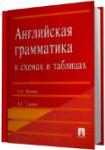
                    ДОМАШНИЙ «РЕПЕТИТОР
АННА ИОНИНА, АИДА СААКЯН
АНГЛИЙСКАЯ
ДОМАШНИЙ "ji РЕПЕТИТОР
АННА ИОНИНА, АИДА СААКЯН
АНГЛИЙСКАЯ
ГРАММАТИКА

2-е издание, исправленное
АЙРИС
ПРЕСС
РОЛЬФ
МОСКВА
2001
УДК 802(075)
БВК 81.2Англ-922
И75
Серия «Домашний репетитор» основана в 1996 году.
Все права защищены.
Никакая часть данной книги не может переиздаваться
или распространяться в любой форме и любыми средствами,
электронными или механическими, включая фотокопирование,
звукозапись, любые запоминающие устройства и системы поиска
информации без письменного разрешения Правообладателя.
Ионина А. А., Саакян А. С.
И7Г Английская грамматика: Теория и практика. —
2-е изд. испр. — М.: Рольф, 2001. — 448 с. — (До-
машний репетитор).
ISBN 5-7836-0390-2
Книга представляет собой теоретический и практический
курс грамматики английского языка. Теоретическая часть
содержит доступное изложение на русском языке основных
правил морфологии и синтаксиса английского языка. Особое
внимание уделяется темам, обычно вызывающим затрудне-
ния у изучающих язык. Практическая часть пособия содер-
жит разнообразные по характеру (аналитические, тренировоч-
ные, коммуникативно-направленные и др.) упражнения и тес-
ты с ключами.
Пособие рассчитано на школьников, абитуриентов, студен-
тов и всех самостоятельно изучающих английский язык.
ISBN 5-7836-0390-2
© Рольф,2000.
Предисловие
Foreword
«Английская грамматика: Теория и практика»
является базовым теоретическим и практическим
курсом грамматики современного английского язы-
ка для учащихся средней школы, гимназий, студен-
тов первого-второго курсов факультетов английско-
го языка, а также для широкого круга лиц, изучаю-
щих английский язык самостоятельно.
Данная книга состоит из теоретической и прак-
тической частей. Первая часть пособия представля-
ет собой последовательное изложение основного те-
оретического минимума знаний, необходимого для
овладения строем языка и формирования навыков
правильного построения речи. В целях облегчения
восприятия теоретический материал дается на рус-
ском языке.
Вторая часть пособия - практическая. Она пред-
ставляет собой последовательное изложение ма-
териала по принципу нарастания сложности. Раз-
нообразный характер упражнений, включающих
аналитические, тренировочные, творческие и комму-
никативно-направленные задания, поможет учащим-
ся приобрести уверенность в сфере употребления
времен, артиклей, модальных глаголов, которые тра-
диционно считаются скучными и трудными. В каж-
3
дом разделе под названием «Проверьте себя» дан
ряд заданий, позволяющих повторить пройденный
материал в комплексе. Тестовые задания в конце
пособия могут быть использованы в качестве конт-
рольных работ. Наличие ответов к упражнениям
позволит произвести самоконтроль.
Надеемся, что работа по данной книге, построен-
ной на фактическом материале, представляющем
язык современной Великобритании, будет не только
обучающей и познавательной, но и приятной.
Авторы
ЧАСТЬ ПЕРВАЯ
ТЕОРИЯ
PART ONE
THEORY
Введение
Introduction
Язык - основное средство человеческого обще-
ния, которое существует наряду с языком мимики и
жестов, различных видов искусства и многочислен-
ных кодовых систем.
Язык состоит из трех составляющих частей: фо-
нологической, лексической и грамматической сис-
тем. Фонетика - наука, изучающая звуковую сто-
рону языка: звуки, интонацию, ритм и т. д. Лек-
сикология - это наука, изучающая словарный запас
языка: слова и словосочетания, из которых скла-
дывается речь. Можно хорошо произносить анг-
лийские слова и иметь богатый словарный запас,
но невозможно будет общаться, если не знать пра-
вил соединения отдельных слов в предложения, ко-
торые являются основной единицей общения.
Этим занимается грамматика - наука, изучаю-
щая строй языка.
Грамматика состоит из двух разделов: морфо-
логии и синтаксиса. Морфология рассматривает от-
дельные слова (части речи), их словообразование и
функционирование. Синтаксис изучает механизм
соединения отдельных слов в предложения, различ-
ные типы предложений и их значения.
Раздел I. Синтаксис
Section I. Syntax
Типы предложений
Types of Sentences
•	Предложение (the Sentence) - это единица
речи, выражающая законченную мысль, имеющая
определенную грамматическую форму и интонацию.
Все предложения классифицируются по двум ос-
новным принципам: по структуре и по цели выс-
казывания.
•	По структуре предложения можно разделить на
простые, сложносочиненные и сложноподчиненные.
Простое предложение (the Simple Sentence), как
правило, состоит из главных членов предложения -
подлежащего и сказуемого и употребляется незави-
симо или как часть сложного предложения.
Life is wonderful.
We are students and we like English.
Простое предложение может быть распростране-
но второстепенными членами предложения: допол-
нением, обстоятельством и определением.
I bought a nice present for my friend yesterday.
Сложносочиненное предложение (the Compound
Sentence) состоит из двух или более равноправных
простых предложений.
It was a warm night, and the weather was fine, and
we went to the sea.
8
Сложноподчиненное предложение (the Complex
Sentence) состоит из главного предложения (the
Principal Clause) и из одного или более подчинен-
ных придаточных предложений (the Subordinate
Clause). Наиболее употребительными типами при-
даточных предложений являются:
1.	Придаточные дополнительные, вводимые со-
юзами that, whether, if, why, what, when.
I know that it’s true.
Nobody knows if they will return soon.
We’d like to see what it is.
2.	Придаточные времени и условия, вводимые со-
юзами when, as soon as, before, after, if, in case,
unless.
When Mother comes, we’ll discuss it.
If I have time, I shall go to the party.
I will not speak to him unless he apologizes.
3.	Придаточные обстоятельства, причины; образа
ДЕЙСТВИЯ, СРАВНЕНИЯ, ЦЕЛИ.
I can’t join you because I’m very busy.
Helen studies as well as her elder brother does.
He left early so that he should not be late.
4.	Придаточные определительные, вводимые отно-
сительными местоимениями that, who (whom),
which.
Show me the book that you’ve bought.
The girl whom he invited is my sister.
I’d like to meet the writer who wrote this novel.
• По цели высказывания все предложения делят-
ся на повествовательные (Declarative Sentences)
(сообщающие факты в утвердительной или в от-
рицательной форме), повелительные (Imperative
Sentences) (выражающие приказания, просьбы, при-
глашения), вопросительные (Interrogative Sentences)
9
(задающие различные вопросы для получения нуж-
ной информации).
It’s autumn. Winter is coming. I don’t like winter.
Stay cool! Relax! Don’t answer me back! Don’t tell
me lies!
What’s the matter? Do you agree with me? Is
everybody here?
• Любой из вышеперечисленных видов предло-
жений может быть преобразован в восклицатель-
ное предложение (the Exclamatory Sentence) при
помощи слов what и how.
What a nice girl! What fantastic news!
How nice the girl is! How interesting the
information is!
Основные типы
вопросительных предложений
Main Types of Questions
• Общий вопрос (the General Question). Он зада-
ется ко всему предложению и требует ответа Yes
или No. Порядок слов обратный, на первое место
выносится вспомогательный (do, does, is) или мо-
дальный глагол для выяснения конкретной инфор-
мации.
- Do you like computers? - Yes, I do.
- Is that your CD? - No, it is not.
- Does he speak Spanish? - Yes, he does.
- Can you help? - Of course, I can.
- Must I do it now? - Yes, it’s urgent.
Глагол to be в простом настоящем и простом про-
шедшем временах вспомогательного глагола не требует.
Am I or are you right?
Were you (was he) at the theatre last night?
10
Сравните также общие вопросы, соответствующие
русскому значению «Разве...?», «Неужели...?».
Isn't he here?
Weren't you there?
Won't you go there?
Don't you know him?
Can't you do it for me?
Haven't you got a car?
•	Специальный вопрос (the Special Question) мо-
жет относиться к любому члену предложения. При
его постановке для получения конкретной информа-
ции используются вопросительные слова who, what,
when, where, why, which, what kind of, whom, how.
Who helps you? What do you do?
When did you come? Where did you get it?
Why are you so angry? Which is your book?
What kind of music do you like?
What country do you come from?
Whom did you invite to your birthday?
How are you going to do it?
•	Вопрос к подлежащему (the Question to the
Subject) как в настоящем, так и в прошедшем вре-
мени не требует вспомогательного глагола. Поря-
док слов в таком вопросе прямой.
Who plays the piano in your family?
Who went to the picnic last Sunday?
What troubles you?
What made you happy?
Примечание. В настоящем времени глагол име-
ет форму третьего лица единственного числа.
What helps you to be so active?
Who meets you after school, Benny?
•	Альтернативный, или выборочный вопрос (the
Alternative Question), может ставиться к любому
члену предложения и предполагает выбор между
двумя лицами, предметами, качествами и т. д.
11
We watched a western on TV last night.
Did you or did the kids watch a western on TV last
night?
Did you watch a western or a comedy last night?
Did you watch a western on TV last night or on
Saturday?
• Разделительный вопрос (the Disjunctive or
“Tag-question”) задается с целью выражения удив-
ления, сомнения, подтверждения высказанной мыс-
ли и соответствует русским оборотам «не правда
ли?», «не так ли?», «ведь».... Разделительный воп-
рос состоит из двух частей: повествовательной (с
прямым порядком слов) и вопросительной, пред-
ставляющей собой краткий вопрос. Во второй ча-
сти употребляется вспомогательный или модаль-
ный глагол, входящий в состав сказуемого первой
части.
You are an optimist, aren't you?
Не likes coffee, doesn't he?
You can swim, can't you?
You have been to Rome, haven't you?
He hasn’t got a car, has he?
They have dinner at home, don't they?
Если первая часть вопроса утвердительная, то
глагол во второй части будет иметь отрицательную
форму. И наоборот, если первая часть вопроса отри-
цательная, то глагол во второй части имеет утвер-
дительную форму. Сравните:
English is difficult, isn’t it? - English isn’t difficult,
is it?
You are happy, aren’t you? - You are not happy, are
you?
He never lies, does he? - He often lies, doesn't he?
12
Главные и второстепенные
члены предложения
Main and Secondary Parts
of the Sentence
Главные члены предложения
Main Parts of the Sentence
К главным членам предложения относятся под-
лежащее и сказуемое.
ПОДЛЕЖАЩЕЕ
SUBJECT
* Подлежащее (the Subject) обозначает лицо, про-
цесс или действие и отвечает на вопросы именитель-
ного падежа who! («кто?») или what! («что?»).
Подлежащее может быть выражено местоимени-
ем, существительным, инфинитивом, герундием.
Не and I are good friends.
Children like to play computer games.
To go to England is my dream.
Working in the garden relaxes me.
Подлежащее может также выражаться различны-
ми субстантивированными частями речи (прилага-
тельными, числительными, причастием II, глаголами
и т. д.), переходящими в класс существительных.
The rich and the poor have different problems.
The unemployed gathered in the Central Square.
The best buys are before Christmas.
Seven is a lucky number for me.
There are ups and downs in every business.
•	Для английского языка характерны формаль-
ные элементы it и there, заменяющие или вводящие
подлежащее в предложение.
13
It is getting late.
It was summer.
It will get warm soon.
It rains a lot here in summer, doesn’t it?
It never snows in California, does it?
It snowed heavily last winter, didn’t it?
There is a secret in every family.
There was a mistake in the text.
There will be seven pupils in my group.
There have been many changes in my life lately.
Примечание. При наличии нескольких подле-
жащих в предложениях с конструкцией there... ска-
зуемое согласуется с первым существительным, сле-
дующим за ним.
There is a dictionary and some papers on the table.
There are papers and a dictionary on the table.
СКАЗУЕМОЕ
PREDICATE
•	Сказуемое (the Predicate) - главный член пред-
ложения, который обозначает действие, состояние,
качество лица или предмета, выраженного в пред-
ложении подлежащим.
•	Сказуемое может быть двух типов: глагольным
или именным.
Глагольное сказуемое (the Verbal Predicate) обо-
значает действие и выражается глаголом в личной
форме (в любом времени, залоге, наклонении).
She studies Chinese.
They went for a walk every evening.
They are having dinner at the moment. They usually
have it at five o’clock.
I’ve been missing you, we haven’t met for ages.
The house has just been redeeorated.
Глагольное сказуемое может быть двух типов:
14
1. Модальным, состоящим из модального гла-
гола с последующим инфинитивом глагола без
частицы to (исключение составляют ought to,
to be to, to have to).
You must do it right now.
He has to think of his future.
They should be more careful.
You ought to be more polite.
It was to happen.
2. Фазовым (с глаголами, обозначающими на-
чало, продолжение, конец действия: to begin, to
start, to continue, to go on, to keep, to stop, to
finish, to cease).
They started working like mad.
We went on dancing all night.
The girl kept smiling happily.
They began to talk like old friends.
• Именное сказуемое (the Nominal Predicate) обо-
значает факты, состояния, качества, характеристи-
ки предмета или лица. По структуре оно всегда со-
ставное и включает в себя глагол-связку и именную
часть.
It is a foggy day today.
He always looks upset.
He feels well today.
Her voice sounded cheerful.
Marry seems happy.
They remained silent.
The pie tastes delicious.
В английском языке существуют следующие свя-
зочные глаголы (Link Verbs)'.
1.	Глаголы бытия: be, look, feel, taste, smell, sound.
2.	Глаголы становления, перехода в новое каче-
ство: get, grow, become, turn, prove.
15
3.	Глаголы сохранения качества: remain, keep,
continue.
4.	Глаголы «кажимости*: seem, appear.
Употребление различных связочных глаголов по-
зволяет передать разнообразные оттенки значения
и сделать речь более выразительной. Сравните:
Му boss is busy. - Му boss looks (feels, seems,
becomes) busy.
Именная часть сказуемого (the Predicative) мо-
жет быть выражена существительным, местоимени-
ем, прилагательным, числительным, инфинитивом, ге-
рундием, причастием П.
Не is my doctor.
Somebody is knocking, that’s him again!
He seems competent.
He looks thirty.
His job is to watch his patients’ health.
His greatest pleasure is visiting nice people like me.
Ted is satisfied with his life.
Примечание. Глагольное сказуемое определяет-
ся наречием. Именная часть (предикатив) составно-
го именного сказуемого определяется прилагатель-
ным. Сравните:
Не is a good worker. - Не works well.
It’s a serious matter. - Take life seriously.
I am a bad driver. - I drive badly.
Второстепенные
члены предложения
Secondary Parts of the Sentence
К второстепенным членам предложения относят-
ся дополнение, определение и обстоятельство.
16
ДОПОЛНЕНИЕ
OBJECT
• Дополнение (the Object) обозначает лицо или
предмет и отвечает на вопросы косвенных падежей
русского языка whom? («кого?»), what? («что?»), to
whom? («кому?»), by whom? («кем?»), about what? («о
чем?») Оно может быть выражено существитель-
ным, местоимением, инфинитивом, герундием, при-
даточным предложением.
* Дополнение может быть прямым и косвенным.
Прямое дополнение (the Direct Object) обозна-
чает предмет или лицо, на которое распространя-
ется действие глагола и отвечает на вопрос what?
(«что?»), whom? («кого?») (винительный падеж рус-
ского языка).
I like pizza. I eat it every day.
She wants to buy a bike.
They enjoy fishing.
He says that he is a genius.
Косвенное дополнение (the Indirect Object) мо-
жет быть беспредложным и предложным.
Беспредложное косвенное дополнение (the Non-
Prepositional Direct Object) обозначает лицо, к ко-
торому обращено действие, и соответствует в рус-
ском языке дополнению в дательном падеже to
whom? («кому?»). Оно может быть выражено су-
ществительным без предлога в общем падеже или
местоимением в объектном падеже и занимает по-
зицию между глаголом-сказуемым и прямым до-
полнением, без которого оно не может употреблять-
ся.
Tell Peter (him) your story.
Give us some more time, please.
He gave the boy a paper.
Show us the fax.
17
Предложное косвенное дополнение (the Prepo-
sitional Direct Object) следует за глаголом и может
быть выражено существительным или местоимени-
ем с предлогом. Отвечает на различные вопросы.
I am thinking of you.
We talked about the weather.
Give it to me, please!
I agree with you.
Nina is married to my cousin.
Are you interested in astrology?
При наличии прямого дополнения косвенное до-
полнение следует после этого прямого дополнения.
Nick bought the disk for me. Show the fax to him.
В примерах, подобных вышеперечисленным, воз-
можен другой порядок слов с беспредложным до-
полнением:
Nick bought те the disk. Show him the fax.
Ряд глаголов, однако, не допускает подобного пре-
образования, так как они исторически употребля-
ются с предлогом to. К ним относятся глаголы: to
explain, to introduce, to dictate, to read, to describe,
to refer.
Explain the task to me.
Introduce Bess to Liza, please.
Dictate it to her.
Describe the place to us.
ОПРЕДЕЛЕНИЕ
ATTRIBUTE
• Определение (the Attribute) обозначает признак
предмета, относится к существительному и отвечает
на вопросы what?, what kind of?, whose?, which?, how
much?, how many?. Определение может быть выра-
жено прилагательным, местоимением, существитель-
ным без предлога, существительным в притяжатель-
18
ном падеже, числительным, причастием. Оно может
стоять перед определяемым словом или же после
него.
It’s a lovely day today!
Travelling is my hobby.
It was a November day.
Mike's birthday is on the eighth of March.
It takes five years to become a teacher.
We live in a changing world.
The unexpected news shocked everybody.
When I saw a star falling from the sky, I made a
wish.
ОБСТОЯТЕЛЬСТВО
ADVERBIAL MODIFIER
• Обстоятельство (the Adverbial Modifier) харак-
теризует действие, состояние или качество лица или
предмета, обозначая время, место, образ действия,
причину, степень, цель совершения этого действия.
Обстоятельство может быть выражено наречием,
существительным с предлогом, инфинитивом, герун-
дием, причастием, придаточным обстоятельствен-
ным предложением.
You should take life more seriously.
It happened in the middle of the night.
To make good progress you must work hard.
One learns by failing.
Coming into the room, she switched on the TV-set at
once.
As he was very busy, he forgot about his own
wedding.
* Место обстоятельства в предложении. С глаго-
лами движения обстоятельство места следует непо-
средственно за глаголом.
They stayed at the office till late evening.
19
He went to the station to catch the last train.
Если в предложении есть несколько обстоятельств,
то обычный порядок их расположения следующий:
«место», «образ действия», «время».
We went to the theatre by car last night.
My parents met in Paris by chance twenty years
ago.
В случае простого глагольного сказуемого такие
обстоятельства времени, как never, ever, usually, often,
seldom, already, располагаются перед глаголом.
He never tells me anything.
Marina always sends me Christmas cards.
They seldom visit us in winter.
Nothing ever happens to me.
My mother already knows my secret.
Если сказуемое составное (именное или модаль-
ное), то эти наречия употребляются после вспомога-
тельного или модального глагола.
Не is never on time.
Mary can always rely on us.
Victor has just come back from London.
You must never complain.
В вопросительных предложениях наречия време-
ни следуют непосредственно за подлежащим.
Is he ever on time?
Can Mary always rely on you?
Has Victor just come back from London?
Must you always stay at the office so late?
Раздел II. Морфология
Section II. Morphology
• Морфология - раздел грамматики, изучающий
части речи. Все части речи классифицируются по
трем основным принципам: 1) грамматическое зна-
чение; 2) форма; 3) синтаксическая роль (функция)
слова в предложении. В соответствии с этим все ча-
сти речи делятся на самостоятельные и служебные.
К самостоятельным частям речи относятся сле-
дующие:
-	имя существительное
-	имя прилагательное
-	слова категории состояния
-	местоимение
-	числительное
-	глагол
-	наречие
Самостоятельные части речи имеют независимое
значение и могут выполнять различную синтакси-
ческую роль в предложении.
К служебным частям речи, не имеющим само-
стоятельного значения, относятся:
- союзы
- предлоги
- частицы
- междометия
- модальные слова
- восклицания
21
Эти части речи могут соединять слова и предло-
жения, определять или усиливать значения других
слов или же выражать отношение говорящего к со-
держанию высказывания.
Имя существительное
Noun
Имя существительное
и его классификации
Noun and Its Classifications
•	Имя существительное (the Noun) обозначает
предметы, живые существа, вещества (материи), аб-
страктные понятия, различные явления.
•	По выражаемому ими значению все имена су-
ществительные в английском языке делятся на:
1. Нарицательные (Common Nouns) и соб-
ственные существительные (Proper Nouns). К
первым относятся слова типа: a book, a flower,
the moon, love, life. Среди собственных имен
существительных выделяются имена людёй
(Mr. Brown, Henry), географические наимено-
вания (Paris, the UK, the Nile), названия мест,
организаций, газет, журналов, литературных
произведений и т. д.
2. Конкретные (Concrete Nouns) (a file, a student,
a tree, wood, tea, air), абстрактные (Abstract Nouns)
(freedom, time, love), собирательные (Collective
Nouns) (news, police, team, goods, money, glasses,
clothes, jeans, scissors), вещественные (Material
Nouns) существительные (bread, coal, water).
22
•	Все имена существительные в английском язы-
ке могут классифицироваться по принципу исчис-
ляемости — неисчисляемости.
Исчисляемые имена существительные (Countable
Nouns) обозначают предметы, которые можно пере-
считать (один, два ... много) и которые могут упот-
ребляться как в единственном, так и во множествен-
ном числе: an apple - apples, an idea - ideas, a file -
files, a printer - printers.
Неисчисляемые имена существительные (Un-
countable Nouns) обозначают понятия, явления, ко-
торые нельзя пересчитать. Они употребляются толь-
ко в единственном числе и согласуются со сказуе-
мым в единственном числе.
Light travels fast. The information is top secret.
Sugar is bad for many people. Honey always helps
me to fall asleep.
Категории имени существительного:
число, падеж, род
Categories of Noun:
Number, Case, Gender
ЧИСЛО
NUMBER
•	Исчисляемые имена существительные в англий-
ском языке имеют единственное и множественное
число. Множественное число обычно образуется с
помощью окончания ~(e)s, имеющего три варианта
произношения: [S], [z], [iz]
hat - hats
toy - toys
story - stories
a pen - pens
a boy - boys
a knife - knives
a box - boxes
a party - parties
a roof - roofs
23
В ряде слов английского языка формы единствен-
ного и множественного числа образуются нетипич-
ным способом, так как исторически в них происхо-
дит чередование корневой гласной.
a man - men a woman - women a mouse - mice a foot - feet	a tooth - teeth a child - children a goose - geese a louse - lice
• Следующие имена существительные имеют со-
впадающие формы для единственного и множествен-
ного числа.
a fish - two fish
a deer - five deer
a sheep - a lot of sheep
a Swiss - two Swiss
a swine - two swine
a Chinese - three Chinese
a series - three series
a species - some species
• В сложных словах окончание -(e)s добавляется
к последнему элементу слова.
a grown-up - grown-ups
an office-block - office-blocks
a boyfriend - boyfriends
a handful - handfuls
a forget-me-not - forget-me-nots
a lady-bird - lady-birds
Ho: a mother-in-law - mothers-in-law
a passer-by - passers-by
a hanger-on - hangers-on
Еслй первым элементом сложного слова являет-
ся man или woman, то оба элемента меняются из
единственного числа во множественное.
a woman-driver - women-drivers
a manservant - menservants
Ряд слов, заимствованных из латинского и г ре-
24
ческого языков, имеют несвойственные для англий-
ского языка окончания, написание которых следует
запомнить.
a genius - genii
a datum - data
a phenomenon - phenomena
a formula - formulae
a cactus - cactii
a memorandum - memoranda
Окончание множественного числа ~(e)s также воз-
можно у этих слов.
a formula - formulas
a genius - geniuses
a cactus - cactuses
a memorandum - memorandums
ПАДЕЖ
CASE
* В английском языке выделяются два падежа
имени существительного: общий и притяжательный.
• Существительные в общем падеже (the Common
Case) не имеют окончаний, и их значение носит об-
щий характер.
* Притяжательный падеж (the Possessive Case),
как правило, употребляется с одушевленными-суще-
ствительными, обозначающими людей или живот-
ных, и выражает значение принадлежности, облада-
ния чем-то, различных отношений. Синтаксической
функцией слова в притяжательном падеже являет-
ся, как правило, функция определения: Mary's family,
A. Christie's novels, a day's work, Boris's wife, a
month’s salary.
Форма притяжательного падежа образуется с помо-
щью окончания’s. На письме существуют две формы
притяжательного падежа: *8 — для существительных в
25
единственном числе и ’ (apostrophe) - для существи-
тельных во множественном числе.
a student’s dictionary - students’ dictionaries
a woman’s journal - women’s journals
Примечание. Если имя собственное заканчива-
ется на —s, то апостроф может либо употребляться,
либо опускаться: Charles’ club, Keats’ poems, Max’
car, St. James’s Park, Bess’s toys
Притяжательный падеж употребляется также для
выражения:
1.	Совместного владения чем-то: Nancy and
Fred’s business; My son and daughter’s computer.
2.	Меры времени или расстояния: a moment’s
silence, a two-miles’ drive, a day’s wait, a two
weeks’ holiday.
3.	Какого-либо места (магазин, дом, мастерская,
салон и так далее): at the dentist’s (office,
clinic), at the butcher’s (shop), at my mother’s
(house), at the hairdresser’s (saloon), at the
baker’s (shop).
4.	Значения «один из» во фразе с предлогом of.
Helen is a student of my mother’s.
Boris is a friend of my father’s.
Monica has always been a favourite of her
Granny’s.
Неодушевленные существительные передают зна-
чение принадлежности при помощи сочетания of +
существительное', the roof of the house, the end of
the story, the cover of the book.
В современном английском языке притяжатель-
ный падеж часто употребляется с неодушевленны-
ми существительными типа moon, sun, world, Earth,
river, country, city, а также с названиями стран, вре-
мен года, месяцев и дней недели: the city’s
26
population, the sun’s rays, the Earth’s surface, the
river’s bed, the river’s bank, Tuesday’s programme,
the country’s policy, July’s heat, a summer’s morning,
London’s buses.
Если имеется в виду посвящение чего-то кому-то,
то притяжательный падеж не употребляется: the
State Tretyakov Gallery, the Pushkin Monument, the
Tate Gallery, the Kennedy Centre.
РОД
GENDER
• В отличие от русского языка, в котором кате-
гория рода выражается с помощью окончаний муж-
ского, женского и среднего родов, в английском языке
отсутствуют морфологические показатели этой ка-
тегории.
Значение рода в английском языке передается:
1.	Лексическим значением слова:
мужской род - man, boy, husband, father,
brother, bachelor, monk, gentleman, lord, nephew,
женский род - woman, girl, wife, mother, sister,
spinster, nun, lady, niece;
средний род - table, house, computer, vase,
life, city, river;
2.	Личными местоимениями - he, she, it;
3.	Суффиксами -ess, -ine, -er:
actress, hostess, poetess, tigress, baroness,
heroine, waitress, lioness, a widower;
4.	Составными существительными типа:
a woman-doctor	a Ae-cousin
a uwnan-president	a sAe-inspector
Примечание. В некоторых случаях значение рода
в английском языке (в особенности с неодушевленны-
27
ми существительными) определяется традицией. Так,
названия стран, судов, средств передвижения истори-
чески употребляются с местоимением she. К их числу
относятся существительные ship, yacht, boat, cruiser,
car, carriage, coach, plane, Russia, England, France.
She is a fine car.
England is proud of her poets.
The “Magnolia” has started on her voyage.
Артикль
Article
Общее понятие
General Notion
В современном английском языке существует два
артикля (the Articles) - неопределенный артикль
(the Indefinite Article) а (ап) и определенный ар-
тикль (the Definite Article) the.
Артикли в английском языке - это слова, упот-
ребляющиеся только с именами существительны-
ми или же со словами, перешедшими в разряд су-
ществительных - субстантивированными частями
речи.
Наряду с указательными, притяжательными и не-
определенными местоимениями, артикли передают
значение определенности или неопределенности име-
ни существительного.
Значение имени существительного является оп-
ределяющим при употреблении с ним артиклей.
Исчисляемость или неисчисляемость имени суще-
ствительного является вторым фактором, опреде-
ляющим употребление с ним артиклей.
28
Исчисляемые	Неисчисляемые
существительные	существительные
a film	surprise	anger
a person	freedom	love
a train	happiness	patience
a coin	work	experience
a fish	news	money
a child	sugar	education
a student	juice	nonsense
Исчисляемые существительные поддаются счету,
они имеют формы единственного и множественного
числа и могут употребляться как с определенным,
так и с неопределенным артиклем.
Ряд неисчисляемых (конкретных и абстрактных)
существительных не имеет формы множественного
числа. Их употребление часто вызывает трудности,
так как в русском языке они являются исчисляе-
мыми и имеют формы как единственного, так и мно-
жественного числа: новость - новости, совет - со-
веты, сведение - сведения.
Следующие существительные имеют форму един-
ственного числа и согласовываются с глаголом в
единственном числе:
information	success	knowledge
advice	progress	cream
money	furniture	ink
news	work	linen
rubbish	hair	weather
This information is very important.
Your progress is really good.
The work is difficult.
Her hair is silvery blond.
29
The weather looks promising.
It is hitting news.
Существует также ряд существительных, которые
имеют форму множественного числа и согласовы-
ваются с глаголом во множественном числе.
clothes	scales	tights
contents	goods	pants
sweepings	shorts	stairs
odds	trousers	wages
greens	jeans	outskirts
customs	scissors	earnings
Му jeans are denim blue.
These glasses were made in Italy.
Are the scissors sharp?
The scales are not exact.
My wages are not high.
My stairs are very steep.
Поскольку употребление определенного артикля
не зависит от исчисляемости или неисчисляемости
имени существительного, то основные трудности воз-
никают при употреблении именно неопределенного
артикля.
Основные случаи употребления
неопределенного и определенного артиклей
Main Cases of the Use of Indefinite
and Definite Articles
• Неопределенный артикль имеет две формы как
в написании, так и в произношении:
а [э] - перед согласными звуками
30
an [an] - перед гласными звуками
She has a busy life.
I am waiting for an answer, Ben.
Выбор той или иной формы артикля определяет-
ся произношением, но не орфографией. Форма а упот-
ребляется перед словами, которые начинаются с со-
гласного звука в речи, даже если они и начинаются с
гласной буквы в написании.
This is a universal device.
Форма ап употребляется перед словами, которые
начинаются с немой буквы й.
An hour is enough for lunch.
Сравните также возможные варианты:
an hotel - a hotel, an history - a history.
Неопределенный артикль в английском языке про-
изошел от числительного one: one > а, ап. Однако его
не всегда можно заменить на числительное one. Ре-
зультат может быть очень странным. Сравните:
You look like an idiot. - You look like one idiot.
It’s a nice day. - It’s one nice day.
One употребляется, когда хотят быть точны или
же подчеркнуть единичность предмета или лица.
I have two brothers and one sister.
One look at his face told me all.
Неопределенный артикль употребляется только
с исчисляемыми именами существительными в един-
ственном числе: a tree, an apple, a child.
Неопределенный артикль отсутствует, если имя су-
ществительное стоит во множественном числе. В та-
ких случаях принято говорить о «нулевом артик-
ле»: trees, apples, children.
• Неопределенный артикль имеет следующие зна-
чения:
1.	Классификации предмета, лица, явления.
It’s a bus (not а саг).
31
It’s a teenager novel (not for grown-ups).
He’s an actor (not an artist).
2.	Обобщения (предмет или лицо, о котором
идет речь, не просто классифицируется, но и
выступает в роли представителя класса пред-
метов, лиц, явлений). Это особенно характерно
для пословиц и поговорок, выражающих свой-
ства, характерные для любого из данного клас-
са предметов или лиц.
A lawyer must know all the laws.
A teacher should be competent.
A hungry man is an angry man.
3.	Единичности, которое особенно очевидно
при выражении мер времени, расстояния, веса.
An hour and a half has passed.
I ran a mile without a stop.
An apple a day keeps wrinkles away.
Buy a pound of sugar, please.
Значение единичности четко проявляется также
в ряде устойчивых словосочетаний, передающих од-
нократные действия.
to be a success
to have a look
to have a rest
to have a good time
to have a snack
to make a date
to make a will
to make a mistake
to make a start
to have a try
to give a lift
to give a chance
to be at a loss
to make a speech
to play a trick
• Неопределенный артикль употребляется с ис-
числяемым существительным в единственном чис-
ле, которое выполняет синтаксическую функцию:
32
1.	Подлежащего в предложениях с конструк-
цией there is, there was, there will be.
There was a plane in the sky.
There is a stamp on the envelope.
There will be a good concert next Sunday.
Ho: There are planes in the sky.
There are stamps on the envelopes.
There will be good concerts next month.
2.	Предикатива (именной части составного
именного сказуемого).
I am a teacher, and she is a writer.
Nigel is an optimist.
Ho: Are-you pessimists?
3.	Прямого дополнения.
He has a big family.
They have got a small house.
Mary wants a husband and some kids.
Let’s take a seat and have a snack.
Неисчисляемые существительные (вещественные,
собирательные и абстрактные) во всех вышеупомя-
нутых синтаксических функциях не имеют артик-
ля, так как употребляются в общем смысле.
It’s such hot soupl
What fine weatherl
There is hot tea in the tea-pot.
There was joy in the child’s look.
Неопределенный артикль употребляется также с
исчисляемыми существительными в единственном
числе в восклицательных предложениях после слов
what или such.
What a chancel It’s such a great day'.
You are such a crazy woman, but you mean so much
«о me!
Ho: What chances'. These are such great days'. What
crazy women'.
2-1112	33
* Определенный артикль (the Definite Article)
имеет одну форму написания и два варианта произ-
ношения:
[дэ] - перед согласными звуками
[di] - перед гласными звуками.
The name seems familiar to me.
The England of our childhood!
The произносится [di] перед словами, которые на-
чинаются с немой буквы Л.
heir	honestly	honorable
heiress	honesty	honorably
heirloom	honorary	hour
honest	honour	hourly
Определенный артикль произошел в английском
языке от указательного местоимения that и всегда
указывает на предмет, лицо, явление как определен-
ное. Эквивалентами определенного артикля явля-
ются притяжательные (ту, your, his, her, its, our, their)
и указательные местоимения (this, that, these, those).
В русском языке, где нет артиклей, значение опре-
деленности передается с помощью указательных
местоимений или же порядка слов. Поэтому при
переводе на русский язык эквивалентом английс-
кого существительного с определенным артиклем
будет сочетание существительного с указательным
местоимением этот, тот.
I remember the girl. (Я помню эту девушку.)
You are the man we are looking for. (Вы тот чело-
век, которого мы ищем.)
® Определенный артикль употребляется в тех слу-
чаях, когда:
1.	Ситуация (то, что вы можете мысленно
представить себе) или контекст (часть связ-
Q 1
кого текста) показывает, что речь идет об оп-
ределенном предмете или лице.
The day is fine and the children are going to the
park.
The film was great, the actors were wonderful.
2.	Предмет упоминался в тексте ранее и мо-
жет быть назван во второй раз тем же самым
или другим существительным.
Three little kittens lost their mittens... The three
little kittens, they found their mittens.
There was a cat on the step. The animal was
enjoying the sunshine.
Nigel gave me a calendar, but I didn’t like the
present at all.
3.	У существительного есть уточняющее (огра-
ничивающее) определение, которое может быть
выражено:
а)	придаточным предложением;
This is the chance I’ve been waiting for.
б)	предложной фразой;
The house at the end of the street is for sale,
в) словами типа all, whole, very, right, left,
wrong, only, main, last, next, same, previous:
He is the only person for the position.
Ho: I was an only child.
We are all in the wrong business.
Ho: We’ve taken a wrong turn.
It was the last stop.
Ho: It was a last minute decision (поспешное
решение).
г) порядковым числительным;
Take the first turning to the right.
Ho: a first love, a first night, a first time, a
first child.
I am reading the second chapter now.
Can I have a second cup of tea?
2
35
(неопределенный артикль придает фразе зна-
чение «еще один»)
д) прилагательным в превосходной степени.
I try to read the best authors.
I was the best man at Mike’s wedding.
Но: нулевой или неопределенный артикль
возможен в выражениях типа a best seller:
This novel could be a best seller.
Сравните также следующие пары предложе-
ний:
This is the most interesting project.
This is a most urgent matter.
В первом примере превосходная степень
прилагательного с определенным артиклем
выражает самую высокую степень качества.
Во втором примерю с неопределенным ар-
тиклем выражена очень высокая степень
качества, но не самая высокая и соответству-
ет русскому «весьма», «чрезвычайно», «в
высшей степени».
4. Обстоятельство места, как правило, упот-
ребляется с определенным артиклем.
Jane spends most of her time either in the kitchen
or on the phone.
Но: иногда возможен и неопределенный артикль.
We all live in a yellow submarine.
Tracey feels lonely in a big old house.
Ряд фраз с существительными в притяжатель-
ном падеже обозначает обстоятельство места
(дом, магазин, клиника и т. д.) и всегда упот-
ребляется с определенным артиклем: at the
doctor’s, at the dentist’s, at the vet’s, at the
butcher’s, at the chemist’s, at the cleaner’s.
5. Определенный артикль употребляется co сло-
вами, обозначающими тип географического
ландшафта: the city, the land, the country, the
36
mountains, the countryside, the plains, the desert,
the easide, the forest, the taiga, the jungle, the
tundra.
Shall we have our holidays in the mountains or
at the seaside?
The rain was hammering the land and the forest.
I like the English countryside.
Артикли с конкретными и абстрактными
именами существительными
Articles with Concrete
and Abstract Nouns
* Неисчисляемые (конкретные и абстрактные)
имена существительные, употребляемые в общем
смысле, не имеют артиклей и формы множествен-
ного числа.
Rather than love, than money, than fame, give me
truth.
He prefers quality to quantity.
Food is what people and animals eat.
• Приведенные ниже неисчисляемые имена су-
ществительные не имеют формы множественного
числа в английском языке и не употребляются с
неопределенным артиклем.
advice
behaviour
equi pment
furniture
hair
health
homework
information
knowledge
luggage
money
music
news
progress
prose
shopping
traffic
travel
wealth
weather
She asked her Mum for advice and she got it; she
asked her Mum for cash and she didn’t get it.
37
Ho: I saw a hair on her collar.
При необходимости выразить единичность исполь-
зуются выражения типа a piece of, an item of, a word
of, an article of, a sum of и так далее: a piece of work,
a piece of advice, an item of news, a sum of money, an
article of furniture, a spell of good weather.
Существительное weather употребляется во мно-
жественном числе лишь в выражении in all weathers.
She is carrying her umbrella in all weathers.
He takes his dog out in all weathers.
* Значительная группа английских существитель-
ных может быть как исчисляемыми, так и неисчис-
ляемыми, однако с большой разницей в значении.
Если слово употреблено в общем смысле, то оно
не имеет артикля. Употребление неопределенного
артикля с существительным означает конкретное
проявление того или иного понятия. Наиболее упот-
ребительные из них:
air	education	light
beauty	experience	memory
business	grammar	speech
charm	history	study
cold	language	time
dinner	law	work
Сравните:
grammar (грамматика,
составная часть науки
о языке)
study (процесс учения)
work (работа, процесс
труда)
beauty (красота)
a grammar (учебник
грамматики, книга)
a study (комната, кабинет)
a work of ... (книга,
картина, поделка,
конкретное проявление
труда)
a beauty (красавица)
3S
Air is necessary for life. There was an air of
importance about him.
Time flies. There is a time and place for everything.
• Следующие неисчисляемые вещественные име-
на существительные могут переходить в разряд ис-
числяемых и выражать вид, сорт, порцию, конк-
ретный предмет:
brick	glass	perfume
brandy	iron	soup
cheese	jam	stone
coal	meat	tea
coffee	medicine	whisky
detergent	metal	wine
food	paper	wood
Сравните:
glass (стекло)
iron (железо)
coffee (кофе)
a glass (стакан)
an iron (утюг)
a coffee (порция, одна
чашка кофе)
- “Which cheeses do you sell?” - “Cheddar,
camembert and gouda.”
- “Which wines are produced in this region?” - “A
dry red and a rose."
My Granny makes a very fine jam. She makes four
jams every year.
Фразы типа “Want a beer?", “Two teas, please",
“Two gin and tonics." уместны в ресторане или в
кафе, но не дома, где вы скажете “Do you want а
glass of beer?" или “Would you like a cup of tea?"
• Употребление неопределенного артикля с абст-
рактными именами существительными, имеющими
описательное определение, характерно для книжно-
го стиля в английском языке и выражает желание
39
автора подчеркнуть особую разновидность или нео-
бычное проявление того или иного абстрактного по-
нятия.
A terrible quietness crept in the house.
It was an absolute pleasure having you in my class.
Сравните также авторское употребление суще-
ствительного success в следующих предложени-
ях:
I have lived another day and that’s a success}
The only place where success comes before work is
in a dictionary.
I have had one success however.
We have had some successes in tennis lately.
* Названия болезней считаются неисчисляемы-
ми существительными и, как правило, не требуют
никакого артикля. К их числу относится следую-
щие:
AIDS
appendicitis
cholera
diabetes
hepatitis
herpes	mumps
influenza	pneumonia
laryngitis	smallpox
malaria	tuberculosis
measles	typhoid
The child has the first symptoms of measles.
Определенный артикль возможен с названиями
некоторых болезней. Это относится к словам measles,
mumps, chickenpox, flu (но не к influenza).
I’m coming down with the flu.
She had a mild attack of flu (influenza).
Существительные, обозначающие физическое со-
стояние - cold, chill, cough, употребляются как обыч-
ные исчисляемые существительные.
Feed a cold and starve a fever.
Have you caught a cold again?
Слова, оканчивающиеся на -ache, в британском
40
английском могут употребляться без артикля или
же с неопределенным артиклем.
I’ve got earache. I’ve got an earaehe. (a toothache,
a backache).
Слово headache является исчисляемым: a
headache - headaches.
В американском английском все слова с -ache
являются исчисляемыми, и вариант Гое got earache
неупотребителен.
Слово heartache с неопределенным артиклем не
употребляется, так как передает эмоциональное стра-
дание или боль.
• Артикли с существительным fruit.
Существительное fruit имеет в английском язы-
ке несколько значений:
1.	В своем основном значении оно соответству-
ет русскому слову «фрукты» («вид питания»).
В этом значении оно неисчисляемо, то есть со-
гласуется с глаголом в единственном числе, не
имеет неопределенного артикля и формы мно-
жественного числа.
Fruit is useful. There is fruit and ice-cream for
dessert.
2.	Слово fruits может обозначать «различные
виды фруктов».
Many different fruits are brought from Italy.
I like citrus fruits best.
I’ve got a beautiful book on African fruits.
3.	Формы a fruit - fruits имеют значение
♦ плод - плоды» (как ботанический термин).
It was a strange looking fruit.
This bush gives very beautiful fruits.
4.	Кроме того, слово fruits может употреблять-
ся в переносном значении - «плоды, результа-
ты чего-либо» (как правило, за существительным
41
fruits следует предлог of): the fruits of labour, the
fruits of enlightenment, the fruits of industry, the
fruits of my efforts.
Артикли с существительным fish.
1.	Существительное fish является исчисляемым
в английском языке и имеет совпадающие фор-
мы единственного и множественного числа: а
fish - two fish - many fish. Названия различ-
ных видов рыб также имеют совпадающие фор-
мы единственного и множественного числа: а
cod - five cod, a pike - a lot of pike.
There are many fish in this lake.
Do flying fish really fly!
Buy two or three fish, please.
She keeps goldfish in her aquarium.
Сравните другие существительные, также име-
ющие идентичные формы единственного и мно-
жественного числа: a sheep - many sheep, а
deer - a lot of deer.
2.	Форма fishes употребляется в значении «раз-
личные виды рыб» и согласуется с глаголом
во множественном числе.
The fishes of the Atlantic.
There are different fishes in the aquarium.
3.	Кроме того, существительное fish может обо-
значать продукт питания, и в этом значении
оно неисчисляемо.
Which do you like more: fish or meat!
There is much (little) fish on the plate.
4.	Существительное fish может иметь собира-
тельное значение. И в этом значении оно согла-
суется с глаголом во множественном числе.
Climbing fish are found in Malaysia.
Fish are plentiful in these waters.
42
Расположение артиклей
Position of Articles
• Как правило, артикль непосредственно предше-
ствует имени существительному, которое он опреде-
ляет. Однако такие слова, как all, both, half, double,
twice, many, quite, rather, such, what, могут упот-
ребляться как перед артиклем, так и после него. При
этом расположение артикля существенно изменяет
значение предложения.
1.	Half + а (ап) обозначает половину какого-
либо количества или числа: half a week, half а
dozen pens, half an hour.
A + half обозначает качество: a half bottle (a
small bottle), a half smile (not real smile), a
half-brother, a half truth.
2.	Half + the обозначает половину определен-
ного количества или числа: half the people, half
the money, half the price.
The + half обозначает качество предмета.
The half bottle we drank was delicious.
3.	Double (twice) + the имеет значение «вдвое
больше».
I was offered double the amount.
We paid twice the price.
Twice + a (an) выражает частотность какого-
либо действия: twice a day, twice an hour.
A (the)+ double выражает:
а)	качество: a double-decker, a double bed,
the double doors, a double-breasted jacket;
б)	двойную меру чего-либо: a double Scotch,
a double vodka and orange.
4.	Слова all, both всегда предшествуют опре-
деленному артиклю. Возможен также нулевой
артикль. Сравните:
43
All students must work hard.
All the students did well at the exams.
Both (the) students are in the lab now.
5.	Слова quite, rather, such, what, so, as, too,
however определяют прилагательное. Располо-
жение неопределенного артикля относительно
этих слов и прилагательного может быть раз-
личным. Артикль может стоять на первом, вто-
ром и третьем месте.
It\s a quite good idea. What a good idea!
It’s so good an idea.
A (an) обычно употребляется непосредственно
после quite, rather.
It’s quite an easy task.
She’s rather a strange woman.
It’s rather a serious matter.
Однако возможен и другой вариант:
She’s a quite interesting person.
Артикль a (an) употребляется после such и what.
It was such an unexpected visit!
What a good idea! What an unusual job!
Если перед прилагательным стоит so, as, too,
how, however, то неопределенный артикль упот-
ребляется после этого прилагательного.
Never before have I met so good a man.
It’s too good a chance to be overlooked.
However miserable a life I have, it’s mine.
He is so clever a man as there can be.
6.	В книжном стиле английского языка мож-
но встретить сочетание many 4- а (ап) + суще-
ствительное в единственном числе.
Many a time have I told you this!
Many a man tried to win her attention.
7.	После kind of, sort of, type of неопределен-
ный артикль не употребляется: a kind of man,
a sort of book.
44
He isn’t a kind (sort, type) of man to make a
woman happy.
Употребление артиклей
с именами собственными
Use of Articles with Proper Nouns
АРТИКЛИ С ГЕОГРАФИЧЕСКИМИ НАЗВАНИЯМИ
ARTICLES WITH GEOGRAPHIC NAMES
•	Употребление артиклей с географическими на-
званиями во многих случаях основано на традиции:
the Hague, the Strand, the Mall, the Wall Street.
На географических картах названия принято да-
вать без артиклей.
•	Определенный артикль употребляется с геогра-
фическими именами, обозначающими:
1.	Названия океанов, морей, проливов, каналов,
рек, озер и водопадов: the Indian Ocean, the
North Sea, the Bosphorus, the Gulf Stream, the
Panama Canal, the Amur, the Thames (the River
Thames), the Seliger, (the) Niagara Falls. Срав-
ните: the Baikal, но Lake Baikal.
2.	Горных цепей и групп островов: the Rocky
Mountains (the Rockies), the Urals, the Himalayas
the Kurilas, the Canaries, the~Andes, the Alps.
Названия отдельных горных вершин и остро-
вов употребляются без артикля: Vesuvius, Elbrus.
Everest, Easter Island, Cuba, Madagascar, Cyprus:
Haiti, Etna, Kilimanjaro.
3.	Наименования пустынь: the Midlands, the
Lake District, the Crimea, the Caucasus, thf
Middle East, the Punjab, the Riviera, the Ruhr
the Tyrol, the Transvaal.
45
4.	Названия пустынь: the Gobi, the Sahara
Desert, the Kara-Kum, the Kalahari.
Без артикля употребляются:
1.	Названия континентов, стран, областей, го-
родов, деревень: Europe, Africa (the African
Continent), France, Russia, California, Bavaria,
Moscow, London, Beijing, Chernogolovka, Sofrino.
Ho: the Far East, the Near East.
2.	Если существительные имеют определения
типа north(ern), south(ern), ancient, old,
central, medieval, east(ern), west(ern): Central
America, South-East Asia, old England, western
Europe, medieval Europe, Ancient Russia.
Но: названия стран, включающие такие нари-
цательные существительные, как Union,
Kingdom, States, Dominion, Federation, Republic,
имеют определенный артикль: the Russian
Federation, the United Kingdom, the Irish
Republic, the United States.
В сокращениях определенный артикль сохра-
няется: the USSR, the USA, the UK, the USA.
Названия стран во множественном числе упот-
ребляются с определенным артиклем: the
Netherlands, the Philippines.
Примечание 1. Страны, названные по имени
соответствующих регионов, имеют два вариан-
та употребления: без артикля или же с опреде-
ленным артиклем.
Sudan- the Sudan
Cameroon- the Cameroon
Yemen- the Yemen
Ukraine - the Ukraine
Argentina-fhe Argentina
Ivory Coast - the Ivory Coast
46
Более употребителен вариант без артикля.
3.	Названия заливов и полуостровов: Hudson Вау,
Mexican Bay, Kamchatka, Scandinavia, Taimyr.
Но: если употреблено слово peninsula, то необ-
ходим определенный артикль: the Balkan
Peninsula, the Kola Peninsula.
Примечание 2. Географические имена, тра-
диционно употребляющиеся без артикля, мо-
гут, тем не менее, иметь определенный артикль,
если у существительного есть лимитирующее
определение.
This isn’t the Moscow I used to love..
In “Ivanhoe” Walter Scott described the England
of the Middle Ages.
Определенный артикль также необходим, если
имя собственное употреблено во множествен-
ном числе.
The two Americas have a great variety of climatic
zones.
Примечание 3. Неопределенный артикль, если
существительное имеет описательное определе-
ние или просто выражает единичность.
It was a new Russia that he found on his return.
There will always be an England for me.
АРТИКЛИ С ДРУГИМИ НАЗВАНИЯМИ
ARTICLES WITH OTHER NAMES
• К числу имен собственных, употребляемых с оп-
ределенным артиклем, относятся:
1.	Названия театров, музеев, картинных гале-
рей, кинотеатров, отелей: the Bolshoi Theatre,
the Vienna House, the Opera House, the
Hermitage, the Tate Gallery, the Marine Hotel,
the King David (King David Hotel).
47
2.	Кораблей, известных поездов: the Queen
Elizabeth, the Titanic, the Orient Express.
3.	Названия английских и американских га-
зет: the Times, the Observer, the Financial Times,
the Sun, the Star.
Примечание 1. Единственным исключени-
ем является газета “Today".
Примечание 2. С названиями иностранных
газет артикль не употребляется: Pravda, Le
Monde, Der Spiegel.
Примечание 3. Названия журналов и перио-
дических изданий, как правило, не имеют ар-
тикля, хотя определенный артикль возможен:
Times, House Beautiful, Punch, Newsweek, the
Spectator, the Journal of Psychology.
4.	Наименования организаций и политических
партий употребляются с определенным артик-
лем: the United Nations (the UN), the BBC, the
Labour Party, the FBI, the EC.
Некоторые сокращения, превратившиеся в са-
мостоятельные слова, артикль утрачивают:
NATO, UNICEF, IBM, Xerox, Greenpeace.
Однако при наличии слова company артикль
возможен: the Bell Telephone Company. В дан-
ном случае возможны и альтернативные ва-
рианты: General Electric, GEC, the General
Electric Company.
5.	Наименования большинства политических и
государственных учреждений: the Kremlin, the
House of Commons, the House of Lords, the
Senate, the Shadow Cabinet, the State Department,
the Supreme Court, the Bundestag, the Interior
Ministry, the Foreign Ministry, the Army, the
Government, the Navy, the Royal Family.
Ho: Parliament (but: the Houses of Parliament),
Congress, Whitehall, Westminster, Downing Street.
48
6.	Названия музыкальных групп, если суще-
ствительное стоит во множественном числе:
the Beatles, the Devils, the Rolling Stones, the
Eurythmics, the Supremes.
В остальных случаях артикль не употребляет-
ся: Queen, ABBA, Gorky Park, Genesis.
7.	Названия спортивных событий: the Olympic
Games, the World Cup, the World Championship,
the Cup Final.
Но: артикль не употребляется, если для обо-
значения спортивного соревнования использу-
ется географическое название: Wimbledon (тен-
нис ), Luzhniki (футбол), Royal Ascot и Epsom
(the Derby Horse Race) (конноспортивные со-
стязания), Henley (гребля).
Без артикля обычно употребляются:
1.	Названия школ, колледжей, университетов:
Salisbury Grammar School, Carnegie College,
Surrey University.
В последнем случае возможны два варианта:
London University и the University of London
(официальное название), Chicago University и
the University of Chicago.
2.	Названия улиц, площадей, парков: Tverskaya
Street, Regent Street, Broadway, Charing Cross
Road, Park Lane, Pennsylvania Avenue, Trafalgar
Square, Gorky Park, St. James’s Park.
Однако существует ряд исключений: the High
Street (в любом городе), the Mall, the Strand
(в Лондоне), the Wall Street (в Нью-Йорке).
Примечание 1. Названия шоссе и автотрасс
могут иметь определенный артикль: the Al, the
М3, the New Seattle Highway.
Примечание 2. Определенный артикль не
49
употребляется в уличных обозначениях и в на-
писании адресов.
3.	Названия станций, аэропортов, мостов: Gatwick,
Vnukovo (Airport), Victoria Station, Tower Bridge,
Waterloo Bridge.
4.	Церквей, соборов, приходов: St. Paul’s, St.
Peter’s, St. Basil’s Cathedral, Trinity Church,
Westminster Abbey,
5.	Месяцев и дней недели: January, April,
August, December. Monday, Friday, Saturday,
Sunday. Сравните:
We met on Friday. (Мы встретились в (прошлую)
пятницу.)
We met on a Friday. (Мы встретились в одну из
пятниц, но не в четверг и не в субботу.)
6.	Названия языков: English, French, Dutch,
Danish.
Ho: the English language, the Spanish language.
АРТИКЛИ С ЛИЧНЫМИ ИМЕНАМИ
ARTICLES WITH PERSONAL NAMES
•	Личные имена (имена и фамилии людей), как
правило, употребляются без артикля, даже если они
имеют такие описательные определения, как little,
old, young, dear, poor, honest, old Henry, poor Smith',
lucky Monica, little Charlie.
Dear old Emily! How I miss you!
•	Существует ряд особых случаев употребления
артиклей с личными именами.
1.	При наличии лимитирующего определения или
ситуации употребляется определенный артикль.
Сравните:
- I met R. Murphy. - Do уou mean the R. Murphy
(who wrote all those grammar books)?
50
2.	Имена членов семьи, употребляемые члена-
ми этой же семьи для выражения родствен-
ных отношений, артикля не требуют и пишут-
ся с большой буквы.
Hello, Papal Hello, Mamai
Is Baby still asleep?
Примечание. Если имеются в виду родствен-
ные отношения вне вашей семьи, то употребля-
ется определенный артикль.
The son resembled the father greatly.
3.	Определенный артикль употребляется с су-
ществительными во множественном числе для
обозначения всей семьи.
The Roosevelts provided America with two
presidents.
4.	Неопределенный артикль используется с лич-
ным именем существительным для обозначе-
ния члена семьи или же некоего субъекта, нося-
щего это имя.
Peter Ustinov comes from the Benois, and like a
Benoi is very talented.
A certain Safonov wants you on the phone.
5.	Личные имена становятся исчисляемыми су-
ществительными и могут употребляться с не-
определенным артиклем, если:
а)	имя художника, изобретателя, промыш-
ленника используется для обозначения его
произведения, труда, премии, продукции;
This small museum has a Levitan.
Mine is a Panasonic, not a Sony.
This film won an Oscar for Best Foreign Film.
He is driving a brand new Jaguar.
б)	личное имя используется для выражения
типичных черт носителя этого имени (но не
самого человека);
Poor darling looks like a Cinderella.
51
Mozart was called the Raphael of music.
He is a typical Don Juan.
Примечание. В обращениях артикль от-
сутствует.
Well, young man, have you been smoking again?
Can I speak to you, doctor?
Артикли с уникальными
именами существительными
Articles with Unique Nouns
* К числу слов, обозначающих единственные в
своем роде предметы и явления и употребляющих-
ся с определенным артиклем, относятся следующие:
the atmosphere, the cosmos, the earth (Earth), the
equator, the east, the west, the north, the south, the
galaxy, the globe, the ground, the horizon, the
Hemisphere, the Milky Way, the moon, the North Pole,
the North Star, the pope, the world, the stars, the
solar system, the South Pole, the sun, the sky, the
Universe, the Zenith, the weather, the Arctic Circle.
This is the way of the world.
It was a civilization gone with the wind.
Сравните примеры, в которых артикли отсутствуют.
East is East, and West is West and they shall never
meet. (R. Kipling)
Contrary to R. Ki pling, Hong Kong is truly a magic
place where East and West really meet.
* Неопределенный артикль возможен, если у дан-
ных существительных есть описательное определение.
There was a three-quarter moon in the sky.
We all hope to see a better world.
I am a big girl in a big world.
Выражение once in a blue moon означает «очень
52
редко»; to be over the moon - «быть на седьмом
небе от счастья»; to cry for the moon - «желать чего-
то невозможного».
*	Названия планет употребляются без артикля,
так как являются именами собственными, восхо-
дящими к именам греческих и римских богов и
богинь.
Mercury is the small planet closest to the sun.
Saturn has a great power to rule.
*	Существительное Earth в значении одной из
планет употребляется без артикля и пишется с про-
писной буквы.
Much is written about man’s life on Earth.
Возможны также варианты: the Earth, the earth.
Выражение on earth употребляется в стилисти-
ческих целях после слов how, what, where, why.
What on earth are you talking about?
There’s no reason on earth why we should refuse.
Артикли с существительными school,
college, university, bed, town, home,
church, hospital, prison, jail, work
Articles with the Nouns school, college,
university, bed, town, home, church,
hospital, prison jail, work
•	Эти существительные могут выражать абстракт-
ные понятия и употребляться без артикля: to go to
school (= to study); to be in hospital (= to be ill); to go
to church (= to believe in god); to go to bed (= to go to
sleep); to be sent to prison (= to be imprisoned for
something); to be at work (= to be busy).
- When does school begin? - In a week.
Do you go to churchl
53
Stay in bed till you feel rested.
You can’t send an innocent person to jail\
•	Они также могут быть исчисляемыми и употреб-
ляться с неопределенным и определенным артиклем.
This is a college, not a prison, I hope.
Amanda went to the school to a parents’ meeting.
The prison was in the outskirts of the city.
They brought new equipment to the hospital.
They live in a small town. It’s the town where they
first met.
This is a very old church.
•	В предложных фразах существительное town
употребляется без артикля, если оно противопос-
тавляется понятию «за городом» (in the country)
или же если имеется в виду город, в котором вы
находитесь.
I’ll be out of town next week.
Let’s meet in town, not in the country.
Артикли с существительными,
обозначающими приемы пищи
Articles with Names of Meals
• Эти существительные не имеют артикля, если*
они употреблены в своем абстрактном значении и
просто называют ту или иную трапезу и ассоцииру-
ются со временем: to have (take, serve, cook, prepare)
breakfast, lunch, dinner, tea.
Lunch is at 12 o’clock.
Tea is laid on the coffee table.
What shall I cook for supper!
Kitekat for breakfast, sardines for lunch, Dandy Cat
for supper.
What could a cat ask for more?
54
•	Неопределенный артикль употребляется, если
у существительного есть описательное определение.
There is по such thing as a free lunch.
Let’s have an early supper tonight.
A potluck dinner is a dinner when everyone has to
bring a dish. It’s very popular in America.
*	Определенный артикль употребляется с дан-
ными существительными, если есть ситуация, кон-
текст, лимитирующее определение или же имеется в
виду сама еда.
The dinner you cooked was great!
How much did you pay for the lunch?
Don’t burn the dinner again, Molly!
•	Иногда названия трапез могут становиться ис-
числяемыми и обозначать:
1. Званый вечер.
There was an official lunch at the Embassy.
Are you going to dress up for the dinner?
2. Порцию.
I haven’t enough money to buy a supper.
Артикли с существительными,
обозначающими части суток
и времена года
Articles with Nouns Denoting Parts
of Day and Seasons
•	Если данные существительные имеют абстракт-
ное значение и выражают время суток или время года
в общем смысле, то они употребляются без артикля.
Winter eats what summer provides.
Night fell. Day broke.
It was evening. It was noon.
55
•	Неопределенный артикль необходим, если у
существительного есть описательное определение
(кроме таких определений, как early, late, real, broad,
high, с существительными в функции предикатива).
I like the dusky gold of a fine autumn.
It was a cold morning. It was a fine day.
Ho: It was early morning. It was broad day.
It was late autumn.
Сравните: to have an early (a late) night.
I haven’t had an early night for a month already.
•	Определенный артикль употребляется с дан-
ными существительными, если они ясны из кон-
текста, ситуации или же имеют лимитирующее оп-
ределение.
We watched the sunset from the boat.
The sunrise promised good weather.
It happened in the spring of 1996.
•	Следует обратить внимание на употребление
артикля с данными существительными, когда они
входят в состав некоторых выражений с предло-
гами.
Определенный артикль употребляется в выраже-
ниях: in the morning, in the daytime, in (the) spring,
during the winter, in the late autumn, all through the
night, in the dead of night. Сравните: early in the
morning - in early morning.
В выражениях с предлогами at, by, about, past,
before, after, towards, till (until) артикль отсутству-
ет: at night, by noon, by midnight, past noon, after
sunset.
By nightfall I was feeling hungry and sleepy.
Артикль не употребляется также в следующих
выражениях: all day (long), all night (through), day
after day, day in, day out, from morning till night,
day and night.
5o
Артикли с существительными,
выражающими родовое понятие,
изобретения, жанры, термины
Articles with Nouns Used in Generic Meaning
•	Исчисляемое существительное в единственном
числе; имеющее определенный артикль the, может
представлять целый класс предметов, становясь сво-
его рода символом этого класса. Названия живот-
ных, растений, профессий, социальных групп, раз-
личных терминов могут выражать подобное родо-
вое значение.
Не is interested in the flora and fauna of Africa.
The red squirrel is steadily dying out.
The true botanist knows a tree as soon as he sees it.
The article is a word specifying the noun.
He is writing a thesis on the drama.
Неопределенный артикль также возможен в по-
добных случаях.
A violet is a lovely flower.
In grammar, a noun is a word, which is used to
refer to a person, a thing, or an abstract notion.
*	Существительные man, woman, child в родо-
вом значений употребляются без артикля.
The fate of man is hard to tell.
Much is written about the social injustice to woman.
This novel is about man, woman and child.
•	С названиями изобретений употребляется толь-
ко определенный артикль.
In “the Periodic Table” the Russian chemist Dmitri
Mendeleyev classified the natural elements into groups.
The telegraph works on the S. Morse alphabet.
The telephone was invented by A. Bell.
•	Определенный артикль употребляется, когда
профессионально говорят о частях тела (то есть ког-
да части тела становятся терминами).
57
We hope the operation won’t hurt the brain.
He suddenly changed in the face.
This fellow is really weak in the head.
The hunter accidentally shot himself in the leg.
Артикли в выражениях
с предлогами in, with, like, as
Articles in in-, with-, like-, as-Phrases
• Исчисляемые существительные в единственном
числе обычно употребляются с неопределенным ар-
тиклем в выражениях, вводимых предлогами:
l	.With: with a look, with a nod, with a sigh,
with a yawn.
Marion greeted us with a nod.
2	. In: in a hurry, tn a whisper, in a loud (low)
voice, in a mess, in a good (bad, blue) mood.
Nothing goes well in a hurry.
Why is the house in a mess again?
S	.Like: to sing like a lark, to work like a slave,
to sleep like a log, to behave like a child.
Wilfred drank like a fish, but it never showed on
stage.
He lives like a rolling stone.
4	. As: as happy as Punch (a child), as busy as
a bee, as pretty as a calendar picture, as simple
as ABC, as mad as a hatter.
Some men play their whole life as a comedy.
Peter is as poor as a church mouse.
•	Если существительное является неисчисляемым
или же имеет форму множественного числа, то в
выражениях с предлогами артикль не употребля-
58
ется («нулевой артикль»): in (with) surprise, in
(with) anger, like children, black as night, green as
grass, white as snow.
“My love to you is like a Sunday morning.
My love to you is like stormy weather.”
It was as thick as London fog.
They fought like young lions.
It was as cold as charity.
•	При наличии ограничивающего (лимитирую-
щего) определения возможно употребление опре-
деленного артикля. Сравните следующие предло-
жения:
The noise seemed like a strong beating heart, like
the strong beating of my own heart.
Never speak to children in a rude way, lest they
should answer you in the same way.
Артикли в словосочетаниях
с предлогом of
Articles in of-Phrases
В зависимости от ситуации или же от контекста
существительное с предлогом of может быть описа-
тельным или уточняющим по отношению к перво-
му слову всего сочетания, что и определяет употреб-
ление определенного или неопределенного артикля
с ним.
• Определенный артикль употребляется с пер-
вым существительным, если оно обозначает часть
того целого, которое выражено существительным с
предлогом of: the top (foot) of afthe hill, the end
(beginning) of a/the story, the figure (profile, face,
shadow) of afthe man, the middle (depth, width) of
c/the river, the climax of afthe situation.
59
This company is on the edge of collapse.
The face of a person shows what life he has lived.
The depth of love isn’t measured by words.
Сочетания с предлогом of требуют определенно-
го артикля: the Bank of England, the Tower of London,
the Great Wall of China, the Houses of Parliament,
the Museum of Modern Art.
•	Если существительное с предлогом of имеет
форму множественного числа, то первое существи-
тельное может употребляться как с неопределен-
ным, так и с определенным артиклем. Неопреде-
ленный артикль выражает единичность, определен-
ный артикль обусловлен ситуацией или контекстом:
а/the set of stories, a/the tin of biscuits, a/the party
of people, а/the team of players.
I’m reading a set of stories by R. Dahl.
After my holiday I come back into the swing of things.
•	Если существительное с предлогом of являет-
ся вещественным или абстрактным, то оно упот-
ребляется без артикля. Первое существительное
может иметь любой артикль: а/the bar of chocolate,
a/the item of news, a/the article of furniture, a/the
sense of humor.
Отсутствие артикля в ряде выражений,
вводимых предлогами
Absence of Article in Some
Prepositional Phrases
Во многих устойчивых выражениях с предлогами
артикль не употребляется. Приведем некоторые из
них: day by day, side by side, from time to time, from
head to foot, from start to finish, from hand to mouth,
from morning till night, under lock and key.
60
Ьу	by accident by car, by train, by air	by heart by fax, by post
	by chance	by good fortune
	by hand	by mistake
	by half	by name
on	deck	sale (good, bad)
	foot	terms
	(one’s) mind	sight
in	advance	half
	bed	love
	court	mind
	fact	private
	future	time
at	hand	dinner
	home	once
	first sight	present
	last	sea
	night	work
Артикли с существительными
в функции приложения и предикатива
Articles with Nouns used as
Appositions and Predicatives
•	Исчисляемые существительные в единственном
числе в функции приложения, как правило, употреб-
ляются с неопределенным артиклем.
Mike, a chronic complainer, is never satisfied.
The painting, a Dali, cost the museum a fortune.
The article, a small word, often causes problems.
Классифицирующее значение неопределенного ар-
тикля проявляется в данном случае наиболее от-
четливо.
•	Определенный артикль употребляется, если:
61
1.	Приложение относится к известному лицу.
Mozart, the greatest of all composers, is the best
medicine for me.
Pushkin, the great Russian poet, described
autumn beautifully.
Ivan Bunin, the Nobel Prize Winner, lived in Paris
for many years.
2.	Приложение ясно из ситуации, контекста
или же имеет лимитирующее определение.
Не had left his hat on the table, the tall hat, in
which he always went to church.
Mr. Hooks, the newspaper editor, wants to see you.
3.	Если приложение предшествует имени соб-
ственному, то также употребляется определен-
ный артикль: the painter Turner, the composer
Britten, the student Vetrov.
• Артикль не употребляется, если имени соб-
ственному предшествуют слова, обозначающие ти-
тулы, чины, служебные ранги: Admiral Nelson,
Colonel Pickering, Doctor Heil, Queen Elizabeth,
Professor Vishnevsky, King Umberto, Lord Byron, Sir
Henry Smith.
King Albert, who was Queen Victoria’s beloved
husband, was an outstanding man. He was husband of
the Queen, but never the King.
Примечание 1. Существительные в функции
приложения или именной части составного именно-
го сказуемого (предикатива) обозначают официаль-
ный пост, должность, чин, которые могут занимать-
ся лишь одним человеком одновременно. Наиболее
употребительные из них следующие:
author	director	manager
boss	dean	president
captain	goalkeeper	prime minister
62
centre forward	head
chief	king
chairman	leader
principal
queen
secretary
Mr. Wilson, Prime Minister of England, made a
historic speech.
Mike is goalkeeper and Brian is centre forward.
Life was different when he was President.
Примечание 2. Определенный артикль возмо-
жен при наличии последующего существительного
с предлогом of.
This man is the author of the famous book that
won the Booker Prize.
Примечание 3. Артикль необходим, если име-
ется в виду сам человек, а не занимаемый им пост.
The Queen has a meeting with the Prime-Minister
every morning.
The Headmistress can force a pupil to attend classes
but not to think.
Определенный артикль употребляется в титулах
монархов и высокопоставленных лиц: William the
Conqueror, Ivan the Terrible, Alfred the Great, the
Tsar Peter the Great, the Baron Munchausen, the
Emperor Napoleon, the Reverend Montanelli, the
Prince of Wales (but Prince Charles), the Duke of
Kent, the Countess of York.
Артикли с субстантивированными
частями речи
Articles with Substantivized Parts of Speech
• Многие части речи могут переходить в разряд
существительных (субстантивироваться) и приобре-
тать категориальные свойства существительного -
число и артикли.
63
Be a dear and fetch me a cocktail.
For anyone who teaches English this book is a must-
have.
This agent will tell you about Dos and Don’ts of
building your own home.
- What money would you like? - Four fives and
ten ones.
Субстантивация может быть полной или частичной.
• Как правило, полностью могут субстантивиро-
ваться прилагательные и числительные. Переходя
в разряд существительных, они могут обозначать:
1.	Исчисляемые существительные типа: а
native - natives, a criminal - criminals, а
romantic - romantics, two - a two - twos.
2.	Названия некоторых национальностей: a
Russian - the Russians, an American - the
Americans.
a Greek - the Greeks, a German - the Germans.
3.	Оттенки цветов: a baby pink, a Wedgwood
blue, deep purple, a silver gray.
* Частично субстантивированные части речи име-
ют лишь один признак существительного, как пра-
вило, это определенный артикль.
Они могут обозначать:
1.	Группу людей, имеющих общую черту, при-
знак, качество: the old, the young; the deaf, the
dumb; the civilized, the cultured.
К числу наиболее часто субстантивируемых та-
ким образом прилагательных и причастий про-
шедшего времени относятся следующие.
aged
strong
educated
free
64
oppressed
poor
blind	handicapped	powerful
uneducated	homeless	rich
brave	hungry	sick
unemployed	injured	weak
dead	living	wounded
deaf	old	young
Sometimes the weak (слабые) can help the strong
(сильные).
Примечание. Два частично субстантивиро-
ванных прилагательных, объединенных союзом
and, артиклей не имеют.
Old and young came to the celebration.
Rich and poor have their own problems.
2.	Названия наций, оканчивающиеся на sh, -ch.
The Spanish are the people who live in Spain.
The English are very conservative.
The Dutch are famous for their tulips.
3.	Абстрактные понятия (чаще всего они вы-
ражаются прилагательным или причастием П).
Do you believe in the supernatural!
This magician can perform the impossible.
We got lost in the dark.
She was always afraid of the unexpected.
Это следующие прилагательные и причастия:
exotic	impossible
inevitable	past
future	possible
new	present
obvious	supernatural
old	unbelievable
incredible
unexpected
unknown
unreal
unthinkable
ridiculous
4.	Определенный артикль имеют и субстан-
тивированные прилагательные, обозначающие
абстрактные понятия и входящие в состав
3-1112	65
некоторых устойчивых выражении с предло-
гами.
in the negative
in the negative
in the positive
in the affirmative
to the quick
in the open
on the whole
to do one’s best
for the better
for the worse
for the best of
in the main
not in the least
all of a sudden
out of the blue
for one’s good
Местоимение
Pronoun
Местоимение и его классификации
Pronoun and Its Classifications
• Местоимение (the Pronoun) - часть речи, кото-
рая указывает на предмет или качество предмета, не
называя его прямо, как это делают существительные
и прилагательные. Местоимения могут заменять дру-
гие части речи (существительные, прилагательные) и
носят очень общий относительный характер.
* В предложении местоимения выполняют роль
существительных или прилагательных и соответ-
ственно делятся на местоимения-существительные
и местоимения-прилагательные. Первые могут
употребляться в предложении в роли подлежащего,
дополнения или предикатива (именной части состав-
ного именного сказуемого).
I am a great traveller, (подлежащее)
- Who is there? - It’s me. (предикатив)
66
Explain it to me. (дополнение)
Местоимения-прилагательные определяют суще-
ствительные и не могут употребляться самостоятель-
но в отличие от вышеуказанных местоимений-су-
ществительных.
К ним относятся притяжательные, указательные
и другие разряды местоимений.
Му life is full of ups and downs.
I need some paper and a pen.
Do you have any idea what it is?
• Некоторые местоимения имеют род, число, падеж.
Род (the Gender) выражается в формах личных
местоимений: he - мужской род, she - женский род,
it - средний род.
Категория числа (the Number) в системе место-
имений может выражаться различным образом:
I - we; he, she, it - they;
this — these; that — those;
one - ones; other - others;
yourself - yourselves.
Некоторые местоимения в силу своего лексиче-
ского значения имеют только единственное число:
each, every, everything, something, nothing, anything,
(a) little, much. Другие же всегда имеют значение
множественного числа: many, (a) few, both, several.
Сравните:
Much was done and now everything is settled.
Many were present, but only a few were ready to
speak.
Ряд местоимений имеют одну и ту же форму для
выражения единственного или же множественного
значения: all, any, some, who, which.
All is well. - All are here.
I have no idea who lives here. - People, who live
here, are lucky people.
• Все местоимения современного английского
з»
67
языка делятся на группы в соответствии со значе-
нием, которое они выражают:
- личные
- притяжательные
- неопределенные
- указательные
- возвратные
- вопросительные
Личные местоимения
Personal Pronouns
Личные местоимения (Personal Pronouns) в анг-
лийском языке имеют два падежа - именительный
и объектный.
Именительный падеж	Объектный падеж
I	me
he	him
she	her
it	it
we	us
you	you
they	them
• Местоимение в именительном падеже (the
Nominative Case), как правило, выполняет в предло-
жении роль подлежащего или именной части состав-
ного именного сказуемого (предикатива).
They visited the Russian Museum yesterday.
It was they who did it.
В неформальном, разговорном стиле английско-
го языка объектный падеж личного местоимения в
функции предикатива более употребителен.
It was them who told me this.
68
Hello, is that me you are looking for?
* Объектный падеж (the Objective Case) лич-
ных местоимений употребляется также после таких
предлогов, как between, up, but («если бы не»), except,
without, with, by.
I’ve just discussed it with him.
The book was written by me last year.
It’s up to her, not to us.
But for them, we wouldn’t know what to do.
The money was divided between Nick and me.
• Если же местоимение следует за словами than
и аз, то оно употребляется в именительном падеже.
Не is a brighter student than I am.
She is as competent as he is.
Притяжательные местоимения
Possessive Pronouns
• Притяжательные местоимения (Possessive
Pronouns) указывают на принадлежность предмета
или качества тому или иному лицу.
Притяжательные местоимения имеют две формы:
совмещенную и абсолютную.
Личное местоимение	Совмещенная форма	Абсолютная форма
I	my	mine
you	your	yours
he	his	his
she	her	hers
it	its	its
we	our	ours
you	your	yours
they	their	theirs
69
•	Совмещенная форма (the Conjoint Form) при-
тяжательного местоимения употребляется только в
сочетании с существительным и, если имеются дру-
гие определители существительного, ставится перед
ними, но после слов all и both’.
Му future life depends on you.
All my friends are here.
Both my sisters are students.
My life is wonderful.
Her parents are very understanding.
Their plan was very good.
Your friend is very nice.
Местоимение «свой» переводится одним из при-
тяжательных местоимений:
Brian visits his relatives every month.
I am happy with my life.
He’s lost his keys again.
They adore their children.
•	Абсолютная форма (the Absolute Form) притя-
жательного местоимения употребляется самостоя-
тельно, без существительного, во избежание его по-
вторения в тексте и для создания определенного сти-
листического эффекта.
The book is not mine.
Don’t park your car next to hers.
I don’t like this new boy-friend of yours.
Theirs was the best plan.
Указательные местоимения
Demonstrative Pronouns
* Указательные местоимения (Demonstrative
Pronouns) имеют единственное и множественное чис-
ло: it - they, this - these, that - those.
70
It’s a book. - They are books.
It’s a good day. - These are good days.
That was a good idea. - Those were good ideas.
•	Местоимения this - these обозначают предмет
или лицо, которые находятся ближе к говорящему
во времени и в пространстве и употребляются с на-
речием here. That - those обозначают нечто более
удаленное во времени и в пространстве и употреб-
ляются с наречием there.
This man is here and he is waiting for you.
That incident happened there.
These children live here. Those people met there.
•	Местоимения this, that употребляются с место-
имением one".
Of the two books I prefer this one.
This bag is cheaper than that one.
Неопределенные местоимения
Indefinite Pronouns
*	К неопределенным местоимениям (Indefinite
Pronouns) относятся some, any, no, somebody,
anybody, someone, anyone, something, anything, one,
much, many, (a) little, (a) few, all, both, either,
neither, every, everyone, everything, each, one another.
*	Местоимения some и any и их производные
могут употребляться как местоимения-существи-
тельные, так и местоимения-прилагательные для
обозначения неопределенного качества или коли-
чества. Они могут сочетаться со всеми классами
существительных как в единственном, так и во мно-
жественном числе.
Some people are clever. Some are not.
Something is wrong with my computer.
Nothing can stop him. Everything is OK.
71
Местоимение some, как правило, употребляется в
утвердительных предложениях. В вопросительных
и отрицательных предложениях употребляется ме-
стоимение any или по.
I have some friends in London.
Have you any friends in London?
I have no friends in London.
Однако some может сохраняться в вопроситель-
ных предложениях, выражающих просьбу или пред-
ложение.
Would you like some coffee?
Could I have some more time, please?
Местоимение any употребляется в вопроситель-
ных и отрицательных предложениях вместо some.
Any может быть употреблено в предложении как
обстоятельство степени.
Не isn’t any better today. (Ему сегодня ничуть (ни-
сколько) не лучше.)
Any в утвердительных предложениях имеет зна-
чение «любой», «всякий», «какой угодно».
I like any pop-music.
Come any day you like.
Any time will do.
Any kid can answer such a question.
• Местоимение no в качестве определения упот-
ребляется со всеми типами существительных как в'
единственном, так и во множественном числе.
No sound came.
No news, is good news.
No people could be seen.
There is no time left.
Если местоимение no определяет исчисляемое су-
ществительное в единственном числе, то оно равно-
значно not а (ап).
I have по telephone at home. - I have not got a
telephone at home.
72
There is no reason for this. - There is not a reason
for this.
Если местоимение no определяет исчисляемое су-
ществительное во множественном числе или же не-
исчисляемое существительное, то оно равнозначно
not any.
There are no students in the hall. - There are not
any students in the hall.
There is По information in the file. - There is not
any information in the file.
Местоимение no является более сильным сред-
ством отрицания, чем not а (ап) и not any. Срав-
ните:
It’s по warmer today. - It’s not any warmer today.
• Неопределенное местоимение one употребляется
только с исчисляемыми существительными и имеет
форму притяжательного падежа (one’s) и форму мно-
жественного числа (ones). Оно употребляется:
1.	В значении одушевленного лица в предло-
жениях, имеющих очень общий (безличный) ха-
рактер, как слово-заместитель имени существи-
тельного, уже употребленного в предложении,
во избежание его повторения.
One should be patient.
This student Will be the first one to answer.
We liked all the songs, but the second one made
me cry.
- What do you think of these new tables? - I
prefer the old ones.
2.	Для выражения неопределенного времени.
One day we shall meet again!
One dark night there came a knock at the door.
3.	В сочетании с определенным артиклем для
выражения значения «тот самый», «единствен-
ный».
73
Stephen is the one man to help us out.
This is the one way to avoid the risk.
4.	С глаголами must, ought to, can, may оно
имеет обобщенно-безличное значение «надо»,
«следует», «необходимо» и т. д.:
One must be careful about what he or she says.
One ought to think better of people.
You can never tell.
• Местоимение much («много») употребляется
только с неисчисляемыми существительными, а
many («много») - с исчисляемыми существитель-
ными. Они употребляются, как правило, в вопроси-
тельных и отрицательных предложениях, а в ут-
вердительных предложениях чаще используются
a lot of, plenty of, a great deal of, a large number of,
a good many.
There is a lot of work to do today.
Is there much work to do today?
There isn’t much work to do today.
There are a lot of stars in the sky.
Are there many stars in the sky?
There aren’t many stars in the sky.
Much и many могут употребляться в утвердитель-
ных предложениях, если:
1. Они являются подлежащим, дополнением
или определением к подлежащему.
Many think that meat is harmful.
Much depends on the way you behave.
Many women drive cars now.
They would give much to learn the truth.
2. Much и many определяются такими наре-
чиями степени, как so, too, how, as.
We’ve got so many problems!
There are so many things to do in this life.
74
•	Местоимения little — few употребляются соот-
ветственно с неисчисляемыми и исчисляемыми су-
ществительными и передают отрицательное значе-
ние «недостаточно», «мало».
There is little hope left.
They have few chances.
•	A little и a few передают положительное значе-
ние «немного», «несколько».
We have a little time, so we can talk.
They have a few chances. They have hope.
•	Местоимения much, many, little, few имеют сле-
дующие степени сравнения:
much
more - most
many /
little - less — least
few - fewer - fewest
Формы more - most, less - least используются
для образования степеней сравнения прилагатель-
ных и наречий.
interesting - more interesting - (the) most interesting
convenient - less convenient - (the) least convenient
seriously - more seriously - (the) most seriously
intensively - less intensively - (the) least intensively
Возвратные местоимения
Self-Pronouns
• В русском языке возвратное значение переда-
ется при помощи суффикса -ся (съ). В английском
языке категория возвратности выражается следую-
щими средствами:
75
1.	Глаголом в активном залоге.
Не washed, shaved, dressed and came downstairs.
They kissed and soon parted..
Relax, my dear!
2.	Глаголом в пассивном залоге.
This roof is being constructed now.
The contract is being signed at the moment.
3.	Конструкцией глагол + oneself (т.е. глагол
+ возвратное местоимение).
Help yourself to the cake.
Behave yourselfl Pull yourself together!
Make yourself comfortable.
Why do you always hide yourselves?
4.	Фразовыми глаголами и устойчивыми со-
четаниями типа: to be back, to run out of smth.,
can't help doing smth, to give up, to ask for smth.,
to take the trouble of doing smth.
- We’ve run out of coffee again! - What a shame!
I can't help admiring this singer.
He didn’t even take the trouble of phoning us.
These boys are asking for trouble, I am sure.
•	К возвратным местоимениям относятся myself,
yourself, himself, herself, itself, ourselves, yourselves,
themselves, oneself. Они указывают, что действие, вы-
полняемое субъектом, направлено на него самого. В
предложении возвратные местоимения могут выпол-
нять роль дополнения (прямого или косвенного), оп-
ределения, предикатива или обстоятельства образа
действия.
She saw herself in the mirror.
He thinks too much of himself.
I like this photo of myself very much.
You are not quite yourself today.
They did it all by themselves.
•	Возвратные местоимения могут употребляться с
76
целью усиления значения того или иного слова в пред-
ложении. В подобных случаях эмфатическое возврат-
ное местоимение следует либо за словом, которое оно
усиливает, или же стоит в конце предложения.
The director himself welcomed us.
I’ve caught this big fish myself.
Имя прилагательное
Adjective
Имя прилагательное
и его классификации
Adjective and Its Classifications
* Имя прилагательное (the Adjective) обознача-
ет отличительный признак предмета, лица или яв-
ления. В зависимости от характера признака все
прилагательные английского языка подразделяют-
ся на качественные и относительные.
• Качественные прилагательные (Qualitative
Adjectives) обозначают признак предмета или лица
прямо, вне его отношения к другим предметам: great,
nice, difficult.
Относительные прилагательные (Relative
Adjectives) обозначают признак предмета опосредо-
ванно, через отношение к другим понятиям: веще-
ству (woolen, golden, wooden), пространству (Italian,
American, Caribbean), времени (weekly, daily). Они
не могут иметь степеней сравнения (нельзя сказать:
«более деревянный», «менее золотой»).
* С точки зрения словообразования все прилага-
тельные могут быть простыми (the Simple
Adjectives) (clean, red, new), производными (the
77
Derived Adjectives) (helpful, windy, unknown), слож-
ными (the Compound Adjectives) (well-made, second-
hand, much-praised).
•	В предложении имена прилагательные высту-
пают в роли определения или части составного имен-
ного сказуемого.
It is a difficult task.
It’s a very informative letter.
We had a nice holiday.
She is so charmingt
Примечание. Если в предложении есть несколько
определений, выраженных прилагательными, то поря-
док их следования следующий: качество - размер -
возраст - цвет — происхождение - материал.
A beautiful double old red London bus.
(качество + размер + возраст + цвет + происхож-
дение)
Several lovely old English wooden tables.
(качество + возраст + происхождение + материал)
Степени сравнения прилагательных
Degrees of Comparison of Adjectives
•	Качественные имена прилагательные могут
быть представлены в положительной, сравнитель-
ной и превосходной степенях сравнения.
•	Положительная степень (the Positive Degree)
показывает признак предмета или лица, не сравни-
вая его с другими предметами. Форма положитель-
ной степени прилагательного совпадает с начальной
(простой) формой прилагательного: beautiful, old,
warm, optimistic, nice, new.
*	Сравнительная степень (the Comparative Degree)
употребляется при сравнении двух предметов или лиц.
78
Сравнительная степень показывает большую или
меньшую степень признака одного из сравниваемых
предметов или лиц: kind - kinder, energetic - more
energetic.
He is taller than Rita.
This new camera is better than the old one.
Запомните также сравнительные конструкции
типа: the sooner the better, the longer the night, the
shorter the day.
Превосходная степень сравнения (the Superlative
Degree) показывает самую большую или самую мень-
шую степень признака предмета среди нескольких
сравниваемых предметов или лиц: large - the largest,
famous - the most famous, necessary - the least
necessary.
What’s the largest city in the world?
Who is the brightest pupil in the class?
В функции определения могут также употреб-
ляться имена существительные: family business,
Moscow yard, school years, war document, air
temperature, telephone number, business partner, bank
manager, language (money, health, work) problem,
estate agent.
Существительные, употребленные с прилагатель-
ными в превосходной степени, имеют определенный
артикль: the easiest tasks, the most pleasant news.
• Сравнительная и превосходная степени могут
быть выражены в синтетической и аналитической
формах.
* Синтетическая (простая) форма образуется пу-
тем прибавления окончаний — er, —est, к одно- и дву-
сложным прилагательным: nice - nicer - (the)
nicest, thick - thicker - (the) thickest.
Примечание. В одно-, двусложных прилагатель-
ных с окончанием -у в сравнительной и превосход-
ной степенях сравнения происходит изменение -у
79
на -i: noisy - noisier - (the) noisiest, dirty - dirtier-
(the) dirtiest.
•	Аналитической формой сравнения прилагатель-
ных являются сочетания прилагательных со слова-
ми тоге и (the) most; less и (the) least; comfortable -
more comfortable - (the) most comfortable, terrible -
less terrible - (the) least terrible.
Примечание. Некоторые двусложные прилага-
тельные могут иметь степени сравнения как в
синтетической (-er, -est), так и в аналитической (тоге,
most) формах.
К ним относятся: able, angry, clever, common,
cruel, requent, friendly, gentle, handsome, narrow,
pleasant, polite, quiet, serious, simple, sour, которые
зачастую употребляются c more: more pleasant, more
cruel, more frequent, more nervous, more serious.
*	Степени сравнения некоторых прилагательных
имеют нетрадиционную форму:
good - better - (the) best
bad — worse - (the) worst
little — less - (the) least
many
much
It’s a good day today.
The weather is getting better.
It’s the best day in my life.
*	Следующие прилагательные имеют двойные
формы степеней сравнения.
— the latest
	later	(«последний»,«самый новый»)
	(«более поздний») last the latter	(«последний» по времени, «прошлый»)
(«ПОЗДНИЙ»)	(.последний	the из перечисленных») , («последний» по порядку)
80
Let’s watch the latest news. This is the latest
fashion.
Yesterday I met Max and Hilda in the street. The
former said “Hello”, but the latter didn’t recognize me.
He is the last person I want to see. We didn’t have
time to speak last time.
nearest
near________
(«близкий»)
nearer  next
(«более
близкий»)
(«ближайший» в значении
«расстояния» в прямом
и переносном смысле)
(«следующий» по времени)
the next
(«следующий» по порядку)
You can have a snack in the nearest cafe.
In the nearest future I plan to enter the University.
I’ll see my parents next week.
There is important Information on the next page.
	по возрасту: older	- oldest
old («старше»)	(«старше»)	(«старейший, самый старший») в семье или по чину, по положению: elder	- eldest («старший»)	(«самый старший»)
She is as old as I am.
Mary is three years older than Tom.
He is my elder brother.
He is the eldest of the three brothers.
Boris is the eldest at the office though he is very
young.
81
far
(«дальний»
«далекий»)
в значении расстояния:
farther - farthest
(«более дальний») («самый дальний»)
в переносном значении:
further - furthest
(«дальнейший») («самый дальний»)
Let’s sit at the farthest table.
I’m waiting for further instructions.
В силу лексического значения некоторые прила-
гательные не имеют степеней сравнения: left,
medical, dead, greenish, junior, senior, wooden, middle,
empty, pregnant, round, unique.
Примечание. Запомните прилагательные с окон-
чанием -ly: daily practice, friendly people, an early
bird, a lovely time, a lively child, a homely dog.
Наречие
Adverb
Общее понятие
General Notion
• Наречие (Adverb) - часть речи, которая опре-
деляет характер протекания действия и отвечает на
вопросы: how?, when?, where?, why?, in what manner?,
to what degree?. Все наречия делятся на наречия,
обозначающие место (here, there, at home, outside),
время (now, thenf today, long ago), образ действия
(by chance, by mistake, quickly, suddenly), частот-
ность (sometimes, usually, often, never, once, always),
степень (quite, rather, extremely, fairly, a bit).
•	В соответствии с выражаемыми значениями
82
наречия могут выполнять в предложении синтак-
сическую функцию обстоятельства места, времени,
образа действия, степени.
They met there and then.
It’s windy outside and it’s warm inside.
Everything started badly but finished well.
I meet him from time to time.
It’s a bit warmer today, isn’t it?
*	Большинство наречий образуется путем прибав-
ления суффикса -1у к соответствующему ему прилага-
тельному: quick - quickZp, serious - seriousZp, intensive -
intensive^/, sudden - sudden/;/, near - nearly, high - high/;/.
Примечание 1. Некоторые слова, оканчиваю-
щиеся на -ly, являются прилагательными: friendly,
lovely, lonely, lively, womanly, manly.
Наречия fast, hard, early, late, long, far, little,
much, straight по форме совпадают с соответствую-
щими прилагательными:
That’s a hard task. - You should work hard.
We took an early train. - We arrived at the station
early.
I don’t like fast food. - Cook fast, eat slowly.
We had a late dinner. - Why do you always come
home so latel
We have much work today. - Thank you very much.
Примечание 2. Обратите внимание на разни-
цу в значении следующих слов: hard («много», «тя-
жело», «упорно») - hardly («еле-еле», «едва-едва»).
Не works hard. - Не can hardly walk. Не is too old.
Степени сравнения наречий
Degrees of Comparison of Adverbs
*	Наречия имеют положительную (the Positive
Degree), сравнительную (the Comparative Degree)
83
и превосходную (the Superlative Degree) степени
сравнения. Наречия, оканчивающиеся на — 1у, об-
разуют степени сравнения аналитическим путем,
т. е. путем прибавления слов more (less) или most
(least) к положительной степени слова.
carefully - more carefully - most carefully
gratefully - more gratefully - most gratefully
efficiently - less efficiently - least efficiently
gracefully - less gracefully - least gracefully
Наречия типа late, hard, fast, near, soon образу-
ют степени сравнения как соответствующие им при-
лагательные:
soon - sooner - soonest
near - nearer - nearest
hard - harder - hardest
Примечание. Следующие наречия имеют непра-
вильные формы степеней сравнения:
far — farther - farthest
far - further - furthest
badly - worse - worst
little - less - least
much - more - most
well - better - best
• Некоторые наречия не имеют степеней срав-
нения. К их числу относятся: before, ever, here, never,
no, not, now, so, then, there, thus, too, very, by, back,
whenever, whatever.
Имя числительное
Numeral
* Имя числительное (the Numeral) - часть речи,
обозначающая количество и порядок предметов при
счете. В соответствии со значением числительные
могут быть количественными и порядковыми.
84
* Количественные числительные (Cardinal
Numerals) указывают на количество предметов и
отвечают на вопрос how тапуЧ («сколько?»).
There are ten students in my class.
He has three questions to ask.
Все количественные числительные английского
языка могут субстантивироваться и употребляться
как существительные.
The two played the game of chess.
Thousands went to the show.
Примечание. Числительные million и thousand,
если после них не следуют другие числительные,
могут употребляться как в единственном, так.и во
множественном числе. Сравните:
two millions of citizens или two million citizens
three thousands of children или three thousand
children
five hundreds of people или five hundred people
to count by tens, hundreds или to count by the ten,
the hundred и т. д.
* Порядковые числительные (Ordinal Numerals)
обозначают порядковое место предмета при счете и
отвечают на вопрос which! («какой?», «который?»).
Большинство порядковых числительных образуют*
ся путем прибавления суффикса -th к количествен-
ному числительному: sixth, seventh и т. д. Исклю-
чения: first, second, third.
Неопределенный артикль может предшествовать
порядковому числительному, которое имеет значе-
ние «еще один».
You are like a second family to me.
A third possibility occurred to me.
* Числительные, обозначающие дроби (Fractional
Numerals), имеют составную форму: сочетание ко-
личественного и порядкового числительных, где
85
последнее употребляется как существительное: two-
thirds (2/3), three-sixths (3/6).
Десятичные дроби имеют следующее выражение:
1,62 = one point six two
Примечание. Цифра 0 может иметь несколько
Форм в английском языке:
a)	nought [no:t] используется в математике:
0.7 = nought point seven
.07 = point nought seven
6)	zero [zi:rou] используется в науке, например,
для обозначения температуры:
-15 °C = minus fifteen degrees или fifteen
degrees below zero
в)	о [ou] используется в телефонных номерах:
01-500-3026 = о one - five double о - three о
two six
г)	nil или nothing используется в спорте для
обозначения счета игры:
2:	0 = the score is two nothing или two nil
Таблицу количественных и порядковых числи-
тельных смотрите в приложении.
Глагол
Verb
Общая характеристика глагольной системы
современного английского языка
General Characteristics of the
Verb System in Modern English
• Глагол (the Verb) - часть речи, которая обозна-
чает действие или состояние.
86
• В соответствии со значением и ролью в предло-
жении английские глаголы делятся на смысловые
(полнозначные), служебные и вспомогательные.
Смысловой глагол (the Notional Verb) имеет соб-
ственное лексическое значение и выполняет роль
простого глагольного сказуемого в предложении.
Many people study languages now.
We had a good rest in Sochi.
* Служебный глагол (the Semi-Auxiliary Verb)
не имеет самостоятельного лексического значения
и самостоятельной функции в предложении. Он
употребляется лишь как часть составного сказуе-
мого - именного или глагольного. К ним относятся
модальные глаголы (Modal Verbs) и глаголы-связ-
ки (Link Verbs).
You can’t buy health and happiness.
You must be punctual.
She looks happy today.
The weather gets better in May.
• Вспомогательный глагол (the Auxiliary Verb)
не имеет никакого лексического значения и упот-
ребляется в сочетании со смысловым глаголом для
образования аналитических (составных) форм. Наи-
более распространенными вспомогательными гла-
голами в английском языке являются to be (am,
are, is, was, were), to do (does, did), to have, shall,
will, should, would.
She has taught me English for ten years.
Now I am learning Spanish.
When shall I see you again?
Will you marry me, my darling?
He was sure he would win.
Примечание. Полнозначные глаголы to have,
to do, to be могут быть как смысловыми, так и слу-
жебными словами.
87
He has a big family, (смысловой глагол co значе-
нием «иметь»)
I had to give up smoking, (модальный глагол, вы-
ражающий «обязанность», «долг»)
I have come to see you. (вспомогательный глагол,
используемый для образования составной формы)
Сравните также следующие примеры с глаголом
to be.
I am here.
I am to be there at ten o’clock.
You are being unbearable today!
* Английские глаголы имеют четыре основные
формы (Basic forms)
The Infinitive (неопреде* ленная форма глагола)	The Past Simple (простое прошедшее время)	The Past Participle (причастие прошедшего времени)	The Present Participle (причастие настоящего времени)
to do	did	done	doing
to hear	heard	heard	hearing
to feel	felt	felt	feeling
to work	worked	Worked	working
to take	took	taken	taking
• В силу своего исторического развития при обра-
зовании прошедшего времени (the Past Simple) и при-
частия П (Participle II) все английские глаголы де-
лятся на две группы: правильные и неправильные.
Правильные глаголы (Regular Verbs) образуют фор-
му прошедшего времени и причастие П при помощи
присоединения окончания —ed к корню глагола.
enjoy - enjoyed - enjoyed
live - lived - lived
play - played - played
stop - stopped - stopped
88
Неправильные глаголы (Irregular Verbs), кото-
рых гораздо меньше в английском языке, образуют
формы прошедшего времени и причастие II в соот-
ветствии с устоявшимися в языке нормами,
be - was - been
catch — caught - caught
come - came - come
keep - kept - kept
put - put - put
go - went - gone
stand - stood - stood
spend - spent - spent
wear - wore - worn
write - wrote - written
* Английский глагол может иметь личную и не-
личную формы.
Глагол в личной форме (the Finite Form) облада-
ет такими категориями, как: лицо, число, аспект, вре-
мя, залог и наклонение и выполняет в предложении
роль сказуемого.
Английский глагол имеет два числа (the Number):
ЕДИНСТВЕННОЕ (SINGULAR) И МНОЖЕСТВЕННОЕ (PLURAL) И
три лица (the Person): первое (the istj, второе(тне
2nd) и третье(тне 3d).
Окончание -(e)в является показателем 3-го лица
единственного числа глагола в простом настоящем
времени.
Лицо	Единственное число	Множественное число
Ц	I learn, work	we learn, work
II	you learn, work	you learn, work
III	he learns, works	she learns, works
		they learn, work
	it moves, works
89
В английском языке глаголы могут иметь фор-
мы двух аспектов (the Aspects): общего и длитель-
ного. Глаголы в форме длительного аспекта ( the
Continuous Aspect) обозначают конкретное действие,
происходящее в определенный момент, в то время
как глаголы в общем аспекте (the Common Aspect)
указывают на общий, абстрактный характер проте-
кания действия. Сравните:
Длительный аспект	Общий аспект
She is singing at the moment. They have been dating for a year.	She sings perfectly. They date from time to time.
Время (the Tense) - это форма глагола, которая
указывает на время совершения действия: в насто-
ящем, прошедшем или будущем.
I live, I lived, and I shall live\
Залог (the Voice) - это форма глагола, которая по-
казывает отношение между действием и субъектом
(лицом), на который это действие распространяется.
В английском языке есть два залога: активный,
или действительный, и пассивный.
Глагол в форме действительного залога ( the Active Voice)
показывает, что субъект сам выполняет действие. Гла-
гол в форме страдательного, или пассивного залога (THE
Passive Voice) показывает, что субъект не производит
действие, а испытывает на себе его воздействие.
They often invite me to their parties. - I am often
invited to their parties.
John Baird invented television in 1926. - Television
was invented by John Baird in 1926.
Наклонение (the Mood) - это форма глагола, кото-
рая показывает, является ли действие или факт,
выраженный в предложении, реальным, проблема-
90
тичным, желаемым, вероятным или же нереальным.
Субъективное отношение говорящего к содержанию
того, что сообщается, выражается в английском язы-
ке различными средствами, основными из которых
ЯВЛЯЮТСЯ МОДАЛЬНЫЕ СЛОВА (MODAL WORDS) (maybe,
perhaps, probably, evidently и т. д.), модальные глаго-
лы (Modal Verbs) (can, may, must, have to, should,
ought to и т. д.), наклонения (Moods) (We wish you
were here with us! If he could, he would do it.).
* К неличным формам глагола (the Non-Finite
Forms of the Verb) относятся инфинитив (the
Infinitive), герундий (the Gerund) и причастие (the
Participle). Эти формы не могут выражать лицо,
число и наклонение, и в силу этого не способны вы-
полнять функцию сказуемого в предложении, а лишь
только быть его частью.
Неличные формы глагола могут также выполнять
в предложении функцию подлежащего (инфинитив
и герундий), дополнения или же части сложного до-
полнения, обстоятельства цели, причины, времени, об-
раза действия.
То travel means to broaden your mind, (подлежащее)
Cooking is my hobby, (подлежащее)
My task is to help you. (часть составного именно-
го сказуемого)
Му mind began working (to work) at once, (часть
составного глагольного сказуемого)
I want to speak to you. (дополнение)
They want to join them, (часть сложного подлежа-
щего)
We stopped to talk, (обстоятельство цели)
I have many things to do today, (определение)
Feeling fired, I decided to go to bed. (обстоятель-
ство причины)
He left without saying a word, (обстоятельство об-
раза действия)
91
Времена
Tenses
НАСТОЯЩИЕ ВРЕМЕНА
PRESENT TENSES
Настоящее простое время
Present Simple
*	Настоящее простое время (the Present Simple)
образуется при помощи инфинитива смыслового
глагола без частицы to. Глагол в форме третьего
лица единственного числа имеет окончание —в/—ев.
We walk. - Не (she) walks.
They start. - It starts.
Вопросительная и отрицательная формы глаго-
ла образуются при помощи вспомогательного гла-
гола do, does (don’t, doesn’t) в настоящем времени
и инфинитива смыслового глагола без частицы to.
-	Do you like sweets? - I don’t like them.
-	Does she play the piano? - She doesn’t play the
piano.
•	The Present Simple употребляется для выражения:
1.	Обычных фактов, регулярных, повторяю-
щихся действий в настоящем времени.
Му friends like to travel.
He visits his grandparents every Sunday.
We have English grammar twice a week.
2.	Общеизвестных истин. Это время характер-
но для пословиц и поговорок, в которых отра-
жается человеческий опыт и мудрость.
The Universe is endless.
The sun rises in the east and sets in the west.
Still waters run deep. Old love doesn’t rust.
92
3.	Последовательности действий, происходя-
щих в момент речи.
She enters the room, sees a fax on the table, reads
it, and calls the secretary.
4.	Действия, происходящего в момент речи с
глаголами, которые обычно не употребляются
в длительной форме. К их числу относятся гла-
голы чувственной и умственной деятельности,
а также глаголы обладания: see, hear, sound,
believe, belong, understand, need, realize,
remember, prefer, sound, possess, own.
I believe you understand me.
It really sounds great.
This house belongs to my parents.
Don’t worry, I remember your address.
Now I realize that you believe me.
- Who owns this car? - I do.
5.	Времени, уступки, условия в придаточных
предложениях после союзов when, till, until, as
soon as, before, after, if, unless, in case, on
condition that, even if.
If Ted gets this job, he’ll be happy.
Shall I see you before you leave*!
Decide this question as soon as the boss comes.
Even if he learns the truth, he will not be cross
with me.
6.	Прошедших действий с глаголами to forget,
to hear, to be told.
I forget your telephone number, («забыла»)
We are told she is leaving soon, («нам сказали»)
I hear you are doing well, («слышал»)
Это время, как правило, употребляется со сле-
дующими наречиями: always, ever, as a rule,
never, every day (week, etc.), now and then,
from time to time, generally, seldom, usually,
regularly, rarely.
93
Настоящее продолженное время
Present Progressive
* Настоящее продолженное время (the Present
Progressive) образуется при помощи вспомогатель-
ного глагола to be в the. Present Simple (am, are, is) и
причастия I смыслового глагола (четвертая фор-
ма глагола с окончанием — ing).
I am doing it well.
We are thinking about it.
She is walking in the park at the moment.
Вопросительная и отрицательная формы образу-
ются при помощи глагола to be в нужной форме.
Am I doing it well?
We are not thinking about it.
Is she walking in the park?
• The Present Progressive может выражать:
1.	Действие, происходящее в момент речи.
The kids are watching the new cartoons now.
The team is playing very well today.
I can’t understand what you are doing.
2.	Действие, охватывающее некоторый период
времени в настоящем.
She is working too hard this term.
No ice-cream for me. I am slimming.
Nelly is studying at the University.
She is writing her diploma now.
3.	Эмоционально окрашенную характеристику
лица. Как правило, это отрицательная оценка.
Не is constantly talking about hockey.
Why are you always losing your things?
Примечание 1. Глаголы be, look, feel могут
употребляться в длительной форме для выра-
жения действия в какой-то конкретный мо-
мент.
94
I am feeling better today.
Little Nick is being difficult this week.
You’re looking rather strange. Are you feeling
all right?
4.	Заранее запланированное действие, которое
произойдет в ближайшем будущем. Употреб-
ляется с глаголами движения move, come, go,
leave, return, start.
We are leaving tomorrow.
They are returning next month.
Are you moving to the new flat?
5.	Действие в процессе, которое протекает од-
новременно с другим действием (в the Present
Simple). Это время употребляется в придаточ-
ных предложениях времени и условия после
союзов when, while, as long as, if, in case, unless.
David always talks when he is eating.
Watch traffic lights when you are crossing the road.
Try not to make noise when you are drinking your
tea.
Это время употребляется co следующими наре-
чиями: always, now, at the moment, constantly,
right now.
Примечание 2. Глаголы see, hear, understana
могут также употребляться в длительной фор-
ме для выражения сильных эмоций.
I can’t believe what Гт hearing and seeing.
Am I understanding you correctly, my dear?
And I knew it was my mother’s face I was seeing
in my mind.
Настоящее совершенное время
Present Perfect
* Настоящее совершенное время (the Present
Perfect) образуется при помощи вспомогательного
95
глагола to have в the Present Simple (have, has) и
смыслового глагола в форме причастия II (тре-
тьей формы глагола).
I have done it.
Не has come.
Вопросительная и отрицательная формы образу-
ются следующим образом:
- Have you done it? - I haven’t done it.
- Has he worked"! - He hasn’t worked.
The Present Perfect может быть результативным
и длительным.
* Результативный настоящий перфект (the
Present Perfect Resultative) выражает законченное
действие, связанное с настоящим моментом через
этот результат. На русский язык это время перево-
дится глаголом совершенного вида в прошедшем
времени («купил», «сделал», «прочитал»).
I’ve bought a new disc today. Let’s listen to it.
You can’t see her. She has gone home.
The Present Perfect, как правило, употребляется
co следующими наречиями: ever, just, already, before,
never, not ... yet, lately, of late, so far, recently.
Recently в значении “not long ago" («не так дав-
но») употребляется с глаголом в прошедшем вре-
мени (the Past Simple).
I started painting only recently.
We met quite recently.
Recently в значении “for a short period of time
before the present" («за последнее время») употреб-
ляется с глаголом в the Present Perfect.
I haven’t heard from her recently.
He has made good progress recently.
Have you bought anything new lately?
I haven’t had lunch yet.
She hasn’t written to me so far.
Just, как правило, употребляется с глаголом в
96
Present Perfect. Just now употребляется с глаголом
в the Past Simple. Сравните:
I have just heard this news.
She was here just now.
Примечание 1. The Present Perfect возможно
с обстоятельствами времени, которые обозначают не-
законченный период времени (today, this morning,
this week, this month, this year и т. д.). Если пери-
од времени окончен, то используется простое про-
шедшее время (the Past Simple).
Did you read the article in “The Times” this morning?
(утро закончилось)
I haven’t had time to look at the paper today, (се-
годняшний день еще не закончился)
Примечание 2. The Present Perfect не употреб-
ляется в вопросах, которые начинаются со слов when
и how. В этих случаях используется простое про-
шедшее время (the Past Simple).
When did you meet!
How did it happen!
В вопросах, начинающихся co слов who, why,
where, what, what ... for, возможны как the Present
Perfect, так и the Past Simple.
Who has done it? - Who did it?
What has happened! - What happened!
What have they come for? - What did they come for?
Where have you been all this time? - Where were you?
Примечание 3. The Present Perfect употребля-
ется в придаточных предложениях времени, вводимых
союзами when, before, as soon as, till, until, after для
того, чтобы подчеркнуть завершенность действия.
I shall believe you only after you have told me the
truth.
We shall talk about it after we have had supper.
You’ll go for a walk as soon as you have done the
work.
4-1112
97
Charlie, you won’t go for a walk until you have eaten
up your porridge.
* Длительный настоящий перфект (the Present
Perfect Durative) выражает действие, которое нача-
лось в прошлом, длилось какой-то период времени и
все еще продолжается. Это время употребляется с
глаголами, не имеющими формы продолженного вре-
мени (Progressive). К ним относятся: be, have, see,
hear, know, understand, like, love, hate, want, believe,
remember, own, possess.
Период времени, в течение которого происходит то
или иное действие, обозначается фразой с предлогом
for. На момент, с которого началось действие, как пра-
вило, указывает слово since. На русский язык это вре-
мя переводится глаголом в настоящем времени.
We have known each other for ten years. (Мы зна-
ем друг друга десять лет.)
They have been partners since 1993. (Они партне-
ры с 1993 года.)
Не has had this car for five years already. (Он име-
ет эту машину уже пять лет.)
I have owned this flat since my parents bought it
for me. (У меня эта квартира с тех пор, как мои
родители купили ее для меня.)
Это время переводится на русский язык глагола-
ми несовершенного вида в настоящем времени
(«знаю», «имею», «владею»).
Примечание. В предложениях с for-фразами,
обозначающими период времени, возможно употреб-
ление как the Present Perfect, так и the Past Simple.
Если этот период относится к прошлому и не связан
с настоящим, то употребляется the Past Simple.
I studied music for five years when I was a child.
We stayed in Riga for two months last year.
Если период, в течение которого длится действие,
непосредственно связан с настоящим моментом речи
98
(включая или исключая его), то используется the
Present Perfect.
I have been here for an hour and I am going to leave.
We have known him for seven years and we like him
very much.
Настоящее совершенное
продолженное время
Present Perfect Progressive
•	Настоящее совершенное продолженное время
(the Present Perfect Progressive) образуется с помо-
щью вспомогательного глагола to be в the Present
Perfect (have been, has been) и причастия I (четвер-
той формы) смыслового глагола.
I have been living in St. Petersburg all my life.
She has been reading since morning.
В вопросительных предложениях первый вспо-
могательный глагол (have - has) ставится перед под-
лежащим.
Have you been living in St. Petersburg all your life?
Has she been reading since morning?
В отрицательных предложениях отрицательная
частица not ставится после первого вспомогатель-
ного глагола.
I have not been living in St. Petersburg all my life.
She has not been reading since morning.
The Present Perfect Progressive может быть двух
типов: длительным (Durative) и результативным
(Resultative).
•	The Present Perfect Progressive Durative обозна-
чает действие, которое началось в прошлом, продол-
жалось какое-то время и все еще длится. Слова since
и for выражают соответственно момент, с которого
началось действие, и период времени, в течение кото-
рого это действие продолжается: since 5 o’clock, since
4*	99
yesterday, for an hour, for a long time, for ages, for a
month.
It has been raining since morning. (Дождь все еще
идет.)
They have been waiting for the train for half an
hour. (Они все еще ждут.)
I have been thinking of you since I first saw you. (Я
думаю о тебе с тех пор, как увидел тебя в первый раз.)
Это время переводится на русский язык глагола-
ми несовершенного вида в настоящем времени («идет»,
«ждут» и т. д.).
Специальные вопросы часто начинаются со слов:
How long? Since when...?
How long have you been waiting for us?
Since when have you been learning English?
•	The Present Perfect Progressive Resultative обо-
значает действие, которое началось в прошлом, про-
должалось какой-то период времени и только что
закончилось, и результат этого действия очевиден.
Come in! Гое been looking for you.
Why are you silent? Have you been talking about me
again?
Don’t tell your father what we have been doing.
Это время переводится на русский язык глагола-
ми несовершенного вида в прошедшем времени («ис-
кали», «говорили», «делали» и т. д.).
ПРОШЕДШИЕ ВРЕМЕНА
PASTTENSES
Прошедшее простое время
Past Simple
*	Прошедшее простое время (the Past Simple) в
английском языке выражается второй формой смыс-
лового глагола.
100
He came. He saw. He won. He lost the game.
Вопросительная и отрицательная формы образу-
ются при помощи вспомогательного глагола do в
прошедшем времени (did/did not) и инфинитива
смыслового глагола без частицы to.
- Did he come? - He did not come.
- Did he see? - He did not see.
- Did he win? - He did not win.
- Did he lose the game? - He did not lose the game.
• The Past Simple употребляется для выражения:
1.	Действия, имевшего место в прошлом и
никак не связанного с настоящим моментом;
на время совершения действия могут указы-
вать слова: yesterday, ago, last week, the other
day и т. д.
He left yesterday.
I read the book long ago.
We met last week.
2.	Последовательности действий при описании
развития событий,
I got up at nine o’clock yesterday, had a cold
shower, dressed and made a cup of tea and some
sandwiches. I had breakfast, read a paper and at
about ten o’clock went to the office.
3.	Действия, которое длилось некоторый период
времени в прошлом и теперь закончено. Для
обозначения периода времени обычно исполь-
зуются фразы с предлогами for и during.
Yesterday I walked in the park for two hours.
He studied hard for six years to become a doctor.
We met a lot of interesting people during the
voyage.
Something unusual happened during the perfor-
mance.
4.	Обычных, повторяющихся действий, на
101
которые указывают слова every (day, week, etc)
usually, regularly, often, always, as a rule и т. д.
Every Sunday she visited her relatives and helped
them about the house.
He attended all the lectures regularly last year.
Примечание. Для выражения повторяющих-
ся действий в прошлом используется также
конструкция used to + инфинитив («иметь
обыкновение что-то делать»).
Му mother and I used to discuss all our problems.
Last year I used to walk out my dog every
morning.
•	Вопросительная и отрицательная формы кон-
струкции образуются при помощи вспомогательных
глаголов did, didn’t.
Не used to smoke when he was young.
Did he use to smoke when he was young?
He didn’t use to smoke when he was young.
He never smoked when he was young.
Прошедшее продолженное время
Past Progressive
•	Прошедшее продолженное время (the Past
Progressive) образуется с помощью вспомогатель-
ного глагола to be в the Past Simple (was/were) и
причастия I смыслового глагола.
I was reading.
She was writing.
В вопросительном предложении вспомогательный
глагол выносится перед подлежащим.
Were you reading"!
Was she writing"!
*	The Past Progressive употребляется для выра-
жения:
102
1.	Действия, которое происходило в определен-
ный момент в прошлом. Этот прошедший мо-
мент может быть указан с помощью другого
действия в форме the Past Simple или же об-
стоятельством времени.
You were sleeping when I left.
She was having tea at five o’clock yesterday.
2.	Действия, занимающего некоторый период
времени в прошлом.
When I met Helen in the street she told me that
she was studying at the University.
I knew that she was writing a new novel.
3.	Характеристики человека в эмоционально
окрашенной речи.
This dealer was always talking about money!
Whenever I met Peter he was constantly talking
about his car.
When I was a kid my mother was hiding sweets
from me all the time!
4.	Необычного, нехарактерного для человека
состояния, поведения в определенный момент
в прошлом. В этом значении, как правило, упот-
ребляются глаголы, не имеющие формы про-
долженного времени (Progressive).
Не was happy as his wife was feeling better now.
She couldn’t believe what she was seeing and hearing.
We couldn’t understand why he was being so rude
to us.
5.	Действия в процессе в придаточных пред-
ложениях с союзом while. В главном предло-
жении, как правило, употребляется the Past
Simple.
She watched TV while the children were playing
in the garden.
While Nancy was cooking dinner, her husband
read the letter.
103
Прошедшее совершенное время
Past Perfect
•	Прошедшее совершевное время (the Past
Perfect) образуется с помощью вспомогательного
глагола to have в the Past Simple (had) и причас-
тия II смыслового глагола.
I had seen it.
She had done it.
They had arrived.
Вспомогательный глагол had используется при
образовании отрицательной и вопросительной форм.
Had you seen it?
She hadn’t done it.
•	The Past Perfect употребляется:
1.	Для выражения действия, которое закончи-
лось до определенного момента в прошлом.
Этот момент может быть обозначен обстоятель-
ством прошедшего времени или другим дей-
ствием в прошлом.
Matilda had finished reading the book by 9 o’clock
(by that time, by Saturday).
Yuri had done the work by the time his parents
returned.
They had finished the project by the end of the year.
2.	С глаголами, не имеющими формы продол-
женного времени, для выражения действия, ко-
торое началось до определенного момента в про-
шлом и все еще было в процессе в этот момент.
Не told me he had been badly ill since he returned
from the South.
I knew that they hadn’t seen each other for many
years.
He realized he had been in love with her for a
long time.
104
They had owned the house for twenty years when
they decided to sell it.
3.	Для выражения двух прошедших действий,
одно из которых находится в процессе, а вто-
рое завершилось к началу первого действия.
The sky had cleared and the moon was shining
on the snow.
Rita had done the work and was speaking on the
telephone.
4.	В сложноподчиненных предложениях с при-
даточными времени, вводимыми союзами
scarcely ... when, hardly ... when, no sooner ...
than («не успел ... как»; «едва ... как»).
Hardly had the children got out of the house,
when they saw a stranger in the yard.
No sooner had Mary entered the garden, than she
saw a beautiful bird.
Scarcely had the spy left the pub, when the
policemen caught him.
Прошедшее совершенное
продолженное время
Past Perfect Progressive
• The Past Perfect Progressive образуется с помо-
щью вспомогательного глагола to be в the Past Perfect
(had been) и причастия I смыслового глагола.
We had been walking.
She had been walking.
В вопросительных предложениях первый вспо-
могательный глагол выносится перед подлежащим.
Had you been walking?
Had she been walking?
В отрицательных предложениях отрицательная
частица not ставится после первого вспомогатель-
ного глагола.
105
We had not been walking.
She had not been walking.
•	The Past Perfect Progressive выражает действие,
которое началось до определенного момента, или дей-
ствия в прошлом и продолжалось вплоть до этого
момента (включая или исключая его).
They were tired as they had been walking for a long
time already.
She put aside the book which she had been reading.
Sarah was the girl he had been looking for all his life.
БУДУЩИЕ ВРЕМЕНА.
ДРУГИЕ СПОСОБЫ ВЫРАЖЕНИЯ БУДУЩНОСТИ
FUTURE TENSES. OTHER MEANS
OF EXPRESSING FUTURE ACTIONS
Будущее простое время
Future Simple
•	Будущее простое время (the Future Simple) об-
разуется при помощи вспомогательных глаголов
shall и will и инфинитива смыслового глагола без
частицы to.
I shall call you tomorrow.
He will soon come back.
В современном английском языке есть тенден-
ция к употреблению вспомогательного глагола will
для всех лиц. Разница в употреблении shall и will
полностью исчезает в современном английском яз м-
ке в сокращенных формах ГН, you’ll, we’ll и т. д.
Вспомогательные глаголы shall и will использу-
ются в образовании вопросительных предложений.
Для первого лица употребляется только глагол shall.
Shall I help you?
Shall we see you again?
Will they join us?
106
What will you do next?
В отрицательных предложениях отрицательная
частица not следует за первым вспомогательным
глаголом.
We shall not meet soon. They will not join us.
•	The Future Simple выражает:
1.	Действие, которое будет совершено в будущем.
We shall meet and have a chat one of these days.
It will be cold tomorrow.
They will discuss it as soon as possible.
2.	Действие, которое будет происходить в те-
чение какого-то времени в будущем.
We hope that they will live happily for many
years.
I think I shall be in love with you all my life.
3.	Повторяющееся действие в будущем.
We shall meet and talk and make plans from
time to time.
Will you phone me every week?
•	C the Future Simple, как правило, употребляют-
ся следующие слова и фразы: tomorrow, the day
after tomorrow, one of these days (*на днях»), next
week ... , in the near future, soon, some day, in, two
days, in a year, in a month.
Будущее продолженное время
Future Progressive
* Будущее продолженное время (the Future
Progressive) образуется при помощи вспомогатель-
ного глагола to be в the Future Simple (shall be, will
be) и причастия 1 смыслового глагола.
I shall be worrying about you.
Don’t leave, we shall be having tea soon.
107
В вопросительных предложениях первый вспо-
могательный глагол выносится перед подлежащим.
Will you be worrying about him?
Shall we be having dinner soon?
В отрицательных предложениях отрицательная
частица not следует за первым вспомогательным
глаголом.
I shall not be worrying about you.
They will not be talking about it when you come.
•	The Future Progressive выражает:
1. Действие в процессе в определенный момент в
будущем. Этот будущий момент может быть обо-
значен обстоятельством будущего времени (или дру-
гим будущим действием) или же будет в той или
иной ситуации подразумеваться.
It will be late. I am afraid he will be sleeping.
In an hour we shall be flying over the ocean.
2. Действие, которое говорящий предвидит в бу-
дущем.
I must go now or my mother will be worrying about me.
Stephanie is sure Ben will be telling her about his
life again.
Момент совершения действия в будущем может
быть обзначен фразами типа the whole day, at that
time, all day long, at the time, at the moment.
Будущее совершенное время
Future Perfect
•	Будущее совершенное время (the Future Perfect)
образуется при помощи вспомогательного глагола
have в the Future Simple (shall have, will have) и
причастия II смыслового глагола.
Не will have signed the contract by two o’clock.
I shall have read the magazine by that time.
108
The secretary will have typed the letter by the time
the meeting begins.
В вопросительных предложениях первый вспо-
могательный глагол выносится перед подлежащим.
Will he have signed the contract by two o’clock?
Shall we have read the magazine by that time?
Will the secretary have typed the letter by the time
the meeting begins.
В отрицательных предложениях отрицательная
частица not следует за первым вспомогательным
глаголом.
Не will not have signed the contract by two o’clock.
I shall not have read the magazine by that time.
The secretary won’t have typed the letter.
•	The Future Perfect выражает действие, закон-
чившееся до определенного момента в будущем. Этот
будущий момент может быть выражен в предложе-
нии либо обстоятельством будущего времени, либо
придаточным предложением времени.
They will have got my telegram by morning.
She will have learned the news before this letter
reaches her.
Это время употребляется с обстоятельствами by
that time, by then, by Sunday, by now, by the end of
the year, by summer.
Будущее совершенное
продолженное время
Future Perfect Progressive
* Будущее совершенное продолженное время
(the Future Perfect Progressive) образуется с помо-
щью глагола to be в форме the Future Perfect (shall
have been-, will have been) и причастия I смысло-
вого глагола.
I shall have been speaking.
109
He will have been running.
Вопросительные и отрицательные предложения
строятся обычным способом.
•	The Future Perfect Progressive выражает дей-
ствие, которое началось до определенного момента в
будущем и будет находиться в процессе вплоть до
этого момента, включая его.
Это время в английском языке употребляется очень
редко, так как редко возникают ситуации, требующие
употребления the Future Perfect Progressive Tense.
I shall have been staying at this hotel for a week
next Sunday.
They will have been working for this firm for twenty
years next May.
Другие способы выражения
будущего времени в английском языке
Other Means of Expressing
Future Actions in English
•	The Present Progressive употребляется для вы-
ражения действия, которое запланировано и опреде-
ленно состоится в ближайшем будущем (как пра-
вило, с глаголами движения).
I am leaving tonight.
Не is coming to dinner on Thursday.
*	Сочетание модального глагола to be и инфини-
тива указывает на действие, которое было заранее
запланировано и которое должно быть выполнено.
I’ve had a letter from home. I am to go back at once.
Who is to do the talking today?
Эта конструкция выражает приказания или ин-
струкции, так как значение долга, обязанности в ней
очевидно.
You are not to talk to your father like this!
He is not to treat his kids like that!
110
•	Конструкция to be going + инфинитив очень
употребительна в английском языке и обозначает
намерение говорящего совершить действие в бли-
жайшем будущем.
I am going to tell him what I think of him.
She is going to explain that tomorrow.
Косвенная речь
Reported Speech
•	В английском языке существует два способа
передачи чужого высказывания. Прямая речь (the
Direct Speech) передает его без всяких изменений.
В косвенной речи (the Indirect Speech) чужая мысль
пересказывается с изменением порядка слов, вре-
менных форм, некоторых слов, а также интонации.
Tony says, “I am late again!” - Tony says that he is
late again.
Sue said, “I am leaving tomorrow.” - Sue said that
she was leaving the following day.
*	В косвенной речи могут передаваться утверж-
дения, вопросы, приказания и просьбы.
1.	При переходе из прямой речи в косвенную
утверждение, как правило, становится прида-
точным предложением (с союзом that), кото-
рое в прошедшем времени подчиняется пра-
вилу согласования времен. При передаче чу-
жого высказывания могут происходить и
лексические изменения. Глагол say, например,
заменяется глаголом tell, если указано лицо,
к которому обращаются.
Ann says to me, “I’m hungry.” - Ann says to me
(tells me) that she is hungry.
ill
2.	Просьбы, приказания, рекомендации в кос-
венной речи имеют форму инфинитива.
“Please, cross the road here,” the policeman says.
- The policeman asks to cross the street there.
The teacher says to his students, “Don’t forget to
sign your papers.” - The teacher asks his students
not to forget to sign their papers.
The instructor says, “Don’t wash your jeans in
hot water.” - The instructor warns not to wash
my jeans in hot water.
3.	Общий вопрос в косвенной речи имеет фор-
му придаточного предложения, вводимого со-
юзами if или whether, с прямым порядком слов.
На русский язык такие предложения перево-
дятся с помощью частицы ли.
“Is it raining now?” he asks. - He asks if it is
raining now.
“Do you understand me?” she asks. - She asks if
I understand her.
“Are there any people there?” the manager asks. -
The manager asks if there are some people there.
4.	При передаче специального вопроса в кос-
венной речи он становится придаточным пред-
ложением, которое вводится союзным словом,
соответствующим вопросительному слову в
вопросе. Порядок слов в таких предложениях
прямой.
They ask, “What is the time?” - They ask what
time it is.
He asks, “When will it happen?” - He asks when
it will happen.
She asks us, “Who has come?” - She asks us who
has come.
We ask them, “How often do you meet?” - We ask
them how often they meet.
Предложения в зависимости от цели высказы-
112
вания могут вводиться следующими глаголами:
add, advise, allow, describe, explain, complain,
continue, inform, insist, note, observe, order, offer,
promise, protest, remark, reply, remind,
recommend, refuse, suggest, think, warn, wonder.
I ask, “Who reads all these books?” - I wonder
who reads all these books.
“You can stay here till morning,” she says. - She
allows me to stay here till morning.
“Remember to phone your Granny,” he says to me.
- He reminds me to phone my Granny. “Don’t take
sharp knives,” Dad says to the children. - Dad
warns the children not to take sharp knives.
Согласование времен
Sequence of Tenses
* Согласование времен (the Sequence of Tenses)
необходимо при передаче слов собеседника (при пе-
реходе прямой речи в косвенную).
Наречие времени, места, указательное местоиме-
ние меняются следующим образом:
yesterday - the day before, the previous day
today - that day, the same day
tomorrow - the day after, the following day
the day before yesterday - two days before
the day after tomorrow - in two days time
last week - the week before the previous week
now - then, immediately
next week - the week after, the following week
ago - before
this - that
these - those
here - there
113
• Правила согласования времен обычно соблюда-
ются в различных придаточных предложениях:
1. Если глагол в главном предложении стоит в
форме настоящего или будущего времени, то
глагол в придаточном предложении может быть
в любом времени, необходимом по смыслу.
They wonder where I am (was, will be, have been).
We don’t know what she thinks (thought, will
think) about it.
2. Если глагол з главном предложении стоит
в форме прошедшего времени, то в придаточ-
ном предложении происходит сдвиг времен. В
подобных случаях правила согласования вре-
мен могут быть обязательными или же факуль-
тативными.
• Правила согласования времен обязательны, если
действие придаточного предложения рассматрива-
ется с позиции прошлого времени.
1.	Если действие придаточного предложения
происходит одновременно с действием главно-
го предложения, то в придаточном предложе-
нии употребляются the Past Simple или the Past
Progressive независимо от того, какое прошедшее
время использовано в главном предложении.
Не didn’t know where she was.
They noticed that he was sleeping.
2.	Если действие придаточного предложения пред-
шествует действию главного предложения, то в
придаточном предложении употребляются the
Past Perfect или же the Past Perfect Progressive.
She had a feeling that she had been deceived.
I knew you had left Moscow.
They understood what she had been doing.
114
3.	Если действие придаточного предложения
относится к будущему, то в придаточном упот-
ребляется the Future-in-the-Past (простое или
продолженное) или же один из способов выра-
жения будущего времени.
We hoped she would be back soon.
Nobody told me what would happen next.
He said she was going to have a snack.
They told him he was to do the work.
• Правила согласования, времен не соблюдаются
в следующих случаях:
1.	Если в придаточном предложении речь идет
об общеизвестной истине или фактах, не требу-
ющих доказательства и остающихся верными
вплоть до момента речи.
Му father said that the Earth moves and that it
is round.
The child was told that the sun rises in the East.
Our geography teacher told us at the lesson that
there aren’t any unknown islands left on the
Earth.
2.	С модальными глаголами must, should,
ought to как правила согласования времен так-
же не соблюдаются.
I wrote that I must see him. - He said he should
be more careful.
These people advised me that I ought to see a
doctor.
3.	Если говорящий ссылается на слова собе-
седника, которые только что были сказаны.
Mary'. Don’t leave, Bess. Til make a cup of coffee
for you.
Bess to Tina: Mary said she will make a cup of
coffee for me.
115
Sarah'. What’s the weather like in Moscow?
Ann'. Oh, it’s snowing heavily.
Sarah to Bell: Ann said that it is snowing
heavily in Moscow.
4.	Простое прошедшее время (the Past Simple) в
придаточных предложениях времени, вводимых
союзами when и since, не претерпевает никаких
изменений.
Michail said, “I haven’t met Susan since we
parted.” - Michail said that he hadn’t met Susan
since they parted.
5.	Прошедшее продолженное время (the Past
Progressive) не подвергается сдвигу времен.
Не remarked: “When I came in, she was crying”.
He remarked that when he came in, she was
crying.
Monica said, “When I came to the party, everybody
was dancing.” - Monica said that when she came
to the party, everybody was dancing.
6.	При передаче последовательных событий, где
указывается конкретная дата, прошедшее вре-
мя глаголов не подвергается сдвигу времен.
Не said that he was born in Kiev in 1970 and
soon the family moved to Moscow.
She said she graduated from University in 1995.
Залог
Voice
• Залог (the Voice) - это форма глагола, кото-
рая показывает, является ли предмет или лицо ис-
полнителем действия или же они испытывают на
себе действие, выраженное глаголом. В английском
языке существует два залога - активный и пас-
сивный.
116
* Активный (действительный) залог (the Active
Voice) показывает, что лицо или предмет, выражен-
ный подлежащим в предложении, является испол-
нителем действия, которое выражено сказуемым.
She is listening to her favourite song.
My parents travel a lot.
We didn’t catch any fish yesterday.
* Пассивный залог (the Passive Voice) широко
употребляется в современном английском языке.
Как правило, пассивные конструкции используются,
если нет необходимости называть исполнителя дей-
ствия, который подразумевается из контекста или
же ясен из той или иной ситуации.
Her two brothers were killed in the war.
The letter has been sent this morning.
Форма пассивного залога образуется с помощью
вспомогательного глагола to be в нужной форме и
причастия II смыслового глагола:
the Present Simple - is (am, are) done
the Past Simple - was (were) done
the Future Simple - will (shall) be done
the Present Perfect - has (have) been done
the Past Perfect - had been done
the Future Perfect - will (shall) have been done
the Future in the Past - would be done
the Present Progressive - is (am, are) being done
the Past Progressive - was (were) being done
В пассивном залоге не употребляются такие
сложные времена, как the Future Progressive, the
Future Progressive in the Past и все формы the Perfect
Progressive.
В вопросительных предложениях первый вспо-
могательный глагол ставится перед подлежащим.
Was it done? When was it done?
How has the work been done?
Who will the work be done by?
117
В отрицательных предложениях отрицательная час-
тица not стоит после первого вспомогательного глагола.
The work was not done yesterday.
The fax has not been sent.
The fax won’t be sent today.
The question is not being discussed now.
• Пассивный залог в английском языке употребля-
ется, как правило, с переходными глаголами, то есть с
глаголами, которые имеют после себя дополнение:
1.	Ряд английских глаголов может иметь два
дополнения - прямое и косвенное. Наиболее
употребительными из них являются: to tell, to
give, to offer, to show, to pay, to promise, to send,
to teach, to allow, to ask, to answer, to forgive,
to invite, to advise. Такие глаголы образуют
двойные конструкции в пассивном залоге.
A very good job was offered to me.
I was offered a very good job.
He was promised a raise in the salary.
A raise in the salary was promised to him.
2.	Большое число глаголов в английском язы-
ке употребляется с дополнением, имеющим
предлог. В таких случаях предлог занимает
место после глагола в пассивном залоге.
The doctor was sent for.
This film is much spoken about.
The books were looked for everywhere, but weren’t
found.
You are being made fun of.
Why is he always laughed at?
This dictionary is often referred to.
3.	Глаголы to explain (something to somebody),
to point out, to announce, to dictate, to describe, to
mention, to repeat, to suggest, to propose могут об-
разовывать только одну пассивную конструкцию.
118
The difficulty was explained to her.
A new plan was suggested to us.
•	Глаголы to sell, to wash, to peel, to crease, to
wear, to burn употребляются в форме активного за-
лога, хотя имеют пассивное значение.
This dress washes and wears well and doesn’t crease.
Love stories sell well.
Dry leaves burn well.
Такие глаголы, как to have, to lack, to become, to
fit, to suit, to resemble, не употребляются в пассив-
ном залоге, так как они обозначают не действие (или
процесс), а состояние лица или предмета.
This house lacks a big kitchen.
John resembles his father.
He has become a real professional.
С пассивными конструкциями часто употребля-
ются предлоги of, from, with, by.
I was interrupted by a loud knock on the door.
He was shot with a gun.
This pie is made from eggs, milk and flour.
Сложное дополнение
Complex Object
•	После ряда глаголов в английском языке мо-
жет употребляться сложное дополнение (the
Complex Object), которое состоит из существитель-
ного в общем падеже (или же местоимения в объек-
тном падеже) и инфинитива (или же причастия I
смыслового глагола). Оно возможно после следую-
щих глаголов и фраз: to want, to expect, would prefer,
would like, to get, to believe, to wish, to consider, to
find, to persuade, to desire, to allow, to like, to order.
Инфинитив после них употребляется-с частицей to.
119
Mum wants me to be happy.
I don’t want you to leave.
Nobody expected Monica to marry Henry.
Do you expect them to join you?
We would like you to visit us.
I would prefer you to stay here.
They will get you to do it.
Nobody will make me give up this idea.
I believe him to be an honest man.
Why don’t you believe him to be алhonest manl
I like it when it snows. (Мне нравится, когда идет
снег).
She likes it when all her family gathers at the table.
Приведенные выше примеры, включающие слож-
ное дополнение, переводятся на русский язык при-
даточными предложениями.
Мама хочет, чтобы я была счастлива.
Мы хотели бы, чтобы вы навестили нас и т. д.
*	Инфинитив употребляется без частицы to пос-
ле глаголов:
1. Чувственного восприятия: to feel, to hear,
to see, to watch, to notice.
I’ve never heard you sing.
We’ve watched you grow for ma»y years.
I. saw her leave the house.
Everybody noticed Daniel turn pale.
2. Принуждения: to let, to make, to have.
What makes you think so?
Never let him go.
They had the man do what they wanted.
• После глаголов to see и to hear в значениях
«знать* и «понимать» употребляется придаточное
предложение. Сравните следующие предложения:
We heard them laughing, (мы сами слышали это)
120
- We hear that he returned to Moscow, (мы слышали:
знаем, кто-то сказал нам это)
I see them playing, (я вижу это сам) - I see that
you are wrong, (я вижу, понимаю это)
*	Для английского языка характерно употребле-
ние сложного дополнения, в состав которого входит
причастие П. Конструкции типа to have one's hair
cut, to have one's teeth examined, to have one’s car
serviced, to have one’s eyes tested, to have one's watch
repaired и т. д. Обозначают, что не сам субъект вы-
полняет действие, а кто-то другой делает это для него.
Сравните в русском языке: «Мне помыли окна, отре-
монтировали квартиру, проверили зубы» и т. д.
I am going to have ту hair cut. It’s too long.
You must certainly have your eyes tested.
When are you going to have your piano tuned?
Модальные глаголы
Modal Verbs
*	Модальные глаголы (the Modal Verbs) явля-
ются одним из средств выражения отношения гово-
рящего к содержанию высказывания в современ-
ном английском языке. К ним относятся глаголы
can, may, must, to have to, to be to; ought to, should,
need, dare, shall, will. Модальный глагол в сочета-
нии с последующим инфинитивом образует состав-
ное модальное глагольное сказуемое.
*	Модальные глаголы имеют следующие грам-
матические особенности:
1.	За ними следует инфинитив смыслового гла-
гола без частицы to (за исключением глаго-
лов ought to, to have to и to be to).
121
You must help them.
Nelly can sing professionally.
They ought to know it.
2.	Вопросительная и отрицательная формы
модальных глаголов образуются без помощи,
вспомогательного глагола (за исключением
глагола to have to).
— Must we help them? - No, you needn't.
— Can Nelly sing professionally? - No, she can't.
— Ought we to consult a doctor? - No, you ought
not.
— Do students have to read a lot? - Yes, but they
don’t have to read a lot during their holidays.
3.	Глаголы can и may употребляются только в
двух временах - the Present Simple и the Past
Simple, глагол must имеет только одну форму.
4.	Модальные глаголы не имеют окончания
3-го лица -е(з). Они также не имеют нелич-
ных форм глагола - инфинитива, герундия,
причастия. Для модальных глаголов харак-
терны сокращенные отрицательные формы:
can't, mustn't, oughtn't, shouldn't, needn't,
shan't, won't.
5.	Большинство модальных глаголов имеют бо-
лее чем одно значение. Они могут представ-
лять действие с точки зрения говорящего как
необходимое, возможное, желательное, сомни-
тельное, проблематичное или обязательное.
Сравните выражение оттенков значения при
помощи различных модальных глаголов.
You can (may, must, should, have, ought to) decide
the problem.
You can join us. You are free today, (объективно
существующая возможность)
He can do the task, he is competent, (умственная
возможность)
122
Bell can lift the box. He is strong enough, (фи-
зическая возможность)
They may join us. (разрешение)
She must think of her education, (долг, обязан-
ность)
You should (ought to) be more understanding,
(моральный долг, совет)
I have to go. (вынужденная необходимость)
You needn’t blame yourself, (отсутствие необхо-
димости)
CAN
*	Модальный глагол can имеет две временные
формы:
can (the Present Simple) - could (the Past Simple)
*	Модальный глагол can выражает:
1.	Способность (умственную или физическую).
Не can read a little French.
Peter can speak five languages.
I can swim very well.
My sister can do any hard work.
Это значение может также выражаться с по-
мощью модальной фразы to be able to, которая
может употребляться в настоящем, прошедшем
и будущем времени.
Don’t worry! I am able to look after myself.
I was able to reach the camp before night fell.
The tourists will be able to cross the river by ferry.
2.	Объективно существующую возможность.
You can get this dictionary from the library.
Nobody can buy health and happiness.
3.	Разрешение или просьбу в утвердительных
и вопросительных предложениях. В отрица-
тельных предложениях сап выражает запрет.
123
Can I go out?
You can go out if you like.
You can't go out.
It’s late.
Could выражает более вежливую просьбу:
Could you close the door, please. («Не могли бы
вы ...?»)
Could you do me a favour?
4.	Удивление в вопросительных предложениях со-
ответствует русскому «Неужели?».
Can it be five o’clock already?
Can it really be Nancy?
Can he still be sleeping?
В отрицательных предложениях can может вы-
ражать недоверие («не может быть, чтобы»).
It can’t be five o’clock already.
It can’t be Nancy!
He can’t be sleeping!
Примечание. Запомните следующие выражения
о модальным глаголом сап:
Не couldn’t help laughing. («Он не мог удержаться,
чтобы не ...»)
I can’t but ask him about it. («Мне ничего не оста-
ется, как...»)
It can’t be possibly true. (He может быть, чтобы
это была правда.)
MAY
* Модальный глагол may имеет две временные
формы:
may (the Present Simple) - might (the Past Simple)
• Модальный глагол may выражает:
1.	Возможность, существующую благодаря
объективным обстоятельствам (только в утвер-
дительных предложениях).
124
You may order a ticket by telephone.
One may come across such things in everyday life.
2.	Разрешение, просьбу (более формальные,
чем с глаголом сап).
You may take the exam now.
May I go now?
Yes, you may use my telephone.
May I ask you a question, Sir?
Might I trouble you for the sugar? (очень вежли-
вая просьба)
Примечание. В ответе, выражающем запре-
щение, употребляется глагол must, a may не упот-
ребляется. Might употребляется как прошедшее
время от may только при согласовании времен.
Jack said he might help us.
Everybody hoped the situation might change.
3.	Предположение, смешанное с сомнением (со-
ответствует русскому « возможно», «может быть»).
They may be at home. It may be true.
It may happen to any person.
В этом значении за глаголом may могут следо-
вать различные формы инфинитива в зависимос-
ти от того времени, когда происходит действие.
She may be at work now. (Она, возможно, на ра-
боте.)
Не may be resting now. (Он, может быть, отды-
хает сейчас.)
Kate may have fallen ill. (Катя, возможно, забо-
лела.)
Stephen have been waiting for us for an hour
already. (Стивен, возможно, ждет нас уже час.)
MUST
• Модальный глагол must имеет только одну вре-
менную форму - the Present Simple. Она указывает,
125
что действие относится к настоящему или же к буду-
щему времени.
You must always trust us. (настоящее время)
We must meet as soon as possible, (будущее время)
Глагол must в косвенной речи не меняется, т. е.
правило согласования времен в данном случае не
соблюдается.
The boss said to the secretary: “You must come at
10 o’clock”.
The boss told the secretary that she must come at 10
o’clock.
Для выражения долженствования в прошедшем
и будущем временах употребляется модальный гла-
гол to have to.
I must take two exams this week.
I had to work hard last week.
I shall have to take the last exam next week.
* Модальный глагол must выражает:
1.	Обязанность, долг или необходимость.
You must do this work.
Must he do it himself?
2.	Запрет ( в отрицательных предложениях).
You must not come so late.
No driver must break rules.
Примечание. Отсутствие необходимости мо-
жет выражаться глаголами need или have.
- Must we hurry? - You needn’t hurry.
- You have a lot of time. Must we go shopping
today? - We don’t have to do it in the middle of
the week.
3.	Настойчивый совет.
You mustn’t cry. You must take it easy.
4.	В утвердительных предложениях модальный
глагол must может выражать предположение.
Не must be here already.
He must be studying now.
126
TO HAVE TO
Модальный глагол to have to выражает значение
обязанности или необходимости, обусловленной об-
стоятельствами и соответствует русскому значению
«вынужден», «приходится», «должен в силу той или
иной ситуации». То have to употребляется в настоя-
щем, прошедшем и будущем временах. Вопроситель-
ная и отрицательная формы модального глагола to
have to образуются с помощью вспомогательного
глагола to do в соответствующем времени.
Do I have to do this? Did he have to do it?
Why does Tim have to work so hard?
You don’t have to explain the details.
They didn’t have to tell me what had happened.
Have you had to walk all that way?
TO BE TO
* Основным значением модального глагрла to be
to является значение предварительной взаимной до-
говоренности о необходимости совершения како-
го-либо действия. Сравните в русском языке значе-
ния «условились», «договорились», «должен, обязан,
суждено», «собирались». То be to может иметь фор-
мы настоящего и прошедшего времен. При необхо-
димости выразить будущее время употребляется
модальный глагол to have to.
Не is to come at exactly five.
She was to phone after dinner.
They will hdve to meet in court.
Примечание. Перфектный инфинитив после гла-
гола to be to показывает, что действие планирова-
лось, но не было выполнено.
Не was to have come at seven and now it’s already
nine. (Он не пришел.) Сравните:
She was to do it. (Возможно, она это сделала.)
127
She was to have done it. (Но она этого не сделала.)
* То be to может также выражать приказание.
You are to report to the captain.
They are to give up that crazy plan!
•	В отрицательных предложениях to be to обо-
значает запрет.
You are not to open the box!
She is not to appear here!
To be to употребляется в вопросительных пред-
ложениях для получения дальнейших указаний или-
инструкций.
What are we to do?
Are we to leave or to stay here?
— Am I to follow you? - No, you are not.
SHOULD
* Глагол should может быть вспомогательным или
модальным. Should как вспомогательный глагол не имеет
собственного лексического значения и используется для
образования the Future in the Past (будущее в прошед-
шем) или же форм сослагательного наклонения.
We felt we should meet soon.
If I were you I should do the same.
•	Should как модальный глагол выражает долг,
обязанность, часто ослабленные до значения сове-
та, упрека.
You should inform the police. (Вам следует проин-
формировать полицию.)
Tony’s parents should think about his future. (Ро-
дителям Тони следует подумать о его будущем.)
They should think twice before they agree to that.
(Им следует хорошо подумать, прежде чем согла-
шаться на это.)
Временная отнесенность действия выражается при
помощи различных форм инфинитива, следующих
за глаголом should.
128
You should be friendly to people, (действие отно-
сится к настоящему или же к будущему: - Вам
следует быть дружелюбным с людьми вообще.)
The secretary should be working now and not
polishing her nails! (действие относится к моменту
речи: - Секретарю в данный момент следует рабо-
тать, а не делать маникюр.)
You should have phoned us. (перфектный инфини-
тив после глагола should показывает, что действие
было желательно, но оно не было выполнено: - Вам
следует позвонить нам.)
You should not have phoned, (отрицательная фор-
ма перфектного инфинитива после глагола should
показывает, что действие имело место, но было не-
желательно: — Вам не следовало звонить им.)
Сравните также следующие предложения:
You should have bought that book. It’s interesting. -
You shouldn’t have bought that book. It’s boring.
Victor should have taken that job. It’s well-paid. -
Victor shouldn’t have taken that job. It’s underpaid.
•	Should употребляется после глаголов suggest,
propose, recommend, insist, demand, assure.
I suggest you should come at five.
He insists everybody should take part in the test.
Should употребляется также в эмоциональной
речи в вопросительных предложениях для выра-
жения удивления, недоумения, возмущения после
слов why, how.
Why should I go there right now? («С какой стати...?»)
How should I know? (А откуда мне знать?)
OUGHTTO
•	Глагол ought to имеет лишь форму настоящего
времени. Инфинитив, следующий за ним, употребляет-
ся с частицей to. Временная отнесенность действия
5-1112
129
передается при помощи формы следующего за этим
глаголом инфинитива.
You ought to decide it now. (действие относится к
настоящему времени: - Вам следует решить это сей-
час.)
Charlie, you ought to be sleeping, but not watching,
that horror film! (действие относится к моменту речи
в настоящем времени: - Чарли, тебе следует спать,
а не смотреть этот фильм ужасов!)
You ought to have decided it long ago. (прошед-
шее действие, которое было желательно, но выпол-
нено не было: - Вам следовало решить это давно.)
•	Глагол ought to выражает совет, моральный
или социальный долг.
You ought to be more responsible.
Young people ought to respect their elders.
They ought not to complain.
NEED
•	Глагол need может быть как смысловым (пол-
нозначным), так и модальным. Сравните:
We need your help. - We need to be patient.
Do you need my help? - Need we be patient?
We don’t need your help. - We needn’t be so patient.
Полнозначный глагол need употребляется во всех
временах.
I need to speak to you. I needed you badly yesterday.
I will always need you.
•	Модальный глагол need выражает необходи-
мость сделать что-то и соответствует значению в
языке «нужно», «обязательно необходимо», «надо».
You need to work harder.
She needs to improve her manners.
Do I need to explain it again?
Yot- don’t need to do it. You really needn’t do it.
130
Смысловая разница между формами you don’t
need to и you needn’t незначительна. Сравните:
- Must I do it right now? - No, you needn’t do it
now. (Или: You don’t need to do it now.)
You needn’t complain, you are a lucky man. (Или:
You don’t need to complain.)
They needn’t wait for me, I have to make some calls.
(Или: You don’t need to wait for me.)
Однако предпочтительна форма Do I need to...?
We don’t need to... .
Do I need to call the doctor for you? - You don’t
need to do it. I am better now.
You don’t need to be so official. You don’t need to
tell you that we are old friends?
•	Перфектный инфинитив после отрицательной
формы глагола need показывает, что действие было
совершено, но в этом не было необходимости.
You needn’t have worried. I’m fine. (He нужно было
волноваться. Все в порядке.)
You needn’t have taken your umbrella. (Напрасно
ты взяла зонт.)
Проблемные глаголы
Problem Verbs
Следующие пары глаголов, как правило, вызыва-
ют трудности при их использовании.
•	Lie - Lay. Глагол to lie (lay-lain-lying) являет-
ся непереходным, т.е. не может иметь после себя
дополнение, и выражает значение «лежать», «нахо-
диться». Глагол to lay (laid-laid-laying) является
переходным и обязательно требует после себя упот-
ребление дополнения и имеет значение «положить
что-то», «накрыть что-то». Сравните:
5*	131
She lay reading a book.
He laid the file on the table.
Don’t lie in the sun too long.
Don’t lay the papers on the kitchen table.
•	Rise - Raise. Глагол to rise (rose-risen-rising)
является непереходным, после него не употребляет-
ся дополнение. Он имеет значение «подняться», «пой-
ти наверх». Глагол to raise (raised-raised-raising)
является переходным, он требует обязательного упот-
ребления после себя дополнения, т. к. выражает зна-
чение «поднять что-то». Сравните:
Не rose from the chair and switched on the light.
The worker raised the heavy box lasily.
The temperature is rising today.
The pupil raised his hand to ask a question.
•	Sit - Set. Глагол to sit (sat-sat-sitting) явля-
ется непереходным, за ним не может следовать до-
полнение. Он передает значение «сесть», «сидеть».
Глагол to set (set-set-setting) является переходным,
за ним должно следовать дополнение. Он имеет зна-
чение «поставить что-то», «установить что-то».
Every day after dinner she sits in the armchair
knitting something.
She sets fresh flowers on the table once a week.
I was sitting at my dask reading.
The doctor set my broken arm.
•	Find - Found. Глагол to find (found-found-
finding) имеет значение «найти что-то». Глагол to
found (founded-founded-founding) имеет значение
«основать что-то».
Не cannot find work.
They founded this theatre in 1870.
We must certainly find a way out.
Cortes founded Mexico City.
ЧАСТЬ ВТОРАЯ
УПРАЖНЕНИЯ
И ТЕСТЫ С КЛЮЧАМИ
PART TWO
EXERCISES AND TESTS
WITH ANSWERS
Раздел I. Синтаксис
Section I. Syntax
Типы предложений.
Главные и второстепенные
члены предложения
Types of Sentences.
Main and Secondary Parts of the Sentence
УПРАЖНЕНИЯ
EXERCISES
Задание 1. Прочитайте, переведите и определите, являются ли
предложения простыми, сложносочиненными или сложноподчи-
ненными.
1. I love English. 2. It is a very beautiful language.
3. When I think about you, I feel happy. 4. Come in
and we shall have a nice chat. 5. Robert had a cup of
milk and went to bed. 6. If you have a strong cough,
put a spoon of honey in your tea. 7. The room was
warm and comfortable. 8. She is the person who cares
for me. 9. There was no moon and the sky was black.
10. She was sure that when she grew up she would
become a pop-singer. 11. It was raining heavily though
the wind had died down. 12. Make a cup of tea for us
while I’m laying the table. 13. Shall we see you again
after you come back from London? 14. I have loved
you ever since I saw you first. 15. Ted looks unhappy
because he got a bad mark.
135
Задание 2. Прочитайте и переведите следующие предложения.
Определите тип предложения по цели высказывания.
1. Life is full of surprises. 2. Don’t answer back!
Do as I tell you! 3. Can I have a Mars bar, Dad? 4. She
blew him a kiss and went away. 5. I’ve just had an
absolutely brilliant idea. 6. Is there anything interesting
on TV tonight? 7. Karate is an art form which comes
from the mysterious East. 8. Don’t you recognize me,
darling?! 9. My friends never let me down. 10. She is
not pleased with her new dress. 11. - John is late for
class again. - What a shame! 12. You have never flown
by Concorde, have you? 13. It’s healthy to get up early
with the sun. 14. I had such a delicious big supper last
night. 15. Shall we go for a walk? 16.1 don’t like spicy
food. 17. The inspector didn’t trust the young man.
Задание 3. Определите, чем выражено подлежащее в следую-
щих предложениях.
1. Alison lives next door to us. 2. He and I are
business partners. 3. Something is wrong with the
computer again! It must be a virus. 4. It’s bitter cold
today. 5. The Wilsons are redecorating their house. 6. To
help you is my pleasure. 7. Walking is a good way to
avoid stress. 8. The unemployed demand more job
vacancies. 9. Seven is considered to be a lucky number.
10. Being in love is wonderful! 11. The homeless dream
of a warm house. 12. Yours was the best project. 13. Your
ifs and buts always irritate me! 14. There is an orange in
the vase. 15. There is no news today. 16. There are a lot
of new words in this text.
Задание 4. Найдите подлежащее в следующих предложе-
ниях.
1. In a dark, dark wood, there was a dark, dark house.
And in that dark, dark house, there was a dark, dark
room.
136
And in that dark, dark room, there was a dark, dark
cupboard.
And in that dark, dark cupboard, there was a dark,
dark shelf.
And in that dark, dark shelf, there was a dark, dark
box.
And in that dark, dark box, there was a dark, dark
ghoetl
2. It is impossible to make any decision. 3. It
doesn’t matter, believe me. 4. It rains a lot here in the
summer. 5. It’s the fifth of April today. 6. It’s foggy
outside and it’s raining.
Задание 5. Заполните пропуски словами there или it.
1. ... is a new film on TV today. ... is a French
comedy. 2. ... is a flower in the vase. ... is a tulip.
3. ... is good information. ... is no doubt about it.
4. ... is a long break at twelve o’clock. ... is our
lunchtime. 5. ... is necessary to go ahead. ... is no
way back. 6. ... was a full moon in the sky, ... was
midnight. 7. ... was late, ... were no people in the street.
8. ... is one child in the family, ... is a boy. 9. ... was
early spring, ... were some snowdrops in the forest.
10. ... is a pity that ... isn’t any news. 11. ... are
eight hundred pages in the book, ... is too long. 12. ...
is too early, ... are no people at the office. 13. ... are
about twenty of us, ... is a big group. 14. ... was a
reason for this and ... was a serious one. 15. ... is
difficult to speak English correctly, ... are so many
rules to remember. 16. ... was a garden behind the
house, ... was a secret garden. 17. ... is a sunny
morning, ... are no clouds in the sky. 18. ... are so
many English textbooks in the shops, ... makes teachers
and students happy. 19. ... is winter, ... is snow
everywhere. 20. ... was little time left, ... was time to
start for the airport.
137
Задание 6. А. Переведите следующие предложения.
1. На этой улице много новых домов. 2. Новые
дома в этом районе красивые и удобные. 3. В этом
рассказе много полезных выражений. 4. Выраже-
ния очень интересные. 5. В нашем городке есть оз-
доровительный центр (fitness centre). 6. Оздорови-
тельный центр открывается в семь часов утра. 7. На
моем письменном столе есть глобус. 8. Глобус боль-
шой и красивый. 9. В кошельке есть немного де-
нег. 10. Деньги в ящике. 11. В сегодняшней газете
много сведений. 12. Газета сегодня очень информа-
тивна. 13. В комнате есть несколько картин.
14. Картины на стенах очень красивые. 15. В вит-
рине магазина есть очень красивое платье. 16. Пла-
тье слишком дорогое, я не могу купить его.
В. Коммуникативное задание. Побеседуйте с друзьями о райо-
не, улице, доме, квартире, в котерой вы живете. Используйте сле-
дующие возможные вопросы.
1. Is your district new or old? 2. Are there big or
small houses in the area? 3. Is it far from the city
centre? 4. Does it take you long to get to your school
(office, work)? 5. Is there a bus stop near your house?
6. Where do you do your shopping? 7. Are there any
theatres, cinemas, libraries, clubs in your street? 8. Is
there a fitness centre (a swimming-pool) where you live?
9. Do any of your relatives (friends) live near you?
10. Where do you take your dog out for a run (if you
have one)?
Задание ?. Заполните пропуски одной из приведенных ниже
форм.
there is / are	there was / were
there has / have been	there had been
there will be
138
1. Do you think ... people like us on other planets?
2. I noticed that ... a misprint in the text. 3. Have a
look! ... a butterfly on the bush. 4. We don’t think ...
any other visitors today. 5. Lucy came screaming out
of the kitchen because ... a cockroach on the wall. 6. It
is Sunday tomorrow, so ... fewer traffic jams. 7. ...
any wars in the 20th century? 8. ... any faxes for me,
have there? 9. When she got to the booking-office, they
told her that ... a mistake, and they had given her
ticket to somebody else. 10. ... anybody at home if I
come to you tomorrow?
Задание 8. Определите тип сказуемого в следующих предложе-
ниях.
1. They gave a wonderful show last night. 2. The
concert was fantastic! 3. Amanda is very diligent.
4. She takes her studies seriously. 5. Frederick is an
honest person. 6. Can you talk to me honestly just for
once? 7. It was a lucky chance. 8. All ended luckily.
9. - He has worked hard all his life. - Yes, he really is
a hard worker. 10. You must think hard about what I
am offering you. 11. She hardly knows what to do
with her children. 12. I’m so tired that I can hardly
move. 13. Give it a hard push when you try to open
the door. 14. Chris would like to buy a fast car.
15. News travels pretty fast. 16. We had a late lunch
at a hotel. 17. I started learning English quite late in
life. 18. I have made good progress in my studies
lately. 19. Have you heard of him lately? 20. As we
took an early train, we arrived in London quite early.
Задание 9. Определите тип глагольного сказуемого в следую-
щих предложениях.
1. Mr. Robinson manages his firm well. 2. We have
worked together for twenty years already. 3. My
Granny had lunch and went for a walk in the park.
139
4. All her life Tina has been dreaming of becoming a
dancer. 5. I can’t find words to say I love you.
6. Should I follow all your advice? 7. They started
running as fast as they could. 8. Since I read it I
keep thinking about it. 9. They began to visit each
other regularly. 10. I’m sorry, I have to leave. 11. You
needn’t have done it for us. 12. It has just stopped
raining. 13. You should have thought twice about it!
14. We were to meet at five, just after the lecture.
15. Do you need my help, Mary?
Задание 10. Определите значение связочных глаголов в следу-
ющих предложениях.
1. It is a good question. 2. It seems like a good
question. 3. It grew dark suddenly. 4. Our climate is
getting warmer and" warmer. 5. My brother became
an expert in his field. 6. You look terrific today! 7. I
am feeling lonely, everybody has left me. 8. The
stranger looked suspicious to the children. 9. Robin
turned pale. 10. Thebookprovedinteresting.il. The
people kept silent. 12. The weather remained fine all
through the autumn. 13. Susan appears quite ignorant
about it. 14. The child is so cute! 15. The strawberries
are fresh and they taste delicious.
Задание 11. Выберите правильное слово.
1. Bill Bryson is a ... politician. He always chooses
words ... . (careful - carefully) 2. Nigel is a ... boy. He
did this work .... (clever - cleverly) 3. The cat looked ...
at the steak. The dog looked ... . (hungry - hungrily)
4. After a week of rest Hugh felt ... . He helps his
parents and feels ... about it. (good - well) 5. We
always have ... coffee at the office. It cheers up
everybody .... (instant - instantly) 6. My brothers
are ... lawyers. They handle all their cases ... . (success-
ful - successfully) 7. These are ... methods. You can
140
use them ... . (effective - effectively) 8. At school I
had very ... teachers. My parents also brought me up
... . (strict - strictly) 9. Her manners are very ... . She
treats people ... . (good - well) 10. He behaved ... to
his son. He must get rid of his ... habits, (bad - badly)
11. The Peacocks are our ... customers. They buy from
us ... . (regular - regularly) 12. - My little cousins
eat and drink ... . - Yes, they are very ... children,
(noisy - noisily) 13. Kate answered us ... . In general
she seems ... . (shy - shyly) 14. Stay ... . You should
accept such words ... . (calm - calmly) 15. Irina is
a... woman. She manages her husband ... . (gentle -
gently) 16. Why do you look so ...? And why did you
answer me so ... ? (angry - angrily)
Задание 12. Переведите на английский язык, используя слова,
данные в скобках, или же соответствующие им наречия.
1. Это срочное дело, и нам срочно нужна ваша
помощь, (urgent) 2. - Я хотела бы узнать точную
дату нашей встречи. - Я не могу ответить вам сей-
час точно, (exact) 3. Они устроили нам теплый при-
ем и сердечно нас поприветствовали, (warm) 4. -
Вы плохо спали прошлой ночью? - Да, я видела пло-
хой сон. (bad) 5. Ты должен ответить нам немед-
ленно и принять безотлагательные меры, (immediate)
6. - Нам нужна полная информация. - Да, мы пол-
ностью с вами согласны, (full) 7. Небо сегодня яс-
ное, и я четко вижу на нем радугу, (clear) 8. Денис
легко согласился на наше предложение, так что для
нас это была легкая задача, (easy) 9. - Давайте об-
судим недавние события. - Я не читала газеты в
последнее время, (recently) 10. Ты никогда не отве-
чаешь правильно, а я бы хотел услышать правиль-
ный ответ, (correct) 11. Вселенная бесконечна. Я
думаю об этом бесконечно, (endless) 12. Она мило
улыбнулась мне. Она такая милая девупн<а1 (sweet)
141
13. Ты работаешь так много, что мне практически
не удается тебя увидеть, (hard) 14. - Как он все-
таки быстро водит машину! - Да, он во всем быст-
рый. (fast) 15. Температура в моей квартире всегда
постоянна. Моя мама постоянно регулирует радиа-
тор. (constant) 16. Романы А. Кристи широко изве-
стны, и у нас в библиотеке есть широкий выбор ее
книг, (wide)
Задание 13. Найдите дополнения в следующих предложениях
и определите, являются ли они прямыми или косвенными.
1. Buy me an ice-cream, please. 2. Are you going
to explain it to me? 3. Dictate this rule to the students,
please. 4. Show me the new computer. 5. Look at the
map. 6. - I’ve never seen a ghost. - Have you? 7. I
want to be with you. 8. Call me tonight. 9. I shall
never forget you. 10. Nina is married to my cousin.
11. I’ve been thinking of you! 12. Peter will not tell
her about his adventure. 13. The secretary gave the
mail to the boss. 14. I’ve never translated from Spanish
into English. 15. Barbara parked the car near the
shopping-centre. 16. I’d like to introduce you to my
friends. 17. Listen to your heart!
Задание 14. Измените предложения по образцу, если это воз-
можно.
Образец: Give this disk to Victor. - Give Victor
this disk.
1. Show your new passport to the inspector. 2. Send
a Christmas card to your grandparents. 3. Pass the
ketchup to Dad. 4. Don’t lend any money to Vladimir.
He never gives it back. 5. Take the telegram and pass it
to Henry. 6. He has two small daughters and he often
gives presents to them. 7. I need your car badly. Can
you lend it to me? 8. Mr. Parker gave a master class to
142
his students. 9. Describe this picture to me. 10. She
taught Latin to my son. 11. Tell your new telephone
number to the secretary. 12. Sing this wonderful song
to us, Maria. 13. You will have to pay the money to
them here and now. 14. Would you get a beer for me?
15. Let me make some coffee for you, girls.
Задание 15. Заполните пропуски перед дополнениями с помо-
щью правильных предлогов.
1. I am fond ... listening to music. 2. You can
always rely ... me. 3. The secretary reminded everybody
... the meeting. 4. Nobody objects ... this plan. 5. The
boy smiled ...the pretty girl. 6. She was proud ...her
son’s progress. 7. Brian shook hands ... us and
introduced his companion ... us. 8. Are you interested
... astrology? 9. Don’t worry, I am not angry ... you.
10. I really got angry ... his words. 11. When Susan
looked ... the clock;it was midnight. 12. Nobody can be
sure ... such things. 13. We never talk ... each other ...
our private lives. 14. Can you wait ... us a minute?
15. Much depends ... good luck. 16. - What are you
looking ...? - My dog has run away. 17. Helen is a
baby-sitter. She looks ... her neighbours’ children.
18. Thank you ... everything you’ve done ... my family.
19. I asked my Mum ... money, but I didn’t get it.
20. He doesn’t read newspapers, he just looks them ... .
Задание 16. Переведите на английский язык.
1. Я хочу подарить маме что-то необычное на день
рождения. 2. Все пожелали ей много-тиного счастья.
3. Она собирается почитать нам свои стихи. 4. По-
лицейский попросил меня показать ему мои води-
тельские права. 5. Не могли бы вы передать мне
хлеб? 6. Почитай мне сказку, мамочка. 7. Позволь-
те нам пригласить вас на эту церемонию. 8. Я одол-
жила ему свой словарь. 9. Я хочу показать тебе мои
143
новые книги. 10. Учитель объяснил детям это за-
дание. 11. Она купила ребенку плитку молочного
шоколада. 12. Он предложил мне сигарету, а я от-
казалась. 13. Мы пожелали всем доброй ночи.
14. Не клади руки в карманы. 15. Родители, как
правило, дают хорошие советы своим детям. 16. Мы
планируем обсудить эту проблему с директором.
17. Мой сын задал мне вопрос, но я не смог ответить
на него. 18. Она замужем за славным парнем.
Задание 17. Заполните пропуски предлогами to или for.
1. Put on your warm coat... warmth. 2. He referred
... this dictionary constantly. 3. Why didn’t you
introduce me ... your boyfriend? 4. Margaret dictated
the business letter ... the manager. 5. He did his best
... his children. 6. My cousin promised to find a job ...
me. 7. I can’t express how grateful I am ... you. 8. Does
this wonderful house belong ... you? 9. How are you
going to explain it ... your wife, Johnny? 10. They
arranged a conference ... the mayor. 11. She described
all the details ... me. 12. Is it really so important ...
you? 13. Well, is everything clear ... you, children?
14. She used to read all the letters ... her Granny.
Задание 18. Найдите определения в следующих предложениях
и объясните, чем они выражены.
1. It was a small cosy room. 2. It happened on a
December night. 3. I like Jessica’s earrings. 4. Did you
see his new scooter? 5. Have you got any new ideas?
6. It’s miserable weather today, isn’t it? 7. The streets
of Moscow have become very beautiful lately. 8. I saw a
girl dancing in the hall and I fell in love with her.
9. The rising sun made everything look beautiful.
10. The house built by my grandfather is made of wood.
11. The scared child couldn’t say a word. 12. On the
second day of our trip there was a strange incident.
144
13. She has a talent to tell people’s future. 14. I hope
to have a chance of travelling around the world one
day. 15. He has a bright post-card of a London double-
decker. 16. The photo which is standing on the piano
was taken some twenty years ago. 17. A busker is a
person who sings in the streets for money. 18. Tina
was wearing a dress that was too tight on her.
Задание 19. Найдите обстоятельства в следующих предложе-
ниях, определите их значение и укажите, чем они выражены.
1. Don’t go out alone in the middle of the night.
2. Our teacher speaks English perfectly. 3. My
relatives live in the country all the year round. 4. I
like your new shoes very much. 5. He was very much
surprised at hearing it. 6. I’ve missed you a lot! Where
have you been all this time? 7. They went there with a
heavy heart. 8. The stranger spoke in an easy friendly
manner. 9. She is as pretty as a calendar picture. 10. -
Did you come to work by car this morning? - No, on
foot. I took my car to the service-station a week ago.
11. He works at the laboratory hard from morning
till night. 12. After waiting for a few moments
impatiently, he left angrily. 13. What a shame we have
our birthday once a year! 14. They stood side by side
looking tenderly at the playing children. 15. Though
he was tired he started working at once.
Задание 20. Поставьте слово, данное в скобках, в нужную позицию.
1. Timothy is sure of his plans, (never) 2. Erica
congratulates me on my birthday, (always) 3.1 can
remember her fax number, (never) 4. We have lunch at
McDonald’s, (sometimes) 5. He is angry with his
naughty children, (often) 6. The Fletchers go to the
opera, (often) 7. Rita makes mistakes in spelling,
(seldom) 8. Our neighbours are kind to our dog.
(generally) 9. Sit to table! We are having dinner, (just)
145
10. If you see her (ever), say a big hello to her. 11. I
am sorry, but they have left, (already) 12. Don’t worry,
your friends know the great news, (already) 13. Mind,
you must answer me back! (never) 14. You should come
to the lecture on time, (always) 15.1 haven’t seen Max’s
new girlfriend, (yet)
Задание 21. Поставьте наречия, данные в скобках, в нужную
позицию.
1. Does your son work on the computer in the
evenings? (usually) Is he tired after that? (often) 2. Do
your parents discuss their problems with you? (always)
3. Is he frank with you? (never) 4. Have you invited
Ben to the party? (yet) 5. Have you been to Hong
Kong? (ever) 6. Can you rely on your partner? (always)
7. Is it a difficult task? (generally) 8. Haven’t you
finished your project? (yet) 9. Can he love me? (ever)
10. Can you break the rules? (sometimes) 11. Is he
generous to you? (always) 12. Does Sam tell you the
truth? (ever) 13. It has started raining, (just) 14. Is
it warm in September? (usually) 15. Have you lost
your temper? (ever)
Задание 22. Дайте правильный порядок слов в следующих пред-
ложениях.
1. You, watch, last night, did, the football match?
2. English, am learning, to speak, I, fluent, now.
3. Fred, you, his, has invited, to, party, housewarming.
4. She, really, heavy, such a , is, smoker? 5. This photo,
Brian, did, when and where, take? 6. Can, guess, he,
never, I, about, is thinking, what. 7. In Ireland, have
been living, my aunt and uncle, since 1995. 8. Never,
in Africa, warm clothes, people, wear. 9. Rains, in the
Himalayas, often, it, in spring, early. 10. Short, so, is,
life, and, it, you, always, must, enjoy. 11. Romantically,
started, this, in America, story, long ago, love. 12. A
146
small garden, to have, in which, I’d like, flowers, my,
plant, favourite, every spring, I could.
Основные типы
вопросительных предложений
Main Types of Questions
УПРАЖНЕНИЯ
EXERCISES
Задание 23. Поставьте общие вопросы к следующим предло-
жениям.
1.	I live in a big city. 2. We are students. 3. She
can play chess very well. 4. He knows a lot of people
in the city. 5. Tom has an interesting job. 6. He has a
lovely time in the country every weekend. 7. It is
interesting for me to study English. 8. It’s getting
cold outside. 9. I shall help you, don’t worry. 10. I
have spoken to the chief. 11. Winter has come. 12. I
enjoyed my holiday greatly. 13. I had a bath an hour
ago. 14. I am deeply interested in this matter.
15. They got married last December.
Задание 24. Поставьте специальные вопросы к следующим
предложениям, используя данные слова и фразы.
1.	I got up early this morning. (What time...?)
2.	She lives rather far from here. (How far...?)
3.	It’s interesting work. (What kind of...?)
4.	My friends live in America. (Where...?)
5.	I am going to visit you next week. (When...?)
6.	Sam is going to relax today. (What...?)
7.	Can you give me some money? (How much...?)
8.	I was born in 1980. (When...?)
9.	Something strange happened yesterday. (What...?)
10.	The film is too boring. (What kind of...?)
147
11.	I am a theatre-goer. (What...?)
12.	She has a lot of books in her library. (Where...?)
13.	Russia and Canada are big countries. (What
kind of...?)
14.	There is some money in the box. (What...?)
15.	Somebody phoned you. (Who...?)
Задание 25. Поставьте вопросы к выделенным словам по об-
разцу.
Образец: 1. She visits a dancing school. - Who
visits a dancing school? What does she
visit?
2. Mike is waiting for his friend. -
Who is waiting for his friend? Who is
Mike waiting for?
1. Nick saw an accident. 2. Sandra married John.
3. He reads a lot of newspapers. 4. She is talking to
the guide. 5. Fleur sells flowers. 6. Tom thought about
his problem. 7. I am going to order pizza. 8. The
children visited the Zoo on Sunday. 9. They have passed
the interview. 10. There are bright stars in the sky.
11. I don’t like to play tennis. 12. She is looking at
the sea. 13. The house needs painting. 14. Bobby is
looking for a job. 15. He can’t translate this fax.
Задание 26. Поставьте альтернативные вопросы к следующим
предложениям.
1. There are ten students in my group. 2. Mario
wants to become a singer. 3. It’s already dark outside.
4. Betty can play the piano. 5. My mother is my best
friend. 6. She will get this information tomorrow.
7. Kate’s father is a tall man. 8. We met two years
ago. 9. They have been here for an hour already.
10. The partners must give the answer now. 11. My
brother has a large family. 12. Students have to be
148
hard-working. 13. My little son has to be very careful
with his keys. 14. My granny is sixty years old. 15. I’d
like a glass of cola.
Задание 27. Выберите из правой колонки правильный разде-
лительный вопрос.
1. You usually start your work	a. can she?
at nine o’clock,	b. do they?
2. Tamara can’t speak	c. has he?
any foreign language,	d. don’t you?
3. He hasn’t got a pet,	e. aren’t I?
4. You can always trust me,	f. will you?
5. They never argue with me,	g. did they?
6. Helen didn’t come to the party,	h. weren’t they?
7. We are going to see the ocean	i. shall we?
tomorrow,	j. will (would) you?
8. You haven’t been to the	k. could it?
Bolshoi before,	1. will she?
9. He isn’t lazy,	m. aren’t we?
10. Pamela won’t date Jack,	n. can’t you?
11. I am lucky,	o. did she?
12. Pay attention,	p. is he?
13. Don’t be late,	q. have you?
14. Nobody called for me,
15. Everyone was very happy,
16. Nothing could be better,
17. Let’s start,
Задание 28. Поставьте разделительные вопросы к следующим
предложениям.
А. 1. You are Marina Serebrova, ...? 2. Не isn’t а
student, ...? 3. She lives in York, ...? 4. You have a
big family, ...? 5. They have lunch at one o’clock, ...?
6. My father has to drive to his office, ...? 7. He
doesn’t have to get up too early, ...? 8. German isn’t
difficult, ...? 9. There is a lot of light in this hall, ...?
149
10. There are no stars in the sky, ...? 11. Ted didn’t
come to class yesterday, ...? 12. Our teacher gave us
much homework to do, ...? 13. You didn’t have to lie
to her, ...? 14. It snows a lot in Siberia, ...? 15. It
never rains in the Gobi, ...? 16. Those are your
gloves, ...? 17. I am a fool, ...? 18. We haven’t met
before, ...? 19. He has never been to Jamaica, ...?
20. The Browns will never sell their house, ...?
B.l. He can cook well, ...? 2. You can’t buy
happiness, ...? 3. Rob must keep his word, ...? 4. You
mustn’t smoke here, ...? 5. Let’s start working, ...?
6. Let’s not argue, ...? 7. Make him take his words
back, ...? 8. Don’t shout at me, ...? 9. Nothing ever
happens to me, ...? 10. Everything depends on the
situation, ...? 11. Everyone will be present at the
conference, ...? 12. Nobody has ever thought about
it, ...? 13. Something should be done to help them, ...?
14. I used to live in the street, ...? 15. He never used
to drink coffee, ...? 16. We need a new washing-
machine, ...? 17. You needn’t worry about it, ...?
18. Everyone is informed about it, ...? 19. Nobody
phoned me today, ...? 20. No one agrees with him, ...?
Задание 29. Переведите следующие предложения.
1. - Кто он такой? - Это Денис, мой друг. 2. -
Чем он занимается? - Он врач. 3. Где ваш сын про-
водит вечера? 4. - Это ваша собака? - Нет. - А чья
она? - Никто не знает. 5. Кто из вас говорит по-
испански? 6. Во сколько вы заканчиваете работу?
Вы никогда не приходите домой рано, не так ли?
7. В этом году немного фруктов, не так ли? 8. Ка-
кая сегодня погода? 9. Какое сегодня число? Какой
сегодня день? 10. Который час? 11. Сколько лет
вашей бабушке? Ей столько же лет, сколько вашему
дедушке? 12. Я прав, не так ли? 13. Как часто вы
отдыхаете? Вы отдыхаете в Крыму или на Кавказе?
150
14. - Все ли студенты были на вечере? Вечер всем
понравился, не так ли? Он закончился рано или по-
здно? А был ли декан (the Dean) на вечере? А учите-
ля там тоже были? - Не задавай так много вопро-
сов, ладно? 15. Кто помогает тебе воспитывать
детей? 16. А что случилось с твоим новым холо-
дильником? Он опять не в порядке? (to be out of order)
17. Завтра опять будет дождь? 18. Он имел обык-
новение гулять перед сном, не так ли? 19. Ему при-
шлось вызывать полицию? 20. Кого вы видели, ког-
да вошли в дом? 21. Почему вы собираете эти сведе-
ния? Кому они нужны? 22. Зачем ты пришла? Ты
должна быть на работе, не так ли?
Раздел II. Морфология
Section II. Morphology
Имя существительное
Noun
УПРАЖНЕНИЯ
EXERCISES
Задание 30. Определите, являются ли следующие существитель-
ные исчисляемыми или неисчисляемыми.
Idea, magazine, weather, knife, tooth, children,
oranges, person, dictionaries, sheep, advice, money,
hair, fish, garden, news, knowledge, picture, work,
job, information, coffee, furniture, air, ocean, fruit,
game, peace, bread, poetry, eyes, tourists, mice,
progress.
Задание 31. Дайте множественное число следующих существи-
тельных.
А.	1. a boy 2. a toy 3. а саг 4. a thing 5. a room 6.
a book 7. a hat 8. a sweet 9. a stamp 10. a coat 11. а
watch 12. a fox 13. a dish 14. a place 15. a glass 16.
a cherry 17. a story 18. a century 19. a hero 20. а
piano
В.	1. a fish 2. a sheep 3. a deer 4. a series 5. а
species; 6. a man 7. a woman 8. a foot 9. a tooth 10. а
child 11. a mouse 12. a person 13. a fireman 14. а
passer-by 15. a forget-me-not
152
Задание 32. А. Образуйте множественное число существительных
в следующих предложениях, сделав все необходимые изменения.
1. This is a thrilling film'. 2. There is a man in the
hall. 3. The man is an American, and the woman is a
Swiss. 4. In the story a policeman helps a child. 5. A
student must enjoy life. 6. My son keeps a white mouse
in a box. 7. A cat is a cute animal. 8. What a good
chance we have! 9. A refrigerator keeps food fresh.
10. It’s a new business centre.
В. Образуйте единственное число существительных в следую-
щих предложениях, сделав все необходимые изменения.
1. Men who drink and drive are criminals. 2. House-
keepers must be economical. 3. Secretaries should know
computers and languages. 4. Politicians must be good
leaders and speakers. 5. Horror films are not for small
children. 6. Partners should be honest people.
7. Hours passed before the police came. 8. Accountants
must be good at figures. 9. I can see sheep in the field.
10. There are geese in the pond.
Задание 33. Дайте множественное число следующих существи-
тельных.
1. a city 2. a roof 3. a life 4. a valley 5. a leaf 6. а
goose 7. an ох 8. a ship 9. a datum 10. a phenomenon
11. a mother-in-law 12. a swine 13. a half 14. a Swiss
15. a Chinese 16. a wife 17. a chef 18. a Negro 19. а
German 20. a pair 21. a louse 22. a Frenchman 23. а
salmon 24. a key 25. a lady
Задание 34. Измените предложения по образцу.
Образец: This is a fast train. - These are fast
trains.
1. That’s a clever man. 2. She is a pretty woman.
3. There is a fish in the aquarium. 4. We saw a nice
153
little mouse in the kitchen. 5. My baby has a tooth
already. 6. This is a printer to a computer. 7. There
is a Japanese in our group. 8. There is a mistake in the
text. 9. My friend has a pet, a cat. 10. My Granny
keeps a goose in her garden. 11. Has he got a private
house or a flat? 12. I got a nice present on my birthday.
13. An electric kettle is very convenient. 14. Buy a
fashion magazine for me, please. 15. Helen has an
aunt and an uncle.
Задание 35. А. Составьте предложения по образцу.
Образец: He’s going to be a detective. -
Detectives solve mysteries.
1. He decided to be an artist. 2. She would like to
become a teacher. 3. My brother wants to be an architect.
4. Jason is going to become a decorator. 5. Nancy made
up her mind to become a nurse. 6. His son wants to be
an engineer. 7. Our neighbour is a carpenter. 8. Megan
is going to be a dressmaker. 9. Mary’s son wants to
become an actor. 10. This young man would like to be a
busker. 11. My student decided to become an accountant.
12. Our friend will be a policeman soon. 13. His wish
is to become a bodyguard. 14. Ted’s parents want him
to become a doctor. 15. This man is a barber.
В. Прочитайте текст и вставьте в пропуски артикль, если это не-
обходимо.
When I Grow Up I’m Going to Be a ...
When ... boy is very young he usually wants to become
... driver of some machine - ... large machine if possible,
in fact the bigger the better. I want to be ... engine-
driver when I grow up, he says, or I want to be ... bus-
driver, ... crane-driver, or ... pilot of... big plane. Later
when he is ... little older, he may want to be what his
154
father is. I’m going to be ... lawyer like my Daddy or
I’m going to be ... banker. But ... little later he will
follow his ... heroes from ... books or ... films. When I
grow up I’ll be ... sailor, or ... detective or ... bodyguard.
But when ... child grows up and must make ... final
choice, it can be absolutely different from what he
wanted to be.
С. Коммуникативное задание.
Побеседуйте с друзьями о том, кем вы хотели
стать, когда были ребенком. Если ваши планы по-
менялись, то почему это произошло? Кем вы соби-
раетесь стать сейчас или уже стали?
Задание 36. Переведите следующие предложения.
1. В нашем офисе работает семь мужчин и шесть
женщин. 2. У этого крестьянина есть корова, два вола,
десяток овец и несколько гусей. 3. Два полицейских
охраняли дом Джеймса. 4. У этой актрисы красивые
белые зубы. 5. У сына Линды уже появился зубик.
6. - В доме есть мыши. - К сожалению, сегодня утром
я видела мышку на кухне. 7. - В прошлое воскресенье
мы ездили на рыбалку. - И сколько рыбок вы пойма-
ли? - Максим поймал пять маленьких рыбок, а я всего
одну, но это была большая рыба. 8. - Мы видели кра-
сивого оленя в лесу. - Да, олени красивые животные.
9. У нее очень маленькие ноги. 10. Он бежал очень
быстро, несмотря на боль в ноге. 11. Опубликованы
две .серии рассказов С. Моэма. 12. В мире более 24 000
разновидностей рыбы. 13. В этих лесах водятся дикие
гуси. 14. - Полиция здесь? - Да, она только что при-
ехала. 15. Прохожие помогали пожарным спасать лю-
дей. 16. - Какой милый ребенок! - Да, все дети хоро-
шие, когда они маленькие. 17. Мужчины, женщины,
дети работали в полях. 18. Моя кошка слишком ле-
нивая, она не хочет ловить мышей. 19. Мама купила
155
две рыбы для кошки и собаки. 20. Портье вручил клю-
чи дамам. 21. Моя пижама сшита из хлопка.
Задание 37. Прочитайте и переведите следующие предложе-
ния. Объясните случаи употребления притяжательного падежа су-
ществительных.
1. A girl’s future very much depends on her character.
2. Students’ life is full of fun. 3. A policeman’s uniform
in England is very beautiful. 4. The secretaries’ working
hours at this office are too long. 5. My neighbours’ dogs
are barking all the nights. 6. Tess’s new car is a Fiat.
7. Mr. Peacock works at a boys’ school. 8. An actress’s
professional life is hard, but interesting. 9. The Wilsons
are having a children’s party on Saturday. 10. Ben found
a lady’s handbag in the street. 11. The concert took
place at St. George’s Hall. 12. We need a month’s time
to complete the project. 13. Mr. Davies’s office is in the
City. 14. Tonight I’ll be staying at my friends’ house.
15. Phillip plans to go to the optician’s tomorrow.
Задание 38. Дайте форму притяжательного падежа, используя
окончания's, s’ и апостроф (’).
1. Ross, address 2. (a) week, holiday 3. my relatives,
house 4. A. Christie, novels 5. Alex, discs 6. my sister,
room 7. her neighbour, car 8. (a) woman, magazine
9. James, secretary 10. (a) child, bicycle 11. (a) girls,
school 12. (a) week,trip 13. (an) actress,career 14. Doris,
dress 15. teenagers, music.
Задание 39. Замените фразы с предлогом of на существитель-
ные в притяжательном падеже.
1. the name of my friend 2. the speech of the leader
3. the flat of Liz 4. the visit of Max 5. a novel by
Sheldon 6. the life of a student 7. the boyfriend of Bess
8. the rights of people 9. the books of her sons 10. the
toys of my baby 11. the hobbies of my parents 12. a
156
show of actors 13. a poem by Keats 14. the rays of the
sun 15. the climate of England 16. the news of today
17. the progress of the world 18. the surface of the earth
19. a break of ten minutes 20. the history of Russia
Задание 40. В следующих предложениях замените предлож-
ные фразы существительными в притяжательном падеже там, где
это возможно.
1. Jessica works for a magazine for men. 2. The roof
of the house needs painting. 3. The dress of the girl was
made by her mother. 4. The dresses of the girls were
wonderful. 5. My seat was at the wing of the plane.
6. The style of this designer is perfect. 7. The sound of
the car made me stop writing. 8. The voices of the children
woke up the dog. 9. Mary often sat on the bank of the
river looking at the ducks. 10. A holiday for a week
will do you good. 11. These files belong to Felix. 12. I
borrowed an umbrella from Charles. 13. Their house is
at the end of the street. 14. Brian studies the history of
the English language. 15. The leg of the new table is
broken. 16. If I need some meat, I go to the shop of a
butcher. 17. Where is the key to the car? 18. Pamela
spends her weekends at the house of her aunt. 19. The
cover of this dictionary is very bright. 20. The problems
of the company are very serious.
Задание 41. Ответьте на вопросы, используя приведенные ниже
слова и выражения.
Where do you go if you want to:
1. get fast food? 2. buy some vegetables? 3. have
your eyes examined? 4. buy some nails and a hammer?
5. get your hair cut? 6. have some clothes cleaned? 7. buy
some cigars and cigarettes? 8. buy a wedding ring? 9. get
pens, pencils, paper? 10. buy cakes and chocolate? 11. a
lot of small different things? 12. Have your teeth
examined? 13. buy some medicine? 14. buy some meat?
157
15. buy some flowers? 16. get some information about
travelling? 17. have your watch repaired? 18. buy the
most expensive things in London? 19. have your pet
examined? 20. have advice about your health?
the florist’s, the butcher’s, the greengrocer’s, the
supermarket, the travelling agent’s, McDonald’s, the
ironmonger’s, the jeweller’s, Harrods, the vet’s, the
chemist’s (the drugstore), the tobacconist’s, the
watchmaker’s, the optician’s, the doctor’s, the
dentist’s, the confectioner’s, the (dry) cleaner’s, the
stationer’s, the hairdresser’s (the barber’s)
Задание 42. Переведите следующие предложения.
1. Во вчерашней газете было несколько интересных
статей. 2. Не могли бы вы дать мне адрес Чарльза?
3. Это машина Джеймса, машина Алекса белая. 4. Пе-
ред первым сентября в школе было родительское со-
брание. 5. Работа стюардессы достаточно сложна.
6. Это мужской клуб, а.не женский. 7. Детство Дениса
было трудным. 8. Мы встретились с Анной в парик-
махерской и решили выпить по чашечке кофе в конди-
терской. 9. Я устала, давайте сделаем пятиминутный
перерыв. 10. Детишки играли в тени дерева. 11. Дом
моей мамы был построен ее дедушкой. 12. После лек-
ции профессор ответил на вопросы студентов. 13. Кар-
ло - это мужское имя, а Карла - это женское имя.
14. Муж моей подруги - инженер. 15. Мне очень нра-
вятся стихи Бернса и Китса. 16. Татьяна отказалась
от предложения Виктора. ,17. В нашей библиотеке есть
книги С. Кинга. 18. Комната моих дочерей самая боль-
шая в доме. 19. Дети восхищались зонтиком Мэри
Поппинс. 20. Советы моей мамы всегда полезны.
21. Давай встретимся в офисе Томаса.
Задание 43. А. Объясните способ выражения рода существи-
тельных в следующих предложениях.
158
1. What a fine yacht! See how sweetly she moves
through the water! 2. I patted the dog and she wagged
her tail. 3. Britain has lost much of the former
political power, so she is a poor nation now.
4. Alexander bought a new car. She’s great. 5. This
film is about the Empress of Russia - Catherine the
Great. 6. My neighbour is always telling me about
her problems. 7. The Mayor studied her programme
for the day. 8. Ireland! She is our Motherland! 9. France
is proud of her history. 10. A man has his duties, a
woman has hers, the child has its own.
В. Дайте существительное соответственно образцу.
Образец: brother - sister
1.	- mother
2.	- wife
3.	uncle -
4.	- niece
5.	son -
6.	hero -
7.	- spinster
8.	waiter -
9.	duke -
10.	tzar -
11.	baron -
12.	king -
13.	- lass
14.	gentleman -
15.	- bride
16.	monk -
17.---------author --
18.	manager -
19.	tiger -
20.	- widow
159
Артикль
Article
Основные случаи употребления
неопределенного и определенного артиклей
Main Cases of the Use of Indefinite
and Definite Articles
УПРАЖНЕНИЯ
EXERCISES
Задание 44. Употребите артикль а или an.
1. ... officer 2. ... young officer 3. ... year 4. ...
incident 5. ... funny incident 6. ... artist 7. ... great
artist 8. ... hour 9. ... happy hour 10. ... event 11. ...
great event 12. ... engineer 13. ... plane 14. ... airport
15. ... new airport 16. ... idea 17. ... bright idea 18. ...
opera 19. ... famous opera 20. ... elephant 21. ... baby
elephant 22. ... angel 23. ... kind angel 24. ... auto
25. ... fast auto 26. ... ass 27. ... stubborn ass 28. ...
university 29. ... open university 30. ... ant
Задание 45. Прочитайте и переведите следующие предложе-
ния. Объясните, является ли значение артикля классифицирую-
щим, обобщающим или передающим значение единичности.
1. An apple a day keeps wrinkles away. 2. A
flower touches almost everyone’s heart. 3. A
fortnight consists of fourteen days. 4. This song
is a great hit. 5. I need a bottle of milk for my baby.
6. An actor must have a good memory. 7. We shall
talk about it in an hour. 8. Can I have a cake and a
cup of coffee, please? 9. This chocolate bar costs a
dollar. 10. A friend in need is a friend indeed.
11. A hungry man is an angry man. 12. A liar is
not believed when he speaks the truth. 13. A man is
known by the company he keeps. 14. A lawyer never
160
goes to law himself. 15. After dinner sit a while,
after supper walk a while.
Задание 46. Дополните следующие предложения, используя
приведенные ниже слова.
Образец: ...has to be patient, friendly and
flexible. - A teacher has to be patient,
friendly and flexible.
A. 1. ... has to be reliable, efficient and well-
organized. 2. ... has to be creative, intelligent and
experienced in life. 3. ... has to be beautiful, tall and
hard-working. 4. ... has to be kind, competent and
professional. 5. ... has to be polite, creative and
friendly. 6. ... has to have a good reputation and talent
for speaking in public. 7. ... must have a good memory
and a quick mind. 8. ... must be sweet, elegant and
have good manners. 9. ... must be hard-working,
studying for knowledge, enjoy his life. 10. ... must be
careful, brave and clever.
a lady, a writer, a politician, a secretary, a student, a
model, an interpreter, a hairdresser, a doctor, a detective
B.l. ... is someone who designs buildings. 2. ... is
someone who breaks into houses and steals things.
3. ... is someone who doesn’t eat meat. 4. ... is
someone who sings in the streets and gets money for
it. 5. ... is a person who buys things in a shop. 6. ...
is a person who controls business of a company. 7. ...
is a book which gives you a reliable language
information. 8. ... is a surface which reflects images.
9. ... is a person who keeps and counts business
money. 10. ... is-someone who understands you and
someone you can rely on.
a vegetarian, an architect, a manager, an accountant,
a mirror, a dictionary, a busker, a burglar, a customer,
a friend
6-1112
161
Задание 47. Вставьте в пропуски неопределенный артикль, если
это необходимо, и переведите предложения.
1. What about having ... snack? 2. We all had ...
jolly good laugh. 3. I asked Sue when we could meet
for ... chat. 4. Would you like to have ... dinner with
me? 5. Take ... seat. We are going to have ... long
talk. 6. Have you ever had ... lunch at this restaurant?
7. We’ll have to make ... fire to get warm. 8. Did you
have ... good time at the graduation party? 9. Steve
goes out every hour to have ... smoke. 10. The secretary
would like to make ... appointment for Thursday.
11. Linda has ... splitting headache today. 12. Every
morning before breakfast he has ... swim. 13. Just
have ... look at that funny boy over there. 14. He
called a lawyer as he wished to make ... will. 15. Are
you going to make ... speech at the ceremony?
16. Whether you want it or not, I am going to give
you ... piece of my mind. 17. There are people who are
always ready to give you ... hand when you are in
trouble. 18. The sponsor offers them to give ... support
with advice and money. 19. Any woman would make
... fuss in such a situation. 20. - Would you like to
have ... rest after dinner? - Just for half an hour.
Задание 48. Переведите следующие предложения.
1. - Пора сделать перерыв и перекусить. - Хоро-
шая мысль! 2. - Давай выйдем покурить. - Да, но на
улице холодно, мы можем простудиться. 3. Если хо-
чешь сделать доклад на английском языке, тебе ну-
жен словарь. 4. По утрам он купается в холодной
воде, а по вечерам принимает горячий душ. 5. Не мог
бы ты мне намекнуть, почему она устроила такой шум?
6. Дети развели костер, рассказали друг другу много
интересных историй и от души посмеялись. 7. Пойду
прогуляюсь. Ужасно болит голова. 8. Мы собираем-
ся устроить вечеринку и хорошенько повеселиться.
162
9. Присаживайтесь и давайте поболтаем. 10. Подож-
дите минуту, я хотел бы сделать вам предложение.
11. Этот ученик постоянно делает ошибку в слове
“daughter”. 12. Если ты опять скажешь неправду, твой
друг поднимет шум. 13. Сегодня у Шерон свидание с
Майклом. 14. Этот спектакль пользуется большим
успехом. 15. - А не потанцевать ли нам? - О нет, у
меня так сильно болит зуб! 16. Скажи мне правду,
если ты настоящий друг. 17. У моего друга была пре-
красная возможность совершить турне. 18. Детишки
хорошо провели время на новогоднем вечере. 19. Я
собираюсь вздремнуть часок или два. 20. Она сдела-
ла ошибку, когда писала доклад.
Задание 49. Вставьте в пропуски неопределенный артикль, если
это необходимо.
1. There is ... new shopping centre in the city.
2. There were ... files in the boxes. 3. There was ...
lift in the house. 4. There is ... marmalade in the jar.
5. There is ... island in the ocean. 6. There was ...
anger in her voice. 7. There were ... tears in her eyes.
8. There was ... fantastic dress in the window-shop.
9. There are ... nice little cottages in the village.
10. There is ... money in the purse, but not much. 11. Is
there ... any cheese left? 12. Once there lived ... fellow
called Bill. 13. Are there ... five children in the family?
14. There was ... surprise in Molly’s eyes. 15. There
was ... surprise in the box on Molly’s birthday.
16. There is ... sad news in today’s papers. 17. There
is ... cold milk in the jug. 18. Is there ... useful
information in the file? 19. There was ... accident in
the street last week. 20. There is ... good advice the
lawyer would like to give you.
Задание 50. Переведите следующие предложения.
1. В каждой семье есть свой секрет. 2. На крыше
6»
163
сидит кошка. Какое милое животное! 3. Какая жа-
лость, что у нас всего один час, чтобы поговорить.
4. В нашем офисе 3 компьютера, два факса и один
ксерокс. 5. В холодильнике много еды: торт, масло,
сыр, овощи и бутылка сока. 6. Каждую субботу и
воскресенье в нашем клубе дискотека. 7. В моей
группе есть хорошие ученики. 8. В кофейнике есть
кофе. Хочешь чашечку? 9. На стене висит очень кра-
сивая картина. На ней изображены тигр и олени.
10. - На кухне есть телевизор? - Нет, там есть ра-
дио. 11. В коридоре есть телефон. И рядом с ним
небольшой стул. 12. Жил да был однажды умный
король, и у него была глупая жена. 13. Есть вопрос,
который я хочу вам задать. 14. Есть шансы, что моя
любимая команда выиграет. 15. В бутылке есть хо-
лодный сок. Но у нас нет стаканов. 16. В меню есть
и мясо, и рыба, и овощи. 17. В этом кафе всегда есть
гамбургеры.
Задание 51. Вставьте в пропуски неопределенный артикль, если
это необходимо.
1. Arthur lived ... interesting life. 2. She was ...
non-stop talker. 3. It was ... quick and clever decision.
4. - Are they ... colleagues or ... friends? - They are
... neighbours. 5. Are you ... optimist or ... pessimist?
6. It is ... very urgent information. Read it! 7. - What
is it? - It is... tomato soup. - Oh no, I hate it! 8. A
piano is not ... furniture. Its ... musical instrument.
9. Pizza is ... very popular dish which came from
Italy. 10. My cousin is ... modern dress-designer.
11. It’s ... lie again, isn’t it? You always tell me ...
lies. 12. This is ... great news. I am happy about it.
13. It is ... brown bread, but I usually have ... white
bread. 14. It is not ... easy situation, it’s ... very
difficult one. 15. It is... good start. You are ... very
energetic man. 16. - They are ... bad boys! - But
164
they are ... great singers! 17. It will be ... exciting
game. We’ll have ... fun, I’m sure.
Задание 52. Переведите следующие предложения.
1. Мой друг - гид. Он хороший переводчик.
2. Они туристы из Азии. Они бизнесмены. 3. Заме-
чательная сегодня погода! Я люблю морозную пого-
ду. 4. Я не начальник - обычный служащий. 5. -
Они студенты или школьники? - Они уже студен-
ты. 6. Он странный человек, не так ли? 7. Дочь моей
сестры очень милый ребенок. 8. Он истинный джен-
тльмен, а она - истинная леди. 9. Гринпис - меж-
дународная организация. 10. Он известный худож-
ник. Между прочим, он и неплохой писатель. 11. Ког-
да я была ребенком, в доме всегда было животное.
12. Это был большой город. Это был современный
город. 13. Хью ~ разумный мальчик. И очень веж-
ливый ребенок. 14. Это очень дорогая машина, так
как это современная модель. 15. Это прекрасные
идеи. Он действительно умный человек.
Задание 53. Вставьте в пропуски неопределенный артикль, если
это необходимо.
1. Му Granny has sent me ... present for Christmas.
2. The detective got ... important information. 3. He
had ... dream that seemed real. 4. She heard ... voice
calling her. 5. I am going to start ... business of my
own. 6. He made ... good progress in his Chinese. 7. My
new computer makes ... strange noises. 8. In the morning
Mary saw ... young servant girl. 9. Sing him ... song,
tell him ... story and he will fall asleep. 10. We gave ...
long interview to the press. 11. - Could you keep ...
secret? - Of course, I like ... secrets. 12. We got... great
news about this film star. 13. I’ve decided to bake ...
chocolate cake. 14. My parents always give me ... useful
advice. 15. I managed to get ... very interesting work.
165
Задание 54. Переведите следующие предложения.
1. Час назад мы получили факс из Нидерландов.
2. У Стивена есть друг в Америке и дядя в Австралии.
3. Вчера мы купили новую мебель. 4. Я написал со-
чинение и пошел погулять. 5. У нее очень приятные
манеры и голос. 6. Выпей таблетку аспирина, если у
тебя будет болеть голова. 7. Они услышали громкие
голоса в доме. 8. Она купила потрясающее красное
платье вчера. 9. Джон пообещал новую игрушку сво-
ему сынишке. 10. Он немец? У него сильный немец-
кий акцент. 11. Том построил дом для своих родите-
лей. 12. Элис нужна новая машина. 13. Путешествен-
ники прошли долгий путь. 14. Мартин прожил
трудную жизнь. 15. У него красивая, но глупая секре-
тарша. 16. Дэвид купил японский компьютер. 17. Най-
ди мне работу, мне очень нужны деньги. 18. По пути
домой мы встретили странных людей.
Задание 55. Переведите следующие предложения.
1. Я не могу пойти с тобой на прогулку, у меня
свидание. 2. Прага - европейский город. 3. У маль-
чика хорошая память. 4. Мыши - умные живот-
ные. 5. Это сумасшедшая идея, а вы сумасшедшие
люди. 6. Она сладкоежка, и у нее плохие зубы. 7. У
Елены большая и дружная семья. 8. Это очень ожив-
ленный (busy) район, со школой, автобусной станцией
и новым спортивным комплексом. 9. У Майкла боль-
шое чувство юмора. 10. Это срочные новости. 11. Не
трать попусту ни минуты. 12. Это золотые правила,
запомни их! 13. Я нашел записку в почтовом ящи-
ке. 14. «Соберись, ты же англичанин!» - говорил он
себе. 15. Мы в странном положении. 16. У мужчи-
ны свои обязанности, у женщины свои. 17. Это хо-
роший шанс для Бориса получить новую работу.
18. Сейчас очень популярны беспроволочные (cord-
less) телефоны.
166
Задание 56. Вставьте в пропуски неопределенный артикль, если
это необходимо.
А.1. What ... strong coffee! 2. What... risky
situation! 3. What ... timely advice! 4. What ...
shocking idea! 5. What ... smart dresses! 6. What ...
cold champagne! 7. What ... miserable day! 8. What
... tough people! 9. What ... killing news! 10. What
... great man! 11. What ... heavy weather! 12. What
... deep knowledge! 13. What ... wonderful life!
14. What ... choosy girls! 15. What ... important
matter! 16. What ... hot soup! 17. What ... big
surprise! 18. What ... fresh air! 19. What ...
unexpected money! 20. What ... old coin!
B.l. It is such ... original idea! We appreciate ...
new ideas. 2. Robert gave me such ... beautiful
engagement ring! 3. We got such ... smashing news!
It’s so ... good! 4. He is such ... outstanding man!
And so ... decent! 5. We are having such ... depressing
weather this autumn! 6. They had such ... funny
experience during the trip. 7. I don’t like such ...
sweet tea. And so ... strong too! 8. It’s such ... shame
that he failed the exam again. 9. My brothers are such
... noisy boys! 10. He is such ... intelligent boy for his
age! 11. Isabel has such ... good dress-sense! 12. It is
such ... foggy day! The air is so ... damp! 13. They got
such ... important information! 14. It’s such ...
thrilling film! And it is so ... long! 15. Nobody can
cook such ... delicious food as Lizzie.
Задание 57, Переведите следующие предложения.
1. Какой дождливый день! Какая холодная пого-
да! 2. Какие умные дети! Какой талантливый ребе-
нок! 3. Какой крепкий чай! Какая красивая чашка!
4. Ну и ситуация! Какие странные люди! 5. Какой
вкусный сок! Какой большой стакан! 6. Бабушка,
какие у тебя большие глаза, уши и зубы! 7. Какая
167
трудная работа! Но какая хорошенькая секретарша!
8. Какие милые женщины, и какой у них красивый
дом! 9. Какой оригинальный совет! Какая блестя-
щая мысль! 10. Джонни, какие у тебя большие ноги!
11. Какие неожиданные деньги! Какой сюрприз!
12. Какие большие успехи! Какой трудолюбивый
студент! 13. Какая удобная мебель! И какая боль-
шая комната! 14. Какие глубокие знания! Какой хо-
роший учитель! 15. Какая глубокая река! Но какая
теплая вода!
Задание 58. Переведите следующие предложения.
1. Это очень хороший вопрос. Ты всегда задаешь
умные вопросы. 2. Врач должен быть добрым, вни-
мательным и знающим. 3. Она милая женщина, и у
нее такие милые дети! 4. Полицейские должны быть
смелыми и сильными. 5. Футбол - популярная игра.
Хоккей тоже популярный вид спорта. 6. Полутора
лет достаточно, чтобы закончить эту работу. 7. Это
очень хорошее место. Здесь мы можем передохнуть.
8. У нее новый офис и очень интересная работа.
9. Это очень сложная проблема, и, чтобы ее решить,
мне нужен совет. 10. - Не пора ли нам перекусить?
- Хорошо, через полчаса. 11. Я думаю, что английс-
кий - очень интересный язык. 12. Подожди мину-
ту, и мы пойдем на прогулку. 13. Когда я был под-
ростком, я был очень робким. 14. Что такое арбуз?
Это фрукт или ягода? 15. Телохранитель должен
быть находчивым, быстрым, сильным.
Задание 59. Прочитайте, переведите и запомните следующие
предложения.
1. — What’s the weather like today? - Just fine.
2. - What’s the trouble? - No trouble at all. 3. - What’s
the hurry? - There’s no hurry. 4. - What’s the panic?
- There’s no panic. 5. - What’s the rush? - There’s
168
no rush. 6. - What’s the date? - The first of April.
7. - What’s the delay? - There’s no delay. 8. -What’s
the matter? - There’s nothing the matter. 9. - Where
is the key? -- In the box. 10. - Where are the kids? - In
bed already. 11. - Look at the sky! - But there is
nothing in the sky. 12. - Look at the picture! Do you
see me in the picture?
Задание 60. Измените предложения.
Образец: I have a new watch.. - I have new
watches.
The watch is very good. - The
watches are very good.
1. A child has a special love for animals. 2. The
child looks like his father. 3. A hammock is perfect
for relaxing in the garden in summer. 4. The woman
is an expert on computer programmes. 5. A pet can
have a positive effect on both your mental and physical
health. 6. The man is definitely trying to do his best.
7. A powerful, efficient shower is a real pleasure in
summer. 8. The shower is out of order again. 9. A
provision market is held on Tuesdays, Fridays and
Saturdays. 10. The provision market is closed today.
11. Everyone likes a good barbecue on a sunny day.
12. The party was a success. 13. A strict vegetarian
can make a meal out of greens and vegetables. 14. The
vegetarian refused to have the meat course. 15. The
flower is so beautiful.
Задание 61. Употребите артикль с существительными, значе-
ние которых определяется ситуацией.
1. What’s ... matter? Have you lost ... keys again?
2. What’s ... date today? Where’s ... calendar?
3. What’s ... time? I’ve left ... watch at home.
4. Describe ... situation to us, will you? 5. Put ...
169
dictionary in its place. 6. Are you going to lay ...
table? - Yes, but where is ... table-cloth? 7. I think we
must put... fridge in the comer. 8. Where are ... tickets?
... performance begins in half an hour. 9. - Clean ...
carpet. - But ... vacuum-cleaner is out of order.
10. We accepted ... invitation with great pleasure.
11. Water ... flowers, ... water is in the jug. 12. Switch
on ... light, ... light is very bad here. 13. Iron ... dress,
will you? ... party begins very soon. 14. Look through
... papers and tell me ... latest news. 15. ... officer
brought valuable information. 16. ... remark was not
to the point. 17. From ... window she could watch ...
gardener cutting ... grass. 18. - Have you done ...
Washing? - Yes, but I didn’t enjoy ... work. 19. ...
girl seems to be intelligent. 20. Would you like to
read ... book? Everybody says it is ... great book.
Задание 62. Вставьте в пропуски необходимый артикль.
1. Pass me ... bread, please. I like ... rye bread. 2. Put
... kettle on the fire. We’d like ... hot tea. 3. How
much is ... dictionary? Is it... expensive book? 4. Where
are ... children? They’ve gone for ... walk. 5. Shall I
really buy ... coat? Isn’t it too long? 6. Look at... girl.
She is like a calendar picture. 7. - Where did you get
...cat from? - From ... friend. 8. Is ... water filtered?
Can I use it? 9. I can’t say that I enjoyed ... film.
10. Shall I warm up ... soup? - No, I’ll have it as it
is. 11. Where is ... money? - I’ve no ... idea. 12. May
I have a look at ... ring, please? 13. Ted, you’ll have to
rewrite ... test, I’m afraid. 14. Have you understood
... rule, children? 15. Thank you for ... invitation, we’ll
come. 16. We like ... song. It will be ... hit. 17. I’m
sorry, but I don’t remember ... address. 18. Here is ...
book, you can keep it for ... week. 19. It’s getting
dark. Turn on ... light, please. 20. - Well, where shall
we keep ... dog? - In ... yard.
170
Задание 63. Переведите следующие предложения.
1. - Вам понравилось представление? - О, это было
замечательное шоу. 2. - Не могли бы вы закрыть
окно? - Да, конечно, через минуту. 3. Я посмотрел на
картину и решил купить ее. 4. - Где инструкция к
стиральной машине? - Она в стиральной машине.
5. Не хотели бы вы взглянуть на проект? Это абсо-
лютно новый план. 6. Собачка ждет вас у двери. Впу-
стите ее. 7. - Как тебе нравится платье? - Это фан-
тастика! 8. Он всегда сообщает нам о последних со-
бытиях. 9. - Сколько вы заплатили за шампунь? -
Доллар. 10. - Какая сегодня погода? - Погода вели-
колепная, день чудесный. 11. - Где дети? - Они по-
шли на прогулку в парк. 12. Поставь чайник на пли-
ту и вскипяти воду. 13. Боюсь, мы не можем изме-
нить ситуацию. 14. В чем дело? Почему ты так
расстроен? 15. Я скоро закончу письмо и поеду в офис.
16. Посмотри на цветы, разве они не красивы?
17. Лифт не работает (out of order), нам придется
вызвать механика. 18. Им понадобился год, чтобы
перестроить дом.
Задание 64. Вставьте в пропуски необходимый артикль.
1. I have ... family. ... family is not big, but friendly.
2. This is ... wonderful car. ... car is my brother’s.
3. Jane bought... dictionary. She paid much for ... book.
4. The policeman saw ... strange man near the bank. He
recognized ... man. 5. It’s ... beautiful flower. I am sure,
Mary left ... flower here. 6. They arrived at ... very old
house. ... house looked dark and unfriendly. 7. What ...
funny little dog! Is ... dog yours? 8. Once upon a time
there lived ... greedy king. ... king was not popular.
9. They found ... cottage in the forest. Not ... sound
came from ... house. 10. They entered ... old-fashioned
room and in ... room there sat a strange figure. 11. Long
ago there lived ... magician. ... magician was clever and
171
kind. 12. One day Molly found ... old book in the library.
She found ... wonderful story in ... book. 13. We were
having ... interesting talk, but somebody came and
interrupted ... talk. 14. He has ... wonderful chance, but
I’m not sure if he will use ... chance. 15. We saw ...
comedy yesterday, but ... film was so boring! 16. The
children got into ... difficult situation. They did their
best to solve ... difficulty. 17. There are ... exotic animals
in the Zoo. Many people come to look at ... animals.
18. Judy has ... three small children. Every morning
she takes ... kids to her parents. 19. I can’t understand
... text; ... language is very difficult. 20. - What do you
think of... director? - Personally I don’t like ... woman.
Задание 65. А. Вставьте в пропуски артикли, если это необходимо.
Ben’s mother sent him to ... shop to buy ... rice, ...
fish and ... bread. She also told him to get ... salt. ...
sugar and ... vegetables. When he got back home with
... purchases, his mother was dissatisfied. Look at ...
products, Ben, she said. ... fish isn’t fresh, ... rice is old
and full of weevils and ... bread is stale. There are ...
lumps in ... salt, ... vegetables are not fresh and ...
sugar is dirty. ... food is expensive and now I’ll have
to throw away some of... things you’ve bought. Next
time be more careful, Ben!
В. Переведите следующие предложения.
1. Это рис. Рис слишком твердый. 2. Это песок.
Песок чистый. 3. Это тост. Тост подгорел. 4. Это
соль. Соль грязная. 5. Это джем. Джем густой.
6. Это чернила. Чернила красные. 7. Это вода. Вода
чистая. 8. Это минеральная вода. Вода соленая.
9. Это золото. Золото темное. 10. Это сталь. Сталь
высокого качества. 11. Это чай. Чай крепкий.
12. Это молоко. Молоко кислое. 13. Это мед. Мед
слишком сладкий. 14. Это большая квартира. Квар-
172
тира не моя. 15. Это железо. Железо ржавое. 16. Это
фрукты. Фрукты очень красивые.
С. Коммуникативное задание.
Обсудите с друзьями, что вам необходимо купить
для пикника.
Задание 66. Переведите следующие предложения.
1. Это хорошие словари. Сколько вы заплатили за
эти словари? 2. Вечер начнется через полчаса. Гости
уже в доме. 3. В городе есть спортивный центр. Центр
открыт с 10 до 21. 4. Я хотел бы купить английскую
газету. Английские газеты интересные. 5. Это дере-
вянный стол. Стол сделан моим дедушкой. 6. Это
горький шоколад. Шоколад темный. 7. У меня новая
шляпка. Шляпка очень модная. 8. Нам нужен но-
вый телевизор. Телевизор должен быть маленьким.
9. Я нашел для тебя нового учителя. Учитель очень
компетентный. 10. Это итальянские макароны. Ма-
кароны слишком длинные. 11. Это странные ново-
сти. Кто может объяснить эти новости? 12. Я купила
тебе новый портфель. Портфель большой и легкий.
13. У нашего соседа есть обезьянка. Обезьянка очень
смешная. 14. Джон поймал бабочку. Дети посмотре-
ли на бабочку и отпустили ее.
Задание 67. А. Переведите следующие предложения.
1. Чтобы быть здоровыми, мы должны пить боль-
ше воды. 2. Выпей воду из этого стакана. 3. Дети
пьют молоко каждый день. 4. Не пейте молоко, оно
кислое. 5. Употребляйте мясо два-три раза в неделю.
В нем есть протеин. 6. Съешьте мясо, которое лежит
на тарелке. 7. Рис - основная еда китайцев, японцев,
вьетнамцев. 8. Свари тот рис, который я оставил на
столе. 9. Я люблю пить сок в жаркую погоду. 10. Сок
слишком сладкий, он мне не нравится. 11. Мы не
173
можем готовить без соли. 12. Соль необходима для
здоровья. 13. Передай мне сахар, пожалуйста. 14. Я
редко ем кашу по утрам, хотя и знаю, что каша полез-
на. 15. Каша опять подгорела. Я выпью чашку чая.
16. Я не люблю кофе, предпочитаю чай или сок.
17. Кофе слишком горячий и крепкий.
В. Коммуникативное задание.
Обсудите с друзьями, что вы едите на завтрак, обед
и ужин. Обсудите различные диеты и системы пи-
тания. Придерживаетесь ли вы их?
Задание 68. Вставьте в пропуски необходимый артикль, обра-
щая внимание на уточняющие (ограничивающие) определения.
1. Who was ... first teacher you had at school? 2. This
is ... suit John bought in Paris. 3. It was ... moment
I’ll never forget. 4. Here is ... present you have been
dreaming of. 5. Meet Mike. He is ... man I told you
about. 6. The Hermitage is ... richest museum in Russia.
7. Young people like to walk in ... centre of Moscow.
8. ... whole group passed the exam successfully. 9. You
are ... whole world to me. 10. This is ... thing you
must do now. 11. If you take ... left turn you’ll get to
... right place. 12. Detroit is ... sixth largest city in the
USA. 13. My mother is ... main person in my life.
14. - Are you ... next to speak? - I am ... last one.
15. We have ... same interests though we are different.
16. Who was ... man who invented television? 17. The
watchman was ... last to leave the building. 18. This is
... job that you applied for. 19. ... only child usually
gets more attention and care. 20. If you go for ... next
interview, you’ll get... vacancy which you need so badly.
Задание 69. Переведите следующие предложения.
1. А теперь мы собираемся обсудить сведения, ко-
торые мы получили вчера. 2. Все здания в этом го-
174
роде построены в одном и том же стиле. 3. Мне
нравятся подарки, которые я получила на Рождество.
4. Это самый лучший комплимент, который я когда-
либо получала. 5. Почта находится на противопо-
ложной стороне улицы. 6. Вы именно тот человек,
который нам нужен. 7. Извините, но вы идете в не-
правильном направлении. 8. Она единственная де-
вушка, на которой он хотел бы жениться. 9. Рейс
№102 из Бонна прибывает вовремя. 10. Все люди
надеются на лучшее. 11. Самая большая проблема
- это мое здоровье. 12. Бен рассказал нам следую-
щую историю. 13. Не могу поверить новостям, кото-
рые вы мне только что рассказали. 14. Давайте по-
говорим об этом на следующем занятии. 15. Сту-
денты, которых она учит, делают большие успехи.
16. Расскажите мне о стране, которую только что
посетили. 17. У тебя ошибка в третьем абзаце, в
предложении номер восемь. 18. Английский, на ко-
тором мы говорим сегодня, - это не английский на-
чала века.
Задание 70. Вставьте в пропуски необходимый артикль.
1. She has papers everywhere: on ... table, on ... floor,
in ... kitchen and even in ... bathroom. 2. Let’s take the
children to ... circus on Sunday morning. 3. He was
born in small Siberian village. 4. I got into ... plane
for my first flight. 5. If you look at ... sky, you’ll see a
lot of stars. 6. Shall we meet at... library? 7. She lay on
... sofa listening to pop music. 8. She works in ... bank,
in ... centre of... city. 9. In summer she likes to have tea
in ... garden. 10. Susan rents ... top half of the house.
11. He lives in ... small town in Alaska. 12. There are
not many holidays on ... calendar this year. 13. They
came to ... beach and swam in ... sea. 14. He usually has
dinner in ... cheap restaurants. 15. There is something
for you in ... letter box. 16. Is there any special news in
175
... paper? 17. Look, there is ... beautiful butterfly on ...
wall. 18. There is ... music center in ... corner to ... left
of... TV-set. 19. If you turn to ... right you will soon get
to ... shopping-center. 20. You’d better not keep fruit
on ... top shelf of... fridge. 21. I found very many good
expressions in ... book. 22. - I tried this dish in ...
Chinese restaurant. - How did you like ... food?
Задание 71. Прочитайте и переведите следующие предложе-
ния, обращая внимание на употребление неисчисляемых абстрак-
тных существительных.
1.Information rules the world. 2. We hope the
information will remain secret. 3. If advice is needed,
ask one of our staff. 4. Did you follow the advice I
gave you? 5. Jackie needs a piece of practical advice.
6. Good advice can be given; good name cannot be given.
7. We all need news to give us some interest in life. 8.
The good news is that he did get an Oscar. 9. We are
all hoping for good news. 10. It’s the best piece of
news I could hope to hear. 11. Money is the soul of
business. 12. They wore boots and galoshes in wet
weather. 13. He hopes there’s big money in this new
business. 14. This machine doesn’t give change. Please
have the right money ready. 15.Bad money always comes
back. 16.The weather proved to be as good as the
weatherman had promised. 17. We all look forward to
warmer weather. 18. You can never tell what the
weather has in store for us! 19. You must come back to
work, but it shouldn’t be hard work. 20. Love is an
ideal thing, marriage is a real thing.
Задание 72. Найдите средства выражения единичности неис-
числяемых существительных.
Образец: a loaf of bread
a spell of good weather
176
1. a piece	a. birds
2. a block	b. toothpaste
3. a bar	c. furniture
4. a head	d. advice
5. a flock	e. news
6. a herd	f. cigarettes
7. a gang	g. lemon
8. a cry	h. money
9. a grain	i. chocolate
10. a slice	of	j. robbers
11. an item	k. cabbage
12. a word	1. sheep
13. an article	m. ice
14. a tube	n. horror
15. a flash	o. truth
16. a tin	p. lightning
17. a jar	q. air
18. a sum	r. juice
19. a breath	s. jam
20. a cube	t. cheese
Задание 73. А. Переведите следующие предложения.
1. У нас нет хлеба. Не мог бы ты купить буханку
черного хлеба? 2. - Мама хочет кофе. - У меня как
раз есть баночка (кофе). 3. У Майкла нет сигарет. Мне
придется пойти и купить блок. 4. Мне хочется пить. -
Как насчет стакана минеральной воды? 5. В холодиль-
нике нет ничего, кроме банки сардин. 6. Осень. Стая
птиц летит на юг. 7. Джон - ковбой. У него есть стадо
коров. 8. Если вы в трудной ситуации, могу дать вам
один совет. 9. В этом магазине вы можете выбрать
любой предмет мебели. 10. Она купила тюбик геля
для волос. 11. Мы увидели вспышку молнии. 12. Ког-
да ей грустно, она может съесть сразу целую плитку
шоколада. 13. Чтобы сварить борщ, тебе понадобится
кочан капусты. 14. Положи кубик льда в мой кок-
177
тейль. 15. Банда грабителей была арестована около
банка. 16. Она вскрикнула от ужаса, когда увидела
мышей. 17. Давай выйдем, чтобы глотнуть свежего
воздуха. 18. В его словах есть зерно истины.
В. Составьте список (a shopping-list) того, что вы купили бы для
приема гостей.
Задание 74. А. Объясните разницу между следующими парами слов:
1. glass - a glass 2. paper - a paper 3. wood - а
wood 4. iron - an iron 5. coffee - a coffee 6. cloth -
a cloth 7. rubber - a rubber 8. lamb - a lamb
9. language - a language 10. tin - a tin 11. study - a
study 12. light - a light 13. duck - a duck 14. gold -
a gold 15. play - a play 16. thought - a thought
В. Составьте восклицательные предложения.
Образец: good advice - What good advice!
good idea - What a good idea!
1.	terrible weather
terrible climate
2.	heavy luggage
beautiful suitcase
3.	elegant clothes
elegant dress
4.	heavy rainfall
heavy shower
5.	healthy cow
healthy cattle
6.	awful rubbish
awful mess
7.	clever people
clever person
8.	difficult job
difficult work
9.	fresh bread
fresh loaf
10.	delicious food
delicious meal
11.	horrible song
horrible music
12.	tough beef
tough steak
С. Подойдите к окну и опишите, что вы видите на улице (назови-
те по меньшей мере семь исчисляемых и семь неисчисляемых
существительных, используя слова из предыдущего упражнения).
178
Образец: I see that it’s bad weather today. We
really have a bad climate.
Задание 75. Переведите следующие предложения.
1. Новости есть новости, и мы не можем без них
жить. 2. Все эти новости очень важны для нас. 3. -
Какие последние новости? - Они очень интересные.
4. Есть одна новость, которую хотелось бы обсудить.
5. Репортер просматривает новости, которые сумел
раздобыть. 6. Плохие новости быстро распространя-
ются. 7. Вы слышали новость? Это фантастическая
новость! 8. Разведчик принес много сведений. Они
были важные. 9. Сведения верны? Им можно дове-
рять? 10. Нам нужна полная информация об этой
организации. 11. Людям нужны точные сведения,
чтобы знать, что делать. 12. Сведения были получе-
ны по факсу. 13. Хороший совет - вот что тебе нуж-
но. 14. Это бесценный совет! Он - от всего сердца.
15. Люди любят говорить о погоде, так как это безо-
пасная тема. 16. - Какая сегодня погода? - Погода
холодная. Похоже, будет снег. 17. Во время путеше-
ствия у нас была теплая, сухая погода. 18. Работа в
банке была трудна для него. 19. - Какую работу вы
хотите? - Мне нужна легкая работа. 20. Это инте-
ресная работа? Она тебе нравится? 21. У него обшир-
ные знания в области физики. 22. Мои студенты де-
лают большие успехи в языке. 23. В ящике есть день-
ги. Возьми их. Деньги - твои. 24. Деньги - все для
него. Они дают ему свободу. 25. Он тщательно пере-
считал деньги и положил их в бумажник.
Задание 76. А. Объясните употребление выделенных слов.
1. People eat more fruit now than they used to.
2.The fruits of nature belong to all mankind. 3. Is a
tomato a fruit? 4. I hope your hard work will bear
fruit. 5. Forbidden fruit is sweet. 6. Chocolate fruits,
179
Smarties or Kinder Surprises are great favourites with
children. 7.Fruit is rich in vitamins and mineral salts.
8. Citric acid is found in many foods and in citrus
fruits in particular. 9. Fruits, such as peaches and
watermelons, grow well in warm climates. 10. The
strawberry is both a delicious and beautiful fruit.
11. “What are the local fruits?”- “Mostly apples and
cherries.” 12. A fruitarian is a person who eats only
fruit. 13. As the tree, so the fruit. 14. A tree is known
by its fruit.
В. Переведите следующие предложения.
1.-Я трачу много денег на фрукты, потому что
я их очень люблю. А ты их любишь? - Конечно,
люблю. 2. - Что мы будем на третье? - Я думаю,
фрукты. - Они есть у нас? - Да, немного есть.
3. Фрукты дешевые в этом сезоне, особенно яблоки,
бананы и сливы. 4. Раньше люди привозили фрук-
ты из Крыма и Кавказа. Сейчас их привозят в ос-
новном из Латинской Америки, Африки, Италии.
5. Положи фрукты в корзину, пожалуйста. 6. Го-
ворят, что нужно есть те фрукты, которые произрас-
тают там, где вы живете. 7. Как будет по-французс-
ки «плоды обучения»? 8. Фруктовый салат состоит
из разных фруктов. 9. В августе созревают различ-
ные фрукты. 10. На наших рынках теперь можно
увидеть множество экзотических фруктов. 11. В
этом году мало фруктов. Но это не проблема. Их
завезут из-за рубежа. 12. Пьеса «Плоды просвеще-
ния» была написана А. Толстым. 13. Его знания -
плод долгой учебы. 14. Абрикос - очень полезный
фрукт, особенно для сердца. 15. Теперь я могу пол-
ностью насладиться плодами своего труда. 16. -
Какие фрукты вы продаете? - Все, что хотите.
17. На севере культивируются фрукты, которые не
боятся холода. 18. Фрукты и овощи - основная еда
180
вегетарианцев. 19. У нас кончились фрукты. Надо
идти на рынок. 20. Различные фрукты использу-
ются в косметических целях.
Задание 77. А. Объясните употребление выделенных слов.
l.Fish travel long distances in the sea. 2.The tuna
fish is among the marathon swimming champions.
3. Most ocean fish (eighty-five percent) live in shallow
water. 4. - How many species of fish are there? -
There are about 24.000 known species (fishes). 5. “What
a beautiful fish!”- “Yes, it’s a starfish.” 6. How do
fish breathe? 7.Different fish live at different levels of
water. 8. A flying fish can project itself through the
air rather far. 9. Fish have a single or two-chamber
heart. 10. “What are ‘barber’ fish?” - “They clean off
parasites of other fishes.” 11. The Atlantic salmon is
called the “King of Fish”. 12. Fish should be in your
menu at least twice a week. 13. - Paul has left me
again! - Take it easy! There are many other fish in the
sea. 14. If wishes were fishes, you would need a whole
ocean to hold all of mine! Happy Birthday! 15.Fish stink
in three days. 16. It’s a pretty kettle of fish. 17. Timothy
is an odd fish. 18. He feels like a fish out of water.
19. Big fish eat little fish, and the great fish eat the
big. 20. Little fish are sweet.
В. Переведите следующие предложения.
1. Я обычно предпочитаю рыбу мясу. 2. Рыба не-
обходима для нашего здоровья. 3. Суши (Sushi) -
популярная японская еда, состоящая из сырой рыбы
и риса. 4. Рыба содержит мало жира. 5. Аманда пла-
вает, как рыбка. 6. У Генри большая коллекция ми-
нералов, рыб и птиц. 7. Моя любимая еда - рыба с
жареным картофелем. 8. Есть очень много способов,
как приготовить рыбу. 9. Она дала собаке рыбку, но
та упорно не хотела ее есть. 10. В этой реке много
181
рыбы. Но мы не поймали сегодня ни одной. 11. На
столе много мяса, но мало рыбы. 12. Рыбаки были
счастливы, они поймали много рыбы. 13. - Сколько
рыбы мне купить? - Две или три рыбины. 14. Маль-
чику подарили красочный альбом об экзотических
рыбах. 15. Он ловит рыбу ради удовольствия.
16. Акула - это рыба, опасная для других рыб.
17. Он дышит как рыба, которую вытащили из воды.
18. Рыба - существо, живущее в воде. 19. Рыба вос-
хитительна! Она тает во рту! 20. - Сколько рыбок ты
поймал вчера? - Я поймал две рыбы, а Саша - пять.
ПРОВЕРЬТЕ СЕБЯ
CHECKUP
Задание 78. Вставьте в пропуски необходимый артикль.
1. This is ... lively and very lovely baby. 2. Cora
was in ... kitchen making ... sandwiches. 3. Jeff has
... optimistic look at things. 4. You are ... genius, you
are ... wonder! 5. He isn’t ... type of man to make ...
woman happy. 6. Jane has ... marvellous complexion,
doesn’t she? 7. Isn’t Dick tired of living as ... bachelor?
8. Take ... washing to ... bathroom, will you? 9. This
is ... matter in which ... women differ greatly from ...
men. 10. Max used to live ... double life when young.
11. He is ... grown-up,... responsible person. 12. This
carpet will be only collecting ... dust here. 13. Put ...
baby in ... pram, will you? 14. I’ll take ... dog for ...
run in ... park. 15. ... house is in ... mess. What ...
shame! 16. ... boss is afraid it’s going to be ... difficult
job. 17. - That candy is ... temptation. - It really is!
18. I had ... nasty cold and ... sore throat.
Задание 79. Вставьте в пропуски необходимый артикль.
A.	Long ago there lived ... king who had ... only
daughter. She was ... sweet, frail creature - very
182
delicate. As time passed she grew weaker and weaker
and soon it became obvious to all that ... Princes was
dying. All was in vain - ... love, ... money, ... doctors,
... nurses. Then, one day, someone found ... shabby old
book on ... shelf in ... Royal Library.
...book proved of great value as it contained ...
remarkable reci pe for curing just such ... illness as ...
Princess was suffering from. One of ... most important
items was ... pumpkin juice. ... king seized eagerly at
... chance to save his daughter’s life. So ... recipe was
made up and ... dose of ... new cure was given to ...
Princess. From ... very first dose there was ... marked
change for ... better, and she was soon on ... road to ...
complete recovery.
B.	... king was ... middle-aged man and rather tall
and well-built, and had ... strong face. ... children liked
his appearance. He was “every inch ... king”, though he
was dressed very simply in ... suit that reminded of ...
admiral’s uniform. “What... decent sort he looks,” said
Jack to Molly. There was ... great cheer which came
from ... hearts of people in ... crowded hall. It was
obvious that ... king was very popular.
Задание 80. Вставьте в пропуски необходимый артикль.
Robert was ... very ordinary boy. He lived with his
father and mother in ... ordinary house in ... ordinary
street opposite ... park. Every morning his father,
George, put on ... hat and ... coat, and went off to ...
work. His mother, Albinia, put on ... apron, got out ...
vacuum cleaner and did ... housework. And Robert
took his lunchbox and went off to school.
In the afternoon when he got ... home, his mother
opened ... door and said, “Hallo, ... dear boy. Did you
have ... nice day?” Then they had ... cup of ... tea and ...
good chat, and sometimes went shopping together, and
later, when his father came back from ... work, they all
183
had ... supper and talked ... little, and then Robert
went to bed.
One day when ... boy got home from school, his father
said, “Today is ... very important day, as from now on we
are going to start... new life. Yesterday, as I was peeling
the potatoes, I had ... absolutely original Idea. Our life is
too stale and boring. We shall move out of ... house and
live in ... treehouse in ... park side by side with ... Nature.
We are ... pioneers of the New Age Life.” “But there isn’t
... treehouse in ... park,” said Robert. “So we shall build
one,” said George. “But I don’t want to live up ... tree,
people don’t live in ... parks, and I am not... orang-utan,”
protested ... boy. “Nonsense!” cried George. “This is ...
free county and I can live wherever I choose. And it’s no
use arguing. My mind is made up!”
In ... hour and ... half they had all their things
under ... largest tree in ... park. George and Albinia
decided they should start building their new home on
... fourth branch from ... ground. “Why?” asked Robert.
“Because it’s ... longest and ... prettiest,” explained
Albinia. “There’s ... big crack in it,” said Robert. "...
one above is better.” So ... fifth branch from ... ground
became their new home. As they finally went to sleep
in their hammocks, Robert thought sadly about his
Lego, and his model planes, and his radio-car, and his
walkie, which he had to leave in ... old house.
Задание 81. Вставьте в пропуски необходимый артикль.
A. This was ... important journey for Mrs. Foster.
It was ... wonder that she was going all alone to Paris
to visit her only daughter, who was married to ...
Frenchman. And, more than that, she had ... great desire
to see her three grandchildren. “Goodbye, dear,” Mrs.
Foster said, leaning into ... car and giving her husband
... small kiss. “Goodbye,” he answered. “Have ... nice
trip.” ... car drove off.
184
В. ... rest of ... day was like ... bad dream. She sat in
... airport as close to ... airline desk as possible, and
every thirty minutes she got up and asked ... clerk if ...
situation had changed. She always received ... same
reply - ... fog might blow away at any moment. She
wondered where she might go to spend ... night. To stay
at ... airport would be ... safest, but she also realized
that this was ... stupid thing for ... old lady to do.
C.	Molly felt that everything was possible on such
... perfect morning. She jumped to ... ground and ran
across ... room humming. ... patch of ... sunshine lay
on ... floor by ... door, and as Molly stopped for ...
second to do up her shoelace she saw ... curious shadow
form on ... patch. And ... shadow was shaped like ...
pumpkin! With ... start, she looked at... sunlit patch,
but ... shadow wasn’t there. “Why, it must have been
... cloud passing before ... sun,’* she told herself.
Употребление артиклей
с именами собственными
Use of Articles with Proper Nouns
УПРАЖНЕНИЯ
EXERCISES
Задание 82. Объясните употребление артиклей с географиче-
скими названиями. Переведите предложения на русский язык.
1. Asia Minor is a great peninsula in Western Asia.
It is washed by the Black Sea in the north, the
Mediterranean in the south, and the Aegean Sea in
the west. It is occupied today by Turkey. 2. If you
want to visit a city within the Arctic Circle go to
Murmansk, which is on the Barents Sea. 3. San-
Marino, which lies in the Apennine Mountains near
the Adriatic Sea, in northern Italy, is Europe’s oldest
185
existing state. It has a population of less than 20,000
people, most of whom speak Italian. 4. The Virgin
Islands (the Caribbean Islands) were bought by the
United States from Denmark in 1917 and are now
popular tourist centres. 5. Mount Ararat in the eastern
Turkey is mentioned in the Bible as the place where
Noah’s Ark came to rest. 6. The Blue Nile, and the
White Nile meet in the Sudan to form the Nile. 7. The
Monterey Peninsula juts out into the Pacific Ocean
halfway up the California coast. 8. New York City is
situated at the mouth of the Hudson River on the East
coast of the USA. The heart of New York is the island
of Manhattan. 9. The Gulf Stream originates in the
Gulf of Mexico, swings around Florida, mixes with the
North Atlantic Drift and heads towards Europe.
10. Lake Titicaca which is between Bolivia and Peru
is the world’s highest large lake. 11. The Bermuda
Triangle in the Atlantic Ocean is famous as an area
where ships and aircraft disappear under mysterious
circumstances. 12. The Pan American Highway runs
along the Andes of South America. 13. The Colorado
River flows through the Grand Canyon. 14. In popular
sea tales the Sargasso Sea is a place where huge masses
of seaweed entangle ships and prevent them from
escaping. 15. The Lake District surrounded by the
gentle Cambrian Mountains is known for its Fifteen
picturesque lakes. 16. New Caledonia is an island in
the Pacific Ocean. It is a tropical heaven in the South
Seas. 17. Rainbow Bridge is the largest natural stone
arch in the world, located in southern Utah. 18. The
travellers saw an oasis in the Gobi, but it was a mirage.
19. There are thousands of isles in Oceania. Tahiti is
one of them. 20. (The) Niagara Falls are one of the
wonders of the world. 21. “The Magnolia” won the
race on the Mississippi. 22. The Valley of the Kings
and the Valley of the Queens are in Egypt.
186
Задание 83. Вставьте в пропуски необходимый артикль.
1. ... Antarctic is the home for penguins, dolphins
and whales. 2. She was sent to ... Persian Gulf as a
war correspondent. 3. ... Europe extends from ...
British Isles in the west towards ... Urals in the east.
4. The highest peak in ... North America is ... Mount
McKinley. 5. We had an unforgettable experience in
... Austrian Alps. 6. ... Iceland is a volcanic island.
7. - If you want to see ... Lake Victoria and ... Mount
Kilimanjaro, go to ... Kenya. 8. It hasn’t rained for
several hundred years in ... Atakama in ... South
America. 9. The hunters got lost in ... Rocky
Mountains. 10. Many centuries ago ... Vesuvius
destroyed ... Pompeii. 11. Most toxic waste water
drains directly into ... Labe (Elbe) River in ... eastern
Bohemia. 12. Life in ... Cyprus follows the rhythm of
the sun. 13. The most famous Italian river is ... Tiber,
which runs from ... Apennine Mountains and empties
itself into ... Tyrrhenian Sea. 14. I wish I could visit
... Lake Chad in ... North Central Africa. 15. You
simply must come to ... Tatras for skiing. 16. ... French
Riviera is on ... Mediterranean south coast of... France.
17. The oldest country in the world is ... Iran, which
was known as ... Persia until 1934. It has been
independent since 529 B.C. 18. ... Mount Fujiyama
(... Mount Fuji) is the most famous mountain in ...
Japan. 19. ... Lake Tanganyika is the second largest
lake on ... Dark Continent. 20. In 1819 the British
bought an island on ... Malay Peninsula which they
named ... Singapore.
Задание 84. Объясните употребление артиклей с выделенны-
ми словами. Переведите предложения на русский язык.
1. Although Australia is the smallest continent, it is
the largest island in the world. 2. Luxembourg is a small
country in Europe between France, Belgium and
187
Germany. 3. The population of the Russian Federation
is about 150 million people. 4. The Empire State
Building in Fifth Avenue is a symbol of New York.
5. The Low Countries include the Netherlands, Belgium,
and Luxembourg. They were so named because they are
flat and near sea level. 6. The six island countries of the
West Indies are the Bahamas, Barbados, Cuba, the
Dominican Republic, Haiti and Jamaica. 7. Pyongyang
is the capital of North Korea. Seoul is the capital of
South Korea. 8. Turkey is situated on two continents,
Asia and Europe. The dividing line is the Bosporus, a
strait that connects the Sea of Marmara to the Black
Sea. 9. Vatican is the Pope’s Palace on the Vatican Hill
in Rome. The Vatican City is the only surviving Papal
state. 10. Monaco is a tiny independent country on the
Mediterranean coast of France near Italy. 11. We stayed
at the Viking Hotel in Copenhagen, the capital of
Denmark. 12. The South Bank Centre in London
consists of the National Theatre, the National Film
Theatre, the Museum of the Moving Image, the
Hayward Gallery, the Festival Concert Hall. 13. The
Washington Monument gives a splendid view of the city.
14. My Italian friends took me to see the Colloseum and
the Forum. 15. The White House is now better known
around the globe than palaces in Europe. 16. The Capitol
is the place where the inauguration of the President of the.
USA takes place. 17. Eton College is a famous and
exclusive public school for boys. It is situated in Eton, a
town about 20 miles west of London, on the River
Thames. 18. Guildford Cathedral is close to Surrey
University, which is in South-East Anglia. 19. San-Paulo
is a city in South-East Brazil. It is the largest city in
South America. 20. Heathrow is the world’s busiest
international airport. 21. The Taj Mahal in the city of
Agra in northern India is considered to be one of the
most beautiful buildings in the world. 22. The Forbidden
188
City is located in Beijing (Peking), the capital of China.
It was so named because it was the residence of the Emperor
and very few people could visit it. 23. The Great Wall
in China stretches for some 1,500 miles. 24. Stonehenge
is located on Salisbury Plain, in southern England.
25. Travellers to Peru can see one of the most remarkable
archaeological ruins in the Americas - a mountain citadel
built by the ancient Incas. 26. Shall we meet in Regent
Street or on Trafalgar Square?- Parliament Square
suits me best. 27. In the mornings she used to read
“Vogue” and he usually read “The Mirror”. 28. Who will
come to power at the next elections: the Democratic or
the Liberal Party?
Задание 85. Вставьте в пропуски артикли, если это необходимо.
1. ... White Tower in London was built between 1078
and 1098. 2. They always stay at... Coral Sands Hotel
when they come to ... Sidney. 3. Excuse me, how can I
get to... Natural History Museum? 4. ... Supreme Court
is the highest tribunal in ... USA. 5. ... Freer Gallery
of Art has a rich collection of Asian and American
Art. 6. - Does this bus go to ... Sheremetyevo
Airport? - Yes, it does. 7. You can say whatever you
like in ... Speaker’s Corner in ... Hyde Park. 8. You
can get a ticket to ... Moscow International Festival at
the kiosk next to ... GUM. 9. Who built ...St. Basil’s
Cathedral? 10. Most news comes from ... BBC and ...
CNN. 11. ... Buckingham Palace,... Trafalgar Square,
... Houses of Parliament, ... Tower of London,... Tower
Bridge, ... National Gallery are the usual sights in ...
English capital. 12. ... Friary Centre is in ... Willow
Street. 13. The capital of... China has two names: ...
Beijing and ... Peking. 14. ... Mexico, ... New York,
... Tokyo are the biggest and the most polluted cities in
the world. 15. The capital of... Republic of San-Marino
is ... San-Marino. 16. ... London Zoo is the oldest in
189
the world. 17. ... Charing Cross Bridge is a railway
bridge which crosses ... Thames in ... Central London.
18. ... Statue of... Liberty is a gift from the French
people to the American people. It stands on ... Liberty
Island in ... New York Harbour. 19. About 190 states
are members of... United Nations Organization. 20. “...
House Beautiful” is Britain’s Number One Home
Interest magazine.
Задание 86. Какие из перечисленных ниже имен собственных
употребляются с определенным артиклем?
А. 1. Kilimanjaro 2. Jenisei 3. Bermuda 4. Elbrus
5. Hudson Bay 6. Laptev Sea 7. Urals 8. Kalahari
9. Volga 10. Carpathians 11. Indian Ocean
12. Madeira 13. Etna 14. English Channel 15. Palm
Beach 16. Arctic Circle 17. Olympus 18. New Forest
19. South Pole 20. Bridge of Sighs 21. Jutland
Peninsula 22. Suez Canal 23. Swallow Falls 24. Sicily
25. London Bridge 26. Kara-Kum 27. Lake Chad
28. Amur 29. Malay Archipelago 30. Aleutian Islands
В. 1. United Arab Emirates 2. Sudan 3. Far East
4. Brussels 5. Netherlands 6. Booker Prize 7. Hague
8. Art Theatre 9. Riviera 10. Northern Europe 11. St.
James’s Park 12. Peacock Inn 13. Baker Street
14. Russian Museum 15. Salisbury Cathedral
16. Wailing Wall 17. Middle East 18. Southern
Africa 19. Roman Empire 20. Miami Airport
21. Nobel Prize 22. Republic of Ireland 23. Athens
24. Winter Palace 25. Republican Party 26. Eiffel
Tower 27. National Association of Teachers
28. Alaska 29. Village of Sosnovka 30. Central Asia
Задание 87. Вставьте в пропуски артикли, если это необходимо.
А.	... Niagara Falls are one of the biggest waterfalls
in the world. ... Niagara River is between ... Canada
and ... United States of... America. ... island in the
190
middle is ... Goat Island. ... falls on the right are
Canadian. They are ... Horseshoe Falls. ... Falls on the
left of... Goat Island are American. There is a bridge
across the river from ... American side of... Goat Island.
B.	... Dresden is ... capital of... Free State of...
Saxony. Situated on ... Elbe River in ... eastern
Germany,... Dresden has always been called ... “Florence
of... North”.
C.	All across ... America and ... Canada and ...
Russia and ... Japan and ... India and ... China and ...
Africa and ... England and ... France and ... Germany
and everywhere else in the world a kind of panic seized
all the television watchers.
D.	... Oxford is situated in ... south of... England,
about fifty miles north-west of... London. The oldest
university in ... United Kingdom is situated in ...
Oxford on ... Thames. It was founded in the thirteenth
century. The oldest university in ... Europe is ...
University of Bologna in ... Italy, founded in the
eleventh century. The second oldest is ... University
of Salamanca in ... Spain, founded in 1218, the third
oldest in the world is ... Oxford University.
E.	Whether on a remote island in ... Indian Ocean or
at ... Marine Museum in ... Florida, whether in a small
village in ... Africa, or ... Mexico, or in a remote corner
of ... Tibet; whether in ... Pacific Ocean, or in ... ancient
hills of... Pakistan, the coral reefs of... Brazil, or the
volcanoes of... Hawaii, you will marvel at the puzzle of
the history and diversity of life on ... Earth.
Задание 88. Переведите следующие предложения.
1. Китай - древняя страна на Среднем Востоке.
2. Бермуды находятся в Атлантическом океане. 3. В
Скалистых горах можно встретить множество редких
животных. 4. Наполеон родился на Корсике, острове
в Средиземном море. 5. Все высочайшие вершины
191
мира находятся в Гималаях, в Азии. 6. В Калифор-
нии никогда не бывает снега. 7. Панамский канал со-
единяет два океана: Тихий и Атлантический. 8. Аме-
рика состоит из трех частей: Северной Америки, Цен-
тральной Америки и Южной Америки. 9. Казбек -
вторая по высоте вершина Кавказа. Первая - Эльб-
рус. 10. Амударья течет через пустыню Каракум и
впадает в Аральское море. 11. Мальта, Кипр, Капри -
знаменитые острова. 12. Мраморное море находится
в Турции. 13. «Крым», «Кавказ» и «Дальний Восток»
употребляются в английском языке с определенным
артиклем. Да, и еще «Ривьера», «Рур» и «Трансва-
аль». 14. Если вы поедете в Египет, то увидите Нил и
знаменитые пирамиды. 15. В мире есть несколько мо-
рей, названия которых обозначают цвета: Желтое море,
Красное море, Белое море и Черное море. 16. Все аме-
риканские космические корабли стартуют с космичес-
кой базы, которая расположена на мысе Канаверал.
17. Красное море находится между Северной Афри-
кой и Аравийским полуостровом.
Задание 89. Переведите следующие предложения.
1. Музей изобразительных искусств находится на
Волхонке. 2. Собор в Ковентри был разрушен во вре-
мя войны. 3. На Пушкинской площади есть два боль-
ших фонтана. 4. Кто получил Нобелевскую премию
в области литературы в 1958 году? 5. Он живет на
Цветочной улице и работает в Сити-Банке. 6. Боль-
шой и Малый театры - старейшие в Москве. 7. Ро-
бин Гуд и его друзья жили в Шервудском лесу. 8. В
Европе есть несколько маленьких государств: Мона-
ко, Лихтенштейн, Ватикан. 9. В каждой стране есть
офис Организации Объединенных Наций. 10. Озеро
Комо находится высоко в горах Италии. 11. Гаага -
типичный голландский город. 12. Невозможно ос-
мотреть Эрмитаж за один день. 13. Самолет при-
192
землился в аэропорту Майами. 14. Галерея Тейт
была основана сэром Генри Тейтом. 15. Централь-
ный банк Российской Федерации провел денежную
реформу. 16. Новый американский боевик с Чаком
Норрисом идет в «Форуме». 17. Отель «Ангел» сто-
ит на реке Уэй в городе Гилдфорде. 18. Стокгольм,
столицу Швеции, называют «Венецией Севера».
19. Скандинавия включает в себя Норвегию, Шве-
цию, Финляндию, Данию и Исландию. 20. Эгейское
море отделяет Грецию от Турции.
Задание 90. Переведите следующие предложения.
1. В Мертвом море нет жизни, так как оно слиш-
ком соленое. 2. Озеро Байкал славится своей красо-
той. 3. Ривьера в Италии - знаменитый курорт.
4. Серебряный бор находится на берегу Москвы-реки.
5. В Республике Сан-Марино одновременно работают
два президента. 6. На острове Сардиния живут Сар-
ды (Sards). 7. Они провели медовый месяц в Нидер-
ландах, в основном в Гааге. 8. Среди достопримеча-
тельностей Москвы можно назвать Красную площадь,
Кремль, Тверскую улицу, Манежную площадь, Боль-
шой театр, Воробьевы горы и многое другое. 9. Наци-
ональ и Метрополь - наиболее известные и дорогие
гостиницы в Москве. 10. В Макдоналдсе вы можете
быстро перекусить. 11. Берингов пролив разделяет
Америку и Азию. 12. Кейптаун, столица Южно-Аф-
риканской Республики, находится на мысе Доброй На-
дежды. 13. Самый большой город в Африке - Каир,
столица Египта. 14. Мексиканский залив - самый
большой в Мировом Океане. 15. Красное море рас-
положено между Северной Африкой и Аравийским
(Arabian) полуостровом. 16. Ньюкасл стоит на реке
Тайн (Tyne). 17. Романская стена - одна из досто-
примечательностей Северной Англии. 18. Он журна-
лист и работает в «Известиях». 19. «7 Дней» - са-
7-1112
193
мый популярный журнал в России. 20. Печора течет
на север и впадает в Баренцево море. 21. Каждую
субботу они ходят в бар «Три Дуба» на Северной ули-
це. 22. Официальная столица королевства Нидерлан-
дов - Амстердам. Гаага - резиденция голландского
правительства и королевского двора. 23. Ватикан
является резиденцией Римской католической церкви.
24. Знаешь ли ты, что Трафальгарская площадь была
названа в честь знаменитой битвы?
Задание 91. А. Географический тест.
1. What аге the most famous monuments in Moscow?
2. The longest river in Italy has the shortest name,
consisting of only two letters. What is it? 3. What is
the highest point on Earth? 4. What is the longest
street in St. Petersburg? 5. When we think of this
river, we picture Paris, the Eiffel Tower and everything
that is French. Can you name it? 6. What is the oldest
country in the world? 7. What river flows through a
city that has a country inside it? 8. Do you know the
name of the town where Shakespeare was born? What
river does it stand on? Is there any world famous theatre
there? 9. Can you say what is the oldest Zoo in the
world? 10. Name the smallest country in the world, with
the population of just 750 people. 11. What is .the
biggest ocean in the world? 12. Name the biggest sea
on our planet. What is the smallest one? 13. “The
Mother of Rivers” - what river in Europe is called so?
14. There is a neutral country in Europe, which actually
hasn’t been in wars since 1515. What is it? 15. What
is the longest river on the globe? Do you know what the
second longest is? 16. What is the difference between
a channel and a canal? Name the most famous ones.
17. Name the country in Central Europe with the highest
population density. 18. What is the most mysterious
spot on the Earth’s surface? 19. There is a famous
194
city, which is in danger of going under the water.
What is it? 20. What are the oldest books in the history
of mankind? 21. What are your favourite places in
your city, country or in the world?
В. Коммуникативное задание.
Игра “I packed my bag for...”
Каждый из вас выбирает страну, которую хотел
бы посетить. Какие вещи вы положите в сумку? Нач-
ните со слов “I packed my bag for...” и продолжите
любыми существительными в единственном и мно-
жественном числе в алфавитном порядке.
Образец: I packed ту bag for England and in
my bag I put: 1) an album; 2) bananas;
3) a camera; ...
Каждый последующий учащийся повторяет весь
список с самого начала, добавляя свое существитель-
ное.
Задание 92. А. Объясните употребление артиклей с выделен-
ными словами и словосочетаниями.
1. Most people in Sweden can speak spine English,
so you don’t have to worry about a language barrier.
2. English has always been a hybrid language, what
Daniel Defo called “your Roman-Saxon-Danish-Norman
English”. 3. The modern world is a very small place.
More and more people need a common second language.
For millions that language is English. Today the English
language is an industry. The name of the industry is
E.L.T. (English Language Teaching). 4. The Queen’s
English is the official English accent. This is the accent
of the Royal Family and BBC news-readers. 5. People
from the east of London (Eastenders) are called
Cockneys. The Cockney accent is one of the most famous
in the UK. 6. There are strong local accents and dialects
7*	195
in many other cities of Britain. For example, the accent
and dialect of Newcastle are called “Geordie”, which is
sometimes difficult to understand. 7. As well as English,
there are three other languages in the UK. Today, only a
few thousand people speak each of them. They are:
Cornish (in Cornwall), Welsh (in Wales), and Gaelic (in
parts of western Ireland and northern Scotland).
8. English has been called “a world language” for more
than a century and a half.
В. Переведите следующие предложения.
1. Латынь - основа многих языков. 2. Он пере-
водчик с голландского на финский. 3. В Швейца-
рии говорят на немецком, французском и итальян-
ском языках. 4. Русский язык прошлого века от-
личается от русского языка XX века. 5. Он говорит
по-русски с сильным итальянским акцентом.
6. Как будет по-французски «такова жизнь»?
7. Она преподает русскую литературу, точнее, рус-
скую литературу XIX века. 8. Английский язык
признан официальным языком во многих странах
мира. 9. Миссис Вествуд читает лекции по англий-
ской истории. 10. История английского языка -
трудный, но интересный предмет.
Задание 93. Лингвистический тест.
1.	Do you know how many languages and dialects
are there in the world?
2.	What languages are spoken in the following
countries?
a)	in Argentina
b)	in Australia
c)	in Canada
d)	in Brazil
e)	in Egypt
f)	in Luxembourg
196
g)	in Mexico
h)	in Switzerland
i)	in Gibraltar
j)	in Austria
3.	In what countries is English the first language?
4.	In what countries is English the official second
language?
5.	What are the ten most spoken languages in the
world?
Артикли с уникальными
именами существительными
Articles with Unique Nouns
УПРАЖНЕНИЯ
EXERCISES
Задание 94. Объясните употребление артиклей с выделенны-
ми словами.
А. 1. The sun’s rays pass through the atmosphere
to warm the surface of the earth. 2. There are wonders
from all over, the globe in this museum. 3. The Zenith
is part of the sky directly overhead. 4. The North
Star is a guiding star. 5. When we don’t get much
rain, the ground gets very hard. 6. I opened the
curtain and saw that the sun was shining brightly.
7. She felt herself to be the middle of the world. 8. The
equator is an imaginary line round the earth. 9. The
wind cannot be caught in a net. 10. The horizon is
the line at which the earth (or sea) and sky seem to
meet. 11. Around the world people give flowers to
say “Hello”, “I love you”, or simply “Thank you”; the
message is international. The British traditionally give
roses or carnations. 12. The Galaxy we live in is called
the Milky Way.
197
В. 1. Through Internet you can enter a world of
information. 2. The moment a child begins school, he enters
a world of competition. 3. Imagine a world where things
happened on time. Imagine a world where everything
was exactly where you wanted it to be. Imagine a world
of elegance and efficiency designed to make your life easier.
A world to suit you. 4. I’m a small, small girl in a big,
big world. 5. A gentle wind whispered in the trees.
6. Bill got off the train under a stormy, dark yellow
sky. 7. The lighted area of a full moon is twice as large as
that of a first-quarter or a third-quarter moon. 8. Venus
is a planet second in order from the Sun. Mars is a planet
fourth in order from the Sun. Jupiter is the largest planet
of the solar system, orbiting about the Sun between Mars
and Saturn. 9. We are probably all familiar with pictures
showing the rings of Saturn. Do you know that Uranus
and Jupiter also have ring systems?
Задание 95. Вставьте в пропуски артикли, если это необходимо.
1. People in ... East live longer than in ... West.
2. There are ozone holes in ... atmosphere of... Earth.
3. ... young moon appeared in ... sky. 4. If you go to ...
North you’ll find a fortune, if you go to ... South you’ll
lose everything. 5. When the ship reached ... equator
everybody had ... swim in ... ocean. 6. ... moon hung
low in ... sky. 7. This is ... way of... world. 8. I feel in
harmony with ... Universe. 9. ... Earth has ... power
known as ... gravity. 10. ... World Service was organized
many years ago. 11. ... Earth rotates on its axis. 12. ...
bright round moon showed them the way. 13. ... ground
was covered with a carpet of golden leaves. 14. He was
on an expedition to ... North Pole. 15. The books
transported Matilda into ... wonderful world. 16. When
... moon in ... sky looks like this D - it’s ... young
moon; when it looks like letter C - it’s ... old moon.
17. There was such ... freezing cold wind, and such ...
198
heavy rain, that we all stayed indoors. 18. She demands
that ... world should accept her as she is. 19. ... light
wind was carrying the smell of the gas away from the
hotel. 20. There is ... good wind for boating today.
Задание 96. Вставьте в пропуски артикли, если это необходимо.
The Planets and Their Names
Our solar system is a small part of ... Galaxy. ...
Universe includes billions of ... galaxies. Ойг galaxy
is called ... Milky Way.
We can see stars and planets from ... Earth. There
are ten principal planets: ... Sun and ... Moon,...
Mercury, ... Venus, ... Mars, ... Jupiter, ... Saturn, ...
Uranus, ... Neptune, ... Pluto. The names of the planets
came from Greek and Roman gods and goddesses.
Astrology uses ... ten principal planets to describe
people’s personality.
... Sun is the giver of life to our solar system. ...
Moon regulates Earth’s oceans and human emotions.
... Moon symbolizes ... world of dreams, feelings and
mysteries.
... Mercury is ... small, speedy planet closest to ...
Sun. It’s named after the winged messenger of the
gods in Roman mythology.
... Venus takes its name after the Goddess Venus,
who is traditionally associated with love and beauty.
If... Venus is a female symbol, ... Mars is a biological
male symbol. ... planet has the reddish appearance in
the night sky.
... Jupiter is the largest planet in our solar system.
... Jupiter was the king of the gods, thus it gives
optimistic and good luck.
... Saturn is a dark, cold and fatal planet.
The people, ruled by ... Uranus, are characterized by
spontaneous and impulsive energy.
199
... Neptune is a watery planet. ... Neptune was the
king of the sea in classical Roman mythology.
... Pluto is ... only planet, which rules money, power
and sexuality.
... nine planets, ... Earth as well, revolve around the
star named ... Sun.
... Earth is ... only planet in ... Galaxy, where animals,
plants and human beings can live.
Артикли с существительными
school, college, university, bed, town,
home, church, hospital, prison, jail, work
Articles with Nouns school, college,
university, bed, town, home, church,
hospital, prison jail, work
УПРАЖНЕНИЯ
EXERCISES
Задание 97. Объясните употребление артиклей с выделенны-
ми словами.
1. We don’t have to go to school today, and we are
over the moon with joy. 2. Go to bed when you have
had supper. 3. Rosy refused to go to hospital unless
I promised to look after her cat. 4.Prison is not the
answer to many social problems. 5. My Granny goes
to church every Sunday to say prayers. 6. There is a
new restaurant in town. Have you been to it? 7. He
studies finance at college. 8. He was sent to jail for
dangerous driving. 9. There is no place like home.
Home, sweet home! 10. Doctors advise me to sleep on
a hard bed. 11. I wonder what’s life like in an English
private school. 12. Sometimes, especially on rainy days,
the castle looked like a prison. 13. There was a chapel
in the side of the school. 14. The child goes to a
200
prestigious school in Salisbury. 15. Usually he spends
summer in a nice little town on the Oka. 16. There is
an old military hospital in the area. 17. Frightened
by the fire, the dog hid under the bed. 18. The school
was kept by two gentlemen who did very little job.
19. The staff- of the hospital has a good reputation
for performing transplant operations. 20. There is a
good library in the prison.
Задание 98. Вставьте в пропуски артикли, если это необходимо.
1. If you go to ... bed late, you’ll stay very small; if
you go to ... bed early, you’ll grow very tall. 2. Soon
time came to start ... school. 3. If the test is positive,
you’ll have to go to ... hospital at once. 4. People go to
... church to say their prayers. 5. Ten years in ... prison
taught him nothing. 6. There is not a place in the world
in which character is more important than in ... English
Public School. 7. He first went to ... college, and then
entered ... Newcastle'University. 8. I had ...
uncomfortable bed at the hotel. 9. This is ... prison for
women. 10. The stadium is rented by ... school for the
boys to play football. 11. The priest goes to ... prison
to encourage the prisoners. 12. He stays at... University
till late evening. 13. I met him by accident in ... town.
14. The lawyer went to ... hospital to make a will for
Mike. 15. Martha works as a nurse in ... children’s
hospital. 16. ... church was empty. There were no
services on that day. 17. I don’t like anything about
... town life. Life in ... country suits me best. 18. ...
beds are still unmade, aren’t they? 19. ... school finishes
at the normal time of 3.40 p.m. 20. Stationery and
text-books are provided at ... school.
Задание 99. Переведите следующие предложения.
1. Пожалуйста, поторопись, а то опоздаешь в шко-
лу. 2. Городок становится больше, и людям нужна
201
новая церковь. 3. Эта машина привозит еду в
тюрьму раз в день. .4. Это была больница, в кото-
рой я родился. 5. Он подошел к кровати и посмот-
рел на спящего ребенка. 6. Платите штраф или
отправитесь в тюрьму! 7. Моя бабушка ходит в цер-
ковь каждое воскресенье. В церкви она встречает
своих соседей. 8. Я знаю, что сегодня она встреча-
ется в городе со своим адвокатом. 9. Давай встре-
тимся после занятий возле школы. 10. У нас в горо-
де есть госпиталь с современным оборудованием.
11. Они вместе учились в колледже. 12. Позвони
в больницу и узнай результаты анализов. 13. Ка-
кая старомодная кровать! Она что, из музея? 14. Я
подброшу тебя до госпиталя, а потом поеду в кол-
ледж. 15. - Каждый месяц я хожу в школу на роди-
тельское собрание. 16. Доктор, как долго мне при-
дется оставаться в больнице? 17. Когда занятия за-
канчиваются, я еду домой. 18. Карловы Вары -
очаровательный город. 19. Тебе лучше повесить
картину над кроватью. 20. Его отправили в тюрь-
му за то, что он совершил ограбление.
Артикли с существительными,
обозначающими приемы пищи
Articles with Names of Meals
УПРАЖНЕНИЯ
EXERCISES
Задание 100. Объясните употребление артиклей с выделенны-
ми существительными.
1. I very often invite my friends for tea and supper.
2. If you hurry you’ll be in time for dinner. 3. After
tea there was much talk about the match. 4. Danny
watched his plate at dinner and at breakfast without
202
saying a word. 5. “Let’s arrange a lunch for all your
friends,” my father said. 6. Brunch is a late morning
meal eaten as the first meal of the day. 7. He throws a
dinner party for at least ten people every week. 8. I
always eat a big breakfast. 9. He treated us to an
expensive supper at the Ritz. 10. At five-thirty we
had an early supper of sausages and bacon. 11. The
tea ended in disaster when I broke a willow plate that
Mum had had for years. 12. “I’m afraid it’s not a very
tasty lunch,” she remarked. 13. When I entered the
kitchen there was a welcoming supper on the table.
14. Before dinner he usually has a whisky and soda at
the bar. 15. Lunch really tastes better out-of-doors.
16. A European breakfast consists of toast with
marmalade and tea or coffee. 17. In colloquial American
English “an eatery” is a restaurant or an eating place,
where you can have a meal. 18. If you put some more
salt in the dinner, it’ll be alright. 19. How many meals
a day do you have? 20. Dessert is sweet food served at
the end of a meal, especially fruit.
Задание 101. Вставьте в пропуски артикли, если это необходимо.
1. She went into the kitchen to fix ... cold lunch.
2. She had no appetite for ... delicious dinner which
Cora had cooked. 3. The guests began arriving for ...
wedding dinner. 4. I won’t eat... breakfast, it’s burnt
again. 5. ... free brunch is offered to children in
Disneyland. 6. We took ... set-dinner which cost 10
pounds. 7. This is a serious matter, let’s discuss it
after ... dinner. 8. What would you like to have for ...
lunch, my dear? 9. Many celebrities were present at ...
dinner in the White House. 10. Well, children, sit to
table, ... dinner is ready. 11. What about ... lunch?
I’m dying for a cup of tea. 12. What ...
mouthwatering supper! 13. They organized ... charity
dinner for the homeless. 14. Do you have ... lunch at
203
the office or at the bistro nearby? 15. The University
gave ... farewell dinner to the graduates. 16. ... supper
which she cooked was uneatable. 17. Now I must rush
to the kitchen and have a look at... dinner. 18. Stephen
cooked ... delicious meal for us last night. 19. In many
countries ... main meal is eaten in the middle of the
day. 20. On the first day of the vacation we all slept
late and then had ... huge brunch.
Задание 102. Прочитайте и объясните значение выделенных
слов и выражений.
1. Good food takes a lot of preparation, and that
takes time. And food always tastes better if served on
warmed plates. 2. One of our favourite snack foods is
popcorn - a treat discovered by the American Indians.
3. “I’m afraid it’s not a very fancy lunch, Philip,” Anne
remarked. “I stopped off at Harrods and picked up a
few cold meats, and I made a salad.” 4. Ideally, wine
should be kept in a cool, dark place. Sweet white wines
can be slightly chilled. 5. This is a cult wine with a
centuries long reputation. 6. Riesling, Semilion and
sparkling wines have a fantastic reputation. 7. Good
wines are the best buys before Christmas. 8. I am used
to eating salads. Vegetable salads are my favourites.
9. A fruit salad goes well with ice-cream. 10. This jug
is ideal for serving fruit juices. 11. Two teas and a
coffee, please. No sugar. 12. Out of the delicious selection
of starters I’ll take a chicken file, fresh fruit and
vegetable toast. 13. Spain has an excellent range of
cheeses. There’s a mild goat’s cheese and a creamy
blue cheese, which are the best. 14. I am surprised at
the variety of cheeses that have appeared in our shops.
Задание 103. Переведите следующие предложения.
1. Я покажу вам дом и сад после ланча. 2. Разве
нам не пора обедать? Я умираю от голода. 3. На мой
204
день рождения мама готовит особый ужин. 4. Давай
пообедаем в китайском ресторане. 5. Я всегда
пользуюсь кулинарной книгой, когда готовлю обед.
6. Садись за стол, а то обед остынет. 7. Ужин в ин-
дийском ресторане был очень острым. 8. Сколько
стоит комплексный обед в этом ресторане? 9. Не за-
будь помыть руки перед обедом! 10. Время ланча.
Что ты обычно ешь за ланчем? 11. Французы, как
правило, едят морепродукты на обед или на ужин.
12. На Рождество мы готовим необычайно вкусный
ужин. 13. На десерт я обычно беру мороженое, кото-
рое я очень люблю. 14. Ужин состоял из рыбы и
жареного картофеля. 15. - Обед готов. - А что у
нас на обед? - Нечто особенное! 16. Я предпочитаю
швейцарские сыры. 17. Я люблю смешивать разные
виды чая. 18. Франция славится своими винами.
Задание 104. Прочитайте текст, обращая внимание на употреб-
ление артиклей, и переведите его на русский язык.
Russian Food
Contrary to rumours, Russian food is delicious.
Breakfast is a big meal. It can include cottage cheese,
pancakes (blinchiki or syrniki which are made with
cottage cheese), jam, sliced cheese, cold ham, fried eggs,
omelet or kasha (hot porridge with a boiled egg on the
side), sweet buns and ordinary bread, coffee, tea and
juice. There is a great variety of Russian soured milk
products, such as kefir and smetana (sour cream).
Lunch tends to be at about 2 o’clock, if at all. The
concept of fast food, caffls and restaurants is catching
on, but not fast enough to find somewhere to eat at
midday on every street corner as in Paris or New York,
so it is vital to stoke up at breakfast time.
Dinner can begin at around 6.30 p.m. At either
lunch or dinner a traveler should beware of overdosing
205
on the first course (zakuski), with its tempting array
of smoked fish, caviar, meat, salad, pickled mushrooms,
cucumbers and so on - all washed down with vodka.
Next comes the soup, usually clear, made with vegetables,
and maybe a piece of meat floating in it or dumplings.
Then comes the main course, meat or fish, with potatoes
or rice.
Dessert is perfunctory, either ice-cream or compote
(stewed fruit). Tea, rather than coffee, follows the meal.
The Russians have a very sweet tooth and serve
delicious chocolates and biscuits with tea mid-morning
and in the afternoon. From one small Scottish firm
alone they import four million chocolate bars a month.
(From “Xenophobe's Guide
to the Russians” by E. Roberts)
Артикли с существительными,
обозначающими части суток и времена года
Articles with Nouns Denoting Parts of Day and Seasons
УПРАЖНЕНИЯ
EXERCISES
Задание 105. Объясните употребление артиклей с выделенны-
ми словами.
1. Spring is the best time to start a new life. 2. The
winter was mild last year. 3. It was midsummer, the
garden was full of flowers. 4. We are expecting a frosty
winter this year. 5. It was late evening when the
housekeeper called Tom. 6. The soft light of evening
faded into darkness. 7. His watch said it was nt irly
four o’clock in the morning. 8. On a lovely still
evening my father and I went to fly a kite. 9. It all
started on a Saturday evening. It was the first Saturday
of September. 10. “Twilight begins at about seven-thirty
206
this week,” my father said. 11. In late evening all
birds fly up into the trees to roost. 12. Ancient advice
is to get up before sunrise and to go to bed with sunset.
13. He looked at the sunset and the birds coming back
to their nests. 14. The gnomes were building their tiny
house from dawn to dusk. 15. A silent night was
followed by a bright dawn. 16. Don’t start anything
new on a Monday. 17. “You are as good as an umbrella
on a rainy day.” 18. You’ll feel better in the summer, I
am sure. 19. We meet twice a year: in early spring and
in late autumn. 20. Now it was real spring.
Задание 106. Вставьте в пропуски артикли, если это необходимо.
1. ... day broke and everything seemed better. 2. ...
night fell when we were halfway to town. 3. ... twilight
was gathering. 4. In ... autumn I always feel blue.
5. The weather usually gets much worse in ... late
autumn. 6. ... morning we met was surprisingly bright.
7. Last time I saw her in ... autumn of 1990. 8. It
was September. It was ... early autumn. 9. The storm
is over, it’ll be ... lovely day tomorrow. 10. He was
lying sleepless at ... night. 11. I can never sleep on
... moonlit night. 12. I finished the work by ... late
afternoon. 13. It happened on ... icy winter morning.
14. ... breakfast will be served very early, right after
... sunrise. 15. When ... day broke we were ready to
act. 16. On ... rainy October evening he parted with
Frankie. 17. We were caught up by ... sunset on a
narrow path in the wood. 18. Light the candle on ...
balmy summer evening. 19. At the height of... winter
it suddenly rained hard. 20. She worked from ... dawn
to ... dusk but earned little money.
Задание 107. А. Переведите следующие предложения.
1. Что вы любите больше: лето или зиму? 2. Сей-
час зима. Очень холодная зима. 3. Говорят, будет
207
ранняя весна. 4. Я родился осенью 1980 года.
5. Ночь. Приближается рассвет. 6. Он остановил-
ся, чтобы понаблюдать осенний закат. 7. Сейчас че-
тыре часа утра, и я не могу заснуть. 8. Была теп-
лая июльская ночь. 9. «Не волнуйся, я буду дома к
вечеру», - пообещала я. 10. Вчера у нас был ро-
мантичный вечер. 11. В сумерки я любила слушать
сказки моей бабушки. 12. Был пасмурный день, ти-
пичный осенний день. 13. Когда в России зима, в
Бразилии - лето. 14. Ночь перед отъездом была
морозной. 15. После заката всегда становится хо-
лоднее. 16. Я слушаю новости рано утром. 17. Он
ушел ранним утром и больше не вернулся. 18. Ночь
перед Рождеством - самое чудесное время! 19. Часы
показывают полночь. Пора идти спать. 20. Осен-
ний день был сухим и ясным.
В. Коммуникативное задание.
Расскажите или обсудите в группе, какие времена
года вы любите и почему.
Задание 108. Переведите следующие предложения.
1. Было утро. Было раннее утро. Было теплое
летнее утро. Он родился ранним утром. Мне труд-
но вставать рано по утрам. Утро было прохладное,
но солнечное. Какое хорошее утро! Мы доберемся до
станции к утру. 2. Наступил день. Это был туман-
ный день, день нашего отъезда. День был дождли-
вым. Что ты обычно делаешь в течение дня? Инци-
дент произошел пасмурным сентябрьским днем.
3. Был полдень. Полдень - это 12 часов. Домохо-
зяйки стараются сделать все покупки до полудня.
Посетитель появился лишь в полдень. 4. Было пос-
леполуденное время. Мы любили пить чай после
полудня. Маленькие дети обычно спят в послеполу-
денное время. Мы посвятили послеполуденное вре-
208
мя чтению. 5. Был вечер. Был морозный рожде-
ственский вечер. Вечер был теплый. Был поздний
вечер. Мне всегда хочется спать по вечерам. Ты пой-
дешь на прогулку вечером? Мы закончим все к ве-
черу. 6. Наступила ночь. Была ночь. Была тихая
звездная ночь. Я люблю смотреть на звезды ночью.
Ночь была тиха. Буря продолжалась всю ночь. Мы
отправились туда в субботу вечером (субботним ве-
чером). У меня ночное дежурство сегодня. Его ох-
раняют день и ночь. Я целый месяц не ложился
спать рано. 7. Восход - это время, когда всходит
солнце. Мы пили, смеялись, болтали до рассвета. Это
означает зарю (начало) новой эры. 8. Весна - это
время года между зимой и летом. Весной становит-
ся теплее. Он уехал весной 1996 года. Париж пре-
красен весной. Осень - это пора свадеб. Была ран-
няя весна. Была поздняя осень.
ПРОВЕРЬТЕ СЕБЯ
CHECKUP
Задание 109. Прочитайте следующие пословицы и поговорки,
обращая внимание на употребление артиклей. Найдите русские
эквиваленты.
1. A foul morning may turn to a fair day. 2. A
clean fast (пост) is better than a dirty breakfast. 3. A
nod from a lord is a breakfast for a fool. 4. After
dinner sit a while, after supper walk a mile. 5. Early
to bed and early to rise makes a man wealthy, healthy
and wise. 6. All are not saints that go to church. 7. An
hour in the morning is worth two in the evening. 8. A
misty morning does not signify a cloudy day. 9. Go
to bed with the lamb and rise with the lark. 10. After
dinner comes the reckoning. 11. If you laugh before
breakfast you’ll cry before supper. 12. Better to go to
bed supperless than rise in debt. 13. Hope is a good
209
breakfast but a bad supper. 14. Red sky at night,
shepherd’s delight. 15. He that goes to bed thirsty
rises healthy.
Задание 110. Вставьте в пропуски необходимый артикль.
А. ... speakers became visible, making their way
through ... wood in which ... children were standing.
One was ... young, fat, rosy-cheeked man, with a jolly
smile, wearing ... white overall; he was clean-shaven
and had ... high voice. His companion was ... striking
contrast to him, being old and thin with ... long white
beard; he was dressed in ... rich, dark-coloured robe,
and had ... number of keys dangling from ... belt.
B. Not ... sound came from ... cottage, and ... three
people waited impatiently for ... second or two. Then
Gian knocked again on ... little brown door. ... sound
of ... knock came clear in ... air. No answer. He lifted
... latch and pushed ... door open. They found
themselves in ... old-fashioned room with ... fireplace
in ... farther corner, and in ... chair by ... fireplace
there sat ... huddled-up figure.
C. ... children had ... refreshing wash, then sat down
to ... well-spread table - ... hot tea, ... toast and ...
eggs, ... brown bread and ... butter, ... honey and ...
fresh fruit. Over tea they discussed ... latest news.
While they were talking they heard ... footsteps on ...
garden path outside ... window, and then came ... tap
at ... door. Jack and Molly gave ... start. With ...
shake of her head Miss Marigold said, “Don’t worry,
it’s ... gatekeeper.”
Задание 111. Вставьте в пропуски артикли, если это необходимо.
A.	It was ... terribly hot day in ... jungle and all ...
animals went to sleep. ... only creature who couldn’t
sleep was ... small monkey who was very thirsty
indeed. It looked for ... drop of... water but it was
210
useless. Suddenly he saw ... tall pot, but he didn’t
know if there was ... water in it. ... common sense
told him that he would die if he didn’t have some
water. ... monkey began to rock ... pot very gently
and heard ... water splashing in it. “I must make ...
water rise,” thought ... clever animal. So he collected
... big stones and dropped them into ... pot, one by
one, very gently. And ... water rose to ... very brim
of... pot. ... monkey drank ... cool water happily and
thought: “When ... water gets too low again, I’ll drop
some more stones in.”
B.	Many years ago there lived ... boy in ... America
who was called John Chapman. ... boy loved ... flowers,
... trees and ... woods, and he knew all about ... beasts
and birds who lived in them. Once as he was happily
eating ... apple he thought how wonderful it would be
to fill all... countryside with ... apple-trees, which were
his favourite ones. So when ... man grew up, he began
planting ... apple-seeds wherever he went, up and down
... country. But once, on ... bitter winter day, when ...
snow covered all ... beloved apple-trees which he had
planted, he caught ... cold and fell ill. Luckily some
Indians who knew and loved John, saved him.
Then, on ... sunny morning John Chapman opened
his eyes and saw ... people, who had saved him. He
went out into ... fields where ... snow had already
melted. On and on he went, planting ... beautiful seeds
wherever he could. ... great planter always slept in ...
open air, cooked ... simple food and made ... friends
with ... animals. He was sure “that if... man and ...
nature lived in ... harmony, it would make ... world
better, much better.” He was known to the settlers in ...
New World as ... kind and ... happy man who had
made ... countryside rich with ... beautiful trees where
once there was nothing but ... bare brown earth.
C.	When I came into ... cabin I saw ... Doctor Spencer.
211
He was examining my father who was lying still on ...
floor with ... broken knee. ... doctor said he would have
to call... ambulance as never in his life had he seen such
... serious case. ... ambulance arrived and my father
was taken to ... hospital. Doc Spencer came over to me
and said that I could stay with them until my father
came back from ... hospital. At six-thirty in ... morning
I was woken up by ... ambulance men bringing my father
back. They carried him in and laid him on ... bed. ...
doctor arrived to take ... look at... patient. “Don’t wake
him till ... evening.” Then he looked at me and said,
“When did you last have something to eat?” I hadn’t
eaten anything since... night before. Doc Spencer reached
into ... car and took out something which was wrapped
in ... paper. “My wife said you would enjoy it. She’s ...
terrific cook!” Then he started ... car and ... moment
later was gone. In ... room I unwrapped ... doctor’s
present and saw ... most fabulous cake I had ever tasted
in my life.
(after R. Dahl)
Артикли с существительными,
выражающими родовое понятие,
изобретения, жанры, термины
Articles with Nouns Used in Generic Meaning
УПРАЖНЕНИЯ
EXERCISES
Задание 112. Объясните употребление артиклей с выделенны-
ми словами.
А.	1. The rose was approved of by the Congress of
the USA as the National Flower. 2. The avocado is the
most caloric fruit eaten by humans. 3. The cat was
first domesticated by ancient Egyptians. 4. The papaya
212
is very useful, it can make you look younger. 5. The
mountain goat, which is often referred to as “the old
man of the mountains”, is not really a goat. It is an
antelope. 6. The belladonna (“beautiful lady”) plant is
both useful and dangerous to humans. An extract from
the plant is used by eye doctors. On the other hand, the
berries of the belladonna are poisonous. 7. A flying
fish can project itself through the air at a speed of
about thirty-five miles per hour. 8. A (the) writer must
never forget who he or she is writing for. 9. A
spectacled bear inhabits parts of the Andes Mountains.
10. The capuchin is the most familiar of the New World
monkeys. 11. The cockroach is believed to be the oldest
insect on the Earth. 12. The Australian coala bear
feeds mostly on the leaves of the eucalyptus tree. 13. A
seahorse is a most fascinating ocean dweller.
В.	1. Anthropology shows the development of
man on the Earth. 2. The diamond is the hardest
natural substance known to man. 3. In the short life
of man, no lost time can be afforded. 4. Man
proposes, God disposes. 5. The great destination of
woman is to awaken love. 6. The pessimist sees the
difficulty in any opportunity, the optimist sees the
opportunity in any difficulty. 7. The atom was known
to the ancient Greeks. 8. The bicycle is a very popular
means of transport in China. 9. The article is a small
word which means a lot. 10. Alexander Bell was a
genius to invent the telephone. 11. The brothers
Luminr invented the cinema. 12. The radio was
invented long before television. 13. The garden has
always been a religious symbol starting from the
Koran and the Bible.
Задание 113. Вставьте в пропуски артикли, если это необходимо.
1. ... elephant is the symbol of Thailand. 2. ...
potato was first grown in the Bolivian Andes. 3. ...
213
cat is most closely related to ... hyena. 4. ... mongoose
likes to dine on snakes and eggs. 5. A true symbol of
the frozen north is ... polar bear. 6. ... owl has become
a fictional symbol of wisdom. 7. ... tropical Mimosa
is a very sensitive plant. 8. ... Alaskan moose is the
largest member of the deer family. 9. ... Atlantic
salmon is called the “King of Fish”. 10. ... sea cow is
not a cow at all. 11. ... opossum can defend himself
very cleverly. 12. ... coyote is the most widely
distributed animal in the world. 13. God made ... man
and ... woman. 14. Galileo was the first astronomer
to use ... telescope to study ... heavens. 15. ... man
makes ... house,... woman makes ... home. 16. ... metro
first appeared in London at the end of the nineteenth
century. 17. ... circus makes people remember their
childhood. 18. ... telegraph works on a special alphabet,
invented by Samuel Morse.
Задание 114. А. Переведите следующие предложения.
1. Почтовая марка впервые появилась в Англии
в 1840 году. 2. Луковица - символ Бермуд. 3. Ха-
мелеон известен способностью изменять свой цвет.
4. Кто изобрел телескоп? 5. Павлин - одна из са-
мых красивых птиц. 6. Я очень люблю балет, но
засыпаю в опере. 7. Аист строит гнездо на крышах
домов. 8. Календарь - очень полезное изобретение.
9. Кенгуру ассоциируется с Австралией. 10. Аза-
лия может расти практически в любом климате.
11. Голубой кит - самое большое животное на Зем-
ле. 12. У всех насекомых шесть ног, а у паука -
восемь. 13. Дракон символизирует зло в сказках.
14. Компьютер был впервые создан в инженерной
школе в Пенсильвании в 1946 году.
В. Коммуникативное задание. Обсудите с друзьями, какие жи-
вотные и растения вам нравятся и почему.
214
Артикли в выражениях
с предлогами with, in, like, as
Articles in with-, in-, like-, as-Phrases
УПРАЖНЕНИЯ
EXERCISES
Задание 115. Объясните употребление артикля с выделенны-
ми словами.
1.	Магу look out of the window in a bored way, and
pretended not to listen.
2.	O. Henry (William Henry Porter) was an American
writer famous for short stories with a “twist in the
tale”, i.e. a surprising ending.
3.	Oh, my love is like a red rose,
That’s newly sprung in June;
Oh, my love is like a melody
That’s sweetly played in tune.
(R. Burns)
4.	Gilbert came out of the door and stopped in
amazement. 5. His eyes were wet-grey-blue, like
precious stones. 6. A change of activity is as good as
a rest. 7. The boy behaved in a wild, crazy manner.
8. Why make yourself miserable with jealousy? 9. Luke
went to bed and instantly slept like a dead thing.
10. He was staring back at me with great attention.
11. Listen, my heart beats like a hammer! 12. Celeste
swirled in the kitchen like a tornado. 13. I found
Grandpa smoking like a chimney on fire while reading
an article dealing with the danger of heavy smoking.
14. - “I can never be yours,” he said with pathos. -
“Men are so cruel,” she thought with a heavy heart.
15. If you had as little money as manners you’d be
the poorest of all the people.
Задание 116 Вставьте в пропуски артикли, если это необходимо.
1. We lay there for what seemed like ... hundred
215
years. 2. The keeper was a tall bony man with ... hard
eye and ... hard dangerous hands. 3. “She seems in ...
awful hurry, Dad,” I said. “She’s sort of half-running.”
4. Peter’s eyes blazed with ... vitality and ... curiosity.
5. The children looked like ... young savages. 6. It’s
a funny day. Looks like ... rain. 7. With ... sick shock
I returned to my consciousness. 8. He spoke in ... easy,
friendly manner. 9. You are a strange child! Like ...
old woman! 10. There was a funny little hat on the top
of her head, like ... mushroom. 11. She says that her
life was like ... lonely night. 12. She addressed us in
... perfectly polite way. 13. “I am quite breathless with
... admiration. You look like ... top model, darling!”
14. The kite caught the wind and soared upward like
... huge blue bird. 15. I realized with ... satisfaction
that Ben was a bit deaf, deafer than me at any rate.
16. During their conversation he watched her in ...
worried way. 17. The waves were throwing themselves
against the rocks in ... fury. 18. She was breathless
with ... agitation. 19. Nell has a waist like ...
sandclock. 20. We spoke in ... strange way as if
something lay behind the words.
Задание 117. А. Дополните следующие идиоматические выра-
жения соответствующими словами из правой колонки.
1. as easy as ...	a. the grave
2. as fat as ...	b. a lamb
3. as cold as...	c. a bat
4. as dead as ...	d. a doornail
5. as blind as...	e. a fox
6. as plump as ...	f. a bird
7. as quiet as ...	g. pie, ABC
8. as silent as...	h. a pig
9. as tough as ...	i. charity
10. as soft as...	j. pitch
11. as black as ...	k. a partridge
216
12.	as greedy as ...
13.	as free as ...
14.	cunning as...
1. leather
m. butter
n. soot
В. Дополните следующие предложения необходимыми по смыс-
лу словами.
1. She sings like... 2. She runs like ... 3. She swims
like ... 4. She flies like ... 5. It was as light as ...
6. She was as happy as ... 7. She sleeps like ... 8. It
was as safe as ... 9. She was as pretty as ... 10. He
was as busy as ... 11. A change is as good as ... 12. It
was as hard as ... 13. It was as heavy as ... 14. He
was as ugly as ... 15. It was as black as... 16. She
was as white as... 17. He is as slow as ... 18. He is as
merry as ... 19. He is as brave as ... 20. He is as blind
as ... 21. He is as limp as ... 22. He is as obstinate
as ... 23. It’s as old as ... 24. It’s as safe as ... 25. He
is as deaf as ... 26. He is as drunk as ...
С. Коммуникативное задание. Используя выражения, приведен-
ные выше, обсудите характер и привычки своих друзей. Помните,
что критика должна быть мягкой и дружелюбной.
Задание 118. Переведите следующие предложения.
1. Хотя эта история и стара как мир, я хотела бы
ее послушать. 2. У нее большая семья, и поэтому с
утра до вечера она крутится как белка в колесе. 3. Хо-
телось бы мне быть красивой как картинка, петь как
соловей, плавать как рыбка. 4. Нет проблем. Это
проще простого. 5. Ты только посмотри! После этой
ужасной ссоры она спит как невинный ребенок.
6. Она счастлива, как невеста в день свадьбы.
7. Билл хочет, чтобы его жена была тиха как овеч-
ка. 8. Джек построил дом, который был надежен, как
крепость. 9. Евгений одевался как лондонский ден-
ди. 10. Праздник был грустный, подобно Рождеству
217
без елки и подарков. 11. Вы для меня как вторая
семья! 12. Нет, он не откажется от своей глупой за-
теи. Он упрям, как осел. 13. Я не могу относиться к
этим людям с симпатией. Они превратили мою жизнь
в хаос. 14. Скарлетт была в отчаянии, когда Ретт
покинул ее. 15. «Как тебя зовут?» - спросил он ше-
потом. - «Сэнди», - ответила она тихо.
Артикли в словосочетаниях
с предлогом of
Articles in of-Phrases
УПРАЖНЕНИЯ
EXERCISES
Задание 119. Объясните употребление артиклей в выделенных
словосочетаниях.
1. Hilda Roberts is clever enough to be at the top
of the class. 2. The tone of the story is set from the
very beginning. 3. Jessica has the face of an angel
and the character of a man. 4. Martin is fed up with
the life of a bachelor. 5. The influence of general
computerizing cannot be overlooked. 6. Morning! Does
anyone want a quick cup of coffee? 7. A bar of fruit
and nuts chocolate is a good snack. 8. I bought a
piece of furniture which cost me a fortune. 9. We are
right in the middle of Christmas preparations now,
join us! 10. ‘‘I have never had such a feeling of complete
and utter love as now.” 11. The choice of words is
very important in our everyday life. 12. A spot of
colour appeared on her pale face. 13. At the beginning
of the talks we were offered tea and coffee. 14. I had
the surprise of my life when I saw this. 15. Do you
believe that the fortune of a man can be told by his
face? 16. The roof of a private house needs regular
218
care. 17. The roof of the garage leaks and the top of
my car is getting rusty. 18. What I actually need is
a piece of sensible advice. 19. Great treasures lie
hidden in the depths of the World Ocean.
Задание 120. Встааьте в пропуски артикли, если это необхо-
димо.
1. ... back of... chair should be hard to help a child
not to stoop. 2. We’re trying to get to ...heart of...
matter. 3. ... end of... novel puzzled all the readers.
4. ... moral of... fable is rather instructive. 5. At ...
age of fifty he still had ... figure of... young man.
6. There was ... trace of... hesitation in her voice. 7. At
... end of... path the flowers joined above our heads.
8. ... flock of... birds settled on ... roof of... cathedral.
9. ... profile of... young man reminded her of... Greek
god. 10. Many great ships found their final
destination at ... bottom of... Pacific. 11. You can
admire ... panorama of... Florence from ... top of...
hill. 12. I find him to have ... peculiar sense of...
responsibility. 13. I used to live in ... big block of...
flats. 14. I have never heard ... word of... truth from
Betty. Have you? 15. The new life was like ... heavens
of... Paradise for him. 16. My Christmas gifts are
safely hidden at ... bottom of... big bright box. 17. ...
piece of... information that came with morning mail
is very timely. 18. The snow lay thick on ... roof of...
cottage. 19. Grandma’s stone deaf. You’ll have to shout
at ... top of... your voice if you want her to hear you.
20. There was ... expression of... disgust on her
beautiful face when she saw a spider.
Задание 121. Переведите следующие предложения.
1. Чтобы отремонтировать крышу гаража, нам
нужен ящик черепицы. 2. Сердце женщины непред-
сказуемо. 3. Вы найдете большой супермаркет в
219
самом конце улицы. 4. Глаза человека - зеркало
души. 5. На рояле стояла фигурка солдата. 6. Фи-
гура топ-модели должна быть идеальной. 7. Каж-
дый человек - архитектор своего счастья. 8. Я все-
гда ношу с собой портрет сына. 9. Ты идешь в мага-
зин? Купи, пожалуйста, баночку меда. 10. Он сделал
большой глоток виски и поперхнулся. 11. Чтобы
испечь этот торт, мне нужна банка сгущенного мо-
лока. 12. Мудрость человека в большой степени за-
висит от его опыта. 13. У него было чувство юмора,
которое всегда помогало ему в трудные минуты.
14. Положи кусочек сахара в чай, но не больше.
15. Мне нужна кругленькая сумма денег, чтобы на-
чать собственное дело. 16. Сирена полицейской ма-
шины заставила меня вздрогнуть. 17. Я не забуду
вас до конца моих дней. 18. Давай выйдем на ули-
цу. Хочется глотнуть свежего воздуха.
Отсутствие артикля в ряде
выражений, вводимых предлогами
Absence of Article in Some
Prepositional Phrases
УПРАЖНЕНИЯ
EXERCISES
Задание 122. Прочитайте и переведите следующие предложе-
ния, обращая внимание на отсутствие артиклей в выделенных вы-
ражениях.
1. Day after day things may be very much the same.
2. Day by day he was getting better. 3. We work side
by side and we trust each other. 4. He read the letter
slowly, line by line. 5. The soldiers stood shoulder to
shoulder to greet the commander. 6. From time to
time they went for a ride in the woods. 7. The boy kept
220
grinning from ear to ear. 8. They entered the church
hand in hand for a wedding ceremony. 9. I enjoyed
the show from start to finish. 10. From beginning to
end he acted most strangely. 11. The iceberg was
hidden in the water from top to bottom. 12. He is a
gentleman from head to toe. 13. Melanie is perfect
from head to foot. 14. I went cold from top to toe at
this thought. 15. Horse and rider should be a united
whole. 16. Mother and child should be protected by
the state. 17. The prisoner was tattooed from elbow
to wrist. 18. Stop sitting here day by day and doing
nothing! 19. He keeps all the official papers under
lock and key. 20. During the war the family lived
from hand to mouth.
Задание 123. Переведите следующие предложения.
1. День ото дня погода становится лучше.
2. День за днем она мечтала о встрече с ним.
3. Она становится все красивее и красивее. 4. Око
за око, зуб за зуб. 5. Мы промокли с головы до ног.
6. Начался шторм, и катер швыряло из стороны в
сторону. 7. Книга такая интересная, что я знаю ее
от корки до корки. 8. Они встречали все трудно-
сти плечом к плечу. 9. Они пришли на встречу
под ручку. 10. Она знала, что это был неудачный
выбор от начала и до конца. 11. День ото дня мой
французский становится все лучше и лучше. 12. Вы
когда-нибудь встречались с ним лицом к лицу?
13. Она держит свои деньги под замком. 14. Ма-
шина и водитель слились в единое целое. 15. Мать
и ребенок всегда очень близки друг с другом. 16. У
отца и сына должно быть взаимопонимание. 17. Хо-
зяин и помощник трудились с утра до ночи. 18. Они
неразлучны, словно рука и перчатка. 19. Они очень
бедны и живут впроголодь. 20. Дама в красном
танцует со мной щека к щеке.
221
Артикли с существительными
в функции приложения и предикатива
Articles with Nouns Used
as Appositions and Predicatives
УПРАЖНЕНИЯ
EXERCISES
Задание 124. Объясните употребление артиклей с выделенны-
ми словами и словосочетаниями.
1. Roy, an undisciplined boy, drove many teachers
to despair. 2. The report, a three volume book, included
150 recommendations. 3. Ms Baker, a high school
chemistry teacher, inspired my love of science. 4. Ben
and Simon were younger than me, burly strong fellows,
but now getting fat and a little out of condition. 5. Good
evening, Alan! Let me introduce Diana Bruce, a colleague
of mine, to you. 6. I felt sure it must be a ghost, a
visitor from another world. 7. Maya Angelou, the
celebrated writer, will appear on television tonight.
8. The yacht once belonged to Mr. Leyland, a wealthy
shipowner from Liverpool. 9. Walt Disney, the famous
film animator and producer, created Disneyland, a large
pleasure park, which was opened in California in 1955.
10. Karl Marx, an important 19th century sociologist,
believed that his role was to change the world. 11. We
were accepted by Peter Illingworth, headmaster of.
Heaton Manor School. 12. The boy Tom and the girl
Tracey dressed as ghosts for the Halloween. 13. The
artist Stubbs painted mostly horses. 14. Today I’m
going to watch the film about Admiral Nelson and
Lady Hamilton. 15. The next morning, a Monday, my
father was up at six o’clock. 16. I found some wine in
the cellar, a litre bottle of Spanish red wine. 17. It
was nearly four years before she became Queen, yes, the
Queen of her land. 18. Mr. Hugh Walker is leader of
the Social and Democratic Labour Party.
222
Задание 125. Вставьте в пропуски артикль, если это необходимо.
1. Megan Lively, ... professor of linguistics, studies
the slang of teenagers. 2. A boy ran out, ... tall healthy
handsome boy, straight into the man’s arms. 3. Bobby
and Sally, ... sensitive children, were filled with
excitement at seeing the new toys. 4. Charles Freer,
... founder of the Freer Gallery of Art, gave his
collection to the United States. 5. Rebecca Bell, ... artist
and ... cabinetmaker, specializes in hand-made kitchens.
6. Kate, ... leader of the group, didn’t want to give up
any authority. 7. The ring she wore was ordered by ...
King George the Sixth. 8. Miss Honey smiled, ... smile
of pure pleasure. 9. Don married Felicia Scott, ...
classmate of Celeste’s. 10. There was once a miller, ...
good and unremarkable man. 11. Many people spoke
at the meeting: ... teacher Borodin, ... worker Ognev, ...
professor Nikolayev,... general Vetrov. 12. Colonel
Baden-Powell, ... founder of the Boy Scout movement,
was an Englishman. 13. The life of... Emperor
Napoleon still attracts a lot of attention. 14. ...
President Bill Clinton helped serve a traditional
Thanksgiving meal to the homeless. 15. “Matilda” is
a novel by Roald Dahl, ... famous English writer. 16. ...
Princess Margaret is known for her charity work.
Задание 126. Переведите следующие предложения.
1. Он известный физик, эксперт в своей области.
2. Микки-Мауса, знаменитого мультипликационно-
го персонажа, любят все дети. 3. Мы с нетерпением
ждали сентября, месяца нашей свадьбы. 4. Джекки,
дочь известного политического деятеля, решила стать
актрисой. 5. Тетя Соня и дядюшка Антон всегда при-
сылают мне замечательные подарки на Рождество.
6. Картины художника Тернера широко представ-
лены в Национальной галерее в Лондоне. 7. Король
Джордж III был очень образованным человеком.
223
8. Агата Кристи, «Королева Детектива», была
незаурядной личностью. 9. Собака, огромная овчар-
ка, охраняла дом по ночам. 10. Джек Вотс, коммен-
татор, работает на ВВС. 11. Владимир Набоков, все-
мирно известный русский писатель, был мастером
стиля. 12. Мой сосед, налоговый офицер, говорит, что
у него очень трудная работа. 13. Джефри Чосер, ос-
новоположник английской литературы, прожил ин-
тересную жизнь. 14. Эдвин Лэнд, студент колледжа,
изобрел фотоаппарат Поляроид. 15. Левис Страус,
немецкий эмигрант, является создателем брюк, кото-
рые были названы его именем. 16. Ваза, настоящее
произведение искусства, была привезена моим дедуш-
кой с Востока. 17. Короля Артура часто сравнивают
с царем Петром Великим. 18. Мистер Пикок, дието-
лог, часто говорит, что мы - это то, что мы едим.
19. Не могли бы вы сказать, кто президент Домини-
канской Республики? 20. Киви, тропический фрукт,
богат витамином С.
Артикли с субстантивированными
частями речи
Articles with Substantivized Parts
of Speech
УПРАЖНЕНИЯ
EXERCISES
Задание 127. Определите, какие части речи субстантивирова-
ны в следующих предложениях, и объясните употребление с ними
артиклей.
1. Social Services is a government agency to help
the unfortunate, the unlucky and the poor. 2. “Who
says that the English can not be led into revolution?” -
“We can.” 3. She loves this monster and she will see no
224
wrong in him. 4. You’ll be given enough delicious
eatables to last you for many days. 5. Good wines are
the best buys before Christmas. 6. The guilt of the
accused was hard to prove. 7. He had accomplished
the impossible. 8. The Greeks built a wooden horse
that the Troyans took into the city. 9. If there is one
secret weapon that’s possessed by the successful, it is
that they are highly organized. 10. If ifs and ands
were pots and pans... 11. “How can you tell if a man
has done the washing?” - “All your clothes are of a
fashionable grey.” 12. You are an incurable romantic,
that’s what you are! 13. Elevenses (brunches) are
popular with people who don’t have to get up early.
14. Julia understood the answer as a negative. 15. God
knows how tired I am of all your perhapses and might-
have-beens! 16. Are you sure it’s a him, not a her, she is
going out with tonight? 17. Our life is full of ifs and
nots, ups and downs. 18. Christopher got a four for
the composition. 19. The future is not going to be bright
for me. 20. We talked about what we wanted to do, in
the war and after, if there was an after.
Задание 128. Вставьте в пропуски артикль, если это необходимо.
1. “Where do ... wicked go after death?” - “They
go to hell,” I answered. 2. And ... best is yet to come.
3. ... old forget, ... young don’t know. 4. Bali is a
heaven where ... famous, ... rich and ... privileged go
for a holiday. 5. ... green of her sweater matched ...
brown of her skirt perfectly. 6. He is ... conservative
and won’t change his views all of... sudden. 7. ...
Scandinavians are much of merchants: ... Swedish
produce all the materials,... Norwegians transport them,
and ... Danish sell them. 8. “Is the weather changing
for ... worse?” - “I hope not.” 9. Simon flew to America
as he wanted to have a look at the land of... free.
10. Surely a career diplomat expects to take a bit of...
8-1112
225
rough with ... smooth. 11. There is often a lack of
understanding between ... young and ... old. 12. Some
people enjoy ... mystical and ... supernatural. 13. ...
English have been called a nation of shopkeepers. 14. ...
unemployed cannot be expected to live on the savings.
15. Every child should pass the medical check-up. It’s
... must! 16. One evening she telephoned me out of...
blue and said she was in some kind of trouble.
17. ... black and ... white are her favourite colours.
18. Jimmy is ... radical and believes in his mission to
change the world. 19. Only ... wealthy can have the
luxury of doing nothing. 20. ... past can’t be helped!
It’s ... present and ... future we should think of.
Задание 129. Найдите русские эквиваленты следующих англий-
ских пословиц и поговорок. Объясните употребление артиклей.
1. A blind leader of the blind. 2. A good name keeps
its lustre in the dark. 3. A word is enough to the wise.
4. Among the blind the one-eyed man is king. 5. All
cats are grey in the dark. 6. If the blind lead the blind,
both shall fall into the ditch. 7. It is an ill wind that
blows nobody good. 8. None but the brave deserve the
fair. 9. The Dutch have taken Holland! 10. True blue
will never stain. 11. Two blacks do not make a white.
12. There is no place for the wicked. 13. Two is
company, but three is none. 14. When three know it,
all know it. 15. When angry, count a hundred.
Задание 130. Впишите в таблицу недостающие слова, обращая
внимание на употребление артиклей.
Название страны	Прилага- тельное	Житель страны	Совокупность жителей	Название языка
1. Russia 2. Britain	British	a Russian	the British	Russian
3.	China 4. 5.	Hungary 6.	Finland 7.	Spain 8.	Turkey	Turkish		the Americans the Hungarian people the Spanish	Finnish
9. Scotland		a Scot		the Scottish
				language
10.	Holland 11.	Denmark 12.	Egypt 13.	Swedish	an Egyptian
14.	Israel 15.	Belgium 16.	Portugal 17.	Australia	Israeli	a Belgian
18.	Czech
19. 20. 21. France 22. 23.	Polish	a German	the Saudis	Italian
Задание 131. Составьте предложения, используя слова и сло-
восочетания из правого столбца.
1.	The storm started
2.	The refusal
3.	All the summer
the kids stayed
4.	On the whole
5.	In the present
situation there is
6.	In short
7.	Paul Macey left his job
8.	He did his best
9.	Don’t worry, it’s all
10.	- Are you confused?
a.	in the open.
b.	she is not a bad person,
c. the story has a happy
end.
d.	out of the blue.
e.	to get the bette of
everything.
f.	for the best.
g.	all of a sudden.
h.	a change for the better.
i.	Not in the least.
j.	touched her to the
quick.
8
227
Задание 132. Переведите следующие предложения.
А. 1. Японцы гораздо более работоспособны,
чем англичане. 2. Чем больше снега, тем лучше
для урожая. 3. Американцы менее педантичны
(формальны), чем европейцы. 4. Большинство дат-
чан хорошо говорит по-английски, чего не скажешь
о французах. 5. Не говорите плохо об отсутствую-
щих. 6. Мой дом - третий справа. Мимо точно не
пройдешь. 7. Чем сильнее буря, тем скорее она
пройдет. 8. Опытные (люди) знают, что опыт -
лучший учитель. 9. Во всем мире собак исполь-
зуют для поиска взрывчатых веществ и наркоти-
ков. 10. Из двух братьев Дон самый высокий.
11. Моя соседка работает в школе для глухоне-
мых. 12. Шотландцы любят свою горную страну.
13. Я - космополит, хотя я и консерватор. 14. Он
носит одежду спокойного серого цвета. 15. Я вы-
пил чашку чая, вторую, третью и лишь после чет-
вертой понял, что утолил жажду. 16. Японцы жи-
вут дольше, чем другие народы.
В. 1. - Восемь часов вас устроит? - Да, чем рань-
ше, тем лучше. 2. Даже для самых умных и опыт-
ных это очень сложная работа. 3. Давайте забудем
все худшее и будем надеяться на лучшее. 4. Раз-
дался взрыв, затем второй, затем третий, и вновь
наступила тишина. 5. Очень неразумно обвинять
молодых. Старики должны постараться их понять.
6. Эти обидные слова задели ее за живое. 7. Мы
все очень надеемся, что ответ будет положительным.
8. Прогноз сообщает, что погода наконец-то меня-
ется к лучшему. 9. Мой брат - неисправимый ро-
мантик. Он верит во все лучшее в людях. 10. Про-
шел год, затем второй, а писем все не было.
11. Швейцарцы часто говорят, что жизнь в Швей-
царии очень скучна. 12. Небо было бледно-голубо-
го цвета, а море - темно-зеленого. 13. Голландцы
228
живут в Голландии и говорят на голландском язы-
ке. 14. Мы сидели в прохладе нашего укромного
садика и наслаждались покоем (спокойствием) ве-
чера. 15. - Как называется этот сериал? - «Дерз-
кие и красивые». 16. Сейчас этот театр ставит спек-
такль по роману Ф. М. Достоевского «Бесы».
ПРОВЕРЬТЕ СЕБЯ. ВСЕ СЛУЧАИ
УПОТРЕБЛЕНИЯ АРТИКЛЕЙ
CHECKUP. ALL CASES
OF THE USE OF ARTICLES
Задание 133. Вставьте в пропуски артикли, если это необходимо.
1.	On ... morning of... third day ... sea calmed.
2.	I was scolded for ... hour as ... most ungrateful
child in ... world. 3. ... hard work is ... key to ...
success. 4. Which is taller - ... Eiffel Tower or ...
Big Ben? 5. After ... school they had ... lunch. After
... lunch they went for ... stroll. 6. ... big fellow
arranged to carry Tom’s boxes to ... school for ...
dollar. 7. We walked along ... street, in ... direction
of... church. 8. There was ... small moon racing
through ... clouds. 9. Pamela was buying ... fruit at
... market when ... man stole her purse. 10. ... price
of ... coffee is rising ... year by ... year. 11. “Good
morning, ... class!” ... teacher said with ... smile.
12.	If you move ... bed to ... window you’re sure to
catch ... cold. 13. Tim told ... truth but ... girl didn’t
believe ... word of it. ... truth was too bitter. 14. I
got ... good mark for ... test which I wrote on ...
second day of... school. 15. Stephen is ... absolute
beginner and he needs ... step-by- ... step instructions.
16. ... mayor cut ... ribbon to open ... new hospital.
17. Anne gave ... dinner party on ... Saturday. It
was... pleasant evening. 18. I am taking ... dog for
... run in ... early morning.
229
Задание 134. Вставьте в пропуски артикли, если это необходимо.
1. Before going to ... bed, ... boy would ask his father
to tell him ... bedtime story. 2. ... man who wastes ...
money is known as ... spendthrift. 3. ... cement consists
of... mixture of... clay and ... chemicals. 4. She thinks
Ted is ... failure, so ... man drinks. ... more he drinks, ...
more he fails. 5. ... jazz festival took place at... Congress
Centre in ... Hague. 6. ... fellow was ... professional
weight-lifter and never drank ... alcohol. 7. After ...
breakfast she left for ... Rockies by ... plane. 8. ...
Buckingham Palace holds ... greatest personal collection
of ... works of art in ... entire world. 9. Then they had
... talk about... changes which ... doctor had made in ...
hospital. 10. ... breakfast will be served early in ...
morning, right after ... sunrise. 11. ... sportsman had
... nasty cold and was hoping to throw it off without
going to ... bed. 12. ... England is ... paradise for ...
women. 13. ... few minutes later, ... agent hurried to ...
phone. He knew ... number of... police station by... heart.
14. When ... wind is in ... east, it is neither good for ...
man nor... beast. 15. ... dawn was breaking as I stretched
out on ... coach to have ... hour’s sleep. 16. ... workers
are installing ... new bell in ... church. 17. ... otter used
to be ... common animal, but is now found only in ...
northern Britain. 18. Harris had ... nasty shock ... other
day when he saw his neighbour’s house on ... fire.
Задание 135. Вставьте в пропуски артикли, если это необходимо.
1. I had ... interview for... job as... clerk in ... local
bank last week. 2. His name is on ... tip of my tongue.
It’ll come to me in ... moment. 3. ... children had to rise
from ... table before ... dinner was over. 4. There was
something in ... air, there was ... bright star in ... sky,
and ... silver moon was shining for ... lovers. 5. ...
man would get tired of ... woman not interested in
anything else but her household. 6. Then ... secretary
230
filled ... second cup of tea and gave it to ... visitor. 7. I
make myself ... cup of ... quick coffee and take it back
to ... bed with me. 8. De n’t tell me ... sweet lies! Tell me
... truth! 9. ... Bristol Hotel, founded at ... end of ...
19th century, is located opposite ... Opera House in ...
Vienna. 10. ... expression of her face was ... mixture
of... love and ... concern. 11. ... three of them went for
... swim, carefully avoiding ... subject of Charles. 12. I
must say ... girl has ... sense of... humour, as well as ...
common sense. 13. Charles is ... special breed of... man.
He’s ... British aristocrat. 14. He took ... deep breath
and said, “I have ... confession to make”. 15. “You are
... very best, and ... apple of my eye. I don’t want you to
get into ... mess.” 16. ... summary is ... shortened
version of... passage, in your own words. 17. ... Dean
needn’t finish ... work if he is in... hurry. ... report can
wait. 18. ... dress is ... dream! It fits you like ... glove!
Задание 136. Вставьте в пропуски артикли, если это необходимо.
1. On ... night of January 7, in ... year 1610, Galileo
peered through ... telescope at ... planet Jupiter. He saw
... three stars near ... Jupiter. 2. ... picture of Mike
appeared on ... screen. He was waving at ... audience
and grinning from ... ear to ... ear. 3. ... President
Johnson as well as ... Prime Minister opposed ... bill.
4. I laid ... package on ... counter for ... assistant to
fetch it in ... hour. 5. Hi, Max! Did you have ... nice
weekend? I need you badly, there’s ... problem with ...
printer again. 6. Hopefully Caroline will be in ... better
mood at ... party. 7. ... Basques, ... small ethnic group,
live in ... Pyrenees Mountains in ... northern Spain and
... southwestern France. 8. Take ... good care of... boss.
... next one can be worse. 9. Then he bought himself...
day-old-English newspaper from ... kiosk, glanced at ...
headlines and walked back to ... hotel. 10. “I thought we
might have ... talk before... lunch,” Philip said with ...
231
smile. 11. And she found his upper-class English voice
... joy to listen to. It was beautiful, ... voice of ...
Shakespearean actor. 12. He took ... step forward, smiled
... quiet smile and without ... word kissed her. 13. Anne
had spoken ... truth when they had discussed ... house ...
other day; she had loved ... place from ... very first
moment she set her eyes on it. 14. ... motto of ... festival
held by ... Cambridge University Press in Moscow in ...
State Library for ... Children was: “Discover ... World
Through ... English”. 15. ... young man does his writing
at ... night, and during ... day he teaches ... English
language in order to make ... living. 16. ... lift had shot
right up through ... roof of... factory and was now rising
into ... sky like... rocket. 17. ... fellow fished out ...
pound from ... bottom of his bag. 18. ... person should
come to ... theatre with ... open mind and ... desire to
have ... great night.
Задание 137. Вставьте в пропуски артикли, если это необходимо.
At the Travel Agency “Happy Holidays”
Agent: Can I help you?
Visitor: We would like to make ... exciting journey.
We want to see ... life.
Agent: Have you ever been to Brighton?
Visitor: No, but we want ... more exciting holiday.
Agent: Have you ever been to ... Sahara Desert?
Visitor: No, we haven’t.
Agent: Then this is ... holiday for you, ... month in
... middle of... Sahara Desert.
Visitor: Is it interesting?
Agent: Yes, there are ... sandstorms every day and
... snakes everywhere. Have you ever been bitten by ...
dangerous snake?
Visitor: Well, well, thank you, but... journey is too
expensive. Have you got ... cheaper one?
232
Agent'. But it’s such ... rare chance to have ...
unusual experience! Well, how about ... Arctic Ocean?
We can give you ... fortnight in ... small boat with ...
hole in ... bottom of it to make ... journey more exciting.
And you’ll have ... food only for ... few days.
Visitor: ... few days. You said ... holiday is for ...
fortnight!
Agent: But isn’t it thrilling?
Visitor: Have you got anything not so exciting?
Agent: Oh yes, let me see. This is ... holiday to
remember. We’ll drop you in ... middle of... Amazon
jungle by ... parachute with ... map of... London
underground.
Visitor: I don’t think I like ... idea. It’s so
frightening.
Agent: But very, very exciting!
Visitor: Have you got something not so far from
home?
Agent: Well, what about two weeks in ... Brighton,
staying in ... nice quiet hotel by ... sea?
Visitor: It’s ... good ided!
Agent: And it is ... pretty exciting one, isn’t it? No
... snakes, no ... jungles, ... enough food.
Visitor: Yes, we’ll take it!
Задание 138. Вставьте в пропуски артикли, если это необходимо.
Lucky Mrs. Grace Hume
1.	Mrs. Grace Hume is one of ... few living survivors
of ... S.S. Tyrone disaster. ... ship sailed from Liverpool
for New York on ... 7th of April 1926. 500 passengers
were aboard. Only 85 of them survived. Mrs. Hume
described ... voyage recently for ... BBC radio
programme.
2.	... morning we left Liverpool ... weather was very
pleasant and we were all sure we were going to have ...
233
very pleasant voyage. ... captain told us it would be
warm and calm all... way to New York. I still remember
some of... passengers. There was ... old lady who was
going to visit her son in Boston. Then there was ...
man who was going to start ... new life in Canada.
They both went down with ... ship. ... first and second
days were very nice. I thought I would soon have ... fine
suntan. Then, on ... second evening, ... captain told us
that... weather ... next day was going to be ... bit worse
than expected but that it wouldn’t last long. It turned
very nasty on ... third day. I remember someone saying,
“Oh, well, it’ll soon be over.” None of us had any idea
how bad it was going to get. By ... time it was ... evening
... storm developed.
3.	Everybody stayed in their cabins on ... fourth day.
... storm was impossible to describe by then. Suddenly I
felt ... jolt. Then someone started screaming something
about... huge leak in ... engine room. We all ran up on to
... deck. I was sure I would never be able to get in one of...
lifeboats! There were too many people fighting over them.
I also knew that I would go down with ... ship if I stayed
any longer because it was going to sink any minute.
When I jumped into ... water I sank so deep that I was
sure I was never going to come up again. Somehow I did
and there was ... lifeboat in ... water near me, only half
full. Someone pulled me into... boat.
4.	During ... night I often thought we were going to
sink again or at least die of ... cold, but... next morning
... storm died down. Then ... ship came into sight and
we and some people in another lifeboat were rescued.”
Задание 139. Вставьте в пропуски артикли.
1.	Mrs. Spencer was ... mysterious lady whom not
... soul ever saw. Her husband was ... handsome, rather
pleasant man, who rented ... small house in ... Burnet.
He didn’t seem to have ... job, and was away from ...
234
home ... great deal. His wife was said to be ... invalid,
and people wondered how ... poor woman got on all
alone in ... house. Katy used to visit Mrs. Spencer
every day.
2.	Most of the time ... woman was in ... bed and ...
child would sit beside her for ... hour or two. Katy’s
visits were ... comfort to ... poor lady, who was very ill
and lonely. So Katy tried not to miss ... single day. She
always carried ... prettiest flowers she could find, and
if anyone gave her ... specially nice peach or ... bunch
of grapes, she saved it as ... gift for Mrs. Spencer. ...
visits did ... child as much good as they did Mrs.
Spencer.
3.	One day she stopped, as usual, on her way home
from ... school. She tried ... side door - it was locked;
and all ... blinds were shut tight. This was ... puzzle for
... girl. As she stood in ... yard ... woman put her head
out of ... window of ... next house. “It’s no use knocking,”
she said, “all folks have gone away ... hour ago.” “Gone
away where?” asked Katy. “Nobody knows,” said ...
woman, “... gentleman came back in ... middle of ... night,
he had ... wagon at ... door, and just put in the trunks
and ... sick lady, and drove off.”
4.	It was too true. Mrs. Spencer was gone and Katy
never saw her again. In ... few days it came out that
Mr. Spencer was ... very bad man, and had been making
... false money. ... police were searching for him to put
him in ... jail, and that was ... reason he had come back
in such ... hurry and carried off his poor sick wife.
Задание 140. Переведите следующий текст, обращая внимание
на употребление артиклей.
Мой день
День начался замечательно. Я проснулся рано
утром. В окно ярко светило солнце. Пели птицы в
235
саду. «Какой прекрасный день!» - подумал я. «Вы-
ходной! Какое счастье!» Я встал, заправил постель и
пошел в ванную. Я всегда принимаю душ по утрам,
а поздним вечером принимаю ванну. Я надел джин-
сы и рубашку и пошел на кухню. Через полчаса я
позавтракал. Это был легкий завтрак, но вкусный!
Тосты с джемом и медом, чашка горячего кофе с
молоком, кусочек швейцарского сыра. Я включил
радио: звучала красивая музыка.
После завтрака я решил отдохнуть: прилег на ди-
ван с любимой газетой «Аргументы и факты». Я
всегда предпочитаю узнавать о последних новостях
из газеты, а не по телевизору. А новости были инте-
реснейшие: японцы изобрели новую электронную иг-
рушку; британский самолет был угнан в Арабские
Эмираты бандой террористов; голландцы вырасти-
ли новый сорт тюльпана; группа шведов вновь под-
нялась на самую высокую вершину Средней Азии -
Эверест; тигр - исчезающее животное на Дальнем
Востоке и нуждается в защите; правительство опять
обещает помощь бедным, больным и старым.
Прошел час. Зазвонил телефон. Мой друг, моло-
дой художник, пригласил меня в Третьяковскую га-
лерею, а затем на обед в ресторан. Мы с ним учи-
лись в школе, затем служили в армии. Я с радос-
тью принял приглашение, потому что давно не видел
друга. К тому же я общительный человек и люблю
посидеть с друзьями, поговорить и пообедать в не-
дорогом ресторане. Я добрался до центра на такси,
вышел на Пятницкой улице и дошел до галереи.
Экспозиция картин была замечательная. Больше
всего мне понравились картины Иванова, Врубеля,
Поленова, русских художников конца XIX и нача-
ла XX века.
Обед в ресторане «Прага» был превосходным: эк-
зотический салат, чешский борщ, рыба под соусом,
236
бутылка белого вина. Группа музыкантов исполня-
ла русские и зарубежные песни. Мы замечательно
провели время. День подходил к концу. Наступил
теплый весенний вечер. Мы медленно прошли в
Александровский сад, затем на Манежную площадь,
мимо Кремля и гостиницы «Россия». И здесь мы
расстались, пообещав друг другу встретиться через
две недели.
Местоимение
Pronoun
Личные местоимения
Personal Pronouns
УПРАЖНЕНИЯ
EXERCISES
Задание 141. Назовите личные местоимения, заменяющие сле-
дующие существительные.
A family, a daughter, parents, a dog, Robert, people,
an orange, fruit, morning, a word, Helen, a boy, the sun, a
man, a teacher, sister, a doctor, the King, a grandmother,
pets, the Queen, animals, a horse, grammar, a fly, a
teenager, police, a boy-friend, paper, a book, news, scissors,
weather.
Задание 142. Заполните пропуски местоимениями в нужной
форме.
А. 1. This is my house. Do you like ... ? 2. Sam is
very nice. Do you know ... ? 3. Those are your letters.
Take ... .4. He doesn’t like animals. He is afraid
of ... . 5. Sally never drinks coffee. She hates ... .
6. He is so handsome! Look at ... .7. I don’t need
237
this magazine. You can have ... . 8. Where are my
shoes? I can’t find ... . 9. Margaret is talking to
you. Listen to ... . 10. What surprising news! Have
you heard ... ? 11. I often eat fish. I love ... !
12. Tim always thinks about Mary. He loves ... .
13. I’ll be back in a minute. Wait for ... , please.
14. Your parents were so kind to you. Thank ... .
15. We are going to the party. Please join ... .
В. 1. This is my watch. ... bought ... yesterday.
2. She didn’t come. What happened to ... ? 3. What’s
the matter with ... ? You look bad. 4. Do you have a
new dress? Show ... to ... ! 5. I’d like to have some
biscuits. Can you pass ... to ... ? 6. He needs the
money. Give ... to ... , please. 7. Sarah’s doctor is so
kind! ... did so much for ... ! 8. We are very worried
about you. Tell ... what is happening. 9. Who are
these people? Nobody knows ... . 10. Mum and I have
good neighbours. I like to talk to ... .11. Sue seldom
visits her parents. ... often phones ... . 12. I don’t
know Tina’s telephone number. Could you write ...
for ... ? 13. My son saw a new Hollywood movie.
But ... didn’t like ... very much. 14. Kevin and Bess
bought a washing-machine. ... are proud of ... .
15. The scissors are very sharp. Be careful with ... .
16. Jack loves Sue. He offered ... to marry ... .
Притяжательные местоимения
Possessive Pronouns
УПРАЖНЕНИЯ
EXERCISES
Задание 143. Заполните пропуски притяжательными местоиме-
ниями.
А. 1. I cleaned ... shoes. 2. You cleaned ... shoes.
238
3. He cleaned ... shoes. 4. She cleaned ... shoes. 5. We
cleaned ... shoes. 6. They cleaned ... shoes.
В. 1. She likes ... job. 2. He likes ... job. 3. They
like ... jobs. 4. Do you like ... job? 5. I like ... job.
6. We like ... job.
Задание 144. Заполните пропуски притяжательными местоиме-
ниями.
1. Autumn has come. I like ... beauty. 2. I wash ...
hair every week. 3. Nelly saw Peter with ... wife.
4. He has a bad memory. He can’t remember even ...
own name. 5. This book is very old. ... pages are
yellow. 6. I’ve got a relative in England. ... aunt lives
in Guildford. 7. Some women are not happy with ...
looks. 8. Charles is going to a picnic with ... girl-
friend. 9. Are you satisfied with ... marks, Mark?
10. Sally and I like Maths. It’s ... favourite subject.
11. Can I take ... raincoat, Ann? 12. - Is this ... tape
recorder? - No, they don’t have a tape recorder.
13. Can you rely on ... parents? 14. There is a mouse
under the table. I can see ... tail! 15. My parents often
play cards with ... neighbours.
Задание 145. Выберите нужное слово.
1. - Whose bag is this? Is it (your, yours) book or
his? - It’s (her, hers). 2. (Mine, my) task is easier than
(your, yours). 3. Look at those people. They are (our,
ours) friends. 4. It is not (their, theirs) house. (Their,
theirs) is bigger. 5. (Your, yours) problem is (my, mine)
problem. 6. Are (your, yours) hands warm? (Mine, my)
are quite cold. 7. Can we use (your, yours) telephone?
(Our, ours) is out of order. 8. Is this money (him, his)
or (her, hers)? 9. Meet Mr. Bean. He is a friend of (our,
ours). 10. We look after (their, theirs) children and
they look after (our, ours). 11. I remember the house
but I don’t remember (its, his, it’s) number. 12. The
239
children always make (their, theirs) beds in the morning.
13. I told her (my, mine) life story and she told me
(her, hers). 14. Will you check (my, mine) paper and I
shall check (your, yours) test? 15. Now we are going to
open (our, ours) presents, and then we shall look at
(their, theirs).
Задание 146. Переведите следующие предложения.
1. - Это его часы? - Да, его. А эти - мои. 2. -
Чьи это дети? - Наши. Они играют со своими дру-
зьями. 3. - Ты сделал это для меня? - Нет, для
него. 4. Это моя комната, а та - Бориса. Моя боль-
ше, чем его. 5. Почитай, пожалуйста, эту информа-
цию. Она поможет тебе. 6. Ее родители очень при-
ятные люди. Ты их знаешь? 7. Моя кошка любит
играть со своим хвостом. 8. Это ее фотография?
Дай ее мне. 9. Где мои очки? Я не могу их найти.
10. Познакомься с моими друзьями. Их зовут Лена
и Алексей. 11. Наша семья любит ездить в Крым.
Мы любим его природу. 12. - Он останется с нами
на выходные? - Поговори с ним об этом. 13. Ни-
когда не обсуждай свои личные проблемы на рабо-
те. 14. Помой руки и иди с нами обедать. 15. Слу-
шай советы, но не всегда им следуй. 16. Моя дочь
не любит больших животных. 17. - Цветы очень
красивые. Ты их видел? - Нет, а кто их принес?
18. Тим предложил им пригласить нас на их свадь-
бу. 19. Эти деньги его. Дай их ему и поблагодари
его. 20. Я не интересуюсь компьютерными игра-
ми. Я их не люблю. 21. Это крокодил. Его зубы
очень острые. 22. Я дал ему мою визитку, а он мне
свою. 23. Есть удивительные новости. Ты слышал
о них? 24. Где моя пижама? Я не могу без нее зас-
нуть. 25. - Вы позвонили в полицию? - Да, они
уже едут сюда на своей машине.
240
Указательные местоимения
Demonstrative Pronouns
УПРАЖНЕНИЯ
EXERCISES
Задание 147. Измените следующие предложения по образцу:
Образец: This is a postcard. <—> These are
postcards.
Those are our friends. <--> That is our
friend.
1. This is a newspaper. 2. That is my sister. 3. Is
this your dictionary? 4. That is not his bag. 5. Those
people are clerks. 6. Give me that spoon. 7. Are these
pencils red? 8. This car is mine and that one is his.
9. I lived in these rooms for many years. 10. Can you
see that bird? 11. This house is empty. 12. Who bought
that magazine? 13. This mistake is very bad. 14. Is
that a dog or a wolf? 15. Spell this word, please.
16. These letters are for me.
Задание 148. Переведите следующие предложения.
1. - Кто это? - Это наш новый начальник. - Что
это? - Это его новая машина. 2. Это моя комната, а
та - Джона. 3. - Эти часы ваши? - Нет, это часы
моего брата. 4. Посмотри на ту картину. Что ты на
ней видишь? 5. - Сколько стоит эта куртка? - Она
не очень дорогая. 6. Возьми то пирожное, оно с шо-
коладом. 7. О чем эта книга? 8. Чей вот тот стул?
Я могу его взять? 9. Эта одежда мала для него.
10. Эти ножницы не острые, возьмите их. 11. Ви-
дишь тот дом? Я живу в нем. 12. - Ты знаешь тех
людей? - Нет. 13. Которая сумка твоя: та или эта?
14. Эта музыка такая грустная! 15. Эти письма для
него. 16. Какие фотографии вам больше нравятся:
те или эти?
241
Задание 149. Выберите правильное слово.
1. Listen to (this, that). It’s a new hit. You’ll enjoy
it. 2. Who’s (this, that) over there? 3. - Do you know
French? - I learned it, but (this, that) was ages ago.
4. We’ll never forget (this, that) morning when it
happened. 5. - How do you like (these, those) trousers?
- They really suit you. 6. Do you remember (these, those)
days when we were so happy? 7. Who were (these, those)
people who came to see you last night? 8. - How is your
lunch? - OK, but I don’t like (these, those) potatoes very
much. 9. - (This, that) is a nice flat. - I’m glad you like
it. 10. I can’t remember - have you been here before? -
No, (this, that) is the first time. 11. (This, that) way, sir.
12. Take (these, those) kids out of here. 13. Let’s meet
one of (these, those) days. 14. - Did you see him? - No.
- (This, that) is a pity. 15. Now I’d like to thank (these,
those) people who came to help us.
Неопределенные местоимения
Indefinite Pronouns
УПРАЖНЕНИЯ
EXERCISES
Задание 150. Заполните пропуски словами some, any, no.
1. I’ve got... nice ideas! 2. Have you got... friends?
3. There aren’t... lions in this Zoo. 4. The boys broke
... windows in the house. 5. ... weather is useful for
your health. 6. Would you like ... Irish beer? 7. There
is ... chocolate in the vase. I miss it so much! 8. You
can choose ... hat you like. They are all beautiful! 9. Can
I have ... water? 10. We had ... Swiss cheese at breakfast.
It was delicious! 11. I’ve just baked ... cookies. Would
you like ...? 12. - Are there ... changes in your life?
-Yes, there are ... .13. He has a lot of money but he
242
didn’t give me ... . 14. - Do you speak ... foreign
languages? - Yes,... Spanish. 15. - We have ... candles
in the house. - I can go and get ... .16. - There are
... mistakes in your test. - Mistakes? I can’t find ... !
17. There are not ... good dictionaries in our library.
18. John has ... furniture in his flat. Just ... chairs.
19. Could you give me ... tomatoes? I haven’t got ... .
20. Fortunately there are ... pirates in the seas
nowadays. 21. We shall find ... way out, I am sure.
22. Can the children have ... ice-cream?
Задание 151. Поставьте следующие предложения в вопроси-
тельную и отрицательную формы.
1. Не has some bad habits. 2. I wrote some letters
to my sister-in-law. 3. There is something special in
this boy. 4. The children heard something about
Robinson Crusoe. 5. She has got some good friends at
the University. 6. Some birds fly to the South in
autumn. 7. They made some mistakes in the test. 8. I
would like some hot sweet tea with lemon.
9. Something happened while I was away. 10. He gave
me some time to think. 11. There is some toast in the
oven. 12. I would like something new to put on.
13. The manager took some decision. 14. I like some
of Burns’ poems. 15. There are some good films on
TV tonight. 16. Somebody has left nice flowers for
you. 17. There are some apple-trees in our garden.
18. The millionaire bought some pictures at the auction.
19. The Ronins saved some money for holidays. 20. I’d
like to change something in my life. 21. Children must
have some pocket money.
Задание 152. Заполните пропуски словами somebody,
something, anybody, anything, nobody, nothing.
1. There is ... wrong with the printer. It won’t work.
2. ... opened the window again! 3. Have you heard ...
243
about the new Hollywood blockbuster? 4. ... can stop him
when he is in love. 5. The neighbours didn’t see... coming
into Liz’s flat. 6. He proposed to her. She answered ... .
He got upset. 7. We have ... interesting for you. There is
no news today. 8. - Hello! Is ... at home? - I’m afraid
there is ... in. 9. ... has happened since we got married.
Our life is so boring! 10. - Did he say ...? - Yes, he said
... about the weather. 11. It’s cold in here. Would you
like ... hot? 12. - Did you discuss ...? - There was ... to
discuss. 13. - Did he play cards last night? - He had ...
to play with. 14. I am going to the laundry. Do you have
... to wash? 15. Does ... know where my glasses are? I
can’t see ... without them.
Задание 153. Переведите следующие предложения.
1. Кто-то пришел. Ты кого-то ждешь? 2. Врач что-
то написал на бумаге и дал ее мне. 3. Посмотри, кто-
то забыл сумку на столе. 4. Он бизнесмен. У него
нет свободного времени. 5. Вы должны гулять в
любую погоду. 6. На небе нет звезд, только луна.
7. Любой учитель знает, что самое трудное - ставить
оценки. 8. - Что-нибудь случилось? - Ничего. 9. -
У вас дома есть цветы? - Да, есть. 10. Слишком по-
здно. Ничего нельзя сделать. 11. Миша, ты вчера
выучил какие-нибудь английские слова? 12. Когда
он болен, он ничего не может есть. 13. - В зале есть
свободные места? - Есть. 14. Любой девушке хочет-
ся выйти замуж. 15. Было что-то странное в этом
человеке. 16. Ничто не заставит меня работать по
выходным. 17. У меня нет чая. А у тебя есть? 18. -
Сегодня кто-нибудь звонил? - Никто. 19. Некоторые
люди не придерживаются никаких правил. 20. Лю-
бой, кто хочет получить приз, должен принять учас-
тие в игре. 21. - Хотите салат? - Нет, спасибо. Дай-
те мне, пожалуйста, немного сока. 22. В этой игре
нет ничего трудного. 23. Сегодня есть что-нибудь
244
интересное в газетах? 24. Никто не пришел. Может
быть, завтра кто-нибудь придет. 25. - У вас есть воп-
росы? - Нет, у нас нет вопросов.
Задание 154. Распределите следующие слова в две колонки.
a few
a little
Albums, time, films, tea, chocolate, files, men, bread,
deer, jam, glasses, fish, knives, children, butter, sheep,
light, salt, mice, corn, soda, birds, oil, petrol, buses,
happiness, cases, air, tomatoes, soap.
Задание 155. Выберите нужное слово.
1.	I eat ... meat. I prefer fish.
a. few	b. a little	c. little
2.	- Has he got many friends? - Yes, ... .
a. a little	b. a lot	c. much
3.	I’ve got... free time now!
a. very little b. very few	c. few
4.	Very ... people can speak Welsh.
a. few	b. little	c. a few
5.	She doesn’t eat ... sweets because she is on a diet.
a.	a lot	b. jnany	c. much
6.	There are ... pencils in the drawer. Take one.
a. a lot	b. a few	c. a little
7.	You haven’t got ... flowers in your garden this
year.
a. much	b. a lot	c. many
8.	Put ... chocolate in the cake.
A. a little	b. a few	c. few
9.	Jack has got ... comics. He buys one every week.
a. a lot of	b. a lot	c. few
10.	We have ... shampoo. Can you buy some at the
supermarket?
245
a. very few b. a lot of	c. very little
11.	He hasn’t got ... money.
a. many	b. much	c. a lot
12.	He’s got ... sweets in his pocket.
a. little	b. a few	c. a little
13.	We’ve got ... cucumbers. We can’t make a salad,
a. a few	b. few	c. little
14.	Nell has got ... money. She can buy a new hat.
a. a little	b. few	c. little
15.	There are very ... students in the hall. It is almost
empty.
a. few	b. little	c. many
Задание 156. Употребите (a) little - (a) few в следующих предло-
жениях.
1. Add ... drops of olive oil to the salad. 2. Very
... women become judges. 3. Could you lend me ...
dollars until tomorrow? 4. ... people came to the party,
but it was still fun. 5. Susan was very shy and made
... friends at school. 6. My friend is going to stay
with us for ... days. 7. Melanie is quite happy and
has ... regrets about leaving Victor. 8. Why do so
... English people speak German? 9. I’ve read ... of
his books but I didn’t really enjoy them. 10. ... make-
up will make you look much more attractive. 11. There
is too ... water in the vase, and the flowers are dying:
12. The next day the child felt well enough to eat ...
food. 13. If I were you I would use ... salt in my
food. 14. Can I have ... more red wine, please? 15. -
Do you speak Spanish?” - Just ... . 16. With ...
more imagination you could do a lot with this room.
17. I can’t help. I have ... experience of this kind of
work. 18. I am ... bit surprised by your gift. 19. Bad
results showed that ... progress was made by the
students. 20. It’s ... use trying to make her give up
smoking.
246
Задание 157. Переведите следующие предложения, используя
слова (a) little - (a) few.
1. К счастью, у меня есть несколько друзей, ко-
торые мне помогут. 2. К несчастью, у меня мало
друзей. 3. Ты мало работаешь. Поработай немно-
го. 4. Он немногословный человек. Он может ска-
зать все в нескольких словах. 5. В этом году мало
снега. Но в лесу все еще есть немного снега. 6. Нам
нужно несколько долларов и немного удачи. 7. Се-
годня на ней мало косметики и украшений. 8. Мне
нужно несколько минут, чтобы приготовить немного
кофе. 9. Верблюдам нужно мало воды. Им доста-
точно выпить немного воды раз в месяц. 10. Меж-
ду отцом и сыном было мало понимания. 11. Это-
му ребенку нужно немного любви и поддержки.
12. У мальчика дефекты речи, и мало кто понима-
ет его. 13. У Марины есть небольшой прогресс.
Она теперь делает мало ошибок. 14. Мало кто мо-
жет быть счастлив без любви. 15. У меня есть не-
сколько проблем и слишком мало времени, чтобы
решить их. 16. Ты мало мне помогаешь. Не мог
бы ты немного помочь мне сегодня? 17. У нас есть
немного масла, но мало сыра. 18. Ты мало дума-
ешь. Подумай немного, прежде чем ответить.
19. Давай поговорим немного, возможно мы смо-
жем принять несколько решений.
Задание 158. Измените предложения согласно образцу.
Образец: She is по friend of mine. - She is not
a friend of mine.
We need no more milk. - We don’t
need any more milk.
1. We have no bananas. 2. There’s no news from
him. 3. He has given no reason for this. 4. They had
no plans for the future. 5. Betty’s no fool, I’m telling
247
you. 6. It’s no problem at all. 7. There’s no juice in
the jug. 8. We need no food today, we’ll dine out.
9. Being very poor, he got no education. 10. Ted
bought no flowers for Tracey, as he was still angry
with her. 11. I have got no time for sport now.
12. Simon has no money, no job, and no family to
support him. 13. No politician is completely honest.
14. There’s no bread left. 15. We met no policemen
in the park. 16. There’s no sense in making people
unhappy. 17. I have no brother or sister. 18. He has
given us no advice on the matter. 19. I am no expert
on electronics. 20. It makes no sense.
Задание 159. А. Прочитайте и переведите следующие предло-
жения. Объясните употребление артиклей со словами (the) other-
(the) others.
1. I’ve got other things to think about. 2. He had
his papers in one hand, his hat in the other. 3. “Oh,
look,” he cried, “there go the other children.”
4. Remember the golden rule: “Do to others what
you would like them to do to you.” 5. Only two of the
class passed the driving test, the others will have to
take it a second time. 6. He sat far away from the
others. 7. I’m tired of working for others. 8. Have
you forgotten what happened the other day? 9. On
the one hand, the idea is not bad; on the other, I doubt
if it will work. 10. We read the three books, one after
the other.
В. Вставьте в пропуски артикли, если это необходимо.
1. I don’t like pizza. Have you got... other things to
eat? 2. The two friends shook hands, each happy to see
... other. 3. Move it to ... other end of the room. 4. Don’t
tire ... other people with your problems. 5. I shall wait
until ... others come back. 6. He had two sons, one a
baby, ... other a boy of ten. 7. The bus stop is on ...
248
other side of the street. 8. What was ... other thing
you asked me to do? 9. Some people are less sensitive
than ... others. 10. I only hope no one is using ... other
lift at the moment.
Задание 160. А. Распределите следующие слова в две колонки.
many	much

A play, games, happiness, furniture, people,
children, coffee, books, yogurt, table, music, hair, a
TV-set, a fish, snow, money, a dollar, news, clothes,
wood, rain, a printer, matches, sunshine, work, jobs,
success, bananas, soup, holidays, nonsense.
В. Составьте фразы c many, much и следующими словами.
Образец: game - many games
snow - much snow
1. woman 2. sheep 3. knowledge 4. children 5. story
6. hobby 7. furniture 8. apple 9. mouse 10. deer
11. reason 12. air 13. language 14. mountain
15. hair 16. geese 17. freedom 18. teenager 19. cash
20. blouse
Задание 161. Дайте вопросительную и отрицательную формы
следующих предложений.
Образец: I have got a lot of friends. - Have
you got many friends? I haven’t got
many friends.
They know a lot about computers. -
Do they know much about computers?
They don’t know much about
computers.
249
1. They’ve got a lot of apples in their garden this
year. 2. There is a lot of light and air in this hall. 3.
There were a lot of students in the laboratory. 4. There
is a lot of juice in the jug. 5. I took a large number of
photos during our cruise. 6. Yuri had a lot of problems
with his car. 7. There is a lot of snow on the roof. 8.
There is a lot of salad in the bowl. 9. Victor has got a
number of new hits. 10. There are a lot of exotic
animals in the Zoo. 11. We’ve got a great deal of time
before the exam. 12. Students must learn a lot of things
before the exam. 13. We saw a lot of goldfish in the
aquarium. 14. We had a great deal of sunny weather
this summer. 15. Vegetarians eat plenty of fruit and
vegetables.
Задание 162. Ответьте на следующие вопросы.
1. Do you have to work much every day? 2. Did
you have to learn much at school? 3. Have you got
many relatives? 4. Do you spend much money on books?
5. Are there many things that you need? 6. Is there
much food in your fridge? 7. Are there many good
ideas in this book? 8. Did he make many mistakes in
the dictation? 9. Do you eat much fruit? 10. Are there
many boys in your group? 11. Are there many
interesting things in this life? 12. Is there much
practical advice in this medical journal? 13. Do you
get much support from your parents? 14. Is there much
furniture in your flat? 15. Are there many new teachers
at your school this year?
Задание 163. Переведите следующие предложения.
1. У меня немного друзей, но они все хорошие дру-
зья. 2. У Линды немного времени, она не может пой-
ти с нами. 3. У моих родителей немного денег. Они
не могут много работать. 4. Я хожу в магазин по
вечерам, потому что в это время там мало людей.
250
5. На нашей даче мало цветов, но много деревьев.
6. - Сколько яблок в день ты съедаешь? - Немного,
одно или два. 7. - Сколько фруктов мне купить? -
Не очень много. 8. - Сколько слов в этом словари-
ке? - Не очень много. 9. В сегодняшней газете мало
новостей. 10. Зимой на севере мало солнечного све-
та (sunshine). 11. Нам не очень-то повезло на сорев-
нованиях (to have luck). 12. Не очень-то много было
у нас веселья на вечере (to have fun). 13. На этой
полке мало книг. 14. В этом файле мало информа-
ции. 15. У них мало шансов, так что у них мало
надежды выиграть. 16. - Вы много пьете кофе? -
Мало, но пью много зеленого чая. 17. Поторопись!
У нас мало времени и много работы.
Задание 164. Прочитайте и переведите следующие предложе-
ния. Определите, какой частью речи является в них неопределен-
ное местоимение one.
1. One can eat well here. 2. One lie makes many.
3. It is nearly one o’clock. 4. She is the one person to
help us. 5. So many nice bags, I’ll have this one I think.
6. These trousers aren’t as tight as the other ones. 7. I
took her out to dinner one evening. 8. The law should
guard one against such things. 9. They entered the hall
one by one. 10. I feel like one newly born.
Задание 165. Замените выделенные существительные на не-
определенные местоимения one или ones.
1. These shoes are old-fashioned. Have you got
modern shoes? 2. I don’t like this sweater. I’ll try to
find a brighter sweater. 3. - Which turn shall we
take? - Take the turn to the left. 4. There are two good
dictionaries on sale. Which dictionary shall we buy?
5. They are buying old houses and building new
houses. 6. - Which case is yours? - The case on the
chair. 7. The difference between a good student and a
251
bad student lies in his attitude towards his studies.
8. - What dress are you going to wear to the party? -
The dress I bought specially for this day.
Возвратные местоимения
Self-Pronouns
УПРАЖНЕНИЯ
EXERCISES
Задание 166. Составьте предложения со следующими фразами.
1. believe in yourself 2. blame yourself 3. cut
yourself 4. enjoy yourself 5. feel sorry for yourself
6. help yourself 7. hurt yourself 8. introduce yourself
9. pinch yourself 10. be proud of yourself 11. take
care of yourself 12. talk to yourself 13. teach yourself
14. tell yourself 15. work for yourself 16. wish
yourself (luck)
Задание 167. Переведите следующие предложения.
1. Я порезалась, и мне так себя жаль. 2. У нее
нет начальника. Она работает на себя. 3. Вы ког-
да-нибудь разговариваете сами с собой? Многие люди
разговаривают сами с собой. 4. Мы должны верить
в себя. 5. Перед каждым матчем Андрей желает
себе удачи. 6. Мне пришлось ущипнуть себя, чтобы
поверить, что это правда. 7. Больная пока не мо-
жет позаботиться о себе. 8. Не жалейте их, они сами
справятся со своими проблемами. 9. А не предста-
витесь ли вы, молодой человек? 10. Он не должен
винить себя за это происшествие. Он лично сделал
все возможное. 11. Будь осторожнее, ты можешь
ушибиться. 12. Ты не можешь гордиться собой. Ты
должна сказать сама себе, что ты совершенно не пра-
ва. 13. Пожелай себе удачи перед экзаменом.
252
Задание 168. Что вы сказали бы в этих ситуациях? Используйте
выражения, данные в колонке справа.
1.	You’ve come to the office
of a foreign company for
the first time. You are
trying to get a job.
2.	Your neighbours
are leaving for the
Caucasus tomorrow.
They’ve come to say
good-bye to you.
3.	Your daughter is going
abroad to study in
a foreign college. You
are worrying about her.
4.	You got a new flat
and invited all your
friends to the house-
a. Enjoy yourselves!
b. Make yourselves
comfortable.
c. Behave yourself!
d. Look after yourself.
(Take care of
yourself.)
e. Help yourself!
f. Be careful, you can
burn yourselves!
g. Let me introduce
myself. I am
Mr. Davidoff.
h. You can do it by
yourself!
warming party.
5.	Your child is making
great noise and doesn’t
allow you to speak to
the others.
6.	Your relatives are having
dinner at your place.
There is much delicious
food on the table.
7.	Your friend is going
to take his dog out at six
o’clock in the morning
and asks you to join him.
8.	Your little daughter wants
to help you to make tea.
Задание 169. Переведите следующие предложения.
А. 1. Они поцеловались и расстались. 2. Он не
253
виделся с нею уже две недели и сильно соскучился.
3. Он отказался от чая. 4. Мэри уже спускается.
5. Поезд уже отправляется. 6. Каждое утро она про-
сыпается в семь часов. 7. Поезжай, а после увидим-
ся. 8. Чашка разбилась на кусочки. 9. Он разорился
в один день. 10. Она умывалась, пудрила лицо и
одевалась к завтраку.
В. 1. Он посвятил себя музыке. 2. Никто не дол-
жен обманывать самого себя. 3. Устраивайтесь по-
удобнее и угощайтесь пирогом. 4. Он видит себя
центром вселенной. 5. Я уговорила себя помочь
им. 6. Болезнь распространяется очень быстро.
7. Я очутился один в совершенно незнакомом го-
роде. 8. А теперь, дорогая, укладывайся спать.
9. Петр защищался как только мог. 10. Десять
маленьких негритят отправились обедать. Один
проспал, другой подавился, третий повесился...
11. Соберись, ты же мужчина! 12. Позаботьтесь о
себе! 13. Она живет одна (сама по себе). 14. Джон
сделал работу самостоятельно. 15. Он сам мне все
рассказал. 16. Сам композитор дирижировал ор-
кестром. 17. История повторяется.
Имя прилагательное
Adjective
УПРАЖНЕНИЯ
EXERCISES
Задание 170. Определите, являются ли следующие прилага-
тельные качественными или относительными.
Woollen, young, wooden, Russian, silk, old, gold,
beautiful, silver, easy, cotton, cold, comfortable, happy,
big, plastic, small, synthetic, great, leather, left,
Persian.
254
Задание 171. Расположите определения в правильном порядее.
1. a package, paper, brown, thick 2. a dining-table,
wooden, round, large 3. green, a jug, tiny, glass 4. a
cat, black, fat, Persian 5. Russian, pretty, first-year,
young, two students 6. English, reliable, new, complete,
dictionaries 7. dark blue, best, cotton, my jeans
8. young, a lot of, Japanese, intelligent, programmers
9. silk, a few, dresses, fashionable, red 10. London,
old, streets, narrow, dark, foggy 11. young, many,
English, bank, efficient, clerks 12. really important,
the first, congress, international 13. last, interesting,
really, his, five paintings 14. straw, big, bright, hats,
Mexican 15. a lot of, pans, frying, Tefal, non-stick,
brand-new, French-made
Задание 172. Дайте степени сравнения следующих прилага-
тельных.
1. high 2. hot 3. funny 4. cool 5. sweet 6. thin
7. wide 8. wise 9. famous 10. pleasant 11. careful
12. busy 13. pretty 14. clever 15. big 16. old 17. late
18. far 19. near 20. early 21. bad 22. good
23. important 24. interesting 25. serious 26. friendly
27. convenient 28. comfortable
Задание 173. Составьте предложения согласно образцу.
Образец: Anna (old) Marina. - Anna is older
than Marina.
Six o'clock (convenient) eight. - Six
o’clock is more convenient for me than
eight o’clock.
1. The weather today (bad) yesterday. 2. This week I
feel (good) last week. 3. London (big) Paris. 4. Girls
(clever) boys. 5. The sun (bright) the moon. 6. Cats
(intelligent) dogs. 7. Men (sensible) women. 8. The English
(polite) Americans. 9. Physics (hard) chemistry. 10. Boys
255
(sensitive) girls. 11. Chris (serious) his younger brother.
12. The air in the morning (cool) in the daytime. 13. Some
people (honest) others. 14. A car (comfortable) the metro.
15. This dress (elegant) the old one.
Задание 174. Дайте степени сравнения следующих прилага-
тельных.
1. happy 2. pretty 3. grey 4. shy 5. left 6. dry 7.
simple 8. joyful 9. accurate 10. real 11. sweet 12.
yellow 13. polite 14. angry 15. well-known 16.
pregnant 17. fine-looking 18. kind-hearted 19. old-
fashioned 20. light-minded 21. absent-minded 22.
broad-minded 23. well-bred 24. middle 25. wooden
26. empty 27. medical
Задание 175. Составьте предложения, используя as ... as. not
as (not so)... as, more (less)... than.
1. Towns (noisy) villages. 2. This year things (good)
last year. 3. Programmes now (interesting) they used
to be. 4. Susan (pretty) a flower in May. 5. English
(easy) Japanese. 6. Russian (difficult) Chinese.
7. Japanese (easy) English. 8. Health (important)
money. 9. A change (good) a rest. 10. Now the situation
(bad) last month. 11. Cigarettes (harmful) cigars. 12. Is
London (old) Moscow? 13. My life (interesting) used to
be. 14. I shall be happy (long) you stay with me. 15. He
(not clever) you think. 16. We have known them (long)
you have. 17. The new clerk (competent) the others.
18. This wonderful hotel (expensive) the Ritz. 19. Their
new car (economical) the old one. 20. On Sundays my
children don’t have to get up (early) as usual.
Задание 176. Дополните следующие предложения.
1. The harder you study, ... . 2. The older he
got, ... . 3. The longer she thought about it, ... . 4. The
warmer the weather (is), ... . 5. The more people, ... •
256
6. The sooner, ... . 7. The more he talked, ... . 8. The
more chocolate you eat, ... . 9. The farther from
home.......10. The younger the child, ... . 11. The
more children there are, ... .12. The faster the car, ... .
13. The smarter the clothes, ... . 14. The more horrible
the film......15. The richer your vocabulary, ... .
Задание 177. Переведите следующие предложения.
1. Из двух сестер Эмма более хорошенькая, но ме-
нее умная. 2. Из четырех братьев Роберт был са-
мым энергичным. 3. Он лучше играет в теннис, чем
я (tennis player). 4. Хосе - лучший игрок в этой фут-
больной команде. 5. Постарайтесь сделать свое сочи-
нение как можно короче, но не забудьте выразить наи-
более важные вещи. 6. Все больше и больше людей
хотят изучать английский язык, и им" нужны более
хорошие учебники. 7. Дэвид Копперфильд - самый
великолепный фокусник, которого я когда-либо виде-
ла. 8. Это был самый плохой день в жизни Чарльза.
9. Какое из этих двух лекарств более эффективно?
10. Моя бабушка выращивает самые красивые цве-
ты на своей даче. 11. Нет ничего лучше, чем чашка
горячего, крепкого чая. 12. Сейчас многим людям
приходится работать гораздо больше, чем прежде.
13. Для нее нет ничего более важного, чем семья.
14. Чем скорее ты поймешь это, тем лучше. 15. Мой
день рождения - самый замечательный день в году.
Задание 178. Заполните пропуски правильной формой прила-
гательного.
A.	Late.
1.	This dress is ... fashion. 2. You must get off at
... stop. 3. Why did you come home ... than usual last
night? 4. I think we shall discuss ... news a bit ... .
5. Victor has two friends: Mike and Henry. ... is an
9-1112	257
artist, ... is a dentist. 6. Will you repeat... word, please.
7. What are ... achievements in this science?
8. ... month Ted passed ... exam.
B.	Near.
1. This problem brought her ... to me. 2. We walked
to ... house in silence. 3. What’s ... metro station here?
4. ... time you ought to be more careful. 5. Are you getting
off at... stop, madam? 6. Will you read ... lines, Mary?
C.	Old.
1. My husband is five years ... than me. 2. Is your
mother as ... as mine? 3. Of the six children Tim
is ... .4. My ... sister studies at college. 5. - Who
is ... at the office? - Mr. Harte is, though he is the
youngest man here.
D.	Far.
1. While walking we went as ... as the river. 2 How
... is the station from here? 3 .1 wouldn’t trust them
very ... .4. Rita lives ... from the office than all the
other people. 5. They found the child in ... corner of
the park. 6. The inspector went ... into the matter.
7. Molly has never read ... than chapter I. 8. They
never got any ... . 9. For ... information, see page 49.
10. At the party I was sitting at ... end of the table.
Задание 179. Переведите следующие предложения.
1. - Ваша подруга старше вас? - Да, на два года.
2. Джордж - самый старший из четырех братьев.
3. Мой старший брат - хороший спортсмен. 4. Нам
придется ждать дальнейших указаний. 5. Поздно но-
чью мы прибыли на последнюю станцию. 6. Послед-
ние опыты дали интересные результаты. 7. Это был
последний раз, когда мы видели его. 8. В прошлый
раз мы так хорошо провели время. 9. Давай загля-
258
нем в ближайший Макдоналдс и перекусим. 10. У
нас были дальние места, и мы плохо слышали акте-
ров. 11. На сколько лет ваша старшая сестра стар-
ше вас? 12. Это был последний роман А. Кристи.
13. Тебе следует найти квартиру поближе к родите-
лям. 14. Его последняя песня - гвоздь сезона. 15. В
следующий раз будьте более разумны. 16. В своей
работе он использует последние (новейшие) методы.
Наречие
Adverb
УПРАЖНЕНИЯ
EXERCISES
Задание 180. Дополните следующие предложения подходящи-
ми по смыслу наречиями.
1. It’s snowing ... .	a. well
2. Your mark is bad. You did the	b.’hard
test ... .	c. heavily
3. He came home ... ,at one o’clock	d. quickly
in the morning.	e. late
4. Don’t eat too ... . It’s bad for you.	f. high
5. Sarah studies ... to pass her exam.	g. carefully
6. Who gets up ... , has a long day.	h. fast
7. I slept ... this night and I feel ...	i. slowly
this morning.	j. quietly
8. He raised the flag ... on the tower.	k. badly
9. Open the window ... not to break it.	1. early
10. Modern trains go ... .	m. fluently
11. Speak ... , please. They don’t	n. clearly
understand you.
12. She sat... in the corner like a mouse.
13. I can speak German ... .
14. He came closer to hear me ... .
9
259
Задание 181. Найдите правильную позицию наречий, данных в
скобках.
1. The teacher comes to class at 8.30 (always).
2. These children are on time for class (always). 3.1 will
remember you (always). 4. She is sleeping (probably).
5. They have finished their work (finally). 6. Do you
eat breakfast (always)? 7. Anastasia knows what to say
(hardly ever). 8. The mail comes at noon (usually). 9. The
fax is here by evening (usually). 10. The post will be
here soon (probably). 11. Ann stays home in the evenings
(often). 12. Ann is at home on Saturday evening (often).
13. Ann will stay home tonight (probably). 14. Steve
wrote me a letter (finally). 15. The semester is over
(finally). 16. I have finished my essay (finally). 17. Do
you study at the library (usually)? 18. Is the teacher
absent (ever)? 19. What did you say (just)? 20. What
time do you eat lunch (generally)? 21. Do you feel
homesick (sometimes)? 22. My daughter stays overnight
with our relatives (occasionally).
Задание 182. Переведите следующие предложения.
1. Испанцы говорят очень быстро. 2. Он быстро
бегает, ведь он спортсмен. 3. Не приходи домой по-
здно. 4. Идет сильный дождь. 5. Внимательно по-
слушай новости. 6. Моя жена плохо готовит, но хо-
рошо поет. 7. Я прекрасно понимаю, что вы имеете
в виду. 8. Осторожно переходи дорогу. 9. Если зна-
ешь алфавит, ты легко прочитаешь это слово. 10. Он
тяжело дышал, он очень быстро бежал. 11. Ярко
светит солнце, по небу медленно плывут облака.
12. Думай быстро, говори медленно. 13. Туристы
приехали на вокзал слишком рано. 14. Иногда жен-
щины водят машину очень неосторожно. 15. Вне-
запно инспектор понял, в чем дело. 16. Она бале-
рина и двигается очень красиво. 17. В феврале идет
сильный снег. 18. Иван Николаевич всегда громко
260
разговаривает. Он директор школы. 19. - Томас
много путешествует? - Да, он репортер. 20. - Ты
хорошо его знаешь? - Нет, я знаю его плохо.
Задание 183. Дайте степени сравнения следующих наречий.
1. fast 2. hard 3. late 4. slowly 5. carefully
6. clearly 7. fluently 8. regularly 9. intensively
10. well 11. badly 12. far 13. much 14. little
ПРОВЕРЬТЕ СЕБЯ
CHECKUP
Задание 184. Выберите нужное слово.
1. There is а ... lake in the forest. We were ... touched
by their invitation, (deep, deeply) 2. He managed the
task ... . Matt did ... work, (good, well) 3. The boxer
was hit very ... . We ... know what to do next, (hard,
hardly) 4. We are sisters and we are ... to each other. The
inspector examined the papers ... . (close, closely) 5. Such
equipment is ... used in all clinics. This shop has a ...
choice of goods, (wide, widely) 6. My mother lives quite
... me. Hurry up, it’s ... midnight, (near, nearly) 7. Will
you come home ... today? Have you bought anything
new ... ? (late, lately) 8. - The dress is ... decorated with
ribbons. - Yes, and it is ... expensive, (pretty, prettily)
9. The prisoner tried ... to escape but failed. Mel has ...
recovered from the shock, (hard, hardly) 10. Do you feel
... today? I feel ... about my latest progress, (good, well)
11. She was ... hurt and was taken to hospital. It certainly
was ... news to her family, (bad, badly)
Задание 185. Переведите следующие предложения.
1. Рано или поздно, но это обязательно случится.
2. Мэри смело направилась к полицейскому, она
была смелая девочка. 3. Все хорошо, что хорошо кон-
чается. 4. Они выполнят эту работу быстро и хорошо.
261
Они хорошие специалисты. 5. Лучше поздно, чем ни-
когда. 6. Хотя мы и отправились ранним поездом,
тем не менее мы приехали поздно. 7. Лучше хоро-
шо поступать, чем хорошо говорить. 8. Плохие но-
вости быстро распространяются. 9. Говори меньше,
делай больше. 10. Он работает упорно, но едва мо-
жет заработать деньги на жизнь. 11. - Почему ты
так тяжело вздыхаешь? - Чемодан такой тяжелый.
12. К несчастью, машина не в порядке. 13. Я опре-
деленно считаю, что они должны действовать немед-
ленно. 14. - Она настоящая леди. - Вы в самом
деле так думаете? 15. Новая секретарша серьезно от-
носится к своим обязанностям. 16. Мы никогда не
говорили о таких вещах прямо. 17. Ученый изло-
жил свои мысли четко и естественно. 18. Она гото-
вит профессионально и делает это автоматически.
19. - Как поживает Андрей? - Спасибо, хорошо.
20. Он часто помогает бедным и хорошо чувствует
себя от этого. 21. Этот человек далеко пойдет.
Имя числительное
Numeral
УПРАЖНЕНИЯ
EXERCISES
Задание 186. А. Употребите правильную форму числительного
в скобках.
Образец: 1. There аге (5) roses in the vase. -
There are five roses in the vase.
2. It was his (2) visit to the doctor. -
It was his second visit to the doctor.
1. There are (10) students in his group. 2. It’s
(5) o’clock already. 3. It is (7) of December today.
262
4. Read text (2). 5. Find (3) sentence. 6. She is
(21) today. 7. It is their (15) wedding anniversary.
8. (2) years passed quickly. 9. - Will you have (2)
cup of tea? - No more, thank you. 10. You are like
(2) family for me. 11. (2) is a company, and (3) is a
crowd. 12. (3) years later (4) child was born to him.
13. Find file (4) and take it to (14) room. 14. They
got flat (6) on (3) floor in house (40). 15. My
birthday is on (20) of July.
В. Переведите следующие предложения.
1. Мой дом - третий справа. 2. Упражнение де-
сять - на тринадцатой странице. 3. Предложение
шесть неверно, а вот седьмое правильно. 4. Мне не
понравилась первая серия фильма, вторая - гораздо
лучше. 5. Четверка - это хорошая оценка. 6. Про-
шел месяц, затем второй, потом третий, а вестей все
не было. 7. День рождения моего папы - 8 Марта.
А ваш? 8. Третий лишний. 9. Комната тридцать на-
ходится на третьем этаже. 10. Встреча состоится в
два часа на втором этаже в комнате номер три.
11. Его офис находится на Пятой авеню на сороко-
вом этаже.
Глагол
Verb
УПРАЖНЕНИЯ
EXERCISES
Задание 187. Дайте четыре основные формы следующих глаго-
лов.
1. be 2. begin 3. bring 4. build 5 choose 6. cost
7. do 8. drive 9. fall 10. feel 11. fly 12. go 13. have
14. hear 15. leave 16. lie (лежать) 17. lay 18. lie
263
(лгать) 19. light 20. read 21. rise 22. say 23. speak
24. swim 25. teach 26. think 27. wake 28. wear
29. win 30. write
Времена
Tenses
НАСТОЯЩИЕ ВРЕМЕНА
PRESENTTENSES
Настоящее простое время
Present Simple
УПРАЖНЕНИЯ
EXERCISES
Задание 188. Объясните употребление настоящего неопреде-
ленного времени в следующих предложениях.
1. Rivers flow towards the sea. 2. A student buys
a lot of books at the beginning of each term. 3. Music
makes me forget my problems. 4. Mr. Hill lectures
Philosophy at the University. 5. Don’t shout. We hear
you well. 6. I see that you understand us. 7. The
teacher asks us a lot of questions in class every day.
8. There are four seasons in the year. Each season
lasts three months and brings changes in the weather.
9. This house belongs to Mr. Rich. 10. If Paul calls
us, we shall invite him to dinner. 11. When spring
comes they will go to Venice. 12. We are told you are
looking for work. 13. I forget where she lives.
14. Every weekend she gets into her car, drives to
her country house, and works in her garden. 15. The
next bus leaves at exactly two o’clock. 16. The ship
sails every Tuesday,
264
Задание 189. Ответьте на следующие вопросы.
1. What do you usually do from the time you get up
until 9 a.m.? What are some of the things you usually
do? 2. What do you usually have for breakfast? 3. What
do you do from 9 a.m. to noon? 4. Do you ever sleep
past noon? 5. What do you do from noon to 3 p.m.?
6. What do you do from 3 p.m. to 6 p.m.? 7. What do
you do from 6 p.m. until you go to bed? 8. Do you
watch TV or listen to the radio in the evening? 9. How
do you spend your weekends? Do you stay in town or do
you go somewhere?
Задание 190. Опишите ваши ежедневные дела, используя на-
речия always, usually, often, sometimes, seldom, rarely, never.
Образец: eat breakfast
Maria: I usually eat breakfast.
Helen: I never eat breakfast.
Nick: Maria usually eats breakfast.
Helen never eats breakfast.
1.	drink coffee in the morning 2. put sugar in my
coffee 3. drink more than two cups of coffee in the
morning 4. drink tea in the morning 5. drink orange
juice in the morning 6. drink tomato juice in the
morning 7. drink milk two times a day 8. have a
sandwich for lunch 9. eat dinner at around six o’clock
10. get to class on time 11. walk to school 12. take a
taxi to school 13. drive to school 14. ride a bike to
school 15. study in the library 16. do my homework
Задание 191. Напишите данные предложения еще раз, начи-
ная с подлежащего, данного в скобках, и сделав все необходимые
изменения.
1.	Those children help their mother. (Megan) 2. I
get up at seven every morning, (my father) 3. We like
to go for a walk in the morning, (the old man) 4. They
265
prefer coffee to tea. (Martin) 5. I spend a lot of money
on books, (the teacher) 6. Some people do nothing
during their holidays. (Eddie) 7. We finish the day’s
work at six o’clock, (the clerk) 8. Women like to look
at the shop windows, (my sister) 9. Some people paint
their houses every year, (my neighbours) 10. We
sometimes forget people’s names, (the director) 11. I
sit at the back of the class. (Matilda) 12. We make
mistakes sometimes, (a pupil) 13. Most of my friends
play tennis, (my boyfriend) 14. I never wear a hat in
the summer. (Grace) 15. Some people begin work very
early in the morning, (a postman)
Задание 192. Употребите необходимый вспомогательный гла-
гол в следующих вопросах. Найдите ответ в правой колонке.
1. ... anyone know where	a. Yes, but I don’t like the
the Dean is?	weather much.
2. ... you think we’ll be	b. He enjoys washing.
late?’	c. No, I’m afraid their
3. ... anybody know	English isn’t good enough.
the date?	d. No, she hates it.
4. ... you like living	e. The seventeenth, isn’t
in England?	it?
5. ... your son ever wash	f. She was in the library a
dishes after dinner?	minute ago.
6. ... you know what time	g. Ten minutes by car.
the next train leaves?	h. Not if we hurry.
7. ... your students read	i. It’s five minutes fast.
English books in the	j. We’ll have to take a taxi.
original?	k. There is no answer to
8. ... your daughter have	this.
cereal for breakfast?	1. In about ten minutes,
9. ... anyone know the answer? 10. How long ... it take them to get here?	I think.
266
11.	... you want to be late
again?
12.	... your watch show
the right time?
Задание 193. Найдите эквиваленты следующих пословиц и по-
говорок в русском языке.
1.	A good beginning makes a good ending. 2. A
good dog deserves a good bone. 3. A great ship asks
deep waters. 4. A new broom sweeps clean. 5. After
rain comes fair weather. 6. All is well that ends well.
7. All roads lead to Rome. 8. Bad news has wings.
9. Every bird likes its own nest. 10. He laughs best
wholaughslast.il. Might goes before right. 12. One
good turn deserves another. 13. One lie makes many.
14. Tastes differ. 15. The end crowns the work.
16. Time cures all things. 17. When at Rome, do as
the Romans do. 18. Who breaks, pays. 19. What the
heart thinks the tongue speaks.
Задание 194. Дополните следующие предложения при помо-
щи глаголов в отрицательной форме.
Образец: She plays the piano, but she doesn’t
play it very well.
1. That shop sells office furniture, but it ...
typewriters. 2. Scott smokes a lot, but he ... before
breakfast. 3. We know Robert, but we ... his father.
4. His father gives him pocket-money, but he ... him
much. 5. I feel tired, but I... unwell. 6. I make mistakes,
but I... grammar mistakes. 7. He does homework every
evening, but he ... much. 8. English people eat a lot of
potatoes, but they ... much rice. 9. My mother buys a
lot of food every day, but she ... much meat. 10. We
like fish, but we ... to eat it every day. 11. He spends a
lot of money, but he ... all his salary. 12. Laura grows
267
a lot of flowers in her garden, but she ... roses. 13. They
work hard, but they ... more than seven hours a day.
14. I understand the first question, but I... the others.
15. Mrs. Stone teaches English, but she ... any other
languages.
Задание 195. Поставьте следующие предложения в вопроси-
тельную и отрицательную формы.
Образец: I have got a big dog. - Have you got
a big dog? I haven’t got a big dog.
He has dinner at six o’clock. - Does
he have dinner at six o’clock? He
doesn’t have dinner at six o’clock.
1. They have got a new video camera. 2. I have a
lot of work to do today. 3. He usually has lunch at the
office. 4. Pamela has a rest in Miami every summer.
5. Denis always has a good time with his friends.
6. My neighbours have got four children. 7. I have
breakfast in the kitchen. 8. I often have a talk with
my father in the evening. 9. My cousin has got a nice
little shop. 10. This old man has got a lot of money.
11. In summer we usually have fine weather. 12. Linda
has a wonderful garden.
Задание 196. Переведите следующие предложения.
1. Информация правит (to rule) миром. 2. Каж-
дый вечер он выходит на прогулку в парк. 3. Я
люблю читать английские журналы, а мой брат лю-
бит решать кроссворды. 4. Растения хорошо рас-
тут в теплом климате. 5. Никто не знает, где он
живет. 6. Этот профессор говорит на пяти языках.
7. У кого есть что-нибудь поесть? 8. В Лондоне ча-
сто идет дождь. 9. Мистер Колби владеет этой фир-
мой. 10. Когда у вас обычно каникулы? 11. Вовре-
мя лекции у нас нет перерыва. 12. Ваш сын всегда
268
обедает в институте, не так ли? 13. Зимой в России
идет снег. 14. Любовь творит чудеса. 15. - У вас
есть соседи? - Нет, у меня частный дом. 16. - Ты
меня понимаешь, не так ли? - Да, я вижу, что ты
прав. 17. Он работает с утра до ночи и получает
удовольствие от своей работы. 18. - Он всегда опаз-
дывает на занятия? - Да, он никогда не приходит
вовремя. 19. Она никогда с тобой не соглашается,
не так ли? 20. Почему ты так сердита на меня?
Настоящее продолженное время
Present Progressive
УПРАЖНЕНИЯ
EXERCISES
Задание 197. Прочитайте и переведите следующие предложе-
ния. Объясните употребление the Present Progressive.
А.	1. The baby is crying again. I think it’s hungry.
2. Emma can’t come to the phone right now, she is
having a shower. 3. Martha is still working in the
garden. 4. Why are you shouting at me? What’s wrong?
5. Look! It’s snowing heavily. 6. Denis is working at
a new project this semester. 7. Now Olga is studying
at the courses in the British Council. 8. Longman is
publishing new books this year. 9. They are
redecorating their house in the summer.
В.	1. The bus is leaving in fine minutes. 2. Are
you going to see the new play? 3. When is the plane
taking off? 4. Is Sam coming with us? 5. I’m cleaning
the house on Monday. 6. Mum and I are leaving for
the country one of these days.
С.	1. Max, you are sitting at your computer all days
long! 2. Why are you constantly leaving your wallet
at home, John? 3. Tracey is all the time thinking of
her boyfriend! 4. - She is a born worrier. - Yes, she is
269
always talking about her problems. 5. Bob is smoking
non-stop. 6. Nell is continually drinking coffee!
7. Why is Mel arguing with her younger brother all
the time? He’s a nice boy. 8. What I mean is that you
are being nosy!
Задание 198. А. Употребите правильную форму глагола в
скобках.
1. Look out of the window. (It, rain)? Should I take
my umbrella? 2. Shhh. The baby (sleep). 3. Right now
I am in class. I (stand) at my desk and (speak) English
to my students. 4. Mary is at home. She (eat) dinner
and (listen) to music. 5. It (rain not) at the moment.
The sun (shine), and the sky (be) blue. Light clouds
(fly) across the sky. 6. Denny is in the library. He (sit)
at a table. He (write) a composition. 7. - The students
(take) a test in class right now? - No, the lecturer
(explain) something to them. 8. Johnny, (listen) to
me? What you (think) about, I wonder? 9. - What you
brother (do) in the kitchen? - He (do) the crossword in
the newspaper. 10. I like winter. Every morning I come
to the window‘to see if it (snow). 11. Jack, why you
(sit) at the back of the class today? 12. - Has Ben
finished his homework? - No, he still (do) it. 13. The
sun (set). It’ll get dark soon. 14. I (look) at the man,
but I can’t recognize him. Who is he? 15. Mrs. Loveday
usually teaches Class A, but this year she (teach)
Class C. 16. Simon (take) driving lessons as he is
going to buy a car.
В. Коммуникативное задание. Представьте себе и расскажите,
чем в данный момент заняты ваши друзья, соученики, родители,
знакомые.
Образец: Му aunt is making strawberry jam.
But usually she goes to the park at
270
this time of the day. And what is your
aunt doing right now?
Задание 199. Объясните разницу между следующими предло-
жениями.
1. We think that English Grammar is easy. We are
thinking about Grammar right now. 2. She has a lecture
once a week. She is having a lecture right now. 3. I
always feel happy when I am with you. She is feeling
happy after the exam. 4. I see and hear you well. I
can’t believe what I am seeing and hearing. 5. We
generally understand each other. We are friends. Are
you understanding me or shall I say it again? 6. Brian
is a nice child. The boy is being difficult today. 7. She
is always kind to people. Today she is being especially
kind to me. 8. He is fundamentally stupid. - I am being
stupid, aren’t I? - Crazy. 9. I see her very often. I am
seeing her tonight. 10. I forget his name. I am
forgetting my German because I never speak it.
Задание 200. Дайте правильную форму глаголов в скобках.
1.	- You (see) that man over there?
- Which man? The man in the brown jacket?
- No, I (talk) about the man who (wear) the blue
shirt.
- Oh, that man.
- You (know) him?
- No, I (think, not) so.
2.	Right now the children (have) a good time on the
beach. They (have) a beach ball, and they (play) catch
with it. They (like) to play catch. Their parents
(sunbathe). They also (listen) to some music. They also
(hear) the sound of the sea.
3.	Right now I (think) about the roses which I (grow)
in my country house. I (think) that roses are wonderful
flowers.
271
4.	- You (believe) in flying saucers?
- What you (talk) about?
- You know,spaceships from outer space with alien
creatures abroad.
- In my opinion, flying saucers (exist) only in
people’s imaginations.
5.	- This tea (taste)* good. I (like) it. What kind is
it? - We (have) fruit tea now, though usually I (prefer)
green tea.
6.	- A penny for your thoughts.
- Huh?
- What you (think) about right now?
- I (think) about English grammar.
- I not (believe) you!
- But it’s true. I (think) that English grammar is
much easier than German grammar.
Задание 201. Переведите следующие предложения.
1. - Где дети? - Они убирают свою комнату и
заправляют постели. Они обычно делают это после
завтрака. 2. Боюсь, что проиграю эту партию в шах-
маты. Я плохо играю сегодня, хотя обычно я играю
гораздо лучше. 3. - Что делает твой брат? - Решает
кроссворд, он делает это каждый день. 4. Обычно
она носит строгие костюмы, но сегодня на ней оча-
ровательное маленькое платье. 5. Я так скучаю по
дому! (to feel homesick) Я всегда скучаю (miss) по
своим близким, когда уезжаю из дома. 6. - Этой
весной мой старший брат оставляет свою работу.
Летом он начинает свое дело. 7. - Вы часто види-
тесь с Катей? - Почти каждый день. Она придет на
чашечку чая в пять часов. 8. Ну почему ты вечно
все теряешь? Ты действуешь мне на нервы! 9. Каж-
дые выходные мой сосед сверлит стены и этому нет
конца! 10. Наташа пишет сейчас курсовую работу.
Она очень старается найти интересный материал.
272
11. Приближается зима. Птицы улетают в теплые
страны, природа готовится к долгому сну. 12. Мне
нравится смотреть на людей, когда я езжу рано ут-
ром в метро. Некоторые спят, другие читают. Наши
люди вообще много читают. Кто-то решает крос-
сворды, а кто-то разглядывает людей, так же как
это делаю и я. 13. - Что делаете завтра? - Ничего
особенного, сидим (stay) дома. 14. В субботу вече-
ром я встречаюсь с Евгением и мы идем в театр.
15. - Кому это он названивает? - Своей девушке.
Он звонит ей раз по пять на день и постоянно сове-
туется с ней по поводу своей одежды. 16. - Я уми-
раю от голода! - А я как раз готовлю обед. 17. - А
не подумываешь ли ты о том, чтобы продать этот
дом? - Да, после обеда приезжают люди посмотреть
его. 18. - Почему ты только пьешь воду и не ешь
торт и конфеты? - Я худею (to slim).
Настоящее совершенное время
Present Perfect
УПРАЖНЕНИЯ
EXERCISES
Задание 202. Напишите третью форму глагола (причастие II).
1. know	knew	—
2. meet	met	—
3. see	saw	—
4. finish	finished	—
5. have	had	—
6. go	went	—
7. call	called	—
8. fall	fell	—
9. be	was/were	—
10. eat	ate	—
11. write	wrote	—
273
12. study	studied	—
13. come	came	—
14. fly	flew	—
15. start	started	—
16. read	read	—
17. cut	cut	—
18. begin	began	—
19. pay	paid	—
20. stay	stayed	—
Задание 203. Объясните употребление the Present Perfect в сле-
дующих предложениях.
1. Не has passed the interview and he’s happy.
2. Have you ever tasted African food? 3. We have
known each other since 1990. 4. I’ve been here for an
hour already. 5. The manager hasn’t come yet. 6. They
have known it all the time. 7. Thank you for
everything that you’ve done for me. 8. I’ve studied
the last few telexes from Paris and I’ve come to a
decision. 9. Have I told you lately that I love you?
10. Have you forgotten? I’ve just told you about it.
11. He has no wife as he has never met the right person,
but he hasn’t given up hope... 12. Since I’ve known
you, you’ve always been a workaholic. 13. I hope we
haven’t made a mistake. 14. The weather has been
terrible lately. 15. We’ve been in class since 10 o’clock
this morning. 16. Jackie has been out of town for two
days. 17. I’ve been to Europe many times. Have you?
Задание 204. Употребите правильную форму глагола в скобках.
1. Bob and Jane are old friends. They (know) each
other for a long time. 2. I don’t like this weather. It
(be) cold and cloudy for the last three days. 3. Paul
(learn) a lot of English since he came here. 4. Victoria
can go to bed now, she (finish) her homework. 5. My
brother is at home in bed. He (be) sick for a week. 6. I
274
(write, not) to my sister in a long time. 7. We never
(meet) Betty’s parents. 8. He never (visit) Hong Kong,
but he’d like to go there someday. 9. She already (call)
them and (invite) them to dinner. 10. Where you (be)
all this time? I am waiting for you. 11. I am afraid
the boss is out. He (go) to the bank. 12. You ever (eat)
any seafood? 13. My parents (be married) for twenty
years. 14. I (tell) you this so many times before! Is it
so difficult to understand it? 15. I am so happy that
my wedding (come). 16. My little cousin already (learn)
to read. 17. What a strange expression! I (hear, not) it
for years. 18. Put on your red dress. You (wear, not)
for s.o long! 19. Jack and Amalia are the only people I
ever (love). 20. We (hear, not) from them lately. No
news (come) so far.
Задание 205. Переведите следующие предложения.
1. Ты изменился, Дмитрий! Ты стал другим че-
ловеком! 2. Вы зашли слишком далеко (to go far).
Пора остановиться, не правда ли? 3. - Дело прова-
лилось! - Я не удивлен. Партнеры никогда не дове-
ряли друг другу. 4. - Почему все так счастливы? -
Управляющий только что дал нам всем выходной
день. 5. Мы прожили еще один день, и это здорово!
6. Мы не можем быть друзьями после всего, что ты
натворил. 7. Он с этой девушкой уже два года.
8. Мы пришли попрощаться. Мы уезжаем через
два дня. 9. Планета Голливуд только что открыла
ресторан в Каннах. 10. Он был в Восточной Афри-
ке несколько раз, так что он прилично говорит на
суахили (Swahili). 11. Я сказал что-нибудь глупое?
Извините. 12. Я иду в магазин, у нас закончился
сахар. 13. Ну что же, я прочитал вашу работу и
решил поставить вам «пять». 14. Мне нужно знать,
что я не так сделал. 15. Я сделаю так, как моя мама
всегда учила меня. 16. Мы знаем ее десять лет, и
275
она всегда была трудоголиком. 17. Ну что же, я ска-
зала все, что хотела по этому вопросу. 18. Есть не-
что, чего я никогда не говорила тебе.
Задание 206. Ответьте на следующие вопросы.
1. Have you ever pretended to be ill to get off
work or school? 2. Have you ever cheated in an exam?
3. Have you ever ridden a camel or an elephant?
4. Have you ever read your brother’s, sister’s or
friend’s letter which was lying around the house?
5. Have you ever hidden any of your earnings from
the tax inspector? 6. Have you ever taken anything
home with you from the hotel? 7. Have you ever
travelled without a ticket on public transport? 8. Have
you ever told lies and invented stories about yourself
to impress other people? 9. Have you ever met any
people who could speak Swahili? 10. Have you
answered all the questions honestly?
Задание 207. Напишите третью форму глагола (причастие II).
1. give	gave	—
2. tell	told	—
3. do	did	—
4. fall	fell	—
5. take	took	—
6. ride	rode	—
7. drive	drove	—
8. get	got	—
9. break	broke	—
10. hide	hid	—
11. wear	wore	—
12. drink	drank	-
13. sing	sang	—
14. teach	taught	—
15. steal	stole	—
16. grow	grew	—
276
17.	swim	swam	-
18.	throw	threw	-
19.	catch	caught	-
20.	lend	lent	-
Задание 208. Задайте друг другу вопросы типа “Have you
ever...?", используя следующие фразы, и ответьте на них.
1. sit on a cactus 2. meet a famous person 3. win
money in a lottery 4. spend one whole-day doing nothing
5. build sand castles 6. fly in a private plane 7. sleep
in a tent, 8. find any money in the street 9. cut your
own hair 10. tell a little white lie 11. catch a fish 12. lose
the key to your house 13. write a poem 14. grow tomatoes
and strawberries 15. be to the jungle
Задание 209 А. Употребите since или for в следующих предло-
жениях.
1. We haven’t met them ... four years. 2. My
parents have owned this house ... last year. 3. The
children have been outside ... early morning. 4. Jerry
has had her driving license ... a month. 5. I’ve been at
the office ... ten o’clock. 6. David hasn’t visited London
... half a year. 7. Tpm has had his car ... he left school.
8. Mr. Parker has been with this company ... it was
organized. 9. I haven’t eaten such delicious food ...
ages! 10. He hasn’t had a cold ... he went in for sport.
11. We’ve been good neighbours ... quite a long time.
12. The cake has been in the oven ... thirty minutes.
В. Коммуникативное задание. Задайте друг другу вопросы типа
“How long...?” и ответьте на них, используя for и since.
Образец: - How long have you known each
other?
- We’ve known each other since we
entered the Institute.
277
Задание 210. Переведите следующие предложения.
1. Я надеюсь, что я не сделала ни одной ошибки
в этой работе. 2. Он счастлив, потому что он влю-
бился в замечательную девушку. 3. - Вы когда-ни-
будь были в пустыне? - Нет, но я был в джунглях
Амазонки. 4. Мне всегда нравился английский
язык. 5. Я вижу, что вы передумали. Что-нибудь
случилось? 6. Много лет прошло с тех пор, как они
расстались. 7. Я не был в библиотеке уже очень
давно, с тех пор, как сдал экзамен. 8. Спасибо, вы
спасли мою жизнь. 9. Он никогда не был на Аляс-
ке, не так ли? 10. - Как давно он уже здесь? - Он
здесь с утра. 11. - Сколько раз вы были в Боль-
шом театре? - Я пока там не был. 12. Здесь уже
целый месяц не было дождя. 13. В этом году я еще
не отдыхал. 14. Снег перестал идти, и светит солн-
це. 15. Она никогда не видела моря. 16. Сколько
денег ты потратила на вечеринку? 17. Вы ведь ни-
когда не летали на воздушном шаре? 18. - Я сто
лет тебя не видел, где ты был все это время? - Я
только что вернулся из Австралии. 19. Они дру-
зья. Они дружат с детства. 20. Я с утра ничего не
ел. Вы что-нибудь приготовили для нас?
Задание 211. Напишите вторую (the Past Simple) и третью
(Participle If) формы глаголов.
1. leave	—	—	11.	think	—	—
2. win	—	—	12.	hit	—	-
3. feel	—	—	13.	buy	—	-
4. lose	—	—	14.	find	—	—
5. sleep	—	—	15.	hear	-	-
6.send	-	—	16.	sell	—	-
7. spend	-	-	17.	stop	-	-
8. sit	—	—	18.	draw	—	—
9. set	—	-	19.	blow	—	-
10. put	-	-	20.	teach	-	-
278
Задание 212. Употребите the Present Perfect или the Past Simple
в следующих предложениях.
1. I (finish) my course paper. I (finish) it two days
ago. 2. - You ever (eat) at Maxim’s? - Yes, I (eat) there
many times. In fact, my friend and I (eat) there last
night. 3. - What European countries you (visit)? - I
(visit) Germany, France and Italy. I (be) in Germany and
France in 1998, and in Italy in 1999. 4. - He already
(talk) to the Dean about the grades? - Yes, he (talk) to
him several times and the last time (be) yesterday. 5. Jim
already (have) lunch. He (have) it an hour ago. 6. Erica
and I just (see) this movie. We (see) it two days ago.
7. Jane already (call) her parents. She (call) them on
Saturday evening. 8. I (read, not) this bestseller yet,
though I (buy) it a couple of months ago. 9. - Where is
Dick? - He just (go) for a walk. Actually he (leave) a
minute ago. 10. - I (see, not) you for ages! Where you
(be) all this time? - I (come) back from Canada two days
ago. 11. - When you last (hear) from him? - We (hear,
not) from him since he (go) to the Far East.
12. Everybody says you (win) a lot of money. When it
(happen)? 13. He is staying in bed now. He (break) his
leg. Yesterday he (slip) and (fall). 14. - It (rain) here
lately? - It (rain) hard last night. 15. The concert
(begin). It (begin) ten minutes ago.
Задание 213. Переведите следующие предложения.
1. Я давно купила этот словарь. Я давно не по-
купала новых книг. 2. В последний раз он ел моро-
женое прошлым летом. В последнее время он не ел
ничего сладкого. 3. Мы видели этого человека очень
давно. Мы даже не помним его лица. 4. - Вы давно
его знаете? - Да, мы встретились очень давно, почти
двадцать лет назад. 5. Франк давно не видел своих
детей и очень по ним соскучился. 6. - Давно он
приехал? - Он не уезжал, все это время он был здесь.
279
7. Вчера я долго читала новый журнал. Я так дав-
но не читала этот роман, я забыла, о чем он. 8. Мо-
лодые люди долго встречались (to date), а затем рас-
стались. 9. Мы целую вечность не встречались! Как
долго вас здесь не было! 10. Мой друг был на Даль-
нем Востоке очень давно. Он очень давно не наве-
щал своих родственников. 11. - Как давно вы уже
здесь? - О, я пришла очень давно, три часа назад.
12. Она давно приготовила обед, часа два назад. Она
так давно ничего не пекла, надо попросить ее испечь
торт. 13. Эта история произошла очень давно. Со
мной так давно не случалось ничего интересного.
14. - Они давно поженились? - Да, они очень давно
женаты. 15. - Вы давно получили эту квартиру? -
Да, она у нас очень давно.
Настоящее совершенное
продолженное время
Present Perfect Progressive
УПРАЖНЕНИЯ
EXERCISES
Задание 214. Объясните употребление времен в следующих
предложениях.
1. I’ve been living next door to Alison for five years,
but I’ve never spoken to her. 2. Marie has been going
out with Steve for a year now, and they are planning to
get married. 3. This fund has been helping people
for generations. 4. The inspector has been keeping a
watch on the house for the last few days. 5. “I have
been keeping this bracelet specially for you,” said my
grandmother. 6. In my eyes you can see all the love
that I’ve been feeling. 7. I’ve been waiting for this
holiday for so long! 8. Where are my letters? Have you
been hiding things from me again? 9. What a smell!
280
What have you been smoking? 10. For over three
centuries farmers in the Philippines have been growing
the finest tobacco leaf in the world.
Задание 215. Ответьте на следующие вопросы. Употребите since
и fore своих ответах.
1. How long have you been living in this city?
2. How long have you been studying in this class?
3. How long have you been studying English? 4. Have
you been waiting for me for a long time? 5. How long
have you been smoking? 6. Have you been running
this firm for a long time? 7. How long have you been
wearing glasses? 8. How long have we already been
working? 9. Have you been doing your present job
long? 10. How long have you been peeling all those
potatoes?
Задание 216. Дополните следующие предложения.
1. Little Mike is dirty from head to foot as he ... .
2. The sportsman is breathing hard, he ... . 3. He
can’t speak English, though he ... .4. Don’t worry!
I’m not going to tell your boss what ... . 5. Julia
looks tired as ... . 6. Let me drive the car, you ... .
7. - Have you bought a new dress? - Oh, no, I- .;. .
8. They are silent because ... . 9. The kitchen smells
of strawberries as my mother ... . 10. The computer
is still switched on as Mary ... .
Задание 217. Переведите следующие предложения.
1. - Как давно вы уже смотрите этот сериал? - Я
смотрю его уже месяц и все еще не могу понять, что
там происходит. 2. Переговоры длятся (be on) уже
два часа, но президенты пока еще не подписали бума-
ги. 3. А почему это вы молчите? Вы опять про меня
говорили? 4. Сынок, почему у тебя грязные брюки?
Ты опять играл в футбол? 5. Целый день идет дождь,
281
а я оставила зонт дома. 6. Пойду в душ, я работал в
саду. 7. Джинсы в моде уже больше века. Люди но-
сят их все это время. А вы носите джинсы? 8. Собака
ищет бомбу в этом здании уже три часа, но пока еще
ничего не нашла. 9. Мы ремонтируем квартиру с вес-
ны и очень устали. 10. Он очень беспокоит меня. Он
целый день сидит сегодня, ничего не делая и не гово-
ря. 11. Я думаю о тебе с тех пор, как мы впервые
встретились. 12. Команда упорно тренируется всю
зиму, но пока еще не выиграла ни одной игры. 13. -
Ты почему такой сердитый? - Я опять потерял свой
проездной билет. Ищу его с утра, но он пропал. 14. Моя
мама преподает французский язык с 1990 года.
15. Крыши домов покрыты снегом. Ночью шел снег.
ПРОВЕРЬТЕ СЕБЯ
CHECKUP
Задание 218. Дайте правильную форму глаголов в скобках.
1.	- You (smoke)?
- Yes, I do.
- How long you (smoke)?
- Well, let me see. I (smoke) since I (be) seventeen.
So I (smoke) for almost four years.
- You (want) to give it up?
- Yes, I (plan) to stop it very soon. In fact, I (decide)
to do it on my next birthday.
2.	- Where’s Irina? She (be) absent from class for
the last three days. Anyone (see) her lately?
- I have. I (see) her yesterday. She has a bad cold, so
she (be) in bed since the weekend.
3.	- Shhh. Alexander (talk) on the phone. It’s a long-
distance call.
- Who he (talk) to?
- His brother. They (talk) for almost an hour. I
think his brother (have) some kind of trouble.
282
4.	-You (have) any plans for vacation?
- Yes, I do. I (plan) to go to Sochi.
- You ever (be) there before?
- Yes, I have. I (be) in Sochi two months ago. My
sister (live) there, so I often (go) there.
5.	- Where’s Donald?
- He (study) at the library.
- How long he (study) there?
- Since two o’clock this afternoon.
- He (study) at the library every day?
- Not every day, but often.
Задание 219. Переведите следующий текст.
Философия Жизни
Жаркий летний день в Древнем Риме. Философ
пересекает Тибр в маленькой лодочке. Во время пе-
реправы он спрашивает у лодочника: «Ты когда-
нибудь слышал о философии?» - «Нет, - отвечает
лодочник, - я никогда об этом не слышал. Что это
такое?» - «Мне очень тебя жаль - отвечает ученый
человек, - ты потерял четверть своей жизни, потому
что это очень интересная наука!» Они плывут уже
несколько минут, как философ опять спрашивает
лодочника: «А ты слышал об астрономии, когда
учился в школе?» - «Нет, я закончил школу много
лет назад и все забыл. Я ничего не помню», - отве-
чает лодочник. На это философ опять говорит, что
ему очень жаль лодочника и что тот потерял вто-
рую четверть своей жизни.
Проходит несколько минут, и философ опять за-
дает лодочнику вопрос: «А слышал ли ты когда-ни-
будь об алгебре?» И лодочнику приходится сознать-
ся, что он никогда ничего об этом не слышал. «В
этом случае ты потерял третью четверть своей жиз-
ни», - говорит ученый. В этот момент лодка налета-
283
ет на большой камень. Лодочник вскакивает и
кричит: «Ты когда-нибудь учился плавать?» - «Нет
- отвечает ученый. - Я никогда не изучал плава-
ние». Лодочник грустно объясняет философу, что тот
потерял всю свою жизнь, так как лодка тонет.
Мораль: В повседневной жизни практические
умения бывают иногда более необходимы, чем зна-
ние многих наук.
ПРОШЕДШИЕ ВРЕМЕНА
PASTTENSES
Прошедшее простое время
Past Simple
УПРАЖНЕНИЯ
EXERCISES
Задание 220. Объясните употребление the Past Simple в следу-
ющих предложениях.
1. I was born in April. 2. Mr. Buckster worked in
the USA in 1998. 3. - When did уоц marry? - John
and I got married two years ago. 4. Max left the house
for college, walked to the bus-stop, got on the bus and
after some stops got off, had a sandwich in a cafe ... and
decided to go back home. 5. I saw the sea long ago, in
my childhood. 6. Roger went to University and lived
in a hostel. 7. It often rained in the autumn of 1996.
8. The Scotts had dinner at six o’clock and went to a
pub. 9. - When and where did you buy this ring? - Oh!
It was long ago! 10. It happened on a sunny spring
day. 11. I didn’t read much during my vacations.
12. The guests said good-bye and left the housQ.
13. - The brothers went to the same school, entered the
same University, worked at the same company, and even
fell in love with the same girl. - No wonder, they were
284
twins, weren’t they? 14. - Who painted this work of
art? - It was Levitan. 15. - How long did she wait?
- She waited for half an hour and left.
Задание 221. Поставьте следующие предложения в вопроси-
тельную и отрицательную формы.
1. I was born in a big American family. 2. The
students were busy preparing for the exams. 3. I was
shy in my childhood. 4. Mrs. Sweet taught Geography
at school. 5. We did all the work on time. 6. The scouts
heard something strange. 7. My father read all the
detective stories from the public library. 8. It started
raining. 9. Our group liked the new teacher. 10. My
little sister had a kitten. 11. We had a nice journey to
Jamaica last year. 12. Our family had dinner early
yesterday. 13. We had great fun at the Halloween party!
14. She had to get up at 7 o’clock in the morning.
15. It snowed a lot this winter.
Задание 222. Напишите вторую форму следующих глаголов.
1.	eat	-	11.	fly	-
2.	know	-	12.	write	-
3.	lose	-	13.	begin	-
4.	burn	-	14.	run
5.	cost	-	15.	take
6.	teach	-	16.	steal	-
7.	tell	-	17.	choose
8.	read	-	18.	drive	-
9.	say	-	19.	show	-
10.	make -	20. sing
Задание 223. Раскройте скобки и употребите правильную фор-
му глагола в прошедшем времени.
1. You (be born) in Moscow? 2. I always (be afraid)
of flying by planes. 3. What (happen) last Monday?
4. The train (start) at ten o’clock sharp. 5. Where
285
you (be) yesterday? I (phone) you all day long!
6. Somebody (copy) the top secret file. I wonder who
(come) here last night? 7. It (rain) all day long the day
before yesterday and I (not, go shopping). 8. What
(make) you give up jogging? 9. They (talk) for only
twenty minutes and (fall in love) with each other deeply.
Two months later they (marry). 10. As I (leave) the
money at home yesterday, I (not, have lunch). 11. They
(come) to the bank on Friday evening, but they (have)
no money. 12. When my parents (be young), they (not,
have) their own flat and they (have to) rent a room.
13. The boy (work) at his father’s farm, (go) to the
Art Institute in Kansas City and many years later he
(found) his own cartoon company. The boy was Walt
Disney. 14. - Who (do) this perfect translation of
Shakespeare’s sonnet? - It (be) Marshak. 15. - You
(pay) a fortune for this car last year, didn’t you?
- Who (tell) you this? It (cost) me almost nothing
then! 16. As soon as the tourists (arrive) in Paris, they
(buy) the tickets to Moulin Rouge. 17. - When the
plane (take off)? - It (take off) ten minutes ago.
18. James (offer) me to go to the piano concert. It
(sound) good, so I (agree). 19. He (wait) in the, rain
till it (get) dark, but she (not, come). 20. It (rain) for
many days and nights during the rainy season.
Задание 224. А. Задайте вашему собеседнику вопросы, исполь-
зуя следующие фразы.
Образец: - Did you clean your teeth yesterday?
- Yes, I did. As usual, I cleaned my
teeth yesterday.
1. go to school 2. listen to music 3. go to the
cinema, 4. get a letter 5. vacuum your room 6. do
morning exercises 7. take out your pet 8. wash your
jeans 9. have a sweet dream 10. get up early 11. water
286
the flowers 12. eat some chocolate 13. have your hair
cut 14. have a date 15. say “Good Morning” to your
neighbour 16. cook something delicious 17. have a
shower 18. call your best friend 19. watch TV 20. buy
something nice for yourself
В. Напишите письмо вашему другу и расскажите в нем о своей
жизни.
Задание 225. Напишите вторую форму следующих глаголов.
1.	try	-	11.	pay
2.	stop	-	12.	rob	-
3.	study	-	13.	cry	-
4.	plan	-	14.	die	-
5.	happen	-	15.	lie	-
6.	offer	-	16.	flow	-
7.	enjoy	-	17.	nod	-
8.	say	-	18.	prefer	-
9.	found	-	19.	remember -
10.	hear -	20. travel -
Задание 226. Переведите следующие предложения.
1. - Вчера шел дождь? - Нет. Было сухо и солнеч-
но. Мы даже ходили гулять. 2. Наш сын сказал свое
первое слово, когда ему было два года. 3. Где и когда
родился В. Набоков? 4. - Вы были здесь, когда по-
звонил мистер Маккензи? - Нет, меня не было, но с
ним разговаривала моя секретарша. 5. Это произош-
ло в Лондоне в 1995 году. Была ранняя весна. 6. -
Какая была погода в воскресенье? - Не знаю, я весь
день спал. 7. На прошлой неделе Алиса два раза хо-
дила в парикмахерскую. Она постриглась и покраси-
ла волосы. 8. - Когда был твой день рождения? -
Двенадцатого декабря. Все мои друзья пришли по-
здравить меня. 9. - Кто выиграл чемпионат по фут-
болу в 1999 году? - Команда Франции. 10. Наш папа
287
водил нас в зоопарк в прошлое воскресенье. Мы ви-
дели слонов, медведей и тигров. Но больше всего нам
понравились обезьянки. 11. - Когда вы были у зуб-
ного врача в последний раз? - Вчера. У меня сильно
болел зуб. 12. Как только встало солнце, стало тепло
и запели птицы. 13. Фильм ужасов длился три часа
и закончился поздно вечером. Дети очень устали и
хотели спать. 14. Во время экзаменов Терри никуда
не ходила и не смотрела телевизор, она много зани-
малась. 15. Я хотела послать письмо подруге, но у
меня не было конверта и марок. 16. - У вас вчера
были занятия? - Нет, вчера был выходной. 17. Вче-
ра был прекрасный день! Нам не нужно было идти
на работу, поэтому мы поздно встали, долго катались
на лыжах в парке, потом вкусно пообедали дома, а
вечером смотрели телевизор и говорили о жизни.
Мы отлично провели время! 18. Когда я увидел ее, я
сразу понял, что она настоящая леди. 19. Капля дож-
дя упала мне на нос, и я открыл зонт. 20. Он рабо-
тал на ФБР много лет, потом ушел в отставку и за-
нялся садоводством.
Прошедшее продолженное время
Past Progressive
УПРАЖНЕНИЯ
EXERCISES
Задание 227. Объясните употребление the Past Progressive в
следующих предложениях.
1. It was snowing when we went out. 2. It was
night. The stars were sparkling. 3. - What were you
reading on holidays? - I wasn’t reading anything, I
was enjoying my time. 4. They were constantly leaving
their teacups unwashed! 5. After an hour’s sleep I
was feeling much better. 6. The aliens were being kind
288
to us. 7. While Grandma was making tea in the kitchen,
her grandson ate the last piece of cake. 8. Jess was
always hanging on the phone! 9. It was December.
Christmas was coming. 10. Chuck was having a
shower at ten o’clock in the evening. 11. The phone
always rang when I was cooking supper.
Задание 228. Дайте нужную форму глагола в скобках.
1. Alec was not at home at seven o’clock. He (work).
2. The exam (be) difficult, and he (feel) sick. 3. While
he (have) a swim, somebody (come) and (take) away his
clothes. 4. What you (do) at eight o’clock? 5. You
(be) in Rome in 1996? What you (do) there? 6. It (pour)
when I (decide) to take my dog out. 7. When the
telephone (ring), she (sleep). 8. She (look) terrific and
she even (wear) her family diamonds. 9. When the
professor (see) Eliza for the first time, she (sell) flowers.
10. - What you (do) in this house? - I (look) for my
old friend there. 11. Andy (drop) his keys when he
(get) on the bus. 12. From nine to ten o’clock the clerks
(work) in the bank. 13. The performance (be) a success.
The people (shout) “Bravo!” 14. She (feel) that
something strange (happen). 15. - Where (be) he when
we (look) for him everywhere? - He (play) chess with
his neighbour. 16. - What they (do) in May? - They
(plant) cucumbers and tomatoes in their kitchen
garden. 17. When the sun (rise), everybody (be) still
sleeping. 18. It (be) a very pleasant evening. The clock
(tick), the fire (burn), romantic music (play). 19. When
the boss (enter) the office, the secretary (type) still the
contracts. 20. At this time yesterday I (lie) on the sofa
and (read) a novel.
Задание 229. А. Переведите следующие предложения.
1. Я хорошо знаю Ригу. Мы жили там десять
лет. 2. Вчера я два часа готовился к контрольной
10-1112	280
работе. 3. Он подождал ее полчаса и пошел зво-
нить ей. 4. Мой брат учился в школе десять лет, а
потом поступил в университет. 5. В воскресенье
мы два часа гуляли в парке. Когда мы гуляли, мы
увидели белку. 6. Бабушка полежала час и пошла
пить чай. 7. На прошлой неделе моя семья долго
смотрела бразильский сериал. Когда мы смотре-
ли его, кто-то забрался в дом. 8. Мама все воскре-
сенье работала в саду. Когда она работала в саду,
ей помогал папа. 9. Я три года занималась танца-
ми, когда училась в школе. 10. Когда мы пришли
на вечер, все танцевали. 11. Фильм шел два часа.
Когда мы выходили из кинотеатра, мы увидели
наших друзей. 12. - Вчера я звонил тебе полча-
са. Где ты была? - Я гуляла в парке. 13. Когда я
пришел к Борису, он работал в гараже. Он мыл
машину и менял масло. 14. Профессор экзамено-
вал меня сорок минут. Я хорошо отвечал, сделал
только одну ошибку и получил «пять». 15. - Что
ты делал вчера, когда выключили (go out) свет? -
Я принимал душ. А что ты делал? - А я готовился
к экзамену по истории. Но я не мог больше чи-
тать, и сегодня утром я встал очень рано и два
часа читал учебник.
В. Коммуникативное задание. Расскажите друг другу, что вы илй
ваши друзья делали в субботу или в воскресенье вечером.
Задание 230. Выберите правильное слово.
1.	Can you help me to ... that box?
a. rise	b. raise	c. pick
2.	Bob ... for an hour to rest before the game.
a. lay	b. laid	c. was lying
3.	The weather has finally ... in.
a. sat	b. set	c. sit
4.	Emma ... back and tried to relax.
290
a. sat	b. set	c. has sat
5.	A bright future ... before the young actress.
a. lie	b. lay	c. was lying
6.	If you have a question, ... your hand.
a. raise	b. rise	c. lift
7.	Japan is called the country of the ... sun.
a. sitting	b. setting	c. rising
8.	Robert ... a chance in any situation,
a. seas	b. seize	c. sees
9.	When Eddie got home, his dog was ... on the new
sofa.
a. laid	b. laying	c. lying
10.	It’s time to ... the table for tea.
a. lie	b. laid	c. lay
11.	The moon ... . It was big and yellow.
a. rose	b. raised	c. was raising
12.	Who ... that question again, I wonder?
a. rose	b. is rising	c. raised
13.	The price of the petrol is constantly ... .
a. raising b. rising c. going down
14.	She ... the candle on the table.
a. sat	b. set	c. seated
15.	We had to ... from the table to catch the bus.
a. rise	b.	raise	c. be rising
16.	Lomonosov ... Moscow University.
a. found	b.	founded	c. has found
17.	Who ... America?
a. founded	b.	has found	c. found
Задание 231. Переведите следующие предложения.
1. По воскресеньям я поднимаюсь позже, чем
обычно. 2. Пожалуйста, не поднимай на меня го-
лос. Терпеть этого не могу. 3. Все поняли, что он
лжет. 4. Она лежала в постели. У нее была высо-
кая температура. 5. Охотник приказал собаке лечь.
6. Пожалуйста, садитесь, и давайте посмотрим, сколь-
Ю*	291
ких людей может вместить эта комната. Новый год
приближается. 7. Откладывай свои учебники и да-
вай повеселимся. 8. В следующем году банк повы-
сит свои проценты. 9. Наша курочка снесла золо-
тое яичко. 10. - Кто помогает тебе растить детей?
- Бабушка. 11. Она положила факс на стол. 12. Они
установили факс в углу комнаты. 13. Он отложил в
сторону все дела и отвел детей в зоопарк. 14. Гус-,
той туман поднимался над Темзой. 15. Шеф гово-
рит, что прибавит мне жалованье. 16. Перед нами
лежала прекрасная долина. 17. Дорога лежала че-
рез лес. 18. Снег лежал под деревьями. 19. Тро-
пинка вела к маленькому домику. 20. Словарь ле-
жал на моем столе всю неделю. Где же он сейчас?
21. Стивен кладет покрытие (carpets) в магазинах.
Это его работа. 22. Первого октября мы перестави-
ли часы обратно. 23. Мистер Джонсон - патриот.
Каждое утро он поднимает флаг своей страны над
домом. 24. Этот крестьянин выращивает пшеницу.
25. Дети сидели на полу и играли. 26. Вертолет
поднялся над дорогой.
Прошедшее совершенное время
Past Perfect
УПРАЖНЕНИЯ
EXERCISES
Задание 232. Объясните употребление the Past Perfect в следу-
ющих предложениях.
1. The builders had finished the work by the end of
the day. 2. The train had left by the time we reached
the station. 3. She had typed the text and was looking
through the files. 4. When the postman came, I hadn’t
finished breakfast yet. 5. Mother had cooked supper
and was watching television. 6. The policeman asked
292
me if I had seen the accident. 7. The rain had stopped
and the sun was shining. 8. He explained that he
couldn’t pay as he had spent all his money. 9. Hardly
had the man got out of his car, when he was arrested.
10. The teacher asked if we had understood everything.
11. My father had had dinner and was looking
through the papers. 12. We learned that Nick had
been ill since he returned from a business trip. 13. They
were good friends. They had known each other for a
long time. 14. The work was much more difficult than
we had expected. 15. They left after we had discussed
the programme.
Задание 233. Дайте правильную форму глагола в скобках.
1. The plane not (land) yet, but a lot of people (wait)
in the terminal. 2. When I (wake up) in the morning, the
rain (stop) already, and the birds (sing). 3. My neighbour
(be) back some two months before I (see) him. 4. We
(walk) in silence. We already (exchange) the news and
now (think) about it. 5. Hardly he (open) the file, when
he (find) the information which he needed. 6. Rick (be
in love) with Lora for a long time before he (propose) to
her. 7. The old man used to tell his grandchildren about
the war in which he (take part). 8. The book turned out
to be much more interesting than I (expect). 9. They
(arrange) everything by evening, and (wait) for the
guests. 10. Tanya (train) hard before she (become) a
professional dancer. 11. We wondered if they (get) our
message. 12. The young man thanked his-parents for
all they (do) for him. 13. When I first (see) her, I (think)
she (be) the most intelligent woman I ever (meet).
14. Even though the house (be) empty for two years, it
(be) in good condition. 15. The patient thanked the
doctor for all the attention he (give) him for the past six
months. 16. Ted said that his father’s opinion always
(be) important for him. 17. He was happy. His dream
293
(come) true. 18. The room looked beautiful, as she
(change) the furniture and the curtains.
Задание 234. Соедините следующие предложения согласно об-
разцу.
Образец: Helen finished the work. Then she went
out. - Helen went out after she had
finished her work.
1. Mother did all the homework. Then she sat down.
2. The bell rang. Then the pupils entered the classroom.
3. Sally spent all the money in her purse. Then she left
the shop. 4. The clock struck nine. Then Jack woke up.
5. Andrew saved some money. Then he got married.
6. He lost all his money. Then he stopped playing cards.
7. I asked him three times for the money. Then he paid
me. 8. He read the newspaper from beginning to end.
Then he went to bed. 9. The sun set. The farmers stopped
working. 10. We answered all the questions. Then we
left the examination room. 11. Little Mary said “Please”.
Then I gave her a bar of chocolate.
Задание 235. Переведите следующие предложения.
1. Они обсуждали новости, которые только что
получили. 2. Она приготовила все к пяти часам и
ждала гостей. 3. Едва я дошел до угла, как услы-‘
шал чьи-то шаги сзади. 4. Секретарь сообщил, что
отправил факс в Нью-Йорк. 5. Я еще не заснула,
когда услышала стук в дверь. 6. Он сожалел, что
отказался от приглашения. 7. Когда мы пришли в
театр, спектакль уже начался. 8. Я думала о том,
что он мне рассказал. 9. Мальчики перестали иг-
рать в футбол и медленно шли домой. 10. Женщи-
на объяснила, что сама вырастила эти чудесные
цветы. 11. Мы были удивлены, когда узнали, что
он прошел интервью и получил эту работу. 12. Едва
294
мы сдали работы (to hand in), как зазвонил теле-
фон. 13. Когда они ушли, мы вспомнили, что не
показали им фотографии. 14. Он сказал, что толь-
ко что вернулся из Китая. 15. Я очень удивилась,
когда узнала, что он написал этот бестселлер.
16. Он болел уже неделю, когда родственники по-
слали за врачом. 17. Едва мы пообедали, как при-
шли гости. 18. Дети потеряли собачку и искали ее
в саду. 19. Директор спросил меня, как давно я в
этом деле.
Задание 236. Дайте правильную форму глагола в скобках.
1. - You (get) to class on time yesterday morning?
- No. By the time I (get) there, it (begin) already. 2. -
You (see) Jack yesterday? - Yes, it (be) good to see
him again. I not (see) him for a long time. 3. - You
(enjoy) the concert on Saturday night? - Very much. I
not (go) to a concert in a long time. 4. When Paul
walked into the kitchen after dinner last night, his
wife (wash) the dishes, so he took a towel to help her.
5. By the time Nelly walked into the kitchen after
dinner, her husband (wash) already the dishes and
(put) them away. 6. - By the time I (get) home, my
sister (make) already dinner for us. 7 What you (do)
after dinner? - We wanted to go to a movie Galaxy
Invaders, but my mother (see) it, so we (go) to Ghost
Ship instead. It (be) pretty good.
Задание 237. Дайте нужную форму глагола в скобках.
A Modern Picture
A rich American (go)1 to Paris and (buy)2 there a
very strange picture which was painted by a fashionable
modern artist. The American (think)3 that the picture
was fine because he (pay)4 a lot of money for it. When
he (come)5 back to his hotel, he (try)6 to hang it, but he
295
(can)7 not (say)8 which the top or which the bottom of
the picture (be)9. So he thought of a plan. He (hang)10
the painting in the dining-room and invited the artist
to dinner. When the artist came, they (sit)11 down to
dinner. While they (eat)12, the artist looked at the picture
several times but (say)13 nothing. It seemed that he
never (see)14 it before. The American thought: “If he
not (recognize)15 his toork, I (ask)16 him about it myself.
I (make)17 him (speak)18!” But at that very moment the
artist (rise)19 from his chair and came up to the painting.
“Why, my friend,” he said, “What you (do)20 with my
picture? You (put)21 it upside down!” The American
smiled. “Why you not (tell)22 me about it at once? I was
sure I (do)23 it properly.” “Well, you see, I wasn’t sure
myself at first,” answered the artist, “but now, I must
say that we both (make)24 a mistake.”
Задание 238. Переведите следующие предложения.
1. Она была счастлива, что тяжелые времена про-
шли. 2. Когда мы вернулись, все хотели знать, где мы
были. 3. Я надеялась, что он сделал правильный вы-
бор. 4. Мы были коллегами. Мы проработали вместе
десять лет. 5. Я была уверена, что никогда раньше не
слышала этого выражения. 6. Судья объявил, что он
изменил свое мнение об этом деле. 7. Они поняли,
что жизнь очень изменилась. 8. Оказалось, что эта
женщина уже тринадцать лет была нашей соседкой.
9. Он пришел к нам за помощью, потому что всегда
нам верил. 10. Адвокат был доволен - он получил
хорошие новости. 11. Он был благодарен своим ро-
дителям. Они так много сделали для него. 12. Мар-
тин ничего не ответил. Жизнь научила его быть осто-
рожным. 13. Марина выглядела необычно - она из-
менила прическу (hair style). 14. Когда мы встретились,
то мой одноклассник сказал, что я очень изменилась.
15. Он влюбился в нее, хотя и знал ее всего лишь
296
пару недель. 16. Она не знала, как начать, потому что
раньше не выполняла такой работы. 17. Няня взгля-
нула на ребенка и увидела, что он заснул. 18. Дирек-
тор завода объявил, что решил подарить школе авто-
бус. 19. На улице был сильный мороз. Дети не выхо-
дили на улицу уже два дня (to be out). 20. Я понял,
что пришло время решить эту проблему.
Прошедшее совершенное
продолженное время
Past Perfect Progressive
УПРАЖНЕНИЯ
EXERCISES
Задание 239. Объясните употребление the Past Perfect
Progressive в следующих предложениях.
1. We were tired as we had been walking for more
than an hour. It was time to rest a little. 2. The boy had
been reading the task in physics for a long time but
still he didn’t understand it. 3. Mrs. Jackson was one
of the best teachers at the school. She had been teaching
for twenty years. 4. Dora was writing a letter to her
boyfriend. She had been writing it since she got home
from class. 5. My eyes were getting tired. I had been
reading for two hours. I decided to make a break. 6. Mr.
Robbins liked his job. He had been working at the
company for fifteen years. 7. She put aside the sweater
which she had been knitting. 8. The secretary closed
the file which she had just been looking through. 9. They
had been driving all night when finally they saw the
lights of a big city. 10. When I entered the flat, I saw
that everything was in a mess. Somebody had been
searching the rooms. 11. The boys had black eyes and
torn trousers. They had been fighting. 12. At least he
got the opportunity he had been waiting for so long.
297
Задание 240. Переведите следующие предложения.
1. Он сумел понять фильм, потому что много лет
занимался французским. 2. Когда я был в Лондоне,
то она пришла повидать меня, потому что мы пере-
писывались уже несколько лет. 3. Он мыл машину
около часа, когда понял, что это не его машина.
4. Люди прождали час, прежде чем пришел автобус.
5. В доме замечательно пахло. Мама пекла пироги с
утра. 6. Хотя Антон весь день клеил обои, он согла-
сился пойти вечером на концерт. 7. Он попросил не
дотрагиваться до стены, потому что только что кра-
сил ее. 8. Я всего лишь десять минут носила новые
туфли, когда сломался каблук. 9. У него на руках
было масло. Он менял покрышки (tyres). 10. Когда
начальник вошел в комнату, все замолчали, и он по-
нял, что говорили о нем. 11. Наконец наступил день,
о котором он так долго мечтал. 12. Виктор закон-
чил доклад, над которым так долго работал.
БУДУЩИЕ ВРЕМЕНА
FUTURE TENSES
Будущее простое время
Future Simple
УПРАЖНЕНИЯ
EXERCISES
Задание 241. Прочитайте и переведите следующие предложе-
ния. Объясните употребление глаголов shall и will.
1. Without your smile the sun won’t shine, and if
the sun doesn’t shine, the birds won’t sing. And if the
birds don’t sing, no one will bother to get out of bed,
and if no one gets out of bed, the world will be a dull,
lifeless place! 2. Wait a moment. I shall call my chief.
3. That’s against the law! I shall complain to the sheriff.
298
4. Well, what shall we do next? 5. Let’s go there, shall
we? 6. Keep your mouth shut, will you? 7. - Drive
carefully, it’s foggy today. - Don’t worry, I will. 8. Will
you marry me? 9. I won’t give you your money back.
10. They will be here soon. 11. When will the concert
start? 12. - What about the bill? - He will pay by credit
card. 13. Will you follow me, please. 14. If someone
calls, I shall be out in the garden. 15. - Shall I put the
kettle on? - No, thank you, Mary will do it. 16. I’m
afraid, it will be foggy tomorrow.
Задание 242. Заполните пропуски глаголами shall (not) или will
(not).
1. ... it rain tomorrow? If it does, I... take an umbrella.
2. - How old ... you be on your next birthday? - I ... be
thirteen. 3. — ... I do shopping today, Mum? - Oh no,
Dad ... do it. 4. There ... be a lot of interesting people
in your life. 5. She has eaten three pizzas. I hope she ...
be ill. 6. Gloria ... be a superstar one day. 7. It’s unjust!
I ... complain to the director. 8. I ... do it. I ... certainly
get good money for this work. 9. ... you shut up! 10. ...
they join us? 11. - I hope you ... like my present, Mum.
- I’m sure I ... . 12. When you are ready, I ... take you
to dinner at the Continental. 13. I ... never forget
tonight as long as I live. 14. - What ... we buy Dad for
his birthday? - I ... think about it.
Задание 243. Переведите следующие предложения.
1. - А не пообедаешь ли ты со мной? - Пообедаю.
2. - Что будем заказывать? - Я возьму рыбу, а
Марина, я думаю, возьмет мясо. 3. Если все будет
хорошо, то мы скоро встретимся снова. 4. Не знаю,
куда я поеду отдыхать следующим летом. 5. Будь
уверена, дорогая, ты получишь это кольцо. 6. Что
бы ни случилось, я всегда буду с тобой. 7. - Мне по-
мочь вам? - Нет, спасибо, мы справимся (manage) с
299
этим. 8. Вы нам поможете? 9. - А как мы туда до-
беремся? - Это будет нелегко. 10. Через год я попро-
бую поступить в университет. 11. - Кого ты пригла-
сишь на вечер? - Я подумаю об этом. 12. Скоро пой-
дет снег. 13. Пойди погуляй с собакой, хорошо? 14. -
Я непременно вам помогу. - Правда? 15. - Сколько
будет стоить эта картина? - Я спрошу у художника.
16. - Что мне сказать, если они спросят, где ты? -
Ничего не говори! - Не скажу. 17. - Ты будешь дома
к вечеру, не так ли? - Не беспокойся, точно буду.
Задание 244. Дополните следующие предложения.
1. Catherine is going to visit her aunt when ... .2. I’ll
call you as soon as ... . 3. When I’m in Paris next
month, ... . 4. Before we go to bed tonight, ... . 5. My
life will be easy after ... .6. Scott is going to call his
friend as soon as ... . 7. My mother will watch this
serial till ... . 8. As soon as I get home tonight, ... .
9. She is going to eat dinner before ... . 10. The teacher
will get here as soon as ... .11. Ann is going to buy a
new pair of shoes when ... .12. We shall go on a picnic
after ... . 13. I shall tell you something when ... .
14. If Mum goes downtown tomorrow morning, ... .
15. Unless you get up at 5 a.m., ... .
Задание 245 Перефразируйте и дополните предложения со-
гласно образцу
Образец: Maybe it’ll be nice tomorrow. - If it
is nice tomorrow, I’m going (I shall
go) to the park.
1. Maybe it’ll snow next week. 2. Perhaps it’ll be
too late in an hour. 3. Maybe the boss will have more
time after lunch. 4. Maybe it won’t rain in the morning.
5. Evidently everybody will leave at the end of the
300
week. 6. Maybe we’ll have enough money some day.
7. I hope father will have some free time on Saturday.
8. Maybe David won’t come to class tomorrow. 9. I
think you’ll be hungry after class. 10. Maybe he’ll
-win the contest. 11. Maybe she will marry this fellow.
12. Perhaps this doctor will help you. 13. Maybe we’ll
be lucky. 14. It looks like rain outside.
Задание 246. Переведите следующие предложения.
1. Мы постараемся закончить работу до того, как
наступит (fall) ночь. 2. Если она будет придерживать-
ся диеты, то будет хорошо себя чувствовать. 3. Если
э? ' логическая ситуация улучшится, то люди будут здо-
ровее. 4. Позвольте мне остаться здесь, пока не при-
едет полиция. 5. Если память вернется к ней, то она
вспомнит, кто она. 6. Придется мне что-то делать со
своими двойками, прежде чем родители узнают об этом.
7. Мы подождем врача, пока он не вернется из боль^
ньцы. 8. Если фильм закончится поздно, то я опять
i.e смогу заснуть. 9. В случае, если план не сработает,
мы придумаем что-нибудь еще. 10. Если цена сни-
зится, то я смогу купить этот принтер. 11. Мама го-
ворит, что мы будем обедать после того, как мой брат
вернется из школы. 12. Она уверена, что он напишет
ей, как только узнает ее новый адрес. 13. Учитель не
разрешит Ирине уйти домой раньше, если только у
нее нет на то серьезной причины (a good excuse).
14. Завтра почтальон начнет работу до того, как взой-
дет солнце. 15. Мы выйдем на улицу, когда дождь
закончится. 16. Если завтра будет хороший день, мы
поработаем в саду. 17. Я не буду с ним разговари-
вать, если только он не извинится.
Задание 247. Употребите нужную форму глагола в скобках.
1. The teacher says he (begin) the lesson as soon as
Andy (stop) talking. 2. Tom always (take) a cold shower
301
as soon as he (get) up. 3. After my friend (return)
from her summer holiday, she (invite) me for a cup of
tea. 4. My neighbour (drop) in again tomorrow. When
she (come), I (make) a cake for her. 5. George (meet) me
at the airport when my plane (land) tomorrow.
6. Marion (see) Mike when he (come) to New York.
7. When he (arrive) in New York, he always (stay) in
Manhattan. 8. I (feel) normal again if the weather
(change) for the better. 9. As soon as the show (come)
to an end, the audience (leave) the hall. 10. If Helen
(finish) her work on time, we (meet) at the cafe as usual.
11. If Mark (get) a new computer, he (forget) about all
his studies. 12. When Susie (feel) bad, she (prefer) to
stay in bed. 13. Unless my boyfriend (apologize), I
(not forgive) him. 14. We (take) some urgent steps
before the situation (become) hopeless. 15. We (have)
to think about somebody else in case Dick (refuse) to
do the work. 16. She (send) her family a telegram as
soon as she (arrive) in Rome. 17. Felix’s father (not
lend) him any money until he (learn) not to waste it.
18. He is retiring next year. He (have) nothing to do
when he (retire).
Задание 248. Дополните следующие предложения.
1. We would like to know when ... . 2. Tell me if ... .
3. I wonder whether ... .4. Nobody can tell me if ... .
5. It’s interesting when ... . 6. Can you tell them if ... ?
7. Do you know whether ... ? 8. I can’t remember
when ... . 9. Does anybody know when ... ? 10. He
would like to find out if ... .11. Ask her if ... . 12. She
wonders whether ... . 13.1 am not sure if ... . 14. They
have no idea if ... . 15. I doubt if ... .
Задание 249. Переведите следующие предложения.
1. - Интересно, будет ли компьютер работать се-
годня? - Если он заработает, то мы напечатаем вам
302
текст. 2. Не уверена, будет ли песня популярной.
Но если ее исполнит эта певица, то она точно ста-
нет гвоздем сезона. 3. Сомневаюсь, устроит ли вас
цена, мадам. Но если все-таки она вам подходит, то
я помогу вам примерить эту шубу. 4. Никто не
может сказать нам, когда вернется управляющий.
Секретарь, однако, обещает, что как только он по-
явится, она нам позвонит. 5. Хотелось бы мне
знать, выйдет ли Оливия замуж за Стива? Если это
случится, то все будут очень рады. 6. Все хотят
знать, когда эта популярная группа приедет в Мос-
кву. Как только она приедет, мы постараемся по-
пасть на ее концерт. 7. Я не уверена, изменит ли
она свое решение. Но если она все-таки передумает,
все будут очень удивлены. 8. Спроси у нее, поменя-
ется ли завтра погода. Если вдруг пойдет снег, при-
дется надеть что-нибудь потеплее. 9. Интересно,
расскажет ли он ей правду. Если она узнает все от
других людей, то она не простит его. 10. Не знаю,
приедет ли она сегодня. Если все-таки она появит-
ся, сообщи нам.
Задание 250. Составьте предложения, используя приведенные
фразы.
Образец: If you don't
the train.
1.	don’t listen in class
2.	get up very early
3.	eat the whole cake
4.	take this medicine
5.	doesn’t save his money
6.	forgets his promise
7.	put the milk in the fridge
8.	don’t work hard
9.	drinks any more beer
take a taxi, you'll miss
a.	turn sour
b.	catch a cold
c.	not pass your exam
d.	go swimming
e.	work in the City
f.	get furious
g.	not understand
homework
h.	see the sunrise
303
10. don’t invite Bill	i. will definitely fall ill
11. moves to London	j. not be able to buy
12. rain today	a new car
к. remind him about it
1. have problems with
the police
Задание 251. Переведите следующие предложения
1. Если он пройдет через все экзамены (to get
through the exams) в этом году, то получит квали-
фикацию, но я не уверен, что он сумеет сделать это.
2. Если все пойдет хорошо, то эта ракета полетит
на Марс. 3. Если он сомневается в тарифе, то пусть
проконсультируется со служащим. 4. Он говорит,
что если накопит денег, то купит машину к лету.
5. Если я понадоблюсь кому-то, то я буду внизу.
6. Если вы подождете, то через минуту мы присое-
динимся к вам. 7. Вечер будет прекрасным, если
ничто не испортит его. 8. Интересно, возьмет ли он
деньги своих партнеров. Если он сделает это, мы не
будем его уважать. 9. Директор спрашивает, смогу
ли я сделать эту работу, если Том уедет в команди-
ровку. 10. Интересно, будет ли у нас завтра конт-
рольная. Если учитель даст нам ее, то я точно полу-
чу плохую оценку. 11. Если это произойдет еще раз,
то у нас будет серьезный разговор. Интересно, когда
ты станешь взрослым человеком? 12. Мы ничего
не будем делать, пока не приедет адвокат. Но никто
не знает, когда он появится. 13. Если он потеряет
работу, это будет ударом для его семьи. Он часто
думает, когда же у него будет постоянная работа.
14. Как только передача закончится, мы будем ужи-
нать. Интересно, что у нас будет на ужин? 15. Если
агент получит необходимые сведения, то немедлен-
но покинет Лондон. Его шефу хотелось бы знать,
когда же будут получены сведения.
304
Задание 252. А. Объясните употребление the Present Perfect в
следующих предложениях.
1. Mind, Tim, you will go for a walk only after you
have done your homework! 2. As soon as we have had
lunch, we’ll get down to business. 3. I shall not switch
on the TV-set until I have cooked supper. 4. When
they have arranged everything, they will start the
conference. 5. Rebecca will become very popular before
she has been a month in Hollywood. 6. We shall become
great friends by the time we have finished this work.
7. He’ll come before I’ve sent the fax.
В Переведите следующие предложения.
1. Мы обсудим это после того, как ты вымоешь
посуду. 2. Маленькая Катя найдет новогодний по-
дарок, прежде чем ее мама спрячет его. 3. Я все
тебе расскажу, пока кто-то другой не сделал это.
4. Он прибудет до того, как они уйдут. 5. Позвони
нам, как только узнаешь что-то новое. 6. Мы пове-
рим вам только после того, как вы докажете это.
7. Тебе понравится торт, как только ты его попро-
буешь. 8. Ты можешь включить телевизор только
после того, как ребенок заснет.
Задание 253. А. Переведите следующую историю.
Большие надежды
Молодая деревенская девушка, которая живет на
Востоке, идет по дороге в ближайший город. На голо-
ве у нее кувшин с молоком. Она идет и размышляет:
«Когда я приду в город, я найду там рынок. На рынке
я продам молоко. Не знаю, получу ли я много денег за
молоко. Но если их хватит, то я куплю дюжину яиц.
Из этих яиц у меня будет двенадцать цыплят. Когда
цыплята подрастут, я отнесу их на рынок. После того
как я продам их, я пойду в магазин и куплю себе
305
красивое новое платье. Оно очень пойдет к моим гла-
зам и волосам. Только после того, как я надену это
платье, я пройдусь по главной улице деревни. Когда
люди увидят меня, то они остановятся и скажут: «Ка-
кая красивая девушка и какое необыкновенное на ней
платье!» Но я ничего не скажу, когда услышу это, а
только покачаю головой (to give a shake of...)».
И тут она гордо качает головой, и вниз летят (down
come) молоко, яйца, цыплята и красивое новое платье!
В. Коммуникативное задание.
Обсудите в группе, какова мораль этой истории и
почему она называется «Большие надежды».
Будущее продолженное время
Future Progressive
УПРАЖНЕНИЯ
EXERCISES
Задание 254. Объясните употребление the Future Progressive в
следующих предложениях.
1. ГН be still working when you arrive. 2. This time
tomorrow he’ll be lying on the beach. 3. They will be
watching television from eight o’clock till midnight.
4. I will be buttering the bread while my mother is
slicing the tomatoes. 5. We’ll be arriving at Heathrow
at 6 o’clock. 6. What will your family be doing at this
time tomorrow? 7. I am not coming to the party as I
shall be taking my driving test. 8. - Why must I take
a book? - You’ll be sitting on the train for hours.
Задание 255. Переведите следующие предложения.
1. - Где ты будешь, когда я приеду? - Я буду рабо-
тать в библиотеке. 2. Чем он будет заниматься завт-
ра? 3. В три часа мы будем сидеть в поезде и ехать в
306
Париж. 4. Вы замечательный человек. Теперь мы бу-
дем часта встречаться. 5. А что вы будете делать на
Рождество? 6. Присоединяйся к нам. С восьми до деся-
ти мы будем играть в теннис. 7. В субботу утром мама
будет заниматься покупками. 8. Они будут заняты зав-
тра вечером. Они будут встречать своего партнера из
Греции. 9. Интересно, что на ней будет на вечере?
10. Пора идти. Родители будут волноваться. 11. - Труд-
но представить, что будет происходить с нами через
день или два. - Все будет хорошо. 12. Зачем ты взяла
зонтик Лизы? Она же будет искать его завтра утром.
13. Я могу легко описать тебе, что будет делать моя
семья в канун Нового года: мама будет накрывать на
стол, папа будет готовить индейку с яблоками, а дети
будут украшать елку. 14. - Настя устраивает вечерин-
ку в субботу, ты идешь? - К сожалению, нет, я в это
время буду трудиться, как пчелка. У меня экзамен в
понедельник. 15. Когда мы поедем в Лондон, мы посе-
тим парламент. Члены парламента будут обсуждать
последние события в Британии и в мире. 16. Я думаю,
я соберу свои вещи сегодня вечером. А то завтра ут-
ром опять буду носиться по дому как сумасшедшая.
Будущее совершенное время
Future Perfect
УПРАЖНЕНИЯ
EXERCISES
Задание 256. А. Объясните употребление the Future Perfect в
следующих предложениях.
1. We shall have left by the time you arrive. 2. They
will have repaired your car by then. 3. The decorator
will have painted the room by Tuesday. ,4. I’ll already
have done the work by the time you come back. 5. I still
won’t have finished reading the book by four o’clock.
307
6. He will have left by now. 7. Will you have written
the essay by tomorrow? 8. We shall have arranged
everything by that time.
В. Переведите следующие предложения.
1. Завтра к двум часам мы уже сдадим все экзаме-
ны. 2. К тому времени, как вы вернетесь, я уже уеду.
3. Если вы позвоните в восемь часов, то они еще не
приедут. 4. Они надеются, что отремонтируют кварти-
ру к осени. 5. Мы напишем статью к утру, но мы не
закончим иллюстрации. 6. Я закончу школу к лету.
7. Надеюсь, что я найду работу к концу года. 8. Мы
уверены, что узнаем новости к вечеру. 9. Если вы при-
дете до девяти часов утра, то они еще не уйдут. 10. Она
уже накроет на стол до того, как придут гости.
Будущее совершенное
продолженное время
Future Perfect Progressive
УПРАЖНЕНИЯ
EXERCISES
Задание 257. А. Прочитайте и переведите следующие предло-
жения. Объясните употребление the Future Perfect Continuous.
1. - Do you think you’ll be tired in the evening? - Yes,
I’ll have already been working for eight hours. 2. By
this time tomorrow, I’ll have been travelling for twelve
hours. 3. By the time you get here the people will have
been waiting for an hour already. 4. By May, he’ll have
been riding that bike for five years. 5. By Christmas,
I’ll have been working for this company for twenty years.
В. Переведите следующие предложения.
1. К тому времени как встанет солнце завтра ут
ром, мы уже два часа будем лететь над Атлантичес-
308
ким Океаном. 2. К первому сентября этого года я
уже десять лет буду изучать английский язык. 3. Ей
понадобится отдых. Она весь день будет работать.
4. К концу года мы будем жить в Москве уже двад-
цать лет. 5. Когда приедет полиция, Эрик уже три
часа будет ехать в Техас. 6. К тому времени как
дети вернутся из школы, их мама уже несколько
часов будет работать в саду. 7. В июле будет год,
как я живу в этом городе.
ПРОВЕРЬТЕ СЕБЯ
CHECKUP
Задание 258. Задайте вопросы к следующим предложениям,
начиная их с “Howlong...?". Используйте слова, данные в скобках, в
Present Perfect или Present Perfect Progressive.
1. It’s our wedding anniversary today, (be married)
2. Did you know that Renata wore contact lenses? (wear,
them) 3. Where were you? It’s ten past seven, (be, here)
4. Maxim and I are getting married next month, (know,
him). 5. They live in London now. (live, there) 6. The
job is very easy for me now. (work, here) 7. The children
are in the garden, (be, outside) 8. The boys are playing
football, (they, do) 9. Richard is on a business trip,
(be, away)
Задание 259. Переведите следующие предложения.
1. Антон очень упрямый. Он вечно со всеми спо-
рит. Как раз сейчас он спорит с шефом. Они обсуждают
новые предложения с раннего утра, но пока ничего не
решили. 2. Шляпы всегда были в моде. Мужчины и
женщины носят их уже много веков. А вы носите шля-
пы? 3. Нина очень много разговаривает по телефону.
В данный момент она разговаривает со своим парнем.
Они беседуют уже час, но так и не решили, когда они
встретятся. 4. Я обычно делаю покупки в супермарке-
309
тах. Сегодня я закупаю все в «Седьмом Континенте».
Я хожу здесь уже минут сорок, но пока не нашла всего
того, что мне нужно. 5. Эта компания набирает новых
людей время от времени. Именно сейчас они ищут но-
вого управляющего. Это непросто. Они ищут его уже
месяц, но пока ни один человек не прошел интервью.
6.	Игорь очень занят в последнее время. Он пишет
программу для компьютера. Он работает над ней ме-
сяц и уже сделал половину. 7. Этот спектакль идет
уже несколько месяцев. Мой друг уже видел его. Я пы-
таюсь попасть на него уже пару недель, но мне пока что
не удалось купить билеты. 8. После работы Алексей
обычно ждет Татьяну. Сегодня он тоже ждет ее. Он
ждет ее с шести часов, прошло полчаса, но она пока не
пришла. Алексей начинает нервничать.
Задание 260. Употребите правильную форму глагола в скобках.
1.	She went up to her bedroom on the second floor,
and she (feel) so tired, that she (fall) asleep soon after
she (lie) down. She (have) a long and difficult day.
2.	Mrs. Foster paid the driver and (ring) the bell.
She (wait) but there (be) no answer. Everybody (leave)
for the party.
3.	He moved across the room to the box. He (pick)
up a piece of paper that (lie) beside the box, (study) it
carefully, (put) it down, (look) in the box, and then again
at the paper. He (do) this for perhaps half an hour. He
(know) who (write) the paper.
4.	Mary took his coat and (hang) it in the hall.
They not (meet) for quite a long time. Then she (make)
the drinks, the way he (teach) her, and soon he (tell) her
the news which she not (hear) yet.
5.	Every day she took her grandchildren for walks.
They (be) so beautiful! She (feed) them cakes, and (buy)
them presents, and (tell) them charming stories. Those
walks (become) a tradition with them.
310
Задание 261. Употребите правильную форму глагола в скобках.
1.	In the middle of the night Mary woke up. A heavy
rain (start) falling again and the wind (blow) hard
round the walls of the old house. Suddenly she (hear)
the crying that she (hear) the night before. This time
she decided to discover who it (be).
2.	She (leave) her room and (go) to the other side of
the house. At last she (find) the right room. She (push)
the door open and (see) a big room with beautiful old
furniture and pictures. A boy (lie) in a large bed. He
(look) tired and cross. He stared at Mary. “Who you
(be)? You (be) a dream?” he whispered.
3.	“I (be) your second cousin, and your father (be)
my uncle,” Mary explained. “I (hear) that you are ill.
Your father often (come) and see you?” - “Not often.
He not (like) to see me because it (make) him (remember)
my mother. She (die) when I (bear), so he almost (hate)
me, I think.”
4.	“Why you (say) you (die)?” asked Mary. “I always
(be) ill. I nearly (die) several times. My doctor (feel)
sure that I (be going) to die. But he’s my father’s cousin,
and very poor, so he (want) me to die. Then he (get) all
the money when my father (die).”
5.	“Last year we (have) a grand doctor from London,
who (advise) me to go out in the fresh air. But I not (like)
fresh air. I want to lie in bed. All the servants (have) to
do what I want, because if I (get) angry, I (become) ill.”
Mary was furious, and it (make) her (feel) strong. “You
are the silliest boy I ever (meet),” she (cry).
Задание 262. Употребите правильную форму глагола в скобках.
The Nightingale and the Rose
Once there was a poor Student who (fall)1 in love
with a beautiful young girL But she (say)2 to him one
day: “I (dance)3 with you if you (bring)4 me a red rose.”
311
“But it’s winter now and there (be)5 no roses in my
garden,” cried the unhappy Student, “if I not (get)6 a
rose she (forget)7 me and my heart (break)8.”
From the tree the Nightingale (hear)9 how he (cry)10
and decided to help him. She (fly)11 to the Rose-tree
under the Student’s window and asked for one red
rose. But there (be)12 no roses on that tree. But the tree
(tell)13 her that there (be)14 a terrible way to get a red
rose. The Nightingale (think)15 that Love was better
than Life, so she agreed. The young Student still (lie)16
on his bed. He not (leave)17 his room for a few days
already. “Be happy,” cried the bird, “you will have your
rose if you (promise)18 that you (become)19 a true lover!”
But the young man (can)20 not (understand)21 what the
Nightingale (say)22 to him. And the bird (sing)23 all
night with her breast against the thorn of the Rose-
tree. And out of her song and blood there appeared a
beautiful red rose. In the morning the Student looked
through the window and saw that the bird (die)24. Then
he noticed the wonderful red rose on the tree. “What
luck!” he cried, “I never (see)25 such a wonderful flower
in all my life!” He (run)26 to the girl with the rose in his
hand. “I’m afraid it not (go)27 with my jewels,” she
said, “everybody (know)28 that jewels (cost)29 more than
flowers!” “You are ungrateful,” cried the Student
angrily and he (throw)30 the wonderful red rose into the
street and returned to his dusty books.
Задание 263. Употребите правильную форму глагола в скобках.
Перескажите историю.
A Night Accident
One night I (wake up)1 in the middle of the night as I
(hear)2 a slight noise. I (feel)3 sure that someone (stand)4
outside my bedroom door. I was awfully sorry now
that I not (lock)5 it before going to bed. As I (hurry)6
312
to lock it, I called “Who’s there?” There was a strange
sound, then I heard that someone (run)7 upstairs. My
curiosity made me (open)8 the door, and I (find)9 the
corridor full of smoke which (come)10 from Mr.
Rochester’s room. I understood that someone (set)11
fire to the house. I (forget)1* all my fears and (run)13
into the master’s room. He (sleep)14. Everything around
him was in flames and smoke. I (throw)15 some water
to wake him up and to put out the flames. I explained
what I (see)18. He (think)17 for a few seconds. “Jane, I
(watch)18 you all this time, and I can’t help admiring
you!” he (say)19. “If we not (hurry)20 now, it (be)21 too
late. I (call)22 the servants, sir?” I asked. “No, not (do)23
it,” he answered. “If Adele (hear)24 something and
(wake)25 up she (frighten)28.1 am glad that you are the
jonly person who (know)27 about it. And thank you!
You (save)28 my life a second time.”
(After Charlotte Bronte)
Задание 264. Переведите следующие предложения.
1. Каждое здание в Риме говорит о своей истории
и географии. 2. Чудо Интернета в том, что вы можете
виртуально получить все, что ваше сердце пожелает.
3. - Я не могу понять, что с нами происходит. - Дело
просто в том, что один из нас изменился, и это не я.
4. Мне всегда хотелось попасть в Новую Зеландию, но
пока что мне это не удалось. 5. У меня липкие паль-
цы. Я ела мед. 6. Моя собачка всегда лает, когда ви-
дит почтальона. 7. Он долго стоял на шоссе, но ни
одна машина не остановилась. 8. Он сказал, что пос-
ледние две недели были замечательными для него.
9. Максим понял, что нашел женщину, которую ис-
кал всю жизнь. 10. Репортер сердито отшвырнул га-
зету, которую читал. 11. Было совершенно очевидно,
кто написал это письмо. 12. Она уложила в портфель
бумаги, над которыми работала все утро. 13. Она по-
313
казала нам свою коллекцию. Она собирала образчи-
ки ткани два последних месяца. 14. Вечер имел гран-
диозный успех. Тетушка Бланш так долго готовила
его. 15. Мы все были счастливы, что критический мо-
мент миновал. 16. Я никогда не откажусь от своей
работы. Я вложил сли!пком много лет и усилий в
свое дело. 17. Позволь мне отвезти тебя домой, а то
твои родители будут волноваться. 18. Мне придется
согласиться на ее приглашение, если она будет настаи-
вать на этом. 19. Когда он вернулся домой, то обнару-
жил, что дети играли с его компьютером.
Косвенная речь
Reported Speech
УПРАЖНЕНИЯ
EXERCISES
Задание 265. Измените следующие предложения по образцу.
Образец: She says, “I have to go” - She says
(that) she has to go.
1. Tom says, “I am always late for classes.” 2. Father
says, “My watch is slow.” 3. The detective says, “There
is something strange about this person.” 4. The sign
says, “There is no parking here.” 5. Mum says, “It’s
time to have lunch.” 6. The teacher says, “Sit down,
please.” 7. The weatherman says, “It will be icy
tomorrow.” 8. The boy says, “I can ride a motor-bike.”
9. The policeman says, “Be careful, don’t walk alone in
the night.” 10. The Prime Minister says, “I promise
everything will be all right soon.” 11. She says, “I am
leaving tomorrow.” 12. The son says to his parents,
“I’ve never been in the circus.” 13. The doctor says to
his patient, “Go to bed not later than ten o’clock in the
314
evening.” 14. She says, “I am having tea now.” 15. Hue
and Liz say, “We met two days ago.” 16. My dentist
says, “Sweets are harmful for your teeth.” 17. “Don’t
worry,” he says. “If someone calls, I’ll let you know.”
18. “Don’t make noise, children,” says our teacher. 19. “I
can’t do it without your help,” says Roman. 20. “Type
this letter urgently,” the chief says. 21. The top-model
says, “There is nothing better than a good sleep.”
Задание 266. Измените следующие предложения по образцу.
Образец: Не asks, “Are you ready to go out?” -
He asks if I am ready to go out.
1. The stranger asks, “Is anybody at home?” 2. They
ask, “Is it cold today?” 3. The teacher asks, “Do you
have any questions?” 4. Mario asks us, “Has Maria
come?” 5. The boss asks, “Do you agree with me?” 6. She
asks, “Is this film worth seeing?” 7. The student asks,
“Shall I start reading?” 8. Everybody asks, “Do you
have an extra ticket?” 9. The waiter asks, “Would you
like some cheese?” 10. Sarah asks, “Do I have to say
‘Yes’?” 11. The policeman asks, “Has anything
happened?” 12. I am asked, “Were you born in spring
or in autumn?” 13. He asks, “Am I right or not?”
14. Richard asks, “Are you going to Charles’s wedding
next Saturday?” 15. I am often asked at the airport,
“Have you got a travelling insurance?” 16. She asks
me, “Can you understand what he means?” 17. When I
come home in the evening, my parents ask me, “Did you
have a good time?” 18. The manager asks the clerk,
“Have all the documents been signed?”
Задание 267. Измените следующие предложения по образцу.
Образец: Не asks, “Where has she gone?” - He
asks where she has gone.
315
1. I ask them, “Who is the director of this film?”
2. They ask, “What happened last week?” 3. Sam
asks, “Who told you this?” 4. The passer-by asks,
“Where is the nearest cafe?” 5. She asks, “How much
does this jacket cost?” 6. My students ask, “How long
does it take to study English?” 7. Grandpa asks,
“What have they just said on the radio?” 8. She asks,
“Whose clothes are these?” 9. Mr. Snow asks, “Who
am I talking to?” 10. Everybody asks, “When will
the party begin?” 11. They ask us, “How often does
it snow in the Caucasus?” 12. My daughter asks me,
“Who invented the bicycle?” 13. He asks, “What is
on TV tonight?” 14. She asks, “How much shampoo
is there in the bottle?” 15. My mother asks me, “What
tea do you prefer?” 16. We ask the tourists, “Have
you been to Russia before?”
Задание 268. Переведите следующие предложения.
А.	1. Наш начальник говорит, что его хобби - рабо-
та. 2. Он спрашивает, сколько сейчас времени. 3. Врач
спрашивает, как я себя чувствую. Я отвечаю, чго не-
плохо. И добавляю, что никогда раньше не болел.
4. Мои родители всегда говорят мне не есть так быст-
ро. 5. Интересно, кем он работает? 6. Все спрашива-
ют, как давно мы работаем вместе. 7. Она говорит,
что оставила ключи дома. 8. Сообщают, что завтра
будет теплее, чем сегодня. 9. Он просит не говорить,
что он дома. 10. Специалисты сообщают, что в 2000
году компьютеры перестанут работать. 11. Интерес-
но, кто изобрел велосипед? 12. Он спрашивает, какие
цветы я люблю. Я отвечаю, что незабудки. 13. Она
спрашивает, как часто здесь идут дожди. 14. Интерес-
но, сколько требуется времени, чтобы написать книгу?
15. Интересно, в этом году будет жаркое лето?
В.	1. Он считает, что это хорошая идея. 2. Секре-
тарша спрашивает, что ей сказать, если кто-то позво-
316
нит. 3. Интересно, кто здесь только что был? 4. Инс-
пектор хотел бы знать, не заметила ли я что-нибудь
странное. 5. Они напоминают нам, что в 2000 году
будут выборы. 6. Интересно, много ли у нас времени?
7. Врач советует мне одеваться теплее. 8. Профес-
сор говорит, что Оксфорд знаменит своими традици-
ями. 9. Учительница просит детей не шуметь. 10. Он
предупреждает, что у меня мало шансов поступить в
театральный институт. 11. Ученого спрашивают, гор-
дится ли он своими успехами. Он отвечает, что гор-
дится. Он также считает, что еще многое предстоит
сделать. 12. Я стучусь в дверь и спрашиваю, есть ли
кто-нибудь дома. Никто не отвечает. 13. Наши дру-
зья предлагают никуда не ходить, а остаться дома и
поиграть в карты.
Задание 269. Коммуникативное задание. Произнесите любое
предложение (просьба, утверждение, вопрос). Попросите другого
студента пересказать то, что было только что сказано.
Образец: Anna: I ат going to the cinema tonight.
The teacher: What does Anna say?
Boris: Anna says she is going to the
cinema tonight.
Согласование времен
Sequence of Tenses
УПРАЖНЕНИЯ
EXERCISES
Задание 270. Объясните правила перевода из прямой речи в
косвенную на примере следующих предложений.
1-	Не said, “I work hard. Не said (that) he worked
hard.
317
2.	He said, “I am working hard. -> He said (that) he
was working hard.
3.	He said, “I have worked hard. -> He said (that)
he had worked hard.
-> He said (that) he
4.	He said, “I worked hard. -> He said (that) he
had worked hard.
5.	He said, “I am going to work hard. -> He said
(that) he was going to work hard.
6.	He said, “I will work hard,
would work hard.
7.	He said, “I can work hard.
could work hard.
8.	He said, “I may work hard.
might work hard.
9.	He said, “I have to work hard,
he had to work hard.
10.	He said, “I must work hard.
he must work hard.
11.	He said, “I should work hard,
he should work hard.
-> He said (that) he
-> He said (that) he
-> He said (that)
-> He said (that)
He said (that)
12.	He said, “I ought to work hard. He said
(that) he ought to work hard.
13.	What did Mary just say? I didn’t hear her.->
She said (that) she is busy.
14.	What did Mary say when she got home last
night? -> She said (that) she was busy.
Задание 271. Переведите следующие предложения в косвен-
ную речь.
1. Little Betty said, “I am sleepy.” 2. Sally said, “I
don’t like chocolate.” 3. Margaret said, “I am planning
atrip to the South.” 4. Tom said,“I have already eaten
lunch.” 5. Kate said, “I called my doctor.” 6. Mr. Ford
said, “I’m going to fly to Chicago.” 7. The speaker
said, “I will come to the meeting.” 8. Jane said, “I can’t
afford to buy a new TV-set.” 9. The teacher said, “Now,
318
children, you may go home.” 10. Ted said, “I have to
finish my report.” 11. Mr. Durrell said, “I must talk
to the director.” 12. Alison said, “I should call my
parents.”
Задание 272 Переведите следующие предложения в косвен-
ную речь.
Образец: I need to talk to you. -> Mother told
me that she needed to talk to me.
1. I will call you tomorrow. 2. I know your parents.
3. I have met your friends. 4. I’m getting hungry.
5. I’m not married. 6. I like your watch. 7. I won’t be
in class tomorrow. 8. I can’t read your handwriting.
9. I don’t like fish. 10. I walked to school this morning.
11. I have to take one more exam. 12. I think you speak
English very well. 13. You should think about it.
14. I’ll meet you after class for a cup of coffee. 15. I’m
going to take a vacation in Hawaii. 16. Your
pronunciation is very good. 17. I’ve already bought
this disc. 18. I may be absent from class tomorrow.
Задание 273. Переведите следующие предложения в косвен-
ную речь.
Образец: Olga said to те, “Are you free?” ->
Olga asked me if I was free.
1. Do you know any foreign language? 2. Are you
shocked? 3. Can you send this fax? 4. Did you enjoy
the book? 5. Are you going to join us? 6. Will you be
at home tonight? 7. Have you ever been to the North
Pole? 8. Can you hear me? 9. Are you listening to me?
10. Do you need my help? 11. Did you finish your
letter yesterday? 12. Is it going to rain? 13. Do you
know bow to knit? 14. Do you know if she is in Moscow?
15. Can you come to the party? 16. Do you have a
319
family? 17. Have you ever been in Africa? 18. Did
you sign the papers? 19. When will you change your
mind? 20. Are you going to speak to them?
Задание 274. Переведите следующие предложения в косвен-
ную речь.
Образец: Helen said, "Where do you live?” ->
Helen asked where I lived.
1. Where is your apartment? 2. What do you need?
3. Do you need a dictionary? 4. When does the semester
end? 5. Why are you so sad today? 6. Where do you
live? 7. How often do you go downtown? 8. Where do
you buy your clothes? 9. Who do you usually discuss
your problems with? 10. Is that okay? 11. When and
where did you first meet? 12. Where do you study?
13. What did you do after class yesterday? 14. Where
is your car? 15. Why aren’t you listening to me?
16. What are you thinking about? 17. Where is my
bag? 18. What time do you usually get up?
Задание 275. Переведите следующие предложения.
1. Когда Павел сел в автобус, он вспомнил, что ос-
тавил дома свой проездной билет. 2. Вчера я спросил
своего сынишку, где его велосипед. Я был потрясен,
когда он сообщил мне, что продал его своему прияте-
лю. 3. Когда Петр получил обратно свою работу, ю
он пожалел, что не занимался лучше. 4. Я попросил
друга поторопиться, так как я боялся, что мы опозда-
ем на (пропустим) автобус. 5. Когда лодка перевер-
нулась, я был счастлив, что мой друг умел плавать.
6. Когда Нина упала, то она была уверена, что слома-
ла палец. 7. Когда я спросил Юлию, хочет ли она пойти
на вечер, она ответила, что не может, так как должна
присмотреть за сестренкой. 8. Когда я пришел в офис,
я поинтересовался, где Джек. Секретарша сказала, что
320
он уехал в Шеффилд навестить свою сестру. 9. Мама
спросила меня, буду ли я дома вовремя к обеду. Я
ответил, что буду дома около пяти часов. 10. Я спро-
сила нашего гида, был ли он когда-либо в Японии. Он
ответил, что был там несколько раз.
Задание 276. Переведите следующие предложения в косвен-
ную речь, используя слова, данные в скобках.
Образец: Joe said, “Please come to my party."
(invite) -> Joe invited me to come to
his party.
I said, “Bobby, don’t pull the cat’s tail."
(order) I ordered Bobby not to pull
the cat’s tail.
1. My teacher said, “You should be more punctual,
(advise) 2. My neighbour said, “You may use the phone, ”
(allow) 3. The doctor said, “Take a deep breath.” (tell
the patient) 4. My mother said, “Make an appointment
with the dentist.” (remind) 5. The Smiths said, “Would
you like to join us for dinner?” (invite) 6. The judge
said, “You must pay a tine.” (order) 7. Nick said, “Don’t
touch that hot pot!” (warn) 8. My agent said, “Don’t
buy a used car.” (advise) 9. Mr. Harte said, “Tom, could
you please open the door for me?” (ask) 10. The police
officer said, “Put your hands on top of your head!”
(order the thief) 11. Jack said, “Don’t worry about me,
Mother.” (tell) 12. Sue said to me, “Don’t forget to call
me. (remind)” 13. Alice said to her roommate, “Don’t
forget to lock the door.” (warn) 14. Marina said to her
daughter, “Please don’t slam the door.” (ask)
Задание 277. Прочитайте и переведите в косвенную речь сле-
дующие истории. Перескажите их.
I. Mrs. Williams loved flowers and had a small but
beautiful garden. In the summer her roses were always
11-M12
321
the best in the street. One summer afternoon the bell
rang, and when she went to the front door, she saw a
small boy outside. He was about seven years old, and
was holding a big bunch of beautiful roses in his
hand. “I am selling roses,” he said. “Do you want any?
They are quite cheap. Five pence for a big bunch. They
are fresh. I picked them this afternoon.” “My boy,”
Mrs. Williams answered. “I pick roses whenever I want,
and don’t pay anything for them, because I have lots
in my garden.” “Oh, no, you haven’t,” said the small
boy. “There aren’t any roses in your garden - because,
they are here in my hand!”
II. Peter was ten years old. One day his friend Paul
said to him, “I’m going to have a birthday party on
Saturday. Can you come?” Peter asked his mother, and
she said, “Yes, you can go.” She phoned Paul’s mother to
tell her. Before Peter went to the party on Saturday, his
mother said to him, “Now, Peter, don’t forget to be polite.
Don’t ask for food. Wait until someone gives it to you.”
“All right, Mom,” Peter answered, and he went to Paul’s
house on his bicycle. There were a lot of children at the
party. They played together for an hour, and then Paul’s
mother gave them some food; but she forgot to give
Peter any. He waited politely for a few minutes, and
then he held his plate up in the air and said loudly,
“Does anyone want a nice clean plate?”
Задание 278. Переведите следующие предложения.
1. Мой учитель поинтересовался, как давно я уже
занимаюсь английским. 2. Он выглянул в окно и
сказал, что снег все еще идет. 3. Полицейский подо-
шел к парням и спросил, в чем дело и почему они
спорят. 4. Он спросил, где спички и куда она их
положила. 5. Его жена предупредила его, что если
он будет шуметь, то разбудит ребенка. 6. Учитель
сказал студентке, что, если она хочет сдать экзамен,
322
ей придется больше заниматься. 7. Управляющий
пообещал, что побеседует с нами, когда найдет вре-
мя. 8. Таможенник спросил нас, были ли мы рань-
ше в Англии и когда это было. 9. Начальник пре-
дупредил секретаря, чтобы он больше не опаздывал.
10. Он пожаловался, что уже неделю был болен, но
никто его так и не навестил. 11. Я спросил, кото-
рый час и куда все ушли. 12. Маленький мальчик
очень удивился, когда узнал, что земля круглая.
13. Никто не предполагал, что он родился в Англии
в 1970 году. 14. Мама терпеливо объяснила дочке,
что в неделе семь дней, а в году двенадцать месяцев.
15. Реклама сообщила, что первая станция метро
открылась в Лондоне в 1860 году. 16. Он объяснил,
что, когда мы позвонили ему, он все еще спал и не
слышал звонка.
Задание 279. Употребите правильную форму глагола в скобках.
It Was Joy that Killed Him
Once a pale and thin man came to me and gave me a
note from a friend who was a doctor. I (ask)1 (help)2
the man. I remembered that my friend (tell)3 me of this
man before. He had a very weak heart. His heart (can)4
(burst)5 at any moment. I wondered if he wanted me
(do)6 something for him. “I (be)7 thankful to you if
you (find)8 me a job that not (require)9 any physical
effort,” he explained. The next day I (ring)10 to a kind
theatrical manager and asked if he had any work for
an invalid. “If he (manage)11 (stand)12 for fifteen
minutes, I (take)13 him. He (act)14 in the last scene in a
play we (stage)15 now.” They (take)16 him. At the first
performance of the play I (see)17 him (stand)18 near the
front of the stage with a spear in his hand and (look)19
very happy and proud. Some time later I learned from
my friend, the doctor, that the man with the weak heart
11*	32.3
(fall)20 in love with a dancer and asked her to become
his wife. The woman (fall)21 in love with him too and
one day she visited the doctor to find out about the
man’s health. She (make)22 him (tell)23 her all the truth
and fainted when the doctor told her that the man
(die)24 very soon. A month later while I (return)25 from
the party, I (meet)26 my friend. He said that the woman
he (tell)27 me about (write)28 a letter to the man with a
weak heart. He got it and the next morning (find)29
dead in his room. It was joy that killed him because
she (agree)30 to become his wife.
Задание 280. А. Составьте короткие диалоги (пять-десять
предложений), используя данные ниже ситуации. Представьте свой
диалог классу. После этого один из слушателей должен переска-
зать то, о чем говорилось.
1.	Have a conversation about going somewhere in
this city.
2.	Have a conversation in which one of you invites
the other one to a party.
3.	One of you is fourteen years old and the other is
the parent. The fourteen-year-old wants to stay out
late tonight. What will the parent say?
4.	The two of you are a married couple. One of you
is reminding the other one about the things (s)he should
or has to do today.
5.	Have a conversation in which one of you persuades
the other one to begin a health programme (walking,
tennis, swimming, diets, etc.)
6.	One of you is a store detective and the other is a
shoplifter. The detective has just seen the shoplifter
take something.
7.	One of you is a stubborn, old-fashioned,
uneducated person who thinks that the Earth is flat.
The other one tries to convince the stubborn one that
the Earth is round.
324
В.	Переведите рассказы в упражнениях 219 и 253 в косвенную
речь в прошедшем времени.
Залог
Voice
УПРАЖНЕНИЯ
EXERCISES
Задание 281. Поставьте следующие предложения в вопроси-
тельную и отрицательную формы.
1. Marmalade is made from oranges. 2. This town
was built a century ago. 3. They were invited to a birthday
party. 4. The fax has just been sent. 5. America was
discovered long ago. 6. The book is still being published.
7. My neighbour’s car was stolen last night. 8. His
winter boots were made in Germany. 9. The building
was ruined by the earthquake. 10. Italian is spoken in
Italy and on Malta. 11. I am sure some way out will be
found. 12. When he came home, dinner was being cooked.
Задание 282. Измените предложения по образцу.
Образец: A telephone call woke те up. - I was
woken up by a telephone call.
1. My father built this cottage. 2. Beginners use that
computer. 3. Somebody is opening the window now.
4. We sold the last French text-book. 5. People all over
Russia watch the news. 6. The moonlight lit everything
in the room. 7. Don’t worry, we shall settle your problems.
8. We have just sent for the doctor. 9. The Semenovs
don’t use this room very often. 10. Thomas Coryate
brought forks from Italy to England. 11. He has just
repaired his car. 12. Somebody addressed the letter to
the wrong person. 13. The secretary is still typing the
325
letter. 14. Mum cut the meat and chopped it. 15. Snow
covered everything. 16. The police have been looking
for him for a month! 17. He described his new flat for
me. 18. Our chief offered me a day-off. 19. He pointed
out the mistake to me. 20. They don’t allow their children
to go far from home.
Задание 283. Употребите правильную форму глагола в пассив-
ном залоге.
1. You (advise) to wear sensible shoes in winter.
2. The time before bed (spend) very pleasantly. 3. Sniffer
dogs (use) by police to detect drugs and explosives.
4. Huge pine trees (uproot) by the storm. 5. You (allow,
not) to buy cigarettes if you are under sixteen.
6. Toyotas (manufacture) in Japan. 7. This road never
(clean). 8. Gold (discover) in Eastern Canada. 9. When
I saw him, he (chase) by a large dog. 10. Several towns
(destroy) by the eruption of Vesuvius. 11. This coffee
just (make), help yourself! 12. You ever (cheat)? You
ever (make a fool of)? 13. The mirror (break) while it
(move) into the hall. 14. How the word “magazine”
(pronounce)? 15. The table (lay) now. You (serve) in a
few minutes. 16. For months, the baby kangaroo
(protect), (feed) and (teach) to survive by its mother.
17. I feel that I (watch) now by somebody. 18. These
shirts (iron, not) yet. 19. Love stories always (sell) well.
20. Oranges and tangerines are very useful, besides, they
(peel) perfectly. 21. I just (tell) that my house (knock
down) next month. 22. My sweater (wash) badly so I
put it into the washing-machine.
Задание 284. Посмотрите на одежду, обувь и другие вещи, кото-
рые вам принадлежат, и скажите, где и из чего они сделаны
Образец: Му sweater was made in Ireland. It
is made of wool.
326
Задание 285. Переведите следующие предложения.
1. Вся домашняя работа сделана: ошибки исправ-
лены, новые слова выучены, предложения переведены,
сочинение написано. 2. Тихо! Не шумите! Она сейчас
проходит интервью. 3. Радио «Европа-плюс» слуша-
ют во всей России. 4. Это вкусное блюдо было приго-
товлено итальянским поваром. 5. Многие современ-
ные лекарства делают из растений. 6. Музыка к опере
«Женитьба Фигаро» была написана Моцартом. 7. Ре-
зультаты экзаменов будут объявлены завтра утром.
8. Не прикасайся к забору. Его только что покрасили.
9. Все деревья и цветы в этом саду посажены мною.
10. Книжные полки в его комнате покрыты пылью.
11. Ошибка была сделана очень давно, а исправлена
только сейчас. 12. Этого ребенка никогда не учили, как
себя вести со взрослыми. 13. Торт все еще печется,
тебе придется подождать. 14. Преступник не был най-
ден. Все еще велось расследование. 15. Я не знаю, кем
была основана эта компания. 16. Новый роман Шел-
дона отлично читается. Мне рекомендовал его мой дядя.
17. Соне предложили купить красивую и удобную пи-
жаму. Она хорошо стирается и не мнется. 18. Если
ему скажут, что она его бросила, его сердце будет разби-
то. 19. Вся мебель в доме моих родителей сделана из
натурального дерева. 20. В английском языке одно и
то же слово часто пишется и произносится по-разному.
Задание 286. Дайте правильный ответ на следующие вопросы,
используя слова, данные в конце упражнения.
Образец: - Was radium discovered.by Mary
Poppins?
- No, it wasn’t. It was discovered by
Marie Curie.
1. Was “Mona Liza” painted by Picasso? 2. Was
Micky Mouse created by the Warners? 3. Was the song
327
“Imagine” written by Elvis Presley? 4. Was the film
“Titanic” directed by Alfred Hitchcock? 5. Was “Romeo
and Juliet” written by Agatha Christie? 6. Was the
Parthenon built by the ancient Romans? 7. Was the
telephone invented by Siemens? 8. Was America
discovered by Marco Polo? 9. Was “The Moonlight
Sopata” composed by Tchaikovsky? 10. Were the
Pyramids built in China? 11. Was “Alice’s Adventures
in Wonderland” written by Shakespeare?
Leonardo da Vinci, Marie Curie, the ancient
Egyptians, James Cameron, the ancient Greeks, Walt
Disney, John Lennon, Shakespeare, Alexander Bell,
Popov, Christopher Columbus, Lewis Carrol
Сложное дополнение
Complex Object
УПРАЖНЕНИЯ
EXERCISES
Задание 287. Прочитайте и переведите следующие предложе-
ния. Найдите сложное дополнение и объясните, из чего оно состоит.
1. I want you to listen to me and I expect you to
understand me. 2. If you don’t want anyone to know
your business, keep your mouth shut. 3. What made you
decide to enter that competition? 4. They wanted her to
relax and sent the children to her aunt’s. 5. Everybody
knows him to be a responsible man. 6. Sunglasses always
make you look mysterious. 7. The desire for success
makes Martin work hard. It doesn’t let him rest a minute.
8. Let me take you to the Milky Way on your holiday!
9. It takes two to make a dream come true. 10. Don’t let
that fool you! 11. The boss expects you to finish the
report by Monday. Would you like me to help you? 12. I
328
don’t let my children watch TV shows that are violent.
Some of them will make your hair stand on end. 13. I
saw you dancing, and I’ll never be the same again! 14. We
saw Megan cross the street and enter the supermarket.
15. I have never heard anyone speak badly of him.
16. Angela felt her heart stop beating. 17. With great
interest the detective watched people coming in and going
out of the house in the middle of the night.
Задание 288. Перефразируйте следующие предложения.
Образец: Не did it. They saw it. - They saw him
do it.
1. She said that. Everybody heard it. 2. The burglar
got into the house. The neighbours noticed it. 3. The
car disappeared in the tunnel. The policeman saw it.
4. The poet read some more of his poetry. The public
made him do it. 5. Don’t worry! You will go to the
party. We’ll let it. 6. Bill apologized. His father told
him to do it. 7. He is an expert in his sphere. They
think so. 8. You will become my friend one day. I
expect so. 9. He really said it. Mike heard it. 10. We
shall go to the party together. I would like that. 11. The
car disappeared round the corner. The boys saw it.
12. Mary is the best girl in the world. Ted believes it.
13. Your kids often watch horror films before going
to bed. You shouldn’t let that. 14. It is a misunder-
standing. I believe it. 15. You must tell me the truth.
I want it.
Задание 289. Употребите частицу to, если это необходимо.
1. We expect everybody ... join us and ... have fun.
2. You can’t make me ... do such things. 3. It would
be foolish to let the child ... have his way. 4. We heard
the postman ... come up to the front door and then we
saw him ... slip a thick envelope into the box. 5. He
329
got them ... rebuild the house. 6. The neighbour saw a
stranger ... enter the house through the back door. 7. -
What made you ... terrorize me? - I was made ... do it.
8. Why can’t you let your son ... decide his future?
9. We don’t want anyone ... interfere. 10. He noticed
her suddenly ... turn pale. 11. Tracey had never
expected Alan ... betray her. 12. I think this painting
... be a masterpiece. 13. Let him ... rest till he feels
better. 14. She felt her shoes ... pinch. 15. I won’t
have you ... say it behind my back. 16. We suppose her
... be in her late fifties. 17. I have never seen anyone ...
enjoy food so much.
Задание 290. Переведите следующие предложения.
1. Я хочу, чтобы ты приготовила мне чашечку креп-
кого кофе. 2. Кто-нибудь хочет, чтобы я сделала бу-
терброды? 3. Инспектор хотел бы, чтобы вы всё ему
объяснили. 4. Родители обычно предполагают, что их
дети будут послушными. 5. Терпеть не могу, когда ты
вмешиваешься в мою жизнь. 6. Я хочу, чтобы ты по-
мог мне сделать эту работу. 7. Они предполагают, что
Ольга присоединится к ним. 8. Она заметила, что он
передал записку на сцену. 9. Прохожий услышал, как
кто-то позвал его. 10. Мы полагаем, что это лучший
выход из данной ситуации. 11. Родители Чарльза не
позволяют ему смотреть телевизор позднее девяти ча-
сов. 12. - А что заставляет вас так думать? - Мой
жизненный опыт. 13. Дайте мне знать о ваших пла-
нах. 14. Никто не смог заставить ребенка выпить ле-
карство. 15. Пожалуйста, не заставляйте меня ждать.
У меня мало времени.
Задание 291. Раскройте скобки, употребив инфинитив или
причастие I.
1. I watched the guests (leave), one by one. 2. She looked
out of the window and saw the rain (pour) down on the
330
leafless garden. 3. Suddenly they heard a key (turn) in
the lock. They waited for somebody (appear). 4. After a
short rest I felt strength (come) back to me. 5. Alexis
looked back and saw a stranger (follow) her slowly. 6. I
saw the glass (slip) from her hand and (fall) to the floor.
7. We felt it (come) for quite a long time. 8. When Helen
returned to the hostel, she found her roommates (have) a
surprise party. 9. The police saw the detective (stop) and
(take) a few shots. 10. The parents watched their children
(laugh, talk and enjoy) themselves on the beach. 11. I
saw the unhappy young man (sit) on the bench with a
miserable expression. 12. Everybody noticed the lawyer
(give) a start and (turn) pale. 13. I felt as if I could feel
her heart (beat). And then, suddenly, I heard her heart
(stop) beating. 14. I can smell something (burn).
15. People saw robbers (wait) behind the bank,
Задание 292. Переведите следующие предложения.
1. Я видел, как ты танцуешь, и я никогда этого не
забуду. 2. Я слышал, что ты прекрасно танцуешь.
3. Мы слышали, что она прекрасно станцевала во вче-
рашнем спектакле «Щелкунчик». 4. Хозяйка наблю-
дала, как ее гости упаковывали чемоданы, и видела,
что им было очень жаль уезжать. 5. Я чувствую, что
ты не согласен со мной, и это меня огорчает. 6. Я
чувствовал, что что-то двигалось в комнате, и увидел
большую бабочку, летающую под люстрой. 7. Он по-
чувствовал, как кто-то шумно дышит за его спиной.
8. Мы почувствовали, что у него есть чувство юмора.
9. Она чувствовала, что подходит для этой работы (to
be fit for). 10. Присутствие молодой девушки застав-
ляло его чувствовать себя молодым. 11. Я верю, что
это верно. 12. Мы начали рассказывать шутки, и это
позволило нам скоротать время. 13. Через некото-
рое время он заметил, что его преследует полицейская
машина. Он почувствовал, как у него заколотилось
331
сердце. 14. Я почувствовала, как у меня камень сва-
лился с души. 15. Мы слышали, что они уехали в Лон-
дон. 16. Вы когда-нибудь слышали кого-либо говоря-
щим по-креольски? 17. Я считаю его экспертом в этой
области. 18. Мы почувствовали, что кофе закипает, и
поспешили на кухню. 19. Вернувшись домой, он об-
наружил, что дети лечили собачку. 20. Они услыша-
ли, как сработала ночная сигнализация, и увидели двух
охранников, бегущих ко входу в банк. 21. Она пойма-
ла себя на том, что опять думала о нем.
Задание 293. Измените предложения согласно образцу.
Образец: They saw him do it. - He was seen to
do it.
1. Everybody heard her say that. 2. The neighbours
noticed the burglar get into the house. 3. The detective
saw the fellow leave the bar. 4. The teacher made the
pupil tell the truth. 5. Tom’s parents allowed him to
keep a dog. 6. People expect the performance to be a
success. 7. Nobody ever heard him tell a lie. 8. We
know her to be a real professional. 9. We consider the
situation hopeless. 10. Many people heard him promise
a lot. 11. Somebody noticed her enter the night club.
12. They let him choose his way of life.
Задание 294 Заполните пропуски одним из следующих слов:
been, crawl, get, move, play, pull, switch on, tap, try, walk, come.
1. We saw her ... the light and ... into the room.
2. I can feel something ... up my leg! 3. For a while
they stood and watched the man ... trees. 4. He smelt
something ..., so he rang the fire brigade. 5. We could
definitely hear someone ... about downstairs. 6. We
listened to the orchestra ... popular melodies. 7. I felt
someone ... me on the shoulder, but when I turned round,
there was no one there. 8. Look at that poor old lady
332
... to cross the busy street. 9. The policeman saw the
man ... out of his car and ... out a gun.
Модальные глаголы
Modal Verbs
CAN
УПРАЖНЕНИЯ
EXERCISES
Задание 295. Прочитайте и переведите следующие предложе-
ния. Объясните значение модального глагола сап.
1. Ona clear day, you can see the shores of Haiti and
Cuba from the summit of Blue Mountain Peak. 2. I
know you can do it because you have the courage.
3. Bungalows are for old people who can’t climb the
stairs. 4. She gave Mary the names of several friends,
whom she could trust. 5. We wish we could rely on him!
6. If I could, I would get the moon for you! 7. I can’t
wait to get back into the swing of things. 8. Warm
thoughts can fill the day with sunshine. 9. I can’t stop
talking! I just can’t help it! 10. - Can I keep your CD
till Sunday? - You can’t, it is not mine. 11. Ben can’t
be still sleeping! It’s time for him to go to college.
Задание 296. Прочитайте следующие предложения и дайте их
русские эквиваленты.
1. One Englishman can beat three Frenchmen. 2. You
can’t please all of the people all of the time. 3. Life
cannot be one endless round of pleasures. 4. Good advice
can be given, good name cannot be given. 5. You can’t
put new wine in old bottles. 6. A man can do no more
than he can. 7. You never know what you can do until
you try. 8. God could not be everywhere, therefore he
333
made mothers. 9. You can take a horse to the water, but
you can’t make him drink. 10. Where nothing is,
nothing can be had there. 11. Love can neither be bought
nor sold; its only price is love. 12. One cannot love and
be wise. 13. You cannot get blood from a stone. 14. Man
cannot live by bread alone. 15. You can’t change the
number of hours in a day. But you can take control of
your schedule. You can increase efficiency.
Задание 297. Объясните значение модального глагола сап в
следующих предложениях.
1. Can I have a banana? Could I have a look at the
prices? 2. Can you travel anywhere you like without a
visa? Could you travel to England without a visa?
3. Can you drive? Could you drive us to the school?
4. Sorry we can’t join you on Sunday. Sorry we couldn’t
visit you last Sunday. 5. Can you lend me your bike?
Could you lend me a pound, please? 6. I could speak
better English when I was at school. 7. Can we cross
the street here? 8. There was no traffic and we could
cross the street quietly. 9. What a perfect morning!
Who can feel sad at heart on a day like this? 10. He
began to doubt whether the old man could smile.
Задание 298. Заполните пропуски глаголами can (not), could
(not), be able to.
1. ... you tell me the time, please? 2. No more for me
thanks. I ... eat another thing. 3. Who is that outside?
It ... be the policeman - he has already been here.
4. I ... open the drawer in my desk as it was stuck.
5. You ... make an omelette without breaking eggs. 6. We
loved the cake. ... you give us the recipe for it? 7. Mr.
Marshall is busy this week, but he ... see you next week.
8. It ... be 12 o’clock already! 9. We told him he ... leave
whenever he wanted to. 10. I’ll get a car of my own as
soon as I ... drive. 11. Interpreters ... translate without
334
thinking. 12. It will help if you ... give me friendly
advice. 13. Sometimes gossiping ... be a real pleasure.
14. He promises he ... inform us of the turn of events in
future. 15. Angela ... speak French when she was four,
she ... do it now and she ... speak it perfectly in some
years. 16. He ... sell his car unless he reduces the price.
17. My'aunt ... tell fortunes from tea leaves.
Задание 299. Переведите следующие предложения
1. Она никогда не может прийти вовремя. 2. Нельзя
игнорировать влияние всеобщей компьютеризации.
3. Они были счастливы, что сумели помочь друзьям.
4. - Ты можешь ей помочь? - Могу. 5. Она не могла
заставить его приняться за работу. 6. Петр посовето-
вался с отцом, и тот смог дать ему дельный совет. 7. Я
не могу смотреть телевизор по вечерам, у меня слиш-
ком много дел. 8. Ну что я могу сказать? Правилам
нужно подчиняться. 9. К счастью, люди сумели пре-
дотвратить эту катастрофу.
MAY
УПРАЖНЕНИЯ
EXERCISES
Задание 300. Прочитайте и переведите следующие предложе-
ния. Объясните значение модального глагола may.
1. Mum, may I have another sweet? 2. I told him
that he might go home. 3. At least you might phone
your parents more often. 4. I must check my diary. I
may have a prior engagement. 5. He who falls today,
may rise tomorrow. 6. Fashions may be changing, but
style remains. 7. A fool may give a wise man counsel.
8. Fortune may very well smile upon you one day.
9. May each day bring you closer to better health!
10. May this fresh bouquet of flowers brighten up
335
/our day! 11. Don’t throw it away, it may come in
useful, you never know. 12. We knew that it might be
tough to ask the necessary question. 13. - Might I
trouble you, madam? - You might have knocked!
Задание 301. Прочитайте и выучите новогоднее поздравление.
A Happy New Year to You
May the New Year bring your way
Nice, unexpected things each day -
New joys, new dreams, new plans to make.
Worthwhile things to undertake...
And may it bring you peace of mind.
Success - the real and lasting kind.
The gift of health, the joy of friends
And happiness that never ends!
Задание 302. Раскройте скобки и употребите правильную фор-
му инфинитива.
1. ”1 will go in first, shall I?” he said. “There’s no
light in the passage , and you may (fall) over something.”
2. For all I hear he may still (live) in that old house of
his. 3. Don’t reject me, I might (do) a thing or two.
4. I thought you might (discover) it accidentally during
your last visit. 5. ’’All right this time,” he said. “But
you be careful in future, young man, it might (be) a very
serious matter.” 6. Who knows what may (happen)
tomorrow? 7. I’m afraid it may (turn out) to be hopeless.
3. What a fuss! You really might (spare) me all this!
Задание 303. Переведите следующие предложения.
1. - Можно взглянуть на этот документ, инспек-
тор? - Боюсь, что пока нет. 2. Решение может быть
очень простым, можешь мне поверить. 3. - Можно
мне вызвать портье? - Конечно, можно. 4. Я, может
быть, совершаю ошибку, но я не вижу другого выхо-
336
да. 5. Вы, возможно не осознаете этого, но вы вели-
кий человек. 6. Я был уверен, что могут появиться
другие проблемы. 7. Он сказал нам, что мы можем
прийти в любой удобный для нас день. 8. Ребенок
поинтересовался, можно ли ему посмотреть еще два
мультика. 9. Он, вероятно, опаздывает. Застрял, на-
верное, где-нибудь в автомобильной пробке. 10. Она
решила, что может воспользоваться машиной отца.
11. Она может быть очень милой, если захочет.
Задание 304. Заполните пропуски глаголами сап или may в нуж-
ной форме.
1. David ... do the work. He is competent enough.
2. You ... take the last copy if nobody needs it. 3. ... I
ask you to look after the child? 4. ... you tell us of the
final diagnosis? 5. You ... never tell what ... come to
her mind. 6. A fool ... ask more questions than a wise
man ... answer. 7. You ... trust me, and who knows,
you ... need me one day. 8. Helen ... grasp the idea.
She was thinking of something else. 9. I never thought
that they ... get lost in the area.
10. Alexei ... sometimes forget things, but he ... always
admithisfault.il. - ... I smoke here? - No doubt you
..., but you certainly ... not! 12. ... you lend me your
bicycle for today? 13. You ... read this paper, it’s not
secret. 14. ... you please open the door? ... I ask you
for such a small service? 15. You ... never go back to
your past; you have got to move on.
Задание 305. Прочитайте и переведите следующие предложения,
обращая внимание на придаточные уступительные предложения.
1. However rich you may be, you cannot be sure of
happiness. 2. I will not believe it, though an angel
may come and say it. 3. However kind he may be, we
cannot count on it. 4. However badly he may work, we
must give him a chance. 5. However wise she may be,
337
she won’t do the work. 6. However powerful a king
may be, he cannot buy happiness. 7. Though he may
live to be a hundred, he will never learn to be patient.
8. However little money I may have, I’ll survive.
9. However much he may try, I still don’t believe him.
10. Whatever may happen, life will still go on.
Задание 306. Дополните следующие предложения.
1. I shall buy it, however ... .2. I am determined
to go, whatever ... . 3. However powerful a king ... ,
he cannot force his subjects to love him. 4. Though
he ... live to be an old man, he will never change.
5. Although he ... fifteen years old, ... .6. Although
an elephant ... a powerful animal, ... . 7. Although
he ... a thief, ... . 8. Though it ... , I will help you
to escape. 9. However wise ... , he cannot answer this
question. 10. Though you ... in China, you will never
master the Chinese language. 11. Though you ... a
millionaire, you cannot buy health.
Задание 307. Переведите следующие предложения.
1. Вы, возможно, правы, но я все-таки не могу
согласиться с вами. 2. Возможно, что он получит
первую премию. 3. Мне, возможно, понравится этот
фильм, хотя мне не нравятся боевики. 4. Она, воз-
можно, сможет сдать историю английского языка с
первого раза. 5. Она, возможно, сможет пройти ин-
тервью, если постарается. 6. - Могу я взглянуть
на фото? - Да, конечно. 7. Не могла бы я пройти
сегодня в банк без пропуска? 8. Когда врач сказал,
что я могу покинуть больницу, то я просто не мог
поверить в это. 9. Какая жалость, что ребенок не
умеет плавать! Это может ему очень понадобиться в
жизни. 10. Каким бы важным это дело ни было, я
не могу сейчас им заняться. 11. Кто бы он ни был,
он должен играть по правилам. 12. Где бы вы ни
338
были, мы всегда вспоминаем вас с любовью. 13. Как
бы вы ни старались, но я не уступлю. 14. Все, что
бы он ни сказал или сделал, всегда умиляет ее.
MUST
УПРАЖНЕНИЯ
EXERCISES
Задание 308. Прочитайте и переведите следующие предложе-
ния. Объясните значение модального глагола must.
1. Who says A must say В. 2. Knowledge must be
gained by ourselves. 3. What everybody says must be
true. 4. What can’t be cured must be endured. 5. I
felt sure it must be a ghost, a visitor from another
world. 6. I think we must rely only on ourselves. 7. We
must not look for a golden life in an iron age.
8. Caesar’s wife must be above suspicion. And so
should Caesar. 9. Well, I must have looked an ass.
10. My matches have fallen out. I must go and buy
some. 11. At work today, my boss told me that I must
stop sleeping. 12. He realized he must do it. 13. Henry
must be still sleeping. 14. - Must I send the fax and
write the contract today? - You needn’t send the fax,
but you certainly must write the contract.
Задание 309. Переведите следующие предложения.
1. Вы должны следовать инструкции и не долж-
ны нажимать на эту кнопку. 2. Чтобы преподавать
грамматику, вы должны понять, что язык - это сис-
тема. 3. Чтобы приготовить хороший торт, нужно
сначала хорошенько взбить яйца. 4. Он, должно быть,
очень силен. Посмотрите на его бицепсы. 5. Ты не
должна приходить домой так поздно. Ты должна по-
нять, что это опасно. 6. - Нужно ли связаться с
агентством сегодня же? - Нет, не нужно. Но нужно
339
сделать это завтра. 7. Вам нужно уходить. Вы, дол-
жно быть, устали. 8. Вы должны приходить на ра-
боту вовремя. 9. Мэр должен принять срочные меры.
ТО HAVE ТО
УПРАЖНЕНИЯ
EXERCISES
Задание 310. Прочитайте и переведите следующие предложе-
ния. Объясните значение глагола to have (to).
1. Everybody had a really enjoyable time last night.
2. James had a farm on which he raised sheep. 3. Does
he really have eight children? 4. Have a seat, please. I have
to make a call before we leave. 5. You’ve just broken the
law and you shall have to answer for it. 6. Norris had to
learn a couple of hard lessons on his road to the top.
7. We’ll have to label all the goods which we have to sell.
8. - When will you actually have to report? - I have no
idea. 9. I think I’ll have a snack, then I’ll have a look at
the paper, maybe I’ll have a nap before I return to my
studies. 10. Dad has something to tell you, Nick, and he
has to say it right now. 11. I have been living here for a
couple of weeks and I have already fallen in love with the
place. 12. Doi have to have another check-up, doctor?
Задание 311. Переведите следующие предложения.
1. Не had to raise his voice to be heard through the
rising storm. 2. You don’t have to cheer up if you
don’t want to! 3. Jane has to get up early to catch the
coach. 4. You’ll have to say it to his face. 5. I had to
run for my life! But for my feet I would have long been
dead! 6. Just think of the arrangements that have to be
made. And the people we have to meet. 7. You’ll have to
be very cautious, it wouldn’t do for you to get caught.
8. He had to submit to his fate. He had no choice.
9. From now on, my son, you’ll have to earn your own
340
living. 10. Mary had to invent a story to escape from
the house. 11. I understand, darling. Work has to come
first. 12. It was something she had to agree to.
Задание 312. Дайте вопросительную и отрицательную формы
следующих предложений.
1. Mr. Bucket has to support his elderly parents.
2. We’ll have to admit that she is right. 3. They had
to turn to a private detective. 4. Michael has to read a
lot for tomorrow’s exam. 5. These contracts have to
be filed. 6. Whether they like it or not but they will
have to do it. 7. Everybody has to be very careful with
this device. 8. She had to study hard last semester.
9. I shall have to go out and greet the guests.
10. Again I have to have tinned food for dinner!
Задание 313 Заполните пропуски правильной формой глагола
have to.
1. The car broke down so I ... go by bus. 2. We arrived
too early so we ... wait. 3. Nobody likes it when
he ... get up early in the morning. 4. The building ... be
demolished. It’s not safe. 5. My passport was out of date
so I ... renew it. 6. If weather conditions get any worse,
the climbers ... give up. 7. The manager told me
I ... reduce my lunch breaks. 8. Ii you break it,
you ... pay for it. 9. The old man told me he ... work
very hard when he was my age. 10. If business improves,
they ... closedown.il. I ... learn Spanish at the moment
because I need it for my job. 12. If I don’t pass the exam,
I ... take it again. 13. It ... be ready by the end of the
week or you won’t get paid. 14. I regret to ... inform
you of the sad news. 15. ... the Queen ... tell a black lie?
Задание 314. Переведите следующие предложения.
1. Сегодня Александру необходимо поехать в центр
города, потому что у него там деловая встреча. 2. На-
341
конец-то она купила себе машину, и теперь ей не при-
ходится пользоваться автобусом. 3. Если вы хотите
получить хорошее образование, то придется много за-
ниматься. 4. Я не могу пойти с вами на вечер, мне
придется посидеть с младшей сестренкой. 5. Если он
хочет быть здоровым, ему придется следовать сове-
там врача. 6. Вчера мы хотели поехать на пикник,
но не смогли, потому что вместо этого нам пришлось
принимать неожиданных гостей. 7. Мистер Рич очень
богат. Ему не приходится зарабатывать на жизнь.
8. Большинство овощей можно есть сырыми, их не
приходится готовить. 9. По субботам моим детям
не приходится как обычно ложиться спать в восемь
часов, они могут играть до девяти часов. 10. Сегодня
мне не нужно готовить домашнее задание, я все сдела-
ла вчера. 11. - Вам никогда не приходится ездить в
командировки, не так ли? - Бывает иногда. 12, Пси-
хологу приходится помогать людям преодолевать
трудности, не так ли? 13. Мэри пришлось вниматель-
но слушать, чтобы понять его. 14. Ей пришлось поко-
риться его воле. 15. Твоему боссу никогда не прихо-
дится брать кредит в банке, не так ли?
ТО ВЕТО
УПРАЖНЕНИЯ
EXERCISES
Задание 315. Прочитайте и переведите следующие предложе-
ния. Объясните значение модального глагола to be to.
1. We are to decide it right now. 2. It was the first and
the last ceremony I was to see. 3. Who is to do the talking
today? 4. What am I to tell my parents? 5. The Government
was to have reduced inflation. 6. When he found what
his fate was to be, he got very enraged, he wouldn’t submit
to it. 7. I thought she was my love forever but it was
never to be. 8. She couldn’t make up her mind whether
342
the letter was to be answered or not. 9. There was a fair in
our little town and we put on red silk robes and painted
our faces red. I was to tell people’s fortunes. 10. ”You
are not to blame. How were you to know that they could
have drugged me?” 11. Who was to have done the
shopping? 12. A fortune-teller told me that I should be
rich one day. I should soon be married, and after that I was
to have a severe illness, from which I was to recover. My
next adventure would be to cross the water, after which I
was to return to my country. 13. Whatever will be will be!
You are to discover very soon that it can’t be helped.
14. How was I to know all this was going to happen this
summer? I just thought it was going to be a great lazy
summer. How was I to know Carl Ray would come to town
and turn everything into an odyssey?
Задание 316. Переведите следующие предложения.
1. Что же мне делать, сэр? Должен ли я уехать?
2. Мы условились встретиться завтра. 3. Детектив
обязан провести расследование. 4. Детектив должен
был провести расследование, но обстоятельства из-
менились. 5. Премьер-министр должен вылететь в
Ирак через неделю. 6. Генерал должен был выле-
теть на Балканы, но ситуация изменилась, и пилоту
пришлось повернуть самолет обратно. 7. Нина дол-
жна была сделать массу вещей, но забыла о них.
8. Я знала, что этому суждено было случиться.
9. Он должен был выступить на конференции, но
неожиданно заболел. 10. Какой беспорядок! Кто дол-
жен был делать уборку сегодня? 11. Ни в коем слу-
чае вы никому не должны говорить об этом! 12. Они
собирались пожениться, но этому не суждено было
случиться. 13. А откуда мне было знать, что это
судьба? И что ему суждено было стать моим мужем?
14. Ты не съешь ни одной конфетки перед обедом, а
то я очень, очень рассержусь на тебя!
343
SHOULD
УПРАЖНЕНИЯ
EXERCISES
Задание 317. Прочитайте и переведите следующие предложе-
ния. Объясните значение глагола should.
1. The report says the country should think twice
before joining the European market. 2. A gentleman
should be honest in his actions and refined in his
language. 3. Children should be seen and not heard.
4. Law makers should not be law breakers. 5. We
should consult three things in all our actions: justice,
honesty and utility. 6. People should reflect how tender
is the Earth’s environment. 7. We assured her that we
should soon come back. 8. Is it vitally important that
I should say “yes”? 9. Well, you should be working
now instead of relaxing. 10. You shouldn’t remember
the clothes but the feeling they 'give you. 11. The
admiral’s order was that every man should do his duty.
Задание 318. Дайте совет, используя глагол should.
1. Му eyes are tired. 2. They quarrelled last night.
3. My life is hectic. 4. Bess’ boyfriend is too young.
5. What a horrible film. 6. Jack thinks his girl is light-
minded. 7. Mr. Snow has gone bankrupt. 8. The roses
have faded. 9. I caught a cold last week. 10. Now I’m
coughing and sneezing. 11. The police are helpless in
this case. 12. I have developed a splitting headache.
13. I haven’t been getting enough sleep lately.
14. She’s been eating only one meal a day. 15. This is
my sixth cup of coffee this evening.
Задание 319. Переведите следующие предложения.
1. Если вы хотите преуспеть, то вам следует набрать-
ся знаний, опыта и терпения. 2. Тебе следует прокон-
сультироваться у профессионала, прежде чем прини-
344
мать какие-либо решения. 3. А не следует ли мне на-
чать брать уроки вождения? 4. Тебе не следует есть
так много конфет! Это же плохо для тебя. 5. Я убежде-
на, что тебе следует обратиться к врачу по поводу сер-
дечной боли. 6. В больших городах животных следует
держать под контролем. 7. Животных не следует за-
пирать в клетки, им следует жить в естественных усло-
виях. 8. Как настоящему другу, тебе не следует скры-
вать правду, тебе следует все мне рассказать. 9. Не сле-
дует тебе так много думать о нем. Свет клином на нем
не сошелся. 10. Раньше нужно было думать об этом,
моя дорогая! Но делать нечего, давай посмотрим, что
можно сделать. 11. Вам следовало давным-давно бро-
сить пить и курить. Нужно было думать о своем здо-
ровье смолоду. 12. - Ну откуда же мне знать, как она
поживает? - Как близкому родственнику тебе следова-
ло бы знать это. 13. Тебе не следовало следовать ее
примеру все эти годы! То, что хорошо для нее, не мо-
жет быть хорошо для тебя. Вы абсолютно разные люди.
14. Вам следовало высадить луковицы осенью, если
вы хотели, чтобы цветы появились весной.
OUGHTТО
УПРАЖНЕНИЯ
EXERCISES
Задание 320. Прочитайте и переведите следующие предложе-
ния. Объясните значение модального глагола ought to.
1. Kings ought to be kings in al! things. 2. A liar
ought to have a good memory. 3. We ought to weigh
we!I what we can only once decide. 4. We pass our lives
in doing what we ought not, and leaving undone what we
ought to. 5. He ought to have been more tactful,
b. Everybody thinks that I ought not to complain,
t Molly hesitated. Ought she to accept this present from
345
a stranger? 8. The child is delicate, she ought to have a
change of air. 9. I suppose we really ought not to be
laughing at her, but I just can’t help it. 10. But Jack,
I’ve got a feeling that we ought to go on. 11. Before the
children could wonder what they ought to do, the King
spoke. 12. You ought to remember the rule, it has been
explained so many times before. 13. He ought to have
done what I told him. 14. You oughtn’t to have tried to
escape from prison. It made things worse.
Задание 321. Переведите следующие предложения.
1. Я чувствую, что мне следует проводить больше
времени со своими детьми. 2. Я считаю, что мне сле-
дует отказаться от этой идеи. 3. Мне следует купить
чего-нибудь к чаю, печенья или конфет. 4. Тебе следо-
вало это решить. 5. Нам следует сделать все возмож-
ное, чтобы помочь им. 6. Вам следует стыдиться са-
мого себя. 7. Учителю следует знать психологию ре-
бенка. 8. Тебе следует спать, а не смотреть сериал.
9. Ирине следует быть более решительной. 10. Что
мне следует сделать, чтобы ты была счастлива? 11. Ма-
рине следует пересмотреть свои взгляды. 12. Следует
ли мне быть откровенной с ним? 13. Ему следовало
бы помнить правила и ехать по левой стороне. 14. Тебе
следует следить за своим весом.
NEED
УПРАЖНЕНИЯ
EXERCISES
Задание 322. Прочитайте и переведите следующие предложе-
ния. Объясните значение глагола need.
1. You need to take more care of your kids. 2. - Do
you really need my help? - You needn’t worry, I’m fine.
3. You needn’t finish the work if you are to leave, it can
346
wait. 4. I need nobody to keep me occupied. 5. My cousin
needed a new suit for his graduation ceremony so I took
him to Marks and Spencer’s. 6. I didn’t need a coffee
break, I needed a break from coffee. 7. You just need
someone to love. 8. We needn’t have taken so much food
for the picnic. 9. We didn’t need to go shopping. The
fridge was full. 10. His followers are ready to help him
when he needs them. 11. Need I tell you that you needn’t
have taken so much trouble? 12. He doesn’t really need
to go. 13. You needn’t have done the shopping. We are
dining out tonight. 14. What the boy needs is a good
whipping. 15. Where have you been?I need you badly.
16. I think everybody needs a hero. Young or old, you
need someone you can look up to.
Задание 323. Заполните пропуски глаголами mustn’t, needn't,
don’t (doesn’t) have to.
1. You ... pay. It’s free. 2. You ... forget to call me.
3. You ... shout I’m not deaf. 4. You ... hurry. There’s
plenty of time. 5. You ... drop it. It’s very fragile.
G. You ... accept a lift from a stranger. 7. Service is
included. You ... leave a tip. 8. You ... stroke the dog
because it bites. 9. Tomorrow’s Sunday so she ... get up
early. 10. The old man retired so he ... work anymore.
11. You ... read in the dark. You’ll strain your eyes.
1?. You ... worry. All is going to be fine. 13. When
you’re driving you ... take your eyes off the road.
14. You ... cheat or you’ll be disqualified.
Задание 324. Употребите must (not) или need (not) в следующих
предложениях.
1. You ... go to school this morning unless you wish
to do so. 2. You ... go to school because you may give
your cold to your classmates. 3. Your father is very
busy so you ... disturb him. 4. This is so easy that
5ou ... ask your father to help you: you can manage it
347
by yourself. 5. Debra ... have asked the teacher but
she did. 6. Nicholas ... have failed to understand or
he wouldn’t have asked the teacher to explain the point
again, 7. You ... have told him to go in such a rude
way. 8. There .,. be a misunderstanding, she looks hurt.
9. You ... go or I shall be lost without you. 10. I am
sure you ... go just yet, even though you have said
you ... .11. You ... pay tax on most things that you
buy abroad. 12. If you are Russian, you ... have a visa
to get to Britain, but you ... any if you go to Turkey.
Задание 325. Поставьте разделительные вопросы.
1. All the family liked him at once, ... ? 2. Don’t
interrupt and read your magazine, ... ? 3. There is no
way to solve this problem, ... ? 4. Nothing nasty
happened, ... ? 5. He delights in teasing her, ... ?6. Just
try to remake her yourself, ... ? 7. They are on Christian
terms, ... ? 8. You’re coming, ... ? 9. He doesn’t like
jazz, ... ? 10. You won’t tell anyone, ... ? 11. Shedidn’t
mean that, ... ? 12. Maxim hadn’t been to a casino
before, ... ? 13. You’ve got some time to spare, ... ?
14. Shut the door, ... ? 15. Don’t be late, ... ? 16. I’m
right, ... ?17. Nobody called me, ... ? 18. Everyone was
very excited, ... ? 19. I don't imagine he will turn into an
ideal husband overnight, ... ? 20. She seems a bit nervy
and unable to get out of her old habits, ... ? 21. My
parents must do something about it, ... ? 22. They had
to ask for your permission first, ... ? 23. They might
get along well, ... ? 24. You should be in bed by now, ... ?
25. You can’t speak Swahili, ... ? 26. You could always
borrow the money from the bank, ... ? 27. It was to
happen, ... ? 28. You shouldn’t make such a fuss, ... ?
29. My boss needs a new car, ... ? 30. We need to go at
once, ... ? 31. England needed a strong king in that
particular period, ... ? 32. I may call you by your first
name, ... ? 33. You shouldn’t be able to help me out, ... ?
348
Задание 326. Переведите следующие предложения.
1. Тебе в самом деле нужен этот словарь? Но ведь
он такой дорогой! Ты можешь пользоваться моим.
2. Если тебе не хочется, то тебе незачем ехать с нами.
3. Ни к чему торопиться. У нас еще масса времени.
4. Необязательно сдавать плащ в чистку. Он чис-
тый. 5. Напрасно я брала сегодня зонтик. Дождя
так и не было. 6. Зачем ты вымыла окна? Они же
чистые. Не нужно было делать этого. 7. Холодиль-
ник полон. Тебе незачем идти за продуктами. 8. Не
нужно было покупать шоколад! Не много ли ты его
ешь? 9. Мне вчера не пришлось рано вставать, и по-
этому я отоспаЛся. 10. Вы совершенно напрасно так
рано поднялись сегодня! Ведь сегодня воскресенье,
или вы забыли? 11. Вы нуждаетесь в отдыхе, не нуж-
но отрицать, что вы переработали. 12. Ни к чему
было брать такси. От станции до моего дома рукой
подать. 13. - Мне нужны верные друзья. - А кому
же они не нужны? 14. Я независим, и мне ни к чему
просить денег у родителей. 15. Только не рассказы-
вай мне, что ты опять забыл о нашей встрече.
Не нужно мне было волноваться и торопиться.
16. - Им срочно нужна твоя помощь! - В самом
деле? 17. Мне нужен был отдых от всей этой сумас-
шедшей жизни, и я уехала в Сочи.
ТЕСТОВЫЕ ЗАДАНИЯ
TESTS
Тест 1. Употребите правильную форму глагола е скобках. Пере-
скажите текст.
A Strange Present
Jack and Molly (be)1 twins and it was their ninth
birthday. This exciting day (make)2 them (feel)3 very
special. In the morning the postman (bring)4 a lot of
349
parcels which (address)5 to them. They (get)0 a lot of
beautiful presents, and, to their great joy, a fine new
bicycle each from Mother and Father, which they
(dream)7 about for a long time. When Molly (go)8 to
bed that night she put all her presents on the dressing
table. She (can)9 (hear)10 her brother in the next
room (walk)11 noisily about. She (lie)12 in bed (plan)13
lovely rides that she and Jack (take)14 as soon as
they both (learn)13 how to manage their cycles. She
just (wonder)16 whether mother (let)17 them (go)18
to Brighton when at once she became aware that
something (move)19 in her room. Molly (raise)20 her
head. She (see)21 something large and round (move)22
softly on her dressing-table. Bigger and bigger
it (grow)23. Then it (stop)24 (rock)25 and (fall)26 to
the floor. Molly (spring)27 out of bed. She never
(dress)28 so quickly in her short life. When the thing
understood that he (watch)29 he (hurry)30 on and on
and out of the room.
Тест 2. Употребите правильную форму глагола в скобках. Пере-
скажите текст.
Meeting the King
Molly and Jack turned into a wide avenue that (lead)1
to the green park in the centre of which (stand)2 the
King’s Palace. Through the grounds a little river (flow)3
(sparkle)4 in the sunlight. The big city hall (crowd)5
with people. They (come)6 to offer the King their help
in the search that (take place)7 soon. At first the children
(can, not)8 (see)9 what (go)10 on. All of a sudden all the
people (stop)11 (talk)12. Looking up Jack and Molly
(see)13 the King (enter)14 the hall. They never (meet)15
any Kings before and they definitely liked this one. He
(be)16 “every inch a King”, though at the moment he
(wear)17 no crown or velvet robes as the Kings usually
350
(do)18 in the children’s story-books at home, but (dress)19
in a very simple suit. The King (rise)20 and silence (fall)21.
He began (tell)22 the people about the plans for searching
v/hich he and his councillors (discuss)23 for so many
days. “We want you (search)24 every corner of this
country until the Magic Leaf (find)25. But we have only
a few days left before it (disappear)26. As soon as you
(find)27 it, fire signals (give)28. And when the glad news
(reach)29 the City, all the bells (start)30 ringing.” Such
was the King’s order.
Тест 3. Употребите артикль, если это необходимо.
1. Robert was ... very ordinary boy. He lived with
his father and mother in ... ordinary house in ...
ordinary street opposite ... park.
?.. Every morning his father George put on ... hat
;;nd ... coat and went off to ... work. His mother, Albinia,
put on ... apron, got out ... vacuum cleaner and did ...
housework. And Robert took his lunchbox and went
off to ... school.
3.	In ... afternoon when he got ... home, his mother
opened ... door and said, “Hullo, ... dear boy. Did you
have ... nice day?” Then they had ... cup of ... tea and ...
good chat, and went for ... walk or did shopping.
4.	Later, when his father came back from work, they
all had ... supper and talked ... little, and then Robert
went to ... bed. One day when Robert got home from ...
school, his father said, “Today is ... very important day,
we are going to start ... new life from now on.”
5.	“Yesterday I had ... absolutely original idea. We
shall move out of ... house and live in ... treehouse in ...
park.” “But there isn’t ... treehouse in ... park,” said
Robert. “So we shall build one,” said his father. “But I
don’t want to live up ... tree,” replied ... boy.
“Nonsense!” cried George. “This is ... free country and
1 can live wherever I choose!”
351
6.	In ... hour and ... half they had all their things
under ... largest tree in ... park. George and Aibinia
decided they should start building their new home on
... fourth branch from ... ground. “Why?” asked Robert.
“Because it’s ... longest and ... prettiest,” explained
Aibinia. “There’s ... big crack in it,” said Robert. “...
one above is better.” So ... fifth branch from ... ground
became their new home.
Тест 4. Употребите правильную форму глагола в скобках. Пере-
скажите текст.
Molly Meets Miss Lydia
Molly was walking along the lonely road that (lie)1
between the hills. She (worry)2 by the letter from a
stranger. She (can, not)3 (make)4 up her mind who
(send)5 it. But then she decided that she (wait.)6 till
she (reach)7 Lake Desolate. When she finally (get)8
to the shores of the lake, she (stand)9 (gaze)10 into the
dark water. Suddenly she saw a blind woman in a
long, grey cloak who (come)11 slowly towards her.
The woman’s foot (slip)12 a little and some of the
stones on which she (stand)13 (fall)14 into the water
noisily. As Molly looked at the woman’s face she
(feel)15 certain that she (see)16 her before. Then all of
a sudden-she (know)17. Of course, it was Miss Lydia!
Molly (lead)18 her into the cottage, (bring)19 a chair
into which the blind woman (sink)20 gratefully. “I
(make)21 you some tea?” suggested Molly. “Oh, no, I
(want, not)22 you (worry)23 about me, though you (be)24
so good to me all this time.” Molly realized that if
she (take)25 Miss Lydia with her she (lose)26 much
time. Looking out of the window by chance she saw
someone (hide)27 behind a bush. And then all at once
she (catch)28 sight of something that made her heart
(stop)29 (beat)30.
352
Тест 5. Переведите следующие предложения.
1. Мальчик спросил у меня, который был час, и
объяснил, что он потерял свои часы, 2. Путеше-
ственник спросил у агента, сколько времени обычно
требуется, чтобы добраться до Парижа, если отпра-
виться туда поездом. 3. Мой приятель спросил меня,
пообедаю ли я с ним, если он пригласит меня. 4. Дик
спросил вора, что он делает в его доме и как он туда
забрался. 5. Врач спросил меня, как я себя чувствую
и прошла ли моя простуда. 6. Дети спросили у Деда
Мороза, принес ли он им подарки, которые обещал.
7. Садовник заверил меня, что мои цветы будут хо-
рошо расти, если я буду вовремя поливать их. 8. По-
купательница спросила у продавца, сколько стоит
ткань, которую он только что ей предложил. 9. Уче-
ник спросил преподавателя, будет ли география обя-
зательным предметом на экзаменах, и признался,
что она всегда была его самым слабым местом.
10. Начальник спросил у секретаря, сможет ли он
отправить несколько деловых писем, прежде чем
уйдет домой.
Тест 6. Употребите правильную форму глагола в скобках. Пере-
скажите текст.
The House-Party
Two weeks passed before we (hear)1 from Mr.
Rochester again. We (inform)2 by his letter that he
(return)3 in two days and (invite)4 a large number of
ladies and gentlemen to stay for several days.
Everybody was very busy as great preparations
(make)5 for the party. At last the great day came. We
watched from an upstairs window carriages (arrive)6.
The guests (welcome)7 by their host and his
housekeeper. Adele hoped that Mr. Rochester (call)8
her down to meet the guests when they all (arrive)9
12-1112
353
but in the end she got so tired that she (fall)10 asleep
very early. Those (be)11 cheerful, busy days and the
old house never (see)12 so much life and activity. Mr.
Rochester and Blanche always (ride)13 together.
Observing them closely, I (feel)14 very sure that he
(marry)15 this fine lady very soon though it was
obvious that he not (give)16 her his heart. One day, I
(tell)17 by the housekeeper that the master wanted me
(bring)18 Adele (introduce)19 to the guests. “If he (want)20
it, I (go)21, though it not (make)22 me happy to meet so
many new people,” I thought. I never (see)23 so many
beautiful and elegant people, but my eyes (fix)24 on
Mr. Rochester whom I (know)25 I (love)26 while there
(be)27 breath in my body. I noticed a stranger (come)28
up to the master. He just (return)29 from the West
Indies, where Mr. Rochester once (live)30. To my
surprise I noticed Mr. Rochester suddenly turn pale.
Тест 7. Заполните пропуски артиклями там, где это необходимо.
1.	Му brother is ... sailor and he has sailed round
... world several times. ... last trip which he made was
... very interesting one. He sailed from ... Southampton,
down ... English Channel, through ... Bay of Biscay
and through ... Mediterranean.
2.	They stayed in one of ... Egyptian ... ports for ...
few days, so he took ... opportunity of visiting ... Egypt
and ... Sudan. Down ... Red Sea they sailed, across ...
Indian Ocean to ... most fascinating country, ... India,
and then to ... Ceylon, which he described as ...
wonderful island.
3.	After that, they went on to ... Sydney, and from
that port they visited ... Blue Mountains. ... New
Zealand, he said, was ... very interesting country, and
he preferred ... North Island to ... South Island.
4.	He completed his voyage via ... United States,
sailing through ... Panama Canal, and then they
354
returned to ... British Isles, docking in ... Belfast in ...
Northern Island.
Тест 8. Употребите правильную форму глагола о скобках. Пере-
скажите текст.
The Great Pirate
Sir Ralph Rover was a wicked pirate who (sail)1
from sea to sea (rob)2 merchant ships. One day he
(find himself)3 to the coast of Scotland and (see)4 a
dangerous rock on which many years before a bell
(place)5 (warn)6 the ships of danger. Sir Ralph (think)7
that if he (remove)8 the bell, the ships (wreck)9 upon
the rock and then he (be able)10 (take)11 away their
cargo easily. So he (row)12 to the rock in a small boat
with a party of sailors and (cut off)13 the bell, which
(sink)14 down into the deep water. Suddenly he (hear)15
a peal of thunder (roll)16 across the sky and felt that
the earth (shake)17. He then (know)18 it (mean)19
something bad. He (hurry)20 away from that place,
robbed people for a long time and got very rich. After
about a year he returned and (stop)21 not far from the
famous rock. A thick fog (set)22 in and he had no
idea how near his ship (approach)23 the shore,though
he feared they (be)24 not far from it. Blindly and very,
very slowly, the ship (move)25 on and on. All of a
sudden something (strike)26 the side of the ship and
the pirates understood that it (run)27 on a rock. While
some urgent measures (take)28 to save the ship, Sir
Ralph wished he not (cut)29 off the bell from the rock.
In a few minutes the ship (fill)30 with water and went
down with all on board.
Тест 9. Выберите правильное слово.
1.	This textbook ... with a key.
a. come	b. comes c. have come
12
355
2.	I ... back in the armchair and relaxed.
a. lay	b.	laid	c.	was laying
3.	There aren’t ... more days left.
a. no	b.	some	c.	any
4.	We should have used ... examples.
a. much	easy	b.	easier	c.	more easier
5.	Your wedding plans sound ... .
a. delightful	b.	delightfully c.	delight
6.	Between you and ... , English is really hard.
a. I	b. me	c. us
7.	What a car! I wonder who ... owner is?
a. its	b. it’s	c. it
8.	John forgot where he had ... his keys.
a. laid	b. lain	c. lay
9.	Sue had ... the cake on the table.
a. sat	b. set	c. seat
10.	This motor runs ... on gas.
a. well	b. good	c. bad
11.	There ... no marks on my test paper.
a. was	b. were	c. is
12.	The class ... start until 10 a.m.
a. doesn’t	0. don’t	c. hasn’t
13.	The results of his study ... serious.
a. was	b. were	c. is
14.	She ... her head and looked at me.
a. raised	b. rose	c. rises
15.	I stumbled ... on the rug.
a. awkward b. awkwardly c. slowly
16.	Our roses look ... in the spring.
a. beautifully b. beautiful c. nicely
17.	Who is ... , Jack or Tom?
a. fast	b. faster	c. fastest
18.	I read this novel ... .
a. for a long b. for ages	c. long ago
time
19.	Angela hasn’t worn this dress ... .
356
a. long ago b. since her c. last week
wedding
20.	We have known each other ... two years.
a. since b. for	c. after
Тест 10. Расскажите следующие истории в косвенной речи.
I Have No Car
Henry lived in a small town, but then he got a job
in a big city and moved there with his wife and his
two children. On the first Saturday in their new home,
Henry took his new red car out of the garage and
was going to wash it when a neighbour came by. He
stopped and looked at Henry’s car and then said,
“That’s a nice car. Is it yours?” “Sometimes,” Henry
answered. The neighbour was surprised. “Sometimes?
What do you mean?” “Well,” answered Henry slowly,
“when there is a party in town, it belongs to my
daughter, Jane. When there’s a football game
somewhere, it belongs to my son, Joe. When I’ve
washed it, and it looks really nice and clean, it belongs
to my wife. And when it needs gas, it’s mine. But
next time when I buy a new car, it will certainly be
only mine.”
Flying Fish
One day a sailor came from a voyage and said to
his mother, “I have been on many voyages and have
seen a lot of strange things. My companions and I
once rowed for six days in an open boat and found
ourselves in a sea of milk, in the middle of which was
a mountain of sugar. I noticed too that the milk tasted
quite fresh. On another occasion we came across an
island of cheese and it tasted like Dutch cheese. But
the greatest wonder of all the wonders I have ever
seen is the flying fish of the Southern Pacific, which
357
fly for quite a long time when they are pursued by
their enemies.” His mother thought, shook her head
and replied, “I cannot believe that. Seas of milk and
islands of cheese there may be, and I quite believe that
they exist. But flying fish there cannot possibly be.
Nothing and nobody will make me believe it, unless I
see those wonders with my own eyes!”
Ключи
Answers
Задание 5
1. there, it 2. there, it 3. it, there 4. there, it 5. it, there 6. there,
it 7. it, there 8. there, it 9. it, there 10. it, there 11. there, it 12. it,
there 13. there, it 14. there, it 15. it, there 16. there, it 17. it, there
18. there, it 19. it, there 20. there, it
Задание 6
A. 1. There are a lot of new houses in this street. 2. The new
houses are beautiful and comfortable. 3. There are a lot of useful
expressions in this story. 4. The expressions are very interesting.
5. There is a fitness centre in our town. 6. The fitness centre opens at
seven o’clock in the morning. 7. There is a globe on my writing desk.
8. The globe is big and beautiful. 9. There is some money in the purse.
10. The money is in the box. 11. There is a lot of information in
today’s paper. 12. The ne wspaper today is very informative. 13. There
are a few pictures in the room. 14. The paintings on the walls are very
beautiful. 15. There is a beautiful dress in the shop-window. 16. The
dress is too expensive, I can’t buy it.
Задание 7
1. there are 2. there was 3. there is 4. there are 5. there was
6. there will be 7. were there 8. there haven’t been 9. there had
been 10. will there be
Задание T1
1. 1,2 2. 1,2 3. 2,1 4. 2,1 5. 1,2 6. 1,2 7. 1,2 8. 1,2 9. 1,2 10. 2,1
11.1,2 12. 2,113. 2,114. 1,2 15. 1,2 16. 1,2
Задание 12
1. This is an urgent matter and we need your help urgently.
2. - I would like to know the exact date of our meeting. - I can’t
answer you exactly now. 3. They gave us a warm reception and
359
welcomed.us warmly (heartily). 4. - Did you sleep badly last night?
- Yes, I saw a bad dream. 5. You must answer us immediately (at
once) and take immediate measures. 6. - We need full information.
- Yes, we fully agree with you. 7. The sky is clear today and I can
see a rainbow in it clearly. 8. Denis agreed to our offer easily, so it
was an easy task for us. 9. - Let’s discuss the recent events. - I
haven’t read any papers recently. 10. You never answer correctly,
and I would like to hear a correct answer. 11. The universe is endless.
I am thinking about it endlessly. 12. She smiled sweetly at me. She
is such a sweet girl! 13. You work so hard that I hardly ever see
you. 14. - How fast he is driving the car! - Yes, he is fast in
everything. 15. The temperature in my flat is always constant. My
mother is constantly regulating the radiator. 16. A. Christie’s
novels are widely known, and there is a wide choice of her books in
our library.
Задание 15
1. of 2. on 3. about 4. to 5. at 6. of 7. with, to 8. in 9. with
10. at 11. at 12. of 13. to (with), about 14. for 15. on 16. for
17. after 18. for, for 19. for 20. through
Задание 16
1. I’d like to give Mum something special on her birthday.
2. Everybody wished her a lot of happiness. 3. She is going to read
her verses to us. 4. The policeman asked me to show him my driving
license. 5. Could you pass me the bread, please? 6. Will you read a
fairy-tale to me, Mummy? 7. Let us invite you to this ceremony. 8. I
lent him my dictionary. 9. I want to show you my new books. 10. The
teacher explained this task to the children. 11. She bought a bar of
milk chocolate for the child. 12. He offered me a cigarette, but I
refused. 13. We wished everybody good night. 14. Don’t put your
hands into the pockets. 15. Parents, as a rule, give good advice to
their children. 16. We plan (are planning) to discuss this problem
with the director. 17. My son asked me a question, but I couldn’t
answer it. 18. She is married to a nice fellow.
Задание 17
1. for 2. to 3. to 4. to 5. for 6. for 7. to 8. to 9. to 10. for
11. to 12. for 13. to 14. to
Задание 20
1. is never sure 2. always congratulates 3. can never remember
4. we sometimes have lunch 5. is often angry 6. often go 7. seldom
makes 8. are generally kind 9. are just 10. you ever see 11. have
360
already left 12. already know 13. must never 14. you should always
come 15. girlfriend yet
Задание 21
1. usually work, he is often tired 2. always discuss 3. he never frank
4. to the party yet 5. ever been 6. you always rely 7. Is it generally
8, your project yet 9. he ever love 10. you sometimes 11. he always
12. ever tell 13. has just 14. is it usually 15. you ever lost
Задание 22
1. Did you watch the football match last night? 2. Now I am
learning to speak fluent English. 3. Fred has invited you to his
house-warming party. 4. Is she really such a heavy smoker? 5. When
and where did Brian take this photo? 6. I can never guess what he is
thinking about. 7. My aunt and uncle have been living in Ireland
since 1995. 8. People in Africa never wear warm clothes. 9. It often
rains in the Himalayas in early spring. 10. Life is short, so you must
always enjoy it. 11. This love story started in America romantically
long ago. 12. I’d like to have a small garden in which I could plant
my favourite flowers every spring.
Задание 23
1. Do you live in a big city? 2. Are you students? 3. Can she play
chess very well? 4. Does he know a lot of people in the city? 5. Does
Tom have an interesting job? 6. Does he have a lovely time in the
country every weekend? 7. Is it interesting for you to study English?
8. Is it getting cold outside? 9. Will you help me? 10. Have you
spoken to the chief? 11. Has winter come? 12. Did you enjoy your
holiday? 13. Did you have a bath an hour ago? 14. Are you deeply
interested in this matter? 15. Did they get married last December?
Задание 24
1. What time did you get up this morning? 2. How far from here
does she live? 3. What kind of work is it? 4. Where do your friends
live? 5. When are you going to visit me? 6. What is Sam going to do
today? 7. How much money can you give me? 8. When were you bom?
9. What happened yesterday? 10. What kind of film is it? 11. What
are you? 12. Where does she have many books? 13. What kind of
countries are Russia and Canada? 14. What is there in the box? 15. Who
phoned you?
Задание 25
1. Who saw an accident? What did Nick see? 2. Who married
^ohn? Whom did Sandra marry? 3. Who reads many newspapers?
361
What does he read? 4. Who is talking to the guide? Who is she
talking to? 5. Who sells flowers? What does Fleur sell? 6. Who
thought about his problem? What did Tom think about? 7. Who is
going to order pizza? What are you going to order? 8. Who visited
the Zoo on Sunday? What did they visit on Sunday? 9. Who has
passed the interview? What have they passed? 10. What is there in
the'feky? 11. Who doesn’t like to play tennis? What don’t you like to
play? 12. Who is looking at the sea? What is she looking at? 13. What
needs painting? What does the house need? 14. Who is looking for a
job? What is Bobby looking for? 15. Who can’t translate this fax?
What can’t he translate?
Задание 26
1. Are there ten or twelve students in your group? 2. Does Mario
want to become a singer or a dancer? 3. Is it dark or light outside? 4. Can
Betty play the piano or the violin? 5. Is your mother or your brother your
best friend? 6. Will she get this information tomorrow or the day after
tomorrow? 7. Is Kate’s father a tall or a short man? 8. Did you meet two
or three years ago? 9. Have they been here for an hour or for two hours?
10. Must the partners give the answer now or later? 11. Does your brother
or sister have a large family? 12. Do students have to be hard-working or
lazy? 13, Does your little son or your sister have to be very careful with
the keys? 14. Is your Granny sixty or seventy years old? 15. Would you
like a glass of cola or of water?
Задание 27
1. don’t you 2. can she 3. has he 4. can’t you 5. do they 6. did she
7. aren’t we 8. have you 9. is he 10. will she 11. aren’t 112. will (would)
you 13. will you 14. did they 15. weren’t they 16. could it 17. shall we
Задание 28
A.	1. aren’t you 2. is he 3. doesn’t she 4. don’t you 5. don’t
they 6. doesn’t he 7. does he 8. is it 9. isn’t there 10. are there
11. did he 12. didn’t he 13. did you 14. doesn’t it 15. does it
16. aren’t they 17. aren’t I 18. have we 19. has he 20. will they
В.	1. can’t he 2. can you 3. mustn’t he 4. must you 5. shall we
6. shall we 7. would (will) you 8. will you 9. does it 10. doesn’t it
11. won’t they 12. have they 13. shouldn’t it 14. didn’t 115. did he
16. don’t we 17. need you 18. aren’t they 19. did they 20. do they
Задание 29
1.	- Who is he? - This is Denis, my friend. 2. - What does he do? - He
is a doctor. 3. Where does your son spend his evenings? 4. - Is this your
dog? - No, it’s not. - Whose dog is it? - Nobody knows it. 5. Who of you
362
speaks Spanish? 6. When (At what o’clock) do you finish your work? You
never come home early, do you? 7. There isn’t much fruit this year, is
there? 8. What’s the weather like today? 9. What’s the date today? What
day is it today? 10. What time is it? (What’s the time?) 11. How old is
your grandmother? Is she as old as your grandfather? 12. lam right,
aren’t? 113. How often do you rest? Do you have a rest in the Crimea or in
the Caucasus? 14. - Were all the students at the party? Everybody enjoyed
the party, didn’t they? Did it finish early or late? Was the Dean at the party?
Were the teachers there too? - Don’t ask too many questions, will you?
15. Who helps you to raise (bring up) your children? 16. And what
happened to your new fridge? Is it out of order again? 17. Will it rain
again tomorrow? 18. He used to go for a walk before he went to bed, didn’t
he? 19. Did he have to call the police? 20. Whom did you see when you
entered the house? 21. Why are you collecting this information? Who
needs it? 22. Why have you come? You must be at work, mustn’t you?
Задание 31
A.	1. boys 2. toys 3. cars 4. things 5. rooms 6. books 7. hats
8. sweets 9. stamps 10. coats. 11. watches 12. foxes 13. dishes
14. places 15. glasses 16. cherries 17. stories 18. centuries
19. heroes 19. pianos
В.	1. fish (fishes) 2. sheep 3. deer 4. series 5. species 6. men
7. women 8. feet 9. teeth 10. children. 11. mice 12. people
(persons) 13. firemen 14. passers-by 15. forget-me-nots
Задание 32
A.	1. These are thrilling films. 2. There are men in the hall.
3. The men are Americans, and the women are Swiss. 4. In the story
policemen help children. 5. Students must enjoy life. 6. My son
keeps white mice in a box. 7. Cats are cute animals. 8. What good
chances we have 9. Refrigerators keep food fresh. 10. They are
new business centres.
В.	1. A man who drinks and drives is a criminal. 2. A housekeeper
must be economical. 3. A secretary should know computers and
languages. 4. A politician must be a good leader and speaker. 5. A
horror film is not for a small child. 6. A partner should be a reliable
person. 7. An hour passed before the police came. 8. An accountant
must be good at figures. 9. I can see a sheep in the field. 10. There is
a goose in the pond.
Задание 33
Cities, roofs, lives, valleys, leaves, geese, oxen, ships, data,
phenomena, mothers-in-law, swine, halves, Swiss, Chinese, wives, chefs,
Negroes, Germans, pairs, lice, Frenchmen, salmon, keys, ladies.
363
Задание 34
1. Those are clever men. 2. They are pretty women. 3. There
are fish in the aquarium. 4. We saw nice little mice in the kitchen.
5. My baby has teeth already. 6. These are printers to computers.
7. There are Japanese in our group. 8. There are mistakes in the
text. 9. My friend has pets, cats. 10. My Granny keeps geese in
her garden. 11. Have they got private houses or flats? 12. I got
nice presents on my birthday. 13. Electric kettles are, very
convenient. 14. Buy fashion magazines for me, please. 15. Helen
has aunts and uncles.
Задание 35
A.	1. Artists paint pictures and make sculptures. 2. Teachers
give knowledge to people. 3. Architects design buildings.
4. Decorators repair houses. 5. Nurses look after sick people.
6. Engineers construct machinery and engines. 7. Carpenters make
and repair wooden things. 8. Dressmakers make women’s clothes.
9. Actors play different roles. 10. Buskers are musicians who sing
in the streets for money. 11. Accountants inspect or keep financial
accounts. 12. Policemen keep order and protect the law.
13. Bodyguards guard people. 14. Doctors treat sick people.
15. Barbers cut men’s hair.
B.	a, a, a; an, a, a, a, a; a; a, a; a, -, a, a, a; the, the.
Задание 36
1. Seven men and six women work in our office. 2. This peasant
has a cow, two oxen, ten sheep and several geese. 3. Two policemen
guarded James’s house. 4. This actress has beautiful, white teeth.
5. Linda’s son has already got a tooth. 6. - There are mice in the
house - Unfortunately, this morning I saw a mouse in the kitchen.
7. - Last Sunday we went fishing. - How many fish did you catch?
- Maxim caught five small fish, and I only one; but it was a big fish.
8. - We saw a beautiful deer in the forest. - Yes, deer are beautiful
animals. 9. She has very small feet. 10. He was running very
quickly,, despite the pain in the foot? 11. Two series of stories by
S. Maugham were published. 12. There are more than 24,000 species
of fish in the world. 13. There are wild geese in these woods. 14. -
Are the police here? - Yes, they have just come. 15. The passers-by
were helping the firemen to save people. 16. - What a cute child! -
Yes, all children are good, when they are small. 17. Men, women,
children were working in the fields. 18. My cat is too lazy, it won’t
catch mice. 19. Mother bought two fish for the cat and the dog.
20. The porter gave the keys to the ladies. 21. My pyjamas are
made of cotton.
364
Задание 38
1. Ross’(s) address 2. a week’s holiday 3. my relatives’ house
4. A. Christie’s novels 5. Alex’(s) discs 6. my sisters’ room 7. her
neighbour’s car 8. a woman’s magazine 9. James’(s) secretary 10. a
child’s bicycle 11. a girl’s school 12. a week’s trip 13. an actress’(s)
career 14. Doris’(s) dress 15. teenagers’ music
Задание 39
1. my friend’s name 2. the leader’s speech 3. Liz’(s) flat 4. Max’s
visit 5. Sheldon’s novel 6. a student’s life 7. Bess’s boyfriend 8. people’s
rights 9. her sons’ books 10. my baby’s toys 11. my parents* hobbies
12. an actors’ show 13. Keats’(s) poems 14. the sun’s rays 15. England’s
climate 16. today’s news 17. the world’s progress 18. the earth’s surface
19. a ten minutes* break 20. Russia’s history
Задание 40
1. a men’s magazine 2. - (no change is possible) 3. The girl’s dress
4. The girls’dresses 5. -6. Ibis designer’s style 7. -8. The children’s
voices 9. the river’s bank 10. A week’s holiday 11. Felix’(s) files
12. Charles’(s) umbrella 13. -14. -15. -16. to the butcher’s 17. -
18. her aunt’s house 19. - 20. the company’s problems
Задание 41
1. McDonald’s 2. the greengrocer’s 3. the optician’s 4. the
ironmonger’s 5. the hairdresser’s (the barber’s) 6. the (dry) cleaner’s
7. the tobacconist’s 8. the jeweller’s 9. the stationer’s 10. the
confectioner’s 11. the supermarket 12. the dentist’s 13. the chemist’s
14. the butcher’s 15. the florist’s 16. the travelling agent’s 17. the
watchmaker’s 18. Harrods 19. the vet’s 20. the doctor’s
Задание 42
1. There were a few interesting articles in yesterday’s
newspaper. 2. Could you give me Charles’(s) address? 3. This is
James’(s) car, Alex’(s) car is white. 4. There was a parents’ meeting
at the school before the first of September. 5. A stewardess’(s) job
is rather difficult. 6. This is a men’s club, not a women’s. 7. Denis’(s)
childhood was hard. 8. Ann and I met at the hairdresser’s and we
decided to have a cup of coffee at the confectioner’s. 9. I am tired,
let’s make a five minutes’ break. 10. The kids were playing in the
shade of a (the) tree. 11. My mother’s house was built by her
grandfather. 12. After the lecture the professor answered the
students* questions. 13. Carlo is a man’s name and Carla is a woman’s
name. 14. My friend’s husband is an engineer. 15-1 am very fond
of Bums’(s) and Keats’(s) poems. 16. Tatyana refused Victor’s
365
proposal. 17. There are books by S. King in our library. 18. My
daughters’ room is the biggest in the house. 19. The children
admired Mary Poppins’(s) umbrella. 20. My mother’s advice is
always useful. 21. Let’s meet at Thomas’(s) office.
Задание 43
B.l. father 2. husband 3. aunt 4. nephew 5. daughter
6. heroine 7. bachelor 8. waitress 9. duchess 10. tzarina
11. baroness 12. queen 13. lad 14. lady 15. bridegroom 16. nun
17. authoress 18. manageress 19. tigress 20. widower
Задание 44
1. an 2. a 3. a 4. an 5. a 6. an 7. a 8. an 9. a 10. an 11. a 12. an 13.
a 14. an 15. a 16. an 17. a 18. an 19. a 20. an 21. a 22. an 23. a 24. an;
25. a 26. an 27. a 28. a 29. an 30. an
Задание 46
A.	1. a secretary 2. a writer 3. a model 4. a doctor 5. a
hairdresser 6. a politician 7. an interpreter 8. a lady 9. a student
10. a detective
В.	1. an architect 2. a burglar 3. a vegetarian 4. a busker 5. a
customer 6. a manager 7. a dictionary 8. a mirror 9. an accountant
10. a friend
Задание 47
4,	6,18- артикль отсутствует; 10 - an. Во всех остальных слу-
чаях - а.
Задание 48
1. - It’s time to make a break and have a snack. - It’s a good idea!
2. - Let’s go out for a smoke. - Yes, but it’s cold outside, we may
catch a cold. 3. If you want to make a report in English, you must
have a dictionary. 4. In the mornings he swims in cold water, and in
the evenings he takes a hot shower. 5. Could you give me a hint why
she made such a fuss? 6. The children made a fire, told each other a lot
of interesting stories and had a good laugh. 7. I shall go out for a
walk. I have a bad headache. 8. We are going to give a party and to
have a good time. 9. Take a seat and let’s have a chat. 10. Wait a
minute, I’d like to make an offer to you. 11. This pupil always makes
a mistake in the word “daughter”. 12. If you tell a lie again, your
friend will make a fuss. 13. Sharon has a date with Michael today.
14. This performance is a great success. 15. - What about dancing?
- Oh, no. I have such a strong toothache! 16. Tell me the truth if you
are a real friend. 17. My friend had a wonderful chance to make a
366
tour. 18. The kids had a wonderful time at the New Year Party.
19. Гт going to have a nap for an hour or two. 20. She made a
mistake while she was writing a report.
Задание 49
I.a2.-3.a4.- 5. an 6. - 7. - 8. a 9. - 10. - 11. - 12. a 13. -
14. - 15. a 16. - 17. - 18. - 19. an 20. -
Задание 50
1. There is a secret in every family. 2. There is a cat sitting on
the roof. What a cute animal! 3. What a shame (pity) that we have
only one hour to talk. 4. There are three computers, two faxes and
one zerox in our office. 5. There is a lot of food in the fridge: a cake,
some butter, cheese, vegetables and a bottle of juice. 6. There is a
disco in our club every Saturday and Sunday. 7. There are good
pupils in my group. 8. There is some coffee in the pot. Would you
like a cup? 9. There is a very beautiful picture on the wall. There is a
tiger and deer in it. 10. - Is there a TV-set in the kitchen? - No,
there is a radio there. 11. There is a telephone in the corridor. And
there is a little chair near it. 12. Once upon a time there lived a
clever king, and he had a silly wife. 13. There is a question I’d like to
ask you. May I? 14. There are chances that my favourite team will
win. 15. There is cold juice in the bottle. But there aren’t any glasses.
16. There is meat, fish and vegetables on the menu. 17. There are
always hamburgers in this cafe.
Задание 51
1. an 2. a 3. a 4. -, -, - 5. an, a 6. - 7. - 8. -, a 9. a 10. a 11. a, - 12.
- 13. - 14. an, a 15. a, a 16. -, - 17. an, -
Задание 52
1. My friend is a guide. He is a good interpreter. 2. They are
tourists from Asia. They are businessmen. 3. It’s wonderful
weather today! I like frosty weather. 4. I am not a boss, I am an
ordinary clerk. 5. - Are they students or schoolchildren? - They
are already students. 6. He is a strange man, isn’t he? 7. My sister’s
daughter is a very cute child. 8. He is a real gentleman and she is
a real lady. 9. Greenpeace is an international organization.
10. He is a well-known artist. By the way, he is not a bad writer
as well. 11. When I was a child, there was always a pet in the
house. 12. It was a big city. It was a modern city. 13. Hugh is
a sensible boy. And he is a very polite child. 14. It’s a very
expensive car, as it is a modern model. 15. These are excellent
ideas. He is really a clever man.
367
Задание 53
1. а 2. - 3. а 4. а 5. а 6. - 7. - 8. а 9. а, а 10. а 11. а, - 12. - 13. а
14. - 15. -
Задание 54
1. We got a fax from the Netherlands an hour ago. 2. Stephen
has a friend in America and an uncle in Australia. 3. We bought new
furniture yesterday. 4. I wrote a composition and went for a walk. 5.
She has very pleasant manners and a wonderful voice. 6. Take an
aspirin if you have a headache. 7. They heard loud voices in the
house. 8. She bought a fantastic red dress yesterday. 9. John
promised a new toy to his little son. 10. Is he a German? He has a
strong German accent. 11. Tom built a house for his parents.
12. Alice needs a new car. 13. The travellers went a long way.
14. Martin lived a hard life. 15. He has a beautiful but silly secretary.
16. David bought a Japanese computer. 17. Find a job (work) for
me, I need money badly. 18. We met strange people on the way home.
Задание 55
1. I can’t go for a walk with you, I have a date. 2. Prague is a European
city. 3. The boy has a good memory. 4. Mice are clever animals. 5. It’s
a crazy idea, and you are crazy people. 6. She has a sweet tooth and has
bad teeth. 7. Helen has a big and friendly family. 8. It’s a very busy
district with a school, a bus-station and a new sports centre. 9. Mike has
a good sense of humour. 10. It’s urgent news. 11. Don’t waste a moment.
12. These are golden rules, remember them! 13. I found a note in the
letter-box. 14. “Collect yourself, you are an Englishman!” he said to
himself. 15. We are in a strange situation. 16. A man has his own duties,
a woman her own. 17. It’s a good chance for Boris to get a new job.
18. Cordless telephones are very popular now.
Задание 56
A. 1.- 2. a 3. - 4. a 5.- 6. - 7. a 8.- 9. - 10. a 11. - 12. - 13. a
14. - 15. an 16. - 17. a 18. - 19. - 20. an
В. 1. an, - 2. a 3.	- 4. an, - 5. - 6. a 7. -, - 8. a 9. - 10. an 11. a
12. a,-13.-14. a,-15. -
Задание 57.
1. What a rainy day! What cold weather! 2. What clever children!
What a talented child! 3. What strong tea! What a beautiful cup!
4. What a situation! What strange people! 5. What tasty juice! W’hat
a big glass! 6. Granny, what big eyes, ears and teeth you have! 7. What
hard work! And what a pretty secretary! 8. What nice women and
what a beautiful house they have! 9. What original advice! What a
368
brilliant idea! 10. Johnny, what big feet you have! 11. What
unexpected money! What a surprise! 12. What good progress! What
a hard-working student! 13. What comfortable furniture! What a
big room! 14. What deep knowledge! What a good teacher! 15. What
a deep river! But what warm water!
Задание 58
1. This is a very good question. You always ask clever questions.
2. A doctor must be kind, attentive and competent. 3. She is a nice
woman and she has such nice children! 4. Policemen should be brave
and strong. 5. Football is a popular game; hockey is a popular sport,
too. 6. A year and a half is enough to finish this work. 7. It’s a very
good place, we can have a rest here. 8. She has a new office and a very
interesting job. 9. It’s a very complicated problem, I need advice to
solve it. 10. - Isn’t it time to have a snack? - All right, in half an hour.
11. I think that English is a very interesting language. 12. Wait a
minute and we shall go for a walk. 13. When I was a teenager I was
very shy. 14. What is a watermelon? Is it a fruit or a berry? 15. A
bodyguard should be smart, quick and strong.
Задание 60
1. Children have a special love for animals. 2. The children look like
their father. 3. Hammocks are perfect for relaxing in the garden in
summer. 4. The women are experts on computer programmes. 5. Pets
can have a positive effect on both your mental and physical health. 6. The
men are definitely trying to do their best. 7. Powerful, efficient showers
are a real pleasure in summer. 8. The showers are out of order again.
9. Provision markets are held on Tuesdays, Fridays and Saturdays. 10. The
provision markets are closed today. 11. Many people like good barbecues
on sunny days. 12. The parties were a success. 13. Strict vegetarians can
make meals out of greens and vegetables. 14. The vegetarians refused to
have the meat course. 15. The flowers are so beautiful.
Задание 61
С 1 no 19 - the; 20. the, a
Задание 62
1. the, - 2. the, - 3. the, an 4. the, a 5. the 6. the 7. the, a 8. the 9. the
10. the 11. the, - 12. the 13. the 14. the 15. the 16. the, a 17. the
18. the, a 19. the 20. the, the
Задание 63
1. - Did you enjoy the performance? - Oh, it was a wonderful
show. 2. - Could you close the window, please? - Yes, of course, in a
369
minute. 3. I looked at the painting and decided to buy it. 4. -
Where is the instruction to the washing-machine? - It’s in the
washing-machine. 5. Would you like to have a look at the project?
It’s an absolutely new plan. 6. The dog is waiting for you at the
door. Let it in. 7. - How do you like the dress? - It’s fantastic.
8. He always informs us of the latest news. 9. - How much did
you pay for the shampoo? - A dollar. 10. - What’s the weather
like today? - The weather is wonderful, the day is fine. 11. - Where
are the kids? - They’ve gone for a walk in the park. 12. Put the
kettle on the cooker and boil the water. 13. I’m afraid we can’t
change the situation. 14. What’s the matter? Why are you so upset?
15. I shall finish the letter soon and then I shall go to the office.
16. Look at the flowers, aren’t they beautiful? 17. The lift is out
of order, we shall have to call the mechanic. 18. It took them a
year to rebuild the house.
Задание 64
С 1 no 8: a, the 9. a, a, the 10. an, the 11. a, the 12. an, a, the
13. an, the. C 14 no 16: a, the 17. -, the 18. -, the 19. the, the
20. the, the
Задание 65
A.	a, -, -, -. -, -, -. the, the, the, the, the, -, the, the, the, -, the
В.	C 1 no 16: -, the 14. a, the
Задание 66
1. These are good dictionaries. How much did you pay for the
dictionaries? 2. The party will begin in an hour. The guests are
already in the house. 3. There is a sports centre in the city. The
centre is open from 10 till 21. 4. I’d like to buy an English
newspaper. English papers are interesting. 5. This is a wooden table.
The table is made by my Grandfather. 6. It’s bitter chocolate. The *
chocolate is dark. 7. I have a new hat. The hat is fashionable. 8. We
need a new TV-set. The new TV-set must be small. 9. I’ve found a
new teacher for you. The teacher is very competent. 10. These are
Italian macaroni. The macaroni are too long. 11. It’s strange news.
Who can explain the news? 12. I’ve bought a new bag for you. The
bag is big and light. 13. Our neighbour has a monkey. The monkey
is very funny. 14. John caught a butterfly. The children looked at
the butterfly and let it go.
Задание 67
A. 1. We must drink more water to be healthy. 2. Have the water
from this glass. 3. Children drink milk every day. 4. Don’t drink
370
the milk, it’s sour. 5. Use meat two or three times a week. There is
protein in it. 6. Eat the meat which is on the plate. 7. Rice is the
main food of the Chinese, the Japanese and the Vietnamese. 8. Cook
the rice which I left on the table. 9. I like to have juice in hot weather.
10. The juice is too sweet, I don’t like it. 11. We can’t cook without
salt. 12. Salt is necessary for health. 13. Pass me the sugar, please.
14. I seldom eat porridge in the mornings, though I know that porridge
is useful. 15. The porridge is burnt again. I shall have a cup of tea.
16. I don’t like coffee, I prefer tea or juice. 17. The coffee is too
strong and hot.
Задание 68
С 1 no 20: the
Задание 69
1. And now we are going to discuss the information, which we got
yesterday. 2. All the buildings in the city are built in the same style.
3. I like the presents which I got on Christmas. 4. This is the best
compliment I have ever got. 5. The post-office is on the opposite side
of the street. 6. You are the man we need. 7. Excuse me, you are
going in the wrong direction. 8. She is the only girl he would like to
marry. 9. Flight 102 from Bonn is arriving on time. 10. All the
people hope for the best. 11. The greatest problem is my health.
12. Ben told us the following story. 13. I can’t believe the news
that you have just told me. 14. Let’s talk about it at the next class.
15. The students whom she teaches make good progress. 16. Tell me
about the country you’ve just visited. 17. You have a mistake in the
third paragraph, in sentence eight. 18. The English which we speak
today is not the English of the beginning of the century.
Задание 70
1. the, the, the, the 2. the 3. a 4-7. the 8. a, the, the 9. the 10. the
11. a 12. the 13 the, the 14. - 15. the 16. the 17. a, the 18. a, the, the,
the 19. the, the 20. the, the 21. the 22. a, the
Задание 72
1. t 2. f 3. i 4. к 5. a 6. 1 7. j 8. n 9. о 10. g 11. e 12. d 13. c
14. b 15. p 16. s 17. r 18. h 19. g 20. m
Задание 73
A.	1. We have no (not any) bread. Could you buy a loaf of rye
bread? 2. - Mum would like some coffee. - I just have a jar of coffee.
3. Michael has no cigarettes. I’ll have to go and buy a block. 4. I am
very thirsty. - What about a glass of mineral water? 5. There is
371
nothing in the fridge except a tin of sardines. 6. It’s autumn. A
flock of birds is flying to the south. 7. John is a cowboy. He has a
herd of cows. 8. If you are in a difficult situation I can give you a
piece of advice. 9. You can choose any article of furniture in this
shop. 10. She bought a tube of hair gel. 11. We saw a flash of
lightning. 12. When she is sad she can eat a whole bar of chocolate at
a time. 13. You will need a head of cabbage to cook cabbage soup.
14. Put a cube of ice in my cocktail. 15. A gang of robbers was
arrested near the bank. 16. She gave a cry of horror when she saw
mice. 17. Let’s go out to have a breath of fresh air. 18. There is a
grain of truth in his words.
Задание 74
В.	1. -, a 2. a 3. an 4. a 5. a, - 6. an 7. a 8. a, - 9. a
10. -, a 11. a,-12. -, a
Задание 75
1. News is news and we can’t do without it. 2. All this news is
very important for us. 3. - What’s the latest news? - It’s very
interesting. 4. There is an item of news, which I’d like to discuss.
5. The reporter is looking through the news, which he managed to
get. 6. Bad news travels (spreads) fast. 7. Have you heard the news?
It’s fantastic news! 8. The scout brought a lot of information. It
was important. 9. Is the information reliable? Can we trust it? 10. We
need full information about this organization. 11. People need exact
information to know what to do. 12. The information was got by
fax. 13. Good advice (a piece of good advice) is what you need.
14. It’s priceless advice. It comes from the heart. 15. People like
to talk about the weather, as it is a safe topic. 16. - What’s the
weather like today? - The weather is cold. It looks like snow.
17. During the trip we had dry warm weather. 18. The work at
the bank was difficult for him. 19. What kind of job (work) would
you like? - I need an easy job (easy work). 20. Is it interesting
work? Do you like it? 21. He has profound knowledge in physics.
22. My students make good progress in the language. 23. There is
money in the box. Take it. The money is yours. 24. Money is
everything for him. It gives him freedom. 25. He counted the money
carefully and put it in the wallet.
Задание 76
В. 1. I spend a lot of money on fruit because I like it very much.
And do you like it? - Of course I do. 2. What shall we take for
dessert? - I think fruit. - Have we got it? - Yes, we have a little.
3. Fruit is cheap this year, especially apples, bananas and plums.
372
4. Earlier people brought fruit from the Crimea and the Caucasus.
Now it is brought mainly from Latin America, Africa, Italy. 5. Put
the fruit in the basket, please. 6. They say that you should eat the
fruits, which grow where you live. 7. What’s the French for “The
Fruits of Study”? 8. A fruit salad consists of different fruits.
9. Different fruits ripen in August. 10. Now you can see a lot of
different fruits in our markets. 11. There is little fruit this year.
But it’s no problem. It will be brought from abroad. 12. The play
“The Fruits of Enlightenment” was written by A. Tolstoy. 13. His
knowledge is the fruit of a long study. 14. The apricot is a very
useful fruit, especially for the heart. 15. Now I can fully enjoy the
fruits of my labour. 16. What fruits do you sell? - Any you like.
17. Fruits, which do not fear the frost, are cultivated in the North.
18. Fruit and vegetables are the main food of vegetarians. 19. We
have run out of fruit. I must go to the market. 20. Different fruits
are used in cosmetics.
Задание 77
В. 1. I usually prefer fish to meat. 2. Fish is necessary for our
health. 3. Sushi is a popular Japanese food, consisting of raw fish
and rice. 4. Fish contains little fat. 5. Amanda swims like a fish.
6. Henry has a big collection of minerals, fishes and birds. 7. My
favourite food is fish and chips. 8. There are a lot of (many) ways of
cooking fish. 9. She gave a fish to the dog, but it wouldn’t eat it.
10. There are many fish in this river. But we haven’t caught a
single one today. 11. There is a lot of meat on the table, but little
fish. 12. The fishermen were happy, they had caught many fish.
13. - How many fish shall I buy? - Two or three fish. 14. The boy
was given a bright album on exotic fishes. 15. He catches fish for
pleasure. 16. A (the) shark is a fish, dangerous for other fishes.
17. He is breathing like a fish out of water. 18. A (the) fish is a
creature living in the water. 19. The fish is delicious! It’s melting
in the mouth! 20. How many fish did you catch yesterday? -1 caught
two, and Sasha five.
Задание 78
1. a 2. the, - 3. an 4. a, a 5. the, a 6. a 7. a 8. the, the 9. a, -
10. a 11. a, a 12. - 13. the, the 14. the, a, the 15. the, a, a 16. the,
a 17. a 18. a, a
Задание 79
A.	a,the. a. the.	a,the,the. the,a,an,the. the,-, the,the.
the, a, the, the. the, a, the, the, a.
B.	the, a, a. the. a, a, an. a. a, the, the. the.
373
Задание 80
a. an,an,the. а,а,-, ап,а,-. the,а? а,-,а,a. the,а,а.
an. the, a, the, a, the, а, -, an, the. a. an, a, the, the. the, the. the,
the. a. the. the, the. the.
Задание 81
A.	an. a, a. a. the, a. a. the.
B.	the, the, a. the, the, the, the. the, the. the. the, the, a, an.
C.	a. the, the. a, -, the, the, a, a, the. the, a! a, the, the. a, the.
Задание 83
1. the 2. the 3. -, the, the 4. -, - 5. the 6. - 7. -, -, - 8. the, - 9. the
10.	- 11. the, - 12. - 13. the, the, the 14. -, - 15. the 16. the, the, -
17. -, - 18. -(-), - 19. -, the 20. the, -
Задание 85
1. the 2. (the) -, - 3. the 4. the, the 5. the 6. - 7. the, - 8. the, the
9. - 10. the, the 11. the, the, -, the, the 12. the, - 13. -, -, - 14. -, -, -
15. the, - 16. - 17. -, the, - 18. the, -, -, - 19. the 20. -
Задание 86
A.	1.-2. the 3. - 4. - 5. - 6. the 7. the 8. the 9. the 10. the 11. the
12. - 13. - 14. the 15. - 16. the 17. - 18. the 19. the 20. the 21. the
22. the 23. the 24. - 25. - 26. the 27. - 28. the 29. the 30. the
В.	1. the 2. (the) - 3. - 4. - 5. the 6. the 7. the 8. the 9. the 10. -
11. - 12. the 13. - 14. the 15. - 16. the 17. the 18. - 19. the 20. - 21. the
22. the 23. - 24. the 25. - 26. the 27. the 28. - 29. the 30. -
Задание 87
A.	(the), -. the, -. the, -. the, -. the. the. the, the, -.
B.	-, the, the, -. the, -, -, the, the
С.	во всех случаях: -
D.	—, the, -, -. the, -, the. -, the, -.the, -, -
E.	the, the, -, -, -, the, the, -, -, (the) -, the
Задание 88
1. China is an ancient country in the Middle East. 2. Bermuda
is in the Atlantic Ocean. 3. There are a lot of rare animals in the
Rocky Mountains. 4. Napoleon was born on Corsica, the island in
the Mediterranean Sea. 5. All the highest peaks in the world are
in the Himalayas, in Asia. 6. It never snows in California. 7. The
Panama Canal connects two oceans: the Pacific and the Atlantic.
8. America consists of three parts: North America, Central
America and South America. 9. Kazbek is the second peak of the
374
Caucasus. The first one is Elbrus. 10. The Amu Darya flows
through the desert Kara-Kum into the Sea of Aral. 11. Malta,
Cyprus, Capri are famous islands. 12. The Marmar Sea is in
Turkey. 13. “The Crimea”, “the Caucasus” and “the Far East” are
used with the definite article in English. Yes, as well as “the
Riviera”, “the Ruhr” and “the Transvaal”. 14. If you go to Egypt
you will see the Nile and the famous pyramids., 15. There are
several seas in the world the names of which mean colours: the
Yellow Sea, the Red Sea, the White Sea and the Black Sea. 16. All
the American spaceships are launched from the space base situated
on Canaveral Cape. 17. The Red Sea is between North Africa
and the Arabian Peninsula.
Задание 89
1. The Museum of Fine Arts is in Volkhonka. 2. Coventry
Cathedral was destroyed during the war. 3. There are two big
fountains in Pushkin Square. 4. Who got the Nobel Prize in 1958?
5. He lives in Flower Street and works in the City-bank. 6. The
Bolshoi and the Maly theatres are the oldest in Moscow. 7. Robin
Hood and his friends lived in the Sherwood Wood. 8. There are
some small states in Europe: Monaco, Liechtenstein, Vatican. 9. In
every country there is an office of the UNO. 10. Lake Como is situated
high in the mountains in Italy. 11. The Hague is a typical Dutch
city. 12. It’s impossible to see the Hermitage during one day. 13. The
plane landed in Miami airport. 14. The Tate Gallery was founded
by Sir Henry Tate. 15. The Central Bank of the Russian Federation
carried out the money reform. 16. A new American hit with Chuck
Norris is on at the Forum Cinema. 17. The Angel Hotel stands on
the river Wey in Guildford. 18. Stockholm, the capital of Sweden, is
called “The Venice of the North”. 19. Scandinavia includes Norway,
Sweden, Finland, Denmark and Iceland. 20. The Aegean Sea separates
Greece from Turkey.
Задание 90
1. There is no life in the Dead Sea as it is too salty. 2. Lake Baikal
is famous for its beauty. 3. The Riviera in Italy is a famous health
resort. 4. The Silver Wood is on the bank of the Moskva-river. 5. Two
presidents work at a time in the Republic of San-Marino. 6. The
Sards live on island Sardinia. 7. They spent their honeymoon in the
Netherlands, mostly in the Hague. 8. Among the sights of Moscow
we can show: (the) Red Square, the Kremlin, Tverskaya Street, Manezh
Square, the Bolshoi Theatre and the Sparrow Hills and many others.
9. The National and the Metropol are the most famous and expensive
hotels in Moscow. 10. You can have a quick snack at McDonald’s.
375
11. The Bering Strait separates America from Asia. 12. Capetown,
the Capital of the South African Republic, is on the Cape of Good
Hope. 13. The biggest city in Africa is Cairo, the capital of Egypt.
14. Mexican Bay is the largest in the World Ocean. 15. The Red Sea
is situated between North Africa and the Arabian Peninsula.
16. Newcastle stands on the river Tyne. 17. The Roman Wall is one
of the sights of Northern England. 18. He is a journalist and works
in the “Izvestiya”. 19. “Seven Days” is the most popular magazine in
Russia. 20. The Pechora flows to the North into the Barents Sea.
21. Every Saturday they go to the bar “The Three Oaks” in (the)
North Street. 22. The official capital of the Kingdom of the
Netherlands is Amsterdam. The Hague is the residence of the Dutch
Government and of the King’s Court. 23. The Vatican is the residence
of the Roman Catholic Church. 24. Do you know that Trafalgar Square
was named after the famous battle?
Задание 91
1.	The Minin and Pozharski Monument, the Pushkin Monument, the
Yuri Dolgoruki Monument. 2. The Po, 405 miles long, is the longest
river in Italy. 3. Mount Everest, in the Himalayas, is the highest peak
on the Earth, at 29,028 feet (8,848 m). 4. The Nevsky Prospect. 5. The
Seine. 6. Iran, which was known as Persia until 1934. 7. The Tiber,
Rome, (the) Vatican. 8. Stratford-on-Avon stands on the Avon River.
The Swan. 9. The famous London Zoo in England is the world’s oldest
public Zoo which dates back to 1828.10. (The) Vatican. 11. The Pacific
Ocean. 12. The Mediterranean. It covers 1,145,000 square miles. The
Baltic Sea - 160,000 square miles. 13. The Danube, because it was
known to the ancient Greeks. It flows through Germany, Austria,
Hungary, Romania, and Bulgaria to the Black Sea. 14. Switzerland.
15. The Nile. The Amazon. 16. A channel is a natural narrow area of
water between two high sides. A canal is a long, narrow stretch of
water made by man for boats (the canals of Venice, the Suez Canal).
17. Monaco. 18. The Bermuda Triangle. 19. Venice in Italy. 20. The
Bible, the Koran, the Domesday Book. 21. Give уоьг own answer.
Задание 92
В.	1. Latin is the basis of many languages. 2, He is an interpreter
from Dutch into English. 3. People speak German, French and Italian
in Switzerland. 4. The Russian language of the last century differs
from the Russian language of the twentieth century. 5. He speaks
Russian with a strong Italian accent. 6. What’s the French for “Тако-
ва жизнь”? 7. She teaches Russian Literature, to be more exact, the
Russian Literature of the twentieth century. 8. The English language
is considered to be the official language in many countries of the world.
376
9.	Mrs. Westwood delivers lectures on English History. 10. The
History of the English language is a difficult but an interesting subject.
Задание 93
1. More than 2,700 2. a) Spanish b) English c) English,
French d) Portuguese e) Arabic f) German, French g) Spanish
h) German, French, Italian i) English j)- German 3. English is
the first language in: Australia, the Bahamas, Canada, Eire, Guyana,
many Caribbean islands (such as Jamaica, Barbados and Trinidad),
New Zealand, the United Kingdom, the United States. 4. English
is the official second language in: Bangladesh, Bhutan, Botswana,
Brunei, Burundi, Cameroon, Ethiopia, Gambia, Ghana, Hong Kong,
India, Israel, Kenya, Liberia, Malawi, Malaysia, Nepal, Nigeria,
Pakistan,the Philippines,Rwanda,Sarawak,Sierra Leone,South
Africa, Sri Lanka, Sudan, Tanzania, Uganda, Zambia, Zimbabwe
5. The 10 most spoken languages in the world are:
Language	Number of first language speakers
Chinese	one billion
English	400 million
Spanish	290 million
Russian	275 million
Hindustani	250 million
Arabic	160 million
Portuguese	160 million
Bengali	155 million
German	130 million
Japanese	120 million
Задание 95
1-2. the 3. a, the 4. the, the 5. the, a, the 6-8. the 9. the, a, -
10-11. the 12. a 13-14. the 15. a 16. the, the, a, an 17. a, a 18. the
19-20.a
Задание 96
the. the, -. the. the. the, the, -, -, -, -, -, -, -, -. the. the. the.
the, the. -, a, the. -. -, -. the. -. -. -. -. -. -. -, the. the, -
(the), the. -, the, the.
Задание 98
1-5. - 6. an 7. -, - 8. an 9. a 10. the 11. the 12. the 13. - 14. the
15. a 16. the 17. -, the 18. the 19. - 20. the
377
Задание 99
1. Please, hurry up, or you’ll be late for school. 2. The town is getting
bigger and people need a new church. 3. This car brings food to the
prison once a day. 4. It was the hospital where I was born. 5. He came
up to the bed and looked at the sleeping child. 6. Pay a fine or you’ll go
to prison! 7. My Granny goes to church every Sunday. She meets her
neighbours in the church. 8. I know that today she is meeting with her
lawyer in town. 9. Let’s meet after classes near the school. 10. There is
a hospital with modern equi pment in our city. 11. They were at college
together. 12. Phone the hospital and find out the results of the analyses.
13. What an old-fashioned bed it is! Is it from a museum? 14. I shall
give you a lift to the hospital, and then I shall go to college. 15. Every
month I go to the school to a parents’ meeting. 16. Doctor, how long
shall I have to stay in hospital? 17. When school is over, I go home.
18. Karlovy Vary is a charming town. 19. You’d better hang the
picture over the bed. 20. He was sent to prison for robbery.
Задание 101
1. a 2. the 3. the 4. the 5. a 6. a 7. - 8. - 9. the 10. - 11. - 12. a 13.
a 14. - 15. a 16. the 17. the 18. a 19. the 20. a
Задание 103
1. I’ll show you the house and the garden after lunch. 2. Isn’t it
time for us to have dinner? I am dying of hunger. 3. Mother is cooking
a special supper for my birthday. 4. Let’s have dinner in a Chinese
restaurant. 5. I always use a cookery book while cooking dinner. 6. Sit
to table, or the dinner will get cold. 7. The supper in the Indian
restaurant was very spicy. 8. How much does a set-dinner cost in this
restaurant? 9. Don’t forget to wash your hands before dinner! 10. It’s
lunchtime. What do you usually take for lunch? 11. The French, as a
rule, eat seafood for dinner or for supper. 12. We usually cook a very
tasty supper for Christmas. 13. For dessert I usually take ice-cream,
which I like very much. 14. The supper consisted of fish and chips.
15. - Dinner is ready. - And what shall we have for dinner? -
Something special! 16. I prefer the cheeses of Switzerland. 17. I like
to mix different teas. 18. France is famous for its wines.
Задание 106
1-5. - 6. the 7. the 8. - 9. a 10. - 11. a 12. - 13. an 14. -, - 15. - 16.
a 17. -18. a 19. -20.	-
Задание 107
A. 1. Which do you like more: summer or winter? 2. It’s winter
now. It’s a very cold winter. 3. They say, we’ll have early spring.
378
4. I was born in the autumn of 1980. 5. It’s night. Dawn is coming.
(It’ll be dawn soon). 6. He stopped to watch the autumn sunset. 7. It’s
four o’clock in the morning and I can’t fall asleep. 8. It was a warm
night in July. 9. “Don’t worry! I’ll be at home by evening,” I
promised. 10. Yesterday we had a romantic evening. 11. In twilight
I liked to listen to my Granny’s tales. 12. It was a gloomy day, a
typical autumn day. 13. When it is winter in Russia, it is summer in
Brazil. 14. The night before departure was frosty. 15. It always
gets colder after sunset. 16. I listen to the news early in the morning.
17. He left in early morning and never came back. 18. The night
before Christmas (Christmas Eve) is the most wonderful time. 19. The
clock shows midnight. It’s time to go to bed. 20. The autumn day
was dry and bright.
Задание 108
1. It was morning. It was early morning. It was a warm summer
morning. He was born in early morning. It’s difficult for me to
get up early in the morning. The morning was cool, but sunny.
What a good morning! We shall get to the station by mornirig.
2. Daytime came. It was a foggy day, the day of our departure.
The day was rainy. What do you usually do in the daytime? The
incident happened on a gloomy September day. 3. It was noon.
Noon is 12 o’clock. Housewives try to do all shopping by noon.
The visitor appeared only by noon. 4. It was afternoon. We like to
have tea in the afternoon. Small children usually sleep in the
afternoon. We devoted the afternoon to reading. 5. It was evening.
It was a frosty Christmas evening. The evening was warm. It was
late evening. I always feel sleepy in the evenings. Will you go for
a walk in the evening? We shall finish everything by evening.
6. Night fell. It was night. It was a quiet starry night. I like to
look at the stars at night. The night was quiet. The storm lasted all
night long. We went there on a Saturday evening.-1 am on night
duty today. He is guarded day and night. I haven’t had an early
night for a whole month. 7. Dawn is the time when the sun rises.
We drank, laughed and chatted till sunrise. It means the dawn of a
new era. 8. Spring is the season between winter and summer. It
gets warmer in spring. He left in the spring of 1996.’ Paris is
wonderful in spring. Autumn is a time for weddings. It was early
spring. It was late autumn.
Задание 110
A.	the, the, the. a, a; a. a, a; a, a, the
B.	a, the, the, a. the. the, the, the. the, the. an, a, the, a, the, a
C. the, a, a,	-. the. the, the, a, the. a. a, the
379
Задание 111
A.	a, the, the. the, а. а, -. а, the, the, the, the. -, the.
the, the, the. the, the, the
B.	a, -. the, -, -, -, -. an, the, -. the, the. a, -, the, a. a, the. the,
the. -. the, the,	the. the, a, a, the, -, -
C.	the, -. the, a. the, an, a. the, -. the, the. the. the, a, the.
-. the. the, -. a. the, a. the, the, the
Задание 113
1. the 2. the 3. the, the 4. a (the) 5. a (the) 6. an (the) 7. a (the)
8. the 9. the 10. a (the) 11. an (the) 12. the 13. -, - 14. the, the 15. a, a,
a, - 16. the 17. the 18. the
Задание 114
1. The postmark first appeared in England in 1840. 2. The onion is
the symbol of Bermuda. 3. Chameleon is known for its ability to change
its colour. 4. Who invented the telescope? 5. A (the) peacock is one of
the most beautiful birds. 6.1 like the ballet very much, but the opera
makes me fall asleep. 7. A (the) stork builds its nest on the roof of
houses. 8. The calendar is a very useful invention. 9. The kangaroo is
associated with Australia. 10. The azalea can grow practically in any
climate. 11. The blue whale is the biggest animal on the earth. 12. All
the insects have six legs, but the spider has eight. 13. The dragon
symbolizes evil in fairy-tales. 14. The computer was first constructed
at the engineering school in Pennsylvania in 1946.
Задание 116
1. a 2. a, - 3. an 4. -, - 5. - 6. - 7. a 8. an 9. an 10. a 11. a. 12. a,
13. -, a 14. a 15. -, 16. a 17. - 18. - 19. a 20. a
Задание 117
A. 1. (g) pie, ABC 2. (h) a pig 3. (i) charity 4. (d) a doornail 5 .'(c)
a bat 6. (k) a partridge 7. (b) a lamb 8. (a) the grave 9. (1) leather 10.
(m) butter 11. (n) soot 12. (h) a pig (pitch) 13. (f) a bird 14. (e) a fox
, В. 1. a bird 2. the wind 3. a fish 4. a fly in a bottle 5. a feather 6.
Punch 7. a log 8. the Bank of England 9. a calendar picture 10. a bee
11. a rest 12. lead 13. bricks 14. sin 15. night 16. snow 17. a tortoise
18. a cricket 19. a soldier 20. a bat 21. a donkey 22. a mule 23. the
hills 24. a fortress 25. a pole 26. a lord
Возможна широкая вариативность выбора лексических единиц.
Задание 118
1. Though this story is as old as the hills, I’d like to listen to it.
2. She has a big family and that’s why from morning till night she
380
is as busy as a bee. 3. I would like to be as beautiful as a picture, to
sing like a nightingale, to swim like a fish. 4. No problem. It’s as
easy as pie (ABC). 5. Have a look! After this awful quarrel she is
sleeping like an innocent child. 6. She is as happy as a bride on her
wedding day. 7. Bill wants his wife to be as quiet as a lamb. 8. Jack
built a house, which was as safe as a fortress. 9. Eugene dressed like
a London dandy. 10. The holiday was sad, like Christmas without a
fir tree and presents. 11. You are like a second family to me! 12. No,
he won’t give up his silly idea. He is as obstinate as a mule. 13. I
can’t treat these people with sympathy. They turned my life into a
mess. 14. Scarlett was in despair when Rhett left her. 15. “What’s
your name?” he asked in a whisper. - “Sandy,” she answered in a
low voice.
Задание 120
1. the, a 2. the, the 3. the, the 4. the, the 5. the, the, a 6. a, - 7. the,
the 8. a, -, the, the 9. the, the, a 10. the, the 11. the, -, the, the 12. a, -
13. a, - 14. a, - 15. the, - 16. the, a 17. the, - 18. the, the 19. the, -
20. an, -
Задание 121
1. We need a box of tiles to repair the roof of the garage.
2. The heart of (a) woman is unpredictable. 3. You’ll find a big
supermarket at the very end of the street. 4. The eyes of a person
are the mirror of his soul. 5. There was a figure of a soldier on the
grand piano. 6. The figure of a top model should be ideal. 7. Every
man is the architect of his happiness. 8. I always have with me a
portrait of my son. 9. Are you going to the shop? Will you buy a
jar of honey for me? 10. He took a big mouthful of whisky and
choked. 11. To make this cake I need a tin of condensed milk.
12. The wisdom of a person depends to a great extent on his life
experience. 13. He had a sense of humour, which had always helped
him in hard times. 14. Put a lump of sugar in the tea, but not
more. 15. I need a pretty sum of money to start a business of my
own. 16. The siren of a police car made me give a start. 17. I won’t
forget you to the end of my life. 18. Let’s go out. I need a breath
of fresh air.
Задание 123
1. Day by day the weather is getting better. 2. Day after day
she dreamt of the meeting with him. 3 She is getting more and
more beautiful. 4. An eye for an eye and a tooth for a tooth. 5. We
got soaked from head to foot. 6. A storm started and the speed
boat was thrown from side to side. 7. The book is so interesting
381
that I know it from cover to cover. 8. They faced all the difficulties
shoulder to shoulder. 9. They came to the meeting arm in arm.
10. She knew that from start to finish it was a wrong choice.
11. Day by day my French is getting better. 12. Have you ever
met him face to face? 13. She keeps her money under lock and key.
14. Driver and car became one whole. 15. Mother and child are
very close to each other. 16. There should be understanding
between father and son. 17. Master and helper worked from
morning till night. 18. They are inseparable, like hand and glove.
19. They are very poor and live from hand to mouth. 20. A lady
in red is dancing with me cheek to cheek.
Задание 125
1. a 2. a 3. - 4. the 5. an, a 6. the 7. - 8. a 9. a 10. a 11. the, the
-, - 12. the 13. the 14. - 15. the 16. -
Задание 126
1. He is a famous physicist, an expert in his field. 2. Mickey
Mouse, the famous cartoon character, is loved by all children. 3. We
were looking forward to September, the month of our wedding.
4. Jackie, the daughter of a famous politician, decided to become
an actress. 5. Aunt Sonya and Uncle Anton always send me
wonderful presents for Christmas. 6. The Paintings of the painter
Turner are widely exhibited in the National Gallery in London.
7. King George III was a very educated man. 8. Agatha Christie,
“the Queen of the Crime”, was an outstanding person. 9. The dog, a
huge sheepdog, guarded the house at night. 10. Jack Watts, a
commentator, works on (the) BBC. 11. Vladimir Nabokov, the world
famous Russian writer, was the master of style. 12. My neighbour,
a tax officer, says that he has a very difficult job. 13. Jeoffrey
Chaucer, the founder of English Literature, lived an interesting
life. 14. Edwin Land, a college student, invented the Polaroid
Camera. 15. Levis Strauss, a German emigrant, is the inventor of
the trousers, which were named after his name. 16. The vase, a real
work of art, was brought by my Grandfather from the East.
17. King Arthur is often compared with the Tsar Peter the Great.
18. Mr. Peacock, a dietician, often says that we are what we eat.
19. Could you tell me who is President of the Dominican Republic?
20. Kiwi, a tropical fruit, is rich in vitamin C.
Задание 128
1. the 2. the 3. the, the 4. the, the, the 5. the, the 6. a, a 7. the, the, the,
the 8. the 9. the 10. the, the 11. -, - 12. the, the 13. the 14. the
15. a 16. the 17. -,-18. a 19. the 20. the, the, the
382
Задание 130
Название страны	Прилага- тельное	Житель страны	Совокуп- ность жителей	Название языка
1. Russia	Russian	a Russian	the Russians	Russian
2. Britain	British	a Briton	the British	English
3. China	Chinese	a Chinese	the Chinese	Chinese
4. The USA	American	an American	the Ameri- cans	English
5. Hungary	Hungarian	a Hungarian	the Hunga- rians	Hungarian people
6. Finland	Finnish	a Finn	the Finns	Finnish
7. Spain	Spanish	a Spaniard	the Spanish	Spanish
8. Turkey	Turkish	a Turk	the Turks	Turkish
9. Scotland	Scottish	a Scot	the Scots	the Scottish
10. Holland	Dutch	a Dutchman	the Dutch	Dutch
11. Denmark	Danish	a Dane	the Danes	Danish
12. Egypt	Egyptian	an Egyptian	the Egyp- tians	Arabic
13. Sweden	Swedish	a Swede	the Swedes	Swedish
14. Israel	Israeli	an Israeli	the Israelis	Hebrew
15. Belgium	Belgian	a Belgian	the Belgians	Dutch, French, German
16. Portugal	Portuguese	a Portu- guese	the Portu- guese	Portu- guese
17. Australia	Australian	an Austra- lian	the Austra- lians	English
18. The	Czech	a Czech	the Czechs	Czech
Czech Republic
19. Saudi	Saudi	a Saudi	the Saudis	Arabic
Arabia
20. Poland	Polish	a Pole	the Poles	Polish
21. France	French	a French- man (woman)	the French	French
22. Germany	German	a German	the Germans	German
23. Italy	Italian	an Italian	the Italians	Italian
383
Задание 131
1. d 2. j 3. а 4. с 5. h 6. b 7, g 8. е 9. f 10. i
Задание 132
A. 1. The Japanese are more industrious than the English. 2. The
more snow, the better for the crops. 3. Americans are less formal than
Europeans. 4. Most Danes speak good English, but you can’t say it
about the French. 5. Don’t speak ill (badly) of the absent. 6. My house
is the third to the right. You really can’t miss it. 7. The stronger the
storm, the sooner it will pass. 8. The experienced know that experience
is the best teacher. 9. All over the world dogs are used for detecting
explosives and drugs. 10. Don is the taller of the two brothers. 11. My
neighbour works in a school for deaf and dumb. 12. The Scots love
their mountainous country. 13. I am a cosmopolitan, though I am a
conservative. 14. He wears clothes of a quiet grey. 15.1 had a cup of
tea, then a second, a third, and only after the fourth I understood that I
was satisfied. 16. The Japanese live longer than other peoples.
В. 1. - Will eight o’clock be all right with you? - Yes, the earlier,
the better. 2.,Even for the most intelligent and experienced it’s a
very difficult job. 3. Let’s forget all the worst and hope for the
best. 4. There came an explosion, then a second, and a third and
silence fell again. 5. It’s very unwise to accuse the young. The old
must try to understand them. 6. These offensive words touched her
to the quick. 7. We all hope that the answer will be in the positive. 8.
The forecast promises that the weather at last will be changing for
the better. 9. My brother is an incurable romantic. He believes in
the best in people. 10. A year passed, then a second, but there were
still no letters. 11. The Swiss often say that life in Switzerland is
very dull. 12. The sky was a pale-blue, and the sea - a dark green.
13. The Dutch live in Holland and they speak Dutch. 14. We were
sitting in the cool of our secret garden and were enjoying the quiet
of the evening. 15. - How is this serial called? - “The Bold and the*
Beautiful”. 16. Now this theatre is staging the play after the novel
by F. Dostoevsky “The Possessed”.
Задание 133
1. the, the, the 2. an, the, the 3. -, the, - 4. the, - 5. -, a 6. a. the, a
7. the, the, the 8. a, the 9. -, the, a 10. the, -11. -, the, a 12. the, the, a
13. the, the, a, the 14. a, the, the, - 15. an, -, - 16. the, the, the 17. a, a
18. the, a, -
Задание 134
1. -, the, a 2. a, a 3. -, a, -, - 4. a, the, the, the 5. a (the), the,
the 6. the, a, - 7. -, the, - 8. -, the, -, the 9. a, the, the, the 10. -, the,
384
11. the, a, - 12. a, - 13. a, the, the, the, the, - 14. the, the,~4 — *5.
the, an 16. the, a, the 17. the, a, - 18. a, the, -
Задание 135
1. an, a, a, a (the) 2. the. a 3. the, the, - 4. the, a, the, a, the 5. a, a 6. the,
a, the 7. a, -, - 8. the 9. the, the, the, the, - 10. the, a, -11. the, a, the
12. the, a, -, -13. a, -, a 14. a, a 15. the, the, a 16. a, a, a 17. the, the, a, the
18. the, a, a
Задание 136
1. the, the, the, the. -, - 2. the, the. the, -, - 3. the, the 4. the, the, an,
an 5. a. a, the 6. a, the 7. the, a, the, -, - 8. the. the 9. a, a, the, the 10.
a, -, a 11. a. the, a 12. a, a, a 13. the, the, the, the, the 14. the, the, the, -
: the, - 15. the, -, the, the, a 16. the, the, the, the, a 17. the, a, the 18. a, the,
an, a, a
Задание 137
an. -. a. the. a, a, the, the. -, -. a? the. a? a, an! the? a, a, a, the, the. -, a.
a. the, a! a. the, the, -, a, ~. the. -, a, the? a! a? -, -, -
Задание 138
1. the, the. the, the. the, a 2. the, the, a. the, the. the. an. a, a. the.
the. a. the, the, the, the, a. the. the, -, a 3. the. the. a. a, the. the. the!
the. the. a, the. the 4. the, the, the, the. the
Задание 139
l.a, a. a, a,-. a,-, a. an, the, the 2. the,-, the, an. a, the. a. the,
a, a, a, the, the 3. ~. the, the. a, the. the, a, the, the. an. the. a, the,
the, a, the, the 4. a, a, -. the, -, the, a
Задание 140
My Day
The day started wonderfully. I woke up early in the morning. The
sun was shining brightly through the window. The birds were singing
in the garden. “What a wonderful day!” - I thought. “A day off!
What a joy!” I got up, made my bed and went to the bathroom, I
always take a shower in the morning, and late in the evening I have a
bath. I put on my jeans and a shirt and went to the kitchen. In half an
hour I had breakfast. It was a light breakfast, but so tasty! Toast with
jam and honey, a cup of hot coffee with milk, a piece of Swiss cheese. I
turned on the radio: beautiful music was being broadcast.
After breakfast I decided to have a rest: I lay on the divan with my
favourite newspaper “Arguments and Facts.” I always prefer to learn
about the latest news from papers, and not from the telly. And the news
U-1112	385
was so interesting: the Japanese have invented a new electronic toy; a
British airplane was hijacked to the Arab Emirates by a band of terrorists;
the Dutch have grown up anew kind of the tulip; a group of Swedes has
reached the highest peak of Middle Asia - Everest; the tiger is in danger
of extinction and needs protection; the Government again is promising
help to the poor, the sick and the old.
An hour passed. The telephone rang.
My friend, a young artist, invited me to the Tretyakov Picture
Gallery, and then to a dinner in a restaurant. We had been at school
together and then served in the Army. I took the invitation willingly,
as I hadn’t seen my friend for a long time. To tell the truth, I am a
sociable person and enjoy meeting my friends, talking with them
and dining in a not very expensive restaurant. I got to the centre of
the city by taxi, got out in Pyatnitskaya Street and walked to the
Gallery. The exposition was amazing. Most of all I liked the paintings
by Ivanov, Vrubel, Polenov, the Russian painters of the end of the 19th
and the beginning of the 20th century.
The dinner at the Prague restaurant was excellent: an exotic salad,
Czech borsch, fish in sauce, a bottle of white wine. A group of musicians
was performing Russian and foreign songs. We had a lovely time.
The day was coming to an end. A warm spring evening came. We
slowly walked to the Alexandrovsky Garden, then to Manez Square,
past the Kremlin and the Rossia Hotel. And here we parted, after
promising each other to meet again in a fortnight.
Задание 142
A.	1. it 2. him. 3. them 4. them 5; it 6. him 7. it 8. them
9. her 10. it 11. it 12. her 13. me 14. me 15. us
В.	1. I, it 2. her 3. you 4. it, me 5. them, me 6. it, me 7. he,
her 8. us 9. them 10. them 11. she, them 12. it, me 13. he, it
14. they, it 15. them 16. her, him
Задание 143
A.	l.my 2.your 3.his	4.her 5.our 6.their.
B.	l.her 2.his	3.their 4.your 5.my our.
Задание 144
1. its 2. my 3. his 4. his 5. its 6. my 7. their 8. his 9. your 10. our
11. your 12. their 13. your 14. its 15. our
Задание 145
1. your, hers 2. my, yours 3. our 4. their, theirs 5. your, my 6. your,
mine 7. your, ours 8. his, hers 9. ours 10. their, ours 11. its 12. their
13. my, hers 14. my, your 15. our, theirs
386
Задание 146
1. - Is this his watch? - Yes, it’s his. And this is mine. 2. - Whose
children are they? - Ours. They are playing with their friends. 3. -
Did you do it for me? - No, for him. 4. This is my room, and that one is
Boris’s. Mine is bigger than his. 5. Read this information, please. It
will help you. 6. Her parents are very pleasant people. Do you know
them? 7. My cat likes.to play with its own tail. 8. Is this her photo?
Give it to me. 9. Where are my glasses? I can’t find them 10. Meet
my friends. They are Lena and Alex .11. Our family likes to go to the
Crimea. We like its nature. 12. - Will he stay with us for the weekend?
- Speak with him about it. 13. Never discuss your personal problems
at your work. 14. Wash your hands and join us for dinner. 15. Listen
to advice but don’t always follow it. 16. My daughter doesn’t like
big animals. 17. - The flowers are very beautiful. Did you see them?
(Have you seen them?) - No, and who brought them? 18. Tim offered
them to invite us to their wedding.“19. This money is his. Give it to
him and thank him. 20. I am not interested in computer games. I
don’t like them. 21. It’s a crocodile. Its teeth are very sharp. 22. I
gave him my business card and he gave me his. 23. There is wonderful
news! Have you heard it? 24. Where are my pyjamas? I can’t fall asleep
without them. 25. - Did you phone to the police? - Yes, they are already
coming here in their car.
Задание 148
1. Who is this? - This is our new chief. - What is it? - It is his new
car. 2. This is my room, and that one is John’s. 3. - Is this watch yours?
- No, it’s my brother’s (watch). 4. Look at that picture. What do you see
in it? 5. - How much is this jacket? - It isn’t very expensive. 6. Take that
cake, it’s with chocolate. 7. What is this book about? 8. Whose is that
chair? Can I take it? 9. These clothes are smalj for him. 10. These scissors
are not sharp. Take them. 11. Do you see tnat house? I live in it. 12. - Do
you know these people? - No, I don’t. 13. Which bag is yours? That or this
one? 14. This music is so sad. 15. These letters are for him. 16. Which
photos do you like more? Those or these ones?
Задание 149
1. this 2. that 3. that 4. that 5. Qiese 6. those 7. those 8. these
9. this. 10. this 11. this 12. these 13. these 14. that 15. those
Задание 150
1. some 2. any 3. any 4. some 5. any 6. some 7. no 8. any 9. some
10. some 11. some, some 12. any, some 13. any 14. any, some 15. no, some
16. some, any 17. any 18. no, some 19. some, any 20. no 21. some
22. some
13
387
Задание 151
1. Does he have any bad habits? He doesn’t have any bad habits.
2. Did you write any letters to your sister-in-law? I didn’t write any
letters to my sister-in-law. 3. Is there anything special in this boy?
There is nothing special in this boy. 4. Did the children hear anything
about Robinson Cruseo? The children didn’t hear anything about
Robinson Cruseo. 5. Has she got any good friends at the University? She
hasn’t got any good friends at the University. 6. Do any (some) birds
fly to the South in autumn? Some birds don’t fly to the South in autumn.
7. Did they make any mistakes in the tests? They didn’t make any mistakes
in the tests. 8. Would you like some hot sweet tea with lemon? I wouldn’t
like any hot sweet tea. 9. Did anything happen while I was away? Nothing
happened while 1 was away. 10. Did he give you some (any) time to think?
He didn’t give me any time to think. 11. Is there any toast in the oven?
There is some toast in the oven. 12. Would you like anything (something)
new to put on? I wouldn’t like anything new to put on. 13. Did the
manager take any decision? The manager didn’t take any decision. 14. Do
you like some (any) of Burns’s poems? I don’t like some of Burns’s poems.
16. Are there any good films on TV tonight? There are not any good
films on TV tonight. 16. Has anybody left nice flowers for you? Nobody
has left nice flowers for you. 17. Are there any apple-trees in your
garden? There aren’t any apple-trees in our garden. 18. Did the millionaire
buy any pictures at the auction? The millionaire didn’t buy any pictures
at the auction. 19. Did the Ronins save any money for holidays? The
Ronins didn’t save any money for holidays. 20. Would you like to change
anything in your life? I wouldn’t like to change anything in my life.
21. Must children have any (some) pocket money? Children mustn’t
have any pocket money.
Задание 152
1. something 2. somebody 3. anything 4. nothing 5. anybody 6.
nothing 7. nothing 8. anybody, nobody 9. nothing 10. anything,
something 11. something 12. anything, nothing 13. nobody 14.
anything 15. anybody, anything
Задание 153
1. Somebody has come. Are you waiting for anyone? 2. The doctor
wrote something on a piece of paper and gave it to me. 3. Look! Someone
has left his bag here. 4. He is a businessman. He hasn’t got any free
time. 5. You must walk in any weather. 6. There are not any stars in
the sky, only the.moon. 7. Any teacher knows, that the most difficult
thing is to put marks. 8. - Has anything happened? - Nothing has
happened. 9. - Are there any flowers in your house? - Yes, there are
some. 10. It’s too late. Nothing can be done. 11. Misha, did you learn
388
any English words yesterday? 12. When he is ill, he can’t eat? anything.
13. - Are there any vacant seats in the hall? - Yes, there are some; 14. Any
girl wants to get married. 15. There was something strange in that
man. 16. Nothing will make me work on weekends. 17. I haven’t got
any tea. Have you got any? 18. - Did anyone call today? - Nobody did.
19. Some people don’t follow any rules. 20. Anyone who wants to get a
prize must take part in the game. 21. - Would you like some salad? - No,
thank you. Give me, please, some juice. 22. There is nothing difficult in
this game. 23. Is there anything interesting in today’s paper?
24. Nobody has come. Maybe someone will come tomorrow. 25. - Have
you got any questions? - No, we haven’t got any questions.
Задание 155
1. c 2. b 3. a 4. a 5. b 6. b 7. c 8. a 9. a 10. c 11. b 12. b 13. b
14. a 15. a
Задание 156
1. a few 2. few 3. a few 4. few 5. few 6. a few 7. few 8. few 9. a
few 10. a little 11. little 12. a little 13. little 14. a little 15. a little
16. a little 17. little 18. a little 19. little 20. little
Задание 157
1. Fortunately, I have a few friends who will help me.
2. Unfortunately, I have few friends. 3. You work little. Work a little.
4. He is a man of few words. He can say all in a few words. 5. There is
little snow this year. But there is still a little snow in the forest. 6. We
need a few dollars and a little luck. 7.‘ She is wearing little make-up
and jewellery today. 8. I need a few minutes to make a little coffee.
9. Camels need little water. It’s enough for them to have a little water
once a month. 10. There was little understanding between father and
son. 11. This child needs a little love and support. 12. This boy has
speech defects and few people understand him. 13. Marina has made a
little progress. Now she makes few mistakes. 14. Few people can be
happy without love. 15. I have a few problems and too little time to
solve them. 16. You help me little (you don’t help me much). Can you
help me a little today? 17. We have a little butter, but little cheese.
18. You think little. Think a little before you answer. 19. Let’s talk a
little, maybe we’ll be able to make a few decisions.
Задание 158
1. We haven’t any bananas. 2. There isn’t any news for him. 3. He
hasn’t given any reason for this. 4. They didn’t have any plans for
the future. 5. Betty isn’t a fool. 6. It’s not a problem at all. 7. There
isn’t any juice in the jug. 8. We don’t need any food today. 9. Being
389
very poor, he didn’t get any education. 10. Ted didn’t bring any
flowers. 11.1 haven’t got any time for sport now. 12. Simon hasn’t
got* any money, a job, or a family. 13. Not a single politician is
completely honest. 14. There isn’t any bread left. 15. We didn’t
meet any policemen in the park. 16. There isn’t any sense in making
people unhappy. 17. I haven’t a brother or a sister. 18. He hasn’t
given us any advice on the matter. 19. I am not an expert on
electronics. 20. It doesn’t make any sense.
Задание 159
В. 1.-2. the 3. the 4. - 5. the 6. the 7. the 8. the 9. - 10. the
Задание 160
A.	1. A play, games, people, children, books, a TV-set, a printer,
matches, jobs, bananas, holidays. 2. Happines, furniture, coffee, jogurt,
a table, music, hair, snow, money, news, wood, rain, sunshine,
work,success, soup, nonsense.
В.	1. many women 2.many sheep 3. much knowledge 4. many
children 5. many stories 6.many hobbies 7. much furniture 8. many
apples 9.many mice 10. many deer 11.many reasons 12. much air 13.
many languages 14. many mountains 15. much hair 16. many geese
17. much freedom 18. many teenagers 19much cash 20. many blouses
Задание 163
1. I haven’t got many friends, but they are all good friends.
2. Linda hasn’t got much time. She can’t go with us. 3. My parents
haven’t got much money. They can’t work hard (much). 4. I go to
the shops in the evening, because at this time there are not many
people there. 5. There are not many flowers in our dacha, but there
are a lot of trees. 6. - How many apples a day do you eat? - Not
many, one.or two. 7. - How much fruit shall I buy? - Not very
much. 8. - How many words are there in this dictionary? - Not
many. 9. There is not much news in today’s paper. 10. There is not
much sunshine in the North in winter. 11. We didn’t have much
luck at the competition. 12. We didn’t have much fun at the party.
13. There are not many books on that shelf. 14. There is not much
information in this file. 15. They haven’t got many chances, so
they haven’t got much hope to win. 16. - Do you have much coffee?
- Not much, but I have a lot of green tea. 17. Hurry up, we have
very little time and a lot of work to do.
Задание 167
1. I have cut myself and I am sorry for myself. 2. She hasn’t got
a boss. She works for herself. 3. Do you ever talk to yourself? Many
390
people talk to themselves. 4. We must believe in ourselves. 5. Before
every match Andrew wished himself good luck. 6. I had to pinch
myself to believe that it was true. 7. The sick woman can’t take care
of herself so far. 8. Don’t be sorry for them, they will manage their
problems themselves. 9. And will you introduce yourself, young man?
10. He mustn’t blame himself for that incident. He himself did his
best. 11. Be careful, you may hurt yourself! 12. You can’t be proud
of yourself. You must tell yourself that you are absolutely wrong.
13. Wish yourself good luck before the exam.
Задание 168
1.	g 2. a 3. d 4. b 5. c 6. e 7. h 8. f
Задание 169
A.	1. They kissed and parted. 2. He hadn’t seen her for two
weeks already and had missed her a lot. 3. He refused the tea. 4. John
is already coming down. 5. The train is already starting. 6. Every
morning she wakes up at seven o’clock. 7. Go away, and we shall
meet later. 8. The cup broke into small pieces. 9. He went bankrupt
within a day. 10. She washed, powdered her face and dressed for
breakfast.
В.	1. He devoted himself to music. 2. Nobody must deceive
himself. 3. Make yourself comfortable and help yourself to the pie.
4. He sees himself as the centre of the Universe. 5. I persuaded
myself to help them. 6. The disease spreads itself very fast. 7. I
found myself alone in a completely strange city. 8. And now, dear,
put yourself to bed. 9. Peter defended himself as hard as he could.
10. Ten little niggers went to have dinner. One overslept himself,
another choked himself, the third hanged himself... 11. Collect
yourself (pull yourself together), you are a man! 12. Take care of
yourself! 13. She lives all by herself. 14. John did the work by
himself. 15. He himself told me everything. 16. The composer himself
cDnducted the orchestra. 17. History repeats itself.
Задание 171
1. a thick brown paper package 2. a large round wooden dining-
table 3. a tiny green glass jug 4. a fat black Persian cat 5. two pretty
young first-year Russian students 6. complete reliable new English
dictionaries 7. my best dark blue cotton jeans 8. a lot of intelligent
young Japanese programmers 9. a few fashionable red silk dresses
10. narrow dark foggy old London streets 11. many efficient young
English bank clerks 12. the first really important international
congress 13. his really interesting last five paintings 14. big bright
Mexican straw hats 15. French-made non-stick frying pans
391
Задание 172
1. higher, the highest 2. hotter, the hottest 3. funnier, the funniest
4. cooler, the coolest 5. sweeter, the sweetest 6. thinner, the thinnest 7.
wider, the widest 8. wiser, the wisest 9. more famous, the most famous
10. more pleasant, the most pleasant 11. more careful, the most careful
12. busier, the busiest 13. prettier, the prettiest 14. clever, the clevest
15. bigger, the biggest 16. older, the oldest 17. later, the latest; the
latter, (the) last 18. farther, the farthest; further, the furthest 19.
nearer, the nearest, (the) next 20. earlier, the earliest 21. worse, the
worst 22. better, the best 23. more impotant, the most important 24.
more interesting, the most interesting 25. more serious, the most serious
26. more friendly, the most friendly 27. more convenient, the most
convenient 28. more comfortable, the most comfortable
Задание 173
1. worse 2. better 3. bigger 4. cleverer (more clever) 5. brighter
6. more intelligent 7. more sensible 8. more polite 9. harder 10. more
sensitive 11. more serious 12. cooler 13. more honest 14. more
comfortable 15. more elegant
Задание 174
1. happier, the happiest 2. prettier, the prettiest 3. - 4. shyer, the
shyest 5. ~ 6. dryer, the dryest 7. simpler, the simplest 8. more joyful,
the most joyful 9. more accurate, the most accurate 10. more real, the
most real 11. sweeter, the sweetest 12.-13. more polite, the most polite
14. angrier, the angriest 15. more well-known, the most well-known 16
-17. more fine-looking, the most fine-looking 18. more kind-hearte<i,
the most kind-hearted 19. more old-fashioned, the most old-fashioned
20. more light-minded, the most light-minded 21. more absent-minded»
the most absent-minded 22. more broad-minded, the most broad-minded
23. more well-bred, the most well-bred 24-27. -
Задание 175
1. More noisy than 2. not so good as 3. not so interesting as 4. afl
pretty as 5. easier than 6. as difficult as 7. easier than 8. more
important than 9. as good as 10. not so bad as 11. as harmful as 12*
as old as 13. not so interesting as 14. as long as 15. not so clever ae
16. as long as 17. as competent as 18. not so expensive as 19. more
economical than 20. as early as
Задание 177
1. Of the two sisters Emma is more pretty but less clever. 2. Of
the four brothers Robert was the most energetic. 3. He is a better
tennis player than I am. 4. Hose is the best player in this football
392
team. 5. Try to make your composition as short as possible, but don’t
forget to express the most important things. 6. More and more people
want to study English and they need better textbooks. 7. David
Copperfield is the most wonderful magician I have ever seen. 8. It
was the worst day in Charles’s life. 9. Which of these two medicines
is more effective? 10. My Grandma grows the most beautiful flowers
in our dacha. 11. There is nothing better than a cup of strong hot
tea. 12. Now many people have to work harder (much more) than
before. 13. There is nothing more important for her than (her) family.
14. The sooner you understand it the better. 15. My birthday is the
most wonderful day in the year.
Задание 178
A.	1. the latest 2. the last 3. later 4. the latest, later 5. the former,
the latter 6. the last 7. the latest 8. last, the last
В.	1. nearer 2. the next (the nearest) 3. the nearest 4. next 5. the
next 6. the next
C.	1. older 2. old 3. the oldest 4. elder 5. the eldest
D.	1. far.2. far 3. far 4. farther 5. the farthest 6. further 7.
further 8. further 9. further 10. the farthest (furthest)
Задание 179
1. - Is your friend older than you? - Yes, she is two years older
than me. 2. George is the oldest of the four brothers. 3. My elder
brother is a good sportsman. 4. We shall have to wait for further
instructions. 5. Late at night we arrived at the last station. 6. The
last experiments gave interesting results. 7. It was the last time
we saw him. 8. Last time we had such a good time. 9. Go to the
nearest McDonald’s and have a snack. 10. We had farther seats
and we couldn’t hear the actors well. 11. How many years is your
elder sister older than you? 12. It was A. Christie’s last novel.
13= You should find a flat nearer to your parents. 14. His latest
song is a hit. 15. Next time be more sensible. 16. He uses the
latest methods in his work.
Задание 180
1. c 2. к 3. e 4. d 5. b 6.1 7. a 8. f 9. g 10. h 11. i 12. j 13. m 14. a
Задание 181
1. always comes 2. are always on time 3. will always remember 4. is
Probably sleeping 5. have finally finished 6. you always eat 7. hardly
ever knows 8. usually comes 9. is usually here 10. will probably be
here 11. often stays home 12. is often at home 13. will probably stay
home 14. finally wrote 15. is finally over 16. have finally finished 17.
393
you usually study 18. Is the teacher ever absent? 19. you just say 20.
you generally eat 21. you sometimes feel 22. occasionally stays
Задание 182
1. The Spanish speak very fast. 2. He runs fast (quickly), he is a
sportsman, isn’t he? 3. Don’t come home late. 4. It’s raining hard.
5. Listen to the news attentively. 6. My wife cooks badly, but she sings
well. 7. I understand perfectly what you mean. 8. Cross the street
carefully. 9. If you know the alphabet you will easily read the word.
10. He was breathing heavily, he had been running very quickly. 11. The
sun is shining brightly, clouds are sailing slowly in the sky. 12. Think
fast, speak slowly. 13. The tourists came to the railway station too early.
14. Sometimes women drive a car very carelessly. 15. Suddenly the
inspector realized what the matter was. 16. She is a ballet dancer and
she moves very beautifully (gracefully). 17. It snows heavily in February.
18. Ivan Nicolaevich always speaks loudly. He is (the) headmaster of
the school. 19. - Does Thomas travel much? - Yes, he is a reporter. 20. -
Do you know him well? - No, I know him badly.
Задание 183
1. faster, fastest 2. harder, hardest 3. later, latest 4. more slowly,
most slowly 5. more carefully, most carefully 6. more clearly, most
clearly 7. more fluently, most fluently 8. more regularly, most
regularly 9. more intensively, most intensively 10. better, best
11. worse, worst 12. farther, farthest; further, furthest 13. more,
most 14. less,least
Задание 184
1. 1,2 2. 2,1 3. 1,2 4. 1,2 5. 2,1 6. 1,2 7. 1,2 8. 2,19. 1,
2 10. 2,1 11. 2,1
Задание 185
1. Sooner or later, but it will certainly happen. 2. Mary bravely
went to the policeman, she was a brave girl. 3. All is well that ends well.
4. They will do this well and quickly. They are good specialists. 5. Better
late than never. 6. Though we went by an early train, still we arrived
late. 7. It’s better to do well than to speak well. 8. Bad news travels
fast. 9. Speak little, do much. 10. He works hard, but can hardly earn
his living. 11. - Why are you sighing so heavily? - The suitcase is so
heavy. 12. Unfortunately the car is out of order. 13. I definitely think
that they must act immediately. 14. - She is a real lady. Do you really
think so? 15. The new secretary takes her duties seriously. 16. We
never talked about such things directly. 17. The scientist expressed
his ideas clearly and naturally. 18. She cooks professionally and does it
394
automatically. 19. - How is Andrew? - Thank you, he is fine. 20. He
often helps the poor and feels good about it. 21. This man will go far.
Задание 186
A.	1. ten 2. five 3. the seventh 4. two 5. he third 6. twenty-one 7.
fifteenth 8. two 9. a second 10. a second 11. two, three 12. three, a fourth
13. four, the fourteenth 14. six, the third, forty 15. the twentieth
В.	1. My house is the third to the right. 2. Excercise ten is on the
thirteenth page. 3. Sentence six is not correct, but the seventh is
correct. 4. I didn’t like the first part of the film, but the second one is
much better. 5.-Four is a good mark. 6. A month passed, then a second,
and a third, but still there was no news. 7. My father’s birthday is on
the eighth of March. And when is yours? 8. Two is a company and
three is not. 9. Room thirty is on the third floor. 10. The meeting
will take.place at two o’clock on the second floor in room number
three. 11. His office is in the Fifth Avenue on the fortieth floor.
Задание 187
1. be-was/were-been-being 2. begin-began-begun-beginning
3. bring-brought-brought-bringing 4. build-built-built-building
3. choose-chose-chosen-choosing 6. cost-cost-cost-costing 7. do-
did-done-doing 8. drive-drove-driven-driving 9. fall-fell-fallen-
falling 10. feel-felt-felt-feeling 11. fly-flew-flown-flying 12. go-
went-gone-going 13. have-had-had-having 14. hear-heard-heard-
hearing 15. leave-left-left-leaving 16. lie-lay-lain-lying 17. lay-
laid-laid-layng 18. lie-lied-lied-lying 19. light—1 it—lit—lighting
20. read-read-read-reading 21. rise-rose-risen-rising 22. say-
said-said-saying 23. speak-spoke-spoken-speaking 24. swim-swam-
swuin-swimming 25. teach-taught-taught-teaching 26. think-
thought-thought-thinking 27. wake-woke-woken-waking 28. wear-
wore-worn-wearing 29. win-won-won-winning 30. write-wrote-
written-writing
Задание 191
1. Megan helps her mother. 2. My father gets up at seven every
morning. 3. The old man likes to go for a walk in the morning.
4. Martin prefers coffee to tea. 5. The teacher spends a lot of money
on books. 6. Eddie does nothing during his holidays. 7. The clerk
finishes the day’s work at six o’clock. 8. My sister likes to look at
the shop windows. 9. My neighbours paint their house every year.
10- The director sometimes forgets people’s names. 11. Matilda sits
at the back of the class. 12. A pupil makes mistakes sometimes. 13. My
boyfriend plays tennis. 14. Grace never wears a hat in the summer.
15. A postman begins work very early in the morning.
395
Задание 192
1. Does, f 2. Do, h 3. Does, e 4. Do, a 5. Does, b 6. Do, 1 7. Do, c 8. Does,
d 9. Does, к 10. Does, g 11. Do, j 12. Does, i
Задание 196
1. Information rules the world. 2. Every evening he goes out
for a walk in the park. 3. I like to read English journals and my
brother likes to solve crosswords. 4. Plants grow well in a warm
climate. 5. Nobody knows where he lives. 6. This professor speaks
five languages. 7. Who has anything to eat? 8. It often rains in
London. 9. Mr. Cobby owns this firm. 10. When do you usually
have holidays? 11. We don’t have a break during the lecture. 12.
Your son usually has dinner at the University, doesn’t he? 13. It
snows in Russia in winter. 14. Love works miracles. 15. - Do you
have any neighbours? - No, I have a private house. 16. - You understand
me, don’t you? - Yes, I see that you are right. 17. He works from
morning till night and he enjoys his work. 18. ~ He is always late for
class. - Yes, he never comes on time. 19. She never agrees with you,
does she? 20. Why are you so angry with me?
Задание 198
1. Is it raining? 2. is sleeping 3. am standing and speaking 4. is
eating and listening 5. is not raining, is shining, is, are flying 6. is
sitting, is writing 7. are...taking, is explaining 8. are...listening,
are...thinking 9. is...doing, is doing 10. is snowing 11. are...sitting 12.
is doing 13. is setting 14. am looking 15. is teaching 16. is taking
Задание 200
1. Do you see, I am talking, is wearing, do you know him, don’t
think so 2. are having, have, are playing, like, are sunbathing, are listening,
hear 3. am thinking, grow, think 4. do...believe, are...talking about,
exist 5. tastes, like, are having, prefer 6. are...thinking, am thinking,
don’t believe, think
Задание 201
1. - Where are the children? - They are cleaning their room and
doing their beds. They usually do it after breakfast. 2. I am afraid
that I shall lose this game. I am playing badly today, though usually I
play much better. 3. - What is your brother doing? - He is doing a
crossword, he does it every day. 4. She usually wears official costumes,
but today she is wearing a charming small dress. 5. I am feeling so
homesick! I always miss my people when I leave the house. 6. This spring
my elder brother is leaving his job. In (the) summer he is starting his
own business. 7. - Do you often see Kate? - Almost every day. She is
396
coming for a cup of tea at five o’clock. 8. Why are you always losing
everything? You are getting on my nerves! 9. Every weekend my
neighbour is drilling the walls and there is no end to it. 10. Natasha is
writing a course paper now. She is trying hard to find some interesting
material. 11. Winter is coming. Birds are flying to warm countries, the
nature is preparing for a long sleep. 12. I like to look at people when I
go by metro early in the morning. Some are sleeping, others are reading.
In general our people read a lot. Some are doing crosswords, others are
examining people just like I do (I am doing). 13. - What are you doing
tomorrow? - Nothing special, we are staying at home. 14. I am meeting
with Eugene on Saturday night and we are going to the theatre.
15. - Who is he phoning all the time? - His girl. He calls her five times
a day and is constantly discussing his clothes with her. 16. - I am
dying of hunger. - And I am just cooking dinner. 17. - And aren’t
you thinking of selling this house? - Yes, after dinner some people are
coming to see it. 18. - Why are you drinking only water and aren’t
eating the cake and the sweets? - I am slimming.
Задание 202
1. known 2. met 3. seen 4. finished 5. had 6. gone 7. called 8.
fallen 9. been 10. eaten 11. written 12. studied 13. come 14. flown
15. started 16. read 17. cut 18. begun 19. paid 20. stayed
Задание 204
1. have known 2. has been cold 3. has learned 4. has finished 5.
has been sick 6. haven’t written 7. have never met 8. has never
visited 9. has already called and invited 10. have you been 11. has
gone 12. have you ever eaten 13. have been married 14. have told 15.
has come 16. has already learned 17. haven’t heard 18. haven’t worn
19. have ever loved 20. haven’t heard, has come
Задание 205
1. You have changed, Dmitri! You have become a different man!
2. You have gone too far. It’s time to stop, isn’t it? 3. - The business
has failed! - I am not surprised. The partners have never trusted
each other. 4. - Why are you all so happy? - The manager has just
given us all a day off. 5. We have lived another day, and that’s great!
6. We can’t be friends after all that you have done. 7. He has been
with this girl for two years. 8. We have come to say good-bye. We are
leaving in two days. 9. The Planet Hollywood has just opened a
restaurant in Cannes. 10. He has been to East Africa several times,
so he speaks Swahili quite well. 11. Have I said anything silly? I am
sorry. 12. I am going to the shop. We have run out of sugar. 13. Well,
I have read your work and have decided to give you a “five”. 14. I
397
need to know what I have done wrong. 15. I shall (will) do as my
mother has always taught me. 16. We have known her for ten years
and she has always been a workaholic. 17. Well, I have said all I
wanted to say on this question. 18. There is something that I have
never told you.
Задание 207
1. given 2. told 3. done 4. fallen 5. taken 6. ridden 7. driven 8.
got 9. broken 10. hidden 11. worn 12. drunk 13. sung 14. taught
15. stolen 16. grown 17. swum 18. thrown 19. caught 20. lent
Задание 209
1. for 2. since 3. since 4. for 5. since 6. for 7. since 8. since 9. for
10. since 11. for 12. for
Задание 210
1. I hope I haven’t made a single mistake in this work. 2. He is
happy because he has fallen in love with a wonderful girl. 3. - Have
you ever been in a desert? - No, but I was (have been) in the jungle of
the Amazon. 4. I have always liked the English language. 5. I see
that you have changed your mind. Has anything happened? 6. Many
years have passed since they parted. 7. I haven’t been to the library
for a long time, since I passed the exam. 8. Thank you, you’ve saved
mjrlife. 9. He has never been to Alaska, has he? 10. - How long has
he been here? - He has been here since morning. 11. - How many
times have you been to the Bolshoi theatre? - I haven’t been there so
far. 12. It hasn’t rained here for a month. 13. I haven’t rested (had
a rest) this year yet. 14. The snow has stopped (it has stopped
snowing) and the sun is shining. 15. She has never seen the sea.
16. How much (money) have you spent on the party? 17. You have
never flown by a baloon, have you? 18. - I haven’t seen you for ages,
where have you been all this time? -1 have just returned from Australia. *
19. They are friends. They have been friends since childhood. 20. I
haven’t had anything to eat since morning. Have you cooked anything
for us?
Задание 212
1. have finished, finished 2. Have you ever eaten..., have eaten, ate 3.
have you visited, have visited, was 4. Has he already talked, has talked,
was 5. has already had lunch, had 6. have just seen, saw 7. has already
called, called 8. haven’t read, bought 9. has just gone..., left 10. haven’t
seen, have you been, came 11. did you last hear..., haven’t heard, went
12. have won,did it happen 13. has broken,slipped and fell 14. has it
rained, rained 15. has begun, began
398
Задание 213
1. I bought this dictionary long ago. I haven’t bought any new
books for a long time. 2. Last time he had ice-cream last summer. He
hasn’t had any sweet things lately. 3. We saw this man long ago. We
don’t even remember his face. 4. - Have you known him for a long
time? - Yes, we met long ago, about twenty years ago. 5. Frank hasn’t
seen his children for a long time and has missed them lot. 6. - Did
he come long ago? - He didn’t leave anywhere, he has been here all the
time. 7. Yesterday I read the new journal for a long time. I haven’t
read this novel for so long (such a long time), I forgot (don’t
remember) what it is about. 8. The young people dated for a long
time and then parted. 9. We haven’t met for ages! How long you’ve
been away! 10. My friend was to the Far East long ago. He hasn’t
visited his relatives for a very long time. 11. - How long have you
been here? - Oh, I came long ago, three hours ago. 12. She cooked
dinner long ago, about two hours ago. She hasn’t baked anything for
a long time, we must ask her to make a cake. 13. This story happened
long ago. Nothing interesting has happened to me for so long. 14. -
Did they get married long ago? - Yes, they have been married for a
'ong time. 15. - Did you get this flat long ago? - Yes, we have had it
for a long time.
Задание 217
1. - How long have you already been watching this serial? - I
have been watching it for a month already and I still can’t understand
what is going on there. 2. The talks have been on for two hours
already, but the presidents haven’t signed the papers yet. 3. And
why are you silent? Have you been talking about me again? 4. Sonny,
why are your trousers dirty? Have you been playing football again?
5. It has been raining all day long, and I have left my umbrella at
home. 6. I am going to have a shower. I have been working in the
garden. 7. Jeans have been in fashion for more than a century. People
have been wearing them all this time. Do you wear jeans? 8. The dog
lias been looking for a bomb in this building for three hours already,
but hasn’t found anything yet. 9. We have been repairing the flat
since spring and we are (have got) very tired. 10. I am worried
about him. All day long he has been sitting, doing and saying nothing.
11. I’ve been thinking about you since we first met. 12. The team
has been training hard all through the winter, but it hasn’t won a
single game yet. 13. - Why are you so angry? - I have lost my
travelling card again. I have been looking for it since morning, but
it has disappeared. 14. My mother has been teaching the French
language since 1990. 15. The roofs of the houses are covered with
snow. It has been snowing at night.
399
Задание 218
1.	smoke, have you been smoking, have been smoking, was, have
been smoking, want, plan, have decided
2.	has been absent, has anyone seen, saw, has been
3.	is talking, is she talking to, have been talking, has (has had)
4.	have, plan, have...been, was, lives, go
5,	is studying, has he been studying, does he study
Задание 219
The Philosophy of Life
It is a hot summer day in Ancient Rome. A philosopher is crossing
the Tiber in a small boat. During the passage he asks the boatman,
“Have you ever heard about Philosophy?” “No,” answers the boatman,
“I have never heard about it. What is it?” “I am very sorry for you,”
answers the learned man, “you have lost a quarter of your life, because
it’s a very interesting science!” They have been sailing for a few
minutes already, when the philosopher asks the boatman again, “And
did you hear about Astronomy when you were at school?” “No, I left
school many years ago and I have forgotten everything. I don’t
remember anything,” answers the boatman. To this the philosopher
says again that he is so very sorry for the boatman, and that the man
has lost the second quarter of his life.
Some minutes pass, and the philosopher asks the boatman a
question, “And have you ever heard about Algebra?” The boatman
has to admit that he has never heard anything about it. “In this
case you have lost the third quarter of your life,” says the scientist.
At that moment the boat runs on a big stone. The boatman jumps
up and cries, “Have you ever learned to swim?” “No,” answers the
scientist, “I have never studied swimming,” The boatman sadly
explains to the philosopher that he has lost all his life, as the boat
is sinking.
The moral; in everyday life practical skills are sometimes more
necessary and important than the knowledge of many sciences.
Задание 221
1. Were you bom...? I wasn’t bom... .2. Were the students busy...?
The students were not busy... . 3. Were you shy...? I was not shy... .
4. Did Mrs. Sweet teach...? Mrs. Sweet didn’t teach... . 5. Did you
do...? We didn’t do... . 6. Did the scouts hear...? The scouts didn’t
hear... . 7. Did your father read...? Your father didn’t read... . 8. Did
it start raining...? It didn’t start raining... . 9. Did your group like...?
Our group didn’t like... . 10. Did your little sister have...? My little
sister didn’t have... .11. Did you have...? We didn’t have... . 12. Did
your family have dinner...? Our family didn’t have dinner... .13. Did
400
you have...? We didn’t have... . 14. -Did she have to get up...? She
didn’t have to get up... .15. Did it snow...? It didn’t snow... .
Задание 223
1. Were you born...? 2.1 am always afraid... 3. happened 4. starts
5. were, phoned 6. has copied, came 7. rained, did not go... 8. made
9. talked, fell in love, got married 10. left, didn’t have lunch
11. came, had 12. were, did not have, had to... 13. worked, went,
founded 14. did, was 15. paid, told, cost 16. arrived, bought 17. did
the plane take off, took off 18. offered, sounded, agreed 19. waited,
got, did not come 20. rained
Задание 226
1. - Did it rain yesterday? - No, it was dry and sunny. We even
went for a walk. 2. Our son said his first word when he was two
years old. 3. Where and when was V. Nabokov born? 4. - Were you
here when Mr. Mackenzie called? - No, I was out, but my secretary
spoke to him. 5. It happened in London in 1995. It was early spring.
6. - What was the weather like on Sunday? - I have no idea, I slept
(was sleeping) ail day long. 7. Last week she went to the hairdresser’s
two times. She had her hair cut and dyed. 8. - When was your
birthday? - On the twelfth of December. All my friends came to
congratulate me. 9. - Who won the football championship in 1999?
- The French team. 10. Our father took us to the Zoo last Sunday.
We saw elephants, bears and tigers. But most of all we liked the
monkeys. 11. - When did you visit the dentist last time? - Yesterday.
I had a strong toothache. 12. As soon as the sun rose, it got warm
and birds started singing. 13. The horror film lasted three hours
and ended late at night. 14. During the exams Terry didn’t go
anywhere and didn’t watch television, she worked hard. 15. I wanted
to send a letter to my friend, but I didn’t have an envelope and a
stamps. 16. - Did you have any classes yesterday? - No, it was a day
off yesterday. 17. It was a fine day yesterday! We didn’t have to go
to work, that was why we got up late, skiid in the park for a long time,
then we had a tasty dinner, and in the evening we watched television
and talked about life. We had a great timet 18. When I saw her, I at
once understood that she was a real lady. 19. A drop of rain fell on
my nose and I opened the umbrella. 20. He worked for FBI for many
years, then he retired and took Up gardening.
Задание 228
1. was working 2. was, felt 3. was having..., came, took 4. were you
doing 5. were, were you doing... 6. was pouring, decided 7. rang, was
sleeping 8. looked, was even wearing 9. saw, was selling 10. are you
401
doing, I am looking 11. dropped, was getting... 12. were working
13. was, were shouting 14. felt, was happening 15. was, were looking,
was playing 16. are they doing, are planting 17. rose, was 18. was,
was ticking, was burning, was playing 19. entered, was still typing
20. was lying, reading.
Задание 229
1. I know Riga well. We lived there for ten years. 2. I prepared
for the test for two hours yesterday. 3. He waited for her for half an
hour and went to call her. 4. My brother went to school for ten years,
and then entered the University. 5. On Sunday we walked in the park
for two hours. When we were walking, we saw a squirrel. 6. Granny
lay for an hour and them had tea. 7. Last week my family watched a
Brazilian serial. While we were watching it, somebody got into the
house. 8. Mother worked in the garden all day on Sunday. While she
was working, father helped her. 9. I went in for dancing for three
years, when I was at school. 10. When we came to the party, everybody
was dancing. 11. The film lasted two hours. When we were leaving
the cinema, we saw our friends. 12. - Yesterday I phoned you for half
an hour. Where were you? - I was walking in the park. 13. When I
came to Boris, he was working in the garage. He was washing his car
and changing the oil. 14. The professor examined me for forty minutes.
I answered well, made only one mistake and got a five. 15. - What were
you doing yesterday when the light went out? - I was taking a shower.
And what were you doing? - I was reading for my History exam. But
I couldn’t read any longer and this morning I got up very early and
read the textbook for two hours.
Задание 230
1. b 2. a 3. b 4. a 5. b 6. a 7. c 8. c 9. c 10. c 11. a 12. c 13. b 14. b
15. b 16. b 17. c
Задание 231
1. On Sundays I usually rise later than usual. 2. Please don’t
raise your voice at me. I hate it. 3. Everybody understood that he
was lying. 4. He lay (was lying) in bed. She had a high temperature.
5. The hunter ordered the dog to lie down. 6. Sit down (take your
seat) please and let’s see how many people this room can set. New
Year is coming. 7. Set aside your textbook and let’s have fun. 8. Next
year the bank will raise its interest rates. 9. Our hen has laid a
golden egg. 10. - Who helps you to raise your children? - My Granny
does. 11. She laid the fax on the table. 12. They set the fax in the
corner of the room. 13. He set aside all the business matters and took
the children to the Zoo. 14. A thick fog was rising over the Thames.
402
15. My boss says that he’ll raise my salary. 16. A beautiful valley
lay before us. 17. The road lay through the forest. 18. The snow lay
under the trees. 19. The path led to a small house. 20. The dictionary
has lain on my table all the week. Where is it now? 21. Stephens lays
carpets in shops. It’s his job. 22. On the first of October we sat the
clock back. 23. Mr. Johnson is a patriot. Every morning he raises
the flag of his country over his house. 24. This peasant raises wheat.
25. The children were sitting on the floor and playing. 26. The
helicopter rose over the road.
Задание 233
1. had not landed yet, were waiting 2. woke up, had stopped, were
singing 3. had been back, saw 4. walked, had already exchanged, were
thinking 5. had he opened, found 6. had been in love, proposed 7. had
taken part 8.had expected 9. had arranged, were waiting 10. had
trained hard, became 11. had got 12. had done 13. saw, thought, was,
had ever met 14. had been empty, was 15. had given 16. had always
been important 17. had come true 18. had changed
Задание 235
1. They were discussing the news which they had just got. 2. She
had prepared everything by five o’clock and was waiting for the guests.
3. Hardly had I reached the corner, when I heard somebody’s steps
behind me. 4. The secretary said that he had sent the fax to New York.
5. I hadn’t yet fallen asleep when I heard a knock on the door. 6. He
was sorry that he had refused the invitation. 7. When we came to the
theatre, the performance had already begun. 8. I was thinking about
what he had just told me. 9. The boys had stopped playing football and
were slowly walking home. 10. The woman explained that she herself
had grown those wonderful flowers. 11. We were surprised when we
learned that he had passed the interview and had got the job. 12. Hardly
had we handed in our papers, when the phone rang. 13. When they left,
we remembered that we hadn’t shown him the photographs. 14. He said
he had just returned from China. 15. I was very much surprised when
I learnt that he had written that bestseller. 16. He had been ill for a
week already when the relatives sent for the doctor. 17. Hardly had we
had dinner, when the guests arrived. 18. The children had lost the dog
and were looking for it in the garden. 19. The director asked me how
long I had been in that business.
Задание 236
1. Did you get, got, had begun. 2. Did you see, was, hadn’t seen
3. Did you enjoy, hadn’t gone 4. was washing 5. had already washed,
put 6. got, had already made dinner, did you do, had seen, went, was
403
Задание 237
1. went 2. bought 3. thought 4. had paid 5. came 6. tried 7. could
8. say 9. was 10. hung 11. sat 12. were eating 13. said 14. had
never seen 15. doesn’t recognize 16. shall/will ask 17. shall/will
make 18. speak 19. rose 20. have you done 21. have put 22. didn’t you
tell 23. had done 24. have made
Задание 238
1. She was happy that hard times had passed. 2. When we
returned, everybody wanted to know where we had been. 3. I hoped
that he had made the right choice. 4. We were colleagues. We had
worked together for ten years. 5. I was sure that I had never
heard that expression before. 6. The judge announced that he had
changed his opinion about that case. 7. They realized that life
had changed a lot. 8. It turned out that that woman had already
been our neighbour for thirteen years. 9. He came to us for help
because he had always trusted us. 10. The lawyer was satisfied -
he had got good news. 11. He was thankful to his parents. They
had done so much for him. 12. Martin didn’t answer anything.
Life had taught him to be careful. 13. Marina looked unusual -
she had changed her hairstyle. 14. When we met, my schoolmate
said, that I had greatly changed. 15. He fell in love with her though
he had known her just a couple of weeks. 16. She had no idea how
to begin, because she hadn’t done such work before. 17. The nurse
looked at the child and saw that he had fallen asleep. 18. The
director of the plant declared that he had decided to present a bus
to the school. 19. It was very frosty outside. The children hadn’t
been out for two days already. 20. I understood that the time had
come to decide this problem.
Задание 240
1. He could understand the film because he had been learning
French for many years. 2. When I was in London she came to see me
as we had been corresponding for some years already. 3. He had
been washing his (the) car for about an hour already when he
understood that it was not his car. 4. The people had been waiting
for an hour before the bus came. 5. It smelled wonderful in the house.
Mother had been baking pies since morning. 6. Thought Antony
had been wallpapering all day (the whole day), he agreed to go to the
concert in the evening. 7. He asked not to touch the wall as he had
just been painting it. 8. I had been wearing the new shoes for only
ten minutes, when the heel broke. 9. There was oil on his hands. He
had been changing his tyres. 10. When the chief entered the room,
everybody fell (became) silent, and he guessed (realized) (that) they
404
had been talking about him. 11. At last there came the day they had
been dreaming of for so long. 12. Victor finished the report he had
been working on for so long.
Задание 242
1. will, shall 2. will, shall 3. shall, will 4. will 5. won’t 6. will
7. shall (will) 8. shall (will), shall (will) 9. will 10. will 11. will, will
12. shall 13. will 14. shall, shall (will)
Задание 243
1. - And will you have dinner with me? - I will. 2. - What shall
we take? - I shall have fish and I think Marina will have meat. 3. If
all goes well we shall soon meet again. 4. I have no idea where I shall
rest next summer. 5. Be sure, darling, you will get that (this) ring.
6. Whatever may happen (happens), I will always be with you.
7. - Shall I help you? - No, thank you, we shall manage it. 8. Will you
help us? 9. - And how shall we get there? - It won’t be easy. 10. Next
year I shall try to enter the University. 11. - Whom will you invite
to the party? - I shall think about it. 12. It will snow soon (It looks
like snow). 13. Take out the dog for a run, will you? 14. - I will
certainly help you. - Will you? 15. - How much (money) will this
picture cost? - I shall ask the artist. 16. - What shall I say if they
ask me where you are? - Don’t say anything! - I won’t. 17. You will
be home be evening, won’t you? — Don’t worry, I will.
Задание 246
1. We shall try to finish the work before the night falls. 2. If she
keeps to a diet, she will feel well. 3. If the ecological situation gets
better (improves), people will be more healthy. 4. Let me stay here
till the police come. 5. If memory comes back to her, she will remember
who she is. 6. I shall (will) do something with my bad marks before
my parents learn about them. 7. We shall wait for the doctor until
he comes back from the hospital. 8. If the film ends late again, I will
not be able to fall asleep. 9. In case the plan fails (doesn’t work), we
shall think of something else. 10. If the price goes down, I shall be
able to buy this printer. 11. Mother says that we shall have dinner
after my brother comes back from school. 12. She is sure he will
write to her as soon as he learns (finds out) her new address. 13. The
teacher won’t let Irina go home earlier unless she has (if she doesn’t
have) a serious reason for this. 14. Tomorrow the postman will start
his work before the sun rises. 15. We shall go out into the street
when the rain stops. 16. If it’s a nice day tomorrow, we shall work in
the garden. 17. I will not speak with him unless he apologizes (if he
doesn’t apologize).
405
Задание 247
1. will begin, stops 2. takes, gets up 3. returns, will invite 4. will
drop in, comes, shall make 5. will meet, lands 6. will see, comes 7.
arrives, stays 8. shall feel, changes 9. comes, will leave 10. finishes,
shall meet 11. gets, will forget 12. feels, prefers 13. apologizes, will
not forgive 14. shall take, becomes 15. shall have, refuses 16. will
send, arrives 17. will not lend, learns 18. will have, retires
Задание 249
1. I wonder, if the computer will work today. - If it works, we
shall type the text for you 2. I am not sure if the song will be
popular. But if this singer presents it, it will definitely become the
hit of the season. 3. I doubt if the price will suit you, madam. But if
it still is all right with you, I shall (will) help you to try on this fur
coat. 4. Nobody can tell us when the manager will come back. But
the secretary promises that as soon as he turns up (comes), she will
give us a call. 5. I wonder if Olivia will marry Stephens? If it happens,
everybody will be happy. 6. Everybody wants to know when this
pop group comes to Moscow. As soon as it arrives we shall try to get
to its concert. 7. I am not sure if she will change her decision. But
in case she changes her mind, everybody will be greatly surprised.
8. Ask her if the weather will change tomorrow. If it starts snowing,
I’ll have to put on something warmer. 9. I wonder if he will tell
her the truth. If she learns all from other people, she won’t forgive
him. 10. I don’t know if she will come today. But if she conies (turns
up), let us know.
Задание 250
1. c 2. h 3. i 4. b 5. j 6. к 7. a 8. g 9. 1 10. f 11. e 12. d
Задание 251
1. If he gets through all the exams this year, he will get the»
qualification, but I am not sure if he will be able to do it. 2. If all goes
well, this rocket will fly to Mars. 3. If he doubts the tariff, let him
consult the clerk. 4. He says that if he saves money, he will buy a car by
summer. 5. If somebody needs me, I’ll be downstairs. 6. If you wait,
we shall join you in a minute. 7. The party (the evening) will be
wonderful if nothing spoils it. 8. I wonder if he will take his partners’
money. If he does it, we shall not respect him. 9. The director asks if I
will be able to do this work, if Tom goes on a business leave. 10. I
wonder if we shall have a test tomorrow. If the teacher gives it to us, I
shall definitely get a bed mark. 11. If it happens again, we shall have
a serious talk. I wonder when you will become a grown-up person.
12. We shall not do anything, until the lawyer comes. But nobody
406
knows when he will come. 13. If he loses his job, it will be a blow to his
family. He often wonders when he will have a constant job. 14. As soon
as the programme is over, we shall have supper. I wonder what we shall
have for supper. 15. If the agent gets the necessary information, he
will leave London immediately. His chief would like to know when the
information will be received.
Задание 252
В. 1. We shall discuss it after you have washed the dishes. 2. Little
Kate will find her New Year present before her mother has hidden it.
3. I shall tell you everything before somebody else has done it. 4. He
will come before they have left. 5. Call us as soon as you have learnt
something new. 6. We shall believe you only after you have proved it.
7. You will like the cake as soon as you have tasted it. 8. You may
switch on the TV-set only after the child has fallen asleep.
Задание 253
High Hopes
A young country girl who lives in the East is walking along the
road-to the nearest town. There is a jug with milk on her head. She
is walking and thinking, “When I come to town, I shall find a (the)
market there. I shall sell the milk at the market. I don’t know if I
shall get a lot of money for the milk. But if it is enough, I shall buy
a dozen of eggs. From these eggs I shall have twelve chickens. When
the chickens grow up, I shall take them to the market. After I sell
them, I shall go to the shop and buy myself a beautiful new dress. It
will go well with my eyes and hair. Only after I have put on the
dress, I shall walk along the main street of the village. When people
see me, they will stop and say, “What a beautiful girl and what a
wonderful dress ehe is wearing!” But I won’t say anything when I
hear it, I will only give a shake of my head...” And here she gives a
shake of her head, and down come the milk, the eggs, the chickens and
the beautiful new dress!
Задание 255
1. Where will you be when I come? -1 shall be working in the library.
2. What will he be doing tomorrow? 3. At three o’clock we shall be
sitting in the train and going to Paris. 4. You are a wonderful person.
Now we shall be often meeting each other. 5. And what will you be
doing on Christmas Day? 6. Join us. From eight till ten o’clock we shall
be playing tennis. 7. On Saturday morning Mother will be doing her
shopping. 8. They will be busy tomorrow evening. They will be meeting
their partner from Greece. 9. I wonder what she will be wearing at the
party. 10. It’s time to go. My parents will be worrying. 11. - It’s
407
difficult to imagine what will be happening with us in a day or two. -
Everything will be all right. 12. Why have you taken Liz’s umbrella?
She will be looking for it tomorrow morning. 13. I can easily describe
to you what my family will be doing on New Year Eve: Mother will be
laying the table, Father will be preparing a turkey with apples, the
children will be decorating the fur tree. 14. - Anastasia is giving a
party on Saturday, are you coming? ~ I am sorry to say not, I shall be
working like a bee at this time. I am having an exam on Monday.
15. When we go to London, we shall visit the Parliament. The members
of the Parliament will be discussing the latest events in Britain and in
the world. 16. I think I shall pack my things tonight. Or tomorrow
morning I shall again be running about the house as if I were mad.
Задание 256
1. We shall have passed all the exams by two o’clock tomorrow.
2. By the time you come back, I will have already left. 3. If you phone
at eight o’clock, they won’t have come yet. 4. They hope that they
will have repaired the flat by autumn. 5. We shall (w|ll) have written
the article by morning, but we won’t have finished the illustrations.
6. I shall have finished school by summer. 7. I hope I shall have
found a job by the end of the year. 8. We are sure we will (shall) have
learnt the news by evening. 9. If you come by nine o’clock in the
morning, they won’t have left yet. 10. She will have laid the table by
the time the guests arrive.
Задание 257
В. 1. By the time the sun rises tomorrow morning, we shall have
been flying over the Atlantic Ocean for two hours already. 2. By
the first of September I shall have been studying English for ten
years. 3. She will need a rest. She will have been working all day
long. 4. By the end of the year we shall have been living in Moscow
for twenty years already. 5. When the police come, Erik will have,
been driving to Texas for three hours already. 6. By the time the
children come back from school, their mother will have been working
in the garden for several hours already. 7. I shall have been living
in this city for a year by July.
Задание 258
1.	How long have you been married?
2.	How long has she been wearing them?
3.	How long have you been here?
4.	How long have you known him?
5.	How long have you been living-there?
6.	How long have you been working here?
408
7.	How long have they been outside?
8.	How long have they been playing football?
9.	How long has he been away?
Задание 259
1. Antony is very stubborn. He is always arguing with everybody.
Right now he is arguing with his chief. They have been discussing
the new offers since early morning, but they haven’t decided anything
so far. 2. Hats have always been in fashion. Men and women have
been wearing them for many ages. And do you wear hats? 3. Nina
speaks a lot on the telephone. At the moment she is speaking with her
boyfriend. They have been speaking for an hour already, but haven’t
decided when they will meet. 4. I usually do my shopping in
supermarkets. Today I am buying everything in “The Seventh
Continent”. I have been walking here for about forty minutes, but I
haven’t found all that I need. 5. This company hires new people
from time to time. Right now they are looking for a new manager.
It’s not easy. They have been looking for him for a month already,
but not a single person has passed the interview so far. 6. Igor has
been very buy lately. He is writing a programme for the computer.
He has been working at it for a month and has already done half of
it. 7. This play has been on for several months already. My friend
has already seen it. For about two weeks I have been trying to get to
it, but I haven’t managed to get the tickets yet. 8. After work Alexei
usually waits for Tatyana. Today he is waiting for her too. He has
been waiting for her since six o’clock, half an hour has passed, but she
hasn’t come yet. Alex is getting nervous.
Задание 260
1.	felt, fell. lay. had had
2.	rang, waited, was. left
3.	picked, was lying, studied, put, looked, did. knew, had written
4.	hanged, had not met. made, had taught, told, had not heard
5.	were, fed, bought, told, became
Задание 261
1.	had started, was blowing, heard, had heard, was
2.	left, went, found, pushed, saw, was lying, looked, are, are
3.	am, is, hear, does...come, doesn’t like, makes, remember, died, was
bom, hates
4.	do you say, will die (are dying), have always been ill, died, feels, I
am going, wants, will get, dies
5.	had, advised, do not like, have, get, I shall become...* made feel,
have ever met, cried
409
Задание 262
1. fell 2. said 3. shall (will) dance 4. bring 5. are 6. don’t get 7.
will forget 8. will be broken 9. heard 10. was crying 11. flew 12.
were 13. told 14. was 15. thought 16. was still lying 17. had not left
18. promise 19. will become 20. could not 21. understand 22. was
saying 23. sang 24. had died 25. have never seen 26. ran 27. will
not go (doesn’t go) 28. knows 29. cost 30. threw
Задание 263
1. woke up 2. had heard 3. felt 4. v as standing 5. hadn’t locked
6. hurried 7. run (running) 8. open 9. found 10. was coming 11. has
sat 12. forgot 13. ran 14. was sleeping 15. threw 16. had seen 17.
thought 18. have been watching 19. said 20. don’t hurry 21. will be
22. shall I call 23. don’t do 24. hears 25. wakes 26. will be frightened
27. knows 28. have saved
Задание 264
1. Every building in Rome tells its history and geography. 2. The
miracle of Internet is that you can virtually get what your heart desires
(wants). 3. -1 can’t understand what is happening to us. - The matter
is that one of us has changed, and it’s not me. 4. I have always wanted to
get to New Zealand, but I haven’t managed to do it so far. 5. My fingers
are sticky. I have been eating honey. 6. My doggy is always barking
when he (she) sees the postman. 7. He stood on the highway for a long
time, but not a single car stopped. 8. He said that the last two weeks had
been wonderful for him. 9. Maxim realized that he had found the woman
he had been looking for all his life. 10. The reporter angrily threw
away the newspaper which he had been reading. 11. It was quite clear
who had written the letter. 12. She laid (put) into the case the papers she
had been working at all morning. 13. She showed us her collection. She
had been collecting cloth patterns for the last two months. 14. The
party was a great success. Aunt Blanche had been preparing it for so
long. 15. We were all happy that the critical moment had passed. 16. I
will never give up my job. I have put too many year's and efforts into my
business. 17. Let me take you home, or your parents will be worrying.
18. I shall have to agree to her offer, if she insists on it. 19. When he
came back home he discovered that the children had been playing (were
playing) on his computer.
Задание 268
A. 1. Our chief says that his hobby is work. 2. He asks what
time it is now. 3. The doctor asks how I feel. I answer that I feel
well. And I add that I have never been ill before. 4. My parents
always tell me not to eat so quickly. 5. I wonder what he does.
410
6. Everybody asks how long we have been working together. 7. She
says she has left the keys at home. 8. They say that it will be warmer
tomorrow than it is today. 9. He asks not to say that he is at home.
10. Specialists inform that in 2000 computers will stop working.
11. It’s interesting to know who invented the bicycle. 12. He asks
what flowers I like. I answer that they are forget-me-nots. 13. She
asks how often it rains here. 14. I wonder how much time it takes to
write a book. 15. I wonder if we shall have a hot summer this year.
В. 1. He thinks it’s a good idea. 2. The secretary asks what she
should say if someone calls. 3. I wonder who has just been here.
4. The inspector would like to know if I have noticed something
strange. 5. They remind us that there will be elections in the year
2000. 6. I wonder if we have much time.- 7. The doctor advises me to
dress warmer. 8. The professor says that Oxford is famous for its
traditions. 9. The teacher asks the children not to make noise. 10. He
warns that I haven’t got many chances to enter the theatrical
Institute. 11. The scientist is asked if he is proud of his success. He
answers that he is. He also thinks that there is still very much to do.
12. I knock at the door and ask if there is anybody in (at home). No
answer (there is no answer. Nobody answers). 13. Our friends offer
us not to go anywhere, but to stay at home and to play cards.
Задание 275
1. When Paul got on the bus, he remembered that he had left his
ticket at home. 2. Yesterday I asked my little son where his bicycle
was. I was shocked when he told me that he had sold it to his friend.
3. When Peter got back his paper, he was sorry that he hadn’t studied
better. 4. I asked my friend to hurry up as I was afraid that we
would miss (be late for) the bus. 5. When the boat turned over, I was
happy that my friend could swim. 6. When Nina fell down, she was
sure that she had broken her finger. 7. When I asked Julia if she
wanted to go to the party, she answered that she couldn’t as she had to
look after her little sister. 8. When I came to the office, I wondered
where Jack was. The secretary said that he had left for Sheffield to
visit his sister. 9. Mother asked me if I would be back in time for
dinner. I replied that I would be at home at about five o’clock. 10. I
asked our guide if he had ever been to Japan. He answered that he
had been there several times.
Задание 278
1. My teacher wanted to know how long I had been studying
English. 2. He looked out of the window and said that it was still
snowing. 3. The policeman came up to the fellows and asked what
the matter was and why they were arguing. 4. He asked where the
411
matches were and where she had put them. 5. His wife warned him
that if he made noise, he would wake up the child. 6. The teacher told
the student that if she wanted to pass the exam, she would have to
work hard. 7. The manager promised that he would speak to us
when lie had time. 8. The customs office asked us if we had been to
England before and when it was (had been). 9, The chief warned
the secretary not to be late again. 10. He complained that he had
been ill for a week, and that nobody had visited him so far. 11. I
asked what time it was, and where everybody had gone. 12. The
little boy was greatly surprised when he learned that the earth is
round. 13. Nobody expected that he was born in England in 1970.
14. Mother patiently explained to her daughter that there are seven
days in the week, and there are twelve months in the year. 15. The
advertisement announced that the first metro station opened in
London in 1860. 16. He explained that when we phoned him, he was
still sleeping and didn’t hear the ring.
Задание 279
1. was asked 2. to help 3. had told 4. could 5. burst 6. to do
7. shall (will) be 8. find 9. doesn’t (won’t) require 10. rang 11, manages
12. to stand 13. shall (will) take 14. will act 15. are staging 16. took
17. saw 18. standing 19. looking 20. had fallen 21. fell 22. made
23. tell 24. would die 25. was returning 26. met 27. had told
28. wrote 29. was found 30. had agreed
Задание 283
1. are advised 2. was spent 3. are used 4. were uprooted 5. are not
allowed 6. are manufactured 7. is never cleaned 8. was discovered
9. was chased 10. were destroyed 11. has just been made 12. Have
you ever been cheated? Have you ever been made a fool of? 13. was
broken, was being moved 14. is pronounced 15. is being laid, will be
served 16. is protected, fed, taught 17. am being watched 18. haven’t
been ironed 19. sell 20. peel 21. have just been told, will be knocked
down 22. washes
Задание 285
1. All the homework has been done: the mistakes are (have been)
corrected, the new words are (have been) learned, the sentences are (have
been) translated, the composition is (has been) written. 2. Be quiet!
Don’t make noise! She is having an interview now. 3. Radio “Europe
Plus’’ is listened to ail over Russia, 4. This delicious dish was prepared
by an Italian cook. 5. Many modern medicines are made from plant®*
6. The music to the opera “The Wedding of Figaro” was comprised by
Mozart. 7. The results of the exams will be announced tomorrow
412
morning. 8. Don’t touch the fence. It has just been painted. 9. All the
trees and flowers in this garden were planted by me. 10. The
bookshelves in his room were covered with dust. 11. The mistake was
made long ago, but has been corrected only now. 12. This child has
never been taught how to behave with grown-ups. 13. The cake is still
baking (is still being baked), you’ll have to wait. 14. The criminal
wasn’t found. The investigation was still going on. 15. I don’t know
who this company was founded by. 16. Sheldon’s new novel (The new
novel by Sheldon) reads well. It was recommended to me by my uncle.
17. Sonya was offered to buy beautiful and comfortable pyjamas. It
washes well and doesn’t crease. 18. If he is told that she has left him,
his heart will be broken. 19. All the furniture in my parents’ house is
made of wood. 20. One and the same word in the English language is
often spelled and pronounced differently.
Задание 289
1. to join us and havefun 2. do 3. have. 4. come up,slip 5. to rebuild
6. enter 7. terrorize, to do 8. decide 9. to interfere 10. turn pale 11. to
betray 12. to be 13. rest 14. pinch 15. say 16. to be 17. enjoy
Задание 290
1. I want you to make a cup of strong coffee for me. 2. Does
anybody want me to make sandwiches? 3. The inspector would like
you to explain everything to him. 4. Parents usually expect their
children to be obedient. 5. I hate you to interfere with my life. 6. I
want you to help me (to) do this work. 7. They expect Olga to join
them. 8. She noticed him pass a note to the stage. 9. The passer-by
heard somebody call him. 10. We believe it to be the best way out of
this situation. 11. Charlie’s parents don’t let him watch television
later than nine o’clock. 12. - And what makes you think so? - My life
experience does. 13. Let me know of your plans. 14. Nobody could
make the child take the medicine. 15. Please, don’t make me wait. I
don’t have much time (little time).
Задание 291
1. leaving 2. pouring 3. turn (turning), to appear 4. come (coming)
5. following 6. slip, fall 7. coming 8. having 9. stop, take 10. laugh-
ing, talking, enjoying 11. sitting, 12. give, turn 13. beating, stop
14. burning 15. waiting
Задание 292
1. I saw you dancing and I will never forget it. 2. I hear that
Уои dance wonderfully. 3. We hear that she danced perfectly at the
yesterday’s performance of the “Nutcracker”. 4. The hostess watched
413
her guests packing their suitcases and saw that they were very sorry
to leave. 5. I feel that you don’t agree with me, and it upsets me.
6. I felt something moving in the room, and I saw a big butterfly
flying below the lustre. 7. He felt someone breathing heavily behind
his back. 8. We felt that he had a sense of humour. 9. She felt that
she was fit for the work. 10. The presence of a (the) young girl made
him feel young. 11. I believe it to be true. 12. We began telling
jokes, and it let us pass away the time. 13. Some time later he noticed
a police car following him. He felt his heart beating. 14. I felt a
stone fall off my shoulders. 15. We hear that they left for London.
16. Have you ever heard anyone speak Creole? 17. I consider him to
be an expert in this sphere. 18. We felt that the coffee was boiling
and hurried to the kitchen. 19. Coming back home, he found the
children treating the dog. 20. They heard the night alarm work off,
and saw two guards running to the entrance of the bank. 21. She
found herself thinking about him again.
Задание 294
1. switch on, walk 2. crawl 3. pull 4. burn 5. moving 6. play
7. tap 8. trying 9. come, pull
Задание 298
1. can 2. could not (can not) 3. can 4. couldn’t 5. can’t 6. can
(could) 7. can 8. can’t 9. could 10. can 11. can 12. could 13. can
14. will be able 15. could, can, will be able 16. won’t be able to 17. can
Задание 299
1. She can never come on time. 2. You can’t ignore the influence
of general computerization. 3. They were happy that they could
help their friends. 4. - Can you help her? - I can. 5. She couldn’t
make him get down to work. 6. Peter consulted his father, and the
latter could give him good advice. 7. I can’t watch television in the
evenings, I have too many things (too much work) to do. 8. Well,
what can I say? Rules must be kept. 9. Fortunately, people could
(were able to) prevent this catastrophe.
Задание 302
1. fall 2. be living 3. do 4. discover 5. be 6. happen 7. turn out
8. spare
Задание 303
1. - May I have a look at this document, inspector? - I’m afraid
that you can’t so far. 2. The decision may be very simple, you may
believe me. 3. - May I call the porter? - Of course you may. 4. I may
414
be making a mistake, but I can’t see any other way out. 5. You may
not realise it, but you are a great man. 6. I was sure that there might
appear other problems. 7. He told us we might come on any suitable
day for us. 8. The child asked if he might watch two more cartoons.
9. He may be late. He may have got stuck in a traffic jam. 10. She
decided she might use her father’s car. 11. She may be very sweet is
she wants.
Задание 304
1. can 2. may 3. can (may) 4. can 5. can, may 6. may, can 7. may,
may 8. couldn’t 9. could 10. may, can 11. can, can, may not 12. can 13.
may 14. can, may 15. can
Задание 307
1. You may be right, but still I can’t agree with you. 2. He may get
the first prize. 3. I may like the film, though I don’t like westerns.
4. She may pass the exam on the History of English at first attempt.
5. She may pass the interview if she tries hard. 6. - May I have a look
at the photo? - Yes, of course. 7. Could I go to the bank without a pass
today? 8. When the doctor said that I could leave the hospital, I just
couldn’t believe it. 9. What a shame that the child can’t swim! It may
help him a lot in his life. 10. No matter how important this case may
be, I can’t deal with it now. 11. Whoever he may be, he must play
according to the rules. 12. Wherever you may be, we always remember
you with love. 13. No matter how hard you may try, I will not give in.
14. Whatever he may say or do, always makes her happy.
Задание 309
1. You must follow the instruction and mustn’t press this button.
2. To teach grammar, you must understand, that language is a system.
3. To make a good cake, you must first beat the eggs well. 4. He
must be very strong. Look at his bicepses. 5. You mustn’t come
home so late. You must understand that it’s dangerous. 6. - Must I
connect with the agency right now? - No, you needn’t. But you must
do it tomorrow. 7. You must leave. You must be tired. 8. You
must come to the work on time. 9. The mayor must take some urgent
measures.
Задание 312
1. Does Mr. Bucket have to support his elderly parents? Mr. Bucket
doesn’t have to support his elderly parents. 2. Shall we have to admit
that she is right? We shan’t have to admit that she is right. 3. Did
they have to turn to a private detective? They didn’t have to turn to
a private detective. 4. Does Michael have to read a lot for tomorrow’s
415
exam? Michael doesn’t have to read a lot for tomorrow’s exam. 5. Do
these contracts have to be filled? These contracts don’t have to be
filled. 6. Will they have to do it whether they like it or not? They
won’t have to do it whether they like it or not. 7. Does everybody
have to be very careful with this device? Nobody has to be very careful
with this device. 8. Did she have to study hard last semester? She
didn’t have to study hard the last semester. 9. Shall I have to go out
and greet the guests? I shan’t have to go out and greet the guests. 10.
Do I have to have tinned food for dinner again? Again I don’t have to
have tinned food for dinner.
Задание 313
1. had to; 2. had to; 3. has to; 4. has to; 5. had to; 6. will have to;
7. had to; 8. will have to; 9. had to; 10. will have to; 11. have to; 12.
shall have to; 13. has to; 14. have to; Does ... have to.
Задание 314
1. Alexander has to go downtown today, because he has an
appointment there. 2. At last, she has bought herself a car, and now
she doesn’t have to use a bus. 3. If you want to get a good education,
you’ll have to work hard. 4. I can’t go to the party with you, I’ll have
to look after my little sister. 5. If he wants to be healthy, he’ll have to
follow the doctors instruction. 6. Yesterday we wanted to go on a
picnic, but we couldn’t, because instead of that we had to receive
unexpected guests. 7. Mr. Rich is very rich. He doesn’t have to
earn his living. 8. Most vegetables can be eaten raw, you don’t have
to cook them 9. On Saturdays my children don’t have to go to bed at
eight o’clock as usual, they can play till nine o’clock. 10. I don’t have
to do my homework today, I did all yesterday. 11. - You never have
to go on business leaves, do you? - Sometimes I have to. 12. A
psychologist has to help people deal with problems, doesn’t he?
13. Mary had to listen attentively to understand him. 14. She had
to submit to his will. 15. Your boss never has to take credit from the
bank, does he?
Задание 316
1. What am I to do, Sir? Am I to leave? 2. We are to meet tomorrow.
3. The detective is to carry out an investigation. 4. The detective
was to have carried out an investigation, but the circumstances changed.
5. The Prime-Minister is to fly to Iraq in a week. 6. The general was
to have flown to the Balkans, but the situation changed, and the pilot
had to turn the plane back. 7. Nina was to have done a lot of things,
but she forgot all about them. 8. I knew it was to happen. 9. He was
to have spoken at the conference, but he suddenly fell ill. 10. What a
416
mess! Who was to have done the cleaning today? 11. Under no
circumstances you are not to tell anyone about it! 12. They were
going to get married, but it was not to happen. 13. And how was I to
know that it was my fortune? And that he was to become my husband?
14. You are not to eat a single sweet before dinner, or 1*11 be very,
very cross with you!
Задание 319
1. If you want to succeed, you should get knowledge, experience
and patience. 2. You should consult a professional, before taking
any decision. 3. Should I start taking driving lessons? 4. You
shouldn’t eat so many sweets! It’s bad for you. 5. I think you should
turn to a doctor about your headache. 6. In big cities animals
should be kept under control. 7. Animals shouldn’t be locked in
cages, they should live in their natural habitat. 8. As a real friend,
you shouldn’t hide the truth, you should tell me everything. 9. You
shouldn’t think so much about him. There are many other fish in the
sea. 10. You should have thought about it before, my dear! But
there is nothing to do, let’s see what can be done. 11. You should
have given up drinking and smoking long ago. You should have
thought about your health when you were young. 12. - How should
I know how she is? - As a close relative, you should know it. 13. You
shouldn’t have followed her example all these years! What is good
for her, can’t be good for you. You are absolutely different people.
14. You should have planted the bulbs in autumn, if you wanted the
flowers to appear in spring.
Задание 321
1. I feel that I ought to spend more time with my children. 2. I
think that I ought to give up this idea. 3. I ought to buy something
for tea, biscuits or sweets. 4. You ought to have decided that. 5. We
ought to do our best to help them. 6. You ought to be ashamed of
yourself. 7. A teacher ought to know the child’s psychology. 8. You
ought to be sleeping instead of watching a serial. 9. Irene ought to
be more decisive. 10. What ought I to do to make you happy.
11. Marina ought to reconsider her views. 12. Ought I to be frank
with you? 13. He ought to remember (to have remembered) the rules
and drive (to have driven) on the left side. 14. You ought to watch
your weight.
Задание 325
1. didn’t they 2. will you 3. is there 4. did it 5. doesn’t he 6. will
you 7. aren’t they 8. aren’t you 9. does he 10. will you 11. did she
12. had he 13. haven’t you 14. will (would) you 15. will you
14-1112	417
16. aren’t 117. did they 18. weren’t they 19. do I 20. doesn’t she 21.
mustn’t they 22. didn’t they 23. might they not 24. shouldn’t you
25. can you 26. couldn’t you 27. wasn’t it 28. should you 29. doesn’t
he 30. needn’t we 31. didn’t it 32. may I-not 33. should you
Задание 326
1. Do you really need this dictionary? But it’s so expensive! You
can use mine. 2. If you don’t want, you needn’t go (don’t need to
go) with us. 3. We needn’t hurry. We have a lot of time. 4. You
needn’t clean the raincoat. It is clean. 5. I needn’t have taken the
umbrella today. It didn’t rain. 6. Why have you washed the windows?
They are clean. You needn’t have done it. 7. The fridge is full. You
needn’t go shopping. 8. You needn’t have bought chocolate! Don’t
you eat too much of it? 9. I didn’t need (have) to get up early
yesterday, so I had a good sleep. 10. You needn’t have got up so
early today! It’s Sunday today, have you forgotten? 11. You need a
rest, don’t deny that you have overworked. 12. You needn’t have
taken a taxi. It’s quite near from the station to my house. (My house
is at a stone’s throw from here). 13. “I need true friends. - And
who doesn’t need them? 14. I am independent and I don’t need to
ask my parents for money. 15. Don’t tell me that you have again
forgotten about our date. I needn’t have worried and hurried. 16. -
They need your help badly! - Do they? 17. I needed a rest from all
this hectic life and I left for Sochi.
ТЕСТОВЫЕ ЗАДАНИЯ
TESTS
Тест 1
1. were 2. made 3. feel 4. brought 5. were addressed 6. got 7. had
been dreaming 8. went 9. could 10. hear 11. walking 12. lay (was
lying) 13. planning 14. would tale 15. learned 16. was wondering
17. would let 18. go 19. was moving, had moved 20. raised 21. saw
22. moving, move 23. grew, was growing 24. stopped 25. rocking 26.
fell 27. sprang 28. had never dressed 29. was being watched 30.
hurrieo
Тест 2
1. led 2 stood 3. flowed 4. sparkling 5. was crowded 6. has
come 7. would take place 8. could not 9. see 10. was going on
11. stopped 12. talking 13. saw 14. enter, (entering) 15. had never
met 16. was • 7. was wearing 18. did 19. was dressed 20. rose
418
21.	fell 22. to tell 23. had been discussing 24. to search 25. is
found 26. disappears 27. find (have found) 28. will be given
29. reaches 30. will start
ТестЗ
1.	the, a, the, the, the, a, -, a,-, the, an; the, a, a, a, -, a, a
2.	a, -, a, the, an, the, the, the, the, a, a (the), a, a, a, the, a, the, the
3.	the, an,-, the, the, the. the, the, the. the, the, -, the, the, -
4.	-, a, -, a, a
5.	an, the, the, the, a,the,the, a
6.	an, a, the,the, the, the, a, the, the,the
Тест 4
1. lay 2. was worried 3. could not 4. make 5. had sent 6. would
wait 7. reached 8. got 9. stood 10. gazing 11. was coming 12. slipped
13. was standing 14. fell 15. felt 16. had seen 17. knew 18. led 19.
brought 20. sank 21. shall I make 22. don’t want 23. to worry 24.
have been 25. took 26. would lose 27. hiding 28. caught 29. stop 30.
beating
Тест 5
1. The boy asked me what time it was and explained that he had
lost his watch. 2. The traveller asked the agent how long it usually
takes to get to Paris if you go there by train. 3. My friend asked me
if I would have dinner with him if he invited me. 4. Dick asked the
burglar what he was doing in his house and how he had got in. 5. The
doctor asked me how I felt (was feeling) and if my cold had passed.
6. The children asked Father Frost if he had brought presents for
them which he had promised. 7. The gardener assured me that my
flowers would grow well if I watered them regularly. 8. The customer
asked the shop-assistant how much the cloth which he had just offered
her cost. 9. The pupil asked the teacher if Geography would be an
obligatory subject at the exams, and confessed that it had always
been his weakest point. 10. The chief asked the secretary if he would
be able to send a few business letters before he went home.
Тест 6
1. heard 2. were informed 3. was returning 4. had invited 5.
were being made 6. arriving 7. were welcomed 8. would call 9.
arrived 10. fell 11. were 12. had never seen 13. rode (were riding)
14. felt 15. would marry 16. had not given 17. was told 18. to bring
19. to be introduced 20. wants 21. shall (will) go 22. doesn’t (won’t)
make 23. had never seen 24. were fixed 25. knew 26. would love 27.
was 28. come 29. had just returned 30. had once lived
14*	419
Тест 7
l	.a, the, the, a, -, the, the, the
2	.the, a, the, -, -, the, the, the, a
3	.~, the, -, a, -
4	. the, the, the, -, -
Тест 8
1. sailed 2. robbing 3. found himself 4. saw 5. had been placed 6.
to warn 7. thought 8. removed 9. would wreck 10. would be able 11.
to take 12. rowed 13. cut off 14. sank 15. heard 16. roll, rolling 17.
shook, was shaking 18. knew 19. meant 20. hurried 21. stopped 22.
had set, was setting 23. had approached 24. were 25. moved 26.
struck 27. had run 28. were being taken 29. had not cut 30. filled
Тест 9
1. b 2. a 3. c 4. b 5. a 6. b 7. a 8. a 9. b 10. a 11. b 12. a 13. b 14.
a 15. b 16. b 17. b 18, c 19. b 2O.b
ПРИЛОЖЕНИЯ
APPENDICES
Приложение I
Appendix I
Неправильные глаголы
Irregular Verbs
Infinitive	Past Simple	Past Participle	Present Participle	Translation
arise	arose	arisen	arising	возникать
awake	awoke	awoken	awaking	будить, просыпать- ся
be	was/were	been	being	быть, находиться
bear	bore	born	bearing	носить, терпеть
beat	beat	beaten	beating	бить, ударять
become	became	become	becoming	становиться
begin	began	begun	beginning	начинать
bend	bent	bent	bending	гнуть, сгибать
bet	bet	bet	betting	держать пари
bind	bound	bound	binding	связывать
bite	bit	bitten	biting	кусаться
bleed	bled	bled	bleeding	кровоточить
blow	blew	blown	blowing	дуть
break	broke	broken	breaking	ломать, разбивать
bring	brought	brought	bringing	приносить
broadcast	broadcast, broadcasted	broadcast, broadcasted	broadcasting	транслиро- вать
423
Infinitive	Past Simple	Past Participle	Present Participle	Translation
build	built	built	building	строить
burn*	burnt, burnea	burnt, burned	burning	жечь, гореть
burst	burst	burst	bursting	взрываться
buy	bought	bought	buying	покупать
cast	cast	cast	casting	бросать, разбрасывать сеть
catch	caught	caught	catching	поймать
choose	chose	chosen	choosing	выбирать
cling	clung	clung	clinging	цепляться
come	came	come	coming	приходить, приезжать
cost	cost	cost	costing	стоить
creep	crept	crept	creeping	ползать
cut	cut	cut	cutting	резать
deal	dealt	dealt	dealing	иметь дело
dig	dug	dug	digging	копать, рыть
do	did	done	doing	делать
draw	drew	drawn	drawing	рисовать; тащить
dream*	dreamt, dreamed	dreamt, dreamed	dreaming	мечтать; видеть во сне
drink	drank	drunk	drinking	пить
drive	drove	driven	driving	водить
dwell	dwelt	dwelt	; dwelling	проживать
eat	ate	eaten	eating	есть
fall	fell	fallen	falling	падать
feed	fed	fed	feeding	кормиться)
feel	felt	felt	feeling	> чувствовать
fight	fought	fought	fighting	;бороться, \драться
find	found	found	finding	находить
fit	fit	fit	fitting	приспосаб* ливать
flee	fled	fled	fleeing	бежать, спасаться бегством
424
Infinitive	Past Simple	Past Participle	Present Participle	Translation
fling	flung	flung	flinging	швырять, кидаться
fly	flew	flown	flying	летать
forbid	forbade	forbidden	forbidding	запрещать
forecast	forecast	forecast	forecasting	предсказы- вать
forget	forgot	forgotten	forgetting	забывать
forgive	forgave	forgiven	forgiving	прощать
freeze	froze	frozen	freezing	замерзать, заморажи- вать
get	got	got	getting	получать, становить- ся
give	gave	given	giving	давать
go	went	gone	going	идти
grow	grew	grown	growing	расти, становиться
hang	hung	hung	hanging	вешать; висеть
have	had	had	having	иметь
hear	heard	heard	hearing	слышать
hide	- hid	hidden	hiding	прятать
hit	hit	hit	hitting	ударять
hold	held	held	holding	держать; содержать •
hurt	hurt	, hurt	hurting	ушибить, причинять боль
keep	kept	kept	: keeping	держать, хранить
kneel*	knelt, , kneeled	knelt, kneeled	kneeling	стоять на коленях
knit*	knit, knitted	knit, knitted	knitting	вязать
know	knew	known	knowing	знать
lay	laid	laid	laying	класть, положить
lead*	led	led	leading	вести, руководить
425
Infinitive	Past Simple	Past Participle	Present Participle	Translation
lean*	leant, leaned	leant, leaned	leaning	наклоняться, опираться
leap*	leapt, leaped	leapt, leaped	leaping	прыгать, подскаки- вать
learn*	learnt, learned	learnt, learned	learning	изучать, учить
leave	left	left	leaving	покидать; оставлять
lend	lent	lent	lending	давать взаймы
let	let	let	letting	позволять
lie	lay	lain	lying	лежать
light*	lit, lighted	lit, lighted	lighting	зажигать, светить
lose	lost	lost	losing	терять
make	made	made	making	делать, изготавли- вать
mean	meant	meant	meaning	иметь в виду
meet	met	met	meeting	встречать
mow	mowed	mown	mowing	косить, жать
pay	paid	paid	paying	платить
put	put	put	putting	класть, по- ложить бросать,
quit	quit	quit	quitting	сдаваться, увольняться
read	read	read	reading	читать
ride	rode	ridden	riding	кататься, ездить вер- хом
ring	rang	rung	ringing	звонить
rise	rose	risen	rising	вставать, поднимать- ся
run	ran	run	running	бегать
saw	sawed	sawn	sawing	пилить
426
Infinitive	Past Simple	Past Participle	Present Participle	Translation
say	said	said	saying	(сказать
see	saw	seen	seeing	видеть
seek	sought	sought	seeking	искать
sell	sold	sold	selling	продавать
send	sent	sent	sending	посылать
set	set	set	setting	ставить, помещать
s< w	sewed	sewn	sewing	шить, зашивать
s'lake	shook	shaken	shaking	трясти, качать
shine	shone	shone	shining	светить, блестеть
shoot	shot	shot	shooting	стрелять
show	showed	shown	showing	показывать
shrink	shrank	shrunk	shrinking	сжиматься, давать усадку
shut	shut	shut	shutting	затворить, закрывать
sing	sang	sung	singing	петь
sink	sank	sunk	sinking	тонуть, опускаться
sit	sat	sat	sitting	сидеть
sleep	slept	slept	sleeping	спать
slide	slid	slid	sliding	скользить
sling	slung	slung	slinging	пихну гь
smell*	. smelt, smelled	smelt, smelled	smelling	пахну; ь
sow	sowed	sown	sowing	сеять
speak	spoke	spoken	speaking	говорить
speed	sped	sped	speeding	превышать скорость
spell-	spelt, spelled	spelt, spelled	spelling	произносить ио буквам
s'Pc nd	spent	spent	spending	тратить, проводить время
mi d n	spun,span	spun	spinning	прясть; крутить,
427
Infinitive	Past Simple	Past Participle	Present Participle	Translation
spill	spilt	spilt	spilling	вращать проливать,
spit	spit, spat	spit, spat	spitting	разливать плевать(ся)
split	split	split	splitting	раскалывать,
spoil*	spoilt,	spoilt,	spoiling	делить на части портить;
spread	spoiled spread	spoiled spread	spreading	баловать распростра-
spring	sprang	sprung	springing	нять прыгать;
stand	stood	stood	standing	давать течь стоять
steal	stole	stolen	stealing	красть,
stick	stuck	stuck	sticking	воровать наклеивать;
sting	stung	stung	stinging	застревать
stink	stank	stunk	stinking	жалить
strike	struck	struck	striking	вонять, смердеть ударять,
strive	strove	striven	striving	поражать, бастовать стремиться
swear	swore	sworn	swearing	клясться
sweep	swept	swept	sweeping	подметать
swell	swelled	swollen	swelling	расти, уве-
swim	swam	swum	swimming	личиваться плавать
swing	swung	swung	swinging	качаться,
take	took	taken	taking	колебаться брать
teach	taught	taught	teaching	учить, пре-
tear	tore	torn	tearing	подавать рвать, раз-
tell	told	told	telling	рывать сказать
think	thought	thought	thinking	думать
throw	threw	thrown	throwing	бросать
428
Infinitive	Past Simple	Past Participle	Present Participle	Translation
thrust	thrust	thrust	thrusting	толкать
tread	trod	trodden	treading	ступать
understand	understood	understood	understanding	понимать
wake	woke	woken	waking	будить, просыпать- ся
wear	wore	worn	wearing	носить, быть одетым
weave	wove	woven	weaving	ткать, плести
weep	wept	wept	weeping	плакать
wet	wet	wet	wetting	намочить
win	won	won	winning	выиграть, победить
wind	wound	wound	winding	виться; мотать
wring	wrung	wrung	wringing	выжимать
write	wrote	written	writing	писать
* Ряд глаголов могут быть как правильными, так и неправиль-
ными. Глагол burn может иметь формы burned или burnt, глагол
light ~ формы lit или lighted и т.д. Для британского варианта
английского языка более характерна неправильная форма (burnt,
lit и т.д.).
Приложение II
Appendix II
Правильные глаголы,
представляющие орфографические
и лексические трудности
Regular Verbs with Problem
Spelling and Meaning
Infinitive	Past Simple	Past Participle	Present Participle	Translation
agree	agreed	agreed	agreeing	соглашать- ся
carry	carried	carried	carrying	нести
die	died	died	dying	умирать
enjoy	enjoyed	enjoyed	enjoying	наслаж- даться
flow	flowed	flowed	flowing	течь
found	founded	founded	founding	основать
hang	hanged	hanged	hanging	казнить че- рез повеше- ние
hurry	hurried	hurried	hurrying	спешить
marry	married	married	marrying	жениться
nod	nodded	nodded	nodding	кивать
offer	offered	offered	offering	предлагать
plan	planned	planned	planning	планиро- вать
prefer	preferred	preferred	preferring	предпочи- тать
430
Infinitive	Past Simple	Past Participle	Present Participle	Translation
remember	remembered	remembered	remembering	помнить
rob	robbed	robbed	robbing	грабить
ski	skied, ski’d	skied, ski’d	skiing	кататься на лыжах
stay	stayed	stayed	staying	оставаться
study	studied	studied	studying	учиться
tie	tied	tied	tiying	завязывать
travel	travelled	travelled	travelling	путешест- вовать
Приложение III
Appendix III
Порядковые и количественные
числительные
Ordinal and Cardinal Numerals
Ordinal	Cardinal	Ordinal	Cardinal
0 zero		30 thirty	thirtieth
1 one	first	40 forty	fortieth
2 two	second	50 fifty	fiftieth
3 three	third	60 sixty	sixtieth
4 four	fourth	70 seventy	seventieth
5 five	fifth	80 eighty	eightieth
6 six	sixth	90 ninety	ninetieth
7 seven	seventh	100 one hundred	(the) hundredth
8 eight	eighth	101 one hundred	(the) hundred
9 nine	ninth	and one	and first
10 ten	tenth	102 one hundred	(the) hundred
11 eleven	eleventh	and two etc.	and second etc.
12 twelve	twelfth	200 two hundred	(the) two hun-
13 thirteen	thirteenth		dredth
14 fourteen	fourteenth	201 two hundred	(the) two hun-
15 fifteen	fifteenth	and one etc.	dred and first
16 sixteen	sixteenth		etc.
17 seventeen	seventeenth	1000 one thou-	(the) thousandth
18 eighteen	eighteenth	sand
19 nineteen	nineteenth	1001 one thou-	(the) thousand
20 twenty	twentieth	sand and one	and first etc.
21 twenty-one	twenty-first	etc.
22 twenty-two	twenty-second
432
Ordinal	Cardinal	Ordinal	Cardinal
23 twenty- three	twenty-third	2000 two thou- sand 2001 two thou- sand and one etc. 10 000 ten thou- sand 100 000 one hun- dred thousand 1 000 000 one million etc.	(the) two thousandth (the) two thou- sand and first etc. (the) ten thousandth (the) hundred thousandth (the) millionth etc.
Содержание
Contents
Предисловие
Foreword.....................................  3
Часть первая. Теория
PartOne. Theory
Введение
Introduction.................................  7
Раздел I. Синтаксис
Section I. Syntax..............................8
Типы предложений. Types of	Sentences......8
Основные типы вопросительных предложений.
Main Types of Questions.................... 10
Главные и второстепенные члены предложения.
Main and Secondary Parts of the Sentence....13
Главные члены предложения. Main Parts of
the Sentence.............................13
Подлежащее. Subject................... 13
Сказуемое. Predicate ................. 14
Второстепенные члены предложения.
Secondary Parts of the Sentence..........16
Дополнение. Object ................... 17
Определение. Attribute................ 18
Обстоятельство. Adverbial Modifier.... 19
434
Раздел II. Морфология
Section II. Morphology......................21
Имя существительное. Noun.................22
Имя существительное и его классификации.
Noun and Its Classifications............22
Категории имени существительного: число,
падеж, род. Categories of Noun: Number, Case,
Gender..................................23
Число. Number....................... 23
Падеж. Case......................... 25
Род. Gender ........................ 27
Артикль. Article..........................28
Общее понятие. General Notion...........28
Основные случаи употребления
неопределенного и определенного артиклей.
Main Cases of the Use of Indefinite and Definite
Articles........................;.......30
Артикли с конкретными и абстрактными
именами существительными. Articles with
Concrete and Abstract Nouns.............37
Расположение артиклей. Position of Articles.. 43
Употребление артиклей с именами
собственными. Use of Articles with Proper
Nouns...................................45
Артикли с географическими названиями. Articles
with Geographic Names................. 45
Артикли с другими названиями. Articles with Other
Names................................. 47
Артикли с личными именами. Articles with Personal
Names................................. 50
Артикли с уникальными именами существи-
тельными. Articles with Unique Nouns.... 52
Артикли с существительными school, college,
university, bed, town, home, church, hospital,
prison, jail, work. Articles with the Nouns
school, college, university, bed, town, home,
church, hospital, prison, jail, work.....53
435
Артикли с существительными, обознача-
ющими приемы пищи. Articles with Names of
Meals..................................54
Артикли с существительными,
обозначающими части суток и времена года.
Articles with Nouns Denoting Parts of Day and
Seasons................................55
Артикли с существительными,
выражающими родовое понятие,
изобретения, жанры, термины. Articles with
Nouns Used in Generic Meaning..........57
Артикли в выражениях с предлогами in,
with, like, a». Articles in in-, with-, like-, as-
Phrases................................58
Артикли в словосочетаниях с предлогом of.
Articles in o/-Phrases.................59
Отсутствие артикля в ряде выражений,
вводимых предлогами. Absence of Article in
Some Prepositional Phrases ............60
Артикли с существительными в функции
приложения и предикатива. Articles with
Nouns used as Appositions and Predicatives.... 61
Артикли с субстантивированными частями
речи. Articles with Substantivized Parts of
Speech.................................63
Местоимение. Pronoun.......................	66
Местоимение и его классификации. Pronoun
and Its Classifications..............  66
Личные местоимения. Personal Pronouns.... 68
Притяжательные местоимения. Possessive
Pronouns...............................69
Указательные местоимения. Demonstrative
Pronouns...............................70
Неопределенные местоимения. Indefinite
Pronouns...............................71
Возвратные местоимения. Self-Pronouns .... 75
436
Имя прилагательное. Adjective...............77
Имя прилагательное и его классификации.
Adjective and Its Classifications........77
Степени сравнения прилагательных. Degrees
of Comparison of Adjectives..............78
Наречие. Adverb.............................82
Общее понятие. General Notion............82
Степени сравнения наречий. Degrees of
Comparison of Adverbs....................83
Имя числительное. Numeral...................84
Глагол. Verb................................86
Общая характеристика глагольной системы
современного английского языка. General
Characteristics of the Verb System in Modern
English..................................86
Времена. Tfenses.........................92
Настоящие времена. Present Tenses......92
Прошедшие времена. Past Tenses........100
Будущие времена. Другие способы выражения
будущности. Future Tenses. Other Means of Expressing
Future Actions........................106
Косвенная речь. Reported Speech.........ill
Согласование времен. Sequence of Tenses.. 113
Залог. Voice............................116
Сложное дополнение. Complex Object.......119
Модальные глаголы. Modal Verbs..........121
Can.................................  123
May.................................  124
Must..................................125
To Have to............................127
To Be to..............................127
Should................................128
Ought To..............................129
Need .................................130
Проблемные глаголы. Problem Verbs.......131
437
Часть вторая
Упражнения и тесты с ключами
Part Two. Exersises and Tests with Answers
Раздел I. Синтаксис
Section I. Syntax.........................  135
Типы предложений. Главные и второстепенные
члены предложения. Types of Sentences. Main
and Secondary Parts of the Sentence.......135
Упражнения. Exercises ......  .......135
Основные типы вопросительных предложений.
Main Types of Questions......................147
Упражнения. Exercises ...............147
Раздел II. Морфология
Section II. Morphology....................152
Имя существительное.	Noun...............152
Упражнения. Exercises ...........  152
Артикль. Article........................160
Основные случаи употребления
неопределенного и определенного артиклей.
Main Cases of the Use of Indefinite and Definite
Articles ...............................160
Упражнения. Exercises ................160
Проверьте себя. Checkup...............182
Употребление артиклей с именами
собственными. Use of Articles with Proper
Nouns....................................185
Упражнения. Exercises .................185
Артикли с уникальными именами
существительными. Articles with Unique
Nouns....................................197
Упражнения. Exercises .................197
Артикли с существительными school, college,
university, bed, town, home, church, hospital,
prison, jail, work. Articles with Nouns school,
438
college, university, bed, town, home, church,
hospital, prison, jail, work............200
Упражнения. Exercises ................200
Артикли с существительными,
обозначающими приемы пищи. Articles with
Names of Meals...........................202
Упражнения. Exercises ................202
Артикли с существительными,
обозначающими части суток и времена
года. Articles with Nouns Denoting Parts
of Day and Seasons......................206
Упражнения. Exercises ...............206
Проверьте себя. Checkup..............209
Артикли с существительными,
выражающими родовое понятие,
изобретения, жанры, термины. Articles with
Nouns Used in Generic Meaning............212
Упражнения. Exercises.................212
Артикли в выражениях с предлогами
with, in, like, as. Articles in with-, in-, like-,
as-Phrases..............................215
Упражнения. Exercises ...............215
Артикли в словосочетаниях с предлогом of.
Articles in «/-Phrases..................218
Упражнения. Exercises ...............218
Отсутствие артикля в ряде выражений,
вводимых предлогами. Absence of Article in
Some Prepositional Phrases...............220
Упражнения. Exercises ................220
Артикли с существительными в функции
приложения и предикатива. Articles with
Nouns Used as Appositions and Predicatives .. 222
Упражнения. Exercises ...............222
Артикли с субстантивированными частями
речи. Articles with Substantivized Parts of
Speech...................................224
Упражнения. Exercises.................224
439
Проверьте себя/ Все случа*ьупотребления артиклей.
Checkup. All Cases of the Use of Articles.229
Местоимение. Pronoun............................237
Личные местоимения. Personal Pronouns...237
Упражнения. Exercises .................237
Притяжательные местоимения. Possessive
Pronouns..................................238
Упражнения. Exercises ....................238
Указательные местоимения. Demonstrative
Pronouns..................................241
Упражнения. Exercises .................241
Неопределенные местоимения. Indefinite
Pronouns.....................................242
Упражнения. Exercises.....................242
Возвратные местоимения. Self-Pronouns ...252
Упражнения. Exercises ....................252
Имя прилагательное. Adjective...................254
Упражнения. Exercises ................    254
Наречие. Adverb.................................259
Упражнения. Exercises.....................259
Проверьте себя. Checkup...................261
Имя числительное. Numeral.......................262
Упражнения. Exercises ..................  262
Глагол. Verb..................................  263
Упражнения. Exercises ................    263
Времена. Tenses..............................264
Настоящие времена. Present Tenses
Настоящее простое время. Present Simple
Упражнения. Exercises ..................  264
Настоящее продолженное время. Present Progressive
Упражнения. Exercises ..................  269
Настоящее совершенное время. Present Perfect
Упражнения. Exercises ....................273
Настоящее совершенное продолженное время.
Present Perfect Progressive
Упражнения. Exercises ....................280
Проверьте себя. Checkup.................  282
Прошедшие времена. Past Tenses
Прошедшее простое время. Past Simple
Упражнения. Exercises ....................284
440
Прошедшее продолженное время. Past Progressive
Упражнения. Exercises ..................288
Прошедшее совершенное время. Past Perfect
Упражнения. Exercises ..................292
Прошедшее совершенное продолженное время. Past
Perfect Progressive
Упражнения. Exercises ................  297
Будущие времена. Future Tenses
Будущее простое время. Future Simple
Упражнения. Exercises ...................298
Будущее продолженное время. Future Progressive
Упражнения. Exercises...................306
Будущее совершенное время. Future Perfect
Упражнения. Exercises ..................307
Будущее совершенное продолженное время. Future
Perfect Progressive
Упражнения. Exercises ..................308
Проверьте себя. Checkup.................309
Косвенная речь. Reported Speech............314
Упражнения. Exercises...................314
Согласование времен. Sequence	of Tenses ...317
Упражнения. Exercises...................317
Залог. Voice...............................325
Упражнения. Exercises...............    325
Сложное дополнение. Complex Object.........328
Упражнения. Exercises ..................328
Модальные глаголы. Modal Verbs.............333
Can
Упражнения. Exercises ..................333
May
Упражнения. Exercises...................335
Must
Упражнения. Exercises ..................339
To Have to
Упражнения. Exercises ..................340
To Be to
Упражнения. Exercises ................  342
Should
Упражнения. Exercises ..................344
Ought to
Упражнения. Exercises ..................345
441
Need
Упражнения. Exercises ...........346
Тестовые задания. Tests..........349
Ключи
Answers.................................359
Приложения
Appendices
Приложение I. Appendix I................423
Приложение II. Appendix II..............430
Приложение III. Appendix III............432
По вопросам оптовых закупок обращаться,
тел./факс: 785-15-30, e-mail: rolf@airis.ru
Адрес: Москва, пр. Мира, 106
Наш сайт: www.airis.ru
Вы можете приобрести наши книги
в киоске по адресу: пр. Мира, д. 106,
с II00 до 1730, кроме субботы, воскресенья.
Адрес редакции: 129626, Москва, а/я 66
Издательство «Айрис-пресс* приглашает
к сотрудничеству авторов образовательной
и развивающей литературы.
По всем вопросам обращаться по тел.:
(095) 785-15-30
Учебное издание
Анна Альбертовна Ионина
Аида Суреновна Саакян
АНГЛИЙСКАЯ ГРАММАТИКА
Теория и практика
Издание второе, исправленное
Ведущий редактор: Е. Л. Занина
Редактор: Е. К. Романова
Художественный редактор: А М. Кузнецов
Технический редактор: С. С. Коломеец
Компьютерная верстка: Ю. Б. Курганова
Корректоры: Б. Б. Кузнецова, Т. Е. Львова, З.А. Тихонова
Подписано к печати 10.04.2000. Формат 84x108/32.
Бумага офсетная. Печать высокая. Гарнитура «Школьная*.
Печ. л. 14. Усл. печ. л. 23,52. Тираж 12 000 экз. Заказ № 1112.
Гигиеническое заключение
№ 77.99.02.953.Д.001075.03.01 от 02.03.2001 г.
Налоговая льгота - общероссийский классификатор
продукции ОК-005-93, том 2 - 953000.
ЛР № 064657 от 27.06.96 г.
ООО «Рольф»,
129626, г. Москва, а/я 66.
Текст отпечатан с готовых диапозитивов
в ГП Владимирская книжная типография.
600000, г. Владимир, Октябрьский проспект, д. 7.
Качество печати соответствует качеству представленных диапозитивов.
АЙРИС
П Р Е ОС
представляет серию
ДОМАШНИЙ И РЕПЕТИТОР
Л. Романова
Практическая грамматика
английского языка
Сборник упражнений охватывает все основные разделы
грамматики английского языка. Разнообразные по форме
упражнения и тесты призваны обобщить и систе-
матизировать знания, полученные в школе, и распо-
лагаются по степени возрастания сложности. Все задания
снабжены ответами.
Для учащихся старших классов, абитуриентов, пре-;
подавателей и всех изучающих английский язык.
•384 с. •
представляет серию
О Амгаийсшй way©
•. Английский клуб
з thTstolen”
Ь BACILLUS
j ’ and other advtntnre stones
; гл . *«
Я —---------------
t К It
Украденная бацилла I. \
и другие приключенческие рассказы
Адаптация текста, словарь Г. К. Л агидсон-Степановой;
Упражнения Г. И. Бардиной; Под ред. Е. Л. Заниной
Сборник приключенческих и детективных рассказов
содержит произведения английских и американских
писателей XIX—XX веков в адаптации Г. К. Магидсон-
Степановой. Книга рассчитана на старшие классы
средних школ, 9—10 классы школ с углубленным
изучением английского языка, I—II курсы языковых вузов.
После каждого рассказа приводятся упражнения,
направленные на овладение лексикой, грамматикой
и развитие навыков общения. Книга содержит словарь.
• Обложка, 160 с., с илл. •
ПРЕСС
представляет серию
ДОМАШНИЙ g РЕПЕТИТОР
Н. Г. Гичева, О. С. Дворжец,
Л. П. Черкашина
1200 тестов по английскому языку
Данный сборник тестовых заданий по английскому языку
предназначен для самостоятельной подготовки аби-
туриентов к вступительным вузовским испытаниям,
а также школьников к выпускным экзаменам в средних
учебных заведениях, в которых принят тестовый
итоговый контроль знаний учащихся. Сборник также
можно рекомендовать преподавателям, использующим
методику тестового контроля. • 256 с. •
представляет серию
ДОМАШНИЙ g РЕПЕТИТОР
Е. Занина
95 устных тем
по английскому языку
Данное пособие рассчитано на широкий круг изучающих
английский язык. Основная цель пособия — помочь
школьникам и абитуриентам овладеть устными темами,
необходимыми для сдачи выпускных и вступительных
экзаменов по английскому языку. Материал книги можно
также использовать на занятиях по английскому языку,
английской литературе и страноведению в рамках
программы школы, гимназии, лицея или института,
а также для самостоятельного изучения английского
языка. *304 с. •
В РЕГИОНАХ
книги издательства «Айрис-пресс*
Вы можете приобрести по следующим адресам:
Екатеринбург	<	► ООО «Эдельвейс* 8 (3432)55-66-42 И Екатеринбург, ул. Ленина, д. 50а
Ижевск	<	» «Визит* 8 (3412)58-17-20 М Ижевск, ул. Труда, д. 86—7
Иркутск	<	► ООО «ПродаЛитЪ» 8 (3952)59-13-80 М Иркутск, ул. Байкальская, д. 172
Казань	<	► ООО «Аист-Пресс» 8 (8432)43-60-31 И Казань, ул. Декабристов, 182
Минск	<	► ООО «Юнипресс» 8 (10-375-172)10-19-29 И Минск, ул. Куйбышева, д. 75
Набережные Челны <	► «Книги» 8 (8552)56-24-67 И Набережные Челны, Новый Город, д. 27/12
Нижний Новгород <	» ЧП Эллинский О. Г. 8 (8312)33-36-61 И Нижний Новгород, Зеленский съезд, д. 6
Новосибирск	<	► ООО «Топ-книга» 8 (3832)36-10-28 ^3 Новосибирск, ул. Арбузова, д. 1/1 » ЗАО «Сибверк» 8 (3832)11-98-14, 11-98-18 И Новосибирск, ул. Мичурина, д. 4а
Пермь	<	► «Азбука +» 8 (3422)64-12-26 И Пермь, ул. Героев Хасана, 10
Самара	<	» ООО «Метида» 8 (8462)59-45-52 И Самара, ул. Юных пионеров, д. 146
Санкт-Петербург <	» «Санкт-Петербургский Дом книги* (розничная продажа) 8 (812)318-64-02 &3 Санкт-Петербург, Невский пр-т, д. 28 » ООО «Фирма Диля» 8 (812)314-05-61 И Санкт-Петербург, ул. Казанская, д. 15
Уфа	► ПКП «Азия» 8 (3472)50-39-00 М Уфа, ул. Зенцова, д. 70 (для оптовых закупок) ул. Чернышевского, д. 88, магазин «Оазис*
Хабаровск	<	► МП «Книжный мир» 8 (4212)32-85-51 И Хабаровск, ул. Карла Маркса, д. 37 » «Мирс* 8 (4212)23-54-47; 22-74-58 Ы Хабаровск,'ул. Ким Ю Чена, д. 21
Челябинск	<	» ЗАО «Корвет» 8 (3512)36-75-10
Южно-Сахалинск *	И Челябинск, ул. Коммуны, д. 69 » ООО «Эврика-Трейд* 8 (4242)79-64-33 М Южно-Сахалинск, НПР Новоалександровск, ул. Советская, д. 104
ЛОНИНА, АИДА СААКЯН
МО
АНГЛИЙСКАЯ
ГРАММАТИКА


Доступная теория
на русском языке
Упражнения
различных уровней
сложности с ключами

Оригинальные
английские тексты
Тесты с ключами
ISBN 5-7836-0390-2
785783
603907