/








Text
                    HENRI RINCK
MASTERPIECES OF CHESS COMPOSITION
IHEAEBPbl IIIAXMATHOÉ KOMIIO3MIJMM
JOYAS DE LA COMPOSICION AJEDRECISTICA
HENRI RINCK
Jakov Vladimirov
Murad Amannazarov, 1998
"Retorika-A", 1998
ISBN 9984-9229-4-6
Publisher: Murad Amannazarov
Design: Veronika Kasatkina
C>opMaT 60x90 1/32. lien, jikct. 5.
OTneqaTaHo b A/O "O6pa3uoBaH ™norpa4)Kíi",
r. Pura, yji. riymKKHa.
HENRI RINCK
Yakov Vladimirov
Grandmaster in Chess Composition
MASTERPIECES OF CHESS COMPOSITION -1
MEISTERWERKE DER SCHACHKOMPOSITION -1
IIIEAEBPbl IHAXMATHOH K0MH03]
-1
SIIIHS
JOYAS DE LA COMPOSICION AJEDRECISTICA -1
MOSCO#199$
HENRI RINCK
Jakov Vladimirov
Murad Amannazarov, 1998
"Retorika-A", 1998
ISBN 9984-9229-4-6
Publisher: Murad Amannazarov
Design: Veronika Kasatkina
C>opMaT 60x90 1/32. lien, jihct. 5.
Orne^aTaHo b A/O "O6pa3uoBaH Twnorpa(J)KH",
r. Pura, yji. FlyuiKKHa.
HENRI RINCK
Yakov Viadimirov
Grandmaster in Chess Composition
MASTERPIECES OF CHESS COMPOSITION -1
MEISTERWERKE DER SCHACHKOMPOSITION -1
IHE^EBPbl IHAXMATHOH K0MH03]
-1
SIIIHS
JOYAS DE LA COMPOSICION AJEDRECISTICA -1
MOSCOW199¿
EVERY book of this series contains 100 masterpieces from
the golden treasury of chess lore, that are distinguished by
bright, elegant, but not too complicated solution. Therefore
almost all these studies are, besides all, fine learning ex-
amples. They can be solved directly from the diagrams,
without chess boards and pieces.
JEDES Buch dieser Reihe enthielt 100 Meisterwerke der
Studiekomposition, dessen Merkmal ist schóne, glanzende,
aber nicht auBerordentlich komplizierte Lósung. Deshalb
fast alie diese Werke sind, neben allem, auch sehr gute
Beispiele für Schachstudium; man kann losen sie direkt
aus dem Buch, ohne Schachfiguren und Brett.
KA>KflblM cSopHMK 3T0ÍÍ CepUH COflep>KHT 100 LliefleBpOB
MUpOBOUÍ LLiaXMaTHOM KOMHO3MI4HH, OTJ"IHMHTenbHafl MepT3
KOTopbix - KpacHBoe, apKoe, ho He oneHb croxHoe penieHuie.
flosTOMy noMTH Bce 3tm npon3BefleHHA, noMWMO nponero,
npeKpacHbie yneóHbie npmviepbi. Mx peKOMeHflyeTCH peniaTb
np^MO c fluiarpaMM, He paccTaBJiAA cjouiryp Ha flocKe.
CADA libro de esta serie contiene 100 obras maestras de
la composición ajedrecística mundial, el rasgo
característico de las cuales son sus soluciones bellas y
elocuentes, pero sin ser demasiado complicadas. Y es por
eso que casi todas estas obras pueden también verse como
unos estupendos ejemplos de aprendizaje. Se recomienda
solucionarlas directa-mente en diagrama, sin colocar las
piezas en el tablero.

CHAMPION OF STUDY COMPETITIONS
Henry Rinck (1870, Lyons - 1952, Barcelona) was a
classic of artistic study, unrivalled in International study
competitions of Ist third of this century.
He was a strong practical player, a Champion of the city
of Lyons, with good results in correspondence chess. His
theoreti-cal articles on openings appeared in "La Strategie".
In 1900 he moved to Barcelona, in 1901 his first study was
published, and in 1950 his totalled his great Creative work in
his book "1414 Fins de Partie" (Barcelona).
He began with studying combinational situations
involving a fight of pieces, in particular catching of pieces.
His studies are distinguished with a clear and harmonious
play, a brilliant compositional technique, while an
introductory play often does not exist.
From the 20ies, he is more preoccupied with the
positional ideas (including domination) of pawnless content
with highly diverse but still limited material. E.g. in 1929 he
composed some 100 studies with R + 2 minor pieces vs. Q,
while in the 40ies - 150 studies with 2 minor pieces vs. 2
rooks!
His systematical studies of possibilities in pawnless
positions have become a valuable income into the endgame
theory; this effort has obtained a further progress only
recently, with the help of computers!
4
DER MEISTER DER STUDBEWETTBEWERBE
Henry Rinck (1870, Lyons - 1952, Barcelona) war ein echter
Klassiker der Kunststudie, der mehr Wettbewebe ais jeder
anderer in der erste Drittel des XX Jahrhunderts gewann.
Er war ein starker praktischer Spieler, Meister seiner Ge-
burtstadt Lyons, und hatte auch guíe Ergebnisse im Korrespon-
denzschach. Seine eroffhungstheoretische Werke erschienen in
franzosischen Zeitschrift "La Strategie". In 1900 übersiedelte er
sich nach Barcelona, in 1901 seine erste Studie war veroffent-
licht, und in 1950 gab er sein Lebenswerk in Buchform aus -
"1414 Fins de Partie" (Barcelona).
Am Anfang untersuchte er kombinatorische Eigenschaften
der rein Figurenkampf, insbesonderen Figurenfang. Seine Stu-
dien zeichen sich mit einem klaren and harmonischen Spiel aus,
sowie mit glanzenden Kompositionstechnik, mit minima-len oder
ganz abwesenden Auftaktspiel.
Seit 20ste Jahren war er immer mehr beschaftigt mit positio-
nelle Ideen, z.B. Domination ganz ohne Bauem mit ausserst
verschiedenen, aber doch ebenso begrenzten Material. In 1929
komponierte er etwa 100 Studien mit Turm und zwei Leichtfi-
guren gegen Dame, weil in 40-50ste Jahren - 150 Studien mit 2
Leichtfiguren gegen 2 Türme!
Seine systematische Studien vom Moglichkeiten in bauem-
lose Stellungen machen einen wichtigen Beitrag zur Endspiel-
theorie; nur die letzte Jahren brachte neue Entwicklungen in
diesem Gebiet, und zwar mit der Hilfe der Computer!
5
HEMÜHOH 3TK>aHbIX KOHKYPCOB
Anpn PHHK (1870, JIhoh - 1952, BapcejiOHa) -
KJiaccHK xyno^cecTBeHHoro STiona, He KMeBinnn ce6e
paBHBIX B MeXCJjyHapOKHBIX COpCBHOBaHKHX 3TK),ZIKCT0B b
nepBon TpeTH XX BeKa.
A. Phhk Gbui cmibHbiM inaxMamcTOM, neMnnoHOM
JlHOHa (OpaHUHH), c ycnexoM nrpaji no nepenncKe,
nySjinKOBaji b “La Strategie” aHajinTnnecKne paSoTbi no
Teopnn neSiOTOB. B 1900 r. oh nepeexaji b BapceJiOHy
(HcnaHnn), b cJienyiomeM rony Hanenaraji nepByio
KOMnoanijnK), a mor CBoeMy MacTnrraSHOMy STionHOMy
TBopnecTBy nonBeji b cSopHUKe “1414 Fins de partie”,
Barcelona, 1950.
CHanajia Phhk nccjienoBaji KOMSnnaunoHHbie cnTy-
aijnn b 6opb6e (Jmryp, b nacTHOcm CBnaaHHon c nx
jiOBJien. Ero stioabi bmacjiíhotch neTKOCTbio h rapMO-
Hneñ nrpbi, SjiecTHiueñ tcxhukok cocTaBJieHUH, 4>aK-
TnnecKHM OTcyrcTBneM BCTynnTejibHon 4>a3bi.
HannHaa c 20-x rr. XX BeKa, Phhkb Sojibine yBJie-
KaiOT unen no3nunoHHon SopbSbi (b tom nncjie homm-
Haunn) hkcto (JmrypHoro MaTepnajia npn caMOM pa3-
HOO6pa3HOM, HO OrpaHHHeHHOM COOTHOineHHH CKJI
ctopoh. Tojibko b 1929 r., Hanpnmep, oh cocTaBKJi okojio
100 STionoB c MaTepnajioM Jianbn c nBymn jierKKMn
(JmrypaMK nporaB 4>ep3n, a b 40-e ronbi - 150 stiohob c
SopbSoñ nByx Jiencnx ^nryp nporaB nByx Jianen!
CncTeMaTnnecKHe nccjienoBaHKH Pkhkom bo3MO>k-
HocTen SopbSbi tojibko (|)nrypHoro MaTepnajia CTajin
SecijeHHbiM BKJianoM b Teopnio SHnmnnjiH n ceñnac
HanuiH ce6e KOHKypeHTa Jinnib b o6pa3e 3BM!
6
EL CAMPEON DE LOS CONCURSOS DE
ESTUDIOS
Henri Rinck (1870, Lyon - 1952, Barcelona) ha sido clásico
del final artístico, que no tenía rival en las competencias
internacionales de los compositores de estudios en el primer
tercio del siglo XX.
H.Rinck era un fuerte ajedrecista, llegó a ser campeón de
Lyon (Francia), jugó exitosamente por correspondencia, publicó
en “La Strategie” sus trabajos analíticos sobre la teoría de aperturas.
En 1900 se trasladó a Barcelona (España) y en el año siguiente
estrenó su primera composición, empezando así su actividad de
grande escala en la esfera del estudio, el balance de la cual haría
en el libro “1414 Fins de partie”, Barcelona, 1950.
Primero Rinck investigó unas situaciones combinatorias en la
lucha de las piezas, ligadas, en particularidad, con su captura.
Sus estudios se distinguen por claridad y armonía del juego, por
una técnica de composición estupenda, por ausencia en realidad
de una fase de introducción.
Desde los años veinte del siglo XX Rinck se entusiasma con la
idea de la lucha posicional (incluso la dominación) de un material
de puras piezas sin peones con la más variada, pero limitada,
correlación de fuerzas de los bandos. Sólo en 1929, por ejemplo,
Rinck compuso cerca de 100 estudios con una torre y dos piezas
menores contra una dama, y en los años cuarenta hizo ¡150
estudios en los que dos piezas menores se enfrentan a dos torres!
Las investigaciones sistemáticas de distintos aspectos de la
lucha sólo de piezas, realizadas por Rinck, significan una
aportación inapreciable a la teoría de los finales, con lo cual hoy
día puede rivalizar sólo ¡UNA COMPUTADORA!
7
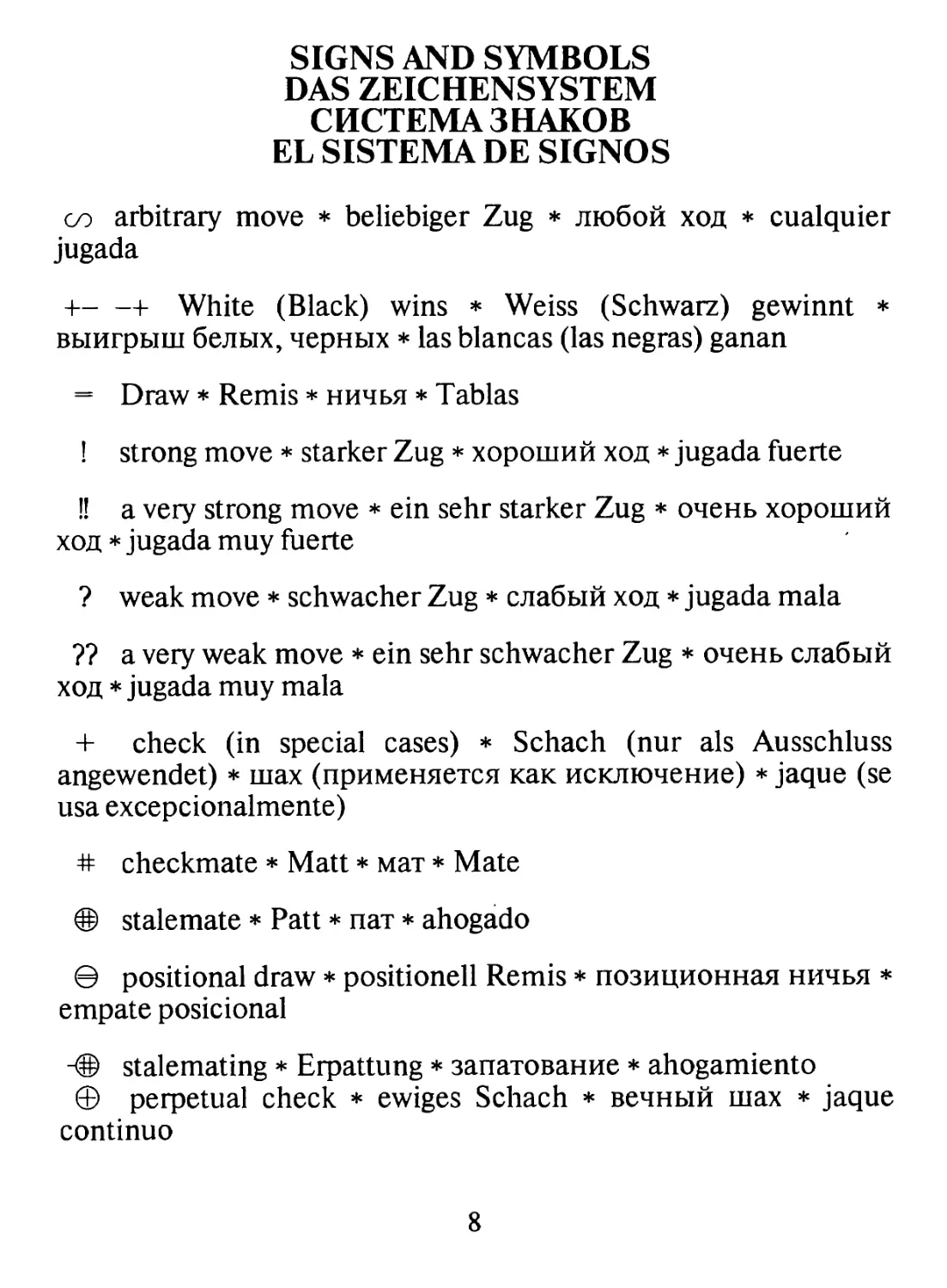
SIGNS AND SYMBOLS
DAS ZEICHENSYSTEM
CHCTEMA3HAKOB
EL SISTEMA DE SIGNOS
co arbitrary move * beliebiger Zug * juoóoh xoa * cualquier
jugada
+----+ White (Black) wins * Weiss (Schwarz) gewinnt *
Bbmrpbim Gejibix, uepHbix * las blancas (las negras) ganan
= Draw * Remis * HnubH * Tablas
! strong move * starker Zug * xopomuw xon * jugada fuerte
!! a very strong move * ein sehr starker Zug * oueHb xopouinw
xon * jugada muy fuerte
? weak move * schwacher Zug * cjiaóbiíí xon * jugada mala
?? a very weak move * ein sehr schwacher Zug * oueHb cjiabbiii
xoa * jugada muy mala
+ check (in special cases) * Schach (nur ais Ausschluss
angewendet) * uiax (npuMeHHeTcn KaK HcmuoueHue) * jaque (se
usa excepcionalmente)
# checkmate * Matt * MaT * Mate
© stalemate * Patt * naT * ahogado
© positional draw * positionell Remis * noauunoHHaH hhhbh *
empate posicional
-® stalemating * Erpattung * 3anaTOBaHne * ahogamiento
ffi perpetual check * ewiges Schach * BeuHbiíí max * jaque
continuo
8
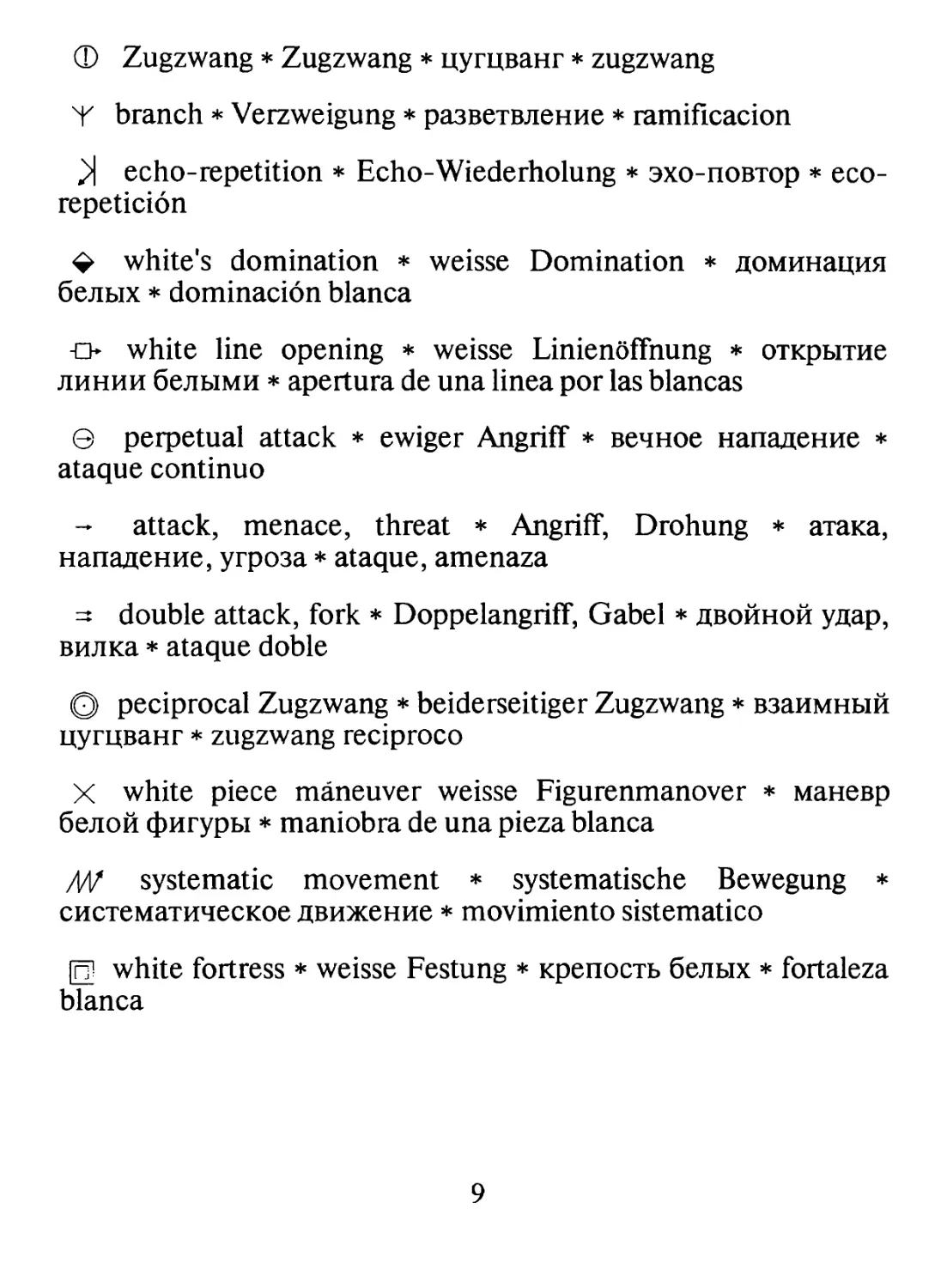
(D Zugzwang * Zugzwang * uyruBaHr * zugzwang
Y branch * Verzweigung * pa3BeTBJieHwe * ramificación
X echo-repetition * Echo-Wiederholung * oxo-noBTop * eco-
repetición
white's domination * weisse Domination * «aoMHHaixnsi
óejibix * dominación blanca
-o white line opening * weisse Linienóffnung * OTKpbirae
jikhkh óejibiMH * apertura de una linea por las blancas
© perpetual attack * ewiger Angriff * Bemioe HanajieHHe *
ataque continuo
-* attack, menace, threat * Angriff, Drohung * araxa,
HanajieHHe, yrpoaa * ataque, amenaza
double attack, fork * Doppelangriff, Gabel * jxbohhoíi ynap,
BKJiKa * ataque doble
0 peciprocal Zugzwang * beiderseitiger Zugzwang * B3anMHbin
uyruBaHr * zugzwang reciproco
X white piece máneuver weisse Figurenmanover * MaHeBp
óejioii (jmrypbi * maniobra de una pieza blanca
/V7 systematic movement * systematische Bewegung *
cncTeMaTuqecKoe JXBnxceHue * movimiento sistemático
[ñ] white fortress * weisse Festung * xpenocTb óejibix * fortaleza
blanca
9
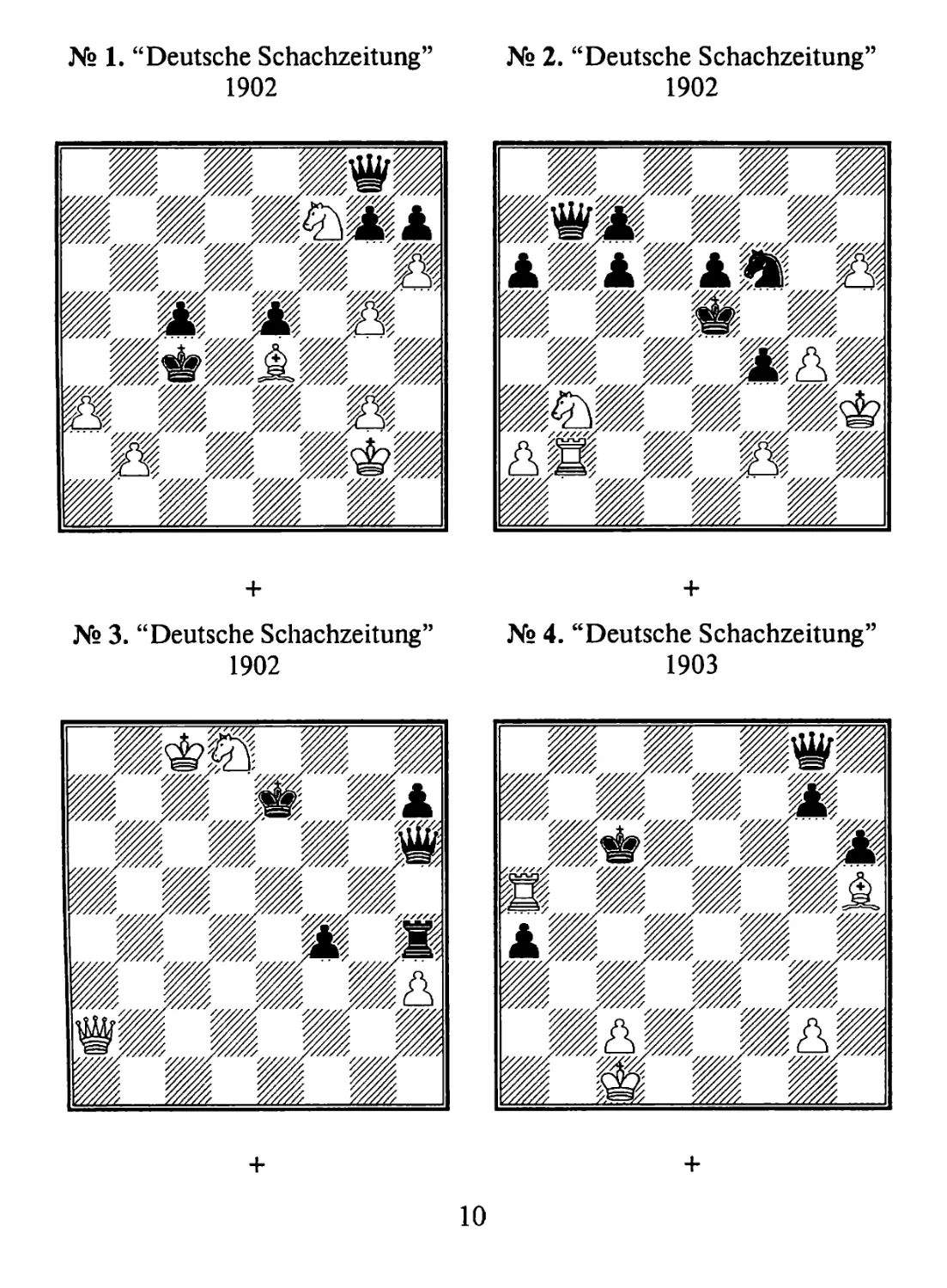
Ne 1. “Deutsche Schachzeitung”
1902
Ne 2. “Deutsche Schachzeitung”
1902
Ne 3. “Deutsche Schachzeitung” Ne 4. “Deutsche Schachzeitung”
10
Ne 5. “Deutsche Schachzeitung”
1903
Ne 6. “Deutsche Schachzeitung”
1903
+
Ne 7. “Deutsche Schachzeitung”
1903
+
Ne 8. “Deutsche Schachzeitung”
1904
11
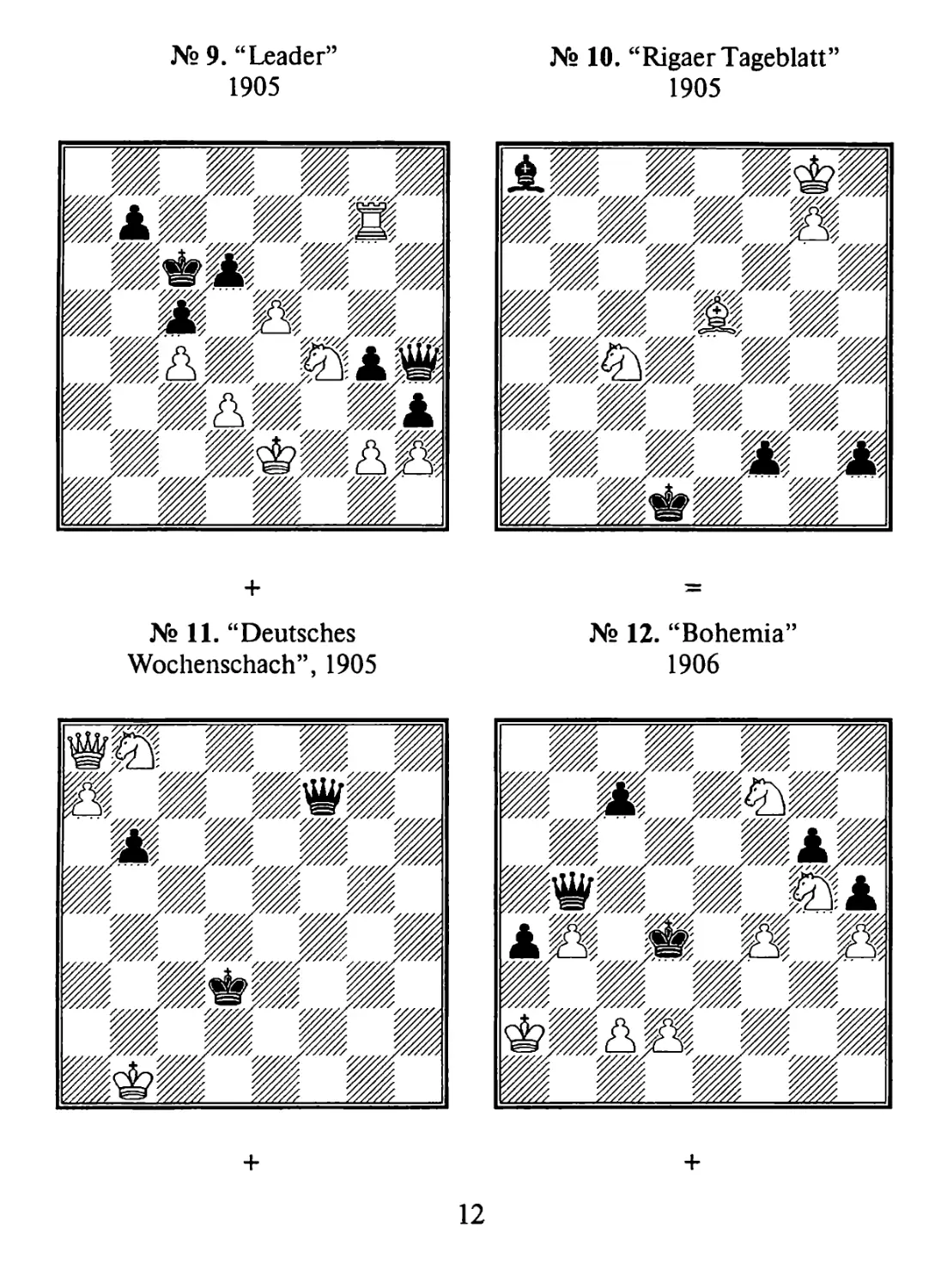
No 9. “Leader”
1905
Ne 10. “RigaerTageblatt”
1905
Ne 11. “Deutsches
Wochenschach”, 1905
Ne 12. “Bohemia”
1906
12
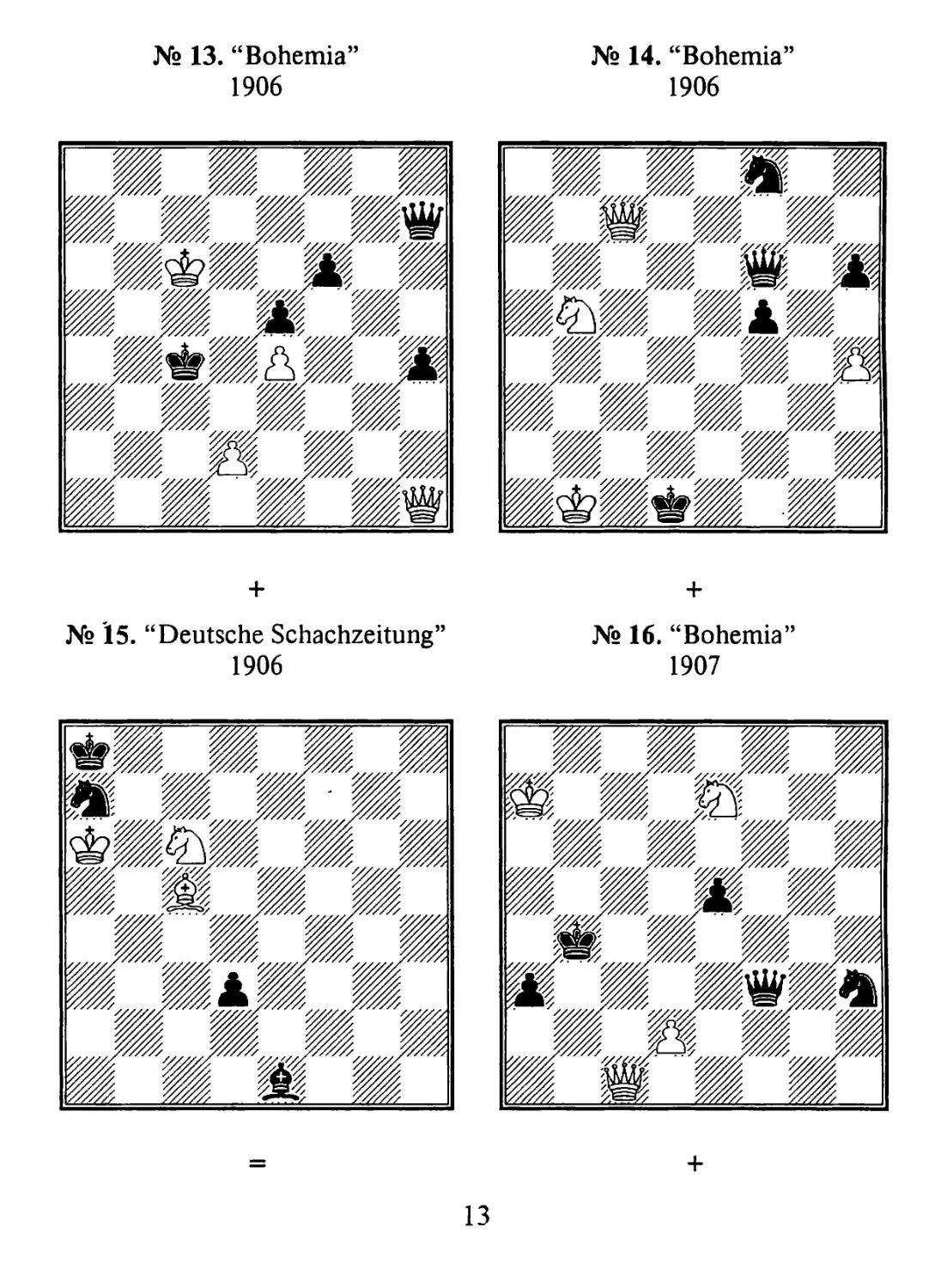
No 13. “Bohemia5
1906
No 14. “Bohemia5
1906
+
No 15. “Deutsche Schachzeitung”
1906
+
No 16. “Bohemia”
1907
13
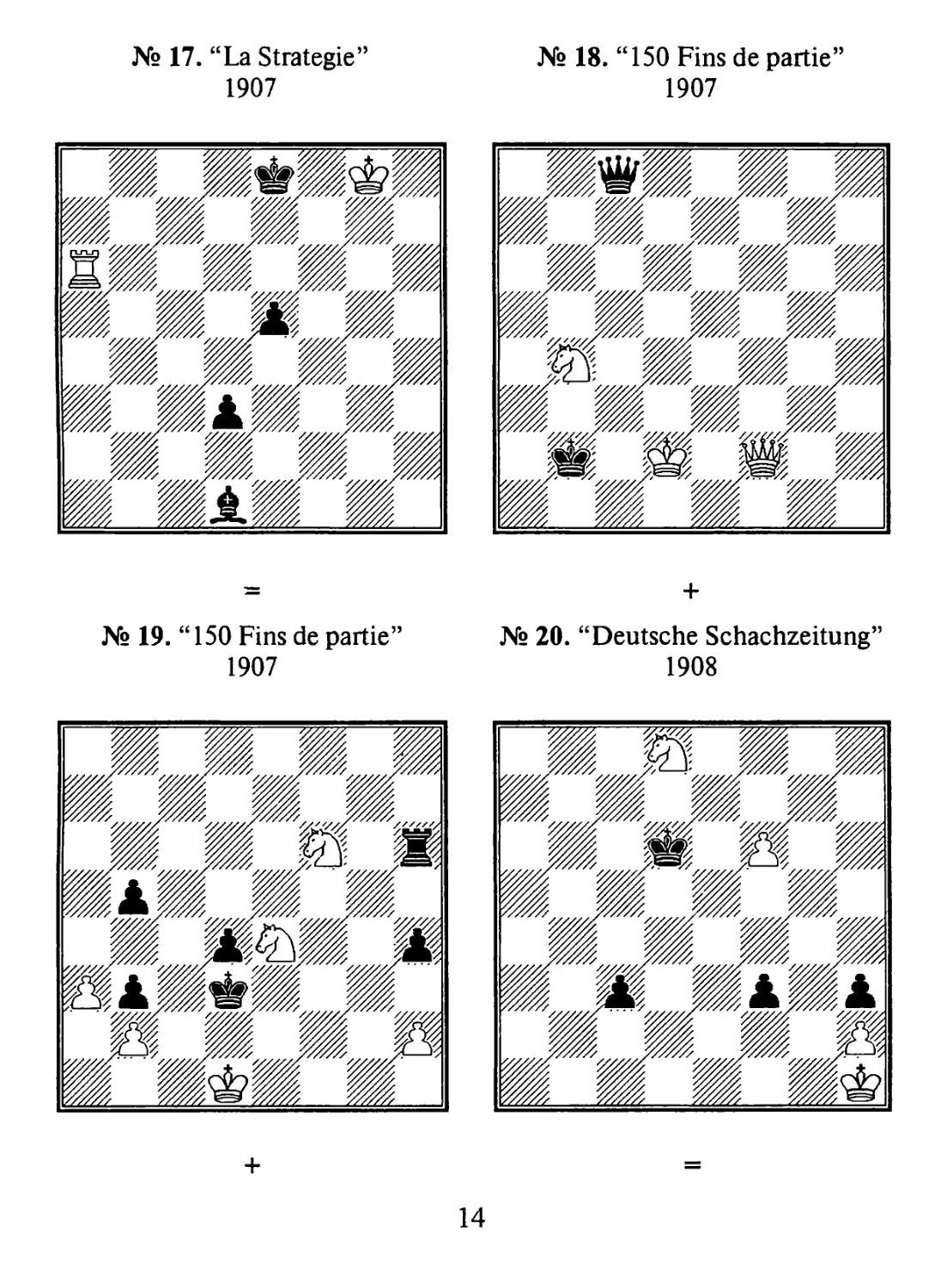
Ne 17. “La Strategie'
1907
Ne 18. “150 Fins de partie:
1907
Ne 19. “150 Fins de partie” Ne 20. “Deutsche Schachzeitung”
1907	1908
14
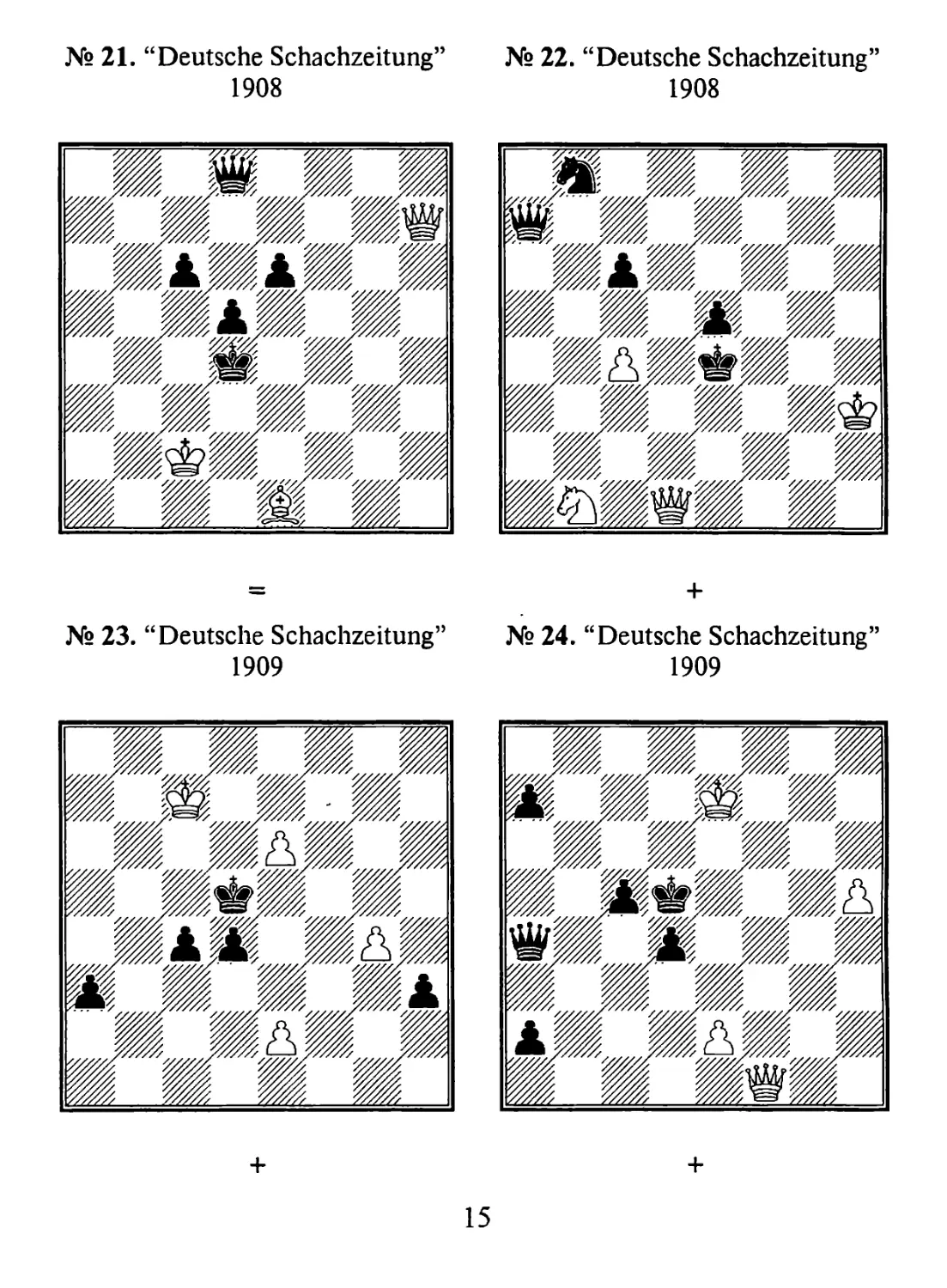
Ne 21. “Deutsche Schachzeitung”
1908
Ne 22. “Deutsche Schachzeitung”
1908
Ne 23. “Deutsche Schachzeitung”
1909
Ne 24. “Deutsche Schachzeitung”
1909
15
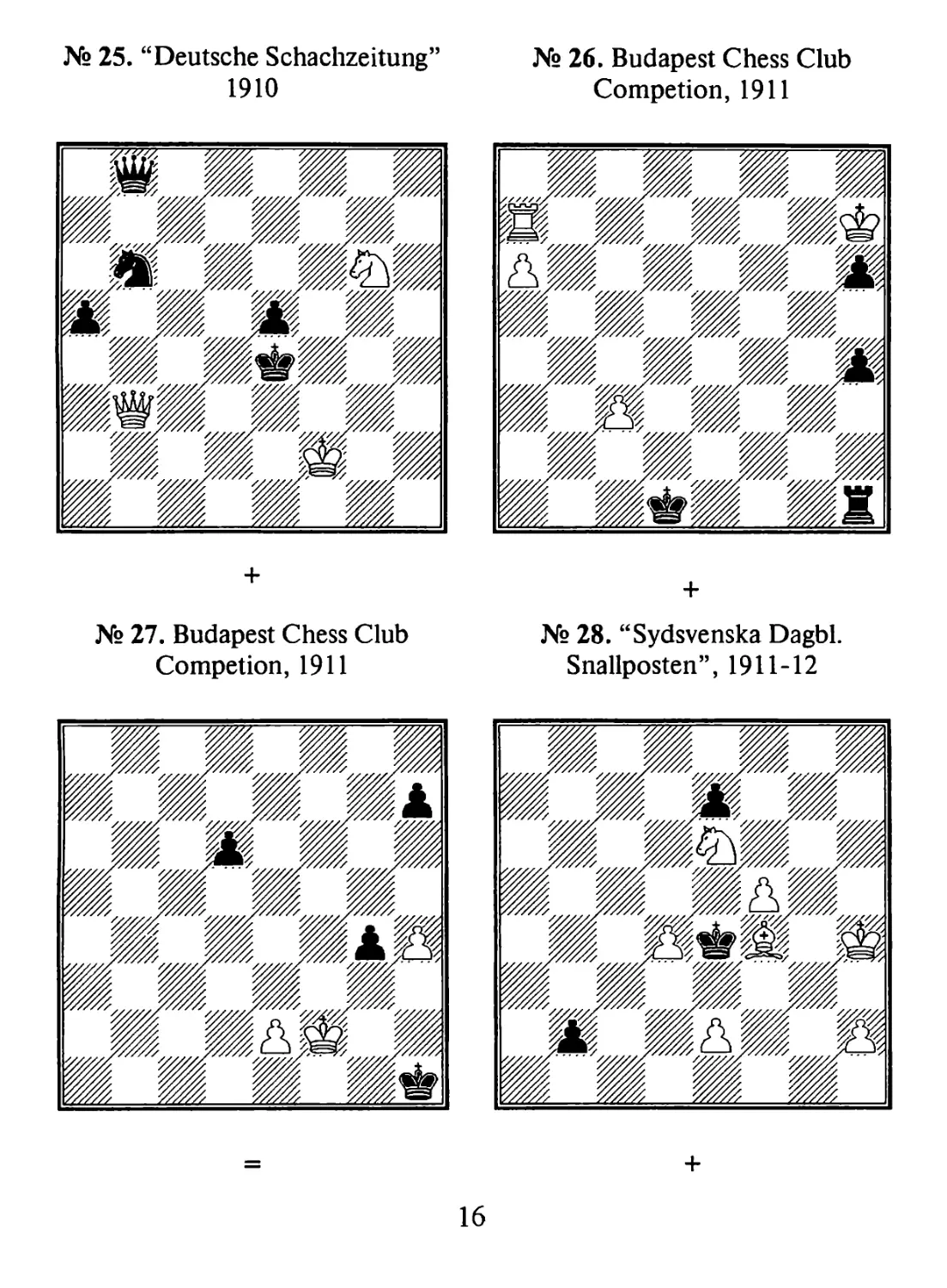
Ne 25. “Deutsche Schachzeitung’
1910
Ne 26. Budapest Chess Club
Competion, 1911
Ne 27. Budapest Chess Club
Competion, 1911
Ne 28. “Sydsvenska Dagbl.
Snallposten”, 1911-12
16
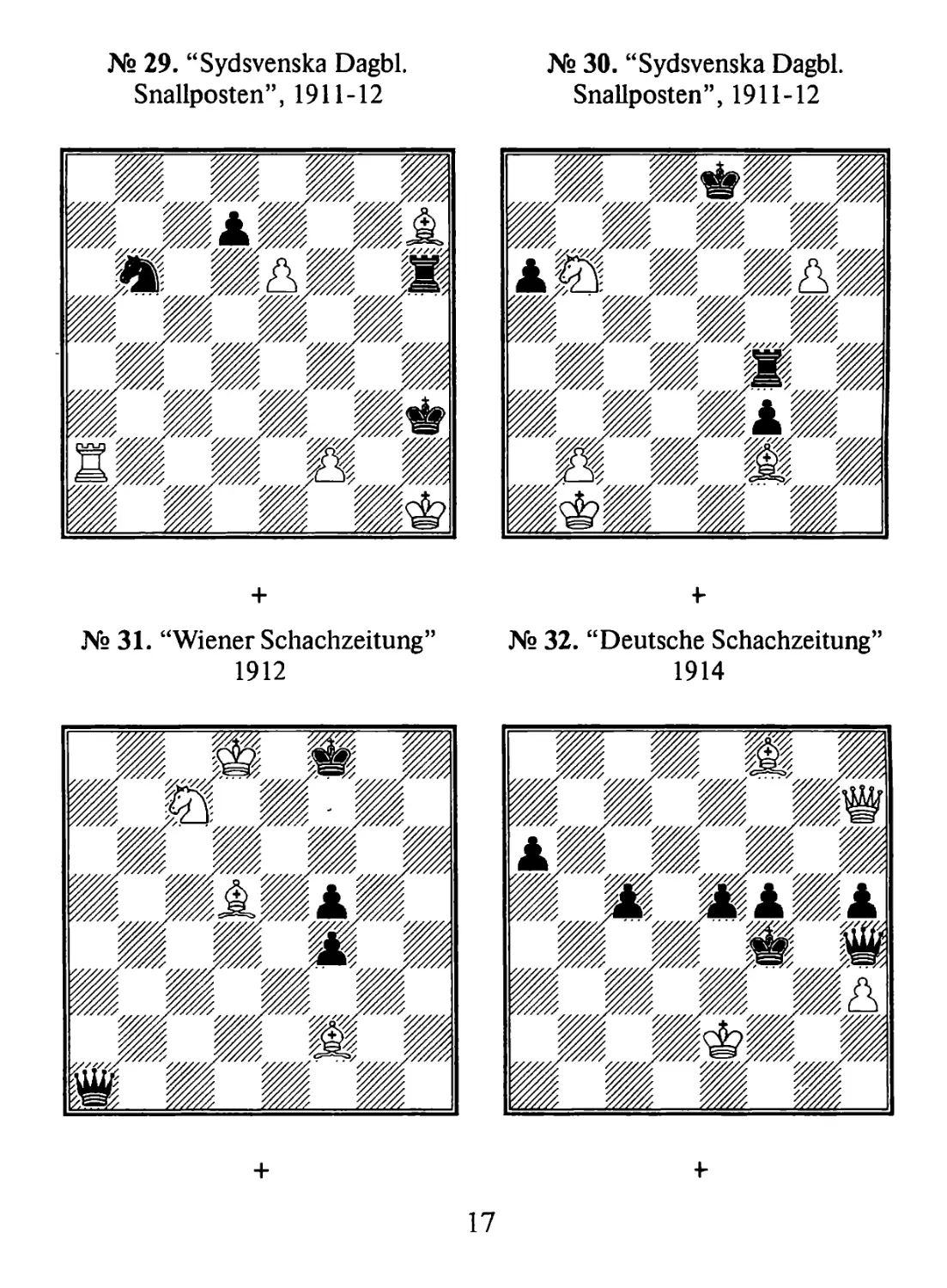
Ns 29. “Sydsvenska Dagbl.
Snallposten”, 1911-12
No 30. “Sydsvenska Dagbl.
Snallposten”, 1911-12
No 31. “Wiener Schachzeitung”
1912
+
No 32. “Deutsche Schachzeitung”
1914
17
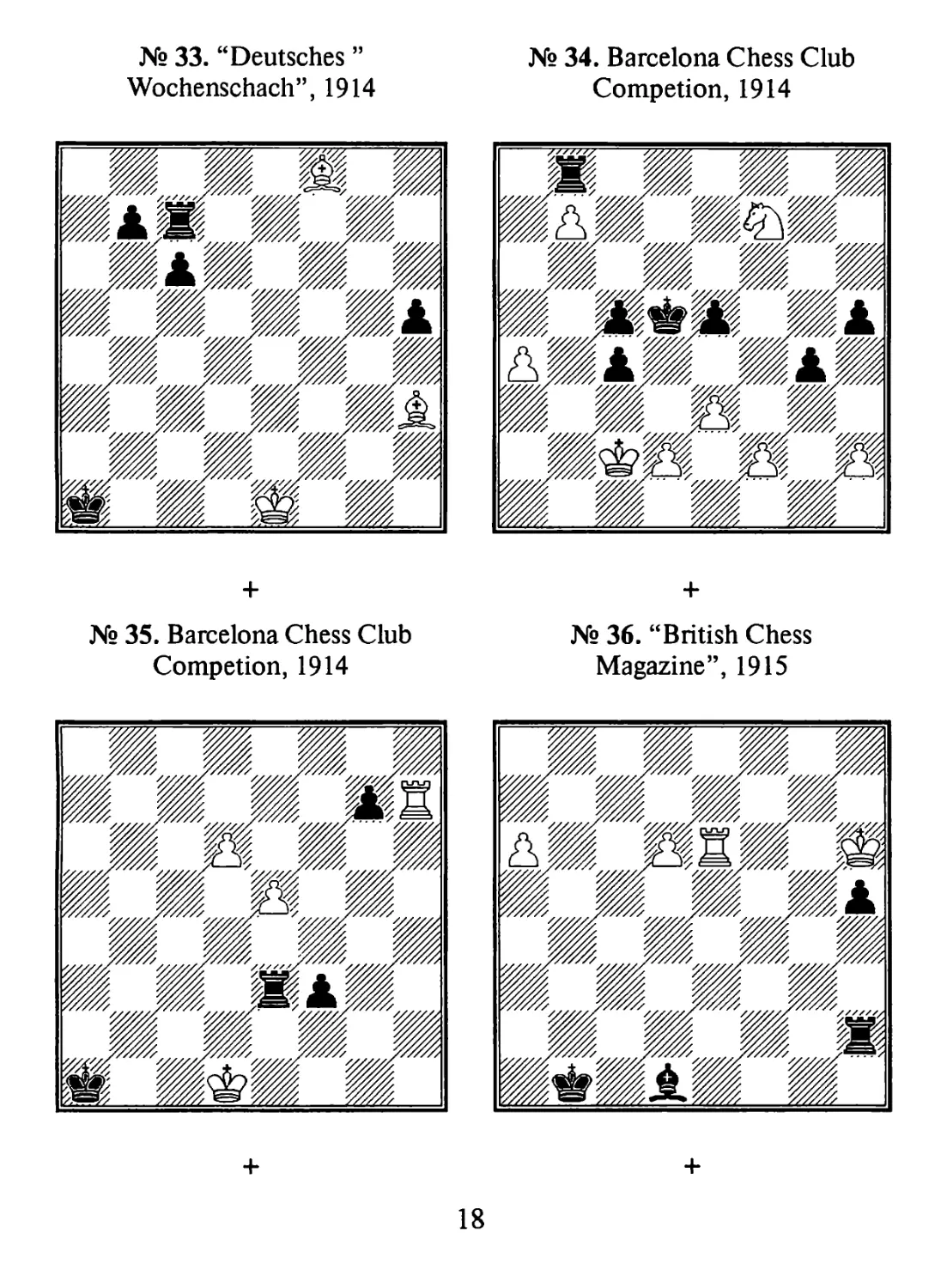
Ns 33. “Deutsches ”
Wochenschach”, 1914
M 34. Barcelona Chess Club
Competion, 1914
+
Ne 35. Barcelona Chess Club
Competion, 1914
N° 36. “British Chess
Magazine”, 1915
18
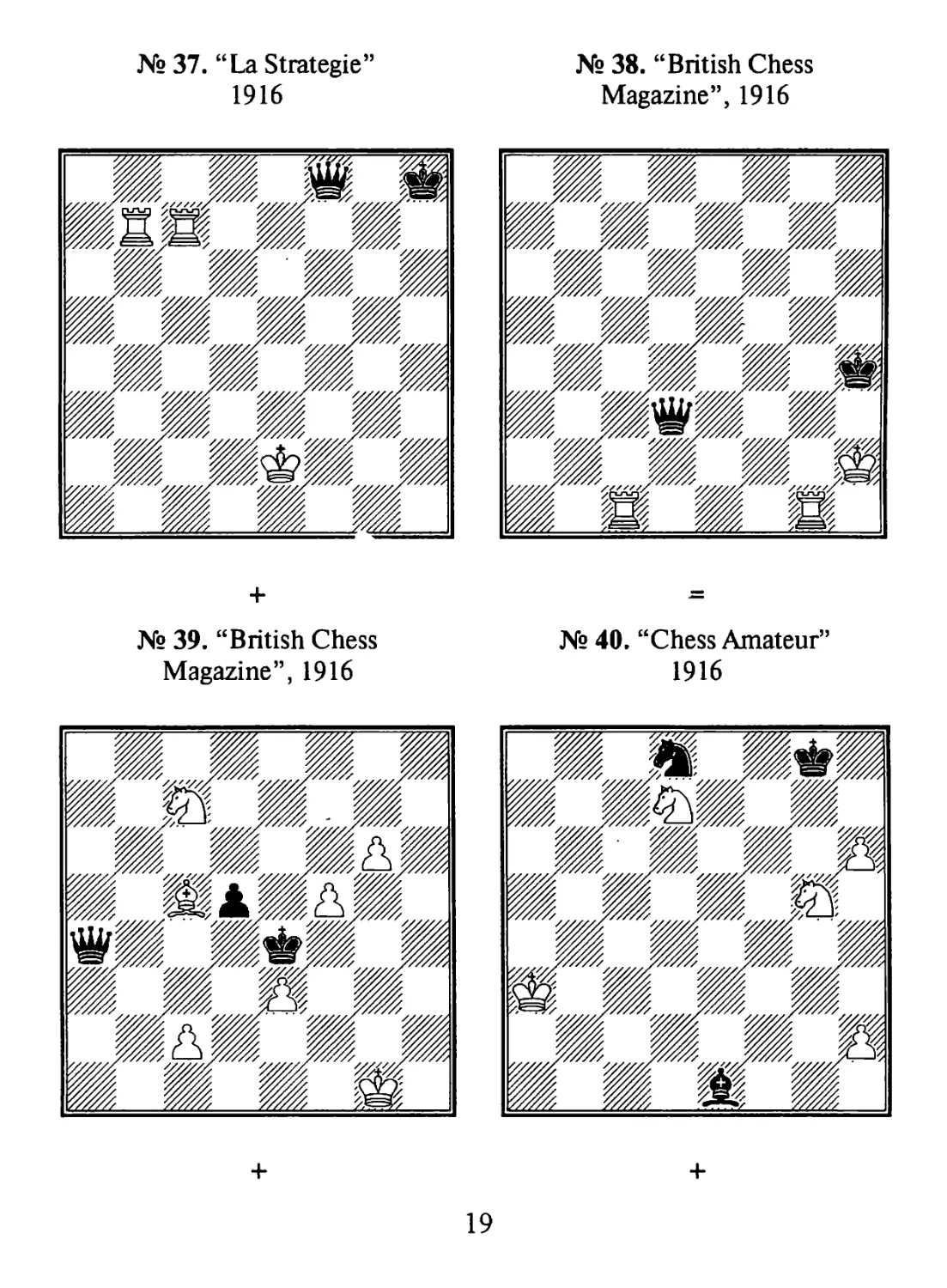
Ne 37. “La Strategie'
1916
Ne 38. “British Chess
Magazine”, 1916
Ne 39. “British Chess
N° 40. “Chess Amateur”
Magazine”, 1916
1916
19
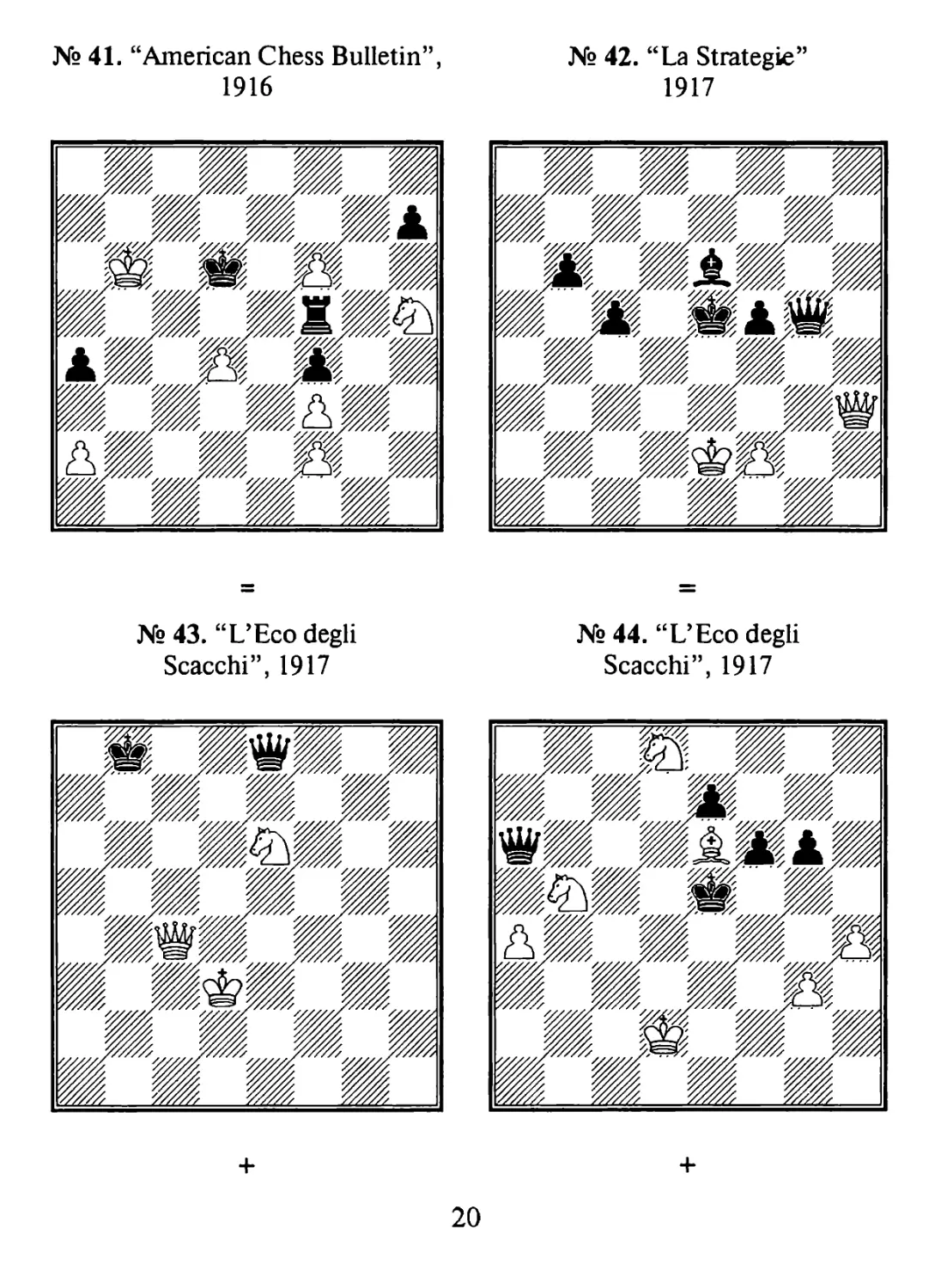
Ne 41. “American Chess Bulletin”,
1916
No 42. “La Strategie”
1917
N° 43. “L’Eco degli
Scacchi”, 1917
Ne 44. “L’Eco degli
Scacchi”, 1917
20
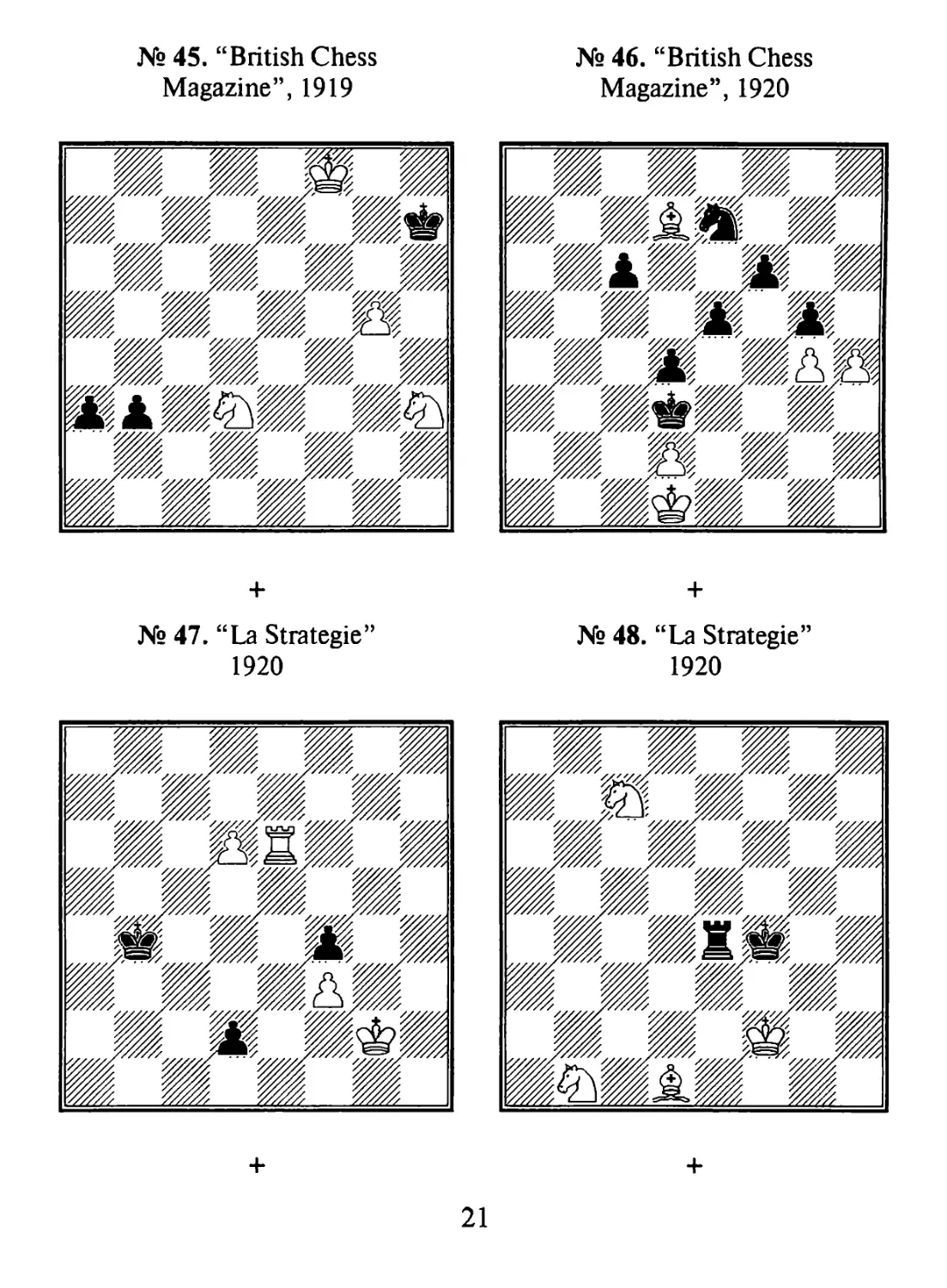
Ne 45. “British Chess
Magazine”, 1919
Ns 46. “British Chess
Magazine”, 1920
Ns 47. “La Strategie”
1920
Ns 48. “La Strategie”
1920
21
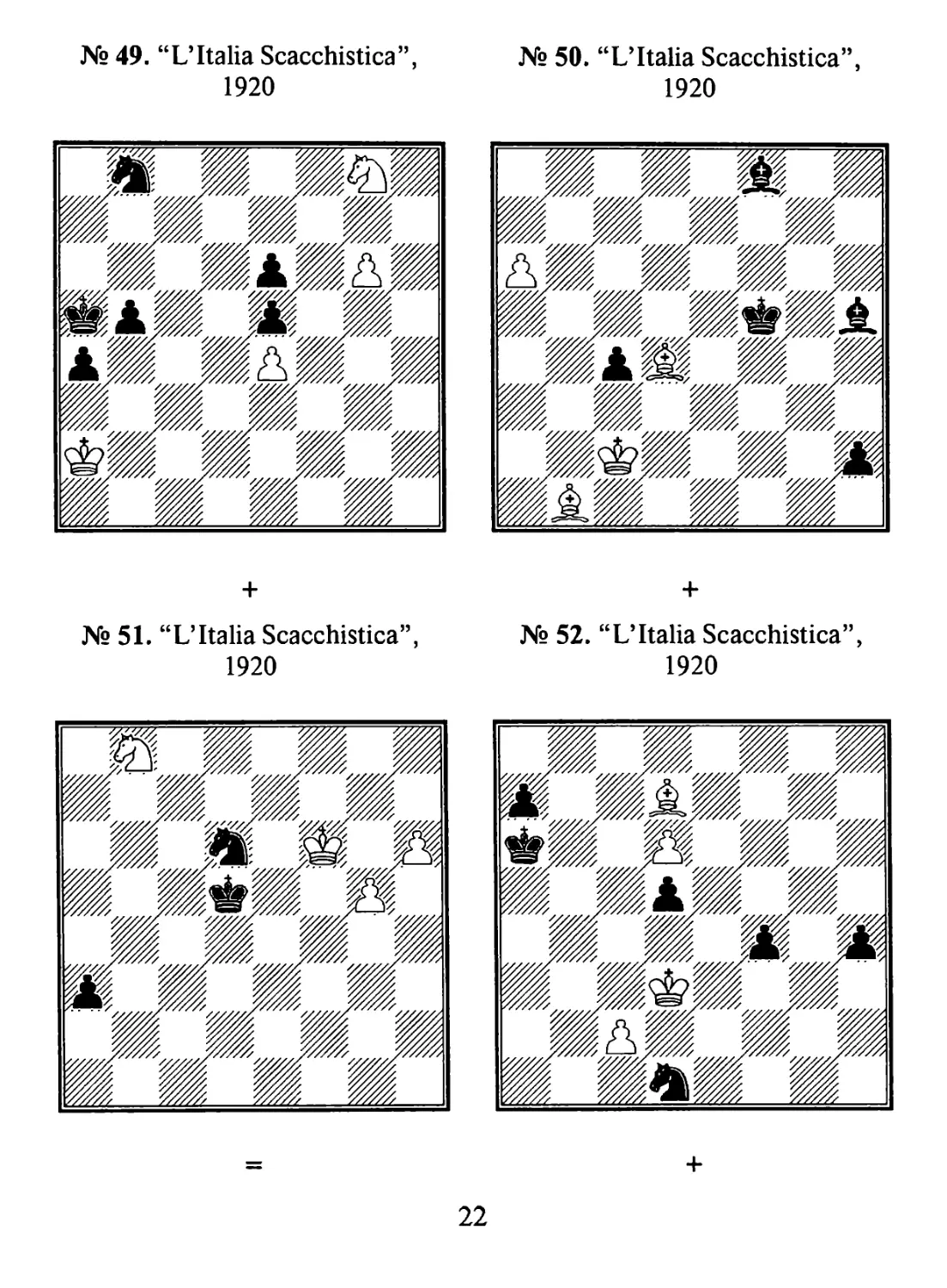
Ne 49. “L*Italia Scacchistica”,
1920
Ne 50. “L’Italia Scacchistica”,
1920
Ne 51. “L’Italia Scacchistica”, N° 52. “L’Italia Scacchistica”,
1920	1920
22
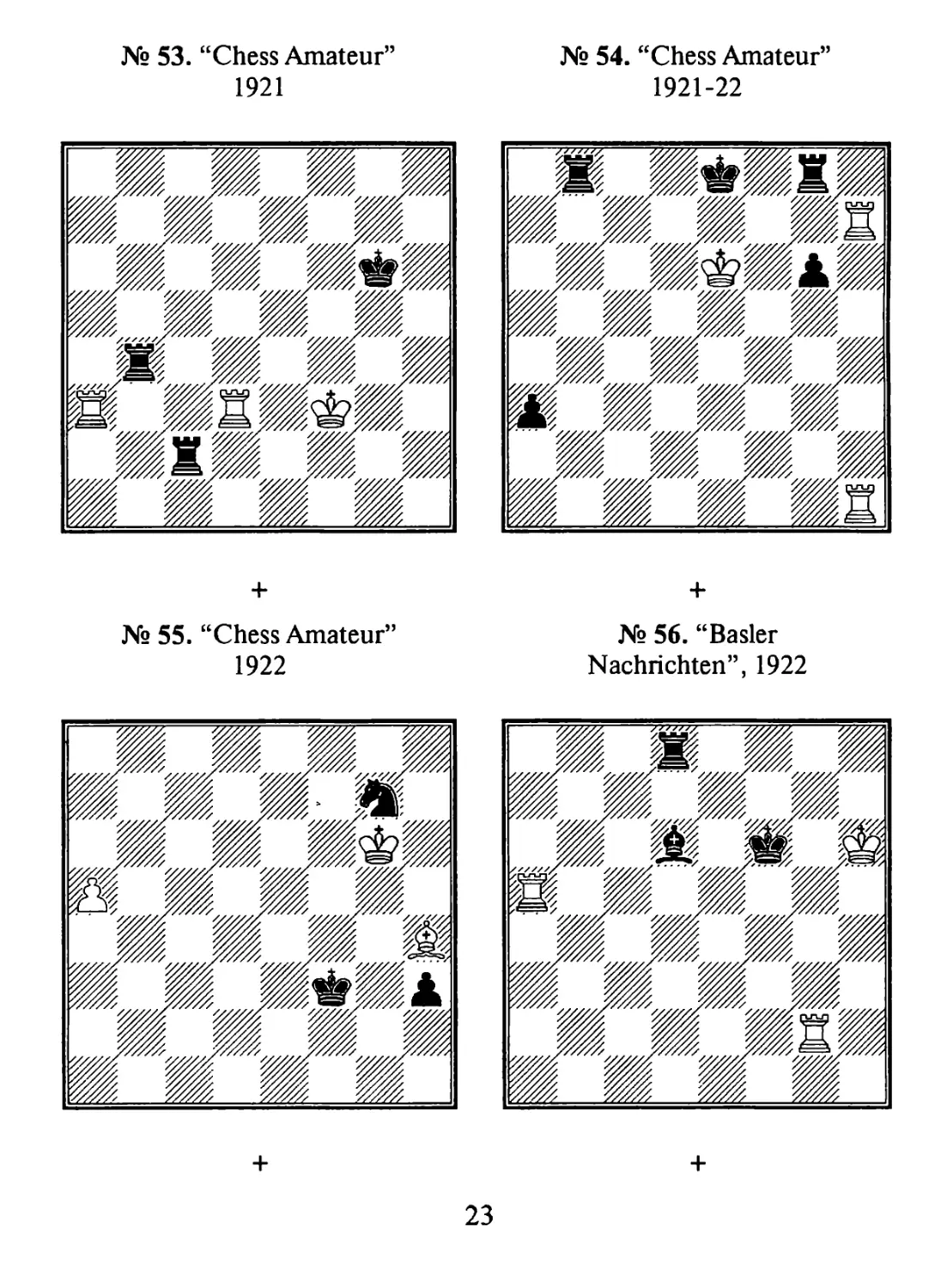
N° 53. “Chess Amateur’
1921
Ne 54. “Chess Amateur’
1921-22
+
N® 55. “Chess Amateur”
1922
+
No 56. “Basler
Nachrichten”, 1922
23
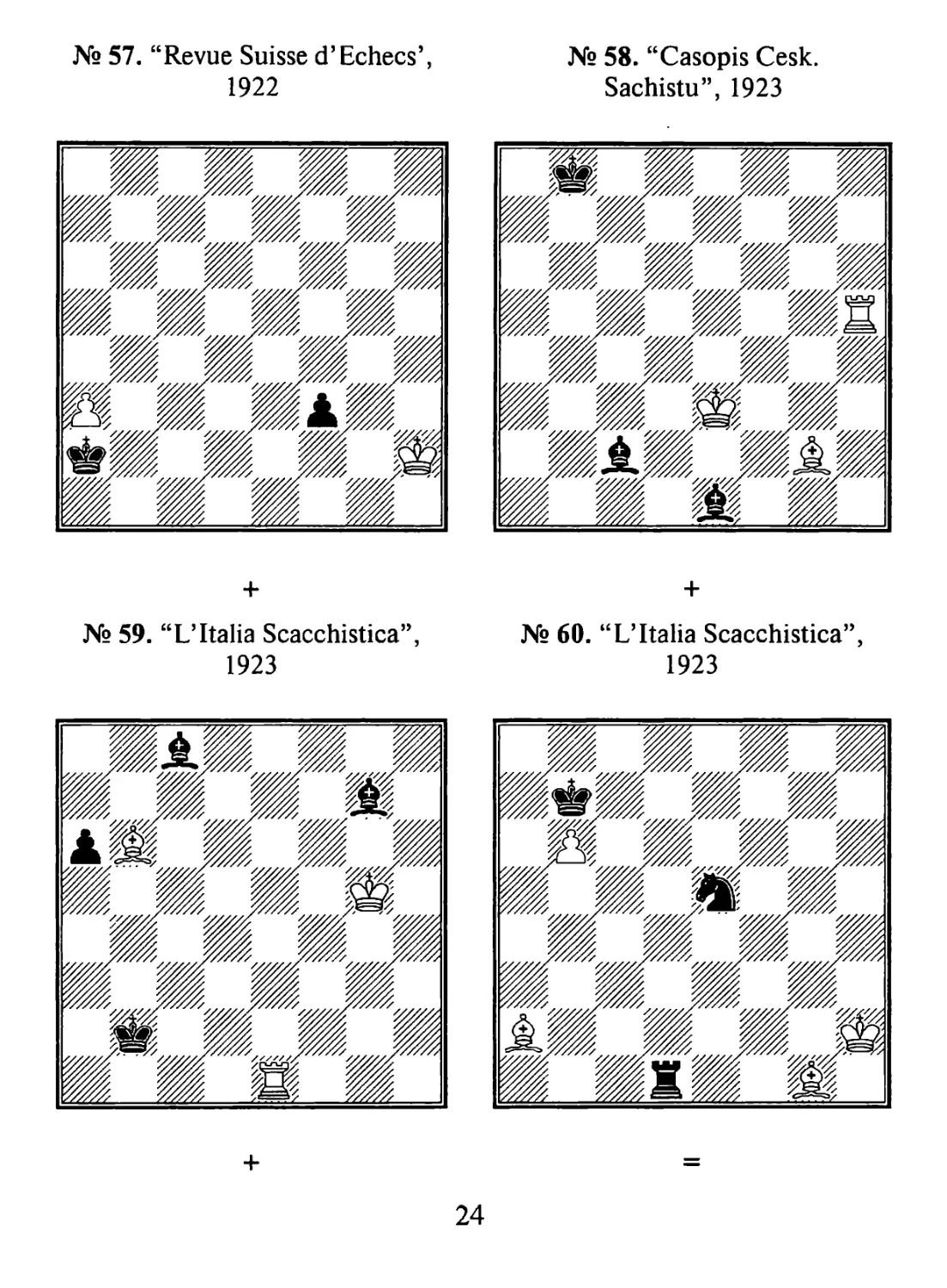
Ns 57. “Revue Suisse d’Echecs’,
1922
N° 58. “Casopis Cesk.
Sachistu”, 1923
+
No 59. “L’Italia Scacchistica”,
1923
N° 60. “L’Italia Scacchistica”,
1923
24
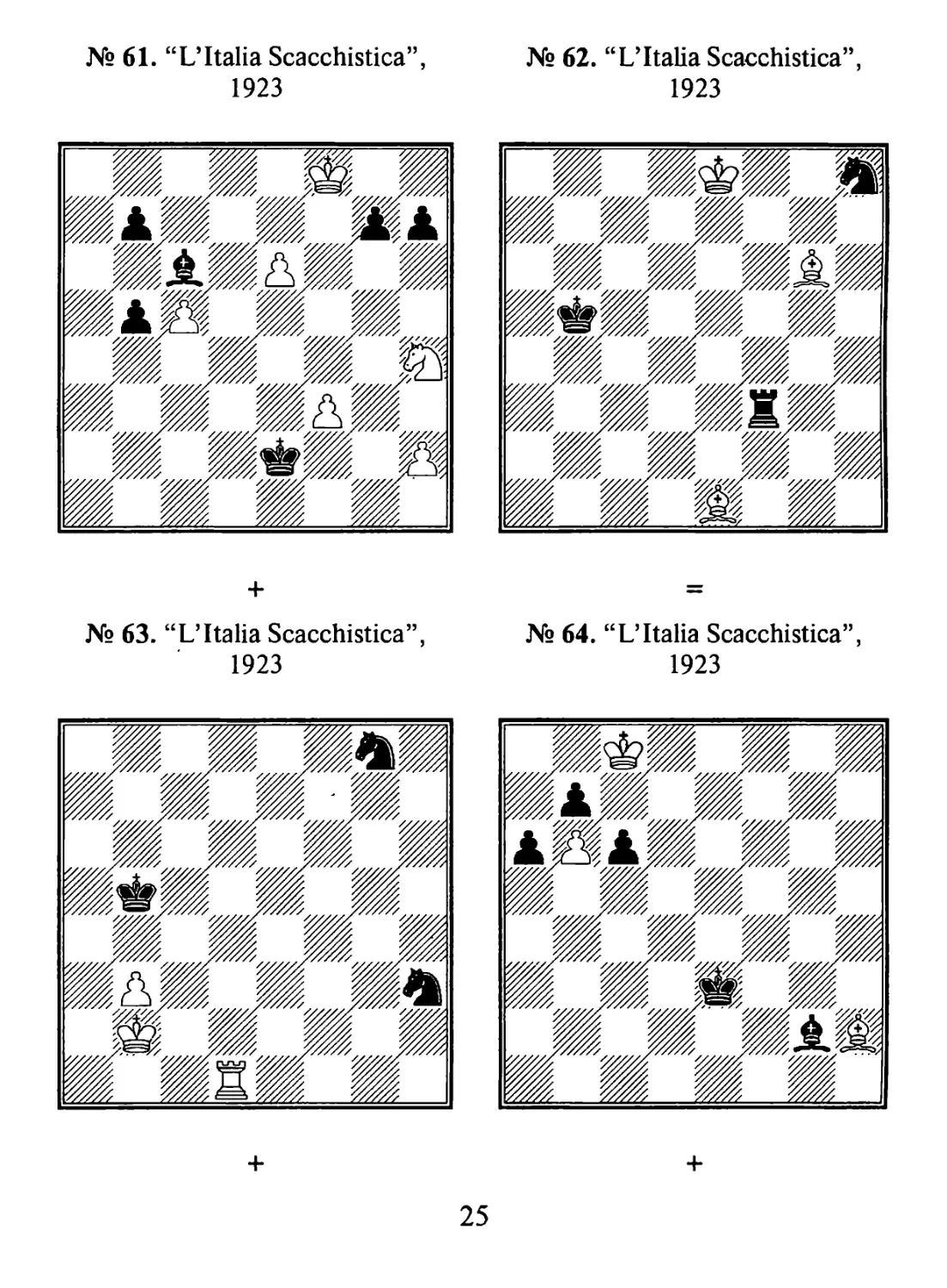
Ne 61. “L*Italia Scacchistica”,
1923
N° 62. “L’Italia Scacchistica”,
1923
N? 63. “L’Italia Scacchistica”,
1923
No 64. “L’Italia Scacchistica”,
1923
+
+
25
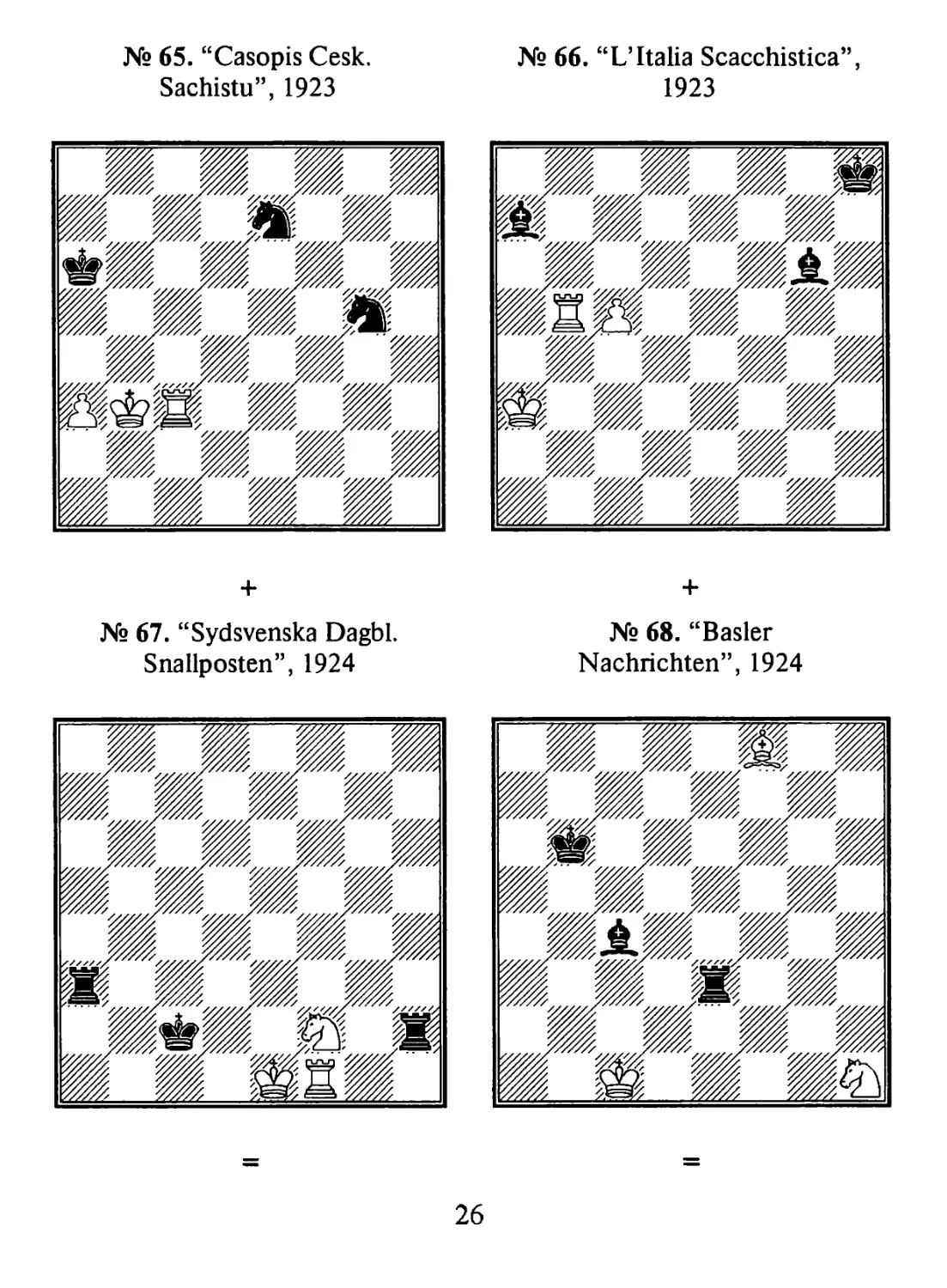
Ns 65. “Casopis Cesk.
Sachistu”, 1923
Ne 66. “L’ Italia Scacchistica”,
1923
Ns 67. “Sydsvenska Dagbl.
Snallposten”, 1924
Ne 68. “Basler
Nachrichten”, 1924
26
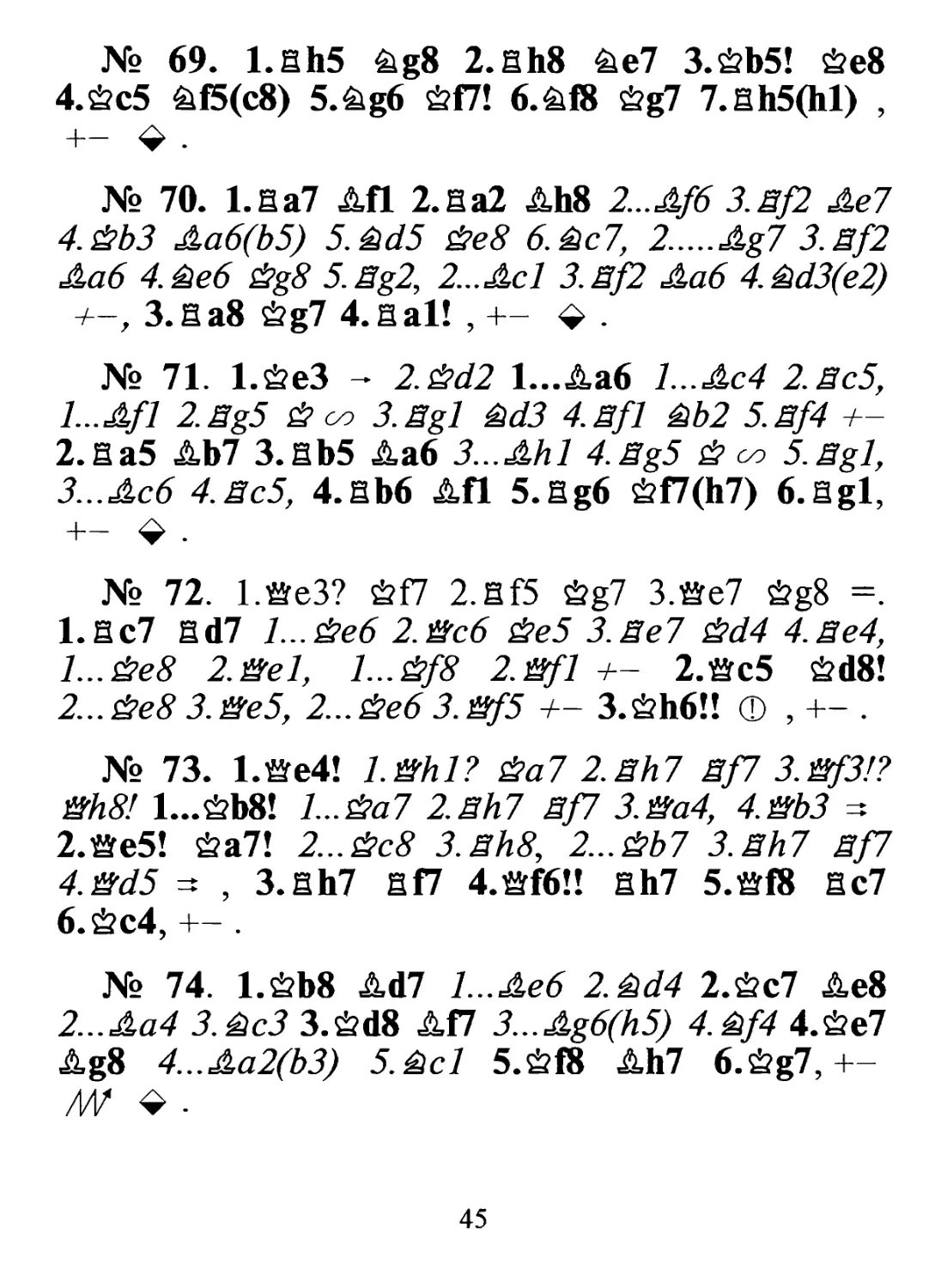
Ne 69. “National Zeitung’
1924
No 70. “Ceske Slovo:
1924
N» 71. “Sydsvenska Dagbl.
Snallposten”, 1925
No 72. “Basler
Nachrichten”, 1926
+
27
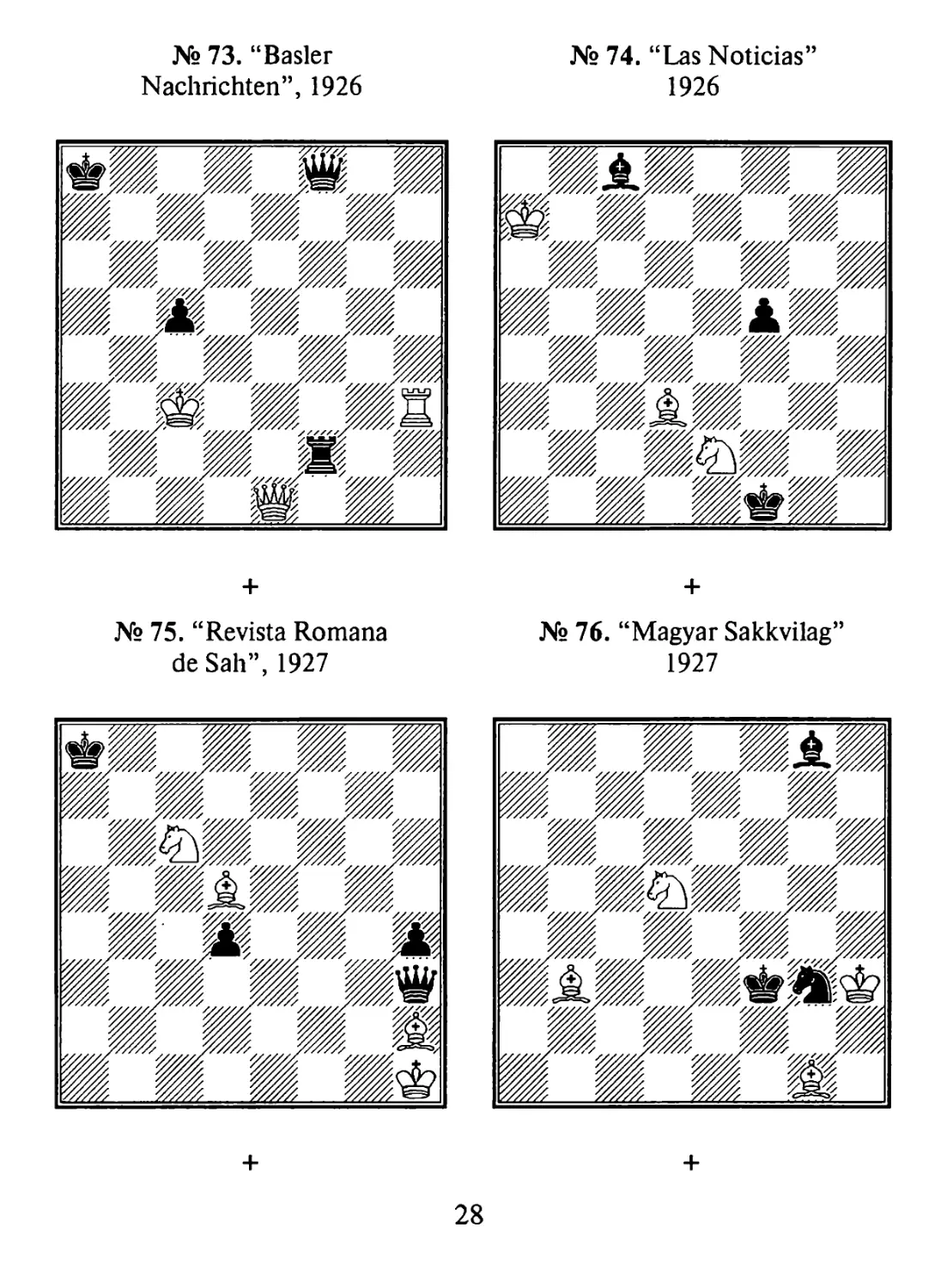
No 73. “Basler
No 74. “Las Noticias”
Nachrichten”, 1926
1926
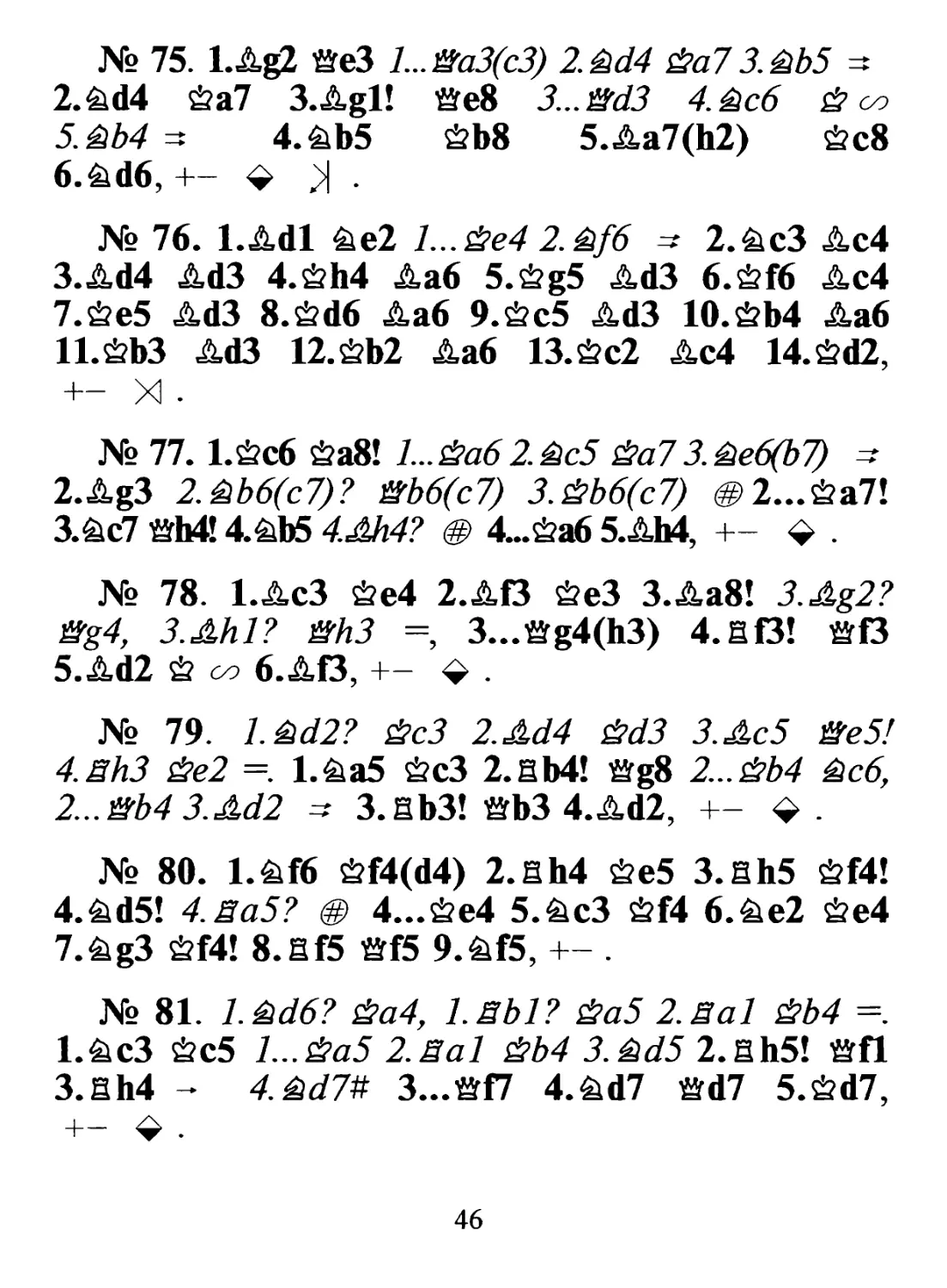
No 75. “Revista Romana
de Sah”,1927
No 76. “Magyar Sakkvilag”
1927
28
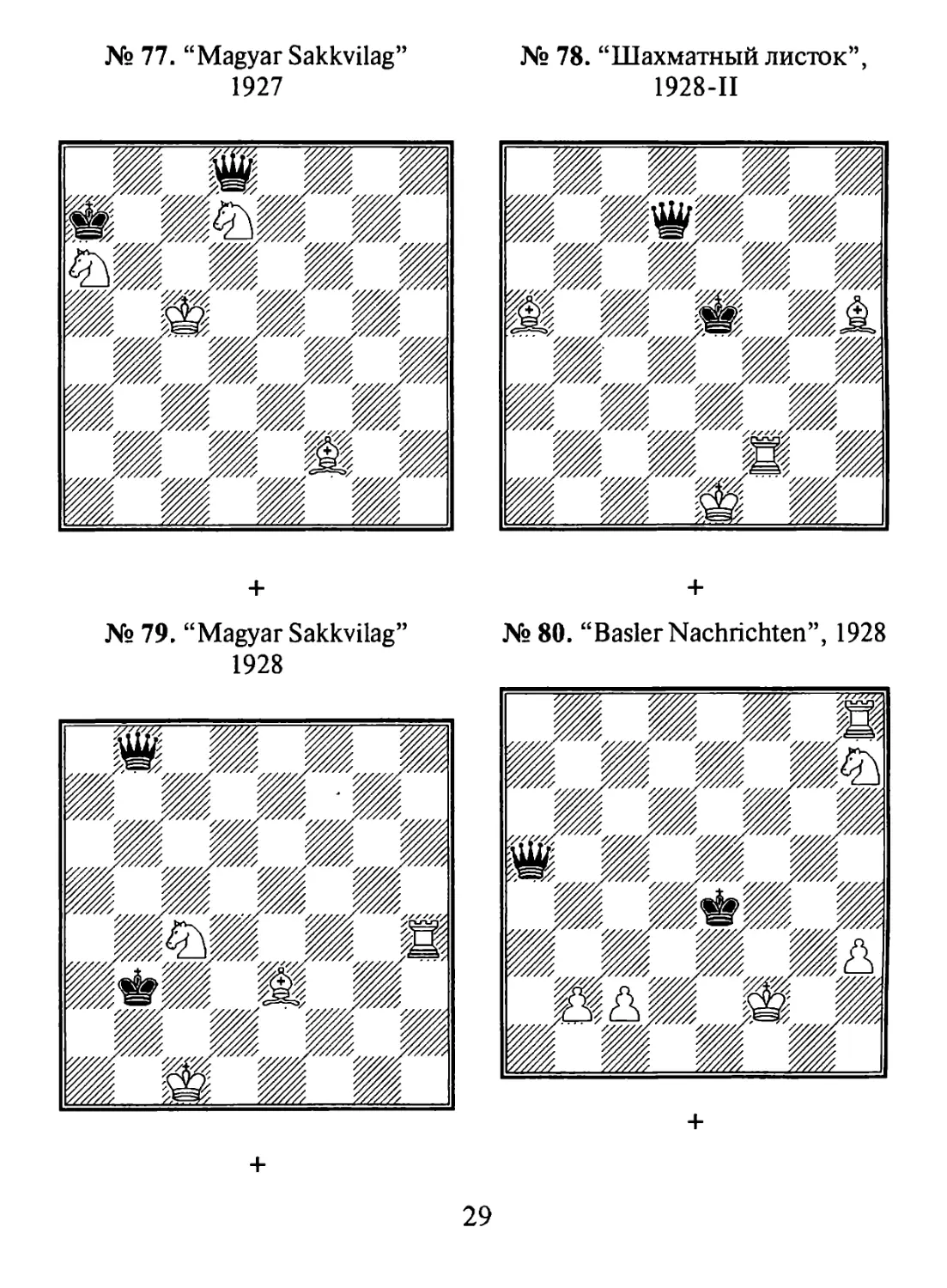
Ne 77. “MagyarSakkvilag”
1927
N° 78. “IUaxMaTHMü jihctok”,
1928-11
No 79. “Magyar Sakkvilag”
1928
No 80. “BaslerNachrichten”, 1928
29
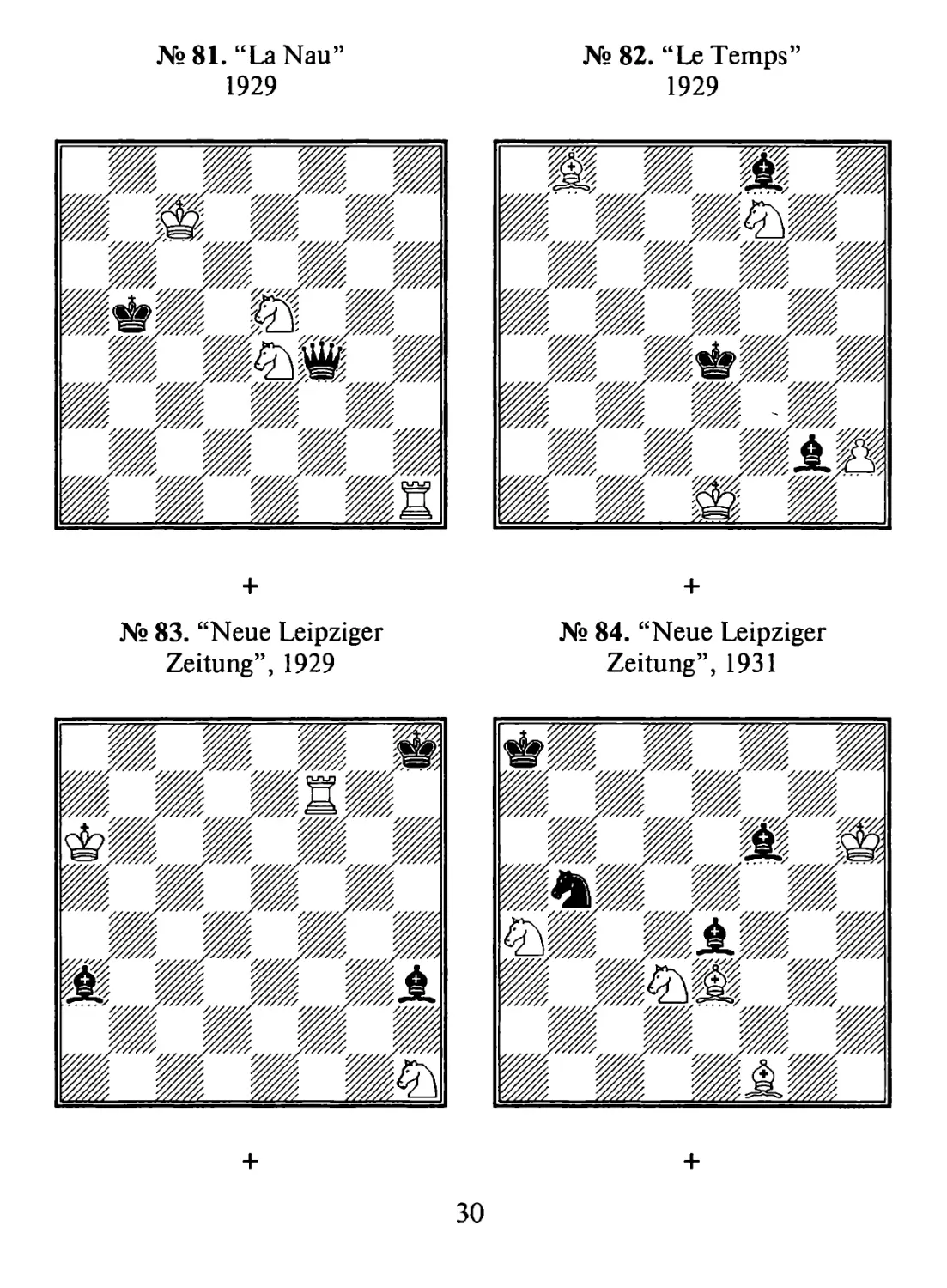
Ns 81. “La Ñau
1929
No 82. “Le Temps
1929
No 83. “Neue Leipziger
Zeitung”, 1929
No 84. “Neue Leipziger
Zeitung”, 1931
30
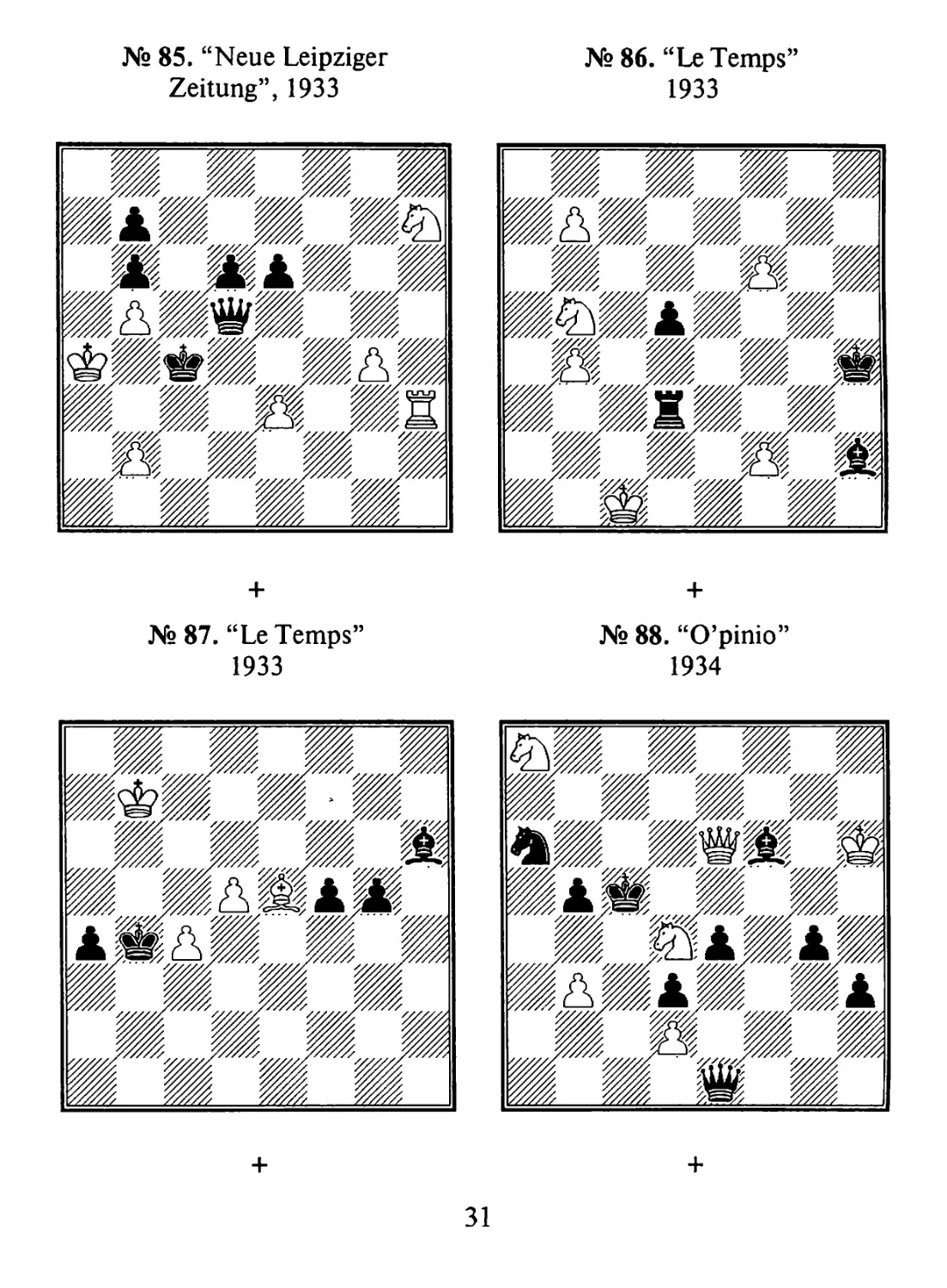
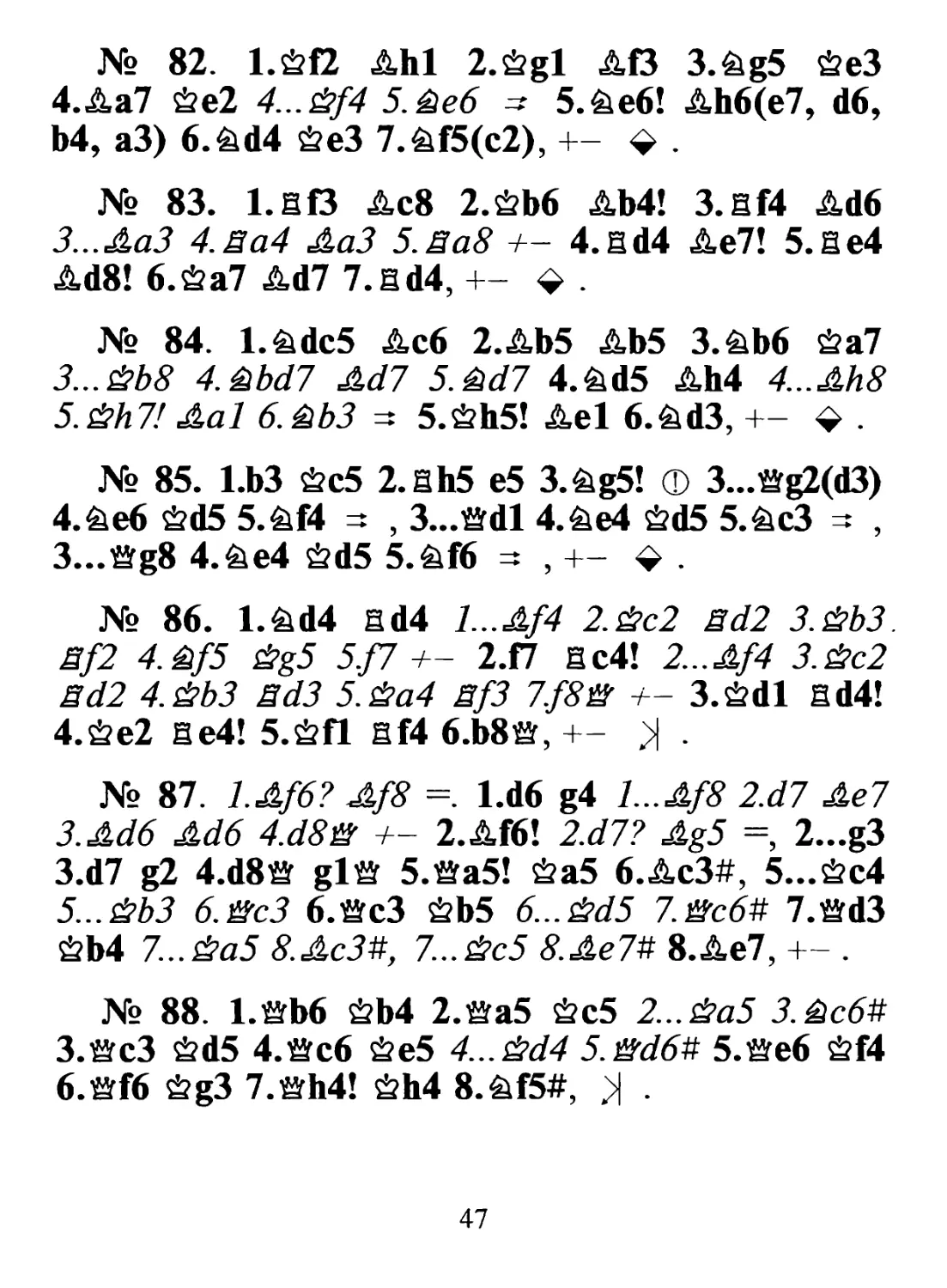
Ne 85. “Neue Leipziger
Zeitung”, 1933
No 86. “Le Temps”
1933
No 87. “Le Temps”
1933
No 88. “O’pinio”
1934
+
31
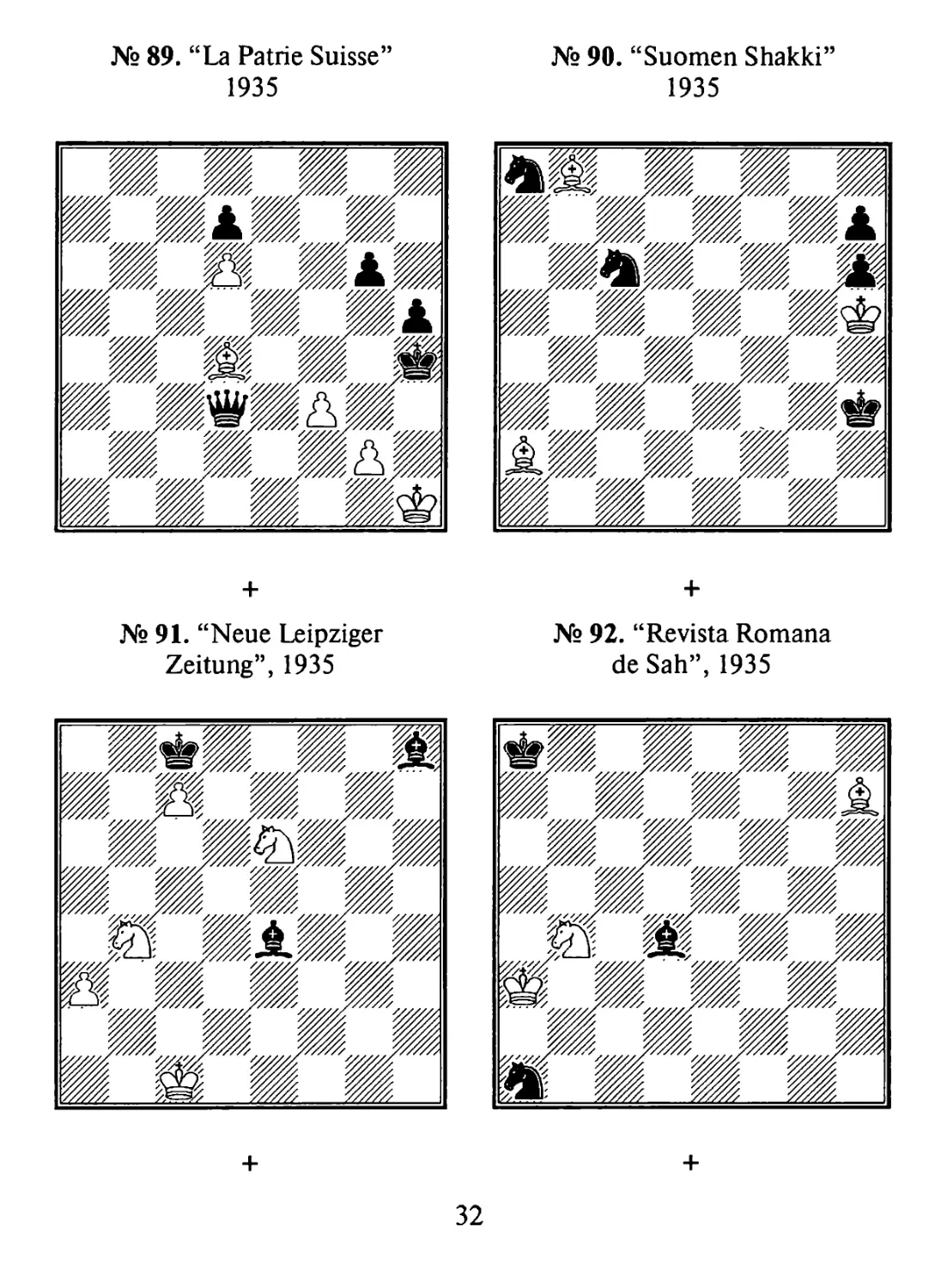
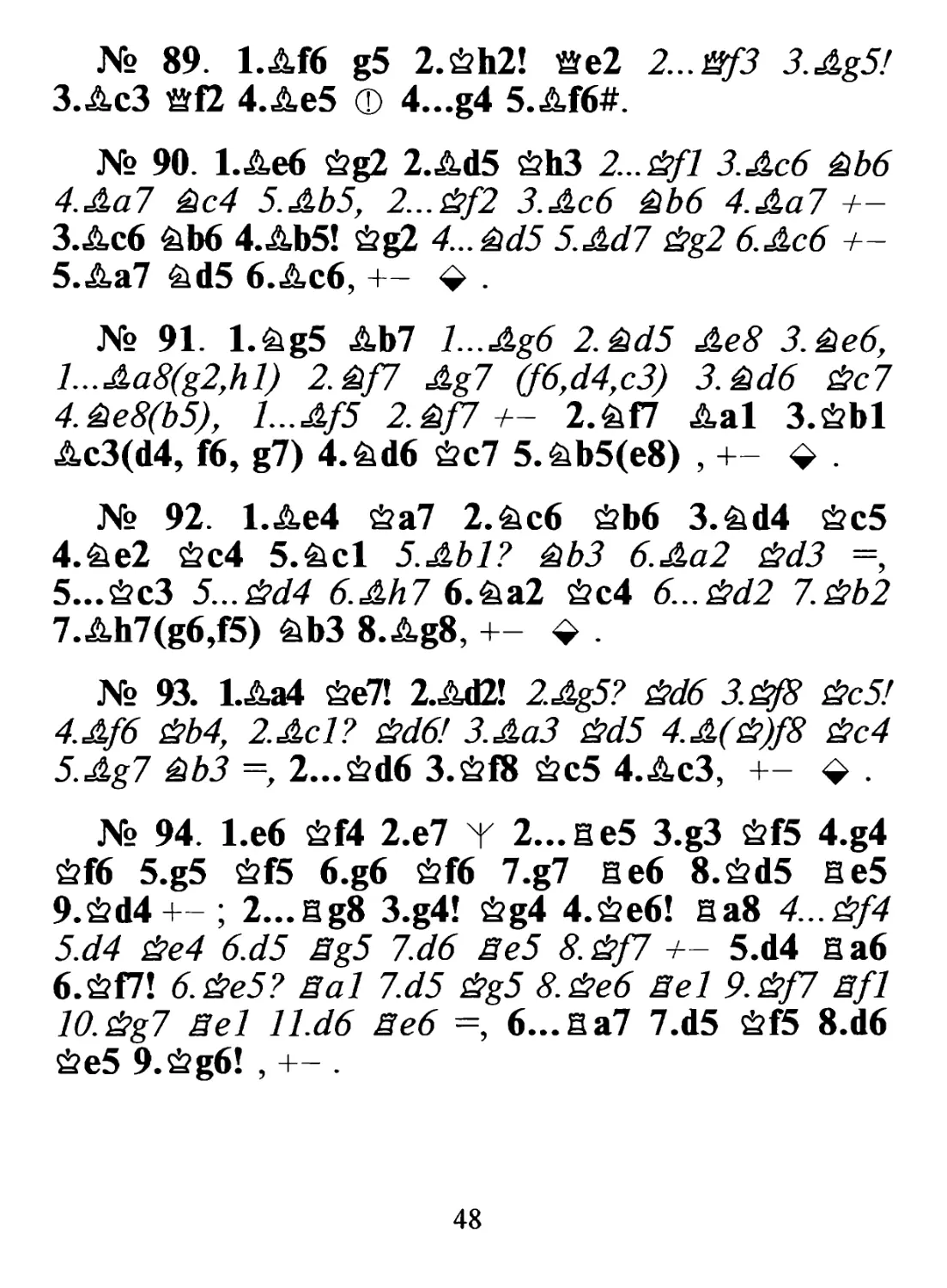
Ng 89. “La Patrie Suisse”
Ne 90. “Suomen Shakki”
1935
1935
No 91. “Neue Leipziger
Zeitung”, 1935
+
No 92. “Revista Romana
de Sah”,1935
32
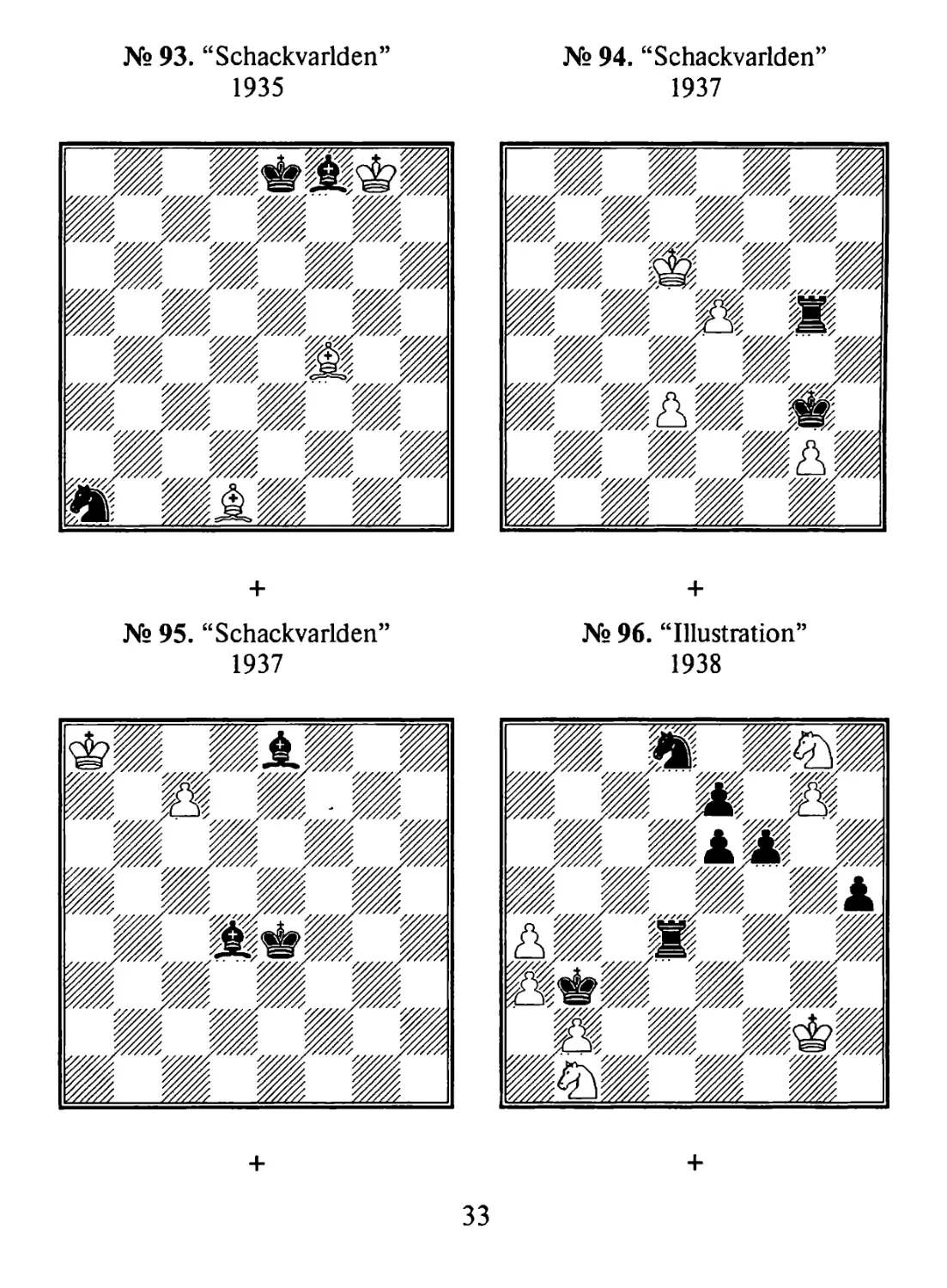
Ne 93. “Schackvarlden”
1935
No 94. “Schackvarlden”
1937
Ne 95. “Schackvarlden”
1937
No 96. “Illustration”
1938
33
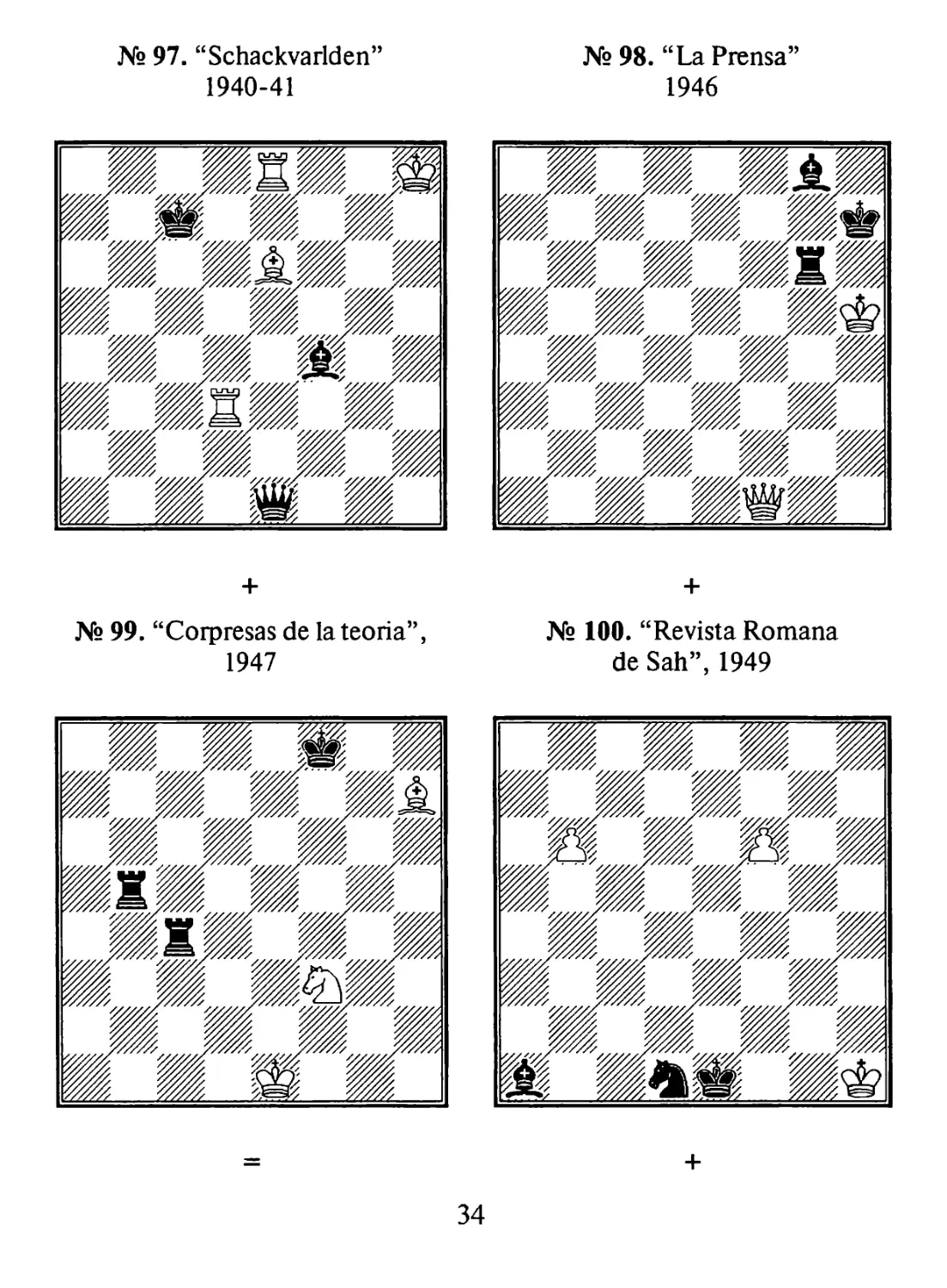
Ns 97. “Schackvarlderr
1940-41
N® 98. “La Prensa1
1946
No 99. “Corpresas de la teoría”,
1947
Ne 100. “Revista Romana
de Sah”,1949
34
SOLUTIONS
LÓSUNGEN
PEIUEHHH
SOLUCIONES
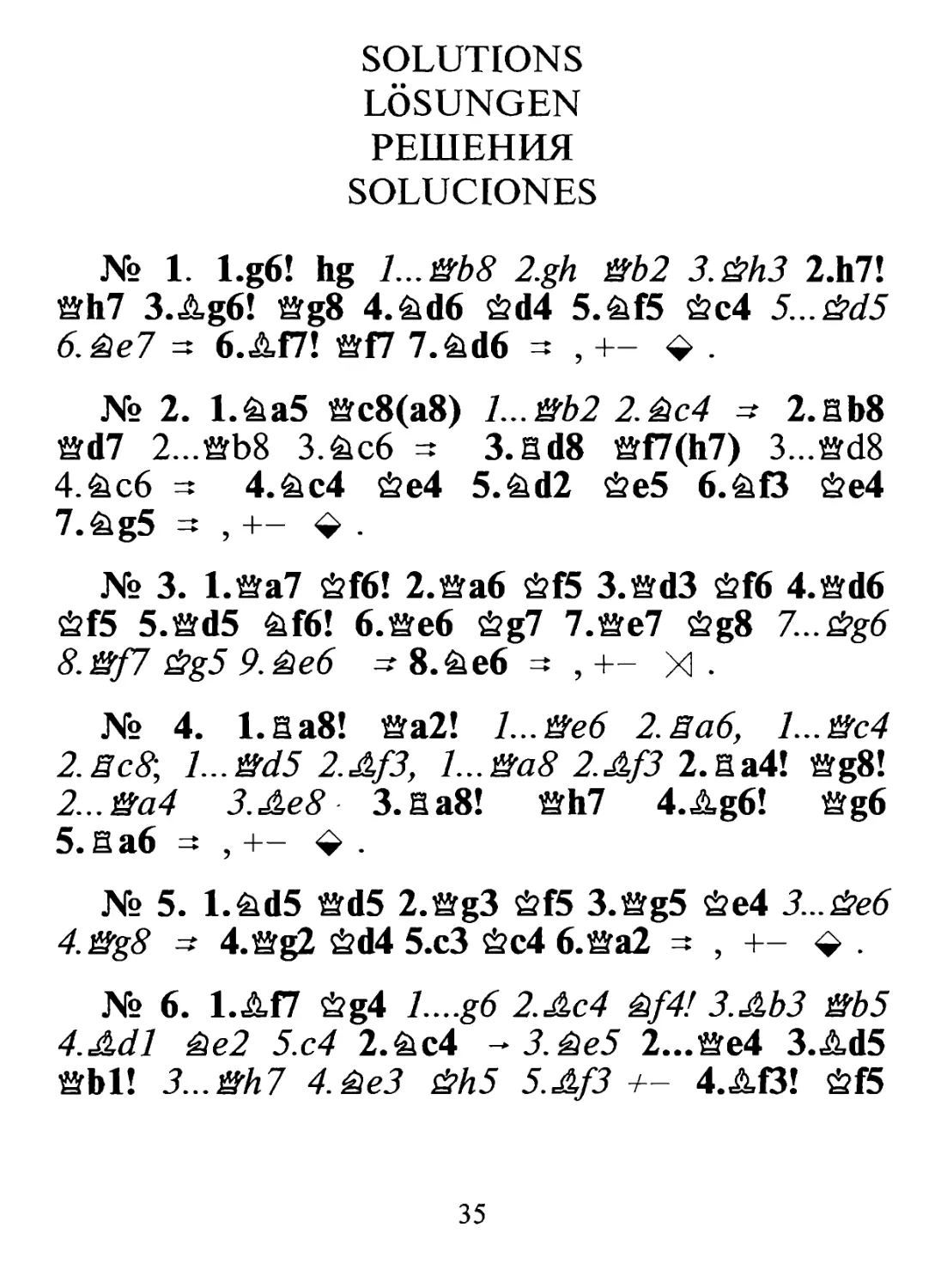
Nb 1. I.g6! hg L..&b8 2.gh &b2 3.&h3 2.h7!
Sh7 3.&g6! Sg8 4.^d6 £d4 5.&f5 £c4 5...&d5
6.£e7 =: 6.&Í7! Sf7 7.ád6 =: , +- ❖ .
N® 2. I.£a5 Sc8(a8) l...&b2 2.£c4 =t 2.Bb8
Sd7 2...Sb8 3.&c6 - 3. §d8 Sf7(h7) 3...Bd8
4,&c6 =: 4.&c4 &e4 5.^d2 £e5 6.^f3 £e4
7.&g5 =x , +- ♦ .
N® 3. I.©a7 £f6! 2.Sa6 &f5 3.Sd3 £fó 4.Sd6
£f5 5.©d5 &fó! 6.©e6 £g7 7.®e7 £g8 7...&g6
8.&f7 &g5 9.£e6 ^8.&e6 - ,X.
N® 4. l.Sa8! ®a2! I...&e6 2.Sa6, l...&c4
2.Sc8; l...&d5 2.£f3, l...&a8 2.£f3 2.Sa4! Sg8!
2...&a4 3.^,e8 3. Sa8! Sh7 4.Ag6! Sg6
5. Sa6 =s , +- ♦ .
Ne 5. I.^d5 Sd5 2.Sg3 £f5 3.®g5 £e4 3...&e6
4.&g8 =t 4.Sg2 £d4 5.c3 £c4 6.Sa2 =t , +-	.
N® 6. 1.&Í7 £g4 L...g6 2.£c4 £f4! 3.£b3 &b5
4.Ádl £e2 5.c4 2.&c4 -3.áe5 2...Se4 3.&d5
Sbl! 3...&h7 4.£e3 &h5 5.Áf3+- 4.£f3! &Í5
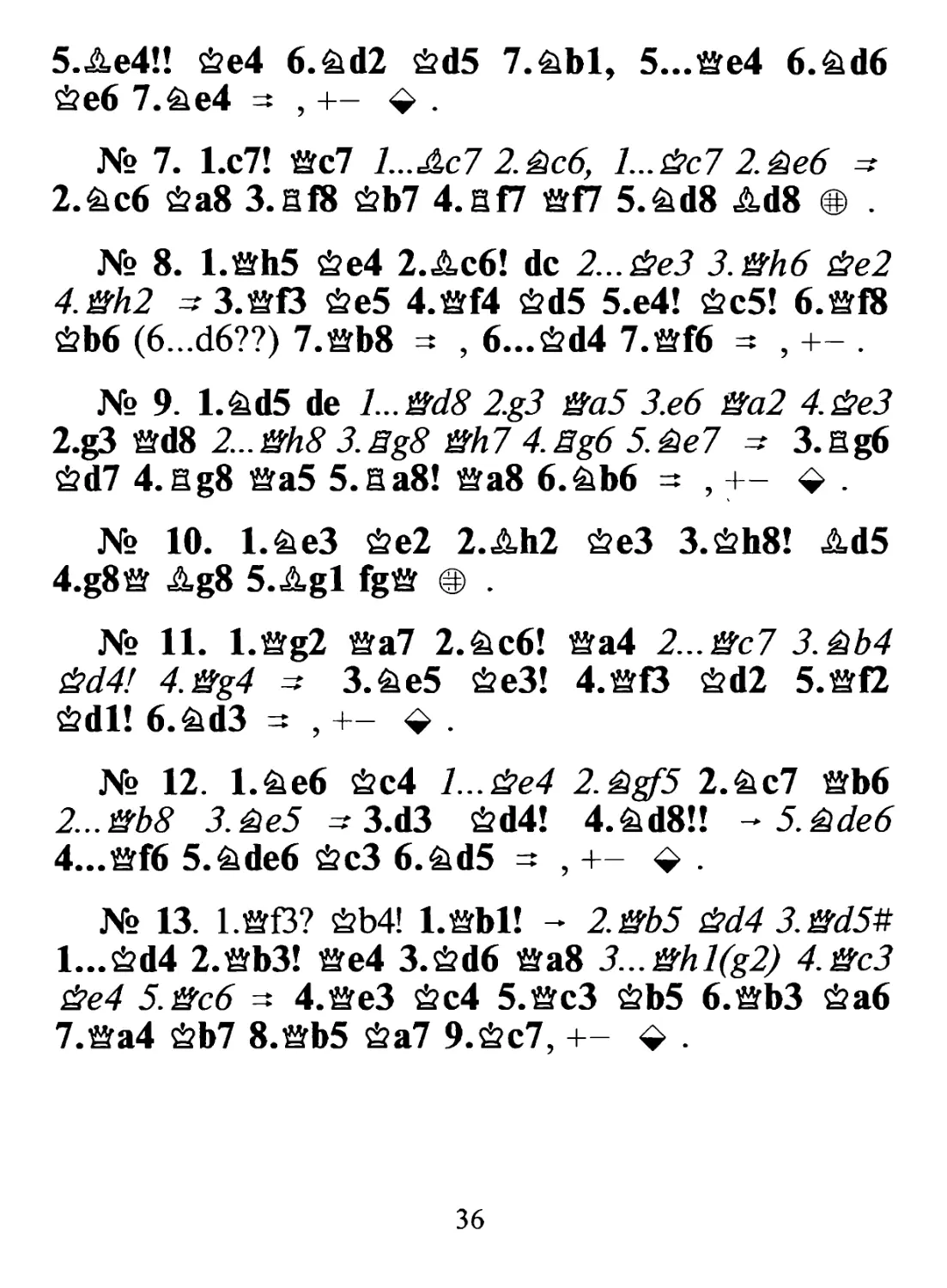
35
5.Ae4ü &e4 6.&d2 Ad5 7.&bl, 5...®e4 ó.&dó
£e6 7.áe4 =t , +-	.
N® 7. I.c7! Sc7 l...£c7 2.&c6, l...£c7 2.£e6 =;
2.&c6 £a8 3.SÍ8 £b7 4.Hf7 ®f7 5.&d8 Ad8 © .
N? 8. I.®h5 £e4 2.Acó! de 2...&e3 3.&h6 &e2
4.&h2 =s 3.®f3 £e5 4.&f4 £d5 5.e4! £c5! 6.@f8
£bó (6...d6??) 7.©b8 =: , 6...£d4 7.®f6 =*,+-.
N? 9. I.&d5 de l...&d8 2.g3 &a5 3.e6 &a2 4.&e3
2.g3 ®d8 2...&h8 3.Bg8 &h7 4.Sg6 5.£e7 =¡ 3.Sg6
&d7 4.Sg8 ®a5 5.Sa8! ©a8 6. ^bó =t , +-	.
Ns 10. I.áe3 ^e2 2.Ah2 &e3 3.¿?h8! Ad5
4.g8S Ag8 5.Agí fg& © .
N® 11. I.®g2 ®a7 2.&c6! Sa4 2...&c7 3.£b4
&d4! 4.&g4 =t 3.&e5 £e3! 4.SÍ3 £d2 5.SÍ2
£dl! 6.ád3 - ,	❖ .
N° 12. l.&eó &c4 l...£e4 2.£gf5 2.&c7 ©b6
2...&b8 3.£e5 ' 3.d3 £d4! 4.ád8ü - 5.£de6
4...M6 5.^deó £c3 6.^d5 =: , +-	.
Ne 13. 1.SÍ3? ^b4! l.Sbl! - 2.&b5 &d4 3. &d5#
l...£d4 2.®b3! ©e4 3.£dó Sa8 3...&hl(g2) 4.&c3
&e4 5.&c6 =t 4.©e3 £c4 5.Sc3 £b5 6.Sb3 £a6
7.Sa4 £b7 8.®b5 £a7 9.£c7, +-	.
36
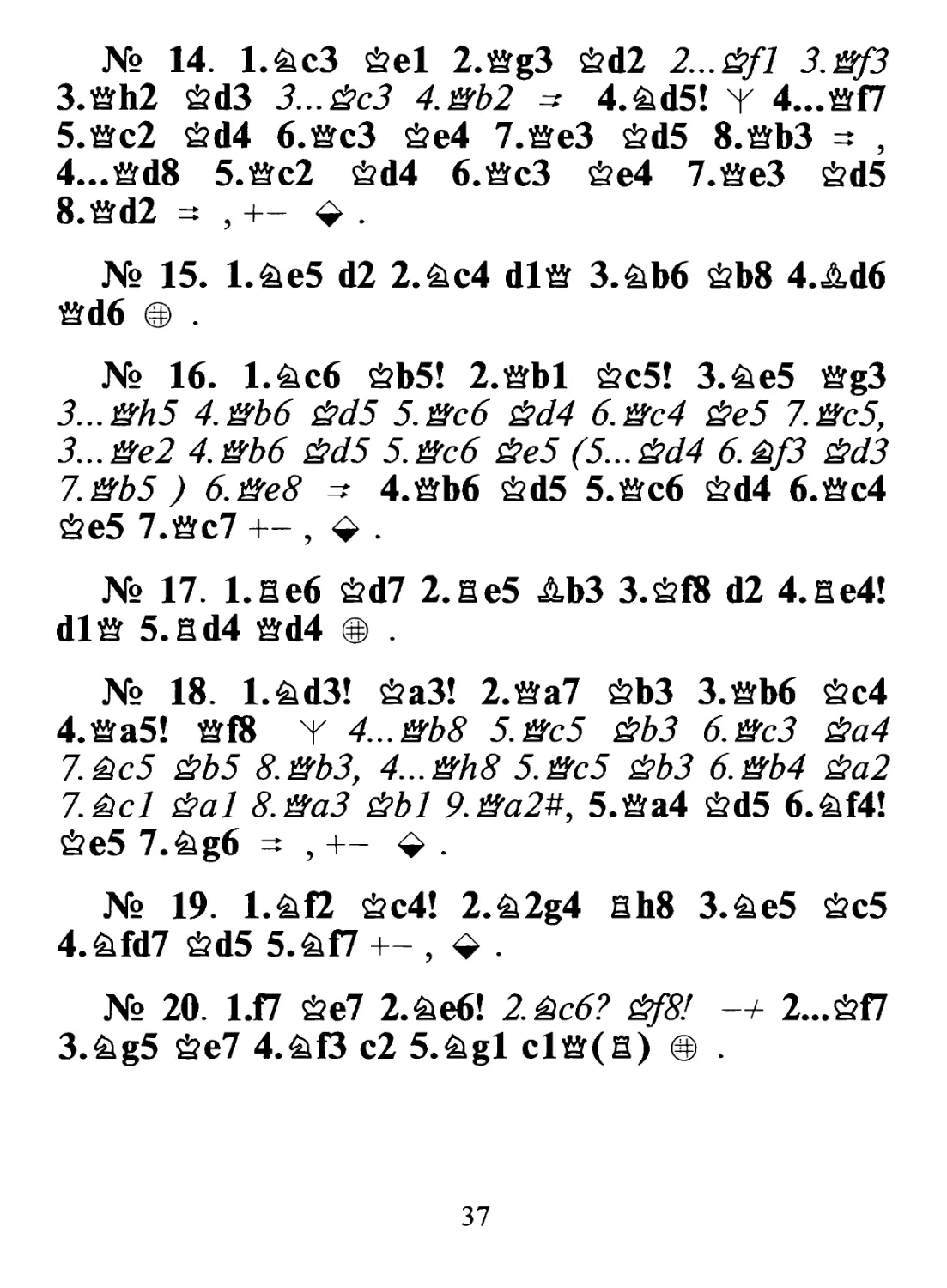
Ne 14. I.£c3 Sel 2.©g3 £d2 2...&fl 3.&f3
3.©h2 £d3 3...&c3 4.&b2 =; 4.£d5! Y 4...©f7
5.©c2 £d4 6.©c3 £e4 7.©e3 &d5 8.©b3 =t ,
4...©d8 5.©c2 £d4 6.©c3 &e4 7.©e3 &d5
8.©d2 =: , +- ♦ .
Ne 15. I.fce5 d2 2.ác4 di© 3.áb6 &b8 4.&d6
Sd6 @ .
Ne 16. I.£c6 fib5! 2.©bl &c5! 3.&e5 ©g3
3...&h5 4.&b6 &d5 5.&c6 &d4 6.&c4 &e5 7.&c5,
3...&e2 4.&b6 &d5 5.&c6 Ée5 (5...&d4 6.£f3 &d3
7.&b5 ) 6.&e8 =¡ 4.©b6 £d5 5.©c6 &d4 6.©c4
ée5 7.®c7	.
Ne 17. l.aeó £d7 2.Be5 &b3 3.£f8 d2 4.Be4!
di© 5.ad4 Sd4 @ .
Ne 18. I.£d3! &a3! 2.©a7 &b3 3.©b6 &c4
4.©a5! ©f8 Y 4...&b8 5.&c5 &b3 6.&c3 &a4
7.^c5 ¿>b5 8.&b3, 4...&h8 5.&c5 ^b3 6.&b4 &a2
7.&cl ¿’al 8.&a3 &bl 9.&a2#, 5.©a4 &d5 6.^f4!
&e5 7.&g6 =t , +- ❖ .
Ne 19. 1.&Í2 &c4! 2.&2g4 Sh8 3.&e5 £c5
4.áfd7 &d5 5.41Í7 +- , ❖ .
Ne 20. 1.17 ^e7 2.áe6! 2.£c6? &f8! -+ 2...&H
3.ág5 á?e7 4.^f3 c2 5.ágl cl©(a) ® .
37
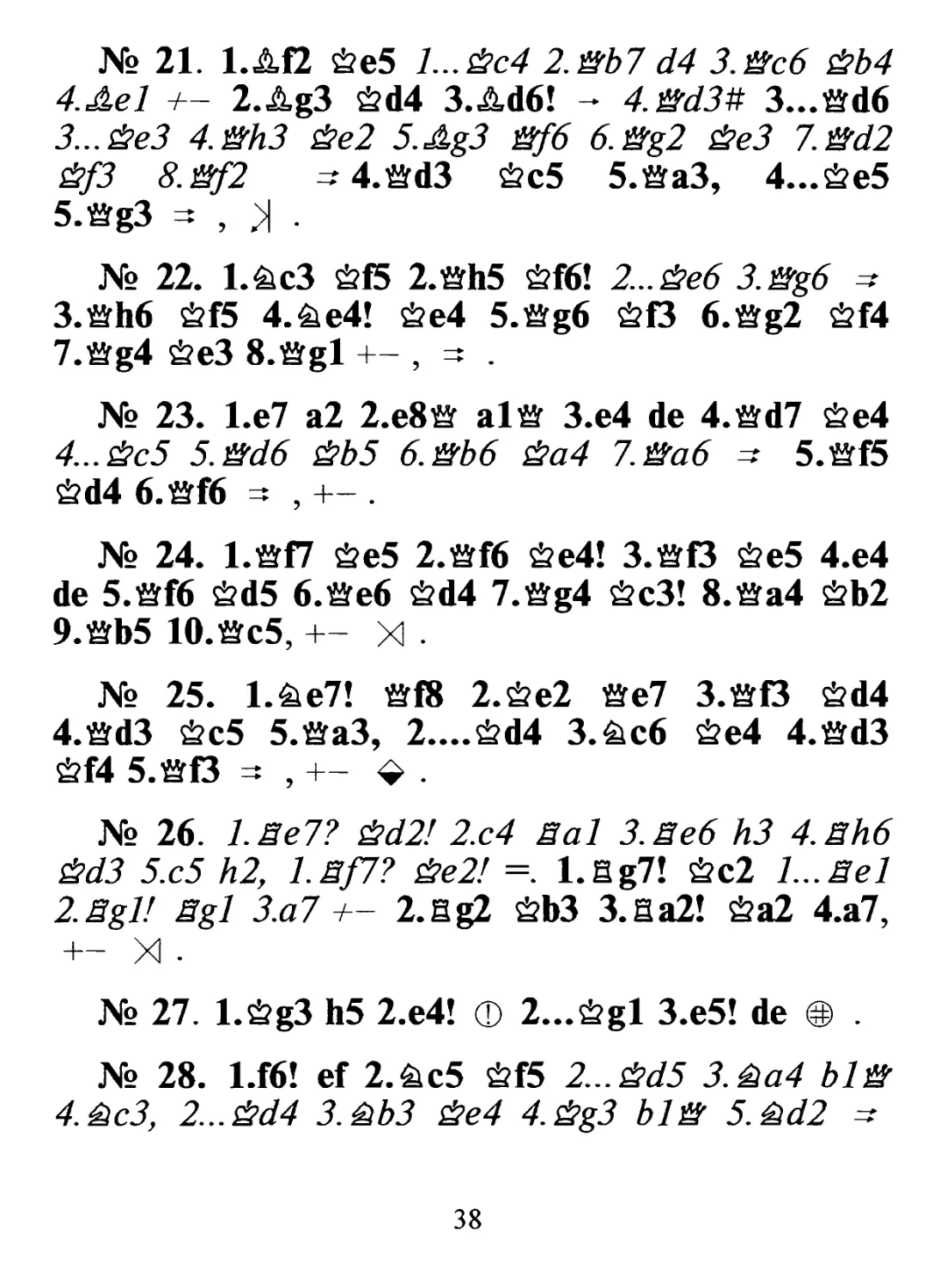
No 21. 1.M2 &e5 L..ác4 2.&b7 d4 3.&c6 &b4
4.£el +- 2.&g3 Sd4 3.Ad6! - 4.&d3# 3...Sd6
3...áe3 4.&h3 &e2 5.Ag3 &f6 6.&g2 &e3 7.&d2
áf3 8.&f2	=: 4.Sd3 £c5 5.©a3, 4...£e5
5.®g3	.
No 22. I.£c3 £f5 2.Sh5 £f6! 2...&e6 3.&g6 =t
3.Sh6 &f5 4.&e4! &e4 5.Sg6 &Í3 6.Sg2 fif4
7.©g4 &e3 8-iSrgl
Ne 23. I.e7 a2 2.e8® ais 3.e4 de 4.©d7 &e4
4...&c5 5.&d6 &b5 6.&b6 &a4 7.&a6 =: 5.Sf5
&d4 6.Sf6
Ne 24. 1.SÍ7 £e5 2.Sf6 &e4! 3.®f3 &e5 4.e4
de 5.©f6 £d5 6.Se6 £d4 7.£?g4 £c3! 8.©a4 £b2
9.®b5 10.Sc5, +- XI .
Ne 25. I.áie7! Sf8 2.£e2 Se7 3.£?f3 £d4
4.Sd3 £c5 5.©a3, 2....&d4 3.&c6 £e4 4.©d3
fif4 5.SÍ3 =t , +- ❖ .
Ne 26. l.Se7? Sd2! 2.c4 Bal 3.Be6 h3 4.Bh6
&d3 5.c5 h2, l.Bf7? &e2! = l.Sg7! Sc2 l...Bel
2.Bgl! Bgl 3.a7 +- 2.ag2 Sb3 3.Sa2! £a2 4.a7,
+- X .
Ne 27. I.ég3 h5 2.e4! ® 2...*gl 3.e5! de © .
Ne 28. I.f6! ef 2.&c5 &Í5 2...£d5 3.£a4 bl&
4.£c3, 2...&d4 3.£b3 &e4 4.&g3 bl& 5.£d2 =;
38
3.£h5! bl© 4.Acl! - 5.e4 4...©cl 5.e4 éf4
6.£d3 =¡ , /W ❖ •
Ne 29. I.e7 &g4 l...Se6? 2.£f5 ** 2.&g2 Be6
3.Be2! Be2 4.¿e4! §e4 5.Í3! =*,+-.
Ne 30. I.ád5! Bc4 l...Sa4 2.&c5 f2 3.£f6 &d8
4.&f2, l...Sf5 2.g7 Bg5 3.g8& Sg8 4.£f6	+-
2.g7 d?f7 3.g8S! &g8 4.b3!, +- ♦ .
Ne 31. I.£d4! Sa5 2.&b3 f3 3.&d7 ❖ 3...Í2
4.^e6 &g8 5.&g5 &Í8 6.&h7#.
Ne 32. I.&g8! • 2.Ah6 &e4 3.'Src4# I...fifg5(f6)
2.Ah6ü ®h6 3.Sgl! &e4 4.©bl &d5 5.®d3
&c6(e6) 6.Sa6 =t ,	.
Ne 33. l.&dó Y 1...BÍ7 2.£e6 §f3 3.£e2 Sc3
4.&e5 £b2 5.£d2, l...Bh7 2.M5 §h6 3.&Í8
gf6(h8) 4.Ag7, +- ❖ .
Ne 34. I.a5 Hb7 l...£c6 2.a6 &b6 3.£e5 ¿’aó
4.£d7 Sb7 5.^c5 - 2.e4 &d4! 3.^d8! Bb5 3...Sh7
4.£e6 &e4 5.£g5, 3...Sd7 4.£e6 &e4 5.£)c5 =t 4.a6
c3 5.dc &c4 6.&b7 Bb6! 7.a7,+-	(7...3a6
8.a8& Ba8 9. ^d6#, 8. £d6 Bd6 9.a8&).
Ne 35. l.Bhl Be5 2.d7 Bd5 3.£c2 &a2 4.Bh5!
4.3di? Bc5 5.¿>d2 Bd5 6.&c2 Bc5 ®4...Bh5
4... Bd7 5. Ba5# 5.d8®, +- .
39
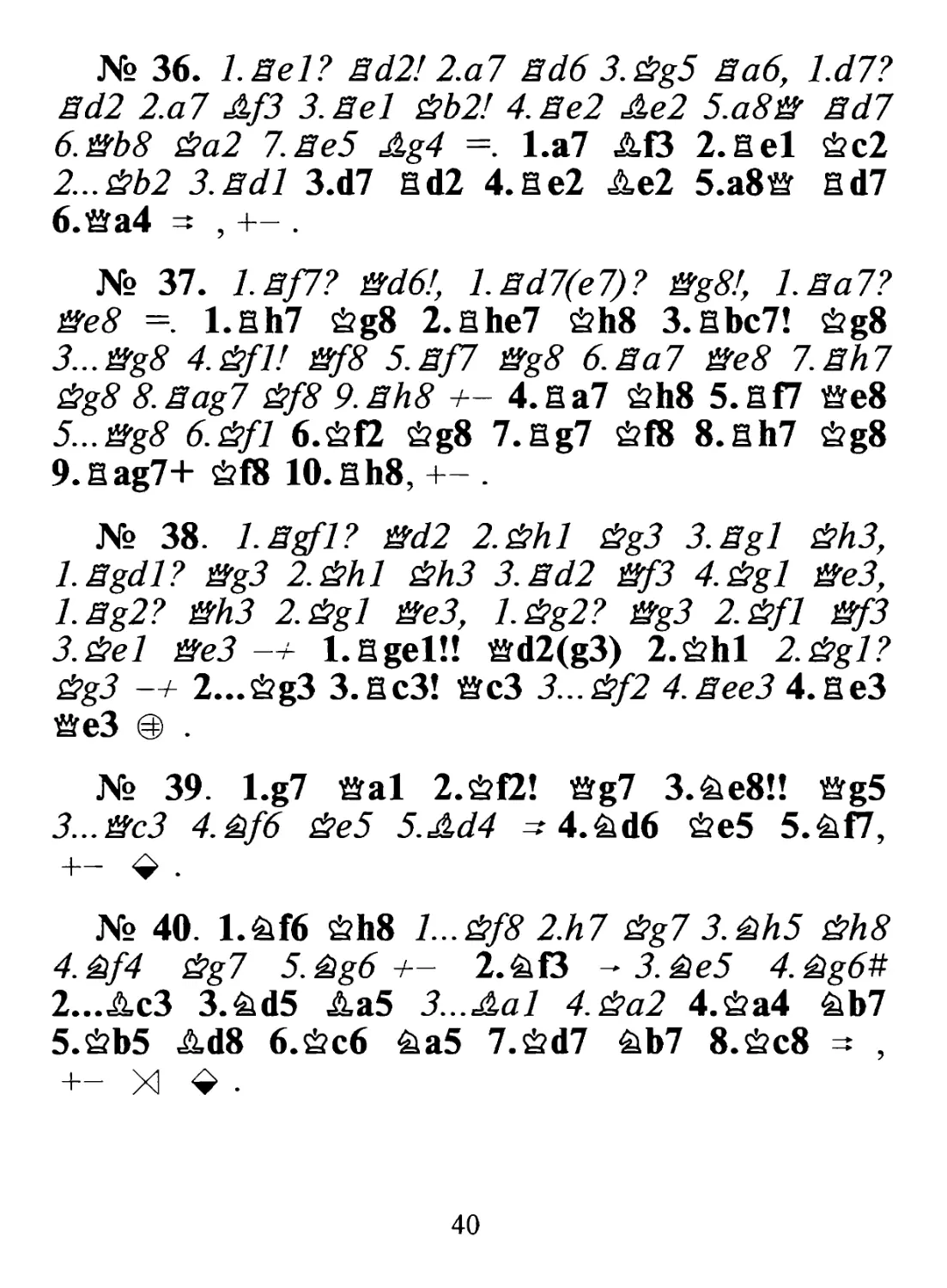
JNb 36. l.Bel? Sd2! 2.a7 Bd6 3. &g5 Ba6r l.d7?
Bd2 2.a7 4f3 3. Bel &b2! 4.Be2 £e2 5.a8& Bd7
6.&b8 &a2 7.Be5 Ag4 =. I.a7 &Í3 2. a el &c2
2...áb2 3. Bdi 3.d7 ad2 4.ae2 Ae2 5.a8© Bd7
6.©a4 =x , +- .
JNb 37. 1.3f7? &d6!, l.Bd7(e7)? &g8!r l.Ba7?
&e8 = I.ah7 £g8 2.ahe7 £h8 3.abc7! &g8
3...&g8 4.£fl! &f8 5.3f7 &g8 6.Ba7 &e8 7.3h7
£g8 8.Bag7 Üf8 9.3h8 +- 4.Ba7 £118 5.af7 Se8
5...&g8 6.&fl 6.&Í2 £g8 7.ag7 £f8 8.ah7 £g8
9.aag7+ &Í8 10.ah8, +- .
Ne 38. l.Bgfl? &d2 2.&hl &g3 3.Bgl &h3,
l.Bgdl? &g3 2.£hl ^h3 3.3d2 &f3 4.&gl &e3,
1.3g2? &h3 2.&gl &e3, L£g2? &g3 2.&fl &f3
3.&el &e3 -+ l.agelü Sd2(g3) 2.&hl 2.&gl?
&g3 -+ 2...£g3 3. ac3! ®c3 3...¿tf2 4.Bee3 4.ae3
Se3 @ .
JVfe 39. I.g7 ©al 2.á?f2! ®g7 3.^e8I! Sg5
3...&c3 4.£f6 áe5 5.Ad4 =: 4.^d6 £e5 5.&Í7,
+- ❖ •
No 40. l.fcfó Sh8 1...&/8 2.h7 ^g7 3. £h5 &h8
4.£f4 &g7 5.^g6+- 2.&Í3 ~ 3.£e5 4.£g6#
2...&c3 3.&d5 Aa5 3...Áal 4.&a2 4.&a4 &b7
5.£b5 Ad8 6.&c6 &a5 7.&d7 &b7 8.&c8 =s ,
40
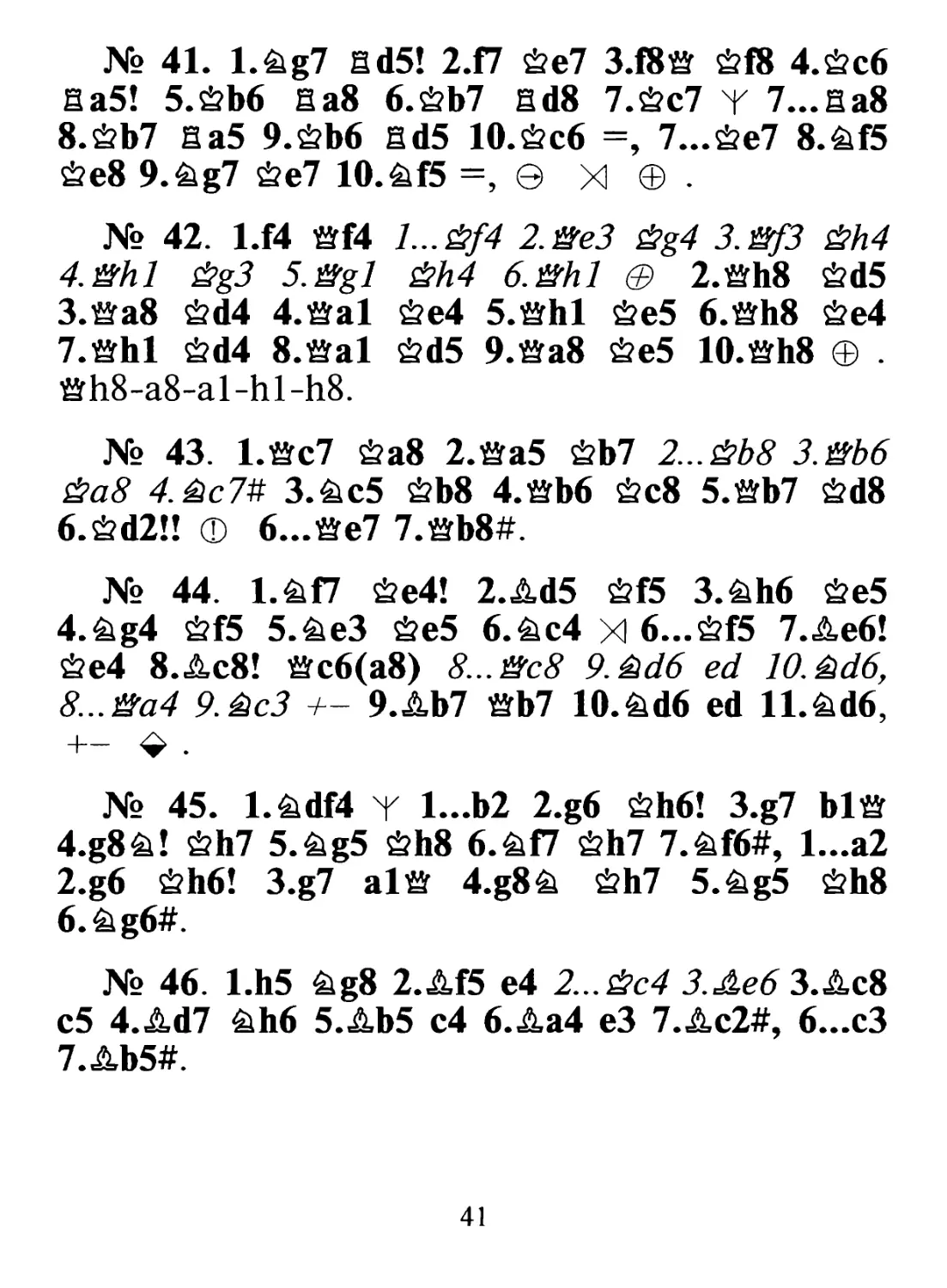
Ne 41. I.^g7 ad5! 2.Í7 &e7 3.18 S &Í8 4.&c6
Ba5! 5.&b6 Sa8 6.&b7 ad8 7.&c7 Y 7...§a8
8.&b7 Sa5 9.&b6 Bd5 10.&c6 =, 7...&e7 8.&f5
£e8 9.^g7 &e7 10.fcf5 =, Q XI ffi .
Ne 42. I.f4 Sf4 l...£f4 2.&e3 &g4 3.&f3 &h4
4.&hl £>g3 5.&gl &h4 6.&hl ® 2.Sh8 £d5
3.Sa8 &d4 4.Sal &e4 5.Shl fie 5 6.Sh8 ñe4
7.®hl &d4 8.®al &d5 9.Sa8 &e5 10.Sh8 ® .
Sh8-a8-al-hl-h8.
Ne 43. l.Sc7 &a8 2.Sa5 &b7 2...&b8 3.&b6
&a8 4.£c7# 3.&c5 &b8 4.Sb6 &c8 5.fifb7 Sd8
6.£d2!! ® 6...®e7 7.Sb8#.
Ni» 44. I.^f7 &e4! 2.Ad5 £f5 3.&h6 á?e5
4.&g4 &f5 5.&e3 ée5 6.^c4 XI 6...&Í5 7.&e6!
&e4 8.Ac8! Sc6(a8) 8...&c8 9.£d6 ed 10.&d6,
8...&a4 9.£c3 +- 9.£b7 Sb7 lO.^dó ed ll.ádó,
+- ❖ •
No 45. I.ádf4 Y l...b2 2.g6 &h6! 3.g7 blS
4.g8^! £h7 5.&g5 £h8 6.&Í7 &h7 7.&Í6#, l...a2
2.g6 &h6! 3.g7 alS 4.g8^ &h7 5.^g5 &h8
6.&g6#.
No 46. I.h5 &g8 2.M5 e4 2...£c4 3.Ae6 3.&fA
c5 4.&d7 £ih6 5.£b5 c4 6.£a4 e3 7.£c2#, 6...c3
7.&b5#.
41
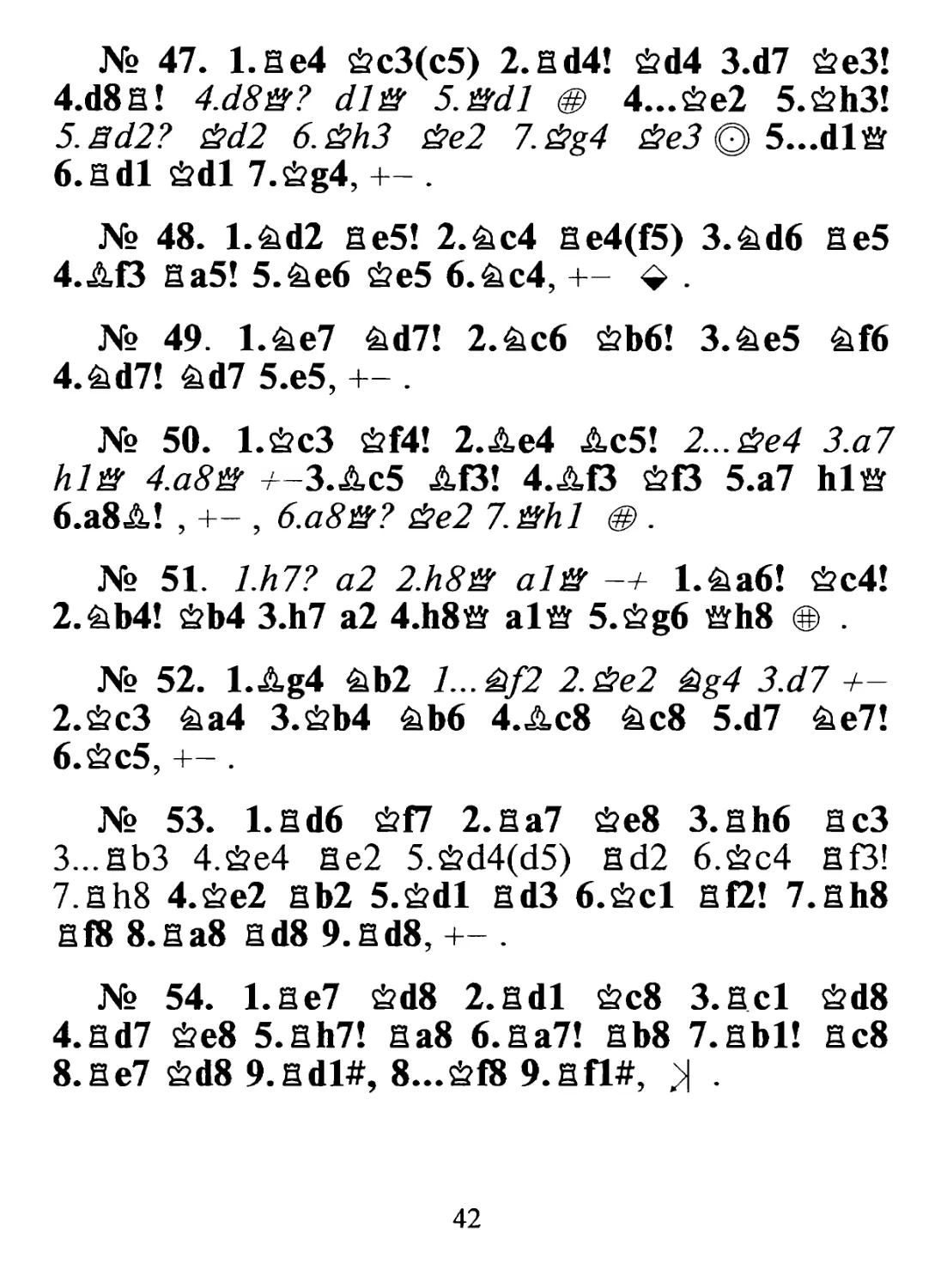
No 47. 1. ae4 Sc3(c5) 2.ad4! £d4 3.d7 &e3!
4.d8a! 4.d8&? dl& 5.&dl ®> 4...¿?e2 5.£h3!
5.Bd2? Éd2 6.&h3 &e2 7.&g4 &e3 0 5...dl©
6. a di £dl 7.£g4, +- .
No 48. I.ád2 ae5! 2.ác4 ae4(f5) 3.ád6 ae5
4.M3 Ba5! 5.&e6 &e5 6.£c4, +- <$ .
Ne 49. I.áe7 ád7! 2.ác6 &b6! 3.&e5 áf6
4.&d7! &d7 5.e5, h— .
Ne 50. I.£c3 fif4! 2.£e4 &c5! 2...&e4 3.a7
hl& 4.a8& +-3.&c5 &Í3! 4.AÍ3 £f3 5.a7 hl©
6.a8A! , +- , 6.a8&? &e2 7.&hl ®.
Ne 51. I.h7? a2 2.h8& al& -+ l.&aó! £c4!
2.^b4! ñb4 3.h7 a2 4.h8® al© 5.&g6 ©h8 ® .
No 52. I.£g4 &b2 l...&f2 2.&e2 £g4 3.d7 +-
2.&c3 &a4 3.&b4 &b6 4.Ac8 &c8 5.d7 &e7!
6.&c5, +-.
Ne 53. l.adó é?f7 2.aa7 á?e8 3.ah6 ac3
3...ab3 4.£e4 ae2 5.&d4(d5) ad2 6.&c4 af3!
7.ah8 4.&e2 ab2 5.&dl ad3 6.£cl af2! 7.ah8
af8 8.aa8 ad8 9.ad8, +- .
No 54. I.ae7 &d8 2. a di &c8 3. a el fid8
4.ad7 &e8 5.ah7! Ba8 6.aa7! ab8 7.abl! Bc8
8.ae7 &d8 9. a di#, 8...&Í8 9.afl#, » .
42
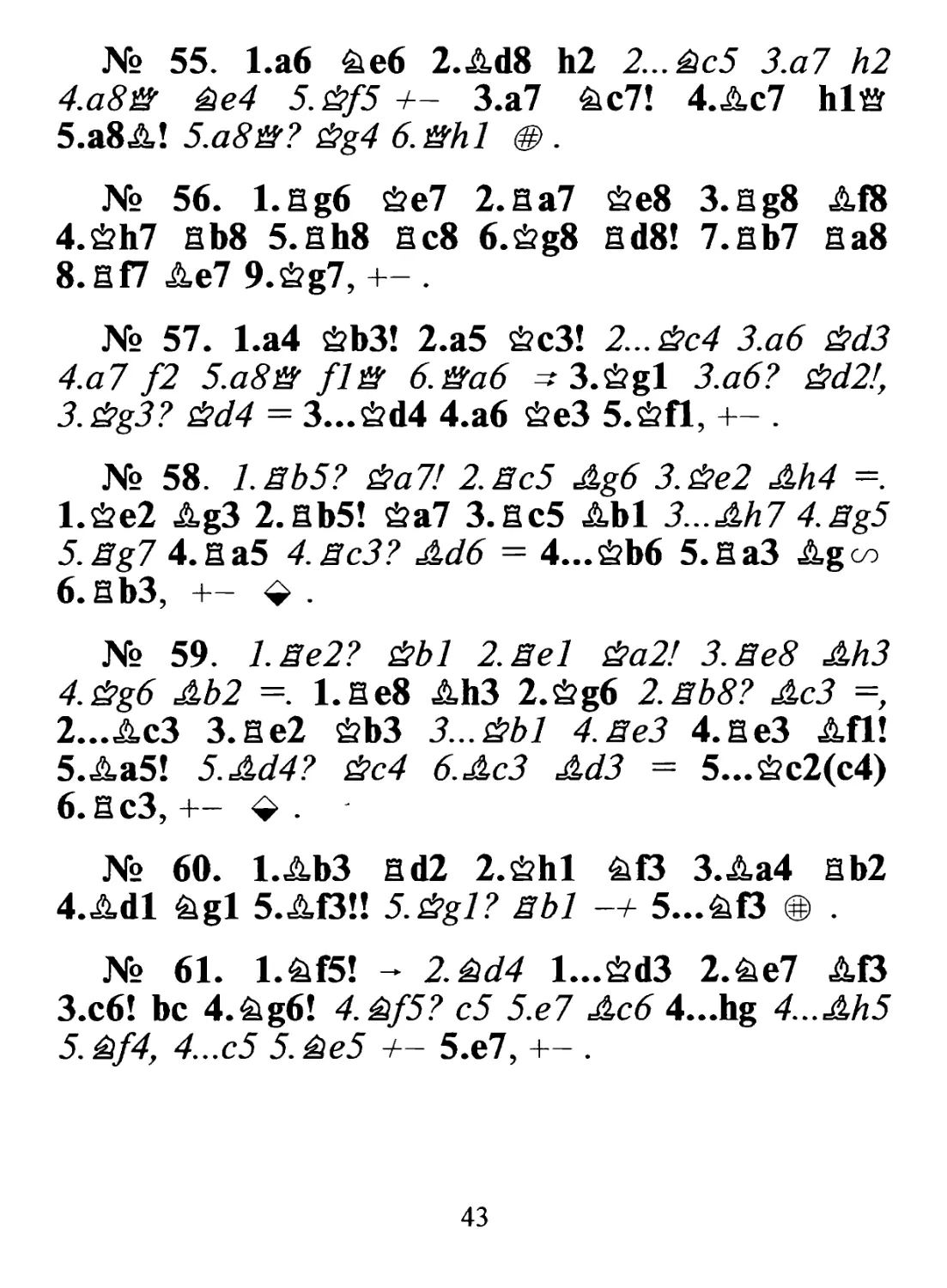
N° 55. I.a6 &e6 2.£d8 h2 2...£c5 3.a7 h2
4.a8& £e4 5.&f5 +- 3.a7 &c7! 4.&c7 hl®
5.a8á>! 5.a8&? £g4 6.&hl (g).
JNb 56. l.Sgó £e7 2.aa7 £e8 3.ag8 Af8
4.£h7 ab8 5.ah8 ac8 6.£g8 ad8! 7.ab7 Ba8
8.af7 Ae7 9.&g7, +- .
JNb 57. I.a4 éb3! 2.a5 £c3! 2...&c4 3.a6 &d3
4.a7 f2 5.a8& fl& 6.&a6 =¡ 3.&gl 3.aó? &d2!,
3.&g3? &d4 = 3...&d4 4.a6 £e3 5.£fl, +- .
JNb 58. 1.3b5? 8a7! 2.Bc5 Agó 3.&e2 Ah4 =.
l.Se2 £g3 2.ab5! £a7 3.ac5 Abl 3...£h7 4.Sg5
5.Bg7 4. Ba5 4.Sc3? Ad6 = 4...&b6 5. Ba3 &gco
6.ab3, +-	.
JNb 59. LSe2? &bl 2. Bel &a2! 3.Be8 Ah3
4.&g6 Ab2 =. I.ae8 Ah3 2.£g6 2.Bb8? Ac3
2...Á.C3 3.ae2 £b3 3...£bl 4.Be3 4.ae3 £fl!
5.£a5! 5.Ad4? &c4 6.Ac3 Ad3 = 5...&c2(c4)
6.Bc3, +- ♦ .
JNb 60. I.£b3 ad2 2.^hl ^f3 3.Aa4 ab2
4.Adl fcgl 5.^,f3!! 5.&gl? Bbl -+ 5...&Í3 © .
JNb 61. I.^f5! > 2.£d4 l...£d3 2.áe7 Af3
3.c6! be 4.^g6! 4.£f5? c5 5.e7 Acó 4...hg 4...Ah5
5. £f4, 4...c5 5.^e5 +- 5.e7, h— .
43
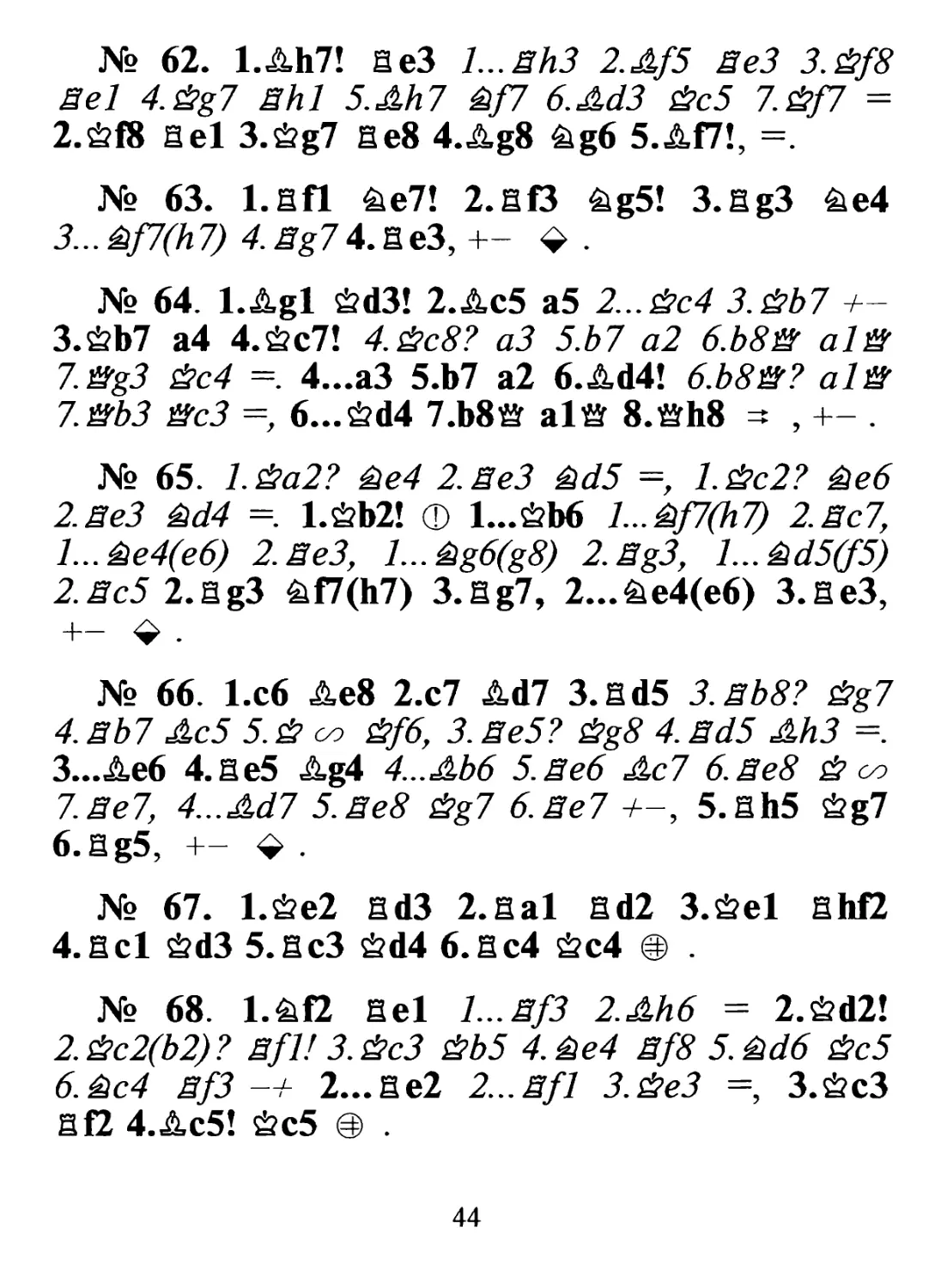
N<> 62. I.£h7! ae3 l...Bh3 2.AJ5 Be3 3.&f8
Bel 4.&g7 Bhl 5.Ah7 &f7 6.Ad3 &c5 7.&f7 =
2.&Í8 Sel 3.£g7 Be8 4.^,g8 ág6 5.Af7!, =.
Ne 63. l.Bfl &e7! 2.af3 &g5! 3.Bg3 &e4
3... &f7(h7) 4. Bg74.B e3, +- ♦ .
Ne 64. l.&gl &d3! 2.&c5 a5 2...&c4 3.&b7 +-
3.&b7 a4 4.&c7! 4.&c8? a3 5.b7 a2 6.b8& al&
7.&g3 &c4 =. 4...a3 5.b7 a2 6.Ad4! 6.b8&? al&
7.&b3 &c3 =, 6...£d4 7.b8© ais 8.Sh8
M 65. I.£a2? £e4 2.Be3 £d5 =, l.&c2? áeó
2.Be3 £d4 =. I.é?b2! © l...é?b6 I...£f7(h7) 2.3c7,
I...^e4(e6) 2.Be3, I...£g6(g8) 2.Bg3, I...&d5(f5)
2.Bc5 2.Qg3 &f7(h7) 3.Sg7, 2...&e4(e6) 3.Be3,
+- ❖ •
Ne 66. I.c6 &e8 2.c7 £d7 3.ad5 3.3b8? &g7
4. Bb7 Ác5	gf6, 3. Be5? ^g8 4. Bd5 M =.
3...&e6 4. Se5 Ag4 4...Abó 5.Beó Ac7 6.Be8 & co
7.3e7, 4...£d7 5.Be8 &g7 6.Be7 +-, 5.Bh5 £g7
6.Bg5, +- ❖ .
Ne 67. I.fie2 Sd3 2.§al Bd2 3.¿?el Bhf2
4.Sel &d3 5.§c3 &d4 6.§c4 &c4 © .
Ne 68. I.^f2 Sel l...Bf3 2.Ah6 = 2.£d2!
2.&c2(b2)? Bfl! 3.£c3 &b5 4.&e4 Bf8 5.^d6 ^c5
6.£c4 Bf3-+ 2...Se2 2...Bfl 3.&e3 =, 3.£c3
af2 4.&c5! £c5 © .
44
Ne 69. I.ah5 ág8 2.ah8 áe7 3.&b5! ¿?e8
4.&c5 &f5(c8) 5.&g6 &Í7! 6.^(8 &g7 7.ah5(hl) ,
+- ❖ •
Ne 70. l.Ba7 Afl 2,§a2 Ah8 2...Af6 3.Sf2 Ae7
4.&b3 Aaó(b5) 5.£d5 &e8 6.£c7, 2.....Ag7 3.Sf2
Aaó 4.&e6 ¡¿g8 5.Sg2, 2...Acl 3.Bf2 Aaó 4.&d3(e2)
+-, 3. §a8 &g7 4. S al! , +- <£• .
Ne 71. I.¿?e3 - 2.&d2 l...£a6 l...Ac4 2.Bc5,
l...Afl 2.Sg5 3.Bgl &d3 4.Sfl £b2 5.Sf4 +-
2.aa5 Ab7 3.ab5 Aaó 3...Ahí 4.3g5 & co 5.Bgl,
3...Acó 4.3c5, 4.abó £fl 5.Bg6 Sf7(h7) 6.agí,
+- ❖ •
JNe 72. I.©e3? &f7 2.af5 ég7 3.®e7 &g8 =.
I.ac7 ad7 l...&e6 2.&c6 ¿’eó 3.3e7 &d4 4.Be4,
l...&e8 2.&el, l...&f8 2.&fl +- 2.Sc5 £d8!
2...&e8 3.&e5, 2...¿’e6 3.&f5 +- 3.£h6I! ® , +- .
Ne 73. l.Se4! l.&hl? &a7 2.Sh7 Sf7 3.&f.31?
&h8! I...£b8! I...£a7 2.Sh7 Bf7 3.&a4, 4.&b3 =:
2.Se5! Sa7! 2...&c8 3.Sh8, 2...&b7 3.8h7 Sf7
4.&d5 ~ , 3.ah7 af7 4.SÍ6!! ah7 5.Sf8 Bc7
6.£c4, +- .
Ne 74. I.£b8 £d7 l...Aeó 2.£d4 2.^c7 &e8
2...Aa4 3.£c3 3.tefá AVI 3...Agó(h5) 4.£f4 4.M
&g8 4...Aa2(b3) 5.£cl 5.&Í8 ¿U17 6.£g7, +-
A/V ❖ -
45
N° 81. I.&d6? &a4, l.Sbl? ¿?a5 2.Sa
&c3 &c5 l...£a5 2. Sal &b4 3. £d5 2.1
Bh4 • 4.£d7# 3...SÍ7 4.&d7 ©d'J
No 82. I.£f2 £hl 2.*gl Af3 3.ág5 £e3
4.&a7 £e2 4...&f4 5.&e6 =; 5.&e6! &h6(e7, d6,
b4, a3) 6.£d4 &e3 7.fcf5(c2), +- ❖ .
Ne 83. I.af3 Ac8 2.£b6 Ab4! 3.af4 Ad6
3...£a3 4.3a4 £a3 5.Sa8 +- 4.Sd4 Ae7! 5.§e4
Ad8! 6.&a7 Ad7 7.Bd4, +- ♦ .
Ne 84. I.ádc5 Acó 2.&b5 Ab5 3.^b6 ¿?a7
3...&b8 4.£bd7 Ad7 5.&d7 4.&d5 Ah4 4...£h8
5.&h7' £al 6.£b3	5.á?h5! Ael 6.ád3, +-	.
N2 85. I.b3 á?c5 2.ah5 e5 3.ág5! © 3...Sg2(d3)
4.&e6 £d5 5.&f4 =t , 3...©dl 4.áe4 Sd5 5.fcc3 =: ,
3...Sg8 4.&e4 £d5 5.&Í6 =s , +- ❖ .
No 86. I.áid4 Sd4 l...£f4 2.&c2 Sd2 3.^b3.
Bf2 4.&f5 ^g5 5.f7 +- 1X1 Ec4! 2...£f4 3.&c2
Bd2 4.&b3 Bd3 5.&a4 Ef3 7.f8& +- 3.é?dl Bd4!
4.£e2 Se4! 5.£fl Sf4 6.b8&, +- > .
Ne 87. l.Afó? Af8 =. I.d6 g4 l...£f8 2.d7 £e7
3.£d6 £d6 4.d8& +- 2.^.f6! 2.d7? £g5 = 2...g3
3.d7 g2 4.d8® gis 5.©a5! £a5 6.&c3#, 5...&c4
5...&b3 6.&c3 6.©c3 &b5 6...&d5 7.&c6# 7.©d3
£b4 7...&a5 8.£c3#, 7...^c5 8.Áe74 8.&e7, +- .
N® 88. I.@b6 £b4 2.@a5 £c5 2...&a5 3.£c6#
3.®c3 £d5 4.Sc6 £e5 4...&d4 5.&d6# 5.®e6 £f4
6.®f6 £g3 7.®h4! £h4 8.&f5#, » .
47
O
o
l-A
B-
Cr, p
k"4
s> O
t£> ©\
• £> W
r&
N
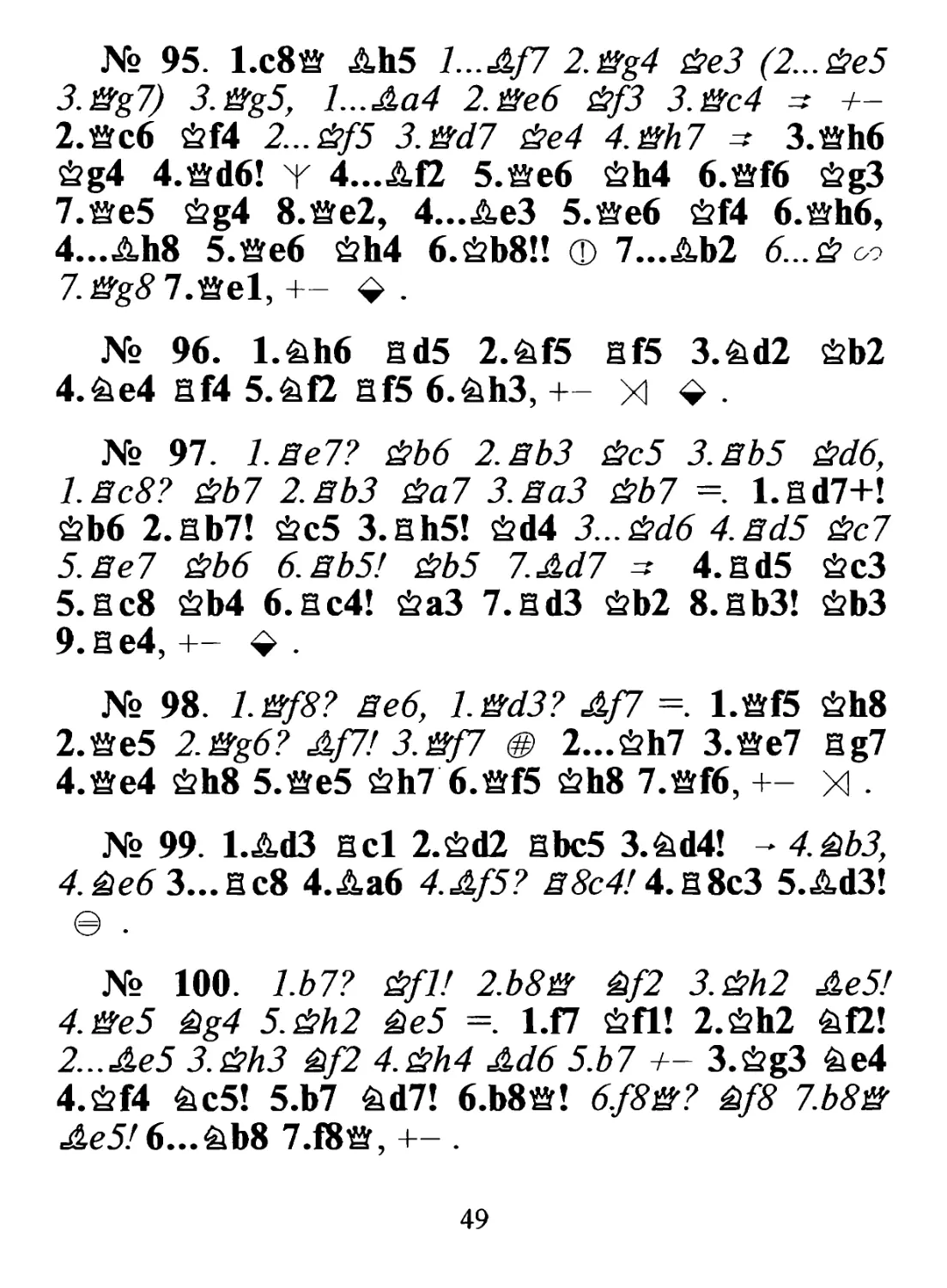
Ne 95. 1x8© Ah5 l...£f7 2. &g4 &e3 (2...&e5
3.&g7) 3.&g5, l...Áa4 2.&e6 &f3 3.&c4 - +-
2.®c6 &f4 2...&f5 3.&d7 &e4 4.&h7 =t 3.©h6
&g4 4.©d6! Y 4...AÍ2 5.©e6 &h4 6.©f6 &g3
7.©e5 &g4 8.®e2, 4...&e3 5.©e6 &f4 6.©h6,
4...Ah8 5.®e6 &h4 6.£b8!I (D 7...&b2 6...^^
7.&g81;2Lt\,+- ❖ .
Ne 96. l.áhó Bd5 2.&Í5 Bf5 3.áid2 £b2
4.&e4 Bf4 5.&Í2 Hf5 6.&h3, +- Y ❖ .
Ne 97. l.Be7? &b6 2.Bb3 &c5 3.Bb5 &d6,
l.Bc8? &b7 2.Bb3 &a7 3.Ba3 ^b7 =. l.Bd7+!
¿?b6 2.Bb7! Sc5 3.Bh5! £?d4 3...£d6 4.3d5 Sc7
5.Se7 ^b6 6.Sb5! &b5 7.Ád7 - 4.Sd5 Sc3
5. Bc8 &b4 6. Bc4! Sa3 7.Ed3 ¿?b2 8.Bb3! &b3
9.He4, +-	.
N2 98. I.&f8? Be6, l.&d3? £f7 =. I.©f5 &h8
2.©e5 2.&g6? £f7! 3.&f7	2...£h7 3.®e7 Bg7
4.®e4 &h8 5.®e5 £h7 6.SÍ5 &h8 7.®f6, +- Y .
Ne 99. I.£d3 Bel 2.^d2 Bbc5 3.ád4! - 4.£b3,
4,áe6 3...Bc8 4.£a6 4.£f5? ^&4/4.B8c3 5.&d3!
@ .
No 100. I.b7? üfl! 2.b8& &f2 3.&h2 Áe5!
4.&e5 £g4 5.&h2 ^e5 =. 1.17 £fl! 2.£h2 &Í2!
2...£e5 3.&h3 £j2 4.&h4 £d6 5.b7 +- 3.£g3 &e4
4.^f4 &c5! 5.b7 ^d7! 6.b8®! 6.f8&? £f8 7.b8&
^e5/6...^b8 7.Í8©, +- .
49
BRILLIANT CHESS STUDIES	“
The book by Anatoly Kuznetsov, one of the most well-known
erudites in the field of chess studies, who has a master ttitle
both in practical play and ¡n composition, presents the most
outstanding artistic endgames from many centuries of chess
history.
One who has more ¡deas has advantage in chess. Every one
of 150 masterpieces that are representad with the big dia-
grams contains one or several bright, beautiful, and instructivo
ideas. In addition to every such diamond, two “additional” gems
are supplied, where ¡deas are similar but with a different shape.
Solutions are separated from the diagrams, so if one wants
one can try to find Solutions independently.
In this book every player, beginner or grandmaster, can find a lot
of interesting and useful stuff. Chess beauty leaves nobody un-
touched, and here you meet the nicest creations of chess
composers of various styles, manners, and time periods.
WORLD ANTOLOGY OF CHESS STUDIES
This giant work unveils results of systematical study in tens of
thousands of chess studies from all countries and all times.
Every volume begins with a short theoretical introduction to
the topic, followed by a table of final positions; thereafter the
studies themselves are presented, with Solutions and detailed
indexes. Up to now, two volumes have been published:
1. Akobia “4232 Stalemate Studies”
2. Nadareishvili, Akobia “4492 Checkmate studies”
We offer cooperation ¡n publishing and distributing chess
literatura.
We have a wide choice of various chess products for sale and
exchange. Please send us your requests and, eventually, lists
of products you can supply. Our proposals will be sent by fax,
e-mail, or conventional mail.
Please write us to the following addresses:
Mail: 107076 Moscow, P.B.6, for Murad Amannazarov
Fax: (7-095) 964-13-54	-
e-mail: valmur@aha.ru	/\
npeftnaraeM coTpyqHUHecTBo b nsflannn n pacnpocTpaHennn
LuaxMaTHOíi jiMTeparypbi.
Mbi pacnonaraeM óonbiiinM BbióopoM pa3Hooópa3HOM LuaxMar-
hoíí npoflyKLinn fina npoflaxn n óaprepa. OxnflaeM Baiunx
sanpocoB n, no bosmoxhocth, nepeHHA npeflnaraeMoíí BaMn
LuaxMaTHOíí npoflyKqnn. Hanin oTBeTbi óyqyr BbicnaHbi nncbMOM
nnn no cpaKcy.
nuLUHTe HaM no aflpecy:
107076 MocKBa, a/n 6, AMaHHasapoBy Mypa/jy
TenecpOH (095) 964-13-32 Ten./cpaKC (095) 964-13-54
UJAXMATHAB KOMFIO3Mm4H
Ns 22 1998
yPAJlbCKMft nPOBJIEMMCT
The Ural Problemist
Since a long, the Russian chess composition occupies
leading positions in the world. This fact can be seen from
the successes that its representativos achieve in FIDE
Albums, team championships, and international compe-
titions. Two magazines on chess composition are pub-
lished in Russia: “Shakhmatnaya Kompozitsia” and
“Uralsky Problemist’. The first of these two writes about
all big competitions in this country and in the entire world;
brings analytical materials on history, theory, and prac-
tico of composition; publishes original problems and stud-
ies; organizes various competitions. “Uralsky Problemist’
informs mainly about events in Urals, Syberia, and Rus-
sian Far East; it also brings many theoretical and me-
thodical articles and original compositions, arranges
competitions etc. and publishes 1-2 books every year
as its supplements.
“Shakhmatnaya Kompozitsia” appears 6 times every year,
while “Uralsky Problemist’ 4 times.
ATTENTION!
You can get a spacy FREE CHESS CATALOGUE and book
new and/or older literatura, as well as all kinds of chess-re-
lated materials.
The catalogue consists of the following sections: 1. Modern
chess books; 2. Older chess books; 3. Chess materials and
paraphernalia; 4. Periodicals and bulletins; 5. Publicationsfrom
the Yugoslav Chess Informant; 6. Philately; 7. Draughts; 8.
Chess databases, software for PCs etc. Pnces are indicated,
together with short annotations to almost all positions.
ALL CHESS BOOKS can be ordered!
The catalogue is available vía mail. Please send your request,
possibly with an indication of wanted titles.
Letters to be mailed to: 101076 Moscow, P.B. 6, Murad
Amannazarov	«
Fax: (095) 964-13-54. E-mail: valmur@aha.ru
BHHMAHHE!
Bbi MOxeTe óecnnaTHo nonynwTb oóLunpHbiM UJAXMATHbM
KATAJIOr m 3aKa3aTb no noHTe coBpeMeHHyio m óyKWHweTM—
necKyio LuaxMaTHyio nwTepaTypy, aTpnóyTMKy, cwMBonuKy.
KaTanor coctowt W3 cneflyfoinwx paséenos: 1. JlMTepaTypa
nocneflHwx neT¡ 2. JlMTepaTypa npoLunbix neT; 3. klHBeHTapb,
aTpwóyTMKa m CMMBonMKa; 4. nepwoflWKa m cneqBbinycKM; 5.
kl3flaHMH torocnaBCKoro “klH0opMaTopa”¡ 6. cpMnaTenMH; 7.
UJaLUKM; 8. Ba3bi flaHHbix, nporpaMMbi An* riK m T.fl. npMBO-
flMTCfl CTOMMOCTb n KpaTKan aHHOTaqMA Kaxfloro HaMMeHOBa—
HMR.
BbinojiHWTCfl 3aKa3bi Ha THOBVIO LuaxMaTHyio jiMTeparypy.
nonyHHTb Kaianor moxho TonbKO no nonie. flnn stoto HyxHo
npHcnaTb b nMCbMe OEblHHbll/l KOHBEPT C OBPATHblM
AflPECOM, HamieeHHbiMM MapKaMM m (xenaienbHo) c ne-
peHHeM HauMeHOBaHMM, MHTepecytoinMx Bac.
Aflpec flnfl nMceM: 101076 Mockbb, a/n 6, Mypa^y AMaHHa-
3apoBy. Ten.: (095) 964-13-32, cpaKc: (095) 964-13-54.
\ ffi HENRI RINCK
I LEONID KUBBEL
| ALEXEY TROITZKY
' K SAMUEL LOYD
5 V. AND M. PLATOVS
CHESS STUDY
IN POLAND