/


Author: Лотовская Р.Н. Сенив С.М.
Tags: языкознание лингвистика английский язык учебное пособие
Year: 1980


Text
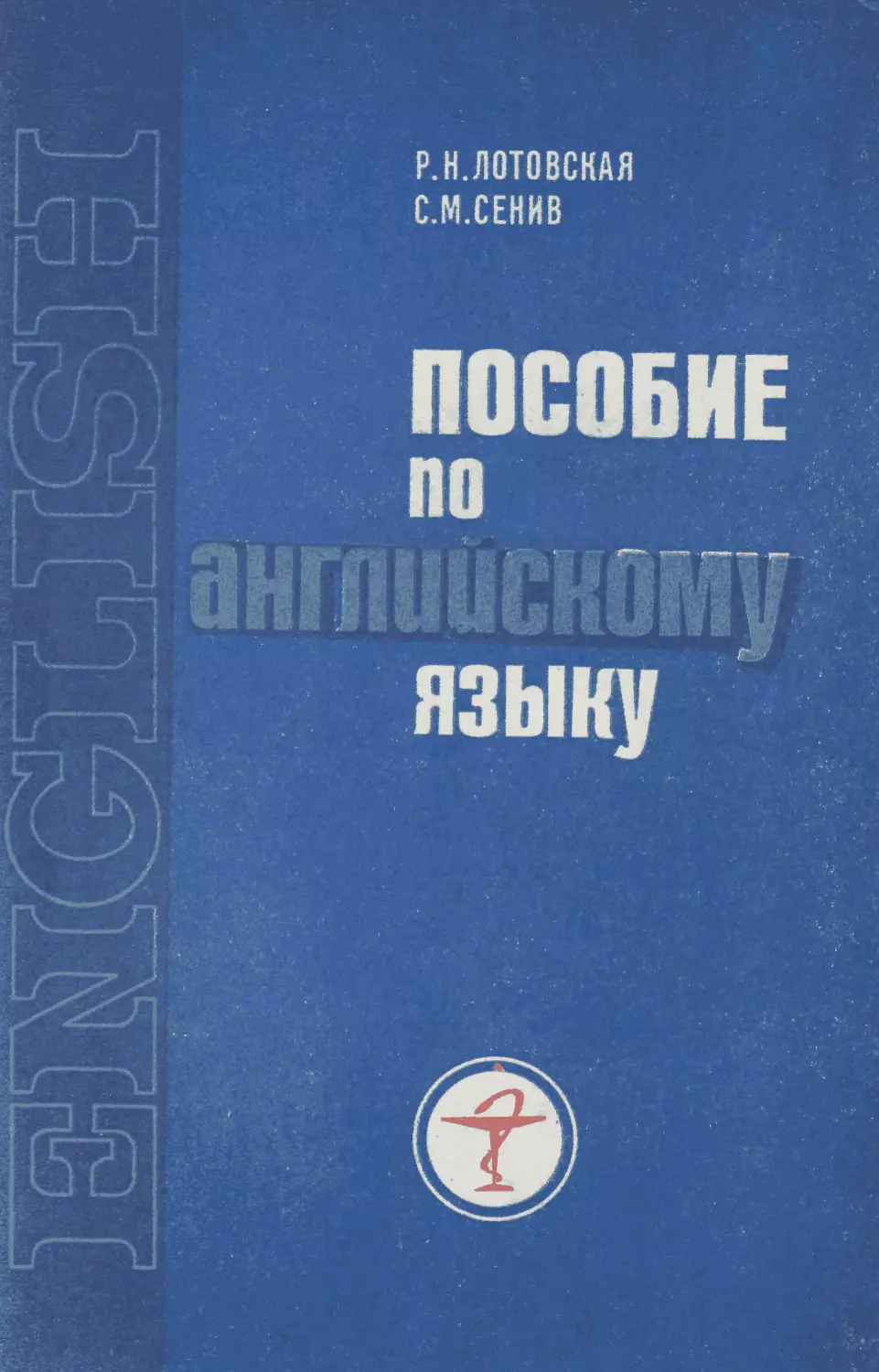
                    Р.Н.ЛОТОВСКАЯ
С.М.СЕНИВ
ПОСОБИЕ
по
английскому
языку
Р. Н. ЛОТОВСКАЯ
С. М. СЕНИВ
ПОСОБИЕ
„па
английскому
языку
Допущено Главным управлением учебных заве-
дений Министерства здравоохранения СССР в ка-
честве учебного пособия для студентов медицин-
ских институтов
Киев
Головное издательство
издательского объединения
«Вища школа»
1980
ББК 81 Англ —9
4 И(Англ)
Л 80
Лотовская Р. Н., Сенив G М. Пособие по английскому языку для
студентов-медиков.— Киев : Внща школа. Головное изд-во, 1980.— Яз.
англ., рус.— 200 с. 70104. 4602010000.
Учебное пособие по английскому языку состоит из девяти разделов
(Sections): I. The Public Health Service; II. Physiology; III. Thera-
py; IV. Surgery; V. Oncology; VI. Pharmacology; VII Toxicology;
VIII. Stomatology; IX. Infectious Diseases.
Каждый урок (Unit) включает тексты из соответствующего раздела
медицины, которые отобраны из новейших английских и американских
медицинских журналов, монографий и других источников, и систему
предтекстовых и послетекстовых упражнений, способствующих накоп-
лению терминологического минимума, необходимого для чтения и пони-
мания медицинской литературы на английском языке, а также выработ-
ке творческих навыков работы над текстом: умение составить краткую
аннотацию, резюме по теме, выделить из текста предложения или целые
отрывки, передающие основную идею текста, озаглавить отдельные
абзацы и т. д.
В приложении к пособию даны: 1) латинские и греческие термины,
встречающиеся в английской научной медицинской литературе; 2) сло-
вообразовательные элементы; 3) сокращения, принятые в английской
научной медицинской литературе.
Для студентов 3—4 курсов медицинских институтов.
Редакция литературы по иностранным языкам
Зав. редакцией М. М. Азаренко
л Дата 333-80- 4602010000
©Издательское объединение
«Внща школа», 1980
ПРЕДИСЛОВИЕ
Учебное пособие по английскому языку предназначено для студен-
тов 3—4 курсов медицинских институтов, изучающих английский язык
в объеме 160 часов. Оно может быть использовано также аспирантами
и практическими врачами, продолжающими изучать английский язык
самостоятельно.
Цель пособия — научить студентов на основе накопленного на
первом и втором курсах запаса знаний работать над оригинальными
научными текстами по специальности и извлекать из них медицинскую
информацию. При подборе материалов для пособия авторы руковод-
ствовались целевой установкой программы по иностранным языкам
для неязыковых вузов.
Тексты отобраны из современных английских и американских жур-
налов, руководств, монографий, учебных пособий и других источников
на английском языке. Широко используются материалы из журналов:
«Jama», «The Lancet», «Circulation», «Blood», «Surgery, Gynecology and
Obstetrics», «The American Heart Journal», «Therapy», «Triangle».
Научно-популярные тексты взяты из газеты «Moscow News». Тексто-
вой материал пособия отражает тематику широкого профиля дисцип-
лин медицинского института и расположен по принципу возрастания
трудностей.
Пособие состоит из 9 разделов (Sections) н включает 46 уроков
(Units): I. The Public Health Service; II. Physiology; III. Thera-
py; IV. Surgery; V. Oncology; VI. Pharmacology; VII. Toxicology;
VIII. Stomatology; IX. Infectious Diseases.
Каждый урок состоит из предтекстовых упражнений, основного
текста, дополнительных текстов и послетекстовых упражнений.
Предтекстовые упражнения носят тренировочный характер и посвя-
щены работе над медицинской лексикой и терминологией текста, а
также встречающимися в тексте грамматическими явлениями.
Предтекстовые упражнения включают упражнения на запоминание
медицинских терминов, подбор русских эквивалентов к английским
словосочетаниям, образование новых слов, используя данные слово-
образовательные элементы (префиксы, суффиксы, терминоэлементы);
анализ состава сложных терминов; нахождение в тексте тех или иных
грамматических форм и способы их перевода на русский язык; подбор
терминов к данным дефинициям и т. д.
3
Особое внимание следует уделить упражнениям на словообразова-
ние. Усвоение правильно отобранных 300 терминоэлеменюв, пре-
фиксов и суффиксов позволяет ориентироваться, а иногда и точно
знать значения 15000 медицинских терминов. Это один из факторов
рационализации методики изучения терминологии.
В предтекстовые упражнения включены также задания на повто-
рение грамма'тических явлений, характерных для научной меди-
цинской литературы: неопределенно-личные и пассивные конструкции,
распространенные определения, инфинитивные обороты, придаточные
предложение и т. д. Выполнив все предтекстовые упражнения, необ-
ходимо прочитать основной текст — его понимание и перевод теперь
не представляют особой трудности. Затем нужно перейти к выполне-
нию послетекстовых упражнений; фактически в них и заключается
вся работа над текстом.
Послетекстовые упражнения носят творческий характер и спо-
собствуют выработке навыков извлечения медицинской информации
из прочитанного текста. Это ответы на вопросы; выделение из текста
предложений или целых отрывков, передающих его основную идею;
озаглавливание отдельных абзацев; составление плана текста; написа-
ние краткой аннотации по теме; составление резюме; передача в сжатой
форме основного содержания текста и т. д.
В каждом уроке даются 1—2 дополнительных текста для синтетиче-
ского чтения. Эти тексты близки по своему содержанию к основному
тексту, больше по объему, но проще по лексико-грамматическим струк-
турам и не представляют большой трудности для работы.
Предтекстовые упражнения рекомендуется выполнять самостоя-
тельно, а послетекстовые—в аудитории под руководством препода-
вателя.
В приложении к пособию даны: 1) латинские и греческие термины,
встречающиеся в английской научной медицинской литературе; 2) сло-
вообразовательные элементы: суффиксы, префиксы, терминоэлементы;
3) сокращения, принятые в английской научной медицинской литера-
туре. Они предназначены для активного усвоения.
Пособие преследует не только образовательную, но и воспитатель-
ную цель. Широко освещаются достижения отечественной медицины,
перспективы ее развития. Приводится сравнение с состоянием здравоох-
ранения и медицинского обслуживания в капиталистических странах,
освещается помощь Советского Союза развивающимся странам в облас-
ти здравоохранения, а также сотрудничество СССР с зарубежными
странами в области здравоохранения и медицины.
После проработки материала пособия студенты будут иметь возмож-
ность самостоятельно читать и переводить медицинскую литературу на
английском языке, вести беседу по специальности в пределах изучае-
мой лексики.
SECTION I
Public Health Service
UNIT 1
Texts: 1. Prospects of the Development of Public Health in the USSR
2. Better Soviet Health Care.
Word-Building Elements: Suffixes: -ion and -ous.
Gramman The Indefinite Tense Forms.
Pre-Text Assignments
I.	Learn the following words and word combinations:
Longevity [bn'd3eviti] продолжительность жизни
To increase longevity is one of the principal tasks of Soviet medicine.
Facet I'faesit] аспект
The social facets of the Soviet public health were formulated by
V. I. Lenin long before the Great October Socialist Revolution.
Health-building оздоровительный
A wide network of health-building institutions has been created in
our country during the years of Soviet power.
Prophylaxis 1 ,profi'laeksis] профилактика
Prophylaxis is the main demand of Soviet medicine.
Mortality [mo:'taeliti] смертность
Child mortality is the lowest in the USSR.
Maternity lma'ta:niti] материнство
Maternity home родильный дом	•
There are hundreds of maternity homes and children’s hospitals in
our country.
11.	Form nouns adding the suffix -ion and adjectives adding the suffix-ous. Memorize
the meanings of new words.
Model: prevent — prevention предупреждение
poison — poisonous ядовитый
a)	-ion: translate, radiate, direct, reflect, constitute, adopt, inject,
conduct, connect, calculate, instruct;
b)	-ous: fibre, vena, vigor, bromine, acid, thyphus.
III.	Analyze the following terms:
child-birth, electro-encephalogram, radio-electronics, cardio-vascu-
lar, gastro-intestinal.
5
IV.	Match the following English word combinations with the Russian onest
1.	child mortality
2.	social facets
3.	maternity home
4.	malignant tumour
5.	effective treatment
1.	родильный дом
2.	злокачественная опухоль
3.	социальные аспекты
4.	эффективное лечение
5.	детская смертность
V. Put in the required words from those given in the right column:
1.	To increase ... Is one of the main principles of
Soviet Public Health.
2.	Child ... has decreased to the utmost in our
country.
3.	... is the basis of Soviet medicine.
4.	The Soviet state takes care of... and child wel-
fare.
5.	The social ... of Soviet Public Health are expres-
sed in the Medical Law of the USSR.
V I. Find substitutes for the following word combinations:
1.	to make a diagnosis
2.	relating to blood vessels
3.	to give injections
4.	condition of being diseased
5.	the number of deaths
1.	mortality
2.	mother
3.	facets
4.	longevity
5.	prophyla-
xis.
1.
2.
3.
4.
5.
to inject
morbidity
mortality
vascular
to diagnose
V11. Transform into Past and Future Indefinite:
Pattern: The therapeutist prescribes the patient a course of treat-
ment.
The therapeutist prescribed the patient a course of treat-
ment.
The therapeutist will prescribe the patient a course of
treatment.
1. The Soviet public health bodies take great care of providing
healthful working and living conditions for the people. 2. Breathing fresh
air helps much in recovering from any disease. 3. The article deals with
the therapeutic use of antibiotics. 4. Soviet surgeons perform open heart
operations. 5. The patient undergoes a special course of treatment at the
hospital. 6. Scientists penetrate into the secrets of nature. 7. He trains
himself to discretion and patience.
VIII. Transform into the interrogative form:
Pattern: The patient feels better after the operation.
Does the patient feel better after the operation?
1.	A nurse comes to the patient to give him penicillin injections.
2. A physician listens to the patient’s heart and lungs and measures his
blood pressure. 3. The nurse takes the patient’s temperature. 4. The pro-
fessor wrote many scientific works. 5. Social facets of Soviet Public
Health are reflected in the Medical Law and the Constitution of the
USSR.
6
PROSPECTS OF THE DEVELOPMENT
OF PUBLIC HEALTH IN THE USSR
«The socialist state is the only state which undertakes to protect and
continuously improve the health of the whole population. There will
be an extensive programme to prevent and reduce diseases, eradicate
infectious diseases and further increase longevity», says the Programme
of the Communist Party of the USSR.
In the USSR during the 60 years of Soviet power a perfect and demo-
cratic system of Public Health has been created. Social facets of this
system formulated by V. I. Lenin long before the Great October Socia-
list Revolution are: state character, planned development, free and
available to everyone health service, prophylactic trend, the union of
theory and practice. Socialist principles of Soviet Public Health are
reflected in the Medical Law and the Constitution of the USSR. Article
42 of the Constitution of the USSR reads as follows:
«Citizens of the USSR have the right to health protection. The right
is ensured by the competent medical care rendered by state health insti-
tutions, extension of the network of medical and health-building institu-
tions, ... by furtherance of scientific research directed to preventing and
reducing the incidence of diseases, and to ensuring a long active life for
citizens».
Prophylaxis is the basis of Soviet medicine. Every year a great num-
ber of the population are examined to discover diseases in the early stage.
The medical assistance is rendered to the population free of charge. All
tests are free, beginning with laboratory tests and X-ray examination
to electroencephalograms and even more complex tests. Treatment at
the hospitals and medical services during child-birth are also free.
According to the long-term plan for the development of Public Health
of the USSR in 1980 the total number of doctors of all specialities will
grow up to 958,000. Every year 35,000 students will graduate from me-
dical institutes and join the great army of Soviet doctors.
The Central Committee of the Communist Party of the USSR and the
Council of Ministers have worked out effective measures for improve-
ment of the health service in the country as a whole. By the end of the
Five-year plan the medical supplies industry is to increase its output
of medicines, medical instruments and equipment 3,5 times. There will
be considerable improvement in medical equipment involving radio-
electronics and nuclear physics as well as diagnostics apparatus and
surgical instruments. Now the attention of the Academy of Medical
Sciences and a great number of research institutions of the country
is concerned with the solution of highly important problems of the
health service such as a further cut in the child mortality, and ensuring
mother and child welfare, the discovery of ways and measures for treat-
ment and prevention cardio-vascular diseases; determination of the
causes of cancer and other malignant tumours and research on their pre-
vention and effective treatment.
7
Post-Text Assignments
I. Skim through the text and find the key sentences.
11. Read the text closely and answer the following questions:
1. What does the Programme of the Communist Party of the USSR
say about health protection system in our country? 2. What system of
Public Health has been created in our country during the years of the
Soviet power? 3. What is the basis of Soviet medicine? 4. In which docu-
ments are the socialist principles of our Public Health reflected? 5. What
are the main tasks and principles of the Soviet Public Health? 6. Must
the Soviet people pay for treatment in hospitals and polyclinics? 7. Is
medical assistance free of charge in capitalist countries? 8. What has
been written in Article 42 of the Constitution of the USSR?
III. Read, translate and retell the following text:
BETTER SOVIET HEALTH CARE
More and more attention has been given lately to cardio-vascular
diseases, because the life span of Soviet people has increased and cor-
responding changes in the age pattern of the population have taken place.
Next year a new cardio-vascular service will be established to offer
better treatment to sufferers from cardio-vascular diseases and, in parti-
cular, those suffering from an infarction of the myocardium. The service
will begin with hospital treatment and be followed by convalescence
in a sanatorium. After this the patient will be under the constant care
of the outpatient clinic near his house.
The CPSU Central Committee and the USSR Council of Ministers
are showing their concern for improved medical science and for training
personnel, and are planning to increase the material incentives for medi-
cal workers, including additional payments to district and rural doc-
tors, and also to doctors working in the emergency and ambulance
services in the form of monthly increments for long service and three
day leaves, etc. Furthermore, the honorary title of «People’s Doctor of
the USSR» has been instituted.
The public health services in the Soviet Union embrace the entire
population and are financed by the state budget. All sanatoriums are
outfitted with the latest medical equipment. Balneological treatment
and baths, diabetic feeding and vitamin therapy are extensively employ-
ed. Main emphasis in the USSR is laid on preveniion or prophylaxis.
The saying has it that: «An ounce of prevention is worth a pound of cure».
UNIT 2
Texts: 1. Diseases Must Be Defeated.
2.	For the People’s Health.
Word-Building Elements: Suffixes -ful and -less.
Pre-Text Assignments
I.	Learn the following words and word combinations;
Artificial l,a:ti'fijal] искусственный
8
All ambulances are equipped with artificial respiration apparatuses.
Immunity [i'mju:niti] иммунитет
Artificial immunity is acquired as a result of prophylactic vacci-
nation.
Communicable [ka'mjurnikabl] заразный
Such dangerous communicable diseases as the plague, cholera, mala-
ria have been swept out in the USSR.
Obliterate {a'blitareit} уничтожать
Malaria has completely been obliterated in many countries of Europe
and Asia.
Debilitating malady [di'bihteitirj] изнуряющая болезнь
The patient suffered from the most debilitating malady of our time —
jaundice.
Heredity [hi'reditd наследственность
The study of heredity and heretfitary'diseases is a very important task
of medicine.
II.	Form new words adding the suffixes -ful and-less. Define the part of speech and
translate:
Model: use — useful (а) полезный
use — useless (a) бесполезный
Harm, use, help, power, pain, child, hope, blood, breath, rest, sleep.
III.	Analyze (he following terms:
psychoneurology, gammaglobulin, psychosomatic, hepatocellular,
encephalogram.
IV.	Match the following English word combinations with the Russian ones:
1.	preventive measures
2.	communicable disease
3.	malignant tumour
4.	caused by bacteria
5.	epidemic hepatitis
1.	заразная болезнь
2.	злокачественная опухоль
3.	вызванный бактериями
4.	эпидемический гепатит
5.	профилактические меры
' V. Put in the required words from those given in the right column:
1.	Such grave ... diseases as the plague and
cholera have been swept out in the USSR.
2.	The average ... in the USSR is 75 years.
3.	Jaundice is the most ... malady of our time.
4.	... immunity is acquired as a result of prophy-
lactic vaccination.
5.	... is the branch of medicine studying immu-
nity
1.	life-span
2.	artificial
3.	immunology
4.	communicable
5.	debilitating
VI. Find substitutes for the following word combinations, 1.	treatment by radiation 2.	a specialist in communicable diseases 3.	the duration of life of a man 4.	the study of viruses 5.	preventive measures	1.	virology 2.	radiotherapy 3.	life-span 4.	infectionist 5.	prophylaxis
9
DISEASES MUST BE DEFEATED
Soviet scientists are working hard to free man from diseases. They
have at their disposal considerable experimental facilities of over 300
research institutes headed by the Academy of Medical Sciences. A number
of new research institutes of biological research and artificial immunity,
psychoneurology and biochemistry of hormone were founded during
the Tenth Five-Year Plan period. A large institute of medical radiology
was built in Moscow. It studies the influence of radiation upon the human
organism and the use of isotopes in the treatment of malignant tumours.
Two big cancer institutes began functioning in Leningrad. A number
of such institutes are to be opened in various union republics of our
country.
Within half of the life-span of one generation Soviet doctors eradi-
cated many grave communicable diseases. The long list of those infectious
diseases includes plague, smallpox, cholera, recurrent typhus and
this list grows from year to year. Malaria has completely beenobliterated,
a grave and debilitating malady which darkened the lives of tens of tho-
usands of people not so long ago. A vigorous offensive has been launched
against tuberculosis, alimentary infections and other diseases.
Science has armed doctors with reliable means of preventing and
treating many infections caused by bacteria. It is expected that diph-
theria will soon be under control, too. A much more difficult problem is
the control of infections caused by viruses, influenza, for instance. Un-
fortunately we still do not possess sufficiently effective means of treating
these diseases. The vaccines that are being developed (mainly in our
country) require additional study. Or take measles. Practically all child-
ren catch it. Gammaglobulin, a means of passive prevention," develops
a shortterm immunity and the child is-open to infection after a certain
period. It is true that the disease in this case would take a milder course.
This is a step forward, but there are still many problems to be solved.
The same is true about epidemic hepatitis, which has not been adequate-
ly studied so far. This is why the problem of viruses as causative agents
in a number of infectious diseases will be the subject of profound research.
There are many other problems facing the medical science, for ins-
tance, the study of heredity, combatting malignant tumours and
cardiovascular diseases.
A profound knowledge of the laws of biology is an indispensable con-
dition for successful development of medicine.
Post-Text Assignments
I. Skim through the text and speak about the infectious diseases eradicated in our
country.
11. Read the text closely and answer the following questions:
1. What facilities do Soviet scientists possess to free man from dis-
eases? 2. What new research institutes have been built in the USSR during
the Tenth Five-Year Plan period? 3. What problems do the cancer insti-
tutes study and solve? 4. What dangerous infectious diseases caused by
10
bacteria can you name? 5. What is an indispensable condition for suc-
cessful development of medicine?
III. Read, translate and retell the following text:
FOR THE PEOPLE’S HEALTH
The problem of care of the health of the working people attracts great
attention of the Communist Party and the Soviet Government. Long
before the Great October Socialist Revolution V. I. Lenin stressed the
necessity of solving the problems of public health service. The Communist
Party insisted on the limitation of the working hours, introduction of
an hour break and social insurance of the workers.
After the Great October Socialist Revolution over a hundred decrees
on the organization of public health were signed by V. I. Lenin. Many
of those decrees had not only practical but also a political significance.
The policy of the Communist Party and the Soviet Government towards
the care of public health was reflected in them. V. I. Lenin considered
the care of public health to become one of the main functions of the So-
viet state. He believed that the medical services in our country had to
be based on the principle of qualified medical aid available for every-
body and free of charge. The victory of the Great October Socialist Re-
volution in 1917 had created the possibility of setting up health services,
of providing medical care for the whole population.
The fundamental principle of Soviet health protection system is the
prevention of diseases. Prophylaxis is a part of a state policy, it includes
a planned system of economic and sanitary-hygienic undertakings ar-
ranged by the state. The state measures for improvement of the ma-
terial and cultural standards of the population, the reduction of working
hours and improvement of labour and living conditions are of great im-
portance for the prevention of diseases.
The People’s Commissariat of Public Health, created in 1918 under
the guidance of V. I. Lenin, became the first state organ in the world
which took up on itself the responsibility of health protection.
M. A. Semashko was the first People’s Commissar of Public Health.
V. I. Lenin always paid much attention to the work of the People’s Com-
missariat of Public Health. In 1920 the Second All Russian Congress
of medical men took place in Moscow. At this Congress V. I. Lenin de-
livered a report in which he called on medical men to make great effort
in the struggle for the health of the population, to fulfil the main rule
of the Soviet Public Health—prophylaxis of diseases. This is the principal
difference of the Soviet system of Public Health from that in capitalist
countries. Only in the Soviet Union it became possible to care for each
person’s health through all his life.
According to the decisions of the 25th Party Congress the need of
the urban and rural population in different kinds of highly qualified
medical aid must be fully satisfied.
IV. Discuss the reading material according to the following plan:
1.	V. I. Lenin’s attitude to the problem of Public Health service.
2.	The Communist Partifs demands in the field of Public Health.
3.	Prophylaxis as the main principle of Soviet Public Health.
4.	Implementation of V. I. Lenin’s behests.
UNIT 3
.Texts: b Medical Care of Mother and Child.
2.	A Child Is Born.
Word-Building Elements: Suffix -itis.
Pre-Text Assignments
1.	Learn the following words and word combinations:
Delivery [di'livari] роды
Pregnant women must attend special lectures and talks about de-
livery.
Predetermine ('pri:di'to:mml предопределять
Physical and moral factors largely predetermine delivery.
Upbringing ['Ap'bngigJ воспитание
Baby care and upbringing is the most important task of a woman.
Maternal mortality материнская смертность
Over the past 20 years maternal mortality in the USSR dropped more
than 50 per cent.
Infantile I'mfontail] детский, младенческий
Such grave infantile diseases as smallpox and rickets have been
stamped out in our country.
II.	Translate the following terms. Memorize the meaning of the suffix -itis воспаление:
Model: bronchitis бронхит, воспаление бронхов.
peritonitis, pharyngitis, meningitis, endocarditis, otitis, appendicitis,
conjunctivitis, dermatitis, encephalitis, neuritis, peritonitis, stomatitis,
tonsillitis.
111.	Analyze the following terms:
pediatrician, maternity, infantile, dermatitis, cardiology, cytology,
intramuscular, postoperative, postmortem, mortality.
IV.	Match the following English word combinations with the Russian ones:
1.	infantile mortality
2.	in-patient department
3.	woman, in childbirth
4.	preventive measures
5.	child advisory centre
1.	стационарное отделение
2.	детская смертность
3.	профилактические меры
4.	роженица
5.	детская консультация
V.	Find substitutes for the following word combinations:
1.	the branch of medicine dealing with child- 1. maternal
ten’s diseases
2.	pertaining to an infant or to infancy	2. pediatrics
12
3.	the branch of medicine dealing with preg- 3. obstetrics
nancy and labour
4.	a state of being pregnant	4. infantile
5.	pertaining to a mother	5. pregnancy
MEDICAL CARE OF MOTHER AND CHILD
Specialized medical care is given to the baby beginning with its
first day of life at Soviet in-patient and polyclinic establishments for
children. With this in mind, a special obstetrical-gynaecological and
pediatric service has been established in every Union and Autonomous
Republic. By the beginning of 1977 the country had more than 225,000
beds for pregnant women and women in childbirth, which made it pos-
sible to take care of all deliveries in hospital conditions and give the
new mother proper and timely medical assistance.
The health of the future child depends greatly upon the mother’s
state of health, proper regimen, timely prevention measures and overall
physical preparation for delivery. A warm, attentive attitude towards
the expecting mother on the part of gynaecologists, talks and lectures
about baby care and upbringing, as well as specialized medical proce-
dures, largely predetermine the state of children’s health. Therefore Soviet
medical science devotes utmost attention to the health of mother and
child.
At present all mother and child health advisory centres conduct
disease prevention and cure work. Over the past 20 years maternal mor-
tality in the USSR dropped more than 50 per cent, and infantile morta-
lity more than 72 per cent. This comes from the tremendous efforts of
Soviet scientists.
The Communist Party and the Soviet Government devote constant
attention to questions of mother and child care and facilitate the growth
of medical establishments. At present there are 22 research institutes
for pediatrics, obstetrics, gynaecology and mother and child care, 138
chairs of obstetrics and gynaecology at medical institutes, universities
and institutes of advanced studies for doctors. Their research and me-
thods of treatment and the progress made in controlling infantile infec-
tious diseases facilitated a drop in mortality.
Post-Text Assignments
I.	Skim through the text and choose the sentences expressing the Soviet Government’s
attitude to the health of pregnant women and new-born children.
11.	Read the text closely and define the main subject of each paragraph.
III.	Entitle each of the four paragraphs of the text using the active vocabulary of
the unit
IV.	Discuss the reading material using the following questions:
1.	When does specialized medical care of a baby begin? 2. What
predetermines largely the health of a future child? 3. Who devotes cons-
tant attention to the problem of mother and child care? 4. Who conducts
disease prevention and cure work? 5. What facilitated a drop in mater-
nal and infantile mortality in the USSR?
13
3.	the science dealing with the stu-
dy of the blood
4.	excision of one half of the sto-
mach
5.	fatty acid in the blood
3.	healing
4.	1 i pox i dema
5.	hemigastrectomy
VI. Read and translate. Pay attention to the ways of expressing modality:
Pattern: I. P. Pavlov had to experiment much to study digestive
system in details.
И. П. Павлову пришлось много экспериментировать,
чтобы детально изучить пищеварительную систему.
1. Medical institutes must prepare excellent specialists to work in
different fields of medicine. 2. The students had to work hard to pass
their state examinations successfully. 3. Ambulance doctors must have
good knowledge in different fields of medicine. 4. You should better go
to the doctor who had already seen you. 5. The patient had to spend two
months at the sanatorium to build up his health. 6. The nurse is to hurry
to the patient to give him an injection.
MEDICAL CARE AT HOME
The medical home service is one of the pillars of the Soviet health
protection system. It is centred on polyclinics — the most numerous
type of medical establishments. They provide medical assistance, fol-
low-up services for chronic cases and screening for the early detection
of various diseases, and so on.
The pivotal post at every polyclinic is occupied by the district thera-
peutist. This doctor caters to the residents of a certain area, usually three
or four thousand residents. The district therapeutist is a real family doc-
tor. Whenever summoned he calls on the patient, examines him or her
at home, gives a diagnosis and prescribes the necessary treatment. He
continues to call on the patient afterwards, checks on his state of health,
and if necessary changes the treatment. The district doctor also makes
regular visits to chronic patients or those who are registered as follow-
up cases with a specialized clinic.
Besides the district doctors, every polyclinic has on its staff other
specialists, such as surgeons, ear, nose and throat specialists, neuropa-
thologists, ophthalmologists, dermatologists, stomatologists and others.
Each has his own examination room. The polyclinic has a laboratory
and in many cases rooms for the examination of contagious diseases,
cardiorheumatological and endocrinological rooms, special rooms for
teen-agers, and also rooms for treatment and diagnostics, X-ray and
physiotherapy sections. If it is necessary the specialist doctors can par-
ticipate in treating a patient at home.
The home service for children is arranged on the same pattern. They
receive the necessary medical assistance from district pediatricians and
specialists on the staff of children’s polyclinics.
Late in the evening and at night, the medical home service is rendered
by special centres of emergency medical aid. These are based on one or
several polyclinics in a given area. The doctors on duty are experienced
16
physicians who are assisted by feldshers and nurses. They have at their
command a sufficient number of motor vehicles and all the necessary
instruments. In the morning the physicians of the emergency aid centres
inform the district therapeutists and pediatricians of all new cases, their
priorities, and where specialists’ consultations are necessary.
Whenever immediate medical aid is essential, as in sudden onsets
of appendicitis, bleeding, brain hemorrhage, heart attack, or serious
injuries, the ambulance service goes into action. The physicians of the
ambulance service reach the patient at home within a few minutes after
the summons, and immediately render assistance, or take the patient
to hospital. Not infrequently specialized medical crews arrive, such as
cardiological, shock control, neurological, toxicological, and so on.
Medical home service, just like all medical services in the USSR,
is free. The entire Soviet public health system is state-maintained.
Post-Text Assignments
i.	Skim through the text and define its main idea.
II.	Read the text closely paragraph after paragraph and define the main subject o>
each paragraph.
111.	Write all the medical terms out of the text and learn them.
IV.	Discuss the text using the following plan:
1.	The most numerous type of medical establishments.
2.	The work of a district therapeutist.
3.	Specialized medical assistance.
4.	Home service for children.
5.	Emergency medical aid centres.
6.	Ambulance service.
V.	Read, translate and retell the following text:
MEDICAL CARE
AT THE SPECIALIZED ESTABLISHMENT
Until that fateful autumn Saturday, Alexei L. had never complained
of ill health.
... On that evening, his wife rang for an ambulance. She was fran-
tic with worry. The doctor found his condition critical. Sharp pains
in the left side of the chest made breathing difficult. The initially high
arterial pressure suddenly dropped sharply. Medicines proved of no use.
Within an hour, the doctor had to call in a special mobile resuscitation
unit equipped to save the life of a heart attack case. The patient was in a
state of collapse. He was taken to the Cardiology Institute. The duty
doctor assessed the patient’s condition at a glance and ordered him to
the shock ward. «An extensive transmural-infarction», was recorded in
his case record.
Four nurses and two doctors — almost the entire overnight shift of
the department — busied themselves with one patient throughout that
long night. The following day brought no relief. The fight for, L. ’s life
17
lasted 48 hours. Contractions recurred. Breathing gave cause for great
concern. It took 70,000 litres of oxygen to sustain L.’s life during those
48 hours. L. stayed in the shock ward for 15 days. On the 16th he was
transferred to a general ward. Over the period of treatment he took 36
different medicines, including some important from Hungary, Switzer-
land, the Netherlands, Poland and the FRG. After 60 days of treatment,
he could walk unassisted and began to recover quickly.
VI.	Make up 10 questions covering the reading material of the unit.
VII.	Write a summary (a short report) of the reading material.
VIII.	Compose a case report using the active vocabulary of the unit
UNIT &
Texts: 1. WHO (World Health Organization).
2. Health for All by the Year 2,000.
Word-Building Elements: Suffixes -er, -or.
Grammar: The Present Indefinite Tense (Passive Voice).
Pre-Text Assignments
I.	Learn the following words and word-combinations:
Member-state — страна-участница
The USSR is a member-state of the World Health Organization.
To eradicate li'raedikeit] искоренять
Many infectious diseases are eradicated in the USSR.
Sanitation [,saeni'teijnl санитария
Improving sanitation and water supply is one of the forms of WHO
activities.
Epidemic warning ['womigj предупреждение эпидемий
One of the main services carried out by WHO is the service of epide-
mic warnings.
Health authorities b/fontis] руководители медицинских учреж-
дений
Much attention to the improvement of health of workers is paid by
health authorities.
II.	Form new words adding the suffixes -er, -or:
Model: to work — worker — рабочий
to operate — operator — оператор
to conduct, to research, to investigate, to do, to perform, to organi-
ze, to dream, to play, to produce.
111.	Read and translate the following words with the suffix -al:
national, regional, tropical, special, viral, technical, international.
IV.	Give Russian equivalents for the following word combinations:
epidemic diseases, international standardization, health protection,
health service, outbreak of the disease, infectious diseases.
18
V.	Find substitutes for the following word compilations!
1.	the establishment of conditions favourable to L health
health
2.	liable to be communicated by infections	2. epidemic
3.	normal conditions of body and mind	3. infectious
4.	attacking many patients in the same region at 4. plague
the same time
5.	a highly contagious and fatal fever	5. sanitation
VI. Translate the following sentences. Pay attention to the form of the verb in the Pas-
sive Voice;
Present Indefinite Passive
to be + Past Participle
am
is	4- Infinitive -f- -ed
are
1. The patient is given first aid. 2. In the Soviet Union medical
assistance is rendered to the population free of charge. 3. Penicillin is in-
dicated in the treatment of different infections. 4. Special attention is
devoted to mother and child welfare. 5. The child is vaccinated against
smallpox. 6. The operation on the heart is preceded by various examina-
tions, which enable the surgeon to make a correct diagnosis. 7. The inju-
ry is accompanied by bleeding. 8. Annually check-ups are made to reveal
ТВ patients.
VII. Transform into Passive:
Pattern: The doctor applies a sterile gauze dressing on the patient’s
face.
A sterile gauze dressing is applied on the patient’s face by
the doctor.
1. The surgeon takes out the gauze drain soaked with pus. 2. Some
bacteria cause diseases in plants and animals. 3. The doctor discharges
the patient from the hospital. 4. The nurse takes the patient’s tempera-
ture. 5. The students of our group carry out many interesting experiments.
WHO (WORLD HEALTH ORGANIZATION)
WHO was founded in 1948. In 1946 the United Nations held an In-
ternational Health Conference in New York. There the Constitution of
WHO was signed by 61 countries. Now there are 150 member-states.
Membership 1 * * * * * * * * * * * * * is open to all countries.
WHO activities take many forms:
— strengthening national health services,
— preparing more and better health workers,
— controlling or eradicating epidemic diseases,
— protecting mother and child health,
— improving sanitation and water supply,
— and making all other efforts to raise health levels.
19
One of the main services carried out by WHO is the service of epidemic
warnings. The five main world epidemics of history — plague, cholera,
smallpox, typhus and yellow fever—are still a great danger in our time of
fast sea and air travel.
WHO gathers information and broadcasts it daily by radio to health
authorities, ports, airports and ships at sea. WHO also informs national
health services about outbreaks of viral diseases such as influenza and
poliomyelitis.
Besides an epidemic information WHO also provides services which
are needed by all the countries, such as an international quarantine mea-
sures, world health statistics, international standardization of medicines
and vaccines, development of medical research and technical publication
programme.
The daily work of the World Health Organization is carried out by a
medical and administrative staff of about 2,400 international officers
from 70 different countries. These officers are stationed at headquarters
in Geneva, in Regional Offices, or with special centers working on every
continent.
Post-Text Assignments
I.	Read and translate the text. Find sentences expressing the central idea of the text.
11.	Skim through the text and answer the questions:
1. When was WHO founded? 2. How many member-states are there
in WHO? 3. What are the most active forms of WHO activities? 4. How
are national health services informed about outbreaks of viral diseases?
5. Do all countries need services provided by WHO? 6. Who performs
the daily work of the World Health Organization?
III. Translate the following sentences. Pay attention to the words with -ing forms:
1. Training of medical personnel is one of the most important prob-
lems of WHO. 2. Great stress is laid on eradicating of the most dangerous
and wide-spreading diseases. 3. WHO is called upon to act as a naviga-
tor in coordinating the efforts of international scientists showing ways
of setting these tasks. 4. The Soviet Union ascribes great importance
to the broadening and strengthening of international cooperation, includ-
ing the field of health protection.
IV. Speak on the following items:
1.	The main tasks of WHO'.
2.	Service of epidemic warnings.
3.	Administrative staff of WHO.
V.	Read, translate and retell the text:
HEALTH FOR ALL BY THE YEAR 2000
(Dmitry VENEDIKTOV, Deputy Minister of Public Health of the
USSR, gave an interview to «Moscow News» correspondent Hans VLADI-
MIRSKY about the World Health Organization (WHO) and the Soviet
contribution to its work).
20
Q.: Tell please about WHO and its objectives.
A.: WHO is oneof the largest UN specialized agencies. It was found-
ed shortly after the Second World War, when on April 7, 1948, 26 UN
member-states ratified its Charter thus making a new stage in internatio-
nal cooperation in the field of health.
Today WHO has 150 member-states and its 1977 budget is close on
150 million US dollars, its total staff exceeds 5,000 people from about
100 countries.
Q.: In keeping with its Constitution, WHO serves a humane objective
—«... the attainment by all peoples of the highest possible level
of health». How does the Organization work to this end?
A.: WHO acts as the central authority directing and coordinating
international health work; it facilitates medical research, elaborates
international standards and classifications, assists the adoption and
observance of different international agreements on health, etc. WHO
concerns itself with a variety of problems — control of diseases, inclu-
ding contagious ones, public health organization, human environment,
training of medical personnel, pharmacology, toxicology, etc. In its work
WHO relies on the knowledge, experience and the best expertise of many
countries. WHO draws on the facilities of more than 200 research estab-
lishments throughout the world. It operates international and regional
reference centres which are engaged in studying the most important
health problems.
Q.: What is the most essential and typical in WHO work?
A.: The Organization is turning to tackle the real problems, those
of a global character — control of cardiovascular diseases, malnutrition,
epidemics and cancer... These are so real and grave that nothing short
of joint multi-national effort can solve them. WHO is called upon to
act as a navigator in coordinating the efforts of international scientists
showing ways of setting these tasks. The developing countries have also
been greatly aroused in this field. WHO has passed a number of impor-
tant resolutions which concern them, like further research into tropical
diseases and their control; assistance to developing countries. One of
the gravest problems they face is shortage of their own personnel. The
Soviet Union put forward a relevant resolution outlining the strategy
for solving the problem.
Q.: How, in general, does the Soviet Union participate in WHO work?
A.: The Soviet Union ascribes great importance to the broadening
and strengthening of international cooperation, including the field of
health protection. Great efforts are made on the pressing need to era-
dicate the most dangerous and widespread diseases and the protection
of the environment. The USSR is doing all in its power to settle these
problems by its active participation in WHO.
VI.	Write shortly about WHO and the Soviet Union participation in it» work.
21
UNIT 6
Texts: 1. Higher Medical Education in the USSR.
2. Medical Education in the USA.
3. Negro Enrolment in Medical Schools.
Word-Building Elements: Suffixes -y and -al.
Grammar: Should as a Modal Verb.
Pre-Text Assignments
I. Learn the following words and word combinations:
To master ['ma:sta] овладеть, приобрести (специальность)
' «Never proceed to the next step before you have mastered the preced-
ing one», I. P. Pavlov said.
Fundamental [,fAnda'mentl] основа, фундамент
Future doctors must master the fundamentals of medicine.
Subintemship ['sAbin'tarnfip] субординатура
, All graduates must go through the subinternship.
To appoint [a'point] назначать (на работу)
The best surgeon was appointed the head of the surgical department.
Work appointment назначение на работу, направление на работу
The six-year students will receive their work appointments at the
eid of June.
Service record стаж работы
My service record began five years ago when I had graduated from
the institute.
11.	Read and translate the following words. Remember that the suffix -y forms nouns,
and the suffix -al forms adjectives:
-y: laboratory, quality, activity, density, recovery, electricity;
-al: medical, educational, additional, fundamental, theoretical,
clinical, physical.
III.	Match the following English word combinations with the Russian ones:
1.	social science
1. законченное среднее образо-
вание
курс обучения
2.
3.
4.
5.
стаж работы
назначение на работу
общественная наука
2.	complete secondary educa-
tion
3.	the course of studies
4.	service record
5.	work appointment
IV. Give international and Russian equivalents of the following words:
Model: component — компонент, составная часть
general, course, definition, procedure, training, national, personnel,
person, university, study, master, fundamental, theory, practice, system,
social, clinic, analysis, extra, international, hospital, function, compo-
nent, mixture.
V. Translate the following sentences with the verb «should» in modal meaning:
1. You should call in a doctor. 2. As mercury has a corrosive action
on metals it should never be used to sterilize medical instruments.
22
3. Much fresh.air should be secured in wards where patients with pulmonary
diseases lie. 4. One should be very careful in taking strong effective drugs.
5. A man who was in contact with smallpox should be vaccinated.
HIGHER MEDICAL EDUCATION
IN THE SOVIET UNION
In the Soviet Union doctors are trained either at medical institutes
or at medical faculties of universities. The country has 92 medical insti-
tutes and 8 medical faculties at universities. Our country has the largest
number of doctors in the world. Every year about 35 thousand doctors
are trained in the USSR. All the Union Republics have their own higher
medical educational establishments where national medical personnel
are trained.
Every person having complete secondary education has the right
to enter any institute or university. Those who wish to become doctors
have to enter a medical institute. For this they must pass four entrance
examinations in physics, chemistry, biology and the native language.
Those who pass all the above-mentioned examinations successfully are
admitted to the institute.
In all Soviet medical institutes the course of studies is six years.
During these six years the student has to master all the fundamentals
of theoretical and practical medicine. The Soviet system of training
doctors differs from that in western countries in practical experience
during the course of study.
For two years students go through theso-called «рге-clinical» train-
ing which includes such general subjects as physics, non-organic chemist-
ry, analytical chemistry, physical and colloidal chemistry, organic che-
mistry and biological chemistry.
The students also take a course in general biology, human anatomy, his-
tology, physiology, certain social science subjects, philosophy, Latin and
one of the foreign languages (English, German or French). Clinical subjects
are taught from the third to the fifth year inclusively. In this three-year
period students must become proficient in a definite number of medical
procedures, learn to diagnose using instruments, and carry out labo-
ratory analyses. At the end of the third year all students undertake a six-
week practical course. They perform the duties of the nurses. After their
4th year the students have another practical course lasting eight weeks,
during which they act as doctors’ assistants in rotation at the medical,
surgical and obstetrical wards.
After the fifth year they take a six-week practical course in an out-
patients’ clinic.
During the sixth year of their studies the students go through the so-
called subinternship when they gain extra experience in one of the three
main clinical subjects—internal diseases, surgery, and obstetrics and
gynaecology. Then after completing the course they get their work ap-
pointments. But before they proceed they spend a year (the 7th year of
studies) as interns at a large hospital, specially suited for practical stu-
dies. Their salaries and their service record begin from the time of their
appointment.
23
Post-Text Assignments
I. Read the text in paragraphs and answer the following questions:
1.	What higher schools train doctors in the USSR? 2. How many
medical institutes are there in the USSR? 3. Have all the Union Repub-
lics their own medical institutes? 4. Who has the right to enter a medical
institute? 5. What examinations must one take to enter a medical insti-
tute? 6. Does the Soviet system of training doctors differ from that
in capitalist countries? 7. How long does the so-called «рге-clinical»
training last? 8. What subjects are taught during the first two years of
study at the medical institute? 9. When do the salaries and service re-
cord begin?
11.	Read and translate the text without using a dictionary:
MEDICAL EDUCATION IN THE USA
A little 50 years ago, a young man could become a doctor by serving
an apprenticeship to a practising physician and taking a few courses in
anatomy. To-day the future doctor must pass through eight to thirteen
years of intensive and exhaustive study before starting to practise. First
he must spend three to four years of pre-medical training at a university.
There he learns the basic sciences. From those students who have made
top grades in pre-medical studies are chosen candidates for medical
school.
The medical curriculum is difficult. During the first two years of the
four year medical school curriculum the students must master laboratory
sciences; to learn the structure of the human body they study anatomy,
both gross and microscopic. Thorough training is given in the subject
of biological chemistry, which is the basis for clinical laboratory diag-
nosis and medical therapeutics. The functions of the body are learned
from books and by laboratory experiments in classes of physiology.
Because he is to deal intimately with people, the student must have a
knowledge of psychology, the science of human behaviour. In his patho-
logy classes he will learn about diseases and diseased tissues and in ba-
cteriology classes the causes of infectious diseases will be made clear to
him. Studying pharmacology he will learn about drugs. Usually all this
study is done before he ever treats a patient. In his third and fourth years
the student receives instruction and practical experience in the actual
care of the patient. Basic studies in the senior courses include ana-
esthesiology, dermatology, endocrinology, forensic or legal medicine, in-
ternal medicine, neurology, obstetrics and gynaecology, radiology,
surgery, psychiatry, ophthalmology, otolaryngology, preventive medi-
cine, pediatrics and urology. During this time a student has the oppor-
tunity to spend considerable time in a hospital and acquaint himself
with many more of the basic procedures and common disorders.
In the USA as well as in other capitalist countries higher education
is very expensive and only those who have much money can enter higher
schools and study at them.
III.	Analyze the reading material closely and compare the Soviet system of training
doctors with that in the USA.
24
IV.	Write all medical terms out of the reading material and learn them.
V.	Read and discuss:
NEGRO ENROLMENT IN MEDICAL SCHOOLS
For the past decade more and more attention has been directed to
disadvantaged groups in the American population. Many educational
institutions are showing an increasing awareness of the need to give
special consideration to persons from impoverished backgrounds, es-
pecially the American Negroes. Because Negroes are undeirepresented
In the medical profession, educators in that field are also becoming in-
terested in this problem. Even though more than 11% of the nation’s
population is Negro, less than 2% of American physicians are black.
Or to put it another way, among white citizens, one American in 560
becomes a doctor, among the Negroes, it is one in 3,800. This means that
only 2 per cent of medical students are Negroes.
SECTION II
PHYSIOLOGY
UNIT 1
Texts: 1. The Mysteries of the Brain.
2.	When an Operation Is Necessary.
Word-Building Elements: Term-element «neu»-.
Pre-Text Assignments
I.	Learn the following words and word combinations:
Mystery I'mistori] тайна
Scientists penetrate into the mysteries of the brain.
Enigma li'nigma] загадка
The neurons are connected by links which are as yet an enigma.
Cerebral cortex кора головного мозга.
The energy block keeps the cerebral cortex alert.
Superfine I'sjurpa'famJ сверхтонкий
Scientists graft superfine electrodes into the brain to study the sig-
nals from different neurons.
Hemisphere I'hemtsfia] полушарие головного мозга
The second block in charge of reception, processing and storage of
information, is at the back of the cerebral hemispheres.
11.	Read and translate the following terms. Memorize the meaning of the term-elemeni
«пей» - нерв:
neurodynamia, neuralgiform, neuramebimeter, neuroanatomy, neuro-
biology, neurocanal, neurocardiac, neurosurgery, neuration.
III.	Analyze the following terms:
contraceptive, reliability, perceptible, neurectomy, neuraxon.
25
IV Match the following English word combinations with the Russian ones:
1. exceptional reliability	1. кора головного мозга
2. normal functioning	2. исключительная надежность
3. cerebral hemisphere	3. ощутимые последствия
4. perceptible consequences	4. нормальное функционирова-
	ние
5. cerebral cortex	5. полушарие головного мозга
THE MYSTERIES OF THE BRAIN
A human brain has approximately 2,000 million cells — neurons*
which comprise its fundamental core. These neurons are connected
with one another by links which are as yet an enigma, but which pro-
vide for the exceptional reliability of the brain’s functioning. When one
or several neurons are damaged, others take over so that the brain as a
whole goes on functioning normally.
The brain structure is extraordinarily complex — even a cursory
description would run into volumes. Scientists have made hundreds
of charts of the vision, motor centres, touch, hearing, speech... But there
are still large areas whose functions are unknown, as damage there does
not appear to have very perceptible consequences.
For a long time these areas were ignored. A century ago it all seemed
reasonably simple. It was thought that every analyzer—motor, visual,
auditory and so on, has its own control centre in the cerebral cortex,
and a great deal of effort went into locating the different centres concer-
ned with all complex forms of human psychic activity. Centres of wri-
ting, reading, counting and orientation in space appeared on brain charts.
Some fifteen years ago, when scientists succeeded in grafting super-
fine electrodes into the brain to study the signals from different neurons,
it was found that every single neuron was highly specialized, and that
like the dots on a television screen, they carry concrete information,
they all work together to produce an image. Neuropsychology is a new
science. It is the study of the mechanisms of the higher functions of the
brain—thinking, memory, attention, speech, writing, etc.
Prof. A. Luriya, head of the Department of Neuropsychology at
Moscow State University writes: «We study syndromes, not individual
symptoms. Syndromes are the whole group of symptoms. We have suc-
ceeded in dividing behaviourial acts into the simplest units and we know
how any action is built up out of these little bricks».
Prof. Luriya and his co-workers divided the brain into three main
functional units. The first unit is the energy block, the tonus complex.
It keeps the cortex alert, and is situated in the central areas of the brain
that were formed first.
The second unit in charge of reception, processing and storage of
information, is at the back of the cerebral hemispheres. The frontal
lobes are the third unit that is responsible for the programming and cont-
rol of all the activities of the brain. Formerly it used to be thought that
the large frontal lobes were unnecessary luxury that nature had allowed
itself. Neuropsychological research has shown that these are vital areas
26
of the brain that integrate and combine the impulses transmitted by
different analyzers, and help man programme his actions and carry them
out.
Post-Text Assignments
I.	Skim through the text and define its main idea, choose the key sentences.
II.	Read the text closely and divide it into three logical parts. Entitle each of the parts
using the key sentences.
III.	Find in the text the English equivalents of the following word combinations and
translate the sentences containing them:
исключительная надежность, нормальное функционирование моз-
га, структура мозга, ощутимые последствия, слуховые анализаторы,
кора голов+юго мозга, психическая активность, ориентация в простран-
стве, сверхтонкие электроды, хранение информации, полушарие го-
ловного мозга, программировать свои действия.
IV	Read the following extract and find corresponding item in the text:
Профессор Лурия и его сотрудники разделили мозг на три основные
функциональные единицы. Первая — это энергетический блок, тонус-
ный комплекс. Он поддерживает мозг в состоянии бодрствования и
расположен в центральном отделе мозга, который возник первым.
Вторая единица, отвечающая за восприятие, обработку и хранение
информации, находится в заднем отделе полушарий. Лобные дольки
являются третьей единицей, которая отвечает за программирование и
контроль всей деятельности мозга. Раньше считали, что большие лоб-
ные доли — ненужная роскошь, которую позволила себе природа.
Нейропсихологические исследования показали, что эти важные уча-
стки мозга интегрируют и комбинируют импульсы, передаваемые раз-
личными анализаторами, и помогают человеку программировать и осу-
ществлять свои действия.
V.	Read and translate the following text without using a dictionary:
WHEN AN OPERATION IS NECESSARY
The brain. is very well protected. It is cushioned in fluid like an
embryo and the skull acts as a shock absorber. But a powerful blow may
cause an inflammation, and a tumour may grow in the brain. The brain
is compressed, causing headache which is impossible to bear. Such brain
diseases as epilepsy, Parkinson’s disease and others also occur. In all
these cases an operation is the only remedy
Surgical intervention is always a very great responsibility, but in
brain surgery, the tiniest error will lead to a catastrophe. Injury caused
by a scalpel to neighbouring tissues may be irreparable. The brain disin-
tegrates faster than any other part of the body; tissues deprived of oxy-
gen die within minutes. That is why the movements of a surgeon inva-
ding this delicate, highly-organized area must be quick and very pre-
cise, well nigh automatic. A neurosurgeon needs to have enormous stamina
and be as fit as an athlete. His fingers need the skill and accuracy of a
jeweller, for his work is just as delicate.
2?
Many operations on the brain and the spinal cord are done under
the microscope with a special set of miniature instruments There are 43
kinds of instruments in the set.
Scientists are penetrating the mysteries of the brain more and more.
Soviet scientists are using the latest developments in science and engi-
neering in their attack on diseases of the brain.
VI.	Discuss the text according to the plan:
1.	The causes of brain disorders.
2.	The radical methods of treating brain disorders.
3.	Instruments employed in brain surgery.
UNIT 2
Texts: 1. Physiology of the Skin.
2.	Anatomy of the Skin.
Word-Building Elements: Term-element «patho»-.
Grammar: Ing-forms.
Pre-Text Assignments
I.	Learn the following words and word combinations
Water depot 1'depou] хранилище воды
The skin is one of the most important water depots of the organism.
Keratinization [,karatini'zeiSn] ороговение
Keratinization of the epidermis is associated with complex transfor-
mations of albuminous (ael'bjuminds] substances.
To resist [ri'zist] противостоять, препятствовать
The skin very well resists various mechanical influences.
Density 1'densiti] плотность
Density is the compactness of a substance.
Flexibility [Jleksa'biliti] гибкость
' At that lecture the students learned about the density and flexibi-
lity of the stratum corneum.
Impermeable hm'pa:mjabl] непроницаемый, непроходимый
A healthy skin is impermeable to most pathogenic microbes coming
in contact with its surface.
Lubricant I'luzbrikant] смазывающее вещество
The sebaceous glands secrete sebum which serves as an oily lubricant
of the skin.
Volatile fluids ('vohtail] летучие жидкости
Volatile fluids are absorbed more readily.
Inunction [in'Agkfn] втирание
Absorption of solids is favoured by their vigorous inunction into
the skin.
II.	Form new words adding the term-element «pa*ho»- Remember the meaning of
the term-element «patho»* болезнь, болезненное состояние:
anatomy, glycemia, metabolism, phoresis, psychology, biology.
28
III.	Read and translate the following terms. Memorize the meaning of the term-ele-
ment «kerato» - ороговение:
fkeratocele, keratocentesis, keratoconjunctivitis, keratodermatitis,
keratodermia, keratogenous, keratoleukoma, keratohyalin.
IV.	Match the following English word combinations with the Russian one :
1.	metabolic process	1. подвергаться атрофическим
изменениям
2.	sebaceous gland	2.	сальная железа
3.	excretory function	3.	защитные свойства
4.	protective properties	4.	потовая железа
5.	sweat gland	5.	обменный процесс
6.	to undergo atrophic chan-	6.	выводная функция
ges
7.	pathogenic microbes	7. патогенные микробы
V. Put in the required words from those given in the right column:
1.	The «specialized» receptors of the skin receive various stimuli from... 2.	A healthy skin is ... to most pathogenic micro- bes. 3.	... is a product of transformation of keratohya- lin into a horny substance. 4.	Sebum serves as an oily ... of the skin.	1.	eleidin 2.	the skin 3.	imperme- able 4.	the exter- nal envi- ronment
5. ... is connected with the central nervous system 5. lubricant
and through it with the other organs and systems.
VI. Find substi utes for the following word combinations:
1. substance which forms the base of horny tissue 2. the quality of being compact	1. density 2. pannicu- lus
3.	any agent producing reaction in an irritable tissue 4.	pertaining to secretion 5.	a layer of tissue 6.	a substance which does not alter its shape in response to any force	3.	keratin 4.	stimulus 5.	secretory 6.	solid
VII. Translate the following sentences. Pay attention to the translation of the words
with -ing forms:
1. Skin is one of the most important water depots of the organism
capable of retaining water and large amount of mineral salts. 2. As a
natural covering of the body the skin protects the organism from various
unfavourable external influences. 3. As a poor heat conductor the skin
protects the human organism from overheating and cooling. 4. The at-
rophic changes in the derma result in a thinning of the skin and loss of
its normal elasticity. 5. The acid reaction of the sebum hinders
the development most of the pathogenic microorganisms occurring on
the surface of the skin.
29
PHYSIOLOGY OF THE SKIN
The skin is intimately connected with the central nervous system and
through it with the other organs and systems.
The skin plays an important part in the metabolic processes which
are regulated by the centra^ nervous system. It also plays a significant
part in water and mineral metabolism. It is one of the most important
water depots of the organism capable of retaining water and large amounts
of mineral salts.
The skin participates in the processes of protein, fat and carbohydrate
matabolism. Keratinization of the epidermis is associated with complex
transformations of albuminous substances and formation of keratohya-
lin, then eleidin and lastly, keratin. The skin is one of the principal
fat depots of the organism. The skin also participates in the metabolism
of vitamins A, C and D, and the vitamin В complex (Bj, B2 and PP).
The skin is a sense organ. The numerous complex nervous receptors
in the skin, connected through nerve fibres with the central nervous
system, serve the skin to exercise its function of a sense organ. The «spe-
cialized» receptors of the skin receive various stimuli from the external
environment and transmit the stimulation to the central nervous system.
Protective Properties of the Skin. As a natural covering of the body
the skin protects the organism from various unfavourable external inf-
luences — physical, chemical and infectious. The physical influences
on the skin are mechanical, thermal (heat and cold), electrical and ac-
tinic (the sun, ultraviolet lamps, roentgen rays). The skin very well
resists various mechanical influences — friction, shock, pressure, stretch-
ing. The skin owes its strength to its structure — the density and
flexibility of the stratum corneum, the resilient, elastic network of
connective tissue fibres of the derma and panniculus adiposus, and the
shock-absorbing properties of the loose and resilient fatty lining of the
panniculus adiposus. As a poor heat conductor the skin protects the hu-
man organism from overheating and cooling in cases of variations in the
external temperature and thereby helps to maintain a constant body
temperature.
Intact skin protects the organism from penetration of various in-
fectious agents. A healthy skin is impermeable to most pathogenic mic-
robes coming in contact with its surface. The immune properties of the
skin also prevent pathogenic microbes from penetrating into the skin
and developing therein. The main substance of the derma possesses an-
timicrobial action. Other protective substances of the type of antibodies
have also been discovered in the skin.
Secretory Function of the Skin. The secretory function of the skin is
performed by the sweat and sebaceous glands. The sweat glands are a
constituent part of man’s excretory system. Sweat is a fluid with a low
specific gravity (about 1004) and a composition somewhat similar to
that of urine. It is 98 per cent water and 2 per cent solid residue. In addi-
tion to water the organism excretes through the sweat glands salts (so-
dium chloride), and protein metabolites (urea, uric acid, ammonia, etc.)
Moreover, the secretion of sweat is associated with processes of heat
regulation. Close to 500—600 ml of sweat is excreted in 24 hours. In
30
cases of hard physical work, high external temperature and fever the
amount of excreted sweat may sharply increase (2—4 litres and even
more).
The sebaceous glands secrete sebum which serves as an oily lubricant
of the skin About 20 g of sebum is secreted in 24 hours. The fatty lubri-
cation softens the skin, imparts elasticity to the stratumcorneum and
facilitates the function of contacting surfaces of the skin.
The acid reaction of the sebum hinders the development most of the
pathogenic microorganisms occurring on the surface of the skin. Seba-
ceous glands also participate in the excretory functions of the organism.
Certain metabolites are eliminated in the sebum.
Absorptive Ability of the Skin. Healthy, undamaged skin is scarcely
able to absorb water, other liquids and solids. Volatile fluids — chloro-
form, ether, etc.— are absorbed more readily. Solids can be absorbed
if they are dissolved in volatile fluids. Absorption of solids is favoured
by their vigorous inunction into the skin. The permeability of the normal
skin to oxygen,.carbon dioxide and water vapours enables the skin to
participate in the respiratory function of the organism which consists
in absorption of oxygen and elimination of carbon dioxide and water
vapours. Thus the skin supplements, as it were, the basic respiratory
function performed by the lungs.
Age and Sex Characteristics of the Skin. The structure and function
of the skin have certain characteristics associated with age and sex.
The skin of children, especially of infants, contains much more water
than that of adults. It is also thinner, more delicate, more vulnerable
and more readily macerated than the skin of adults.
In old age the skin undergoes atrophic changes and the secretion
of the sebaceous glands diminishes, which is conductive to dryness of
the skin.
The atrophic changes in the derma result in a thinning of the skin
and loss of its normal elasticity.
In most cases women’s skin is thinner and more delicate. Women usu-
ally have less hair on the skin of their extremities and trunk than do men.
In women the subcutaneous adipose layer is usually more developed,
especially on the hips, buttocks and abdomen, than it is in men.
Post-Text Assignments
I.	Skim through the text and find sentences expressing the central idea of the text.
II.	Read the item «Protective Properties of the Skin» and speak about those properties.
111.	Read the item «Secretory Function of the Skin» and answer the questions:
1. What is the secretory function of the skin performed by? 2. What
do we call «sweat»? 3. Does the organism excrete salts and protein metabo-
lites? 4. Is the secretion of sweat associated with processes of heat regu-
lation’ 5. What do the sebaceous glands secrete? 6. What hinders the
development most of the pathogenic microorganisms occurring on the
surface of the skin?
31
IV.	Read the item «Absorptive Ability of the $kin», pick out the words characterizing
this ability and describe it.
V.	Read the last paragraph and speak about the atrophic changes in derma.
V	I. Write a short summary of the text
VII.	Read and translate the following text:
ANATOMY OF THE SKIN
The skin is a natural covering and inseparable part of the human
body. By separating the organism from the external environment it
performs the important function of protecting the organism from unfa-
vourable influences of the environment. It also participates in a number
of very important processes, namely, thermoregulation, metabolism and
excretion of waste products.
Structure of the Skin. The anatomical structure of the skin fits it
for the performance of these important functions.
The skin is composed of three layers: 1) epidermis or external layer,
2) true skin or derma, and 3) subcutaneous adipose layer or panniculus
adiposus.
The epidermis consists of epithelial cells which possess great ability
to multiply and replace the destroyed cells of this layer. Owing to this
ability any wounds suffered by the skin, as a result of injury or skin
disease, heal quickly and without leaving a trace.
Microscopic examination of the epidermis shows that it is composed
of five layers: 1) stratum germinativum or basale, 2) prickle-cell lay-
er, 3) stratum granulosum, 4) stratum lacidum, and 5) stratum corneum.
The stratum germinativum or basale adheres to the true skin or derma.
It consists of one layer of cylindrical cells with large and easily stained
nuclei. The cells of the stratum germinativum do not adhere each other,
but are divided by narrow fissures. These fissures called intercellular
canaliculi extend into similar canaliculi of the overlying prickle-cell
layer of the epidermis. Lymph from the lymphatic fissures of the derma
penetrates into the canaliculi of the epidermis and circulates through
them. The cells of the stratum basale are interconnected by protoplasmic
bridges. The epidermis has no blood vessels, and the lymph entering the
intercellular canaliculi brings nutrient substances into the epidermis
and removes the metabolites.
The protoplasm of the cells of the stratum germinativum has grains
of melanin (pigment) which are coloured from light brown to dark brown
The cells of the epidermis multiply in the stratum germinativum.
The young cells formed as the result of division replace the older cells
and crowd them into the pr,ickle-cell layer. No multiplication of cells
is normally observed in the prickle-cell and other overlying layers of
the epidermis.
The prickle-cell layer is made up of an average of 4—6 rows of cells.
The interpapillary prominences of the epidermis have more rows of cells.
The prickle-cells are large, polyhedral and have large, light nuclei. These
cells also have numerous intercellular protoplasmic‘bridges and are
separated from each other by intercellular canaliculi.
32
The stratum granulosum is composed of 1—3 rows of elongated cells
arranged parallel to the surface of the skin. These cells have pale nuclei.
The three lower layers of the epidermis—stratum gerinativum, pirckle-
cell layer and stratum granulosum — are often designated together
as the malpighian layer.
Over the stratum granulosum is the stratum lacidum. Under the
microscope this layer appears as a shiny thin band; it is composed of 1—
2 rows of flat, shiny cells without nuclei. The protoplasm of these cells
contains eleidin (an albuminous substance). Eleidin is a product of fur-
ther transformation of keratohyalin into a horny substance.
The stratum corneum is the outermost layer of the epidermis. It is
formed of several intimately united rows of flat, thin, horny plates over-
lying each other. The horny plates are composed of completely keratini-
zed cells of the epidermis without nuclei. Their protoplasm has complete-
ly changed to keratin, the end product of the process of keratinization.
True Skin or Derma. The second layer of the skin — the true skin
or derma — is located under the epidermis. The derma abounds in con-
nective tissue fibres which form interweaving bundles. The connective
tissue of the derma contains but few cells. The derma is composed of two
layers: papillary and reticular. The papillary layer is next under the epi-
dermis. The bundles of connective tissue fibres in the papillary layer
are quite delicate and interweave in various directions. Many bundles
run perpendicularly to the surface of the skin and project into the pa-
pillae.
The reticular layer consists of thicker bundles of fibres which are
formed by interweaving from a dense network of connective tissue fibres.
A large part of these bundles is arranged parallel to the surface of the
skin. The thickness of the derma ranges in different parts of the skin from
0.5 to 4 mm. The derma has no clearly defined junction with the under-
lying panniculus adiposus (subcutaneous adipose layer).
The panniculus adiposus also consists of inteweaving loose bundles
of connective tissue fibres which form a large-mesh network AT he meshes
of this network contain fat lobules-accumulations of fat cells.
The panniculus adiposus is thicker on the abdomen, hips and but-
tocks. It is attached to the underlying fascia by connective tissue
bundles.
Blood and Lymph Vessels of the Skin. The skin has a well developed
system of blood and lymph vessels. The blood vessels of the skin may
hold up to one-fifth of the total mass of blood of the human organism.
In the processes of blood circulation the skin performs the function
of an important blood depot.
The arterial trunks enter the panniculus adiposus from deeper tissues.
Here they give off branches which supply the panniculus adiposus and
at the junction with the derma form an arterial plexus known as the
deep cutaneous vascular network. Another arterial plexus — the super-
ficial cutaneous vascular network — is formed at the boundary between
the reticular and papillary layers.
The lymphatic system of the skin begins with the intercellular spaces of
the epidermis and the numerous lymph spaces of the derma. The lymph
2 о Ю6
33
vessels run alongside the blood vessels and form a superficial and deep
vascular network.
VIII.	Pick out the words pertaining to the structure of the skin..
IX.	Pick out the words of Latin origin and translate them in a written form.
X.	Write shortly about the structure of the skin.
UNIT 3
Texts: 1. The Blood.
2.	The Cardio-vascular System.
Word-Building Elements: Term-elements: «micro»-, «macro»-, -«cyte».
Pre-Text Assignments
I.	Learn the following words and word combinations:
Nourishment ГплгитэпИ питание
The blood supplies all the tissues qnd organs of the body with oxygen
and nourishment.
Disintegration [dis/nti'greiSn] распад
The blood platelets, upon disintegration, set free a factor that is
essential for the clotting of blood.
Coagulation Iko'aegju'leifn] свертывание крови
The normal coagulation time is from three to five minutes.
To suspend [sas'pend] взвешивать
Plasma is the fluid portion of the blood in which the cells are sus-
pended.
Amber-coloured fluid I'aemba'kAladl янтарно-желтая жидкость.
Serum is the amber-coloured fluid that remains after coagulation of
the blood and the removal of the cellular elements and fibrinogen.
To dispense готовить и отпускать лекарства.
Normal human plasma may be dispensed as liquid, frozen, or dried
plasma.
Albumin [asl'bju.’min] белок, белковое вещество.
A serum albumin is prepared from normal blood with serum globulin
reduced to a minimum and most of the salt removed.
II.	Read and translate the following terms. Pay attention to the meaning of the term-
element «cyte»- клетка:
erythrocyte f'lriGrosait), leukocyte l'lju:kosait|, thrombocyte
['Orombosait], macrocyte ['maekrosait]", microcyte ['maikrosaitj.
111.	Read and translate the followin'* terms. Memorize the meanings of the term-ele-
ments «micro»- маленький and «macro»- большой:
microbiology, microcopy, microcephaly, microelement, macrogios-
sia, macromelia, macropsia, macrocyte, microcyte, macroscopic, micro-
organism, microwave.
IV.	Match the following English word combinations with the Russian ones:
1.	red blood cells	1. свертывание крови
2.	to combat infection 2. поддерживать нужное количе-
ство крови
34
3.	to "destroy bacteria
4.	the clotting of blood
5.	to maintain -an adequate
blood volume
3.	красные кровяные тельца
4.	бороться с инфекцией
5.	уничтожать бактерии
V.	Find substitutes tor the following word combinations:
1.	the fluid remaining after removal of the
cellular elements from the blood by centrifu-
gation
2.	a red blood corpuscle
3.	deficient quantity or quality of the blood
4.	a soluble protein in the blood plasma
5.	escape the blood from the blood vessels'
6.	deficiency of protein in the blood
7.	within the vein
8.	any disease of the kidney
1.	nephrosis
2.	fibrinogen
3.	hemorrhage
4.	hypoproteine-
mia
5.	anemia
6.	erythrocyte
7.	plasma
8.	intravenously
VI. Read and translate the following sentences. Pay attention to the attributes. Define
the parts of speech they are expressed by:
1. The' cellular fraction consists of red blood cells, white blood cells
and blood platelets. 2. The normal coagulation time is from three to five
minutes. 3. Plasma is the fluid portion of the blood 4. Soviet public
health bodies take great care of providing healthful working and living
conditions. 5. People living or working in close ill-ventilated rooms are
generally not healthy and more often suffer from various diseases.
THE BLOOD
Blood Structure. The blood supplies all the tissues and organs of the
body with oxygen and nourishment. It also removes from the tissues the
products of metabolism which are not needed and carries them to the
lungs, kidneys, liver, intestines, and other parts of the body where they
are excreted.
Whole blood consists of a cellular fraction and a cell-free fluid portion,
which is the plasma. The cellular fraction consists of red blood cells
(erythrocytes), white blood cells (leucocytes), and blood plalatelets (throm-
bocytes).
The chief constituent of the red blood cells is hemoglobin, an iron and
protein compound that carries oxygen from the lungs to all the tissues and
organs of the body. There are normally 4,500,000 to 5,000,000 red blood
cells per milliliter and about 15 Gm of hemoglobin per 100 ml of blood.
A deficiency in the number of red blood cells or a reduction in the amount
of hemoglobin is known as anemia. In certain anemias the red blood cells
may be lar-ger than normal (macrocytes) or smaller than normal (micro-
cytes).
The white blood cells are less numerous than red blood cells. There
are normally from 5,000 to 10,000 in each milliliter of blood.
A majority of these cells are concerned with combatting infection
in the body. They destroy bacteria in the blood and tissues and also
help neutralize poisons formed by bacteria by producing antibodies.
2*
35
The blood platelets, upon disintegration, set free a factor that is
essential for the clotting of blood. There are a number of other substances
present in the blood which are activated and cause the blood clot shortly
after its release from the blood vessels. The normal coagulation time is
from three t'o five minutes.
'Plasma is the fluid portion of the blood in which the cells are sus-
pended. Serum is the amber-coloured fluid that remains after coagulation
of the blood and the removal of the cellular elements and fibrinogen.
Both plasma and serum contain proteins, fat, and inorganic and orga-
nic chemical substances, including immune bodies.
Transfusion with whole blood or fractions of whole blood, such as
red blood cells suspended in isotonic salt solution, plasma, or serum,
increase the cellular constituents or increase the volume of blood. They
are indicated in the treatment of shock, acute or chronic hemorrhage,
blood dyscrasias (abnormalities), acute and chronic infections, and va-
rious other diseases.
Blood Derivatives. Preserved whole blood and blood fractions are
available for transfusions. Blood serum and plasma may be preserved
as a lyophilized, sterile dry powder.
Normal Human Plasma. This is a cell-free plasma in dry form, which
is restored to volume by the addition of sterile, pyrogenfree 0.1 per cent
citric acid solution. It is used in the treatment of shock, with or wit-
hout hemorrhage; extensive burns with loss of plasma; and hypoprotei-
nemia. The usual intravenous dose is 500 ml. It may be dispensed as li-
quid, frozen, or dried plasma.
Normal Human Serum Albumin. This is a serum albumin prepared
from normal blood with serum globulin reduced to a minimum and
most of the salt removed. The usual intravenous dose is equivalent to
25 to 50 Gm of albumin. It is injected intravenously for the treatment
of shock, nephrosis, cirrhosis of liver, and hypoproteinemia.
Plasma Expanders or Substitutes. Plasma expanders or substitutes
are compounds of high molecular weight which exert sufficient osmotic
pressure when they are present in blood to retain fluid in the circulation
and thus maintain an adequate blood volume. The plasma expanders
most often used are dextran and gelatin solutions.
Post-Text Assignments
I. Read the text. Define the main idea of the text.
11. Read the item «Blood Structure» and answer the questions.
1.	What is the main function of the blood? 2. How are the products
of metabolism removed from the tissues? 3. What components does the
blood consist of? 4. What is the chief constituent of the red blood cells?
5. What is anemia? 6. What neutralizes poisons formed by bacteria?
7. What do we call plasma? 8. Is serum the amber-coloured fluid?
9. What do plasma and serum contain?
111.	Pick out 7 sentences characterizing the structure of the blood. Translate them in a
written form.
36
IV	Choose all the adjectives pertaining to the blood. Translate and learn them.
V.	Speak about blood derivatives.
VI.	Read the last paragraph and speak shortly about plasma expanders or substitutes.
V11.	Write a summary of the text.
VIII.	Read and translate the following text:
THE CARDIOVASCULAR SYSTEM
The cardio-vascular system consists of the heart, the arteries, the
arterioles, the capillaries, the venules and the veins. The heart acts
merely as a pump to circulate adequate blood through the tissues of the
body.
Blood is considered as one of the connective tissues. It consists of
cells suspended in a fluid matrix called plasma. Its chief function is to
supply oxygen and nutrients to the tissues for metabolism and to remove
the products of that metabolism for excretion in the lungs and kidneys.
It also acts as a heat exchange medium for heat distribution and thereby
maintains a stable temperature within the body under varying external
conditions.
The various tissue circulations are arranged in parallel coupled cir-
cuits with-certain morphologic and functional differentiation. These
parallel-coupled circuits include the cerebral, coronary, renal, muscle,
skin, bone, and splanchnic circulation; the most important components
of the splanchnic circulation are the liver, the gastro-intestinal tract,
the spleen, and the pancreas. This parallel circuit arrangement provides
a means whereby blood flow to a tissue can vary independently of changes
in blood pressure.
A working organ needs more nourishment and therefore a larger
blood supply as compared to the resting organ. To cope with this situation
the blood is shunted from the resting organs to the working ones. This
is possible because the blood vessels are capable of selective constriction
or dilatation.
In addition to such shifts of blood from inactive to active organs,
the body has (comparable to the cardiac reserve) a reserve blood volume.
In the resting state of the body all the blood is not in active circulation.
Some of it is withdrawn and temporarily stored until there is a demand
for it. The large veins of the abdomen and thorax and pulmonary veins
may serve as reservoirs.
The flow of blood through the body is thus varied in the several pa-
rallel circuits according to the specific biochemical needs of the parti-
cular organs. The heart and the blood vessels have been therefore provi-
ded with extensive control systems which serve to regulate tissue perfu-
sion. Certain controls are intrinsic in the tissues of the heart and blood
vessels, while additional control is provided by mechanisms that are
extrinsic to the cardio-vascular system.
IX.	Divide the *ext into sense-groups, entitle them.
X	Write a summary of the text.
37
UNIT 4
Texts: 1. Gastro-Intestinal Tract and Its Disorders.
2.	Patient History.
Word-Building Elements; Term-element «gastro»-.
Grammar: Modal Verbs.
Pre-Text Assignments
I.	Learn the following words:
To convert [kan'va:t] превращать
One of the functions of the gastro-intestinal tract is to convert comp-
lex foods into simpler substances.
Enzyme 1'enzaim] фермент
Chemical processes involving enzymes are required for normal diges-
tion.
Gastritis [gses'traitis] воспаление желудка, гастрит
At times the presence of too much acid in the stomach may cause
gastritis.
Flatulence ['flsetjulans] скопление газов в желудке
A deficiency of acid may cause flatulence.
Constipation I'konsti'peifn] запор
When the normal activity is retarded, constipation results.
Lumen ['1 u:men] просвет протока (трубчатого органа, артерии)
Hydrochloric acid is produced by certain cells in the wall of the sto-
mach and accumulates in the lumen of this organ for digestive purposes.
11.	Read and translate the following terms. Memorize the meaning of the term-element
«gastro» -желудок:
gastroenterologist, gastroenterology, gastrology, gastrotherapy, gast-
rotomy, gastro-intestinal, gastromalacia, gastronephritis, gastropancrea-
titis, gastropathy.
111.	Analyze the structure of the following terms:
heartburn, constipation, hydrotherapy, digestion, replacement, hyd-
rochloric, antidiarrheics, anticeptics, gastro-intestinal.
IV.	Match the following English word combinations with the Russian ones:
1.	gastro-intestinal tract
2.	to be absorbed by blood
3.	to be used for nourishment
4.	peristaltic activity
6. to stimulate the flow of
bile
6. peptic digestion
1.	поглощаться кровью
2.	использоваться для питания
3.	желудочно-кишечный тракт
4.	стимулировать ток желчи
5.	перистальтическое движение
6.	переваривание пепсином
V.	Find substitutes for the following word combinations:
1.	pertaining to pepsin or to digestion	1. digestion
2.	excessive formation of gases in stomach or in- 2. deficiency
testine
3.	failure of digestive function	3. peptic
38
4.	a lack or shortage	4. flatulence
5.	the conversion of food into material assimilable 5. indigestion
by the body
VI. Analyze the meanings of Modal Verbs. Define their tense-forms and functions
in the following sentences:
1. Drugs may increase or decrease the motor activity of the intestines.
2. The doctor must come in time. 3. After the traumatological depart-
ment the students went to the other department where they could see
the patients who had undergone abdominal operations. 4. We could see
that the patient’s post-operative condition was good. 5. You must consult
your own doctor. 6. It may be supposed that your attacks of bronchial
asthma are caused by polyps in your nose. 7. You must be in the open
air as much as possible.
GASTRO-INTESTINAL TRACT
AND ITS DISORDERS
The Functions of the Gastro-intestinal Tract. The functions of the
gastro-intestinal tract are: 1) to convert complex foods in the diet into
simpler substances that may be absorbed by the blood and used for nou-
rishment by the body; 2) to propel the products of digestion to their point
of absorption into blood stream; and 3) to excrete waste materials. Che-
mical processes involving enzymes as well as digestive fluids of the pro-
per pH for optimal enzyme activity are required for normal digestion.
At times the presence of too much acid in the stomach may cause or
contribute to gastritis or peptic ulcer. At other times a deficiency of acid
may cause indigestion, flatulence, or colic. The rate of movement of the
intestinal contents through the tract is influenced by 'many factors —
character of the food eaten, variations in muscle tone, peristaltic activi-
ty, consistency of the fecal mass, emotional status, etc. When the normal
rate of activity is retarded, constipation results; when the rate of expul-
sion of the contents is excessive, diarrhea occurs.
Drugs of many kinds are available in the gastro-intestinal tract.
They may be administered 1) to neutralize excessive acid in the stomach
(antacid); 2) as replacement therapy when there is a deficiency of acid
or enzymes (pepsin); 3) to stimulate the flow of bile; 4) to relieve flatu-
lence and colic (carminatives); 5) to produce vomiting in acute poisoning
(emetics); 6) to absorb poisons or toxins; and 7) as diagnostic acids in
detecting abnormal or diseased conditions.
In addition, drugs may increase or decrease the motor activity of
the intestines. Cathartics (laxatives and purgatives) increase peristalsis
in a number of ways and produce evacuation of the bowels. Antidiarrheics
decrease excessive bowel movement, and intestinal anticeptics are used
to check the growth of bacteria.
Gastric or Peptic Digestion. Hydrochloric acid (HCI) is produced by
certain cells in the wall of the stomach and accumulates in the lumen of
this organ for digestive purposes. Another substance, the enzyme pepsin,
is manufactured by still other gastric cells. These two secretions consti-
tute an excellent digestive mixture for the breakdown of protein
39
foodstuffs. Ordinarily this is the normal situation in the stomach and is
called «peptic digestion». The acid becomes so strong during the gastric
phase of digestion that it could erode, by its dissolving action, an area
of the skin upon prolonged contact. The stomach, however, under normal
conditions is peculiarly immune to the powerful erosive or digestant
action of its own juice.The first few inches of the duodenum are also bathed
with the highly acidic stomach contents as they pass through the pyloric
canal, which acts as a valve between these two parts of the tract. The mem-
brane of the upper duodenum is likewise resistant to the erosive action
of gastric juice.
Peptic Ulcer. Under ceilain conditions, a small area of the thin sur-
face membrane of the stomach or duodenum may break down. The un-
derlying connective tissue in the wall of the viscus (organ) is not nearly
so resistant to the acid as the lining membrane. The gastric juice may
eat away at the tissue and cause an open ulcer. This is termed a «peptic
ulcer» because it is produced by «peptic digestion».
It now becomes highly desirable and often necessary to abolish the
hydrochloric acid over a period of weeks in order to allow the ulcer
to heal. The re-establishment of the completely intact lining membrane,
with its natural immunity to strong acid, is the goal in therapy. In
addition to temporary reduction or abolition of the acid, other agents
and measures are usually employed. An antispasmotic Is routine with
most physicians. A general sedative, such as phenobarbital, a diet varying
from milk and cream in the acute phase to merely selected bland items
later, and possible changes in employment factors constitute other pha-
ses of the treatment regimen.
Hyperacidity. This clinical term describes excessive production of
hydrochloric acid. It is probably more aptly applied to the reaction of
some individuals’ stomachs or esophagi than to a stronger-than-normal
concentration of acid. The burning sensation, erroneously named «heart-
burn», may arise in an irritated stomach wall (gastritis) or in the eso-
phagus upon reflex of acid upward in this tube. The lining of the latter,
unlike that of the stomach, does not have a natural immunity to acid
and therefore is chemically irritated by the hydrochloric acid.
Post-Text Assignments
I. Skim through the text and find the sentences expressing the main Idea of the text.
I i. Read and translate the first paragraph of the text) Find the words pertaining to the
functions of the gastro-intestinal tract. Speak about those functions.
111.	Read the second paragraph of the text and pick out the names of the drugs used
in the treatment of the diseases of the gastro-intestinal tract. *
IV.	Skim through the item «Gastric or Peptic Digestion». Speak about peptic diges-
tion.
V.	Read the item «Peptic Ulcer» and write ou the sentences containing modal verbs.
Translate them.
VI.	Skim through the text once again and speak oMthe following items:
1.	The functions of the gastro-intestinal tract.
2.	Gastro-intestinal disorders.
3.	The treatment of gastro-intestinal disorders.
40
VII.	Read and translate!
PATIENT HISTORY
The patient, a 77 year-old male, had been well until one week prior
to admission, at which time he experienced sudden onset of severe ab-
dominal pain. The pain was periumbilical, steady and nonradiating
in nature. He was admitted to, another hospital where physical exami-
nation revealed mild diffuse abdominal tenderness, most pronounced
in the right upper quadrant. Several hours after admission, he began to
vomit coffee groundlike material. He was treated with nasogastric suc-
tion and intravenous replacement therapy for six days. Ampicillin was
given parenterally for four days. An intravenous cholangiogram and upper
gastro-intestinal contrast studies were normal. The patient had three soft
bowel movements daily. Laboratory values at admission were reported
as amylase 275, normal zero to 200; bilirubin direct total 0.4/1.4; lactio
dehydrogenase 184; normal serum glutamic-oxalacetic transaminase,
and alkaline phosphatase. The patient continued to complain of diffuse
abdominal pains and nausea. On several occasions, the patient was noted
to have atrial fibrillation which led to digitalization. Nine days after
his admission, abdominal pain and nausea persisted. He was transferred
to the Massachusetts General Hospital.
VIII.	Answer the following questions:
1. What were the patient’s troubles? 2. What was the patient treated
with? 3. Can you suppose the disease the patient was ill with?
UNIT 5
Texts: 1. The Kidneys.
2, Case Report.
3. Post-Transplantation Pancreatitis.
Word-Building Elements: Prefixes intra-, extra-.
Pre-Text Assignments
I. Learn the following words and wor.l combinations:
Excreting [eks'krktig] выделение
The kidneys have the task of forming the urine as a means of excret-
ing the excess of the substances which are absorbed from food.
Homeostasis [^oumi'ostasis] равновесие содержания жидкости
Water and salt balance and certain other features of homeostasis
are maintained in a human body.
Interstitial fluid [jnta'stiSal] промежуточная жидкость
Water is distributed in the body in three main compartments: the
blood plasma, the interstitial fluid and intracellular fluid.
Renal diseases 1'п:пэ1] почечные заболевания
In cardio-vascular and renal diseases water and salts are retained in
the body.
Edema [i'di:maj отек
Excess fluid which is accumulated in the tissues may cause edema.
41.
Perspiration [,pa:spa'reiSnl потение
The perspiration is one of the chief additional avenues of excretion of
water.
Glomerular filtration [gb'meruh fil'treifn] выделение в почечном
клубочке
The glomerular filtration rate is about 100 ml. per minute.
Tubular reabsorption I'tjubjula] обратное всасывание в почечных
канальцах.
By decreasing tubular reabsorption more urine is excreted.
II. Form new words adding the prefixes intra-, extra-. Remember the meanings of
the prefixes intra- в, в середине and extra- за пределами чего-либо:
a)	abdominal, arterial, capsular, cellular, cutaneous, dermal, duo-
denal;
6)	cellular, muscular, ocular, peritoneal, pleural.
111.	Analyze the structure of the following words:
extracellular, reactivation, reabsorbtion, cardio-vascular, excretion,
admission, pathological, intracellular, interstitial, electrolyte, inorganic.
IV.	Match the following English word combinations with the Russian ones:
1. renal diseases	1. промежуточная жидкость
2.	extracellular fluid
3.	excretion of inorganic salts
4.	interstitial fluid
5.	to maintain water balance
6.	excessive sweating
V. Find substitutes for the following word combinations:
1.	having equal osmotic pressures
2.	pertaining to osmosis
3.	the removal of water from a substance
4.	a state of balance between opposing
forces or influences
5.	pertaining to a glomerus
6.	a tendency to uniformity
2.	выделение неорганических со-
лей
3.	поддерживать баланс воды
4.	почечные заболевания
5.	чрезмерное выделение пота
6.	внеклеточная жидкость
1.	osmotic
2.	homeostasis
3.	isotonic
4.	dehydration
5.	equilibrium
6.	glomerular
THE KIDNEYS
The Functions of the Kidneys. The kidneys have the general and im-
portant function of maintaining a normal environment for the cells of
the body as regards the water and dissolved substances that surround
them. The substances absorbed from food, including water and many
salts, and the many biochemical processes taking place in the body, pre-
sent the kidneys with the task of forming the urine as a means of excreting
the excess of such substances and, by far, most of the waste products of
metabolism. By so doing, water and salt balance and certain other featu-
res of homeostasis are maintained.
42
Water, which constitutes more than two thirds of the body weight,
is distributed in the body in three main compartments: the blood plasma,
the interstitial fluid (fluid between the cells), and the intracellular fluid
(fluid within the cells), which is the largest compartment. The intracel-
lular fluid (blood plasma, interstitial fluid) contains isotonic sodium
chloride solution. The ingestion of 9 g of table salt will hold 1 liter of
fluid in the tissues. This proportion constitutes a solution of 0.9 per cent
sodium chloride, which is practically isotonic.
The osmotic pressure of the electrolytes and the selective perme-
ability of the cell membrane play an important role in maintaining
water balance. The plasma proteins are essential in maintaining the
blood volume and thus are important in controlling the water content
of the tissues. Owing to their large size, these proteins cannot diffuse
through the capillaries; thus by osmotic pressure they hold water in the
blood.
During health the water content is very constant, whereas in cer-
tain pathological conditions there is a shifting of water balance. In car-
dio-vascular and renal diseases, water and salts are retained in the body
and excess fluid accumulates in the tissues, causing edema. In ADDISON’s
disease (of the adrenal cortex), the ability of the kidneys to retain sodi-
um chloride is impaired: therefore this salt is excreted in the urine with
large quantities of water, and dehydration results. Other conditions,
such as vomiting, diarrhea, hemorrhage, and excessive sweating produce
generalized dehydration.
Dissolved Constituents of the Extracellular Fluid and the Blood Plasma.
The extracellular water is in constant circulation in health, and cer-
tain dissolved substances are transported rather freely to and from the cells
of the various organs and tissues. Among the more prevalent substances
which pass across the capillary walls from the blood to the extracellular
fluid compartment, or in the reverse direction, are oxygen; foods such as
glucose, amino acids, and fatty acids, waste products, such as carbon di-
oxide, urea, and the water from metabolism oi foods;’and various salts. The
latter include sodium chloride and sodium bicarbonate predominantly,
and small amounts of potassium, calcium, and magnesium salts. Some
of the salts are phosphates, chlorides, sulfates, and salts of organic acid,
such as fatty acids.
Our diet contains salts of organic and inorganic acids and bases.
These and the products of the metabolic activities of cells become ionized
in the body fluids. Some of these ions are normal constituents of the body
fluids and cells. The usual concentration of each ion is fairly constant,
but it varies among the individual ions. When the plasma flowing to
the kidneys contains ion concentrations in excess of those normally re-
quired, the excess is excreted in the urine. In this manner the kidneys
assist in regulating the acid base balance of the blood within the required
narrow limits. The buffer systems in the blood, lymph, tissue fluids,
and cells also aid in maintaining a physiological pH range of the blood
between 7.3 and 7.5.
The functions of the kidneys include: I) the excretion of water and
the end products of matabolism such as urea, uric acid, organic salts, and
43
foreign substances; 2) the excretion of inorganic salts not needed by the
body and tissues; and 3) the maintenance of the osmotic pressure of the
blood and tissues; 4) the maintenance of the acidbase equilibrium of
blood. Adults usually consume from 5 to 15 g of sodium chloride, sma-
ller quantities of other salts, and 2 to 4 liters of water daily. More than
half this water is excreted by the kidneys, more in cool weather than
warm'. The perspiration and feces, especially in diarrhea, are the chief
additional avenues of excretion of water. The above intake of salt is
approximately 20 times the daily requirement, our dietary habits thus
overshadowing our needs.
The formation of urine from the blood consists of glomerular filtra-
tion and tubular reabsorption. As the glomerular filtrate passes through
the tubules, substances essential to the blood and tissues — water, glu-
cose, salts, amino acids, and sodium bicarbonate — are reabsorbed.
These compounds are called threshold substances. They must reach a
certain concentration in the blood before they are excreted in the final
urine flow. Other substances in the glomerular filtrate, such as potassium
and urea, are not readily reabsorbed by the tubules and are called low
-threshold or nonthreshold substances. Because they are necessarily sec-
reted in the urine with water, they may be used as diuretics.
The glomerular filtration rate is about 100 ml. per minute. About
99 ml. of the fluid is returned to the blood, and 1 ml. is secreted in the
urine. That which is not reabsorbed by the tubules is excreted as urine,
therefore, by decreasing tubular reabsorption, more urine is excreted.
Most of the diuretics (agents which increase the flow of urine) act by
interfering with tubular reabsorption of sodium and chloride, and thus
of water.
There are a number of other factors that affect the secretion of urine,
such as the blood pressure, the amount of blood circulating through the
kidneys, and the activity of the kidneys. Drugs that increase the blood
pressure and improve the circulation as well as drugs that increase the
activity of all cells aid in producing urine formation when these factors
are depressed.
Post-Text Assignments
I.	Skim through the text and find the sentences expressing the main idea of the text
11.	Pick out the sentences describing the functions of the kidneys. Translate the sen-
tences.
III.	Define the main idea of the item «The Functions of the Kidneys» and answer
the questions:
1. What is the most important function of the kidneys? 2. How
are the waste products of metabolism excreted from the body? 3. Where
are the substances absorbed from? 4. Where is water distributed in a
human body? 5. What do we call the interstitial fluid? 6. What does
the intracellular fluid contain? 7. When do we observe the shifting of
water balance? 8. When are salts and water retained in the body?
44
IV.	Read the item «Dissolved Constituents of the Extracellular Fluid and the Blood
Plasma». Speak shortly according to the following plan:
1.	Products of the metabolic activities of the cells.
2.	The functions of kidneys.
3.	The formation of urine from the blood.
V.	Write a summary of the text.
VI.	Read and translate the following text:
y CASE REPORT
The son of a family without a previous history of renal diseases was
admitted to hospital at 3 months of age with periorbital and peripheral
edema. Facial edema during the neonatal period was noted only in ret-
rospect. The serum-creatinine was 0.3 mg and a serum-albumin was 0.9 g
per 100 ml. Urinary protein excretion was 2.7 g per 24 hours. Serum-
hemolytic complement was 40 units (normal 49 ± 8) and th£ Venereal
Disease Research Laboratories was negative.
He was treated with prednisone (2 mg per kg per day for 20 days)
and corticotrophin (25 mg per day for 7 days) without a reduction in
proteinuria. He was admitted to hospital when he was 23 months old
because of increased edema and pleural effusion. The edema cleared
with diuretic therapy and he was given cyclophosphamide (25 mg per
day and prednisone 30 mg on alternate days) for one year without appa-
rent benefit.
When he was 34 month old, urinary protein excretion was 5.3 g per
24 hours. At 4 years of age he was in severe renal failure with a blood-
urea-nitrogen of 130 mg per 100 ml and serum-creatinine of 11.0 mg
per 100 ml. The serum-albumin was 24 g per 1000 ml. His weight was
16 kg and his height was 38 in. He was treated with hemodialysis and
then received a renal transplant from his maternal grandmother, there
was a prompt return of renal function without significant proteinuria
during the first 2 weeks after transplantation. Two weeks after trans-
plantation a fever (102—103°) and interstitial pneumonitis developed,
and he demonstrated signs of homograft rejection, Renal function did
not return after standard therapy for acute homograft rejection reaction
and the graft was removed 6 weeks after transplantation. Two weeks
later he received a renal homograft from a cadaver donor. After a period
of acute, tubular necrosis, requiring temporary hemodialysis, renal fun-
ction improved so that 3 weeks after transplantation the B. U. N. was
26 mg per 100 ml and serum-creatinine 0.6 mg per 100 ml. The serum-
albumin was 3.8 g per 100 ml and urinary protein was less than 100 mg
per 24 hours. Qualitative tests for urinary protein remained negative .and
14 months after transplantation urinary protein excretion was less than
30 mg per 24 hours. The serum-albumin was 4.3 g, cholesterol was 157 mg,
and trigly cerides were 76 mg per 100 ml.
Serum-creatinine was 0.4 mg per 100 ml. and creatinine clearance
was 146 ml per minute per 1.73 sq. m. He has grown 4 in. in the 14 months
since transplantation.
43
VII.	Discuss the main subject of the report.
t VIII. Read and translate the following text;
POST-TRANSPLANTATION PANCREATITIS
This 33 year-old female was referred to Wayne State University
Transplant Service because of endstage renal disease which was thought
to be secondary to systemic lupus erythematosus. The latter had been
diagnosed eight years previously, but a biopsy of the kidney had never
been performed. Prior to transplantation, the serum calcium level was
9.2 mg per cent and the phosphorous value, 5.3 mg per cent. She received
hemodialysis therapy for five months prior to renal transplantation.
Transplantation of a cadaver kidney was done on 22 June 1978. Post-
operatively, she was oliguric and had a urinary tract infection caused
by Escherichia coli. This was treated with ampicillin. Immunosuppres-
sion consisted of azathioprine and methylprednisolone. Urinary output
gradually increased, and renal function improved to the point that he-
modialysis was no longer required. However, the creatinine value did not
fall any lower than 5.2 mg per cent. She was discharged three weeks
post-operatively but was readmitted four days later because of a tempera-
ture of 101. 2 degrees F., pain in the lower part of the abdomen and nau-
sea, with a white blood count of 24, 100 per c ml. Results of the urine
culture were negative.
Serosanguineous material obtained at culdocentesis revealed gramne-
gative rods and cocci on smear. Treatment was instituted with penicil-
lin and cephalothin. Steroid pulses and irradiation of the graft were also
administered for rejection. Her condition improved, and she became afe-
brile At the time of discharge two weeks later, the serum creatinine
level was 3.8 mg per cent.
IX. Speak on the items:
1.	The diagnosis of the disease.
2.	Transplantation of a cadaver kidneff.
3.	Readmission to the hospital.
4.	The improvement of the patient's condition.
UNIT 6
Texts: I. Innervation of the Eye.
2. Hazards of Systemic Medication in Open-Angle Glaucoma.
Word-Building Elements: Term-element «myo>-.
Grammar: Participle II and Its Functions.
Pre-Text Assignments
I.	Learn the following words and word combinations:
Contractile (kon'traektail] сократительный
Contractile tissue is the tissue which is able to contract.
Iris I'aioris] радужная оболочка глаза
Iris is situated behind the cornea.
46
Adrenergic [aedrk'naidgik] относящийся к нервам
The radial muscles are innervated by adrenergic fibers.
Oculomotor nerve [pkjulo'mouta] .глазодвигательный нерв
Oculomotor nerve is the nerve pertaining to the eye movement.
To instill hn'stil] пускать no капле, вливать по капле
You must not read when your eyes are instilled.
Mydriasis (midn'aesisj расширение зрачка
Mydriasis normally takes place as the eye adjusts its vision in a
darkened room.
Miosis [mai'ousis] сужение зрачка
Miosis occurs in response to light.
Suspensory [sas'pensari] поддерживающий
The fibers of the suspensory ligament attach this capsule to the cilia-
ry body.
Glaucoma [gb:'kouma] глаукома
«Hardening» of the eye-ball is called glaucoma.
11.	Form new terms adding the term-element «myo»-. Memorize the meaning of the
term-element «myo»- мышца:
albumin, blast, bradia, cerosis, diastasis, edema, atrophy, plasty,
cyte
111.	Analyze the structure of the following terms:
intraocular, filtration, oculomotor, parasympathetic, cycloplegia,
cholinergic, adjustment, reostigmine, innervation, neogenesis.
IV.	Match the following English word combinations with the Russian ones:
1. pupil constriction 1. волокно, выделяющее адреналино-
	вое вещество
2. intraocular muscle	2. внутриглазная мышца
3 adrenergic fiber	3. средства, сужающие зрачки
4. miotic drugs	4. сужение зрачка
v. Find substitutes for the following word combinations;
1. dilatation of the pupil	1. oculomo- tor
2.	activated or transmitted by acetylcholine 3.	pertaining to eye movements 4.	constriction of the pupil 5.	any mass of gray nervous substance which serves as a centre of nervous influence 6.	the innermost tunic and perceptive structure of the eye, composed of nervous tissue V1. Put in the required words from those given in the right column:	2.	miosis 3.	ganglion 4.	mydriasis 5.	choliner- gic 6.	retina
1. The function of the ... is to adjust the amount of light reaching the retina.	1. retina
2 ... occurs under stress, pain and strong emotions 2. vision
and under the influence of certain drugs.
3. ... occurs under the influence of cholinergic drugs. 3. miosis
47
4. By increasing the curvature of the lens, the eye 4. mydria-
is accommodated for near ...	sis
5. The normal eye will bring ^he images of both near 5. iris
and distant objects to a focus on the ...,
VI!. Translate the following sentences. Define the form and functions of
Participle II:
1. Tissue therapy is used for the treatment of grave eye diseases.
2. When the patient’s abdomen was X-rayed again, it showed some
signs of pathology. 3. His vision was further impaired. 4. A child was
thought to have defective vision in both eyes. 5. The iris is composed
of thin layer of smooth muscle which control the diameter of the
central opening, or pupil. 6. Miotic drugs when instilled in the eye
diminish the increased tension.
INNERVATION OF THE EYE
Autonomic Control of the Intraocular Muscle. The function of the
iris, a contractile circular diaphragm that forms the coloured portion
of the eye, is to adjust the amount of light reaching the retina. It is
composed of thin layers of smooth muscle which control the diameter
of the central opening, or pupil. The iris is made up of two types of muscle:
1. The radial muscles, which are innervated by adrenergic fibers.
Fibers from the upper dorsal nerves reach the sympathetic chain and
pass through inferior cervical ganglion to the middle and superior cer-
vical ganglia to the adrenergic fibers. When these fibers are stimulated,
the pupil is dilated.
2. The circular muscles, which are innervated by cholinergic fibers.
Fibers, which leave the brain by the oculomotor nerve, pass to the ciliary
ganglia and thence to the circular muscle of the iris by way of the choli-
nergic fibers. When these fibers are stimulated, the pupil is constricted
(miosis).
Pupillary Reflexes. Mydriasis (dilatation of the pupil) normally
takes place as the eye adjusts its vision in a darkened room. It also occurs
under stress, pain, and strong emotions and under the influence of cer-
tain drugs. Adrenergic drugs, e. g. epinephrine (when increased in the
blood stream) and cocaine and ephedrine (when instilled in the eye),
and cholinergic blocking agents, e. g. atropine and homatropine, produce
mydriasis.
Miosis (constriction of the pupil) occurs in response to light and as
part of the adjustment of the eye to near vision. It also occurs under the
influence of cholinergic drugs, e. g., pilocarpine, physostigmine, neos-
tigmine, or morphine.
Accommodation Reflex. The parasympathetic innervation to the
ciliary muscle plays an important part in the accommodation of the
eye for far or near vision. The normal eye will bring the images of both
near and distant objects to a focus on the retina. The necessary adjust-
ment is made by altering the curvature of the lens.Thus images of objects
are not blurred, regardless of distance.
The lens is doubly convex, transparent body enclosed in an elastic
48
capsule behind 'the iris. The fibers of the suspensory ligament attach
this capsule to the ciliary body, which in turn is attached to a circular
(ciliary) muscle. The ciliary muscle is composed of smooth muscle inner-
vated by branches of the oculomotor or third cranial nerve.
When the eye is at rest or accommodated for far vision, the lens is
kept in a more flattened state by the pull of the elastic fibers in the sus-
pensory ligament. Constant intraocular pressure in the eye keeps the
coats of the eyeball distended so that the ciliary body is pulled forward
and the fibers of the suspensory ligament remain taut.
Accommodation for near vision is brought about by the contraction
of the ciliary muscle upon stimulation of its parasympathetic fibers.
The inner edge of the ciliary muscle is drawn inward and toward the
lens and slightly forward toward the cornea. This movement loosens
the tension of the fibers of the suspensory ligament on the lens, which
bulges forward and becomes more spherical, owing to its own elasticity.
By increasing the curvature of the lens, the eye is accommodated for
near vision. Cholinergic drugs such as pilocarpine, physostigmine, and
neostigmine tend to adjust the eye for near vision. Cholinergic blocking
agents such as atropine and related drugs paralyze accommodation and
thus fix the eye for far vision. «Cycloplegia» is the term describing para-
lysis of accommodation.
Changes in Intraocular Pressure. The intraocular fluid (aqueous humor)
is a limpid, watery substance that fills the space between the cornea
and lens (anterior and posterior chambers). It is formed partly by filt-
ration from the ciliary vessels and partly from some secretory activity
of the ciliary body. The fluid passes through the posterior chamber and
pupil into the anterior chamber. Some of the fluid is absorbed by the
blood vessels and some passes through the spaces of Fontana and filters
into the venous canal of Schlemm. Faulty drainage of the fluid within
the eye may produce increased intraocular tension and «hardening» of
the eyeball (glaucoma). Miotic drugs when instilled in the eye diminish
this increased tension by drawing the smooth muscle of the iris away
from the canal of Schlemm (in the angle formed by the iris and cornea)
and establishing better drainage of the aqueous humor through this
channel.
Post-Text Assignments
l.	Skim through the text and find the sentences expressing its central idea.
II.	Read the text and find he words pertaining to the structure of the eye. Describe
jhe structure of the eye.
III.	Read the item «Pupillary Reflexes» and speak on mydriasis and miosis.
IV.	Make up 7 questions on the item «Pupillary Reflex». Be ready to answer the
questions.
V	Look through the item «Accommodation Reflex» and answer the questions:
1. What is the accommodation for near vision brought about by?
2. How is the eye accommodated for near vision? 3. How is the eye
fixed for far vision?
VI.	Write a summary of the text
49
VII.	Read and translate the following text:
HAZARDS OF SYSTEMIC MEDICATION
IN OPJEN-ANGLE GLAUCOMA
Presumably by «incipient glaucoma» we mean a mild elevation of .
intraocular pressure'without abnormality of the optic disc or visual
field. We do not mention the angles of the anterior chambers. If the
angles are abnormally narrow, caution is indicated in administering
drugs which might dilate the pupil and thereby close the angle. If the
angles are normally wide and open, no adverse effect on intraocular
pressure would be expected from any of the drugs mentioned.
Administration of aspirin, DL-alpha tocopherol, ascorbic acid, nia-
cin, and thyroid has not been implicated in elevating intraocular pres-
sure. In fact, use of ascorbic acid and niacin has been tried in the treat-
ment of glaucoma. It is well known that drugs that dilate the pupil can
close the angle in anatomically predisposed eyes with abnormally shal-
low anterior chambers. Strong anticholinergics, when applied directly
to the eye, can also cause a rise in pressure in a significant number of
eyes with open-angle glaucoma, presumably by paralyzing the ciliary
muscle, but current evidence indicates that antihistaminics such as chlor-
pheniramine maleate are very unlikely to have adverse influence in pa-
tients with open-angle glaucoma.
VIII.	Speak shortly on the text according to the following plan:
1.	The disease the article treats.
2.	The treatment of glaucoma.
SECTION III
THERAPY
UNIT 1
Texts: 1. The Syndrome of Heart Failure.
2. In Case of a Heart Attack.
3. Coronary-Artery Disease.
Word-Building Elements: Prefix de-.
Grammar: Participle I and Its Functions.
Pre-Text Assignments
I.	Learn the following word- and word combinations:
Atrium ['eitnoml предсердие
Venae cavae I'vkno'keivo] полая вена
Blood arrives at the right atrium from the superior and inferior venae
cavae.
Ventricle I'ventrikl] желудочек
The heart moves venous blood into the right ventricle.
To falter ['fo:lta] колебаться
SO
In health, the heart moves the blood without faltering.
Acquisition [^aekwi'zijan] приобретение, поступление
The acquisition of oxygen in the lungs may be so reduced that the
blood pumped into the aorta and the arterial tree may contain more
carbon dioxide and less oxygen than it should.
Dyspnea [dis'pni:a] одышка
In these cases dyspnea may occur.
Engorged [in'gaidgd] налитый кровью
The causes of dyspnea are excess of carbon dioxide in the arterial
blood and reflexes from the lungs whose vessels are engorged and full
of blood.
Hypertrophy lhai'po:trofi) чрезмерное развитие
By hypertrophy we mean here the increase in muscle mass.
Failure ['felljo] недостаточность, отсутствие
The movement of blood from the veins through the lungs and heart
and into the arteries and capillaries is slowed down and «failure», or
decompensation, is then present.
11.	Form new words adding the prefix de-:
compensation, calcify, classed, classify, compose, contaminate,
humanize, hydrogenize, odorize, tubation, visceration.
111.	Analyze the structure of the following terms:
inadequacy, cyanosis, oxygenation, myocardium, decompensation
hypertrophy, enlargement, regurgitating.
IV.	Match the following English word combinations with the Russian onest
1.	cardiac failure
2.	right atrium
3.	during physical exertion
4.	arterial blood
5.	cardiac compensation
6.	a physiological limit
7.	to restore strength
1.	при физической нагрузке
2.	приведение нарушенной функ-
ции сердца к нормальному
уровню
3.	сердечная недостаточность
4.	правое предсердие
5.	восстанавливать силы
6.	артериальная кровь
7.	физиологический лимит, нор-
ма
V. Find substitutes for the following word combinations:
1.	a number of symptoms occurring together and cons- tituting a distinct clinical picture 2.	an external chamber 3.	a vessel which carries blood away from the heart 4.	the oxygen-carrying pigment of human blood 5.	pertaining to the heart	1.	hemo- globin 2.	cardiac 3.	atrium 4.	edema 5.	syndro- mo
6. swelling due to accumulation of fluid in the con- nective tissue 7. morbid enlargement of an organ or part	6. artery 7. hyper- trophy
VI. Read and translate the following sentences. Define the form and functions of
'Participle I in the sentences:
1. Looking at some case reports the doctor explained something
to the students. 2. The student is examining the patient together with
the doctor-in-charge. 3. As the patient complains of a severe headache
the nurse is giving him some medicines. 4. Examining the patient the
doctor noticed some changes in his recovery. 5. The moaning patient
did not hear when the doctor on duty entered the ward.
V11. Find the Participles and explain their functions in the following sentences:
1. The blood will have less oxygen combined with hemoglobin because
the need of the active muscles has withdrawn more oxygen than in a
restful state. 2. Cardiac failure may be present when the heart is function-
ing at 90 per cent efficiency or any fraction of the normal 100 per cent
effectiveness. 3. A drug extracted from a plant of the digitalis group
is indicated in almost all cases of heart failure. 4. The importance of
proper transportation for a seriously injured person cannot be overes-
timated.
THE SYNDROME OF HEART FAILURE
Cardiac Failure and Its Reasons. In cardiac failure or decompensation
the heart, for one or more reasons, is not circulating the blood at a sa-
tisfactory rate. Blood arrives at the right atrium from the superior and
inferior venae cavae, having made its circuit through the body. The
heart moves this venous blood into the right ventricle, through the lungs
for gas exchange, and via the left atrium and ventricle into the aorta.
In health, the heart accomplishes this without faltering. Thus it does
not allow an abnormal amount of blood to accumulate in the veins of
the body, in any chambers of the heart, or in the lungs. The rate of flow
in health is sufficient to provide normal pressure in the systemic arte-
ries and veins and in the vascular bed of the lungs.
The diseased heart may have such a handicap as to be unable to move
the blood satisfactorily. If this deficit is moderate, it may occur only
during physical exertion, for example, in climbing stairs or running.
Under these circumstances, the muscles of the legs need a faster-moving
blood stream because of their greater work. The heart is called upon to
speed up the flow. If, by reason of a mechanical handicap such as a leak-
ing or constricted valve,' the heart cannot increase its output to meet
the demands of the muscles, then the body will suffer from the inadequa-
cy. The same is true when the heart is weak because of a diseased condi-
tion of its fibers. The following changes may take place during the period
of «failure» of the heart to do its job properly.
I.	The capillaries and all veins, minute and large, will contain more
than the normal amount of blood.
2.	The hydrostatic pressure will be greater than normal in these
areas.
3.	The blood in these areas will have a greater amount of carbon
dioxide and waste products of the muscles.
52
4.	-The blood will have less oxygen combined with hemoglobin be-
cause the need of the active muscles has withdrawn more oxygen than
in a restful state.
5.	The removal of carbon dioxide and the acquisition of oxygen in
the lungs may be so reduced that the blood pumped into the aorta and
the arterial tree may contain more carbon dioxide and less oxygen than
it should.
6.	Cyanosis may be seen in the lips, mucous membranes, nail beds,
and some areas of the skin. The cause is in sufficient oxygen saturation
of the hemoglobin.
7.	Dyspnea may occur. The causes are excess of carbon dioxide in
the arterial blood and reflexes from the lungs whose vessels are engorged
and full of blood.
8.	Edema may be present, involving not only the lung tissue but
also the ankles, the legs, liver, and sometimes all areas below the heart.
Fluid may exude into the air sacs of the lungs, where it may be heard
with the stethoscope, or later, in severe cases such as gargling, by the
unaided ear. Water is caused to leave the capillaries and accumulate in
the tissues.
Cardiac Compensation. We speak of the heart as being compensated
when it is able to meet its responsibility quite well. By hypertrophy (in-
crease in muscle mass) and dilatation, both causing enlargement, it com-
pensates for its defect (a stenosed or regurgitating valve) or for the extra
load imposed by high blood pressure in the arteries.
If, for example, the normal output of the heart of an individual at
rest is 60 ml, and a leaky valve allows 20 ml to flow backward into the
preceding chamber through which it had just passed, that chamber
may enlarge to hold 80 ml or more. If it then ejects this new amount,
and 20 ml returns through the faulty valve, the effective propulsion is
in the original normal amount, 60 ml. The chamber has compensated
for the defective valve. The compensated heart, with a normal
rhythm (regular pulse) and satisfactory rate, needs no specific me-
dication.
Cardiac Decompensation. There is, however, a physiological limit
to which a heart is able to compensate for the burden placed upon it by
certain disease states. If the burden upon the myocardium is too great or
lasts too long, the muscle may become so fatigued that it cannot accomplish
what it did earlier. It cannot produce the vigorous contractions to expel,
with each beat, all or nearly all the blood that it contains. Then some
blood is always present within the chambers, contributing to the en-
largement. The movement of blood from the veins through the lungs
and heart and into the arteries and capillaries is slowed down, and «fai-
lure», or decompensation, is then present. Cardiac failure may be present
when the heart is functioning at 90 per cent efficiency or any fraction
of the normal 100 per cent effectiveness. The heart need not have lost
all, or even most, of its power to circulate blood in order to be termed
a «failure heart».
Drugs Used in Cardiac Decompensation. A drug extracted from a
plant of the digitalis group is indicated in almost all cases of heart failure.
53
If correctly used, a drug of this group will usually restore so much
functioning strength to the weakened heart muscle that a patient who
has been a semiinvalid or moribund in acute failure may live many years
with quite adequate heart action.
Post~Text Assignments
I. Skim through the text and find sentences expressing its main idea.
11. Read the item «Cardiac Failure and Its Reasons:». Define the main idea pnd an-
swer the questions:
1. What is the reason of cardiac failure? 2. Where does the blood
arrive to the right atrium from? 3. Where does the heart move the venous
blood to? 4. What is the rate of flow in health and what does it provide?
5. What do we observe in the diseased heart? 6. When does this deficit
occur? 7. What is the heart called upon? 8. When does the body suffer
from inadequacy? 9. What changes may take place during the period
of «failure»?
111.	Read the item «Cardiac Compensation» and answer the questions:
1.	When do we speak of the heart as being compensated? 2. How
does the heart compensate hypertrophy and dilatation? 3. What is the
normal output of the heart of an individual? 4. Does the compensated
heart with a normal rhythm and satisfactory rate need any specific me-
dication?
IV.	Read the item «Cardiac Decompensation». Be ready to answer:
1.	What do we call cardiac decompensation? 2. When may cardiac
failure take place? 3. What heart is called «a failure heart»? 4. What
drugs are indicated in cardiac decompensation?
V.	Look through the text once again and write shortly about cardiac failure and its
reasons.
VI.	Speak on the following items:
1.	Cardiac failure and its reasons.
2.	Changes which take place during the failure of the heart.
3.	Cardiac compensation.
4.	Cardiac decompensation.
5.	Treatment of cardiac decompensation.
Vi I. Read and translate the text:
IN CASE OF A HEART ATTACK
Soviet heart specialists have elaborated a system of treatment for
heart attacks. The main thing is urgent medical assistance, prevention
and treatment of the dangerous complications — cardio-vascular insuf-
ficiency, cardiogenic shock, disruption of the heartbeat rhythm and
thromboembolism. Primarily, the system is hinged on early hospitali-
zation—right when the heart attack begins. And so the Soviet ambulance
has special heart attack treatment teams that can get to the person
as quickly as possible and give first aid even while the patient is on the
54
way to the hospital in the ambulance, which has diagnostic and treat-
ment instruments.
This type of team (doctor, assistant and attendant) is the first link.
The second is the intensive care ward at the clinic, where the most
sophisticated methods of diagnosis and treatment are used.
VIII.	Speak about treatment of heart attacks.
IX.	Read the text «Coronary-Artery Disease» and speak about the troubles of the
patient suffering from this disease:
CORONARY-ARTERY DISEASE
Symptoms. The symptoms of coronary-artery disease depend on the
previous state of the heart, the amount of coronary involvement, and
the nervous make-up of the patient. The pre-eminent symptom in coro-
nary-artery disease is pain. Its location is important. Substernal pain
is more significant than precordial pain. It is usually pressing, constrict-
ing, and vise-like rather than sharp, lancinating, or stabbing. Fur-
thermore, it usually occurs upon effort and excitement and, occasionally,
after meals. The combination of exertion after eating will usually pre-
cipitate an attack in any patient with this condition. The pain may
radiate to the left arm, to the left side of the back, neck, and shoulder,
to both shoulders, or to both arms, or extend to the neck and chin. In
the anginal syndrome the pain lasts about five minutes and not over fif-
teen and usually disappears upon resting; in myocardial infarction, the
Eain is severe and lasts from two hours to several days and is not relieved
у rest. Occasionally it may be accompanied by shock. In the inter-
mediate group, the pain lasts from fifteen minutes to two hours without
electrocardiographic changes. This may indicate the presence of the pre-
coronary occlusion state (so called coronary failure) or it may be a myo-
cardial infarction in a «silent area» of the heart. These attacks continue
until a major occlusion or a myocardial infarction occurs. It is important
to recognize this intermediate group in order to keep the patient in bed
for two or three weeks and so postpone the development of a major cata-
strophe.
With the onset of the pain, there may also be some shortness of
breath. If the attack is a severe one, there may also be sweating and col-
lapse. The patient with the anginal syndrome usually stops whatever he
is doing and remains in a frozen, immobile state. The patient with myo-
cardial infarction, on the other hand, will very often be restless and walk
around in an effort to «walk off the pain», and to overcome the feeling
of angor animi. Aerophagia and belching are frequent concomitants of
the attack.
The signs will depend on the previous state of the heart and the se-
verity of the coronary-artery disease.
55
UNIT 2
Texts: 1. Atherosclerosis.
2.	Problems of Atherosclerosis.
Word-Building Clements: Term-elements -«sis», -«osis».
Grammar: Present Perfect Active and Passive.
»_______________________________________________________
Pre-Text Assignments
I.	Learn the following words:
Atherosclerosis [,3e09rd,skha'rousts] атеросклероз
Atherosclerosis causes more deaths in the United States than any
other group of diseases.
Atheromatous [,ae6a'rom9tas] атероматозный
High cholesterol levels are associated with increased amounts of the
atheromatous materials in the arterial walls.
Thrombosis [Orom'bousts] тромбоз
The formation or presence of a thrombus in a blood vessel is called
thrombosis.
Saturated I'saetjoreitidl насыщенный чем-либо
Fats composed of saturated fatty acids cause increases in choleste-
rol blood levels.
Utilization [,ju:tilai'zeijnl использование, применение
Utilization of some vitamins is very useful for little children.
II.	Read and translate the terms containing the term-elements -<sis», and -<osis».
Memorize the meanings of the term-elements -«sis» состояние and -«osis» болезненное
состояние:
fibrosis, thrombosis, atherogenesis, synthesis, atherosclerosis, neu-
rosis, psychosis, prestasis, stasis.
111.	Analyze the structure of the following words:
essential, natural, abnormal, arterial, preventable, absorption, un-
saturated, atheromatous, producing, increasing.
IV.	Match the following English word combinations with the Russian ones:
1.	to cause death
2.	utilization of smth
3.	to elevate cholesterol level
4.	to reduce blood cholesterol
5.	to affect smth
V. Find substitutes for the following word combinations:
1.	hardening and degeneration of arterial walls
2.	the formation or presence of a thrombus
in a blood vessel
3.	the principal animal sterol
4.	degeneration of coats of blood vessels
5.	morbid condition or diseased state
1.	поражать что-либо
2.	вызвать смерть
3.	применение чего-либо
4.	уменьшать содержание холе-
стерина в крови
5.	повышать холестерин в крови
1.	atheroma
2.	thrombosis
3.	cholesterol
4.	atherosclero-
sis
5.	affection
56
VI. Translate the following sentences. Pay attention to'the Present Perfect Active and
Passive:
Present Perfect Active — have/has asked
Present Perfect Passive — have/has been asked
1.	Since the day of discharge from the hospital patient Orlov has
never complained of any pain in his heart. 2. Of late more and more
means have been developed for reducing the synthesis of cholesterol
in the organism. 3. Soviet medicine has made great progress in treating
many diseases. 4. Several products containing plant oils with unsaturat-
ed fatty acids have recently been made available. 5. Corn oil has been
shown to lower cholesterol levels and is now used by some individuals.
6. The doctor has prescribed him some tranquillizing preparations.
7. Soviet therapeutists have proved that spasms are largely due to disturb-
ances in the central nervous system.
ATHEROSCLEROSIS
The diseases associated with the condition commonly known as
«hardening of the arteries» cause more deaths in the United States than
any other group of diseases. Atherosclerosis is the process and result
of the accumulation of fats and fatlike substances (lipoids or lipids)
within the walls of arteries. Among these substances are cholesterol and
phospholipids, present also in the blood plasma of all persons. High
cholesterol levels are associated with increased amounts of the athero-
matous materials in the arterial walls and with the complications of this
pathological condition. The disease affects the coronary arteries notab-
ly, giving rise to the angina pectoris,' coronary thrombosis, abnormal
heart rhythms, as well as weakness and failure of the heart.
The causes and methods of prevention of atherogenesis have been
under increasingly intensive study for many decades. In recent years
it has been shown that the cholesterol level in the blood rises with increa-
ses in the amount of ordinary fats in the diet. Fats that contain unsatura-
ted fatty acids cause smaller increases in cholesterol blood levels than
do the fats composed of saturated fatty acids. Corn oil, certain other
vegetable or plant oils, and certain fish oils are example of unsaturated
fats containing unsaturated fatty acids and producing smaller rises in
blood cholesterol. Indeed, corn oil has been shown to lower cholesterol
levels and is now used by some individuals in the belief that they may
be spared much, if not all, of the atherosclerosis they may ordinarily
expect. The fats of animals (even in the «lean meat»), milk and egg-
yolk products (including butter), and, to a slightly lesser extent, short-
enings such as oleomargarine are mainly saturated or hard fats and
definitely elevate cholesterol levels.
Several products containing plant oils with unsaturated fatty acids,
principally linoleic, have recently been made available. This and certain
other acids have been shown in animals to be necessary dietary fac-
tors, comparable to essential amino acids. Since pyridoxine (vitamin Be) is
required for the proper utilization of these essential vegetable fatty acids,
it is incorporated in many products containing these acids. Among these
57
are Linodoxine and Arcofac. Lenic capsules contain the fatty' acids wi-
thout pyridoxine. These products are of little value unless the saturated
fat in the diet is markedly reduced. This alone is usually somewhat ef-
fective.
Measures for Lowering Blood Cholesterol. An effective but not a very
extensively used agent for lowering blood cholesterol is nicotinic acid
or niacin (a vitamin of the В complex). It causes flushing at first but
doses of 3 to 6 gm daily in divided amounts orally may be given for long
periods of time with apparent safety and continued effect.
Another agent for attempting to reduce blood cholesterol is a 20 per
cent suspension of beta-sitosterols (Cytellin), the sterols of certain plants.
It is used in a dose of 15 to 30 ml. before meals. It is thought to suppress
absorption of cholesterol from the intestines, but reports have been con-
flicting and it is not widely used.
A new drug, triparanol, is now the leading agent for reducing the
cholesterol level in the blood.
It is generally agreed that atherosclerosis, universally present, is a
preventable process or that it can some day at least be significantly in-
hibited.
Post-Text Assignments
1.	Skit» through the text and find the sentences expressing the main idea of the text.
11.	Read the text closely and answer the following questions:
1. What is atherosclerosis caused by? 2. What are high cholesterol
levels associated with? 3. What does the disease affect? 4. When does
the cholesterol level rise? 5. What do fats cause? 6. What produces
smaller rises in blood cholesterol?
III	. Read the item «Measures for Lowering Blood Cholesterol», and speak about
agents lowering blood cholesterol.
IV	. Pick out from the text all the words pertaining to atherosclerosis. Describe the dis-
ease and its prevention using those words.
V.	Translate into English:
1. Атеросклероз — заболевание артерий, сопровождающееся от-
ложением в их стенках холестерина а последующим развитием скле-
ротических изменений. 2. Нарушение жирового обмена, особенно
холестеринового, является одной из причин развития атеросклероза.
3. Большое значение в развитии атеросклероза имеет гипертоническая
болезнь. 4. Повышенное артериальное давление в сосудах создает
более благоприятные условия для отложения холестерина из крови
во внутреннюю оболочку артерий. 5. В развитии атеросклероза имеет
значение нарушение деятельности центральной нервной системы,
регулирующей обмен веществ, в том числе и холестериновый. 6. По-
вышение артериального тонуса, сосудистые спазмы, возникающие в
результате нарушений функций коры головного мозга и вегетативной
нервной системы, имеют большое значение в развитии атеросклероза.
VI.	Look through the tex» and write a Summary of the text.
VII.	Read and translate the following text;
58
PROBLEMS OF ATHEROSCLEROSIS
Atherosclerosis, together with cancer, is still the greatest unsolved
problem of medicine today.
During the past ten years the incidence of coronary heart disease
has doubled in West Germany. There are some 250, 000 myocardial
infarctions increased fivefold between 1952 and 1974. Comparable fi-
gures exist for other westernized societies.
In recent years science has made progress in the field of degenerative
and cardio-vascular diseases. There have been advances in pathogenesis
and aetiology, and also in the treatment and rehabilitation of athero-
sclerotic occlusive diseases. In these areas further successes in primary
and secondary prevention are in sight. The results obtained by the North
Western University of Chicago, which show a marked reduction in myo-
cardial infarctions in recent years, are encouraging. One of the most
important tasks of the future is the primary prevention of atherosclero-
tic impairment of blood flow. This is ultimately a question of health
education. The public must be motivated to accept advice on the preven-
tion of atherosclerosis. They must know both the general and individual
risk factors to which they are exposed. Atherosclerosis is a life-long pro-
cess. Exerting an influence on its course should not be left to the geriat-
rist but indeed should be the concern of paediatrist. Atherosclerosis still
heads the morbidity and mortality statistics of the industrial nations
and will always exist in its various forms in spite of everything that is
done to control it.
The importance of secondary prevention emerges from the above
facts. Is it possible to arrest the progress of atherosclerotic process and
to mitigate the effects of atherosclerotic disturbances of blood flow?
In what way can atherosclerotic deformation of arteries be influenced?
What is the morphological substrate for possible enzyme repression?
At what point do such preventive measures as diet and the normalization
of increased blood preassure and pathological lipoprotein patterns im-
pinge on the process? What can be achieved with drugs such as anti-
hyperlipidaemic agents, anticoagulants, fibrinolytics, or platelet agglu-
tination stabilizers? Do the morphologically determinable regression
and the healing process have any anatomicopathological significance
for the clinical course of atherosclerotic disease? Animal experiments
may become important in the discussion of these problems, provided
they are interpreted with due caution. The large scale natural experi-
ments to which whole populations were subjected during the wartime
years of shortage and the postwar period may provide important insights
into the pathogenesis of atherosclerosis under conditions of affluence.
Although it would seem from.these studies that little can be done to
influence lesions when they are advanced, pronounced, calcified, ulce-
rated and thrombosed, the reversibility of lipid and lipoprotein deposits
in animals, and probably also in man, is a cause for optimism and justi-
fies continued intensive research in this field.
VIII.	Discuss the problem of atherosclerosis according to the plan:
1.	Atherosclerosis the greatest unsolved problem of medicine today.
59
2.	The progress in the treatment of atherosclerotic diseases.
3.	The most important task of the future in treating atherosclerosis.
UNIT 3
Texts: 1. Angina Pectoris.
2.	Additional Material.
Word-Building Elements: Prefix counter-. Term-element «cardio»-.
Grammar: Participle I as an Attribute.
Pre-Text Assignments
I.	Learn the following words and word combinations
Angina pectoris [aen'dgaino 'pektoris] грудная жаба
Angina pectoris is a disease marked by spasmodic suffocative attacks.
Affliction [a'flikfn] болезненное поражение, боль.
Many patients suffer from this severe affliction.
Stabbing pain I'staebiij] колющая боль
The pain is usually severe, sharp and stabbing,
Excruciating pain (iks'kru:Jieitjg] мучительная боль
Some patients experience excruciating pain even while [slowly
wal king.
Vasodilator [,vaesodai'Ieito] сосудорасширяющий
Patients suffering from angina pectoris must employ vasodilator
drugs.
Obese [ou'birs] тучный, страдающий ожирением
Some obese people suffer from angina pectoris, too.
11.	Form new words adding:
a)	the prefix counter-. Memorize the meaning of the prefix counter-
лротиво-, контр-:
act, action, attraction, check, irritant, extension, irritation, poison,
puncture, opening, stain, traction.
b)	the term-element cardio-. Memorize the meaning of the term-
element «cardio»- сердце:
hepatic, aortic, dynamics, cirrhosis, centesis, accelerator, nephropa-
thy, pathy, pulmonary, plasty, puncture, renal, vascular, spasm, sclero-
sis, dilator.
III.	Analyze the structure of the following terms:
vasodilator, atherosclerosis, myocardium, prevention, vasoconstrict-
ing, excitement, physiological, outnumber, ascending, aggravate,
descending.
IV.	Match the following English word combinations with the Russian ones:
1.	angina pectoris 2.	to cause a pain 3.	treatment of the attack 4.	vasodilator drugs 5.	under the sternum	1.	вызывать боль 2.	лечение приступа 3.	сосудорасширяющие лекар- ства 4.	за грудиной 5.	грудная жаба
60
V.	Find substitutes tor the following word combinations:
1.	broad vertical bone to which the ribs are attach-
ed in front.
2.	causing dilatation of blood vessels
3.	pertaining to or full of vessels
4.	a manifestation of disease
5.	encircling in the manner of a crown
6.	muscular organ by rhythmical contraction and ex-
pansion, forcing the blood through the circulatory
system.
1.	vascular
2.	symptom
3.	vasodila-
tor
4.	coronary
5.	heart
6.	sternum
VI. Translate th.* following sentences. Pay attention to the place occupied by Parti-
ciple I in the sentences:
1.	The physiological disturbance underlying angina pectoris is a
disproportion between the oxygen supply and needs of myocardium.
2. The exertion threshold varies among individuals, depending upon
the severity of the vascular disease. 3. Occasionally angina attacks will
occur in patients who are not undergoing unusual exertion. 4. The cir-
cumstances attending the onset, the duration and severity of the pain,
and the evaluation of the clinical features usually yield the correct diag-
nosis.
ANGINA PECTORIS
Pain may arise in a muscle when it is made to contract repeatedly
or to remain contracted in a sustained state, while its arterial blood sup-
ply is diminished below physiological limits. When this situation oc-
curs in the heart, which is primarily a muscle, we apply the term angina
pectoris, which means «pain of the chest». Other conditions may cause
chest pain in the same areas and must be differentiated from true angina
(of cardiac origin). This is seldom difficult for the physician.
Angina pectoris is most commonly seen in patients past 40 years of
age, and men outnumber women with this affliction. It typically occurs
as a severe, sharp, oppressive, squeezing, or knifelike stabbing pain in
the front (anterior) of the chest along and under the sternum. It usually
comes after the person has exerted his heart and exceeded the physiolo-
gical limit of the blood supply to the heart muscle. This exertion thres-
hold varies among individuals, depending upon the severity of the vas-
cular disease that causes the pain. Some patients will experience an an-
ginal «attack» after running or ascending stairs. Others will experience
excruciating pain even while slowly walking. Most sufferers are pain-
free when they are resting; hence, mild or moderate shooting or conti-
nuous pain occurring at rest and not aggravated by effort is probably
not angina. When angina occurs, relief usually comes with rest. The
patient instinctively stops his activity. The pain lasts variably up to
half an hour, usually much less. The attack causes no damage, if exertion
is ceased. The patient must either live within the limitation of the blood
supply of his heart muscle, or employ vasodilator drugs. The diminished
blood supply is caused usually by atherosclerosis, with thickening of
the walls of the arteries and arterioles and resultant narrowing of their
61
lumen, or «bore». These blood vessels carry less blood than in health
and their capacity in terms of flow is exceeded by the needs of the work-
ing myocardium during periods of greater activity.
The prognosis in angina pectoris is extremely variable, but any pa-
tient, whether his symptoms are mild or severe, may die suddenly or
develop a crippling coronary thrombosis (heart infarct). It is therefore
extremely important that these patients be advised as to their manner
of living, and a member of the family should be taken into the physici-
an’s confidence and informed of the possibilities of sudden death. Many
patients, by living within the limits of their cardiac reserve, may live
for many years after the onset of angina.
The treatment of angina may be divided into two phases: the treat-
ment of individual attacks, and the prevention (or at least a diminution
in the number) of possible attacks. The use of nitroglycerin tablets in
1/100 or 1/200 grain (0,6 or 0.3 mg.) is the treatment of choice in acute
attacks. The patient should be instructed in their use. He will learn to
place a tablet under the tongue at the sign of distress and to stop and rest.
He may know that certain types of exertion, such as climbing a flight
of stairs, can induce an attack, and that by placing a pellet under
his tongue a few seconds before the ascent he can prevent the development
of pain. The smallest effective dose of nitroglycerin should be used in
order to avoid unpleasant side effects. Amyl nitrite is rarely necessary.
In order to prevent attacks, the patient should be advised to avoid
exertion, excitement or overeating. His whole manner of living may
have to be changed to permit an easygoing existence. Tobacco should
be countermanded because of its vasoconstricting action.
Frequent small feedings, should as opposed to three large meals,'be
encouraged, and weight reduction is very important in the obese. The
use of a vasodilatating drug such as aminophylline (3 grains, or 0.2g.)
is of value.
Post-Text Assignments
t. Skim through the text and find the sentences expressing its main idea.
II.	Pick out the words characterizing the condition of a patient suffering from angina
pectoris. Learn them by heart.
111.	Read the text and answer the questions:
1.	When does the pain arise in a muscle? 2. What does the term
«angina pectoris» mean? 3. Where does the pain appear in angina-pecto-
ris? 4. When does angina pectoris occur? 5. What are angina-like pains?
6. When do patients experience an anginal «attack»? 7. When does
relief come? 8. What is the distinguished blood supply caused by?
9. How is the treatment of angina divided? 10. Should the patient be
instructed in the use of nitroglycerin? 11. What must be done in order to
prevent attacks?
IV.	Read the text closely and write a summary.
V.	Discuss the problem of angina pectoris according to the plan:
1.	The nature of pain intrinsic in angina pectoris.
2.	The prognosis in angina pectoris.
3.	The phases in treatment.
•62
VI.	Read and translate the text:
. Coronary bypass operations are well founded; however, many ques-
tions still remain. One of this is the ability to predict risk preoperatively.
A small subset of patients with unstable angina pectoriswere studied.
124 patients were studied; 53 patients responded to medical therapy
and 71 patients continued to have angina. Patients underwent cardiac
catheterization three to 18 days after admission and had coronary bypass
within 14 days of catheterization. A standard operation was performed
using triple grafts in 38 patients, double grafts in 58 patients and a single
graft in 22 patients. .
Patients were then analyzed as to outcome and the presence of other
risk factors. Age, sex, other vascular disease, diabetes mellitus, lipid
levels, obesity, family history, smoking, previous infarction, conges-
tive failure, heart size, left ventricular and diastolic pressure, ejection
fractions and mitral disease were found to be unrelated to the surgical
result or mortality. Failure of medical therapy, hypertension and triple
vessel disease, however, were statistically important. Although hyper-
tension alone was not a risk, when associated with other factors it carried
risk 11 times that for normotensive patients.
As results of other studies have shown, triple vessel disease carries a
higher risk, as does left main coronary artery disease. The combination
of three vessel disease, hypertension and failure to respond to medical
therapy during unstable angina carries a high operative mortality.
VII.	Entitle the text.
VIII.	Discuss the main thought of the text.
UNIT 4
Texts: I. Hypertension.
2. Drug Treatment of Hypertension.
Word-Building Elements: Prefixes hyper- and hypo-.
Grammar: Nominative with the Infinitive.
Pre-Text Assignments
I. Learn the following words:
Hypertension 1'haipa'tenjnJ повышенное давление
Especially high blood pressure is observed in hypertension.
To tolerate ['toloreitJ терпеть, выносить
Some persons are able to tolerate the vascular effects of stress much
better than the others.
Elasticity [^elaes'tisitil упругость, эластичность
Hypertension is associated with loss of elasticity of the aorta and its
main branches.
Frustrated (frAs'treitidl расстроенный
He became frustrated by his endless and inconclusive work.
Heredity [hi'reditij наследственность
Speaking about heredity in medicine we mean some inherited or fa-
milial diseases which are transmitted from one or both parents to off-
springs in the chromatin of the sex cell.
II. Form new terms adding the prefixes hyper- and hypo-. Memorize the meanings
of the prefixes hyper- чрезмерный and hypo- пониженный:
a)	tension, plastic, sensitive, systolic, tensive, vascular, toxicity,
thrombocytemia, susceptibility;
b)	acidity, adrenalism, alimentation, cholesterolemia, cytosis, gly-
cemia, hepatia, immunity, insulinism, leukocytosis.
111.	Analyze the structure of the following words:
inherited, arterial, abnormality, reaction, systolic, ganglionic.
IV.	Match the following English word combinations with the Russian ones:
1. a life span
2. a routine examination
3. high blood pressure
4. the etiology of hypertension
5. highly sensitive
1. высокое кровяное давление
2. этиология гипертонии
3. особо чувствительный
4. продолжительность жизни
5. обычное обследование
V. Find substitutes for the following word combinations:
1. pertaining to artery	1.	sensitive
2. blood pressure in the arteries '	2.	aorta
3. able to receive or transmit a sensation	3.	heredity
4. the principal artery through which the blood	4.	arterial pres-
leaves		sure
6. transmission of body qualities from parent to offspring	5.	arterial
VI. Translate the following sentences. Pay attention to the construction «Nominative
with the Infinitive»:
Nominative with the Infinitive
Подлежащее -|~ вводящий элемент -|- инфинитив	1
He	is said	to be a good surgen
Говорят, что он хороший хирург.
1.	The grippe is known to cause serious complications. 2. Blood
transfusion is stated to be effective in acute anemia and shock. 3. A care-
ful examination is known to lead to a correct diagnosis. 4. The patient
is expected to recover soon. 5. Analysis of the results is known to show
a definite, moderate, restrictive type of defect in pulmonary function in
almost all patients. 6. Respiratory function is known to vary consider-
ably. 7. Penicillin is considered to be the most effective drug in the treat-
ment of inflammation. 8. The patient is known to complain of pain in
the left side of the lower jaw over a prolonged period.
HYPERTENSION
The normal arterial blood pressure in the human being is so variable,
that it is very difficult to lay down criteria defining when hypertension,
or high blood pressure^ is present. The difficulty is important when hy-
pertension may exist without exhibiting symptoms. The blood pressure
abnormality is discovered only incidentally during a routine examina-
tion performed for military, life insurance, or other periodic physical
evaluation. Usually when the blood pressure is higher than 140 mm Hg
systolic and/or 90 mm Hg diastolic it is considered elevated and abnorm-
«4
a1. With a rise in blood pressure, life span may be reduced. Therefore,
hypertension should be evaluated fully and, when appropriate, treated.
Several factors, although not directly involved, may influence the
onset and development of hypertension.
Profession. Occupation does not play a significant role in the etiology
of hypertension. The reaction of the individual to his environment can
greatly affect his vascular system, even more than the specific physical
or intellectual demands of the individual’s job. For example, the exe-
cutive who has the ability to face major decisions without getting upset
may be able to tolerate the vascular effects of stress much better than
the person who becomes frustrated by his endless and inconclusive work.
Among hypertensive patients, many are conscientious and perfecti-
onistic, exhibiting high ideals, a strong devotion to duty, and honesty:
people who are always dissatisfied with their achievements and are often
highly sensitive to criticism.
Age. Hypertension of unknown etiology is less frequent before age
30 and after age 55. Hypertension beginning in the older age group is
more likely to be systolic in type and associated with loss of elasticity
of the aorta and its main branches.
Race and Sex. Both sex and race seem to play a role in the incidence
and severity of hypertensive vascular disease.
American Negroes have a greater incidence of hypertension. It is
because the Negro is trained by experience from earliest childhood in
the suppression of aggression.
Hypertension appears to be more common in the female than in the
male. However, it is better tolerated during the child-bearing years
in the female than is hypertension in the male. Following the meno-
pause, the incidence of hypertension in women parallels and may even
exceed that in the males.
Heredity. An individual, by reason of inherited traits for hyperten-
sion including race and sex, would manifest early in life greater rises
in blood pressure in response to environmental stimuli than his counter-
part born without these genetic traits.
Exercise. Hypertension may be less frequent and occur at later ages
in these who have been more physically active.
Altitude. Hypertension is less common in those persons who live
at high altitudes.
Post-Text Assignments
1. Skim through the text and find the sentences expressing its central idea.
'	11. Read the text closely and define the main factors influencing the development of
hypertension.
III.	Read the items «Profession» and «Age» and answer the questions:
1.	Can the reaction of the individual to his environment greatly
influence his vascular system or not? 2. Who is subject to hypertensive
disease? 3. How does the age influence the etiology of the disease?
IV.	Read the item «Race» and «Sex» and make up 6 special questions covering the
material of the item.
3 0-106
65
V.	Find the constructions «Nominative with the Infinitive» in the text.
VI.	Translate into English:
1. Гипертония — заболевание, основным симптомом которого явля-
ется повышенное артериальное давление. 2. От гипертонической
болезни следует отличать так называемую симптоматическую гиперто-
нию, когда гипертония является только симптомом какого-либо дру-
гого заболевания. 3. Возникновение гипертонической болезни вызы-
вается перенапряжением коры головного мозга, резкими психически-
ми переживаниями. 4. Повышенным считается такое давление, когда
максимальное давление превышает 140 мм рт. ст., а минимальное —
90 мм.
VII.	Read and translate the text?
DRUG TREATMENT OF HYPERTENSION
The medical treatment of hypertension has been changing rather
rapidly within the past several years. Several newer and important types
of drugs are available: 1) rauwolfia group; 2) the «thiazide» group of
diuretics; 3) hydralizine; 4) the ganglionic blocking agents; 5) the most
recent additions, guanethidine and bretylium tosylate; 6) veratum al-
kaloids; and 7) a miscellaneous group.
Medical treatment should include readjustment in personal situations
where needed. A change of jobs or of attitudes at work may be indicated,
or family difficulties, etc., may require changes.
VIII.	Speak about the drugs used in treatment of hypertension.
IX.	Read, translate and retell the text:
Hypertension is one of the most prevalent diseases in medical prac-
tice. If arterioles did not offer some resistance to the flow of blood, the
individual could not survive. The heart would pump blood far too
freely into the capillary network.
The hydrostatic pressure necessary for many of the vital functions
of the body would not be present. These arterioles may be roughly com-
pared to the nozzle of a hose pipe. Both can be adjusted to greater or les-
ser flow. The degree of peripheral resistance offered by the arterioles
collectively in the body determines the amount of pressure we may mea-
sure in the larger arteries between the heart and the arterioles. The dias-
tolic pressure is normal if it is between 40 and 90 mm Hg. The normal
range of systolic pressure is roughly 90 or 150 mm Hg. It should be re-
membered that this is attained only for a moment as a sharp peak, with
an immediate downward trend to the lowest pressure just before the next
beat of the heart. In hypertension the diastolic pressure is of-greater
importance than the systolic. The blood pressure is progressively reduced
as the blood flows toward the capillary bed. The latter is the largest
reservoir in the entire vascular system and contains much more blood
than the other portions. It should be recalled that it is in the capillary bed
where oxygen, carbon dioxide, water, food materials, waste products,
drugs, etc. are exchanged between the blood and the cells of the body.
66
UNIT 5
Texts: 1. Diabetes Mellitus.
2.	Low-Dose Intravenous Infusion of Insulin in Diabetic Coma.
Word-Building Elements: Prefix poly-.
Grammar: Noun as Attribute.
Pre-Text Assignmen
I.	Learn the following words and word combinations?
Diabetes {Zdaia'bi:ti:zl диабет
Diabetes mellitus is a very prevalent disease.
Sedentary I'sedntan] сидячий
The incidence is high among obese individuals and sedentary workers.
Insulin deficiency [di'fi/ansi] недостаток, нехватка инсулина
Diabetus mellitus is characterized by high blood sugar due to insu-
lin deficiency, insulin resistance and other factors.
Itching ['it Jig] зуд
Itching is due to sugar deposits on the skin and valve membrane.
Acidosis [,aesi'dousis] накопление кислот в организме
Ketosis [ki'tousisl накопление кетоновых тел
Acidosis and ketosis may result in coma and death if not treated.
Adrenal glands [ad'ri:nal glaendz] надпочечные железы
Adrenal glands are situated near kidneys.
11.	Form new terms adding the prefix poly-. Memorize the meaning of the prefix poly-
много:
paresis, pharmacy, neuritis, nuclear, serositis, valent, clinic, cystic,
dactylitis, glandular.
111.	Analyze the structure of the following terms:
hyperglycemia, glycosuria, carbohydrate, secretion, management,
intravenous, comatose, acidosis.
IV.	Match the following English word combinations with the Russian ones:
1.	hereditary factor
2.	undiagnosed cases
3.	cardinal symptom
4.	to administer smth. subcu-
taneously
5.	emotional strain
1.	главный симптом
2.	фактор наследственности
3.	вводить подкожно
4.	эмоциональное напряжение
5.	больные с неустановленным
диагнозом
1.	secretion
2.	glycosuria
3.	pancreas
V. Find substitutes for the following word combinations:
1.	a condition in which an abnormal amount of sugar
is present in the urine
2.	excess of glucose in the blood
3.	the separation of various substances from the blood
and discharge of the substance elaborated from
them
4.	a disease, characterized by the presence of exces- 4. hypergly-
sive amounts of sugar in the urine	cemia
5.	a large gland that lies behind the stomach 5. carbohyd-
rate
6.	a compound composed of carbon, hydrogen and 6. diabetes
oxygen	mellitus
VI. Translate the following sentences. Find attributes expressed by nouns. Underline
them:
1. The children’s sleeping out of doors always results in most bene-
ficial effects. 2. Pavlov’s work was a great contribution to the science
of physiology. 3. Insulin is administered to cause sugar utilization in
some cases. 4. In the case of street accident a call is made to the First
Aid Station. 5. The patient’s heart disease was influenced by rheuma-
tism. 6. Penicillin therapy having been instituted, the change in the
disease course from almost certain fatality to gradual recovery occurred.
DIABETES MELLITUS
Diabetes Mellitus is a very prevalent disease. There are more than
one million diabetics in the United States, and there are probably an-
other million undiagnosed cases. The disease appears to exhibit a heredita-
ry factor. The incidence is high among obese individuals and sedentary
workers under emotional strain.
Diabetes Mellitus is characterized by high blood sugar (hypergly-
cemia) due to either insulin deficiency, insulin resistance, or excessive
secretion of insulin-inhibiting factors, such as a hormone of the anterior
pituitary or adrenal glands. Sugar (glucose, a carbohydrate) increases
in the blood and overflows into the urine (glycosuria). The loss of carbo-
hydrate causes a voracious appetite, muscular weakness, and fatigue.
Water balance is disturbed, and an increased volume of urine (polyuria)
and increased thirst (polydispia) result. Itching is due to sugar deposits
on the skin and valvar membranes. The failure of the normal utilization
of carbohydrates is accompanied by a faulty metabolism of fats. Instead
of the oxidation of fats to carbon dioxide and water, acetone and oxybu-
tyric acid are formed in excessive amounts, accumulate in the blood
and tissues, and are excreted in the urine. The presence of these subst-
ances in the body produces acidosis and ketosis, which may result in coma
and death if not treated adequately. Such cases may be emergencies.
The dietary management of the disease began in the nineteenth cen-
tury with the recommendations of Drs. Frederick ALLEN and Elliott
JOSLIN. Carbohydrate was limited in the diet to 40 g a day. Most of
the calories were supplied with protein and fat. Acidosis and coma were
frequently encountered. In the young, diabetes was rapidly fatal disease.
Insulin. The hormone insulin, which regulates carbohydrate metabo-
lism, is secreted by the islet cells of the pancreas. In 1889 Drs. Joseph
von MERING and Oskar MINKOWSKI removed the pancreas from dogs
and produced the cardinal symptoms of diabetes, showing that the
pancreas is the source of some substance that protects normal animals
from diabetes mellitus. In 1922 Dr. Frederick BANTING prepared
68
an active extract from the pancreas which was used in the treatment
of diabetes. This substance was named insulin. With the discovery of
insulin, the treatment of diabetes radically changed. Modern treat-
ment permits much more carbohydrate in the diet (however, still limit-
ed), and insulin is administered to cause the utilization of sugar in some
cases. Less fat is eaten, and the acidosis that occurs with a high-fat,
low-carbohydrate diet is avoided. Insulin is a highly purified extract
of the pancreas of domestic animals — hogs, sheep, and cattle — which
affects carbohydrate metabolism. It is so standardized that each milli-
liter contains either 40, 80, 100, or 500 units.
Administration of Insulin. Insulin is administered subcutaneously.
This method is satisfactory except for the discomfort and nuisance of
repetitious injection. In emergencies the hormone may be injected
intravenously. Insulin is not effective on oral administration. Insulin
causes a fall in blood sugar. Oxidation of glucose is increased, and there
is increased storage of glycerin in the liver and muscles. As the percen-
tage of sugar in the blood falls below the kidney threshold, sugar disap-
pears from the urine. There is no routine dose for insulin. Each case must
be studied individually. The dose depends upon the amount of sugar
that the patient is unable to metabolize on a maintenance diet. It is
advisable to keep the volume to be injected between 0.25 ml.
Post-Text Assignments
I.	Skim through the text and find the sentences expressing Its main idea.
11.	Explain the processes taking place in the organism of the patient suffering from the
diabetes mellitus.
111.	Answer the following questions:	w
1. When did the diatery management of diabetes mellitus begin?
2. What did the diet result in? 3. When was diabetes rapidly fatal di-
sease? 4. What is insulin secreted by? 5. Who produced the cardinal
symptoms of the disease? 6. Who prepared an active extract from the
pancreas which was used in the treatment of diabetes? 7. When did the
treatment of diabetes radically change?
IV.	Describe the method of insulin administration.
V. Look through the text and write a summary,
VI. Read and translate the text:
LOW-DOSE INTRAVENOUS INFUSION
OF INSULIN IN DIABETIC COMA
Despite available methods of monitoring the clinical and metabolic
state of a diabetic in Ketoacidotic coma, uncertainties remain about the
optimum dosage of required insulin and the frequency of its administra-
tion. Even though the half-life of subcutaneously injected insulin is known
to be four to five hours, its absorption rate in Ketoacidotic coma is of-
ten unpredictable. Equally unforeseenable are the vagaries of absorption
by way of the intramuscular route. Added to these imponderable is ap-
prehension that insulin may become less effective as coma deepens.
69
Recent reports suggest that much uncertainty can be eliminated
by continuous low-dose intravenous infusion of insulin. First reported
by Sonksen in 1972, this approach has been tried recently in several
medical centres. Three reports, published in the June 29 issue of the Bri-
tish Medical Journal, attest to its success.
From England comes the report of a collaborative project of four
hospitals. Thirty-eight comatose diabetics received continuous low-
dose insulin infusions at an average hourly rate of 7.2 units. The constan-
cy of this rate was maintained with the aid of a mechanical pump and
plastic syringe, the syringe containing 20 ml of a solution of 21 interna-
tional units of insulin in saline. Five milliliters of this solution was given
hourly through a four-way tap into the intravenous fluid line.
The action of insulin began at once, with the fall in plasma glucose
level reaching a mean of 58% within four hours. Levels of blood ketones
and free fatty acid showed a similar response. Neither previous treatment
nor the severity of the diabetes affected the outcome.
A similarly successful outcome is described in a report from Vin-
cent’s Hospital in Sydney, Australia. Eleven comatose diabetics with
a mean plasma glucose level of 514 mg/100 ml. received constant insulin
infusion at a rate of 2.4 units hourly with the aid of a syringe pump or a
controlled pediatric drip set. The intravenously administered solution
was saline containing 1 % to 2% human albumin to prevent insulin ad-
sorption to plastic tubing or glass. There was a continuous drop in plas-
ma glucose level, at a mean rate of 75 mg/hr. Ten of the 11 patients re-
covered in eight hours.
Equally encouraging is the report from the Glasgow Royal Infirmary.
Thirteen patients with a plasma glucose level of 725 mg/100 ml and pH
of 7.07 received a mean loading dose of 6.5 units of insulin hourly with
the aid of a syringe pump connected to an intravenous infusion by
a manometer-connecting tube and a standard V connector. The syringe
contained 200 units of insulin diluted with sufficient saline containing
1 gm of salt-free albumin to make 50 ml. Plasma glucose level fell at the
mean rate of 101±ll mg /100 ml/hr with the patients recovering within
three to ten hours.
The response of Ketosis to treatment was observed by measurements
of plasma ketones with paper test strips hourly during the first four
hours, then at 6,12 and 24 hours after the beginning of treatment. Rea-
dings with paper strips showing absence of ketones with normal pH and
ventilation pattern were found in all subjects after a mean duration of
6.4 ± 0.9 hours.
Although hardly a «breakthrough» or a revolutionary development,
low-dose intravenous infusion of insulin is an important innovation
in the treatment of Ketoacidotic coma. It promises to stabilize what
has been hitherto an unpredictable, largely empirical mode of therapy.
VII.	Pick out the words pertaining to diabetic coma.
VIII.	Describe the patient In diabetic coma.
70
UNIT 6
Texts: 1. Tuberculosis of the Lungs.
2.	Clinical Forms of Pulmonary Tuberculosis.
Word-Building Elements: Suffix -ment.
Grammar: If- sentences.
Pre-Text Assignments
I.	Learn the following words and word combinations:
Tuberculosis (tju,ba:kju'lousisj туберкулез
Tuberculosis is an infectious disease caused by Mycobacterium tu-
berculosis and characterized by formation of tubercules in tissues.
Insidious onset [in'sidias 'on,set] скрытое (постепенное) начало
The onset of tuberculosis is insidious.
Suspicion [sas'ptfn] подозрение
If there is any suspicion of ТВ, the patient is sent to a tuberculosis
dispensary.
Surveillance [sa:'veibns] надзор, наблюдение
This patient is under the constant doctor’s surveillance.
In conformity with smth. [kan'fo.'mitil согласно чему-либо
This institute studies the methods of prophylaxis and treatment of
ТВ in conformity with local climatic conditions.
To slash Islaef] снижать, срезать
Considerable improvement in the people’s material wellbeing and
prophylactic measures have slashed the incidence of ТВ in our country
by half.
11.	Form new words adding the suffix -ment:
Model: to develop — development развитие
to treat, to punish, to approve, to adjust, to enjoy, to im-
prove, to achieve, to astonish, to attach, to appoint.
III.	Analyze the structure of the following words:
widespread, suffering, outpatient, vaccination, uninterrupted, con-
formity, anti-ТВ, anti-bacterial, restoration, exceptional.
IV.	Match the following English word combinations with the Russian ones:
1.	pulmonary tuberculosis
2.	to suffer from ТВ
3.	to put the disease into the
closed form
4.	to be under dispensary sur-
veillance
5.	sick benefit
1.	болеть туберкулезом
2.	состоять на диспансерном
учете
3.	туберкулез легких
4.	пособие по болезни
5.	перевести болезнь в закры-
тую форму
V.	Find substitutes for the following word combinations:
1.	an infectious disease caused by Mycobacterium 1. sweat
tuberculosis
2.	prophylaxis
3.	cough
4.	treatment
5.	tuberculosis
2.	sudden noisy expulsion of air from the lungs
3.	saline fluid secreted by the sweat glands
4.	prevention of the disease
5.	management and care of a patient or the com-
batting of the existing disorder
VI. Translate the following sentences. Find the Subordinate Clauses. Pay attention
to the verb- form in the Subordinate Clause:
Pattern: If they come in time, they will watch the operation.
Если они придут вовремя, они будут присутствовать при
операции.
1. If he comes with the specific complaint he will be asked to tell
his symptoms, any treatment or medicine he is taking and how long he had
had the complaint. 2. If the patient comes for a check up, the interview
may begin with a series of more general questions about the patient’s
home, work and marital status. 3. If the patient takes this medicine,
he will recover soon. 4. If a patient complains of pain in his back, he
may have a broken back. 5. If fibrosis occurs, the patient may recover.
6. If you carry a man in a correct way, you will cause him the least pos-
sible discomfort.
VII. Translate the following sentences. Define the functions of «it> in each sen-
tences
1. The surgeons entered the operating room. It was light. 2. It is
three o’clock. It’s time to begin the round. 3. It is considered that this di-
sease occurs very often. 4. The doctor found it strange that the patient’s
temperature did not fall. 5. It is only 7 o’clock but all the windows of
the wards are open as the weather is very warm and fine. 6. It is in the
USSR that the government pays special attention to the health of child-
ren. 7. If the burden upon the myocardium is too great or lasts too long,
the' muscle may become so fatigued that it cannot accomplish what it
-did earlier. 8. It will be difficult to solve this problem. 9. It is very
important for the patient’s morale that he should know he will return
to his old job after the disease.
TUBERCULOSIS OF THE LUNGS.
Tuberculosis is a widespread disease which affects different parts of
the body: the lungs, bones and joints, kidneys, spleen, liver, etc. Pul-
monary tuberculosis is the most common form. Tuberculosis is caused
by tubercle bacilli which are found in the sputum of patients suffering
from ТВ.
The onset of the disease is insidious. The patient usually complains
of slight cough, loss of appetite, fatigue and shortness of breath on exer-
tion. There is a slight rise of temperature. The patient sweats at night
and does not feel rested in the morning.
If the district doctor at a polyclinic has the slightest suspicion of
ТВ, the patient is sent immediately to a tuberculosis dispensary. If
there is any need, the patient is sent to a special hospital or a sanatorium.
72
If the patient has ТВ bacilli in the sputum, then he stays in the
hospital for no less than six to eight months. This is sufficient time for
the doctors to put the disease into the so-called closed form. After that
he is again at the district dispensary (he is treated there as an outpatient
for 18 months). After the course of treatment is completed, the patient
is kept under dispensary surveillance for three years. Every spring and
autumn he has prophylactic vaccinations. Members of his family are
also given medical check-ups.
While undergoing the prescribed course of treatment, the patient
is ppid sick benefits the amount of which depends on the length of unin-
terrupted service and on whether the patient is a trade union member.
The administration has to reserve the patient’s job for him for 12 months.
It is very important for the patient’s morale that he should know he’ll
return to his old job. This law, adopted several years ago in our country,
has made the doctors’ task much easier, for the patients calmly take the
entire course of treatment.
The prophylaxis of ТВ starts as soon as a baby is born. Antituber-
culosis vaccinations are administered to all the babies in maternity
homes. After that every year the child is checked for ТВ. We have a rami-
fied network of special children’s institutions — creches, kindergartens
and boarding schools — where children who contacted ТВ are treated.
On the Black Sea coast we have sanatoriums for children suffering from
tuberculosis of the bones. Sometimes a child spends several years in such
a sanatorium. Just as in the hospital, children of school age do not drop
their study, but go from one form to another.
We have a routine — every person over 12 years of age has his chest
examined for ТВ once every two years. That means that every year we
check up on 80 mln. people.
Nearly all USSR Republics have their own ТВ research institutes,
which study the methods of prophylaxis and treatment of ТВ in confor-
mity with local climatic conditions. The All-Union Tuberculosis Re-
search Institute coordinates the work. We produce enough of the latest
anti-ТВ preparations to treat all our patients.
We are also solving new surgical methods of treatment, both inde-
pendent and combined with modern anti-bacterial methods.
The treatment of ТВ of bones and joints, including restoration of
the affected joints and bones of the spine, is the most important problem.
We have some very promising results here.
Considerable improvement in the people’s material well-being and
prophylactic measures have slashed the incidence of ТВ in our country
by half. Our most urgent task is to make ТВ rare and exceptional.
Post-Text Assignments
I.	Skim through the text and find the sentences expressing its main idea.
II.	Find the English equivalents in the text and translate the sentences containing
them:
туберкулезный диспансер, скрытая форма болезни, диспансерное
наблюдение, профилактика туберкулеза, поражать различные части
73
тела,' профилактическая вакцинация, новые хирургические метода
лечения.
111.	Read the text closely, define the main thought of each paragraph. Compose two
questions to each paragraph and be ready to answer them.
IV.	Speak on the following items:
1.	The cardinal symptoms of tuberculosis.
2.	The course of ТВ treatment in the USSR.
3.	The prophylaxis of the disease.
V.	Read and translate the following text:
CLINICAL FORMS OF PULMONARY TUBERCULOSIS
It is not always possible to classify a case of pulmonary tuberculosis
as a particular type of the disease, but a number of general clinical forms
may be recognized, depending upon the extent, duration, accompanying
symptoms and, particularly, the pathogenesis of the various ways
in which reactivation of the primary process takes place has been
described. The particular way in which this comes about determines
the clinical form of the disease. When rupture into the blood vessel
occurs with dissemination of foci throughout the lung, miliary tuber-
culosis develops. Rapid caseation, necrosis, and cavitation, followed by
rupture into a bronchus, produce an acute pulmonary tuberculosis.
A slowly advancing caseation of the process, with continued infection,
leads to a chronic ulcerative tuberculosis, whereas a gradual transforma-
tion of a lobe or entire lung into a fibrous mass brings about a fibrot z
tuberculosis.
Miliary tuberculosis develops from a seeding of tubercle bacilli carri-
ed from an eroding caseous focus by the blood or the lymph to various
parts of the body. In areas supplied with capillaries, the bacilli are filt-
rated out and nodules form. Any organ or serous membrane may be in-
filtrated.
Acute pulmonary tuberculosis, lobar or lobular in distribution shows
symptoms from onset, occurring in an apparently healthy person, or may
be either caseous pneumonic or caseous bronchopneumonic in type. The
onset and course of the infection resemble those of the pneumonias.
Acute lobar pneumonic tuberculosis is an exudative process with
symptoms resembling lobar pneumonia at onset. The disease is progres-
sive in character, with rapid loss of weight, prostration, and early death.
Caseation and necrosis occur rapidly but tubercle bacilli rarely appear
until after the tenth day. If fibrosis occurs, the patient may recover.
Acute bronchopneumonic tuberculosis is a lobular form of acute tubercu-
losis occurring chiefly in children and young persons, with sudden onset
and symptoms of an acute bronchopneumonia. Chronic productive tuber-
culosis is of two types, chronic ulcerative tuberculosis and chronic fib-
rotic tuberculosis.
VI.	Speak about the forms of ТВ.
VII.	Pick out medical terms pertaining to tuberculosis and learn them.
74
UNIT 7
Texts: 1. Acute Leukemia.
2. Preleukemia.
3. Prevention of Central Nervous System Leukemia by Irradiation.
Word-Building Elements: Prefixes pre-, ab-, co-.
Pre-Text Assignments
I.	Learn the following words and word combinations:
Leukemia [lju'ki:mid] белокровие, лейкемия
Leukemia is a fatal disease with marked increase in number of blood
leukocytes.
Indolent ['indolontj безболезненный
Leukemia is more indolent than has been thought.
Lupus erythematousus [zlu:pas(eri'0em9t9s] эритематозная волчанка
It was just few years ago that we recognized dissiminated lupus ery-
thematousus only in its terminal phase.
Myeloma [maia'louma] опухоль спинного мозга
Myeloma is a tumour composed of cells of type normally found in
the bone marrow.
Innocuous [I'nokjuas] безвредный, безобидный
Acute leukemia seems innocuous at its onset.
Fulminant I'fAlmmant) скоротечный
Then the disease becomes fulminant and causes the death of the patient.
Cytopenia [,saite'pi:niB] уменьшение форменных элементов в крови
Cytopenia is the deficiency in the cells of blood.
Megakaryocyte [^mega'kaeriosait] большая многоядерная клетка кост-
ного мозга
Frequently megakaryocytes and red blood cell precursors were well
preserved.
Ecchymoses I'eki'mousis] синяк, кровоподтек
On physical examination the doctor found out some ecchymoses on
the patient’s body.
II.	Form new words adding:
a)	the prefix pre- (the prefix pre- means до-, пред-, впереди, зара-
нее):
systolic, leukemia, tibial, costal, spinal, medication, hemiplegia,
diastolic, central, clinical, condition;
b)	the prefix co- (the prefix co- means общность действия, совмест-
ность, сотрудничество):
existence, enzyme, action, exist;
c)	the prefix ab- (the prefix ab- has negative meaning не-, a-.):
mortal, normal, irritation, normality, junction.
111.	Translate the following terms and analyze their structure:
chemotherapy, granulocytic, disfunction, hematologist, marrow-
looked, immunoglobulin, lymphatic, disorder.
IV.	Match the following English
1.	acute leukemia
2.	an asymptomatic patient
3.	to have a long survival
4.	pre-leukemic state
5.	routine blood study
word combinations with the Russian ones:
1.	прелей кем ическое состояние
2.	острая лейкемия
3.	пациент без симптомов
4.	долго выживать
5.	обычное исследование крови
V. Find substitute for the following word combinations:
1.	fatal disease with marked increase in number of
blood leukocytes
2.	inflammation of the skin
3.	a tumour composed of cells of the type normal-
ly found in the bone marrow
4.	deficiency in the cells of the blood
5.	obscure or hidden from sight
6.	soft material filling most of the cavities and
cancelli of the bones
1.	myeloma
2.	cytopenia
3.	lupus erythe-
ma tousus
4.	occult
5.	merrow
6.	leukemia
ACUTE LEUKEMIA
Indolent Nature of Acute Leukemia. Most, if not all, acute leukemia
is more indolent than has been thought. There is good precedence for
this in other hematologic disorders. It was just a few years ago that we
recognized disseminated lupus erythematousus only in its terminal
phase. Multiple myeloma has been preceded by months and years of/lisor-
dered immunoglobins and sometimes marrow involvement. The paralle’
with chronic lymphatic leukemia is a striking one. As in that disordr
it is not at all uncommon to find acute leukemia by chance. An asym-
ptomatic patient has routine blood studies done for an insurance exami-
nation, in preparation for surgery, or during observation for an unrela-
ted infection and acute leukemia is found. It may be many months be-
fore the patient develops symptoms or becomes more seriously ill. Fur-
thermore, we see patients in whom multiple laboratory and X-ray film
studies have failed to find the cause of some hematologic disease, only
to find the tell tale diagnosis in the marrow — often long after the onset
of symptoms. Acute leukemia, however innocuous it may seem at onset,
will eventually become fulminant and cause the death of the patient.
There is, however, the possibility that the patient will die of some other
cause before the leukemia has progressed to the point where it can be di-
agnosed.
Two factors appear to be involved in the course of acute leukemia:
'1) the nature of the beast, and 2) the resistance of the host or his ability
to live with his disease the less virulent the leukemia and the greater
the adaptation made by the patient, the less the effect of the leukemia.
Undoubtedly, it is this balance that has resulted in the accumulation of ca-
ses of adults with leukemia who have had long survival. These sentiments
were voiced by Dameshek and Gunz when they spoke of leukemia «coe-
xisting simultaneously with the normal tissues». More recently, Green-
berg and his colleagues studied leukocytes and their colony-forming ca-
pacity and colony-stimulating activity. They found no difference in the
'76
activity of leukocytes in acute leukemia and preleukemia. They commen-
ted that either the preleukemia marrow is populated by a potential-
leukemic clone that has a greater differentiation in vivo than a frankly
leukemic clone or that normal and leukemic clones coexist and the pre-
leukemic host is somehow able to cope with the abnormal line for an ex-
tended time.
Smoldering Acute Leukemia. Some patients were observed in whom
the diagnosis of acute leukemia was either obvious or occult and whose
disease smoldered along for months and even years. The patients had a
single or multiple cytopenia and usually had symptoms of easy fatigue
or spontaneous bruising for a long time. Physical examination except for
varying pallor or ecchymoses or both was not remarkable. The marrow
varied in cellularity, and the percentage of blast cells varied from 5 to
10%, to almost complete infiltration. Frequently, megakaryocytes and
red blood cell precursors were well preserved although often the latter
showed dispoiesis. Occasionally, the marrow looked superficially quite
normal and the diagnosis could be suspected only with careful study.
The average course was well over a year before the change to a more ful-
minant leukemia developed. With one exception all the patients had
acute granulocytic leukemia.
Survival ranged between 10 and 90 months, with a medial survival
of 16 months.
Post-Text Assignments
I. Skim through the text and find the sentences expressing its main idea.
11. Read the item «Indolent Nature of Acute Leukemia» and answer the questions:
1. Is acute leukemia easily found? 2. Where can the symptoms of
the disease appear? 3. How is acute leukemia developed? 4. What fac-
tors are involved in the course of acute leukemia? 5. Who studied leuko-
cytes and their colony-forming capacity and colony stimulating activi-
ty? 6. What did Greenberg and his colleagues find during the study?
III.	Discuss the item «Smoldering Acute Leukemia» according to the plan:
1.	The symptoms that were noted by the patients.
2.	The results of physical examination of the patients.
3.	Survival range..
IV.	Look through the text again and write a summary.
V.	Read and translate the following text:
PRELEUKEMIA
Another condition that has received increasing attention in the lite-
rature has been preleukemia. There have been several recent excellent
reviews. It has been variously defined, but most authors agree that it
represents bone marrow disfunction that precedes the onset of diagno-
sable acute leukemia by the «usual criteria». Preleukemia, then, is a
term applied to a disorder in retrospect after the diagnosis of acute leu-
kemia has been made. In smoldering acute leukemia, the marrow is di-
agnostic of acute leukemia when first seen. The distinction between the
two in some instances may be based on what the hematologist or clinical
77
pathologist requires for the morphologic diagnosis. So, preleukemia or
smoldering acute leukemia, are merely confirmatory recognition of the
early existence of acute leukemia.
Diagnosis and Treatment. The accurate recognition of pre-leukemio
states in the ndar future is an exciting one because it will permit to explore
approaches to therapy of these patients — therapy that might be
more effective than that available for fully developed acute leukemia.
Our experience with smoldering acute leukemia makes us doubt
this. We have not treated our patients with smoldering disease until
they show evidence of a fulminant change in their course and thus
believe we do not interfere with their disease-to-host relationship
nor subject them too soon to chemotherapy and its inherent dangers.
The consideration of the patient with acute granulocytic leukemia must
include not only the best of the available chemotherapy, but no specific
treatment at all. Crosby pointed out the need to modify therapy to fit
the individual case and in inactive cases, not to treat. Beard and Fairley
discuss similar cases where progression is slow, and comment.that such
patients should be observed without specific therapy for a month or two
to see how quickly the disease is progressing. Speer and his colleagues
have recently expressed this sentiment in an abstract entitled «Identi-
fication of Smoldering Leukemia by Delaying Chemotherapy» that they
summerized in the following. «This approach identifies smoldering leu-
kemia that has an incidence of 10—15%, and the early deaths lesulting
from intensive chemotherapy of these patients from the onset is reduced».
Acute granulocytic leukemia in its smoldering phase represents a
form of this disorder that should not find its way into protocol or grov -
therapy. The physician who wishes to refer his patient to a treatr _.lt
center might well determine the philosophy of that institution in this
regard before such referral occurs.
Case selection for chemotherapy should be most careful. When there
appears to be a favourable balance between the disease and the host,
man must be exceedingly careful «not to put asunder».
VI.	Divide the text into sense-groups and entitle them.
VII.	Speak about diagnosis and treatment of preleukemia.
SECTION IV
Surgery
UNIT 1
Texts: I. Soviet Surgery.
2. The Kiev Research Institute of Clinical and Experimental
Surgeiy.
Word-Building Elements: Term-element «trauma»-.
Pre-Teatt Assignment»
I.	Learn the following words and word combinations:
Tremendous (tri'mendasl большой, огромный
78
Tremendous advance has been made by our country in the field of
medicine.
Heart and lung machine аппарат «сердце-легкие».
Heart and lung machine is used while performing complex heart
operations.
Open heart operation операция на открытом сердце
Open heart operations are performed mainly in barocameras.
Cadaver blood трупная кровь
Cadaver blood was transfused for the first time in 1932.
Transplantation [,traenspla:n'teifanl пересадка
Transplantation of bones, vessels and organs is successfully perform*
ed by Soviet surgeons.
Incompatibility l'inkam,paeta'bihtil несовместимость
* Incompatibility is the main factor preventing transplantation of organs.
продлить жизнь
1.
2.
3.
4.
5.
трупная кровь
пересаженный орган
пересадка почек
огромный прогресс
1.	transfusion
2.	hypertension
3.	traumatic
4.	transplant
5.	cystitis
2.
3.
II.	Fonn ten new terms adding different suffixes to the term-element «trauma»-.
Model: traumatizm, traumatology.
111.	Analyze the following terms:
transplantation, asepsis, transplantability, contamination, affliction,
drainage, antisepsis, incompatibility.
IV.	Match the following English word combinations with the Russian ones:
1'. kidney transplanta-
tion
2.	cadaver blood
3.	tremendous advance
4.	donated organ
5.	to prolong life
V. Find substitutes for the following word combinations:
1. pertaining to injury
introduction of blood into the veins
inflammation of the bladder
4. high blood pressure in the arteries
5. to remove and plant in another place
VI. Translate the following sentences. Pay attention to the construction «it is (was)...
that (who)»:
Pattern: It was I. P. Pavlov who developed the study of the condition-
ed reflexes.
Именно И. П. Павлов создал учение об условных рефлек-
‘ сах.
1. It was patient Orlov who had undergone blood transfusion. 2. It
was in summer that the patient’s condition became much better. 3. It
was the great Soviet ophthalmologist V. P. Filatov who developed a
method of grafting cornea. 4. It was he who had been operated on twice
for the same disease.
SOVIET SURGERY
It should be stressed that Soviet surgery has made tremendous ad-
vances. Suffice it to say that the mortality, in case of acute appendicitis
79
and cholecystitis, is several times lower than that in some of the highly
developed capitalist countries.
Our surgeons have performed over 60,000 operations on the heart
at the hospitals, which are equipped with heart and lung machines. Open
heart operations are performed. We are proud that it was the Soviet
surgeon professor Sergei Brukhonenko who was the first in the world to
work out this method for which he was awarded the Lenin Prize. Man-
kind’s cherished dream of transplanting tissues and organs is now be-
coming a reality. In thousands of operations various plastic materials are
being used to replace tissues, parts of organs and blood vessels. These
include heart valves. As early as the thirties Soviet doctors Sergei Yudin,
Vladimir Shamov and others succeeded in transfusing cadaver blood.
This outstanding discovery, which won the Lenin Prize, was the first
step towards using tissues and organs from cadavers. Later transplanta-
tions of bones, joints, skin, blood vessels and other tissues were per-
formed. The world’s first kidney transplant was performed in 1934 by
prof. Yuri Voronoy.
Of late the doctors have discovered that transplants fail because of
incompatibility between the donated organ or tissue and the patient
receiving it. The human organism reacts against all aggressions.
When the British scientist Sir Peter Medaver discovered the nature
of this reaction ways were found to partially overcome immunity. This
opened up the possibility of organ transplantation in man.
Several hundred successful kidney transplantations have been per-
formed in various parts of the world. In our country such operations а г
performed only in extreme cases when the kidneys have ceased to functi n
and the patient is fatally ill. Then a successful operation can prolong
life. In cases of complete incompatibility another transplant can be do-
ne. Little by little it is becoming possible to transplant other organs.
Transplantation of the liver and pancreas have been performed success-
fully. Heart transplants are now attracting great attention.
Post-Text Assignments
I.	Skim through the text and define its main idea.
11.	Read the text closely in paragraphs and put questions to each paragraph.
111.	Read the second paragraph once again and speak about the new surgical operations
performed by Soviet surgeons.
IV	Read the fifth paragraph of the text and translate it
V	Write all the medical terms out of the text and learn them.
VI.	Make up a plan of the text. Discuss the text according to the plan.
VII.	Read, translate and retell the following text:
ГНЕ KIEV RESEARCH INSTITUTE
OF CLINICAL AND EXPERIMENTAL SURGERY
The Kiev Research Institute of Clinical and Experimental Surgery
is Ukraine’s main institution for gastro-intestinal tract surgery and the
Republic’s Vascular Centre. It was founded in 1973. The Institute pro-
80
vides differential treatment for each of the seven existing forms of panc-
reatic diseases, which made it possible to perform over 800 successful
pancreas operations. It has completed its experimental research into
Jancreas transplantation and is now on the threshold of grafting the gland
о humans. Until now very few cases of such transplants have been re-
ported in the world.
There have been significant achievements in gastro-intestinal tract
surgery. Gastric ulcers are a widespread affliction in many count-
ries. They affect 10 per cent of the population in the USA, 4.5 per cent
in Western Europe, and almost 1.5 per cent in the USSR. Although
the main treatment is therapeutic in nature, every fifth patient develops
complications requiring surgical intervention.
Over 70,000 operations on gastric ulcers are being performed in
our country every year. The Institute has introduced new surgical me-
thods on a differential approach to disorders of the gastric secretion
phases and has performed about 800 successful operations.
The Institute can also boast of favourable results in operating on the
Vater’s papilla, a small nipplelike projection of the pancreas, which
is regarded as almost inaccessible to surgery. In many countries surgeons
have flatly refused to perform such operations.
The Institute has had another first in the development of pancreas
cancer operations in Ukraine. Such operations had been practically
unknown in our Republic before.
As Ukraine’s Vascular Center the Institute conducts reserach into
the surgical treatment of cardio-vascular diseases. In the past, operations
on blood vessels were performed by tying the vessel and cutting off the
blood stream. Only recently have surgeons started replacing the affected
arteries with protheses and making plastic operations. The Institute’s
specialists proposed a new method based on substituting the patient’s
own veins for his affected arteries. In the case the veins are not trimmed
away, but the valves are sacrificed to allow blood to flow through in
the proper direction, which keeps the veins well supplied and prevents
clotting. This method has proved so effective that many a potential
cripple has been able to return to active life. To date there have been over
75 of these operations.
The Institute, as its name implies, is an experimental establishment.
All the new methods of operating that it develops are first tried out on
animals. The surgeons are considering the possibility of clinical kidney
transplantation. Another important line of research is the development
of new surgical materials. The problem of finding proper sutures is world
wide, for the materials now in general use don’t meet the surgeon’s re-
quirements. The Institute joined forces with the Kharkov Pharmaceuti-
cal Institute and the Kiev Institute of High Molecular Compounds in
developing two new types of dissoluable sutures. Moreover, the scientists
have developed antibacterial coatings for cardiac valves and antibacte-
rial protheses to replace blood vessels. These materials are now widely
used at the Institute.
VI11.	Speak about:
1.	Types of operations performed by Soviet surgeons.
81
2.	The function of the heart and lung machine.
3.	Research into the surgical treatment of cardio-vascular diseases.
UNIT 2
Texts: 1. Surgical Diagnosis.
2.	Taking a Case History.
Word-Building Elements: Term-element «polio»-.
Grammar: Modal Verbs with Passive Infinitive.
Pre-Text Assignments
I.	Learn the following words and word combinational
Assessment [a'sesmant] оценка
The assessment of the probable result also depends on a correct diag-
nosis.
Malformation I'maelfa/meifn] неправильное образование, порок раз-
вития
When asking the patient, .the physician must inform himself about
the presence of malformations in the patient’s family.
Poliomyelitis [,polio, maia' I ait is] полиомиелит
Poliomyelitis is an inflammation of gray substance of spinal cord.
Venereal disease [vi'nianal] венерическое заболевание
Venereal diseases are difficult to be treated.
Urogenital [,juara'd3emtl] мочеполовой
Questions about the special symptoms should deal with the indivi-
dual systems (respiratory, digestive, urogenital, locomotor, etc.).
II.	Form new.words adding the term-element polio-. Memorize the meaning of the
term-element «polio»- серое вещество:
encephalitis, myelitis, encephalomyelitis, myelopathy, myeliticidal,
encephalopathy, clastic.
111.	Analyze the structure of the following words:
locomotor, hereditary, surgical, malformation, illness, poliomyelitis,
investigation, examination.
IV. Match the following English word combinations with the Russian ones:
1. duration of the symptoms 2. abnormal thirst	1. чрезмерная жажда 2. длительность симп- томов
3. to establish the clinical symptoms	- 3. принимать во внима- ние
4. to take into consideration	4. установить клини- ческие симптомы
5. loss of appetite	5. потеря аппетита
V. Find substitutes for the following word combinations:
1. without perception 2. defective formation	1. urogenital 2. anamnesis
82
3.	pertaining to the urinary and genital or- 3. mental
gans
4.	the past history of the patient	4. respiratory
5.	pertaining to respiration	5. malformation
6.	pertaining to the mind	6. unconscious
V!. Translate the following sentences. Pay attention to the meanings of the modal verbs
with Passive Infinitive:
Pattern: Every examination must be preceded by the fullest possible
investigation of the patient’s history.
Каждому обследованию должно предшествовать наиболее
полное изучение истории болезни пациента.
1. The patient cannot be discharged from the hospital because he
hasn’t completely recovered. 2. From the patient’s statement informa-
tion must be obtained as to past illnesses. 3. With the rise in blood pres-
sure, life span may be reduced. 4. An effort must always be made to obtain
objective confirmation of the patient’s statements during the subsequent
examination. 5. The progress of the patient’s symptoms must be obtai-
ned in proper chronological order and with detailed descriptions of the
variations in severity, a list of the various remedies employed and the
statements of any attending physician, particularly in regard to his
physical findings. 6. The course of the disease can often be mapped from
such a careful story.
SURGICAL DIAGNOSIS
When a patient visits the consulting room of a doctor, he does so in
the hope of being cured of his disease, or at least relieved from his suf-
fering. For the patient the desire for treatment comes first. If the patient
is to be successfully treated, however, the disease must first be recogni-
zed. For the physician, therefore, diagnosis comes first. It is only on this
foundation that treatment (therapy) and prevention (prophylaxis) can
be built, and the assessment of the probable result (prognosis) also de-
pends on it.
The aim must always be to discover the cause (aetiology) of the di-
sease, so that causal treatment can be instituted, but one often has to be
content with establishing the clinical symptoms and morphological
changes.
Investigation of the History (anamnesis). Every examination must
be preceded by the fullest possible investigation of the patient’s history.
In very urgent surgical emergencies, this will have to be limited to as-
certaining the most important facts, and if the patient is unconscious and
no relations are available it will at first be necessary to do without even
this, in which case a full history must be obtained afterwards, in order
to get a clear picture.
When enquiring into the history, the physician must inform him-
self about the health of other members of the family (family history),
paying particular attention to the incidence of tuberculosis, mental
disease, malformations, metabolic diseases, and syphilis.
From the patient’s statements, information should be obtained as
to past illnesses (children’s diseases, poliomyelitis, rickets, wounds,
83
accidents, operations, internal diseases), his occupation (there may be rea-
son to recommend a change of work), his habits (alcohol, smoking) and
any venereal disease.
This investigation of the past history serves mainly as an orientation.
Questions about the present symptoms, which are the immediate reason
for the patient’s visit must draw out the relevant information point by
point, so that by the end a general picture of the possible disease is be-
ginning to appear. It is also necessary that the physician should be ac-
quainted with, all the diseases that are at all likely to be present, and
should take them into consideration.
. In many ways the patient’s statements will be strongly subjective,
and a good interviewing technique is required to bring a discursive pa-
tient back to the point without letting him know it, and to induce
a reluctant and reserved patient to give the necessary information without
feeling he is giving himself away. The investigation must be carried
out quite objectively, and the questions must be as simple as possible.
Statements about the duration of the symptoms or the dates of past events
must be taken with the greatest caution.
An effort must always be made to obtain objective confirmation
of the patient’s statements during the subsequent examination. In the
case of functional disturbances, when little objective change can be
detected the diagnosis depends entirely on interrogation and the subject-
ive symptoms revealed by it.
The history, consisting of the hereditary and family history,
the personal history and the present complaint must be entered accurate-
ly on a case-sheet for the information of the physician and other inves-
tigators, the patient’s own statements, even perhaps in his character-
istic phraseology, being set down, and not the information gleaned
from them, which can be added in brackets as a personal opinion.
In most hospitals there is a form which includes, among other things,
the special points about which questions must be asked, which depend
on the speciality dealt with.
General symptoms, such as pronounced gain or loss
of weight, continuously high temperature, pain, loss of appetite, disturb-
ances of sleep, abnormal thirst, and digestive disturbances should be
dealt with first, going on to the special symptoms afterwards. Questions
about the special symptoms should deal with the individual systems
(respiratory, digestive, urogenital, peripheral and central nervous sys-
tems, locomotor system, etc.). Examination begins after taking the his-
tory.
Post-Text Assignments
I.	Skim through the text and find the sentences expressing its main idea.
II.	Find in the text the sentences containing the English equivalents of the following
Russian word combinations:
предупреждение заболевания, установить причину заболевания,
выявить клинические симптомы, получить объективное подтверждение,
избавиться от страданий, наследственность.
34
11I.	Read the text closely In paragraphs. Define the main Idea of each paragraph and
answer the questions:
1. What desire has the patient visiting the consulting room of the
doctor? 2. What comes first for the physician? 3. What do treatment and
prevention depend on? 4. What must precede the examination of the
patient? 5. What must be done when the patient is unconscious? 6. What
must the physician inform himself about while investigating the history?
7. What information should be obtained from the patient? 8. When does
a general picture of the possible disease appear? 9. Are the patient’s
statements strongly subjective? 10. What must be doctor’s attitude to
every patient? 11. How must we take statements about the duration of
the symptoms? 12. What does the history consist of?
IV.	Read the item < Investigation of the History» and speak about general and special
symptoms of the disease.
V.	Make up a dialogue between a doctor and a patient suffering from appendicitis
attack (investigation of the patient's history).
VI.	Translate the following paragraph. Underline the modal verbs:
The progress of the patient’s symptoms must be obtained in proper
chronological order and with detailed descriptions of the variations in
severity, a list of various remedies employed and the statements of any
attending physician, particularly in regard to his physical findings. The
course of the disease can often be mapped from such a careful story,
and is frequently of great aid in prescribing further therapy especially
if the diagnosis remains doubtful.
VII.	Speak on the following items:
1.	Discovering the cause of the disease by a doctor.
2.	Investigation of the patient's history.
3.	Taking a family history.
4.	General and special symptoms.
VIII.	Read and translate the following text
TAKING A CASE HISTORY
Case histories are biographical accounts of a patient by his doctor
containing all information about his past and present that helps the
physician understand the patient’s health problems. A patient is asked
to give such an account upon his first visit to a doctor or admission to
a hospital. If he comes with a specific complaint he will, of course, be
asked to tell his symptoms, any treatment or medicine he is taking and how
long he had had the complaint. If he comes for a check up, the interview
may begin with a series of more general „questions about the patient’s
home, work and marital status. The interviewer also will want to know
something about the patient’s personal habits whether he drinks or
smokes, and if so, how much. He will want information about the patient’s
parents — whether they are living or, if not, at what ages they died and
of what causes. It is important for a doctor to know about any disease
that tends to run in a patient’s family and whether there is a family tend-
ency to be tubercular or allergic, or suffer mental or emotinal disturb-
ances.
84
The patient’s own medical history is investigated. The doctor will
want to know whether he had had all of the childhood diseases, any other
diseases or disorders and any injuries or operations.
Well written, complete and evenly-balanced case histories are a prime
necessity. Completeness and particularly accuracy are of vital impor-
tance. Poor histories usually fall into one of the two classes: profusely
written, but with important facts omitted, or only sketchily outlined
or descriptively good, but entirely brief, with neglect of much that is
positively essential. All results of physical examination should be set
down completely and in detail.
IX.	Divide the text Into sense-groups. Entitle each of them.
X.	You are examining a patient. What questions would you ask him to know his case
history?
UNIT 3
Texts: 1. Types of Wounds.
2. Late Complication of Scalding in Children.
Word-Building Elements: Prefix super-.
Grammar: Adverbial Clauses of Time.
Pre-Text Assignments
I.	Learn the following words:
To gape I'geip] зиять
The edges of the wound gape to a greater or lesser extent.
Blunt I'blAnt] тупой
Blunt or smoothish force sometimes acts on the soft parts of the hu-
man body producing contused wounds.
Lacerated "['laesajeitidl рваный
The edges of the wound were lacerated and it was necessary to close
it immediately.
Suggillated [,sAd3i'leitidl кровоподтечный
This wound was with suggillated edges.
{Slash [slaej] резаный
A slash wound is not essentially different from the cut.
Jagged I'dSaegid] зубчатый, неровно оторванный
The rougher and more jagged the surface of the missile, the more
frightful is the damage caused in the depths and at the exit wound.
II.	Form new words adding the prefix super-. Memorize the meaning of the prefix
super- над, сверх:
induce, infection, lactation, lethal, motility, nutrition, secretion.
III.	Analyze the structure of the following terms:
ruptured, excoriation, tearing, bleeding, surgical, healing, infection,
management.
IV.	Match the following English word combinations with the Russian ones:
1.	the edges of the wound	1. тяжесть повреждения
2.	severity of the injury	2. гнойные инфекции
86
3.	putrid infections	3. края раны
4.	types of wounds	4. рваная рана
5.	tearing wound	5.'разновидности ран
V. Find substitutes for the following word combinations:
1.	the bursting apart of a muscle or other bodily 1. excoriation
part
2.	injury to tissues without breakage of the skin 2. contusion
3.	removal of an area of skin	3. rupture
4.	a spot rubbed bare of skin	4. pyogenic
5.	producing suppuration	5. abrasion
VI. Translate the following sentences. Define the type of the Subordinate Clauses:
Pattern: When the patient was re-admitted to the hospital she com-
plained of her angina-like pains’(Adverbial Clause of Time).
1. When the patient was weeled on the buggy from the operating
room to his ward two students stayed with him. 2. When the edges of
the operating wound were washed the surgeon administered the solution
of antibiotics into the wound and introduced a fresh gauze drain.
3. After the students visited the traumatological department they went to
the other department where the patients who had undergone abdominal
operations were lying. 4. As soon as his condition became better the doc-
tor advised him to start his morning exercises.
TYPES OF WOUNDS
A wound can be a mere superficial skin abrasion (excoriation) or,
when further tissue layers are damaged as well it can also have considerable
depth'(deep wound) and reach, and open, body cavities (penetrating
wound).
On the type of force (e. g. cut with a sharp knife, stab with a dagger,
hammer blow, entrance and exit of a bullet, crushing and tearing), its
direction and the course of the grain of the skin, depends on the'form of
the wound-edges (split, defect, flap). The edges of the wound gape to
a greater or lesser extent, according to the elasticity of the separated
tissue, so that the edges of divided blood vessels, muscles, tendons and
nerves are drawn far apart. Wounds in tissues without elastic elements
(e. g. liver, kidneys, brain) scarcely gape at all. The condition of the ed-
ges of the wound is of very great importance in healing. We distinguish,
according to their manner of production: contused wounds, ruptured wo-
unds, tears, cuts, slashes, stabs and gunshot wounds.
Contused Wounds. Contused wounds occur when a blunt, smoothish
force, e. g. a car wheel, a blow from a stick, stone or hoof, acts on the soft
parts, with bones a short distance underneath, so that the soft parts are
held between the force and the bones in a sort of press. The edges of the
wound are lacerated, frequently undermined, suggillated and defec-
tively nourished. All round, there is extensive excoriation of the skin.
In the depths of the wound, muscles, tendons, fascial, blood vessels and
nerves, and frequently bones as well, are crushed in the same way and
lacerated or smashed. There is little bleeding from such wounds. The
87
slightness of the pain is also in striking contrast to the severity of the
injury, a phenomenon due to local shock.
Burst Wounds. In bursts, the force works from inside, outwards, e. g.
a piece of broken bone piercing it way out, or a bullet coming out.
Tears. Tearing wounds occur when the covering skin, mucous mem-
branes or organic serosa is pulled or stretched beyond the limits of its
elasticity. The edges of the wound are irregular and lacerated.
_ Cuts. These are caused by the more or less perpendicular action of
sharp objects. The smooth wound edges thus produced gape according
to the degree of elasticity of the tissue or the direction of the grain of the
skin. It is consideration of these factors that governs whether one gets
small soft scars or wide, ugly scars after operation. Bleeding from these
«smooth» cuts is considerable; the everyday razor cut is a very good
example. Any damage to deeper structures such as arteries and veins,
nerves, tendons and joint capsules must be carefully excluded. The ope-
rative wound corresponds to the cut and shares with it its minimal tis-
sue damage, severe bleeding and good healing tendencies.
An oblique force produces flap wounds, in which the skin and sub-
cutaneous tissue remain attached only by a bridge of varying width.
Slash Wounds. In these a cutting force (e. g. an axe blow) strikes the
tissue with great power vertically or diagonally. Apart from possible
crushing of the wound-edges the slash wound is not essentially different
from the cut.
Stab Wounds. Here, a pointed object penetrates into the tissue over
a narrow surface. This far it resembles a cut. The danger of stab wound,
lies in the concomitant injury to large blood vessels and nerves, and
in the opening of the cranial, thoracic or abdominal cavities or the
joints. The cross-section of the wound edges corresponds to that of the
instrument. The wound edges are generally stuck together and do not
gape. A special type of stab wound is the impaling injury, in which
a stake-like, blunt object, such as a stick or umbrella point, pointed wood
or metal pole, penetrates into the body.
Gunshot Wounds. Gunshot wounds have very little in common with
the wounds so far described. In spite of the frequency only calibre-sized
skin defect at the entrance, the bullet is very destructive of tissue, par-
ticularly when it meets bones. As in stab wounds, the clinical course
depends on the extent to which blood vessels, nerves, muscles, bones,
joints and viscera are involved. The rougher and more jagged the surface
of the missile, the more frightful is the damage caused in the depths
and at the exit wound.
Bites. In wounds caused by the bite of man or animal, exceptionally
virulent pathogenic organisms (human or animal passage) can be trans-
mitted, and can produce in a very short time correspondingly dangerous
pyogenic and putrid infections. In spite of their usual small extent,
bites should not be lightly dismissed. Large bites, needing surgical
management, are treated and left wide open.
88
Post-Text Assignments
I.	Skim through the text and find the sentences expressing its main idea.
II.	Read the first paragraph of the text, find attributes and define the parts of speech
they are expressed by.
III.	Read the paragraph under the title «Contused Wounds» and answer the following
questions:
1. When do contused wounds occur? 2. What are the edges in con-
tused wounds? 3. Is there extensive excoriation of the skin? 4. May we
observe little bleeding from such wounds?
IV.	Read the paragraph under the title «Cuts». Make up 7 questions covering its
contents.
V.	Read the paragraph under the title «Stab Wounds» and discuss the information
obtained.
VI.	Speak about the types of wounds.
VII.	Write a summary of the text
VIII.	Translate into English:
1.	Раны бывают резаные, ушибленные, рваные, колотые, огне-
стрельные. 2. Раны подлежат обычно оперативному лечению —
первичной хирургической обработке. Последняя производится хирур-
гом и может заключаться в рассечении раны с частичным иссечением
нежизнеспособных тканей,, с остановкой кровотечения и удалением
инородных тел. 3. Наиболее целесообразная первичная обработка
раны в течение первых часов после ранения, когда признаки инфекции
в ране еще мало выражены. 4. Небольшие раны смазывают настойкой
йода. 5. Раны, загрязненные землей, осторожно очищают, снимая
грязь пинцетом или марлей.
IX.	Read the text:
LATE COMPLICATIONS OF SCALDING IN CHILDREN
TREATMENT AND PREVENTION
Thirty-one children were treated for late complications of the hot
teapot syndrome, scalding which occurred when the victims pulled down
vessels containing hot fluids from just within their reach, spilling the
contents on themselves. Ages ranged from nine months to seven years.
All but three were less than four years of age. Nineteen children were
boys.
Treatment was undertaken from four months to 15 years after scald-
ing injury had occurred. The more frequent sites of injury were the up-
per arm in 27 instances, the for’earm in 17 children, the neck in 16, the
chest in 12, the shoulder in ten and the back in four.
Indications for operation in these children included 20 scar contra-
ctures and 15 hypertrophic scars. The more common sites of contract-
ures were the anterior axillary fold and elbow, each being affected nine
times. Operations consisted of incision, discission, cross cutting with
Z plasties, and excision of scars, with skin grafting and Z plasties as
89
required. One dermabrasion was performed. Local pedicle flap rotations
were used in three instances.
Factors which result in the complications of scalding in children
which predisposes to full thickness skin injury and the unequal growth
of scar and normal tissues, which results in scar contractures during
periods of rapid growth, in flexion areas particularly liable to develop-
ment of contractures, namely, the axilla and the elbow.
First-aid treatment by rapid cooling of the scalded skin and approp-
riate grafting during the early weeks after injury are measures which
might prevent late complications. Scar contractures from scalds in young
children tend to recur during growth periods even after reparative opera-
tions. Consequently, close observation is urged untill such children are
fully grown.
X.	Give brief information about complications of scalding in children.
UNIT 4
Texts: 1. Shock.
2. Description of Shock.
3. Case Report.
Word-Building Elements: Term-element «vaso»- and Its Derivatives.
Pre-Text Assignments
I.	Learn the following words:
Syndrome 1'sindrouml комплекс симптомов, синдром
The clinical syndrome termed shock is a complex situation often
associated with severe injuries.
Incompatible Ijnkom'paetablJ несовместимый, противоположный по
действию
In the condition of shock blood pressure falls, often to levels incom-
patible with recovery.
Perspiration I,p9:spo'reijnj потение
Cold perspiration can be observed in shock.
Drowsiness 1'drauzinis! сонливость
Rapid, weak pulse, cyanosis and drowsiness characterize the observ-
able features of shock.
Oozing l'u:zigl просачивание, медленное течение
Extensive burns or traumatized areas with oozing and resultant
loss of fluid may cause a more severe type of shock.
Exhaustion [ig'zozstfsn] истощение
In shock the patient is in a state of exhaustion and is pale and cyanotic.
Feeble f'firbl] слабый
The patient’s pulse is feeble, regular, and rapid.
II.	Form new words adding the term-element «vaso»-. Memorize the meaning of the
term-element «vaso» - сосуд:
constriction, motion, depressor, dilatation, thrombin, stimulant,
hypotonic, hypertonic, neurosis, paresis, puncture.
90
III.	Analyze the structure of the following terms!
circulating, clinical, bleeding, unconsciousness, traumatized, treat
ment, prevention, vasospastic, vasorelaxation.
IV.	Match the following English word combinations with the Russian ones:
1.	severe injuries
2.	to produce a condition of
shock
3.	pale and cyanotic
4.	prevention and treatment
5. weak pulse
1,	слабый пульс
2.	предупреждение и лечение
3.	сильные ушибы
4.	продуцировать состояние шо-
ка
5.	синюшный и бледный
V.	Find substitutes for the following word combinations:
1.	mutually repellent, as medicines; not to be conjoined	1. vasoconstrictive
2.	low blood pressure	2. exhaustion
3.	absence of vital power	3. vasoconstriction
4.	diminishing of the caliber of vessels, leading to decreased blood supply	4. incompatible
5.	causing constriction of blood vessels	5. hypotension
VI. Translate the following sentences. Find the Participles and define their
functions in the sentences:
1.	The clinical syndrome termed shock is a complex situation often
associated with severe injuries. 2. These are toxins produced from norm-
al constituents of cells in the presence of trauma. 3. Clinical condi-
tions causing a more severe type of shock are crush injuries of the body
and extremities, extensive burns or traumatized areas. 4. Substances
used in the prevention and treatment of shock are whole blood, plasma,
serum and others.
SHOCK
The clinical syndrome termed shock is a complex situation often
associated with severe injuries. Experimentally, it was found that mode-
rate degrees of crushing of the leg of an anesthetized rabbit, which obvious-
ly feels no pain and which loses no blood, still produces a condition
of shock. In this condition, blood pressure falls, often to levels incompatib-
le with recovery. The hypotension in this experimental state is caused
by circulating materials from the injured part. These are toxins produced
from normal constituents of cells in the presence of trauma. Simple
lossof blood from several veins or arteries, including spontaneous intern-
al bleeding from any cause, may lower the blood pressure sufficiently
to produce shock. Rapid, weak pulse, cold perspiration, cyanosis, and
drowsiness or unconsciousness characterize the observable features of
shock.
Clinical conditions causing a more severe type of shock are crush
injuries of the body and extremities, extensive burns or traumatized
areas with oozing and resultant loss of fluid, internal or external bleed-
ing, diarrhea, infectious diseases, cardiac emergencies, poisons, etc.
91
The patient is in a state of exhaustion and is pale and cyanotic. His pulse
is feeble, regular, and rapid, and there is a progressive fall in blood pres-
sure.
Substances used in the prevention and treatment of shock are whole
blood, plasma, serum, and plasma expanders or substitutes, or the tem-
porary expedients, isotonic sodium chloride solution or 5 per cent
dextrose solution. Levarterenol (Levophed), metaraminol (Aramine),
mephentermine (Wyamine), phenylephrine (Neo-Synephrine), or other
sympathomimetic pressor amines are useful in producing peripheral
vasoconstriction and thus in raising the fallen blood pressure. The use
of these agents in shock is controversial. Some authorities consider their
use valuable in appropriate cases.
Post-Text Assignments
I.	Skim through the text and find the sentences expressing its main idea.
11.	Pick out the words from the text describing the condition of shock.
III.	Read the text in paragraphs. Define the main subject of each paragraph.
IV.	Read the text closely and answer the following questions:
1.	What is the clinical syndrome of shock? 2. When is a condition of
shock produced? 3. What is the hypotension caused by? 4. What may
lower the blood pressure sufficiently to produce shock? 5. What are tb
clinical conditions causing a more severe type of shock? 6. What
substances used in prevention and treatment of shock? 7. What is used
for producing peripheral vasoconstriction?
V.	Write a summary of the text.
VI.	Read and translate the following text. Describe the patient in shock.
The following is the description of shock made by the famous surgeon
N. Pirogov: «You see a wounded soldier without an arm or leg lying
stock-still at the dressing station; he does not cry or moan or complain,
but is indifferent to everything and does not ask for anything; his eyes
are immovable and he gazes into the distance, his body being cold and
his face pale as those of a corpse. His pulse is like a thread, barely no-
ticable. His wound and skin are almost completely insensitive, the patient
displaying a sign of sensation only by contraction of the facial muscles.
Sometimes this state passes off within a few hours, and sometimes it
persists unchanged until death».
VII.	Read, translate and retell the following Case Report:
This 32 year old man was admitted to the hospital in a state of shock
after an automobile accident. He had sustained multiple fractures of
the ribs on the left side, a ruptured spleen and a bursting injury of the left
hepatic lobe that extended to the right lobe superiorly, with a laceration
of the vena cava and left hepatic veins. Through a thoracoabdominal
incision, splenectomy and left hepatic lobectomy were performed. To
control bleeding, the vena cava was clamped above and below the liver
for about one hour, and the inflow vessels to the liver were occluded for
35 minutes. Hypothermia was not used. An operative cholangiogram,
92
through a T tube in the common duct, revealed extravasation of the
radiopaque material in the superior segment of the right lobe. A partial
resection of this segment anteriorly was attempted. A closed thoracoto-
my and tracheostomy also were performed on the left side. He received
15 units of blood during the procedure, and his. vital signs in the imme-
diate postoperative period were satisfactory. However, he became prog-
ressively oliguric and dialysis was required. Little bile was released
through the T tube. He died on the tenth postoperative day of pseudomo-
nas septicemia and acute renal failure.
UNIT S
Texts: I. Back to Work After Infarction.
2. Operation on the Dry Heart.
Word-Building Elements: Term-element «rheuma»-.
Pre-Text Assignments
I. Learn the following words and word combinations;
Rheumatic (ru'maetikl ревматический
Rheumatic pericarditis is one of the most dangerous heart impair-
ments.
Novelty I'novolti] новшество
Technical novelties like laser beams are used in modern medicine.
Fibrillation (,faibri'lei$n] трепетание
Ventricular fibrillation results in sudden death in 90% of cases.
Atherosclerosis [,ae6aro,sklia'rousisl атеросклероз
Treatment of atherosclerosis is subject to extensive research of scien-
tists.
Elucidation. [i'lu:si'dei jn] разъяснение
Further elucidation of the process causing ventricular fibrillation'
will arm the scientists with new effective methods of treating heart di-
seases.
11. Read and translate the following terms. Memorize the meaning of the term-element
«rheuma» - ревма-:
rheumatism, rheumatoid, rheumatisant, rheumacarditis, rheuma-
tosis, rheumatic, rheumatology.
111. Match the following English word combinations with the Russian ones:
1. a death sentence	1. полностью излеченный
2. completely cured	2. специализированные кабине-
	ты
3. specialized examination	3. смертный приговор
rooms
4. heart failure	4. техническое новшество
5. technical novelty	5. порок сердца
93-
BACK TO WORK AFTER INFARCTION
We are proud of Soviet progress in controlling cardio-vascular^disea-
ses. Some thirty years ago a myocardial infarction was virtually a death
sentence. Today the Soviet system of combined therapy has changed
all this radically — nine such patients out of ten are completely cured
and go back to their ordinary jobs.
Progress on the rheumatic diseases, often the basic cause of heart
trouble, is also considerable. A rheumatic control service has been set
up in our country in the past 15—20 years. It covers dozens of specia-
lized cardiorheumatology clinicsand centres plus more than 3.000 specia-
lized examination rooms — no other country has such a thorough state
service.
Results were almost immediate. Rheumatic disease was cut by 50
to 65 per cent, and mortality greatly reduced. Early diagnosis of primary
rheumatic carditis (in the first two weeks) prevents permanent heart
damage in most patients. Some 15 to 20 years ago, 50 to 60 per cent of
patients suffered permanent damage, while today the figure is 15 per
cent for affected children and 7—8 per cent for adults.
I Soviet doctors are now doing research on identifying the symptoms
that point to the possibility of a cardiology patient’s sudden death.
Technical novelties like micro-monitors are used: the patient carries a
miniature monitor in his breast pocket, which records the functioning
of his heart round the clock, so that the earliest irregularities in
heart rhythm are recorded. Such studies will probably clarify the origin of
ventricular fibrillation — the serious heart rhythm disturbance that
results in sudden death in 90 per cent of cases.
The relationship between atherosclerosis and disturbances in the
immune system is also subject to a lot of research. A detailed study is
being made of different classes of fatty proteins of which some produce
atherosclerotic changes in the blood vessel walls. The relationship bet-
ween immunity disturbances and the appearance of such fatty proteins
is being confirmed. Further elucidation of these processes and research
into the properties and structure of the protein that is a component of
the harmful fatty complexes will show how and why they reach the
blood vessel walls, and it is quite possible that influencing the immu-
nity system may soon emerge as a treatment and prevention of athero-
sclerosis.
Post-Text Assignments
I. Skim through the text and define its main Idea. Write the key sentences out of the
text
11. Read the text in paragraphs. Define the main subject of each paragraph.
II!. Read the text closely and answer the following questions:
1. What disease was virtually a death sentence some thirty years
ago? 2. When was the rheumatic control service set up in our country?
3. What medical establishments does the rheumatic control system in-
clude? 4. What prevents permanent heart damage in most patients?
5. What helped to reduce mortality from rheumatic carditis? 6. What
94
technical novelties are used for early detection of heart rythm irregula-
rities? 7. What will help to clarify the origin of ventricular fibrillation?
8. What changes do fatty proteins produce in the blood vessel walls?
9. What will further elucidation of the processes causing immunity dis-
turbances confirm?
IV.	Speak about technical novelties used on identifying the symptoms in a patient suf-
fering from heart damage.
V.	Read and translate the following text without using a dictionary:
.OPERATION ON THE DRY HEART
The blood stream could well be called the river of life, and the
heart is the motive force and control. A stream of blood is pumped into
the aorta each time the left ventricle contracts. The main stream then
divides first among the arteries, then through the capillary arteries to
take oxygen round the body. The blood leaves the oxygen behind, picks
up the carbon dioxide and other waste, and goes back through the capil-
lary and main veins into the heart via the right auricle to the right vent-
ricle which, contracting, pumps it to the lungs where it leaves behind
the carbon dioxide and picks up more oxygen, and moves on down a
special vein through the left auricle, to be pumped on again by the left
ventricle in the next cycle.
That is how the blood circulates in a normal healthy person.
Unfortunately, a tiny percentage of people are born with congeni-
tal defects of the heart, but if you multiply even a tiny fraction of a per
cent by the number born in a year, you’ll find the number is not small
at all. And six out of ten babies born with heart defects cannot survive
without corrective surgery. Now it is extremely difficult to operate on
babies because their hearts and blood vessels are so tiny. And some ope-
rations are only possible on a dry heart (i. e., an empty heart that has been
put out of commission) with the help of an external pump, a heart-lung
machine. But this, too, has its problems, especially for children, because
oxygen exchange is poor. That is the background.
Hyperbaric oxygenation is used in heart surgery in the Soviet Union.
The first pressure chamber operation was done in December 1970 on a
«blue baby», a Fallot’s tetralogy case (a complicated multiple heart
defect where, the septum between the left and right ventricle leaving
a gap, the right ventricle has become stretched and the pulmonary ar-
tery narrowed, plus a dextraposition of the aorta, the latter arising from
the right ventricle with the pulmonary artery to the left), in which the
fresh oxygenated blood and blood returning with waste products get
mixed, so that too little oxygen reaches the body.
Hyperbaric oxygenation is now being introduced into everyday pra-
etice all over the Soviet Union — there are pressure chambers in quite
a few Soviet cities and hyperbaric oxygenation departments have sprung
up. The biggest is at Moscow’s Research Institute of Clinical and Expe-
rimental Surgery.
VI.	Discuss the reading material using the following plan}
1.	The blood circulation in a normal heart.
95
2.	Congenital defects of the heart in some people.
3.	The use of hyperbaric oxygenation in heart surgery.
4.	The first pressure chamber operation in the USSR.
VII. Write a summary of the reading material using the active vocabulary of
the unit
UNIT 6
Texts: 1. Sources of Contamination in Open Heart Surgery.
2. Surgical Wound Care.
Word-Building Elements: Prefix epi-.
Grammar: Participles (Recapitulation).
Pre-Text Assignments
I. Learn the following words and word combinations:
Prosthesis I'prosOisis] протез, искусственный орган
Prosthesis is the replacement of an absent part by an artificial one.
Preventive measures профилактические меры
Preventive measures should be taken during heart operations
Endocarditis I4endoka:'daitisJ воспаление внутренней оболочки
•сердца
In endocarditis we observe exudative and proliferative inflammatory
alteration of the inner lining of the heart, usually involving the valvu-
lar endocardium.
Virulence ['virulansl ядовитость, вирулентность
Ability of an organism to produce infection in its host is called vi-
rulence.
11. Form new terms adding the prefix epi-. Memorize the meaning of the prefix epi-
над чем-либо, на чем-либо:
gastrium, blast, bulbar, cardiectomy, cranium, cystotomy, dermal*
dermatoplasty, dermic.
III. Analyze the structures of the following terms:
contamination, preoperative, myocardium, postoperative, intra-
vascular, endocarditis, microorganism, calcification.
IV. Match the following English word combinations with *he Russian ones:
1.	sterile cultures	1.	длительность хирургической процедуры
2.	duration of the surgical procedure	2.	стерильные культуры
3.	open heart surgery	3.	культура крови после опера- ции
4.	to undergo surgical inter- vention	4.	операции на открытом серд- це
5.	postoperative blood culture	5.	подвергнуться хирургическо- му вмешательству
V. Find substitutes for the following word combinations:
1. extreme poisoning	1. diphtheroid
2. deposits of calcium salts in the tissues 2. prosthesis
<96
3	resembling diphtheria
4	any vegetable organism of the class to
which mushrooms and molds belong
5	an artificial structure used to replace na-
tural organ
3.	fungus
4.	virulence
5.	calcification
VI. Read and translate the following sentences. Find Participles I and II and define
their functions in the sentences:
1. A prospective study was undertaken to identify potential sources
of infection in patients requiring open heart surgery. 2. Cultures done
during surgery were positive in 47 of 66 patients studied. 3. It turned
out that all strong effective drugs were kept in the drug cabinet marked
with the letter В and poisonous drugs were kept in the drug cabinet ha-
ving the letter A. 4. The surgical nurse was getting sterile gowns
and dressings ready, sterilizing the necessary set of surgical inst-
ruments, preserving blood, preparing the apparatuses for blood trans-
fusion, checking up the presence and state of blood substituting solutions.
5. The perforated ulcer was found on the posterior side in the anterior
portion of the stomach.
SOURCES OF CONTAMINATION
IN OPEN HEART SURGERY
Sources of Infection in Patients. A prospective study was undertaken
to identify potential sources of infection in patients requiring open
heart surgery. Preoperative blood and urine cultures were sterile. Cultures
done during surgery were positive in 47 (74%) of 66 patients studied.
The most common site of microbial contamination was the repaired area
of the myocardium and the prosthesis just prior to wound closure; diph-
theroids and Staphylococcus epidermis were the most frequent operative
isolants. Postoperative blood cultures were sterile; however, 41% of
urinary catheter tips and 50% of intravascular catheter tips yielded a
variety of Gram-positive and Gram-negative organisms and fungi. En-
docarditis was not encountered despite the high incidence of perioperative
contamination by organisms that commonly cause postoperative infect-
ive endocarditis.
The overall incidence of infective endocarditis has declined during
the past decade. However, a new problem has appeared, endocarditis
following open heart surgery. The causative agents are often organisms
of low virulence that are part of the patient’s normal flora and include
Staphylococcus epidermis, Staphylococcus aureus, members of the En-
terobacteriaciae, Pseudomonas, fungi, and diphtheroids. Consequently,
difficulties may arise in diagnosis and treatment including 1) the delay
in diagnosis resulting from the recovery of organisms that are considered
contaminants, 2) the resistance of some of these organisms to be less toxic
antibiotics, and 3) the eradication of infection on a diseased valve or on
a prosthesis (foreign body).
To determine when infection is introduced was deemed important
because organisms might gain entrance to the operative site during
4 о 106
97
surgery or during the postoperative period. This information could be used
to develop preventive measures. A study was undertaken to define 1) the
frequency of contamination of the operative site in open heart surgery,
including exposed myocardium, sutures, prostheses, grafts, and repaired
valves; 2) the role of transport vehicles in contamination of the operative
site, valve, patch, graft or blood in the bypass unit; 3) the identity on
contaminating microorganisms; and 4) the relationship of organisms
isolated from the operative site or introduced in the postoperative pe-
riod to subsequent endocarditis.
Methods and Materials. Sixty-six patients undergoing cardiac surgery
that required cardio-pulmonary bypass were studied prospectively at
the University of Mariland Hospital. The division of Thoracic Surgery
routinely employs the following program of antibiotic prophylaxis be-
ginning 24 hours before surgery and continuing for seven to ten days;
cephalothin sodium, .1 gm intramuscularly every six hours, and Kanamy-
cin sulfate, 0.5 gm intramuscularly every 12 hours for most adults. At
the discretion of their physicians, some adult patients received smaller
doses. Children received antibiotic dosages based on body weight. All
prostheses (valve or patch) were immersed in a 10% neomycin solution
at the beginning of surgery and removed just prior to insertion. The
surgeons rinsed their gloved hands in a 10% neomycin solution before
handling the prostheses.
Blood cultures were obtained the day before surgery in 66 patients;
all cultures were sterile. Urine of 57 patients was cultured the day before
surgery; all the cultures were sterile except one specimen that grew foui
organisms and was considered to be contaminated.
Positive cultures were obtained from at least one site during the
operative procedure in 47 (71%) of 66 patients. 39 patients had positive
cultures from a single site; four had positive cultures from two sites;
and five had positive cultures from three or more separate sites. The most
common sites of positive intraoperative cultures were the repaired area
of the heart and the valve prosthesis just prior to closure of the operative
wound.
A variety of microorganisms was discovered, the most common being
diphtheroids, both aerobic and anaerobic, and staphylococci.
Postoperative Complications. Seven deaths occurred during surgery
or within the first 24-hour postoperative period. Only two patients ex-
perienced major postoperative infections. One patient underwent rese-
ction of a ventricular aneurism and a double coronary artery graft bypass.
All studied cultures were sterile. A total of 58 patients were observed
for four to six months postoperatively. Infective endocarditis did not
occur during this period of observation.
Comment. The incidence of endocarditis after cardiac surgery ranges
between 1% and 10%. Risk factors include 1) cardiopulmonary bypass,
2) suture material, prostheses, or other foreign materials, 3) the duration
of the surgical procedure, and 4) the presence of calcification in the heart
valve. Attempts were made to determine the frequency and nature of
surgical contamination, as well as the frequency with which this conta-
mination leads, to postoperative endocarditis.
98
Because postoperative endocarditis did not occur during our study,
the role of organisms contaminating the surgical site or introduced du-
ring the postoperative period in the production of operative endocarditis
could not be established. Nevertheless, the species of organisms recovered
were those that commonly cause postoperative endocarditis. Methods are
needed to eliminate these potential sources of infection.
, Post-Text Assignments
I.	Skim through the text and find the sentences expressing its main idea.
11.	Read the text in paragraphs. Define the main idea of each paragraph.
111.	Read the text under the title «Sources of Infection in Patients» and answer the
following questions.
1. What was a prospective study undertaken for? 2. What were the
cultures done during surgery? 3. What was the most common site of mic-
robial contamination? 4. What were postoperative blood cultures?
5. Has the overall incidence of endocarditis declined during the past decade?
6. Has a new problem concerning endocarditis appeared? 7. May diffi-
culties in diagnosis and treatment arise? 8. Why was it important to
determine when infection was introduced? 9. What was the study un-
dertaken to define?
IV.	Read the text under the title «Postoperative Complications» and speak about the
complications occurred after the operation.
V.	Read the text under the title «Comment» and speak about risk factors after car-
diac surgery.
VI.	Speak on the following items:
1.	Achievements of Soviet surgery in heart operations.
2.	Mankind’s dream of transplanting tissues and organs.
3.	Some problems of transplantation.
4.	Heart transplants.
VII. Read, translate and speak about surgical prophylaxis:
SURGICAL WOUND CARE
Surgical prophylaxis consists of the removal of Clostridium tetani
and nonviable tissue from wounds and of the best possible reconstruction
of aerobic wounds. Meticulous surgical care of wounds is performed when
the following are carried out:
1.	The wounds are taken care of at the earliest possible moment.
2	Aseptic technic, with the use of gloves, gowns, masks, sterile ins-
truments, and the application of proper solutions to prepare the skin
before the necessary operative procedures at the injured site, is obser-
ved.
3.	During skin preparation, the wound should -be covered with gauze
to prevent further contamination.
4.	Proper lighting is provided so that the surgeon can exactly identi-
fy and protect vital structures such as nerves and vessels.
4
99
5.	Adequate instruments and adequate help are available so that
there is the best possible and gentle retraction of structures in the
wounds.
6.	Bleeding is controlled with delicate instruments and with fine
suture material so that a minimum of necrotic tissue is left in wounds.
7.	Tissues are handled gently at all times so that necrotic tissue is
not produced.
8.	Complete debridement is carried out with scalpel excision of nec-
rotic tissue and with removal of foreign bodies so that no pabulum is
left on which any unremoved bacteria can propagate.
9.	The wound is irrigated copiously with physiologic salt solutions
to wash out minute avascular fragments of tissue and to eliminate foreign
bodies.
10.	If there is any doubt concerning a wound providing anaerobic
conditions so that the tetanus bacillus can grow and produce its lethal
toxin, the wound is left widely open and drainage is instituted when
necessary.
V11 i. Write a summary of the reading material of the unit
UNIT 7
Texts: 1. Antisepsis and Asepsis.
2.	Methods of Sterilization.
Word-Building Elements: Term-element «pyo>-.
Pre-Text Assignments
I.	Learn the following words:
To aggravate I'aegraveit] усугублять, усиливать
Examining the wound the surgeon saw that suppuration was aggra-
vated.
Erysipelas [,en'sipilos] рожа, рожистое заболевание
A febrile disease characterized by inflammation and redness of skin,
mucous membranes is called erysipelas.
Pyaemia [pai'i:mio] пиемия
Pyaemia is septic infection due to absorption of pyogenic germs.
Mastectomy [maes'tektomi] удаление грудной железы
Mastectomy takes place in the breast cancer.
Puerperal [pju'o:porol] родильный
Although Semmelweis soon succeeded in reducing the mortality
from puerperal sepsis to one third his method did not gain recognition.
Putrefaction [,pju:tn'faekfnl гниение, гнилостное разложение
Inspired by Pasteur’s work on fermentation and putrefaction, the
English surgeon J. Lister published in 1867 his antiseptic method of
sterilization using carbolic acid.
11.	Read and translate the following terms. Memorize the meaning of the term-element
«руо>- гной:
pyoptisis, pyostatic, pyotherapy, pyopneumothorax, pyocyte, pyo-
cyst, pyogenic, pyoculture, pyorrhea.
100
III.	Analyze the structure of the following terms!
pyosapremia, pyopneumopericardium, pyopneumoperitonitis, an-
tisepsis, asepsis, thyroidectomies, bacteriological, fermentation.
IV.	Match the following English word combinations with the Russian ones:
1.	wound infection	1.
2.	gas gangrene	2.
3.	insufficient cleaning	3.
4.	antiseptic washing	4.
5.	to produce a considerable	5.
degree of sterility
недостаточная обработка
антисептическая обработка
продуцировать значительную
степень стерильности
газовая гангрена
инфецирование раны
V.	Find substitutes for the following word combinations:
1.	decompensation of animal or vegetable
matter affected largely by action of mic-
roorganisms
2.	producing suppuration
3.	the formation or discharging of pus
4.	excision of the thyroid
5.	excision of the breast
1.	suppuration'
2.	thyroidectomy
3.	pyogenic
4.	mastectomy
5.	putrefaction
VI. Translate the following sentences and define the Voice of the verbs:
1. While disinfection of the hands was neglected, universal interest
was direct'd to combatting airborne germs. 2. Treatment was instituted
with penicillin and cephalothin. 3. The automatic nerves are composed
of two types of fibers: the preganglionic and the postganglionic. 4. Ran-
dom cultures of hands, fingers and finger tips were obtained from opera-
ting room personnel. 5. The efforts of the physicians had been directed
to the struggle against obvious wound infection and its causal agents
ANTISEPSIS AND ASEPSIS
Even in ancient India, Palestine and Greece, physicians demanded,
as a normal requirement, that the doctor’s hand and everything comes
into contact with the wound should be clean. They realized that, if this
precaution was neglected, and the wound was touched with the fingers,
suppuration was caused or aggravated. We must assume this if we are to
understand how at that time primary healing after operation was by no
means rare. Later, these enlightened precautions were to a great extent
forgotten until I. SEMMELWEIS (1847) once more put forward simi-
lar requirements. In his day suppuration was regarded as normal, and
even desirable (pus bonum et loudabile) since the pyogenic was consider-
ed relatively the least harmful of the many possible forms of wound
infection. At the beginning of the bacteriological era (1876) frequently
more than half the surgical patients died from erysipelas, pyaemia, gas
gangrene or wound diphtheria. Death followed 50% of operations for open
fractures and over 50% of mastectomies or thyroidectomies, even in cli-
nics headed by surgeons of BILLROTH’S standing According to MAL-
GAIGNE in Paris 300 of 500 patients operated on in 5 years died.
The brilliant Hungarian gynaecologist Ph. I. SEMMELWEIS
(1818—1865) had recognized intuitively the threat to wound healing
101
presented by insufficient cleaning of the doctor’s hands. His regulations
(1847) forbade the physicians, on principle, to touch anything dirty (non-
infection) and required careful antiseptic washing of hands and instru-
ments in chlorine water before each operation. Although SEMMELWEIS
soon succeeded1 in reducing the mortality from puerperal sepsis to one
third (Formerly one parturient in ten had succumbed to puerperal sep-
sis) his method did not gain recognition.
While disinfection of the hands was neglected, universal interest
was directed to combatting airborne germs, although, as we know to-
day, these are of essentially small importance compared with the germs
on the doctor’s hand, on instruments and on dressings (contact infection).
Inspired by Pasteur’s work on fermentation and putrefaction, the
English surgeon J. LISTER (1827—1912) published in 1867 his anti-
septic method of sterilization using carbolic acid. By using 2.5—5% so-
lution of carbolic acid he succeeded in producing a considerable degree
of sterility in his dressings and instruments. As a result of this, LISTER
was able to improve his operative results very markedly and, for the first
time, treated a series of 10 open fractures without a death.
However, only bacteriology produced the conditions essential for
the creation of a system of reliable sterile procedures. Until then the
efforts of the physicians had naturally been directed to the struggle aga-
inst obvious wound infection and its causal agents (antisepsis). Now,
however, the prevention of wound infection (asepsis) came more and more
into the forefront of medical interest. In surgery this development is
linked with names of the German surgeon von BERGMANN and the bril-
liant Russian surgeon N. PIROGOV.
Well-planned asepsis under careful bacteriological control is a pil-
lar of modern surgery, side by side with the pillar of modern anaesthetic
techniques.
By asepsis we mean the system based on the principle that every-
thing which comes into contact with the wound (instruments, dressings,
suture material, rubber gloves) is made absolutely germ-free (sterile).
The object of a n t i s e p s i s is to reduce the infective agents in
the wound, on the surface of the body, on the doctor’s hands and on the
medical instruments, quantitatively and mechanically, and to render
the rest harmless by disinfection, if possible to destroy them completely.
Whereas for antisepsis chemical (disinfectants, alcohol)
and also today biological substances (antibiotics) are mainly used,
for the sterilization of objects practically nothing but the application
of heat may be considered, and heat only within temperature ranges
that will not injure the objects nor affect their usefulness.
Today, sterilization of linen, dressings and instruments, rubber
and glassware is carried out in specially constructed machines, the so-
called sterilizers, or more modern, autoclaves. This apparatus
is required to make an object completely sterile, i. e. free not merely
from pathogenic organisms but from all living microorganisms. Spore
forming bacteria prove practically resistant and are therefore used for
testing the reliability of the apparatus.
102
Post-Text Assignments
I. Skim through the text and find the sentences expressing its main idea.
11. Read the text closely and answer the following questions:
1.	What did physicians demand in ancient India, Palestine and
Greece? 2. What did the patients die from at the beginning of the bacte-
riological era? 3. What did the Hungarian gynaecologist Ph. I. SemmeL
weis recognize? 4. Did Semmelweis’s method gain recognition? 5. When
was Lister’s antiseptic method of sterilization published? 6. What is a
pillar of modern surgery? 7. What do we mean by asepsis?
111.	Read the second paragraph of the text and write shortly about the attitude to
suppuration in Semmelweiss time.
IV.	Read the third paragraph of the text Find the words with ing* forms. Define theii
functions in sentences.
V.	Skim through the last paragraphs of the text and discuss the information pertaining
to a) antisepsis; b) asepsis; c) sterilization.
VI.	Read, translate and entitle the following text:
Wound infection remains a cause of morbidity in surgical practice.
Tissue traumatized during the most careful surgical procedure provides
an excellent culture medium for bacterial growth. Since the time of Lis-
ter, it has been customary for surgeons to reduce the bacterial flora of
their hands and forearms by surgical scrubbing.
In numerous .uuies a comparison has been made of the relative ef-
ficacy of the duration of the surgical scrub and of various scrubbing
agents. Many hospitals still require scrub times in excess of what appears
warranted by these investigations. To establish a reasonable time limit,
a study was undertaken to compare the efficacy of a five versus a ten mi-
nute scrub. In addition, povidone-iodine, Betadine, and hexachloro-
phene, pHisoHex, the two most common scrubbing agents were compared
Random cultures of hands, fingers and finger tips were obtained from
operating room personnel, including surgeons, nurses, operating room tech-
nicians and resident staff. All persons were experienced in the scrubbing
technique and used the procedure daily.
VII.	Read, translate and discuss:
METHODS OF STERILIZATION
1.	Sterilization by Boiling.
The application of boiling water is the oldest and simplest method
of sterilization. Hot water at 100° C kills all microorganisms not forming
spores at once, destroys the spores of anthrax within 12 minutes, but
will not kill tetanus or gas-gangrene spores even on boiling for several
hours.
2% of sodium carbonate in the boiling water, as recommended by
SCHIMMELBUSH, kills even resistant spores in 30 minutes, and also
prevents the rusting of the instruments, and raises the boiling point
to about 104° C.
103
Heating with antiseptic mixtures is mainly used for the sterilization
of instruments, syringes, cannula. It is simple, preserves the objects and
may be considered sufficiently reliable for clinical medicine and general
practice.
2.	Sterilization in Flowing Steam (Low Pressure Steam Sterilization).
As early as 1881 steam at 97—100° C was used by R. Koch and Loffler
for sterilization. For this method an upper vessel with a perforated base
is placed on a pot filled with water. This steam at low pressure has exact-
ly the same effects as boiling water without any added antiseptic, and
is thus not sufficient for perfect sterilization of objects.
3.	Sterilization by Saturated Compressed Steam (High Pressure Steam
Sterilization).
When in these steamers — called autoclaves — the steam is prevent-
ed from escaping the pressure increases to 2—3 atmospheres and the
temperature rises to 142° C. In this way even the most resistant earth
spores are killed in a very short time.
4.	Hot Air Sterilization.
Of all the methods using the application of heat, dry sterilization in
hot air is the least sure. Dressings and rubber articles become brittle
and are thus impaired. Sharp instruments do not Withstand a tempe-
ratureexceeding 180° C, and only with glass is this method really practi-
cable.	t
5.	Cold Sterilization.
It has been the practice in the past to degerm heat-sensitive apparatus
such as endoscopes of all kinds, urological and cardiological catheters,
transfusion equipment, articles made of synthetics, at room temperature,
with formalin vapour or by placing them in antiseptic solutions. Kaemme-
rer (1958) and Me Caughan (1959) point out the possibilities of effective
cold solution with T-gas (90% ethylene oxide + 10% carbonic acid) in
a vacuum (720 mm. Hg) for 4—6 hours. By this method all the microor-
ganisms met in surgery are completely killed. The procedure is suitable
for woollen blankets, sheets, dressings of all kinds and of course instru-
ments made of metal, glass or rubber. Wide practical experience of this
method is so far lacking.
6.	Sterilization of Instruments, Syringes and Cannulas in Medical
Practice.
к The sterilization of instruments, syringes and cannulas is a difficult
and very responsible problem, particularly in medical practice. Mere
boiling is never sufficient, because tetanus, gas gangrene and other earth
spores are not destroyed by this method. Sufficient sterilization can be
attained in 15 minutes by adding 2% sodium carbonate to the boiling
water. If 0.1% formalin is added, boiling time may even be reduced to
5—10 minutes.
7.	Antiseptic Preparation of the Doctor’s Hands.
In order to keep the doctor’s hands as free from germs as possible —
and the same applies to assistants — in everyday life, objects injected
with pathogenic organisms should not be handled more than is essenti-
al, dressings and wounds should never be touched with the bare fingers
but only with instruments and gloved hands (noninfection).
104
To eliminate the foreign germs mechanical’cleansing with soap, water
and a brush for at least 3 minutes is sufficient. Then a post disinfection
is necessary in order to stop the passing on of germs for as long as possible.
The following are used as antiseptics for this purpose:
1.	Alcohols (70% ethyl alcohol, 30—40% propylalcohol). Alcohol,
as a lipoid soluble substance, penetrates into the skin and kills foreign
and native germs.
2.	Quaternary Ammonium Compounds like zephirol, quartamon,
riseptin, desogen. These substances which are those most generally used
today, are well tolerated by the skin. This disadvantage is that they are
inactivated by soap, so the hands must be well rinsed.
3.	Phenol derivatives in the form of cresol soaps like lysol, sagrotan,
valvanol. All of these can come into contact with soaps without impair-
ment, and are therefore frequently combined with hard and liquid soaps
and soap emulsions.
4.	Mercury compounds such as sublimate and oxycyanate are hardly
used today because they are badly tolerated by the skin.
Hands treated with antiseptic at first show no skin bacteria. How-
ever, pathogenic bacteria soon come out onto the surface of the skin
from the glandular ducts, hair follicles and skin fissures, so that, in order
to operate aseptically, sterile rubber gloves must be worn. If exceptio-
nally, no rubber gloves are available the hands must be rinsed several
times during the operation in the disinfectant solution. Aseptic opera-
tions should nev'«- be performed without rubber gloves.
UNIT 8
Texts: 1. General Anesthetics.
2. The Local Anesthetics.
Word-Building Elements: Prefix ir-.
Grammar: The modal verb <may>.
Pre-Text Assignments
I.	Learn the following words:
Analgesia l'aenael'd3i:zial потеря чувствительности к боли
General anesthetics produce unconsciousness and varying degrees
of analgesia.
Reticular [n'tikjula] сетчатый
Loss of consciousness results from the reversible reduction of the
activity in the reticular activating system.
Excitation l,eksi'teifn] сильное возбуждение
The administration of an anesthetic results in progressive depres-
sion of the central nervous system, which may be preceded by varying
degrees of excitation.
Cerebellum [san'belam] мозжечек
Cerebellum is depressed by an anesthetic.
Roving 1'rouvig] блуждающий
The roving movements of eyeballs gradually diminish until they are
lost.
105
Hypoxia [haj'poksia] гипоксия
Dilatation of the pupils occurs, which may be due to loss of tone or
to hypoxia due to respiratory depression.
II.	Translate the following words with the prefix ir- (ir- prefix form of in- before r):
irregular, irradiated, irradiation, irrationality, irreducible, irregu-
larity, irrelevance, irremediable, irrespective, irrespirable, irreversible.
111.	Analyze the structure of the following terms:
relaxation, sensation, subconsciousness, eyeball, surgical, vomiting,
respiration, paralysis, intravenously, overdosage.
IV.	Match the following English word combinations with the Russian ones:
1.	respiratory rate
2.	loss of consciousness
3.	to reduce the safety
4.	muscular relaxation
5.	to depress the cerebellum
1.	расслабление мышц
2.	уменьшить безопасность
3.	частота дыхания
4.	потеря сознания
5.	подавлять функцию мозжечка
V.	Find substitutes for the following word combinations:
1.	an agent that produces anesthesia
2.	anesthesia which affects the whole
body
3.	loss of feeling or sensation
4.	anesthesia confined to a limited area
5.	any mass of gray nervous substance
which serves as a center of nervous
influence
1.	local anesthesia
2.	ganglion
3.	general anesthesia
4.	anesthesia
5.	anesthetic
VI. Make the following sentences interrogative:
1. Sometimes pneumonia develops and even death may occur in two
of three days. 2. The acute congestive type of bronchopneumonia may
be seen at any age, but is more frequent in young infants. 3. In some cases
the onset may be gradual, even insidious. 4. The symptoms may steadily
increase in intensity for four or five days, until the maximum is reached.
5. The effects of grippe in the patient may last until the following warm
season.
THE GENERAL ANESTHETICS
General anesthetics produce unconsciousness and varying degrees
of analgesia and muscular relaxation. Many of them produce analgesia
before loss of consciousness and continue their analgesic effect after loss
of consciousness, so that sudden painful stimuli do not break through
to produce reflex physiological changes that may reduce the safety of
the operative procedure. No substances in medicine have contributed
more to human comfort than the anesthetics. They have made modern
surgery possible and have transformed the operating room from a place
of misery to one of tranquillity and peace.
Anesthesia is produced by progressively increasing the amount of
the anesthetic in the inspired air and thus in the blood and brain. Loss
of consciousness is one of its primary prerequisites. It results from the
106
reversible reduction of the activity in the reticular activating system.
This prevents the activation of the cortex and thus induces loss of cons-
ciousness.
The administration of an anesthetic results in progressive depression
of the central nervous system, which may be preceded by varying degrees
of excitation. These drugs first depress the cerebral cortex via the RAS
(reticular activating system) and then the basal ganglia and cerebellum.
This is followed first by sensory and then motor paralysis of the func-
tions of the spinal cord from below upward.	.
Stages of Anesthesia. The action of the general anesthetics may be
divided into four stages. These stages vary considerably in character
and duration, depending upon the nature of the anesthetics as well as
the speed of induction and the manner in which it is administered. They
are best seen with use of chloroform and ether.
Stage I. Analgesia. The patient is conscious and experiences sensa-
tions of warmth, remoteness, drifting, falling, and giddiness. There is
a marked reduction in the perception of painful stimuli.
Stage II. Subconsciousness Excitement. This stage begins with the
loss of consciousness. The inhibitory control of the higher centres is
removed and the subconscious emotions take over. The responses in this
stage vary with different individuals. Some patients pass through this
stage peacefully and quietly. Others become very excited and may cry
or laugh. There may be excessive and even violent, struggling move-
ments. The bloo f/iessure increases, the pulse is rapid and strong and
perhaps irregular. The respiration is rapid and irregular. The roving
movements of the eyeballs are at a maximum in this stage. The reflex
pupillary dilatation may be increased with emotional excitement.
All reflexes present. Excessive salivation, swallowing, coughing, and
vomiting may occur.
Stage III. Surgical Anesthesia. This is the stage of unconsciousness
and repression or paralysis of reflexes. It is divided into four planes:
Plane 1. The appearance of full, rhythmic breathing marks the be-
ginning of Stage III. However, the respiratory rate and volume may be
modified throughout the operation by preoperative medication and the
type of surgery. The roving movements of eyeballs gradually diminish
until they are lost at the end of this plane. The coughing, swallowing,
vomiting, and conjunctival reflexes disappear. Muscular relaxation of
the extremities but not of the abdominal muscles is observed.
Plane 2. The respiration is regular and relatively deep. The muscles
of the eyeballs are relaxed and the eyes are fixed. Muscular relaxation is
improved so that cutting of the skin or muscles doesnot usually produce
reflex contraction. Most surgical procedures may be carried out at this
level. Patients may be maintained in this plane for long periods of time
without experiencing harmful effects.
Plane 3. The respiration is regular, but the inspirations are not so
deep as formerly and there is an increase in the respiratory rate. Relaxa-
tion of the abdominal muscles is increased. Paralysis of the intercostal
muscles occurs. Chest movements are di minished and abdominal breath-
ing becomes more pronounced.
Ю7
. Plane 4. The respiration is rapid and shallow and may be irregular.
The inspirations are short and gasping. The breathing is abdominal.
Dilatation of the pupils occurs, which may be due to loss of tone or to
hypoxia due to respiratory depression.
Stage IV. Respiratory Paralysis. This stage begins with central res-
piratory paralysis and ends with cardiac failure and death unless resto-
rative measures are instituted. In this stage all functions of the central
nervous system are depressed.
Recovery. If the anesthetic is removed and the respiration is rees-
tablished and sustained before the heart stops, the symptoms may be
reversed. As recovery proceeds, the signs of the various stages occur in
the reverse order. The patient is subject to reflex stimuli and recovery
excitement, which may be caused or increased by pain.
Post-Text Assignments
1.	Skim through the text and find the sentences expressing its main idea.
11.	Read the first and second paragraphs of the text and answer the following ques-
tions:
' 1. Whit do general anesthetics produce? ?. When is analgesia pro-
duced? 3. What is human comfort in medicine produced by? 4. How is
anesthesia produced? 5. What is the primary prerequisite of anesthe-
sia?
। _ 111. Find correct answers for the following questions:
1. What is anesthesia produced by? 2. What does the administration
of an anesthetic result in? 3. How many stages of anesthesia are known
for us? 4. When does the second stage of anesthesia begin? 5. Do the
coughing, excessive salivation and vomiting occur during anesthesia?
IV.	Read the text under the title «Stages of Anesthesia» and discuss the information
obtained.
V.	Read the text under the title «Surgical Anesthesia» and speak about four planes
of surgical anesthesia.
VI.	Look through the text again and write a summary.
VII.	Translate into English:
Спинномозговое обезболивание не может считаться вполне безо-
пасным, так как в связи с ним иногда наблюдаются остановка дыхания
и падение сердечной деятельности. Проведение обезболивания
возможно при нормальном артериальном давлении и требует прове-
дения соответствующих манипуляций: впрыскивание растворов ло-
белина, эфедрина, кофеина, камфары, внутривенные вливания физи-
ологического раствора, глюкозы и переливание крови. Падение
сердечной деятельности проявляется обычно резким побледнением
больного, появлением тошноты, рвоты.
Vlll.	Read the following text:
<	THE LOCAL ANESTHETICS
, Local anesthetics are substances that produce loss of sensation at
the site of application. They block conduction along the motor and sen-
198
sory fibers. If the concentration of the anesthetic is controlled, there is
loss of sensation without motor paralysis, since the sensory fibers are
affected before the motor fibers.
Local anesthetics may be divided into two groups according to their
actions. Drugs such as cocaine and numerous synthetic derivatives act
specifically on the sensory nerves or their endings. Other drugs such as
ethyl chloride or carbon dioxide snow cause local anesthesia by the pro-
duction of cold. Ethyl chloride, a liquid, is sprayed on the skin and
evaporates so rapidly that it chills or even freezes the area.
Pharmacological Action. Local anesthetics manifest a selective action
on nerve structures and interfere with nerve conductivity. They produce
their effects wherever injected, as at sensory nerve endings, ganglionic
synapses, myoneural junctions, or nerve trunks. The action is reversible.
The mechanism of action is not clearly understood.
Methods of Administration. There are several methods for the admi-
nistration of local anesthetics.
1.	Topical (Surface) Anesthesia. The drug is applied directly to the
mucous membrane of the eye, nose, or throat and occasionally to the
urethra, rectum, or vagina. A solution may be painted or sprayed on a
surface or instilled, as in the eye. Powders, ointments, creams, and
lotions may be applied topically to the skin.
2.	Infiltration Anesthesia. Weak solutions of the local anesthetics
in physiological salt solution are injected under the skin in painful
areas. A wheal may be produced for an incision. Later the anesthetic solu-
tion may be injected into the site of the incision to anesthetize the nerve
endings and the exposed nerve trunks.
3.	Conduction or Regional Anesthesia. The anesthetic solution is
injected into the vicinity of the nerve trunks which supply a definite area.
The addition of sodium bicarbonate to the solution causes the drug to
penetrate the fibre more readily.
4.	Spinal anesthesia. The anesthetic solution is injected within the
dural membrane surrounding the spinal cord and nerve roots.
5.	Epidural Anesthesia. Spinal nerves are blocked in the epidural
space as they emerge from the dura and pass into the intervertebral
foramina. The anesthetic solution is deposited outside the dura and
within the bony spinal or caudal canal. The deposition of the anesthetic
solution may be accomplished at the thoracic, lumbar, or caudal (sacral)
area.
6.	Intravenous Procaine Analgesia. A solution of procaine is injected
intravenously. The purpose is mainly to alleviate the sensation of pain.
Toxicity of Local Anesthetics. Local anesthetics produce acute toxic
effects if they are absorbed in sufficient quantities in the circulating
blood. The type of anesthetic, the rate of injection, the concentration,
the volume of the solution, and the site of injection are factors in poison-
ing. There are two types of toxic reactions: 1) on the central nervous
system, producing cortical stimulation resulting in convulsions, and
medullary depression; and 2) on the heart, depressing the myocardium
and interfering with the conducting mechanism, which causes slowing
of the heart. The drugs are destroyed by the esterases in the plasma and
109
by the liver. Serious liver damage may be caused by overdosage. Some
individuals are more sensitive to these drugs. In susceptible persons even
small amounts produce acute poisoning.
IX. Speak about the methods for the administration of local anesthetics.
SECTION V
Oncology
UNIT 1
Texts: 1. Types of Tumours.
2. Progress in Cancer Treatment.
Word-Building Elements: Prefix fore-.
Grammar: Object Clauses.
Pre-Text Assignments
I.	Learn the following words and word combinations:
Tumour l'tju:mal опухоль
The nature of tumours is still unknown.
Postmortem findings данные вскрытия трупа
Postmortem findings help to discover the nature of the disease.
Neoplasm I'nkoplaezm] новообразование
Neoplasms are the kind of tumours.
Benign (bi'nain) доброкачественный
Carcinogenic agents sometimes produce benign neoplasms.
Malignant [ma'hgnantl злокачественный
Malignant tumours may arise secondarily on the soil of a benign
tumour.
II.	Form new words adding the prefix fore- (the prefix fore- means пред-, перед-).
Translate the words:
Model: forearm предплечье
foresee предвидеть
cast, tooth, tell, thought, warn, finger, brain.
111.	Analyze the structure of the following terms:
histopathological, cytoplastic, neoplastic, hydrocarbon, syncarci-
nogenesis, laryngectomy.
IV.	Match the following English word combinations with the Russian ones:
1.	unnatural growth
2.	black bile
3.	postmortem findings
4.	tumour structure
5.	oxygen deficiency
1.	структура опухоли
2.	данные вскрытия трупа
3.	патологический рост
4.	недостаток кислорода
5.	черная желчь
V.	Find an international and a Russian equivalent of the following:
Model: intelligent интеллигентный, воспитанный
civilization, theory, interpretation, structure, process, logical, sys-
tematic, integration, genesis.
110
VI.	Translate the following sentences. Pay attention to the type of the Subordinate
Clauses:
Pattern: The doctor in charge reported that the patient’s condition
improved much after the operation.
Лечащий врач доложил, что состояние больного зна-
чительно улучшилось после операции. (Object Clause).
1. We know that many infectious diseases are caused by viruses.
2. It has been established that tissue therapy should be accompanied
by other methods of treatment accepted for the given disease. 3. It has
been observed that all the patients to whom tissue had been grafted
display improved spirits and appetite. 4. The doctor wants to know what
the patient takes when he can not sleep. 5. The patient was eager to
know when he would be discharged from the hospital.
TYPES OF TUMOURS
The Nature of Tumours. If, up to the present time, our concept of
the nature of tumours is still problematical in many ways, it is the more
surprising that tumours with their irresistable urge to grow, were alrea-
dy regarded as something peculiar by the physicians of ancient civili-
zations. «Cancer» was mentioned about 3500 years ago in the ancient
Egyptian Ebers papyrus. In the era of Greek medicine it was regarded
as an unnatural growth caused by black bile, and was called «carcinoma».
This theory remained acceptable for more than a thousand years. More
intelligent interpretations and discoveries did not begin to appear until
medical schools and universities were founded at the end of the Middle
Ages, when postmortem findings were given more attention, and the
microscope constructed about 1590 gradually made it possible to recog-
nize the structure of tumours. The further development of the science of
tumours (oncology) leads, through Morgagni, the founder of modern
morbid anatomy (1761), to the related theories of John Hunter, Bichat
and Zaennec at the turn of the 18th to 19th century. The tumour was then
regarded as a product of the activity of the body, which provided for
its nutrition and growth, and with which its structure was comparable.
Finally, the histopathological view of tumour structure put forward by
Johannes Muller (1838) and Rudolf Virchov (1863) forms the logical
preliminary conclusion of the process of discovery.
Definition of Tumours. In modern oncology a tumour is defined as
pathological growth lacking the systematic integration in the body
which is characteristic of physiological growth. The tumour differs from
any other proliferation of tissue in its excessive growth, which persists
after extinction of the stimulus which provoked it.
The Genesis of Tumours. The causal and formal genesis of tumours
(neoplasms, blastomas) has been the subject of many theoretical inter-
pretations, and still gives rise to lively discussion. The mutation theory
of К. H. Bauer synthesizes all the knowledge acquired hitherto and the
classical theories in the assumption of a mutational change (due to a
hereditary spot) in the cellular property of a tissue in the body, which
shows itself in the new «race» of tumour cells, with corresponding biolo-
ill
gical peculiarities. This chromosomal theory is opposed by the support-
ers of the cytoplasmic hypothesis, who attribute the peculiar biology
of the tumour cell to a change in the cytoplasm (due to carcinogens,
oxygen deficiency, etc.). Perhaps both theories contain a grain of truth,
and should be applied alternatively or together in different tumours.
A neoplastic germ first develops from normal cells, in which neoplastic
growth occurs only after the action of further (similar or dissimilar)
stimuli.
In an elementary way, a tumour may be set down as the product of
a reaction to stimuli which alter cellular metabolism, the «neoplastic
reaction» differing from the «inflammatory» reaction mainly by its
irreversibility.
The Aetiology of Tumours. A number of tumour-producing causes have
been analysed empirically, some of which also reveal their character in
animal experiments. They sometimes cause benign and sometimes malig-
nant neoplasms, the latter, in some cases, arising secondarily on the
soil of a benign tumour.
Among the chemical substances, tar products are known to be tumo-
rigenic or carcinogenic. This discovery dates back as far as 1975, when
Pott attributed the scrotal cancer of English chimney-sweepers to the
products of coal combustion (soot). After further observations in workers
with brown coal or tar or in paraffin factories had produced similar
experiences, the experimentally reproduced tar cancer of the skin in
mice and other laboratory animals proved the correctness of the relation-
ship. In actual fact, it is the aromatic hydrocarbons contained in tar
which are carcinogenic.
The inhalation of aniline vapour may, after a latent period of many
years, cause benign and malignant tumours of the bladder. On the found-
ation of the arsenic eczema of vineyard workers (caused by sprays
against vineyard pests) carcinomas develop on the palms and soles.
Chromate and asbestos dusts have been blamed for the development
of lung cancer.
Pathogenic microorganisms, especially parasites and viruses con-
stitute a second group of causes of cancer. They prove carcinogenic
chiefly in areas of chronic inflammation, partly caused by themselves.
In this class are, among others, certain nematodes with which Fibiger
(1913) fed rats and produced cancer of the forestomach, also liver flukes
and coast flukes, which may cause cancer of the biliary ducts in man.
In the tropics, schistosomiasis causes cancer of the bladder. Tumours
caused by viruses include warts in children, some papillomas (e. g. in
the larynx) and condylomas, and several tumours of animals. Recent
investigations have shown that the virus in many tumours is a secondary
product of a neoplasm produced by some other cause.
A contrary opinion is that the virus theory should be applied to all
tumours.
Occasionally a mechanical cause of tumours seems probable or ad-
missible, provided that the injury is repeated or.chronic. For instance,
Indian draught bullocks not infrequently develop cancer of the horn
subjected to the one sided strain of the rope. Trauma or accidents and
112
any injuries caused by them appear from experience to be accepted as
causes of cancer only in extremely rare cases. In 3.7 million gunshot
injuries Dietrich found only 40 malignant tumours near the site of the
wound.
Cancer of actinic origin (from electro-magnetic radiations) is due,
according to Bauer, to the absorption of energies which cause changes
in living tissue in the sense of the mutation theory. Besides the (infra-
red) heat waves, tissue injuries caused by indirect contact with hot
substances chiefly come into consideration. The occurrance of malignant
tumours in inguinal testicles can be explained by the «overheated» en-
vironment. Ultraviolet rays play an important part in the production
of «light cancer» in seamen and countrymen. The carcinogenic action
of Roentgen and radium rays, to which physicians and research workers
were particularly exposed in the early days .of radiology, is sufficiently
well known.
Some carcinogenic substances or factors are only «conditionally
carcinogenic», that is, they do not, by themselves, cause tumours, but
they may produce true tumours in conjunction with other causal factors.
This complex combination of irritants and conditions is indicated in
the concept of syncarCinogenesis.
Spontaneous tumours, especially cancer, can occur, in principle,
in both domestic and wild animals, down to insects. Some animal tu-
mours have proved to be transplantable or inoculable, and have been
cultivated in tumour research laboratories for decades.
The imperative need to characterize tumours as benign or malignant
is a justifiable requirement in medical practice. In spite of all advances
this need cannot yet be satisfied by any exact, scientific method, and
we have to resort to an empirical biological assessment of the type of
tumour.
Post-Text Assignments
I.	Skim through the text and define its main idea.
II.	Read the text closely in paragraphs. Define the subject of each paragraph.
III.	Answer the following questions:
1.	When and where was «cancer» mentioned for the first time? 2. When
did the term «carcinoma» appear? 3. What possibility did the construc-
tion of microscope give the scientists? 4. What can you say about the
further development of the science of tumour? 5. What is the definition
of a tumour in modern oncology? 6. What is the difference between a
pathological and physiological growth? 7. What is the difference bet-
ween the chromosomal and mutation theories? 8. Where does a neoplas-
tic germ develop first? 9. How may a tumour be set down in an elemen-
tary way?
IV.	Read the text under the title «The Aetiology of Tumours» and speak about tu-
mour producing causes.
V.	Comment on the types of tumours using the following plan:
1.	Historical review of the problem of types of tupiours.
2.	Definition of tumours.
113
3.	The genesis of tumours.
4.	The aetiology of tumours.
5.	Tumour producing substances.
VI.	Pick out from the text all the medical terms pertaining to Oncology and translate
them.
VII.	Find in the text the English equivalents of the following word combinations and
translate the sentences containing them:
злокачественная опухоль, болезненные симптомы, патологические
изменения,/канцерогенные вещества, доброкачественная опухоль,
определение опухоли, данные вскрытия трупа.
VIII.	Read and translate without using a dictionary. Describe the patient’s condition:
REPORT OF A CASE
The patient, a 68- year-old man, had cancer of the larynx with invol-
vement of the right cervical lymph node. At laryngectomy with right
radical neck dissection a speech fistula was made in the manner descri-
bed by Montgomery. Involvement of the left cervical node became appa-
rent six weeks later, and left radical neck dissection was performed.
Two weeks thereafter a speech appliance was made, which permitted
him to speak well after two days of practice. The total time lapse from
laryngectomy to a point when he could speak adequately was eight
weeks, and this would have been shorter had he not needed the second
neck dissection.
IX.	Read the following text and define the problem discussed:
SUMMARY
Despite technical advances, the number of patients with hepatic
metastases not visualized by liver scanning remains high; more import-
ant, there is a significant incidence of false-positive reports. Preopera-
tive scans of 70 patients with a high probability of abdominal tumour
were compared with the incidence of hepatic metastases found at lapa-
rotomy. The overall accuracy of the liver scan was 84%; there were 13%
false-positive and 23% false-negative results. Thus, the change for error
is too high to determine the existence of hepatic metastases on the re-
sults of liver scanning alone.
X.	Read, translate and retell:
PROGRESS IN CANCER TREATMENT
Soviet doctors have made appreciable progress with cancer. Thirty
years ago eight out of ten cancer patients died. Now nearly all who have
cancer of the skin, lip and genitals are saved. It is notable that in the
last five years the cancer mortality in men has been stabilized and for
women there is a decline in cancer. Of the 1,700,000 people on the records
of oncological clinics who have had cancer treatment more than 400,000
have survived for ten years and longer.
114
The progress in cancer research is a result of successes in biochemistry,
molecular biology, genetics, immunology and virology. Soviet experi-
ments have proved that viruses of animal species may produce malig-
nant tumours in other animals. When test monkeys at the Institute of
Experimental Pathology and Therapy of the USSR Academy of Medical
Sciences were given suspensions from humans suffering from cancer of
hematogenic system they developed a form of leukemia. A possible agent
of this disease has been isolated and its role in the development of
human cancer is being studied.
Our immunologists have found unique early diagnosis methods for
cancer of the liver. The present research aims at accurate early detection
for every type of malignant tumours.
Progress has been made in developing drugs that prolong the cancer
patients’ lives. Several Soviet preparations can be mentioned — ftora-
fur used for cancer of the breast and the large intestine, rubomycin used
in acute leukemias, bruneomycin, ftorbenzotein and others. Currently
there is a lot of research on drug combinations and applications. Some
malignant tumours that do not yield to any single preparation have
reacted to combinations of drugs.
The Soviet cancer control programme includes both social and
medical measures. There are many specialized treatment, prevention
and research centres where surgery, radiation and chemotherapy are
used. The combination of chemotherapy, surgery and radiation (in-
cluding elementary particle beams and laser pulses) more and more often
brings positive results. Further research and development of preventive
and curative methods will lead to new achievements.
U NIT 2
Texts: 1. Cancer.
2.	Reports of Cases.
Word-Building Elements: Suffixes -ent and -ant
Grammar: Absolute Participle Construction.
Pre-Text Assignments
I.	Learn the following words and word combinations:
Cancer ['kaensal рак
Cancer is a malignant tumour which arises from epithelial cells.
Aetiology l,i:ti'3lad3i) этиология
The aetiology of cancer is still unknown. Cigarette smoking plays
a major part in the aetiology of lung cancer.
Connective tissue соединительная ткань
A malignant tumour is made up of connective tissue enclosing epi-
thelial cells.
Metastasis I mi'taestasis] метастаз
Metastases may occur in different parts of the organ.
Susceptibility [sa^epta'bilrti] восприимчивость
Susceptibility to cancer increases with age.
115
II.	Analyze the structure of the following terms:
cancerlike, cancerism, cancerous, carcinogenic, metastasize, metas-
table, metastatic.
111.	Form adjectives adding the suffixes -ent and -ant. Translate the words:
Model: existence — existent существующий
importance — important важный
malignancy, dominance, difference, inheritance, importance, signi-
ficance, independence, frequency.
IV.	Match the following English word combinations with the Russian ones:
1. extensive research 2. mammary gland	1. обширное исследование 2. вирусный гепатит
3. surrounding tissue	3. рак печени
4. liver cancer	4. молочная железа
5. viral hepatitis	5. окружающая ткань
V. Translate the following sentences. Pay attention to the Absolute Participle Const-
Tuction:
Pattern: The patient’s temperature being high, the doctor prescri-
bed him antibiotics.
Так как температура больного была высокой, врач про-
писал ему антибиотики.
1. One of the tourists having broken his leg, the group could not
•continue the trip. 2. The patient being very weak, the surgeon postponed
the operation. 3. The patient’s stomach being lifted, the surgeon examin-
ed it thoroughly. 4. The wound having been healed, the patient’s
condition improved and he was discharged from the hospital. 5. Diar-
rhoea occurring very often, the patient was directed to the hospital for
examination and treatment. 6. The grippe having been complicated
by pneumonia, the patient felt much worse.
CANCER
The problem of cancer is being discussed in innumerable papers from
all parts of the world because cancer still continues to be the first among
human diseases. Many investigators and physicians of all continents
carry on extensive research work to find out the aetiology of cancer and
its successful treatment.
The term ’cancer’ was first used by Gallen (231—201) a famous Roman
physician who had described the disease of a mammary gland under
this term.
Cancer, or Carcinoma, as it is often called, is a malignant tumour
which arises from the epithelial cells. A tumour is a mass of new tissue
which grows independently from its surrounding structures. A malig-
nant tumour is made up of connective tissue enclosing epithelial cells.
Some tumours remain localized, others rapidly invade healthy tissue
and metastasize leading to early death. The incidence of carcinomas comp-
rises 90% of all malignant tumours, the rest are sarcomas. The symptoms
being vague or absent at an early stage, cancer is a very dangerous disease
for life.
116
There are considerable variations of opinion regarding the develop-
ment of cancer, but the final concept concerning all forms of cancer,
except certain types, is still unknown. The development of certain types
is connected with the so called carcinogenic (causing the cancer) subst-
ances and rays. It has been proved that cancer may develop due to contact
with certain chemical substances, such as aromatic amines, chromic acids,
arsenic acids, anilines and others. Cigarette smoking plays a major part
in the aetiology of lung cancer. 96% of patients with lung cancer were
heavy cigarette smokers. Certain viruses are also considered to be car-
cinogenic. Recently it had been shown that some types of viruses may
develop carcinoma. These findings have been confirmed in experiments
on animals.
The distribution of different types of cancer vary geographically.
The incidence of lung cancer is much higher among Europeans. In non-
European countries we find quite different distribution. In South Africa,
for example, 50% of all types of cancer comprise carcinomas of the liver,
while in Europe liver-cell carcinomas comprise only one per cent. The
high frequency of liver cancers in certain tropical countries could be
related to the incidence of viral diseases of the liver in the same count-
« ries. Many investigators suggest that viral hepatitis could represent
a precancerous disease.
The age significantly affects the incidence of cancer. Susceptibility
to cancer increases with age. The most important thing in the prognosis
of patients with carcinoma is the grade of malignancy, and, therefore,
the sooner the diagnosis is made, the better the prognosis. Each type of
cancer is curable if it is timely recognized and proper treatment is admi-
nistered.
Post-Text Assignments
1. Skim through the text and define its main idea.
11. Read the text closely and answer the following questions:
1.	What disease continues to be the most dangerous among human
diseases? 2. What is the attention of many investigators attracted by?
3. Whom was the term «cancer» used first? 4. What kind of disease is
cancer? 5. What is the malignant tumour made up of? 6. What do metas-
tases lead to? 7. What is the final concept concerning the aetiology of
lung cancer? 8. What carcinogenic substances do you know? 9. What
plays a major part in the aetiology of lung cancer? 10. How does the
distribution of different types of cancer vary?
III.	Find the English equivalents of the following Russian word combinations in the
text. Translate the sentences containing them:
обширное исследование, этиология рака, успешное лечение, рак
молочной железы, здоровая ткань, соединительная ткань, канцеро-
генные вещества, вирусный гепатит, предраковая болезнь, правиль-
ное лечение.
IV.	Write all the names of carcinogenic substances out of the text and learn them.
V.	Choose correct answers to the following questions:
1. Where does can-	1. Cancer arises from the healthy tissue,
cer arise from?	2. Cancer arises from the epithelial cells.
117
2. What plays a
major part in
the aetiology of
lung cancer?
3.	Cancer arises from the surrounding struc-
tures.
4.	Cancer arises from the connective tissue.
5.	Cancer arises from the adjacent tissues.
1.	Drinking hot liquid plays a major part
in the aetiology of lung cancer.
2.	Exposure to dust plays a major part in
the aetiology of lung cancer.
3.	Cigarette smoking plays a major part
in the aetiology of lung cancer.
1.	Lung cancer is higher among Africans.
2.	Lung cancer is higher among Asians.
3.	Lung cancer is higher among Europeans.
«Reports of Cases» without using a dictionary. Discuss
\3. Among whom is
lung cancer high-
er?
VI. Read and translate the
the cases:
REPORTS OF CASES
f Case I. A 5-month-old boy was admitted because of a smooth, soft,
nonmovable mass that occupied almost the entire right upper quadrant.
Blood chemistries and roentgenograms of the chest revealed normal
results. A transfemoral aortogram showed stretching and bowing of
the intrahepatic arterial branches but no tumour blush. The diagnosis
then was either metastatic or primary tumour in the right lobe of the
liver; the left lobe was not adequately evaluated.
Through a thoracoabdominal incision, a cyst 4 to 5 cm in diameter
was dissected from almost exactly between the two lobes of the liver.
Part of its bed was lined with the obliterated branches of the ambilical
vein. The ran surface was closed with chromic catgut and the operation
site drained. Except for some pulmonary problems, the postoperative
course of this patient was uneventful.
The cyst measured 9.5 cm in diameter, and its wall was 2 to 3 cm
thick. The cyst contained a clear yellow cavity itself, was triloculated
by broad bands of fibrous tissue. The histologic appearance of the encap-
sulated tumour was a hap-hazard arrangement of four elements: irregu-
lar masses of normal-appearing hepatic cells without definite architec-
ture; cysts of various size filled with lined flattened epithelium; areas
of young cellular connective tissue; and denser areas of mature fibrous
tissue occasionally containing bile.
Case II. A 38-year-old woman was admitted for the treatment of
menorrhagia and fibroid uterus. During the course of hysterectomy, a
solitary, solid, pediculated tumour 4 cm in diameter was found to be
attached to the inferior margin of the right lobe of the liver by perito-
neal folds. This pedicle was excised, and the base was sutured with chro-
mic catgut.
Case III. A 34-year-old white male was admitted to the University
of Michigan Medical Center after an excision four months earlier at ano-
ther hospital of what was thought to be a lipoma of the right buttock.
On transfer here, he was toxic; febrile, 102 degrees F., and had signs
of recent weight loss. He had constant pain in the right hip.
118
Examination of the right buttock showed it to be enormously en-
larged, tender and fluctuant. A foul smelling, reddish brown purulent
discharge exuded from an old drain site. There was marked limitation of
extension and of flexion of the right hip.
Results of liver function tests, roentgenograms of the chest and films
and scans of the bones, including the pelvis and long bones, were norm-
al.
The previous operation and the extensive malignant lesion of the
buttock made hemipelvectomy the procedure of choice. The presently
described technique using an anteriorly based flap for hemipelvectomy
evolved from the need to cover a large defect of the posterior part of
the buttock.
Prior to discharge, chemotherapy was initiated, and he was fitted
with a Canadian prosthesis and was ambulating well. Three months
postoperatively, he was noted to have a pulmonary metastasis. At nine
months postoperatively, he remains alive but with known reccurrent
pulmonary disease.
UNIT 3
Texts: 1. Strontium Diagnostics of Malignant Tumours of Bones.
2.	Case Report.
Word-Building Elements: Term-element «os-».
Grammar: Gerund.
Pre-Text Assignments
I.	Learn the following words and word combinations:
Osseus I'osias] костный, костистый
Osseus blastoma is a grave disease of bones.
Involvement [in'volvmant] поражение, вовлечение
Involvement of the whole organism by cancer means death.
Scintigraphy [,sin'tigrofil синтиграфия
Scintigraphy provides valuable information about primary and me-
tastatic bone tumours.
Evaluation [^vaelju'eijnl оценка
Evaluation of the tesults of scintigraphy is a very important compo-
nent in making a diagnosis.
Recurrence [п'клгэпэ] возвращение, рецидив
Recurrence of a disease means return of symptoms after a temporary
absence.
Irradiation therapy лучевая терапия
Irradiation therapy is used in the treatment of cancer.
II.	Analyze the following terms. Memorize the meaning of the term-element «os-»
кость:
osteal, ostectomy, osteitis, osteoarthritis, osteoblast, osteoclast,
osteoclasty, osteogeny, osteology, osteosuture, osteotomy.
111.	Match the following English word combinations with the Russian ones:
1.	precise diagnosis	1. патологические изменения
2.	early diagnosis	2. остеогенная саркома
119
3.	osteogenic sarcoma
4.	by intravenous route
5.	pathological changes
3.	точный диагноз
4.	внутривенно
5.	ранняя диагностика
IV.	Find substitutes for the following word combinations:
1.	the study of viruses
2.	energy radiated in the form of waves or
particles
3.	an acute or chronic disease of unknown
origin which affects the leucocytes in the tis-
1.	decline
2.	virology
3.	chemotherapy
sues
4.	progressive decrease	4. leukemia
5.	treatment by chemical substances	5. radiation
V. Translate the following sentences. Define the form and functions of the Gerund;
Pattern: Making a correct diagnosis and prescribing a proper treat-
ment lead to a quick convalescence. (Subject)
Постановка правильного диагноза и назначение правиль-
ного лечения ведут к быстрому выздоровлению.
1. Itching is due to sugar balance impairment in the organism.
.2. Many people do not appreciate the important difference between
retaining health and regaining it. 3. The habit of putting into the mouth
different subjects gives germs the opportunity to pass directly from one
mouth to another. 4. Another bad habit is that of allowing the fingers
to touch the face, eyes, or lips. 5. Spitting into wash basins when cleaning
the teeth, is dangerous for another user who may wash his face in the
basin. 6. After many years of experimenting Louis Pasteur was success-
ful in preventing hydrophobia or rabies in man. Pasteur discovered that
souring of wine was caused by living organisms. He began treating many
diseases by the use of vaccines.
STRONTIUM DIAGNOSTICS
OF MALIGNANT TUMOURS OF BONES
The precise diagnosis of primary and metastatic malignant bone tu-
mours is of basic importance for the choice of the therapeutical policy,
for obtaining optimal therapeutic results and for determining the prog-
nosis of the disease. The bone involvement by metastasis in the presence
of malignant tumours in the body is frequently seen.
The early diagnosis of osseous blastomas using X-ray methods of
investigation is confronted by certain difficulties. Thus, the detection
of trabecular bones metastasis becomes possible only in calcium content
decrease by 30 to 50 per cent whilst vertebra metastasis are hardly detec-
table before they reach 1—1,5 cm in size.
The introduction of the radioactive isotopes as a diagnostic method
permitted the conduction of a number of metabolic investigations in
patients with bone tumours and increased accumulation of Sr in and
around the osteogenic sarcomas.
Materials and Methods. In the Department of Medical Radiology
at the Postgraduate Medical Institute (ISUL) — Sofia, 97 scintigraphic
120
investigations on 42 patients with primary and metastatip malignant
tumours have been conducted: with primary bone tumours — 10 patients:
clinically suspected for bone metastasis — 18 patients; with proved
bone tumours after surgical intervention — 11 and after irradiation the-
rapy — 3 patients.
To the patients Sr under the form of SrCl2 was administered by int-
ravenous route. The scintigraphic investigation was made at 24 and 48
hours and in some patients even later. The scintigraphic findings were
compared with the clinical course of the disease, the histological results
and the data from the laboratory and X-ray investigations.
Results and Discussions. Increased radioactive strontium accumula-
tion in relation with the increased mineral metabolism in the blastoma-
tous process area had been established scintigraphically in patients with
primary malignant bone tumours. Pathological findings were observed
in 9 out of 10 patients with primary malignant tumours and dubious —
in 1 patient. The dubious scintigraphic findings in the last patient were
explained by the fact that the bone metabolism alterations were not ma-
nifested so clearly in order to obtain a convincing scintigraphic image.
It is a characteristic feature that by scintigraphy the real size of the
blastomatous process is determined, whilst by X-ray investigation the
neoplasm picture obtained is always smaller than the real one. This
is due to the fact that by the scintigraphic investigation the increased
mineral metabolism expressed especially in the bone tumour periphery
is established, whilst the X-ray finding is a representation mainly of
the central part of the neoplastic process, where more significant
changes in the calcium content are present.
Increased radioactive strontium accumulation in the zone of bone
metastasis was established by the scintigraphic investigations. Patho-
logical findings were observed in 11 and normal in 7 out of 18 patients
suspected clinically for having metastasis. The scintigraphic investiga-
tions results were confirmed by the clinical course of the disease and by
other investigations. In 3 patients with clinical and scintigraphic data
for bone metastasis, the X-ray examination was normal. The false nega-
tive X-ray investigation findings, in the presence of bone metastasis
showed that the X-ray method is not reliable for early diagnosis in some
cases. For this reason, even in the least suspicion for bone metastasis,
the carrying out of scintigraphic investigations is absolutely mandatory.
After surgical removal of the bone tumour, the scintigraphic investi-
gation should be applied with greater attention and the image obtained
should be interpreted in close connection with the clinical manifestations
of the disease and with the other investigation data. Increased accumula-
tion in the zone of the bone fragments and bone transplantation is not
pathognomonic for recurrence, but shows the increased metabolism con
nected with the osseous tissue reparative alterations. These alterations
continue for 10 to 12 months after the surgical intervention. Normal
scintigraphic findings are obtained in patients in whom the surgical
intervention precedes the scintigraphic investigations with more than
one year. When the scintigraphic image is normal first and later becomes
positive again, it concerns most probably a recurrence. From a total
121
of 11 patients with primary bone tumours in which surgical interven-
tion have been performed, in 5 patients an increased radioactive stron-
tium accumulation was found, whilst in the remaining 6 it was within
the normal.
In patients undergoing irradiation therapy, the scintigraphic image
interpretation is likewise difficult, because here too, the reparative
changes are connected with increased metabolism. Normal radioactive
strontium accumulation after the osseous tissue reparation is terminat-
ed, shows the lack of recurrence of the disease, whilst the late occurrence
of increased accumulation of the radioactive nucleide is usually con-
nected with recurrence of the blastomatous process. The small number
of patients in this group does not warrent a more definite evaluation
of the results obtained.
In conclusion, it can be said that the scintigraphy provides valuable
information in the diagnostics of primary and metastatic bone tumours.
This method permits more accurate assessment of the real size of the
blastomatous process, and in this respect it exceeds the possibilities
of the X-ray method of investigation. Without discarding the methods
of clinical, laboratory and X-ray investigations used at present, the
bone scintigraphy should become a compulsory link in the osseous blas-
tomatous complex diagnostics.
Post-Text Assignments
I.	Skim through the text and find its main idea. Discuss the method of detection of
osseous tumours described.
11.	Read the text closely and answer the following questions:
1. Why is the precise diagnosis of primary and metastatic malignant
tumours of bones of basic importance? 2. When does the detection of
trabecular bones metastasis become possible using the X-ray method?
3. What permitted the conduction of a number of metabolic investiga-
tions? 4. What investigations have been described in the text? 5. Whom
were those investigations conducted by? 6. What were the scintigraphic
findings compared with? 7. What phenomenon was established in the
blastomatous process area scintigraphically? 8. What can you say about
the difference between the X-ray and scintigraphic methods of investi-
gation? 9. Which of the two methods is more reliable and why? Prove it.
10. What were the scintigraphic results confirmed by?
III.	Pick out from the text the sentences proving the advantage of the new method and
translate them.
IV.	Translate the text under the title «Results and Discussions>.
V.	Make up a plan of the text
VI.	Read and translate the following text without using a dictionary. Entitle it:
Metastatic lesions in 18 femurs of 14 patients were managed by pro-
phylactic intramedullary nailing. Eleven of the patients had carcinoma
of the breast as the primary lesion. Indication for prophylactic nailing
was presence of femoral lesions 2.5 cm in diameter which either involved
the femoral cortex or were painful regardless of location in the bone.
122
Diffuse involvement of the bone, predicted survival time, elimination
of pain after radiation therapy and inability to walk were not considered
contraindication to operation..
Preoperative roentgenograms of the entire femur were obtained.
Teleroentgenograms were used to determine the length of the intramedul-
lary rod — the distance from the superior distal margin of the neck to
the upper pole of the patella. The greater trochanter and superior distal
margin of the nfeck were exposed through a lateral incision. The intra-
medullary rod was advanced through a drill hole in an antegrade direc-
tion. Prebending of the rod to conform to the anterior curvature of the
femur is essential to avoid penetration of this anterior cortex by the nail.
One large defect was exposed directly, curetted and filed with methyl
methocrylate cement, and then the rod was advanced before the metha-
crylate hardened.
Eleven patients ambulated using walkers within four days of opera-
tion, two walked within two weeks, and one walked at 23 days. Survival
after operation ranged from 38 to 1,309 days. Pain and hospitalizations
were reduced, and over-all management made easier after prophylactic
internal fixation.
VII.	Discuss the following Case:
The patjent, a sixty-six year old woman, was seen because of a mass
in the right side of the neck and associated ulcerating pharyngeal lesion.
Preoperative radiation therapy, 2,000 r, was followed by laryngopha-
ryngectomy. Four months after surgery, pathologic fracture of the right
humerus occurred when she fell at home. An intermedullary nail was
inserted with relief of symptoms. One month later she was readmitted
because of mental confusion. She was transferred for terminal care and
died one month later.
UNIT 4
Texts: 1. Treatment of Thyroid Malignancies.
2.	Management of Carcinoma of the Thyroid.
Word-Building Elements: Term-element «thyro->, the prefix re-.
Pre-Text Assignments
I.	Learn the following terms:
Excision [ek'siSn] вырезание, удаление
Surgical excision is the method of choice in many cases of cancer.
Intact (in'taekt) целый, неповрежденный
The lobe was excised but the vessels, nerves and muscles were left
intact.
Lobectomy [lo'bektamil удаление доли органа или железы
Lobectomy is performed in cases of thyroid malignancies, lung cancer,
etc.
Restrict [ris'tnkt] ограничивать
The number of recurrences after operation has markedly been re-
stricted.
123
Extirpation [,eksta:'peifn] удаление, уничтожение
The early detection and radical extirpation of the neoplasm prevent-
ed the appearance of metastases.
11.	Form new words adding the prefix re- and translate them;
Model: write — rewrite переписать
take, absorb, activation, appear, occur, current, arrange, assure,
action, establish, admit.
111.	Analyze the following terms. Memorize the meaning of the term-element «thy-
ro> - щитовидная железа:
thyrocardiac, thyrocele, thyrogenic, thyrolaryngeal, thyrolitic,
thyrotoxic, thyrotoxicosis, thyroidin.
IV.	Match the following English word combinations with the Russian ones!
1.	early detection
2.	total thyroidectomy
3.	radical extirpation
4.	inoperable cancer
5.	hematogenic system
1.	кроветворная система
2.	полное удаление щитовидной
железы
3.	раннее выявление
4.	хирургическое удаление
5.	неоперабельный рак
V. Translate the following sentences. Define the type of the Subordinate Clauses:
1. There are some cases when it is desirable to fumigate (окуривать)
a room or a house. 2. Formalin is one of the most effective fumigants,
when properly used. 3. Fumigation is rarely used today because it is
not always effective. 4. We know that most disease germs die quickly
when they leave the body, and so we do not consider fumigation so import-
ant. 5. A culture medium is a prepared substance on which microorga-
nisms will grow.
TREATMENT OF THYROID MALIGNANCIES
To-day, malignant tumours of the thyroid are treated by various
methods. Besides excision by surgery, irradiation with X-rays and ra-
dium rays, as well as treatment with iodine and hormonal therapy are
employed.
Surgical Treatment. The surgical methods for the removal of thyroid
malignancies may vary, depending in every case on the histologic type
of the tumour. According to CRILE, Me NAMARA and HAZARD in
papillary cancer it is necessary to excise the lobe infiltrated by the pri-
mary tumour, while the muscles, nerves and blood vessels are left intact.
CHESTER claims that it is not decided yet whether total lobectomy or
total thyroidectomy in papillary cancer should be the method of choice.
When the neoplasm is present in both lobes, there is no doubt that to-
tal thyroidectomy is required. Owing to the frequent multicentricity
of thyroid malignancies BLOCK, BRUSH and HORN recommended
total or nearly total thyroidectomy. CZEYDA-POMMERSHEIN suggests
that radical operation with lymph node extirpation should be performed
when clinically diagnosed malignant tumour is present, and when histo-
logic examination indicates that X-ray irradiation is an absolute ne-
124
cessity. SAWYER, BLOCK and BOWMAN have found that in papillary
cancer even the restricted removal of the tumour itself may produce the
desired result, but in such cases recurrences are more common, occurring
in 42 per cent of their cases. Incomplete surgical intervention promotes
the propagation of the tumour, therefore radical extirpation of the neo-
plasm and early surgical removal of the metastases is the aim. At the
Mayo Clinic, BLACK, Ya DEAN and WOOLNER treated 885 malig-
nant tumours of the thyroid and found that in papillary cancer total
lobectomy and contralateral subtotal lobectomy are the methods of
choice; moreover, the paratracheal lymph nodes on the side of the tumour
should be removed as a rule. Total thyroidectomy should be employed
in case of the tumour can be demonstrated extensively in both lobes.
In follicular cancer total lobectomy or thyroidectomy should be
performed, when the tumour has infiltrated the capsule. This procedure
is recommended by the Mayo Clinic in possibly every case of follicular
cancer. The lymph nodes should be removed only when they contain
palpable tumour, but in follicular cancer metastasis to lymph nodes is
uncommon. In solid cancer the surgical procedure is exactly the same
as in papillary cancer.
In indifferentiated cancer CRILE and HAZARD, as well as CHESTER
recommend the most radical surgical methods and suggest that total
lymph node dissection should be performed, with extirpation of the
veins and lymph nodes.
In inoperable cancer irradiation with X-rays or iodine treatment
or both should be employed. Metastases to the cervical lymph nodes
occur frequently. According to BLOCK, MILLER and BRUSH in about
30 per cent of the cervical dissection cases metastases to the lymph no-
des could be demonstrated at a time they were not palpable yet. There-
fore in the presence of metastases to cervical lymph nodes they recommend
radical cervical dissection, while in the cases in which there are no pal-
pable metastases to lymph nodes they suggest that a modified method
of cervical dissection should be performed.
X-RAY Irradiation. Opinions vary as to the value of postoperative
radiation therapy. So according to CRILE and HAZARD, as well as
WELCH, CHESKY and HELLWIG neither roentgen, nor iodine treat-
ment are required following operation, while others definitely state
that both should be employed (GRAHAM and Me WHIRTER, HARE
and SALZMAN, PATERSON).
JACOBSSON emphasizes that postoperative roentgen irradiation
plays a very important role in the destruction of tumour tissue residues
eventually present. According to him, the importance of this is proved
also by the better survival statistics of the patients irradiated with
X-rays.
The usefulness of irradiation is determined also by whether the tumour
is sensitive or resistant to radiation. There are thyroid tumours which
are sensitive to radiation, but others are resistant' to it; in the latter
cases practically nothing may be expected from irradiation. Poorly dif-
ferentiated tumours are sensitive to radiation, therefore it is abso-
lutely justified to irradiate them.
125
Hormonal Treatment. The administration of hormone is the third
possibility in the treatment of malignant tumour of the thyroid gland.
Hormonal treatment is indicated a) when the cancer is inoperable,
b) as a prophylactic measure following surgical removal of the tumour
and c) also prophylactically in such cases where a turning to malignancy
may be anticipated.
Summary. Summing up the therapeutic measures which may be
taken into consideration in the treatment of malignant tumours of the
thyroid it may be stated that beside surgical removal irradiation with
X-rays or radium, as well as treatment with iodine and hormone prepara-
tions are the methods of choice. The type of treatment to be employed
depends to a great extent upon the histologic type of the tumour.
In malignant adenoma lobectomy is indicated, without lymph node extir-
pation, but when the adenoma has infiltrated also the capsule, lobectomy
and radical block dissection should be performed. In malignant papillo-
ma radical operation should be carried out: total lobectomy on the ipsi-
lateral and subtotal on the contralateral side, as well as ipsilated block
dissection are the methods of choice. In follicular cancer total lobectomy,
or when the capsule is also infiltrated, thyroidectomy should be perform-
ed. Lymph node dissection is indicated only when palpable metasta-
ses are present. The treatment of carcinoma solidum is the same as that
of follicular cancer.
Post-Text Assignments
I.	Skim through the text and find the key sentences.
II.	Read the text closely and answer the following questions:
I. What kinds of treatment of thyroid malignancies do you know?
2. Which of those methods is more effective and why? 3. What do the
surgical methods for the removal of thyroid tumours depend on? 4. In
which cases only the lobe of the thyroid is excised? 5. When is total
thyroidectomy required? 6. When should lymph node extirpation be
performed? 7. What kind of surgical operation is performed in the case
of follicular cancer? 8. What must one do in case of solid cancer?
111.	Entitle paragraphs 3, 4 and 5 using the key sentences.
IV.	Find in the text the English equivalents of the following Russian word combina-
tions and translate the sentences containing them:
лимфатические узлы, частичное удаление доли, наиболее радикаль-
ный метод, иссечение опухоли, полное удаление, неоперабельная опу-
холь, послеоперационное лечение, чувствительный к радиации, рент-
генотерапия.
V.	Write ten compound medical terms out of the text and analyze them.
VI.	Translate the Summary of the text. Put five questions to it.
V11.	Make up a plan of the text.
VIII.	Read and translate the following text Discuss the subject of the article. Entitle
it:
As a pathologic entity, carcinoma of the thyroid has been the subject
of controversies for many years. With more precise histopathologic clas-
126
sification and the recognition of the influence of age and sex, among
other factors, on the clinical and biologic characteristics of carcinoma
of the thyroid, as emphasized by Eisenberg and Franssila it is now
clear that these neoplasms comprise some of the slowest growing tumours
as well as some of the most virulent malignant neoplasms, with a large
intermediate group, composed primarily of the follicular, mixed papil-
lary-follicular and medullary varieties, as reported by Eisenberg,
Franssila and co-workers.
According to Eisenberg, survival rates for the papillary and folli-
cular varieties have shown significant increases in recent decades.
The recent influx of radiation associated tumours of the thyroid
which has equalized the incidence of these neoplasms in the two sexes,
poses a new set of questions regarding the disease of these tumours,
their biological nature, clinical behaviour, detection and treatment,
prognosis, especially in males.
With autotransplantation of the parathyroids, the incidence in our
series of permanent hypoparathyroidism in the last 54 consecutive total
thyroidectomies was reduced to zero. We believe that the application
of autotransplantation of the parathyroids constitutes a major techni-
cal and physiologic improvement in operations on the thyroid. It can
be used by any surgeon who has sufficient experience to identify and
dissect the parathyroid glands.
IX.	Read, translate and discuss:
MANAGEMENT OF CARCINOMA OF THE THYROID
The current management of cancer of the thyroid is reviewed. The
actual incidence of thyroid nodules is high, with 3 per cent of the po-
pulation found to have multiple nodules and one per cent believed to have
nodules. The autopsy percentage in some series is much higher, with
45 to 50 per cent of. the population having multiple nodules, and 10 to
12 per cent having single nodules. Recently, efforts have been directed
to refinement in the selection of patients for operation of thyroid no-
dules. Ultrasound and aspiration of cystic lesions can be rewarding but
have limitations. Diagnostic needle biopsy is of some help in confirming
benign lesions, but is subject to significant error in the recognition of
carcinoma. In recent years a swing toward conservatism has developed
with emphasis on fitting the operation to the individual patient’s car-
cinoma.
Recognition of carcinoma of the thyroid occurs after the appearance
of a palpable nodule in the thyroid or a palpable cervical lymph node
containing metastatic disease. Thyroid lobectomy is the minimal
operative procedure indicated for a single, suspecious nodule in one lobe.
Most surgeons initially perform a total lobectomy for suspecious thyroid
nodules because frozen section study may not be available or may fail
to identify a low grade carcinoma, because the local recurrence rate and
mortality are excessive if partial lobectomy alone is used and, lastly,
because if less than a total lobectomy is done, reoperation when needed
is associated with an increased morbidity. Contralateral, partial and
127
total lobectomy is occasionally indicated depending upon the patholo-
gic variety and distribution of the carcinoma of the thyroid.
Total thyroidectomy is advisable when multicentricity is demonstrat-
ed histologically or when gross evidence at the time of operation re-
veals a nodule in the contralateral lobe of the thyroid, again suspecious
of carcinoma. Other indications for total thyroidectomy include a history
of previous external radiation therapy to the neck because of the high
frequency of multicentricity. Total thyroidectomy is also recommended
in familial medullary carcinoma of the thyroid because it is uniformly
bilateral und multicentric and it is advisable in invasive follicular car-
cinoma to facilitate treatment of metastases with radiation.
Palpable abnormal lymph nodes found in a patient with carcinoma
of the thyroid should be removed. Experience has demonstrated the
effectiveness of modified, rather than classical, lateral neck dissections
for carcinomas of the thyroid. Lateral cervical lymph node dissections
are modified by preservation of the sternocleidomastoid muscle for cos-
metic purposes and the eleventh cranial nerve for functional purposes.
Thyroid hormone therapy is usually instituted after operation for
carcinoma of the thyroid and should be continued indefinitely to elimi-
nate any stimulus of residual thyroid tissue by thyroid stimulating hor-
mones. External radiation therapy provides varying degrees of palliation
with well differentiated types responding best. Chemotherapeutic agents,
on the other hand, have not been of distinct value to date in the manage-
ment of inoperable cancer of the thyroid.
UNIT 5
Texts: 1. X-ray Diagnostics of Mammary Tumours.
2.	Summary.
Word-Building Elements: Term-element «lymph>*.
Pre-Text Assignments
I.	Learn the following words and word combinations:
Breast [brestj молочная железа
Female breast tumours are the problem of extensive research of onco-
logists.
X-ray detection выявление с помощью рентгеноскопии
One of the most reliable methods being X-ray detection of cancer,
physicians use it more and more in clinical practice.
Determination ldi,ta:mi'neifnl определение, установление
The determination of the malignant nature of tumours is facing many
difficulties.
Nipple [nipl] сосок молочной железы
In many cases of cancer the nipple is firm and tender.
Lactiferous duct (laek'tifares dAkt] выводной проток молочной железы
In mammary cancer metastases may involve the lactiferous ducts,
too.
128
II.	Analyze the structure of the following terms:
lymphadenoid, lymphangioma, lymphangitis, lymphoduct, lympho-
ditis, lymphoblast, lymphocyst, lympholeukocyte, lymphvascular.
ill.	Match the following English word combinations with the Russian ones:
1.	tumour detection
2.	pectoral fascia
3.	bening tumour
4.	subareolar region
5.	adjacent tissue
1.	доброкачественная опу-
холь
2.	прилегающая ткань
3.	грудная фасция
4.	выявление опухоли
5.	околососковый кружок
IV. Translate the following sentences. Define the functions of the Gerund in the sen-
tences:
Pattern: Before entering the room the doctor washed his hands with
soap under hot running water. (Adverbial Modifier)
Прежде чем войти в комнату, врач помыл руки с мылом
под горячей проточной водой.
1. Before giving first aid doctor felt the patient’s pulse. 2. The phy-
sician’s first and essential duty in overcoming infectious diseases is
making prompt and accurate diagnosis. 3. Learn the ABC of science before
attempting to ascend its heights. 4. One of the most important fac-
tors in keeping the rash is the constant scratching and rubbing. 5. They
attempted reducing the fracture and obtaining approximation without
surgical intervention.
X-RAY DIAGNOSTICS OF MAMMARY TUMOURS
The X-ray diagnosis of female breast tumours is recognized as a
valuable clinical method of investigation. Tumour detection by the routine
clinical methods is achieved in 70%, whilst by roentgenography, the
percentage rises to 95 per cent.
Yet, whilst X-ray detection of the tumour nucleus in the breast is
comparatively easy, the determination of the nature of the tumours
process is still facing considerable difficulties. The differentiation of
the benign from malignant nature of the neoplastic growth is based on
the form, outlines and intensity of the tumour nucleus shadow, on its
relation with adjacent tissues and their structural changes, the presence
and the type of calcifications, the state of the nipple and the skin infilt-
rations. Nevertheless, the differentiation of the scirrhous cancer from the
indurative post-inflammatory foci of fibroadenomas, for example, the
medullary cancer from fibroadenomas, the cysts from adenomas and
other similar conditions is still very difficult.
Breast cancer originates from the epithelium of the small or bigger
lactiferous ducts or the acini. Tumour nucleus can be roentgenographically
visualized when it reaches 1—1.5 cm in size. Its diffusion occurs by inva-
ding of neighbouring lymph spaces and by the route of the lymphatic
network flow, by the pericanalicular lymph spaces towards the nipple
and the lymphatic network under the areola or backwards via the lym-
phatic vessels running to the lymphatic network of the deep pectoral
5 о 106
129
fascia and therefrom to the deep lymphatic vessels and lymph nodes
in the axilla, subclavicular space and retrosternal pathways. Finally,
the spread of cancer lymphangitis can be achieved onwards to the mamma-
ry surface by the interstitial routes up to the subcutaneous lymphatic
network forming the so-called «skin as orange peel».
Roentgenographycally, the infiltration of the adjacent spaces pre-
sents uneven tumour shadow outlines, the so-called «pedicles» which
sometimes appear as spicules. In the direction of the tumorous tissue
invasion towards the lymphatic space, these pedicles can take different
shapes, but as a rule, they are directed along the course of the lympha-
tic return flow.
In 17 out of 73 cases with «mammary» tumour, positive signs of
cancer lymphangitis were observed. From them 17 were surgically veri-
fied as cancer, 6 were in advanced stage of cancer with apparent clinical
manifestations and were subjected to irradiation and hormonal treat-
ment and 4 have been accepted clinically as cancer and were subjected
to preliminary irradiation therapy.
Roentgenologically, according to the ways of spread, the cancer
lymphangitis disclosed the following images:
The cancer tissue is spreading in the form of «proboscis» along the
course of the convergent lactiferous ducts, infiltrating the pericanalicular
lymph spaces and tightening unevenly the fan-shaped converging lactife-
rous duct lines. The infiltrate reaches the subareolar region and after thic-
kening it, initiates the retraction of the nipple. The so-called «cancer
bridge» between the tumour shadow and the nipple is thus formed.
The second route is the infiltrate propagation by the interstice lym-
phatic vessels to the surface of the breast and skin. Reticuloradial oversha-
dowings originated towards the surface are found, which after reaching
the subcutaneous tissues, densify and enlarge the skin shadow. Roent-
genologically, the cancer infiltration of the subcutaneous lymphatic
network becomes apparent much earlier and in much slighter subcutaneo-
us infiltration than the clinical manifestations of the so-called «orange
peel».	,
Finally, the infiltrating pedicles can be directed towards the fascial
lymphatic network of the pectoral muscle. These routes are hardly dis-
cernible on the roentgenograms as the breast parenchyma posterior sur-
face and the bright strip between it and the pectoral muscle should be
visible.
The infiltrate might follow two or more of these routes or in case
of abnormal lymph flow deviation as a result of the infiltrated routes,
to propagate in the new lymph flow direction. In this way, variably
directed «tails» of the main nucleus are formed, indicating the route of
the new lymph flow. The absence of infiltrative lymphangitis around
the nucleus by no means excludes its malignant nature. Sometimes,
quite large tumour shadow with regularly round form and smooth con-
tours appear to be cancerous, especially, in the medullar cancer form.
On the contrary, inflammatory breast processes or surgical breast inter-
ventions may reveal compact nucleus with uneve outlines and «pedicles»
resembling scirrhous cancer emerging from it. '
130
Post-Text Assignments
I.	Read and translate the text
11.	Read the first paragraph of the text once again and say which method is more
reliable, routine clinical methods or roentgenography? Why?
111.	Read the second paragraph closely and speak about the difficulties in determining
the nature of the breast tumour. -
IV.	Read the third paragraph of the text closely and describe the diffusion of the
breast cancer through the lymph spaces to the lymphatic vessels.
V.	Read the fourth and fifth paragraphs of the text attentively and find the key sen-
tences. Write them out.
VI.	Read the sixth paragraph of the text and explain the formation of «cancer bridge»
between the tumour shadow and the nipple.
VII.	Read the following Summary and define the main dea of the experiment des-
cribed.
SUMMARY
In-vitro studies of breast cancer tissues from a hundred and thirty
patients demonstrated testosterone dependence in fourteen women, of
whom thirteen were postmenopausal. Six could have been conditioned
by prior androgen therapy. Anti-androgen measures were successful
in six of eight patients, and adrenalectomy may be the best treatment
of testosterone-dependent breast cancer. In two other patients estrogen
treatment failed because estradiol and testosterone are not always
antagonists.
SECTION VI
PHARMACOLOGY
UNIT 1
Texts: 1. The Scope of Pharmacology.
2. Prostaglandin Infusion in Treating Nonocclusive Mesenteric
Ischemia.
3. Medicines Under Control.
Word-Building Elements: Term-element «pharm»-, the prefix over-.
Pre-Text Assignments
I.	Learn the following words and word combinations:
Scope [skoupl сфера деятельности, предмет изучения
The scope of surgery is operative treatment of physical injuries and
tumours.
Poisonous effect отравляющее действие
The overdosage of some drugs may have poisonous effect on the orga-
nism.
Alleviate la'li:vieit] облегчать, смягчать (боль)
Drugs are used to alleviate pain and tenderness.
Preservation l,preza'veiSn] сохранение, консервирование
The period of preservation of blood depends on many factors.
5’
131
Dispense [dis'pens] готовить (лекарства)
The pharmacist’s duty is to dispense drugs. He is responsible in pro-
perly dispensing the preparations in finished forms.
II.	Form new words adding the prefix over-. Define the part of speech and translate:
Model: dosage — overdosage передозировка
use, come, crowding, eating, weight, do, drink, sleep, work, hand-
ling.
III.	Analyze the structure of the following terms:
pharmacal, pharmaceutical, pharmaceutist, pharmacist, pharma-
cognosy, pharmacology, pharmacologist, pharmacopeia, pharmaceuti-
cals, pharmacy.
IV.	Match the following English word combinations with the Russian ones:
1.	poisonous effect
2.	sterile solution
3.	foreign substance
4.	applied science
5.	liquid preparation
1.	инородное тело
2.	стерильный раствор
3.	прикладная наука
4.	жидкий препарат
5.	отравляющее дей-
ствие
V.	Find substitutes for the following word combinations:
1.	a substance producing injury to an orga- nism by its chemical action	1. poison
2.	the study of poisons	2. posology
3.	the science of dosage	3. toxicology
4.	the study of drugs	4. pharmacolgy
5.	the study of drug action on the living or-	5. pharmacody-
	ganism	namics
THE SCOPE OF PHARMACOLOGY
Pharmacology may be defined most simply as the study of drugs.
In the broadest sense it includes all the scientific knowledge of drugs,
such as the name, source, physical and chemical properties, and the
mixing or preparing of drugs in the form of medicine. It is concerned
also with physiological actions of drugs — their absorption, action,
and fate in the body — and with their therapeutic uses, as well as the
poisonous effects that result from overdosage.
A drug is a chemical substance that affects living protoplasm and
does not act as a food. It is used in the cure, treatment, or prevention
of disease in man or animals. In addition, drugs alleviate suffering and
pain.
The subject of pharmacology may be divided into a number of dis-
tinct sciences such as pharmacognosy, pharmacy, posology, pharmaco-
dynamics, pharmacotherapeutics, and toxicology.
Pharmacognosy is a descriptive science and is concerned with the
recognition, quality, purity by macroscopic and microscopic means,
and identification of plants and animal drugs.
132
Pharmacy deals with the preparation, stability, preservation, and
storage of drugs. From these drugs the pharmacist prepares compounds,
and dispenses medicines. Most drugs are prepared by pharmaceutical
manufacturers and are distributed to the pharmacy or hospital in such
suitable dosage forms as tablets, capsules, liquid preparations, or sterile
solutions for injection. The pharmacist now has no less a responsible role
in properly dispensing the preparations in finished forms than when
he powdered, dissolved, mixed, and otherwise compounded prescriptions.
He still performs these functions for many of these orders.
Posology is concerned with the dosage or amount of a drug given in
the treatment of disease. There is a minimum, maximum, usual or the-
rapeutic, and toxic dose for each drug. The most important is the usual
dose, which is the oral dose for an adult weighing 70 kg. There are a
number of conditions that modify the dose of a drug.
Pharmacodynamics is concerned with the response of living tissues
to chemical stimuli, that is, the action of drugs on the living organism
in the absence of disease. It is one of the newest biological sciences and
is closely associated with physiology, biochemistry, pathology, and micro-
biology. It is unique in that its interest is focused on drugs. It is
a study of the absorption, fate, excretion, and action of a foreign substance
in the body.
PURPOSE OF PHARMACOLOGY.
The purpose of pharmacology as a pure science is to determine the
response of living tissues to chemical stimuli, chiefly drugs or prospective
drugs on living tissues of the body in the absence of disease, as, for
example, in inducing sleep or exciting to retard sleep. It also attempts to
correlate chemical structure with response and to classify chemically
related drugs into groups such as the barbiturates and the sulfonamides.
As an applied or practical science, it has the following functions:
1) to test drugs quantitatively and standardize them so that they are
available to the doctor and patient in a uniform and dependable form;
2) to determine how drugs produce their effects on the animal body;
and 3) to develop new drugs.
Post'Text Assignments
I. Read the text closely and answer the following questions:
1.	What is the scope of Pharmacology? 2. What is the definition
of Pharmacology as a science? 3. Is Pharmacology concerned with thera-
peutic use of drugs? 4. What do drugs affect? 5. What are the drugs used
in? 6. What branches of Pharmacology do you know? 7. What is the
purpose of Pharmacognosy? 8. What does Pharmacy deal with? 9. Who
prepares medicines? 10. Who is responsible in properly dispensing of
medicines? 11. What is the scope of Posology? 12. What may the over-
dosage of drugs cause? 13. How do you understand the words «usual
dose»? 14. What does Pharmacodynamics deal with? 15. What is the
purpose of pharmacology as an applied science? 16. What are the functions
of pharmacology as a pure science?
11.	Speak shortly about the subject of pharmacology and a number of sciences it may
be devided into.
133
III.	Read the text under the title «Purpose of Pharmacology» and speak about the
purpose and functions of pharmacology.
IV.	Read, translate and discuss the tollowing text Write out all compound medical
terms and learn them:
PROSTAGLANDIN INFUSION
IN TREATING NONOCCLUSIVE MESENTERIC ISCHEMIA
Arterial infusion of prostaglandin Ex might be an effective therapy
for nonocciusive mesenteric ischemia, a preliminary study suggests.
Five minute prostaglandin infusions reserved mesenteric arterial
vasospasm experimentally induced in dogs by digoxin or hemorrhage,
according to investigators at M. D. ANDERSON Hospital, Houston.
Prostaglandin Ei would seem to be an ideal vasodilating agent for
elderly, acutely ill patients, radiology resident L. John DAVIS, M. D.
told the American Roentgen Ray Society meeting in San Francisco.
It has potent, rapid action, and is quickly cleared from the liver and
lungs.
Digitalis preparations are potent vasoconstrictors in the mesenteric
circulation. Many cases of ischemia occur in situations in which digitalis
is used, such as myocardial infarction, congestive heart failure, or car-
diac arrhythmias.
Nonocclusive mesenteric ischemia often ends fatally, since no therapy
is available. (The major vessels are not blocked, so surgery cannot help).
Recent reports indicate, however, that vasodilating agents may
reverse mesenteric vasospasm and improve survival changes. Some of
these are tolazine, papaverine, and phenoxylenzamine.
Prostaglandin Ej increased superior mesenteric arterial blood flow
an average of 228% in ten mongrel dogs after experimental hemorrhage
had reduced such flow by an average of 45% and after infused digoxin
decreased it-by 26%.
Major arterial branches narrowed and peripheral-branch falling
decreased following digoxin infusion and hemorrhage.
Prostaglandin infusions caused no significant rise in heart rate follow-
ing experimental hemorrhage, but did produce a statistically signifi-
cant drop in systemic arterial blood pressure following both hemorrhage
and digoxin infusions.
Other studies indicate that intramesenteric use of prostaglandin
Ei produces relatively fewer systemic hemodynamic changes than other
vasodilators, and that good local vasodilation can be obtained with
very low doses.
V.	Read, translate and retell the following text:
MEDICINES UNDER CONTROL
The 1940s saw a breakthrough in the field of pharmacology with
the development of antibiotics, sulfonamides and hormonal prepara-
tions. They saved the lives of millions of people by curing diseases former-
ly believed incurable, and people put their trust in these new allies. Then
the world was shaken by the news of an apparently innocuous sedative
134
called thalidomide, which caused the birth of thousands of cripples.
The unchecked growth of the drug industry now became suspect in । < <>
pie’s eyes. The problems of exercising control over medicines, of riisii
ring their reliability and harmlessness became the concern of the gene
ral public. An all embracing state system of control over medicines
operates in the Soviet Union. As soon as a new drug is developed at any
of the several dozen research establishments engaged in this area the
system is «switched on». Were they given a free hand, the chemists could
probably flood us with new medicinal compounds, and some of them
would be very effective, too. But the author’s imagination is curbed
by the first demand placed on all drugs — harmlessness, complete and
lasting. The second important demand is effectiveness. And in our country
yet another demand must be satisfied — advantage. The authors of the
new drug must prove that their brainchild is better and more effective
than all the others already in the use. We believe that this last demand
is also very important, for it ensures that only the best preparations make
their way into the chemist’s shops and helps prevent doctors losing their
bearings among a multitude of drugs of approximately the same action.
Well, let us say the drug has been thoroughly investigated within
the laboratory that developed it and has been successfully tested on
experimental animals. It is then examined by a panel of specialists in
biology, chemistry, toxicology, genetics, biochemistry, pharmacology,
etc. They are concerned not only with its immediate effect, but also
with its side-effects and longterm after-effects and influences. Will a
heart drug affect the kidneys or some other organ? Does it lead to an
allergic reaction? Is it really superior to all other known drugs?
Obviously, only a really excellent drug can make its way through
all these bariers. Now, after undergoing a thorough investigation laid
down in the instructions, the drug is ready for clinical tests. The decision
to make it available for such tests is in the competence of one body only —
the Pharmacological Committee of the USSR Ministry of Health. All
this work is carried out in the Soviet Union in strict accordance with
health protection legislation. This procedure is not accepted in all count-
ries, however. In the United States, for instance, the drug is tested and
approved by the firm that has developed it. Then the documentation
is sent to the governmental Food and Drug Administration, which either
turns it down or... says nothing. The silence in fact gives the firm the
right to proceed with the clinical tests.
After the drug testing methods have been approved, recommendations
are reported to the USSR Minister of Health, who alone has authority
to give the permission for the drug to be produced and used for treatment.
The drug is launched on the next stage in its life only after an appropriate
order has been issued by the Minister and it has been duly registered.
135
UNIT 2
Texts: 1. Penicillin.
2.	Streptomycin.
Word-Building Elements: Suffix -ly.
Pre~Text Assignment
I.	Learn the following words and word combinations:
Introduce [,intra'dju:s] вводить
The surgeon cleansed the wound and introduced antibiotics into it.
Mold 1 mould) плесень, мох
A. Fleming found Penicillin in the mold Penicillium notatum.
Extraction (iks'traekfn] извлечение
The extraction of Penicillin from Penicillium notatum revolutioni-
zed medicine.
Susceptible [so'septabl] чувствительный, восприимчивый
Carbohydrate metabolism обмен углеводов
Streptomycin interferes with carbohydrate metabolism in the suscept-
ible organisms.
Sensitive I'sensitiv] чувствительный
If the patient is sensitive to penicillin another drug must be used.
Penicillin О is used in cases when patients are sensitive to penicillin G.
II.	Form adverbs from the following adjectives adding the suffix -ly and translate
them:'
Model: local — locally местно, в определенном месте
probable, comfortable, different, chief, severe, casual, legal, offi-
cial, sufficient, late, hard, recent, extreme, quick, bad, lone.
III.	Analyze the structure of the following terms:
antibiotic, penicillin, contamination, moisture, refrigeration, bio
synthetically, streptomycin, susceptible.
IV.IMatch the following English word combinations with the Russian ones:
1.	bacterial growth
2.	antibacterial action
3.	liquid media
4.	commercial preparations
5.	carbohydrate metabo-
lism
1.	антибактериальное дейст-
вие
2.	обмен углеводов
3.	коммерческие препараты
4.	рост бактерий
5.	жидкая среда
V. Read and translate the following sentences. Pick out the Adverbial clauses of
reason:
Pattern: Since you are healthy now, you may begin your morning
exercises again.
Поскольку вы теперь здоровы, можете снова начать ут-
реннюю гимнастику.
136
1. As the home treatment was uneffective, the doctor decided to
hospitalize the patient. 2. As penicillin is effective in treating inflam-
mations, it is widely used for injections. 3. When the acute symptoms
subsided, weakened muscles began to gain new strength. 4. Since the
operation was performed safely, the surgeon is confident that the patient
will recover quickly. 5. The surgeon postponed the operation, because
the patient was very weak. 6. Whenever it is possible, sulfonamides
should be used. 7. One disadvantage of streptomycin is that tubercle bacilli
may become resistant to it.
PENICILLIN
The first antibiotic discovered and introduced into medicine was
penicillin. Alexander Fleming observed in London, in 1928, the absence
of bacterial growth near a contaminating mold (fungus) colony on one
of his culture plates. As the mold was Penicillium notatum, he named
the substance it secreted penicillin. The mold was grown in broth which
then was found to possess antibacterial action against many common
pathological organisms both in vitro (in the test tube) and in vivo (in
the animal body). Much was learned about penicillin during the next
few years. The early preparations extracted from the broth culture were
grayish-brown, amorphous powders. Now, pure crystals of penicillin
free from contaminating material are available for clinical use.
Penicillin is prepared by the extraction of cultures of the mold grown
in special liquid media. At first all the penicillin available was obtain-
ed from subcultures of Dr. Fleming’s strain, which was grown in broth
by the surface-culture method. Commercial preparations today are obta-
ined generally by growing in corn-steep liquor a strain of P. chrysogenum
developed from a mold found on a cantaloupe in Peoria, Illinois. By
this method much larger yields of penicillin are obtained more rapidly
and much less expensively.
The various forms of penicillin so far isolated are designated as F, G,
К, О, V, and X. They are closely related chemically but differ in their
antibacterial effects in the body. The penicillins are white crystalline
acids which lose their activity slowly in solution or in the presence of
moisture. Penicillin G (benzyl penicillin), which.is easily manufactured
and is most generally effective, is available as either the potassium or
sodium salt. The dry crystalline salts are stable without refrigeration
for long periods of time. Once in solution, the drug is not stable and
must be refrigerated. Buffered solutions of penicillin G are more stable
than the unbuffered ones and may be kept for seven days.
By the addition of intermediates to media or by subjecting the cul-
tures to X-rays, mutans have been obtained which have increased the
yield of penicillin 60 to 100 per cent. Penicillin О is obtained by grow-
ing the mold in a medium containing allylmereaptoacetic acid. This
antibiotic is useful in cases where patients are sensitive to penicillin G.
The 2-chloroprocaine salt of penicillin О is the insoluble depot form.
Phenoxymethyl penicillin (penicillin V) is produced biosynthetically
by P. chrysogenum Q 176 in a special culture medium.
137
Post-Text Assignments
I. Skim through the text and choose the key sentences of each paragraph.
II. Read the text closely and answer the following questions:
1. When and by whom was penicillin discovered? 2. Why did A. Fle-
ming name the new substance penicillin? 3. How did A. Fleming notice
the antibacterial action of penicillin? 4. In what forms is penicillin
available nowadays? 5. How are the commercial preparations of peni-
cillin obtained today?
III.	Find in the text information about various forms of penicillin and their anti*
bacterial effects in the body. Discuss the information.
IV.	Read the following text closely and discuss the action of streptomycin in the
body.
STREPTOMYCIN
Streptomycin is a purified antibiotic principle produced by certain
•strains of Streptomyces griceus when grown on certain media. It is a
white crystalline substance which may be prepared as several salts,
including the hydrochloride, the sulfate, and the calcium chloride-comp-
lex double salt.
Streptomycin is active against a variety of gram-negative organ-
isms, including Escherichia coli, Pseudomonas aeruginosa, Pasteurella
tularensis and pertussis Hemophilus influenzae, Salmonella typhi, and
the Brucella species. It is active also against a few gram-positive orga-
nisms and the tubercle bacillus. The tubercle bacillus and other strep-
tomycin-sensitive organisms develop very rapidly a resistance to this
drug; therefore careful bacteriological studies should be made before
and during treatment with streptomycin to ascertain that the organisms
are still sensitive to the drug.
Mechanism of Action. Streptomycin interferes with the carbohydrate
metabolism in the susceptible organisms. It prevents the formation
of oxalacetic acid from pyruvic acid.
Absorption, Distribution, and Excretion. Streptomycin is poorly
absorbed from the gastrointestinal tract, and most of the drug adminis-
tered orally is excreted in the feces. Therefore oral administration is
of no value in systemic infections; however, it is useful in preparing
surgical patients for operations on the large intestine where it is desirable
to reduce the number of organisms present. Streptomycin is readily ab-
sorbed from intramuscular administration and is well distributed in
the body fluids except the spinal fluid. Maximum blood levels are obtai-
ned in one to two hours and usually remain fairly steady for four hours
with a gradual falling off in the next eight hours. Forty to 80 per cent
of the total dose is excreted in the urine in 24 hours. Small amounts are
eliminated in the bile, milk, sweat, and tears.
Toxicity. When streptomycin is given for a few days, the toxic effects
are negligible. However, with prolonged administration, numerous
toxic reactions occur. The most serious symptoms are those related to
the involvement by the vestibular and sometimes the cochlear branch
of the eighth cranial nerve. These include dizziness, ringing in the ears,
disturbances in equilibrium, and diminished auditory acuity. Deafness
138
may result. Other toxic symptoms include severe headache, anorexia,
nausea, abdominal pain, skin rash, fever, and pain at the site of injection
Therapeutic Uses. The most important use for streptomycin is in the
treatment of tuberculosis. It is also employed in the treatment of tula-
remia and brucellosis, and in bacteremias, meningitis, endocarditis,
pneumonias, and intestinal infections caused by organisms that are
streptomycin-susceptible, infantile gastroenteritis, and it is useful in
treating urinary tract infections when the organisms are penicillin and
sulfonamide resistant. Development of resistance on the part of the organ-
ism is a serious limiting factor in the use of this drug, and its administ-
ration should be limited to the treatment of infections produced by bac-
teria which have been shown by laboratory tests to be susceptible to it.
Dosage and Methods of Administration. For nontuberculous systemic
infections streptomycin is administered intramuscularly, and the dose
is determined by the susceptibility of the organism and the severity of
infection. In acute infections 1 to 2 Gm daily are given intramuscularly
in divided doses every six hours. In less severe infections 0.5 to 1 Gm
daily may be adequate. Intravenous administration is rarely used be-
cause of the danger of the severe fall in blood pressure.
V.	Read, translate and retell the following text. Entitle it:
Unfortunately, Streptomycin is more toxic than the other antibio-
tics, and those effects are naturally more likely when it is used over
a long period, as in the case of tuberculous meningitis and miliary tu-
berculosis. It may account for persistent low fever and give rise to skin
rashes, but its most injurious effect is on the nervous system, where it
may damage the vestibular mechanism, interfere with vision and lead
to considerable mental impairment. During recovery from tuberculous
meningitis, it is difficult to decide whether damage to the nervous sys-
tem is a legacy of the disease or a result of treatment. The intrathecal
administration of Streptomycin gives rise to a cell reaction and increase
of protein in the cerebrospinal fluid, which may take several weeks to
subside after treatment has been stopped. When used for infections other
than tuberculosis, Streptomycin can as a rule be discontinued after a
week.
VI.	Make up a plan of the reading material.
VII.	Write a summary of the reading material.
UNIT 3
Texts: 1 The Sulfonamides.
2.	Toxicity of Sulfonamides.
Word-Building Elements: The prefix dis-.
Grammar: The Gerund as an Adverbial Modifier.
Pre-Text Assignments
I.	Learn the following words:
Toxicity Itak'sisiti] токсичность, ядовитость
In some cases of bacterial invasion the introduction of sulfonamides
leads to decreased toxicity.
139
Pervade [pa:'veid] пропитывать
The drug is able to pervade all intercellular spaces in the various tis-
sues and organs.
Inhibit [in'hibit] тормозить, задерживать
Sulfonamides act directly on bacteria and inhibit their growth.
Retain In'tein] удерживать, сдерживать
When a patient can not retain the drug by mouth it is administered
intravenously.
Lotion ['loujnl примочка
Lotions with sulfonamides have been disappointed in the treatment
of wound infections.
11.	Form new words adding the prefix dis-. Define the part of speech and translate:
Model: function — disfunction функциональное нарушение
comfort, place, ability, miss, infection, infectant, continue, connect,
order, section.
111.	Analyze the structure of the following terms:
sulfamethoxypyridazine, gastrointestinal, sulfamerazine, sulfadiazine,
reticuloendothelial, genitourinary.
IV.	Match the following English word combinations with the Russian ones:
1. bacterial septicemia 2. intercellular space	1. плохо поглощенный 2. длительное воздействие
3. decreased toxicity	3. сепсис, вызванный бак- териями
4. prolonged action	4. межклеточное простран- ство
5. poorly absorbed	5. пониженная токсичность
V. Translate the following sentences. Pay attention to the functions of the Gerund:
Pattern: In reading much scientific literature you deepen your know-
ledge of medicine. {Adverbial modifier)
Читая много научной литературы, вы углубляете свои
знания по медицине.
1. Searching for ways to save wounded limbs, Pirogov arrived at the
idea of the rigid plaster cast. 2. Pirogov was the first to use ether in
removing cancer of the mammary gland. 3. The most constant early
symptoms of rickets are sweating of the head, beading of the ribs, cons-
tipation. 4. A significant history often yields information which aids
the doctor in deciding upon the appropriate type of therapy. 5. Import-
ant in eliciting a history of trauma is the existence of mental symptoms
such as momentary loss of consciousness, etc. 6 The patient was admit-
ted to the hospital because of swelling of the abdomen. 7 After making
a diagnosis the doctor prescribed the patient penicillin therapy.
THE SULFONAMIDES
With the introduction of these drugs new advantages in the treat-
ment of many bacterial septicemias have been attained. In some cases
increased antibacterial activity, better diffusion into the cerebrospi-
 140
nal fluid, or decreased toxicity occurs. Recent research activity has
developed three' new sulfonamides (sulfaphenazole, sulfadimethoxine,
and sulfamethoxypyridazine) which have the additional advantages
of greater potency (smaller dose) and a more prolonged action in the
body. Therapeutic levels may be maintained by administering these
drugs every 24 hours.
Absorption, Distribution and Excretion. The degree and rate of absorp-
tion of the sulfonamides from the gastrointestinal tract are variable.
Some are rapidly and almost completely absorbed (sulfanilamide and
sulfathiazole), some are more slowly and less completely absorbed (sub
famerazine and sulfadiazine), while others are so poorly absorbed (phtha-
lylsulfathiazole and succinylsulfathiazole) that they are used for their
local antiseptic effect in the intestinal tract.
After absorption, the sulfonamides are partially and temporarily
bound in the plasma protein. The bound sulfonamide is inactive but
is released slowly and becomes free drug in the plasma. It is then able
to leave the blood stream and pervade all intercellular spaces in the
various tissues and organs.
Mechanism of Action. The sulfonamides are bacteriostative in the-
rapeutic concentrations. They act directly on susceptible bacteria and
inhibit their growth and multiplication and reduce their production of
toxic substances. After the organisms are weakened or attenuated, the
white blood cells and the reticuloendothelial system eventually eradi-
cate the infection. The sulfonamides thus require the cooperation of
the host in eliminating the infection. In high concentrations, as occur
in the urine, the sulfonamides may become bactericidal; they may
kill bacteria without this cooperation.
Bacterial Resistance to Sulfonamides. As a result of repeated exposure
to sulfonamides, some of the organisms become resistant to them; hence
it is important to provide as quickly as possible an adequate concentra-
tion of the drug to prevent further multiplication of the organisms pre-
sent. The bacteria may develop alternate pathways for their own bio-
chemical processes and thus become capable of living and of multiply-
ing in the presence of the sulfonamides. Other resistant variants may
actually grow better in tne presence of these drugs. Although the anti-
biotics have replaced the sulfonamides in many infectious diseases, the
latter are still widely used either alone or in combination with the anti-
biotics. Their lower cost and convenience of use largely account for their
continued use.
Therapeutic Uses. The sulfonamides are effective in many types of
infections. The most important uses today are:
1.	Genitourinary infections with gram-negative organisms. The sul-
fonamides are widely used in bacterial infections of the urinary tract.
They are valuable in many cases of infection with species of Proteus
and Pseudomonas.
2.	Upper respiratory tract infections such as tonsillitis, pharyngitis,
pneumonia, and bronchitis. Sulfadimethoxine is a very effective drug.
3.	Ulcerative colitis, bacillary dysentery, and preoperatively and
postoperatively to surgery of the intestinal tract.
141
Dosage and Method of Administration. The sulfonamides are gene-
rally administered orally. For the adult, a large initial dose of 4 Gm is
given orally, followed by 1 Gm every four hours. This dosage is conti-
nued for 72 hours after the temperature and pulse rate are normal. In
critically ill patients, where it is desirable to obtain a therapeutic level
quickly, or where patients cannot retain the drug by mouth, 5 per cent
solutions of the sodium salts are administered intravenously.
Local application of the crystalline sulfonamides and sulfonamide
ointments, creams, and lotions has been disappointed in the treatment
of wound infections of the skin and mucous membranes. They are not
recommended in the treatment of burns and superficial infections.
Post-Text Assignments
I. Skim through the text and define its main idea.
11. Read the text closely and answer the following questions:
1. What new advantages in the treatment have been attained with
the introduction of sulfonamides? 2. What three new sulfonamides
have been developed? 3. Which types of sulfonamides are used for their
antiseptic effect in the intestinal tract? 4. Which types of sulfonamides
are slowly absorbed? 5. How do the sulfonamides behave after absorp-
tion? 6. What is the bound sulfonamide able to pervade?
III.	Speak-about mechanism of action of sulfonamides.
IV.	Read and translate the part of the text dealing with the bacterial resistance to
sulfonamide. Make up five questions covering its context.
V.	Speak shortly about the therapeutic use of sulfonamides.
VI.	Read, translate and retell the following text:
TOXICITY OF SULFONAMIDES
Mild toxic symptoms include lassitude, anorexia, and cyanosis. More
important are: vomiting due to sulfonamide gastritis, haematuria lead-
ing ultimately to suppression of urine, and rashes. When vomiting with
each dose, the administration of the drug by mouth will have to be entire-
ly stopped, and it should also be discontinued on the appearance of
blood in the urine, or of a rash. Haematuria is caused by the deposit
of crystals of the drug in the kidneys and urinary passages, and in order
to prevent this it is important to maintain a high fluid intake during
sulfonamide treatment. The rash is', as a rule, morbilliform or scarlati-
niform; but an eruption indistinguishable from erythema nodosum may
occur. Acute haemolytic anaemia and agranulocytosis are, though for-
tunately rare, grave complications.
The drug should not be given in the presence of severe anaemia or
leukopenia. Foods, such as eggs, that contain sulphur, sulphur contain-
ing drugs, and saline cathartic should be avoided for as long as sulfo-
namides are being given, because they increase the likelihood of cyano-
sis due to sulphhemoglobinemia. It is advantageous to prescribe small
doses of alkali with the sulfonamides.
142
UNIT 4
Texts: 1. Drugs Used in the Treatment of Tuberculosis.
2.	The Tuberculin Test.
Grammar: Objective with the Infinitive.
Pre-Text Assignments
I.	Learn the following words and word combinations:
Miliary I'mihari) просовидный
Miliary tubercles or lesions are present in miliary tuberculosis of the
lungs.
Scatter I'skaetaJ рассеиваться, распространяться
The lesions are scattered throughout the body.
Tubercle bacillus туберкулезная палочка
Tubercle bacillus was discovered by R. Koch in 1882.
Waxy coating восковидный налет
Waxy coating covered the patient’s tongue.
Impervious [im'pa:vias] непроницаемый
Vaccinated organisms are impervious for invasion of bacteria.
II.	Analyze the structure of the following terms:
tubercle, tubercular, tuberculate, tuberculation, tuberculigenous,
tuberculin, tuberculization, tuberculosis, tuberculous, anti tubercular.
III.	Match the following English word combinations with the Russian ones:
1. gastric contents	1. анализ мокроты
2.	caused by bacillus
3.	death rate
4.	miliary tubercles
5.	sputum analysis
2. смертность
в. содержимое желудка
4. просовидные бугорки
5. вызванный бациллой
tive:
IV. Translate the following sentences. Pay attention to the Objective with the Infini-
Pattern: We know penicillin to be effective in treating inflamma-
tions.
Мы знаем, что пенициллин является эффективным сред-
ством при лечении воспалений.
1. Medical men know bacteria to be killed by boiling. 2. The surgeon
ordered the nurse to bring to the dressing room the patient with open
bleeding wound on the leg. 3. The students watched the surgeon make
a midline abdominal incision with a scalpel. 4. We need iron to make
the hemoglobin, or red colouring matter of the blood cells, that provides
the power to carry oxygen from the lungs to all parts of the body.
V. Change the following complex sentences into simple ones using the Objective with
the Infinitive:
Pattern: Pasteur showed that alcoholic fermentation was due to
living organisms.
Pasteur showed the alcoholic fermentation to be due to
living organisms.
143
1. He found that lactic fermentation was caused by bacteria. 2. Many
health officers believe that it is necessary to pasteurize milk. 3. Scient-
ists consider that polio virus enters the body through the mouth or
nose. 4. The physician told the patient’s mother that the boy should
remain in bed for at least five days.
DRUGS USED
IN THE TREATMENT OF TUBERCULOSIS
Tuberculosis is an infectious disease caused by the tubercle bacillus.
This organism, discovered by Robert Koch in 1882, most commonly
first invades the lung by inhalation of droplets or air-borne material
containing the infecting agent. This disease may spread to almost any
part of the body — lymph nodes, central nervous system, bones, joints,
genitourinary and gastrointestinal tracts. Miliary tuberculosis, one of
the most serious tuberculous infections, is characterized by small lesions
scattered throughout the body. The tubercle bacillus, Mycobacterium
tuberculosis, possesses a fatty or waxy coating that makes the organism
impervious to many drugs. It cause's tubercles, specific lesions in this
disease, to form in animal tissues. The organism can often be recovered
from these tubercles. When the sputum analysis reveals no tubercle
bacilli (so called negative sputum) aspiration of gastric contents may
demonstrate them, since they are being swallowed in ’open’ cases.
The death rate from the tuberculosis in the United States has dropped
to 8.41 in 100, 000. However, approximately 69,000 new cases are report-
ed each year. The number of persons requiring treatment in the world
is increasing. This includes inactive, active, and potentially active
cases; some are persons who have been discharged from the hospital and
others who refuse hospitalization or treatment in the home. The infec-
tiousness of the disease tends to increase its incidence. Eradication of
tuberculosis will require the cooperation and support of the community,
the nation, and indeed the whole world.
Isoniazid, streptomycin, and PAS (Para-aminosalicylic acid) remain
the three best antitubercular drugs. The administration of any one of
these drugs for any length of time, even in adequate dosage, leads to the
development of resistant organisms. Two of the above-mentioned drugs
should be given together in long-term therapy. The administration of
three is not superior to the administration of two. Any regimen contain-
ing isoniazid is superior to all others in sputum conversion and X-ray
improvement. Streptomycin is given in doses of 1 Gr. daily (in some
cases twice weekly) with 200 mg. of isoniazid daily. A dose of 1 Gr.
streptomycin with 20 Gr. of PAS, given daily (or twice weekly) is a
good combination and only slightly inferior to the one containing iso-
niazid. The British prefer the streptomycin-isoniazid combination be-
cause it has been noted that many patients fail to take the PAS that
has been prescribed and thus the tubercle bacilli become resistant to
streptomycin, the drug they do take. The armed forces of the United Sta-
tes obtain very satisfactory results with the combination of 300 mg.
of isoniazid and 10 to 12 Gm. of PAS in most cases in the primary treat-
144
ment of patients with sensitive organisms. Long-term uninterrupted
therapy for a minimum of one year in active tuberculosis and continuo-
us uninterrupted therapy for two or three years or longer in advanced
and cavitary tuberculosis are necessary.
Drug treatment is not a substitute for bed rest and sanatoria! care,
although it is given on an outpatient basis by many physicians and
health departments in less serious cases for reasons of economy and con-
venience. The United States Public Health Service has estimated that
there are about 400,000 cases of tuberculosis in the United States. About
45 per cent of this number are cared for at home.
Post-Text Assignments
I.	Skim through the text and find the key sentences. Translate the key sentences.
11.	Read the text closely in paragraphs. Define the main subject of each paragraph.
111.	Answer the following questions:
1.	What is tuberculosis caused by? 2. When and by whom was tuber-
clebacillus discovered? 3. In what way does the bacillus invade the lung?
4. What is Miliary tuberculosis characterized by? 5. What is the death
rate from tuberculosis in the USA? 6. What does eradication of tubercu-
losis require? 7. What does the administration of streptomycin and PAS
lead to? 8. What regimen is the best? 9. What is the most reliable combi-
nation of the drugs for effective treatment of tuberculosis? 10. Is drug
treatment a substitute for bed rest? 11. How many cases of tuberculosis
are there in the USA? 12. Are all the patientsill with tuberculosis treat-
ed at the hospital?
IV.	Speak shortly on the following items concerned with tuberculosis:
1.	Tuberculosis as an infectious disease.
2.	Miliary tuberculosis.
3.	The problem of tuberculosis in the world scale.
V.	Find in the text the information dealing with drug treatment of tuberculosis. Name
the three best antitubercular drugs used in the USSR and in the USA.
VI.	Read, translate and entitle the following text. Discuss the information you have
got from it.
THE TUBERCULIN TEST
One of the most useful tests assisting in the diagnosis of tuberculosis
is the tuberculin test. Every physician should be able to perform and
to interpret the tuberculin test. For routine case-finding the Mantoux
test is more accurate in that a known amount of tuberculin can be given
and the dose increased if needed. The test is done by injecting 0.1 cc of
tuberculin, containing either 0.1 mg of Old Tuberculin or 0.0001 mg of
the purified protein derivative into the superficial layer of the skin.
The tuberculin is so diluted that the testing dose is contained in 0.1 cc
of the dilutant.
145
In the injection of either O.T. 1 or P. P. D. 2 of tuberculin, a 1.0 cc
tuberculin syringe with a 26-gauge, platinum needle of half-inch length
should be used. The injection should be made on the flexor surface of
the forearm about two inches below the elbow. The skin should first be
cleansed with alcohol. The needle is inserted intradermally.
A reaction is indicated by redness, induration, and oedema of the
subcutaneous tissues over the area injected after 48 hours. This positive
reaction reflects the allergic state.
VII.	Read and translate the following Summary. Discuss the information presented.
In an outbreak of primary tuberculosis in East Lotian twelve cases,
all but two traceable to a single contact, were identified. Ninety-seven
children were vaccinated by jet injector using «double-strength» vaccine.
Local reactions to the vaccine were seen in 64% of children. Three months
after vaccination 65% were negative on tuberculin testing. The reason
for these poor results with B.C.G. vaccination by jet injection is
not known.
SECTION VII
TOXICOLOGY
UNIT 1
Texts: 1. The Subject of Toxicology.
2. Hemodynamic Changes after Endotoxin Injection.
Word-Building Elements: Term-element «toxi»-.
Grammar: It- Sentences.
Pre-Text Assignments
I. Learn the following words:
Stricture ['striktpl сужение
Barbiturates lead to stricture of the lumen in the vessel.
Ingest [in'dgest] глотать, принимать
The effect of treatment depends upon the amount of drug ingested.
Poisoning ['poizmgl отравление
Acute poisoning may be caused by the overdosage of a strong effect-
ive drug.
Cripple [kripll калека, калечить
The man became crippled for the rest of his life.
Suicide I'sjuisaid] самоубийство
Many schizophrenics commit suicide.
11. Analyze the following terms. Memorize the meaning of the term-element
«toxi»- яд:
toxinic, toxigenic, tocicant, toxemia, toxicide, toxicoid, toxicolog-
ist, toxiferous, toxinfection, toxitherapy.
1 О. T. — Old Tuberculin
4 P. P. D.—Purified Protein Derivative
146
III. Match the following English word combinations with the Russian ones:
1.	chemical properties	1. в небольшом количестве
2.	in small quantities	2. потенциальный яд
3. potential poison		3. токсическая доза
4.	poisonous dose	4. вредное действие
5.	harmful effect	5. химические свойства
IV. Find substitutes for the following word combinations:
1. the quality of being poisonous	1. hypoglycemia
2. the scientific study of poisons	2. depressant
3. deficiency of sugar in the blood	3. toxicology
4. involuntary contractions of muscles	4. convulsions
5. an agent retarding any function	5. toxicity
V. Translate the following sentences. Define the function of «it»:
I. It is well known that the great majority of bacteria are harmless
and even beneficial for the organism. 2. It is impossible to maintain
normal health and metabolism without vitamins. 3. It is the parents’
duty to take counter measures against germs, since children, by playing
in dirty places, so often become infected by germs of disease. 4. It is
no use to administer this medicine to the patient. 5. It is very import-
ant that the patients be advised as to their manner of living. 6. It is
stuffy in the ward.
THE SUBJECT OF TOXICOLOGY
Toxicology is the scientific study of poisons — their source, chemical
properties, actions, detection, and the treatment of conditions produced
by them. A poison is a substance which, when introduced into the body
in small quantities, may produce death or cause serious injury to one
or more organs in the average healthy individual. It is often difficult
to distinguish between drugs and poisons. All drugs are potential poisons,
since overdosage may cause dangerous or fatal symptoms, and many
poisons are useful drugs if they are administered in small doses. The
margin of safety (the difference between the therapeutic and poisonous
doses) may be extremely small in some cases. Some chemica s may be
foods, drugs, or poisons, depending upon the amount ingested and the
method of administration. Diagnosis of poisoning is often difficult be-
cause, although the toxic symptoms produced by overdosage with drugs
are characteristic they may be simulated by symptoms caused by dis-
ease. For example, poisoning with central nervous system stimulants may
be mistaken for epilepsy, hypoglycemic convulsions for tetany, while
symptoms caused by central nervous system depressants may mimic
those that are caused by vascular accidents or brain tumours.
Occurrence of Poisoning. Acute poisoning may be: I) Accidental.
Accidental poisoning mostly occurs among young children who ingest
substances found around the home, such as insecticides, cleaning fluids,
and drugs. It may also occur among adults through attempts at self-
medications, mistaking one drug for another, and clinical overdosage.
2) Suicidal. The substances most frequently used today for this purpose
147
are carbon monoxide and the barbiturates. 3) Criminal. This form is
not nearly so prevalent today as formerly.
Causes of Poisoning. Poisoning may occur by: 1. Inhalation of gases,
volatile liquids, or dusts (e. g., carbon monoxide, carbon tetrachloride,
lead dust). 2. Absorption through the skin (e. g., aniline dyes). 3. Over-
dosage with drugs by injection. 4. Ingestion of toxic materials.
Chronic Poisoning. This generally occurs as vocational or industrial
poisoning among workers who inhale or absorb small amounts of a che-
mical over long periods of time. The harmful effects may be transient
or permanent. This type of poisoning may also occur with prolonged
treatment with drugs.
Acute Poisoning. Accidental Poisoning in Children. Each year over
1500 normal, healthy children in the United States die of acute acciden-
tal poisoning. There are also many who recover but remain crippled
by lead encephalitis, liver or kidney damage, and esophageal stricture.
One third of the accidental poisonings in children are due to the inges-
tion of drugs, and the commonest of these drugs are the salicylates (most-
ly aspirin, particularly the coloured aspirin tablets containing sugar
and a flavouring agent) and the barbiturates. Other dangerous subst-
ances are common household products such as insecticides, rat poison,
bleaching agents, cleaning fluids, permanent-wave lotion, shampoo,
nail-polish remover, antifreeze, detergents, furniture polish, and kero-
sene. The' ingestion of kerosene is the cause of many deaths and some-
times occurs when this substance is kept in soft-drink bottles.
Most cases of accidental poisoning in children are preventable.
However, when a child does swallow a poison, prompt and appropriate
treatment may be lifesaving or prevent crippling.
Common Symptoms. The common symptoms of acute poisoning are
as follows:
1.	Nausea, vomiting, abdominal pain, diarrhea. Source: many che-
micals and drugs, food poisoning, black widow spider (abdominal pain,
rigidity).
2.	Corrosive burns on the lips, mouth, and throat. Source: mineral
acids, caustic alkali, oxalic acid, ammonia, bichloride of mercury,
phenol, and fluorides.
3.	Respiratory and circulatory symptoms such as cyanosis, shock
collapse, sudden loss of consciousness and convulsions. Source: lack
of oxygen (replacement by other gases, including odourless carbon dio-
xide, from decaying vegetables and fruit), many chemicals, and drugs.
4.	Pupillary Changes: a) Mydriasis (dilated pupil). Source: bella-
donna group, cocaine, nicotine, b) Miosis (constricted pupil). Source:
opium group, muscarine, physostigmine.
5.	Respiratory paralysis. Source: carbon monoxide, cyanides.
6.	Skin discolouration. Source: acetanilid, nitrobenzene, aniline,
sulfa drugs, carbon tetrachloride, cinchophen, carbon monoxide.
7.	Delirium. Source: barbiturates, cocaine, opium, derivatives
of atropine, lead, mercury.
8.	Characteristic odour on the breath. Source: chloroform, ether,
phenol, and cyanides.
148
Treatment. Most emergency treatment is symptomatic, and rapidity
of action may result in the saving of a life or the prevention of disabling
sequelae. The general principles for emergency treatment are as follows:
1.	Identify the poison so that specific measures may be instituted
with appropriate antidotes.
2.	Remove most of the poison from the stomach by gastric lavage or
emetics (Itbsp. of mustard or 2 tbsp, of sodium chloride in a glass of
warm water, or apomorphine). Children may be given a glass of milk,
inverted, and gagged with the finger. Gastric lavage is frequently life-
saving. When the stomach tube is used, antidotes and other substances
(cathartics, when indicated) may be administered before removing the
tube. Gastric lavage is contraindicated not only following ingestion of
strong acids or caustic alkalies where passage of the stomach tube may
cause perforation, but also in coma to avoid aspiration pneumonia.
3.	Administer a physiologic antidote.
4.	Institute supportive or restorative measures. These may be neces-
sary even before the removal of the poison in order to keep the patient
alive.
Post-Text Assignments
'I. Skim through the text and define its main idea.
II.	Read the first paragraph of the text and answer the following questions:
1.	What is the subject of toxicology? 2. What definition of a poison
is given?.3. Can you name five drugs which may be poisons if over-
dosaged? 4. Prove that all drugs are potential poisons. 5. Can you name
any chemical which may be food, drug and poison?
111.	Read the text under the title «Occurrence of Poisoning» and speak about the
forms of acute poisoning.
IV.	Write ten names of chemicals-poisons out of the text and learn them.
V.	Name the common symptoms of acute poisoning.
VI.	Find in the text the information concerned with emergency treatment of acute
poisoning and identify its general principles.
VII.	Retell the text according to the following plan:
1.	Causes of poisoning.
2.	Accidental poisoning.
3.	Chronic poisoning.
4.	Common symptoms.
VIII.	Compose a Case history using the information you have got from the text.
IX.	Read and translate the following text:
HEMODYNAMIC CHANGES
AFTER ENDOTOXIN INJECTION
When the enteric bacterial lipopolysaccharide or endotoxin gains
access to the circulation, profound hemodynamic changes occur. These
abnormalities may be the result of a direct action of the toxin at the cell
membrane of a single target organ, for example, the capillary endothe-
lial cell, or they may reflect multiple systemic involvement.
149
In the present study, the investigations were directed at patterns
of systemic pressure, peripheral oxygen consumption and systemic
vascular resistance after endotoxin injection. It appears that arterial
pressures decline immediately after endotoxin injection, despite a tran-
sient rise in systemic vascular resistance and pulmonary vascular resist-
ance. In this study, it also appears that there isa decreased extraction of
oxygen by the peripheral tissues following endotoxin injection. This
could occur by several mechanisms, two of which are hypoperfusion
or peripheral cellular damage. Since the vascular resistance was low du-
ring the decreased extraction and since constant flow rates were main-
tained, it would appear that these were not due to hyperfusion or shunting
but to decreased cellular extraction of oxygen. Certainly, this finding
merits further study. It was also noted that significant fluid shifts fol-
lowed the introduction of endotoxin.
UNIT 2
Texts: 1. Acute Poisoning and Chronic Alcoholism.
2.	Vitamins.
Word-Building Elements: The prefix anti-.
Pre-Text Assignments
I.	Learn the following words and word combinations:
Alcoholic beverage алкогольный напиток
Alcohol poisoning results from drinking excessive amounts of alco-
holic beverages.
Stupor ('stju:pa] ступор, состояние нечувствительности
Thelndividual may fall into a deep sleep or stupor.
Rehabilitation ['ri:a#bilI'teijn] восстановление работоспособности
Treatment leads to the rehabilitation of vital functions of the orga-
nism.
Frustration [frAs'treijnj понижение полового влечения
Constant use of the more potent alcoholic beverages may cause frust-
ration.
Drunkenness ['drAgkannisl алкогольное опьянение, пьянство
Drunkenness presents the most dangerous social evil in the USA.
II.	Form new words adding the prefix anti-. Define the part of speech and translate:
Model: toxin — antitoxin антитоксин
body, gen, ferment, pepsin, rachitic, septic, serum, virus, vaccination,
bacterial, acid, catalyst, coagulant, contagious, convulsive, enzyme,
febrile, microbic.
111.	Analyze the structure of the following terms:
anticonvulsant, alcoholism, hyperirritability, paraldehyde, adreno-
corticosteroid, psychoneurotic, psychotherapy, intoxication.
IV.	Match the following English word combinations with the Russian ones:
1.	acute poisoning	1. чрезмерное количество
2.	excessive amount	2. перерасти в кому
150
3.	progress to coma	3. расстройство дыхания
4.	respiratory failure	4. малейшее раздражение
5.	minor irritation	5. острое отравление
V. Find substitutes for the following word combinations:
1.
2.
3.
4.
5.
1.	barbiturate
2.	frustration
3.	intoxication
4.	stupor
5.	dehydration
nearly complete unconsciousness
removal of water from a substance
a morbid state caused by toxins
failure in attaining an objective
a salt of barbituric acid
VI. Translate the following sentences. Define the functions of the Infinitive:
1. The instruments to be used during the operation are sterilized
by the surgical nurse. 2. There are special dispensaries to treat tubercu-
losis. 3. Blue labels are stuck to indicate drugs to be used for injections.
4. The tumour to be excised is 2 cm in diameter. 5. Sanitation is the
science of how to preserve the public health. It is insanitary to live among
insects, dirt and germs and to drink unclean water and milk. 6. To allow
germs to spread abroad from the persons who are ill is also insanitary.
ACUTE POISONING AND CHRONIC ALCOHOLISM
Acute Poisoning (Drunkenness). Acute alcohol poisoning results
from drinking excessive amounts of alcoholic beverages. The symptoms
may be divided into two stages; 1) early excitement and 2) depression
that may progress to coma. The individual may fall into a deep sleep
or stupor. Sensations are lessened; hence pain may not be experienced.
All muscles are relaxed. The face becomes cyanotic and the extremities
are cold. The breathing is slow and snoring, and the pulse is rapid, strong,
and bounding. Coma, with a rapid, weak, thready pulse, may follow.
Death frequently results from respiratory failure due to the depressant
action of alcohol on the respiratory center.
Treatment of Acute Intoxication. The liquor is removed from the
stomach by gastric lavage. The patient is kept warm. Five to 10 per
cent glucose in one or two liters of saline may be administered. Twenty
units of insulin and the contents of an ampule of vitamin В complex
may be added to the saline solution to hasten the elimination of the
alcohol and combat dehydration, which often occurs. Artificial respira-
tion or oxygen may be administered to diminish the respiratory depres-
sion. Anticonvulsant therapy is recommended to prevent seizures that
frequently occur when the patient is recovering from acute alcoholism.
The tranquillizing drugs are used to control anxiety, restlessness,
and hyperirritability. They are particularly useful in the acute stage and
in the period following withdrawal of the drug. The barbiturates are the
sedatives of choice to combat insomnia. The smallest effective dose should
be prescribed. Paraldehyde is given orally and rectally as a sedative.
Chloral hydrate is also given orally and rectally as a sedative. The adre-
nocorticosteroids and ACTH are effective 1) in controlling the symptoms
and reducing the period of disability in acute alcoholism, 2) in control-
ling the postwithdrawal symptoms, and 3) in delirium tremens. It is
151
believed that improvement occurs because of the effect of the corticos-
teroids on the phenomena resulting from the severe stress that the alco-
hol induces in man. The use of steroids and paraldehyde in alcoholism
has decreased with the introduction of the tranquillizers.
Chronic Alcoholism. Chronic alcoholism results from the constant
use of the more potent alcoholic beverages. The habit is more prevalent
in psychoneurotics and emotionally immature individuals who wish
to escape from the realities, frustrations, and responsibilities of life.
It may result from heavy social drinking over a period of years. There
are about 60 million social drinkers in the United States. They drink
because the presence of alcohol in the circulation reduces selfcriticism
and shyness and allows an escape from the unpleasant realities of
life. With moderate drinkers, life becomes more pleasant because
the alcohol produces relaxation and contentment and minor irrita-
tions are minimized. Yet even social drinking may present a prob-
lem. It often causes a lowering of moral standards and a disregard for
the rights of others. It is extremely dangerous to drive a motor vehicle
after drinking. Twenty-seven persons are killed daily in the United
States as the result of drinking by either drivers or pedestrians.
A chronic alcoholic is an unsuccessful social drinker. There are about
four million chronic alcoholics in the United States. They drink alco-
holic beverages excessively even though they know that this will injure
their health and jeopardize their jobs, their family relationships, and
their place in society. Alcoholic addicts are sick people and should be
treated with sympathy and understanding. The main symptom is an
intense craving for alcohol. Some persons show no signs of intoxication,
while others appear to be drunk all the time.
Symptoms of Chronic Alcoholism. Symptoms of chronic alcoholism
are due to the direct effect of alcohol on the central nervous system,
degenerative changes in the tissues, and inadequate diet. The most
common manifestation is a redness of the nose, face, and conjunctiva.
Muscular tremors, peripheral and optic neuritis, various psychoses, and
dulling of mental facilities result from nerve degeneration. About 15 per
cent of the chronic alcoholics develop various psychoses, including de-
lirium tremens.
Treatment of Chronic Alcoholism. The treatment may be divided
into three categories: 1) nutritional therapy, 2) psychotherapy, and
3) drug therapy.
Nutritional Therapy. A high-calorie diet supplemented
with vitamins, especially thiamine chloride (B), is prescribed. Vitamin C
(ascorbic acid) is also administered. The vitamins are given orally or
intravenously, according to the needs of the patient.
Psychotherapy. This is the most difficult form of treatment.
The physician is dealing with a person who has a problem or problems
he wishes to avoid or forget. It is necessary to discover and remove the
cause. A change in environment may be indicated.
In a great many cases, an organization called Alcoholics Anonymous
(A. A.) meets a definite need in the treatment and prevention or relapse
in alcoholism. Rehabilitated former alcoholics work with chronic alcop
152
holies and offer the physical, mental, and spiritual aid necessary for
their recovery. About 40 per cent of chronic alcoholics finally stop
drinking. About 10 per.cent never stop.
Post-Text Assignments
I. Skim through the text and define the main problem discussed in it
II. Read the text closely and find correct answers to the following questions:
1. What are the symptoms of acute alcohol poisoning? 2. What does
death result frequently from? 3. What does acute alcohol poisoning
result from? 4. What is the liquor removed from the stomach by? 5. What
treatment is administered? 6. What must be added to the drugs adminis-
tered? 7. How is respiratory depression diminished? 8. What is anticon-
vulsant therapy aimed at? 9. What are the ways of introduction of paral-
dehyde?
111.	Find the key sentences of each paragraph of the text and translate them.
IV.	Write all compound medical terms out of the text and translate them.
V.	Read and translate the following extract. Make up five questions on its contents.
GUIDELINES FOR ADMISSION
OF ALCOHOL-DEPENDENT
PATIENTS TO GENERAL HOSPITALS
The following guidelines are offered to assist the examining physician
in making his determination regarding admission to a general hospital.
A patient who is diagnosed as «alcoholic» by a physician, or who
is so known by the hospital or by the responsible agencies and individu-
als, should be admitted if he:
a)	has an infectious disease.
b)	has hyperthermia.
c)	has a history of convulsions, or a poorly controlled convulsive
disorder, and has been drinking.
d)	has a disufiram — alcohol reaction.
VI.	Read, translate and retell the following text:
VITAMINS
Vitamins are of great importance for the human metabolism. The
lack of them may produce deficiency diseases. Vitamins are catalysts
which encourage and accelerate certain body processes necessary to
health. Vitamins А, В, C, D and others are well known to everybody.
Vitamin A — the reddish, crystalline pigment carotene can be con-
verted by animal organisms into vitamin A. We find it in many veget-
ables such as carrots, tomatoes, pumpkins, in egg yolk, butter and fish-
liver oils. Vitamin A promotes growth and ensures efficient regeneration
of visual purple, is essential for the maintenance of normal structure
and function of epidermis and mucous membranes. In the absence of
vitamin A, the mucous membranes lose some of their resistance to in-
fective microorganisms. Without vitamin A children are likely to be
underdeveloped, dull, sickly and to have eye diseases.
153
Vitamin В complex. This term refers to several vitamins different
or split off from the original vitamin B, and identified chemically or
hy their biological effects. Among these are: vitamin Bb B2, B3, B4,
etc. Vitamin В is a tineuritic antiberiberi vitamin. It effects growth and
appetite, reduces sugar content in diabetes, stimulates biliary action,
and is necessary for carbohydrate metabolism. Milk, eggs, grain cereals,
yeast, fruits and vegetables are all sources of vitamin B.
Vitamin B2 — riboflavin is widely distributed in plants — in vege-
tables and in milk, at least 90 per cent appears to be in free form.
Vitamin Bs — it is a rat antidermatitis and the chick antidermati-
tis. It is not known whether it is essential for human nutrition.
Vitamin B4 — crystalline vitamin is a highly potent antianaemic
substance effective against neurologic as well as haematologic manifes-
tations. It may be used without ill effects on patients hypersensitive
to liver extracts. It stimulates erythrocyte maturation. It strongly
acts as an important growth factor in some undernourished children.
Vitamin C — is ascorbic acid. Vitamin C deficiency disorders are
scurvy, tendency to haemorrhages, diminished resistance to infection,
anemia. Vitamin «С» foods are: raw cabbage, young carrots, lettuce,
celery, onions, tomatoes, potatoes, orange juice, strawberries. Citric
fruits are especially rich in this vitamin.
Vitamin «D» — the antirachitic vitamin. It enables the bones and
the teeth to make use of the calcium and phosphorus in the foods. Young
children lacking vitamin «D» are likely to have bow legs, small sunken
chests, beaded ribs and soft teeth. Vitamin «D» is made in the body by
the action of ultraviolet rays. Milk, cod liver oil, salmon and cod livers,
egg yolk, butter, ergosterol activated by ultraviolet rays are sources
of vitamin «D» potency.
All vitamins are associated one with another and with proteins,
carbohydrates, and mineral salts.
VII.	Discuss the text according to the following plan:
1.	The types of vitamins.
2.	Vitamins effect on the human metabolism.
3.	Vitamin «С» and «D» deficiency disorders.
SECTION VIII
STOMATOLOGY
UNIT 1
Texts: 1. Pooling the Efforts of Stomatologists.
2.	Toothache and Related Pain.
Word-Building Elements: Term-element «logy»-.
Grammar: The Past Indefinite Tense (Passive Voice).
Pre-Text Assignments
I.	Learn the following words and word combinations:
Under (through) the auspice |'o:spis] of smb. при чьем-либо содей-
ствии, под чьим-либо руководством
154
This visit was arranged through the auspices of the Anglo-Soviet cul-
tural agreement.
Oral surgery ('э:гэ1] стоматхирургия
We were enormously impressed by the cases of oral surgery.
National servey ['sa:vei] обследование населения
We have been unable to complete our national surveys of dental health
of adults and children in 1968.
Areas of collaboration IkaJaeba'reijn] сферы сотрудничества
There are very important areas of collaboration between the Soviet
Union and Creat Britain.
To be' irksome l'a:ksaml быть утомительным, скучным
The treatment of toothache should be without pain, should be quick,
and should not take so much time from the population’s lives as to be
irksome or annoying.
Periodontal disease периодонтит
Periodontal disease is the disease of investing and supporting tissues
urrounding a tooth.
II.	Translate the following words. Memorize the meaning of the term-efement
«logy» -наука:
dermatology, physiology, stomatology, psychology, biology, histo-
logy, pharmacology, epidemiology.
III.	Read and translate the following words. Underline suffixes. Use the words in
sentences:
Cooperation, collaboration, information, evaluation, prevention,
development, discussion, stomatologist, beginning, arrangement.
IV.	Match the following English word combinations with the Russian ones:
1.	oral surgery
2.	exchange of information
3.	areas of collaboration
4.	dental diseases
5.	to eliminate smth
6.	international collaboration
7.	prevention of dental dis-
ease
1.	обмен информацией
2.	сферы сотрудничества
3.	заболевания зубов
4.	стоматхирургия
5.	ликвидировать, устранять
ч.-л.
6.	предупреждение заболевания
зубов
7.	международное сотрудниче-
ство
V. Find substitutes for the following word combinations:
1. the decay of teeth	1. oral
2. the branch of medicine studying the transmis- 2. stomato-
sion and control of epidemic disease	logy
3.	a feeling of distress, suffering, or agony, caused 3. epidemio-
by stimulation of specialized nerve ending	logy
4	pertaining to teeth	4. pain
5.	the branch of medicine dealing with the mouth 5. dental
and its diseases
6.	pertaining to the mouth	6. caries
155
VI. Translate the following sentences. State the tense-form and Voice of the verbs:
1. The patients were examined by highly qualified specialists.
2. Many maternity homes, nurseries and kindergartens were built in
the USSR to protect mothers with their children. 3. After his experi-
ments were completed he delivered the report at the scientific conference.
4. The report was awarded the highest prize. 5. The instruments necessa-
ry for the operation were sterilized by the nurse on duty. .
VII. Open the brackets and put the verbs in the required form:
1.	An attack of pain (to precede) by physical and mental overstrain.
2. The doctor found out that the size of the liver (to enlarge). 3. The
X-ray examination (to perform) as it was very important for making
the diagnosis. 4. That operation (to perform) under general anaesthesia.
5. The study (to undertake) to evaluate patients with Stage I and II
carcinoma of the breast.
POOLING THE EFFORTS OF STOMATOLOGISTS
A group of well-known British stomatologists, including professors
L. SLACK, E. D. FARMER and R. DUCKWORTH, recently visited
the Central Stomatology Research Institute of the Ministry of Public
Health of the USSR.
Here Professor G. L. SLACK speaks, at the request of «Moscow News»
correspondents, about British-Soviet cooperation in stomatology and
the development of this science.
Q.: Could you tell us a little about the purpose of your visit?
A.: As you probably know, this visit was arranged through the
auspices of the Anglo-Soviet cultural agreement, which was signed bet-
ween our two countries slightly more than a year ago. The exchange of
specialists between countries is something which is of great importance
to us, because we are aware that international boundaries are difficult
to cross when there are difficulties in language. We understand that there
is a great deal of important work going on in the Soviet Union, and it
is our wish that we should discover the type of work that is going on,
because from our previous discussions with members of the stomatology
group in this country, we realize there are some important areas about
which we would like to have further information. And this really is the
basic reason for our coming to this country.
Q.: Would you tell us of what you have seen on the work of the Insti-
tute?
A.: We were enormously impressed by the cases of oral surgery
and facial reconstruction which we saw. ... We are very interested to
understand how the arrangements are made to collect the information
and so design the dental institutes and produce the number of stomato-
logists that are required to provide dental care for the whole population.
We are working on such problems in the United Kingdom, but the dis-
tances are much smaller. We have been unable to complete our national
surveys of dental health of adults and children in 1968, and we are plan-
ning to repeat this periodically in order to build up our own informa-
156
tion. So you can understand that there are very important areas of colla-
boration between our two countries.
Q.: What is your evaluation of Soviet-British medical cooperation?-
A.: Anglo-Soviet cooperation really is perhaps at the beginning
although a considerable start has been made. We would like to see the
development of exchanges at the junior staff level. We would like to
see the development of international collaboration over various studies.
We believe that an exchange of information and data with regard to
the prevention of dental diseases is perhaps the most important point
which we have to discuss between our two countries.
Q.: Could you say a few words about the future of stomatology?
A.: One is research to eliminate the need for dental care. That’s
stating it in its extreme case and there is no doubt that great advances
are being made. I do believe that with international collaboration, it
should be possible to gain control of the dental diseases, of dental caries
and periodontal disease in a much shorter time, if the collaboration is
fruitful. This too is another part, but from the general population’s
point of view, the important thing is that the treatment of their condi-
tion should be without pain, should be quick, should be without any
kind of disturbance to their normal daily lives, and indeed, should not
take so much time from their daily lives as to be irksome or annoying.
We believe that as things are now developing, for example, we heard
that in this .Institute there are arrangements for general anaesthesia to
complete everything all at one visit. It’s research of this kind that is
much more valuable to the population, so that they can possibly look
forward to the time when you won’t need to have any dentists or stoma-
tologists in the country at all. That, of course, is a long way off, but
this is the way in which things ought to develop.
Post-Text Assignments
I.	Read and translate the text. Find sentences expressing the central idea of the text.
II.	Skim through the text and find sentences in the Past Indefinite Passive. Translate
the sentences.
111.	Speak on the following items:
1.	The visit of British stomatologists to the USSR.
2.	The achievements of the Soviet Central Stomatology Research Insti-
tute.
3.	Anglo-Soviet medical cooperation.
IV.	Write a short summary of the text
V.	Read and translate the following summary of the book:
TOOTHACHE AND RELATED PAIN
The aim of the book is to help the reader to develop his understand-
ing of pain in general and toothache in particular, so as to improve his
diagnostic ability. Treatment is not featured except in so far as it ref-
lects on diagnosis. The first section deals with the sensory innervation
157
of the mouth, teeth, and surrounding tissues, and discusses the trans-
mission of trigeminal-nerve impulses in the central nervous system.
Chapter 6 considers the investigation of pain with particular reference
to the testing of tooth vitality. In chapter 7, Dr. Mumford makes the
point that when pain occurs in teeth it does not necessarily mean that
disease is present: external stimuli can influence pain production and
cessation independently of any disease. Further chapters deal with pain
due to factors within the jaws, pain due to disturbance of the mastica-
tory system, and pain caused by soft-tissue lesions. The text is easy to
read, and good use is made of clinical examples drawn from the author’s
experience. At the end of each chapter an exhaustive list of references
is provided. The book is illustrated throughout with excellent photo-
graphs, radiographs, and diagrams. Successful diagnosis demands
a deep knowledge plus a systemic approach to elucidating information.
This book succeeds admirably in placing a mass of knowledge on
the subject of toothache and related pain before the reader. It can be
recommended to all students and members of the medical and dental
profession.
V I. Speak shortly about:
1.	The aim of the book.
2.	The main, problems the book is concerned with.
3.	The reader circle the book is designed for.
UNIT 2
Texts: 1. Dental Caries. .
2. Dental Health.
3. Toothache.
Word-Building Elements: The prefix under-.
Pre-Text Assignments
1.	Learn the following words:
Decay (di'keil гниение, разложение
The decay involves the pulp and pain occurs.
Carious I'keanas] гнилой, кариозный.
When the dentine is carious and the pulp approaches the pain begins.
Radicle I'raedikl] корешок
Radicular [ra'dikjub] корешковый
The infection enters the radicle and progresses causing granuloma or
radicular cyst.
Sequelae Isi'kwi:li:] последствия
Treatment may be instituted early enough to prevent fatal sequelae.
II.	Form new words adding the prefix under- and translate them:
Model: developed — underdeveloped недоразвитый
nourish, age, nutrition, nourishment, saturate, size, toe, feeding,
development, ground, lip.
158
III.	Analyze the structure of the following terms:
carbohydrate, liquefaction, pericementitis, hypoplastic, underdeve-
loped, toothpaste, periodontitis, undernourished, discolouration, sub
cutaneous, intratracheal.
IV. Match the following English word combinations with the Russian one:
1.	mouth hygiene 2.	further treatment 3.	denture room	1.	дальнейшее лечение 2.	протезный кабинет 3.	регулярное рентгенологическое обсле- дование
4. regular screen- ing 5. caries preven- tion	4. гигиена ротовой полости 5. профилактика кариеса зубов
V. Find substitutes for the following word combinations:
1.	inflammation of the dentine	1.	caries
2.	around a tooth	2.	hereditary
3.	derived from a parent or other an-	3.	necrosis
centor
4	death of a tissue or a bone	4	dentinitis
5.	molecular decay of a tooth	5.	peridontal
VI.	Give antonyms for the following words and word combinations:
unknown etiology, to be affected, to progress, com mon, end, the
latter, regular use.
VII.	Answer the following questions. Define the types of questions:
1. Can you give intravenous injections? 2. What is it easier to give
intramuscular or intravenous injections? 3. How old were you when you
entered the Institute? 4. Do you know much about measles? 5. Why is
it important to give first aid on the spot? 6. Must an ambulance doctor
have deep knowledge of toxicology?
DENTAL CARIES
This practically universal condition in civilized people is still ol
unknown etiology. Predisposing factors are hypoplastic* .defects of the
enamel and dentine, malocclusion and other developmental irregulari-
ties, prosthetic and orthodontic appliences, prenatal and postnatal
nutritional carbohydrate content, chronic inflammation of the free
and septal gingiva, pregnancy, and amount and composition of saliva
While most common in childhood, it may occur at any age and disappear
and recur in the same person during various periods of life, one or many
teeth may be affected. It begins as a chalky discouloration of the ena-
mel, which feels rough and crumby. Parts break off from time to time,
and the dentine becomes softened. The latter is followed by liquefaction
of the organic matrix. Later, the decay involves the pulp. Pain occurs
only when the dentine is carious or when the pulp is approached. As
the carious process progresses, the pulp tissue is infected and breaks
159
down, becoming necrotic. The infection may progress to the apical end
of the tooth, resulting in pericementitis, apical abscess, granuloma or
radicular cyst.
Treatment, however, by inhibiting the decay process, and inserting
a filling, may be instituted early enough to prevent these sequelae.
Regular use of the tooth-brush and a moderate carbohydrate diet are
prophylactic measures.
Post-Text Assignments
I. Skim through the text and define its main idea.
11. Read the text closely and answer the following questions:
1. What is the branch of medicine dealing with toothache calld?2. Can
you name the predisposing factors of dental caries? 3. What factors
must one keep in mind while examining the teeth? 4. What ages are
liable to dental caries? 5. How does dental caries begin? 6. At what
stage does decay involve the pulp? 7. When does pain occur? 8. Where
does the infection progress and result in? 9. What must the doctor do
to prevent necrosis of a tooth? 10. What are prophylactic measures?
111.	Speak about the treatment administered to prevent necrosis of a tooth.
IV.	Read, translate and retell the following text:
DENTAL HEALTH
Evidence produced through nationwide research has shown that
at least a third of all tooth-brushes used in Britain are completely use-
less. The research was carried out on behalf of the British Dental Health
Foundation which is a registered charity designed to halt the national
epidemic of dental ill health. Presenting the research the Foundation’s
chairman, Mr. Jack Manning, said, «In modern society, with an indust-
rial diet, one cannot have mouth care without an adequate tooth-brush.
It is the one toilet article which is essential to control gum disease, the
major source of tooth lossi».
Last year four million was spent on press and TV advertising for
toothpaste compared with a mere 5, 000 on tooth-brushes. Yet dentists
say that the tooth-brush is the main weapon for removing plaque (the
form of bacteria on the teeth which causes decay and disease).
One of the Foundation’s name is to educate the public in maintaining
a high standard of oral hygiene at home. Obviously the first step is to
get average British to change his tooth-brush more than he does at pre-
sent.
V.	Read, translate and discuss the following text:
TOOTHACHE
Toothache is very unpleasant. A slight tooth cavity or an inflamma-
tion of the gum might mean loosing a tooth. There are some 999 known
dental complaints. «Which are the hardest to treat?» This question is
answered by Gennady PAKHOMOV, D. Sc. (medicine), Deputy Direc-
<60
(or of the USSR Ministry of Public Health Central Dental Research
Institute. «There are two groups of dental complaints», he said, —«ca-
ries and periodontitis. The first is commoner among the under-forties,
the second among the over-forties; both are very common. We know
that caries’ first major rise coincided with the coming of refined sugar
and the second with white flour, so it seems that here carbohydrates
are involved, though it was found that a hereditary factor can also play
a part».
Another question: What would you recommend against caries?
Answer: A system of caries prevention has now been worked out
for every age group, from the embryo up, by a team under Anatoly
RYBAKOV, Member of the USSR Academy of Medical Sciences, it
includes a balanced diet for expectant and nursing mothers, calcium and
fluorine preparations for the baby, teaching children dental hygiene
es soon as they get their milk teeth, etc. The incidence of caries largely
depends on a person himself. According to the well-known American
dental specialist J. C. GREENE, if everybody took a few simple preven-
tive measures, caries could be eliminated in two or three generations.
Q.: And what would you recommend against periodontitis?
A.: This complaint begins with an inflammation of the gum and
winds up with the degeneration of the tooth socket lining. Here, too,
early mouth hygiene is the best prevention.
Then tartar deposits should be removed regularly. Patients are given
anti-inflammation therapy including stimulating the blood vessels.
Surgical, orthopedic and physiotherapy treatment is used in advanced
cases. But it must not be forgotten that the chances of a cure depend
directly on how soon you see your dentist.
Q.: How much does a «toothache» cost in our country and abroad?
A.: The American figures in this table are taken from the American
Dental Association.
	USA dollars	USSR roubles
Examination and cleaning	—	6	free
Complete-mouth X-rays	—	23	free
Extraction	—	12	free
Root-canal therapy	—	85	free
Full denture, acrylic base	—	226	14
Basic dental treatment in the USSR is free. All polyclinics give free
examinations and cleaning, which is also available in most schools,
factories and offices. This regular screening finds the patient who need
further treatment. In our country patients only pay for crowns and den-
tures.
I. Write a Summary of the reading material.
в 0-106
181
SECTION IX
INFECTIOUS DISEASES
UNIT 1
Texts: 1. Influenza.
2. The Current Status of Influenza Vaccine.
Word-Building Elements: Term-element «necro»-.
Pre-Text Assignments
I.	Learn the following words and word combinations:
Filtrable ['filtrablj фильтрующий
Filtrable virus I'vairas] фильтрующий вирус
Filtrable virus causes many grave infectious diseases.
Constipation [,konst 1'peifn] запор
Constipation occurs in case of many diseases of the gastrointestinal
tract.
Contagious [kan'teidgas] заразный, инфекционный
The Grippe is the most dangerous contagious disease causing serious
complications.
Diarrhoea [,daio'no] понос
Vomiting and diarrhoea are the most characteristic symptoms of
cholera.
Insomnia [tn'somnia] бессонница
The patient suffered from insomnia and headaches.
11.	Form new words adding the term-element «necro»-. Memorize the meaning
of the term-element «песго» - смерть:
Model: necro + biosis — necrobiosis отмирание ткани, некроз
bacillosis, -cytosis, -genic, -genous, -logist, -logy, -nectomy, para-
site, -scopy.
III.	Analyze the structure of the following terms:
conjunctivitis, acetylsalicylic, teratogenic, surveillance, adenovirus,
rhinovirus, bronchopulmonary, bronchiectasis.
IV.	Match the following English word combinations with the Russian ones:
1.	chilly sensation
2.	severe prostration
3.	mental depression
4.	mortality rate
5.	annual immunization
1.	сильное изнеможение
2.	ощущение озноба
3.	умственная депрессия
4.	ежегодная иммунизация
5.	смертность
V.	Find substitutes for the following word combinations:
1.	on the opposite side	1. antigenotherapy
2.	excision of the necrosed tissue	2. contralateral
162
3.	extreme exhaustion of the organism 3. shift
4.	a change or deviation	4. necronectomy
5.	treatment by stimulatory antibody 5. prostration
formation
VI. Transform the following sentences into the Past and Future making all the nece-
ssary changes:
1. Small changes in body water cause profound changes in function-
ing. 2. Within a few days or a week the changes usually disappear.
3. Pain develops early. 4. Within twelve to twenty-four hours the pain
and fever subside and the tympanic membrane becomes less red and
swollen. 5. At times the inflammation persists for several days.
INFLUENZA (GRIPPE)
Influenza is an acute infectious disease occurring in endemic, epide-
mic or pandemic form. The cause of influenza is now definitely establish-
ed. It is a filtrable virus. The disease is contagious and spread directly
from person to person by talking, coughing or sneezing. Healthy carriers,
as well as patients, probably spread the disease. The incubation period
is from 1 to 3 days. The onset is sudden with chilly sensations or a true
chill, followed by fever. Common symptoms are severe frontal headache,
pains in the back, limbs and eyeballs, dizziness, conjunctivitis and
severe prostration. The temperature ranges between 37.7° and 40° C and
persists from two to five days. The respiratory rate is moderately increas-
ed. The pulse is accelerated but usually not very high. Vomiting and
diarrhoea are frequent. Many patients also have respiratory symptoms,
such as laryngitis, tracheitis, bronchitis. The tongue is dry and coaled,
the pharynx usually reddened.
In some cases catarrhal symptoms are replaced by nervous symptoms
or prostration, insomnia, mental depression, intense headache, general
pains. There may be serious complications after the grippe. One of them
is pneumonia, which usually follows rather than accompanies the disease.
Influenza in which no complications arise usually lasts from 2 to
3 days, and even to 5 days. Convalescence may be prompt or protracted
by weakness or mental depression. The mortality is low in the epidemic
and endemic forms but may be high in pande.mics.
Treatment. Treatment of the patients is symptomatic and suppor-
tive. Fluids should be given freely, nutrition maintained by means of a
bland diet, and constipation obviated by the use of mild laxatives.The head-
ache and general pains are alleviated by the use of acetylsalicylic acid
(aspirin) in doses of 0.3 g. Codeine sulfate in doses of 15 or 30 mg.
every 4 hours may be required for the cough.
Post-Text Assignments
I.	Skim through the text and find the key sentences.
11.	Write the key sentences out of the text and translate them.
III.	Read the text closely and answer the following questions:
1.	In what forms does Influenza occur? 2. What is the cause of Influ-
enza? 3. How does Influenza spread? 4. Who spreads the disease? 5. What
&
163
is the incubation period of Grippe? 6. What common symptoms of In-
fluenza can you name? 7. How long do the active symptoms of the disease
persist? 8. In which cases are nervous symptoms present? 9. What
complications of Influenza are the most serious? 10. How long does the
disease last? 11. When is the mortality high?
IV.	Speak about the methods used in the treatment of Influenza.
V.	Complete the following sentences choosing the proper words from those given in the
right column:
1.	Constipation is obviated by the use of...
2.	In case of intense headache the doctor must
prescribe ...
3.	The overdosage which caused acute poisoning
was one of the ...
4.	In case of moderate bleeding from the injury
one may treat the wound with ...
5.	The doctor administered the patient suffering
from insomnia ...
1.	sedatives
2.	tonics
3.	strong ef-
fectives
4.	laxatives
5.	iodine
VI.	Read, translate and discuss the following text. Entitle each paragraph of the texj
using the active vocabulary of the unit:
THE CURRENT STATUS OF INFLUENZA VACCINES
More misinformation exists about influenza vaccine, among the
public and in the medical profession, than about any other immunizing
agent in common use. Physicians are confused. Uncertainty about the
character and frequency of reactions to vaccine, the continuous parade
of apparently «new» influenza viruses, seemingly contradictory infor-
mation on the effectiveness of influenza vaccine, the necessity of annual
immunization, and the difficulty in diagnosing influenza all combine
to give influenza vaccine an image that is something less glowing.
Fundamental to an understanding of the problem is an appreciation
of the antigenic changes that continuously occur, principally among
influenza A viruses, but to a lesser extent among the В viruses. These
changes, in pseudotechnical terms, are called «shifts» and «drifts».
Antigenic «shifts» are major antigenic changes occurring at about
ten year intervals, such as the appearance of А-prime influenza in 1947,
«Asian» influenza in 1957, and «Hong Kong» influenza in 1968. Antige-
nic «drift» signifies changes of lesser magnitude that occur almost conti-
nuously, resulting in the emergence of so-called variant strains. Immuno-
logically, these resemble, but are not identical, the strains circulating
previously. For example, in 1972 the «England» strain of influenza A
was widely prevalent in the United States, this having «drifted» anti-
genically from the «Hong Kong» strain. Thus, influenza vaccine con-
taining the «Hong Kong» influenza A virus provided some protection
against the «England» variant in 1972, but the degree of protection was
less than optimal.
An appreciation of this phenomenon illuminates two areas of con-
fusion. First, many of the disparate results of efficacy trialscan be explain-
ed: the influenza virus causing disease in the population under study
164
was not precisely the same as that containing in the vaccine used
(drift).
Second, this continuous antigenic change creates a major problem
for the Bureau of Biologies of the Food and Drug Administration, the
Center of Disease Control, and the manufacturers of influenza vaccine.
In order to market an optimally effective product, one must annually
gaze into a crystal ball, anticipate the influenza virus that is going to
circulate a year hence, and then manufacture vaccine with that strain.
This annual guessing game is not always successful, but in the past ten
years, remarkably enough, it has worked increasingly well.
International Influenza Surveillance Network. Chief among the fac-
tors responsible for this, success is the worldwide Influenza Surveillance
Network operated by the World Health Organization, of which the Cen-
ter for Disease Control of the Public Health Service is the domestic arm.
Representative strains of influenza virus from all over the world are conti-
nuously examined in order to identify antigenic changes as soon as pos-
sible. In general, there is remarkable uniformity of circulating influ-
enza viruses throughout the world, and the appearance of a significant
antigenic change in one part of the world is usually a signal that this
variant strain will rapidly replace the others.
Under optimal conditions, i. e., when the circulating wild virus is
closely related or identical to that in the vaccine, vaccination may rea-
sonably be expected to provide from 80% to 90% protection against
influenza. Needless to say, influenza vaccine, cannot be expected to
provide any protection whatsoever against other respiratory infections,
.such as those caused by parainfluenza viruses, adenoviruses, coxsackie-
viruses, rhinoviruses, and the like.' This point would seem selfevident,
but it is difficult to determine what is influenza and what is not. There
are many flulike syndromes that cannot be distinguished from influen-
za even by experienced clinicians. Influenza can be diagnosed with
certainty only by serologic tests or by isolation of the virus.
Official Recommendation. The Public Health Service Advisory Com-
mittee on Immunization Practices recommends as follows: Annual
vaccination is strongly recommended for persons of all ages who have
chronic conditions as 1) heart disease of any etiology, particularly with
mitral stenosis or cardiac insufficiency; 2) chronic bronchopulmonary
diseases such as asthma, chronic bronchitis, bronchiectasis, and emphy-
sema; 3) chronic renal disease; and 4) diabetes mellitus and other chro-
nic metabolic disorders.
Annual vaccination is recommended for older persons, particularly
those over 65 years, because influenza outbreaks are commonly associat-
ed with excess mortality in older age groups.
VII.	Speak about the International Influenza Surveillance Network.
VIII.	Read and translate without using a dictionary:
Text 1. TERATOGENIC EFFECTS OF ASIAN INFLUENZA
This report is an extensive study by Wilson and associates of the
teratogenic effects of Asian Influenza. This original report included only
126 of 738 pregnancies with serological data regarding Asian Influenza.
165
Since the results of our early report and other investigations have not
been conclusive regarding the teratogenic effects of Asian Influenza,
we decided to search for the medical records of the pregnancies in our
original cohort which had not been examined. Our original cohort rep-
resented a large number of patients with serological evidence of Influenza
infection. Few studies have had such substantiating serological data.
Other studies have used primarily medical history for evidence of Influ-
enza in the mothers, which is not completely satisfactory.
Text 2. URGE VACCINATION AGAINST «NEW FLU»
... Dr. Corey strongly recommends vaccination against the virus,
though, especially for the people who run the highest risk of serious
illness or complications from the disease. These include persons over
the age of 65, especially those with chronic heart, lung, kidney, or me-
tabolic disease such as diabetes mellitus.
«This group comprises approximately 45 million people in the Uni-
ted States», he told MEDICAL NEWS. «There are usually only between
16 and 20 million doses of vaccine distributed each year. Of these, only
about 9 million are estimated to be given to the highest risk group.
So only one person in five in this group is being vaccinated».
Some people have asked whether present vaccines will work against
the new strain of influenza. Dr. Corey said he expects the vaccine to
be 70% to 80% effective, since it was developed to combat the «London
Flu» which is a close relative of the Port Chalmers strain. In fact, CDC
expects the Middle Atlantic states to see less of the disease than other
areas, because the 1972—1973 outbreak was most severe along the East
Coast.
UNIT 2
Texts: 1. Haemophilus. Influenzae Pericarditis and Empyema with
Thyroiditis in an Adult.
2.	Many-Faced Viruses.
Word-Building Elements: Term-element «hem (a)»-.
Pre-Text Assignments
I.	Learn the following words and word cominations:
Pathogenecity [zpae0od2i'nisitd болезнетворность, патогенность
The case under discussion demonstrates the pathogenecity of H-Influ-
enzae type В in a nonimmune woman.
Empyema [,empi'i: mol скопление гноя в полости
The patient developed pericarditis empyema and thyroiditis after
Influenzae.
Uptake I'Apteik) поднятие, усвоение
Thyroidal uptake was normal and the patient was discharged from
the hospital.
Friction rub [fnkSn глЫ шум трения
166
Acute chest pain was accompanied by the pleural friction rub and Inc-
reased dispnea.
Effusion h'fjuignj выпот, излияние
The X-ray examination revealed pleural and pericardial effusion
II.	Analyze the following terms. Memorize the meaning of the term-element «hem»-,
«hema»- кровь, кровяной:
hemanalysis, hemangioma, hematoid, hemapoiesis, hematometer,
hematologic, hematalloscopy, hematology, hematotherapy, hemato-
philia, hematologist, hematose.
III.	Match the following English word combinations with the Russian ones:
1.	bactericidal antibody
2.	dysphagia and hoarseness
3.	distinct tenderness
4.	pleural friction rub
5.	bilateral thoracocentesis
1.	чувствительная болезненность
2.	шум трения плевры
3.	бактерицидное антитело
4.	двухсторонний прокол стен-
ки грудной клетки
5.	затруднение глотания и хри-
пота
IV.	Find substitutes for the following word combinations:
1.	puncture of the chest wall
2.	any act of investigation or research
3.	difficulty in swallowing
4.	escape of fluid into a body cavity
5.	the act of rubbing
1.	exploration
2.	effusion
3.	thoracocen-
tesis
4.	dysphagia
5.	friction
V.	Translate the following sentences. Pay attention to the use and meaning of
«due to»:
1. Meat poisoning is usually due to organisms of Salmonella group.
2. Appendicitis is a bacterial infection due to streptococci, colon ba-
cilli and other organisms. 3. Early deaths are due to toxemia and less
frequently jo complicating infections. 4. Deaths in the second or third
week are due to myocarditis or other complicated infections. 5. Pyloric
obstruction due to scar tissues formation may occur and may be partial
or complete. 6. Air contamination due to motor exhausts is generally
heaviest in the business and industrial districts. 7. What were-infla-
mmatory processes after operations due to? 8. Food poisoning may be
due to a variety of causes, including the injection of organic and inor-
ganic chemical substances as well as bacterial poisoning.
.	HAEMOPHILUS INFLUENZAE PERICARDITIS
AND EMPYEMA WITH THYROIDITIS IN AN ADULT
Infection with Haemophilus influenzae type «В» in adults has been
considered an unusual occurrence. This may be due to the presence of
protective complement-dependent bactericidal antibodies against this
organism in the adult population. However, the recent study by NORDEN
et al has demonstrated that some healthy adults may lack any measu-
rable bactericidal antibody and consequently may develop serious
infections due to H-influenzae type «В».
167
The present case demonstrates the pathogenicity of H-influenzae
type «В» in a nonimmune woman who developed pericarditis, empye-
ma, and thyroiditis as a result of infection with this organism.
Report of a Case. A 26-year-old woman was admitted to Colorado Ge-
neral Hospital with a two-day history of severe sore throat, fever, dys-
phagia, and hoarseness. On physical examination the patient had a tem-
perature of 40. Г C (104 F); respirations 28/min; pulse rate 130 beats
per minute; and blood pressure 130/90 mm Hg. She appeared acutely
ill, dyspneic, and anxious. No stridor was present. Results of fundus-
copic and pharyngeal examinations were normal. There was fullness
and distinct tenderness over the right lobe of the thyroid gland and the
left lobe was slightly tender. There was no erythema or increased warmth
over the thyroid. Rhonchi were heard in both lungs. Results of cardiac,
abdominal, and neurologic examinations were normal On admission,
the hematocrit reading was 40%, and the white blood cell (WBC) count
was 8,500 /cu mm, with 66% segmented neutrophils and 21% band cells.
Concentrations of serum electrolytes, blood urea nitrogen (BUN), crea-
tinine, and serum immunoglobulins; results of protein electrophoresis,
etc. were normal. An electrocardiogram was normal.
An initial diagnosis of subacute thyroiditis was made, and methyl-
prednisolone sodium succinate, 40 mg. intravenously every six hours,
was given, with improvement of neck pain. However, fever and dyspha-
gia continued.
On the third hospital day, the patient developed acute pleuritic
chest pain on the left side, accompanied by an increased temperature,
a pleural friction rub, and increasing dyspnea due to hypoxemia.
A chest X-ray film, however, was unchanged, and a lung scan could not
be performed. Blood cultures were done at this time. The following mor-
ning, a paradoxical pulse of 20 mm Hg. was present, an ECG showed
changes consistent with pericarditis, and a chest X-ray film showed
an increase in heart size and new infiltrates in the right and left lower
lobes of the lungs with pleural effusions. Ultra sound confirmed pericar-
dial effusion. Pericardiocentesis and bilateral thoracentesis yielded
frankly purulent fluid that demonstrated Gram-negative pleomorphic
rods on Gram stain and eventually grew H-influenzae type В Blood
cultures grew the same organism. Bilateral chest tube drainage was ins-
tituted. The methylprednisolone therapy was discontinued, and cepha-
lothin sodium (8 gm/24 hr), and chloramphenicol (7.2 gm/24 hr) was
given because of a questionable history of penicillin allergy This regi-
men was subsequently changed to ampicillin sodium (6 gm/24 hr), when
it became apparent that she had recently taken penicillin without ill
effect. Local surgical exploration of the pericardium showed it to be
greatly thickened with only a small amount of fluid. A left pericardial
window was created.
The patient’s condition improved clinically over the next 48 hours
with only minimal thyroid tenderness. But by the seventh hospital day,
she continued to have a fever and paradoxical pulse of 15 mm Hg. On
that day, exploratory thoracotomy was done with decortication of the
right pleura and a pericardiectomy on the right. Gradual improvement
168
followed with return of temperature to normal, and the patient was dis-
charged on the 38th hospital day.
Although subacute thyroiditis was suspected initially, the findings
of a normal thyroid scan, thyroidal 1 uptake and normal serum thyro-
xine and elevated protein-bound iodine (8.9 mg/100 ml and 8.5 mg/
100 ml) concentrations during the acute phase of the patient’s illness,
coincident with definite clinical signs of thyroiditis and H-influenzae
bacteremia, led to the eventual presumptive diagnosis of acute infec-
tious (pyogenic) thyroiditis.
Post-Text Assignments
I.	Skim through the text and find the key sentences. Translate the key sentences.
11.	Read the preamble closely and memorize the three serious complications H-in-
fluenzae type «В» may lead to.
III.	Read Report of a Case closely and answer the following questions:
1.	With what symptoms was the woman admitted to the hospital?
2. What did the physical examination reveal? 3 What did the fundus-
rcopic examination show? 4. What did the examination of the thyroid
aeveal? 5. What was the condition of the lungs? 6. Where were serious
abnormalities revealed? 7. What does the word «hematocrit» mean?
8. Were ECG findings normal? 9. What diagnosis was made? 10. What
is thyroiditis treated with? 11. What treatment was administered?
IV.	Read, translate and discuss:
MANY-FACED VIRUSES
The Soviet contribution to control of viral diseases is also notable.
Not long ago polio still took a heavy toll among children, causing death
or crippling them for life. Now the polio incidence is practically nil
in the USSR, Progress has also been made in controlling measles, another
wide-spread viral disease. An effective live vaccine has greatly reduced
the incidence of measles and saved thousands of lives.
Virologists face many other problems, like influenza, hepatitis and
chronic viral diseases. There are only a few methods of treatment and
prevention, and it is necessary to study the mechanisms which underlie
these diseases. Research along these lines is going on at the Institute of
Virology of the USSR Academy of Medical Sciences and at several other
research institutes.
Influenza continues to be a problem. Many scientists are working
on it all over the world but it is a very elusive disease. Pandemics of
influenza are caused by several variants of the virus and people who
have developed immunity to one may be defenceless against others.
Specific vaccines to build up the immune system are of course the
most effective prevention, and these have helped defeat several serious
diseases and have reduced others to sporadic cases. Soviet scientists
are studying the molecular structure and properties of influenza viruses
which, unlike many other viruses have a very complicated structure.
Our virologists have found new information on the molecular structure
7 o we
169
of viral particles, the reproduction of the aggressive virus and its inter-
action with the cell. This is very important for preventing the disease
and for making an effective vaccine.
V.	Speak about the Soviet contribution to control of viral diseases.
VI.	Read and translate without using a dictionary. Speak about the problem discussed:
SUMMARY
During the past ten years, subtotal thyroidectomy for hyperthyro-
idism was performed upon 43 children in Children Hospital of Los Angeles.
There were no deaths, no recurrent laryngeal nerve injuries and no per-
manent hypoparathyroidism. During one to ten year follow-up period,
one patient had recurrent hyperthyroidism develop and was treated.
Twenty-five patients are hyperthyroidal and require thyroid supple-
ment; 14 are unthyroid and receive no medication. Postoperative thyroid
function did not correlate well with gland remnant size, degree of fibro-
sis or the extent of lymphoid follicle formation. Lymphocytic infiltration
was more severe in patients who had hypothyroidism develop post-
operatively. Transient hypocalcemia developed in 22 patients. The ef-
fectiveness and safety of the surgical treatment for hyperthyroidism
in children is reaffirmed, and' it is advocated for consideration over
prolonged medical therapy.
VII.	Compose a Case Report of a patient ill with Influenza.
VIII.	Write a Summary of the reading material using the information you have got
UNIT 3
Texts: 1. Cholera Outbreak and Its Control.
2.	Case Reports.
Word-Building Elements: The prefix sub-.
Grammar: Tense-forms Passive.
Pre-Text Assignments
I.	Learn the following words and word combinations:
^Outbreak (of a disease) взрыв, вспышка (болезни)
Outbreaks of cholera were reported from 42 countries.
Distribution (,distri'bju:janj распространение
All the necessary medicines were dispatched to the centres of distri-
bution.
Abate la'beitl стихать, ослабевать
Many lives were saved, and in some areas the epidemics soon abated.
Resuscitation [n,SAsi'teilnl оживление
Investigations before resuscitation gave normal results.
II.	Analyze the following words. Memorize the meaning of the prefix sub- под,
ниже, почти, слегка:
substernal, subconscious, subtotal, subsurface, subacute, subcuta-
neous, subclavian, subacid, subdental, subhepatic, subsoil, subpleural,
subplant, submental, sublingual.
170
III.	Match the following English word combinations with the Russian ones:
1.	cholera outbreak	1. долгосрочный вклад
2.	emergency assistance 2. распространение болезни
3.	symptomless infection 3. вспышка холеры
4.	spread of the disease 4. неотложная помощь
5.	long-term investment • 5. течение болезни без про-
явления симптомов
IV.	Find substitutes for the following word combinations:
1.	effecting a change	1.	subtotal
2.	in front of the mouth	2.	substitute
3.	the act of blocking or	clogging	3.	obstruction
4.	the formation of bony	tissue	4.	osteosis
5.	not quite total or complete	5.	preoral
V.	Define the tense-forms and Voice of the verbs in the following seu'ences. Tran-
slate the sentences:
1. The patient had been treated for pneumonia before entering the
surgical department. 2. The lecture has just been finished and the pro
fessor has gone out from the lecture hall. 3. Have you already been opera-
ted'upon for appendicitis? 4. The fractured bones of the extremities
had been set and put in plaster of Paris. 5. In the dressing room the sur-
geon took out the stitches which had been put after the operation.
6. Great success has been achieved by Soviet surgeons in treating
cancer.
VI. Transform into Passive making all the necessary changes:
1. The surgeon has set a fractured extremity. 2. The surgeon had
lifted the stomach and explored the abdominal cavity. 3. The doctor
had introduced antibiotics into the wound. 4. The nurse has prepared
everything necessary for the operation. 5. This doctor has saved thousands
of lives during his thirty years of work at the hospital.
CHOLERA OUTBREAK AND 1T§ CONTROL
In 1971, cholera became once again a dominant global public-health
problem. A major epidemic occurred in India among the refugees from
Bangladesh, and outbreaks of cholera were reported from forty-two
countries. Fourteen countries in East and West Africa, in North Africa,
in Arabian peninsula, and in Europe experienced the disease for the
first time. There were some 150,000 reported cases of the disease — three
times as many as in 1970. Emergency assistance was provided through
the World Health Organization by a score of contributing countries.
Supplies of rehydration fluid, antibiotics, bacteriological media, diag-
nostic antiseria, vaccine, and vaccination equipment were promptly
dispatched to the centres of distribution. Many lives were saved, and
in some areas the epidemics soon abated. The number of reported cases
of cholera increased in 1972 to some 170,000, but this reflects improved
epidemiological surveillance of the disease; about 100,000 cases were
notified in fourteen countries of. Asia and 70,000 cases in twenty-two
7*	171
countries of Africa, and 121 cases of imported infection were recorded
in several European countries. However, while the geographical spread
of cholera was very wide, the size and severity of outbreaks had certain-
ly decreased. The spread of this, the seventh, pandemic of cholera was
largely due*to the ’El Tor’ biotype of Vibrio cholera, which causes many
mild or symptomless infections.
The epidemic was controlled everywhere. Control of cholera depends
on establishment and maintenance of a level of sanitation that prevent
transmission of the pathogen. A safe piped water-supply, good methods
of sewage disposal, improved housing conditions — all these are better
long-term investments in health than any large-scale immunization
programmes with the existing, not very satisfactory vaccines.
The question of removing cholera from the list of diseases covered
by the International Health Regulations was discussed in 1977.
Post-Text Assignments
1.	Skim through the text and define its main idea.
11.	Write the key sentences out of the text and translate them.
III.	Read the text closely in paragraphs and find the main subject of each paragraph,
then answer the questions:
1. When did cholera become a global public health problem? 2. Where
did a major epidemic occur? 3. How many countries reported about
the outbreak of the disease? 4. Whom was emergency assistance provi-
ded by? 5. What medical equipment was dispatched to jhe centres of
distribution? 6. What biotype caused the seventh pandemic of cholera?
7. Was the epidemic controlled everywhere? 8. What does the control
of cholera depend on? 9. What are the better long-term investments
in the health? 10. When and by whom was the question of removing
cholera from the list of diseases discussed?
IV.	Write a Summary of the text and discuss it with your fellow-students.
V.	Complete the following sentences choosing the proper words from those given in
the right column:
1.	Control of cholera depends on the establish-
ment of ...
2.	Good sanitary conditions prevent transmis-
sion of ...
3.	Medical equipment was dispatched to the
places of ...
4.	Many lives were saved and epidemics ...
5.	The woman had a dry skin and sunken
eyeballs caused by ...
1.	abated
2.	distribution
3.	dehydration
4.	pathogen
5.	sanitation
and hygiene
VI.	Read and translate the following text without using a dictionary. Entitle
the text:
We know that the human body has natural defences against the vi-
rus infection. The presence of an invading virus causes specific protein
molecules, called antibodies, to be generated. These antibodies, circu-
lating in the blood, attach themselves to the invading viruses they meet.
172
If enough of the antibodies are generated in time, the virus particles are
completely surrounded and inactivated. They can no longer attach them-
selves to cells and can no longer multiply.
The human who successfully suppresses a virus infection in ties that
way may show no symptoms of the infection and may not know that
he has been infected. But thereafter he carries in his blood some antibo-
'dies which will help to suppress the next infection by a similar virus.
In countries where a particular virus disease is endemic many of the
inhabitants will be immunized in this natural way, while other inhabi-
tants and also travellers from other countries may be infected, and quick-
ly show symptoms of the disease if they come into contact with it. Their
natural generation of the specific antibody may be too slow to suppress
the initial infection. So, if the disease is serious, those not naturally
immunized will need to be immunized artificially.
Smallpox, an epidemic disease which spreads rapidly unless it is
controlled, is endemic in only a few countries. An infected person may
show no symptoms of smallpox during the incubation period of 8 to 14
days and yet may infect other people he meets. In the days of sea travel a
case of smallpox would be diagnosed during a long voyage and appropriate
isolation enforced to prevent further contact.
VII.	Read, translate and discuss the following Case Reports;
Case 1. A nine-year-old schoolgirl had had occasional abdominal
pains for several years. These had been regarded as being mainly physio-
logical in origin. On April 10, 1977, she was admitted to the hospital
because of abdominal pains which lasted for a week. She also had a diar-
rhea and fever. On admission, she was tired and febrile but otherwise
her general condition was good. The entire abdomen was tender, espe-
cially over the right iliac fossa. The rectal temperature was 39,5° C.
The leucocyte-count was 12.200 per c. mm; otherwise all blood values
were normal. The urine sediment was also normal. Acute appendicitis
was suspected and she was admitted for observation. The following day
her abdominal pains had subsided; the leucocyte-count was 9.600 per
c. mm and the diarrhea had become worse. The patient was transferred
to a medical ward B.
Case 11. A woman of 71, who had been an outpatient for 11 years, was
referred to the Fairhurst unit, the general medical ward of Prestwich
Hospital, with a history of profuse watery diarrhea and vomiting for
three days. She had a history of an abdominal operation for intestinal
obstruction followed by prolonged antituberculosis therapy. She was
severely dehydrated, with dry skin and sunken eyeballs. Blood pres-
sure was undertaken with intravenous fluids and hydrocortisone and,
six hours and 10 litres of intravenous fluids later, she improved, blood
pressure rising to 100/70 mm Hg and pulse-rate to 96. Investigations
before resuscitation showed a hemoglobin of 17 g. per 100 ml, white
cells 3600 per c. mm, blood-urea 246 mg. per 100 ml, blood-Ph 7.37°,
blood PCOa 92 and blood PO2 25 mm Hg. Urinary output in the first 24
hours was nil. She made uneventful recovery on parenteral fluids, and
antibiotics, but her stools are still positive for salmonella.
173
UNIT 4"
Texts: 1. Smallpox Control in Great Britain.
2.	Smallpox Vaccine.
Word-Building Elements: Term-element «hydro»-.
Pre-Text Assignments
i.	Learn the following words and word combinations:
Medical officer медицинский работник
Each area or district in America has its own medical officer.
Practitioner Ipraek'tijna] практикующий врач
Revaccination must be recommended to all practitioners and hospi-
tal staffs.
Purpura l'po:pjuarol пурпура
One must remember about the importance of purpura and hemor-
rhage in the diagnosis of smallpox.
Vital [ vaitl] жизненный, важный
If an outbreak of smallpox follows the first case, the medical officer
must know that time spent at the beginning of unhurried planning is
vital.
II.	Analyze the following words. Memorize the meaning of the term-element «hyd-
ro» - вода. Define the part of speech and translate:
hydronephrosis, hydropathy, hydrophilic, hydrophoby, hydroiodic,
hydrolysis, hydrolyze, hydromel, hydrophilous, hydropsy, hydroplasma.
III.	Match the following English word combinations with the Russian ones:
1.	precise information	1. полностью занятый
2.	fully occupied	2. под строгим надзором
3.	germicidal solution	3. предупредить распростране-
		ние инфекции
4.	under strict surveillance	4. бактерицидный раствор
5.	forestall the spread of	5. точная информация
	infection
!V. Find substitutes for the following word combinations:
I.	readily absorbing moisture
2.	a morbid condition of the blood
3.	any blood producing substance
4.	inflammation of tissues around the
pericardium
5.	cyst with watery contents
1.	hydrocyst
2.	pericarditis
3.	hydroscopic
4.	septicemia
5.	hematogen
V. Read and translate the following sentences. Pay attention to the means of expression
of modality:
1. When speaking of immunity we must remember that this refers
particularly to resistance against poisons, foreign proteins, and invad-
ing germs. 2. One should be very careful in handling burned surfaces.
3. You should remember that most of the viruses are destroyed at the
temperature of 50—60° within 30—60 minutes. 4. The professor is
174
to perform the operation himself. 5. Attention must be paid to the type
of rash, its colour and distribution. 6. After the onset of a heart disease
one must keep a strict bed regime. 7. Since the rash is such an import-
ant diagnostic sign its examination should be carried out carefully.
SMALLPOX CONTROL IN GREAT BRITAIN
When smallpox is confirmed in his area, the medical officer of health
must insure that everyone likely to be involved is made aware of the
situation, and protected against the disease. He should inform at an
early stage the Department of Health and Social Security, the regional
hospital board, neighbouring medical officers of health, practitioners
and hospital staff should include a reminder about the importance of
purpura and hemorrhage in the diagnosis of smallpox and of the various
ways in which vaccination can modify the disease. He should also give
precise information about laboratory diagnosis, and the facilities avai-
lable locally. Every detail regarding the transport and reception of
patients into the designated smallpo< hospital must be agreed with
the infectious disease consultant responsible, and policy regarding
disinfection settled at the onset. Revaccination of all public-health staff,
including ambulance personnel, should be arranged at once, and recom-
mended to all practitioners and hospital staffs. If an outbreak of small-
pox follows the first case, the medical officer of health will be fully
occupied: time spent at the beginning of unhurried planning is vital.
The Patient. The patient must be isolated as soon as this can be safely
arranged. In any local-authority smallpox-control plan there should
be at least one smallpox practice every year for ambulancemen desi-
gnated for this role. Where the diagnosis is in doubt, it may be wise
to keep the patient at home, under strict surveillance, while electron-
microscopy and gel-infusion tests are carried out. The epidemiological
situation is not made worse and may even be improved by a few hour’s
thoughtful delay. The patient will not spread infection during that time,
but the moment he is moved, he may. It is too often assumed that the
patient must be quickly moved to hospital at all costs. It must be re-
membered that a smallpox hospital will need to be reopened, staffed,
and provisioned. Many such hospitals have only ’care-and-mainten-
ance’staff of a caretaker and his family, and may have been closed for
years.
If the case arises in a hospital ward, or in someone reaching Britain
by sea or air, the need to remove the patient can be urgent; but there
are epidemiological hazards in the transport of a smallpox patient, and
time must always be spent making certain that every precaution will
be-taken on the way.
It cannot be stressed too strongly that the medical officer of health
must be brought into the clinical picture as soon as possible, as it is he
who is responsible for the epidemiological control of the disease. At the
onset he will want to look both backwards and forwards into the patient’s
history, backwards to try to establish the source of his infection, and
forwards to try to forestall the spread of infection. In both directions
the search must be detailed and, from the clinical point of view, based
175
again and again on the ’atypical’manifestations of the disease in its
hemorrhagic or its modified form. He must examine the records of re-
cent deaths ascribed to leukemia or purpura or meningococcal septice-
mia; he must be on the look-out for rashes diagnosed as chickenpox or
heat-spots, or overlooked altogether. The patient’s every movement
at the relevant times must be accounted for, and everything traced that
has passed from him at those times, be it laundry or letters or perhaps
money.	j
The Contacts. In smallpox, there are always two grades of contacts.
Direct contacts are people known to have been near a patient suffering
from smallpox, and, therefore, possibly exposed to the virus; indirect
contacts have not been close to the patient, but have moved in the same
general environment, such as a large hospital or factory, or they may be
contacts of contacts. Such indirect contacts must usually be offered
protection by vaccination and, according to the exact circumstances,
they may require to be kept under surveillance. They form an outer ring
in the defences to be built round the case. Direct contacts form the inner
ring and they require rigorous clinical supervision. They must be vacci-
nated the moment their contact is established, and this should be supple-
mented by the use of human antivaccinia immunoglobulin. Their
surveillance should be carried out, at least towards the end of the incuba-
tion period, by a doctor well aware of the modifying influence of vacci-
nation on smallpox. It is an advantage if really dangerous contacts can
be isolated for the last few days of the incubation period, so that if
they do develop the disease they can harm no one else. It is essential
at this stage of surveillance that the patient be stripped once daily, and
every area of his skin searched for suspicious spots.
Post-Text Assignments
I.	Skim through the text and define its main idea. Write the key sentences out of the
text and translate them.
11.	Read the text and translate it
111.	Read the first paragraph of the text and speak about the duty of a medical officer
of health.
IV.	Read the text under the title <The Patient» and speak about the smallpox-control
plan.
V.	Read the text under the title <The Contacts» and answer the following questions:
1. How many grades of contacts are there in smallpox? 2. Who are
designated as direct contacts? 3. What do direct contacts require?
4. When must direct contacts be vaccinated? 5. How long must the sur-
veillance of direct contacts be carried out? 6. What is essential in the
surveillance of direct contacts?
VI.	Read, translate and discuss the following text:
SMALLPOX VACCINE
Smallpox (variola major) is a serious and frequently fatal disease
caused by the virus variola. This virus has, since the eighteenth century,
been prepared for administration to man by passing it through calves
which causes attenuation (cowpox). The calf lymph is obtained on about
176
the seventh day after the inoculation and is treated with glycerin as
a preservative and antibacterial agent. After standing for four to six
weeks, if free of bacteria, it is ready for use. Cowpox vaccine is called
vaccinia, hence the name «vaccination». Calf lymph virus vaccine will
soon be replaced by the new vaccine made from virus grown in the allan-
toic sac of hen eggs. Successful vaccination against smallpox provides
adequate protection within eight days, lasting for several years with
gradual decrease of immunity.
Infants should be vaccinated before six months of age and before
entering school. Vaccination should be repeated before or following
known or possible exposure to smallpox. The deltoid muscle prominence
of the upper arm is usually used for vaccination in boys and men, and
the lateral portion of the thigh in girls and women.
Technique. One drop of smallpox vaccine is placed on the skin which
has been cleansed with alcohol and allowed to dry. No germicidal solu-
tion should be used, for the virus may be inactivated thereby. A sterile
solid needle is supplied for use in pressing the skin, held stretched with
one hand, where the vaccine has been placed. The needle is held almost
parallel to the skin and pressure is exerted repeatedly and rapidly with
sufficient force as to cause minute ruptures of the skin but not bleeding.
This constitutes the multiple pressure method and is the preferable one.
Alternate techniques are the making of several actual scratches and
the acupuncture method whereby a vertically held needle is plunged
against the skin ten to 15 times. The vaccine should not be covered with
a shield or bandage.
Reactions. If a potent vaccine is properly administered, one of three
types of local reactions should occur: 1) primary or vaccinia reaction,
usually seen when there has been no previous vaccination, or when the
immunity from a previous «take» has been largely lost. A papule appears
on the third to the fifth day, which soon contains a fluid (vesicle forma-
tion) and is surrounded by a red zone called the areola. The lesion grows
larger for one or two weeks, the top of the vesicle disintegrates, and an
open ulcerated and weeping area exists until a crust forms. The latter
becomes detached after the third week leaving a pink scar which be-
comes white and irregular over a period of two years. 2) Accelerated or
vaccinoid reaction, a mild reaction occurring a bit earlier, reaching a
maximum size within a week, and subsiding perhaps within two weeks.
This modification of the vaccination results from partial immunity
still existing from a previous vaccination. 3) Immune reaction or «early
response. This is a still milder reaction occurring within a few hours
and becoming maximum within ten to 72 hours. It may represent merely
a sensitivity to previously administered virus and may not indicate
immunity. It should be considered the latter only if the vaccine employed
is known to be potent and if the inoculation technique was proper.
If the skin is not broken sufficiently for introducing the virus success-
fully, no reaction may occur, in which case the procedure should be re-
peated.
The vaccination site should be examined on three occasions: 1) on
the second or third day for detecting an early reaction; 2) on the fifth
177
to seventh day for noting accelerated or vaccinoid reaction; 3) on the
eighth or ninth day for observing a primary reaction or «take». Several
mild to severe complications may infrequently follow smallpox vaccina-
tion, including lesions, secondary bacterial infections, gangrene at the
site of inoculation, generalized vaccine eruptions, spread of the lesion
to adjacent skin, and, rarely, vaccinia encephalitis. These may be re-
duced in severity by the use of vaccinal gamma globulin.
Smallpox vaccine is available in packages containing individual
doses in sealed capillary tubes and a like number of sterile needles si-
milarly sealed. A small rubber bulb is included for expressing the vac-
cine, Sterile precautions must be taken, following package instructions.
VII.	Speak about the preparation of smallpox vaccine using the information you have
obtained from the text.
VIII.	Describe the technique of vaccination.
IX.	Translate the following sentences. Pay attention to the use of the verb «should»:
l.Ina local authority smallpox-control plan there should be at least
one smallpox practice every year for ambulancemen designated for
this role. 2. The health officer should inform at an early stage the
Department of Health and Social Security, the regional hospital board,
neighbouring medical officers of health, practitioners and hospital
staff should include a reminder about the importance of purpura and
hemorrhage in the diagnosis of the disease. 3. He should also give pre-
cise information about laboratory diagnosis, and the facilities available
locally. 4. Revaccination of all public-health staff should be arranged
at once, and recommended to all practitioners and hospital staffs.
X.	Write a Summary of the reading material.
UNIT 5
Texts: I Measles.
2.	Scarlet Fever.
Word-Building Elements: The prefix peri-.
Pre-Text Assignments
I.	Learn the following words and word combinations:
Infected droplet зараженная воздушная капелька
Measles is spread by infected droplets from the nose and throat.
Desquamation [,deskwa'meHnl шелушение
After the disappearance of the rash desquamation begins.
Sporadic Ispo'raedik] единичный, случайный
Special vaccines to build up the immune system are of course the
most effective prevention, and these have helped to defeat several serio-
us diseases and have reduced others to sporadic cases.
Viral I'vaiaraU вирусный
Soviet virologists study the properties of viral particles.
178
Interaction (,inter'aekfnl взаимодействие
The study of reproduction of viruses and their interaction with the
cells is very important in combatting the infection.
11.	Form new words adding the prefix peri-. Memorize the meaning of the prefix peri-.
Translate the words:
Model: uterine — periuterine окружающий матку
arterial, anal, arthric, articular, axillary, colic, crahial, dental,
oral, osteal, vascular, tonsillar, nephritis.
III.	Match the following English word combinations with the Russian ones:
1.	contagious disease
2.	punctate eruption
3.	mucous membrane
4.	beginning of desquamation
5.	proper treatment
1.	слизистая оболочка
2.	заразная болезнь
3.	начало шелушения
4.	точечная сыпь
5.	правильное лечение
1.	periencephalitis
2.	perianal
3.	purulent
4.	desquamation
5.	sporadic
IV.	Find substitutes for the following word combinations:
1.	around the anus
2.	separating scales from any surface
3.	occurring here and there
4.	containing or consisting of pus
5	inflammation of the surface of the
brain
V.	Put in the missing words from those given in the right column:
1.	The smallpox patient must be ... as
soon as possible
2.	When the diagnosis is in doubt the pa-
tient must be kept at home under ...
3	The health officer must make certain
that every'... is taken on the way.
4.	The patient must be vaccinated the
moment his contact is ...
5.	The medical officer is the one who is
responsible for the ... of the disease.
1.	epidemiological
control
2.	strict surveillance
3.	established
4.	precaution
5.	isolated
MEASLES
Measles is one of the most communicable and widespread diseases
of childhood. All the parents must know that measles is a very grave
disease which is dangerous for children especially for young ones. The
disease is spread by infected droplets from the nose and throat, sneezed
or coughed into the air.
There is an incubation period of 10—19 days. The prodromal symp-
toms are fever, cough and sneezing. With the appearance of these symp-
toms the parents must put the child into bed and call a doctor in. The
disease is characterized by a rash which at first appears on the mucous
membrane of the mouth known as Filatov-Koplik’s spots. On the 4th
day this rash appears on the skin, at first behind the ears, then on the
face, body and limbs. The patient begins to feel much worse. The cough
179
and cold in the head become aggravated,'the eyes get purulent. A child
easily contracts measles after being exposed to it for a short period of
time. In this case the child must be immediately vaccinated.
After the disappearance of the rash desquamation begins. If the dis-
ease is not complicated the patient recovers quickly. Proper treatment and
good nursing may prevent complications. The patient’s room must be
aired as often as possible, because fresh air protects from pneumonia
and other complications, and it must be cleaned with a wet duster.
The patient’s bed must be placed so that the day light should not
fall on his face, but the room must be never darkened because the sun
rays kill bacteria.
It is necessary to keep the patient’s mouth in the cleanliness. For
this purpose the patient should rinse his mouth after meal. Little child-
ren must drink boiled water instead of rinsing. As the sick child has
poor appetite he should take soft diet in small amounts 5—6 times a day.
The patient’s hands must often be washed and he must not be allow-
ed to rub his eyes. It is good to wash out his eyes with solution of bo-
ric acid several times a day.
It is necessary to isolate the sick child from healthy children. When
it is impossible for the child to have a proper nursing at home, he should
be taken to the hospital where there are proper conditions to quicken
his recovery.
Post-Text Assignments
I.	Skim through the text and define its main idea.
II.	Write the key sentences out of the text and translate them.
III.	Read the text closely and answer the following questions:
1.	What is the most widespread and communicable disease of child-
hood? 2. What must the parents know about measles? 3. For whom is
the disease especially dangerous? 4. What is the way of spreading meas-
les? 5. What is the incubation period of measles? 6. What is the clinical
picture of the disease? 7. When does the rash appear? 8. When does the
patient begin feeling much worse? 9. Why must children be vaccinated
against measles? 10. When does desquamation begin? 11. What helps
to prevent complications?
IV.	Read, translate and retell the following text:
SCARLET FEVER
Scarlet Fever is an acute contagious disease, characterized by high
temperature, rapid pulse, a punctate eruption followed by desquama-
tion, inflammation of the throat.
The disease may be transmitted from a person affected with the dis-
ease to a healthy individual either by contact through various objects —
clothing, toys, books and foodstuffs, infected by the patient or by means
of droplet infection (during coughing, sneezing or talking).
All children are susceptible to the disease, particularly frequently
between 18 months and 10 years of age. Adults also contract this illness
180
in whom the course of the disease may simulate that of a sore throat wi-
thout the eruption characteristic of scarlet fever.
The incubation period of the disease lasts an average of 4—7 days.
Sometimes it takes only some hours.
The onset of the disease is sudden. There is generally a severe sore
throat, a sharp rise of temperature to 39—40°, nausea, vomiting, head-
ache and often chills. The lymphatic nodes of the neck are enlarged. The
child is restless and sleeps badly.
Within a few hours, but more often at the end of the first or at the
beginning of the second day a diffuse red rash appears on the neck; chest
and back, spreading to the arms and legs. The rash lasts one or three days
and then falls away.
After the disappearance of the rash the period of desquamation be-
gins. Desquamation continues 10—14 days.
Scarlet fever patients should be isolated. If no complications develop
and the patient feels well he is allowed out of the bed after the seventh
day of the disease. He may be discharged from the hospital on the 12th
day after the onset of the disease.
The principal complications are: acute nephritis, adenitis, otitis
media, pericarditis, endocarditis, etc.
As to the treatment, isolation, rest and careful disinfection of the
patient’s articles are of importance.
V.	Speak about the clinical manifestations of scarlet fever using the key words and
sentences of the text»
VI.	Write out the sentences-dealing with the treatment of scarlet fever.
VI1.	Speak about the most serious complications after scarlet fever.
UNIT 6
Texts: 1. Types of Immunity.
2. Classes of Vaccines.
Word-Building Elements: The prefixes un- and non-.
Pre-Text Assignments
I. Learn the following words and word combinations:
Immunity [i'mju:niti] иммунитет
Man has natural immunity to some diseases.
Exhibit [ig'zibit] проявлять, показывать
Certain individuals exposed to an infectious agent may fail to con-
tact the disease or to exhibit as severe the case as others.
Inherited [in'hentid] унаследованный
Certain types of resistance are inherited by the individuals posses-
sing them.
Inborn f'in'bo:n] врожденный
Inborn resistance врожденная устойчивость
Various types of inborn, inherent resistance may be termed natural
immunity.
181
Miscellaneous [,misi'leinjas] смешанный, разнообразный
Antigens may also come from animals, plants, foods, and miscella-
neous materials.
11.* Form new words adding the prefixes un- or non-. Translate the words:
Model: armed — unarmed невооруженный
natural — unnatural неестественный
infective — noninfective неинфекционный
affected, altered, anesthetized, broken, complicated, conditioned,
conscious, contaminated, cured, delivered, cooled, crystallized, infec-
ted, absorbed, immune.
2.
3.
4.
5.
редкое исключение
токсическое действие
активная иммунизация
аллергическая реакция
безвредный
токсоид
v.
2.
3.
4.
5.
toxoid
2.
3.
4.
5.
antibody
antibacterial
refrigeration
antianemic
III. Analyze the structure of the following terms:
immunization, antiserum, anaphylaxis, anaphylactoid, rickettsial»
attenuation, fertile, disintegration, agglutinate, neutralize.
IV. Match the following English word combinations with the Russian ones:
1. harmless toxoid
2. rare exception
3. toxic effect
4. active immunization
5. allergic reaction
Find substitutes for the following word combinations:
a specific substance produced in the organism
as a reaction to the presence of an antigen
counteracting anemia
altered toxin
useful in curing or preventing the action of
harmful bacteria
therapeutic application of low temperature
VI. Put in the missing words from those given in the right column:
1.	Some medical preparations are kept under...
2.	Vaccines are injected or ingested for the
production of active ...
3.	Toxins may be ... and made inert.
4.	One molecule of... combines with one mo-
lecule of antibody.
5.	Acquired immunity may come about through
natural processes which may follow ... to the
infectious agent.
'	VII. Form new words by adding the prefixes. Define the part of speech and translate
them:
a) dis-: colouration, continue, like, appear,
b) un-: natural, cured, cooled, conscious, treated,
c) over-: use, strain, work, eating, dosage,
d) intra-: venous, muscular, cellular, vascular.
2.
3.
4.
5.
neutralized
antigen
exposure
immunity
refrigeration.
182
TYPES OF IMMUNITY
Nati^al Immunity. Man is susceptible to infection only by certain
microorganisms present in the world and has a species immunity to
others that attack animals and other forms of life. Some races of men are
less susceptible to certain specific infectious agents than others; for exam-
ple, Caucasians, exposed to tuberculosis for many centuries, are appre-
ciably more resistant to the disease than Afro-Americans and American
Indians. This is an example of partial racial immunity. In addition,
certain individuals exposed to an infectious agent, even in an epidemic
or endemic, may fail to contract the disease or to exhibit as severe a
case as others. Thus, there is an individual immunity to many diseases
affecting man. These various types of inherent, inborn resistance may
be termed natural immunity. They are inherited by the individuals
possessing them. When natural immunity is present, the tissues and
circulating blood of the host or the intended host are not conductive to
successful invasion by the infectious agent, or to the same degree as
those of another host.
Acquired Immunity. In addition to any natural resistance to specific
diseases which individuals may possess, they may acquire partial or
complete protection against certain infectious disease. Such acquired
immunity may come about through natural processes which may follow
exposure to the infectious agent, whether overt disease accompanies
the exposure or not. As a result of the subclinical or overt disease, sub-
stances may be produced within the body that can repel or moderate a
subsequent attempted invasion by the same organism. Some of these
substances may remain upon or within the wall of certain cells, and
others may circulate in the tissue fluids and plasma.
They can be demonstrated in the serum after clotting separation of the
serum from the contracted clot. They are known as antibodies, materials
which are usually highly specific against invading organisms or their
products. Antibodies are proteins made by certain cells of the host in
response to the presence of foreign substances known as antigens. The
latter may be the invading agents of infectious disease or chemicals de-
rived from them. Antigens may also come from animals, plants, foods,
and miscellaneous materials.
Passive Immunity. The antibodies against infectious agents produ-
ced by some individuals or by animals may be concentrated and admi-
nistered to patients for combatting an infection. The use of antibodies
constitutes passive immunization wherein the protective material,
specific for a given infectious agent or group of closely related agents,
is produced in another individual or animal and given thus «ready-made»
to the patient.
Antiserum. The protective antibodies explained above in most cases
are present in the serum of the animal or person who has produced them.
Animals are repeatedly given small or increasing amounts of the parti-
cular antigen or infectious agent whereupon they may develop consider-
able quantities of antibodies, usually antitoxins. Administration of
these antibodies in antisera provides immediate passive immunity in
183
various diseases. They may abruptly improve the course of the disease
process. They may also cause undesirable reactions such as allergic
responses, anaphylaxis, anaphylactoid reactions, and serum sickness,
to be described. In most cases the antibodies administered in antisera
do not reside indefinitely in the recipient, or even for a year in some.
The protection is temporary, often lasting for only a few months. The
antibodies gradually lose their original potency by chemical changes
in the new host. The chief advantage of antisera, therefore, is the provi-
sion of immediate and, with sufficient dosage, quite high protection to
a patient exposed to or already having a serious infection. Antisera are
not available for all diseases, however.
Active Immunity. A person may be caused to develop his own anti-
bodies rather than receive them in antisera. For the development of such
active immunity the antigens are injected into the subject. These anti-
gens are either vaccines or toxoids.
Vaccines. Vaccines are suspensions of the infectious agents them-
selves that have been rendered incapable of multiplying in the host, or
at least of causing the complete disease. They may be viruses, bacteria,
or rickettsiae, treated in ways that render them safe and virtually harm-
less, yet allow them to serve as antigens and cause the active production
of protective antibodies by the vaccinated individual. The latter thereby
becomes resistant, partially or completely, to that disease in the event
of subsequent exposure to its normally virulent, causative agent.
The disease agents used in vaccines have been made safe by exposing
them to certain chemicals or by a process of attenuation. In this process,
the infectious agents are allowed to grow on unnatural substances —
in unnatural animal species, or in fertile incubated fowl eggs or embryos.
Sometimes a small amount of the progeny of the agent is repeatedly
removed from such environment and reinoculated into a new egg, ani-
mal or other host. In some cases, such passage through dozens of abnor-
mal hosts results in substantial decrease in virulence, to the point of
producing no disease, or an extremely mild case, when the agent is
finally harvested and administered to the person in whom immunization
is to be produced.
Toxoids. Toxoids are altered toxins, the chemical materials poison-
ous to animals or man excreted by certain infectious agents or present
in the microorganisms and released upon their death and disintegration.
The excreted substances are known as exotoxins and the intracellular
ones, endotoxins. Some toxins are extremely potent, minute amounts
being capable of causing death. Active immunization against such po-
werful toxins would be laborious and could be dangerous if they were
injected as antigens. Many such toxins can be altered chemically with
reduction or abolition of their capability of causing toxic reactions,
yet with preservation of their capacity to cause the body tissues to pro-
duce antitoxin against the original toxin. A widely used method of
converting a dead toxin into a virtually harmless toxoid is the treatment
of the toxin with Formalin. The protein of the toxin molecule is thereby
denatured, or chemically altered in part so that it no longer can behave
as it could originally. The toxoid can then be safely given, with rare
184
I'
/
exceptions, by injection on one or more occasions, with the gradual
development of antitoxin in the tissues and blood of the person to be
made resistant or immune to the specific disease or to its toxic effects.
Active immunization by the use of vaccines or toxoids requires a
few weeks or months, depending upon the particular disease, because the
host tissues must produce their own antibodies. However, these anti-
bodies and antitoxins remain in the blood and tissues much longer
when synthesized by those tissues than when injected premade by an
animal (passive immunization). Allergic reactions related to the injec-
tion of small amounts of blood protein from the donor animal are avoid-
ed in direct, active immunization.
When an individual is injected by or exposed to an agent against
which he has been immunized, his antibodies and the specific antigens
which caused their production meet in the blood, the tissue fluids or
on tissue cell surfaces. One molecule of antigen combines with one mo-
lecule of antibody. An antibody usually will not react with an antigen
of a different type. The affinity is so specific that it may be considered
much as a lock and key for precision matching. The result of the antigen —
antibody reaction is the neutralization of the antigen. It cannot then
exert its toxic effect. Bacteria or viruses may thus be agglutinated,
destroyed, or otherwise prevented from causing the usual damage. To-
xins may j>e neutralized and made inert.
Summary. Vaccines consisting of weakened or killed infectious agents,
viruses or bacteria, may be injected or ingested for the production of
active immunity. Several doses of weekly to monthly intervals are often
required for the production of adequate protection. Antibodies are thus
produced which can react with the original agent and render it ineffec-
tive for causing disease, or prevent the usual severity of infection. Toxoids,
the safe, altered toxins of infectious agents, may be similarly used for
the production of antitoxins in a subject who then develops active immu-
nity against the specific toxin used.
Such antibodies or antitoxins can be derived from other individuals
or from animals and administered to a subject for the establishment of
immediate passive immunity. Materials of these types, including serum
products and vaccines, are often called biologicals. These medical pro-
ducts must be kept under refrigeration at temperatures specified on
their containers. This information and expiration dates are stamped
upon cartons and labels as required by law.
» •
Post-Text Assignments
I.	Skim through the text and define its main subject. Write the key sentences out and
translate them.
11.	Read the part of the text dealing with natural immunity. Speak about the types
of natural immunity.
111.	Read and translate that paragraph of the text which describes acquired immunity.
Put questions to the paragraph.
IV.	Read «Passive Immunity> closely and find the key sentences.
185
V.	Read and translate the text under the title'of «Antiserum». Answer the following
questions:
1. Where are the protective antibodies present? 2. What are animals
repeatedly given? 3. What do the animals develop? 4. What provides
immediate passive immunity in various diseases? 5. What may cause
undesirable reaction? 6. What kinds of diseases may antisera cause?
7. What is the chief advantage of antisera?
VI.	Read and retell the part of the text dealing with vaccines and toxoids.
VII.	Write all the medical terms concerning immunity out of the text and learn them.
VIII.	Discuss the Summary of the text
IX.	Read and translate the following text without using a dictionary:
CLASSES OF VACCINES
Vaccines are made in three general classes: 1) thosekwith living or-
ganisms; 2) those with killed becteria; 3) those with the toxins or other
products that bacteria throw off during growth. An example of the first
class is smallpox vaccine in which the living virus is used. Examples
of the second class are vaccines used to protect human beings against
typhoid fever, rabies (hydrophobia), and whooping cough. Vaccines of
this class are used also in preventing several other diseases including
cholera, dysentery, undulant fever, and plague. In the third class comes
toxoid, used in the prevention of diphtheria and tetanus.
Vaccination and immunization make a fatal outcome less likely
in the event of the specific disease being acquired, but do not absolutely
prevent the incidence of the disease. If a vaccinated or immunized per-
son absorbs an overwhelming number of germs, he may become slightly
infected. But the likelihood of contagion is reduced to a minimum. When
speaking of immunity, which means the state of being resistant, we must
remember that this refers particularly to resistance against poisons,
foreign proteins, and invading germs. Such resistance may be due in
specific instances to the presence in the blood of antibodies, such as:
1) antitoxins, which counteract bacterial toxins; 2) precipitans, which
render a foreign protein insoluble.
The study of immunity to diseases is called immunology. It includes:
1) immunity to microbic diseases; 2) serology; 3) immunologic diseases.
X.	Speak about the classes of vaccines and their use in preventing infectious diseases.
XI.	Discuss the problem of vaccination and immunization using the information ob-
tained from the reading material of the unit.
XII.	Make up a plan of the reading material given below;
USE OF VACCINATING
Our body cells, on the whole, respond to the different poisons and
other microbal products by manufacturing substances that neutralize
these poisons and other products. These neutralizing substances are
called antibodies: the poisons and other products stimulating the pro-
duction of antibodies are called antigens. Antigens of harmful germs
that are injected into animats for the express purpose of stimulating
the production of antibodies that may help cure or prevent disease are
called vaccines, because they are used for the same purpose as was
the first vaccine made from cowpox virus.
If we should stop use of all vaccines and serums now, how much
could we do to prevent infectious diseases by other hygienic methods
alone? We can answer that if such hygienic methods were strictly
carried out, most infectious diseases would be prevented. Why, then,
you may ask, are not such measures employed? We answer, because it
is a practical impossibility to carry out all of these measures.
Let us consider this. We know that microbes that are pathogenic
for human beings may be conveyed through human or lower animal
carriers, who may be normal, diseased or convalescent; we know that
the germs may pass to another, directly, through fine droplets of
sputum sputtered out from the mouth in talking or coughing, or from
the nose in sneezing, or through the hands or other parts of the body
contaminated with or containing the infectious germs; or they may
pass indirectly by any utensils coming in contact with these infectious
parts of the carrier. Food handlers in the picking, packing and trans-
portation industries contribute to the bacterial content. Then there are
the dust and filth from flies and other vermin and lower animals. To
prevent infection from such carriers means that all human beings
must wear masks, that their hands and their excrete must be thorough-
ly sterilized; it means that in insect-borne diseases the insect carri-
ers — mosquitoes, flies, fleas, ticks — must be destroyed; it means
that in diseases carried by other animals, like rabies, transmitted by
stray dogs, these animals must be destroyed.
One can realize after a moment’s thought how impracticable, even
impossible, it would be to carry out measures that would absolutely
rid us of all sources of infection. The whole question of the use of
hygienic measures, including the so-called sanitary procedures, is one
of adjusting the measures needed to destroy all dangerous germs to
the measures that can be practically applied.
Even if we could rid all carriers and their surroundings of all
pathogenic germs, at a special time in a special neighborhood, would
it be desirable? How would nature respond to this state of things?
Antibodies would cease to be formed in these people. The people, or at
any rate their descendants, might become fully susceptible to disease
germs. If they went to another part of the world where such microbes
still existed or if a carrier visited them they could be easily
attacked.
187
There was a tragic illustration of this in the First World War when
American troops came in from country places where they had not been
exposed to measles. Epidemies of measles broke out in the various
camps, attacking chiefly these country boys. They developed the
disease in very severe form and many contracted a complicating
pneumonia, resulting in a high mortality.
These tragic incidents show us that if we cannot have complete
'hygienic protective measures, and if we have no vaccines, we are
bound to have more or less widespread fatal epidemics of certain
diseases that we now prevent by vaccines.
SUPPLEMENT I
LATIN AND GREEK TERMS USED IN ENGLISH
Singular	Plural	Meaning
adenoma	adenomata	опухоль желез, аденома
albicans	albicantia	белеющий
amygdala	amygdalae	миндаль
antrum	antra	пазуха
apex	apices	верхушка
apparatus	apparatus	аппарат
appendix	appendices	аппендикс
aqua	aquae	вода
ascaris	ascarides	аскарида
atrium	atria	предсердие
axis	axes	ось, второй шейный позвонок
bacillus	bacilli	бацилла
bacterium	bacteria	микроб, бактерия
basis	bases	основа, основание
bronchus	bronchi	бронх
cadaver	cadavera	труп
calculus	calculi	камень (желчный)
corpus	corpora	тело
crisis	crises	кризис
criterion	criteria	мера, критерий
cuniculus	cuniculi	борозда головного мозга
datum	data	данные
diagnosis	diagnoses	диагноз
digitus	digiti	палец
dorsum	dorsi	спина, тыл
fibroma	fibromata	фиброма
focus	foci	очаг, фокус
fossa	fossae	углубление, впадина
genus	genera	род, вид
gonococcus	gonococci	гонококк
ileum	ilea	подвздошная кишка
medium	media	середина
mucosa	mucosae	слизистая оболочка, мукоза
nodus	nodi	узел
noxa.	noxae	патогенный фактор
os	ora	рот
os	ossa	кость
189
papilla	papillae	сосок, сосочек
pathema	pathemata	болезнь
pes	pedes	нога, стопа
phenomenon	phenomena	явление, симптом
polypus	polypi	полип
septum	septa	перегородка
spasmus	spasmi	спазм
sperma	sperma ta	сперма
stoma	stomata	рот
tarsus	tarsi	предплюсна, хрящ века
toxicosis	toxicoses	токсикоз
vesicula	vesiculae	пузырек, полость
viscus	viscera	внутренние органы
zygoma	zygomata	скула, скуловая дуга
SUPPLEMENT II
WORD-BUILDING ELEMENTS
Prefixes, Suffixes and Combining Forms
Prefixes
Prefix	Meaning (English)	Meaning (Russian)	Example
a-, an-	negative	не, нет, б^з	atypical, anaemia
ab-	away from	от, отдаление	abduct
ana-	up	иа высоте, снова	anabiosis
anti-, ant-	against	против, наоборот	antiserum
con-	together	вместе	confluence
contra-	against	против	contraindication
de-	from, not	от, не	depress
dia-	through	через	diathermy
dis-	negative	отдельно, не	dissection
dys-	difficult, bad	трудно, плохо	dyspnoea
endo-	within	внутри	endocardium
epi-	upon	на, над	epidermis
extra-	beyond	вне, свыше	extraabdominal
fore-	in front of	• пред, перед	forearm	,
hemi-	half	половина	hemisphere
hyp(o)-	under	ниже, под	hypoglossal
hyper-	above	выше, повышенный	hypertension
hn-, in*	lack of	недостаток	immature, inactive
in-	into, in	внутри, в	incavitary
inter-	between	между, во время	intercellular
intra-	within	внутри	intracavitary
non-, not-	no	не	nontender, notmani- fest
ob-	against	протнв(о)	obstructive
peri-	around	вокруг, около	peripheral
post-	after	после	postmortem
pre-	before	перед	prepuberal
re-	back	снова, опять.	reanimation
semi-	half	половина	semifluid
sub-	under	под, неполный	subtotal
super-	above	над, сверх	supersecretion
frans-	across	через, сквозь	transplantation
uni-	one	один, одинаковый	uniform
19)
Suffixes of Nouns Denoting
Specialists in Medicine
-ant		assistant, consultant
(a)emia	-er	researcher,	sterilizer -Ian	physician,	pediatrician -ist	pharmacologist, ophthalmologist -or	conductor,	doctor Suffixes of Nouns Denoting Diffe- rentConditions or Phenomena -age	dosage, storage -ance	appearance, assistance -ary	dispensary -ation	respiration, transformation -ence	existence, convalescence -iasis	midriasis, ascariasis -ing	grafting, staining -ion	digestion, contraction -ism	’ nervosism, embolism -itis	gastritis, laryngitis	v -ity	activity, obesity -ness	muteness, blindness -oma	blastoma, fibroma -osis	myosis, fibrosis -sion	admission, erasion -tion	friction, salivation '	-ure	mixture, puncture Suffixes of Adjectives -able	palpable,	movable -al	chemical,	lateral -ic	colic, pelvic -ant	pregnant,	constant -ent	transient,	pendent -ar	ocular, muscular -ary	cavitary, coronary -ful	painful, pusful -ile	infantile, febrile -less	bloodless, painless -ous	fibrous, conscious Suffixes of Verbs -ate	activate, saturate -fy	intensify, clarify -ize	sterilize, summarize •en	strengthen, weaken Combining Forms (Term-elements) blood	кровь	anaemia
(a)esthesia alg(o)-	sensation pain	чувствительность	anaesthesia боль	algoscope
192
algesia	pain	боль	analgesia
algia	pain	боль	neuralgia
angi(o)-	vessel	сосуд	angiospasm
antr(o)-	cavity	пазуха	antronasal
aort(o)-	aorta	аорта	aortaci asia
bronch(o)-	bronchi	бронх	bronchogram
cardi(o)-	heart	сердце	cardiology
-cele	tumour	опухоль	thyrocele
celi(o)-	abdominal cavity брюшная полость		celiotomy
cephal-	head	голова	cephalalgia
cheil(o)-	lip	губа	cheilotomy
chir(o)-	hand	рука	chiroplasty
cortic(o)-	cortex	кора, корка	corticoefferent
cost(o)-	rib	ребро	costostemal
crani(o)-	skull	череп	craniology
cyst-	bladder	пузырь	cystoid
cyte-	cell	клетка	macrocyte
dent(i)-	tooth	зуб	denticeps
dermat(o)-	skin	кожа	dermatitis
encephal(o)-	brain	мозг	encephalitis
enter(o)-	intestine	кишка	enterobiasis
fibr(o)-	fibre	волокно	fibroelastic
gangli(o)-	nerve knot	нервный узел	gang! iectomy
•gen, -genesis	origin	происхождение,	pathogenesis
		возникновение
gloss-	tongue	язык	glossitis
-graphla, graph у	record	»	запись	roentgenography
haetn(o)-, hetn(o)-	blood	кровь	haemorrhagia
hepat(o)-	liver	печень	hepatocellular
hist(o)-	cell	клетка	histocyte
hydr(o)-	water	вода	hydrocyst
hypn(o)-	sleep	сон	hypnology
hyster(o)-	uterus	матка	hysteropexy
lapar(o)-	abdomen	живот	laparotomy
laryng(o)-	larynx	гортань	laryngitis
leuc(o)-, leuk(o)-	white	белый	leucocytosis
logia-, logy	study of	изучение	traumatology
-lysis	setting free	отделение, разложение	hydrolysis
my(o)-	muscle	мышца	myocarditis
myel(o)-	marrow	мозг	myeloblast
nas(o)-	nose	нос	nasoantral
ne(o)-	new	’	новый	neoplasm
nephr(o)-	kidney	почка	nephrectomy
neur(o)-	nerve	нерв	neurology
nude(i)-	nucleus	ядро	nucleiform
ocul(o)-	eye	глаз	oculoreaction
odont(o)-	tooth	зуб	odontoscope
onc(o)-	tumour	опухоль	oncology
ophthalm(o)-	eye	глаз	ophthalmology
193
-opia	sight	зрение	hemiop 1а
oss(i)-, oste(o)-	bone	кость	ossification, osteoclas-
			‘У
ot(o)-	ear	ухо	otoscope
path(o)-	disease	болезнь	pathodontia
-pathy	disease	болезнь	traumapathy
-penia	lack	недостаток	leucopenia
pharmac(o)-	drug	лекарство	pharmacology
-phiiia, -phile	tendency	склонность	hemophilia
phleb(o)-	vein	вена	phlebogram
-phobe, phobia	fear	страх	hydrophobia
-plastica, -plasty	operation	пластическая операция	gen ioplasty
-py(o)-	pus	гной	pyogenic
rhin(o)-	nose	нос	rhinitis
rrhage, -rrhagia	bleeding	кровотечение	hemorrhage
-rrhea, -rrhoea	flowing	течение, истечение	diarrhoea
-sclerosis	hardness	затвердение	atherosclerosis
-scopy	exploration	исследование	gasroscopy
stern(o)-	sternum	грудина	sternocostal
stomat(o)-	mouth	рот	Stomatoplasty
tachy-	quick	быстрый	tachycardia
-thorac(o)-	chest	грудная клетка	thoracopathy
thromb(o)-	blood clot	сгусгок крови	thrombophlebitis
(hyre(o)-	thyroid	щитовидная железа	thyrocele
-tomy	cutting	разрез, рассечение	gastrotomy
toxic(o)-	poisoning	отравление	toxicology
•trophia, -trophy	nourishment	питание	hypotrophy
urin(o)-	urine	моча	urinalysis
-uria	urine	моча	blennuria
vas(o)-	vessel	сосуд	vasoconstriction
zym(o)-	ferment	фермент	zymogenic
SUPPLEMENT III
ABBREVIATIONS
IN ENGLISH MEDICAL SCIENTIFIC LITERATURE
AAMC	— Association of American Medical Colleges	diag. div.	— diagnosis, diagnostic — division
abdom.	— abdomen, abdominal	DM	— Doctor of Medicine
abnorm.	— abnormal, abnormalities	DP	— Doctor of Pharmacology
acad.	— academy	DSc	— Doctor of Science
ADA	— American Dental Asso-	ECG	— electrocardiogram, ele-
	ciation		ctrocardiography (ic)
admin.	— administration	econ.	— economic (s)
advert.	— advertisement, adverti-	educ.	— education
	sing	EEG	— electroencephalogram, ele-
AMA	— American Medical Asso-		ctroencephalography (ic)
	ciation • —	environ.	— environment (al)
AMA	— AMA Education and Re-	eval.	— evaluate, evaluation
ERF	— search Foundation	exam.	—- examination, examiner(s)
Amer.	— American	exec.	— executive
ANA	— American Nurses Associa-	exper.	— experimental
	tion	Fl.	— fluid
anesth.	— anesthesia, anesthetic (s)	FDA	— Food and Drug Admin
APHA	— American Public Health	FMG	— foreign medical graduate
	Association	found.	— foundation
appoint.	— appointment	govt.	— government
art if.	— artificial	grad.	— graduate
assoc.	— associate (d), association	gyn.	— gynecologic, gynecology
a. t. s.	— antitetanic serum	HEW	— Health, Education and
BMA	— British Medical Associa-		Welfare Dept
	tion	hosp.	— hospital, hospitalization
Brit.	— British, Britain	indust.	— industrial, industry
BMS	— Bachelor of Medical Sci-	info.	— information
	ence	inst.	— institute
chem.	— chemical, chemistry	insuff.	— insufficiency
cl in.	. — clinic, clinical	i.ntest.	— intestinal, intestine(s)
CNS	— central nervous system	intox.	— intoxication
colL	— college	I. r.	— internal resistance
comm.	— committee	IU	— Immunizing Unit
comm.	— commission, com-	IUD	— intrauterine devices
	missioner	JCAH	— Joint Commission on Ac-
complic.	— complicating, complication		creditation of Hospitals
conf.	— conference	lab.	— laboratory
cong.	— congress	LDH	— lactic dehydrogenase
congen.	— congenital	manifest.	— manifestation
CRs	— conditioned reflexes	mD	— Doctor of Medicine
CSF	— cerebrospinal fluid	Med.	— medical, medicine
195
DAH	— disordered action of the heart	metab. MOH	> — metabolism, metabolites — Medical Officer of Health
deg.	— degeneration	MS	— Master of Surgery
defic.	— deficiency	muse.	— muscles, muscular
nat. NDA	— national — National Dental Associa-	PSRO	— Professional Standards Review Organization
	tion	pulm.	— pulmonary
NHS	— National Health Service	recip.	— recipient
NIH	— National Institutes of	res.	— research
	Health	resp.	— respiration, respiratory
NLM	— National Library of Medi-	rheum.	— rheumatic, rheumatism
	cine	RS ScD *	— Royal Society — Doctor of Science
NTR	— normal temperature and	sci.	— science, scientific
	pressure	soc.	— society
obst.	— obstetric, obstetricians	surg.	— surgery, surgical
occup.	— occupation, occupational	tox.	— toxicity, toxicology
op.	— operation, operative	T.	— temperature
ophth.	— ophthalmology	Tb.	— tubercle bacillus
P.	— position	tuberc.	— tuberculosis, tuberculous
P-	— pulse	' U.	— unit
PA	— physician’s assistant	Univ.	— university
РАНО	— Pan American Health Or- ganization	USP	— United States Pharma- copeia
PHS PhB	— Public Health Service — British Pharmacopeia	USPHS	— United States Public Health Service
Pil.	— pilula	VA	— Veterans Administration
p. m.	— post mortem	vase.	— vascular
pregn. pres.	— pregnancy, pregnant — president	WHO	— World Health Organiza- tion
prof, progn.	— professor — prognosis	WMA .	— World Medical Associa- tion
CONTENTS
Предисловие . .......................................  •..................3 I
Section 1
Public Health Service
Unit I. Prospects of the Development of Public Health in the USSR.........7
Unit 2.	Diseases Must be Defeated..........................................10
Unit 3.	Medical Care of Mother and	Child ..................................13
Unit 4.	Medical Care at Home .............................................  16
Unit 5.	WHO (World Health Organization)....................................19
Unit 6. Higher Medical Education in the USSR..............................23
Sec t iо n II
Physiology
Unit 1.	The Mysteries of the Brain.........................................26
Unit 2.	Physiology of the Skin.............................................30
Unit 3.	The Blood..........................................................35
Unit 4.	Gastro-Intestinal Tract and Its Disorders..........................38
Unit 5.	The Kidneys .......................................................42
Unit 6.	Innervation of the Eye ............................................48
Section III
Therapy
Unit 1.	The Syndrome of Heart Failure .....................................52
Unit 2.	Atherosclerosis ...................................................57
Unit 3.	Angina Pectoris ..................................................  61
Unit 4.	Hypertension ......................................................64
Unit 5.	Diabetes Mellitus ................................................  68
Unit 6. Tuberculosis of the Lungs ...................................,	, . 72
Unit 7. Acute Leukemia ...... ........ ................................  .	76
Section IV
Surgery
Unit 1. Soviet Surgery ..................................................... 79
Unit 2. Surgical Diagnosis ................................................. 83
Unit 3. Types of Wounds...................................................87
Unit 4. Shock .......................................................... 91
Unit 5. Back to Work After Infarction ....................................94
Unit 6. Sources of Contamination in Open Heart Surgery....................97
Unit 7. Antisepsis and Asepsis ...........................................ИН
Unit 8. The General Anesthetics ..........................................!<)•>
197
Section V
Oncology
Unit 1.	Types of Tumours................................................Ill
Unit 2.	Cancer ........................................................ 116
Unit 3.	Strontium Diagnostics of Malignant Tumours of Bones.............120
Unit 4.	Treatment of Thyroid Malignancies...............................124
Unit s.	X-Ray D!agnostics of Mammary Tumours..........................  129
Section VI
Pharmacology
Unit 1. The Scope of Pharmacology	............................132
Unit 2. Penicillin .......................................................137
Unit 3. The Sulfonamides .................................................140
Unit 4. Drugs Used in the Treatment of Tuberculosis.......................144
Section VII
Toxicology
Unit I. The Subject of Toxicology ......................................  147
Unit 2. Acute Poisoning and Chronic Alcoholism .......................... 151
Section VIII
Stomatology
Unit 1. Pooling the Efforts of Stomatologists.............................156
Unit 2. Dental Caries ...»................................................159
Section IX
Infectious Diseases
Unit 1.	Influenza ............................................................162
Unit 2. Haemophilus Influenzae Pericarditis and Empyema with Thyroiditis
in an Adult ....................................................................167
Unit 3.	Cholera Outbreak and	Its Control......................................171
Unit 4.	Smallpox Control in	Great	Britain.....................................175
Unit 5.	Measles . . ..........................................................179
Unit 6.	Types of Immunity.....................................................182
Supplement I ..........................................................187
Supplement 11	 189
Supplement III ........................................................192
Раиса Николаевна Лотовская
Степания Матвеевна Сенив
ПОСОБИЕ ПО АНГЛИЙСКОМУ ЯЗЫКУ
ДЛЯ СТУДЕНТОВ-МЕДИКОВ
Редактор Л. А. Нагорная
Переплет художника Н. И. Голокозаковой
Художественный редактор Е. В. Чурий
Технический редактор А. И. Омоховская
Корректоре. Г- Чиркина
Информ, бланк Xs 4839
Сдано & набор 31.07.79. Подп. в печать 1S.02.80 Формат 60x90'/,,. Бумаг»
типогр № 3. Лит. гарн.Выс. печать. 12,5 печ, л. 14,18. уч.-иэд. л. Тираж 12000 экз.
Изд. № 4084. Зак. № 0-106 Цена 65 к.
Головное издательство издательского объединения «Вшца школах,
252054, Кнев-54, Гоголевская, 7
Книжная фабрика «Коммунист* РПО «Полиграфкннга» Госкомиздата УССР»
310012, Харьков-12, Энгельса, 11.
В Головном издательстве
издательского объединения «Вища школа»
в 1979 г. вышла из печати новая книга:
Петров Б. Р., Овденко А. В., Петрова И. П. Практический рус-
ско-английский медицинский разговорник. Для студентов медицинских
институтов. 13 л 75 к. 30 000 экз.
Практический русско-английский медицинский разговорник явля-
ется учебным пособием по английскому языку и содержит материал,
необходимый для того, чтобы научить студентов профессиональному
общению на английском языке: собрать анамнез, обследовать боль-
ного, поставить диагноз, назначить лечение, а также вести беседы на
специальные и общемедицинскне темы.
Методическая организация материала разговорника базируется
на эффективных приемах обучения разговорной речи. Большое вни-
мание уделяется обучению речевым образцам в связи с определен-
ными ситуациями: обход больных в отделении, прием больных в
поликлинике, подготовка к операции и т. д.
Рассчитан на студентов медицинских институтов. Может быть
также использован клиническими спецординаторами, аспирантами,
врачами, работающими за рубежом, специалистами-медиками, совер-
шенствующими знания английского языка.