/



ISBN: 978-5-0069-3410-8


Text
                    *

12+

'4

и С/]овар^ие гРдМмат
дрн°го зап^ ТИк^
^2P^THnfCa чере3
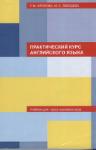
Английский язык для продолжающих

Закрепление грамматики и словарного запаса через практику

Айви Ворде

© Айви Борде, 2026

ISBN 978-5-0069-3410-8

Создано в интеллектуальной издательской системе Ridero

Предисловие

Данная книга предназначена для изучающих английский язык на уровне В1
и направлена на систематическое освоение лексики и грамматики в контекае
повседневной жизни, общения и профессиональной сферы. Каждая глава строится
с учётом потребностей учащегося: грамматический материал обьясняется на русском
языке с последующими примерами на английском, чтобы облегчить понимание
и закрепление правил.

В книге представлены темы, которые охватывают широкий спектр ситуаций, знакомых
каждому изучающему язык: повседневные действия, свободное время, семья и друзья,
работа, путешествия, здоровье, природа и общество Лексика и грамматические
конструкции представлены с учётом постепенно! о усложнения, что позволяет учащемуся
последовательно развивать навыки чтения, понимания и применения английского
языка.

Особое внимание уделено практике: каждая глава содержит упражнения различною
типа, включая заполнение пропусков, выбор правильного варианта и вопросы к тексту.
Такой подход обеспечивает повторение изученного материала и формирует умение
использовать грамматику и лексику в реальных коммуникационных си гуациях.

Книга также включает разделы с полезными словами и выражениями, которые
встречаются в тексте, и мини-советы по запоминанию грамматических конструкций
и лексики. Эго позволяет учащемуся закреплять материал и формировать устойчивые
языковые навыки, необходимые для уверенно! о общения на английском языке.

Daily Routines

Grammar Focus: Present Simple / Present Continuous

Present Simple используется для регулярных действий, привычек, повторяющихся
событий и общеизвестных фактов.

Present Continuous используется для действий, происходящих в момент речи, или
временных ситуаций.

Примеры предложений с переводом:

I usually wake up at 7 a.m. - Я обычно встаю в 7 ут ра.

She goes to school every day. - Она ходит в школу каждый день.

Не is reading a book now. - Он сейчас: читает книгу.

We are watching TV at the moment. - Мы сейчас смотрим телевизор.
Правила использования.

Present Simple: для третьего лица ед. числа добавляем -s/-es к глаголу.

Present Continuous; используем форму to be + глагол-ing.

Типичные ошибки.

Не go to school Не goes to school

I am going to school every day I go to school every day

Советы для школьников:

Обратите внимание на слова-маркеры: usually, often, every day, now, at the moment

Повторяйте BOiyx фразы с обоими временами, чтобы лучше закрепить их
использование

Story: A Typical Day

Му name is Anna. I live in a small town. I usually wake up at 7 a.m. I brush my teeth and
have breakfast. After breakfast, I go to school. I usually walk, but today I am tak'ng the bus
because it is raining

At school, I study English, math, and science. My friends are talking and laughing in the
classroom. I am listening to the teacher carefully.

After school, I go home and do my homework. My orother is playing football outside.
I usually help my mother in the kitchen. In the evening, we watch TV together. Today, we are
watching a new series. I usually go to bed at 10 p.m., out today I am reading a book before
sleep.

Useful Words and Expressions

wake up - просыпашси

brush teeth - чистить зубы

have breakfast - завтракать

go to school - идти в школу

take the bus - ехать на автобусе

ra;n - дождь

study - учиться

listen - слушать

carefully - внимательно

do homework - делать домашнее задание

play football - играть в футбол

help - помогать

kitchen - кухня

watch TV - смотреть телевизор
senes - сериал

go to bed - ложиться спать

read a book - читать книгу

usually - обычно

today - cei од ня

al the moment - в данный момент

Exercises

Exercise 1: Fill in the blanks

I usually__(wake) up at 7 a.m.

She___(take) the bus today.

My brother___(play) football at the moment.

We usually___(watch) TV in the evening.

Exercise 2: Multiple Choice

Which sentence is correct?

a)	He go to school every day.

b)	He goes to school every day.

Which sentence is correct?

a)	I am doing homework now.

b)	I do homework now.

Exercise 3: Questions about the story

What does Anna do after breakfast?

How does she go to school today?

What are her friends doing in the classroom?

What does Anna usually do after school?

What is different in her evening routine today?

Answer Key

Exercise 1:

wake ud

is taking

is playing

watch

Exercise 2:

b)	He goes to school every day.
a) I am doing homework now,

Exercise 3:

After breakfast, Anna goes to school.

Today, she is taking the bus because it is raining.

Her friends are talking and laughing in the classroom.

After school, she usually does her homework and helps her mother in the kitchen.

Today, she is reading a book before sleep instead of going to bed immediately.

Mini-tips:

Для запоминания Present Simple используйте маркеры usually, often, every day.

Для Present Continuous ищите слова now, at the moment, today.

Проговаривайте фразы вслух 5—10 раз, чтобы закрепить употребление.

Hobbies and Free Time

Grammar Focus: Like / Enjoy / Prefer + V-ing, Adverbs of Frequency

Like / Enjoy / Prefer + V-mg используются для выражения предпочтений и удовольствия
от действия.

Например. I like reading books - Мне нравится читать khhi и.

Adverbs of Frequency показывают, как часто происходит действие, always, usually, often,
sometimes, rarely, never.

Примеры предложений с переводом:

I like swimming in the summer. - Мне нравится плавать летом.

She enjoys playing the piano. - Ей нравится иг рат ь на пианино.

We prefer walking in the park. - Мы предпочитаем гулять з парке.

Не always reads before bed. - Он все! да читает перед сном.

They sometimes go to the cinema. - Иногда они ходят в кино.

Правила использования:

После like / enjoy / prefer все!да используется форма V-ing, а не инфинитив (I enjoy
to read неправильно).

Adverbs of frequency обычно ставятся перед основным глаголом, но после глагола
to be:

I usually play football.

She is always happy.

Типичные ошибки:

Использование инфинитива после enjoy/like/prefer (I hke to swimming неправильно).

Неправильное место наречий. Не goes always to school He always goes to school.
Советы для школьников.

Запоминайте частотные наречия по шкале: always usually often sometimes rarely
never.

Составляйте короткие фразы с вашими любимыми хобби, чтобы практиковать V-ing.

Story: Anna's Free Time

Anna loves her free time. She usually wakes up al 8 a.m. on weekends. She likes reading
books in the morning. Sometimes she listens to music while having breakfast.

In the afternoon, Anna enjoys going to the park with her friends. They play football or ride
bicycles. She prefers walking slowly and talking with friends.

Anna always helps her mother in the kitchen, out today she is cooking a small cake
by herself. In the evening, she sometimes watches a new senes on TV. She enjoys relaxing
before going to bed

Her brother likes playing computer games. He usually plays for two hours after school, but
today he is reading a book instead. Anna and her brother often talk about their favorite
hobbies.

Useful Words and Expressions

free time - свободное время

wake up - просыпаться
read books - читать книги
listen to music - слушать музыку
have breakfast - завтракать
go to the park - ид> и в парк
play football - играть в футбол
ride bicycles - кататься на велосипедах
walk slowly - идти медленно

talk with friends - разговаривать с друзьями

help - помогать

cook - готовить

саке - торг

watch TV - смотреть телевизор

senes - сериал

play computer games - играть в компьютерные игры
prefer - предпочитать

like - нрави1ься

enjoy - насаждаться
always I usually / sometimes / rarely / never - acei да / обычно / иногда / редко / никогда

Exercises

Exercise 1: Fill in the blanks

I__(like) reading books in the morning.

She (enjoy) listening to music.

We (prefer) walking in the park.

He____(always/play) football after school.

They____(someumes/watch) TV in the evening.

Exercise 2: Multiple Choice

Which sentence is correct?

a)	I enjoy to play football.

b)	I enjoy playing football.

Which sentence is correct?

a)	She usually reads books.

b)	She reads usually books.

Exercise 3: Questions about the story

What does Anna like doing in the morning?

Who does she go to the park with?

What does Anna prefer doing m the park?

What is Anna doing in the kitchen today?

What is different about her brother's free time today?

Answer Key

Exercise 1:

like

enjoys

prefer

always plays

sometimes watch

Exercise 2:

b)	I enjoy playing football.

a) She usually reads books.

Exercise 3:

Anna likes reading books m the morning.
She goes to the park with her friends

In the park, she prefers walking slowly and talking with friends.

Today, Anna is cooking a small cake by herself.

Her brother usually plays computer games, but today he is reading a book instead.

Mini-tips:

Наречия частоты: создайте личную шкалу, например, отметьте свои привычки
на1—6(never always).

После like / enjoy / prefer всегда используйте V-ing.

Проговаривайте ваши любимые хобби вслух с разными наречиями частоты: I often
read, I sometimes play...

Food and Drinks

Grammar Focus: Countable / Uncountable Nouns, Some / Any /

Much / Many

Countable nouns (исчисляемые существительные) - это предметы, которые можно
сосчитать: one apple, two bananas.

Uncountable nouns (неисчисляемые существительные) - это вещества или абстрактные
понятия, которые нельзя сосчитать: water, sugar, milk.

Some / Any / Much / Many используются для количества:

Some - немного, используется в утверждениях (I have some apples).

Any - используется в вопросах и отрицаниях (Do you have any milk? I don't have any
sugar).

Much - мною (для неисчисляемых) в вопросах и отрицаниях (How much water do you
drink? I don't have much juice).

Many - mhoi о (для исчисляемых) (I have many friends).

Примеры предложений с переводом.

I have some apples - У меня есть несколько яблок.

Do you have any milk? - У тебя есть молоко?

She doesn't have much sugar. - У нее мало сахара.

How many oranges do you want? - Сколько ai 1ельсинов гы хочешь?

I drink a lot of water every day - Я пью mhoi о воды каждый день.

Правила использования:

Some в утверждениях, any в вопросах и огрицаниях.

Much для неисчисляемых, many для исчисляемых.

В разговорной речи вместо much/many часто используют a lot of.

Типичные ошибки:
I have much apples I have many apples

Do you have some milk? правильно, но в строгих вопросах часто any

Советы для школьников;

Сначала запомните список распространённых неисчио(яемых сущесгвигельных: water,
milk, sugar, bread, cheese.

Проговаривайте свои любимые продукты с some/any/much/many вслух для
закрепления.

Story: Shopping for Food

Today, Anna is going to the market. She wants to buy food for her family. She usually buys
some apples, bananas, and oranges. She also needs some milk and bread.

At the market, Anna sees a lot of fresh vegetables. She buys some tomatoes, cucumbers,
and carrots. She asks the seller: «Do you have any cheese?» The seller says, «Yes, we have
some.»

Anna checks her list. She doesn't need much sugar because she has a lot at home. She
wants many eggs for breakfast.

After shopping, Anna carries a big bag. She is happy because she bought everything her
family needs. At home, she puts the food in the kitchen and drinks a glass of water.

Useful Words and Expressions

food - еда

drinks - напитки

apple - яблоко

banana - банан

orange - апельсин

milk - молоко

bread - хлеб

sugar - сахар

tomato - помидор

cucum ber - 01 урец

carrot - морковь

cheese - сыр

egg - яйцо

market - рынок

bag - сумка

list - список

fresh - свежий
a lot of - много

some - немного

any - какой-либо / есть ли

Exercises

Exercise 1: Fill in the blanks

I need__(some/any) milk for breakfast.

She doesn't have__(much/many) sugar.

How____(much/many) apples do you want?

I bought___(some/any) carrots and tomatoes.

Do you have___(some/any) bread?

Exercise 2: Multiple Choice

Which is correct?

a)	I have many water.

b)	I have much waler.

Which is correct?

a)	She bought some bananas.

b)	She bought any bananas.

Exercise 3: Questions about the story

What does Anna usually buy at the market?

What vegetables did she buy today?

Did Anna need much sugar?

How many eggs did she want?

What did Anna do at home after shopping?

Answer Key

Exercise 1:

some

much

many
some
any
Exercise 2:
b) I have much water,
a) She bought some bananas.
Exercise 3:

Anna usually buys some apples, bananas, oranges, milk, and bread
Sne bought some tomatoes, cucumbers, and carrots.

No, she didn't need much sugar because she had a lot at home.

She wanted many eggs Гог breakfast.

At home, Anna put the food in the kitchen and drank a glass of water.
M mi-tips:
Запомните; some утверждения, any вопросы/отрицания.

Much для неисчисляемых, many для исчисляемых.

Для раз। оворной речи можно част о использова гь a lot of вместо much/many.

At Home

Grammar Focus: There is I There are, Prepositions of Place

There is / There are используются для описания наличия чего-либо в определенном
меое.

There is a sofa in the living room. - В гостиной есть диван

There are two chairs in the kitchen. - На кухне есть два с гула.

Prepositions of Place (предло! и места) помо1 ают указать, где находится предмет;
on - на (on the table)
in - в (in the kitchen)
under - под (under the bed)
next to / near - рядом c
between - между
behind - за
in front of - перед

Примеры предложений с переводом:

There is a book on the table. - На столе есть книга.

There are two windows in my room. - В моей комнате два окна.

The cat is under the chair. - Koi под стулом.

The sofa is next to the wall. - Диван рядом co ст еной.
Типичные ошибки:

There is two chairs There are two chairs

My book is in table My book is on the table
Советы для школьников:
Сначала запоминайте основные предлоги: in, on, under, next to.

Используйте There is / There are, когда описываете комнату или место, чтобы не путать
с обычным глаголом be.

Story: A Day at Home

Anna is at home today. There is a big living room with a sofa and a coffee table. There are
two chairs near the table. On the table, there is a book and a cup of tea.

In the kitchen, there are some vegetables in the fridge. There is also a loaf of bread on the
counter. Anna is cooking lunch. The cal is sleeping under the table.

Anna’s bedroom is small but comfortable. There is a bed near the window. There is a small
desk next to the bed. On the desk, there are some pencils and a notebook.

Anna enjoys her home. She likes that everything is in its place. Today, she is cleaning the
living room and putting books on the shelf.

Useful Words and Expressions

home - дом

living room - i oct иная

kitchen - кухня

bedroom - спальня

sofa - диван

chair - стул

table - стол

book - кни1 a

cup - чашка

tea - чай

fridge - холодильник

vegetables - овощи

bread - хлеб

bed - кровать

desk - письменный стол

pencil - карандаш

notebook - тетрадь

on - на

in - в

under - под

next to - рядом c

near - около
behind - за

in front of - перед

between - между

Exercises

Exercise 1: Fill in the blanks

There____(is/are) a sofa m the living room.

There____(is/are) two chairs near the table.

The cat is___(on/under/next to) the chair.

There____(is/are) a book and a cup on the table.

The bed is___(next io/behmd/in front of) the window.

Exercise 2: Choose the correct option

On the desk, there___some pencils.

a)	is

b)	are

The vegetables are___the fridge.

a)	in

b)	on

The sofa is__the wall.

a)	next to

b)	under

There____a notebook and a cup on the table.

a)	is

b)	are

The cat is sleeping__the table

a)	on

b)	under

Exercise 3. Questions about the story

What is in the living room?

Where is the cat?

What is on the kitchen counter?

What is next to the bed in Anna's bedroom?

What is Anna doing today at home?

Answer Key
Exercise 1:

is

are

under

is

next to

Exercise 2:

b) are

a) in

a)	next to

b)	are

b) under

Exercise 3

In the living room, there is a sofa, a coffee table, and two chairs near the table.

The cat is sleeping under the table.

On the kitchen counter, there is a loaf of bread.

Next to the bed, there is a small desk.

Today, Anna is cleaning the living room and putting books on the shelf.

Mini-tips:

Используйте There is/There are для описания комнат и предметов.

Сначала учите простые предлоги: in, on, under, next to, а потом добавляйте behind,
in front of, between.

Проговаривайте вслух: «There is a chair next to the table» - эго noMOiaer закреплять
конструкцию.

Shopping

Grammar Focus: How much / How many. Questions with How

How much используется для неисчисляемых существительных, ко|да спрашиваем
о количестве:

How much milk do you want? - Сколько молока ты хочешь?

How many используется для исчисляемых существительных, ко1да спрашиваем
о количестве предметов

How many apples do you need? - Сколько яблок тебе нужно?

Вопросы с How могут включать:

How often - как часто
How long - как долго

How far - как далеко

Примеры предложений с переводом;

How much bread do we have? - Сколько у нас хлеба?

How many oranges are there in the basket? - Сколько апельсинов в корзине?

How often do you go shopping? - Как часто ты ходишь за покупками?

How long does it take to get to the market? - Сколько времени занимает дорога
на рынок?

Типичные ошибки.

How many milk do you want? How much milk do you want?

How much apples are there? How many apples are there?

Советы для школьников:

Сначала различайте исчисляемое / неисчисляемое, apple many, milk much.

Используйте How much / How many в начале вопроса, сразу после чего идёт
сущео вительное.

Story: A Trip to the Market

Anna is going shopping today. She takes a list with all the things she needs First, she goes
to the fruit section She asks the seller. «How many oranges do you have?» The seller shows
her a basket with ten oranges. Anna takes four oranges.

Then, Anna goes to the bread section. She asks: «How much bread is fresh today?» The
seller says: «All of it is fresh.» Anna buys a loaf of bread.

In the milk section, Anna asks: «How much milk do you have?» The seller gives her two liters.
She also buys some cheese and eggs.

Anna pays for the food and goes home. She is happy because she bought everything she
needs. She often goes shopping on Saturdays, but today she is going alone because her
mother is busy.

Useful Words and Expressions

shopping - покупки

market - рынок

list - список

fruit - фрукты

vegetable - овощ

orange - апельсин

apple - яблоко

bread - хлеб

milk - молоко
cheese - сыр

egg - яйцо

basket - корзина

loaf - буханка

seller - продавец

pay - платить

take - брать

fresh - свежий

How much - сколько (неисчисляемое)

How many - сколько (исчисляемое)

How often - как часто

Exercises

Exercise 1: Fill in the blanks

How___(much/many) apples are in the basket?

How___(much/many) milk do we need?

Anna buys two oranges. How_(much/many) oranges are left?

How___(much/many) bread is fresh today?

How___(much/many) eggs does she buy?

Exercise 2: Choose the correct option in the sentence

How___oranges do you want?

a)	much

b)	many

How___cheese is in the fridge?

a)	much

b)	many

How___apples are in the basket?

a)	much

b)	many

How___milk do you need for breakfast?

a)	much

b)	many

How___bananas does Anna buy?
b) many

Exercise 3: Questions about the story

How many oranges does Anna take from the basket?

What question does she ask in the bread section?

How much milk does she buy?

Does Anna go shopping alone or with her mother today?

How often does Anna usually go shopping?

Answer Key

Exercise 1:

many

much

many

much

many

Exercise 2:

b) many

a)	much

b)	many

a)	much

b)	many

Exercise 3.

Anna takes four oranges from the basket.

She asks, «How much bread is fresh today?»
She buys two liters of milk.

Today she goes shopping alone because her mother is busy.

Anna usually goes shopping on Saturdays.

Mini-tips:

Для исчисляемых существительных все1да используйте How many, для
неисчисляемых - How much.

В повседневной речи вместо How much часто говорят a little или some для небольшою
количества.

Проговаривайте вопросы вслух: «How many apples do you want?» - это закрепляет
структуру.

Family and Friends
Grammar Focus: Possessive's, Possessive Adjectives

Possessive’s показывает принадлежность и используется с существительными:

This is Anna's book. - Это книга Анны.

Му brother's room is big. - Комната Moeio брата большая.

Possessive Acbecuves используются перед существительным, чтобы показать, кому
что-то принадлежит:

my, your, his, her, its, our, their

Например: This is my book. - Это моя книга.

Примеры предложений с переводом:

This is my father’s car. - Это машина моего отца.

Her mother's name is Anna. - Имя её матери - Анна.

Our friends are very kind. - Наши друзья очень добрые.

Their dog is friendly. - Их собака дружелюбная.

Правила использования:

's добавляется к существительному: для ед. числа и большинства имен: Anna Anna's.

Для множественного числа на -s апостроф ставится после s: the teachers' room -
комната учителей.

Possessive adjectives всегда стоят перед существительным: my book, her friend

Типичные ошибки:

Anna book Anna’s book

She is my friend’s sister правильно, если речь о принадлежности; не путайте с her
friend's sister (ее сестра дру| а).

Советы для школьников:

Начинайте с использования my, your, his, her в простых предложениях.

Потом добавляйте^ для конкретного имени или лица.

Проговаривайте вслух: This is my brother’s room, her mother's name is...

Story: Anna's Family

Anna lives with her family. Her father's name is John and her mother's name is Mary. They
have a small house near the park. Anna's brother is Tom. He is ten years old

Anna loves spending time with her family. Her mother is cooking in the kitchen. Her father is
reading a newspaper in the living room Tom is playing with hisfriends outside

Anna has many friends at school. Her best friend’s name is Lucy. Lucy’s brother is very
funny. Anna and Lucy often play together in the park.

Anna likes learning about her friends' families. Today, she is drawing a picture of her own
family. She writes her parents' names, her brother's name, and her friends' names too.
Useful Words and Expressions

family - семья

father - отец
mother - мать
brother - брат
sister - сестра
friend - друг / подруга

house - дом

park - парк

newspaper - газет а

kitchen - кухня

living room - гостиная

play - mi рать

best friend - лучший друг

funny - смешной

name - имя

my - мой / моя / мои

your - твой / твоя / ваши

his - ею

her - её

our - наш / наша / наши

their - их

's - принадлежность (Anna's book)

Exercises

Exercise 1. Fill in the blanks

This is my mother_ name.
Tom is An na_ brother.

Lucy_ brother is very funny.

Their father_ car is red.

We like our friend_ house.

Exercise 2. Choose the correct option
This is_book.
b) Anna's

__parents are kind.

a)	My

b)	Mine

This is__dog.

a)	their

b)	theirs

__sister is at school.

a)	Her

b)	Hers

I like___friends.

a)	my

b)	mine

Exercise 3: Questions about the story
What are Anna's parents' names?

How old is Anna's brother?

Who is Anna’s best friend?

Where is her father?

What is Anna doing today?

Answer Key

Exercise 1:

's

's

's

’s

's

Exercise 2.

b) Anna's

a) My

a) their

a) Her

a) my

Exercise 3.
An na's parents’ names are John and Mary.

Her brot her Tom is ten years old.

Anna's best friend is Lucy.

Her father is reading a newspaper in the living room.

Today, Anna is drawing a picture of her family.

Mini-tips:

Начните c my, your, his, her, чтобы описывать семьи и друзей.

Используйте's для конкретных людей или предметов: Anna’s house, Tom's toy.

Проговаривайте вслух: «This is my mother's name, Anna’s brother is Tom» - это помогает
закрепить правильное использование.

Describing People

Grammar Focus: Adjectives, Comparatives and Superlatives

Adjectives (прилагательные) описывают человека, предмет или ситуацию:

She is tall. - Она высокая.

Не is friendly. - Он дружелюбный.

Comparatives (сравнительная степень) используются, чтобы сравнить двух людей или
предметы:

She is taller than her brother. - Она выше своего брата.

This book is more interesting than that one. - Эта книга ин тереснее той.

Superlatives (превосходная степень) используются, чтобы показать наивысшую степень
среди нескольких людей или предметов:

Не is the tallest m his class. - Он самый высокий в своем классе.

This is the most interesting story, - Это самая интересная история.

Правила образования:

Короткие прилагательные: добавляем -ег/-esl

tall taller tallest

fast faster fastest

Длинные прилагательные: используем more / most

beautiful more beautiful most beautiful

После comparative чао о идёт than.

Superlative употребляется с артиклем the.

Типичные ошибки:

Не is more taller неправильно, достаточно: Не is taller.

She is the most cleverest неправильно, достаточно: She is the most clever.
Советы для школьников.

Учите прилагательные вместе с их степенями.

Практикуйтесь описывать знакомых людей. «Му friend is taller than me» - эго помогает
закрепить сравнительную форму.

Story: Anna and Her Friends

Anna has three friends at school. Lucy is tall and very friendly She is taller than Anna Tom is
shorter than both girls, but he is very clever. He always helps his friends with homework.

Anna's best friend, Emma, is very kind and patient. She is the most patient person in their
class. Anna likes her friends very much. She thinks Lucy is the funniest, Tom is the cleverest,
and Emma is the kindest.

At school, they often talk about people in their class. Anna is not very tall, but she is very
friendly. She wants to be more confident like Lucy and more patient like Emma.

Useful Words and Expressions

tall - высокий

short - низкий

friendly - дружелюбный

clever - умный

kind - добрый

patient - терпеливый

funny - смешной

confident - уверенный

more... than - более... чем

the most... - самый...

oest friend - лучший друг

class - класс

homework - домашнее задание

person - человек

likes - нравится

shorter - ниже

tallest - самый высокий

cleverest - самый умный

kindest - самый добрый

funniest - самый смешной

Exercises
Exercise 1: Fill in the blanks

Lucy is___(tall / taller/tallest) than Anna.

Tom is____(short / shorter / shortest) than both girls.

Emma is the____(kind / kinder / kindest) person in their class.

Anna wants to be____(more patient / most patient) like Emma.

Lucy is___(friendly/friendlier / friendliest) than Anna.

Exercise 2: Choose the correct option in the sentence

He is___than his brother.

a)	more clever

b)	cleverer

SIie is the student in the class.

a)	most tall

b)	tallest

This story is__than the other one.

a)	more interesting

b)	mterestinger

Anna thinksTom is the_____friend.

a)	cleverest

b)	more cleverest

Lucy is___than Emma.

a)	funnier

b)	more funny

Exercise 3: Questions about the stcy

Who is taller, Lucy or Anna?

Who is the most patient person?

Who helps friends with homework?

What does Anna want to be more like her friends?

How does Anna describe Lucy, Tom, and Emma?

Answer Key

Exercise 1:

taller

shorter

kindest
more patient

friendlier

Exercise 2.

b) cleverer

b) tallest

a) more interesting

a) cleverest

a) funnier

Exercise 3:

Lucy is taller than Anna.

Emma is the most patient person.

Tom helps his friends with homework.

Anna wants to be more confident like Lucy and more patient like Emma.

Lucy is the funniest, Tom is the cleverest, and Emma is the kindest.

Mini-tips:

Для коротких прилагательных добавляйте -er / -est, для длинных используйте more /
most.

Практикуйте описывать друзей и одноклассников ватух' это помогает быстрее
запомнить сравнения.

Сравни 1ельные конс1рукции. «more... than» - для длинных прилагательных, "-ег...
than» - для коротких.

Feelings and Emotions

Grammar Focus: Adjectives + Prepositions, Expressions with Feel

Некоторые прилагательные требуют предлога, чтобы выразить отношение или чувство:
interested in - интересующийся чем-ю
afraid of - бояться чего-то

good at - хорошо разбираться в чем-то
excited about - радостно ожидать чего-то
Expressions with feel часто используются для описания эмоций:

feet happy - чувствовать себя счастливым

feel sad - чувствовать себя грустным

feei tired - чувствовать усталость

feel nervous - нервничать

Примеры предложений с переводом:
I am interested in music. - Я интересуюсь музыкой.

She is afraid of spiders. - Она боится пауков.

He feels happy today. - Он сегодня счастлив.

They are excited about the party. - Они рады предстоящей вечеринке.

Типичные ошибки:

I am interested for music правильно: I am interested in music

He is afraid from dogs правильно: He is afraid of dogs

She feel happy правильно: She feels happy

Советы для школьников:

Запоминайте прилагательные вместе с предлогами: interested in, good at, afraid of,
excited about.

Выражения c feel часто ставятся перед прилагательным: feel + adjective.

Story: Anna's Emotions

Anna wakes up early today. She feels happy because it is Saturday. She is excited about
going to the park with her friends.

At the park, Anna sees her best friend Lucy. Lucy is good at olaying football. Anna is
interested in learning new games from her.

Suddenly, Anna sees a dog. She is afraid of dogs because one bit her last year. Lucy
comforts her. Anna feels safe again.

After playing, Anna feels tired but very happy, She thinks about the fun day and feels
grateful for her friends. She goes home smiling and ready to rest.

Useful Words and Expressions

happy - счастливый

sad - грустный

tired - усталый

nervous - нервный

excited - взволнованный, радостно ожидающий

afraid - бояться

interested - интересующийся

good at - хорошо разбираться в чем-то

feel - чувствовать

feel happy - чувствовать себя счастливым

feel sad - чувствовать себя i русгным

feel tired - чувствовать усталость

feet nervous - нервничать
fee! safe - чувствовать себя в безопасности
grateful - благодарный
party - вечеринка

park - парк

friend - друг / подру! а

dog - собака

games - игры

Exercises

Exercise 1: Fill in the blanks

I am interested___(in / on / at) music.

She is afraid_(of/from /for) spiders.

He is good____(at / in / on) football.

Anna feels____(happy / happiness / happily) today.

They are excited__(about / of / for) the trip.

Exercise 2. Choose the correct option in the sentence
Lucy is___at playing football.

a)	good

b)	good at

Anna feels____after playing m the park.

a)	tired

b)	tiredly

She is afraid_dogs.

a)	of

b)	for

Anna is___about meeting her friends.

a)	excited

b)	exciting

I feel__when I listen to music.

a)	happy

b)	happily

Exercise 3: Questions about the story

Why does Anna feel happv in the morning?

Who is good at playing football?
Why is Anna afraid of dogs?

How does Lucy help Anna?

How does Anna feel at the end of the day?

Answer Key

Exercise 1:

m

of

at

happy

about

Exercise 2:

b) good at

a) tired

a) of

a) excited

a) happy

Exercise 3:

Anna feels happy because it is Saturday.

Lucy is good at playing football.

Anna is afraid of dogs because one bit her last year.

Lucy comforts her and makes her feel safe.

Al the end of the day, Anna feels tired but very happy.

Mini-tips:

Прилагательные часто идут с предлогами: interested in, afraid of, good at, excited about.

Для выражения эмоций используйте feel + adjective: feel happy, feel sad, feel tired.

npoi сваривайте свои эмоции вслух: «I feel excited about the weekend» - эго noMOiaer
закреплять конструкции.

Daily Communication

Grammar Focus: Present Simple vs Present Continuous
in Conversation

Present Simple используется для регулярных действий, привычек и фактов;

I usually drink coffee in the morning. - Я обычно пью кофе утром.

She works at a school. - Она рабоает в школе.
Present Continuous используется для действий, происходящих прямо сейчас или
в данный период времени:

I am drinking coffee now. - Я сейчас пью кофе.

She is working on a project this week. - Она работает над проектом на этой неделе.

Особенности в разговоре:

Present Simple часто используется для вопросов о привычках: «What do you usually do
on Saturdays?»

Present Continuous часто используется, koi да мы говорим о текущих событиях: «What
are you doing now?»

В разговоре оба времени могут сочетаться:

Normally I read books, but today I am watching TV

Типичные ошибки:

I drink coffee now правильно: 1 am drinking coffee now

She is working every day правильно: She works every day

Советы для школьников:

Сначала запоминайте сигнальные слова, always, usually, often Present Simple; now, at
the moment, today Present Continuous.

Используйте Present Continuous, чтобы описывать текущие действия в классе, дома или
на улице.

Story: A Morning at Home

It is Saturday morning. Anna usually wakes up at 8 a.m. She drinks coffee and reads the
newspaper. Today, she is waking up earlier than usual because she wants to meet her friends.

Anna's brother, Tom, usually plays football on Saturdays. Today, he is playing video games
in his room. Their mother usually cleans the house in the morning. Today, she is cooking
breakfast because Anna's father is busy.

Anna calls her best friend, Lucy. «What are you doing now?» she asks. Lucy answers. «I am
reading a book.» «Т usually read in the evening,» Anna says. «Today, I am cleaning my room.»

After breakfast, Anna and her brother go outside. Normally, they play football together, but
today they are riding bicycles. Anna enjoys these small changes in her routine.

Useful Words and Expressions

usually - обычно

always - всегда

often - часто

sometimes - и hoi да

now - сейчас

at the moment - в данный момент

today - cei одня
wake up - просыпаться

drink coffee - пить кофе

read a book - читать книгу

play football - играть в футбол

play video games - hi рать в видеои! ры

cook - гоювить

clean - убирать

meet friends - встретиться с друзьями

enjoy - наслаждаться

routine - распорядок

call - звони I ь

answer - отвечать

brother - брат

mother - мать

father - отец

best friend - лучший друг

Exercises

Exercise 1; Fill in the blanks

Anna usually___(wake / is waking) up at 8 a.m.

Today, she__(wakes / is waking) up earlier.

Tom usually____(plays / is playing) football on Saturdays.

Today, he___(plays / is playing) video games.

Lucy___(reads / is reading) a book now.

Exercise 2: Choose the correct option

I usually__coffee in the morning.

a)	drink

b)	am dnnking

She____her homework at the moment.

a)	does

b)	is doing

We often___to music.

a)	listen

b)	are listening
Anna_____her room today.

a)	cleans

b)	is cleaning

Tom usually____football, but today he___video games.

a)	plays / plays

b)	plays / is playing

Exercise 3. Questions about the story

What time does Anna usually wake up?

What is Tom doing today instead of playing football?

Who is cooking breakfast today?

What is Lucy doing when Anna calls her?

What do Anna and Tom do after breakfast?

Answer Key

Exercise 1:

wake

is waking

plays

is playing

is reading

Exercise 2:

a)	drink

b)	is doing

a)	listen

b)	is cleaning

b)	plays / is playing

Exercise 3.

Anna usually wakes up at 8 a.m.

Tom is playing video games today.

Anna's mother is cooking breakfast today.

Lucy is reading a book when Anna calls her.

After breakfast, Anna and Tom go outside and ride bicycles.

M i ni-tips:

Сиг нальные слова usually, always, often Present Simple.
Сигнальные слова now, at the moment, today Present Continuous.

Для практики разговора: описывайте свой день с обоими временами: «I usually wake up
at 7, but today I am waking up at 6.»

Holidays and Travel

Grammar Focus: Past Simple (Regular and Irregular Verbs)

Past Simple используется для описания действий, которые произошли в прошлом и уже
завершились

I visited London last summer. - Я посетил Лондон прошлым летом.

She watched a movie yesterday. - Она смотрела фильм вчера.

Правильные (regular) глаголы образуют прошедшее время с окончанием -ed:

watch watched, play played, clean cleaned

Неправильные (irregular) rnai олы имею! особую форму a Past Simple:

go went, have had, see saw, buy bought

Примеры предложений с переводом:

I traveled to Spam last year. - Я путешеововал ь Испанию в прошлом году.

We visited the museum yesterday. - Мы поселили музей вчера.

She saw a beautiful beach during her holiday. - Она увидела красивый пляж во время
отпуска.

They bought souvenirs for their friends. - Они купили сувениры для своих друзей.

Типичные ошибки:

I goed to the park правильно: I went to the park

He watch a movie правильно. He watched a movie

We buyed gifts правильно. We bought gifts

Совет ы для школьников.

Загюминай1е формы неправильных i ла!олов ощельно.

Для регулярных глаголов просто добавляйте -ed

Практикуйте рассказы о прошлом, используя сигнальные слова: yesterday, last week,
last year, two days ago.

Story: Anna's Holiday

Last summer, Anna went to Italy with her family. They stayed in a small hotel near the
beach. Every morning, Anna walked on the beach and collected shells. Her brother Tom
played football with other children.

One day, they visited Rome. Anna saw many old buildings and took a lot of photos. She
bought postcards for her friends. Tom tried Italian pizza for the first time and liked it very
much.
In the evening, they walked in the town and enjoyed the sunset Anna felt happy because it
was a wonderful holiday. They returned home last week and told their friends about all the
exciting places they visited.

Useful Words and Expressions

hoi day - отпуск

travel - путешествовать

visit - посещать

stay - оставаться, жить

hotel - юстиница

beach - пляж

walk - гулять

collect - собирать

shell - ракушка

play - играть

building - здание

photo - фото1 рафия

buy - покупать

postcard - открытка

pizza - пицца

evening - зечер

sunset - закат

return - возвращайся

last summer - прошлым летом

last week - на прошлой неделе

Exercises

Exercise 1: Fill in the blanks (Past Simple)

Last summer, Anna__(go) to Italy.

She____(walk) on the beach every morning.

1 om___(play) football with other children.

Anna___(see) many old buildings in Rome.

They___(buy) postcards for their friends.

Exercise 2: Choose the correct form

I__to France last year.
a)	go

b)	went

Sne___a new dress yesterday.

a)	bought

b)	buyed

We____in a small hotel.

a)	stayed

b)	stay

They__pizza for the first time.

a)	tried

b)	tryed

He____photos of the sunset.

a)	took

b)	taked

Exercise 3, Questions about the story

Where did Anna go last summer?

What did Anna do on the beach?

Who played football with other children?

What did Anna buy in Rome?

When did they return home?

Answer Key

Exercise 1:

went

walked

played

saw

bought

Exercise 2:

b) went

a) bought

a) stayed

a) tried

a) took
Exercise 3:

Anna went to Italy last summer.

Sne walked on the beach and collected shells.

Tom played football with other children.

Anna bought postcards for her friends.

They returned home last week.

Mini-tips:

Используйте сигнальные слова yesterday, last week, last summer, two days ago, чтобы
сразу поня1ь, чю нужно Past Simple.

Для регулярных глаголов добавляйте -ed, для неправильных учите форму отдельно.

Рассказывайте короткие истории о прошлом, используя как можно больше глаголов
в Past Simple.

Plans and Future

Grammar Focus: Be going to / Will, Time Expressions for Future

Be going to используется для планов, намерений или koi да мы видим признаки
будущего.

I am going to visit ту grandmother tomorrow. - Я собираюсь навестить бабушку завтра.

Look at those clouds! It is going to rain. - Посмофи на am облака! Сейчас пойдёт дождь.

Will используется для

Спонтанных решений:

I’m thirsty. I will drink some water. - Я хочу пить. Я выпью воды.

Предсказаний без очевидных признаков:

I think it will be sunny tomorrow. - Думаю, завтра будет солнечно.

Time expressions for future помогают уточнить время действия:

tomorrow - завтра

next week - на следующей неделе

in two days - через два дня

soon - скоро

Примеры предложений с переводом:

We are going to travel to Spain next month. - Мы собираемся поехать в Испанию
в следующем месяце.

I will help you with your homework. - Я помогу тебе с домашним заданием.

Look! The sky is dark. It is going to ram. - Посмотри! Небо темное. Сейчас пойдет дождь.

She thinks she will pass the exam. - Она думает, что сдаст экзамен.
Типичные ошибки:

I gomg to travel правильно: I am going to travel

I will going to help правильно; 1 will help /1 am going to help

Tomorrow I go to school правильно: Tomorrow I am going to go to school

Сове1ыдля школьников:

Используйте be going to для заранее запланированных действий.

Используйте will для быстрых решений и предсказаний.

Обязательно добавляйте временные указания, чтобы фраза звучала естественно.

Story: Anna's Plans

Anna is planning her weekend. She is going to visit her grandmother on Saturday. She has
already called her and made a plan. She is very excited.

Her brother, Tom, is tired after school. He says: «I think I will watch a movie later.» His plan
is not fixed, he decioed this just now.

On Friday evening, Anna looks at the weather forecast. «It is going to ram tomorrow,» she
says. She decides to take an umbrella when she visits her grandmother.

Lucy calls Anna and asks: «Do you want to go to the park on Sunday?» Anna answers: «I am
going to relax at home, but I think I will visit you next weekend.»

Anna writes her plans in her notebook. She likes knowing what she is going to do and also
being ready for unexpected events.

Useful Words and Expressions

plan - план

weekend - выходные

visit - посещать

call - звонить

excited - взволнованный

decide - решать

look at - смофеть на

weather forecast - i ipoi ноз hoi оды

ram - дождь

umbrella - зонт

re^ax - отдыхать

watch a movie - смотреть фильм

tomorrow - завтра

next week - на следующей неделе

on Saturday - в субботу
on Sunday - в воскресенье
think - думать

just now - только что
notebook - блокнот
ready - готовый

Exercises

Exercise 1: Fill in the blanks

I__(am going to / will) visit my friend tomorrow.

Look at the clouds! It_(is going to / will) rain soon.

She____(is going to / will) help me with my homework.

Tom____(is gomq to / will) watch a movie later.

We_____(are going to / will) travel to Italy next month.

Exercise 2: Choose the correct option

Anna___visit her grandmother on Saturday.

a) is going to
b) will

I think I_take a taxi.

a)	am going to

b)	will

Look! That girl_fall!

a)	is going to

b)	will

They___go to the park next weekend.

aj are going to

b) will

I__call you later, I forgot my homework.

a)	am going to

b)	will

Exercise 3: Questions about the story

What is Anna going to do on Saturday?

What does Tom decide to do?

What does Anna see in the weather forecast?

Does Anna want to go to the park on Sunday?
Why does Anna write her plans in her notebook?

Answer Key

Exercise 1:

am going to

is going to

will

will

are going to

Exercise 2:

a)	is going to

b)	will

a) is going to

a)	are going to

b)	will

Exercise 3.

Anna is going to visit her grandmother on Saturday.

Tom decides to watch a movie later.

Anna sees that it is going to ram tomorrow.

No, Anna is going to relax at home on Sunday.

Anna writes her plans in her notebook to know what she is going to do and be ready for
unexpected events.

Mini-tips:

Be going to = заранее запланированные действия или очевидные события.

Will = спонтайные решения или предсказания без признаков.

Практикуйтесь планировать свой день и описывать ею вслух: «Tomorrow I am going
to visit my friend, but I think I will watch TV in the evening.»

Weather and Seasons

Grammar Focus: Present Simple for Facts

Present Simple используется для описания фактов, общих истин и регулярных действий:

The sun rises in the east. - Солнце встаёт на востоке.

It rains a lot in autumn. - Осенью идёт много дождя.

Winter is cold. - Зима холодная.

Сигнальные слова для Present Simple: always, usually, often, sometimes, every day, on
Mondays.

Примеры предложений с переводом:

It snows in December. - В декабре идёт сне!.

Spring comes after winter. - Весна наступает после зимы.

The wind blows from the north. - Beiep дует с севера.

Summer is hot and sunny. - Лето жаркое и солнечное.

Типичные ошибки:

It rain a lot in autumn правильно: It rains a lot in autumn

Winter are cold правильно: Winter is cola

Советы для школьников.

Для факюв и природных явлений ecei да используйте Present Simple.

Запоминайте noi оду и сезоны вместе с типичными гла1 олами: snow, rain, blow, shine.

Story: A Year of Seasons

Anna likes to watch the weather ever;/ day. In winter, it is cold and sometimes it snows. She
wears warm clothes and drinks hot chocolate.

In spring, the weather changes. The sun shines more oftenr and flowers start to grow. Anna
loves to walk in the park and see the trees and flowers.

Summer is Anna's favorite season. It is hot and sunny. She goes swimming and plays games
outside. Sometimes it rains, but usually the weather is good

In autumn, the leaves fall from the trees. The wind olows and it rams often. Anna wears
a jacket and enjoys walking in the colorful park.

Anna likes learning about the weather. She knows that the sun rises in the east and sets
in the west. She also knows that winter is cold, summer is hot, spring is warm, and autumn is
cool.

Useful Words and Expressions

winter - зима

spring - весна

summer - лето

autumn / fall - осень

cold - холодный

warm - тёплый

hot - жаркий

cool - прохладный

sunny - солнечный

cloudy - облачный
га ny - дождливый

windy - ветреный

snow - снег

ram - дождь

wind - ветер

sun - солнце

shine - светить

rise - вставать (о солнце)

sei - садиться (о солнце)

park - парк

Exercises

Exercise 1: Fill in the blanks

In winter, it often_(snow / snows).

Summer_____(is / are) hot and sunny.

The sun____(rise / rises) in the east.

In autumn, the wind___(blow / blows) a lot.

Spring__(come / comes) after winter.

Exercise 2. Choose the correct option

It usually_in autumn.

a) rains

b)rain

Winter_____cold in most countries.

a)	is

b)	are

In summer, the sun____brightly.

a)	shines

b)	shine

Anna____flowers in the spring.

a)	likes

b)	like

The wmd____from the north.

a)	blow

b)	blows
Exercise 3: Questions about the story

What is the weather like m winter?

What does Anna like to do in spring?

Why is summer Anna's favorite season?

What happens to the leaves m autumn?

What fact about the sun does Anna know?

Answer Key

Exercise 1:

snows

is

rises

blows

comes

Exercise 2:

a) rains

a) is

a)	shines

a) likes

b)	blows

Exercise 3:

In winter, it is cold and sometimes it snows.

In spring. Anna likes to walk in the park and see the trees and flowers.

Summer is hot and sunny, and she goes swimming and plays games outside.

In autumn, the leaves fall from the trees.

Anna knows that the sun rises in the east ano sets in the west.

Mini-tips:

Для описания noi оды и сезонов используйте Present Simple.

Запоминайте си1 наивные слова: usually, often, sometimes, every day, in winter,
in summer.

Практикуй iecb описывать свой день и nor оду вслух: «Тооау it is sunny, but usually it rams
in autumn.»

School and Studies

Grammar Focus: Can / Could for Ability, Should / Must for Advice
Сап используется для выражения настоящей способности:

I can solve this problem. - Я могу решить эту задачу.

Sne can speak English well. - Она хорошо i оворит по-английски.

Could используется для выражения способности в прошлом или более вежливо:

When I was younger, I could run very fast. - Koi да я был младше, я moi быстро 6ei ать.

Could you help me with this exercise? - He moi ли бы вы помочь мне с этим упражнением?

Should используется для совета, мягкой рекомендации:

You should do your homework every day. - Тебе следует делать домашнее задание
каждый день.

Не should sleep earlier. - Ему следует ложиться спать раньше.

Must используется для более строгого совета или обязательства:

You must wear a uniform at school. - Ты должен носить форму в школе.

Students must arrive on time. - Студенты должны приходить вовремя.

Примеры предложений с переводом:

I can read this book easily. - Я moi у ле! ко прочитать эту кни|у.

When I was 10,1 could swim very well. - Koi да мне было 10, я умел хорошо плавать.

You should ask the teacher if you don’t understand. - Тебе отедует спросить учителя, если
ты не понимаешь.

Students must respect the classroom rules. - Студенты должны соблюдать правила
класса.

Типичные ошибки:

I can to solve it правильно: I can solve it

He should to study more правильно: He should study more

You musts finish your homework правильно: You must finish your homework

Советы для школьников.

Can / Could всегда используется без частицы «ю»: can swim, could play.

Should / Must + инфинитив без «to»: should do, must follow

Для вежливого совета используйте should, а для строгого - must.

Story: A Day at School

Anna is a student. She can solve difficult math problems quickly, but sometimes she
struggles with English. Yesterday, she could not understand a grammar exercise. She asked
her teacher for help, and he explained everything clearly.

Anna knows that she should study regularly to improve her skills. She must complete all her
homework on time, because her teacher checks it every day.

Her friend Tom can play the piano very well. He could perform in a school concert last year.
Anna thinks Tom is talented, and she should practice more to become better in music.
Dunnq the lunch break, students talk about their abilit-es. Some students can speak two or
three languages. Anna knows she must ask questions if she does not understand something.
She feels happy to learn and help her friends.

Useful Words and Expressions

student - ученик / студент

teacher - учитель

school - школа

homework - домашнее задание

study - учиться, изучать

subject - предмет

classroom - класс

rules - правила

solve - решать

understand - понимать

explain - обьяснягь

ability - способность

talented - талантливый

help - помогать

improve - улучшать

perform - выступать

concert - концерт

skills - навыки

question - вопрос

happy - счаситивый

Exercises

Exercise 1: Fill in the blanks

Anna___(can / could) solve difficult math problems.

Yesterday, she__(can / could) not understand the English exercise.

Students___(should / must) complete their homework on time.

You____(should / must) ask the teacher if you don't understand.

Tom____(can / could) play the piano very well last year.

Exercise 2: Choose the correct option

I___speak two languages.
a)	can

b)	should

He____do his homework every day.

a)	should

b)	can

Students___follow the classroom rules.

a)	must

b)	could

When I was younger, I__run very fast.

a)	can

b)	could

You___ask questions if something is unclear.

a)	must

b)	should

Exercise 3, Questions about the story

What can Anna do quickly?

Why could Anna not understand the grammar exercise yesterday7

What must students do with their homework?

Who can play the piano very well?

What does Anna think she should do to improve in music?

Answer Key

Exercise 1:

can

could

must

should

could

Exercise 2:

a) can

a) should

a)	must

b)	could

b) should
Exercise 3:

Anna can solve difficult math problems quickly.

Sne could not understand the grammar exercise yesterday because it was difficult.

Students must complete their homework on time.

Tom can play the piano very well.

Anna thinks she should practice more to become better in music.

Mini-tips:

Can / Could - способность: всегда без «to».

Should / Must - советы: should = мя1 кий совет, must = cipoi ий обязательный совет.

Практикуй 1есь говорить о своих способностях и давать советы друзьям: «I can solve this
problem, but you should check your answer.»

Jobs and Workplaces

Grammar Focus: Present Simple for Routines

Present Simple используется для описания ре(улярных действий, привычек
и распорядка:

I work from Monday to Friday. - Я работаю с понедельника по пят ницу.

She teaches English every day. - Она преподаёт английский каждый день.

Си(нальные слова, always, usually, often, somet mes, every day, on Mondays, in the
mormng.

Примеры предложений с переводом:

The doctor usually checks patients in the morning. - Врач обычно принимает пациентов
у । ром.

Teachers prepare lessons every week. -Учи1еля готовят уроки каждую неделю.

Му father works in an office. - Мой отец работает в офисе.

The nurse helps sick people every day. - Медсестра помогает больным каждый день.

Типичные ошибки:

She teach English every day правильно. She teaches English every day

I works from Monday to Friday правильно: I work from Monday to Friday

Советы для школьников'

Для действий, которые повторяются регулярно, все1 да используйте Present Simple.

Не забывайте добавлять -s / -es к глаголу в 3-м лице единственного числа (he, she, it).

Story: A Day at Work

Anna’s mother is a teacher. She teaches English in a school. Every morning, she prepares
lessons and checks students' homework. She usually starts work at 8 a.m. and finishes at
3 p.m.
Anna's father is a doctor. He works in a hospital. Every day, he examines patients and writes
prescriptions. He often works long hours, but he enjoys helping people.

Tom, Anna's brother, wants to be a chef. He sometimes helps his mother cook and practices
new recipes at home. He knows that chefs work hard in restaurants and cook delicious food
for customers.

Anna likes visiting her parents at work. She learns about different jobs and workplaces.
Teachers, doctors, nurses, chefs, and many others have imoortant roles. Everyone works hard,
and Anna thinks she will choose her job carefully in the future.

Useful Words and Expressions

job - pa6oia

workplace - рабочее место

teacher - учитель

student - ученик / студент

doctor - врач

nurse - медсеора

chef - повар

office - офис

hospital - больница

school - школа

prepare lessons - готовить уроки

check homework - проверять домашнее задание

examine patients - осматривав пациентов

write prescriptions - выписывать рецепты

cook - г отовить

customer - клиент

enjoy - наслаждаться

work long hours - работать много часов

practice - праюиковать

choose a job - выбраш pa6oiy

Exercises

Exercise 1: Fill in the blanks

My mother___(teach / teaches) English every day.

Doctors usually__(examine / examines) patients in hospitals.

Tom sometimes____(help / helps) his mother cook.

Anna's father__(work/works) long hours.
Teachers___(prepare / prepares) lessons every morning.

Exercise 2: Choose the correct option

Nurses___sick people every day.

a)	help

b)	helps

He____in an office from Monday to Friday.

a)	work

b)	works

Chefs____delicious food for customers.

a)	cook

b)	cooks

Students___homework every week.

a)	do

b)	does

Anna_____visit her parents at work.

a)	like

b)	likes

Exercise 3. Questions about the story

What does Anna's mother do?

Where does Anna's father work?

What does Tom want to be m the future?

What do chefs do?

Why does Anna like visiting her parents at work?

Answer Key

Exercise 1:

teaches

examine

helps

works

prepare

Exercise 2:

a)	help

b)	works
a) cook

a)	do

b)	likes

Exercise 3.

Anna's mother is a teacher. She teaches English in a school.

Anna's father works in a hospital as a doctor.

Tom wants to be a chef in the future.

Chefs cook delicious food for customers.

Anna likes visiting her parents at work because she learns about different jobs and
workplaces.

Mint-tips:

Для описания регулярных действий на работе используйте Present Simple.

Не забывайте добавлять -5/-ездля 3-голица единственного числа.

Практикуйтесь говорить о профессиях и своих планах: «Му mother works as a teacher,
and she teaches English every day.»

Technology and Communication

Grammar Focus: Present Continuous for Actions in Progress

Present Continuous используется для действий, которые происходят прямо сейчас или
вокруг настоящего момента:

I am typing a message. - Я печатаю сообщение.

She is talking on the phone. - Она разговаривает по телефону.

Формула: am / is / are + V-ing

I am working

He / She / It is working

We / You I They are working

Типичные слова-си1 налы now, at the moment, currently, today, this week

Примеры предложений с переводом:

They are sending emails to their friends. - Они отправляют письма своим друзьям.

Anna is making a video call to her teacher. - Анна делает нидеозвонок своему учителю.

The students are writing notes during the lesson. - Оуденты пишут заметки во время
урока.

I am reading messages on ту phone. - Я читаю сообщения на телефоне.

1 ипичные ошибки:

She talk on the phone правильно: She is talking on the phone
I am send a message правильно: I am sending a message

They writing notes правильно: They are writing notes

Советы для школьников:

Используйте Present Continuous для действий, которые происходят сейчас.

Не забывай ie добавлять -ing к inai олу и использовать правильную форму am / is / аге.

В соче1ании с chi налами времени (now, at the moment) Present Continuous особенно
естественен.

Story: A Busy Morning

Anna is sitting at her desk. She is writing an email to her teacher. At the same time, her
brother Tom is talking on the phone. Their mother is preparing breakfast in the kitchen.

Anna's friend Lucy is calling her. They are planning a school project together. The students
are sending messages, sharing ideas, and checking their notes. Everyone is working hard.

Outside, the neighbours are fixing the garden. The postman is delivering letters. Anna looks
at her phone and sees that her friends are sending photos of their homework.

Anna likes technology because it helps her communicate with people She thinks about all
the things she is doing at the moment: writing, calling, reading, and sharing information.
Technology is making her morning busy but interesting.

Useful Words and Expressions

technology - технолог ии

communicate - общаться

message - сообщение

email - электронное письмо

call - звонок

video call - видеозвонок

phone - телефон

text-текст, писать сообщение

read - читать

write - писать

share - делиться

desk - стол

breakfast - зав1рак

note - заметка

homework - домашнее задание

idea - идея

project - проект
busy - занятой

neighbour - сосед

deliver - доставлять

Exercises

Exercise 1: Fill in the blanks

Anna___(is / are) writing an email to her teacher.

Tom____(is / are) talking on the phone.

Her mother_____(is / are) preparing breakfast.

The students___(is / are) sending messages.

I__(am / is) reading a message on my phone.

Exercise 2: Choose the correct option

Lucy___calling Anna at the moment.

a)	is

b)	are

We_____sharing our ideas for the project.

a)	are

b)	is

Tne postman____delivering letters outside.

a)	is

b)	are

Anna___looking at photos of homework.

a)	is

b)	are

The neighbours____fixing the garden.

a)	is

b)	are

Exercise 3 Questions about the story

What is Anna doing at her desk?

What is Tom doing at the same time?

Who is preparing breakfast?

What are the students doing tor the school project?

Why does Anna like technology?

Answer Key
Exercise 1:

is

is

is

are

arn

Exercise 2:

a) is

a) are

a) is

a)	is

b)	are

Exercise 3.

Anna is writing an email to her teacher.

Tom is talking on the phone.

Their moi her is preparing breakfast.

The students are sending messages, sharing ideas, and checking notes for the school
project.

Anna likes technology because it helps her communicate with people.

Mini-tips:

Present Continuous = действие в процессе, сейчас или вокруг настоящего момента.

Формула: am / is / are + V-ing.

Практикуйтесь описывать свой день: «I am writing an email now, and ту brother is
reading messages.»

Health and Fitness

Grammar Focus: Imperatives, Must / Have to for Obligation

Imperatives (повелительное наклонение) используются для совеюв, инструкций
и команд:

Drink more water! - Пей больше воды!

Eat vegetables every day. - Ешь овощи каждый день.

Don't skip breakfast! - Не i ipoi |ускай зав грак'

Must используется для ctpoi oi о обязательства или правила:

You must wear sports shoes in the gym. - Ты должен носиш спортивную обувь
в спортзале.
Everyone must follow the safety rules. - Все должны соблюдать правила безопасности.

Have to используется для обязательств, которые исходят не от говорящего,
а о( внешних правил или обстоятельств:

I have to go to the doctor today. - Мне нужно сеюдня пойти к врачу.

She has to eat healthy food because of her diet. - Ей нужно питаться правильно из-за
диеты.

Примеры предложений с переводом:

Exercise every morning! - Делайте зарядку каждое утро!

You must drink al least two litres of water per day. - Ты должен пить не меньше двух
литров воды вдень.

Не has to rest after his training. - Ему нужно отдохнуть после тренировки.

Don't eat too much sugar. - He ешь слишком mhoi о сахара.

Типичные ошибки:

Don't to skip breakfast правильно. Don't skip breakfast

You musts drink water правильно: You must drink water

I have must exercise правильно: I have to exercise

Советы для школьников:

Imperatives = всегда инфини гив без до»

Must = строгая обязанность, исходящая от правил

Have to = обязанность, продиктованная обстоятельствами

Story: A Healthy Morning

Anna wakes up early. She exercises every morning. Today, she is doing push-ups and
stretches. Her mother calls: «Don't lorqet to drink water!»

After breakfast, Anna goes for a run. She knows she must warm up before jogging. Her
brother Tom doesn't like sports, but he has to go swimming because the coach checks
attendance.

Anna's father has to eat healthy because he has high blood pressure. He drinks fruit juice
and eats vegetables. Anna helps him prepare a salad.

At school, the teacher reminds students: «You must wash your hands before lunch. Don't
forget to eat fruits and vegetables.» Anna likes these rules because they help everyone stay
healthy

Anna thinks about her routine: exercise, healthy food, and enough rest. She knows that
following simple rules can make her stronger and happier.

Useful Words and Expressions

health - здоровье

fitness - физическая форма

exercise - упражнение, тренировка
stretch - растягиваться
run - бегать

push ups - отжимания

drink water - пить воду
eat vegetables - есть овощи
eat fruit - есть фрукты

sugar - сахар

healthy food - здоровая еда

rest - oi дыха гь

coach - тренер

attendance - посещаемость

rule - правило

routine - распорядок

strong - сильный
happy - счастливый
breakfast - завтрак
fruit juice - фрук1овый сок

Exercises

Exercise 1. Fill in the blanks

__(Exercise / Exercises) every morning!

You___(must / have to) drink water during training.

Tom___(must / has to) go swimming today.

Don't__(eat / eats) too much sugar.

She___(has to / must) rest after the run.

Exercise 2. Choose the correct option

You___follow the teacher's rules in school.

a)	must

b)	have to

I__wake up early because of my morning class.

a)	must

b)	have to

__(Drink / Drinks) more fruit juice!

He____eat vegetables because of his d<et.
a)	must

b)	has to

Don!____(skip / skips) breakfast.

Exercise 3. Questions about the story

What exercises does Anna do in the morning?

Why does Tom have to go swimming?

What must Anna’s father do to stay healthy?

What rule does the teacher remind the students?

Why does Anna follow her routine?

Answer Key

Exercise 1:

Exercise

must

has to

eat

has to

Exercise 2:

a)	must

b)	have to

Drink

b) has to

skip

Exercise 3:

Anna does push-ups and stretches in the morning.

Tom has to go swimming because the coach checks attendance.

Anna's father must eat healthy food, drink fruit juice, and eat vegetables.

The teacher reminds students to wash their hands before lunch and eat fruits and
vegetables,

Anna follows her routine because it helps her stay strong and happy.

M i ni-tips:

Imperatives = инструкции и советы без «to»

Must = орогие правила, Have to = внешние обязательства

Практикуйтесь давать coeeibi друзьям и говорить о своих обязанностях: «You must
drink water. I have to go for a run.»
Environment and Nature

Grammar Focus: Should / Must / Don't have to

Should используется для советов и рекомендаций.

We should recycle plastic. - Нам следует перерабатывать пластик.

People should save water - Людям следует экономить воду.

Must выражает строгую обязанность или необходимость:

You must not litter in the forest. - Ты не должен мусорить з лесу.

Everyone must protect the environment. - Все должны защищать окружающую среду.

Don't have to показывает, что что-то не обязательно делать:

You don't have to buy new things all the time. - He обязательно постоянно покупать
новые вещи.

We don’t have to cut down trees in our garden. - Нам не нужно вырубать деревья в саду.

Примеры предложений с переводом:

People should plant trees to help nature. -Людям следует сажаш деревья, чюбы помочь
природе.

You must recycle paper and plastic. - Ты должен перерабатывать бумагу и пластик.

We don't have to use cars every day. - He обязательно каждый день пользоваться
автомобилями.

You should walk or ride a bike instead of driving. - Тебе следует ходить пешком или
ездить на велосипеде вместо автомобиля.

Типичные ошибки:

You must to recycle правильно. You must recycle

We shoulds save water правильно: We should save water

You don't have to to cut trees правильно: You don’t have to cut trees

Совет ы для школьников:

Should = совет

Must = строгая обязанность

Don't have to = необязательное действие

Практикуйтесь говорить о природе и окружающей среде: «We should protect animals.
You mustn't throw rubbish here.»

Story: A Day in the Park

Anna and her friends are visiting the local park. They like nature and want to help the
environment. Today, they are picking up litter and planting flowers.

The teacher reminds them; «You must not damage the trees. Everyone must follow the park
rules.» Anna knows they should save water and turn off taps after use.
Some children are using bicycles instead of cars. Anna thinks: «We don’t have io drive
everywhere. Walking and cycling are better for nature »

Anna's friend Tom finds a bird's nest on a tree. He knows they should not touch it. They
continue planting flowers and collecting trash. By the afternoon, the park looks cleaner, and
the children feel proud.

Anna is happy because she knows that small actions can make a big difference. She ihmks
everyone should take care of nature eve 7 day.

Useful Words and Expressions

environment - окружающая среда

nature - природа

tree - дерево

flower - цветок

bird - птица

park - парк

recycle - перерабатывать

litter - мусор

rubbish - мусор

save water-экономить воду

protect - защищать

animal - животное

clean - чистый

bicycle - велосипед

walk - ходить пешком

garden - сад

tap - кран

proud -1 ордый

damage - повреждать

small actions - маленькие действия

Exercises

Exercise 1: Fill in the blanks

We____(should / must) save water every day.

You___(must / don't have to) throw litter in the park.

Children__(should / must) follow the park rules.

We____(don’t have to / should) drive everywhere.
You___(should / must) plant trees to help nature.

Exercise 2: Choose the correct option

Everyone___protect animals in the park.

a)	should

b)	must

You___cut down healthy trees,

a)	must not

b)	oon't have to

We____recycle paper and plastic at school.

a)	should

b)	must

You___walk or cycle instead of using a car.

a)	should

b)	must

We____ouy new things all the time.

a)	must

b)	don't have to

Exercise 3. Questions about the story

What are Anna and her friends doing in the park?

What must everyone do according to the teacher?

What should people do to save water?

Why don’t Anna and her friends have to drive everywhere?

What does Anna think about taking care of nature?

Answer Key

Exercise 1:

shouid

must not

must

don't have to

shouid

Exercise 2:

b) must

a)	must not
b)	must

a)	should

b)	don't have to

Exercise 3.

They are picking up litter and planting flowers.

Everyone must follow the park rules and not damage trees.

People should turn off taps after use to save water.

Walk ng and cycling are better for nature, so tney don’t nave to drive everywhere.

Anna thinks everyone should take care of nature every day because small actions make
a big difference.

Mint-tips:

Should = совет. Must = строгая обязанность. Don't have to = необязательное действие.

Используйте эти конструкции, когда говорите о защите природы и окружающей среды.

Практикуйтесь давать рекомендации друзьям: «You should recycle. You mustn't throw
rubbish here You don't have to drive everywhere.»

Hobbies and Media

Grammar Focus: Present Perfect for Experience

Present Perfect используется для описания опыта или действий, которые произошли
в прошлом, но важны для настоящего момента:

I nave watched this movie. - Я видел этот фильм.

She has read three books this month. - Она прочитала три книги в этом месяце.

Формула: have / has + V3 (Past Participle)

I/You/We/They have visited

He/She/It has visited

Типичные слова-си1 налы: ever, never, already, yet, just, recently, so far

Примеры предложений с переводом:

Have you ever played chess? - Ты koi да-нибудь hi рал в шахматы?

I have never tried yoga. - Я никогда не пробоззл йогу.

She has just finished reading the book. - Она только что закончила читать книгу.

We have watched this TV show many times. - Мы смофели это lenemoy mhoi о раз.

Типичные ошибки:

I have saw this movie правильно: I have seen this movie

She has went to the concert правильно. She has gone to the concert

Have you ever saw this? правильно: Have you ever seen this?
Советы для школьников.

Present Perfect = опыт или недавнее событие, связанное с настоящим

Используйте have / has + V3, не меняйте глагол на обычное прошедшее

Часто используются слова ever, never, just, already, yet

Story: Weekend Hobbies

Anna loves hobbies and spending her free time with media. This weekend, she has watched
a new documentary about animals. She has never seen such interesting footage before.

Her brother Tom has just finished playing a video game. He thinks he has played it for many
hours this week. Anna asks him: «Have you ever tried painting?» Tom answers: «No, I have
never painted before, but 1 want to try it soon.»

Anna has read two magazines and written notes about new hobbies she wants to try. She
has already planned her next weekend: she will visit a music workshop and try playing the
guitar.

They have shared their experiences with friends. Everyone has learned about new hobbies
and activities. Anna feels happy because she has discovered so many interesting things.

Useful Words and Expressions

hobby - хобби

free time - свободное время

play - играть

watch - смотреть

read - читать

music - музыка

TV show - телешоу

documentary - документальный фильм

magazine - журнал

notes - заметки

v deo game - видеоигра

try - пробовать

paint - рисовать

guitar- гитара

weekend - выходные

recently - недавно

just - только что

already - уже

never - никогда
experience - опыт

Exercises

Exercise 1: Fill in the blanks

Anna___(has / have) watched a new documentary.

Tom____(has / have) just finished playing a video game,

I__(has / have) never painted before

We_____(has / have) shared our experiences with friends.

She____(has / have) already read two magazines

Exercise 2: Choose the correct option

___you ever played chess?

a)	Have

b)	Has

They___seen this TV show many times.

a) has

b)have

She____just finished writing notes.

a) has

b)have

I__never tried yoga.

a) has

b)have

Tom____played video games for many hours this week.

a) has

b)have

Exercise 3: Questions about the story

What has Anna watched this weekend?

Has Tom ever tried painting?

How many magazines has Anna read?

What has Anna planned for her next weekend?

How do Anna and her friends fee! after sharing their exper ences?

Answer Key

Exercise 1:

has
has

have

have

has

Exercise 2:

a) Have

b)have

a) has

b)have

a) has

Exercise 3.

Anna has watched a new documentary about animals.

No, Tom has never tried painting.

Anna has read two magazines.

She has planned to visit a muS'C workshop and try playing the guitar.

They feel happy because they have discovered many interesting things.

Mini-tips:

Present Perfect = опыт или события с последствиями для настояще! о

Формула: have / has + V3

Используйте слова ever, never, just, already, recently для естес шейного выражения
опыта

Практикуйiесь говорить о своих хобби: «I have watched a documentary. I have never
painted before.»

Review - Daily Life and People

Grammar Focus: Mixed Review

На этом этапе мы повторяем основные i рамматические конструкции, изученные
в предыдущих главах, применительно к повседневной жизни и описанию людей.

Present Simple / Present Continuous-для регулярных действий и действий в процессе:

I usually wake up at 7 a.m. - Я обычно воаю в 7 утра.

She is reading a book now. - Она сейчас читает khhi у.

Past Simple - для событий в прошлом:

Yesterday, I visited my friend. - Вчера я посетил дру| а.

Present Perfect - для опыта и недавних событий:

I have met my teacher today. - Я встретил моего учителя сегодня
Imperatives / Must / Should / Have to / Don't have to - для советов, правил
и обязанностей:

Drink more water! - Пей больше воды!

You must do your homework. - Ты должен сделать домашнее задание.

You should rest after the training. - Тебе следует отдохнуть после тренировки,

We don't have to go out now. - Нам не нужно выходить сейчас.

Adjectives / Comparatives / Superlatives - для описания людей и вещей:

Му brother is taller than me. - Мой брат выше меня.

This is the most interesting book. - Это самая интересная книга.

Story: A Busy Week

Anna has a busy week. Every morning, she wakes up early and prepares breakfast. She
usually drinks tea and reads news online. On Monday, she met her friend Lucy. They talked
about their hobbies and shared experiences.

Her brother Tom is studying at home. Today, he is listening to music and writing notes. He
has already finished his homework. Their mother, who works in a hospital, must wear her
uniform every day and help patients. She always follows the rules.

Anna's father is exercising in the gym. He should warm up before training and drink water
regularly. The family spends the weekend together. They go for walks tn the park, plant
flowers in the garden, and sometimes ride bicycles.

Anna thinks about her week and feels proud She has done many activities, learned new
things, and helped her family. She knows that daily routines, hoobies, and following simple
rules make life organized and happy.

Useful Words and Expressions

daily routine - paci юрядок дня

hobby - хобби

exercise - тренировка

breakfast - завтрак

tea - чай

walk - прогулка

garden - сад

bicycle - велосипед

news - новости

homework - домашнее задание

read - читать

write - писать

listen to music - слушать музыку
friend - друг

family - семья

proud -1 ордый

morning -yipo

weekend - выходные

help - iiOMOi ать

rule - правило

Exercises

Exercise 1: Fill in the blanks

Anna___(wake / wakes) up early every morning.

Tom____(is / are) listening to music today.

Their mother__(must / should) wear a uniform at work.

I__(have / has) never visited this park before.

This garden___(is / are) bigger than our old garden.

Exercise 2. Choose the correct option

We___go to school every day.

a)	must

b)	don't have to

Anna___read news online every morning.

a)	should

b)	must

He___finish his homework before watching TV.

a)	has to

b)	should

Yesterday, I__visited my cousin.

a)have

b) did

This week, Tom___already completed his exercises.

a)	has

b)have

Exercise 3: Questions about the story

What does Anna usually do in the morning?

What is Tom doing today?
Why must Anna's motherfollow the rules at work?

How does Anna feel about her week?

What activities does the family do on the weekend?

Answer Key

Exercise 1:

wakes

is

must

have

is

Exercise 2:

b)	don't have to

a) should

a)	has to

b)	did

a) has

Exercise 3:

Anna wakes up early, prepares breakfast, drinks tea, and reads news online,
Tom is listening to music and writing notes.

She must follow the rules because she works in a hospital and helps patients.

Anna feels proud because she has done many activities and helped her family.

The family goes for walks in the park, plants flowers in the garden, and sometimes rides
bicycles.

Mini-tips:

Используйle Present Simple для распорядка, Present Continuous для дейовий сейчас.
Past Simple для прошедших событий, и Present Perfect для опыта.

Помните о Must / Should / Have to / Don't have to для правил и советов.

Практикуйтесь описывать свой день и семью; «I usually wake up at 7 a.m. My mother
must work in the hospital every day.»

Review - Travel, Work, and Society

Grammar Focus: Mixed Review

На этой стадии мы повторяем грамматику, применяя её к темам путешествий, работы
и общества:

Present Simple / Present Continuous - для ре1улярных действий и действий сейчас:
I work in a bank. - Я работаю в банке.

She is packing her suncase now. - Она сейчас пакует чемодан.

Past Simple / Present Perfect - для описания событий в прошлом и опыта.

I visited London last summer. - Я посетил Лондон прошлым летом.

Have you ever travelled by train?-Ты когда-нибудь путешествовал поездом?

Future' Will / Be going to - для планов и предсказаний:

I am going to visit Pans next month. - Я собираюсь посетить Париж в следующем месяце.

I think it will be sunny tomorrow. - Я думаю, завтра будет солнечно

Must / Have to/ Should / Don't have to - для обязанностей, правил и coueiOB

You must carry your passport. - Ты должен иметь паспорт.

Employees should arrive on time. - Сотрудники должны приходить вовремя.

You don't have to take a taxi. - He обязательно брать такси.

Countable / Uncountable Nouns, Some / Any / Much / Many - для покупок и еды во время
поездок:

How many tickets do we need? - Сколько билетов нам нужно?

I don't have much money with me. - У меня с собой немног о денег.

Story: A Busy Week of Travel and Work

Anna has a busy week. On Monday, she worked at the office. She has already completed her
reports. On Tuesday, she went to the tram station because she was travelling to another city.
She has travelled by train many times before.

Her friend Tom is planning a holiday. He is checking flight tickets and hotel options online.
He thinks he will go to the mountains next weekend. He should prepare his luggage and pack
warm clothes.

Anna's mother must attend a meeting at her hospital. She always follows the rules at work
and helps patients. Anna s father doesn't have to work on Saturday, so he plans to go hiking.

During the trip. Anna bought some souvenirs for her family. She also tried new local food.
She has enjoyed her experiences and thinks everyone should travel at least once a year.

Useful Words and Expressions

travel - путешествовать

trip - поездка

holiday - отпуск

flight - рейс

ticket - биле i

tram - поезд

hotel - о i ель
luggage - багаж

backpack - рюкзак

souvenir - сувенир

work - pa6oia

office - офис

meeting - bci реча

patient - пациент

mountain - гора

local food - мест ная еда

report - отчет

plan - планировать

carry - нести, иметь при себе

enjoy - наслаждаться

Exercises

Exercise 1. Fill in the blanks

An na__(is / are) packing her luggage now.

Tom____(has / have) checked the flight tickets already.

I__(will / am going to) visit the museum next week.

You____(must / should) carry your passport during travel.

We_____(don’t have to / must) buy souvenirs if we don't want to.

Exercise 2. Choose the correct option

How____tickets do we need for the train?

a)	much

b)	many

I__travelled by plane before.

a)have

b) has

She____attend the meeting today.

a)	must

b)	don't have to

Tom____going to hike in the mountains tomorrow.

a)	is

b)	are
We____tried the local food yet.

a) haven't
b) hasn't

Exercise 3: Questions about the story
What did Anna do on Monday?

Where is Tom planning to go next weekend?
What must Anna’s mother do?

Why doesn't Anna's father work on Saturday?

What new experiences did Anna enjoy during her trip?

Answer Key

Exercise 1:
is
has
am going to
must
don't have to
Exercise 2;
b) many
a) have
a) must
a) is
a) haven't
Exercise 3:

Anna worked at the office and completed her reports on Monoay.
Tom is planning to go to the mountains next weekend.

Anna's mother must attend a meeting at her hospital.
Anna's father doesn’t work on Saturday, so he can go hiking.
Anna enjoyed buying souvenirs, trying new local food, and travelling by train.
Mini-tips:

Используйте Present Simple для работы, Present Continuous для действий сейчас. Past
Simple и Present Perfect для поездок и опыта.

Will / Бе going to = для будущих планов и предсказаний.

Практикуйтесь юворить о поездках и работе: «I have travelled by train many times. I am
going to visit the mountains next weekend.»
Помните о Must / Should / Have io / Don't have to для правил и обязанностей.

Список наиболее часто используемых неправильных глаголов

be - was/were - been - быть

become - became - become - становиться

begin - began - begun - начинать

break - broke - broken - ломать

bring - brought - brought - приносить

build - built - built - ст рои ib

buy - bought - bought - покупать

catch - cauqht - caught - ловить

choose - chose - chosen - выбирать

come - came - come - приходить

cost - cost - cost - стоить

cut - cut - cut - резать

do - did - done - делать

draw - drew - drawn - рисовать

drink - drank - drunk - пить

drive - drove - driven - водить

eat - ate - eaten - есть

fall - fell - fallen - падать

feel - felt - felt - чувствовать

find - found - found - находить

fly - flew - flown - летая ь

forget - forgot - forgotten - забывать

get - got - got/gotten - получать, становиться

give - gave - given - давать

go - went - gone - идти

have - had - had - иметь

hear - heard - heard - слышать

hide - hid - hidden - прятать

hit - hit - hit - ударять

hold - held - held - держать

keep - kept - kept - хранить, держать
know - knew - known - знать

learn - learnt/learned - learnt/learned - учить, изучать
leave - left - left - i юкида гь, уходить
lend - lent - lent - одалживав ь
let - let - let - позволять
lose - lost - lost - терять

make - made - made - делать, создавать

mean - meant - meant - значить

meet - met - met - встреча i ь
pay - paid - paid - платить
put - put - put - клас гь
read - read - read - читат ь
ride - rode - ridden - ездить верхом, кататься
run - ran - run - бегать

say - said - said - говорить

see - saw - seen - видеть
sell - sold - sold - продавать
send - sent - sent - посылать

set - set - set - устанавливать, ставить

shake - shook - shaken - трясти
shine - shone - shone - светить
shoot - shot - shot - стрелять
show - showed - shown - показывать

sing - sang - sung - петь

sit - sat - sat - сидеть

sleep - slept - slept - спать

speak - spoke - spoken - говорить, разговаривать
spend - spent - spent - тратить
stand - stood - stood - стоять

swim - swam - swum - плавать

take - look - taken - брат ь

teach - taught-taught-учить, преподавать
tell - told - told - рассказывать
th nk - thought - thought - думать

th row - threw - thrown - бросать

understand - understood - understood - понимать

wake - woke - woken - просыпаться

wear - wore - worn - носить (одежду)
win - won - won - выигрывать

write - wrote - written - писать

Список часто используемых коллокаци

make a decision - принимать решение

take a break - сделать перерыв

have a good time - хорошо провести время
do homework - делать домашнюю работу
take a photo - фото! рафирова ш
make a mistake - делать ошибку
have a conversation - вести paai овор
give advice - давать совет

take саге - заботиться

do the dishes - мыть посуду

make an effort - прилагать усилия

have a problem - иметь проблему

give a presentation - делать презентацию

take a seat - cecib

make progress - делать upoi ресс

have an idea - иметь идею

do business - вести бизнес

take part - участвовать

make a phone call - звони гь по телефону

have a rest - отдыхат ь

give a hand - помогать

do research - проводить исследование

take a look - взглянуть

make friends - заводить друзей

have an opportunity - иметь возможность
give an example - поиводить пример
do your best - стараться изо всех сил
take notes - делать заметки
make a plan - составлять план
have a chance - иметь шанс
give a speech - выступать с речью
do exercise - делать упражнение
take responsibility - брать ответственность
make a list - сооавлягь список
have a discussion - обсуждать
give permission - давать разрешение
do the shopping - делать покупки
take a break - сделать перерыв

make a suggestion - сделать предложение
have a look - посмотреть

give information - давать информацию
do a favour - оказывать услугу
take action - предпринять действие
make an appointment - назначать встречу
have an argument - спорить
give attention - уделять внимание

do your homework - делать домашнее задание
take place - происходить

make a difference - имет ь значение
have a feeling - чувствовав
give a chance - да ть шанс
do the cleaning - убирать
take advantage - воспользоваться
make a choice - сделать выбор
have an impact - оказывать влияние
give support - поддерживать
do the washing - стирать
take part in - участвовать в
make an offer - сделать предложение

have a look at - взглянуть на

give instructions - давать инструкции
do the cooking - i отовить
take notes on -делать заметки о
make an arrangement - до> овориться
have an experience - иметь опыт
give a reason - дать причину
do the laundry - стирать одежду
take a decision - принимать решение
make an impression - производить впечатление
have a plan - иметь план

give feedback - давать обратную связь
do the cleaning up - убирать
take a test - сдавать тест

make an excuse - придумывать оправдание

have a break-делаш перерыв
give priority - отдавать приоритет
do well - преуспевать
take a walk - прогуливаться

Список часто используемых идиом

break the ice - начать разювор, разрядить обоановку
hit the books - усердно учиться

piece of cake - очень легко

once in a blue moon - очень редко

under the weather - плохо себя чувствовать

cost an arm and a leg - стоить очень дорО1 о
see eye to eye - полностью соглашаться
a blessing m disguise - несчастье, обернувшееся благом
burn the midnight oil - работать или учиться до поздней ночи
call it a day - закончить работу на сегодня
get cold feet - испугаться, передумать

keep your fingers crossed - держать кулаки, желать удачи
let the cat out of the bag - выдать секрет
miss the boat - упустить шанс
on cloud nine - на седьмом небе от счастья
once in a lifetime - единственный в жизни шанс
pull someone's leg - дразнить, подшучивать
sit tight - терпеливо ждать

take it easy - не нервничать, расслабиться
the ball is in your court - теперь твой ход
hit the nail on the head - попасть в ючку
keep an eye on - присматривать за
a piece of advice - совет
break a leg - удачи!

bite the bullet - смириться с чем-то неприятным
by the book - строго по правилам

cut corners-делать что-то с экономией или некачественно
go the extra mile - делать больше, чем требуется
in hot water - в беде, в неприятной ситуации

let sleeping dogs lie - нетрО1 ать старые проблемы

on the same page - быть в coi ласии, понимать дру| дру| а одинаково
pull yourself together - собраться, взять себя в руки
spill the beans - выдать секрет

through thick and th-n - несмотря ни на что. в трудные времена
up m the air - в подвешенном состоянии, неопределенно
under your nose - прямо перед глазами

burn bridges - сжечь мосты, испортить oi ношения
a drop in the ocean - очень маленькая часть, капля в море
get you г act together - взя т ь себя в руки, собрат ься
go down in flames - потерпеть неудачу
hit the road - отправляться н путь
jump on the bandwagon - присоединиться к модному тренду
keep your chin up - не падат ь духом

know the ropes - знать все детали, уметь работать
make a long story short - короче юворя
once bitten, twice shy - один раз обжёгшись, осторожен в следующий раз

ram cats and dogs - лить как из ведра

the tip of the iceberg - верхушка айсберга, видимая часть проблемы

throw in the towel - сдаваться, прекращать попытки

touch wood - । ioci уча i ь по дереву, чтобы избежать несчастья

under the table - тайно, неле! ально

when pigs fly - никогда, невозможно

your guess is as good as mine - я знаю не больше тебя

Список полезных слов и выражений разговорного английского

hi - привет

hello - здравствуйте

hey - привет (неформально)

good morning - доброеуipo

good afternoon - добрый день

good evening - добрый вечер

how are you? - как дела?

what's up? - как дела? / что hoboi о?

long time no see - давно не виделись

nice to meet you - приятно познакомиться

see you later-увидимся позже

take care - 6epei и себя

bye - пока

thanks - спасибо

thank you - спасибо

no problem - без проблем

you're welcome - пожалуйста

excuse me - извините, позвольте

sorry - извини те / простите

I'm sorry - мне жаль

that’s okay - все в порядке

don't worry - не волнуйся

what do you mean? - что ты имеешь в виду?

I mean - я имею в виду
can you repeat that? - можешь повторить?

I don't understand - я не понимаю

could you say it again? - не могли бы вы сказать это снова?

I see - понимаю

I guess - nojiai аю

I think - я думаю

I Believe - я верю / считаю

maybe - возможно

probably - вероятно

definitely - определенно

exactly - точно

absolutely - абсолютно

of course - конечно

sure - конечно

no way - ни за что

really? - правда?

seriously? - серьёзно?

come on - да ладно!

let's go - пойдём

wait a minute - подожди минутку

hang on - подожди

what’s going on? - что происходит?

what's happening? - что происходит?

I’m fine, thanks - я в порядке, спасибо

not bad - неплохо

sounds good - звучит хорошо

that’s interesting - это интересно

I don't know - я не знаю

I'm not sure - я не уверен

let me see - дай подумай ь / посмотрю

no idea - понятия не имею

thanks a lot - большое спасибо

thanks a million - огромное спасибо
cheers - спасибо I пока (неформально)
congratulations - поздравляю
well done - молодец
good luck - удачи
have fun - повеселись
what a shame - какая жалость
I hope so - надеюсь
I hope not - надеюсь, нет
good idea - хорошая идея
bad idea - плохая идея
that’s true - это правда
that’s not true-это неправда
I agree - я согласен
I disagree - я не согласен
I'm joking - я шучу
just kidding - просто шучу
no way! - не может бы тьI
come here - иди сюда
go away - уходи
wait - подожди
stop - остановись
watch out - осторожно
careful - аккуратно
amazing - потрясающе
awesome - здорово
cool - классно
great - отлично
terrible - ужасно
boring - скучно
interesting - интересно
really? - правда?

I hope you're okay - надеюсь, у i ебя всё хорошо