/














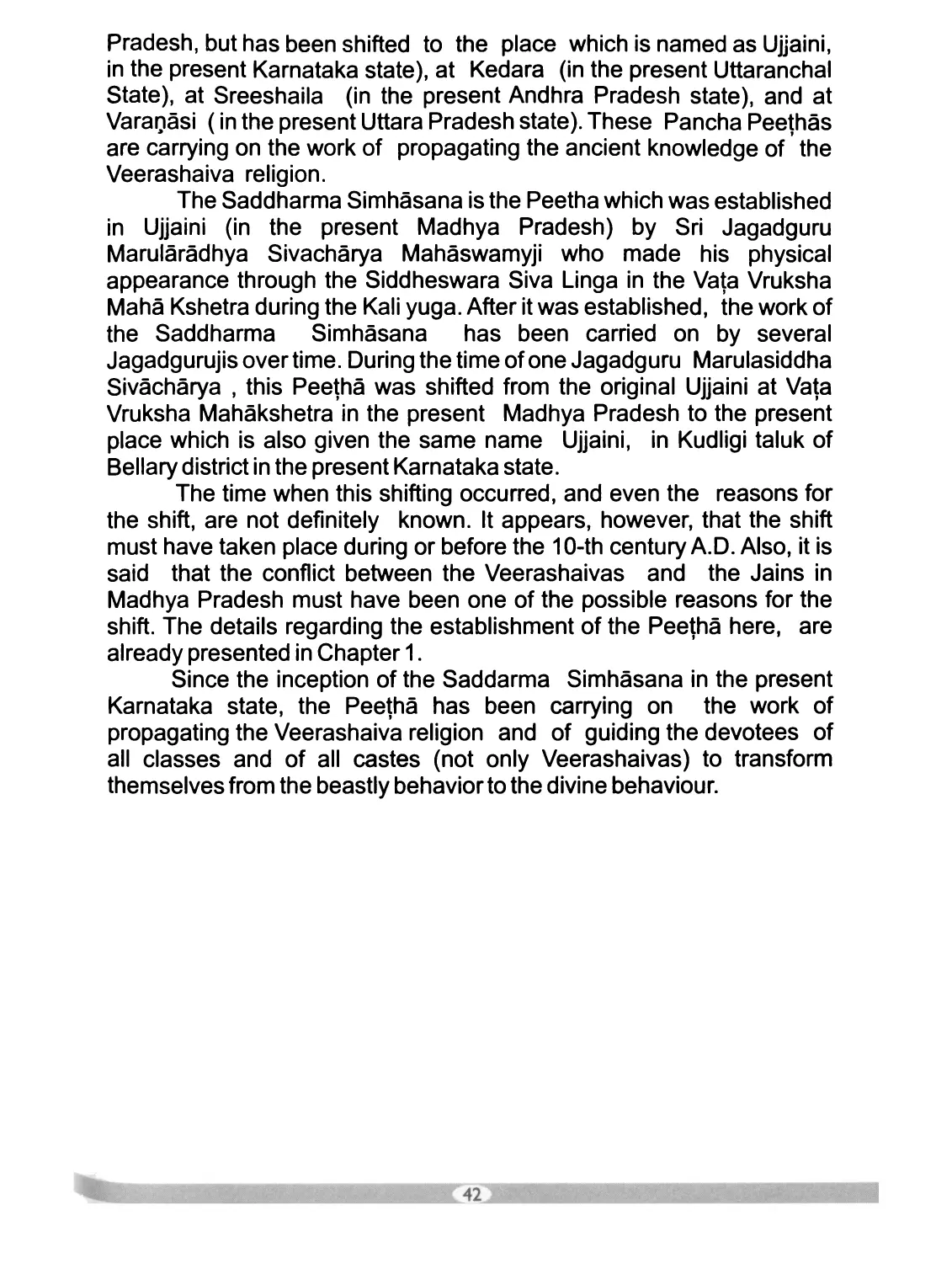
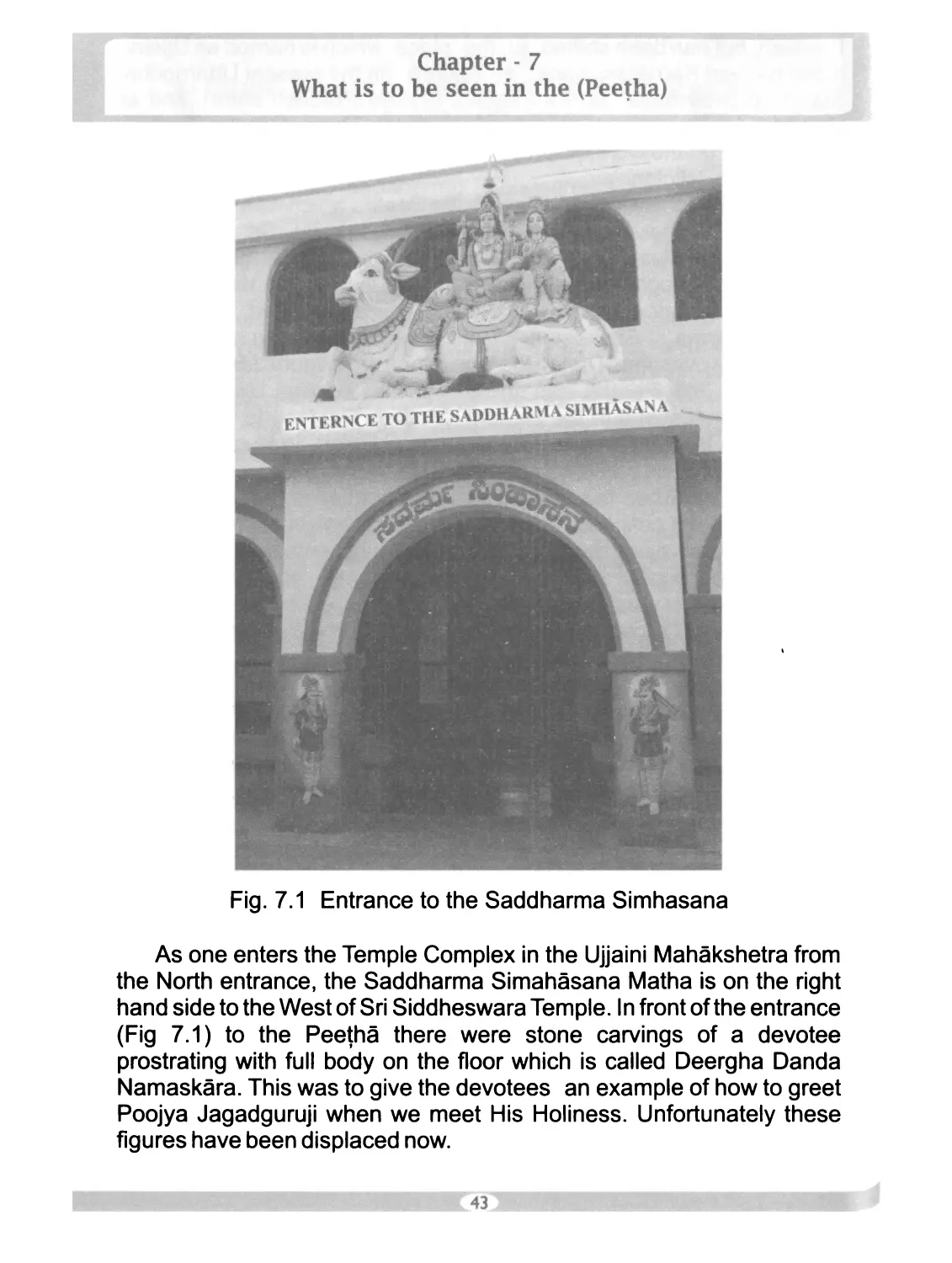
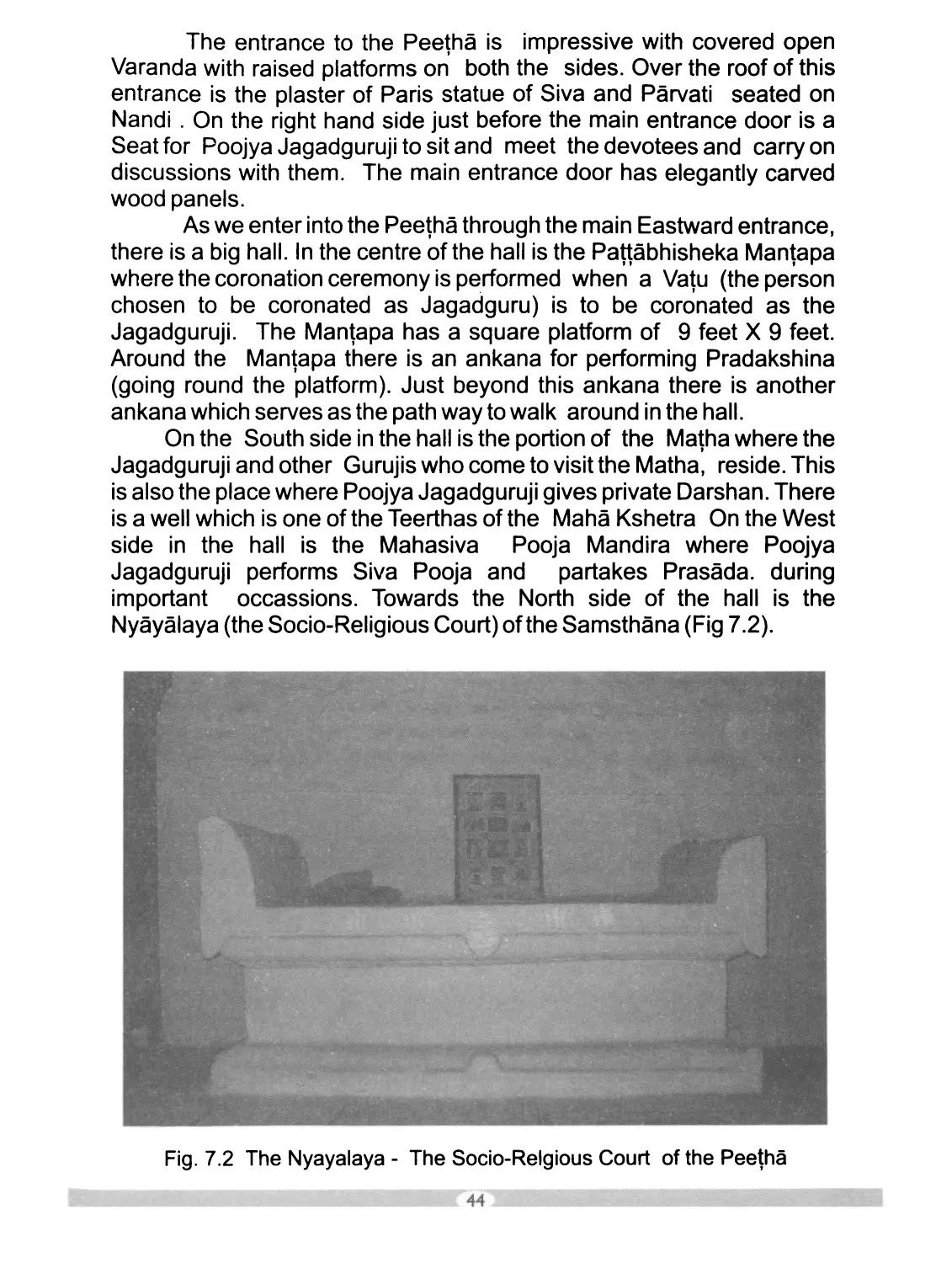

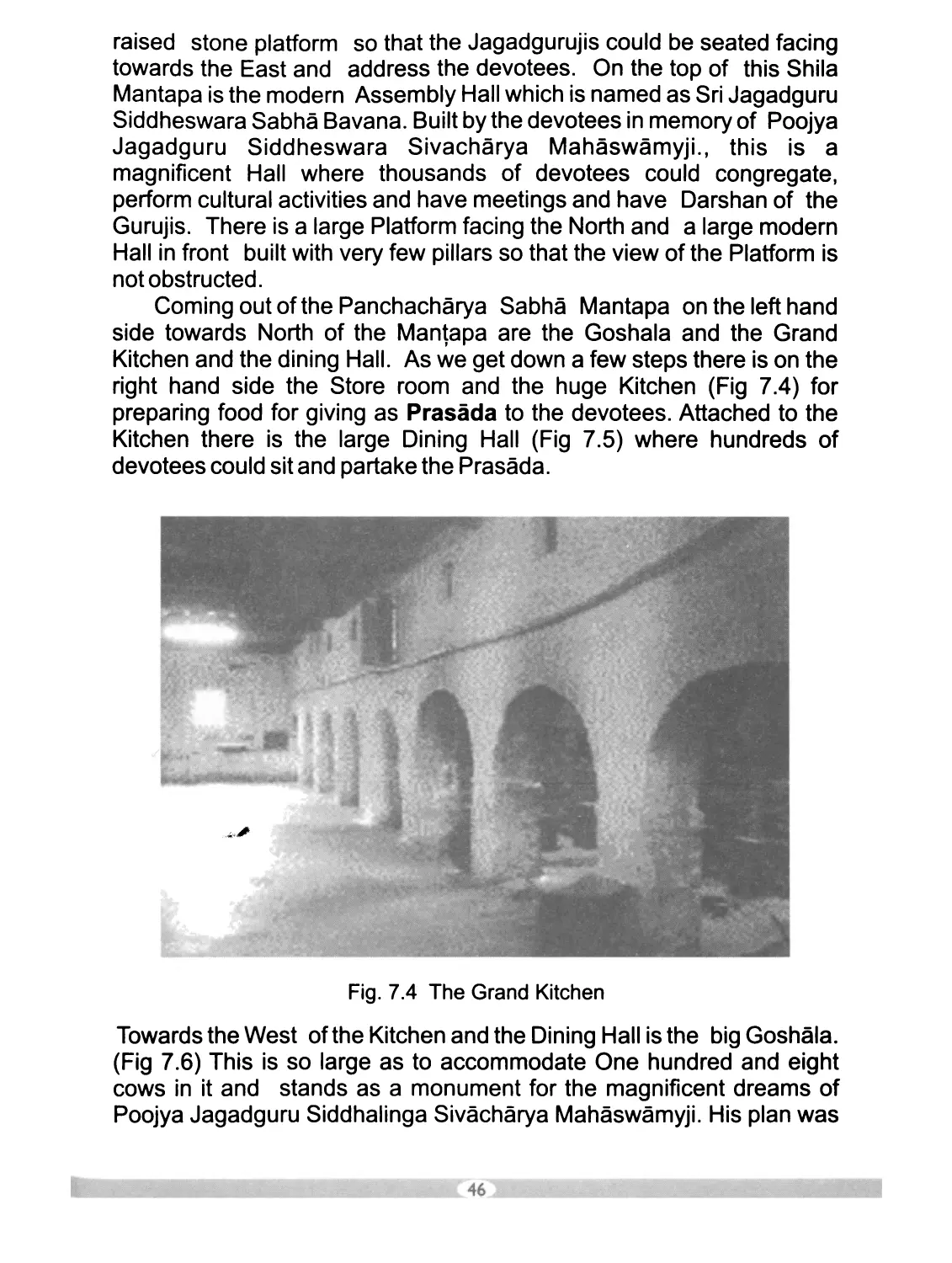






Text
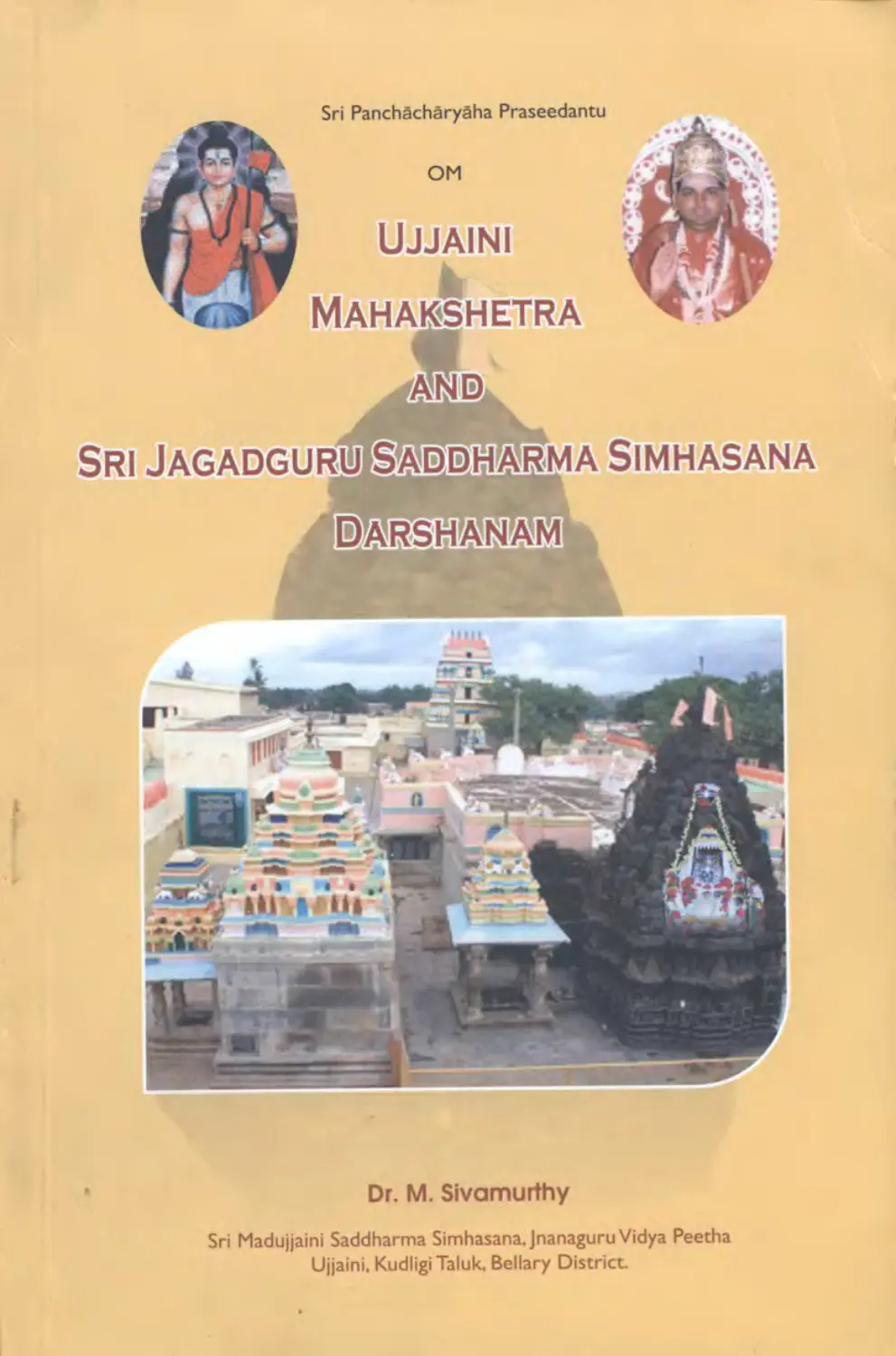
Ujjaini Mahakshetra
and
Sri Jagadguru Saddharma Simhasana
Darshana
Dr. M. Sivamurthy
Former United Nations Expert in Demography
United Nations, New York (U SA)
Sri Madujjaini Saddharma Simhasana, Jnanaguru Vidya Peetha
Ujjaini, Kudligi Taluk, Bellary District.
Ujjaini Mahakshetra and Sri Jagadguru Saddharma Simhasana
Darshana
By Dr. M. Sivamurthy, Former United Nations Expert in Demography
(working in Cairo, Egypt)and published by the Jnanaguru Vidya Peetha,
Ujjaini (Kudligi taluk) Bellary district.
On the occasion of the celebration of the 12 th Anniversary of the
Accession to the Saddharma Peetha of Poojya Jagadguru Marulasiddha
Rajadesikendra Sivacharya Mahaswamyji, during 3-5 February 2007.
Published : 20 I I
Rights reserved by the publishers
Rs. 85/-
DEDICATION
At the Lotus Feet of
:
'*' _ -t. ...
.. ,.
'- '
.
....
""
'4'
1
.
it
,'" 1
.4, ...
1\.
. .:
.
. 1
..
"It ...
.
'" "
I
\
...... J 4
.
... .. <{
;
c,..
<l-
. "
'- ......-
...
If...... ..,....
:
..... -t ..
-
4
'''»
... ,
,
; ,
'" Ir i'
..
-
.
'\. .
-
..
.",
""
,
...,
....
""
"
;-
"
....
. ..
....
....... -""!!-\- Co...
:'. , 1
-
.... .. "'."
... iii
· 'f1I
!to" f' " ,,\
,- -" "It. "'"_
:
......
...
-
.... 1-
-.'9 N
1."
"'I
:£
l
.. ...
" ...........
,
_... '" l'
" '"
j
--
't
..
'*
"
""-
.; ,
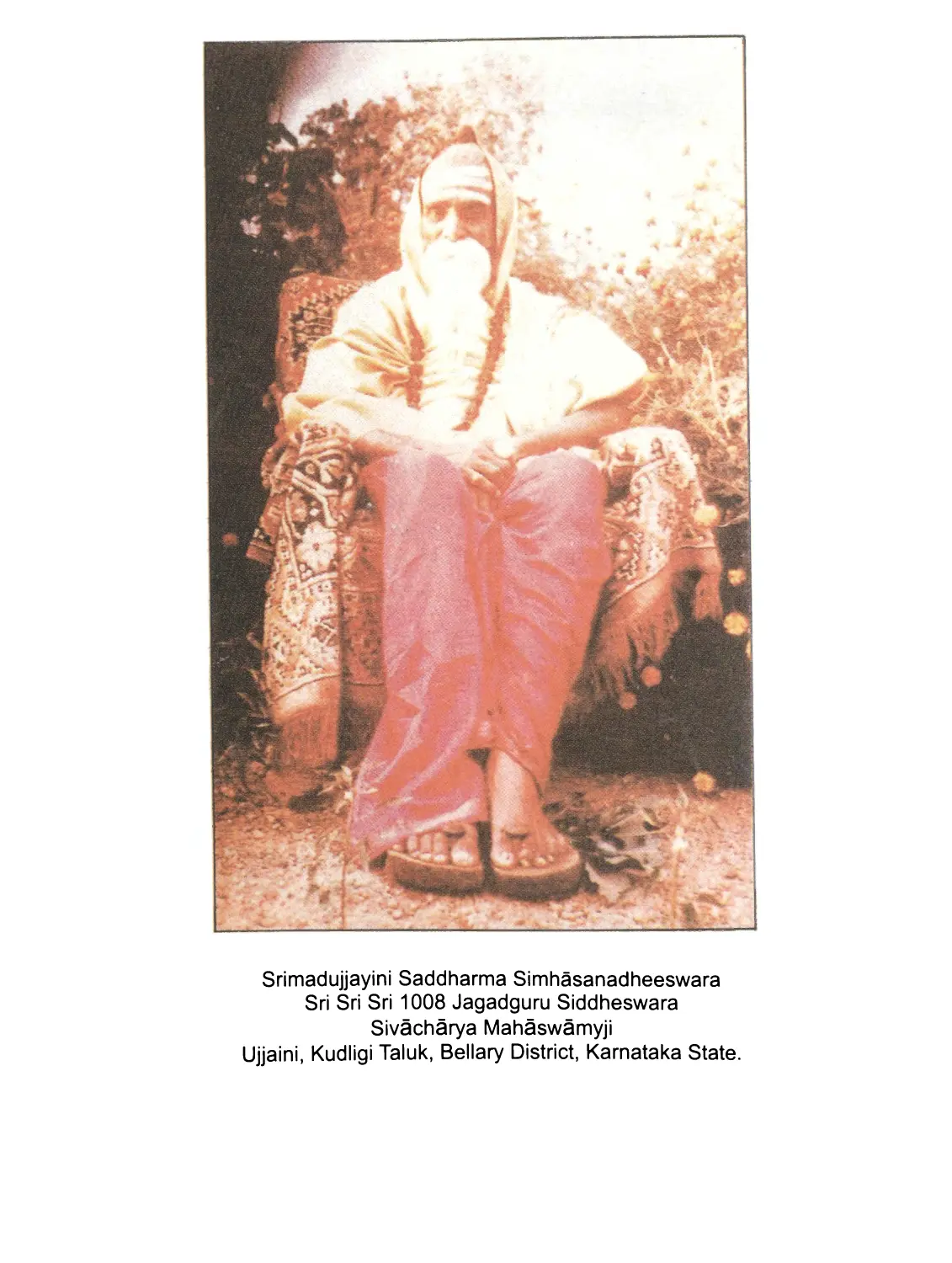
Srimadujjayini Saddharma Simhasanadheeswara
Sri Sri Sri 1008 Jagadguru Siddheswara
Sivacharya Mahaswamyji
Ujjaini, Kudligi Taluk, Sellary District, Karnataka State.
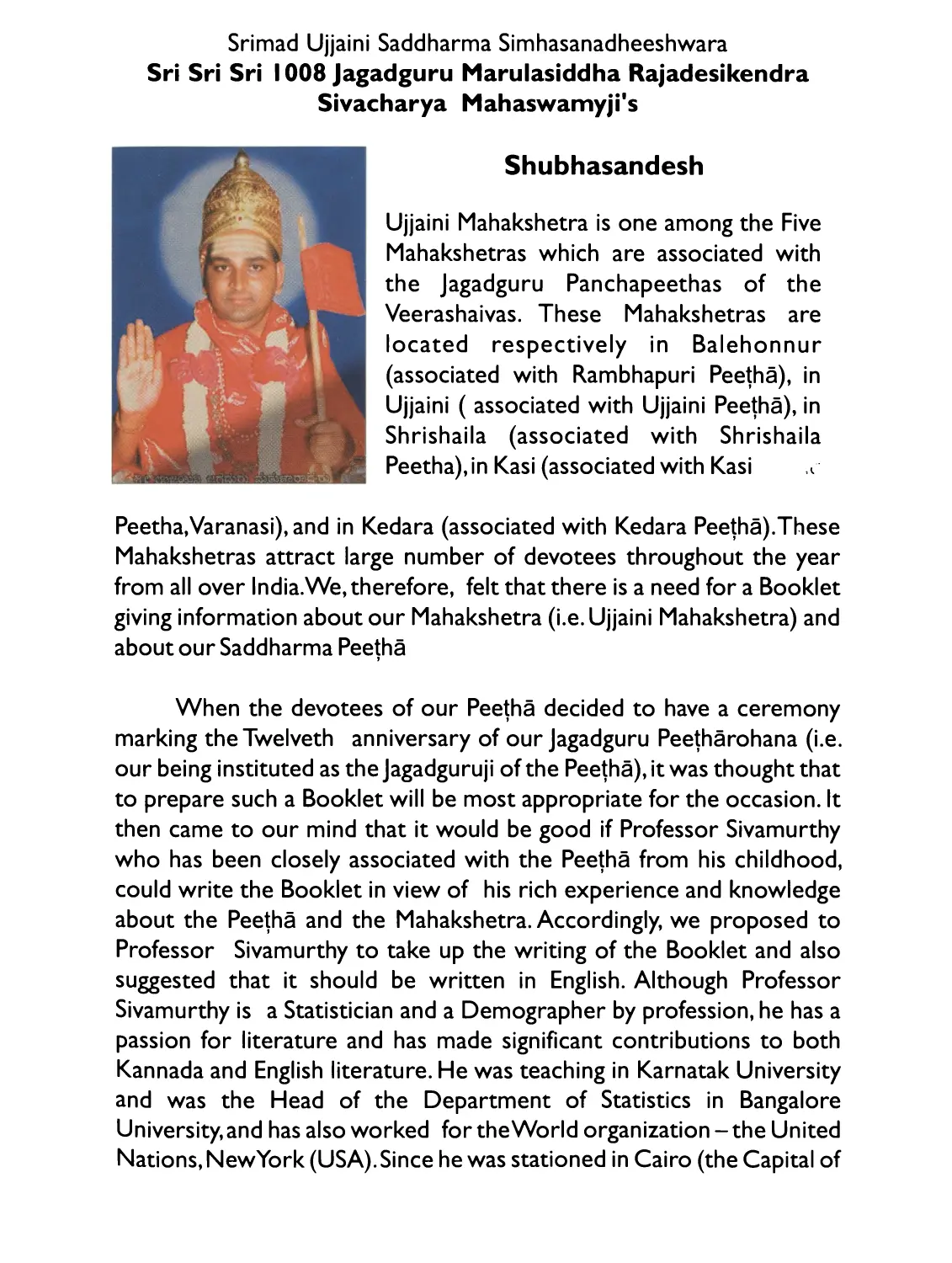
Srimad Ujjaini Saddharma Simhasanadheeshwara
Sri Sri Sri I 008 Jagadguru Marulasiddha Rajadesikendra
Sivacharya Mahaswamyji's
Shubhasandesh
. . ,
""
Ujjaini Mahakshetra is one among the Five
Mahakshetras which are associated with
the Jagadguru Panchapeethas of the
Veerashaivas. These Mahakshetras are
located respectively in Balehonnur
(associated with Rambhapuri Pee1ha), in
Ujjaini ( associated with Ujjaini Pee1ha), in
Shrishaila (associated with Shrishaila
Peetha), in Kasi (associated with Kasi ,I.
) 0'
. '} "
..
.
.. .
. ........:-.\
_ tI'" ( ,
.1
.q Jr;' .' (-rn .
Peetha,Varanasi), and in Kedara (associated with Kedara Pee1ha).These
Mahakshetras attract large number of devotees throughout the year
from all over India.We, therefore, felt that there is a need for a Booklet
giving information about our Mahakshetra (Le. Ujjaini Mahakshetra) and
about our Saddharma Peetha
,
When the devotees of our Pee'ha decided to have a ceremony
marking the Twelveth anniversary of our Jagadguru Pee1harohana (Le.
our being instituted as the Jagadguruji of the Pee1ha), it was thought that
to prepare such a Booklet will be most appropriate for the occasion. It
then came to our mind that it would be good if Professor Sivamurthy
who has been closely associated with the Pee1ha from his childhood,
could write the Booklet in view of his rich experience and knowledge
about the Pee1ha and the Mahakshetra. Accordingly, we proposed to
Professor Sivamurthy to take up the writing of the Booklet and also
suggested that it should be written in English. Although Professor
Sivamurthy is a Statistician and a Demographer by profession, he has a
passion for literature and has made significant contributions to both
Kannada and English literature. He was teaching in Karnatak University
and was the Head of the Department of Statistics in Bangalore
University, and has also worked for the World organization - the United
Nations, New York (USA). Since he was stationed in Cairo (the Capital of
Egypt) as U.N. Expert in Demography in the Cairo Demographic Centre,
for a number of years, we often referred to him affectionately as 'Cairo
Sivamurthy'.
With due reverence Professor Sivamurthy took up the work and
started with sincerity. However, due to his frequent travel abroad, the
preparation of the Booklet got delayed and even the printing of the
same was much delayed.We are pleased that the Booklet is finally ready
now.We believe that the Booklet will be very useful to the devotees who
visit the Mahakshetra, especially for those coming from outside
Karnataka and from abroad.
We offer our blessings to Professor Sivamurthy for good health and
blissful living. We would also bless those who have extended their
services in this work and to the members of the Sri Siddhalingeshwara
Graphics who have done a neat job of printing. May the revered
Jagadguru Panchacharyas and Lord Marulasiddha of the Ujjaini
Mahakhetra bless everyone.
Sivam Bhooyat
Author's Note
I offer my Namaskaras with deep devotion to the divine feet of His
Holiness Poojya Jagadguru Marulasiddha Rajadesikendra Sivacharya
Mahaswamyji, considering him as the visible form of my Guru who is
the inspirer of all my activities. It is because of the insistence of His
Holiness that this Booklet should be in the English language, that it has
taken this shape. I am grateful to His Holiness for blessing me with the
opportunity to offer Him this literary service.
Ujjaini Mahakshetra is one of the many sacred Mahakshetras in India.
While there is literature about several of these Kshetras, no information
is available about the Ujjaini Mahakshetra for the Pilgrims. Sri Jagadguru
Saddharma Peetha is one of the FiveVeerashaiva Peethas (also known as
Simhasanas), the Pancha Peethas, established by Poojya Jagadguru
Panchacharyas. The Pancha Peethas are located in different places in
India :Balehonnuru (also called Rambhapuri) in Karnataka, Ujjaini in
Karnataka, (although it was first established in Ujjaini in Madhya
Pradesh), Kedara in Uttaranchal, Srishaila in Andhra Pradesh, and
Varanasi (also called Kasi) in Uttar Pradesh, thus covering the whole of
India. Although information about the Pancha Peethas is available in the
ancientAgama literature and in some recent literary works, there is no
simple literature for the Pilgrims to learn about the Pancha Peethas
and/or about the Saddharma Peetha. Hence, I was feeling that there is a
need for a booklet giving information about the Ujjaini Mahakshetra and
about the Saddharma Peetha.
When the devotees planned to celebrate the Peetharohana Dwadasa
Vardhanti Mahotsava for His Holiness - Poojya Jagadguru Marulasiddha
Rajadesikendra Sivacharya Mahaswamyji, during 3-5, February, 2007, I
suggested that a booklet giving information about the Ujjaini
Mahakshetra and about the Jagadguru Saddharma Peetha should be
prepared for this occassion. Poojya Jagadguruji expressed that I should
write this booklet and it should be in the English language. Accordingly,
the work was started. Since the Booklet could not be made ready to be
released at the time of the Peetharohana Ceremony, Poojya Jagadguruji
gave me permission to finish the same at a later date. In the meanwhile I
had to go to the United States of America (USA) for other work. Hence,
the completion of the Booklet got further delayed. I felt glad that the
writing work got completed by Shravana Masa ( by 15 August, 2007 ) in
Philadelphia city in USA. I am happy that it is being published now atleast
in 20 II.
I must make it clear here that the information given in the Booklet is
all collected from different published sources and from knowledgeable
elders. I hope that the Booklet will be useful for the Pilgrims who come
to visit the Ujjaini Mahakshetra and the Jagadguru Saddharma Peetha .
Professor M. Sivakumara Swamy, former Professor and Head of the
Department of Samskrit , Bangalore University, kindly went through the
manuscript and offered several useful suggestions which have made the
book better. I thank him for all his suggestions. Photoes required for
the Booklet, were put together by several of our friends. May the
revered Jagadgurujis bless everyone. Booklet's printing work was done
by Sri Siddalingeshwara Graphics. I thank them, and all other persons
who have extended their help for bringing out this Booklet.
'Pranava',550 I Main Road
R MV Extn.1I Stage III Block
Bangalore 560094.
I 5 March, 20 I I
Mathada Sivamurthy
Former United Nations Expert
in Demography (in Cairo, EgyPt).
United Nations, New York (USA)
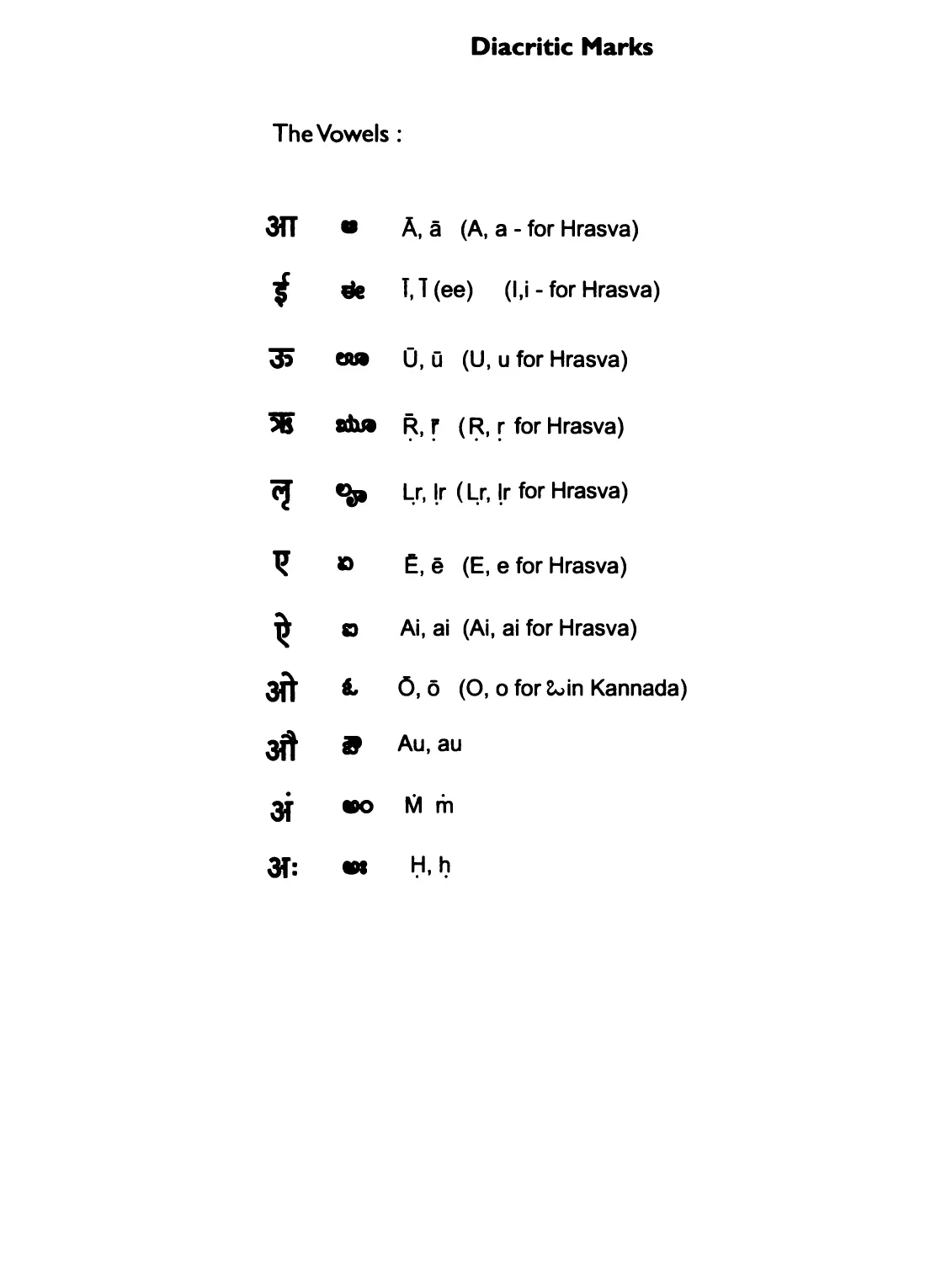
Diacritic Marks
The Vowels :
3fT . A, a (A, a - for Hrasva)
., .- T,l (ee) (I,i - for Hrasva)
a; alii 0,0 (U, u for Hrasva)
)Ij aU , r ( , r for Hrasva)
tf r, r ( r, r for Hrasva)
I) ,e (E, e for Hrasva)
CJ Ai, ai (Ai, ai for Hrasva)
an 6. 0,0 (0, a for in Kannada)
II Au, au
. tV1m
3f
3f: .. tt,
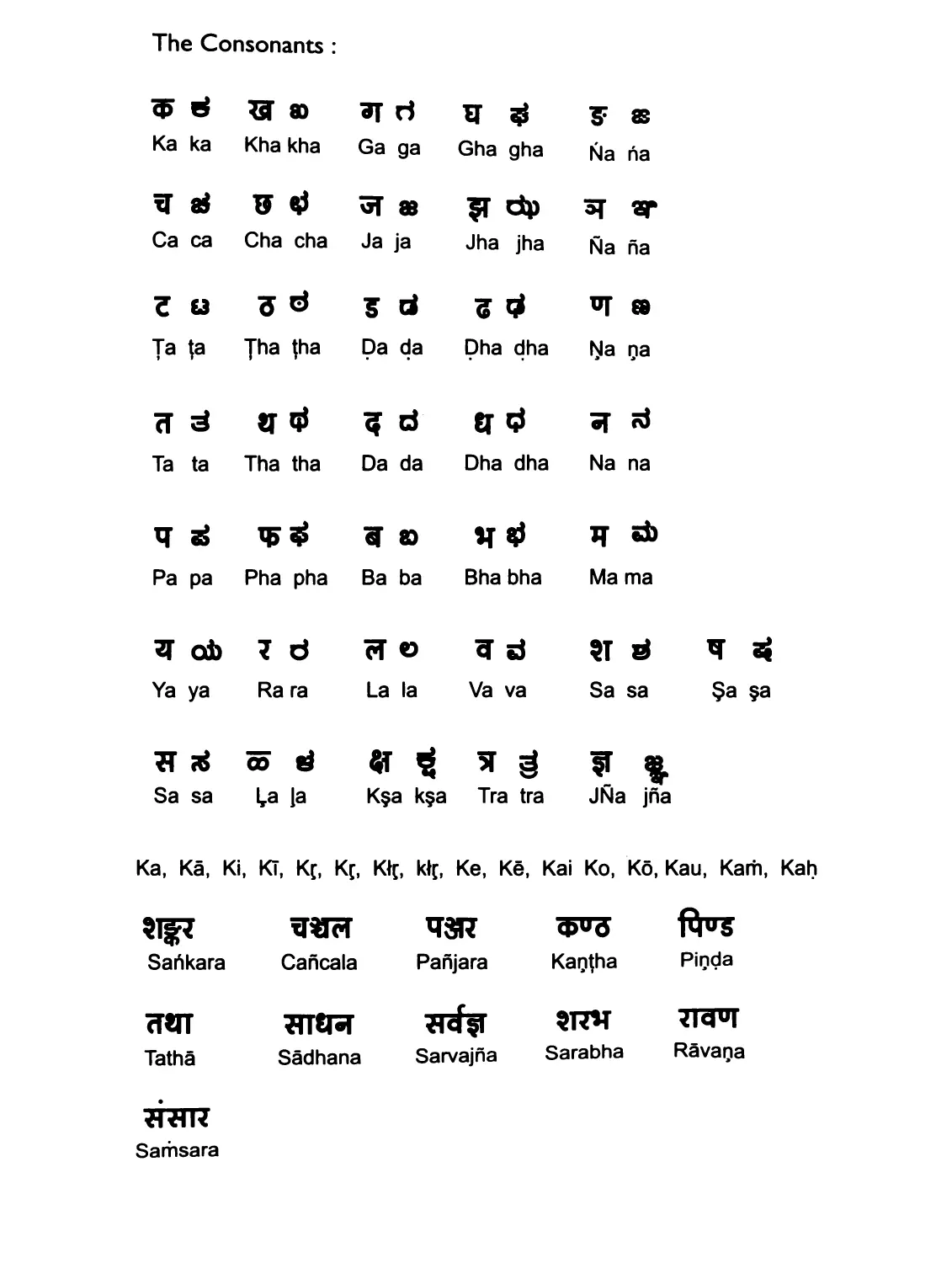
The Consonants :
ClSe ID 3Tn V ;;J -s: .
Ka ka Kha kha Ga ga Gha gha Na na
vat tJ \if. ,, 3J Ir
Ca ca Cha cha Ja ja Jha jha Na ria
l: fJ O ! d CJGt ur.
Ta ta Tha t ha Da da Dha dha a Qa
. .
na U qd flrti if ;d
Ta ta Tha tha Da da Dha dha Na na
q-. tIS;;: '1m ,, 11 ib
Pa pa Pha pha Ba ba Bha bha Mama
ob d (WI"t) ifEi 'T B "
Va ya Ra ra La la Va va Sa sa $a a
id as If . '4 )J Ef " . .
. .
Sa sa a la K a k a Tra tra JNa jlia
Ka, Ka, Ki, Ki, Ke, Ke, Kte, kle, Ke, Ke, Kai Ka, Ka, Kau, Karh, Kat)
'1ft V q-m cPO
Sar'tkara Caricala Parijara KaQt ha PiQQa
war mUif 'mf mrur
Tatha Sadhana Sarvajfia Sarabha Ravana
a
.
mm
Samsara
CONTENTS
(I) Shubhasandesh: Poojya jagadguru Marulasiddha Rajadesikendra
Sivacharya Mahaswamyji
(ii) Author's Note
(iii) Diacritic Marks : Used in the Transliteration of SanskritlKannada Words
Part I Ujjaini Mahikshetra
I. Ujjaini Mahakshetra: Its Importance
2. How to Reach the Mahakshetra
3. Where to stay and Where to Eat in the Mahakshetra
4. What One must see in the Mahakshetra
5. Religious Activities in the Mahakshetra
Part II Sri Jagadguru Saddharma Simhasana (Peepta)
. .
6. Sri jagadguru Saddharma Simhasana (Peetha):A Brief History
7. What is to be seen in the jagadguru Peetha
8. The Holy Line of Descent of the jagadgurujis of the Peetha
9. Religious and Social Concerns of the Peetha
Addendum
..
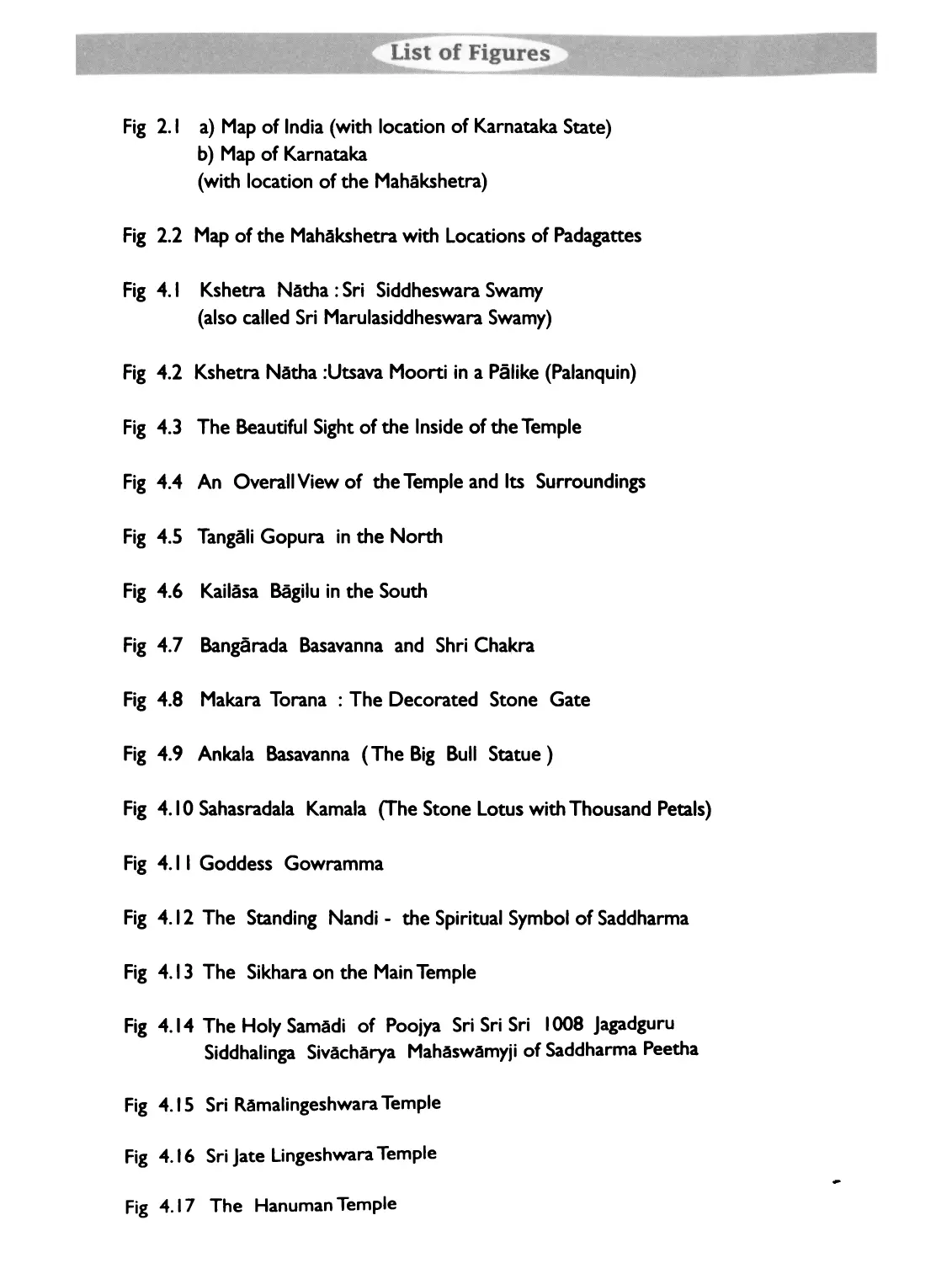
List of Figures ·
Fig 2.1 a) Map of India (with location of Karnataka State)
b) Map of Karnataka
(with location of the Mahakshetra)
Fig 2.2 Map of the Mahakshetra with Locations of Padagattes
Fig 4.1 Kshetra Natha: Sri Siddheswara Swamy
(also called Sri Marulasiddheswara Swamy)
Fig 4.2 Kshetra Natha :Utsava Moorti in a Palike (Palanquin)
Fig 4.3 The Beautiful Sight of the Inside of the Temple
Fig 4.4 An Overall View of the Temple and Its Surroundings
Fig 4.5 Tangali Gopura in the North
Fig 4.6 Kailasa Bagilu in the South
Fig 4.7 Bangarada Basavanna and Shri Chakra
Fig 4.8 Makara Torana : The Decorated Stone Gate
Fig 4.9 Ankala Basavanna (The Big Bull Statue)
Fig 4.1 0 Sahasradala Kamala (The Stone Lotus with Thousand Petals)
Fig 4.11 Goddess Gowramma
Fig 4.12 The Standing Nandi - the Spiritual Symbol of Saddharma
Fig 4.13 The Sikhara on the Main Temple
Fig 4.14 The Holy Samadi of Poojya Sri Sri Sri 1008 Jagadguru
Siddhalinga Sivacharya Mahaswamyji of Saddharma Peetha
Fig 4.15 Sri Ramalingeshwara Temple
Fig 4.16 Sri Jate Lingeshwara Temple
Fig 4.17 The Hanuman Temple
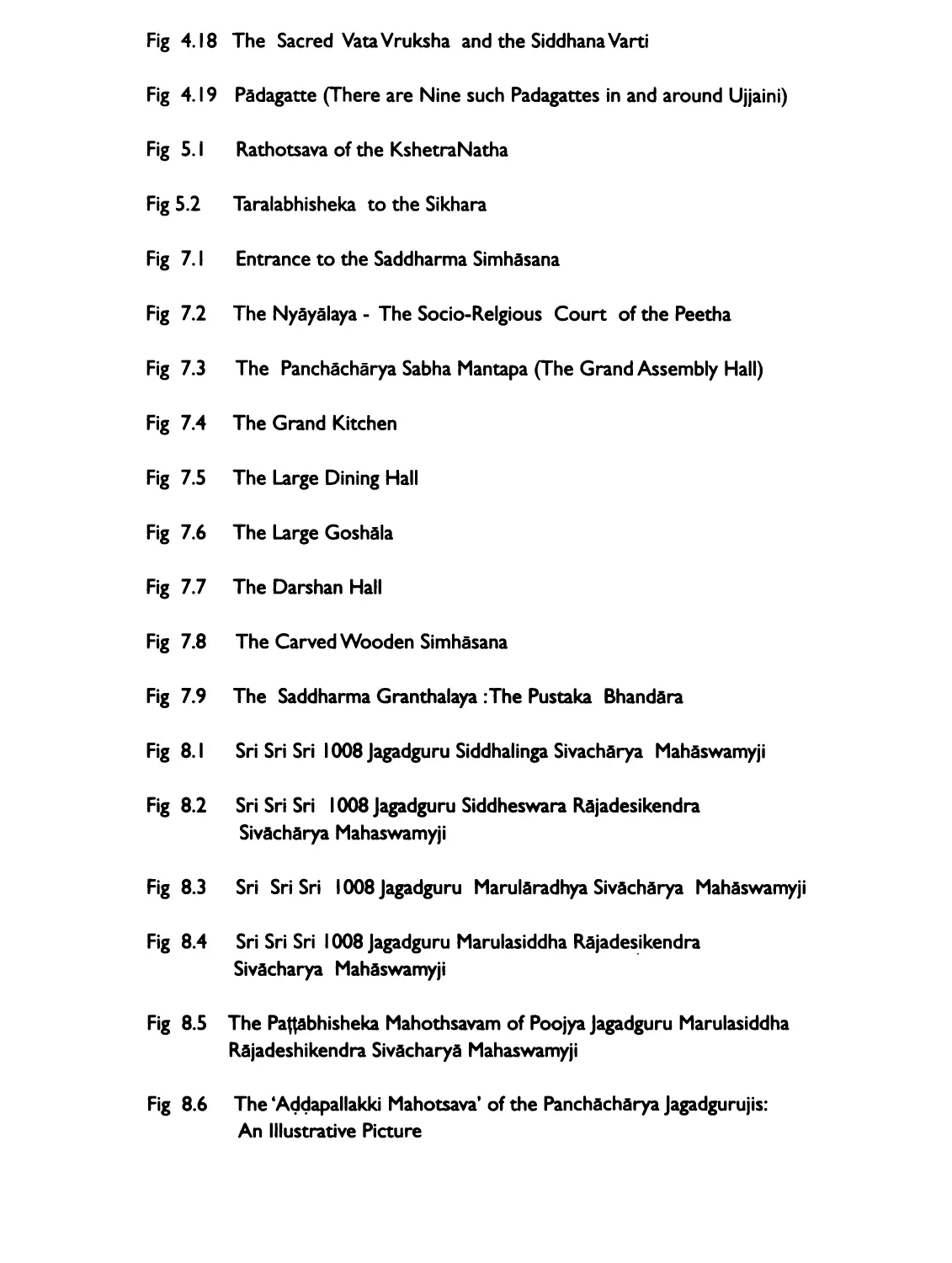
Fig 4.18 The Sacred Vata Vruksha and the Siddhana Varti
Fig 4.19 Padagatte (There are Nine such Padagattes in and around Ujjaini)
Fig 5.1 Rathotsava of the KshetraNatha
Fig 5.2 Taralabhisheka to the Sikhara
Fig 7.1 Entrance to the Saddharma Simhasana
Fig 7.2 The Nyayalaya - The Socio-Relgious Court of the Peetha
Fig 7.3 The Panchacharya Sabha Mantapa (The Grand Assembly Hall)
Fig 7.4 The Grand Kitchen
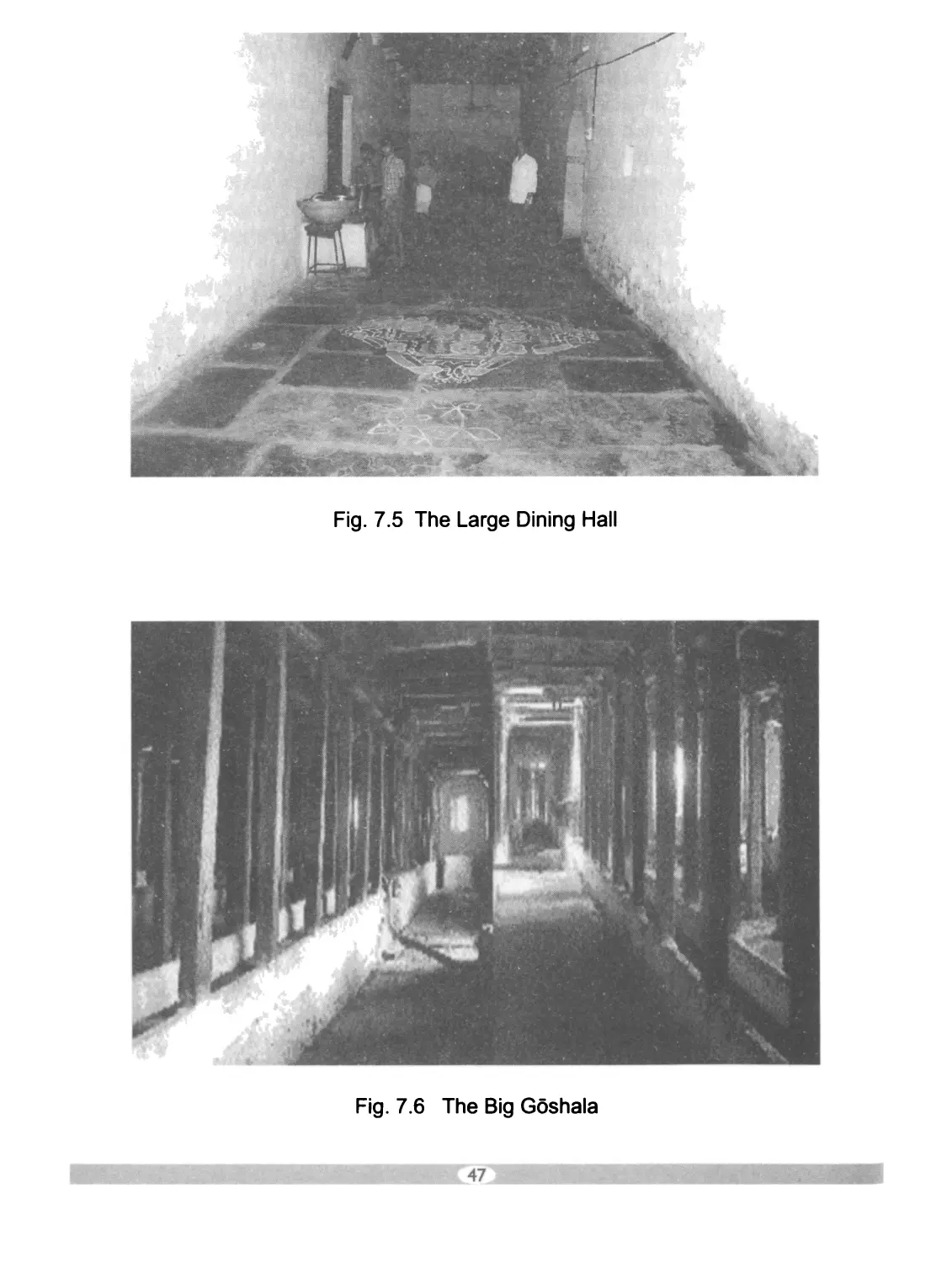
Fig 7.5 The Large Dining Hall
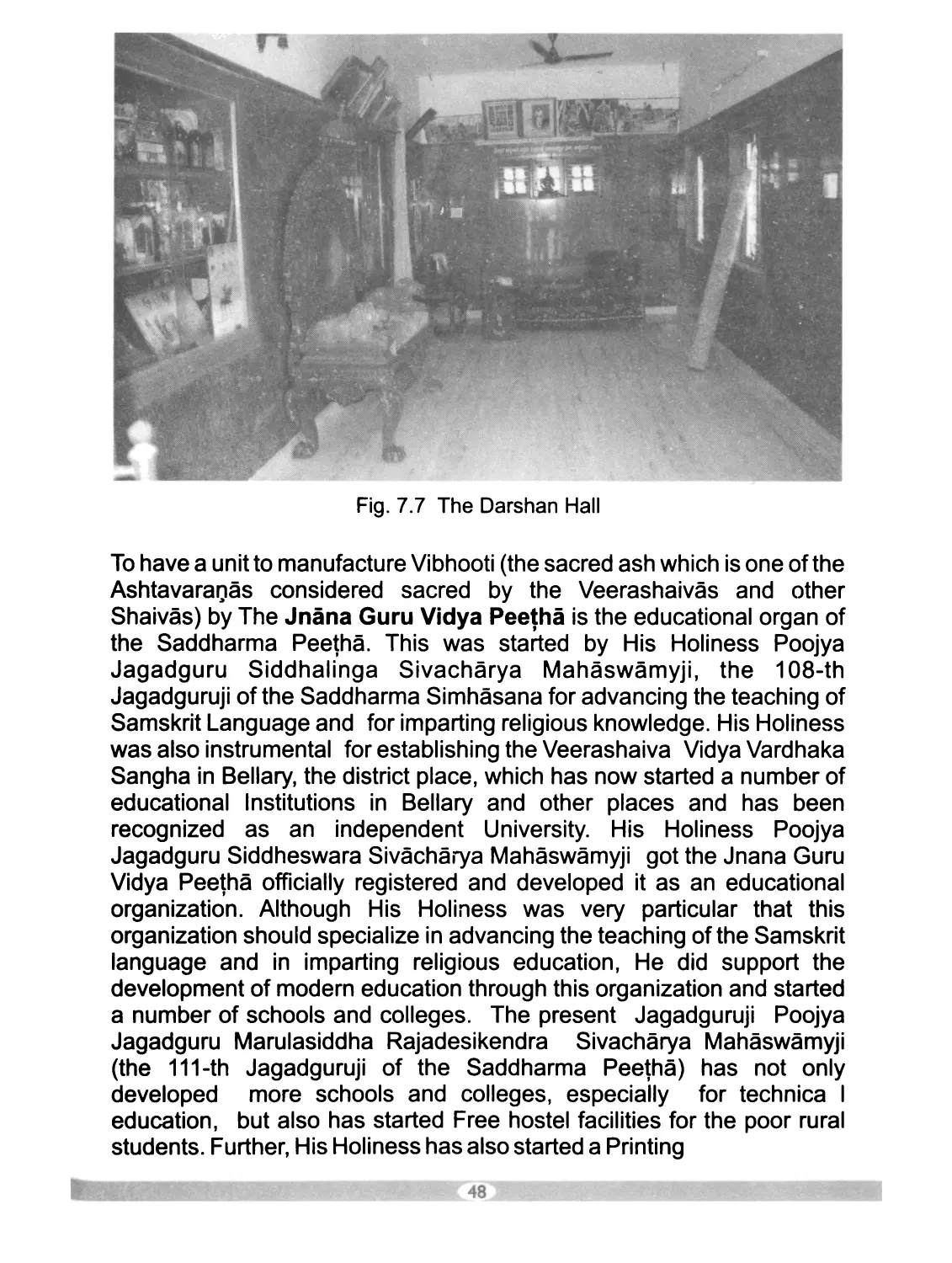
Fig 7.6 The Large Goshala
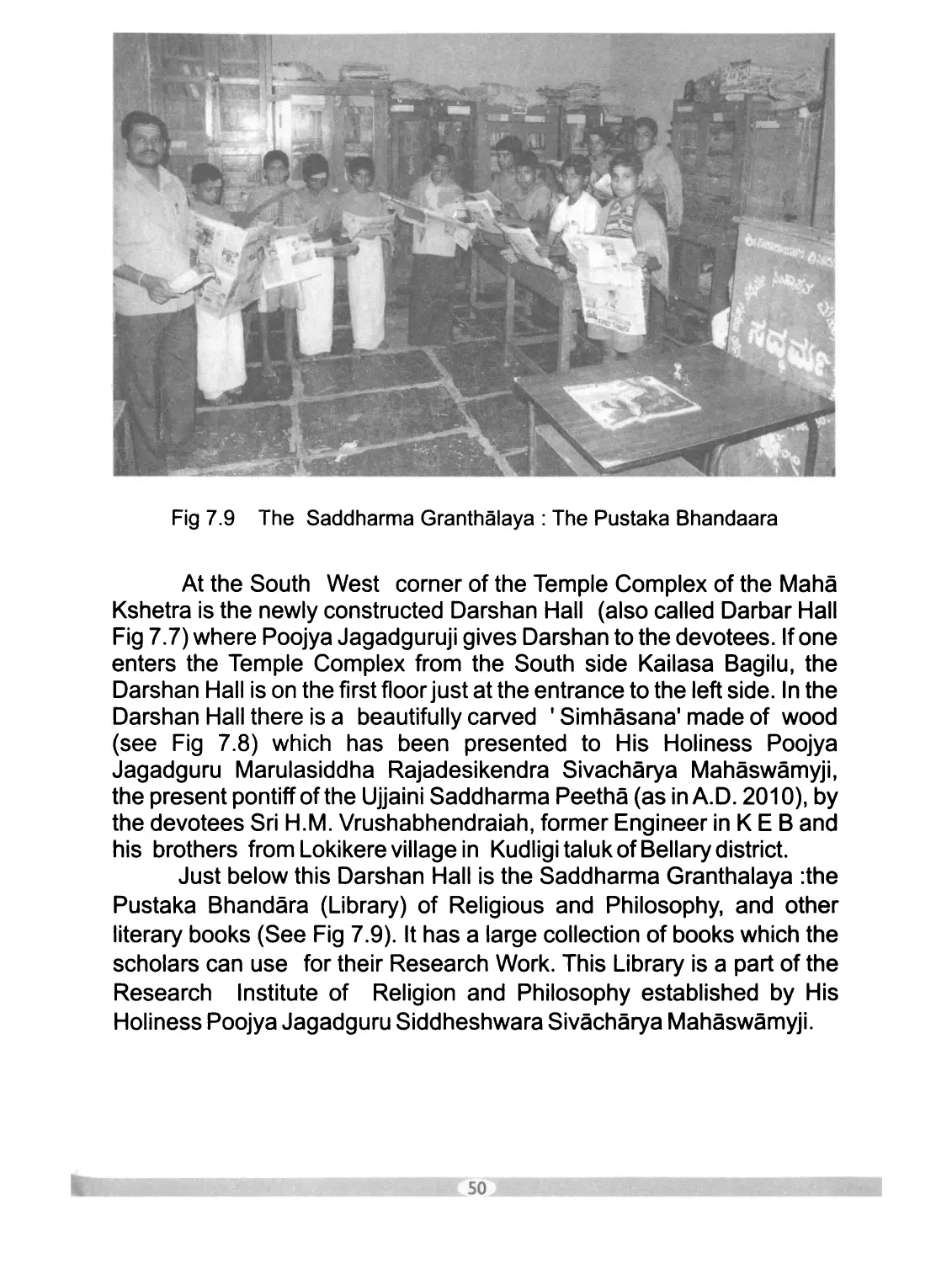
Fig 7.7 The Darshan Hall
Fig 7.8 The Carved Wooden Simhasana
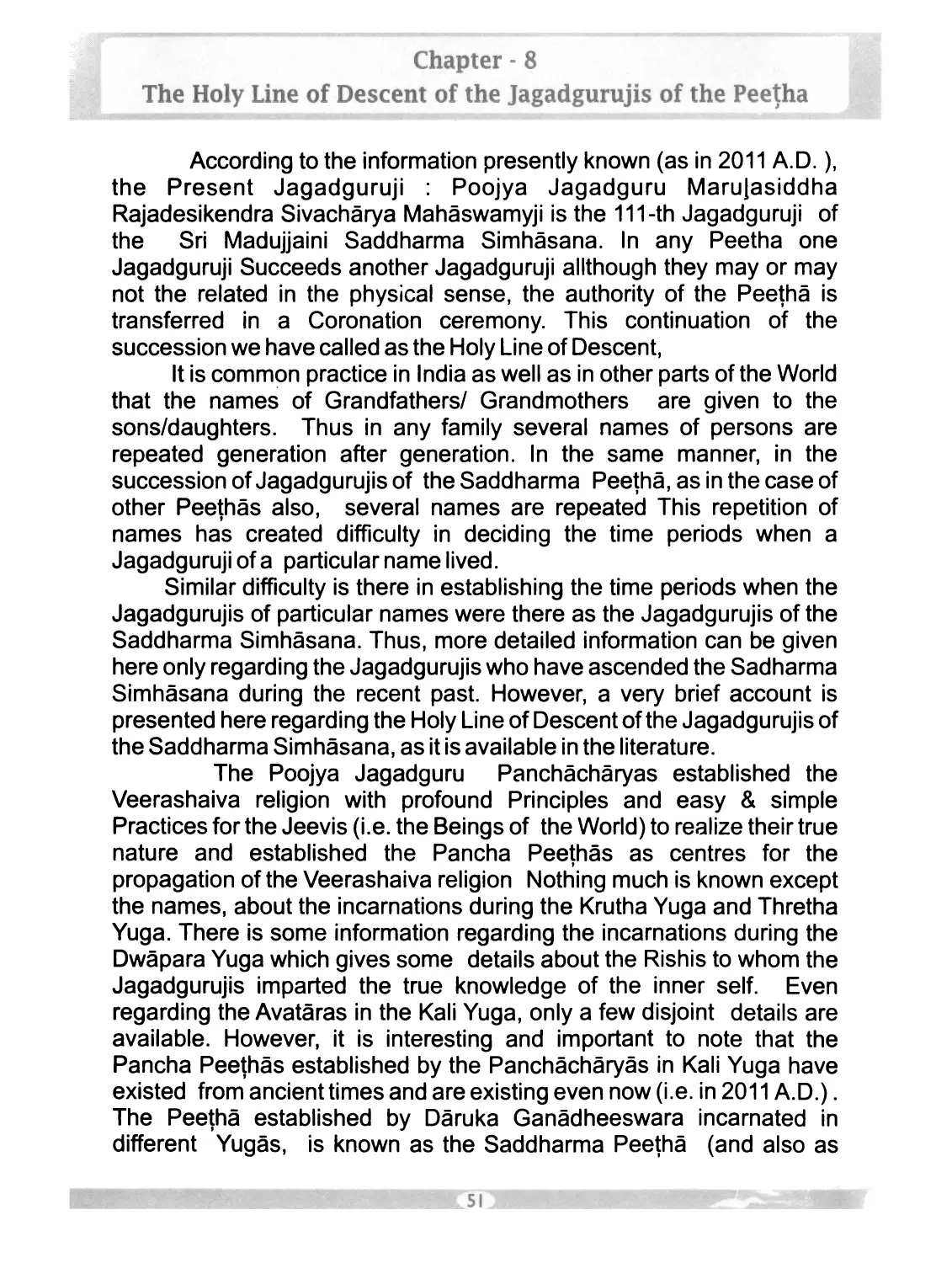
Fig 7.9 The Saddharma Granthalaya : The Pustaka Bhandara
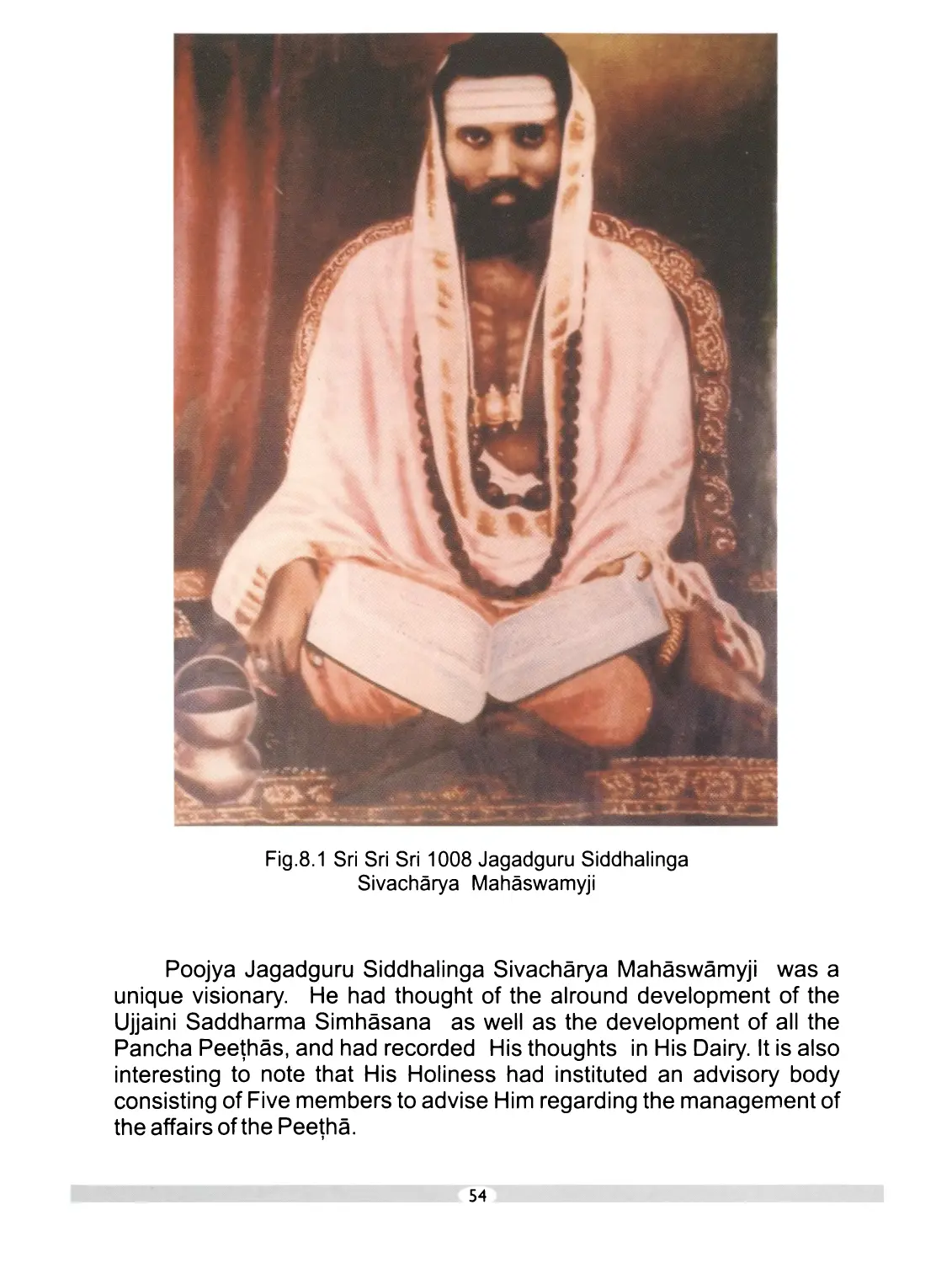
Fig 8.1 Sri Sri Sri 1008 Jagadguru Siddhalinga Sivacharya Mahaswamyji
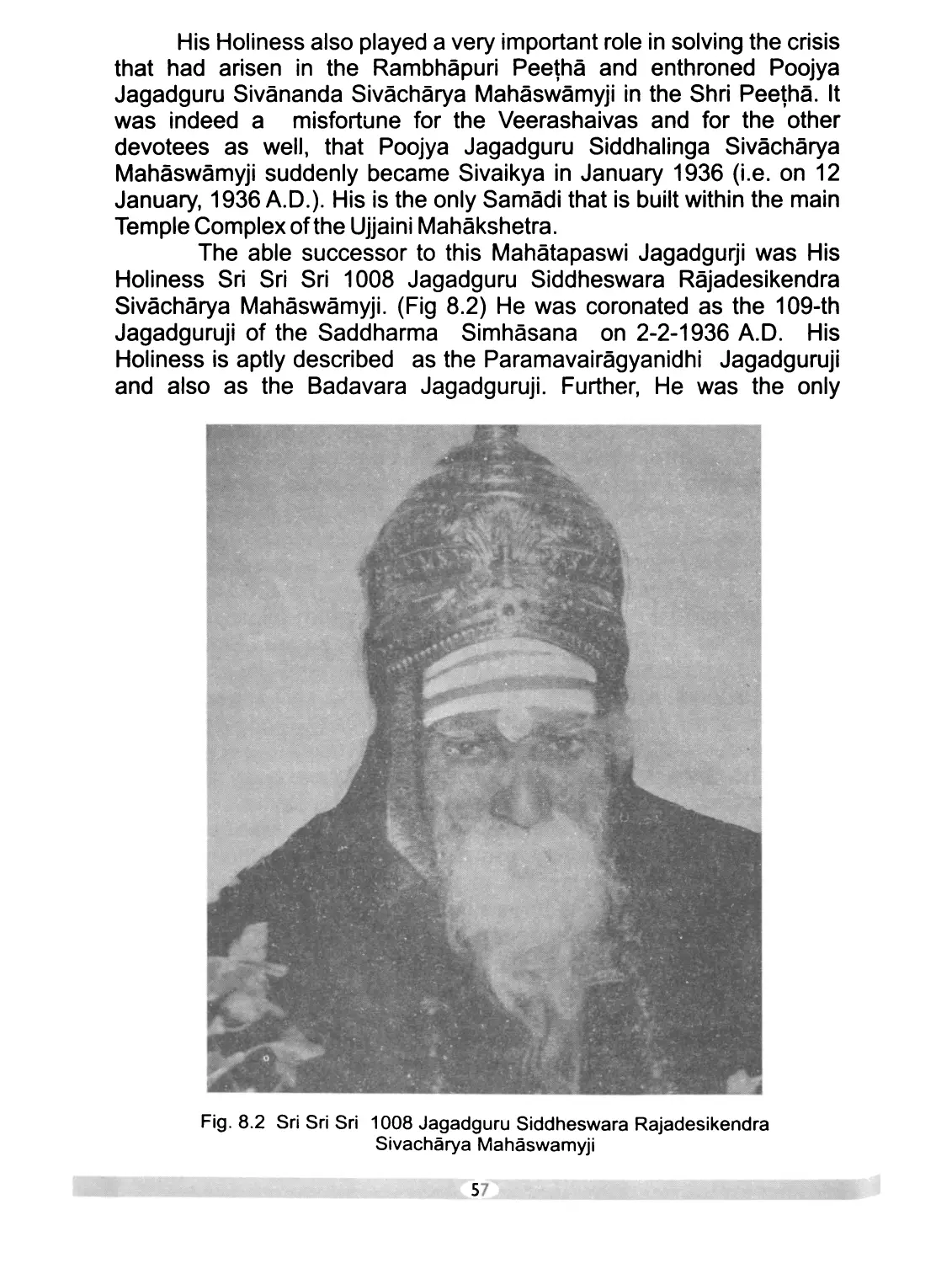
Fig 8.2 Sri Sri Sri I 008 Jagadguru Siddheswara Rajadesikendra
Sivacharya Mahaswamyji
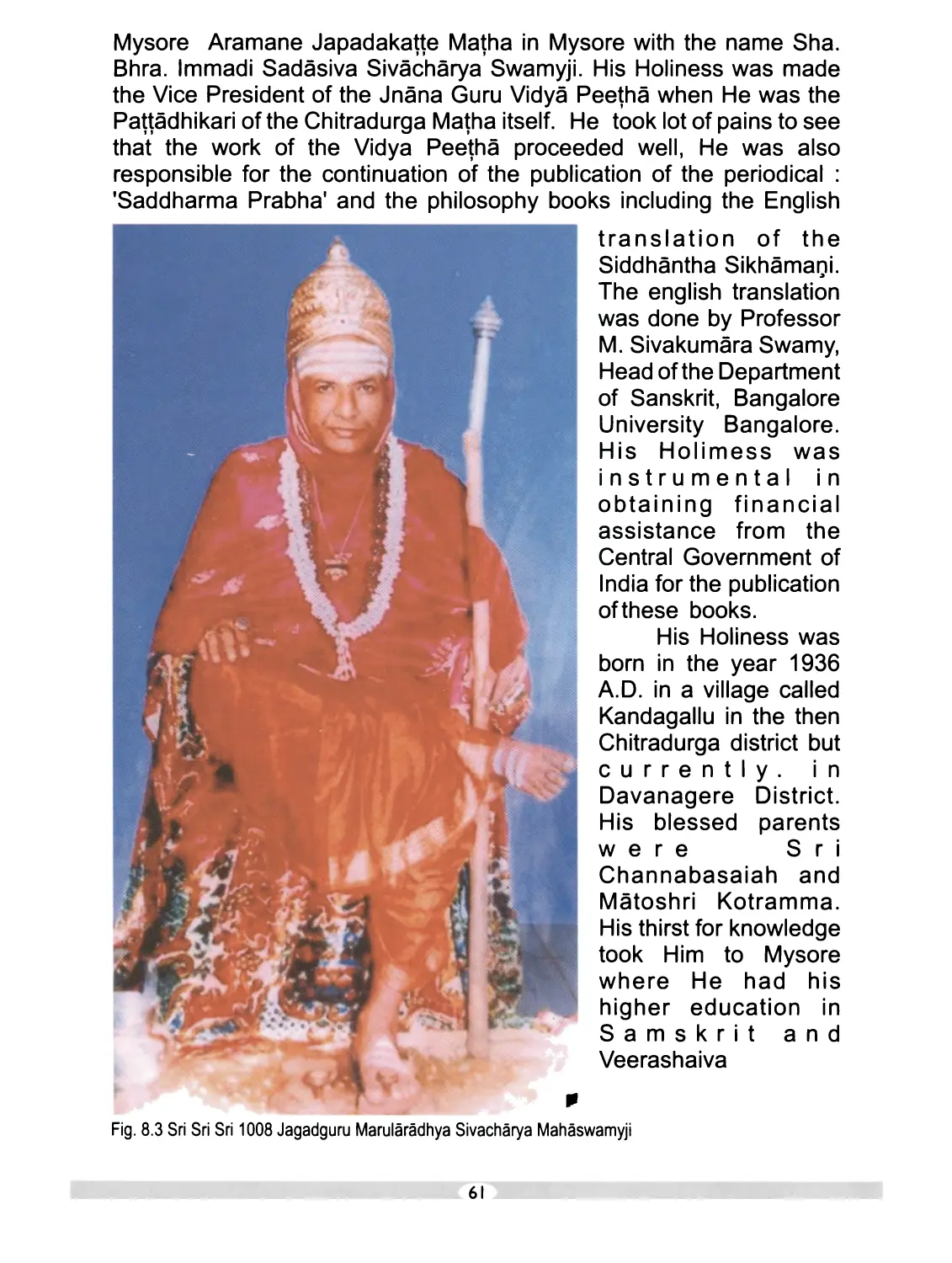
Fig 8.3 Sri Sri Sri 1008 Jagadguru Marularadhya Sivacharya Mahaswamyji
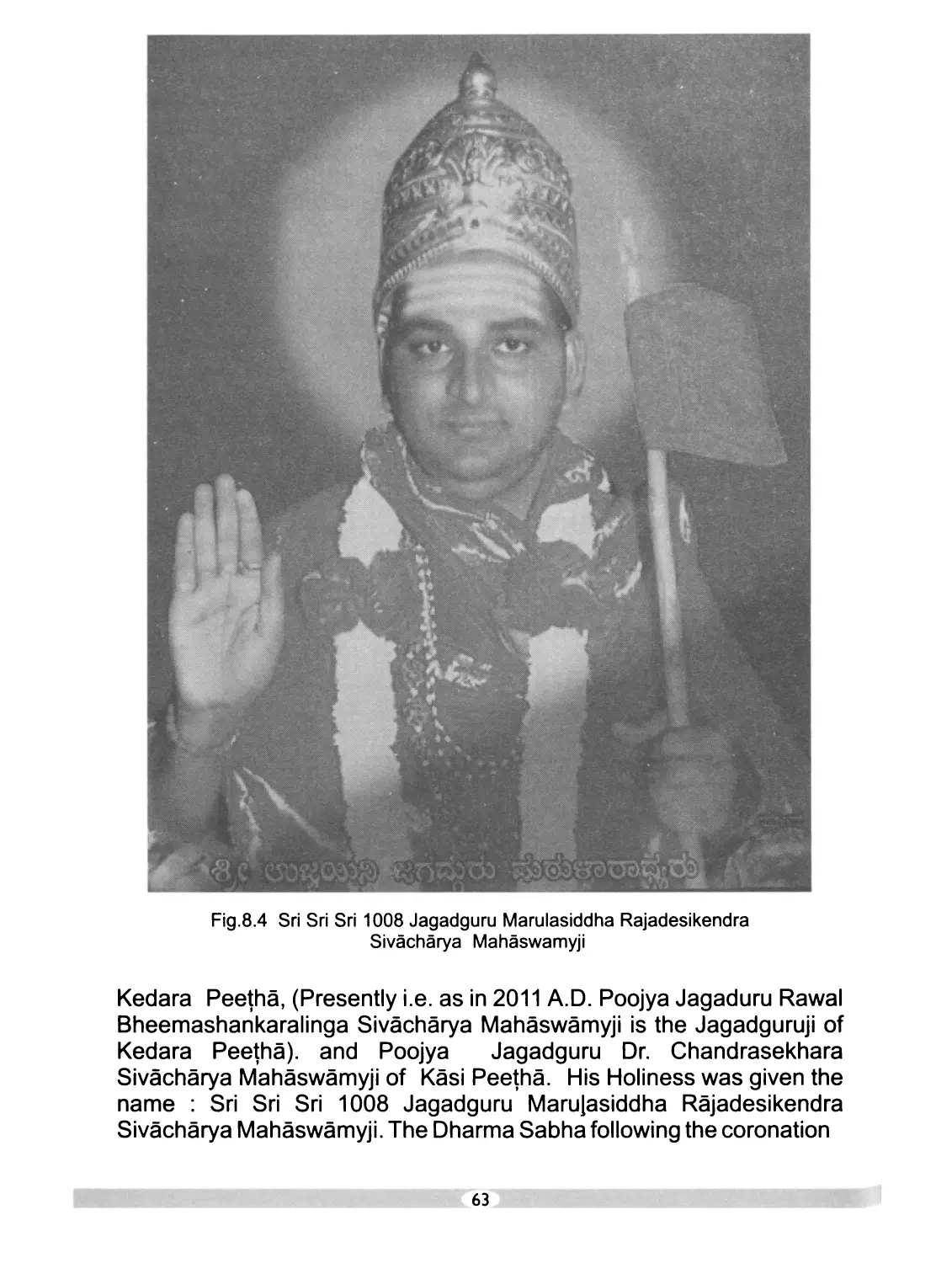
Fig 8.4 Sri Sri Sri 1008 Jagadguru Marulasiddha Rajades.ikendra
Sivacharya Mahaswamyji
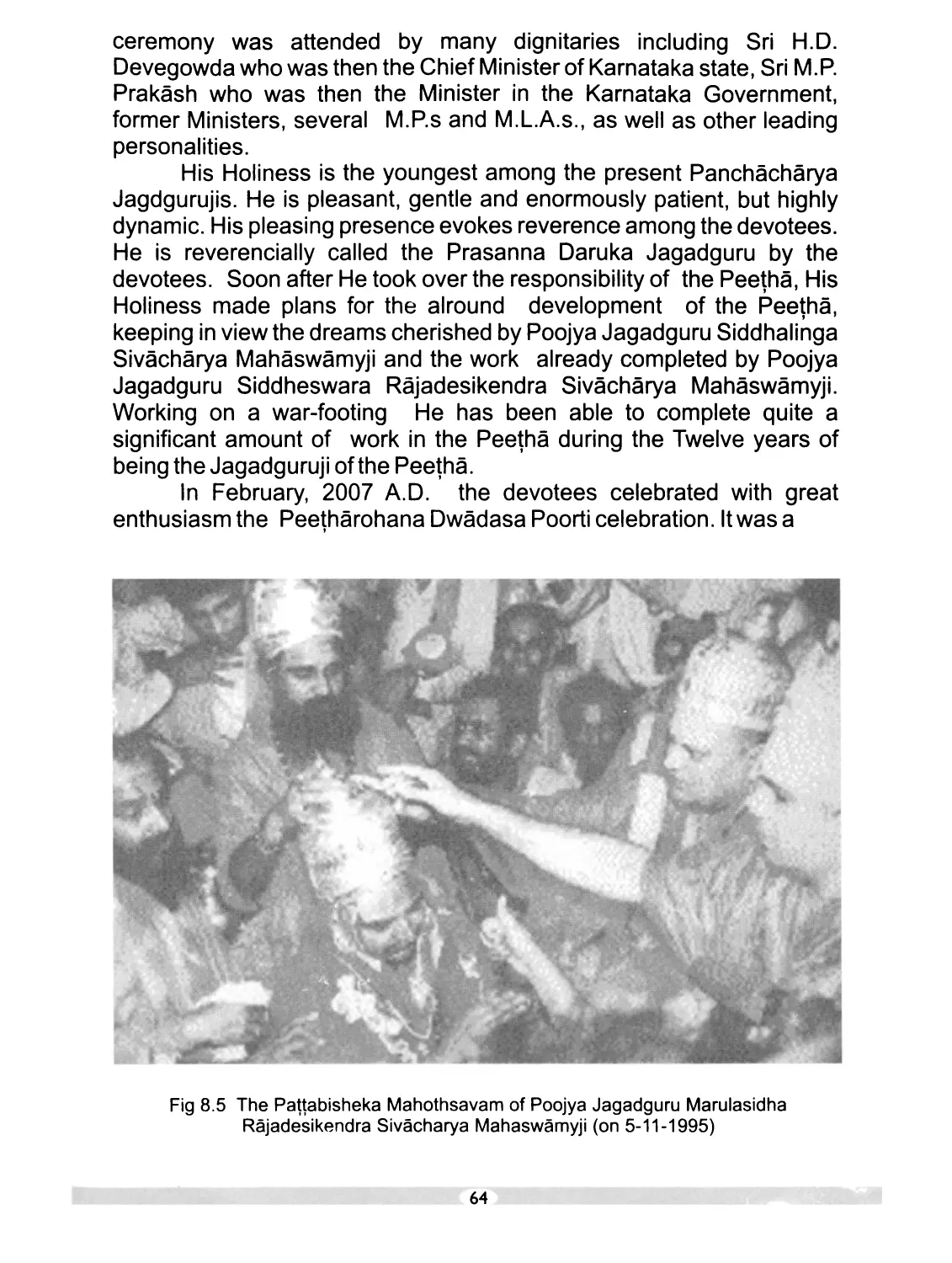
Fig 8.5 The Pattabhisheka Mahothsavam of Poojya Jagadguru Marulasiddha
Rajadeshikendra Sivacharya Mahaswamyji
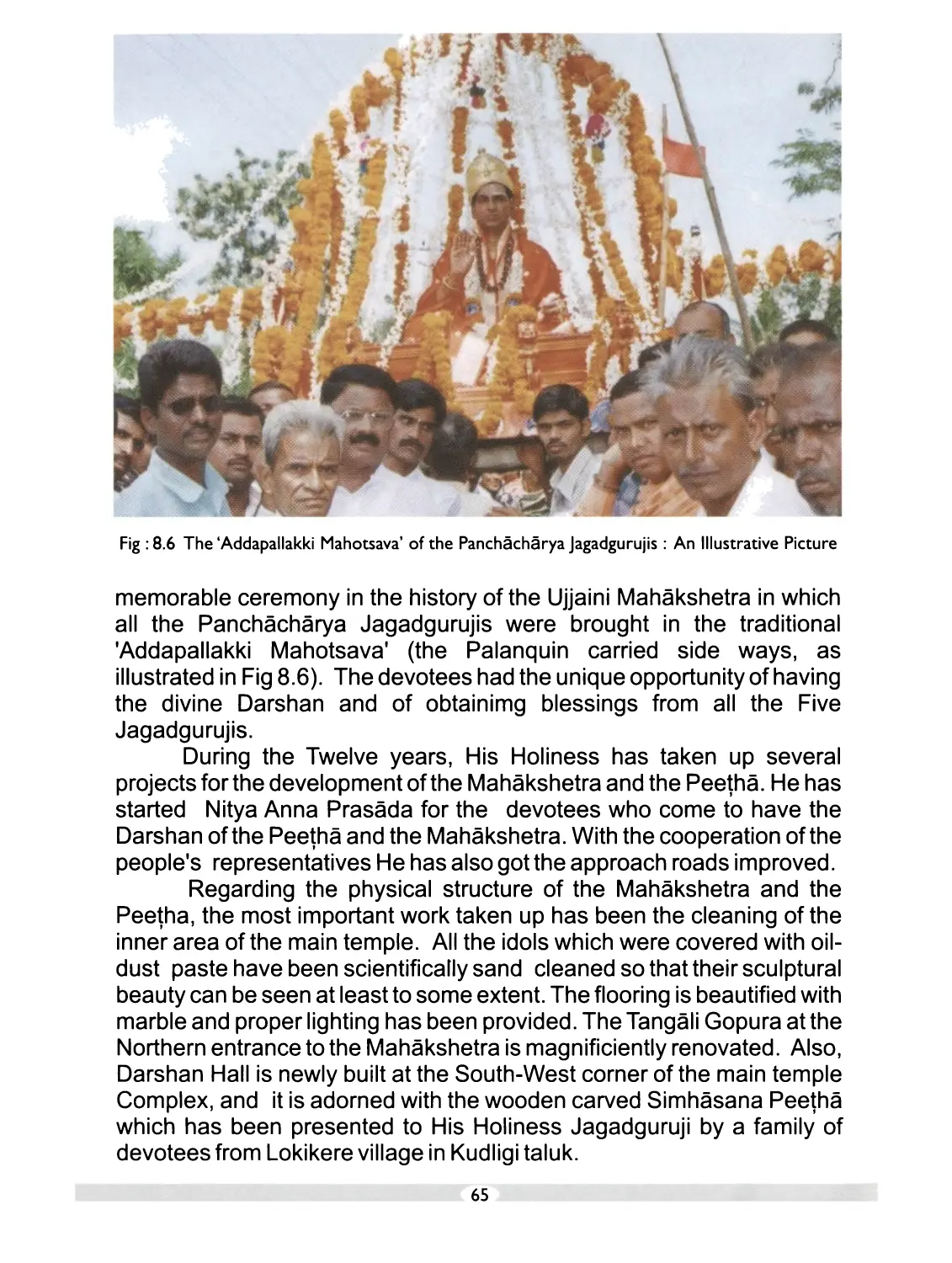
Fig 8.6 The 'A44apallakki Mahotsava' of the Panchacharya Jagadgurujis:
An Illustrative Picture
Part - I
Ujjaini Mahakshetra
Om
Chapter ..1
Ujjaini Mahakshetra: Its Importance
Among the Mahakshetras (great Holy Places) in India, the Ujjaini
Mahakshetra which is presently situated in the Kudligi taluk of Sellary
district in the Karnataka State, India, is one of great importance. From
the point of view of art and architecture, and also from the spiritual point
of view, also, this is a Mahakshetra which every one must visit.
This Mahakshetra was established at its present place by Poojya
Jagadguru Marulasiddha Sivacharya Mahaswamyji, one of the
Jagadgurujis of Saddharma Simahasana (which is also called
Saddharma Peetha). This Peetha was first established in Siddhavatta
Maha Kshetra at Ujjaini on the bank of the Kshipra river in the present
Madhya Pradesh state, and is at present situated in Ujjaini, Kudligi Taluk,
Sellary District of Karnataka State.
Saddharma Simhasana is one among the Five Simhasanas (Le.
Pee1has) established by Poojya Jagadguru Panchacharyas, as the
Centres for spiritual enlightenment and for social guidance for the
humanity. These Pancha (five) Pee1has were established in ancient
times and are being continued till date respectively at Salehonnuru (also
called Rambapuri, Karnataka State), at Ujjaini (Karnataka State,
although first established in the present Madhya Pradesh state),
Shrishaila (Andhra Pradesh), Varanasi (also called Kasi, Uttara
Pradesh), and Kedara (Uttaranchal State).
The Jagadguru Panchacharyas who originally established these
Pancha Peethas were respectively the personifications of the energies
that are characteristic of each of the Five basic elements - Prithvi (earth),
Appu (water), Tejas (agni, fire), Vayu (wind), and Akasha (the ethereal
space) from which the visible physical world has emerged. These Five
elements are actually the five aspects of the same One basic energy
symbolised as Omkara which is the sound form of the Almighty God who
is all pervasive, all powerful, and ever existing and is named as the
Almighty God, the Parasiva, Parabrahma, Paramathma, etc. Thus
these Five basic elements are taken as the Five faces of Parasiva.
According to the Indian scriptures these Five faces are given the names:
2
Sadyojatha, Vamadeva, Aghora, Tatpurusha, and Eeshana
respectively. The different energies that flow from these faces, when
personified, are given the names: Renuka, Daruka, Ghantakarna,
DhenukarQa, and ViswakarQa. These are called the Shiva GaQas who
are characterised as Parasiva himself. For the benefit of the Beings of
the Physical World, these Shiva GaQas respectively emerged in the form
of brilliant white Light with peripheral coloured light corresponding to the
basic element each one represents, from the Five Siva Lingas which are
the physical store houses for these divine energies, and assumed the
human forms which were given the names:RevaQaradhya,
Marularadhya, Ekoramaradhya, Panditharadhya, and Vishwaradhya in
the Kali Yuga. They had different names in the different yugas. These five
Acharyas put together the philosophy and practices for the
enlightenment of the common man and established the Veerashaiva
religion and the Pancha Peethas for the benefit of the entire Physical
World. Therefore they have been revered as Jagadgurujis. The same
status is being continued for the Jagadgurujis (Pontiffs, Heads) of the
Pancha Peethas even today. Therefore, there can not be less than or
more than Five Acharyas at any time, although some writers might
have written about their favorite Four or even less number of Acharyas
and would have entitled their writings accordingly (e.g. Chathuracharya
PuraQa, etc.)
From the numerous combinations of the above mentioned Five
basic elements in various proportions, all the beings and things in the
physical World continuously emerge and merge. Each of these basic
elements has specific characteristics and is represented by an
alphabetical sound.Thus, Prithvi is represented by (na, ld), App by (mah,
Eb:), Tejas by (si, 8), Vayu by (va, 13), and Akasha by (ya, o.iJ). The
Almighty Parasiva is represented by the basic Word; (Om, t.,o) which is
called the Moola PraQava. These alphabets are called PraQavas. The
One 'Om' evolves into these Five Pranavas and manifests as the ever
changing Physical World. This is the evolutionary process which is called
Pravrittimarga ( EbIrlF). Conversely, the Five Pranavas merge into
the One 'Om'. This is the involutionary process which is called
Nivrittimarga ( ). Thus, there emerges the Cycle of the
appearance and disappearance of the Physical World.
The great Acharyas who established the Pancha Peethas, had
innate in them the natural energies characteristic of these Pranavas.
These Acharyas therefore, were revered as Jagadgurujis. Thus only
Pancha (Five) Peethas were established and these are continuing even
to the present day. Also, the Panchakshari manthra and the
3
Shadakshara manthra which consist of these Pranava Aksharas, are
considered as the most sacred manthras and are used by the
Veerashaivas and also by other seekers of spiritual enlightenment..
Further, Five Kalashas with these Five Pranavas called 'Pancha
Kalashas', are always worshipped in the religious and social functions of
the Veerashaivas. These practices bring the benefit of the positive
energies of the basic elements described above to enrich the spiritual
life of the individuals.
The original Acharyas who established the Five Pee1has during the
Kali Yuga (the present time Cycle), according to the Agamas, are
RevaQaradhya, Marularadhya, Ekoramaradhya, Panditaradhya and
Viswaradhya as already been stated earlier. These Acharyas had
appeared with different names during the different Yugas ( time Cycles)
called Kruta Yuga, Treta Yuga, and Dwapara Yuga apart from the
present Kali Yuga. The Five Siva Lingas from which these Acharyas
emerged in the form of light and assumed the physical forms are
respectively : Someswara Linga of Kollipaki Kshetra (Earth energy
emerged from this Linga in the form of brilliant white light with green
colour in the peripheri), Siddheswara Linga of Vata Kshetra (Water
energy with red color in the peripheri emerged from this Linga),
Ramanatha Linga of Draksharama Kshetra (Tejas, Agni energy with
blue color in the peripheri emerged from this Linga), Mallikarjuna Linga
of Shrishaila Kshetra (Wind energy with white color in the peripheri,
emerged from this Linga) and Vishwanatha Linga of Kasi Kshetra
(Ethereal space energy, Akasha, with yellow color in the peripheri
emerged from this Linga). These Five colors are being used by the
respective Jagadgurujis even now in the form of Dhwajas (flags) and
dresses as the symbols of the respective Pee1has.
The Saddharma Pee1ha which was established in the present
Kaliyuga by Jagadguru Marularadhya Sivacharya Mahaswamyji in
Ujjaini in the present Madhya Pradesh state, is associated with the
PraQava :(mah Eb:). This Pee1ha was transferred from Madhya Pradesh,
to the present place Ujjini in Kudligi taluk, Bellary district of present
Karnataka state some time in the past, probably during the 10th
century A.D. or before as it can be judged from the style of the temple
structure and architecture. Before this Peetha was re-established here,
I
there was a small village at this place by the name 'Kaggallupura'. In
that village there was an Ishwara temple which was called 'Sampath
Mallikarjuna' temple. Jagadguru Marulasiddha Sivacharya
Mahaswamyji, one of the Jagadgurujis (Pontiffs) of the Saddharma
Simhasana, came from Ujjaini (Madya Pradesh) to this area during one
ot His spiritual expeditions. At that time the area surrounding
4
Kaggallupura was all forest where the two hillocks : Bhairadevara
Gudda and Karuvinayyana Gudda presently stand. Not very far from
the village there is a Ban.i n tree under which Jagad ur Marul siddha
Sivacharya MahaswamYJI settled down to perform HIs Siva pooJa. But,
there was no water near by. When the devotees reported to the
Mahaswamyji that there was no water nearby, His Holiness simply
struck with His right foot head toe on the ground near the Banian tree
and there came the spring of water. The source of water thus created is
known as 'Siddhana Varti' and the Banian tree is called as 'Vata Vruksha'.
,
These can be seen even now near the present Ujjaini village and are
considered as part of the Ujjaini Mahakshetra. Jagadguru Marulasiddha
Sivacharya Mahaswamyji stayed on in this place for some time as he
was much pleased by the natural surroundings. In the meanwhile the
news of His sojourn here spread among the villagers around. They
started coming to have the Darshan of the Mahaswamyji and to get His
blessings for warding off their difficulties.
The news also reached the ruler of the area, the Ruler of Kogale.
The ruler came to have the Darshan of the Mahaswamyji and had his
hearts desires fulfilled by the Mahaswamyji's blessings. This made the
ruler put forth the request to the Mahaswamyji to stay on permanently in
this area. As the providence would have it, there were disturbances
between the Veerashaivas and the Jains at Ujjaini in Madhya Pradesh
at that time, and in the process the Saddharma Pee1ha at Ujjaini
(Madhya Pradesh) got damaged. This solidified the thinking of the
Mahaswamyji to stay on in this place. His Holiness suggested to the
ruler to build a Ma1ha for His stay and to make arrangements for His
Siva Pooja expenses. Accordingly, the Ruler got a magnificent temple
constructed keeping the Sampath Mallikarjuna temple as the Garbha
Gudi (the main place where the diety is established) employing the
famous Sculptor Jakkanachari for building the temple building. The ruler
also built a Ma1ha by the side of the temple for the Mahaswamyji to live in
. In addition, the ruler ear-marked the land area around the temple by
building nine Padagattes (small Mantapas where the feet of the
Mahaswamyji were installed in stone ), and ordered that the income from
the lands covered by these Padagattes should go to the Mahaswamyji
for His Siva Pooja expenses and for the maintenance of the temple. The
name of the deity in the newly built temple was changed as
'Siddheswara' and the name of the village was also changed as Ujjaini to
retain the same name and fame of the Mahakshetra in Ujjaini in Madhya
Pradesh. Also the Saddharma Simhasana was established in the Matha
,
built by the side of the temple. After the passing away of
5
Jagadguru Marulasiddha Sivacharya Mahaswamyji, the deity in the
temple came to be known as 'Marulasiddheswara Swamy' in addition to
being called 'Siddheswara Swamy'. Thus, this place grew to
prominence and became the present 'Ujjaini Mahakshetra'.
In this Mahakshetra the stone has flowered into a beautiful Lotus,
a rock has turned into a huge Nandi (the big bull), a Nandi statue is there
in t; Ie rare standing posture, a stone creeper attached to two pillars, and
a magnificent sikhara on the main temple welcome the pilgrims. These
and other magnificent sculptures inside and around the temple in the
open verandah have lead to the popular saying: 'One must see Ujjaini
inside and Hampi outside".
Come! Visit the Mahaskshetra!! Enjoy the sight of the sculptural
beauty and reap the benefits of the spiritual enlightenment of this
Mahakshetra. It is only in this Kshetra that One can see the Nandi (the
sacred bull) statue in the standing posture on its four legs representing
the Four Purusharthas (the core fruits of human life) : Dharma
(righteous way of living), Artha (righteous means of living), Kama
(noble desires), and Moksha (deliverance from the Cycle of birth and
death).
6
Chapter -2
How to reach the Mahakshetra
Ujjaini Mahakshetra is now well connected by road and fairly well
connected by rail as well. From the capital city of Karnataka state,
Bengaluru (Bangalore), there is direct bus connection through the
National High Ways NH 4 and NH 13 . From the district towns of Bellary,
Chitradurga and Davanagere there are also direct buses, and there are
good roads for cars and other vehicles.
For those who wish to travel by train, it is possible to travel by train
on the Bangalore - Hubli - Pune route to either Harihar or Davanagere
and from there travel by road to Ujjaini. Similarly, if One is coming on the
Hyderabad-Guntakal-Bellary-Hospet-Hubli route, One can get down
either at Bellary or at Hospet (near the historically famous Hampi ) and
reach Ujjaini by road. Thus, it is not difficult to travel to the Ujjaini
Mahakshetra from anywhere in India, and therefore from anywhere in
the World. Once the work of the rail route construction connecting Kottur
and Harihar is completed , the railway connection to the Mahakshetra
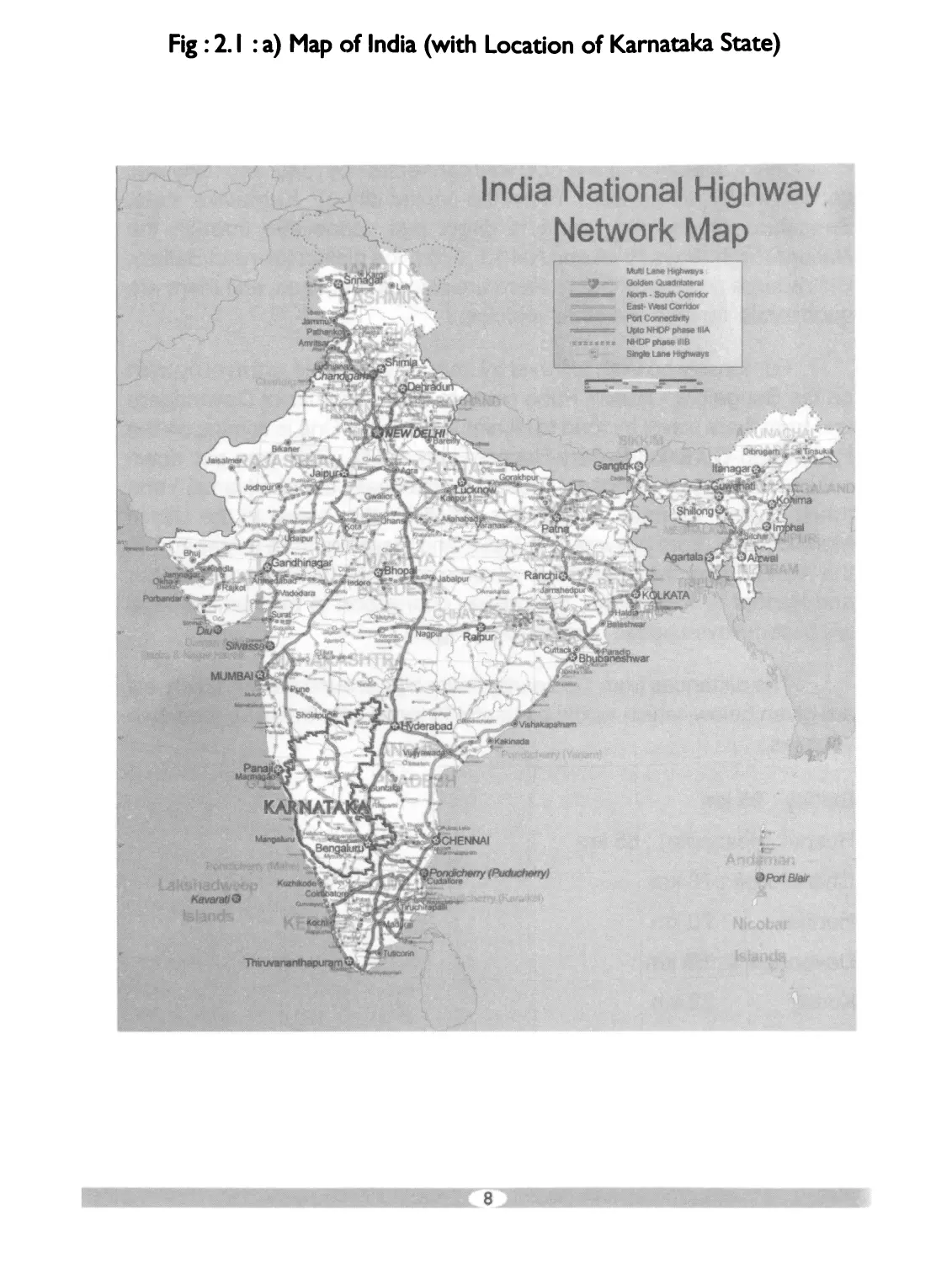
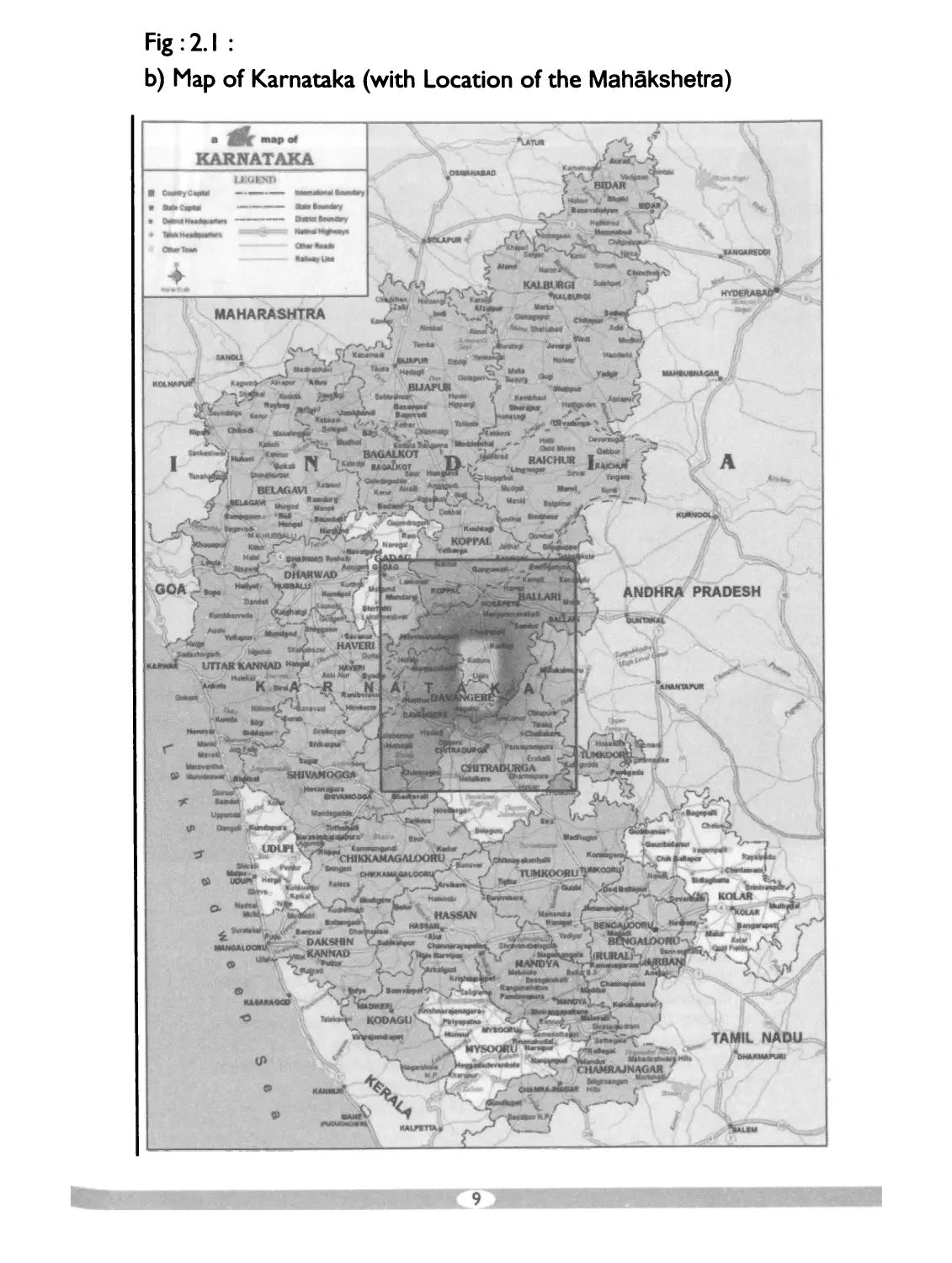
will become even better. (see fig 2011, Fig 2.1)
The distances from the nearby townships around the Mahakshetra
are given below, which would be useful to those who travel by their own
vehicles:
Bellary : 95 km
Hospet (Hosapete) : 65 km
Chitradurga : 70 km
Harihar : 70 km
Davanagere : 58 km
Kudligi : 22 km
Kotturu : 14 km
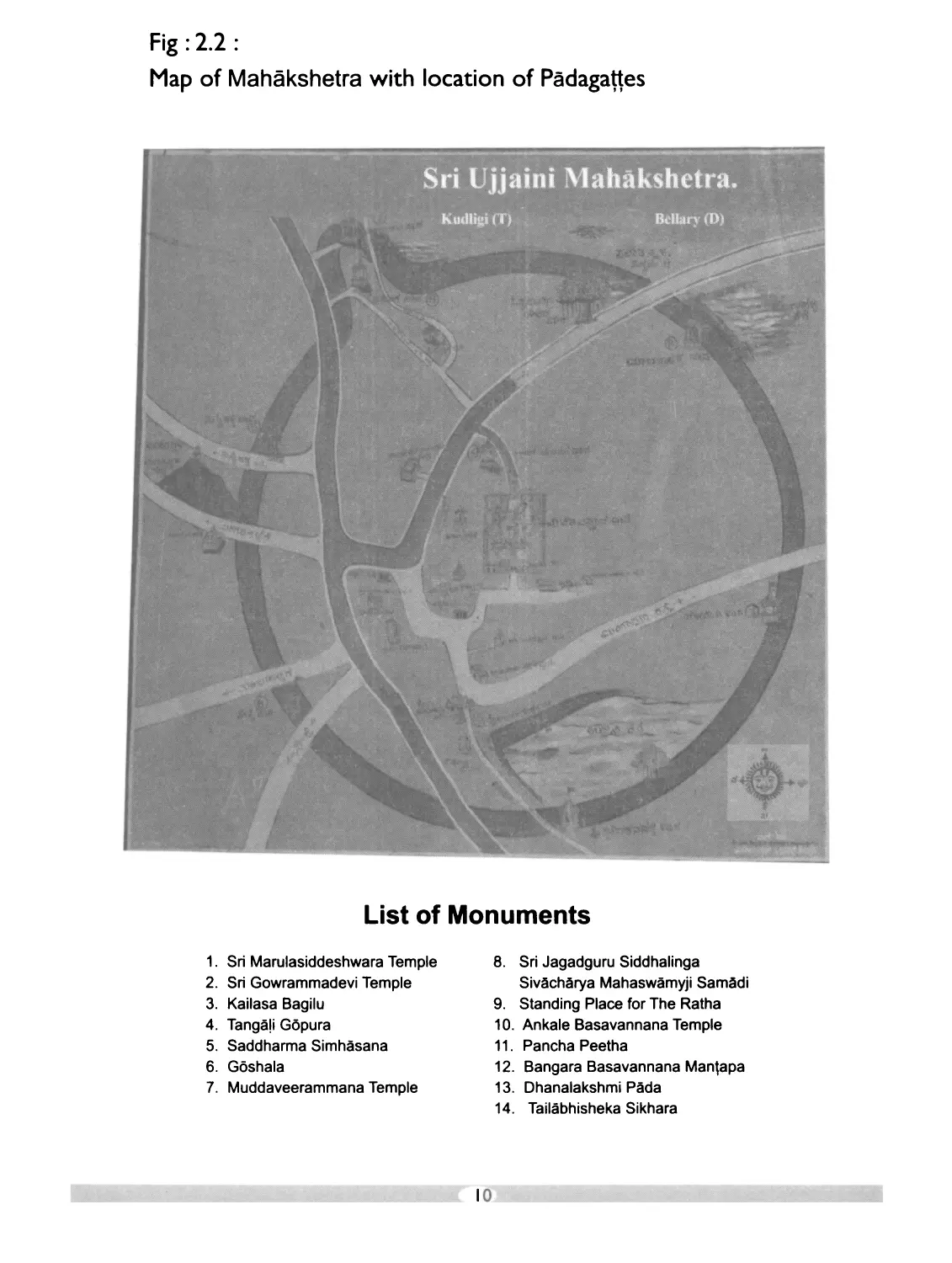
Also, Fig 2.2 gives the different monuments to be seen in the
Mahakshetra.
7
Fig: 2.1 : a) Map of India (with Location of Karnataka State)
./
','., '\
-.\. "-""/".;.:..- """c J"'""'-"/
t.."
I
India National Highway
Network Map
"- #'......'(y.1. .
/' ;"
::
1
t
........:.
.j."
,
"
..
1"/""-'",,/
./'""",
....C "I ',:
lltl .
,,";;
::::; ' .'
P'llnF1< ... ..- '.<
"'" t 1 ...."'"
. , .
- . :.
'".... Jwx1{1 - "
. l.dU
-,9
-
Multi L8ne k"Qtlways
Golden
N(Ittf! - SouIh
East WI&I COrtkiOi
Port ConneI:tiv
o NttOP utA
,..OP pha 118
SkIQIe Lane HighwdY1
' '
'M
\"'"& .rr,!!Ipor l
I(.t " . ·
...... """ .."" _\
. ",'7 · .. . c ... .. ' *"U(J
t.,a,, ..:.: __ r",: '\ p , J '.
q.'( . .. 'J""L."
· "-r:;> -- · .. .. of, * :1' ... -
a . ,n- , ' , '( ...... J . , "- >......,. '\.. '" '- , ..
'" · . . '" .- Rand'll:\.
,.. .Itodor . .., ""';1("-."...,,- '( ...
"4cIQrj, i!I (" · ...... "',\J ur e. ' .
\ -. '1; '" I ')
ur.R ",' '- _ _ '" 'h . . *\... t - "_ \j"n v
, ..... ."....... -. :rv- : '""'"("." e.1 -
, - Jgp- '} R (.,,..'! _"
t_ h- . < < J. ' f:.
.. ":\ \ \
/ "- r..
- __ 'I r (V'-- '
I .,.,)
. . _ apad C " . Vshakaoa'nsm
f -': _::-# St'"
-
r---..- _
.AW:> 1IIIt' ......-. :I....
.,
¥II' *
"
" 0NIi-.
' .1. .. .
'4 "" ,
...."'; B .-
" nUJ
..
.. '-"
"' k1](
" .
.
-'b '
f)u.;)
.........-
---
"
. .::
<I
.... Kll<:ifWda
r",
:
;.">"Jt='"
p
.,:J
\.
"- _1-..
. dgiENNAI
't'".-.-"",
At'
.. :w...
,(,J -
--
f"
_,.lH
t) Port BIatr
.' .f)
0'
(
ti
(.
. :.. O),
« ,.....
· T fa ......
\j ... .
t< :j(
. ,.
...
..
TUIIeOM
ThnNana, · m'
"i<
!
,
8
Fig : 2. I :
b) Map of Karnataka (with Location of the Mahakshetra)
'--:e. r;i t.'i"! ' .. .
. N TAKA I \ '>AuJMt ,
( ',n "APO \ _ .. \. -. \,. ....... J.- "
.......... j \__, RmAR )H m I
'\ \ .......,,,..... ;.; ) '\
-- ::.:.::::v 'k . ' ) ", . ,,,: : :: " \ ( . I . . \
....., r'''''\I \. . <, . 1.
U. ' ',,, tP.) ";" A If\Wt '
""" ;, ".. ....#, ( ., .'. ...1b.. i.
J " ., ""'." "A' Oi "' I ' __ '.... .. <fJ
" . I \,: ..... ...y'" ...... U ,..) . .' . .r-"' . tM)£R1.f3AtIIN
, . .. :) :-.-. .'"' i
It '.MAHARASHTRA . l""!J ''''',''''' ['fl.....":: ., '--t""", . / (
\ V,, r" - ':' -':- -'- x '
'-', ......\ ?'''''.., c,;.d...j t= ,:'. . · '''.::. .::: \ l . \. I/J
\ ..J ........'-:.). thft" . fjI '. v .
ICO"' \ It It " ...... ) '\ BUW >...... <1IoiJ...... \ .- \. J
,....... "I " ,_- 1 ..... i J , '.......?1 ',
t-r".:: '\...... 1.... H \.\ (" )
. ---j 't '-- . "-! " ' ' :* b__ y" . ';"1J» ' 1-"" I.. _
a.IQ4 /. -..r:. -- IUt\I V':"" .. , '" .. -"'" 1
. . ........""'{:....,....... '. &r \t _' , ;... "'.... ......-... " ,;
' . q# t"-.. BA KOt""'I:!1" '':.w ' ...- __ " \,
I i t«;.... N . ......tKOt n.",, ..... CH ..I.. J ( '
! , S4Ito( ..-.. .. _.111 'v..- 'i ,,
......, J !' 3 .0>"" AI':>:" 011 t.WIIJOi' 5 .. .... ..... ,.,. ) \1-.. .
..... I f "... . J ... .. \ "',
, :.tII.I.&"vt It-. \ . .,/'_ ,.,, .J..... ___ ,. -...... )\ ,
" 7. . IIWtDI .... ,..... ... ... - ...........;" { "",,' ___ "...,.
.,} ' ..... " 1/ "'- - rMi ....... " ,, _'..' .......'
\ ..... , """"" ". -. \'" '" 'It_"- "", "J " f f
':'-'i' :1 \V f 1"";'''\ .. , kapPAl , r4 .,'x /'! '
:\ 'z ,."" 1, ........(.. c-"':) ...:-,, j : .. __ "'.J/ w '
\" P'" ' .I-- '''" ",",I G 0.0 "" ' f ,." '''!! " "'t' t\. ..
. "''': ... '\. -,... , . ".........{..,. /" 1 ", _ J '-'j
\.001\ )...: "':... 14f/ rf :(, ¥. ..u :;:;! . i :-1-, AND PRAD H i
. t ---- . ' . . . ,: . """" . .." . .. "4 .. . {,\ .. ' r . ' . ;>- .'. . . ' ' .. '-:,J4< .. .. P; ..,." \ .. ..
(,... .' ... 1,).. ,,,,,, """". ...,.....,....,J '\. p} \ ,
\' "- .y . , \ I......"'.. ' -."..- SfL .. \ ....... n- "-
.. '{" 'UIT",,::::;.,.t Vf.Rt f .Y-'I. : \ :>t) <: r'- ", < \
" K .:-,, It.., > X ... i T .. j..r Ai! I } -:- "N'W'UIT ( -.. . I .. .
__ ' ., J'1 \ .. It...ftt J)A\..iNGE.at' ,\ \ '",,,,
' \ ..... ...... '\ '," ": ....., , \ "'" \ " "
... . <; .,..,.. >'....'
*-_. . .....-...fIt" f" , c"*.Jh. r-') i' v
('" \ * (", ......, / lI/:: : . ( f \r r
."'.' ' '"':\\f'r... r 1 / I' £taWa ... "'7 - >
( t QtD1lfAI)CR,(iA ,... ........... j /' ' t
S\.1 ............, .1Ip" SHJV»l "," ......... _.......... <'" --...,.-N-A,;;." /, ..
\' "''' =:.o "5.,"";'. "\;, """" - . / 9.t\..). , . {}-. 2 '\ .
, W'vJ1 K.LY",' , II -\.. . " ' , v4 \>-1) L"" ; ...... _'"
') ,..1:"'" .;.. ii\ ' ,-..' ],:$...v " , ""If
U' ..... . 1. v;,. .,. '"'"'. ...... ,\ " - Q
, "" ""JI " .w} -' \ ........ < l'" ""\.l
\. tJOlA _ } " .,.... $t 'k '\: ,J.O-W.........:.--1
'\ .. ., ", CHlKKAMAGAlOORU ""'" \ .... ' , ... 0---".. '\.
..... I ....... J. ... / 0SlI) r
. ( cm-.J(t l. "',. 1\, 1\ '.8U : ."..........-......, '.
, . . -: :::'\. "''' r- /{ --:::'--' '? l r\ '.} i K -
0. N _ ,....'"t.. 't. ;;t ' d (:::14
/ ........'.-... "", A ' - -= .t; ...."'h .::':? f
.t --;; YilN ....-.::. $ / ..4""" At (6 :1 7
. ux: - KAN A})=J\ 'Ftr........ -\\. MANo (IU.RAI.) , ).s ':: ,, "\ A
\ :,. r" 1- ." ..... U. "'... "\ '-1 l ' Y
\\) .. ? __)._, V ' :............ . j , ,
KA ."GiID .' . '\aaf)lotfl( . J . .. ' J . . . iI
-0 . \ KOUAc..o =': \t--t, \\ -:- i' ,} Q .. i
.., " MYSOai Yi:i?:'.--I '-"'" -:: .. TAMIL NADU
. " "'-..... MY \ ,..... . - \ .OHU,W.NU
, 1r :JJ l:,- r;' '-!* -!t \ .7" ' ) " ,
tIAtff - ""'I J."" --.::.
iI.AU'I11'. ...., - -...) <C> ')'"
.
.. of
" CaIIMy C
. c.-.
II .
.
.....
(1)
0)
\V
9
Fig: 2.2 :
Map of Mahakshetra with location of Padaga11es
Sri U.. aini
"
.
of
if"
""
J..
r '
abakshetra.
KudHgi (T)
"
/
\
I "..
10
,.
\
t), "'
.-
List of Monuments
1. Sri Marulasiddeshwara Temple
2. Sri Gowrammadevi Temple
3. Kailasa Bagilu
4. Tanga!i Gopura
5. Saddharma Simhasana
6. Goshala
7. Muddaveerammana Temple
Bttlary (0)
)
. -
;.
/""
'"
<," '*
it
8. Sri Jagadguru Siddhalinga
Sivacharya Mahaswamyji Samadi
9. Standing Place for The Ratha
10. Ankale Basavannana Temple
11. Pancha Peetha
12. Bangara Basavannana Man1apa
13. Dhanalakshmi Pada
14. Tailabhisheka Sikhara
10
1If
."".....
...- ....... .L
..-.. - .-.
Chapter -3
Where to Stay and Where to Eat in the Mahakshetra
.........
I
Forthe convenience of the pilgrims, the Ujjaini Saddharma Pee1ha
has built a Yatri Nivasa in Ujjaini where there are good facilities like
rooms with attached bath rooms, etc. When the number of Pilgrims is
more, accommodation is arranged in the schools and colleges which
are locally located in Ujjaini. In addition, there are Government travellers'
Bangalows in Kottur and Kudligi which are nearby towns, and there are
a number of buses, vans , cars, etc. from these towns to come to the
Mahakshetra. Also, building of a Kalyana Mantapa is in progress and it
will be available soon for the benefit of the pilgrims. The towns: Kottur
and Kudligi, are very easily accessible from the Mahakshetra.
As for having food, there is Nitya Prasada (free meals) arranged
by the Saddharma Pee1ha for the benefit of the pilgrims. There are also
a few small hotels in Ujjaini. But, the hotel facilities at Kottur and
Kudligi are better, although there are no high end hotels yet.
II
Chapter ..4
What One must see in the Mahakshetra
Mahakshetras are like Mahakavyas (the great epics). These are
meant to illuminate and to elevate the human mind from the beastly
tendencies to the best of divine tendencies. Human mind gets cultured
by the experiences one gets in life through seeing, hearing, touching,
smelling and eating (tasting). Visiting of Mahakshetras helps to reduce
the negative energies and increases the positive energies affecting the
mind. In order to harness the Divine energy present everywhere to
become useful to the devotees who visit the Mahakshetra and have the
Darshan of the deity there, semi-spherical doom or conical structure or
similar useful structures (such as a Sikhara) is built over the Garbha Gudi
where the deity is installed and a metal (usually bronze or copper or gold)
Kalasha is put on that structure. The positive energy thus stored in the
deity, would help the culturing of the devotees' minds which would
modify the thought process of the persons and guide their actions to
become noble citizens.
Generally, the sculptural art in a Mahakshetra can be seen
outside on the Temple buildings. But, the Ujjaini Mahakshetra is
different from others in this respect. The sculptural art in this
Mahakshetra can be seen mainly inside the Temple. This has led to
the popular saying that : lOne should see Hampi outside and Ujjaini
inside '. The places which One must see in this Mahakshetra are
presented here with short notes so as to help the pilgrims to get a better
understanding from their visit to the Mahakshetra.
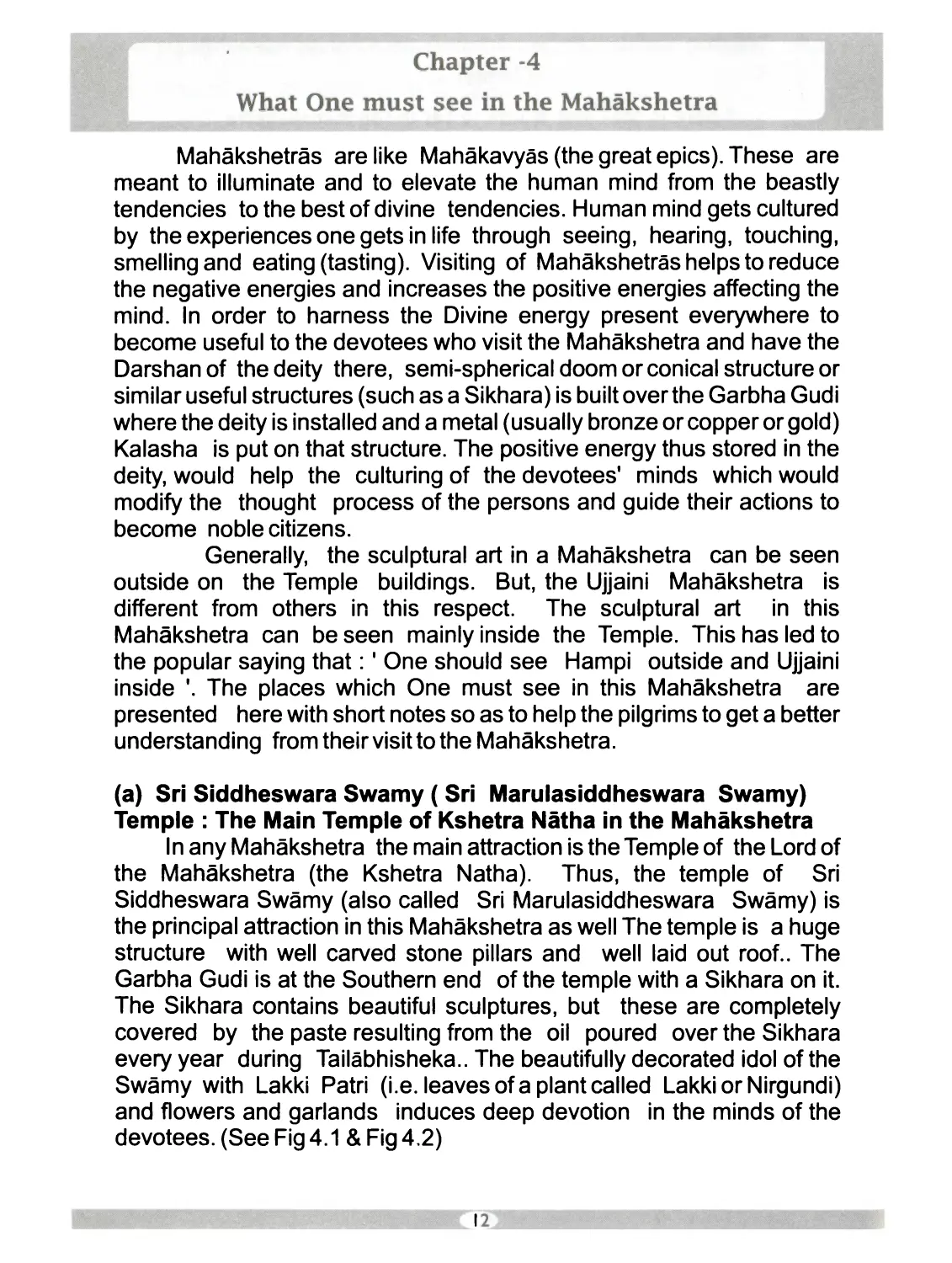
(a) Sri Siddheswara Swamy (Sri Marulasiddheswara Swamy)
Temple : The Main Temple of Kshetra Natha in the Mahakshetra
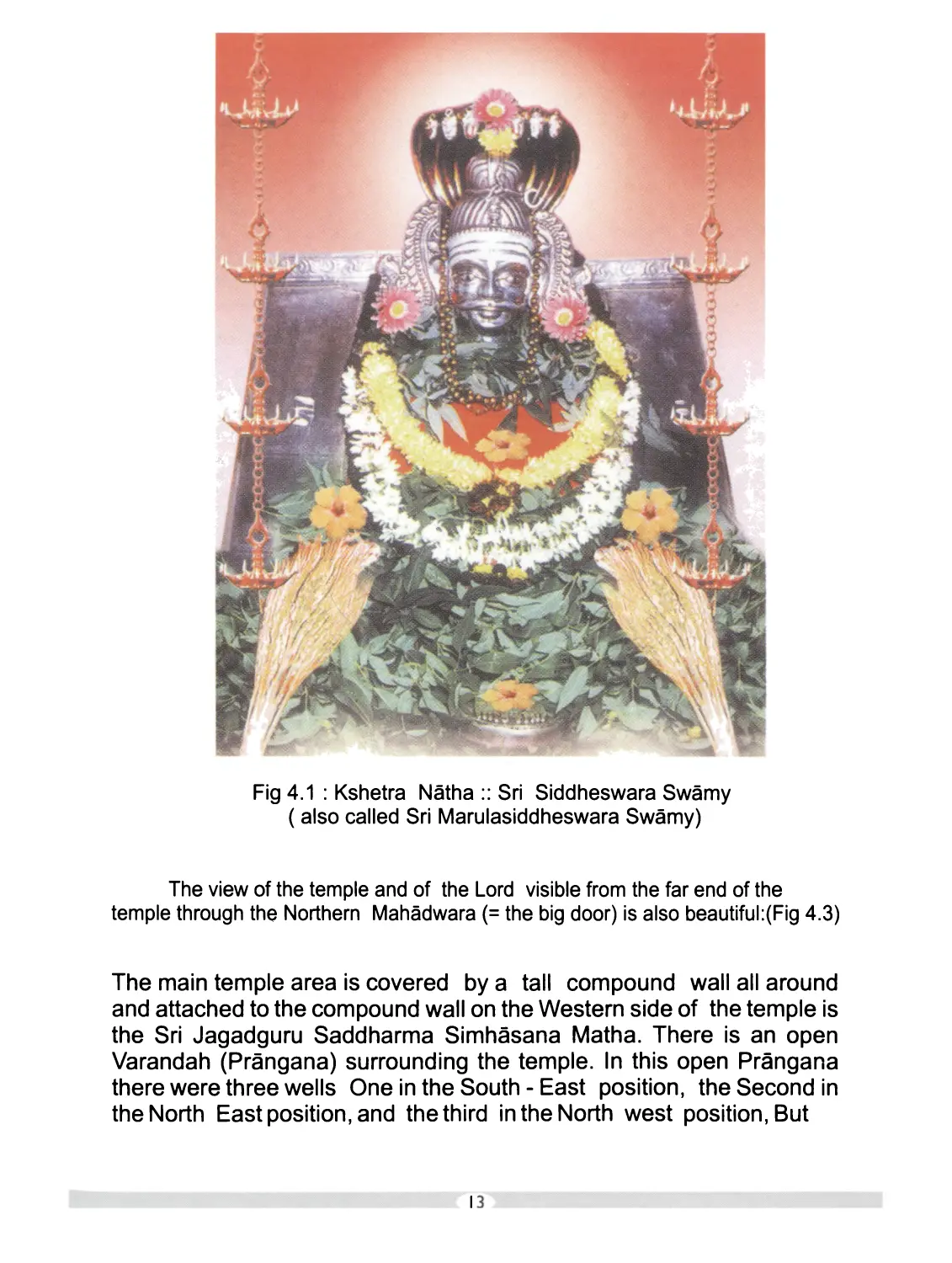
In any Mahakshetra the main attraction is the Temple of the Lord of
the Mahakshetra (the Kshetra Natha). Thus, the temple of Sri
Siddheswara Swamy (also called Sri Marulasiddheswara Swamy) is
the principal attraction in this Mahakshetra as well The temple is a huge
structure with well carved stone pillars and well laid out roof.. The
Garbha Gudi is at the Southern end of the temple with a Sikhara on it.
The Sikhara contains beautiful sculptures, but these are completely
covered by the paste resulting from the oil poured over the Sikhara
every year during Tailabhisheka.. The beautifully decorated idol of the
Swamy with Lakki Patri (Le. leaves of a plant called Lakki or Nirgundi)
and flowers and garlands induces deep devotion in the minds of the
devotees. (See Fig 4.1 & Fig 4.2)
12
"
"'i
...
:;
.
..,.. -
-.
. .
.. ..
"-
. <#
\ ..
....
..
t- .
., .. .-
'1'-" ...
. .. .
;. .
I
.'
) .
..
1- "=I-
,.
f ,
.. ..
..
.
)} """
J.
-.. ..
.. ...
.. .
'..
.... - 1'''
..
,. .-,
,
,. ...
. .
· 1
..1'..
f
.
f
..
..
It-
'"
"""
"\
r
I- I
..,. #" ...
,
-
.."
t
.. '\ l
, r-
. \A *
. "'\ \\
\ \ ,.
J. ,.... .
. , \\ (
..,;;,
.
to
, ..
"'"
. \
" t
..
I
j
/
1,0'
r I
"'"
4.
-..
.. \.
., \
"," .
-'" ",
....
"
\
"t
"'" . . ..
...
I
.,
Fig 4.1 : Kshetra Natha:: Sri Siddheswara Swamy
( also called Sri Marulasiddheswara Swamy)
The view of the temple and of the Lord visible from the far end of the
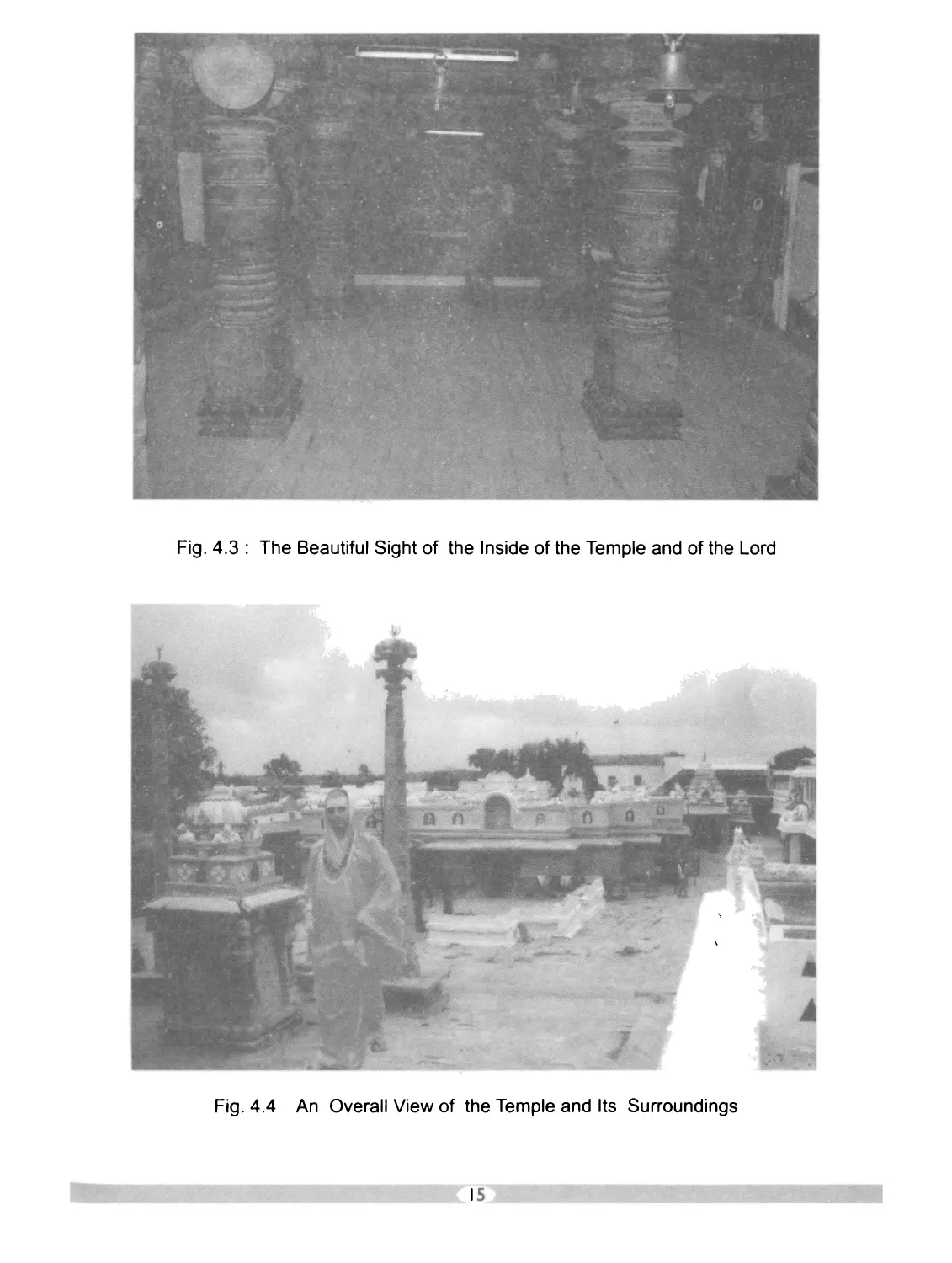
temple through the Northern Mahadwara (= the big door) is also beautiful:(Fig 4.3)
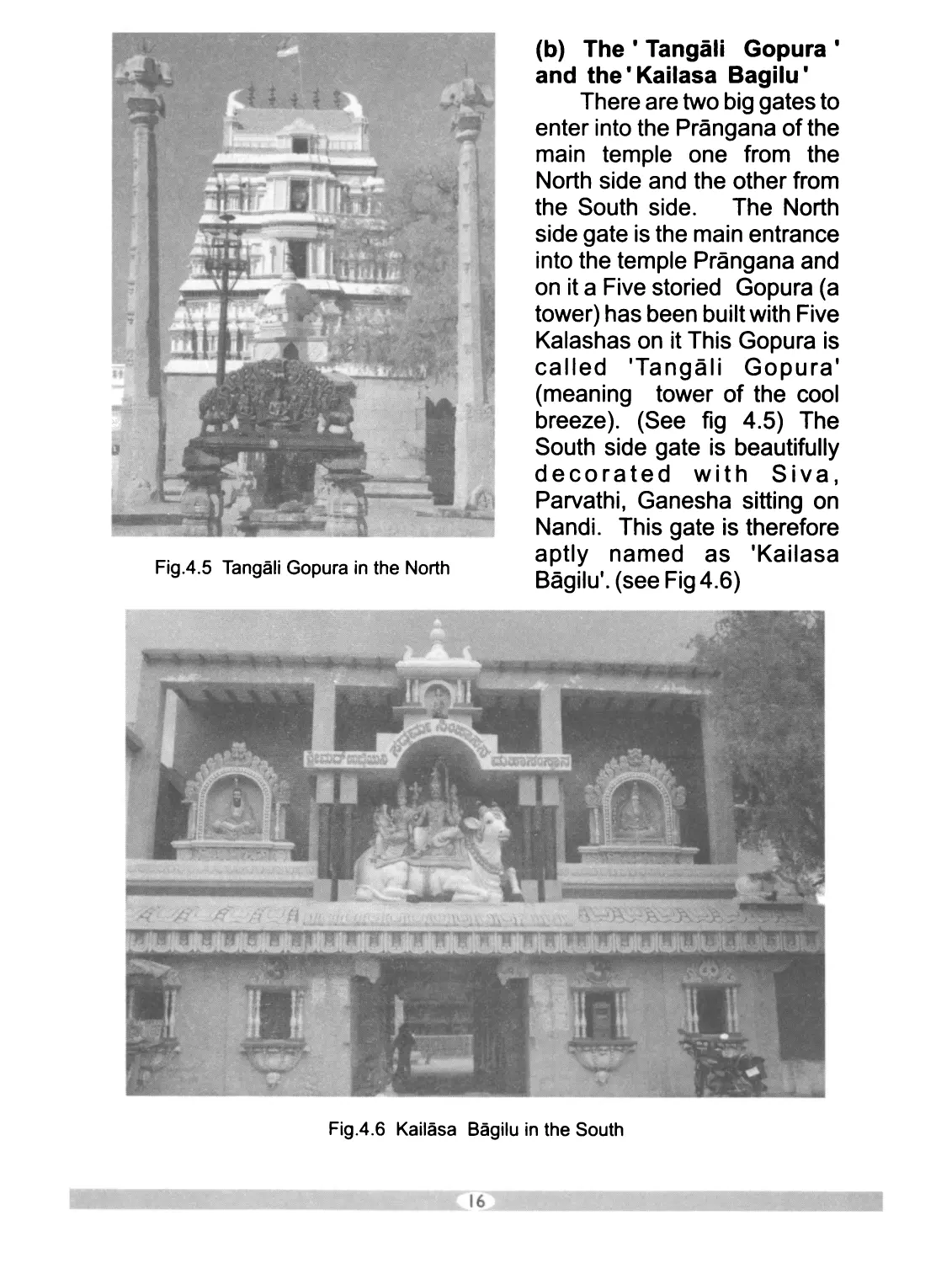
The main temple area is covered by a tall compound wall all around
and attached to the compound wall on the Western side of the temple is
the Sri Jagadguru Saddharma Simhasana Matha. There is an open
Varandah (Prangana) surrounding the temple. In this open Prangana
there were three wells One in the South - East position, the Second in
the North East position, and the third in the North west position, But
13
-
t .
.. '"
'f.
.. ,
..
.,
. -
.,..
..
,,'
.. ... ...,,,,
..
1 ..'-
.. .
..
" " --
1-
, I
:'\
, ...
I
t
...
,
10
«4
'. ..
. ""I---
,I,
..... J
...
r
(t
{
.,,<.
s .,}( f
"\
\ "
.., ,
."
fI '
"
'"
'fi "
I ...'
fit ...... ..... 'S..
. -\ ..
.
iF
t,
l"
J
"
j
\
f '
. '
"
".r".
,tiI«
r- :
r
1i. I
t- ...,
......
I .
. ....
. .
..
."
,./J
.. ,
-
#"
..-" t
,
:::c
..
1 ,..
;
.
'jo
,. - \
. ,
f
t ,. ..., ;: . t
>t j,' q., ....
. ., ,,!o. "'<. +. l'
(,::' :, ,; :,; r':" <t
, · I . lc .,'
I .'" ""... '
/' )'
of'
,. p1 " 'I
t<t', .' ,. i' .... . ,!h., ..,
' , ''#.' .'., .. ;1.' to. '. J '\. \ it. 't . . ,11." .. ,
. "i,..;Jf .... 1- : k. {'.. r1J: '. )'" l!;' v .;* '", -' 1
A.; r1 ,": " ' '. '... ,. .., ',(.. . "I"., ....'.., / :",J" ", : ..-'>.:. \ ii$. . ..:" ·
I< ,",,"':(.,j., w .,' J . ! ' . 1)... ... ,.'
{:J:;. _ .;,. ' ,;' A'1-{ ,. ?... . 1':£ , " :'1" .: ., {. ) v}
'II" 'C l' i 'I;' :, )f "'" ro- '.
"'S1 . '.... .I. ."'" 3\
j.. '"I: -. .; .'l .....* ".;;... -f'-;-.... " "'
, - I
" ,, ,
. ", I
I
..."
';'
, t.
't
"".}'
>
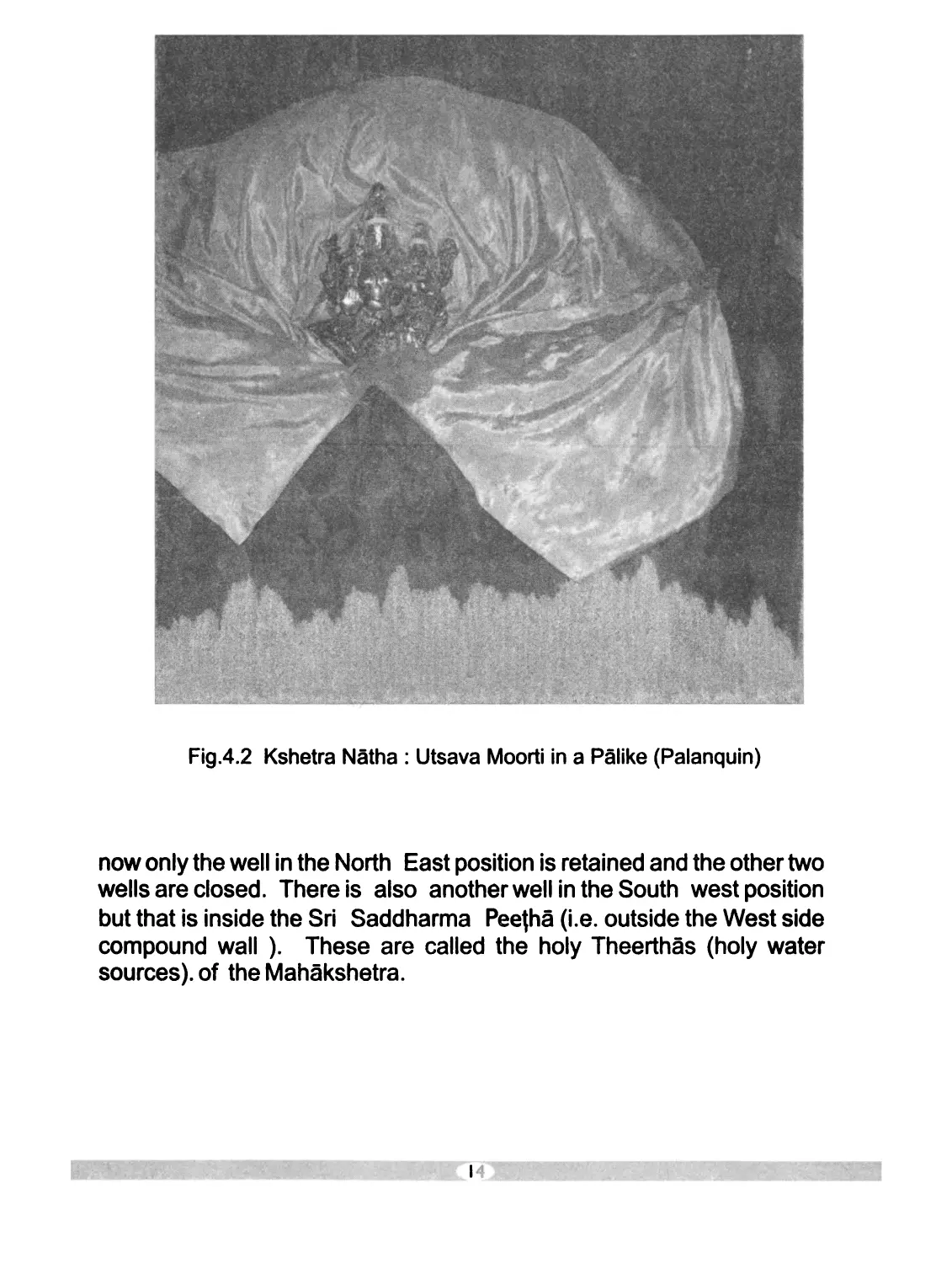
Fig.4.2 Kshetra Natha : Utsava Moorti in a Palike (Palanquin)
now only the well in the North East position is retained and the other two
wells are closed. There is also another well in the South west position
but that is inside the Sri Saddharma Peetha (Le. outside the West side
compound wall). These are called the holy Theerthas (holy water
sources). of the Mahakshetra.
14
.,
:r::....
9
..
.
...
t
- '
.'
..
,t
Q
Fig. 4.3: The Beautiful Sight of the Inside of the Temple and of the Lord
(
."
,
_io
.t .
....
to
. ..
-
' j
t ",
i I
>/I" "
-,*,-R "
.
!
......
,
r
B
fa
a n
.
'
...
-
\.
...
#"''''--'!-
"
.J
..;III:
Fig. 4.4 An Overall View of the Temple and Its Surroundings
15
J
..
"
,.,
'f '" ','
«
"'1i "''';
t !
1
" t
- t
.
f r
.- .
... t
I .
......
't
it
.
,
'" ;..-- r":...
", }
>f!",
)I
J;.
"" ...
"
¥
.j>'
i
<It,",
- 1:.-'
-¥..,
..:, t
,... .... ,
'€. ';. I
7:;:\
't.
'"
. ,
.. , ;.(
iA;;
,%'"
:
ttH
.....'"
Fig.4.5 Tangali Gopura in the North
..
l;£
. .
:-. ( {t
1f W :
..J ""
."
?".<k. .:j'
M/;>'H . . t. . . . I:J
r?- u ".- 1 ... v .
..
,
.
, ...
t .' l ..
1'"
t. . ,
ir--
'f:j "'4,,0
'1
(b) The' Tangali Gopura'
and the' Kailasa Bagilu'
There are two big gates to
enter into the Prangana of the
main temple one from the
North side and the other from
the South side. The North
side gate is the main entrance
into the temple Prangana and
on it a Five storied Gopura (a
tower) has been built with Five
Kalashas on it This Gopura is
called 'Tangali Gopura'
(meaning tower of the cool
breeze). (See fig 4.5) The
South side gate is beautifully
decorated with Siva,
Parvathi, Ganesha sitting on
Nandi. This gate is therefore
aptly named as 'Kailasa
Bagilu'. (see Fig 4.6)
,
;'"
--
:.
< ' :r .
\' l .. ' .
:-;.- s-
: i -
-
. I
,
"
ft' ,
f
'!'I""
--;.: . ;::\ .
i '"
t .b . ..1... lt,lk JA..,' .\, !A' : ;-4:Y )
L
f
; ! .,
"'..
... ..........
......
Fig.4.6 Kailasa Bagilu in the South
16
There are also two small entrances in to the Prangana (Open space
arround the temple) one is in the West side and another is in the East side
compound wall. Just outside the Eastern entrance is the Free Hostel for
the students studying in the Educational Institutions run by the Sri
Saddharma Pee1ha. A new building is proposed to be built for this hostel.
Out side the west side compound wall (but attached to the compound
wall) is the Saddharma Simhasana Matha.
( c) Bangarada Basavana and Shri Chakra
Entering the Prangana from the Northern Mahadwara, one can
see a Mantapa which covers the direct view of the Kshetra Natha in the
main Shrine (Garbha Gudi). In this Mantapa is a statue of Nandi facing
the Kshetra Natha.. This Nandi is called Bangarada Basavanna (Golden
Bull ), although it is not made of gold. (Fig 4.7) There is Also the
i ?'1 -, Z ' :" : .. . :
....;::; · i :! .
- .,_o
»#4"- 'it
"4
\.-'
*,
,
,
..,. (-
'* It-
..
It >
r 7 ;..;.: -
-,-- A
-=
A.- , o!:
-1M: 11
t
.
+ ,t,J
fa'" . "" :, ' ..
,. .... -- -
'" . , *-.... .
.... \
1 ? .
" .., f " '" ,,' -$"
r ... ,,;j . +,' l;:':r
J.t . - , ".,
J ..
-if P
.... 1
.
.. ..
_.
..
Ij
ft
.'
"1
t::
, .
, .
t ·
l"
t
:t" ,
. "
,
-{JJ +<
,
14"'"
l'
"""".-.""""Z '_
.., i ..
I
r r.:
....,
.... ...
., ...
t
.....
..
Fig 4.7 Bangarada Basavanna and Shri Chakra
17
Shri Chakra
installed in this
Mantapa which is
very beneficial to the
Mahakshetra. After
this, there are two
tall stone pillars
(Deepa Sthambhas)
and in between
these is a Pedestal
(platform) on which
Stone Feet of
Poojya Jagadguruji
are installed.
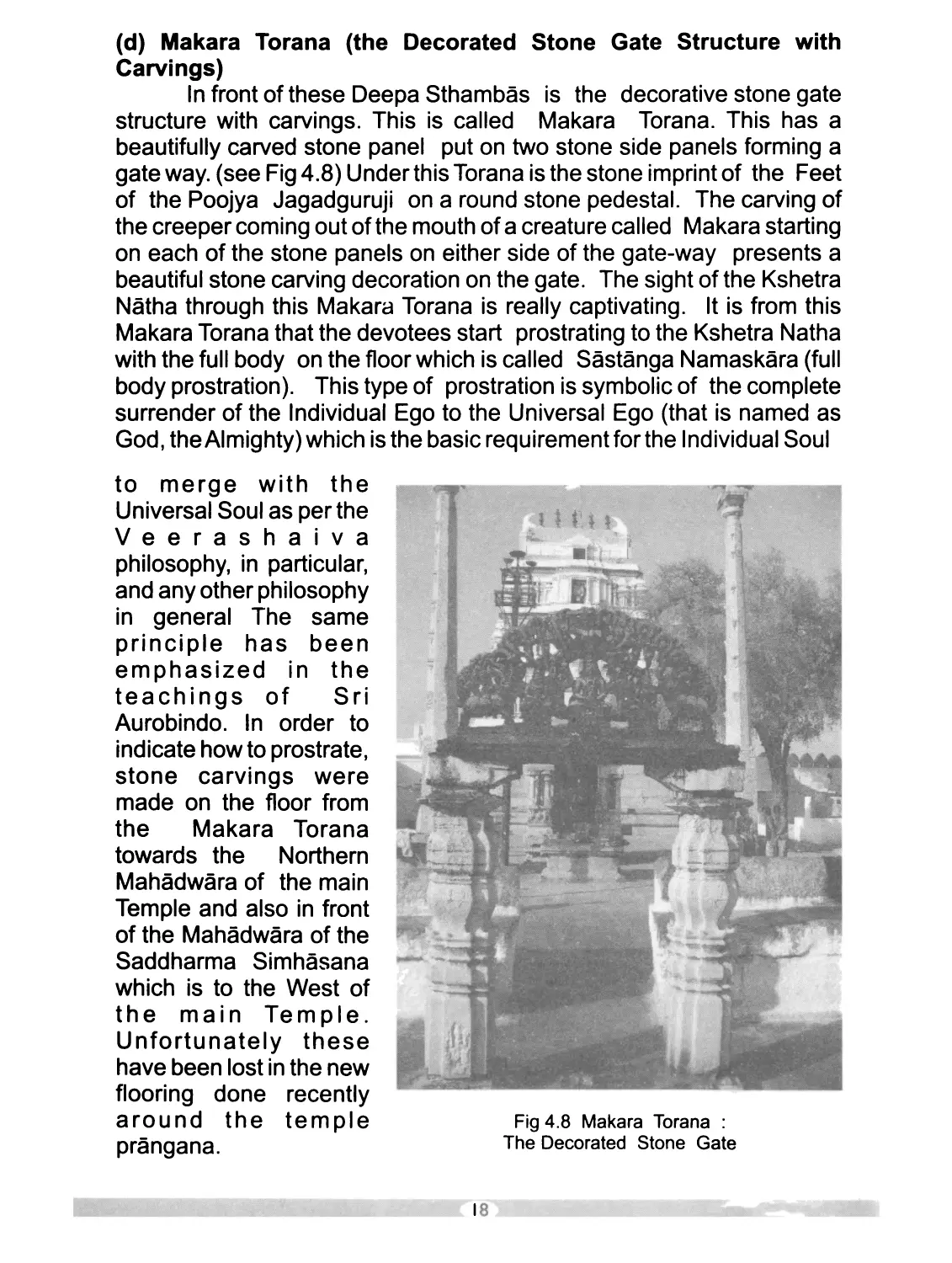
(d) Makara Torana (the Decorated Stone Gate Structure with
Carvings)
In front of these Deepa Sthambas is the decorative stone gate
structure with carvings. This is called Makara Torana. This has a
beautifully carved stone panel put on two stone side panels forming a
gate way. (see Fig 4.8) Under this Torana is the stone imprint of the Feet
of the Poojya Jagadguruji on a round stone pedestal. The carving of
the creeper coming out of the mouth of a creature called Makara starting
on each of the stone panels on either side of the gate-way presents a
beautiful stone carving decoration on the gate. The sight of the Kshetra
Natha through this Makara Torana is really captivating. It is from this
Makara Torana that the devotees start prostrating to the Kshetra Natha
with the full body on the floor which is called Sastanga Namaskara (full
body prostration). This type of prostration is symbolic of the complete
surrender of the Individual Ego to the Universal Ego (that is named as
God, theAlmighty) which is the basic requirement for the Individual Soul
to merge with the
Universal Soul as per the
Veerashaiva
philosophy, in particular,
and any other philosophy
in general The same
principle has been
emphasized in the
teachings of Sri
Aurobindo. In order to
indicate how to prostrate,
stone carvings were
made on the floor from
the Makara Torana
towards the Northern
Mahadwara of the main
Temple and also in front
of the Mahadwara of the
Saddharma Simhasana
which is to the West of
the main Temple.
Unfortunately these
have been lost in the new
flooring done recently
around the temple
prangana.
,
ti 1 l t
""
t
.,. ....C 1
...... ':}:::10\ f.. ,./
-
. ,
...
. 'f
t
.,.?, ,,;
". -
.... ..
,
f'" ,
, .
-
) \ '.
'" J« ..t..
.:"'
.
.. .,
-< :
,
"\-
.
-
, ..
i
, .
..
r.. "
.Ii
'"
-
.
,I
, ,
j
.J
: ...
,. '""'"'
l-
t,. '"
, ' i::. ,...1,
.
>
. ;.,:
iJ!¥, _
..)
'...'........ ,;iiI..
,.,
t
,:: -
-
I. -
fIl*",
W
.,.. ,., ). 'fl
.........""'" ...-- -
.....
r
"'.. ..
.h:.........
"'...
,
-
-.
.,
.... --
....
- IL
..".
Fig 4.8 Makara Torana :
The Decorated Stone Gate
18
....
.,.....
. .'\,.
'"'
,..
. -{ .. .II
\ ..
." ..... v:. \.
. t
11 !I.
'"
,
.. .
'> « "
.. 't .
'\.
'"
1.'
..
. :J
'}
'-
'vi.
I
."
.ill.
..
....
:- .. : ",:
'!t
t .
;' '" :
,. .. ,
" .
'-
; '
t\ ;..
\
. . >
'=:
· 1: ·
I
\6
.
""-
-.
. n <'
J-¥ .
. t .. , ;,
;... ...... -..:
, I
", .
I
,
.t
;/.
.
V' ..
1 ' '-k
'* "
" .
..
, . 1
""
.. I
:, .... .."
"
-t '
, .
.
t.. \.'
>. -. .
'.. \
.. .
'"
So >Jt-.."*'
. >, .(
" \,'.
""'t' }"
. ,l\.
.-
"
to. 101... .
, ....... .
t."-"; y:-. ·
. "
,,' .
'" .. .
Fig 4.9 Ankala Basavanna (The Big Bull Statue)
(e) Ahkala (*) Basavanna (The Big Bull Statue)
As we proceed from the Makara Torana towards the North
Mahadwara of the main temple building, on the left hand side and
attached to the temple building is theAnakala Basavanna temple. There
is a popular legend about this Big Bull idol. The idol of Nandi here
occupies the whole big room and is therefore called Ankala Basavanna.
(Fig 4.9) It is said that after this idol was made and installed in this place,
the idol was growing in size. Fearing that the idol will out grow the room
size, an iron rod was thrust on the head of the statue and it stopped
growing. The iron rod may be felt on the head of the statue as the
testimony to this popular story.
[(*) Ankala (or AnkaQa) is the space measuring 10 feet X 10 feet]
19
.;I.
II
"
.,.
..
...
..
\ .. J.f ...
It
..
,.
1\
-..
....
. "
A,.
-
..
:t It. ·
't . '""
<\:
..(
-V, ,.
· '.. i'i:
, f "'. ..
),
..
r
..
.
, ..
t'" ,
,
j.
\
,
1+
it
.
'..' .l.#, ;
I . :.. ·
., . r .,., ,.. , .. ..<
'".t 1."
, -4 I"
iIo
""
,
"I l
. ,.
\,
.,
If' ,
..*
. <9" 'JII
,
I.
..
"
,#
J *,*'
<II
\ e r
"
'"
-e- , #
I-
;..\
. '
, 1t.
\: .
it
\ '
,
",'(
"
. '.
...
.
\
t.
1t, ..
",
'"
--
. .,,;
......
....
_ 't
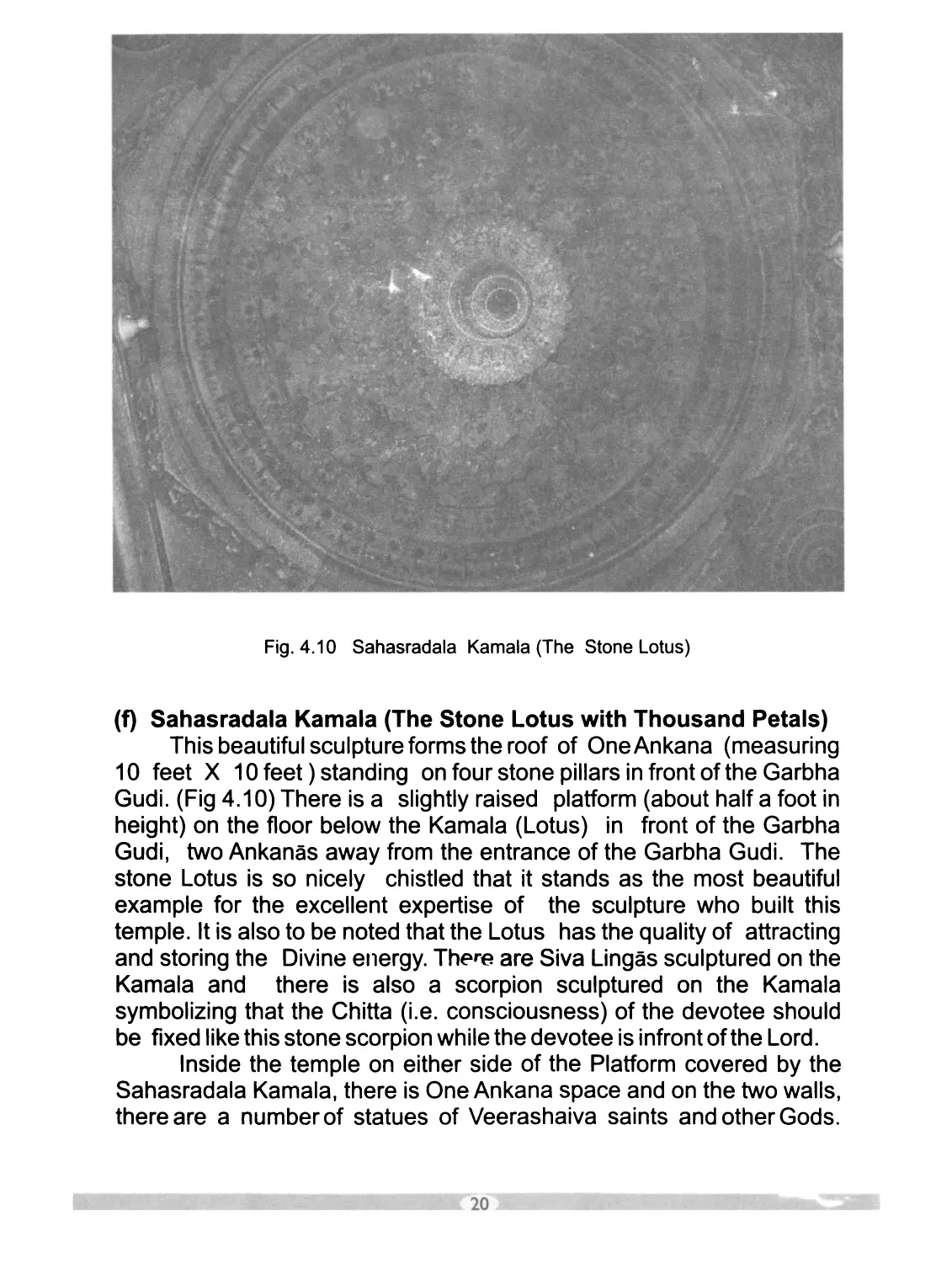
Fig. 4.10 Sahasradala Kamala (The Stone Lotus)
(f) Sahasradala Kamala (The Stone Lotus with Thousand Petals)
This beautiful sculpture forms the roof of OneAnkana (measuring
10 feet X 10 feet) standing on four stone pillars in front of the Garbha
Gudi. (Fig 4.10) There is a slightly raised platform (about half a foot in
height) on the floor below the Kamala (Lotus) in front of the Garbha
Gudi, two Ankanas away from the entrance of the Garbha Gudi. The
stone Lotus is so nicely chistled that it stands as the most beautiful
example for the excellent expertise of the sculpture who built this
temple. It is also to be noted that the Lotus has the quality of attracting
and storing the Divine energy. There are Siva Lingas sculptured on the
Kamala and there is also a scorpion sculptured on the Kamala
symbolizing that the Chitta (i.e. consciousness) of the devotee should
be fixed like this stone scorpion while the devotee is infront of the Lord.
Inside the temple on either side of the Platform covered by the
Sahasradala Kamala, there is One Ankana space and on the two walls,
there are a number of statues of Veerashaiva saints and other Gods.
20
Manyof these statues which are installed in the walls, are some what
obscured by the deposit of oil mixed with dust. Among these statues are
the statues of Sri Jakkanachari, - the sculptor, Sri Jagadguru
Panditaradhya Sivacharya Mahaswamyji, Sri Jagadguru
Ekoramaradhya Sivacharya Mahaswamyji and other Saints. The
i.atues have been recently got cleaned up by Poojya Sri Jagadguru
Marulasiddha Rajadesikendra Sivacharya Mahaswamyji who is the
present Jagadguruji of the Ujjaini Saddharma Pee1ha. Even then the
statues are not very easily identifiable. However a number of these
statues have been identified by experts, and can be seen by the
pilgrims.
In the Ankana next to the one with the Sahasradala Kamala, is a
Nandi statue facing the idol of the Kshetra Natha: Sri Siddheshwara
Swamy (Marulasiddheshwara Swamy), in the Garbha Gudi. Devotees
believe that it is beneficial to view the Kshetra Natha keeping two
fingers of the left hand on the two horns of this Nandi statue. In the
Ankana to the West of this Nandi statue is kept the 'Utsava Moorti' of
the Kshetra Natha (a small idol of the Kshetra Natha which is taken out
for processions out side the temple). (see Fig 4.2) This is also kept on
the Ratha (the Car) during the Rathotsava ceremony (Car festival)
which is celebrated on Vaishakha Shuddha Panchami (the fifth day
of the beginning of the month of Vaishakha, the second month of the
year as per the Chandramana Indian Calendar) which usually comes in
the month of April according to the Christa Saka Calendar normally
being used in India for day to day business.
(g) The Temple of Goddess Gowramma
As One comes out of the main temple building through the Western
entrance there is on the right hand side a stone picture which has been
identified by the experts as the picture of Kaggalla Gouda who was the
Gouda of the Kaggallu village. He had become an ardent devotee of
Sri Jagadguru Marulasiddha Sivacharya and served His Holiness with
at most sincerity. He was blessed with a son whom he had named as
'Marulasiddhappa'. This child was blessed by Sri Jagadguruji saying
'Tarala Balu' and he exhibited several miracles during his life time
and became famous.
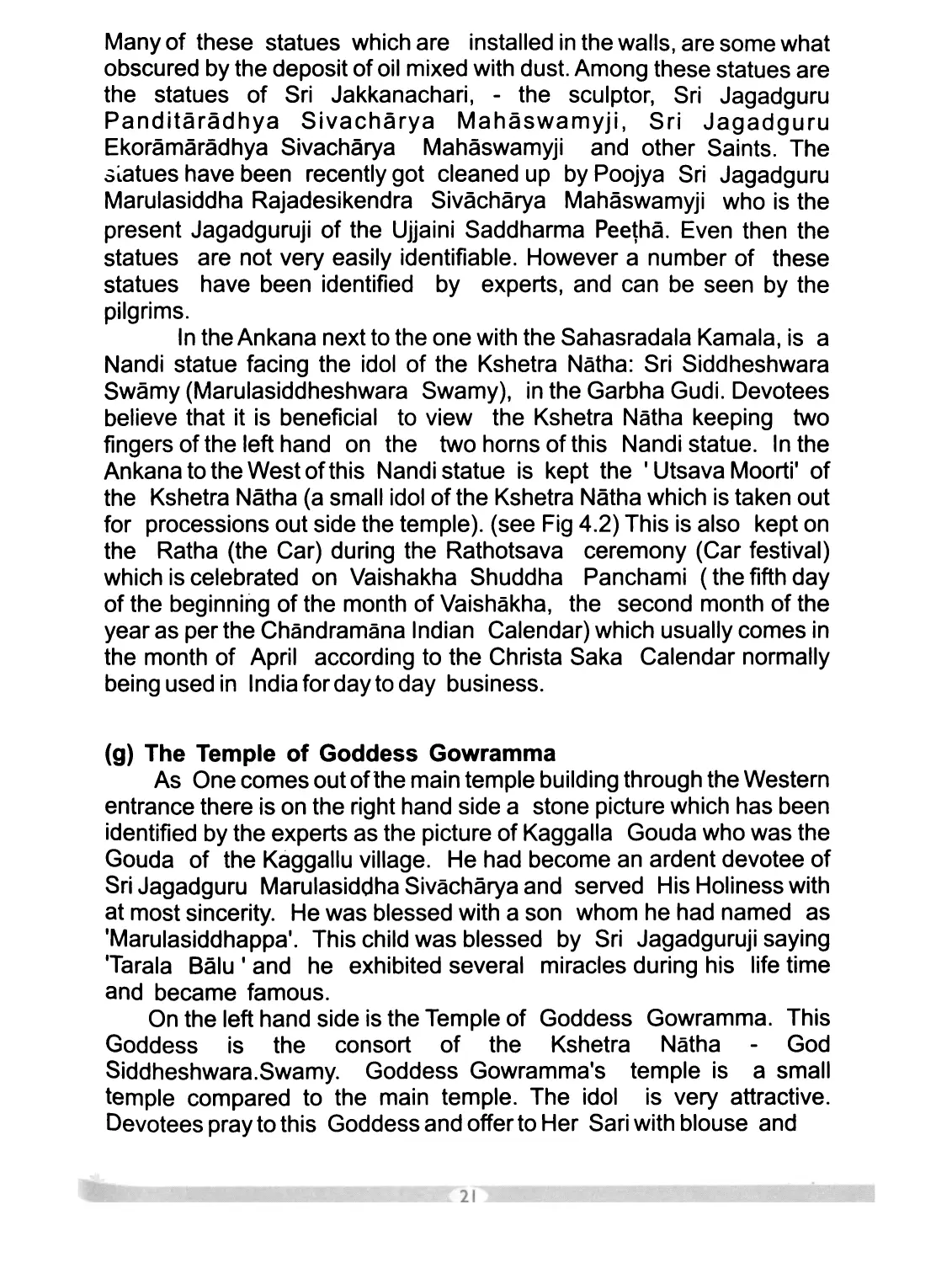
On the left hand side is the Temple of Goddess Gowramma. This
Goddess is the consort of the Kshetra Natha God
Siddheshwara.Swamy. Goddess Gowramma's temple is a small
temple compared to the main temple. The idol is very attractive.
Devotees pray to this Goddess and offer to Her Sari with blouse and
.
21
"
J.
Udi Akki(This consists of
some rice, dried coconut
kernel, dried dates and
Dakshine (money,) and get
their desires fulfilled. Praying
for the marriage of the
children, for begetting
children, for good health and
for healing diseases, is the
common practice among the
devotees.
During the time of the
Car festival of the Kshetra
Natha every year, the
marriage between Kshetra
Natha - God Siddheshwara
Swamy and Goddess
Gowramma is enacted with
devotion. Men and women of
Ujjaini and other surrounding
villages participate in the
ceremony taking the roles of
the relatives of the 'Vara' (Le.
Siddheshwara Swamy) and
the 'Vadhu' (Le. Goramma).
The ceremony is spread over
several days from Kankana
dharaQa on the first day of the
beginning of the month of
Vaishakha to the Mangalya
" .w;'" ",..t
.. \:....
Jb _ . ,
:1 '. N
#3 .I
" JI:;._
t
--
.
",.
"'i "
''X ..
¥ .
.." ..,
,J'i'
"(
"
f
.....
.1
-\0.
'*
"
...
4,
i "-
.
'"
II
.
.
J
1 , .
...
Fig 4.11 : Goddess Gowramma
dharaQa culminating in the 'Rathotsava' (car festival) on the fifth day of
the month. The people sing folk songs during these occasions which
describe the glory of the Kshetra Natha. During this period covering ten
days from the first to the tenth day of the month, the Kshetra Natha is
taken in procession around the main temple every day night on different
Vahanas ( such as Nandi vahana, Navilu vahana , Gaja vahana, etc.).
An interesting aspect to be noted about this Gowramma temple is that
the shade of the Sikhara of this temple does not fall on the Sikhara of
the main temple, and also the shade of the Sikhara of the main temple
does not fall on the Sikhara of this temple, although the temples are
standing side by side close to each other.
22
'"
...
,
"
.
,
f" . -
, l
.;
, ,
,
fr.
'.
.
/.
'If"
>4
,
'" . ,:
\,
.......
.-*"-.....,. ......
...
"'"' ..... . '"
w
, :
-
.. ""
. .
.... \
\,
\.
'1, \
"'I
.
\.
.
... .. :t.(
,
.....
"'\It
Fig. 4.12 : The Standing Nandi - the Spiritnal Symbol of Saddharma
(h) The Statue of Standing Nandi
By the side of the Goddess Gowramma's temple to the East is the
Sikhara of the main temple.'ln front of the Sikhara is the Nandi statue
standing on the roof of the main temple. This standing Nandi statue is
unique to this Mahakshetra and signifies [Fig 4.12] the existence of the
Saddharma Simhasana in this Mahakshetra. No other Punyakshetra in
Karnataka (probably in the whole of India) has the idol of standing
Nandi on the roof like the one in this Kshetra. The four legs of the
standing Nandi idol represent the Four Purusharthas of human life :
Dharma, Artha, Kama & Moksha as already mentioned in Chapter 1.
23
1.: .., ( i ) The Sikhara
r t
.\ of the Main
.. to( . .;) ..,j to
.. f ...,
v ' . .( II - 1 Temple
4" This Sikhara
t IS built on the
..(
. ) Garbha Gudi in
. which the Kshetra
It -" ;' " & .. .... Natha, Sri
_ H
" _'._ t
.... Siddheshwara
, » Swamy IS
" II f
"'" I installed, inside
41 the main temple. It
.to.
;:- ,._. - '. . IS a piece of
ili >" b e a t i f u I
u
" f architecture
.. . '=41.. ..ru_ carved In lime
....
-
NfiIW ... ....... stone. It contains
.,.
" exquisitely
carved statues of
the Gods and
. . Goddesses and
"-
has a Bronze
t Kalasha at the top
.,
where the
Dhwaja (the flag)
of the Ujjaini
.
. Saddharma
J Simhasana is
'- kept flyi ng. (Fig
4.13)
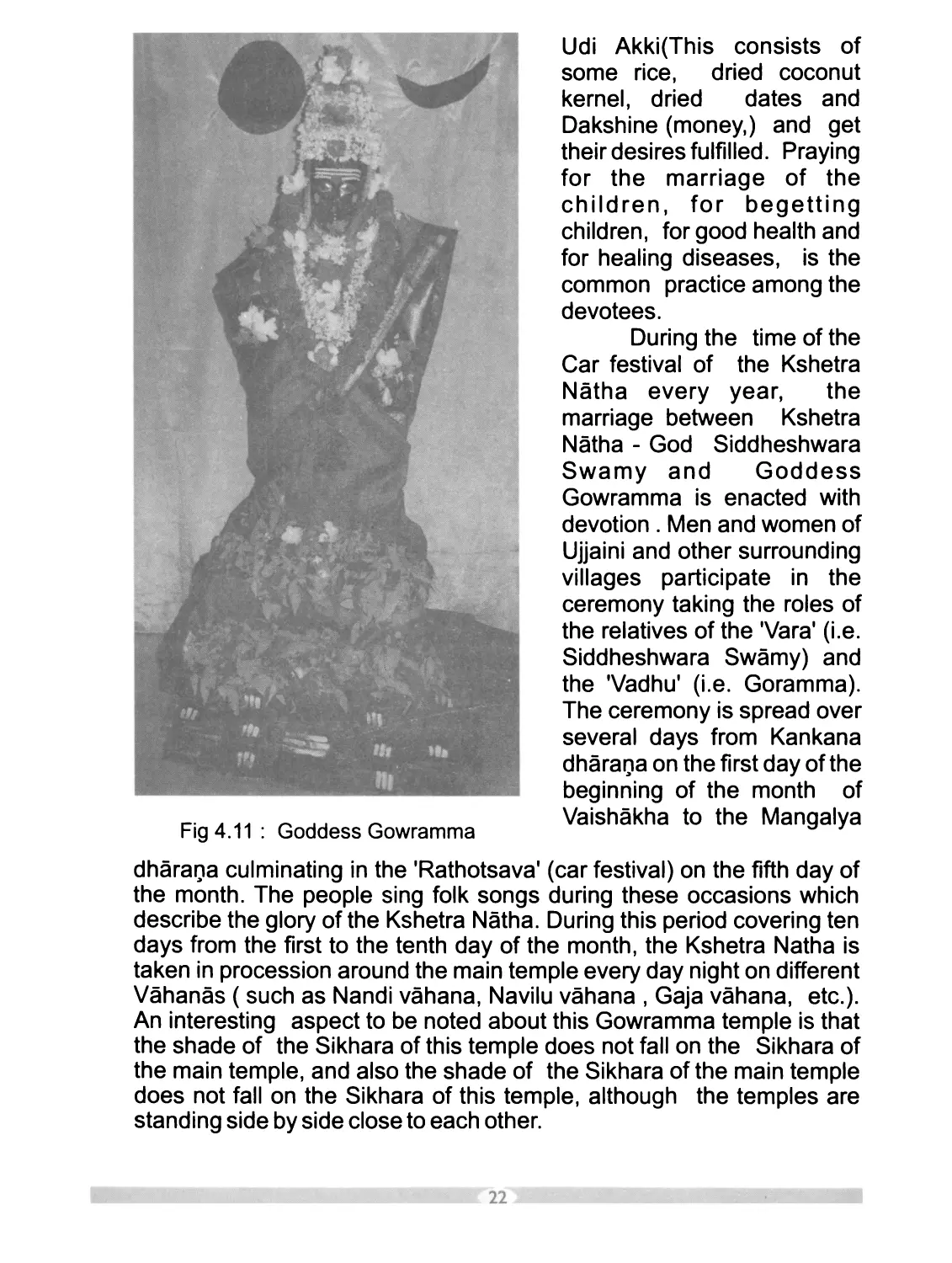
Fig. 4.13 : The Sikhara on the Main Temple
Oil Abhisheka (i.e. Tailabhisheka ) is performed to this Sikhara every
year with devotion by the devotees on the day following the Car
festival of the Kshetra Natha which is on the Fifth day of the Vaishakha
month (Vaishakha Suddha Panchami ) every year. Because of this
Tailabhisheka every year the exterior of the Sikhara is covered with
black paste like thick crust ( formed out of the oil poured on the Sikhara
and the dust) so that the sculptural art is completely hidden inside the
crust and the whole Sikhara looks black in colour.
24
;: r
t
I
I ·
,r ·
tn .
Ii
1 .
\
.
t
i
. .
j
.
) .
=----
C'". ... . ....
...
..
«
, ,
i-
; \'
"" tK'}
\J
'"
.
.
..., .
,..
"
to-
,.,
..
",'
, ...
., ,,' .
t-
'" .
..
'\
, t "
.. ...
..
..
..<J
.
,4.
,. ..
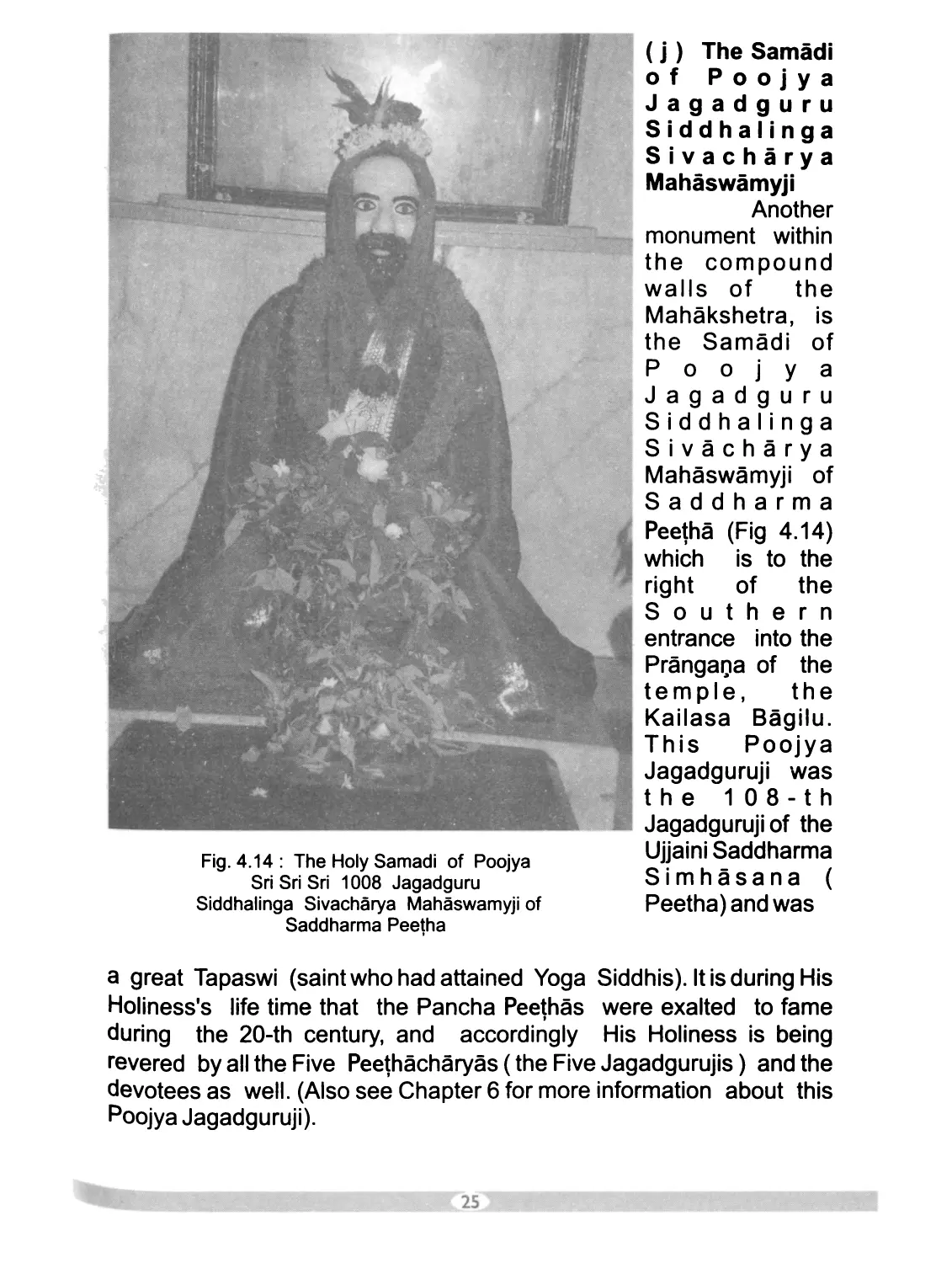
Fig. 4.14: The Holy Samadi of Poojya
Sri Sri Sri 1008 Jagadguru
Siddhalinga Sivacharya Mahaswamyji of
Saddharma Pee1ha
( j) The Samadi
. of Poojya
Jagadguru
Siddhalinga
Sivachirya
Mahaswamyji
Another
monument within
the compound
walls of the
Mahakshetra, is
the Samadi of
Poojya
Jagadguru
Siddhalinga
Sivacharya
Mahaswamyji of
Saddharma
Pee1ha (Fig 4.14)
which is to the
right of the
Southern
entrance into the
PrangaQa of the
temple, the
Kailasa Bagilu.
This Poojya
Jagadguruji was
the 108-th
"A: Jagadguruji of the
Ujjaini Saddharma
Simhasana (
Peetha) and was
a great Tapaswi (saint who had attained Yoga Siddhis).lt is during His
Holiness's life time that the Pancha Peethas were exalted to fame
,
during the 20-th century, and accordingly His Holiness is being
revered by all the Five Pee1hacharyas ( the Five Jagadgurujis) and the
devotees as well. (Also see Chapter 6 for more information about this
Poojya Jagadguruji).
25
( k) Monuments outside the Main Temple Complex
There are a nurnber of other monuments to be seen in Ujjaini
Mahakshetra which are out side the main temple complex. The most
important one among these is the Sri Madujjaini Saddharma
Simhasana (Peetha) Matha which has been built as the residence for
Poojya Jagadgurujis of the Pee1ha who have the authority and
responsibility to take care of the Mahakshetra and to preside over all the
religious and social functions organized in the Mahakshetra. What is to
be seen in this Ma1ha and what are the activities carried on by the Poojya
Jagadgurujis are described in the later Chapters (see Chapters 7 to 9).
Here brief details about the other monuments in Ujjaini are given.
-4'
'Po.
..
",,' .
.;.
'loa..
..
....l-
- -
-
'-
..
---
"-
.
"'"
'
....
Fig.4.15 : Sri Ramallingeshwara Temple
(I) Ancient Temple of Ramalingeshwara
As we come out of the Kailasa Bagilu, the South side entrance to
the main Temple Complex, on the left hand side about 100 meters
away is an ancient Temple which is about 10 feet below the ground
level. This is the ancient Temple of Ramalingeswara. There is a nice
Ishwara Linga installed here (Fig 4.15)
26
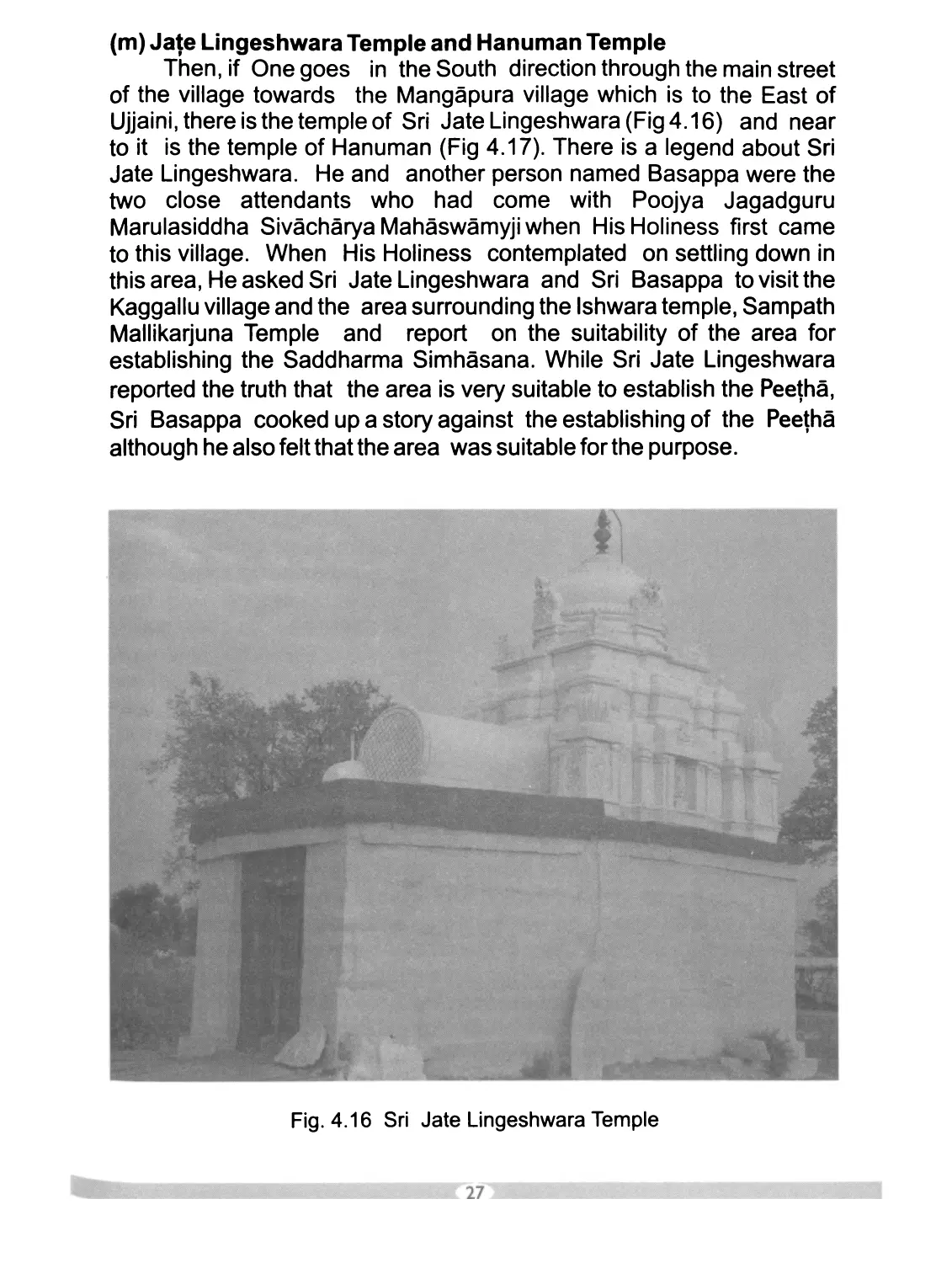
(m) Ja1e Lingeshwara Temple and Hanuman Temple
Then, if One goes in the South direction through the main street
of the village towards the Mangapura village which is to the East of
Ujjaini, there is the temple of Sri Jate Lingeshwara (Fig 4.16) and near
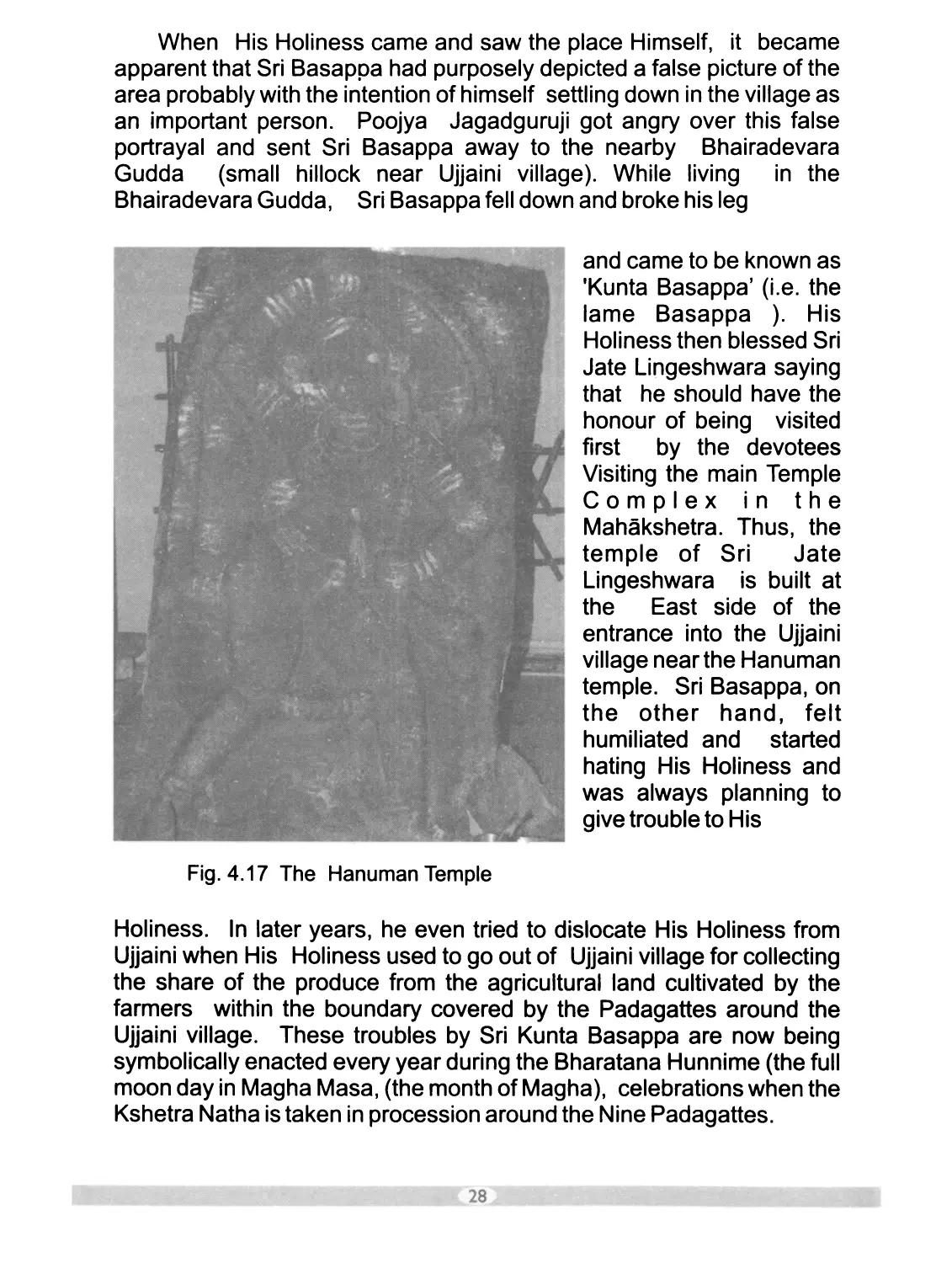
to it is the temple of Hanuman (Fig 4.17). There is a legend about Sri
Jate Lingeshwara. He and another person named Basappa were the
two close attendants who had come with Poojya Jagadguru
Marulasiddha Sivacharya Mahaswamyji when His Holiness first came
to this village. When His Holiness contemplated on settling down in
this area, He asked Sri Jate Lingeshwara and Sri Basappa to visit the
Kaggallu village and the area surrounding the Ishwara temple, Sampath
Mallikarjuna Temple and report on the suitability of the area for
establishing the Saddharma Simhasana. While Sri Jate Lingeshwara
reported the truth that the area is very suitable to establish the Pee1ha,
Sri Basappa cooked up a story against the establishing of the Pee1ha
although he also felt that the area was suitable for the purpose.
'\
w¥
........... '
,
,
,
Ji
a..: .. .. ...
.... ..
;;. , .
,. ",
,.
'"
,"'-
.. ,
,;..
,.;
<"
,
"," <" ' "t
..
;
;k
.
..
.... I
io ..
Fig. 4.16 Sri Jate Lingeshwara Temple
27
When His Holiness came and saw the place Himself, it became
apparent that Sri Basappa had purposely depicted a false picture of the
area probably with the intention of himself settling down in the village as
an important person. Poojya Jagadguruji got angry over this false
portrayal and sent Sri Basappa away to the nearby Bhairadevara
Gudda (small hillock near Ujjaini village). While living in the
Bhairadevara Gudda, Sri Basappa fell down and broke his leg
.
..
......
0#
-, /'
.. ..
to
.
; ..' .
'*.1 " .... t/
_..0\- "...
*' 1 ,
",' ..""
w
" ,
""
.. - ...,
..
..
"'" -
. """ . ...,
:-, ..
.. -t .
.. ..
t
*
..
.....
..
Fig. 4.17 The Hanuman Temple
and came to be known as
'Kunta Basappa' (Le. the
lame Basappa ). His
. Holiness then blessed Sri
Jate Lingeshwara saying
that he should have the
honour of being visited
first by the devotees
Visiting the main Temple
Complex in the
Mahakshetra. Thus, the
temple of Sri Jate
Lingeshwara is built at
the East side of the
entrance into the Ujjaini
village near the Hanuman
temple. Sri Basappa, on
the other hand, felt
humiliated and started
hating His Holiness and
was always planning to
· give trouble to His
Holiness. In later years, he even tried to dislocate His Holiness from
Ujjaini when His Holiness used to go out of Ujjaini village for collecting
the share of the produce from the agricultural land cultivated by the
farmers within the boundary covered by the Padagattes around the
Ujjaini village. These troubles by Sri Kunta Basappa are now being
symbolically enacted every year during the Bharatana Hunnime (the full
moon day in Magha Masa, (the month of Magha), celebrations when the
Kshetra Natha is taken in procession around the Nine Padagattes.
28
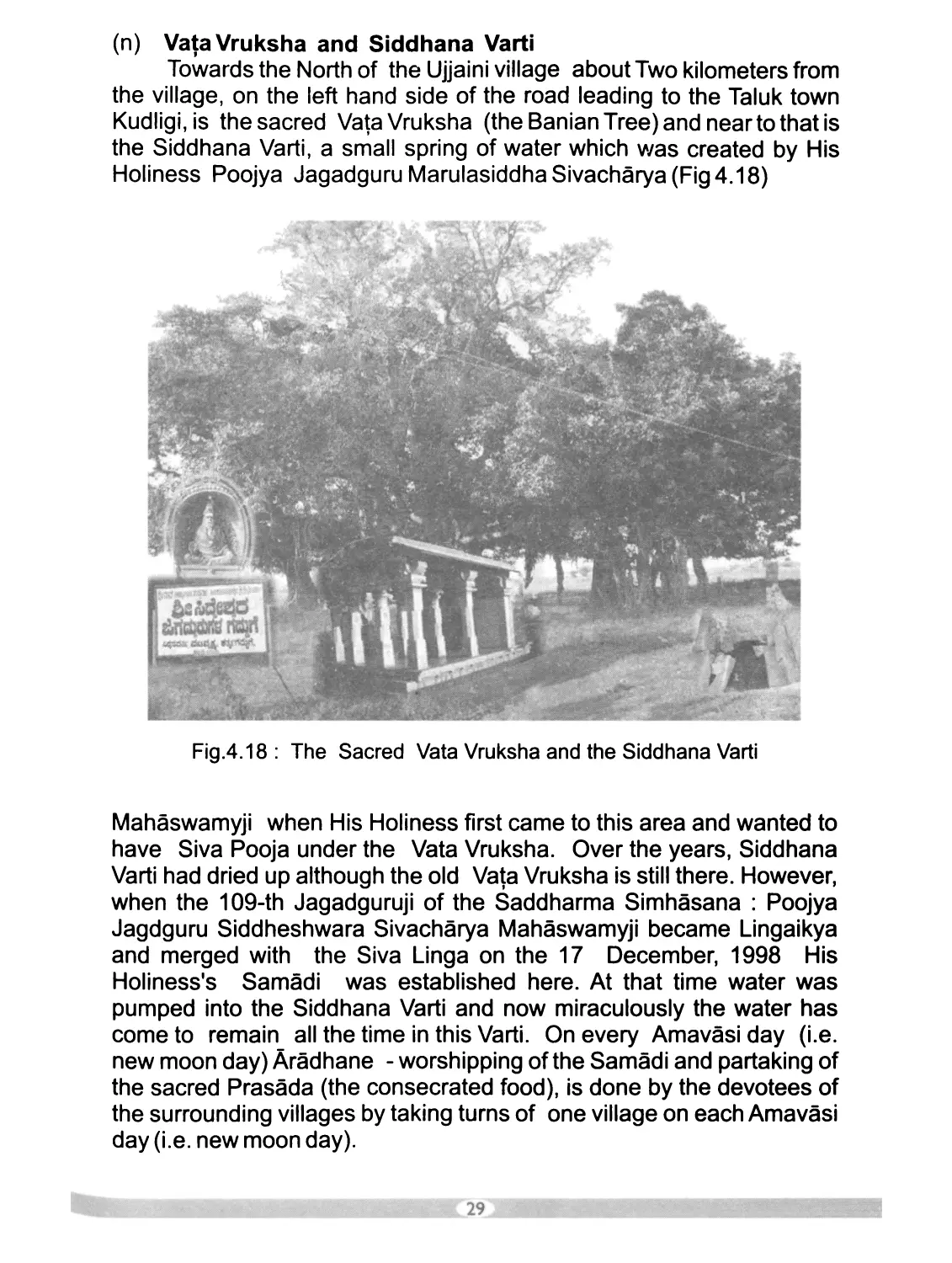
(n) Vata Vruksha and Siddhana Varti
Towards the North of the Ujjaini village about Two kilometers from
the village, on the left hand side of the road leading to the Taluk town
Kudligi, is the sacred Vata Vruksha (the Banian Tree) and nearto that is
the Siddhana Varti, a small spring of water which \Alas created by His
Holiness Poojya Jagadguru Marulasiddha Sivacharya (Fig 4.18)
J
..
,
... "," 't\. ...'!;..,.6.....
.,.. .
\ . .. ... if:'"(
"t. · ". 4':,," :)
.. . . i /
"""" '"\ ..
. *
- {I '. , ..
.. ". '*
; t .... '..
# .. ..-( ",.!q.Ji!.'I...N ...
" ..f' . ..,. 1\.
j '." .. ... , .. , , , jO<
..... .. .-/ '\. '
" \ ,. .. · " 1 """.
t .. 't \ .
... ""
"''''I' .
.. '. .-
if1.... '.;,
. ",'
,.
.",
.;.r
"
.
.
t-. .....
. ...
1<.
t .., "..
... ......,.
4 .
<t
"" f'
,
"!.. ..."
". t _ t
'" - . y. ,
. .t' .,. I i-'* " ..' -I ·
*" t, f . ...
",', ,ot : . ' J 1 <It ....,
f i "IfV......;..,
., ,. .. .. At "", .. 1<-)
. .., . I
. ' .
to ..
.... . .
... ""*.1
.
.. .}o>
. '.
, ..
f'
....
...
, :; ....
/.;-J' .,
I
; . ..., : J > ,
l 't
"! oJ ' J
.
... .)
\ "'" ""
,
.. .
Ij; "..
,
..
.. "= \.
'.f"-
.;10 .oJ
.
. ..
- ..--
\
"1
..
...
,..
...,
:.,'
l
. .
. . 't
...} ,
t\
. "
'-
..
...
\.
.
t
'\...
: ;.: '?A, ::t
· .r,
"It.. .
., r -r"'"
......
. .
'""1
'\
i
.
\,
. \
.. ..
.... .
1.
.i
...
.4.)
..
- "
8
*
1Ii«..
.,
i .
"i
<M"
Fig.4.18: The Sacred Vata Vruksha and the Siddhana Varti
Mahaswamyji when His Holiness first came to this area and wanted to
have Siva Pooja under the Vata Vruksha. Over the years, Siddhana
Varti had dried up although the old Va1a Vruksha is still there. However,
when the 109-th Jagadguruji of the Saddharma Simhasana : Poojya
Jagdguru Siddheshwara Sivacharya Mahaswamyji became Lingaikya
and merged with the Siva Linga on the 17 December, 1998 His
Holiness's Samadi was established here. At that time water was
pumped into the Siddhana Varti and now miraculously the water has
come to remain all the time in this VartL On every Amavasi day (Le.
new moon day) Aradhane - worshipping of the Samadi and partaking of
the sacred Prasada (the consecrated food), is done by the devotees of
the surrounding villages by taking turns of one village on each Amavasi
day (Le. new moon day).
29
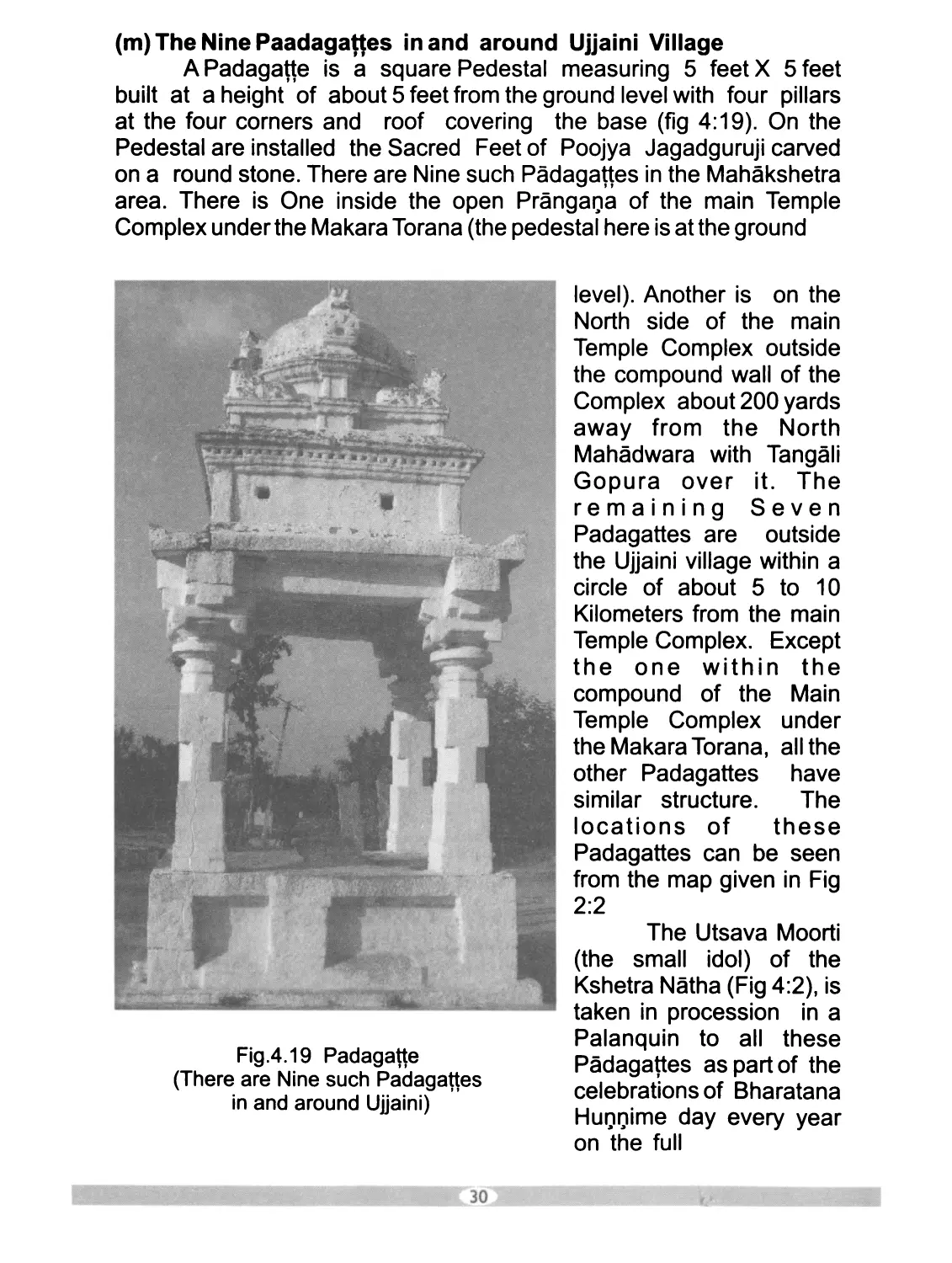
(m) The Nine Paadaganes in and around Ujjaini Village
A Padagat1e is a square Pedestal measuring 5 feet X 5 feet
built at a height of about 5 feet from the ground level with four pillars
at the four corners and roof covering the base (fig 4: 19). On the
Pedestal are installed the Sacred Feet of Poojya Jagadguruji carved
on a round stone. There are Nine such Padaga«es in the Mahakshetra
area. There is One inside the open PrangaQa of the main Temple
Complex under the Makara Torana (the pedestal here is at the ground
....; :+ .. ",
i · "'..w
1""* ,
,'" ,. '.,.. ..- .".
. .;r . 4>,
..... i
I
'-0-
-it,. #
:'-': 4- s-
.... . !.
"'-u s. .... ..."'.. '\E '1,\>
.... ...
:Y,. 111.. .. .. . -........
.. -:-: - - .. ; » -I."!-- ')y!
\ .. .".,4
,
, -1 '
j'
i' :/'- 'i x .):
"!': :t',.-
'!' ;-."
jO.'ff.¥;' .,.
, . -:".;0-
J :" ; 0): -,0. e; r . "It... .,
J r v"',.» " ",. <to....
.
;..»
' f- ....\
t ' ; :
t ,. '
.....'"
.
.
>...
t' ' '
t' )1
,. .
"
".
. I
I
-..
...
J
It'
.....
...-I' 41. ,
;/"
'. '
'"
j
...
, .-..
........
"1 r- -
Fig.4.19 Padagatte
(There are Nine such Padagattes
in and around Ujjaini)
30
"
level). Another is on the
North side of the main
Temple Complex outside
the compound wall of the
Complex about 200 yards
away from the North
Mahadwara with Tangali
Gopura over it. The
remaining Seven
Padagattes are outside
the Ujjaini village within a
circle of about 5 to 10
Kilometers from the main
Temple Complex. Except
the one within the
compound of the Main
Temple Complex under
the Makara Torana, all the
other Padagattes have
similar structure. The
locations of these
Padagattes can be seen
.., from the map given in Fig
2:2
The Utsava Moorti
(the small idol) of the
Kshetra Natha (Fig 4:2), is
taken in procession in a
Palanquin to all these
Padagattes as part of the
celebrations of Bharatana
HUQQime day every year
on the fu II
moon day of the month of Magha. (Magha masa). During this travel
visiting these Padagattes, a brief fight is enacted at the HarakanahaJu
Padagatte in which cooked flour balls ( Kadubu ) are used, in memory of
the fight that had taken place in the past between the followers of Sri
Jagadguru Marulasiddha Sivacharya Mahaswamyji and the supporters
of Kun1a Basappa whom Poojya Jagadguruji had sent away to
Bhairadevara Gudda. When the procession comes back to the Maha
Kshetra again a fight is enacted in which lean long branches of the plant
called Lakke (Lakke Julli ) are used. This is again being done in
memory of the fight between the followers of Poojya Jagadguru
MaruJasiddha Sivacharya Mahaswamyji and the supporters of Kunta
Basappa who planned to take control of the Jagadguru Peetha.
31
5. Religious Activities in the Maha Kshetra
In any Mahakshetra several religious activities are organized at
different points of time in a year, in which devotees can take part and
reap the benefits of the positive energy that gets eminated during such
congregations of the devotees who will have attained different levels of
achievements in their spiritual Sadhana. Also the intensity of the positive
energy is generally increased during such festivals because of the
presence of several Saints and Avatara Purushas who come to the
Mahakshetra during such festivities. This helps to dispel the negative
energy prevailing in the devotee's mind and thus helps the devotee to
enrich his/her living both on the material level and on the spiritual level.
It should be clearly understood that these religious activities are
organized not to glorify the deity of the Maha Kshetra but for the benefit
of the devotees. As Poojya Charantappayya Tata of Punya Kshetra
Nandipura (Hagaribommanahalli taluk, Bellary district) always used to
emphasize that we offer food to any deity for consecrating it, (Le. to
make it Prasada) not because the deity is hungry but because we want
to obtain the benefit of partaking the consecrated food (Prasada). In
another simple example, Poojya Tata used to say that people who buy
a bus ticket will not do so to increase the revenue of the Transport
Department (or the revenue of the owner of the bus), but because the
bus takes them to the places where they want to reach. Thus, the
activities in the Mahakshetra are meant to benefit the devotees to ward
off the bad effects of the negative energies collected during their day to
day living, and their past lives.
In the Ujjaini Mahakshetra also several religious activities are
organized throughout the year for the benefit of the devotees. They could
participate in one or in several of these activities and obtain the benefits
and get rid of the bad effects of the negative energy collected during their
present life time or during their earlier life times. Some of these
important activities are detailed here for the benefit of the Pilgrims.
(i) Nitya Rudrabhisheka and Palike Utsava (procession in a
palanquin) :
Every day in the early morning hours (usually from about 4.30 a.m.
to 6.00 a.m. ) the first worship is performed to the Kshetra Natha which
is called Udaya Pooja. It is said that the Udaya Pooja is meant to wake
up the Lord. This should be taken as only a conventional saying as the
32
Lord could not have slept in the sense that sleep is generally
understood which involves the stopping of the physical activities. The
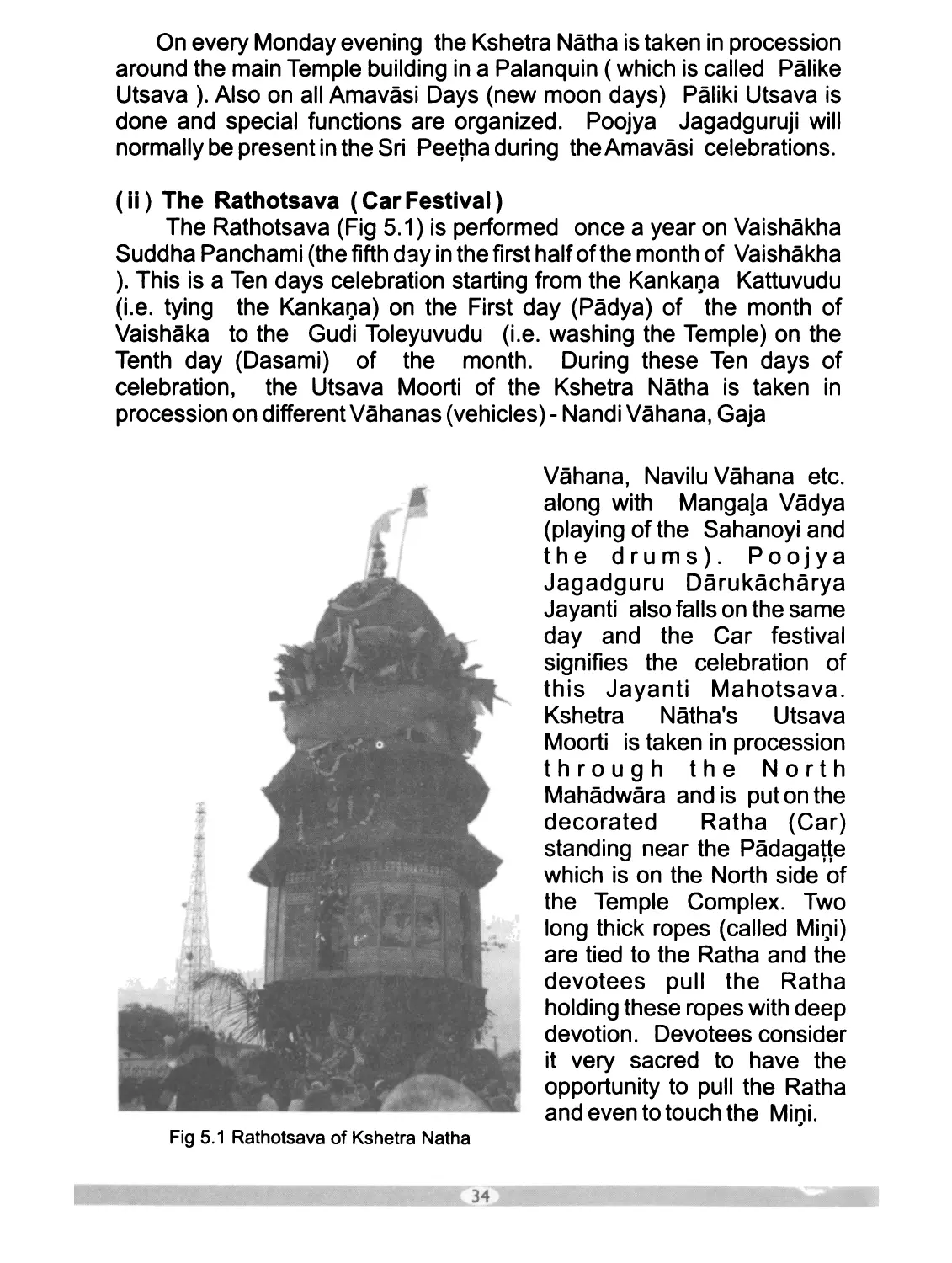
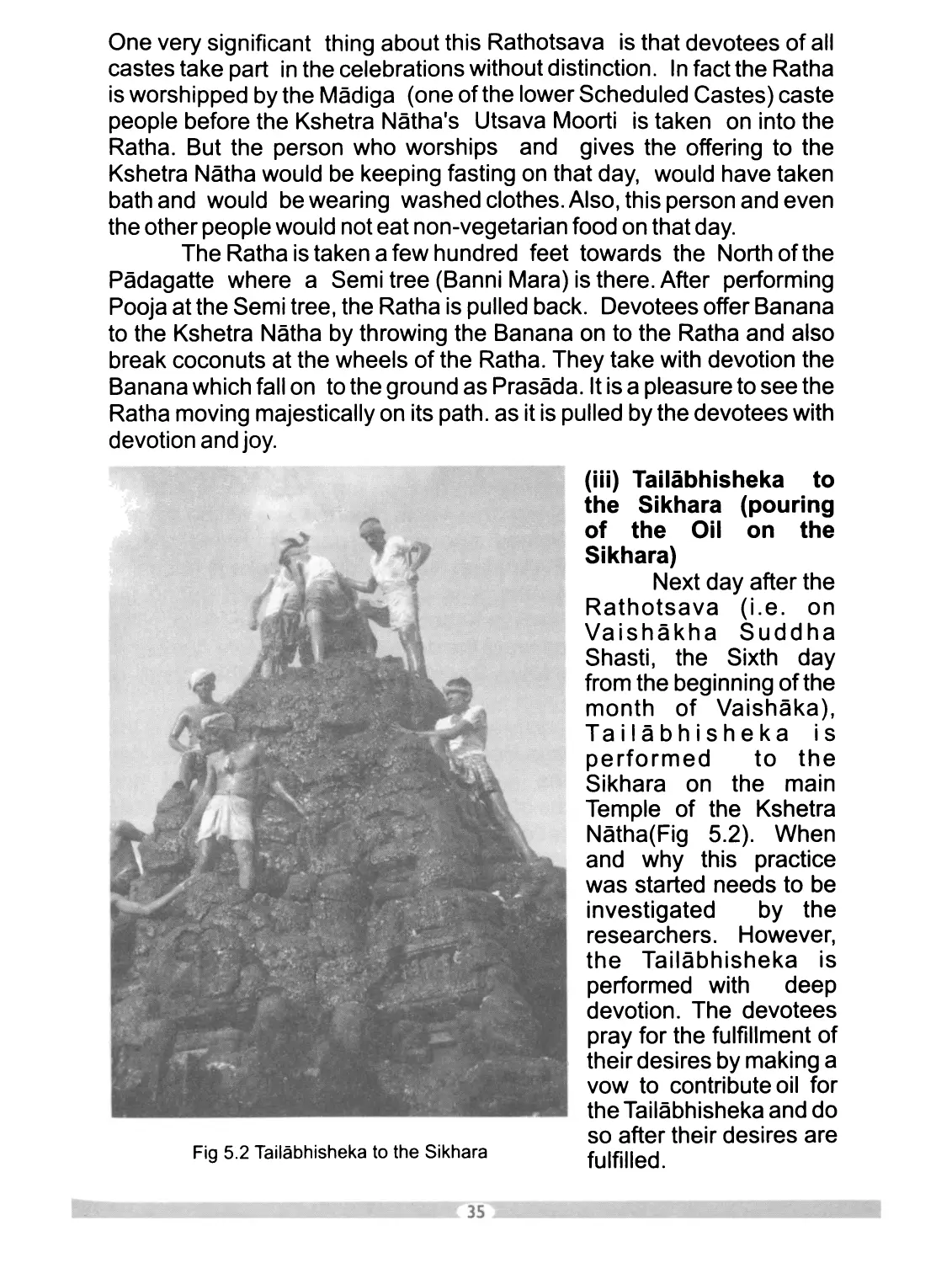
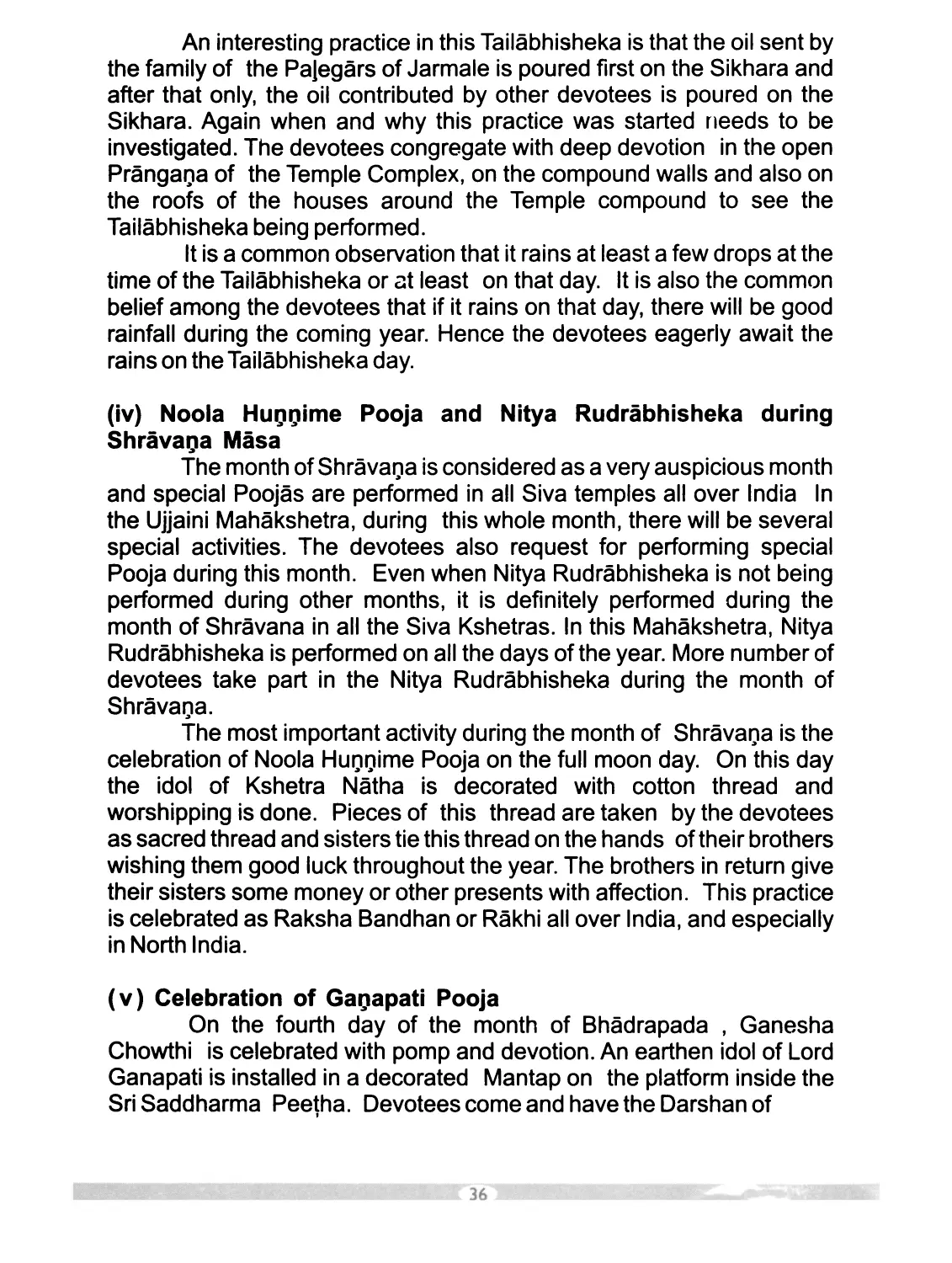
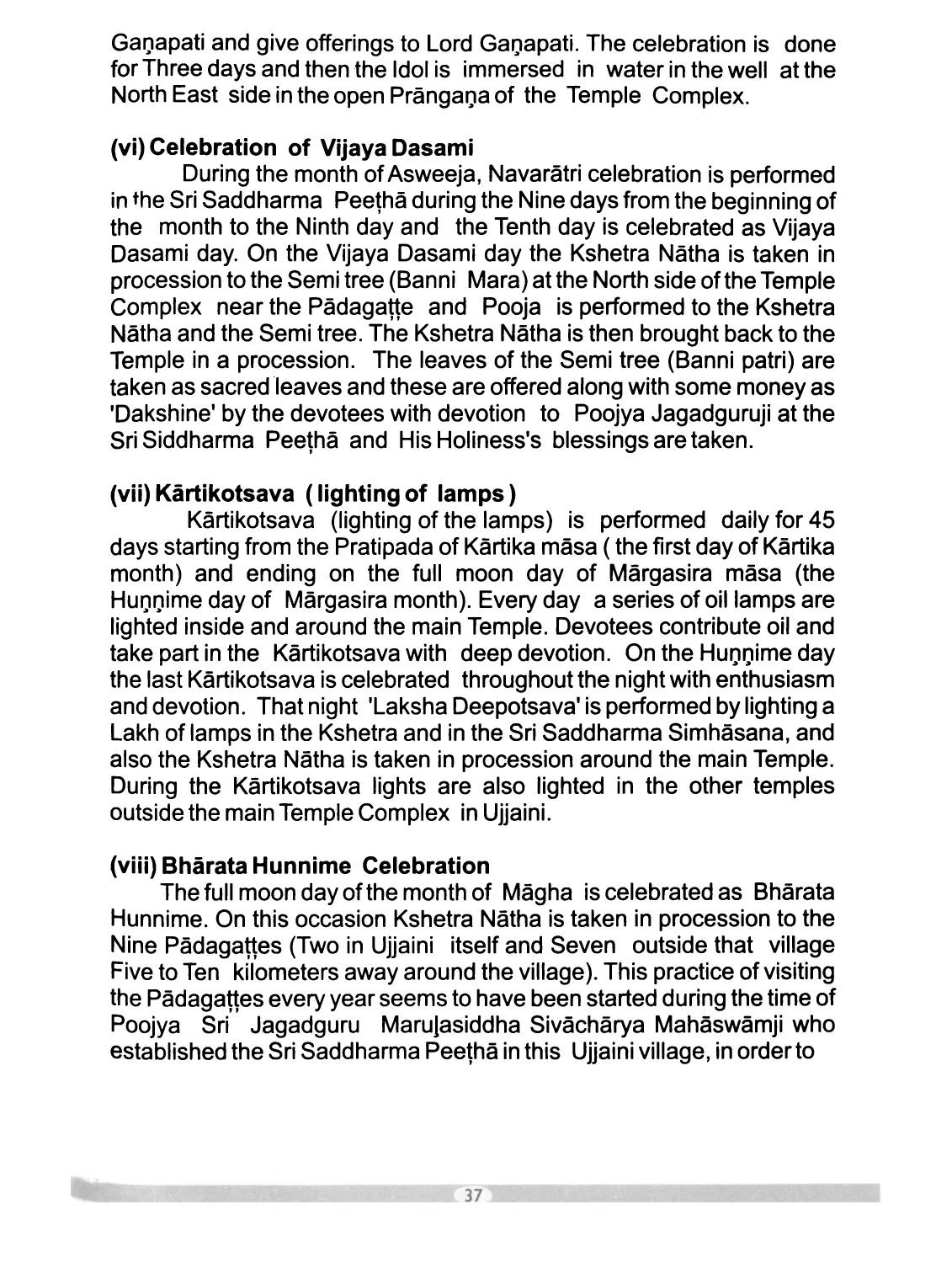
Lord is always active as the World will come to an end if the Lord
stops the activity, since the Lord is the personification of the Universal
Energy (Le. the Divine Energy) because of which every activity goes on
in the Universe.
After the morning Pooja the decoration on the Siva Linga is taken
off. Then at about 6.30 a.m. to 7.00 a.m. the Rudrabhisheka starts.
Devotees come and sit in front of the Garbha Gudi seeing the Abhisheka
that is performed to the Siva Linga. A Guruji presides over the activities
and a Purohita performs the Rudrabhisheka chanting the prescribed
Mantras (which are energized words), and the' Sri Rudra Adhyaya '
from the Yajurveda. First clean water is poured in a continuous flow
(Le. Suddhodaka Abhisheka is done), and then Abhisheka is done with
Padya, Arghya, Achamaneeya, cow's milk, cow's curds, cow's ghee,
honey, Madhuparka (combination of milk, curds, ghee & honey), sugar
water (Sharkara), Banana water ( Kadali Rasa; alternatively Bilvodaka
or Pushpodaka or Bhasmodaka may be used ), and finally tender
Coconut water (Eleneeru) along with the chanting of the Mantras and Sri
Rudra. Finally Suddhodaka is poured and the Siva Linga is cleaned,
wiped with clean cloth and is decorated. Afterwards Arati (worshipping
with lamps) is performed to the Lord.
The process of Rudrabhisheka is performed to make the Siva Linga
which is designed to absorb the Divine energy , store the energy and
emanate the energy more efficiently for the benefit of the devotees and
for the activities of the physical World in general, to get rid of the
negativity absorbed from the devotees and become more efficient to
absorb the Divine Energy. Hence performing of Rudrabhisheka is said
to be the best way to reap the good benefits from the Siva Linga.
Therefore performing Rudraabhisheka every day (Nitya
Rudrabhidheka) is considered very beneficial. It is prescribed that
Rudrabhisheka should be performed to any Siva Linga at least once a
year, and usually this is done on the Mahasiva Ratri (Le. Magha Bahula
Chaturdasi, 14-th day after the full moon day in the month of Magha) day
every year. Even doingAbhisheka with clean water (Suddhodaka) every
day to the Siva Linga itself is beneficial. This is the reason why it is
prescribed in the Veerashaiva religion that the Istalinga (the
personalized Siva Linga which is always worn on the body of the
devotee ) must be worshipped at least once a day although
worshipping it Three times a day is very beneficial.
33
On every Monday evening the Kshetra Natha is taken in procession
around the main Temple building in a Palanquin ( which is called Palike
Utsava ). Also on all Amavasi Days (new moon days) Paliki Utsava is
done and special functions are organized. Poojya Jagadguruji will
normally be present in the Sri Pee1ha during theAmavasi celebrations.
( ii) The Rathotsava (Car Festival)
The Rathotsava (Fig 5.1) is performed once a year on Vaishakha
Suddha Panchami (the fifth d3Y in the first half of the month of Vaishakha
). This is a Ten days celebration starting from the KankaQa Kattuvudu
(Le. tying the KankaQa) on the First day (Padya) of the month of
Vaishaka to the Gudi Toleyuvudu (Le. washing the Temple) on the
Tenth day (Dasami) of the month. During these Ten days of
celebration, the Utsava Moorti of the Kshetra Natha is taken in
procession on different Vahanas (vehicles) - Nandi Vahana, Gaja
, ..\
! .... '.
..
..
· 1
Vahana, Navilu Vahana etc.
along with Mangala Vadya
(playing of the Sahanoyi and
the drums). Poojya
Jagadguru Darukacharya
Jayanti also falls on the same
day and the Car festival
signifies the celebration of
this Jayanti Mahotsava.
Kshetra Natha's Utsava
Moorti is taken in procession
through the North
Mahadwara and is put on the
decorated Ratha (Car)
standing near the Padagatte
which is on the North side of
the Temple Complex. Two
long thick ropes (called MiQi)
are tied to the Ratha and the
devotees pull the Ratha
holding these ropes with deep
devotion. Devotees consider
it very sacred to have the
opportunity to pull the Ratha
and even to touch the Mini.
.t
t
,...
1 '
,,*i .
. t#4
, *
'> & t -
1> .... ...
-14
f .
r
.
t
f<
4Jrr
'1- :
/
Fig 5.1 Rathotsava of Kshetra Natha
34
One very significant thing about this Rathotsava is that devotees of all
castes take part in the celebrations without distinction. In fact the Ratha
is worshipped by the Madiga (one of the lower Scheduled Castes) caste
people before the Kshetra Natha's Utsava Moorti is taken on into the
Ratha. But the person who worships and gives the offering to the
Kshetra Natha would be keeping fasting on that day, would have taken
bath and would be wearing washed clothes. Also, this person and even
the other people would not eat non-vegetarian food on that day.
The Ratha is taken a few hundred feet towards the North of the
Padagatte where a Semi tree (Banni Mara) is there. After performing
Pooja at the Semi tree, the Ratha is pulled back. Devotees offer Banana
to the Kshetra Natha by throwing the Banana on to the Ratha and also
break coconuts at the wheels of the Ratha. They take with devotion the
Banana which fall on to the ground as Prasada. It is a pleasure to see the
Ratha moving majestically on its path. as it is pulled by the devotees with
devotion and joy.
.....
j
"""
f
"
" .
t.
,, ..
., . ¥
. .
..
... ..
"" .
..
. ... A-
N,...,.
¥ .
I '
. "
r"* .
).M ., ,.
! # : '* .... 1. .l
#" . * .,
.)I . ..'",
... .., :: .. '"
.. "'. .
II
..'
....
"
''It '\
.1. ....
>t'
.#
-1
..." .
.
. ".fI' ".
..
I
. ,
.. III
"'-010
..
..
.
...
,
"...
.
to.
4 ·
*
..
....
t
, -
; .
Fig 5.2 Tailabhisheka to the Sikhara
35
\
....
(iii) Tailabhisheka to
the Sikhara (pouring
of the Oil on the
Sikhara)
Next day after the
Rathotsava (i.e. on
Vaishakha Suddha
Shasti, the Sixth day
from the beginning of the
month of Vaishaka),
Tailabhisheka is
performed to the
Sikhara on the main
Temple of the Kshetra
Natha(Fig 5.2). When
and why this practice
was started needs to be
investigated by the
researchers. However,
" the Tailabhisheka is
performed with deep
devotion. The devotees
pray for the fulfillment of
I their desires by making a
vow to contribute oil for
the Tailabhisheka and do
so after their desires are
fulfilled.
t>
....
An interesting practice in this Tailabhisheka is that the oil sent by
the family of the Palegars of Jarmale is poured first on the Sikhara and
after that only, the oil contributed by other devotees is poured on the
Sikhara. Again when and why this practice was started needs to be
investigated. The devotees congregate with deep devotion in the open
PrangaQa of the Temple Complex, on the compound walls and also on
the roofs of the houses around the Temple compound to see the
Tailabhisheka being performed.
It is a common observation that it rains at least a few drops at the
time of the Tailabhisheka or at least on that day. It is also the common
belief among the devotees that if it rains on that day, there will be good
rainfall during the coming year. Hence the devotees eagerly await the
rains on the Tailabhishek.a day.
(iv) Noola Hut'll)ime Pooja and Nitya Rudrabhisheka during
Shravat'la Masa
The month of ShravaQa is considered as a very auspicious month
and special Poojas are performed in all Siva temples all over India In
the Ujjaini Mahakshetra, during this whole month, there will be several
special activities. The devotees also request for performing special
Pooja during this month. Even when Nitya Rudrabhisheka is not being
performed during other months, it is definitely performed during the
month of Shravana in all the Siva Kshetras. In this Mahakshetra, Nitya
Rudrabhisheka is performed on all the days of the year. More number of
devotees take part in the Nitya Rudrabhisheka during the month of
Shravana.
The most important activity during the month of ShravaQa is the
celebration of Noola HUQQime Pooja on the full moon day. On this day
the idol of Kshetra Natha is decorated with cotton thread and
worshipping is done. Pieces of this thread are taken by the devotees
as sacred thread and sisters tie this thread on the hands of their brothers
wishing them good luck throughout the year. The brothers in return give
their sisters some money or other presents with affection. This practice
is celebrated as Raksha Bandhan or Rakhi all over India, and especially
in North India.
( v) Celebration of Gal)apati Pooja
On the fourth day of the month of Bhadrapada , Ganesha
Chowthi is celebrated with pomp and devotion. An earthen idol of Lord
Ganapati is installed in a decorated Mantap on the platform inside the
Sri Saddharma Peetha. Devotees come and have the Darshan of
,
36
GaQapati and give offerings to Lord GaQapati. The celebration is done
for Three days and then the Idol is immersed in water in the well at the
North East side in the open PrangaQa of the Temple Complex.
(vi) Celebration of Vijaya Dasami
During the month of Asweeja, Navaratri celebration is performed
in the Sri Saddharma Pee1ha during the Nine days from the beginning of
the month to the Ninth day and the Tenth day is celebrated as Vijaya
Dasami day. On the Vijaya Dasami day the Kshetra Natha is taken in
procession to the Semi tree (Banni Mara) at the North side of the Temple
Complex near the Padaga11e and Pooja is performed to the Kshetra
Natha and the Semi tree. The Kshetra Natha is then brought back to the
Temple in a procession. The leaves of the Semi tree (Banni patri) are
taken as sacred "leaves and these are offered along with some money as
'Dakshine' by the devotees with devotion to Poojya Jagadguruji at the
Sri Siddharma Pee1ha and His Holiness's blessings are taken.
(vii) Kartikotsava (lighting of lamps)
Kartikotsava (lighting of the lamps) is performed daily for 45
days starting from the Pratipada of Kartika masa ( the first day of Kartika
month) and ending on the full moon day of Margasira masa (the
HUQQime day of Margasira month). Every day a series of oil lamps are
lighted inside and around the main Temple. Devotees contribute oil and
take part in the Kartikotsava with deep devotion. On the HUQQime day
the last Kartikotsava is celebrated throughout the night with enthusiasm
and devotion. That night 'Laksha Deepotsava' is performed by lighting a
Lakh of lamps in the Kshetra and in the Sri Saddharma Simhasana, and
also the Kshetra Natha is taken in procession around the main Temple.
During the Kartikotsava lights are also lighted in the other temples
outside the main Temple Complex in Ujjaini.
(viii) Bharata Hunnime Celebration
The full moon day of the month of Magha is celebrated as Bharata
Hunnime. On this occasion Kshetra Natha is taken in procession to the
Nine Padaga11es (Two in Ujjaini itself and Seven outside that village
Five to Ten kilometers away around the village). This practice of visiting
the Padag a 11 es every year seems to have been started during the time of
Poojya Sri Jagadguru Marulasiddha Sivacharya Mahaswamji who
established the Sri Saddharma Pee1ha in this Ujjaini village, in order to
37
collect the agricultural produce in the lands given to His Holiness by the
then Ruler of this area for meeting the expenses of maintaining
theTemple and for the Siva Pooja expenses of His Holiness. Over the
years all the lands around the Ujjaini village have not remained under
the ownership of Poojya Sri Jagadguruji for various reasons, But the
practice of visiting the Padagat1es has become a part of the religious
ceremonies of the Mahakshetra. During this celebration each of the
Padagat1es is cleaned and white washed for the celebrations. This
helps to keep the Padagat1es in good condition, and also gives the
devotees in the surrounding villages to have an Opportunity of the
presence of Kshetra Natha in their area.
As already mentioned, when the Kshetra Natha is taken to the
Harakanahalu Padagat1e during this journey, a fight is enacted using
Kadubu (food balls). Again when the procession returns to the Ujjaini
village a fight is enacted using Lakke Julli and the Palanquin in which the
idol of Kun1a Basavappa is kept, is pushed to the side at the North side
Padagat1e and the Kshetra Natha is taken back in procession into the
main Temple.
(ix) Mahasivaratri Celebration
The 14-th day from the full moon day ( Bahula Chaturdasi Tithi ) of
every masa (month in the Calendar) is called Masa Sivaratri day. On
that day generally special worshipping is done to the Siva Lingas in
many temples. Among these Sivaratris, the Chaturdasi of Magha
masa is celebrated all over India as ' Mahasivaratri '. It is considered as
a very auspicious day and Rudrabhisheka is invariably performed to
the Siva Linga in every Siva Temple In the Ujjaini Mahakshetra
Rudrabhisheka is performed to the Kshetra Natha continuously
throughout the night. Devotees come to the Temple in large numbers
and participate in the Rudrabhisheka performance.
(x) Yugadi Celebration
Yugadi is the first day (Padya Tithi) of the first month (Chaitra
masa ) of every year ( Varsha or Samvatsara ) according to the Chandra
mana system (measuring of time with reference to the moon) used in
many parts of India. In some parts of India the Soura mana system
(measuring of time with reference to the Sun) is also used. The first
day of the year in the Soura mana system is celebrated as 'Pongal'.
On the Yugadi day it is customary to decorate the homes and
temples with Mavina Torana ( garland of tender mango leaves) and also
with small Neem branches (Beevina branches), offer to God
38
tender Neem leaves and/or Neem flowers with jaggery (Bella) and
partake the same as Prasada.
The next day ( the second day Le the Bidigi day) is celebrated as
'Chandra Darshana' day. People watch the moon on that day and
worship the moon The position of the moon on that day is taken by the
people as indicative of the coming year's possible prosperity. After
sigl1ting the moon on that evening, the devotees offer Namaskara
(Prostrating) to the Gurujis and the elders and obtain their blessings.
In the Ujjaini Mahakshetra many devotees come and offer Dakshine to
the Poojya Jagadguruji and obtain His Holiness's blessings.
Thus many religious activities are performed in the Mahakshetra
throughout the year and devotees come and participate in some or all of
these activities and obtain the benefit of the positive energy prevailing
on such occasions and get rid of the effects of the negative energies
collected during the present and/or previous life times.
39
Part - II
Sri Ujjaini Jagadguru Saddharma Simhasana
Chapter.. 6
Sri Ujjaini Jagadguru Saddharma Simhasana (Peetha) :
A Brief History
Sri Jagadguru Saddharma Simhasana is one among the Five
Jagadguru Simhasanas (Pee1has) of the Veerashaivas which exist in
India and are popularly known as 'Jagadguru Pancha Pee1has'.
These Five Pee1has represent the Five Basic Elements (called as
Pancha Bho01as) that are responsible for the appearance of the physical
World in the visible Three dimensional form. The Five Basic Elements
are the Five 'Akshaya Patres' (sources (or pots) of never exhaustible
energies of Earth, of Water, of Agni (Tejas, Fire), of Vayu (Wind), and
of Akasa (ethereal space)). These have existed in the past, are still
existing and will continue to exist as these are the fundamental
elements which cause the appearance, disappearance and the
existence of all forms of entities on the Earth planet. Some of these
aspects are already presented in Chapter 1.
Agamas and the Vedas are the store houses of the ancient Indian
knowledge on these subjects. Agama literature provides the knowledge
of different aspects for the living on this Earth , for understanding the
philosophical aspects of the life on Earth and for merging with the Inner
Energy which is called by different names by different people in the
Physical World: - Supreme God, Paramatma, Parasiva, Maha Linga,
and so on. Agamas contain information about the Pancha Pee1has also.
The Pancha Peethas were established by Five Great Sages
who are called Sri Jagadguru Panchacharyas. These great Sages,
according to the Agamas, took the human body and appeared on the
earth on their own Will under different names in the Four Yugas - Kruta
yuga, Threta yuga, Dwapara yuga and Kali yuga, which represent the
well recognized measuring of time in India from the ancient time. They
propagated the knowledge to transform man from the raw beastly nature
to the refined divine nature and to merge with the Universal Divine
Energy, under the name 'Veerashaiva' religion. These Five Great
Sages (called Panchacharyas), established the Pancha Pee1has at
different places covering the whole of India, in different Yugas. During
the Kali Yuga, the Pancha Pee1has have been established at
Rambhapuri (Balehonnur in the present Karnataka state), at Ujjaini
(first established on the bank of the river Kshipra in the present Madhya
41
Pradesh, but has been shifted to the place which is named as Ujjaini,
in the present Karnataka state), at Kedara (in the present Uttaranchal
State), at Sreeshaila (in the present Andhra Pradesh state), and at
VaraQasi (in the present Uttara Pradesh state). These Pancha Peethas
are carrying on the work of propagating the ancient knowledge of the
Veerashaiva religion.
The Saddharma Simhasana is the Peetha which was established
in Ujjaini (in the present Madhya Pradesh) by Sri Jagadguru
Marularadhya Sivacharya Mahaswamyji who made his physical
appearance through the Siddheswara Siva Linga in the Va1a Vruksha
Maha Kshetra during the Kali yuga. After it was established, the work of
the Saddharma Simhasana has been carried on by several
Jagadgurujis over time. During the time of one Jagadguru Marulasiddha
Sivacharya , this Pee1ha was shifted from the original Ujjaini at Va1a
Vruksha Mahakshetra in the present Madhya Pradesh to the present
place which is also given the same name Ujjaini, in Kudligi taluk of
Sellary district in the present Karnataka state.
The time when this shifting occurred, and even the reasons for
the shift, are not definitely known. It appears, however, that the shift
must have taken place during or before the 10-th century A.D. Also, it is
said that the conflict between the Veerashaivas and the Jains in
Madhya Pradesh must have been one of the possible reasons for the
shift. The details regarding the establishment of the Pee1ha here, are
already presented in Chapter 1.
Since the inception of the Saddarma Simhasana in the present
Karnataka state, the Pee1ha has been carrying on the work of
propagating the Veerashaiva religion and of guiding the devotees of
all classes and of all castes (not only Veerashaivas) to transform
themselves from the beastly behavior to the divine behaviour.
42
Chapter - 7
What is to be seen in the (Peetha)
.
....
"t),
.
\ 1
t'
n \..
".L
t
..
.
.
I "
-.......!....
.,.
'-
, .......
'" /; "
, ',';"-'
ENTERNCE TO THE SADDHAR:\tA SI tHA A \ -..
","
A
J
* 0-.
.
"II
t
] $0.
Fig. 7.1 Entrance to the Saddharma Simhasana
As one enters the Temple Complex in the Ujjaini Mahakshetra from
the North entrance, the Saddharma Simahasana Matha is on the right
hand side to the West of Sri Siddheswara Temple. In front of the entrance
(Fig 7.1) to the Pee1ha there were stone carvings of a devotee
prostrating with full body on the floor which is called Deergha Danda
Namaskara. This was to give the devotees an example of how to greet
Poojya Jagadguruji when we meet His Holiness. Unfortunately these
figures have been displaced now.
43
The entrance to the Pee1ha is impressive with covered open
Varanda with raised platforms on both the sides. Over the roof of this
entrance is the plaster of Paris statue of Siva and Parvati seated on
Nandi . On the right hand side just before the main entrance door is a
Seat for Poojya Jagadguruji to sit and meet the devotees and carry on
discussions with them. The main entrance door has elegantly carved
wood panels.
As we enter into the Pee1ha through the main Eastward entrance,
there is a big hall. In the centre of the hall is the Pat1abhisheka Man1apa
where the coronation ceremony is pe.rformed when a Va1u (the person
chosen to be coronated as Jagadguru) is to be coronated as the
Jagadguruji. The Man1apa has a square platform of 9 feet X 9 feet.
Around the Mantapa there is an ankana for performing Pradakshina
(going round the platform). Just beyond this ankana there is another
ankana which serves as the path way to walk around in the hall.
On the South side in the hall is the portion of the Ma1ha where the
Jagadguruji and other Gurujis who come to visit the Matha, reside. This
is also the place where Poojya Jagadguruji gives private Darshan. There
is a well which is one of the Teerthas of the Maha Kshetra On the West
side in the hall is the Mahasiva Pooja Mandira where Poojya
Jagadguruji performs Siva Pooja and partakes Prasada. during
important occassions. Towards the North side of the hall is the
Nyayalaya (the Socio-Religious Court) of the Samsthana (Fig 7.2).
""
I-
Fig. 7.2 The Nyayalaya - The Socio-Relgious Court of the Pee1ha
44
Herein Poojya Jagadguruji conducts enquiries about the Social and
Religious conflicts which the devotees bring to the Poojya Jagadguruji.
Earlier there used to be persons who worked as Advocates to plead on
behalf of the parties who were having the conflict and had brought the
case to this Court. The practice seems to have become not so common
now. However, even now several people do bring their conflicts to Poojya
Jagadguruji and His Holiness plays a significant role in resolving the
same amicably.
If we come out of the main entrance of the Peetha and go towards
the North, there, by the North side of the Sri Jagadguru Saddharma
Simhasana building, is the magnificent building of Jagadguru
Panchacharya Sabha Man1apa (Fig 7.3). This Sabha Man1apa is the
grand conception of His Holiness Poojya Sri Jagadguru Siddhalinga
Sivacharya Mahaswamyji who is accredited as the most significant
developer of the Glory of the Pancha Pee1has during the Twentieth
century A.D. His Holiness's dream project was brought to reality by the
tireless work of His Holiness's able successor Poojya Sri Jagadguru
Siddheswra Sivacharya Mahaswamyji.
In this Grand Sabha Man1apa the Five Poojya Jagadguru
Panchacharyas could hold the Dharma Sabha sitting simultaneously
together. This is a stone structure (Shila Man1apa) with Fifty stone pillars
arranged in five rows of Ten pillars each. The Five stone seats
(Pee1has) for the Five Jagadgurujis are built in a row attached to the
West side wall of the Man1apa on a long
)
.
,.,1
,
'\
Fig: 7.3 The Panchacharya Sabha Mantapa (The Grand Assembly Hall)
45
raised stone platform so that the Jagadgurujis could be seated facing
towards the East and address the devotees. On the top of this Shila
Mantapa is the modern Assembly Hall which is named as Sri Jagadguru
Siddheswara Sabha Bavana. Built by the devotees in memory of Poojya
Jagadguru Siddheswara Sivacharya Mahaswamyji., this is a
magnificent Hall where thousands of devotees could congregate,
perform cultural activities and have meetings and have Darshan of the
Gurujis. There is a large Platform facing the North and a large modern
Hall in front built with very few pillars so that the view of the Platform is
not obstructed.
Coming out of the Panchacharya Sabha Mantapa on the left hand
side towards North of the Man1apa are the Goshala and the Grand
Kitchen and the dining Hall. As we get down a few steps there is on the
right hand side the Store room and the huge Kitchen (Fig 7.4) for
preparing food for giving as Prasada to the devotees. Attached to the
Kitchen there is the large Dining Hall (Fig 7.5) where hundreds of
devotees could sit and partake the Prasada.
.. #"
x'
, ,';"", "
'"
i., I
,,!',
:::-. is'.; II!
, '\
!III
. :
} f,
..
j
t, ".; '"
ot'
. . . :
J
)«"f.'
,.. ....
J"'.. ...
1\1'
"
y.
iJ.:1'
f'"
t
.'
r
/.
t
.
"
,,;.,'
",
..
*,
..
.....
Fig. 7.4 The Grand Kitchen
Towards the West of the Kitchen and the Dining Hall is the big Goshala.
(Fig 7.6) This is so large as to accommodate One hundred and eight
cows in it and stands as a monument for the magnificent dreams of
Poojya Jagadguru Siddhalinga Sivacharya Mahaswamyji. His plan was
46
t
y'
i
,
,
l
,
...
.,..
.....
, \
...
.., 1!::
- .
"
";0 "\
,...
$I., .. ,
."
"
....
. ....
;t '-'...._
" '
"'w,
'''*
...
//.
..
. I
, f
r
*-.Mt'
....x
....,
'" ,
",''f
V :
'r <. t
-
.. \...
7'
1
....c-t J
'.
'0\0
...
" ,
....
.
"'..
-
-jf
, ..
... ,,,;
" i
...
_v
v iii ...
'" '\.,
Fig. 7.5 The Large Dining Hall
..
. 't
"d"
'1'
*'
'"
....
..:J>i»
.....
i
t
.
"
...
f
1"
..
"
t
t
,
. .
f
. . J
1
"'"' ....
,.
...
r " -
. "
.. .. \
...
Fig. 7.6 The Big Goshala
_47
. '{ =: ,.
i
"
... '.},
..
.. .
.[J
r.
f 11 .
t t.'tFIit: .
""'
. ..
.""".....
1-
.
-....
..
..
H
t
t
1
t J'
.
... ..'
.
.'
!; y
. ' I
\ ...
.
..
.
it.' " ..
\.
.
, 1. , :
"':"
! .-..wr. u ...-
t
., .
.. "
..'"
. .
'"
,
\
:j.
J'
Fig. 7.7 The Darshan Hall
To have a unit to manufacture Vibhooti (the sacred ash which is one of the
AshtavaraQas considered sacred by the Veerashaivas and other
Shaivas) by The Jnana Guru Vidya Peetha is the educational organ of
the Saddharma Pee1ha. This was started by His Holiness Poojya
Jagadguru Siddhalinga Sivacharya Mahaswamyji, the 108-th
Jagadguruji of the Saddharma Simhasana for advancing the teaching of
Samskrit Language and for imparting religious knowledge. His Holiness
was also instrumental for establishing the Veerashaiva Vidya Vardhaka
Sangha in Sellary, the district place, which has now started a number of
educational Institutions in Sellary and other places and has been
recognized as an independent University. His Holiness Poojya
Jagadguru Siddheswara Sivacharya Mahaswamyji got the Jnana Guru
Vidya Pee1ha officially registered and developed it as an educational
organization. Although His Holiness was very particular that this
organization should specialize in advancing the teaching of the Samskrit
language and in imparting religious education, He did support the
development of modern education through this organization and started
a number of schools and colleges. The present Jagadguruji Poojya
Jagadguru Marulasiddha Rajadesikendra Sivacharya Mahaswamyji
(the 111-th Jagadguruji of the Saddharma Pee1ha) has not only
developed more schools and colleges, especially for technica I
education, but also has started Free hostel facilities for the poor rural
students. Further, His Holiness has also started a Printing
48
.. IIiI
.....
(
'.' A,.
, .
'" .
"-
.
'"
{
.. ::
..
""
.
;"..,. ......
.. ..
, .,..
.... ')..
· 'f "-.. f'
,. ,
1"
, to" .
. \ t
.....
} .
. 'I.
'\ <:IJc
:0:' ..
,.
"I!
)
... ..
"
i" " i
o
.;t
..
..
I .
I:
. .
,
".
\ ..
fi', -
f trl
tf. .
.. - - t
-t""
.,.
-
'*-
..
..'"
.
.
,;} .,.
...
¥ ... ,.
to t "1/'
, ,;
":tot'"
""
1
..
..
.
....
of
. N
.
Fig. 7.8 The Carved Wooden Simhasana
Press and a Publication organization for publishing books and other
literature from the Peetha.
,
His Holiness Poojya Jagadguru Siddheswara Sivacharya
Mahaswamyji Started the Research institute of Religion and Philosophy
under the Jnana Guru Vidya Pee1ha during the mid-Nineteen Sixties
A.D. Under the auspices of this Research Institute the English
translation of Siddhanta Sikhamani (by Sivayogi Sivacharya ) which is
accepted as the Dharma Grantha for the Veerashaiva religion, was
first published. Also a number of other ancient books have been
published by this Research Institute with the financial support of the
Ministry of Culture of the Government of India.
49
1
...
:t"
i ,.-.........
.
,
"'<
..
,.. (
"M 111 /'
, '..... I.
.
. .
.. .
i
..... ..
i
.J.
"
. j \1'
\.
\ \
........ ...-iIt, . :
.._. ;: 3 _"'''
--
r« .fill
'1:"" t f
, "" . . .y't \
i(
.. ""'\ \\
... .... -
6.
.
,.".
4 I
l
..r..T' I. '"
r
'"
--
«
, i',
"
t"'t- ,
.r
"
-
..-
.
'"
..tY"'. ......
!fr..... ...".
.
- ... ; "t; ..
. t,; ...
I' .... .. >l'
. :wt.-: , .... .:;
.,' * :..
.
.,
Ii
Fig 7.9 The Saddharma Granthalaya : The Pustaka Bhandaara
At the South West corner of the Temple Complex of the Maha
Kshetra is the newly constructed Darshan Hall (also called Darbar Hall
Fig 7.7) where Poojya Jagadguruji gives Darshan to the devotees. If one
enters the Temple Complex from the South side Kailasa Bagilu, the
Darshan Hall is on the first floor just at the entrance to the left side. In the
Darshan Hall there is a beautifully carved 'Simhasana' made of wood
(see Fig 7.8) which has been presented to His Holiness Poojya
Jagadguru Marulasiddha Rajadesikendra Sivacharya Mahaswamyji,
the present pontiff of the Ujjaini Saddharma Peetha (as in A.D. 2010), by
the devotees Sri H.M. Vrushabhendraiah, former Engineer in K E Band
his brothers from Lokikere village in Kudligi taluk of Bellary district.
Just below this Darshan Hall is the Saddharma Granthalaya :the
Pustaka Bhandara (Library) of Religious and Philosophy, and other
literary books (See Fig 7.9). It has a large collection of books which the
scholars can use for their Research Work. This Library is a part of the
Research Institute of Religion and Philosophy established by His
Holiness Poojya Jagadguru Siddheshwara Sivacharya Mahaswamyji.
50
.:
Chapter - 8
The Holy Line of Descent of the Jagadgurujis of the Pee!ha
2i
According to the information presently known (as in 2011 A.D. ),
the Present Jagadguruji : Poojya Jagadguru Marulasiddha
Rajadesikendra Sivacharya Mahaswamyji is the 111-th Jagadguruji of
the Sri Madujjaini Saddharma Simhasana. In any Peetha one
Jagadguruji Succeeds another Jagadguruji allthough they mayor may
not the related in the physical sense, the authority of the Pee1ha is
transferred in a Coronation ceremony. This continuation of the
succession we have called as the Holy Line of Descent,
It is comm9n practice in India as well as in other parts of the World
that the names of Grandfathers/ Grandmothers are given to the
sons/daughters. Thus in any family several names of persons are
repeated generation after generation. In the same manner, in the
succession of Jagadgurujis of the Saddharma Pee1ha, as in the case of
other Peethas also, several names are repeated This repetition of
names has created difficulty in deciding the time periods when a
Jagadguruji of a particular name lived.
Similar difficulty is there in establishing the time periods when the
Jagadgurujis of particular names were there as the Jagadgurujis of the
Saddharma Simhasana. Thus, more detailed information can be given
here only regarding the Jagadgurujis who have ascended the Sadharma
Simhasana during the recent past. However, a very brief account is
presented here regarding the Holy Line of Descent of the Jagadgurujis of
the Saddharma Simhasana, as it is available in the literature.
The Poojya Jagadguru Panchacharyas established the
Veerashaiva religion with profound Principles and easy & simple
Practices for the Jeevis (Le. the Beings of the World) to realize their true
nature and established the Pancha Peethas as centres for the
,
propagation of the Veerashaiva religion Nothing much is known except
the names, about the incarnations during the Krutha Yuga and Thretha
Yuga. There is some information regarding the incarnations during the
Dwapara Yuga which gives some details about the Rishis to whom the
Jagadgurujis imparted the true knowledge of the inner self. Even
regarding the Avataras in the Kali Yuga, only a few disjoint details are
available. However, it is interesting and important to note that the
Pancha Peethas established by the Panchacharyas in Kali Yuga have
existed from ancient times and are existing even now (Le. in 2011 A.D.) .
The Peetha established by Daruka Ganadheeswara incarnated in
different Yugas, is known as the Saddharma Pee1ha (and also as
.51
As it has been already mentioned in Chapter I, Daruka
Ganadheeswara took incarnations in the physical World in different
Yugas and established and preached the Veerashaiva religion. to the
beings of the World without distinction of caste and creed. When He
incarnated in Krutha Yuga His name was Poojya Jagadguru Dwi-
,Akc;!1ara Sivacharya, and during the Thretha Yuga His name was
poojya Jagadguru Dwi-Vaktra Sivacharya. During the Dwapara Yuga
when He took the human form He was called Poojya Jagadguru
Darukacharya. Then He preached the Veerashaiva religion to the great
saints like Sage Dadheechi who did intense penance living in
NaimikaraQya (forest with the name Naimika).
In the Kali Yuga, Daruka Ganadheeswara made His appearance
through the Va1a Vruksha Siddheswara Siva Linga which is on the bank
of the river Kshipra in Ujjaini in the present (as in 2011 A.D.) Madhya
Pradesh state of India. He came out of the Siva Linga in the form of
brilliant white light with red colour at the periphery and took the human
form which was called Poojya Jagadguru Marularadhya Sivacharya
Mahaswamyji. His Holiness established the Saddharma Simhasana at
Siddha Vata Mahakshetra on the bank of the river Kshipra where He took
the human form. In order to identify this Ujjaini as different from the
Ujjaini where the Saddharma Simhasana now exists (as in 2011 A.D.) in
Kudligi taluka of Bellary district in Karnataka state of India, we refer to
the original Ujjaini as Kalika Ujjaini as it is referred to in some of the
literary works.
Poojya Jagadguru Marularadhya Sivacharya is called as the Adi
Jagadguru Marularadhya Sivacharya. With His Yogic Powers, His
Holiness lived in the human form for 1300 years and carried on the work
of blessing the beings of the World and of propagating the Veerashaiva
religion. When He decided to leave the human body, He coronated
Poojya Muktimuni Sivacharya on the Saddharma Pee1ha as the
Jagadguru of the Pee1ha in a solemn coronation ceremony
(Pee1harohana ceremony) and handed over the authority and
responsibility of the Pee1ha to Him. Poojya Jagadguru Muktimuni
Sivacharya emerged from Gourikunda , a sacred pond in the Himalayan
region and was identified by poojya Jagadguru Ekoramaradhya
Sivacharya Mahaswamyji of Kedara Pee1ha and poojya Jagadguru
Marularadhya Sivacharya Mahaswamyji as the fit person to take over
the Adhikara (Le. the authority and responsibility) of the Saddharma
Simhasana established in Kalika UjjainL After handing over the Adhikara
of the Pee1ha, Poojya Adi-Jagadguru Marularadhya Sivacharya
Mahaswamyji merged His physical body into the Vata Vruksha
Siddheswara Siva Linga again assuming the form of brilliant white light.
52
Since the establishment of the Saddharma Simhasana in Kalika
Ujjaini, there has been an unbroken succession of Jagadgurujis who
have adorned the Saddharma Simhasana. The list of names of those
who held the Adhikara of this Pee1ha over the past time periods since its
establishment, is available and is published, Hence it is not given here
However the details about the life and work of every Jagadguruji are not
available, According to this list of Jagadgurujis, the Jagadguruji who is
presently adorning the Office of the Jagadguruji: Poojya Jagadguru
Marulasiddha Rajadesikendra Sivacharya Mahaswamyji - is the 111-th
Jagadguruji. Since it is not possible to give in this small booklet the full
details of all the earlier Jagadgurujis, which is also not an easy task
because of the non-availability of historical facts about many of the
Jagadgurujis, and because several names of the Jagadgurujis have
been repeated, we shall restrict the presentation here to give brief
accounts of the lives and works of a few of the most recent Jagadgurujis
about whom definite information is available.
Among the recent Jagadgurujis of this Pee1ha, the 108-th
Jagadguruji : Poojya Jagadguru Siddhalinga Sivacharya
Mhahaswamyji (Fig 8.1) is recognized by the scholars as well as the
common devotees as the One who contributed the most not only to the
development of the Saddharma Pee1ha but also for raising high the
status of the Pancha Pee1has in the religious atlas of India.
His Holiness was born in the year 1890 A.D. in the small village
Bangarakkanahalli of Chithradurga Taluk and District in the present
Karnataka state His illustrious parents were Sri Channabasavayya and
Matoshri Gurusiddhamma. He was brought up in a rural traditional
atmosphere of a Jangama family and had His early education in the
village school. But, His flare for spiritual practices was evident even from
His young age. He was given the Jangama Deeksha in the Ujjaini
Pee1ha. When Poojya Jagadguru Marulasiddha Rajadesikendra
Sivacharya Mahaswamyji who was then Pee1hadhipati (the
Jagadguruji of the Pee1ha, not His Holiness who established the Peetha
here or the Jagadguruji who is presently the Pee1hadhipati) at that time
and a welknown scholar and a mystic, saw this young boy, His Holiness
recognized the ascetic qualities in the boy and selected him to be
enthroned as the Jagadguruji of the Pee1ha. He was coronated following
the tradition, as the Charapattadhyaksha of the Pee1ha.in 1906, as per
the as per the popularly known saying: "Hiremegalagere St hiratta & &
Bangarakkanahalli Charapatta". This Poojya Jagadguru Marulasiddha
Rajadesikendra Sivacharya Mahaswamyji has written two philosophy
books under the title: "Shishya Santhapa HaraQa" and "Sivanubhava".
He was also welknown for the "Siddhis" He had attained. In fact, He is
accredited to have had the power to create Gold from non-Gold
material, although He never seems to have exhibited the same in public
or used the power for His private gains.
53
"
"
- .
"
,
,
."
.
"
"
.).-
iro."
'" ..
10
"
.... .-
I
I
.. I
"
.
\.,
..
.,. #>
"'
'"'
-
.... -
..+
.. ... .....A
Fig.8.1 Sri Sri Sri 1008 Jagadguru Siddhalinga
Sivacharya Mahaswamyji
Poojya Jagadguru Siddhalinga Sivacharya Mahaswamyji was a
unique visionary. He had thought of the alround development of the
Ujjaini Saddharma Simhasana as well as the development of all the
Pancha Peethas, and had recorded His thoughts in His Dairy. It is also
interesting to note that His Holiness had instituted an advisory body
consisting of Five members to advise Him regarding the management of
the affairs of the Peetha.
,
54
A point of clarification may not be out of place here. In each
Jagadguru Pee1ha, there used to be Sthirapa1tadhyaksha Jagadguru
and Charapa1tadhyaksha Jagadguru who used to be alive together.
Both the Jagadgurujis were revered as Jagadgurujis of the Pee1ha. In
the ancient days this system seems to have been put into practice
because of the fact that the Sthirapa11adhyaksha could look after the
Pee1ha being present in the Pee1ha, and the Charapa11adhyaksha could
go around visiting different places giving Darshan, and teaching the
religion to the people, as it would have been difficult for one Jagadguruji
to perform both the functions. However, there is no justification for the
same in the religious principles of Veerashaiva religion. Accordingly, in
the Jagadguru Panchacharya Sammelana held on 21-2-1918 in Kasi
Jagadguru Pee1ha during His Holiness's life time, it was resolved that
this practice be permanently discontinued. On the same occassion, He
initiated the setting up of Shri Jagadguru Viswaradhya Gurukula which
has now grown into an important centre of learning in Kasi (Varanasi).
Since Poojya Jagadguruji was only about 16 years of age when
He was given the Pa11adhikara of the Pee1ha in 1906 A. D., He learnt the
tenets of Veerashaiva philosophy and practices from several learned
scholars like Pandit Basavappa Shashtry, Pandit Sirsi Gurushantha
Shashtry, Pandit Chidiri Veerabhadra Shashtry, Asthana Vidwan
Umachigi Shankara Shashtry, Pandit Hirehadagalli Virupaksha
Shashtry, Pandit Kashinatha Shashtry. He also patronized these
scholars during the later years.
He considered it necessary to have spiritual experience in order
to impart the same to the devotees. Accordingly, He undertook Tapas
(penance) in several places among which His Tapas in the cave at
Bukkamboodi has become legendry, since wild animals were seen to
have been behaving like domesticated animals there in His presence.
Like his predecessor Jagadguruji, He had attained many Siddhis such
as levitating above the ground, sitting immersed in water for several
hours, getting rain when He wished, and so on. It is a popularly known
story that in one of His visits to the devotees in Maharshtra, the meat
which was served for testing His Holiness, was transformed into
flowers! The person who served the meat of course begged His pardon.
His Holiness is always addressed to as Mahatapaswi
His Holiness's contribution to the cause of education is exemplary.
He not only started Samskrit and Vaidika Pa1hashala in the Pee1ha
during 1920 A.D. itself, but also blessed the establishment of the
Veerashaiva Vidyavardhaka Sangha in Bellary by contributing to the
corpus fund of the Sangha as one of the Founding members. This
Sangha
55
has now grown to the status of an independent University. His Holiness
also blessed the Madras Veerashaiva Vidyavardhaka Fund by giving (on
16-10-1916 A.D.) Five thousand silver coins as the same was promised
by His predecessor Poojya Shri Jagadguru Channabasavaswamy
Sivacharya Mahaswamyji. He got the Fund registered on 7-3-1918
under the British Government Act 21/1860.When He learnt that Shri
Madveerashaiva Samskrit Pathashala in Shollapur was facing financial
crisis, He granted Five thousand silver coins to revive the same. Further,
He supported the starting of the Panchacharya Press in Mysore and
through it the starting of a Kannada periodical : Panchacharyaprabha
Patrike, and put Shri Pandit Kasinatha Shashtry in charge of the same.
The two have survived till the present day (i.e. 2011A.D.).
Another important contribution of His Holiness to the cause of
education was the establishment of the Saddharma Jnanaguru Vidya
Pee1ha in the year 1922 A.D. with the primary objective of promoting the
learning of Samskrit, Agamas & Vedas, Astrology and Sangeetha
(music). During His time, books on Agamas, Vedas, PuraQas were
published; and scholars (Pandits), artists, astrologers, musicians, etc.
were patronized and felicitated in the Shri Pee1ha.
An interesting incident happened when a group of young
devotees of the Pee1ha (led by the author) presented in 1963-64 A.D., a
proposal to start the Research Institute of Religion and Philosophy in the
Shri Pee1ha, to Poojya Jagadguru Siddheswara Sivacharya
Mahaswamyji, His successor, He simply opened the Dairy of Poojya
Jagadguru Siddhalinga Sivacharya Mahaswamyji and showed that
almost the same proposal was written in His Dairy. Accordingly, the
Institute was established. Through this Institute an English translation of
Siddhantha Sikhamal')i, and other ancient books have been published
with the financial support of the Central Government of India.
Poojya Jagadguru Siddhalinga Sivacharya Mahaswamyji's
contribution to the physical development of the Simhasana Matha is also
significant. He had the grand plan for building the Jagadguru
Panchacharya Sabha Man1apa in which all the Five Jagadgurujis could
grant audience to the devotees at the same time. However, He could not
see the materialization of this plan. But, He got a huge Goshala ( Cow-
Shed) built to house about 108 cows with a view to start preparing the
sacred Bhasma (Vibhooti ) in the Pee1ha. He also got a large kitchen and
a spacious dining hall built for having Nitya Anna Prasada to the
devotees who come to visit the Mahakshetra and to have the Darshan of
the Jagadguruji.
56
His Holiness also played a very important role in solving the crisis
that had arisen in the Rambhapuri Pee1ha and enthroned Poojya
Jagadguru Sivananda Sivacharya Mahaswamyji in the Shri Pee1ha. It
was indeed a misfortune for the Veerashaivas and for the other
devotees as well, that Poojya Jagadguru Siddhalinga Sivacharya
Mahaswamyji suddenly became Sivaikya in January 1936 (i.e. on 12
January, 1936 A.D.). His is the only Samadi that is built within the main
Temple Complex of the Ujjaini Mahakshetra.
The able successor to this Mahatapaswi Jagadgurji was His
Holiness Sri Sri Sri 1008 Jagadguru Siddheswara Rajadesikendra
Sivacharya Mahaswamyji. (Fig 8.2) He was coronated as the 109-th
Jagadguruji of the Saddharma Simhasana on 2-2-1936 A.D. His
Holiness is aptly described as the Paramavairagyanidhi Jagadguruji
and also as the Badavara Jagadguruji. Further, He was the only
"'
....,.
-(
,.
..
\
,\-l
'\10,' ;
;
t. ."
..
v
. .... .
. ..
.
. ...
..t j
..., . \
. .
"j '"
't
" .
"-
'.
..,
9-4, ..
" .Ir.
. .
;.
't
\, '" .
...
" tJ '.
..
'!
. ....... '
. +-.
't
.. ,\... '
11 .... J I' ..,:
;.
...
. .
. .
....
.. ...
"' . "'" .. I
... 4: tt «it.
.. '.
. .
.
1"1 ...
..
.
...
" .
....
I .
Fig. 8.2 Sri Sri Sri 1008 Jagadguru Siddheswara Rajadesikendra
Sivacharya Mahaswamyji
57
Jagadguruji, known so far, who lived to the ripe old age of over Ninety
Two years, who performed the coronation of the Jagadgurujis of all the
Pancha Pee1has in a life time and who celebrated the 60-th year
(Shashtabdi celebration) of His coronation as Jagadguru of the
Pee1ha. Also His Holimess was the only Jagadguru, Known in recent
years, who would go on bullockcart for blessing the poor devotees so
as not to burden them, and therefore His Holiness hes been described
as Badavara Jagadguru.
His Holiness Jagadguru Siddheswa a Sivacharya Mahaswamyji
was born in 1906 A.D. (Le. on Pushya Bahula Tadige Mangalavara
(Tuesday) in Plavanga nama Samvatsara (the year Plavanga) of
Shyalivahana Shaka 1828) in a place called Siddapura in Molakalmuru
taluk of Chitradurga district in the present Karnataka state. His blessed
parents were Sri Doddaveerabhadraiah and Matoshri Veeramma of the
Hiremath family of the village. He was named Veerasangaiah . He had
His early education in Siddapura, Devasamudra and He had the good
fortune of obtaining the blessings of His Holiness Jagadguru
Siddhalinga Sivacharya Mahaswamyji on several occasions.
He was named Poojya Shri Sha.Bhra. Trilochana Siv8charya
Swamyji, when he was made the Pattaddevaru of Siddapura Matha. For
His higher studies, He proceeded to Kasi (Varanasi) and studied
Veerashaiva philosophy and Tarka Shashtra there. At the same time
Poojya Sha. Bhra. Rudramuni Sivacharya Swamyji of Asagodu Kote
Bhruhanma1ha (Jagalur taluk, now in Davanagere district, Karnataka
state) was studying in Patna. When both the Swamyjis completed their
higher studies and returned to Karnataka , they decided to set up a
Samskrita Pathashala in Sakri Karadappanavara Chowki in Bellary
town. They worked together for the development of the Pa1hashala.
When in January, 1936 A.D. His Holiness Jagadguru Siddhalinga
Sivacharya Mahaswamyji suddenly became Lingaikya (= Sivaikya),
Poojya Jagadguru Sivananda Sivacharya Mahaswamyji who was then
the Jagadguruji of Rambhapuri Pee1ha at Balehonnur (Chikkamagalur
district), took up the responsibility of choosing a suitable Va1u to
become the Jagadguruji of the Saddharma Simhasana. After careful
consideration His Holiness came up with the suggestion that Sha.Bhra.
Rudramuni Sivacharya Swamyji of Asagodu Ma1ha be made the
Jagadguruji of the Ujjaini Pee1ha in view of His good education and
experience and also because of His blood relationship with the
UgraQama1ha family of Mangapura ( a village near to the Ujjaini
Mahakshetra), from which more than Five earlier Jagadgurujis of the
Peetha had come from. But, Sha. Bhra. Rudramuni Sivacharya
,
58
Swamyji suggested that Sha. Bhra. Trilochana Sivacharya Swamyji who
was His associate, would be a good choice as Jagadguruji. Accordingly
Sha. Bhra. Trilochana Sivacharya Swamyji was coronated as the 109-th
Jagadguruji of the Saddharma Simhasana on 2- 2- 1936 A.D. with the
name: Sri Sri Sri 1008 Jagadguru Siddheswara Rajadesikendra
Sivacharya Mahaswamyji by His Holiness Poojya
Jagadguru Sivananda Sivacharya Mahaswamyji of Rambhapuri Pee1ha
in the divine presence of Poojya Jagadguru Chidghanalinga Siv8charya
Mahaswamyji of Kedara Pee1ha, and in the presence of dignitaries and
devotees.
Poojya Jagadguru Siddheswara Sivacharya Mahaswamyji played
very significant roles in over coming the dispute regarding the coronation
of Jagadguru Vageesha Panditaradhya Mahaswamyji to the
Shreeshaila Simhasana, and in establishing that the Kedara Pee1ha. is
one of the Pancha Peethas of the Veerashaivas. He was instrumental in
,
obtaining the Court Order to the effect that the Kedara Pee1ha belonged
to the Veerashaivas and only a Va1u from the Jangama family from South
India would be eligible to be coronated as the Jagadguruji of the
Pee1ha. Accordingly Poojya Jagadguru Shantalinga Sivacharya
Mahaswamyji was coronated as the Jagadguruji of Kedara Pee1ha. In
this process, Poojya Jagadguru Siddeshwara Sivacharya Mahaswamyji
had to incur the displeasure of many of the devotees who felt that He
had neglected the development of the Saddharma Pee1ha. However, His
Holiness stood firm in His convictions and worked for the upliftment of all
the Pancha Pee1has. His Holiness also discharged successfully the
responsibility of performing the coronation of Poojya Jagadguru
Prasanna Renuka Veeragangadhara Sivacharya Mahaswamyji as the
Jagdguru of the Rambhapuri Pee1ha and the coronation of Poojya
Jagadguru Visveswara Sivacharya Mahaswamyji as the Jagadguru of
the Kasi Pee1ha, when the Jagadgurujis of these Pee1has became
Sivaikya. For the Saddharma Pee1ha, He brought back the practice of
having a Charapattadhyaksha Jagadguru and installed Sha. Bhra.
Sivaprakasha Sivacharya Swamyji of Ujjaini Ma1ha of Chitradurga (who
was also the Pattadhikari of the Mysore Aramane Japadaka11e Ma1ha
later) as the Charapa11adhyaksha Jagadguruji of the Pee1ha with the
name Poojya Jagadguru Marularadhya Sivacharya Mahaswamyji. (See
Fig 8.3). Further, He performed the coronation of the present 111 th
Jagadguru of the Saddharma Pee1ha: Poojya Jagadguru Marulasiddha
Rajadesikendra Sivacharya Mahaswamyji.
For educational development, Poojya Jagdguru Siddheswara
Sivacharya Mahaswamyji got the Jnana Guru Vidya Pee1ha duely
registered bringing in the services of Mangapura Ugranama1hada Sri
59
M. Channabasavaiah (who was then the 1ead Master of the Setra
Gurushantappa 1igh School, Bellary. and had earned the President of
India Gold Medal for Best Teachers) as the Secretary of the Vidya
Pee1ha. Under the Vidya Pee1ha, Samskrit -Vaideeka Pathasl1alas
were started and free hostels for the poor students were also started. For
the development of modern education many Schools, High Schools and
a few Colleges were started for the benefit of the rural students. Further,
the Research Institute of Religion and Phylosophy was founded under
the auspicies of the Vidya Pee1ha and Research Seminars were
conducted annually, and a Calendar named : 'VIBHOOTI' (which
contained details about the sacred Vibhooti) was published annually.
Also, several philosophical books including an English translation of
Siddhantha Sikhat11aQi were published with the financial assistance
from the Central Government of India.
Building the magnificient Panchacharya Sabha Man1apa and
building the Jagadguru Siddheswara Sabha Bhavana on the top of that
Shila Man1apa were His most important contributions to the physical
structure of the Pee1ha. Also, the whole Complex of the Pee1ha and the
Ujjaini Mahakshetra was given a face lifting repairs during the later
years of His Holiness's life time under the leadership of Sri DakshiQa
Murthy who was then the Secretary of the Jnana Guru Vidya Pee1ha.
Another significant contribution of His Holiness is the attempt to
rebuild the Saddharma Peetha at Siddha Vata Mahakshetra in Kalika
, I
Ujjaini in the present Madhya Pradesh state where the Pee1ha was
historically first established during the Kali Yuga, by purchasing a site for
the Pee1ha on the bank of the Kshipra river, adjacent to the Va1a Vruksha
Siddheshwara Temple.
During His life time as Jagadguruji of the Pee1ha, Poojya
Jagadguruji had to face several stormy situations which He faced with
equanimity and courage. In fact He lived through many eventful years
in the long life time of over 62 years as Jagadguruji of the Pee1ha,
although the last few years did not prove to be as pleasant as one would
desire. He became Sivaikya on 16-12-1998 A.D. at the ripe old age of
over 92 years. His Samadi is built at the historic place ofVa1a Vruksha in
the present Ujjaini Mahakshetra . This has brought back the ancient glory
to the Vata Vruksha and the Siddhana Varti.
I
The 11 O-th Jagadgurji of the Saddharma Pee1ha was Sri Sri Sri 1008
Jagadguru Marularadhya Sivacharya Mahaswamyji (Fif 8.3) who lived
only a short period as Jagadguru. But, His association with the Pee1ha
was fairly long. He was first the Pa11adhikari (Pa11addevaru) of the Ujjaini
Ma1ha in Chitradurga when His name was Sha. Bhra. Sivaprakasha
Sivacharya Swamyji and later he was also the PaHadhikari of the
60
Mysore Aramane Japadaka11e Ma1ha in Mysore with the name Sha.
Bhra. Immadi Sadasiva Sivacharya Swamyji. His Holiness was made
the Vice President of the Jnana Guru Vidya Pee1ha when He was the
Pa11adhikari of the Chitradurga Ma1ha itself. He took lot of pains to see
that the work of the Vidya Pee1ha proceeded well, He was also
responsible for the continuation of the publication of the periodical :
'Saddharma Prabha' and the philosophy books including the English
translation of the
Siddhantha Sikhamani.
The english translation
was done by Professor
M. Sivakumara Swamy,
Head of the Department
of Sanskrit, Bangalore
University Bangalore.
His Holimess was
instrumental in
obtaining financial
assistance from the
Central Government of
India for the publication
of these books.
His Holiness was
born in the year 1936
A.D. in a village called
Kandagallu in the then
Chitradurga district but
currently. in
Davanagere District.
His blessed parents
were Sri
Channabasaiah and
Matoshri Kotramma.
His thirst for knowledge
took Him to Mysore
where He had his
higher education in
Samskrit and
Veerashaiva
\.
l
.
.
f
-'"
.
.. ,
J
'h c
" .
........
\
"
. \
..
.
" ' ..
..
.
..
'. ..
..
..
'"
...
.
..
t-
. . ,.
,
\
..
Fig. 8.3 Sri Sri Sri 1008 Jagadguru Marularadhya Sivacharya Mahaswamyji
61
philosophy. He was adored for His simplicity and sincere work. He was
coronated as the Charapa11adhyaksha Jagadguru of the Saddharma
Pee1ha in the year 1990 A.D. and was named as Jagadguru
Marularadhya Sivacharya Mahaswamyji. He remained as Jagadguru of
the Pee1ha along with Poojya Jagadguru Siddheswara Rajadesikendra
Sivacharya Mahaswamyji until 1995A.D. when He became Sivaikya. He
was also responsible to obtain an elephant for the Pee1ha during the
short period when He was the Jagadguruji.
The present Jagadguruji of the Saddharma Simhasana : Sri Sri Sri
1008 Jagadguru Marulasiddha Rajadesikendra Sivacharya
Mahaswamyji, is the 111-th Jagadguruji in the holy line of Jagadgurujis of
the Pee1ha (Fig 8.4). His Holiness was born in the year 1962 A.D. in a
village called D. Hirehal in Ananthapura district of the present Andhra
Pradesh. This village is also the same village where Poojya Jagadguru
Sivananda Sivacharya Mahaswamyji who was the Pee1hadhikari of
Rambhapuri Pee1ha, was born. His pious parents were Sri Siddhaiah
Malemath and Matoshri Channabasamma. He was named Basavaraja
by His parents. He had His primary education in His native village.
When He was of the age of 15 years, He was chosen to be the
Swamyji of the D.Hirehal Ma1ha and was given the Pa11adhikara of the
Ma1ha by His Holiness Poojya Jagadguru Prasanna Renuka Veera
Gangadhara Sivacharya Mahaswamyji who was then the Jagadguruji
of Rambhapuri Pee1ha, and was named Sha. Bhra. Marulasiddha
Sivacharya Swamyji.
Then, He joined the Gurukula of Shri Siddhagangama1h at Tumkur
for Samskrit and Vedic studies. Along with these studies, He also
completed Matriculation and Graduation from the same educational
Institution, and proceeded to Kasi (Varanasi) for Higher education in
Samskrit.He got the Post-graduation degree in Samskrit from the
Sampoornananda University of Kasi. Although His Holiness was keen
to obtain a Doctorate degree from that University, He could not do so as
He was called upon by His Holiness Poojya Jagadguru Siddheswara
Rajadesikendra Sivacharya Mahaswamyji who was then the
Jagadguruji of the Saddharma Pee1ha, to take over the Pee1hadhikara..
On November 5, 1995 A.D. in a solemn grand Pee1harohana
ceremony (Fig 8.5) the coronation was performed by Poojya Jagadguru
Siddheswara Rajadesikendra Sivacharya Mahaswamyji in the divine
presence of the Jagadgurujis of the other Four Pee1has : Poojya
Jagadguru Prasanna Renuka Veerasomeswara Sivacharya
Mahaswamyji of Rambhapuri Pee1ha, Poojya Jagadguru Umapati
Panditaradhya Sivacharya Mahaswamyji of Srishaila Pee1ha, Poojya
Jagadguru Rawal Siddheswaralinga Sivacharya Mahaswamyji of
62
..
....
"A,'"
<4.
"
.
.
...
,
..
L
...
t
.'"
( A
..
\ ..
..
..
.
.
....... .
f
"1
... 1>
..
.
..
\
i>-
.
,
,,"
I
" '-
,. (t".
. ."
. .
'"
-.
,.
,-
?
..
(:D t) . - 1 O. 9
f\ . if
'..-'
Fig.8.4 Sri Sri Sri 1008 Jagadguru Marulasiddha Rajadesikendra
Sivacharya Mahaswamyji
Kedara Pee1ha, (Presently Le. as in 2011 A.D. Poojya Jagaduru Rawal
Bheemashankaralinga Sivacharya Mahaswamyji is the Jagadguruji of
Kedara Pee1ha). and Poojya Jagadguru Dr. Chandrasekhara
Sivacharya Mahaswamyji of Kasi Pee1ha. His Holiness was given the
name : Sri Sri Sri 1008 Jagadguru Marulasiddha Rajadesikendra
Sivacharya Mahaswamyji. The Dharma Sabha following the coronation
63
ceremony was attended by many dignitaries including Sri H.D.
Devegowda who was then the Chief Minister of Karnataka state, Sri M.P.
Prakash who was then the Minister in the Karnataka Government,
former Ministers, several M.P.s and M.L.A.s., as well as other leading
personalities.
His Holiness is the youngest among the present Panchacharya
Jagdgurujis. He is pleasant, gentle and enormously patient, but highly
dynamic. His pleasing presence evokes reverence among the devotees.
He is reverencially called the Prasanna Daruka Jagadguru by the
devotees. Soon after He took over the responsibility of the Pee1ha, His
Holiness made plans for the alround development of the Pee1ha,
keeping in view the dreams cherished by Poojya Jagadguru Siddhalinga
Sivacharya Mahaswamyji and the work already completed by Poojya
Jagadguru Siddheswara Rajadesikendra Sivacharya Mahaswamyji.
Working on a war-footing He has been able to complete quite a
significant amount of work in the Pee1ha during the Twelve years of
being the Jagadguruji of the Pee1ha.
In February, 2007 A.D. the devotees celebrated with great
enthusiasm the Peetharohana Dwadasa Poorti celebration. It was a
,
..
.,.
.
,
,\
... "
I.
.
filii
.
.. , .
..
..
,'"
...
..,
..
",
.",..
it
..
.. t
,
f
.,
Fig 8.5 The Pa"abisheka Mahothsavam of Poojya Jagadguru Marulasidha
Rajadesikendra Sivacharya Mahaswamyji (on 5-11-1995)
64
,.
f
.,
\.
t
..
. of'
.
\'"'
.
.
..
,.
'-
.
\)
.
,..
",.
"
.
. .
f
. .
..
.... ...
I
..
\
-.
T
..
< I
--
j
Fig: 8.6 The 'Addapallakki Mahotsava' of the Panchacharya Jagadgurujis : An Illustrative Picture
memorable ceremony in the history of the Ujjaini Mahakshetra in which
all the Panchacharya Jagadgurujis were brought in the traditional
'Addapallakki Mahotsava' (the Palanquin carried side ways, as
illustrated in Fig 8.6). The devotees had the unique opportunity of having
the divine Darshan and of obtainimg blessings from all the Five
Jagadgurujis.
During the Twelve years, His Holiness has taken up several
projects for the development of the Mahakshetra and the Pee1ha. He has
started Nitya Anna Prasada for the devotees who come to have the
Darshan of the Pee1ha and the Mahakshetra. With the cooperation of the
people's representatives He has also got the approach roads improved.
Regarding the physical structure of the Mahakshetra and the
Pee1ha, the most important work taken up has been the cleaning of the
inner area of the main temple. All the idols which were covered with oil-
dust paste have been scientificarly sand cleaned so that their sculptural
beauty can be seen at least to some extent. The flooring is beautified with
marble and proper lighting has been provided. The Tangali Gopura at the
Northern entrance to the Mahakshetra is magnificiently renovated. Also,
Darshan Hall is newly built at the South-West corner of the main temple
Complex, and it is adorned with the wooden carved Simhasana Pee1ha
which has been presented to His Holiness Jagadguruji by a family of
devotees from Lokikere village in Kudligi taluk.
65
Just under the Darshan Hall on the ground floor is the Saddharma
Granthalaya (Fig 7.9) (Pustaka Bhandara, the Library) has been
established (see Fig: 7.9). A s2parate building is now being built for the
Granthalaya adjacent to the Yatrinivasa.
The open Prangana around the main temple has been made neat
and nice by laying stone slabs all around. A Yatri Nivas with modern
facilities with rooms having attached bath rooms and with place for
parking motor vehicles, is built at the Southern end of the village on the
Mangapura -Nimbalagere road. At the Va1a Vruksha-Siddhana Varti
place to the North of the Ujjaini village, a Gaddige building has been
built on the Samadi of Poojya Jagadguru Siddheswara Rajadesikendra
Sivacharya Mahaswamyji. A marriage Hall with the name Sri
Marulasiddheswara Mangala Mandira is being built on the South side of
the village and is expected to be completed soon. Also buildings for the
free Hostels being run by the Pee1ha, are under construction.
Being young and energetic, Poojya Jagadguruji is giving
particular attention to the development of modern education also
through the Jnanaguru Vidya Pee1ha. He has seen to it that good
infrastructural facilities are provided in the institutions including nice
class rooms, well equipped laboratories and libraries, as well as
satisfactory sport facilities. He has given more importance to the
development of Professional and Technical education with a view to
provide to rural students the opportunity to qualify themselves to
compete in the modern job market. His Holiness is also giving particular
importance to women's education as the rural women are deprived of
proper education due to the lack of facilities near to their villages.
Development of the Saddharma Pustaka Bhandara (Granthalaya
Library) in the Pee1ha is a significant development that the Poojya
Jagadguruji has taken up. The Granthalaya already has nearly 5000
books relating to Vedas, Agamas, Upanishats and other philosophical
works, and to PuraQas and to History. The most important feature of
this Granthalaya is that it has an invaluable collection of unpublished
manuscripts and palm leaves writings which need to be examined and
published. It is developing into a rich source for research scholars for the
study of religion and philosophy.
Another most important work His Holiness has taken up is to
continue the development work of re-building of the Pee1ha in Siddha
Va1a Mahakshetra on the bank of the river Kshipra in Kalika Ujjaini, which
was started by His Holiness - Poojya Jagadguru Siddheswara
Rajadesikenra Sivacharya Mahaswamyji. For this purpose He has got
an organization registered there (on 22-11-1999) under the name: Sri
Siddheswara Saddharma Karyaseva Samiti. The Samiti underthe
66
leadership of the former M.P. Sri Alavandi Sivamurthy Swamy, has
already done some significant beginning in this respect. Poojya
Sha.Bhra. Chandramouleshwara Sivacharya Swamyji of Harapanahalli
Tegginama1ha (formerly in Bellary district, but now in Davanagere
district), has contributed a few Lakhs of rupees to further the work of the
Samiti. His Holiness Poojya Jagadguruji has plans to install the idol of
Poojya Jagadguru Darukacharya, to start a Samskrit Pa1hashala, to
construct a Dharmashala and to bring up an Ayurvedic hospital there, so
that the ancient glory of the Saddharma Simhasana shall be brought
back to light there.
Development of the rural poor and the preservation of the
environment which are the current social problems in India, have also
attracted the compassionate attention of Poojya Jagadguru
Marulasiddha Rajadesikenra Sivacharya Mahaswamyji. To undertake
work related to these areas , His Holiness has instituted a Charitable
Trust registered under the name: Shri Jagadguru Marulasiddheswara
Trust ( R ). It is the good fortune of the Veerashaiva Community in
particular and of all the devotees of Ujjaini Mahakshetra in general to
have the blessings of His Holiness for the benefit of their wordly living as
well as spiritual enlightements.
Being the President of Manava Dharma Samsthe (as in 2007
A.D.) established by the Poojya Panchacharya Jagadgurujis for the
welfare of the whole humanity (not only for the welfare of the
Veerashaivas), His Holiness's compassionate and gentle nature is
aspiring to enrich the human life for leading a harmonious and happy
living in the current times of conflicts and terrorism.
67
Chapter .. 9
Religious and Social Concerns of the Pee!ha
From the time of establishment of the Jagadguru Pancha
Pee1has, the main concern of the Pee1has has been to disseminate the
philosophy and practices of the Veerashaiva relgion. As part of the same,
Poojya Jagadgurujis have been always working for the welfare of the
Bhaktas (devotees) by guiding them in the persuit of worldly
achievements and also in the attainment of spiritual enlightenment. The
Bhaktas come to the Pee1has to have the darshan and the blessings of
Poojya Jagadgurujis, along with the darshan of the deity of the Kshetra.
This is true for all the Jagadguru Pee1has.
The Bhaktas also invite Poojya Jagadgurujis to their native places
and to their homes to perform Is1alinga Pooja. By having the Darshan of
the Jagadgurujis, by offering Namaskara to the feet of the Jagadgurujis,
by offering food, fruits & coconut etc., and obtaining the Prasada and
partaking the same with reverence, the sacred Divine energy eminating
through the physical body of the Poojya Jagadgurujis creates positive
effects on the minds of the Bhaktas and thus helps them to obtain good
achievements in the worldly affairs and to make good progress in the
spiritual enlightenment & experience Ananda (bliss/happiness). In order
to fecilitate to have the benefits of the Darshan of the Jagadgurujis for
all the Bhaktas including those who are not Veerashaivas, the practice of
taking the Jagadgurujis in procession in Addapallakki (palanquin carried
side ways) has been practiced since ancient times, so that thousands of
Bhaktas are benefitted. It has also become a common practice to pass
through undertheAddapaliakki as several people have experienced the
fulfillment of their desires and have got relieved of their diseases &
misfortunes. This is again due to the effect of radiation of the Divine
energy through the physical body of the Jagadguruji.
For the sake of taking care of the Bhaktas, the Jagadguru
Pancha Pee1has have created several Upacharya Ma1has under each
of the Pee1has. The Swamiji of a Upacharya Matha is called Shatsthala
Bhramhi (Sha. Bra) or Pa«addevaru. Also, in each village or town One or
more Mathadayyas family/families (known also as Jangama
family/families) have been installed. While the Jagadgurujis and the
Swamyjis of the Upacharya Mathas are Brahmacharis (celebates)
generally from one of the Jangama families and remain as
Brahmacharis, the Mathadayyas are householders who are required to
68
live a noble life and guide the other Bhaktas in their wordly and spiritual
persuits. They are also required to preside as Gurujis over all the
religious functions such as Linga Dharane, and in social functions such
as marriages, Samadi Karya (when death occurs in a family), and other
functions. In ancient times, Mathadayyas used to live on the offerings
given by the Bhaktas and be available to perform the needed functions at
any time desired by the Bhaktas. But, in recent times they are taking up
different jobs for their livelihood, although they continue to perform the
earlier societal functions of social obligations.
The male children of the Jangama families are given Jangama
Deeksha, also called Ayyachara - which involves the giving of the Linga
Deeksha and of the Koupeena (a loin's cloth like the one worn by the
sages), Jolige(for keeping the alms collected from the Bhaktas) , and
Dan<;1a (a stick of authority). While Linga Deeksha is given to all the
children (males and females) from the Jangama families and also to all
the children from the Bhaktas families who":so-ever wants to have the
Deeksha, the Koupeena, Jolige and Danda are given only to the male
children from the Jangama Families and they are asked to take an oath
to take care of the work of the society by performing all the designated
religious and social functions.
Ayyachara (Maheshwara Deekshe) function is performed in each of
the Jagadguru Pancha Pee1has every year on a fixed day. In the
Saddharma Pee1ha this function is performed every year on the day
following the Tailabhisheka to the Sikhara of the main temple ( Le.
pouring oil on the Sikhara ). The parents of the children desiring to have
the Ayyachara done (called as Vatoos), are required to register earlier at
least on the day of the Rathotsava.
The Jagadguruji participates and presides over all the religious
functions conducted in the Mahakshetra. His Holiness also looks after
the administration of the Kshetra so that all the work gets done in time
and in an orderly manner. He grants Darshan and blessings to the
Bhaktas who come to visit the Mahakshetra and come to have His
Holiness's Darshan.
Among the Social concerns of the Pee1ha, the most important one is
to see that the Bhaktas become well educated and obtain the benefit of
having good living. In the Veerashaiva philosophy the idea of Kayaka is
well stressed and every Veerashaiva is required to have a Kayaka. The
word Kayaka is used to denote the work done with sincerety and
faithfulness. It is said that the work should be done in such a way that
Is1a linga (Le. the personal God) should appreciate the same and bless
the person. Every Veerashaiva should have a Kayaka and he/she
should offer to the Guru a part of the earnings from the Kayaka, and
69
use the same for societal work, and then use the remaining earnings for
one's family and for personal expenses. This is called Dasoha.
As it has been already described in the last Section, a separate
organization called the Saddharma Jnanaguru Vidya Pee1ha - has
been established in the Peetha to take care of the educational
,
Institutions. Also, free hostels have been started to help the poor
students from rural areas to get themselves educated. The Vidya Pee1ha
not only works for the development of modern education by starting
schools and colleges, but also looks after the development of Vaideeka,
Samskrit and Music education.
Apart from this, the Pee1ha organizes mass marriage ceremony in
which poor brides and grooms could get married with very little
expenditure for the marriage. Even the couples from other well-to-do
families also join in the mass marriages to set examples for others and
also to have the benefit of the Divine positive energy in the
Mahakshetra and to have the blessings of the Poojya Jagadguruji. Even
when marriages are arranged in the homes of the people, Poojya
Jagadguruji is invited to bless the couple. When His Holiness is not able
to be physically present, a Upacharya Swamyji or a Mathadayya shall
represent His Holiness in the ceremony. Also, it is a common practice
among the Veerashaivas to install 'Pancha Kalashas' as representing
Poojya Jagadguru Pancharyas in every function, especially in significant
functions such as marriage, Deeksha, etc.
Another Social concern of the Pee1ha is to settle the disputes
between the Bhaktas. For this purpose, a Court has been set up in the
Pee1ha where Poojya Jagadguruji sits as the judge. The decisions taken
after these discussions, are called 'Panchayati' decisions. Usually,
people supporting a' case and those opposing the case meet in the
presence of Poojya Jagadguruji and present their arguments. After
hearing about the case from both the parties, Poojya Jagadgurji gives
His Holiness's judegement which is taken as binding on both the parties.
Thus, many disputes including even some of the civil court cases, are
settled in the Peetha itself.
,
Veerashaiva religion considers death as a sacred event of life.
Death is considered as the process of merging back into the Siva Linga ,
the Divine energy. Therefore, it is a common practice among the
Veerashaivas to say that a person has become 'Lingaikya' or 'Sivaikya',
whenever a person dies. The body is disposed off by placing the body
into a Samadi (Le. by burying the body into the earth and covering it with
Vibhooti and then putting earth on it ). In Veerashaiva Philosophy special
importance is given to the performance of Samadi Samskara.
70
Poojya Jagadgurujis preside over this samadi Karya, whenever
possible. But, it has been made a rule in the Veerashaiva practices, that
in the absence of Poojya Jagadguruji either a Upacharya Swamyji or at
least a Ma1hadayya should preside over the Samadi Karya and bless the
dead person.
Also, after the Samadi Karya is completed, a function called
Kailasa GaQaradhane is performed to release the soul of the departed
person from the bindings of the relationships that will have come into
existence along with the physical body of the person. This is an important
social function for which a Guruji is always invited and Pada Pooja is
performed and the departed person is given the 'Karuna Prasada'.
Poojya Jagadguruji does take part in this ceremony and bless the dead
person personally whenever feasible, or through the Upacharya
Swamyji or through one of the Mathadayyas.
Thus a number of religious and social activities are performed for
the benefit of the Bhaktas. Shri-Madujjaini Saddharma Pee1ha, like the
other Four Pee1has, carries on these religious and social activities as its
prime responsibility with Poojya Jagadguruji being present personally
or through representation to provide the benefit of the Divine energy to
the Bhaktas.
oo<r o
71
to
t t
i
.
t
. ,
...
"
..
..
'4!
,
..
"( ",<
. -
4111"
\
ft-
r
s.
-#-
, ,
"
..
"""
"
.,
v
j;
...
,.
The Present Jagadguruji : Sri Sri Sri 1008 Jagadguru Marulasiddha Rajadesikendra
Sivacharya Mahaswamyji
72
Sri Jagadguru Panchacharyara Suprabhatha
Sri Jagadguru Panchacharyara Suprabhata Karnamrutamam
Sadaradi padi kelidavarge Sukha, Shanti, Bhoga Moksha
vahudu Sat yam II
Elireliri Bhaktajanarellareli belagagutide neevellareli
Jagadgurugalaivara darushanake neevelireli
Panchacharyara Suprabhatava haQaleli
Suprabhatava haQaleli 11111
Ajnana Kattaleya kaleyalike Sujnana Sooryodayavagutihudu
Jagadgurugalaivara darushanake neevelireli
Panchacharyara . . . . . haqaleli 11211
Kogileyu KajaQa Goravanka santasadi haQutihavelireli
Jagadgurugalaivara darushanake neevelireli
Panchacharyara. . . . . . haQaleli 11311
Antarangada Shakti sarvavanu Istalingadolirisi karunisuva
Jagadgurulaivara darushanake neevelireli
Panchacharyara . . . . . haqaleli 11411
Dvaita sadhaneyindaladvaitadanubhavake Shakti
Visistadvaitavanu bodhisuva Jagadgurugalaivara darushanake
neevelireli Panchacharyara. . . . . haQaleli 11511
Bhasma, Rudrakshi, Padodaka, Prasadavanittu Panchakshari
mahamantravanu bodhisuva Jagadgurugalaivara
darushanake neevelireli
Panchacharyara . . . ... haqaleli 11611
Parasivana Panchamukhadindudisi Panchabhootangalige
Wadeyarenisiruva Veerashaivada Samsthapakara
darushanake neevelireli
Panchacharyara . . . . . haqaleli 11711
73
Viswadoja tejassu Panchalingagalinda Divya roopava taledu
Panchacharyarenisiruva Jagadgurugalaivara darushanake
neevelireli Panchacharyara . . . .. haqah3ji II 811
Ujjaini, Balehonnuru, Shrishaila, Kasi, Kedara
Panchasthanagalali Peethagala Sthapisida Jagadgurugalaivara
darushanake neevelireli
Panchacharya. . . . .. haQaleli 11911
Darukaru, Renukaru, Panditaru, Visveswararu,
Ekoramaradhyaru Guruvararu muhoortamadiharu
Veerashaivada marmavanu neev tiliyaleli
Panchacharyara . . . . . haqaleli 111011
Patre Pushpava tanni, Bhasma udakava tanni,
Karpooradaratiya neevbelaga banni Jagadgurugalaivara
padapoojeyanu maQaleli
Panchacharyara . . . . ha9aleli 111111
Panchacharyarige namisi Panchaklesagalaloisi,
Nityanandavanu neev pa<;jeyaleli Jagadgurugalaivara
Karunavanu neevsaviyaleli
Panchacharyara . . . . . haQaleli 111211
Panchacharyara Suprabhatavanidanu Bhaktiyindali pathisi,
GurucharaQakeragalke Sivayogavadu phalisi, chidananda
labhisuvudu Idusatyavidusatyavidusatya neevelireli
Jagadgurugalaivara darushanake neevelireli
Panchacharyara suprabhatava paQaleli
Suprabhatava haQaleli
Mangalavu paduvavaringe, Mangalavu keluvavaringe
Sarva mangalavahudu sakala lokakke, Sri Pancha
J agadg u rugalasheervadad i m.
(Dr. M. Sivamurthy)
74
MangaJarati
Ettoovenarati parama Jagadguru Panchacharyarige
Jagadguru Panchacharyarige II Pallavi II
Parasiva panchasyagalindudayisi paramatavanujayisi II
Paripootavenisida sivamatavanu nelegolisida poojyarige
Jagadguru Panchacharyarige 11111
Angalingagala tatvava bodhisi Virati samoohakke II
Linganandadi lingadolaqagiha mahimaseelarige
Jagadguru Panchachayarige II 211
Pavana paratara jangamarige guru sarvabhoumaragi II
Kavi Shree Harishwara hrudaya kamaladolu salenelesiruvarige
Jagadguru panchacharyarige II 3 II
(Harishwara Kavi)
Jagadguru Siddheshwara Sth6tra
Jagadguruve Siddhesa jagavannu pore Eesha II
Saddharma pee1hadi mereyuva guruve II Pallavi II
Ujjaiyini puravasa sajjana paritosha II
UgraQa ma1havanu poreyuva guruve 111 II
Baleya Honnooru veera pee1hada guru II
VeeragangaQhara yatiyanu haraside 11211
Shreeshaila parvatada soorya simhasanadi II
Vageesha panditavaryaraniriside 11311
Kasiyolu mereyuva jnana simhasanava II
Vishvesha gurugala kaiyolagittai 11411
Kedara pee1hakke sadhara paQeyalke II
Nidrannava nee toradeyo Guruve II 5 II
Siva tatva bodhakane bhavaroga tarakane
Sivamurty hrudayadi nelesiha Guruve II 6 II
(Dr. M. Sivamurthy)
75
Addendum
Poojya Jagadguruji becomes 'Lingaikya'
and
His Successor Nominated
His Holiness Poojya Jagadguru Marulasiddha
Rajadesikendra Sivacharya Mahaswamiji became Lingaikya on
17 October, 2011 in Ujjaini Saddharma Pee1ha, after an extended
illness. His Holiness's Samadi is made in Ujjaini by the side of the
Samadi of His Guruji (immediate predecessor) Poojya
Jagadguru Siddheshwara Rajadesikendra Sivacharya
Mahaswamyji, near the historical site of Vata Vruksha and
Siddhana Varti in Ujjaini Mahakshetra, With full State Honour
given by the Government of Karnataka. Before He became
Lingaikya, Poojya Jagadguru Marulasiddha Rajadesikendra
Sivacharya Mahaswamyji has made out a 'Will' nominating : Sri
Sha. Bra. Mahantarajendra Sivacharya Swamyji, the Pattadhikari
of the Mudenooru Hirematha of Ranebennur taluk in Haveri
district, to be His successor. Accordingly the coronation of the new
Jagadguruji shall be performed on 2 & 3, November 2011 in a
solemn ceremony at the Saddharma Simhasana in the holy
presence of the other pee1hacharyas and in the presence of the
degnitories and the devotees.
Sri Sha. Bra. Mahantarajendra Shivacharya Swamyji is the
eldest son of Sri Mallikarjunaswamy Hiremath of Mudenooru, son
of the youmger brother of Poojya Jagadguru Vageesha
Panditaradhya Sivacharya Mahaswamyji of Shrishaila Pee1ha.
His blessed mother is Matosri Ratnama. He is born in Mudenooru
on 18th November, 1976 (in Poorvashada nakshatra 3 pada,
Dhanussu rasi).
Sri Sivacharya Swamyji's early primary education(1-4
classes) was in Government Higher Elementary School,
Mudenooru. He studied classes 5-7 in Belgam, staying in the
Naganooru Rudrakshi Ma1ha of the Shatayushi Sri Manniranjana
76
Pranava swaroopi Sivabasava Mahaswamyji, He topped the
elass in these schools. After finishing the Seventh Standard
education, He was at home attending to the agricultural work, and
to the work of looking after the cattle, Then He went to Harihar and
completed His High school education from the Matrushri
Rudramamba Basavarya High School, Harihar with the help and
encouragement of His teachers He stood first in Chitradurga
district in the SSLC examination. Although He wanted to come to
Bengaluru for the P.U.C. education, He went to Honnali
(Shivmoga district) Hirekalmatha, at the insistence of shri sha.
Bra. Wadeyar Chandrasekhar Siv8charya Swamyji. There also
He topped the class.
For His higher education, Sri Sivacharya Swamyji joined the
B.A. degree class with Philosophy as one of the subjects in
Maharajas college, Mysore, and was under the care of Sri Sha.
Bra. Dr. Mummadi Chandrasekhara Sivacharya Swamyji in
Aramane Japadakatte Matha, Mysore. Again He topped the class
in the BA degree examination. He then, continued His higher
education is the Mysore University (Manasagangotri, Mysore),
and obtained M.A. (Philosophy) degree with high honours. He has
also studied Samskrita and Vaideka.
He was given the Ayyachara Deeksh (Sivadeekshe) when
He was only Five years old when the Addapallakki Mahotsava of
Poojya Jagadguru Gangadhara Shivacharyp Mahaswamyji was
performed in Nandigavi village, He was given the pattadhikara of
Mudenooru Hirema1ha on 19-11-1993 (Karteeka Suddha
Panchami) by Sri Sha. Bra. Wadeya Chandrashekhara
Sivacharya Swamyji of Honnali Hire Kalmatha, in the holy
presence of Poojya Jagadguru Umapathi Panditaradhya
Sivacharya Mahaswamyji of Srishaila Pee1ha. He is now
nominated to become the 112- th Jagadguruji of Sri Madujjaini
Saddharma Peetha. May the revered Jagadguru Panchacharyas
and the Kshtranatha Sri Marulasiddeshwara Swamy bless the
young swamyji with the strength eleventh the status of the
Saddarma Pee1ha to greater Heights.
77
..
,
..
..
..
Sri Sha. Bra. Mahantarajendra Sivacharya Mahaswamyji
(Mudenooru Hiremata, Ranebennur Taluk, Haveri District)
The Nominated Successor
78