/
















































































































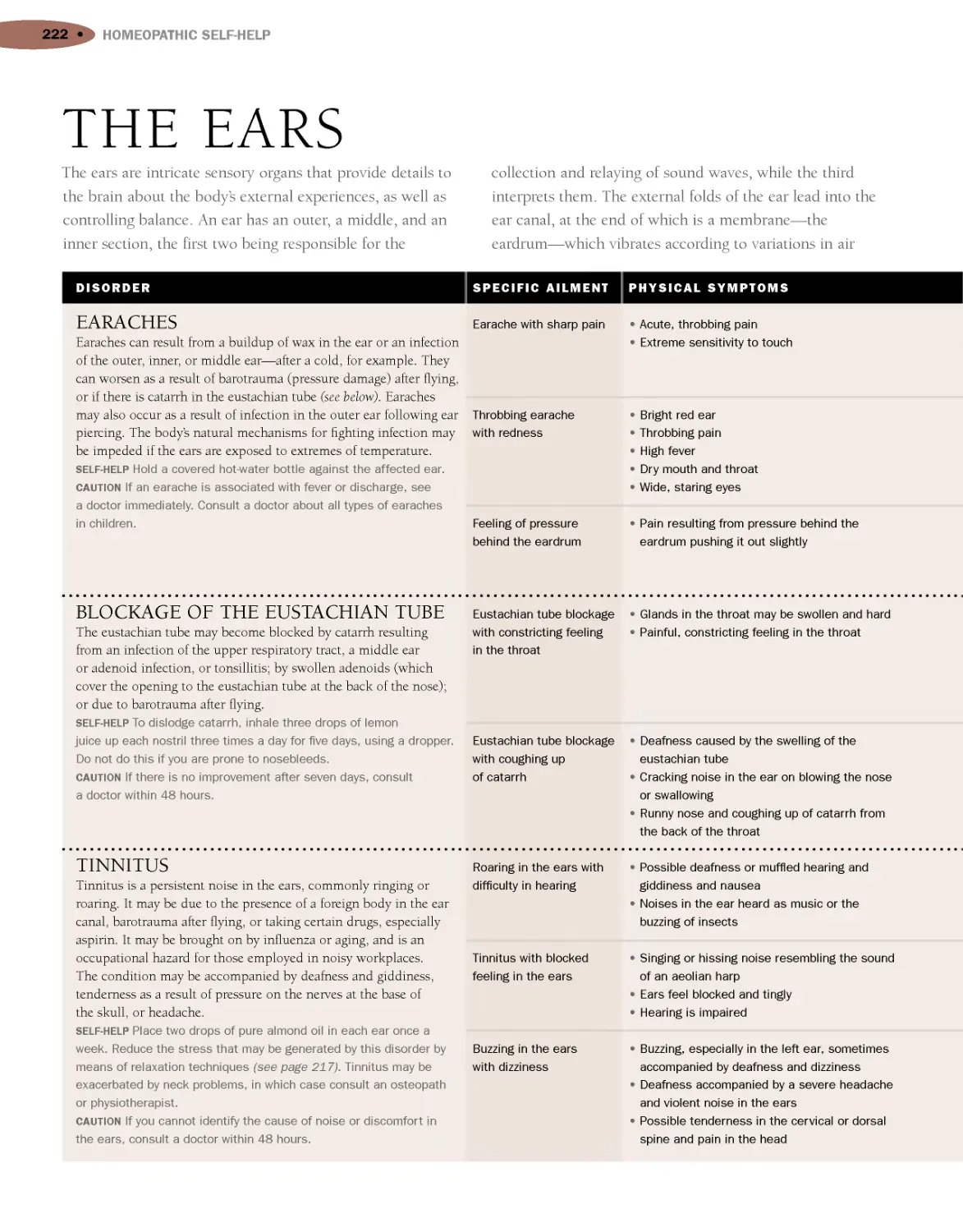

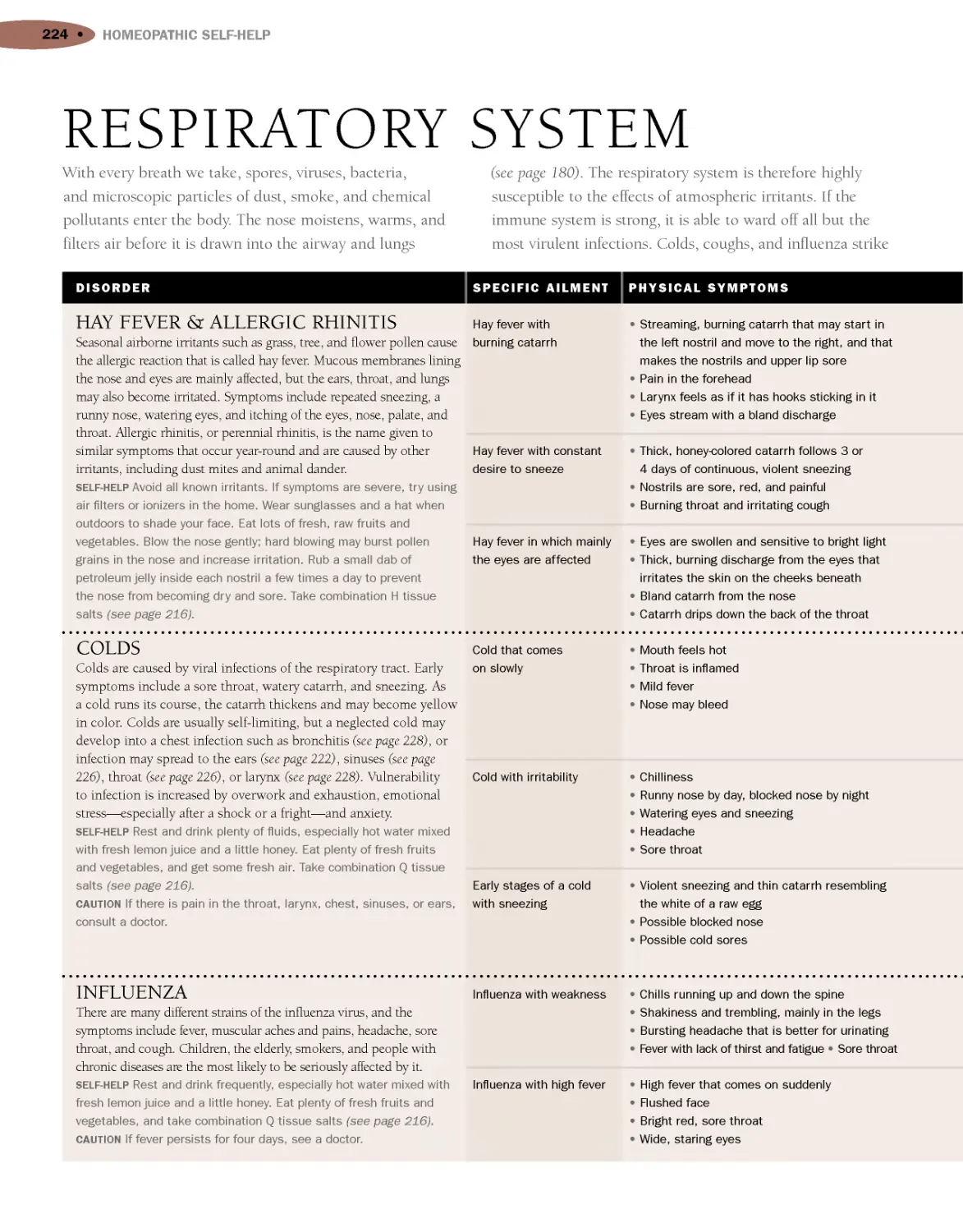

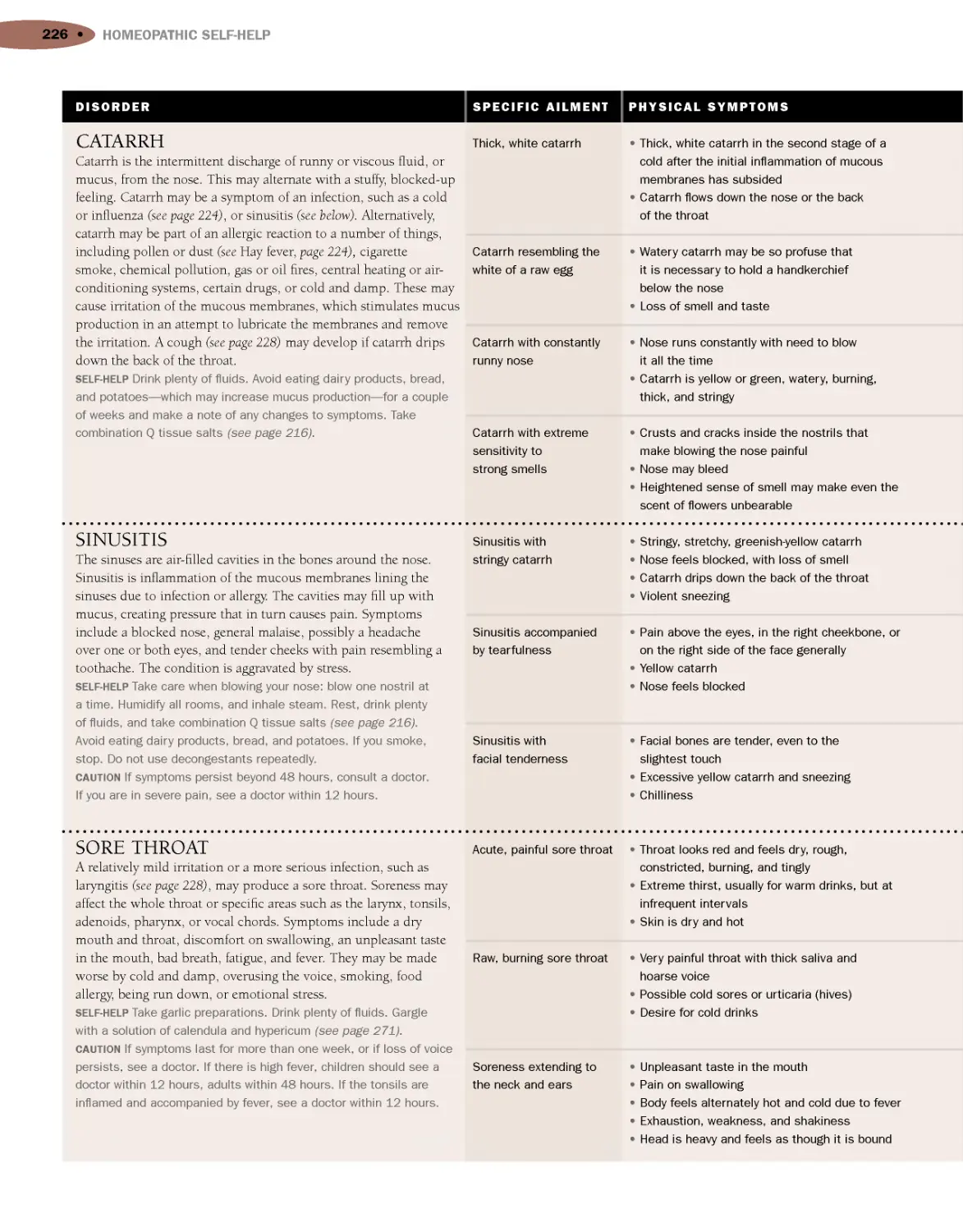

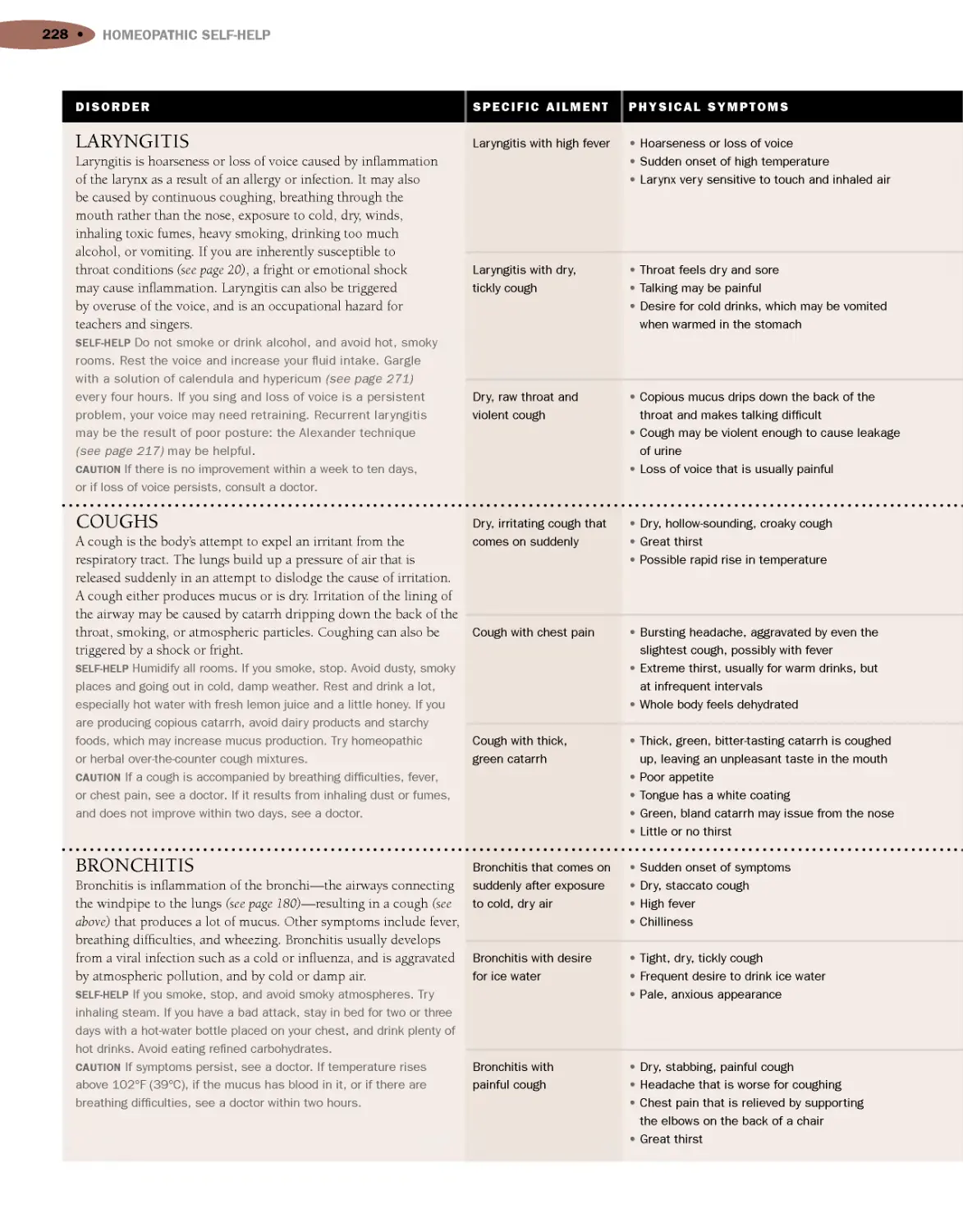

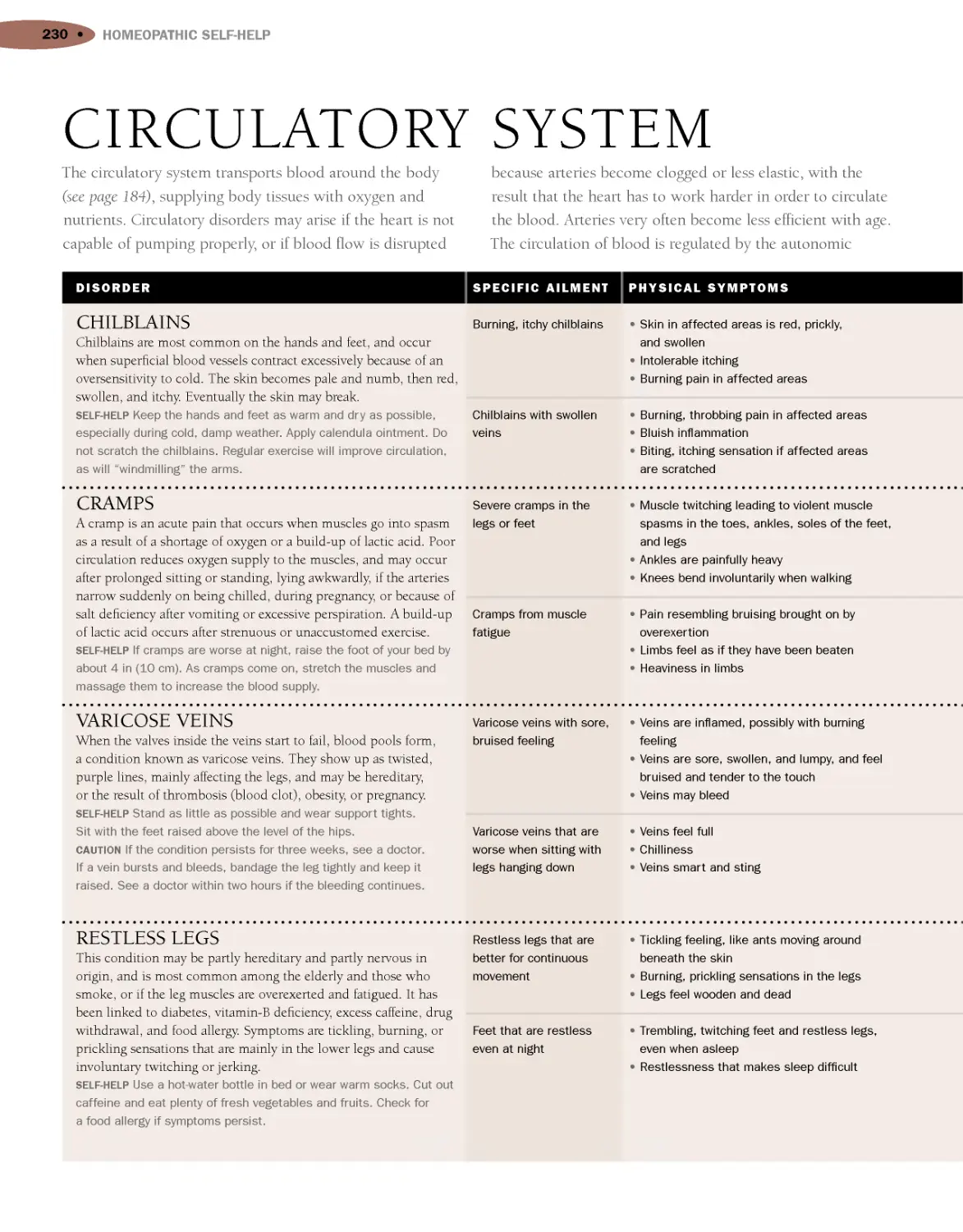

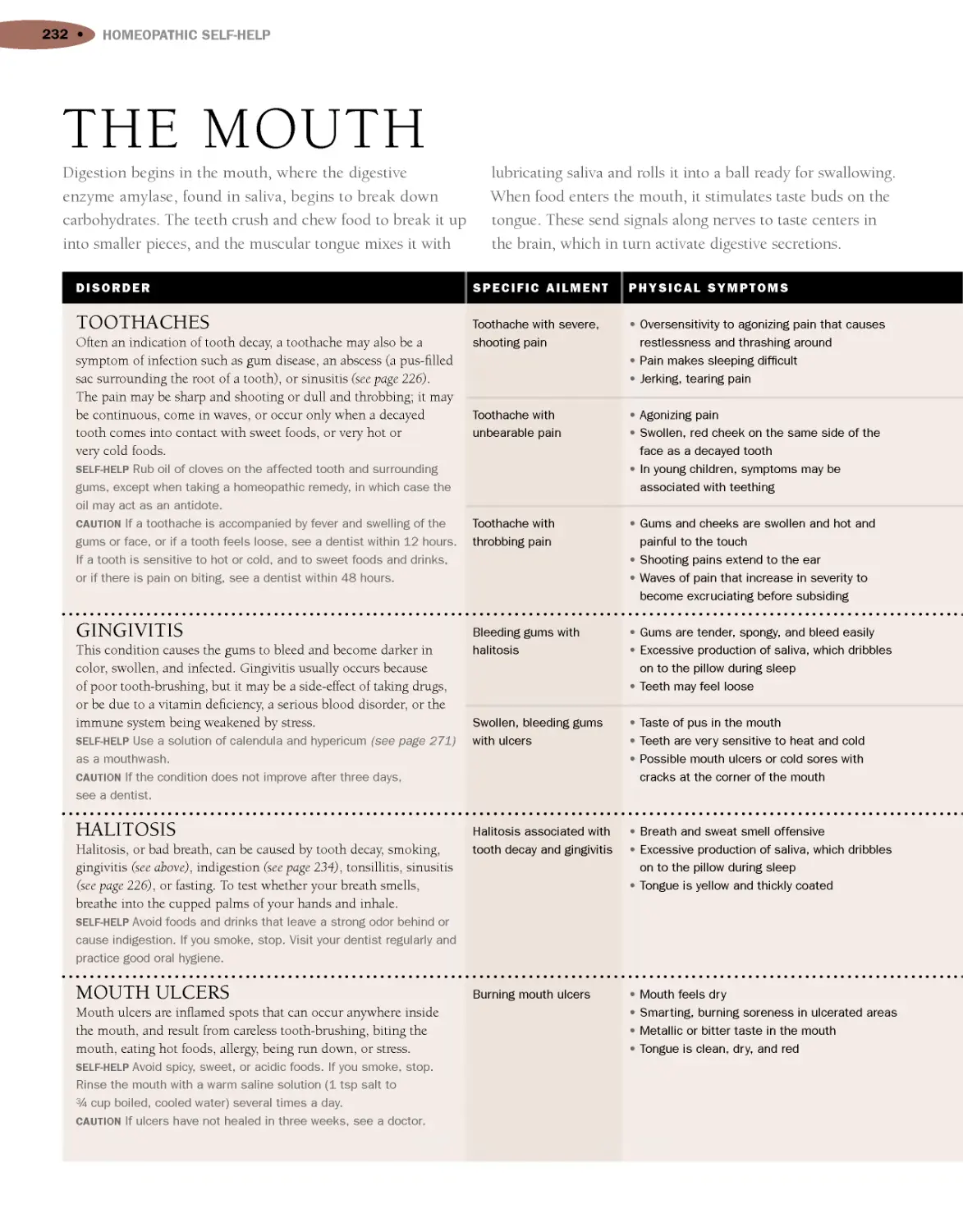

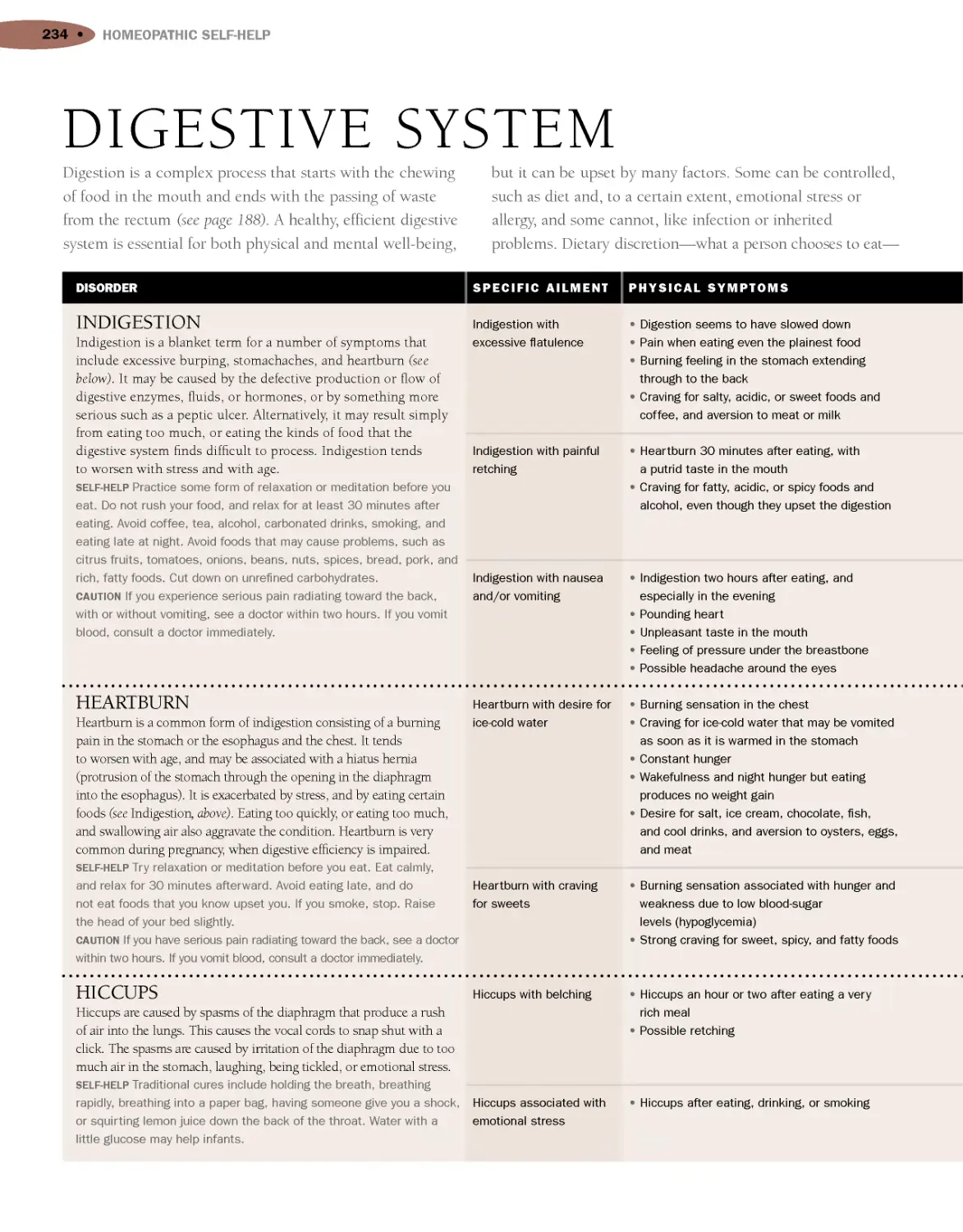

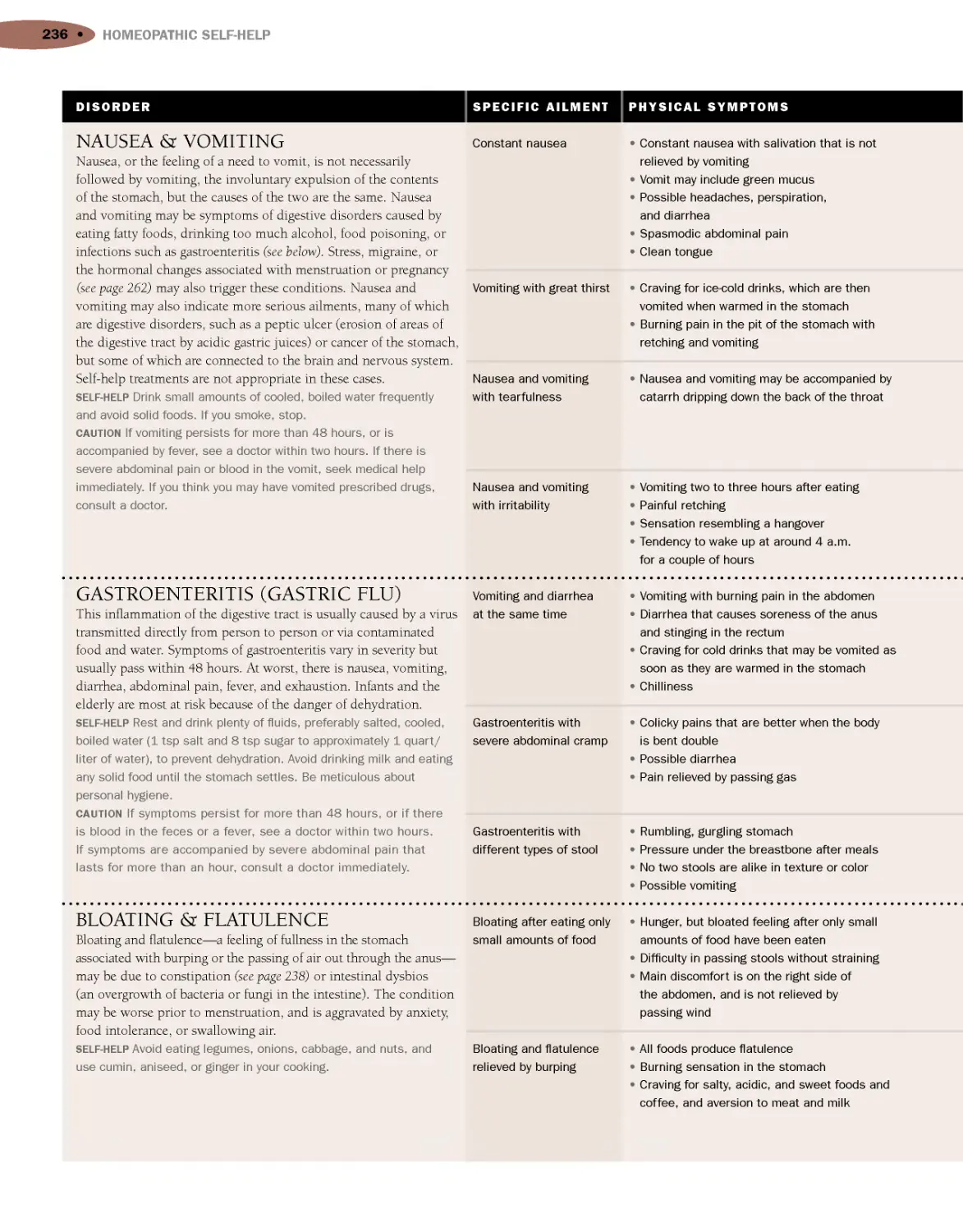








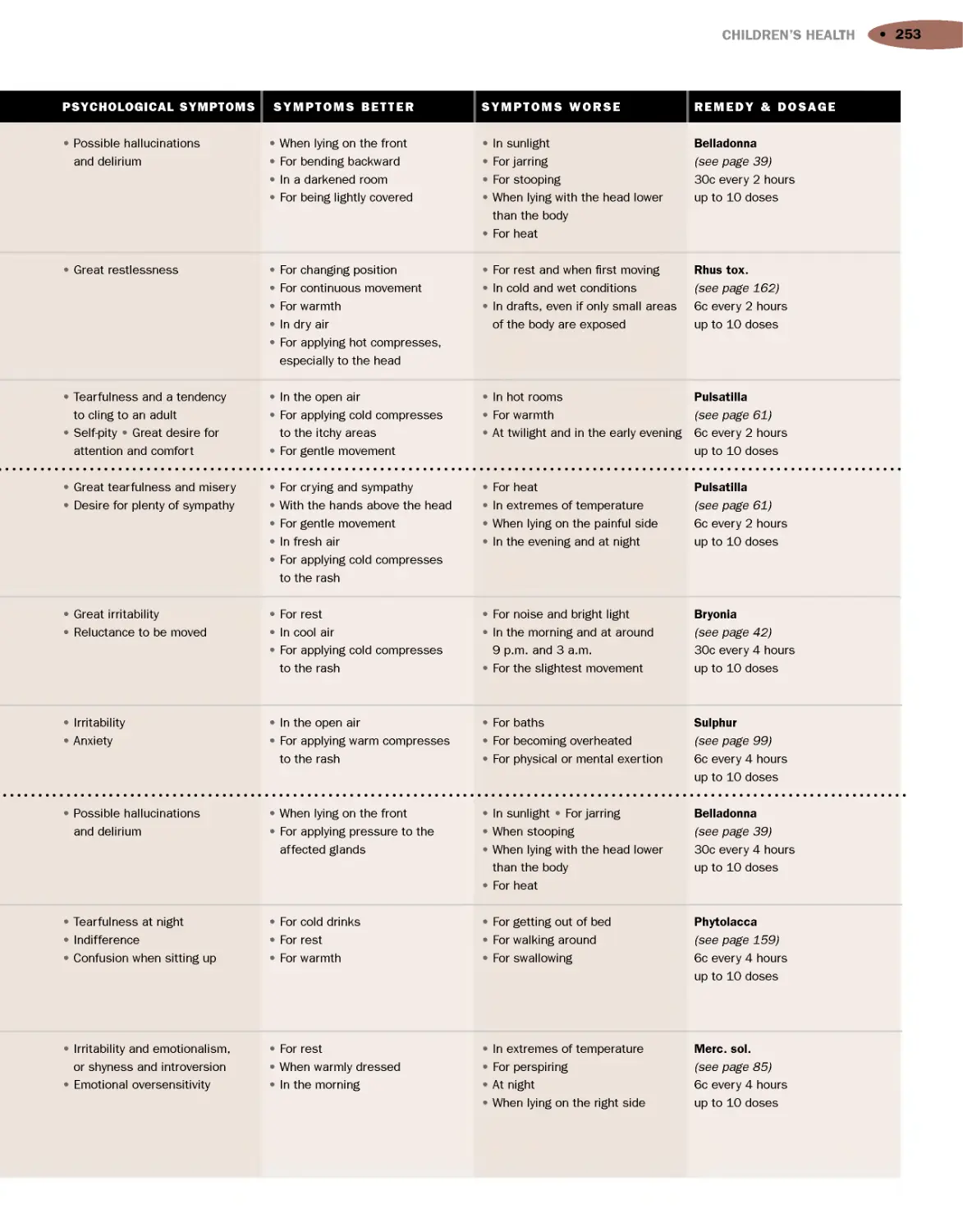
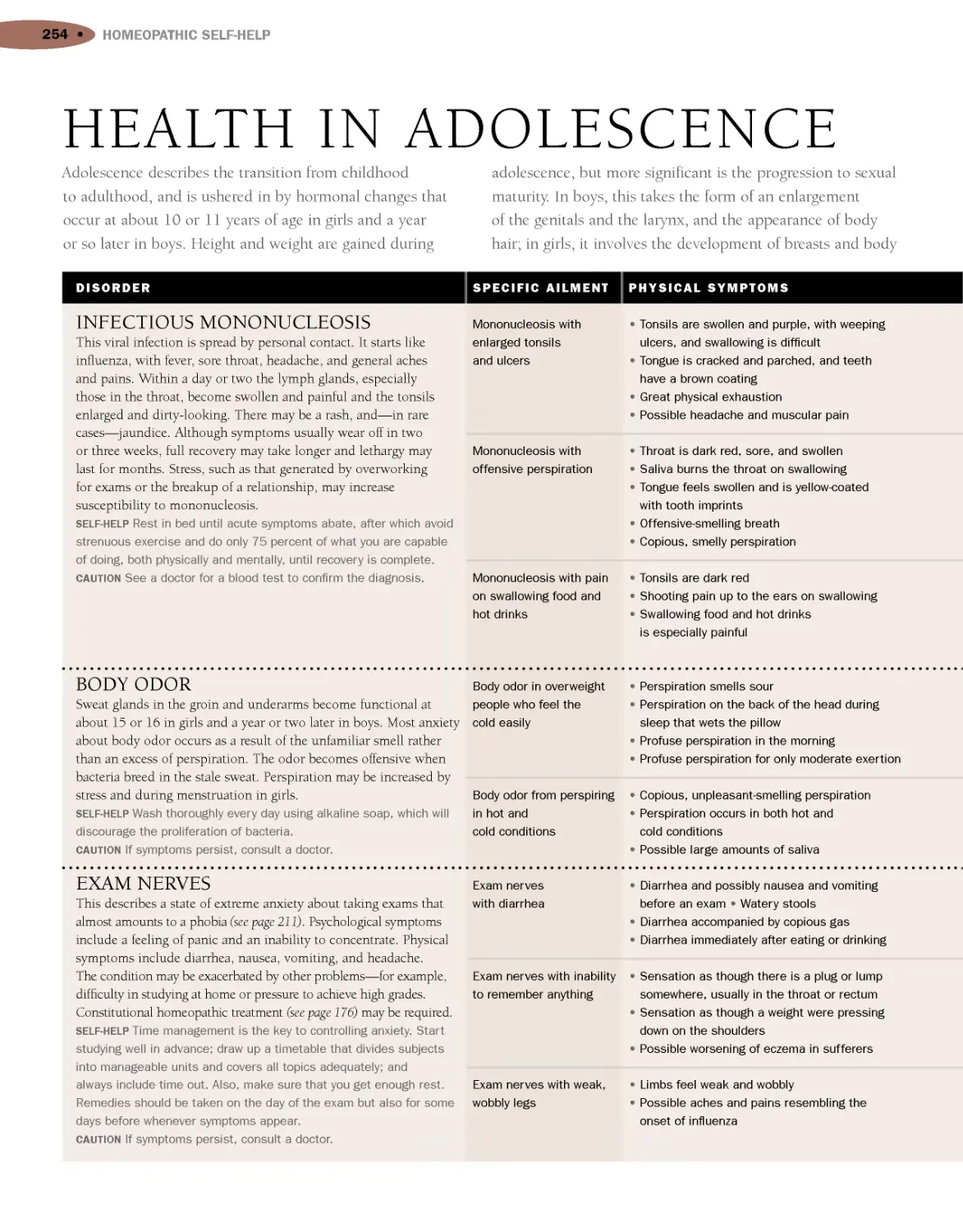

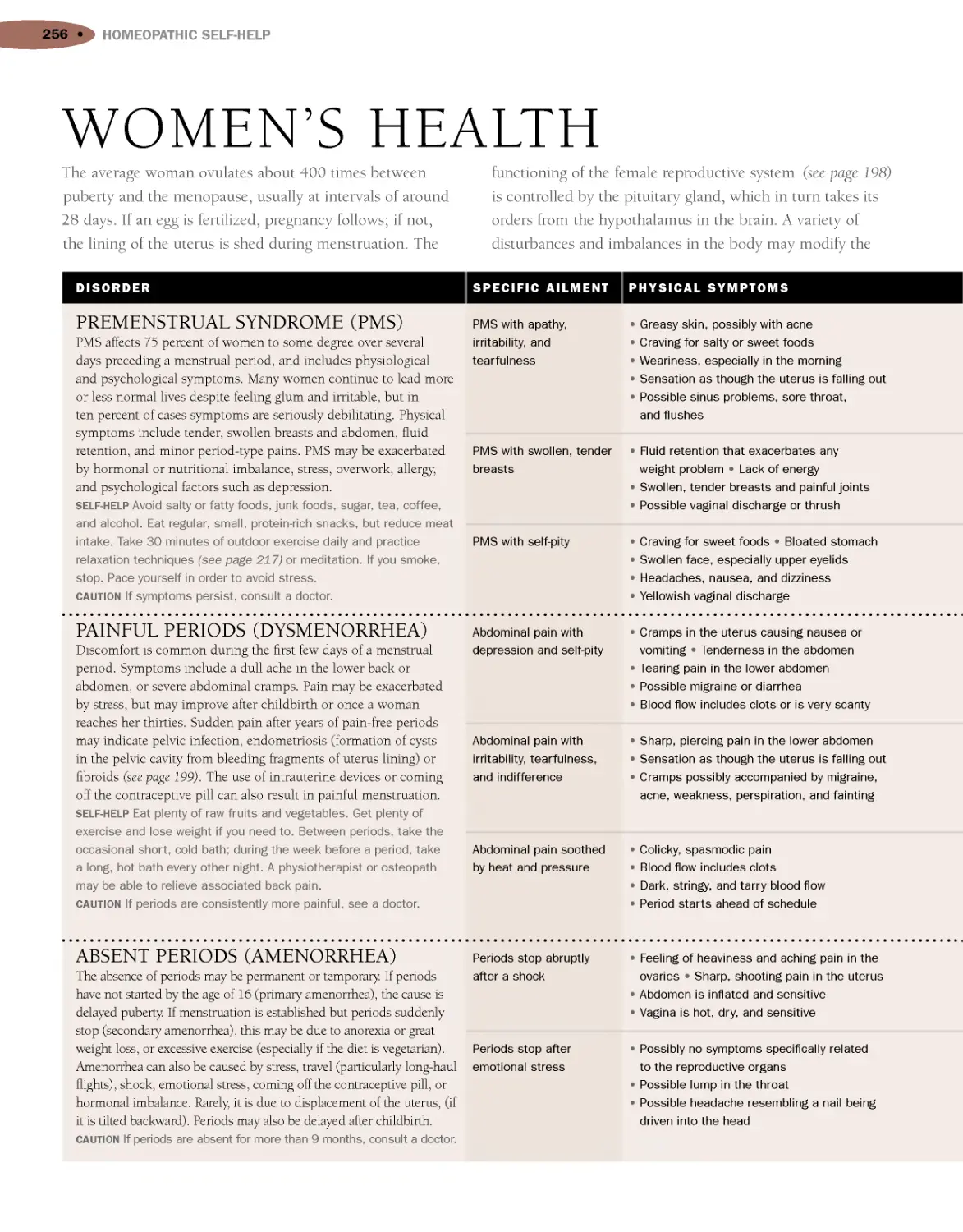

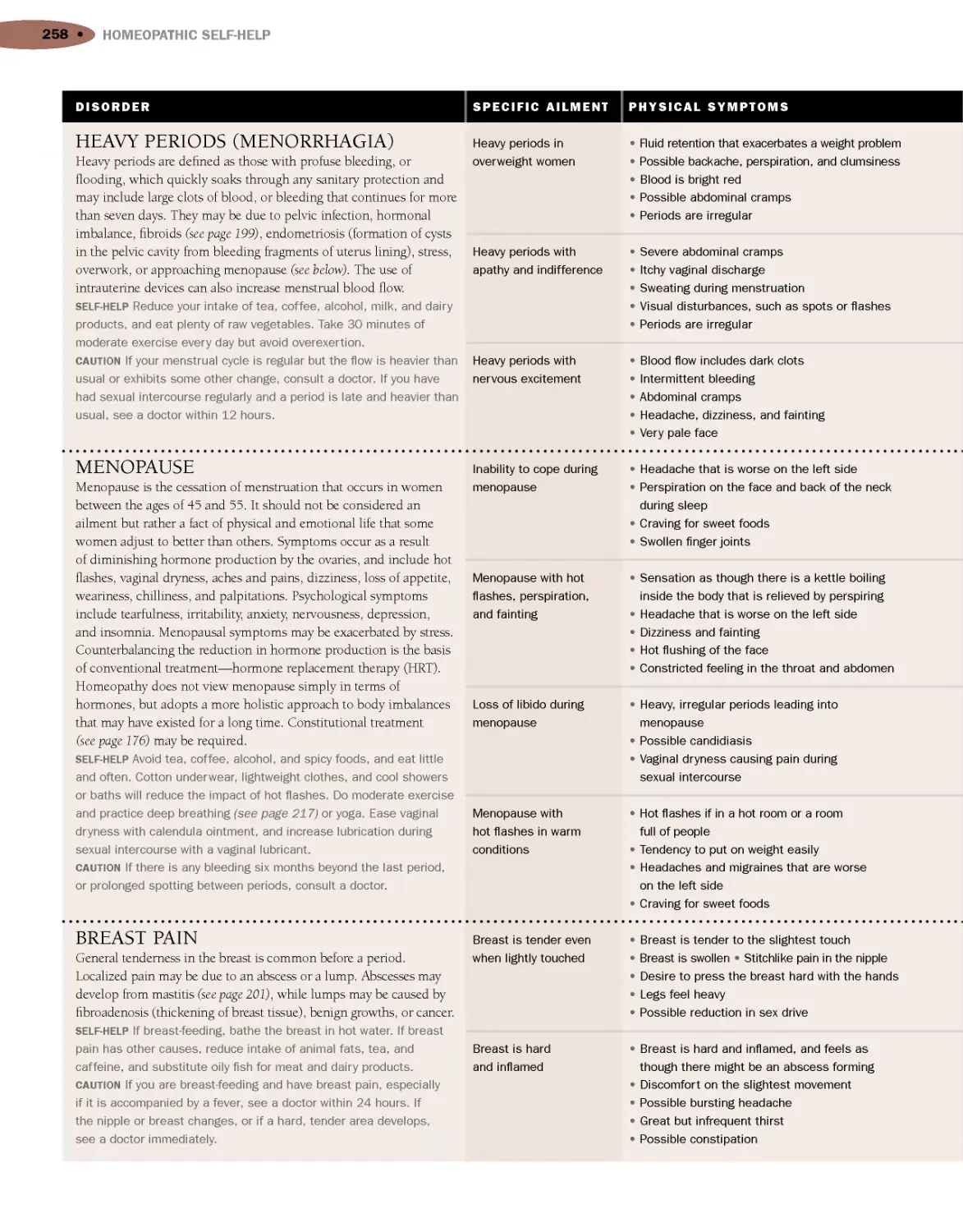






































Text
                    ENC " A OF
EO ' HY
E ► VE HOME R F R G
PAT C REMEDIE AND
R * ME TS FOR COMMON AI ENT
* _ I
r
v
DR ANDREW LOCKIE
MRCGP, FFHom
-k. *>
^ *

ENCYCLOPEDIA OF
HOMEOPATHY

^

ENCYCLOPEDIA OF
HOMEOPATHY
DR. ANDREW LOCKIE

LONDON, NEW YORK, MUNICH, MELBOURNE, DELHI
DK DELHI
Editorial Lead Dipah Singh
Senior Editor Glenda Fernandes
Senior Designer Romi Chakraborty
Designer Kadamban Misra
Senior DTP Designer Balwant Singh
DTP Designer Pushpak Tyagi
DTP Coordinator Pankaj Sharma
UPDATED EDITION (2006)
Senior Editors Janet Mohun, Jill Hamilton
Senior Art Editor Nicola Rodway
Executive Managing Editor Adele Hayward
Managing Art Editor Karla Jennings
DTP Designer Traci Salter
Production Controller Rebecca Short
US Consultant David Riley
FIRST EDITION (2000)
Senior Editor Stephanie Farrow
Project Editor (Ailments sections) Jude Garhck
Editor Joy McKnight
Senior Art Editor Hilary Krag
Designer Claudia Norns
Senior Managing Editor Krystyna Mayer
Deputy Art Director Carole Ash
DTP Designer Bridget Roseberry
Senior Production Controller Sarah Coltman
Important notice
Do not try self-diagnosis of or attempt self-treatment for serious or long-term
problems without consulting a medical professional or qualified practitioner. Do
not undertake any self-treatment while you are undergoing a prescribed course of
medical treatment without first seeking professional advice. Always seek medical
advice if symptoms persist. Do not exceed any dosages recommended without
professional guidance. Before taking any remedy or supplement, refer to
Consulting a practitioner, page 176, and Choosing a remedy, page 216.
Homeopathic remedy names are usually used m abbreviated form.
Commonly accepted abbreviations are used throughout the book.
Remedies are listed m the materia medica by Latin name.
To M, who showed me where my reset button is
First published m the United States m 2000
by DK Publishing, Inc., 375 Hudson Street, New York, New York 10014
Copyright © 2000, 2006 Dorlmg Kmdersley Limited
Text copyright © 2000 Dr. Andrew Lockie
Updated by Dr David Owen and Dr Patricia Ridsdale
All rights reserved under International and Pan-American Copyright Conventions.
No part of this publication may be reproduced, stored m a retrieval system, or
transmitted m any form or by any means, electronic, mechanical, photocopying,
recording or otherwise, without the prior written permission of the copyright
owner. Published m Great Britain by Dorlmg Kmdersley Limited.
DK books are available at special discounts for bulk purchases for sales
promotions, premiums, fund-raising, or educational use. For details, contact: DK
Publishing Special Markets, 375 Hudson Street, New York, NY 10014 or
SpecialSales@dk.com
A C1P record for this book is available from the Library of Congress.
1SBN-10 0-7566-1871-1 1SBN-13 978-0-7566-1871-1
Reproduced by Colourscan, Singapore
Printed and bound m China by Toppan
Discover more at
www.dk.com

CONTENTS
Introduction 6
How to use this book 8
Theory & practice
History of homeopathy 12 • Key principles & theories 18
Building a materia medica 22 • Development of homeopathy 24
Materia medica
How remedies are made 28 • Major plant remedies 30
Major mineral remedies 66 • Major animal remedies 102
Minor remedies 116
Serious ailments
Consulting a practitioner 176 • Nervous system 178
Respiratory system 180 • Circulatory system 184 • Digestive
system 188 • Skin & bones 192 • Reproductive systems 198
Immune system 204 • Mind & emotions 210
Homeopathic self-help
Choosing a remedy 216 • Nervous system 218 • The eyes 220
The ears 222 • Respiratory system 224 • Circulatory system 230
The mouth 232 • Digestive system 234 • The skin 240
Emotional problems 244 • Children's health 246
Health in adolescence 254 • Women's health 256
Men's health 264 • Health in later life 266 • First aid 270
A-Z Quick-reference guide to remedies by homeopathic name 276
How to find a practitioner & useful addresses 312
Bibliography 314
Index 316
Acknowledgments 336

INTRODUCTION
Homeopathy is a holistic form of complementary medicine, aiming to treat the whole person
rather than just the physical symptoms. It works on the principle that the mind and body
are so strongly linked that physical conditions cannot be successfully treated without an
understanding of the person's constitution and character.
Whereas in conventional medicine, people diagnosed with the same condition will
generally be given the same medicine, in homeopathy the remedy given to a patient may
depend on a whole host of other factors, such as temperament, state of mind, and lifestyle.
The key to the practice of homeopathy is the ability to understand and interpret the patient's
symptoms—the outward signs of internal disorder—both before and after a remedy is given.
This continuing relationship helps to make homeopaths particularly effective at discovering
the underlying causes of frequently recurring ailments.
Homeopathy's safe, gentle approach complies with one of the most important rules of
medical intervention—namely, that it should do no harm. Many common, everyday ailments
may be treated safely and effectively at home using homeopathic remedies; should the
common ailment develop into something worse, however—a cold into a chest infection, for
instance—then a conventional doctor must be consulted. In general, a conventional doctor
should be consulted for any ailment that can be quickly and effectively treated by
conventional medicine, or for any condition that requires conventional investigation.
Certain serious ailments may also be alleviated using homeopathic remedies, but in the
treatment of these conditions, the experience of a qualified homeopathic practitioner is
essential from the outset.
My aim in this book has been to give a wide-ranging and comprehensive account of
homeopathy that is easy for the layperson to understand and use. With several hundred
homeopathic remedies available, choosing the right ones is obviously a complex matter.
I have included more than 320 remedies and a great many ailments. Those in the serious
ailments section should under no circumstances be considered for self-treatment but always
referred to a homeopathic practitioner. With their accompanying case histories, the inclusion
of these serious conditions is intended to give the reader a greater insight into the way a
homeopathic practitioner might approach particular problems and how consultations can
help unlock a case and provide an understanding of how the illness has developed.
For this book, a great deal of research has been carried out into the scientific
classifications of the substances from which remedies are made, in order to correct the
various errors and confusions that have crept in over the past 200 years. Thus, this book is
currently the most scientifically accurate and up-to-date publication available on homeopathy.
I have used current biological, zoological, and mineralogical classifications where possible,

which has meant that some Latin names in this book differ from those to be found in
earlier homeopathic textbooks. The remedies are listed in alphabetical order according
to these Latin names in the materia medica.
It is a truism that no one system of medicine can cure every illness every time in
every patient. However, an integrated approach to medicine can provide a flexible and
pragmatic approach to healthcare, and homeopathy has an important role to play in this
process. In many countries, conventionally trained doctors are already turning
increasingly to complementary therapies such as homeopathy to widen the range of
treatments available to them.
To some extent, this is a response by the medical profession to the wishes of a
growing number of patients, who would like to take more responsibility for their own
health. More and more people want to understand what they can do themselves to
prevent illness and, if they do become ill, to understand the causes of their illness and
determine how they can help themselves recover. Homeopathy offers a simple, effective,
relatively inexpensive, and extremely safe way of accomplishing this, provided it is
practiced with common sense.
oi^eo n . IccJ^^*—-
Introduction to updated edition
Homeopathy is far more than just a different set of "pills" for everyday ills. It provides a
language for diagnosis and a range of approaches to health. This book provides the
information necessary to use homeopathy to treat many every day illnesses by focusing
on the cause and the presenting symptoms. Central to this is an understanding of the
homeopathic remedies themselves. The clear descriptions and illustrations in this book
make the exploration of homeopathy and its medicines a delight and bring accurate use
of homeopathy for minor ailments into the home. In addition, more serious conditions
are described, and the way homeopathy can play a part in the holistic management of
these conditions is explored. In this book, Andrew Lockie has provided an excellent and
straightforward introduction and overview of this broad subject. We, like Dr. Lockie,
believe that many more people can access both the benefits of homeopathy and the
wonders of the remedies through this book.

ENCYCLOPEDIA OF HOMEOPATHY
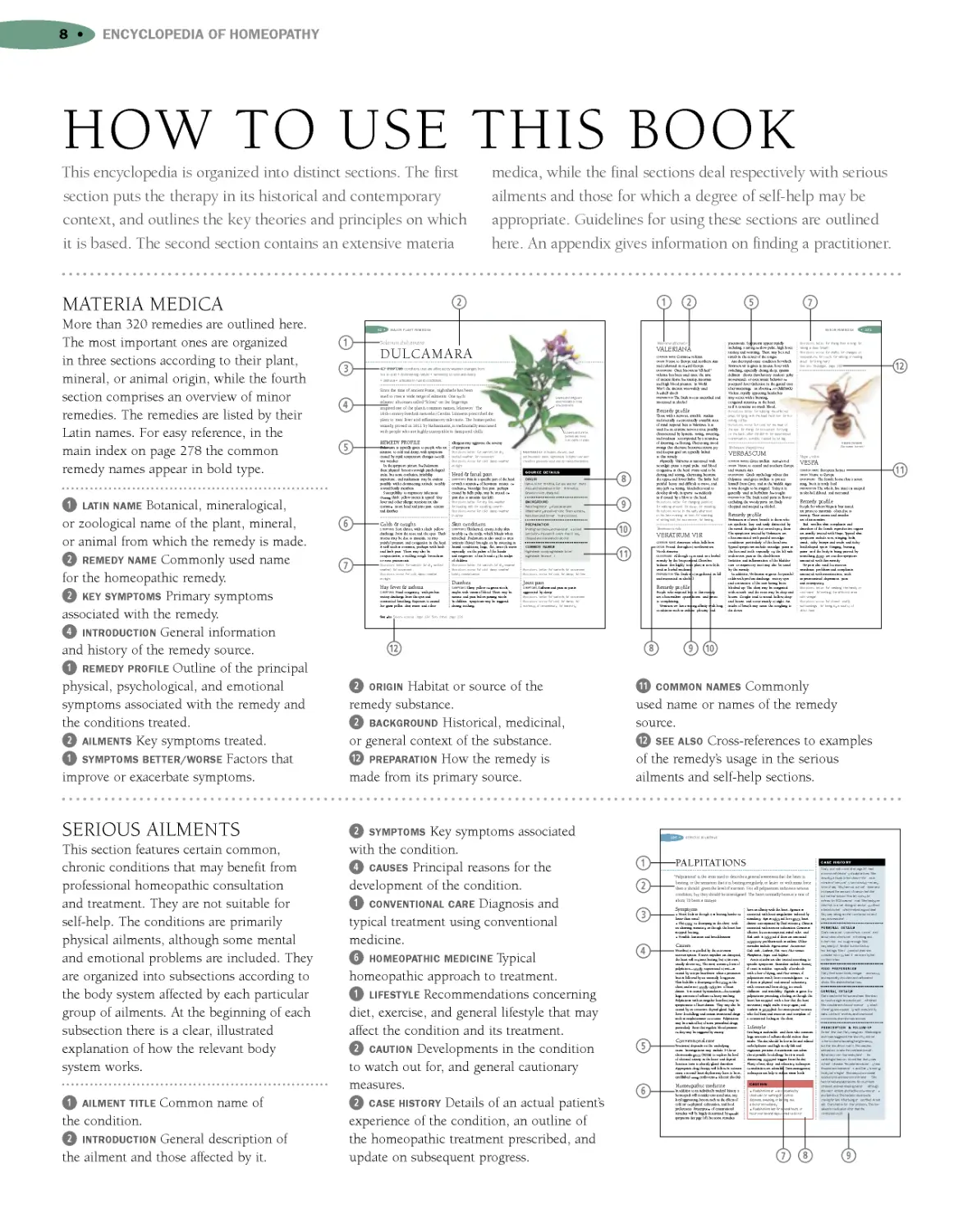
HOW TO USE THIS BOOK
This encyclopedia is organized into distinct sections. The first medica, while the final sections deal respectively with serious
section puts the therapy in its historical and contemporary ailments and those for which a degree of self-help may be
context, and outlines the key theories and principles on which appropriate. Guidelines for using these sections are outlined
it is based. The second section contains an extensive materia here. An appendix gives information on finding a practitioner.
MATERIA MEDICA
More than 320 remedies are outlined here.
The most important ones are organized
in three sections according to their plant,
mineral, or animal origin, while the fourth
section comprises an overview of minor
remedies. The remedies are listed by their
Latin names. For easy reference, in the
main index on page 278 the common
remedy names appear in bold type.
© LATIN NAME Botanical, mineralogical,
or zoological name of the plant, mineral,
or animal from which the remedy is made.
© REMEDY NAME Commonly used name
for the homeopathic remedy.
© KEY SYMPTOMS Primary symptoms
associated with the remedy.
O INTRODUCTION General information
and history of the remedy source.
O REMEDY PROFILE Outline of the principal
physical, psychological, and emotional
symptoms associated with the remedy and
the conditions treated.
© AILMENTS Key symptoms treated.
O SYMPTOMS BETTER/WORSE Factors that
improve or exacerbate symptoms.
Q>
© © © ©
© ORIGIN Habitat or source of the
remedy substance.
© BACKGROUND Historical, medicinal,
or general context of the substance.
© PREPARATION How the remedy is
made from its primary source.
-©
© ®®
Q COMMON NAMES Commonly
used name or names of the remedy
source.
© SEE ALSO Cross-references to examples
of the remedy's usage in the serious
ailments and self-help sections.
SERIOUS AILMENTS
This section features certain common,
chronic conditions that may benefit from
professional homeopathic consultation
and treatment. They are not suitable for
self-help. The conditions are primarily
physical ailments, although some mental
and emotional problems are included. They
are organized into subsections according to
the body system affected by each particular
group of ailments. At the beginning of each
subsection there is a clear, illustrated
explanation of how the relevant body
system works.
© AILMENT TITLE Common name of
the condition.
© INTRODUCTION General description of
the ailment and those affected by it.
© SYMPTOMS Key symptoms associated
with the condition.
© CAUSES Principal reasons for the
development of the condition.
© CONVENTIONAL CARE Diagnosis and
typical treatment using conventional
medicine.
© HOMEOPATHIC MEDICINE Typical
homeopathic approach to treatment.
© LIFESTYLE Recommendations concerning
diet, exercise, and general lifestyle that may
affect the condition and its treatment.
© CAUTION Developments in the condition
to watch out for, and general cautionary
measures.
© CASE HISTORY Details of an actual patient's
experience of the condition, an outline of
the homeopathic treatment prescribed, and
update on subsequent progress.
© © ©

HOW TO USE THIS BOOK
HOMEOPATHIC SELF-HELP
Arranged in chart form, this section covers
a wide range of minor and acute physical,
mental, and emotional ailments that may
respond well to self-help measures. General
conditions are organized by body system.
Sections on specific ailments that are
prevalent at particular stages of life follow,
along with a first-aid section.
O SECTION TITLE Body system or life stage
to which ailments typically belong.
O INTRODUCTION Body-system or life-stage
context for the ailments in the section, and the
potential of homeopathy for treating them.
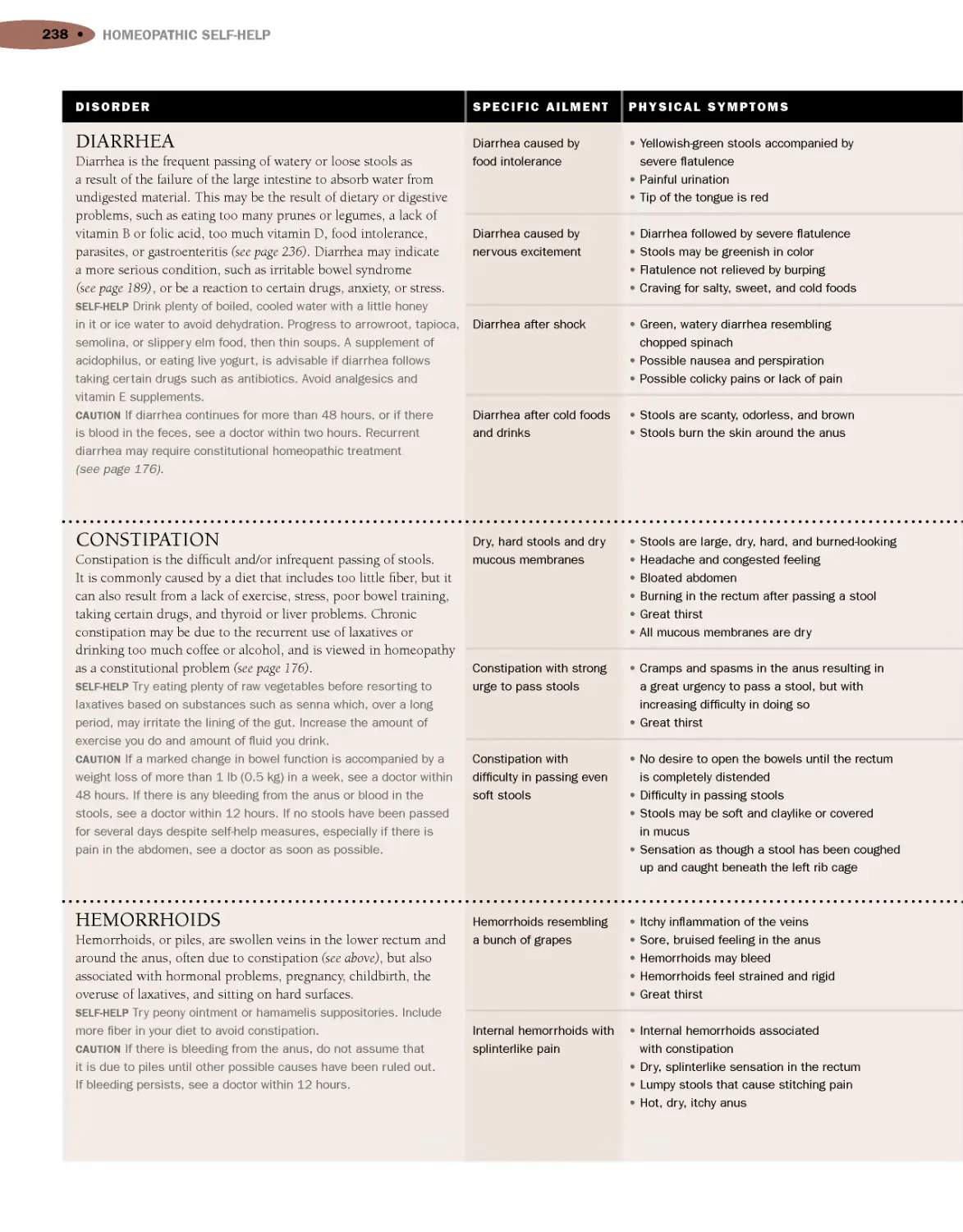
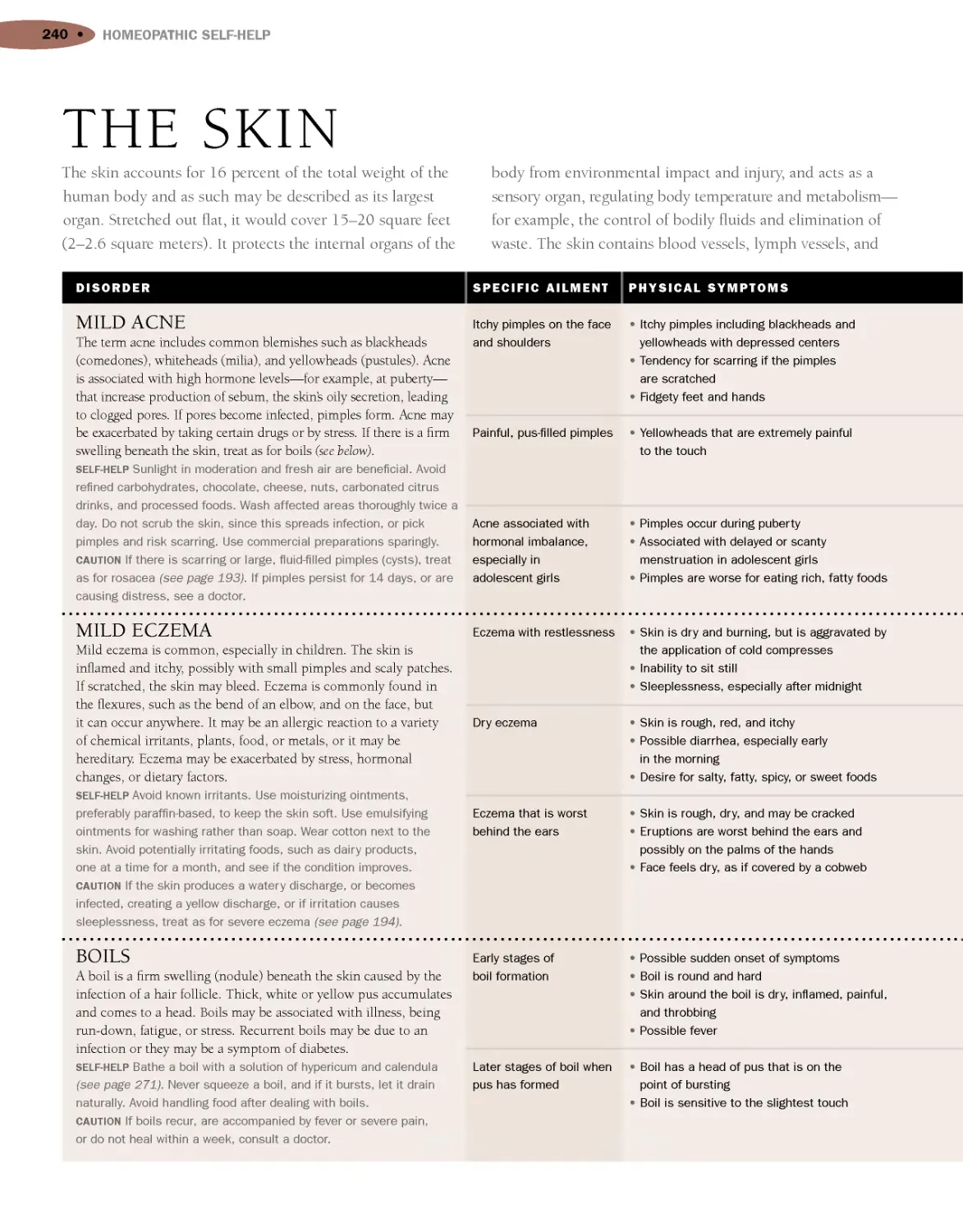
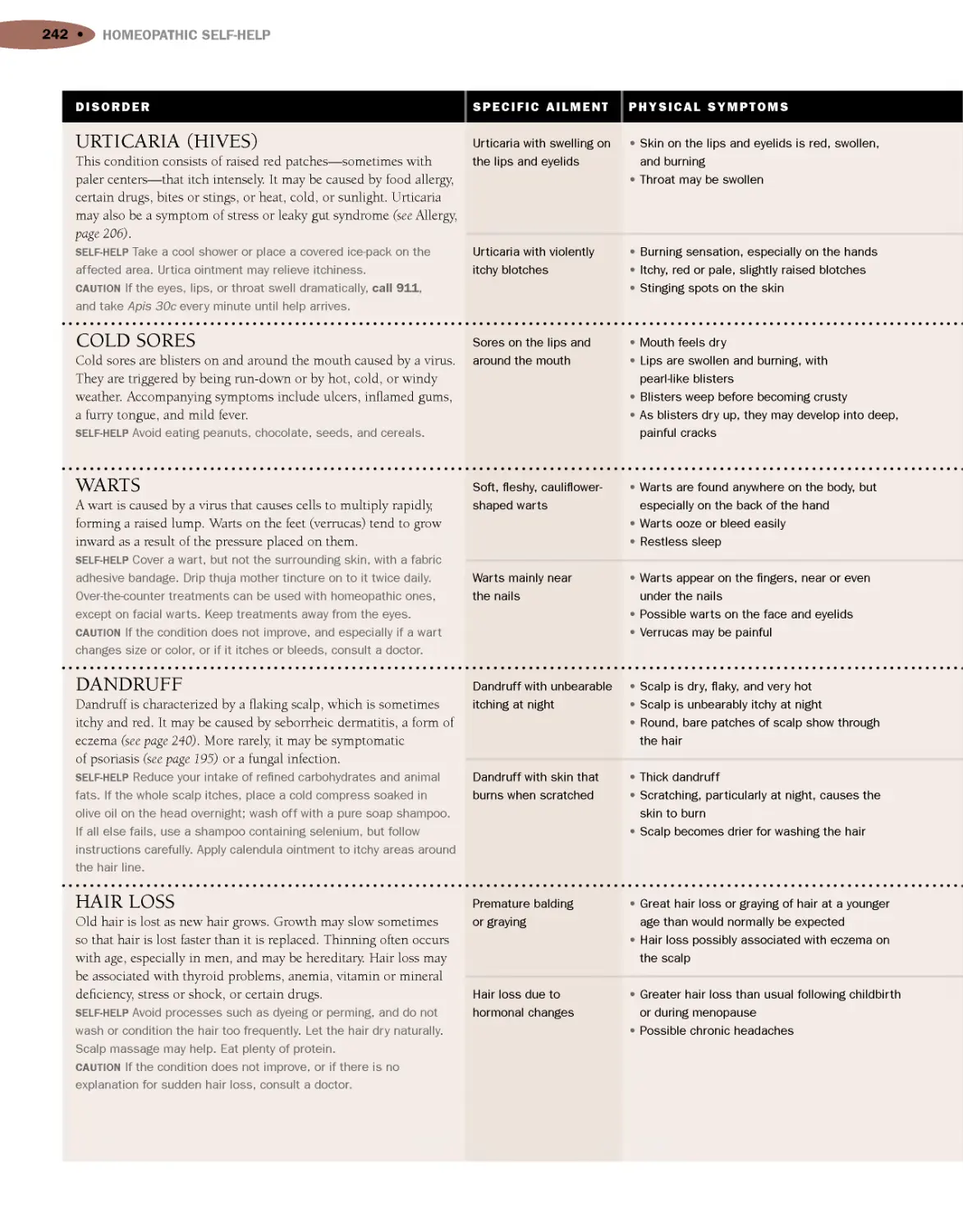
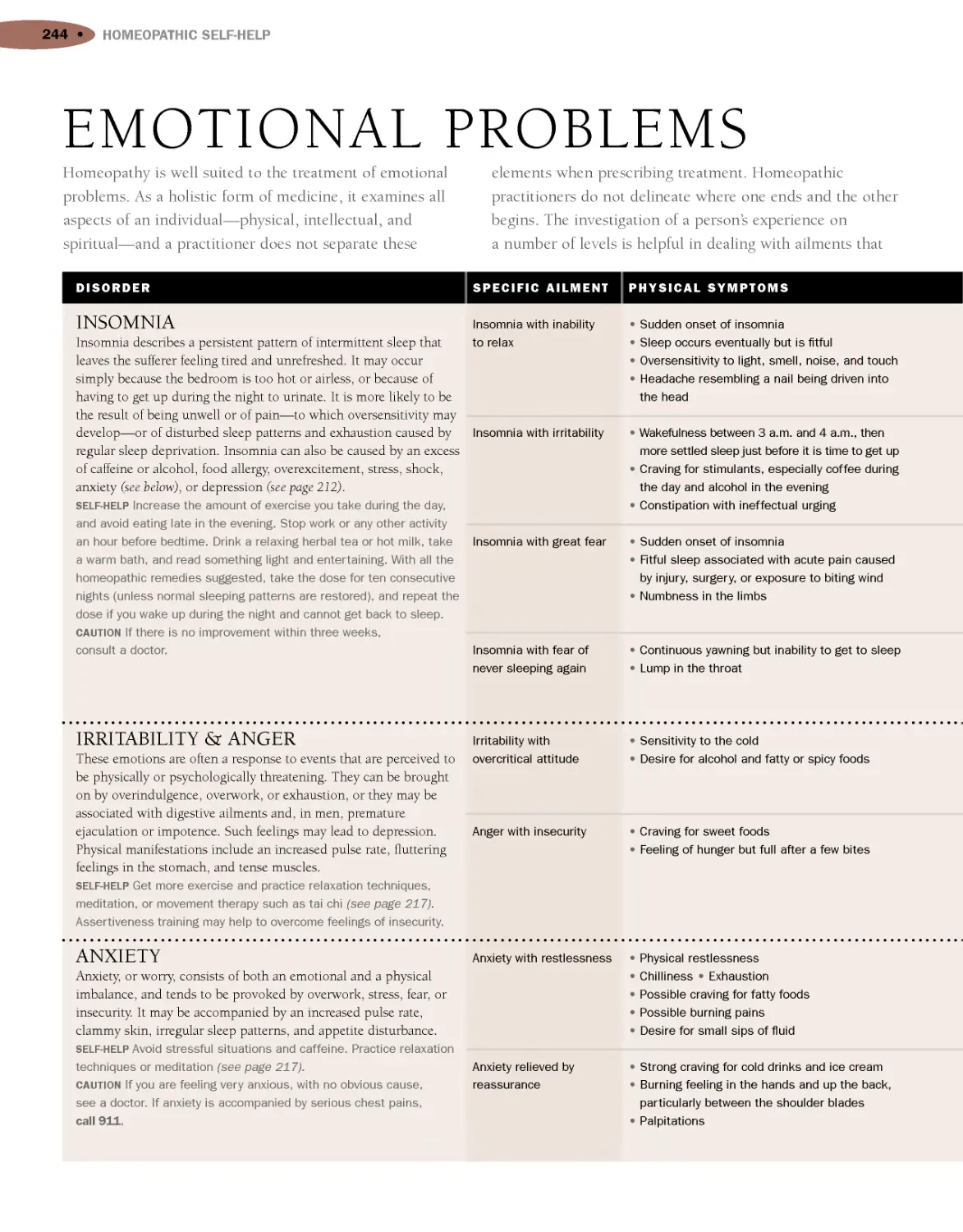
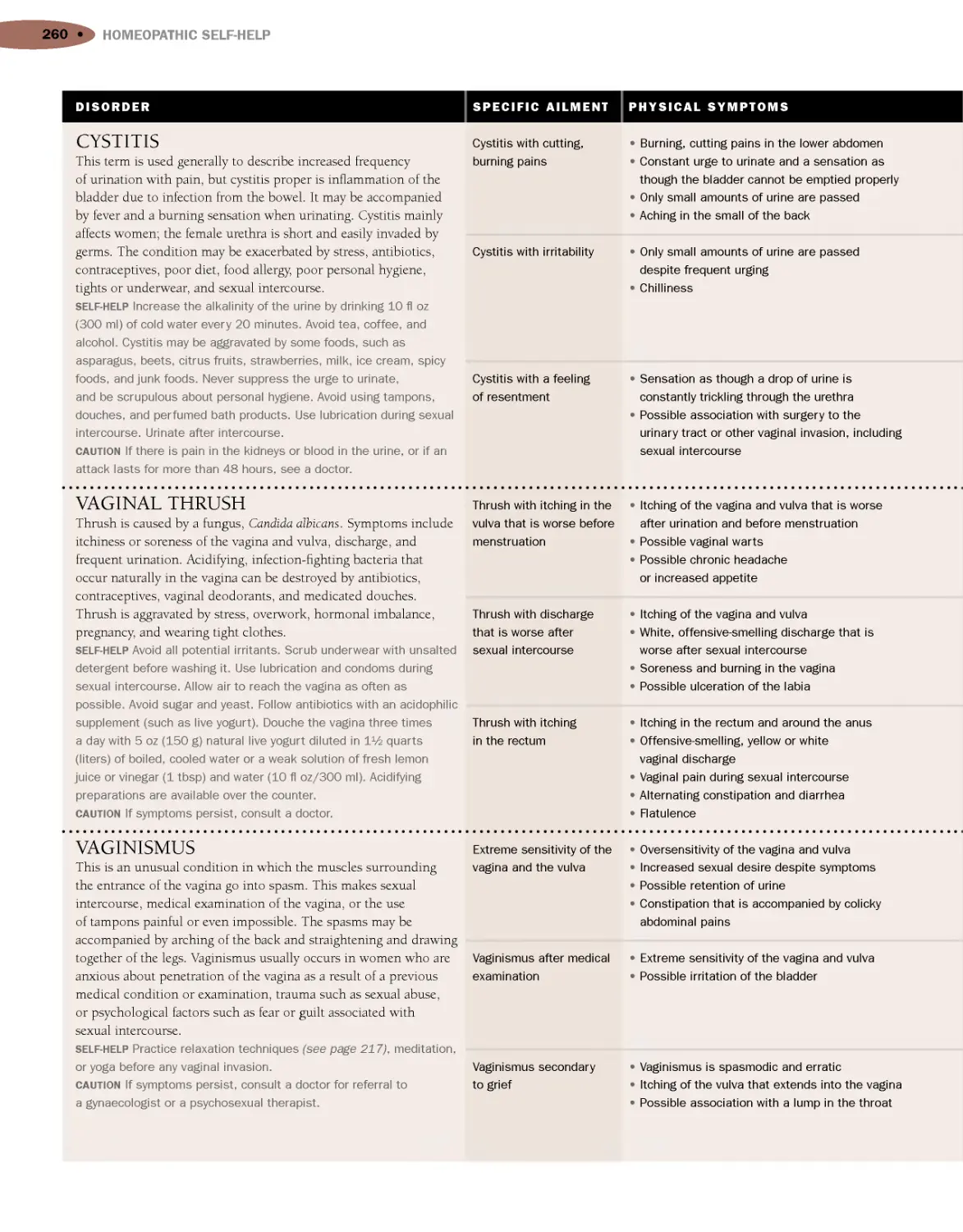
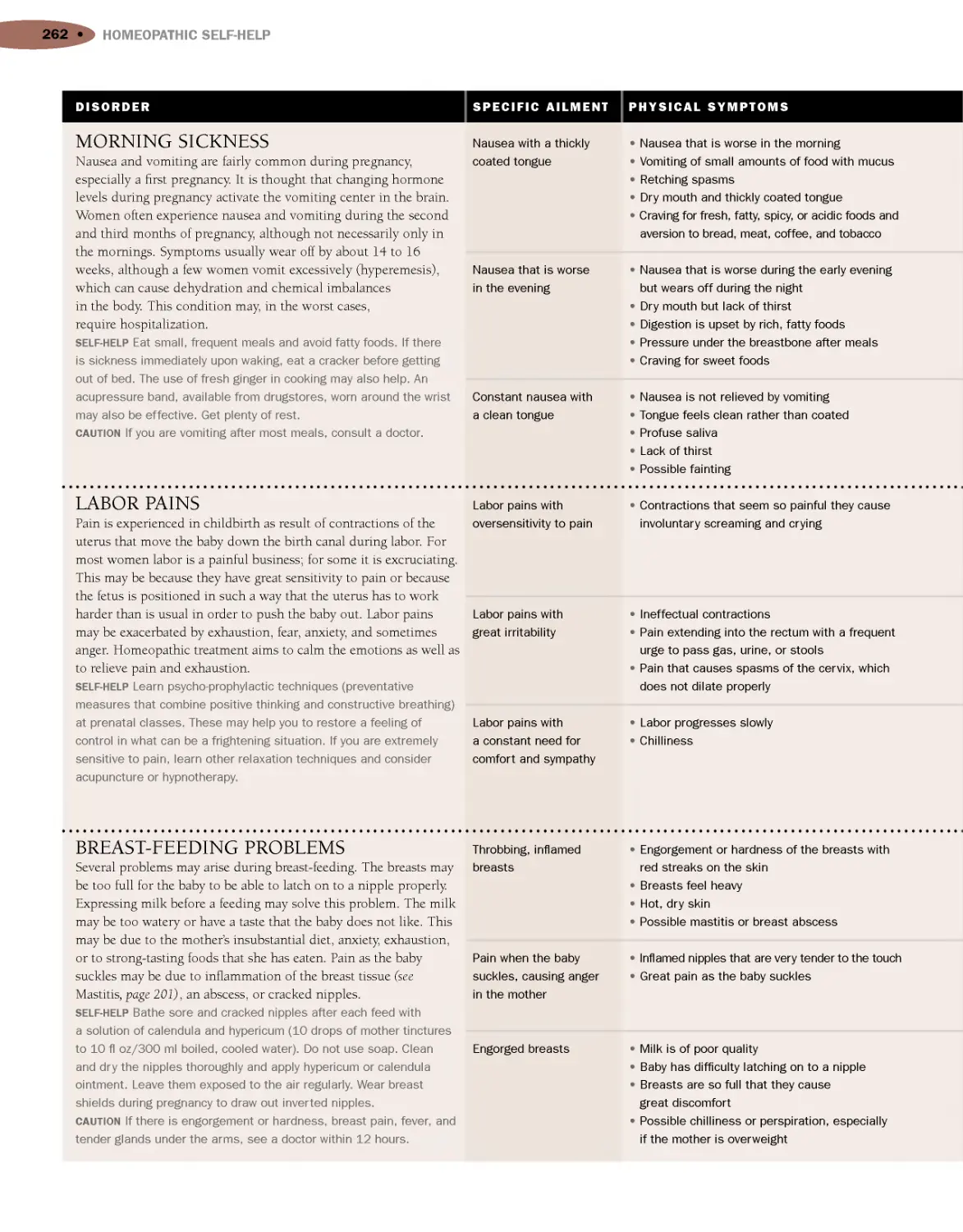
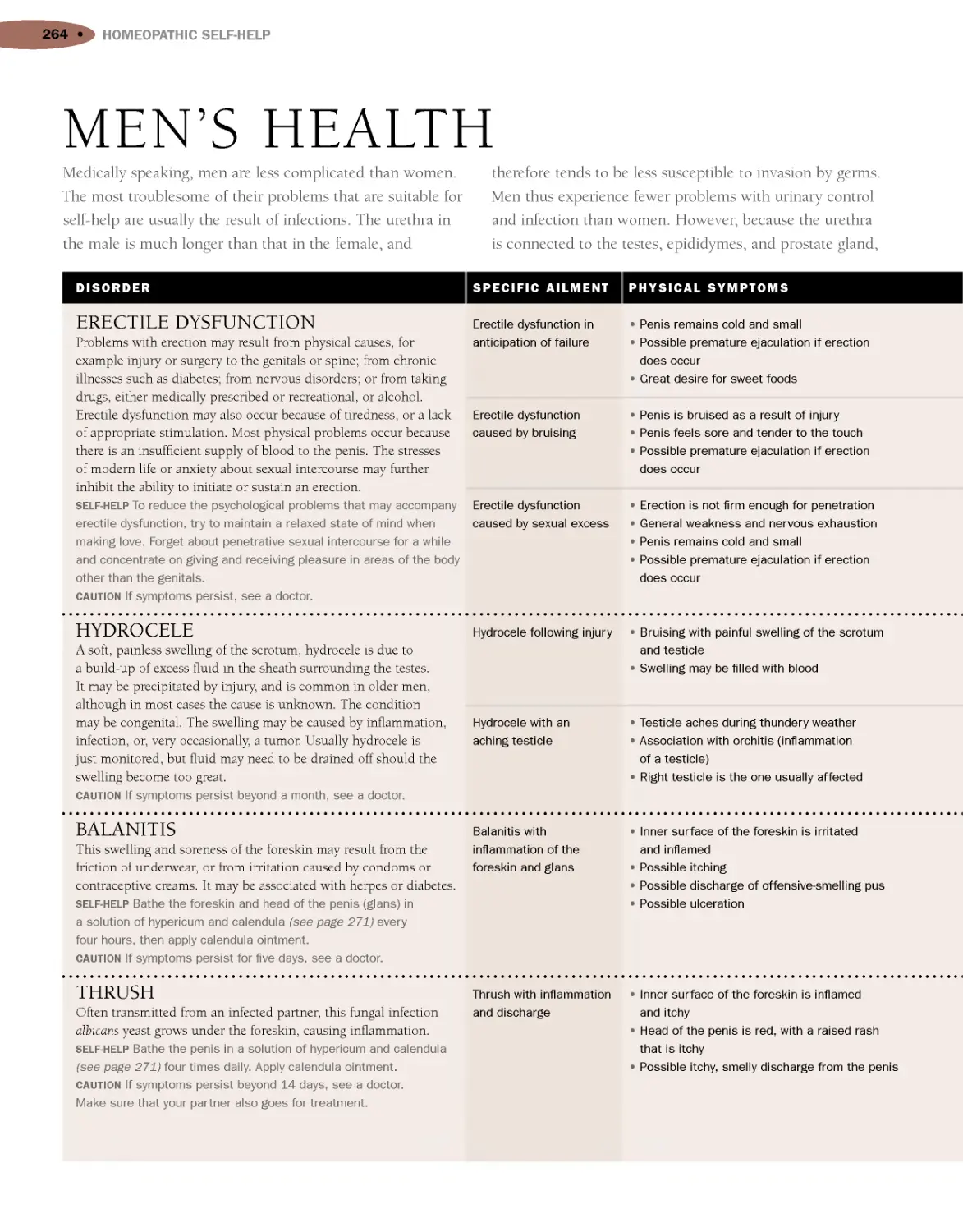
© DISORDER Symptoms of the ailment,
along with causes, contributing factors,
and possible wider implications for health.
Additional self-help measures are also listed,
as well as cautionary advice.
O SPECIFIC AILMENT Brief description of
a particular key symptom that may be
associated with the disorder.
O PHYSICAL SYMPTOMS Details of the
particular profile of physical symptoms
associated with the specific ailment.
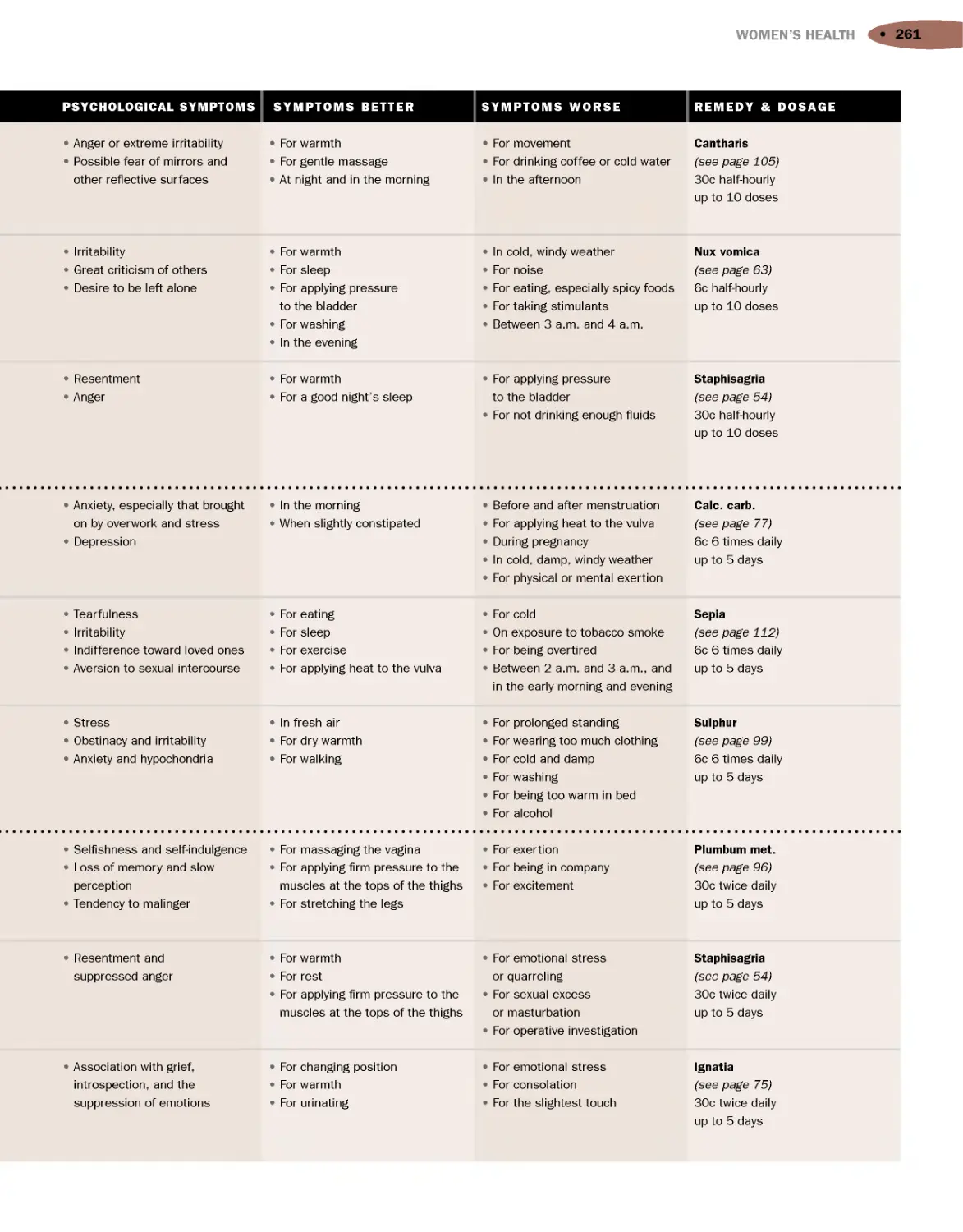
O PSYCHOLOGICAL SYMPTOMS Details of
the particular psychological symptoms
associated with the specific ailment.
O SYMPTOMS BETTER/WORSE External
or internal factors that may cause the
particular combination of symptoms
to improve or deteriorate.
© REMEDY & DOSAGE The appropriate
remedy for the set of symptoms, along
with the recommended dosage and the
duration of treatment.
SAFETY ISSUES
In addition to the specific cautions listed in
the ailments sections, you should check the
general cautions below and the red-light
symptoms (see right) before attempting to
treat yourself homeopathically Unless
otherwise stated, treatments recommended
are for homeopathic remedies only; they do
not advocate ingestion or application of the
actual plants, minerals, or animals from
which the remedy is made.
General cautions
• Consult a conventional doctor immediately
if you have any of the red-light symptoms
(see right).
• See a conventional doctor if there is no
improvement within two to three weeks
(48 hours in children under five) or if
symptoms get worse.
• Do not stop taking any prescribed
conventional medication without first
consulting a conventional doctor.
• Tell your homeopath about any prescribed
conventional medication you are taking,
and any other complementary treatments
you are receiving.
• Tell a conventional doctor about any
homeopathic remedies you are taking.
• Always check with a conventional
doctor before embarking on any course
of complementary treatment if you have
any existing, chronic medical conditions
or symptoms of illness.
• Do not embark on any program of
vigorous exercise without first consulting
a conventional doctor if you have any
serious medical condition, such as high
blood pressure or a heart condition, or
if you are pregnant.
• Do not begin a course of homeopathic
treatment without first consulting a
conventional doctor if you are trying
to conceive or are already pregnant.
Consult a conventional doctor immediately for:
• Chest pain or breathing difficulties; if there
is acute pain in the chest, arms, jaw, or
throat, call 911.
• Unexplained dizziness.
• Persistent hoarseness, cough, or sore throat.
• Difficulty in swallowing.
• Persistent abdominal pain or indigestion.
• Coughing up of blood.
• Persistent, unexplained weight loss or fatigue.
• A mole that changes shape, size, or color,
or itches or bleeds.
• Change in bowel or bladder habits.
• Passing of blood in the stools.
• Do not use any herbal or aromatherapy
products during the first three months of
pregnancy or if breast-feeding unless
supervised by an herbal practitioner.
• If in any doubt about administering
homeopathic treatments to children under
12 who have a chronic medical condition,
or who are taking conventional drugs,
consult a doctor or a medically qualified
homeopathic practitioner.
• Do not exceed the recommended dosage
of any nutritional supplements without
professional supervision.
• Vaginal bleeding between menstrual
periods, after sexual intercourse, or after the
menopause, or unusual vaginal discharge.
• Thickening of a breast, formation of a lump
in a breast, or change in the shape or size of
a breast; discharge or bleeding from a nipple.
• A lump in a testicle, or change in size or
shape of a testicle; persistent failure to get
an erection.
• Severe headaches; persistent one-sided
headaches; visual disturbances.
• A sore or swelling that does not heal.
• Frequent and persistent back pain.
• Unexplained leg pain and swelling.

\

THEORY
& PRACTICE

THEORY & PRACTICE
HISTORY OF
HOMEOPATHY
The theories and principles of homeopathy have their origins
in medicinal traditions established thousands of years ago
in ancient Greece and Rome.
In the 5th century bce the Greek physician Hippocrates
(?460-?377 bce) clearly established the idea that disease
was the result of natural forces rather than divine
intervention, and that patients' own powers of healing
should be encouraged (seepage 19). Contemporary medical
theories were based upon the Law of Contraries, which
advocated treating an illness by prescribing a substance
that produced opposite or contrary symptoms. Diarrhea,
for example, could be treated by a substance that caused
constipation, such as aluminum hydroxide.
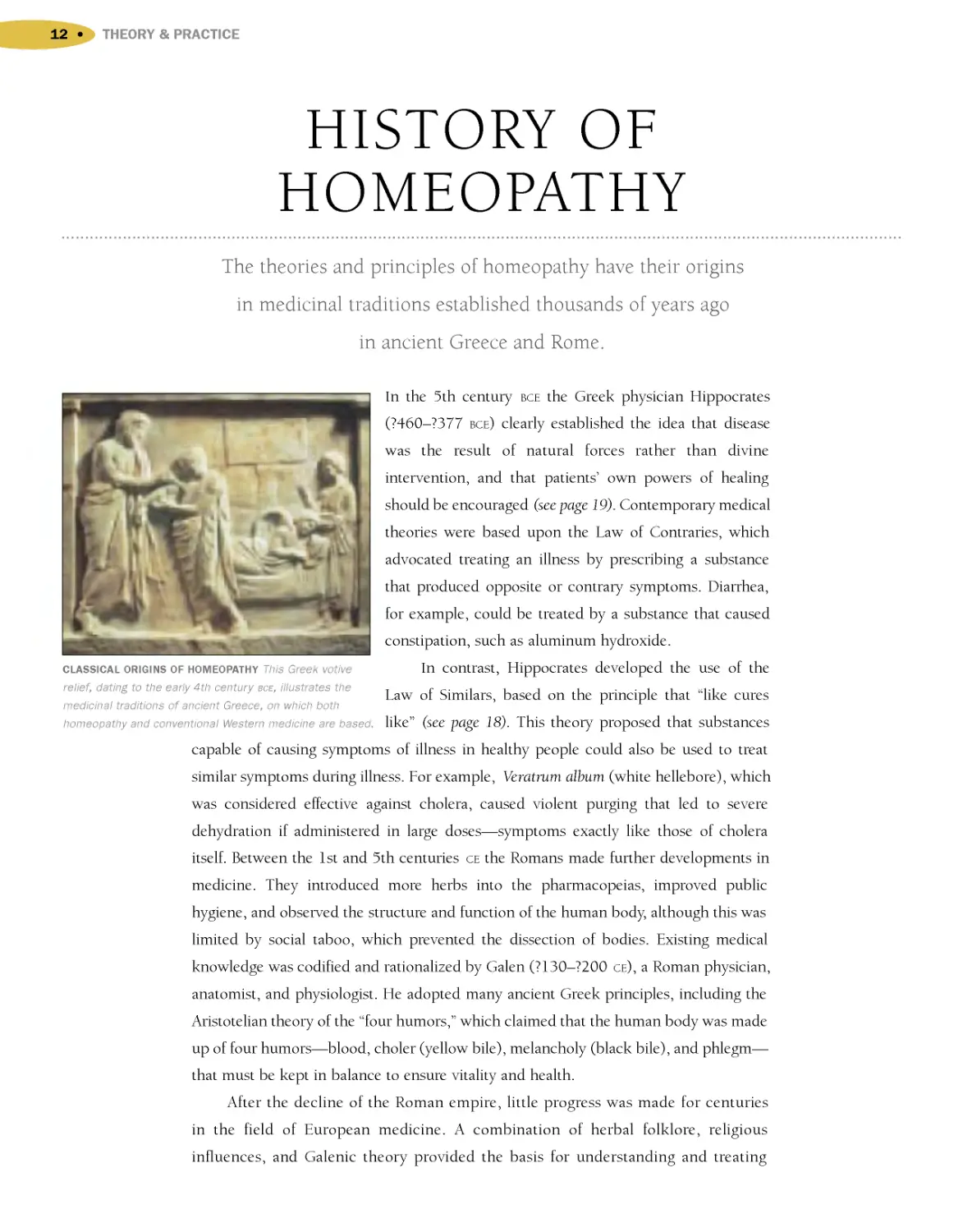
classical origins of homeopathy This Greek votive In contrast, Hippocrates developed the use of the
relief, dating to the early 4th century bce, illustrates the T r r. ., , , , . , , «,.,
Law ot Similars, based on the principle that like cures
medicinal traditions of ancient Greece, on which both
homeopathy and conventional Western medicine are based, like" (seepage 18). This theory proposed that substances
capable of causing symptoms of illness in healthy people could also be used to treat
similar symptoms during illness. For example, Veratrum album (white hellebore), which
was considered effective against cholera, caused violent purging that led to severe
dehydration if administered in large doses—symptoms exactly like those of cholera
itself. Between the 1st and 5th centuries ce the Romans made further developments in
medicine. They introduced more herbs into the pharmacopeias, improved public
hygiene, and observed the structure and function of the human body, although this was
limited by social taboo, which prevented the dissection of bodies. Existing medical
knowledge was codified and rationalized by Galen (? 130-7200 ce), a Roman physician,
anatomist, and physiologist. He adopted many ancient Greek principles, including the
Aristotelian theory of the "four humors," which claimed that the human body was made
up of four humors—blood, choler (yellow bile), melancholy (black bile), and phlegm—
that must be kept in balance to ensure vitality and health.
After the decline of the Roman empire, little progress was made for centuries
in the field of European medicine. A combination of herbal folklore, religious
influences, and Galenic theory provided the basis for understanding and treating

HISTORY OF HOMEOPATHY
illness right through to the 17th century. Only when the Swiss physician and
alchemist Paracelsus (1493-1541) began to develop his theories did the study of
medicine start to evolve again. Paracelsus revived the ancient Greek theory of the
Doctrine of Signatures, which was based on the premise that the external appearance
of a plant—God's "signature"—indicated the nature of its healing properties. For
example, Chelidonium majus (greater celandine) was used to treat conditions affecting
the liver and gallbladder because the yellow juice of the plant resembled bile.
Paracelsus argued that disease was linked to external factors such as
contaminated food and water rather than to mystical forces, and he
challenged his contemporaries to recognize the body's natural ability to
heal itself, claiming that the practice of medicine should be based on
detailed observation and "profound knowledge of nature and her
works." According to his theories, all plants and metals contained
active ingredients that could be prescribed to match specific
illnesses. Concentrating on practical experiments rather than
on alchemy, he laid the foundations for the early stages of
chemistry andsubsequent development of pharmaceutical
medicine, introducing new medicines, such as opium,
sulfur, iron, and arsenic, into the contemporary
repertory. His exploration of the chemical and
medicinal properties of many substances, and his
advocacy of the Hippocratic concept of "like cures
like," also made Paracelsus a key figure in the development
of homeopathy. According to the British homeopath James philippus aureolus Paracelsus One of the
,, „ /n^,^ n^^n\ i i r i greatest scientists of the 16th century, Paracelsus
Compton Burnett (1840-1901), the author of several
was considered responsible for the transition from
important works on homeopathy that are Still in use today, alchemy to modern chemistry. Known as the "father
,,_ , , , , r i-ii -i i r of chemistry," he believed in exact dosage, and
Paracelsus planted the acorn trom which the mighty oak ot
stated that "it depends only on the dose whether a
homeopathy has grown." poison is a poison or not."
Medical practices by the 19th century
The period between the 16th and 19th centuries saw continued advancement in medical
knowledge. The development of the printing press, and the publication of herbals in
languages other than Latin, brought herbal knowledge into homes on a wide scale and
decreased the monopoly of doctors and apothecaries on the treatment of illness. Hugely
influential English-language herbals, such as the Herball of John Gerard (1545-1612), and
The English Physitian by Nicholas Culpeper (1616-54), were published during this period.
Despite medical advances and greater dispersal of herbal lore, however, the general
health of the population remained poor in many Western countries. Industrialization was
accompanied by population transition from rural areas to polluted, overcrowded cities

ALLEGORY OF DEATH Between the Middle Ages and the Enlightenment there was
little faith in medical practice: in this 15th-century French book illumination,
doctors examine a patient's pulse and urine, while death waits in the wings.
with working conditions that were often unsafe. Standards of public hygiene and medical
care were often low, and the mentally ill were treated in asylums. Violent medical practices,
including blood-letting, leeching, and purging, became increasingly widespread and were
often detrimental to peoples health. Toxic substances such as lead, mercury, and arsenic
were in common usage medicinally, and the cure often proved to be more harmful to
patients than the illness, with some patients dying and many more suffering serious long-
term side-effects as a result of the drastic or extreme treatments they had received.
The origins of homeopathy
This was the cultural and scientific milieu in which the German doctor Samuel Christian
Hahnemann (1755-1843) began practicing in 1780. He continued in practice for nine years,
during which time he became increasingly disillusioned with the harsh medical methods of
the day. In articles written to supplement his income, Hahnemann attacked the extreme
medical practices of the day, advocating instead good public hygiene, improved housing
conditions, better nutrition, fresh air, and exercise. Eventually his convictions led him to
cease work as a doctor. He wrote later that it had been agony to work "always in darkness,"
with no secure principles in place regarding health and disease.
At this time a period of great social and political change evolved in Europe. The
Industrial Revolution and the Enlightenment were accompanied by great technological
and scientific advances, and increasing freedom of thought and expression. This

HISTORY OF HOMEOPATHY
intellectual climate encouraged important developments in the study of medicine,
including the isolation of active ingredients from herbs, such as the extraction of
morphine from the opium poppy in 1803. It was in 1790, while translating A Treatise on
Materia Medica by a Scottish teacher, physician, and chemist, Dr. William Cullen, that
Hahnemann began an investigation which was to prove paramount to the subsequent
development of homeopathy. In his treatise Cullen argued that quinine, when isolated
from Cinchona officinalis (see page 49), was a good treatment for malaria because it was
an astringent. Hahnemann knew that other, more powerful, astringents had no such
effect on malaria. He dosed himself with quinine, recording the results and effectively
beginning the first "proving" (see page 22). Although he did not have malaria, he found
that he began to develop symptoms of the disease one after the other. With each dose
of quinine, the symptoms recurred and lasted for several hours, but if he
stopped taking quinine his symptoms began to disappear. Hahnemann
went on to test quinine on other people, noting their reactions in
great detail. The test subjects were not allowed to eat or drink
strong foods such as spices, alcohol, or coffee, which he felt
might distort the results. He repeated the proving process on
other substances that were in use as medicines, such as
arsenic and belladonna, and used the results to build up
a "symptom picture" of each remedy's effects (see page 23).
After conducting provings for six years, Hahnemann
extended his research to the sick. Prior to prescription, he gave
his patients a thorough physical examination and noted any
existing symptoms. He questioned them closely regarding their
° SAMUEL CHRISTIAN HAHNEMANN Born in
lifestyles, general health, outlook on life, and other factors that 1755 in Meissen, Germany, Hahnemann
,, rii t- ii ■ i ■ ■ i r i-i studied at the universities of Leipzig,
made them teel better or worse, rollowmg the principle ot like
Erlangen, and Vienna before qualifying in
cures like, Hahnemann then matched individual symptoms as medicine and chemistry in 1779. Abhorrence
, , -ill ■ r j j of the medical practices of the time led him
closely as possible to the symptom picture ot a remedy, and
to devise a new system of medicine, which
prescribed accordingly. he called homeopathy.
Development & definition
Hahnemann's work gradually brought about the establishment of new type of medicine.
In 1796 he published his first book on the subject, entitled A New Principle for
Ascertaining the Curative Powers oj Drugs and Some Examinations oj Previous Principles He
called his new system "homeopathy," from the Greek homeo meaning "similar" and
pathos meaning "suffering." In 1810 he set out its principles in The Organon oj Rationale
Medicine, and two years later he began teaching homeopathy at the University of Leipzig.
During the course of his lifetime, Hahnemann proved about 100 remedies, and also
continued to develop and refine the theory and practice of the system (see page 18).

THEORY & PRACTICE
The medical establishment remained generally very sceptical of Hahnemann's theories,
and he in turn continued to be intensely critical of conventional medical practice. He
became known as the "raging hurricane" due to his furious tirades and sarcastic
critiques during lectures at Leipzig. He also antagonized contemporary pharmacists by
giving only one medicine at a time, which was contrary to their (highly lucrative)
practice of generally prescribing expensive mixtures of
several remedies. During the 19th century, homeopathy
spread rapidly across Europe to Asia and the Americas.
In the US, Dr. Constantine Hering (1800-80) and Dr.
James Tyler Kent (1849-1916) were responsible for
popularizing the therapy and introducing new ideas and
practices (see page 19). By the time of Hahnemann's
death in 1843, homeopathy was firmly established in
many parts of the world, although there remained
antagonism and distrust between the advocates of
conventional medicine and those of homeopathy.
Between 1860 and 1890 homeopathy flourished, as
many homeopathic hospitals and schools were opened,
and many new remedies were proved, considerably
enlarging the materia medica. Hahnemann's followers
were often doctors who defected from conventional
medicine after personally experiencing treatment,
including an English doctor, Frederick Quin (1799-
1878), who was cured of cholera by the Camphora
remedy. Quin first visited Hahnemann in Germany in
1826, and went on to introduce homeopathy in the UK,
founding the first homeopathic hospital in London in 1849. During a cholera outbreak
in 1854, the mortality rate at his hospital was less than half that of conventional
hospitals. This information was suppressed by the national Board of Health on the
grounds that "the figures would give sanction to a practice opposed to the maintenance
of truth and the progress of science," illustrating the close stranglehold the medical
establishment had achieved within social institutions.
DUBIOUS MEDICAL PRACTICES Hahnemann believed
passionately that many contemporary medical practices
were harmful, exploiting the infirm or gullible, and he was
not alone in his criticism. Medicine was often the subject of
satire for its "quackish" treatments, as shown in this 19th-
century cartoon illustrating the "Sweat Cure," with the
servant inquiring, "Is Your Lordship Still Not Sweating?".
Decline & resurrection
The predominance of conventional medicine was echoed in the US. By the late 19th
century, homeopathy had become a significant part of US medical practice, with about
15 percent of doctors being practicing homeopaths. During the early 20th century,
however, homeopathy became largely overshadowed by conventional medicine,
principally due to the rise of the American Medical Association.

HISTORY OF HOMEOPATHY • 17
The British Medical Association played a similar role
in the UK, and divisions within homeopathy began to
weaken the force of its message still further. Strict
r i
followers of Hahnemann and Kent's original theories
followed "classical" or "Kentian" constitutional '
prescribing, believing that a person's emotional _ ■ I
characteristics and physical symptoms should be i
taken into account and favoring high potencies (see
page 19). Led by the British homeopath Dr. Richard L0ND0N HOMEOpATHIC H0SplTAL Tne astoundingly low mortality
Hughes (1836-i 902), one strand of practitioners had, rate at this hospital during the 1854 cholera outbreak in London
prompted a government inspector to note, "if it should please the
however, begun to prescribe on pathological symptoms Lord fc vjsjt me wjth cholera , would wjsh t0 m jnt0 tne nands of
alone, favoring low doses. This unfortunate division in a homeopathic physician."
homeopathic practice enabled the conventional medical establishment to gain the upper
hand, and by the 1920s homeopathy had been largely suppressed in the UK.
During the late 20th century there has been a resurgence in the popularity of
homeopathy, possibly due to disenchantment with aspects of conventional medicine. In
many countries, particularly in central Europe, its popularity never waned to the same extent
as in the UK and US, although differences in practice have evolved. Single-remedy classical
prescribing is prevalent worldwide, although in Germany and France complex homeopathy
or polypharmacy (the use of combination remedies or several remedies) is also popular (see
page 21). In Australia there is a strong link with naturopathy, with homeopathic remedies
often incorporated into naturopathic practice. In India, homeopaths have long worked
successfully alongside traditional Ayurvedic medicine and conventional medicine. In the
1990s, courses in Eastern Europe pioneered by British teachers revitalized interest in
homeopathy, and in Russia it continues to be implemented and developed. In South America,
homeopathy is widely taught in medical schools, while in the US it is undergoing a major
resurgence of popularity. According to a 1998 survey of Americans and their health, over
6 million Americans had used homeopathy in the preceding 12 months. Noting that it had
been integrated into the national healthcare systems of numerous countries, including
Germany, the United Kingdom, India, Pakistan, Sri Lanka, and Mexico, the World Health
Organization is publishing a
position paper in 2006.
FABIOLA HOSPITAL Situated in
northern California, the Fabiola
homeopathic hospital was one
of more than 100 homeopathic
hospitals operating in the US at
the turn of the 20th century.
There were also 22 homeopathic
medical schools and more than
1,000 homeopathic pharmacies.

THEORY & PRACTICE
KEY PRINCIPLES
& THEORIES
Homeopaths believe that good health derives from an equilibrium
between the mind and body, which is maintained by a "vital force" that
regulates the body's self-healing capabilities.
The vitalistic concept of science had existed for many years by
the time Hahnemann was developing his theories. It claims that
all living things possess a subtle energy beyond their physical
and chemical states, and that even inanimate matter may contain
vitality. Hahnemann applied this view to both the human body
and to seemingly inert substances from all the kingdoms of
matter. Thus the vital force of any plant, mineral, or animal
could be harnessed to produce a powerful medicine when
"potentized" (see right). Hahnemann viewed ill-health as the
result of an internal imbalance affecting the body's vital force and disrupting its
equilibrium. If this vital force is put under strain or weakened by this imbalance, illness
may develop. In stimulating the body's self-healing abilities to fight any
imbalance, the vital force produces symptoms. These may manifest
externally, producing such symptoms as fever or a skin rash, or may
emerge as emotional or psychological states, such as weepiness or
great irritability An effective medicine must help the vital force to
redress the internal imbalance, enabling the symptoms produced by
that imbalance to disappear, and this is what homeopaths seek to
achieve. Hahnemann adopted the principle of similia similibus curentur,
or "like cures like" (see box), first established in the 5th century bce by
Hippocrates. His "provings" of remedies (see page 22) aimed to
establish the particular set of symptoms, or "symptom picture",
produced by taking a substance. When the symptom picture
matched the particular set of symptoms produced by an illness
Hippocrates This Greek physician became known or imbalance in a patient, that remedy was indicated as
as the "father of medicine " for his work in moving
,,..,,,., the most ettective at stimulating the vital force to treat the
healing away from mysticism and religion. He laid °
the foundations for the science of medicine as it disorder. The key was - and in classical homeopathy still is - to
is known today, and established key principles,
,., „ establish which remedy most exactly matches a patients
among them the theory of like cures like J J r
(see box, opposite). symptom picture.

HISTORY OF HOMEOPATHY
Many of the substances from which remedies are made are highly
potent or possibly even poisonous. Hahnemann used only small
doses of substances in his medicines, but to his consternation his
patients still tended to suffer side-effects, or "aggravations", as he
called them. He developed a technique called "potentization" (see
page 28), which involved diluting and shaking the medicine
vigorously or banging it on a hard surface during preparation.
This turbulent motion, which Hahnemann called "succussion",
apparently released more potency into the medicine, even at
lower dilutions. To Hahnemann's surprise, his research showed
that microdilutions prepared with the additional turbulent
energy provided by potentization seemed to have a much
stronger effect than standard dilutions, providing a rapid and
gentle effect that was long lasting. Homeopaths therefore need to
give only this minimum, completely safe dosage. Hahnemann's
original theories were expanded further by the US homeopaths,
Dr. Constantine Hering and Dr. James Tyler Kent (see page 16).
Dr. Hering developed three basic Laws of Cure to explain how
illness is cured in homeopathy (see box), while Dr. Kent
established a clear framework by which a course of treatment
could be understood. Possible scenarios included: the patient
gets better; the patient gets worse; the patient's condition remains
unchanged; the patient initially gets worse but then gets better.
Dr. Kent laid down 12 different possible outcome scenarios,
including the above, which enabled homeopaths to determine
how treatment should be continued and assess whether a
particular remedy had been successful or not. Since the 1970s
the Greek homeopath George Vithoulkas has done a great deal of
research to update the scenarios and refine the theory and
practice of homeopathy.
DR. CONSTANTINE HERING This 19th-century US
homeopath formulated three "Laws of Cure" that
provide a useful guide for interpreting a
patient's development.
As a patient progresses towards cure,
symptoms move from the inner organs of
the body (those most vital to life) to the
outer, less vital tissues and organs.
Cure usually takes place from the top of the
body to the bottom; so, for example, head
symptoms clear first, gradually followed by
any symptoms on the extremities.
Old symptoms often resurface during
the curative process, usually in the reverse
order to that in which they had first
appeared. Immunologists claim that the
body has the capacity to "remember"
every "assault" on the system that it has
ever reacted to, and this process confirms
that capacity.
Constitution & susceptibility
In homeopathic terms, a person's "constitution" describes their state of health, including
their temperament and any inherited and acquired characteristics. Homeopaths believe
that healthy people resist developing sickness, despite being constantly exposed to an
enormous variety of potentially harmful viruses and bacteria, since their vital force is
strong and their susceptibility is therefore low. Their degree of susceptibility to ill-health
may change, however, from hour to hour and day to day. It depends on a particular

THEORY & PRACTICE
DR. JAMES TYLER KENT This hugely influential
US homeopath was responsible for establishing
a clear framework on which to judge the
efficacy of prescribed treatment (see page 19),
and also carried out a great deal of research
into new substances to enlarge the materia
medica of homeopathic medicines.
stress or emotional distress, overworking, exposure to pollutants, or
intake of drugs (see page 177). Underlying "miasmatic" factors may
also affect the ability of the vital force to withstand any onslaught
(see below). Some homeopaths place great importance on the
patients "constitutional type" when they are prescribing treatment,
choosing remedies whose "symptom picture" (see page 23) exactly
match the individuals psychological and physical makeup when
healthy. These remedies are taken when healthy to strengthen the
patients vital force and build up resistance to developing symptoms
that may occur in the future. Health problems generally fall into two
categories: acute or short-term illness, arising rapidly and potentially
clearing up quickly (such as a cold or minor digestive problem); and
chronic, long-term ill health (such as rheumatoid arthritis or
diabetes), which has a tendency to be recurrent, deep-seated, or
progressively degenerative. Homeopathic remedies work to support
the self-healing powers of the vital force in its response to illness: to
speed recovery from acute illness and make the duration of the
illness less debilitating; or to aid recovery from recurrent illness or prevent it from
recurring altogether. Remedies must be carefully chosen, however, if they are to work at
optimum efficiency, and chronic conditions are best treated by qualified homeopaths
rather than left to self-diagnosis.
Miasms & predisposition
After many years developing his ideas, Hahnemann noticed that some patients still did
not seem to respond to the remedies prescribed for them, or that they relapsed after a
short time. He studied these cases all together as a group, and concluded that general,
inherent, higher-level themes of ill health were to blame. These he called "miasms."
They can be described as the chronic effect of an underlying disease or disease
susceptibility, present in an individual or in previous generations of that persons family
history. Three particular miasms were identified by Hahnemann— Psora (which relates
to scabies), Sycosis (which is linked with gonorrhea), and Syphilis
(which is based on syphilis). Cancer and tuberculosis are
regarded by some as further potential miasms. He developed
remedies called "nosodes," made from the diseases themselves,
to combat these miasms. Since all infected material is sterilized
before the potentizing process of dilution and succussion, it is
completely safe to use.
The concept of a miasm proposes a model of peoples
health that has layers of predisposition or imbalance. In some
Hahnemann developed nosode remedies
to counteract the miasms he believed to
be responsible for sometimes "blocking"
treatment. They were made from infected
tissue or bacteria, but were perfectly
safe, since the substances were sterilized
and potentized. Psorinum, for instance,
is made from scabies-infected tissue,
while Carcinosin is derived from
cancerous tissue.

HISTORY OF HOMEOPATHY
cases more layers need to be peeled away than others to reach lasting good health. At a
certain stage in the treatment process, an underlying miasm may become clearly active.
Treatment can then be tailored to overcome it. However, it should be emphasized that
this does not mean that a person actually has the diseases that are implied by the names
of the miasms. Rather, the names describe the inheritance of a predisposition to a
specific pattern of possible symptoms or a tendency to fall ill in a particular way—the
person's susceptibility. For instance, Psora relates to slow development and poor
nutrition; whereas Sycosis is associated with a frantic pace of life and overactivity of both
mental and physical processes; and Syphilis describes a pattern of breakdown, decay,
deterioration, and eating away.
Types of homeopathic practice
Various prescribing habits have developed in different countries or at different
times. A clear conceptual division has emerged between two main schools of
practice, classical and complex. Classical homeopaths generally treat with a single
remedy that exactly matches the patient's inherent constitutional type and symptom
picture. There are occasions, however, particularly in the case of acute illness or
injury, where the physical symptoms far outweigh the emotional and other
symptoms. In cases such as these a more pragmatic approach may be taken, using
combinations of remedies in low potencies. Thus, for instance, five or six remedies
known to be helpful for influenza might be combined in a single tablet. This is the
complex approach, based on the theories of the British homeopath Dr. Richard
Hughes (see page 17), and also known sometimes as combination homeopathy or
polypharmacy. In some situations, generally of an acute nature, it may be adopted
by classical homeopaths, but in certain countries it is actually the standard method
of prescribing. In 1948 it was officially sanctioned by the American Institute of
Homeopathy, and in many European countries, such as France and Germany,
polypharmacy is more common than classical homeopathy.
Further variations on the homeopathic principle include isopathy in which a
potentized microdilution of the substance causing the disorder is actually used to treat
the symptoms: for example, Apis (which is made from the sting of bee) might be given
to someone to treat a bee sting. A classical homeopath will generally only expect a 20 to
30 percent success rate using this method, since it does not take into account the unique
constitution of each patient. A refinement of this concept is tautopathy in which the
exact substance triggering the symptoms is used to make a remedy for treating those
symptoms. In theory this means that the remedy for a bee sting would be prepared from
the actual bee that had inflicted the sting. In practice the concept is most commonly used
for allergic reactions, such as treating a child with a remedy made from a vaccination to
which the child has reacted.

THEORY & PRACTICE
BUILDING A
MATERIA MEDICA
More than 4,000 substances from the plant, animal, and mineral kingdoms
have been tested since Hahnemann first developed his theories, resulting
in a materia medica that contains over 2,000 remedies.
The reasons why particular substances were selected as homeopathic remedies are complex and
varied. Many were familiar from traditional Western folklore or herbal lore. Some, such as mercury,
were used in contemporary conventional medicine. Others included minerals or elements that
had been used as nutritional supplements, such as zinc. Out of curiosity or because they had a
long herbal tradition or were known to have a strong, even toxic, effect, different substances were
tried and the information cataloged. The greatest influence came initially from herbalists in Europe
but, as knowledge grew of the medicinal traditions of other cultures, more substances were tested
for their homeopathic potential. European explorers and settlers filtered back information amassed
on their travels. Dr. Constantine Hering (see page 16), for instance, visited South America and
discovered the healing properties of the bushmaster snake (see page 109).
Hahnemann set down strict guidelines for testing, or "proving," potential remedies. This
term developed from Prujung, the German word for a trial. A set of volunteers, or "provers,"
take a trial substance in different strengths, or potencies (see page 19), and make a detailed,
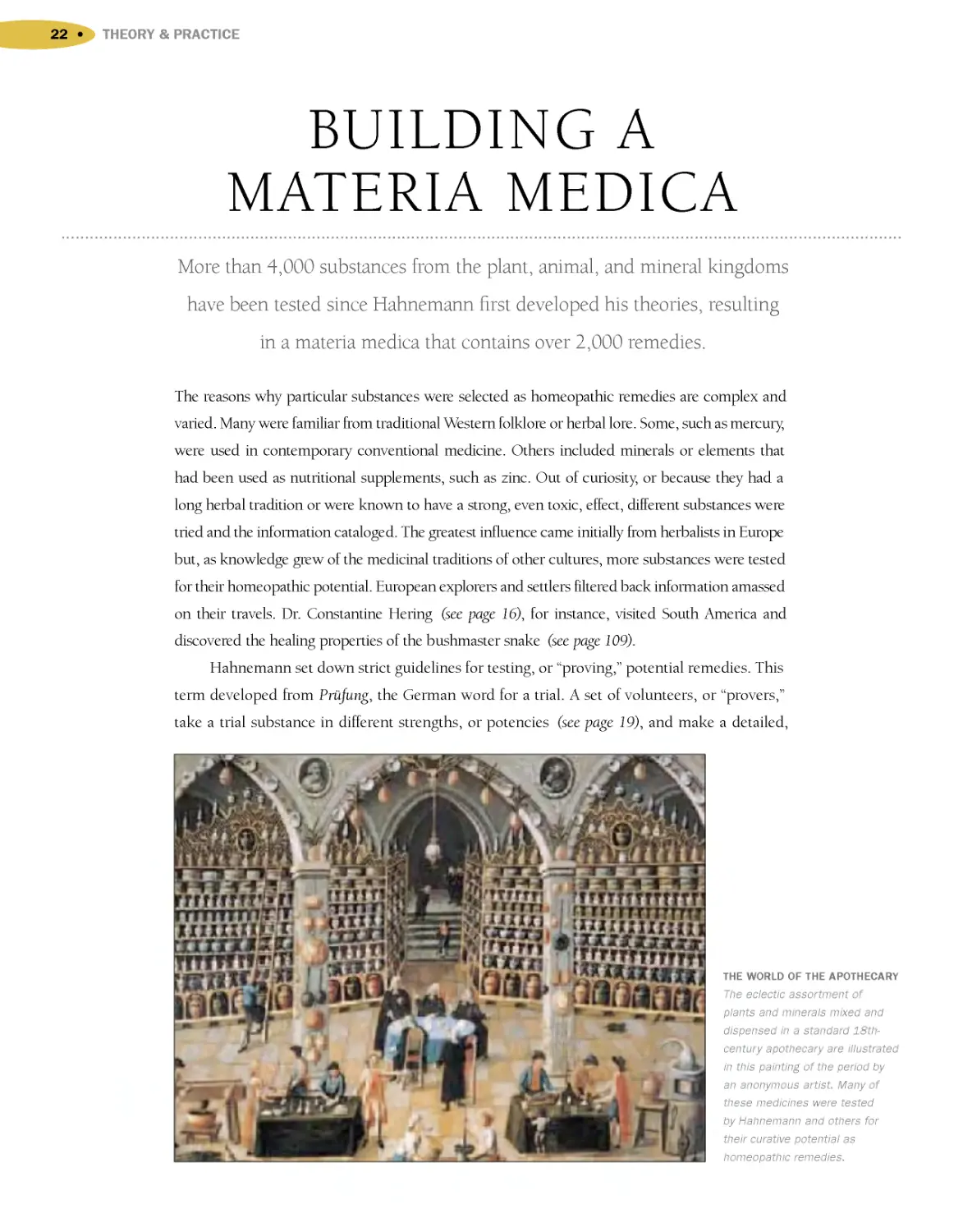
THE WORLD OF THE APOTHECARY
The eclectic assortment of
plants and minerals mixed and
dispensed in a standard 18th-
century apothecary are illustrated
in this painting of the period by
an anonymous artist. Many of
these medicines were tested
by Hahnemann and others for
their curative potential as
homeopathic remedies.

HISTORY OF HOMEOPATHY
daily record of their moods, sensations, and any symptoms that develop. Symptoms are
categorized as general, relating to a temperamental picture, or specific, affecting a particular
part of the body. Surrounding or provoking circumstances, and triggers that make symptoms
better or worse, are all noted. Certain general, physical, and psychological affinities appear
more evident than others, and some symptoms will be very common among the provers; for
example, a headache first thing in the morning that gets better after eating, or indifference to
loved ones. These are "first-line" symptoms. Other symptoms may be experienced by only a
few, or even one, prover. These are known respectively as "second-line" and "third-line"
symptoms. Any symptom that can be shown to be unlike the person's usual state of health
will be recorded. This information is then compiled to produce a "symptom picture" that
takes into account the potential variations produced by different
provers' constitutional types. Often this will then be compared with
information about the substance and its characteristics, possibly
from its prior use within herbal or folk medicine, or from knowledge
of its toxicology, to deepen understanding of the remedy. As
understanding of each remedy's "symptom picture" grows, an
archetypal "character" emerges. Essential or "keynote" characteristics,
both mental and physical, can be established to give a thumbnail
summary, enabling homeopaths to recognize cases where a particular
remedy is appropriate. Dr. James Tyler Kent (see page 19) carried out
a great deal of research to enlarge knowledge of the remedies in the
materia medica, and his work has been built on and augmented by
many other practitioners.
Beyond the individual remedies, it is possible to make
connections between remedies and to establish group relationships.
Studying the group of remedies based on potassium or calcium
compounds, for example, reveals themes, such as physical weakness
with all Kalium remedies, or sensitivity and shyness with all Calcium
remedies. This thematic analysis is most obvious in clear categories
like families of the periodic table, which have recently been researched by the British
homeopath Jeremy Sherr. Relationships between plants within the same botanical family, or
between animals with common links, can also be found. For example, all snake-based
remedies tend to affect the blood and nervous system, and are for highly oversensitive
individuals. The Indian homeopath Rajan Sankaran is working on an approach to case-taking
that emphasizes the underlying sensations a patient feels, and linking this to a framework
running through the animal, plant, and mineral kingdoms and families that form the basis of
remedies. The breadth of information available from some of the old provings is not complete,
whereas other provings are very well documented. New provings tend to be carefully managed
and usually give a full picture.
ENLARGING THE MATERIA MEDICA Explorers to
new worlds, such as the Victorian naturalist
depicted in this engraving, published in 1868,
collected samples and information on a wide
range of plants and animals, some of which
were then added to the materia medica of
homeopathic remedies.

THEORY & PRACTICE
DEVELOPMENT OF
HOMEOPATHY
Hahnemann's first experiments on himself arguably constituted some
of the earliest medical trials. Medical research has become far more
sophisticated since then, yet strict clinical trials into the efffcacy of
homeopathy were rare until as late as the 1980s.
While funding existed for major drug research due to investment by drug companies, such
funding has been harder to find for homeopathic trials. Nor do homeopathic trials have the
same kind of access to the research facilities of universities, hospitals, and researchers. Trials
into homeopathy are further disadvantaged by the fact that so much depends on the skill
and judgment of the practitioner in assessing the appropriate remedy for the patient. One of
the most important issues to be addressed in trials is the influence of the placebo effect (see
box). Clinical trials conducted by Dr. D. Taylor-Reilly in 1986 in Glasgow, Scotland,
demonstrated a clear, statistically significant improvement in patients treated homeopathically
that could not be attributed purely to a placebo response. He concluded that either
homeopathy does work or clinical trials do not. There have also been meta-analyses, in
which a large group of similar trials are analyzed as if they were one huge study, often
yielding more significant results than small-scale trials might do individually. Three of the
most important meta-analyses to date are that led by Prof. J. Kleijnen,
published in the British Medical Journal in 1991; that led by Dr. J. E
Boissel, which was carried out for the European Commission and
published in Brussels in 1996; and that by Dr. K. Linde and others,
published in The Lancet in 1997. All three meta-analyses were done
by skeptical, independent researchers, none of whom were practicing
homeopaths, and all three concluded that, despite their best efforts
to show otherwise, homeopathy has an action above and beyond
that of merely a placebo. Valuable trials of homeopathy in veterinary
medicine, undertaken by the British homeopathic veterinarian Mr.
C. Day in 1984, suggest that homeopathy's action cannot be
attributed purely to a placebo effect if it works on animals, since
animals are not susceptible to such influences. Various individual
trials have demonstrated a degree of success for homeopathic
treatment of specific ailments, such as a 1980 study by Dr. R. G.
Gibson in Glasgow of homeopathic treatment for rheumatoid
In clinical drug trials, some of the test
subjects are given a genuine, active
medication, while others are given a
placebo—an inactive medication, often
a sugar pill, which is given in place of
genuine treatment. Test subjects do not
know whether they are receiving the active
drug or the placebo. Research into the
immune system has revealed that the
expectations of patients can actually
influence their healing processes. Thus,
since they expect their medication to work,
the placebo may have a therapeutic effect.
Clinical trials test active drugs against
a control group receiving a placebo to
ensure that any positive effects take into
account this placebo response. The
experimental group must perform
significantly better than those taking
the placebo for the test drug to be
deemed effective.

DEVELOPMENT OF HOMEOPATHY
arthritis, and a 1994 trial of homeopathy for diarrhea in Nicaragua by a US pediatrician, Dr.
J. Jacobs. There have also been positive trials on the efficacy of homeopathy on toothaches
and teething, including a 1985 French study in Lyon by Dr. E Berthier, and a German study,
published in 1994 by Dr. A. Vestweber in Erfahrungshdlkunde.
On the theoretical side, there is ongoing research into finding a scientific
explanation for how a homeopathic remedy can be effective when it has been diluted so
much that not a single molecule of the remedy's base ingredient is left in the water.
However, research suggests that water "remembers" a substance, or leaves a "molecular
fingerprint." More work is now being conducted to determine the properties of
homeopathic remedies on an energetic or "quantum" level.
An effective alternative
Alongside clinical trials there have been a number of outcome studies that, while not being
double-blind and controlled, ask patients about the outcome of their treatment. Outcome
studies at the Glasgow Homoeopathic Hospital in Scotland, on patients who had already had
unsuccessful conventional treatment for a range of illnesses, including depression, multiple
sclerosis, and cancer, reported a significant decrease in their use of conventional medicine.
While these studies are not directly clinically controlled, they have great implications, not
just for patients' health but also for the financing of medical services. Possible consequences
include the use of cheaper medication, a decrease in hospital admissions, and the reduced
costs of treating the side-effects of conventional medication. A 1998 report by the Faculty of
Homoeopathy in the UK argues that clinical trials consistently demonstrate the benefits of
homeopathy in terms of patient care and cost-effectiveness.
In many Western countries there is a public trend away from some aspects of
conventional, drug-based medicine, and sympathy with the idea of a more "holistic" way
of treating the "whole person." There is growing interest from the medical establishment
in exploring the possibility of integrating some complementary therapies, including
homeopathy, into their treatment approaches. This is in part due to rising healthcare
costs, the alarming side-effects of some medical treatments, and the lack of success in
conventionally treating some conditions, such as cancer. If integration is to become a
reality, however, high standards of education, practice, and research within homeopathy
are needed. Ultimately, the aim is to ensure that homeopathy is being delivered to the
public by suitably qualified and regulated practitioners operating according to a strong
code of ethics to protect the patient. While there are still clearly key questions as to how
homeopathy works, research and experience suggest that it is, as Hahnemann first
proposed, safe, gentle, and effective. The active ingredients are given in highly diluted
form and homeopathic remedies are virtually 100 percent safe and can be given to
babies, pregnant women, and the elderly. Homeopathy integrates well with conventional
medicine and can be used in a truly complementary fashion.

1

MA E* \
MEDICA

28 • MATERIA MEDICA
HOW REMEDIES ARE MADE
Remedies are made by the process of dilution and succussion.
Strictly speaking, remedies are not in themselves homeopathic;
they become homeopathic only when they are prescribed
according to the principle of "like cures like" (see page 18).
When the remedy is given accurately and effectively "mirrors"
the patient's symptoms (see page 177), it can then be
considered to be acting homeopathically The experience,
judgment, and skill of the practitioner are responsible for
selecting the appropriate remedy Remedies are prepared
to exact guidelines, but may vary in strength.
Remedy potencies
Hahnemann laid down precise guidelines
for the preparation of a homeopathic remedy
(see opposite). Measurements and methods
were all strictly and scientifically controlled.
He also developed a unique process called
"potentization," which allowed the full
strength, or potency, ol the substance to be
released into the remedy mixture (see page 19).
The theory of dilution
Many remedies are based on highly active
or even poisonous substances. Hahnemann
established that remedies needed to be diluted
to a very great degree to avoid side-effects. To
his surprise he discovered that, paradoxically,
the more diluted the remedy, the longer its
action, the deeper its effect, and the fewer
doses needed. Because the remedies are
diluted to such a great degree, it is highly
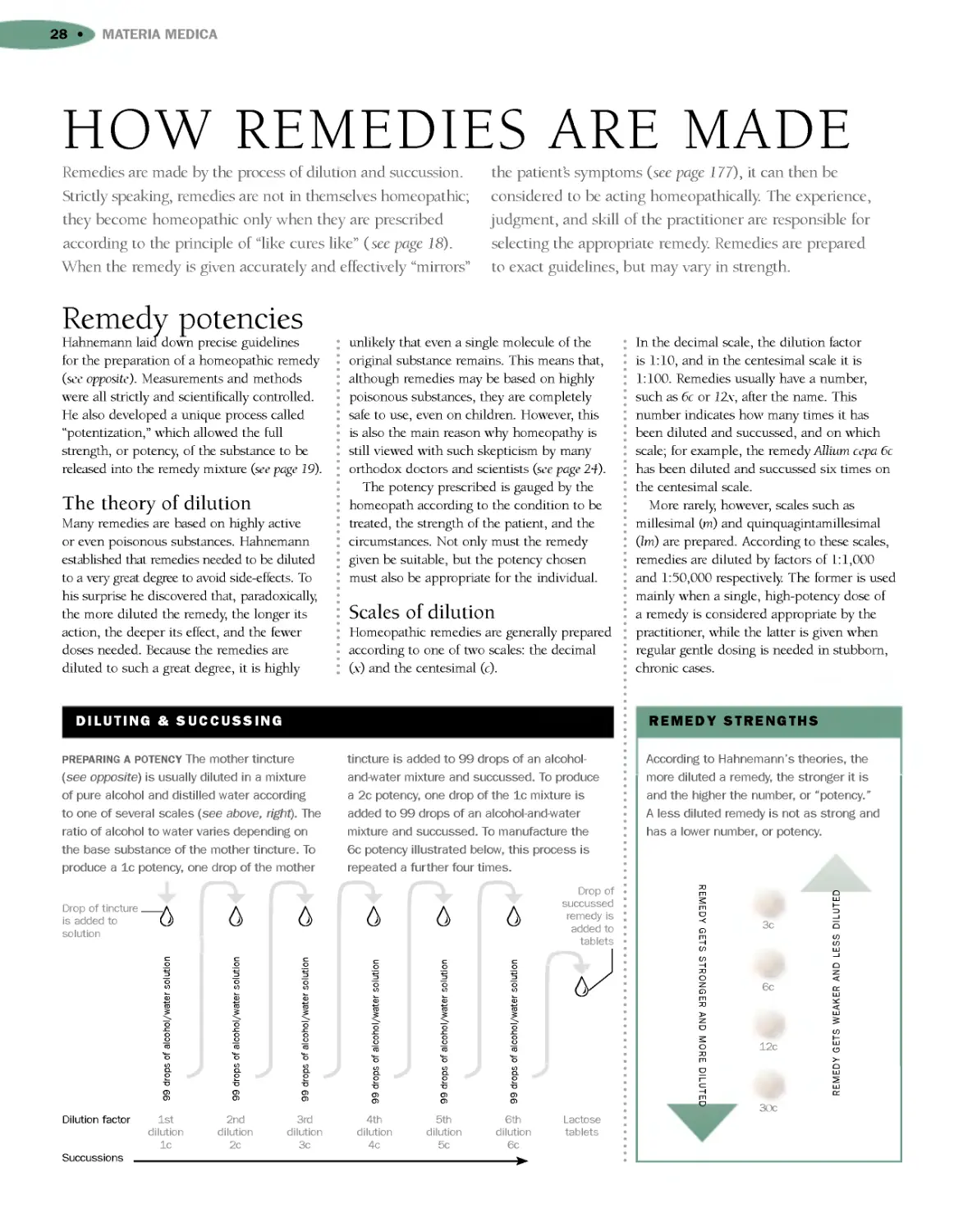
DILUTING & SUCCUSSING
PREPARING A POTENCY The mother tincture
(see opposite) is usually diluted in a mixture
of pure alcohol and distilled water according
to one of several scales (see above, right). The
ratio of alcohol to water varies depending on
the base substance of the mother tincture. To
produce a lc potency, one drop of the mother
Drop of tincture _
is added to
solution
"6
ft
6
Dilution factor
1st
dilution
lc
2nd
dilution
2c
3rd
dilution
3c
unlikely that even a single molecule of the
original substance remains. This means that,
although remedies may be based on highly
poisonous substances, they are completely
safe to use, even on children. However, this
is also the main reason why homeopathy is
still viewed with such skepticism by many
orthodox doctors and scientists (see page 24).
The potency prescribed is gauged by the
homeopath according to the condition to be
treated, the strength of the patient, and the
circumstances. Not only must the remedy
given be suitable, but the potency chosen
must also be appropriate for the individual.
Scales of dilution
Homeopathic remedies are generally prepared
according to one of two scales: the decimal
(v) and the centesimal (c).
tincture is added to 99 drops of an alcohol-
and-water mixture and succussed. To produce
a 2c potency, one drop of the lc mixture is
added to 99 drops of an alcohol-and-water
mixture and succussed. To manufacture the
6c potency illustrated below, this process is
repeated a further four times.
6
6
6
4th
dilution
4c
5th
dilution
5c
Succussions
6th
dilution
6c
►
tactose
tablets
In the decimal scale, the dilution factor
is 1:10, and in the centesimal scale it is
1:100. Remedies usually have a number,
such as 6c or 12.x, after the name. This
number indicates how many times it has
been diluted and succussed, and on which
scale; for example, the remedy Allium cepa 6c
has been diluted and succussed six times on
the centesimal scale.
More rarely, however, scales such as
millesimal (m) and quinquagintamillesimal
(Im) are prepared. According to these scales,
remedies are diluted by factors of 1:1,000
and 1:50,000 respectively The former is used
mainly when a single, high-potency dose of
a remedy is considered appropriate by the
practitioner, while the latter is given when
regular gentle dosing is needed in stubborn,
chronic cases.
REMEDY STRENGTHS
According to Hahnemann's theories, the
more diluted a remedy, the stronger it is
and the higher the number, or"
potency."
A less diluted remedy is not as strong and
has a lower number, or potency
m
MED
m
—I
in
Ui
—i
ZQ
o
NGER
>
z.
o
^
o
zu
m
o
I-
<=
—1
m
o
3c
6c
12c
30c
Q
LUTE
Q
to
to
LLl
_l
Q
z
<
AKER
LU
£
to
1—
o
>-
Q
LU
\>
LU
cc

HOW REMEDIES ARE MADE • 29
Preparation of homeopathic remedies
Homeopathic remedies are made from substances derived from plant, mineral, and animal sources.
Depending on their natural state, they may be prepared in a variety of different ways. Plant and
animal material may be used whole or chopped, depending on its size and density Metals that are
insoluble in their natural states are combined with lactose sugar crystals and ground repeatedly to
form a powder fine enough to be soluble in water: this process is called trituration. Crystalline
substances, seeds, and beans may also be ground up if they are hard, large, or insoluble in water.
Q Plant material such as leaves, roots, and
flowerheads (above), and some animal
material, such as starfish, is chopped finely,
while other substances are dissolved in water
or ground to prepare them for use.
\f The substance is put in a large glass jar,
into which is poured a solution of alcohol
and distilled water (often 90 percent alcohol
to 10 percent water, but this ratio varies
depending on the substance).
0 The mixture is left to stand for a
varying amount of time; mixtures that are
macerated for longer periods may be shaken
at intervals. Plant material may be steeped for
several days or weeks, while mineral-based
mixtures may be processed on to the next
stage almost immediately.
Q After being macerated for the required
period of time, the mixture is poured through
a filter to strain it or expressed through a
press to extract the liquid. This resulting
liquid becomes the "mother tincture" for the
remedy, and is stored in a dark glass jar.
^p One drop of the mother tincture is
diluted in a mixture of pure alcohol and
distilled water according to one of several
scales (see opposite), although the two most
commonly used scales are the decimal and
the centesimal.
^p This mixture is shaken vigorously
(see right) or banged down firmly on a hard
surface, a process devised by Hahnemann.
He called it "succussion" and believed that
the action enabled the liquid to be
"potentized" (seepage 19).
^p After the mixture has been succussed,
steps 5 and 6 are repeated over and
over again, as many times as necessary.
Each time, the resulting mixture is diluted
afresh m a mixture of pure alcohol and
distilled water until, finally, the required
level of dilution, and therefore the required
potency for the homeopathic remedy, is
obtained (see left).
0 Once the mixture has reached
the required strength and potency,
a few drops of it are added to
lactose tablets, pilules, granules,
or powder (see page 216), to
impregnate them with the
remedy. These are then stored
in dark glass bottles.
CAUTION
This information is not intended as a
guide to making remedies. Homeopathic
remedies should always be obtained from
a reputable supplier.

MAJOR PLANT
REMEDIES
PLANTS HAVE BEEN USED FOR MEDICINAL
PURPOSES FOR THOUSANDS OF YEARS, AND THE
PLANT KINGDOM ALSO PROVIDES THE SOURCE
FOR THE MAJORITY OF HOMEOPATHIC REMEDIES.
IN THIS SECTION, SOME OF THE MOST
IMPORTANT PLANT-BASED REMEDIES ARE
LOOKED AT IN DETAIL.

MAJOR PLANT REMEDIES
Aconitum napellus
ACONITE
KEY SYMPTOMS complaints triggered by shock or exposure to cold winds
• panic attacks and fear of death • acute infections of sudden onset
Historically, the deadly juices derived from this plant were used as an arrow
poison, hence the name aconite, from the Greek aeon, or "dart." Until the
homeopathic remedy was proved by Hahnemann in 1805, aconite was used only
externally in medicine. Aconite became a popular alternative to the contemporary
practice of blood-letting for the treatment of acute fevers and inflammations.
REMEDY PROFILE
Homeopaths consider using Aconite for people
who are excitable, generally healthy, and
strong but develop illness rapidly and exhibit
a marked sinking of strength. Physical and
mental symptoms are like a great storm,
arising suddenly but also subsiding quickly.
Patterns of behavior are characterized by
intense fear, anxiety, and restlessness, with
susceptibility to extreme phobias, panic
attacks, and a fear of death.
Physical symptoms often develop as
a result of shock, fear, or exposure to cold,
dry winds or, occasionally, intensely hot
weather. Acute infections, such as colds
and coughs, can be treated with the remedy,
particularly at their onset. Aconite may also
be prescribed for anxiety states, and for
mothers and infants during or immediately
after childbirth.
Acute respiratory infections
SYMPTOMS Cold or influenza symptoms that set
in fiercely and rapidly, especially after exposure
to cold, dry winds. There may be catarrh or
phlegm and a sore throat, possibly a fever that
makes the skin hot and dry Croup and other
acute chest infections may give rise to
breathlessness, burning heat in the chest, and a
hoarse, dry barking cough. Sleep is frequently
restless and agitated; at such times, the face may
be hot, flushed, and swollen, although upon
rising it may become very pale. Severe
headaches may develop, accompanied by raging
thirst, often for cold drinks. The mouth may
taste bitter, so that everything except water tastes
bad. The skin is hypersensitive, causing a
marked aversion to being touched.
Symptoms better For warmth; for lying down;
for fresh air.
Symptoms worse For heat; for stuffy rooms;
for lying on the affected area;
for walking; at night; for music.
Eye & ear infections
SYMPTOMS Inflamed eyes
with aching, burning pain,
typically due to injury or
conjunctivitis. The eyes may
be oversensitive to light. Ear
infections develop rapidly,
causing intense pain,
bright red ears, and
hypersensitivity to noise.
Symptoms may be accompanied by
a high fever and restless, fearful agitation.
Symptoms better For quiet.
Symptoms worse For light; for noise.
Fear, shock & anxiety
SYMPTOMS Acute fear and anxiety
accompanied by great restlessness and
shocked, staring eyes with dilated pupils.
Symptoms may be due to shock after
witnessing a violent or frightening event,
or may be triggered by phobias, such as
a fear of flying, of heights, or of enclosed
spaces. The fear or anxiety may trigger
recurrent panic attacks, with palpitations,
numbness, and tingling in the body. They
may accompanied by a fear of death and
a fear of people, with a strong desire to
avoid company.
Symptoms better For open air; for rest.
Symptoms worse For stuffy rooms; for crowds;
at night.
Problems in labor
SYMPTOMS Strong fear of impending death
experienced by a mother during labor. There
may be urine retention in either the mother
or baby, or in both the mother and baby,
immediately after the birth of the child,
especially if the mother experienced fear
during labor.
Symptoms better For open air; for rest.
Symptoms worse For feeling overheated;
for feeling chilled; for violent emotions.
See also Emotional problems, page 210; Headaches, page 218; Respiration, pages 226, 228; Children's health, page 246

MAJOR PLANT REMEDIES • 33
Agaricus muscarius syn. Amanita muscaria
AGARICUS
KEY SYMPTOMS twitching and spasms • chilblains • depression or overexcitement
• fear of cancer • complaints that are worse after sexual intercourse
This toxic toadstool's common name, fly agaric, is derived from its traditional
use as a fly poison. Fly agaric contains hallucinogens that were used by Siberian
shamans to induce visionary states, and it may have formed the basis of the
ancient Hindu soma drink and the Zoroastrian haoma drink, due to its ability
to increase strength and stamina. The fungus has sedative properties in small
doses but is highly toxic: a severe overdose can be fatal, while a mild overdose can
cause nausea, vomiting, diarrhea, breathing problems, and confusion, although
recovery usually takes place within 24 hours. The homeopathic remedy was
proved in 1828 by Dr. Stapf, and it remains the only medicinal use of fly agaric.
REMEDY PROFILE
Those in need of Agaricus may be anxious,
insecure, or fearful, and have morbid thoughts
about death. Anxiety about health may lead
to an obsessive fear of having conditions such
as cancer. Symptoms typically include great
lethargy and an aversion to conversation, or
delirium and loquacity to the point of ecstasy,
elation, or hypomania, and disturbed sense
of perspective.
People for whom Agaricus is most suitable
are particularly sensitive to the cold when
ill. Some symptoms are worse prior to
thunderstorms and after sexual intercourse.
Agaricus is taken as a remedy for disorders
of the nervous system that cause trembling,
itching, and twitching and jerking of the limbs.
Such conditions include epilepsy, chorea, and
multiple sclerosis. Agancus can be prescribed for
the treatment of the delirium tremens associated
with alcoholism, and for the effects of senile
dementia. It is also used to treat chilblains.
Nervous-system disorders
SYMPTOMS Twitching and spasms in almost
any muscle group in the body, caused by
degenerative neurological disorders such
as senile dementia or multiple sclerosis.
Symptoms tend to manifest themselves
diagonally from one side ol the body to the
other, and may be accompanied by pain that
is out of proportion to the clinical condition.
There may also be sharp, shooting pains, with
possible convulsions and spasms. Movements
may be very shaky, with clumsiness,
awkwardness, and a staggering gait. Further
symptoms may include facial tics or Bell's
palsy, fainting, chorea, neuralgia, and sciatica.
Symptoms better For slow movement;
for sleep; at evening.
Symptoms worse For cold air; before
thunderstorms; after sexual intercourse;
for touch.
Chorea
SYMPTOMS Twitching, erratic, unpredictable
limb movements and a sensation that the
limbs are detached from the body.
Symptoms better For slow movement;
for sleep; at evening.
Symptoms worse For cold air; before
thunderstorms; after sexual intercourse.
Parkinson's disease
SYMPTOMS General weakness with trembling
and twitching limbs that exhibit the typical
nervous symptoms (sec left). The spine may
be particularly sensitive to touch. Further
symptoms may include a mental decline into
great anxiety, despair, fear, and hypochondria.
Symptoms better For slow movement;
for sleep.
Symptoms worse Before thunderstorms; after
sexual intercourse.
Chilblains
SYMPTOMS Chilblains with burning and itching.
The skin shows signs of redness and swelling.
Symptoms better For heat.
Symptoms worse For cold air; for
cold compresses.
Bright-red cap /
with white
flecking fades to
orange when
fungus is dried
FLY AGARIC This
fungus was once
crumbled into milk n r
to make fly poison. ,,
It has also been
used as the toxic '
component in ' „
flypaper.
SOURCE DETAILS
ORIGIN
Grows in dry pastures and woods during
summer in Scotland, Scandinavia, and
other parts of Europe, as well as in Asia
and the US.
BACKGROUND
Has been used throughout history as a
hallucinogen, as a method of contacting the
spirit world, and as a means of increasing
human strength and endurance.
PREPARATION
The whole, fresh fungus or the dried cap is
washed thoroughly and ground into a mash.
It is then steeped in alcohol before being
strained, diluted, and succussed.
COMMON NAMES
Fly agaric, bug agaric.
Alcoholism
SYMPTOMS Delirium tremens with marked
giddiness and an impulse to fall backward.
The face is puffy and red, but not hot. There
may be a marked increase m appetite.
Symptoms better For slow movement.
Symptoms worse For cold air; before
thunderstorms; after sexual intercourse;
after eating.
See also Multiple sclerosis, page 179; Palpitations, page 186; Twitching eyelids, page 220, Chilblains, page 230

MAJOR PLANT REMEDIES
Allium cepa
ALLIUM CEPA
KEY SYMPTOMS burning catarrh • bland discharge from the eyes • splitting sensation
in the throat • phantom pains • person feels worse in warm rooms
In ancient Greece, the onion was esteemed and eaten in vast quantities. One of the
oldest cultivated plants, its decongestant, diuretic, and other medicinal properties
have been utilized by many cultures over the centuries. In the Middle Ages its
strong smell was thought to prevent infection, and it was hung outside houses
to ward off the plague. Onion causes the eyes and nose to water, and is used
homeopathically to treat conditions that cause the same reaction in the body,
such as colds and influenza. The remedy Allium cepa was proved in 1847
by Dr. Constantine Hering.
REMEDY PROFILE
Melancholy, anxiety, fear of pain, and dullness
of mind are not uncommon in individuals
who respond well to Allium cepa, but there
are no marked emotional symptoms indicative
of the remedy.
Allium cepa is used primarily for the
treatment of coughs and colds characterized
by profuse, watery catarrh that leaves the skin
irritated and sore. Symptoms usually develop
following exposure to cold weather and damp
winds. They may be associated with hay fever,
especially if accompanied by sensitivity to the
scent of flowers. Allium cepa is also used to
treat burning neuralgic pain that alternates
from one side of the body to the other.
Catarrh
SYMPTOMS Profuse, watery catarrh that
burns the skin of the nose and upper lip,
causing it to become raw, red, and painful. The
nose may literally "drip like a faucet." Constant,
violent sneezing is common, as is congestion
that alternates between nostrils or affects only
one nostril. Allium cepa is used for these
symptoms in influenza, colds, and hay fever, but
further remedies are needed to treat any actual
susceptibility to hay fever itself.
Symptoms better For being in the open air.
Symptoms worse For warm rooms; in
the evening.
Eye irritation
SYMPTOMS An irritating discharge that causes
an urge to rub the eyes. The eyes are red,
swollen, and itchy, and possibly extremely
sensitive to light.
Layers of papery skin
enclose volatile oil that
stimulates tears
Symptoms better For being in the open air.
Symptoms worse For warm rooms; in the
evening; for rubbing the eyes; for coughing.
Throat & chest infections
SYMPTOMS Laryngitis with hoarseness and
a raw, sore throat, or a cough characterized
by a splitting, tearing sensation in the throat.
There may be an urge to repress the cough,
as it constantly irritates the throat. Pain may
extend to the ear. Symptoms may develop
rapidly on exposure to cold air, or after a cold
accompanied by labored, wheezy breathing.
Symptoms better For being in the open air.
Symptoms worse For warm rooms; in
the evening.
Neuralgic pains
SYMPTOMS Sharp, burning pain on alternating
sides of the body, mainly in the face, head,
neck, and chest. It may be due to an earache,
headaches behind the brow, or a toothache in
the molars. Allium cepa is also used for
phantom limb pains after amputation.
Symptoms better For being in the open air.
Symptoms worse For being in a warm room.
ONION The antibiotic, anti-inflammatory, and
expectorant properties of this plant are used
worldwide to treat colds, coughs, and influenza.
See also Allergies, page 206; Hay fever & allergic rhinitis, page 224

Aloe jerox 'Miller'
ALOE
KEY SYMPTOMS involuntary stools • diarrhea with sudden urging, especially at
5 a.m. • insecure feeling in the rectum • headaches that are better for cold compresses
The medicinal properties of the various species of aloe have
been exploited for centuries. The ancient Greeks and Romans
considered aloe to be a valuable tonic and purgative. The purgative
quality of dried aloe gel is still valued today in herbal medicine,
but the plant is probably more familiar now as the source of a
soothing and effective skin lotion. The Aloe remedy was proved by
Buchner in 1821 and by the homeopath Dr. Helbig in 1833, and is
used today mainly for digestive complaints, particularly diarrhea.
Symptoms worse First thing in
morning; for walking; immediately
after eating; for oysters; for beer.
REMEDY PROFILE
Homeopaths consider Aloe when the
psychological traits exhibited include
weariness, a reluctance to work, and
great irritability, especially in cloudy
weather. Dissatisfaction and anger are
commonly directed internally, possibly
producing constipation. Moreover, the
person may dream about stools or
involuntary soiling. Beer is a typical craving,
despite the fact that it usually exacerbates
any physical symptoms.
Aloe is most frequently prescribed for
disorders of the large intestine. It may be
taken for congestion in the pelvic organs
and the head, and is also thought to counter
fatigue, hemorrhoids, and the possible
consequences of a sedentary lifestyle,
particularly in the elderly.
Diarrhea
SYMPTOMS A sudden urge to pass stools,
which is at its strongest particularly early in
the morning, possibly forcing an early rise
from bed at around 5 a.m. Accompanied by
hot, explosive gas, the stools may contain
mucus or jellylike lumps. They may be
passed involuntarily, giving rise to a feeling
of insecurity in the rectum (this may also be
an indication of colitis). Diarrhea may
alternate with constipation. It is marked by
incomplete, unsatisfactory stools and heavy
pressure in the lower abdominal area.
Symptoms generally tend to be worse prior
to menstruation, or may primarily affect the
elderly or those with sedentary habits.
Symptoms better For passing gas; for cool.
Hemorrhoids
SYMPTOMS Hemorrhoids that resemble small
bunches of grapes and protrude from the
anus. They are typically accompanied by
soreness and tenderness. There may be a
painful, burning sensation in the rectum and
anus, and flatulent diarrhea.
Symptoms better For bathing in cold water.
Symptoms worse For heat; for jarring
movement; upon sitting down; after eating
or drinking.
Hepatitis
SYMPTOMS A sensation of congestion and heat in
the liver. There may be rumbling and distention
in the abdomen, causing it to feel full, heavy,
bloated, and hot. An accumulation of gas may
accompany this feeling of distention, as well as
strain and tension that is felt in the area between
the pubic bone and the coccyx.
Symptoms better For cold; for open air.
Symptoms worse For heat; after eating
or drinking.
Headaches
SYMPTOMS Severe, painful headaches that seem
to trigger a sensation of congestion in the face
and in the head. These headaches frequently
appear to alternate with the occurrence of
hemorrhoids or diarrhea, or may be associated
with pain in the lower back.
Symptoms better For open air; for cold
compresses on the head.
Symptoms worse For heat.
See also Diarrhea, page 238

MAJOR PLANT REMEDIES
Anacardium orientate syn. Semecarpus anacardium
ANACARDIUM OR
KEY SYMPTOMS lack of self-confidence • conflict of wills • sensation as if there is
a plug in the anus, gut, or chest • poor memory • itching, burning skin eruptions
The Latin name of this shrub derives from the ancient Greek kardia, or
"heart," inspired by the plant's heart-shaped, shiny, black nut. The nut yields
a milky juice that turns black after it is exposed to air. In southeast Asia this
juice is combined with chalk to make an ink for marking patterns on fabric,
hence the plant's common name, the marking-nut tree. The homeopathic
remedy Anacardium or. was proved by Hahnemann in 1835. It is prescribed
for both psychological and physical disorders.
REMEDY PROFILE
Anacardium or. is traditionally used for
memory disturbance and a disturbed
psychological state. It is considered especially
apt for those who feel they are experiencing
a conflict of will or are trapped between
extremes of good and evil, sometimes
described as "a demon sitting on one
shoulder, an angel on the other." These
individuals are typically prone to low self-
esteem, or may exhibit hard, angry, cruel
behavior. They may suspect that they are
being pursued, or experience dreamlike
states. Typical physical symptoms include
a feeling of constricted pain, as if bands are
wrapped tightly around the body, or as if the
gut or anus is plugged. In this connection, the
remedy is used for certain conditions of the
digestive tract. It is also used for skin
irritations marked by severe itching and
burning, and for minor chest pain.
Psychological problems
SYMPTOMS A state of inner conflict expressed
in contrary and changeable behavior. This
conflict may provoke behavior that is cold-
hearted, violent, and cruel, with a compulsive
urge to curse. Exaggerated affection toward
a person or pet may be followed by cruelty
or violence. An inferiority complex may be
evident (see above, right). There may be an
extremely poor memory, a lack of
concentration, and general absent-
mindedness, especially at times of stress—
for example, when studying for exams. In
extreme cases, symptoms may be linked
to a mental illness, such as depression, manic
depression, or schizophrenia.
Symptoms better For lying in the sun; for
hot baths; in the late morning; for eating.
Symptoms worse For mental exertion; for
anger; for fright; for stress; for studying.
Low self-esteem
SYMPTOMS Great feelings of unworthiness,
irresolution, and low self-confidence, possibly
with an inferiority complex, due to an inner
conflict of will. Depending on the severity of
the mental state, there may even be infrequent
or ongoing self-abuse. Behavior patterns may
be associated with prior subjection to abuse,
violence, humiliation, or oppression.
Symptoms better For lying in the sun; for hot
baths; in the late morning; for eating.
Symptoms worse For mental exertion; for fright;
for stress; for humiliation.
Digestive disorders
SYMPTOMS Hemorrhoids, indigestion, and
constipation with a painful constricted feeling,
as if the gut or anus were plugged and the
body wrapped by tight bands. The pain
may stop after eating but resumes a few
hours later.
Symptoms better Immediately after eating.
Symptoms worse For a hot bath or compress;
at midnight; a few hours after eating.
Skin conditions
SYMPTOMS Eczema and possibly patches of
blistered skin, often on the forearms, causing
intense itching and burning. The skin is highly
sensitive. Warts are also treated with the remedy
Symptoms better For the application of very hot
water.
Symptoms worse For stress, for scratching
the affected skin.
MARKING NUTS In India the juice of the
marking nut was traditionally used as a
remedy for burning off warts.
Chest pain
SYMPTOMS Sharp or pricking pain in the heart,
possibly with a sense of pressure in the chest,
as if it is bound by tight bands or weighed
down by a small plug. An uneasy sensation
may develop in the chest, possibly
involving palpitations.
Symptoms better For inhaling fresh
air outdoors.
Symptoms worse A few hours after eating.
See also Indigestion, page 234; Hemorrhoids, page 238; Constipation, page 238; Eczema, page 240

MAJOR PLANT REMEDIES
Arnica montana
ARNICA
KEY SYMPTOMS trauma • bruising • postoperative care • tendency to deny illness
• bruised, sore feeling • bed seems too hard
The healing properties of this aromatic perennial have been recognized
for over 400 years. Arnica is anti-inflammatory and promotes tissue repair.
It has been used extensively in European folk medicine as an external remedy
for muscle pain, and was once also prescribed as an internal treatment for
dysentery and gout. Potentially toxic, its internal use is now largely limited
to homeopathy. Proved by Hahnemann and published in his Materia Medica
Pura (1821-34), Arnica is used to promote healing and help control bleeding.
It is used mostly for shock, injury, and pain.
REMEDY PROFILE
People who respond best to this remedy
may actually deny that they are ill, ignoring
the severity of their condition. They
generally prefer to be left alone and tend
to be agitated, restless, and morose. Poor
concentration and forgetfulness are typical,
as are nightmares and a morbid imagination.
Arnica is usually given as a first-aid
remedy following an accident, surgery,
bereavement, childbirth, or dental
treatment. It is also used for joint pain,
fever, and some skin problems.
Shock, injury & postoperative
care
SYMPTOMS Acute and chronic consequences
of shock, injury, or surgery, particularly
bleeding, bruising, swelling, and aching
pains. The body may feel battered and
highly sensitive to discomfort, to the point
where even a bed seems too hard. Arnica
may also be prescribed to treat injuries such
as a black eye or a foreign object in an eye,
concussion, and nosebleeds.
Symptoms better For lying down; for lying with
the head lower than the feet.
Symptoms worse For cold; for damp; for touch;
for rest; for movement; for wine.
Post-childbirth pain
SYMPTOMS Bruised, aching pain in the vagina
that may be especially distressing at night.
Symptoms better For lying down with the head
lower than the feet.
Symptoms worse For cold; for touch;
for movement.
Tooth & gum pain
SYMPTOMS Pain in the teeth or sore, bruised,
and bleeding gums following injury or dental
work may be treated with Arnica.
Symptoms better For lying down.
Symptoms worse For the slightest
touch; for movement.
Joint & muscle pain *
SYMPTOMS Arthritic pain, sprains,
or strains to the joints, which feel bruised
sore, and sensitive. Arnica is also taken
to ease swelling, bruising, and pain after
a ligament tear or bone injury Alternatively, it
is used for aches in the muscles due to cramps,
unaccustomed exercise, or overexertion.
Symptoms better For lying down.
Symptoms worse For the slightest touch;
for movement.
Fever
SYMPTOMS A hot head, cold body, and
exhaustion. Stools, flatulence, and perspiration
tend to have a characteristic odor of rotten eggs,
and there may be incontinence of stools and
urine. Arnica is also prescribed for recurring
fevers such as typhoid or malarial fever.
Symptoms better For lying down; for lying
with the head lower than the feet.
Symptoms worse For cold surroundings;
for damp; for the slightest touch.
Skin conditions
SYMPTOMS Hard, dry swollen skin due to insect
bites, bed sores, small, painful boils, red,
blistering skin eruptions, or varicose ulcers.
Symptoms better For lying down.
Symptoms worse For cold; for damp; for touch.
Flower causes
sneezing when freshly
crushed and inhaled
ARNICA Climbers
used to chew arnica
leaves to relieve aching
muscles, or drink
an infusion following injury.
.FLOWERING
TEM
See also Circulation, pages 184, 230; Breast problems, page 201; Grief, page 213; Men's health, page 264; Dizziness, page 266

MAJOR PLANT REMEDIES
Artemisia cina syn. A. maritima 'Linn'
CINA
KEY SYMPTOMS teeth-grinding • irritability and touchiness • temper tantrums • ravenous
appetite • desire to lie on the hands and knees • itchy nose that is constantly rubbed
Purportedly named after Artemisia, the queen of Persia in the 4th century bce
who was renowned for her botanical skills, this family of plants has been valued
by many medicinal traditions, from ancient Roman to Chinese. Artemisia cina was
identified as a remedy for intestinal worms by the ancient Greeks, and its active
constituent, santonin, is still used in worm medicines. In 1829 Cina was proved
by Hahnemann, who felt that the plant's "valuable curative properties"
went well beyond its traditional role in herbalism.
REMEDY PROFILE
Cina is typically perceived as a children's remedy
and is given for intestinal worms or muscle
twitches, associated with great irritability when
scolded or in discomfort. Those affected cannot
bear to be touched, held, or even observed—
they often consider themselves ugly Restlessness,
a frantic state of mind, picking the nose, and
grinding the teeth are typical symptoms in those
for whom Cina is appropriate. Sleep is often
fitful and plagued by night terrors. All symptoms
may be worse at night.
These people may have an "anxiety of
conscience," a groundless feeling of having
done something wrong, which manifests itself
as touchiness and obstinacy. They may be
survivors of childhood abuse.
In addition to its primary use for worms,
Cina has also been given to treat convulsions
and seizures in children. Today it is still given
as a treatment for worms, as well as for
temper tantrums, violent coughing, muscle
twitches, and sleep problems in children.
Intestinal worms
SYMPTOMS Worms evident in whitish-colored
stools. Cutting, pinching pain is felt in the
belly, which may be bloated. There is an urge
to grind the teeth at night, and to pick the
nose and scratch the rectum, which are both
itchy. The appetite may be nonexistent,
enormous, or changeable, with potential
cravings for sweet foods. There is often
intense irritability and great restlessness.
Symptoms better For movement; for
bending down.
Symptoms worse For heat in summer; at night;
for touch.
Temper tantrums
SYMPTOMS Extreme irritability in children,
especially chubby ones with variable appetites.
Tantrums may be due to being scolded or to
worms (see left). Typical Cina symptoms such
as teeth-grinding may be present.
Symptoms better For lying on the abdomen;
for being carried.
Symptoms worse For touch; for being stared at.
Coughs & colds
SYMPTOMS Whooping cough or severe, gagging
cough, with limb spasms before a coughing fit.
The chest feels constricted, making breathing
difficult. Speaking or sudden movement may
trigger coughing. In children the body tends
to stiffen prior to a coughing fit. Violent sneezing
may cause pressure build-up in the head, and
the nose may be alternately blocked and runny
There may be an urge to pick the nose, and
nosebleeds often result. Intense ill-humor
and irritability are often evident.
Symptoms better For being still; in the daytime.
Symptoms worse For getting up; for walking out
of doors; during sleep; at night.
Twitching muscles
SYMPTOMS Jerking muscles and spasms,
especially in the hands and feet, associated
with irritability. Cina is often used if twitching
or convulsions are triggered by touch or by
being scolded.
Symptoms better For bending down.
Symptoms worse For touch; at night; for heat
in summer.
Sleep problems
SYMPTOMS Difficulty in falling asleep, or
restless sleep with twitching, jerking limbs.
LEVANT
WORMSEED The
bluish gray leaves of
this aromatic plant
give off a strong scent
when crushed, but have
a very bitter taste.
Symptoms better For being rocked violently;
for lying on the hands and knees.
Symptoms worse For night terrors; for being
turned over.
See also Temper tantrums, page 246

MAJOR PLANT REMEDIES
Atropa belladonna
BELLADONNA
KEY SYMPTOMS hot, flushed, red face • high fever
• delirium • desire for sour things • sensitivity to light,
noise, and movement
This deadly genus is named after the Greek Fate Atropos,
who held the power of life and death over mortals. In the
16th century, Italian ladies used deadly nightshade to make
their eyes sparkle, hence bella donna, which is Italian
for "beautiful woman." Belladonna was one of the first
homeopathic remedies, developed in 1799 by Hahnemann
for scarlet fever, after he observed that symptoms of deadly
nightshade poisoning closely matched those of scarlet fever.
REMEDY PROFILE
Belladonna is a major remedy for acute
illnesses of sudden, violent onset. It is usually
given to people who are generally fit and
energetic, but restless and agitated when ill.
They are prone to sudden, explosive anger,
marked by the desire to strike out or even
to bite.
Typical symptoms linked with Belladonna
include high fever, dilated pupils, flushed,
dry skin, and throbbing pain, particularly
in the head, due to rapid blood circulation.
There is often hypersensitivity to light,
noise, and touch, and also to rapid
temperature changes.
Belladonna is typically given for acute pain,
inflammation, or infection, chiefly of the
upper respiratory tract. It may also be used
to treat menstrual pain, sunstroke, febrile
convulsions, cystitis, nephritis (inflamed
kidneys), teething pain, and mastitis during
breast-feeding.
Acute fever & pain
SYMPTOMS Sudden onset of high fever and
hypersensitivity in all the senses. The face
may be hot, flushed, and dry, with bright
eyes and dilated pupils. Although the lips
and mouth remain pale, the tongue is often
bright red. Any inflammation is red, radiates
heat, and throbs painfully. Fever is
commonly followed by perspiration, and
may develop into delirium. There is little
thirst, or just a craving for sour drinks.
Other symptoms include throbbing pain
in the eyes, which are swollen, red, and
Leaves have weaker effect than
root, and for this reason are
preferred for herbal medicines
sensitive to light; a tearing, pounding pain
deep in the ear; and a pulsating headache
(see below).
Symptoms better For warm rooms; for sitting
or standing erect; for rest.
Symptoms worse For noise; for touch; for
movement; for lying down; for drafts.
Sore throat & dry cough
SYMPTOMS Constricted, dry, burning throat,
a tender neck, and red, swollen tonsils,
notably on the right side. There may be
a painful, racking cough and fever (see left).
Symptoms better For warm rooms; for rest.
Symptoms worse For cold drafts; around
3 p.m.; for swallowing foods or drinks.
Headache & migraine
SYMPTOMS Violent, throbbing pain. During
a migraine, pain starts in the back of the head,
radiates to the right brow area, and settles
behind the eye.
Symptoms better For pressure on the head;
for lying in the dark; for cold compresses.
Symptoms worse For light; for noise; for
movement; for wet hair; for menstruating.
Menstrual pain
SYMPTOMS Menstrual flow is extremely heavy
and painful. The blood is hot and may be
bright red or clotted.
Symptoms better For standing or sitting erect.
Symptoms worse For the slightest movement.
)le, bell-shaped
flowers give way to
black berries in fall
DEADLY NIGHTSHADE Despite
this plant's poisonous nature,
it has been used as an
antispasmodic, relaxant, and
sedative in herbalism, and for
acute inflammation, pain, and
fever in homeopathy.
See also Rosacea, page 193; Influenza, page 224; Children's health, page 246; Breast-feeding problems, page 262

MAJOR PLANT REMEDIES
Baptisia tinctoria
BAPTISIA
KEY SYMPTOMS severe infection • confusion and stupor • sensation that the body
is scattered in pieces • aversion to open air • offensive-smelling discharges
The famous indigo dye obtained from this plant is reflected in its
name, tinctoria, from the Latin tingere, "to dye." Wild indigo was used
medicinally by American Indians and by New World settlers, primarily
as an antiseptic wash for wounds. Modern herbalists use it internally
and externally as an antiseptic and immune-system stimulant. The
homeopathic remedy was proved in a small-scale trial in the 1850s
by Drs. Douglas, Hadley Burt, and others, and introduced into
the repertory by Dr. Thompson in 1857.
REMEDY PROFILE
Baptisia is prescribed almost exclusively for
acute feverish illness with a characteristic
set of symptoms. These include confusion
or even stupor, as though drunk. The
lethargy or exhaustion brought on by illness
is so profound that the person even falls
asleep during conversations. Nightmares
and delirium are common, notably
a sensation that the body is scattered in
pieces. This feeling can lead to difficulty
in falling asleep, as can sensations of
suffocation or breathlessness.
Typical physical symptoms include foul
breath, a yellowy-brown tongue, and
a bitter-tasting mouth. The face may be
swollen and flushed dark red, with
drooping eyelids.
First developed for typhoid fever, Baptisia
is now used mostly for acute fever, severe
influenza, and gastrointestinal infections, as
well as for sore throats and septic infections.
Acute fever
SYMPTOMS A high fever or influenza, often
of sudden onset, alternating with severe
chills. The face may be darkly flushed;
the tongue tends to be deep red or even
brown in color, and is possibly coated
and dry down the center. Great lethargy
may accompany these symptoms, with the
body feeling tender and bruised and the
muscles sore, stiff, and heavy. The bed
may feel too hard, resulting in bouts
of restlessness and curling up tightly
in order to try to ease discomfort.
Symptoms better For being indoors.
Symptoms worse For being in the open air;
for cold, wind, fog, and humid heat; upon
waking; for walking.
Intestinal infections
SYMPTOMS Exhausting attacks of diarrhea,
with acute fever (see below, left) and possibly
even delirium. The tongue may have a
yellowish coating and there may be a bitter
taste in the mouth. Stools are particularly
foul-smelling and cause painful irritation
around the anus. There may also be blood
in the stools and a pink rash on the abdomen,
possibly indicating typhoid fever.
Symptoms better For being indoors; for rest.
Symptoms worse For walking in the open air.
Throat infections
SYMPTOMS Stupor, flushing, and fever (see
left). The throat is sore, and the tonsils may
be dark red and swollen. The gums and
throat may be affected by ulcers, which are
not necessarily painful. The lips may be blue,
cracked, or bleeding. Swallowing solid food
without gagging may be impossible, but
drinking small amounts of liquid is bearable.
A marked thirst and copious drinking may
be followed by the scant passage of urine. A
related ear infection may be quick to set in,
especially in the right ear.
Symptoms better For being indoors; for rest.
Symptoms worse For walking in the open air.
Septic conditions
SYMPTOMS Foul-smelling ulcers in the mouth
and throat, with a foul-smelling discharge.
The breath, sweat, and urine may have an
offensive odor. The symptoms set in
WILD I
traditionally been harvested
as a source of indigo blue dye,
although it is considered inferior
to the dye produced by the tropical
species of indigo plant.
rapidly, with stupor and fatigue, and may
be due to an incomplete miscarriage, or
to septicemia or other septic states marked
by acute fever.
Symptoms better For being indoors; for rest.
Symptoms worse For walking in the open air.
See also Influenza, page 224; Sore throats, page 226; Mouth ulcers, page 232; Diarrhea, page 238

MAJOR PLANT REMEDIES
Berberis vulgaris
BERBERIS
KEY SYMPTOMS colicky kidney pains • radiating pains • lethargy and listlessness
• colicky pains in the region of the gallbladder
This strongly astringent and healing plant was used by ancient Greek
and Arabian physicians to cool the blood during fevers and to treat jaundice
and gastrointestinal disorders, while American Indians used it for peptic
ulcers. Western herbalists give barberry for liver problems caused by drug
or alcohol abuse, and Ayurvedic doctors advocate it as a detoxicant and liver
tonic. In traditional Chinese medicine it is taken for diarrhea. Barberry
contains alkaloids that are thought to inhibit cancer. It exhibits a broad
spectrum of antimicrobial activity. The homeopathic remedy was proved by
Dr. Hesse in 1835, and is taken largely for urinary and digestive disorders
with sharp or colicky pain.
REMEDY PROFILE
People who respond well to Berberis are
prone to lethargy, inertia, and listlessness.
They can find it difficult to sustain any
mental effort or to think straight. They
can be especially anxious at twilight, when
objects may appear larger than life and
distorted so that they may be mistaken
for monsters.
Typical physical symptoms for those who
need Berberis include pallor, hollow eyes and
cheeks, and dry mucous membranes. Berberis
is given for a particular type of pain, typically
described as deep, sharp, neuralgic or colicky
pain radiating outward, and often shifting
from one part of the body to another. This
type of sudden pain is often linked with
kidney infection, arthritis, or gout. Berberis
has a strong affinity with the urinary and
digestive systems, and is used mainly in the
treatment of kidney disorders.
Kidney disorders
SYMPTOMS Kidney infection with tenderness and
pain in the kidney area, as if water is trying to
bubble through the skin. Urine is dark yellow
or green with a reddish, branlike sediment.
Berberis may help kidney stones with severe,
sharp, neuralgic or colicky pain radiating from
the kidneys to the bladder and down the legs.
Symptoms better For rest; for lying on the
painful side.
Symptoms worse For standing; for movement;
for sudden jarring or jolts.
Cystitis
SYMPTOMS Burning or sharp, cutting pains from
the bladder to the urethra, with green or dark
yellow urine that contains a reddish, branlike
sediment. Pain from the spermatic cord to the
testes may make sexual intercourse painful.
Symptoms better After urinating.
Symptoms worse On urinating; for standing.
Gallbladder problems
SYMPTOMS Sharp, radiating, tearing pain in the
area of the gallbladder, extending toward the
stomach. Colic may cause a stabbing, stitchlike
pain that radiates from the liver area. There may
be an inflamed gallbladder or gallstones with
associated biliary colic (pain in the upper
abdomen), which may sometimes develop into
jaundice with pale stools.
Symptoms better For rest.
Symptoms worse For pressure on the upper
abdomen; for standing; for movement.
Lower-back pain
SYMPTOMS Pain in the lower back that radiates
outward or down the thigh, accompanied by
stiffness and possibly by a stitch in the
abdomen or the side of the body.
Symptoms better For rest.
Symptoms worse For lying; for sitting; for
standing; for movement; for treading heavily
while going down stairs.
Joint pain
SYMPTOMS General joint and muscle aches
in the arms and legs, with sharp pains radiating
All parts ^-^
of barberry
plant are harmful
if eaten, except
red berries
Berries are extremely
sour and were used
in the past to make
preserves and
pickles
BARBERRY The astringent
and antiseptic properties of this
bitter herb make it an effective
digestive tonic for gastrointestinal
infections and peptic ulcers.
outward and down the limbs. Gout and arthritic
pain may also respond to Berberis.
Symptoms better In the afternoon.
Symptoms worse For movement; for treading
heavily while going down stairs.
See also Gastroenteritis, page 236; Cystitis, page 260

MAJOR PLANT REMEDIES
Bryonia alba
BRYONIA
KEY SYMPTOMS pain upon the slightest movement • dry mucous membranes
• great thirst • anxiety about financial security • irritability
Dioscorides, the famous Greek physician of the 1st century ce,
advocated bryony for gangrenous wounds, and the ancient Greeks and
Romans also used it for epilepsy vertigo, paralysis, gout, and coughs.
In 17th-century England the herbalist Culpeper found bryony useful
for phlegm, coughs, and shortness of breath. In 1834 Hahnemann
proved the homeopathic remedy, which is used mostly for slow-
starting ailments accompanied by pain on the slightest movement.
REMEDY PROFILE
Bryonia is mainly used for people who are
highly irritable when ill. Often clean-living,
meticulous individuals, they can be contrary
and capricious if ill, wanting things that,
when given, are promptly rejected. They
may feel tired, taciturn, languid, and angry
if disturbed. Anxiety is common, especially
about financial security.
The chief physical symptom treated by
Bryonia is pain felt on the slightest movement.
It is often accompanied by infrequent spells
of great thirst, and dry lips, mouth, and eyes.
Illness sets in slowly, typically after
overexposure to heat or cold. Bryonia is
useful for chest inflammation, pneumonia,
bad headaches, and rheumatic pains. It may
also be taken for some forms of constipation
and breast pain.
Dry coughs
SYMPTOMS Great dryness in the mouth, throat,
chest, and mucous membranes, with a tickly
cough and sharp chest pains. Pressing the
chest during a coughing fit may alleviate pain
in the head, chest, or rib cage, as may lying
still and breathing gently. Coughs may be
linked to colds, pleurisy, or bronchitis.
Symptoms better For rest; for lying still;
for pressure on the chest.
Symptoms worse For warm rooms; in the
morning; for deep breathing; for movement;
for eating and drinking.
Colds & influenza
SYMPTOMS Red, sore, swollen nose, a hoarse,
constricted throat, and a dry cough (see
above). The lips are often cracked and itchy,
WHOLE ROOT
Fresh root can cause
severe skin irritation
and the mouth is dry, with a white-coate>
tongue. Sharp, shooting ear pains may
develop, as may sore eyes with sensitivity
to movement and heavy eyelids. There may
be an intense, aching headache (see below),
raging thirst, and copious perspiration.
Symptoms better For rest.
Symptoms worse For bending forward;
for movement.
Headaches
SYMPTOMS Bursting, splitting headache over
the forehead or left eye, so that even moving
the eyeball hurts. Pain extends to the back of
the head, then the whole head, often lasting
all day. The mouth may be dry, and there may
be great thirst.
Symptoms better For cold compresses; for
pressure on the head; for closing the eyes.
Symptoms worse For eye or body movement;
for drinking while hot; for overeating.
Joint pain
SYMPTOMS Joints and muscles are hot, swollen,
stiff, and prone to stabbing pain, usually
due to gout, tenosynovitis, or arthritis, or
after an injury.
Symptoms better For heat; for pressure on the
affected area.
Symptoms worse For cold compresses; for the
slightest movement; for jarring.
Constipation
SYMPTOMS Large, hard stools that look black
or burned. The rectum may be particularly dry,
IYONY The root of this
'plant, which is a member
of the gourd family, has
a bitter taste and unpleasant
"smell. In excessive amounts, it
"can cause death within hours, usually
from inflammation of the digestive tract.
with burning pain after passing a stool. Rumbly
colicky pains in the abdomen are common.
Symptoms better For rest.
Symptoms worse For hot weather; in the
morning; for movement; for cold drinks.
Breast problems
SYMPTOMS Breasts are pale, hard, and hot, with
sharp pains, particularly in women who are
pregnant or breast-feeding. Milk supply may
be excessive.
Symptoms better For heat; for rest.
Symptoms worse For movement.
See also Breast problems, page 201; Bronchitis, page 228; Coughs, page 228; Constipation, page 238; Breast pain, page 258

MAJOR PLANT REMEDIES
Cannabis saliva 'Indica'
CANNABIS IND
KEY SYMPTOMS moods swing between overexcitement and paranoia • out-of-body
experiences • burning pain in the urethra • "opening and shutting" sensations in the head
First mentioned in a Chinese herbal dating to 2700 bce, marijuana has
long been an important medicine in the herbal repertories of many
cultures. By the 19th century, marijuana had become a standard
painkiller in Europe. More recently, it has
been prescribed as a conventional medicine
in some countries to relieve nausea caused by
chemotherapy and spasms due to multiple sclerosis. The
plant is also an illegal recreational drug, and its prohibition extends
to medicinal uses in many countries. The homeopathic remedy Cannabis
ind. was proved by the American Pro vers' Union in 1839 and introduced
by Dr. Trinks in 1841.
REMEDY PROFILE
The behavior of those who benefit most from
Cannabis ind. alternates between sweet and
gentle, and desperate or even paranoid.
Typical physical symptoms include a marked
increase in appetite and thirst, especially for
sweet foods and cold drinks.
Cannabis ind. is prescribed primarily to treat
abnormal psychological states, such as
confusion, disorientation, loss of memory,
overexcitement, unwarranted fears, or
paranoia. The remedy is also given for
physical conditions such as headaches,
urinary-tract infections, and pain in the legs.
Disordered mental states
SYMPTOMS Marked swings in thought and
mood between a gentle state and paranoia.
The gentle state is marked by mild euphoria,
an overactive brain, and headstrong views,
particularly about esoteric subjects such as
astrology and UFOs. Wonderful and
enlightening ideas occur in rapid succession,
but they are equally quickly forgotten. The
slightest thing may trigger hysterical giggling.
Prophetic dreams, out-of-body experiences,
or an apparent ability to predict the future
may also be experienced. In the paranoid
state, there is generally fear and anxiety,
particularly a fear of losing control and
becoming insane. There may be disorientation,
memory loss, and confusion, even when
in well-known environments. Travel or
relocation may cause distress. Hallucinations
that distort time, space, and distance are not
uncommon.
Symptoms better For open air; for rest;
for walking.
Symptoms worse For the dark; for tobacco;
for coffee.
Headaches
SYMPTOMS An opening and closing sensation
at the top of the head, as if shock waves are
passing through the brain. The head may
shake involuntarily and feel as if it is separate
from the body. A stooping posture may be
adopted due to a sensation of heavy pressure
on the brain or to a migraine.
Symptoms better For rest; for deep breathing.
Symptoms worse For exertion; for tobacco;
for alcohol; for coffee.
Urinary-tract infections
SYMPTOMS A dull, burning, aching, or
stitchlike pain in the right kidney. Urine may be
profuse and colorless, with erratic flow due to
obstructed urination. There may be urethritis
(inflammation of the urethra) with mucus
discharge and burning, stinging pain.
Symptoms better For rest; for deep breathing.
Symptoms worse In the morning; for tobacco;
for alcohol; for coffee.
Pain or paralysis in the legs
SYMPTOMS Shooting pains that rise up the legs
when walking. Exhaustion may follow even a
Leaves are long
and deeply
serrated
CANNABIS The active ingredient in this plant,
tetrahydrocannabinol, causes mild euphoric
effects when ingested or smoked.
very short walk. Alternatively, there may be
a sensation of paralysis in the lower limbs.
These symptoms are frequently accompanied
by a backache.
Symptoms better For rest; for deep breathing.
Symptoms worse For walking; during
menstruation.
See also Confusion, page 266

MAJOR PLANT REMEDIES
Carbo vegetabilis
CARBO VEG.
KEY SYMPTOMS listless behavior • confusion • coldness • collapse • person feels
better from fanned air • flatulence • desire for sweets, coffee, salt, and alcohol
Charcoal's hardness and durability have in the past made it a popular material
for staking out land boundaries. Its ability to absorb gases and toxins in the
body gained charcoal a reputation as a "purifier," and in the 18th and 19th
centuries it was used in dressings for skin ulcers and in mouthwashes.
Hahnemann proved and published the homeopathic remedy in his Chronic
Diseases (1821-34). It became known as the "corpse reviver" for its ability
to restore severe collapse.
REMEDY PROFILE
People who need Carbo veg. may be in a state
of physical and mental collapse. It is used for
debilitated states ranging from a simple faint
or fatigue to exhaustion or more serious
collapse. Those affected may never have fully
recovered from a previous illness. Symptoms
include extreme weariness on making the least
effort, indifference, and anxiety at night, along
with a fear of the supernatural.
Typical physical symptoms include a cold,
clammy body, a sallow face, weakness, and
numbness or burning pain in the limbs.
A tendency to suffer from trapped gas
is common.
Despite usually feeling cold, people
who respond to Carbo veg. like fresh air,
especially if it is fanned over their faces. They
may crave junk foods, coffee, sweets, and salt,
and long for alcohol although it makes them
feel unwell. In common with herbalists,
homeopaths often give the remedy for
flatulence and weak digestive functioning.
Carbo veg. may also be taken for respiratory
problems, or for a poor, sluggish constitution,
particularly in the elderly.
Fatigue
SYMPTOMS Weakness, severe exhaustion,
or low vitality. The skin is cold and pale,
but the body feels hot inside, and there is
a bitter taste in the mouth. Carbo veg. can
be used for loss of vitality, fatigue, or shock
during convalescence.
Symptoms better For burping; for being fanned.
Symptoms worse For warm, wet weather; in the
evening; for lying down; for rich, fatty foods; for
wine; for coffee.
Chronic fatigue syndrome
Aching, burning pains all over the body,
and swollen, tender glands. Confusion,
difficulty in concentrating, and anxiety
may be evident, along with other
symptoms of fatigue (see below, left).
Symptoms better In the afternoon; for
lying down.
Symptoms worse For cold, damp weather;
at night; for exertion; for talking.
Indigestion & flatulence
SYMPTOMS Indigestion and flatulence that occur
regardless of diet. Regurgitation of food may be
accompanied by sour burps, smelly gas,
diarrhea, and bloating so that the skin of the
stomach is stretched taut. Overeating may
trigger nausea, dizziness, fainting, and morning
headaches where the head feels heavy and hot.
Symptoms better For cold, fresh air; for
passing gas; for burping.
Symptoms worse In the morning; for lying down;
for rich, fatty foods; for milk, coffee, or wine.
Breathing problems
SYMPTOMS Spasmodic cough, whooping
cough, asthma, and bronchitis in the elderly.
There may be cold perspiration and weakness,
choking, gagging, and vomiting of mucus.
A desire for fresh air is common, as is
a feeling of suffocation.
Symptoms better For fresh air; for being
fanned; for sitting up.
Symptoms worse In warm, wet weather;
for overheating; at night; for rich foods.
Poor circulation
SYMPTOMS Reduced energy and lack
of coordination due to poor circulation
Charcoal is very
hard and does
not rot like
ordinary wood
CHARCOAL Wood is burned
in a sealed environment
from which air is excluded to
make charcoal.
of oxygen around the body. The skin on the
face, hands, and feet may be cold and blue.
Hoarseness and a cold tongue and breath are
common, and there may also be cold, puffy
legs with a tendency for bleeding varicose
veins to form.
Symptoms better For cold, fresh air;
for burping.
Symptoms worse For lying down; in the
evening; for milk, coffee, or fatty foods.
See also Chronic fatigue syndrome, page 205; Indigestion, page 234; Bloating & flatulence, page 236

MAJOR PLANT REMEDIES
Cephaelis ipecacuanha
IPECAC.
KEY SYMPTOMS persistent nausea and vomiting • clean, unfurred tongue
• bright red bleeding • excessive mucus production and a cough • irritability
A Portuguese friar living in Brazil in the early 17th century first recorded
the medicinal properties of ipecacuanha, a traditional remedy used by
Brazilian Indians. Its name is from the Portuguese for "sick-making plant,"
since in large doses it causes nausea, vomiting, and even cardiac failure.
In conventional medicine, drugs derived from the root are used to loosen
phlegm in the respiratory tract and to induce vomiting. Ipecac, was proved
by Hahnemann in 1805 and is used especially to relieve persistent nausea.
REMEDY PROFILE
Irritability is common in those who respond
best to Ipecac., and children suited to the
remedy may scream and howl. When unwell,
these people can be capricious and hard to
please, asking for things and then changing
their minds. Illness can prompt them to
become morose, depressed, impatient, and
contemptuous of those around them.
Physical symptoms generally linked with
Ipecac, are persistent nausea, with or without
vomiting, and a tendency to hemorrhage.
Despite any vomiting, the tongue is clean and
unfurred. There is often oversensitivity to
movement and a constant feeling of being hot
on the inside and cold on the outside. These
symptoms appear rapidly, are generally
intermittent, and may also include coughing
fits and breathing difficulties. Ipecac, is also
used for headaches, migraines, and
gynecological problems linked to the general
tendency to bleed very easily
Nausea & vomiting
SYMPTOMS Persistent nausea that is not
necessarily relieved by vomiting is a key
symptom associated with Ipecac. There is
a bloated, swollen feeling in the abdomen, and
cramping, colicky pain that may be most severe
around the navel, while the stomach may seem
to "flop" inside the abdomen. Vomit consists
mostly of undigested food or bile. Belching and
excess saliva production are common, the
mouth remains moist, and there is little thirst.
The tongue tends to be clean and unfurred.
If gastroenteritis is the cause, there may be
copious, watery, greenish-colored diarrhea
that contains undigested food. If the skin is
itchy, with sweat forming on the brow, then
the symptom picture may indicate gallbladder
problems. The nausea is very enervating,
and may be accompanied by a weak pulse
and fainting.
Symptoms better For fresh air.
Symptoms worse For warmth; for lying down;
for movement; for opiate drugs or tobacco;
for eating.
Coughs & wheezing
SYMPTOMS An irritating, dry, rattling, loose
cough, usually triggered by warm, humid
weather. Breathing may be wheezy and
asthmatic, and the chest may feel constricted.
Although little phlegm may be produced,
coughing may be violent and accompanied
by nosebleeds, retching, gagging, nausea,
vomiting, or coughing up of blood. These
symptoms may be indicative of conditions
such as bronchitis, whooping cough, and
childhood asthma.
Symptoms better For fresh air; for sitting up.
Symptoms worse For heat and warmth; in the
winter; for lying down; for movement.
Migraine
SYMPTOMS Migraine pain in the whole head,
with severe nausea and vomiting. The
pain extends to the face, teeth, and tongue.
The face is pallid, or blue around the
lips and eyes.
Symptoms better For fresh air.
Symptoms worse For warmth; for lying down;
for movement; for stress; for embarrassment.
Gynecological problems
SYMPTOMS Extremely heavy menstrual flow,
possibly with nausea and fainting. Between
Root is strongly en
and used to induce vomiting
IPECACUANHA This efficient expectorant is used
in over-the-counter cough medicines and in
homeopathic treatment for spasmodic coughs.
menstrual periods there may be irregular
spotting or a sudden, gushing flow from the
uterus of bright red blood that proves slow to
clot. Ipecac, may also be prescribed for morning
sickness, for hemorrhaging in connection with
a displaced placenta, and for bleeding and
nausea in the aftermath of a miscarriage.
Symptoms better For fresh air.
Symptoms worse During and after labor;
for movement.
See also Asthma, page 181; Nausea & vomiting, page 236; Morning sickness, page 262

MAJOR PLANT REMEDIES
Chamomilla recutita syn. Matricaria chamomilla
CHAMOMILLA
KEY SYMPTOMS irritability • hypersensitivity to pain • children want
to be carried • teething problems • one cheek red and the
other pale • greenish diarrhea
The name of this plant derives from the Greek chamaimelon, or "earth apple,"
so called because of the applelike scent of its blossoms. Cufpeper, the
17th-century English herbalist, advocated chamomile for strengthening
the uterus, especially after an arduous labor. Herbalists recommend it for
external use as a poultice or cream for treating skin complaints such as
eczema or burns. Chamomilla, proved by Hahnemann and published in his
Materia Medica Pura (1821-34), is used for ailments with extreme sensitivity
to pain, especially in children.
REMEDY PROFILE
Chamomilla works best for those exhibiting an
extremely low pain threshold, as well as anger,
marked irritability, and hostility. Often
hypersensitive, they are bad-tempered, easily
offended, and impossible to please. They flush
easily when angry, and hate being touched.
Bad temper, anger, or stress exacerbate
physical symptoms.
Chamomilla is often given to children who
are snappy, wail when ill, and are pacified
only if being carried and cuddled by someone
walking around.
Typical Chamomilla symptoms are great
irritability and pain that seems unbearable.
The remedy is given for teething pain, fever,
stomach pain with diarrhea, menstrual or
labor pains, and sore, inflamed nipples during
breast-feeding.
Irritability
SYMPTOMS Hypersensitivity to pain, and
hostility and anger that triggers physical
problems. Things may be demanded then
promptly thrown away.
Symptoms better For being carried;
for perspiring.
Symptoms worse For being touched; for being
put down.
Toothaches, teething &
earaches
SYMPTOMS Excruciating pain in the teeth or
ears, with fever (see right). Toothache flares
up after a hot drink or if a tooth is pressed.
Swollen glands may cause face and neck
pain, and the ears, nose, and throat
may feel blocked and numb. Babies
teething may scream angrily, insist
on being carried, and have
greenish diarrhea.
Symptoms better For cold; for
being carried.
Symptoms worse For heat; for warm
foods and drinks.
Fever
SYMPTOMS A hot, flushed state, often
with one cheek red and the other pale.
There may be irritability, shivering, and
a tendency to sweat easily.
Symptoms better For cold.
Symptoms worse For heat; for warm foods
and drinks.
Colic & diarrhea
SYMPTOMS Colicky pain in the abdomen,
possibly with pale green diarrhea that smells
of rotten eggs. Colic in children may cause
restlessness and arching of the back.
Symptoms better For warm compresses on the
abdomen; for fasting.
Symptoms worse For heat; for fresh air;
for anger.
Menstrual & labor pain
SYMPTOMS Menstrual cramps or labor pains,
possibly severe enough to cause sweats,
anger, or fainting. Anger may trigger non-
menstrual bleeding.
Symptoms better For being driven in a car.
Symptoms worse For heat; for drafts; for wind;
for damp; for anger; for touch.
Flower heads
can be infused
to make a
calming drink
Flowerheads
contain oil that
is used to treat
hay fever and
asthma
GERMAN CHAMOMILE The plant is
used as an herbal remedy to relieve
indigestion, menstrual pain,
migraines, gout, and rheumatic pains.
See also Toothaches, page 232; Teething, page 246; Temper tantrums, page 246; Sleeplessness, page 248; Breast-feeding problems, page 262

MAJOR PLANT REMEDIES
Chelidonium majus
CHELIDONIUM
KEY SYMPTOMS right-sided complaints • practical,
dominant nature • pain in the right shoulder blade
• liver and gallbladder problems • person
feels better for hot drinks and eating
Because this plant flowers as the swallows
are migrating, Dioscorides, the famous
Greek physician of the 1st century ce, named it after
the Greek khelidon, or "swallow." In traditional medicine its
juice was used for skin, liver, and gallbladder disorders. The
homeopathic remedy was proved by Hahnemann and published in his
Materia Medica Pura (1821-34).
REMEDY PROFILE
An aggressive, domineering personality is
typically linked with Chelidonium. Those
who respond well to the remedy tend also
to be practical rather than intellectual people
who do not like to "waste time" analyzing
their emotions.
Typical physical symptoms include
cravings for hot drinks and cheese. There
is a feeling of heaviness, with symptoms
tending to be right-sided.
Chelidonium is used mainly for liver
conditions, or spleen, kidney, gallbladder,
intestine, and lung complaints. It may also
be given prior to surgery linked to hepatitis
or gallstones.
Hepatitis
SYMPTOMS An enlarged liver, with pain
extending to the back and right shoulder
blade, and jaundiced, yellow skin. The
abdomen feels distended and tight, as if
bound. There may be a strong craving for,
or aversion to, cheese.
Symptoms better For a hot bath; for passing
stools; for pressure on the affected area; for
hot foods and drinks, such as hot milk.
Symptoms worse For lying on the right side;
around 4 a.m. or 4 p.m.
Gallstones
SYMPTOMS A sharp, constant pain on the
upper right side of the abdomen, behind the
ribs, possibly due to a gallstone trapped in
a bile duct. The pain may resemble that of
hepatitis (see above). It is often exacerbated
by fatty foods, and may extend to the
back and right shoulder blade (see below).
There may be nausea and vomiting, and
inflammation of the bile duct that may
lead to jaundice or inflammation of
the gallbladder.
Symptoms better For a hot bath; for passing
stools; for pressure on the affected area; for
hot foods and drinks, such as hot milk.
Symptoms worse For lying on the right side;
around 4 a.m. and 4 p.m.; for fatty foods.
Headaches
SYMPTOMS A sensation of heaviness on
the right side of the head. There may also
be facial numbness and neuralgia (especially
above the eye), and a yellow-coated tongue
that retains teethmarks. These symptoms
may be linked to an existing liver disorder
(see left).
Symptoms better For a hot bath; for bending
backward; for pressure on the affected area;
for hot foods and drinks.
Symptoms worse For lying on the right side;
for movement; around 4 a.m. and 4 p.m.
Shoulder pain
SYMPTOMS Shoulder pain with icy coldness
in the fingertips and muscles that feel sore
to the touch. There may be associated
nausea and perspiration.
Symptoms better For having a hot bath;
for pressure on the affected area; for
bending backward.
Symptoms worse For lying on the right side;
for movement; for coughing; around 4 a.m.
and 4 p.m.
GRBTTER CELANDINE The freshly crushed plant
exudes a sticky, orange sap, which herbalists use
to treat warts and corns.
Pneumonia
SYMPTOMS Breathlessness and pain on
coughing or breathing deeply, with
pneumonia that chiefly affects the right
lung and, possibly, liver problems.
Symptoms better For hot foods and drinks.
Symptoms worse For warmth; for lying on the
right side; for movement; for coughing; around
4 a.m. and 4 p.m.
See also Cancer, page 208

MAJOR PLANT REMEDIES
Cimicijuga racemosa
CIMICIFUGA
KEY SYMPTOMS depression • neck and back pain • fear
of death • overexcitability • menstrual irregularities
This North American plant's genus name is derived
from the Latin words cimex, "bug," and jugere, "to
flee," a reference to its properties as an insect
repellent. Native Americans used the root to treat
gynecological problems, and its beneficial effect
on conditions arising during menopause was
confirmed in German studies published in 1995.
Cimicijuga was proved in 1852 by Drs. Hempel, Wells,
Paine, and Mears, a team of US homeopaths.
REMEDY PROFILE
Primarily a women's remedy, Cimicijuga is
particularly suited to those whose emotions
swing between overexcitement and depression.
They tend to have very intense emotional lives,
possibly marked by fears of death and insanity.
Emotional symptoms often alternate with
physical ones, such as chilliness and sharp
pains, especially on the left side of the body.
Symptoms may intensify during menstruation.
Cimicijuga acts upon the nerves and
uterine muscles. It is prescribed mostly
for gynecological problems; for head, neck,
and back pain; and for emotional symptoms.
Menopause
SYMPTOMS Severe hot flashes, fainting spells,
and other typical menopausal symptoms, but
in an extreme form. Depression and irrational
fears are common (see below, right).
Symptoms better For open air; for bending
double; for gentle movement.
Symptoms worse For cold; for sitting; for
emotional stress.
Menstrual problems
SYMPTOMS Heavy menstrual flow, with dark-
red, clotted blood, shooting, cramping pains
radiating across the pelvis into the thighs, and
bearing-down pains in the lower back.
Menstruation is often too frequent, too early,
or absent. Before menstruation there may be
burning breast pain and congestion in the
head. Premenstrual syndrome, depression
(see right), and irrational fears are commonly
associated with the remedy.
Symptoms better For open air; for bending
double; for gentle movement.
Symptoms worse For cold; for sitting;
for stress.
Pregnancy
SYMPTOMS Vomiting, nausea, and lack of sleep.
Lower back pain and a bruised feeling all over
the body are common, with abdominal pains
shooting from side to side. There may be
depression and irrational fears (see below).
Cimicijuga may also be prescribed for
protracted labor and recovery from an
early miscarriage.
Symptoms better For open air; for bending
double; for gentle movement.
Symptoms worse For cold; for sitting; for
emotional stress.
Head & neck pain
SYMPTOMS Headaches in the top or side of
the head, which may dull thought, or pain
or stiffness in the neck or nape of the neck,
which may radiate to the upper back
or shoulders.
Symptoms better For open air; for wrapping up;
for lying flat; for pressure on the neck and head.
Symptoms worse For cold, wind, drafts, and
damp; for weather changes; for physical strain;
for menstruating; for menopause; at night.
Depression
SYMPTOMS Black moods and heavy sighing,
alternating with euphoria, loquaciousness,
and a tendency to jump from topic to topic.
Possible fears of insanity and death worsen
with the onset of menopause. Cimicijuga may
BLACK COHOSH Contemporary German research
has shown that herbal preparations containing
black cohosh ease hot flashes, affirming the
plant's traditional herbal use.
also be given for postpartum depression,
especially when accompanied by feelings
of imprisonment.
Symptoms better For open air; for
gentle movement.
Symptoms worse For menstruating;
for pregnancy; after giving birth; for
menopause.
See also Depression, page 212; Headaches, page 218; Painful periods, page 256; Heavy periods, page 258

MAJOR PLANT REMEDIES
Cinchona officinalis
CHINA
KEY SYMPTOMS exhaustion after fluid loss • great imagination
• desire for alcohol and for sweet or spicy foods • oversensitivity
The source of this remedy is Peruvian bark, which was taken from
South America to Europe by Jesuits in the 17th century. This bark
is of particular historical significance for homeopaths, since quinine
extracted from it became the subject of Hahnemann's first
homeopathic proving. In 1790 he tested quinine on himself, and
noticed that it caused symptoms similar to the malaria for which
it was prescribed as a cure (see page 15). He developed the remedy
China, which has become a key treatment for malarial symptoms
and exhaustion due to fluid loss or long-term illness.
PERUVIAN BARK The bark
of this tropical tree yields
quinine, which causes
symptoms similar to those
of malaria if taken in
large doses.
REMEDY PROFILE
China is thought to work best for idealistic,
artistic people. Despite problems articulating
their feelings, they prefer meaningful talk
to trivial chat, but their own intensity often
tires them, causing irritability, laziness,
depression, violence, or intolerance. Easily
offended, they may feel paranoid and
mistreated, or that they have been born
unfortunate, as if the world is hostile to
them. A highly active imagination can lead
to a preoccupation with future plans and
to egocentric, heroic fantasies that later
cause embarrassment.
Physical symptoms may be linked to
weaknesses in the liver and digestive system
and generally include a dislike of butter and
other fatty foods, and cravings for alcohol and
foods that are sweet or spicy.
The remedy is used for exhaustion
following illness or extreme fluid loss. It is
also given for fever, insomnia, gastric upsets,
and headaches.
Exhaustion
SYMPTOMS Extreme lethargy, with weak, jumpy
muscles, and oversensitivity to noises, smells,
and touch. Fatigue can be due to extensive fluid
loss caused by diarrhea, severe vomiting, or
possibly breast-feeding. It can also be a result
of anemia, possibly linked to blood loss or heavy
menstrual flow, or to debilitating illness, such as
chronic fatigue syndrome (CFS).
Symptoms better For lying down.
Symptoms worse For touch; for noise;
for walking.
Fever
SYMPTOMS Intermittent high temperature
with shivering chills and profuse sweats.
Thirst may be absent during sweats, but
is marked with the chills. The skin may
be sallow or flushed, and sensitive to the
slightest touch.
Symptoms better For warmth; for sleep; for
firm pressure on the affected area.
Symptoms worse For cold; for drafts; at night;
in fall.
Insomnia
SYMPTOMS Sleeplessness due to excited
thoughts and heroic fantasies. Even the
slightest noise disrupts sleep. The mind tends
to be very clear in the evening and at night.
Symptoms better For warmth.
Symptoms worse For cold; for drafts.
Digestive disorders
SYMPTOMS Indigestion accompanied by
ineffectual burping and a sensation that food
is stuck behind the breastbone. The abdomen
may feel bloated. Gas that is difficult to expel
may cause pain or, alternatively, pain may
remain even after expulsion of gas. There may
be attacks of profuse, watery, painless
diarrhea. The appetite may be disturbed,
causing either great hunger at night or a
complete loss of appetite which, however,
returns after the first mouthful of a meal.
A bitter taste in the mouth may arise from an
unsettled stomach. In addition, China may be
prescribed to treat digestive symptoms arising
as a result of gastroenteritis and disorders of
the gallbladder.
Symptoms better For warmth; with rest; for
firm pressure on the affected area.
Symptoms worse At night; after eating; for sour
foods; for drinking, especially excess tea.
Headaches
SYMPTOMS Throbbing pain in the head,
possibly linked to facial neuralgia, nosebleeds,
tinnitus, or liver disorders.
Symptoms better For warmth; for firm pressure
on the painful area; for sleep.
Symptoms worse For cold; for drafts; at night;
in the fall; for light touch, such as combing
the hair.
See also Chronic fatigue syndrome, page 205

MAJOR PLANT REMEDIES
Cojjea cruda syn. C. arabica
COFFEA
KEY SYMPTOMS overstimulation leading to sleep problems
• oversensitivity to pain • restlessness and nervousness
Native to Ethiopia, coffee was reportedly first drunk
in the Middle East, introduced in Europe in the
17th century, then taken by Europeans to the East
and to South America. It has been incorporated into
Ayurvedic medicine, which uses unripe beans
to treat headaches and ripe, roasted beans for
diarrhea. Coffees main active constituent, caffeine, has
been used medicinally as an analgesic, a diuretic,
a digestive tonic, and a stimulant to the nervous system.
Modern medicine combines caffeine with conventional analgesics such as aspirin
to make over-the-counter painkillers. However, coffee has long had a reputation
for being simultaneously helpful and harmful: excessive consumption upsets the
digestion, drains the body of calcium, and can cause nervousness. Dr. Stapf
proved the homeopathic remedy in 1823.
REMEDY PROFILE
Drinking too much coffee produces symptoms
that are very similar to those treated by Cojjea.
Homeopaths often prescribe it for those with
overactive minds and thoughts that race
uncontrollably This is generally accompanied
by restlessness and nervousness.
Cojjea is also useful for those who
experience overly excited or ecstatic states,
perhaps precipitated by narcotics, a series of
events, or a sudden shock, such as very good
or very bad news. Such states can frequently
trigger excessive exhilaration or despair, with
an inability to calm down and insomnia or
headaches. The nerves are taut, and the senses
may be so acute that fresh air, noises, smells,
and tastes seem unbearable. Hypersensitivity
to pain, to the point where pain causes intense
despair, is not unusual. Cojjea may also help
insomnia, palpitations, overexcitement, and
flushing during the menopause.
Insomnia
SYMPTOMS Excess mental activity, making the
mind race with thoughts and ideas. Sleep may
be impossible for long periods, despite
tiredness, due to a frustrating inability to
switch off the mind. Any sleep obtained is
interrupted by the slightest noise, since the
nerves are stretched taut.
Symptoms may often be
due to pressure or stress
involving work deadlines
or exam revision.
Symptoms better For warmth;
for rest.
Symptoms worse For cold, windy
weather; for noise, odors, and touch.
Headaches
SYMPTOMS One-sided pain in the head,
which feels as if a nail is being driven into it.
Pain sets in upon waking, and can seem
unbearable. It can extend to the ears and
teeth (see below), with possible facial neuralgia
Common triggers are tension, stress, or an
overactive mind.
Symptoms better For cold compresses;
for lying or sitting still in darkness.
Symptoms worse For fresh air; for noise;
for tea or coffee.
Toothaches
SYMPTOMS Pain that shoots downward from
the teeth to the tips of the fingers.
Symptoms better For ice or cold water on the
affected area.
Symptoms worse For heat; for menstruation;
for hot foods.
Coffee's stimulating
ffect is weakened if it is
'runk repeatedly.
See also Toothaches, page 232; Insomnia, page 244

Conium maculatum
CONIUM
KEY SYMPTOMS materialistic nature with fi
• complaints that are triggered by suppres
sexual feelings • tendency to develop turn
Generations of storytellers have woven
hemlock into their tales. The Greek ph)
and the Roman natural historian Pliny
1st century ce to calm sexual urges, as ;
for skin complaints, nervous disorders,
Hahnemann proved and published the
in his Chronic Diseases (1821-34).
REMEDY PROFILE
Conium is prescribed for people whose
minds are dulled by illness, so that they
seem mentally paralyzed, tired, and
depressed, with "fixed" ideas and an
aversion to company. These people tend
to be very materialistic when young, but
ultimately lose interest in possessions.
The remedy is prescribed for cysts
or tumors in the reproductive organs.
It is used if physical symptoms, such as
gradual stiffening of the legs, "mirror"
the mental paralysis. Conium may help
if illness is due to mental strain, grief,
or old age. In the elderly, it is thought
to restore vitality and counter premature
aging. It is also used for giddiness,
as well as for emotional and physical
problems due to sexual excess or
suppression of the sex drive.
Cysts, tumors & cancer
SYMPTOMS Hard lumps in the prostate,
testicles, breasts, ovaries, or uterus, with
sharp local pain and a possible feeling
of internal itchiness. Breast tumors may
be accompanied by secondary lumps in
the armpits.
Symptoms better For local pressure;
for movement.
Symptoms worse For injury; for exertion;
at night; for the pressure of tight clothing.
Swollen breasts
SYMPTOMS Enlarged, tender, hard breasts
prior to menstrual periods, with heaviness
in the legs and a reduced sex drive.
MAJOR PLANT REMEDIES
ed ideas
;ion of
rs
le poison
ician Dioscorides
;ed it in the
painkiller, and
nd breast tumors,
omeopathic remedy
Symptoms better For pressure on
the breasts; for letting the arms
hang down; for fasting; for
expressing emotion.
Symptoms worse For cold;
for lying down; for turning
over in bed; for movement.
Stem covered with
purple spots is
characteristic of
hemlock
Enlarged prostate
SYMPTOMS A sensation of heaviness in the
prostate and frequent interruption of urine
flow, possibly with a discharge from the
penis and impotency
Symptoms better For firm local pressure;
for walking.
Symptoms worse For injury; for exertion;
for lying down; for tight clothing.
Nervous disorders
SYMPTOMS Cold, trembly weak legs, with
giddiness and sensitivity to light. Weakness
may eventually extend to the entire body
These symptoms are common in advancing age.
Symptoms better For warmth; for movement;
for letting the limbs hang down.
Symptoms worse For injury; at night; for
exertion; for jarring; for eating.
HEMLOCK The toxins in this plant
cause paralysis, primarily of the
respiratory nerves, which leads
to death by suffocation if taken
in excess.
Sexual problems
SYMPTOMS Extreme sexual excitement with
premature ejaculation or impotence in men,
and vaginal discharge and irregular menstruation
in women. Suppression of sexual activity may
cause anxiety, depression, and forgetfulness.
Symptoms better For pressure on the genitals;
for walking.
Symptoms worse For sexual excess or celibacy;
for alcohol.
See also Breast problems, page 201; Prostate problems, page 202; Cancer, page 208; Breast pain, page 258

MAJOR PLANT REMEDIES
Cucumis colocynthis syn. Citrullus colocynthis
COLOCYNTHIS
KEY SYMPTOMS conditions that are triggered by pent-up anger • colicky pains that
are relieved by pressure • indignation • neuralgic pains that are better for warmth
In the Old Testament, it is related that the prophet Elisha turned
this bitter, toxic gourd into an edible fruit during famine, but
colocynth was generally used as a drastic purgative, and
also to induce abortion. Ingesting the pulp causes
inflammation of the bowels and severe cramps.
The homeopathic remedy, which was proved by
Hahnemann in 1821, is used to treat these same
symptoms, as well as colicky pains, neuralgia,
and cramps in the pelvis.
REMEDY PROFILE
Colocynthis works best on those whose
symptoms are brought on by suppressed
anger. These people tend to be generally
restless, anxious, and reserved, but easily
irritated or angered. They have a strong
sense of right and wrong, and can feel
humiliated if their opinion is contradicted;
the humiliation then gives way to
indignation. Colocynthis is prescribed if
the physical complaint, such as neuralgia
or a digestive disorder, is brought on by,
or exacerbated by, pent-up anger.
The remedy is used chiefly for acute pain,
specifically colicky abdominal pain;
cramping in the hips, kidneys, and ovaries;
headaches; or shooting nerve pain in the
face, neck, and limbs. It may also be
prescribed for gout and rheumatic pain
in the neck.
Colic & diarrhea
SYMPTOMS Griping, twisting, spasmodic pains
just below the navel. Often of sudden onset,
the pain is generally linked to repressed anger,
but may also have a physical cause, such as
gallstones. Other symptoms include nausea,
vomiting, and diarrhea with copious, thin,
green or yellowish stools. The abdomen may
feel bloated, and pressing on the site or
passing gas may bring relief.
Colocynthis may be prescribed for infantile
colic if a baby screams, gets red in the face,
and draws the legs up to the abdomen. The
pain is usually most intense in the evening,
lasting from a few minutes to several hours.
considered
nutritious but
are not used
homeopathy
Symptoms better For warmth; for bending
double; for passing gas or stools; for coffee.
Symptoms worse For anger; before diarrhea or
passing stools; for drinking; for eating,
particularly fruits.
Facial neuralgia
SYMPTOMS Searing pain on the right side of
the face, maybe extending to the ear. The
burning, lacerating pain often comes in acute
waves. There may also be a headache with
right-sided facial neuralgia.
Symptoms better For firm pressure on the
affected area; for sleep; for coffee.
Symptoms worse For anger; for touch;
for movement.
Menstrual problems
SYMPTOMS Cramping pain in the uterus or
ovaries during menstruation. Alternatively,
menstrual periods may cease entirely
following bouts of extreme anger.
Symptoms better For heat; for the application
of firm pressure to the affected area.
Symptoms worse For cold; for anger; for
emotional stress.
Neuralgic pains
SYMPTOMS Sharp pains down the outer side
(usually the right side) of the thigh, leg, and
foot. These severe, tearing pains are often
accompanied by a backache, followed by
numbness and weakness in the limbs. Sciatica
COLOCYNTH This gourd
contains a substance
called colocynthin, which
causes severe cramps
and gastrointestinal
inflammation if ingested.
Dried fruit resembles
small pumpkin the
size of an orange
and sharp, cramping pain in the kidneys, hips,
or pelvis may also be helped by this remedy
Symptoms better For warmth; for bending
double; for lying on the painful side; for firm
pressure on the affected area.
Symptoms worse For cold; for drafts;
for anger; for the slightest movement,
even breathing deeply; for lying on the
non-painful side.
See also Irritable bowel syndrome, page 189; Ulcerative colitis, page 190; Sciatica, page 218; Gastroenteritis, page 236; Colic, page 246

MAJOR PLANT REMEDIES
Datura stramonium
STRAMONIUM
KEY SYMPTOMS anger accompanied by fear
• fear of the dark • fear of water
• stammering • trembling and convulsions
A strong hallucinogen, thorn apple was used in the
salves of medieval folk healers and in American Indian
shamanistic rites. It relaxes the muscles of the bronchial
tubes and digestive and urinary tracts, and reduces mucus
secretions. Stramonium, proved by Hahnemann and
published in his Materia Medica Pura (1821-34), is used
for violent brain activity, often due to nervous disorders.
REMEDY PROFILE
People who respond best to Stramonium
may experience rage and violence,
particularly sudden outbursts accompanied
by strong fears. The anger may be rooted in
profound fear, following abuse or an
accident. The fear may take the form of
terror of the dark or of water. Those affected
may also manifest hyperactive or overt
sexuality. They are prone to stammering,
and may have religious delusions, praying
and proselytizing incessantly. Sleep may
exacerbate symptoms.
Stramonium is prescribed for fevers and
chest complaints accompanied by the typical
rages and terrors. It is also used, if the
characteristic traits are evident, for delirium,
tics, convulsions, Parkinson's disease, epilepsy,
and other nervous-system disorders.
The remedy is sometimes prescribed to treat
chorea and for some serious psychological
problems, such as mania, manic depression,
and schizophrenia, particularly if they are
accompanied by hallucinations or violence.
Fever
SYMPTOMS High fever with a burning thirst.
There may be night terrors, fear of the dark,
hallucinations, delirium, or febrile
convulsions. The limbs may twitch
involuntarily, and the heart and pulse may
be "in turmoil."
Symptoms better For warmth; for light;
for company.
Symptoms worse For cloudy weather; for sleep;
for darkness; for being left alone; for looking at
shiny, reflective surfaces; for swallowing.
Leaves can be
burned and inhaled
to relieve asthma
Violence & mania
SYMPTOMS Excitability with disorientation,
confusion, a tendency to violence, and fear
of the dark. Writhing, bouts of garrulousness,
and incoherent muttering are common, and
there may be hallucinations, visions, and
imaginary voices. Symptoms may be triggered
by the trauma of childbirth, by alcoholism or
drug addiction, or by more serious conditions
such as schizophrenia.
Symptoms better For warmth; for light;
for company.
Symptoms worse For touch; for darkness; for
looking at shiny, reflective objects; for looking
at dark water.
Chorea
SYMPTOMS Involuntary jerky, twitches
of the face, limbs, or trunk, often with
stuttering. Symptoms may be caused by
extreme fright, a head injury, a bad reaction
to vaccination, or meningitis. In extreme
cases there may be facial grimacing,
convulsions, or epilepsy.
Symptoms better For warmth; for light;
for company.
Symptoms worse For windy weather; for touch;
for looking at shiny, reflective objects; for
looking at dark water.
Asthma
SYMPTOMS Breathlessness, tightness in the
chest, or a dry, wheezy cough. Attacks occur
with, or after, fits of intense rage or fear.
Symptoms better For warmth; for light;
for company.
Symptoms worse For darkness; in the morning;
in the evening; for looking at dark water.
Bronchitis
SYMPTOMS Wheezing that is associated with
shortness of breath, or a cough that generates
yellow or green phlegm. Strong fear or anger
may trigger or exacerbate the symptoms.
Symptoms better For warmth; for light;
for company.
Symptoms worse For darkness; in the morning;
in the evening; for looking at dark water.
See also Irritable bowel syndrome, page 189; Phobias, page 211

MAJOR PLANT REMEDIES
Delphinium staphisagria
STAPHYSAGRIA
KEY SYMPTOMS conditions generated as side-effects of surgery, particularly urogenital
surgery • suppressed emotions • increased sex drive and masturbation
As long ago as the 5th century bce, ancient Greek physicians were using this
plant to purge the bowels and to induce vomiting. Applied externally, it was
given as an antidote to stings and bites. Its common name, stavesacre,
comes from the ancient Greek staphis, "raisin," and agria, "wild." The
plant's seeds are a powerful poison. The homeopathic remedy, proved
by Hahnemann in 1819, is typically used to treat people who tend to
suppress their emotions, especially anger.
REMEDY PROFILE
Staphysagria is most appropriate for people who
bottle up their emotions, especially rage. They
tend to be extremely sensitive, particularly to
criticism or rudeness. Irritation and anger can
bubble away inside them, although they appear
mild-natured and yielding on the surface,
avoiding confrontation. When their emotions
finally erupt, they often overreact and tremble
with anger. There may be a history of abuse.
Common physical symptoms include
perspiration, gas, and stools that smell of rotten
eggs. Cravings for alcohol and sweet foods are
typical. Suppressing emotions may cause
headaches, depression, or an increased sex drive.
Despite shyness, the libido is often high and
there is a tendency to masturbate.
Staphysagria is generally most commonly
prescribed for cystitis and other urogenital
disorders, and for joint pains and neuralgia,
skin conditions, insomnia, and toothaches.
Urogenital problems
SYMPTOMS Cystitis in either sex after sexual
intercourse, especially on the first occasion, or
on the first occasion with a new partner. In men
there may be urine retention, linked to an
enlarged prostate, and the testicles may wither
or develop lumps. There may also be other
urinary problems, such as urethritis, bed-
wetting, and symptoms that develop following
urogenital surgery and catheterization.
Symptoms better For warmth; after meals.
Symptoms worse For the slightest touch or
pressure; for suppressing emotions.
Joint pain
SYMPTOMS Bruised, sore, weak, or immobile
limbs. The right shoulder may be painful, and
there may be neuralgia. Joints may have
bony nodules.
Symptoms better For warmth.
Symptoms worse For touch; for movement.
Skin conditions
SYMPTOMS Easily infected, unhealthy-lookinj
skin that is slow to heal if cut. Stinging
pains persist in slow-healing wounds or
scars. The remedy may help speed wound-
healing after surgery, particularly if the
temperament matches the remedy profile.
There may be skin eruptions such as eczema
and psoriasis with dry, thick crusts and
itching, or weepy, scaly skin that burns
before and after being scratched. After being
scratched, an itch may occur elsewhere on
the body.
Symptoms better For warmth.
Symptoms worse For touch; for suppressing
emotions.
Headaches
SYMPTOMS Compressing pain as though a
weight is boring through the forehead, or a
numb sensation in the head, with dizzy spells
that intensify on sitting or lying down.
Symptoms better For warmth; for yawning.
Symptoms worse For mental exertion; in the
early morning; for anger.
Insomnia
SYMPTOMS Exhaustion and frequent yawning.
Despite the fatigue, there is difficulty in falling
into a deep sleep, and even after sleeping
there may be bad temper, irritability, and
continued exhaustion.
Symptoms better For warmth.
Symptoms worse For an afternoon nap; for
emotional stress; for sexual excess.
STAvHnCRE This plant has been used
herbally for centuries as an emetic and a
treatment for head lice, warts, and itching.
Toothaches
SYMPTOMS Decay associated with black, loose
teeth, causing pain in the affected area that is
worse for being touched.
Symptoms better For warmth; for rest.
Symptoms worse For biting and chewing; for
touching the affected area; for menstruation.
See also Palpitations, page 186; Psoriasis, page 195; Infertility, page 203; Grief, page 213; Styes, page 220; Cystitis, page 260

MAJOR PLANT REMEDIES
Helleborus niger
HELLEBORUS
KEY SYMPTOMS mental dullness and sluggishness • chilliness • tendency to
drop things • person feels worse between 4 p.m. and 8 p.m.
As early as 1400 bce, the Roman natural historian Pliny wrote of using black
hellebore for mental conditions. Ancient Greek and Roman philosophers would
drink an infusion of the plant to increase their concentration before prolonged
debates. The herb is extremely toxic and is now used only in homeopathy since
herbalists believe that it is too strong to be used safely. Helleborus was proved by
Hahnemann and published in his Materia Medica Pura (1821-34).
REMEDY PROFILE
The people who benefit most from taking
this remedy are characteristically dull and
sluggish. It is best suited to those who feel
stupefied and have slow mental processes.
They commonly experience anguish,
irritability, apathy, and depression. These
people frequently feel as though their brains
are in turmoil, and do not understand what is
going on around them. Although they may
beg for help, they are generally inconsolable.
Physical symptoms generally worsen
between 4 p.m. and 8 p.m., and improve in
warmth and when lying covered up.
Helleborus is prescribed for mental states
that feature sluggishness and stupefaction.
Acute inflammatory nervous conditions may
be helped, as may headaches, digestive
problems, and depression. Symptoms may
follow as a result of concussion, surgery to the
brain, or a bout of meningitis or encephalitis.
Nervous-system disorders
SYMPTOMS Stupefaction and dullness, possibly
even giving an impression of stupidity or
mental disorder. Questions are answered
slowly and with great effort. The body feels
numb and the brain loses control over the
muscles, so that objects drop easily from the
hands. Forgetfulness and poor concentration,
with the memory becoming totally blank, are
common. In extreme cases symptoms may be
associated with Alzheimer's disease, including
memory loss, anxiety, and disorientation.
Symptoms better For warmth; for being
wrapped up; for lying quietly at rest and
undisturbed.
Symptoms worse For cold air; for being
uncovered; for exertion; during the night;
between 4 p.m. and 8 p.m.
Brain inflammation
SYMPTOMS Swelling of the brain tissue,
possibly caused by encephalitis or meningitis.
Symptoms typically include convulsions, and
the head tends to feel very hot while the body
feels very cold. There is a feeling of stupor
and sluggishness.
Symptoms better For warmth; for being
wrapped up; for lying quietly at rest and
undisturbed.
Symptoms worse For cold air; for being
uncovered; for exertion; during the night;
between 4 p.m. and 8 p.m.
Headaches
SYMPTOMS A headache or migraine with
mental dullness, possibly after injury or
surgery. The headache often begins in the
back of the head or in the neck, and there
may be a need to pull the head down toward
the body. Dizziness and vertigo causing
vomiting may accompany the pain.
Symptoms better For warmth; for rest.
Symptoms worse For being uncovered; for
exertion; for stooping; between 4 p.m. and
8 p.m.
Digestive disorders
SYMPTOMS Painful bowel urges with watery
diarrhea and mucus. Bowel movements are so
disoriented and sluggish that constipation may
also occur. There is often a lack of thirst and a
dry mouth.
Symptoms better For warmth and warm
coverings; for rest.
Symptoms worse For cold; for being uncovered;
at night; between 4 p.m. and 8 p.m.
Depression
SYMPTOMS Blank stares, involuntary sighs,
and dark moods, especially between
4 p.m. and 8 p.m. The lips and clothes
may be picked at.
Symptoms better For being wrapped up warmly.
Symptoms worse During the night; for exertion.
See also Depression, page 212; Headache & migraine, page 218; Digestion, page 234; Irritability, page 244

MAJOR PLANT REMEDIES
Hyoscyamus niger
HYOSCYAMUS
KEY SYMPTOMS behavioral problems with erotic tendencies • delirium
and paranoia • spasmodic cough • laughter at inappropriate times
Henbane was advocated by the Greek physician Dioscorides in the 1st century
ce as a painkiller and soporific. The Latin name comes from the Greek hys,
"pig," and kyamos, "bean"—perhaps because pigs are not poisoned by eating it,
while humans are. It was the method by which Shakespeare had Hamlet's
father murdered, and the famous Dr. Crippen used henbane to
murder his wife. Hyoscyamus, proved by Hahnemann in 1805,
is used for emotional disorders and coughs.
REMEDY PROFILE
Hyoscyamus is the best remedy for those with
paranoid traits and behavioral problems. The
typical Hyoscyamus pattern is incoherent,
excited behavior, muttering, and obscene
sexual exhibitionism. Laughter at
inappropriate times is common, as is a sense
of being ostracized in a private world.
In addition, Hyoscyamus is used for physical
conditions associated with involuntary
twitching, such as delirium, and for fits of dry
coughing. Homeopaths may prescribe it for
certain types of convulsions, such as petit mal,
epilepsy, and, in children, febrile convulsions
with a rapid rise in temperature. In some
cases, the remedy may be given for
schizophrenia and Parkinson's disease, if
accompanied by marked withdrawal,
obscenity, and inappropriate laughter.
Behavioral problems
SYMPTOMS Violent outbursts and a desire to
shock, with behavior ranging from simple
foolishness to shameless sexual
exhibitionism. Characteristic impulses are
to appear naked, masturbate, and handle
the genitals. Lewdness, promiscuity, or an
erotic obsession may develop. Jealousy is
common, and in children is often due to a
new baby in the family.
Symptoms better For warmth.
Symptoms worse For fright; for emotional
stress or trauma.
Delirium
SYMPTOMS Twitching, starts, and facial
grimaces, with the typical Hyoscyamus
mental state (see above). Mania is possible,
Leaves may cause
skin irritation on
contact
HENBANE The antispasmodic properties of this plant
are used by herbalists to relieve tremors and rigidity
during the early stages of Parkinson's disease.
triggered by fever, addiction, brain injury,
or the trauma of childbirth. Despite a
meager flow, there may be a frequent
desire to urinate. Constant fumbling with
the hands or clothing is common. There
may be convulsions, possibly with
involuntary urination.
Symptoms better For sitting up; for walking
around; for movement.
Symptoms worse For touch; for lying down; for
emotional stress or trauma.
Paranoia
SYMPTOMS Severe paranoia and jealousy, with
intense suspicion of being watched, deceived,
or even poisoned.
Symptoms better For warmth.
Symptoms worse Around the time of
menstruation; for emotional stress or trauma.
Cough
SYMPTOMS Dry spasmodic, tickly cough.
Suffocating fits of coughing trigger spasms
severe enough to cause doubling over and
coughing up of blood.
Symptoms better For sitting up.
Symptoms worse For lying down.
See also Stroke, page 187

MAJOR PLANT REMEDIES
Ignatia amara syn. Strychnos ignatia
IGNATIA
KEY SYMPTOMS ailments triggered by grief • tendency to bottle up
emotions • fear of birds • sensation as if there is a lump in the throat
St. Ignatius's bean seeds were traditionally worn by natives of
the Philippine Islands as amulets to prevent and cure all
manner of diseases. The Spanish Jesuits introduced the seeds
into Europe from East Asia in the 17th century. They contain
strychnine, a powerful poison that acts on the nervous system
when ingested. The homeopathic remedy Ignatia was proved and
published by Hahnemann in his Materia Medica Pura (1821-34).
REMEDY PROFILE
Ignatia is best suited to people, especially
women, who are experiencing strong
emotional problems, such as a broken
relationship or acute grief after a death.
They are frequently emotionally fragile,
artistic, and hypersensitive. Prone to mood
swings and feelings of self-pity, they may
have a rather brittle air, often laughing and
crying at the same time. Suppressing their
emotions can lead to hysteria. High
expectations of those close to them are
typical, and they find it hard to break the
bond with their partner if disillusioned
in love.
Contradictory physical symptoms are
typically treated with Ignatia, such as
indigestion that is relieved by eating, or a
sore throat that is better for swallowing
solid food. There is often great sensitivity to
pain, with a tendency to yawn and sigh
frequently. There is also a dislike of crowds,
and a fear of birds, especially chickens.
Ignatia is used to treat illness that develops
from emotional stress. Such conditions
include headaches, nervous tics and twitches,
digestive disorders such as nausea and
vomiting, and a sore throat.
Grief & distress
SYMPTOMS Fainting, crying and laughing
simultaneously, or hysterical behavior due to
an inability to express emotions. There may
also be insomnia.
Symptoms better For breathing deeply;
for eating.
Symptoms worse For anxiety; for emotional
stress; for coffee; for tobacco.
Headaches
SYMPTOMS Sharp, spasmodic pain, as if a nail
is sticking into the side of the head, with a
hot, heavy sensation in the head and possible
dizziness, especially after emotional stress.
Symptoms better For lying on the affected
side; for resting the head on a surface.
Symptoms worse For loud talking; for stooping;
for being in a smoky room.
Nervous disorders
SYMPTOMS Twitches, nervous tics, or numbness
in the face or limbs, possibly escalating to
hysterical paralysis, convulsions, or chorea
(random, jerky twitches of the face or limbs).
Ignatia is used if symptoms are triggered by
shock, grief (see left), or other strong
emotions.
Symptoms better For warmth; for changing
position; for firm pressure on the affected area;
after eating.
Symptoms worse For cold air; for touch; for
emotional stress; for strong smells.
Digestive disorders
SYMPTOMS Nausea and vomiting that is
alleviated by eating, typically with burping,
hiccuping, and profuse, bitter-tasting saliva in
the mouth. There may be hunger unsated by
eating. A prolapsed rectum with sharp,
upward-shooting pain may be helped by
Ignatia, as may diarrhea, constipation, or
hemorrhoids that have been triggered by
emotional stress.
Symptoms better For lying or pressing on the
affected area; for changing position; for
urinating; for eating.
Symptoms worse For cold air; for touch; for
strong smells; for coffee; for tobacco.
Pebblelike, heavy seed pods are
embedded in bitter pulp of fruit
ST. IGNATIUS'S BEAN The seeds are very bitter,
due to the poisonous strychnine they contain.
Sore throat
SYMPTOMS A constantly sore, tickly throat that
feels as if there is a lump in it, yet seems
better for eating solids. There may also be a
racking cough.
Symptoms better For warmth; for changing
position; for eating.
Symptoms worse For touch; for cold air; for
emotional stress; for coffee; for tobacco.
See also Grief, page 213; Hiccups, page 234; Insomnia, page 244; Absent periods, page 256

MAJOR PLANT REMEDIES
Lilium lancifolium syn. L. tigrinum
LILIUM
KEY SYMPTOMS hurry and impatience • intense sexual urges • preference
for cool, fresh air • sensation as though the heart is being gripped
The Lilium genus comprises around 100 species of bulbous
plant, including the tiger lily. This was introduced to the
West from China, Korea, and Japan, where it was cultivated
as a food plant for centuries. The tiger lily has not generally
been adopted into the Western herbal repertory, but forms
the basis of an important homeopathic remedy for
uterine pain and emotional problems. Lilium was
proved in 1867 by Dr. E. W Payne of Maine.
REMEDY PROFILE
Lilium is traditionally linked with people who
are hurried and impatient, and generally
trying to do too many things at once. They
often feel wild and out of control, and may
even fear that they are going insane. They like
to be the center of attention and can be quick
to anger if they are not. Alternatively, they
may be filled with feelings of remorse,
especially of a religious nature, and torment
themselves endlessly about their behavior.
A conflict between very high moral standards
and intense sexual urges is characteristic in these
people. The suppression of their sexual desire
generally aggravates frustration and anger. They
are often sensitive to criticism, easily offended,
irritated, even by kindness, and hurried beyond
reason. People who respond well to this remedy
typically have a burning sensation in their
hands, and prefer cool weather.
Lilium is prescribed chiefly for female
reproductive-system disorders. It is also
given for states of despair and depression,
and for urinary complaints, angina,
and poor circulation.
Women's health
SYMPTOMS Disorders of the female reproductive
organs, such as uterine prolapse, vulval
itching, and a bearing-down pain in the
pelvis. In addition, the ovaries may be swollen
and menstruation is often painful. Fibroids
may also be treated with the remedy.
Symptoms better For cool, fresh air; for lying
on the left side.
Symptoms worse For warmth; at night; for
jarring; after a miscarriage.
Bright petals curl up to
reveal distinctive spots
TIGER LILY The bright-orange flowers of this
lily appear in late summer and early fall.
Depression
SYMPTOMS A sense of despair and need for
religious salvation is characteristic in people who
need Lilium. They are easily offended and feel
that people are deliberately annoying them.
They may have a fear of developing an incurable
disease and look for a reason to grieve.
Symptoms better For being occupied;
for company.
Symptoms worse For sympathy; after a
miscarriage or menstruation.
Urinary disorders
SYMPTOMS Cystitis with burning, stinging pain
during and after urination. There is often
a constant urge to pass urine, although
only a small amount is passed at a time.
Irritation in the genital area is experienced
during both day and night. The symptoms
usually affect women.
Symptoms better For cool, fresh air; for lying
on the left side.
Symptoms worse For warmth; at night; for
jarring; after a miscarriage.
Heart disorders
SYMPTOMS Angina with numbness in the right
arm and pain in the heart, as if it is being
gripped. The heart may feel as if it is going to
burst, as though it is hanging by a thread, or
as though it is being alternately grasped and
released. A rapid or irregular pulse is
common. Palpitations may occur, especially
during pregnancy
Symptoms better For cool, fresh air; for lying
on the left side; for rubbing or pressing the
area around the heart.
Symptoms worse For lying down at night.
See also Angina, page 185

MAJOR PLANT REMEDIES
Lycopodium clavatum
LYCOPODIUM
KEY SYMPTOMS anticipatory anxiety • lack of self-esteem • flatulence and constipation
• desire for sweet foods • person feels worse between 4 p.m. and 8 p.m.
This plant's root was said to bear a resemblance to a wolf's foot, hence
its folk name "wolf's claw," and Latin name, from the Greek lykos,
or "wolf and podos, or "foot." The plant has been used medicinally
since the Middle Ages. Since the 17th century, the spores alone
were given for gout and urine retention. Modern herbalists use
the spores externally for wounds and eczema. Proved
by Hahnemann in 1828, the remedy is used for
digestive disorders and anxiety.
REMEDY PROFILE
Lycopodium is prescribed when anticipatory
anxiety features strongly in the psychological
symptoms. Lack of confidence is often hidden
by a veneer of arrogance or sarcasm. There is
a dislike of close company, but also of being
left alone.
Physical symptoms usually focus on
digestive problems, with excessive bloating
and gas. Complaints are often right-sided,
or move from the right to the left of the body.
Another typical physical trait, poor physical
stamina, is often worse in the afternoons.
Desire for sweet foods is common. Lycopodium
is also used for kidney and prostate problems,
headaches, and chest infections.
Anxiety
SYMPTOMS Pear of inferiority and of failing,
despite an air of quiet self-possession. Such
fears may lead to exaggeration of the truth
to bolster self-esteem. Insomnia, talking and
laughing while asleep, and night fears are
typical, as is apprehension on waking.
Anticipatory anxiety, such as fear of public
speaking, exams, or stage fright, often
leads to digestive disorders (see right). Low
self-esteem may result from poor memory
or dyslexia. An aversion to change is often
due to the challenges it brings. The
demands of emotional commitment may be
avoided, possibly resulting in sexual
problems such as promiscuity, frigidity,
or erectile dysfunction.
Symptoms better For warmth; for being active;
for gentle exercise in fresh air; for warm foods
and drinks.
Straggly stem is
covered with
shiny, scaly leaves
Symptoms worse For extreme heat or cold; for
stuffy rooms; for being inactive; between
4 p.m. and 8 p.m.
Digestive disorders
SYMPTOMS Indigestion caused by anticipatory
anxiety (see left), eating late at night, or eating
foods that can cause gas, such as onions,
cabbage, and beans. There may be a rumbling,
bloated abdomen due to acrid, sour gas,
insatiable hunger with discomfort after eating
even small amounts of food, nausea, vomiting,
constipation, and bleeding hemorrhoids.
Symptoms better For cool air; at night; for
loose clothes; for movement; for warm foods
and drinks.
Symptoms worse For tight clothes; between
4 a.m. and 8 a.m. and 4 p.m. and 8 p.m.; for
overeating; for cold foods and drinks.
Urogenital problems
SYMPTOMS Urine with a sandy sediment due to
kidney stones, or genital herpes. An enlarged
prostate in men may be helped by the remedy.
Symptoms better At night; for cool, fresh air;
for being active; for warm foods and drinks.
Symptoms worse For heat; between 4 p.m.
and 8 p.m.
Chest infections
SYMPTOMS Dry sore, tickling cough, burning
chest pain, and fast, labored breathing, which
may be worse when lying on the back. The
throat is swollen and sore, notably on the
right side. Thick, yellow catarrh may cause
severe congestion.
Symptoms better For loose clothes; for cool
air; at night; for warm foods and drinks.
Symptoms worse For stuffy rooms; for tight
clothes; between 4 p.m. and 8 p.m.; for fasting
or overeating; for cold drinks.
See also Prostate problems, page 202; Bloating & flatulence, page 236; Erectile dysfunction, page 264

MAJOR PLANT REMEDIES
Papaver somniferum
OPIUM
KEY SYMPTOMS stupor • apathy • dulled sensitivity to pain
• hyperactivity with difficulty in sleeping
A plant of extremes, this poppy is the source of both morphine, one of the
strongest painkillers, and heroin, one of the most addictive substances known.
It has played a dramatic role in history, prompting wars and huge social problems.
Opium and heroin, derived illicitly, have produced devastating drug problems,
while morphine and codeine are produced legally to play a vital role in conventional
medicine. The homeopathic remedy was proved in 1805 by Hahnemann.
REMEDY PROFILE
Opium is given to people who exhibit either or
both of two opposite states. One is stupor,
apathy, and dulled sensitivity to pain. The
other is hyperactivity and intense sensitivity,
often with insomnia.
If symptoms occur with one or both of these
states, Opium is given for insomnia, sleeping
disorders, respiratory problems, constipation,
and shock. It can also be used to help treat
recovery from stroke paralysis, brain injuries,
delirium tremens, and alcohol withdrawal.
Insomnia & narcolepsy
SYMPTOMS Insomnia, inability to sleep despite
fatigue, or brief bouts of irresistible drowsiness.
Sleep is either light, restless, and easily
disturbed, with hearing so acute that it seems
to detect even the faint sounds of insects'
movements, or very heavy, with difficulty in
waking. Sleep may be so deep that breathing
becomes irregular or even stops momentarily
There may be talking during sleep.
Symptoms better For a cool environment;
for movement.
Symptoms worse For warmth; for sleep;
for shock.
Constipation
SYMPTOMS Constipation with no urge to pass
stools for an extended length of time, which
may result in fecal impaction. The digestion is
sluggish and weak, and there is no appetite.
Stools tend to retreat into the rectum, and are
dark, small, and very hard, like black balls.
During the day there may be drowsiness.
Diarrhea may alternate with constipation,
notably after shock (see right). Newborn babies
may be given Opium for constipation after the
shock of childbirth.
_^^ ^^^^^^B SEED PODS
tft
Symptoms better For activity.
Symptoms worse For warmth; for sleep;
for shock.
Shock & injury
SYMPTOMS Either emotional and sensory
shutdown, or overexcitement and
hypersensitivity Sluggishness and indifference
may be evident, with dulled sensitivity to pain.
Conversely, the person can be overwrought,
possibly with insomnia (see left) or even
convulsions. Either or both of these states may
occur in response to shock, grief, or injury
Symptoms better For a cool environment;
for movement.
Symptoms worse For warmth; during and
after sleep.
Post-stroke paralysis
SYMPTOMS Paralysis of the limbs with dullness
and stupor resembling that experienced after
shock (see above). There may be blackouts,
a blue-tinged face, and labored breathing.
Symptoms better For a cool environment;
for movement.
Symptoms worse For warmth; during and
after sleep.
Delirium tremens
SYMPTOMS Extreme apathy or hypersensitivity,
tremors, or even convulsions. There can be
Flowers appear in late
summer and early fall
Seed pods contain
latex used to
make opium
'FLOWERING
STEM
OPIUM POPPY This plant
produces seed pods that,
when unripe, contain a white
latex. Harvesting opium
involves cutting open the
seed pods in summer,
collecting the latex that
they exude, and drying it.
frightening visions, and possibly blackouts
after alcohol binges.
Symptoms better For a cool environment;
for movement.
Symptoms worse For warmth; for sleep;
for alcohol.
See also Stroke, page 187; Grief, page 213

MAJOR PLANT REMEDIES
Pulsatilla pratensis subsp. nigricans
PULSATILLA
KEY SYMPTOMS weepiness • conditions that improve for sympathy • desire
for open air • thick, yellowy-green catarrh • changeable mood
Small pasque flower has been used medicinally since the age of classical
Greece. The name derives from the archaic term for Easter, Pasch, since the
plant flowers around the time that the festival occurs. Roman legend says that
this plant sprang from the tears of the goddess Venus, and was thus used to
treat weepiness. Pulsatilla was proved by Hahnemann in 1805, and is used for
a variety of disorders, ranging from colds and coughs to digestive and
gynecological conditions.
REMEDY PROFILE
People who respond best to Pulsatilla are
sweet-natured, gentle, and compliant. They
will avoid confrontation, but their moods
change frequently and rapidly, and they can
be stubborn in their demands for attention
and sympathy. Their physical symptoms can
be equally changeable. Easily moved to
laughter or tears, they are highly prone to
weepiness when ill, but are soon consoled by
hugs. Other common traits are a dislike of
stuffy rooms or fatty foods, a lack of thirst,
and a preference for fresh air.
Pulsatilla is given for labor, menstruation,
menopause, and pregnancy problems. It is
used for respiratory illness marked by
yellowy-green catarrh, eye complaints, and
indigestion with variable symptoms.
Women's health
SYMPTOMS Short, variable, late, or absent
menstrual flow with severe pain. There may
be delayed onset of menstruation in puberty.
Severe premenstrual syndrome may respond
to the remedy, particularly if it is
accompanied by indigestion, weepiness, and
mood swings. In pregnancy, if the general
symptom picture fits, Pulsatilla is given for
stress incontinence, fatigue, indigestion, and
morning sickness (especially if this is
brought on by fatty foods). It may also act
on the uterine muscles to help turn a
malpresented or breech baby in the uterus
during labor.
Symptoms better For fresh air; for gentle
exercise; for crying; for sympathy.
Symptoms worse For heat; for lying on the left
side; in the evening; for rich, fatty foods.
Colds & coughs
SYMPTOMS An alternately runny or blocked
nose, with smelly, thick, yellowy-green
catarrh, and a reduced sense of taste and
smell. There may be wet, spasmodic
coughing, with yellowy-green mucus and
shortness of breath, which is worse for lying
on the left side. Violent coughing fits tend to
occur in the evening and at night; they may
be triggered by lying down, and frequently
cause sleep to be disturbed. Pulsatilla may be
prescribed for influenza when there is fever
with alternate hot and cold flashes, a lack of
thirst, and possibly an earache.
Symptoms better For fresh air; for gentle
exercise; for crying; for sympathy.
Symptoms worse For stuffy environments;
for lying down.
Sinusitis
SYMPTOMS Yellowy catarrh, weepiness, and
headaches. The sinuses are tender to the
touch. Sharp pains may begin on the right
side of the face, but tend to move around.
Symptoms better For fresh air; for gentle
exercise.
Symptoms worse For stuffy environments;
for cold; in the evening.
Eye infections
SYMPTOMS Profuse, yellowy-green, foul-
smelling discharge from the eye, with
sensitivity to light and possible indigestion
(see right). Pulsatilla may help conjunctivitis
and itchy styes.
Symptoms better For fresh air; for bathing
the eyes in cold water.
Symptoms worse For warm rooms; in
the evening.
SMALL PASQUE FLOWER
The smaller, darker
flowers of this plant
distinguish it from
Pulsatilla vulgaris,
which is more
commonly used
in herbal medicine.
Digestive disorders
SYMPTOMS Variable, including indigestion,
nausea, vomiting, diarrhea, and painful,
itchy hemorrhoids. No two stools are alike.
The mouth is dry but there is no thirst and
a craving for, or aversion to, rich foods that
exacerbate the symptoms.
Symptoms better For fresh air; for
gentle exercise.
Symptoms worse For heat; for lying on the left
side; in the evening; for rich, fatty foods.
See
also Respiration, pages 180, 224; Digestion, pages 189, 234; Styes, page 220; Women's health, page 256

MAJOR PLANT REMEDIES
Solarium dulcamara
DULCAMARA
KEY SYMPTOMS conditions that are affected by weather changes from
hot to cold • domineering nature • sensitivity to cold and damp
• asthma • urticaria in humid conditions
Since the time of ancient Rome, nightshade has been
used to treat a wide range of ailments. One such
ailment, abscesses called "felons" on the fingertips,
inspired one of the plant's common names, felonwort. The
18th-century Swedish naturalist Carolus Linnaeus prescribed the
plant to treat fever and inflammatory infections. The homeopathic
remedy, proved in 1811 by Hahnemann, is traditionally associated
with people who are highly susceptible to damp and chills.
REMEDY PROFILE
Dulcamara is typically given to people who are
sensitive to cold and damp, with symptoms
caused by rapid temperature changes or cold,
wet weather.
In the symptom picture for Dulcamara,
these physical factors outweigh psychological
traits, but some confusion, irritability,
impatience, and restlessness may be evident,
possibly with a domineering attitude, notably
toward family members.
Susceptibility to respiratory infections
causing thick, yellow mucus is typical. Hay
fever and other allergic reactions are also
common, as are head and joint pain, eczema,
and diarrhea.
Colds & coughs
SYMPTOMS Sore throat, with a thick, yellow
discharge from the nose and the eyes. Thick
mucus may be due to sinusitis, as may
painful pressure and congestion in the head.
A stiff neck is common, perhaps with back
and limb pain. There may also be
conjunctivitis, a rattling cough, bronchitis,
or even pneumonia.
Symptoms better For warmth; for dry, settled
weather; for movement.
Symptoms worse For cold, damp weather;
at night.
Hay fever & asthma
SYMPTOMS Nasal congestion, with profuse,
watery discharge from the eyes and
constricted breathing. Exposure to animal
fur, grass pollen, dust mites, and other
allergens may aggravate the severity
of symptoms.
Symptoms better For warmth; for dry,
settled weather; for movement.
Symptoms worse For cold, damp weather;
at night.
Head & facial pain
SYMPTOMS Pain in a specific part of the head,
or with a sensation of heaviness, nausea, or
confusion. Neuralgic face pain, perhaps
caused by Bell's palsy, may be treated, or
pain due to sinusitis (see left).
Symptoms better For dry, fine weather;
for keeping still; for expelling catarrh.
Symptoms worse For cold, damp weather;
in winter.
Skin conditions
SYMPTOMS Thickened, crusty, itchy skin,
notably on the scalp, which bleeds when
scratched. Dulcamara is also used to treat
urticaria (hives) brought on by sweating in
humid conditions; large, flat, smooth warts,
especially on the palms of the hands;
and ringworm, often found on the scalps
of children.
Symptoms better For warmth; for dry weather.
Symptoms worse For cold, damp weather;
before menstruation.
Diarrhea
SYMPTOMS Slimy yellow or green stools,
maybe with traces of blood. There may be
nausea, and pain before passing stools.
In children, symptoms may be triggered
during teething.
Leaves and twigs are
used herbally to treat
. skin problems
; and unripe
berries are most
toxic parts of plant
NIGHTSHADE A stimulant, diuretic, and
antirheumatic plant, nightshade is highly toxic and
therefore generally used only by trained herbalists.
Symptoms better For warmth; for movement.
Symptoms worse For cold; for damp; for rest.
Joint pain
SYMPTOMS Stiffness and pain in joints,
aggravated by damp.
Symptoms better For warmth; for movement.
Symptoms worse For cold; for damp; for
extremes of temperature; for inactivity.
See also Severe eczema, page 194; Sore throat, page 226

MAJOR PLANT REMEDIES • 63
Strychnos nux-vomica
NUX VOMICA
KEY SYMPTOMS irritability • overly critical nature • tendency to be
highly driven and ambitious • chilliness • desire for rich foods and
stimulants • indigestion and constipation • sleeplessness
The poison-nut tree was brought to Europe from southeast Asia in the TW:G
15th century. Strychnine, the toxic alkaloid from its seeds, was famous
as a poison before 17th-century physicians discovered its stimulating
effect on the digestive and nervous systems. Small doses can be diuretic, seeds \ eaves, seeds
i . .i ... i i j. .. i ■ . i and bark all contaii
stimulate the appetite, and aid digestion, but excessive amounts can be *,_■*,.■
rr ' " ' the poison strychnine
fatal. Nux vomica was proved by 1 lahnemann in 1805.
REMEDY PROFILE
Nixv vomica is chiefly linked to workaholic
personalities who drive themselves to stress
and excess. Ambitious and pushy, they
thrive on challenges, and often work in
entrepreneurial or managerial jobs. The
typical pattern is of someone who is
oversensitive and intolerant of criticism,
yet perfectionist and often very critical of
others. Such highly driven people tend to
overload their bodies at play as well as at
work. They tend to have high sex drives,
consume too much rich food, coffee, and
alcohol, and abuse drugs. This indulgence
can create tension and sleeplessness, and
often leads to digestive disorders (most
seriously, peptic ulcers, irritable bowel
syndrome, or liver problems when the body
can no longer keep up with the lifestyle).
If the profile matches, Nux vomica is given
for irritability, insomnia, digestive
symptoms, colds and influenza, asthma,
cystitis, and menstrual or pregnancy
problems. Typically symptoms are worse
for cold, noise, light, and odors.
Irritability & insomnia
SYMPTOMS Hangover-like symptoms, with
disrupted sleep and great irascibility, due to
an excessive lifestyle with too much alcohol,
coffee, or other stimulants. A headache that
feels as if a nail has been driven into the
forehead is typical, as is waking at around
4 a.m. feeling very irritable and unable to
sleep again until morning.
Symptoms better For warmth; for rest;
for hot drinks.
Symptoms worse For cold; for open air;
for noise; for light; for strong odors.
Digestive disorders
SYMPTOMS Indigestion, and vomiting with
painful retching. Diarrhea is accompanied by
abdominal cramps, and nausea by colicky pain.
Constipation may make it difficult to empty the
bowel fully Hemorrhoids and constipation may
be due to rectal spasms. The abdomen is often
bloated and flatulent. There may be cravings for
stimulants or spicy, fatty, or rich foods, even
though these only aggravate symptoms.
Symptoms better For warmth; for resting;
for sleep; for firm pressure on the abdomen;
in the evening.
Symptoms worse For cold; for touch; for noise;
for mental overexertion; for repressing
emotions; between 3 a.m. and 4 a.m.;
for stimulants; for eating; for spicy foods.
Colds & influenza
SYM PTOMS Runny catarrh by day, especially
in warm rooms, but a blocked nose at night.
There may be sneezing, a sore throat and dry,
tickly cough, headaches, and watery, sensitive
eyes, or influenza with aching muscles and
a shivery fever.
Symptoms better For warmth; for sleep;
for being left alone; in the evening.
Symptoms worse For cold, dry weather;
for touch; for noise; for overexertion; between
3 a.m. and 4 a.m.
Women's health
SYM PTOMS Cystitis with spasmodic pain in the
bladder, and a frequent but ineffectual urge to
urinate. Early, irregular, or heavy menstruation
with cramping pains is treated with the
remedy, as is menstruation preceded by
famtness, and premenstrual syndrome with a
violent temper. In pregnancy Nux vomica may
be used to help ease fatigue, frequent
Puttonhke seeds are
obtained from fruit of tree
POISON-NUT TREE In large doses, the strychnine
present in this plant induces intense spasms of
the diaphragm, causing respiration to cease,
leading to death by suffocation.
SOURCE DETAILS
ORIGIN
Native to southeast Asia, the tree grows in
sandy soil in dry forests of India, Burma,
Thailand, China, and Australia.
BACKGROUND
A rat poison in medieval Europe, and also
used to treat the plague. Indian herbalists
use the bark to treat cholera, and in Nepal
it is prescribed for menstrual problems,
rabies, and paralysis.
PREPARATION
The dried, ripe seeds are steeped in alcohol
for at least five days, before being filtered,
diluted, and succussed.
COMMON NAMES
Poison-nut tree, Quaker buttons (seeds),
nux vomica, vomit weed.
urination, numbness in the arms, leg cramps,
constipation, and morning sickness.
Symptoms better For warmth; for sleep;
in the evening; for firm pressure on the
affected area; for being left alone; for
washing; for warm compresses.
Symptoms worse For mental overexertion;
for touch; for noise; for stimulants; for eating;
for spicy foods.
See also Headaches, page 218; Indigestion, page 234; Irritability, page 244; Cystitis, page 260; Morning sickness, page 262

MAJOR PLANT REMEDIES
Thuja occidentalis
THUJA
KEY SYMPTOMS warts and polyps • feeling of being
unlovable • complaints that develop after vaccination or
gonorrhea • delusions • nail problems • catarrh
Arbor vitae was used by American Indians as a source
of hard-wearing wood and of herbal medicine for fever,
coughs, menstrual problems, headaches, and muscle
and joint pain. European settlers later incorporated it into
their herbal lore, and it has also become a popular ornamental tree
in European gardens. The remedy Thuja was proved by Hahnemann
and published in his Materia Medica Pura (1821-34).
REMEDY PROFILE
Serious, sensitive people who are easily
upset and feel that they are unlovable
respond best to Thuja. They may try to
present a pleasing image to the world but,
if reactions are negative, they neglect their
appearance, becoming secretive and
depressed. Delusions about the body may
be evident, as may fanatical ideas or
paranoia, with a feeling that others are
trying to manipulate them. They tend to
sleep badly.
Thuja is used for skin and urogenital
disorders, headaches, and respiratory or
menstrual problems. Typically there is
localized pain, exhaustion, and rapid weight
loss. Symptoms may be due to health changes
following a vaccination, or date back to a bout
of gonorrhea.
Skin conditions
SYMPTOMS Large, "cauliflower" warts, and
warts that weep, sting, or are on stalks.
There may be scaly patches on covered
body areas, itchy skin complaints, brown
"age spots," and ridged, weak, or deformed
nails. Thuja is widely used as an ointment
for warts and verrucas.
Symptoms better For free flow of discharges
and catarrh.
Symptoms worse For cold and damp; after
gonorrhea; after a vaccination.
Urogenital problems
SYMPTOMS Swollen, inflamed urethra, with
urine stream split and weak, and frequent
strong urges to urinate, perhaps with
trickling incontinence. In men,
urethral infection is common,
usually with a discharge and possibly
affecting the prostate gland. In women,
there may be vaginal infection, often with
profuse discharge. Inflammation may spread
through the pelvic area. Genital warts and
herpes may develop, as may ulcers and
uterine polyps. Thuja may also be given
to treat suppressed gonorrhea.
Symptoms better For warm air; for drawing
up the limbs.
Symptoms worse For cold and damp; for
movement; for urinating; for gonorrhea.
Headaches
SYMPTOMS Piercing neuralgic pain due to
stress, exhaustion, or overexcitement, or
related to inflamed gums, tooth decay, or
infected sinuses.
Symptoms better For tilting the
head backward.
Symptoms worse For sexual excess; for tea.
Catarrh & sinusitis
SYMPTOMS Chronic sinus or respiratory
problems, usually with foul-smelling, green or
yellow-green catarrh. Asthma may respond to
Thuja, as may nasal polyps with thick, green,
bloody mucus containing pus.
Symptoms better For warm air; for expelling
catarrh.
Symptoms worse For cold and damp; during
menstruation; for tobacco.
Menstrual problems
SYMPTOMS Early or scant menstrual periods.
There may be menstrual pain that is localized
Leaves are toxic
if ingested
Twigs are highly
fragrant when
bruised or cut
ARBOR VITAE American Indians burned arbor
vitae for its smoky scent, which was deemed
to ward off evil spirits.
over the left ovary. Ovarian cysts may also
respond to Thuja.
Symptoms better For drawing up the limbs;
for lying on the affected side or on the back.
Symptoms worse On the left side; during
menstruation; after gonorrhea.
See also Prostate problems, page 202; Depression, page 212; Warts, page 242

MAJOR PLANT REMEDIES
Veratrum album
VERATRUM ALB.
KEY SYMPTOMS profuse diarrhea • vomiting with exhaustion • cold perspiration
• blue-tinged skin • fainting • hyperactivity or melancholy
Extremely toxic in all its parts, white hellebore was reputedly used in
ancient Rome on the tips of weapons. Its toxicity has limited white
hellebore's role in herbal medicine, although the plant has been used in
insecticides and veterinary medicine. The remedy was proved by
Hahnemann between 1826 and 1830. Along with Camphor, it was
successfully used to treat victims of the 19th-century cholera epidemic in
Europe, helping to make Hahnemann's reputation.
REMEDY PROFILE
Veratrum alb. is thought to work best on
those who appear restless, self-righteous,
overly critical, haughty, melancholy, and
solitary, or who loathe being alone. A
hyperactive or manic state, possibly with
repetitive behavior, may be evident in
people who are best suited to this remedy.
Typical physical symptoms include a poor
immune system; extremely cold skin and
perspiration, with chilliness possibly
extending to the breath and tongue; a blue
pallor; a rapid pulse; weakness; anemia;
extreme thirst; or cravings for fruit or ice
cream. Symptoms tend to become worse for
damp cold, at night, following a bowel
movement, and after eating fruit.
The remedy is usually given for debilitating
gastrointestinal problems with severe vomiting
and diarrhea. It is also used to treat collapse
and some psychological problems.
Diarrhea
SYMPTOMS Severe diarrhea, possibly with
vomiting (see right), due to cholera,
dysentery, gastroenteritis, or other digestive
disorders. Stools are watery, green, or
colorless. Painful cramps may accompany
attacks, and exhaustion may follow
(see ahove, right), caused by dehydration and
exhaustion. There may be a great thirst for
cold water and a ravenous appetite, as well
as cravings for sour foods, ice, and salt.
Symptoms better For lying down; for hot drinks,
warm foods, and milk.
Symptoms worse For touch; for movement; for
cold drinks.
Collapse
SYMPTOMS Weakness with a clammy, sweaty
forehead, blue-tinged skin, dehydration, and
possible fainting. This may be due to cramps,
violent vomiting, and diarrhea (see left),
especially in pregnancy. Other potential
causes include acute fright, menstrual pain,
or heatstroke.
Symptoms better For being covered;
for lying down.
Symptoms worse For touch; at night;
for bowel movements; for cold drinks.
Emotional problems
SYMPTOMS Behavioral disorders such as
hyperactivity in some children or emotional
disturbances due to the trauma of
childbirth. Behavior may be sullen and
indifferent. There may be adult insecurity
about social position or a lack of one,
alternating with ruthless ambition and
delusions of grandeur or of becoming the
victim of some tragedy.
Symptoms better For warmth; for lying down;
in children who are carried quickly.
Symptoms worse At night; for exertion; for
fright; before and during menstruation; for
injured pride.
Vomiting & nausea
SYMPTOMS Violent vomiting with nausea, a
cold feeling in the abdomen, clammy sweat,
salty saliva, and possibly also diarrhea and
collapse (see left and above).
Symptoms better For lying down; for being
covered; for hot drinks, warm foods, and milk.
Symptoms worse For touch; for the slightest
movement; at night; for cold drinks.
Alkaloids in the
root are thought
to lower blood
pressure
WHITE HELLEBORE It is said that fatality rarely
results from accidentally eating this toxic plant,
for upon ingestion it instantly causes vomiting.
See also Nausea & vomiting, page 236; Diarrhea, page 238

MAJOR MINERAL
REMEDIES
ALTHOUGH NOT IN SUCH COMMON USAGE FOR
HEALING PURPOSES AS PLANTS, NATURALLY
OCCURRING MINERALS AND MANUFACTURED
MINERAL AND CHEMICAL COMPOUNDS DO HAVE
A LONG MEDICINAL TRADITION. THIS SECTION
OUTLINES THE MAJOR MINERAL-BASED
HOMEOPATHIC REMEDIES.

MAJOR MINERAL REMEDIES
Acidum arsenicosum syn. Arsenicum album
ARSEN. ALB.
KEY SYMPTOMS anxiety about health • restlessness and exhaustion • chilliness
• thirst for small sips of water • burning pains that are better for warmth
Arsenic is well known as a deadly poison. In the past it was used
to make flypaper and wallpaper, sometimes leading to accidental
poisonings: Napoleon's death has recently been attributed to arsenic
used to color his wallpaper, which may have formed a deadly gas
in damp, moldy conditions. Arsen. alb., proved by Hahnemann and
published in his Materia Medica Pura (1821-34), is given chiefly to
treat the mucous membranes of the digestive and respiratory tracts.
REMEDY PROFILE
Those most suited to Arsen. alb. are affectionate,
sensitive, and stable in good health, but may be
prone to restlessness, stress, and anxiety about
their health, with a deep need for reassurance.
Illness brings rapid physical and mental
exhaustion and chaos, which heightens their
fears and vulnerability, and can cause severe
anxiety or pessimism. Perfectionists by nature,
they are intolerant of disorder, and when under
stress or ill may develop phobias or
obsessions—for example, about cleanliness.
They like alcohol, warm drinks, and warm,
sour, sweet, and fatty foods.
Arsen. alb. is a key remedy for asthma and
breathlessness. It is also prescribed for violent
digestive upsets with diarrhea and vomiting,
headaches, burning eye inflammation, and
itchy, weepy skin complaints.
Respiratory illness
SYMPTOMS Asthma or severe breathlessness,
possibly brought on by stress or anxiety. There
is typically susceptibility to colds, violent
sneezing, and hay fever. Burning, watery
catarrh causes the nostrils and lips to become
dry, cracked, and sensitive. Weakness and
extreme fatigue are common.
Symptoms better For warmth; for movement;
for sitting upright; for warm drinks.
Symptoms worse For cold, dry, windy weather;
between midnight and 2 a.m.; for stress; on the
right side of the body; for cold foods and drinks.
Digestive disorders
SYMPTOMS Indigestion and colitis, aggravated by
stress and anxiety Watery, offensive-smelling
stools cause soreness around the anus and
burning pain in the rectum. There may be
vomiting or diarrhea followed by exhaustion and
dehydration. Excessive consumption of alcohol,
ripe fruit and vegetables, and iced foods may
cause gastroenteritis. If there is any fever, the
body feels hot to the touch while chilled inside,
or cold to the touch but burning inside.
Symptoms better For warmth; for movement; for
lying with the head propped up; for sips of water.
Symptoms worse For exposure to the cold;
between midnight and 2 a.m.; for stress; for
cold foods and drinks.
Food poisoning
SYMPTOMS Burning, stinging vomiting, with
exhaustion and dehydration, and nausea on
the sight or smell of food.
Symptoms better For warmth; for movement;
for sips of water.
Symptoms worse For cold; between midnight
and 2 a.m.
Headaches
SYMPTOMS Pain beginning at the bridge
of the nose and extending over the entire
head, with dizziness, vomiting, and nausea.
Excitement, stress, and anxiety may
aggravate the pain.
Symptoms better For cold air; for cold
compresses.
Symptoms worse For stress or excitement;
for overheating; for tobacco smoke; for the
smell of food.
Eye inflammation
SYMPTOMS Inflamed, stinging eyes with
burning pains and sensitivity to bright light.
Symptoms better For warm compresses.
Symptoms worse For cold air; for tobacco smoke.
,^^^^^_ . Crystals are
ARSENOPYRITE ^^^^^
a natural
Arsenopyrite forms source of
as prismatic crystals arsenic
ARSENIC In the past doctors used arsenic to
treat eczema, but it is now considered too toxic.
Eczema
SYMPTOMS Itching, burning, cracked skin.
Scratching causes weeping, bleeding, raw skin.
Symptoms better For warm compresses;
for movement.
Symptoms worse For anxiety; between midnight
and 2 a.m.
See also Respiration, page 180; Digestion, pages 188, 234; Skin, pages 192, 240; Depression, page 212; Anxiety, page 244

MAJOR MINERAL REMEDIES
Acidum hydrofluoricum
FLUORIC AC
KEY SYMPTOMS materialistic and unspiritual nature • indifference to loved ones
• preoccupation with sexual intercourse • weakness in the bones, nails, and hair
Fluorine, a component of hydrofluoric acid, is found chiefly in the mineral fluorite
(fluorspar). It is essential for healthy teeth and gums, and a compound of it, fluoride,
is often added to toothpastes and the water supplies of some countries to help
prevent tooth decay. Some homeopaths believe that fluorine intake from these
sources can be excessive and can, in certain people, cause health problems that may
be treated with this remedy. Fluoric ac. was proved by Dr. Constantine Hering, and
published in his Guiding Symptoms oj Our Materia Medica (1879-91).
REMEDY PROFILE
Fluoric ac. suits people who are energetic,
lively, and bustling in the early stages of
illness, but rapidly become exhausted and
forgetful as it progresses.
Spiritually and emotionally these people
have a tendency to be extremely limited,
and they are highly materialistic. As a result,
they generally neglect their relationships,
showing indifference to family and loved
ones. Often, they cut themselves off from
others. Their shallow relationships indicate
an inability to connect deeply with others.
Prone to self-satisfaction and egotism, they
dislike any responsibility or commitment
in their relationships. They tend to be
dominant in relationships, and may become
obsessed with sexual intercourse. An
excessive sexual drive may lead to behavior
that is amoral and promiscuous.
Fluoric ac. is used to treat fibrous tissue
disorders, usually affecting the bones, teeth,
nails, hair, and veins. It is prescribed for
certain sexual problems, varicose veins,
hair loss and baldness related to prolonged
illness, and ear and nasal discharges. It may
also help osteomyelitis (bone infection).
Sexual problems
SYMPTOMS In men, especially in old age,
increased sexual desire and erections at
night, perhaps preventing sleep. The
scrotum may swell, and varicoceles
(testicular varicose veins) may develop.
There may be nymphomania.
Symptoms better For a cold shower; following
a short sleep.
Symptoms worse For heat; at night; for alcohol.
Tooth decay
SYMPTOMS Teeth decay easily, perhaps
becoming discolored, mottled, and brittle.
Symptoms better None known.
Symptoms worse None known.
Nail conditions
SYMPTOMS Weak, distorted, and crumbling nails
that tend to grow too quickly, becoming too
thick in some places or corrugated in others.
Symptoms better None known.
Symptoms worse For alcohol.
Varicose veins
SYMPTOMS Prominent, painful, enlarged veins
in the backs of the calves and insides of the
legs. The affected area may ache, and the pain
may be aggravated by standing for prolonged
periods of time.
Symptoms better For fresh air; for cold
compresses.
Symptoms worse For heat; at night; for alcohol.
Alopecia
SYMPTOMS Patchy baldness in both sexes,
perhaps after prolonged illness. Hair tends
to fall out easily, and new growth is
typically dry and brittle.
Symptoms better For fresh air; for cold
compresses.
Symptoms worse For heat; for alcohol.
Discharges from the ears &
nose
SYMPTOMS Ear infection with profuse discharge
after a period of stress, prolonged illness, or
depression. Copious, runny catarrh may "drip
like a faucet" from the nose, and may be
associated with hay fever.
YELLOW FLUORITE This is one of the several
different colored forms of the mineral fluorite
(fluorspar). This mineral is distilled with sulfuric
acid to produce fluoric acid.
Symptoms better For being in open air; for
a cool room; following a short sleep.
Symptoms worse For heat; at night; for alcohol.
Bone conditions
SYMPTOMS Painful, inflamed, tender bones
following injury or a bone infection such
as osteomyelitis, with swelling around the
infected bone.
Symptoms better For a cool room; for bathing
in cold water; following a short sleep.
Symptoms worse For heat; at night; for alcohol.
See also Cancer, page 208

70 • MAJOR MINERAL REMEDIES
Acidum nitricum
NITRIC AC
KEY SYMPTOMS anxiety about health • splinterlike pains • cracks
in mucous membranes at orifices • offensive-smelling discharges
• irritability • oversensitivity • chilliness • dissatisfaction
Nitric acid was first developed by Arabian chemists in the 11th century
By the 18th century it was in use medicinally for burning off warts, and
for treating skin complaints, syphilis, chest infections, and fevers. It has many
modern commercial applications, being used in the manufacture of fertilizers,
varnishes, nylon, lacquers, chemicals, and explosives. Nitric ac. was proved by
Hahnemann and published in his Chronic Diseases (1821—34). He used it
chiefly for painful skin conditions, and for miasms such as Sycosis (see page 20).
REMEDY PROFILE
An underlying discontent is evident in those
who respond best to Nitric ac. This may be
due to the extreme discomfort of their
physical symptoms. Their behavior is often
bitter and unforgiving, and they tend to dwell
in the past. They are typically selfish, bad-
tempered, explosively angry, and critical.
Hypersensitivity may cause these people to
worry that they are offending others, to be
easily offended themselves, or to feel that
others are trying to deceive them.
Prolonged emotional and mental suffering
often leads to ill-health in these individuals.
They fear death and worry incessantly about
their health, often believing that their own
suffering is much worse than others' and must
therefore be treated immediately. Discharges
such as urine and perspiration are typically
offensive-smelling. A tendency to feel the cold
is common, as are cravings for fat and salt.
Any jarring motion, such as that of a moving
car or train, usually makes them feel worse, as
does drinking milk.
Nitric ac. is used mainly for painful skin
ailments, especially where the mucous
membranes meet the skin ol the mouth, nose,
or anus. The conditions treated by this
remedy often manifest in the skin before going
on to affect the internal organs. It is also used
for warts, hemorrhoids, anal fissures, mouth
ulcers, and catarrh.
Skin conditions
SYMPTOMS Cracked, broken skin, and fissures
that bleed slightly but easily The nipples may
be sore and cracked. Severe acne may
develop, as may boils, facial blackheads,
pimples, and skin ulcers. The skin is prone to
profuse, foul-smelling sweat. Skin complaints
are accompanied by splinterlike, cutting pains
that appear and disappear suddenly.
Symptoms better For warmth; for warm
compresses; for steady, even pressure on the
affected area.
Symptoms worse For cold; for touch.
Warts
SYMPTOMS Big, jagged, moist warts on the
hands, with sharp pain and possible bleeding.
There may be anal warts with splinterlike
pain, notably after passing stools (slV below).
Stools and urine often smell foul.
Symptoms better For warm coverings.
Symptoms worse For touch; for washing.
Hemorrhoids
SYM PTOMS Extremely painful hemorrhoids,
possibly with bleeding and splinterlike pain, a
burning sensation, and rectal ulcers. Passing
stools may involve great strain and effort but
little result. Agonizing pain may follow
straining or passing a stool, possibly lasting
for hours. Hemorrhoids may be accompanied
by nausea, vomiting, constipation, and foul-
smelling anal discharges.
Symptoms better For warmth; for warm
compresses; for pressure on the hemorrhoids.
Symptoms worse For touch; for the slightest
jarring; for milk.
Anal fissures
SYM PTOMS A cracked, sore rectum with
splinterlike pains and bleeding, due to tearing
on passing a stool. Agonizing pain when
. Stoppered jar prevents the escape
of toxic fumes given off by acid
NITRIC ACID Produced
commercially from ammonia, this
acid is highly corrosive and gives
off fumes that are extremely
irritant and toxic if inhaled.
SOURCE DETAILS
ORIGIN
Chemically prepared from sodium nitrate
(a white, soluble mineral) and sulfuric acid
(a corrosive liquid produced from sulfur).
BACKGROUND
Used in 18th-century Europe to burn off warts
and as a treatment for chest and bladder
complaints, kidney stones, and fever.
PREPARATION
Made by diluting one part nitric acid in nine
parts pure alcohol. This mixture is then
diluted and succussed.
COMMON NAMES
Nitric acid, aqua fortis.
passing stools may lead to constipation.
Symptoms better For warm coverings; for hot
compresses.
Symptoms worse For touch; for jarring movement.
Mouth ulcers
SYMPTOMS Sharp, splinterlike pain with ulcers
on the tongue, or in the mouth or throat.
There may be halitosis with bleeding gums.
The gums may feel soft and spongy and the
teeth may be loose.
Symptoms better For hot compresses.
Symptoms worse For touch; for swallowing;
after eating.
Catarrh
SYMPTOMS Profuse, yellow burning catarrh,
raw nostrils with splinterlike pain, and green
crusts on the nostrils on waking. Nosebleeds
may occur.
Symptoms better For mild weather.
Symptoms worse For winter; for cold, damp air;
at night; for fatty foods; for milk.
See also Candidiasis, page 20O, Cancer, page 208

MAJOR MINERAL REMEDIES
Acidum phosphoricum
PHOSPHORIC AC.
KEY SYMPTOMS ailments that are triggered by grief • fatigue
• apathy • chilliness • cravings for fruits and juicy foods
Phosphoric acid is widely used in the drinks industry to give soft drinks a
fruity, acidic flavor. It is also used industrially to rustproof metals, and in the
manufacture of sugar, fertilizers, detergents, waxes, polishes, and pharmaceutical
products. Phosphoric ac, proved by Hahnemann and published in his Materia
Medica Pura (1821-34), is prescribed primarily for profound exhaustion, and is
also a useful addition to the traveler's first-aid kit for treating mild diarrhea.
REMEDY PROFILE
Plwsplwric ac. is especially suited to mild, calm,
gentle people who tend to be sensitive and
emotionally dependent on others. When in
good health, they are usually strong, but their
constitutions are easily undermined by
debilitating illness, emotional trauma,
homesickness, or repeated drug abuse,
leading to severe exhaustion.
Profuse perspiration and chilliness are
typical symptoms, as are loss of appetite and a
craving for refreshing drinks and juicy fruits.
The remedy is used for acute grief or stress,
severe exhaustion, diarrhea, and headaches. It
is also given for childhood growing pains and
insomnia or exam nerves.
Grief or shock
SYMPTOMS Apathy lethargy, and total
indifference, brought on by emotional trauma,
such as shock or acute grief, possibly due to a
broken love affair or the death of a loved one.
The memory may become poor, and there may
be premature graying of the hair or hair loss.
Symptoms better For warmth.
Symptoms worse For noise; for emotional stress.
Exhaustion
SYMPTOMS Extreme physical fatigue and
mental sluggishness, leading to listlessness
and apathy. Possible causes include mental or
emotional strain such as overwork, exam
nerves (see right), grief, or shock (see above).
Drug abuse or severe loss of fluids may also
trigger this form of exhaustion. Hair loss or
premature graying of the hair may be
associated symptoms if acute shock, grief, or
stress is the cause. Headaches (see right), lack
of concentration, poor memory, and insomnia
may also occur.
Symptoms better For sleep; for short naps.
Symptoms worse For physical exertion; for
emotional stress; upon waking; for talking.
Diarrhea
SYMPTOMS Profuse, watery, thin stools,
especially during hot weather. Stools are often
passed involuntarily, and are accompanied by
flatulence and a distended, bloated feeling in
the abdomen, possibly with cramping pain.
The diarrhea does not in itself cause fatigue,
although exhaustion follows after eating or
due to loss of fluids (see below, left).
Symptoms better For warmth; for short naps;
for passing stools.
Symptoms worse For cold; for drafts;
for emotional stress; for standing;
for eating dry foods.
Headaches
SYMPTOMS Pain that is like a crushing weight on
the temples or the top of the head, possibly with
dizziness and eye strain. These headaches
particularly affect schoolchildren, especially girls,
who are overstudying for exams (see right), and
those stressed at work. They may also be caused
by exhaustion, grief (see left), or prolonged
periods of standing or walking.
Symptoms better For warmth; for movement;
for short naps; for pressure on the affected
area; for excitement.
Symptoms worse For cold; for emotional
stress; for overstudying; for loss of fluids;
for noise; for music; for talking; in the evening.
Growing pains
SYMPTOMS Rapid growth and development of
a gangly frame, causing growing pains in the
limbs in children. An overactive libido may
develop, characterized by frequent
masturbation accompanied by feelings of guilt
Prismatic green apatite
crystals form in igneous rock
PHOSPHORIC ACID This acid is made from
phosphorus, which occurs naturally as apatite.
that may ultimately cause emotional strain
and exhaustion (see left).
Symptoms better For warmth; for short naps;
for pressure on the affected area.
Symptoms worse For fatigue; for emotional
stress.
Exam nerves
SYMPTOMS Headaches (see left), with possible
eye strain due to overstudying. Dizziness and
even complete exhaustion (see left) may
accompany the headaches. Girls are especially
prone to this type of stress.
Symptoms better For warmth; for movement;
for short naps.
Symptoms worse For cold; for emotional
stress; for overstudying; for noise; for music;
for talking; in the evening.
See also Diabetes, page 191; Chronic fatigue syndrome, page 205; Grief, page 213

MAJOR MINERAL REMEDIES
Aluminum oxydatum
ALUMINA
KEY SYMPTOMS sense of feeling hurried and flustered • fatigue and sluggishness
• failing memory • dryness of the skin and mucous membranes
Significant amounts of aluminum absorbed into the body are thought by
some to cause the mental processes to slow down. Some evidence suggests
that it may aid the development of Alzheimer's disease. Sources of ingested
aluminum in humans may include drinking water, baking powder, food
additives, and indigestion remedies. Alumina, proved by Hahnemann and
published in his Materia Medica Pura (1821-34), is given chiefly
for sluggish states and dementia.
REMEDY PROFILE
Alumina is best suited to those who are generally
sluggish. They may be in a state of deep despair,
and fear that something awful is about to
happen. Fear of insanity is not uncommon,
especially on sighting sharp objects and knives,
which may even trigger suicidal thoughts.
Reactions to external stimuli and questions are
slow, yet despite this, these people often feel a
sense of haste, hurry, and confusion.
Typical physical symptoms include dry, gray
skin and dry, sore mucous membranes. In
addition, there may be a lack of coordination,
weakness, and fatigue, possibly associated
with chronic illness.
Alumina is typically used for elderly
people who are senile and confused, with a
poor memory. It is also suited to delicate
babies. The remedy is given to treat fatigue,
nervous complaints, constipation, and
unusual food cravings.
Fatigue
SYMPTOMS Great weakness, sluggishness,
and exhaustion. The skin is pallid, and
the legs are heavy and tired, even when
sitting. This weakness may be the result
of chronic illness.
Symptoms better For damp weather; for
moderate exertion; while eating.
Symptoms worse For warm rooms; upon
waking; for lying or sitting down.
Nervous disorders
SYMPTOMS Numbness, "pins and needles," a
sensation of muscle paralysis and fatigue, and
slow, weak movements. The extremities may
become uncoordinated (locomotor ataxia),
and the eye muscles may be
affected, causing drooping
eyelids and squinting.
Symptoms better For fresh air;
in the evening.
Symptoms worse For cold air; in the
morning; for salty and starchy foods.
Dementia
SYMPTOMS Deterioration of mental processes
leading to sluggish and absent-minded
behavior. Those affected may forget who
they are and feel as if they are talking,
hearing, or smelling through someone else's
senses. There is often a sense of being adrift
from the body. Elderly people are most
commonly affected. The remedy may be
given to treat Alzheimer's disease.
Symptoms better For damp weather; in the
evening; for moderate exertion.
Symptoms worse For warm rooms; upon waking.
Constipation
SYMPTOMS Sluggish bowels or severe
constipation. The rectum characteristically feels
paralyzed, and great effort is required to expel
even small, soft stools. Pregnant women,
newborn babies, and children are most
commonly affected. Alumina may
also help elderly or sedentary people who have
severe constipation and no urge to pass stools.
Symptoms better For fresh air; in the evening;
for warm foods and drinks.
Symptoms worse For cold air; for heat; in the
morning; for salty and starchy foods.
Appetite disorders
SYMPTOMS A dry mouth and throat, with
cravings for dry foods or inedible substances
ALUMINUM The mineral bauxite is the main
source of aluminum, since it is composed
of hydrated aluminum oxides.
WDERED ALUMINUM
such as pencils, chalk, clay, tea leaves, and
coffee grounds. The cravings appear to be for
substances that actually contain aluminum.
Symptoms better For fresh air; in the evening;
for warm foods and drinks.
Symptoms worse For starchy, salty, or highly
processed foods.
See also Constipation, page 238

MAJOR MINERAL REMEDIES
Ammonium carbonicum
AMMONIUM CARB.
KEY SYMPTOMS mental sluggishness • fatigue • fainting and weakness • breathlessness
• sense of compression in the chest • person feels worse for cold and damp
For many centuries, ammonium carbonate was used in the West to treat "blood
poisoning" arising from scarlet fever infection. From the 19th century, however,
its main medicinal use was in smelling salts (also called sal volatile or salts of
ammonia), which were used to revive and stimulate those who had fainted.
Hahnemann proved and published the remedy in his Materia Medica Pura
(1821-34). It is considered particularly useful for states of collapse.
REMEDY PROFILE
This remedy is best suited to people who
polarize between a fast, excitable, idealistic
state and one that is absent-minded, confused,
and chaotic. Their initial idealism may lead
them to misjudge their own abilities, resulting
in disappointment, resentment, or a feeling
that they will never succeed.
These people typically search for values and
beliefs as a means of establishing a structure
and overview for their lives. If these structures
begin to drop away, perhaps due to stress or
illness, for example, they typically try to
"battle on," exhausted and muddled. They are
sensitive to other people and to any distress
they may be experiencing, but are also
inclined to be challenging and disobedient.
They have a tendency to be forgetful, gloomy,
weepy, and bad-tempered, especially during
cloudy weather.
Physical symptoms typically treated with
Ammonium carb. include severe fatigue, skin
eruptions, chesty respiratory conditions such
as bronchitis, and problems generated by a
sluggish circulation. It may also be used for
scarlet fever.
Fatigue
SYMPTOMS Extreme fatigue, possibly with great
weakness, fainting, irritability, and depression.
The temperament typically changes from
idealistic and positive to gloomy, chaotic,
confused, absent-minded, and hysterical. An
overwhelming sensation that "things cannot
go on like this" may be felt, with initial zest
and sparkle giving way to a scattered,
exhausted feeling. Ultimately, these symptoms
may lead to feelings of depression and
nervous exhaustion.
Symptoms better For warm, dry surroundings;
for raising the feet.
Symptoms worse In cloudy weather;
for continuous movement.
Respiratory illness
SYMPTOMS A sensation of oppression in the
chest, with a recurrent, dry, tickling, rattling
cough. The cough may be persistent enough
to cause retching, especially at night, and
severe enough to cause palpitations. The
remedy is commonly used for bronchitis and
other chest problems.
Symptoms better For warm, dry surroundings;
for pressure on the chest; for raising the feet.
Symptoms worse In cloudy weather;
for continuous movement.
Poor circulation
SYMPTOMS Breathlessness, wheezing,
palpitations, and fatigue, particularly
following exertion. Symptoms are often
accompanied by a flushed, puffy face, and are
typically due to inefficient circulation of blood
by the heart.
Symptoms better For warm, dry surroundings;
for raising the feet.
Symptoms worse In cloudy weather;
for continuous movement.
Skin conditions
SYMPTOMS Skin eruptions such as boils,
pimples, and red blotches that are often slow
to clear. Ammonium carb. is used for rashes,
urticaria (hives), and erysipelas with violent
itching. The skin is generally prone to allergic
reactions and sensitive, especially to water,
and there is often a dislike of bathing or
washing. The skin eruptions are commonly
considered an indication of more serious
internal problems, and are usually
accompanied by a flushed and puffy face due
AMMONIUM CARBONATE This white
chemical is now most commonly found in
baking powder.
to a weak circulation (see left).
Symptoms better For warm, dry surroundings;
for pressure on the skin; for raising the feet.
Symptoms worse In cloudy weather;
for continuous movement.
Scarlet fever
SYMPTOMS A rash of tiny, red spots spreading
rapidly over the body from the neck and the
upper trunk, accompanied by a sore throat,
headache, and fever.
Symptoms better For pressure on the affected
area; for lying on abdomen or the right side.
Symptoms worse For cold; for damp; between
3 a.m. and 4 a.m.
See also Depression, page 212

MAJOR MINERAL REMEDIES
Argentum nitricum
ARGENTUM NIT.
KEY SYMPTOMS anxiety • impulsiveness • phobias • craving for sweet foods, which
aggravate symptoms • digestive problems with flatulence • tendency to feel hot
Medieval alchemists called this compound lunar caustic. They used its
antibacterial and caustic properties for cauterizing wounds. If ingested in large
amounts, silver nitrate is highly poisonous and may turn the body blue. It is now
used in the manufacture of photographic film and plates, and as a backing for
mirrors. Argentum nit. was originally proved by Hahnemann, but then given a
more thorough proving by Dr. J. O. Muller of Vienna in 1845.
SILVER NITRATE CRYSTALS
REMEDY PROFILE
Argentum nit. is best suited to people who are
extroverted, cheerful, and impressionable.
Suggestible and impulsive, they may have
difficulty in controlling their far-ranging
minds and emotions, and readily laugh, cry,
lose their tempers, or become anxious. They
may be nervous, phobic, and superstitious.
Motivated people who think, talk, and act
rapidly, they are always in a hurry, and are
frequently to be found in careers that require
quick thinking and a good memory, or where
the emphasis is on performance.
Typical physical symptoms include a
"sensitive" digestion, a lack of physical
control, with awkwardness and tremors, and a
tendency to feel the heat. Argentum nit. is used
for certain nervous, mental, and digestive
problems where these key physical and mental
symptoms are evident.
Anxiety & phobias
SYMPTOMS Anxiety possibly accompanied by
palpitations, tremors, awkwardness, sweats,
insomnia, and even vomiting (see right). There
is typically a feeling of being out of control,
and the imagination may become overactive,
spiraling off to exacerbate fears and heighten
anxieties or phobias. Common triggers
include stage fright, anticipatory anxiety, and
phobias such as claustrophobia, vertigo, or
fear of water or the dentist. People who
respond to this remedy usually feel very
anxious about their health.
Symptoms better For fresh air; in cool
surroundings; for pressure on the head, such
as a tight bandage around it.
Symptoms worse For warmth; in hot weather; at
night; for movement; for lying on the left side;
for emotional stress; for overwork; for talking.
Digestive disorders
SYMPTOMS Diarrhea, loud, explosive belching
a distended abdomen, and flatulence. The
stools are smelly, watery, and green. There
may be vomiting exacerbated by nervousness
or anticipatory anxiety (see below, left). If
symptoms persist, colitis or irritable bowel
syndrome (see below) may develop. The
digestion is "sensitive," with possible cravings
for salty or sweet foods, although the latter
may trigger headaches or diarrhea.
Symptoms better For fresh air; in cool
surroundings; for pressure on the abdomen.
Symptoms worse For warmth; in hot weather;
for lying on the left side; for emotional stress;
for cold or sweet foods.
Irritable bowel syndrome
SYMPTOMS Constipation that alternates with
flatulence and diarrhea. There is a fluttery tense
feeling in the stomach and pain in the upper left
abdomen; stools are usually coated with mucus.
Symptoms better For fresh air; in cool
surroundings; for pressure on the abdomen.
Symptoms worse For warmth; in hot weather;
for lying on the left side; for emotional stress;
for cold or sweet foods.
Nervous disorders
SYMPTOMS The limbs feel weak, bruised, and
trembling. There is often giddiness and a
tendency to stagger in the dark. The remedy is
also used for twitching with numbness, which
may follow a stroke or brain injury, or which
may be linked to epilepsy, especially if attacks
occur after a fright or during menstruation.
The weakness and heaviness of the limbs may
eventually lead to a feeling of paralysis.
Argentum nit. may also be prescribed for
multiple sclerosis, if the mental and physical
symptoms fit the profile.
SILVER NITRATE This compound forms as light-
sensitive crystals in the mineral acanthite.
Symptoms better For fresh air; in
cool surroundings.
Symptoms worse For warmth; at night;
during menstruation.
See also Multiple sclerosis, page 179; Digestion, pages 188, 234; Emotional problems, page 210; Exam nerves, page 254

MAJOR MINERAL REMEDIES
Aurum metallicum
AURUM MET,
KEY SYMPTOMS workaholic nature • despair at any perceived failures • bouts of
anger and violence • angina • pains in the bones • person feels worse at night
The ancient Egyptians were one of the earliest civilizations to master the
art of mining and working gold. In many cultures it was ascribed great
value on the basis of its rarity and splendor. As early as the 7th century bce,
gold was fashioned into coins and used as a means of exchange,
paving the way for today's world economy. Gold also plays a role in
conventional medicine, being used in the treatment of rheumatoid
arthritis. Hahnemann proved the homeopathic remedy in 1818.
REMEDY PROFILE
Those who are most suited to Aurum met.
often feel as if they do not accomplish as
much as they should. They tend to be
workaholics, always striving to attain the
tough standards that they set for themselves.
If they consider that they have failed in this,
a feeling of emptiness and despair may follow.
There is a marked tendency toward
hypersensitivity in these people, both
emotionally and physically, with smell, taste,
hearing, and touch all being highly acute. As
a result of being emotionally overcharged,
they tend to overreact to criticism or
contradiction, exploding into fierce anger
with trembling and flushing.
Aurum met. is prescribed for depression and
grief. It is also given to treat circulatory
problems such as palpitations and angina,
and for headaches, disorders of the
reproductive system, and bone pains.
Depression
SYMPTOMS Anxiety and a sense of worthlessness,
disenchantment with life, and despair. There
is commonly an empty feeling, as though
everything is just for show but lacks substance:
it glitters but is not gold. In extreme cases this
may lead to severe clinical depression and
suicide. There may be a longing for death,
possibly provoking suicidal thoughts, although
a fear of death may coexist simultaneously
Other symptoms include irritability, feelings
of guilt or of being forsaken, perhaps
associated with a shock, such as the death
of a loved one, or a failed romance.
Symptoms better For rest; for walking; for
fresh air.
Symptoms worse For mental
concentration or exertion; for emotional
stress, particularly at night.
Angina
SYMPTOMS Palpitations, high blood pressure,
breathlessness, and chest pains behind the
breastbone that extend along the arm to the
fingertips. There may also be the sensation
that the heart is about to stop, and that the
blood vessels are hot. The heart may not feel
properly lodged in the chest, and may seem to
shake with every movement.
Symptoms better For warmth; for rest; for
fresh air.
Symptoms worse At night; for mental or
physical exertion; for emotional stress.
Reproductive-system problems
SYMPTOMS Inflammation of the testes and
undescended testicles in boys. In women,
Aurum met. is used for painful menstruation,
fibroids, a prolapsed uterus, causing a
dragging feeling in the pelvis, and a sensation
that the uterus is enlarged. There may be
sterility, leading to depression.
Symptoms better For rest; for walking; for fresh
air; for washing in cold water.
Symptoms worse For cold; at night; for
emotional stress.
Bone pain
SYMPTOMS Deep, gnawing, debilitating bone
pains, often on the right side of the jaw bone
and in the bones of the nose. There may be
wandering, debilitating rheumatic pains in
the muscles.
Symptoms better For warmth; for rest;
for fresh air.
GOLD This heavy, inert metal is used mostly for
aesthetic or economic purposes, but is also used
in medicine and in dentistry, where its resistance
to chemical reaction makes it ideal for tooth
fillings and caps.
Symptoms worse At night; for exertion;
for emotional stress.
Headaches
SYMPTOMS Severe, pounding, unbearable pain,
with veins pulsing in the temples.
Symptoms better For rest; for fresh air.
Symptoms worse At night; for exertion;
for emotional stress.
See also Palpitations, page 186; Arthritis, page 197; Infertility, page 203; Cancer, page 208; Emotional problems, page 210

76
MAJOR MINERAL REMEDIES
Barium carbonicum syn. Baryta carbonica
BARYTA CARB
KEY SYMPTOMS physical, mental, and emotional immaturity • lack of confidence
• swollen tonsils • offensive-smelling perspiration on the feet
Alchemists in the 17th century gave barium the name lapis solans, due to its
luminous qualities when heated. Its compounds are used in radiology, although as
a pure element barium is very poisonous. Commercially barium carbonate is used
as a pottery glaze, and to make porcelain, glassware, and optical glass. Baryta
carb., proved by Hahnemann and published in his Chronic Diseases (1821—34),
is prescribed mainly for problems in childhood and old age.
BARIUM CARBONATE A powerful poison, this
compound causes nausea and vomiting if
consumed. It is used to make rat poison.
REMEDY PROFILE
Physical, emotional, or mental development is
usually slow in those who respond best to
Baryta carb. They tend to be shy and
introverted, often because they are insecure
and feel that they are worthless. They may
require excessive reassurance, and are prone
to fears and anxieties. Emotional immaturity
can cause them to feel inadequate in
relationships and social situations.
Typical physical traits linked with Baryta
carb. include nail-biting when anxious and a
tendency to have sweaty, smelly feet. The
remedy is used for slow development in
children and for those with Down syndrome,
and is also given for senile dementia in the
elderly. In addition, Baryta carb. is used to
treat recurrent colds and coughs, sore throats,
swollen tonsils, anxiety and phobias,
and impotence.
Growth disorders in children
SYMPTOMS Delayed physical development in
children, such as late development of speech
and walking, possibly caused by Down
syndrome. The genitals and other parts of the
body may not develop properly, typically
resulting in a large head and short stature.
Symptoms better None known.
Symptoms worse For emotional stress.
Problems of the elderly
SYMPTOMS Senile dementia with childish,
confused, and embarrassing behavior. The
short-term memory may be impaired, and
paranoia or depression may develop. There
may be hair loss. A frequent desire to urinate
may progress eventually to incontinence.
These symptoms may be associated with
a stroke.
Symptoms better For not thinking
about symptoms.
Symptoms worse For emotional stress;
for company.
Swollen tonsils
SYM PTOMS A raw throat with inflamed
tonsils and a burning pain on swallowing.
There may be retching that is aggravated by
swallowing solid foods. The neck glands may
swell and harden, and there may be excess
production of saliva. Symptoms may be
indicative of mumps, especially in children.
Symptoms better For warmth; for fresh air;
for movement.
Symptoms worse For extreme heat; for cold; for
having damp feet; for thinking about symptoms.
Anxiety & phobias
SYM PTOMS Intense, often irrational, fears and
anxieties, possibly triggered by negative
recollections of school days, or by memories
of physical or sexual abuse. There is often a
tendency to bite the nails.
Symptoms better For walking alone in the open
air; for not thinking about symptoms.
Symptoms worse For emotional stress;
for company.
Respiratory illness
SYM PTOMS Recurrent colds, coughs, and
bronchitis. The nostrils may feel dry and raw.
Symptoms better For warmth; for fresh air;
for movement.
Symptoms worse For extreme heat; for cold; for
having damp feet; for thinking about symptoms.
Impotence
SYM PTOMS Bouts of erectile dysfunction or low
libido m men, possibly so pronounced that they
actually fall asleep dunng sexual intercourse.
White crystals /
are odorless and toxic
SOURCE DETAILS
ORIGIN
Barium chloride is precipitated with
a weak solution of ammonia to form
white, odorless crystals of
barium carbonate.
BACKGROUND
Prescribed medicinally in Europe in the
late 19th and early 20th centuries as
a treatment for tuberculosis and
glandular swelling.
PREPARATION
Once the crystals of barium carbonate have
been chemically prepared, they are mixed
with lactose sugar and triturated.
COMMON NAME
Barium carbonate.
Symptoms better For not thinking
about symptoms.
Symptoms worse For cold, for having damp
feet; for emotional stress.
See also Stroke, page 187; Prostate problems, page 202; Confusion, page 266; Senile dementia, page 266

MAJOR MINERAL REMEDIES
Calcium carbonicum Hahnemann!
CALC. CARB
KEY SYMPTOMS fears and anxieties • delayed development • sour-smelling discharges
• sensitivity to the cold • aversion to dairy products • cravings for sweets and eggs
Oyster shells are the natural source of calcium carbonate used in this remedy but the
compound also occurs naturally in marble, chalk, pearls, limestone, and coral. It is
one of several calcium salts used in homeopathy. The human body needs calcium to
function efficiently, since various essential compounds are produced when it combines
with protein in the body. Hahnemann proved the remedy, and published it in his
Chronic Diseases (1821-34).
REMEDY PROFILE
Calc. carb. is best suited to shy, placid,
sensitive, contemplative people who may
also have an agitated, excitable side,
notably in the face of cruelty. Cautious
and fearful worriers, they are calmed by
reassurance. They are forgetful, lacking in
energy, and inherently clumsy, often
spraining ankles and wrists. Work and
security are important.
As children, these individuals develop
slowly, teething and walking later than the
average age. Both adults and children may
sweat heavily, mostly on the scalp, and have
a sluggish circulation. There may be an
aversion to meat, dairy foods, and coffee,
and cravings for sweets, eggs, or indigestible
things such as chalk or soap. They are
prone to constipation and sour-smelling
sweat, and may be sensitive to the cold.
They are inclined to be overweight.
Calc. carb. is prescribed for anxiety-related
conditions, and for bone, joint, and dental
problems, digestive disorders, headaches, and
certain ailments affecting women's health.
Anxiety & phobias
SYMPTOMS Worry and fears that may escalate
into obsessive behavior, mainly focusing
around fears that other people will "see
through them" and consider them unable
to cope or fakes. Anxiety may be due to
irrational fears, typically of darkness, poverty,
illness, death, or failure. Worry and anxiety
dreams may result in sleep being disrupted
or prevented, leading to insomnia.
Symptoms better For dry weather; in the late
morning; after breakfast.
Symptoms worse For cold weather; toward
evening; for mental exertion; after eating.
Bone & joint pain
SYMPTOMS Backaches, bone growths, bunions,
or joint pain, perhaps caused by an arthritic
condition, an inflammatory j oint problem
such as tennis elbow, or a slow-mending
sprain. Broken bones tend to be slow to heal.
Symptoms better For lying on the affected
side; in the late morning; for dry weather.
Symptoms worse For cold; for damp; for sweating;
for physical exertion; before menstruating.
Dental problems
SYMPTOMS Painful teething in children, with
sore gums, fever, and a sweaty scalp. The
child is irritable and makes a chewing motion
with the jaws. Calc. carb. is also used for slow
tooth development, weak, crumbly teeth, and
dental decay in children and adults.
Symptoms better For warm weather; for
rubbing or lying on the affected area.
Symptoms worse For heat or cold in the mouth;
for a direct current of air on the tooth.
Digestive disorders
SYMPTOMS Indigestion with flatulence,
bloating, and sour belching, or constipation
with sour-smelling, hard, pale stools.
Symptoms may improve when accompanied
by constipation. They are often triggered by
anxiety and agitation (see left).
Symptoms better In the late morning;
after breakfast.
Symptoms worse For cold; for damp; on
waking; for sweating; for physical exertion;
before menstruating; for milk.
Headaches
SYMPTOMS Sharp head pain, often right-sided,
and possibly with dizziness, congestion, or
catarrh. Migraines with nausea and bursting
pain may develop.
OYSTER sHbLL me lluiiitnipdUiic lemedy calcium
carbonate is made from oyster shells. The
calcified remains of many crustaceans also
contain calcium carbonate.
Symptoms better In the late morning;
for dry weather.
Symptoms worse For cold; for damp; before
menstruating; in spring.
Women's health
SYMPTOMS Burning vaginal itching, with a
thick, yellow or white discharge, due to
thrush. There may be heavy menstrual flow or
premenstrual syndrome (PMS), possibly with
low energy levels, enlarged, painful breasts,
and dizziness. Menopausal symptoms may
include breast pain and heavy bleeding.
Symptoms better For warmth; for rest;
for dry weather.
Symptoms worse For cold; for exertion; for
emotional stress.
See also Respiration, page 180; Palpitations, page 186; Skin, pages 192, 194; Reproduction, page
198; Immune system, page 204

MAJOR MINERAL REMEDIES
Calcium phosphoricum
CALC. PHOS.
KEY SYMPTOMS discontentment • desire to travel • delayed or accelerated growth calcium phosphate Although
, , , ... .,.,. . , ,!.!., i i calcium phosphate exists in
• craving for smoked meats • susceptibility to bone and tooth problems
a natural state, it is
manufactured in a
In nature, the mineral salt calcium phosphate exists as apatite, found laboratory for use
predominantly in north Africa. Calcium phosphate is the main constituent of '" homeopathy.
bones and teeth, accounting for about 60 percent of the average human skeleton.
Dr. Wilhelm Schussler chose it in 1873 as one of the 12 mineral or tissue salts
that he considered vital for a healthy body (see page 90). The remedy, proved by
Dr. Constantine Hering in 1837, is given primarily for bone and tooth problems.
REMEDY PROFILE
Usually sociable and sensitive, people who
respond best to Calc. phos. are prone to feelings
of great insecurity with regard to their health and
friends. They may get depressed, worn down,
and weary feeling poorly nourished on both a
physical and an emotional level. This feeling often
leads them to be restless and uncertain of what
they want. Constantly seeking new stimulation
and contacts, they like to travel and meet people,
but tend to feel dissatisfied, bored, and irritable
without knowing why As children, they exhibit
similar discontent with no real cause.
Calc. phos. is used to treat bone conditions
such as joint disorders, fractures that are slow to
heal, and slow growth in children. Teething
problems and weak teeth are also treated with
the remedy, as are fatigue, anemia (possibly
after illness), migraines, and disorders of the
digestive system.
Teething
SYMPTOMS Slow or difficult teething, typically
with colds, coughs, and diarrhea. Once teeth
have formed, they tend to be weak and
decay easily
Symptoms better In summer; for warm,
dry weather.
Symptoms worse For cold, damp weather.
Fatigue
SYMPTOMS General feeling of being
undernourished and unwell. Weakness,
exhaustion, and anemia may follow illness
or emotional stress. There may also be
susceptibility to the cold and to drafts.
Symptoms better In summer; after a very
hot bath.
Symptoms worse For cold, damp weather;
for worry or grief; for overexertion; for lifting
heavy objects; for sexual excess.
Growth disorders
SYMPTOMS Slow growth in children and
adolescents, or rapid growth during
puberty, typically accompanied by
numbness and a crawling sensation in
the hands and feet. The fontanelle may
be slow to close in babies.
Symptoms better For warm, dry weather.
Symptoms worse For cold, damp weather;
for puberty; during teeth development.
Head pain
SYMPTOMS Severe headaches with pain
along the cranial sutures (the joints linking the
bones of the cranium). These may intensify
into migraines.
Symptoms better In summer; for warm,
dry weather.
Symptoms worse For cold, damp weather;
for worry or grief; for overexertion; for lifting
heavy objects.
Digestive disorders
SYMPTOMS Indigestion, pain after eating, and
heartburn. Adults may find it difficult to eat and
Calcium phosphate
forms as white
precipitate when
the two solutions
are mixed
be nourished by food, possibly due to cramps,
nausea, vomiting, and diarrhea. There may
be cravings for sweets, and for salty foods such
as smoked meats. Children may have chronic
abdominal pain. Babies have great difficulties
feeding, persistently vomiting even breast
milk, and suffering from cramps and colic
after feeding.
Symptoms better In summer; for warm,
dry weather.
Symptoms worse For cold, damp weather;
for dwelling on symptoms; for drinking milk.
Bone & joint conditions
SYMPTOMS Pain and stiffness in the neck and
back. Joints may be painful, possibly due to
arthritis, inflamed tendons, slow healing of
fractures, or ligament sprains. There may be
abnormality of the bones in a joint, causing
them to fuse and become immobile, or leading
to curvature of the spine.
Symptoms better In summer; for warm,
dry weather.
Symptoms worse For cold, damp weather;
for worry or grief; for overexertion; for lifting
heavy objects.
See also Rosacea, page 193; Rheumatoid arthritis, page 197; Breast problems, page 201; Phobias, page 211

Causticum Hahnemann!
CAUSTICUM
MAJOR MINERAL REMEDIES
KEY SYMPTOMS oversensitivity • intolerance of injustice • gradual paralysis
• raw, burning pain • person feels worse for cold, dry, windy weather
Unique to homeopathy, this compound of potassium was specially devised
and proved by Hahnemann, who published it in his Chronic Diseases
(1821-34). Hahnemann noted that the compound caused an astringent
sensation and a burning taste on the tongue. Interestingly, Causticum is a
major homeopathic first-aid remedy for severe burns, and a remedy for
pain with a burning sensation. Other ailments for which it is taken
include local paralysis, incontinence, sore throats, and coughs.
REMEDY PROFILE
Those for whom Causticum may be most helpful
tend to be serious and introspective. They feel
the effect of grief for prolonged periods and may
become mentally weakened, absent-minded,
hopeless, anxious, and prey to fears or fanciful
ideas. Forgetfulness and a need to check on their
fears and fancies can lead to a compulsive need
to check and recheck everything they do.
Acutely sympathetic to the sufferings of others,
they tend to react strongly to others' distress or
to any perceived injustices; at best sympathetic
and idealistic, they are often politically active.
These people frequently have a tendency to
feel chilly and to be affected by changes in the
weather, by cold, dry weather, and by getting
wet. Causticum is most often prescribed for
weakness, which may progress to paralysis, of
the nerves and muscles, especially of the
bladder, larynx, vocal cords, upper eyelids, and
the right side of the face. Muscle weakness may
show both as twitching and as stiffness that
causes mobility problems.
Tremors & paralysis
SYMPTOMS Muscle weakness with tremors and
drooping of the upper eyelids. There may be a
stutter, particularly at times of anger or
excitement, and dizziness accompanied by a lack
of coordination. Facial neuralgia or paralysis
(Bell's palsy) is possible, especially on the right
side, or there may be a form of slow-developing
paralysis. Minor or severe seizures may occur,
from petit mal fits to serious convulsions, with a
susceptibility to jerking and twitching in
extreme cases.
Symptoms better For warmth; for washing.
Symptoms worse For dry, cold winds; in the
evening; for exertion.
Urinary disorders
SYMPTOMS Bed-wetting that may be long-
term in children, and urine incontinence in t
elderly A need to urinate frequently may be
experienced, or the reverse, where urine is
retained due to temporary paralysis. There may
be stress incontinence on jarring the body—for
example, when running, or when coughing
sneezing, or laughing. This is particularly
prevalent in women during pregnancy and after
giving birth. Cystitis, with a strong urge to
urinate accompanied by an inability to actually
do so, may also be treated by Causticum. Both
men and women who respond to this remedy
may experience a loss of sexual pleasure or an
aversion to sexual intercourse.
Symptoms better For warmth; for washing; for
cold drinks.
Symptoms worse For dry, cold winds; in the
evening; for coffee.
Skin conditions
SYMPTOMS Large warts that may bleed easily on
the hands, face, and fingertips, especially near
the nails; scars that do not heal well; and
slow-healing burns that blister. Boils, blisters,
eczema, herpes, and acne may also be helped
by the remedy
Symptoms better For warmth; for washing.
Symptoms worse For dry, cold winds; in the
evening; for exertion.
Sore throat
SYMPTOMS A dry raw, and burning throat with a
constant need to swallow or to clear mucus from
the throat, possibly with a choking sensation.
The larynx and vocal cords may be inflamed and
hoarse. Tightness and a tearing pain in the chest
may be related to asthma.
Symptoms better For warmth; for washing;
POTASSIUM HYDRATE
This compound is not
used in any form
of medicine
other than
homeopathy.
for cold drinks.
Symptoms worse For dry, cold winds; in the
evening; for overusing the voice.
Cough
SYMPTOMS A dry deep cough that racks the
chest, with a persistent tickle in the throat and
difficulty coughing hard enough to bring
up mucus.
Symptoms better For warm, moist weather;
for warmth in bed; for cold drinks.
Symptoms worse For dry, cold winds; in the
evening; for exertion.
See also Multiple sclerosis, page 179; Skin, pages 192, 242; Emotions, page 210; Laryngitis, page 228; Bed-wetting, page 248

80
MAJOR MINERAL REMEDIES
Cuprum metailicum
CUPRUM MET.
KEY SYMPTOMS spasms and cramps • suppression of emotions • ailments that are
triggered by suppression of rashes and discharges • person feels better for cold drinks
Coppers name is derived from the Greek Kupm, or Cyprus, after the island on which
the ancient Greeks found the metal. Although used as late as the 1880s by doctors in
ointments for healing wounds, coppersmiths have long known of coppers toxic
nature. Chronic copper poisoning produces symptoms such as coughs, colic, diarrhea,
and difficulty in assimilating food. Acute copper poisoning can cause convulsions,
paralysis, and even death. These factors suggested to Hahnemann, who proved
Cuprum met. in 1834, the remedy's strong affinity with similar symptoms.
REMEDY PROFILE
Emotions tend to be both rigidly suppressed and
intensely felt in those for whom Cupium met. is
best suited. Adolescents may suppress their
sexual urges as being too strong to cope with, so
that any later release of tension may appear
extreme. Psychological contrasts can also be
extreme, ranging from yielding to headstrong, or
from closed-down mental dullness to destructive
anger or even violent insanity
Typical physical symptoms include a pale,
drawn face, with blue lips and cold hands and
feet. Symptoms may be violent, becoming worse
if menstruation is late, or if any eruptions and
bodily discharges are suppressed by medication,
being chilled, or getting wet.
The remedy is associated primarily with
problems of the nervous, respiratory, and
digestive systems. Cramping, which may be
extreme, may affect the fingers, toes, legs, and
stomach. A common feature is exhaustion,
perhaps following illness, lack of sleep, or
exhausting mental strain.
Cramps, convulsions & epilepsy
SYMPTOMS The muscles feel knotted up,
particularly in the legs, feet, and calves. Cramps
and muscle spasms appear in the limbs,
especially at night. They start with twitching and
jerking in the toes, and then spread farther up
the feet, ankles, and calves. Other symptoms are
cold extremities, blue lips, and facial grimacing.
Muscle spasms may be marked in pregnancy
and after childbirth. Extreme cramps or
convulsions may occasionally be triggered.
Young children may exhibit great anger or
teething problems. Muscle spasms and
convulsions linked to epilepsy may be violent,
starting in the fingers and toes and spreading
to the center of the body There may be rashes
and perspiration on the feet that is worse if
suppressed—for example, by chilling the feet.
Symptoms better For perspiring; for cold drinks.
Symptoms worse For hot weather; at night; for
touch; for suppressing emotions; for suppressing
sweats and rashes.
Coughs & asthma
SYMPTOMS Long, spasmodic, violent coughing
fits, possibly associated with whooping cough.
Breathing is labored, rapid, and may seem to
stop during coughing fits. The face may be pale,
with blue lips and a metallic taste in the mouth
Symptoms better For perspiring; for cold drinks.
Symptoms worse For hot weather; for cold air; for
touch; for vomiting; for suppressing emotions.
Abdominal cramps
SYMPTOMS Spasmodic, often violent, colicky pain,
possibly with nausea, vomiting, or diarrhea. The
abdomen is hot, tender, and sore, and there is a
blue line at the margin of the gums, and a
metallic taste in the mouth. A gurgling sound
on drinking may be due to a spasm of the
esophagus. Exhaustion may follow (see below),
with loss of appetite. Cuprum met. is also used
for nausea associated with cholera.
Symptoms better For perspiring; for cold drinks.
Symptoms worse For hot weather; for touch; for
vomiting; for suppressing emotions.
Exhaustion
SYMPTOMS Fatigue following hard work, lack of
sleep, or restless sleep. There may be cramps
and headaches between the eyes. Exhaustion
may also be the result of abdominal cramps and
vomiting (slV left).
Thin, branchlike/
sheets may form
between plates of rock
POWDERED
COPPER
COPPER Deposits of this reddish-brown mineral
are found as massive or thin sheets of copper.
SOURCE DETAILS
ORIGIN
Deposited worldwide in rocks, and mined in
many countries, such as Chile. Copper has
many uses and can be alloyed to form
harder metals such as bronze.
BACKGROUND
The first metal to be utilized for tools, and
also an essential trace element in many
foods, vital for maintaining a healthy body
and for good bone growth.
PREPARATION
The metal is triturated with lactose sugar,
then ground repeatedly until it forms a
powder fine enough to be soluble in water.
It is then filtered, diluted, and succussed.
COMMON NAME
Copper.
Symptoms better For perspiring.
Symptoms worse For hot weather; for
emotional stress; for suppressing sweats
and rashes; during pregnancy.
See also iramps, page 230

MAJOR MINERAL REMEDIES
Ferrum metallicum
FERRUM MET,
KEY SYMPTOMS chilliness • intolerance of noise and contradiction • intolerance of eggs
and fatty foods • tendency to flush easily • person feels better for gentle movement
Iron is essential in the body for the formation of hemoglobin, the
oxygen-carrying substance in red blood cells. A diet deficient in iron or
an inability to absorb iron into the body can lead to anemia, fatigue,
and breathlessness. Ferrum met. was probably proved and published by
Hahnemann between 1821 and 1834. It is prescribed to help the body cope
with anemia caused by blood loss, and is thought by some to help the body
absorb iron more efficiently.
REMEDY PROFILE
Emotional traits that indicate a need for
Ferrum met. include moodiness, nervous
irritability sensitivity and an intolerance of
contradiction. A compulsion to do certain
tasks may lead to feelings of failure,
restlessness, and neglected duty. This sense of
compulsion easily turns into its opposite:
extreme fatigue, weakness, and depression.
Typical physical symptoms include pale lips
and face, a tendency to flush easily, and a rosy
look that suggests good health but is actually
caused by poor circulation. Perspiration may
be cold, clammy, and profuse. Bouts of
dizziness may occur, as well as sensitivity to
cold and to noise. Mental and physical activity
are subject to weakness and severe fatigue.
Circulatory and digestive problems frequently
occur, possibly with marked appetite loss.
Movement may be painful and difficult due to
back, joint, and head pain.
Anemia
SYMPTOMS Pale face that flushes easily, and pale
lips, with great fatigue (see below). Ferrum
met. is given for anemia from blood loss,
often due to heavy periods or problems
in pregnancy.
Symptoms better In summer; for gentle
movement.
Symptoms worse For violent exertion; during
menstruation.
Severe fatigue
SYMPTOMS Extreme physical and mental fatigue,
the latter causing great sensitivity to noise. There
is no desire to work, but a need to lie down.
Symptoms better For walking slowly in fresh air.
Symptoms worse At night; for violent exertion; for
emotional stress; for loss of bodily fluids.
Circulatory problems
SYMPTOMS Painful varicose veins, particularly in
pregnancy There may be hemorrhages such as
nosebleeds, especially in children. Throbbing
blood vessels with headaches are also possible,
as are neuralgic pains (see right), hot flashes,
fever, or palpitations, aggravated by heat.
Symptoms better For gentle movement.
Symptoms worse For heat; at night; for lying
down; for loss of bodily fluids.
Digestive disorders
SYMPTOMS Nausea brought on by eating, which
causes a reluctance to eat. There may be sudden
vomiting, either while eating or hours later, at
around midnight. Typical symptoms include
constipation or cramping pains in the stomach
or abdomen. The digestion is weak, with an
intolerance of eggs and fatty foods. Teething
children may develop diarrhea while eating.
Ferrum met. can also be used to treat
postoperative nausea.
Symptoms better For gentle movement.
Symptoms worse At night; for eating; for eggs;
for fatty foods.
Back & joint pain
SYMPTOMS Stiffness of the lower back
and neck, sciatica, arthritis, especially
in the shoulders, and painful daytime
cramps and coldness in the feet. Despite
fatigue and an aversion to brisk movement,
pain or restlessness causes a compulsion
to keep moving.
Symptoms better For gentle movement; for
walking slowly.
Hematite often
forms as kidney
ore, so called
because of
its shape
HAEMATITE^fl^paque mineral is the most
important source of iron ore, containing up to
70 percent iron.
Symptoms worse At night; for beginning
to move.
Headaches
SYMPTOMS Throbbing pains in the forehead,
often lasting for several days, with possible
dizziness and scalp pain.
Symptoms better For lying down; for firm
pressure on the affected part of the head.
Symptoms worse For going down steps;
for writing; prior to menstruation;
for stooping.
See also Chronic fatigue syndrome, page 204; Headaches, page 218; Varicose veins, page 230; Nausea & vomiting, page 236

MAJOR MINERAL REMEDIES
Ferrum phosphoricum
FERRUM PHOS.
KEY SYMPTOMS colds accompanied by temporary deafness • conditions that
appear gradually • hot flashes • pale face that flushes easily
Made from iron phosphate, Ferrum phos. is one of Dr. Wilhelm Schiissler's "biochemic
tissue salts," thought to counter deficiencies in the body (see page 90). This German
homeopath believed that the remedy strengthened the blood vessel walls, restoring
normal blood flow in cases of acute inflammation, hemorrhaging, or congestion.
Dr. J. C. Morgan proved the remedy in 1876. It is given for the initial stages
of infections and for inflammatory conditions.
REMEDY PROFILE
Ferrum phos. is most suited to alert, sociable,
open-natured people who are sensitive and
sympathetic, but who like to take action
if something has upset them, particularly
where protecting their family is concerned.
Often overexcited and talkative, they may
have difficulty concentrating. While their
temperament is generally imaginative, cheerful
and lively, it may alternate rapidly with an
indifferent, depressed state.
Ferrum phos. may be given for the early
stages of infection, respiratory problems,
earaches, fevers, and digestive, circulatory,
and urogenital disorders.
Fever
SYMPTOMS Slow-developing fever with hot
flashes, excessive perspiration, intense thirst, and
areas of acute inflammation.
Symptoms better For cold; for pressure on the
inflamed area; for being left alone.
Symptoms worse At night; before starting to
perspire; for physical exertion.
Respiratory illness
SYMPTOMS A slow-developing cold, possibly with
a nosebleed and dry hacking cough, often with
chest pain. There may be hoarseness and a sore
throat, typical of laryngitis. Other symptoms
may include short, panting breaths, possibly
due to pneumonia or pleurisy
Symptoms better For gentle exercise;
for cold compresses.
Symptoms worse At night; from 4 a.m. to 6 a.m.;
before starting to perspire; for physical exertion.
Earache
SYMPTOMS Pain and itching in the ear, possibly
with hearing loss. Pain may be one-sided.
Symptoms better For cold; for pressure on
the ear.
Symptoms worse At night;
for physical exertion.
Digestive disorders
SYMPTOMS Indigestion, sour burps, and
vomiting of food that seems not to have
been digested. Typically there is poor
appetite and an intense thirst. There may
be diarrhea that has a tendency to recur
during the summer, or that may be linked
to irritable bowel syndrome. Another
possible symptom for which Ferrum phos.
may be given is constipation, particularly
if accompanied by hemorrhoids. Blood
in the stools may indicate the initial
stages of dysentery.
Symptoms better For taking gentle exercise.
Symptoms worse For heat; for sun; for
jarring; for movement; at night; for cold
drinks; for sour foods.
Poor circulation
SYMPTOMS Varicose veins, hemorrhages, and
nosebleeds with bright red blood, and a weak,
rapid pulse. The face tends to flush easily There
may be weakness and pallor, possibly
indicating anemia.
Symptoms better For cold compresses.
Symptoms worse For heat; for jarring;
for movement.
Raynaud's disease
SYMPTOMS Fingers and toes are white, cold,
numb, tingling, and burning, due to restricted
blood flow when blood vessels contract in the
cold. As the blood flow is restored, the fingers
turn blue, then red.
Symptoms better For pressure on the fingers; for
walking at a slow pace.
IRON PHOSPHATE This compound is commonly
found in fossilized bones, and also in human
muscle tissue.
Slate-blu
powder is
soluble in water
Symptoms worse For cold air; for jarring
the fingers.
Urogenital problems
SYMPTOMS A short menstrual cycle, or possibly
a dry vagina, dragging uterine pain, and
nocturnal stress incontinence in women, or
a marked loss of libido in men.
Symptoms better For gentle exercise.
Symptoms worse During the night; for touch.
See also Colds, page 224

MAJOR MINERAL REMEDIES
Graphites
GRAPHITES
KEY SYMPTOMS poor concentration • indecisiveness • conditions that mainly affect the left
side • weeping on hearing music • chilliness • cracked skin with a honeylike discharge
Graphite is a carbon mineral that contains traces of iron. The name derives from
the Greek graphein, meaning "to write." The main constituent of pencil lead,
graphite is also used in the production of lubricants, polishes, batteries, and
electric motors. The remedy, proved by Hahnemann and published in his Chronic
Diseases (1821-34), is often given for skin complaints and for anxiety with lack
of confidence.
REMEDY PROFILE
Those who respond best to Graphites tend
to be more physically than intellectually
oriented. These practical types prefer action
to discussion, and are seen as "the ones who
are going to cope." They can, however, be
lethargic, notably on waking. Seemingly
moody, pessimistic, and agitated, under the
surface they are deeply emotional, often sad,
and easily moved to tears by music.
These people are especially susceptible to
certain physical symptoms affecting the skin,
nails, mucous membranes, and the left side of
the body. Symptoms are often linked to
glandular problems. Sensitivity to the cold
and headaches after skipping meals
are typical.
Skin & nail conditions
SYMPTOMS Irritated, cracked, dry skin behind
the ears, and on the nostrils, knees, nipples,
and fingertips. Eczema or psoriasis may
ooze a honey-colored discharge. Cracked
skin may bleed and easily become infected.
There may be old scars that ulcerate and
burn, cold sores around the mouth, and
herpes blisters around the genitals.
Symptoms better For warmth with fresh air; in
the dark; for sleep; for eating.
Symptoms worse For cold; during menstruation;
for sweet foods; for seafood.
Anxiety & shyness
SYMPTOMS Self-doubt, lack of self-
confidence, shyness, and indecision.
There is a tendency to anticipate the worst,
to be full of anxiety, and to become upset
over the slightest thing, which frequently
causes depression or overexcitement.
Concentration may be poor, and may even
develop into dementia. Fastidiousness
and perfectionism are further common
Graphites traits.
Symptoms better For walking in fresh air; for
the dark; for being in a moving vehicle.
Symptoms worse On waking; for music;
during menstruation.
Eye, ear & nose conditions
SYMPTOMS Swollen, red, dry eyelids due
to blepharitis, and styes with a yellow
discharge. There may be an ear discharge
with an itchy infection of the outer ear. A
cracking sound, especially while eating, may
occur, as may deafness related to
otosclerosis (a middle-ear disorder). Hot
sweats (often due to a hormonal imbalance)
may be followed by nosebleeds.
Symptoms better For warmth; for fresh air.
Symptoms worse For cold; on the left side;
before and during menstruation.
Digestive disorders
SYMPTOMS Constipation, bloating, and
flatulence, maybe with cramps. There may
be rectal itching, hemorrhoids, anal fissures,
and stomach pains with hunger or vomiting.
Bland foods are preferred to meat and salty
or sweet foods.
Symptoms better For warmth with fresh air;
for hot foods.
Symptoms worse For cold; during menstruation;
for sweet foods; for seafood.
Menstrual problems
SYMPTOMS Irregular, scanty, menstruation, and
swollen, hard, painful breasts before and
during menstruation. There may be itchy
genitals and constipation (see above).
Symptoms better For wrapping up warmly.
Symptoms worse At night; for scratching.
GRAPHITE This mineral is not generally used
medicinally, except in its homeopathic form.
Erectile problems
SYMPTOMS Impotence in men with a high
libido at an early age. Priapism (persistent,
sore erection) may affect men who dislike
sexual intercourse.
Symptoms better For walking in fresh air.
Symptoms worse For sexual excess;
for masturbation.
See also Eczema, pages 194, 240; Reproduction, page 198; Emotional problems, page 210; Catarrh, page 226

MAJOR MINERAL REMEDIES
Hepar sulphuris calcareum
HEPAR SULPH
KEY SYMPTOMS violent outbursts • oversensitivity • chilliness • offensive-smelling
discharges • splinterlike pains • craving for sour foods and drinks
Doctors in the 18th century used calcium sulfide externally for ailments such as
acne, boils, and gout. It is still used in veterinary medicine, and industrially in paint
manufacture. The homeopathic remedy was first used by Hahnemann in 1794, as an
antidote to the side-effects of mercury, a common medicine at the time (see page 85).
Hepar sulph. is now given primarily for respiratory problems such as croup and
coughs, and for skin infections.
REMEDY PROFILE
People who respond best to Hepar sulph. are
touchy both mentally and physically. They are
patient and methodical workers, but this
tolerance does not extend to others, and they
are often critical, irritable, and hard to please.
They are also oversensitive and quick to take
offense. Illness heightens their irritability and
impetuosity, and anger, pain, or anguish may
drive them to violent outbursts. They may
have low self-esteem and feel as though they
are rejected by others.
Often hypersensitive, these people tend to
have a low pain threshold and to complain
out of proportion to their illness. They lack
internal warmth, and will feel the cold keenly,
especially dry cold. Symptoms are usually
worse at night, and aggravated by the least
touch on the affected area. Common cravings
are for fatty foods and for sour tastes such
as vinegar.
Hepar sulph. is generally used where there is
an infection, particularly in the respiratory
system or skin. It is especially appropriate for
ailments that are accompanied by swollen
glands, particularly in the neck or groin, or if
there is a high fever alternating with chills.
Colds & catarrh
SYMPTOMS Cold or influenza with fever,
sneezing, sweating, and need for warmth.
Profuse catarrh may be watery at first, then
blood-stained, thick, and yellowish in color,
with a smell of old cheese. Contact with cold
air triggers sneezing. The nostrils may feel
sore and raw. Colds may begin with a tickly
throat (see right). There may be sinusitis, with
pain in the facial bones and the bridge of the
nose. Pain is often right-sided and extends to
the ear, notably on swallowing. There may be
a piercing earache with a foul-smelling
ear discharge.
Symptoms better For warmth; for warm, wet
weather; for covering the head; for eating.
Symptoms worse For cold and cold drafts; for
touch; for undressing.
Sore throat
SYMPTOMS A hoarse voice, sore throat, and
swollen tonsils, often due to a cough (see
below) or quinsy (abscesses around the
tonsils). There may be weeping abscesses on
the gums or glands, with sharp, splinterlike
pain, especially on swallowing, that may
spread to the ear.
Symptoms better For warm, wet weather;
for wrapping the throat; for warm compresses.
Symptoms worse For cold; for touching the
throat; for swallowing; for cold drinks.
Coughs & croup
SYMPTOMS A dry, hacking, crowing cough,
often causing a sore throat (see above). If
the cough is loose, a coughing fit may be
triggered by touching the throat, and may
cause a choking feeling. Thick phlegm may
be lodged in the chest. Coughs tend to be dry
in the evening and loose in the morning.
The symptoms of croup are similar, but
with a barking cough and difficulty
coughing up phlegm.
Symptoms better For warm, wet weather;
for wrapping up warmly.
Symptoms worse For cold; in the morning and
evening; for touching the throat.
Skin conditions
SYMPTOMS The skin chaps or roughens easily,
and eruptions such as acne are inflamed and
sore, with foul-smelling, yellow pus.
Eruptions are slow to heal and prone to
CALCIUM SULFIDE Hahnemann developed his own
form of calcium sulfide using flowers of sulfur and
powdered oyster shell instead of ordinary lime.
POWDERED
OYSTER SHELL
infection, perhaps leaving scars. Infections
such as styes, boils, and cold sores may be
accompanied by the typical yellow discharge.
Abscesses and ulcers bleed easily.
Symptoms better For warmth; for warm
compresses on the affected areas; for eating.
Symptoms worse For cold; for undressing;
for touch.
Digestive disorders
SYMPTOMS Nausea, vomiting, or chronic
diarrhea, usually accompanied by a
grumbling abdomen. Stools are typically pale,
soft, and have a sour odor, as does urine.
Symptoms better For warm, wet weather;
for warmth; for eating.
Symptoms worse For cold; for undressing.
See also Eczema, pages 194, 240; Earaches, page 222; Sinusitis, page 226; Mild acne, page 240; Tonsillitis, page 250; Croup, page 250

MAJOR MINERAL REMEDIES • 85
Hydrargyrum metaiiicum syn. Mercurius solubiiis Hahnemanni
MERC. SOL.
KEY SYMPTOMS foul-smelling discharges • reserved, suspicious state of mind • insecurity
• copious perspiration that does not relieve conditions • person feels worse at night
Egyptian papyri dating from 1600 bce record the early medicinal use of mercury,
which later spread to the Greeks, Romans, and Arabs. Its use persisted through to
1900 in the West as an aggressive treatment for syphilis and other diseases, until
its toxic effects were deemed too dangerous. Mac. sol. was proved by Hahnemann
and published in his Materia Medica Pura (1821—34). It is given primarily for
ulcers, glandular problems, and offensive-smelling discharges.
REMEDY PROFILE
People who benefit most from Merc sol. are
anxious and restless. A need for stability and
order gives them a conservative facade. In trying
to restrain an inner sense of urgency, they
become insecure, introverted, and suspicious,
appearing detached and even arrogant in their
dealings with people. They bottle up feelings oi
conflict until they explode in a blind rage. If
unwell, they slow down in mind and body, but
never lose their inner sense of restlessness.
Illness may bring on confusion, a weak memory,
hesitant speech, and weepiness. Constant
hunger is typical, with cravings for bread, butter,
and cold drinks such as milk or beer, but
aversions to other alcoholic drinks, coffee, meat,
and sweet foods.
Typical physical symptoms include abscesses,
ulcers, fever, swollen glands, and copious
sweating. Bodily discharges, such as sweat,
saliva, urine, and stools, are often foul-smelling.
Symptoms are worse at night, and are
aggravated by extremes of heat or cold
(moderate temperatures are necessary for
recovery). Excessive salivation is common,
as is constant swallowing and dribbling on
the pillow at night.
Mouth & throat conditions
SYMPTOMS Mouth ulcers on the tongue, walls oi
the mouth, and gums. Sore, raised, cream-
colored patches may form in the mouth, usually
indicating oral thrush. A sore throat may
become ulcerated, and tonsillitis may set in.
Abscesses may form in the roots of the teeth,
causing painful swelling. Gums may become
painfully inflamed and prone to bleeding
(gingivitis). The teeth may also ache and loosen.
Pain brought on by a toothache or a sore throat
may extend to the ears. Other typical symptoms
treated by Merc sol. include a bitter taste in
the mouth, halitosis, swollen glands, fever
(see below), and a yellow-coated tongue that
may bear tooth marks.
Symptoms better For rest; for moderate
temperatures; for applying warm compresses.
Symptoms worse For extreme heat or cold;
for sweating; for hot or cold foods and drinks.
Catarrh & colds
SYMPTOMS Watery yellow or greenish catarrh
that has a foul, strong odor, with constant
sneezing, and a raw, burning sensation in the
nose. Chills, aches, fever (see below), and
influenza are accompanied by a bitter-tasting
mouth, a headache, and a sore throat (see below,
left). Pain in the sinuses may extend to the teeth
(see below, left) and ears (see below).
Symptoms better For rest; for
moderate temperatures.
Symptoms worse For extreme heat or cold;
for lying on the right side; for sweating.
Eye & ear infections
SYMPTOMS Light-sensitive, swollen, watery or
inflamed eyes that exude a nasty yellow,
greenish, or blood-flecked discharge, which may
be due to conjunctivitis. Merc sol. is also used
for ear pains with a thick, yellowy green,
bloody, and foul-smelling discharge.
Symptoms better For rest; for
moderate temperatures.
Symptoms worse For extreme heat or cold; at
night; for stooping; for touch.
Fever
SYMPTOMS High temperature with profuse,
offensive-smelling perspiration that chills the
skm. The fever often occurs with swollen glands,
neuralgic pain, and a viselike headache.
Symptoms better For rest; for
MERCURY This mineral
often forms as a liquid
in volcanic rocks
such as cinnabar.
MERCURY DEPOSIT
IN CLOSE-UP
SOURCE DETAILS
ORIGIN
Deposits are extracted from cinnabar, found
near volcanic vents and hot springs in
Spain, Italy, the US, Peru, and China.
BACKGROUND
Advocated by Paracelsus, 16th-century
scientist, and used medicinally for centuries:
Charles II and George Washington were both
prescribed it.
PREPARATION
Mercury is dissolved in nitric acid, forming a
gray powder precipitate. This is then filtered,
dried, and triturated until soluble.
COMMON NAMES
Mercury, quicksilver, black oxide of mercury,
ammonio-nitrate of mercury. Many different
mercury preparations are available.
moderate temperatures.
Symptoms worse For changes in temperature;
for intense heat; for sweating; at night; for lying
on the right side.
Thrush
SYMPTOMS Itchy, burning vaginal discharge in
women, and itchy red spots on the penis m
men, with a discharge.
Symptoms better For bathing in cool water;
for rest.
Symptoms worse For touch; for humidity.
See also Pneumonia, page 183; Osteoarthritis, page 196; Mouth, page 232; Children's health, page 246

MAJOR MINERAL REMEDIES
lodum
IODUM
KEY SYMPTOMS loss of weight with increased appetite • heat intolerance • lack
of thirst • enlarged glands that then waste away • anxiety and restlessness
Iodine is essential for the proper functioning of the thyroid gland.
A deficiency of iodine produces symptoms such as weak muscles,
weight loss, mental sluggishness, and fatigue. The condition is rare in
the West because potassium iodide, a salt of iodine, is added to table
salt. The homeopathic remedy, proved in 1837 by Hahnemann (in
association with Drs. Trinks, Gross, Gerdorff, and Hartlaub) is used
mainly to treat the many symptoms associated with an overactive
thyroid gland and the accelerated metabolism it produces.
REMEDY PROFILE
Those for whom lodum is most suitable are
talkative, with a marked mental restlessness
and irritability due to anxiety, and sudden
urges to engage in exhausting activities. Their
behavior is obsessive, with a compulsion to
keep frantically busy, yet in a disorganized,
forgetful way Despite causing physical and
mental fatigue, this frenzy is preferable to
inactivity, when frightening thoughts
heighten anxiety.
lodum is given for symptoms caused by an
overactive thyroid gland (hyperthyroidism)
and the accelerated metabolism it causes.
Psychological symptoms may include eating
disorders and anxiety that may manifest as
violent rages if meals are not ready as soon as
hunger is felt.
Physical symptoms include protruding eyes
and eye pain linked with hyperthyroidism;
nausea with a clean tongue and excess
salivation, great thirst, respiratory problems,
enlarged glands, and excessive sweating.
These people tend to feel the heat and
constantly try to keep cool, preferring cool
clothing and finding warm surroundings
uncomfortable.
Overactive metabolism
SYMPTOMS Staring eyes (exophthalmos) and
a distressed expression on the face, which
may be swollen. The skin and hair are
usually dry. There may be vertigo, with hot
flashes, fainting, and throbbing head pain
with a rush of blood to the head. Other
symptoms include an increased appetite yet
a noticeable weight loss (see right) and
overheating (see below, right). Symptoms
may be linked to hyperthyroidism.
Symptoms better For fresh air; for movement;
for eating.
Symptoms worse For warm surroundings.
Eating disorders
SYMPTOMS Rapid, noticeable weight loss and
emaciation despite an insatiable appetite.
Excessive thirst is typical. The liver may
become enlarged, with possible signs of
jaundice, and the pancreas may be painful.
Chronic diarrhea linked to nervousness or
to particular foods may be present, as may
constipation with pale stools.
Symptoms better For fresh air; for movement;
for eating.
Symptoms worse For warm surroundings;
for anxiety.
Cough
SYMPTOMS Dry spasmodic, choking cough,
possibly with gagging, retching, or
vomiting. There may be copious mucus
and a rattling sound in the chest, but no
expectoration if symptoms are due to
asthma or pneumonia. Children with this
cough may become stiff, pale, or blue.
Symptoms better For fresh air.
Symptoms worse For warm surroundings;
for overeating; for cold nights after hot days.
Respiratory illness
SYMPTOMS Profuse, watery, excoriating
catarrh in the nose, possibly with hay fever,
or a dry, obstructed nose with enlargement
of the adenoids. Asthma with hay fever may
also be helped by lodum.
les are
heavy and slightly
soluble in water
IODINE This bluish-black element is commonly
used in medicine, in photography, and in dyes.
Symptoms better For fresh air; for movement;
for eating.
Symptoms worse For warm surroundings.
Heat intolerance
SYMPTOMS Physical distress and feverishness in
warm surroundings. The slightest physical
activity may cause marked sweating.
Symptoms better For fresh air; for cool
surroundings; for cool clothing.
Symptoms worse For warm surroundings.
See also Rheumatoid arthritis, page 197; Prostate problems, page 202; Blockage of the eustachian tube, page 222

MAJOR MINERAL REMEDIES
Kalium bichromicum
KALI. BICH
KEY SYMPTOMS great attention to detail • regular habits • localized pain • tough,
stringy, yellow-green catarrh • person feels worse between 2 a.m. and 5 a.m.
Potassium dichromate, the compound used to make this remedy, is also used
industrially for a variety of purposes, such as the manufacture of chrome pigments.
The homeopathic remedy was proved by Dr. Drysdale and published in 1864. Like
other Kali, remedies, it has a strong affinity with the mucous membranes; it is often
used for conditions that produce profuse catarrh, and for certain skin problems.
Unlike other Kali, remedies, it may help stomach complaints.
REMEDY PROFILE
People who benefit most from Kali. bich. tend
to have regular habits and like to go into great
detail about even minor issues. They often
have quite a black-and-white view of the
world, and a strong sense of morality.
The symptoms may include pain in
localized areas, and joint pain alternating
with diarrhea in summer. There is generally
a desire for beer and possibly a sensation as
if there is a hair on the tongue.
Kali. bich. is considered to have a beneficial
effect on the mucous membranes, and is
prescribed for respiratory-tract ailments
marked by excessive catarrh. It is also given
for indigestion, headaches, and joint pain, and
for skin conditions with discharges, such as
ulcers and acne with burning pains.
Catarrh & sinusitis
SYMPTOMS Constant yellow-green catarrh that is
stringy or slimy and proves difficult to expel. At
night, catarrh may accumulate in the nose or
run down the back of the throat. The catarrh
may sometimes become dry and hard. The
sinuses are inflamed, and there is sharp pain at
the bridge of the nose. Glue ear may develop,
marked by earache and a thick, yellow discharge
from the affected ear. Catarrh that becomes
blocked in the nose may cause a headache (see
right), possibly with vomiting.
Symptoms better For warmth; for lying in a
warm bed; for firm pressure on the bridge of
the nose; for movement.
Symptoms worse For cold; for stooping; in the
morning; in the spring and fall.
Sore throat, coughs & croup
SYMPTOMS The throat and tonsils are swollen.
A tickle in the throat develops into a dry hoarse
cough. Stringy mucus lines the larynx and is
hard to expel. Chest pains may spread to the
back and shoulders. There may be a dry mouth,
painful mouth ulcers, and a yellow tongue,
possibly with digestive problems (see below).
Symptoms better For warmth; for balmy days;
for lying in a warm bed; for movement; for
expelling mucus; at night.
Symptoms worse For cold and damp; in
the morning; in the spring and fall;
for breathing deeply.
Indigestion
SYMPTOMS Sharp, knifelike pains that radiate
to the loins, and a sore spot in the stomach
as if an ulcer has developed there. There may
be an impression that the digestive processes
have stopped, with a heavy feeling in the
abdomen immediately after eating. An
aversion to meat is a common symptom, as
is a craving for beer, but drinking beer often
causes vomiting and diarrhea.
Symptoms better For passing gas; for belching.
Symptoms worse For cold; in the spring and
fall; for rich, heavy foods; for beer.
Headaches
SYMPTOMS Pain at the same time each day.
Localized pain may extend slowly across
the whole head, possibly due to sinusitis
(see left). The onset of a migraine is marked
by dim and blurred vision. There may be
nausea, and stringy mucus may be present
in the throat.
Symptoms better For warmth; for firm pressure
on the bridge of the nose.
Symptoms worse For cold; for bending over.
Skin conditions
SYMPTOMS Facial acne that causes small, solid,
red bumps producing a yellow discharge.
brightly colored crystals
POTASSIUM DICHROMATE This powerful oxidizing
agent is a highly caustic and corrosive poison.
There may be itchy, blisterlike rashes, with
burning pains, skin ulcers with raised edges,
and blisters on the soles of the feet. Round,
depressed scars develop on the area after the
eruptions or ulcers have healed.
Symptoms better For cool weather.
Symptoms worse For hot weather; for touch.
Joint pain
SYMPTOMS Pain in the joints that appears and
disappears suddenly. Sharp pains may move
around the joint area.
Symptoms better For warmth; for lying in
a warm bed.
Symptoms worse For cold; for sudden or
extreme heat; in the summer.
See also Rheumatoid arthritis, page 197; Sinusitis, page 226; Glue ear, page 250

MAJOR MINERAL REMEDIES
Kalium carbonicum
KALI. CARB.
KEY SYMPTOMS sensitivity to the cold • sharp, shooting pains • anxiety that is felt in
the stomach • strong sense of duty • person feels worse between 2 a.m. and 4 a.m.
Potassium carbonate is a compound of the alkali metal potassium. Used by the ancient
Egyptians to make glass, the compound is still widely used in the manufacture of
glass, soap, and other products. In the body, potassium is present in every cell in a
delicate balance with sodium. Any disturbance of this balance causes many problems,
including muscle weakness and cardiac arrhythmia. Hahnemann proved the remedy
and published it in his Chronic Diseases (1821-34).
REMEDY PROFILE
People for whom Kali. carb. is suitable tend to
be irritable, touchy, and possessive, feeling at
odds with everyone, hating to be touched, yet
wanting company. Conservative and "proper,"
they have a strong sense of duty and
responsibility. Emotional upsets are felt as a
strong sense of fear or anxiety, hitting them
like a blow to the stomach. These people fear
many things: the future, loss of self-control,
death, and even the supernatural.
Among the typical physical symptoms
associated with the remedy are great
sensitivity to drafts and the cold. It is
prescribed for recurrent fever, coughs, colds,
and other respiratory problems, including
asthma. There may be sharp, shooting pains
in parts of the body, and swelling above the
eyes. Underlying anemia may cause fatigue
and weakness.
Symptoms typically tend to be worse in the
early hours of the morning, and insomnia is
another feature of the Kali. carb. profile. Those
for whom the remedy is appropriate tend to
be middle-aged or older, stout or obese, and
have a desire for sweet foods.
Coughs & colds
SYMPTOMS Dry hacking cough with
expectoration in the morning of foul-tasting,
yellowy-green mucus. The cough may be
whooping or wheezy, with vomiting and a
chilly feeling in the chest. Kali. carb. is also
used for recurrent colds that settle in the
throat, with hoarseness or voice loss due to
becoming very chilly after profuse sweating.
Symptoms better For warmth; for sitting up and
leaning forward.
Symptoms worse For cold air and drafts;
between 2 a.m. and 4 a.m.
Asthma
SYMPTOMS Particularly bad asthma that makes
it impossible to lie down comfortably, perhaps
with a dry cough that may disrupt sleep
between 2 a.m. and 4 a.m.
Symptoms better For being propped up; for
sitting up straight; for bending forward with the
head on the knees.
Symptoms worse For cold air and drafts; for
lying down; for exertion.
Joint pain
SYMPTOMS Sharp pain in the shoulders, arms,
hips, and legs that is worse on the left side.
The arms may feel weak and the legs are often
restless. Arthritis in the joints may be severe
enough to cause the deformities characteristic
of rheumatoid arthritis. Sciatica pains may
prompt a need to sit up or turn over in bed.
Symptoms better For warmth; for movement.
Symptoms worse For cold air and drafts;
between 2 a.m. and 4 a.m.; for lying on the
affected area.
Back pain
SYMPTOMS Pain that begins in the small of the
back, often severe enough to make it
uncomfortable to stay in bed. The pain is worse
on the left side, extending to the genitals, thighs,
and lower limbs. It may be particularly severe
during pregnancy and labor and after injury,
childbirth, or pregnancy termination.
Symptoms better For warmth; for open air.
Symptoms worse For cold air; for drafts;
between 2 a.m. and 4 a.m.; for long periods of
sitting; before menstruating.
Kidney disorders
SYMPTOMS Kidney stones or other diseases of
the kidney, with shooting pains in the small of
the back. Pains may be worse on the left side.
Wood ash is a
common source of
potassium carbonate
WOOD ASH
POTASSIUM CARBONATE This white, odorless
compound of potassium is a powerful alkali,
used in industry and in the making of other
potassium compounds.
The eyelids may be puffy.
Symptoms better For warmth; for movement.
Symptoms worse For cold air and drafts;
between 2 a.m. and 4 a.m.
Insomnia
SYMPTOMS Insomnia, with difficulty getting to
sleep, or falling asleep but waking between
2 a.m. and 4 a.m. Getting back to sleep seems
impossible. There may be talking during sleep.
Symptoms better For warmth; for open air.
Symptoms worse For cold air and drafts;
for lying on the left side of the body;
before menstruating.
See also Asthma, page 181; Palpitations page 186; Osteoarthritis, page 196; Whooping cough, page 250; Incontinence, page 268

MAJOR MINERAL REMEDIES
Kalium phosphoricum
KALI. PHOS
KEY SYMPTOMS mental and physical exhaustion • yellowy-orange discharges
• chilliness • person feels better for gentle movement
Potassium helps to store energy in the body's cells, maintain the rhythm of
the heartbeat, and ensure the transmission of nerve impulses. A deficiency
of potassium in the body is rare, since it is found in most foods. Kali. phos.
is one of the 12 Schiissler "tissue salts," which were designed to counter any
deficiency in the body (see page 90). Proved by Dr. H. C. Allen of Chicago in
1892, the remedy is prescribed mainly for nervous collapse and exhaustion.
REMEDY PROFILE
Extreme mental and physical exhaustion,
particularly after a period of overwork or
stress, is typically treated with Kali. phos.
For this reason it may be given to students
experiencing nervous collapse. Often down-
to-earth individuals with a strong sense of
morality, those who respond to Kali. phos.
tend to be conservative and dogmatic in
their opinions. Distressing news events,
such as famine or violence, can easily upset
them. Extroverted behavior is typical of
them, yet when fatigued they become
nervous, introverted, and oversensitive.
Illness makes them uncommunicative,
withdrawn, and averse to company, even
that of family members.
Typical physical symptoms include an
inability to keep the feet still, drooping of the left
eyelid, yellowish bodily discharges, a tendency
to sweat excessively yet to be sensitive to the
cold, and spinal pain. In addition to fatigue,
Kali. phos. is given for gnawing hunger pains,
headaches, and insomnia.
Chronic fatigue syndrome
SYMPTOMS Physical and mental exhaustion
following an acute illness or overwork.
Extreme tenderness and weakness in the
muscles may be accompanied by a slight
fever. There is general lethargy, depression,
frustration, anger, and irritability. Heightened
sensitivity causes susceptibility to the cold
and flinching at the slightest noise or bright
light. The tongue is coated yellow.
Symptoms better For heat; for gentle
movement; for sleep; for eating.
Symptoms worse For cold; for the slightest
excitement; for physical exertion; for worry;
for noise.
Abnormal discharges
SYMPTOMS Purulent yellowy-orange discharge
from the vagina, bladder, or lungs, or present
in the stools.
Symptoms better For heat; for sleep; for rest.
Symptoms worse For physical and mental
exertion; for drinking milk.
Hunger pains
SYMPTOMS Empty nervous feeling in
the stomach, related to stress and
possibly with a headache (see below).
Gnawing hunger pains cause waking
at about 5 a.m., but food brings only
temporary relief. Frequent eating between
meals is typical. Sweet foods such as
chocolates are often craved, and there
may be a strong aversion to bread.
Symptoms better For heat; for gentle
movement; for eating.
Symptoms worse For mental exertion; for
worry; for cold drinks; for drinking milk.
Excess perspiration
SYMPTOMS Excessive sweating that occurs
only during bouts of illness, notably with
severe fatigue (see left). Perspiration tends
to have a characteristic smell of onions. It
may appear on the head and face, especially
after the slightest excitement or exertion, or
after meals.
Symptoms better For sleep.
Symptoms worse For physical and mental
exertion; for eating.
Headaches
SYMPTOMS Head pain, generally only on one
side of the head, with a nervous, empty
sensation in the stomach (see above).
Symptoms better For fresh air; for eating.
Symptoms worse For cold.
POTASSIUM PHOSPHATE According to
Dr. Schiissler, a deficiency of potassium
phosphate led to despondency and anxiety.
Insomnia
SYMPTOMS Sleeplessness accompanied by an
empty, nervous sensation in the pit of the
stomach and possible hunger pains (see left).
Symptoms better For heat; for gentle
movement; for eating.
Symptoms worse For cold, dry air; for mental
exertion; for worry.
Back pain
SYMPTOMS Sore, bruising pain down the spine.
The limbs feel heavy and cold.
Symptoms better For heat; for gentle
movement; for sleep.
Symptoms worse For mental exertion;
for touch; for going up steps or stairs.
See also Chronic fatigue symptom, page 205; Headaches, page 218; Insomnia, page 244

MAJOR MINERAL REMEDIES
Magnesium phosphoricum
MAG. PHOS
KEY SYMPTOMS cramping pain • sensitive, artistic, intellectual temperament • complaints
that tend to affect the right side of the body • person feels better for warmth
Of all the minerals present in the human body, magnesium is exceeded in quantity
only by potassium. Magnesium regulates mineral balance and a deficiency can
cause neuralgic pains. Mag. phos. is known as the "homeopathic aspirin" because it
is commonly taken for minor aches and pains. Proved by Drs. W P. Wessehoeft
and J. A. Gann, it was published in Dr. H. C. Allen's Medical Advances (1889), and
is most often prescribed for cramping pain or neuralgia.
REMEDY PROFILE
Mag. phos. is considered most suitable for
outgoing people who are prone to impulsive
and restless behavior. Often sensitive, artistic,
intellectual individuals, they also have a
tendency to be forgetful and unable to
concentrate. In addition, they may be prone to
irritability, nervousness, and exhaustion.
These people fear the dark, thunderstorms,
and confrontation with others.
A hypochondriac streak is a common trait
in these people, marked by sensitivity to the
cold and regular complaints of muscle
cramps. Symptoms are generally worse on the
right side. There may be craving for sugar and
an aversion to coffee.
Mag. phos. is usually taken for menstrual or
neuralgic pains, headaches, sharp abdominal
pain, toothaches, and earaches.
Abdominal cramps
SYMPTOMS Sharp, colicky cramps such
as those associated with irritable bowel
syndrome. The pain is often right-sided and
appears and disappears rapidly. Its intensity
may cause restlessness and cries of pain.
The abdomen is bloated and there is great
flatulence that is not eased by belching.
Severe cases may cause doubling over.
Symptoms better For heat; for pressure
on the abdomen.
Symptoms worse For cold.
Neuralgia
SYMPTOMS Sharp, radiating, cramping
pains that appear and disappear rapidly
anywhere in the body, prompting cries
of pain and restlessness. Muscles are
stiff, numb, and awkward, especially
after exertion.
Symptoms better For heat; for hot baths;
for firm pressure on the affected area.
Symptoms worse For cold air; at night.
Menstrual cramps
SYMPTOMS Sudden cramping, shooting pains
in the lower abdomen during menstruation.
Symptoms better For heat; for doubling over;
for hot drinks.
Symptoms worse On the right side;
before menstruation.
Headaches
SYMPTOMS Spasmodic, shooting pains on the
right side or the back of the neck, spreading
over the head and settling around the right eye.
Characteristically the face is red and throbbing.
Such headaches are common in teenage girls.
Symptoms better For heat; for pressure on
the head.
Symptoms worse For cold.
Toothaches
SYMPTOMS Dull, throbbing pain, or sharp
twinges of pain, common in teething infants.
Symptoms better For heat; for warm compresses;
for firm pressure on the gums or tooth.
Symptoms worse For cold drafts; for touch.
Cramps
SYMPTOMS Sudden onset of stabbing cramps in
the arms, fingers, wrists, and hands, which are
especially common in musicians and writers.
Symptoms better For heat; for firm pressure
on the affected area.
Symptoms worse For cold.
Earaches
SYMPTOMS Pains in the ear that are spasmodic
and shooting, especially following exposure
to cold wind.
SODIUM
PHOSPHATE
MAGNESIUM PHOSPHATE This
vmpound does not exist in nature,
but is prepared chemically from
sodium phosphate and epsomite.
Mineral has
fibrous strands
Symptoms better For heat; for firm pressure
on the ear.
Symptoms worse For cold; for turning the head.
See also Colic, page 246; Painful periods, page 256

MAJOR MINERAL REMEDIES
Natrum carbonicum
NAT. CARB
KEY SYMPTOMS devoted to loved ones • suppression of emotions
• weak ankles • sensitivity to sunlight • intolerance of milk
Roughly 35 million tons of sodium carbonate are produced
industrially each year, particularly for use in making glass,
ceramics, paper, and detergents. Traditionally, its use in medicine
was largely confined to external remedies; as a homeopathic
remedy, it is used for digestive problems, nervous disorders, and
skin complaints. Nat. carb. was proved by Hahnemann, with
Drs. Gross, Hering, Langhammer, and others, and published
in Hahnemann's Chronic Diseases (1821-34).
REMEDY PROFILE
People for whom Nat. carb. is most suited are
very sensitive. They usually have an inability
to assimilate things on both an emotional and
a physical level. For example, there may be an
emotional inability to tolerate noise, music,
thunderstorms, hot weather, and even other
people. Physically, this inability to assimilate
things might, for example, manifest as
digestive problems. These people tend to
devote their lives to one person, sacrificing
everything to this relationship. Prone to
suppressing emotions, they tend to act
cheerful even when sad, which compounds
the mental strain, fatigue, and irritability
they often feel.
People who respond to Nat. carb. may find
that mental stress or physical exercise when
tired aggravates their symptoms.
Digestive disorders
SYMPTOMS Indigestion with belching,
sourness, and a feeling of nausea. There is
a marked intolerance of milk, so that
ingestion of even the smallest amount often
causes diarrhea. The abdomen may feel
painful when touched and there may be
thirst, especially when the stomach is upset.
An empty, gnawing sensation in the stomach
is common, especially around 5 a.m., and
may be assuaged by getting up and eating
something sweet. Constant nibbling,
especially of bread and sweets, is a typical
accompanying symptom.
Symptoms better For pressure on the
abdomen; for movement; for eating little
and often.
Symptoms worse For heat and sun; for
sympathy and fuss; for drinking milk.
Colds & catarrh
SYMPTOMS Colds that are aggravated by sitting
in a draft, with catarrh running down the
back of the throat. The catarrh may smell foul.
Symptoms better For perspiring.
Symptoms worse For drafts; every second day.
Headaches
SYMPTOMS Headaches that alternate with pain
in the stomach, accompanied by sensitivity to
noise and music. Headaches may be caused
by studying or other demanding mental
activity, or by overexposure to the sun. There
may be a feeling of dizziness.
Symptoms better For movement; for eating.
Symptoms worse For sun and hot weather; for
drafts; for thunderstorms; for mental exertion.
Skin conditions
SYMPTOMS A wide variety of skin complaints,
such as warts, moles, blisters, and corns, with
either very dry skin or a tendency to perspire
very easily There may be extreme sensitivity
to sunlight, with the result that even the slightest
exposure may cause sunburn or sunstroke.
Symptoms better For pressing on, rubbing,
or scratching the affected skin.
Symptoms worse For heat.
Ankle weakness
SYMPTOMS Easily sprained or dislocated
ankles, particularly in children.
Symptoms better For rubbing or pressing on
the ankle.
Symptoms worse For overexertion.
Crystals form when
brine and seawater
absorb carbon dioxide
SODIUM CARBONATE Sodium carbonate is used
worldwide in products such as household cleaners,
water softeners, and soap.
Exhaustion
SYMPTOMS Nervous fatigue due to
overexposure to the sun or overwork.
The legs may feel weak and heavy.
Symptoms better For rubbing or pressing
on the affected area.
Symptoms worse For heat; for noise;
for any exertion.
See also Infertility, page 203; Allergies, page 206; Phobias, page 211; Depression, page 212

MAJOR MINERAL REMEDIES
Natrum chloratum syn. N. muriaticum
NAT. MUR.
KEY SYMPTOMS ailments that are brought on by suppression of emotions • person
feels worse for consolation • craving for salt • discharges that resemble egg white
Sodium chloride, the main ingredient of this remedy, occurs naturally as the mineral
halite, or rock salt, and in salt water. An essential part of the human diet, deficiency
causes fatigue and muscle cramps, while excess intake is thought to exacerbate high
blood pressure and heart disease. In conventional medicine salt is administered as
saline solution, often to replace fluid loss. Nat mux. was proved and published by
Hahnemann in his Chronic Diseases (1821-34).
REMEDY PROFILE
Nat. mur. is most suitable for sensitive
people who are easily wounded by criticism.
They keep a tight rein on emotions, but this
can lead to moodiness and self-absorption.
Despite a desire for company, they feel
awkward in social situations and isolate
themselves to avoid being hurt, thus
seeming self-reliant and stoic. Inhibition
and self-awareness may restrict them: for
instance, they may be unable to urinate in
a public toilet. They are often conscientious,
diligent, and loyal in their relationships.
Suppressing strong emotions such as
depression, anxiety, or grief is often a cause
of illness. These people hate sympathy and
fuss. They are prone to colds, crave salt,
and feel worse for stuffy heat, sunshine,
eating, physical exertion, and sweating.
They may be worse by the seaside.
Colds
SYMPTOMS Profuse, runny catarrh that tends
to resemble uncooked egg white and may
slip down the throat. There may be a dry,
hacking cough.
Symptoms better For fresh air; for bathing in
cool water.
Symptoms worse For heat; between 9 a.m.
and 11 a.m.
Headaches
SYMPTOMS A hammering, bursting headache
or migraine above the eyes, possibly with
vision disturbances such as zigzag lines.
Symptoms better For pressure on the eyes;
for lying in the dark.
Symptoms worse For heat; for light; for noise;
for movement; for reading; between 10 a.m. and
3 p.m.; for menstruating; for sun on the head.
Skin conditions
SYMPTOMS Greasy skin and hair, with
dandruff around the hairline. Warts, boils,
psoriasis, urticaria (hives), hangnails, and cold
sores on the nose and lips may be helped by
the remedy.
Symptoms better For fresh air; for bathing in
cool water; for perspiring; for fasting.
Symptoms worse For heat; for sunshine; for
sea air; after menstruating.
Mouth & throat conditions
SYMPTOMS Cold sores, mouth ulcers, dental
abscesses, and gingivitis (bleeding gums).
The lips may be cracked and dry, with a
split running down the center of the lower
lip. The tongue is bright red with a white
coating, and has a tendency to develop
blisters. Extreme thirst, a bitter-tasting
mouth, and halitosis are also typical
symptoms. A sore throat may occur,
producing white mucus and the sensation
of having a lump in the throat.
Symptoms better For fresh air; for fasting.
Symptoms worse For heat; for sea air; for
emotional stress.
Women's health
SYMPTOMS Vaginal discharge that resembles
uncooked egg white, usually due to thrush.
Fatigue may develop before and after menstrual
periods. Premenstrual syndrome is marked by
water retention and severe headaches (see left).
Menstruation may be irregular, and shock or
grief may stop it entirely A dry, sore vagina may
even lead to vaginismus (painful spasms during
sexual intercourse).
Symptoms better For fresh air; for lying on
the right side.
Symptoms worse For heat; for
emotional stress.
SALT A common source of salt is the mineral
halite, also known as rock salt, which forms
where ancient saltwater lakes, possibly
underground, have evaporated.
Digestive disorders
SYMPTOMS Constipation with hard, dry stools,
colicky pains with nausea, and possibly anal
fissures, rectal bleeding, and backaches. There
may be sour belches and a bitter taste in the
mouth. Any diarrhea is only evident during
the day.
Symptoms better For fresh air; for tight
clothing; for lying on the right side; for fasting.
Symptoms worse For heat; for emotional
stress; for fuss.
See also Skin, page 192; Migraines, page 218; Respiration, page 224; Gingivitis, page 232; Cold sores, page 242

MAJOR MINERAL REMEDIES
Petroleum rectificatum syn. Oleum petrae
PETROLEUM
KEY SYMPTOMS cracked skin • chilliness • aversion to fatty foods • irritability
• offensive-smelling perspiration • person tends to feel worse in winter
Petroleum (from the Latin petra, or "rock," and oleum, "oil") is formed by the
decomposition of plant and animal matter in rock sediment deposits on the sea
bed. Over time, heat and pressure transform this organic material into petroleum,
or crude oil. It is used in the manufacture of many goods, from fertilizers to paints
and plastics to explosives. Proved by Hahnemann and published in his Chronic
Diseases (1821-34), the remedy is prescribed mainly for skin complaints and nausea.
REMEDY PROFILE
Those who are best suited to Petroleum can
be irritable and argumentative, and may
lose their tempers easily Known for their
inability to make decisions, they tend also
to be forgetful, which may lead to confusion
and disorientation, to the point of losing their
way even in familiar streets. A strange sense
of physical duality may be experienced, as if
their bodies are divided, or not entirely
their own.
Symptoms are usually worse during the day
and in winter. These individuals generally feel
chilly, and prone to offensive-smelling
perspiration from the feet and armpits even in
cold weather. An aversion to rich, fatty foods
is also common. Inhaling petrochemical fumes
may aggravate symptoms and cause weakness
and irritability.
Petroleum is often given for skin problems
such as eczema, psoriasis, and chilblains. It is
also used for complaints such as diarrhea,
nausea, travel sickness, morning sickness,
halitosis, and migraines.
Eczema & psoriasis
SYMPTOMS The skin is dry and leathery with
deep cracks, especially on the palms of the
hands, the tips of the fingers, and in the folds
of the skin—for example, behind the ears or
the knees. Extreme itchiness may provoke
scratching that causes bleeding and possible
infection. The itching tends to be worse at night.
There may be psoriasis, with thick patches of
scaly, inflamed skin causing great discomfort.
In addition, the skin may be prone to cold sores,
boils, and chilblains (see right). Petroleum is
especially appropriate if the symptoms are due
to hard manual labor or regular exposure
to chemicals.
Symptoms better For warm weather; after eating.
Symptoms worse For the heat of the bed;
in winter.
Chilblains
SYMPTOMS Intensely itching, burning skin,
especially on the hands, feet, and toes. The
skin may be scratched raw, causing a weepy
discharge to develop and possibly infection
to set in.
Symptoms better For dry weather; for warm air.
Symptoms worse For cold, damp weather;
for touch.
Diarrhea & nausea
SYMPTOMS Diarrhea that is present only
during the day. Constant, ravenous hunger
may even lead to getting out of bed to eat
snacks during the night. Hunger increases
after a bowel movement, but there is a
cutting pain in the abdomen that is worse
for eating. An aversion to cabbage, peas,
beans, meat, and fatty foods is
characteristic. There may be nausea
accompanied by vomiting, dizziness, and
pressing head pain at the back of the skull
(see right). Another associated symptom may
be halitosis with a strong odor of garlic.
Symptoms may be linked to morning
sickness, travel sickness (see below), or
eating disorders such as bulimia nervosa,
anorexia nervosa, or other psychological
conditions that cause long-term bingeing.
Symptoms better Temporarily after eating; for
passing stools; for bending double.
Symptoms worse For cold weather; for
movement; in the morning; when eating.
Travel sickness
SYMPTOMS Nausea and vomiting when
traveling, often with a severe headache
PETROLEUM This major mineral resource
is used to fuel machinery and vehicles, and
in road- and ship-building.
(see below). Nausea may develop upon the
slightest movement, with increased salivation.
Symptoms better Temporarily after eating.
Symptoms worse For cold weather; for fresh
air; for movement.
Migraines
SYMPTOMS Severe headache, with a sensation
of great heaviness at the back of the head. The
scalp is sensitive to the cold and to touch. The
head may feel sensitive, as if a cold breeze is
blowing on it, or numb and wooden. A degree
of temporary deafness is a possible associated
symptom, and there may be an accompanying
feeling of nausea (see above).
Symptoms better For pressure on the temples.
Symptoms worse For cold; for touch; for shaking
when coughing.
See also Psoriasis, page 195

MAJOR MINERAL REMEDIES
Phosphorus
PHOSPHORUS
KEY SYMPTOMS affectionate, open nature • tearfulness • cravings for cold
drinks & salty foods • burning pains • person feels worse for lying on the
left side of the body
Phosphorus was discovered in the 17th century by the German alchemist
Hennig Brand. He kept secret his method of extracting it from urine, but it
was soon discovered by the Irish chemist Robert Boyle. The name is derived
from the Greek phosphoros, or "light-bringing," since the element glows in
the dark. From 1669 the unstable, highly toxic white (or yellow)
phosphorus was used to make fireworks and matches, but by 1845 it had
been replaced by the nontoxic red form. The remedy was proved by
Hahnemann and published in his Chronic Diseases (1821-34).
REMEDY PROFILE
People who love being the center of attention
respond best to Phosphorus. Like a match that
sparks readily but burns out intensely, they
are artistic, expressive, and affectionate, but
may offer more than they can sustain. Illness
or stress rapidly exhausts their energy, making
them lethargic and indifferent toward loved
ones, but highly responsive to any sympathy
offered. They feel better for short naps.
Vague anxieties crystallize into concrete
fears when ill, leading to nervous fatigue
and tension.
Cravings for salty, spicy, or sweet foods, and
cold, carbonated drinks or cold milk are
typical. Warm foods or drinks may upset the
stomach, as may cold drinks once they have
warmed up in the stomach.
Phosphorus is prescribed for circulation
problems, bleeding, digestive disorders, chest
complaints, and burning pains.
Poor circulation
SYMPTOMS The extremities feel burning hot,
yet are cold to the touch. Erratic blood flow
may cause a weak pulse, hot flushes, fainting,
dizziness, or palpitations. There may be
burning neuralgic pain (see right), and
a sense of suffocation, possibly triggered by
emotion or menopause.
Symptoms better For cold; for massage;
for lying on the right side; for sleeping;
for eating.
Symptoms worse For lying on the left
side; for thundery weather; for
emotional stress.
Bleeding
SYMPTOMS Profuse, bright red blood flow,
especially from the nose, gums, and lining of the
stomach. Menstrual flow may be heavy. The
skin bruises easily and anemia may set in.
Symptoms better For cold; for massage; for
lying on the right side; for sleeping; for eating.
Symptoms worse For lying on the left side; for
thundery weather; for emotional stress.
Digestive disorders
SYMPTOMS Nausea, vomiting, and constipation,
often due to food poisoning, stress, stomach
ulcers, or gastroenteritis. Other symptoms
include a saliva-filled mouth and burning pain
in the stomach, or heartburn. Stools are long,
ribbonlike, and may be blood-streaked. Ice-cold
foods and drinks are craved, but then cause
vomiting once they warm up in the stomach.
Symptoms better For lying on the right side;
for eating; for cold foods or drinks.
Symptoms worse For lying on the left side; for
stuffy rooms; for emotional stress; for warm
foods or salt.
Respiratory illness
SYMPTOMS A sore throat and dry, tickly
cough, possibly causing retching and
vomiting. Phlegm is streaked with dark-red
blood. Chest tightness may be due to
asthma, bronchitis, or pneumonia. Colds
tend to go straight to the chest.
Symptoms better For sitting up; for lying on
the right side of the body; for sleep; for cold
foods or drinks.
Symptoms worse For lying on the left side;
for laughing; for warm foods or drinks.
White phosphorus is
volatile and ignites
on contact with air
Water prevents element
from coming into contact
with oxygen, which would
cause spontaneous
combustion
PHOSPHORUS Overexposure to the white form of
the element can be deadly, since it is highly toxic.
Burning pains
SYMPTOMS Burning neuralgic pains in the
limbs, spine, or stomach, possibly with pins
and needles and numbness, especially in
the limbs, spine, or shoulder blades.
Symptoms better For cold compresses;
for massage.
Symptoms worse For windy weather;
for emotional stress.
See also Respiration, pages 180, 224; Palpitations, page 186; Digestion, pages 188, 234; Reproduction, page 198

MAJOR MINERAL REMEDIES
Platinum metallicum
PLATINA
KEY SYMPTOMS high expectations • hypersexuality • numbness • sense
of constriction, as if bandaged • person feels better in the open air
The Chibcha Indians of Columbia were the first people recorded
as using platinum, in 1735. Its name derives from the Latin
platina, meaning "little silver." Today it is considered more
valuable than gold or silver, and plays a key role in modern
technology. A costly, malleable metal, platinum is
fashioned into coinage, jewelry, surgical instruments,
and dental alloys. It is used industrially to refine oil
and reduce pollution from exhaust fumes. The
homeopathic remedy was proved by Drs. Staph and
Gross, two pupils of Hahnemann, and published in the
latter's Chronic Diseases (1821-34).
REMEDY PROFILE
Chiefly a remedy for women, Platina is best
suited to those who tend to be haughty and
passionate. High expectations set for
themselves and their partners are frequently
not met, causing disappointment. They
often dwell on the past, and may feel that
others have deserted them. A sense of
isolation may lead them to become
independent and introspective. Narcissistic
tendencies are accompanied by a feeling
that they deserve the very best of
everything. If this is denied them, they
may become rather arrogant and depressed.
Weeping may bring relief. Curiously, objects
often appear to these people to be smaller
than they actually are.
Platina suits those with alternating
emotional and physical symptoms. Any pain
increases and decreases slowly. Secretions
such as menstrual blood and tears tend to
be sticky. The libido is often high. Platina is
used for sexual and menstrual problems in
women, and nervous-system disorders in
both men and women.
Menstrual problems
SYMPTOMS Heavy, brief, or absent
menstruation. Heavy menstrual flow may
contain blood clots. There may be painful
uterine cramps that are worse as menstruation
begins, with a sense of constriction and
numbness in the lower abdomen. Pain
may also be felt around the ovaries.
Symptoms better For walking in the open air;
for sunshine; for stretching.
Symptoms worse For touch; in the evening;
for emotional stress; for nervous fatigue.
Oversensitivity of the
female genitalia
SYMPTOMS Hypersensitive vulva and vagina
during and between menstrual periods that
may cause rapid stimulation during sexual
intercourse, or else extreme pain and even
fainting. The vaginal muscles may spasm
involuntarily (vaginismus). There may be
genital itching, a high libido, and a tendency
to masturbate. The pain is intermittent, not
necessarily occurring every time sexual
intercourse takes place, but tends to be worse
as menstruation begins. It can make vaginal
examination and wearing a sanitary towel or
tampon highly uncomfortable.
Symptoms better For walking in the open air;
for sunshine; for stretching..
Symptoms worse For touch; in the evening;
for emotional stress; for nervous fatigue.
Numbness & cramps
SYMPTOMS Cold, numb skin, cramps in the
calves, and a constricted feeling in the limbs,
especially the thighs, as if the limbs are
tightly bandaged.
Symptoms better For walking in the open air;
for sunshine; for stretching.
Symptoms worse For touch; in the evening;
for emotional stress; for nervous fatigue.
PLATINUM DEPOSITS IN ROCK Platinum deposits
are silvery-gray to white. Unlike
many metals, platinum does not corrode.
Head & facial pain
SYMPTOMS Pain and a sense of constriction
in the head that builds up and disappears
slowly. There may be neuralgic pains in
the face that alternate with numbness,
or painless paralysis of the face due to
Bell's palsy.
Symptoms better For walking in the open air;
for movement.
Symptoms worse For touch; for
bending backward.
See also Depression, page 212

96
MAJOR MINERAL REMEDIES
Plumbum metallicum
PLUMBUM MET.
KEY SYMPTOMS mental dullness • hardening of attitude and state of mind • hardening
or thickening of tissues and arteries • extreme chilliness • shooting pains
Although lead has been widely used since Roman times, its toxicity was
not recognized until the 20th century. It is now banned from paints to
prevent children from being poisoned by chewing lead-based toy or crib
paint, and was phased out of gasoline because of fears that it may impair
mental development in children. Physical symptoms of lead poisoning
include wrist drop and colicky abdominal pains. Plumbum met. was proved
by Drs. Hering, Hartlaub, Trinks, and Menning, and published in Allen's
Encyclopedia of Pure Materia Medica (1874—79).
REMEDY PROFILE
While the profile for Plumbum met is associated
mainly with physical symptoms, irritability,
timidity, restlessness, apathy, anxiety, and
depression are all psychological factors that
may be linked to Plumbum met The emotional
traits may begin in childhood: children suited
to the remedy are restless, with a weak memory
and emotional instability. Adults who respond
best to Plumbum met have a tendency to be
self-centered, with self-destructive impulses.
They may have a strong sense of order.
There may be difficulties in perception,
a reduced ability to express thoughts,
and memory loss. These symptoms show
a lack of emotional pliability that may be
echoed by a loss of physical flexibility.
Thus the remedy is given for sclerotic
(tissue-hardening) conditions such as
arteriosclerosis, which thickens and hardens
arteries, and Dupuytren's contracture,
a disorder affecting one or both ol the
hands, in which one or more fingers
become fixed in a bent position.
Neurological conditions
SYMPTOMS Spasms, trembling, and muscle
weakness (see right). The joints may be rigid
and, between spasms, movement is slow. If
the sensory nervous system is affected, there
may be vision disturbances and a loss of
feeling, so that external sources ol pain,
such as the heat of an oven or pm-pricks,
are not felt. These symptoms may indicate
a progressive neurological disorder such as
multiple sclerosis or Parkinson's disease.
Symptoms may also occur after a stroke
(often due to arteriosclerosis blocking the
blood supply to the brain—another example
of the thickening and hardening traits
linked to the remedy), possibly with pain or
paralysis in a limb. Plumbum met.
is also used for neuralgic pains that appear
suddenly and radiate in all directions or
shoot from the toes to the hips.
Symptoms better For warmth; for massage or
pressure on the affected area.
Symptoms worse At night; for movement.
Muscle weakness
SYMPTOMS Weakness, spasms, and trembling
in the muscles, which feel tired, heavy, and
aching. There is a sense of retraction—for
example, as if the eyes are being pulled back
into the head or the testicles or penis are
being pulled up into the body. There may
be wrist drop due to weakness in the
wrist muscles.
Symptoms better For warmth; for massage or
pressure on the affected area.
Symptoms worse At night; for movement.
Constipation
SYMPTOMS Colicky pains in the stomach and
constipation. There is a constant urge to
defecate, but often only small, black,
ball-shaped stools are passed. Painful urine
retention and a sensation as if the navel is
being pulled into the backbone are further
possible symptoms.
Symptoms better For warmth; for bending
double; for firm pressure on the abdomen; for
massage of the abdomen.
Symptoms worse For fasting; in the evening
and at night; for movement.
GALENA
Galena forms as
perfect cubic shapes
with well-defined steps
LEAD Usually mined as galena, a common lead
ore, lead is widely used but highly toxic. Inhaling
or swallowing particles of lead can harm the
nervous system.
SOURCE DETAILS
ORIGIN
Most commonly occurring in galena, a lead
ore which is found in Australia, the US,
Africa, and Europe.
BACKGROUND
Soft and malleable, and has been used to
make everyday objects, from plumbing to
hairpins, since Roman times.
PREPARATION
For the mother tincture, pure lead is
extracted from galena and finely ground
until it becomes soluble in alcohol.
COMMON NAME
Lead.
Dupuytren's contracture
SYMPTOMS Thickened and shortened tissues
or tendons in the fingers or the palms of the
hands. One or more fingers may become
fixed in a bent position. Either or both
hands may be affected.
Symptoms better For massage of the
affected area.
Symptoms worse For trying to grasp
smooth objects.
See also Multiple sclerosis, page 179; Diabetes, page 191; Vaginismus, page 260

MAJOR MINERAL REMEDIES • 97
Silicea terra syn. Acidum silicicum
SILICA
KEY SYMPTOMS lack of assertiveness and stubbornness • lack of stamina • chilliness,
but with offensive-smelling perspiration • susceptibility to recurrent infections
Silica is a form of the nonmetallic element silicon, which is one of the major
elements of Earths crust and a vital constituent in the structure of plants. In the
human body, it strengthens teeth, hair, and nails and is also found in connective
tissue. Silica, proved by Hahnemann in 1828 and given more for slow-developing
conditions than for acute ailments, has the unusual feature of reputedly being able
to help expel foreign bodies such as splinters from the skin.
REMEDY PROFILE
People who respond best to Silica typically
lack mental and physical stamina. Their over-
conscientious attitude to work can often lead
to exhaustion or insomnia. They may feel
anxious and "in two minds" about things, and
fear pointed objects, such as needles. Their
outlook and aspirations are limited by fear of
failure. Very shy as children, they are self-
conscious and unassertive as adults, but can
be extremely stubborn and may relieve their
frustrations on subordinates.
Chilliness is a typical physical symptom,
along with a marked tendency for profuse,
smelly sweat. Digestive problems and a
weakened bone structure, due to poor
absorption of food and undernourishment,
may occur, along with recurrent infections
caused by a weak immune system. Skin and
bone problems are slow to heal and any
wounds tend to suppurate.
Many symptoms appear at an early age: the
fontanelles (membrane-covered spaces
between the bones of a baby's skull) close
slowly, for instance, and the bones and teeth
form more slowly and are weaker than those
of other children.
Skin, teeth, nail & bone
conditions
SYMPTOMS Slow eruption ol teeth, wisdom
teeth problems, and defects in skin, hair, and
nails, due to poor absorption of minerals in
the diet. Brittle, distorted, infected nails and
ingrown toenails are also common symptoms.
Wounds, even scratches, suppurate and heal
slowly; abscesses may form anywhere,
including m the roots of teeth. There may be
itchy scars or keloids after larger wounds,
persistent acne, and copious, smelly sweating.
Backaches are common; brittle, poor-quality
bones are slow to mend if broken; and there
may be curvature of the spine.
Symptoms better In summer; for lying down;
for being well wrapped up.
Symptoms worse For cold and damp; when
menstruating; for pressure on the painful area.
Ear, nose & throat conditions
SYMPTOMS Recurrent colds, swollen glands, ear
infections, and tonsillitis leading to quinsy
(abscess on the tonsil). Chronic catarrh may
cause sinusitis, and glue ear (fluid in the middle
ear) may cause earaches and hearing problems.
Symptoms better For lying down; for being well
wrapped up; for warm drinks.
Symptoms worse For cold and damp; for drafts;
for suppressing perspiration.
Coughs
SYM PTOMS A persistent, dry, irritating cough
that takes the form of severe, exhausting
coughing bouts. Inflammatory conditions
such as bronchitis may be accompanied by
foul-smelling sputum.
Symptoms better For being well wrapped up;
for lying down; for warm drinks.
Symptoms worse For cold and damp; for drafts;
for suppressing perspiration.
Digestive disorders
SYMPTOMS A weak digestive system, with
intolerance of particular foods, especially fat
and milk; in babies this may even include
mother's milk. There may be poor absorption
of essential minerals into the body, and a
preference for cold foods. Symptoms may
include constipation, with an inability to expel
stools so that they slip back into the rectum,
SILICON DIOXIDE
FLINT
SILICA A principal constituent
of sandstone and other
rocks, silica is found in
many forms, from colorless
rock crystal to stonelike
flint and semiprecious
stones such as opal.
SOURCE DETAILS
ORIGIN
Hahnemann prepared Silica from mountain
crystal; homeopaths later made it from flint.
Chemically prepared silicon dioxide (silica
sand) is now used.
BACKGROUND
Used as silica sand in industry in the
making of cement and concrete, as well as
ceramics and glass. It is also used to grind
and polish glass and stone.
PREPARATION
Made by triturating silicon dioxide, grinding
the sand repeatedly with lactose sugar until
it becomes soluble in water, then diluting
and succussing it.
COMMON NAMES
Silica, flint, quartz, rock crystal.
which may develop painful cracks (fissures)
or abscesses. Painful abdominal cramps and
smelly flatulence are other symptoms.
Symptoms better In summer; for being well
wrapped up.
Symptoms worse For cold and damp; at a new
moon; for suppressing perspiration.
Headaches
SYM PTOMS Severe pain, starting at the back of
the head and extending over to the forehead,
with dizziness and visual disturbance.
Symptoms better For warmth; for closed eyes;
for dark, quiet rooms; for wrapping the head.
Symptoms worse For cold; for light; for noise.
See
also ■uberculosis, page 182; Diabetes, page 191; Skin, page 192; Osteoarthritis, page 196; Reproduction, page 198

98 • MAJOR MINERAL REMEDIES
Stibium sulphuratum nigrum syn. Antimonium crudum
ANTIMONIUM CRUD.
f ■
KEY SYMPTOMS sentimentality • dislike of being touched or looked at • insatiable
appetite • thick, white coating on the tongue • digestive problems
Antimony occurs naturally in crystalline form as the mineral stibnite,
which was used (as kohl) by women in ancient Rome and the
Middle East as a cosmetic. Prepared chemically for various industrial
purposes, it is often used to coat the tips of matches, since it ignites
when struck against red phosphorus. The homeopathic remedy was
proved by Hahnemann and his colleague, Caspari, in 1828. It is
prescribed primarily for skin problems and digestive disorders.
REMEDY PROFILE
Antimonium crud. is associated with
sentimental people who yearn for the past.
They can be withdrawn, sulky, irritable
people, prone to experiencing grief, serious
depression, or despondency after a failed
romance. They often dislike being touched
or even spoken to. When ill, children who fit
this profile cannot bear being looked at and
have a tendency to cry Both adults and
children of this disposition may have
insatiable appetites, yet in some cases there
is a strong aversion to food, which can
eventually lead to emaciation.
Typical physical symptoms include
recurring digestive problems and the
appearance of a thick, white coating on the
tongue. The feet tend to be sensitive and
prone to ailments such as corns and calluses,
which make walking painful.
Antimonium crud. is typically prescribed
for certain skin conditions and infections,
as well as for toothaches, digestive problems,
and gout.
Skin & nail conditions
SYMPTOMS Calluses, warts, and corns that may
form on the hands, under the fingernails
(especially if the nails are damaged), on the
soles of the feet, and on the tips ol the toes.
The skin may thicken, chap, or roughen easily,
and cracked patches may form, particularly
around the nostrils and the corners of the
mouth. The nails may split repeatedly.
Symptoms better For rest; in the evening.
Symptoms worse For cold; for strong heat;
for touch.
Skin infections with a rash
SYM PTOMS A rash on the trunk, arms,
and legs, inside the mouth or, in the case
of chicken pox, behind the ears, with
mild fever. There may be eczema, urticaria
(hives), or rashes that resemble measles, with
itching that becomes worse in a warm
environment such as a bed. Fluid-filled
blisters, often due to impetigo, may
appear in patches, usually around the
nose and mouth.
Symptoms better For rest; in the evening.
Symptoms worse For cold; for strong heat;
for touch.
Toothache
SYM PTOMS Persistent, gnawing toothache,
usually caused by decaying teeth. The pain
can extend to the head.
Symptoms better For fresh air; for rest.
Symptoms worse At night; for eating; for cold
foods and drinks.
Digestive disorders
SYM PTOMS indigestion, with belching,
nausea, and possibly vomiting of bile.
The abdomen feels either bloated or empty,
and stomach ulcers may have formed.
Diarrhea alternates with constipation.
The tongue has a thick, white coating, and
there may be a headache. The digestion is
highly sensitive, yet there may be cravings
for sour foods that aggravate it, such as
pickles, vinegar, and wine. Overindulgence
and pregnancy often trigger the symptoms.
The remedy is given to babies who vomit
breast milk and will not suckle, or to
their mothers.
*■ STIBNITE
ANTIMONY This substance can be derived
from the prismatic crystals of stibnite,
which are opaque with a metallic luster.
SOURCE DETAILS
ORIGIN
Found naturally in the mineral stibnite, which
forms as crystals in quartz veins throughout
many parts of the US and Europe.
BACKGROUND
Used to treat horses with damaged
hooves, and to fatten pigs and cattle.
Industrially, used to purify gold and to
line brass instruments.
PREPARATION
Stibnite is roasted and heated with carbon
to extract the antimony, which is then
triturated with lactose sugar, diluted,
and succussed.
COMMON NAMES
Antimony, black sulfide of antimony.
Symptoms better For rest.
Symptoms worse During the night; for touch;
for sour or starchy foods; for cold foods
and drinks.
Gout
SYM PTOMS Inflammation and redness in
affected joints (often in the big toe). Joint pain
impedes walking if the leg or foot are affected.
A mild fever may set in, and there may be
unease and restlessness, with tense and
jumpy muscles.
Symptoms better For rest.
Symptoms worse For cold; for strong heat;
for touch.
See also ■oothaches, page 232; Indigestion, page 234; Skin, page 240

MAJOR MINERAL REMEDIES
99
Sulfur
SULFUR
KEY SYMPTOMS laziness • tendency to overheat • self-centeredness
• philosophical state of mind • itching • burning pains
FLOWERS OF
SULFUR
V
\
In the 9th century bce the Greek poet Homer used vapors of
burning sulfur to purify his house. Long used in Chinese and
Western medicine for skin problems and as an antiseptic, sulfur
was also given to generations of children in the West as
brimstone and treacle, a popular tonic to "cleanse" the blood and keep
the bowels regular. Hahnemann proved the remedy and published it in his Materia
Medica Pura (1821—34). It is used chiefly for skin and digestive complaints.
REMEDY PROFILE
Those best suited to Sulfur are imaginative and
inventive, but inept practically. A key problem
is being unable to channel their disorganized,
philosophical thoughts, which tend to spin off
in different directions. With a strong desire for
recognition, they may expend a great deal of
energy on ideas and speculations, but fail to
harness it, losing resolve and appearing
egocentric and lazy. Friends are exasperated
by their impatience, irritability, and self-
absorption, yet charmed by their generosity,
naivety, and good humor.
Sensitive to warmth, these people have a
tendency to become overheated and strip off
layers of clothing. Sweat, stools, and other
discharges are often strong-smelling. Heat,
eating, standing, and washing usually
aggravate symptoms.
Sulfur is prescribed to treat a broader range
of ailments than any other remedy in the
homeopathic repertory. It is also given to any
type of person to boost vitality and clear up
lingering illnesses.
Skin conditions
SYMPTOMS Patches of itchy, red, weepy skin,
but generally dry, dirty-looking skin. Sulfur
is used for many skin problems, including
diaper rash, cradle cap, acne, psoriasis,
eczema, ringworm, and scabies.
It is given for bacterial infections such as
erysipelas, cellulitis, impetigo, and boils;
for viral infections such as oral and genital
herpes; and for measles and chicken pox.
Symptoms better For fresh, warm, dry air;
for lying on the right side.
Symptoms worse For a stuffy environment;
for being in a hot bed; for scratching; for
wearing wool; for washing.
Digestive disorders
SYM PTOMS A bloated stomach with burning
pains, belching, flatulence, indigestion, and
a tendency to regurgitate food. Any
vomiting or diarrhea is worse at 5 a.m., and
typically alternates with constipation. The
anus is sore and itchy after passing stools,
and may develop hemorrhoids. Hunger
pains and a sinking feeling in the stomach
may strike at around 11 a.m. Discharges
such as stools and flatulence have an
offensive smell.
Symptoms better For cold foods and drinks;
for flatulence.
Symptoms worse For overexertion; for milk.
Women's health
SYMPTOMS Painful or irregular menstruation,
with a burning feeling in the vulva and vagina.
The vagina may itch, and there may be a white
or yellow discharge that is typically due to
thrush. There may be headaches, irritability, and
insomnia that are linked with premenstrual
syndrome. Sulfur may ease the burning pain
of cystitis, and help treat menopausal dizziness,
hot flushes, and strong-smelling sweats,
particularly if these symptoms are accompanied
by vaginal itching.
Symptoms better For fresh, warm, dry air;
for lying on the right side.
Symptoms worse For a stuffy environment;
at night.
Men's health
SYMPTOMS Impotence or erectile failure
accompanied by sharp pains m the penis and
SULFUR The mineral is refined into flowers of
sulfur which, when burned, produce sulfur dioxide,
a powerful disinfectant.
SOURCE DETAILS
ORIGIN
Produced by volcanic activity, and found near
hot springs and volcanic craters in Sicily and
the US, and on the Italian peninsula.
BACKGROUND
Used traditionally as a disinfectant, laxative,
and purgative, to treat skin complaints,
clear up bronchial catarrh, and ease
rheumatic pains.
PREPARATION
Sulfur is chemically purified. The mineral is
then triturated by grinding it into a fine
powder that is soluble in water and alcohol.
COMMON NAMES
Sulfur, flowers of sulfur, brimstone,
sublimated sulfur.
itching in the tip of the penis. Penis or prostate
inflammation may be helped by the remedy
Symptoms better For fresh, warm, dry air;
for movement.
Symptoms worse For heat; at night; for rest.
Respiratory illness
SYMPTOMS A dry, sore throat with a choking
feeling, swollen tonsils, and hoarseness. Colds
and coughs are marked by thick, smelly, yellow
or green catarrh. Coughing disrupts sleep.
Colds may develop into bronchitis, pleurisy,
or pneumonia with chest pains.
Symptoms better For open air; for dry heat;
for lying on the right side.
Symptoms worse At night; in the morning;
for reclining.
See also Skin & bones, pages 192, 240, 268; Reproduction, page 198; Children's health, page 246; Women's health, page 256

MAJOR MINERAL REMEDIES
Tartarus stibiatus syn. Antimonium tartaricum
ANTIMONIUM TART.
KEY SYMPTOMS loud rattling of mucus in the chest and a suffocating sensation
• increasing weakness • dislike of physical examination • lack of thirst
Alchemists called this compound "tartar emetic," and it was traditionally
prescribed as a powerful emetic. Known as the "prince of evacuants," it caused
severe vomiting and was taken to expel intestinal worms. The remedy Antimonium
tart, was proved in various separate trials by Drs. Hahnemann, Stapf, and Hencke,
and published in Allen's Encyclopedia ojPure Materia Medica (1874-79). It is
commonly prescribed for strength-sapping illness in the young or elderly.
REMEDY PROFILE
Antimonium tart, is appropriate for rather
attention-seeking people who respond well to
rest, comfort, and reassurance. The remedy
also suits children who tend to complain
unless they are carried around.
Illness often exhausts these individuals,
making them feel restless, generally apathetic,
and drowsy Their energy levels may be so low
that they are unable to cough up mucus and
seem in danger of suffocating in their own
secretions. They become irritable and averse
to being bothered or disturbed by others, and
dislike being touched or examined.
Typical symptoms include a lack of thirst, and
profuse, cold sweat. Antimonium tart, is used for
chest complaints, such as whooping cough, that
are marked by the sound of mucus rattling in
the chest. It is also given for headaches, nausea
and vomiting, and skin problems such as acne,
impetigo, and chicken pox.
Respiratory illness
SYMPTOMS Severe respiratory infection or
chronic bronchitis with wheezing and rattling
in the throat and chest due to a build-up of
mucus. Coughing up mucus becomes difficult
due to severe fatigue. Fits of coughing may
alternate with gasping or rapid, shallow
breathing accompanied by a sensation of
suffocation. Symptoms may be aggravated by
irritability or anger.
Symptoms better For cold air; for sitting up;
for coughing up mucus.
Symptoms worse For warmth; for damp and
cold; for lying down; for movement.
Whooping cough
SYMPTOMS Breathlessness and coughing spasms
primarily in infants, followed by sleep or nausea
and vomiting (see below). Mucus causes
congestion and a rattling sound in the chest.
Symptoms better For sitting up; for coughing
up mucus; for vomiting.
Symptoms worse For warmth; for being too hot
or cold; for lying down; for movement; for
tantrums; for milk.
Nausea
SYMPTOMS Persistent nausea with trembling,
weakness, and fainting. The nausea seems to
center in the chest or may be felt as a weight
on the chest; it may be accompanied by
coughing. There may be vomiting, ineffectual
retching, and a thick, white coating or red
streaks on the tongue.
Symptoms better For cold air; for sitting up;
for belching; for vomiting.
Symptoms worse For warmth; for damp and
cold; for lying down; for movement.
Skin conditions
SYMPTOMS Pustular skin eruptions that leave
a purplish mark when healed. There may be
warts, or acne with pea-sized pustules. Small,
fluid-filled blisters and reddened skin may be
caused by impetigo.
Symptoms better For cold air; for sitting up.
Symptoms worse For bathing in cold water;
in the evening; for lying down.
Chicken pox
SYMPTOMS Large, blistering, bluish skin
eruptions that leave a purple scar. The remedy
is particularly apt when the skin symptoms
have not developed strongly, but associated
chest or digestive symptoms have appeared,
such as a chesty cough with rattling mucus,
or diarrhea. The tongue is coated white,
and there may be extreme irritability.
Symptoms better For cold; for coughing up mucus.
Crystals of antimony
potassium tartrate are poisonous
ANTIMONY POTASSIUM TARTRATE This compound
is commonly used as an insecticide and fix to bind
dyes to textiles and leather.
Symptoms worse For warmth; for bathing
in cold water; for becoming heated in bed;
in the evening; for lying down.
Headaches
SYMPTOMS Pain as if a tight band is
constricting the head, heightened by
coughing. There may be weariness, and
a longing to close the eyes.
Symptoms better For open air; for bathing in
cold water; for movement.
Symptoms worse For warmth; at night;
in the morning; for overeating.
See also Asthma, page 181

MAJOR MINERAL REMEDIES
Zincum metallicum
ZINC. MET.
KEY SYMPTOMS nervous fatigue or exhaustion • restless feet
• twitching and trembling • person feels better for expelling
discharges and developing skin eruptions
A soft, blue-white metal that does not corrode, zinc is
used to make galvanized roofing and alloys such as
brass, a melding of copper and zinc that is used for
many purposes, including musical instruments. Zinc
stimulates the production of many proteins in the
body and is a vital trace element. In conventional
medicine, zinc oxide cream is applied to ulcers, and given
as a supplement for tetanus, neuralgia, and convulsions. The
remedy was proved by Hahnemann in 1828.
Sphalerite takes
the form of black
crystals
REMEDY PROFILE
Hard-working individuals who find it hard
to relax are most suited to Zinc. met. They
take on too much responsibility, then become
stressed. A state of nervous excitement
follows, which makes them sensitive,
especially to noise, irritable, and carping.
This overstimulation saps their vitality and
can lead to mental and physical exhaustion.
These people tend to be forgetful, feel the cold
keenly, are prone to anemia, and are notorious
for complaining when ill. Symptoms tend to
worsen at night, and twitching persists during
sleep. Drinking alcohol, especially wine, and
eating also aggravate symptoms, which tend to
improve after expelling natural discharges via
urination, defecation, and menstruation.
Typical physical symptoms are extreme
fatigue, weakness, and restless, twitchy
trembling limbs, particularly the legs. The
remedy is used for these conditions, for
nervous and urogenital disorders, and for
itchy skin eruptions with fatigue and
twitching limbs.
Nervous exhaustion
SYMPTOMS A state of collapse due to overwork,
stress, or overstimulation, marked by mental
and physical weakness. The mind is either
excitable or confused and slow—if asked a
question, the person may repeat it once or
twice before its meaning sinks in. Bursting
headaches may be a feature (see right). There
may be incessant trembling in the limbs due
to weakness, and restless feet in constant
motion. The soles of the feet may feel painful.
Nervous exhaustion may lead to depression
marked by moodiness, introversion, and
irritability. Noise and chatter may be
intolerable, and anger tends to provoke tears.
Symptoms better For rubbing the body;
for movement.
Symptoms worse For touch; for jarring; for wine.
Twitching limbs
SYMPTOMS Involuntary jerking, twitching, or
even convulsions, and a pale face. The legs may
be restless and fidgety, despite great weariness,
and there may be numb, cold feet and a desire
to keep the legs moving. Severe spasms may be
due to chorea or Parkinson's disease.
Symptoms better For rubbing the body;
for movement.
Symptoms worse For touch; for jarring; for wine.
Urogenital problems
SYMPTOMS Involuntary urine leakage while
coughing, laughing, or straining in any way,
due to stress incontinence. There may be
complete loss of bladder control during severe
convulsions (see above). Urine retention due
to nervousness or prostate enlargement may
also be helped by the remedy, as may
premature ejaculation.
Symptoms better For movement.
Symptoms worse For noise; in the evening; at
night; for wine.
Eczema & viral skin infections
SYMPTOMS Red, itchy, weepy, or crusty
patches of eczema, particularly on the
insides of the limb joints. Childhood viral
HALERITE
ZINC This trace element, found in sphalerite,
is vital for a healthy body, although excess
consumption can cause anemia, weaken the
immune system, and impair the healing process.
infections such as chicken pox, measles, and
German measles may also be helped by
Zinc. met. if the rash is slow to appear, if the
child is mentally and physically weak, and if
there is involuntary twitching.
Symptoms better For allowing the rash to weep
and discharge its fluids; for movement.
Symptoms worse For noise; for touch; at night.
Headaches
SYMPTOMS Pounding, bursting, possibly
onesided pain in the forehead or the temples, due
to overwork or nervous exhaustion (see left).
Symptoms better For fresh air; for movement.
Symptoms worse For noise; for touch; for wine.
See also Restless legs, page 230

MAJOR ANIMAL
REMEDIES
THIS SMALL BUT IMPORTANT COMPONENT OF
THE HOMEOPATHIC MATERIA MEDICA INCLUDES
REMEDIES MADE FROM ANIMALS, INSECTS,
ANIMAL PRODUCTS OR SECRETIONS, AND
STERILIZED BACTERIA TAKEN FROM DISEASED
TISSUE. THE MAJOR ANIMAL-BASED REMEDIES
ARE FEATURED IN THIS SECTION.

MAJOR ANIMAL REMEDIES
Apis mellijera
APIS
KEY SYMPTOMS burning, stinging pains
• swelling of affected areas • allergic reactions
• anxious restlessness • jealousy
A 9,000-year-old cave painting depicting a figure taking
honey from a hive is the oldest record of our relationship with
the honey bee. Bees provide us with more than just honey,
however: beeswax is refined and used in ointments and polishes;
propolis (a resin collected by bees from tree buds) is used
medicinally; and royal jelly is taken as a nutritional supplement.
The homeopathic remedy, proved in 1852 by Dr. Frederick Humphries
is often used to treat insect bites and stings.
Bee's hairy coat picks
p and transports
ollen from flowers
REMEDY PROFILE
Homeopaths easily recognize people likely to
benefit from Apis because, in some ways, their
behavior echoes that of bees. They tend to be
fussy, restless, irritable types who are hard to
please. Frantic hours spent cleaning and
sorting, sometimes clumsily, often accomplish
little. A vulnerable side reveals oversensitivity
sadness, weepiness, and an aversion to being
alone. This need for company gives this type
of person a reputation as a "queen bee" who
organizes everyone. They reserve a sting in
their tails for those who upset them. Fiercely
territorial, they can be highly jealous or
suspicious of newcomers.
Apis is prescribed generally for symptoms
that start on the right side and move to the
left side. Ailments treated with Apis include
urticaria (hives), insect bites or stings, and
burns. It is used for urinary infections such
as cystitis, and for edema or urine retention,
especially in newborn babies. Inflammation
of the eyes, mouth, or throat, and fever may
also be helped.
Urticaria, bites & stings
SYMPTOMS The skin is itchy, swollen, and
highly sensitive to touch, with stinging pain.
It may be puffy and blotchy, with raised
bumps that seem full of water. Urticaria may
develop after a chill or fever (see right).
Symptoms better For cool surroundings; for
washing; for cold compresses on the skin.
Symptoms worse For heat; for hot, stuffy
rooms; at night; for touch or pressure on the
affected area.
Cystitis
SYMPTOMS Burning, stinging pain in the
urethra and bladder on passing urine.
The need to urinate is frequent, but only
meager amounts of urine are passed.
Kidney inflammation with puffy eyes
and a lack of thirst may also respond
to Apis.
Symptoms better For cool surroundings.
Symptoms worse For heat; for pressure on
the bladder.
Edema
SYMPTOMS Swelling of body tissues due to
fluid retention. The swelling may be
associated with arthritis (accompanied by the
typical burning or stinging pain), meningitis,
pleurisy, or peritonitis.
Symptoms better For cold compresses on the
affected area.
Symptoms worse For heat; for touch or
pressure on the affected area.
Inflammation of the eyes, lips,
mouth, or throat
SYMPTOMS Inflammation of the eyes,
mouth, or throat. The eyes are red, sore,
and sensitive to light. They may water
profusely with hot tears. The mouth and
throat are swollen, and are subject to
burning pains. Any swelling in the throat
may obstruct breathing. There is a marked
lack of thirst.
Symptoms better For cold compresses on the
affected area; for inhaling cool air.
Symptoms worse For heat; for hot, stuffy
rooms; for touch.
HONEY BEE Carried only by the female bee, the
stinger can cause constriction of the airways or even
collapse in people who are allergic to its poison.
Fever
SYMPTOMS Fever with a total lack of thirst and
possible sore throat. There may be a severe
headache with stabbing pains, in which the
head feels hot. There may also be chills, and
the skin is dry and sensitive.
Symptoms better For cool surroundings;
for uncovering; for cold compresses.
Symptoms worse For heat; for hot, stuffy
rooms; for sleep; for touch or pressure on the
affected area.
See also Circulation, page 184; Osteoarthritis, page 196; Prostate problems, page 202; Allergies, page 206; Urticaria, page 242

MAJOR ANIMAL REMEDIES
Cantharis vesicatoria syn. Lytta vesicatoria
CANTHARIS
KEY SYMPTOMS burning, cutting pains • urine that passes in drops • very high libido"
with urinary problems • violent behavior • person feels worse for coffee
The iridescent body of this beetle contains an irritant called cantharidine, which
has a long, if dubious, reputation in traditional medicine, due in part to its alleged
aphrodisiac properties. If taken in large doses, cantharidine is a powerful poison
that attacks the urinary system. It causes vomiting, diarrhea, burning pain in the
stomach and throat, and kidney damage, and can lead ultimately to death. The
remedy Cantharis, proved by Hahnemann in 1805, is given for complaints
accompanied by burning pain.
REMEDY PROFILE
Those who benefit most from Cantharis
usually have high sex drives, which may
become uncontrollable during certain
illnesses. They can be restless, querulous, and
difficult to get along with when ill. Irritability
or insolence can even explode into paroxysms
of violence or rage. In extreme cases, this may
escalate into psychological problems such as
intense mental confusion or mania.
Cantharis is prescribed for conditions that
deteriorate very rapidly Typical symptoms are
loss of appetite, burning pain in the throat or
stomach, and raging thirst with an aversion to
drinking, since even a small amount of water
makes the bladder pain worse.
Burning cystitis and urinary tract
inflammation are the main disorders for
which Cantharis is used. Tenderness in the
area of the kidneys, renal colic, kidney
inflammation such as nephritis and
pyelonephritis, and some other urinary
disorders may also be eased by the remedy.
It is given for sunburn, scalds, and burns if
the skin has blistered, and is also used for
insect bites and stings. Some digestive-tract
disorders, such as gastritis, severe diarrhea,
or dysentery, may respond to the remedy, as
may an excessive libido.
Severe cystitis
SYMPTOMS Constant, urgent desire to urinate,
with violent, spasmodic pains in the lower
abdomen. Urine is scanty, hot, and bloody,
and is passed drop by drop, with violent
burning or cutting pains in the bladder and
urethra. After urinating there is a sensation
that the bladder is not actually empty. There
may be long-term urine retention, which
results in a loss of muscle tone in the bladder.
Inflammation of the genital area may overly
stimulate the libido (see below).
Symptoms better For warmth; at night.
Symptoms worse Before, during, and after
urination; for coffee; for cold drinks.
Burns & scalds
SYMPTOMS Burns, sunburn, and scalding, if the
skin blisters. Cantharis is also prescribed for
blisters that resemble burns.
Symptoms better For cold compresses on the
affected area.
Symptoms worse For warmth; for touch.
Insect bites & stings
SYMPTOMS Unusually sharp pain at the site of
a sting or bite, which has a black center.
Anger, restlessness, excitability, or aggravation
may also be evident after the bite or sting.
Symptoms better For cold compresses on the
affected area.
Symptoms worse For warmth; for coffee.
Gastritis, diarrhea &
dysentery
SYMPTOMS Violent, burning pain, distended
abdomen, and possibly diarrhea accompanied
by a scalding sensation. There may be an urge
to empty the bowels when urinating, a loss of
appetite, and irritability.
Symptoms better For warmth; for doubling over;
at night.
Symptoms worse During urination; for drinking.
Excessive libido
SYMPTOMS Uncontrollable, inappropriate
sexual arousal. An inflamed genital area, due
SPANISH FLY /OTHPTh of defense, this beetle
secretes cantharidine if touched. This active
chemical causes the skin to blister.
to urinary tract infection, may stimulate sexual
activity (see left). Sexual fantasies may be
strong enough to disturb sleep.
Symptoms better For warmth; for rest; for
rubbing the genitalia.
Symptoms worse During urination; during
sexual intercourse.
See also Irritable bowel syndrome, page 189; Ulcerative colitis, page 190; Cystitis, page 260

MAJOR MINERAL REMEDIES
Carcinosinum
CARCINOSIN
KEY SYMPTOMS workaholic, passionate nature • conditions that are affected
by being at the seaside • desire for travel • desire for butter and chocolate
• sleeping difficulties
This homeopathic remedy is made from cancerous tissue, usually obtained from
the breast. Cancer is the second most common cause of death in the Western
world (after heart disease). The development of a homeopathic remedy derived
from cancerous tissue is attributed to two British homeopaths, Dr. Compton Burnett
and Dr. Clarke, who first proved the remedy in the late 19th century Its uses have
widened considerably following work by Dr. D. M. Foubister of the Royal London
Homeopathic Hospital and research published by the US homeopath Dr. J. Shore in
1989. Carcinosin is thought to be particularly beneficial for noncancerous conditions in
people who have a strong family history of cancer.
REMEDY PROFILE
Carcinosin is best suited to people who were
shy oversympathetic, and hypersensitive
during childhood. Such children typically
suppress their emotions, dislike being
criticized or scolded, and are easily offended.
During puberty they may find it difficult to
contain their sexual feelings. As adults, they
tend to be passionate, and often become
workaholics, continually pushing themselves
to the limit. They may have a great desire for
travel and excitement. Their yearning for deep
fulfilment may lead to exhaustion and illness.
People who benefit most from the remedy
may have a strong craving for fatty foods,
especially butter and chocolate. Physical
symptoms may be positively or negatively
affected by being at the seaside. These people
generally feel better for dancing or when
listening to music. Their symptoms may be
relieved by lying with the knees drawn up to
the elbows.
Carcinosin may be prescribed for those who
have a personal or family history of cancer,
diabetes, or tuberculosis. In some cases the
remedy may even be used in the treatment of
the actual diseases. The remedy also has an
affinity with those who have a history of
emotional stress, or who are recovering from
chronic fatigue syndrome or mononucleosis.
Chronic fatigue syndrome
SYMPTOMS Weakness and exhaustion,
associated with tenderness in the muscles.
This is often accompanied by dizziness,
numbness, and nausea. Frequent colds and
recurrent acute illnesses are common
characteristic traits. There may be depression
and a loss of concentration. This condition
may arise following a bout of mononucleosis.
Symptoms better For short naps; in the
evening; at the seaside; for lying with the knees
drawn up to the elbows.
Symptoms worse For physical exertion; for
damp, clammy surroundings; for undressing.
Insomnia
SYMPTOMS Chronic inability to sleep soundly,
especially if the pattern has been apparent
since childhood. This insomnia is particularly
associated with prolonged periods of
emotional stress, with some form of rejection
often the root cause of the problem. Stimuli
such as thunderstorms may cause excitement
and prevent sleep.
Symptoms better In the evening; for short naps.
Symptoms worse For physical exertion;
during thunderstorms.
Respiratory illness
SYMPTOMS Bronchitis with a cough that develops
from a tickle in the throat. There may also be
asthma and a feeling of constriction in the chest.
Symptoms better In the evening; for short naps.
Symptoms worse For cold air; for talking; for
laughing; for running; for undressing.
Abdominal pain
SYMPTOMS Abdominal pain with dry, hard
stools and burning pain on the right side of
the colon. There may be constipation, which
Malignant cancer
cell exists as
parasite in body
Cancer cell divides
more rapidly than
normal body cells
CANCER The potential of cancer tissue, which is
used curatively only in the field of homeopathy, is
only now being fully explored.
ORIGIN
Carcinosin is a nosode, a remedy made from
diseased tissue (see page 20). It is
prepared from cancerous tissue, which is
commonly taken from the breast.
BACKGROUND
Breast cancer is one of the most common
forms of cancer in women. Most malignant
breast tumors are found in the upper, outer
part of the breast.
PREPARATION
The prepared specimen of cancerous tissue
is sterilized and then dissolved in purified
water. This mixture is then repeatedly diluted
and succussed.
COMMON NAME
Cancerous breast tissue.
is typically associated with a desire for fatty
foods such as chocolate.
Symptoms better For pressure on the
abdomen; for bending forward; for hot drinks.
Symptoms worse Between 4 p.m. and 6 p.m.
Skin growths & blemishes
SYMPTOMS Multiple moles and blemishes, acne
on the back and chest, or boils. There may be
itching and a tendency to bruise or bleed easily
Symptoms better In the evening.
Symptoms worse For undressing.
See also Allergies, page 206

MAJOR ANIMAL REMEDIES
Crotalus horridus horridus
CROTALUS
KEY SYMPTOMS bleeding, possibly from every orifice • septicemia or
even septic shock • aversion to tight collars
The Latin name for the rattlesnake derives from the
Greek krotalon, meaning "rattle" or "castanet." This is
due to the distinctive rattling sound made by the
snake's tail, which vibrates at 50 beats per second as
the creature prepares to strike its prey. The remedy,
proved by the US homeopath Dr. Constantine Hering in
1837, is prescribed primarily for a range of serious disorders,
including hemorrhaging, angina, strokes, and infection.
REMEDY PROFILE
Those who respond best to Crotalus tend to be
sluggish and melancholic. They are prone to
forgetfulness, and may lose their way in their
own neighborhood, or even forget the names
of close friends. An aversion to family
members is typical of these people, and a
desire for meat, especially pork, is common.
Crotalus is considered to help stop bleeding
from any orifice, making it highly useful for
hemorrhaging. It is given following the onset
of a state of total collapse, which may be
due to a severe septic state, a stroke, or
a heart attack. In addition, it may help
cases of delirium, throat infection, or
retinal hemorrhage.
Bleeding
SYMPTOMS Copious bleeding from any orifice.
The remedy is especially effective for slow
bleeding, or for thin, dark blood that does not
clot well. It may seem as though blood is
present in the perspiration or tears. The
bleeding may be associated with a state of
collapse or severe infection. Crotalus is used
for septicemia with hemorrhaging where the
breakdown of red blood cells is so great that
the liver becomes overwhelmed, leading to the
onset of serious conditions such as jaundice.
Symptoms better For fresh air; for light;
for movement.
Symptoms worse For lying on the left side; for
wearing tight clothes.
Stroke
SYMPTOMS Weakness or total collapse after a
stroke. There may be paralysis or impaired
function in the limbs, which is generally ri
sided and accompanied by pain that extends
down to the left hand. Other symptoms may
include retinal hemorrhaging and nosebleeds.
There may be signs of delirium (see below).
Symptoms better For fresh air; for light.
Symptoms worse For lying on the left side.
Heart disorders
SYMPTOMS Partial or total collapse following
angina or a heart attack. There may be
weakness, fainting, and pain that is worse on
the left side of the body and that possibly
extends down the arm to the left hand. There
may be great reluctance to move due to a
feeling that something is going to burst
underneath the breastbone.
Symptoms better For light.
Symptoms worse For lying on the left side; for
climbing up steps, or walking up a hill or slope.
Delirium
SYMPTOMS Confused and disordered thoughts
as a result of a serious infection, stroke, or
heart attack. There may be irritability, anxiety,
and an inability to answer questions. Insomnia
is another possible symptom: those affected
may suddenly jump out of bed and try to run
away, muttering and babbling. These
symptoms may also be associated with the
delirium tremens caused by alcoholism.
Symptoms better For light; for movement.
Symptoms worse For falling asleep; on waking;
for alcohol.
Throat infections
SYMPTOMS Inflammation or infection of the
throat, often due to laryngitis or tonsillitis.
ke may shed its
skin two or three
times a year
RATTLESNAKE This venomous snake is also called
the pit viper, due to the heat-sensitive pit between
its eyes and nostrils that it uses to locate its prey.
The pain is particularly sharp on the left
side of the throat, and is often accompanied
by a dry, irritating cough. Another
characteristic symptom linked with Crotalus
is soreness in the throat with associated
difficulty in swallowing.
Symptoms better For being in fresh air.
Symptoms worse For lying on the left side; for
clothing that is tight around the neck.
See also Cancer, page 208

108 • MAJOR ANIMAL REMEDIES
Lac caninum
LAC CAN.
KEY SYMPTOMS pain that alternates from side to side • fear of snakes \
• great sensitivity • lack of confidence • swollen breasts before
menstruation • sensitivity to touch
Since the era of ancient Rome, the milk of nursing female dogs has been ,
put to medicinal use. In the 1st century ce the Roman naturalist Pliny the '
Elder advocated it for allaying certain disorders of the female reproductive
system. The Greek physician Sextus used it in the 3rd century ce for
treating light-intolerance and inflammation of the inner ear. The homeopathic
remedy Lac. can. was proved in 1888 by Drs. Swan and Berridge. '.
REMEDY PROFILE
Those who benefit most from IxJl can. tend
to lack self-confidence or feel self-contempt.
Often restless and nervous, they may be
highly sensitive to sensory stimulation. An
active imagination and excitable nature
combine to engender irrational fears that may
develop into phobias. They may be prone to
bouts of depression.
A typical symptom in those who respond to
Lac can. is a feeling of "otherworldliness," as if
the self is floating just above or behind the
body, or a sensation that is often described as
"floating on air."
Ixk: can. is used for irrational phobias and
for acute sensory hypersensitivity The remedy is
also considered particularly effective for the
throat, the nervous system, and the female
reproductive system. In all conditions,
symptoms tend to move from site to site
around the afflicted area of the body
Throat infections
SYMPTOMS Excessive dryness in the throat.
Burning pain makes swallowing difficult.
The pain alternates from side to side, and
may extend to the ears. The saliva is of a
viscous consistency, and the back of the
throat may be lined with a silvery film.
Symptoms may coincide with menstruation
if they are caused by tonsillitis.
Symptoms better For being in fresh air;
for cold drinks.
Symptoms worse For touch.
Phobias
SYMPTOMS Irrational fears, usually of snakes,
storms, dogs, or disease. The fear oi snakes
is particularly strong, and may be
associated with a sensation as though snakes
are crawling all over and around the body.
There may be hypochondria and a constant
desire to wash the hands. Anxiety and
fear may trigger hysteria, with possible
aggressive behavior.
Symptoms better For being in fresh air.
Symptoms worse For touch.
Breast problems
SYMPTOMS Swollen, sore breasts prior to
menstruation. Pain switches from side to
side. In breast-feeding mothers, breast milk
may be lacking or suppressed, or milk
production may be excessive. The breasts
are painful and feel as though they are full
of hard lumps. There may be a desire to
hold the breasts firmly.
Symptoms better For warmth; for being in
fresh air; for rest.
Symptoms worse For touch; for the slightest
movement; for going up and down stairs.
Vaginal bleeding & discharge
SYMPTOMS Bleeding between menstrual
periods or following sexual intercourse.
A vaginal discharge may accompany
bleeding, particularly before menstruation.
The genitalia are very sensitive to touch or
pressure, including that of bathing or the
friction of clothes. Sexual intercourse may
be painful, and during orgasm hysteria may
develop. The libido may be sharply
increased or reduced.
Symptoms better For warmth; for being in
fresh air; for rest.
Symptoms worse For touch; for
movement.
BITCH'S MILK Before the discovery of a vaccine
for diphtheria, bitch's milk was commonly
used to treat the disease.
SOURCE DETAILS
ORIGIN
The milk from any nursing bitch may be
used, although in practice mongrels are
used most often.
BACKGROUND
Ancient Romans used remedies derived
from bitch's milk for ovarian pains, and for
uterine and cervical problems.
PREPARATION
Fresh milk from a nursing mongrel bitch is
expressed and diluted in a mix of alcohol
and water for the tincture.
COMMON NAME
Bitch's milk.
Hypersensitivity
SYMPTOMS Mental hypersensitivity due to an
overactive imagination. A hysterical state
may develop; this may involve seeing faces
and hearing noises that do not exist. Parts
of the body, such as the genitalia, are also
physically hypersensitive. Touch is felt
acutely, and there may be an urge to keep
the legs or fingers apart to avoid skin-to-
skin contact. Absent-mindedness and
hypochondria may accompany this state.
Symptoms better For warmth; for being in fresh
air; for rest.
Symptoms worse For touch; for movement;
for cold air.
See also Phobias, page 211; Sore throat, page 226; Breast pain, page 258

MAJOR ANIMAL REMEDIES • 109
Lachesis muta syn. Trigonocephalus lachesis
LACHESIS
KEY SYMPTOMS zealous temperament • loquacity
• conditions that generally appear on the left side
• person feels better for expelling discharges ■ -
Known as "suracucu" by indigenous South American peoples, the
bushmaster is a highly poisonous snake whose venom inhibits nerve impulses
in the heart, destroys red blood cells, and interferes with clotting. One bite directly
into a vein can cause almost instant death. The remedy, proved by Dr. Constantine
Hering in 1828, is given mainly for vascular and circulatory conditions.
^\
REMEDY PROFILE
Those most responsive to this remedy tend to
be ambitious, creative, perceptive, talkative
people who live life to the fullest. If they
believe in an ideology, they have a tendency to
follow it dogmatically. Their intensity may
cause them to become fanatical about religion
or sex. Being confined in any way is
anathema to them, whether physically by
tight, restrictive clothing, or emotionally
by commitment in a relationship.
A tendency to become overstimulated by
their intense lifestyle may lead to physical
and mental "congestion" that makes it hard to
control their emotions. Egocentric, cruel,
and wildly jealous behavior may result.
They also slip easily into depression and
extreme loquacity.
Conditions treated by this remedy usually
appear on the left side. The symptoms tend to
develop or worsen during sleep. Energy levels
fluctuate. Physical symptoms are eased by
expelling natural discharges such as menstrual
blood or gas (while suppressing them can
cause discomfort or pain). Similarly, releasing
"emotional discharges" brings relief.
Lachesis is often used for hot flashes that
occur during menopause, premenstrual
syndrome, and certain nervous disorders. The
remedy is also prescribed for a sore throat,
poor circulation, varicose veins, and certain
vascular conditions such as angina.
Women's health
SYMPTOMS Menopausal hot flashes, perhaps with
fainting spells, palpitations, and hot sweats.
Lachesis is also used for painful menstruation or
premenstrual syndrome with hot flashes, a left-
sided headache, and violent mood swings.
The symptoms may disrupt sleep and improve
with the onset of menstruation.
Symptoms better For fresh air; for
menstruating; for expelling natural discharges;
for eating.
Symptoms worse For heat; for sleep; upon
waking; for touch; for the pressure of tight clothes.
Spasms & tremors
SYMPTOMS Muscle spasms, tremors, and
weakness in the limbs. Spasms may be
triggered by the slightest touch, and may be
accompanied by fainting or convulsions.
These symptoms may be linked to alcoholism,
fever, multiple sclerosis, petit mal epilepsy, or
even brain damage following a stroke.
Symptoms better For fresh air; for expelling
natural discharges; for movement; for cold drinks.
Symptoms worse For heat; for sleep; for touch;
on the left side; for the menopause; for alcohol
or hot drinks.
Poor circulation & varicose
veins
SYM PTOMS Poor circulation that turns the face,
ears, and extremities blue or purple. Any
wounds bleed very easily, with even a
pinprick oozing great drops of blood. Lachesis
may also be used for varicose veins that are
engorged and bluish-purple in color.
Symptoms better For fresh air; for expelling
natural discharges; for eating.
Symptoms worse For lying on the left side; for
touch; for the pressure of tight clothes.
Sore throat
SYMPTOMS Swollen, dark purple throat,
predominantly on the left side, with splinterlike
pain that may spread to the ears. Air or liquids
seem more painful to swallow than solids.
BUSHMASTER SNAKE Unusually, this member of
the rattlesnake family is an aggressive hunter, with
an extremely loud rattle and highly lethal venom.
SOURCE DETAILS
ORIGIN
A deadly member of the rattlesnake family.
Native territory is South America, and
preferred habitat tends to be the wooded
areas of tropical regions.
BACKGROUND
"Milked" from the live snake, the
bushmaster's venom is used to make
an antivenin for people bitten by it. The
antivenin helps counteract the effects
of the bite.
PREPARATION
Venom is "milked" from the bushmaster
snake before being dissolved in alcohol.
The mixture is then repeatedly diluted
and succussed.
COMMON NAMES
Bushmaster snake, surucucu.
Symptoms better For fresh air; for expelling
natural discharges; for loosening clothes.
Symptoms worse For heat; for sleep; upon
waking; for constriction around the neck; for
swallowing fluids.
Heart disorders
SYM PTOMS Cramping pains in the chest, with a
rapid, irregular, weak pulse and possible
palpitations. There may be a strange sensation
as though the heart has swollen and become
too large for the body. Further accompanying
symptoms typically include anxiety and
cyanosis (bluish lips, tongue, and extremities).
Symptoms better For fresh air; for expelling
natural discharges; for eating.
Symptoms worse For heat; for lying on the left
side; for sleep; for any constriction around the
throat or chest; for touch.
See also Multiple sclerosis, page 179, Palpitations, page 186; Rosacea, page 193; Reproduction, page 198, 258; Emotions, page 210

MAJOR ANIMAL REMEDIES
Medorrhinum
MEDORRHINUM
KEY SYMPTOMS behavioral extremes • hurried feeling • extremely passionate nature
• person feels better for lying on the abdomen and in the evening
Galen, the famous Greek physician active in the 2nd century ce, gave gonorrhea
its name, from gonos, or "seed," and rhoia, or "flow." It is thought that the disease
predates ancient Greece, however, and was known in ancient Egypt and China.
Widespread by the 18th century, gonorrhea was considered a major underlying
cause of illness, described by Hahnemann as a "miasm" (see page 20). The remedy,
derived from a "nosode" (see page 20) of the infection itself, was proved by
Dr. Swan and published in Allen's Materia Medica ojNosodes (1880-90).
REMEDY PROFILE
Medorrhinum is best suited to people who feel
hurried and anxious, yet simultaneously
isolated and empty in a dreamlike, detached
state. They are passionate and experience life
to the limit. Behavioral extremes are not
uncommon, ranging from a withdrawn,
aesthetically sensitive state to an egotistical,
selfish one.
Physical symptoms typically center on
mucous membranes, which are prone to
infection. Symptoms are generally better
for a discharge of mucus, for sea air, and in
the evening. In damp weather, and between
3 a.m. and 4 a.m., they tend to worsen.
A thirst for cold drinks and cravings for meat,
fish, salt, sweets, and unripe foods are
common, as is an aversion to "slimy" foods
such as eggplant or oysters.
Medorrhinum is prescribed for infections
of the urinary tract, reproductive system,
genitals, and respiratory tract. It is also
a remedy for asthma, and may be especially
effective for those who have a personal
or family history of gonorrhea or early
heart disease.
Urinary-tract infections
SYMPTOMS Sharp, burning pain on urinating,
perhaps with a yellow, pus-filled discharge or
blood in the urine (indicative of nonspecific
urethritis), or with a frequent urge to urinate,
if cystitis is the cause. In severe cases, kidney
infections such as renal colic may follow. In
men, if accompanied by pain in the abdomen,
lower back, rectum, or testicles, fever, and
a urinal discharge, symptoms may be due
to prostatitis (see right).
Symptoms better For kneeling on all fours;
for lying on the abdomen; in the evening.
Symptoms worse For hot weather; for passing
urine; for movement.
Women's health
SYMPTOMS Profuse, foul-smelling menstrual
flow, and an acrid, thick vaginal discharge
with a fishy odor. There may be marked
sensitivity near the cervix, tenderness in the
breasts and nipples, and even sterility
Symptoms better For kneeling on all fours; for
lying on the abdomen; in the evening.
Symptoms worse For hot weather; for passing
urine; for movement.
Testicular pain
SYMPTOMS Prostatitis with an enlarged, painful,
heavy prostate gland. The urethra may be
inflamed and tender with a foul-smelling
discharge, and there may be impotency
Symptoms better For kneeling on all fours;
for lying on the abdomen; in the evening.
Symptoms worse For hot weather; for passing
urine; for movement.
Genital warts & herpes
SYMPTOMS Cauliflower-like, pink warts on the
genitals. A sore, itchy rash of small genital
blisters bursting to leave painful ulcers is
indicative of herpes.
Symptoms better For kneeling on all fours; for
lying on the abdomen; in the evening.
Symptoms worse For hot weather; for passing
urine; for movement.
Rhinitis, sinusitis & asthma
SYMPTOMS Burning, profuse catarrh, which is
associated with inflammation of the mucous
Bacterium
called Neisseria
gonorrhoeae
transmits infection ,
GONORRHEA Transmitted via sexual contact,
this infection invades the reproductive system
and can cause sterility if left untreated.
membranes in the nose. There may be
rhinitis, with postnasal drip (mucus that
drips down the back of the throat) and
frequent sneezing. Pressure and aching
in the sinuses may develop into sinusitis.
Asthma may occur, and is typically better
for lying on the abdomen and sticking out
the tongue. There may be a cough that is
also better for lying on the abdomen, and
aggravated by sweet foods and drinks.
A further symptom is sore, watering eyes
that may develop conjunctivitis.
Symptoms better For sea air; for lying on the
abdomen and sticking out the tongue.
Symptoms worse For cold; for damp; during
the day.
See also Asthma, page 181; Rheumatoid arthritis, page 197; Candidiasis, page 200

MAJOR ANIMAL REMEDIES
Psorinum
PSORINUM
KEY SYMPTOMS despair and pessimism • sense of being forsaken • chilliness
• offensive-smelling discharges • constant hunger
In Latin, scabere means "to scratch." From this is derived the name of the
scabies mite, which tunnels into the skin and causes an itchy, blistering
infection. Hahnemann believed that scabies infection reflected a more deep-
seated, underlying disease, or "miasm," in his patients (see page 20), which could
be revealed and healed by treatment. He proved the homeopathic remedy, Psorinum,
from a "nosode" (see page 20) of the infection, although it was not published until it
was re-proved by Hering in 1831. Psorinum is given mainly for skin, bowel, and
respiratory tract complaints.
REMEDY PROFILE
There is characteristically an anxious, rather
unambitious air to those for whom Psorinum is
best suited. They are prone to feeling somewhat
abandoned, forsaken, and pessimistic.
Lack of stamina is a typical trait. These people
generally possess weak constitutions, proving
easy prey to infections and viruses. Recovery
from any illness is slow. Often worse in wintry
weather, they tend to feel the cold sharply, even
in summer, wrapping up to avoid a chill since it
aggravates their symptoms, but they can also feel
worse for strong heat. Despite a huge appetite,
they are usually thin. They have an increased
sense of well-being just before the onset of
illness, but when ill are prey to morbid fears that
they will not recover.
Skin, bowel, or respiratory tract disorders
are the primary conditions for which Psorinum
is prescribed, generally when the underlying
vitality is poor.
Skin conditions
SYMPTOMS Pus-filled pimples, crusting, scaly
eruptions, or itchy, blistered patches of skin.
The skin always looks dirty, even after cleansing.
Pimples are often pus-filled acne, appearing
on the face, neck, scalp, and hairline.
Prevalence is especially common in teenagers
(acne vulgaris) and middle-aged women (acne
rosacea). Scaly eruptions are typically due to
eczema, producing large areas of weeping skin
or itchy, scaly patches of skin that may blister
and are prone to infection and suppuration,
producing a foul-smelling yellow discharge.
Symptoms better For washing; for warm clothing.
Symptoms worse For overheating from exertion.
Diarrhea
SYMPTOMS Diarrhea with spasmodic abdominal
cramps, and a strong appetite but no weight
gain. If accompanied by a distended abdomen,
excessive flatulence, and a feeling of incomplete
evacuation during bowel movements,
symptoms may indicate irritable bowel
syndrome (IBS), and may also include bouts
of constipation. Stools are foul-smelling, fluid,
gushing, dark, and bloody. Accompanying
symptoms may include a headache,
and mucus and a burning sensation in
the rectum.
Symptoms better For moderate temperatures.
Symptoms worse For cold; for heat; in the early
morning; for coffee.
Respiratory illness
SYMPTOMS Recurrent acute respiratory
infections with offensive-smelling catarrh and
breathlessness. Sinus infection is common, as
is bronchitis or a cough accompanied by great
fatigue. Symptoms typical of the hay fever
and asthma that may respond to Psorinum
are coughing, breathlessness, and wheezing,
often exacerbated by exercise or cold weather.
There may be an associated eye or ear
infection (see below).
Symptoms better For moderate temperatures;
for lying on the back with the arms outstretched
and head low.
Symptoms worse For cold; for open air;
for cold drinks.
Eye & ear infections
SYMPTOMS Painful styes with yellow pus, or an
eye infection such as conjunctivitis, which
causes inflamed eyelids and a yellowy
SCABIES MITE JIIBfe the female mite has eaten her
way into the skin, she lays eggs that hatch and
cause infestation.
discharge. Ear infections such as otitis media
or otitis externa may also be helped by the
remedy if there is a foul-smelling discharge.
Symptoms better For moderate temperatures.
Symptoms worse For cold; for open air.
Depression
SYMPTOMS Profound fear of personal failure,
poverty, and death, with a pessimistic belief
that life holds no promise. Peelings of intense
loneliness and abandonment may lead to
despair and suicidal thoughts.
Symptoms better For warm surroundings;
for eating.
Symptoms worse For cold; for coffee.
See also Rosacea, page 193; Severe eczema, page 194; Phobias, page 211; Skin problems, page 268

MAJOR ANIMAL REMEDIES
Sepia officinalis
SEPIA
KEY SYMPTOMS chilliness • weepiness • irritability • indifference • aversion to sexual
intercourse • craving for sour foods
Cuttlefish ink, also known as sepia, is used to make a dark brown pigment
traditionally used by painters and printers. In 1834 Hahnemann proved the
homeopathic remedy, after observing the apathy and depression experienced
by an artist friend who frequently licked his sepia-soaked paintbrush while
painting. Sepia is predominantly prescribed to treat women's health problems,
especially during or before menstrual periods, or throughout menopause.
REMEDY PROFILE
Sepia is best suited to people who are irritable
with loved ones but extroverted in company.
They often appear opinionated, detached, and
hard, detesting sympathy and disguising their
vulnerability. There is typically a sense of
sagging or drooping. Despite weepiness,
crying does not bring relief.
These individuals typically prefer sour foods
and drinks, sweet foods, and alcohol, but
dislike milk and pork.
Sepia is chiefly linked with the vagina,
uterus, and ovaries. It is used for menopause,
premenstrual syndrome (PMS), and some
pregnancy-related ailments. Indigestion
may also be helped, as may headaches,
catarrh, discolored, itchy skin, and
circulatory problems.
Women's health
SYMPTOMS Sepia may be used for hormone
imbalances linked to PMS, and for thrush, heavy,
painful menstruation, and menopause. Typical
symptoms may include a dislike of being
touched, particularly before menstruation,
during menopause, or if there are associated
emotional problems. Before, during, and after
pregnancy, emotional and physical ailments such
as nausea and fatigue may be helped by the
remedy Sexual intercourse may seem painful,
prompting an aversion to it. There may be
intense abdominal pressure and stress
incontinence on laughing or coughing, which
may be an indicator of a prolapsed uterus.
Symptoms better For fresh air; for exercise; for
crossing the legs; for being occupied; for sleep;
for eating.
Symptoms worse In the early morning; in the
early evening; for thundery weather; for lying on
the left side; for fatigue.
Fatigue
SYMPTOMS Emotional and physical exhaustion.
The back and sides may ache, and the muscles
may feel weak.
Symptoms better For warmth; for fresh air; for
sleep; for being occupied; for vigorous exercise.
Symptoms worse In the early morning;
in the early evening; for thundery weather;
before menstruation.
Digestive disorders
SYMPTOMS Indigestion and flatulence, with an
abdomen that feels tender and empty, even after
eating. There may be constipation, with a feeling
as if a lump is in the rectum. Vomiting and
nausea may also occur, notably in pregnancy
Symptoms better For warmth; for vigorous
exercise; for sleep.
Symptoms worse For fatigue; for lying on the
left side.
Headaches
SYMPTOMS Headaches that are particularly
prevalent on the left side, possibly with
nausea, dizziness, and hair loss.
Symptoms better For warmth; for being in fresh
air; for sleep; for eating.
Symptoms worse In the early morning; in the
early evening; for lying on the left side;
before menstruation.
Catarrh
SYMPTOMS Salty-tasting catarrh caused by an
allergy or cold accompanied by a cough.
Symptoms better For warmth; for fresh air; for
sitting up.
Symptoms worse At night; during sleep.
Skin conditions
SYMPTOMS Discolored, itchy patches,
and a yellowy brown "saddle," or chloasma,
CUTTLEFISH Related
to the octopus and
squid, this mollusk
camouflages itself by
changing color and
protects itself by squirting
its brownish black ink
when threatened.
across the nose and cheeks, especially
during pregnancy
Symptoms better For fresh air.
Symptoms worse Before menstruation;
in pregnancy.
Poor circulation
SYMPTOMS Varicose veins, or hot and
cold flashes, especially during
menopause.
Symptoms better For fresh air; for exercise;
for eating.
Symptoms worse In the early morning; in the
early evening; before menstruation; during
menopause.
See also Palpitations, page 186; Skin, pages 192, 242; Reproduction, page 198; Emotional problems, page 210; Women's health, page 256

Syphilinum
SYPHILINUM
MAJOR ANIMAL REMEDIES
KEY SYMPTOMS compulsive behavior • ulcers and destruction of body tissues
• conditions that are worse at night • craving for alcohol
Legend relates that syphilis takes its name from a 16th-century poem by the
Italian poet Fracastoro, which portrayed a shepherd named Syphilus as the first
victim of the disease. Also known as the "French disease." The incidence of
syphilis reached epidemic proportions at the end of the 15th century, then fell
dramatically after the development of penicillin. After initial infection, symptoms
may disappear for years, but left untreated will eventually ravage the body. The
remedy Syphilinum was proved by the homeopath Dr. Samuel Swan and published
in Henry C. Allen's Materia Medica ojNosodes (1880-90).
REMEDY PROFILE
Syphilinum is most effective for people with poor
memory and concentration. Often highly
anxious, possibly with obsessive or compulsive
tendencies, they may also have a dependency on
alcohol, drugs, or tobacco. Great destructiveness
is a key factor, as is a strong fear of disease,
possibly culminating in suicidal feelings.
Symptoms of physical destruction may be
evident, often with ulcers and bone pains and
distortions. Generally, symptoms appear and
disappear gradually, and are worse at night.
Alcohol is often craved.
Physical ailments most often treated with
Syphilinum include ulcers, asthma,
constipation, menstrual problems, eye
inflammation, and headaches.
Ulcers
SYMPTOMS Recurrent boils, abscesses, and
suppurations linked to chronic ulceration,
often appearing on the groin. They discharge
pus but are relatively painless. Mouth ulcers
with excessive salivation may be helped by
the remedy.
Symptoms better During the day.
Symptoms worse At night; for extreme heat
or cold.
Asthma
SYMPTOMS Wheezing and breathlessness,
which may be accompanied by a dry cough
and tightness in the chest.
Symptoms better For warm, wet, damp
weather; during thunderstorms; for breathing
mountain air; for lying down.
Symptoms worse At night.
Constipation
SYMPTOMS Obstinate, sluggish bowels,
recurring over many years. There may
be spasms in the rectum, possibly with
a feeling that the rectum is too tight to
pass stools.
Symptoms better For walking slowly.
Symptoms worse At night.
Obsessive-compulsive
behavior
SYMPTOMS Obsessive or compulsive behavior,
such as obsessively washing the hands, and
generally great anxiety. Substance abuse may
be an associated feature. There may be
destructive tendencies that extend to the self,
possibly leading to suicidal thoughts.
Symptoms better During the day.
Symptoms worse At night.
Menstrual problems
& miscarriage
SYMPTOMS Painful, scanty menstrual periods.
Menstrual blood has an offensive odor.
A vaginal discharge may also be evident, and
it is generally unpleasant-smelling, watery,
acrid, and profuse. Frequent miscarriage is
another ailment for which Syphilinum may
be prescribed.
Symptoms better During the day.
Symptoms worse At night.
Eye inflammation
SYMPTOMS Inflamed iris or conjunctiva,
perhaps due to an ulcer on the cornea.
Discharges with pus or mucus may occur.
Symptoms better During the day.
Symptoms worse At night.
SYPHILIS This infection begins as a painless
ulcer, but over the years develops into a
highly destructive disease.
Bacterium called
Treponema pallidum
spreads disease
Bacterium is
spiral-shaped
Headaches
SYMPTOMS An ache that feels as if it is deep in the
brain, accompanied by pain over the right eye.
The pain is worse for sticking out the tongue.
Symptoms better During the day.
Symptoms worse At night.
See also Asthma, page 181; Mouth ulcers, page 233; Constipation, page 238; Painful periods, page
256

MAJOR ANIMAL REMEDIES
Tarentula hispanica syn. Lycosa tarentula
TARENTULA
KEY SYMPTOMS sensitivity to music • mood swings • extreme restlessness • rolling
from side to side • promiscuity and heightened libido • craving for spicy foods
Often confused with the formidable American arachnid, which belongs to
a different family, this European spider is not deadly. However, its bite was once
thought to cause tarantism, a disease marked by either mania or melancholy.
The name "tarentula" is derived from Tarento, a port on the coast of southeast Italy
that was particularly associated with the spider. The common names "wolf spider"
and "hunting spider" arose from this species' habit of chasing its prey rather than
trapping it in a web. Tarentula was proved in 1864 by the Spanish homeopath
Dr. Nunez, and is used for overstimulation of the nervous system.
REMEDY PROFILE
Those who respond best to Tarentula
often exhibit signs of hyperactivity,
overstimulation, and extreme sensitivity to
music. They are full of energy, with a
constant sense of hurry, impatience, and
physical and mental restlessness. A classic
symptom is mood swings, where laughter
and happiness are rapidly replaced by
violent, destructive rage and a marked
tendency to be manipulative.
When ill, these people tend to roll from
side to side in an attempt to ease their
symptoms. Their constant restlessness makes
them unable to remain still for any length of
time. They often crave salty or spicy foods,
and may have a strong aversion to meat.
Tarentula is most commonly prescribed to
treat extreme anger and mood swings, restless
limbs and chorea (also called St. Vitus' dance),
and certain heart problems. It is also given for
some ailments affecting women's health and
hyperactivity, particularly in children.
Mood swings
SYMPTOMS Sudden mood changes switching
from gaiety to starkly negative moods
that are marked by quarrelsome, angry,
ungrateful behavior. There is a tendency
to exhibit extreme sensitivity to music,
erratic behavior, or sudden, violent,
destructive actions such as smashing
something, laughing, and then apologizing.
Symptoms better For music; for relaxation; for
massage; for smoking a cigarette.
Symptoms worse For touch; for noise;
after menstruation.
Restless limbs & chorea
SYMPTOMS Constant jerking and trembling
of the hands and legs. There may be
constant movement, a compulsion to hurry,
and frenetic, excess energy, although
walking and kneeling may be difficult.
The twitching and jerking movements are
random and unpredictable, possibly with
pins and needles or numbness. Sleep is
restless, and there may be a headache that
feels as though needles are pricking the
brain. There may be great irritability
and impatience.
Symptoms better For fresh air; for seeing
bright colors; for music; for smoking
a cigarette.
Symptoms worse For touch; for movement;
for noise; at the same time each year; for
witnessing the suffering and pain of others.
Angina & heart disorders
SYMPTOMS Trembling, starts, and thumping
in the heart, which feels twisted and out of
position. The pulse is irregular and infrequent,
and there may be chorea (see above).
Symptoms better For fresh air; for rest;
for music.
Symptoms worse For touch; for noise; for
exertion; for putting hands in cold water.
Women's health
SYMPTOMS Sensitive genitalia with severe
vulval itching. The vagina may feel hot, dry,
and raw. Symptoms may be associated with
excessive sexual activity and fibroids.
Symptoms better For rolling from side to side.
Symptoms worse For touch; for scratching;
after heavy menstruation; on the left side.
Jaws suck,
food into body
as liquid
TARENTULA Despite its fearsome reputation,
probably based on the link with tarantism and
on confusion with the deadly North American
tarantula, the bite of this spider is about as
toxic as a bee sting.
Cystitis
SYMPTOMS Intense burning and stinging on
urinating, a frequent urge to urinate, and
incontinence when laughing and coughing.
Urine smells foul and has a sandy sediment.
Symptoms better For rolling from side to side;
for rest.
Symptoms worse For cold; in the evening; for
touch; after menstruation.
See also Multiple sclerosis, page 179; Diabetes, page 191

MAJOR ANIMAL REMEDIES
Tuberculinum Koch & T. bovum
TUBERCULINUM
KEY SYMPTOMS constant desire for change • irritable, malicious temperament
• romantic nature • susceptibility to recurrent respiratory illness • desire for open air
One quarter of all deaths in Europe in the mid-19th century were due to
tuberculosis (TB). It was a major killer worldwide, particularly in areas
subject to poverty, malnutrition, or disease, until the German bacteriologist
Robert Koch identified the bacillus in 1882, and discovered that a preparation
of tuberculinum (dead tuberculosis bacilli) could be used to treat and prevent
it. The British homeopath Dr. James Compton Burnett began a series of tests
on lung tissue from infected patients in 1885, and by 1890 was able to prove
the homeopathic remedy, which is given mainly for respiratory tract complaints.
REMEDY PROFILE
Intensity and yearning are two traits that
characterize people most suited to
Tuberculinum. There is typically a longing
for constant stimulation and change that may
manifest itself, for example, in a desire to
change partners, to change jobs, to travel,
or to frequently redecorate the home.
These tendencies can have negative
consequences. For example, a deep,
romantic longing unfulfilled by a string
of partners may ultimately lead to
disillusionment. This and a lack of
fulfillment may result in maliciousness,
cruelty, and destructive anger, and may even
lead to alcohol or drug addiction. Many
19th-century Romantic composers and
artists were of this disposition: their works
display the bittersweetness and underlying
dissatisfaction typical of this temperament.
Although the remedy is not used for TB
itself, many people suited to Tuberculinum
have a family history of TB infection.
Common symptoms include a susceptibility
to colds and persistent tiredness. Symptoms
improve with fresh, dry air, such as
mountain air. There is a desire for sweets,
cold milk, and smoked meats, and
a tendency to perspire heavily during
the night.
Coughs & acute bronchitis
SYMPTOMS A dry hard, possibly recurrent
cough, with fever and night sweats. Sharp
pains may be felt in the upper left lung. The
lymph glands in the neck may be enlarged.
If symptoms are associated with bronchitis,
there is shortness of breath, wheezing, and
a persistent cough with yellow phlegm.
Eventually, illness may lead to emaciation.
Symptoms better For fresh air; for cool winds;
for dry surroundings.
Symptoms worse For heat; for damp and
humidity; for stuffy surroundings; for
physical exertion.
Colds
SYMPTOMS A recurrent, persistent chest cold,
with solid, yellow catarrh, a slight fever, and
aching muscles. The eyes have a tendency to
water, and the throat is sore.
Symptoms better For fresh air; in cool,
dry surroundings.
Symptoms worse For dry cold; for damp and
humidity; for stuffy surroundings.
Arthritic pains
SYMPTOMS Aching joint and limb pains that
move from one part of the body to another.
There may also be initial stiffness that loosens
with movement. The limbs are weary
and restless.
Symptoms better For fresh air; for cool,
dry surroundings.
Symptoms worse For cold; for damp and
humidity; for physical exertion.
Hay fever
SYMPTOMS A runny nose with constant
sneezing, nasal congestion, and watery
catarrh. The eyes tend to water.
Symptoms better For fresh air; for cool,
dry surroundings.
Symptoms worse For cold; for damp and
humidity; for physical exertion.
Mycobacterium
tuberculosis is bacillus
that causes tuberculosis
Bacillus is
rod-shaped
TUBERCULOSIS Bacilli are usually inhaled into the
lungs or ingested into the stomach, from where
they infect the lymph system.
ORIGIN
Prepared from human sputum {Koch) or
bovine lymph gland tissue {bovum) infected
with Mycobacterium tuberculosis.
BACKGROUND
Once a major killer, TB became less common
thanks to vaccination, but is now rising
again, partly due to the prevalence of HIV.
PREPARATION
Bacilli from infected tissue or sputum are
sterilized, dissolved in purified water, diluted,
and succussed.
COMMON NAME
Tuberculosis.
Neurotic behavior
SYMPTOMS Irritable, malicious behavior, with a
strong sense of discontent. This can cause a
compulsive urge to change jobs, move house,
or travel. A sense of lack of fulfillment is often
combined with an incurably romantic nature.
There is a tendency to suffer insomnia.
Symptoms better For fresh air; for cool,
dry surroundings.
Symptoms worse For cold; for damp and
humidity; for physical exertion.
See also Asthma, page 181; Tuberculosis, page 182; Osteoarthritis, page 196; Allergies, page 206

MINOR
REMEDIES
THE FULL HOMEOPATHIC MATERIA MEDICA CONTAINS
OVER 2,000 REMEDIES MADE FROM A WIDE VARIETY OF
MATERIAL FROM THE PLANT, MINERAL, AND ANIMAL
KINGDOMS, SOME OF WHICH ARE MORE COMMONLY
USED THAN OTHERS. THIS SECTION PROVIDES
PROFILES OF APPROXIMATELY 250 OF THE MOST
IMPORTANT MINOR REMEDIES.

MINOR REMEDIES
Abies canadensis syn. Tsuga canadensis
ABIES CAN.
COMMON NAMES Hemlock spruce, Canada
pitch, Canada spruce.
ORIGIN Native to North America and
eastern Asia.
BACKGROUND As early as 1535, native
Americans used this plant internally for
indigestion, and externally (mixed with castor
oil) for gonorrhea.
PREPARATION The fresh bark and young buds
are macerated in alcohol.
Remedy profile
Abies can. is best suited to people who tend to
be either fretful or quiet and careful. Often
weak, nervous, and lightheaded, they may lie
down frequently, especially with their legs
drawn up, to avoid fainting.
Classic physical characteristics include
chilliness and clammy skin, a sensation that
the blood has turned to cold water, or a
feeling that there is a wet cloth between the
shoulder blades.
Abies can. is given primarily to treat digestive
disorders associated with inflamed mucous
membranes in the stomach and poor absorption
of food. Overeating is common in such cases;
even after eating there are hunger pains and
rumbling in the bowels. Nausea, bloating, and
severe burning pain in the abdomen may cause
palpitations to develop in the heart.
Symptoms better For pressure on the affected
area; for passing gas.
Symptoms worse After standing for long
periods; for sitting; for drinking tea.
Acanthia lectularia syn.
Cimex lectularius
CIMEX
COMMON NAME Bed bug.
ORIGIN Found in unsanitary
environments in temperate regions.
BACKGROUND The ancient Greeks and
Romans crushed bed bugs with salt and
human milk to make an eye ointment. When
powdered they were used for fevers and as a
preventative remedy for plague.
PREPARATION Live bed bugs are steeped in
alcohol, diluted, and succussed.
Remedy profile
Cimex is most appropriate for those who are
prey to anxiety, especially after a chill or
drinking alcohol. They may adopt a
crouching position, desiring to creep into
their own body because they are unable to
curl themselves up sufficiently A chilly stage
may develop prior to fever, during which they
may be violent, wanting to tear everything to
pieces or clenching their hands in rage.
Cimex is typically prescribed for certain types
of joint or muscle aches accompanied by a
strong compulsion to stretch and, sometimes,
chills and fever. Muscles and tendons such as
hamstrings may feel too short for the limbs.
Symptoms better For sitting huddled up; for
passing gas; for avoiding alcohol.
Symptoms worse For movement; for stretching.
Achillea millefolium
MILLEFOLIUM
COMMON NAMES Yarrow, milfoil, woundwort,
staunchweed, nosebleed.
ORIGIN Native to Europe and western Asia,
yarrow grows wild in meadows and waste
ground in temperate regions.
BACKGROUND The Latin name of this plant derives
from the warrior Achilles, the Greek hero of the
Trojan war, who used yarrow to staunch the
wounds of his soldiers. The plant has also been
used for centuries in Europe as a bitter tonic.
PREPARATION The fresh, flowering aerial parts
are chopped and steeped in alcohol.
Remedy profile
Millefolium best suits those who tend to be
most irritable in the evening. Longing for rest
ACHILLEA
MILLEFOLIUM
(Yarrow)
but going to bed late, they wake feeling
unrefreshed, confused, dizzy, and stupefied,
as if drunk. When irritable, they may become
overly excitable and violent. Children who fit
this profile tend to moan and sigh.
Millefolium is used chiefly for bleeding
from injuries, and for internal bleeding
and menstrual irregularities, such as
delayed or absent menstruation that may
lead to convulsions, or heavy menstrual
periods that impair fertility. Millefolium may
also be given in pregnancy for severe
colicky pain, diarrhea, and painful varicose
veins, or for recovery from miscarriage. It is
used for profuse, painless uterine bleeding
following childbirth or an abortion, and for
sore nipples and suppressed breast milk
after childbirth.
The other key symptom for Millefolium is
congestion, associated with piercing pains in
the ears, teeth, and temples. There may be
congestion in the ears, eyes, nose, and chest.
Symptoms better For bleeding; if missed
menstruation is reestablished; for wine.
Symptoms worse For sleeping or lying down;
for doubling over; for lifting; for violent exertion;
for injury; for coffee.
Acidum aceticum
ACETIC AC.
COMMON NAMES Acetic acid, glacial acetic
acid, ethanoic acid.
ORIGIN Chemically prepared.
BACKGROUND Dilute acetic acid is a principal
component of vinegar, and is used in the
herbal and culinary traditions of many
diverse cultures.
PREPARATION Acetic acid is dissolved in
alcohol, diluted, and succussed.
Remedy profile
People who benefit most from
\ Acetic ac. often sigh due to feelings
of depression, anxiety, or
irritability, and are also prone to forgetfulness.
They are often anemic, with pale, waxy,
clammy skin and intense thirst. Despite
profound sleepiness, they may find it
difficult to sleep.
Debilitation and emaciation are the key
factors linked to this remedy. It is often
prescribed to treat fainting, breathlessness,
water retention, diabetes, or great
exhaustion following an injury, an
operation, or hemorrhaging.
Severe burning pains and tenderness in the
stomach can also be treated using Acetic ac.,
if they are accompanied by symptoms such
as sour-tasting belches, vomiting, and

MINOR REMEDIES
profuse salivation, or by the classic
debilitation symptoms.
Symptoms better For lying on the stomach; for
belching; for potatoes.
Symptoms worse In the morning; for
movement; for overexertion; for lying on the
back; for bread and butter; for vegetables; for
cold drinks; for wine.
Acidum benzoicum
BENZOIC AC.
COMMON NAME Benzoic acid.
ORIGIN Chemically prepared.
BACKGROUND Found naturally in Siam benzoic
resin, this acid was first produced synthetically
in the 1860s from coal tar. It is widely used as a
food preservative.
PREPARATION Benzoic acid is dissolved in
alcohol, diluted, and succussed.
Remedy profile
Benzoic ac. is best suited to those who tend to
alternate between excitable behavior and a state
of deep, stuporous sleep, general dullness, and
weariness. A preoccupation with unpleasant
topics may cause them to dwell on their own
and other people's misfortunes. They are often
extremely sensitive to noise, especially if they
have Meniere's disease (a disorder of the inner
ear). Babies who respond well to Benzoic ac.
like to be picked up and held, but dislike being
laid down.
Wandering pains are the key symptoms
associated with this remedy, such as pains
that move from the leg j oints to the internal
organs, especially the heart, and then radiate
to the joints of the extremities. Other
symptoms may include j oints that crack, with
redness and swelling that may be linked to
acute gout, and sharp, tearing pains in the
joints of the big toe.
The remedy is used particularly if symptoms
include profuse, dark brown, strong-smelling
urine and incontinence at night, or if there are
frothy, white stools that smell offensive.
Symptoms better For warmth; for rest; for
passing large quantities of urine.
Symptoms worse For cold; for damp weather;
for drafts; for movement; for scanty flow of
urine; for chocolate; for sweets; for alcohol; for
coffee; for wine.
Acidum boricum
BORIC AC.
COMMON NAMES Boric acid, boracic acid,
orthoboric acid.
ORIGIN Chemically prepared.
BACKGROUND Used as a mild antiseptic in
conventional medicine, boric acid is more
commonly utilized in the nuclear industry.
PREPARATION Powdered or crystallized boric
acid is triturated with lactose sugar.
Remedy profile
Low spirits, sighing and weeping, and a state
of mental and physical collapse are all
indications of the suitability of Boric ac. All
parts of the body feel cold, although
paradoxically the remedy may be used for
menopausal hot flashes.
Typical symptoms treated by Boric ac.
include a heavy, nauseous feeling in the
stomach, with profuse, cold saliva and a
dry, furred tongue and throat. It is also
prescribed for headaches accompanied by
nausea, for dizziness, and for eyes that are
prone to swelling and conjunctivitis, and
aggravated by light.
Boric ac. is also taken for its antiseptic
properties. It is used to halt putrefaction in
wounds, and for skin eruptions that are
accompanied by flaking, itching, and hard,
red, swollen patches.
Symptoms better For walking in open air.
Symptoms worse None known.
Acidum carbolicum
CARBOLIC AC.
COMMON NAMES Carbolic acid, phenol.
ORIGIN Chemically prepared.
BACKGROUND In 19th-century Europe and the
US this acid was used to sterilize surgical
equipment. It is an antiseptic and
disinfectant, although prolonged contact can
lead to health problems.
PREPARATION Carbolic acid is dissolved in
purified water, diluted, and succussed.
Remedy profile
This remedy is most suited to those who
tend to be restless, irritable, forgetful, and
bewildered. Often exhausted, they yawn and
stretch constantly, and have a very acute sense
of smell. Perplexing dreams leave them
unrefreshed after sleep.
Carbolic ac. is used for sudden burning,
pricking, stinging pains, typically with
marked collapse, such as the anaphylactic
shock that may follow a bee sting. It is also
prescribed for malignant or septic wounds,
particularly if these are linked to compound
fractures. Another use of the remedy is for
treating increased urine production with or
without burning pain, possibly associated
with diabetes or other diseases that may
affect urine production. Urine is typically
black or green in color, and is accompanied
by putrid, strong-smelling discharges,
notably from the anus.
The remedy may additionally be used to
treat vomiting due to sea sickness,
pregnancy, or cancer. The vomiting is
accompanied by a constant thirst for water,
a tendency to belch, and abdominal pain.
Offensive-smelling diarrhea, dysentery, or
cholera may also be treated, as may
constipation with foul breath.
Symptoms better For rubbing and binding up
painful areas; for smoking; for strong tea.
Symptoms worse For pregnancy; for jarring; for
walking; for mental exertion.
Acidum hydrochloricum syn.
A. muriaticum
MURIATIC AC.
COMMON NAME Hydrochloric acid.
ORIGIN Chemically prepared.
BACKGROUND Discovered by alchemists in the
13th century, hydrochloric acid is present
in the stomach's gastric juices. In excess it
can cause gastric ulcers to develop, while a
deficiency leads to poor food absorption
and anemia.
PREPARATION The acid is dissolved in alcohol,
diluted, and succussed.
Remedy profile
People for whom Muriatic ac. is most
appropriate tend to feel too weak to move.
Drowsy by day, but restless in bed, they
have anxious dreams and are prone to
talking in their sleep. They may be either
sad and reserved or loquacious. Often
irritable and fretful, their minds may be
crowded with thoughts.
This remedy is typically prescribed for
weakness or physical collapse, such as that
associated with chronic fatigue syndrome,
or developing after a feverish illness such as
mononucleosis or typhoid. The muscles,
especially those of the heart, tongue,
bladder, and anus, may be weak, exhausted,
or partially paralyzed.
Muriatic ac. is given when the collapsed
state is associated with dryness, bleeding,
and ulceration of the mucous membranes of
the mouth and digestive tract. A heavy
tongue and dry mouth may make talking
difficult, and deep-seated ulcers or small
tumors may develop on the tongue.
Symptoms better For warmth; for movement;
for lying on the left side.
Symptoms worse For wet weather;
for touch; for bathing in the sea; during
menstruation; for cold drinks; for sliding
down in bed.

MINOR REMEDIES
Acidum oxdlicum
OXALIC AC.
COMMON NAME Oxalic acid.
ORIGIN Chemically prepared.
BACKGROUND Identified as a constituent of
wood sorrel in the 17th century, this acid was
first made synthetically in 1776.
PREPARATION Oxalic acid crystals are dissolved
in alcohol, diluted, and succussed.
Remedy profile
Oxalic ac. is used for those whose pains occur
violently and briefly in localized areas of the
body, and who generally feel worse for
dwelling on them. They are nervous,
confused, dizzy people, who often have
trouble sleeping.
Usually the remedy is given for angina with
palpitations that are worse for lying down.
When those affected think about their heart,
it seems to make it flutter or beat
intermittently. In men, other symptoms that
can be treated by Oxalic ac. include
throbbing, crushing pain in the testes, and
pain in the spermatic cord.
Symptoms better After passing stools; for
changing position.
Symptoms worse For cold; for mental exertion;
for dwelling on symptoms; for light; in the early
morning; in the evening or at night; for
movement; for being touched on the left side;
for shaving; for grapes, strawberries, or sour
fruit; for sugar; for coffee; for wine.
Acidum picrinicum
PICRIC AC.
COMMON NAMES Picric acid, trinitrophenol.
ORIGIN Chemically prepared.
BACKGROUND This acid derives its name from
the Greek pihros, meaning "bitter." It is used
as a yellow dye and in explosives.
PREPARATION The crystals are dissolved in
alcohol, diluted, and succussed.
Remedy profile
Picric ac. is best suited to people who are
prone to intellectual collapse and nervous
exhaustion—perhaps students who have
studied too hard for exams. They have a
tendency to be indifferent, listless, and lack
motivation, and the slightest exertion makes
them want to lie down. Exhaustion and poor
concentration are other common symptoms.
The classic symptom picture for Picric ac. is
of indifference with great mental and physical
fatigue, which may develop into actual
paralysis. Muscular pains in the limbs may
accompany fatigue, and there may be weak,
heavy sensations in the limbs and back, and
burning along the spine, particularly upon
any exertion. The hands and feet may
feel cold.
Symptoms better For bandaging affected
areas; for rest; for sun and open air; for cold
air; for bathing in cold water.
Symptoms worse For movement; for mental
exertion; for any secretion, such as catarrh,
semen, blood, or vaginal discharge.
Acidum salicylicum
SALICYLIC AC.
COMMON NAME Salicylic acid.
ORIGIN Obtained originally from the bark of
the willow tree, but now commercially
prepared from phenol.
BACKGROUND Salicylic acid is the main
ingredient of aspirin. It was first used to
prepare aspirin by the Italian chemist
R. Piria in 1838.
PREPARATION Salicylic acid crystals are
triturated with lactose sugar.
Remedy profile
This remedy is most appropriate for those
who are prone to extreme prostration,
weakness, and fainting, often due to post-viral
fatigue. They may be mild-natured, restless,
or anxious, and tend to be either overexcited
or stupefied and dull. They are sleepy and
yawn often, but wake frequently from sleep
thinking that they can hear music.
Key symptoms associated with Salicylic ac.
are weakness, ulceration, and ear problems
such as tinnitus, vertigo, and progressive
deafness, possibly due to Meniere's disease
(a disorder of the inner ear). The remedy
may also be used for severe headaches with
piercing pains that start at the top or back
of the head. Any ulceration tends to focus
on the mucous membranes: mouth ulcers,
for instance, may be treated with
Salicylic ac.
Symptoms better For hot compresses,
especially dry compresses.
Symptoms worse For cold air; at night; for the
slightest cold touch; for movement.
See also Tinnitus, page 222
Acidum sulphuricum
SULPHURIC AC.
COMMON NAMES Sulfuric acid, oil of vitriol.
ORIGIN Chemically prepared.
BACKGROUND This oily corrosive liquid was
discovered by alchemists in the 13th century.
It is used to make dyes, drugs,
and fertilizers.
PREPARATION Sulfuric acid is dissolved in
alcohol, diluted, and succussed.
Remedy profile
People for whom Sulphuric ac. is best suited
are hurried, mentally restless, and excitable,
despite great exhaustion, weakness, and
trembling. Usually mentally sharp, they are
prone to nervous exhaustion, becoming
absentminded and dull when ill.
The classic symptom picture for this
remedy is of extreme fatigue following an
injury, concussion, or operation, especially if
healing is slow, with bruising, bleeding,
ulceration, gangrene, or other symptoms of
decay. There is often a marked sensitivity to
pollutants such as smoke. The remedy may
also be prescribed for diabetes.
Symptoms better For moderate
temperatures; for lying on the affected side;
for hot drinks.
Symptoms worse For open air; for menopause;
for injuries; for the smell of coffee; for air
pollution and tobacco smoke.
See also Diabetes, page 191
Actaea spicata
ACTAEA SPIC.
COMMON NAMES Baneberry herb Christopher.
ORIGIN Native to Eurasia, although now found
in many temperate regions of the Northern
Hemisphere.
BACKGROUND Herbalists use this plant to treat
rheumatic symptoms, especially those
occurring in minor joints. Its purplish-black
berries are used in dyes.
PREPARATION The fresh root, collected after the
shoots emerge and before bloom, is chopped
and macerated in alcohol.
Remedy profile
Actaea spic. is most suited to sad,
absentminded people who are easily startled
and often prey to fear or anxiety They are
prone to a fear of death, particularly when in
bed at night. Their judgment is generally
poor, and they may feel hopeless, confused,
impatient, and restless, especially if they
experience a shock. They may even think that
they are going insane. They may be egotistical
and unreliable in relationships.
Actaea spic. is usually given for this state
of mind in conjunction with rheumatoid
arthritis that is accompanied by tearing
pains, especially if minor joints such as the
wrists are affected. The pain may be so
severe that the limbs actually feel paralyzed,
causing crying out, weariness, and possibly
eventual lameness.

Symptoms better None known.
Symptoms worse For changes in the weather
or temperature; for cold air; at night; for touch;
for the slightest fatigue; for the slightest
exertion; for mental exertion.
Ad
ali:
onis vernaiis
ADONIS
COMMON NAMES False hellebore, yellow
pheasant's eye.
ORIGIN Native to Russia and the Black Sea
region, and now found in much of Europe,
growing on mountain pastures.
BACKGROUND The plant takes its name from
Adonis, a Greek mythological figure linked
to the seasonal renewal of plant life. In Russia
it is used as a heart remedy.
PREPARATION The chopped aerial parts of the
plant are steeped in alcohol.
Remedy profile
People for whom Adonis is suitable tend to
be apprehensive and prone to horrible dreams
and restless sleep. They generally feel
"waterlogged" and uncomfortable.
The classic symptom picture for Adonis
is of heart degeneration, perhaps following
a bout of severe influenza or rheumatic
fever. There may be pain and palpitations
in the area around the heart. The heart
rhythms may be abnormally rapid or slow
and faltering, possibly because of diseased
valves or fatty degeneration. Edema
(an irregular accumulation of fluid in the
body tissues or cavities), which develops
as a result of poor circulation and is
accompanied by scanty urine, may be
treated by Adonis.
The remedy is also used to treat asthma
with breathlessness, discomfort, or heart
disease. Further symptoms may include
headaches that move from the back of the
head, around the temples, to the eyes.
Symptoms better For exertion.
Symptoms worse For cold; for lying down.
Aesculus hippocastanum
AESCULUS
COMMON NAMES Horse chestnut, conker.
ORIGIN Native to southeastern Europe, and
grown in temperate areas worldwide.
BACKGROUND The common name is thought
to originate from the traditional Turkish
custom of feeding the nuts to horses as an
antidote to flatulence.
PREPARATION The fresh, ripe, peeled, and
finely chopped horse chestnuts are macerated
in alcohol.
AESCULUS
HIPPOCASTANUM
(Horse chestnut)
Remedy
profile
This remedy is best
suited to people who
are very low,
depressed, and
irritable, with poor
concentration. They
may lose their temper
easily, tending to brood afterward.
The remedy is given primarily for treating
hemorrhoids, especially when the rectum
feels dry and uncomfortable, as though it is
full of small sticks, or when the hemorrhoids
are internal and associated with constipation
and pain in the lower back. Often the anus
feels hot, dry, and itchy Lumpy stools may
occur, with stabbing, tearing, or splinterlike
pains in the anus. Distension in the bowels
may develop, with colicky pain and foul-
smelling gas. There may be varicose veins,
and a feeling of congestion and tenderness in
the liver. The hemorrhoids may be associated
with pains and chills in the spine, and a dull,
constant backache that makes bending down
or rising after sitting difficult, and walking
almost impossible.
In addition, the remedy is given for a dry,
rough, burning throat accompanied by
sneezing and profuse catarrh.
Symptoms better For cool air (unless it is
directly inhaled); for vigorous exercise.
Symptoms worse For bending or getting up
from a seat; for walking; for standing; for
breathing deeply; for swallowing; for passing
stools; after eating; for sleep.
See also Hemorrhoids, page 238
Aethusa cynapium
AETHUSA
COMMON NAME Fool's parsley.
ORIGIN Found throughout Europe.
BACKGROUND The poison from this plant
is thought to produce marked dullness
and stupor, hence its common name
of fool's parsley
PREPARATION The whole flowering
plant, with the root and unripe fruits,
is chopped and macerated
in alcohol.
Remedy profile
People who respond best to Aethusa are
often characterized by poor concentration
and a tendency to be easily distracted. They
are generally reserved, alienated, reclusive,
and irritable.
Key symptoms associated with Aethusa
include a confused state of mind with
MINOR REMEDIES
scattered thoughts; those affected may talk
to themselves and behave foolishly. Other
typical symptoms can include marked
dullness and a sluggish mental state, possibly
linked with an inability to study. These
symptoms may be accompanied by
prostration with a sense of staleness, or
anxiety with associated nervous diarrhea.
Aethusa is also appropriate for children
with milk intolerance, notably babies who
are prone to sudden vomiting after feeding,
and who may have diarrhea. Lack of
nutrition may set up a cycle of hunger,
frequent feeding, and subsequent violent
vomiting. This may result in a state of
extreme exhaustion and collapse, causing
the baby's face to appear drawn, agonized,
and aged. It may also seem as though the
baby's whole body has enlarged, particularly
in the heart area.
Symptoms better For open air; for walking; for
company and conversation; for rest.
Symptoms worse For warmth and hot weather;
between 3 a.m. and 4 a.m.; for overexertion;
for eating frequently; for milk.
AETHUSA
CYNAPIUM
(Fool's parsley)

PREPARATION
The fresh venom is
triturated with lactose sugar.
Remedy profile
Cenchris is particularly suitable for people who
experience great mental restlessness, jealousy,
suspicion, and abandonment. They have a
general tendency to be rather absentminded,
moody, and dreamy, often experiencing vivid,
horrible dreams that continue in their thoughts
once they are awake. Their anxieties may
include a fear of rape, pins and pointed objects,
going to sleep, and sudden death.
The classic symptom picture for Cenchris is of
breathlessness, mental and physical restlessness,
and a desire to drink small quantities of water.
Another classic symptom is a need to loosen the
clothing, triggered by congestion in the blood
vessels. Complaints are usually right-sided.
There may be a susceptibility to allergies,
especially in the spring.
Symptoms better In the morning.
Symptoms worse In the afternoon, in the
evening, and all night; for lying down; for
waking; for pressure on the affected area.
COMMON NAMES Bluebell, wild hyacinth.
ORIGIN Found in established woodland areas
throughout Europe.
BACKGROUND According to legend, this flower
was created by the Greek god Apollo in
beloved memory of the youth Hyacinthus,
whom he accidentally killed.
PREPARATION The
fresh plant, young
'shoots, and roots
re macerated
m alcohol.
Remedy profile
People for whom Agraphis is best suited are low
in vitality and prone to catching colds. The
classic symptom picture is of ear, nose, and
throat infections linked to catarrh and deafness,
particularly during childhood. There may be
catarrh in the bridge of the nose, obstructing the
nostrils, and discharges from all the mucous
membranes. Chills develop easily after exposure
to cold winds, accompanied by diarrhea with
mucus. During infection the tonsils and
adenoids may be swollen.
Symptoms better For shelter; for lying
on the stomach.
Symptoms worse For heat and humidity.
Ailanthus altissima
AILANTHUS
COMMON NAMES Tree of heaven, shade tree,
Chinese sumac, copal tree.
ORIGIN Native to China and India, but can
now also be found growing in North America,
Europe, and Australia.
BACKGROUND In Australia and Asia, the tree's
bark was used for profuse vaginal discharge,
pnorrhea, worms, malaria, and asthma.
Chinese herbalists use it to treat diarrhea
and dysentery
PREPARATION The fresh, budding flowers
are macerated in alcohol.
Remedy profile
Ailanthus is best suited to those who feel
extremely weak when ill, and frequently
behave in a stupid, dull, and confused
way They may feel anxious, odd, or even
crazy Key symptoms indicating that this
remedy is suitable are fevers with great
weakness and congestion of the blood, which
typically gives the skin a purple, mottled,
swollen appearance. Ailanthus is often given for
acute bouts of mononucleosis with swollen
tonsils and neck glands. Pain extends from the
neck glands to the ears on swallowing. The
tonsils on the left side are mainly affected, and
may develop oozing mucus or ulcers.
Symptoms better For lying on the right side;
for hot drinks.
Symptoms worse For skin eruptions that fail to
develop; for the slightest movement; for sitting
up; for the sight of food.
See also Mononucleosis, page 254
Allium sativum
ALLIUM SAT.
COMMON NAME Garlic.
ORIGIN Native to central Asia, and now
grown worldwide.
BACKGROUND Garlic is one of the most ancient
of herbs, used by the Babylonians as early as
c. 3000 bce. It is now a popular culinary herb
and an important medicinal plant, valued for
its antibiotic properties.
PREPARATION The fresh garlic bulbs are minced
and macerated in alcohol.
Remedy profile
Allium sat. is most appropriate for people
who are oversensitive and need company
Although subject to many fears, they have
a particular fear of being poisoned. They
generally enjoy a rich, gourmet diet,
especially one that includes meat, but are
prone to indigestion and catarrh problems.
The remedy is primarily associated with
indigestion caused by a rich diet or by dietary
change. The digestive process is accompanied
by pressure in the upper abdomen, foul-
smelling gas, and colicky pains around the

MINOR REMEDIES
navel. Dull pains in the bowels and either
constipation or diarrhea may be present.
Allium sat. is also used to treat tearing pains
in the hip area and abdomen.
Symptoms better For sitting bent over.
Symptoms worse In the evening; at night; for
walking; for pressure on the affected area.
Aluminum potassium sulphuricum
ALUMEN
COMMON NAMES Potash alum, double sulfate of
aluminum and potassium.
ORIGIN Chemically produced from sulfates
of aluminum and potassium.
BACKGROUND Potash alum is used in the
making of chamois leather, and as a dye in
the paint industry It is used medicinally for
minor bleeding cuts and mouth ulcers.
PREPARATION Pure crystals of potash alum are
triturated with lactose sugar.
Remedy profile
People for whom Alumen is best suited are
extremely anxious and sad. They are usually
very nervous, experiencing tremors on hearing
bad news, or palpitations on thinking about any
illness that may affect them. They have a fear of
falling, and may mistrust others. Sleep is light or
elusive, and they tend to stay in bed more than
necessary Illness tends to develop during sleep.
Alumen is often given to the elderly
The typical symptom picture for Alumen is
of bowel problems and paralytic, sluggish
weakness of the muscles. Disturbances of the
bowel include dysentery and bloody diarrhea,
painful ulceration in the rectum, bleeding
hemorrhoids, and a deep anal ache. There
may be severe constipation, possibly due to
uterine or rectal cancer.
Symptoms better For open air.
Symptoms worse For cold; during sleep; for
lying on the right side; for bad news.
Ambrosia artemisiaejolia
AMBROSIA
COMMON NAMES Ragweed, Roman
wormwood, hogweed.
ORIGIN Found in Europe, Mexico, Brazil, and
North America.
BACKGROUND This plant's green, tassel-like
flowers produce large amounts of pollen that
can trigger severe hay fever.
PREPARATION A tincture is made from the fresh
flower heads and young shoots.
Remedy profile
Ambrosia is generally given for hay fever. The
whole of the respiratory system may be affected.
The nose and head feel congested, and there
is sneezing, watery catarrh, and possible
nosebleeds. The eyes water, smart, burn, and
itch. There may be a wheezy cough, asthmatic
irritation, or whooping cough. These symptoms
may also be associated with diarrhea, notably in
the summer months.
Symptoms better For being indoors.
Symptoms worse For being outside.
Ammonium bromatum
AMMONIUM BROM.
COMMON NAME Ammonium bromide.
ORIGIN Chemically prepared.
BACKGROUND This compound exists as
colorless prismatic crystals with a salty taste.
It is not used commercially
PREPARATION The crystals are dissolved in
alcohol, diluted, and succussed.
Remedy profile
People who respond best to Ammonium brom.
tend to be timid and lack self-confidence.
They fear failure and criticism, and are often
resentful of other people. They have a
tendency to bite their nails.
Key symptoms linked with this remedy
include neuralgic headaches, sore eyes, ovarian
problems, and epilepsy Symptoms may appear
concurrently or individually The constrictive
head pains are like a band above the ears.
During the aura (the warning sensation)
preceding an epileptic fit, there may be feelings
of suffocation and faintness, along with sighing
and a need to walk around the room.
Eye symptoms typically include sore, irritated
eyes that feel as if they contain sand. There may
be mucus bathing the eyes, swollen eyelids, and
possibly a pterygium (a wing-shaped thickening
of the conjunctiva). In the evening the eyes feel
large, with constantly blurred vision.
In women, symptoms may be associated with
the ovaries. They may include nagging,
neuralgic pains, bleeding of the uterus,
and hard swelling, especially of the
left ovary possibly in conjunction
with eye irritation. Ammonium
brom. may also be prescribed
for a tormenting, tickly
spasmodic cough, such as
whooping cough, or it may
be given for a strangling
cough with mucus that tends
to occur in the morning.
Coughing may be incessant
at night.
Symptoms better For warmth;
for warm drinks.
Symptoms worse For open air or cold air.
Ammonium Moratum
AMMONIUM MUR.
COMMON NAMES Sal ammoniac,
ammonium chloride.
ORIGIN Until the 19th century, the only source
of this mineral was in central Asia, but now it
is also chemically prepared.
BACKGROUND Sal ammoniac is used industrially
as an electrolyte in dry cells. Medicinally, it is
found in many over-the-counter cold and
cough medicines.
PREPARATION The compound is dissolved in
alcohol, diluted, and succussed.
Remedy profile
This remedy is typically given to people who
are grieving, sad, depressed, and tearful, yet
are unable to weep. Usually reserved and
self-pitying, they may resent feeling alone
in the world.
Ammonium mur. is generally used for
these symptoms in conjunction with liver
complaints, particularly if they are
accompanied by pinching, shooting pains
in the stomach, catarrh, and a violent cough
that is dry and scraping or loose, and profuse.
Inflammatory eye conditions, menstrual
disorders, enlarged glands, joint pains, and
sciatica are other possible symptoms that may
appear, and for which the remedy may be
prescribed. Further respiratory symptoms
typically associated with Ammonium mur.
include a congested nose, sneezing, a reduced
sense of smell, a sore throat, hoarseness, and
thick, slimy mucus in the nose and throat.
Symptoms better For open air; for rapid
movement; for walking bent over.
Symptoms worse For walking erect; for chronic
sprains; in the morning (in the case of head
and chest symptoms); in the afternoon (in the
case of abdominal pains); in the evening (in
the case of joint pains).
See also Sciatica, page 218
AMMONIUM CHLORATUM
(Sal ammoniac)

124 • MINOR REMEDIES
Amylium nitrosum
AMYL NIT.
COMMON NAME Amyl nitrite.
ORIGIN Chemically prepared.
BACKGROUND A powerful drug that dilates the
blood vessels, amyl nitrate is often used in
illegal recreational drugs such as "poppers."
PREPARATION Amyl nitrite is dissolved in
purified water, diluted, and succussed.
Remedy profile
Amyl nit. is most appropriate for people who
are hot and red, feel constricted by their
clothes, and have a desire for fresh air. They
may be weak, anxious, restless, and weary,
often due to disturbed sleep.
The classic symptom picture is of flushing
that spreads rapidly over the skin, followed
by drenching sweats and great exhaustion.
The remedy may be used for these symptoms
in conjunction with menopause, sunstroke,
or heart problems.
Typical heart symptoms treated with Amyl
nit. include sharp pains in the heart area and
a feeling of oppression, with pain radiating
down the right arm.
Symptoms better For open air; for exercising
outside; for rest; for drinking cold water.
Symptoms worse For the slightest emotion;
for physical or mental exertion; during
the menopause.
Anacardium ocadcntalc
ANACARDIUM OCC.
COMMON NAME Cashew nut.
ORIGIN Native to the West Indies.
BACKGROUND The juice inside the shell is a
skin irritant that causes blistering. In 19th-
century Europe it was used
to burn off warts and corns.
PREPARATION The black
juice between the outer
and inner shell is
dissolved m alcohol, then
diluted and succussed.
ANACARDIUM
OCCIDENTALE
(Cashew nuts)
Remedy profile
Anacardium occ. is most
appropriate for people who are prone to poor
memory and willpower, and who feel
mentally and physically apathetic and numb.
They are prone to exam nerves and phobias.
The remedy is given for the above state ol
mind in conjunction with skin and muscle
complaints. Skin eruptions initially itch and
burn, then become swollen and sore, before
producing blisters that may become infected.
The ears and face may itch and burn.
Anacardium occ. may also be prescribed for
warts or leprosy.
Symptoms better None known.
Symptoms worse On beginning to move.
See also Phobias, page 211; Exam nerves,
page 254
Anamirta cocculus syn. Cocculus indicus
COCCULUS
COMMON NAME Indian cockle.
ORIGIN Found in India and southeast Asia.
BACKGROUND Fishermen in southern India use
this plant as a poison to stun fish and catch
them easily. It was once added to beer to
make it more intoxicating.
PREPARATION The powdered seeds are
macerated in alcohol.
Remedy profile
Cocculus is most effective for those whose
concern for others makes them feel at the end
of their tether. They may become severely
exhausted, possibly leading to fainting,
insomnia, and stupor. This state is common
in those who have spent long periods of time
nursing a sick relative.
This remedy has a strong affinity with
central nervous system disorders, especially
vertigo, dizziness, nausea, sea- and travel-
sickness, vomiting, and hypersensitivity to
touch. Nervous oversensitivity may lead
initially to agitation and dizziness, and
possibly develop into more serious conditions
such as muscle weakness, spasms in the legs,
and gradual paralysis.
Symptoms better For sitting in a warm room;
for lying quietly.
Symptoms worse For cold; for lack of sleep;
for movement; for movement in vehicles; for
anxiety; for emotional stress.
Anhalonium lewinii
syn. Lophophora williamsii
ANHALONIUM
COMMON NAMES Mescal buttons, peyote,
sacred mushroom.
ORIGIN Native to the southwestern US
and Mexico.
BACKGROUND For over 3,000 years this cactus
has been used throughout America as a
hallucinogenic means of deepening spiritual
experiences m religious rites.
PREPARATION Boiling water is poured at two
intervals on the fresh, chopped root.
Remedy profile
This remedy is best suited to people who have
lost all conception of time and feel separated
from ordinary life. They may be introverted,
lethargic, depressed, and resentful and
distrustful of others, and can experience
irrational changes in mood. A general loss of
identity and willpower may affect them, along
with an impression that life is meaningless.
They may have the strange feeling that their
whole being has become transparent, enabling
them to see their internal organs.
The symptom picture for Anlialonium is of
mental exhaustion, hallucinations with brilliant-
colored vision, migraines, and lack of
coordination. Headaches or migraines may
occur in the front of the head, or there may be a
persistent aching, tired sensation at the back of
the head. There may be blurred vision, dilated
pupils, or grotesque, multicolored, distracting
vision disturbances. Listening to music may
trigger the feeling that each note is surrounded
by a halo of color that pulses to the music.
Severe lack of coordination is also associated
with Anlialonium', it may be accompanied by
muscle tremors, nausea, and faintness, and
neuralgic pains and paralysis in the face. The
brain is often overactive and prevents sleep.
Symptoms better For lying down.
Symptoms worse For closing the eyes;
for movement.
Apocynum cannabinum
APOCYNUM
COMMON NAMES Indian hemp, American hemp,
hemp dogbane.
ORIGIN Found in North America.
BACKGROUND This plant has long been known
by native Americans as a treatment for
chronic heart disease. Its fibers are also made
into rope, twine, mats, and baskets.
PREPARATION The fresh underground parts are
chopped and steeped in alcohol.
Remedy profile
Apocynum is most suitable for people who feel
confused, low-spirited, and distressed. The
remedy is prescribed primarily as a treatment
for edema (a collection of water)' fluid m the
body cavities or under the skin). The edema
is characteristically associated with diseased
organs, and may be linked with Hodgkin's
lymphoma or Bnght's disease. There is
often great weakness, irritation m the
digestive system, a slow or irregular pulse,
and considerable thirst. Secretions such as
perspiration and urine may be reduced, and
breathing patterns may become uneasy.
Symptoms better For warmth; for sitting up;
after passing stools.
Symptoms worse For cold of any kind; for
uncovering the body; after sleep.

MINOR REMEDIES • 125
Aqua sanicula
SANICULA
COMMON NAME Sanicula water.
ORIGIN Found near Ottawa, Illinois.
BACKGROUND The Sanicula Springs that
provide this particular mineral water are
located near Ottawa, Illinois.
PREPARATION The spring water is mixed
with alcohol, diluted, and succussed.
Remedy profile
Irritation is common in those for whom
Sanicula is most suited. In children, behavior
alternates between
playfulness and bad
temper, during which
they will throw themselves
backward. Intolerance of the
slightest jarring movement,
particularly downward motion,
such as that of an escalator,
is another typical feature ol
this remedy.
The classic symptom
picture is of low vitality
due to undernourishment
and slow digestion. The physique
is usually slim and the skin
condition is poor, possibly with
eczema. Symptoms tend to change frequently.
There is often perspiration where body parts
touch. In women there may be menstrual
disorders and an uncomfortable feeling that
the pelvic contents are going to drop out.
Vaginal discharges smell "fishy."
Digestive symptoms associated with
Sanicula include large, heavy, painful
stools. The body tends to remain thin
despite great appetite, and eating causes
bloating, sour belches, and an urge to
pass stools. There may be halitosis and
a bad taste in the mouth.
Symptoms better For vomiting; for open air;
for rest; for lying down.
Symptoms worse For movement; for jarring;
for strain; for eating and drinking.
Arancus diadcmatus
ARANEA DIADEMA
COMMON NAMES Papal cross spider, European
garden spider, diadem spider.
ORIGIN Found m Europe and the US.
BACKGROUND The name of this spider derives
from the yellow-and-white crosses on its
back. After mating the female usually binds,
kills, and eats the male.
PREPARATION The whole, live spider is crushed
and macerated in alcohol.
ARCTOSTAPHYLOS UVA-URSI
(Uva-ursi)
4
\
Remedy profile
People who respond best to
this remedy tend to be irritable,
uneasy, nervous, and restless. Feelings
of claustrophobia or confusion may also
be present.
Aranca diadcma is most appropriate for
problems that affect the nervous system and
are accompanied by coldness and a
susceptibility to damp. A sensation of great
chilliness may occur, as if the bones
themselves are frozen, and there may be a
fever. All parts of the body may feel heavy,
numb, and enlarged (especially on waking);
for example, the hands may feel as if they
are twice their normal size, and there may
be pains that feel like electric shocks.
Symptoms tend to occur or recur
periodically, or at the same time each day,
and are usually on the right side.
Symptoms better For smoking; for open air;
for pressure on the affected area.
Symptoms worse For cold; for damp; for rain;
for getting wet; at exactly the same time
each day.
Arctostaphylos uva-ursi
UVA URSI
COMMON NAMES Uva-ursi, bearberry.
ORIGIN Found m Europe, the US, Mexico, and
northern Asia.
BACKGROUND Bears like to eat the fruits of
this plant, hence the name uva-ursi, which
is derived from the Latin for ''bear's grape."
PREPARATION The fresh leaves and young
shoots are chopped and steeped in alcohol.
~~ Remedy profile
Uva ursi is generally used
for inflammation and
stones in the kidneys.
There may be chronic
bladder irritation with
blood in the urine, or
pain with straining to
pass urine, possibly
accompanied by a
weak, irregular pulse,
breathlessness,
vomiting, nausea,
and cyanosis
(bluish mucous
membranes and skin
caused by too much
deoxygenated hemoglobin
in the blood). Sharp pains
may pass from hip to hip.
In men, the prostate gland
may become enlarged. Further symptoms that
may accompany urinary conditions include
flushing of the face, catarrh, a tight sensation
in the chest, slight dizziness, and a headache.
Uva ursi may also be given for certain
digestive, respiratory, or childbirth symptoms,
but the primary focus of the remedy is on
urinary problems.
Symptoms better After urination; for lying back.
Symptoms worse During urination;
in the evening.
Argcntum mctaflicum
ARGENTUM MET.
COMMON NAME Silver.
ORIGIN Deposits are widely distributed
throughout the world, but are often small.
BACKGROUND This precious metal has been
found in ornaments and decorations dating
from 4000 bce, and has long been used to
make coins and jewelry.
PREPARATION Ground silver is triturated with
lactose sugar.
Remedy profile
Anxious, restless, hurried, impulsive people
who often act on a whim respond best to
Argcntum met. When ill, having to
concentrate usually makes these people feel
worse, and their thoughts are chaotic, so
that they constantly flit from subject to
subject when talking. Often changeable and
deceitful, although normally cheerful and
lively, they may be excessively depressed by
small upsets.
Argcntum met. is generally used for joint
and bone disorders associated with the
connective tissues, especially the cartilage.

126 • MINOR REMEDIES
I
" , 1 ■■■'
■ S
i ■. ".
> . . C-5
ARGENTUM M ETALLICUM ' J _ I
(Silver) ' -
There may be bruising pains that bore into
the joints, or pulling, cramping pains in the
limbs and bones. Arthritis with paralytic pain
and weakness may be present. The remedy
may also be prescribed to treat nervous
complaints involving spasmodic movements
and convulsive shocks in the body.
Disorders of the reproductive organs may
also be treated by Argcntum met., especially if
they are accompanied by thick, profuse
secretions of the related mucous membranes.
In men, frequent seminal emissions without
sexual excitement at night may be treated. In
women the remedy is given for ovarian pain,
possibly due to cysts or tumors, and for
bleeding between menstrual periods or heavy
hemorrhaging during menopause. Argcntum
met. may also be helpful in treating throat
inflammation and voice loss.
Symptoms better For wrapping up; for movement.
Symptoms worse For warmth; for sun; for
mental strain; for using the voice; for touch;
in the morning.
Arisacma triphyllum syn. A. atrorubens,
Arum triphyllum
ARUM TRIPH.
COMMON NAMESjack-m-the-pulpit, Indian
turnip, wild turnip.
ORIGIN Found in North America.
BACKGROUND Jack-in-the-pulpit was used
medicinally by native Americans. The fresh
root is a severe skin irritant, but when dried
it was used for a variety of ailments,
including headaches, chest problems, and
rheumatoid arthritis.
PREPARATION The fresh tuber is chopped and
macerated in alcohol.
Remedy profile
People who respond best to Arum triph. tend
to be excitable and nervous. They are often
restless and cross. Characteristically, they
may bore their heads into their pillows.
Key conditions associated with
Arum triph. involve irritation and
inflammation of the mucous
membranes and skin, such as
allergic skin reactions, eczema,
scarlet fever, or hay fever. Typical
symptoms include raw, red, itchy
i"-" skin, particularly on the face, and
a raw, burning mouth and throat,
■*■ with acute or chronic hoarseness.
The lips may be chapped or cracked at
the corners. Picking the lips and the nose are
further common symptoms, especially if
accompanied by delirium.
Symptoms better For warmth; for eating
breakfast and dinner.
Symptoms worse For cold and wet; for heat;
for cold, northeasterly winds; for overusing the
voice; for lying down.
See also Allergies, page 206
Arsenicum iodatum
ARSEN. IOD.
COMMON NAMES Arsenic iodide, iodide
of arsenic.
ORIGIN Chemically prepared.
BACKGROUND These orange-red crystals are
highly toxic and must be protected from light
to prevent the loss of iodine.
PREPARATION Pure arsenic iodide crystals are
dissolved in alcohol.
Remedy profile
This remedy is most appropriate for people
who are irritable and restless. Excitable and
impatient, they may have sudden, violent
impulses. Their bodies are warm.
The classic symptom picture for Arscn. iod.
is of either great restlessness or total
exhaustion, possibly associated with chronic
chest infection and burning discharges from
the mucous membranes. There may be a
history of allergic and respiratory conditions.
Arscn. iod. is most often used for hay fever or
influenza that is accompanied by the classic
burning discharge, soreness of the mucous
membranes, and frequent sneezing. There may
be a loose, short, hacking cough or a burning,
sore throat associated with inflammation. The
remedy may also be given for asthma and
shortness of breath with rapid breathing that
gradually becomes a wheeze. It may also be
used for hyperactivity in children.
Symptoms better For open air; after eating.
Symptoms worse For dry, windy, cold, or foggy
weather; for the heat of the bed; for exertion;
for tobacco smoke.
See also Hay fever & allergic rhinitis, page 224
Artemisia abrotanum
ABROTANUM
COMMON NAMES Southernwood, lady's love,
old man.
ORIGIN Native to southern Europe.
BACKGROUND Containing a strong, volatile oil
that repels insects, this plant's leaves have
long been used as a moth repellent when
placed among clothes.
PREPARATION The fresh, finely chopped leaves
and shoots are steeped in alcohol.
Remedy profile
People for whom Abrotanum is best suited
tend to be anxious and depressed. They may
feel dull of mind and become easily fatigued
when speaking or studying. Alternatively they
can be irritable, excited, and violent, and have
an urge to shout.
Key symptoms include emaciation and
debilitation of the lower limbs, possibly in
children who fail to thrive, or due to polio.
A classic feature of Abrotanum is that certain
symptoms die away rapidly and are
immediately replaced by other symptoms. For
example, chest symptoms may develop after
skin eruptions have failed to come out, heart
disease develops following the suppression of
rheumatic symptoms, or mumps is transferred
from the parotid glands to the testes.
Symptoms better For passing loose stools;
for movement.
Symptoms worse For cold and damp air; if
secretions are suppressed (for instance, by
taking drugs to suppress diarrhea).
Artemisia absinthium
ABSINTHIUM
COMMON NAMES Common wormwood,
green ginger.
ORIGIN Native to Europe, but now grows wild
m central Asia and the eastern US, and is
widely cultivated m temperate areas.
BACKGROUND Common wormwood was
originally a primary flavoring in vermouth,
and the basis of absinthe, an addictive drink
popular in 19th-century France but now
illegal in many countries.

MINOR REMEDIES • 127
PREPARATION The fresh flowers, young leaves,
and shoots are steeped in alcohol.
Remedy profile
Those who respond best to Absinthium are prone
to nervous overexcitement, experiencing
terrifying, horrible dreams and dreadful
hallucinations. A kind of brutal stupor or
stupidity may even be apparent in them.
Absinthium is primarily associated with the
nerves, and key symptoms include trembling,
grimacing, and unsteadiness, possibly linked
to alcoholism. In children the remedy may
be given for terrible dreams, nervousness,
insomnia, vertigo, fits or seizures, and epilepsy
Symptoms better For movement.
Symptoms worse For rising from bed or from
a seat; for staying still.
\
*»*
V
-* <
— ** *"■
ARTEMISIA
ABSINTHIUM
(Common
Artemisia vulgaris wormwood)
ARTEMISIA
COMMON NAMES Mugwort, wormwood,
sailor's tobacco.
ORIGIN Found in temperate regions of the
Northern Hemisphere.
BACKGROUND Mugwort was traditionally kept in
medieval homes to ward off the devil. Chinese
doctors use the herb in moxibustion, a
traditional treatment.
PREPARATION The fresh root is dug up at
the beginning of winter, chopped, and
macerated m alcohol.
Remedy profile
The classic symptom picture for Artemisia is
of nervous disorders, possibly triggered by
bad news, gnef, or a blow to the head.
The nervous conditions for which this
remedy is used include sleepwalking, fits
or seizures, chorea (involuntary rapid,
jerky body movements), and epilepsy
There may be absentmmdedness and
stupor. Seizures may be brought on by
cooling after exertion, or by flickering lights.
Children who benefit from Artemisia may
tend to experience petit mal fits or
absences rather than full seizures,
possibly during teething. They may
have been born to mothers who felt great grief
during their pregnancy.
Symptoms better At night; for rubbing the eyes;
for deep breathing.
Symptoms worse For fright; for grief; for
head injury; for menstrual problems; for
prolonged dancing.
Amm maculatum
ARUM MAC.
COMMON NAMES Cuckoo-pint, lords and ladies.
ORIGIN Native to central and western Europe,
growing in woods and hedgerows.
BACKGROUND The arrow-shaped leaves and
bright red flowers of this plant are poisonous.
Insects are trapped by the flowers and
digested by the plant.
PREPARATION The fresh, finely chopped tuber is
macerated in alcohol.
Remedy profile
Arum mac. is associated with severe, violent
inflammation or irritation of the mucous
membranes, and is frequently used for
respiratory tract problems. Typical respiratory
symptoms treated by the remedy include
asthma, catarrh, nasal polyps, and constant
swallowing. The gums may bleed, and the
tongue and throat may be swollen and sore,
so that swallowing becomes difficult. There
may be tickling in the throat, hoarseness, and
a desire to cough. The chest may feel tight,
and there may be a violent cough and profuse,
possibly blood-streaked catarrh.
Symptoms better None known.
Symptoms worse For pressure on the affected
area; for stretching; on the left side of the body.
Amndo mauritanica
ARUNDO
COMMON NAMES Reed, cannizzola.
ORIGIN Found m southern Europe, Africa,
and Asia.
BACKGROUND This genus is used m reeds for
wind instruments, m wickeiwork, and to make
windbreaks to control erosion.
PREPARATION The root sprouts are macerated
m alcohol.
Remedy profile
The mental state for which Amndo is most
appropriate is one in which laughter comes
easily as do lascivious thoughts. Allergic
problems are the key symptoms treated by
this remedy Typical problems include hay
fever with sneezing, catarrhal inflammation,
and extreme itching inside the nose,
accompanied by excessive salivation.
There may be a reduced sense of smell, and
itching and burning in the back palate of the
mouth Pain at the back of the head may extend
to the right eye, with deep-seated pain on either
side of the head. The hay fever symptoms may
extend to the eyes, causing prickling, itching,
and burning of the conjunctiva. The remedy
may be used to treat blepharitis (inflammation
of the eyelids).
Amndo may also be prescribed for a wet
cough with breathlessness. Bluish-tinged
mucus may be coughed up, with a sensation
of bruising in the throat and burning pain
in the stomach.
Symptoms better For open air.
Symptoms worse For movement.
See also Allergies, page 206
Asamm curapacum
ASARUM
COMMON NAMES Hazelwort, European snakeroot,
wild nard, public house plant.
ORIGIN Native to woods and shady sites in
northern and eastern Europe.
BACKGROUND Introduced medicinally by the
ancient Greek physician Dioscorides, this
plant was used chiefly as an emetic. Also
a stimulant, it was once an ingredient of
tobacconists' 'head-clearin' snuff."
PREPARATION The fresh, finely chopped
underground parts are steeped in alcohol.
Remedy profile
People who respond best to Asarum are
nervous, excitable, and oversensitive. They
are usually weak, often feel chilly, and are
unable to live robust, ordinary lives. Often
they are overly ambitious and exhausted due
to a stressful occupation. Asarum is also given
to recovering alcoholics.
The classic symptom picture for this
remedy is of nervous hypersensitivity and
edgy, hysterical behavior; even the sound
of scratching on cloth becomes unbearable.
Other symptoms commonly include nervous
exhaustion, restlessness, hand-wnngrng,
severe insomnia, and a sensation of floating
and dizziness. Noise may trigger pain in the
ears and teeth.
Digestive problems with an aversion to
eating, possibly associated with anorexia, may
accompany this disturbed state. There is often
alcoholism or a desire for alcohol, and an
aversion to sexual intercourse.
Symptoms better For damp weather;
for bathing in cold water.
Symptoms worse For cold, dry weather;
for any noise or even the thought of noise;
for penetrating sounds.

MINOR REMEDIES
Asdepias tuberosa
ASCLEPIAS TUB.
COMMON NAMES Pleurisy root, butterfly weed.
ORIGIN Native to the southern US.
BACKGROUND Traditionally considered a cure-
all in native American herbalism, pleurisy
root was often used to treat fevers.
PREPARATION The fresh root is chopped and
macerated in alcohol.
Remedy profile
Those for whom Asdepias tub. is most
appropriate tend to be depressed, languid,
and unable to concentrate.
Asdepias tub. is associated particularly with
rheumatic pain and catarrh, both tending
to arise in damp weather. The rheumatic
pain is characterized by stitchlike pains in
the muscles and joints. The remedy may be
prescribed for many forms of respiratory
inflammation, such as bronchitis, influenza,
pleurisy, or other feverish conditions with a
painful, dry, hacking cough. The chest may
feel warm with sharp pains, especially when
breathing deeply. The above symptoms are
often accompanied by copious perspiration,
catarrh, and restless, uneasy sleep.
Symptoms better For bending forward, which
eases pain in the lungs.
Symptoms worse For movement; for deep
breathing; for lying down; in the morning;
in winter.
Astacus fluviatilis
ASTACUS
COMMON NAMES Freshwater
crayfish, river crab.
ORIGIN Found in the Gulf of
Mexico and on the coast of the
Atlantic Ocean.
BACKGROUND The common name
of this crustacean derives from the old French
word crevice, perhaps because it lives in the
crevices between stones.
PREPARATION The live crayfish is pounded and
then steeped in alcohol.
if the rash is accompanied by cramps and pain,
or inflammation in the liver area that feels worse
for pressure on it. There may be stinging pains
in the temples, ears, and kidneys, and the
glands may be enlarged and inflamed, especially
in children and the elderly
Symptoms better For walking; for sitting;
after crying.
Symptoms worse For uncovering the affected
area or exposing it to the air; for eating fish
or meat.
Asterias rubens
ASTERIAS
COMMON NAME Red starfish.
ORIGIN Found around the coastline of
western Europe.
BACKGROUND Dating back to the earliest
geological age, the Precambrian era, this
species has amazing regenerative powers: if
one of its five arms is lost, for instance, a new
one is grown in its place.
PREPARATION The whole, live animal is
chopped up and macerated in alcohol.
Remedy profile
Tearfulness is typical of those who respond best
to Asterias, and they feel better after crying.
They like to have people around them, yet
prefer to retain a degree of independence.
If contradicted they may become angry
land irritable, especially in hot weather.
\sterias is generally used in the treatment
bf left-sided symptoms that occur
particularly in women,
as well as for
circulatory
Remedy profile
Remedy profile
Astacus is best suited to people who feel
unprotected and vulnerable durin
transitional phases in their lives. They
are often taciturn loners who desire
calmness and clarity, but tend to be
vague and absent-minded, their heads
feeling full of cotton balls.
Astacus has a strong affinity with the liver,
digestion, glands, and skin. It is well known
as a remedy for urticaria (hives), particularly
problems in both sexes. It also has the odd
feature of apparently making old scars,
particularly those in the breast area, become
painful again.
Asterias may benefit women who
experience an increased sex drive so intense
that it causes restless sleep, erotic dreams,
a bad temper, and weepiness. Further
symptoms that may respond to Asterias
include obstinate constipation, particularly
during menopause, hard, swollen glands in
the armpits, or sharp pains in the breasts at
night with a drawing sensation in the nipples,
especially in the left breast. These symptoms
may be accompanied by a high libido.
The remedy is also used for circulatory
disorders such as strokes, especially if they
are preceded by great impatience, dizziness,
and muscle spasms in the limbs.
Symptoms better After a headache; after
crying; for cold drinks.
Symptoms worse For heat; for cold, damp
weather; at night; on the left side of the body; for
menstruating; for being contradicted; for coffee.
Aurum chloratum
AURUM MUR.
COMMON NAME Gold chloride.
ORIGIN Chemically prepared.
BACKGROUND The glass traditionally made from
this reddish yellow crystal was called "ruby
^lass" by alchemists. It was also noted as a
treatment for syphilis by the 16th-century
pcientist Paracelsus.
'REPARATION The crystals are dissolved in
alcohol, diluted, and succussed.
Aurum mur. is best suited to those who are
restless, easily depressed, sensitive to
humiliation, and anxious
bout developing diseases,
hese feelings may be eased
mpany but can spiral into suicidal
thoughts if left unchecked. The remedy may
be prescribed for heart conditions such as
palpitations and a sense of constriction in the
chest, possibly associated with high blood
pressure. Aurum mur. is also used for edema
(an irregular accumulation of fluid in the
tissues or cavities of the body), with a feeling
of congestion in the liver, kidneys, and
;enitals. Fibroids or cancer may also
e helped.
ymptoms better For cold weather; for
bathing in cold water; for gentle movement.
Symptoms worse For warmth; at night;
for music.
See also Fibroids, page 199; Cancer, page 208

MINOR REMEDIES • 129
Avcna sativa
AVENA
COMMON NAME Oats.
ORIGIN Native to northern
Europe, but now grown
worldwide in
temperate areas.
BACKGROUND Oats have
a long history of
medicinal use in
Europe for a wide
AVENA SATIVA
(Oats)
range of ailments. They
are most often used in
herbalism for general
debility, eczema, and
nervous conditions.
PREPARATION The fresh,
green aerial parts in
flower are expressed
for their juice, which is
mixed with alcohol.
Remedy profile
People for whom Avcna is
most appropriate are prone to mental and
physical exhaustion accompanied by poor
concentration. These people typically tend to be
nervous or elderly Alternatively they may be
feeling the effects of a drug or alcohol addiction.
Nervous exhaustion, great weakness, and
a tendency to suffer chronic insomnia are key
symptoms associated with the remedy. There
may be a very low libido or male impotence,
possibly linked with excessive sexual activity.
The tincture is often prescribed as herbal
drops rather than homeopathic pills.
Symptoms better For open air.
Symptoms worse For convalescence.
Bacillinum pulmo
BACILLINUM
COMMON NAME Tubercular lung tissue.
ORIGIN Tissue from a lung infected
with tuberculosis.
BACKGROUND See information under
Tubcrculinum (seepage 115).
PREPARATION Sterilized lung tissue is dissolved
in purified water, diluted, and succussed.
Remedy profile
Melancholy and depression are typical in
those who respond best to Bacillinum. They
tend to be taciturn, irritable, and snappy,
and often whine and complain. Generally,
they feel weak and do not want to be
disturbed. They often start one task before
completing another, and may have a fear
of dogs.
The remedy has an affinity with the
respiratory organs, and may be given
constitutionally to those with a personal or
family history of respiratory problems. It is
typically prescribed for weak lungs, possibly
involving shortness of breath, hacking coughs
that disrupt sleep, purulent mucus, asthma,
and sharp pain in the heart area that may be
triggered by deep breathing.
Bacillinum is also used for certain skin
conditions, such as eczema on the eyelids,
pimples that develop on the left cheek,
ringworm on the scalp, alopecia areata
(patchy loss of hair), and a susceptibility
to fungal skin infections. Symptoms may
occur independently or in conjunction with
respiratory problems.
Symptoms better In summer; for heat; for dry
climates; for rest; for tight bandaging.
Symptoms worse For cold air; in the early
morning; at night.
See also Asthma, page 181; Tuberculosis,
page 182; Pneumonia, page 183
Barium chloratum
BARYTA MUR.
COMMON NAME Barium chloride.
ORIGIN Chemically prepared from barium
carbonate and hydrochloric acid.
BACKGROUND Barium chloride is mixed
with sodium sulfate to form a white
filler and pigment (blancjixc) used in the
manufacture of leather, rubber, cloth, and
photographic paper.
PREPARATION The compound is dissolved in
alcohol or triturated with lactose sugar.
Remedy profile
Baryta mur. has strong links with the nervous
system. It is most appropriate for people with
a predisposition to develop an aneurysm
(ballooning of an artery).
The remedy is generally used for nervous
symptoms, which may develop into manic
nervous states. It is best suited to adults who
behave "childishly" and to children who
cannot play or interact with others because
of their dullness or delayed mental
development. Baryta mur. may be prescribed
for mental disability in children whose
development is delayed, and for elderly
people with retardation. Principal physical
symptoms treated with this remedy include
disorders of the nervous system such as
seizures, perhaps occurring periodically, with
stiffness, restlessness, and a loss of sensibility.
The hands and feet may swell, and the limbs
may feel paralyzed and heavy, with trembling
and twitching.
Baryta mur. is additionally used for acutely
swollen glands, possibly the cervical or
parotid glands, accompanied by a sore throat
and possibly tonsillitis. Stroke symptoms
or severe eczema may also respond to
the remedy
Symptoms better None known.
Symptoms worse For wet weather; in spring;
in fall.
See also Stroke, page 187; Severe eczema,
page 194
Bcllis perennis
BELLIS
COMMON NAMES English daisy, garden daisy,
European daisy.
ORIGIN Found throughout Europe.
BACKGROUND In the 16th century the English
herbalist John Gerard noted this plant as
a treatment for gout. It has a long tradition
ol use as a medicinal herb, and is
currently being tested as a treatment
for HIV infection.
PREPARATION The whole, fresh plant, including
the root, is gathered when in flower and
steeped in alcohol.
Remedy profile
Bellis best suits people who are prone to
restlessness, insomnia, and angry dreams.
They are often sensitive to the cold.
Key conditions treated by Bellis include
muscle strain, sprains, and bruises,
including deep bruising to the muscles such
as that produced by soccer injuries to the
thighs. It is also given to ease pain after
surgery, or prolonged pain after injury. The
remedy is appropriate where a tumor forms
on the site of an old injury or scar.
Bellis is also used to treat varicose veins
and congestion of the veins, possibly when
they are associated with physical labor.
During pregnancy or following an abortion
or miscarriage, the remedy may help ease
pain and bruising m the uterus.
Symptoms better For heat; for cold
compresses; for continuous movement;
for pressure on the painful area; for eating.
Symptoms worse For becoming chilled when
hot; for the warmth of the bed; before
storms; for touch; for exertion; for childbirth;
for injuries; for surgery; on the left side; for
cold drinks.

MINOR REMEDIES
Bismuthum metalUcum
BISMUTH MET.
COMMON NAMES Bismuth, precipitated
subnitrate of bismuth.
ORIGIN Found widely in nature, in
hydrothermal veins and igneous rock.
BACKGROUND First discovered by a German
monk called Basil Valentine in 1450,
bismuth is widely used industrially in
alloys, and its compounds are also used
for medicinal purposes.
PREPARATION Bismuth is mixed with lactose
sugar and triturated.
Remedy profile
Bismuth met. is most suited to those who
are experiencing great anguish, fear, and
restlessness, with poor concentration.
They have a desperate need for company
and cannot bear to be alone. They often
crave cold drinks.
This remedy is generally used for violent
abdominal pains, possibly with burning and
ulceration in the stomach, bowels, and throat.
The pains may be accompanied by frequent
belching and rumbling flatulence. Sleep is
restless, with frequent waking and feelings
of fright or a sensation of falling.
Symptoms better For cold compresses; for
company; for movement; for bending backward;
for cold drinks.
Symptoms worse For being alone; for eating.
Bothrops lanceolatus syn. Lachesis
lanceolatus
BOTHROPS
COMMON NAMES Yellow pit viper, fer-de-lance.
ORIGIN Found from Mexico to Brazil and on
many West Indian islands.
BACKGROUND The name fer-de-lance derives
from this snake's flat, lance-shaped mouth.
A bite from the snake causes immediate
swelling and intense pain.
PREPARATION Fresh venom is triturated with
lactose sugar.
Remedy profile
People who crave attention, have a strong
desire to appear attractive, and possibly the
feeling that they have been forsaken by others
are most suited to Bothrops. They may be
either loquacious or, conversely, find it
difficult to talk, forgetting words when they
are speaking.
The characteristic symptom picture for
Bothrops is of problems of the blood or
blood vessels. Symptoms include bruising,
hemorrhaging of thin blood that will not clot,
or severe premenstrual syndrome. The face
may be bluish or dark red and bloated, and
the right hand may turn blue. Sharp pain may
radiate from the right nipple to the back, and
become worse when raising the left arm or
breathing deeply
Symptoms better None known.
Symptoms worse On the right side; after
midnight; at sunrise; for walking; for taking
a deep breath.
Brassica nigra syn. Sinapis nigra
SINAPIS
COMMON NAME Black mustard.
ORIGIN Native to the Middle East.
BACKGROUND This pungent, warming herb
stimulates the digestive system and
circulation. A mustard foot-bath is an old
folklore cure for colds and headaches.
PREPARATION Mustard seeds are ground to
a powder and macerated in alcohol.
Remedy profile
Sinapis is given mainly to people who are
irritable and become irritated for no reason.
They have poor concentration, although
studying and mental exercise make them
feel better and focus their minds.
Classic conditions linked with Sinapis
are hay fever, colds, and pharyngitis, with
hot, dry mucous membranes. Further
characteristic symptoms include sweat that
forms on the upper lip and forehead,
catarrh or mucus that feels cold, intense
sneezing that is worse at night, and a
feeling as if the blood vessels are filled
with hot water. Colds tend to affect the
left nostril in particular.
Symptoms better For concentrating or studying;
for sitting erect; for lying down
at night; for shutting the eyes; for eating
a good meal.
Symptoms worse For a warm room; for damp
weather; for summer; for touch or pressure
on the affected area; for sitting forward and
stooping; between 4 p.m. and 6 p.m. and
7 p.m. and 9 p.m.
Bromum
BROMUM
COMMON NAME Bromine.
ORIGIN Chemically prepared.
BACKGROUND The name bromine comes from
the Greek hromos, or "bad smell." An acrid,
browny red, smoking fluid, bromine is used
as a water purifier, disinfectant, and bleach,
and in the production of tear gas.
PREPARATION Bromine is dissolved in alcohol,
then diluted and succussed.
Remedy profile
Bromum is best suited to people with an
underlying restlessness who tend to stay on the
move or run away from situations. They are
prone to anxiety and subject to the delusion that
someone is behind them.
Respiratory problems treated by Bromum
include colds that start in the larynx and travel
upward or down to the chest. The nose and
larynx may be irritated, with sneezing, catarrh,
and hoarseness. An overheated room may cause
hoarseness and an inability to speak.
A stony hardness is the most typical gland
symptom treated by Bromum. It is most likely
to affect the thyroid, ovary, or testicle on the
left side of the body
Symptoms better After nosebleeds; for
shaving; for being at the seashore; for
movement; for riding a horse.
Symptoms worse For warmth; for damp;
for overheating; for getting chilled while
hot; for bathing in the sea; for dust; for
drafts; in the evening until midnight;
for tobacco smoke; after eating.
Bujo bujo syn. Rana bujo
BUFO
COMMON NAMES Common toad, Brazilian toad.
ORIGIN Found in North America, Japan,
southern Asia, and Europe.
BACKGROUND During the 19th century, native
Brazilian women were known to give the
toad's venom to their husbands in food or
drink to lower sexual vitality.
PREPARATION Venom secreted by the dorsal
glands on the toad's back is mixed with
lactose sugar and triturated.
Remedy profile
Those prone to immature, childish behavior
respond best to this remedy They have a
tendency to be emotionally underdeveloped
or potentially even educationally subnormal
but may be brilliant in one subject (idiot
savant). Their faces may be characterized by a
stupid and besotted expression. Particularly

ick lips, which
may
lick constantly,
re another
'classic feature.
The classic Bujo
feymptom picture is
f seizures and skin
ems, occurring
either concurrently
or independently,
and possibly with excessive
sexual activity Typical skin symptoms include
blisters and itching, burning pustules.
The sexual element of this remedy involves
symptoms such as an extremely high sex drive,
frequent masturbation, poorly developed sexual
relationships, and even sexual depravity
Symptoms better For cool air; for bathing and
putting the feet in hot water; for bleeding,
especially in saliva or as a bloody discharge
from the nipples.
Symptoms worse During sleep; for warm
surroundings; for the slightest movement;
after an injury.
Cadmium metalUcum
CADMIUM MET.
COMMON NAME Cadmium.
ORIGIN Found naturally in small quantities in
minerals and ores, such as zinc, but prepared
chemically for commercial use.
BACKGROUND This bluish white element was
discovered by Frederick Stromeyer, a German
chemist, in 1817. It is used in alloys,
batteries, metal-plating, and magnets.
PREPARATION Cadmium is mixed with lactose
sugar and triturated.
Remedy profile
People for whom Cadmium met. is best suited
tend to be irritable, hypersensitive, and
indifferent, and may avoid company.
The classic symptom profile associated with
this remedy is of great fatigue, with dull aches
all over the body, influenza-like symptoms, a
poor memory, and difficulty in concentrating.
Since these are symptoms associated by
homeopaths with the effects of aluminum on
the body (see page 72), this remedy is often
used as an antidote to aluminum exposure.
There may be accompanying nausea or
diarrhea with soft stools and a sensation
las if there is a foreign body in the rectum.
More serious gastrointestinal symptoms
ray be helped by this remedy, such as
rpainful abdominal bloating, colitis, or hernias
in the diaphragm. It may also be used for
constipation and hemorrhoids that tend
to be aggravated by passing stools.
A feature of the remedy is that as the
fatigue lessens, skin eruptions may appear on
the skin, causing it to redden, burn, and itch,
and perhaps develop pimples, blisters, or
non-weeping eruptions.
Symptoms better For pressure on the affected
area; for cold compresses; for the development
of skin eruptions; for eating.
Symptoms worse In the morning; for
movement; for mental exertion; on the left
side of the body.
Cadmium sulphuricum
CADMIUM SULPH.
COMMON NAME Cadmium sulfate.
ORIGIN Chemically prepared.
BACKGROUND This mineral derives its name
from the Greek word kadmia, meaning
"earth." It is used as a pigment in oil paints
and printing ink.
PREPARATION Cadmium sulfate is triturated
with lactose sugar.
Remedy profile
Cadmium belongs to the same family on the
periodic table as zinc and mercury, and the
Cadmium remedy shares some of the traits
associated with the remedies based on those
elements. When ill, these people are often
chilly, exhausted, anxious, irritable,
depressed, and have a fear of death. The more
their illness progresses, the more they want to
stay still, perhaps becoming faint on rising.
The remedy is typically used to treat stomach
problems accompanied by sharp, cutting pains
in the abdomen, a feeling of constriction,
intense burning, and vomiting. There may be
nausea so severe that the slightest touch to the
MINOR REMEDIES
lips will trigger abdominal pain and the
retching of black or yellowy green vomit.
Symptoms better For rest; for eating.
Symptoms worse For open air; for getting up;
for the slightest movement; after sleep.
See also Depression, page 212
Cdladium seguinum
CALADIUM
COMMON NAMES American arum, dumb cane,
poison arum.
ORIGIN Found in the Caribbean islands,
Guyana, and northern Brazil.
BACKGROUND This plant's poison causes
muteness and impotence: in the 17th and
18th centuries, the men of the West Indian
Maroons applied it to their wives' sexual
organs to suppress their libido and cause
impotence in any man who seduced them.
PREPARATION The whole, fresh plant, including
the root, is macerated in alcohol.
Remedy profile
Caladium is most appropriate for people
who feel debilitated, nervous, restless, and
forgetful, perhaps following a feverish illness.
Illness depletes their energy levels and libido,
despite a prior history of high sexual energy
and a susceptibility to lascivious thoughts.
Other symptoms include rough, dry, itchy
skin and a marked craving for tobacco.
Symptoms better After sweating; for sleeping
in the daytime.
Symptoms worse For movement.
Calcium fluoratum syn. Calcarea fluorica
CALC. FLUOR.
COMMON NAME Calcium fluoride.
ORIGIN Made originally from fluorspar
(fluorite) found in Mexico, the UK, and
the US, but now chemically prepared.
BACKGROUND This gray-white powder is
odorless, tasteless, and luminous when
heated. Dr. Schussler originally developed
the remedy as one of his "biochemic" tissue
salts (see page 90).
PREPARATION Calcium fluoride is mixed
with lactose sugar and triturated.
Remedy profile
Anxiety is typical in those for whom this
remedy is most appropriate, especially
anxiety about health. They fear poverty
and may be miserly or envious of others.
Calc. Jluor. is primarily used to treat
disorders of the bones, teeth, joints, and
musculoskeletal system. Key conditions
associated with the remedy include bone

132 • MINOR REMEDIES
malnutrition and deformity, tumors and
growths, possibly on the bones or the
tendons, and swollen, inflamed joints that
crack or dislocate easily on moving. Further
symptoms associated with Cede. Jluor. include
teeth that are prone to crumbling or breaking
easily, and hard lumps that develop on the
skull and jaw.
In addition, the remedy may be prescribed
for the treatment of enlarged veins or
varicose veins.
Symptoms better For heat; for rubbing the
affected area; for continued movement.
Symptoms worse For cold; for damp; on
beginning to move; for sprains.
CALCIUM FLUORATUM
(Fluorspar)
Calcium iodatum syn. Calcarca iodata
CALC. IOD.
COMMON NAME Calcium iodide.
ORIGIN Chemically prepared.
BACKGROUND In large doses, this white, soluble
powder may irritate the bowels, but it is also
thought to prevent "rotting in the bowels" and
to deodorize the stools.
PREPARATION Calcium iodide is dissolved in
alcohol, diluted, and succussed.
Remedy profile
This remedy is most suitable for people
who feel lightheaded, as if their head
"isn't there." They may be indifferent to
life and disinclined to work.
Key conditions linked with the Cede, iod.
remedy are enlarged tonsils honeycombed
with pits, glandular swellings, and fibroids.
Adenoid complaints accompanied by frequent
colds m children may respond to the remedy,
as may thyroid enlargement during puberty
In certain cases, the glandular swellings, such
as those in the breast, may become cancerous.
Symptoms better For open air.
Symptoms worse For warmth; for the heat of
the bed; at night; in cold weather.
See also Fibroids, page 199
Calcium silicatum syn. Calcarca silicata
CALC. SIL.
COMMON NAME Calcium silicate.
ORIGIN Occurs naturally as wollastonite,
but usually prepared chemically.
BACKGROUND Calcium silicate is a vital
constituent of glass and cement. In the food
industry it is used as an anti-sticking agent
in salt, rice, and candy.
PREPARATION The compound is mixed with
lactose sugar and triturated.
Remedy profile
Those for whom Cede. sil. is most suited
tend to feel weak and cold, although
overheating makes them feel worse. They
may seem obsessed with dead friends and
relatives, and may talk to the dead in their
imaginations. Thrift and a lack of confidence
are also typical in these people.
The remedy is used primarily for
this state of mind in conjunction
with skin conditions, especially
severe acne or acne rosacea, boils,
warts, or abscesses.
Symptoms better For lying down,
especially on the back.
Symptoms worse For cold; for touch;
for jarring; in the evening; at night.
Calcium sulphuricum syn. Calcarca
sulphurica
CALC. SULPH.
COMMON NAMES Gypsum, calcium sulfate.
ORIGIN Found widely in nature, forming in hot
springs and clay beds.
BACKGROUND Gypsum is used to make
plaster of Paris, which can be formed into
a protective sheath to immobilize injuries.
Dr. Schiissler developed the remedy as
one of his "biochemic" tissue salts
(sec page 90).
PREPARATION Gypsum is mixed with
lactose sugar and triturated.
Remedy profile
Cede, sulph. is best suited to people who
tend to be timid and fearful, especially
of birds. They may compensate for their
timidity by being argumentative and bossy,
and can be terribly jealous.
Suppurating, yellow discharges of pus are
typically associated with this remedy. Cede,
sulph. is generally prescribed once the pus
has "found a vent." The pus may affect
wounds and other skin conditions, such as
eczema, as well as the mucous membranes,
glands, and bones. Healing generally occurs
slowly or not at all. Typical mucous-
membrane discharges include thick, yellow-
colored catarrh accompanying a cold, or
thick, yellow, lumpy mucus with a cough.
Symptoms better For open air; for heat;
for uncovering; for bathing.
Symptoms worse For cold and damp; for
drafts; for walking rapidly.
See also Severe eczema, page 194
Calendula officinalis
CALENDULA
COMMON NAMES Pot marigold, marigold.
ORIGIN Native to southern Europe, but now
found throughout the world.
BACKGROUND The antiseptic and
antiinflammatory properties of calendula have made
it one of the longest established popular herbal
remedies. Large amounts are grown in Russia,
and it has been nicknamed "Russian penicillin."
PREPARATION The finely chopped, fresh flowers
and leaves are steeped in alcohol.
Remedy profile
Calendula is usually given to heal and soothe
cuts and broken skin. It may prevent the
development of disfiguring scars from torn
and jagged wounds. In addition, non-
alcohol-based preparations of the remedy
may soothe eczema.
Calendula is prescribed internally and
externally for leg and varicose ulcers,
postoperative wounds, and ruptured muscles or
tendons. It may be used to treat torn perineal
tissues following childbirth, joint wounds
where there is loss of synovial fluid, and
bleeding in the gums after a tooth extraction.
Symptoms better For lying completely still;
for walking.
Symptoms worse For
damp, cloudy weather;
for drafts;
for eating.
_ CALENDULA
~ OFFICINALIS
(Pot marigold)

MINOR REMEDIES
Camellia sinensis syn. Thea sinensis
THEA
COMMON NAME Tea.
ORIGIN Native to China, although now
cultivated commercially, particularly in India,
Sri Lanka, and China.
BACKGROUND Long established in many
cultures as a beverage, tea is also used in
Indian Ayurvedic medicine as a tonic for the
digestive system and nerves.
PREPARATION The leaves are dried, then
steeped in alcohol, diluted, and succussed.
Remedy profile
Thea is associated chiefly with an overactive
nervous system. Those who respond best to it
tend to be in a rather overwrought frame of
mind, and are inclined to quarrel over the
slightest things. Thea is given for extreme forms
of behavior in children and adults, including
irritability, mental restlessness, violent impulses,
and even psychiatric problems. Adults may have
murderous desires, perhaps toward their own
children, or they may feel suicidal, especially at
night when they are unable to sleep due to an
overactive mind.
This overactivity of the nervous system
causes physical symptoms such as insomnia,
indigestion, and palpitations or other heart
problems, which may be helped by Thea.
Symptoms better For warmth; for bathing in
warm water.
Symptoms worse For walking in the open air;
at night; after meals.
Cannabis sativa
CANNABIS SAT.
COMMON NAMES Marijuana, European hemp,
American hemp, pot, weed.
ORIGIN Native to northern India, China, and
Iran, but now cultivated worldwide.
BACKGROUND This plant is cultivated
for its fiber and seeds and illegally as a
recreational drug. It is closely related to
Cannabis sativa Tndica' (see page 43).
PREPARATION The tops of the male and female
flowers are macerated in alcohol.
Remedy profile
People for whom Cannabis sat. is considered
most suitable have a tendency to be rather
dreamy, absentminded, and detached. They
often have the feeling that everything is
slightly unreal, and are easily debilitated.
The remedy is prescribed primarily for
problems of the urinary and reproductive
systems. It may be used for urogenital
symptoms such as infections in the urinary
tract, and cystitis with severe, burning pains and
spasms that interrupt the flow of urine. Typical
reproductive system disorders associated with
the remedy include discharges from or
narrowing of the urethra, inflammation of the
penis, and acute gonorrhea.
Symptoms better For warmth; for rest.
Symptoms worse For urinating; for being
approached by anyone; for looking at bright
objects; for touch.
Capsella bursa-pastoris syn. Thlaspi
bursa-pastoris
THLASPI
COMMON NAME Shepherd's purse.
ORIGIN Native to Europe and Asia.
BACKGROUND This plant's common name
derives from its seed pods, which resemble
heart-shaped purses. It was used in World
War I to treat hemorrhaging.
PREPARATION The aerial parts, dried when
in flower, are finely chopped and macerated
in alcohol.
Remedy profile
Predominantly a remedy given for problems
of the female reproductive system, Thlaspi is
especially associated with fibroids and with
hemorrhaging, particularly during pregnancy.
The hemorrhaging is characteristically
accompanied by great pain and violent
cramping in the uterus. It may occur between
menstrual periods, during pregnancy,
following labor, or after a miscarriage or
abortion. Menstrual flow tends to be
excessively profuse and frequent, causing
great exhaustion. Frequent nosebleeds are
also a possible symptom during pregnancy.
Symptoms better For bending over.
Symptoms worse None known.
Capsicum annuum var. annuum
CAPSICUM
COMMON NAMES Chili pepper, sweet pepper,
bell pepper.
ORIGIN Native to tropical America, and
cultivated throughout Africa and India.
BACKGROUND The dried pods have long been
used both as a hot spice in cooking, and as
a stimulant and irritant in herbalism. The
indigenous tribes of tropical America also
used it as a local painkiller.
PREPARATION The dried pods are steeped in
alcohol, then diluted and succussed.
Remedy profile
Capsicum is best suited to those who are
"peppery," discontented, and rather
pessimistic. Homesickness or nostalgia
often prevents them from fully
engaging in their daily lives.
The classic symptom picture
for this remedy is of low
vitality, perhaps in the elderly or
those debilitated by alcoholism
or prostate conditions. Weakness
is usually accompanied by slow
healing processes, infections that
tend to suppurate, and great
sensitivity to drafts. Further typical
symptoms include a raw, red,
burning throat that smarts,
as if from eating the pepper itself.
Symptoms better For heat; for
continued movement; for eating.
Symptoms worse For cold air;
for the least draft; for
uncovering the affected
area; for drinking or
bathing in cold water.
See also Prostate problems,
page 202
CAPSICUM
ANNUUM
(Chili pepper)
Carbo animalis
CARBO AN.
COMMON NAME Animal charcoal.
ORIGIN Charcoal made from oxhide.
BACKGROUND To make animal charcoal,
oxhide is heated until luminescent, then
transferred to an airtight environment.
PREPARATION Charcoal ash is triturated
with lactose sugar.
Remedy profile
Carbo an. is typically prescribed for elderly
people with strong nostalgia for the past and
an aversion to modern life. They tend to feel
chilly, feeble, abandoned, and that "everything
was better in the old days."
The remedy is mainly used for painful,
slow-developing symptoms associated with
old age, poor nutrition, and decay, such as
swollen, painful veins, poor circulation with
blue extremities, cancer, and great fatigue.
Pains typically feel as if they are burning,
cutting, or stabbing.
Carbo an. is used particularly in the
treatment of cancer, especially cancers of the
glands or the uterus, and for distension of the
abdomen after abdominal surgery
Symptoms better For warm rooms; for rubbing
the eyes; for pressing the hand on the
uncomfortable area.
Symptoms worse For dry, cold air; after
midnight; for shaving; for eating; for fatty
foods and milk.
See also Cancer, page 208

MINOR REMEDIES
Carbonium sulphuratum
CARBON SULPH.
COMMON NAMES Carbon bisulfide,
carbon disulfide.
ORIGIN Chemically prepared.
BACKGROUND Carbon bisulfide is used as an
industrial solvent in rubber works, and in the
manufacture of synthetic fibers such as
viscose, rayon, and cellophane.
PREPARATION The compound is dissolved in
purified water, diluted, and succussed.
Remedy profile
People for whom Carbon sulph. is best
suited seem unable to think clearly They may
be either loquacious or respond slowly to
others, forgetting words. In severe cases, they
can be affected by dementia alternating with
excitement, associated with fear, biting, sudden
rage, or delusions of grandeur. At the ultimate
extreme, they progress to complete breakdown,
especially in their relationships, with a loss of
dignity and confused sense of self. They may
even attempt suicide and require restraining.
This pattern of breakdown is reflected in the
physical conditions for which Carbon sulph. is
chiefly used. The body systems become
"disorganized," leading to muscle-wasting,
jerking pains, visual disturbances with
progressive vision loss and color blindness,
widespread nerve inflammation, and digestive
upsets. These symptoms may occur
concurrently or in isolation.
Other important symptoms that may respond
to the remedy include tinnitus, chronic sciatic
pain and twitching, recurrent breathing
difficulties, skin irritation, loss of sensation,
and diarrhea or constipation.
Symptoms better For open air; for warm drinks.
Symptoms worse For bathing; during and
after eating.
See also Tinnitus, page 222
Castoreum
CASTOREUM
COMMON NAME Castoreum.
ORIGIN Secretion from glands in the genitals
of the beaver.
BACKGROUND This browny red, resinous
substance was formerly used in its dried form
as a fixative in the perfume industry
PREPARATION Castoreum is macerated in
alcohol, filtered, diluted, and succussed.
Remedy profile
is especially evident during menstrual
periods. Nervous and discontented, they tend
to have anxious dreams, and to shout out
angrily when they are asleep.
Castoreum is generally used for this nervous
state in conjunction with profuse sweats and a
weird sensation that the tongue is being pulled
back by a thread from its base to the hyoid bone
in the neck. There is a tendency not to recover
fully from any bout of illness, and the remedy
may be given for chronic fatigue syndrome in
women. Further symptoms may include sudden
spasms of pain in the abdomen.
Symptoms better For pressure on
affected areas.
Symptoms worse For cold; during
menstruation; after debilitating diseases;
for emotional stress.
CaulophyYlum thalictroides
CAULOPHYLLUM
COMMON NAMES Blue cohosh, squaw root,
papoose root.
ORIGIN Native to eastern North America.
BACKGROUND Native Americans valued this
plant highly for women, using it as a
contraceptive, to regulate menstrual cycles,
to induce labor, and for children's colic.
PREPARATION The fresh root is macerated in
alcohol, diluted, and succussed.
CAULOPHYLLUM THALICTROIDES
(Blue cohosh)
Castoreum is primarily associated with
women, particularly those with an angry,
irritable, and quarrelsome state of mind that
Remedy profile
This remedy is exclusively prescribed for
symptoms in women who tend to be prone to
restlessness, nervousness, and insomnia, if they
have drunk too much coffee. In severe cases
they may be unable to speak.
Caulophyllum is used primarily for problems
of the uterus, such as excessive bleeding and
lack of tone in the uterine muscles. There may
be erratic or absent uterine muscle action
during menstruation or during or following
labor. Inner trembling may also occur.
The remedy is also used for rheumatic joint
pains affecting the small joints, particularly if
they occur in conjunction with menstruation or
uterine problems. The fingers, toes, and ankles
may be stiff, and the wrists may ache.
Symptoms better For warmth.
Symptoms worse For movement; for coffee;
in the evening.
Ceanothus americanus
CEANOTHUS
COMMON NAME New Jersey tea.
ORIGIN Native to eastern North America.
BACKGROUND Native Americans used the root
to make a tea for fevers, catarrh, and sore
throats. During the Revolutionary War, the
leaves were used as a substitute for tea.
PREPARATION The dried leaves are steeped in
alcohol, diluted, and succussed.
Remedy profile
Ceanothus is most suitable for people who
feel apathetic and lack energy. They may be
depressed by a fear of being unable to work
due to illness.
The classic symptom picture is one of
lethargy, with swelling, tenderness, and pain
in the spleen. There may be such deep
pain on the left side of the body that it is
impossible to lie on this side. Further
symptoms include palpitations, chilliness,
a right-sided headache, and shortness of
breath. The symptoms may be associated
with serious blood or lymph disorders
such as leukemia or Hodgkin's disease.
The remedy is also used for those who
experience great nervous excitement, with
chilliness and a loss of appetite. Their nerves
may be so badly shaken that they can barely
hold a knife and fork.They may find it
difficult to sleep, and may experience
Pdreams of snakes and robbers.
Symptoms better For warm weather.
Symptoms worse For cold, damp weather;
for movement; for lying on the left side.
CenteYla asiatica syn. Hydrocotyle
asiatica
HYDROCOTYLE
COMMON NAMES Gotu kola, Indian pennywort,
tiger grass.
ORIGIN Native to India, and found in Sri
Lanka, south China, and southwest Asia.
BACKGROUND Gotu kola has long been used in
India as a meditation aid. It is also an important
herbal remedy in Indian Ayurvedic medicine,
notably for leprosy and as a "tonic" herb.
PREPARATION The dried aerial parts of the plant
are macerated in alcohol.
Remedy profile
Hydrocotyle is best suited to people who
alternate between lively, talkative behavior and

MINOR REMEDIES
dull sadness, with a desire to be
alone. They may sleep heavily
sometimes with persistent
dreaming all night long
Classic features
associated with this
remedy are
growth and
herring, which often
lanifests itself as thickening
[>r hardening of the connective
^Jissue, or scaly thickening skin
ASIATICA ^^^conditions. Typical skin
(Gotu kola) ^^^conditions treated include
psoriasis, with
hardening and scalrrr|*of the affected area,
lupus (scaly patches that leave dull white
scars), and leprosy with no ulceration. The
remedy may even be used for excessive skin
thickening, swelling, and distortion, like that
occurring in elephantiasis (a chronic disease
of the lymphatic system).
Symptoms better For rubbing the affected area.
Symptoms worse In summer; at night; for
movement; for pressure on the affected area;
on the left side.
Chamadirium luteum syn. Helonias dioica
HELONIAS
COMMON NAMES False unicorn root, devil's bit,
fairy wand, blazing star.
ORIGIN Native to eastern North America.
BACKGROUND The plant was long used by
native Americans to prevent miscarriage,
and is still considered invaluable for many
gynecological disorders by herbalists.
PREPARATION The fresh, finely chopped root
and rhizome are steeped in alcohol.
Remedy profile
Characteristically those who respond to
Helonias are melancholy and depressed, and
have a tendency to feel better when mentally
or physically occupied.
Helonias is used primarily for women's
problems accompanied by severe fatigue. This
exhaustion or enervation is often caused by
excessive physical or mental exertion or is,
conversely, the result of a hedonistic lifestyle.
It may also be associated with the extreme
physical demands of frequent pregnancies or
terminations. There is extreme sensitivity to and
reness of the uterus. PfoDlems of the
Kmale reproductive system that may be
treated with Helonias include suppressed
menstruation, uterine prolapse with a sensation
of weakness and dragging in the
sacrum and pelvis, and a
congested feeling in the
kidneys, as if the
TenstlTrai flow has moved to that
!rea. The remedy may also be used to
St ecHna (retention of fluid in the tissues)
after uterine hemorrhage.
Symptoms better For being busy; for holding
the abdomen.
Symptoms worse For fatigue; for touch; for
movement; for stooping; for the pressure of
clothes; for pregnancy.
Chenopodium ambrosioides var.
anthelminticum
CHENOPODIUM
COMMON NAMES American wormseed, Jesuit's
tea, Mexican tea, Jerusalem oak.
ORIGIN Native to the Caribbean and to Central
and South America, and cultivated in China
and the US.
BACKGROUND This plant was widely used from
the middle of the 18th century by native
Americans to expel worms.
PREPARATION The seeds or whole, fresh plant
are macerated in alcohol, or the oil from the
seeds is diluted with alcohol.
Remedy profile
The classic use of Chenopodium is in treating
the effects of a stroke, particularly if they
involve right-sided paralysis.
Typical symptoms include repeating
words or using inappropriate words, or
repeating the same actions over and over
again. The limbs may spasm and contract,
and the hands may flex. These symptoms
may be accompanied by very heavy
breathing with a rattling sound, as if there
is a ball rolling loose in the trachea. The
remedy is also used to treat right-sided
migraines with giddiness, loss of sight,
roaring in the ears, and dull pain in the
liver area that may extend to the right
shoulder blade.
Symptoms better None known.
Symptoms worse For movement.
Chimaphila umbdlata
CHIMAPHILA
COMMON NAMES Prince's pine, ground holly,
pipsissewa, umbellate wintergreen.
ORIGIN Found in North America, Asia,
and Europe.
BACKGROUND By the 19th century this
native American remedy for sweating
and fevers was adopted by European
settlers for rheumatic pain and
urinary problems.
PREPARATION The whole, fresh plant, or aerial
parts in flower, are steeped in alcohol.
Remedy profile
Those who respond best to this remedy tend
to feel restless and hot but seem unable to
sweat. They tremble inwardly, yet are
outwardly calm and stable.
Chimaphila is used chiefly for urinary
tract problems such as painful urination
and obstructed urine flow. It is given for
cystitis with blood in the urine and great
urging to urinate despite an empty bladder.
In men it is also prescribed for an enlarged
prostate, urine retention, and a feeling that
there is a ball in the pelvis.
Symptoms better For walking.
Symptoms worse For cold and damp; for sitting
on cold stone; on starting to urinate.
See also Prostate problems, page 202
Chininum arsenicosum
CHINA ARS.
COMMON NAME Quinine arsenite.
ORIGIN Chemically prepared.
BACKGROUND This compound of quinine
(see page 49), arsenious acid, and potassium
carbonate is little used outside homeopathy.
PREPARATION Quinine arsenite is mixed with
lactose sugar and triturated.
Remedy profile
People for whom China ars. is appropriate
tend to be exhausted and drained, and to feel
that they cannot endure their state for much
longer. They are either restless and on edge
or completely relaxed.
The key symptom treated by China ars.
is great fatigue, perhaps following chronic
fatigue syndrome, or serious illness such
as malaria or a debilitating epileptic attack.
The fatigue tends to recur at specific times,
possibly with burning pains, stiff joints,
and fluttering "electric" pulses in the body.
The remedy may also be given to treat
asthma with a sensation of suffocation,
oppressed breathing, and anxiety.
Symptoms better For open air; for pressure
on the affected area; for bending forward;
for sitting up; for yawning.
Symptoms worse In the morning; for
movement; for hunger.

MINOR REMEDIES
Chininum sulphuricum
CHINA SULPH.
COMMON NAME Quinine sulfate.
ORIGIN Chemically prepared.
BACKGROUND This compound is one of the
quinine salts used in conventional medicine
to treat malaria (see page 49).
PREPARATION The compound is dissolved in
alcohol, diluted, and succussed.
Remedy profile
A great fear of impending misfortune or
extreme anxiety about the future is typical
in those most responsive to China sulph.
They often seem bad-tempered, nervous,
indifferent, weepy, and depressed. They
may have difficulty naming objects.
Classic physical symptoms linked to China
sulph. include heavy, aching limbs, joint pains,
and a tender, sensitive spine that feels worse
for pressure. There may be a sinking sensation
when lying down, as if falling through the bed.
The remedy may also be used for tinnitus,
severe head pain, and recurrent fever, possibly
due to malaria. Symptoms often recur at the
same time each day, particularly at around 3 p.m.
Symptoms better For cold compresses; for
yawning; for bending forward; for pressure on the
affected area.
Symptoms worse For cold; for touch; at particular
times of day; at around 3 p.m.
See also Tinnitus, page 222
Chionanthus virginicum
CHIONANTHUS
COMMON NAME Fringe tree.
ORIGIN Native to the US but now also found in
eastern Asia.
BACKGROUND Traditionally used to treat mouth
ulcers, spongy gums, and eye inflammation by
native Americans and early European settlers in
the 18th century
PREPARATION The chopped bark of the fresh root
is macerated in alcohol.
Remedy profile
Chionanthus is most appropriate for those who
are insular, melancholic, and gloomy, with
hypochondriac tendencies. They feel "played
out," apathetic, and listless, and may develop
nervous exhaustion.
The remedy is generally used for liver
problems such as jaundice, gallstones, and
biliary colic, with the characteristic fatigue.
Liver pain is usually accompanied by colic,
cramps, vomiting, and the feeling that the
intestines are being spasmodically squeezed.
The stools may be pale due to lack of bile.
Another key use of Chionanthus is for
headaches, especially those associated with
nervous tension or menstruation, or
accompanied by digestive upsets.
Symptoms better For lying on the abdomen.
Symptoms worse For movement; for jarring.
Chocolatum
CHOCOLATE
COMMON NAME Chocolate.
ORIGIN Made from the fruits
of the Theobroma cacao
tree, native to Central
America and grown in
other tropical areas.
BACKGROUND Used for
centuries by the Maya
and Aztecs in a bitter
drink called xocola.il,
cocoa was brought to
Europe by Christopher
Columbus in 1502.
The Europeans then gradually developed
this import into the chocolate that has
become so popular in modern times.
PREPARATION Dark, high-cocoa-mass chocolate
is triturated with lactose sugar.
ACAO (Coco
and seeds)
Remedy profile
This remedy is primarily used for a classic state
of mind rather than a set of physical symptoms.
People for whom Chocolate is best suited tend
to lack concentration and to feel anxious,
vulnerable, and self-conscious, as if they are
being watched. They are prone to fears of cars,
accidents, illness, dogs, or being attacked. They
may feel estranged from loved ones, and believe
that they do not belong anywhere. This state
of mind can develop into withdrawal and
antisocial behavior, associated particularly
with a reluctance to talk and a desire to be
alone in the evening.
Although used chiefly for emotional
states, the symptom picture for Chocolate
may include physical symptoms such as
constriction in the chest or head, and
nervous disorders associated with great
clumsiness and heaviness in the limbs.
Symptoms better For warmth; for being
covered up.
Symptoms worse In the evening; on waking; for
eating chocolate or sweets; for drinking tea.
Cicuta virosa
CICUTA
COMMON NAMES Water hemlock, cowbane.
ORIGIN Found in swamps and wet places in
Kashmir and the Arctic.
BACKGROUND The name "cowbane" derives from
the fact that grazing on the plant can transmit
a potentially fatal disease to cattle.
PREPARATION The fresh root, gathered when the
plant is in bloom, is chopped and macerated
in alcohol.
Remedy profile
Cicuta has an affinity with the nervous
system and is used both for nervous
temperamental conditions and for physical
disorders of the nervous system. It is
generally given to people who behave
childishly and do absurd things. They may
be wild, delirious, and overexcited, or
exhibit great sensitivity to sad stories and to
the happiness of other people. Alternatively,
they may be distrustful, despise other
people, and have an aversion to society.
Their memories can go blank for long
periods. Classic physical symptoms
associated with Cicuta focus on spasmodic
effects on the nervous system, ranging from
stammering and hiccups to sudden, strong
jerks and spasms. Petit mal fits with long
absences may be treated with the remedy,
as may epilepsy or violent convulsions
accompanied by facial contortions and
severe backward twisting and arching
of the head and neck.
The remedy may also be used for some
skin disorders, often involving pustules that
leave yellowish scabs, such as eczema or
impetigo. The head and face may be most
affected, or the whole body may develop
chronic eruptions that itch, burn, and crust.
A craving for chalk may occur, as may an
inability to distinguish what is edible.
Symptoms better For warmth; for arching the
head, neck, and spine backward; for dwelling
on pain; directly after eating.
Symptoms worse For cold; for being touched or
jarred; during sleep; for noise; if skin symptoms
are suppressed or diminished but not cured;
for intestinal worms; after concussion.
See also Severe eczema, page 194
Cinnamomum camphora syn.
Lauras camphora
CAMPHORA
COMMON NAME Camphor.
ORIGIN Native to Indochina and Japan, but now
found in tropical and subtropical regions
throughout the world.
BACKGROUND Commonly used as a moth
repellent, camphor is also a strong
narcotic, and was praised by the famous
16th-century scientist Paracelsus for its
"cooling" effect on brain disorders. It is

MINOR REMEDIES
considered by some to be a universal
antidote for homeopathic remedies.
PREPARATION The gum of the tree is dissolved
in alcohol, diluted, and succussed.
Remedy profile
Contradictory symptoms, contrariness, and
emotional and physical coldness are typical in
those who respond best to Camplwra. They
crave sympathy, but may be quarrelsome,
aggressive, and depressed.
Camplwra made its reputation as a treatment
for cholera (see pages 16 and 65), but is now
used primarily for the initial stages of a cold
with chills and sneezing. There may be great
heat and perspiration with a desire to remain
covered up, or chilliness with a desire to be
uncovered. Other possible accompanying
symptoms include insomnia and restless sleep
or, conversely, deep, comatose sleep.
Symptoms better For thinking about symptoms,
especially pain; for sweating.
Symptoms worse For cold; for drafts; for
suppressing discharges.
Cistus canadensis
CISTUS
COMMON NAMES Frostweed, Canadian rock rose.
ORIGIN Found in North America.
BACKGROUND Frostweed's name derives from its
love of frost on its roots in early winter. It has
been used herbally for ulcers.
PREPARATION The whole, fresh plant and root are
macerated in alcohol.
Remedy profile
Cistus is most appropriate for those who are
frightened and stressed. Mental stress often
aggravates their physical symptoms. Extremely
sensitive to cold air, they tend to feel cold
sensations all over the body. Their illnesses
are generally affected by the seasons, becoming
worse in winter.
Cistus is used mainly for frequent colds,
tonsillitis, upper respiratory tract infections,
chronic or recurrent sinusitis, and allergic
rhinitis. Typical symptoms include thick,
yellowy catarrh, a runny nose, and violent
sneezing. The throat is dry and feels sore if
even small amounts of cold air are inhaled.
Another key symptom associated with
Cistus is glandular swelling and hardening,
particularly in the neck, and possibly with
concurrent respiratory symptoms. It may be
due to infection or even cancer.
Symptoms better For coughing up mucus; for
swallowing; for eating.
Symptoms worse For cold; for drafts; for touch;
for winter.
Clematis recta
CLEMATIS
COMMON NAMES Clematis, upright virgin's bower.
ORIGIN Native to central and southern Europe.
BACKGROUND This plant irritates the skin on
contact, but is used by herbalists to treat sores,
skin ulcers, and itchy rashes.
PREPARATION The fresh leaves and stems of the
plant are macerated in alcohol.
Remedy profile
People for whom Clematis is best suited tend
to be peevish, dissatisfied, and prone to
melancholy or homesickness. Despite apathy
toward friends, they generally fear being
alone. They often feel confused in stuffy
rooms, and improve in open air.
Clematis is strongly indicated for skin
complaints and swollen glands, especially if they
arise simultaneously or if there is a history of
both conditions. The remedy is given for moist,
itchy, sensitive pustules that erupt on the back
of the head or skull.
Gland symptoms that indicate Clematis
include hardness, swelling, and pain. The
prostate, testes, ovaries, or breasts are most
often affected. Further related symptoms may
include urethral inflammation, which causes
an aversion to sexual intercourse, and
abnormal urine flow. The right side of the
body is usually particularly affected. Clematis
may also be given for a toothache that is
worse for hot drinks, better for the cold.
Symptoms better For sweating; for open air;
during a waning moon.
Symptoms worse At night; for cold air; for
bathing in cold water; for the heat of the bed;
for touch; for movement; during a new moon.
Colchicum autumnale
COLCHICUM
COMMON NAMES Meadow saffron, fall crocus,
naked ladies.
ORIGIN Found wild in Europe and Africa, and
cultivated in North America.
BACKGROUND During classical times, the plant
was considered too toxic for use. Arabian
physicians used it in the Middle Ages for j oint
pain and gout.
PREPARATION The fresh bulb, dug up in spring,
is chopped and steeped in alcohol.
Remedy profile
Those who respond well to Colchicum are
typically weak and restless. They may be
depressed or irritable, and have poor
concentration and memory, so that they appear
dazed even though they may answer questions
correctly There is a marked absence of any
apprehension and no discernible fear of death.
The key symptoms linked with Colchicum
focus on the muscle tissues and joint
membranes, especially the membranes in the
small joints. The joints maybe painful, hot, and
swollen, and the muscles extremely relaxed and
even limp. Arthritic j oint pain or gout may be
so severe that it causes screaming if the joints
are touched or j olted. There may be a twitching,
tingling sensation all over the body
Colchicum is also considered a useful remedy
for ulcerative colitis and for nausea with colicky
pains and painful distension of the abdomen.
Illness is typically accompanied by a feeling
of icy coldness in the stomach.
In addition to any other symptoms, the
body may feel cold inside, with extreme
oversensitivity to external stimuli such as bright
lights, strong odors, physical contact, and even
other people's behavior.
Symptoms better For warmth; for rest; after
passing stools.
Symptoms worse For cold and damp; for
changeable weather; for vibrations or jarring.
See also Ulcerative colitis, page 190;
Rheumatoid arthritis, page 197
CoTlinsonia canadensis
COLLINSON1A
COMMON NAMES Stoneroot, horsebalm, richweed.
ORIGIN Native to moist woodlands in eastern
North America.
BACKGROUND Stoneroot is so called due to its
hard, knotted root. It is used herbally in a
poultice for bruises and sores.
PREPARATION The fresh root is chopped and
macerated in alcohol.
Remedy profile
Collinsonia is best suited to people who
have a gloomy temperament. They tend
to experience strange bodily sensations,
including the feeling that the body is being
pricked by needles, that it is enlarged, and
that the lower limbs are disembodied.
The classic symptom for this remedy is of
sore, bleeding hemorrhoids, with a sensation
of constriction, pricking pain, and sharp sticks
in the rectum, which is prone to fissures.
Collinsonia is also used for menstrual
pain, pelvic aches, and labor or pregnancy
problems such as an itchy vulva during
pregnancy, or diarrhea after labor. It is
especially appropriate if symptoms occur
with rectal or bowel disorders.
Symptoms better For heat; in the morning.
Symptoms worse At night; for cold; during
pregnancy; for emotional stress.

MINOR REMEDIES
Comocladia dentata
COMOCLAD1A
COMMON NAMES Guao, bastard Brazil wood.
ORIGIN Native to Cuba.
BACKGROUND This tree exudes a milky sap that
turns black on contact with air and stains
clothes and skin. It causes a violent skin
reaction in people who have sensitive skins.
PREPARATION The fresh leaves and bark are
chopped and macerated in alcohol.
Remedy profile
Comocladia is most appropriate for irritable
people who are prone to maliciousness, gloomy
behavior, and restlessness while awake. Sleep
refreshes them, however, and they enjoy vivid,
pleasant, and perhaps even clairvoyant dreams.
The key physical symptoms associated with
this remedy include nerve sensitivity and skin
problems such as extreme itching, burning
inflammation, and blistering. The skin may
flake or shed itself, or it may redden,
possibly forming stripes. There may be
ulceration or other swelling, which may
be fever-related.
Symptoms better For open air; for
scratching; for movement.
Symptoms worse For heat; for touch;
for rest; in the evening.
Convallaria majalis
CONVALLARIA
COMMON NAME Lily-of-the-valley
ORIGIN Native to Europe, but also found
across North America and in northern Asia
BACKGROUND The 16th-
century herbalist John
Gerard praised this plant
for its success in treating
gout and heart problems.
It is used in modern
herbalism, particularly
for heart disorders.
PREPARATION The fresh, flowering
aerial parts are macerated
in alcohol.
palpitations triggered by the slightest exertion.
The heartbeat may seem to reverberate
throughout the whole chest and rib cage, or it
may become fluttery and irregular after exercise,
possibly causing nausea and breathlessness.
Water retention may accompany heart
problems, as may poor circulation. The remedy
is often given for heart palpitations that occur in
conjunction with soreness of the uterus.
Symptoms better For open air.
Symptoms worse For warm rooms; for lying on
the back.
Remedy profile
People who respond best to Convallaria
have difficulty in thinking, because
their brains feel dull. They often find
themselves unable to concentrate when
reading, and tend to become irritable
when questioned. There is a tendency
to experience feelings of depression.
Convallaria is prescribed primarily for
heart problems. Typical heart symptoms
treated by the remedy include
Remedy profile
Copaifera officinalis
COPAIVA
COMMON NAME Balsam of copaiva.
ORIGIN Native to tropical South America, but also
found in southern Africa.
BACKGROUND This traditional native Brazilian
remedy for healing wounds and removing scars
was first recorded in 1625 by a Portuguese
monk, Manoel Tristaon.
PREPARATION A tincture of balsam is made from
oleoresin (a semi-solid mixture of resin and
essential oil) from the plant.
Copaiva is given to restless, overwrought people
who are prone to burning pains, and a feeling
of heaviness or pressure on any part of the body
Their nervous system is oversensitive, and they
tend to feel startled when they hear noises, and
to weep on hearing piano music.
A key symptom associated with
the remedy is excessive discharge
from the mucous membranes. This
includes urinary tract discharges, catarrh
during a cold, and profuse, greenish gray,
offensive-smelling mucus during a bout of
chronic bronchitis. The remedy is also used
as a treatment for mucus discharges
jassociated with leucorrhea (abnormal
discharge from the vagina), urethritis
(inflammation of the urethra),
and gonorrhea.
■ Symptoms better For pressure on the
'affected area; for walking; for doubling
'over; for perspiring.
Symptoms worse In the morning; for
catching cold; for starchy foods.
Corallium rubrum
CORALLIUM
COMMON NAME Red coral.
ORIGIN The Gorgonia nobilis species of coral,
which is found mainly in the waters of the
Mediterranean and Japan.
BACKGROUND Coral is the skeleton of a tiny
animal called the coral polyp. Red coral's
delicate, pink skeleton is largely comprised
of calcium, and is commonly used to make
jewelry and prayer beads.
PREPARATION Pieces of skeleton are mixed with
lactose sugar and triturated.
Remedy profile
Corallium is most appropriate for critical,
peevish, angry people who tend to swear and
curse when they are in pain. They may have a
craving for sour foods, and like wine but easily
become stupefied and drunk. Prone to extreme

MINOR REMEDIES
tiredness, they may even fall asleep when
standing up. The remedy is used chiefly for
whooping and spasmodic coughs, which tend
to occur in rapid, frequent fits, accompanied by
violent paroxysms, exhaustion, a smothering
sensation, and the bringing up of blood. The
face may become purple and congested. The air
passages may feel cold on breathing in deeply,
and there may be profuse catarrh. The throat
is very sensitive, especially to air.
Symptoms better For heat; for open air;
for covering up; for sitting; in the afternoon
and evening.
Symptoms worse For inhaling in the open air;
for moving from a warm to a cold room;
for eating.
Crataegus laevigata syn. C. oxyacantha,
or C. monogyna
CRATAEGUS
COMMON NAMES Hawthorn, May
tree, whitethorn.
ORIGIN Found in all temperate regions of the
Northern Hemisphere.
BACKGROUND Hawthorn is an extremely valuable
medicinal herb, used since the Middle Ages
as a heart remedy Modern trials have shown
that it improves the heart rate and lowers
blood pressure.
PREPARATION The fresh, ripe berries are chopped
and macerated in alcohol.
Remedy profile
Crataegus is most appropriate for irritable, cross,
melancholic people who are prone to heart
complaints. They tend to feel weak, fragile, and
despairing. Their brains feel dull and confused,
with possible periods of quiet and calm.
The characteristic symptom picture for
the remedy is of a weak heart, palpitations,
and a rapid heartbeat with a sense of hurry
and urgency The pulse is fast, feeble, and
intermittent. Fainting and collapse may
accompany palpitations, while the area
.CRATAEGUS LAEVIGATA
(Hawthorn)
around the heart can feel as though it is bursting
due to congestion or overexertion.
Symptoms better For fresh air; for quiet; for rest;
during menstruation; for washing.
Symptoms worse For heat; for sweating; in the
morning; in the evening.
Crocus sativus
CROCUS
COMMON NAME Saffron crocus.
ORIGIN Native to India and the Balkans, and now
cultivated in Spain, France, Italy, and the
Middle East.
BACKGROUND It takes roughly 150,000 flowers
and 400 hours' work to make 2 lb (1 kg)
of dried saffron, making it the most costly
spice in the world.
PREPARATION The dried stigmas of the plant are
macerated in alcohol.
Remedy profile
The range of key symptoms for which Crocus
is generally prescribed includes nervous
excitement, alternating moods, sensation as
if something is moving inside the abdomen,
and hemorrhages with dark, clotted, stringy
blood, usually in the form of nosebleeds
or uterine bleeding.
Crocus is taken for rapidly alternating mental
and physical states. The nervous system is
overexcited, causing mood swings and
hysterical, excited behavior. The feeling that
something is moving inside the abdomen may
be linked to general nervous hyperactivity
Hopping or jumping sensations may be felt
inside the abdomen; these may be linked to
a false pregnancy
Symptoms better For open air; for yawning;
after breakfast.
Symptoms worse For movement; during
pregnancy; for puberty; for changes of the moon;
for fasting; for a warm room.
Crotalus durissus terrijicus syn. C. cascaveJla
CROTALUS CASC.
COMMON NAME South American rattlesnake.
ORIGIN Found in South America.
BACKGROUND This snake can grow up 5 ft (1.5 m)
long. It has a deadly venom that primarily
affects the nervous system.
PREPARATION Fresh venom is mixed with lactose
sugar and then triturated.
Remedy profile
This remedy is most appropriate for people
ho feel jealous and forsaken. They fear being
one and love crowds and activity They are
frequently hypochondriacs who are sensitive to
the cold. Characteristically they tend to be
preoccupied by death and dying, and their
dreams may feature corpses. They may feel that
they are being haunted by ghosts. Right-sided
symptoms are generally predominant.
Crotalus case, is typically used for this
state of mind in conjunction with a sense
of constriction, which is sometimes felt as
a band around the throat or abdomen, so
that wearing clothes causes discomfort.
It is used for burning urticaria in crops over
a single body region.
Symptoms better For open air.
Symptoms worse For cold; at night; on the
right side; for washing; for menopause;
for drinking.
Croton txglium
CROTON
COMMON NAME Croton.
ORIGIN Found in subtropical and tropical forests
from India to Malaysia.
BACKGROUND Croton oil, made from the pressed
seeds, has been used as a drastic purgative. An
overdose of this carcinogenic oil may cause
shock, while contact with the skin may lead
to blistering.
PREPARATION The oil from the seeds is percolated
in alcohol.
Remedy profile
People for whom Croton is most suitable tend
to be "pent-up" emotionally Often they feel
anxious, as if some personal misfortune is
about to befall them. They tend to be
exhausted, dissatisfied, and morose, with
an inability to work or think of anything
except themselves.
Mirroring the uses of the oil itself, which
is strongly purgative and irritant, Croton's main
affinities are with the skin and digestion.
The remedy is typically used for allergic skin
conditions with extreme itching, such as
eczema on the scrotum, or blistering rashes
on the scrotum and penis. Croton is also given
for digestive problems such as nausea and
urgent diarrhea immediately after eating
or drinking.
A key symptom is the strange sensation that
a string has been attached to the eyes or the
nipples and is pulling them inward. The eyes
feel as if they are being drawn backward into
the head, and there is tense pain over the right
eye, causing headaches.
Symptoms better After sleep; for gently rubbing
the affected area; for warm milk.
Symptoms worse For touch; in summer; as
skin eruptions are disappearing; for drinking;
for eating.

MINOR REMEDIES
Cuprum arsenicosum
CUPRUM ARS.
COMMON NAMES Copper arsenite, Scheele's green.
ORIGIN Chemically prepared.
BACKGROUND This toxic, yellow-green pigment
was used in wallpapers until a link was
established between it and a multitude of
health problems, especially digestive disorders
and cramps.
PREPARATION The compound is mixed with
lactose sugar and triturated.
Remedy profile
Those who respond best to Cuprum ars.
are often confused, restless, and in anguish.
Their body functions are also confused and
disturbed, with chilliness and periods of
irregular or weak heart function. Their bodies
tremble, especially when walking, or they
may be prostrated.
A key condition associated with Cuprum ars.
is poor kidney function. Typical symptoms
include burning pain on urinating, dark red,
discolored urine with a strong odor, perhaps
of garlic, and diarrhea. The remedy may also
be given to those who have experienced
prolonged fluid loss, perhaps after injury
or an operation.
Symptoms better For hard pressure on the
affected area.
Symptoms worse For damp; for touch; for
movement; during diarrhea attacks.
Cyclamen europaeum
CYCLAMEN
COMMON NAMES Cyclamen, sowbread.
ORIGIN Found throughout Europe.
BACKGROUND In the 1st century ce Pliny the
Elder noted the use of this plant as an
arrowhead poison in ancient Rome. The name
"sowbread" refers to the medieval practice of
feeding the roots to swine.
PREPARATION The fresh root, gathered in spring,
is chopped and steeped in alcohol.
Remedy profile
Cyclamen is best suited to rather dutiful,
conscience-stricken people who tend to find
fault with themselves and others. Prone to
drowsiness, gloominess, and depression, they
may wish to be alone and cry or weep silently,
or they may have a sense of joy that alternates
with irritability.
The symptom picture for Cyclamen typically
focuses on menstrual problems and indigestion.
The remedy is used when the menstrual flow
is irregular, possibly too frequent, or absent.
Blood flow may be profuse and black, or the
blood may clot too rapidly, and there may
be severe pains resembling those felt during
labor. Migraines, a squint, or visual
disturbances may accompany these symptoms.
Extreme indigestion that is aggravated by
eating fats is another condition suitable for
treatment with Cyclamen.
Symptoms better For movement; for rubbing the
affected area; for weeping; during menstruation.
Symptoms worse For cold; for open air; before
menstruation; for suppression of menstrual flow
due to shock or extreme cold; for sitting;
for standing.
Dactyhpius coccus syn. Coccus cacti
COCCUS CACTI
COMMON NAME Cochineal beetle.
ORIGIN Found in Spain, Mexico, and the
West Indies.
BACKGROUND The dried bodies of the female
insects are used as a scarlet dye and food
coloring, and in cosmetics, inks, artists'
pigments, and medicines.
PREPARATION The fertilized females are killed
by heat, then dried and macerated in alcohol.
Remedy profile
Coccus cacti is generally prescribed for
spasmodic coughing associated with catarrh,
and for urinary problems with pain in the
kidneys, particularly in those who are anxious
and confused.
The remedy is used for spasmodic coughing,
especially whooping cough, and for asthma.
Symptoms are usually worse in the mornings,
and include frequent, violent, ticklish coughing
fits accompanied by vomiting and retching up
of clear, thick mucus that may hang from the
mouth. There is a sensation as if a thread is
hanging down the back of the throat. The
mucous membranes in the throat may feel so
sensitive that even brushing the teeth causes
retching and vomiting.
Symptoms better For bathing in cold water; for
walking; for cold drinks.
Symptoms worse On the left side of the body;
for lying down; after sleep; for touch; for the
pressure of clothing; for the slightest exertion;
for brushing the teeth; for rinsing the mouth.
See also Asthma, page 181
Daphne mezereum
MEZEREUM
COMMON NAMES Mezereon, spurge olive.
ORIGIN Native to Eurasia and found in North
America, Europe, and north Africa.
BACKGROUND Herbalists in northern Europe once
used the plant to treat skin ulcers and cancers,
but today mezereon is considered too
toxic for common use.
PREPARATION The fresh bark, gathered just
before the plant blooms, is chopped and
steeped in alcohol.
Remedy profile
Mezereum is most appropriate for people who
are prone to despondency, apathy, and
detachment. They have a tendency
toward hypochondria.
Key conditions associated with this remedy
are suppurating skin complaints that form
a thick crust or cause cracking. Skin symptoms
typically affect the scalp, usually manifesting as
eczema or psoriasis with oozing discharge that
smells offensive and causes the hair to mat.
Eruptions on the face are usually around the
hairline or eyebrows. The skin is intensely itchy,
and may feel cold and clammy The remedy is
also used for shingles affecting the chest.
Neuralgic pains around the teeth or face, and
bone pains in the long bones, are also usually
linked with Mezereum. Symptoms include
erratic, jerking, sharp pains, and a sensation
of lightness or enlargement in the body
In addition Mezereum is prescribed for
digestive system disorders that are anxiety-
related and involve symptoms such as diarrhea
and a discharge from the anus.
Symptoms better For open air; for eating.
Symptoms worse At night; for lying down;
for the warmth of the bed; if skin eruptions
are suppressed by ointments; for drafts;
for movement; for touch.
See also Severe eczema, page 194
Digitalis purpurea
DIGITALIS
COMMON NAMES Common foxglove,
purple foxglove.
ORIGIN Native to western Europe, and cultivated
in India, southern and central Europe, Norway,
Madeira, and the Azores.
BACKGROUND The 18th-century English doctor
William Withering first established this flower's
importance as a heart remedy, and its active
constituents are still used in herbal and
conventional heart medicines.
PREPARATION The fresh leaves are picked before
the plant blooms in its second year. The juice
is expressed from the leaves, then mixed with
alcohol and diluted.
Remedy profile
Digitalis is associated primarily with the heart.
It is prescribed for people who are prone to
heart and circulatory disorders. The remedy is
considered particularly appropriate if symptoms

MINOR REMEDIES
are accompanied ^^^^H DIGITALIS
by a fear of death, ^^H PURPUREA
r ^^^KCommon foxglove)
or a tear that ^^^™^
moving—especially
walking—may cause
the heart to stop beating. There is a desire for
bitter things and often visual disturbance. Heart
disorders that respond well to treatment with
Digitalis are typically accompanied by pains in
the region of the heart, a slow pulse, faintness,
and nausea. The remedy is also used for liver
problems, particularly if they occur in
conjunction with heart symptoms.
Symptoms better For cool air; for rest; for
lying on the back; for an empty stomach; for
frequent urination.
Symptoms worse For heat; for standing up;
for exertion; for movement; for lying on the
left side; for sexual excess.
See also Palpitations, page 186
Dioscorea vilhsa
DIOSCOREA
COMMON NAMES Wild yam, colic root.
ORIGIN Native to North and Central America.
BACKGROUND A traditional Aztec remedy for
pain, wild yam was commonly used in Central
America for colic and menstrual pain. It was
also used in the production of the first
contraceptive pill.
PREPARATION The fresh root is dug up after the
plant has flowered. It is then chopped and
macerated in alcohol.
Remedy profile
People for whom this remedy is most
appropriate are prone to irritability, stress,
and nervousness, and want to be left alone.
Key symptoms associated with Dioscorea are
neuralgic and colicky pains, primarily
affecting the gastrointestinal system.
The pains are typically severe,
cutting, cramping, and grinding, and
radiate out in all directions from a
central point that may shift location. They
may affect the area of the liver, radiating
upward to the right nipple. In women, the
pains may occur during menstruation. In men,
Dioscorea is typically prescribed to treat renal
colic associated with kidney stones, sharp
pains radiating down the testicles and legs,
and cold, clammy perspiration.
Symptoms better For stretching out; for bending
backward; for standing erect; for movement; for
firm pressure on the affected area; for belching.
Symptoms worse For doubling over; for lying
down; from 2 a.m. onward; for eating; for
drinking tea.
Drosera rotundijolia
DROSERA
COMMON NAMES Sundew, common sundew,
round-leaved sundew, red rot,
youthwort, moorgrass.
ORIGIN Grows in Europe, Asia, and
North America.
BACKGROUND Sundew was taken in the 16th
and 17th centuries for melancholia. In 1735
the Irish Herbal advised that it could be used
to "eat away rotten sores."
PREPARATION The whole,
fresh, flowering plant is
macerated in alcohol.
Remedy profile
Drosera is usually prescribed to treat a
deep, violent, spasmodic cough, especially
whooping cough. Associated symptoms
may include restlessness, anxiety, retching,
vomiting, cold sweats, and nosebleeds.
There may also be a feeling that there is
a feather or crumb in the larynx, which
triggers coughing. The voice is often
toneless, hoarse, and deep.
There is some indication that Drosera
may be helpful in treating behavioral
problems, particularly in children. It is best
suited to children who are restless, anxious,
peevish, and distrustful. Their emotions
seem unbalanced, and they often have
difficulty concentrating. Their anxiety may
increase when they are alone, and can be
associated with a fear of ghosts.
Drosera may also be given for childhood
growing pains, especially if they are
accompanied by emotional imbalance.
Symptoms may include stiff ankles and
pains in the joints and bones, particularly
affecting the hips and thighs.
Symptoms better For open air; for movement; for
walking; for sitting up; for pressure on the
affected area.
Symptoms worse For warmth; after midnight;
for lying down; for cold foods.
See also Whooping cough, page 250
Echinacea angustijolia
ECHINACEA
COMMON NAMES Echinacea, coneflower.
ORIGIN Native to North America, and now
cultivated in Europe and the US.
BACKGROUND Native Americans used echinacea
toothache and sore throats. Long considered
herbal "cure-all" and thought to stimulate the
immune system.
PREPARATION The fresh plant, including the root,
is pulped and steeped in alcohol.
Remedy profile
Echinacea is typically prescribed for its
antiseptic properties, to treat abscesses, boils,
carbuncles, swollen glands, animal and insect
bites and stings, septicemia, and diphtheria.
The remedy is also given to treat cancer,
especially as an analgesic in the late stages of
the illness. Typical physical symptoms include
chilliness, tiredness, and weakness, with
aching muscles, considerable weight loss,
debility, and foul-smelling discharges.
Symptoms better For rest; for
lying down; after physical or
mental exertion.
Symptoms worse For cold; for cold air.

MINOR REMEDIES
Equisetum hyemale & E. arvense
EQUISETUM
COMMON NAMES Rough horsetail, field horsetail.
ORIGIN Found mainly in Asia, particularly
China, and in Europe and North America.
BACKGROUND This primitive genus has been
used to heal wounds since at least the
1st century bce. Strongly abrasive, it was
used between the Middle Ages and the
18th century as a pot-scourer.
PREPARATION The fresh plant of either
species, including the root, is
first pulped, then steeped
in alcohol.
EQUISETUM ARVENSE
(Field horsetail)
Remedy profile
Those who respond best to this remedy
are irritable and easily tired. Equisetum is
used chiefly for painful irritation of the
bladder, which is aching, full, and tender.
There is typically a sensation of painful
pressure on either side of the lower
abdomen and bladder. The pain becomes
worse at the end of urination. There may
be a constant desire to urinate, possibly
with dribbling of urine, or mucus in the
urine. The remedy is also given to children
who wet their bed during nightmares or
other dreams.
Symptoms better For lying on the back;
for walking.
Symptoms worse For being touched; for
movement; for pressure on the painful area.
See also Bedwetting, page 248
Erythroxylum coca
COCA
COMMON NAME Coca.
ORIGIN Native to Peru and Bolivia, but now also
cultivated elsewhere in South America and in
Asia, usually illegally
BACKGROUND Early European travelers to the
Andes noted that the indigenous Indians
chewed coca leaves as a stimulant. Coca
contains cocaine, a narcotic drug that has
spawned a huge illegal industry.
PREPARATION The leaves are dried, powdered,
and macerated in alcohol.
Remedy profile
Coca is most appropriate for people who
alternate between complete exhaustion and
great mental excitement. They may be timid and
antisocial, and have a sense of impending death
and auditory hallucinations, or they may be
extremely talkative and experience blissful
visions. Their brains may feel muddled, and
they can lose their sense of right or wrong and
neglect their appearance. It is often used for
symptoms associated with altitude sickness.
Athletes and elderly people with symptoms of
breathlessness or asthma may also be treated
with Coca, since the classic physical symptom
picture includes breathlessness.
Symptoms better For rapid movement; for open
air; after sunset; for wine.
Symptoms worse For cold; for ascending to high
altitudes; for physical and mental exertion.
Eupatorium perjoliatum
EUPATORIUM PER.
COMMON NAMES Boneset, agueweed,
thoroughwort, sweating plant.
ORIGIN Native to North America.
BACKGROUND Native Americans used a boneset
infusion for colds, fever, arthritis, and rheumatic
pain. It became popular with European settlers
due to its ability to stimulate the immune
system against fever.
PREPARATION The fresh aerial parts in flower are
macerated in alcohol.
Remedy profile
When unwell, people for whom this remedy is
best suited may moan with pain and feel that
they are going out of their minds. They tend
to feel anxious and restless, wishing that they
could keep still. They may have a sensation as
though their bones are broken.
Eupatorium per. is usually given for
influenza or malarial fever accompanied by
pain in the limbs. Fever typically starts as a
chill, then generates heat, sweating, and a
strong thirst, accompanied by pains in the
bones and great restlessness. Further
symptoms that may be treated include
vomiting of bile, and headaches that feel
worse during the sweating phase.
Symptoms better For conversation; after
vomiting bile.
Symptoms worse For cold air; after a recurring
interval of time; for movement; for the smell or
sight of food.
Euphorbia resinijera 'Berger'
EUPHORBIUM
COMMON NAMES Spurge, gum euphorbia.
ORIGIN Native to Morocco.
BACKGROUND In classical times spurge was used
as a purgative, until recognition of the danger
of poisoning from an overdose led to disuse. In
Europe its milky, irritant sap was used to burn
off warts until the 19th century
PREPARATION The hardened, resinous sap is
macerated in alcohol.
Remedy profile
A key symptom linked with Euphorbium is
burning pain in the bones, as if there are live
coals in or on the bones. The limbs may feel
weak and dislocated, with sharp, cramping
pains and weakness in the j oints.
Another classic problem treated by this
remedy is itching, burning skin, possibly with
warts, slow-healing ulcers, or yellow blistering.
These symptoms may be due to erysipelas
(a bacterial infection) on the face.
Symptoms better For movement; for applying oil
to the affected area.
Symptoms worse For sitting; for touch; on
beginning to move.
Euphrasia officinalis
EUPHRASIA
COMMON NAME Eyebright.
ORIGIN Native to Europe, but now also found in
Asia and North America.
BACKGROUND This herb has been used to treat eye
strain and inflammations since the Middle Ages.
Modern herbalists use it for infections and
allergic conditions of the eyes, middle ear,
sinuses, and nasal passages.
PREPARATION The whole, fresh, flowering plant,
including the root, is chopped and macerated
in alcohol.
Remedy profile
People who respond well to Euphrasia are
typically taciturn, indolent, melancholic
and prone to daydreaming.
Euphrasia has a classic affinity
with the eyes. Common
physical symptoms include
irritation in the eyes, with cutting, burning
pressing pains and sticky mucus. There is
typically heightened sensitivity to light,
with burning, swollen eyelids and frequent
blinking. The eyes tend to water profusely,
a symptom that is exacerbated by open air,
lying down, or coughing. The remedy is
used mainly for allergies or infections
affecting the eyes and nose, such as colds,

MINOR REMEDIES
EUPHRASIA
OFFICINALIS
(Eyebright)
hay fever, or conjunctivitis. It
may also be prescribed if eye
symptoms occur after an injury.
Symptoms better For open air; for
blinking; for wiping the eyes.
L Symptoms worse For warmth; for wind;
[for sunlight; for being indoors.
[See also Conjunctivitis, page 220;
Hay fever & allergic rhinitis, page 224
^COMMON NAME Common sponge.
"ORIGIN Traditionally gathered from
waters of the Mediterranean, near
Syria and Greece.
BACKGROUND It is thought that roasted
sponge was first used as a remedy in
the 13th century, by the alchemist
Arnold von Villanova as a
treatment for goiter.
PREPARATION Sponge is
carefully cleaned of
Jsand, then toasted
in a metal drum
before being powdered
and triturated.
Remedy profile
Spongia is most appropriate for
those who have a marked fear
of heart disease and of death,
particularly by suffocation.
They may feel
uncomfortable in clothes.
There is a strong focus
on the heart with this remedy
Typical physical symptoms treated
include palpitations and an uneasy feeling
in the area of the heart. There may be
congestion, with a sensation as though blood
is rushing into the chest and face. A fear of
suffocation and a sense of the heart being forced
upward out of the chest can disrupt sleep after
midnight. There is great exhaustion and the
body feels heavy, so that even the slightest
exertion causes complete prostration.
Spongia is also prescribed for upper
respiratory tract infections that tend to settle
in the larynx, such as a dry, hollow, barking,
croupy cough. There is typically a feeling of
dryness in the mucous membranes, and
inflammation, enlargement, and hardening of
the glands, especially the thyroid gland. There
may be a sensation as if there is a plug in the
larynx, which may feel very sensitive to touch.
Pain in the larynx typically becomes worse for
swallowing, singing, or talking.
Symptoms better For lying with the head low;
for bending forward; for eating small amounts; for
warm foods and drinks.
Symptoms worse For dry, cold winds; for
waking up; at midnight.
EUSPONGIA OFFICE
(Common sponge)
Fagopyrum esculentum
FAGOPYRUM
COMMON NAME Buckwheat.
ORIGIN Native to central and northern Asia, and
cultivated in temperate regions, especially in the
US and eastern Europe.
BACKGROUND This major grain crop may have
been brought to Europe during the Crusades of
the 11th and 12th centuries. Medicinally, the
leaves were used for high blood pressure,
chilblains, and frostbite.
PREPARATION The aerial parts are picked after
flowering and before the fruits ripen, then
chopped and macerated in alcohol.
Remedy profile
Confusion and alternating states of mind are
typical in those for whom Fagopyrum is best
suited. These people also tend to be depressed
and irritable.
Fagopyrum is generally associated with
eczema and itching skin, possibly on the
genitals, scalp, eyelids, and ears, or in the folds
of the skin of infants and the elderly The inside
of the nose may become sore and crusted. Foul-
smelling secretions may accompany itching.
Heart complaints associated with visibly
pulsing arteries, either with or without
concurrent skin conditions, may also be treated
with Fagopyrum. Other symptoms linked to this
remedy include a rapid, irregular pulse and a
strong sensation of oppression in the heart area.
Symptoms better For cold compresses; for
pressure on the affected area; for coffee.
Symptoms worse For sunlight; for scratching;
for movement.
Ferula assa-joetida syn. Narthex assa-joetida
ASAFOETIDA
COMMON NAMES Asafetida, devil's dung.
ORIGIN Native to Iran, Afghanistan, and Pakistan.
BACKGROUND In the 7th century bce the Oiaraha
Samhita, an Ayurvedic medicine book,
advocated this foul-smelling plant for bloating
and flatulence, for which it is still used in India
and the Middle East.
PREPARATION Gum resin from the living roots is
macerated in alcohol.
Remedy profile
People who respond best to this remedy
tend to be in a rather nervous, hysterical,
hypersensitive, and hypochondriac state.
This nervous state extends to the physical
symptoms, which generally focus on
digestive disorders and on nervous
twitching. The stomach may feel as if it is
pushing upward so that everything will
burst into the mouth, or there may be a
sensation as if a lump in the stomach is
rising upward into the throat.
Symptoms better For open air; for movement;
for pressure on the affected area; for scratching.
Symptoms worse At night; for rest; for sitting;
for touch.
Fraxinus americana
FRAXINUS
COMMON NAME White ash.
ORIGIN Native to eastern North America.
BACKGROUND In Norse mythology the ash tree
was considered sacred. In Europe its nutritious
sap has traditionally been used as a
gentle laxative.
PREPARATION The bark of the tree is chopped and
macerated in alcohol.
Remedy profile
A need to talk is common in those who
respond best to this remedy, and they tend
to be depressed, nervous, and anxious. Illness
may be accompanied by uneasy sleep and
frightening dreams.
Fraxinus is chiefly used for uterine problems.
Typical symptoms include a uterus that is
relaxed in tone, or possibly prolapsed, with a
watery, non-irritating vaginal discharge and a
heavy, painful, bearing-down sensation. The
remedy is also given for heavy, painful
menstruation, and for fibroids and
other tumors.
Symptoms better None known.
Symptoms worse For injury; for sprains;
for lifting.
See also Fibroids, page 199

MINOR REMEDIES
Galipea officinalis syn. G. cusparia
ANGUSTURA
COMMON NAME Angostura.
ORIGIN Native to the Caribbean and tropical
South America.
BACKGROUND The bitter bark of this tree was
long used by native Americans as a tonic, and
to stun fish and hence increase the catch.
Brought to Europe in 1759, it was originally
used for aromatic bitters.
PREPARATION Dried bark from the tree's branches
is macerated in alcohol.
Remedy profile
Angustura is best suited to people who are
either timid and weak, or oversensitive, touchy,
and "filled with bitterness." They are often very
restless at night, waking for no reason, and
unable to get back to sleep. Their dreams are
vivid, anxious, and unsettling, and they may
crave coffee.
The remedy is typically prescribed for
rheumatic conditions and nervous system
disorders, especially those affecting the nerves
in the spine or causing paralysis. Symptoms
include tension and stiffness in the muscles and
joints, making them feel sore and bruised. There
may be tearing pains in the bones that lead to
difficulty in walking. The tissues may even
decay due to painful ulcers that penetrate the
bone marrow and cause the bones to crumble,
particularly the long bones of the body
Symptoms better For applying cold fingers or a
cold compress to the affected area; for sitting
up; for rest.
Symptoms worse For exertion; for stooping;
for sitting bent over; for touching the affected
area; for noise.
Gelsemium sempervirens
GELSEMIUM
COMMON NAMES Carolina jasmine, yellow
jasmine, false jasmine.
ORIGIN Native to the southern US
and Central America, and now
grown worldwide.
BACKGROUND Carolina jasmine came
into regular use from the middle
of the 19th century chiefly as a
treatment for nervous disorders
such as sciatica and neuralgia.
PREPARATION The fresh bark of
the root is finely chopped and
macerated in alcohol.
Remedy profile
People for whom Gelsemium is most suited fear
losing control. They dislike being disturbed,
especially while feverish, when they feel dull,
drowsy, and dizzy, but want to be held. Their
faces are flushed dark red, with a dull,
besotted expression.
A general state of mental and physical
paralysis, with weakness and an inability to
perform, are key symptoms linked to this
remedy. At times the remedy has been given
to strengthen courage on the battlefield, and
it is often used for phobias, exam nerves,
stage fright, and other anticipatory terrors,
which cause trembling, weakness, diarrhea,
and frequent urination. In the long term,
these symptoms may lead to more
complicated, serious neurological disorders
and possibly even paralysis, which the
remedy may help.
Gelsemium is also used to treat acute
influenza or sore throats, with weakness, limp
limbs, chills, fever, headaches with double
vision, and heavy, drooping eyelids. There
may be a lack of thirst, even during fever. In
addition, the remedy can be given for hay
fever if accompanied by these symptoms.
Symptoms better For profuse urination; for
sweating; for shaking; for alcoholic drinks.
Symptoms worse In humid weather, especially
during spring; for extreme emotions; for dread
or ordeals; for surprises or shocks.
See also Phobias, page 211; Influenza, page
224; Sore throat, page 226; Exam nerves,
page 254
Gnaphalium polycephalum
GNAPHALIUM
COMMON NAMES Sweet-scented everlasting
flower, cudweed.
ORIGIN Native to North America.
BACKGROUND This plant has been used in herbal
medicine to treat colds, fevers, and respiratory
and intestinal catarrh, and has been applied as
a poultice to bruises.
PREPARATION The whole, fresh plant is macerated
in alcohol.
Remedy profile
This remedy is used mainly for intense sciatic
pains alternating with or followed by
numbness. Lumbago with numbness and
heaviness in the affected area may also be
treated, as may joint pains and rheumatic
complaints. In addition, foul-smelling diarrhea
with colic that is worse in the morning may
respond to the remedy, as may scanty periods
that are at their most painful on the first day
Symptoms better For sitting in a chair; for flexing
the limbs.
Symptoms worse For cold; for damp; for
movement; for walking; for stepping up or down;
for lying down on the left side.
Gratiola officinalis
GRATIOLA
COMMON NAMES Hedge hyssop, herb
of grace.
ORIGIN Found in central Europe, North America,
and Australia.
BACKGROUND Originally esteemed medicinally
for jaundice and other liver or spleen
complaints, this herb is now little used due
to its toxicity
PREPARATION The fresh bulb is dug
up prior to flowering and steeped
in alcohol.
emedy profile
GELSEMIUM SEMPERVIRENS
(Carolina jasmine)
Gratiola is most suited to those who
appear irritable, haughty, and
possibly excessively proud. They
may develop mental symptoms if
ey drink coffee regularly over a long
'period of time, as well as physical
symptoms such as migraine, sciatica,
,and a high libido. A high sex drive,
frequent masturbation, and
nymphomania are primary
cond*itions that may be helped by
Gratiola, particularly in women.
In addition, the remedy is prescribed for
;astrointestinal problems such as cramps in the
pit of the stomach, and pressing pain after

MINOR REMEDIES
eating, as if a stone is rolling from side to side
in the stomach. Eating may be followed by a
strange sense of emptiness in the stomach.
There may be green, frothy, watery diarrhea
that is expelled with great force.
Symptoms better For open air.
Symptoms worse For summer; for
eating; for drinking excessive
amounts of water; for coffee.
Guaiacum officinale
GUA1ACUM
COMMON NAME Lignum vitae.
ORIGIN Native to South
America and the
Caribbean Islands.
BACKGROUND In the 16th century,
native Americans were found to be
using lignum vitae for venereal disease and
syphilis, and it became popular in Europe until
discredited in the 18th century
PREPARATION The resin obtained from the tree
is macerated in alcohol.
Remedy profile
Guaiacum is most appropriate for narrow-
minded people who tend to be obstinate,
overcritical, and inflexible. This mental rigidity
is mirrored by a fixation of
the joints. The remedy is most commonly
used for great arthritic or rheumatic j oint pain,
especially in the wrists. Arthritic pain may
feel worse for heat, and there may also be
a sensation of swelling, tension, and tautness in
the muscles, as if they are too short. There is
a strong desire to yawn and stretch. In children,
the remedy profile may include growing pains.
Symptoms better For cold, wet weather; for cold
compresses; for apples.
Symptoms worse For heat; for wet weather; for
touch; for movement; for exertion; for
rapid growth.
Hamamelis virginiana
HAMAMELIS
COMMON NAME Virginia witch hazel.
ORIGIN Native to Canada and eastern and central
US, and grown in Europe.
BACKGROUND Native Americans used witch hazel
in poultices for tumors and inflammations. It is
used as an herbal first-aid remedy for its
astringent properties.
PREPARATION Fresh, chopped bark from the
twigs and root is steeped in alcohol.
Remedy profile
People who respond best to Hamamelis often
feel a lack of appreciation and respect from
(Virginia witch hazel)
others prior to illness, which tends to make
them become depressed and solitary When
ill, they are prone to feelings of restlessness
and irritability
The remedy's primary use is in treating
hemorrhoids and varicose veins. The veins
are typically inflamed and weak. There is
susceptibility to hemorrhaging, such as heavy
periods in women or nosebleeds. Bleeding
is generally slow to stop, and is usually
accompanied by calm. Hamamelis may
also be used for injuries to the eye.
Symptoms better For fresh air; for reading; for
thinking; for talking.
Symptoms worse For warm, damp air; for
pressure on the affected area; for movement.
See also Varicose veins, page 230;
Hemorrhoids, page 238
Hekla lava
HEKLA
COMMON NAME Hekla lava.
ORIGIN Volcanic ash from the immediate vicinity
of Mt. Hekla in Iceland.
BACKGROUND Mt. Hekla last erupted in 2000. Its
lava contains aluminum silicate, magnesium,
calcium, and iron oxide.
PREPARATION Ash is triturated with lactose sugar
to make the tincture.
Remedy profile
Hekla is best suited to people who are rather
volcanic in temperament. They usually suppress
any anger, but after a certain point they erupt.
The remedy is typically used for bone
disorders, such as exostosis (benign bony
outgrowths) or osteitis (inflammation of the
bone). It is considered particularly suitable for
treating sarcoma (cancer of the connective
tissue) and osteosarcoma (a malignant bone
tumor), especially if they occur in the jaw,
head, or legs. Glandular swellings,
particularly those in the neck,
can also be treated with Hekla,
as can toothaches.
Symptoms better For continued
movement; toward 3 p.m.
Symptoms worse For pressure
m the affected area; for sitting;
m beginning to move.
See also Cancer, page 208
ippomane mancinella
MANCINELLA
Games Manchineel, manzanilla,
Beach apple.
ORIGIN Found in the West Indies.
BACKGROUND The sap of this tree, or even just
the smoke from its wood when burning, is so
acrid that it can cause blindness on contact
with the eyes.
PREPARATION The fresh fruits, leaves, and bark
of the tree are chopped and steeped in alcohol.
Remedy profile
Mancinella is used primarily for mental rather
than physical symptoms. It is most appropriate
for people who fear that they may become
insane and lose control of their minds, due to
the intrusion of evil thoughts or possession by
evil spirits. Their feelings are intensified by
watching horror movies, and their anxieties
may become obsessive or even lead to a
psychological breakdown. An advanced
breakdown may cause the memory to
deteriorate, with forgetfulness from one minute
to the next. Mancinella is also prescribed for
confused feelings about sexuality that are
bound up with the fear of being possessed by
evil spirits, especially if these feelings occur
during puberty or the menopause.
Physical symptoms typically associated
with Mancinella include skin problems such
as dermatitis. They are generally accompanied
by an oozing, sticky serum, which may form
crusts or blisters, or stinging blisters on the soles
of the feet, with acrid, sticky foot perspiration.
The sense of smell may be affected by
strange illusions, such as phantom smells of
gunpowder or dung. There may be a peppery,
burning sensation in the mouth, along with a
taste of blood and copious yellow saliva.
Symptoms better For rubbing the affected area;
for walking.
Symptoms worse For cold; for damp; for touch;
for puberty; for menopause.

MINOR REMEDIES
Humulus lupulus syn. Lupulus humulus
LUPULUS
COMMON NAME Hops.
ORIGIN Native to Europe and Asia.
BACKGROUND Hops have been cultivated in
Europe since at least the 11th century to
make beer. Medicinally hops are used mainly
as a sedative, often sewn into a bed pillow
to aid sleep at night.
PREPARATION The fresh hops are finely
chopped and macerated in alcohol.
Remedy profile
Appropriately enough for a remedy based on
a plant used to make beer, Lupulus is often
used to treat hangovers or the aftereffects of
drinking alcohol, such as nausea, dizziness,
and headaches. It may also be given for
nervous twitches or delirium associated
with drunkenness.
Muscles affected by twitching, nervous
tremors may also be treated by Lupulus, as
may rheumatic pains that shift from place
to place, mainly in the shoulders, arms, and
hands. There may be a sensation of churning
in the stomach, accompanied by nausea and
vomiting. Burning in the urethra when
urinating and overexcitability are further
possible symptoms, as is greasy, clammy,
profuse perspiration.
Symptoms better For open air.
Symptoms worse For coffee;
for alcohol.
Hydrargyrum bichhratum syn. Mercurius
sublimatus corrosivus
MERC. CORR.
COMMON NAME Mercuric chloride.
ORIGIN Chemically prepared.
BACKGROUND Mercuric chloride is a powerful
disinfectant with rapid, violent effects if
ingested, especially on the rectum.
PREPARATION The compound is mixed with
lactose sugar and triturated.
Remedy profile
People who respond best to Merc. corr. are
prone to anxiety and restlessness, which
may develop into delirium and stupor
during illness. They often feel detached or
disconnected from others, and may stare
blankly at people when they are talking,
without comprehending what
they are saying.
Symptoms linked to Merc. corr.
tend to be excessive, rapid, and
violent, often centering on the
digestion. The remedy is used for
colitis or dysentery with hot, foul-
smelling stools, cutting pains, and
constant straining, even after passing a
stool. Great straining may be needed to
empty the bladder. Burning in the throat,
stomach, rectum, and bladder, with great
susceptibility to the cold, may be linked to
throat complaints treated by Merc, corr., such
as swollen glands, a constant need to swallow
despite pain, and ulcerated tonsils.
Symptoms better For rest.
Symptoms worse For open air; for urinating;
for passing a stool; at night.
See also Ulcerative colitis, page 190
Hydrargyrum biiodatum syn. Mercurius
biiodatus
MERC. IOD. RUBER.
COMMON NAME Mercuric iodide.
ORIGIN Chemically prepared.
BACKGROUND This red, odorless powder has a
faintly metallic taste. It is used as an antiseptic
and disinfectant for the skin.
PREPARATION Mercuric iodide is mixed with
lactose sugar and triturated.
Remedy profile
Those who respond best to Merc. iod. ruber.
tend to be weepy, low in spirits, and irritable,
particularly in the morning. Toward evening
they often feel better and become more cheerful.
The classic symptom picture for this
remedy is of an ulcerated sore throat with
swollen glands, especially on the left side.
The throat may be painful and dark red,
with stiff muscles in the neck and throat.
Symptoms better For open air; in the evening.
Symptoms worse For sleep; in the morning.
Hydrargyrum chhratum syn. Mercurius
dulcis
MERC. DULC.
COMMON NAMES Mercurous chloride, calomel.
ORIGIN Chemically prepared, although it
occurs naturally in Germany, the former
Yugoslavia, Mexico, and Texas.
BACKGROUND This compound was used
medicinally from the 16th century as a
cathartic, but has since fallen out of favor
due to its toxicity.
PREPARATION Mercurous chloride is mixed
with lactose sugar and triturated.
CHLORATUM
(Mercurous chloride)
Remedy profile
Apprehension, restlessness, and agitation are
common in those for whom Merc. dulc. is
most suitable.
Key symptoms associated with the remedy
include catarrhal inflammation in the ears and
eustachian tubes, leading to deafness and glue
ear. The condition is predominant in children,
and Merc. dulc. is particularly appropriate for
those who appear pale and ill-nourished.
Symptoms better For cold drinks.
Symptoms worse For acidic foods and drinks.
Hydrargyrum cyanatum syn. Mercurius
cyanatus
MERC. CYAN.
COMMON NAME Mercurous cyanide.
ORIGIN Chemically prepared.
BACKGROUND This highly poisonous substance
has no history of use in medicine, except
in homeopathy.
PREPARATION Mercurous cyanide is mixed with
lactose sugar and triturated.
Remedy profile
Merc. cyan, is given most often to people
who are talkative, highly emotional, and
overexcited. They may have frequent spells
of unconsciousness or fainting, depending
on the severity of their illness.
The remedy is typically used for acute
infectious diseases with rapidly sinking strength
and a tendency to hemorrhage. It is strongly
associated with throat and mouth conditions
such as tonsillitis and diphtheria. The throat is
typically red with a white coating, and there
may be pain on swallowing, with inflammation
of the uvula. The tongue, lips, and cheeks tend
to ulcerate, and there is metallic-tasting saliva
and offensive-smelling breath.
These symptoms are usually accompanied
by weakness, great sensitivity to the cold,
nausea, and cold, damp, sweaty skin.

MINOR REMEDIES
Symptoms better For drinking milk.
Symptoms worse For swallowing; for speaking;
for eating.
Hydrargyrum iodatum flavatum syn.
Mercurius iodatus flavatus
MERC. IOD. FLAV
COMMON NAME Mercurous iodide.
ORIGIN Chemically prepared.
BACKGROUND In Western conventional
medicine, this compound has traditionally
been used to make an ointment that is
applied externally for eye diseases.
PREPARATION Mercurous iodide is mixed with
lactose sugar and triturated.
Remedy profile
Merc. iod. flay, is most appropriate for people
who tend to alternate rapidly between
depression and high spirits.
The classic symptom picture for Merc, iod.
flay, is of right-sided complaints, particularly
throat infections with swollen glands and a
coated tongue. If pharyngitis, tonsillitis, or ear
infections affect the right side, Merc. iod. flay.
is strongly indicated. Common symptoms
include a sensation as if there is a lump in the
throat, throat inflammation, and ulcerated
patches in the throat that exude a cheeselike
mucus. Sharp, throbbing pains may affect the
right ear, becoming worse on swallowing.
Symptoms better For open air; for physical
exertion; during the day.
Symptoms worse For cold, damp weather;
at night; for gentle movement.
Hydrargyrum sulphas syn. Mercurius
sulphuricus
MERC. SULPH.
COMMON NAMES Mercuric sulfate,
turpeth mineral.
ORIGIN Chemically prepared.
BACKGROUND This heavy, odorless,
tasteless, lemon yellow powder has no
medicinal uses, except in homeopathy.
PREPARATION Mercuric sulfate is mixed
with lactose sugar and triturated.
Remedy profile
Eating tends to make people for whom
Merc, sulph. is best suited feel irritable.
They may be chilly, pale, and anxious.
Key conditions associated with this remedy
include digestive complaints and respiratory
difficulties. Merc, sulph. is given for breathing
that tends to be rapid and short, with burninj
in the chest, pain in the region of the heart, and
weakness that may feel better for sitting up.
An irritated stomach, with vomiting, burning
in the anus, hot, copious urine, and watery,
soft, or violently expelled stools are
characteristic of the digestive symptoms
treated by Merc, sulph. In some cases,
symptoms may be combined: for instance,
fluid in the lungs may be accompanied by
watery or violent diarrhea and other
digestive symptoms.
Symptoms better For sitting up; for profuse
diarrhea (in the case of breathing difficulties).
Symptoms worse For lying down; in the
morning; at night.
Hydrargyrum sulphuratum rubrum
syn. Cinnabar
CINNABARIS
COMMON NAMES Mercuric sulfide, sulfide
of mercury, quicksilver.
ORIGIN Found mainly in Spain, and also in
Peru, Italy, and California.
BACKGROUND In traditional Chinese medicine
this mineral is used to treat sore throats,
mouth ulcers, and palpitations. Its bright-
scarlet pigment is called vermilion.
PREPARATION Mercuric sulfide is triturated with
lactose sugar.
Remedy profile
Cinnabaris is best suited to people who are
nervous, uneasy, sad, weak, and weary. They
do not want to use their brains, and may
become forgetful, often feeling that their
heads are "full" from mental use. At night
a stream of constantly changing thoughts
runs through their heads. They are usually
sensitive to touch and to the slightest noise,
preferring to be left alone.
HYDRARGYRUM
SULPHURATUM RUBRUM
(Mercuric sulfide)
This remedy has a classic affinity with genital
and rectal ulceration and warts, and its profile
is similar to that of Merc. sol. (see page 85).
Key symptoms include fiery red ulcers on the
skin and the mucous membranes, warts that
bleed easily, pimples, pustules, and red skin
eruptions that tend to itch violently.
The head is a focus for other symptoms
that may be helped by the remedy. These
include headaches with congestion; red,
inflamed eyes; catarrh in the nose and throat;
and a dry, sore throat. Sleep patterns may be
disrupted, with noticeable restlessness and
sleeplessness, although there is often a
marked lack of tiredness.
Cinnabaris may also be used to treat women
who experience very painful menstruation
and pregnancy, or great pains during labor.
Symptoms better For open air; for sunshine;
after dinner.
Symptoms worse For damp; for touch;
for evening; at night; for light;
before menstruation.
Hydrastis canadensis
HYDRASTIS
COMMON NAMES Goldenseal, orangeroot,
yellow puccoon.
ORIGIN Native to North America.
BACKGROUND Native Americans used
goldenseal's root for its intense yellow dye, and
medicinally for cancer, fevers, indigestion,
and heart or liver disorders. It was introduced
to Europe in 1760.
PREPARATION The dried underground parts of
the plant are steeped in alcohol.
Remedy profile
People who benefit from Hydrastis tend to
be weary, exhausted, thin, and elderly, often
with degenerative conditions.
The classic symptom picture for this
remedy is of problems of the mucous
membranes. It is associated with catarrh,
sinusitis, a sore throat, and an abnormal
taste in the mouth. There may be copious,
thick, yellowish, stringy mucus affecting the
mucous membranes of the respiratory
system. The remedy is also used for
stomach problems, possibly
occurring in conjunction with
the classic problems of the
mucous membranes.
Characteristic symptoms
include poor digestion, a
sensation of emptiness in the
"stomach that remains even after
eating, and constipation with no urge
to pass stools.

MINOR REMEDIES
HYDRASTIS
CANADENSIS
(Goldenseal)
remedy is
often used for
people susceptible
to cancerous and
[precancerous states,
notably those affecting
the liver, colon, or
breast. Hydrastis has
1 an especially strong
l affinity with liver
cancer, and may be
taken to reduce the
need for narcotics
and analgesics.
Symptoms better
IFor warmth; for
covering up
warmly; for dry
weather; for rest;
I for pressure on
the affected area.
Symptoms worse
At night; for open
lir; for bathing;
Suring pregnancy;
'for the touch of
clothing; for alcohol and drug abuse.
See also Catarrh, page 226
Hypericum perforatum
HYPERICUM
COMMON NAME St. John's-wort.
ORIGIN Native to Europe and Asia, but
now found in temperate areas worldwide.
BACKGROUND Renowned medicinally since
classical times, St. John's-wort was long
thought to have magical importance too.
An extract of it is given for depression.
PREPARATION The whole, fresh plant is finely
chopped and macerated in alcohol.
Remedy profile
Hypericum is prescribed for people who are
depressed, frightened, or shocked following
an injury or accident. They may be nervous,
overexcited, constantly drowsy, talk while
asleep, and forgetful when speaking. These
people may also experience a constant
sensation of elevation or falling.
Key physical symptoms associated with this
remedy are injuries or wounds that feel more
painful than they appear, with extremely sharp
pains, perhaps in nerve-rich areas such as the
fingertips or the base of the spine. The remedy
may be used to relieve pain following
operations, accidents, puncture wounds,
and animal bites, and is also given to help
prevent tetanus. Nervous pains in phantom
limbs after amputation, and toothaches or
discomfort after dental treatment, may also be
helped by the remedy
Symptoms better For lying quietly; for lying
face down; for bending the head backward;
for rubbing the affected area.
Symptoms worse For cold, damp weather;
for injury; for jarring; for shock.
Iridium metallicum
IRIDIUM MET.
COMMON NAME Iridium.
ORIGIN Obtained from osmiridium, an alloy of
iridium, osmium, and platinum.
BACKGROUND This metal is named after the
Greek goddess of the rainbow, Iris, due to its
colorful salts. It is used in fountain-pen nibs
and hypodermic needles.
PREPARATION Iridium is triturated with
lactose sugar.
Remedy profile
Those who respond most effectively to
Iridium met. are generally well presented
and confident. If not successful in their
plans or projects, or if they become ill and
exhausted, they may experience confusion,
with poor concentration and the feeling
that their minds are empty.
Classic physical symptoms linked to
Iridium met. include exhaustion and
anemia following a bout of illness, and
muscle pain and stiffness with tender,
swollen joints. There may be nervous,
pinching pains in the wrists, fingers, and
limbs. In the hip joints there may be
scraping, smarting pains and a crawling
sensation; sciatic nerve pain may radiate
down the legs. Neuralgic pains, perhaps in
the back of the head, may be treated with
Iridium met., as may lameness or partial
paralysis, especially in the elderly. The remedy
is also used to help prevent suppurating
abscesses in the armpits.
Symptoms better For cold; for being indoors;
for pressure on the affected area; for continued
movement.
Symptoms worse For talking; on the left
side of the body.
Iris versicolor
IRIS
COMMON NAMES Blue flag, snake lily.
ORIGIN Native to North America, and now
also grown widely in Europe.
BACKGROUND Native Americans used blue flag
to treat stomach complaints, wounds and
sores, colds, and earaches, and as a diuretic.
Modern herbalists use the plant in
detoxification treatments.
PREPARATION The fresh root, dug up and
chopped in summer, is steeped in alcohol.
Remedy profile
The mood of people who respond best to
Iris is generally low. They often feel restless
and discouraged.
Key symptoms related to the remedy are
headaches and migraines accompanied by
digestive disorders such as nausea, severe
diarrhea, or cholera. Warning signals that
precede a migraine include great exhaustion
and blurring or loss of vision. Migraines are
typically right-sided but may alternate from
side to side. They usually center in the temple
or around the eyes, and involve throbbing
pain, severe nausea, vomiting, and profuse
salivation. The head pain is typically
aggravated by vomiting and is typically weekly.
Symptoms better For gentle movement.
Symptoms worse For hot weather; at night;
for mental exhaustion.
Juniperus communis
JUNIPER
COMMON NAME Juniper.
ORIGIN Found in Europe and North America,
and from southwest Asia to the Himalayas.
BACKGROUND Juniper has been used since
classical times, both medicinally and in
cooking. Traditionally, sprigs were flung into
fires to ward off evil spirits, and burned to
protect against the plague. The berries are
used to flavor gin.
PREPARATION Alcohol is added to the finely
chopped, fresh, ripe berries.
Remedy profile
Classically this remedy has a reputation for
increasing urine production, and is used to
treat water retention, possibly with advanced
kidney disease. The urine may contain blood
and have a strange scent of violets, and there

may be a feeling of heaviness in the region of
the kidneys. Juniper is also used separately as
a stimulant for the uterine muscles and to
ease menstrual pain. It is usually given as a
tincture rather than in tablet form.
Symptoms better None known.
Symptoms worse None known.
Juniperus sabina
SABINA
COMMON NAME Savin.
ORIGIN Grows in temperate regions of the
Northern Hemisphere.
BACKGROUND Savin was used internally in 19th-
century Europe to induce abortions, although
generally it has been little used in herbal
medicine due to its high toxicity
PREPARATION The fresh, young branch tops
and leaves are chopped before being macerated
in alcohol.
Remedy profile
This remedy is best suited to people who are
dejected and hypochondriac. They may be
irritable and find that even music makes them
nervous. They often dislike being talked to,
especially when walking in the open air. They
may sob or weep and have weak memories.
Sabina is strongly associated with the
reproductive organs, and is commonly used
for problems such as genital warts or itching,
burning external genitalia. In men it is also
prescribed for phimosis (constriction of the
foreskin), swelling of the upper penis,
and gonorrhea.
The remedy may be given to women for
uterine problems featuring pale-red, clotting
hemorrhages that become worse for the
slightest movement and better for walking.
The uterus may seem to quiver, as if there is
a fetus moving inside it. Further symptoms
include itchy nipples with a voluptuous,
crawling sensation, sharp pains shooting
up the vagina, and violent hot flashes and
pulsations in the body Menstrual flow is often
profuse and premature, with pains similar to
those felt during labor. Sabina is a classic
remedy in pregnancy for those who are prone to
miscarriages, especially during the third month
bf pregnancy It is also prescribed following
abor, if the placenta has been retained and
ere is intense pain.
A craving for acidic foods and drinks,
especially lemonade, may be apparent, and
everything, but especially coffee and milk, may
taste bitter. There may be violent hot flashes,
pulsations in the body, and an urge
to throw open a window.
Symptoms better For cold; for open air; for
breathing out.
Symptoms worse For heat; for warm air; for the
heat of the bed; for the slightest movement; for
foggy weather; at night; during pregnancy and
the menopause; for music; for touch.
See also Infertility, page 203
Kdium arsenicosum
KALI. ARS.
COMMON NAMES Potassium arsenate,
Fowler's solution.
ORIGIN Chemically prepared.
BACKGROUND The form of potassium arsenate
used is Fowler's solution, which consists of
tincture of lavender, potassium carbonate,
arsenous acid, and pure water.
PREPARATION The compound is triturated
with lactose sugar.
Remedy profile
Kali. ars. is most suitable for people who are
very anxious, especially about their health, and
is similar in profile to Arsen. alb. (see page 68).
Those affected may experience great mental
and physical restlessness, with nervousness,
depression, anemia, and hypersensitivity to
touch and noise. They have a tendency to be
either quarrelsome and excitable, or withdrawn,
timid, and indifferent.
Key physical symptoms associated with
this remedy are chronic or malignant skin
problems. The skin typically burns and itches,
becoming worse on undressing and
for the cold; cracks may develop in the
bends of the knees and arms. This is usually
symptomatic of eczema, psoriasis, acne, or
ulcers. The remedy may be used to ease skin
cancer, and for varicose veins on the legs that
have become ulcerous.
In addition, the remedy may be given for
asthma with rapid, anxious breathing, which
may become worse after midnight.
Symptoms better For rainy days.
Symptoms worse For cold feet; for noise; for
touch; between 1 a.m. and 3 a.m.
See also Mild acne, page 240
MINOR REMEDIES
Kdium bromatum
KALI. BROM.
COMMON NAME Potassium bromide.
ORIGIN Chemically prepared.
BACKGROUND Potassium bromide is used in
photography to make gelatin papers and plates,
and was used medicinally in the past as a
sedative and anti-epileptic.
PREPARATION Solid potassium bromide is
triturated with lactose sugar.
Remedy profile
Poor memory, sadness, and loss of mental
capabilities are often noted in those for whom
Kali. brom. is most appropriate. The remedy has
an affinity with the nervous system, and may be
prescribed following a stroke, epilepsy, or other
seizures. Great physical restlessness, with
characteristic traits such as frequent wringing of
the hands or fidgeting of the feet, is a typical
accompanying symptom, as is numbness in the
skin and the mucous membranes, especially
those of the throat.
At its most extreme, the state of mind
associated with this remedy can develop into
depressive delusions with a sense of being
pursued for imagined wrongdoings. Fear of
insanity and feelings of suspicion and rage may
occur, developing in extreme cases to psychosis,
mania, paranoia, autism, and retardation, which
Kali. brom. may treat. It may also ease intense
sexual feelings that progress to sexual addiction.
In addition to its association with nervous
symptoms, Kali. brom. is used for skin
symptoms such as acne (especially on the
forehead), psoriasis, rosacea, pustules, cysts,
eczema on the legs, cold, numb skin, and crops
of small boils. The skin tends to be blue and
mottled in appearance, and may scar following
skin eruptions.
The remedy may also be used to treat female
reproductive organs that develop ovarian cysts,
tumors, or fibroids, and for symptoms triggered
during menstrual periods,
such as epilepsy In
men, Kali. brom. may
be given for excessive
sexual appetite
or impotence.
Symptoms better For
being occupied, both
mentally and physically.
Symptoms worse For
sexual excess; for
mental overexertion;
during puberty
or pregnancy.
See also Rosacea,
(Potassium bromide) page 193

MINOR REMEDIES
Kdlium chloratum
KALI. MUR.
COMMON NAME Potassium chloride.
ORIGIN Obtained from the mineral sylvine,
which is found mainly in North America
and Germany.
BACKGROUND Dr. Schussler introduced this
compound to homeopathy using it for one
of his tissue salts (see page 90).
PREPARATION Potassium chloride is triturated
with lactose sugar.
Remedy profile
People who respond best to Kali. mur. tend
to be optimistic and hard-working. They
alternate between cheerfulness and sadness,
being sensitive to sadness in others and in
themselves, which may make them seem
self-pitying.
Key symptoms treated by this remedy
include chronic catarrh and congestion in
the nose. It is particularly appropriate if
symptoms affect the middle ear, causing
earaches, pain behind the ears, snapping
noises in the ears, blockage of the eustachian
tube, and possibly deafness. The nasal
congestion is due to profuse, whitish catarrh,
and is characteristically accompanied
by nosebleeds.
Kali. mur. is also an important remedy for
tonsillitis or swollen throat glands, for chronic
sore throats with catarrhal crusts in the
throat, and for cancer. Inflammation in the
membranes and joints may also respond to
the remedy.
Symptoms better For rubbing the affected
area; for letting the hair down.
Symptoms worse For open air; for fats and rich
foods; for cold drinks.
See also Cancer, page 208; Blockage of the
eustachian tube, page 222; Catarrh, page 226
Kdlium iodatum
KALI. IOD.
COMMON NAME Potassium iodide.
ORIGIN Chemically prepared.
BACKGROUND Potassium iodide is added
regularly to table salt and animal feeds to
protect against iodine deficiency.
PREPARATION Potassium iodide is triturated
with lactose sugar.
Remedy profile
Those for whom Kali. iod. is best suited have
strong tempers, and know that they can be
cruel and difficult for others to cope with,
especially their families.
Classic symptoms indicating the Kali, iod.
remedy include chronic catarrh, recurring
sinusitis, swellings, abscesses, or atrophy of
the glands. Symptoms are characteristically
long-standing, and tend to be accompanied
by great weakness, sensitivity, and soreness
that is difficult to pinpoint on the body. There
is frequently water retention and swelling,
and a desire to move around in the open air.
Kali. iod. is often prescribed for the
treatment of discharges that are copious
and watery, possibly with chronic allergic
rhinitis and pain in the sinuses. It is also
prescribed for thick, chronic catarrh,
accompanied by an unpleasant smell
and susceptibility to nosebleeds.
Symptoms better For cold air; for open air;
for movement.
Symptoms worse For heat; for warmth from
clothes or a hot room; at night; for rest; for
pressure or touch.
Kdlium nitricum
KALI. NIT.
COMMON NAMES Potassium nitrate, niter,
saltpeter.
ORIGIN Chemically prepared.
BACKGROUND Potassium nitrate is used
industrially in the preparation of glass,
fertilizers, and gunpowder, and as a meat
preservative or curing salt.
PREPARATION The compound is dissolved
or triturated in alcohol.
Remedy profile
Those for whom Kali nit. is most
effective prefer to keep themselves
busy, becoming weary and sad if
they are alone or unoccupied.
They like to go out and frequently
dreams about going on trips,
sually sensitive and dutiful, they become
increasingly anxious and melancholic when
ill, and may feel physically and mentally
numb, as if they are made of wood.
Sharp pains and numbness are typically
associated with Kali. nit., in conjunction with
respiratory problems. The remedy is used for
conditions such as asthma, croup, and
bronchitis. Further symptoms may include
faintness, nausea, an inability to drink due
to breathing difficulties, and a sensation of
coldness around the area of the heart. There
may be labored breathing caused by tightness
in the larynx, the throat may be hoarse and
rough, and the nose may develop polyps,
chronic irritation, catarrh, and sinusitis.
Symptoms better For gentle movement; for
drinking sips of water.
Symptoms worse For cold and damp; for
getting cold; for walking; for veal; for wine
or beer.
Kdlium sulphuricum
KALI. SULPH.
COMMON NAMES Potassium sulfate, sulfate
of potash, Vesuvian salt, glaserite.
ORIGIN Chemically prepared.
BACKGROUND This compound is used as an
ingredient in fertilizers and in the manufacture
of glass, and was chosen by Dr. Schussler to
be one of his "biochemic" tissue salts
(see page 90).
PREPARATION Potassium sulfate is triturated with
lactose sugar.
Remedy profile
Kali, sulph. is most appropriate for people who
tend to be conservative and anxious to do
things right, down to the last detail. They are
often hurried, anxious, restless, easily startled,
and irritable. Dutiful in loving relationships,
they may be self-sacrificial because of the
connection this gives them with others.
The remedy's classic affinities are with
the skin and the respiratory system. It is
commonly prescribed for peeling skin
conditions such as eczema and psoriasis,
and may also be appropriate for ringworm,
polyps, oily skin problems, and skin cancer.
The skin is characteristically chapped, scaly,
or peeling, and there may be sore areas with
thin, yellow, watery discharges.
Chronic respiratory problems are a further
key affinity of Kali, sulph. It is used for
chronic catarrh, or mucus in the nose, larynx,
bronchi, or ears, and for asthma. The nose
is typically highly congested, with rattling
mucus in the lungs and loss of the sense
of smell. There may be smelly, long-standing
discharges in the ears, with frequent
inflammation and glue ear.

MINOR REMEDIES
Symptoms better For open air; for cold air;
for walking; for fasting.
Symptoms worse For warm air; for warm,
stuffy rooms; in the evening; for noise; for
sympathy; for eggs.
Kalmia latijolia
KALM1A
COMMON NAMES Mountain laurel, calico bush,
ivy bush, lambkill.
ORIGIN Native to eastern North America.
BACKGROUND This plant is notoriously
poisonous: grazing on the leaves can kill cattle
and sheep and cause the meat from the animals
to become too toxic to eat.
PREPARATION The fresh leaves of the plant in
flower are chopped and macerated in alcohol.
Remedy profile
People for whom Kalmia is most suitable feel
fine when lying down, but become dizzy and
disoriented on trying to move.
The remedy is usually given for severe, sharp
neuralgic pains in the muscles and joints, and
for general muscle pain. The pains are sharp
and darting, and generally radiate downward.
They are frequently accompanied by great
weakness, stiffness, numbness, trembling, and
a tingling sensation. Heart disease, especially if
it develops after a history of neuralgic pain and
stiffness, may also be treated with Kalmia.
Symptoms better For eating; for remaining still.
Symptoms worse For becoming cold; for
movement; from sunrise to sunset.
Kreosotum
KREOSOTUM
COMMON NAME Creosote.
ORIGIN Distilled from beechwood tar.
BACKGROUND Creosote has long been used as
a wood preservative, and its name derives
from the Greek hreas, or "flesh," and soter,
or "preserver." A Moravian chemist,
Reichenbach, introduced it to medicine in the
19th century, but it fell out of favor with all
except homeopaths.
PREPARATION Creosote is dissolved in alcohol,
diluted, and succussed.
Remedy profile
A temperamental state is typical of people who
respond best to Kreosotum. They may also be
forgetful, peevish, sensitive to music, and
restless at night. A tendency to dwell on the
past is characteristic, as are dreams of sexual
intercourse and a fear of being raped.
The classic symptom picture associated
with Kreosotum is of mucous membranes that
become inflamed, suppurate, and then break
down and bleed, particularly in the vagina, the
cervix, and the uterus. The remedy is given for
offensive-smelling discharges from the mucous
membranes that burn the skin and cause
itching and swelling, and it may help when
urine burns the skin on contact. It may be
prescribed for particular problems before and
after menstruation, such as bleeding between
cycles and heavy,
offensive-smelling
menstrual flow that
burns the skin on
contact. Candidiasis
may also respond to
the remedy, as may
enuresis (bed-wetting).
Symptoms better For
warmth; after sleep; for
movement; for pressure
on the affected area;
for hot foods.
Symptoms worse For
cold; for bathing in cold
water; for rest;
during pregnancy.
See also Candidiasis, page 200
Lac vaccinum defloratum
LAC DEFL.
COMMON NAME Skimmed cow's milk.
ORIGIN Skimmed cow's milk.
BACKGROUND Milk has had a checkered history
of favor. It has been lauded as being full of
healthy vitamins and minerals, yet is also linked
to catarrhal conditions, tuberculosis, and
Crohn's disease.
PREPARATION The milk is dissolved in purified
water, diluted, and succussed.
Remedy profile
Lac defl. is most effective for people who are
claustrophobic, chilly, listless, and forgetful.
They often have either an aversion to milk,
or a tendency to drink large amounts, but
show signs of lactose intolerance, which
affects their nutrition and tends to make
them thin or obese.
Key symptoms associated with Lac defl.
are weakness and anemia after chronic
disease. Diabetes, water retention related to
heart disease, and chronic liver disease may
respond to the remedy, and it may also help
headaches, particularly those associated
with menstruation.
Symptoms better For rest; for profuse urine flow.
Symptoms worse For cold; for the slightest
draft; during menstruation and pregnancy;
for milk.
Lachnanthes tinctoria
LACHNANTHES
COMMON NAMES Red root, spirit weed.
ORIGIN Native to eastern North America.
BACKGROUND A red dye is derived from the
plant's root, hence one of its common names.
When eaten, the root causes cerebral
stimulation or narcosis.
PREPARATION The whole, fresh, flowering plant,
with the root, is steeped in alcohol.
Remedy profile
Lachnanthes is most appropriate for those who
are prone to hilarious, overexcited, talkative
behavior followed by stupid, irritable moods.
They are restless both night and day, and sleepy,
although they often have difficulty falling asleep
and may experience distressing dreams.
The main focus of the remedy rests on the
circulation, especially in relation to the head
and chest. There is typically a sensation of heat
bubbling and boiling up from the heart and
chest to the head. Right-sided headaches
accompanied by great chilliness may also be
treated with this remedy, as may tuberculosis.
Symptoms better For being in bed; for
being warmed.
Symptoms worse On the right side; for noise;
on waking during the night.
Lathyrus sativus
LATHYRUS
COMMON NAME Chickpea.
ORIGIN Found in the Mediterranean area, Africa,
and central Asia.
BACKGROUND These edible, pealike seeds have
long been used in cooking, although there is
little tradition of medicinal use.
PREPARATION The dried, green seed pods are
macerated in alcohol.
Remedy profile
This remedy focuses predominantly on the
spine and lower limbs. Characteristic symptoms
treated include pain in the lower back, urinary
incontinence, tremors, and total loss of sexual
function. Sharpened reflexes are further
possible symptoms, as are burning heat in the
legs and icy cold feet. Lathyrus has also been
used for weakness and heaviness in the
aftermath of influenza and other viral illnesses,
and for multiple sclerosis. Symptoms may
worsen rapidly following exposure to cold,
damp night air.
Symptoms better For undressing.
Symptoms worse For damp, cold weather at
night; for touch.
See also Multiple sclerosis, page 179

MINOR REMEDIES
Latrodectus mactans
LATRODECTUS MAC
COMMON NAME Black widow spider.
ORIGIN Found throughout North
America, mainly in the southern US.
BACKGROUND The name of this highly
poisonous spider
comes from the
female's habit of
eating the male
after mating.
PREPARATION The live
spider is steeped in __
^ ^ Mlatrodectus
alcohol, diluted, V MACTANS
and succussed. (Black widow spider)
Remedy profile
Latrodectus mac. is best suited to people
who are tense and easily fatigued. They are
often chilly but prone to hot flashes, and
may dream of flying.
The remedy is typically prescribed for heart
problems, particularly angina, with cramping,
unbearable pain in the heart area. The pain is
violent, sharp, numbing, and radiates to the
arms or shoulders on both sides of the body,
although it is worse on the left side. There may
also be extreme restlessness that is particularly
associated with an acute attack of angina.
Symptoms better For sitting quietly.
Symptoms worse For damp weather; before
thunderstorms; for changes in the weather;
for the slightest movement; for light.
See also Angina, page 185
Ledum palustre
LEDUM
COMMON NAMES Marsh tea, wild rosemary.
ORIGIN Found in the Northern Hemisphere,
especially Canada, the US, Scandinavia,
and Ireland.
BACKGROUND Marsh tea has traditionally been
used in Scandinavia to eliminate lice. After
the infamous tea tax of 1773, it was used
briefly in the US as a tea substitute.
PREPARATION As the plant comes into flower,
the tips of the leafy shoots are collected,
dried, and steeped in alcohol.
Remedy profile
Those who respond best to Ledum have a
tendency to be angry, dissatisfied, anxious,
antisocial, or even demented when ill.
Ledum is best known as a first-aid remedy
for cuts, grazes, puncture wounds, insect
stings, and black eyes and other eye injuries.
It is used to prevent infection in open
wounds, especially in severe wounds with
bruising, puffy, purplish skin, and stinging
pains. It may help treat a slow-healing black
eye. Ledum is also used for bleeding into the
eye chamber after an iridectomy (removal of
part of the iris). Other symptoms treated with
Ledum include rheumatic pains that arise in
the feet and move upward, and stiff, painful
joints that feel hot inside despite being cold
to the touch. The pain may be relieved
y cold compresses.
Symptoms better For cold compresses.
Symptoms worse For warmth; at night;
for touch.
See also Osteoarthritis, page 196
thium carbonicum
"LITHIUM CARB.
COMMON NAME Lithium carbonate.
ORIGIN Occurs naturally in some mineral
waters in Europe and the US, but is prepared
chemically for homeopathic use.
BACKGROUND This compound is used
conventional medicine as a treatment for
manic depression and hypomania.
PREPARATION Lithium carbonate is triturated
with lactose sugar.
Remedy profile
People for whom this remedy is best suited
are prone to anxious, excitable, and
confused behavior.
The classic symptom picture for Lithium
carb. is of hip pain, gout, distorted joints, and
arthritic conditions, possibly with associated
heart problems. The limbs may feel stiff, as if
they have been beaten, and the bones, joints,
and muscles are sore. The joints, particularly
the small joints, tend to be swollen,
tender, and red.
Symptoms better For movement; for
urinating; for eating.
Symptoms worse At night; during and after
menstruation; if menstruation ceases.
Lobaria pulmonaria
STICTA
COMMON NAME Tree lungwort.
ORIGIN Found throughout Europe.
BACKGROUND This lichen has been used in
Europe for thousands of years to treat
conditions such as chronic respiratory
catarrh, bronchitis, and coughs.
PREPARATION The whole, dried lichen is
macerated in alcohol.
Remedy profile
Sticta is most effective for lively people
who tend to be loquacious, and who may
feel as if they are floating on air. They may
experience sleeplessness or confusion. Sticta
is most appropriate for respiratory problems
associated with hay fever or other allergic
reactions, influenza, or bronchitis. There may
be repeated sneezing, which tends to become
worse at night, then dries suddenly. Sticta
may also be used for pneumonia, and for
chronic catarrh that is difficult to expel and
causes stuffiness, a dull, heavy feeling in the
head, and a dry, tickly throat.
Symptoms better For open air; for expelling
catarrh or mucus.
Symptoms worse At night; for changes in
temperature; for lying down; for movement.
See also Pneumonia, page 183
Lobelia inflata
LOBELIA
COMMON NAMES Indian tobacco, puke weed.
ORIGIN Found in North America, especially
the eastern and central US.
BACKGROUND This plant was used by native
Americans as a tobacco substitute, and to
induce vomiting or expectoration.
PREPARATION The whole, fresh plant in flower,
including the seeds and roots, is finely
chopped and macerated in alcohol.
Remedy profile
This remedy is most appropriate for people
who have an overexaggerated anxiety about
their health, particularly those who fear
death from a disease of the heart
pr lungs. It is commonly
described for breathlessness
and asthma accompanied by
^reat anxiety. Characteristic
' symptoms include a rattling sound in
ythe chest, despite the presence of
little or no mucus, and a feeling of
oppression and constriction in
the chest. Further symptoms
lay include excessive
salivation, retching, hiccuping,
la sensation as if there is a lump in
the throat, nausea, and a sinking
:eling in the stomach. Nausea
rith giddiness, and vomiting with
profuse perspiration, may also be
helped by this remedy.
Symptoms better For warmth; for rapid
novement; for small amounts of food.
Symptoms worse After sleep; for the
feast movement; for bathing in cold water;
Tor smoking tobacco; for beer.
ILOBELIA INFLATA
(Indian tobacco)

MINOR REMEDIES
Lycopus virginicus
LYCOPUS
COMMON NAMES Bugleweed,
Virginian horehound.
ORIGIN Found in eastern North America.
BACKGROUND Bugleweed has been used in
herbal medicine for various ailments, such as
hyperthyroidism, tuberculosis, coughs, and
heavy menstruation.
PREPARATION The whole, fresh, finely chopped
plant in flower, including the root, is
macerated in alcohol.
Remedy profile
People who respond best to Lycopus tend to
be irritable when ill unless spoken to very
softly. Their minds often wander from one
thing to another, and they may experience
increased mental and physical activity in
the evening.
Lycopus is associated chiefly with the heart,
and is used to treat a weak heart and erratic
pulse or heart disease. Additional symptoms
may include a tendency to hemorrhage, and
overactivity of the thyroid gland, particularly
during menopause. Respiratory complaints
may develop in conjunction with the heart
problems. These include violent coughing in
the evening or at night during sleep, with
sweet-tasting mucus that recurs in cold
weather, especially following exposure to
cold winds. In addition, there may be an
increase in appetite.
Symptoms better For warm surroundings; for
lying in bed.
Symptoms worse For cold winds; toward
sunset; in the morning; in the evening; for
movement; for exercise; for walking; for
climbing stairs.
Lyssin hydrophobinum
LYSSIN
COMMON NAME Rabies.
ORIGIN Saliva from a rabid dog.
BACKGROUND Rabies is an acute viral
infection that affects both wild and
domestic animals and, more rarely,
humans. Transmitted by saliva, it is
almost always fatal in humans.
PREPARATION The saliva is rendered
sterile, then dissolved in purified
water, diluted, and succussed.
Remedy profile
Lyssin is most appropriate for people
who tend to be mentally excited and
hyperactive, and have extreme sensitivity
to stimuli such as light, noise, and odors.
They may be affected by phobias
and compulsive disorders associated with
ritualistic behavior patterns and violence.
There may be a personal or parental history
of rabies vaccination in those who suit Lyssin.
Physical symptoms generally affect the
nervous system, throat, and sexual organs.
Typically, the sight or sound of running water
may cause fear, irritability, and a desire to
pass stools or urinate, possibly involuntarily.
On trying to swallow, there is a choking
sensation, with profuse saliva that is spat out.
In addition, the sight of glistening objects
may cause distress.
Further conditions that may be associated
with Lyssin include excessive sexual energy and
pain during sexual intercourse due to a sensitive
vagina. There may also be uterine prolapse.
Symptoms better For gentle rubbing; for
steam baths.
Symptoms worse For the heat of the sun; for
the sound or sight of running water; for
emotional stress; for bad news.
Magnesium carbonicum
MAG. CARB.
COMMON NAME Magnesium carbonate.
ORIGIN Chemically prepared.
BACKGROUND This compound is widely used in
industry, especially in the making of bricks,
paper, plastics, and paints. It is used medicinally
as an antacid.
PREPARATION Magnesium carbonate is triturated
with lactose sugar.
Remedy profile
Mag. carb. is best suited to long-suffering people
who feel worn down and who crave quiet calm,
MAGNESIUM CARBONICUM
(Magnesium carbonate)
being highly sensitive to noise or touch. They
are peacemakers who cannot bear disharmony,
although when pushed their temper may erupt,
especially in the case of children.
A key symptom associated with Mag carb.
is acidity in the digestive system with sour-
smelling stools and perspiration, and poor
digestion of milk. The remedy may be used
for diarrhea or constipation with abnormal,
undigested, discolored, fatty stools. It may
also be prescribed for exhaustion or chronic
fatigue syndrome with swollen glands, lax
muscles, and susceptibility to hernias.
Symptoms better For open air; for warm air;
for movement; after passing stools.
Symptoms worse For cold; for changes in the
weather; at night; for rest; during pregnancy;
for warm foods.
Magnesium chhratum
MAG. MUR.
COMMON NAME Magnesium chloride.
ORIGIN Chemically prepared.
BACKGROUND The bitter taste of this compound
can be detected in many mineral waters and in
sea water. It is used in wall plaster and as a fire-
proofing agent for wood.
PREPARATION Magnesium chloride is triturated
with lactose sugar.
Remedy profile
Mag. mur. is most suitable for people who feel
deep distress on witnessing arguments and
crave peace and harmony. Reserved, sad, and
self pitying, they often show a long-suffering
face to the world. Nervous oversensitivity is
typical, with restlessness in bed: they find it
hard to sleep well, waking unrefreshed and
needing a long time to recover each morning.
The liver, nerves, uterus, and rectum are often
greatly affected. Conditions treated are usually
chronic, involving great weakness, swollen
glands, and a susceptibility to colds. Chronic
fatigue syndrome, for example, may be helped
by the remedy Digestive complaints such
nausea, indigestion, and constipation are all
strongly associated with the remedy if they
are accompanied by the characteristic
nervous state of mind. Children who are
prone to digestive problems and whose
parents regularly argue, for instance, may
benefit from Mag. mur.
Symptoms better For cool, open air; for firm
pressure on the affected area; for gentle
movement.
Symptoms worse At night; for noise; for touch;
for lying on the right side of the body;
for swimming in the sea; for eating, especially
salt; for milk.

MINOR REMEDIES
Magnesium sulphuricum
MAG. SULPH.
COMMON NAMES Magnesium sulfate,
epsom salts.
ORIGIN Occurs naturally in some mineral
waters, but is chemically prepared for use
in homeopathy.
BACKGROUND Magnesium sulfate is found in
many spa waters, such as those in Epsom,
England, which were often drunk for their mild
laxative effect.
PREPARATION Magnesium sulfate is triturated
with lactose sugar.
Remedy profile
Mag. sulph. is best suited to those who fly into
rages and overreact, yet also have the typical
Magnesium desire for peace. They tend to be
restless and uneasy, fearing evil or a terrible
event. Often concerned about relationships,
they are prone to jealousy
The remedy is usually prescribed for urinary
disorders, possibly with digestive, skin, or
menstrual problems and awkward limb
movements. The urinary disorders are
characterized by an intermittent stream on
urinating, and burning pain after urinating.
Mag. sulph. may also be used to treat
exhaustion or chronic fatigue, dry skin, and
nausea. Sleep may occur in the early evening,
followed by insomnia at night. It may be restless
as a result of anxious, disagreeable dreams.
Symptoms better For rubbing the affected area;
for walking.
Symptoms worse In the morning; on waking.
Malandrinum
MALANDRINUM
COMMON NAME Horse grease.
ORIGIN Specimen of the oily secretion taken
from an infected horse.
BACKGROUND Grease is a disease that affects
horses, causing inflammation of the fetlocks,
which become covered by an oily secretion.
PREPARATION The specimen is rendered sterile,
dissolved in purified water, then diluted
and succussed.
Remedy profile
Malandrinum is commonly used for skin
problems characterized by greasy, pustular
eruptions, rough, unhealthy-looking skin, or dry,
scaly itchy skin with cracks or fissures, especially
on the hands and feet during cold weather. The
remedy may also be given as an antidote to any
adverse effects of a smallpox vaccination.
Symptoms better None known.
Symptoms worse In the evening.
Mandragora officinarum
MANDRAGORA
COMMON NAMES Common mandrake,
devil's apple.
ORIGIN Native to the Mediterranean region
of Europe.
BACKGROUND Legend attributed magical
aphrodisiac properties to the mandrake root.
It is highly toxic and narcotic, and is no longer
used herbally
PREPARATION The root is dried and macerated
in alcohol.
Remedy profile
People for whom Mandragora is best suited are
prone to changeable moods, such as crying
spells alternating with feelings of euphoria.
They may be in a state of "aroused exhaustion,"
simultaneously sleepy and hyperactive. They are
hypersensitive, particularly to noise, but also to
smell; symptoms are violent in nature.
The classic symptom profile associated with
Mandragora focuses on abdominal pain that is
worse on the upper right side and better for
bending backward. The remedy may also help
limbs that feel heavy, bruised, and sore, as if
from muscular exertion, and may ease sciatica
with burning pain that is worse on the right
side. A further use is for congestive headaches
that are better for cold air and cold compresses.
Symptoms better For urinating; for bending
backward; for rest; for continuous movement;
for warm compresses (except in the case
of headaches).
Symptoms worse For damp and stormy weather;
between 3 a.m. and 5 a.m.
Manganum metallicum
MANGANUM MET.
COMMON NAME Manganese.
ORIGIN Occurs primarily in pyrolusite
and rhodonite.
BACKGROUND This metal was discovered in 1774.
After iron, it is the second most common metal
in Earth's crust. It is most often used for
industrial purposes to make alloys of steel
and copper.
PREPARATION Manganese is triturated with
lactose sugar.
Remedy profile
Manganum met. is most appropriate for those
who are open, friendly, and helpful. They are
orderly and conscientious and, if unable to
be of help to others, tend to feel restless, lost,
and irritable.
The remedy is most commonly given when
the bones are extremely sensitive, especially
in children who have been experiencing rapid
growth. Symptoms are usually better for lying
down. Manganum met. is also prescribed for ear
conditions such as earaches, temporarily
reduced hearing, tinnitus, and great sensitivity
to noise and wind. Earaches seem to begin
elsewhere in the body and travel to the ear.
Symptoms better For a change of air; for lying
down; for sad music.
Symptoms worse For cold and damp; at night;
for touch; for speaking.
Medicago saliva
ALFALFA
COMMON NAMES Alfalfa, lucerne.
ORIGIN Native to Asia, north Africa, and Europe.
BACKGROUND Cultivated for thousands of years as
a fodder plant, alfalfa is highly nutritious and
detoxifying, and has long been used herbally
and in cooking.
PREPARATION The fresh aerial parts are finely
chopped and macerated in alcohol.
Remedy profile
Alfalfa is usually given in the mother tincture
form as a tonic for conditions associated with
malnutrition or great weight loss, such as
cancer, anorexia, nervous indigestion,
insomnia, and chronic fatigue syndrome.
There may be constant hunger or an
increased appetite, particularly in the middle
of the morning, and a craving for sweet foods.
Further symptoms may include a left-sided
headache or a heavy, dull sensation in the
back of the head.
Symptoms better None known.
Symptoms worse In the evening.
Melilotus officinalis syn. M. arvensis
MELILOTUS
COMMON NAMES Melilot, yellow melilot,
sweet clover.
ORIGIN Native to Europe, temperate parts
of Asia, and north Africa, and naturalized
in North America.
BACKGROUND This sedative herb can be used
medicinally to relieve spasms, reduce
inflammation, and as a decongestant.
PREPARATION The fresh, flowering tops, without
the woody stems, are finely chopped and
steeped in alcohol.
Remedy profile
Melilotus is best suited to people who are highly
agitated, talkative, suspicious, insane, and
possibly even suicidal. They often worry about
being poisoned, fear the police, and fail to
recognize familiar people and places.

MELILOTUS
OFFICINALIS
(Melilot)
The remedy is used rnarhly as a treatment for
throbbing headaches with a feeling of violent
blood congestion in the head, as if blood is
going to burst out of it. A red face, bloodshot
eyes, and dizziness are further common
symptoms that occur in conjunction with the
headaches, while weariness, a feverish sensation,
and a hot face may precede them. The feeling of
congestion may be eased by nosebleeds.
Melilotus may also be prescribed to treat
circulatory problems with a sensation of
engorgement in other parts of the body
Symptoms better For bleeding, such as
nosebleeds or menstruation; for profuse
urination; for changes in position.
Symptoms worse For changes in the weather; for
the approach of a storm; during menopause.
Micrurus coraRinus syn. Elaps coraRinus
ELAPS
COMMON NAME Brazilian coral snake.
ORIGIN Found in Brazil.
BACKGROUND This poisonous snake has roughly
200 rings on its belly, which are colored
alternately bright black and red.
PREPARATION Venom from a live snake is
triturated with lactose sugar.
Remedy profile
People who respond best to Elaps tend to be
rather intense, haughty, and suspicious. They
are often depressed and long to be alone, yet
also fear being left alone in case something
horrible happens. In addition, they fear
developing a serious illness such as a stroke,
and feel afraid and miserable during wet
weather. Generally, they are very sensitive to
the cold.
The blood is commonly affected in people
who benefit from Elaps. There may be
hemorrhages or other discharges characterized
by black blood. In addition, the remedy is
given for right-sided paralysis following a
stroke. Despite a chilly sensation in the
stomach, there may be a craving for ice,
salads, fruits, and yogurt.
Symptoms better For rest; for walking.
Symptoms worse For cold; at night; for the
approach of a storm; for touch.
Moschus moschijerus
MOSCHUS
COMMON NAME Musk deer.
ORIGIN Found in northeastern and central Asia,
and in northern India.
BACKGROUND Male musk deer secrete a waxy
substance called musk, which has a heady scent
that is widely used in the manufacture of
perfume. Musk also has a strong reputation as
an aphrodisiac.
PREPARATION The musk is dried and macerated in
alcohol before being diluted and succussed.
Remedy profile
Moschus is best suited to people who
are bustling, overexcited, and prone to
uncontrollable laughter. They tend to be
quarrelsome and may express violent
anger. Often physically awkward and
with confused speech, they may be
preoccupied and absent-minded. Their
feelings of anxiety and fear of death
may lead to hysteria, and they may
experience intense sexual excitement
even if they are elderly.
Key symptoms associated with Moschus
include heightened physical and mental
tension, which may cause spasms, twitches,
and seizures in the muscles. General
coldness is another characteristic symptom,
or a chill in a specific area of the body; for
instance, one cheek may be red but cold,
the other pale but hot.
MINOR REMEDIES
The remedy is prescribed chiefly for fainting
that is triggered by the slightest excitement,
such as scolding or anger, or by eating,
menstruation, or heart disease. In addition,
Moschus is given for chest spasms, and spasms
in the abdominal muscles or diaphragm, such
as hiccups.
Symptoms better For open air; for warmth; for
rubbing the affected area.
Symptoms worse For cold; for any excitement; for
suppressing symptoms; for pressure on the
affected area.
Murex purpurea & M. trunculus
MUREX
COMMON NAMES Murex, purple snail.
ORIGIN Found off the shores of the Mediterranean
and Adriatic seas.
BACKGROUND These mollusks produce a juice that
was formerly used to make a rich, dark dye
called Tyrian purple.
PREPARATION The juice secreted by either
Murex species is dried and then triturated
with lactose sugar.
Remedy profile
Murex is given mainly to women. It is most
appropriate for those who are thin, wiry,
nervous, and affectionate, with a high libido.
They may have a tendency to develop deep
depression, hypochondria, or a fear of illness.
The remedy is strongly associated with
problems of the female reproductive
organs, especially intense menstrual pain
accompanied by great impatience and a desire
to die. It is also used if, prior to menstruation,
there is pain so severe that it causes
unconsciousness. In addition, breasts that
are painful, perhaps developing benign
tumors, may respond to Murex. Pain
typically extends diagonally upward from
the right ovary to the left breast. There is
a great awareness of the uterus, which may
feel constricted, dry, and sore, as if it has
been wounded. The genitals feel as if they
are being pushed out of the body, and there
is nausea and great weakness, which may
cause prostration.
Murex may be prescribed for digestive
problems in women, particularly if the
symptoms include a sinking, empty sensation
in the stomach and a desire to eat. It may also
be used during menopause if the bowels
are very sensitive.
Symptoms better Before menstruation; for
pressure on and support of the affected area;
for sitting and crossing the legs.
Symptoms worse During menstruation; for
touch; for lying down; after sleep.

MINOR REMEDIES
My gale lasiodora syn. M. avicularis,
Aranea avicularis
MYGALE LAS.
COMMON NAMES Mygale, Cuban spider.
ORIGIN Found mainly in South America.
BACKGROUND This hairy, bird-catching spider
weaves tube-shaped nets between tree leaves
to capture its prey
PREPARATION The whole, live spider is steeped
in alcohol, diluted, and succussed.
Remedy profile
Mygale las. is best suited to people who are
restless, anxious, fearful, and delirious. They
may talk deliriously about work, fear death,
and have a high sex drive.
The remedy is generally prescribed for
twitching, convulsive movements, possibly
accompanied by nausea, dimmed vision, and
heart palpitations. It is also used for chorea,
especially when this affects the muscles of the
upper body, including the face. The tongue is so
dry that words may seem to be "jerked" out on
speaking. During sleep there may be restlessness,
ridiculous dreams, and grinding of teeth.
Symptoms better During sleep.
Symptoms worse In the morning; for sitting;
for eating.
Myristica jragrans syn. Nik moschata
NUX MOSCH.
COMMON NAME Nutmeg.
ORIGIN Native to the Molucca
Islands of Indonesia, but
now widely cultivated.
BACKGROUND Although
best known now as a
culinary spice, nutmeg has
long been used medicinally by several
cultures, although only in low doses.
PREPARATION The whole, fresh or dried
nutmegs are treated with lime before being
macerated in alcohol.
Remedy profile
Overexcited, exaggerated senses are typical in
those who respond best to Nux mosch., as are
rapidly alternating emotions, such as laughing
and crying in turn. They may feel as if they
have two heads, or as if one part of them is
able to watch another part. These people have
a sense of detachment from ordinary life,
feeling as if they are wrapped in cotton wool.
The classic symptom picture for Nux mosch.
is of confusion, dizziness, fainting, loss of
coordination, and great, even overwhelming,
drowsiness. Extreme "dryness" in the
digestive system may be treated by the
remedy, especially if there is the classic
drowsiness. Symptoms typically include
chronic constipation with fullness and
bloating in the abdomen, and a tongue so
dry that it sticks to the roof of the mouth.
Symptoms better For warmth and heat; for
open air.
Symptoms worse For cold weather; for
emotional stress and shock; for pregnancy.
Naja naja syn. N. tripudians
NAJA
COMMON NAME Indian cobra.
ORIGIN Native to India, although now found
in Asia and tropical Africa.
BACKGROUND Indian Ayurvedic doctors have
long used the poisonous venom of this snake
for nervous and blood disorders.
PREPARATION The venom is dried and
triturated with lactose sugar.
Remedy profile
People who respond best to Naja feel
unfortunate and deeply wronged, but tend
to exaggerate or take their problems out
of context. They often feel confused, with
a sensation of duality, forgetful, sad,
tremulous, weak, and chilly
Naja is prescribed chiefly for heart
symptoms, particularly those affecting the
valves. Symptoms typically include heart
murmurs, a slow or racing pulse, violent
palpitations with choking and an inability
to speak, a valvular lesion (abnormality of the
structure or function of the valve), and angina
with pain extending down the left arm and
up to the throat and neck. Naja may be used
for a heart that has become enlarged due to
being forced to work harder in order to push
blood through damaged valves. The internal
organs feel as if they are drawn together or
screwed up. Sleep may be restless or inhibited
by a sense of suffocation at night.
Symptoms better For driving in the open air;
for lying on the right side.
Symptoms worse For cold air; for the pressure
of clothes, especially collars; for stimulants; for
lying on the left side.
Natrum arsenicum
NAT. ARS.
COMMON NAME Sodium arsenate.
ORIGIN Chemically prepared.
BACKGROUND These colorless, transparent
prismatic crystals are used medicinally only
in homeopathy.
PREPARATION The compound is triturated with
lactose sugar.
Remedy profile
A history of grief and suppressed emotions
is typical in people for whom Nat. ars. is
best suited. Despite being high achievers
and ambitious perfectionists, they are prone
to forgetfulness and poor concentration.
Often suspicious, they tend to bottle up
their emotions, and are easily frightened
or startled. Their sleep may be restless
or heavy, and they may wake as if
from fright.
The key affinity for Nat. ars. is with the
chest, which generally feels dry, tight, and
oppressed. There may be breathlessness or
a dry, hacking cough, great sensitivity to
smoke or dust, restlessness, and chilliness
with a preference for wrapping up warmly
and sitting by a fire.
Symptoms better For bending forward.
Symptoms worse On waking in the morning; for
the slightest exertion; for jarring; for pressure
on the affected area.
Natrum fluoricum
NAT. FLUOR.
COMMON NAME Sodium fluoride.
ORIGIN Chemically prepared.
BACKGROUND In some countries, sodium
fluoride is added in minute quantities to
the water supply to reduce dental decay
PREPARATION Sodium fluoride is triturated
with lactose sugar.
Remedy profile
Nat. fluor. is typically given to those who
are deeply insecure, needing contact with
many different people in order to feel that
they "belong." They tend to be highly
sensitive, easily hurt, and feel that they
do not fit in. Prone to impulsive sexual
relationships, they may also develop
long-standing, passionate liaisons.
Any physical symptoms typically occur on
the right side, and sleeping on the left side is
preferred. Symptoms may include cold sweats
in the armpits, an aversion to sour-tasting
things, and a desire for alcohol.
Symptoms better For being outside; for
violent movement.
Symptoms worse For heat; for sun; for warmth;
between 11 a.m. and 9 p.m.
Natrum phosphoricum
NAT. PHOS.
COMMON NAME Sodium phosphate.
ORIGIN Chemically prepared.
BACKGROUND These crystals were used in the
18th and 19th centuries for intestinal worms,

MINOR REMEDIES
and chosen by Dr. Schussler as a "biochemic"
tissue salt (see page 90).
PREPARATION Sodium phosphate crystals are
triturated with lactose sugar.
Remedy profile
Responsible people who find it difficult to
delegate tend to respond most effectively to
Nat. phos. Despite being generally friendly
and sympathetic, they are highly self-
contained, finding it hard to talk about their
problems and tending to become withdrawn
from loved ones. Fears of the dark, insects,
storms, illness, and death are typical, as is
being easily startled by noise.
Nat. phos. is used primarily to treat
digestive disorders characterized by excess
acidity and sour discharges. There may be
a feeling of emptiness in the abdomen and
chest, and a tendency to vomit or produce
sour belches. Cravings for strong-tasting,
spicy foods, salt, and fried eggs are associated
with Nat. phos. It may also help bottle-fed
babies who are failing to thrive.
Symptoms better For cold.
Symptoms worse For storms; after sexual
intercourse; for bitter foods; for fatty foods;
for sugar; for milk.
Natrum sulphuricum
NAT. SULPH.
COMMON NAMES Sodium sulfate, Glauber's salt,
sal mirabile.
ORIGIN Occurs naturally in the mineral waters
of some saltwater lakes, but it is chemically
prepared for homeopathic use.
BACKGROUND The main mineral salt in many spa
waters, such as those at Carlsbad, sodium
sulfate was also identified by Dr. Schussler as
one of his "biochemic" tissue salts (see page 90).
PREPARATION Sodium sulfate is triturated with
lactose sugar.
Remedy profile
Nat. svlph. is best suited to people who are
serious, reserved, responsible, and focused
on work, yet paradoxically highly sensitive:
music may move them to tears. They may
feel isolated from intimate, committed
relationships, perhaps after losing a partner.
Nat. svlph. has an affinity with head
symptoms, such as headaches due to injury,
or those accompanied by increased salivation
or strong intolerance to light. It is prescribed
for severe or suicidal depression, and for
profound mental changes, possibly with
suicidal thoughts, following a head injury
Nat. svlph. is also a maj or remedy for asthma
brought on by damp conditions. In addition, it
has an affinity with the digestive system,
liver, gallbladder, pancreas, and spleen.
Liver conditions treated by the remedy include
hepatitis and gallstones with bitter belching,
colicky abdominal pains, and jaundice.
There may be watery stools, especially on
rising in the morning.
Symptoms better For warm, dry air; for
changing position; for movement.
Symptoms worse For damp; for night air; for
head injuries; for lying on the left side.
Natrum tetraboracicum
BORAX
COMMON NAMES Borax, tincal,
sodium tetraborate.
ORIGIN Chemically prepared.
BACKGROUND In the 19th century, borax was
a traditional Western medicine for treating
mouth ulcers and labor pains.
PREPARATION Borax is triturated with
lactose sugar.
Remedy profile
Those for whom Borax is most appropriate are
irritable, angry, and passionate. They tend to
be very fearful, even of the slightest noise, and
prone to phobias. If pregnant, women suited
to Borax dread labor. Mental activity or stress
causes nausea, giddiness, and a fear of
falling, which become worse for downward
movement, such as that of an escalator.
Children may feel worse for being carried
or swung downward.
Classic symptoms associated with Borax
focus particularly on the mucous membranes
of the digestive tract and the skin. In children,
there may be weight loss and a failure to thrive.
The remedy is used for painful ulcers that
develop in the mouth or on the tongue, and for
ulceration that extends down through the
whole gastrointestinal tract. Further symptoms
may include cold sores on the lips, a hot, dry
mouth containing a white fungal growth, and
increased salivation during teething.
Symptoms better In the morning; for pressing
on or holding the painful area.
Symptoms worse For cold and damp;
for sudden noises; for downward or
upward movement.
See also Phobias, page 211
Nerium oleander
OLEANDER
COMMON NAMES Oleander, rose bay
ORIGIN Native to the eastern Mediterranean
or possibly farther east, as far as China, but
now widely naturalized.
BACKGROUND trie plant and its vapors are
very toxic: in 1844, some soldiers died after
eating meat roasted over a fire of oleander
wood. In 19th-century southern Europe,
bathing in an oleander decoction was
a treatment for killing lice and fleas.
PREPARATION The fresh leaves are gathered
before flowering, chopped finely, and
steeped in alcohol.
Remedy profile
Oleander is typically given to people with
a dull, sad mental state. They are unable
to think clearly, and lack self-confidence.
Skin symptoms are the main focus for
Oleander, and it may be used to treat dry,
itching, flaking eruptions, especially on the
scalp: dandruff, cradle cap, eczema, and
psoriasis may all be helped. The skin is
violently itchy and burning, as if it is being
bitten by lice. The slightest friction on the
skin causes soreness and chapping. There
may be trembling and weakness, and
symptoms are generally made worse by
eating oranges and other citrus fruits.
Symptoms better For scratching; for lying down.
Symptoms worse For rubbing the affected
area; for the friction of clothing on the affected
area; for undressing; after breast-feeding.
See also Severe eczema, page 194

MINOR REMEDIES
Nicotiana tabacum
TABACUM
COMMON NAME Tobacco plant.
ORIGIN Native to tropical America, but now
cultivated worldwide.
BACKGROUND Tobacco was a traditional Mayan
treatment for asthma, convulsions, and skin
complaints, and has long been smoked on the
American continent. It is no longer used
medicinally, but is still used in cigarettes and
as an insecticide.
PREPARATION The dried, unfermented leaves are
macerated in alcohol.
Remedy profile
The remedy is best suited to people who
feel wretched and gloomy They are usually
unable to concentrate for long.
Severe nausea is a key symptom treated
by Tabacum. The nausea is similar to that
experienced by someone on inhaling their
first cigarette, and causes a deathly, icy cold
sensation. It may be used for motion sickness
or acute digestive upset, especially during
pregnancy or chemotherapy. Tabacum is also
thought to help ease acute diarrhea or,
conversely, habitual constipation with rectal
paralysis or spasms. A sensation of obstruction
or constriction in the rectum or intestines, with
weakness and cramping pain, is typical.
Symptoms better For cold and cold compresses
on the affected area; at twilight; for uncovering
the abdomen; for vinegar and sour foods
or drinks.
Symptoms worse For extremes of heat and cold;
in the evening; for lying on the left side; for the
movement of a car or boat; for opening the eyes.
Onosmodium virginianum
ONOSMODIUM
COMMON NAME False gromwell.
ORIGIN Found in eastern North America.
BACKGROUND It is thought that this plant, like its
close relative Lithospermum, may suppress
ovulation in women and reduce blood sugar
and thyroxine levels.
PREPARATION The whole, fresh plant is
macerated in alcohol.
Remedy profile
This remedy is given primarily to women who
are physically and mentally worn out.
Confused, indecisive, and aimless, they may
feel as if their emotions are working in slow
motion. Their memory is often weak, and they
are unable to finish sentences when speaking.
Physically, Onosmodium is associated with
exhaustion characterized by trembling,
a sensation of heaviness, and lack of
coordination. There may be diminished or
absent sexual desire in both men and women.
Onosmodium may also be given for eye strain, in
cases where the eyes feel tense and strained on
reading small print, and distances are misjudged
due to slow eye accommodation or adjustment.
Symptoms better For undressing; for sleep; for
lying on the back; for eating; for cold drinks.
Symptoms worse For warm, humid air; for
straining the eyes; for sexual excess.
Origanum majorana syn. Majorana hortensis
ORIGANUM
COMMON NAME Sweet marjoram.
ORIGIN Found in regions bordering
the Mediterranean sea.
BACKGROUND Used
mainly as a
culinary flavoring
sweet marj oram is also
prescribed in herbal
medicine for anxiety,
flatulence, menstrual pain
and insomnia.
PREPARATION The fresh,
finely chopped aerial
parts in flower are
steeped in alcohol.
Remedy profile
Remedy
profile
This remedy is given mostly for problems
in the rectum and anus such as fissures and
hemorrhoids, although it may also help to
treat terrifying nightmares, particularly those
involving ghosts. It is used for intense, burning
pain in the anus during and after passing stools,
followed by a chilly sensation. The pain may be
very severe during the night and eased only by
walking, rolling on the floor, or lying for hours
with the buttocks spread apart.
Symptoms better For warm compresses
ion the affected area.
Symptoms worse At night; for
such or pressure on the
^affected area.
Palladium metallicum
PALLADIUM
ET.
COMMON NAME Palladium.
ORIGIN Found in Columbia, Brazil, Russia, and
South Africa.
BACKGROUND First isolated in 1803 by the
English physicist William Wollaston, this metal
was named in honor of the asteroid Pallas,
hich had recently been discovered.
'REPARATION The metal is triturated with
lactose sugar.
Remedy profile
Women who experience
sexual problems,
especially those who are
obsessed by sexual thoughts anfrThose who
have a constant desire to masturbate, are likely
to benefit most from Origanum. They may be
restless, finding it difficult to stay still, and as
a result become fanatical about working out,
turning to sports such as running to burn
off energy Breasts and nipples may become
swollen, itchy, and painful. An intense level of
sexual addiction may indicate relationship
difficulties or a history of sexual abuse.
Symptoms better For being occupied.
Symptoms worse For lying down; at night.
Paeonia officinalis
PAEONIA
COMMON NAME Peony
ORIGIN Native to Europe and Asia.
BACKGROUND Culpeper, the 17th-century English
herbalist, claimed that the root of this herb
would prevent epilepsy in children if hung
around their necks.
PREPARATION The fresh, finely chopped root, dug
in spring, is steeped in alcohol.
Palladium met. is most suitable for people
who need approval and praise. They tend
to interpret things in a self-centered light
and constantly feel neglected, insulted,
and unappreciated. Usually enjoying
company, they behave in an attention-
seeking, excited way, but may later
collapse from exhaustion and fear of
imagined slights.
The classic symptom picture for this
remedy focuses on the uterus and ovaries.
Ovarian pains and cysts tend to be right-
sided. The pains are worse for jarring, after
menstruation, and for excitement; and
better for bending the legs and lying on the
left side. The uterus may prolapse or
become displaced, and an infection may
develop in the abdomen.
Palladium met. may also be used to treat
pains in the head and limbs, including
headaches that develop across the top of
the head from one ear to another. They
are often accompanied by irritability
and impatience. Tired, cold, or tense
limbs may respond well to the remedy.
In addition it is prescribed to ease the pain
of sprained limbs.

MINOR REMEDIES
Symptoms better For sleep; for passing stools;
for rubbing the affected area; for touch or
pressure on the affected area.
Symptoms worse For emotional excitement;
after social functions; for standing;
for exertion; after menstruation.
Panax pseudoginseng
PANAX GINSENG
COMMON NAMES San qi ginseng, tienchi ginseng.
ORIGIN Native to Bhutan and northeast India.
BACKGROUND In Chinese medicine this herb is
reputed to clear the mind and make the limbs
elastic and dynamic. It is considered to be
a tonic and aphrodisiac.
PREPARATION The dried root is steeped in alcohol,
diluted, and succussed.
Remedy profile
Panax ginseng is typically given to people who
are experiencing a general sense of stiffening
up in the body. The limbs tend to feel heavy,
and the joints contract and stiffen up.
Paralytic weakness, rheumatic pain, and
sciatica may be helped by the remedy. People
who benefit from it often feel worse in the
open air, and are prone to respiratory
problems. Generally there is a sensation
of weakness in the sexual organs, possibly
as a result of excessive sexual intercourse,
although there may be no diminishing
of sexual desire.
Symptoms better For walking.
Symptoms worse For open air;
at night; for bending and turning.
Pareira brava syn.
Chondrodendron tomentosum
PAREIRA
COMMON NAMES Pareira, pareira brava.
ORIGIN Found in Panama, Brazil, Bolivia
and Peru.
BACKGROUND Notoriously used by native South
Americans to make curare, an arrow poison,
the root of this plant is also used herbally as
a diuretic, to increase menstrual flow, and
to reduce fever.
PREPARATION The fresh root is steeped in alcohol,
diluted, and succussed.
Remedy profile
People for whom Pareira is best suited tend
to have a constant urge to urinate, with great
straining and painful urination. There is
typically severe pain radiating down the thigh,
and it may be possible to urinate only in certain
positions. In men, there may be severe pain in
the penis. Excruciating pains may develop on
the left side of the lower back. The urine may
contain thick, stringy white mucus or a red
precipitate. Pareira may also be helpful for
itching in the urethra, kidney colic, an enlarged
prostate gland, and prostate disorders with
urine retention.
Symptoms better For being on the hands and
knees; for pressing the head against the floor.
Symptoms worse After midnight; after urinating.
Passiflora incarnata
PASSIFLORA
COMMON NAME Passion flower.
ORIGIN Native to the southern US and
Central and South America, and now
cultivated worldwide.
BACKGROUND This plant has long been used by
indigenous peoples in Central and North
America for its valuable sedative and
tranquilizing properties.
PREPARATION The fresh or dried leaves,
gathered in spring, are finely chopped and
steeped in alcohol.
Remedy profile
The classic symptom linked with Passiflora is
insomnia. Those who respond best to the
remedy tend to lie awake at night and become
exhausted. They are prone to odd sensations;
they may feel that their eyeballs are
PASSIFLORA
INCARNATA
(Passion flower)
protruding, as if being pushed out of their
heads, or that the tops of their heads are
lifting off. On lying down they may feel that
their heels are rising up in the air. Passiflora is
considered particularly effective for alcoholics
and screaming children.
The remedy may also help whooping
cough that is worse at night, and insomnia
accompanied by hemorrhoids, pain in
the coccyx, or discomfort during or just
before menstruation.
Symptoms better For remaining quiet.
Symptoms worse At night; for mental
anxiety and excitement; for exhaustion;
after meals.
Phytolacca americana
PHYTOLACCA
COMMON NAMES Virginia pokeroot, reading
plant, garget, pocon.
ORIGIN Native to North America, and
naturalized in the Mediterranean region.
BACKGROUND Used by native Americans for
a range of complaints from rheumatoid
arthritis to hemorrhoids, this plant is
highly potent and toxic in excess.
PREPARATION The fresh root is unearthed
during the fall, finely chopped, and macerated
in alcohol.
Remedy profile
This remedy has a strong affinity with the
glands. It may be given for mastitis with
hardness, burning, and pain in the breasts
that radiates through the whole body on
breast-feeding. Breast ulcers, hard lumps,
and even breast cancer may also be helped,
as may psoriasis.
Phytolacca may be used for hard, inflamed
neck glands, with pain in the throat on
swallowing. The tonsils may be inflamed,
painful, and discolored dark red, and the tip
of the tongue may be red. Inflamed parotid
glands—for example during mumps—may be
helped by the remedy, as may mononucleosis.
Breathing feels difficult, restricted, and
oppressed, with a sense of suffocation
and emptiness in the chest.
Symptoms better For warmth; for open air;
for dry weather; for rest; for lying on the
painful side.
Symptoms worse For cold, damp
weather; for prolonged movement;
on starting to move; for
drinks.
5ee also Psoriasis, page 195;
Breast problems, page 201; Mumps,
page 252; Mononucleosis, page 254

MINOR REMEDIES
Piper cubeba
CUBEBA
COMMON NAMES Cubeb, tailed pepper.
ORIGIN Native to Indonesia and widely
cultivated in tropical Asia.
BACKGROUND The antiseptic and diuretic
properties of the cubeb fruits are used in herbal
medicine, and the oil may be used to flavor
tobacco, pickles, and sauces.
PREPARATION The dried, unripe fruits are
macerated in alcohol.
Remedy profile
Cubeba is best suited to people who are
restless and easily startled. They are often
thirsty, and may crave nuts and delicacies.
Their libidos may be very high.
The remedy is typically used for mucous
membrane inflammation, especially in the
urinary tract. The symptom picture is of
burning pain on urinating and profuse or
frequent urination, possibly due to anxiety
Discolored, smarting urine, possibly containing
blood, and a feeling of fullness are further
typical symptoms. Infections such as cystitis or
prostatitis (inflammation of the prostate glands)
may be treated with Cubeba, as may gonorrhea.
Symptoms better For getting up and
walking around.
Symptoms worse At night; in bed.
Plantago major
PLANTAGO
COMMON NAME Greater plantain.
ORIGIN Native to Europe and temperate
regions of Asia, where it grows wild.
BACKGROUND Greater plantain has
antibacterial properties and is sometimes used
herbally as a substitute for comfrey to stop
bleeding and encourage tissue repair.
PREPARATION The fresh root is finely chopped
and macerated in alcohol.
Remedy profile
People who respond best to Plantago are dull,
irritable, and impatient. Mental activity exhausts
and flusters them, and this is made worse by
physical exertion.
Key conditions for which this remedy may
be prescribed include earaches and toothaches.
Aches are typically caused by sharp, neuralgic
pains, often in the head and ears. Twinges
of pain may move around the head from front
to back, or from ear to ear, and there may be
a sensation in the head as if the brain has
turned over. Plantago is also given for
bed-wetting problems.
Symptoms better For sleep; for eating.
Symptoms worse At night; for touch; for
extremes of heat and cold.
Podophyllum peltatum
PODOPHYLLUM
COMMON NAMES May apple,
American mandrake.
ORIGIN Native to northeastern North America.
BACKGROUND May apple was used by native
Americans and 19th-century settlers from
Europe as a purgative, but was later found to
be highly toxic to cells. It is being researched
for treating certain cancers.
PREPARATION The fresh rhizome is dug up
when the fruits are fully ripe, finely chopped,
and macerated in alcohol.
Remedy profile
Those who benefit most from Podophyllum
tend to be forgetful, particularly of words,
depressed, afraid that they may die, and
unrefreshed by sleep, which is restless.
Digestive tract disorders such as
gastroenteritis are typically treated with this
remedy Generally, the lower part of the digestive
tract and the liver are most affected. The
appetite often wanes, perhaps because
everything suddenly tastes sour or putrid, or
because the smell of food is loathsome. Sour
belching, vomiting, or diarrhea, particularly
after eating or drinking, are typical of this
symptom picture. Podophyllum may ease
abdominal cramps, or profuse, painless
diarrhea, preceded by noisy gurgling.
Diarrhea may be accompanied by a
sinking feeling, as if the pelvic contents
are going to prolapse.
Symptoms better For warmth; in the
evening; for rubbing or stroking the
liver area; for bending forward;
for lying on the abdomen; for
yawning and stretching.
Symptoms worse For
early morning; in hot
weather; for any
movement; while
being bathed or
washed; for eating.
Poly gal a senega
SENEGA
COMMON NAMES Seneca snake root,
rattlesnake root.
ORIGIN Native to North America and
now cultivated in western Canada.
BACKGROUND The Seneca
Indians of North America
valued this plant as an
antidote to snake bites, hence its common
name. It was used herbally by native Americans
for bronchitis, asthma, and whooping cough.
PREPARATION The root is unearthed in
fall and dried. It is then powdered
and macerated in alcohol.
Remedy profile
Senega is most appropriate for people whose
mood is dull and depressed. They have
a tendency to fly into sudden rages.
The remedy has a strong affinity with the
respiratory tract, and is typically used for chest
and catarrhal conditions such as coughs,
bronchitis, and even tuberculosis, particularly
in the elderly The classic symptom picture
includes chest pain, thick profuse clear mucus
that is difficult to expel, and a sensation as
though the lungs are pushed back against the
spine. The throat may be raw and sore. There
may be mucus in the throat that causes a
scraping sensation on talking. Breathing
may be short or hurried, with a painful,
oppressed feeling in the lungs, as if they are
being squeezed.
Symptoms better For perspiring.
Symptoms worse For windy weather; for
walking in and breathing in cold, open
air; for touch and pressure on the
affected area.
PUNICA
3RANATUM
pomegranate)
Dunica granatum
' GRANATUM
COMMON NAME Pomegranate
ORIGIN Native to southwest Asia,
and naturalized in Europe.
Background An ancient
treatment for intestinal
worms, the pomegranate
was cited in the Ebers
papyrus, written in Egypt
1500 bce. The fruits,
(ice, and seeds all have
culinary uses.
Preparation The dried bark
[ of the root and branches
is macerated in alcohol.

Remedy profile
Granatum is best suited to people who are
ill-humored, overly impressionable, and
sensitive. Often dejected, discouraged, weary,
and gloomy, they tend to be melancholic and
prone to hypochondria.
The remedy is used primarily for the
expulsion of tapeworms. The typical symptom
picture may include nausea, excess salivation,
dizziness, pale blue rings around the eyes,
itching and tickling in the nose, and itching
and tingling in the anus. There may be
emaciation or a loss of appetite, or ravenous
hunger with cravings for coffee and sour
or juicy foods such as fruits.
Symptoms better After dinner; after drinking
cold water.
Symptoms worse For looking upward;
for walking; for the pressure of clothing;
for alcohol.
Pyrogenium
PYROGEN.
COMMON NAME Pyrogen.
ORIGIN Decomposed, rotten meat.
BACKGROUND The term pyrogen often
applies to proteins produced in response
to infection. They are also produced when
flesh decomposes.
PREPARATION Chopped, lean beef is soaked
in water, sterilized, dissolved in purified
water, then diluted and succussed.
Remedy profile
People who benefit most from Pyrogen.
have a tendency to be hypersensitive,
and have overactive brains. Restless and
talkative, they often think and talk rapidly.
They may feel insane and have bizarre
physical sensations; for instance, that their
body is "crowded with arms and legs."
These are most common during a fever.
Conditions usually treated by Pyrogen.
include infections, fevers, suppuration,
influenza, and septic states. Characteristic
symptoms include aching, bruising, pain,
great restlessness, and foul-smelling sweat,
diarrhea, breath, and other discharges.
Conditions may be acute or due to a prior
infection. There may be red streaks
on the skin from the limbs to the heart,
or sore, recurring abscesses that never fully
heal. The tongue may be red and shiny
or coated.
The remedy may also be used to treat
infection in the genital tract following
childbirth or an abortion, and may help
women who have a pelvic infection, or
who have a fever during menstruation.
Symptoms better For heat; for a hot bath; for
stretching; for changing position; for hot drinks.
Symptoms worse For cold and damp; for sitting.
Quercus robur
QUERCUS
COMMON NAMES Oak, common oak, English oak.
ORIGIN Found throughout the Northern
Hemisphere and cultivated for its timber.
BACKGROUND Sacred to the Druids and
dedicated to the Norse god Thor, the oak has
long been important in many cultures, both
economically and in herbal medicine.
PREPARATION The acorns are steeped in alcohol
until soft, then peeled, crushed, diluted in
alcohol, and succussed.
Remedy profile
People who respond best to Quercus tend
to be nervous, weepy, and unable to speak
clearly or think straight.
Chronic spleen disorders involving fluid
retention are primarily associated with Quercus.
It is used for an enlarged spleen, possibly due
to recurrent malaria or to alcoholism. Quercus
may relieve the effects of acute alcohol
poisoning and lessen the desire for alcohol,
although it will not cure alcoholism. Recurrent
gout may also be helped by the remedy
Symptoms better None known.
Symptoms worse None known.
Radium bromatum
RADIUM BROM.
COMMON NAME Radium bromide.
ORIGIN Chemically prepared.
BACKGROUND Radium is too unstable to exist in
a pure form in nature, and usually combines
with chlorine or bromine.
PREPARATION The compound is dissolved in
purified water, diluted, and succussed.
MINOR REMEDIES
Remedy profile
Radium brom. is best suited to depressed,
.anxious people who need company and are
lafraid of being alone in the dark. Conditions
■rising from radiation poisoning or treatment,
'uch as ulcers from X-ray burns or skin
problems, are typically treated with the remedy
Skin symptoms are characterized by burning,
dry, itchy, scaly eruptions, or by thickening or
callousing of the skin: psoriasis, eczema,
dermatitis, acne rosacea, nevi (skin blemishes),
moles, ulcers, and even cancers may all respond
to the remedy Constricting neuralgic pains,
acute rheumatic pains, and numbness may also
be helped by Radium brom.
Symptoms better For open air; for hot baths;
for sleep; for eating.
Symptoms worse For movement; for
getting up from lying down; for shaving;
for bathing.
Ranunculus buTbosus
RANUNCULUS BULB.
COMMON NAMES Bulbous buttercup,
bulbous crowfoot.
ORIGIN Native to Europe, but now also
common throughout North America.
BACKGROUND The buttercup has been used
medicinally since the time of ancient
Greece. Toxic and irritant, it was mostly
used externally for skin growths such as
warts and blemishes.
PREPARATION The whole plant in flower is
finely chopped and steeped in alcohol.
Remedy profile
This remedy is most suited to those who
are irritable, depressed, and quarrelsome.
They feel weepy and inadequate, and
worse for thinking about their symptoms.
Restlessness and insomnia are common
characteristic traits.
The classic symptom picture for Ranunculus
bulb, includes muscle, joint, and skin problems,
possibly occurring simultaneously Typical
muscle problems include soreness, deep,
bruising pain, and, particularly, chest pain
between the ribs. The classic skin symptoms
for this remedy focus on eczema or herpes,
especially herpes zoster (shingles), with intense
burning and itching.
Symptoms better For warm weather; for warm
compresses; for rest; for standing; for sitting
bent forward.
Symptoms worse For drafts or open air,
especially damp, cold air; for stormy weather;
for changes in temperature; for movement,
particularly of the arms; for thinking about
symptoms; for alcohol.

MINOR REMEDIES
Raphanus sativus var. niger
RAPHANUS
COMMON NAME Black radish.
ORIGIN Native to southern Asia, but now widely
cultivated worldwide.
BACKGROUND The ancient Romans used radish
oil for skin diseases, and radish was a noted
digestive stimulant in Chinese medicine
by ce 659.
PREPARATION The fresh roots, dug up in spring
before flowering, are finely chopped and
steeped in alcohol.
Remedy profile
Those who benefit most from Raphanus may feel
"collapsed" and lacking in spirit. The remedy
has a strong affinity with the digestive tract, and
is given for extreme abdominal distension. A
classic use of Raphanus is for postoperative pain
due to trapped gas, with gurgling and great
swelling in the abdomen.
Symptoms better For walking in the
open air.
Symptoms worse At night; for jarring; for
coughing; for touch, even of the clothes;
for laughing.
Resina piceae
ABIES NIG.
COMMON NAME Pine resin.
ORIGIN Resin from the black spruce (Picea
mariand), found in northern North America,
from Alaska to Newfoundland.
BACKGROUND The oil distilled from the wood of
this tree is used largely in the manufacture
of paints.
PREPARATION The resin from the tree is dried
and macerated in alcohol.
Remedy profile
Low-spirited, nervous people who are unable to
concentrate or settle are best suited to Abies nig.
They are lethargic and dull by day, yet cannot
sleep at night. Abies nig. is mainly associated
with a sense of "blockage." It is often used for
indigestion with a knotted sensation, as if an eg
or stone is lodged in the stomach. The stomach
pain always develops after eating and, in an
attempt to relieve the discomfort, there may be
frequent belching, possibly with constipation,
foul-smelling breath, and mild fever with
alternating chills and fever. Tea and tobacco are
often causative factors behind the Abies nig.
symptom picture.
Symptoms better For movement;
for walking.
Symptoms worse For tobacco; for tea;
for eating.
Rheum officinale or R. palmatum
RHEUM
COMMON NAME Rhubarb or Chinese rhubarb.
ORIGIN Both species are native to China and
Tibet, but are now grown worldwide.
BACKGROUND Long used in Chinese medicine,
notably as a laxative, these non-culinary types
of rhubarb were adopted by European doctors
in the 18th century
PREPARATION The root of either species is dried
and macerated in alcohol.
Remedy profile
Rheum is most suitable for those with sour
moods who tend to be undemanding and
withdrawn, yet restless and "quarrelsome in
sleep." Children who respond to Rheum are full
of fears, crying and restless at night. Both adults
and children may tire rapidly
Chronic, sour-smelling diarrhea is a key
condition linked with Rheum. The stools are
sour-smelling, and may be yellow or green,
frothy, or fermented. Further typical symptoms
include sour-smelling breath and a sour taste to
all foods, causing a loss of appetite. The remedy
may also be used for nausea or colicky pain that
feels worse for standing and is often accompanied
by shivering and an urge to pass stools.
Symptoms better For wrapping up; for warmth;
for doubling over on lying down.
Symptoms worse For hot weather; for teething;
before, during, and after passing stools; for
eating sour fruits in the summer.
Rhododendron chrysanikum
RHODODENDRON
COMMON NAMES Siberian rhododendron,
yellow snow rose.
ORIGIN Found mainly in alpine areas of Siberia,
but also in mountainous regions of Asia
and Europe.
BACKGROUND An infusion of this plant is
a traditional Mongolian drink used by hunters
to ease weary painful limbs and for gout and
rheumatic pains.
RHODODENDRON
CHRYSANTHUM
. (Siberian rhododendron)
PREPARATION The leafy shoots are dried and
macerated in alcohol.
Remedy profile
Rhododendron is most suited to nervous,
overly sensitive people who are deeply
affected by the weather. Prior to a storm, they
may feel confused, excited, and faint, alternating
feverish excitement with chaotic behavior.
The symptom picture for this remedy focuses
primarily on j oint problems such as gout,
arthritis, or rheumatic pain. Symptoms may
affect the fibrous tissues, small joints, bones,
and nerves, often resulting in swollen joints,
with tearing, wrenching pain that causes
restlessness, weakness, and stiffness in the
limbs. Joint pains may move around the body
The remedy may also be used to ease swelling
in the scrotum (hydrocele).
Symptoms better For warmth; for the heat of the
sun; after a storm breaks; for wrapping up the
head; for lying in bed with the limbs drawn up;
for movement.
Symptoms worse For rough or windy weather;
for getting wet or catching cold; before storms;
for changes in temperature; for rest; on beginning
to move.
See also Hydrocele, page 264
Rhus toxicodendron
RHUS TOX.
COMMON NAMES Poison ivy, poison oak.
ORIGIN Found widely in North America.
BACKGROUND Native Americans used this plant
to treat skin eruptions and nervous paralysis.
Contact with its leaves produces redness,
swelling, and blistering.
PREPARATION The fresh leaves, gathered at sunset
just before the plant comes into flower, are
macerated in alcohol.
Remedy profile
Rhus fox. is particularly beneficial to people who
are usually lively but shy, but restless and
agitated when ill. Children who respond to the
remedy tend to be overactive, restless, irritable,
and malicious. If illness becomes chronic in
these people, they may become fixed in their
ways. Rhus fox is known primarily as a remedy
for skin and j oint disorders. It may be helpful
for skin eruptions with blisters, followed by
burning, red, swollen skin that tends to scale
land flake off. Skin conditions such as chicken
pox, shingles, herpes, eczema, rosacea, and
diaper rash may all respond to the remedy
Musculoskeletal problems are another focus
of Rhus fox. It is used for acute rheumatic or
arthritic pain, sciatica, restless legs, cramps,
sprains, and strains.

Symptoms better For heat; for warm, dry
weather; for hot baths; for continued
movement; for nosebleeds.
I Symptoms worse For cold; in winter; for
sing chilled; for damp conditions; before
storms; on beginning to
move; during sleep.
RHUS
TOXICODENDRON
(Poison ivy)
ISee also Rosacea, page 193; Severe
eczema, page 194; Osteoarthritis, page
r196; Rheumatoid arthritis, page 197;
Sciatica, page 218; Restless legs, page 230,
Diaper rash, page 246; Chicken pox, page 252
Rhus venenata syn. R vernix
RHUS VEN.
COMMON NAMES Poison sumac, poison elder.
ORIGIN Found throughout North America, from
Canada to the Gulf of Mexico.
BACKGROUND More toxic than poison ivy (see left),
this plant produces a volatile oil that can cause
inflamed, blistering lesions, possibly affecting
the whole body
PREPARATION The young, leafy twigs are
macerated in alcohol.
Remedy profile
Gloomy forgetful people are most likely to
benefit from Rhus ven., particularly if they feel
unable to connect ideas together and have no
will for life.
The physical symptoms associated with this
remedy are similar to those treated by Rhus tax.,
although the focus is more heavily on skin
conditions. The classic symptom picture for
Rhus ven. includes flaking, itching skin, possibly
with patches of thickening or hardening, and a
tendency for the skin to crack. All symptoms
are markedly worse in the morning.
Symptoms better For open air; for hot baths; for
gentle touch; for mild exercise.
Symptoms worse For damp weather; for getting
wet; in the morning; for touch and pressure on
the affected area; for rest; on waking.
Rieinus eommunis
RICINUS
COMMON NAMES Castor oil plant, Palma Christi,
castor bean.
ORIGIN Native to east Africa and grown in hot
climates, especially Africa and Asia.
BACKGROUND The seeds of this plant are highly
toxic, but the oil made from them has been
used medicinally for centuries in many cultures,
notably for constipation.
PREPARATION The ripe seeds are steeped in
alcohol, filtered, diluted, and succussed.
Remedy profile
The digestive system is the primary focus of
this remedy Typical symptoms treated include
nausea, profuse vomiting, and diarrhea:
Rieinus is useful for children who are seriously
prostrated by diarrhea. Typically, there is
severe dehydration and great thirst, but no
desire to eat.
Symptoms better None known.
Symptoms worse For pressure on the abdomen.
Rumex erispus
RUMEX CRISPUS
COMMON NAMES Yellow dock, curled dock.
ORIGIN Native to Europe and Africa.
BACKGROUND Long used in Western herbal
medicine, yellow dock is a mild laxative
and also acts as a stimulant to the liver
and gallbladder.
PREPARATION The fresh root is finely chopped
and macerated in alcohol.
Remedy profile
Rumex erispus is best suited to low-spirited,
serious people who are very restless in the
evening. Their sleep is often wakeful, and
unpleasant dreams and fantasies disturb them
when asleep or awake. The throat and chest are
the main focus of Rumex erispus. There may be
whooping cough, a dry, tickling cough, croup,
or other hard, hacking cough, or asthma that is
suffocating and choking on going to bed. There
may be great concentration on the breathing
and sensitivity to cold air.
Symptoms better For wrapping up, including
wrapping the head; for covering the mouth; for
drinking; for sucking hard candy.
Symptoms worse For cold air; for open air; for
breathing in cold air; for touch and pressure on
the throat; for uncovering; for movement; for
talking; for eating.
Ruta graveolens
RUTA
COMMON NAMES Rue, herb-of-grace.
ORIGIN Native to dry, sunny regions of
Mediterranean countries.
BACKGROUND Rue has been prescribed
herbally since the time of ancient Greece
MINOR REMEDIES
and Egypt to induce abortion, strengthen
the eyesight, and stimulate menstruation.
PREPARATION The aerial parts, gathered as
the plant is beginning to flower, are finely
chopped and steeped in alcohol.
Remedy profile
People who respond best to the Ruta remedy are
prone to feelings of anxiety and panic and tend
to be weepy They may be quarrelsome and
suspicious, often feeling that they are being
constantly deceived or watched.
The classic symptom picture for Ruta is
of connective tissue problems with marked
stiffness and pain in the muscles and tendons,
often due to sprains, overuse of the muscles,
or injury The pain is typically sore, bruised,
aching, and accompanied by restlessness.
Repetitive strain injuries, eye strain, ganglions,
and chronic arthritis may be helped by Ruta,
as may a stiff, sore lower back or sciatica.
Symptoms better For warmth; for lying on the
back; for movement; for rubbing or scratching
the affected area.
Symptoms worse For cold, damp air; for
overexertion, injury, or sprains; for sitting;
for menstruating; for eating uncooked or
indigestible foods.
See also Eye strain, page 220
RUTA GRAVEOLENS
(Rue)

MINOR REMEDIES
Sambucus nigra
SAMBUCUS
COMMON NAMES European elder, black elder.
ORIGIN Native to Europe.
BACKGROUND Used medicinally for millennia,
elder became known as "nature's medicine
chest" and was also strongly linked to much
European folklore.
PREPARATION The fresh leaves and flowers are
finely chopped and steeped in alcohol.
Remedy profile
The remedy is best suited to people who
are constantly fretful, restless, easily frightened,
and prone to trembling. Sambucus is used
mainly for respiratory problems. General
symptoms associated with the remedy include
severe weakness, and profuse continuous or
intermittent sweating. The remedy may help
respiratory conditions such as asthma, croup,
whooping cough, or bronchitis, particularly
when they occur on waking. Generally, there
is hoarseness, with mucus and inflammation
in the larynx but no desire to drink. During
asthma attacks, a lack of oxygen may cause
the face to turn blue.
Symptoms better For wrapping up warmly;
for sitting up in bed; for leaning over a table
or chair back; for movement.
Symptoms worse For dry, cold air; for heat;
during the night; for lying down, especially
with the head low; for rest.
SAMBUCUS NIGRA
(Elder)
Sanguinaria canadensis
SANGUINAR1A
COMMON NAMES Bloodroot, red puccoon.
ORIGIN Native to eastern North America.
BACKGROUND Native Americans took bloodroot
to induce therapeutic vomiting, and used the
orange-colored juice of the root as a body paint
and clothing dye.
PREPARATION The rhizome, unearthed in fall, is
dried and macerated in alcohol.
Remedy profile
People who respond best to Sanguinaria
are confused and full of dread, and feel
very weak and stupid. Despite feeling heavy,
languid, and drowsy, they cannot sleep at
night and the slightest noise wakes them up.
An uncomfortable sensation of prickling
warmth sometimes spreads over the
whole body
The classic symptom picture for this
remedy is of irritation of the mucous
membranes, particularly those of the
respiratory system. Sanguinaria may be
given for hay fever accompanied by great
sensitivity to grass, flowers, and scents, and
by burning and dryness in the nose and
throat. Other conditions that are typically
associated with Sanguinaria include asthma
with catarrh and raw, burning membranes.
Symptoms tend to affect the right side of
the body more than the left.
Symptoms better In the evening; for lying
on the back; for lying on the left side;
for sleep; for vomiting; for belching.
Symptoms worse For cold and damp; for sun;
for movement and touch; for lying on the
right side; during menopause;
for sweet foods.
Schoenocauhn officinale
SABADILLA
COMMON NAMES Sabadilla,
cebadilla.
ORIGIN Found in Mexico,
the West Indies,
Guatemala, and
Venezuela.
BACKGROUND The bitter seeds
of sabadilla contain the alkaloids veratridine and
veratrine, which are used in insecticides.
PREPARATION The ripe seeds are steeped in
alcohol, filtered, diluted, and succussed.
Remedy profile
Sabadilla is most appropriate for people who are
nervous, easily startled, and prone to hysterical
paroxysms following a fright.
Key physical symptoms associated with
this remedy include paroxysmal sneezing,
an itchy, tingly nose, copious, watery catarrh,
and chilliness. There may be throat pain and
inflammation, with a constant desire to clear
the throat. Sabadilla is used chiefly for
inflammation of the respiratory mucous
membranes, possibly due to hay fever,
asthma, tonsillitis, or a cold.
Symptoms better For open air; for heat or
wrapping up; for warm foods or drinks.
Symptoms worse For cold air; at periodic,
consistent intervals; for cold drinks.
Scorpio europaeus
SCORPION
COMMON NAME Scorpion.
ORIGIN Found in central and southern Europe.
BACKGROUND Scorpions were listed as a medicine
in an ancient Egyptian medical papyrus,
although their use is not known.
PREPARATION The whole, live animal is macerated
in alcohol.
Remedy profile
Scorpion is most effective for people who
feel detached and disconnected from the
world. Their mental state is dull and foggy,
and they are unable to concentrate on more
than one thing at a time. This state of mind
may be accompanied by anxiety about health,
an aversion to work and to talking, and
sensitivity to music. Their moods are
usually very changeable, and they may
have confused, troubling, vague, angry,
or erotic dreams.
Strong fears may be helped by Scorpion,
especially those of driving and of accidents.
A classic symptom is great fear, which is rooted
in the abdomen, and may occur with sharp
cramps below the ribs.
Symptoms better For crying; for walking;
for movement; for urinating; for eating.
Symptoms worse At night; for bright light;
for noise; for sitting; for breathing deeply;
for pressure on the abdomen.
Scutellaria laterijolia
SCUTELLARIA
COMMON NAME Virginia skullcap.
ORIGIN Native to North America.
BACKGROUND This plant was once used by
the Cherokee Indians to promote menstruation,
but has more recently been used widely
as a sedative, especially for stress
and tension.
PREPARATION The whole, fresh plant, excluding
the root, is steeped in alcohol.

Remedy profile
Scutellaria is best suited to people
who have a sense of foreboding
and feel exhausted, confused, and
unable to concentrate.
The typical symptom picture is of
nervous exhaustion, possibly as a result
of illness, continuous, tiring work, or
over-studying. The remedy may help
chronic fatigue syndrome, headaches
with a sensation of the space in the
head being too small for its contents,
possible dizziness, twitching muscles,
and sensitivity to light.
Symptoms better At night; for
movement in the open air.
Symptoms worse For light; for noise;
for smells; for eating.
Secede cornutum
SECALE
COMMON NAME Ergot.
ORIGIN From the fungus Claviceps purpurea,
which grows mostly on cereal crops in Europe,
North America, and Asia.
BACKGROUND This fungus, largely found on rye,
is used in a drug prescribed by Western
medicine to halt bleeding.
PREPARATION Ergot is collected while still
immature, then dried, powdered, and macerated
in alcohol.
Remedy profile
People who benefit most from Secale often feel
confused, suspicious, and fearful, and may even
doubt their own sanity
A key affinity for Secale is with uterine
problems in women. It is often used for uterine
bleeding and hypercontraction of the muscles
in the uterus. Secale is given to strengthen weak
contractions during labor, and for puerperal
sepsis (infection in the genital tract after
childbirth). It may also help menstrual cramps
with dark, irregular bleeding, and a flow of
watery blood between menstrual periods.
Symptoms better For cold; for bathing; for
stretching; for uncovering the body.
Symptoms worse For warmth; for touch, even
of sheets; before or after menstruating; in
pregnancy; after miscarriage or labor.
Selenicereus grandiflorus
CACTUS GRAND.
COMMON NAME Night-blooming cereus.
ORIGIN Native to Central America and the
West Indies.
BACKGROUND Widely renowned for its beauty,
this plant is also cultivated for use in a
SELENICEREUS GRANDIFLORUS
(Night-blooming cereus)
conventional rheumatic drug and is valued
herbally as a remedy for the heart.
PREPARATION Young, tender stems and flowers
are collected in summer, finely chopped, and
steeped in alcohol.
Remedy profile
Sad, distracted people who tend to be anxious
about their health are most likely to respond
well to Cactus grand.
Classic symptoms associated with Cactus
grand, include constriction in the muscle fibers,
and a painful feeling of the body being caged
and twisted. The remedy is especially associated
with pains in the heart, such as those triggered
by angina. Heart conditions relieved by Cactus
grand, are typified by severe pain in the chest,
as if it is being confined and squeezed by an
iron band around the torso. The pain may
extend into the left arm or hand and be
accompanied by numbness.
Symptoms better For open air; for sitting;
for rest.
Symptoms worse For walking; for lying on the
left side; for lying on the back.
See also Angina, page 185
Selenium metaRicum
SELENIUM MET.
COMMON NAME Selenium.
ORIGIN Found in volcanic areas and in sulfide
ores such as pyrite.
BACKGROUND Selenium was one of the elements
discovered by a Swedish chemist, Berzelius.
In 1817 he named it after the Greek selene,
MINOR REMEDIES
or moon, an analogy
ith tellurium, from tellus
or "earth."
PREPARATION The element is
triturated with lactose sugar.
emedy profile
People who benefit most
from this remedy may have
difficulties in connecting to
or becoming intimate with
others and may withdraw,
'friends. Mental activity may
cause them great exhaustion, and they may
be very forgetful. Great weakness, particularly
Lif the body temperature increases, is a classic
feature associated with this remedy It is
used for conditions such as chronic fatigue
syndrome and multiple sclerosis, when
there is rapid mental and physical exhaustion,
with unhealthy-looking skin, emaciation,
constipation, hair loss, and possible
malfunction of the nerves governing the
genitourinary tract.
Symptoms better For breathing cold air; after
sunset; for drinking cold water.
Symptoms worse For hot days; for drafts of air;
for sleep; for talking; for passing stools.
Senecio aureus
SENECIO
COMMON NAMES Life root, squaw weed
ORIGIN Native to eastern North America.
BACKGROUND Traditionally valued by native
Americans for problems of the female
reproductive system, life root is now
considered by herbalists to be unsafe for
internal use.
PREPARATION The whole plant, including the
root, is finely chopped and macerated
in alcohol.
Remedy profile
Senecio is best suited to those who are
restless, nervous, low-spirited, and unable
to concentrate.
The remedy is typically prescribed for
hemorrhaging in the mucous membranes.
Bleeding in the lungs or the throat, in
congested and inflamed kidneys, or during
menstruation may all be helped by Senecio,
as may nosebleeds. Delayed or absent
menstruation, accompanied by a thick
vaginal discharge, appetite loss, excitability,
and insomnia may also respond well to
the remedy.
Symptoms better For menstruation.
Symptoms worse For dampness; for cold air; for
sitting; during puberty; for sexual excitement.

MINOR REMEDIES
Serenoa repens syn. S. serrulata
SABAL
COMMON NAME Saw palmetto.
ORIGIN Native to southeastern North America.
BACKGROUND Native Americans valued this plant
as a food source and for its sedative and tonic
medicinal properties.
PREPARATION The fresh, ripe fruits are finely
chopped and macerated in alcohol.
Remedy profile
People who benefit most from Sabal tend to
brood on their symptoms, yet are often angered
by sympathy They may be irritable, apathetic,
introverted, depressed, and afraid to go to sleep.
This remedy is given mainly for problems of
the genitourinary organs. Typical symptoms
treated include frequent urination, especially
when this occurs at night, which may be due
to cystitis. Urine retention due to prostate
enlargement or gonorrhea may be helped
by Sabal, as may inflammation in the seminal
tubes, heavy, aching pains or, occasionally,
sharp pains in the bladder that extend to the
abdomen or radiate down the thighs. Another
typical symptom is a sensation of coldness in
the bladder, possibly extending to the external
genitals. Sabal is also used for sexual or
general fatigue.
Symptoms better After sleep.
Symptoms worse For cold, damp weather; before
menstruating; for sympathy.
See also Prostate problems, page 202
Silybum marianum syn. Carduus marianus
CARDUUS
COMMON NAMES St. Mary's thistle, milk thistle.
ORIGIN Native to the Mediterranean region and
grown throughout Europe.
BACKGROUND The flowerheads were traditionally
grown to eat as a substitute for artichokes,
and boiled as a spring tonic following the
winter months.
PREPARATION The ripe, dried seeds are soaked in
water for one to two days and then macerated
in alcohol.
Remedy profile
Carduus is most suitable for people who are
completely run down, with the kind of total
physical and mental exhaustion, blankness, and
indifference that may arise following a hard life
of physical labor, or that may be caused
by alcoholism.
The classic symptom picture for Carduus
is of acute or chronic liver problems and
lung conditions such as asthma. The
remedy may be used for severe liver and
abdominal pain that is most marked when
lying on the left side, or for gallbladder
pain and gallstone colic. The stools are
typically discolored and pale due to liver
malfunction, or they may be dark due to
internal bleeding in the digestive system.
Symptoms better For sitting up in bed; after
a nosebleed.
Symptoms worse For movement; for lying on the
left side; for alcohol.
Simarouba cedron syn. Simaba cedron,
Quassia cedron
CEDRON
COMMON NAMES Cedron, rattlesnake beans.
ORIGIN Found in Central America and
northern Brazil.
BACKGROUND Known in Panama as an antidote
for snakebite and insect stings if chewed
immediately after being bitten, cedron was also
used for malaria or fever.
PREPARATION Cotyledons (embryonic shoots)
from the dried, ripe seeds are macerated
in alcohol.
Remedy profile
People who respond best to Cedron tend to be
nervous, restless, and even hysterical, possibly
experiencing depression following any nervous
excitement. They may dread going to bed and
fear their friends.
A characteristic of the complaints
associated with Cedron is that they tend to
recur at exactly the same hour each day.
The remedy is used for recurrent fevers,
such as those associated with malaria, and
for neuralgic pains and other nervous-
system conditions such as spasms or tics.
Severe headaches or migraines, perhaps
with nausea, fever, or cerebrospinal
meningitis, may also respond to Cedron.
Symptoms better For standing erect.
Symptoms worse For open air; at the same
time each day; after sleep.
Smilax officinalis syn. S. ornata,
S. regelii, S. medica
SARSAPARILLA
COMMON NAMES Sarsaparilla, wild licorice.
ORIGIN Native to Central and South America
and Jamaica.
BACKGROUND Long used medicinally by
indigenous tribes in South America,
sarsaparilla was introduced to Europe in
the 17th century as a cure-all. It was later
used to flavor root beer.
PREPARATION The dried root is steeped in alcohol,
diluted, and succussed.
Remedy profile
Sarsaparilla is most effective for people who
are depressed and anxious, blaming their state
of mind on the pain they feel. They tend also
to feel the cold.
Sarsaparilla has a strong affinity with the
urinary tract. It is prescribed for cystitis
characterized by a constant urge to urinate, pain
as urination ends, and possibly blood or a sandy
or gravelly precipitate in the urine. There may
be involuntary dribbling of urine, especially on
sitting down, and normal flow may only happen
when in a standing position.
Symptoms better For standing; for uncovering the
neck and chest.
Symptoms worse In the spring; for wet and
cold weather; for movement; as urination ends;
during menstruation.
Solidago virgaurea
SOLIDAGO
COMMON NAME Goldenrod.
ORIGIN Native to Europe and Asia and
naturalized in North America.
BACKGROUND This herb has traditionally been
used externally to heal wounds, thrush, ulcers,
and insect bites, and internally for urinary
tract infections.
SOLIDAGO
VIRGAUREA
(Golden rod)

MINOR REMEDIES
PREPARATION The fresh aerial parts are finely
chopped and macerated in alcohol.
Remedy profile
The classic symptom picture for Solidago is
of kidney disease, possibly with nausea,
insomnia, a weak chest, and susceptibility
to colds. Solidago is used when the kidneys
feel distended, sore, aching, and tender, with
pain extending down to the thighs, or toward
the bladder and abdomen. There are typically
difficulties in passing urine, which is scanty and
discolored, or clear and foul-smelling. The
remedy may also be prescribed to treat fibroids.
Symptoms better For profuse urination.
Symptoms worse For pressure on the
affected area.
See also Fibroids, page 199
Spigdia anthelmia
SPIGELIA
COMMON NAMES Pink root, annual wormgrass.
ORIGIN Native to South America, but now found
in the US and the West Indies.
BACKGROUND Pink root contains certain alkaloids
that are used in the herbal treatment of
heart disease.
PREPARATION The dried aerial parts are macerated
in alcohol.
Remedy profile
A sad, forgetful, "blank" temperament is
characteristic of those who respond most
effectively to this remedy They are responsible
people who suffer intense pain, causing great
nervous agitation.
It is given chiefly for problems of the
heart and the nervous system, especially
if symptoms affect primarily the left side
of the body, and if there are intense, violent
pains. Spigelia may be given for frequent
palpitations that are violent, visible, and
audible, for heart murmurs or valve disorders,
and for rheumatic heart disease. It is also
used for angina with constricting chest pains
that extend down one or both arms, into
the chest, and up to the throat. In addition,
the remedy may be used for headaches,
migraines, sinus infections, or neuralgic or
rheumatic pain, especially if the symptoms
are worse on the left side.
Symptoms better For breathing in; for lying on
the right side with the head higher than the body;
for steady pressure on the affected area.
Symptoms worse For changes in the weather;
for touch; for lying on the left side; for movement;
for tobacco.
See also Angina, page 185; Rheumatoid arthritis,
page 197; Neuralgia, page 268
SpongiUajluviatilis syn. S. lacustris
BAD1AGA
COMMON NAME Freshwater sponge.
ORIGIN Found in Russia and Europe.
BACKGROUND In Russia this sponge is powdered
to make a traditional treatment that causes
bruises to disappear overnight.
PREPARATION The fresh sponge is collected in fall,
dried, and triturated with lactose sugar.
Remedy profile
People for whom Badiaga is best suited
enjoy mental activity, and feel that their
minds are always clear and active, even
when ill. Excitement or pleasure may easily
bring on palpitations. The body may feel
sore to the touch, as if it has been beaten,
which may cause restless sleep; frightening
dreams may also disturb or disrupt sleep.
Profuse mucus in the respiratory system,
with copious catarrh that drips from the
nose, possibly due to influenza or hay fever,
may respond to Badiaga. Sneezing brought
on by coughing may be helped, as may
hard, swollen glands in the neck and breast
possibly linked to cancer.
Symptoms better For heat; at night.
Symptoms worse For cold; for stormy weather;
for lying on the right side.
Stannum metaRicum
STANNUM MET.
COMMON NAME Tin.
ORIGIN Mined from cassiterite, which is found in
England, Nigeria, Thailand, and South America.
BACKGROUND Tin has long been used for
household and commercial purposes, and
has been used medicinally: in 18th-century
Scotland it was taken for intestinal worms.
PREPARATION The metal is triturated with
lactose sugar.
Remedy profile
People who benefit most from Stannum met. are
suspicious, anxious, uneasy, and sad, possibly
with fixed ideas. They may be weak, debilitated,
and unable to talk or move, and feel worse
during the day
Stannum met. is used for exhaustion after
chronic respiratory problems, or for nervous
system disorders. It may be given for weakness
in the chest, during or after a serious infection
such as bronchitis or pneumonia. The
weakness leaves the lungs and bronchi
susceptible to inflammation or serious illness,
including asthma.
Symptoms better For lying across something
hard; for expelling mucus.
Symptoms worse For lying on the right side;
for gentle movement; for talking.
Strontium carbonicum
STRONTIUM CARB.
COMMON NAME Strontium carbonate.
ORIGIN Found in strontianite, which
occurs mainly in Scotland, Germany,
and California.
BACKGROUND This mineral takes its name from
Strontian, the village in Argyllshire, Scotland,
where strontianite was discovered in 1790.
PREPARATION Strontium carbonate is triturated
with lactose sugar.
Remedy profile
Irritable people who are prone to rage
respond to Strontium carb. Rage may even
provoke violence and destructiveness in them,
but they also tend to be forgetful, fearful,
particularly of the dark, and easily startled.
Although they may seem haughty, they are
extremely sensitive to the scorn of others.
They may start involuntarily and violently
when asleep, waking themselves.
STRONTIUM
CARBONICUM
(Strontianite)
This remedy is given mainly for acute
conditions following an operation or
injury, such as fainting, exhaustion, chills,
violent palpitations, and collapse, possibly
due to severe trauma and bleeding. It may
also be used to treat heart conditions,
including angina, phlebitis (inflammation
of a vein), and terrible pains in the muscles
and bones.
The symptom picture for heart problems
treated by Strontium carb. describes a heavy,
smothering sensation in the heart area, or dull,
intermittent pressure in the heart.
Symptoms better For heat; for light; for sunlight;
for warm compresses; for a hot bath.
Symptoms worse For cold; for loss of blood; for
uncovering the affected area; for walking.

MINOR REMEDIES
Strychnos toxijera
CURARE
COMMON NAMES Curare, woorali root.
ORIGIN Found in South America.
BACKGROUND A paralyzing poison was
traditionally extracted by native South
Americans from this and other Strychnos species
for use on arrows during hunting.
PREPARATION The resin is extracted from the tree
and macerated in alcohol.
Remedy profile
Those who respond best to Curare tend to be
hurried, irritable, and aggressive. They want to
be alone and may behave maliciously toward
others. A loss of moral judgment is also
possible. They often have a history of self-abuse,
perhaps involving biting or hitting themselves,
or ripping their clothes. Typically, they can eat
only small amounts of food at a time.
Classic symptoms associated with Curare
include weakness, heaviness, numbness, and
piercing pains. Progressive muscular paralysis
and impaired reflex action may also be
treated by the remedy
Symptoms better None known.
Symptoms worse For dampness; for cold
winds; for cold weather; at 2 a.m.; for
movement; on the right side of the body.
Sulphur iodatum
SULPHUR IOD.
COMMON NAME Sulfur iodide.
ORIGIN Chemically prepared.
BACKGROUND This rather unusual compound
is rarely used in medicine other than for
homeopathic purposes.
PREPARATION Sulfur iodide is dissolved in
a closed vessel, heated to 140°F (60°C),
diluted, and succussed.
Remedy profile
People who benefit most from Sulphur iod. tend
to be anxious and doubtful, and are unable to
string coherent ideas together or to remain calm
and composed in a working situation.
The remedy is prescribed primarily for
chronic, itchy skin conditions such as weeping
eczema, acne, boils, pustules, urticaria (nettle
rash or hives), and lichen planus (pink or
purple raised spots on the wrists, forearms, and
lower legs). The body tends to feel cold on the
outside, yet raw and burning hot inside, and
symptoms tend to be worse on waking.
Symptoms better For cool air; for winter;
for standing.
Symptoms worse For heat; prior to a storm; on
waking in the morning; for the slightest exertion.
Symphytum officinale
SYMPHYTUM
COMMON NAMES Comfrey knitbone.
ORIGIN Native to Europe and now found in
temperate regions worldwide.
BACKGROUND This plant had established a
reputation as early as the 1st century ce for
healing bruises, sprains, fractures, and
broken bones.
PREPARATION The fresh root is
gathered either before flowering
or in the fall, steeped in
alcohol, diluted, and succussed.
SYMPHYTUM
OFFICINALE
(Comfrey)
Remedy profile
Symphytum's marked
affinity with the
bones in herbal
medicine is also
carried through to its focus in
homeopathy It is used to heal sprains
and fractured or badly set bones, as well as to
ease any pricking pain from old injuries to the
bone, cartilage, and periosteum (the membrane
surrounding the bone), or pain on the site of
an amputation. Abscesses in the psoas muscle
(which links the hip and the pelvis) and
malignant bone tumors on the face may also be
helped by Symphytum.
In addition, the remedy is prescribed to treat
painful eye injuries with strange sensations—for
example, on closing the eyelids, the eyeballs
may feel raised, although there is no visible sign
of injury There is frequently a marked tendency
to rub the eyes and great difficulty in opening
the eyelids.
Symptoms better For warmth.
Symptoms worse For injuries; for a blow to the
affected area; for touch or pressure on the
affected area; for sexual excess; for movement.
Taraxacum officinale
TARAXACUM
COMMON NAME Dandelion.
ORIGIN Grows wild in temperate climates
worldwide, and is cultivated in France
and Germany
BACKGROUND Used herbally in the traditional
medicines of many cultures, including
those of the West, Middle East, and China,
dandelion is particularly well known for
its use as a diuretic.
PREPARATION The whole plant, including the
root, is picked as the flowers open, chopped
finely, and macerated in alcohol.
Remedy profile
Those for whom Taraxacum is considered most
appropriate have a tendency to be depressed
and mutter to themselves.
Key conditions that may benefit from the
remedy include digestive disorders, gallbladder
inflammation, and gallstones. The classic
symptom picture includes an enlarged,
hardened liver, urinary problems, bilious
attacks, cramping pains, headaches associated
with gastric problems, and jaundiced skin.
Acidic saliva tends to build up in the mouth,
causing raw patches to develop on the tongue
and a sensation of dullness in the teeth.
Symptoms better For walking; for movement;
for touch.
Symptoms worse For rest; for standing; for
sitting; for fatty foods.
Tarentula cubensis syn. Mygale cubensis
TARENTULA CUB.
COMMON NAME Cuban tarantula.
ORIGIN Found in Cuba and the southern US,
particularly South Carolina and Texas.
BACKGROUND This large, hairy dark brown spider
has a bite that can cause blood poisoning in
humans, with symptoms first appearing
24 hours after being bitten.
PREPARATION The whole, live spider is steeped in
alcohol, diluted, and succussed.
Remedy profile
People who respond to Tarentula cub. may be
delirious, extremely restless, and uneasy They

MINOR REMEDIES
often feel drowsy but sleep restlessly and have
a sense of hurry It is useful for hyperactivity
The classic symptom picture for this remedy
is of severe, painful inflammation, burning,
stinging pains, and extreme prostration and
weakness. It is given for slow-developing fever,
acute infection such as diphtheria, and septic
conditions such as carbuncles, septicemia,
painful abscesses, especially near the fingernails,
ulcers that will not heal, and gangrene.
In addition, the remedy may be used to ease
pain experienced during a slow death.
The appetite is generally low, and the stomach
feels hard and sore. Severe coughs such as
whooping cough may also be helped, if there
is great prostration.
Symptoms better For smoking; for music.
Symptoms worse At night; for exertion; for cold
drinks; for touch.
Tellurium metallicum
TELLURIUM MET.
COMMON NAME Tellurium.
ORIGIN Found throughout the world.
BACKGROUND Klaproth named this rare mineral in
1798 from the Greek tellus, or "earth," as
a counterpart to his discovery in 1789 of
uranium (named from the Greek ouranos,
or "heaven").
PREPARATION Tellurium is triturated with
lactose sugar.
Remedy profile
Tellurium met. is most appropriate for people
who are excitable and irritable, with
a disposition that is sometimes described
as "rough and angular."
Skin disorders are the characteristic focus
of Tellurium met, including conditions such
as psoriasis, ringworm, herpes, and eczema
on the eyelids and behind the ears. A key
symptom associated with the remedy is a
characteristic smell of garlic in the perspiration,
which tends to burn and irritate the skin.
Skin symptoms are often circular or ring-
shaped, and may occur in conjunction with
severe back pain.
The remedy may also be used for back pain
that is typically worse for coughing, sneezing,
or straining when passing a stool. It may help
back pain after injury, spinal irritation, ruptured
intervertebral disks, and pain that radiates down
the legs. In addition, it may be effective for eye
and ear infections, especially ear infections
that produce a discharge that smells like
fish brine.
Symptoms better For lying quietly.
Symptoms worse For cold; for touch; for lying
on the affected area.
Terebinthina laricina
TEREBINTHUM
COMMON NAMES Turpentine, turps.
ORIGIN Resin tapped from the trunks of the
Larix decidua 'Mill species of larch, which
is native to Europe.
BACKGROUND This viscous resin is used in the
manufacture of paints. In the past it was
used as a treatment for gonorrhea in
traditional Western medicine.
PREPARATION The resin is macerated in
alcohol, before being filtered, diluted,
and succussed.
Remedy profile
Terebinthum is best suited to people who are
tired, delirious, and unable to concentrate.
Classic symptoms associated with the
remedy include burning pain and bleeding
of the mucous membranes, with dark,
fetid-smelling blood. The remedy has an
affinity with inflammation of the urinary
tract or kidneys, accompanied by
hemorrhaging, water retention,
and edema in the hands and feet.
These ailments are often associated with
smoky-colored urine that has a strange
smell of violets.
Symptoms better For movement; for
walking; for stooping.
Symptoms worse For cold; for touch; in the
morning; for lying on the affected area.
Teucrium marum syn. Marum verum
TEUCRIUM MARUM
COMMON NAME Cat thyme.
ORIGIN Native to Spain and southern
Europe, and now found worldwide.
BACKGROUND Cat thyme has
traditionally been used by
herbalists for its properties
as an astringent and
stimulant. It has also been
used in the treatment
of gallbladder and
stomach disorders.
PREPARATION The fresh aerial
parts without the woody
lower branches are finely
chopped before being
macerated in alcohol.
Remedy profile
People for whom Teucrium
marum is considered most
effective tend to be oversensitive
and feel worse for hearing or
talking about unpleasant things,
including their symptoms. They are easily
overexcited and exhausted.
The primary affinity of this remedy is with
polyps, which may affect the nose, ears, vagina,
and rectum. Nasal polyps may be accompanied
by chronic catarrh, dried-up, foul-smelling
crusts of catarrh, and loss of smell. Fibrous
tumors on the eyelids and fibroids in the
iterus may be helped by the remedy, as
hay lumps in the urethra caused
gonorrhea.
Teucrium marum may also be given for
itestinal worms, involving itching and
Eingling in the anus and rectum.
Symptoms better For open air; for perspiring.
Symptoms worse For damp and cold; for
changes in the weather; for the warmth of the
bed; for evening; at night; for touching or
rubbing the affected area.
Theridion curassavicum
THERIDION
^COMMON NAME Orange spider.
ORIGIN Native to Curasao and the West Indies.
BACKGROUND This small spider has orange spots
on its back. Its bite can cause trembling, cold
sweats, and fainting.
PREPARATION The whole, live spider is
macerated in alcohol.
FRemedy profile
Sensitivity to noise may be so extreme in
people who respond to Theridion that it causes
pain and vibrations to penetrate through the
lody There may be a feeling that time is
^passing too quickly, and a tendency to be
chilly Theridion is generally used for acute
sensitivity of the bones, nerves, and spine. The
k spine tends to be so highly sensitive that the
Pleast jarring motion, such as walking, may be
unbearable; on sitting, one buttock may be
raised off the seat to ease the pressure on the
Jower spine. There may be accompanying
vertigo, dizziness, or motion
jjckness. Theridion may also
le used to treat diabetes.
rSymptoms better For warmth;
rest; for drinking
arm water.
Symptoms worse At night; for
noise; for touch; for pressure on
the affected area; for travel; for
jarring movement; for closing the
eyes; for bending forward.
See also Diabetes, page 191;
IDizziness, page 266
TEUCRIUM MARUM
(Cat thyme)

MINOR REMEDIES
Trinitrum syn. Nitroglycerinum
GLONOINUM
COMMON NAMES Nitroglycerine, trinitroglycerine,
glyceryl trinitrate.
ORIGIN Chemically prepared.
BACKGROUND An Italian chemist, Ascanio
Sobreoro, created nitroglycerine in 1846, and
20 years later the Swedish chemist Alfred Nobel
used it to develop dynamite.
PREPARATION Nitroglycerine is dissolved in
purified water, diluted, and succussed.
Remedy profile
Symptoms that are treated with Glonoinum
focus on the regulation of the circulation
between the head and the heart. The remedy
is used when an increase in blood supply
causes hot flashes, similar to those
experienced during heatstroke, which surge
up to the brain in waves, resulting in severe
headaches. There is typically a bursting, "full"
sensation in the head, with great confusion and
a compulsion to hold the head and squeeze it.
Glonoinum is also used for high blood pressure,
particularly in the elderly, for heat exhaustion,
and for menopausal hot flashes.
Symptoms better For fresh air.
Symptoms worse For heat, especially that of the
sun; for movement such as shaking the head.
Uranium nitricum
URANIUM NIT.
COMMON NAME Uranium nitrate.
ORIGIN Chemically prepared.
BACKGROUND This is a compound of the
radioactive metal uranium, which was named in
1789 by Klaproth after the planet Uranus, since
the element was first located soon after the
planet's discovery
PREPARATION Uranium nitrate is triturated with
lactose sugar.
Remedy profile
There is no well-defined picture for people who
respond best to Uranium nit., although
irritability and depression may be evident.
Diabetes, kidney inflammation, high blood
pressure, and liver problems can all respond to
Uranium nit. It has an affinity with the digestive
system and may be used for indigestion,
bloating, and abdominal gas. Diabetes with
water retention and increased urination may
also be treated with this remedy
Symptoms better For open air; for rapid
movement; for bathing in cold water.
Symptoms worse For heat; for rest; for sour
foods; for wine.
See also Diabetes, page 191
Urginea maritima var. rubra syn. Drimia
maritima var. rubra
SQUILLA
COMMON NAMES Sea onion, sea squill.
ORIGIN Native to the shores of the
Mediterranean region.
BACKGROUND The bulb of this plant is cultivated
for the drug industry since it contains scillarin,
which affects the heart. Highly toxic, it has also
been used in the manufacture of rat poison.
PREPARATION The fresh bulb is steeped in alcohol.
Remedy profile
Squilla is most appropriate for people who are
irritable, weak, and weary They tend to sleep
badly, and definitely prefer to sit up rather than
lie down.
This is a slow-acting remedy, used for
conditions that take several days to develop. It
can be used for chronic bronchitis in the elderly,
or for childhood measles, but its primary use is
for chronic respiratory conditions, including
bronchitis, pleurisy, coughs, and asthma with
panting. Squilla is typically prescribed for
symptoms such as a dry, loose, short, violent
cough that comes from deep in the lungs, sharp
pain in the lower left side of the chest, and
involuntary passing of urine.
Symptoms better For rest; for sitting up; for
coughing up even a small quantity of mucus.
Symptoms worse In the early morning;
for movement.
Urtica urens
URTICA URENS
COMMON NAME Annual nettle.
ORIGIN Found wild in temperate regions
throughout the world.
BACKGROUND In the 1st century ce the ancient
Greek physician Dioscorides advocated this
nettle and its relative, Urtica dioica, as a
treatment for festering wounds, nosebleeds,
and delayed menstruation. The plant has a long
tradition of use for many ailments in Western
herbalism, and is still highly valued today
PREPARATION The whole flowering plant,
including the root, is steeped in alcohol.
Remedy profile
Appropriately urticaria (nettle rash or hives) is
a key condition treated by Urtica urens. It is
given for red, burning, stinging skin eruptions
that may be swollen or itchy Symptoms are
often aggravated by warmth, bathing, and
vigorous exercise. Itching tends to be worse on
rising in the morning, perhaps causing a fear of
going to bed at night. Urtica urens is also used
for actual burns or scalds with classic redness
and blistering, and for blistering, burning,
stinging, red, allergic rashes caused by insect
bites, stings, shellfish, and plants.
Symptoms better For rubbing the affected area;
for lying down.
Symptoms worse For warmth; during a snowfall;
for bathing in cold water; at the same time each
year; for touch; after childbirth.
See also Urticaria (hives), page 242
Ustilago zeae
USTILAGO
COMMON NAME Corn smut.
ORIGIN Found as a fungus on corn, especially in
Central and South America.
BACKGROUND The Zuni Indians of New Mexico
traditionally used corn smut to hasten labor and
prevent uterine bleeding.
PREPARATION The ripe, fresh fungus is macerated
in alcohol.
Remedy profile
This remedy is best suited to people who tend
to be irritable and sad. It is used for women's
problems such as uterine fibroids, or
hemorrhaging that develops following
miscarriage or labor. The characteristic symptom
picture is of slow, congestive bleeding, with clots
that sometimes form long strings. Ovarian and
pelvic pain is often on the left side.
Symptoms better For rest.
Symptoms worse For touch; for movement; for
menopause.
URTICA URENS
(Annual nettle)

MINOR REMEDIES
Valeriana officinalis
VALERIANA
COMMON NAME Common valerian.
ORIGIN Native to Europe and northern Asia,
and cultivated in central Europe.
BACKGROUND Once known as "all-heal,"
valerian has been used since the time
of ancient Rome for anxiety, insomnia,
and high blood pressure. In World
War I the tincture was widely used
for shell shock.
PREPARATION The fresh root is unearthed and
macerated in alcohol.
Remedy profile
Those with a nervous, irritable, restless,
and mentally or emotionally unstable state
of mind respond best to Valeriana. It is
used for an extreme nervous state possibly
characterized by hysteria, raving, swearing,
and madness, accompanied by a sensation
of dreaming or floating. Fluctuating mood
swings that alternate between extreme joy
and deepest grief are typically linked
to this remedy.
Physically, Valeriana is associated with
neuralgic pains, a rapid pulse, and blood
congestion in the head. Pains tend to be
darting and tearing, alternating between
the upper and lower limbs. The limbs feel
painful, heavy, and difficult to move, and
may jerk on resting. Headaches tend to
develop slowly, in spurts, or suddenly,
as if caused by a blow to the head.
Symptoms better For changing position;
for walking around; for sleep; for sweating.
Symptoms worse In the early afternoon;
in the late evening; at rest; for standing
or sitting still; for excitement; for fasting.
Veratrum viride
VERATRUM VIR.
COMMON NAME American white hellebore.
ORIGIN Found throughout northwestern
North America.
BACKGROUND Although once used as a herbal
remedy by the Iroquois and Cherokee
Indians, this highly toxic plant is now little
used in herbal medicine.
PREPARATION The fresh root is gathered in fall
and macerated in alcohol.
Remedy profile
People who respond best to this remedy
are often restless, quarrelsome, and prone
to complaining.
Veratrum vir. has a strong affinity with lung
conditions such as asthma, pleurisy, and
pneumonia. Symptoms appear rapidly,
including a strong or slow pulse, high fever,
anxiety, and vomiting. There may be a red
streak in the center of the tongue.
Another rapid-onset condition for which
Veratrum vir. is given is intense fever with
twitching, especially during sleep, spasms,
delirium, chorea (involuntary, random, jerky
movements), or even manic behavior or
puerperal fever (infection in the genital tract
after miscarriage, an abortion, or childbirth).
Violent, rapidly appearing headaches
may occur, with a bursting,
congested sensation in the head,
as if it contains too much blood.
Symptoms better For rubbing the affected
area; for lying with the head held low; for hot,
strong coffee.
Symptoms worse For cold; for the heat of
the sun; for rising; for movement; for lying
on the back; after childbirth; for suppressed
menstruation, possibly caused by jet lag.
Verbascum thapsiforme
VERBASCUM
COMMON NAMES Great mullein, Aaron's rod.
ORIGIN Native to central and southern Europe
and western Asia.
BACKGROUND Greek mythology relates that
Odysseus used great mullein to protect
himself from Circe, and in the Middle Ages
it was thought to be magical. Today it is
generally used in herbalism for coughs.
PREPARATION The fresh aerial parts in flower,
excluding the woody parts, are finely
chopped and steeped in alcohol.
Remedy profile
Verbascum is of most benefit to those who
are apathetic, lazy, and easily distracted by
the varied thoughts that crowd upon them.
The symptoms treated by Verbascum are
often associated with painful neuralgic
conditions, particularly of the facial area.
Typical symptoms include neuralgic pains in
the face and teeth, especially on the left side,
with severe pain in the cheekbones.
Irritation and inflammation of the bladder,
ears, or respiratory tract may also be eased
by the remedy.
In addition, Verbascum is given for painful
colds with profuse discharge, watery eyes,
and a sensation of the ears having been
blocked up. The chest may be congested
with catarrh, and the voice may be deep and
hoarse. Coughs tend to sound hollow, deep,
and hoarse, and occur mainly at night. An
intake of breath may cause the coughing to
die down.
Symptoms better For rising from sitting; for
taking a deep breath.
Symptoms worse For drafts; for changes in
temperature; for touch; for talking or reading
aloud; for biting hard.
See also Neuralgia, page 268
VESPA CRABRO
(European hornet)
Vespa crabro
VESPA
COMMON NAME European hornet.
ORIGIN Native to Europe.
BACKGROUND The female hornet has a severe
sting, but it is rarely fatal.
PREPARATION The whole, live insect is steeped
in alcohol, diluted, and succussed.
Remedy profile
People for whom Vespa is best suited
are prone to insomnia, often due to
anxiety. Their nerves and muscles
are often sensitive.
Red, swollen skin complaints and
disorders of the female reproductive organs
are usually treated with Vespa. Typical skin
symptoms include sore, stinging boils,
raised, itchy bumps and weals, and itchy,
lentil-shaped spots. Stinging, burning
pains, as if the body is being pierced by
something sharp, are another symptom
associated with this remedy.
Vespa is also used for mucous
membrane problems and complaints
associated with menstruation, such
as premenstrual depression, pain,
and constipation.
Symptoms better For washing the hands in
cold water; for bathing the affected area
with vinegar.
Symptoms worse For closed, stuffy
surroundings; for being by a source of
direct heat.

MINOR REMEDIES
Vetiveria zizianoides
ANANTHERUM
COMMON NAMES Cuscus grass, vetiver.
ORIGIN Native to tropical Asia, and commonly
found in India and Sri Lanka.
BACKGROUND In India and Sri Lanka this grass's
oil is called "the oil of tranquility," and its heavy,
earthy aroma is used to repel flies, cockroaches,
bed bugs, and moths.
PREPARATION The dried root is steeped in alcohol,
diluted, and succussed.
Remedy profile
Anantherum is best suited to people who seem
overexcited or even drunk. Their behavior may
be restless and manic.
The remedy is typically prescribed for skin
disorders, and for hard, glandular swellings,
especially in the neck. It is used for itchy skin
eruptions, notably on the scalp and eyebrows,
and particularly if accompanied by herpes or
warty growths. Anantherum may also be given to
ease neuralgic headaches with a sensation of the
facial bones being crushed.
Symptoms better A few hours after
drinking coffee.
Symptoms worse For movement; immediately
after drinking coffee.
Viburnum opulus
VIBURNUM
COMMON NAMES Cramp bark, guelder rose, bark
elder, highbush cranberry.
ORIGIN Grows wild in Europe and eastern
North America.
BACKGROUND Native American tribes such as
the Meskwaki and the Penobscot used this plant
to treat cramps, swollen glands, and mumps.
PREPARATION The fresh, young bark is collected
in fall, chopped finely, and macerated
in alcohol.
Remedy profile
Specifically a women's remedy, Viburnum best
suits those who feel depressed, stupid, and
disoriented, and are unable to decide where
they are or what they should do.
The classic symptom picture for this
remedy is of uterine problems, including
painful menstruation, false labor, pains
following labor, threatened abortion, and
recurrent miscarriage. Menstrual pain may
be so severe that it feels as if breathing
and the heartbeat will stop. Pain extends
into the thighs.
Symptoms better For open air; for rest;
for pressure on the affected area;
for moving around.
Symptoms worse In the evening; at night; during
a snowfall; before menstruation; for fright;
for jarring.
Vinca minor
VINCA
COMMON NAME Lesser periwinkle.
ORIGIN Native to Europe.
BACKGROUND Lesser periwinkle was traditionally
known as the "flower of death" by Italians, who
placed it on the coffins of dead children.
PREPARATION The whole, fresh plant, including
the root, is finely chopped and macerated
in alcohol.
Remedy profile
Vinca is most suitable for people who seem
sad, weepy, weak, and faint. They may have an
empty, hungry sensation, and possibly a feeling
that they are going to die.
Skin problems such as eczema are key
conditions treated by this remedy It is used
for weeping eczema that is infected with thick,
foul-smelling crusts, for itchy, burning skin, for
a warm scalp with foul-smelling eruptions and
corrosive itching, for cradle cap, and for burning
leg ulcers. Vinca is also given for excessive
menstrual flow that causes great weakness.
Symptoms better For moving in the open air.
Symptoms worse For anger; for walking; for
stooping; for swallowing.
Viola tricolor
VIOLA TRI.
COMMON NAMES Heartsease, wild pansy
ORIGIN Native to Europe, north
Africa, and parts of Asia.
BACKGROUND Heartsease is a member of the violet
family, long renowned as a "purifier" and used
as a treatment for eczema and itching.
PREPARATION The fresh aerial parts in flower are
chopped and steeped in alcohol.
VIOLA TRICOLOR
(Heartsease)
Remedy profile
Viola tri. is best suited to those who feel
discontented and capricious, and to children
who are prone to disobedience.
Obstinate skin problems are typically
treated with Viola tri. These include impetigo,
rashes, eczema, rosacea, and pustular
eruptions. The typical symptom picture is of
intolerable itching and burning, especially at
night. The skin does not heal easily, and is
prone to thick scabs, which may crack and
discharge yellow pus or fluid.
Viola tri. is particularly suited to skin
symptoms in conjunction with urinary
problems. Typical urinary symptoms may
include cloudy, foul-smelling urine (like
the urine of a cat), frequent, profuse
urination, bedwetting at night, and sharp
pains in the urethra.
Symptoms better None known.
Symptoms worse For cold air; in winter;
for movement.
See also Rosacea, page 193
Vipera berus
VIPERA
COMMON NAMES European adder, viper.
ORIGIN Widely distributed in Europe and Asia.
BACKGROUND Dark gray with black zigzags on its
back, the adder has hollow fangs in the upper
jaw for injecting venom.
PREPARATION The fresh venom is triturated with
lactose sugar.
Remedy profile
Vipera is best suited to people with a rather
dizzy, even delirious, state of mind. It is also
associated with slow-developing children, and
people who age prematurely
Key symptoms associated with Vipera include
inflammation and swelling of the veins, typically
accompanied by faintness and collapse. The
remedy is commonly used for recurrent
nosebleeds, varicose veins, or phlebitis
(inflammation of a vein).
Symptoms better For raising the affected limbs.
Symptoms worse For cold; for changes in the
weather; for touch; for letting the affected limbs
hang down; at the same time each year.
Viscum album
VISCUM ALB.
OMMON NAME Mistletoe.
RIGIN Native to Europe and northern Asia, and
found growing as a parasite on host trees such
as oak and apple.
BACKGROUND Revered in Nordic and Druidic
legend, this plant has long been used in herbal

MINOR REMEDIES
medicine and is currently being researched as a
treatment for cancer.
PREPARATION The fresh, leafy shoots and berries
are harvested in fall, chopped finely, and
macerated in alcohol.
Remedy profile
Fear and detachment from others is typical
in those for whom Viscum alb. is most
appropriate. They seem to dream constantly,
both when awake and asleep, and may talk
incoherently. They may be alternately cold
and hot.
The classic symptom picture for Viscum
alb. is of seizures, tremors, or epilepsy,
tearing joint and neuralgic pains, and
asthma. It is prescribed for generalized
tremors, uncontrollable jerking after a
fright, seizures, including "absences," petit
mal, chorea, and epilepsy that begins as a
jlow radiating from the head to the feet.
VISCUM ALBUM
(Mistletoe)
\ttacks may be
accompanied by
breathing difficulties or
hsthma, and followed by
persistent dizziness and by twitching of the
body that causes insomnia.
Neuralgic pains usually treated with Viscum
alb. include headaches with a numb, tightening
sensation and throbbing in the top of the head,
as though the skull is being lifted off the body
Headaches are sometimes accompanied by eye
pains, difficulty in opening the eyelids, and
crackling noises or deafness in the ears.
Symptoms better None known.
Symptoms worse For winter; for cold, stormy
weather; for becoming chilled when hot;
for movement.
Vitex agnus-castus
AGNUS CASTUS
COMMON NAMES Agnus castus, chaste tree,
monk's pepper, wild lavender.
ORIGIN Native to the Mediterranean region
and western Asia.
BACKGROUND As the name "chaste tree"
suggests, this plant was once thought to lower
the libido. It was often chewed by monks, and
in Italy blossoms are still strewn in the path
of novices entering a convent.
PREPARATION The dried, ripe berries are
macerated in alcohol.
Remedy profile
People who respond well to this remedy
may be anxious about their health, especially
their sexual health, and may have a strong
presentiment of their own death.
Agnus castus is given chiefly to people
with low energy levels, depression, poor
sexual vitality, and a low libido. It is helpful
for fatigue due to menopause, or caused by
alcohol or drug abuse, or following
excessive amounts of sexual intercourse.
In men, the remedy is generally prescribed
for sexual conditions such as impotence,
premature ejaculation with sexual arousal,
or disinterest, particularly in men who
formerly had a high libido. In women,
Agnus castus may help where there is a loss
of libido, especially during menopause,
scanty or excessively heavy menstruation,
or an enlarged uterus, possibly with a
staining vaginal discharge. Postpartum
depression and a lack of breast milk
following childbirth may also be helped
by the remedy.
Symptoms better For scratching or pressing on
the affected area.
Symptoms worse For sexual excess;
for ejaculating.
See also Erectile
dysfunction, page 264
VITEX
AGNUS-CASTUS
(Agnus castus)
Wyethia helenoides syn. Alarconia helenoides
WYETH1A
COMMON NAMES Poison weed, California
compass plant.
ORIGIN Native to North America.
BACKGROUND This plant takes its Latin name
from N. B. Wyeth, the naturalist who first
discovered it in the mountains of North America.
PREPARATION The fresh root is steeped in alcohol,
diluted, and succussed.
Remedy profile
Uneasy nervous behavior is typical of people
who respond best to Wyethia. They may expect
a calamity to befall them.
The classic symptom picture for Wyethia is
of hay fever with violent sneezing, dryness, and
itching in the ears, palate, and the back of the
nose, and a scalding sensation in the mouth.
There is often a great urge to rub the palate with
the tongue to relieve the itching.
Symptoms better None known.
Symptoms worse In the afternoon; for
movement; for exercise that raises a sweat;
for eating.
See also Allergies, page 206
Zingiber officinale
ZINGIBER
COMMON NAME Ginger.
ORIGIN Native to southern Asia and grown
throughout the tropics.
BACKGROUND Ginger has played a major
medicinal and culinary role in many
cultures for millennia, and is highly valued,
especially for relieving indigestion and
nausea and stimulating the circulation.
PREPARATION The rhizome is dried and stripped
of its outer layer, before being macerated
in alcohol.
Remedy profile
People who benefit most from Zingiber are
cheerful even when in great pain. They are
nervous and fidgety, and often restless at
night, despite being sleepy.
Digestive disorders are chiefly associated
with Zingiber. Typical symptoms treated
include nausea, vomiting, and colicky pain
in the abdomen, with chronic excess mucus
production in the intestine. The remedy
is also prescribed for asthma that is
marked by a total absence of any
accompanying anxiety.
1 Symptoms better None known.
Symptoms worse For cold air; for uncovering the
body; for touch; for lying; for movement; for
bread; for melons.

SERIOUS
AILMENTS
V
* ^ *
i
*4

SERIOUS AILMENTS
CONSULTING A PRACTITIONER
An interview with a homeopathic practitioner will be likely
longer than a conventional medical consultation,
and often involves a series of follow-up visits several weeks
apart, especially if a long-term condition is being treated.
This allows the progress of an ailment to be carefully
monitored and subtle changes noted. At the initial
appointment, a person's current state of health and previous
medical history will form the basis of a complete health,
personality, and lifestyle profile as the foundation of
homeopathic prescription.
Amassing information
Homeopaths believe that a person's state of
health reflects the level of their inner vitality
at the time, and that good health is defined
as freedom from illness combined with general
physical and emotional well-being. Homeopaths
also consider that certain health problems
develop from an acquired or inherited "root,"
and that a person has a tendency to become ill
in a particular way—his or her susceptibility
(see page 18). According to homeopathic theory,
illness results from imbalances in body systems,
which have a great capacity for self-healing.
This can be stimulated and nurtured by
homeopathic treatment.
When taking a homeopathic remedy, observe
the following "rules" in order to ensure that
it has the best chance of working effectively.
• Do not eat for 30 minutes before taking
a homeopathic remedy, so that it enters
the system on its own.
• Do not eat for 30 minutes after taking
a remedy so as not to inhibit absorption.
• Avoid strong foods and drinks, such
as spicy foods and alcohol, that affect
body systems, or consume them only in
moderation. Some, such as coffee, may
actually counteract the remedy.
• Avoid using strong substances, such as
household cleaning products, that might
have a poisoning effect on the body.
• Avoid medicinal substances and certain
products, such as some essential
oils, so that a remedy can get to work
on its own. If in doubt, consult your
homeopathic practitioner.
• Do not touch or handle a remedy; use a
clean, dry spoon to drop it into the mouth.
If tablets are touched or dropped, they
should not be returned to the container.
• Store homeopathic remedies properly
(see page 271). Make sure that the tops
are securely in place before storage.
Homeopathy presupposes that the human
body is always adjusting positively to
maintain a healthy balance (see page 18), and
has a compulsion to flourish. If that balance
is threatened—from outside or within—the
body tries to reestablish it, and symptoms
of an ailment are manifested as it does so.
Symptoms develop as the body responds to
the stress of illness, and a person's physical
and mental resources are temporarily
redeployed in order to deal with the illness.
Profiling patients
Many factors constitute a whole person,
so all sorts of information are needed in
order to build up a profile of a patient before
"constitutional" homeopathic treatment can
be prescribed. Despite the individualistic
nature of homeopathic assessment and
treatment, many people can be grouped
according to "type." Types are described in
terms of physical attributes as well as mental
and emotional traits. People of a particular
type very often have the same habits, develop
the same likes and dislikes, and may well
share a susceptibility to particular ailments.
Searching for clues
First and foremost, a homeopathic practitioner
requires a full description of a patient's
symptoms, how they have evolved since
onset, and what makes them better or worse.
The choice of remedy will ultimately be based
on the law of similars, which states that "like
cures like" (see page 18). A person's symptoms
are seen as reliable clues to the most suitable
remedy to activate the self-healing powers of
the individual's "vital force." Characteristics of
bodily functions and functional disturbances
are also noted. So, for instance, someone might
be prone to indigestion, which manifests itself
as heartburn when certain foods are eaten.
Also of interest to a homeopathic practitioner
are a person's medical history including details
of pharmaceutical medications, other
treatments, and family medical history This
information may reveal significant evidence
of both genetic tendency and susceptibility
Describing personality
A homeopathic practitioner will then ask
a person to describe themselves in terms
of basic temperament, moods, feelings,
and beliefs. This will include temporary
psychological factors associated with their
physical symptoms, such as irritability or
an aversion to sympathy. Of significance are
details about any emotional traumas—from
deep-seated, childhood experiences to events
of the recent past, such as bereavement.
Details such as how the weather, seasons, and
times of day affect the individual, personal
likes and dislikes, and in particular objects
of fear, are all important in building up
a complete picture of that person.
Looking at lifestyle
Finally general features of a person's lifestyle
are considered. Dietary factors of significance
include food preferences and aversions, and
potential sources of irritation or digestive
upset. Stress levels are also significant.
Collating information
Much disparate information is collected during
a consultation. Examinations and tests are
carried out on physical symptoms as necessary
Practitioners draw on their experiences of
similar symptom pictures and personality types,
and compare the information they have with
that in a homeopathic repertory which lists
symptoms, remedies, and provings.
Prescribing individually
Given the highly individualistic nature of
homeopathic prescription, two people are
unlikely to be prescribed the same remedy
even if their symptoms are identical. For the
same reason, they may find that their
remedies do not match any of the general
profiles of remedies listed for their ailment in
popular homeopathic source books.

SERIOUS AILMENTS
ASSESSING A PATIENT
As the basis of homeopathic assessment, a practitioner collects a wealth of information about a patient's physical
condition, mental and emotional states, and life in general (see below). An individual's unique adaptations to their
surroundings and their idiosyncratic ways are accepted and respected for making an individual what they are. A person
is regarded as the product of their physical and mental well-being or ill health, genetic inheritance, and daily experience.
PHYSICAL WELL-BEING
• General symptoms and ailments: onset of symptoms,
and what affects them and how.
• Weight, shape, and physical condition.
• Diet: nutritional balance, food preferences and
aversions, food intolerances, and any special
requirements or dietary deficiencies.
• Energy levels.
• Sleep: amount and quality, effects of sleep deprivation,
and dreams.
• Risks to health: smoking, consumption of alcohol and
recreational drugs, or dangerous jobs or pastimes.
• Time out: relaxation and leisure activities.
• Knowledge of what to do if ill or injured.
PERSONALITY
• Temperament: positive or negative, passive or
assertive, relaxed or anxious.
• Self-image and self-worth.
• Emotions: ability to express and control feelings, laugh,
and deal with negative emotions.
• Relationships: sensitivity to others, ability to resolve
conflict, desire for approval, and sex drive.
• Any feelings of guilt, insecurity, and degree of control
over personal destiny.
• Ability to cope under stress.
• Fears.
• Opportunities for creative expression.
• Spirituality, deeply held beliefs, and motivation.
MEDICAL HISTORY
• Personal medical history: past injuries and
illnesses, conventional drug prescriptions, and any
complementary treatments.
• Family medical history: incidence in family members
of conditions such as heart disease, diabetes, mental
health problems, or cancer.
• Inherited susceptibilities: allergies or tendency to
contract certain illnesses.
• Diet: susceptibility to cholesterol-related illness,
obesity, or food intolerances.
• Awareness of symptoms of genetically inherited
disease and preventative measures.
• Checkups: self-examination, medical tests, or screening.
LIFE EVENTS
• Childhood trauma: impact of death or other loss
of a parent, or physical or mental abuse.
• Family circumstances: effects of births, marriage,
separation, divorce, death, bullying, exams, children
leaving home, or caring for disabled or elderly relatives.
• Proximity of family and friends.
• Ability to deal with serious health problems.
• Property: effects of buying and selling homes, moving,
or making extensive alterations.
• Work experience: impact of new job, loss of job,
redundancy, retirement, job relocation, overwork,
or juggling work and family.
• Financial or legal problems.
ENVIRONMENT
• Climate: effects of seasonal changes and day-to-day
weather patterns.
• Access to and appreciation of fresh air.
• Exposure to sun and awareness of risks.
• Effects of pollution: air, water, and noise.
• Work environment: office ergonomics, noise levels,
amount of personal space, and impact of heating or
air-conditioning systems.
• Home environment: particular allergic responses to
household products or toiletries, pollen, animals,
tobacco smoke, or air pollution.
• Daily routine: stress and other effects of commuting,
working in an office in an urban environment, and
working long hours.
LIFE MANAGEMENT
• Time management: ability to set realistic goals, plan
and organize projects, cope with deadlines, and
delegate tasks.
• Success in maintaining a balance between work and
play, and between work and family.
• Stress management: opportunities to relax, and ability
to control stressful situations and to turn problems
into opportunities.
• Work: ability to rationalize workload, deal with physical
strains, or improve working environment.
• Routines developed in order to give structure to the
working day and home life.
• Financial planning and organization.

SERIOUS AILMENTS
NERVOUS SYSTEM
The nervous system is the human body's central command center. It receives
and evaluates stimuli from inside and outside the body, and issues directives
to tissues and organs in response to these stimuli. It consists of the central
nervous system and the peripheral nervous system.
How the system works
Axillary
The central nervous system—the brain and
spinal cord—receives information from all
over the body. This information takes
the form of electrical impulses that are
transmitted along a nerve network—the
peripheral nervous system—which branches
off the central nervous system. The brain then
sends out instructions to internal organs,
muscles, glands, and tissues throughout the
body via the peripheral nervous system.
In terms of function, the parts of the
nervous system consisting of nerves that
control the muscles involved in voluntary
actions are known as the somatic nervous
system. Nerves concerned with the
unconscious control of bodily functions
such as digestion, gland secretions, and
temperature regulation are part of the
autonomic nervous system.
How nerves function
A nerve is made up of strings of nerve cells,
or neurons, which are the basic units of the
nervous system. Some nerves carry
instructions from the brain or spinal cord to
muscles, glands, or other tissues throughout
the body. Others carry information to the
brain from sensory receptors, sensory organs
such as the eyes and ears, and internal
organs. Each nerve cell (see right) has parts
that receive electrical messages from other
nerve cells, and parts that transmit messages
to nerve cells or other tissues. The cell bodies
of neurons make up the gray matter of the
brain and spinal cord, while the long nerve
fibers, or axons, make up the white matter of
the central nervous system.
All but the smallest nerve fibers are
insulated and protected by a fatty substance
called myelin, which also helps to conduct
nerve impulses quickly along the fibers.
Multiple sclerosis is believed to occur
because the myelin becomes damaged in
some way. The brain and spinal column are
protected by delicate membranes
called meninges.
NETWORK OF NERVES Nerves extend
to all parts of the body in a vast and
complex network. The peripheral
nervous system spreads out from
12 pairs of cranial nerves, which are
connected to the brain, and 31 pairs
of spinal nerves, which are connected
to the spinal column. Peripheral
nerves branch and divide so that
all organs, tissues, and farthest
reaches of the limbs
are contacted.
Radial nerve ,
Median
nerve .
Spinal cord
_ Nerves leave
spinal cord
through bony
outlets between
vertebrae
. Femoral nerve
Terminal fibers
at end of nerve
fiber transmit
nerve impulses
to other nerves
Schwann cell maintains each
, section of myelin sheath
Cell body consists
of nucleus and
several branching
, dendrites
Sciatic .
nerve
Nerve fiber is
surrounded by
protective
myelin sheath
STRUCTURE OF A NERVE CELL A nerve cell,
or neuron, has a cell body, and
a long nerve fiber, or axon. Dendrites
receive nerve impulses from other nerve
cells. Impulses are carried away from the
cell body by the nerve fibers, and can
travel at speeds of up to 300 miles
(500 km) an hour.
Tibial nerve.

MULTIPLE SCLEROSIS
This condition occurs if the myelin sheaths surrounding nerve fibers are damaged.
In temperate regions of the world, multiple sclerosis affects one in a thousand
people, and more women than men. There may be just a single attack, or repeated
attacks that lead to increasing disability. Only in a minority of cases, however, is
the condition crippling.
Symptoms
• Possible tingling, numbness, or weakness
affecting a hand, foot, or a whole side of
the body
• Double vision or the misting or blurring
of vision.
• Possible heaviness, weakness, or constricted
feeling in the hands and feet.
• Possible strong muscle spasms, constipation,
ulceration of the skin, and mood swings.
• In more serious cases, possible paralysis and
incontinence, which may be associated with
fatigue, vertigo, giddiness, clumsiness, muscle
weakness, slurred speech, and difficulty
in walking.
Causes
The causes of multiple sclerosis are unknown.
There may be a genetic tendency, but the fact
that the disease is five times more common in
temperate zones than in the tropics suggests a
viral cause. It may be an autoimmune disease,
whereby the body's immune system attacks the
myelin, gradually leading to damage of the
underlying nerve fibers. Sensitivity to toxic
metals or to vaccines has also been postulated
as a cause.
Conventional care
Diagnosis is aided by evoked response tests
on the eyes (measuring the speed of optic
nerve impulses), and magnetic resonance
imagery (MRI), which can reveal damage
to the white matter of the nervous system.
Conventional treatment of multiple
sclerosis includes sunflower or evening-
primrose oil, interferon (protein produced
by the body to fight infection and cultured
from human cells or synthesized in the
laboratory), and potent drugs such as
corticosteroids. An amino acid,
phenylalanine, is believed to be beneficial,
as well as vitamin B, and low doses
of antidepressant drugs. Controversy
surrounds the use of marijuana to relieve
muscle spasms. Physiotherapy may help
those affected by multiple sclerosis.
Homeopathic medicine
Homeopathic treatment is largely constitutional
after study of the patient's history This includes
emotional factors and, especially in multiple
sclerosis, any long-suppressed problems from
childhood. Homeopathy attributes this
condition to an inherent weakness of the
nervous system that is aggravated by trauma,
infection, or the effects of toxic metals.
Constitutional prescription will mainly
depend upon the individual's symptoms (see
page 18), but some remedies have an affinity
with the nervous system. Argentum nit. has a
direct, qualitative effect upon nerves controlling
conscious movement; while Causticum is
indicated for the progressive debilitation of the
nervous system. Nat. mur. is prescribed for
problems in the brain and spinal cord that
produce tingling, weakness, and eventual
numbness in the fingers, hands, and arms.
Other constitutional remedies include Lachesis,
Phosphorus, and Plumbum met.
Remedies for the relief of specific symptoms
include Phosphorus, if there is frequent fainting;
Tarentula, for jerky movements of the hands,
feet, and tongue; and Agaricus, for weak, shaky
movements accompanied by shooting pains.
Lifestyle
A diet that is low in animal fats, gluten-free, and
high in gamma-linoleic acid (found in sunflower
seeds and oil) may be beneficial, while caffeine
is best avoided. Regular exercise and rest are
important. A daily routine might include three
rest periods of 10-20 minutes each and fairly
vigorous exercise such as weight-lifting, which
should be built up very gradually
• If, despite all treatment, the condition
continues to deteriorate, consult a doctor.
• If a person affected by multiple sclerosis
undergoes psychological or physical trauma,
homeopathic remedies taken as a
preventative measure may preempt an attack.

SERIOUS AILMENTS
RESPIRATORY SYSTEM
The respiratory system runs from the tip of the nose to the smallest air sac deep in
each lung. It shares a common passageway with the digestive tract as far as the larynx.
The purpose of the respiratory system is to transport oxygen to the lungs, where it is
absorbed into the blood. This then carries the oxygen to cells throughout the
body, where it is used to produce energy Carbon dioxide, a by-product
of the process, is taken back to the lungs and expelled.
How the system works
The breathing process is controlled by the
respiratory center of the brain. The purpose
of respiration is to obtain oxygen, which is then
transported around the body in the blood. It
ends up in body cells, where it combines with
glucose to produce energy Carbon dioxide is
a by-product of this process, and is expelled on
breathing out. Breathing is an automatic process:
it cannot be stopped voluntarily, although its
rate and depth can be controlled. An adult
human takes between 13 and 80 breaths a
minute, depending on the degree of exertion.
Breathing in and out
Air flows in and out of the lungs because
the pressure of air in the chest is constantly
changing in relation to the pressure of air
outside the body During inhalation, the
diaphragm contracts and descends while the rib
cage rises and expands. The decrease in pressure
in the lungs draws air in. The opposite occurs
during exhalation as the diaphragm rises and
the ribs fall. This increases the pressure in the
lungs and air flows out.
Respiratory problems
The walls of the airway produce mucus that
keeps air moist and warm. The surface of the
walls is lined with tiny hairs, which move
rather like fields of wheat. They help to move
dust and foreign bodies away from the lungs
to be coughed up or sneezed out of the airway
If particles are not removed—as in the case of
smokers, in whom the hairs become paralyzed
by nicotine—they remain in the lung. This
encourages viruses and bacteria to create
infection, and excessive amounts of mucus
to be produced. Small airways and alveoli
(see right) may become flooded with mucus,
with the result that respiration deteriorates,
and gas exchange fails. This occurs in
pneumonia. Certain irritants may cause
spasms of the airway, as in asthma.
Mucous membranes in_
nasal cavity trap foreign
bodies in inhaled air
Upper pharynx allows passage,
of air; lower pharynx, air,
foods, and fluids
Larynx separates pharynx
from trachea, or windpipe
Primary bronchi
branch into ever-
smaller airways
(see diagram,
below)
Trachea divides
into two primary
bronchi, one
serving each lung
Lungs are enclosed
by thin membranes
called pleurae
Diaphragm separates
chest cavity from
abdominal cavity
THE RESPIRATORY TRACT Air is
taken in through the nose and
mouth, and filtered and purified
in the upper respiratory tract—
the airway extending as far as the
trachea. Air continues down the
lower respiratory tract, which begins
where the larynx meets the trachea
and extends deep into the lungs by
means of an extensive network
of bronchial airways.
Abdominal muscles assist with
expansion and contraction of
chest cavity during breathing
, Heart pumps blood to lungs
through pulmonary arteries
WHERE GASES ARE EXCHANGED The
lungs' branching bronchi feed into tiny
respiratory bronchioles and ultimately
the alveoli, small balloonlike sacs. Oxygen
diffuses through the walls of the alveoli
into a network of capillaries, and then
into the bloodstream. Carbon dioxide
diffuses from the blood vessels into
the alveoli to be exhaled from the lungs.

RESPIRATORY SYSTEM
ASTHMA
An asthma attack occurs when the airways of the lungs become inflamed. This
causes contraction of muscles in the walls of the airways and their subsequent
narrowing. Asthma affects one in ten children of school age in some industrialized
countries, but only three percent of adults. Asthma can be more serious and more
difficult to treat in adults.
Symptoms
• Breathlessness that is accompanied by
a characteristic wheezing.
• Tight feeling in the chest.
• In severe attacks, possible increased pulse
rate and clammy sweats.
• Dry cough.
• Possible anxiety and fear.
Causes
The increase in childhood asthma in the
industrialized world during the last two decades
of the 20th century is attributed by many to
increased levels of pollution. There is a genetic
tendency, however. Asthma is believed to be an
allergic reaction to house dust, dust mites,
pollen, fur, feathers, or tobacco smoke. It can
also be induced by drugs, caffeine withdrawal,
stress, or exercise. Foods such as dairy products,
wheat, nuts, oranges, chocolate, and refined
carbohydrates are known triggers. Asthma is
also linked to high pollen counts, atmospheric
changes, domestic heating systems, and some
soft-furnishing materials.
Conventional care
Asthma sufferers receive treatment plans
from doctors or specially trained asthma
nurses. These include daily checks on the
amount of air flowing in and out of the
lungs using a peak-flow meter. In acute
attacks, broncho dilating drugs are needed to
widen the airways. Corticosteroids reduce
inflammation. These drugs are usually taken
by means of an inhaler. In serious attacks,
hospitalization may be required for oxygen
or the use of a powered ventilator to ease
breathing. Inhalers used preventatively can
reduce the impact of irritants.
Homeopathic medicine
Peak-flow monitoring is necessary, whatever the
treatment. Homeopathic treatment of asthma is
primarily constitutional. A practitioner will be
particularly interested in an individual's food
preferences, their emotional makeup, and any
significant environmental factors. The choice of
remedy will largely be determined by symptoms
(see page 18), but certain remedies have an
affinity with the respiratory tract. Arsen. alb.
is indicated for bronchial constriction and
Antimonium tart, for bronchial congestion.
Bryonia is effective for the pain caused by
irritation of the pleurae; and Calc. carb. for
ailments arising out of restrictions in the
movement of the rib cage. Plwsplwrus is used
for respiratory problems linked with anxiety
For acute asthma, or to boost the immune
system, the tubercular, psoric, or sycotic
nosodes (see page 20) may be given. Other
remedies include Arsen. alb., for attacks in the
early hours, with chilliness, restlessness, and a
desire for sips of water; Ipecac., when there is
persistent nausea; or Kali, carb., for asthma
between 2 a.m. and 4 a.m. causing exhaustion.
If the trigger is allergy the effects of allergens
can be reduced by isopathic remedies (see page
21)—for example, by taking a remedy made
from cat fur to treat sensitivity to cats.
Lifestyle
A pharmacist can advise about eradicating
dust mites. Placing a child's soft toys in a freezer
for a few hours every week will kill dust mites.
Bedrooms in particular should be kept as
dust-free as possible, and carpets and soft
furnishings shampooed regularly All known
sources of irritation should be avoided, and
smoking forbidden in the home. Asthma
sufferers are advised to exercise, but must
learn to control their breathing, especially
during an asthma attack.
• If an asthma sufferer turns pale or blue,
with clammy skin, and is experiencing severe
breathing difficulties, call 911.
• If an acute attack persists for more than
12 hours, consult a doctor.
• If the stated dose of treatment for acute
asthma does not bring an attack under
control, consult a doctor immediately.
John Carpenter, age three, had a year-long
history of recurrent chest infections. Asthma
had been diagnosed two months previously.
His attacks developed from chesty coughs.
He had taken antibiotics, bronchodilators,
and corticosteroids, but had not responded
to treatment or to the removal of house
dust and pollens.
PERSONAL DETAILS
Described by his mother as an easy child
but one that liked messes, John had been a
poor sleeper as a baby, and had walked
early. He tended to cry when disciplined, and
was highly sensitive. He was very protective
of his sister, and was a talkative little boy.
FOOD PREFERENCES
John had a very sweet tooth and a slight
desire for salt. He enjoyed fatty foods and
loved smoked meats.
GENERAL DETAILS
John lived with his parents and sister, and
attended nursery school five mornings a
week. He was part of a happy family, and
there appeared to be no major stresses
within it.
PRESCRIPTION & FOLLOW-UP
John was prescribed high-potency
Tuberculinum. Two weeks later, he developed
a wheezing cough after a cold. He was given
Tuberculinum again, which made him better
initially, but then he deteriorated. He was
then given sodium cromoglycate, a
conventional asthma drug, four times daily.
He still complained of a dry, tickly cough,
and was given Coccus cacti and encouraged
to use salbutamol, a bronchodilator. None
of a series of constitutional remedies
helped. John was given corticosteroids, the
long-term prospect of which concerned his
mother. He was then prescribed Bacillinum
as a preventative measure against colds
and influenza, and advised to eliminate
refined carbohydrates from his diet and to
eat little and often. He developed an acute
infection soon after, but responded to
Phosphorus and then Sulphur, which had
a very marked effect. He now takes an
occasional dose of Sulphur, but is largely
free of asthma and takes no
conventional medication.

SERIOUS AILMENTS
TUBERCULOSIS
An infectious, bacterial disease, tuberculosis was once common woiidwide and a killer,
especially in mid-19th-century Europe, where it was responsible for one-quarter of
deaths. This incidence fell until the 1980s but has increased since with the spread of
HIV The disease is now prevalent in Africa, Asia, and countries of the former USSR.
Symptoms
• A mild attack of tuberculosis has the same
symptoms as mild influenza.
• In second-stage tuberculosis, there may be
a slight fever, night sweats, fatigue, weight loss,
a dry cough that eventually produces pus or
bloody sputum, breathlessness, and chest pain.
• If the disease progresses further still, it may
cause a pleural effusion (fluid between the
linings, or pleura, of the lung and that of the
chest cavity) or pneumothorax (air between
the pleurae).
Causes
Tuberculosis is caused by Mycobacterium
tuberculosis, and is spread in droplets of
mucus expelled in coughs and sneezes.
If the infection is fought off successfully,
a small scar forms in the lung tissue. The
person is then immune unless they become
undernourished or generally unwell in
the future, in which case tuberculosis may
flare up again. Occasionally, the primary
infection spreads to other parts of the
body via the lymphatic system and the
bloodstream, a condition known as miliary
tuberculosis, which is occasionally fatal.
Tuberculosis is most common among the
elderly, alcoholics, and people living in
economically deprived areas.
Conventional care
In many industrialized countries, preventative
measures are taken against tuberculosis in
the form of inoculation of all children by
the age of 13 with a live strain of the
bacterium that causes tuberculosis in cattle.
This is too weak to cause the disease in
humans, yet it stimulates the immune system.
Diagnosis of tuberculosis is by a primary
test followed by a chest X-ray if the test is
positive. The most common treatment is with
three drugs—usually isoniazid, rifampicin,
and pyrazinamide—taken over a long period.
There is concern in some regions of the world
that the disease has become resistant to these
drugs. Other, shorter treatment regimens are
therefore being tried.
Homeopathic medicine
It is rare for a homeopathic practitioner to treat
a tuberculosis patient exclusively The disease
has to be reported to the medical authorities,
and will inevitably, and justifiably, be treated
conventionally. Homeopathy can, however,
play an important supportive role, and if
indeed the disease is developing a resistance to
conventional drugs, complementary treatment
may become important—for example, in
boosting the immune system.
The patient's specific symptoms will be the
main criteria in determining constitutional
prescription (seepage 18). Certain remedies,
however, have an affinity with respiratory
ailments. Arsen. alb. is indicated for bronchial
constriction and Lycopodium with infection of
the right lung. Phosphorus is effective for treating
inflammation of the mucous membranes; and
Calc. carb. is prescribed for gland enlargement.
For acute attacks, remedies include Bacillinum
for head sweats; Calc. carb. if the extremities
are cold and clammy, with weakness and
apprehension; and Arsen. alb. if there is
chilliness, exhaustion, anxiety, and a desire
for sips of water.
Lifestyle
Tuberculosis tends to affect people who are
generally run down and otherwise in poor
health. Adequate rest is important, as is a good
diet, which should include plenty of potassium-
rich foods, raw vegetables, fruits, and protein
from legumes and whole grains as well as fish and
meat. Plenty of fresh air is beneficial. Bad habits
such as smoking, drinking excess alcohol, and
taking recreational drugs should be avoided.
• If tuberculosis is suspected because of
contact with someone who has it, consult
a doctor.
• If there are symptoms of tuberculous
meningitis (stiff neck, severe headache, light-
intolerance, and confusion and drowsiness
leading to coma), see a doctor immediately.
The author has not personally treated a
case of tuberculosis. The following is based
on a report in French homeopathic literature
by Dr. Nebel of Monteau at the beginning of
the 20th century.
Charles had suffered from pulmonary
tuberculosis for ten years. His father and
three siblings had died from it. Clinically,
he showed signs of extensive tuberculosis,
mainly affecting the left lung, with a cough
and copious green sputum, which frequently
contained blood.
PERSONAL DETAILS
Charles was very tall and thin, with an
emaciated chest. He suffered sleeplessness
and weariness. He was extremely depressed
and worried about his health, being
convinced that he would die.
FOOD PREFERENCES
A lover of acidic foods and fat, particularly
meat fat, Charles had been known to eat
lard. He also liked smoked meats and salty
foods. He had a great thirst, sipping water
constantly. His stomach was upset by acidic
foods and very cold drinks. He would
become very hungry during the night and
have to eat something.
GENERAL DETAILS
Charles was often constipated and, although
he felt the cold, he experienced night
sweats. His symptoms were worse between
midnight and 2 a.m. He exuded from his
armpits and chest what his doctor described
as the smell of tuberculosis.
PRESCRIPTION & FOLLOW-UP
Charles was prescribed Tuberculinum,
which gave him chest pains. Within a few
days, however, his cough and perspiration
reduced significantly, although he lost a
little more weight. He tried other remedies.
After taking Silica, his weight dropped
further but his general health improved.
After taking/Arsen. alb., he coughed only
slightly in the morning and evening, he
produced no sputum, his chest sounded
better to his doctor, and he started gaining
weight. After ten weeks his appetite was
good, and he could walk farther than before
without feeling breathless. He felt stronger
than he had for years, and was hopeful for
a complete recovery.

RESPIRATORY SYSTEM
PNEUMONIA
Pneumonia is inflammation of the lungs, which may be mild if a person is generally
healthy, but life-threatening in those who are very young, elderly immobilized or
inactive, alcoholic, or already suffering from respiratory, heart, or kidney disease. Lobar
pneumonia is when one lung only is affected; bronchopneumonia affects both lungs.
Symptoms
• Breathlessness even when resting.
• Fever with alternate sweats and chills.
• Cough that produces yellow or green
sputum. When the chest is listened to, there
may be an absence of breathing sounds, or
there may be wheezing or crackling sounds.
Causes
Pneumonia occurs when an infection of the
upper airway spreads deep into the lung
tissue and invades the alveoli. It may develop
from a cold virus, but it is usually caused by
bacteria, especially pneumococcal bacteria.
Other, more obscure sources of infection are
carried by mycoplasma and rickettsia
(microorganisms). Pneumonia may be
associated with immunodeficiency disorders,
in which case unusual fungi or protozoa may
be responsible. Pneumocystis pneumonia—
common among AIDS sufferers—is an
example of this. People taking inflammatory
or immunosuppressive drugs long-term, or
who smoke, are more likely to develop
pneumonia than those who do not. The
disease may also be caused by inhaling
liquids or poisonous gases such as chlorine.
Conventional care
Diagnosis is by examination, chest X-ray,
blood test, and sputum test, whereby a
culture is grown in a laboratory. Patients with
lobar pneumonia were once said to heal "by
lysis or crisis" within five days. That is to say,
the disease came to a head and then abated,
or death followed from respiratory failure.
Modern drugs enable recovery from
pneumonia within about two weeks unless
the patient is debilitated or old. In severe
cases, oxygen therapy or artificial ventilation
may be necessary
Homeopathic medicine
In the initial stages of mild, viral pneumonia,
treatment by an experienced homeopathic
physician may be beneficial. With recurrent
pneumonia, constitutional homeopathic
treatment is certainly advisable in addition
to conventional treatment. A person's
specific symptoms will largely determine
constitutional prescription (see page 18),
but certain remedies have an affinity with the
lungs. Arsen. alb. is prescribed for bronchial
constriction; while Bacillinum may be used
for those with respiratory problems in
whom chronic catarrh may easily give rise
to infection, such as the elderly. Calc. carb.
is effective for complications arising out of
restrictions in the movement of the rib cage;
and either Pulsatilla or Phosphorus may be
used to treat irritation of the mucous
membranes lining the respiratory tract.
In acute cases of pneumonia, Aconite
may be prescribed if the onset is sudden,
particularly in cold, dry weather, and there is
chest pain, fever, anxiety, and a fear of dying.
Phosphorus is given for a cough producing
rust-colored sputum, with weakness,
trembling, nervousness, and numb extremities,
and symptoms that are worse for lying on the
left side. Bryonia is prescribed for chest pain
that is worse for the slightest movement but
better for lying on the affected side.
Lifestyle
Plenty of vitamin C, which can also be
taken as a preventative measure, and
a good deal of rest, preferably sitting up
in bed, are beneficial. Since dry air tends
to make pneumonia worse, rooms should
be humidified. Inhalations of steam or herbs
such as echinacea may help. The diet should
ideally be low in refined carbohydrates
and include plenty of fluids. It is advisable
not to smoke. Manipulation by an osteopath
or a physiotherapist may help to clear
the lungs of sputum.
• If symptoms do not respond to treatment
within 24 hours, see a doctor.
• If there is blood in the sputum or chest
pain, or if the lips turn blue, consult a
doctor immediately.
Fiona, a 38-year-old dental technician,
suffered from whooping cough at age six,
and had a history of recurrent pneumonia.
She was also a migraine sufferer. The
pneumonia would be heralded by a sudden
drop in energy levels, cold sweats and
shakiness, constipation, a characteristic
cough, and the production of sputum.
PERSONAL DETAILS
Of medium build and slightly plump,
Fiona described herself as having a quick
temper and being overemotional, crying
easily when angry or frustrated. She
craved sympathy and reassurance,
especially when unwell, and hated being
alone. She had a high sex drive, which was
based more on an emotional than
a physical need.
FOOD PREFERENCES
Fiona had a strong craving for sweets,
especially before a migraine or attack
of pneumonia. Even when she had a
fever, she was not thirsty. She had an
intolerance of, and an aversion to,
anything fatty, although she liked butter
and cream. She disliked warm foods and
drinks. Rich foods, ice cream, and pork
gave her indigestion.
GENERAL DETAILS
Fiona preferred hot weather, but disliked
being in stuffy rooms, where she craved cool
air. She felt worse by the sea and was
disturbed by noise. Her energy levels were
low, and she had never slept well, even as
a child. The pneumonia tended to occur
when she was premenstrual.
PRESCRIPTION & FOLLOW-UP
A diet was devised to strengthen Fiona's
liver and make her bowels more efficient.
This relieved the constipation, and her
energy levels rose. She then developed a
cold that went on to her chest. She was
prescribed Pulsatilla, and advised to take
antibiotics, although she chose not to.
She recovered from the acute attack within
a week. She still had a cough, which
responded to Sticta, although she
remained catarrhal. She was then given
Merc. sol. and has been healthy ever
since. She takes this remedy at the first
signs of a cold.

184 • SERIOUS AILMENTS
CIRCULATORY SYSTEM
The circulatory, or cardiovascular, system consists of the heart, the blood
vessels, and the blood itself. It continuously supplies blood to every tissue
in the body, providing oxygen, a variety of nutrients, minerals, hormones,
antibodies, and clotting agents. It removes metabolic waste products.
How the system works
The human body's complex network of blood
vessels is powered by a central pump—the
heart (see below). Blood is pumped out
through the aorta into all the major arteries.
These subdivide into arterioles and
capillaries, through the walls of which
nutrients pass into tissues or organs.
Contractions of the heart muscle pump
blood along the arteries. Blood flow along
veins is assisted by the contraction of
muscles in the limbs. Valves prevent it
from flowing backward. Many of the
diseases of the cardiovascular system arise
either from the constriction (angina) or
blockage (stroke) of blood vessels,
from malfunctioning valves, or from
problems with the pumping action of
the heart (palpitations).
, Aorta
Transportation system
Capillaries collect the waste products of
metabolism (see page 188), such as carbon
dioxide, and drain into venules and veins,
which carry blood back to the heart and
lungs. The portal system connects the small
intestine to the liver. Nutrient-rich blood is
carried by the portal vein from the digestive
organs to the liver, where nutrients are
absorbed for processing or stored until
they are needed.
Axillary
arten'
Superior vena cava
Pulmonary arteries.
Heart
(see diagram, below)
Inferior vena cava-
BLOOD SUPPLIES An average male adult has
between 5 and 6 quarts (liters) of blood,
which is circulated around the body by means
of an extensive network of arteries (shown
in red) and veins (shown in blue), both
of which extend into all bodily tissue. Blood
contains red blood cells that carry oxygen,
white blood cells that fight infection, and blood
platelets, which prevent leakage from blood
vessels. Just over half the volume of blood
is plasma, a straw-colored fluid consisting
mainly of water, in which substances such
as nutrients and hormones are carried.
THE HEART There are two chambers,
an atrium and a ventricle, on each
side of the heart. The left side takes
oxygenated blood from the lungs
and pumps it around the body. The
right side takes deoxygenated blood
from around the body and pumps it
to the lungs.
Superior vena cava carries deoxygenate
blood from head and arms
Right atrium
Inferior vena cava carries deoxygenated
blood from lower body
Aorta carries oxygenated blood,
and branches into major arteries
Pulmonary artery—the only artery
to carry deoxygenated blood—
branches into each lung
teft atrium
Valves
teft ventricle
Septum is a thick muscle wall
dividing heart in two vertically
Right ventricle

CIRCULATORY SYSTEM
ANGINA
A fairly common complaint, angina consists of a constricting chest pain. In the
developed world this condition usually affects men over 50, but sometimes those
as young as 30; in women it generally strikes in later life. Angina occurs when
extra demands are made on the heart during exercise or in stressful situations
when oxygen supply may be restricted.
Symptoms
• Pain resembling a tight band around the chest
that can spread up into the neck and jaw and
down into an arm, usually the left arm.
• Symptoms associated with exercise, especially
after eating, stress, and during very hot or
cold weather.
• Possible dizziness, palpitations, nausea, cold
sweats, breathlessness, and cold extremities.
• Symptoms wear off after rest.
Causes
The direct cause of angina is not enough oxygen
reaching the heart. This may be because arteries
supplying the heart have been damaged by a
disease such as atherosclerosis (arteries
narrowed by fatty deposits), or because of high
blood pressure, malfunctioning heart valves,
anemia, or disturbed heart rhythms. Angina
may also be caused by spasms in blood vessels.
A less common cause is overproduction of
hormones (by the thyroid gland) that makes
the heart race.
Conventional care
Angina may be diagnosed by measuring
electrical activity in the heart while the patient
is on a treadmill, or by X-raying altered blood
vessels injected with a highlighting substance
(a practice known as coronary angiography).
Conventional treatment is with drugs that
improve circulation, such as glyceryl trinitrate,
beta blockers, or calcium channel blockers.
Surgery may be necessary Angioplasty is the
insertion and inflation of a balloon in a blocked
vessel to widen it. Coronary artery bypass
entails placing a section of vein—from a leg, for
example—in the heart to bypass a blocked vein.
Homeopathic medicine
A full case history is studied along with the
results of explorative tests. Particular attention
is paid to triggers of angina and location of the
pain. There are two aspects of homeopathic
treatment: constitutional treatment aims to
relieve pressure in the heart long-term, while
acute remedies are prescribed for attacks.
Although specific symptoms ultimately
determine the choice of constitutional
remedy (see page 18), those that have an
affinity with the circulatory system include
Apis, effective for fluid retention; Argent,
nit., associated with improved nerve
conduction to coronary arteries; Arnica,
if there is damaged heart muscle—after a
heart attack for example; Arsen. alb., for
problems in the left side of the heart; and
Aurum, for atherosclerosis, other arterial
diseases, and valve problems.
Acute remedies include Cactus grand.,
if the chest feels as though there is an iron
band around it, and if there are breathing
difficulties, cold sweats, pain in the left arm,
and falling blood pressure; and Lilium, when
the chest feels as though it is in a vise, and
there are palpitations and pain in the right
arm. Latrodectus mac. is used for serious chest
pains, rapid pulse, and numb fingers; and
Spigelia is given for palpitations with a thirst
for hot water and breathing difficulties
relieved by lying on the right.
Lifestyle
Angina sufferers are advised to lose weight and
work out a diet for life, with plenty of oily fish,
garlic, and brewer's yeast, but little animal fat,
refined carbohydrates, salt, caffeine, and alcohol.
Antioxidant and fish-oil supplements may help;
as may the use of fresh ginger in cooking.
Smoking is not advisable. Relaxation techniques
or meditation and regular exercise are advisable.
Any conventional drugs should be reviewed
with a doctor.
• If pain lasts for more than five minutes and
does not ease after rest, call 911. If trained,
administer first aid for a heart attack.
• If angina attacks are becoming progressively
worse, consult a doctor.
• Never change the dosage of conventional
drugs without consulting a doctor.
Ella, a 35-year-old lawyer and mother of
two children, had experienced high blood
pressure and severe angina since she
was 14. (Her mother had died of a stroke
at 46.) Ella's drugs included a glyceryl
trinitrate spray for the pain and a diuretic
to lower her blood pressure. She had had
a mild heart attack the year before her
consultation and a stroke three years
before that. She suffered severe angina
about three times a year, preceded by
extreme fatigue. She often had less
serious attacks, brought on by tiredness
and stress.
PERSONAL DETAILS
Ella was a vivacious woman but confessed
to being depressed at times about her
condition, fearing that it would kill her.
She was tearful and easily frightened,
sometimes waking up with a great feeling
of foreboding and anxiety.
FOOD PREFERENCES
Frequent nausea and a throbbing feeling
in the stomach often resulted in a loss of
appetite. At such times Ella would lose her
taste for meat, which she usually liked.
She often experienced a bitter-tasting fluid
rising into her mouth, making all food
taste acrid.
GENERAL DETAILS
Ella was worse when lying on her left side
and on her back. She experienced low times
at 11 a.m. and 11 p.m., and she had
difficulty sleeping because of throbbing in
various parts of her body and disturbing
dreams. She liked to be out in the open air.
PRESCRIPTION & FOLLOW-UP
No attempt was made to change Ella's
conventional drugs in view of her medical
history. A satisfactory constitutional remedy
was never found, but the chest pains were
able to be controlled and eventually
eliminated by regular and as required use of
Cactus grand. This also resulted in a much
reduced use of her spray. Ella eventually
stopped having severe attacks altogether.
Two years after commencing homeopathic
treatment, she felt able to undertake a third
pregnancy, and eventually gave birth to a
healthy boy. She remains well unless she
becomes very overtired.

SERIOUS AILMENTS
PALPITATIONS
"Palpitations" is the term used to describe a general awareness that the heart is
beating, or the sensation that it is beating irregularly, or faster, or with more force
than it should, given the level of exertion. Not all palpitations indicate a serious
condition, but they should be investigated. The heart normally beats at a rate of
about 70 beats a minute.
Symptoms
• Heart feels as though it is beating harder or
faster than usual.
• Fluttering or thumping in the chest, with
an alarming sensation as though the heart has
stopped beating.
• Possible faintness and breathlessness.
Causes
Heartbeat is controlled by the autonomic
nervous system. If nerve impulses are disrupted,
the heart will continue beating, but at its own,
usually slower rate. The most common form of
palpitation—usually experienced at rest—is
caused by ectopic heartbeats, when a premature
beat is followed by an unusually long pause.
This feels like a thumping or fluttering in the
chest, and is not usually indicative of heart
disease. It is caused by stimulants—for example
large amounts of caffeine or heavy smoking.
Palpitations with an irregular heartbeat may be
symptomatic of heart disease. They may also be
caused by an overactive thyroid gland, high
fever, food allergy and certain recreational drugs,
such as amphetamines or cocaine. Palpitations
may be a side-effect of some prescribed drugs,
particularly those that regulate blood pressure,
or they may be triggered by anxiety
Conventional care
Treatment depends on the underlying
cause. Investigations may include 24-hour
electrocardiograms (ECGs) to explore the level
of electrical activity in the heart, and thyroid-
function tests to identify gland disorders.
Appropriate drug therapy will follow. In extreme
cases, a normal heart rhythm may have to be
reestablished using cardioversion (electric shocks).
Homeopathic medicine
In addition to an individual's medical history, a
homeopath will consider emotional state, any
local aggravating factors, such as the effects of
cold air or physical exhaustion, and food
preferences. Prescription of constitutional
remedies will be largely determined by specific
symptoms (see page 18), but some remedies
have an affinity with the heart. Agaricus is
associated with heart irregularities induced by
stimulants. Apis is indicated for organic heart
disease accompanied by fluid retention. China is
associated with nervous exhaustion. Conium is
effective for an incompetent mitral valve, and
Kali. carb. is indicated if there are associated
respiratory problems such as asthma. Other
remedies include Argentum nit., Aurum met.,
Cole, carb., Lachesis, Nat. mm., Nux vomica,
Phosphorus, Sepia, and Sulphur.
Acute attacks are also treated according to
specific symptoms. Remedies include Aconite,
if onset is sudden, especially after shock,
with a fear of dying; and Nux vomica, if
palpitations result from overindulgence, or
if there is physical and mental exhaustion
with overarousal from doing too much,
chilliness, and irritability Digitalis is given for
palpitations preceding a feeling as though the
heart has stopped, with a fear that the least
movement might make it stop again; and
Lachesis is prescribed for menopausal women
who feel faint and anxious, and complain of
a constricted feeling in the chest.
Lifestyle
Smoking is inadvisable, and those who consume
large amounts of caffeine should reduce their
intake. The diet should be low in fat and refined
carbohydrates, and high in oily fish and
vegetarian proteins. A nutritionist can advise
about possible food allergy but it is worth
eliminating suspected triggers from the diet.
Plenty of rest, sleep, and relaxation techniques
or meditation are advisable. Time-management
techniques can help to reduce stress levels.
• If palpitations are accompanied by
chest pain, breathing difficulties,
dizziness, sweating, or fainting, see
a doctor immediately.
• If palpitations last for several hours, or
recur over several days, consult a doctor.
Clare, a credit controller, age 37, had
a two-month history of palpitations. She
described thuds in her chest—three a
minute or one every two minutes—at any
time of day. She had cut out caffeine and
increased the amount of oats in her diet,
but neither helped. She felt worse for
stress. An ECG was normal. She had been
referred to a cardiologist, and prescribed
a beta blocker, which helped a good deal.
She was taking an oral contraceptive and
was a nonsmoker.
PERSONAL DETAILS
Clare was a nervous person, concerned
about what others were thinking and,
in her view, not tough enough. She
was easily offended, but bottled up
her feelings. She resented what she
considered to be bad treatment by her
mother-in-law.
FOOD PREFERENCES
Clare liked sweet foods, vinegar, and spices,
and especially chocolate and carbonated
drinks. She disliked herbal teas.
GENERAL DETAILS
Clare was better for sun and heat. She slept
six hours a night and awoke unrefreshed.
She complained of a poor memory, a lack
of energy since puberty, split ends, brittle
nails, cold extremities, and loose bowel
movements when she was anxious.
PRESCRIPTION & FOLLOW-UP
On her first visit Clare was given Staphisagria,
and it was suggested that she write a letter
to her mother-in-law airing her grievances,
but that she did not mail it. She was also
advised not to take the contraceptive pill.
By her next visit, four weeks later, the
cardiologist had confirmed that there was
no heart disease. The palpitations were less
frequent and less severe, and Clare's energy
levels were higher. She was put on mineral
supplements and seen a month later. She
had not had any palpitations, felt much less
stressed, and was sleeping better, although
she was restless, and had become insecure
and fastidious. She had also developed a
craving for fats. After being prescribed Arsen.
alb., Clare had no further problems. She now
takes no medication other than the
contraceptive pill.

CIRCULATORY SYSTEM
STROKE
A cerebrovascular accident, or stroke, occurs when the blood supply to part
of the brain is interrupted or insufficient. Symptoms vary, depending on which
part of the brain is affected. Strokes are quite common, affecting 5-8 per 1,000
population over the age of 25. About 16 percent of all women and 8 percent
of all men are likely to die of a stroke.
Symptoms
• Possible sudden loss of speech or the
ability to move.
• Sudden heaviness or numbness of the
limbs. Blurred vision.
• Confusion, dizziness, and loss of
consciousness.
Causes
A stroke may result from a thrombosis,
an embolism, or a hemorrhage. Cerebral
thrombosis may be due to atherosclerosis, when
blood vessels are narrowed by fatty deposits.
In an embolism, a small blood clot breaks off
an artery wall somewhere in the body and
lodges in an artery supplying the brain. A
hemorrhage occurs when blood leaks out of
a weak-walled artery in the brain. Other causes
of stroke include atrial fibrillation (irregular
heartbeat), damaged heart valves, or a heart
attack. All three may lead to the formation
of clots in the heart. These may travel to the
brain, causing an embolism. Strokes are more
common in those with diabetes, smokers,
women on oral contraceptives, and people
with high cholesterol levels.
Conventional care
One in two first strokes is fatal. Recovery
depends upon the severity of the stroke and
rehabilitation. Scanning methods can establish
the cause of a stroke and the extent of the
damage. Thrombolytic drugs may be used
to dissolve blood clots, and aspirin and
anticoagulants to prevent further clots. Surgery
may be needed to remove arterial obstructions.
About half of those who survive a stroke recover
to a greater or lesser degree. Those with
disabilities may require physiotherapy, speech
therapy, or occupational therapy.
Homeopathic medicine
Constitutional treatment from an experienced
homeopathic practitioner can play an important
complementary role in recuperation after a
stroke. The choice of constitutional remedy will
be mainly influenced by the stroke victim's
specific symptoms (see page 18), but remedies
that have an affinity with the blood vessels
include Arnica, which is indicated for shock
and a hemorrhagic stroke; Hyoscyamus,
which is effective for a paralytic stroke that
is associated with confused and inappropriate
behavior; and Opium, for a major stroke
with total muscular relaxation and
unconsciousness. Nux vomica and Rhus tox.
may also be prescribed constitutionally
Specific remedies to be taken during a stroke
and to aid recovery include Aconite, if a patient
is panicky and afraid of dying; and Opium, if
they become unconscious, with a bluish, florid
face and heavy, labored breathing. Arnica is
good immediately after a stroke and Aurum met.
if there is great depression. Baryta carb. is
suitable for the very elderly and the physically
and mentally weak.
Lifestyle
Diet and the management of stress levels are
important in stroke prevention and for those
who have already suffered a stroke. The diet
should be modified in order to reduce the
amount of animal fats and proteins consumed—
including dairy products—and to increase fiber
intake. It is advisable to eat plenty of fruits and
fresh vegetables every day, and to lose excess
weight and exercise regularly If the stroke
is thrombotic, the herb ginkgo biloba may
improve blood flow. Smoking is inadvisable.
Relaxation and meditation are beneficial,
especially for those with high blood pressure
or who are under stress. Women who have had
a stroke or thrombosis, focal migraine or who
have a family history of heart disease, should
avoid taking oral contraceptives.
• If there are any symptoms of a stroke,
see a doctor immediately.
• If a stroke victim loses consciousness,
place them in a safe position (see page
270) and call 911.
Thomas was a 79-year-old former engineer.
Nine months before his consultation, he had
fallen in the bathtub. Three months later,
he fell twice more. He had since been
complaining of unsteadiness, difficulty in
writing, frequent urination, general
muzziness, and poor short-term memory.
His doctor had diagnosed a minor stroke.
Thomas's blood pressure was high, and he
showed all the signs of a right-sided stroke.
PERSONAL DETAILS
Thomas's character had changed since the
stroke. He was by nature a leader, and was
used to being in control of his life. He was
thorough to the point of fastidiousness.
He now felt frustrated because he could
no longer drive and had had to slow down
generally. His wife claimed that he was
more attentive to her, but that at times
he appeared to look through her. Thomas
slept fitfully.
FOOD PREFERENCES
Thomas liked sweets, and salty and acidic
foods, but hated pork, milk, and pudding.
He claimed that pork and alcohol upset
his stomach.
GENERAL DETAILS
Thomas tended to get hot at night and
to feel as though there was a lump in his
throat preventing him from swallowing.
His stomach was tender and sensitive
to touch.
PRESCRIPTION & FOLLOW-UP
Thomas was originally prescribed
Anacardium or. because of his feeling of
being detached from reality. This remedy
improved his memory, and he felt more
himself. His blood pressure came down,
and he felt steadier on his feet. He was
then given Baryta mur. and sent for
physiotherapy. This improved his unsteady
gait. His blood pressure was normal by now.
He looked much better and was taking
exercise, although he was still forgetful.
Thomas then had a fall, after which he
was prescribed Arnica followed by another
dose of Baryta mur. He continued to pick up
and even his memory started to improve.
He is still making a slow and steady
recovery, and to date has exhibited no
further stroke symptoms.

SERIOUS AILMENTS
DIGESTIVE SYSTEM
The digestive system basically consists of a long tube that
starts at the mouth and ends at the anus. The aim of the
system is to break food down for absorption into the body.
Associated digestive organs, such as the liver, process
Digestion & metabolism
nutrients into substances that can be used for the production
of energy and for the building and repair of body tissues,
cells, and the constituents of blood—metabolic processes
that take digestion a stage further.
The human body needs energy to function.
That energy comes from food, but only after
it has been processed into substances that can
be assimilated by various parts of the body.
Some nutrients, such as minerals, can be
absorbed directly along the way down the
digestive tract, but substances such as
proteins have to be broken down into
smaller molecules.
Food processing
Digestion starts in the mouth, where saliva
containing a digestive enzyme called amylase
lubricates food as it is chewed. In the
stomach proteins and fats are broken down
in an acidic environment, and salt, water, and
alcohol are absorbed. Beyond the stomach (in
the duodenum), acidity is neutralized before
food is treated by secretions from associated
digestive organs—the liver, gallbladder, and
pancreas. Bile from the liver and gallbladder
emulsifies fats, and pancreatic enzymes break
down proteins, starch, and fats.
Using nutrients
The liver is, in effect, the chemical factory
of the body. Among many important
metabolic functions, it stores glucose,
vitamins, and minerals produced by food
processing but not immediately usable by the
body, and facilitates the breakdown of fats,
which is vital for the conversion of food into
energy. As well as digestive enzymes, the
pancreas produces insulin (a hormone), and
glycogen (a starch), both of which regulate
sugar levels. Diabetes is the result of
diminished insulin action. In the small
intestine, the breakdown of food is completed.
Nutrients are absorbed into the blood, carried
to cells, and used in the release of energy.
Undigested food is expelled from the anus.
Digestive ailments such as irritable bowel
syndrome or ulcerative colitis are believed
to result from, among other factors, an
unsuitable diet or chemical imbalances
in the metabolic process.
In mouth, teeth crush food
into small pieces, which are
rolled by tongue into ball
ready for swallowing ,
Salivary glands secret
enzyme into mouth to
lubricate food and start
digestive breakdown.
Food is rhythmically
squeezed down
esophagus.
Liver is key.-
organ controlling
metabolism
Solid waste
passes into
rectum before
being expelled
from anus .
THE DIGESTIVE TRACT From where
food enters the body at the mouth
to where waste products are
expelled at the anus, the
digestive tract extends over
a distance of up to 26 ft (8 mj.
Food can take anything from
13 to 20 hours to complete
its journey through the system.
Coordinated by the hypothalamus
in the brain, the digestive system
includes associated digestive organs
such as the liver, gallbladder,
and pancreas.
■ In stomach, food
is broken down by
hydrochloric acid
and pepsin (an
enzyme)
. Hormones in pancreas
stimulate release of
enzymes to break
down food and control
absorption of nutrients
. Digested food
constituents are
absorbed through
walls of small
intestine into blood
and lymph vessels
^ Water is absorbed
from undigested
food in colon

DIGESTIVE SYSTEM
IRRITABLE BOWEL
SYNDROME (IBS)
Irritable bowel syndrome is the most common intestinal disorder. It afflicts
10-20 percent of adults in parts of the developed world, and twice as many
women as men. It often starts in early adulthood and, although distressing, is not
life-threatening. Formerly known as irritable colon syndrome or spastic colon,
IBS tends to be intermittent.
Symptoms
• Alternating constipation and diarrhea.
• Cramping pains in the lower abdomen and
sometimes the feeling of not having emptied
the bowel on passing stools.
• Production of copious amounts of flatulence,
the passing of which usually brings relief.
Causes
There may be several causes of IBS. The basic
one is a disturbance in the action of the large
intestinal muscle. This may be the result of
stress at work or due to emotional upset, for
example, or of fear, such as that of serious
illness. It may be the result of a low-fiber
diet or an intolerance of wheat, corn, dairy
products, fruits, tea, coffee, or vegetables.
IBS may also be due to an overgrowth
of organisms such as Candida albicans
in the digestive tract, to the excessive use
of laxatives, or to spinal maladjustment that
affects nerves serving the digestive system.
Conventional care
IBS is treated with antispasmodic drugs
and other painkillers, antidiarrheal drugs,
and a high-fiber diet. Counseling may be
recommended for those suffering from
stress. Diagnosis is made after ruling out
the possibility of other ailments with similar
symptoms, such as ulcerative colitis or cancer.
A physical examination may include the
passing of an instrument into the anus and
colon—a colonoscopy or sigmoidoscopy—or
a barium enema, which outlines the inside of
the intestine.
Homeopathic medicine
A homeopathic practitioner will take a full
medical history paying particular attention to
food preferences and IBS triggers. Constitutional
remedies will be determined largely by an
individual's symptoms (see page 18), but certain
remedies have an affinity with the colon.
Argentum nit. is indicated for irritation of the
mucous membranes of the intestine and
problems with the control of the gut by the
autonomic nervous system. Cantharis is
associated with inflammation of the whole
gastrointestinal tract, especially the lower bowel.
Colocynthis is also used to treat irritation of the
gastrointestinal tract. Other constitutional
remedies often used areArsen. alb., Carbo veg,
Nux vomica, Pulsatilla, and China.
Remedies for acute symptoms include
Argentum nit., for excessive flatulence,
constipation alternating with diarrhea, pain
in the left, upper abdomen, mucus in the
stools, fluttering in the stomach, and great
apprehension. Colocynthis is prescribed for
griping pains that are relieved by bending
double or applying pressure to the abdomen,
and that are associated with anger. Cantharis
is particularly suitable for treating women
who have burning abdominal pains, cystitis,
great thirst, nausea, and vomiting.
Lifestyle
Relaxation techniques will help stress-related
problems. Fluid intake should be increased, but
alcohol consumption reduced. Regular meals
and exercise are both essential. If a particular
food is believed to aggravate the condition, it
should be eliminated from the diet for at least
four days, and then reintroduced and symptoms
observed. A nutritionist can advise about this
and dietary changes that might be beneficial.
An osteopath or physiotherapist may be able to
help if there is spinal maladjustment.
• If symptoms are associated with
persistent weight loss, consult a doctor.
• If there is fever and blood in the feces,
see a doctor within 12 hours.
• Symptoms should be investigated
promptly in patients over 50 in order to
rule out cancer.
Alf was a 42-year-old construction worker
who experienced periods of loose bowel
movements and lower abdominal spasms
lasting for a couple of months. This had
begun two years before—after the breakup
of a relationship. He was taking
antispasmodic and antidiarrheal drugs.
PERSONAL DETAILS
Alf was convinced that his symptoms were
stress-induced. He would get diarrhea, for
example, if he was lonely. He often woke
terrified in the middle of the night.
FOOD PREFERENCES
Alf had very few likes and dislikes,
and no foods seemed to aggravate his
condition. He had a great thirst, mainly
for acidic drinks. Lemon juice relieved
his symptoms.
FEARS
Alf feared darkness, looking into deep water,
and being alone, and worried that dogs
might attack him. He hated cemeteries and
anything connected with death.
GENERAL DETAILS
Alf slept badly and snored loudly. He
complained of thrush, ear infections, bad
breath, dry skin, and fatigue. He was better
in company, and for light and warmth.
He was incontinent when frightened.
PRESCRIPTION & FOLLOW-UP
Since Alf's condition was related to
emotional stress, he was given
Stramonium. A month later he was much
better but still complained of abdominal
spasms and colicky pains in the
intestines. He was prescribed Cuprum.
At his next appointment, he revealed
that a preference for masturbation
had contributed to the failure of his
relationship. He was given Bufo for this
masturbatory tendency. A month later, his
bowels were much better as a result of
the Cuprum. He felt that he had come to
terms with his sexuality, and he had a new
relationship. He rarely suffered pain or
diarrhea, but was still not happy on his
own. Stramonium was repeated. Alf was
not seen for eight months, when IBS
recurred due to stress. Stramonium was
again given, since when Alf has been fine.

SERIOUS AILMENTS
ULCERATIVE COLITIS
A fairly rare condition, ulcerative colitis is an inflammatory bowel disease in
which the linings of the rectum and colon become progressively more ulcerated.
Colitis affects between 40 and 50 people per 100,000 in parts of the developed
world, and is most common in young and middle-aged adults. Attacks usually
occur at intervals.
Symptoms
• Abdominal pain on the left side.
• Diarrhea, with mucus and blood in
the feces.
• In severe cases, fever and general malaise.
• Possible anemia and, if toxins get into the
bloodstream, septicemia.
Causes
Although the exact cause of ulcerative colitis
is unknown, it is believed that food allergy,
infection, autoimmune problems, low levels
of digestive enzymes and stomach acid,
stress, and some antibiotics aggravate the
condition. There may be a genetic tendency.
Many sufferers are found to be emotionally
stressed, especially if they are frustrated at
work or grieving.
Conventional care
Diagnosis is by means of a barium enema and
an endoscopy of the rectum and lower colon.
If these are not conclusive, a biopsy, whereby
a small piece of the bowel lining is removed,
may be performed. Infections can be discounted
by analyzing stool samples. Treatment is with
sulfasalazine and its derivatives and possibly
corticosteroid drugs. Ulcerative colitis is a
potentially serious condition, and surgery may
be necessary In a few cases of persistent colitis,
colonic cancer has been known to develop, so
regular examinations are advisable.
Homeopathic medicine
Constitutional assessment is a prerequisite
of effective homeopathic treatment. A full
medical will include referral for colonic
investigation if necessary Specific symptoms
will then be studied, along with any
aggravating factors that have been observed,
and emotional temperament.
The most important criteria in determining
constitutional treatment are the individual's
symptoms (see page 18). Some remedies have
an affinity for the digestive tract, and are
particularly effective in treating the symptoms
of inflammation of the colon. Cantharis is
prescribed for inflammation of the lining of
the gut and the production of thick, sticky
mucus. Colchicum is given for colitis with
dysentery-like symptoms. Colocynthis is
effective for colicky and neuralgic pains
induced by irritation of the intestine; and
Merc. corr. is used for constant straining of the
rectum, which is not eased by passing stools.
Arsen. alb., Nux vomica, and Sulphur are other
commonly used constitutional remedies.
Remedies for acute flare-ups of colitis
include Merc, corr, when there are hot,
foul-smelling stools containing blood and
mucus, and cutting pains in the abdomen
on passing a stool, which are not relieved
by emptying the bowel; Arsen. alb., for
restlessness, anxiety, burning abdominal
pains with vomiting, a frequent desire for
sips of warm drinks, and attacks that come on
around midnight; and Phosphorus, if stools are
bloody, and pain is relieved by passing a stool
but then the anus feels as though it is gaping.
Lifestyle
Changing to a high-fiber diet with few dairy
products may reduce the likelihood of further
attacks. Other foods and drinks that are best
avoided include refined carbohydrates, those
containing caffeine, and alcohol. A nutritionist
will be able to advise further. Smoking is
inadvisable. When consulting a doctor about
infections, colitis sufferers should draw
attention to their condition, which may be
exacerbated by taking antibiotics. Relaxation
techniques and meditation are advisable for
those leading stressful lives. During a colitis
attack, the most suitable foods are those that
are easily digested.
• If there is persistent weight loss of
more than about 1 lb (0.5 kg) a week,
consult a doctor.
• If there is fever, and blood and mucus in
the stools, see a doctor within 12 hours.
David was a 41-year-old stockbroker.
Originally diagnosed as having irritable
bowel syndrome, his condition had since
been identified by a colonoscopy as
ulcerative colitis. He believed that an
infection picked up while traveling had
made his condition worse. He was taking
a corticosteroid and a sulfasalazine
derivative, before which he had five or six
watery bowel movements a day. His anus
was raw and sore. He had great flatulence,
with some pain, and had to get up in the
early morning to empty his bowels.
PERSONAL DETAILS
David's father had died when he was
eight, and his mother had relied heavily on
him. He felt great relief on going away to
college, and did well in his work, although it
was his main source of stress. He had lost
a nine-month-old daughter, a victim of crib
death. David was not sure he had gotten
over this. He described himself as solid, but
feared being incapacitated by illness.
FOOD PREFERENCES
David had a fairly sweet tooth. He liked
vinegar and spices, but avoided them in
case they upset him. He believed that milk
and cheese upset his bowel. He loved tea,
and had not smoked for 12 years.
GENERAL DETAILS
David felt better in dry heat and worse in
humid conditions. He slept well and awoke
refreshed, but had to get up immediately.
PRESCRIPTION & FOLLOW-UP
David was treated with Sulphur, after which
his condition improved, with fewer and
firmer bowel movements. The corticosteroid
dosage was reduced, and David was able to
sleep in later in the mornings. About this
time he had dreams concerning his job
and family, but he continued to improve,
reducing his conventional drugs. He
was then prescribed the nosode of
measles (see page 20) since he had
suffered a bad attack as a child. This
remedy worked to good effect, so the
potency was increased. David's progress
continued and he reduced his drugs
further. When last seen, he was on
a maintenance dose of mesalazine,
and continued to improve.

DIGESTIVE SYSTEM
DIABETES
The most common form of diabetes, diabetes mellitus, occurs if there is
diminished action of insulin due to decreased secretion from the pancreas
(Type 1 diabetes) or a reduction in the effectiveness of secreted insulin (Type 2
diabetes). This prevents the glucose needed for energy production being taken
from the blood, so that blood-sugar levels rise.
Symptoms
• Frequent and copious urination.
• Continuous thirst.
• Tiredness and apathy as a result of
reduced energy production.
• Possible loss of weight.
• Possible cramps, blurred vision, faintness,
breathlessness, erectile dysfunction, menstrual
problems, and lowering of resistance to infection.
Causes
There is a genetic tendency to develop diabetes.
In young people it is believed to result from a
viral infection, although it may be due to
autoimmune problems. It usually strikes between
the ages of 10 and 15. In Type 2 diabetes, the
main factor is obesity The body becomes
resistant to the effects of insulin.
Diabetes often comes to light during illnesses
such as pancreatitis or after an infection, while
taking drugs such as diuretics, or during
pregnancy Chromium deficiency may also be a
factor. The cells of the pancreas are destroyed as
diabetes progresses, so that insulin production
stops almost completely Without regular
insulin injections, a diabetic will become
hyperglycemic (excess glucose in the blood).
Conventional care
People with insulin-dependent diabetes require
insulin injections and a balanced diet that
regulates carbohydrate intake. Glucose levels
in the blood or urine are monitored carefully;
high levels indicate that glucose is not being
absorbed. Type 2 diabetes may be controlled
mainly by means of a balanced diet, although
drugs may be necessary to stimulate the
production of insulin. Insulin injections may
also be required. It is important, especially for
those taking drugs, to eat at regular intervals
to prevent hypoglycemia (too little glucose
in the blood).
Homeopathic medicine
Constitutional homeopathic treatment for
diabetes is recommended in support of
conventional measures, and is compatible
with them. Prescription depends upon specific
symptoms (see page 18), but certain remedies
have an affinity with the metabolic system.
Phosphoric ac. is effective when emotional stress
has played a part in the onset of diabetes. Silica
is prescribed for diabetes that has arisen from
infection; while Tarentula is used for diabetes
linked to anxiety or grief. Argentum nit.,
Lycopodium, Phosphorus, Plumbum met.,
Theridion, and Uranium nit. are other
constitutional remedies often used in the
treatment of diabetes.
Remedies for acute symptoms include
Phosphoric ac., when diabetes is worse for
nervous exhaustion; Uranium nit. for digestive
upset, great weight loss, weakness, and
incontinence; Argentum nit., when the usual
symptoms of diabetes are accompanied by
swollen ankles and there is apprehension; and
Silica, when the person complains of cold,
sweaty, smelly feet, and a lack of stamina.
Lifestyle
Carbohydrate intake should be carefully
monitored, and the diet should include plenty
of legumes as long as they do not upset the
bowel. A nutritionist can advise about vitamin
and mineral supplements. The loss of excess
weight, stress-management techniques, and
regular exercise will all help diabetes sufferers.
Smoking is inadvisable.
• If a person with diabetes and taking insulin
develops a sudden loss of energy, hunger,
perspiration, dizziness, weakness, headache,
irritability, slurred speech, or pins and
needles, or is unsteady (hypoglycemia),
administer sugar or glucose immediately
and call a doctor. If the person loses
consciousness, place them in a safe position
(see page 270) and call 911.
• If, despite treatment, there is increased
urine production, great thirst, and loss of
energy (hyperglycemia), see a doctor.
Sam was a 61-year-old, retired policeman,
working part-time as a delivery driver. He
had been diagnosed two years before his
consultation with diabetes mellitus,
revealed by a routine urine sample. He
had responded fairly well to a diabetic
diet, but still had high blood sugar levels.
He complained of anxiety, poor memory
and concentration, anger, confusion,
a lack of purpose in his life, depression,
and tiredness.
PERSONAL DETAILS
Sam came to the US in his thirties, having
been born in India and lived in Africa. He
was used to responsibility and pleased with
his achievements, but felt burned out. He
now wanted to put himself first, but he
feared poverty. He felt his wife was not his
equal intellectually, and they argued
a lot. Sam was tidy but not fastidious.
FOOD PREFERENCES
Sam had a sweet tooth and liked spicy
foods. He was often very thirsty since his
blood sugar levels had been brought under
control, and he passed large quantities
of urine.
GENERAL DETAILS
As well as mental tension, Sam had tension
in the back of his skull. He had lower back
pain that was worse for stress, and he
suffered sudden losses of energy. He
preferred warm, damp weather.
PRESCRIPTION & FOLLOW-UP
Sam was advised to eat unrefined
carbohydrate snacks little and often, and
to avoid caffeine and alcohol. He felt
better for this, but still had sugar in his
urine. He was prescribed Nux vomica,
which aggravated him initially, then made
him feel better. He soon became irritable
and depressed, however. The remedy was
repeated twice, after which he had more
energy and felt less irritable. China was
tried because of Sam's history of malaria
while in Africa, but to little effect.
Sulphuric ac. seemed to help him most,
especially with the restlessness and
irritation that he experienced on exposure
to pollution while driving. When last seen,
Sam had detected no sugar in his urine for
several months.

SERIOUS AILMENTS
SKIN & BONES
The skin and bones are important components of the body's basic support
systems. The skin keeps the internal parts within the body and protects
them from the environment, while the skeletal system, among other
functions, provides a strong, mobile framework that enables the body
to move and protects internal organs.
The body's support systems
The skin is the body's outermost boundary
and, in effect, its largest organ, accounting for
16 percent of total body weight. It is shed and
renewed at a rate of 1 oz (25 g) a month. The
skin protects the body by waterproofing it,
reacting to sunlight, regulating temperature,
and providing a barrier to invading organisms.
It also supplies the brain with a range of sensory
information. Skin problems often result from
regulatory imbalances (acne rosacea and
psoriasis) or allergy (eczema).
The skeleton is an extensive framework of
bones, attached to which are skeletal muscles.
Together they coordinate the body's movements.
Individual bones move against each other by
means of joints. The skeleton also provides
support and protection for some of the body's
most important organs, such as the brain, spinal
cord, heart, and lungs. Diseases of the skeleton
often result from degeneration of joints
(osteoarthritis) or autoimmune problems
(rheumatoid arthritis).
Sebaceous gland
Epidermis
Pore
Dermis
Hair follicle
Sweat gland
STRUCTURE OF SKIN The skin has two main layers.
The epidermis consists of flat, dead, or dying cells,
which waterproof the skin and protect it from
infection. These surface cells are continuously shed
and replaced from below. The underlying dermis is
where cells are created. Here there are blood
vessels, nerves, muscles, sensory cells, sweat
glands, sebaceous glands, and hair follicles.
Shoulder is ball-and-socket joint, which-
allows movement backward, forward,
sideways, and rotationally
SYSTEM OF JOINTS A joint is
where two bones meet. There
are different types of joints
throughout the body, depending
on their location. Most joints are
mobile (see diagram, below).
They are versatile and lubricated
so that bone surfaces slide over
each other easily, facilitating body
movement. Other joints are less
movable, or fixed, and their
main function is to provide
support for the body.
Elbow-
Wrist.
Fingers have hinge joints, the
simplest kind of joint, which
allows bending and straightening .
Patplla
Articular
Internal
ligaments —
Joint
capsule -"-"''
Synovial
——Synovial
fluid
ligaments
(see
diagram
left)
HOW JOINTS WORK Joints such as the knee—the
largest joint in the body—are mobile joints. Their
bone surfaces are covered with smooth cartilage to
reduce friction during movement. Each mobile joint
lies within a capsule lined with a membrane that
secretes a lubricating fluid—the synovial fluid.
Mobile joints are surrounded by ligaments that
support them and prevent too much movement.
Toe joints

SKIN & BONES
ROSACEA
Rosacea, or acne rosacea, resembles mild adolescent acne in some respects, but
its main feature is flushing of the skin. It is most common among middle-aged
women. In serious cases in elderly men, it may lead to a bulbous swelling of the
nose called rhinophyma. Rosacea tends to last for between five and ten years
before disappearing.
Symptoms
• Flushed cheeks and nose, possibly induced
by drinking hot drinks or alcohol, eating spicy
foods, or entering a warm room.
• Possible permanent redness of the skin
and small, pus-filled spots that are similar to
mild acne.
Causes
The causes of rosacea are largely unknown,
but oral contraceptive drugs and corticosteroid
ointments prescribed for other skin conditions,
such as eczema, may precipitate it. Stress may
exacerbate the condition. In women rosacea
often strikes during or after menopause, when
the condition is most probably linked to
hormonal changes affecting the sebaceous
glands in the skin.
Conventional care
The usual treatment for rosacea is a long
course of tetracyclines. These are very effective
in suppressing the small, pus-filled spots, but
they do not tend to make much difference to
the underlying red discoloration. Being
antibiotics, they may harm the bacterial flora
of the intestine, necessitating the subsequent
use of acidophilic supplements.
Homeopathic medicine
A homeopathic practitioner will take a full
medical history paying particular attention
to the onset and progression of rosacea and its
possible triggers, followed by an examination
of affected areas.
Many remedies are suitable for the
constitutional treatment of symptoms of rosacea
(see page 18), but prescription will depend upon
the individual. Among the remedies often
chosen are Carbo veg, for when blood stagnates
in capillaries, resulting in poor oxygen supply
to facial tissue; and Lachesis for hemorrhaging
that allows infection to set in. Psorinum is
prescribed for problems of the sebaceous
glands; and Rhus fox is given for infection such
as that forming boils. Homeopathic remedies
prescribed for acute symptoms include
Belladonna, for the early stages of rosacea,
when the face is red, dry, and burning hot;
and Arsen. alb., when the skin is flaky and
scaly, there is restlessness, and the condition
is better for warmth generally as well as for
warm compresses applied to the affected areas.
Viola tri. may be prescribed if rosacea is mainly
concentrated on the chin, and the urine
smells like cat urine; while Silica is given
if the main problem is pustules that remain
for long periods of time. Cole, pirns, is prescribed
for rosacea that is found mainly on the nose,
and is accompanied by many pimples; and
Kali. brom. is given when the forehead and
cheeks in particular are flushed, and there
are itchy pustules.
Lifestyle
Specifically if rosacea is associated with vaginal
discharge and general fatigue in women, a yeast-
and sugar-free diet accompanied by acidophilic
supplements is advisable. Naturopaths—those
who promote health and natural healing by
means of diet, exercise, and complementary
care—believe that rosacea develops as a result of
both stress and an inappropriate diet, especially
one that is high in animal protein and fat,
refined carbohydrates, and dairy products.
Following a mainly fish and vegetarian diet
for one month may be beneficial. Alcohol and
coffee are best avoided. If stress is an aggravating
factor, relaxation techniques, yoga, meditation,
or tai chi may help on a daily basis. Any
emotional problems should be solved, with
the help of a counselor if necessary Local
applications of calendula solution or tea-tree oil
may alleviate the condition (10 drops calendula
mother tincture to 1.25 quarts [liters] cooled,
boiled water, or 2 drops tea-tree oil).
• If the nose is swelling, consult a doctor.
• If an acnelike rash develops while taking
steroids, either orally or in an ointment,
consult a doctor to discuss discontinuation.
William was a 57-year-old retired blacksmith.
He came to the consultation with a ten-year
history of rosacea. It had started with
small spots above the eyebrows, but had
progressed to boils and redness of the
whole face. He had been prescribed an
antibiotic, oxytetracycline, which upset
his bowels, and then another form of
tetracycline to be applied (as a solution)
to the affected areas.
PERSONAL DETAILS
As well as a red face and several small boils
on his nose, William had a coated tongue,
a slightly swollen upper lip, and a strong
body odor. He described himself as
superstitious and a perfectionist. He
became depressed easily, and worried
constantly about his health.
FOOD PREFERENCES
William had a huge appetite, even needing
to eat in the middle of the night, but he
never put on any weight. He liked beer
and acidic foods, but not meat. He had
a great thirst, but his skin condition was
exacerbated by drinking coffee.
GENERAL DETAILS
William felt the cold greatly, and wore a lot
of clothes even in summer. He hated winter
and loved hot, sunny weather. Despite this,
he had a tendency to feel very hot in bed,
and did not like becoming overheated from
physical exertion.
PRESCRIPTION & FOLLOW-UP
William was prescribed Sulphur,
which helped the rosacea initially.
The condition deteriorated, however,
if he stopped using tetracycline. He was
then given Psorinum in increasing
potencies over a period of about
18 months, and this produced a
remarkable improvement in his condition.
He was able to stop applying tetracycline,
and eventually to take Psorinum on the odd
occasion only if he felt the rosacea might
be about to flare up again. Interestingly,
William had also suffered from irritable
bowel syndrome for about 40 years, and
this condition also improved for taking
Psorinum. When last heard of, William
had been completely clear of symptoms
of rosacea for four years.

SERIOUS AILMENTS
SEVERE ECZEMA
Local inflammation of the skin, or eczema, may be accompanied by itching, blistering,
and oozing, may be associated with an allergic reaction, but the cause is often
unknown. Childhood eczema, which usually occurs in the flexures behind a knee
or in the bend of an elbow, usually clears up by the time the child reaches puberty.
Symptoms
• Red, itchy, and scaly skin.
• Inflamed areas, possibly with small, red
pimples that weep or bleed if scratched.
• Possible blistering of skin.
• Possible cracked and painful skin.
• Possible issue of pus if broken skin
becomes infected.
Causes
Atopic eczema occurs in people with a genetic
tendency to develop allergies. Contact eczema—
or contact dermatitis (some forms of eczema
are also known as dermatitis)—is caused by
touching items to which the body is sensitive,
such as fabric, metal, or plants. Seborrheic
dermatitis may be inherited but is not linked
to allergy Of unknown cause, it produces
flakiness and itchiness on the face, scalp, and
other hairy areas, and may be worse for stress.
Detergent dermatitis afflicts those using
cleaning products. Varicose eczema tends to
be associated with inefficient circulation in the
legs, although the precise cause is unknown.
Conventional care
With atopic eczema, eliminating certain foods
or food additives from the diet may identify
an allergy With contact eczema, patch tests
are useful. Antihistamine drugs can reduce
irritation, while antibiotics are prescribed for
infection. Corticosteroid ointments inhibit
inflammation, but they should be used only
when the risk of infection or irritation is so
severe that it prevents sleep, thus increasing
stress and exacerbating the eczema.
Moisturizing ointments may be beneficial.
Homeopathic medicine
A full medical history of the condition,
any family history of allergy, and possible
triggers will be studied by a homeopath.
A person's psychological makeup, food
preferences, and environmental factors
will also be investigated.
Constitutional remedies will be largely
determined by an individual's symptoms
(see page 18). Calc. sulph. is indicated for skin
eruptions that easily become infected; while
Dulcamara is effective for thickening of the
epidermis. Graphites is associated with sticky
fluid exuded from inflamed patches that
dry out to become rough and hard; and
Rhus tox. is also prescribed for infected skin.
Other remedies commonly prescribed are
Arsen. alb., Baryta mur., Calc. carb., Hepar
sulph., and Sulphur.
Local remedies prescribed for acute
conditions include Psorinum, if the skin is
broken and very sensitive, and the slightest
scratch becomes infected, forming a green
crust that burns and itches, then cracks and
bleeds. Oleander is given for skin that is very
dry, sensitive, and itchy so that the slightest
friction results in soreness, and scratching
causes the skin to bleed and weep. Mezereum
is prescribed for itchy, thick scabs, beneath
which there is pus, and which are worse for
warm baths. Cicuta is used for eczema that is
worse on the face and hands, feels hot to the
touch, and may include pustules.
Lifestyle
Rubber gloves should be worn for most
household tasks, with cotton gloves inside
them if there is sensitivity to rubber. As well
as known irritants, substances and situations
best avoided include colored toilet paper,
antiperspirants, false nails, dehumidified air,
and rapid temperature changes. The skin
may benefit from lukewarm oatmeal herbal
baths and cold milk compresses, but it
should always be dried thoroughly. Clothes
should be rinsed well after washing. The diet
should ideally include plenty of fish and
vegetables, while amounts of animal protein,
fats, refined carbohydrates, and dairy
products should all be reduced.
• If eczema deteriorates markedly, and
especially if the skin is broken, inflamed,
and appears to be infected, consult a doctor
within 48 hours.
Five-year-old Alex had experienced eczema
for two years. The inflammation was
widespread, and although it came and
went on most parts of the body, it was
constantly on his forehead. His arms and
legs were worst affected, with some
scarring. He was on hydrocortisone, and
had been prescribed antibiotics for skin
infections on two occasions. The eczema
worsened when Alex was ill.
PERSONAL DETAILS
Alex was born in Hong Kong. His eczema
started about the time that his baby
brother was born. The family then returned
to the US, the father changed careers, and
the family moved again before life settled
down. His mother described Alex as lively,
excitable, loving, and nonaggressive. He
was good with his hands, and liked taking
things apart. He loved attention, and was
sometimes jealous of his younger brother.
FOOD PREFERENCES
Alex loved most foods, especially fatty
and sweet ones, and those with strong
flavors, which was unusual for a child
of his age.
GENERAL DETAILS
Alex tended to grab everything and put it in
his mouth, behavior characteristic of a child
younger than he was. His itching was worse
for bathing, or if he was overheated or
overexcited. The itching was also worse at
night, and Alex had many a sleepless night
as a result of his condition. His skin was
always dry, and bled if he scratched it.
PRESCRIPTION & FOLLOW-UP
When first seen, Alex's skin was slightly
infected. He was given Silica for the
infection, and his mother was advised
to bathe Alex's skin with a solution of
calendula and hypericum, and apply
calendula ointment. Alex's eczema
symptoms and general picture indicated
Sulphur, and he was prescribed a variety
of potencies of this remedy over the next
eight months. By the end of that time,
his condition was much improved, and
he hardly needed to take the Sulphur at
all. He was finally discharged, having
been totally weaned off his conventional
drug treatment.

SKIN & BONES
PSORIASIS
This fairly common skin disease consists of inflamed areas that are often covered
by silvery scales. A chronic condition that flares up at intervals, psoriasis can
cover a large area, including the face, and can be very disfiguring. It affects
about two percent of the population in Europe and North America, but is less
common in other regions.
Symptoms
• Unsightly patches of flaky skin that
can occur anywhere on the body possibly
with itching.
• Patches are slightly raised and deep pink,
often overlain with silvery scales.
• Possible pitting of the nails.
• Possible inflammation of the joints.
Causes
There may be a genetic tendency. The basic
problem with psoriasis is that new skin cells
form more quickly than usual, causing
accumulations of living cells. These create
thickened patches of skin covered with dead,
flaking cells. The condition varies in severity,
and may be triggered by infection, particularly
that caused by the streptococcal bacteria, or
by drugs such as chloroquine used in the
treatment of rheumatic pain and malaria.
Stress or injury may also trigger psoriasis.
Conventional care
In mild cases, light therapy can help up to
75 percent of those afflicted. It may be
combined with a psoralen, a substance that
makes skin more sensitive to light. Exposure
times should be increased only gradually, and
soothing, moisturizing ointments should be
applied. Moderate cases of psoriasis are
treated with dithranol or coal-tar ointments,
corticosteroids, or vitamin D analogs. Severe
cases may be treated with cytotoxic drugs
such as methotrexate, which retards cell
division. This may cause serious side-effects
such as abnormal bleeding or a decreased
resistance to infection. Nonsteroidal
antiinflammatory drugs may be used to treat
psoriasis, but they may cause digestive
problems, even stomach ulcers.
Homeopathic medicine
A full medical history is obtained and, if there
is doubt about the diagnosis, skin scrapings
are taken. In treating psoriasis, great emphasis
is placed on an individual's psychological
makeup, particularly factors that might have
triggered the condition, such as stress or
emotional upset. Environmental factors and
food preferences are also significant.
The most important criteria in determining
constitutional prescription are the person's
individual symptoms (see page 18). Some
remedies in particular are associated with the
treatment of psoriasis, however. Arsen. alb. is
indicated for dry, rough, and scaly skin; and
Lycopodium is effective for dry skin and raw
areas in the flexures. Sepia is prescribed for the
thick crusts that form on the elbows; while
Staphysagria is used to treat skin conditions that
are affected by irritability of the nervous system.
Specific remedies for local problems
include Sulphur, for dry, red, scaly, itchy
patches that are worse after a bath;
Graphites, if the skin behind the ears is
affected; Petroleum, when the skin is
extremely dry, and psoriasis is worse in
winter, with deep, bloody cracks, especially
on the hands, fingertips, genitals, and
elbows; and Phytolacca, when there are
lesions with a purple coloration.
Lifestyle
Reducing stress by means of relaxation
techniques, meditation, tai chi, or yoga, and
nutritional therapies can help this condition
enormously, as can a diet that includes
plenty of fish and vegetarian sources of
protein rather than meat and dairy products.
Refined carbohydrates should be eliminated,
along with caffeine, alcohol, and tobacco. It
is advisable to lose excess weight, and make
sure that the bowel functions well, taking
extra fiber if necessary, and plenty of water.
It may be worth using marine oils, such as
cod-liver oil, for cooking, and avoiding
foods containing yeast.
• If symptoms show no improvement after
two weeks of homeopathic remedies and
lifestyle changes, see a doctor.
Kate, 22, had been affected by psoriasis
since she was six. It had worsened in the
last year following the breakup of a
relationship. She was taking corticosteroids
and applying a vitamin-D-based ointment.
Her skin was inflamed and itchy. The
condition was worse if Kate was tired, and
often coincided with attacks of tonsillitis.
PERSONAL DETAILS
Kate believed herself to be ambitious,
but she lacked confidence. She felt as
though the psoriasis had eaten away
every part of her body.
FOOD PREFERENCES
Kate had a great thirst and liked very cold
drinks. She would drink ice-cold milk, which
was sometimes vomited as soon as it was
warmed in the stomach. She loved salt,
acidic and spicy foods, and ice cream. She
disliked fruits, warm foods and drinks,
and coffee.
FEARS
Kate had fears of failure, of letting down her
parents and her friends, of living alone, and
of thunderstorms.
GENERAL DETAILS
Kate was better for sun, but disliked great
heat. She felt faint if she put her hands in
cold water. She was aware of falling
pressure before thunderstorms, and
sometimes suffered headaches. She
disliked mornings and evenings, and was
better for catnapping, eating, and massage.
PRESCRIPTION & FOLLOW-UP
Kate was given Phosphorus and her skin
condition started to improve. She began to
take life more easily, and sleep more. In
fact, she felt that the Phosphorus relaxed
her so much that all she wanted to do was
sleep. Over 12 months she weaned herself
off the corticosteroids, and reduced the
application of cream to once a week. She no
longer suffered from recurrent sore throats.
Kate's psoriasis returned after a year, when
she had a cancer scare and started to work
in the city, with the stress of commuting.
She was again prescribed Phosphorus and
the psoriasis settled down. It still flares up
if Kate is under stress, but Phosphorus is
usually effective.

SERIOUS AILMENTS
OSTEOARTHRITIS
Osteoarthritis is a degenerative disease of the joints that breaks down cartilage,
causing restriction of movement and sometimes pain. It has been estimated that
in some parts of the developed world, up to 90 percent of people over 40 have
osteoarthritis in one or more joints. Severe osteoarthritis affects three times as
many women as men.
Symptoms
• Stiffness and pain in the affected joints.
• Possible swelling of the joints, most
commonly weight-bearing j oints such as
those in the hips, knees, and spine.
• Weakness and loss of bulk in the muscles
surrounding the affected joints if they are not
used regularly.
• Possible deformation of affected joints.
Causes
The degeneration of cartilage covering the
ends of bones occurs with age or as a result
of injury or overuse. The bone ends touch,
causing them to thicken and thus restrict
j oint movement. This results in inflammation.
There may also be outgrowths on a bone called
osteophytes, which increase the pain and
stiffness, and may press on blood vessels and
nerves. The early onset of osteoarthritis may
be the result of a congenital j oint deformity.
Conventional care
Diagnosis is usually possible following
examination, but can be confirmed by X-ray
Conventional treatment is largely symptomatic,
using painkillers and noncustodial
antiinflammatory drugs. Steroids are sometimes
injected into the joint. If a joint is badly worn,
it may need surgical replacement with an
artificial j oint. Hip-replacement operations,
for example, have a high success rate, but
need to be repeated after 20 to 30 years.
If replacement is not an option, the joint
may be fused to prevent pain.
Homeopathic medicine
Homeopathic treatment of osteoarthritis is
mostly localized, depending on the joint
affected, the nature of the pain, and other
symptoms. Constitutional treatment may
be required if there is a genetic tendency.
Emotional or environmental factors will be less
significant than in other serious ailments, since
osteoarthritis is a mechanical failure, although
stress makes any symptoms less bearable. The
choice of constitutional remedy will depend
upon an individual's symptoms (see page 18),
but remedies commonly used include Apis,
which is prescribed for inflammation of
synovial membranes and overproduction
of synovial fluid; and Silica, which is given
for the destruction of bone and enlarged
bursae (fluid-filled pads that cushion pressure
points near a joint). Calc. carb. is indicated
for osteoarthritis associated with growths on
the bone; and Causticum is prescribed for
inflammation of the joints leading to deformity
Other constitutional remedies used include
Kali, carb., Lycopodium, Merc, sol., Nat. mur,
Pulsatilla, Sepia, and Sulphur.
Remedies given for acute symptoms
include Aconite, for shooting pains in a joint
accompanied by numbness and tingling; and
Belladonna, for joints that become red, swollen,
and shiny quickly, and are unbearably painful
if jarred. Bryonia is prescribed for joints that
are red, swollen, and hot, with the least
movement causing agonizing pain; and Ledum
is given for joints that feel cold, are swollen,
make cracking noises on moving, and are
better for cold compresses.
Lifestyle
A diet that is high in alkaline-forming foods
and low in acid-forming ones is beneficial. This
means more fish and vegetarian protein and
less caffeine, sugar, citrus fruits, wheat, and
dairy products. Losing excess weight will
relieve pressure on the joints. Smoking is
inadvisable. Exercise such as cycling or walking
is beneficial; well-cushioned shoes should be
worn. Sleeping on a firm bed and catnaps
during the day are also helpful. Yoga may
relieve stress, and warm compresses may help
to alleviate pain. Dependency on tranquilizers,
painkillers, or sleeping pills should be avoided.
• If the pain suddenly becomes more
severe, or additional joints become affected,
consult a doctor within a week.
Doris, 60, had suffered from osteoarthritis
for six years. It had started in the right wrist,
then developed in the left. An X-ray had
revealed bone changes in the thumb joint.
Doris was not aware of any precipitative
factors. She was unable to take
nonsteroidal anti-inflammatory drugs
because they upset her stomach.
PERSONAL DETAILS
Doris had been a dental technician before
getting married and having three children,
the eldest of whom had died in a traffic
accident. Doris was generally happy and
contented, although she often felt restless,
and worried constantly about her other
two children, even though they had long
since left the family home. She had a
great interest in the arts and
practiced meditation.
FOOD PREFERENCES
Doris had a desire for mayonnaise, milk,
coffee, and wine. She disliked pineapple,
vinegar, coconut, and some fish.
GENERAL DETAILS
Doris hated cold, damp weather, which
made her condition worse. Her joints would
seize up during sleep and when at rest,
were painful when they were first moved,
then better for continuous motion. Doris
also had a red-tipped tongue.
PRESCRIPTION & FOLLOW-UP
First of all Doris was put on an alkaline
diet for arthritis, but to no avail. There was
a family history of allergy and respiratory
problems, so she was given Tuberculinum
on a weekly basis, and Rhus tox. three
times daily for the arthritis. On this regimen
there was a slow improvement, but Doris
then developed catarrh and sinusitis. As
the catarrh continued, however, her wrist
pain diminished until she could unscrew
the lid of a jar, a task that she had been
unable to do for years. She continued to
take Tuberculinum until the catarrh cleared
up. She was not seen for a couple of
years, when pain recurred in her right
thumb. She was prescribed Rhus tox.
again, which was effective. When Doris
was seen nine years later for another
complaint, she reported that her joints
were fine.

SKIN & BONES
RHEUMATOID ARTHRITIS
Rheumatoid arthritis is an autoimmune disease, in which the body's immune
system attacks the joints. There is a juvenile form, but the disease usually
starts in early adulthood or middle age. This form of arthritis affects about
two percent of the world's population, and afflicts more women then men.
Symptoms
• Mild fever, muscle aches and pains, loss
of appetite, and weight loss may precede
the main symptoms.
• Pain and stiffness—mainly in the small
joints of the hands and feet, but also in the
wrists, neck, ankles, and knees—that may
start suddenly and are worse in the morning
and for rest.
• Possible exacerbation of symptoms
during menstruation.
• Possible rheumatoid nodules beneath
the skin.
• Possible association with Raynaud's disease
or anemia.
• Possible deformation of joints, fluid-filled
swelling around joints, and inflammation of
the tendon sheaths.
Causes
It is not known why the immune
system should start to attack the joints.
There may be a genetic tendency; some
people with a certain tissue type may
be prone to rheumatoid arthritis. The
result is that the linings of joint capsules
become inflamed. The inflammation
spreads to other parts of the joint
and even the bones themselves. The
process may be triggered by infection,
environmental pollutants, stress, or
taking certain drugs.
Conventional care
Diagnosis is confirmed by X-ray and a
blood test that can identify a "rheumatoid
factor." Conventional treatment focuses
on reducing inflammation with
nonsteroidal anti-inflammatory drugs and
penicillamine or sulfasalazine injections.
Failing these, immunosuppressant
drugs such as steroids or azathioprine
will retard the autoimmune response.
Physiotherapy can relieve muscle spasms
and stiffness, and splints help to reduce
pain in the hands and wrists. Replacement
surgery may be necessary if a joint
has been damaged.
Homeopathic medicine
Homeopathy considers rheumatoid arthritis to
be a complex condition. A genetic tendency
may be addressed by antimiasmatic treatment
(see page 20). Diet and lifestyle will be studied
closely, as will stress or psychological factors
as potential triggers of the disease. The choice
of remedy will largely be determined by
individual symptoms (see page 18). Aurum met.
is indicated for destruction of the bone; and
Bryonia is used for inflammation and the
overproduction of synovial fluid. Calc. phos.
affects the maintenance of bones, and is
given if they are soft, thin, and brittle.
Causticum is prescribed for inflammation
of the joints leading to deformity. Iodum,
Kali. bich., Lycopodium, and Medorrhinum
are also commonly used.
Local remedies include Rhus tox., when
there is pain on waking and in cold, damp
conditions; and Colchicum, for hot, stiff joints,
and pain that moves from joint to joint and is
agonizing at night or for touch. Iodum is used
for j oints that feel tight and pain that is worse
at night, when the bones are also affected; and
Spigelia, for tearing pain near the joints as if a
knife were scraping along the bones.
Lifestyle
A high-alkaline diet is beneficial, as are
evening primrose oil, antioxidants, green-
lipped mussel extract, brazil nuts, and the
wearing of a copper bracelet. Regular but
moderate exercise that does not exert pressure
on weight-bearing j oints is advisable.
Swimming is ideal, preferably in a heated
pool. Catnaps, or periods of rest with the eyes
closed, are beneficial.
• If a joint becomes deformed, see a doctor.
• If there are breathing difficulties or chest
pains, see a doctor immediately.
• If the eyes are dry and there are lumps in
the neck, under the arms, or in the groin,
see a doctor as soon as possible.
Penelope, a 54-year-old former dental
technician, had developed arthritis
gradually in her feet, especially the toes
and ankles, four years before her
consultation. A few months before she was
seen, it had spread to her fingers, an
alarming development since Penelope was
a piano player. She had been prescribed
anti-inflammatory drugs, but they had made
her nauseous. She had tried acupuncture
and Bryonia, which had helped slightly.
PERSONAL DETAILS
Penelope was a pleasant, intelligent woman,
who liked the arts and reading. Her main
fear was of feathers. She described herself
as emotionally closed, and disliked
sympathy, which made her feel sorry for
herself. She had a happy marriage, but her
mother had lived in Penelope's home for
30 years after her husband's death.
Having become ill about five years
previously, her mother had moved into
a nursing home a few months before
Penelope's homeopathic consultation.
FOOD PREFERENCES
There were no particular foods that
Penelope strongly liked or disliked, although
she did prefer salty rather than sweet foods.
GENERAL DETAILS
Penelope was worse on first moving in the
morning, but did not appear to be affected
by any particular weather conditions.
PRESCRIPTION & FOLLOW-UP
The deterioration of Penelope's health
seemed to be closely linked to events
in her mother's life. Penelope had not
grieved properly for her father, however,
and this increased the emotional impact
of her mother's experiences, and took
its toll on Penelope's immune system.
She was prescribed Wat. mur. in a high
potency and Rhus tox specifically for
her joints. One month on, she had
stopped taking anti-inflammatories,
and felt better for having dealt with
the loss of her father. Her joint pain
had reduced to such an extent that
she was teaching the piano again.
Two years later she reported only the
slightest twinges of pain, which
responded to Rhus. tox.

SERIOUS AILMENTS
REPRODUCTIVE SYSTEMS
The urge to procreate is one of the most basic instincts
driving human beings. Reproduction involves the
fertilization of an egg from the ovary of the female by
a sperm from the male, and the development of a fetus
How the system works
to term. Contraception has facilitated greater control over
childbearing than ever before. In parallel, the science of
assisted reproduction has developed as couples delay having
children until their fertility may have begun to decline.
Reproduction depends upon the efficient
functioning of both the female and male
systems. This is impaired by physiological
problems such as blockages, which are
either congenital or the result of infection
or scarring and which may give rise to
infertility; growths such as fibroids; and
malformation such as an enlarged prostate
gland. The reproductive process may also
be interrupted by hormonal imbalances.
Female reproduction
The vagina receives sperm from the penis
of the male during sexual intercourse.
The sperm pass through the opening of the
cervix into the uterus on their way to find
an egg that has been expelled from an ovary.
A fertilized egg travels down the fallopian
tube and, after many cell divisions, embeds
itself in the wall of the uterus. For the first
eight weeks of its development it is called
an embryo; thereafter, it is a fetus.
If no fertilization occurs, the lining of the
uterus, or endometrium, is shed during
menstruation. This occurs about every
28 days. The menstrual cycle is under the
control of hormones produced by the
pituitary gland in the brain.
Male reproduction
Male sex cells, or sperm, are produced in the
testes. These are outside the body so that the
sperm are kept cool. From the testes, sperm
travel up a narrow tube, the vas deferens,
in which they are j oined by secretions from
the seminal vesicles and the prostate gland
to create semen. During sexual intercourse,
semen is ejaculated into the vagina of the
female. Erectile tissue in the penis expands
as a result of increased blood flow during
sexual arousal, allowing the insertion of the
erect penis into the vagina during intercourse
and the emission of semen. Once in the
vagina, sperm "swim" by means of long,
whiplike tails. Each sperm head contains
genetic material.
FEMALE REPRODUCTION An egg shed by
an ovary is swept up by the pronglike ends
of the fallopian tube. A fertilized egg will
pass down into the uterus and embed itself
in the lining. The uterus expands greatly to
accommodate a developing fetus.
Uterus,
Follicle is cavity in
which egg develops
Ovary
Fallopian tube
Fallopian ■
tube
Bladder-
Uterus Vagina .
LOCATION OF SYSTEM The female
reproductive system lies inside the
pelvic cavity, surrounded and protected
by the pelvic bones. This space is wider
than in the male to accommodate the
enlarging uterus in pregnancy.
MALE REPRODUCTION During sexual
intercourse sperm are propelled by means
of muscle contractions from the testes along
the vas deferens to the ejaculatory duct. At
ejaculation, semen is propelled along the
urethra and out of the penis.
Bladder-
Cervix/
Ovary contains millions
of follicles from birth
Vas deferens
Bladder
Vas deferens-
Urethra -
Penis -
Penis ,
Scrotum -
Scrotum
LOCATION OF SYSTEM The male
reproductive organs are not within the
pelvic cavity. In fact, they lie outside
the body altogether—in the scrotum.
Testis contains coiled
tubes that produce
thousands of sperm
Prostate
gland

REPRODUCTIVE SYSTEMS
FIBROIDS
Fibroids are benign (noncancerous) tumors in the uterus. In the developed
world, they occur in about 20 percent of women over 30, mainly between
35 and 45. A fibroid may grow steadily in the wall of the uterus, or project into
the uterine cavity, in which case it will be attached to the wall by a stalk. Fibroids
shrink after menopause.
Symptoms
• Possibly no symptoms at all if a fibroid is
very small.
• Possible heavy or lengthy menstrual periods
that may cause anemia if a fibroid is large.
• Symptoms of cystitis if a large fibroid
presses on the bladder.
• Backaches or constipation if a large fibroid
presses on the colon.
• Possible difficulty in conceiving,
miscarriage, pain during pregnancy, or
problems during labor if there is a large
fibroid in the uterine cavity.
• Severe pain if a fibroid stalk becomes
twisted, cutting off its blood supply.
Causes
Fibroids are growths in smooth muscle
and connective tissue. It is believed that they
grow in response to estrogen stimulation or as
an abnormal response to normal levels of
estrogen. They can be caused by taking oral
contraceptives, and tend to enlarge during
pregnancy. As a result of the decrease in
estrogen levels during the menopause,
fibroids shrink and eventually disappear.
Conventional care
Small, symptom-free fibroids are often
discovered during routine gynecological
examinations or ultrasound scanning. Small
fibroids do not require treatment, but they
are usually monitored. The conventional
treatment for fibroids that cause pain involves
the removal of the fibroid (myomectomy),
or—especially if there is heavy bleeding—the
removal of the uterus (hysterectomy).
Homeopathic medicine
Homeopathic treatment aims to correct
imbalances in estrogen levels or the body's
extraordinary response to normal estrogen
levels. A constitutional approach will address
the interaction between the ovaries and the
pituitary gland. The choice of remedy will
depend upon an individual's particular
symptoms (see page 18). Calc. carb. is used for
the treatment of growths on stalks that project
from the uterine wall. For problems that may
be associated with fibroids, Lachesis is indicated
when the circulation of blood in the uterus
leads to bleeding into surrounding muscle.
Phosphorous is used for the overdevelopment
of muscle, and Sepia is associated with
inflammation of the uterus and prolapse
(displacement of the uterus).
Remedies may be prescribed specifically in
an attempt to shrink a fibroid. These include
Calc. iod., when fibroids are small and there
is a profuse, yellow vaginal discharge; and
Fraxinus, when the uterus is swollen and
accompanied by an urge to bear down, and
there are painful cramps and a watery, brown
vaginal discharge during menstruation. Silica
is used when menstrual periods are heavy,
possibly with intermittent bleeding, and the
body feels ice-cold; and Aurum mur. is often
prescribed for a swollen, painful uterus with
spasmodic vaginal contractions.
Lifestyle
A diet that is high in fish and vegetarian sources
of protein and raw vegetables, and low in meat,
dairy products, refined carbohydrates, caffeine,
and alcohol is advisable, especially if the
fibroids are associated with heavy bleeding.
Half-an-hour's moderate exercise a day, with
care not to overexert, is recommended. There
is some evidence that progesterones extracted
from Mexican yams and applied to the skin
as a cream may counteract the effects of
estrogen and therefore shrink the fibroids. This
product is not always readily available
over the counter, however.
• If there is severe pain in the lower
abdomen, see a doctor immediately.
• If a fibroid is causing abdominal swelling
comparable with that in the twelfth week of
pregnancy, and the person is not approaching
menopause, removal may be necessary.
Natasha, 35, had emigrated from the
former USSR ten years previously with her
husband. She had two children. Before her
consultation, a plum-sized fibroid had been
revealed by a checkup following a pap
smear. Natasha complained of heavy
periods with a black discharge two days
before the onset of menstruation.
PERSONAL DETAILS
Natasha was an anxious person who
worried about her health and that of her
children, death, the future, and being
deserted by her husband. She was
dissatisfied, restless, fastidious, and
always rushing. She dreamed of being in
quicksand or drowning. She would awake
in panic at around 1 a.m.
FOOD PREFERENCES
A stomach problem diagnosed as a hiatus
hernia made Natasha vomit at night. She
loved sweet, salty, fatty, and acidic foods,
but at times completely lost her appetite.
Milk, coffee, spicy foods, chocolate, and
too much fat upset her digestion.
GENERAL DETAILS
Natasha felt the cold greatly and loved hot
weather. She liked hot compresses on her
stomach during menstruation. She was
worse for exertion and between midnight
and 2 a.m., and hated tobacco smoke.
PRESCRIPTION & FOLLOW-UP
Natasha was given Arsen. alb., and within
a few days felt more relaxed. Her period
was a week early, with the discharge as
before, but it was less heavy than usual.
She was then put on a diet low in refined
carbohydrates and free of caffeine. This
made her feel weak but generally better.
Her next period occurred at the right time,
with no discharge, but it was still heavy.
Within the next couple of months, normal
menstruation was restored with the
prescription of Solidago. Two months
later at a checkup, Natasha's gynecologist
reported that the fibroid had reduced to
the size of a small bean. After two years,
Natasha developed benign breast lumps,
which were treated effectively with
Sulphur. Following a subsequent
gynecological check-up, the fibroid was
reported to have disappeared.

SERIOUS AILMENTS
CANDIDIASIS
Candidiasis, or thrush, is a low-grade infection caused by Candida albicans, a fungus
that lives in warm, moist conditions, and thrives if the immune system is at a low ebb.
It mainly affects the vagina, in up to 50 percent of women in the developed world,
even if there are no symptoms. It may also affect the mouth, digestive tract, and skin.
Symptoms
• Thick, white discharge from the vagina,
possibly with itching and discomfort on
passing urine. In men, candidiasis causes
inflammation of the head of the penis.
• Yellowish white, raised patches on the
lining of the mouth. If the digestive tract
is affected, symptoms include indigestion,
nausea, bloating, flatulence, diarrhea,
constipation, and itching of the anus.
• In babies, inflamed type of diaper rash.
• Other associated symptoms include a skin
rash, aches and pains, recurrent sore throat,
dizziness, fatigue, blurred vision, and headaches.
Causes
Candida albicans is normally present in the
vagina and often in the mouth, but is kept
under control by bacteria. Some drugs, such as
antibiotics, interfere with this. Candidiasis may
flare up if the immune system is compromised,
as in AIDS, or if there are metabolic problems,
such as diabetes. Oral contraceptives and
immunosuppressive and progestogen drugs also
encourage it to proliferate. Local factors may
affect its growth (see Lifestyle).
Conventional care
Candida albicans can be identified in the
mouth or genitals from swabs, but there is as
yet no definitive test for the digestive tract. It
is treated with antifungal drugs. These come
as suppositories for the vagina or as creams
for applying to the vulva or penis. There are
oral drops for the mouth.
Homeopathic medicine
Homeopathy is most effective in treating
candidiasis in the genitals. A practitioner will
study the reason for the proliferation of the
bacteria. Choice of constitutional remedy will
depend upon individual symptoms (see page
18), and especially the characteristics of the
vaginal discharge. Arsen. alb. is prescribed
for a burning, offensive-smelling discharge
associated with inflammation; and Graphites for
a profuse, thin, white discharge associated with
inflammation. Medorrhinum is given for a fishy-
smelling discharge that feels as though it is
stripping the skin off the vagina; while Merc. sol.
is indicated for inflammation and bleeding of
the vagina with a greenish discharge, and for
inflammation of the penis. Nitric ac. is used to
treat blisters and ulcers on the genitals.
Local remedies include Lycopodium, for an
irritating vaginal discharge that is worse after
menstruation, with itching and thickening
of the vulval skin from scratching; and Carbo
veg., for an offensive-smelling, itchy, greenish,
burning discharge that is worse for heat,
and for cracking of the vulva. Kreosotum is
prescribed for an offensive, sour-smelling
discharge that stains underwear, with soreness
and burning in the vagina; and Nux vomica,
for an offensive-smelling discharge, especially
during pregnancy, that is worse for heat, and
is associated with frequent urination.
Lifestyle
Drugs known to aggravate the condition
should be avoided. Candida albicans thrives
on sugar, so the diet should be low in refined
carbohydrates and, if allergy to fungal products
is suspected, free of yeasts and molds.
Acidophilic supplements encourage the growth
of intestinal organisms to keep Candida albicans
in check: garlic inhibits its growth. Regular
exercise without overexertion is good.
Both sexual partners should be treated.
Adequate lubrication during intercourse is
advisable, using a lubricant if necessary, and
condoms will prevent the spread of infection.
The vagina may benefit from an acidic douche
or the application of live yogurt; an infected
penis may be treated with calendula ointment.
Perfumed toiletries are best avoided.
• If discharge does not respond to
treatment or lifestyle changes, and
especially if it is green and irritating,
see a doctor within five days.
• If a diaper rash becomes uncomfortable,
red, and raw, consult a doctor within 48 hours.
Thirty-year-old Sophie had suffered from
vaginal candidiasis for eight months. She
was also prone to eczema and urticaria.
The candidiasis had been brought on by
taking oral contraceptives, and was better
for treatment with antifungal drugs,
although it usually recurred at the end
of a menstrual period.
PERSONAL DETAILS
Sophie described herself as a worrier.
She did not dwell on the past, but felt
angry that she was unable to find a part-
time job that fitted in with caring for her
son. She was ambitious and wanted
to be a high achiever, but she tended
to be untidy and disorganized.
FOOD PREFERENCES
Sophie had a large appetite, although she
did not put on weight. She loved sweet
foods, the fat on meat, spicy foods, and
alcohol. Alcohol tended to upset her
digestion, however. She disliked meat,
eggs, olives, and chicken.
GENERAL DETAILS
Sophie's condition was worse for bathing
and in bed at night. She slept throughout
the night but woke feeling unrefreshed. She
disliked heat and felt better in cold weather.
She often experienced a fall in her level of
energy at about 11 a.m. or if she had to
stand for any length of time.
PRESCRIPTION & FOLLOW-UP
Based on her symptoms, particularly the
itching, Sophie was prescribed Sulphur,
and advised to cut down on refined
carbohydrates, to take acidophilic
supplements and garlic, and to practice
relaxation techniques, meditation, yoga,
or tai chi. After a couple of months of
treatment, the candidiasis disappeared
completely and she felt better in herself.
She resolved the conflict regarding her
work and the care of her son by taking
a job two days a week and finding an
excellent babysitter to look after him.
Two years later Sophie had another child
and was not bothered by candidiasis either
during the pregnancy or after the birth.
She has kept to a diet that is low in refined
carbohydrates, but has needed no
further treatment.

REPRODUCTIVE SYSTEMS
BREAST PROBLEMS
The main problems affecting the breasts are inflammation (mastitis), breast lumps,
and discharges from the nipples. Lumps occur mainly between the ages of 30 and 50,
and 80 percent are benign. They should all be investigated promptly by a doctor,
however. Regular self-examination and breast awareness are important for all women.
Symptoms
• Inflammation: possibly with tender glands
under the arms, mild fever (mastitis), cysts
(fluid-filled growths or swellings), or boils in the
areola (brown areas surrounding the nipples).
• Benign lump (fibroadenosis): possible
premenstrual tenderness in the breasts.
• Abscess: increasingly tender breast and
hard, red, and painful spot, possibly
accompanied by mild fever and tender
glands under the arms.
• Tumor: a milky discharge (in women
who are not pregnant or lactating) or a dark
red discharge from the nipple, possibly
accompanied by an unusual retraction of
the nipple or an outbreak of eczema
around the nipple.
Causes
Inflammation of the breast may be caused by
a blocked milk duct, or bacteria entering a
cracked nipple during lactation, or by infection
from an abscess or from elsewhere in the body
Most benign lumps are hormonal in origin.
Conventional care
Mastitis and abscesses are usually treated with
painkillers and antibiotics. An abscess may be
surgically incised. Ultrasound, mammography,
or biopsy are used to investigate lumps.
Biopsy involves either the removal of the
lump or the aspiration of fluid in order to
identify cancerous cells. Discharge from the
nipples may be investigated using the
methods above or, in order to identify
infection, by culturing a sample. Hormone
levels are also measured.
Homeopathic medicine
A physical examination and investigative tests
will be carried out, and details taken of a
woman's gynecological and obstetric history
A homeopath will also study precipitative
factors affecting her general health—especially
hormonal balances—in an attempt to identify
the underlying causes of breast problems. The
choice of constitutional remedy will depend
upon individual symptoms (see page 18).
Silica is effective for abscesses; while Sulphur
may be used to treat infection that has
entered through cracked nipples, causing
mastitis. Calc. phos. is prescribed for painful
breast lumps and swelling; and Conium is
used to treat hard tumors. Calc. carh. and
Pulsatilla are indicated for lumps or
inflammation that occur premenstrually or
are linked to hormonal imbalances. Other
remedies include Arnica, Causticum, and
Lachesis for nipple pain; and Graphites for
eczema and cracked, blistered nipples.
Local remedies include Belladonna, when an
abscess or mastitis is developing and the breast
is red, heavy, throbbing, and painful on the
slightest movement; and Bryonia, if a breast is
hard and painful on the slightest movement.
Conium is given for a breast lump causing
discomfort that is better for firm pressure, or
for a cyst; and Phytolacca is prescribed for cysts
that are tender before and during menstruation.
Lifestyle
Regular self-examination of the breasts is
very important. It should be done at the
same time every month, first standing in
front of a mirror to observe any visual
changes to the breasts or nipples, then
lying down to feel any lumps, thickening,
or tenderness in the breasts or armpits.
Breast-feeding women with mastitis should
bathe the affected breast in hot water, then
breast-feed with the baby positioned lower
than the affected area of the breast so
as to drain the area of milk. A fish- and
vegetable-rich diet with no caffeine is
advisable for women affected by breast lumps.
• If there are changes to the nipple shape
or color, or to the skin texture or hang of the
breast, or if there is a hard or tender area or
persistent pain, see a doctor as soon as
possible.
• If there is discharge from the breast that is
not associated with lactation, consult a doctor.
Catherine, a 43-year-old former teacher,
first started having mild mastitis after
a kidney infection. She was prescribed the
contraceptive pill, which helped. She also
felt better when pregnant. After a couple
of miscarriages, however, the mastitis
got worse. She was given vitamin B6 and
a hormone regulator, which made the
condition worse. Catherine had an
irregular menstrual cycle.
PERSONAL DETAILS
Catherine appeared to be easy-going, but
inside she was a great worrier, and very
anxious about what others thought about
her. A highly sensitive woman, she was
deeply moved by sad stories. At times
she felt that she would go mad with pain
and discomfort.
FOOD PREFERENCES
Catherine had a craving for boiled eggs,
especially when she was premenstrual or
pregnant. She also had a desire to eat
indigestible items, such as chalk, coal,
and pencils, and had a sweet tooth.
GENERAL DETAILS
Catherine felt the cold very easily, but
tended to sweat profusely in bed,
particularly on the back of her head so that
the pillow would become damp. Her feet
were often so hot that she had to stick them
out of the bed during the night. She felt
worse in cold, northeasterly winds, and
better when the weather was warm and dry.
PRESCRIPTION & FOLLOW-UP
Catherine was prescribed a variety of
homeopathic remedies, including Conium,
Lachesis, and Phytolacca, and advised
about dietary changes, but nothing
brought more than temporary relief.
When she was given Calc. carb., however,
the mastitis symptoms disappeared
completely. After that she had the
occasional dose of Calc. carb., but
remained largely free of pain and
discomfort. During menopause, Catherine
developed the first symptoms of mastitis
that she had experienced in five years.
She again responded well to Calc. carb.,
needing just two or three doses during
menopause. She has remained symptom-
free ever since.

SERIOUS AILMENTS
PROSTATE PROBLEMS
Disorders of the prostate gland rarely occur in men under 30. Enlargement of the
prostate, and the consequent pressure on the bladder and urethra, commonly occur
among men over 45. Prostatitis, or inflammation of the prostate, usually affects
those in their thirties and forties, while prostate cancer generally affects men over 60.
Symptoms
• Enlarged prostate: difficulty in starting a
stream of urine, weak urine flow, and the need
to urinate during the night. In later stages,
possible incontinence due to overflow from
the bladder and frequency of urination. In
severe cases, possible obstruction of urine flow
associated with distension of the abdomen.
• Prostatitis: pain when passing urine, increased
frequency of urination, possible fever, discharge
from the penis associated with pain in the colon
and lower abdomen, and blood in the urine.
• Cancer: symptoms resemble those of an
enlarged prostate, but there may be none at
all. Possible pain from secondary cancers.
If cancer has spread locally, possible urinary
obstruction or pelvic pain.
Causes
The precise cause of prostate enlargement with
age is unknown, although it may be due to an
excess of a testosterone-type hormone or to a
nutritional deficiency Prostatitis is caused by a
urinary infection, possibly following the use of
a catheter or excessive sexual activity The
causes of cancer are unknown (see page 208).
Conventional care
Prostate enlargement and prostatitis are
diagnosed by examination, ultrasound scanning,
urine analysis, and blood tests to check kidney
function. Strength of urine flow may be
measured. Cancer is detected by examination,
scanning, or biopsy Treatment for an enlarged
prostate includes alpha blockers, which relax
smooth muscle, thus increasing urinary flow,
and testosterone-inhibiting drugs, or surgical
removal. Prostatitis is treated with antibiotics,
and cancer by the conventional methods (see
page 208).
Homeopathic medicine
Treatment is constitutional for all prostate
problems, especially if they result from a
hormonal imbalance. The choice of remedy
will depend upon an individual's symptoms
(see page 18). Apis is indicated for an enlarged
prostate with urine retention. Baryta carb. is
prescribed for enlargement and hardening of
the prostate. Conium is often effective for an
enlarged prostate accompanied by a discharge
of prostatic fluid; and Thuja is used to treat
chronic enlargement of the prostate and
inflammation associated with infection.
Other constitutional remedies commonly
used to treat prostate problems include
Calc. carb., Lycopodium, Nux vomica,
Pulsatilla, and Sulphur.
Remedies for the specific symptoms of an
enlarged prostate include Sabal, if urination
is difficult or if there are spasms of the
bladder or urethra; Baryta carb., when there
is a frequent urge to urinate, a slow stream
of urine, and impotence; lodum, when there
are shrunken testicles, impotence, and the
prostate feels hard; and Argentum nit., for
prostate problems associated with erectile
dysfunction. For symptoms of prostatitis,
Sabal is given if the prostate is enlarged
and the area around the gland feels cold;
Chimaphila, if prostatic fluid is leaking
from the penis and there is urine retention;
Selenium, when urine dribbles from the penis
and there is impotence; and Capsicum for
burning pains in the prostate.
Lifestyle
An enlarged prostate may benefit from
1 tbsp of lecithin as instructed, a zinc
supplement, and evening primrose
oil. The diet should include plenty of oily
fish, but no caffeine, alcohol, or refined
sugar. Constipation is to be avoided. Sabal
is available in an herbal form called palmetto
which is good for prostatitis, as is 2-3 tsp
cold, pressed flaxseed oil taken twice a day.
• If there is a dragging feeling between
the legs, difficulty in passing urine, and
blood in the urine, or if there is acute urine
retention (a few drops may be passed)
causing abdominal discomfort, see a doctor
as soon as possible.
George was 74 and had a seven-year history
of an enlarged prostate. It caused him to
urinate every couple of hours, and he had to
get up at least three times a night. Following
a biopsy, he had been assured that there
was no cancer. He had been generally
healthy all his life, apart from having a
tubercular lymph node removed when he
was in his twenties.
PERSONAL DETAILS
This rather shy, apprehensive man was
something of a perfectionist. Extremely
ambitious, George had progressed to
become president of one company he
worked for and, when seen, had his own
consultancy business—for relaxation,
he claimed. He found the prospect of
addressing large groups of people daunting,
but performed well once he had begun.
FOOD PREFERENCES
George disliked extremes of heat and
cold. Apart from his prostate problem, he
was in extremely good health for his age.
He experienced a lot of flatulence, and
eating even small amounts of food made
him feel full.
GENERAL DETAILS
George had a very sweet tooth and enjoyed
alcohol. He liked his foods warm, and
hated cold foods or drinks. Oysters, onions,
and brassicas such as cabbage upset
his digestion.
PRESCRIPTION & FOLLOW-UP
George was prescribed Phosphorus as
a constitutional remedy and an herbal form
of Sabal for his symptoms. This treatment
reduced his urination at night slightly for a
couple of months, after which the frequency
increased to what it had been before. He
was then prescribed Lycopodium, and his
condition began to improve generally. He was
getting up only once a night—considered to
be normal at his age—and his sexual
function also improved. George experienced
a setback following minor surgery, but again
responded well to Lycopodium. He continues
to get up just once a night, and does not
suffer from frequency of urination at all
during the day. He takes the occasional dose
of Sabal if he feels his condition might start
to deteriorate.

REPRODUCTIVE SYSTEMS
INFERTILITY
Infertility is said to exist if a couple has been having regular sexual intercourse
without the use of contraceptives for more than a year and the woman has not
become pregnant. About one in seven couples in the developed world have
infertility problems; 30 percent because of the male, 30 percent because of
the female, and 40 percent due to both.
Symptoms
• Inability to conceive a child despite having
regular sexual intercourse without the
use of contraceptives.
Causes
Male infertility is usually due to a low sperm
count, which may be the result of physiological
problems, taking drugs, or environmental
factors; malformed sperm; or the inability of
sperm to reach the egg. It may also be caused
by problems in the testicles or vas deferens,
often the result of sexually transmitted disease;
or malformation of the testes due to an
endocrine (glandular) disorder. Erectile
dysfunction or ejaculatory problems may also
result in infertility, and this situation may be
aggravated by stress, overwork, tiredness, or
psychological problems.
The most common cause of female
infertility is failure to produce eggs. This may
be the result of a hormonal disorder, stress,
problems with the ovaries such as cysts,
damaged fallopian tubes caused by pelvic
inflammatory disease, or uterine abnormalities
such as fibroids. The cervical mucus may be
too stringy for sperm to get through, or it
may contain antibodies that kill sperm. Rarely,
defective chromosomes are responsible.
Conventional care
The full medical history of each partner is
studied, physical examinations made, and any
sexual problems discussed. Semen analysis and
a biopsy of the testes can identify a low sperm
count. A post-coital semen test can reveal
whether the cervical mucus is deterring the
sperm. A temperature chart kept by the woman
may help to reveal if and when ovulation
occurs. Hormone levels will be checked and
an ultrasound scan performed. A laparoscopy
can explore the fallopian tubes and ovaries.
Artificial insemination can solve the problem
of defective sperm. Hormone treatment can be
given to either sex, and surgery may repair
certain damage to the female reproductive
organs; in vitro fertilization is also an option.
Homeopathic medicine
Provided there are no physiological problems,
constitutional treatment will try to rectify
imbalances in the body systems controlling
reproduction. Remedies are determined largely
by an individual's symptoms (see page 18). In
men, Aurum met. is indicated for childhood
atrophy of the testes or painful, swollen testicles;
and Causticum for infertility associated with
testicular pain or blood in the spermatic fluid.
In women, Nat. carb. is prescribed for the non-
retention of semen; and Sepia when infertility
results from a hormonal imbalance and an
aversion to sexual intercourse. Although not
strictly an infertility problem, Sabina is effective
for recurrent miscarriage in early pregnancy
Specific local remedies for men include
Agnus castas, for erectile dysfunction and a lack
of energy; Conium, for erectile dysfunction,
with cramps and cold legs; and Lycopodium,
when there is increased sexual desire, but
intercourse is spoiled by the anticipation of
the failure to conceive. Conium is prescribed
for women when infertility is associated with
breast tenderness and suppressed sexual desire;
and Lycopodium when there is lower abdominal
tenderness and vaginal dryness.
Lifestyle
It is advisable to reduce intake of alcohol and
caffeine, and desirable to eat organic foods
and those that are high in zinc, such as whole
grains and nuts. Drugs such as anabolic
steroids and tobacco should be avoided.
Overexertion is inadvisable, while relaxation
techniques, meditation, and stress-reduction
methods are all beneficial. Men should not
wear tight-fitting pants and, if they have a low
sperm count, should abstain from sexual
intercourse in the week before the woman
ovulates. There is some evidence to suggest
that adopting the missionary position during
intercourse, with the woman remaining still
for 20 minutes afterward, will increase the
chances of conception. Women are advised
not to use vaginal douches, and to substitute
egg white for KY jelly as a lubricant.
Bob and Alice had two children, the first by
a difficult forceps delivery and the second
delivered normally after some homeopathic
treatment. Alice, 35, had then had two
miscarriages, since when she had been
unable to conceive. Her periods were
irregular, and tests showed that she was
not ovulating. Bob, 42, had been diagnosed
as having a low sperm count and poor
mobility of sperm.
PERSONAL DETAILS
The couple had been happily married for
15 years. Alice had been upset by her
doctor and hospital staff during the birth
of her first child, and she also had problems
with her stepmother (her father had
remarried after his wife died when Alice was
six). Bob was a taciturn, overweight man,
who possibly only attended the consultation
at his wife's request.
FOOD PREFERENCES
Both had a sweet tooth and ate a lot of
refined carbohydrates. Bob drank a lot of
coffee. He had a large appetite and felt
better for eating. He liked eggs but not fats.
GENERAL DETAILS
Bob felt the cold easily, but sweated at
night. Alice also felt the cold. She was
worse for emotional stress and in the
evening, but revived after midnight. She felt
better for hot baths, eating, and massage.
PRESCRIPTION & FOLLOW-UP
Bob and Alice were put on a diet low in
refined carbohydrates and caffeine, and
given vitamin and mineral supplements.
Bob was prescribed Calc. carb., and Alice
Staphysagria. Alice was advised to write,
but not send, letters to the medical staff
and her stepmother expressing her
feelings. On her return a month later, she
reported that Bob had lost 14 lb (6 kg)
in weight and felt healthier. Alice felt
emotionally relieved but somewhat
detached from reality. She stayed on the
diet and was given Anacardium. One
month later Alice became pregnant and
was given Pulsatilla for morning sickness.
She was treated homeopathically to
stabilize the pregnancy and relieve
symptoms during the next few months
before giving birth to a boy.

SERIOUS AILMENTS
IMMUNE SYSTEM
Lymph drains from -
body into right and
left subclavian vein
White blood cells-
migrate from bone
marrow to thymus
gland, where they
develop into T-cells
The immune system is the collective name given to various
mechanisms that enable the body to defend itself against
invasion by infection-carrying agents such as bacteria, viruses,
fungi, and foreign proteins. The skin, certain glands, and the
lymphatic system are all part of the immune system.
How the system works
Any invading organism trying to enter the
body must break down the defensive barriers
erected by the immune system. It will
probably pass through an area of broken skin
or enter the respiratory and digestive tract via
the mouth or nose. There are glands along
these routes that produce protective enzymes
or natural antibiotic secretions, but if an
organism does break through into body
tissue, the immune system relies heavily on
the lymphatic system.
The lymphatic system
This body system consists of lymph vessels
that carry lymph from the tissue spaces
between cells all over the body to lymph
glands, or nodes. Lymph is a clear fluid
that derives from plasma in blood from
which proteins and other nutrients have
been removed. Lymph drains from the
bloodstream into capillaries and then into
the lymph vessels. The flow of lymph is
controlled by muscle contractions and
valves. Invading organisms are trapped
in lymph glands dotted throughout the
lymphatic system. Here they are attacked
by scavenging white blood cells called
macrophages. Lymph glands also produce
lymphocytes, another form of white blood
cell. Some lymphocytes (B-cells) produce
antibodies that attack antigens on the surface
of an invading organism (see page 206); other
lymphocytes (T-cells) destroy invading
organisms directly.
Lymphocytes have the ability to remember
invaders that they have come across before,
and so respond quickly if the body is invaded
again. On the other hand, the immune system
can fail to spot invaders, or it can overreact—
by developing allergies—or react abnormally
to the body's own tissues, as in autoimmune
diseases such as rheumatoid arthritis (see page
197). Alternatively, it may fail to recognize
that its own cells have begun to function
abnormally, hence the development of cancer.
Lymph capillaries are
smallest vessels in
lymphatic system
Lymph vessels lie
just beneath skin
and roughly follow
venous system
IMMUNE SYSTEM The immune system
is a complex network of glands, vessels,
tissues, and organs that attempt to
eliminate harmful organisms that might
cause infection or disease in the body.
Lymph vessels cover the whole body and
are studded with lymph glands, masses
of lymph tissue in which invading
organisms are attacked. Lymph from all
over the body is filtered by flowing
through lymph glands before
draining back into the bloodstream.

IMMUNE SYSTEM
CHRONIC FATIGUE
SYNDROME (CFS)
Also known as myalgic encephalomyelitis (ME) and postviral syndrome, CFS was
first recognized as a condition in conventional medical circles in the 1990s. Its
symptoms mimic many other illnesses. It has been described as a physical illness
brought on by stress. Three times more women than men are affected in the
developed world.
Symptoms
• Identifiable fatigue that is present for
50 percent of the time and for at least six
months, severely affecting physical and
mental functioning.
• Muscular pain, weight fluctuation, and
sleep disturbance.
• Possible abnormal temperature regulation,
recurrent sore throat, swelling of the lymph
glands, and depression.
Causes
CFS often follows a viral infection of the
upper respiratory or digestive tract. It is not
known why some people do not recover fully
It may be due to malfunctions of the immune
or metabolic system, stress, overwork,
overuse of antibiotics, dysfunctional
production of the hormone melatonin,
the effects on neurotransmitters in the brain
of chemicals leaking out of the digestive tract,
pollution or toxicity, or even geopathic stress
(disruptions in radiation emitted by the Earth).
Conventional care
There is no single diagnostic test for CFS,
and the nature of the condition makes it very
difficult to conduct conventional research. A
detailed medical history is required, together
with a physical examination that concentrates
on the body's neurological system. There
is no conventional treatment as such.
Antidepressant drugs may be prescribed for sleep
disturbances, but lifestyle guidelines form the
basis of conventional care.
Homeopathic medicine
As a result of the large range of possible
physical and mental symptoms, CFS is
treated constitutionally Psychological and
environmental factors are studied in particular,
together with the person's dietary history The
choice of remedy is determined largely by an
individual's symptoms (seepage 18). Plwsplwric
ac. is prescribed for weakness in the spinal cord
and associated nerves; Nat. mur. is effective for
fatigue—affecting the knees, ankles, and dorsal
spine in particular—caused by mental exertion.
Cole. carb. is used to treat fatigue, particularly of
the thigh muscles, caused by walking; and
Arsen. alb. is given for fatigue, especially of the
chest muscles, caused by walking.
Remedies for localized, specific symptoms
include Belladonna, when there are swollen
glands in the neck and groin, muscular and
joint pains, aches and burning pains all over the
body, and a constant sore throat; and Causticum,
when there is permanent chilliness, stiffness and
pain in the joints and muscles, and weakness
after the slightest exertion. Kali carb. may be
given for swollen glands in the neck and groin,
joint pains, numbness in the throat, panic
attacks, and permanent chilliness; Carbo veg.
for aches and burning pains all over the body,
confusion, bloating and great flatulence, and
faintness in the morning; and China for bloating,
anxiety, sleeplessness, and a feeling of weakness
after the slightest exertion.
Lifestyle
The key to recovery from CFS is rest. In
planning a strategy for recuperation, it is helpful
to imagine the energy of the body as if it were
being supplied from checking and savings bank
accounts. CFS occurs if the savings account has
been seriously depleted over a lengthy period.
In order to recover, the savings account needs
reimbursing from the checking account. In
practical terms, this means that any activity
should leave in reserve 25 percent of the energy
normally used when 100 percent is what can be
achieved without tiring. So, if someone can
walk 100 yards (meters) without getting tired,
they should only walk 75 yards (meters). A diet
low in refined carbohydrates, with vitamin and
mineral supplements, is beneficial. Recreational
drug-taking and smoking are inadvisable, and
alcohol intake should be reduced.
Tommy was 43, with a 20-year history of
depression and CFS, which had started
following an attack of pneumonia. Tommy
was constantly tired; he would wake at
4 a.m. or 5 a.m. in an anxious state. His
body felt cold, and he had stiff, painful
muscles, indigestion, flatulence, and a
feeling of imminent collapse.
PERSONAL DETAILS
An only child, Tommy lost his father when
he was nine. He was extremely ambitious
and had risen to a high rank in the civil
service. His job involved public speaking,
which he found increasingly daunting. He
worried about his responsibilities, but was
better for working. He awoke unrefreshed
from sleep.
FOOD PREFERENCES
Tommy had a strong craving for sweet and
warm foods. He particularly hated cold
meats, but also disliked bread, onions, and
fermentable foods such as cabbage, which
increased his flatulence. He was often
ravenously hungry but would feel full after
eating only a few mouthfuls of food.
GENERAL DETAILS
Tommy felt worse between 4 p.m. and
8 p.m., and in wet and stormy weather.
Tight clothes made him uncomfortable.
He felt better after midnight and for walks.
PRESCRIPTION & FOLLOW-UP
Tommy was advised to pace himself (see
Lifestyle, left), and prescribed Lycopodium.
One month later, he was less depressed
but still sleeping badly. He incorporated
more vegetables and fish into his diet,
with less meat and coffee, fewer dairy
products, and no refined carbohydrates.
Over the next few months, with mineral
and vitamin supplements and different
potencies of Lycopodium, some of
Tommy's physical symptoms abated,
although he still felt tired and his sleep
was disturbed. He was better able to cope
mentally with stress. Gradually, his energy
levels rose, especially after he was
prescribed antidepressants by his doctor
to help him sleep. After taking more
Lycopodium, he was able to give up the
antidepressants, and felt fit, positive, and
able to cope with life.

SERIOUS AILMENTS
ALLERGIES
An allergy is defined as a condition that is caused by an inappropriate
or exaggerated reaction by the body's immune system. Harmless
substances are misidentified by it as potentially dangerous, so the
immune response is to form antibodies. These attack the perceived
irritants—or allergens—on the surface of the offending substance.
The reaction between antibodies and allergens stimulates the
release of substances within the body, such as histamine, which
cause a variety of irritating symptoms.
Antibody
. molecule
Mast
Symptoms
• Rash or itchy swelling on the skin.
• Hay fever: irritation of mucous membranes
in the sinuses, causing sneezing and the
production of watery catarrh.
• Asthma: possible spasms and narrowing
of the airways.
• Inflamed and possibly watering eyes.
• Possible nausea, vomiting, and diarrhea.
• In severe cases of type I allergy (see right),
possible anaphylactic shock—a severe, nervous
reaction that includes breathing difficulties,
a drop in blood pressure, abdominal pain,
swelling of the tongue or throat, and diarrhea.
Causes
Conventionally allergies are described in terms
of four categories of hypersensitivity reaction.
Type I is the most common of the four, and
is known as anaphylactic or immediate
hypersensitivity It includes allergies to pollens,
animal dander, house dust, dust mites, some
drugs, yeast, insect venom, and certain foods,
especially milk, eggs, shellfish, nuts, and some
dried fruits. These allergens stimulate the body
to produce a specific kind of antibody called
immunoglobulin E (IgE), which coats cells in
the skin, sinuses, lungs, and stomach. When a
further exposure to the allergen occurs, the
immunoglobulin antibodies become attached
to cells in body tissues called mast cells. In
response, these cells release chemicals, mainly
histamine, which cause allergic reactions.
Asthma, hay fever, urticaria, anaphylactic
shock, some forms of eczema, and food allergy
are type I allergies.
Types II, III, and IV are all much less
common than type I. In the case of type II,
antibodies bind themselves to antigens on
cell surfaces, resulting in the damage to and
destruction of cells, as in certain autoimmune
disorders. With type III allergies, antibodies
combine with antigens to form particles called
immune complexes. These travel
around the body in the bloodstream
and can lodge anywhere, stimulating
the immune system further. This
mechanism is responsible for reactions to
immunization and allergic alveolitis
(inflammation of the alveolar walls in the
lungs). Type IV is known as delayed
hypersensitivity. T-cells (white blood cells)
combine with antigens and release
chemicals called lymphokines, which cause
inflammation. These chemicals are responsible
for measles rashes and contact dermatitis.
Another possible cause of allergy
considered in complementary medical circles
is leaky gut syndrome, whereby cells in the
lining of the bowel are not as adherent as they
should be. Parts of proteins may pass into the
bloodstream, triggering antibody production.
Leakage may occur from birth, or be caused
by infection or by taking certain drugs.
Conventional care
Allergies are investigated by means of skin-
testing. A small amount of the suspected
allergen is pin-pricked under the skin, or placed
beneath a patch resembling an adhesive bandage,
and the reaction is monitored. Blood tests can
measure the reactions of antibodies and
allergens that have been highlighted by dyes.
Elimination and challenge, whereby a suspected
irritant is removed from the diet or the
surroundings for a while and then reintroduced,
is another method of allergy identification.
Once an allergen has been identified, the
effects of the antibody-antigen reaction can be
relieved, using mainly antihistamine drugs.
These block the effects of histamine, thus
preventing allergic symptoms from developing.
Other drugs include sodium chromoglycate,
used mainly to treat asthma, and corticosteroids.
Allergic skin reactions can be treated with
ointments containing corticosteroids. Drugs may
Allergen.
. Allergen encounters
antibody
. Histamine released in
response to allergen
ANTIBODIES AT WORK When under threat from
harmful substances—or antigens—the body
produces antibodies that attach themselves to
special immune cells (mast cells) and can destroy
invading particles. An allergic reaction occurs
when large numbers of antibodies are activated in
response to harmless, misidentified substances
called allergens. This triggers the release of
histamine, causing unpleasant side-effects.
be combined with vitamin supplements,
reflexology hypnotherapy, and desensitization,
the last of which involves the gradual
introduction of the source of irritation in order
to increase a person's level of tolerance until
they no longer have an allergic reaction.
Homeopathic medicine
Where there is only one allergy (a fixed
allergy), homeopathic treatment is similar to
conventional treatment. Constitutional
treatment is used to correct imbalances in the
body, and to discourage the immune system
from overreacting. Such treatment is even more
beneficial when there is not a fixed allergy but
a cyclic allergy situation. This is when, even
though the sources of irritation are removed
from the diet, the body develops oversensitivity
to something else. In this case, it is necessary to
investigate the malfunctioning of the immune
system, which may be due to an inherited
weakness or body imbalances.
The choice of constitutional remedy will
largely be determined by an individual's
symptoms (see page 18). Apis is indicated for
allergic swelling of the face, eyelids, lips, or

IMMUNE SYSTEM
mouth. Arsen. alb. is prescribed for allergic
reactions associated with the nose such as
allergic rhinitis and hay fever. Calc. carb. is
used to treat allergic reactions of the skin and
mucous membranes; while Carcinosin is
indicated when there are multiple allergies.
Other constitutional remedies often used
include Nat. carb., Nat. mur., Nux vomica,
Pulsatilla, Sulphur, and Tuberculinum.
Acute symptoms can be treated with a
number of other remedies, such as Allium
cepa, for hay fever with profuse watering
of the eyes and catarrh that irritates and
inflames the nostrils and upper lip; and
Arundo, when there is great itchiness around
the nostrils and palate, with sneezing, pain
in the bridge of the nose, and copious saliva.
Wyethia is prescribed for great itchiness in the
nose and palate, which the person constantly
rubs with the tongue; and Arum triph. is
effective for cracked lips and hoarseness.
Lifestyle
Allergies, like many conditions, tend to
become worse if a person is run-down,
stressed, overtired, has a poor diet, or does
not get adequate exercise. If a food allergy
is suspected, the potential irritant should be
eliminated from the diet for four days, then
reintroduced within 12 days and any changes
of symptoms noted. This is a method worth
trying for a number of foods, one at a time,
until the culprit is isolated. If household
products are believed to be the cause of an
allergic reaction, the affected person should
walk in the open air for an hour, then return
home and sniff any strong-smelling products.
If a substance provokes excessive sneezing, it
is probably the cause of the allergic reaction,
and should be removed from the home.
• If a person goes into anaphylactic
shock—that is, they collapse with pale,
cold, and clammy skin, anxiety, nausea,
thirst, faintness, or difficulty breathing—
call 911.
• If someone who is known to suffer from
asthma develops pale, cold, and clammy
skin, anxiety, and labored breathing, or
their breathing rate exceeds 40 breaths
per minute, call 911.
• If an asthma sufferer does not respond to
any treatment within 12 hours, see a doctor.
If their condition appears to be deteriorating
rapidly, consult a doctor immediately.
Vera, a 59-year-old woman, had developed
allergic rhinitis on a camping trip at age 30.
She had what appeared to be cold symptoms
that lasted for three months. She then
developed prolonged sneezing attacks,
during which she felt dreadful. She was
allergy-tested and found to be allergic to mold.
Desensitization relieved the condition until
a recurrence during remodeling work on Vera's
house. She was diagnosed as allergic to
grass. All conventional medication upset her,
and her condition deteriorated. Symptoms
were profuse, watery catarrh, with sneezing
and a frontal headache. When first seen,
Vera's attacks occurred every four days.
PERSONAL DETAILS
A placid, happy person, Vera had a tendency
to be overcritical. During attacks, however,
she was tearful, had difficulty speaking, and
hated being fussed over. She sighed a lot.
She was oversensitive and finicky.
FOOD PREFERENCES
Vera tended to be thirsty rather than hungry,
and she liked acidic foods, the fat from meat,
and brandy. She liked to drink water little and
often, but ice-cold water made her sick.
GENERAL DETAILS
Vera felt the cold very easily, but if she had
a headache she liked to put her head out of
a window. She loved hot, dry weather and
being in bed, and loathed damp weather
and fall.
PRESCRIPTION & FOLLOW-UP
Vera was put on a detoxification program,
which had little effect on her condition. She
felt that humidity exacerbated her problems.
Wat. sulph. was prescribed twice a day in
damp weather, and /Arsen. alb. in different
potencies for the allergic symptoms. At first
Vera lost weight, the rhinitis attacks became
less frequent, and a long-standing burning
sensation in her feet disappeared. Over the
next few months, the attacks diminished
even further and, a year after her initial
consultation, the occasional attack was much
less severe. A year later, she did have a bad
attack, but recovered well until a bout of
influenza another 12 months later. After she
recovered from this, the rhinitis cleared up
completely, and she was able to stop all
medication, including homeopathic remedies.
Jodie was a 40-year-old schoolteacher who
had experienced migraines since childhood.
They had improved once she identified
chocolate, red wine, and citrus fruits as
triggers. She also had allergic rhinitis, with
heavy and painful sinuses, a dry nose,
one-sided headaches, a stiff neck, watery
catarrh, and an itchy palate. The rhinitis
was triggered by fumes, flowers, dust mites,
cold wind, and hot air.
PERSONAL DETAILS
Jodie had left a poor farming community
to go to college. She was unattached,
but this suited her, since her career was
important to her. She disliked being
overweight, and felt she could achieve
more. She was open and sensitive,
and liked to be fussed over and reassured.
If overworked, she became apathetic
and indifferent.
FOOD PREFERENCES
Jodie liked to drink very cold water and milk.
She liked ice cream, fish, and salty, spicy,
and acidic foods, but she disliked fruits, and
warm foods and drinks, especially coffee.
FEARS
Jodie described many fears, including old
age, snakes, heights, and thunderstorms.
GENERAL DETAILS
Jodie felt worse in hot weather, and
experienced headaches before
thunderstorms. She felt better for eating,
sleep, and massage. She thought she
should have more energy.
PRESCRIPTION & FOLLOW-UP
Jodie was prescribed Belladonna, and had
no migraines for a month, although the
rhinitis was worse. She was put on a diet
to balance blood-sugar levels, and given
chromium and zinc supplements, and
antioxidants. After feeling unwell initially,
her energy levels rose, although she still
had sinus-related headaches and an
occasional migraine. She was given three
doses of Phosphorus. A month later her
sinuses had improved, she was migraine-
free, and her energy levels were normal.
A fitness regimen improved her health
further. Now Jodie has only an occasional
migraine if she is overworked.

SERIOUS AILMENTS
CANCER
Cancer is a by-product of the growth and repair processes
within the human body whereby 500 billion new cells are
formed each day. Inevitably, some of these cells are defective,
and their growth may become out of control. Defective
cells are usually destroyed by the body's immune system,
but if this does not occur, a rapidly dividing colony of
defective cells becomes a tumor. This tumor may grow
and spread into adjacent body tissue. Cancer may affect
major organs, bones, glands, skin, or muscles. The
symptoms vary from site to site.
Symptoms
• Lumps or changes in the color or other
features of the skin.
• Symptoms of obstruction in the digestive
tract, or hoarseness.
• Bleeding from orifices such as the mouth
or anus.
• Severe, recurrent, or constant headaches.
• Ulcers or sores that do not heal.
• Changes in bowel habits.
• Changes in the breasts.
• Painful, numb, or tingling nerves.
• Rapid, unexplained weight loss.
Causes
The exact causes of cancer are unknown.
Most experts agree that probably at least two
factors, such as genetic tendency and diet,
or pollution and infection, combine to create
a disturbance within a cell. Chromosomes
may be damaged before birth, as a result of
inherited or acquired defects of the immune
system, or by radiation, viruses, tobacco
smoke, carcinogenic substances such as
asbestos, a lack of antioxidants such as
vitamins A, C, E, and selenium, other dietary
deficiencies, or aging. Complementary
medical practitioners believe that other
factors are significant too, such as food
intolerance, carcinogens in food—for example,
preservatives, other additives, and pesticide
traces—and psychological factors, particularly
Although many of these symptoms may not
necessarily be indicative of cancer, it is wise
to consult a doctor about any of the following.
• Persistent lump or thickening anywhere on
the skin or in a testicle or breast.
• Unexplained swelling of a limb.
• Enlargement, bleeding, irritation or other
change in the appearance of a mole.
• Severe recurrent headaches.
• Difficulty in swallowing.
• Hoarseness that lasts for more than a month.
ABNORMAL CELL DIVISION
Cancer develops as a result of
abnormal cell division. All cells
multiply by dividing into two. This
is usually controlled so that just
the right amount of cell division
occurs to replace dead or
damaged cells. This process
sometimes proceeds at an
abnormally fast rate, however,
creating a tumour. As it grows,
cells force their way into
neighboring tissues or organs.
Rogue cells from a tumour in the
skin, for example, can then
travel via the lymphatic system
to other parts of the body, where
secondaries may form.
Cluster of cancer
cells causes skin
swelling
Epidermis
Cancer ce
suppressed emotional shock or great stress.
It has also been postulated that some people
are more than usually sensitive to geopathic
stress (natural radiation emitted by the Earth),
or emissions from buildings or power cables.
Conventional care
Cancer can be detected by cytology tests such
as pap smears, X-rays, imaging techniques
such as mammograms, and chemical markers
in the blood—for example, prostate-specific
antigen, which can identify otherwise
undetectable prostate cancer. Often, however,
• Difficulty in passing urine.
• Unexplained weight loss of more than about
1 lb (0.5 kg) a week.
• Unusual bleeding from the mouth, nipples,
anus, or genitals, or the coughing up of blood.
• Bleeding from the vagina between menstrual
periods and altered bleeding during them.
• Persistent indigestion.
• Abdominal pain or change in bowel habits
unrelated to dietary changes.
• Sores that do not heal.
diagnosis of cancer follows the appearance
of symptoms, and is confirmed by a biopsy.
In most cases, treatment involves radiotherapy,
chemotherapy, or surgery, or a combination of
these. Radiotherapy uses radiation to reduce and
destroy tumors and cancer cells that have spread
beyond the original tumor or traveled to other
parts of the body (metastasis). Chemotherapy
has the same aim, but uses anticancer drugs.
Surgery removes the primary tumor. The
principal aim of conventional methods is to
suppress the rate of growth of the cancer. They
are more effective with cancers in certain parts of
the body than in others.
Homeopathic medicine
Most homeopathic practitioners would agree
that a combination of homeopathic and
conventional techniques, along with dietary and
other lifestyle changes, is the best program
of treatment. The ability of a cancerous growth
to destroy the surrounding healthy tissue has
to be dealt with quickly, and conventional
medicine can do this. Homeopathy, on the
other hand, attempts to address the underlying
causes. As with other chronic ailments, this
takes the form of constitutional assessment. Of
particular interest is the psychological makeup

IMMUNE SYSTEM
of a person, especially signs of severe emotional
stress that might have impaired immunity
Constitutional remedies will be largely
determined by an individual's symptoms
(see page 18), but Arsen. alb. is often indicated
for cancers with burning pain and in any
location. Bromium, on the other hand,
is effective for breast cancer in particular.
Carbo an. is used to treat cancers of the breast,
stomach, uterus, and glands in the later stages,
while Nitric ac. is associated with cancer of the
breast, uterus, vagina, and rectum. Other
constitutional remedies often used to treat
cancer are Conium, Lycopodium, Plwsplwrus,
and Silica. Those associated with cancer in
particular organs include Plwsplwrus, Calcium,
Fluoric ac., Conium, and Hehla for bones;
Crotalus and Kali. mur. for connective tissue; and
Carbo an., Conium, and Aurum mur. for glands.
Other treatments
It is generally acknowledged that dietary
excess or deficiency may predispose an
individual to the formation of cancer.
Controversy surrounds the use of dietary
treatment for the disease, but it can play
a supportive role. Most therapies have their
origins in the Gerson treatment based on
an initially vegan, then lacto-vegetarian diet,
along with fruit and vegetable juices and
coffee enemas to detoxify the liver.
Many nutritional therapies include high doses
of antioxidants to counteract cellular damage
inflicted by free radicals in the bloodstream.
These are absorbed from the environment as
well as foods. Other complementary therapies
use combinations of herbs or substances such
as extractions of mistletoe and shark cartilage,
but many await further trials.
Lifestyle
The diet should include plenty of unrefined
carbohydrates and fresh fruits and vegetables,
but few animal fats or animal proteins.
Nutritional supplements prescribed by a
doctor may safely be accompanied by over-
the-counter antioxidants, and are advisable
during radiotherapy or chemotherapy.
Adequate physical exercise is desirable,
although symptoms may restrict choice.
Emotional or other psychological problems
need to be tackled. Meditation, prayer, and
relaxation may help to establish a positive
outlook and strengthen the will to live.
Visualization techniques can be used to
encourage the destruction of the cancer
by treatment, and to focus on a fully
functioning immune system.
Clarissa, 69, had had her left breast removed
eight years previously, followed by the right
breast and associated lymph glands two years
after that. One year before her consultation,
an X-ray had revealed secondary cancers in
the ribs, lungs, and scar tissue. Chemotherapy
eliminated the skin cancer, but Clarissa did
not respond well to the treatment. She
recovered, but developed back pain due to
secondaries in the spine. Chemotherapy was
again unsuitable for Clarissa, who was then
given steroids and sent home to die.
PERSONAL DETAILS
Of Jewish origin, Clarissa had fled Nazi
Germany in 1933. She was tense, with
a quick temper. She felt a great need for
fresh air and lacked strength. She believed
her role was to keep her family happy, but
had become estranged from her daughter
and son-in-law over religion. Each breast
operation followed a driving test, which
she failed as a result of anxiety.
FOOD PREFERENCES
Clarissa had put herself on a vegan diet for
the cancer and because she hated meat.
Her appetite was not good. She craved ice
cream and disliked warm foods. She liked
salad vegetables, whole-wheat bread, and
oats, but disliked legumes.
GENERAL DETAILS
Clarissa felt the cold but loved the open air.
She preferred wet, humid weather. She
was sensitive to light and noise, disliked
mental exertion, and felt unwell if she
became nervous.
PRESCRIPTION & FOLLOW-UP
It was decided to detoxify Clarissa with
a variation of the Gerson diet. Her drugs were
gradually reduced to low dosages, and she
was then given Silica. Within three months
she was stronger and off the steroids. The
levels of red and white cells in her blood were
improving, although she still had back pain,
for which Chelidonium was prescribed. She
could soon climb stairs easily as her energy
levels rose. She was then given injections
of bamboo to strengthen her back. Over
the next two years, her energy levels and
appetite continued to improve. She was seen
once a year until she died at age 86. The
cause of death was unknown.
Sheila was a 41-year-old human resources
manager. She had been diagnosed nine
months before her consultation with a
malignant melanoma on her left breast. The
growth was removed, followed by another.
She was worried about a melanoma on
her right foot, and she also complained
of a recurrent sore throat, premenstrual
problems, and joint pain. On examination,
she had tenderness in the left breast
and lower abdomen, and a melanoma
on the left foot.
PERSONAL DETAILS
Sheila had been insecure as a child despite
a supportive family. She had a successful
career, but her first husband had been violent.
She was now remarried, but her husband had
had a mild heart attack, and Sheila was angry
that her new-found happiness was threatened.
She was open, vital, friendly, and enthusiastic.
Despite appearing confident, she needed
reassurance. She was businesslike,
competent, and thrived on the stress of
a high-powered job.
FOOD PREFERENCES
Sheila had a good appetite. She craved
sweet foods, especially before menstruation.
She liked salt, the fat on meat, and acidic
and spicy foods, but not vegetables. She
had begun to modify her diet.
GENERAL DETAILS
Sheila felt worse after a bath and for
being overheated, which made her skin
itch. She was better for walking in the open
air. Talking sometimes exhausted her.
PRESCRIPTION & FOLLOW-UP
Sheila was prescribed Sulphur and advised
to reduce her workload and take beta-
carotene and vitamin C. She also went on
a variation of the Gerson diet. Within six
months, she felt a lot better, her menstrual
periods had improved, and the joint pain she
had experienced had gone. The melanomas
on her feet were noninvasive and surgery
was not required. Sheila was also suffering
from irritable bowel syndrome. Nutritional
supplements helped, but symptoms returned
if Sheila's work became too stressful. A year
later, the Sulphurwas repeated because of
further menstrual problems, but five years
on Sheila has had no further melanomas.

SERIOUS AILMENTS
MIND & EMOTIONS
A great deal is already known about the location of certain
mental functions in different areas of the brain. There
remain many gaps in this knowledge, however, especially
concerning the nature of the emotions and consciousness.
and the links between brain activity and psychiatric illness.
The workings of the body, mental functions, and the
expression of emotions are believed to be closely linked
by a part of the brain known as the limbic system.
How the limbic system may work
The limbic system lies in the midbrain area.
The word "limbic" means "border" or
"boundary," and the limbic system forms
the border between the higher, more
complex, mental processes and emotional
facilities of the cerebral cortex—the folded
gray matter in the outer brain—and less
complex centers of the brain, such as the
hypothalamus, which control automatic body
functions. Unlike less complex parts of the
brain, where information received (see page
178) undergoes only rudimentary filtering,
in higher areas of the brain, information from
the peripheral nervous system is subjected
to elaborate perception processes involving
memory, decision-making, and other
thought processes.
The limbic system plays a role in the
expression of instinctive responses relating
to survival, emotions, and the effects of mood
on behavior, and the activities of what
are known as neurotransmitters—a sort
of chemical messenger. Some of these are
mood enhancers, and a deficiency may
contribute to depression.
Complex interactions
The highly complex nature of interactions
that take place in the brain, together with
consciousness, higher emotions, and spiritual
feelings, produce unique and complex
patterns of behavior. The expression of grief,
for example, differs greatly from individual
to individual. It is therefore difficult to draw
a line between balance and imbalance on
mental or emotional levels. In addition,
mental health is determined largely by
what is acceptable or tolerable either to an
individual or to the society in which they
live. Many mental and emotional problems,
such as phobias, are rooted in childhood
experiences, and are affected by illnesses and
stress. In tackling and solving mental and
emotional problems, a person often has to
recognize and come to terms with factors that
make them what they are.
, Cerebral cortex
Cingulate gyrus
LOCATION OF THE LIMBIC SYSTEM
The limbic system forms a boundary
between the cortical and midbrain
areas such as the thalamus and
mammillary bodies.
. Midbrain
COMPONENTS OF THE LIMBIC SYSTEM The various
parts of this circular system are extremely
important in the expression of human basic
instincts, drives, and emotions. The links between
the limbic system and sensory structures help
to explain why a sense of smell can evoke
a memory or emotion.
Spinal cord .
Cingulate gyrus
modifies behavior and
emotions
Fornix transmits
information from limbic
areas to mammillary
bodies
Olfactory bulbs—
concerned with sense
of smell—connect with
limbic system
Amygdala influences behavior,
activities including eating and
sex, and emotions
. Hippocampus
is involved with
learning
Mammillary body transmits /
information to and from
fornix and thalamus
Parahippocampal gyrus
helps modify expression
of emotions
. Spinal cord

MIND & EMOTIONS
PHOBIAS
A phobia is a fear so disabling that it affects a person's ability to cope with everyday
life. Minor phobias are extremely common, but most people learn either to keep
them in check or to overcome their fears. Someone who is seriously phobic will be
overtaken by an intense, irrational fear when confronted by the object of their phobia.
Symptoms
• Intense anxiety, even a panic attack, when
faced with the object of the phobia.
• Possible depression.
• Possible obsessive-compulsive behavior in
order to avoid the perceived harmful effects
of the feared object.
• Possible attempt to relieve the anxiety by
consuming alcohol or drugs.
Causes
A phobia may be the result of a personal past
experience that was extremely unpleasant,
or it may be "inherited"—from a parent,
for example. It may be a fear that has been
transferred from another object or set of
circumstances, or dredged up from the
collective unconscious—a term that is used
to describe the collective memory of the
human species. Occasionally, phobias can
be due to organic disease such as epilepsy
or to a brain tumor.
There are various types of phobias.
These include a fear of animals such as
dogs, mice, spiders, or snakes, or a fear
of situations, such as enclosed spaces
(claustrophobia), or open or public places
(agoraphobia). Social phobias involve a
dread of being in public, and anxiety
about being observed by other people.
They may lead ultimately to an inability
to speak or perform in public, to eat
out in a restaurant, or even, in severe
cases, to use any public facilities at all.
Conventional care
If, on examination, no organic cause of
a phobia is found, antianxiety drugs such
as tranquilizers may be prescribed. More
commonly, antidepressant drugs are given,
especially the "new" selective serotonin
reuptake inhibitors (SSRIs) such as Prozac.
These drugs are often combined with some
form of behavioral therapy This may involve
desensitization techniques, whereby the person
is increasingly exposed to the object of fear
while, at the same time, being instructed
in relaxation techniques.
Homeopathic medicine
Just as a person's psychological state provides
clues about remedies for physical conditions,
with a condition such as phobia it is often the
accompanying physical symptoms that indicate
a specific constitutional remedy (see page 18).
Argentum nit. is prescribed for multiple phobias
associated with anxiety neuroses that originate
in previous experiences. Cole. carb. may be
used to treat fears of heights and open spaces;
while Calc. phos. is often prescribed for phobias
centered around school. Phosphorus is used for
fears that develop into phobias when the
sufferer spends too much time alone. Other
constitutional remedies include Aurum met.,
Graphites, Ignatia, Lycopodium, Nat. carb.,
Psorinum, Sepia, and Stramonium.
Remedies given for specific symptoms
include Borax, for fear of heights associated
with a sensation of falling; Sulphur, when a fear
of heights is associated with great giddiness;
and Gelsemium, for a fear of appearing in public
associated with weak limbs. Anacardium or.
is used to treat the sensation of having a plug
in the stomach, especially in performers;
and Aconite is given for a fear of dying
with palpitations.
Lifestyle
Particularly in the case of claustrophobia,
agoraphobia, and some animal phobias, if the
motivation is strong enough, it may be possible
to desensitize oneself by very gradual exposure
to the object of fear. It is advisable at the same
time to learn simple breathing or relaxation
techniques, or practice yoga, meditation, or tai
chi. Breathing techniques are able to defuse
anxiety when it threatens to overwhelm. Drugs
and alcohol should not be used in an attempt to
suppress fear since this may lead to dependence.
• If a person is feeling suicidal, contact their
doctor or a counseling service immediately.
• If simple fear is greatly interfering with
daily activities, consult a doctor.
Maria, 24, was phobic about having
contracted AIDS. She was unable to touch
anything for fear of passing it to others
and suffering unbearable guilt as a result.
Maria's fears had been exacerbated after
she terminated a pregnancy, causing her
to feel extremely guilty.
PERSONAL DETAILS
Maria had been the victim of bullying at
school. She had left university because
of depression and agoraphobia. She was
sensitive, lacked confidence, and felt
detached from herself. She would decide
on a course of action, but would then doubt
that she could see it through. She had
received psychiatric help.
FOOD PREFERENCES
Maria craved sweet foods, vinegar, and
fat, particularly the fat on meat. She hated
licorice, and avocados and bananas upset
her digestion. She felt as though there was
a plug at the end of her gullet.
GENERAL DETAILS
Maria felt generally unwell after studying
or emotional stress. She disliked drafts and
the open air—particularly if it was cold—
and was sensitive to strong smells. She
felt worse in the morning and evening, but
better for eating and hot baths. She was
prone to eczema on her wrists, and had lost
more than 20 lb (9 kg) in weight over
nine months.
PRESCRIPTION & FOLLOW-UP
Maria was given Anacardium or. and
advised to write about the termination
to release her suppressed feelings. One
month later, she felt better and was less
depressed. She was better able to make
decisions, except before menstruation.
She was given Alumina to take
premenstrually. Soon after Maria went into
dramatic decline, having learned that the
father of the baby she had lost might move
into the area. She felt angry, guilty, and
hurt. Anacardium or. was repeated and,
with behavioral therapy, she was able to
overcome her phobia. It recurred briefly,
but over the next few months, with Lac can.
for fatigue and headaches that she had
developed and repeat doses of Anacardium
or., Maria made a full recovery.

SERIOUS AILMENTS
DEPRESSION
Medically speaking, depression is more than the sadness many people feel
periodically. It combines despondency, hopelessness, apathy, and a lack of
well-being, and can persist for some time. There may be physical symptoms.
In parts of the developed world, one person in 25 feels depressed enough
at some point in their life to seek professional help.
Symptoms
• Slow thinking, inability to concentrate,
indecision, general lack of interest, and
recurrent thoughts about death.
• Increase or decrease in appetite or weight,
slowing down of movement, and loss of energy
Causes
Depression may have an obvious external cause,
such as the death of a loved one. It may follow
a viral infection, childbirth, or be caused
by chemical imbalances in the body. These
may occur naturally—for example, due to an
underactive thyroid gland—or result from
taking prescribed drugs, such as the
contraceptive pill or sleeping pills, or from drug
or alcohol addiction. Periods of depression may
alternate with impulsive, energetic behavior—a
condition known as manic depression. There is
an affliction called seasonal affective disorder
(SAD), in which people become depressed in
winter, possibly due to insufficient sunlight.
More often, however, depression is a spiritual
problem, involving a negative attitude to life
that leads to feelings of fear, anger, guilt, and
frustration, possibly accompanied by a sense
of persecution, loneliness, and hopelessness.
Severely depressed people may become suicidal,
or experience delusions. Long-term depression
may result from childhood trauma such as the
death of a parent.
Conventional care
Mild depression may be treated with
antidepressant drugs, sometimes together
with psychotherapy or psychoanalysis.
Severe depression is still treated with
electroconvulsive therapy (ECT), but only
after all other methods have failed.
Homeopathic medicine
Most homeopathic practitioners treat
depression constitutionally. Remedies
are determined largely by an individual's
symptoms (see page 18). It may be the case
that if emotional problems are alleviated,
physical problems come to the fore (see page
19). Aurum met. is associated with the kind
of despair that might lead to suicide; while
Causticum is indicated for a feeling of loss of
control. China is prescribed for low spirits
following menstruation or associated with
neuralgic pain; and Lachesis is given for
premenstrual or menopausal depression.
Nat. mur. is used for depression associated
with the suppression of grief. Other remedies
prescribed constitutionally include Arsen. alb.,
Calc. carb., Graphites, Lycopodium, Nat. carb.,
Platina, Pulsatilla, Sepia, Sulphur, and Thuja.
Specific remedies include Ignatia, when
depression results from bereavement or the
breakup of a relationship; or Cadmium sulph.,
following a viral illness such as mononucleosis
that produces a lack of energy. Nux vomica is
used when there is great irritability, extreme
chilliness, and overcriticism of others; while
Aconite is often given for the sudden onset of
depression following a fright or shock, and
which is linked with a fear of death.
Lifestyle
If minor depression is brought on by overwork
or stress, time-management techniques will
provide for the prioritization of tasks and time
out for relaxation and the pursuit of interests.
A sense of isolation can be reduced by taking
up an interest that involves meeting new people.
Those often confined to the home should
arrange to go out frequently. Mild depression
can be helped by dietary changes, especially
the elimination of caffeine and the inclusion
of vitamin and mineral supplements. Some
prescribed drugs may have depressive side-
effects. It might be worth consulting a doctor
with a view to changing the prescription.
• If symptoms of depression last for
more than a month, consult a doctor.
• If a depressed person is talking
about suicide, alert their doctor or
a counseling service.
Rosa, a 30-year-old Argentinian, had been
depressed for about a year. The depression
had started postpartum, but she attributed
it initially to an exhausting house move six
months before. She was tearful, anxious,
and fearful that she might kill her children.
She felt physically and mentally exhausted,
was too depressed to answer the telephone,
and felt she would never recover. She was
taking antidepressant drugs.
PERSONAL DETAILS
At the age of 19, Rosa had married an
Englishman and moved to England. She
described herself as a very organized
perfectionist. She was sensitive to those
close to her to the extent of having
prophetic dreams about them, particularly
her children.
FOOD PREFERENCES
Rosa was often very thirsty and loved cold
fruit juices and milk, ice cream, and salty
and spicy foods. She disliked fruits,
warm foods and drinks, coffee, onions,
and tomatoes.
GENERAL DETAILS
Rosa could only sleep lying on the right
side. She felt faint if she put her hands in
cold water, and suffered indigestion and
constipation. She had headaches before
thunderstorms. She was better for catnaps
and massage.
PRESCRIPTION & FOLLOW-UP
On the basis of her digestive problems and
irrational fears, Rosa was given Argentum
nit. Her digestion and energy levels improved,
but she developed headaches, for which
she was given Bryonia. She was put on a
lacto-vegetarian diet and advised to have
physiotherapy for muscle spasms in her neck.
She stopped taking the antidepressants, but
felt weepy and irritable. Over a few months
she took doses of Pulsatilla, Ammonium carb.,
Coffea, and Phosphorus, the last of which
made her feel much better. On visiting
Argentina she felt extremely well, but
a significant decline on her return revealed
great homesickness. Phosphorus revived her
and she took a part-time job. A car accident
and two stress-related illnesses set her back,
but again she responded to Phosphorus,
and is on the whole no longer depressed.

MIND & EMOTION
GRIEF
Grief is a perfectly natural reaction to the loss of a loved one, a pet, a job,
a house, or anything in which a great amount of emotion has been invested. The
grieving process has definite stages through which most individuals must pass in
order to come to terms with their loss and resolve the situation satisfactorily.
Symptoms of stages
• Initial sense of unreality or numbness.
• Refusal to believe that the loss has occurred,
with hallucinations of a loved one or the
feeling that they are present. This can last for
up to three months.
• Series of complex emotions such as guilt
(for example, for not spending more time with
the lost person) and anger (for example, with
God for taking the person or with the doctors
for not doing enough to save the deceased's
life), leading to despair and depression,
possibly associated with bowel upsets, mental
disorders, and even a susceptibility to suicide.
• State of depression with a tendency to
increase the use of drugs or alcohol, sleeping
problems, general feelings of a lack of well-
being, agitation, and tearfulness. Eventually,
life becomes bearable, and even enjoyable,
but the whole process may take up to two
years or more. There is some evidence that the
death of a partner may increase the chance of
death in the bereaved.
Conventional care
Treatment of long-term depression may
require the involvement of a psychiatrist,
in conjunction with antidepressant drugs,
psychotherapy, and counseling. Help may
also be obtained from a variety of support
groups and religious organizations.
Homeopathic medicine
Homeopathic remedies can help at each
stage of the grieving process. If a person
does not appear to be recovering, however,
constitutional treatment may be necessary, the
remedy depending upon individual symptoms
(see page 18). Aurum met. is indicated for those
who are grieving over the loss of a loved one
or the failure of a business. Causticum is given
for chronic, long-term grief and feelings akin
to grief that are triggered by childbirth; Ignatia
is used to treat the initial impact of grief; and
Phosphoric ac. is used in the treatment of grief
associated with great exhaustion. Staphysagria
is indicated for suppressed grief that is linked
to embarrassment or humiliation. Other
remedies prescribed constitutionally
include Lachesis, Nat. mur., and Phosphorus.
Remedies specifically for the early stages
of grief include Arnica, when the grieving
person wants to be left alone, insists they are
all right, rejects physical comfort, and displays
the reactions of a person in shock; Aconite,
if there is great fear and the person is on the
verge of collapse, having witnessed a violent
death for example; and Opium, when the
bereaved is literally numb with grief, and
is very frightened by the death of their loved
one. In the later stages of grief, Nux vomica
is indicated when there is great anger and
criticism of others, and Pulsatilla is prescribed
for tearfulness at the slightest provocation,
insomnia, and recurrent colds accompanied
by yellow or green catarrh.
Lifestyle
The most important thing for a grieving person
to do is to express their emotions. If they have
difficulty talking about their problems, they
should write down their thoughts, paint a
picture, or use some other form of expression.
Bottling up emotions may lead to chronic
depression or lowered resistance to physical
illnesses. Relaxation techniques or massage
may also be of great benefit.
It is also important that someone who
is grieving is kind to and patient with
themselves. They may believe that life
will never be the same again, but time
does heal, and their anguish will lessen.
If progress through the grieving process
is slow, however, talking to a counselor
who has received specific training in
dealing with grief, such as those working
for support groups, is advisable.
• If grief lasts for more than 18 months,
seek professional help.
• If a depressed person is talking
about suicide, alert their doctor or
a counseling service.
Celia was 54 and was seen after her
daughter had drowned while on vacation in
Italy. Celia was distraught. She described
feeling terrified upon waking at the
realization that her daughter was dead,
and feared that she was losing her sanity.
She had received a lot of support from
her church and did not want to take
conventional drugs.
PERSONAL DETAILS
It was impossible to assess Celia at first
due to her appalling grief. Normally, she
would not be seen to cry, would bottle up
her feelings, and be reluctant to confide in
others. She hated fuss, but became irritated
if not shown any attention. Celia felt that
she had to be strong for others in times
of crisis. Her greatest fear was of her
home being broken into.
FOOD PREFERENCES
Celia craved salty and acidic foods, and
liked starchy foods, but nothing slimy,
such as shellfish. She disliked rich foods,
meats, and coffee.
GENERAL DETAILS
Celia felt better in the open air on cool
days, but was exhausted by heat. She
was worse if her eyes got tired, and was
sensitive to noise.
PRESCRIPTION & FOLLOW-UP
Celia was treated with Phosphoric ac. A month
later, she was still feeling guilty about her
daughter's death and was given Wat. mur.
This relieved the guilt, but Celia missed her
daughter terribly. She tried several Bach
remedies, and gradually improved until the
anniversary of the death, when she developed
cystitis. For this she was given Pulsatilla. Over
several years she was treated homeopathically
for a variety of ailments, including high blood
pressure caused by the stress of caring for
her granddaughter. Wat. mur. and relaxation
therapy helped, but she also had to take
hypotensive drugs. She was generally well
until her son committed suicide 12 years
after his sister's death. Celia sank into deep
despair, angry that her family had been made
to suffer so much. She was prescribed Ignatia
and then Wat. mur. over four months, and was
able to work through her anger and the
depression that followed.

\
I
\
I

HOMEOPATHIC
SELF-HELP
i
i

HOMEOPATHIC SELF-HELP
CHOOSING A REMEDY
Homeopathic remedies can be used effectively and safely by self-healing mechanisms and nurture a sense of well-being,
laypeople to treat many minor ailments and injuries. Careful good energy levels, and a resistance to ill health. A remedy
observation enables a person to select a remedy to match their can be helped to work by adopting a lifestyle that will
symptoms. While not necessarily providing an instant cure, promote good health and a positive outlook,
a homeopathic remedy is believed to encourage the body's
Conducting self-prescription
A person must first decide whether or not
it is safe to self-prescribe. Some symptoms
(see Red-light symptoms, page 9) may be
indicative of a serious ailment and require the
immediate attention of a conventional doctor.
If pharmaceutical drugs are already being taken,
it may be necessary to consult a doctor before
considering additional medication. Babies and
small children, pregnant women, the elderly,
and those with chronic medical conditions need
careful consideration in terms of self-help
treatment (see Safety issues, page 9).
Identifying symptoms
A diagnostic picture needs to be compiled in
order to self-prescribe. A person must describe
the characteristics of his or her symptoms (see
right) or, if prescribing for someone else, make a
note of what can be seen or heard, and what is
reported by the patient. Some symptoms may
be associated with other manifestations of an
ailment, or with a particular state of mind. A
fever may develop after a person becomes wet
and chilled, for example; a headache may follow
a head injury; or diarrhea may be linked
with anxiety
Building symptom pictures
Armed with a "symptom picture," a person can
proceed to the homeopathic directory (see pages
218-69) in which symptom descriptions can
be compared and suitable remedies identified.
Some symptoms are common to several
ailments. A sore throat may be indicative of
a cold, influenza, or laryngitis. It may be
necessary, therefore, to study the symptom
pictures of several ailments, comparing the
accompanying physical symptoms and
psychological symptoms listed. The remedy lists
in the self-help section that follows are not
remedies are available in different potencies (see
page 28) and a variety of forms; from left to right,
tablets, pilules, granules, and powder.
exhaustive, but are common examples of
homeopathic treatment for minor ailments. It is
not necessary to exhibit all the symptoms listed,
nor to match all the better or worse factors, for
a remedy to be suitable. One can be chosen on
the basis of the main symptoms, the likely
cause, and onset characteristics.
Types of remedy
Lactose tablets are the most common form
of homeopathic remedy, although sucrose
tablets are available for those who are
lactose-intolerant. Dissolved under the tongue,
a remedy enters the bloodstream directly
Remedies come in different forms (see below,
left), and choice depends upon personal
preference or aptitude for taking medication
(see Administering remedies, page 271).
Homeopathic mother tinctures can be diluted
to make soothing solutions (see page 271), and
ointments and creams can be applied directly
Biochemic tissue salts are minerals that are
taken singly or in combination to treat common
ailments. They can be used on their own or
with other homeopathic remedies.
Promoting recovery
It is best to take only one homeopathic remedy
at a time. Repeating the dosage relies on being
able to assess whether or not a remedy has
worked and symptoms have improved. It is also
advisable to follow certain guidelines (see page
176). All remedies are best combined with good
nutrition, a low-stress environment, exercise,
and emotional and intellectual states that
promote balanced body systems.

HOMEOPATHIC SELF-HELP
HELPING REMEDIES WORK
A homeopathic remedy helps the body heal itself. This self-healing can be encouraged, and future health and well-being
promoted, by a series of measures put into place alongside the treatment (see below). The importance of a good, balanced
diet and adequate exercise is obvious, but many other aspects of a person's life, such as how they combine work and play,
whether or not they have a network of family and friends, and their general outlook on life, can help or hinder healing.
EATING FOR HEALTH
• Obtain protein from vegetarian sources rather than
meat and dairy products.
• Eat foods that are rich in vitamins and minerals
or take supplements.
• Cut down on refined carbohydrates, salt, animal fats,
sugar, yeast, and processed foods.
• Drink plenty of fluids.
• Reduce consumption of caffeine and alcohol.
• Eat regular meals.
• Lose weight if necessary.
• Consult a dietician about specific needs.
• Include plenty of fiber in the diet.
• Use healthy cooking methods—for example, broiling
rather than frying.
STAYING IN SHAPE
• Learn breathing techniques to maximize the benefits
of exercise.
• Include exercise in a daily routine—for example, climb
stairs rather than take an elevator.
• Plan a weekly exercise program.
• Aim to improve energy levels, brain power, and mood.
• Choose activities for specific purposes such as muscle
coordination, strength, and endurance, cardiovascular
endurance, or flexibility.
• Always warm up before exercising and stretch out
afterward.
• Use exercise as a means of getting time to yourself,
or meeting people, or as a challenge.
IMPROVING SURROUNDINGS
• Prohibit smoking at home and at work.
• Reduce the risk of allergies by keeping the home
dust-free.
• Use environmentally friendly household products rather
than strong, chemical-based substances that are
potentially irritating.
• Avoid using heavily perfumed toiletries and
skin-care products.
• Avoid polluted or noisy environments.
• Humidify or dehumidify rooms as necessary.
• Make rooms draft-free but with adequate ventilation.
• Wear natural fibers.
• Create an area that is conducive to relaxation.
TREATMENTS FOR THE BODY
• Breathing and relaxation techniques: for relief of pain
and stress-related symptoms.
• Touch therapies: pressure or massage for relaxation,
relief of ailments, and promotion of health (for example,
aromatherapy, reflexology).
• Manipulation: for disorders of the spine, joints,
and muscles, and for body alignment (for example,
physiotherapy, osteopathy).
• Physical reeducation: for tension release, body
alignment, and improved posture and flexibility (for
example, Hellerwork, Alexander technique).
• Movement therapies: for increased vitality and
promotion of self-healing (for example, tai chi, yoga,
dance movement therapy).
MANAGING STRESS
• Take periods of rest during the day and get enough
sleep at night.
• Include periods of relaxation and exercise
in a daily routine.
• Prioritize and organize tasks.
• Delegate, and learn to say "no" to extra work.
• Eat properly and regularly and get plenty of fresh air.
• Make time for leisure activities and socializing with
family and friends.
• Take a vacation.
• Cultivate a positive attitude to all things.
• Face up to problems rather than putting
them off.
TREATMENTS FOR THE MIND
• Breathing and relaxation techniques: for managing
stress and treating mental conditions including
phobias, insomnia, and depression.
• Meditation: focusing on feelings of inner peace and
fulfillment rather than on thought processes for relief
of stress and promotion of well-being.
• Psychotherapy and counseling: talking to a skilled listener
as a treatment for mental and emotional disorders.
• Hypnotherapy: use of a trancelike state of
consciousness to influence physical and mental
conditions—for example, desensitizing pain.
• Creative therapies: use of sounds, music, or art to
treat mental and emotional disorders.

HOMEOPATHIC SELF-HELP
NERVOUS SYSTEM
The nervous system is a huge and immensely complex outside the body, processes the information received, and
structure (see page 1 78), with the brain as the control center, then sends instructions in response to that information via
The brain contains up to 14 billion nerve cells and weighs the rest of the nervous system to various parts of the body,
about 3 lb (1.5 kg). It receives stimuli from inside and As a result of the complexity of the nervous system, nerve
HEADACHES
A constant headache may be indicative of a serious ailment, but
most headaches are due to anxiety, stress, physical tension, fatigue,
stimulants, allergy, eye strain, or low blood sugar. Pain results from
strain on the head or neck muscles or congestion (too much blood)
in the blood vessels supplying them.
SELF-HELP If pain is related to the neck, see a physiotherapist.
CAUTION If a headache follows a head injury or if there is drowsiness,
light intolerance, or vomiting, call 911. If there is a temperature of
more than 100°F (38°C) with light intolerance, or a headache behind
one eye with blurred vision, see a doctor within two hours. If a
headache has lasted for several days, with nausea and vomiting,
see a doctor within 12 hours.
Headache that comes
on suddenly
Headache caused by
drinking too much alcohol
Pain may feel like a tight band around the head
Head may feel full and heavy as though the
brain is being pushed out through the forehead
Possible pulsating pain in the head and teeth
Possible hot, bursting pain that is worse on
the left side
Head may feel as though it has been beaten
Dizziness
Possible pain in the back of the head as
though the skull is going to burst
Possible violent, jerking pain or dull, shooting
pain in the left side of the brain
MIGRAINES
An intermittent, severe headache may be a migraine, which
usually occurs on one side of the head, and is associated with
nausea, vomiting, blurred vision or other visual disturbances such
as zigzags, light intolerance, and sometimes tingling or numb arms.
Symptoms are caused by the alternate constriction and swelling of
arteries supplying the brain. Stress, low blood sugar, and food
allergy are common triggers. Migraine affects women more than
men, especially premenstrually
SELF-HELP Avoid stress and learn relaxation techniques (see page 217).
Consult a dietician, or eliminate trigger foods such as chocolate, citrus
fruits, and cheese from the diet for about four weeks. Reintroduce
them and observe any changes in symptoms. If you smoke, stop. If you
feel a migraine coming on, splash your face with cold water and lie
down quietly for an hour.
CAUTION Follow the same cautionary advice as for a headache (above).
Headache that is worse
on the right side of
the head
Throbbing, blinding
headache
Headache with
tearfulness
Pain on the right side of the head
Sensation as though the temples are being
screwed into each other
Pain made worse by concentration
Possible dizziness
Headache preceded by numbness and tingling
in the lips, nose, and tongue
Head feels stuffy, and as though the brain is
being hit by tiny hammers, possibly with dizziness
Pain over the eyes and on top of the head
Head feels as though it is about to burst
Pain starts in the right temple
Possible weeping of the right eye
Bruised sensation in the forehead
SCIATICA
This term describes pain that is transmitted along the sciatic nerve,
the principal nerve in the leg and is connected to nerves in the
pelvis and spine. Sciatica pain in the distribution of the sciatic
nerve may be felt in the thigh or buttock and below the knee. It is
usually referred pain from the nerve root or from an abnormal j oint
such as degeneration of a disk from osteoarthritis (see page 196) or
from a prolapsed intervertebral disk, or from spinal stenosis. Sciatic
pain is exacerbated by bending, sneezing, or coughing.
SELF-HELP Osteopathy, physiotherapy, or acupuncture may relieve the
condition. Rest the back well by lying flat on a fairly hard mattress
with a firm pad 2-3 in (5-7 cm) thick beneath the head. Try placing
a hot-water bottle on the affected area. Learn how to lift and carry
heavy objects correctly. Swimming may be beneficial.
Sciatica that is worse
when sitting
Sciatica that is worse in
cold, damp weather
Sciatica that is relieved
by heat and movement
Difficulty straightening the affected leg
because of contractions of the hamstring
Hip pain as though the tendons are too short
Tearing pain along the front of the thigh
Lopsided walking style
Shooting pain down the right leg to the foot
Possible numbness and weakness in the leg
Muscles are contracted
Cramplike pain in the hip
Tearing pain • Cramps in the calf
Numbness and tingling in the leg
Pain extends down the back of the affected leg
when passing stools

NERVOUS SYSTEM
cells are vulnerable to damage and have little capacity for
self-repair. Disorders of the brain and nervous system range
from slight nerve twinges to traumatic events such as a
stroke (see page 187). Serious ailments require immediate
conventional treatment, but there is a role for homeopathy's
mind-and-body approach, especially during recuperation.
Homeopathic treatment will follow exploration of
imbalances within the body, and analysis of constitutional
type (see page 176). The prescribed remedies will treat
the nervous system by calming the mind, thereby
encouraging healing processes, as well as by
addressing specific symptoms.
Apprehension • In fresh air
Fear of the future and of death • For warmth
Fear of crowds • For rest
Restlessness and impatience • For perspiring
Feeling of despair
In stuffy rooms
For cold and drafts
For a shock or fright
For light or noise
Aconite
(see page 32)
30c every 10-15 minutes
up to 6 doses
• Mental dullness
• Extreme irritability
• Overcriticism of others
• Lack of confidence
• Apprehension
• Memory appears to be failing
• Lack of concentration
• Sudden outbursts of anger
• Rejection of sympathy
• Desire to be left alone
• Symptoms associated with grief
• Tendency to dwell on
unpleasant memories
• Tearfulness
• Timidity
• Desire for sympathy
and reassurance
• Melancholia
• Apprehension
• Desire to cry but inability to do so
• Discontentment
• Irritability • Embarrassment
• Symptoms associated with
anger, especially if suppressed
• Anguish but no desire to talk
• Great restlessness
• Apprehension at night
• Anxiety, depression,
hopelessness, and tearfulness
» For warmth
» For applying firm pressure
to the head
» For washing the hair or applying
cold compresses to the head
» For being alone in the evening
» For loosening tight clothing
» For movement
» In cool air
» For hot foods and drinks
« At night
» In fresh air
» For applying cold compresses to
the head
» For fasting
» For lying down
» In cold, fresh, open air
» For gentle movement
» For crying
» In the open air
» For rapid movement
» For bending over when walking
» When lying down
» For sleep
» For applying firm pressure to the
affected area
» For bending down • For heat
» For rest or gentle movement
» For heat
» For continuous movement
» For rubbing the affected area
» For stretching the limbs
• In cold, dry, or windy weather
• Between 3 a.m. and 4 a.m.
• For taking stimulants
• For eating
• For physical or mental exertion
• For noise
• For wearing tight clothing
• For overeating
• In stuffy rooms
• Between 4 a.m. and 8 a.m. and
4 p.m. and 8 p.m.
• For warmth
• For movement
• In stuffy rooms
• For grief
• For warmth
• For rich or fatty foods
• In the evening
• During menstruation
• For walking around
• Between 2 a.m. and 4 a.m.
• In the evening
• When sitting down
• In cold, wet weather
• For emotional stress
• When lying on the pain-free side
• At night
• For rest • On moving for the first
time after rest
• For cold and damp
• After midnight
Nux vomica
(see page 63)
6c every 10-15 minutes
up to 6 doses
Lycopodium
(see page 59)
6c every 15 minutes
up to 10 doses after first signs
Nat. mur.
(see page 92)
6c every 15 minutes
up to 10 doses after first signs
Pulsatilla
(see page 61)
6c every 15 minutes
up to 10 doses after first signs
Ammonium mur.
(see page 123)
6c hourly
up to 10 doses, or half-hourly
if acute
Colocynthis
(see page 52)
6c hourly
up to 10 doses, or half-hourly if acute
Rhus tox.
(see page 162) 6c hourly
up to 10 doses, or half-hourly
if acute

HOMEOPATHIC SELF-HELP
THE EYES
The eyes supply the brain with information from the outside
world—along with the other sensory organs (the ears, nose,
tongue, and skin)—and are complex, delicate mechanisms.
The cornea and lens in each eye focus incoming rays of light,
forming an image on the retina, a membrane covering the
back of the inside of the eye. Millions of extremely sensitive
nerve cells in the retina convert the image into suitable
messages for transmission along the optic nerve to the brain.
EYE STRAIN
Eye strain can be caused by overwork or by working in poor
light. Stress, especially following an emotional upset, can
weaken the eye muscles and cause eye strain. The condition may
manifest itself as a tightness around the eyes, or as difficulty in
focusing on long-distance objects after focusing on near ones.
SELF-HELP Apply dry, cold compresses to the eyes or bathe them
with a euphrasia solution (see below). Rest the eyes by placing
the palms lightly against closed eyes, thus relaxing them, for
a couple of minutes.
Eyes ache on movement
Burning eyes
Dull, aching pain in the eyes when looking up,
down, or sideways
Eyes burn and feel strained after a prolonged
period of studying or reading
Eyes feel hot and are red
Possible headache
CONJUNCTIVITIS
Inflammation of the conjunctiva results from infection (yellow
discharge) or allergy (whites of the eyes are red and gritty).
SELF-HELP Bathe the eyes with euphrasia solution (2 drops
mother tincture added to a saltwater eyebath—1 tsp
salt to % cup boiled, cooled water). Rest the eyes,
do not share a towel, and wash your hands after touching
the eyes.
Swollen eyelids with
burning discharge
Eyes water continuously, which irritates the
skin on the cheeks beneath them
Eyelids are swollen and burning
Frequent need to blink
Little blisters may form inside the eyelids
Bland nasal discharge
STYES
A stye is a small, pus-filled boil that forms at the base of an eyelash.
It is caused by an infection and usually clears up by itself within
about seven days, but it can be aggravated by tiredness. For
recurrent styes, constitutional treatment (see page 176) is advisable.
SELF-HELP Rest the eyes. Avoid touching the eyes, especially with
dirty hands, and never squeeze a stye. If a stye persists, try hot-
spoon bathing: wrap cotton batting around the handle of a wooden
spoon, dip it into very hot water, then place the cotton against the
stye. Repeat several times.
Inflamed eyes with
itchy eyelids
Inflamed and painful eyes
Eyes are red and swollen
Eyelids itch
Small boils on the eyelids develop heads
of pus
Eyes are red, swollen, and painful
Small boils on the eyelids develop
heads of pus
TWITCHING EYELIDS
The eyelids may twitch when there is no other bodily twitching
or trembling. This usually indicates tiredness or tension.
SELF-HELP Increase the amount of sleep you get and take naps
if necessary. Learn relaxation or meditation techniques.
Twitching with anxiety
about health
Spasmodic twitching of the eyelids
Difficulty in reading because type seems
to "swim" on the page
Possible itching and burning of the eyelids
WATERING EYES
Watering eyes are common in cold winds and drafts. If
constant, this condition may be due to blocked tear ducts as
a result of infection or injury to the bridge or sides of the nose.
SELF-HELP Massage the sides of the nose to clear the tear ducts.
CAUTION If discharge contains pus or if there is tenderness at the
sides of the nose, see a doctor within 24 hours.
Watering due to infection
of tear duct
Eyes water due to mild but persistent infection
of the tear ducts that the body seems unable
to overcome
Lack of physical stamina

THE EYES
The front of the eye is protected by another membrane-
the conjunctiva. The eyes are continuously bombarded
with atmospheric particles, such as spores, bacteria,
viruses, chemicals, and air pollutants, which may give
rise to irritation or infection. Complaints in the eyes
may be exacerbated by fluctuations in temperature,
stress, and fatigue, all of which weaken the ability of the
body's immune system to fight infection. Homeopathic
self-help remedies are particularly suitable for soothing
tired, irritated, or infected eyes. Regular, standard eye tests
are essential for maintaining healthy eyes and monitoring
degeneration with age.
Aversion to sympathy
and consolation
Symptoms possibly associated
with stress, particularly after the
loss of a loved one
• In fresh air
• For fasting
• For applying cold compresses
to the affected eye
In cold, thundery weather
In drafts or hot sun
By the sea
For physical or mental exertion
For emotional stress
Nat. mur.
(see page 92)
6c 4 times daily
up to 7 days
Depression
Lack of personal satisfaction
Criticism of others
Anxiety
• For movement
• For warmth
• For gently massaging the eyes
In cold, damp weather
For rest
When lying down
For drinking alcohol
Ruta
(see page 163)
6c 4 times daily
up to 7 days
None apart from irritability due
to discomfort of symptoms
Aversion to answering questions
Tendency to wake with a start
• When the eyes are closed
• For coffee
In the evening
Indoors
For warmth
For light
In warm, windy weather
Euphrasia
(see page 142)
6c hourly
up to 10 doses
Depression
Self-pity
Tearfulness
For applying cold compresses
to the affected area
For rich, fatty foods Pulsatilla
For hormonal changes such (see page 61)
as those associated with puberty 6c hourly
or pregnancy up to 10 doses
Feelings of resentment or
anger, especially concerning
a loved one
1 For resting the eyes
1 For applying cold compresses
to the affected area
When the stye is touched
For the suppression of emotions,
especially following a quarrel
Staphisagria
(see page 54)
6c hourly
up to 10 doses
Possible tension brought on by
anxiety about health
Tendency to exaggerate small
problems, even to the extent of
fearing death
Overexcitement at night
When lying down
For sleep
Before thunderstorms
For sexual intercourse
Agaricus
(see page 33)
6c every 4 hours
up to 6 doses
Lack of confidence
Lack of mental stamina
For warmth
For applying warm compresses
to the eyes
In summer
In cold air and drafts
In damp conditions
For applying gentle pressure
to the eyes
For mental exertion
Silica
(see page 97)
6c 4 times daily
up to 7 days

HOMEOPATHIC SELF-HELP
THE EARS
The ears are intricate sensory organs that provide details to
the brain about the body's external experiences, as well as
controlling balance. An ear has an outer, a middle, and an
inner section, the first two being responsible for the
collection and relaying of sound waves, while the third
interprets them. The external folds of the ear lead into the
ear canal, at the end of which is a membrane—the
eardrum—which vibrates according to variations in air
EARACHES
Earaches can result from a buildup of wax in the ear or an infection
of the outer, inner, or middle ear—after a cold, for example. They
can worsen as a result of barotrauma (pressure damage) after flying,
or if there is catarrh in the eustachian tube (see below). Earaches
may also occur as a result of infection in the outer ear following ear
piercing. The body's natural mechanisms for fighting infection may
be impeded if the ears are exposed to extremes of temperature.
SELF-HELP Hold a covered hot-water bottle against the affected ear.
CAUTION If an earache is associated with fever or discharge, see
a doctor immediately. Consult a doctor about all types of earaches
in children.
Earache with sharp pain
Throbbing earache
with redness
Feeling of pressure
behind the eardrum
Acute, throbbing pain
Extreme sensitivity to touch
■ Bright red ear
■ Throbbing pain
■ High fever
■ Dry mouth and throat
■ Wide, staring eyes
■ Pain resulting from pressure behind the
eardrum pushing it out slightly
BLOCKAGE OF THE EUSTACHIAN TUBE
The eustachian tube may become blocked by catarrh resulting
from an infection of the upper respiratory tract, a middle ear
or adenoid infection, or tonsillitis; by swollen adenoids (which
cover the opening to the eustachian tube at the back of the nose);
or due to barotrauma after flying.
SELF-HELP To dislodge catarrh, inhale three drops of lemon
juice up each nostril three times a day for five days, using a dropper.
Do not do this if you are prone to nosebleeds.
CAUTION If there is no improvement after seven days, consult
a doctor within 48 hours.
Eustachian tube blockage
with constricting feeling
in the throat
Eustachian tube blockage
with coughing up
of catarrh
Glands in the throat may be swollen and hard
Painful, constricting feeling in the throat
Deafness caused by the swelling of the
eustachian tube
Cracking noise in the ear on blowing the nose
or swallowing
Runny nose and coughing up of catarrh from
the back of the throat
TINNITUS
Tinnitus is a persistent noise in the ears, commonly ringing or
roaring. It may be due to the presence of a foreign body in the ear
canal, barotrauma after flying, or taking certain drugs, especially
aspirin. It may be brought on by influenza or aging, and is an
occupational hazard for those employed in noisy workplaces.
The condition may be accompanied by deafness and giddiness,
tenderness as a result of pressure on the nerves at the base of
the skull, or headache.
SELF-HELP Place two drops of pure almond oil in each ear once a
week. Reduce the stress that may be generated by this disorder by
means of relaxation techniques (see page 217). Tinnitus may be
exacerbated by neck problems, in which case consult an osteopath
or physiotherapist.
CAUTION If you cannot identify the cause of noise or discomfort in
the ears, consult a doctor within 48 hours.
Roaring in the ears with
difficulty in hearing
Tinnitus with blocked
feeling in the ears
Buzzing in the ears
with dizziness
Possible deafness or muffled hearing and
giddiness and nausea
Noises in the ear heard as music or the
buzzing of insects
Singing or hissing noise resembling the sound
of an aeolian harp
Ears feel blocked and tingly
Hearing is impaired
Buzzing, especially in the left ear, sometimes
accompanied by deafness and dizziness
Deafness accompanied by a severe headache
and violent noise in the ears
Possible tenderness in the cervical or dorsal
spine and pain in the head

THE EARS
pressure caused by sound waves. Beyond the eardrum is the
middle ear, where a series of small bones transforms
vibrations so that they can pass through the liquid in the
inner ear. From here, information is transmitted along the
auditory nerve to the brain. The eustachian tube links the
middle ear to the back of the nose and maintains the same
air pressure on either side of the eardrum. The ears are
susceptible to invasion by particles and microorganisms and
are easily damaged, so any pain or other kind of discomfort
should be investigated promptly. Homeopathic remedies can
be of particular help in treating ailments linked to catarrh
resulting from respiratory infections.
« Extreme irritability and anger
« Emotional oversensitivity
« Sensitivity to even the slightest
jarring of the body
For warmth
For applying warm compresses to
the head
When the head is warmly wrapped
In cold air and drafts
On undressing when chilled
When the ear is touched
When lying on the affected side
Hepar sulph.
(see page 84)
6c half-hourly
until you see a doctor
Restlessness and agitation
that may be accompanied by
hallucinations or violent outbursts
Sensitivity to heat, light, noise,
or touch
When standing or sitting upright
For applying cold compresses to
the forehead
1 When the head is chilled
1 For movement, jarring, noise,
light, or pressure
1 When lying on the right side
■ At night
Belladonna
(see page 39)
30c half-hourly
until you see a doctor
Tearfulness and self-pity
Desire for company
In small children, constant
desire for cuddles
For gentle movement
In fresh air
In cool, dry conditions
In hot, stuffy conditions
In the evening
When lying on the left side
For prolonged standing
Pulsatilla
(see page 61)
6c hourly up to 10 doses
Restlessness and
overexcitability
Desire to keep constantly busy
Obsessive checking to make
sure things have not been
forgotten
In cold conditions
For emotional stress
1 For heat
■ At night
1 For rest
lodum
(see page 86)
6c 4 times daily
up to 7 days
Irritability
Anger
Discontent
For cold drinks
For gently rubbing the ear
In fresh air
In drafts
When lying down at night
In damp conditions
Kali. mur.
(see page 150)
6c 4 times daily
up to 7 days
None apart from irritability or
depression due to discomfort of
symptoms
For applying heat, especially dry
heat, to the ear
1 When the ear is touched
1 For movement
■ At night
1 In cold air
Salicylic ac.
(see page 120)
6c 3 times daily
up to 14 days
Irritability, anxiety, intolerance,
and mood swings
Possible hallucinations
In the open air
1 After breakfast
1 For bathing
Carbon sulph.
(see page 134)
6c 3 times daily
up to 14 days
Nervousness
Nominal aphasia (difficulty in
naming objects)
Great anguish and fits of anxiety,
despair, and melancholia
For applying pressure to the ear
For yawning
When bending forward
1 At precise, regular intervals
1 For cold
1 Between 10 a.m. and 11 a.m.
1 For touch
1 For movement
China sulph.
(see page 136)
6c 3 times daily
up to 14 days

HOMEOPATHIC SELF-HELP
RESPIRATORY SYSTEM
With every breath we take, spores, viruses, bacteria,
and microscopic particles of dust, smoke, and chemical
pollutants enter the body. The nose moistens, warms, and
filters air before it is drawn into the airway and lungs
(see page 180). The respiratory system is therefore highly
susceptible to the effects of atmospheric irritants. If the
immune system is strong, it is able to ward off all but the
most virulent infections. Colds, coughs, and influenza strike
HAY FEVER & ALLERGIC RHINITIS
Seasonal airborne irritants such as grass, tree, and flower pollen cause
the allergic reaction that is called hay fever. Mucous membranes lining
the nose and eyes are mainly affected, but the ears, throat, and lungs
may also become irritated. Symptoms include repeated sneezing, a
runny nose, watering eyes, and itching of the eyes, nose, palate, and
throat. Allergic rhinitis, or perennial rhinitis, is the name given to
similar symptoms that occur year-round and are caused by other
irritants, including dust mites and animal dander.
SELF-HELP Avoid all known irritants. If symptoms are severe, try using
air filters or ionizers in the home. Wear sunglasses and a hat when
outdoors to shade your face. Eat lots of fresh, raw fruits and
vegetables. Blow the nose gently; hard blowing may burst pollen
grains in the nose and increase irritation. Rub a small dab of
petroleum jelly inside each nostril a few times a day to prevent
the nose from becoming dry and sore. Take combination H tissue
salts (see page 216).
Hay fever with
burning catarrh
Hay fever with constant
desire to sneeze
Hay fever in which mainly
the eyes are affected
Streaming, burning catarrh that may start in
the left nostril and move to the right, and that
makes the nostrils and upper lip sore
Pain in the forehead
Larynx feels as if it has hooks sticking in it
Eyes stream with a bland discharge
Thick, honey-colored catarrh follows 3 or
4 days of continuous, violent sneezing
Nostrils are sore, red, and painful
Burning throat and irritating cough
Eyes are swollen and sensitive to bright light
Thick, burning discharge from the eyes that
irritates the skin on the cheeks beneath
Bland catarrh from the nose
Catarrh drips down the back of the throat
COLDS
Colds are caused by viral infections of the respiratory tract. Early
symptoms include a sore throat, watery catarrh, and sneezing. As
a cold runs its course, the catarrh thickens and may become yellow
in color. Colds are usually self-limiting, but a neglected cold may
develop into a chest infection such as bronchitis (see page 228), or
infection may spread to the ears (see page 222), sinuses (see page
226), throat (see page 226), or larynx (see page 228). Vulnerability
to infection is increased by overwork and exhaustion, emotional
stress—especially after a shock or a fright—and anxiety.
SELF-HELP Rest and drink plenty of fluids, especially hot water mixed
with fresh lemon juice and a little honey. Eat plenty of fresh fruits
and vegetables, and get some fresh air. Take combination Q tissue
salts (see page 216).
CAUTION If there is pain in the throat, larynx, chest, sinuses, or ears,
consult a doctor.
Cold that comes
on slowly
Cold with irritability
Early stages of a cold
with sneezing
Mouth feels hot
Throat is inflamed
Mild fever
Nose may bleed
Chilliness
Runny nose by day, blocked nose by night
Watering eyes and sneezing
Headache
Sore throat
Violent sneezing and thin catarrh resembling
the white of a raw egg
Possible blocked nose
Possible cold sores
INFLUENZA
There are many different strains of the influenza virus, and the
symptoms include fever, muscular aches and pains, headache, sore
throat, and cough. Children, the elderly, smokers, and people with
chronic diseases are the most likely to be seriously affected by it.
SELF-HELP Rest and drink frequently, especially hot water mixed with
fresh lemon juice and a little honey. Eat plenty of fresh fruits and
vegetables, and take combination Q tissue salts (see page 216).
CAUTION If fever persists for four days, see a doctor.
Influenza with weakness
Influenza with high fever
Chills running up and down the spine
Shakiness and trembling, mainly in the legs
Bursting headache that is better for urinating
Fever with lack of thirst and fatigue • Sore throat
High fever that comes on suddenly
Flushed face
Bright red, sore throat
Wide, staring eyes

RESPIRATORY SYSTEM
easily when the immune system is weak, making the body
vulnerable. Variations in the efficiency of the immune system
explain why only some of the people exposed to a cold
actually catch it. The immune system may be impaired by
poor diet, overindulgence, exposure to cold or windy
weather, or being chilled or overheated. In addition, the
body's defenses are weakened by overwork, exhaustion,
anxiety, and stress. A weak system also increases the
possibility of allergic reactions to atmospheric particles.
Homeopathy addresses imbalances in the immune system
rather than fighting infection. Allergies may require
constitutional homeopathic treatment (seepage 176).
None apart from irritability due
to discomfort of symptoms
In cool rooms
In fresh air
For bathing
For movement
In warm rooms
In cold or damp weather
For warm foods and drinks
Allium cepa
(see page 34)
6c as required
up to 10 doses
Restlessness • In the open air
Anxiety and worry • For eating
Possible hyperactivity in children • For rest
For sneezing
For warmth
In dry weather
Arsen. iod.
(see page 126)
6c as required
up to 10 doses
None apart from irritability due
to discomfort of symptoms
When lying down in a
darkened room
For coffee
For warmth
In warm, windy weather
For bright light
Indoors
In the evening
Euphrasia
(see page 142)
6c as required
up to 10 doses
Fear of losing touch with friends
Talkativeness
Excitability
For applying cold compresses to
the forehead
For gentle exercise
For lying down
For jarring and touch
When lying on the right side
In fresh air and sun
Between 4 a.m. and 6 a.m.
When overheated but
not perspiring
Ferrum phos.
(see page 82)
6c every 2 hours
up to 4 doses
Irritability
Overcriticism of others
For warmth
For sleep
For applying firm pressure and
warm compresses to the nose
In the evening
In dry, cold wind
In public places
Between 3 a.m. and 4 a.m.
For emotional stress
For spicy foods or stimulants
Nux vomica
(see page 63)
6c every 2 hours
up to 4 doses
Desire to be left alone
Aversion to sympathy
In fresh air
For fasting
For applying cold compresses to
the sinuses
1 At around 10 a.m.
1 In cold, thundery weather
1 For physical or mental exertion
1 In drafts, sea air, or hot sun
1 For noise, talking, or music
Nat. mur.
(see page 92)
6c every 2 hours
up to 4 doses
Apprehension and worry about
forthcoming events
Brain feels dull and drowsy
In fresh air • For urinating
For applying hot compresses to
the back of the head and top of
the neck
In the sun • In humid conditions
For emotional stress
In the early morning and late
at night
Gelsemium
(see page 144)
6c every 2 hours
up to 10 doses
Confusion and delirium
Horrible visions
Violent outbursts
When standing or sitting up
In warm rooms
For jarring and movement • At night Belladonna
For noise and light • In hot sun (see page 39)
When lying on the right side 30c every 2 hours up to 10 doses

HOMEOPATHIC SELF-HELP
CATARRH
Catarrh is the intermittent discharge of runny or viscous fluid, or
mucus, from the nose. This may alternate with a stuffy, blocked-up
feeling. Catarrh may be a symptom of an infection, such as a cold
or influenza (see page 224), or sinusitis (see below). Alternatively,
catarrh may be part of an allergic reaction to a number of things,
including pollen or dust (see Hay fever, page 224), cigarette
smoke, chemical pollution, gas or oil fires, central heating or air-
conditioning systems, certain drugs, or cold and damp. These may
cause irritation of the mucous membranes, which stimulates mucus
production in an attempt to lubricate the membranes and remove
the irritation. A cough (see page 228) may develop if catarrh drips
down the back of the throat.
SELF-HELP Drink plenty of fluids. Avoid eating dairy products, bread,
and potatoes—which may increase mucus production—for a couple
of weeks and make a note of any changes to symptoms. Take
combination Q tissue salts (see page 216).
Thick, white catarrh
Catarrh resembling the
white of a raw egg
Catarrh with constantly
runny nose
Catarrh with extreme
sensitivity to
strong smells
Thick, white catarrh in the second stage of a
cold after the initial inflammation of mucous
membranes has subsided
Catarrh flows down the nose or the back
of the throat
Watery catarrh may be so profuse that
it is necessary to hold a handkerchief
below the nose
Loss of smell and taste
Nose runs constantly with need to blow
it all the time
Catarrh is yellow or green, watery, burning,
thick, and stringy
Crusts and cracks inside the nostrils that
make blowing the nose painful
Nose may bleed
Heightened sense of smell may make even the
scent of flowers unbearable
SINUSITIS
The sinuses are air-filled cavities in the bones around the nose.
Sinusitis is inflammation of the mucous membranes lining the
sinuses due to infection or allergy The cavities may fill up with
mucus, creating pressure that in turn causes pain. Symptoms
include a blocked nose, general malaise, possibly a headache
over one or both eyes, and tender cheeks with pain resembling a
toothache. The condition is aggravated by stress.
SELF-HELP Take care when blowing your nose: blow one nostril at
a time. Humidify all rooms, and inhale steam. Rest, drink plenty
of fluids, and take combination Q tissue salts (see page 216).
Avoid eating dairy products, bread, and potatoes. If you smoke,
stop. Do not use decongestants repeatedly.
CAUTION If symptoms persist beyond 48 hours, consult a doctor.
If you are in severe pain, see a doctor within 12 hours.
Sinusitis with
stringy catarrh
Sinusitis accompanied
by tearfulness
Sinusitis with
facial tenderness
Stringy, stretchy, greenish-yellow catarrh
Nose feels blocked, with loss of smell
Catarrh drips down the back of the throat
Violent sneezing
Pain above the eyes, in the right cheekbone, or
on the right side of the face generally
Yellow catarrh
Nose feels blocked
Facial bones are tender, even to the
slightest touch
Excessive yellow catarrh and sneezing
Chilliness
SORE THROAT
A relatively mild irritation or a more serious infection, such as
laryngitis (see page 228), may produce a sore throat. Soreness may
affect the whole throat or specific areas such as the larynx, tonsils,
adenoids, pharynx, or vocal chords. Symptoms include a dry
mouth and throat, discomfort on swallowing, an unpleasant taste
in the mouth, bad breath, fatigue, and fever. They may be made
worse by cold and damp, overusing the voice, smoking, food
allergy, being run down, or emotional stress.
SELF-HELP Take garlic preparations. Drink plenty of fluids. Gargle
with a solution of calendula and hypericum (see page 271).
CAUTION If symptoms last for more than one week, or if loss of voice
persists, see a doctor. If there is high fever, children should see a
doctor within 12 hours, adults within 48 hours. If the tonsils are
inflamed and accompanied by fever, see a doctor within 12 hours.
Acute, painful sore throat
Raw, burning sore throat
Soreness extending to
the neck and ears
Throat looks red and feels dry, rough,
constricted, burning, and tingly
Extreme thirst, usually for warm drinks, but at
infrequent intervals
Skin is dry and hot
Very painful throat with thick saliva and
hoarse voice
Possible cold sores or urticaria (hives)
Desire for cold drinks
Unpleasant taste in the mouth
Pain on swallowing
Body feels alternately hot and cold due to fever
Exhaustion, weakness, and shakiness
Head is heavy and feels as though it is bound

RESPIRATORY SYSTEM
Dogmatism
Depression
For cold drinks
For massage
For letting the hair down, literally
In fresh air
In cold air and drafts
For fatty foods
During menstruation
Kali. mur.
(see page 150)
6c 4 times daily
up to 14 days
Desire to be left alone
Dislike of sympathy
For rest • In fresh air
For perspiring
For applying pressure to
tender areas
In sun and heat
Before menstruation
In damp conditions
For physical exertion
Nat. mur.
(see page 92)
6c 4 times daily
up to 14 days
Depression
Irritability
Poor memory
For applying pressure
to the sinuses
In dry weather
For keeping the head warm
After dinner
For inhaling cold air
For drug abuse
Hydrastis
(see page 147)
6c 4 times daily
up to 14 days
Melancholia
Tendency to weep while listening
to music
Timidity and indecisiveness
Poor short-term memory
For sleep
For cold or sweet foods,
or seafood
During menstruation
On the left side of the face
Graphites
(see page 83)
6c 4 times daily
up to 14 days
Dogmatism
Depression
For applying warm compresses to
the sinuses
On undressing when chilled
For drinking beer
In the morning
In hot weather
Kali. bich.
(see page 87)
6c every 2 hours
up to 2 days
Self-pity and tearfulness
Desire for sympathy and
reassurance
For crying and sympathy
With the hands above the head
For gentle exercise and fresh air
For cold drinks and applying cold
compresses to the sinuses
In stuffy rooms
In sun, heat, and extremes
of temperature
For rich, fatty foods
When lying on the painful side
Pulsatilla
(see page 61)
6c every 2 hours
up to 2 days
Irritability
Emotional sensitivity
When sitting in warm
surroundings
When the head is wrapped up
In drafts
For touch
On undressing when chilled
Hepar sulph.
(see page 84)
6c every 2 hours
up to 2 days
Extreme anxiety, even to
the extent of fearing death,
due to sudden onset and
severity of symptoms
For movement
For warmth
In the open air if not too cold
In cold, windy weather
In warm rooms
On exposure to tobacco smoke
In the evening and at night
For music
Aconite
(see page 32)
30c every 2 hours
up to 10 doses
Tendency to quarrel
Overcriticism of others
In fresh air
For exercise
For stimulants
For warmth around the throat
When bending forward
At night
In cold, damp weather
For rest
Dulcamara
(see page 62)
6c every 12 hours
up to 10 doses
Depression
Irritability
In fresh air
For drinking alcohol
For perspiring
Early in the morning and late
at night
In sun, fog, and damp
Before thunderstorms
Gelsemium
(see page 144)
6c every 2 hours
up to 10 doses

HOMEOPATHIC SELF-HELP
LARYNGITIS
Laryngitis is hoarseness or loss of voice caused by inflammation
of the larynx as a result of an allergy or infection. It may also
be caused by continuous coughing, breathing through the
mouth rather than the nose, exposure to cold, dry, winds,
inhaling toxic fumes, heavy smoking, drinking too much
alcohol, or vomiting. If you are inherently susceptible to
throat conditions (see page 20), a fright or emotional shock
may cause inflammation. Laryngitis can also be triggered
by overuse of the voice, and is an occupational hazard for
teachers and singers.
SELF-HELP Do not smoke or drink alcohol, and avoid hot, smoky
rooms. Rest the voice and increase your fluid intake. Gargle
with a solution of calendula and hypericum (see page 271)
every four hours. If you sing and loss of voice is a persistent
problem, your voice may need retraining. Recurrent laryngitis
may be the result of poor posture: the Alexander technique
(see page 217) may be helpful.
CAUTION If there is no improvement within a week to ten days,
or if loss of voice persists, consult a doctor.
Laryngitis with high fever
Hoarseness or loss of voice
Sudden onset of high temperature
Larynx very sensitive to touch and inhaled air
Laryngitis with dry,
tickly cough
Dry, raw throat and
violent cough
Throat feels dry and sore
Talking may be painful
Desire for cold drinks, which may be vomited
when warmed in the stomach
Copious mucus drips down the back of the
throat and makes talking difficult
Cough may be violent enough to cause leakage
of urine
Loss of voice that is usually painful
COUGHS
A cough is the body's attempt to expel an irritant from the
respiratory tract. The lungs build up a pressure of air that is
released suddenly in an attempt to dislodge the cause of irritation.
A cough either produces mucus or is dry. Irritation of the lining of
the airway may be caused by catarrh dripping down the back of the
throat, smoking, or atmospheric particles. Coughing can also be
triggered by a shock or fright.
SELF-HELP Humidify all rooms. If you smoke, stop. Avoid dusty, smoky
places and going out in cold, damp weather. Rest and drink a lot,
especially hot water with fresh lemon juice and a little honey. If you
are producing copious catarrh, avoid dairy products and starchy
foods, which may increase mucus production. Try homeopathic
or herbal over-the-counter cough mixtures.
CAUTION If a cough is accompanied by breathing difficulties, fever,
or chest pain, see a doctor. If it results from inhaling dust or fumes,
and does not improve within two days, see a doctor.
Dry, irritating cough that
comes on suddenly
Cough with chest pain
Cough with thick,
green catarrh
Dry, hollow-sounding, croaky cough
Great thirst
Possible rapid rise in temperature
Bursting headache, aggravated by even the
slightest cough, possibly with fever
Extreme thirst, usually for warm drinks, but
at infrequent intervals
Whole body feels dehydrated
Thick, green, bitter-tasting catarrh is coughed
up, leaving an unpleasant taste in the mouth
Poor appetite
Tongue has a white coating
Green, bland catarrh may issue from the nose
Little or no thirst
BRONCHITIS
Bronchitis is inflammation of the bronchi—the airways connecting
the windpipe to the lungs (see page 180)—resulting in a cough (see
above) that produces a lot of mucus. Other symptoms include fever,
breathing difficulties, and wheezing. Bronchitis usually develops
from a viral infection such asacoldor influenza, and is aggravated
by atmospheric pollution, and by cold or damp air.
SELF-HELP If you smoke, stop, and avoid smoky atmospheres. Try
inhaling steam. If you have a bad attack, stay in bed for two or three
days with a hot-water bottle placed on your chest, and drink plenty of
hot drinks. Avoid eating refined carbohydrates.
CAUTION If symptoms persist, see a doctor. If temperature rises
above 102°F(39°C), if the mucus has blood in it, or if there are
breathing difficulties, see a doctor within two hours.
Bronchitis that comes on
suddenly after exposure
to cold, dry air
Bronchitis with desire
for ice water
Bronchitis with
painful cough
Sudden onset of symptoms
Dry, staccato cough
High fever
Chilliness
Tight, dry, tickly cough
Frequent desire to drink ice water
Pale, anxious appearance
Dry, stabbing, painful cough
Headache that is worse for coughing
Chest pain that is relieved by supporting
the elbows on the back of a chair
Great thirst

RESPIRATORY SYSTEM
Anxiety, even to the extent • In fresh air
of fearing death, due to sudden • For movement
onset of symptoms • For warmth
Restlessness
In warm rooms
On exposure to tobacco smoke
For music
In the evening and at night
Aconite
(see page 32)
30c every 4 hours
up to 10 doses
Strong desire for company • For sleep
and sympathy • For massage
Irrational fears—for example, • In fresh air
of darkness or thunderstorms • For drinking
For talking and laughing
For hot foods and drinks
When lying on the left or the
painful side
Between sunset and midnight
Phosphorus
(see page 94)
6c 4 times daily
up to 7 days
Depression
Extreme sensitivity to the
suffering of others
In warm, humid weather
For cold drinks
For gentle movement
In the morning
For sweet foods
For coffee
Causticum
(see page 79)
6c 4 times daily
up to 7 days
Extreme anxiety, even to the
extent of fearing death
In fresh air
For movement
For warmth
In warm rooms
On exposure to tobacco smoke
or pollen
In the evening and at night
In cold, hot, or windy weather
Aconite
(see page 32)
30c every 4 hours
up to 10 doses
Irritability
Desire to be at home even
if already there
Reluctance to move or speak
Stress about financial problems
In cool conditions
For applying firm, cool pressure
to the head and chest
For movement and touch
For bright light and noise
For touch
In the morning and at around
9 p.m. and 3 a.m.
Bryonia
(see page 42)
30c every 4 hours
up to 10 doses
Tearfulness
Self-pity
In young children, constant
desire for cuddles
In fresh air
For a good cry
For applying cold compresses
to the chest
In the evening
In warm, stuffy rooms
Pulsatilla
(see page 61)
30c every 4 hours
up to 10 doses
Restlessness
Anxiety, even to the extent
of fearing death
In fresh air
For rest
For warm perspiration
In cold, dry wind
For shock
At night
Aconite
(see page 32)
30c every 4 hours
up to 10 doses
Anxiety and fear, especially
during thunderstorms
Excitability
Great desire for reassurance
When lying on the right side
For cold foods and drinks
For massaging the chest
For touch
For warm foods
In the evening
In windy or cold weather
During thunderstorms
Phosphorus
(see page 94)
6c every 4 hours
up to 2 days
Extreme irritability
Desire to be left alone
Delirium and desire to be
at home even if already there
When lying on the painful side
For applying pressure to the chest
For rest and quiet
In cool, open air
When sitting up or stooping
For the least movement or touch
For coughing, breathing,
becoming hot, or eating
For stress
Bryonia
(see page 42)
30c every 4 hours
up to 2 days

HOMEOPATHIC SELF-HELP
CIRCULATORY SYSTEM
The circulatory system transports blood around the body
(see page 184), supplying body tissues with oxygen and
nutrients. Circulatory disorders may arise if the heart is not
capable of pumping properly, or if blood flow is disrupted
because arteries become clogged or less elastic, with the
result that the heart has to work harder in order to circulate
the blood. Arteries very often become less efficient with age.
The circulation of blood is regulated by the autonomic
CHILBLAINS
Chilblains are most common on the hands and feet, and occur
when superficial blood vessels contract excessively because of an
oversensitivity to cold. The skin becomes pale and numb, then red,
swollen, and itchy. Eventually the skin may break.
SELF-HELP Keep the hands and feet as warm and dry as possible,
especially during cold, damp weather. Apply calendula ointment. Do
not scratch the chilblains. Regular exercise will improve circulation,
as will "windmilling" the arms.
Burning, itchy chilblains
Chilblains with swollen
veins
Skin in affected areas is red, prickly,
and swollen
Intolerable itching
Burning pain in affected areas
Burning, throbbing pain in affected areas
Bluish inflammation
Biting, itching sensation if affected areas
are scratched
CRAMPS
A cramp is an acute pain that occurs when muscles go into spasm
as a result of a shortage of oxygen or a build-up of lactic acid. Poor
circulation reduces oxygen supply to the muscles, and may occur
after prolonged sitting or standing, lying awkwardly, if the arteries
narrow suddenly on being chilled, during pregnancy, or because of
salt deficiency after vomiting or excessive perspiration. A build-up
of lactic acid occurs after strenuous or unaccustomed exercise.
SELF-HELP If cramps are worse at night, raise the foot of your bed by
about 4 in (10 cm). As cramps come on, stretch the muscles and
massage them to increase the blood supply.
Severe cramps in the
legs or feet
Cramps from muscle
fatigue
Muscle twitching leading to violent muscle
spasms in the toes, ankles, soles of the feet,
and legs
Ankles are painfully heavy
Knees bend involuntarily when walking
Pain resembling bruising brought on by
overexertion
Limbs feel as if they have been beaten
Heaviness in limbs
VARICOSE VEINS
When the valves inside the veins start to fail, blood pools form,
a condition known as varicose veins. They show up as twisted,
purple lines, mainly affecting the legs, and may be hereditary,
or the result of thrombosis (blood clot), obesity, or pregnancy.
SELF-HELP Stand as little as possible and wear support tights.
Sit with the feet raised above the level of the hips.
CAUTION If the condition persists for three weeks, see a doctor.
If a vein bursts and bleeds, bandage the leg tightly and keep it
raised. See a doctor within two hours if the bleeding continues.
Varicose veins with sore,
bruised feeling
Varicose veins that are
worse when sitting with
legs hanging down
Veins are inflamed, possibly with burning
feeling
Veins are sore, swollen, and lumpy, and feel
bruised and tender to the touch
Veins may bleed
Veins feel full
Chilliness
Veins smart and sting
RESTLESS LEGS
This condition may be partly hereditary and partly nervous in
origin, and is most common among the elderly and those who
smoke, or if the leg muscles are overexerted and fatigued. It has
been linked to diabetes, vitamin-B deficiency, excess caffeine, drug
withdrawal, and food allergy. Symptoms are tickling, burning, or
prickling sensations that are mainly in the lower legs and cause
involuntary twitching or jerking.
SELF-HELP Use a hot-water bottle in bed or wear warm socks. Cut out
caffeine and eat plenty of fresh vegetables and fruits. Check for
a food allergy if symptoms persist.
Restless legs that are
better for continuous
movement
Feet that are restless
even at night
Tickling feeling, like ants moving around
beneath the skin
Burning, prickling sensations in the legs
Legs feel wooden and dead
Trembling, twitching feet and restless legs,
even when asleep
Restlessness that makes sleep difficult

CIRCULATORY SYSTEM
nervous system (see page 178), and as such may be adversely
affected by stress. As well as homeopathic self-help remedies
for specific ailments, constitutional treatment (see page 176)
may improve the body's general metabolic function, reduce
stress, and maintain the health of other organs—for example,
the liver—on which the functioning of the heart depends.
Circulatory disorders, especially heart disease, benefit
most from a complete health program that, as well as
homeopathic treatment, includes key dietary practices, an
adequate amount of appropriate exercise and relaxation,
and a lifestyle that avoids smoking, stress, overwork, and
excesses of any kind.
Great anxiety based on fear that
chilblains are a harbinger of
more serious disease
For slow movement
When warm in bed
On exposure to cold and damp
In cold weather
Before thunderstorms
Agaricus
(see page 33)
6c half-hourly
up to 6 doses
Possible tearfulness due to
discomfort of symptoms
Desire for sympathy
With the hands above the head
For gentle exercise
In cold, fresh air
For heat
In extremes of temperature
In the evening and at night
Pulsatilla
(see page 61)
6c half-hourly
up to 6 doses
Tendency to shriek shrilly
Violent tearfulness
Fearfulness
For applying firm pressure to the
affected area
For cold drinks
For perspiring
For movement
For applying light pressure to
the affected area
During sexual intercourse
Cuprum met.
(see page 80)
6c 4 times daily
up to 14 days
Fear of being touched
Nervousness about pain
Oversensitivity to noise
On starting to move
In clear, cold weather
When lying down
For heat
For applying light pressure to the
affected area
For prolonged movement
Arnica
(see page 37)
6c 4 times daily
up to 14 days
Irritability
Anxiety at night
Lack of desire to work or study
For rest
For lying down quietly
In winter
For injury
For movement or jarring
For applying pressure to the
affected area
In warm, humid weather
Hamamelis
(see page 145)
30c twice daily
up to 7 days
Timidity and submissiveness
Tearfulness
Desire for reassurance
and consolation
In cold, fresh air
For applying cold compresses to
the affected areas
When standing upright
When lying on the back
For warmth
In the evening
During pregnancy
Pulsatilla
(see page 61)
30c twice daily
up to 7 days
Mental restlessness
Inability to concentrate
For continuous movement
For heat
For holding the legs
For rest
On starting to move
In cold, damp weather
Rhus tox.
(see page 162)
6c 4 times daily
up to 14 days
Mental hyperactivity
Intolerance of noise
For movement
For applying firm pressure to the
affected area
For massaging the legs
For being exhausted
For noise
For touch
For being overheated
Zinc. met.
(see page 101)
6c 4 times daily
up to 14 days

HOMEOPATHIC SELF-HELP
THE MOUTH
Digestion begins in the mouth, where the digestive lubricating saliva and rolls it into a ball ready for swallowing,
enzyme amylase, found in saliva, begins to break down When food enters the mouth, it stimulates taste buds on the
carbohydrates. The teeth crush and chew food to break it up tongue. These send signals along nerves to taste centers in
into smaller pieces, and the muscular tongue mixes it with the brain, which in turn activate digestive secretions.
TOOTHACHES
Often an indication of tooth decay, a toothache may also be a
symptom of infection such as gum disease, an abscess (a pus-filled
sac surrounding the root of a tooth), or sinusitis (see page 226).
The pain may be sharp and shooting or dull and throbbing; it may
be continuous, come in waves, or occur only when a decayed
tooth comes into contact with sweet foods, or very hot or
very cold foods.
SELF-HELP Rub oil of cloves on the affected tooth and surrounding
gums, except when taking a homeopathic remedy, in which case the
oil may act as an antidote.
CAUTION If a toothache is accompanied by fever and swelling of the
gums or face, or if a tooth feels loose, see a dentist within 12 hours.
If a tooth is sensitive to hot or cold, and to sweet foods and drinks,
or if there is pain on biting, see a dentist within 48 hours.
Toothache with severe,
shooting pain
Toothache with
unbearable pain
Toothache with
throbbing pain
Oversensitivity to agonizing pain that causes
restlessness and thrashing around
Pain makes sleeping difficult
Jerking, tearing pain
Agonizing pain
Swollen, red cheek on the same side of the
face as a decayed tooth
In young children, symptoms may be
associated with teething
Gums and cheeks are swollen and hot and
painful to the touch
Shooting pains extend to the ear
Waves of pain that increase in severity to
become excruciating before subsiding
GINGIVITIS
This condition causes the gums to bleed and become darker in
color, swollen, and infected. Gingivitis usually occurs because
of poor tooth-brushing, but it may be a side-effect of taking drugs,
or be due to a vitamin deficiency, a serious blood disorder, or the
immune system being weakened by stress.
SELF-HELP Use a solution of calendula and hypericum (see page 271)
as a mouthwash.
CAUTION If the condition does not improve after three days,
see a dentist.
Bleeding gums with
halitosis
Swollen, bleeding gums
with ulcers
Gums are tender, spongy, and bleed easily
Excessive production of saliva, which dribbles
on to the pillow during sleep
Teeth may feel loose
Taste of pus in the mouth
Teeth are very sensitive to heat and cold
Possible mouth ulcers or cold sores with
cracks at the corner of the mouth
HALITOSIS
Halitosis, or bad breath, can be caused by tooth decay, smoking,
gingivitis (see above), indigestion (see page 234), tonsillitis, sinusitis
(see page 226), or fasting. To test whether your breath smells,
breathe into the cupped palms of your hands and inhale.
SELF-HELP Avoid foods and drinks that leave a strong odor behind or
cause indigestion. If you smoke, stop. Visit your dentist regularly and
practice good oral hygiene.
Halitosis associated with
tooth decay and gingivitis
Breath and sweat smell offensive
Excessive production of saliva, which dribbles
on to the pillow during sleep
Tongue is yellow and thickly coated
MOUTH ULCERS
Mouth ulcers are inflamed spots that can occur anywhere inside
the mouth, and result from careless tooth-brushing, biting the
mouth, eating hot foods, allergy, being run down, or stress.
SELF-HELP Avoid spicy, sweet, or acidic foods. If you smoke, stop.
Rinse the mouth with a warm saline solution (1 tsp salt to
% cup boiled, cooled water) several times a day.
CAUTION If ulcers have not healed in three weeks, see a doctor.
Burning mouth ulcers
Mouth feels dry
Smarting, burning soreness in ulcerated areas
Metallic or bitter taste in the mouth
Tongue is clean, dry, and red

THE MOUTH
Bacteria naturally present in the mouth feed on sugary food
particles and combine with saliva to form plaque—a sticky
coating on the teeth and gums. If unchecked, plaque
eventually erodes tooth enamel. Problems with teeth and
gums are common in developed countries, where the diet is
rich in sugar. Many mouth problems can be prevented by
regular dental checkups, good oral hygiene, and a diet that
includes fibrous, chewy, non-sugary foods that stimulate the
production of saliva, which contains infection-fighting white
blood cells. Homeopathic treatment includes soothing
mouthwashes as well as standard remedies that depend on
specific symptoms.
Oversensitivity to pain
Inability to relax
Hyperactive mind
For ice-cold water in the mouth • For heat
For lying down • For hot foods
For sleep • For noise
Coffea
(see page 50)
6c 4 times daily
up to 14 days
Irritability
Irascibility
Desire to be left alone and not
be bothered by anything
For sympathy
In young children, for being
carried around
For cold applications, such as ice
on the tooth
■ At night
1 For being angry
1 For warm foods and drinks
1 In cold air
Chamomilla
(see page 46)
6c 4 times daily
up to 14 days
Possible violent outbursts, if
the condition is severe and
accompanied by fever
For rest
For leaning the head
against something
For bending backward
1 For touch
1 For jarring
■ At night
1 In fresh air
Belladonna
(see page 39)
30c every 5 minutes
up to 10 doses
Mental dullness
Hesitant speech
Slow comprehension
Lack of willpower or motivation
For rest
When warmly dressed
In the morning
In extremes of temperature
For perspiring at night
For stress
In drafts
Merc. sol.
(see page 85)
6c every 4 hours
up to 3 days
Desire to be left alone
Aversion to sympathy
and consolation
In fresh air
For fasting
For rubbing the affected area
For physical or mental exertion
For emotional stress
For warmth
In hot sun
For noise or jarring
Nat. mur.
(see page 92)
6c every 4 hours
up to 3 days
Desire to be left alone
Aversion to sympathy
and consolation
Restlessness
For rest
When warmly dressed
For rubbing the gums
For cold and extremes of
temperature
For perspiring at night
For stress
Merc. sol.
(see page 85)
6c 3 times daily
up to 7 days
Restlessness
Anxiety
For a warm mouthwash
For applying warm compresses
to the face
When lying with the head higher
than the body
• For cold foods and drinks
• In cold, dry, windy weather
• Between midnight and 2 a.m.
• For stress
• For being run down
Arsen. alb.
(see page 68)
6c 4 times daily
up to 5 days

HOMEOPATHIC SELF-HELP
DIGESTIVE SYSTEM
Digestion is a complex process that starts with the chewing
of food in the mouth and ends with the passing of waste
from the rectum (see page 188). A healthy, efficient digestive
system is essential for both physical and mental well-being,
but it can be upset by many factors. Some can be controlled,
such as diet and, to a certain extent, emotional stress or
allergy, and some cannot, like infection or inherited
problems. Dietary discretion—what a person chooses to eat—
INDIGESTION
Indigestion is a blanket term for a number of symptoms that
include excessive burping, stomachaches, and heartburn (see
below). It may be caused by the defective production or flow of
digestive enzymes, fluids, or hormones, or by something more
serious such as a peptic ulcer. Alternatively, it may result simply
from eating too much, or eating the kinds of food that the
digestive system finds difficult to process. Indigestion tends
to worsen with stress and with age.
SELF-HELP Practice some form of relaxation or meditation before you
eat. Do not rush your food, and relax for at least 30 minutes after
eating. Avoid coffee, tea, alcohol, carbonated drinks, smoking, and
eating late at night. Avoid foods that may cause problems, such as
citrus fruits, tomatoes, onions, beans, nuts, spices, bread, pork, and
rich, fatty foods. Cut down on unrefined carbohydrates.
CAUTION If you experience serious pain radiating toward the back,
with or without vomiting, see a doctor within two hours. If you vomit
blood, consult a doctor immediately.
Indigestion with
excessive flatulence
Indigestion with painful
retching
Indigestion with nausea
and/or vomiting
Digestion seems to have slowed down
Pain when eating even the plainest food
Burning feeling in the stomach extending
through to the back
Craving for salty, acidic, or sweet foods and
coffee, and aversion to meat or milk
Heartburn 30 minutes after eating, with
a putrid taste in the mouth
Craving for fatty, acidic, or spicy foods and
alcohol, even though they upset the digestion
Indigestion two hours after eating, and
especially in the evening
Pounding heart
Unpleasant taste in the mouth
Feeling of pressure under the breastbone
Possible headache around the eyes
HEARTBURN
Heartburn is a common form of indigestion consisting of a burning
pain in the stomach or the esophagus and the chest. It tends
to worsen with age, and may be associated with a hiatus hernia
(protrusion of the stomach through the opening in the diaphragm
into the esophagus). It is exacerbated by stress, and by eating certain
foods (see Indigestion, above). Eating too quickly, or eating too much,
and swallowing air also aggravate the condition. Heartburn is very
common during pregnancy, when digestive efficiency is impaired.
SELF-HELP Try relaxation or meditation before you eat. Eat calmly,
and relax for 30 minutes afterward. Avoid eating late, and do
not eat foods that you know upset you. If you smoke, stop. Raise
the head of your bed slightly.
CAUTION If you have serious pain radiating toward the back, see a doctor
within two hours. If you vomit blood, consult a doctor immediately.
Heartburn with desire for
ice-cold water
Heartburn with craving
for sweets
Burning sensation in the chest
Craving for ice-cold water that may be vomited
as soon as it is warmed in the stomach
Constant hunger
Wakefulness and night hunger but eating
produces no weight gain
Desire for salt, ice cream, chocolate, fish,
and cool drinks, and aversion to oysters, eggs,
and meat
Burning sensation associated with hunger and
weakness due to low blood-sugar
levels (hypoglycemia)
Strong craving for sweet, spicy, and fatty foods
HICCUPS
Hiccups are caused by spasms of the diaphragm that produce a rush
of air into the lungs. This causes the vocal cords to snap shut with a
click. The spasms are caused by irritation of the diaphragm due to too
much air in the stomach, laughing, being tickled, or emotional stress.
SELF-HELP Traditional cures include holding the breath, breathing
rapidly, breathing into a paper bag, having someone give you a shock,
or squirting lemon juice down the back of the throat. Water with a
little glucose may help infants.
Hiccups with belching
Hiccups associated with
emotional stress
Hiccups an hour or two after eating a very
rich meal
Possible retching
Hiccups after eating, drinking, or smoking

DIGESTIVE SYSTEM
and eating habits have an obvious impact on digestion. Some
foods are difficult to digest, and routines such as eating late
may also cause problems. Minor ailments, such as
indigestion, lend themselves to homeopathic self-help,
especially if combined with dietary controls. Homeopathic
remedies are concerned with improving the condition of the
digestive tract, by adjusting the number of beneficial
bacteria; reducing irritation caused by some foods;
improving waste elimination; and maintaining other organs
involved in the digestive process, such as the liver. Some
ailments, such as hemorrhoids, may need constitutional
treatment (see page 176), especially if they recur.
• Lack of mental energy
• Lack of interest in life
• Intransigence
• Irritability
• Agitation resulting from
stress and lack of sleep
• Criticism of others
• Tearfulness at the
slightest provocation
• Depression
• Self-pity
• Desire for sympathy
• Anxiety about health
• Irrational fear of the dark,
being alone, death, and
• For burping
• In cold, fresh air
• For warmth
• For sleep
• For applying firm
the stomach
• In the evening
• For being alone
pressure to
• For gentle exercise
• For crying
• For cold foods and water
• For sleep
• For general body
massage
• For overeating
• For rich, fatty foods
• For eating too late in the day
• When lying down
• In the evening
• In warm, wet weather
• For touch
• For fatty, acidic, or spicy foods
or alcohol
• For stress
• For lack of sleep
• In cold, windy weather
• For rich, fatty foods
• For emotional stress
• For hormonal changes associated
with menstruation or pregnancy
• In the evening and at night
• In hot, stuffy conditions
• When lying on the back
• For stress
• For warm foods
Carbo veg.
(see page 44) 30c
every 10-15 minutes
up to 7 doses
Nux vomica
(see page 63)
6c every 10-15 minutes
up to 7 doses
Pulsatilla
(see page 61)
6c every 10-15 minutes
up to 7 doses
Phosphorus
(see page 94)
6c every 10-15 minutes
thunderstorms
up to 7 doses if acute
Laziness and lack of
mental energy
Melancholia • Hypochondria
Tendency to daydream
Indecision
In the open air
For applying warm compresses
to the stomach and lower chest
For warm drinks
For bathing
For becoming overheated,
especially in a warm room or
in bed at night
When standing up
Sulphur
(see page 99)
6c every 10-15 minutes
up to 7 doses if acute
Irritability
Fussiness
Lack of mental energy
Exhaustion from lack of sleep
Overcriticism
For hot drinks
For loosening clothing
For the pressure of clothing
For overindulgence
For food, drink, or drugs
Nux vomica
(see page 63)
6c every 15 minutes
up to 6 doses
Moodiness • Oversensitivity
Lack of mental energy
Guilt • Sensitivity to noise
For swallowing
For eating
For lying on the back
For emotional stress
For smoking, eating, or drinking
when upset
Ignatia
(see page 57) 6c every 15 minutes
up to 6 doses

HOMEOPATHIC SELF-HELP
NAUSEA & VOMITING
Nausea, or the feeling of a need to vomit, is not necessarily
followed by vomiting, the involuntary expulsion of the contents
of the stomach, but the causes of the two are the same. Nausea
and vomiting may be symptoms of digestive disorders caused by
eating fatty foods, drinking too much alcohol, food poisoning, or
infections such as gastroenteritis (see below). Stress, migraine, or
the hormonal changes associated with menstruation or pregnancy
(see page 262) may also trigger these conditions. Nausea and
vomiting may also indicate more serious ailments, many of which
are digestive disorders, such as a peptic ulcer (erosion of areas of
the digestive tract by acidic gastric juices) or cancer of the stomach,
but some of which are connected to the brain and nervous system.
Self-help treatments are not appropriate in these cases.
SELF-HELP Drink small amounts of cooled, boiled water frequently
and avoid solid foods. If you smoke, stop.
CAUTION If vomiting persists for more than 48 hours, or is
accompanied by fever, see a doctor within two hours. If there is
severe abdominal pain or blood in the vomit, seek medical help
immediately. If you think you may have vomited prescribed drugs,
consult a doctor.
Constant nausea
Vomiting with great thirst
Nausea and vomiting
with tearfulness
Constant nausea with salivation that is not
relieved by vomiting
Vomit may include green mucus
Possible headaches, perspiration,
and diarrhea
Spasmodic abdominal pain
Clean tongue
Craving for ice-cold drinks, which are then
vomited when warmed in the stomach
Burning pain in the pit of the stomach with
retching and vomiting
Nausea and vomiting may be accompanied by
catarrh dripping down the back of the throat
Nausea and vomiting
with irritability
Vomiting two to three hours after eating
Painful retching
Sensation resembling a hangover
Tendency to wake up at around 4 a.m.
for a couple of hours
GASTROENTERITIS (GASTRIC FLU)
This inflammation of the digestive tract is usually caused by a virus
transmitted directly from person to person or via contaminated
food and water. Symptoms of gastroenteritis vary in severity but
usually pass within 48 hours. At worst, there is nausea, vomiting,
diarrhea, abdominal pain, fever, and exhaustion. Infants and the
elderly are most at risk because of the danger of dehydration.
SELF-HELP Rest and drink plenty of fluids, preferably salted, cooled,
boiled water (1 tsp salt and 8 tsp sugar to approximately 1 quart/
liter of water), to prevent dehydration. Avoid drinking milk and eating
any solid food until the stomach settles. Be meticulous about
personal hygiene.
CAUTION If symptoms persist for more than 48 hours, or if there
is blood in the feces or a fever, see a doctor within two hours.
If symptoms are accompanied by severe abdominal pain that
lasts for more than an hour, consult a doctor immediately.
Vomiting and diarrhea
at the same time
Gastroenteritis with
severe abdominal cramp
Gastroenteritis with
different types of stool
Vomiting with burning pain in the abdomen
Diarrhea that causes soreness of the anus
and stinging in the rectum
Craving for cold drinks that may be vomited as
soon as they are warmed in the stomach
Chilliness
Colicky pains that are better when the body
is bent double
Possible diarrhea
Pain relieved by passing gas
Rumbling, gurgling stomach
Pressure under the breastbone after meals
No two stools are alike in texture or color
Possible vomiting
BLOATING & FLATULENCE
Bloating and flatulence—a feeling of fullness in the stomach
associated with burping or the passing of air out through the anus—
may be due to constipation (see page 238) or intestinal dysbios
(an overgrowth of bacteria or fungi in the intestine). The condition
may be worse prior to menstruation, and is aggravated by anxiety,
food intolerance, or swallowing air.
SELF-HELP Avoid eating legumes, onions, cabbage, and nuts, and
use cumin, aniseed, or ginger in your cooking.
Bloating after eating only
small amounts of food
Bloating and flatulence
relieved by burping
Hunger, but bloated feeling after only small
amounts of food have been eaten
Difficulty in passing stools without straining
Main discomfort is on the right side of
the abdomen, and is not relieved by
passing wind
All foods produce flatulence
Burning sensation in the stomach
Craving for salty, acidic, and sweet foods and
coffee, and aversion to meat and milk

DIGESTIVE SYSTEM
• None marked, but possible
tendency to be very hard
to please
• Fear and anxiety
• Great concern for others or
complete indifference, even
toward loved ones
• Tearfulness
• Self-pity
• Great need for sympathy
• Depression
• Irritability
• Overcriticism of others
• Overactive brain when awake
during the night
• Restlessness, fear, and anxiety
• Despair of recovery
• Irritability
• Irritability and extreme sensitivity
• Possible suppressed anger and
indignation at real or imagined ill
treatment
• Depression and self-pity
• Tearfulness and great desire for
sympathy and consolation
• Melancholia
• Apprehension
• Poor memory
• Lethargy, sluggishness,
and indifference
• Irritability with mood swings
• In the open air
• For rest
• For sleep
• For massage and relaxation
• When lying on the right side
• For crying and sympathy
• For gentle exercise
• In fresh air
• For cold drinks
• With the hands above the head
• For warmth
• For sleep
• For applying firm pressure to
the abdomen
• For warmth
• For hot drinks
• When lying on one side with the
knees pulled up to the chest
• For warmth
• For sleep
• For coffee
• For crying and sympathy
• In fresh air
• For cold drinks
• For hot foods and drinks
• After midnight
• In cool conditions
• For burping
• In fresh air
• For cold
• In a moving car or when looking at
moving objects
• For movement
• When lying down
• For smelling food
• For physical or mental exertion
• For hot foods and drinks
• Between sunset and midnight
• When the hands are in cold water
• For rich, fatty foods
• In hot, stuffy rooms
• In the sun
• In the evening and at night
• For overindulgence
• For cold
• For noise
• For stress
• At the sight and smell of food
• Between midnight and 2 a.m.
• For cold drinks
• For alcohol
• For eating or drinking
• In cold, damp weather
• At around 4 p.m.
• In hot, stuffy rooms
• In the evening and at night
• For rich, fatty foods
• For stress
• For wearing tight clothing
• For overeating
• Between 4 p.m. and 8 p.m.
• In stuffy rooms
• For overeating
• For rich, fatty foods
• For eating too late in the day
• In the evening
• For lying down
Ipecac.
(see page 45)
6c hourly up to 10 doses (mild);
6c every 15 minutes
up to 10 doses (acute)
Phosphorus
(see page 94) 6c hourly up to 10
doses (mild); 6c every 15 minutes
up to 10 doses (acute)
Pulsatilla
(see page 61) 6c hourly up to 10
doses (mild); 6c every 15 minutes
up to 10 doses (acute)
Nux vomica
(see page 63)
6c every 15 minutes
up to 10 doses
Arsen. alb.
(see page 68)
6c hourly up to
10 doses
Colocynthis
(see page 52)
6c hourly
up to 10 doses
Pulsatilla
(see page 61)
6c hourly
up to 10 doses
Lycopodium
(see page 59)
6c half-hourly
up to 10 doses
Carbo veg.
(see page 44)
6c half-hourly
up to 10 doses

HOMEOPATHIC SELF-HELP
DIARRHEA
Diarrhea is the frequent passing of watery or loose stools as
a result of the failure of the large intestine to absorb water from
undigested material. This may be the result of dietary or digestive
problems, such as eating too many prunes or legumes, a lack of
vitamin B or folic acid, too much vitamin D, food intolerance,
parasites, or gastroenteritis (see page 236). Diarrhea may indicate
a more serious condition, such as irritable bowel syndrome
(see page 189), or be a reaction to certain drugs, anxiety, or stress.
SELF-HELP Drink plenty of boiled, cooled water with a little honey
in it or ice water to avoid dehydration. Progress to arrowroot, tapioca,
semolina, or slippery elm food, then thin soups. A supplement of
acidophilus, or eating live yogurt, is advisable if diarrhea follows
taking certain drugs such as antibiotics. Avoid analgesics and
vitamin E supplements.
CAUTION If diarrhea continues for more than 48 hours, or if there
is blood in the feces, see a doctor within two hours. Recurrent
diarrhea may require constitutional homeopathic treatment
(see page 176).
Diarrhea caused by
food intolerance
Diarrhea caused by
nervous excitement
Diarrhea after shock
Diarrhea after cold foods
and drinks
■ Yellowish-green stools accompanied by
severe flatulence
■ Painful urination
■ Tip of the tongue is red
■ Diarrhea followed by severe flatulence
■ Stools may be greenish in color
■ Flatulence not relieved by burping
■ Craving for salty, sweet, and cold foods
■ Green, watery diarrhea resembling
chopped spinach
■ Possible nausea and perspiration
■ Possible colicky pains or lack of pain
■ Stools are scanty, odorless, and brown
■ Stools burn the skin around the anus
CONSTIPATION
Constipation is the difficult and/or infrequent passing of stools.
It is commonly caused by a diet that includes too little fiber, but it
can also result from a lack of exercise, stress, poor bowel training,
taking certain drugs, and thyroid or liver problems. Chronic
constipation may be due to the recurrent use of laxatives or
drinking too much coffee or alcohol, and is viewed in homeopathy
as a constitutional problem (see page 176).
SELF-HELP Try eating plenty of raw vegetables before resorting to
laxatives based on substances such as senna which, over a long
period, may irritate the lining of the gut. Increase the amount of
exercise you do and amount of fluid you drink.
CAUTION If a marked change in bowel function is accompanied by a
weight loss of more than 1 lb (0.5 kg) in a week, see a doctor within
48 hours. If there is any bleeding from the anus or blood in the
stools, see a doctor within 12 hours. If no stools have been passed
for several days despite self-help measures, especially if there is
pain in the abdomen, see a doctor as soon as possible.
Dry, hard stools and dry
mucous membranes
Constipation with strong
urge to pass stools
Constipation with
difficulty in passing even
soft stools
Stools are large, dry, hard, and burned-looking
Headache and congested feeling
Bloated abdomen
Burning in the rectum after passing a stool
Great thirst
All mucous membranes are dry
Cramps and spasms in the anus resulting in
a great urgency to pass a stool, but with
increasing difficulty in doing so
Great thirst
No desire to open the bowels until the rectum
is completely distended
Difficulty in passing stools
Stools may be soft and claylike or covered
in mucus
Sensation as though a stool has been coughed
up and caught beneath the left rib cage
HEMORRHOIDS
Hemorrhoids, or piles, are swollen veins in the lower rectum and
around the anus, often due to constipation (see above), but also
associated with hormonal problems, pregnancy, childbirth, the
overuse of laxatives, and sitting on hard surfaces.
SELF-HELP Try peony ointment or hamamelis suppositories. Include
more fiber in your diet to avoid constipation.
CAUTION If there is bleeding from the anus, do not assume that
it is due to piles until other possible causes have been ruled out.
If bleeding persists, see a doctor within 12 hours.
Hemorrhoids resembling
a bunch of grapes
Internal hemorrhoids with
splinterlike pain
Itchy inflammation of the veins
Sore, bruised feeling in the anus
Hemorrhoids may bleed
Hemorrhoids feel strained and rigid
Great thirst
Internal hemorrhoids associated
with constipation
Dry, splinterlike sensation in the rectum
Lumpy stools that cause stitching pain
Hot, dry, itchy anus

DIGESTIVE SYSTEM
Irritability due to discomfort • For cold
of symptoms • In fresh air
Anxiety about whether gas or • For fasting
stools will be passed
In hot weather
After eating or drinking
Early in the morning
Aloe
(see page 35)
6c hourly up to
10 doses
Apprehension
In fresh air
For cold
For warmth
For sweet foods
At night
Argentum nit.
(see page 74)
6c half-hourly
up to 10 doses
Great fear of death, even to
the extent of predicting the time
of death
For passing stools
On exposure to cold wind
For overeating in summer
Aconite
(see page 32)
30c half-hourly
up to 10 doses
Fear, particularly of having an
incurable illness
Restlessness
Wakefulness between midnight
and about 2 a.m.
For frequent, small sips of
warm drinks
For cold drinks, ice cream or
freezer pops, and overripe fruits
Arsen. alb.
(see page 68)
6c half-hourly up
to 10 doses
Irritability
For applying pressure to the head
and abdomen
For cold
For being left alone and
keeping quiet
For overeating
For rich, fatty foods
For eating too late in the day
Bryonia
(see page 42)
30c every 2 hours
up to 10 doses
Anger and irritability
Extreme sensitivity to noise,
touch, and pressure
For heat
For sleep
In the evening
For too much mental stimulation
For touch and pressure
For noise
Early in the morning
Nux vomica
(see page 63)
6c every 2 hours
up to 10 doses
Sense of urgency internally
despite outward appearance
of slowing down
Feeling of foreboding
Possible confusion
Possible sense of unreality
For stretching the body backward
For standing up
In cold weather
For wine, vinegar, pepper, salt,
and starchy foods
Alumina
(see page 72)
6c every 2 hours
up to 10 doses
None apart from irritability due
to discomfort of symptoms
For rest
For warmth
For pressure on the affected area
For movement
Hamamelis
(see page 145)
6c 4 times daily
up to 5 days
Depression
Irritability
Difficulty in concentrating
Confusion upon waking
If the hemorrhoids bleed
For kneeling
In cool, open air
In the morning
For passing a stool
For standing
Aesculus
(see page 121)
6c 4 times daily
up to 5 days

HOMEOPATHIC SELF-HELP
THE SKIN
The skin accounts for 16 percent of the total weight of the
human body and as such may be described as its largest
organ. Stretched out flat, it would cover 15-20 square feet
(2-2.6 square meters). It protects the internal organs of the
body from environmental impact and injury and acts as a
sensory organ, regulating body temperature and metabolism-
for example, the control of bodily fluids and elimination of
waste. The skin contains blood vessels, lymph vessels, and
MILD ACNE
The term acne includes common blemishes such as blackheads
(comedones), whiteheads (milia), and yellowheads (pustules). Acne
is associated with high hormone levels—for example, at puberty—
that increase production of sebum, the skin's oily secretion, leading
to clogged pores. If pores become infected, pimples form. Acne may
be exacerbated by taking certain drugs or by stress. If there is a firm
swelling beneath the skin, treat as for boils (see below).
SELF-HELP Sunlight in moderation and fresh air are beneficial. Avoid
refined carbohydrates, chocolate, cheese, nuts, carbonated citrus
drinks, and processed foods. Wash affected areas thoroughly twice a
day. Do not scrub the skin, since this spreads infection, or pick
pimples and risk scarring. Use commercial preparations sparingly.
CAUTION If there is scarring or large, fluid-filled pimples (cysts), treat
as for rosacea (see page 193). If pimples persist for 14 days, or are
causing distress, see a doctor.
Itchy pimples on the face
and shoulders
Painful, pus-filled pimples
Acne associated with
hormonal imbalance,
especially in
adolescent girls
Itchy pimples including blackheads and
yellowheads with depressed centers
Tendency for scarring if the pimples
are scratched
Fidgety feet and hands
Yellowheads that are extremely painful
to the touch
Pimples occur during puberty
Associated with delayed or scanty
menstruation in adolescent girls
Pimples are worse for eating rich, fatty foods
MILD ECZEMA
Mild eczema is common, especially in children. The skin is
inflamed and itchy, possibly with small pimples and scaly patches.
If scratched, the skin may bleed. Eczema is commonly found in
the flexures, such as the bend of an elbow, and on the face, but
it can occur anywhere. It may be an allergic reaction to a variety
of chemical irritants, plants, food, or metals, or it may be
hereditary. Eczema may be exacerbated by stress, hormonal
changes, or dietary factors.
SELF-HELP Avoid known irritants. Use moisturizing ointments,
preferably paraffin-based, to keep the skin soft. Use emulsifying
ointments for washing rather than soap. Wear cotton next to the
skin. Avoid potentially irritating foods, such as dairy products,
one at a time for a month, and see if the condition improves.
CAUTION If the skin produces a watery discharge, or becomes
infected, creating a yellow discharge, or if irritation causes
sleeplessness, treat as for severe eczema (see page 194).
Eczema with restlessness
Dry eczema
Eczema that is worst
behind the ears
Skin is dry and burning, but is aggravated by
the application of cold compresses
Inability to sit still
Sleeplessness, especially after midnight
Skin is rough, red, and itchy
Possible diarrhea, especially early
in the morning
Desire for salty, fatty, spicy, or sweet foods
Skin is rough, dry, and may be cracked
Eruptions are worst behind the ears and
possibly on the palms of the hands
Face feels dry, as if covered by a cobweb
BOILS
A boil is a firm swelling (nodule) beneath the skin caused by the
infection of a hair follicle. Thick, white or yellow pus accumulates
and comes to a head. Boils may be associated with illness, being
run-down, fatigue, or stress. Recurrent boils may be due to an
infection or they may be a symptom of diabetes.
SELF-HELP Bathe a boil with a solution of hypericum and calendula
(see page 271). Never squeeze a boil, and if it bursts, let it drain
naturally. Avoid handling food after dealing with boils.
CAUTION If boils recur, are accompanied by fever or severe pain,
or do not heal within a week, consult a doctor.
Early stages of
boil formation
Later stages of boil when
pus has formed
Possible sudden onset of symptoms
Boil is round and hard
Skin around the boil is dry, inflamed, painful,
and throbbing
Possible fever
Boil has a head of pus that is on the
point of bursting
Boil is sensitive to the slightest touch

THE SKIN
nerve endings that perform its sensory function, glands
that manufacture sebum to keep the skin supple and
waterproof, and follicles that produce hair and nails.
Homeopathic practitioners tend to regard skin complaints as
an outer manifestation of what is going on within the body,
and look for underlying causes of skin eruptions. Stress,
poor diet, and allergies, as well as infections, may all cause
outbreaks. Skin conditions may be aggravated by factors
such as lack of exercise; eating sugary foods, refined
carbohydrates, or other foods; caffeine and alcohol;
constipation; the use of cosmetics; and contact irritants
in the environment.
Restlessness
Nervousness
Suspicion
Feeling of helplessness
For physical or mental exertion
In cold weather
For hormonal changes such as
those associated with puberty
or menstruation
For emotional stress
Kali. brom.
(see page 149)
6c 3 times daily
up to 14 days
Great irritability
Petulance
Tendency to lash out if the
pimples are touched
For heat
In damp weather
For eating
When the pimples are touched,
even lightly
For cold
When lying on the affected areas
Hepar sulph.
(see page 84)
6c 3 times daily
up to 14 days
Tearfulness
Self-pity
Desire for sympathy
For crying
In the open air
For applying cold compresses to
the affected areas
For rich, fatty foods
In warm, stuffy rooms
For hormonal changes such as
those associated with puberty,
menstruation, or pregnancy
Pulsatilla
(see page 61)
6c 3 times daily
up to 14 days
Possible anxiety
Restlessness
Desire for reassurance
For warmth
For applying warm compresses
to the affected areas
For walking around
For cold
Between midnight and 2 a.m.
For physical or mental exertion
For drinking milk
Arsen. alb.
(see page 68)
6c 4 times daily
up to 7 days
Anxiety • In fresh air
Lack of mental energy • For cold
Overcriticism of others but • For perspiring
tolerance of one's own failings
For washing
For becoming overheated
Early in the morning
Sulphur
(see page 99)
6c 4 times daily
up to 7 days
Timidity
Indecisiveness
Possible anxiety and depression
Emotionalism
For sleep
When wrapped up warmly
In fresh air
For cold or sweet foods,
or seafood
For hormonal changes associated
with menstruation
In cold conditions
For scratching the skin
Graphites
(see page 83)
6c 4 times daily
up to 7 days
None, unless multiple boils
are accompanied by fever,
in which case there may be
delirium and hallucinations
1 For applying pressure to the
affected area
■ At night
1 For warmth
For applying cold compresses
to the affected area
In drafts
For touch
Belladonna
(see page 39)
30c hourly
up to 10 doses
Possible extreme bad temper
Desire not to be touched,
physically or emotionally
For warmth
For applying warm compresses
to the affected area
In damp weather
In cold air and drafts
For even the lightest touch
When lying on the affected area
Hepar sulph.
(see page 84)
6c hourly
up to 10 doses

HOMEOPATHIC SELF-HELP
URTICARIA (HIVES)
This condition consists of raised red patches—sometimes with
paler centers—that itch intensely. It may be caused by food allergy,
certain drugs, bites or stings, or heat, cold, or sunlight. Urticaria
may also be a symptom of stress or leaky gut syndrome (see Allergy,
page 206).
SELF-HELP Take a cool shower or place a covered ice-pack on the
affected area. Urtica ointment may relieve itchiness.
CAUTION If the eyes, lips, or throat swell dramatically, call 911,
and take Apis 30c every minute until help arrives.
Urticaria with swelling on
the lips and eyelids
Urticaria with violently
itchy blotches
Skin on the lips and eyelids is red, swollen,
and burning
Throat may be swollen
Burning sensation, especially on the hands
Itchy, red or pale, slightly raised blotches
Stinging spots on the skin
COLD SORES Sores on the lips and
Cold sores are blisters on and around the mouth caused by a virus. around the mouth
They are triggered by being run-down or by hot, cold, or windy
weather. Accompanying symptoms include ulcers, inflamed gums,
a furry tongue, and mild fever.
SELF-HELP Avoid eating peanuts, chocolate, seeds, and cereals.
Mouth feels dry
Lips are swollen and burning, with
pearl-like blisters
Blisters weep before becoming crusty
As blisters dry up, they may develop into deep,
painful cracks
WARTS
A wart is caused by a virus that causes cells to multiply rapidly
forming a raised lump. Warts on the feet (verrucas) tend to grow
inward as a result of the pressure placed on them.
SELF-HELP Cover a wart, but not the surrounding skin, with a fabric
adhesive bandage. Drip thuja mother tincture on to it twice daily.
Over-the-counter treatments can be used with homeopathic ones,
except on facial warts. Keep treatments away from the eyes.
CAUTION If the condition does not improve, and especially if a wart
changes size or color, or if it itches or bleeds, consult a doctor.
Soft, fleshy, cauliflower-
shaped warts
Warts mainly near
the nails
Warts are found anywhere on the body, but
especially on the back of the hand
Warts ooze or bleed easily
Restless sleep
Warts appear on the fingers, near or even
under the nails
Possible warts on the face and eyelids
Verrucas may be painful
DANDRUFF
Dandruff is characterized by a flaking scalp, which is sometimes
itchy and red. It may be caused by seborrheic dermatitis, a form of
eczema (see page 240). More rarely, it may be symptomatic
of psoriasis (see page 195) or a fungal infection.
SELF-HELP Reduce your intake of refined carbohydrates and animal
fats. If the whole scalp itches, place a cold compress soaked in
olive oil on the head overnight; wash off with a pure soap shampoo.
If all else fails, use a shampoo containing selenium, but follow
instructions carefully. Apply calendula ointment to itchy areas around
the hair line.
Dandruff with unbearable
itching at night
Dandruff with skin that
burns when scratched
Scalp is dry, flaky, and very hot
Scalp is unbearably itchy at night
Round, bare patches of scalp show through
the hair
Thick dandruff
Scratching, particularly at night, causes the
skin to burn
Scalp becomes drier for washing the hair
HAIR LOSS
Old hair is lost as new hair grows. Growth may slow sometimes
so that hair is lost faster than it is replaced. Thinning often occurs
with age, especially in men, and may be hereditary. Hair loss may
be associated with thyroid problems, anemia, vitamin or mineral
deficiency, stress or shock, or certain drugs.
SELF-HELP Avoid processes such as dyeing or perming, and do not
wash or condition the hair too frequently. Let the hair dry naturally.
Scalp massage may help. Eat plenty of protein.
CAUTION If the condition does not improve, or if there is no
explanation for sudden hair loss, consult a doctor.
Premature balding
or graying
Hair loss due to
hormonal changes
Great hair loss or graying of hair at a younger
age than would normally be expected
Hair loss possibly associated with eczema on
the scalp
Greater hair loss than usual following childbirth
or during menopause
Possible chronic headaches

• Irritability and nervousness
• Clumsiness and a tendency
to drop things
• None apart from irritability due
to discomfort of symptoms
• Depression
• Desire to be left alone
• Aversion to consolation
• Oversensitivity and vulnerability
• Disturbing dreams
• For undressing
• For cool baths
• In cold air
• When lying down
• For gently massaging the
affected area
• In fresh air
• For fasting
• For covering the affected area
• For warmth
• For heat
• In the late afternoon
• For sleep
• For touch
• In stuffy rooms
• For touch
• In cold, damp air
• In water and snow
• For scratching the skin
• At around 10 a.m.
• In cold, thundery weather
• For warmth
• In hot sun, sea air, or drafts
• For noise, music, or talking
• For jarring
• For physical or mental exertion
• For scratching or picking the wart
• In cold, damp living conditions
• After immunizations
Apis
(see page 104)
30c hourly
up to 10 doses
Urtica urens
(see page 170)
6c hourly
up to 10 doses
Nat. mur.
(see page 92)
6c 4 times daily
up to 5 days
Thuja
(see page 64)
6c twice daily
up to 3 weeks
Pessimism and depression
Intense sympathy for people in
distress or for animals
Emotionalism
In damp conditions
For warmth
For cold drinks
In cold air
For sweet foods
For coffee
For emotional stress
Causticum
(see page 79)
6c twice daily
up to 3 weeks
Restlessness and anxiety,
especially upon waking in the
middle of the night
For warmth on the head
For covering the head
For walking around
For cold
For vegetables
For drinking milk
Arsen. alb.
(see page 79)
6c 3 times daily
up to 14 days
Lack of mental energy
Lack of willpower
Overcriticism of others but
tolerance of one's own failings
For cold
For vegetables
For drinking milk
For warmth
For washing
Early in the morning
Sulphur
(see page 99)
6c 3 times daily
up to 14 days
Lack of self-confidence
Cowardice
Anger
For relaxation or convalescence
For warm drinks
For stress
After childbirth
Lycopodium
(see page 59)
6c twice daily
up to 4 weeks
Tearfulness
Irritability
Indifference to loved ones
Aversion to sexual intercourse
For applying hot compresses to
the head
For bathing in cold water
For vigorous exercise
Before menstruation Sepia
During pregnancy, after childbirth, (see page 59)
or following a miscarriage 6c twice daily
During the menopause up to 4 weeks

HOMEOPATHIC SELF-HELP
EMOTIONAL PROBLEMS
Homeopathy is well suited to the treatment of emotional
problems. As a holistic form of medicine, it examines all
aspects of an individual—physical, intellectual, and
spiritual—and a practitioner does not separate these
elements when prescribing treatment. Homeopathic
practitioners do not delineate where one ends and the other
begins. The investigation of a person's experience on
a number of levels is helpful in dealing with ailments that
INSOMNIA
Insomnia describes a persistent pattern of intermittent sleep that
leaves the sufferer feeling tired and unrefreshed. It may occur
simply because the bedroom is too hot or airless, or because of
having to get up during the night to urinate. It is more likely to be
the result of being unwell or of pain—to which oversensitivity may
develop—or of disturbed sleep patterns and exhaustion caused by
regular sleep deprivation. Insomnia can also be caused by an excess
of caffeine or alcohol, food allergy, overexcitement, stress, shock,
anxiety (see below), or depression (see page 212).
SELF-HELP Increase the amount of exercise you take during the day,
and avoid eating late in the evening. Stop work or any other activity
an hour before bedtime. Drink a relaxing herbal tea or hot milk, take
a warm bath, and read something light and entertaining. With all the
homeopathic remedies suggested, take the dose for ten consecutive
nights (unless normal sleeping patterns are restored), and repeat the
dose if you wake up during the night and cannot get back to sleep.
CAUTION If there is no improvement within three weeks,
consult a doctor.
Insomnia with inability
to relax
Insomnia with irritability
Insomnia with great fear
Insomnia with fear of
never sleeping again
Sudden onset of insomnia
Sleep occurs eventually but is fitful
Oversensitivity to light, smell, noise, and touch
Headache resembling a nail being driven into
the head
Wakefulness between 3 a.m. and 4 a.m., then
more settled sleep just before it is time to get up
Craving for stimulants, especially coffee during
the day and alcohol in the evening
Constipation with ineffectual urging
Sudden onset of insomnia
Fitful sleep associated with acute pain caused
by injury, surgery, or exposure to biting wind
Numbness in the limbs
Continuous yawning but inability to get to sleep
Lump in the throat
IRRITABILITY & ANGER
These emotions are often a response to events that are perceived to
be physically or psychologically threatening. They can be brought
on by overindulgence, overwork, or exhaustion, or they may be
associated with digestive ailments and, in men, premature
ejaculation or impotence. Such feelings may lead to depression.
Physical manifestations include an increased pulse rate, fluttering
feelings in the stomach, and tense muscles.
SELF-HELP Get more exercise and practice relaxation techniques,
meditation, or movement therapy such as tai chi (see page 217).
Assertiveness training may help to overcome feelings of insecurity.
Irritability with
overcritical attitude
Anger with insecurity
Sensitivity to the cold
Desire for alcohol and fatty or spicy foods
Craving for sweet foods
Feeling of hunger but full after a few bites
ANXIETY
Anxiety or worry, consists of both an emotional and a physical
imbalance, and tends to be provoked by overwork, stress, fear, or
insecurity. It may be accompanied by an increased pulse rate,
clammy skin, irregular sleep patterns, and appetite disturbance.
SELF-HELP Avoid stressful situations and caffeine. Practice relaxation
techniques or meditation (see page 217).
CAUTION If you are feeling very anxious, with no obvious cause,
see a doctor. If anxiety is accompanied by serious chest pains,
call 911.
Anxiety with restlessness
Anxiety relieved by
reassurance
Physical restlessness
Chilliness • Exhaustion
Possible craving for fatty foods
Possible burning pains
Desire for small sips of fluid
Strong craving for cold drinks and ice cream
Burning feeling in the hands and up the back,
particularly between the shoulder blades
Palpitations

EMOTIONAL PROBLEMS
reveal both a physical and a mental imbalance. Many
emotional problems have their origins in stressful
situations, exhaustion and overwork, dietary
overindulgence or allergy, or fears and insecurities.
By focusing on the response of the vital force of the body
(see page 18) to external problems, homeopathy can
stimulate a person's ability to cope with and modify those
problems, at least in the short term. Homeopathic
treatment for emotional problems is best combined in the
long term with dietary changes, regular exercise, relaxation
techniques or movement therapies, and stress management
in order to maximize the benefits of treatment.
Overactive mind
Variety of emotions that are
often brought on by news
received
For warmth
When lying down
For sucking ice
For taking sleeping pills
For strong smells
For noise
In fresh air
In cold conditions
Coffea
(see page 50)
30c hourly before bed
for 10 nights
Possible nightmares
Irritability and oversensitivity
Overcriticism of others
When lying on either side
When sitting
For warmth
In the evening
When lying on the back
For overeating, especially
spicy foods
In cold, windy weather
For noise
Nux vomica
(see page 63)
30c hourly before bed
for 10 nights
Nervousness and restlessness
Great fear of death, even to
the extent of predicting the
time of death
Possible nightmares
In fresh air
For warm perspiration
In warm rooms
On exposure to tobacco smoke
For loud music
Aconite
(see page 32)
30c hourly before bed
for 10 nights
Growing apprehension about
going to bed
Rapid changes of mood
Possible nightmares
For eating
For urinating
For walking around
In fresh air
For cold
For coffee or alcohol
Ignatia
(see page 57)
30c hourly before bed
for 10 nights
Anger that comes on quickly • For warmth
Awkwardness and intractability • For sleep
Overcriticism of others • In the evening
1 For cold
1 For noise
1 For overeating
1 At around 4 a.m.
Nux vomica
(see page 63)
30c half-hourly
up to 10 doses
Lack of self-confidence
Cowardice
Anger, possibly with violent
outbursts at infrequent intervals
1 For sympathy
1 In cool conditions
1 For hot foods and drinks
1 After midnight
In stuffy rooms
For wearing tight clothing
For overeating
Between 4 p.m. and 8 p.m.
Lycopodium
(see page 59)
30c half-hourly
up to 10 doses
Mental restlessness
Great insecurity
Anguish and preoccupation with
death (worse for being alone)
Fastidiousness masking anxiety
For warmth
For warm foods and drinks
For being in company
For cold
Between midnight and 2 a.m.
For physical or mental exertion
Arsen. alb.
(see page 68)
30c every 2 hours
up to 10 doses if acute
Great nervousness
Great sensitivity, affection, and
sympathy toward others
Fear and anxiety, especially in
the dark and during thunder
For eating
For sleep, even catnaps
For general massage
When lying on the back or side
For stress
Before and during thunderstorms
For warm foods
Phosphorus
(see page 94) 30c every 2 hours
up to 10 doses if acute

HOMEOPATHIC SELF-HELP
CHILDREN'S HEALTH
Babyhood lasts from birth to one year old, a period of
extremely rapid growth. The birth weight of a baby can
double within six months and triple within a year. By one
year, most babies can stand. Childhood as a stage of human
development extends roughly from one to twelve years old.
During this period the immune system flexes its muscles,
so to speak, in readiness for puberty and adulthood.
Illnesses contracted in childhood help to provide the body
COLIC
Colic is believed to be spasm of the intestines that causes a baby
to scream, pull up its legs, and turn red. Colic occurs at about
three months of age, usually in the evening, and for several hours.
It may be aggravated by the mother's tension or her diet (if she
is breast-feeding), or by the baby gulping milk or swallowing air.
SELF-HELP If breast-feeding, avoiding foods such as citrus fruits,
strong spices, caffeine, legumes, and cows'-milk products may be
helpful. If bottle-feeding, enlarge the nipple hole.
CAUTION If the baby vomits or has diarrhea, see a doctor within
12 hours. If the baby is pale and limp, call 911.
Colic with knees pulled
up to the chest
Colic with crying relieved
by warmth
Knees pulled up to the chest in response
to sharp stomach pains
Great distress
Sudden onset of griping or shooting pains
in the stomach that come in waves
due to flatulence • Bloated abdomen
Pains are not relieved by burping
Great distress
DIAPER RASH
A baby's buttocks, genitals, and even thighs may become red
and sore due to contact with soiled diapers. This is caused by
irritating chemicals released from urine and feces, or in the
detergent used to wash nondisposable diapers. The rash may
develop into candidiasis as a secondary infection, especially if a
baby or breast-feeding mother is taking antibiotics.
SELF-HELP Wash the baby's bottom with a solution of calendula
and hypericum, dry well, and apply calendula cream. Change the
baby's diapers frequently.
CAUTION If the condition does not improve, consult a doctor.
Dry rash on a baby with
sensitive skin
Intensely itchy rash
with blisters
Skin is generally dry and sensitive
Skin in the diaper area is dry, red, scaly,
and irritated
Desire to scratch as soon as a diaper
is removed
Redness and blisters in the diaper area
Extremely itchy skin
Desire to scratch as soon as a diaper
is removed
TEETHING
Teething describes the discomfort that may arise during the
eruption from the gums of a baby's milk teeth. This usually
starts at the age of about six months and continues until
approximately the end of the child's third year. Symptoms
include sore gums, irritability, and upset stomach.
SELF-HELP Combination R tissue salts (see page 216) may be
given throughout the teething period.
CAUTION If there is a high fever (see page 248) do not assume
that it is a symptom of the teething, and consult a doctor.
Teething with irritability
and anger
Teething with sudden
pain and flushed face
Acutely inflamed gums that are sore
when touched
Diarrhea
One cheek appears hot and red while
the other is pale
Face is hot and flushed
Staring eyes
Mouth is hot and dry
Gums are painful and inflamed
TEMPER TANTRUMS
A young child has outbursts of anger, shouting, and crying when
thwarted. The causes may be emotional tension within the family, a
lack of parental affection, inconsistent disciplining by parents, which
may produce insecurity, or simply a child testing the boundaries.
Tantrums are exacerbated by teething, allergy, or digestive ailments.
SELF-HELP Discipline a child consistently, and avoid arguments.
Give the child plenty of attention except during a tantrum, when
unacceptable behavior is best ignored. Distract the child from
the undesirable behavior.
CAUTION If problems persist, ask a doctor about family therapy.
Temper tantrums in a
child with threadworms
Child is impossible
to please
Itching of the rectum and anus (tiny, white
threadworms may be detected on adhesive tape
placed across the anus first thing in the morning)
Grinding teeth during sleep
One cheek may be red if the child is teething
Stools may be green, watery, and smell
like rotten eggs
Possible convulsive symptoms in extreme
cases, with child going into spasms of rage

CHILDREN'S HEALTH
with the resistance to, and ultimately immunity against,
many diseases in later life. Parents often prefer to treat their
children with gentle, natural products to reduce the risk
of side-effects, resorting to conventional drugs only when
a child's immune system is unable to cope with extremely
serious ailments. Unless there is a congenital, genetic
disability, a child's immune system should respond well to
homeopathic treatment. In most cases, a child's vital force
(see page 18) will enable him or her to deal with many
common threats to childhood health. Homeopathic remedies
are easily administered to children (see page 216), and can
help them bounce back to health quickly and efficiently.
Irritability
Anger
For applying firm pressure
to the stomach
For warmth
For sleep
For releasing wind
1 At around 4 p.m.
1 In cold drafts
1 If the mother is stressed
1 For being fed
Colocynthis
(see page 52)
6c every 5 minutes
up to 10 doses
Irritability and restlessness
Nervous appearance
For warmth
For warm baths
For applying light pressure
to the stomach
1 In cold air
■ At night
1 For touch
1 When lying on the right side
Mag. phos.
(see page 90)
6c every 5 minutes
up to 10 doses
Irritability
Dislike of being put to bed
In fresh air
When warm and dry
For wearing too much clothing
For being washed
For being too warm
Sulphur
(see page 99)
6c 4 times daily
up to 5 days
Great restlessness
Agitation
For changing position
When warm and dry
For being undressed
For getting wet
In drafts
Rhus tox.
(see page 162)
6c 4 times daily
up to 5 days
Great restlessness
Anger
Oversensitivity to pain
For being carried
For applying cold compresses
to the face
1 When angry
1 For heat
1 In fresh air
1 At night, from 9 p.m. onward
Chamomilla
(see page 46)
30c half-hourly
up to 10 doses, or more often
if acute
Restlessness
Tendency to lash out
For warmth
For resting in bed
For jarring and movement Belladonna
For light and noise (see page 39) 30c half-hourly
For applying pressure to the gums up to 10 doses, or more often
When lying down and at night if acute
Irritability, anger,
and aggression
Rejection of all attempts
to please
When lying on
the stomach
For being carried over
a parent's shoulder
For touch
For being looked at
During a full moon
In the presence of strangers
Cina
(see page 38)
30c daily
up to 7 days
Extreme irritability
Oversensitivity to pain
Dislike of being talked
to or touched
For being carried
For perspiring
In mild weather
1 When teething
■ At night
1 After breakfast
1 For being talked to
1 For touch
Chamomilla
(see page 46)
30c daily
up to 7 days

HOMEOPATHIC SELF-HELP
SLEEPLESSNESS
Newborn babies need about 16 hours of sleep, 2-year-olds 12 hours,
6-year-olds 10 hours, and 12-year-olds 9 hours. Sleeplessness in babies
may be due to being hot or cold, hunger, a dirty diaper, teething (see
page 246), colic (see page 246), or too much stimulation. In older
children it may be caused by being hot or cold, irregular bedtimes,
caffeine in carbonated drinks, other food allergy noise, stress, or
anxiety Nightmares may result from watching television or videos.
SELF-HELP Keep a baby's or young child's room at 64-68°F (16-20°C).
Establish a bedtime routine: bath, last feeding, then bed, at the same
time every day, and avoid overstimulation. If a child wakes frequently
during the night and becomes overtired, bring bedtime forward by
15 minutes every 3 nights until the child sleeps through. Maintain this
bedtime, and then gradually put it back by 15-minute intervals. Look for
the underlying causes of sleeplessness. Do not punish a child by
sending him or her to a bedroom, which will acquire bad associations.
CAUTION If the problem persists, consult a doctor.
Anger and irritability that
prevents sleep
Sleeplessness
after shock
Early waking
Eyes are half-open when asleep
Moaning during sleep
Legs are wide apart when asleep
Possible dizziness, numbness, flushing,
and fainting
Wakefulness any time between midnight
and 4 a.m.
Possible feeling of paralysis anywhere
in the body
Wakefulness in the early morning with
a desire to play
Possible association with teething or pain
Overtiredness
BED-WETTING (NOCTURNAL ENURESIS)
By the end of their second year, most children have a degree of bladder
control. Daytime control is usually achieved between 18 months and
3 years of age: nighttime control may take another year. About
10 percent of 4- to 5-year-olds wet the bed regularly Primary bed-
wetting means a child has never been dry at night. This may be due
to immaturity of the nervous system or to psychological reasons—for
example, a child's diapers may not have been changed often enough,
so that he or she did not learn what it felt like to be dry Secondary
bed-wetting means a child was dry for a time but then starts to wet
the bed again—because of emotional stress, for example.
SELF-HELP With primary bed-wetting, encourage a child of 7 or over to
take control—by changing soiled sheets, for example.
CAUTION If there is a burning sensation on passing urine with secondary
bed-wetting, see a doctor within 48 hours.
Bed-wetting while
dreaming
Bed-wetting soon after
falling asleep
Bed-wetting during
deep sleep
Urination while dreaming
Urination in first stage of sleep as a habit
Symptoms especially associated with children
who feel the cold easily
Urination soon after falling asleep
Possible association with coughing fits
Reluctance to go to sleep unless soothed
Deep sleep prevents child from waking in time
to get to a toilet
Urination during dreams and in the early
part of the night
FEVER
A rise in body temperature above 98°F (37°C) usually indicates
that the body is fighting infection. In young children, however,
before the temperature regulation mechanism has matured,
temperature may rise simply because the child is overheated. Other
symptoms of fever include restlessness and hot skin.
SELF-HELP Remove the child's clothes and sponge him or her all over
with tepid water. Open the windows or use a fan to cool the air.
Provide plenty of fluids. If the child's temperature rises above 102°F
(39°C), or if there is a history of febrile convulsions (seizures induced
by high temperature), give children's acetaminophen.
CAUTION If the child suffers a febrile convulsion—abnormal breathing
and limb movements, rolling eyes, and a loss of consciousness—
try to lower the child's temperature and consult a doctor. If the child
is unconscious for more than five minutes, call 911. If fever is
accompanied by symptoms of meningitis (inflammation of the
membranes around the brain)—severe headache, nausea and
vomiting, abnormal drowsiness, oversensitivity to light, a stiff neck,
and a rash that does not fade when pressure is applied—call 911.
Sudden rise in
temperature after
exposure to cold
Sudden rise in
temperature with burning,
hot skin
Fever with exhaustion
Sudden onset of fever
Pale face
Great thirst
Shivers, especially after exposure to cold, dry
wind, even though temperature is raised
Sudden onset of violent fever, with
pounding pulse
Skin is dry and hot
Face is flushed
Staring eyes
Body feels cold but skin is hot and dry
Thirst for small sips of water
Exhaustion
Burning pains in the limbs
Cold sweats

CHILDREN'S HEALTH
• Anger
• Refusal to be calmed unless
carried around
• Fear of death on waking
from sleep
• Anxiety
• Restlessness
• Overexcitement
• Agitation and nervous tension
• Possible nightmares
• Indolence
• Displeasure
• Excitability
• Oversensitivity
• Excitability
• Restlessness
• Irritability
• Peevishness
• Restlessness
• Tearfulness
• Delirium with unusual noises
and jerky movements
• Restlessness
• Anxiety
• Stupor or delirium
• For being carried
• In warm, wet weather
• For not eating snacks
before bedtime
• For rest
• For being in quiet surroundings
• For reassurance
• For warmth
• When lying down
• For catnaps
• In warm, damp weather
• For being in a warm bed
• For warmth
• For being cuddled
• For movement
• In fresh air
• For sleeping
• When standing or sitting upright
• For warmth
• Head is better for cold but
extremities are better for heat
• In the open air
• For applying warm, dry
compresses all over the body
• For being overheated
• In cold, windy weather
• For burping
• At night, from 9 p.m. onward
• For a shock or fright
• On exposure to cold, dry winds
• At night
• For too much excitement
• For sleeping in a draft
• For noise
• For cold
• For strong smells
• When lying on the right side
• For movement
• When lying on a full bladder
• For touch
• In cold, dry weather
• Between 3 a.m. and 4 a.m.
• For physical or mental exertion
• When teething
• For cold
• When lying down
• For touch
• In warm rooms
• On exposure to tobacco smoke
• At around midnight
• For jarring and movement
• For light and noise
• For applying pressure to
painful areas
• When lying on the right side
• At night
• Between midnight and 2 a.m.
• For physical exertion
• For cold drinks and foods
Chamomilla
(see page 46) 30c half-hourly
from 1 hour before bedtime
up to 10 doses
Aconite
(see page 32) 30c half-hourly
from 1 hour before bedtime
up to 10 doses
Coffea
(see page 50) 30c half-hourly
from 1 hour before bedtime
up to 10 doses
Equisetum
(see page 142)
6c once before bed
up to 14 nights
Causticum
(see page 79) 6c once before bed
up to 14 nights
Kreosotum
(see page 151)
6c once before bed
up to 14 nights
Aconite
(see page 32)
30c hourly
up to 10 doses
Belladonna
(see page 39)
30c hourly
up to 10 doses
Arsen. alb.
(see page 68)
6c hourly
up to 10 doses

HOMEOPATHIC SELF-HELP
GLUE EAR
Recurrent infections may result in overactivity of the mucous
membrane lining the middle ear and inadequate drainage via the
eustachian tube. This results in a build-up of sticky fluid and the
poor transmission of sounds, hence reduced hearing. Glue ear may
also be due to allergy The insertion of a grommet (a small tube
passed through the eardrum) may be necessary to drain the fluid
and aerate the middle ear.
SELF-HELP If symptoms persist, investigate the possibility of allergy
to food or atmospheric irritants. If a child is catarrhal, eliminate dairy
products from the diet, but only for one month.
CAUTION If deafness persists, see a doctor within a month.
Glue ear with swollen
neck glands
Glue ear with thick,
stringy mucus
Possible discharge of mucus from the ear
Pain or congested feeling in the ear
Swollen neck glands
Head sweats
Possible association with exposure to drafts
Catarrh drips down the back of the throat from
the sinuses
Pain or congested feeling in the ear
Dull ache or boring pain in the bridge of the nose
Tendency to produce catarrh
TONSILLITIS
The tonsils are two sacs of lymphatic tissue at the back of the throat
that form part of the body's immune system (see page 204). They
often become infected, especially during childhood. Symptoms
include sore or painful throat, fever, and general malaise. The
tonsils look bright red at first, then become covered with a slimy,
whitish coating. The glands in the neck may become enlarged.
SELF-HELP Encourage the child to rest, drink plenty of fluids, and take
garlic preparations. Apply alternate hot and cold compresses around
the neck. Gargling with sage tea may soothe the soreness or pain
in the throat.
CAUTION If symptoms persist for more than 48 hours, see a doctor. If
temperature rises above 102°F (39°C), see a doctor within 12 hours.
Tonsillitis with red face,
high fever, and delirium
Tonsillitis with sensation
as though a fish bone
is stuck in the throat
Tonsillitis with dribbling
of saliva onto the pillow
Throat is sore and tender and neck feels stiff
Right tonsil is often the worse affected
Spasms of pain in the throat on moving
High fever, red face, and dilated pupils
Tongue has a strawberry-like appearance
Stabbing pain in the throat
Unpleasant-smelling breath
Hoarseness or loss of voice
Yellow mucus is coughed up
Tenderness and swelling of the neck glands
Chilliness
Throat is dark red, sore, and swollen
Copious saliva that burns when swallowed
Tongue feels swollen and has a yellow coating
Unpleasant-smelling breath
Copious, offensive-smelling perspiration
CROUP
Resulting from an infection of the larynx, epiglottis, or trachea, or
from an obstruction of the airway, croup causes a sudden narrowing
of the larynx, which produces hoarseness, wheezing, stridor
(grunting while breathing), and a distinctive, barking cough.
SELF-HELP Humidify the bedroom or, during a coughing fit, put the
child in a bathroom with all hot faucets on. Stay with the child.
CAUTION If there is fever, call a doctor within two hours. If stridor is
acute with no sign of infection and there are breathing difficulties,
call 911.
Croup that comes
on suddenly
Persistent croup
Sudden coughing and breathlessness
Cough is hollow-sounding and resembles barking
Possible great thirst
Dry, harsh, barking cough
Constriction and dryness in throat
Cough resembling a saw going through wood
WHOOPING COUGH
This highly infectious, bacterial illness is serious in young children,
and is occasionally fatal in babies. The incubation period is
1-2 weeks. A child is most infectious during the first week, and
may remain infectious for up to three weeks. A fever is followed
by spasmodic coughing characterized by a whooping noise.
Complications include pneumonia and brain damage.
CAUTION If you suspect that a child has contracted whooping cough,
see a doctor within 48 hours. Antibiotics can minimize severity, but
follow up with an acidophilic supplement, such as live yogurt,
to reestablish beneficial intestinal bacteria. If a child turns blue
during coughing, see a doctor within two hours.
Whooping cough
with vomiting
Whooping cough that
is worse after midnight
Throat is dry and tickly
Cough is so violent that the child vomits and
can scarcely catch its breath between bouts
Child clutches its stomach in pain from coughing
Chilliness
Dry, hacking cough that starts at around
3 a.m.
Chilliness
Exhaustion
Eyelids are puffy, especially the upper eyelids

CHILDREN'S HEALTH
Anxiety and insecurity
Many fears, including concern
about death and dying
Possible nightmares
When slightly constipated
When lying on the affected
side
In dry weather
For physical or mental exertion
Between 2 a.m. and 3 a.m.
In cold, raw wind
Calc. carb.
(see page 77)
6c 3 times daily
up to 14 days
Irritability
Despondency
For warmth
For movement
For vomiting
In the morning
In hot weather
In spring
Kali. bich.
(see page 87)
6c 3 times daily
up to 14 days
Possible delirium with
hallucinations about fantastic
shapes or scary things
When standing or sitting upright
For warmth
For resting in bed
If the head becomes chilled
For slight jarring or movement
For light and noise
At night
Belladonna
(see page 39)
30c every 2 hours
up to 10 doses
Touchiness and oversensitivity
Unreasonableness and tendency
to lash out
For eating
For warmth
When the neck is warmly wrapped
In cold air and drafts
For undressing
For touching the throat
When lying on the affected side
Hepar sulph.
(see page 84)
6c every 2 hours
up to 10 doses
Irritability and emotionalism
Shyness and tendency to
be withdrawn
Oversensitivity to emotions
For rest
When warmly dressed
In extremes of temperature
For perspiring
At night
When lying on the right side
Merc. sol.
(see page 85)
6c every 2 hours
up to 10 doses
Great fear caused by sudden
onset and nature of symptoms
Restlessness in bed
In fresh air
For humidity
For warm perspiration
■ On exposure to cold, dry winds
■ On exposure to tobacco smoke
■ At night
Aconite
(see page 32) 30c right away, then
half an hour later if child is awake
Waking at night in great fear
Alternating moods
For bending forward
For warm food and drinks
On swallowing, talking,
and coughing
For dry, cold wind
For exertion and motion
Midnight-2 a.m.
Spongia
(see page 85)
6c hourly
up to 6 doses
Restlessness
Suspicion
Anxiety
Anger that develops easily
For applying pressure to the chest
In the open air
For walking
When sitting up in bed
For keeping quiet
After midnight
When lying on the left side
For warmth
For talking and laughing
Drosera
(see page 141) 6c once after every
coughing bout up to 2 days
Dislike of being alone
Fear of the dark and ghosts
Anxiety
Irritability
Jumpiness
For warmth
When sitting with the elbows
on the knees
In the open air
For cold and drafts
Between 2 a.m. and 3 a.m.
For physical or mental exertion
Kali. carb.
(see page 88) 6c once after every
coughing bout up to 2 days

HOMEOPATHIC SELF-HELP
CHICKEN POX
This highly infectious, viral disease is spread in droplets of mucus
expelled in coughs and sneezes from an infected child or an adult
with shingles. Incubation is 13-17 days. Symptoms are a slight
fever for 24 hours, followed by the eruption of a rash and
a worsening of the fever. Clusters of small, red, itchy spots evolve
into fluid-filled blisters, which heal in 6-10 days. A child is
infectious from just before the onset of fever until all the spots heal.
Scratched spots may become infected and leave pockmarks. Most
children recover completely, but the virus may lie dormant and
be triggered in adulthood as shingles.
SELF-HELP To soothe the spots, rub in honey or vitamin E cream on
unbroken skin, dab on baking soda solution (1 tsp soda to % cup
water), or take an oatmeal herbal bath.
CAUTION If you suspect that your child has chicken pox, consult a
doctor within 24 hours. If the temperature is still high two days after
the rash appears, or if the child seems very ill and chesty, see
a doctor within two hours because of a risk of pneumonia.
First stage of chicken pox
Chicken pox with
restlessness
Chicken pox with lack
of thirst during fever
Sudden rise in temperature
Hot, flushed face, with cold extremities
(fingers, hands, toes, and feet)
Possible staring eyes
Sensitivity to noise and light
Extremely itchy rash
Fever
Restlessness
Headache that develops from a stiff neck
Lack of thirst despite high temperature
Typical rash
Thick, bland, yellow discharge from the nose
Chilliness but a desire for fresh air
MEASLES
A highly infectious, viral disease, measles is spread in droplets
of mucus expelled in coughs and sneezes. The incubation period
is about ten days, after which the first symptoms develop—an
inflamed throat, runny nose, dry cough, red and watering eyes,
and fever. After 3-4 days, dark red spots appear, which may join
up to form blotches. A child is infectious from the first symptoms
until five days after the rash develops. Complications include acute
middle-ear infection, bronchitis (see page 228), encephalitis
(inflammation of the brain), and febrile convulsions.
SELF-HELP Give the child plenty of water and a light diet until the
runny nose and the cough clear up. Treat as for fever (see page
248). Bathe the eyes with a saline solution (1 tsp salt to % cup
boiled, cooled water).
CAUTION If fever persists, or if the child feels ill after the rash begins
to fade or has an earache, see a doctor within 12 hours.
First stage of measles
with lack of thirst
during fever
Second stage of measles
with dry, hacking cough
Second stage of measles
with a rash that is slow
to disappear
Lack of thirst despite high temperature
Oversensitivity to light
Dry cough at night with mucus coughed up in
the morning, and thick, green catarrh by day
Nausea, vomiting, or diarrhea
Tiny, raised white spots in the mouth
Rash appears slowly
Fever
Great but infrequent thirst
Dry, hacking cough
Headache that is worse for coughing
Rash disappears very slowly
Spots turn purple
Increased appetite
Great desire for sweet foods
MUMPS
A viral infection of certain salivary glands (the parotids in front
of the ear and the submandibulars in the lower jaw), mumps is
spread by droplets of mucus expelled in coughs and sneezes. The
incubation period is 2-3 weeks and a child may be infectious for
a week before the symptoms appear. These include fever, headache,
and pain in front of the ears as the glands become swollen. The
swelling subsides within ten days, during which time a child is still
infectious. Complications may include meningitis or inflammation
of the pancreas, ovaries, or testes. Rarely, the effect of this disorder
on the reproductive organs results in sterility.
SELF-HELP Avoid acidic drinks, such as citrus fruit juices, since these
will stimulate the salivary glands, causing pain.
CAUTION If there is a severe headache, oversensitivity to light,
confusion, drowsiness, or any other symptoms of meningitis, see
a doctor within two hours. If the testicles or ovaries are painful,
see a doctor within 12 hours.
Mumps with sudden
onset of fever and
flushed face
Mumps with pain in the
ears on swallowing
Mumps with perspiration
and dribbling
when asleep
Sudden rise in temperature
Hot, flushed face
Parotid gland on the right side is
worse affected
Wide, staring eyes
Pain on swallowing that extends from the
throat to the ears
Submandibular glands are swollen and as hard
as stones
Restlessness and a desire to move, but
movement makes the symptoms worse
Glands on the right are the worse affected
Offensive-smelling and unpleasant-tasting
saliva that dribbles onto the pillow
during sleep
Offensive-smelling, copious perspiration
Tongue is swollen, with tooth imprints

CHILDREN'S HEALTH
Possible hallucinations
and delirium
When lying on the front
For bending backward
In a darkened room
For being lightly covered
In sunlight
For jarring
For stooping
When lying with the head lower
than the body
For heat
Belladonna
(see page 39)
30c every 2 hours
up to 10 doses
Great restlessness
For changing position
For continuous movement
For warmth
In dry air
For applying hot compresses,
especially to the head
For rest and when first moving
In cold and wet conditions
In drafts, even if only small areas
of the body are exposed
Rhus tox.
(see page 162)
6c every 2 hours
up to 10 doses
Tearfulness and a tendency
to cling to an adult
Self-pity • Great desire for
attention and comfort
In the open air
For applying cold compresses
to the itchy areas
For gentle movement
In hot rooms Pulsatilla
For warmth (see page 61)
At twilight and in the early evening 6c every 2 hours
up to 10 doses
Great tearfulness and misery
Desire for plenty of sympathy
For crying and sympathy
With the hands above the head
For gentle movement
In fresh air
For applying cold compresses
to the rash
For heat
In extremes of temperature
When lying on the painful side
In the evening and at night
Pulsatilla
(see page 61)
6c every 2 hours
up to 10 doses
Great irritability
Reluctance to be moved
■ For rest
■ In cool air
■ For applying cold compresses
to the rash
For noise and bright light
In the morning and at around
9 p.m. and 3 a.m.
For the slightest movement
Bryonia
(see page 42)
30c every 4 hours
up to 10 doses
Irritability
Anxiety
In the open air
For applying warm compresses
to the rash
For baths
For becoming overheated
For physical or mental exertion
Sulphur
(see page 99)
6c every 4 hours
up to 10 doses
Possible hallucinations
and delirium
When lying on the front
For applying pressure to the
affected glands
In sunlight • For jarring
When stooping
When lying with the head lower
than the body
For heat
Belladonna
(see page 39)
30c every 4 hours
up to 10 doses
Tearfulness at night
Indifference
Confusion when sitting up
For cold drinks
For rest
For warmth
For getting out of bed
For walking around
For swallowing
Phytolacca
(see page 159)
6c every 4 hours
up to 10 doses
Irritability and emotionalism,
or shyness and introversion
Emotional oversensitivity
For rest
When warmly dressed
In the morning
In extremes of temperature
For perspiring
At night
When lying on the right side
Merc. sol.
(see page 85)
6c every 4 hours
up to 10 doses

HOMEOPATHIC SELF-HELP
HEALTH IN ADOLESCENCE
Adolescence describes the transition from childhood
to adulthood, and is ushered in by hormonal changes that
occur at about 10 or 11 years of age in girls and a year
or so later in boys. Height and weight are gained during
adolescence, but more significant is the progression to sexual
maturity. In boys, this takes the form of an enlargement
of the genitals and the larynx, and the appearance of body
hair; in girls, it involves the development of breasts and body
INFECTIOUS MONONUCLEOSIS
This viral infection is spread by personal contact. It starts like
influenza, with fever, sore throat, headache, and general aches
and pains. Within a day or two the lymph glands, especially
those in the throat, become swollen and painful and the tonsils
enlarged and dirty-looking. There may be a rash, and—in rare
cases—-jaundice. Although symptoms usually wear off in two
or three weeks, full recovery may take longer and lethargy may
last for months. Stress, such as that generated by overworking
for exams or the breakup of a relationship, may increase
susceptibility to mononucleosis.
SELF-HELP Rest in bed until acute symptoms abate, after which avoid
strenuous exercise and do only 75 percent of what you are capable
of doing, both physically and mentally, until recovery is complete.
CAUTION See a doctor for a blood test to confirm the diagnosis.
Mononucleosis with
enlarged tonsils
and ulcers
Mononucleosis with
offensive perspiration
Mononucleosis with pain
on swallowing food and
hot drinks
Tonsils are swollen and purple, with weeping
ulcers, and swallowing is difficult
Tongue is cracked and parched, and teeth
have a brown coating
Great physical exhaustion
Possible headache and muscular pain
Throat is dark red, sore, and swollen
Saliva burns the throat on swallowing
Tongue feels swollen and is yellow-coated
with tooth imprints
Offensive-smelling breath
Copious, smelly perspiration
Tonsils are dark red
Shooting pain up to the ears on swallowing
Swallowing food and hot drinks
is especially painful
BODY ODOR
Sweat glands in the groin and underarms become functional at
about 15 or 16 in girls and a year or two later in boys. Most anxiety
about body odor occurs as a result of the unfamiliar smell rather
than an excess of perspiration. The odor becomes offensive when
bacteria breed in the stale sweat. Perspiration may be increased by
stress and during menstruation in girls.
SELF-HELP Wash thoroughly every day using alkaline soap, which will
discourage the proliferation of bacteria.
CAUTION If symptoms persist, consult a doctor.
Body odor in overweight
people who feel the
cold easily
Body odor from perspiring
in hot and
cold conditions
Perspiration smells sour
Perspiration on the back of the head during
sleep that wets the pillow
Profuse perspiration in the morning
Profuse perspiration for only moderate exertion
Copious, unpleasant-smelling perspiration
Perspiration occurs in both hot and
cold conditions
Possible large amounts of saliva
EXAM NERVES
This describes a state of extreme anxiety about taking exams that
almost amounts to a phobia (see page 211). Psychological symptoms
include a feeling of panic and an inability to concentrate. Physical
symptoms include diarrhea, nausea, vomiting, and headache.
The condition may be exacerbated by other problems—for example,
difficulty in studying at home or pressure to achieve high grades.
Constitutional homeopathic treatment (see page 176) may be required.
SELF-HELP Time management is the key to controlling anxiety. Start
studying well in advance; draw up a timetable that divides subjects
into manageable units and covers all topics adequately; and
always include time out. Also, make sure that you get enough rest.
Remedies should be taken on the day of the exam but also for some
days before whenever symptoms appear.
CAUTION If symptoms persist, consult a doctor.
Exam nerves
with diarrhea
Exam nerves with inability
to remember anything
Exam nerves with weak,
wobbly legs
Diarrhea and possibly nausea and vomiting
before an exam • Watery stools
Diarrhea accompanied by copious gas
Diarrhea immediately after eating or drinking
Sensation as though there is a plug or lump
somewhere, usually in the throat or rectum
Sensation as though a weight were pressing
down on the shoulders
Possible worsening of eczema in sufferers
Limbs feel weak and wobbly
Possible aches and pains resembling the
onset of influenza

HEALTH IN ADOLESCENCE
hair, and the onset of menstrual periods. Emotionally and
intellectually, adolescence is a time of great change as
a teenager veers between dependence and independence,
and peers very often become more important role models
than parents. Many of the disorders encountered during
adolescence result from the great hormonal changes that
take place at this stage of life. Ailments may be exacerbated
by emotional, academic, and peer-group pressures, and may
require long-term, constitutional homeopathic treatment
in some cases (see page 176). Homeopathic remedies and
other self-help measures can help address bodily imbalances
in the short term.
Mental dullness and
apparent stupidity
Confusion
Great anxiety or depression,
with constant sighing
For hot drinks
When lying on the right side
1 For sitting up
1 At the sight of food
1 For movement
Ailanthus
(see page 122)
6c every 4 hours
up to 10 doses
Irritability and emotionalism
or shyness and introversion
Emotional oversensitivity
For rest
When warmly dressed
In the morning
1 In extremes of temperature
1 For perspiring
■ At night
1 When lying on the right side
Merc. sol.
(see page 85)
6c every 4 hours
up to 10 doses
Restlessness
Indifference to life
Fear of dying
When lying on the stomach
For rest
For warmth
For getting out of bed
For movement
For swallowing
For hot foods and drinks
During the hours of darkness
Phytolacca
(see page 159)
6c every 4 hours
up to 10 doses
Depression
Apprehension
Forgetfulness
Concern about appearing
insane to others
1 In dry weather
1 In the morning
1 After breakfast
For cold
For mainly physical but also
mental exertion
For stress
For drinking milk
Calc. carb.
(see page 77)
6c hourly
up to 10 doses
Irritability and emotionalism
Shyness and introversion
Emotional oversensitivity
For rest
When warmly dressed
In the morning
1 In extremes of temperature
1 For perspiring
■ At night
1 When lying on the right side
Merc. sol.
(see page 85)
6c hourly
up to 10 doses
Fear of failure
Lack of self-confidence
Self-doubt that undermines
concentration
In cold air
For washing the face in cold water
For sitting
For burping
For eating sugar
For eating cold foods
In crowds
Argentum nit.
(see page 74)
6c hourly
up to 10 doses before an exam
Lack of self-confidence • For eating
Internal conflict that undermines • For heat
concentration and the retention • For hot baths
of information
For emotional stress
In the evening up until midnight
For mental exertion
Anacardium occ.
(see page 124)
6c hourly
up to 10 doses before an exam
Fear of having to perform
Virtual paralysis with fear when
thinking about an exam despite
great efforts to study
1 For urinating
1 For perspiring
1 With the eyes closed
For emotional stress
In humid weather
For smoking tobacco
Gelsemium
(see page 144) 6c hourly
up to 10 doses before an exam

HOMEOPATHIC SELF-HELP
WOMEN'S HEALTH
The average woman ovulates about 400 times between
puberty and the menopause, usually at intervals of around
28 days. If an egg is fertilized, pregnancy follows; if not,
the lining of the uterus is shed during menstruation. The
functioning of the female reproductive system (see page 198)
is controlled by the pituitary gland, which in turn takes its
orders from the hypothalamus in the brain. A variety of
disturbances and imbalances in the body may modify the
PREMENSTRUAL SYNDROME (PMS)
PMS affects 75 percent of women to some degree over several
days preceding a menstrual period, and includes physiological
and psychological symptoms. Many women continue to lead more
or less normal lives despite feeling glum and irritable, but in
ten percent of cases symptoms are seriously debilitating. Physical
symptoms include tender, swollen breasts and abdomen, fluid
retention, and minor period-type pains. PMS may be exacerbated
by hormonal or nutritional imbalance, stress, overwork, allergy,
and psychological factors such as depression.
SELF-HELP Avoid salty or fatty foods, junk foods, sugar, tea, coffee,
and alcohol. Eat regular, small, protein-rich snacks, but reduce meat
intake. Take 30 minutes of outdoor exercise daily and practice
relaxation techniques (see page 217) or meditation. If you smoke,
stop. Pace yourself in order to avoid stress.
CAUTION If symptoms persist, consult a doctor.
PMS with apathy,
irritability, and
tearfulness
PMS with swollen, tender
breasts
PMS with self-pity
Greasy skin, possibly with acne
Craving for salty or sweet foods
Weariness, especially in the morning
Sensation as though the uterus is falling out
Possible sinus problems, sore throat,
and flushes
Fluid retention that exacerbates any
weight problem • Lack of energy
Swollen, tender breasts and painful joints
Possible vaginal discharge or thrush
Craving for sweet foods • Bloated stomach
Swollen face, especially upper eyelids
Headaches, nausea, and dizziness
Yellowish vaginal discharge
PAINFUL PERIODS (DYSMENORRHEA)
Discomfort is common during the first few days of a menstrual
period. Symptoms include a dull ache in the lower back or
abdomen, or severe abdominal cramps. Pain may be exacerbated
by stress, but may improve after childbirth or once a woman
reaches her thirties. Sudden pain after years of pain-free periods
may indicate pelvic infection, endometriosis (formation of cysts
in the pelvic cavity from bleeding fragments of uterus lining) or
fibroids (see page 199). The use of intrauterine devices or coming
off the contraceptive pill can also result in painful menstruation.
SELF-HELP Eat plenty of raw fruits and vegetables. Get plenty of
exercise and lose weight if you need to. Between periods, take the
occasional short, cold bath; during the week before a period, take
a long, hot bath every other night. A physiotherapist or osteopath
may be able to relieve associated back pain.
CAUTION If periods are consistently more painful, see a doctor.
Abdominal pain with
depression and self-pity
Abdominal pain with
irritability, tearfulness,
and indifference
Abdominal pain soothed
by heat and pressure
Cramps in the uterus causing nausea or
vomiting • Tenderness in the abdomen
Tearing pain in the lower abdomen
Possible migraine or diarrhea
Blood flow includes clots or is very scanty
Sharp, piercing pain in the lower abdomen
Sensation as though the uterus is falling out
Cramps possibly accompanied by migraine,
acne, weakness, perspiration, and fainting
Colicky, spasmodic pain
Blood flow includes clots
Dark, stringy, and tarry blood flow
Period starts ahead of schedule
ABSENT PERIODS (AMENORRHEA)
The absence of periods may be permanent or temporary If periods
have not started by the age of 16 (primary amenorrhea), the cause is
delayed puberty If menstruation is established but periods suddenly
stop (secondary amenorrhea), this may be due to anorexia or great
weight loss, or excessive exercise (especially if the diet is vegetarian).
Amenorrhea can also be caused by stress, travel (particularly long-haul
flights), shock, emotional stress, coming off the contraceptive pill, or
hormonal imbalance. Rarely, it is due to displacement of the uterus, (if
it is tilted backward). Periods may also be delayed after childbirth.
CAUTION If periods are absent for more than 9 months, consult a doctor.
Periods stop abruptly
after a shock
Periods stop after
emotional stress
Feeling of heaviness and aching pain in the
ovaries • Sharp, shooting pain in the uterus
Abdomen is inflated and sensitive
Vagina is hot, dry, and sensitive
Possibly no symptoms specifically related
to the reproductive organs
Possible lump in the throat
Possible headache resembling a nail being
driven into the head

WOMEN'S HEALTH
brain's influence over the pituitary gland, thus upsetting
hormone levels, which many women believe are responsible
for their psychological as well as physiological problems.
A holistic view of the workings of the female body is well
suited to the application of homeopathic principles, and
there is much anecdotal evidence of homeopathy's success
in treating women's complaints. Homeopathic remedies can
provide an attractive alternative to conventional treatments
such as hormone replacement therapy (HRT)—which may
have unpleasant side-effects—and are particularly suitable
for the treatment of recurring ailments associated with the
reproductive cycle.
Irritability and tearfulness
Difficulty in concentrating
Desire to get away from it all
Fits of anger and screaming
Reduction in sex drive
For eating
For sleep
For vigorous exercise
For heat
For cold
On exposure to tobacco smoke
For mental exertion
In the early morning
and early evening
Sepia
(see page 112)
30c twice daily
up to 3 days, starting 1 day
before PMS due
Irritability and tearfulness
Depression
Indifference
Difficulty in concentrating
In the morning
When slightly constipated
In drafts
In cold, damp, windy weather
For overexertion
Between 2 a.m. and 3 a.m.
Calc. carb.
(see page 77) 30c twice daily
up to 3 days, starting 1 day
before PMS due
Self-pity and depression
Sudden tearfulness
Apprehension about the future
Anxiety in crowded places
For crying • For sympathy
For exercise
In fresh air
For cold drinks
For warmth
In the sun
For rich, fatty foods
In the evening and at night
Pulsatilla
(see page 61)
30c twice daily up to 3 days,
starting 1 day before PMS due
Self-pity and great tearfulness
at the slightest provocation
Desire for comfort
and reassurance
Depression
For crying and sympathy
With the hands above the head
For gentle exercise
In fresh air
For cold drinks
For heat
In extremes of temperature
For rich, fatty foods
When lying on the painful area
In the evening and at night
Pulsatilla
(see page 61)
30c hourly
up to 10 doses
Irritability and tearfulness
Desire to be left alone
Indifference to loved ones
When lying on the right side with
knees pulled up to the chest
For eating, sleeping, and exercise
For applying hot compresses
to the abdomen
For cold Sepia
On exposure to tobacco smoke (see page 112)
For mental exertion 30c hourly
In the early morning and between up to 10 doses
4 p.m. and 6 p.m.
Irritability, anxiety, and
oversensitivity
Fixation about pain
Possible fear of thunderstorms
and of darkness
For warmth
For hot baths
For applying pressure
to the abdomen
When bending double
1 In cold air and drafts
1 For being uncovered
■ At night
1 For being exhausted
1 For movement
Mag. phos.
(see page 90)
30c hourly
up to 10 doses
Great fear and anxiety
Nervousness and panic in fear
of death, even to the extent
of predicting the time of death
In fresh air
For rest
For warm perspiration
For bending double
In warm rooms
On exposure to tobacco smoke
In the evening and at night
In dry, cold wind
Aconite
(see page 32)
30c twice daily
up to 14 days
Suppression of emotions with
fear of showing feelings at
inappropriate times
Mood swings between laughter
and tearfulness
Possible hysteria
For eating
For urinating
For heat
In fresh air and cold conditions
For wearing too much clothing
For coffee or alcohol
For strong smells
On exposure to tobacco smoke
In the morning
Ignatia
(see page 57)
30c twice daily
up to 14 days

HOMEOPATHIC SELF-HELP
HEAVY PERIODS (MENORRHAGIA) Heavy periods in • Fluid retention that exacerbates a weight problem
Heavy periods are defined as those with profuse bleeding, or overweight women • Possible backache, perspiration, and clumsiness
flooding, which quickly soaks through any sanitary protection and • Blood is bright red
may include large clots of blood, or bleeding that continues for more • Possible abdominal cramps
than seven days. They may be due to pelvic infection, hormonal • Periods are irregular
imbalance, fibroids (seepage 199), endometriosis (formation of cysts
in the pelvic cavity from bleeding fragments of uterus lining), stress, Heavy periods with • Severe abdominal cramps
overwork, or approaching menopause (see below). The use of apathy and indifference • Itchy vaginal discharge
intrauterine devices can also increase menstrual blood flow. • Sweating during menstruation
SELF-HELP Reduce your intake of tea, coffee, alcohol, milk, and dairy • Visual disturbances, such as spots or flashes
products, and eat plenty of raw vegetables. Take 30 minutes of • Periods are irregular
moderate exercise every day but avoid overexertion.
CAUTION If your menstrual cycle is regular but the flow is heavier than Heavy periods with • Blood flow includes dark clots
usual or exhibits some other change, consult a doctor. If you have nervous excitement • Intermittent bleeding
had sexual intercourse regularly and a period is late and heavier than • Abdominal cramps
usual, see a doctor within 12 hours. • Headache, dizziness, and fainting
• Very pale face
MENOPAUSE Inability to cope during • Headache that is worse on the left side
Menopause is the cessation of menstruation that occurs in women menopause • Perspiration on the face and back of the neck
between the ages of 45 and 55. It should not be considered an during sleep
ailment but rather a fact of physical and emotional life that some • Craving for sweet foods
women adjust to better than others. Symptoms occur as a result • Swollen finger joints
of diminishing hormone production by the ovaries, and include hot
flashes, vaginal dryness, aches and pains, dizziness, loss of appetite, Menopause with hot • Sensation as though there is a kettle boiling
weariness, chilliness, and palpitations. Psychological symptoms flashes, perspiration, inside the body that is relieved by perspiring
include tearfulness, irritability, anxiety, nervousness, depression, and fainting • Headache that is worse on the left side
and insomnia. Menopausal symptoms may be exacerbated by stress. • Dizziness and fainting
Counterbalancing the reduction in hormone production is the basis • Hot flushing of the face
of conventional treatment—hormone replacement therapy (HRT). • Constricted feeling in the throat and abdomen
Homeopathy does not view menopause simply in terms of
hormones, but adopts a more holistic approach to body imbalances Loss of libido during • Heavy, irregular periods leading into
that may have existed for a long time. Constitutional treatment menopause menopause
(see page 176) may be required. • Possible candidiasis
SELF-HELP Avoid tea, coffee, alcohol, and spicy foods, and eat little • Vaginal dryness causing pain during
and often. Cotton underwear, lightweight clothes, and cool showers sexual intercourse
or baths will reduce the impact of hot flashes. Do moderate exercise
and practice deep breathing (see page 217) or yoga. Ease vaginal Menopause with • Hot flashes if in a hot room or a room
dryness with calendula ointment, and increase lubrication during hot flashes in warm full of people
sexual intercourse with a vaginal lubricant. conditions • Tendency to put on weight easily
CAUTION If there is any bleeding six months beyond the last period, • Headaches and migraines that are worse
or prolonged spotting between periods, consult a doctor. on the left side
• Craving for sweet foods
BREAST PAIN Breast is tender even • Breast is tender to the slightest touch
General tenderness in the breast is common before a period. when lightly touched • Breast is swollen • Stitchlike pain in the nipple
Localized pain may be due to an abscess or a lump. Abscesses may • Desire to press the breast hard with the hands
develop from mastitis (see page 201), while lumps may be caused by • Legs feel heavy
fibroadenosis (thickening of breast tissue), benign growths, or cancer. • Possible reduction in sex drive
SELF-HELP If breast-feeding, bathe the breast in hot water. If breast
pain has other causes, reduce intake of animal fats, tea, and Breast is hard • Breast is hard and inflamed, and feels as
caffeine, and substitute oily fish for meat and dairy products. and inflamed though there might be an abscess forming
CAUTION If you are breast-feeding and have breast pain, especially • Discomfort on the slightest movement
if it is accompanied by a fever, see a doctor within 24 hours. If • Possible bursting headache
the nipple or breast changes, or if a hard, tender area develops, • Great but infrequent thirst
see a doctor immediately. • Possible constipation

WOMEN'S HEALTH
Confusion and difficulty
in concentrating
Anxiety about symptoms having
been noticed by others
Fear of insanity
In the morning
When slightly constipated
In drafts
In cold, damp, windy weather
For exercise
Between 2 a.m. and 3 a.m.
For stress and overexertion
Calc. carb.
(see page 77)
30c 3 times
daily up to 14 days
Tearfulness and irritability
Indifference even to loved ones
General apathy
For eating and sleep
For exercise
For applying hot compresses
to the lower abdomen
For cold
On exposure to tobacco smoke
For mental exertion or stress
In the early morning and evening
Sepia
(see page 112)
30c 3 times
daily up to 14 days
Irritability
Oversensitivity
Fear of domesticated animals
Mood swings and depression
For applying firm pressure
to the abdomen
For loosening clothing
When bending double
When lying down
For touch and jarring
For noise
In cold drafts
For mental exertion
At night
China
(see page 49)
30c 3 times
daily up to 14 days
Feeling of being unable to cope
Confusion
Anxiety about symptoms having
been noticed by others
Claustrophobia
In dry weather
After breakfast
For rubbing the affected joints
In cold, raw air
For cold baths
For physical or mental exertion
For the pressure of clothing
For sexual intercourse
Calc. carb.
(see page 77)
30c twice
daily up to 7 days
Poor memory
Difficulty in concentrating
Overexcitement with great
talkativeness
Confusion
Jealousy
In the open air
For cold drinks
For loosening clothing
For eating
Upon waking
In the summer and in the sun
For swallowing liquids
For the pressure of clothing
For hot drinks or alcohol
Laches is
(see page 109)
30c twice
daily up to 7 days
Irritability
Tearfulness
Apathy and indifference
Difficulty in concentrating
For sleep
For cold baths
For strenuous walking in the
open air
For being warm in bed
For cold
For sexual intercourse
In the early morning and evening
Before thunderstorms
Sepia
(see page 112)
30c twice
daily up to 7 days
Poor memory
Depression
Irritability
In the open air
For perspiring
For gentle walking
For hot baths
For physical or mental
overexertion
For becoming hot in bed
For drinking alcohol
Sulphur
(see page 99)
30c twice daily
up to 7 days
Depression
Confusion
Mental dullness and fatigue
Anxiety, hysteria, or sadness
associated with grief
For fasting
For expressing emotion
With the arms hanging down
When lying down
For turning over in bed
For cold
Conium
(see page 51)
6c every 4 hours
up to 5 days
Irritability
Desire to be alone
Great concern about
financial problems
In cool air
For applying firm, cold pressure
to the breast
For the slightest movement
In the morning and at around
9 p.m. and 3 a.m.
In cold, dry, windy weather
Bryonia
(see page 42)
6c every 4 hours
up to 5 days

HOMEOPATHIC SELF-HELP
CYSTITIS
This term is used generally to describe increased frequency
of urination with pain, but cystitis proper is inflammation of the
bladder due to infection from the bowel. It may be accompanied
by fever and a burning sensation when urinating. Cystitis mainly
affects women; the female urethra is short and easily invaded by
germs. The condition may be exacerbated by stress, antibiotics,
contraceptives, poor diet, food allergy, poor personal hygiene,
tights or underwear, and sexual intercourse.
SELF-HELP Increase the alkalinity of the urine by drinking 10 fl oz
(300 ml) of cold water every 20 minutes. Avoid tea, coffee, and
alcohol. Cystitis may be aggravated by some foods, such as
asparagus, beets, citrus fruits, strawberries, milk, ice cream, spicy
foods, and junk foods. Never suppress the urge to urinate,
and be scrupulous about personal hygiene. Avoid using tampons,
douches, and perfumed bath products. Use lubrication during sexual
intercourse. Urinate after intercourse.
CAUTION If there is pain in the kidneys or blood in the urine, or if an
attack lasts for more than 48 hours, see a doctor.
Cystitis with cutting,
burning pains
Cystitis with irritability
Cystitis with a feeling
of resentment
Burning, cutting pains in the lower abdomen
Constant urge to urinate and a sensation as
though the bladder cannot be emptied properly
Only small amounts of urine are passed
Aching in the small of the back
Only small amounts of urine are passed
despite frequent urging
Chilliness
Sensation as though a drop of urine is
constantly trickling through the urethra
Possible association with surgery to the
urinary tract or other vaginal invasion, including
sexual intercourse
VAGINAL THRUSH
Thrush is caused by a fungus, Candida albicans. Symptoms include
itchiness or soreness of the vagina and vulva, discharge, and
frequent urination. Acidifying, infection-fighting bacteria that
occur naturally in the vagina can be destroyed by antibiotics,
contraceptives, vaginal deodorants, and medicated douches.
Thrush is aggravated by stress, overwork, hormonal imbalance,
pregnancy, and wearing tight clothes.
SELF-HELP Avoid all potential irritants. Scrub underwear with unsalted
detergent before washing it. Use lubrication and condoms during
sexual intercourse. Allow air to reach the vagina as often as
possible. Avoid sugar and yeast. Follow antibiotics with an acidophilic
supplement (such as live yogurt). Douche the vagina three times
a day with 5 oz (150 g) natural live yogurt diluted in V-h quarts
(liters) of boiled, cooled water or a weak solution of fresh lemon
juice or vinegar (1 tbsp) and water (10 fl oz/300 ml). Acidifying
preparations are available over the counter.
CAUTION If symptoms persist, consult a doctor.
Thrush with itching in the
vulva that is worse before
menstruation
Thrush with discharge
that is worse after
sexual intercourse
Thrush with itching
in the rectum
Itching of the vagina and vulva that is worse
after urination and before menstruation
Possible vaginal warts
Possible chronic headache
or increased appetite
Itching of the vagina and vulva
White, offensive-smelling discharge that is
worse after sexual intercourse
Soreness and burning in the vagina
Possible ulceration of the labia
Itching in the rectum and around the anus
Offensive-smelling, yellow or white
vaginal discharge
Vaginal pain during sexual intercourse
Alternating constipation and diarrhea
Flatulence
VAGINISMUS
This is an unusual condition in which the muscles surrounding
the entrance of the vagina go into spasm. This makes sexual
intercourse, medical examination of the vagina, or the use
of tampons painful or even impossible. The spasms may be
accompanied by arching of the back and straightening and drawing
together of the legs. Vaginismus usually occurs in women who are
anxious about penetration of the vagina as a result of a previous
medical condition or examination, trauma such as sexual abuse,
or psychological factors such as fear or guilt associated with
sexual intercourse.
SELF-HELP Practice relaxation techniques (see page 217), meditation,
or yoga before any vaginal invasion.
CAUTION If symptoms persist, consult a doctor for referral to
a gynaecologist or a psychosexual therapist.
Extreme sensitivity of the
vagina and the vulva
Vaginismus after medical
examination
Oversensitivity of the vagina and vulva
Increased sexual desire despite symptoms
Possible retention of urine
Constipation that is accompanied by colicky
abdominal pains
Extreme sensitivity of the vagina and vulva
Possible irritation of the bladder
Vaginismus secondary
to grief
Vaginismus is spasmodic and erratic
Itching of the vulva that extends into the vagina
Possible association with a lump in the throat

WOMEN'S HEALTH
Anger or extreme irritability
Possible fear of mirrors and
other reflective surfaces
For warmth
For gentle massage
At night and in the morning
For movement
For drinking coffee or cold water
In the afternoon
Cantharis
(see page 105)
30c half-hourly
up to 10 doses
Irritability
Great criticism of others
Desire to be left alone
For warmth
For sleep
For applying pressure
to the bladder
For washing
In the evening
In cold, windy weather Nux vomica
For noise (see page 63)
For eating, especially spicy foods 6c half-hourly
For taking stimulants up to 10 doses
Between 3 a.m. and 4 a.m.
Resentment
Anger
For warmth
For a good night's sleep
For applying pressure
to the bladder
For not drinking enough fluids
Staphisagria
(see page 54)
30c half-hourly
up to 10 doses
Anxiety, especially that brought
on by overwork and stress
Depression
In the morning
When slightly constipated
Before and after menstruation
For applying heat to the vulva
During pregnancy
In cold, damp, windy weather
For physical or mental exertion
Calc. carb.
(see page 77)
6c 6 times daily
up to 5 days
Tearfulness
Irritability
Indifference toward loved ones
Aversion to sexual intercourse
For eating
For sleep
For exercise
For applying heat to the vulva
For cold
On exposure to tobacco smoke
For being overtired
Between 2 a.m. and 3 a.m., and
in the early morning and evening
Sepia
(see page 112)
6c 6 times daily
up to 5 days
Stress
Obstinacy and irritability
Anxiety and hypochondria
In fresh air
For dry warmth
For walking
For prolonged standing
For wearing too much clothing
For cold and damp
For washing
For being too warm in bed
For alcohol
Sulphur
(see page 99)
6c 6 times daily
up to 5 days
Selfishness and self-indulgence
Loss of memory and slow
perception
Tendency to malinger
For massaging the vagina
For applying firm pressure to the
muscles at the tops of the thighs
For stretching the legs
For exertion
For being in company
For excitement
Plumbum met.
(see page 96)
30c twice daily
up to 5 days
Resentment and
suppressed anger
For warmth
For rest
For applying firm pressure to the
muscles at the tops of the thighs
For emotional stress
or quarreling
For sexual excess
or masturbation
For operative investigation
Staphisagria
(see page 54)
30c twice daily
up to 5 days
Association with grief,
introspection, and the
suppression of emotions
For changing position
For warmth
For urinating
For emotional stress
For consolation
For the slightest touch
Ignatia
(see page 75)
30c twice daily
up to 5 days

HOMEOPATHIC SELF-HELP
MORNING SICKNESS
Nausea and vomiting are fairly common during pregnancy
especially a first pregnancy. It is thought that changing hormone
levels during pregnancy activate the vomiting center in the brain.
Women often experience nausea and vomiting during the second
and third months of pregnancy although not necessarily only in
the mornings. Symptoms usually wear off by about 14 to 16
weeks, although a few women vomit excessively (hyperemesis),
which can cause dehydration and chemical imbalances
in the body. This condition may in the worst cases,
require hospitalization.
SELF-HELP Eat small, frequent meals and avoid fatty foods. If there
is sickness immediately upon waking, eat a cracker before getting
out of bed. The use of fresh ginger in cooking may also help. An
acupressure band, available from drugstores, worn around the wrist
may also be effective. Get plenty of rest.
CAUTION If you are vomiting after most meals, consult a doctor.
Nausea with a thickly
coated tongue
Nausea that is worse
in the evening
Constant nausea with
a clean tongue
Nausea that is worse in the morning
Vomiting of small amounts of food with mucus
Retching spasms
Dry mouth and thickly coated tongue
Craving for fresh, fatty, spicy, or acidic foods and
aversion to bread, meat, coffee, and tobacco
Nausea that is worse during the early evening
but wears off during the night
Dry mouth but lack of thirst
Digestion is upset by rich, fatty foods
Pressure under the breastbone after meals
Craving for sweet foods
Nausea is not relieved by vomiting
Tongue feels clean rather than coated
Profuse saliva
Lack of thirst
Possible fainting
LABOR PAINS
Pain is experienced in childbirth as result of contractions of the
uterus that move the baby down the birth canal during labor. For
most women labor is a painful business; for some it is excruciating.
This may be because they have great sensitivity to pain or because
the fetus is positioned in such a way that the uterus has to work
harder than is usual in order to push the baby out. Labor pains
may be exacerbated by exhaustion, fear, anxiety and sometimes
anger. Homeopathic treatment aims to calm the emotions as well as
to relieve pain and exhaustion.
SELF-HELP Learn psycho-prophylactic techniques (preventative
measures that combine positive thinking and constructive breathing)
at prenatal classes. These may help you to restore a feeling of
control in what can be a frightening situation. If you are extremely
sensitive to pain, learn other relaxation techniques and consider
acupuncture or hypnotherapy.
Labor pains with
oversensitivity to pain
Labor pains with
great irritability
Labor pains with
a constant need for
comfort and sympathy
Contractions that seem so painful they cause
involuntary screaming and crying
Ineffectual contractions
Pain extending into the rectum with a frequent
urge to pass gas, urine, or stools
Pain that causes spasms of the cervix, which
does not dilate properly
Labor progresses slowly
Chilliness
BREAST-FEEDING PROBLEMS
Several problems may arise during breast-feeding. The breasts may
be too full for the baby to be able to latch on to a nipple properly
Expressing milk before a feeding may solve this problem. The milk
may be too watery or have a taste that the baby does not like. This
may be due to the mother's insubstantial diet, anxiety exhaustion,
or to strong-tasting foods that she has eaten. Pain as the baby
suckles may be due to inflammation of the breast tissue (see
Mastitis, page 201), an abscess, or cracked nipples.
SELF-HELP Bathe sore and cracked nipples after each feed with
a solution of calendula and hypericum (10 drops of mother tinctures
to 10 fl oz/300 ml boiled, cooled water). Do not use soap. Clean
and dry the nipples thoroughly and apply hypericum or calendula
ointment. Leave them exposed to the air regularly. Wear breast
shields during pregnancy to draw out inverted nipples.
CAUTION If there is engorgement or hardness, breast pain, fever, and
tender glands under the arms, see a doctor within 12 hours.
Throbbing, inflamed
breasts
Pain when the baby
suckles, causing anger
in the mother
Engorged breasts
Engorgement or hardness of the breasts with
red streaks on the skin
Breasts feel heavy
Hot, dry skin
Possible mastitis or breast abscess
Inflamed nipples that are very tender to the touch
Great pain as the baby suckles
Milk is of poor quality
Baby has difficulty latching on to a nipple
Breasts are so full that they cause
great discomfort
Possible chilliness or perspiration, especially
if the mother is overweight

Irritability that is worse in
the morning
Overcriticism of others
For warmth
For applying firm pressure
to the stomach
For washing or applying wet
compresses to the stomach
In the evening
In cold, windy weather
For spicy foods
For taking stimulants
For stress
Between 3 a.m. and 4 a.m.
Nux vomica
(see page 63)
6c every 2 hours
up to 3 days
Tearfulness
Great desire for support
and reassurance
Self-pity
For cold drinks or applying cold
compresses to the stomach
For sympathy and crying
With the hands above the head
For gentle exercise
In fresh air
In hot, stuffy rooms
In the evening
For rich, fatty foods
When lying on the left side
Pulsatilla
(see page 61)
6c every 2 hours
up to 3 days
Irritability and contempt
Great desire for something but
it is not known exactly what
In fresh air
For bending forward
For movement • For warmth
When lying down
For stress caused
by embarrassment
Ipecac.
(see page 45)
6c every 2 hours
up to 3 days
Nervousness and restlessness
between contractions
Tearfulness and despair
For warmth
When lying down
For sucking ice
For emotional excitement
For strong smells and noise
In fresh air
For cold
At night
Coffea
(see page 50)
30c every 5 minutes
up to 10 doses
Irritability
Impatience
Great criticism of others
For warmth
For applying firm pressure or wet
compresses to the abdomen
In the evening
For being left alone
For cold
For noise
For taking stimulants
For eating
For stress
Nux vomica
(see page 63)
30c every 5 minutes
up to 10 doses
Restlessness
Tendency to cry at the
least provocation
Great need for comfort and
reassurance
For crying and sympathy
With the hands above the head
For gentle movement
In fresh air
For applying cold compresses
to the abdomen
For heat
In extremes of temperature
When lying on the painful side
In the evening and at night
Pulsatilla
(see page 61)
30c every 5 minutes
up to 10 doses
Possible delirium with wide,
staring eyes if temperature
is very high
When standing or sitting upright
In warm rooms
For applying warm compresses
to the breasts
For jarring, noise, or movement
For applying pressure to
the breasts
When lying down, especially
on the right side
Belladonna
(see page 39)
30c hourly
up to 10 doses
Anger
Spitefulness and rudeness
Great tendency to complain
For applying cold compresses • For heat
to the breasts • At night
For perspiring
Chamomilla
(see page 46)
30c every 4 hours
up to 6 doses
Worry about new responsibilities
Anxiety causing forgetfulness
and apprehension
Anxiety about symptoms having
been observed
When lying down
For massaging the breasts
After breakfast
For drinking milk
For physical or mental exertion
For climbing stairs
In cold rooms
For bathing
Calc. carb.
(see page 77)
30c 4 times daily
up to 3 days

HOMEOPATHIC SELF-HELP
MEN'S HEALTH
Medically speaking, men are less complicated than women.
The most troublesome of their problems that are suitable for
self-help are usually the result of infections. The urethra in
the male is much longer than that in the female, and
therefore tends to be less susceptible to invasion by germs.
Men thus experience fewer problems with urinary control
and infection than women. However, because the urethra
is connected to the testes, epididymes, and prostate gland,
ERECTILE DYSFUNCTION
Problems with erection may result from physical causes, for
example injury or surgery to the genitals or spine; from chronic
illnesses such as diabetes; from nervous disorders; or from taking
drugs, either medically prescribed or recreational, or alcohol.
Erectile dysfunction may also occur because of tiredness, or a lack
of appropriate stimulation. Most physical problems occur because
there is an insufficient supply of blood to the penis. The stresses
of modern life or anxiety about sexual intercourse may further
inhibit the ability to initiate or sustain an erection.
SELF-HELP To reduce the psychological problems that may accompany
erectile dysfunction, try to maintain a relaxed state of mind when
making love. Forget about penetrative sexual intercourse for a while
and concentrate on giving and receiving pleasure in areas of the body
other than the genitals.
CAUTION If symptoms persist, see a doctor.
Erectile dysfunction in
anticipation of failure
Erectile dysfunction
caused by bruising
Erectile dysfunction
caused by sexual excess
Penis remains cold and small
Possible premature ejaculation if erection
does occur
Great desire for sweet foods
Penis is bruised as a result of injury
Penis feels sore and tender to the touch
Possible premature ejaculation if erection
does occur
Erection is not firm enough for penetration
General weakness and nervous exhaustion
Penis remains cold and small
Possible premature ejaculation if erection
does occur
HYDROCELE
A soft, painless swelling of the scrotum, hydrocele is due to
a build-up of excess fluid in the sheath surrounding the testes.
It may be precipitated by injury, and is common in older men,
although in most cases the cause is unknown. The condition
may be congenital. The swelling may be caused by inflammation,
infection, or, very occasionally, a tumor. Usually hydrocele is
just monitored, but fluid may need to be drained off should the
swelling become too great.
CAUTION If symptoms persist beyond a month, see a doctor.
Hydrocele following injury
Hydrocele with an
aching testicle
Bruising with painful swelling of the scrotum
and testicle
Swelling may be filled with blood
Testicle aches during thundery weather
Association with orchitis (inflammation
of a testicle)
Right testicle is the one usually affected
BALANITIS
This swelling and soreness of the foreskin may result from the
friction of underwear, or from irritation caused by condoms or
contraceptive creams. It may be associated with herpes or diabetes.
SELF-HELP Bathe the foreskin and head of the penis (glans) in
a solution of hypericum and calendula (see page 271) every
four hours, then apply calendula ointment.
CAUTION If symptoms persist for five days, see a doctor.
Balanitis with
inflammation of the
foreskin and glans
Inner surface of the foreskin is irritated
and inflamed
Possible itching
Possible discharge of offensive-smelling pus
Possible ulceration
THRUSH
Often transmitted from an infected partner, this fungal infection
albicans yeast grows under the foreskin, causing inflammation.
SELF-HELP Bathe the penis in a solution of hypericum and calendula
(see page 271) four times daily. Apply calendula ointment.
CAUTION If symptoms persist beyond 14 days, see a doctor.
Make sure that your partner also goes for treatment.
Thrush with inflammation
and discharge
Inner surface of the foreskin is inflamed
and itchy
Head of the penis is red, with a raised rash
that is itchy
Possible itchy, smelly discharge from the penis

MEN'S HEALTH
any kidney, bladder, or urethral infection can spread easily
to the reproductive system (seepage 198). Disorders of that
system are the subject of this section. Men's sexual activity
can be extended into later life by following a lifestyle that
promotes general good health, including a balanced diet,
sufficient exercise, and effective stress control. Men may
be reluctant to seek medical help for their ailments, especially
those concerning the reproductive system. Many conditions
are, however, easily treated if diagnosed early, and respond
well to homeopathy. Neglect, on the other hand, can lead
to complications that threaten fertility, sexual function,
or even life.
High sex drive but lack of
self-confidence and expectation
of failure to achieve or sustain
an erection
For loosening clothing
For warm drinks
For urinating
For wearing tight clothing
In very hot rooms
For overeating
Lycopodium
(see page 59)
30c twice daily
up to 5 days
Desire to be left alone
Denial that there is a problem
Refusal to get medical help
Fear of being touched
For bathing in cold water
For adopting a sexual position
that avoids putting pressure on
the bruised area
For touch
For further injury or bruising
For sexual excesses
Arnica
(see page 37)
30c twice daily
up to 5 days
Anxiety about health
Fear of death
Increase in sexual thoughts
despite decline in sexual
function
For applying firm pressure
to the penis
For rest
For ejaculating
For touch
For sprain or injury
For sexual excesses
Agnus castus
(see page 173)
30c twice daily
up to 5 days
Desire to be left alone
Denial that there is a problem
Refusal to get medical help
For bathing in cold water
For adopting a sexual position
that avoids putting pressure on
the bruised area
For touch
For movement
For lying for too long on one side
Arnica
(see page 37)
30c 3 times daily
up to 3 weeks
Nervousness
Fear of thunderstorms and
great sensitivity to approaching
storms
For heat
For continuous movement
For lying in bed with the legs
pulled up to the chest
Before thunderstorms
In windy weather
For rest, standing, and upon
starting to move
Rhododendron
(see page 162)
6c 3 times daily
up to 3 weeks
Restlessness at night
Loss of willpower
Indifference
Suspicion
In moderate temperatures
For rest
For scratching the affected area
In the morning
■ At night
1 For perspiring
1 For overheating
1 In cold air and drafts
Merc. sol.
(see page 85)
6c every 4 hours
up to 5 days
Restlessness at night
Loss of willpower
Indifference
Suspicion
• In moderate temperatures
• For rest
• For scratching the affected area
• In the morning
1 At night Merc. sol.
1 For perspiring (see page 85)
■ For getting overheated or too cold 6c 4 times daily
1 For urinating up to 14 days

HOMEOPATHIC SELF-HELP
HEALTH IN LATER LIFE
As people get older, they appreciate that health is something
more than just the good fortune to have a body in proper
working order. Maintaining health into later life has to do
with genetic makeup, how a person has lived life so far, their
current lifestyle, and their relationships with family, friends,
and with the community, on whom they may increasingly
depend if health deteriorates and energy levels fall. Health
and well-being in later life can be planned for,
DIZZINESS
In later life, dizziness is commonly due to postural hypotension
(low blood pressure on standing or sitting) or drugs. It may be
exacerbated by osteoarthritis (see page 196). More seriously,
dizziness may be indicative of Parkinson's disease (degeneration
of nerve centers coordinating movement), cervical spondylosis
(bony outgrowths on neck vertebrae restricting blood supply to
the brain), or arteriosclerosis (hardening and narrowing of arteries,
especially those supplying the brain). These conditions affect
balance. Mild, early symptoms may respond to self-help remedies.
SELF-HELP Stay physically active and maintain a good diet. Minimize
the risk of falls in the home by, for example, securing floor coverings
and fitting handrails on stairs.
CAUTION If there is no improvement within two weeks, see a doctor.
If dizziness increases rapidly, see a doctor within 24 hours. If
dizziness causes a fall, see a doctor within two hours.
Dizziness after a fall
or injury
Dizziness with nausea
Dizziness that is worse
in cold weather
Dizziness on standing up from a sitting
or lying position
Dizziness better for lying down
Head movement creates a sensation
as though everything is turning with it
Dizziness is worse for movement and
is associated with nausea
Oversensitivity to noise that makes the
dizziness worse • Chilliness
Dizziness with a tendency to fall forward
and sideways
Sensation as though the head
is being compressed
CONFUSION
Confusion is characterized by an inability to organize thoughts
coherently and poor short-term memory Elderly people are prone
to confusion resulting from infection, alcohol, or drugs. Chronic
confusion may be due to dementia (see below). Sudden onset may
indicate a serious condition, such as hypothermia (fall in body
temperature to less than 95°F/35°C), a stroke (see page 187), a brain
tumor, or hypoglycemia (abnormally low blood-sugar levels).
SELF-HELP Make sure that the diet is balanced. Try using the
breathing techniques used in yoga to reduce stress.
CAUTION If there is no improvement within three weeks, see a
doctor. If there is acute confusion, see a doctor within 12 hours.
Confusion with suspicion
Confusion with delusions
General slowing down of physical activity
so that tasks take a long time to complete
Weakness after eating
Tendency to lose weight even when eating well
Weakness when walking
Noises in the head that resemble explosions
Spasms in the neck or the bladder
when urinating
Sensation as though the head is separated
from the body
SENILE DEMENTIA
A general decline in mental ability is caused by the progressive loss
of function of brain cells. This occurs if arteries supplying blood
to the brain become blocked, or as a result of a number of conditions,
including Alzheimer's disease and stroke (see page 187). One of the first
symptoms is a deterioration in short-term memory so that it becomes
increasingly difficult to follow conversations or to read. As the
condition progresses, there is a gradual loss of interest in previously
enjoyed pursuits, as well as mood swings. There may be a loss of social
or sexual inhibitions. Diagnosis needs care, since a deteriorating
mental state may be due to a variety of medical conditions, dietary
deficiencies, the use of alcohol or drugs, or depression.
SELF-HELP The diet should be balanced between proteins and
carbohydrates, and include plenty of fresh fruits and vegetables.
CAUTION If symptoms persist beyond a month, see a doctor.
Senile dementia in
people who were once
intellectually sharp
Senile dementia
with suspicion
Senile dementia in highly-
strung people
Weakness and fatigue
Possible early stages of an enlarged prostate
gland in men
Slowing down of all movements
Craving for sweet foods
Susceptibility to digestive problems such as
bloating, excessive flatulence, and constipation
Fullness after eating only small amounts
of food
Generally thin and withered appearance
Numbness and tingling in the fingers and toes
Burning pains, especially in the stomach
Desire for salt and ice-cold drinks

HEALTH IN LATER LIFE
as with any foreseeable situation, and the better the plan,
the easier life will be. Bodily systems may ultimately fail
because of inherited weaknesses, but to what extent they fail
and how quickly they do so will also depend on nutrition,
level of exercise, lifestyle, and attitudes to life. Constitutional
homeopathic treatment (see page 176) aims to establish
a holistic approach to correcting imbalances in body
systems, and maintaining a sense of vitality and well-being
in a person as they get older. Homeopathic remedies are
particularly well suited to aging bodies that may be less
able than young ones to metabolize conventional drugs
with speed and efficiency.
Denial that there is a problem
Desire to be left alone
Refusal to get medical help
For lying down, especially with the • For injury
head lower than the body • For touch
In the open air • For sleep
For bathing in cold water • For getting up
For sitting up straight
Arnica
(see page 37)
6c every 8 hours
up to 14 days
Nervousness • Nervous
exhaustion after long suffering
Concern that time is passing
too quickly
For rest
For drinking warm water
For noise
For touch
With the eyes closed
For the slightest movement
Theridion
(see page 169)
6c every 8 hours
up to 14 days
Association with a deep sense
of grief
Failing memory necessitating the
double-checking of everything
For cold drinks
For gentle movement
For warmth
In dry, cold wind
For stooping
Causticum
(see page 79)
6c every 8 hours
up to 14 days
Tasks are carried out thoughtlessly
Lack of confidence and
a concern about being mocked
Suspicion of strangers and
unfamiliar places
For walking in the open air
For being alone
1 For being in company
1 For cold
1 After meals
Baryta carb.
(see page 76)
6c twice daily
up to 3 weeks
Overexcitement and heightened
awareness of sensations
Possible out-of-body experiences
Fear of the dark and of demons
Laughter at anything
Forgetfulness
In the open air
For bathing in cold water
For rest
In the dark
For physical or mental exertion
For coffee
Cannabis ind.
(see page 43)
6c twice daily
up to 3 weeks
Lack of confidence as memory
and concentration begin to fail
Fear of being alone
For warm drinks
For loosening clothing
In the open air
For the pressure of clothing
For warmth
Between 4 p.m. and 8 p.m.
For overeating
Lycopodium
(see page 59)
30c twice daily
up to 14 days
Failing memory leading to odd
actions, thoughts, and perceptions
Suspicion that everyone is
mocking, leading to a lack of self-
confidence and desire to be alone
For walking in the open air
For being alone
For wrapping up warmly
For being in company
For cold
For stress
Baryta carb.
(see page 76)
30c twice daily
up to 14 days
Agitation and apprehension
Fear of the dark and being alone
Failing memory leading to
constant worry about others
For sleep, even catnaps
For massage
For eating
When lying down
For emotional stress
For warm foods
For mental exertion
Phosphorous
(see page 94)
30c twice daily
up to 14 days

HOMEOPATHIC SELF-HELP
NEURALGIA
Nerve pain may occur anywhere in the body but is most commonly
associated with nerves providing sensation to the face, mouth,
nose, upper eyelids, sinuses, and scalp. Neuralgia consists of
a severe, shooting pain on one side of the face that lasts for seconds
or minutes. The pain may be linked to infection of the sinuses,
ears, or teeth, but often the cause is unknown. It may be referred
pain, which is felt in a different area from the location of infection,
for example, but in an area that is served by a different branch of
the same nerve. Nerves are very sensitive, and neuralgia can be
triggered by touch, pressure, chewing, or drafts. It is common in
people over 70, in whom it may result from nerve damage.
SELF-HELP Hold a covered hot-water bottle against the affected area.
Try breathing techniques (see page 217) to relax the muscles and
hence relieve pressure on the nerves.
CAUTION If there is no improvement within two weeks,
consult a doctor.
Neuralgia in the ear
Neuralgia with
burning pains
Neuralgia on the left side
of the face
Intense, shooting pains
Tearing pain above the left ear, then the right
Numbness of outer ear and reduced hearing
first on the left side, then on the right
Sensation of pressure on the top of the head
Possible shivers up the back and left side
Burning pains in the head
Restlessness
Exhaustion
Violent, tearing pain on the left side
Twitching facial muscles on the left side
Dark red cheek
Possible redness and watering of the left eye
Painfully stiff shoulders and neck
SKIN PROBLEMS
With age, the skin loses elasticity and plumpness. It becomes thin,
and tiny blood vessels that are nearer the surface as a result are
easily damaged. This causes bruising and discoloration, which
commonly occur on the backs of the hands, forearms, and lower
legs. The discoloration fades but never disappears. The skin may
develop pigmented patches, possibly due to faulty fat metabolism.
Itchy skin is common with age, and is often due to dryness, eczema
(see page 240), or dermatitis (inflammation of the skin).
SELF-HELP Extra vitamin C and the application of arnica ointment may
lessen bruising, while extra vitamin E may help to reduce the impact
of pigmented patches.
CAUTION If a pigmented patch that is more than 1/3 in (1 cm) in
diameter becomes larger, inflamed, or encrusted, develops an
irregular, notched outline or a dark area within it, or itches, oozes,
or bleeds, consult a doctor.
Itchy skin that is worse
for washing
Dirty-looking skin
Oily skin with excessive
perspiration
Dry, scaly, itchy skin
Burning pains after scratching and washing the
affected areas
Diarrhea in the morning
Skin eruption with great itching that induces
scratching until the skin is raw
Oily, dirty-looking skin
Possible distinctive, unpleasant body odor
Profuse, offensive-smelling perspiration
Skin is oily and constantly moist
Intolerable itching
INCONTINENCE & FREQUENT
URINATION
Incontinence is not an inevitable feature of aging, and is often
secondary to a urinary infection such as cystitis, constipation,
an enlarged prostate or irritation of the vulva, or the use of drugs.
It can also occur after a stroke or problems with the spinal cord.
Stress incontinence—a leakage of urine when laughing, coughing,
or sneezing as a result of weak pelvic floor muscles—is chiefly
a women's complaint. Associated with advanced senile dementia
(see page 266), incontinence may be more a question of attitude
than physical disability. It is often worse for cold, overexcitement,
or anxiety. The most common causes of frequent urination are
diuretic drugs prescribed for high blood pressure, and drinking
tea, coffee, or alcohol.
SELF-HELP Avoid drinking large amounts, and pass urine regularly.
Yoga or osteopathy may help to relax or reposition muscles in the
lower spinal area. Exercises for the pelvic floor muscles will
strengthen them.
CAUTION If symptoms persist for more than three days, or if frequent
urination is associated with great thirst, see a doctor.
Frequent urination day
and night
Frequent urination that is
worse at 4 a.m.
Frequent urination with
constipation
Stress incontinence
Frequent urination during first stage of sleep
Frequent urination due to overdistention of the
bladder following urine retention
Only small amounts of urine are passed due to
paralysis of muscles in the neck of the bladder
Strongest urge to urinate is at around 4 a.m.
Possible difficulty in starting a stream of urine
Possible pain in the small of the back
Frequent urge to urinate or to pass stools
if constipated
Possible ineffectual urge to urinate
Sensation as though there is more urine
to pass even immediately after urination
Possible cramps in the bladder
Chilliness

Irritability
Despondency
For taking deep breaths
On rising from a sitting position
For movement
In drafts
For changes in temperature
Twice a day at the same times
For touch, talking, sneezing,
or biting hard
For stooping or walking
Verbascum
(see page 171)
6c 4 times daily
up to 14 days
Great anxiety
Fear that recovery is unlikely and
that death is a possibility
Fear of cancer
Fear of pointed objects
Possible association with
long-term grief
Nervous agitation
■ For applying cold compresses
to the affected area • In cold air
■ For lying in a semi-reclined
position • For heat
■ For applying cold compresses
to the affected area
■ For rest
■ For applying pressure to the
affected area
Between midnight and 2 a.m.
For physical or mental exertion
For cold drinks
For touch or jarring
For stooping or turning the eyes
For movement
On exposure to tobacco smoke
For sexual intercourse
Arsen. alb.
(see page 68)
6c 4 times daily
up to 14 days
Spigelia
(see page 167)
6c 4 times daily
up to 14 days
Impatience
Bad temper
Lack of interest in personal
appearance
« For cold
« For applying cold compresses
to the affected area
For washing
When warm in bed
For wearing woolen clothing
Sulphur
(see page 99) 6c 4 times daily
up to 14 days
Fear that recovery is unlikely
Feeling of having been forsaken
Possible suicidal tendency
When lying down
For eating
For profuse perspiration
For cold
For coffee
For washing
Psorinum
(see page 111)
6c 4 times daily
up to 14 days
Loss of memory and willpower
Nervous confusion and
a tendency to stutter
For being neither too hot nor
too cold
For rest
For scratching the affected area
At night
For perspiring
For becoming overheated
In drafts or cold conditions
Merc. sol.
(see page 85)
6c 4 times daily
up to 14 days
Possible association with
long-term grief
Failing memory necessitates the
double-checking of everything
Sympathy for others' suffering
For cold drinks
For washing
For being warm in bed
In dry, cold, raw winds
and drafts
At 3 a.m., 4 a.m., or in
the evening
Causticum
(see page 79)
6c every 4 hours
up to 3 days
Irritability
Anxiety and fear when left alone
Oversensitivity to noise
For warmth
For movement
When sitting with the elbows
on the knees
In cold air and drafts
In winter
For coffee
Kali. carb.
(see page 88)
6c every 4 hours
up to 3 days
Irritability
Tendency to be quarrelsome,
find fault with others, and
blame others
Oversensitivity to noise and light
For rest
For passing stools or gas
For warmth
In the early morning
For stress and overindulgence
For being angry
For noise, light, and touch
Nux vomica
(see page 63)
6c every 4 hours
up to 3 days

HOMEOPATHIC SELF-HELP
FIRST AID
The aims of first aid are to save life, limit injury, ease pain and sense approach to dealing with a serious accident or a minor
anxiety and summon the most appropriate help available. All scrape. Homeopathic remedies can help to relieve pain, to allay
first-aid methods, whether they are associated with conventional anxiety and fear, and to facilitate healing. They can be used in
medicine or complementary therapies, are based on a common- conjunction with any other medication.
Identifying priorities in an emergency
The most important things to do in an • UnCOnSClOUSneSS
emergency are to keep a clear head and not to
panic, to determine what the priorities are, and
to act decisively and promptly Ideally, at least
one person in every household should be
trained in first-aid procedures. Only once the
priorities listed below have been identified
should homeopathic remedies be given.
Assessing serious conditions
Make sure that you, the victim, and your
surroundings are safe. Very gently shake the
victim by both shoulders—without moving
the neck in case of head or neck injuries—
and ask a question or give a command. If
there is no response, proceed with the
ABC of resuscitation.
A-airway Make sure that the victim's airway
is open by gently tilting the head back (see
right).
B-breathing See if the chest is rising and
falling, and listen and feel for breathing
against your ear. If the person is not
breathing, call 911 immediately. Begin
mouth-to-mouth resuscitation if you have
been trained to do so.
C-circulation Look for signs of circulation
such as breathing, coughing, or movement.
Do this quickly and for no longer than
10 seconds. If there is neither circulation
nor breathing, administer cardiopulmonary
resuscitation (CPR), but only if you
have been trained in the correct first-
aid methods.
OPENING THE AIRWAY Gently tilt back the
forehead and lift the jaw. Pick out any obvious
obstructions in the mouth.
If a victim is unconscious, and you have
already checked their airway, breathing, and
circulation (see Assessing serious conditions,
left) and you do not suspect serious head
or spinal injuries, carefully maneuver them
into a safe position (see right) and call the
emergency services. Do not leave an
unconscious person unattended. Check
their airway, breathing, and pulse every five
minutes. Make sure that they are
kept warm, but that they do not
become overheated.
Bach Rescue Remedy. Drip 2 drops
into the victim's mouth every
10 minutes until help arrives.
Bleeding
Check any open wounds to see if there is
bleeding. If there is, apply a sterile pad and, if
possible, a bandage. If there is a profuse flow
of blood from the wound, call the emergency
services. Place a sterile
pad over the wound
Carefully place an unconscious casualty
in the position below. This will ensure that
the body will be propped in a stable
position. The head is slightly lower than
the body, reducing the risks of vomit
being inhaled (since liquids can drain
from the mouth) or the tongue
being swallowed.
Leg prevents casualty
from rolling onto front,
inhibiting breathing
Head tilted
back to keep
airway open
and apply firm pressure to the area until the
bleeding stops or medical help arrives.
Arnica 30c every 10 minutes until the shock of
injury wears off or until medical help arrives,
then every 8 hours for up to 4 days.
Burns
Cool all small burns in cold water for up to
10 minutes, then cover with plastic wrap or a
burn dressing. If neither is available, use a non-
fluffy clean dressing. If burns extend over an
area larger than the palm of a hand, call the
emergency services and carefully cover the
affected parts with plastic wrap. Do not attempt
to remove any pieces of clothing that may have
adhered to burned skin. Do not burst blisters or
apply lotion, cream, or gel to the wounds. If the
victim is conscious, administer sips of water to
minimize fluid loss.
Arnica 30c 3 doses only, then Cantharis 30c
up to 6 doses or, if the burn continues to
sting, Urtica urens 6c up to 6 doses.
Fractures
Evidence of a fracture includes pain, an
inability to move the affected part, visible
deformity, swelling, bruising, and shock. Try

FIRST AID
to immobilize the affected part to prevent
further damage and blood loss. Bandage an
arm against the chest or one leg to the other,
for example. Pad out the bandages above
and below the fracture so that clothes and
blankets do not exert pressure on it. If the
fracture is open, apply padding to each side
of the bone, then cover the whole area with a
sterile dressing. Apply pressure to the
padding to help slow the bleeding. Call the
emergency services or take the victim to
hospital if the injury affects the upper limb.
Arnica 30c every 10 minutes until the shock of
injury wears off, then every 8 hours up to 4
days. Symphytum 6c taken subsequently every
8 hours up to 3 weeks will promote healing of
the bone.
Choking
The airway may be obstructed by food, the
tongue, vomit, or a foreign object, causing
coughing, crying, and breathing difficulties.
Check the mouth and remove any obvious
obstruction. Encourage the victim to cough.
If the victim cannot cough, breathe, or speak,
stand behind him and wrap your arms
around his waist, under his breastbone. Make
a fist with one hand and hold it in your other
hand, Pull sharply upward and inward five
times. Repeat the slaps and pulls three times
and then call 911. If the victim stops
breathing, be prepared to do
cardiopulmonary resuscitation (CPR).
Aconite 30c every 10 minutes until the shock
of this traumatic event wears off.
Drowning
The priorities for a victim of drowning are to
call 911 and then start basic life support (see
Assessing serious conditions, opposite).
Electric shock
If someone has suffered an electric shock, turn
off the circuit breaker or use a broom handle
or dry clothing to separate the victim from the
power source. Keep them away from water,
which conducts electricity Call 911 and start
basic life support (see Assessing serious
conditions, opposite). Look for any wounds.
Lay a conscious person on their back, raise the
legs slightly, and tilt the head to one side with
the chin up. Place an unconscious victim in a
safe position (see opposite), and cover them.
Aconite 30c every minute up to 10 doses if
the victim is fearful or restless. If they are
yawning, desperate for air, or turning blue,
Carbo veg. 30c every minute up to 10 doses.
Many homeopathic pharmacies sell basic
homeopathic first-aid kits containing
between 12 and 18 remedies. These
represent a good start, but check the
contents before buying one to ensure that it
includes the remedies that you need (see
below). You may be able to exchange some
remedies for others. For acute first-aid
complaints, you will need remedies with a
30c potency; for less acute ailments, 6c
potency. (Pregnant women should not take
Apis of lower potency than 30c.)
STORING A FIRST-AID KIT
All first-aid items should be kept together,
preferably in a sturdy box, and stored in a
cool, dry place. Kept like this, homeopathic
remedies will retain their strength for
years. Every adult member of a household
should know where the first-aid kit is kept,
and have easy access to it, and it should
always be placed well beyond the reach of
young children.
BASIC REMEDIES
These remedies for common minor injuries
and illnesses make a good start-up
selection, which can be added to gradually.
Dosages are suitable for adults, children,
and babies.
• Aconite 30c • Rhus tox. 6c
• Apis 30c • Ruta 6c
• Arnica 6c, 30c • Silica 6c
• Bryonia 30c • Symphytum 6c
• Cantharis 6c, 30c • Urtica urens 6c
• Carbo veg. 30c
• Euphrasia 6c
• Hypericum 30c
• Ledum 6c
• Nux vomica 6c
• Phosphorus 6c
MOTHER TINCTURES
Tinctures are used in solution for cleaning
around wounds—usually 10 drops of
tincture to V-A quarts (liters) cooled, boiled
water. Euphrasia in a saline solution—1 tsp
salt to % cup cooled, boiled water—is used
for bathing eyes.
• Arnica
• Calendula
• Euphrasia
• Hypericum
ADMINISTERING REMEDIES
Homeopathic remedies can be given in the
same way to babies, children, and adults.
Placed under the tongue, tablets or pilules
dissolve quickly. For babies and small
children, however, remedies made up on
granules or powder may be preferable. They
dissolve almost instantly and cannot be
spat out. Alternatively, pilules can be
crushed between two spoons.
The basic homeopathic remedies
are easy and safe to take if a person
is incapacitated by anxiety, fear, or
restlessness, and creams, ointments,
and solutions are both soothing and non-
abrasive when applied to open wounds.
Homeopathic products can be used in
conjunction with those of other medicinal
therapies, such as herbal tinctures and
creams. Aloe vera, for example, is very
good for sunburn, while Bach Flower
Remedies can be used to treat anxiety,
fear, or restlessness.
CREAMS & OINTMENTS
Homeopathic creams and ointments
protect against infection, soothe pain,
and promote healing. Creams are
absorbed more quickly and are less
greasy than ointments. Arnica should
not be applied to broken skin; only sterile
creams and ointments should be applied
to skin that is broken.
• Arnica cream
• Calendula cream
• Calendula ointment
• Hypericum ointment
• Urtica ointment
BASIC EQUIPMENT
A first-aid kit should include a variety
of sizes and shapes of bandages
and adhesive dressings, dressings
such as sterile pads and gauze,
sterile eye pads, scissors, tweezers,
and safety pins.
• Sterile gauze and pads
• Crepe roller bandage
• Butterfly strips
• Triangular bandage
• Adhesive dressings
• Scissors and tweezers
• Safety pins

HOMEOPATHIC FIRST AID
MINOR CUTS & GRAZES
Cuts and grazes break the skin, allowing blood to get out and
infection to get in. Surrounding and underlying tissue may also be
torn and bruised.
ESSENTIAL TREATMENT Clean the wound by rinsing it under running
water. Pat dry and cover with sterile gauze. Clean around the wound
with a solution of calendula and hypericum (see page 271). Apply an
adhesive dressing.
CAUTION If the wound becomes more painful or develops pus,
seek medical help.
Cuts and grazes surrounded by
moderate to severe bruising
1 Cuts and grazes that feel numb
and cold but are better for
applying cold compresses
Damage to the nerve, with
shooting pains
Arnica
(see page 37)
30c every 2 hours for 6 doses, then
3 times daily up to 3 days
Ledum
(see page 152)
6c every 2 hours for 6 doses, then
3 times daily up to 3 days
Hypericum
(see page 148)
30c every 2 hours
up to 3 days
ANIMAL BITES
A bite can result in a puncture wound that produces little blood to
wash away foreign objects or bacteria. If the wound is deep, the tissue
beneath may be damaged. Snake bites may have two puncture holes,
with inflammation and localized pain. If the snake is poisonous, other
parts of the body may be affected. Damage to the nervous system may
cause headache, vomiting, faintness, and breathing difficulties.
ESSENTIAL TREATMENT With all bites except venomous snake bites,
hold the wound under running water for at least five minutes. Bathe
with a solution of calendula and hypericum (see page 271). Pat dry
with a sterile pad, cover with a dressing, and go to the hospital. With
a venomous snake bite, immobilize the victim immediately and
completely, and call 911. Apply a bandage firmly above the bite, then
bandage the entire limb upward to deter the spread of venom in the
body. If the head of a tick is buried in the skin, make sure that the
whole body is removed using sterilized tweezers.
CAUTION Seek medical help for all animal and snake bites.
Bite associated with swelling,
bruising, or pain
1 Area surrounding the site of a bite
has bluish purple appearance
Site of a bite is hot, red,
and swollen
Arnica
(see page 37)
30c every 5 minutes
up to 10 doses
Laches is
(see page 152)
6c every 8 hours
up to 3 days
Crotalus
(see page 104)
30c every 15 minutes
up to 6 doses
STINGS
Many insect stings cause little more than local problems unless
the victim has a severe allergic reaction (anaphylactic shock: see
page 206). There may be swelling, pain, and—because the skin
is broken—infection. In some regions of the world, however,
the stings of certain insects, fish, and jellyfish may induce
breathing difficulties or a loss of consciousness (see page 270),
or may even be fatal.
ESSENTIAL TREATMENT Remove a stinger by brushing it off with a
fingernail or credit card and bathe the area with a calendula
solution (see page 271). Do not suck out the poison. If a stinger
cannot be removed, seek medical help. If a spine from a marine
creature has entered the foot, immerse in as hot water as is
bearable for at least 30 minutes. Take the victim to the hospital to
have the spines removed.
CAUTION If a sting is in the mouth or throat, rinse with ice-cold water
to prevent swelling and possible breathing difficulties, and go to the
hospital immediately. If a sting produces a severe reaction, call 911
immediately.
Sting associated with swelling
bruising, or pain
1 Site of a sting feels cold and
numb and is better for cold
compresses
Site of a sting is hot, red,
and swollen
Arnica
(see page 37)
30c every 5 minutes
up to 10 doses
Ledum
(see page 152)
6c every 8 hours
up to 3 days
Apis
(see page 104)
30c every 15 minutes
up to 6 doses

FIRST AID
MINOR BURNS & SCALDS
Burns are caused by heat, friction, or chemicals. Scalds are caused
by hot liquids.
ESSENTIAL TREATMENT Avoid touching the wound. Hold the affected
area under cold, running water for up to ten minutes to reduce pain
and swelling, and then cover with plastic wrap or a sterile burn
dressing if available (see page 270).
CAUTION If the burned area is larger than the palm of a hand, seek
medical help immediately.
Immediate shock of injury
1 Blistering and searing or smarting
pain that is better for the
application of cold compresses to
the wound
Arnica
(see page 37)
30c every 15 minutes
up to 3 doses
Cantharis
(see page 105)
30c every 15 minutes
up to 6 doses
1 Burn or scald that continues
to sting
Urtica urens
(see page 170)
6c every 15 minutes
up to 10 doses
BLISTERS
These are bubbles containing the serum from blood. They form
beneath the surface of the skin in response to friction, burns, or scalds.
ESSENTIAL TREATMENT Bathe with a solution of calendula and
hypericum (see page 271), and then leave exposed to the air.
CAUTION Never burst a blister. If a blister is larger than 1 in (2.5 cm),
seek medical help.
1 Blister burns and itches, and
is better for applying cold
compresses
1 Blister is red, swollen, and
extremely itchy
Cantharis
(see page 105)
6c 4 times daily
until pain wears off
Rhus tox.
(see page 162)
6c 4 times daily
until pain wears off
SPRAINS & STRAINS
Sprains affect ligaments at a joint and strains affect muscles. Both
are caused by overstretching, which leads to swelling, stiffness, and
pain when the joint is used.
ESSENTIAL TREATMENT Support the injury in the most comfortable,
raised position. Apply arnica cream and, if the affected part of the
body permits, bandage firmly. Keep the injury raised and at rest. If
there is swelling, apply cold compresses soaked in arnica solution
(see page 271) or apply a covered ice pack.
CAUTION If pain and swelling persist for more than a few hours,
seek medical help.
Pain, swelling, and stiffness
immediately after injury
Pain and stiffness continues
Arnica
(see page 37)
30c half-hourly
up to 10 doses
Ruta
(see page 163)
6c 4 times daily until pain
and stiffness wear off
BRUISING
A bruise is created when the smallest blood vessels—the
capillaries—are broken. Blood seeps into the surrounding tissue
but soon clots and seals the damaged area, thus preventing
further leakage.
ESSENTIAL TREATMENT If the skin is unbroken, apply arnica cream. If
the bruise is very painful and swollen, apply a covered ice pack or a
cloth soaked in ice-cold water on it for ten minutes. Never apply an
ice pack directly on to the skin.
CAUTION If a bruise has not faded after one week, or the amount of
bruising is disproportionately large for the injury, or bruising appears
for no reason, seek medical help.
Bruising after damage to
surface tissue
Bruising deep in a muscle, such
as the quadriceps or hamstring,
as a result of a sports injury
Arnica
(see page 37)
30c every 10-15 minutes
up to 10 doses
Bellis
(see page 129)
30c every 10-15 minutes
up to 10 doses

HOMEOPATHIC FIRST AID
SPLINTERS
Splinters are small pieces of wood or metal that puncture the skin.
The main risk is from infection, including tetanus.
ESSENTIAL TREATMENT If the splinter is protruding, remove it
carefully with tweezers. If a splinter is embedded or difficult to
dislodge, do not attempt to remove it. Instead, pad around it and
seek medical help.
CAUTION If the wound develops pus, seek medical help.
1 Pain and tenderness remaining
after a splinter has been
removed, or because tiny
fragments of splinter remain
under the skin
Silica
(see page 97)
6c 4 times daily
up to 14 days
NOSEBLEEDS
A nosebleed is the loss of blood from the membrane lining
the inside of the nose, usually occurring only on one side.
Nosebleeds are common in childhood, and are usually minor
and easily stopped. They may be caused by trauma to the nose
or by the weakening of blood vessels as a result of blowing
the nose too hard.
ESSENTIAL TREATMENT Lean over a bowl and pinch the lower part of
the nose for at least ten minutes, then gradually release. If the
bleeding has not stopped, repeat.
CAUTION If bleeding has not responded to self-help measures within
20 minutes, or nosebleeds keep recurring, seek medical help. If the
nose bleeds following a head injury, call 911 immediately.
Nosebleed following injury
Nosebleed following violent
nose blowing
Blood is very bright red and
nosebleed is accompanied
by nausea
Arnica
(see page 37)
6c every 2 minutes
up to 10 doses
Phosphorus
(see page 94)
6c every 2 minutes up to 10 doses
Ipecac.
(see page 45)
6c every 2 minutes
up to 10 doses
MINOR EYE & EAR INJURIES
Both the surface of the eye and the outer ear canal are very
delicate, and can easily be damaged by injury or the entry of
a foreign object.
ESSENTIAL TREATMENT Gently wash away any dust or grit from an
injured eye with cold water. Bathe the eye with a solution of
calendula and hypericum (see page 271). If there is pain after the
removal of a foreign object, bathe the eye with euphrasia solution
(see page 271) every four hours. If there is a foreign object in the
ear, such as a bee or other insect, wash out the ear with a tepid
solution of calendula and hypericum.
CAUTION For serious eye injuries, always seek medical help. If a
chemical has entered an eye, or there has been a penetrating
wound, call 911. If an object is stuck in the ear and does not float
out easily when the ear is washed out, see a doctor as soon as
possible. Do not insert anything into the ear.
1 Black eye or bruising around an
eye immediately after an injury
1 Black eye with persistent pain
that is better for applying a cold
compress or an ice pack
Persistent pain after removing
a foreign object from an eye
Arnica
(see page 37)
6c every 2 hours
up to 4 doses
Ledum
(see page 152)
6c every 2 hours
up to 10 doses
Euphrasia
(see page 142)
6c every 2 hours
up to 3 doses
Persistent pain after removing
a foreign object from an ear
Hypericum
(see page 148)
30c half-hourly
up to 10 doses
1 Postoperative pain when a
foreign object has been surgically
removed from an ear
Arnica
(see page 37)
30c every 4 hours
up to 6 doses

FIRST AID
FAINTING
Fainting is due to the temporary disruption of blood flow to the
brain. It may be brought on by pain, hunger, or emotional stress.
It should be differentiated from shock, which, particularly if it is
caused by internal bleeding, may resemble a faint, especially if
there is no obvious loss of blood.
ESSENTIAL TREATMENT A person who has fainted but is breathing
normally should be placed in a safe position (see page 270) to keep
the airway open. To prevent fainting—if there is nausea and
unsteadiness, and the complexion is unusually pale—lie down and
take deep breaths. Raise the feet to increase blood flow to the brain.
Loosen tight clothing and increase ventilation in the room.
CAUTION If a faint lasts for more than a few minutes, consider
the possibility that the victim might be in shock and, if necessary,
call 911.
Fainting due to intense emotion
Fainting due to a fright or shock,
particularly after witnessing
an accident
Fainting due to overexcitement
Fainting in hot, stuffy
surroundings
Ignatia
(see page 57)
6c every 5 minutes
up to 10 doses
Aconite
(see page 32)
30c every 5 minutes
up to 10 doses
Coffea
(see page 50)
6c every 5 minutes
up to 10 doses
Pulsatilla
(see page 61)
6c every 5 minutes
up to 10 doses
Fainting at the sight of blood
Nux vomica
(see page 63)
6c every 5 minutes
up to 10 doses
TRAVEL SICKNESS
This ailment occurs when the balance mechanism in the inner
ear is upset by motion, especially while reading or focusing
on stationary objects. Travel sickness is most common
among children.
ESSENTIAL TREATMENT Avoid eating greasy foods and overeating
before traveling. To prevent travel sickness, begin taking the
appropriate remedy one hour before starting a journey. If there
is vomiting, sip water frequently to avoid dehydration. If possible,
increase ventilation in the vehicle in which you are traveling.
CAUTION People with insulin-dependent diabetes should be observed
for hypoglycemia (see page 191) and given glucose or a sugary drink
if necessary.
1 Nausea and chilliness
1 Giddiness and fainting
1 Sensation as though there is a
tight band around the head
1 Worse for tobacco smoke
1 Giddiness and exhaustion with
desire to lie down
1 Sight of food induces nausea and
increased salivation
Tabacum
(see page 158)
6c every 15 minutes
up to 10 doses
Cocculus
(see page 124)
6c every 15 minutes
up to 10 doses
• Headache at the back of the eyes Nux vomica
or over one eye
1 Chilliness and constipation
1 Worse for tobacco smoke, eating,
and coffee
(see page 63)
6c every 15 minutes
up to 10 doses
HEAT EXHAUSTION
This occurs in hot and humid climatic conditions and is caused
by excessive fluid loss from the body.
ESSENTIAL TREATMENT Lie down in a cool place. If possible, direct
the flow of air from an electric fan on to your body or lie beneath a
wet sheet to cool down. Sip water or other clear liquids frequently
to prevent dehydration.
CAUTION If the body temperature continues to rise,
call 911.
1 Heat exhaustion accompanied
by nausea and a severe
headache that is worse for
the slightest movement
1 Heat exhaustion accompanied by
a throbbing, bursting headache,
sweaty skin, and a hot face
Bryonia
(see page 42)
30c every 5 minutes
up to 10 doses
Glonoinum
(see page 170)
30c every 5 minutes
up to 10 doses

A-Z QUICK REFERENCE
A-Z QUICK
REFERENCE
This quick-reference guide to the 322 remedies described in this book
summarizes the possible key benefits of each remedy. It refers you to the
appropriate page in the Materia Medica for more detailed information,
as well as to other parts of the book where this remedy is recommended.
Unlike the rest of the book, in this guide the entries are arranged in
alphabetical order by the commonly used, homeopathic names of the
remedies, enabling you quickly to locate details on the remedies you will
find in health-food stores and drugstores.
ABIES CAN.
Abies canadensis
Key uses
• Digestive disorders associated with
inflamed mucous membranes in the
stomach and poor absorption of food
• Palpitations caused by nausea, bloating,
and severe burning pain in the abdomen
See Materia Medica page 118
ABIES NIG.
Resina piceae
Key uses
• Indigestion, with a knotted sensation and
stomach pains after eating
• Hiatus hernia, gastritis, peptic ulcer
ABROTANUM
Artemisia abrotanum
Key uses
• Chest symptoms that develop after skin
eruptions have failed to come out
• Emaciation and debilitation of the lower
limbs, possibly in children who fail to
thrive, or due to polio
• Heart disease following the suppression
of rheumatic symptoms
• Mumps transferred from the parotid
glands to the testes
ABSINTHIUM
Artemisia absinthium
Key uses
• Fits, seizures, and epilepsy in children
• Nervousness in children
• Terrible dreams and insomnia in children
• Trembling, grimacing, and unsteadiness,
possibly linked to alcoholism
• Vertigo in children
See Materia Medica page 162
See Materia Medica page 126
See Materia Medica pages 126-27
ACETIC AC.
Acidum aceticum
Key uses
• Breathlessness
• Diabetes
• Fainting
• Hemorrhaging
• Postoperative exhaustion
• Severe burning pains and tenderness
in the stomach
• Water retention
See Materia Medica pages 118-19
ACONITE
Aconitum napellus
Key uses
• Acute respiratory infections
• Eye and ear infections
• Fear, shock, and anxiety
• Problems in labor
See Materia Medica page 32
See also pages 183, 186, 187, 196, 211,
212, 213, 218-219, 226-27, 228-29,
238-39, 244-45, 248-49, 250-51,
256-57, 271, 275
ACTAEA SPIC.
Actaea spicata
Key uses
• Rheumatoid arthritis with pain that
may be severe enough to make the
limbs feel paralyzed
• Rheumatism of the small joints
of the hands and wrists
See Materia Medica page 120

A-Z QUICK REFERENCE
ADONIS
Adonis vernalis
Key uses
• Asthma
• Headaches
• Heart degeneration, perhaps following
a bout of severe influenza or
rheumatic fever
• Edema
AESCULUS
Aesculus hippocastanum
Key uses
• Dry, rough, burning throat
• Hemorrhoids
• Varicose veins
• Pain in the small of the back
AETHUSA
Aethusa cynapium
Key uses
• Anxiety with associated diarrhea
• Confused state of mind with
scattered thoughts
• Marked dullness and sluggish
mental state
• Milk intolerance in children
See Materia Medica page 121
See Materia Medica page 121
See also pages 238-39
See Materia Medica page 121
AGARICUS
Agaricus muscarius
Key uses
• Alcoholism
• Chilblains
• Chorea
• Nervous system disorders
• Parkinson's disease
AGNUS CASTUS
Vitex agnus-castus
Key uses
• Fatigue
• Impotence
• Loss of libido
• Postpartum depression
• Premature ejaculation
AGRAPHIS
Agraphis nutans
Key uses
• Ear, nose, and throat infections linked to
catarrh and deafness, chills that develop
after exposure to cold winds, and
swelling of the adenoids and tonsils
See Materia Medica page 33
See also pages 179, 186, 220-21, 230-31
See Materia Medica page 173
See also pages 203, 264-65
See Materia Medica page 122
AILANTHUS
Ailanthus altissima
Key uses
• Fevers with great weakness and
congestion of the blood
• Mononucleosis, with swollen tonsils
and neck elands
ALFALFA
Medicago saliva
ALLIUM CEPA
Allium cepa
Key uses
• Anorexia
• Cancer
• Chronic fatigue syndrome
• Insomnia
• Malnutrition and weight loss
• Nervous indigestion
Key uses
• Allergies
• Catarrh
• Eye irritation
• Hay fever and allergic rhinitis
• Neuralgic pains
• Throat and chest infections
See Materia Medica page 122
See also pages 254-55
See Materia Medica page 154
See Materia Medica page 34
See also pages 207, 224-25

A-Z QUICK REFERENCE
ALLIUM SAT.
Allium sativum
Key uses
• Indigestion caused by a rich diet
or by dietary change
• Tearing pains in the hip area
and abdomen
See Materia Medica page 122
ALUMINA
Aluminum oxydatum
Key uses
• Appetite disorders
• Constipation
• Dementia
• Fatigue
• Nervous disorders
• Alzheimer's disease
See Materia Medica page 72
See also pages 238-39
AMMONIUM CARB.
Ammonium carbonicum
Key uses
• Fatigue
• Poor circulation
• Respiratory illnesses
• Scarlet fever
• Skin conditions
See Materia Medica page 73
ALOE
Aloe jerox 'Miller'
Key uses
• Diarrhea
• Hemorrhoids
• Headaches
• Hepatitis
• Involuntary stool
See Materia Medica page 35
See also pages 238-39
AMBROSIA
Ambrosia artemisiaejolia
Key uses
• Hay fever, possibly involving eyes that
water, smart, burn, and itch, a congested
nose or head, watery catarrh, sneezing,
or nosebleeds, wheezy coughs,
asthmatic irritations, or whooping
cough, and diarrhea
See Materia Medica page 123
AMMONIUM MUR.
Ammonium chloratum
Key uses
• Enlarged glands
• Inflammatory eye conditions
• Liver complaints
• Menstrual disorders
• Respiratory disorders, such as congested
nose, sneezing, reduced sense of smell,
sore throat, hoarseness, and thick,
slimy mucus
• Sciatica and j oint pains
See Materia Medica page 123
See also pages 218-19
ALUMEN
Aluminum potassium
sulphuricum
Key uses
• Bleeding hemorrhoids
• Bowel problems, especially in the elderly
• Deep anal ache
• Dysentery and bloody diarrhea
• Painful ulceration in the rectum
• Paralytic, sluggish muscle weakness
• Severe constipation, possibly due
to uterine or rectal cancer
See Materia Medica page 123
AMMONIUM BROM.
Ammonium bromatum
Key uses
• Coughs
• Epilepsy
• Neuralgic headaches
• Ovarian problems
• Sore eyes
See Materia Medica page 123
AMYL NIT.
Amylium nitrosum
Key uses
• Heart symptoms, such as chest pains
and feelings of oppression
• Hot flashes in conjunction with
sunstroke, heart problems, or
menopause
See Materia Medica page 124

A-Z QUICK REFERENCE
ANACARDIUM OCC.
Anacardium occidentale
ANACARDIUM OR.
Anacardium orientate
ANANTHEUM
Vetiveria zizianoides
Key uses
• Exam nerves and phobias
• Leprosy
• Muscle complaints
• Skin eruptions
• Warts
Key uses
• Chest pains
• Digestive disorders
• Low self-esteem
• Psychological problems
• Skin conditions
Key uses
• Hard, glandular swellings, especially
in the neck
• Itchy skin eruptions, notably on the scalp
and eyebrows
• Neuralgic headaches
• Skin disorders
See Materia Medica page 124
See also pages 254-55
See Materia Medica page 36
See also page 211
See Materia Medica page 172
ANGUSTURA
Galipea officinalis
Key uses
• Nervous system disorders
• Rheumatic conditions
ANHALONIUM
Anhalonium lewinii
Key uses
• Hallucinations with blurred or
multicolored vision disturbances
• Lack of coordination, possibly with
muscle tremors, nausea, faintness,
giddiness, and neuralgic pains
and facial paralysis
• Mental exhaustion
• Migraines and other headaches
ANTIMONIUM CRUD.
Stibium sulphuratum nigrum
Key uses
• Digestive disorders
• Gout
• Skin and nail conditions
• Skin infections with a rash
• Toothaches
See Materia Medica page 144
See Materia Medica page 124
See Materia Medica page 98
ANTIMONIUM TART.
Tartarus stibiatus
Key uses
• Chicken pox
• Headaches
• Nausea
• Respiratory illnesses with
rattling chest
• Skin conditions
• Whooping cough
APIS
Apis mellifica
Key uses
• Bites and stings
• Cystitis
• Fever
• Inflammation of the eyes, lips, mouth,
or throat
• Edema
• Urticaria
APOCYNUM
Apocynum cannabinum
Key uses
• Edema associated with diseased organs,
and possibly linked with Hodgkin's
lymphoma or Bright's disease
See Materia Medica page 100
See also page 181
See Materia Medica page 104
See also pages 185, 186, 196, 202, 207,
242-43
See Materia Medica page 124

A-Z QUICK REFERENCE
ARANEA DIADEMA
Araneus diadematus
Key uses
• Nervous system disorders accompanied
by coldness, susceptibility to damp,
and numbness
See Materia Medica page 125
ARGENTUM MET.
Argentum metallicum
Key uses
• Arthritis
• Bleeding between menstrual periods
or heavy menopausal hemorrhaging
• Joint and bone disorders associated
with the connective tissues, especially
the cartilage
• Men's reproductive system disorders
• Ovarian pain, possibly due to cysts
or tumors
See Materia Medica pages 125-26
ARGENTUM NIT.
Argentum nitricum
Key uses
• Anxiety and phobias
• Digestive problems
• Irritable bowel syndrome
• Multiple sclerosis
• Nervous disorders
See Materia Medica page 74
See also pages 179, 185, 186, 189, 191,
202, 211, 238-39, 254-55
ARNICA
Arnica montana
ARSEN. ALB.
Acidum arsenicosum
ARSEN. IOD.
Arsenicum iodatum
Key uses
• Fever
• Joint and muscle pain
• Post-childbirth pain
• Shock, injury, and postoperative care
• Skin conditions
• Tooth and gum pain
See Materia Medica page 37
See also pages 185, 187, 201, 213,
230-31, 264-65, 266-67, 271
Key uses
• Digestive disorders
• Eye inflammation
• Food poisoning
• Headaches
• Respiratory illnesses
• Raynaud's syndrome
See Materia Medica page 68
See also pages 181, 182, 183, 185, 189,
190, 193, 194, 195, 200, 205, 207, 209,
212, 232-33, 236-37, 238-39, 240-41,
242-43, 244-45, 248-49, 268-69
Key uses
• Asthma
• Hay fever
• Influenza
• Hyperactivity
See Materia Medica page 126
See also pages 224-25
ARTEMISIA
Artemisia vulgaris
Key uses
• Chorea
• Epilepsy
• Fits and seizures, including petit mal
in children
• Nervous disorders, triggered by bad
news, grief, or a blow to the head
• Sleepwalking
ARUM MAC.
Arum maculatum
Key uses
• Respiratory tract problems, such as
asthma, profuse catarrh, violent cough,
and nasal polyps
ARUM TRIPH.
Arisaema triphyllum
Key uses
• Allergic skin reactions
• Eczema
• Hay fever
• Scarlet fever
See Materia Medica page 127
See Materia Medica page 127
See Materia Medica page 126
See also page 207

A-Z QUICK REFERENCE
ARUNDO
Arundo mauritanica
Key uses
• Allergies, especially hay fever, catarrhal
inflammation, and extreme itching inside
the nose
• Blepharitis
• Wet coughs with breathlessness
ASAFOETIDA
Ferula assa-joetida
Key uses
• Digestive disorders
• Nervous twitching
• Sensation of a lump rising from
the stomach
ASARUM
Asarum europaeum
Key uses
• Alcoholism
• Aversion to sexual intercourse
• Digestive problems, possibly associated
with anorexia
• Nervous hypersensitivity and edgy,
hysterical behavior
• Severe insomnia
See Materia Medica page 127
See also page 207
See Materia Medica page 143
See Materia Medica page 127
ASCLEPIAS TUB.
Asclepias tuberosa
Key uses
• Catarrh
• Respiratory inflammation, such as
bronchitis, influenza, pleurisy, or other
feverish conditions with a painful, dry,
hacking cough
• Rheumatic pain in the muscles and j oints
ASTACUS
Astacus fluviatilis
Key uses
• Enlarged and inflamed glands, especially
in children and the elderly
• Inflammation in the liver area
• Urticaria, particularly if the rash is
accompanied by cramps and pain
ASTERIAS
Asterias rubens
See Materia Medica page 128
See Materia Medica page 128
Key uses
• Circulatory disorders, such as strokes
• Hard, swollen glands in the armpits
• High libido in women, causing restless
sleep, erotic dreams, bad temper,
and weepiness
• Left-sided symptoms, especially
in women
• Obstinate constipation, especially
during menopause
• Sharp breast pains at night
See Materia Medica page 128
AURUM MET.
Aurum metallicum
Key uses
• Angina
• Bone pain
• Depression
• Headaches
• Reproductive system problems
AURUM MUR.
Aurum chloratum
Key uses
• Cancer
• Fibroids
• Edema, with a feeling of congestion
in the liver, kidneys, and genitals
• Heart conditions, such as palpitations
and a sense of constriction in the chest
AVENA
Avena saliva
Key uses
• Chronic insomnia
• Great weakness
• Low libido
• Male impotence, possibly linked
with excessive sexual activity
• Nervous exhaustion
See Materia Medica page 75
See also pages 185, 186, 187, 197, 203,
211, 212, 213
See Materia Medica page 128
See also pages 199, 209
See Materia Medica page 129

A-Z QUICK REFERENCE
BACILLINUM
Bacillinum pulmo
Key uses
• Respiratory problems, such as shortness
of breath, hacking coughs, purulent
mucus, asthma, and sharp pains in the
heart area
• Skin conditions, such as eczema,
pimples, ringworm, alopecia areata, and
a susceptibility to fungal skin infections
• Tuberculosis and pneumonia
BADIAGA
Spongilla fluviatilis
Key uses
• Hard, swollen glands in the neck
and breast
• Profuse mucus in the respiratory system,
with copious catarrh, possibly due
to influenza or hay fever
• Sneezing brought on by coughing
BAPTISIA
Baptisia tinctoria
Key uses
• Acute fever
• Intestinal infections
• Septic conditions
• Throat infections
See Materia Medica page 129
See also pages 182, 183
See Materia Medica page 167
See Materia Medica page 40
BARYTA CARB.
Barium carbonicum
Key uses
• Anxiety and phobias
• Growth disorders in children
• Impotence
• Problems of the elderly
• Respiratory illnesses
• Swollen tonsils
BARYTA MUR.
Barium chloratum
See Materia Medica page 76
See also pages 187, 202, 266-67
Key uses
• Acutely swollen glands
• Mental disability in children with
delayed development
• Nervous system disorders,
such as seizures
• Retardation in elderly people
• Severe eczema
• Strokes
See Materia Medica page 129
See also page 194
BELLADONNA
Atropa belladonna
Key uses
• Acute fever and pain
• Headaches and migraines
• Menstrual pain
• Sore throat and dry cough
See Materia Medica page 39
See also pages 193, 196, 201, 205,
222-23, 224-25, 232-33, 240-41,
246-47, 248-49, 250-51, 252-53,
262-63
BELLIS
Bellis perennis
Key uses
• Muscle strain, sprains, and bruises
• Pain during pregnancy or after
miscarriage or surgery
• Prolonged pain after injury
• Tumors on the sites of old injuries
• Varicose veins and congestion of the veins
BENZOIC AC.
Acidum benzoicum
Key uses
• Cracking joints, possibly linked to gout
• Frothy, white stools
• Strong-smelling urine and incontinence
at night
• Wandering pains
BERBERIS
Berberis vulgaris
Key uses
• Cystitis with offensive smell
• Gallbladder problems
• Joint pain
• Kidney disorders
• Lower back pain
See Materia Medica page 129
See also page 273
See Materia Medica page 119
See Materia Medica page 41

A-Z QUICK REFERENCE
BISMUTH MET.
Bismuthum metallicum
Key uses
• Violent abdominal pains, possibly with
burning and ulceration in the stomach,
bowels, and throat, accompanied by
belching and flatulence
BORAX
Natrum tetraboracicum
Key uses
• Cold sores on the lips
• Painful ulcers in the mouth or
on the tongue
• Ulceration in the gastrointestinal tract
BORIC AC.
Acidum boricum
Key uses
• Dizziness
• Eyes that are prone to swelling
and conjunctivitis
• Headaches accompanied by nausea
• Heavy, nauseous feeling in the stomach
• Putrefying wounds
• Skin eruptions
See Materia Medica page 130
See Materia Medica page 157
See also page 211
See Materia Medica page 119
BOTHROPS
Bothrops lanceolatus
Key uses
• Bruising
• Hemorrhaging of thin blood that
will not clot
• Severe premenstrual syndrome
BROMUM
Bromum
Key uses
• Disorders of the thyroid, ovary,
or left testicle
• Respiratory problems, such as colds
BRYONIA
Bryonia alba
Key uses
• Breast problems
• Colds and influenza
• Constipation
• Dry cough
• Headaches
• Joint pain
See Materia Medica page 130
See Materia Medica page 130
See also page 209
See Materia Medica page 42
See also pages 183, 196, 197, 201,
228-29, 238-39, 252-53, 258-59, 275
BUFO
Bujo bujo
Key uses
• Extremely high sex drive, frequent
masturbation, poorly developed sexual
relationships, and sexual depravity
• Seizures
• Skin problems, such as blisters and
itching, burning pustules
CACTUS GRAND.
Selenicereus grandiflorus
Key uses
• Constriction of the muscle fibers
in general
• Heart conditions, especially pain
triggered by angina
• Painful feeling of the body being caged
and twisted
CADMIUM MET.
Cadmium metallicum
Key uses
• Colitis
• Constipation
• Great fatigue
• Hemorrhoids
• Hernias in the diaphragm
• Painful abdominal bloating
See Materia Medica pages 130-31
See Materia Medica page 165
See also page 185 See Materia Medica page 131

A-Z QUICK REFERENCE
CADMIUM SULPH. CALADIUM CALC. CARB.
Cadmium sulphuricum Caladium seguinum Calcium carbonicum
Hahnemann!
Key uses
• Stomach problems accompanied by
sharp, cutting abdominal pains, severe
nausea, and vomiting
• Bell's palsy
See Materia Medica page 131
See also page 212
CALC. FLUOR.
Calcium fluoratum
Key uses
• Bone malnutrition and deformity
• Brittle teeth
• Enlarged or varicose veins
• Hard lumps that develop on the
skull and jaw
• Swollen, inflamed j oints
• Tumors and growths
See Materia Medica pages 131-32
See also page 209
CALC. SIL.
Calcium silicatum
Key uses
• Boils, warts, or abscesses
• Lack of confidence
• Severe acne or acne rosacea
Key uses
• Debilitation, forgetfulness, nervousness,
and restlessness, perhaps following
a feverish illness
• Impotence
See Materia Medica page 131
CALC. IOD.
Calcium iodatum
Key uses
• Adenoid complaints
• Enlarged tonsils
• Fibroids
• Thyroid enlargement during puberty
See Materia Medica page 132
See also page 199
CALC. SULPH.
Calcium sulphuricum
Key uses
• Mucous-membrane discharges, especially
thick, yellow-colored catarrh or lumpy
mucus with a cough
• Suppurating, yellow discharges of pus in
wounds and other skin conditions, such
as eczema and acne, as well as the
glands and bones
Key uses
• Anxiety and phobias
• Bone, joint, and dental problems
• Digestive disorders
• Headaches
• Women's health
• Recurrent colds and ear infections
See Materia Medica page 77
See also pages 181, 182, 183, 186, 194,
196, 199, 201, 202, 205, 207, 211, 212,
250-51, 254-55, 256-57, 258-59,
260-61, 262-63
CALC. PHOS.
Calcium phosphoricum
Key uses
• Bone and j oint conditions
• Digestive disorders
• Fatigue
• Growth disorders
• Head pain
• Teething
See Materia Medica page 78
See also pages 193, 197, 201, 211
CALENDULA
Calendula officinalis
Key uses
• Bleeding in the gums after
a tooth extraction
• Cuts and broken skin
• Eczema
• Leg and varicose ulcers
• Postoperative wounds
• Ruptured muscles or tendons
• Torn perineal tissues following childbirth
See Materia Medica page 132
See Materia Medica page 132
See Materia Medica page 132

CAMPHORA
Cinnamomum camphora
Key uses
• Cholera
• Colds with chills and sneezing
• Light-sensitive rashes
See Materia Medica pages 136-37
CANTHARIS
Cantharis vesicatoria
Key uses
• Blisters
• Burns and scalds
• Excessive libido
• Gastritis, diarrhea, and dysentery
• Insect bites and stings
• Irritable bowel syndrome
• Severe cystitis
• Ulcerative colitis
See Materia Medica page 105
See also pages 189, 190, 260-61, 273
CARBO VEG.
Carbo vegetabilis
Key uses
• Breathing problems
• Chronic fatigue syndrome
• Fatigue
• Indigestion and flatulence
• Poor circulation
See Materia Medica page 44
See also pages 189, 193, 200, 205,
234-35, 236-37
CANNABIS IND.
Cannabis saliva 'Indica'
Key uses
• Disordered mental state
• Headaches
• Pain or paralysis in the legs
• Urinary tract infections
See Materia Medica page 43
See also pages 266-67
CAPSICUM
Capsicum annuum
var. annuum
Key uses
• Infections that tend to cause discharges
• Low vitality, perhaps in the elderly or
those debilitated by alcoholism or
prostate conditions
• Raw, burning throat
• Homesickness
See Materia Medica page 133
See also page 202
CARBOLIC AC.
Acidum carbolicum
Key uses
• Constipation with foul breath
• Diarrhea, dysentery, or cholera
• Increased urine production
• Malignant or septic wounds
• Sudden, burning, pricking, stinging
pains, and collapse—for example, due
to anaphylactic shock after a bee sting
• Vomiting due to sea sickness, pregnancy,
or cancer
See Materia Medica page 119
A-Z QUICK REFERENCE
CANNABIS SAT.
Cannabis saliva
Key uses
• Reproductive system disorders, such
as discharges from or narrowing of the
urethra, inflammation of the penis,
or acute gonorrhea
• Urinary tract disorders, such as
infections and cystitis
See Materia Medica page 133
CARBO AN.
Carbo animalis
Key uses
• Cancer
• Great fatigue
• Poor circulation with blue extremities
• Swollen, painful veins
See Materia Medica page 133
See also page 209
CARBON SULPH.
Carbonium sulphuralum
Key uses
• Chronic sciatic pain and twitching
• Digestive upsets
• Loss of sensation
• Progressive loss of vision
• Recurrent breathing difficulties
• Skin irritation
• Tinnitus
See Materia Medica page 134
See also pages 222-23

A-Z QUICK REFERENCE
CARCINOSIN
Carcinosinum
Key uses
• Abdominal pain
• Chronic fatigue syndrome
• Insomnia
• Respiratory illnesses
• Skin growths and blemishes
CARDUUS
Silybum marianum
Key uses
• Acute or chronic liver problems
• Gallbladder pain
• Gallstone colic
• Lung conditions, such as asthma
• Severe abdominal and liver pain
CASTOREUM
Castoreum
Key uses
• Chronic fatigue syndrome in women
• Nervousness in conjunction with
profuse sweating
• Sudden spasms of abdominal pain
See Materia Medica page 106
See also page 207
See Materia Medica page 166
See Materia Medica page 134
CAULOPHYLLUM
Caulophyllum tln.alictroid.es
Key uses
• Rheumatic pains affecting the small
joints, particularly in conjunction with
menstruation or uterine problems
• Uterine disorders, such as excessive
bleeding and lack of uterine muscle tone
CAUSTICUM
Causticum Hahnemanni
Key uses
• Cough
• Multiple sclerosis
• Skin conditions
• Sore throat and laryngitis
• Tremors and paralysis
• Urinary disorders
CEANOTHUS
Ceanothus americanus
Key uses
• Lethargy, with swelling, tenderness,
and pain in the spleen
• Nervous excitement with chilliness
• Serious blood or lymph disorders, such
as leukemia or Hodgkin's disease
See Materia Medica page 134
See Materia Medica page 79
See also pages 179, 196, 197, 201, 203,
205, 212, 213, 228-29, 242-43, 248-49,
266-67, 268-69
See Materia Medica page 134
CEDRON
Simarouba cedron
Key uses
• Neuralgic pains and other nervous system
conditions, such as spasms or tics
• Recurrent fevers, such as those associated
with malaria
• Severe headaches or migraines
CENCHRIS
Agkistrodon contortrix
Key uses
• Breathlessness
• Congestion in the blood vessels
• Fear of rape, pins and pointed objects,
going to sleep, and sudden death
• Mental and physical restlessness
CHAMOMILLA
Chamomilla recutita
Key uses
• Colic and diarrhea
• Fever
• Irritability
• Menstrual and labor pains
• Toothaches, teething, and earaches
See Materia Medica page 166
See Materia Medica page 122
See Materia Medica page 46
See also pages 232-33, 246-47, 248-49,
262-63

CHELIDONIUM
Chelidonium majus
Key uses
• Gallstones
• Headaches
• Hepatitis
• Pneumonia
• Shoulder pain
See Materia Medica page 47
CHINA
Cinchona officinalis
Key uses
• Digestive disorders
• Exhaustion due to illness
• Fever and headaches
• Insomnia
See Materia Medica page 49
See also pages 186, 189, 205,
212, 258-59
CHIONANTHUS
Chionanthus virginicus
Key uses
• Biliary colic
• Gallstones
• Headaches, especially those associated
with nervous tension or menstruation,
or accompanied by digestive upsets
• Jaundice
• Liver pain accompanied by colic, cramps,
vomiting, and intestinal discomfort
See Materia Medica page 136
CHENOPODIUM
Chenopodium amhrosioides
var. anthelminticum
Key uses
• Effects of strokes, particularly those
involving right-sided paralysis
• Right-sided migraines
See Materia Medica page 135
CHINA ARS.
Chininum arsenicosum
Key uses
• Asthma, with a sensation of suffocation,
oppressed breathing, or anxiety
• Great fatigue, perhaps following chronic
fatigue syndrome, or a serious illness
such as malaria, or a debilitating
epileptic attack
See Materia Medica page 135
CHOCOLATE
Chocolatum
Key uses
• Fear of cars, accidents, illness, dogs,
or being attacked
• Feelings of estrangement
• Great clumsiness and heaviness in the
limbs, and constriction in the chest or
head associated with nervous disorders
• Withdrawal and antisocial behavior
See Materia Medica page 136
A-Z QUICK REFERENCE
CHIMAPHILA
Chimaphila umhellata
Key uses
• Men's complaints, such as enlarged
prostate, urine retention, and a feeling
that there is a ball in the pelvis
• Urinary tract disorders, such as painful
urination, obstructed urine flow, and
cystitis with blood in the urine
See Materia Medica page 135
See also page 202
CHINA SULPH.
Chininum sulphuricum
Key uses
• Heavy, aching limbs
• Joint pains
• Recurrent fever, possibly due to malaria
• Severe head pain
• Sinking sensations when lying down
• Tender, sensitive spine
• Tinnitus
See Materia Medica page 136
See also pages 222-23
CICUTA
Cicuta virosa
Key uses
• Nervous system problems, such
as stuttering, hiccups, sudden,
strong jerks, or spasms
• Petit mal fits, epilepsy,
or violent convulsions
• Skin disorders, often involving pustules
that leave yellowish scabs, such as
impetigo or eczema
See Materia Medica page 136
See also page 194

A-Z QUICK REFERENCE
CIMEX CIMICIFUGA CINA
Acanthia lectularia Cimicijuga racemosa Artemisia cina
Key uses
• Anxiety especially after a chill or drinking
alcohol, and possibly followed by a fever
• Joint or muscle ache
See Materia Medica page 118
CINNABARIS
Hydrargyrum sulphuratum
rubrum
Key uses
• Genital and rectal ulceration and warts
• Headaches, inflamed eyes, catarrh, and
sore throat
• Painful menstruation, pregnancy,
or labor
• Pimples, pustules, and skin eruptions
See Materia Medica page 147
COCA
Erythroxylum coca
Key uses
• Altitude sickness
• Breathlessness or asthma
Key uses
• Depression
• Head and neck pain
• Menopause
• Menstrual problems
• Pregnancy
See Materia Medica page 48
CISTUS
Cistus canadensis
Key uses
• Allergic rhinitis
• Frequent colds
• Glandular swelling and hardening,
especially in the neck
• Sinusitis, chronic or recurrent
• Tonsillitis
• Upper respiratory tract infections
See Materia Medica page 137
COCCULUS
Anamirta cocculus
Key uses
• Agitation
• Hypersensitivity to touch
• Muscle weakness, spasms in the legs,
and gradual paralysis
• Sea- and travel-sickness, nausea,
and vomiting
• Vertigo and dizziness
Key uses
• Coughs and colds
• Intestinal worms
• Sleep problems
• Temper tantrums
• Twitching muscles
See Materia Medica page 38
See also pages 246-47
CLEMATIS
Clematis recta
Key uses
• Abnormal urine flow
• Moist, itchy pustules on the back
of the head or skull
• Skin complaints
• Swollen glands, especially of prostate,
testes, ovaries, or breasts
• Urethral inflammation
See Materia Medica page 137
COCCUS CACTI
Dactylopius coccus
Key uses
• Asthma
• Spasmodic coughing, especially
whooping cough
• Urinary problems with pain
in the kidneys
See Materia Medica page 142
See Materia Medica page 124
See also page 275
See Materia Medica page 140

COFFEA
Cojjea cruda
Key uses
• Hot flashes during menopause
• Headaches
• Insomnia
• Overexcitement
• Palpitations
• Toothaches
See Materia Medica page 50
See also pages 232-33, 244-45, 248-49,
262-63, 275
COLOCYNTHIS
Cucumis colocynthis
Key uses
• Colic
• Diarrhea
• Facial neuralgia
• Menstrual problems
• Neuralgic pains
See Materia Medica page 52
See also pages 189, 190, 218-19,
236-37, 246-47
CONVALLARIA
Convallaria majalis
Key uses
• Heart disorders with symptoms that
include fluttery or noisy heartbeats,
palpitations, poor circulation, and
water retention
• Soreness of the uterus in conjunction
with heart palpitations
COLCHICUM
Colchicum autumnale
Key uses
• Joint-membrane problems, especially
in the small j oints
• Muscle tissue disorders
• Nausea with colicky pains and painful
distension of the abdomen
• Oversensitivity to external stimuli
• Rheumatoid arthritis
• Ulcerative colitis
See Materia Medica page 137
See also pages 190, 197
COMOCLADIA
Comocladia dentata
Key uses
• Nerve sensitivity
• Skin problems, such as extreme itching,
burning, inflammation, and blistering
See Materia Medica page 138
COPAIVA
Copaijera officinalis
Key uses
• Colds
• Chronic bronchitis
• Gonorrhea
• Leucorrhea
• Urethritis
A-Z QUICK REFERENCE
COLLINSONIA
Collinsonia canadensis
Key uses
• Hemorrhoids
• Labor or pregnancy problems, such
as itchy vulva during pregnancy,
or diarrhea after labor
• Menstrual pain
• Pelvic aches
See Materia Medica page 137
CONIUM
Conium maculatum
Key uses
• Cysts, tumors, and cancer
• Enlarged prostate
• Nervous disorders
• Sexual problems
• Swollen breasts
See Materia Medica page 51
See also pages 186, 201, 202, 203, 209,
258-59
CORALLIUM
Corallium rubrum
Key uses
• Whooping and spasmodic coughs,
accompanied by violent paroxysms,
exhaustion, a smothering sensation,
and the bringing up of blood
See Materia Medica page 138
See Materia Medica page 138
See Materia Medica pages 138-39

A-Z QUICK REFERENCE
CRATAEGUS
Crataegus laevigata
Key uses
• Palpitations, possibly accompanied
by fainting and collapse
• Pulse that is fast, feeble, and intermittent
• Rapid heartbeat
• Weak heart
• Hypertension
See Materia Medica page 139
CROTALUS CASC.
Crotalus durissus terrificus
Key uses
• Sensations of constriction, which
is sometimes felt as a band around
the throat or abdomen
• Urticaria
See Materia Medica page 139
CUPRUM ARS.
Cuprum arsenicosum
Key uses
• Irregular or weak heart function
• Poor kidney function
• Prolonged fluid loss—for example,
after injury or an operation
CROCUS
Crocus sativus
Key uses
• Hemorrhaging, such as nosebleeds
or uterine bleeding
• Nervous excitement with rapidly
alternating moods and
hysterical behavior
See Materia Medica page 139
CROTON
Croton tiglium
Key uses
• Allergic skin conditions with extreme
itching, such as eczema on the scrotum,
or blistering rashes on the scrotum
and penis
• Digestive problems, such as nausea and
urgent diarrhea immediately after eating
or drinking
• Headaches
See Materia Medica page 139
CUPRUM MET.
Cuprum metallicum
Key uses
• Abdominal cramps
• Asthma
• Convulsions and epilepsy
• Coughs
• Exhaustion
CROTALUS
Crotalus horridus horridus
Key uses
• Bleeding
• Cancer
• Delirium
• Heart disorders
• Strokes
• Throat infections
See Materia Medica page 107
See also page 209
CUBEBA
Piper cubeba
Key uses
• Cystitis
• Gonorrhea
• Mucous membrane inflammation,
particularly in the urinary tract
• Prostatitis
See Materia Medica page 160
CURARE
Strychnos toxijera
Key uses
• Heaviness
• Numbness
• Piercing pains
• Progressive muscular paralysis
and impaired reflex action
• Weakness
See Materia Medica page 140
See Materia Medica page 80
See also pages 230-31
See Materia Medica page 168

A-Z QUICK REFERENCE
CYCLAMEN
Cyclamen europaeum
Key uses
• Extreme indigestion that is aggravated
by eating fats
• Menstrual problems
See Materia Medica page 140
DROSERA
Drosera rotundifolia
Key uses
• Behavioral problems, especially
in children
• Deep, violent, spasmodic coughs,
especially whooping cough
• Growing pains in children, such as stiff
ankles and pains in the j oints and bones
See Materia Medica page 141
See also pages 250-51
ELAPS
Micrurus corallinus
Key uses
• Hemorrhaging or other discharges
characterized by black blood
• Right-sided paralysis after a stroke
DIGITALIS
Digitalis purpurea
Key uses
• Heart and circulatory disorders
• Liver problems, especially in conjunction
with heart problems
See Materia Medica pages 140-41
See also page 186
DULCAMARA
Solarium dulcamara
Key uses
• Colds and coughs
• Diarrhea
• Hay fever and asthma
• Head and facial pain
• Joint pain
• Skin conditions
See Materia Medica page 62
See also pages 194, 226-27
EQUISETUM
Equisetum hyemale
Key uses
• Bed-wetting in children during
nightmares or other dreams
• Painful irritation of the bladder
DIOSCOREA
Dioscorea villosa
Key uses
• Neuralgic and colicky pains, especially
in the gastrointestinal system
• Renal colic, in men, associated with
kidney stones, sharp pains radiating
down the testicles and legs, and cold,
clammy perspiration
See Materia Medica page 141
ECHINACEA
Echinacea angustijolia
Key uses
• Abscesses, boils, and carbuncles
• Animal and insect bites and stings
• Cancer
• Diphtheria
• Septicemia
• Swollen glands
See Materia Medica page 141
EUPATORIUM PER.
Eupatorium perjoliatum
Key uses
• Influenza or malarial fever accompanied
by pain in the limbs
See Materia Medica page 142
See Materia Medica page 155 See also pages 248-49 See Materia Medica page 142

A-Z QUICK REFERENCE
EUPHORBIUM
Euphorbia resinifera 'Berger'
Key uses
• Burning pain in the bones with a weak
and dislocated feeling in the limbs, and
sharp, cramping pains and weakness in
the j oints
• Itching, burning skin, possibly with
warts, slow-healing ulcers, or yellow
blistering due to erysipelas
EUPHRASIA
Euphrasia officinalis
Key uses
• Colds
• Conjunctivitis
• Eye problems after an injury
• Hay fever
• Irritation in the eyes with a heightened
sensitivity to light
FAGOPYRUM
Fagopyrum esculentum
Key uses
• Eczema and itching skin
• Heart complaints associated with visibly
pulsing arteries
See Materia Medica page 142
See Materia Medica pages 142-43
See also pages 220-21, 224-25
See Materia Medica page 143
FERRUM MET.
Ferrum metallicum
Key uses
• Anemia
• Back and joint pain
• Circulatory problems
• Digestive disorders
• Headaches
• Severe fatigue
FERRUM PHOS.
Ferrum phosphoricum
Key uses
• Colds
• Digestive disorders
• Earaches
• Fever
• Poor circulation
• Raynaud's disease
• Respiratory illnesses
• Urogenital problems
FLUORIC AC.
Acidum hydrofluoricum
Key uses
• Alopecia
• Bone conditions
• Discharges from the ears and nose
• Nail conditions
• Sexual problems
• Tooth decay
• Varicose veins
See Materia Medica page 81
See Materia Medica page 82
See also pages 224-25
See Materia Medica page 69
See also page 209
FRAXINUS
Fraxinus americana
Key uses
• Fibroids and other tumors
• Heavy, painful menstruation
• Uterine problems, such as a uterus that
is relaxed in tone or prolapsed
GELSEMIUM
Gelsemium sempervirens
Key uses
• Acute influenza and sore throat
• Hay fever
• Paralysis, linked with phobias, exam
nerves, stage fright, and other
anticipatory terrors
GLONOINUM
Trinitrum
Key uses
• Heat exhaustion
• High blood pressure, especially
in the elderly
• Menopausal hot flashes
• Severe headaches, accompanied by great
confusion and a compulsion to hold the
head and squeeze it
See Materia Medica page 143
See also page 199
See Materia Medica page 144
See also pages 211, 224-25, 226-27,
254-55
See Materia Medica page 170
See also page 275

A-Z QUICK REFERENCE
GNAPHALIUM
Gnaphalium polycephalum
Key uses
• Foul-smelling diarrhea with colic
• Intense sciatic pain alternating with
or followed by numbness
• Joint pains and rheumatic complaints
• Lumbago with numbness and heaviness
in the affected area
• Scanty menstrual periods
GRANATUM
Punica granatum
Key uses
• Expulsion of tapeworms
GRAPHITES
Graphites
Key uses
• Anxiety and shyness
• Digestive disorders
• Erectile problems
• Eye, ear, and nose conditions
• Menstrual problems
• Skin and nail conditions
See Materia Medica page 144
See Materia Medica pages 160-61
See Materia Medica page 83
See also pages 194, 195, 200, 201, 211,
212, 226-27, 240-41
GRATIOLA
Gratiola officinalis
Key uses
• Gastrointestinal problems, such as cramps
in the pit of the stomach
• High sex drive, frequent masturbation,
and nymphomania
• Migraines
• Sciatica
GUAIACUM
Guaiacum officinale
Key uses
• Arthritic or rheumatic joint pains,
especially in the wrists
• Arthritic pains associated with swelling,
tension, and tautness in the muscles that
is better for cold
• Growing pains
HAMAMELIS
Hamamelis virginiana
Key uses
• Hemorrhaging, such as heavy
menstrual periods or nosebleeds
• Hemorrhoids
• Varicose veins
See Materia Medica pages 144-45
See Materia Medica page 145
See Materia Medica page 145
See also pages 230-31, 238-39
HEKLA
Hekla lava
Key uses
• Bone disorders, such as exostosis
and osteitis
• Glandular swellings, especially
in the neck
• Osteosarcoma and sarcoma, especially
in the jaw, head, or legs
• Toothaches
HELLEBORUS
Helleborus niger
Key uses
• Brain inflammation
• Depression
• Digestive disorders
• Headaches
• Nervous system disorders
HELONIAS
Chamaelirium luteum
Key uses
• Edema following uterine prolapse
• Suppressed menstruation
• Women's problems accompanied by
severe fatigue
See Materia Medica page 145
See also page 209 See Materia Medica page 55 See Materia Medica page 135

A-Z QUICK REFERENCE
HEPAR SULPH.
Hepar sulphuris calcareum
Key uses
• Colds and catarrh
• Coughs and croup
• Digestive disorders
• Skin conditions
• Sore throat
• Oversensitivity
See Materia Medica page 84
See also pages 194, 222-23, 226-27,
240-41, 250-51
HYOSCYAMUS
Hyoscyamus niger
Key uses
• Behavioral problems
• Coughs
• Delirium
• Paranoia
• Hypersexuality
See Materia Medica page 56
See also page 187
IODUM
lodum
Key uses
• Blockages in the eustachian tube
• Coughs
• Eating disorders
• Heat intolerance
• Overactive metabolism
• Prostate problems
• Respiratory illnesses
• Rheumatoid arthritis
See Materia Medica page 86
See also pages 197, 202, 222-23
HYDRASTIS
Hydrastis canadensis
Key uses
• Abnormal taste in the mouth
• Cancers of the liver, colon, or breast
• Catarrh
• Sinusitis
• Sore throat
• Stomach problems
See Materia Medica pages 147-48
See also pages 226-27
HYPERICUM
Hypericum perforatum
Key uses
• Injuries or wounds that feel more painful
than they appear
• Nervous pains in phantom limbs
after amputation
• Pain relief following operations,
accidents, puncture wounds, and
animal bites
• Tetanus prevention
• Toothaches or discomfort after
dental treatment
See Materia Medica page 148
IPECAC.
Cephaelis ipecacuanha
Key uses
• Asthma
• Coughs and wheezing
• Gynecological problems
• Migraines
• Morning sickness
• Nausea and vomiting
See Materia Medica page 45
See also pages 181, 236-37, 262-63
HYDROCOTYLE
Centella asiatica
Key uses
• Excessive skin thickening, swelling,
and distortion, like that occurring
in elephantiasis
• Leprosy with no ulceration
• Lupus
• Psoriasis with thickening and hardening
of the affected area
See Materia Medica pages 134-35
IGNATIA
Ignatia amara
Key uses
• Absent periods
• Digestive disorders
• Grief and distress
• Headaches
• Insomnia
• Phobias and fainting
• Sore throat
See Materia Medica page 57
See also pages 211, 212, 213, 234-35,
244-45, 256-57, 260-61, 275
IRIDIUM MET.
Iridium metallicum
Key uses
• Exhaustion and anemia following
a bout of illness
• Lameness or partial paralysis, particularly
in the elderly
• Muscle pain and stiffness, with tender,
swollen j oints
• Neuralgic and sciatic nerve pains
• Suppurating abscesses in the armpits
See Materia Medica page 148

A-Z QUICK REFERENCE
IRIS
Iris versicolor
Key uses
• Digestive disorders, such as nausea,
severe diarrhea, and cholera
• Headaches and migraines
JUNIPER
Juniperus communis
Key uses
• Menstrual pain
• Uterine muscle stimulant
• Water retention, possibly with
advanced kidney disease
KALI. ARS.
Kalium arsenicosum
Key uses
• Asthma
• Chronic skin conditions, such as
eczema, psoriasis, acne, or ulcers
• Skin cancer
• Varicose veins on legs that have
become ulcerous
• Anxiety about health
See Materia Medica page 148
See Materia Medica pages 148-49
See Materia Medica page 149
KALI. BICH.
Kalium bichromicum
Key uses
• Catarrh and sinusitis
• Glue ear
• Headaches
• Indigestion
• Joint pains
• Rheumatoid arthritis
• Skin conditions
• Sore throat, coughs, and croup
KALI. BROM.
Kalium bromatum
Key uses
• Excessive sexual needs or
impotence in men
• Ovarian cysts, tumors, or fibroids
• Psychosis, mania, paranoia, autism,
or retardation
• Skin complaints, such as rosacea
• Stroke, epilepsy, or other seizures
KALI. CARB.
Kalium carbonicum
Key uses
• Asthma
• Coughs, whooping cough, and colds
• Incontinence
• Insomnia
• Joint or back pains, and osteoarthritis
• Kidney disorders
• Palpitations
See Materia Medica page 87
See also pages 197, 226-27, 250-51
See Materia Medica page 149
See also pages 193, 240-41
See Materia Medica page 88
See also pages 181, 186, 196, 205,
250-51, 268-69
KALI. IOD.
Kalium iodatum
KALI. MUR.
Kalium chloratum
KALI. NIT.
Kalium nitricum
Key uses
• Chronic catarrh or recurring sinusitis
• Copious and watery discharges, possibly
with chronic allergic rhinitis
• Swellings, abscesses, or atrophy
of the elands
Key uses
• Blockages of the eustachian tube
• Cancer
• Chronic catarrh, nasal congestion,
and nosebleeds
• Earaches in or behind the ears
• Inflamed membranes or j oints
• Sore throat
• Tonsillitis or swollen throat elands
Key uses
• Asthma, croup, or bronchitis
• Nasal polyps, chronic irritation,
catarrh, and sinusitis
See Materia Medica page 150
See Materia Medica page 150
See also pages 209, 222-23, 226-27
See Materia Medica page 150

A-Z QUICK REFERENCE
KALI. PHOS.
Kalium phosphoricum
Key uses
• Abnormal discharges
• Back pain
• Chronic fatigue syndrome
• Excess perspiration
• Hunger pains
• Insomnia
See Materia Medica page 89
KREOSOTUM
Kreosotum
Key uses
• Bleeding between menstrual cycles
• Candidiasis
• Disorders of the mucous membranes,
especially in the vagina, cervix,
and uterus
• Offensive-smelling menstrual flows
that burn the skin and cause itching
and swelling
• Nausea in pregnancy
See Materia Medica page 151
See also pages 200, 248-49
LACHESIS
Lachesis muta
Key uses
• Heart disorders
• Poor circulation and varicose veins
• Sore throat
• Spasms and tremors
• Women's health
• Jealousy
• Phobias
See Materia Medica page 109
See also pages 179, 186, 193, 199, 201,
212, 213, 258-59
KALI. SULPH.
Kalium sulphuricum
Key uses
• Asthma
• Chronic catarrh, or mucus in the nose,
larynx, bronchi, or ears
• Skin conditions, such as eczema,
psoriasis, ringworm, glue ear, polyps,
oily skin problems, and skin cancer
See Materia Medica pages 150-51
LAC CAN.
Lac caninum
Key uses
• Breast problems
• Hypersensitivity
• Phobias
• Throat infections
• Vaginal bleeding and discharge
See Materia Medica page 108
LACHNANTHES
Lachnanth.es tinctoria
Key uses
• Circulatory system disorders related
to the head and chest
• Right-sided headaches accompanied
by great chilliness
• Tuberculosis
See Materia Medica page 151
KALMIA
Kalmia latijolia
Key uses
• General muscle pain
• Heart disease
• Severe, sharp neuralgic pains in the
muscles and j oints
See Materia Medica page 151
LAC DEFL.
Lac vaccinum defloratum
Key uses
• Anemia and weakness following
chronic disease
• Chronic liver disease
• Diabetes
• Headaches, especially those associated
with menstruation
• Water retention related to heart disease
See Materia Medica page 151
LATHYRUS
Lathyrus sativus
Key uses
• Multiple sclerosis
• Pain in the lower back
• Total loss of sexual function
• Tremors
• Urinary incontinence
• Weakness and heaviness in the aftermath
of influenza and other viral illnesses
See Materia Medica page 151

A-Z QUICK REFERENCE
LATRODECTUS MAC. LEDUM LILIUM
Latrodectus mactans Ledum palustre Lilium tigrinum
Key uses
• Heart problems, especially angina
• Restlessness, especially associated with
acute angina attacks
See Materia Medica page 152
See also page 185
LITHIUM CARB.
Lithium carbonicum
Key uses
• Arthritic conditions
• Bones and muscles that are sore
• Distorted, swollen, sore, tender,
and red j oints
• Gout
• Hip pain
• Stiff limbs
See Materia Medica page 152
LYCOPODIUM
Lycopodium clavatum
Key uses
• Anxiety
• Chest infections
• Digestive disorders
• Urogenital problems
See Materia Medica page 59
See also pages 182, 191, 195, 196, 197,
200, 202, 203, 209, 211, 212, 218-19,
236-37, 242-43, 244-45, 264-65, 266-67
Key uses
• Black eyes and other eye injuries
• Bleeding into the eye chamber after
an iridectomy
• Cuts and grazes
• Insect stings
• Open wounds, especially severe ones
with bruising, puffy, purplish skin
• Rheumatic pains
See Materia Medica page 152
See also page 196
LOBELIA
Lobelia inflata
Key uses
• Breathlessness and asthma accompanied
by great anxiety
• Nausea with giddiness
• Vomiting with profuse perspiration
See Materia Medica page 152
LYCOPUS
Lycopus virginicus
Key uses
• Overactivity of the thyroid gland,
especially during menopause
• Respiratory complaints in conjunction
with heart problems
• Weak heart, erratic pulse, or heart disease
See Materia Medica page 153
Key uses
• Depression
• Heart problems, such as angina
• Urinary disorders
• Women's health
See Materia Medica page 58
See also page 185
LUPULUS
Humulus lupulus
Key uses
• Burning in the urethra
• Delirium associated with drunkenness
• Greasy, clammy, profuse perspiration
• Hangovers with nausea, dizziness,
and headaches
• Overexcitability
• Rheumatic pains
• Twitching, nervous tremors
See Materia Medica page 146
LYSSIN
Lyssin hydrophobinum
Key uses
• Choking sensation when swallowing,
with profuse saliva
• Excessive sexual energy
• Fear, irritability, and a desire to pass
stools or urinate, triggered by sight or
sound of running water
• Nervous system, throat, and sexual organ
disorders, such as uterine prolapse
• Pain during sexual intercourse
See Materia Medica page 153

A-Z QUICK REFERENCE
MAG. CARB.
Magnesium carbonicum
Key uses
• Acidity in the digestive system
• Constipation
• Diarrhea
• Exhaustion or chronic fatigue
syndrome with swollen glands,
lax muscles, and susceptibility
to hernias
• Sensitivity to, and fear of, violence
See Materia Medica page 153
MAG. SULPH.
Magnesium sulphuricum
Key uses
• Dry skin
• Exhaustion or chronic fatigue
• Nausea
• Sleep problems
• Urinary disorders, possibly with
digestive, skin, or menstrual problems
and awkward limb movements
See Materia Medica page 154
MANDRAGORA
Mandragora ojficinarum
Key uses
• Abdominal pain
• Congestive headaches
• Limbs that feel heavy, bruised,
or sore
• Sciatica
MAG. MUR.
Magnesium chloratum
Key uses
• Children who are prone to digestive
problems and whose parents
regularly argue
• Chronic fatigue syndrome
• Digestive complaints, such as nausea,
indigestion, and constipation
• Restlessness in bed
• Swollen glands
See Materia Medica page 153
MALANDRINUM
Malandrinum
Key uses
• Antidote to any adverse effects
of a smallpox vaccination
• Dry, scaly, itchy skin with cracks
or fissures
• Greasy, pustular eruptions
• Rough, unhealthy-looking skin
See Materia Medica page 154
MANGANUM MET.
Manganum metallicum
Key uses
• Earaches
• Extremely sensitive bones, especially
in children
• Great sensitivity to noise and wind
• Temporary reduction in hearing
• Tinnitus
MAG. PHOS.
Magnesium phosphoricum
Key uses
• Abdominal, menstrual, and
other cramps
• Colic
• Earaches
• Headaches
• Neuralgia
• Toothaches
See Materia Medica page 90
See also pages 246-47, 256-57
MANCINELLA
Hippomane mancinella
Key uses
• Confused feelings about sexuality
connected with fear of being
possessed by evil spirits
• Fear of insanity and loss of mind control
• Obsessive behavior, even leading
to a psychological breakdown
• Skin problems, such as dermatitis
See Materia Medica page 145
MEDORRHINUM
Medorrhinum
Key uses
• Genital warts and herpes
• Rhinitis, sinusitis, and asthma
• Testicular pain
• Urinary tract infections
• Women's health
• Aggression
• Peptic ulcer
See Materia Medica page 154
See Materia Medica page 154
See Materia Medica page 110
See also pages 197, 200

A-Z QUICK REFERENCE
MELILOTUS
Melilotus officinalis
Key uses
• Circulatory problems
• Throbbing headaches
MERC. CORR.
Hydrargyrum bichloratum
Key uses
• Anxiety and restlessness
• Colitis
• Delirium and stupor during illness
• Dysentery
• Swollen glands
• Throat complaints, such as
ulcerated tonsils
MERC. CYAN.
Hydrargyrum cyanatum
Key uses
• Acute infectious diseases with
rapidly sinking strength and
a tendency to hemorrhage
• Throat and mouth conditions, such
as diphtheria and tonsillitis
See Materia Medica pages 154-55
See Materia Medica page 146
See also page 190
See Materia Medica pages 146-47
MERC. DULC.
Hydrargyrum chloratum
Key uses
• Agitation
• Apprehension
• Catarrhal inflammation in the ears
and eustachian tube, leading to
deafness and glue ear
• Restlessness
MERC. IOD. FLAV
Hydrargyrum iodatum
flavatum
Key uses
• Ear infections affecting the right side
• Right-sided complaints, especially
throat infections such as pharyngitis
and tonsillitis
MERC. IOD. RUBER.
Hydrargyrum biiodatum
Key uses
• Ulcerated sore throat with swollen glands
and stiff muscles in the neck and throat,
especially on the left side
See Materia Medica page 146
See Materia Medica page 147
See Materia Medica page 146
MERC. SOL.
Hydrargyrum metallicum
Key uses
• Catarrh and colds
• Eye and ear infections
• Fever
• Mouth and throat conditions
• Osteoarthritis
• Thrush
MERC. SULPH.
Hydrargyrum sulphas
Key uses
• Digestive disorders, sometimes combined
with respiratory complaints
• Respiratory difficulties, such as pain
in the chest and rapid breathing
MEZEREUM
Daphne mezcreum
Key uses
• Anxiety-related digestive system disorders
• Neuralgic pains around the teeth or face,
and pains in the long bones
• Shingles affecting the chest
• Suppurating skin complaints, such
as eczema and psoriasis, particularly
affecting the scalp
See Materia Medica page 85
See also pages 196, 200, 232-33, 250-51,
252-53, 254-55, 264-65, 268-69
See Materia Medica page 147
See Materia Medica page 140
See also page 194

A-Z QUICK REFERENCE
MILLEFOLIUM
Achillea millefolium
Key uses
• Bleeding from injuries, internal bleeding,
or menstrual irregularities
• Congestion in the ears, eyes, nose,
and chest
• Profuse, painful uterine bleeding
following childbirth or an abortion
• Severe colicky pain, diarrhea, or painful
varicose veins, during pregnancy
• Sore nipples and suppressed breast milk
after childbirth
MOSCHUS
Moschus moschijerus
Key uses
• Fainting triggered by the slightest
excitement or by eating, menstruation,
or heart disease
• General coldness or a chill in a specific
area of the body
• Heightened physical and mental tension,
which may cause spasms, twitches, and
seizures in the muscles
• Hiccups
MUREX
Murex purpurea
Key uses
• Digestive problems in women
• Intense premenstrual and menstrual pain
• Painful breasts, perhaps developing
benign tumors
See Materia Medica page 118
See Materia Medica page 155
See Materia Medica page 155
MURIATIC AC.
Acidum hydrochloricum
Key uses
• Chronic fatigue syndrome
• Weakness or physical collapse after
feverish illness, such as mononucleosis
or typhoid
MYGALE LAS.
Mygale lasiodora
Key uses
• Chorea
• Twitching, convulsive movements,
possibly accompanied by nausea, dimmed
vision, and heart palpitations
NAJA
Naja naja
Key uses
• Angina
• Erratic pulse
• Valvular lesions
• Violent palpitations
See Materia Medica page 119
See Materia Medica page 156
See Materia Medica page 156
NAT. ARS.
Natrum arsenicum
Key uses
• Complaints associated with the chest,
involving breathlessness, a dry, hacking
cough, great sensitivity to smoke or dust,
and restlessness
NAT. CARB.
Natrum carbonicum
Key uses
• Colds, catarrh, and headaches
• Depression
• Digestive disorders
• Exhaustion
• Infertility
• Phobias
• Skin conditions and allergies
NAT. FLUOR.
Natrum fluoricum
Key uses
• Aversion to sour-tasting things
• Cold sweats in the armpits
• Desire for alcohol
• Right-sided complaints
See Materia Medica page 156
See Materia Medica page 91
See also pages 203, 207, 211, 212
See Materia Medica page 156

A-Z QUICK REFERENCE
NAT. MUR.
Natrum chloratum
Key uses
• Colds and catarrh
• Digestive disorders
• Headaches and migraines
• Mouth and throat conditions
• Skin conditions
• Women's health
See Materia Medica page 92
See also pages 179, 186, 196, 205, 207,
212, 213, 218-19, 220-21, 224-25,
226-27, 232-33, 242-43
NITRIC AC.
Acidum nitricum
Key uses
• Anal fissures
• Cancer
• Candidiasis
• Catarrh
• Hemorrhoids
• Mouth ulcers
• Skin conditions
• Warts
See Materia Medica page 70
See also pages 200, 209
OLEANDER
Nerium oleander
Key uses
• Cradle cap
• Dandruff
• Eczema
• Psoriasis
NAT. PHOS.
Natrum phosphoricum
Key uses
• Digestive disorders characterized
by excess acidity and sour discharges
• Failure to thrive, in bottle-fed babies
See Materia Medica pages 156-57
NUX MOSCH.
Myristica fragrans
Key uses
• Chronic constipation with fullness
and bloating in the abdomen
• Confusion, dizziness, and fainting
• Dry tongue that sticks to the roof
of the mouth
• Great drowsiness
• Loss of coordination
• Unquenchable thirst
See Materia Medica page 156
ONOSMODIUM
Onosmodium virginianum
Key uses
• Exhaustion, characterized by trembling,
a sensation of heaviness, and lack of
coordination, and possibly combined
with diminished or absent sexual desire
• Eye strain
NAT. SULPH.
Natrum sulphuricum
Key uses
• Asthma
• Headaches due to injury or those
accompanied by increased salivation
or strong intolerance to light
• Liver conditions, such as hepatitis
and gallstones, colicky abdominal
pains, and jaundice
• Severe or suicidal depression
• Diarrhea with sudden urge
in the morning
See Materia Medica page 157
NUX VOMICA
Strychnos nux-vomica
Key uses
• Asthma
• Colds and influenza
• Cystitis
• Digestive disorders
• Headaches
• Irritability and insomnia
• Menstrual or pregnancy problems
See Materia Medica page 63
See also pages 186, 187, 189, 190, 200,
202, 207, 212, 213, 218-19, 224-25,
234-35, 236-37, 238-39, 244-45,
260-61, 262-63, 268-69, 275
OPIUM
Papaver somniferum
Key uses
• Constipation
• Delirium tremens
• Grief
• Insomnia and narcolepsy
• Post-stroke paralysis
• Shock and injury
See Materia Medica page 157
See also page 194
See Materia Medica page 158
See Materia Medica page 60
See also pages 187, 213

A-Z QUICK REFERENCE
ORIGANUM
Origanum major ana
Key uses
• Women's sexual problems involving
an obsession with sexual thoughts,
restlessness, and swollen, itchy,
and painful breasts
See Materia Medica page 158
PALLADIUM MET.
Palladium metallicum
Key uses
• Abdominal infections
• Head and limb pains accompanied
by irritability and impatience
• Ovarian pains and cysts, especially in the
right side of the body
• Prolapsed or displaced uterus
• Sprained limbs
• Tired, cold, or tense limbs
See Materia Medica page 158
PASSIFLORA
Passiflora incarnata
Key uses
• Alcoholism
• Insomnia accompanied by hemorrhoids,
pain in the coccyx, or discomfort during
or just before menstruation
• Screaming children
• Whooping cough
OXALIC AC.
Acidum oxalicum
Key uses
• Angina with palpitations that are worse
for lying down
• Pain in the spermatic cord
• Throbbing, crushing pain in the testes
See Materia Medica page 120
PANAX GINSENG
Panax pseudoginseng
Key uses
• Fatigue as a result of excessive
sexual intercourse
• Paralytic weakness
• Rheumatic pain
• Sciatica
See Materia Medica page 159
PETROLEUM
Petroleum rectificatum
Key uses
• Chilblains
• Diarrhea and nausea
• Eczema and psoriasis
• Migraines
• Travel sickness
PAEONIA
Paeonia officinalis
Key uses
• Nightmares, especially those
involving ghosts
• Rectal and anal problems, such as
fissures and hemorrhoids
See Materia Medica page 158
PAREIRA
Pareira brava
Key uses
• Kidney colic
• Prostate disorders, such as enlarged
prostate glands
• Severe pain in the penis
• Urinary disorders involving painful
urination, and severe pains on the left
side of the lower back, and in the penis
See Materia Medica page 159
PHOSPHORIC AC.
Acidum phosphoricum
Key uses
• Chronic fatigue syndrome
• Diabetes
• Diarrhea
• Exam nerves
• Exhaustion
• Grief or shock
• Growing pains
• Headaches
See Materia Medica page 93 See Materia Medica page 71
See Materia Medica page 159 See also page 195 See also pages 191, 205, 213

A-Z QUICK REFERENCE
PHOSPHORUS
Phosphorus
Key uses
• Bleeding
• Burning pains
• Digestive disorders
• Palpitations
• Poor circulation
• Respiratory illnesses
• Phobias
See Materia Medica page 94
See also pages 179, 181, 182, 183, 186,
190, 191, 199, 209, 211, 213, 228-29,
234-35, 236-37, 244-45, 266-67
PLANTAGO
Plantago major
Key uses
• Bed-wetting problems
• Earaches
• Toothaches
See Materia Medica page 160
PODOPHYLLUM
Podophyllum peltatum
Key uses
• Abdominal cramps
• Diarrhea
• Gastroenteritis
• Liver problems
• Ovarian pain
See Materia Medica page 160
PHYTOLACCA
Phytolacca americana
Key uses
• Breast problems
• Inflamed neck glands and tonsils
• Mononucleosis
• Mumps
• Psoriasis
• Dental pain
See Materia Medica page 159
See also pages 195, 201, 252-53, 254-55
PLATINA
Platinum metallicum
Key uses
• Depression
• Head and facial pains
• Menstrual problems
• Numbness and cramps
• Oversensitivity of the female genitalia
See Materia Medica page 95
See also page 212
PSORINUM
Psorinum
Key uses
• Depression
• Diarrhea
• Ear and eye infections
• Phobias
• Respiratory illnesses
• Skin problems, such as rosacea and
severe eczema
See Materia Medica page 111
See also pages 193, 194, 211, 268-69
PICRIC AC.
Acidum picrinicum
Key uses
• Indifference with mental and physical
fatigue, which may develop into
actual paralysis
See Materia Medica page 120
PLUMBUM MET.
Plumbum metallicum
Key uses
• Constipation
• Diabetes
• Dupuytren's contracture
• Multiple sclerosis
• Muscle weakness
• Neurological conditions
• Vaginismus
See Materia Medica page 96
See also pages 179, 191, 260-61
PULSATILLA
Pulsatilla pratensis subsp.
Nigricans
Key uses
• Colds and coughs
• Digestive disorders
• Eye infections
• Sinusitis
• Women's health
See Materia Medica page 61
See also pages 183, 189, 196, 201, 202,
207, 212, 213, 218-19, 220-21, 222-23,
226-27, 228-29, 230-31, 234-35, 236-37,
240-41, 252-53, 256-57, 262-63, 275

A-Z QUICK REFERENCE
PYROGEN.
Pyrogenium
Key uses
• Fevers—for example, during menstruation
• Genital tract infections following
childbirth or an abortion
• Infections
• Influenza
• Pelvic infections in women
• Septic states, such as abscesses that
never fully heal
QUERCUS
Quercus robur
Key uses
• Acute alcohol poisoning
• Chronic spleen disorders, such as an
enlarged spleen due to recurrent malaria
or alcoholism
• Recurrent gout
• Reduction in alcoholic intake
RADIUM BROM.
Radium bromatum
Key uses
• Acute rheumatic pains
• Conditions arising from radiation
poisoning or treatment, such as
ulcers from X-ray burns
• Neuralgic pains
• Psoriasis, eczema, dermatitis, acne
rosacea, nevi, or moles
• Skin cancer
See Materia Medica page 161
See Materia Medica page 161
See Materia Medica page 161
RANUNCULUS BULB.
Ranunculus bulbosus
Key uses
• Muscle, joint, and skin problems,
possibly occurring simultaneously
• Herpes zoster (shingles)
RAPHANUS
Raphanus sativus var. niger
Key uses
• Extreme abdominal distension
• Postoperative pain
RHEUM
Rheum officinale
Key uses
• Chronic diarrhea, with yellow or
green, frothy or fermented stools that
are sour-smelling
• Colicky pain, often accompanied by
shivering and an urge to pass stools
• Nausea
• Teething
See Materia Medica page 161
See Materia Medica page 162
See Materia Medica page 162
RHODODENDRON
Rhododendron chrysanthum
Key uses
• Hydrocele
• Joint problems, such as gout, arthritis,
or rheumatic pain
RHUS TOX.
Rhus toxicodendron
Key uses
• Musculoskeletal problems, such as
cramps, sprains, strains, restless legs,
rheumatic or arthritic pain, and sciatica
• Skin conditions, such as chicken pox,
shingles, herpes, rosacea, eczema, and
diaper rash
• Skin eruptions with blisters
RHUS VEN.
Rhus venenata
Key uses
• Flaking, itching skin, possibly with
patches of thickening or hardening,
and a tendency for the skin to crack
See Materia Medica page 162
See also pages 264-65
See Materia Medica pages 162-63
See also pages 187, 193, 194, 197,
218-19, 230-31, 246-47, 252-53, 273
See Materia Medica page 163

A-Z QUICK REFERENCE
RICINUS
Ricinus communis
Key uses
• Diarrhea, especially in children
• Nausea and profuse vomiting
RUMEX CRISPUS
Rumex crispus
Key uses
• Asthma
• Whooping cough, dry, tickling coughs,
croup, or other hard, hacking coughs
RUTA
Rata graveolens
Key uses
• Chronic arthritis
• Eyestrain
• Sprains and strains, especially repetitive
strain injuries
• Stiff, sore lower back or sciatica
See Materia Medica page 163
See Materia Medica page 163
See Materia Medica pages 163-64
See also pages 220-21, 273
SABADILLA
Schoenocaulon officinale
Key uses
• Inflammation of the respiratory mucous
membranes, possibly due to hay fever,
asthma, tonsillitis, or a cold
SABAL
Serenoa repens
Key uses
• Genitourinary disorders, such as frequent
urination, urine retention due to prostate
enlargement, gonorrhea, or inflammation
of the seminal tube
• Sexual and general fatigue
SABINA
Juniperus sabina
Key uses
• Genital warts
• Infertility
• Itching, burning external genitalia
• Phimosis, swelling of the upper penis,
and gonorrhea
• Uterine problems, such as pale red,
clotting hemorrhages
See Materia Medica page 164
See Materia Medica page 166
See also page 202
See Materia Medica page 149
See also page 203
SALICYLIC AC.
Acidum salicylicum
Key uses
• Ear problems, especially tinnitus,
vertigo, and progressive deafness
• Severe headaches
• Ulceration on the mucous membranes,
such as mouth ulcers
• Weakness
SAMBUCUS
Sambucus nigra
Key uses
• Asthma
• Bronchitis
• Croup
• Whooping cough
SANGUINARIA
Sanguinaria canadensis
Key uses
• Asthma
• Hay fever
• Migraine
See Materia Medica page 120
See also pages 222-23
See Materia Medica page 164
See Materia Medica page 164

A-Z QUICK REFERENCE
SANICULA
Aqua sanicula
Key uses
• Digestive symptoms involving bloating,
sour belches, and an urge to pass stools
after eating
• Low vitality due to slow digestion
and undernourishment
• Menstrual disorders and vaginitis
SARSAPARILLA
Smilax officinalis
Key uses
• Urinary tract problems, such as cystitis
characterized by a constant urge to
urinate, pain as urination ends, and
possibly blood in the urine
SCORPION
Scorpio europaeus
Key uses
• Great fears, especially those of driving
and of accidents, rooted in the abdomen
and possibly with sharp cramps
below the ribs
See Materia Medica page 125
See Materia Medica page 166
See Materia Medica page 164
SCUTELLARIA
Scutellaria laterijolia
Key uses
• Chronic fatigue syndrome
• Headaches with possible dizziness,
twitching muscles, and sensitivity to light
• Nervous exhaustion, possibly as a result
of illness, continuous, tiring work,
or overstudying
SECALE
Secale cornutum
See Materia Medica page 165
Key uses
• Flows of watery blood between
menstrual periods
• Hypercontraction of the muscles
in the uterus
• Menstrual cramps
• Puerperal sepsis
• Uterine bleeding
• Weak contractions during labor
• Circulatory problems
See Materia Medica page 165
SELENIUM MET.
Selenium metallicum
Key uses
• Chronic fatigue syndrome
• Great weakness, especially if the body
temperature increases
• Multiple sclerosis
See Materia Medica page 165
See also page 202
SENECIO
Senecio aureus
Key uses
• Appetite loss
• Bleeding in congested or
inflamed kidneys
• Bleeding in the lungs or the throat
• Excitability
• Insomnia
• Menstrual problems
• Nosebleeds
See Materia Medica page 165
SENEGA
Poly gala senega
Key uses
• Chest and catarrhal conditions, such as
bronchitis, tuberculosis (especially in the
elderly), and coughs
SEPIA
Sepia officinalis
See Materia Medica page 160
Key uses
• Catarrh
• Digestive disorders
• Fatigue
• Headaches
• Poor circulation
• Skin conditions
• Women's health
See Materia Medica page 112
See also pages 186, 195, 196, 199,
203, 211, 212, 242-43, 256-57,
258-59, 260-61

A-Z QUICK REFERENCE
SILICA
Silicea terra
Key uses
• Coughs
• Diabetes
• Digestive disorders
• Ear, nose, and throat problems
• Headaches
• Skin, tooth, nail, and bone conditions
See Materia Medica page 97
See also pages 191, 193, 196, 199, 201,
209, 220-21
SPIGELIA
Spigelia anthelmia
Key uses
• Headaches or migraines
• Heart murmurs or valve disorders
• Neuralgic or rheumatic pains
• Palpitations
• Rheumatic heart disease or angina
• Sinus infections
See Materia Medica page 167
See also pages 185, 197, 268-69
STANNUM MET.
Stannum metallicum
Key uses
• Exhaustion after chronic
respiratory problems
• Nervous system disorders
• Serious respiratory infections, such
as bronchitis or pneumonia
SINAPIS
Brassica nigra
Key uses
• Catarrh
• Colds
• Hay fever
• Intense sneezing
• Pharyngitis
• Sweating
See Materia Medica page 130
SPONGIA
Euspongia officinalis
Key uses
• Heart complaints involving palpitations
and great exhaustion
• Upper respiratory tract infections
• Croup
See Materia Medica page 143
STAPHISAGRIA
Delphinium staphisagria
Key uses
• Grief
• Headaches and toothaches
• Insomnia
• Joint pains
• Skin conditions, such as psoriasis
• Styes
• Urogenital problems, such as cystitis
SOLIDAGO
Solidago virgaurea
Key uses
• Fibroids
• Kidneys that feel distended, sore,
aching, and tender
See Materia Medica pages 166-67
SQUILLA
Urginea maritima var. rubra
Key uses
• Chronic respiratory conditions, such
as bronchitis (in the elderly), pleurisy,
coughs, and asthma
• Measles in children
See Materia Medica page 170
STICTA
Lobaria pulmonaria
Key uses
• Chronic catarrh that is difficult to expel
and causes stuffiness, a dull, heavy feeling
in the head, and a dry, tickly throat
• Pneumonia
• Respiratory problems associated with hay
fever or other allergic reactions, influenza,
or bronchitis
See Materia Medica page 54
See Materia Medica page 167 See also pages 195, 213, 220-21, 260-61 See Materia Medica page 152

A-Z QUICK REFERENCE
STRAMONIUM
Datura stramonium
Key uses
• Asthma
• Bronchitis
• Chorea
• Fever
• Phobias
• Violence and mania
See Materia Medica page 53
See also page 211
SULPHUR IOD.
Strontium carbonicum
Key uses
• Chronic, itchy skin complaints, such as
weeping eczema, acne, boils, pustules,
urticaria, and lichen planus
See Materia Medica page 168
SYPHILINUM
Syphilinum
Key uses
• Asthma
• Constipation
• Eye inflammation
• Headaches
• Menstrual problems and miscarriages
• Obsessive-compulsive behavior
• Ulcers
See Materia Medica page 113
STRONTIUM CARB.
Strontium carbonicum
Key uses
• Acute conditions following an operation
or injury, such as fainting, exhaustion,
chills, violent palpitations, and collapse
• Heart conditions, including angina,
phlebitis, and terrible pains in the
muscles and bones
See Materia Medica page 167
SULPHURIC AC.
Acidum sulphuricum
Key uses
• Diabetes
• Extreme fatigue following an injury,
concussion, or operation, especially
if healing is slow
See Materia Medica page 120
TABACUM
Nicotiana tabacum
Key uses
• Acute digestive upsets, especially during
pregnancy or chemotherapy
• Diarrhea or habitual constipation with
rectal paralysis or spasms
• Severe nausea
• Travel-sickness
See Materia Medica page 158
See also page 275
SULPHUR
Sulphur
Key uses
• Digestive disorders
• Men's health
• Respiratory illnesses
• Skin conditions
• Women's health
See Materia Medica page 99
See also pages 186, 190, 194, 195, 196,
201, 202, 207, 211, 212, 234-35, 240-41,
242-43, 246-47, 252-53, 258-59,
260-61, 268-69
SYMPHYTUM
Symphytum officinale
Key uses
• Abscesses in the psoas muscle
• Eye injuries
• Malignant bone tumors on the face
• Pricking pain from old injuries to the
bone, cartilage, and periosteum
• Sprains and fractured or badly set bones
See Materia Medica page 168
TARAXACUM
Taraxacum officinale
Key uses
• Digestive disorders
• Gallbladder inflammation
• Gallstones
• Headaches associated with
gastric problems
• Urinary problems
See Materia Medica page 168

A-Z QUICK REFERENCE
TARENTULA TARENTULA CUB. TELLURIUM MET.
Tarentula hispanica Tarentula cubensis Tellurium metallicum
Key uses
• Angina and heart disorders
• Cystitis
• Diabetes
• Mood swings
• Multiple sclerosis
• Restless limbs and chorea
• Women's health
See Materia Medica page 114
See also pages 179, 191
TEREBINTHUM
Terebinthina laricina
Key uses
• Burning pain and bleeding of the
mucous membranes
• Inflammation of the urinary tract
or kidneys, accompanied by
hemorrhaging, water retention,
and edema in the hands and feet
See Materia Medica page 169
THERIDION
Theridion curassavicum
Key uses
• Acute sensitivity of the bones, nerves,
and spine
• Diabetes
• Vertigo
Key uses
• Acute infections, such as diphtheria
• Pain relief during a slow death
• Septic conditions, such as carbuncles,
septicemia, painful abscesses, ulcers,
and gangrene
• Severe coughs, such as whooping cough,
if there is great prostration
• Slow-developing fever
See Materia Medica pages 168-69
TEUCRIUM MARUM
Teucrium marum
Key uses
• Fibroids in the uterus
• Fibrous tumors on the eyelids
• Gonorrhea
• Intestinal worms
• Polyps of the nose, ears, vagina,
and rectum
See Materia Medica page 169
THLASPI
Capsella bursa-pastoris
Key uses
• Fibroids
• Hemorrhaging, especially during
pregnancy, causing great pain
• Nosebleeds during pregnancy
• Violent cramping in the uterus, associated
with hemorrhaging, between menstrual
periods, during pregnancy, following
labor, or after a miscarriage or abortion
Key uses
• Back pains
• Eye and ear infections
• Skin conditions, such as psoriasis,
ringworm, herpes, and eczema on the
eyelids and behind the ears
See Materia Medica page 169
THEA
Camellia sinensis
Key uses
• Extreme forms of behavior in children
and adults, including irritability, mental
restlessness, violent impulses, and
psychiatric problems
• Indigestion
• Insomnia
• Overactive nervous system
• Palpitations or other heart problems
See Materia Medica page 133
THUJA
Thuja occidentalis
Key uses
• Catarrh and sinusitis
• Headaches
• Menstrual problems
• Skin conditions
• Urogenital problems
• Depression
See Materia Medica page 169
See also pages 191, 266-67
See Materia Medica page 133
See Materia Medica page 64
See also pages 202, 212, 242-43

A-Z QUICK REFERENCE
TUBERCULINUM
Tuberculinum Koch
Key uses
• Allergies
• Arthritic pains
• Colds
• Coughs and acute bronchitis
• Hay fever
• Neurotic behavior
See Materia Medica page 115
See also page 207
USTILAGO
Ustilago zeae
Key uses
• Slow, congestive bleeding following
miscarriage or labor
• Women's problems, such as
uterine fibroids
See Materia Medica page 171
VERATRUM ALB.
Veratrum album
Key uses
• Collapse
• Diarrhea
• Emotional problems
• Vomiting and nausea
• Weakness and fainting
URANIUM NIT.
Uranium nitricum
Key uses
• Diabetes with water retention and
increased urination
• Digestive disorders, such as indigestion,
bloating, and abdominal gas
• High blood pressure
• Kidney inflammation
• Liver problems
See Materia Medica page 170
See also page 191
UVA URSI
Arctostaphylos uva-ursi
Key uses
• Chronic bladder irritation
• Digestive, respiratory, or
childbirth symptoms
• Enlarged prostate gland accompanying
a urinary disorder
• Inflammation and stones in the kidneys
See Materia Medica page 125
VERATRUM VIR.
Veratrum viride
Key uses
• Asthma
• Intense fever
• Manic behavior
• Pleurisy
• Pneumonia
• Puerperal fever
URTICA URENS
Urtica urens
Key uses
• Blistering, burning, stinging, red rashes
caused by insect bites, stings, shellfish,
and plants
• Burned, blistered skin
• Urticaria
See Materia Medica page 170
See also pages 242-43, 273
VALERIANA
Valeriana officinalis
Key uses
• Neuralgic pains, rapid pulse, and
blood congestion in the head
See Materia Medica page 171
VERBASCUM
Verbascum thapsijorme
Key uses
• Coughs
• Irritation and inflammation of the
bladder, ears, or respiratory tract
• Neuralgic pains in the face and teeth
• Painful colds
See Materia Medica page 65
See Materia Medica page 171
See Materia Medica page 171 See also pages 268-69

A-Z QUICK REFERENCE
VESPA
Vespa crabro
Key uses
• Constipation
• Disorders of the female
reproductive organs
• Mucous membrane problems
• Premenstrual depression
• Red, swollen skin complaints, such as
boils, itchy bumps, weals, and lentil-
shaped spots
• Stinging, burning pains
See Materia Medica page 171
VIOLA TRI.
Viola tricolor
Key uses
• Obstinate skin problems, such as
impetigo, rashes, eczema, rosacea,
and pustular eruptions
• Urinary problems, such as sharp pains
in the urethra and bed-wetting at night
See Materia Medica page 172
See also page 193
WYETHIA
Wyethia helenoides
Key uses
• Hay fever, with itching in the ears,
palate, and the back of the nose,
a scalding sensation in the mouth,
and violent sneezing
VIBURNUM
Viburnum opulus
Key uses
• False labor
• Painful menstruation
• Pains following labor
• Recurrent miscarriage
• Threatened abortion
See Materia Medica page 172
VIPERA
Vipera berus
Key uses
• Phlebitis
• Recurrent nosebleeds
• Varicose veins
See Materia Medica page 172
ZINC. MET.
Zincum metallicum
Key uses
• Eczema and viral skin infections
• Headaches
• Nervous exhaustion
• Twitching limbs, such as restless legs
• Urogenital problems
VINCA
Vinca minor
Key uses
• Burning leg ulcers
• Cradle cap
• Excessive menstrual flow
• Itchy, burning skin
• Warm scalp with foul-smelling eruptions
and corrosive itching
• Weeping eczema
See Materia Medica page 172
VISCUM ALB.
Viscum album
Key uses
• Generalized tremors and uncontrollable
jerking after a fright
• Neuralgic pains, especially headaches
• Seizures, including petit mal and
epilepsy that may be accompanied
by breathing problems
• Tearing j oint pains
See Materia Medica pages 172-73
ZINGIBER
Zingiber officinale
Key uses
• Asthma
• Digestive disorders, including nausea,
vomiting, and colicky pain in the
abdomen, with chronic excess mucus
production in the intestine
See Materia Medica page 173
See also page 207
See Materia Medica page 101
See also pages 230-31 See Materia Medica page 173

HOW TO FIND A PRACTITIONER
HOW TO FIND A
PRACTITIONER
Licensing requirements for homeopaths vary widely from state to state and
province to province, and practitioners may or may not be medically
trained. A number of different organizations offer certification indicating
that the practitioner has reached a certain level of competence (see Useful
Addresses, opposite).
Personal recommendation can be an effective way of choosing
a homeopathic practitioner. It is often best to seek the advice of relatives,
friends, and colleagues who have visited a homeopath. You can also ask
your family doctor to refer you to a homeopath. It may help if the homeopath
then writes to your family doctor outlining the homeopathic treatment
planned, and it is always recommended that you continue under the care of
your family doctor.
Homeopaths should freely provide information about their services,
training, professional insurance, experience with treating your condition,
and expected course of treatment. If you are not at ease with the philosophy
and practice of a particular homeopath, you should feel free to find a
different practitioner. A good homeopath should aim to establish a rapport
based upon trust and empathy.

USEFUL ADDRESSES
USEFUL ADDRESSES
United States
Organizations
The following organizations can help
you find a homeopathic practitioner
in a particular area:
Council for Homeopathic Certification
PMB 187
16915 SE 272nd Street, Ste. #100
Covington, WA 98042
(866) 242-3399
http://www.homeopathicdirectory.com
Homeopathic Academy of Naturopathic
Physicians
PO. Box 8341
Covington, WA 98042
(253) 630-3338
http ://www.hanp .net
North American Society of Homeopaths
EO. Box 450039
Sunrise, FL 33345-0039
(206) 720-7000
http://www.homeopathy.org
Suppliers of homeopathic
remedies
Weleda, Inc.
1 Closter Road, EO. Box 675
Falisades, NY 10964
(800) 241-1030
http ://usa .weleda .com
BHI/Heel
Albuquerque, NM
http://HeelUSA.com
All Natural Health
Seaford Flaza 3830 Sunrise Highway
Seaford, NY 11783
(866) 785-1462
http ://www allnaturalusa .com
Nature's Way Products
1375 Mountain Springs Parkway
Sprmgville, UT 84663
(801) 489-1500
http ://wwwnaturesway com
Hahnemann Taboratories, Inc.
1940 Fourth Street
San Rafael, CA 94901
(888) 427-6422
http://www.hahnemannlabs.com
WATA/Raphael Pharmacy
4003 Bridge
Fair Oaks, CA 95628
(916) 962-1099
Boiron Homeopathy
Boiron Borneman, Inc.
6 Campus Boulevard, Building A
Newtown Square, PA 19073
(610) 325-7464
http://www.boiron.com
Hylands Standard Homeopathics
Atlantis Herbs
EO. Box 873
Evergreen, CO 80437
http ://atlantisherbals. com
Biochemic tissue salts
& combination remedies
Hylands Standard Homeopathics
Atlantis Herbs
EO. Box 873
Evergreen, CO 80437
http ://atlantisherbals. com
Bach flower remedies
Nelson Bach USA Ttd.
100 Research Drive
Wilmington, MA 01887
http ://www.nelsonbach. com
Veterinary homeopathy
American Holistic Veterinary Medical
Association
2218 Old Emmorton Road
Bel Air, MD 21015
(410) 569-0795
http ://www. ahvma. org
Canada
Organizations
The Canadian Academy of Homeopathy
1173 boul. du Mont-Royal
Outremont, QC H2V 2H6
(514) 279-6629
http ://www. homeopathy ca
Homeopathic College of Canada
280 Eglinton Avenue East
Toronto, ON M4P 1L4
(416) 481-8816
http ://www. homeopathy edu
Homeopathic Medical Council of Canada
20 Eglinton Avenue East
Suite 340
Toronto, ON M4P 1A9
(416) 638-4622
http://www.hmcc.ca

BIBLIOGRAPHY
BIBLIOGRAPHY
This selected listing of reference works is provided as a guide for those
who are interested in learning more about the history, science, and
present-day practice of homeopathy.
General
Blackie, M.
Classical Homoeopathy
(Beaconsfield Publishers, 1986)
Blackie, M.
The Challenge oj Homoeopathy
(Unwin Hyman, 1985)
Boericke, W.
Materia Medica with Repertory
(Boericke & Tafel, 1927)
Castro, M.
The Complete Homeopathy Handbook:
a Guide to Everyday Health Care
(Macmillan, 1995)
Clark, J. H.
Dictionary oj Materia Medica
(Homoeopathic Publishing Company,
1925, 3 volumes)
Coulter, C. R.
Portraits oj Homeopathic Medicines, Volume 1
(North Atlantic Books, 1986)
Coulter, C. R.
Portraits oj Homeopathic Medicines, Volume 2
(North Atlantic Books, 1988)
Hahnemann, Samuel
(tr. L. H. Tafel from 2nd enlarged German
edition of 1835)
The Chronic Diseases
(C. Ringer &C Company, 1838, 2 volumes)
Hughes, R.
The Manual oj Pharmaco-Dynamics
(Teith & Ross, 1899)
Jouanny,J.
Essentials oj Homoeopathic Therapeutics
(Taboratoire Boiron, 1985)
Kent, J. T.
(eds. Chand, D. H. & Schmidt, P)
Final General Repertory
(Natural Homoeopathic Pharmacy, 1980)
Kent, J. T.
Materia Medica
(Smha Roy, 1970)
Lessell, C. B.
Homoeopathy jor Physicians
(Thorsons, 1983)
Lessell, C. B.
The World Travellers' Manual
oj Homoeopathy
(C. W Daniel Company, 1993)
Lockie, A.
The Family Guide to Homeopathy
(Hamish Hamilton, 1998)
Lockie, A. & Geddes, N.
The Complete Guide to Homeopathy
(Dorling Kindersley 1995)
MacEoin, B.
Practical Homoeopathy: a Complete Guide
to Home Treatment
(Bloomsbury 1997)
MacRepertory & Reference Works
Computerized data bases
(Kent Associates, 1986-94)
Morrison, R.
Desktop Guide to Keynotes
and Conjirmatory Symptoms
(Hahnemann Clinic Publishing, 1993)
Nash, E. D.
Leaders in Homoeopathic Therapeutics
(Boericke & Tafel, 1946)
Neatby, E. A. & Stoneham, T. G.
A Manual oj Homoeopathic Therapeutics
(Staple Press, 1948)
Schroyens, E (ed.)
Synthesis Repertorium Homoeopathicum
(Homoeopathic Book Publishers, 1995)
Shepherd, D.
A Physician's Posy
(C. W Daniel Company, 1969)
Shepherd, D.
Magic oj the Minimum Dose
(C. W Daniel Company, 1964)
Tyler, M. L.
Homoeopathic Drug Pictures
(C. W Daniel Company, 1942)
Vermeulen, E
Concordant Materia Medica
(Emryss, 1977)
Vermeulen, E
Prisma
(Emryss, 2002)
Theory of homeopathy
Bradford,D. L.
The Lije and Letters oj Samuel Hahnemann
(Royal Publishing House, 1970)
Campbell, A.
The Two Faces oj Homoeopathy
(Robert Hale, 1984)
Gaier, H.
Thorsons Encyclopedic Dictionary
oj Homoeopathy
(Thorsons, 1991)
Hael, R.
Samuel Hahnemann: his Lije and Works
(Homoeopathic Publishing Company,
1922, 2 volumes)
Hahnemann, Samuel
(tr. Kunzli, J., Naude, A., & Pendleton, P)
The Organon oj Medicine
(Gollancz, 1986)
Hobhouse, R. W.
The Lije oj Samuel Hahnemann
(World Homoeopathic Links, 1984)
Kent, J. T.
Lectures on Homoeopathic Philosophy
(Erhart & Carl, 1937)
Livingstone, R.
Evergreen Medicine
(Asher Asher, 1991)
Pelikan, W
The Secrets oj Metals
(Anthroposophic Press, 1973)
Roberts, A. H.
The Principles and Art oj Cure by Homoeopathy
(Homoeopathic Publishing Company, 1936)
Sankaran, R.
The Spirit oj Homeopathy
(Homeopathic Medical Publishers, 1999)
Scholten, J.
Homoeopathy and Minerals
(Stichting Alonissos, 1996)
Ullman, D.
Homoeopathy: Medicine jor the 21st Century
(Thorsons, 1989)

BIBLIOGRAPHY
Vannier, L.
Typology in Homoeopathy
(Beaconsfield Publishers, 1992)
Vithoulkas, G.
Homoeopathy: Medicine oj the
New Man
(Thorsons, 1985)
Wheeler, C. E.
The Principles and Practice
oj Homoeopathy
(Hememann, 1940)
Whitmount, E. C.
The Alchemy oj Healing
(North Atlantic Books, 1993)
Whitney, J.
Vitalistic Medicine jrom Ancient Egypt
to the 21st Century
(Open Doors Books, 1998)
Homeopathy
& complementary medicine
Bach, Edward
Heal Thyself
(C. W Daniel Company, 1978)
Bach, Edward
The Twelve Healers and Other
Remedies
(C. W Daniel Company, 1973)
Bown, D.
The Royal Horticultural Society Encyclopedia
oj Herbs
(Dorling Kindersley 1995)
Chevalier, A.
The Encyclopedia oj Medicinal Plants
(Dorling Kindersley, 1996)
Day, C.
The Homoeopathic Treatment
oj Small Animals
(C. W Daniel Company, 1990)
Foundation for Integrated Medicine
The Role oj Complementary &> Alternative
Medicine in the NHS
(a report led by C. Smallwood)
(Freshminds, 2005)
Gilbert, P.
A Doctor's Guide to Helping Yourselj with
Biochemic Tissue Salts
(Thorsons, 1984)
Grossinger, R.
Plant Medicine
(North Atlantic Books, 1990)
Murray, M. & Pizzorno, J.
Encyclopedia oj Natural Medicine
(Optima, 1990)
Newman-Turner, R.
Naturopathic Medicine
(Thorsons, 1984)
Ody, P.
The Herb Society's Complete Medicinal Herhal
(Dorling Kindersley, 1993)
Polunin, M. & Robbins, C.
The Natural Pharmacy
(Dorling Kindersley, 1992)
Sharma, R.
The Element Family Encyclopaedia oj Health
(Element, 1998)
Tisserand, R.
The Art oj Aromatherapy
(C. W Daniel Company, 1977)
Vincent, C. & Furnham, A.
Complementary Medicine: a Research Perspective
(Wiley 1997)
Self-help
Cummings, S. & Ullman, D.
Everybody's Guide to Homoeopathic Medicines:
Taking Care oj Yourselj and Your Family with
Safe and Ejjective Remedies
(Gollancz, 1987)
Panos, M. B. & Heimlich, J.
Homoeopathic Medicine at Home
(Corgi, 1980)
Pratt, N.
Homoeopathic Prescribing
(Beaconsfield Publishers, 1980)
Sharma, C.
A Manual oj Homoeopathy
and Natural Medicine
(Turnstone Press, 1975)
Stevenson, J. H.
Helping Yourselj with Homoeopathic Remedies
(Thorsons, 1976)
Homeopathy for women
Jahr, G. H. G.
Diseases oj Females
(Bhatta-Charrya & Company, 1939)
Lockie, A. & Geddes, N.
The Women's Guide to Homoeopathy
(Hamish Hamilton, 1992)
Ostrum, H. I.
Leucorrhoea
(Set, Dey & Company, 1937)
Yingling, W A.
The Accoucher's Emergency Manual
(Set, Dey & Company, 1936)
Homeopathy for children
Borland, D. M.
Children's Types
(British Homoeopathic Association, 1940)
Herscu, P.
The Homeopathic Treatment oj Children
(North Atlantic Books, 1991)
Homeopathy & first aid
Gibson, D. H.
First Aid Homoeopathy in Accidents
and Ailments
(British Homoeopathic Association, 1982)
Tyler, M. L. & Weir, J.
Acute Conditions, Injuries, etc.
(British Homoeopathic Association, 1932)

INDEX
INDEX
Page numbers in bold type indicate the main entries for remedies and ailments.
Names in italic denote Latin names of homeopathic remedies. Bold entries identify
remedies by their common remedy names, with cross-references from the remedy
names to the Latin names of the remedies as necessary.
A
Aaron's rod see Verbascum hapsijorme
ABC of resuscitation 270
abdominal cramps 80, 90
abdominal pain 106
Abies canadensis (Abies can.) 118, 276
Abies nig. 276
see also Resina piceae
abnormal discharges 89
Abrotanum 276
see also Artemisia abrotanum
abscesses, breast 201
absent periods 256-57
Absinthium 276
see also Artemisia absinthium
Acantliialectularia (Cimex) 118, 288
Acetic ac./acetic acid 276
see also Acidum aceticum
Achillea millefolium (Millefolium) 118, 300
Acidum aceticum (Acetic ac.) 118-19, 276
Acidum arsenicosum (Arsen. alb.) 68, 280
anxiety 244-45
dandruff 242-43
diarrhea 238-39
eczema 68, 240-41
fever in children 248-49
gastroenteritis 236-37
mouth ulcers 232-33
neuralgia 268-69
Acidum benzoicum (Benzoic ac.) 119, 282
Acidum boricum (Boric ac.) 119, 283
Acidum carbolicum (Carbolic ac.) 119, 285
Acidum hydrochloricum (Muriatic ac.) 119, 300
Acidum hydrofluoricum (Fluoric ac.) 69, 292
Acidum muriaticum see Acidum hydrochloricum
Acidum nitricum (Nitric ac.) 70, 301
Acidum oxalicum (Oxalic ac.) 120, 302
Acidum phosphoricum (Phosphoric ac.) 71, 302
Acidum picrinicum (Picric ac.) 120, 303
Acidum salicylicum (Salicylic ac.) 120,
222-23, 305
Acidum silicum see Silicea terra
Acidum sulphuricum (Sulphuric ac.) 120, 308
acne
acne rosacea 193
mild acne 240-41
Aconite/aconite 276
see also Aconitum napellus
Aconitum napellus (Aconite) 32, 276
absent periods 256-57
bronchitis 228-29
choking 271
coughs 228-29
croup 250-51
diarrhea 238-39
electric shock 271
fainting 275
fever in children 248-49
headaches 218-19
insomnia 244-45
laryngitis 228-29
sleeplessness in children 248-49
sore throat 226-27
Actaea spicata (Actaea spic.) 120, 276
adolescence, self-help ailments 254-55
Adonis vernalis (Adonis) 121, 277
Aesculus hippocastanum (Aesculus) 121,
238-39, 277
Aethusa cynapium (Aethusa) 121, 277
Agaricus muscarius (Agaricus) 33, 220-21,
230-31, 277
aggravations 19, 28
Agkistrodon contortrix (Cenchris) 122, 286
Agnus castus 277
see also Vitex agnus-castus
agoraphobia 211
Agraphis nutans (Agraphis) 122, 277
agueweed see Eupatorium perjoliatum
Ailanthus altissima (Ailanthus) 122,
254-55, 277
airways 180
ABC of resuscitation 270
Alarconia helenoides see Wyethia helenoides
alcoholism 33
Alfalfa 277
see also Medicago sativa
allergens &C allergic reactions 206
allergic rhinitis 224-25
allergies 206-7
see also individual ailments by name,
e.g., urticaria
Allium cepa (Allium cepa) 34, 224-25, 277
Allium sativum (Allium sat.) 122-23, 278
Aloe jerox 'Miller' (Aloe) 35, 238-39, 278
alopecia 69
Alumen 278
see also Aluminum potassium sulphuricum
Alumina/aluminum oxide 278
see also Aluminum oxydatum
Aluminum oxydatum (Alumina) 72,
238-39, 278
Aluminum potassium sulphuricum (Alumen)
123, 278
Amanita muscaria see Agaricus muscarius
Ambrosia artemisiaejolia (Ambrosia)
123, 278
amenorrhea see absent periods
American arum see Caladium seguinum
American hemp
see Apocynum cannabinum; Cannabis sativa
American mandrake see Podophyllum peltatum
American white hellebore see Veratrum viride
American wormseed
see Chenopodium ambrosioides
var. anthelminticum
ammonio-nitrate of mercury
see Hydrargyrum metallicum
Ammonium bromatum (Ammonium brom.)
123, 278
ammonium bromide see Ammonium bromatum
Ammonium carb ./ammonium carbonate 278
see also Ammonium carbonicum

INDEX
Ammonium carbonicum (Ammonium carb.)
73, 278
Ammonium chloratum (Ammonium mur.)
123, 218-19, 278
ammonium chloride see Ammonium chloratum
Ammonium mur. 278
see also Ammonium chloratum
Amyl nit./amyl nitrite 278
see also Amylium nitrosum
Amylium nitrosum (Amyl nit.) 124, 278
Anacardium occidentale (Anacardium occ.)
124, 254-55, 279
Anacardium orientale (Anacardium or.)
36, 279
anal fissures 70
Anamirta cocculus (Cocculus) 124, 275, 288
Anantherum 279
see also Vetiveria zizianoides
anaphylactic hypersensitivity 206
anaphylactic shock 206
anemia 81
anger see irritability &C anger; temper tantrums
angina 75, 114, 185
Angustura/angostura 279
see also Galipea officinalis
Anhalonium lewinii (Anhalonium) 124, 279
animal bites, first aid 272
animal charcoal see Carho animalis
ankle weakness 91
annual nettle see Urtica urens
annual wormgrass see Spigelia anthelmia
antibodies 206
Antimonium crudJAntimonium crudum 279
see also Stibium sulphuratum nigrum
Antimonium tart./Antimonium tartaricum 279
see also Tartarus stibiatus
antimony see Stibium sulphuratum nigrum
antimony potassium tartrate
see Tartarus stibiatus
anxiety 244-45
Acidum arsenicosum (Arsen. alb.) 244-45
Aconitum napellus (Aconite) 32
Argentum nitricum (Argentum nit.) 74
Barium carbonicum (Baryta carb.) 76
Calcium carbonicum Hahnemanni
(Calc. carb.) 77
Graphites (Graphites) 83
Lycopodium clavatum (lycopodium) 59
Phosphorus (Phosphorus) 244-45
Apis mellifica (Apis) 104, 242-43, 272, 279
Apocynum cannahinum (Apocynum) 124, 279
appetite disorders 72
aquafortis see Acidum nitricum
Aqua sanicula (Sanicula) 125, 306
Arabian coffee see Coffea cruda
Aranea avicularis see Mygale lasiodora
Araneus diadematus (Aranea diadema)
125, 280
arbor vitae see Thuja occidentalis
Arctostaphylos uva-ursi (Uva ursi) 125, 310
Argentum metallicum (Argentum met.)
125-26, 280
Argentum nitricum (Argentum nit.) 74,
238-39, 254-55, 280
Arisaema triphyllum (Arum triph.) 126, 280
Arnica montana (Arnica) 37, 280
animal bites 272
bleeding 270
bruising 273
burns 270
cramps 230-31
dizziness 266-67
erectile dysfunction 264-65
fractures 271
hydrocele 264-65
minor burns &C scalds 273
minor cuts &C grazes 272
minor eye &C ear injuries 274
nosebleeds 274
sprains &C strains 273
stings 272
Arsen. alb./arsenic/Arsenicum album 280
see also Acidum arsenicosum
Arsen. iod./arsenic iodide 280
see also Arsenicum iodatum
arsenic oxide/arsenic trioxide
see Acidum arsenicosum
Arsenicum iodatum (Arsen. iod.) 126,
224-25, 280
arsenious acid see Acidum arsenicosum
Artemisia 280
see also Artemisia vulgaris
Artemisia abrotanum (Abrotanum) 126, 276
Artemisia absinthium (Absinthium) 126-27
Artemisia cina (Cina) 38, 246-47, 288
Artemisia maritima 'Linn' see Artemisia cina
Artemisia vulgaris (Artemisia) 127, 280
arteries 184
arthritis
arthritic pains 115
gout 98
osteoarthritis 196
rheumatoid arthritis 197
see also joint pain
Arum atrorubens see Arisaema triphyllum
Arum maculatum (Arum mac.) 127, 280
Arum triph./Arum triphyllum 280
see also Arisaema triphyllum
Arundo mauritanica (Arundo) 127, 281
Asafetida 281
see also Ferula assa-foetida
Asarum europaeum (Asarum) 127, 281
Asclepias tuberosa (Asclepias tub.) 128, 281
assessments
by homeopaths 176-77
for self-prescription 216
Astacus fluviatilis (Astacus) 128, 281
Asterias rubens (Asterias) 128, 281
asthma 181, 206
Cuprum metallicum (Cuprum met.) 80
Datura stramonium (Stramonium) 53
Kalium carbonicum (Kali, carb.) 88
Medorrhinum (Medorrhinum) 110
Solanum dulcamara (Dulcamara) 62
Syphilinum (Syphilinum) 113
atopic eczema 194
Atropa belladonna (Belladonna) 39, 282
boils 240-41
breast-feeding problems 262-63
chicken pox 252-53
earaches 222-23
fever 39, 248-49
influenza 224-25
mumps 252-53
teething 246-47
tonsillitis 250-51
toothaches 232-33
Aurum chloratum (Aurum mur.) 128, 281
Aurum metallicum (Aurum met.) 75, 281
Aurum mur. 281
see also Aurum chloratum

INDEX
autonomic nervous system 178
Avena sativa (Avena) 129, 281
axons (nerve fibers) 178
B
Bacillinum pulmo (Bacillinum) 129, 282
back pain
Berberis vulgaris (Berberis) 41
Ferrum metallicum (Ferrum met.) 81
Kalium carbonicum (Kali, carb.) 88
Kalium phosphoricum (Kali, phos.) 89
Badiaga 282
see also Spongilla Jluviatilis
balanitis 264-65
balsam of copaiva see Copaijera officinalis
baneberry see Actaea spicata
Baptisia tinctoria (Baptisia) 40, 282
barberry see Berberis vulgaris
barium carbonate see Barium carbonicum
Barium carbonicum (Baryta carb.) 76,
266-67, 282
Barium chloratum (Baryta mur.)
129, 282
barium chloride see Barium chloratum
bark elder see Viburnum opulus
Baryta carb./Baryta carbonica 282
see also Barium carbonicum
Baryta mur. 282
see also Barium chloratum
bastard Brazil wood see Comocladia dentata
bearberry see Arctostaphylos uva-ursi
bed bug see Acanthia lectularia
bed-wetting 248-49
bee see Apis mellifica
behavioral problems 56
see also emotional problems;
psychological problems; individual
problems by name,e.g.,
obsessive-compulsive behavior
bell pepper see Capsicum annuum var. annuum
Belladonna 282
see also Atropa belladonna
Bellis perennis (Bellis) 129, 273, 282
Benzoic ac./benzoic acid 282
see also Acidum benzoicum
Berberis vulgaris (Berberis) 41, 282
bhang bhanga see Cannabis sativa 'Indica'
bichromate of potash see Kalium bichromu
big smoke see Papaver somnijerum
bile 188
Bismuth met./bismuth 283
see also Bismuthum metallicum
Bismuthum metallicum (Bismuth met.)
130, 283
bitch's milk see Lac caninum
bites & stings 104, 105
first aid 272
bitter apple/bitter cucumber
see Cucumis colocynthis
bitter nightshade/bittersweet
see Solanum dulcamara
black cohosh see Cimicijuga racemosa
black elder see Sambucus nigra
black hellebore see Helleborus niger
black henbane see Hyoscyamus niger
black mustard see Brassica nigra
black oxide of mercury
see Hydrargyrum metallicum
black radish see Raphanus sativus var. niger
black snakeroot see Cimicijuga racemosa
black sulfide of antimony
see Stibium sulphuratum nigrum
black widow spider see Latrodectus mactans
blackheads 240
blacklead see Graphites
blazing star see Chamaelirium luteum
bleeding 94, 107
first aid 270
nosebleeds 274
vaginal bleeding &C discharge 108
blister beetle see Cantharis vesicatoria
blisters, first aid 273
bloating & flatulence 44, 236-37
blockage of the eustachian tube 222-23
blood &C blood circulation 184
bloodroot see Sanguinaria canadensis
blood vessels 184
blue cohosh see Caulophyllum thalictroides
blue flag see Iris versicolor
blue rocket see Aconitum napellus
bluebell see Agraphis nutans
body odor 254-55
boils 240-41
bones 192
bone conditions 69, 78, 97
bone pain 75, 77
boneset see Eupatorium perjoliatum
boracic acid see Acidum boricum
Borax 283
see also Natrum tetraboracicum
Boric ac./boric acid 283
see also Acidum boricum
Bothrops lanceolatus (Bothrops) 130, 283
brain 178
controlling breathing 180
controlling menstrual cycle 198
coordinating digestive system 188
limbic system 210
brain inflammation 55
Brassica nigra (Sinapis) 130, 307
Brazilian coral snake see Micrurus corallinus
Brazilian toad see Bujo bujo
breast-feeding problems 262-63
breast pain 258-59
breast problems 201
Bryonia alba (Bryonia) 42
Conium maculatum (Conium) 51
Lac caninum (Lac can.) 108
breast tissue, cancerous (remedy)
see Carcinosinum
breathing 180
ABC of resuscitation 270
breathing problems 44
see also respiratory illness
brimstone see Sulphur
bromine see Bromum
Bromum (Bromum) 130, 283
bronchi 180
bronchitis 53, 115, 228-29
bronchopneumonia 183
bruising, first aid 273
Bryonia alba (Bryonia) 42, 283
breast problems 42, 258-59
bronchitis 228-29
constipation 42, 238-39
coughs 42, 228-29
heat exhaustion 275
measles 252-53
bryony see Bryonia alba
buckwheat see Fagopyrum esculentum

INDEX
Bujo bujo (Bufo) 130-31, 283
bug agaric see Agaricus muscarius
bugleweed see Lycopus virginicus
bulbous buttercup/bulbous crowfoot
see Ranunculus bulbosus
Burnett, James Compton 13
burning pains 94
burns &C scalds 105
first aid 270
minor 273
bushmaster snake see Lachesis muta
butterfly weed see Asclepias tuberosa
c
Cactus grand. 283
see also Selenicereus grandijlorus
Cadmium met./cadmium 283
see also Cadmium metallicum
Cadmium metallicum (Cadmium met.)
131, 283
Cadmium sulph./cadmium sulfate 284
see also Cadmium sulphuricum
Cadmium sulphuricum (Cadmium sulph.)
131, 284
Caladium seguinum (Caladium)
131, 284
Calc. carb. 284
see also Calcium carbonicum Hahnemanni
Calc. fluor. 284
see also Calcium fluoratum
Calc. iod. 284
see also Calcium iodatum
Calc. phos. 284
see also Calcium phosphoricum
Calc. sil. 284
see also Calcium silicatum
Calc. sulph. 284
see also Calcium sulphuricum
Calcarea fluorica see Calcium fluoratum
Calcarea iodata see Calcium iodatum
Calcarea silicata see Calcium silicatum
Calcarea sulphurica
see Calcium sulphuricum
calcium carbonate
see Calcium carbonicum
Hahnemanni
Calcium carbonicum Hahnemanni
(Calc. carb.) 77, 284
body odor 254-55
breast-feeding problems 262-63
glue ear 250-51
heavy periods 258-59
menopause 258-59
premenstrual syndrome 256-57
vaginal thrush 260-61
Calcium fluoratum (Calc. fluor.) 131-32, 284
calcium fluoride see Calcium fluoratum
Calcium iodatum (Calc. iod.) 132, 284
calcium iodide see Calcium iodatum
calcium phosphate see Calcium phosphoricum
Calcium phosphoricum (Calc. phos.) 78, 284
calcium silicate see Calcium silicatum
Calcium silicatum (Calc. sil.) 132, 284
calcium sulfate see Calcium sulphuricum
calcium sulfide see Hepar sulphuris calcareum
Calcium sulphuricum (Calc. sulph.) 132, 284
Calendula officinalis (Calendula) 132-33, 284
calico bush see Kalmia latijolia
calisaya bark see Cinchona officinalis
calomel see Hydrargyrum chloratum
Camellia sinensis (Thea) 133, 309
Camphora/camphor 285
see also Cinnamomum camphora
Canada pitch/Canada spruce
see Abies canadensis
Canadian rock rose see Cistus canadensis
cancer 51, 208-9
prostate cancer 202
cancerous breast tissue (remedy)
see Carcinosinum
candidiasis 200
see also thrush
Cannabis ind. 285
see also Cannabis sativa 'Indica'
Cannabis sativa (Cannabis sat.) 133, 285
Cannabis sativa 'Indica' (Cannabis ind.) 43,
266-67, 285
cannizzola see Arundo mauritanica
Cantharisvesicatoria (Cantharis) 105, 285
blisters 273
burns 270
cystitis 105, 260-61
minor burns &C scalds 273
cape aloe see Aloe ferox 'Miller'
capillaries 184
Capsella bursa-pastoris (Thlaspi) 133, 309
Capsicum annuum var. annuum (Capsicum)
133, 285
Carbo animalis (Carbo an.) 133, 285
Carbo vegetabilis (Carbo veg.) 44, 285
bloating & flatulence 44, 236-37
electrocution 271
indigestion 44, 234-35
Carbolic ac./carbolic acid 285
see also Acidum carbolicum
carbon bisulfide see Carbonium sulphuratum
carbon dioxide
gas exchange in respiratory system 180
transportation by the blood 184
carbon disulfide see Carbonium sulphuratum
carbonate of lime
see Calcium carbonicum Hahnemanni
Carbonium sulphuratum (Carbon sulph.) 134,
222-23, 285
Carcinosinum (Carcinosin) 106, 286
cardiovascular system see circulatory system
Carduus/CarcJuus marianus 286
see also Silybum marianum
Carolina jasmine see Gelsemium sempervirens
cashew nut see Anacardium occidentale
cassilata see Hyoscyamus niger
castor bean/castor oil plant
see Ricinus communis
Castoreum (Castoreum) 134, 286
cat thyme see Teucrium marum
catarrh 226-27
Acidum nitricum (Nitric ac.) 70
Allium cepa (Allium cepa) 34
Graphites (Graphites) 226-27
Hepar sulphuris calcareum (Hepar sulph.) 84
Hydrargyrum metallicum (Merc, sol.) 85
Hydrastis canadensis (Hydrastis) 226-27
Kalium bichromicum (Kali, bich.) 87
Kalium chloratum (Kali, mur.) 226-27
Natrum carbonicum (Nat. carb.) 91
Natrum chloratum (Nat. mur.) 226-27
Sepia officinalis (Sepia) 112
Thuja occidentalis (Thuja) 64
Caulophyllum thalictroides (Caulophyllum)
134, 286

INDEX
Causticum Hahnemanni (Causticum) 79, 286
bed-wetting 248-49
dizziness 266-67
incontinence &C frequent urination 268-69
laryngitis 228-29
warts 242-43
Ceanothus americanus (Ceanothus)
134, 286
cebadilla see Schoenocaulon officinale
Cedron 286
see also Simarouba cedron
Cenchris/Cenc/iris contortrix 286
see also Agkistrodon contortrix
Centella asiatica (Hydrocotyle) 134-35, 294
central nervous system 178
Cephaelis ipecacuanha (Ipecac.) 45, 294
morning sickness 262-63
nausea 45, 236-37
nosebleeds 274
vomiting 45, 236-37
cerebral cortex 210
cerebral vascular accident see stroke
cervix 198
CFS (chronic fatigue syndrome) 205
Carbo vegetabilis (Carbo veg.) 44
Carcinosinum (Carcinosin) 106
Kalium phosphoricum (Kali, phos.) 89
Chamaelirium luteum (Helonias) 135, 293
Chamomilla recutita (Chamomilla) 46, 286
breast-feeding problems 262-63
sleeplessness in children 248-49
teething 46, 246-47
temper tantrums 246-47
toothaches 46, 232-33
charcoal see Carbo animalis; Carbo vegetabilis
chaste tree see Vitex agnus-castus
Chelidonium majus (Chelidonium) 47, 287
Chenopodium ambrosioides var. anthelminticum
(Chenopodium) 135, 287
chest infections 32, 34, 59
see also respiratory illness; individual
ailments by name, e.g., bronchitis
chest pain 36
see also angina
chicken pox 100, 252-53
chickpea see Lathyrus sativus
chilblains 33, 93, 230-31
children's health 246-53
see also individual ailments by name,
e.g., chicken pox
chili pepper see Capsicum annuum var. annuum
Chimaphila umbeUata (Chimaphila) 135, 287
China/china bark 287
see also Cinchona officinalis
China ars. 287
see also Chininum arsenicosum
China sulph. 287
see also Chininum sulphuricum
Chinese rhubarb
see Rheum officinale or R. palmatum
Chinese sumac see Ailanthus altissima
Chininum arsenicosum (China ars.) 135, 287
Chininum sulphuricum (China sulph.) 136,
222-23, 287
Chionanthus virginicus (Chionanthus) 136, 287
Chocolatum (Chocolate) 136, 287
choking, first aid 271
Chondrodendron tomentosum see Pareira brava
chorea 33, 53, 114
Christmas rose see Helleborus niger
chronic fatigue syndrome (cfs) 205
Carbo vegetabilis (Carbo veg.) 44
Carcinosinum (Carcinosin) 106
Kalium phosphoricum (Kali, phos.) 89
Cicuta virosa (Cicuta) 136, 287
Cimex/Cimex lectularius 288
see also Acanthia lectularia
Cimicifuga racemosa (Cimicifuga) 48, 288
Cina 288
see also Artemisia cina
cinchona bark see Cinchona officinalis
Cinchona officinalis (China) 49, 258-59, 287
Cinnabaris/Cmnafear 288
see also Hydrargyrum sulphuratum rubrum
Cinnamomum camphora (Camphora)
136-37, 285
circulatory system 184
ABC of resuscitation 270
ailments
circulatory problems 81
self-help ailments 256-63
serious ailments 185-87
see also poor circulation; individual
ailments by name, e.g., cramp
Cistus canadensis (Cistus) 137, 288
Citrullus colocynthis see Cucumis colocynthis
classical homeopathy 17, 18, 21
claustrophobia 211
Clematis recta (Clematis) 137, 288
clinical trials &C meta-analyses 24-25
club moss see Lycopodium clavatum
Coca 288
see also Erythroxylum coca
Cocculus/Cocculus indicus 288
see also Anamirta cocculus
Coccus cacti/Coccus cacti 288
see also Dactylopius coccus
cochineal beetle see Dactylopius coccus
Coffea 289
see also Coffea cruda
Coffea arabica see Coffea cruda
Coffea cruda (Coffea) 50, 289
fainting 275
insomnia 50, 244-45
labor pains 262-63
sleeplessness in children 248-49
toothaches 50, 232-33
coffee see Coffea cruda
cohosh bugbane see Cimicifuga racemosa
Colchicum autumnale (Colchicum) 137, 289
cold sores 242-43
colds 224-25
Aconitum napellus (Aconite) 32
Artemisia cina (Cina) 38
Bryonia alba (Bryonia) 42
Hepar sulphuris calcareum (Hepar sulph.) 84
Hydrargyrum metallicum (Merc, sol.) 85
Kalium carbonicum (Kali, carb.) 88
Natrum carbonicum (Nat. carb.) 91
Natrum chloratum (Nat. mur.) 92, 224-25
Pulsatilla pratensis subsp.
nigricans (Pulsatilla) 61
Solanum dulcamara (Dulcamara) 62
Strychnos nux-vomica (Nux vomica) 224-25
Tuberculinum Koch &C T. bovum
(Tuberculinum) 115
colic 46, 52, 246-47
colitis, ulcerative 190
collapse 65
Collinsonia canadensis
(Collinsonia) 137, 289

INDEX
Colocynthis/colocyntfr 289
see also Cucumis colocynthis
colon 188
combination homeopathy (polypharmacy)
17, 21
comfrey see Symphytum officinale
common daisy see Bellis perennis
common foxglove see Digitalis purpurea
common henbane see Hyoscyamus niger
common mandrake
see Mandragora ojficinarum
common oak see Quercus robur
common sponge see Euspongia officinalis
common sundew see Drosera rotundifolia
common toad see Bufo bufo
common valerian see Valeriana officinalis
common wormwood see Artemisia absinthium
Comocladia dentata (Comocladia) 138, 289
complementary lifestyle guide 217
complex homeopathy (polypharmacy) 17, 21
coneflower see Echinacea angustifolia
confusion 266-67
Conium maculatum (Conium) 51,
258-59, 289
conjunctivitis 220-21
conker see Aesculus hippocastanum
constipation 238-39
Aluminum oxy datum (Alumina) 72, 238-39
Bryonia alba (Bryonia) 42, 238-39
Papaver somniferum (Opium) 60
Plumbum metallicum (Plumbum met.) 96
Strychnos nux-vomica (Nux vomica) 238-39
Syphilinum (Syphilinum) 113
constitution &C constitutional types
19-20, 176
consultations, homeopathic 176-77
contact eczema (contact dermatitis) 194
Contraries, Law of 12
Convallaria majalis (Convallaria) 138, 289
convulsions 80
Copaifera officinalis (Copaiva) 138, 289
Copaiva 289
see also Copaifera officinalis
copal tree see Ailanthus altissima
copper see Cuprum metallicum
copper arsenite see Cuprum arsenicosum
copperhead snake see Agkistrodon contortrix
Corallium rubrum (Corallium) 138-39, 289
corn feverfew see Chamomilla recutita
corn smut see Ustilago zeae
coughs 228-29
Aconitum napellus (Aconite) 228-29
Artemisia cina (Cina) 38
Atropa belladonna (Belladonna) 39
Bryonia alba (Bryonia) 42, 228-29
Causticum Hahnemanni (Causticum) 79
Cephaelis ipecacuanha (Ipecac.) 45
Cuprum metallicum (Cuprum met.) 80
Euspongia officinalis (Spongia) 143
Hepar sulphuris calcareum (Hepar sulph.) 84
Hyoscyamus niger (Hyoscyamus) 56
lodum (Iodum) 86
Kalium bichromicum (Kali, bich.) 87
Kalium carbonicum (Kali, carb.) 88
Pulsatilla pratensis subsp. nigricans
(Pulsatilla) 61, 228-29
Silicea terra (Silica) 97
Solanum dulcamara (Dulcamara) 62
Tuberculinum Koch &C T bovum
(Tuberculinum) 115
cowbane see Cicuta virosa
cramps 230-31
Arnica montana (Arnica) 230-31
Cuprum metallicum (Cuprum met.) 80,
230-31
Magnesium phosphoricum (Mag. phos.) 90
Platinum metallicum (Platina) 95
cramp bark see Viburnum opulus
Crataegus laevigata (Crataegus) 139, 290
Crataegus monogynalCrataegus oxyacantha
see Crataegus laevigata
creams &C ointments 216, 271
creosote see Kreosotum
Crocus sativus (Crocus) 139, 290
Crotalus 290
see also Crotalus horridus horridus
Crotalus casc./Crotalus cascavella 290
see also Crotalus durissus terrificus
Crotalus durissus terrificus (Crotalus case.)
139, 290
Crotalus horridus horridus (Crotalus) 107,
272, 290
Croton tiglium (Croton) 139, 290
croup 84, 87, 250-51
crude calcium sulfide
see Hepar sulphuris calcareum
crude oil see Petroleum rectificatum
Cuban spider see Mygale lasiodora
Cuban tarantula see Tarentula cubensis
Cubeba/cubeb 290
see also Piper cubeba
cuckoo-pint see Arum maculatum
Cucumis colocynthis (Colocynthis) 52, 289
colic 52, 246-47
gastroenteritis 236-37
sciatica 218-19
cudweed see Gnaphalium polycephalum
Cullen, Dr. William 15
Cuprum arsenicosum (Cuprum ars.)
140, 290
Cuprum metallicum (Cuprum met.) 80,
230-31, 290
Curare 290
see also Strychnos toxifera
Cure, Laws of 19
curled dock see Rumex crispus
cuscus grass see Vetiveria zizianoides
cuts &C grazes, first aid 272
cuttlefish see Sepia officinalis
Cyclamen europaeum (Cyclamen) 140, 291
cystitis 260-61
Apis mellifica (Apis) 104
Berberis vulgaris (Berberis) 41
Cantharis vesicatoria (Cantharis) 105,
260-61
Delphinium staphisagria (Staphisagria) 54,
260-61
Lilium lancifolium (Lilium) 58
Strychnos nux-vomica (Nux vomica) 260-61
Tarentula hispanica (Tarentula) 114
cysts 51
D
Dactylopius coccus (Coccus cacti) 140, 288
dandelion see Taraxacum officinale
dandruff 242-43
Daphne mezereum (Mezereum) 140, 300
Datura stramonium (Stramonium) 53, 308
deadly nightshade see Atropa belladonna
delirium 56, 107

INDEX
delirium tremens 60
Delphinium staphisagria (Staphisagria) 54,
220-21, 260-61, 307
dementia &C senile dementia 72, 266-67
dental problems see tooth conditions
depression 212
Aurum metallicum (Aurum met.) 75
Cimicijuga racemosa (Cimicifuga) 48
Helleborus niger (Helleborus) 55
in grieving process 213
Lilium tigrinum (Lilium) 58
Psorinum (Psorinum) 111
dermis 192
detergent dermatitis 194
devil's apple see Datura stramonium
devil's bit see Chamaelirium luteum
devil's cherries see Atropa belladonna
devil's dung see Ferula assa-joetida
devil's stone see Argentum nitricum
diabetes (diabetes mellitus) 191
diadem spider see Araneus diadematus
diaper rash 246-47
diaphragm 180
diarrhea 238-39
Acidum arsenicosum (Arsen. alb.) 238-39
Acidum phosphoricum (Phosphoric ac.) 71
Aconitum napellus (Aconite) 238-39
Aloe ferox 'Miller' (Aloe) 35, 238-39
Argentum nitricum (Argentum nit.)
238-39
Cantharis vesicatoria (Cantharis) 105
Chamomilla recutita (Chamomilla) 46
Cucumis colocynthis (Colocynthis) 52
Petroleum rectificatum (Petroleum) 93
Psorinum (Psorinum) 111
Solanum dulcamara (Dulcamara) 62
Veratrum album (Veratrum alb.) 65
dietary therapies, cancer 209
digestion see digestive system
digestive disorders
Acidum arsenicosum (Arsen. alb.) 68
Anacardium orientale (Anacardium or.) 36
Argentum nitricum (Argentum nit.) 74
Calcium carbonicum Hahnemanni
(Calc. carb.) 77
Calcium phosphoricum (Calc. phos.) 78
Cinchona officinalis (China) 49
digestive disorders (continued)
Ferrum metallicum (Ferrum met.) 81
Ferrum phosphoricum (Ferrum phos.) 82
Graphites (Graphites) 83
Helleborus niger (Helleborus) 55
Hepar sulphuris calcareum (Hepar sulph.) 84
Ignatia amara (Ignatia) 57
Lycopodium clavatum (Lycopodium) 59
Natrum carbonicum (Nat. carb.) 91
Natrum chloratum (Nat. mur.) 92
Phosphorus (Phosphorus) 94
Pulsatilla pratensis subsp. nigricans
(Pulsatilla) 61
self-help ailments 232-39
Sepia officinalis (Sepia) 112
serious ailments 189-91, 200
Silicea terra (Silica) 97
Stibium sulphuratum nigrum
(Antimonium crud.) 98
Strychnos nux-vomica (Nux vomica) 63
Sulphur (Sulfur) 99
see also individual ailments by name,
e.g., diarrhea
digestive enzymes 188
digestive system 188
ailments see digestive disorders
Digitalis purpurea (Digitalis) 140-41, 291
dilution, remedies 28-29
Dioscorea villosa (Dioscorea) 141, 291
discharges
abnormal 89
ear &C nose 69
vaginal bleeding &C discharge 108
disordered mental states 43
distress 57
dizziness 266-67
Doctrine of Signatures 13
double sulfate of aluminum &C potassium see
Aluminum potassium sulphuricum
Drimia maritima var. rubra
see Urginea maritima var. rubra
Drosera rotundifolia (Drosera) 141,
250-51, 291
drowning, first aid 271
Dulcamara 291
see also Solanum dulcamara
dumb cane see Caladium seguinum
duodenum 188
Dupuytren's contracture 96
dwale see Atropa belladonna
dysentery 105
dysmenorrhea see painful periods
&C menstrual pain
E
ear conditions 83, 97, 222-23
ear infections &C discharges 32, 69, 85, 111
minor ear injuries 274
see also individual ailments by name,
e.g., glue ear
earaches 222-23
Atropa belladonna (Belladonna) 222-23
Chamomilla recutita (Chamomilla) 46
Ferrum phosphoricum (Ferrum phos.) 82
Hepar sulphuris calcareum (Hepar sulph.)
222-23
Magnesium phosphoricum (Mag. phos.) 90
Pulsatilla pratensis subsp. nigricans
(Pulsatilla) 222-23
eating disorders 86
Echinacea angustifolia (Echinacea) 141, 291
eczema 68, 93, 101
atopic eczema 194
contact eczema
(contact dermatitis) 194
mild eczema 240-41
severe eczema 194
varicose eczema 194
edema 104
eggs 198
ejaculation 198
Elaps/Elaps corrallinus 291
see also Micrurus corallinus
elder see Sambucus nigra
elderly people
problems of the elderly 76
self-help ailments 266-69
electric shock, first aid 271
embryo 198
emergencies &C first aid 270-75
emotional problems 65
self-help ailments 244-45
serious ailments 211-13

INDEX
emotional problems (continued)
see also behavioral problems;
psychological problems;
individual problems by name,
e.g., depression, anxiety
emotions see mind &C emotions
energy production from food 188
English oak see Quercus robur
enlarged prostate 51, 202
enuresis, nocturnal see bed-wetting
environment
complementary lifestyle guide 217
homeopathic assessment 177
enzymes, digestive 188
epidermis 192
epilepsy 80
epsom salts see Magnesium sulphuricum
Equisetum hyemale &C E. arvense (Equisetum)
142, 248-49, 291
erectile dysfunction 76, 83,
264-65
ergot see Secale cornutum
Erythroxylum coca (Coca) 142, 288
ethanoic acid see Acidum aceticum
Eupatorium perjoliatum (Eupatorium per.)
142.291
Euphorbia resinijera 'Berger' (Euphorbium)
142.292
Euphorbium 292
see also Euphorbia resinijera 'Berger'
Euphrasia officinalis (Euphrasia) 142-43, 292
conjunctivitis 218-19
hay fever &C allergic rhinitis 224-25
minor eye injuries 274
European adder see Vipera berus
European daisy see Bellis perennis
European garden spider
see Araneus diadematus
European hemp see Cannabis sativa
European hornet see Vespa crabro
European snakeroot see Asarum europaeum
European wormseed see Artemisia cina
Euspongia officinalis (Spongia) 143, 307
eustachian tube blockage 222-23
exam nerves 71, 254-55
excess perspiration 89
excessive libido 105
exhaustion
Acidum phosphoricum (Phosphoric ac.) 71
Cinchona officinalis (China) 49
Cuprum metallicum (Cuprum met.) 80
Natrum carbonicum (Nat. carb.) 91
nervous exhaustion 101
see also fatigue
eye conditions 83, 220-21
eye infections 32, 61, 85, 111
inflammation & irritation 34, 68, 104, 113
minor eye injuries 274
see also individual ailments by name,
e.g., styes
eye strain 220-21
eyebright see Euphrasia officinalis
eyelids, twitching 220-21
F
facial pain 52, 62, 95
see also neuralgia &C neuralgic pains
Fagopyrum esculentum (Fagopyrum) 143, 292
fainting, first aid 275
fairy wand see Chamaelirium luteum
fall crocus see Colchicum autumnale
fallopian tubes 198
false castor oil see Datura stramonium
false gromwell see Onosmodium virginianum
false hellebore
see Adonis vernalis; Veratrum album
false jasmine see Gelsemium sempervirens
false unicorn root see Chamaelirium luteum
fatigue
Aluminum oxydatum (Alumina) 72
Ammonium carbonicum
(Ammonium carb.) 73
Calcium phosphoricum (Calc. phos.) 78
Carbo vegetabilis (Carbo veg.) 44
Ferrum metallicum (Ferrum met.) 81
see also chronic fatigue syndrome; exhaustion
fear 32
see also phobias
felonwort see Solanum dulcamara
female reproductive system 198
ailments see women's health
fer-de-lance see Bothrops lanceolatus
Ferrum metallicum (Ferrum met.) 81, 292
Ferrum phosphoricum (Ferrum phos.) 82,
224-25, 292
fertility problems see infertility
fertilization 198
Ferula assa-joetida (Asafetida) 143, 281
fetus 198
fever
Acidum arsenicosum (Arsen. alb.) 248-49
Aconitum napellus (Aconite) 248-49
Apis mellijica (Apis) 104
Arnica montana (Arnica) 37
Atropa belladonna (Belladonna) 39, 248-49
Baptisia tinctoria (Baptisia) 40
Chamomilla recutita (Chamomilla) 46
Cinchona officinalis (China) 49
Datura stramonium (Stramonium) 53
Ferrum phosphoricum (Ferrum phos.) 82
fever in children 248-49
Hydrargyrum metallicum (Merc, sol.) 85
fibroadenosis 201
fibroids 199
field horsetail see Equisetum hyemale
&C E. arvense
first aid 270-75
first-aid kits 271
fitness, complementary lifestyle guide 217
flatulence & bloating 44, 236-37
flint see Silicea terra
flowers of sulfur see Sulphur
Fluoric ac. 292
see also Acidum hydrofluoricum
fluorspar see Calcium Jluoratum
fly agaric see Agaricus muscarius
food, digestion and metabolism 188
food poisoning 68
fool's parsley see Aethusa cynapium
four humors 12
Fowler's solution see Kalium arsenicosum
fox tail see Lycopodium clavatum
fractures, first aid 271
Fraxinus americana (Fraxinus) 143, 292
frequent urination 268-69
freshwater crayfish see Astacus Jluviatilis
freshwater sponge see Spongilla Jluviatilis
friar's cap see Aconitum napellus
fringe tree see Chionanthus virginicus
frostweed see Cistus canadensis

INDEX
G
Galen 12
Galipea cusparia see Galipea officinalis
Galipea officinalis (Angustura) 144, 279
gallbladder 188
gallbladder problems 41
gallstones 47
garden daisy see Bellis perennis
garget see Phytolacca americana
garlic see Allium sativum
gas exchange in respiratory system 180
gastric flu see gastroenteritis
gastritis 105
gastroenteritis 236-37
Gelsemium sempervirens (Gelsemium)
144.292
exam nerves 254-55
influenza 224-25
sore throat 226-27
genital disorders
oversensitivity of the female genitalia 95
warts &C herpes 110
see also urogenital problems
German chamomile see Chamomilla recutita
Gerson therapy, cancer 209
ginger see Zingiber officinale
gingivitis 232-33
glacial acetic acid see Acidum aceticum
glacial phosphoric acid
see Acidum phosphoricum
Glauber's salt see Natrum sulphuricum
Glonoinum 292
see also Trinitrum
glue ear 250-51
glyceryl trinitrate see Trinitrum
Gnaphalium polycephalum (Gnaphalium)
144.293
gold see Aurum metallicum
gold chloride see Aurum chloratum
goldenrod see Solidago virgaurea
goldenseal see Hydrastis canadensis
gonorrhea (remedy) see Medorrhinum
gotu kola see Centella asiatica
gout 98
Granatum 293
see also Tunica granatum
graphite see Graphites
Graphites (Graphites) 83, 226-27,
240-41, 293
Gratiola officinalis (Gratiola) 144-45, 293
grazes &C cuts, first aid 272
grease see Malandrinum
great mullein see Verhascum thapsijorme
greater celandine see Chelidonium majus
greater plantain see Plantago major
green ginger see Artemisia absinthium
grief 57, 71, 213
growing pains 71
growth disorders in children 76, 78
Guaiacum officinale (Guaiacum) 145, 293
guao see Comocladia dentata
guelder rose see Viburnum opulus
gum disorders
gingivitis 232-33
tooth &C gum pain 37
gum euphorbia see Euphorbia resinijera
'Berger'
gynecological problems 45
see also women's health
gypsum see Calcium sulphuricum
H
Hahnemann, Samuel Christian 14-16,
18-19, 20-21
hair loss 242-43
alopecia 69
hairy henbane see Hyoscyamus niger
halitosis 232-33
Hamamelis virginiana (Hamamelis) 145,
230-31, 238-39, 293
hashish see Cannabis sativa Tndica'
hawthorn see Crataegus laevigata
hay fever 206-7, 224-25
Allium cepa (Allium cepa) 224-25
Arsenicum iodatum (Arsen. iod.) 224-25
Euphrasia officinalis (Euphrasia) 224-25
Solanum dulcamara (Dulcamara) 62
Tuberculinum Koch &C T bovum
(Tuberculinum) 115
hazelwort see Asarum europaeum
head pain 62, 78, 95
see also facial pain; headaches
headaches 218-19
Acidum arsenicosum (Arsen. alb.) 68
Acidum phosphoricum (Phosphoric ac.) 71
Aconitum napellus (Aconite) 218-19
Aloejerox 'Miller' (Aloe) 35
Atropa belladonna (Belladonna) 39
Aurum metallicum (Aurum met.) 75
Bryonia alba (Bryonia) 42
Calcium carbonicum Hahnemanni
(Calc. carb.) 77
Cannabis sativa 'Indica' (Cannabis ind.) 43
Chelidonium majus (Chelidonium) 47
Cimicijuga racemosa (Cimicifuga) 48
Cinchona officinalis (China) 49
Coffea cruda (Coffea) 50
Delphinium staphisagria (Staphisagria) 54
Ferrum metallicum (Ferrum met.) 81
Helleborus niger (Helleborus) 55
Ignatia amara (Ignatia) 57
Kalium bichromicum (Kali, bich.) 87
Kalium phosphoricum (Kali, phos.) 89
Magnesium phosphoricum (Mag. phos.) 90
Natrum carbonicum (Nat. carb.) 91
Natrum chloratum (Nat. mur.) 92
Sepia officinalis (Sepia) 112
Silicea terra (Silica) 97
Strychnos nux-vomica (Nux vomica) 218-19
Syphilinum (Syphilinum) 113
Tartarus stibiatus (Antimonium tart.) 100
Thuja occidentalis (Thuja) 64
Zincum metallicum (Zinc, met.) 101
see also migraines
health
complementary lifestyle guide 217
homeopathic assessment 176-77
heart 184
heart disorders
Crotalus horridus horridus (Crotalus) 107
Tachesis muta (Lachesis) 109
Tilium tigrinum (Lilium) 58
Tarentula hispanica (Tarentula) 114
see also individual ailments by name,
e.g., angina
heartburn 234-35
heartsease see Viola tricolor
heat exhaustion, first aid 275
heat intolerance 86

INDEX
heavy periods 258-59
HeUa lava (Hekla) 145, 293
hedge hyssop see Gratiola officinalis
Helleborus niger (Helleborus) 55, 293
hellstone see Argentum nitricum
Helonias/Helonias dioica 293
see also Chamaelirium luteum
hemlock see Conium maculatum
hemlock spruce see Abies canadensis
hemorrhoids 35, 70, 238-39
hemp dogbane see Apocynum cannabinum
henbane see Hyoscyamus niger
Hepar sulphuris calcareum (Hepar sulph.)
84, 294
boils 240-41
croup 84, 250-51
earaches 222-23
mild acne 240-41
sinusitis 226-27
tonsillitis 250-51
hepatitis 35, 47
herb Christopher see Actaea spicata
herb-of-grace
see Gratiola officinalis; Ruta graveolens
Hering, Dr. Constantine 16, 19, 22
herpes, genital 110
hiccups 234-35
high cranberry see Viburnum opulus
Hippocrates 12
Hippomane mancinella (Mancinella) 145, 298
histamine 206
hives (urticaria) 104, 242-43
hog's bean see Hyoscyamus niger
hogweed see Ambrosia artemisiaefolia
homeopathic assessments
by practitioners 176-77
for self-prescription 216
homeopaths 176-77, 276
homeopathy
clinical trials, meta-analyses &C outcome
studies 24-25
derivation of name 15
key principles &C theories 18-21
materia medica development 22-23
origins &C history 12-17
types of practice 21
honey bee see Apis mellifica
hop see Humulus lupulus
horse chestnut see Aesculus hippocastanum
horsebalm see Collinsonia canadensis
horsefly weed see Baptisia tinctoria
hospitals, homeopathic 16-17
housewort see Delphinium staphisagria
Hughes, Dr. Richard 17, 21
humors, four 12
Humulus lupulus (Lupulus) 146, 297
hunger pains 89
hunting spider see Tarentula hispanica
Hydrargyrum bichloratum (Merc, corr.)
146, 299
Hydrargyrum biiodatum (Merc. iod. ruber.)
146, 299
Hydrargyrum chloratum (Merc, dulc.) 146, 299
Hydrargyrum cyanatum (Merc, cyan.)
146-47, 299
Hydrargyrum iodatumflavatum
(Merc. iod. flav.) 147, 299
Hydrargyrum metallicum (Merc, sol.) 85, 299
balanitis 264-65
body odor 254-55
gingivitis 232-33
halitosis 232-33
mononucleosis 254-55
mumps 252-53
skin problems in elderly people
268-69
thrush in men 85, 264-65
tonsillitis 250-51
Hydrargyrum sulphas (Merc, sulph.) 147,
288, 299
Hydrargyrum sulphuratum rubrum
(Cinnabaris) 147
Hydrastis canadensis (Hydrastis) 147-48,
226-27, 294
hydrocele 264-65
hydrochloric acid
see Acidum hydrochloricum
Hydrocotyle/HycJrocotyle asiatica 294
see also Centella asiatica
hydrofluoric acid see Acidum hydrofluoricum
Hyoscyamus niger (Hyoscyamus) 56, 294
Hypericum perforatum (Hypericum) 148, 272,
274, 294
hypersensitivity 108, 206
I
IBS (irritable bowel syndrome)
74, 189
Ignatia amara (Ignatia) 57, 294
absent periods 256-57
fainting 275
hiccups 234-35
insomnia 244-45
vaginismus 260-61
immune complexes 206
immune system 204, 206
ailments
serious ailments 197, 205-9
see also individual ailments by name
e.g., hay fever
impotence see erectile dysfunction
incontinence &C frequent urination
268-69
Indian cobra see Naja naja
Indian cockle see Anamirta cocculus
Indian hemp
see Apocynum cannabinum;
Cannabis sativa 'Indica'
Indian pennywort see Centella asiatica
Indian tobacco see Lobelia inflata
Indian turnip see Arisaema triphyllum
indigestion 44, 87, 234-35
indigo weed see Baptisia tinctoria
infections see by part of the body affected,
e.g., chest infections; individual ailments
by name, e.g., measles
infectious mononucleosis 254-55
infertility 203
influenza 224-25
Aconitum napellus (Aconite) 32
Atropa belladonna (Belladonna)
224-25
Bryonia alba (Bryonia) 42
Gelsemium sempervirens
(Gelsemium) 224-25
Strychnos nux-vomica
(Nux vomica) 63
injuries 37, 60
first aid 270-75
insect bites & stings 104, 105
first aid 272

INDEX
insomnia 244-45
Aconitum napellus (Aconite)
244-45
Carcinosinum (Carcinosin) 106
Cinchona officinalis (China) 49
Coffea cruda (Coffea) 50,
244-45
Delphinium staphisagria
(Staphisagria) 54
Ignatia amara (Ignatia) 244-45
Kalium carhonicum (Kali, carb.) 88
Kalium phosphoricum (Kali, phos.) 89
Papaver somnijerum (Opium) 60
Strychnos nux-vomica (Nux vomica) 63,
244-45
insulin-dependent diabetes 191
intestinal infections 40
intestinal worms 38
iodide of arsenic see Arsenicum
iodatum
iodine see lodum
lodum (lodum) 86, 222-23, 294
Ipecac/ipecacuanha 294
see also Cephaelis ipecacuanha
iridium see Iridium metallicum
Iridium metallicum (Iridium met.)
148,294
Iris versicolor (Iris) 148, 295
iron see Ferrum metallicum
iron phosphate see Ferrum phosphoricum
irritability & anger 46, 63, 244-45
see also temper tantrums
irritable bowel syndrome (IBS) 74, 189
irritable colon syndrome
see irritable bowel syndrome
isopathy 21
ivy bush see Kalmia latijolia
J
jack-in-the-pulpit see Arisaema
triphyllum
Jerusalem oak see Chenopodium ambrosioides
var. anthelminticum
Jesuit's bark see Cinchona officinalis
Jesuit's tea see Chenopodium ambrosioides
var. anthelminticum
joint conditions 78
joint pain
Arnica montana (Arnica) 37
Berheris vulgaris (Berberis) 41
Bryonia aVoa (Bryonia) 42
Calcium carhonicum Hahnemanni
(Calc. carb.) 77
Delphinium staphisagria
(Staphisagria) 54
Ferrum metallicum (Ferrum met.) 81
Kalium hichromicum (Kali, bich.) 87
Kalium carhonicum (Kali, carb.) 88
Solanum dulcamara (Dulcamara) 62
serious ailments 196-97
sprains &C strains 273
joints 192
Juniperus communis (Juniper) 148-49, 295
Juniperus sabina (Sabina) 149, 305
K
Kali. ars. 295
see also Kalium arsenicosum
Kali. bich. 295
see also Kalium hichromicum
Kali. brom. 295
see also Kalium bromatum
Kali. carb. 295
see also Kalium carhonicum
Kali. iod. 295
see also Kalium iodatum
Kali. mur. 295
see also Kalium chloratum
Kali. nit. 295
see also Kalium nitricum
Kali. phos. 296
see also Kalium phosphoricum
Kali, sulph. 296
see also Kalium sulphuricum
Kalium arsenicosum (Kali, ars.)
149, 295
Kalium hichromicum (Kali, bich.) 87, 226-27,
250-51, 295
Kalium bromatum (Kali, brom.) 149,
240-41, 295
Kalium carhonicum (Kali, carb.) 88, 250-51,
268-69, 295
Kalium chloratum (Kali, mur.) 150, 222-23,
226-27, 295
Kalium iodatum (Kali, iod.) 150, 295
Kalium nitricum (Kali, nit.) 150, 295
Kalium phosphoricum (Kali, phos.) 89, 296
Kalium sulphuricum (Kali, sulph.)
150-51,296
Kalmia latijolia (Kalmia) 151, 296
Kent, Dr. James Tyler 16, 17, 19, 23
kidney disorders 41, 88
kits, first-aid 271
knitbone see Symphytum officinale
Kreosotum (Kreosotum) 151, 248-49, 296
L
labor 32
labor pains 46, 262-63
Lac caninum (Lac can.) 108, 296
Lac dell. 296 see also Lac vaccinum defloratum
Lac vaccinum defloratum (Lac defl.) 151, 296
Lachesis 296
see also Lachesis muta
Lachesis lanceolatus see Bothrops lanceolatus
Lachesis muta (Lachesis) 109, 258-59,
272, 296
Lachnanthes tinctoria (Lachnanthes) 151, 296
lady's love see Artemisia abrotanum
lambkill see Kalmia latifolia
lamb's tail see Lycopodium clavatum
laryngitis 34, 228-29
late-onset diabetes 191
later life see elderly people
Lathy rus sativus (Lathyrus) 151, 296
Latrodectus mactans (Latrodectus mac.)
152, 297
Laurus camphora see Cinnamomum camphora
Law of Contraries 12
Law of Similars (like cures like) 12, 18
Laws of Cure 19
lead see Plumbum metallicum
leaky gut syndrome 206
Ledum palustre (Ledum) 152, 272, 274, 297
leg conditions
leg pain 43
leg paralysis 43
restless legs 230-31

INDEX
leopard's bane see Arnica montana
lesser periwinkle see Vinca minor
Levant wormseed see Artemisia cina
libido, excessive 105
life root see Senecio aureus
lifestyle
complementary lifestyle guide 217
homeopathic assessment 176, 177
lignum vitae see Guaiacum officinale
like cures like (Law of Similars) 12, 18
Lilium lancijolium see Lilium tigrinum
Lilium tigrinum (Lilium) 58, 297
lily-of-the-valley see Convallaria majalis
limbic system 210
limbs
restless 114
twitching 101
see also leg conditions
lip inflammation 104
Lithium carb./lithium carbonate 297
see also Lithium carbonicum
Lithium carbonicum (Lithium carb.) 152, 297
liver 184, 188
lobar pneumonia 183
Lobaria pulmonaria (Sticta) 152, 307
Lobelia inflata (Lobelia) 152, 297
Lophophora williamsii see Anhalonium lewinii
lords &C ladies see Arum maculatum
low self-esteem 36
lower back pain 41
loxa bark see Cinchona officinalis
lucerne see Medicago sativa
lunar caustic see Argentum nitricum
lungs 180
Lupulus/Lupulus humulus 297
see also Humulus lupulus
Lycopodium clavatum (Lycopodium) 59, 297
bloating & flatulence 236-37
erectile dysfunction 264-65
hair loss 242-43
irritability & anger 244-45
migraines 218-19
senile dementia 266-67
Lycopus virginicus (Lycopus) 153, 297
Lycosa tarentula see Tarentula hispanica
lymphatic system 204
lymphocytes 204
Lyssin hydrophobinum (Lyssin) 153, 297
Lytta vesicatoria see Cantharis vesicatoria
M
maceration, remedies 29
Mag. carb. 298
see also Magnesium carbonicum
Mag. mur. 298
see also Magnesium chloratum
Mag. phos. 298
see also Magnesium phosphoricum
Mag. sulph. 298
see also Magnesium sulphuricum
magnesium carbonate
see Magnesium carbonicum
Magnesium carbonicum (Mag. carb.)
153, 298
Magnesium chloratum (Mag. mur.) 153, 298
magnesium chloride see Magnesium chloratum
magnesium phosphate
see Magnesium phosphoricum
Magnesium phosphoricum (Mag. phos.) 90,
246-47, 256-57, 298
magnesium sulfate
see Magnesium sulphuricum
Magnesium sulphuricum (Mag. sulph.)
154, 298
Majorana hortensis see Origanum majorana
Malandrinum (Malandrinum) 154, 298
male reproductive system 198
ailments see men's health
Mancinella 298
see also Hippomane mancinella
Mandragora officinarum (Mandragora)
154, 298
manganese see Manganum metallicum
Manganum metallicum (Manganum met.)
154, 298
mania &C violence 53
manic depression 212
manzanilla see Hippomane mancinella
marigold see Calendula officinalis
marijuana see Cannabis sativa;
Cannabis sativa Tndica'
marking-nut tree see Anacardium orientale
marsh tea see Ledum palustre
Marum verum see Teucrium marum
mastitis 201
materia medica development 22-23
Matricaria chamomilla see Chamomilla recutita
may apple see Podophyllum peltatum
may tree see Crataegus laevigata
ME (myalgic encephalomyelitis)
see chronic fatigue syndrome
meadow anemone
see Pulsatilla pratensis subsp. nigricans
meadow saffron see Colchicum autumnale
measles 252-53
Medicago sativa (Alfalfa) 154, 277
medicine &C medical practice, historical
development 12-14
Medorrhinum (Medorrhinum) 110, 298
Melilotus/melilot 299
see also Melilotus officinalis
Melilotus arvensis see Melilotus officinalis
Melilotus officinalis (Melilotus) 154-55, 299
meninges 178
menopause 48, 258-59
menorrhagia see heavy periods
men's health 75, 99
self-help ailments 264-65
serious ailments 200, 202-3
see also individual ailments by name,
e.g., balanitis
menstrual cramps 90
menstrual problems 256-59
Cimicifuga racemosa (Cimicifuga) 48
Cucumis colocynthis (Colocynthis) 52
Graphites (Graphites) 83
Platinum metallicum (Platina) 95
Syphilinum (Syphilinum) 113
Thuja occidentalis (Thuja) 64
see also individual ailments by name,
e.g., premenstrual syndrome
menstrual cycle 198
ailments see menstrual problems
mental states, disordered 43
Merc. corr. 299
see also Hydrargyrum bichloratum
Merc. cyan. 299
see also Hydrargyrum cyanatum
Merc. dulc. 299
see also Hydrargyrum chloratum

INDEX
Merc. iod. flav. 299
see also Hydrargyrum iodatum Jlavatum
Merc. iod. ruber. 299
see also Hydrargyrum hiiodatum
Merc. sol. 299
see also Hydrargyrum metallicum
Merc, sulph. 299
see also Hydrargyrum sulphas
mercuric chloride
see Hydrargyrum hichloratum
mercuric iodide see Hydrargyrum hiiodatum
mercuric sulfate see Hydrargyrum sulphas
mercuric sulfide
see Hydrargyrum sulphuratum ruhrum
Mercurius hiiodatus see Hydrargyrum hiiodatum
Mercurius cyanatus see Hydrargyrum cyanatum
Mercurius dulcis see Hydrargyrum chloratum
Mercurius iodatus Jlavatus
see Hydrargyrum iodatum Jlavatum
Mercurius soluhilis Hahnemanni
see Hydrargyrum metallicum
Mercurius suhlimatus corrosivus
see Hydrargyrum hichloratum
Mercurius sulphuricus
see Hydrargyrum sulphas
mercurous chloride
see Hydrargyrum chloratum
mercurous cyanide
see Hydrargyrum cyanatum
mercurous iodide
see Hydrargyrum iodatum jlavatum
mercury see Hydrargyrum metallicum
mescal buttons see Anhalonium lewinii
metabolism 188
metabolic waste products 184
overactive metabolism 86
meta-analyses &C clinical trials 24-25
Mexican tea see Chenopodium amhrosioides
var. anthelminticum
Mezereum/mezereon 300
see also Daphne mezereum
miasms 20-21
Micrurus corallinus (Elaps) 155, 291
migraines 218-19
Atropa belladonna (Belladonna) 39
Cephaelis ipecacuanha (Ipecac.) 45
Lycopodium clavatum (lycopodium) 218-19
migraines (continued)
Natrum chloratum (Nat. mur.) 218-19
Petroleum rectificatum (Petroleum) 93
Pulsatilla pratensis subsp. nigricans
(Pulsatilla) 218-19
see also headaches
mild acne 240-41
mild eczema 240-41
milfoil see Achillea millefolium
milk thistle see Silyhum marianum
Millefolium 300
see also Achillea millefolium
mind &C emotions
complementary lifestyle guide 177
homeopathic assessment 176, 177
limbic system 210
see also emotional problems
minor burns &C scalds 270, 273
minor cuts &C grazes 272
minor ear injuries 274
minor eye injuries 274
miscarriage 113
mistletoe see Viscum album
monk's hood see Aconitum napellus
monk's pepper see Vitex agnus-castus
mononucleosis 254-55
mood swings 114
moorgrass see Drosera rotundifolia
morning sickness 262-63
Moschus moschiferus (Moschus) 155, 300
mother-of-pearl see Calcium carbonicum
Hahnemanni
mother tinctures 28, 29
first-aid uses 271
mountain daisy see Arnica montana
mountain laurel see Kalmia latifolia
mountain tobacco see Arnica montana
mouth, role in digestive system 188
mouth conditions
inflammation 104
mouth &C throat conditions 85, 92
mouth ulcers 70, 232-33
self-help ailments 232-33
see also individual ailments by name,
e.g., gingivitis
mugwort see Artemisia vulgaris
multiple sclerosis 179
mumps 252-53
Murex purpurea &C M. trunculus (Murex) 155, 300
Muriatic ac. 300
see also Acidum hydrochloricum
muscles 192
ailments
muscle pain 37
muscle spasms 109
muscle sprains &C strains 273
muscle tremors 79, 109
muscle twitches 38
muscle weakness 96
musk deer see Moschus moschiferus
myalgic encephalomyelitis (ME)
see chronic fatigue syndrome
myelin sheaths 178
damaged in multiple sclerosis 178, 179
Mygale avicularis/mygale see Mygale lasiodora
Mygale cubensis see Tarentula cubensis
Mygale lasiodora (Mygale las.) 156, 300
Myristica fragrans (Nux mosch.) 156, 301
N
nail conditions
Acidum hydrofluoricum (Fluoric ac.) 69
Graphites (Graphites) 83
Silicea terra (Silica) 97
Stibium sulphuratum nigrum (Antimonium
crud.) 98
Najanaja (Naja) 156, 300
Naja tripudians see Naja naja
naked ladies see Colchicum autumnale
narcolepsy 60
Narthex assa-foetida see Ferula assa-foetida
Nat. ars. 300
see also Natrum arsenicum
Nat. carb. 300
see also Natrum carbonicum
Nat. fluor. 300
see also Natrum fluoricum
Nat. mur. 301
see also Natrum chloratum
Nat. phos. 301
see also Natrum phosphoricum
Nat. sulph. 301
see also Natrum sulphuricum

INDEX
Natrum arsenicum (Nat. ars.) 156, 300
Natrum carbonicum (Nat. carb.) 91, 300
Natrum chloratum (Nat. mur.) 92, 301
catarrh 226-27
cold sores 242-43
colds 92, 224-25
eye strain 220-21
gingivitis 232-33
migraines 218-19
NatrumJluoricum (Nat. fluor.) 156, 300
Natrum muriaticum see Natrum chloratum
Natrum pliosplioricum (Nat. phos.) 156-57, 301
Natrum sulphuricum (Nat. sulph.) 157, 301
Natrum tetraboracicum (Borax) 157, 283
nausea 236-37
Cephaelis ipecacuanha (Ipecac.) 45, 236-37
Petroleum rectificatum (Petroleum) 93
Phosphorus (Phosphorus) 236-37
Pulsatilla pratensis subsp. nigricans
(Pulsatilla) 236-37
Strychnos nux-vomica (Nux vomica) 236-37
Tartarus stihiatus (Antimonium tart.) 100
Veratrum album (Veratrum alb.) 65
see also vomiting
neck &C head pain 48
Nerium oleander (Oleander) 157, 301
nerves 178
nervous exhaustion 101
nervous system 178
ailments see neurological conditions
&C nervous system disorders
neuralgia &C neuralgic pains 268-69
Acidum arsenicosum (Arsen. alb.) 268-69
Allium cepa (Allium cepa) 34
Cucumis colocynthis (Colocynthis) 52
Magnesium phosphoricum (Mag. phos.) 90
Phosphorus (Phosphorus) 94
Spigelia anthelmia (Spigelia) 268-69
Verbascum thapsijorme (Verbascum) 268-69
neurological conditions &C nervous-system
disorders
Agaricus muscarius (Agaricus) 33
Aluminum oxydatum (Alumina) 72
Argentum nitricum (Argentum nit.) 74
Conium maculatum (Conium) 51
Helleborus niger (Helleborus) 55
Ignatia amara (Ignatia) 57
neurological conditions &C nervous-system
disorders (continued)
Plumbum metallicum (Plumbum met.) 96
self-help ailments 218-23
see also individual ailments by name,
e.g., headaches
neurons (nerve cells) 178
neurotic behavior 115
neurotransmitters 210
New Jersey tea see Ceanothus americanus
Nicotiana tabacum (Tabacum) 158,
275, 308
night-blooming cereus
see Selenicereus grandiflorus
nitre see Kalium nitricum
Nitric ac./nitric acid 301
see also Acidum nitricum
Nitroglycerinujn/nitroglycerine see Trinitrum
nocturnal enuresis see bed-wetting
nose conditions 69, 83, 97
nosebleed (plant) see Achillea millefolium
nosebleeds, first aid 274
nosodes 20
numbness 95
nutmeg see Myristicajragrans
nutrients
digestion and metabolism 188
transportation by the blood 184
nutritional therapies, cancer 209
Nux mosch./Nux moschata 301
see also Myristicajragrans
Nux vomica 301
see also Strychnos nux-vomica
o
oak see Quercus robur
oats see Avena sativa
obsessive-compulsive behavior 113
oil of vitriol see Acidum sulphuricum
ointments &C creams 216, 271
old age see elderly people
old man (plant) see Artemisia abrotanum
Oleander 301
see also Nerium oleander
Oleum petrae see Petroleum rectificatum
onion see Allium cepa
Onosmodium virginianum (Onosmodium)
158, 301
Opium/opium poppy 301
see also Papaver somnijerum
orange root see Hydrastis canadensis
orange spider see Theridion curassavicum
Origanum majorana (Origanum) 158, 302
orthoboric acid see Acidum boricum
orthophosphoric acid see Acidum phosphoricum
osteoarthritis 196
outcome studies 25
ovaries 198
overactive metabolism 86
Oxalic ac./oxalic acid 302
see also Acidum oxalicum
oxygen
gas exchange in respiratory system 180
transportation by the blood 184
oyster shell see Calcium carbonicum
Hahnemanni
P
Paeonia officinalis (Paeonia) 158, 302
pain
acute fever &C pain 39
see also by part of the body affected;
individual ailments by name, e.g.,
sciatica
painful periods &C menstrual pain 39, 46,
256-57
Palladium met./palladium 302
see also Palladium metallicum
Palladium metallicum (Palladium met.)
158, 302
palma Christi see Ricinus communis
palmated larkspur see Delphinium staphisagria
palpitations 186
Panax pseudoginseng (Panax ginseng)
159, 302
pancreas 188
papal cross spider see Araneus diadematus
Papaver somnijerum (Opium) 60, 301
papoose root see Caulophyllum thalictroides
Paracelsus 13
paralysis 43, 60, 79
paranoia 56

INDEX
Pareirabrava (Pareira) 159, 302
Parkinson's disease 33
Passiflora incarnata (Passiflora) 159, 302
passion flower see Passiflora incarnata
patient assessment 176-77
pearl ash see Kalium carbonicum
penis 198
peony see Paeonia officinalis
periods, menstrual
absent periods 256-57
heavy periods 258-59
painful periods &C menstrual pain 39, 46,
256-57
problems see menstrual problems
peripheral nervous system 178
personality, homeopathic assessment 176, 177
perspiration, excess 89
Peruvian bark see Cinchona officinalis
Petroleum rectificatum (Petroleum) 93, 302
peyote see Anhalonium lewinii
phenol see Acidum carbolicum
phobias 211
Argentum nitricum (Argentum nit.) 74
Barium carbonicum (Baryta carb.) 76
Calcium carbonicum Hahnemanni
(Calc. carb.) 77
Lac caninum (Lac can.) 108
phosphate of lime see Calcium phosphoricum
phosphate of magnesia
see Magnesium phosphoricum
phosphate of potash see Kalium phosphoricum
Phosphoric ac./phosphoric acid 302
see also Acidum phosphoricum
Phosphorus (Phosphorus) 94, 303
anxiety 244-45
bronchitis 228-29
heartburn 234-35
laryngitis 228-29
nausea 236-37
nosebleeds 274
senile dementia 266-67
vomiting 236-37
Phytolacca americana (Phytolacca) 159,
252-53, 254-55, 303
Picric ac/picric acid 303
see also Acidum picrinicum
pilules 271
pine resin see Resina piceae
pink root see Spigelia anthelmia
Piper cubeba (Cubeba) 160, 290
pipperidge bush see Berberis vulgaris
pit viper see Crotalus horridus horridus
placebo response 24
Plantago major (Plantago) 160, 303
Platinum metallicum (Platina) 95, 303
pleurisy root see Asclepias tuberosa
plumbago see Graphites
Plumbum metallicum (Plumbum met.) 96,
260-61, 303
PMS (premenstrual syndrome) 256-57
pneumonia 47, 183
pocon see Phytolacca americana
Podophyllum peltatum (Podophyllum) 160, 303
poison arum see Caladium seguinum
poison elder/poison sumach see Rhus venenata
poison ivy/poison oak see Rhus toxicodendron
poison-nut tree see Strychnos nux-vomica
poison weed see Wyethia helenoides
Poly gala senega (Senega) 160, 306
polypharmacy (combination or complex
homeopathy) 17, 21
pomegranate see Punica granatum
poor circulation
Ammonium carbonicum
(Ammonium carb.) 73
Carbo vegetabilis (Carbo veg.) 44
Ferrum phosphoricum (Ferrum phos.) 82
Lachesis muta (Lachesis) 109
Phosphorus (Phosphorus) 94
Sepia officinalis (Sepia) 112
portal system 184
post-childbirth pain 37
postoperative care 37
postviral syndrome
see chronic fatigue syndrome
pot see Cannabis sativa
pot marigold see Calendula officinalis
potash see Kalium carbonicum
potash alum
see Aluminum potassium sulphuricum
potassium arsenate see Kalium arsenicosum
potassium bichromate see Kalium bichromicum
potassium bromide see Kalium bromatum
potassium carbonate see Kalium carbonicum
potassium chloride see Kalium chloratum
potassium dichromate see Kalium bichromicum
potassium dihydrogen orthophosphate
see Kalium phosphoricum
potassium hydrate see Causticum Hahnemanni
potassium iodide see Kalium iodatum
potassium nitrate see Kalium nitricum
potassium phosphate see Kalium phosphoricum
potassium sulfate see Kalium sulphuricum
potency, remedies 28
potentization 28, 29
development by Hahnemann 18, 19, 28
practitioners, homeopathic 176-77, 276
precipitated subnitrate of bismuth
see Bismuthum metallicum
pregnancy 48, 262-63
see also labor; labor pains
premenstrual syndrome (PMS) 256-57
preparation, remedies 28-29
prescribing
by homeopaths 176
self-prescription 216
prostate gland 198
prostate problems 51, 202
prostatitis 202
provings, Hahnemann's techniques &C
guidelines 15, 18, 22
Psora miasm 20-21
psoriasis 93, 195
Psorinum (Psorinum) 111, 268-69, 303
psychological problems 36
see also behavioral problems; emotional
problems; individual problems by name,
e.g., paranoia
public house plant see Asarum europaeum
puke weed see Lobelia inflata
Pulsatilla pratensis subsp. nigricans (Pulsatilla)
61, 303
chicken pox 252-53
chilblains 230-31
coughs 61, 228-29
earaches 222-23
fainting 275
gastroenteritis 236-37
indigestion 234-35
labor pains 262-63
measles 252-53

INDEX
Pulsatilla pratensis subsp. nigricans (Pulsatilla)
(continued)
migraines 218-19
mild acne 240-41
morning sickness 262-63
nausea 236-37
painful periods &C menstrual pain 256-57
premenstrual syndrome 256-57
sinusitis 61, 226-27
styes 220-21
varicose veins 230-31
vomiting 236-37
Punica granatum (Granatum) 160-61, 293
purple fish see Murex purpurea &> M. trunculus
purple foxglove see Digitalis purpurea
Pyrogenium (Pyrogen.) 161, 304
Q
Quaker buttons/Quakerseeds see Strychnos
nux-vomica
qualifications, homeopathic practitioners 276
quartz see Silicea terra
Quassia cedron see Simarouba cedron
Quercus robur (Quercus) 161, 304
quicksilver see Hydrargyrum metallicum;
H. sulphuratum rubrum
Quin, Frederick 16
quinine 15, 49
quinine arsenite see Chininum arsenicosum
quinine sulfate see Chininum sulphuricum
R
rabies (remedy) see Lyssin hydrophobinu
Radium brom./radium bromide 304
see also Radium bromatum
Radium bromatum (Radium brom.) 161, 304
ragweed see Ambrosia artemisiaejolia
Rana bujo see Bujo bujo
Ranunculus bulbosus (Ranunculus bulb.)
161, 304
Raphanus sativus var. niger (Raphanus)
162, 304
rattleroot see Cimicijuga racemosa
rattlesnake see Crotalus horridus horridus
rattlesnake beans see Simarouba cedron
rattlesnake root see Polygala senega
rattleweed see Baptisia tinctoria
Raynaud's disease 82
reading plant see Phytolacca americana
red bark see Cinchona officinalis
red coral see Corallium rubrum
red-light symptoms 9
red puccoon see Sanguinaria canadensis
red root see Lachnanthes tinctoria
red rot see Drosera rotundijolia
red starfish see Asterias rubens
reed see Arundo mauritanica
remedies
complementary lifestyle to improve
effectiveness 217
how to take or administer 176, 216, 271
in first-aid kits 271
materia medica development 22-23
nosodes 20
preparation & potency 28-29
prescribing by homeopathic practitioners
176
self-prescription 216
types 216
see also individually by name
reproduction 198
see also female reproductive system; male
reproductive system
research
clinical trials, meta-analyses & outcome
studies 24-25
provings 15, 18, 22
Resina piceae (Abies nig.) 162, 276
respiration see respiratory system
respiratory illness
Acidum arsenicosum (Arsen. alb.) 68
Aconitum napellus (Aconite) 32
Ammonium carbonicum (Ammonium carb.)
73
Barium carbonicum (Baryta carb.) 76
Carcinosinum (Carcinosin) 106
Ferrum phosphoricum (Ferrum phos.) 82
lodum (Iodum) 86
Phosphorus (Phosphorus) 94
Psorinum (Psorinum) 111
self-help ailments 224-29
serious ailments 181-83
respiratory illness (continued)
Sulphur (Sulfur) 99
Tartarus stibiatus (Antimonium tart.) 100
see also chest infections; individual ailments
by name, e.g., influenza
respiratory system 180
ailments see respiratory illness
restless legs 230-31
restless limbs 114
resuscitation 270
Rheum officinale or R. palmatum (Rheum)
162, 304
rheumatoid arthritis 197
rhinitis, allergic 110, 224-25
rhinophyma 193
Rhododendron chrysanthum (Rhododendron)
162, 264-65, 304
rhubarb see Rheum officinale
or R. palmatum
Rhus toxicodendron (Rhus tox.) 162-63, 304
blisters 273
chicken pox 252-53
diaper rash 246-47
restless legs 230-31
sciatica 218-19
Rhus venenata (Rhus ven.) 163, 304
Rhus vernix see Rhus venenata
richweed see Collinsonia canadensis
Ricinus communis (Ricinus) 163,305
river crab see Astacus fluviatilis
rock crystal see Silicea terra
rock oil see Petroleum rectificatum
rock salt see Natrum chloratum
Roman wormwood
see Ambrosia artemisiaefolia
rosacea 193
rose bay see Nerium oleander
rough horsetail
see Equisetum hyemale &> E. arvense
round-leaved sundew
see Drosera rotundifolia
rue see Ruta graveolens
Rumex crispus (Rumex crispus)
163, 305
running pine see Lycopodium clavatum
Ruta graveolens (Ruta) 163-64, 220-21,
273, 305

INDEX
s
Sabadilla 305
see also Schoenocaulon officinale
Sabal 305
see also Serenoa repens
Sabina 305
see also Juniperus sabina
sacred mushroom see Anhalonium lewinii
SAD (seasonal affective disorder) 212
safe position 270
safety issues 9
saffron crocus see Crocus sativus
sailor's tobacco see Artemisia vulgaris
St. Ignatius's bean see Ignatia amara
St. John's wort see Hypericum perforatum
St. Mary's thistle see Silybum marianum
sal ammoniac see Ammonium chloratum
sal mirabile see Natrum sulphuricum
sal volatile see Ammonium carbonicum
Salicylic ac./salicylic acid 305
see also Acidum salicylicum
salivary glands 188
salt see Natrum chloratum
salt of tartar see Kalium carbonicum
saltpeter see Kalium nitricum
Sambucus nigra (Sambucus) 164, 305
san qi ginseng see Panax pseudoginseng
Sanguinaria canadensis (Sanguinaria) 164, 305
Sanicula/Sanicula water 306
see also Aqua sanicula
Sankaran, R 19
Sarsaparilla 306
see also Smilax officinalis
savin see Juniperus sabina
saw palmetto see Serenoa repens
scabies (remedy) see Psorinum
scalds see burns &C scalds
scarlet fever 73
Scheele's green see Cuprum arsenicosum
Schoenocaulon officinale (Sabadilla) 164, 305
sciatica 218-19
Scorpio europaeus (Scorpion) 164, 306
Scorpion/scorpion 306
see also Scorpio europaeus
scrotum 198
swollen see hydrocele
Scutellaria laterifolia (Scutellaria) 165, 306
sea onion/sea squill see Urginea maritim var. rubra
seasonal affective disorder (SAD) 212
seborrheic dermatitis 194
Secale cornutum (Secale) 165, 306
Selenicereus grandiflorus (Cactus grand.)
165, 283
Selenium met./selenium 306
see also Selenium metaUicum
Selenium metaUicum (Selenium met.) 165, 306
self-esteem, low 36
self-prescription 216
safety issues 9
Semecarpus anacardium see Anacardium orientale
semen 198
seneca snake root see Polygala senega
Senecio aureus (Senecio) 165, 306
Senega 306
see also Polygala senega
senile dementia &C dementia 72, 266-67
Sepia officinalis (Sepia) 112, 306
hair loss 242-43
heavy periods 258-59
menopause 258-59
painful periods &C menstrual pain 256-57
premenstrual syndrome 256-57
vaginal thrush 260-61
septic conditions 40
Serenoa repens (Sabal) 166, 305
Serenoa serrulata see Serenoa repens
severe eczema 194
sexual intercourse 198
sexual problems 51, 69
see also individual ailments by name,
e.g., erectile dysfunction
shade tree see Ailanthus altissima
shepherd's purse see Capsella bursa-pastoris
shock
Acidum phosphoricum (Phosphoric ac.) 71
Aconitum napellus (Aconite) 32
anaphylactic shock 206, 272
Arnica montana (Arnica) 37
Papaver somniferum (Opium) 60
shoulder pain 47
shyness 83
Siberian rhododendron
see Rhododendron chrysanthum
Signatures, Doctrine of 13
Silicea terra (Silica) 97, 220-21, 274, 307
silver see Argentum metaUicum
silver nitrate see Argentum nitricum
Silybum marianum (Carduus) 166, 286
Simaba cedron see Simarouba cedron
Simarouba cedron (Cedron) 166, 286
Similars, Law of (like cures like) 12, 18
Sinapis/5inapis nigra 307
see also Brassica nigra
sinusitis 226-27
Hepar sulphuris calcareum (Hepar sulph.)
226-27
Kalium bichromicum (Kali, bich.) 87, 226-27
Medorrhinum (Medorrhinum) 110
Pulsatilla pratensis subsp. nigricans
(Pulsatilla) 61, 226-27
Thuja occidentalis (Thuja) 64
skeleton 192
skimmed cow's milk see Lac vaccinum defloratum
skin 192, 204
ailments see skin conditions
skin conditions
Acidum nitricum (Nitric ac.) 70
Ammonium carbonicum (Ammonium carb.) 73
Anacardium orientale (Anacardium or.) 36
Arnica montana (Arnica) 37
Carcinosinum (Carcinosin) 106
Causticum Hahnemanni (Causticum) 79
Delphinium staphisagria (Staphisagria) 54
Graphites (Graphites) 83
Hepar sulphuris calcareum (Hepar sulph.) 84
Kalium bichromicum (Kali, bich.) 87
Natrum carbonicum (Nat. carb.) 91
Natrum chloratum (Nat. mur.) 92
Psorinum (Psorinum) 111
self-help ailments 240-43
Sepia officinalis (Sepia) 112
serious ailments 193-95, 200
Silicea terra (Silica) 97
skin infections with a rash 98
skin problems in elderly people 268-69
Solanum dulcamara (Dulcamara) 62
Stibium sulphuratum nigrum
(Antimonium crud.) 98
Sulphur (Sulfur) 99
Tartarus stibiatus (Antimonium tart.) 100

INDEX
skin conditions (continued)
Thuja occidentalis (Thuja) 64
viral skin infections 101
see also individual ailments by name,
e.g., eczema, boils; individual infections
causing a rash, e.g., measles
sleep problems 38
see also insomnia
sleeplessness in children 248-49
small intestine 188
small pasque flower see Pulsatilla pratensis
subsp. nigricans
Smilax medica see Smilax officinalis
Smilax officinalis (Sarsaparilla) 166, 306
Smilax ornata/Smilax regelii see Smilax officinalis
snake bites, first aid 272
sneezewort see Arnica montana
social phobias 211
soda ash see Natrum carbonicum
sodium arsenate see Natrum arsenicum
sodium carbonate see Natrum carbonicum
sodium chloride see Natrum chloratum
sodium fluoride see Natrumfluoricum
sodium phosphate see Natrum phosphoricum
sodium sulfate see Natrum sulphuricum
sodium tetraborate see Natrum tetraboracicum
Solanum dulcamara (Dulcamara) 62,
226-27, 291
Solidago virgaurea (Solidago) 166-67, 307
somatic nervous system 178
sorcerer's cherry see Atropa belladonna
sore throat 226-27
Aconitum napellus (Aconite) 226-27
Atropa belladonna (Belladonna) 39
Causticum Hahnemanni (Causticum) 79
Gelsemium sempervirens (Gelsemium) 226-27
Hepar sulphuris calcareum (Hepar sulph.) 84
Ignatia amara (Ignatia) 57
Kalium bichromicum (Kali, bich.) 87
Lachesis muta (Lachesis) 109
Solanum dulcamara (Dulcamara) 226-27
South American rattlesnake
see Crotalus durissus terrificus
southernwood see Artemisia abrotanum
sowbread see Cyclamen europaeum
Spanish fly see Cantharis vesicatoria
Spanish spider see Tarentula hispanica
spasms 109
spastic colon see irritable bowel syndrome
sperm 198
Spigelia anthelmia (Spigelia) 167, 268-69, 307
spinal cord 178
spirit weed see Lachnanthes tinctoria
splinters, first aid 274
Spongia 307
see also Euspongia officinalis
Spongillafluviatilis (Badiaga) 167, 282
Spongilla lacustris see Spongilla fluviatilis
spotted hemlock see Conium maculatum
sprains &C strains, first aid 273
spurge see Euphorbia resinifera 'Berger'
spurge olive see Daphne mezereum
squaw root see Caulophyllum thalictroides
squaw weed see Senecio aureus
Squilla 307
see also Urginea maritima var. rubra
stag's-horn moss see Lycopodium clavatum
Stannum metallicum (Stannum met.)
167, 307
Staphisagria 307
see also Delphinium staphisagria
staunchweed see Achillea millefolium
stavesacre see Delphinium staphisagria
Stibium sulphuratum nigrum
(Antimonium crud.) 98, 279
Sticta 307
see also Lobaria pulmonaria
stings & bites 104, 105
first aid 272
stinking nightshade/stinking Roger
see Hyoscyamus niger
stinkweed see Datura stramonium
stomach 188
stoneroot see CoUinsonia canadensis
strains &C sprains, first aid 273
Stramonium 308
see also Datura stramonium
strength (potency), remedies 28
stress management, complementary lifestyle
guide 217
stroke 107, 187
post-stroke paralysis 60
Strontium carb./strontium carbonate 308
see also Strontium carbonicum
Strontium carbonicum (Strontium carb.)
167, 308
Strychnos ignatia see Ignatia amara
Strychnos nux-vomica (Nux vomica) 63, 301
colds 63, 224-25
constipation 238-39
cystitis 260-61
fainting 275
headaches 218-19
hiccups 234-35
incontinence &C frequent urination 268-69
indigestion 234-35
insomnia 63, 244-45
irritability & anger 63, 244-45
labor pains 262-63
morning sickness 262-63
nausea 236-37
travel sickness 275
vomiting 236-37
Strychnos toxifera (Curare) 168, 290
styes 220-21
sublimated sulfur see Sulphur
succussion 29
development by Hahnemann 19
sulfide of mercury see Hydrargyrum
sulphuratum rubrum
sulfuret of lime see Hepar sulphuris calcareum
Sulphur (Sulfur) 99, 308
dandruff 242-43
heartburn 234-35
diaper rash 246-47
measles 252-53
menopause 258-59
mild eczema 240-41
skin problems in elderly people 268-69
vaginal thrush 260-61
Sulphur iod./sulfur iodide 308
see also Sulphur iodatum
Sulphur iodatum (Sulphur iod.) 168, 308
Sulphuric ac/sulfuric acid 308
see also Acidum sulphuricum
sundew see Drosera rotundifolia
surucucu see Lachesis muta
swallow wort see Chelidonium majus
sweating, excessive 89
sweating plant see Eupatorium perfoliatum
sweet clover see Melilotus officinalis

INDEX
sweet marjoram see Origanum majorana
sweet pepper see Capsicum annuum var. annuum
sweet-scented everlasting flower
see Gnaphalium polycephalum
swollen breasts 51
swollen scrotum see hydrocele
swollen tonsils 76
Sycosis miasm 20-21
Symphytum officinale (Symphytum) 168,
271, 308
symptoms
during provings 23
red-light symptoms 9
symptom pictures 18, 20, 23
for self-prescription 216
see also individually by name, e.g.,
headaches
Syphilinum (Syphilinum) 113, 308
Syphilis miasm 20-21
syphilis (remedy) see Syphilinum
T
Tabacum 308
see also Nicotiana tabacum
tablets 216, 271
tailed pepper see Piper cubeba
tarantula see Tarentula hispanica
Taraxacum officinale (Taraxacum) 168, 308
Tarentula 309
see also Tarentula hispanica
Tarentula cubensis (Tarentula cub.) 168-69, 309
Tarentula hispanica (Tarentula) 114, 309
tartar emetic see Tartarus stibiatus
Tartarian southernwood see Artemisia cina
Tartarus stibiatus (Antimonium tart.) 100, 279
tautopathy 21
tea see Camellia sinensis
teeth 188
see also teething; tooth conditions; toothaches
teething 46, 78, 246-47
Tellurium met./tellurium 309
see also Tellurium metallicum
Tellurium metallicum (Tellurium met.) 169, 309
temper tantrums 38, 246-47
Terebinthina laricina (Terebinthum) 169, 309
Terebinthum 309
see also Terebinthina laricina
testes 198
testicular pain 110
Teucrium marum (Teucrium marum) 169, 309
Thea/Tfrea sinensis 309
see also Camellia sinensis
Theobroma cacao see Chocolatum
Theridion curassavicum (Theridion) 169,
266-67, 309
Thlaspi/Tfrlaspi bursa-pastoris 309
see also Capsella bursa-pastoris
thorn apple see Datura stramonium
thoroughwort see Eupatorium perfoliatum
throat conditions 85, 92, 97, 104
throat infections 34, 40, 107, 108
see also sore throat
thrush
candidiasis 200
in men 85, 200, 264-65
vaginal thrush 85, 200, 260-61
Thuja occidentalis (Thuja) 64, 242-43, 309
tienchi ginseng see Panax pseudoginseng
tiger grass see Centella asiatica
tiger lily see Lilium tigrinum
tin see Stannum metallicum
tincal see Natrum tetraboracicum
tinctures see mother tinctures
tinnitus 222-23
tissue salts 216
tobacco plant see Nicotiana tabacum
tonsils 204
swollen tonsils 76
tonsillitis 250-51
tooth conditions 97
dental problems 77
teething 46, 78, 246-47
tooth &> gum pain 3 7
see also toothaches
tooth decay 69
toothaches 232-33
Atropa belladonna (Belladonna) 232-33
Chamomilla recutita (Chamomilla) 46,
232-33
Coffea cruda (Coffea) 50, 232-33
Delphinium staphisagria (Staphisagria) 54
Magnesium phosphoricum (Mag. phos.) 90
toothaches (continued)
Stibium sulphuratum nigrum
(Antimonium crud.) 98
travel-sickness, first aid 93, 275
tree of heaven see Ailanthus altissima
tree of life see Thuja occidentalis
tree lungwort see Lobaria pulmonaria
tremors 79, 109
Trigonocephaly lachesis see Lachesis muta
trinitroglycerine see Trinitrum
trinitrophenol see Acidum picrinicum
Trinitrum (Glonoinum) 170, 275, 292
Tsuga canadensis see Abies canadensis
tubercular lung tissue (remedy)
see Bacillinum pulmo
Tuberculinum Koch &C T bovum
(Tuberculinum) 115, 310
tuberculosis 182
tuberculosis (remedy)
see Tuberculinum Koch &> T bovum
tumors 51
breast problems 201
cancer 208-9
fibroids 199
prostate cancer 202
turpentine/turps see Terebinthina laricina
twitching eyelids 220-21
twitching limbs 101
twitching muscles 38
types, constitutional 19-20, 176
u
ulcerative colitis 190
ulcers 113
mouth ulcers 70, 232-33
unconsciousness, first aid 270
upright virgin's bower see Clematis recta
uranium nitrate 310
see also Uranium nitricum
Uranium nitricum (Uranium nit.) 170, 310
Urginea maritima var. rubra (Squilla) 170, 307
urinary disorders 58, 79
see also individual ailments by name, e.g.,
incontinence & frequent urination
urinary tract infections 43, 110
see also cystitis

INDEX
urogenital problems 54, 59, 64, 101
see also genital disorders; urinary disorders
Urtica urens (Urtica urens) 170, 310
burns 270
minor burns &C scalds 273
urticaria 242-43
urticaria 104, 242-43
Ustilago zeae (Ustilago) 171, 310
uterus 198
fibroids 199
Uva ursi 310
see also Arctostaphylos uva-ursi
V
vagina 198
vaginal bleeding &C discharge 108
vaginal pain after childbirth 37
vaginal thrush 85, 200, 260-61
vaginismus 260-61
Valeriana officinalis (Valeriana) 171, 310
valves, in circulatory system 184
varicose eczema 194
varicose veins 69, 109, 230-31
vas deferens 198
vegetable sulfur see Lycopodium davatum
veins 184
Veratrum album (Veratrum alb.) 65, 310
Veratrum viride (Veratrum vir.) 171, 310
Verbascum thapsijorme (Verbascum) 171,
268-69, 310
Vespacrabro (Vespa) 171, 311
vetiver see Vetiveria zizianoides
Vetiveria zizianoides (Anantherum)
172, 279
Viburnum opulus (Viburnum) 172, 311
Vinca minor (Vinca) 172, 311
Viola tricolor (Viola tri.) 172, 311
violence &C mania 53
viper see Vipera berus
Viperaberus (Vipera) 172, 311
Virginia horehound see Lycopus virginicus
Virginia pokeroot see Phytolacca americana
Virginia skullcap see Scutellaria laterijolia
Virginia witch hazel see Hamamelis virginiana
Viscum album (Viscum alb.) 172-73, 311
vital force 18, 19-20
Vitex agnus-castus (Agnus castus) 173,
264-65, 277
Vithoulkas, George 19
vomit weed see Strychnos nux-vomica
vomiting 45, 65, 236-37
see also individual ailments causing vomiting,
e.g., food poisoning; morning sickness
w
warts 70, 242-43
genital warts 110
wartweed see Chelidonium majus
washing soda see Natrum carbonicum
waste products, transportation by the
blood 184
water hemlock see Cicuta virosa
watering eyes 220-21
weed see Cannabis sativa
wheezing 45
white ash see Fraxinus americana
white bryony see Bryonia alba
white cedar see Thuja occidentalis
white hellebore see Veratrum album
white phosphorus see Phosphorus
whitethorn see Crataegus laevigata
whooping cough 100, 250-51
wild chamomile see Chamomilla recutita
wild hops see Bryonia alba
wild hyacinth see Agraphis nutans
wild indigo see Baptisia tinctoria
wild lavender see Vitex agnus-castus
wild licorice see Smilax officinalis
wild nard see Asarum europaeum
wild pansy see Viola tricolor
wild rosemary see Ledum palustre
wild turnip see Arisaema triphyllum
wild yam see Dioscorea villosa
witch meal see Lycopodium davatum
witches' berry see Atropa belladonna
wolf spider see Tarantula hispanica
wolf's bane see Actinium napellus
wolf's claw see Lycopodium davatum
women's health
Aurum metallicum (Arum met.) 75
Calcium carbonicum Hahnemanni
(Calc. carb.) 77
women's health (continued)
Cephaelis ipecacuanha (Ipecac.) 45
Lachesis muta (Lachesis) 109
Lilium tigrinum (lilium) 58
Medorrhinum (Medorrhinum) 110
Natrum d~i.ora.tum (Nat. mur.) 92
Pulsatilla pratensis subsp. nigricans
(Pulsatilla) 61
self-help ailments 256-63
Sepia officinalis (Sepia) 112
serious ailments 199-201, 203
Strychnos nux-vomica (Nux vomica) 63
Sulphur (Sulfur) 99
Tarentula hispanica (Tarentula) 114
see also individual conditions by name,
e.g., heavy periods
wood charcoal see Carbo vegetabilis
woody nightshade see Solanum dulcamara
woorali root see Strychnos toxifera
worms, intestinal 38
wormwood see Artemisia vulgaris
woundwort see Achillea millefolium
Wyethiahelenoides (Wyethia) 173, 311
Y
yarrow see Achillea millefolium
yellow cinchona see Cinchona officinalis
yellow dock see Rumex crispus
yellow jasmine see Gelsemium sempervirens
yellow melilot see Melilotus officinalis
yellow pheasant's eye see Adonis vernalis
yellow phosphorus see Phosphorus
yellow pit viper see Bothrops lanceolatus
yellow puccoon see Hydrastis canadensis
yellow snow rose see Rhododendron chrysanthum
youthwort see Drosera rotundifolia
yuppie flu see chronic fatigue syndrome
z
Zinc met./zinc/zinc sulfide 311
see also Zincum metallicum
Zincum metallicum (Zinc, met.) 101,
230-31, 311
Zingiber officinale (Zingiber) 173, 311

ACKNOWLEDGMENTS
ACKNOWLEDGMENTS
Author's acknowledgments
First and foremost I am deeply indebted to
Serena Serine R. S. Horn, for all her help in
writing this book. She has gone far beyond
her original role as researcher, helping to
shape the book from the outset. Without her
energy, encouragement, and vision, I am sure
this book would not have turned out so well.
I am most grateful to John Morgan of
Helios Pharmacy and to the British
Homoeopathic Association, particularly
Enid Segall, who so kindly helped me
through the nomenclature crisis.
I would also like to thank Barbara Lockie
for her understanding, support, and research,
and David, Kirsty Alistair, and Sandy for their
research and encouragement.
Thanks also go to Dennis and Mary
Thompson for their extensive research on
herbal medicine and aromatherapy oils; David
Warkentin and his team for MacRepertory and
Reference Works, which have proved
invaluable in the writing of this book; Minerva
Books for reference works; and Dragon's
Health Club in Guildford for advice on
physical fitness and exercise.
In addition, I would like to thank the
practice staff for all their help and support,
including Pat Web, Chris Donne, Claire
Lindsay, Lesley Holloway Marjorie Edmonds,
and Kate Sarama, who kept everything ticking
over and helped with the odd bit of typing.
Thanks also to Gail Hart for her magnificent
slaving over a hot word processor.
Finally, thanks to my agents Lutyens and
Rubinstein and everyone at Dorling
Kindersley especially Stephanie Farrow and
Jude Garlick.
Publishers' acknowledgments
Dorling Kindersley would like to thank Janice
Anderson, Salima Hirani, Lucy Hurst, and
Christa Weil for editorial assistance; Penelope
Cream for proofreading the manuscript; and
Sue Bosanko for the index. Many thanks to
John Dinsdale, Phil Gilderdale, Laura Jackson,
Anne Renel, Marga Ruiz, and Rachana Shah
for design assistance; Nicola Cox for DTP
assistance; and Sarah Young for the remedy
illustrations. Dorling Kindersley would like
to thank Anna Grapes and Jamie Robinson
for picture research and all at the DK
picture library, particularly Neale
Chamberlaine. Thanks to Peter Anderson,
Andy Crawford, Steve Gorton, and Ian
O'Leary for photography
Special thanks to Olivia Forsey Salima
Hirani, Andrew Krag, and Bridget Roseberry
for modeling.
Dorling Kindersley is particularly grateful to
the following for their expert help, advice, and
knowledge: Dr. Viv Armstrong; Michael Bate
(Weleda (UK) Ltd., Derby); Eamonn Byrne
(School of Horticulture, Kew); Dr. Sue
Davidson; Maurice and Janet Elliott (Old Hall
Plants, Suffolk); Kate Haywood (Royal
Horticultural Society, Wisley); and Tony
Pinkus (Ainsworths Pharmacy, London).
Many thanks also to the following for
their kind help in supplying or obtaining
equipment, plants, or materials for
photography: Barwinnock Herbs (Ayrshire);
Bob and Liz Farrow; John Hamer; Jeff Hope
(Torz &C Macatonia, London); Christopher
Jackson; Anthony Lymon Dixon (Arne Herbs,
Bristol); Tim Pitt; Jane Seppings (Winter Flora
Ltd., Suffolk); and Richard Tayler.
Picture credits
The publisher would like to thank the
following for their kind permission to
reproduce their photographs:
a = above; c = center; b = below/bottom;
1 = left; r = right; t = top.
AKG London: 12 bl, 13 cr, 14 t, 15 tr, 16 tl,
Erich Lessing 12 tr, 18 bl; Bridgeman Art
Library, London/New York: Phillips, The
International Fine Art Auctioneers 72 bl;
Bruce Coleman Ltd.: Alain Compost 50 bl;
Colorific!: Anthony Joyce 60 bl; Mary Evans
Picture Library: 23 tr, 51 bl, 92 bl, 105 bl,
114 bl; Geoscience Features: Dr. B. Booth 44
tr; Katz Pictures: The Mansell Collection 57
bl; Magnum: Hiroji Kubota 217 bl; Mark T.
O'Shea: 107 tr, 109 tr; Royal London
Homoeopathic Hospital: 17 tr; Science
Photo Library: Jean-Loup Charmet 22 b,
CNRI 115 tr, 177 cl, Custom Medical Stock
Photo 106 tr, 113 tr, Vaughan Fleming 87 tr,
NIH, Alfred Pasieka 110 tr, Cath Wadforth
111 tr; Seven Seas Ltd: 90 bl; SuperStock
Ltd.: 217 br; Telegraph Colour Library:
Adamsmith Productions 177 bl, Ancil Nance
217 tr, Paul Aresu 177 br, Stephen Simpson
177 tr; Dana Ullman M. P. H., Homeopathic
Educational Services, US: 17 bl, 19 tr, 20